Posted in FEASTS and SOLEMNITIES, MARIAN TITLES, SAINT of the DAY, The APOSTLES & EVANGELISTS

The Solemnity of Corpus Christi, Feast of St Barnabas the Apostle, Our Lady of Mantara / Our Lady of ‘Awaiting’ Lebanon (1721) and Memorials of the Saints – 11 June

The Solemnity of Corpus Christi
https://anastpaul.com/2022/06/16/the-festival-of-corpus-christi/

Sunday Within the Octave of Corpus Christi

Pentecost II

Feast of St Barnabas the Apostle (Martyred in c 61 at Salamis)
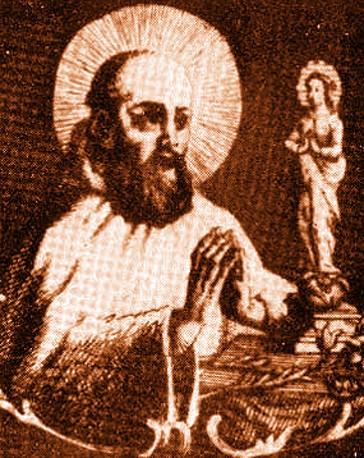
St Barnabas!

https://anastpaul.com/2018/06/11/saint-of-the-day-11-june-st-barnabas-apostle-son-of-encouragement/
AND:
https://anastpaul.com/2017/06/11/saint-of-the-day-st-barnabas-the-apostle-11-june/

Our Lady of Mantara / Our Lady of ‘Awaiting’, Maghdouché, Sidon, South Governorate, Lebanon (1721) – 11 June, 8 September:
HERE:

https://anastpaul.com/2021/06/11/st-barnabas-apostle-and-martyr-our-lady-of-mantara-our-lady-of-awaiting-maghdouche-sidon-south-governorate-lebano-1721-and-memorials-of-the-saints-11-june/

St Blitharius of Seganne

Blessed Helen of Poland (c 1235-1298) Princess, Widow, Mother, Nun and Abbess of the Poor Clares, Apostle of the poor, the needy and the sick.
Her Life:

https://anastpaul.com/2021/06/11/saint-of-the-day-11-june-blessed-helen-of-poland-c-1235-1298/

St Herebald of Bretagne
Bl Hugh of Marchiennes
Bl Jean de Bracq

Bl Kasper of Grimbergen
St Maximus of Naples

St Parisius ECMC (c 1160-1267) Priest and Monk of the Camaldolese Hermits of Mount Corona, Spiritual Director, Reformer, Miracle-worker during his life and after his death.
A very long life of humble and loving service, for the glory of God!:
The Roman Martyrology reads: “In Treviso, Saint Parisio, Priest of the Camaldolese Order, who for seventy-seven years took care of the spiritual direction of the Nuns with healthy advice, dying at the age of one hundred and eight.

https://anastpaul.com/2022/06/11/saint-of-the-day-11-june-st-parisius-ecmc-c-1160-1267-a-very-long-life-of-humble-and-loving-service-for-the-glory-of-god/

St Rembert of Hamburg (c830-888) Archbishop
St Riagail of Bangor
Bl Stephen Bandelli OP
St Tochumra of Kilmore
St Tochumra of Tuam

Martyrs of Tavira – 7 Beati: Members of the Knights of Santiago de Castilla. During the re-conquest of the Iberian peninsula from the Muslims by Christian forces, in a period of truce between the armies, the group was allowed to leave the Portuguese camp to hunt. Near Tavira, Portugal, he and his companions were ambushed and killed by a Muslim force. Making a reprisal attack, the Portuguese army took the city of Tavira. The murdered knights were considered to be martyrs as they died in an action defending the faith.
They were – Blessed Alvarus Garcia, Blessed Beltrão de Caia, Blessed Damião Vaz, Blessed Estêvão Vasques, Blessed Garcia Roiz, Blessed Mendus Valle, Blessed Pedro Rodrigues’
They were Martyred in 1242 outside Tavira, Faro, Portugal. Their relics are enshrined under the altar of Saint Barnabas in the Church of Our Lady, Queen of the Angels (modern Santa Maria do Castelo) in Tavria, Portugal.

Mercedarian Martyrs of Damietta: Three Mercedarian Lay Knights who worked to ransom Christians enslaved by Muslims. During the 7th Crusade, a plague swept through the Christian army and these knights volunteered to work with the sick. During this work they were captured by Muslims and ordered to convert to Islam; they refused. They were tortured, taken to Damietta, Egypt where they were murdered for their faith. They were thrown from a tower in the mid-13th century in Damietta, Egypt.

Posted in SAINT of the DAY

Saint of the Day – 11 June – St Parisius ECMC (c 1160-1267) A very long life of humble and loving service, for the glory of God!

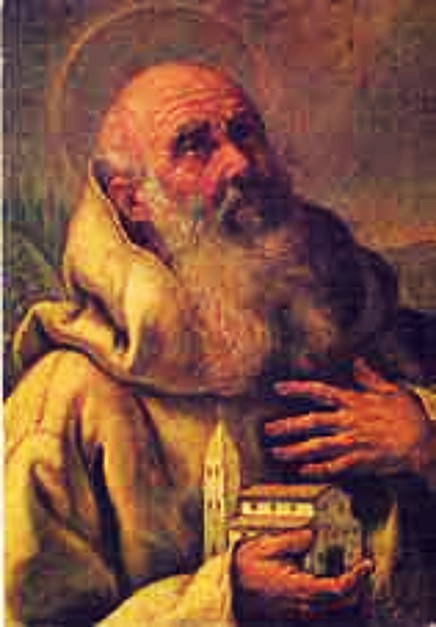
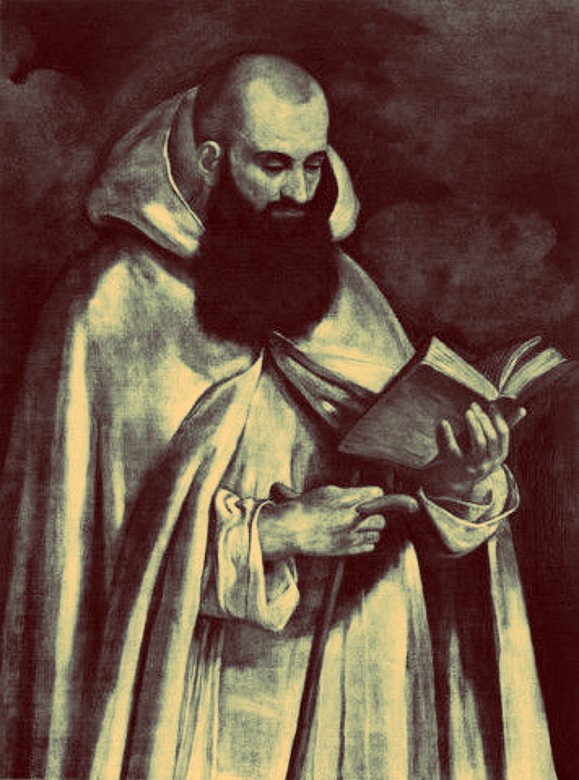
Saint of the Day – 11 June – St Parisius ECMC (c 1160-1267) Priest and Monk of the Camaldolese Hermits of Mount Corona, Spiritual Director, Reformer, Miracle-worker during his life and after his death. Born in c 1160 at Treviso or Bologna, Italy (records vary) and died on 11 June 1267 of natural causes, aged 108! Also known as – Parisio. Patronage: Treviso.

The Roman Martyrology reads: “In Treviso, Saint Parisio, Priest of the Camaldolese Order, who for seventy-seven years took care of the spiritual direction of the Nuns with healthy advice, dying at the age of one hundred and eight.

Parisiu is one of the longest-lived saints known, he lived 108 years and being from the fourteenth century, it was undoubtedly a record, taking into account the average lifespan of the time, which was just over 40 years. St Parius is an example of humble and loving service for the glory of God!

At around 12 years of age, Parisius entered the Camaldolese Monastery in Bologna. He lived in the Bolognese Monastery for 24 years, leading an exemplary life, until the Prior General of the Camaldolese, assigned him as Director and Confessor to the Camaldolese female Monastery of St Cristina, near Treviso, which, at the time needed a guiding hand in many areas. It was 1187, and he was 36 years old when he was entrusted with that delicate task of reform – he would remain away from his Bologna for 80 years, until his death.

He dedicated himself humbly and subtleness to his task and, at the same time, to the care of the sick and the pilgrims of the Hospice of All Saints, annexed to the Monastery.

He was practically detached from the religious practices of the community of origin but remained faithful to all the Rules, religious obligations and penances, of his Camaldolese Order, which the Founder, St Romualdo had instituted. The fidelity with which he applied himself, even during illnesses and in very advanced old age, was regarded with veneration by the Nuns and Monks of his Order, despite the fact that Bishop Alberto Ricco (1255-1274) had dispensed him from the need to practice the rigid Rule.

Under his direction and spiritual guidance, the Monastery of St Cristina of Treviso acquired a reputation for widespread holiness, so much so, that in 1196 some devout people wanted to erect another Camaldolese female Monastery in Bologna, dedicated to St Mary of Bethlehem, placing it under the guidance of the Abbess of St Cristina of Treviso and the spiritual direction of Father Parisius. Parisius himself, 18 years later, when he judged that the new Monastery could manage itself, favoured its detachment in 1214.

He lived holy and pious life, forming generations of Camaldolese Nuns in religious life and died at the age of 108 on 11 June 1267. Just a month later, in July 1267, the Diocesan process began which ended with the Episcopal Canonisation (in use at the time) on 25 November 1268, by the Bishop of Treviso, Msgr. Alberto Rich.

The City of Treviso had always been devoted to our Saint Parisius, even during his life. After his death, the Officials of the City, annually, solemnly attended his Feast Day celebration of the Holy Mass on the tomb of the Saint, in the Church of St Cristina which, over time, also took the name of St Parisius.

His name was also adopted by the new Monastery, built following the destruction of the old one, which took place in 1355. From the time of the Napoleonic suppression, the Relics of the Camaldolese Saint, whom Treviso venerates as Co-patron, were placed in the City Cathedral. Cesare Baronio, author of the ‘Roman Martyrology’ in the sixteenth century, inserted his memory on the date of 11 June.

Posted in EMBER DAYS, MARIAN TITLES, SAINT of the DAY, The APOSTLES & EVANGELISTS

St Barnabas the Apostle, Ember Saturday, Our Lady of Mantara / Our Lady of ‘Awaiting’, Lebanon (1721) and Memorials of the Saints – 11 June

Ember Saturday – Fast and Abstinence

St Barnabas the Apostle (Martyred in c 61 at Salamis)
St Barnabas!
https://anastpaul.com/2018/06/11/saint-of-the-day-11-june-st-barnabas-apostle-son-of-encouragement/
AND:

https://anastpaul.com/2017/06/11/saint-of-the-day-st-barnabas-the-apostle-11-june/

Our Lady of Mantara / Our Lady of ‘Awaiting’, Maghdouché, Sidon, South Governorate, Lebanon (1721) – 11 June, 8 September:
HERE:

https://anastpaul.com/2021/06/11/st-barnabas-apostle-and-martyr-our-lady-of-mantara-our-lady-of-awaiting-maghdouche-sidon-south-governorate-lebano-1721-and-memorials-of-the-saints-11-june/

St Blitharius of Seganne

Blessed Helen of Poland (c 1235-1298) Princess, Widow, Mother, Nun and Abbess of the Poor Clares, Apostle of the poor, the needy and the sick.
Her Life:

https://anastpaul.com/2021/06/11/saint-of-the-day-11-june-blessed-helen-of-poland-c-1235-1298/

St Herebald of Bretagne
Bl Hugh of Marchiennes

Blessed Ignazio Shoukrallah Maloyan ICPB (1869-1915) Bishop and Martyr
His Life and Death:

https://anastpaul.com/2020/06/11/saint-of-the-day-11-june-blessed-ignazio-maloyan-icpb-1869-1915-bishop-and-martyr/

Bl Jean de Bracq

Bl Kasper of Grimbergen
St Maximus of Naples
St Parisius ECMC (c 1160-1267) Priest and Monk of the Camaldolese Hermits of Mount Corona.
St Paula Frasinetti
St Riagail of Bangor
Bl Stephen Bandelli OP
St Tochumra of Kilmore
St Tochumra of Tuam

Martyrs of Tavira – 7 Beati: Members of the Knights of Santiago de Castilla. During the re-conquest of the Iberian peninsula from the Muslims by Christian forces, in a period of truce between the armies, the group was allowed to leave the Portuguese camp to hunt. Near Tavira, Portugal, he and his companions were ambushed and killed by a Muslim force. Making a reprisal attack, the Portuguese army took the city of Tavira. The murdered knights were considered to be martyrs as they died in an action defending the faith. They were –
• Blessed Alvarus Garcia
• Blessed Beltrão de Caia
• Blessed Damião Vaz
• Blessed Estêvão Vasques
• Blessed Garcia Roiz
• Blessed Mendus Valle
• Blessed Pedro Rodrigues
They were martyred in 1242 outside Tavira, Faro, Portugal. Their relics are enshrined under the altar of Saint Barnabas in the Church of Our Lady, Queen of the Angels (modern Santa Maria do Castelo) in Tavria

Mercedarian Martyrs of Damietta: Three Mercedarian lay knights who worked to ransom Christians enslaved by Muslims. During the 7th Crusade, a plague swept through the Christian army and these knights volunteered to work with the sick. During this work they were captured by Muslims and ordered to convert to Islam; they refused. They were tortured, taken to Damietta, Egypt where they were murdered for their faith. They were thrown from a tower in the mid-13th century in Damietta, Egypt.