
Ember Wednesday – Fast and Abstinence:
In case you have forgotten about Ember Days as they are not promoted or encouraged since Vatican II, here is a reminder:
https://anastpaul.com/2020/12/16/today-is-an-ember-day-did-you-remember/
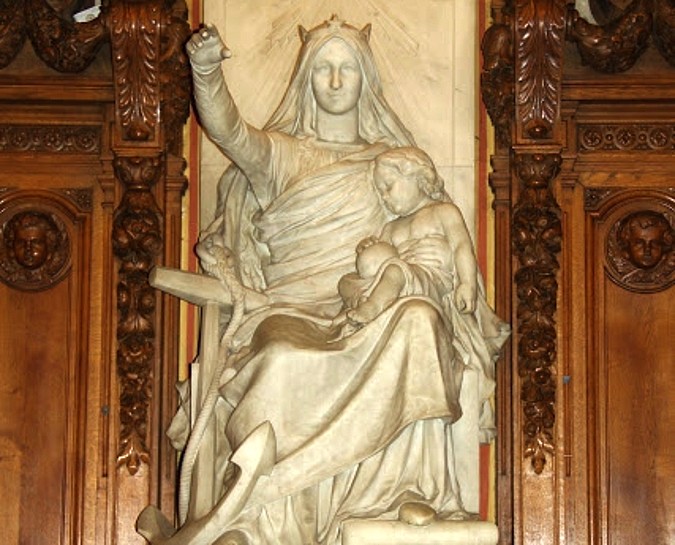
Notre-Dame de Bon-Port / Our Lady of Bon Port/Good Haven, Paimpol, France (1838) – 21 February:
HERE:
https://anastpaul.com/2021/02/21/the-first-sunday-of-lent-2021-our-lady-of-bon-port-good-haven-paimpol-france-1838-and-memorials-of-the-saints-21-february/
St Avitus II of Clermont
Bl Claudio di Portaceli
St Daniel of Persia
Bl Eleanora
St Ercongotha
St Felix of Metz
St George of Amastris
St Germanus of Granfield
St Gundebert of Sens
St Maximian of Ravenna (c499-556) Archbishop of Ravenna and Confessor. completor of the immensely renowned Basilica of St Vitalis and many more Churches. He was a man of creative talents who ordered the creation of many famous and very beautiful artworks of various types, for his See, as well as, a great lover of Books and literature, (being a prolific Writer himself) ensuring the acquisition of many illuminated manuscripts. Maximian may have been the first Latin Bishop to use the title ‘Archbishop.’
Biography – his Feast Day was changed after 1969 to 22 February. Being rather confused, I have revisted him today again:
https://anastpaul.com/2023/02/22/saint-of-the-day-22-february-saint-maximian-of-ravenna-499-556-bishop/
Blessed Noel Pinot (1747-1794) Priest and Martyr. During the French Revolution, he refused to take the oath of the Civil Constitution of the Clergy unlike his superio! He wore his Mass Vestments to execution and died reciting the opening words of the Mass. He was Beatified by Pope Pius XI on 31 October 1926.
His Life and Death:
https://anastpaul.com/2020/02/21/saint-of-the-day-21-february-blessed-noel-pinot-1747-1794-priest-and-martyr/
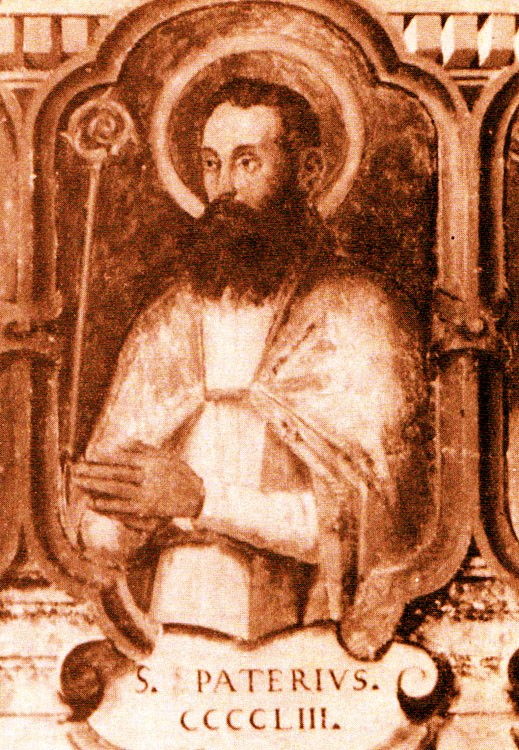
St Paterius of Brescia (Died 606) Bishop of Brescia Italy, Monk. Friend and spiritual student of Pope Saint Gregory the Great, prolific spiritual writer.
His Life:
https://anastpaul.com/2023/02/21/saint-of-the-day-21-february-saint-paterius-of-brescia-died-606-bishop/
St Pepin of Landen
St Peter Mavimenus
St Randoald of Granfield
Blessed Richard Henkes
St Robert Southwell SJ (1561-1595) Martyr, Priest of the Society of Jesus, Poet, Hymnodist, Writer, clandestine missionary – Additional Memorials: 25 October as one of the Forty Martyrs of England and Wales and 29 October as one of the Martyrs of Douai.
St Robert’s Biography::
https://anastpaul.wordpress.com/2018/02/21/saint-of-the-day-21-february-st-robert-southwell-s-j-1561-1595-martyr/
St Severian of Scythopolis
St Severus of Syrmium
Blessed Thomas Pormort (c1560-1592) Priest Martyr
His Life and Death:
https://anastpaul.com/2022/02/21/saint-of-the-day-21-february-blessed-thomas-pormort-c-1560-1592-priest-martyr/
St Valerius of San Pedro de Montes
St Verda of Persia
Martyrs of Sicily – 79 Saints: Sevent nine Christians Martyred together in the persecutions of Diocletian. They were Martyred in c 303 on Sicily.
Martyrs of Hadrumetum – A group of 26 Christians Martyred together by Vandals. We know little more than eight of their names – Alexander, Felix, Fortunatus, Saturninus, Secundinus, Servulus, Siricius and Verulus. c 434 at Hadrumetum (modern Sousse, Tunisia).



 AnaStpaul
You must be logged in to post a comment.