One Minute Reflection – 22 April – St Pope Soter (Died c174) Martyr and St Pope Caius I (Died 296) Martyr – 1 Peter 5:1-4; 5:10-11, Matthew 16:13-19 – Scripture search here: https://www.drbo.org/
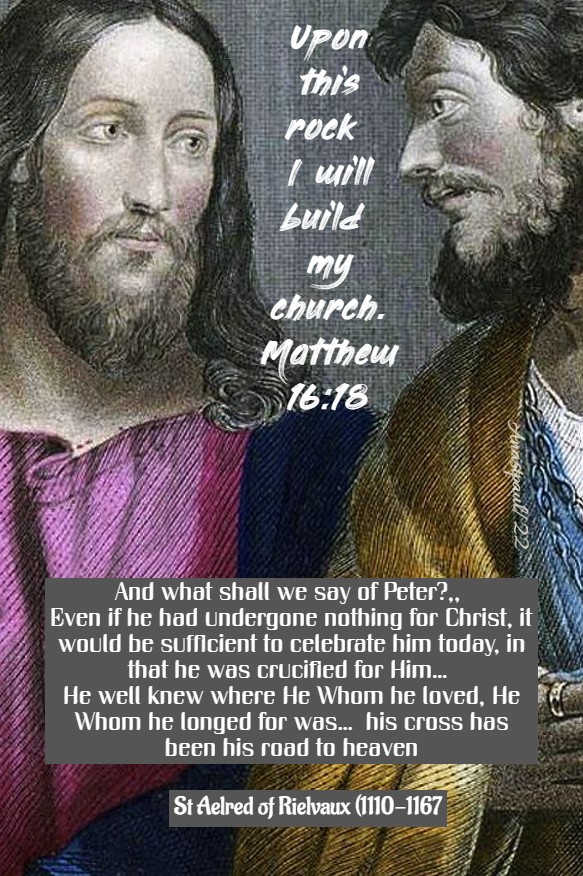
“Upon this rock I will build my church” – Matthew 16:18
REFLECTION – “Though the earth and all who dwell in it quake, I have set firm its pillars” (Ps 74:40). All the Apostles are pillars of the earth but, at their head, the two whose feast we are celebrating. They are the two pillars who support the Church with their teaching, their prayer and the example of their steadfastness. The Lord himself strengthened these pillars. For at first they were weak, completely incapable of supporting either themselves or others. And in this the Lord’s great design appears – if they had always been strong, people could have thought their strength came from themselves. That is why the Lord wanted to show ,what they were capable of before strengthening them, so that all might know their strength came from God… Peter was thrown to the ground by the voice of a mere servant… and the other pillar was very weak too: “I was once a blasphemer and persecutor and an arrogant man” (1Tm 1:13)…
Hence, we ought to praise these Saints with all our heart – our fathers who bore such trials for the Lord’s sake and who persevered with such determination. It is nothing to persevere in joy, happiness and peace. But this is what is great: to be stoned, scourged, struck for Christ (2Cor 11:25) and in all this, to persevere with Christ. With Paul, it is a great thing to be cursed and to bless, to be persecuted and to endure, to be slandered and to console, to be like the world’s rubbish and to draw glory from it (1Cor 4:12-13)…, And what shall we say of Peter?,, Even if he had undergone nothing for Christ, it would be sufficient to celebrate him today, in that he was crucified for Him… He well knew where He Whom he loved, He Whom he longed for was… his cross has been his road to heaven.” – St Aelred of Rielvaux (1110-1167) Cistercian Monk (Sermon 18, for the Feast of Saints Peter and Paul PL 195, 298).
PRAYER – Look forgivingly on Thy flock, Eternal Shepherd and keep it in thy constant protection, by the intercession of blessed Soter and Caius, Thy Martyrs and Sovereign Pontiffs, whom Thou didst constitute Shepherds of the whole Church. ThroughJesus Christ, Thy Son our Lord, Who lives and reigns with Thee, in the unity of the Holy Ghost, God, world without end. Amen (Collect).
Notre-Dames de Betharam / Our Lady of Betharam, France (1503) – 22 April: Saint Bernadette Soubirous frequently visited the Shrine of Betharram. In fact, the rosary beads that Bernadette used when praying with the Blessed Virgin during the first apparition at Lourdes had come from the Betharram Shrine and the priest to whom she was sent after the apparitions, was Saint Michel Garicoïts (1797-1863) the Priest of Betharram. He it was who alone believed Bernadette’s accounts of the apparitions at Lourdes. He was Canonised in 1947. About St Michel Garicoits here: https://anastpaul.com/2019/05/14/saint-of-the-day-14-may-saint-michel-garicoits-1797-1863/ HERE: https://anastpaul.com/2021/04/22/notre-dames-de-betharam-our-lady-of-betharam-france-1503/
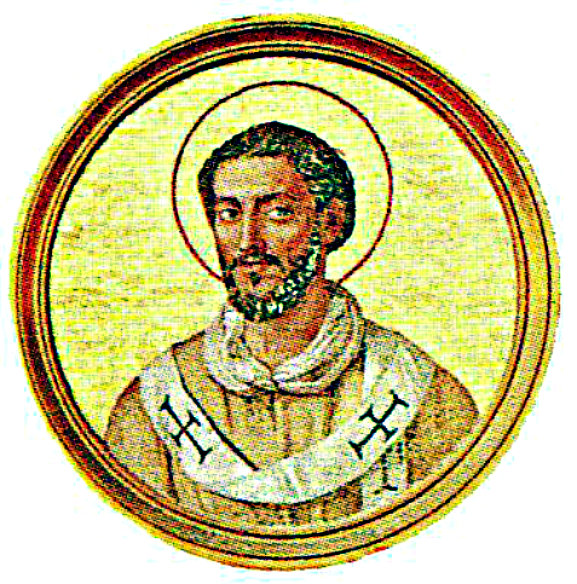
St Pope Caius I (Died 296) Martyr, Bishop of Rome from 17 December 283 to his death in 296. Christian tradition makes him a native of the Dalmatian city of Salona, today Solin near Split, the son of a man also named Caius and a member of a noble family related to the Emperor Diocletian. Biography: https://anastpaul.com/2019/04/22/saint-of-the-day-22-april-saint-pope-caius-i-died-613/
Martyrs of Persia: Bishops, Priests, Deacons and Laity who were Martyred in Persia and celebrated together. Several of them have their stories related in the Acta of Saints Abdon and Sennen.
Notre-Dames de Betharam / Our Lady of Betharam, France (1503) – 22 April:
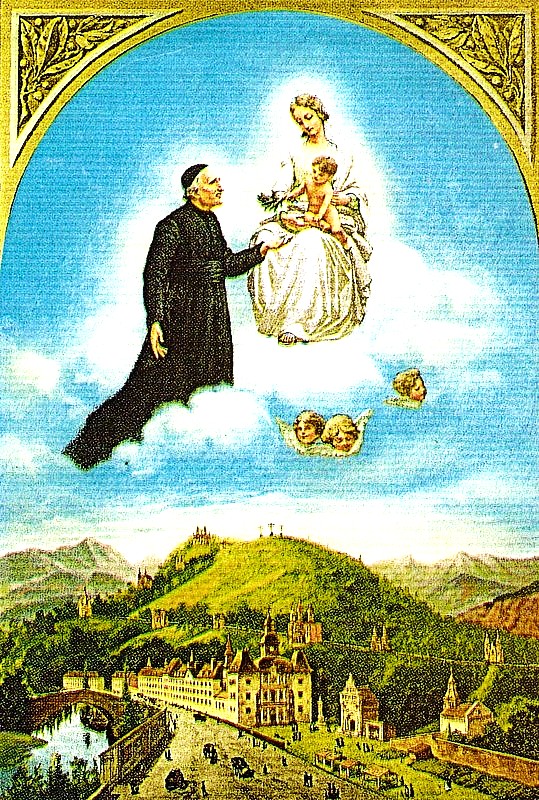
The Abbot Orsini wrote: “Our Lady of Betharam, in the Diocese of Lescar, in the Province of Bearn. This image was found, in the year 1503, by some shepherds, who, seeing an extraordinary light on the spot where the High Altar of the Chapel now stands, came up to it and found there, an image of Our Lady, for which they had a Chapel built immediately.”
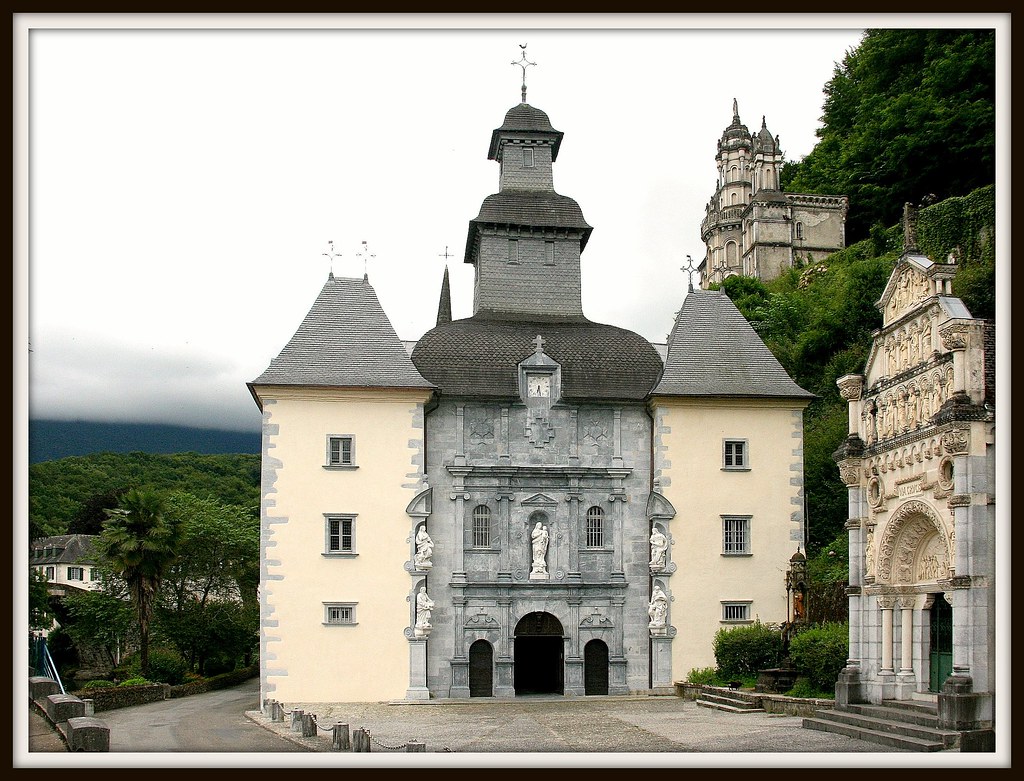
More commonly known as the Sanctuary of Betharram, it is located only 15 kilometers from the more famous Marian Shrine at Lourdes. It used to be a very popular pilgrimage destination, as according to Saint Vincent de Paul, Betharram was once the second most popular place of pilgrimage in France. The river Gave, beside which the Shrine is located, is the same river whose waters flow past Lourdes.
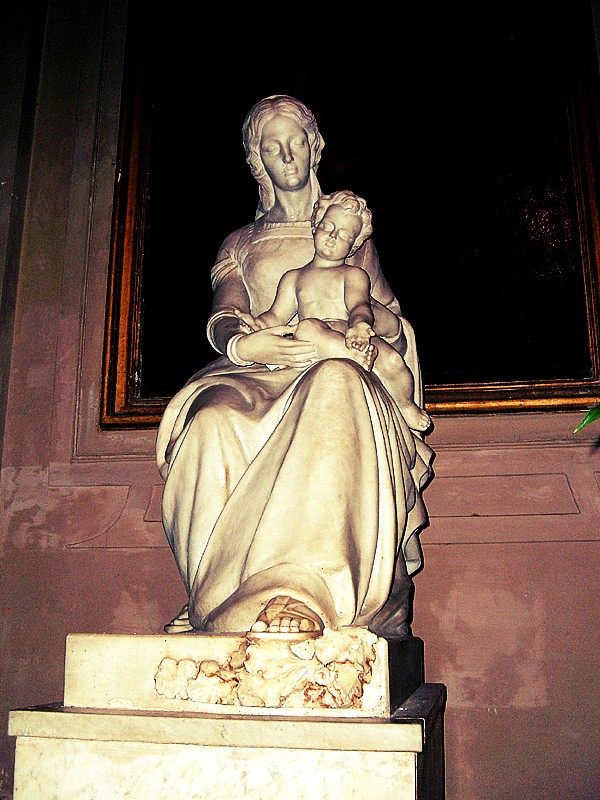
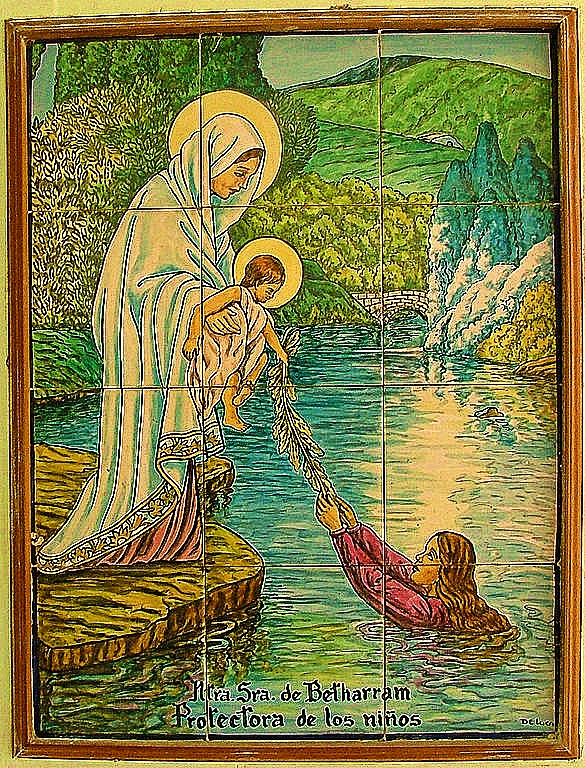
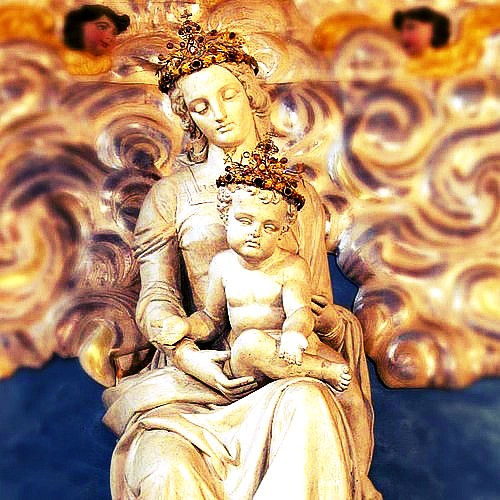
The Shrine of Our Lady of Betharam is famous for may miracles but three have reached international fame. According to tradition, one day in 1503 there were some shepherds leading their flocks along the bank of the river Gave when they suddenly observed an extremely bright light coming from the rocks. When they drew nearer, they found a beautiful Statue of the Blessed Virgin. Learning of the incident, the people in the nearby village of Lestelle, decided to construct a Chapel to house the Statue. Due to space limitations, the Chapel was initially planned for the opposite bank from where the Statue had been found. Once the Statue was placed there, however, they found that it would always return on its own, to the other side of the river ,where it had originally been found. The faithful then understood that the Blessed Virgin desired that the Chapel should be built where the Statue had been found and so it happened. The next miracles occurred in the year 1616 when some peasants from the village of Montaut were returning home from the fields at the end of the day. A storm suddenly developed, with fierce winds that threatened Betharram. In fact, the labourers saw that there was a cyclone in the storm that beat against the great wooden Cross that had been erected on the top of the hill. The Cross fell but then was encircled by a radiant aura of dazzling light before raising itself to its former position. The third miracle is the one after which the Shrine is named. Apparently a young girl fell head first into the Gave when trying to pluck a flower along the bank. The water runs fast and deep in this area and the girl was on the verge of drowning, when she cried aloud to Our Lady of Betharam of the nearby Shrine. The Blessed Virgin appeared standing on the bank holding the Divine Infant, who held a branch which He extended to rescue the girl. She offered a golden branch to the Shrine as an ex-voto offering. A beautiful branch is ‘Betharram’ in the local dialect and has became the name of the Shrine.
There were many other miracles, as at one point between the years 1620 and 1642, there were 82 documented miracles involving the blind who received their sight, the paralysed who regained the use of the limbs and those instantly cured of cancer, among other miracles.
The Chapel of Our Lady at Betharam
Saint Bernadette Soubirous frequently visited the Shrine of Betharram. In fact, the rosary beads that Bernadette used when praying with the Blessed Virgin during the first apparition at Lourdes had come from the Betharram Shrine and the priest to whom she was sent after the apparitions, was Saint Michel Garicoïts (1797-1863) the Priest of Betharram. He it was who alone believed Bernadette’s accounts of the apparitions at Lourdes. He was Canonised in 1947. About St Michel Garicoits here: https://anastpaul.com/2019/05/14/saint-of-the-day-14-may-saint-michel-garicoits-1797-1863/
St Michel Garicoits
The Cross that the winds could not destroy was finally destroyed by the folly of man during the French Revolution. The property was unlawfully confiscated and the Chaplains expelled. Saint Pope Pius X was known to be devoted to Our Lady of Betharam. He offered her two magnificent golden crowns made up of branches woven together. The prayer accompanying the inscription stated: “May the Son and His Mother accept our gifts and by appeasing our hopes and desires, may they keep for us, one day, the crown of glory which none can tarnish.”
Martyrs of Persia: Bishops, priests, deacons and laity who were martyred in Persia and celebrated together. Several of them have their stories related in the Acta of Saints Abdon and Sennen. • Abdiesus the Deacon • Abrosimus • Aceptismas of Hnaita • Aithilahas of Persia • Azadanes the Deacon • Azades the Eunuch • Bicor • Chrysotelus of Persia • Helimenas of Persia • James of Persia • Joseph of Persia • Lucas of Persia • Mareas • Milles of Persia • Mucius of Persia • Parmenius of Persia • Tarbula of Persia
Saint of the Day – 22 April – Saint Pope Caius I (Died 613) – (presumed to be a Martyr) – also called Gaius, was the Bishop of Rome from 17 December 283 to his death in 296. Christian tradition makes him a native of the Dalmatian city of Salona, today Solin near Split, the son of a man also named Caius and a member of a noble family related to the Emperor Diocletian.
About 280, an early Christian house of worship was established on the site of Santa Susanna, which, like many of the earliest Christian meeting places, was in a house (domus ecclesiae). The domus belonged, according to the sixth-century acta, to brothers named Caius and Gabinus, prominent Christians. Caius may be this Pope, or Caius the Presbyter. Gabinus is the name given to the father of Saint Susanna (3rd century Martyr). Thus, sources state that Caius was the uncle of Saint Susanna.
Pope Caius reigned for 13 years until his death in 296 just before the Diocletian persecution. He was a relative of the Emperor Diocletian – instigator of one of the last great persecution of Christians in the early years of the Church. Early in his papacy Caius decreed that a man must be a priest before he could be ordained a bishop.
He is said to have been driven into hiding in the catacombs for eight years whence he died a confessor, however the source from which this information is gleaned is considered unreliable by most historians. His successor was Pope Marcellinus (died 304).
Caius’ tomb, with the original epitaph, was discovered in the catacomb of Callixtus and in it the ring with which he used to seal his letters. In 1631, his alleged residence in Rome was turned into a church. However, it was demolished in 1880 to make room for the Ministry of War, on the Via XX Settembre and his relics were transferred to the chapel of the Barberini family in the Lateran.
Saint Caius’s feast day is celebrated on 22 April, as is that of Saint Pope Soter (see his Biography- https://anastpaul.wordpress.com/2018/04/22/saint-of-the-day-st-pope-soter-died-c-174/). Both are mentioned under 22 April in the Roman Martyrology, the official list of recognised saints. The entry for Saint Caius is as follows: “At Rome, in the cemetery of Callistus on the Via Appia, the burial of Saint Caius, Pope, who, fleeing from the persecution of Diocletian, died as a confessor of the faith.”
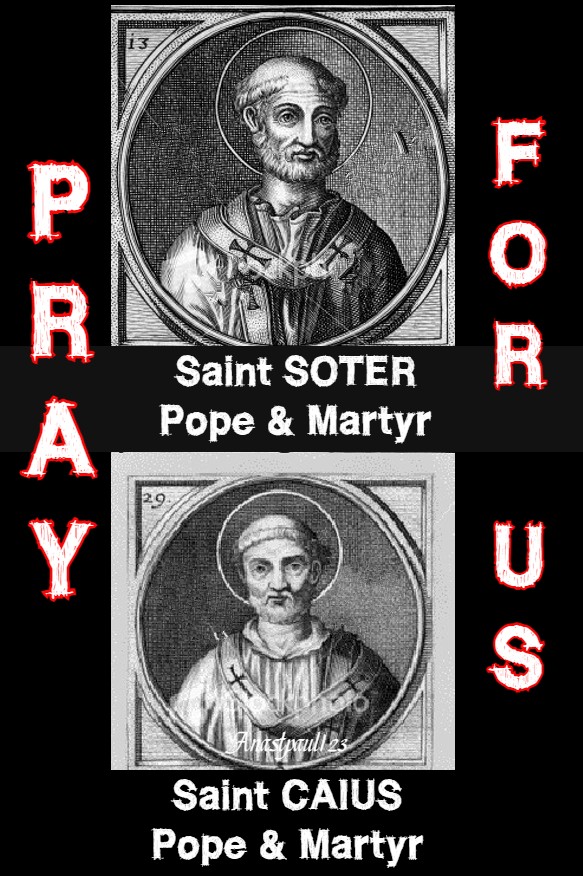
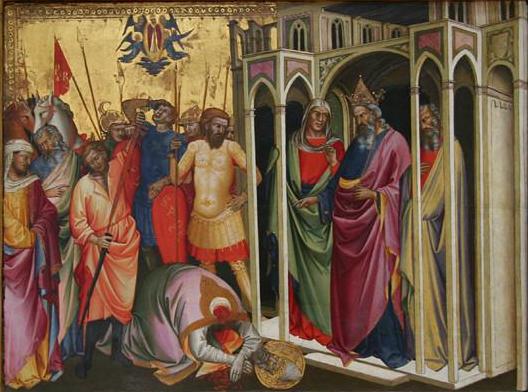
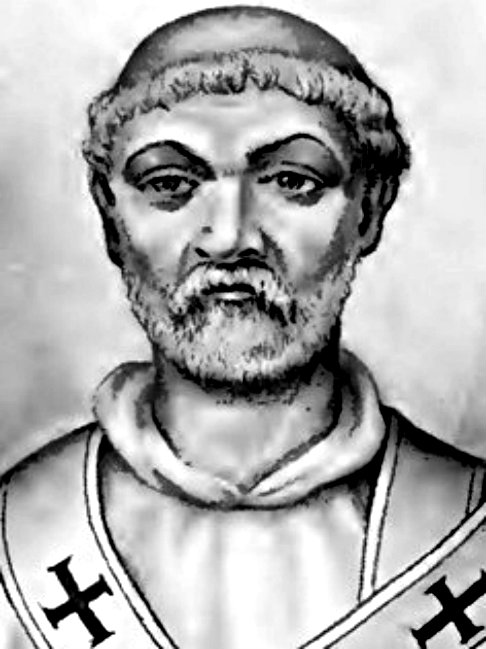
Saints Pope Soter & Pope Caius
St Caius is venerated in Dalmatia and Venice. In Florence, the church of San Gaggio on the via Senese was dedicated to him, the term Gaggio is a corruption of the name Cajo.
Martyrs of Persia: Bishops, priests, deacons and laity who were martyred in Persia and celebrated together. Several of them have their stories related in the Acta of Saints Abdon and Sennen.
• Abdiesus the Deacon
• Abrosimus
• Aceptismas of Hnaita
• Aithilahas of Persia
• Azadanes the Deacon
• Azades the Eunuch
• Bicor
• Chrysotelus of Persia
• Helimenas of Persia
• James of Persia
• Joseph of Persia
• Lucas of Persia
• Mareas
• Milles of Persia
• Mucius of Persia
• Parmenius of Persia
• Tarbula of Persia






 AnaStpaul
You must be logged in to post a comment.