Bl Dominic de Cubells St Donatus of Rome St Eustadius of Bourges St Festus of Valencia St Gelasius of Palestine Bl Giuseppina Nicoli St Hermes the Exorcist
St Offa of Benevento St Peter of Subiaco St Pinian St Potentian of Sens St Sabinian of Sens St Theophylact of Ohrid St Walembert of Cambrai St Wisinto of Kremsmünster St Zeno of Rome St Zoticus of Constantinople (Died c350) Priest
Martyrs of Catania – 10 Saints: A group of early Christians Martyred together, date unknown. The only other information to survive are ten of their names – Attalus, Cornelius, Fabian, Flos, Minervinus, Pontian, Quintian, Sextus, Simplician and Stephen. They were martyred in Catania, Sicily, Italy.
Martyrs of Rome – 10 Saints: A group of Roman women Martyred in an early persecution, date unknown. We known the names of ten of them – Dominanda, Donata, Hilaria, Nominanda, Paolina, Paulina, Rogata, Rustica, Saturnina and Serotina. Their relics were enshrined in the catacombs of Via Salaria, Rome, Italy.
Bl Dominic de Cubells St Donatus of Rome St Eustadius of Bourges St Festus of Valencia St Gelasius of Palestine Bl Giuseppina Nicoli St Hermes the Exorcist Saint Marius Aventicus (c 530-594) Bishop
St Offa of Benevento Bl Peter of Subiaco St Pinian St Potentian of Sens St Sabinian of Sens St Theophylact of Ohrid Bl Walembert of Cambrai Bl Wisinto of Kremsmünster St Zeno of Rome St Zoticus of Constantinople
Martyrs of Catania – 10 Saints: A group of early Christians Martyred together, date unknown. The only other information to survive are ten of their names – Attalus, Cornelius, Fabian, Flos, Minervinus, Pontian, Quintian, Sextus, Simplician and Stephen. They were martyred in Catania, Sicily, Italy.
Martyrs of Rome – 10 Saints: A group of Roman women Martyred in an early persecution, date unknown. We known the names of ten of them – Dominanda, Donata, Hilaria, Nominanda, Paolina, Paulina, Rogata, Rustica, Saturnina and Serotina. Their relics were enshrined in the catacombs of Via Salaria, Rome, Italy.
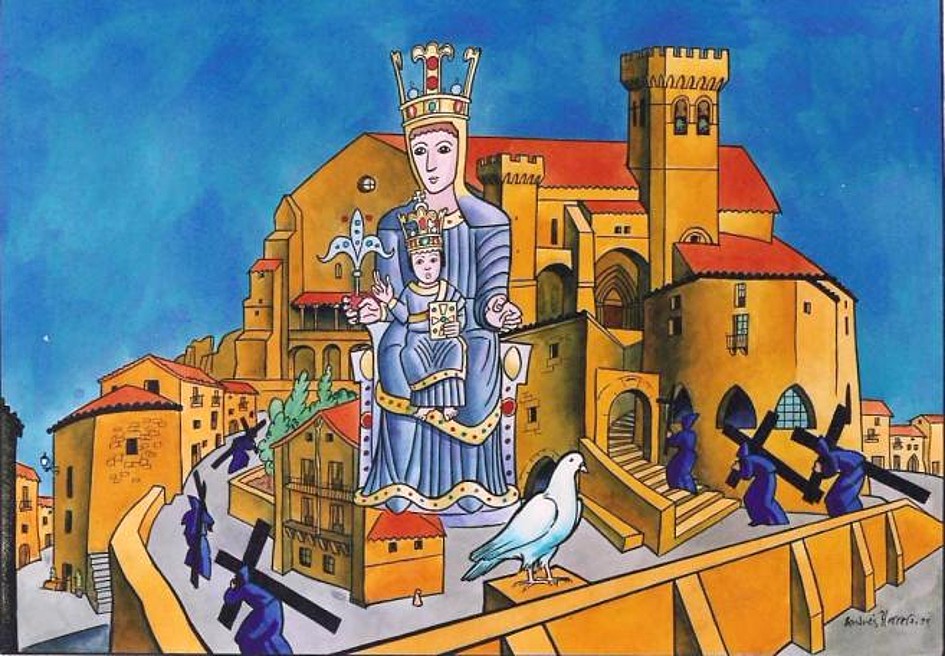
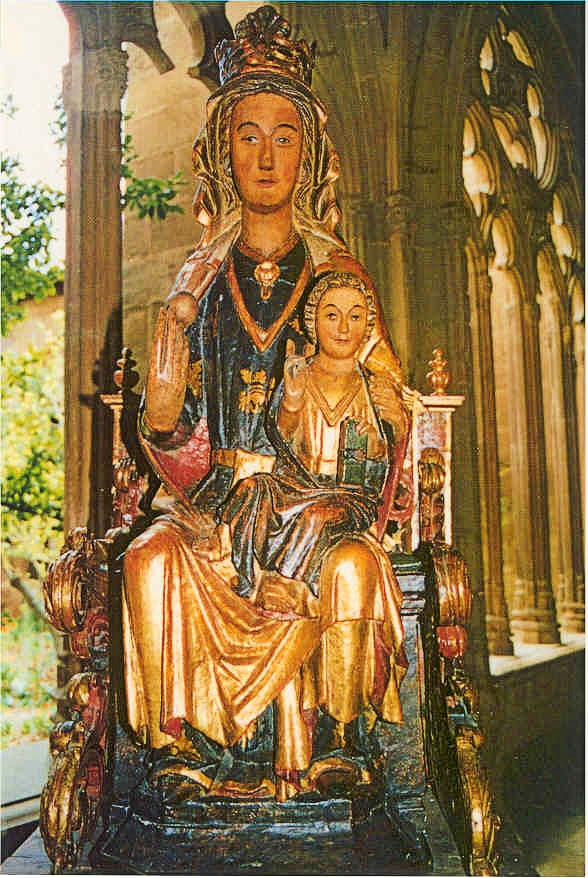
Santa María la Real de Uxue / Our Lady of Uxue (Uxue, Spain) (8th Century) – 31 December:
The Town of Uxue formed, according to legend, around the site of the discovery of the image of Our Lady of Uxue, whose site was designated by the flight of a dove. By the 8th century, the image was well-known. The settlement takes the form of a fortress and the 11th Century, Church of St Mary, is a medieval jewel of Romanesque art of Navarra, which is very popular and protected by successive Monarchs.
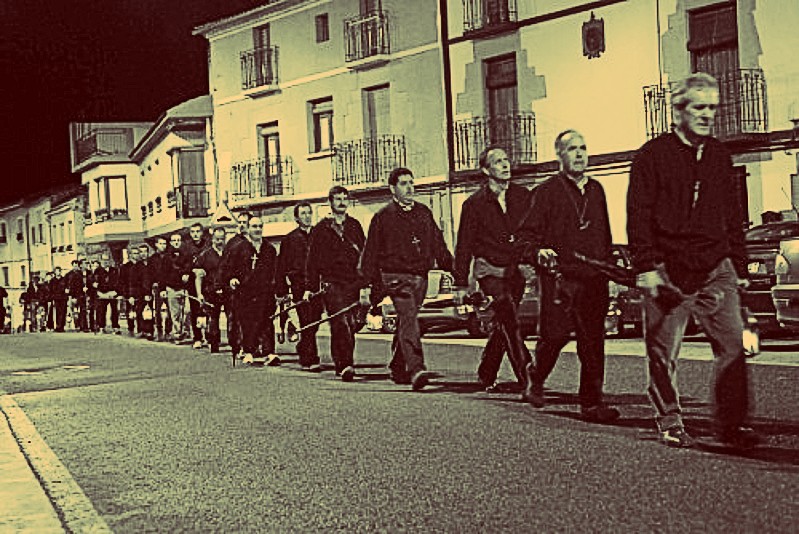
The strong medieval devotion to this image has remained to our times. Among the celebrations and devotions, are the festivities of an annual pilgrimage and the pilgrimage of the Brotherhood of the Twelve of Uxué. Uxué is a small medieval Town full of charm, located in the eastern middle of Navarra (north of Spain and on the border with France), 53 km from Pamplona and 20 km from Tafalla. Its location is unique, as it is located on the top of a mountain overlooking the Sierra de Uxué. With an altitude of 815 meters above sea level, Uxué constitutes an authentic watchtower from which on clear days you can see from the Pyrenean ridge to the north to the banks of the Ebro and the silhouette of the Moncayo to the south. The origins of this Town are unclear, the exact date of its foundation being unknown but the beginnings are attributed to the Virgin Mary accompanied by the Holy Spirit in the form of a dove.
Legend has it that a dove went in and out of the hole in a rock. A boy who was herding sheep, moved by curiosity, approached with the intention of scare the dove away. But the dove continued with its insistent flapping, he approaches and found a beautiful Romanesque image of the Virgin Mary. This is how the Uxué was born. The name of the town comes from Uxua, the Basque language word for “dove“. Already before Roman domination, there was a Basque population scattered throughout the mountains, as recent archaeological discoveries attest. A Sanctuary honouring the Blessed Virgin was immediately built and has retained it’s popularity amongst the pious faithful across the ages. Many miraculous graces and cures have been granted there. A total of 44 members of the Brotherhood of the Twelve Apostles of Our Lady of Uxué, including the Chaplain, participate each year in their traditional night march to the sanctuary of the Virgin of Uxué. This Brotherhood has its origins in 1607 and therefore 2007 commemorated the fourth centenary of its foundation.
Blessed Alain de Solminihac OSA (1593-1659) Bishop of Cahors, Abbot, Reformer, Marian devotee most especially to Our Lady of Rocamadour, Apostle of the Holy Eucharist especially by his promotion of Adoration, he was also a member of the Compagnie du Saint-Sacrement. His Story: https://anastpaul.com/2019/12/31/saint-of-the-day-31-december-blessed-alain-de-solminihac-osa-1593-1659/ St Anton Zogaj St Barbatian of Ravenna St Columba of Sens (c 256-273) Virgin Martyr Bl Dominic de Cubells St Festus of Valencia St Gelasius of Palestine Bl Giuseppina Nicoli St Hermes the Exorcist
St Offa of Benevento Bl Peter of Subiaco St Pinian St Potentian of Sens St Sabinian of Sens St Theophylact of Ohrid Bl Walembert of Cambrai Bl Wisinto of Kremsmünster St Zoticus of Constantinople — Martyrs of Catania – 10 saints: A group of early Christians martyred together, date unknown. The only other information to survive are ten of their names – Attalus, Cornelius, Fabian, Flos, Minervinus, Pontian, Quintian, Sextus, Simplician and Stephen. They were martyred in Catania, Sicily, Italy.
Martyrs of Rome – 10 saints: A group of Roman women martyred in an early persecution, date unknown. We known the names of ten of them – Dominanda, Donata, Hilaria, Nominanda, Paolina, Paulina, Rogata, Rustica, Saturnina and Serotina. Their relics were enshrined in the catacombs of Via Salaria, Rome, Italy.
Martyred in the Spanish Civil War: • Blessed Leandro Gómez Gil • Blessed Luis Vidaurrázaga González
Blessed Alain de Solminihac OSA (1593-1659) His Story: https://anastpaul.com/2019/12/31/saint-of-the-day-31-december-blessed-alain-de-solminihac-osa-1593-1659/ St Anton Zogaj St Barbatian of Ravenna St Columba of Sens Bl Dominic de Cubells St Festus of Valencia St Gelasius of Palestine Bl Giuseppina Nicoli St Hermes the Exorcist St Melania the Younger (c 383-439) Foundress, Desert Hermit St Offa of Benevento Bl Peter of Subiaco St Pinian St Potentian of Sens St Sabinian of Sens St Theophylact of Ohrid Bl Walembert of Cambrai Bl Wisinto of Kremsmünster St Zoticus of Constantinople — Martyrs of Catania – 10 saints: A group of early Christians martyred together, date unknown. The only other information to survive are ten of their names – Attalus, Cornelius, Fabian, Flos, Minervinus, Pontian, Quintian, Sextus, Simplician and Stephen. They were martyred in Catania, Sicily, Italy.
Martyrs of Rome – 10 saints: A group of Roman women martyred in an early persecution, date unknown. We known the names of ten of them – Dominanda, Donata, Hilaria, Nominanda, Paolina, Paulina, Rogata, Rustica, Saturnina and Serotina. Their relics were enshrined in the catacombs of Via Salaria, Rome, Italy.
Martyred in the Spanish Civil War: • Blessed Leandro Gómez Gil • Blessed Luis Vidaurrázaga González
Blessed Alain de Solminihac OSA (1593-1659)
St Anton Zogaj
St Barbatian of Ravenna
St Columba of Sens
Bl Dominic de Cubells
St Festus of Valencia
St Gelasius of Palestine
Bl Giuseppina Nicoli
St Hermes the Exorcist
St Marius Aventicus
St Melania the Younger
St Offa of Benevento
Bl Peter of Subiaco
St Pinian
St Potentian of Sens
St Sabinian of Sens
St Theophylact of Ohrid
Bl Walembert of Cambrai
Bl Wisinto of Kremsmünster
St Zoticus of Constantinople
—
Martyrs of Catania – 10 saints: A group of early Christians martyred together, date unknown. The only other information to survive are ten of their names – Attalus, Cornelius, Fabian, Flos, Minervinus, Pontian, Quintian, Sextus, Simplician and Stephen. They were martyred in Catania, Sicily, Italy.
Martyrs of Rome – 10 saints: A group of Roman women martyred in an early persecution, date unknown. We known the names of ten of them – Dominanda, Donata, Hilaria, Nominanda, Paolina, Paulina, Rogata, Rustica, Saturnina and Serotina.
Their relics were enshrined in the catacombs of Via Salaria, Rome, Italy.
Martyred in the Spanish Civil War:
• Blessed Leandro Gómez Gil
• Blessed Luis Vidaurrázaga González
Thought for the Day – 31 December – Remembering St Pope Sylvester I (Died 335)
The Emperor Constantine issued the Edict of Milan in 313, recognising Christianity, ending persecutions and tolerating all religions. Constantine considered it his duty to oversee the Church. He heard the complaints of bishops, summoned councils, settled Church disputes and looked upon the pope sympathetically.
It took a wise man to work with such a powerful ruler. St Pope Sylvester I held office during this crucial period. He had to keep the Church independent of the state and at the same time, keep peace with Emperor Constantine. Pope Sylvester faced the added challenge of advanced age, which prevented him from travel. To deal with the error of the Donatists, he had to send delegates to a council at Arles. Then, when Emperor Constantine called the first ecumenical council—the Council of Nicaea—in 325, the pope asked others to attend the council in his place. This council of bishops was to discuss the Arian heresy and correct the Arians for falsely teaching that Christ was not God. It was at this council that the Nicene Creed was formed.
The people of Rome had a high regard for Pope Sylvester. He was a saintly pope who understood the conflicts his bishops suffered in being loyal to Rome and to Constantine. It takes deep humility and courage in the face of criticism for a leader to stand aside and let events take their course, when asserting one’s authority would only lead to useless tension and strife. He humbly accepted the limitations of age and illness and he persevered in his pastoral care of the Church and charity to all in need. Sylvester teaches a valuable lesson for Church leaders, politicians, parentand others in authority.
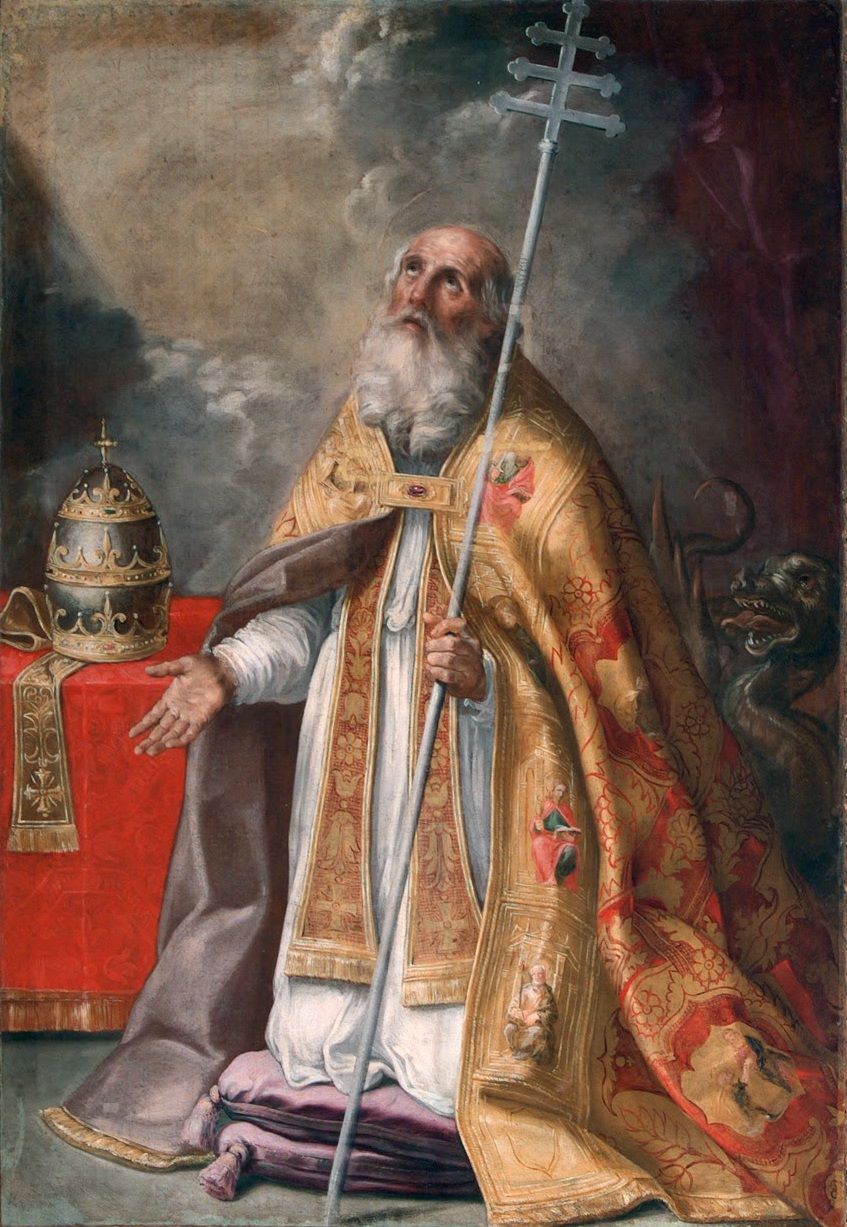
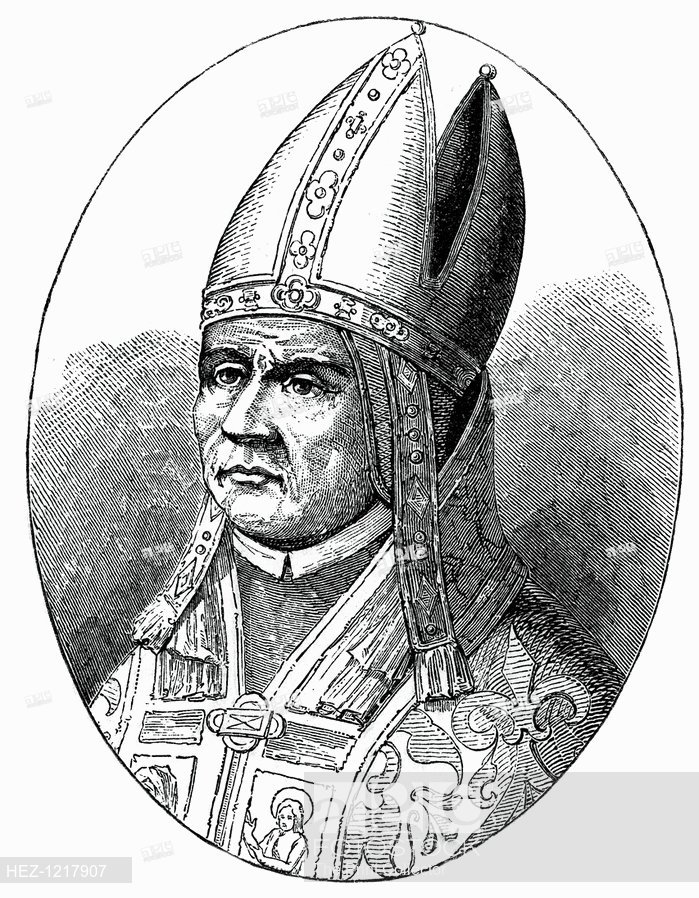
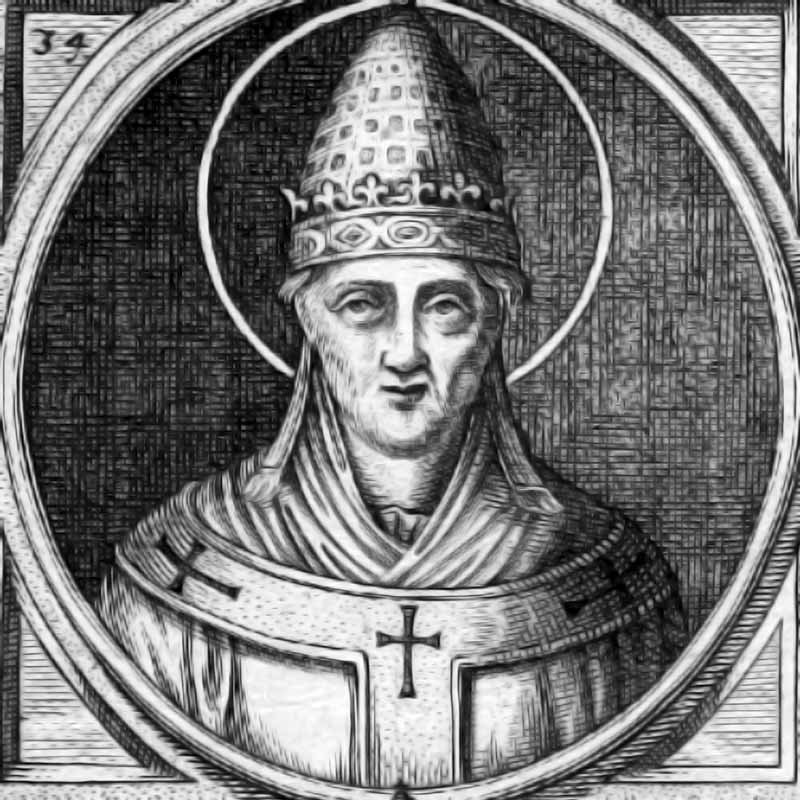
Saint of the Day – 31 December – St Pope Sylvester I (Died 335) Bishop of Rome, Confessor, Protector, Apostle of Charity – born as a Roman – died on 31 December 335 at Rome, Italy – Papal Ascension 314. Patronage – animals, for good harvests, stone masons, Order of Saint Sylvester, Feroleto Antico, Italy, Poggio Catino, Italy. He led the Church for 21 years until his death in 335, making him one of the longest-serving popes in history.
St Pope Sylvester I was born in Rome around the year 250. At a young age, his mother put him under the care of a priest to be taught literature and theology. He was ordained a priest by St Pope Marcellinus (died 304).
Sylvester enjoyed providing shelter to Christians passing through the city. He would take them with him, wash their feet, serve them at table and care for them, all in the name of Christ. One of the Christians whom Sylvester hosted was St Timothy of Antioch, an illustrious confessor of the faith. When Timothy arrived in Rome, no one dared to receive him but Sylvester considered it an honour. For a year, Timothy preached the Gospel in Rome with great zeal, while Sylvester selflessly shared his own home.
After Timothy was martyred, Sylvester buried his remains. He was quickly accused of having hidden the martyr’s treasures and the Roman governor had him imprisoned. In reply, Sylvester said, “Timothy left to me only the heritage of his faith and courage.”
After the governor choked on a fish bone and died, the guards’ hearts were softened and they set him free. Sylvester’s courageous acts became known to Pope Miltiades (also called Melchiades), who elevated him to the diaconate.
Under the tyranny of the Roman emperor Diocletian, while Sylvester was still a young priest, the persecution of Christians grew worse, starting in 303. Diocletian murdered Christians, burned churches, searched homes to destroy sacred texts and ordered everyone to worship idols placed throughout every Roman town or risk being killed. During this difficult time, Sylvester strengthened the faithful in Rome.
In 312 a new era set in. Constantine, having triumphed in battle under the “standard of the Cross,” declared himself the protector of the Christians and established close ties with the Church. When Pope Miltiades died, Sylvester became pope on 31 January 314 – making him the first of the Roman pontiffs to rule the flock of Christ in security and peace. He led the Church for 21 years until his death in 335, making him one of the longest-serving popes in history.
He is remembered in particular for his leadership through two heretical controversies in the Church – Donatism and Arianism – as well as the baptism of Constantine and the triumph of the Church over its former persecutors.
Donatists, led by the bishop Donatus, were extremist separatists in northern Africa who took a hardline view against Christians who had lapsed from the faith in order to save their lives during the brutal empire-wide persecution under Diocletian. In some cases, they beat Christians who had capitulated during Roman soldiers’ searches of their houses; they took money in return for ordaining priests and deacons and they “baptised” fallen Christians, sometimes by force. A council convened by Constantine in 313 and the Council of Arles convened by Pope Sylvester in 314 both condemned the Donatists’ actions.
Arianism, led by the Alexandrian Christian priest Arius, denied Jesus’ divinity and equality with God. It taught that Jesus was not equal with God the Father and not eternal. In 325, Pope Sylvester convened the First Council of Nicaea, the first general Council of the Church, which reiterated Jesus’ divinity and reaffirmed that Jesus was consubstantial with the Father – truly God and truly man.
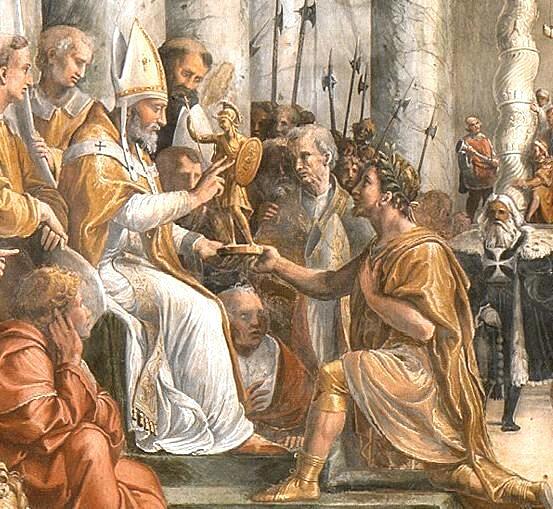
A memorable but doubtful legend from his pontificate involved Constantine, who was attacked by leprosy while he was still a pagan. One night St Peter and St Paul appeared to Constantine and commanded him to call for Pope Sylvester, who would cure him by giving him the sacrament of baptism. According to the legend, the pope baptised him and Constantine was converted. (Actually, Constantine was baptised on his deathbed by someone else years later.)
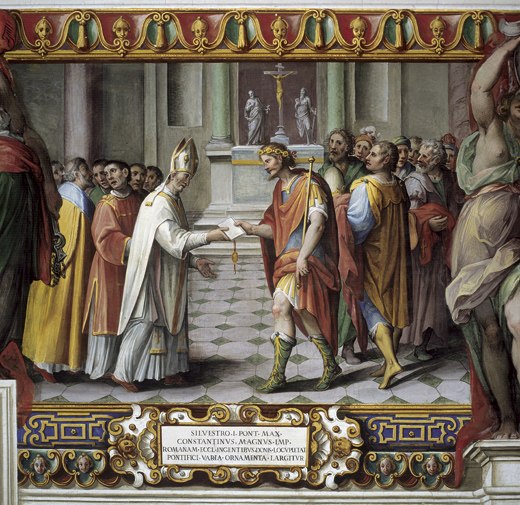
St Pope Sylvester I and Constantine
During his pontificate were built the great churches founded in Rome by Constantine, including St Peter’s Basilica, the Basilica of the Holy Cross in Jerusalem and the Basilica of St John Lateran.
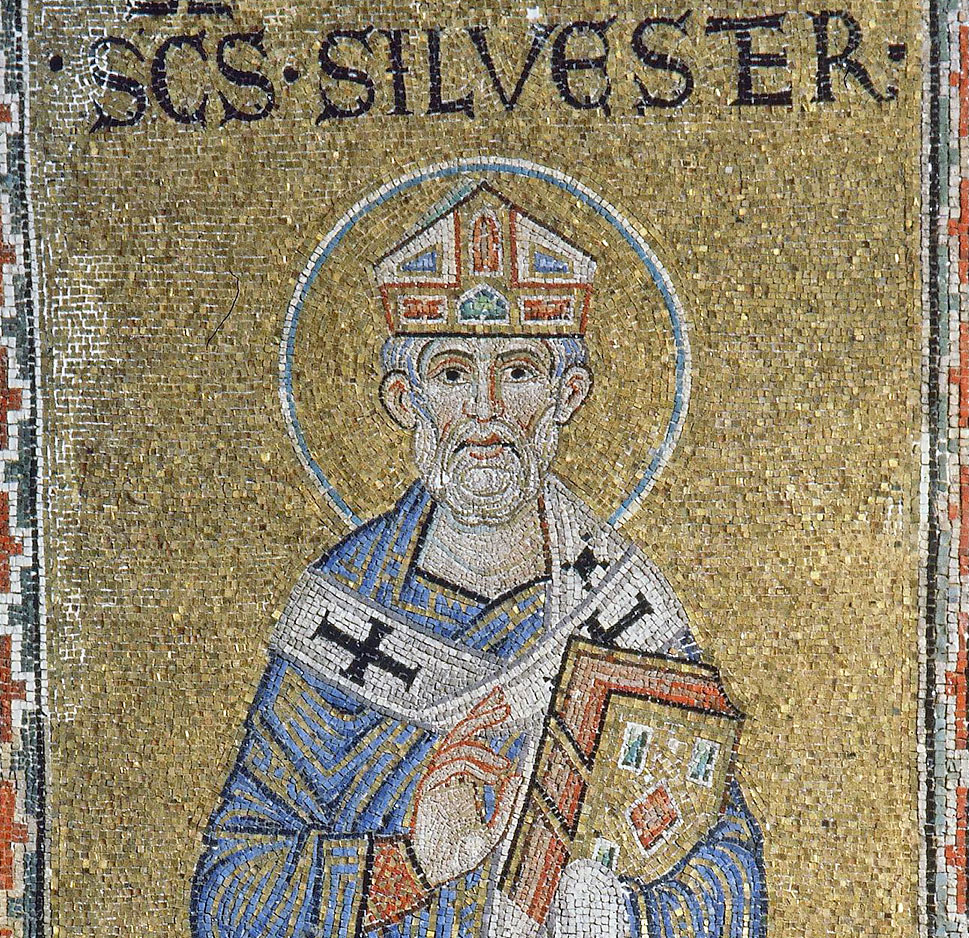
Mosaic of St Pope Sylvester I at St Mark’s in Venice
Pope Sylvester died on 31 December 335 and was buried in the church he built over the Priscilla Catacombs. Interestingly, he is one of the earliest saints who was not a martyr.
Saint of the Day – 31 December (died 335) Priest and Pope
St. Sylvester I was born in Rome and ordained by Pope St. Marcellinus. He was consecrated as the 33rd pope with a pontificate from 314 until his death in 335. Video – https://www.youtube.com/watch?v=9V2MIz9lqn8
The Emperor Constantine issued the Edict of Milan in 313, recognizing Christianity, ending persecutions, and tolerating all religions. Constantine considered it his duty to oversee the Church. He heard the complaints of bishops, summoned councils, settled Church disputes, and looked upon the pope sympathetically.
It took a wise man to work with such a powerful ruler. Pope Sylvester I held office during this crucial period. He had to keep the Church independent of the state and at the same time, keep peace with Emperor Constantine. Pope Sylvester faced the added challenge of advanced age, which prevented him from travel. To deal with the error of the Donatists, he had to send delegates to a council at Arles. Then, when Emperor Constantine called the first ecumenical council—the Council of Nicaea—in 325, the pope asked others to attend the council in his place. This council of bishops was to discuss the Arian heresy and correct the Arians for falsely teaching that Christ was not God. It was at this council that the Nicene Creed was formed.
It is said that the Lateran Palace was given to Pope Sylvester I by Constantine. The pope oversaw the building of the original St. Peter’s.
The people of Rome had a high regard for Pope Sylvester. He was a saintly pope who understood the conflicts his bishops suffered in being loyal to Rome and to Constantine. He humbly accepted the limitations of age and illness, and he persevered in his pastoral care of the Church.







 AnaStpaul
You must be logged in to post a comment.