
Saint of the Day – 17 June – Saint Ranieri Scaccero (c 1117-1161) Confessor, Pilgrim, Monk, Musician, Penitent, Ascetic, Preacher, Miracle-worker. Born in c 1117 in Pisa, Italy and died on 17 June 1161 at the Abbey of Saint Vito, Pisa, Italy of natural causes. Patronage – of Pisa, Italy. Also known as – Ranieri of Pisa, Ranieri de Aqua, Rainer, Rainerius, Rainier, Raniero, Raynerius, Regnier.
The Roman Martyrology reads today: “In Pisa, Saint Raniero, poor man and pilgrim for Christ.”
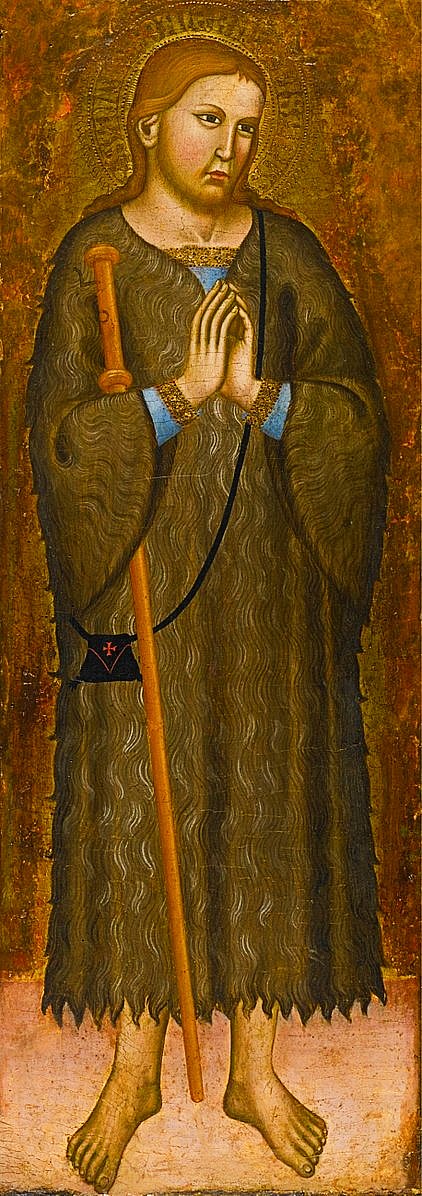
Ranieri was the son of Gandulfo Scacceri, a prosperous merchant and shipowner of Pisa and Mingarda Buzzaccherini. In his youth, he was a travelling musician. He spent a wild and sinful youth as a wandering minstrel and musician, carousing all night, sleeping by day if at all.
It was at the age of 19 that Ranieri decided to radically change his life. One evening, while performing for a merry crowd in a castle,he met a Hermit named Alberto, from Corsica “who wore a cloak of animal hair, like a goat” and had entered the Pisan Monastery of St Vitus and had become renowned for his work for the poor. This meeting led Ranieri to embrace the Faith with conviction, he burned his fiddle, and gave up the life of a minstrel. Thus he place himself, at the service of God
Desiring to visit the Holy Land, Raineri set himself up as a merchant in order to pay for his fare. The business took him to many ports and he became wealthy. His travels eventually took him to the Holy Land, where, it is said, he had a vision by which he understood that his wealth was hindering him from devoting himself to God.
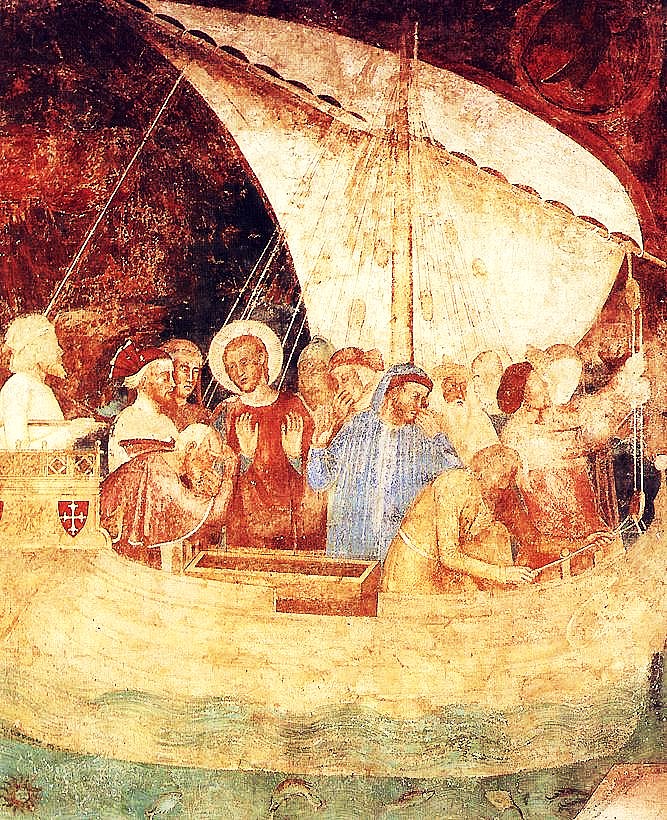
At the age of 23 he decided to live in absolute poverty: he got rid of all the riches and gave them to the poor and needy. His only concern remained to imitate his teacher, Jesus Christ, as best as possible. Wearing the robe of the penitent given to all the pilgrims who went to Mount Calvary, he spent a long period with the Hermits in the Holy Land, where he performed numerous miracles.
He punished his body with long fasts, normally abstaining from food everyday of the week except Thursdays and Sundays. His austerity was so excessive, his later biographer noted, that God had to tell him to eat! The renunciation of himself and the total service to God, allowed him to overcome the numerous temptations that the evil one never ceased attacking him with during his 13-year stay in the Holy Land.
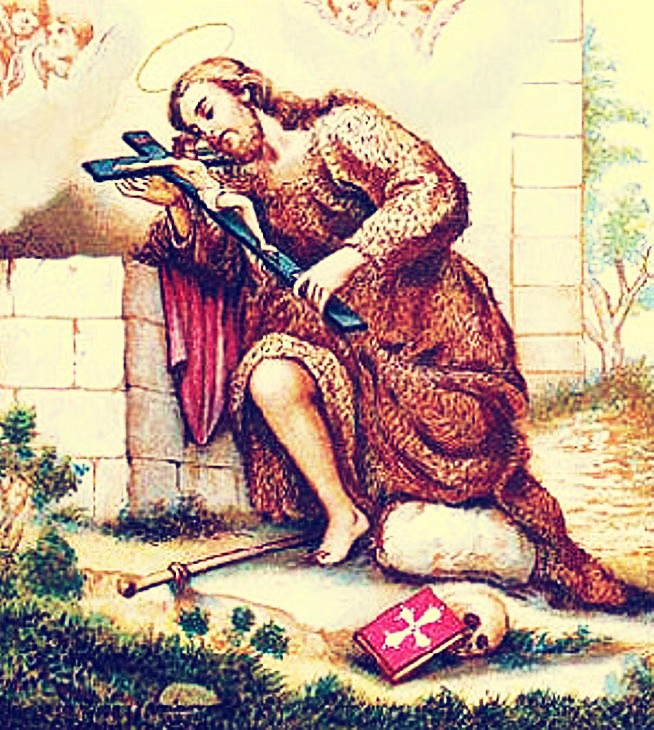
Returning to Pisa in 1154 and entered the Monastery of Saint Andrew and subsequently that of Saint Vitus. and became a renowned Preacher. Ranieri was already then, surrounded by the fame of a saint. He continued to work miracles even in his hometown. The admiration of his fellow citizens would accompany him, until the last day of his life. Ranieri died seven years after his return from the Holy Land on Friday 17 June 1161. His body was carried in a triumph through the City to the Cathedral of Pisa, its resting place.
In the eyes of the Pisans, Ranieri was a saint already in life. Once he abandoned his earthly life, one of his disciples, the Canon Benincasa, undertook to write a Life of the Saint in 1162, a text that knew a great success . In 1755 it was translated by the Carmelite Friar ,Giuseppe Maria Sanminiatelli . In 1842 it was re-published in Pisa.
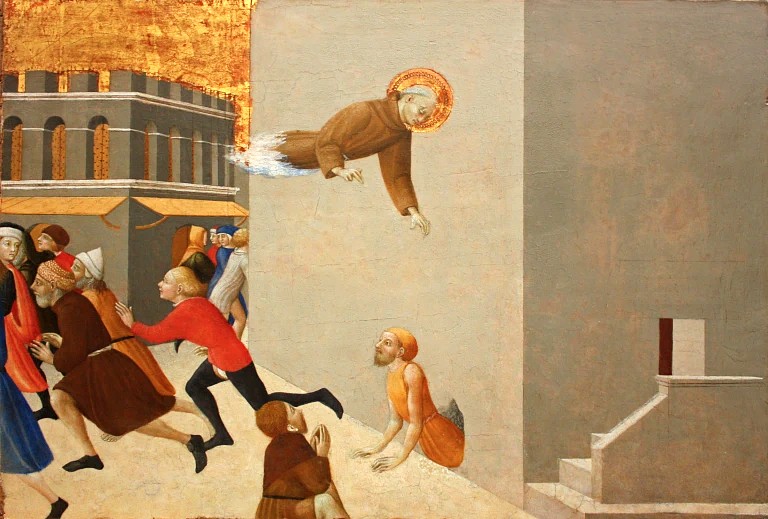
In 1632 the Archbishop of Pisa, the local clergy, the Pisan Magistrate, with the announcement of the sacred Congregation of Rites, elected Ranieri as the main Patron of the City and the Diocese. In 1689 the transfer of his body was decided, which was definitively placed on the High Altar. During the night of the translation, the Pisans illuminated their houses to pay homage to the figure of their most beloved Saint. He was Canonised by Pope Alexander III.
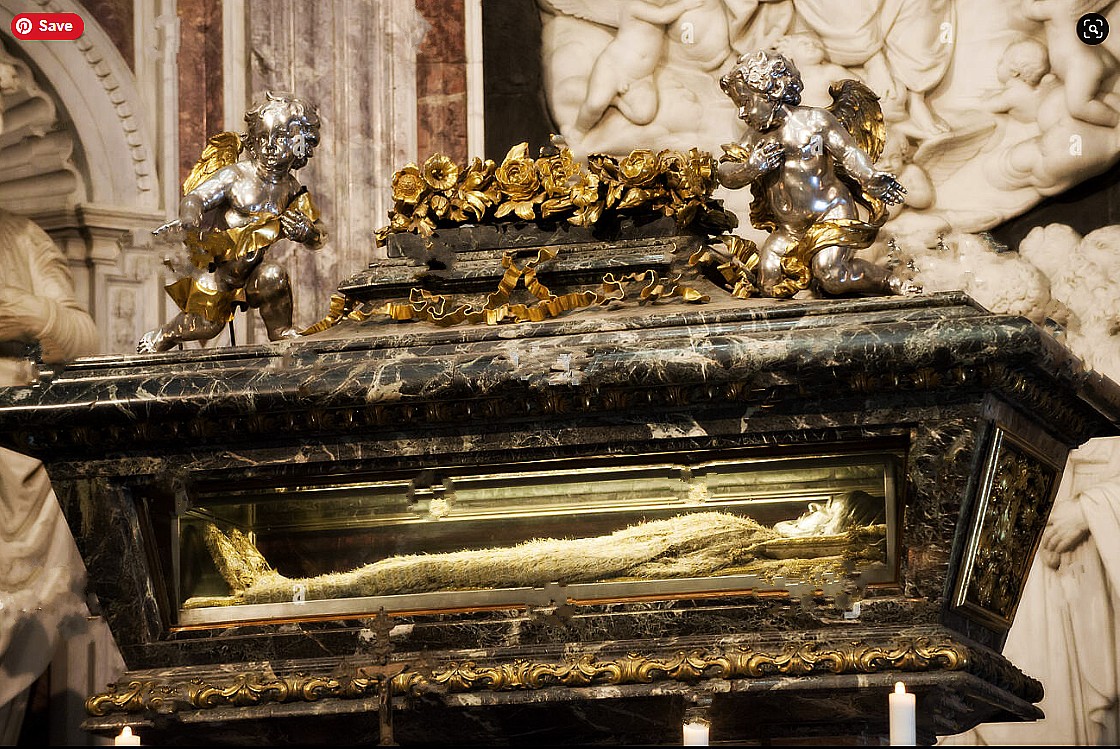
In 1161 or 1162, a Pisan Canon, Benincasa, wrote a long and invaluable Vita of the Saint. He says Raineri resembled the Son of God through his life of strict imitatio Christi – imitation of Christ. Benincasa wrote that Ranieri demonstrated “a royal priesthood in Christ” of which Raineri and all the Baptised are a part.
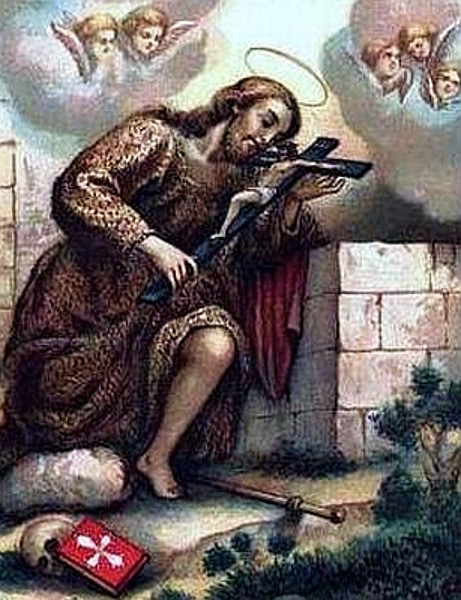
Ranieri is generally portrayed as a bearded hermit in a hairshirt holding a Rosary or Crucifix; as a young pilgrim in a hairshirt carrying a banner with the Pisan Cross; as being raised up by devils; or as dying in a hairshirt.


 AnaStpaul
You must be logged in to post a comment.