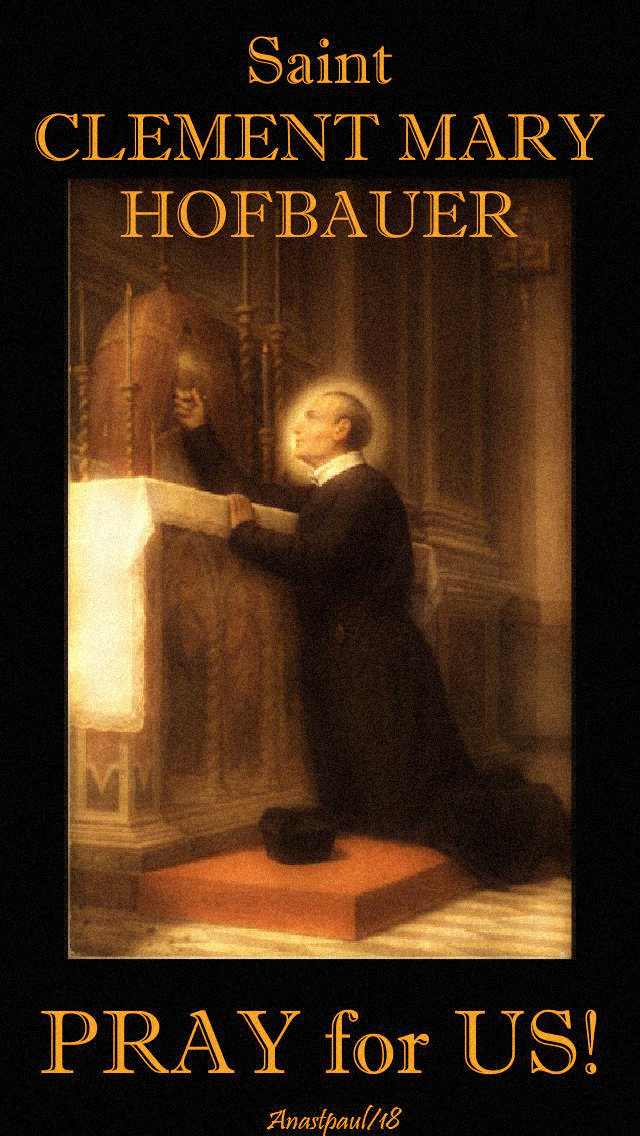
Thought for the Day – 15 March – The Memorial of St Clement Mary Hofbauer C.Ss.R.(1751-1820) “The Apostle of Austria” and “The Second Founder of the Redemptorists”
Among the passengers sharing a coach with Father Hofbauer on one occasion was a young man who was described as being infirm both in body and soul. Possibly embittered by his unfortunate physical state, the young man continually heaped coarse insults upon the holy priest, who endured the vulgarity in silence. At noon, when the coach drew up at an inn, all the other passengers disembarked to dine, giving no thought or concern for the crude cripple left behind. Hofbauer lifted the man in his arms, carried him into the inn, ordered his meal, then carried him back to the coach. The man’s behaviour toward the saint was totally changed for the rest of the trip. Filled with sorrow for his meanness, he declared that he would never have sunk to such moral degradation had he met such a priest earlier in life.
A Polish countess who had frequented St Benno’s reminisced in after years: “Whenever I recall him, I see him before me as a venerable priest, refined and awe inspiring in his deportment but withal very plain. Wherever he went, he radiated the beauty of peace and spread about him the consolation that springs from divine love. His language was always simple, he never made use of choice expressions. Still, his words always manifested great depth of mind and invariably awakened immediate confidence. The love of Our Lord Jesus Christ, which filled his heart, shone forth in all his actions but there was about him no trace of singularity or affectation. Purity of soul, peace of heart, the radiance of that holy joy which is born of the intimate union of man with his Maker, beamed from his countenance. The Holy Spirit had bestowed upon him a special talent for directing souls in the ways of virtue and holiness and he toiled on with unrelenting fervour, granting himself no rest or respite until his physical energy was exhausted.”
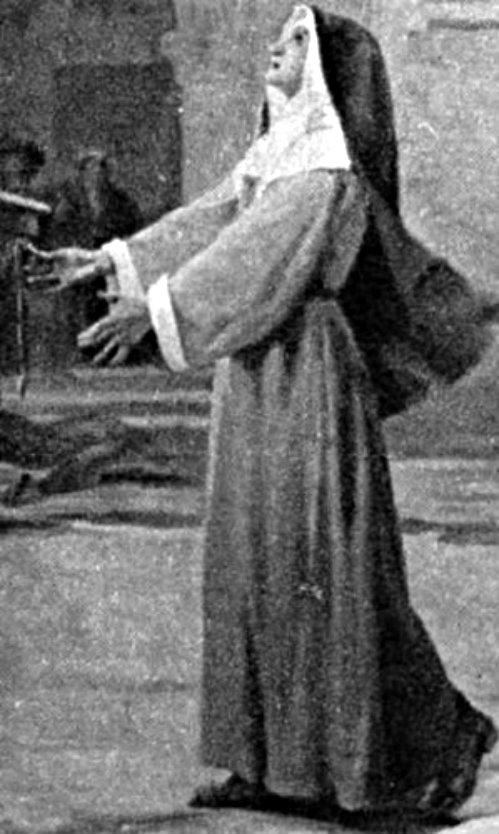
He was unrelenting in pursuing souls cut off from the life of grace, especially those facing imminent death. A nun entered the church one day and found Father Hofbauer kneeling before the altar. Unobserved by the saint, she saw his cheeks wet with tears as he pleaded for the conversion of some sinner outside the fold.
“Lord,” he begged, “give me this soul, for if Thou refuse, I shall go to Thy Mother!” The nun was so deeply affected by this scene that she immediately knelt before an image of the Blessed Virgin and united her own prayers to those of Hofbauer’s.
Even a tiny grain of imitation of this great Redemptorist Saint would be a huge impetus on our own road to holiness!
Lenten Thoughts – 15 March – Friday of the First week of Lent, Year C Gospel: Matthew 5:20–26
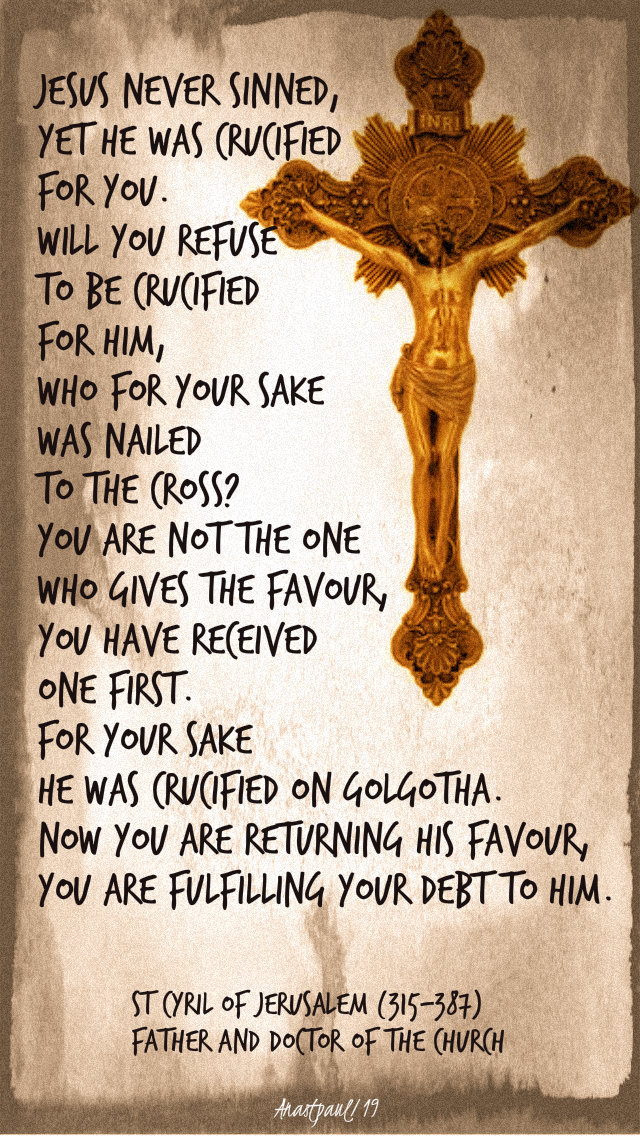
“Will you refuse to be crucified for Him,
who for your sake was nailed to the cross?”
Saint Cyril of Jerusalem (315-387)
Father and Doctor of the Church
An excerpt from his Catecheses, 13
The Catholic Church glories in every deed of Christ. Her supreme glory, however, is the cross. Well aware of this, Paul says – God forbid that I glory in anything but the cross of our Lord Jesus Christ!
At Siloam, there was a sense of wonder and rightly so. A man born blind recovered his sight. But of what importance is this, when there are so many blind people in the world? Lazarus rose from the dead but even this affected only Lazarus. What of those countless numbers who have died because of their sins? Those five miraculous loaves fed five thousand people. Yet this is a small number compared to those all over the world who were starved by ignorance. After eighteen years a woman was freed from the bondage of Satan. But are we not all shackled by the chains of our own sins?
For us all, however, the cross is the crown of victory! It has brought light to those blinded by ignorance. It has released those enslaved by sin. Indeed, it has redeemed the whole of mankind!
Do not, then, be ashamed of the cross of Christ, rather, glory in it. Although it is a stumbling block to the Jews and folly to the Gentiles, the message of the cross is our salvation. Of course it is folly to those who are perishing but to us who are being saved, it is the power of God. For it was not a mere man who died for us but the Son of God, God made man.
In the Mosaic law a sacrificial lamb banished the destroyer. But now it is the Lamb of God who takes away the sin of the world. Will He not free us from our sins even more? The blood of an animal, a sheep, brought salvation. Will not the blood of the only-begotten Son bring us greater salvation?
He was not killed by violence, He was not forced to give up His life. His was a willing sacrifice. Listen to His own words – I have the power to lay down my life and take it up again. Yes, he willingly submitted to His own passion. He took joy in his achievement, in His crown of victory He was glad and in the salvation of man He rejoiced. He did not blush at the cross for by it He was to save the world. No, it was not a lowly man who suffered but God incarnate. He entered the contest, for the reward He would win by His patient endurance.
Certainly in times of tranquillity the cross should give you joy. But maintain the same faith in times of persecution. Otherwise you will be a friend of Jesus in times of peace and His enemy during war. Now you receive the forgiveness of your sins and the generous gift of grace from your King. When war comes, fight courageously for Him.
Jesus never sinned, yet He was crucified for you. Will you refuse to be crucified for Him, who for your sake was nailed to the cross? You are not the one who gives the favour, you have received one first. For your sake He was crucified on Golgotha. Now you are returning His favour, you are fulfilling your debt to Him.
Quote of the Day – 15 March – The Memorial of St Clement Mary Hofbauer C.Ss.R.(1751-1820) “The Apostle of Austria” and “The Second Founder of the Redemptorists”
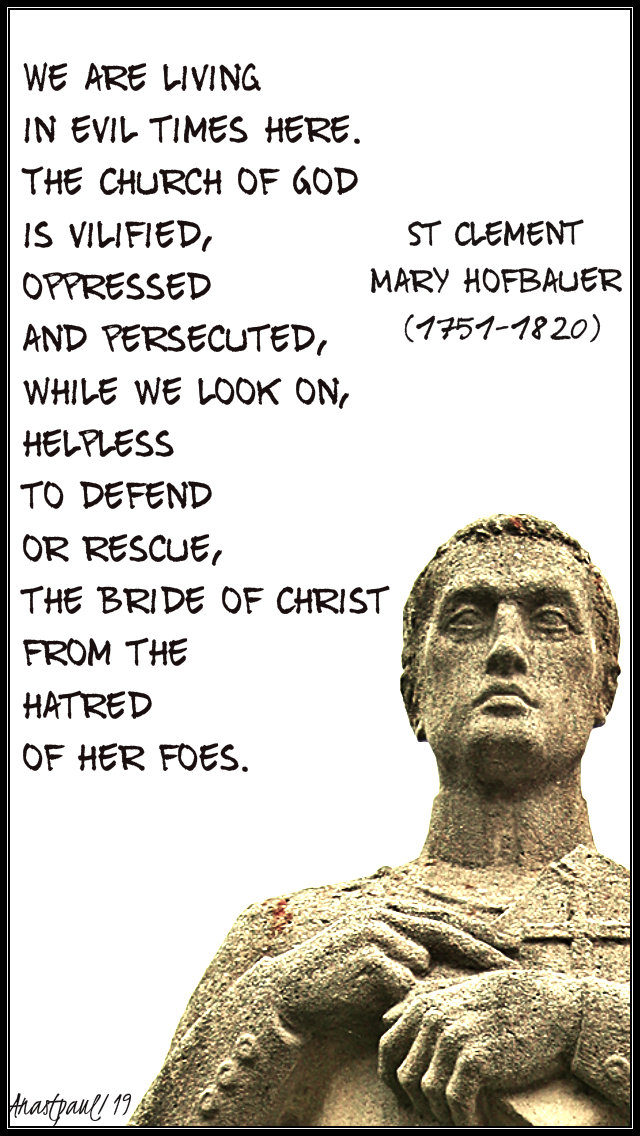
“We are living in evil times here. The Church of God is vilified, oppressed and persecuted, while we look on, helpless to defend or rescue, the Bride of Christ from the hatred of her foes.”
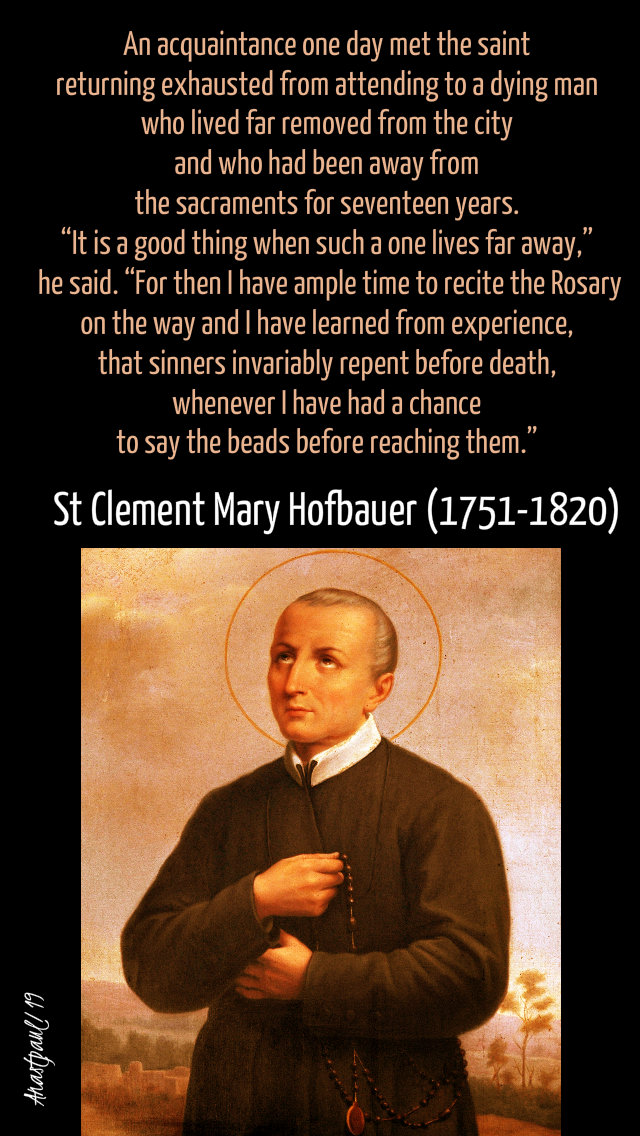
An acquaintance one day met the saint returning exhausted from attending to a dying man who lived far removed from the city and who had been away from the sacraments for seventeen years.
“It is a good thing when such a one lives far away,” he said. “For then I have ample time to recite the Rosary on the way and I have learned from experience, that sinners invariably repent before death, whenever I have had a chance to say the beads before reaching them.”
Lenten Reflection – 15 March – Friday of the First week of Lent, Year C Gospel: Matthew 5:20–26
Christ, the model of brotherly love
Saint Aelred of Rievaulx (1110-1167)
An excerpt from his The Mirror of Love
“The perfection of brotherly love lies in the love of one’s enemies. We can find no greater inspiration for this than grateful remembrance of the wonderful patience of Christ. He who is more fair than all the sons of men, offered his fair face to be spat upon by sinful men, He allowed those eyes that rule the universe, to be blindfolded by wicked men, He bared His back to the scourges, He submitted that head which strikes terror in principalities and powers to the sharpness of the thorns, He gave Himself up to be mocked and reviled and at the end endured the cross, the nails, the lance, the gall, the vinegar, remaining always gentle, meek and full of peace.
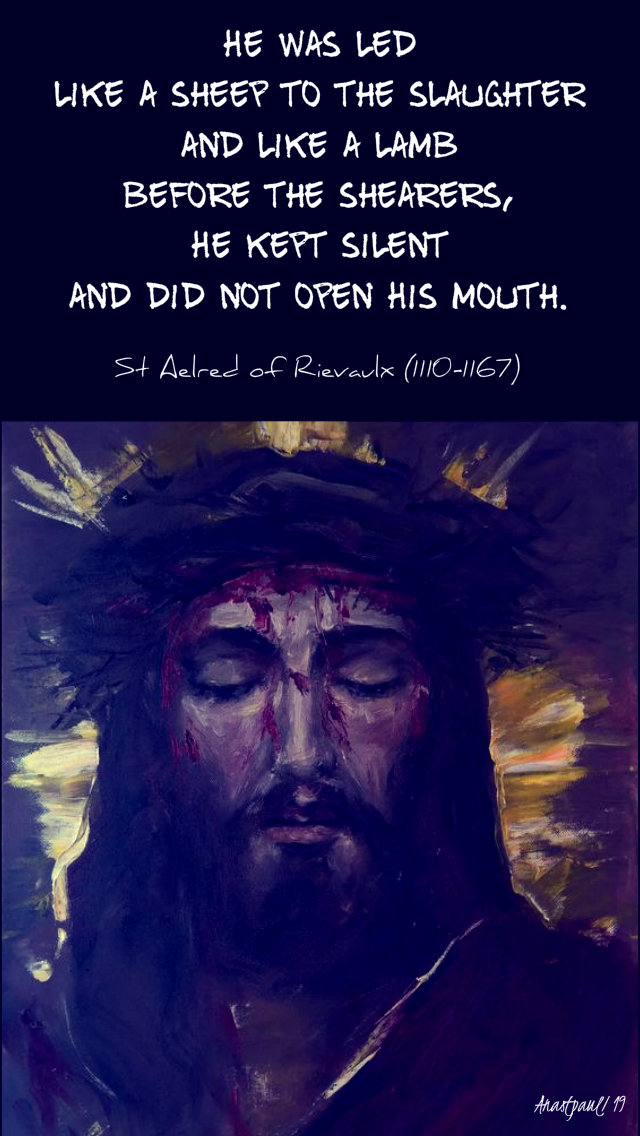
In short, He was led like a sheep to the slaughter and like a lamb before the shearers He kept silent and did not open His mouth.”
Daily Meditation: Renew us and prepare us.
Our lesson today is about reconciliation
Our Lord forgives us all our sins –
nothing can separate us from the love of God for us in Jesus
And we are called to forgive others
with the same compassion, mercy, patience and love given to us.
Our Lenten practices help us to
experience the renewing love of God
and they prepare us for our journey to Easter
to celebrate the mystery of our death to self
and rebirth in the new life Jesus won for us.
I do not wish the sinner to die, says the Lord, but to turn to me and live.
Ezekiel 33
Closing Prayer:
Creator of my life,
renew me,bring me to new life in You.
Touch me and make me feel whole again.
Help me to see Your love
in the passion, death and resurrection of Your son.
Help me to observe Lent
in a way that allows me to celebrate that love.
Prepare me for these weeks of Lent
as I feel both deep sorrows for my sins
and Your undying love for me.
May the Lord bless us,
protect us from all evil
and bring us to everlasting life.
Amen.
One Minute Reflection – 15 March – Friday of the First week of Lent, Year C, Gospel: Matthew 5:20–26 and The Memorial of St Clement Mary Hofbauer C.Ss.R.(1751-1820)
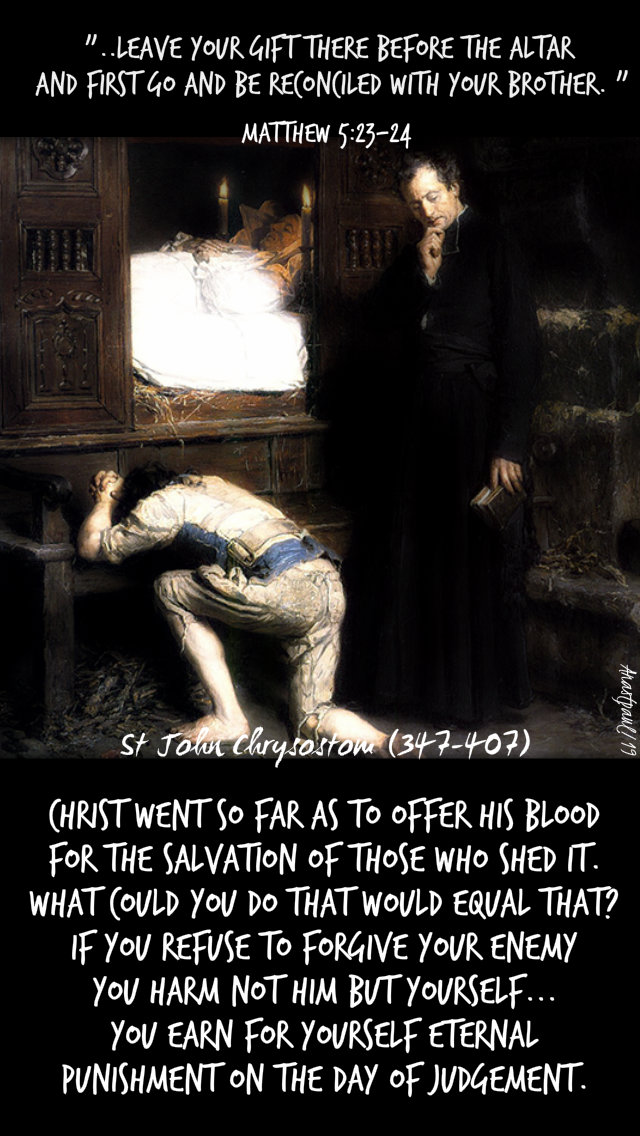
“If you are bringing your gift to the altar and there remember that your brother has something against you, leave your gift there before the altar and first go and be reconciled with your brother. Then come and offer your gift.”…Matthew 5:23–24
REFLECTION – “Christ gave His life for you and do you hold a grudge against your fellow servant? How then can you approach the table of peace? Your Master did not refuse to undergo every kind of suffering for you and will you not even forgo your anger?… He has offered me an outrageous insult, you say. He has wronged me times without number, he has endangered my life. Well, what is that? He has not yet crucified you as the Jewish elders crucified the Lord.
If you refuse to forgive your neighbour’s offence your heavenly Father will not forgive your sins either (Mt 6:15). What does your conscience say when you repeat the words: “Our Father who art in heaven, hallowed be thy name…,” and the rest? Christ went so far as to offer His blood for the salvation of those who shed it. What could you do that would equal that? If you refuse to forgive your enemy you harm not him but yourself… You earn for yourself eternal punishment on the Day of Judgement.
Listen to the Lord’s words: “If you are bringing your gift to the altar and there remember that your brother has something against you, leave your gift there before the altar and first go and be reconciled with your brother. Then come and offer your gift.” What do you mean? Am I really to leave my gift, my offering there? Yes, He says, because this sacrifice is offered in order that you may live in peace with your brother… For the Son of Man has come into the world to reconcile humanity with its Father. As Paul says: “Now God has reconciled everything to himself” (Col 1:20) “putting enmity to death through the cross” (Eph 2:16)…. St John Chrysostom (347-407)
PRAYER – All-merciful Father, help me to be ever open to Your love and mercy, running to You in all my needs and in all my fears. Allow me too, to run to the confessional when I have sinned, to ask for and receive forgiveness and love. Through Your mercy and forgiveness, teach me too to forgive and open my heart to kindness, reconciliation and care for my brother. Grant that the prayers of St Clement Mary Hofbauer, may assist us all in living holy lives according to Your Commandments and the laws of the Church. Amen
Our Morning Offering – 15 March – Friday of the First week of Lent, Year C
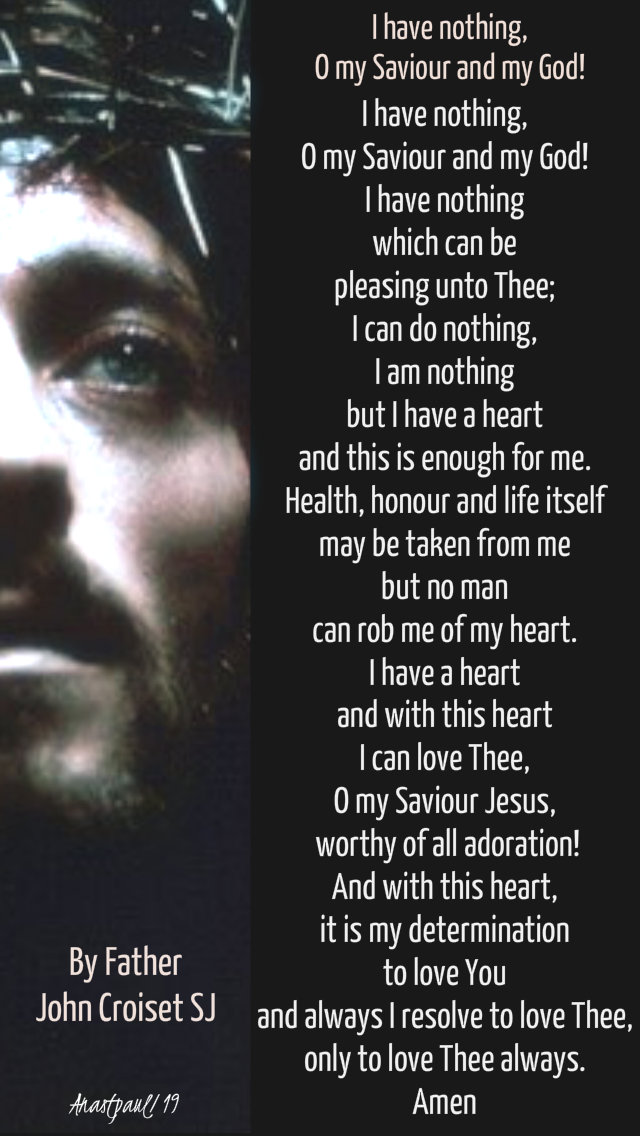
I have nothing, O my Saviour and my God! By Father John Croiset SJ
I have nothing,
O my Saviour and my God!
I have nothing which can be
pleasing unto Thee;
I can do nothing,
I am nothing
but I have a heart
and this is enough for me.
Health, honour and life itself
may be taken from me
but no man can rob me of my heart.
I have a heart
and with this heart
I can love Thee,
O my Saviour Jesus,
worthy of all adoration!
And with this heart,
it is my determination to love You
and always I resolve
to love Thee,
only to love Thee always.
Amen
Fr John Croiset, SJ was spiritual director to St Margaret Mary Alacoque (1647-1690), the great apostle and visionary of devotion to the Sacred Heart. St Margaret Mary told Fr Croiset that it was Jesus’s ardent wish that he assist her in making devotion to the Sacred Heart, until then a private devotion of chosen souls, generally known to all of the faithful.
After St Margaret Mary’s death, Fr Croiset duly compiled an account of her revelations concerning the Sacred Heart, together with her prayers concerning this devotion, into a volume entitled The Devotion to the Sacred Heart which was published in 1691. In 1704, due to Fr Croiset’s failure to observe certain formalities, the book was placed on the Index of Forbidden Books, where it remained for two centuries. During this time Fr Croiset’s book was nearly forgotten. However, a certain bishop, wishing to call attention to devotion to the Sacred Heart within his diocese, came upon the text and finding that it had been placed upon the Index, called for the Sacred Congregation of the Index to re-examine the book. The Sacred Congregation determined that no error could be found in the work and so it was at last removed from the Index.
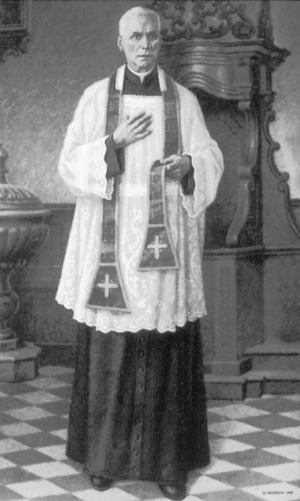
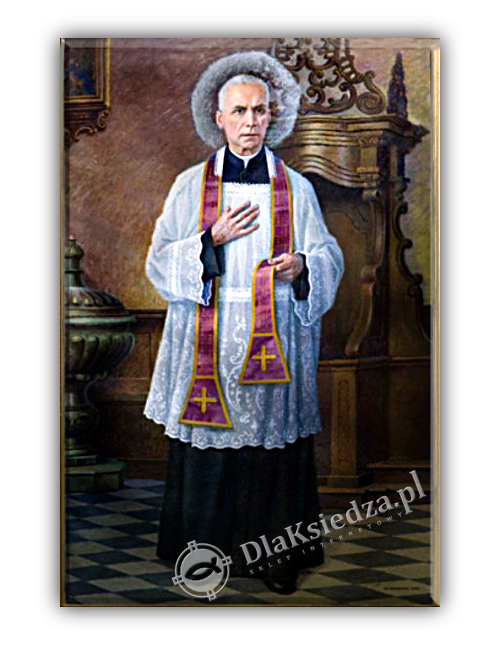
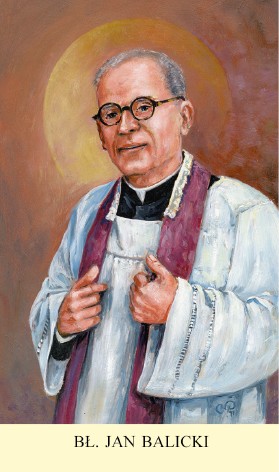
Saint of the Day – Blessed Jan Adalbert Balicki (1869-1948) – Priest, Professor of dogmatic theology at the Seminary, Spiritual Director, Preacher – born on 25 January 1869 in Staromiescie, Poland and died on 15 March 1948 of pneumonia and tuberculosis in Przemysl, Poland. He was Beatified on 18 August 2002 by St Pope John Paul II at Krakow, Poland.
John Adalbert was raised in a deeply religious family and, although materially poor, they were a family rich in honesty and virtue. From 1876-1888 he attended the schools of Rzeszow under the guidance of high level educators imbued with a love for Polish culture. In September 1888 he entered the diocesan Seminary of Przemysl. After four years of study and spiritual preparation, he was ordained on 20 July 1892.
The bishop sent him to be assistant pastor in the parish of Polna. He was appreciated as a man of prayer, a patient confessor and a gifted preacher. After about a year, he was sent to Rome to pursue his formation at the Pontifical Gregorian University. During his four years of study (1893-1897), he was aware of a dual responsibility – as a priest, to continue to make progress in Christian perfection and as a student, to complete his studies. His spiritual approach to theology bore fruit later on in his teaching. He listened to the lectures in the morning. In the afternoon he read the authors referred to and, above all, St Thomas Aquinas. Then he went to the chapel to pray over what he studied. He spent his freetime in Rome visiting the shrines of the Apostles and the rooms of the saints. It was a concrete way of learning about the faith.
Professor of theology, prefect of studies:
In the summer of 1897, he returned to Przemysl of the Latins, where he was appointed professor of dogmatic theology in the diocesan seminary. He was convinced that theology is not only the science that regards God but the science that can turn man to reach God. His lessons were meditations on the mysteries of God and had a good influence on the moral formation of his students. Up till 1900, Fr Balicki was also prefect of studies.
Rector of the seminary:
In 1927, in a spirit of obedience, he accepted the post of vice-rector of the seminary and a year later he was appointed rector. He was concerned about the spiritual formation of the priests. Before he presented the candidates to the bishop, he studied the reports and prayed for light to make the proper decision.
Spiritual direction and confession:
In 1934 he was forced to resign as rector and professor of theology due to poor health but he continued to live at the seminary. From 1934-1939 he could only hear confessions and give spiritual direction. Many of his penitents testified that he had an extraordinary gift of penetrating the profondity of their soul. As confessor he had an open heart for everyone who approached him with sincerity. He was always available for confession despite poor health. He was not just a judge or giver of absolution but he did all he could to motivate his penitents to grow spiritually. He regularly gave direction through letters.
World War II: restrictions, worsened health:
In September 1939, Poland was plunged into the tragedy of the Second World War. Right away the city of Przemysl was divided into two parts – the old section occupied by Soviet troops and the rest of the city occupied by the Germans. Although the priests and the bishop and his collaborators thought it safer to move to the German side, Fr Balicki remained in the Soviet zone hoping to start again the activity of formation in the Seminary. In the end, he was forced to move into a room in the bishop’s temporary housing.
In October 1941, the fighting in the area stopped and the artificial barrier that divided the city was abolished. Fr Balicki stayed there in his temporary room with the bishop.
In the second half of February 1948, he became gravely ill and was diagnosed as having bilateral pneumonia and tuberculosis in its advanced stage. He was admitted to the hospital where he died on 15 March 1948. He was considered by all to be a “holy priest” and “humility in person”.
Teaching and example:
After his death, the fame of his holiness spread throughout Poland and beyond Poland by means of the Polish emigrants. Eventually the people began to report to the authorities the answers to their prayers in which they begged John Adalbert to intercede for them.
Those who knew him report that his whole life was motivated by the desire to be the least among his brothers. His humility was simple, natural, authentic. There was no room for pride or vanity. He was gentle and careful in his dealings with others. He never desired to call attention to his own pains or sufferings.
What stood out as the fruit of humility was his great love of God and neighbour. Love was the dominant attitude. Humility allowed him to tend constantly toward God. He said that the life of grace was revealed in the dominion of the spirit over the flesh and its disordered inclinations. He stressed the role of the virtues in the growth of the spiritual life, especially mortification, patience and humility. Mortification submits nature to grace, patience, inseparable from love, makes man capable of sacrifice for God, humility dethrones the ego to place the Lord at the centre of his heart.
He held up prayer as the indispensable nourishment for the growth of the interior life and for final perseverance. Prayer is the elevation of the mind and heart to God so that we can live for Him and we love God with the love that He infuses into our hearts.
He did a study of mystical prayer in which he emphasised four degrees – prayer of quiet, prayer of simple union, ecstatic union and perfect union.
He also gave a list of the 7 steps for progress in the spiritual life. They are a serious approach to life, readiness to be critical of self, unshakeable confidence in prayer, joy of spirit, love for suffering, praise of divine mercy and continuous self amendment.
Model for Diocesan Priests:
On 22 December 1975, the then Cardinal Wojtyła wrote to Pope Paul VI to hold him up as a model for priests in our time….Vatican.va
Bl Jan was Beatified on 18 August 2002 by St Pope John Paul II at Krakow, Poland.
The Tomb and Shrine of Blessed Jan Adalbert Balicki
St Eoghan of Concullen
St Eusebius II
Bl Francis of Fermo Bl Jan Adalbert Balicki (1869-1948)
St Leocritia of Córdoba
St Longinus the Centurian
Bl Ludovico de la Pena
St Mancius of Evora
St Matrona of Capua
St Matrona of Thessaloniki
St Menignus of Parium
Bl Monaldus of Ancona
St Nicander of Alexandria
St Peter Pasquale
St Pío Conde y Conde
St Sisebuto
St Speciosus
St Vicenta of Coria
Bl Walter of Quesnoy
Bl William Hart
St Pope Zachary
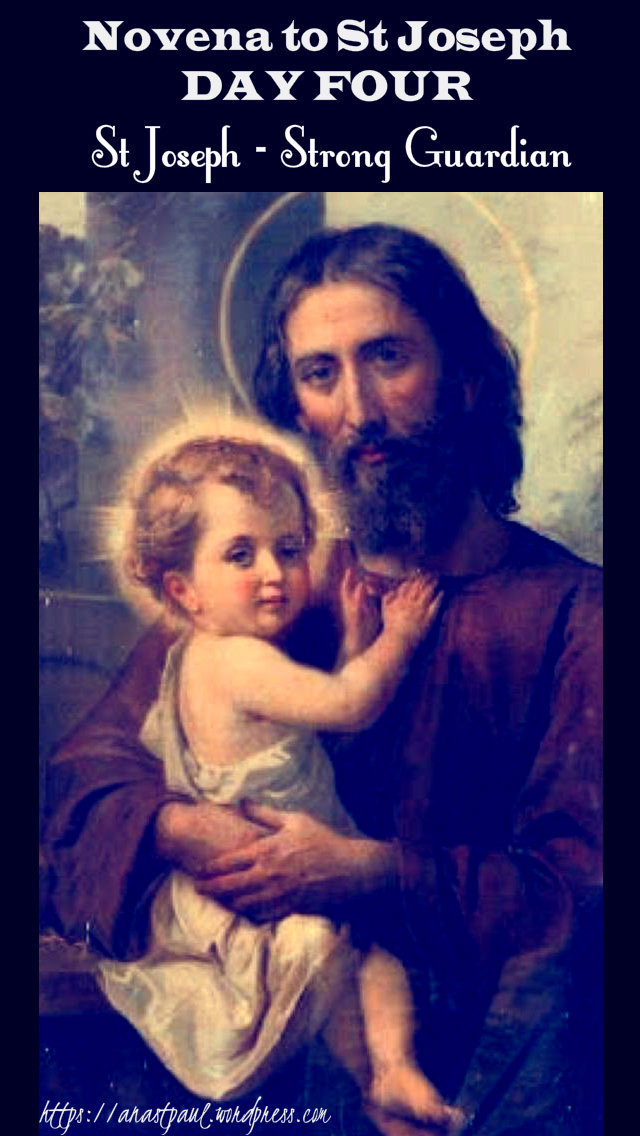
When I think that God gave me my guardian angel and St Michael to daily watch over me and defend me, I’m not afraid. But then, when I think that you, you who are even more powerful before God, are my spiritual father, when I think that you are the “Terror of Demons,” when I think of how you protected the Baby Jesus from Herod, then I am completely at peace (or, at least I know I should be).
Saint Joseph, please pray that I will have the peace that comes from trusting in your fatherly protection. Saint Joseph, I believe that you will protect me from my enemies, seen and unseen. I believe that you will protect me from bodily and spiritual harm. I trust in your fatherly care. Saint Joseph, I will do my best not to give into fear, knowing that you are praying for me in a special way as a child who has formally consecrated himself to your fatherly care.
Saint Joseph, Strong Guardian, please defend me with your prayers. Amen
Lenten Thoughts – 14 March – Thursday of the First week of Lent, Year C, Today’s
Christ Calls Us Deeper Still
Blessed Cardinal John Henry Newman (1801-1890)
Called on from grace to grace
All through our life Christ is calling us. He called us first in Baptism but afterwards also, whether we obey His voice or not, He graciously calls us still. If we fall from our Baptism, He calls us to repen,; if we are striving to fulfil our calling, He calls us on from grace to grace and from holiness to holiness, while life is given us.
Abraham was called from his home, Peter from his nets, Matthew from his office, Elisha from his farm, Nathanael from his retreat – we are all in course of calling, on and on, from one thing to another, having no resting-place but mounting towards our eternal rest and obeying one command only, to have another put upon us. He calls us again and again, in order to justify us, again and again—and again and again and more and more, to sanctify and glorify us.
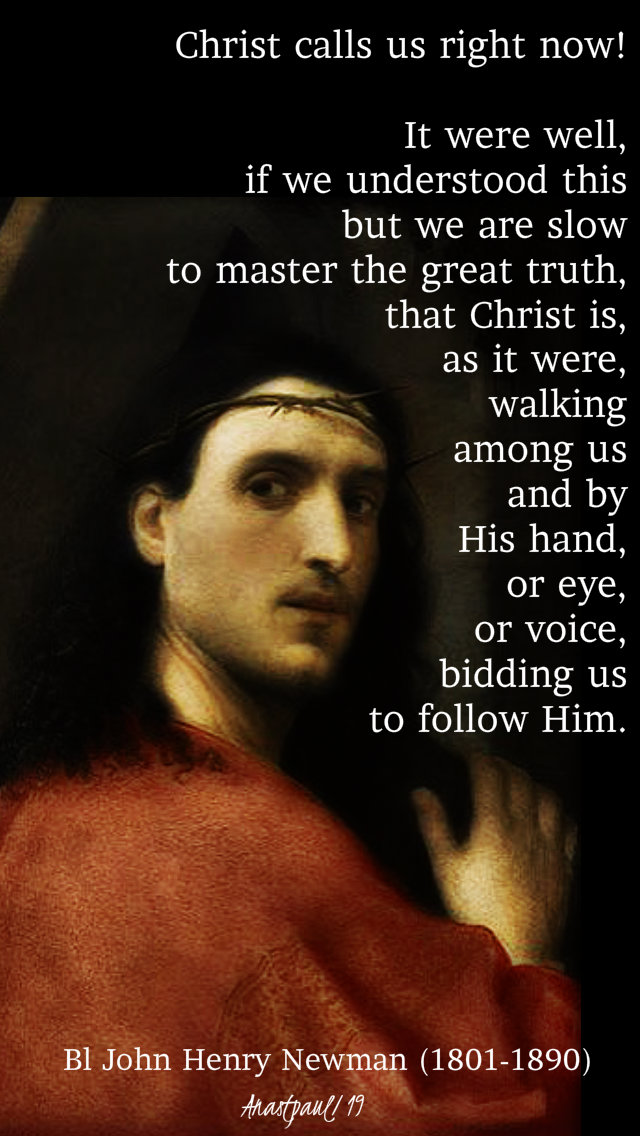
Christ calls us right now! It were well, if we understood this but we are slow to master the great truth, that Christ is, as it were, walking among us and by His hand, or eye, or voice, bidding us to follow Him.
We do not understand that His call is a thing which takes place now. We think it took place in the Apostles’ days but we do not believe in it, we do not look out for it in our own case. We have not eyes to see the Lord, far different from the beloved Apostle, who knew Christ even when the rest of the disciples knew Him not. When He stood on the shore after His resurrection and bade them cast the net into the sea, “that disciple whom Jesus loved said unto Peter, It is the Lord” (John 21:7).
Do you accept Christ’s’ call?
There is nothing miraculous or extraordinary in His dealings with us. He works through our natural faculties and circumstances of life. Still what happens to us in providence, is in all essential respects, what His voice was to those whom He addressed, when on earth – whether He commands by a visible presence, or by a voice, or by our consciences, it matters not, so that we feel it to be a command. If it is a command, it may be obeyed or disobeyed, it may be accepted as Samuel or St Paul accepted it, or put aside after the manner of the young man who had great possessions.
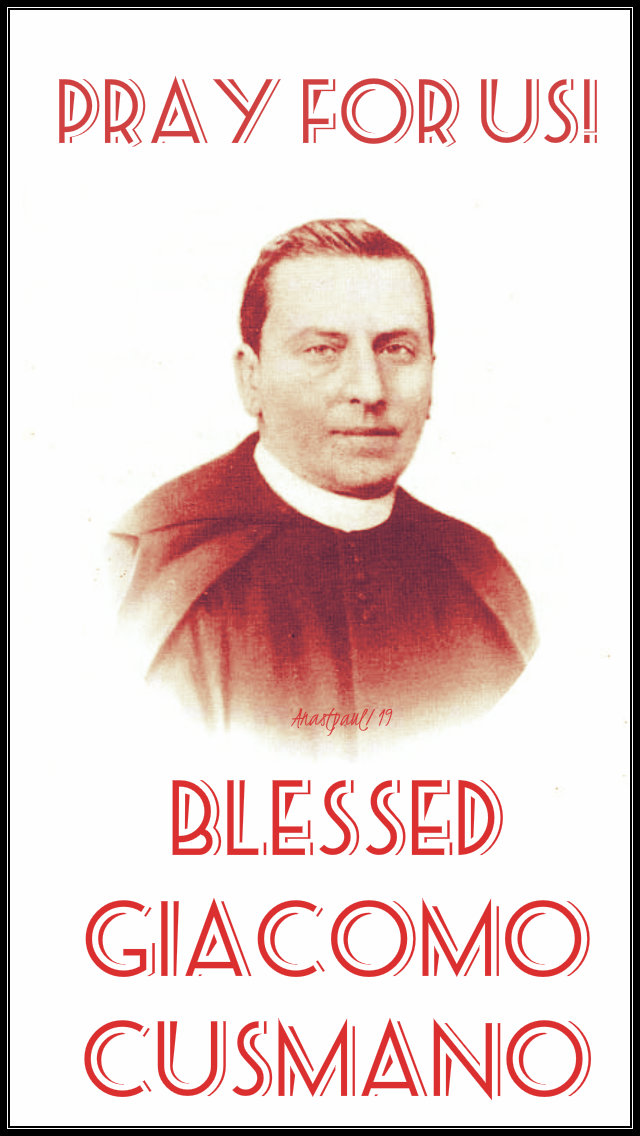
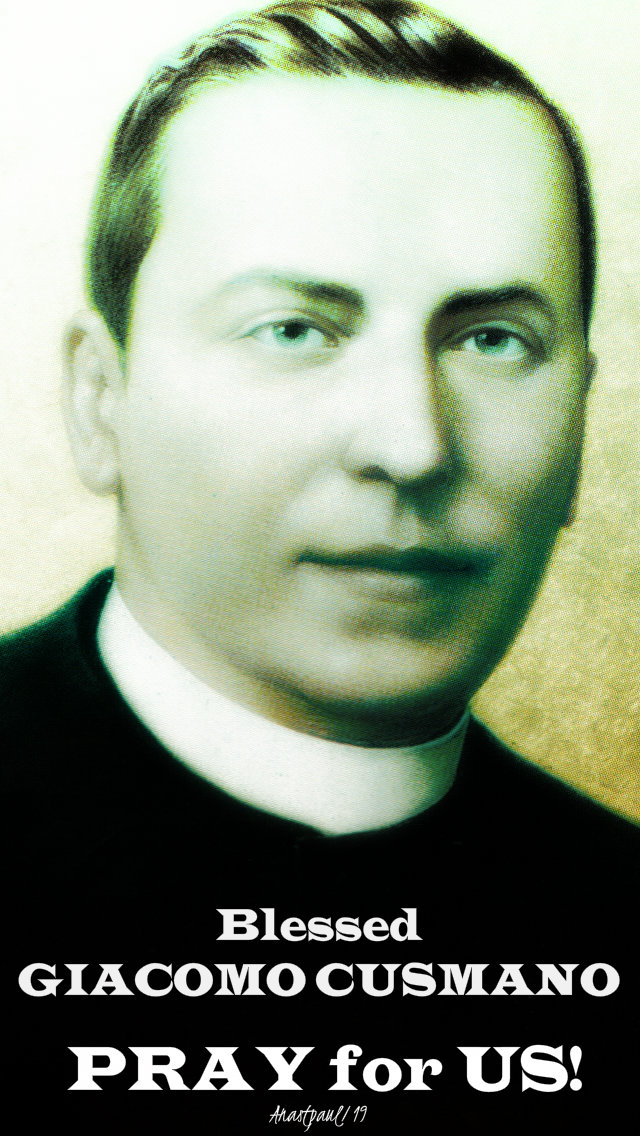
Thought for the Day – 14 March – the Memorial of Blessed Giacomo Cusmano (1834-1888)
St Pope John Paul on the Beatification of Blessed Giacomo, 30 October 1983
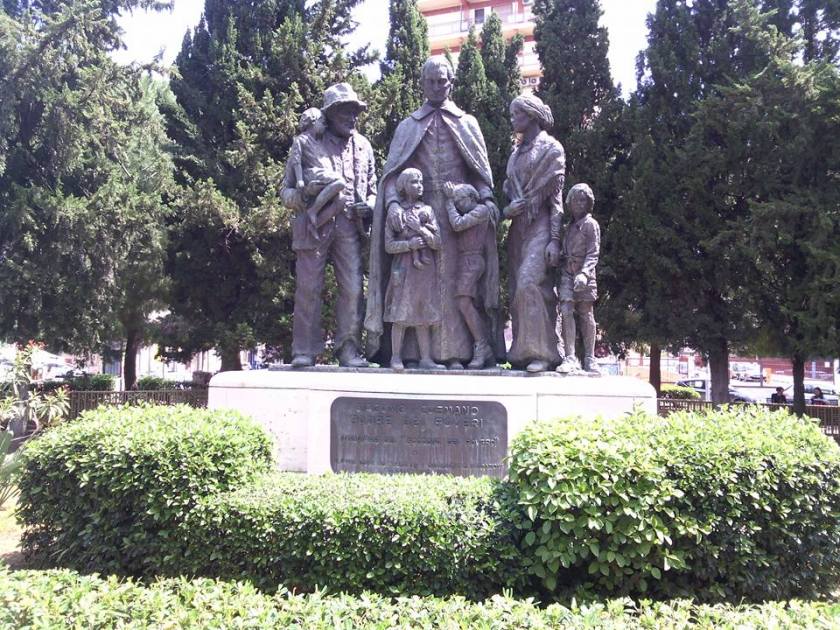
“To heal the wounds of poverty and misery which were afflicting such a large part of the population because of recurring famines and epidemics but also because of social inequality, (Blessed Giacomo Cusmano) chose the way of charity – love for God which was translated into effective love for his brethren and into the gift of himself to the most needy and suffering in a service pushed to the point of heroic sacrifice.
After opening a first “House for the Poor”, he began a broader work of social promotion by instituting the “Morsel for the Poor” Association, which was like the mustard seed from which a very vigorous plant sprung up. Making himself poor with the poor, he did not disdain begging in the streets of Palermo, soliciting everyone’s charity and collecting food which he then distributed to the innumerable poor who gathered around him.
His work, like all of God’s works, encountered difficulties which severely tested his will but with immense confidence in God and with his indomitable will power, he overcame every obstacle, giving origin to the Institute of the “Sisters Servants of the Poor” and to the “Congregation of Missionary Servants of the Poor”.
He led his spiritual sons and daughters to the practice of charity in fidelity to the evangelical counsels and in striving for holiness. His rules and spiritual letters are documents of an ascetic wisdom in which strength and gentleness are merged. The central idea was this – “To live in the presence of God and in union with God, to receive everything from God’s hands, to do everything out of pure love and the glory of God.”
Quote of the Day – 14 March – the Memorial of Blessed Giacomo Cusmano (1834-1888)
The charism of the Congregations founded by Blessed Giacomo
and a beautiful creed for us all:
“To live in the presence of God and in union with God, to receive everything from God’s hands, to do everything out of pure love and the glory of God.”
Lenten Reflection – 14 March – Thursday of the First week of Lent, Year C, Today’s Gospel Matthew 7:7-12
“Ask and it will be given you, seek and you will find, knock and it will be opened to you.”...Matthew 7:7
The Prince of Peace
“Launch your soul on the waves of confidence and abandonment and remember that anything that troubles it or throws it into fear does not come from God, for He is the Prince of Peace and He promises that peace to “those of good will” (Lk 2:14 Vg.). When you are afraid you have abused His grace, that is the time to redouble your confidence, for, as the Apostle Paul says: “Where sin abounds, grace abounds all the more,” (Rm 5:20) and farther on: “I boast of my weaknesses, for then the power of Jesus Christ dwells in me.” (2 Cor 12:9) “Our God is rich in mercy because of His immense love.” (Eph 2:4)”
Saint Elizabeth of the Trinity (1880-1906) (Letter 224 (I Have Found God)
Daily Meditation:
Help us to be eager in doing Your will.
In today’s lesson, we learn more about prayer.
We are touched by the bold, full-hearted prayer of Esther.
We hear with a freshness how sincerely Jesus invites us to:
ask and receive
seek and find
knock and find the door opened.
Dependence is not a virtue we ordinarily admire.
Today we grow in our sense that we need God’s grace very much –
even to know what is right –
but certainly to fan our desires into a flame.
Lord, on the day I called for help, you answered me.
Psalm 138 Closing Prayer:
Lord,
I am not always eager to do Your will.
I’d often much rather do my own will.
Please be with me on this Lenten journey
and help me to remember
that Your own Spirit can guide me
in the right direction.
I want to fix my weaknesses
but the task seems overwhelming.
But I know that with Your help,
anything can be done.
With a grateful heart,
I acknowledge Your love
and know that without You,
I can do nothing.
May the Lord bless us,
protect us from all evil
and bring us to everlasting life.
Amen
One Minute Reflection – 14 March – Thursday of the First week of Lent, Year C, Today’s Gospel Matthew 7:7-12 and the Memorial of Blessed Giacomo Cusmano (1834-1888)
“Ask and it will be given you, seek and you will find, knock and it will be opened to you.”...Matthew 7:7
REFLECTION – “Please be bold, because when we pray we usually have a need. The friend is God – He is a rich friend who has bread, He has what we need. As Jesus said – “In prayer be intrusive. Do not get tired.” But do not get tired of what? Of asking. “Ask and it will be given to you”.”…Pope Francis – Santa Marta, 11 October 2018
PRAYER – Heavenly Father, with confidence we pray, for in Your bounty Lord, You give us all we need. You hear our plea and grant us our needs. You give us the Spirit, who alone can teach us to think and do what is right, so that we, who without You cannot exist, may live in loving obedience to Your Will. Hear the prayers of Blessed Giacomo Cusmano on our behalf and add them to our own imperfect petitions. Through Jesus Christ, our Lord and Saviour, with the Holy Spirit, God forever, amen.
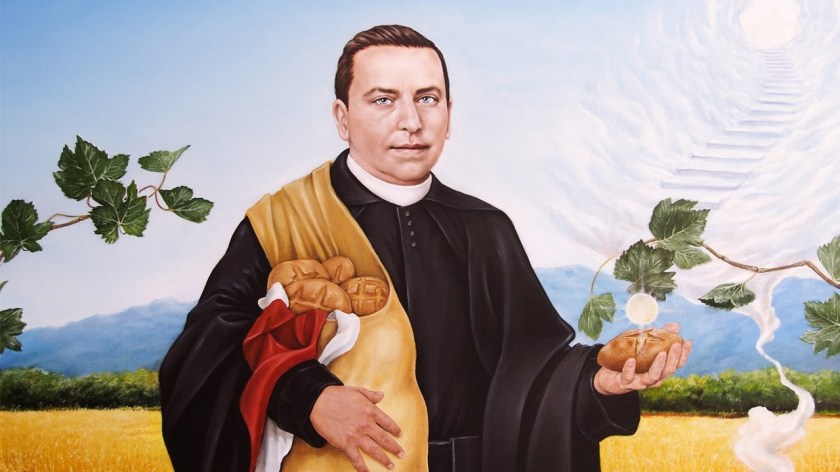
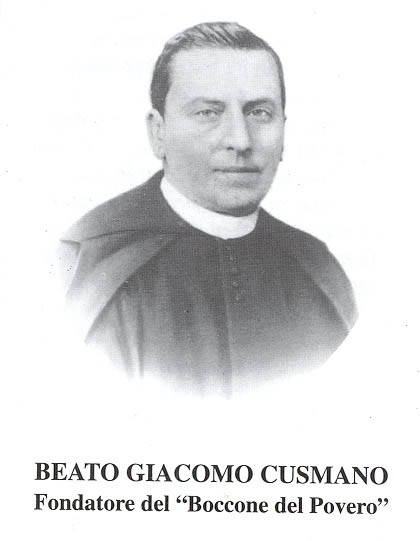
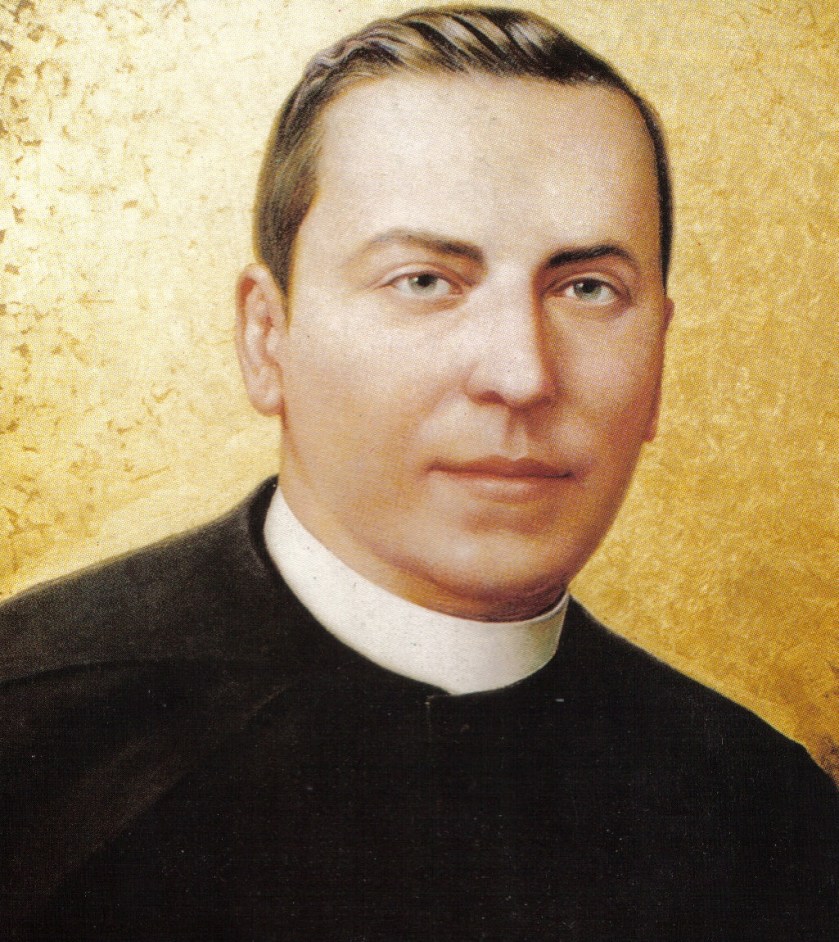
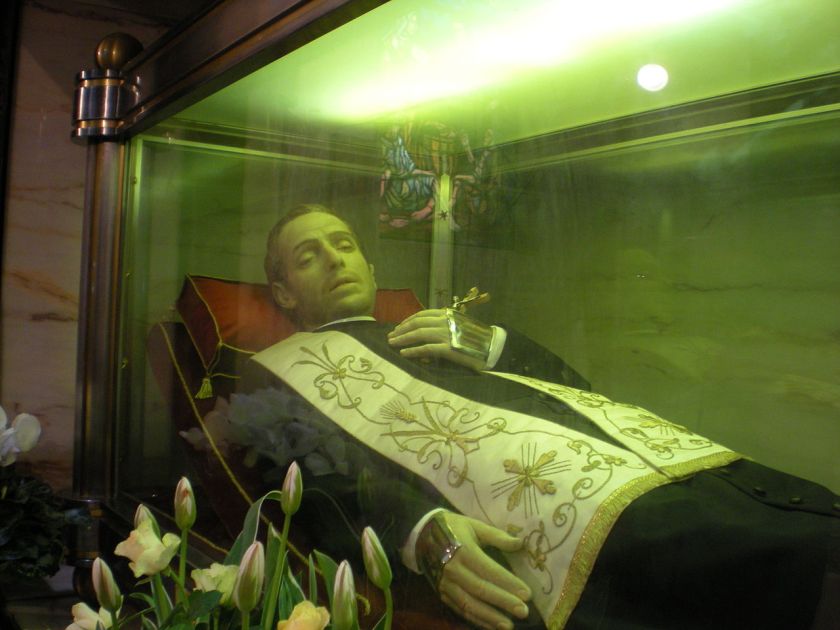
Saint of the Day – 14 March – Blessed Giacomo Cusmano (1834-1888) – Priest, Founder, Physician, Surgeon, Apostle of the Poor. Bl Giacomo was an Italian Roman Catholic priest and the founder of the “Congregation of Missionary Servants of the Poor” which is also known as the Morsel of the Poor. Cusmano also established the Sisters Servants of the Poor. He was beatified by St Pope John Paul II on 30 October 1983. His older sister was Vincenzina Cusmano (1826-1894), who joined his female religious order was declared Venerable in May 2017, putting her on the path to beatification.
This Italian Blessed was born on 15 March 1834, in Palermo on the island of Sicily. He received his first schooling in his parents’ house from a priest-tutor. This perhaps laid the foundation for his piety, which was then deepened at the Collegio Massimo of the Jesuits in Palermo. Hence, the young medical student was armed against the threats to religion and morals during his studies at the University in Palermo.
After Giacomo Cusmano had brilliantly completed a doctorate in medicine and surgery, he practised the medical profession from 1855 to 1859 with intelligence, skill and zeal, caring particularly for those poor sick people who could not afford a doctor. Soon he noted that many of his patients from the poorer sections of the city of Palermo were in much greater need of a priestly physician of souls. He began to study theology as well, and on 22 December 1860, he was ordained a priest.
Now both doctor and priest, he felt compelled to start an institution for his poor patients that he called Boccone del Povero (Food of the Poor). He began by gathering medicines, foodstuffs and other material relief for the poor and by distributing these donations to them in their lodgings. Out of this developed a society, which was authorised in 1867 by Archbishop Naselli of Palermo and was finally approved and blessed by Pope Pius IX.
The physician-priest Father Cusmano wanted to provide his institution with a band of auxilliaries, women and men who would help serve the poor. After twelve years of labour pains, such an association of lay brothers and sisters came into being. On 13 May 1880, the Blessed was able to present the habit to the first Sisters, on 14 October 1884, after a long preparation, he conferred the habit upon the first lay Brothers of the Servants of the Poor. On 21 November 1887, Blessed Giacomo erected also the Congregation of Missionary Fathers, who were commissioned to proclaim the Good News to the poor and furthermore to direct and minister to the Servants of the Poor. Then Dr Cusmano founded additional hostels, hospitals and orphanages for the poor people in Palermo and in other Sicilian localities. His work soon extended to other regions of Italy, as well as to Africa and to both North and South America.
The ideal that personally motivated this Blessed and that he wanted the members of his societies to put into action was “unlimited charity”. One of his first collaborators, later the Archbishop of Palermo, Cardinal Giuseppe Guarino, wrote about Giacomo Cusmano: “God has placed deep within the bosom of this physician and priest the heart of Saint Vincent de Paul. The fervour of his love for the poor was unsurpassed, the integrity of his blameless conduct was truly angelic, the kindness beaming from his face recalled Saint Francis de Sales. I have followed him very attentively through all the stages of his virtuous life and I must acknowledge, I have never met a priest who was so zealous for the salvation of souls, so amiable and so holy as he.”
On 9 February 1888, Giacomo Cusmano said at the inaugural meeting of the committee of the Ladies of Charity – presumably with a view to his approaching death – “My mission is now finished.”In fact, he died a few weeks later, on 14 March 1888, at 04:30am in Palermo, Italy of natural causes following a severe bout of pleurisy, in his fifty-fourth year just a day before his birthday and in the odour of sanctity, lamented and mourned by countless people. The orations that were given at his funeral were very moving, they spoke quite clearly of a saint who had gone home, of an Italian Vincent de Paul.
St Agno of Zaragoza
St Alexander of Pydna
St Aphrodisius of Africa
Bl Arnold of Padua
St Boniface Curitan
St Diaconus
St Eutychius of Mesopotamia
Bl Eve of Liege Bl Giacomo Cusmano (1834-1888)
St Lazarus of Milan
St Leo of the Agro Verano
St Leobinus of Chartres St Matilda of Saxony (c 894-968)
Biography: https://anastpaul.wordpress.com/2017/03/14/saint-of-the-day-14-march-st-matilda-of-saxony/
St Maximilian
Bl Pauline of Thuringia
St Peter of Africa
St Philip of Turin
St Talmach
Bl Thomas Vives
—
47 Martyrs of Rome – Forty-seven people who were baptised into the faith in Rome, Italy by Saint Peter the Apostle, and were later martyred together during the persecutions of Nero. Martyred c.67 in Rome, Italy
Martyrs of Valeria – Two monks martyred by Lombards in Valeria, Italy who were never identified. After the monks were dead, their killers could still hear them singing psalms. They were hanged on a tree in Valeria, Italy in the 5th
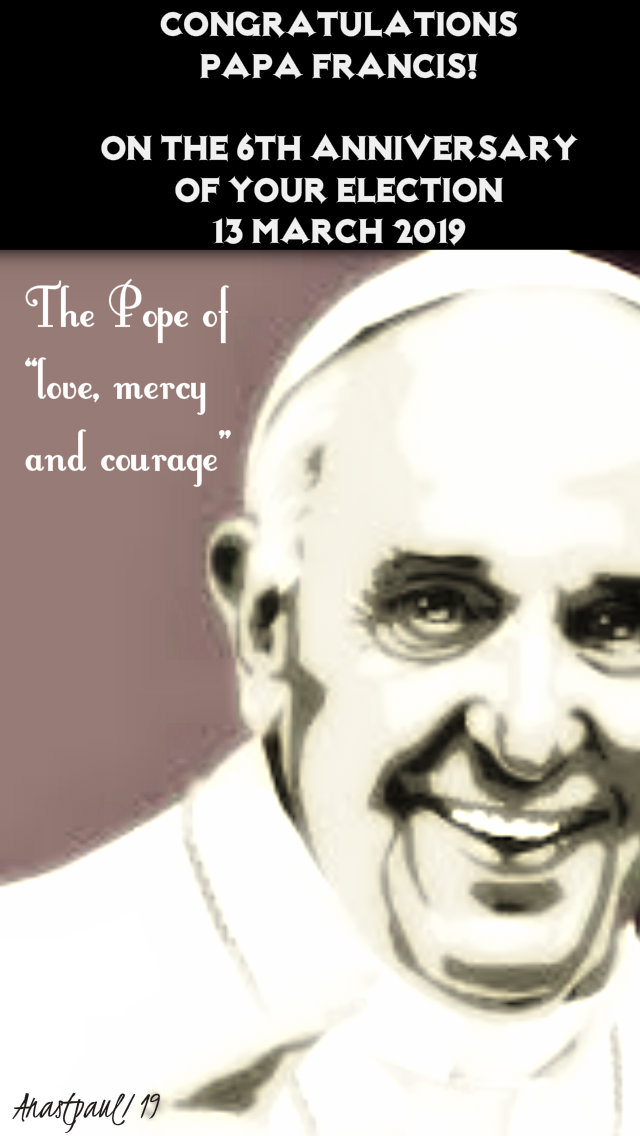
Six years ago, on 13 March 2013, the Pope “from the ends of the earth” stepped out onto the balcony of Saint Peter’s Basilica to the cheers of the tens thousands of people in St Peter’s Square.
On this the anniversary of the beginning of Pope Francis’ pontificate, the ad interim Director of the Holy See Press Office, Alessandro Gisotti looks back at those six years, saying that “love, mercy and courage are the key words to understanding this pontificate.”
Reflecting on election night, he says, “the first thing that comes to me was amazement, surprise. I think the election of Jorge Mario Bergoglio was a complete surprise for all of us. I remember the expression of amazement when the Camerlengo announced the name of Bergoglio and Francis, surprise because [he is] the first Pope with the name of Francis, the first Jesuit, the first Latin American.”
Gisotti goes on to tell Vatican News, that with this pontificate “we are really witnessing God’s surprises”, in what the Pope says and in what he does.
In his job, the ad interim Director has seen at first-hand how Pope Francis interacts with the people he encounters. He gives an example of the Pope’s Papal Visit to Panama for World Youth Day, saying, “to see the emotion, people crying, people crying when encountering Pope Francis, his proximity, above all to the poor, to the ill persons, to the weakest, is a manifestation, truly the manifestation of the love, the mercy of Jesus, of God and the people feel it.”
The Press Office Director says that what strikes him is, that along with this witness of mercy and love is Pope Francis’ courage to confront the most difficult of issues.
He calls to mind the Pope’s commitment to dialogue for peace and above all, the Pope’s commitment “to fight this terrible scourge of the sexual abuse of minors. This commitment for me is an example for all of us to confront, without fear, the most difficult challenges.”
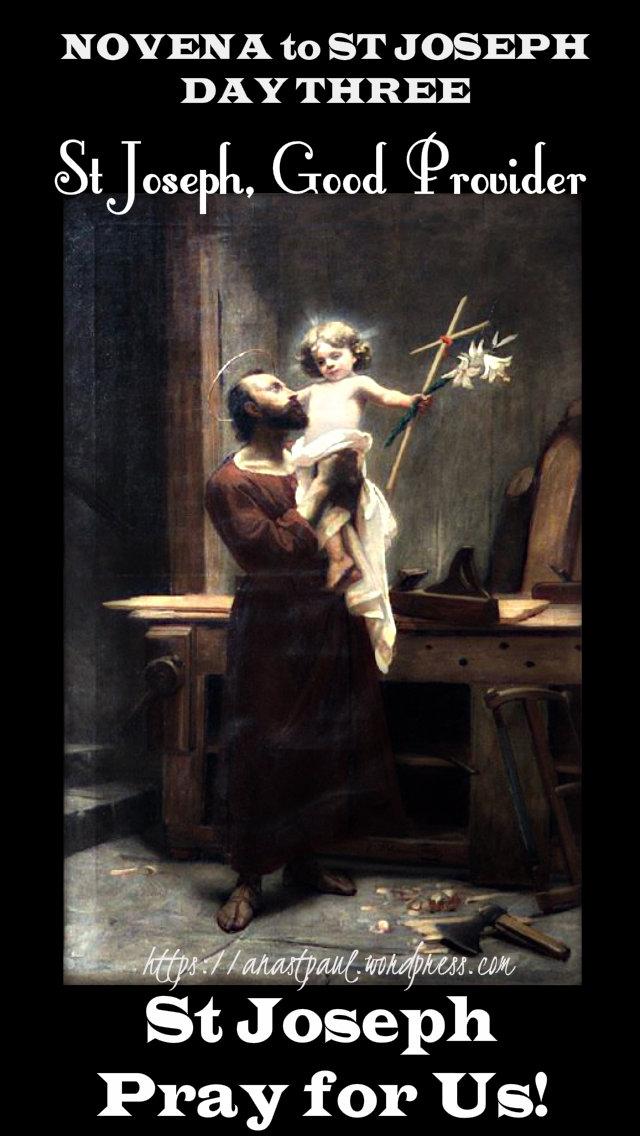
As the foster father of Jesus, you provided for His human needs. Through the work of your hands, he had food to strengthen Him, a house to give Him shelter and clothes to keep Him warm.
Now, from heaven, you’re still working, St Joseph. Indeed, the loving labour of your prayers provide for all the members of the Body of your Son. But as I’m preparing to consecrate myself completely to you, I ask you to please provide for me and for my loved ones in a special way. Through your prayers, please make sure that we always have food to eat, a roof over our heads and clothes to wear. Also, please pray for us that in times of abundance, we will never forget God. Pray for us that we will always be grateful for God’s gifts and that we will never be a slave to things like food or money, pleasure or power. Finally, help us always to remember and be generous with the poor.
Saint Joseph, with you as my spiritual father, I will do my best not to give in to useless anxiety about my job, money, or material things. I believe you will always make sure I have what I need and as a good father, I ask that you indulge me a bit by even providing for my material wants, provided they don’t take me away from Jesus.
Saint Joseph, Good Provider, please provide for my needs through your powerful prayers. Amen
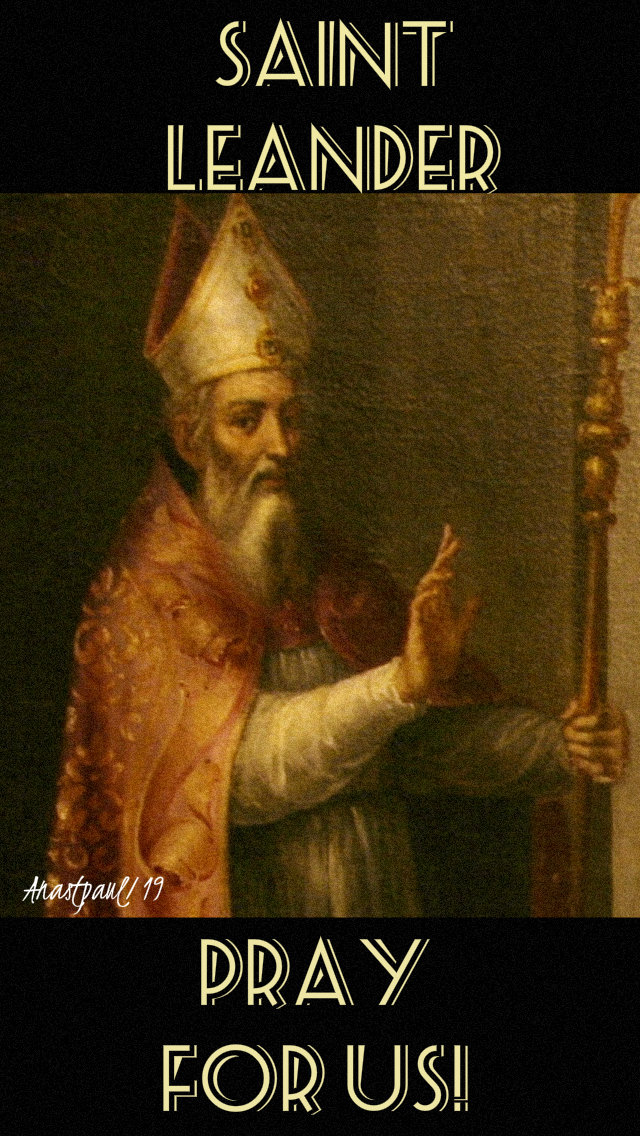
Thought for the Day -– 13 March – Wednesday of the First week of Lent, Year C and The Memorial of St Leander (c 534-c 600)
Without St Leander’s faithfulness, Spain would not have such a rich Catholic history. For his work opposing heresy, the Church in Spain recognises him as a doctor of the faith.
Leander became known for his holiness and when the bishop of Seville died, he was unanimously chosen to replace him. His task was clear—the Arian heresy was widespread at the time (the belief that Jesus was not fully human) and Leander set out to preach the truth. His prayer and eloquent arguments won many over to orthodoxy.
He became friends with St Gregory the Great. before that man became pope and the two exchanged letters and supported one another.
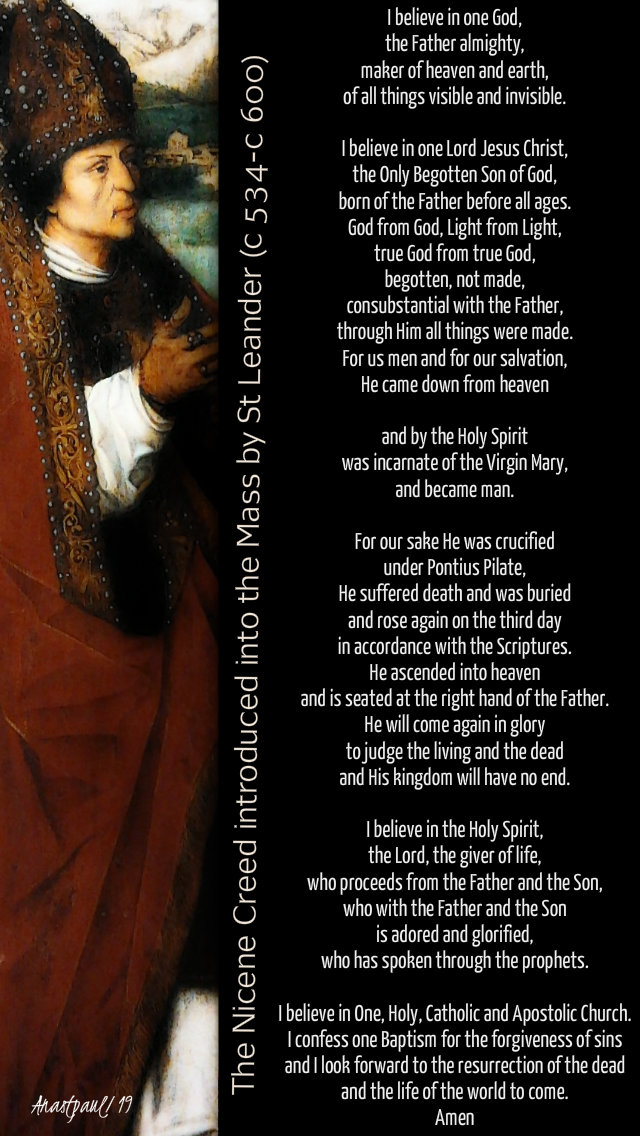
He had a great appreciation for the importance of prayer in the Christian life. Several councils were held under his leadership and he helped reform the liturgy and introduced the Nicene Creed into the Mass.
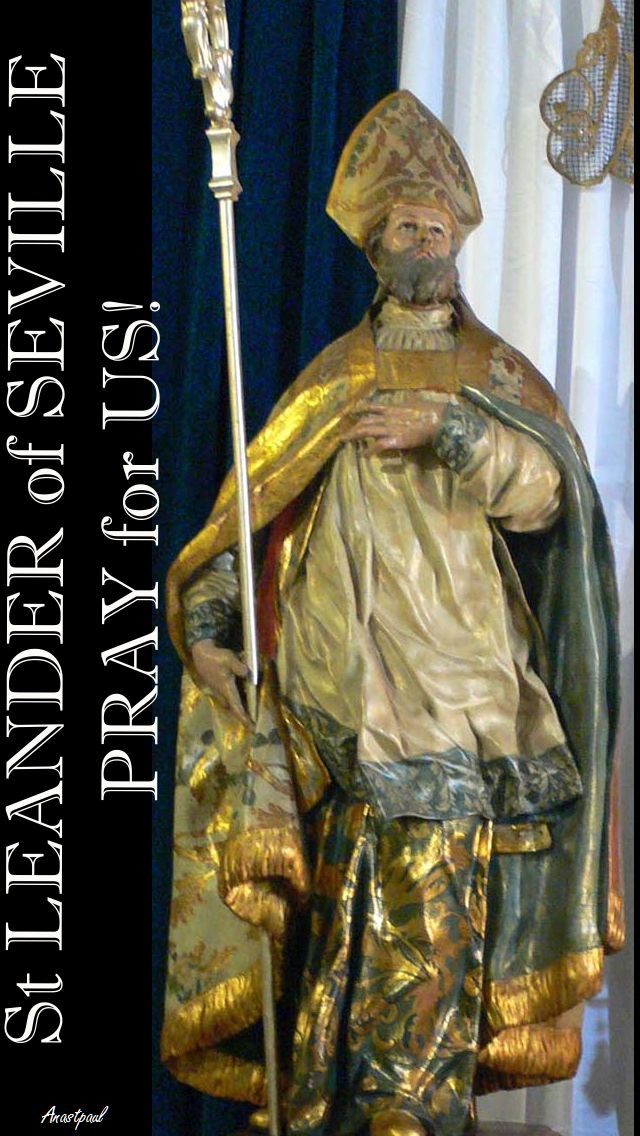
St Leander of Seville, you restored true faith to Spain–pray for the church, the world and us all!
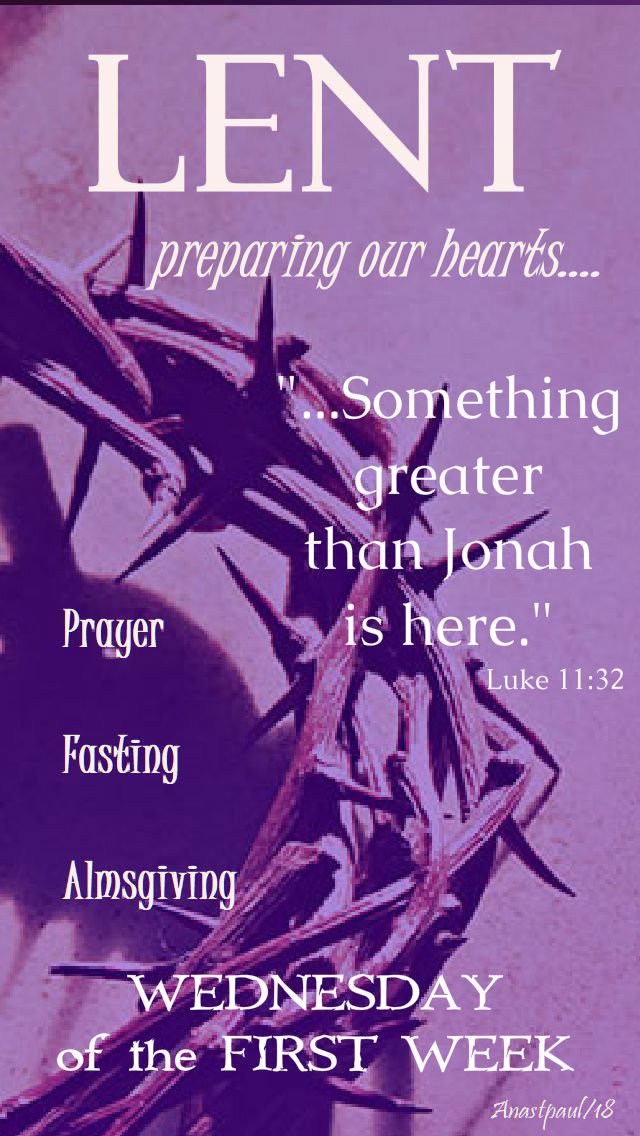
Lenten Reflection – 13 March – Wednesday of the First week of Lent, Year C
“…Something greater than Jonah is here.”…Luke 11:32
St Bernard (1091-1153)
Doctor of the Church
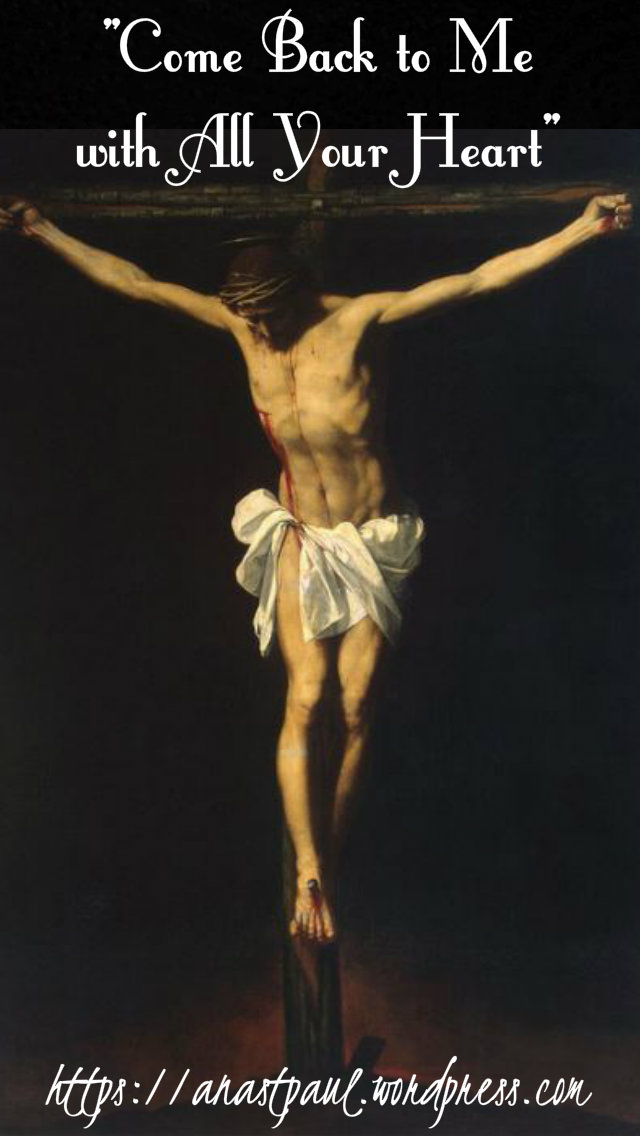
“Come back to me with all your heart” (Joel 2:12)
“Be converted with all your heart,” the Lord says. My brothers, if he had just said “Be converted” without adding anything, perhaps we should have been able to reply – it’s done, now you can give us something else to do.
But if I understand correctly, Christ is speaking to us here about a spiritual conversion that does not come about in a day. May it even be achieved in our lifetime! So pay attention to what you love, what you fear, at what makes you happy or what makes you sad and you will sometimes see that, beneath your religious habit you are still a man of the world. Indeed, the heart is wholly contained in these four feelings and it is concerning them, I think, we must understand these words: “Be converted to the Lord with all your heart.”
May your loving be converted, in such a way, that you love nothing but the Lord, or rather that you love nothing except for God’s sake. May your fear also be turned towards Him, for any fear that makes us afraid of something apart from Him and not because of Him is bad. May your joy and your sadness be converted to Him, this is how it will be if you neither suffer nor rejoice except in Him. Thus, if you mourn for your own sins or those of your neighbour you do well and your sadness is salutary. If you rejoice in the gifts of grace, this joy is holy and you are able to enjoy it in peace in the Holy Spirit. In the love of Christ you should be glad of your brothers’ good fortunes and sympathise with their misfortunes according to this verse: “Rejoice with those who rejoice, weep with those who weep.” (Rm 12:15)
Daily Meditation: Hear our prayer.
The Wednesdays and Fridays of Lent take on a more penitential tone.
Our longing intensifies.
We know we have to work hard to resist temptation
and to change some of our bad habits.
We know that spiritual renewal won’t come easily.
But we know that all we will ultimately be able to do
will come from God’s inspiration – as a gift.
So we ask from a deeper and deeper place in our hearts.
We listen to the wonderful story about Nineveh.
They responded to God’s word and repented.
My sacrifice, O God, is a contrite spirit; a heart contrite and humbled, O God, you will not spurn.
Psalm 51
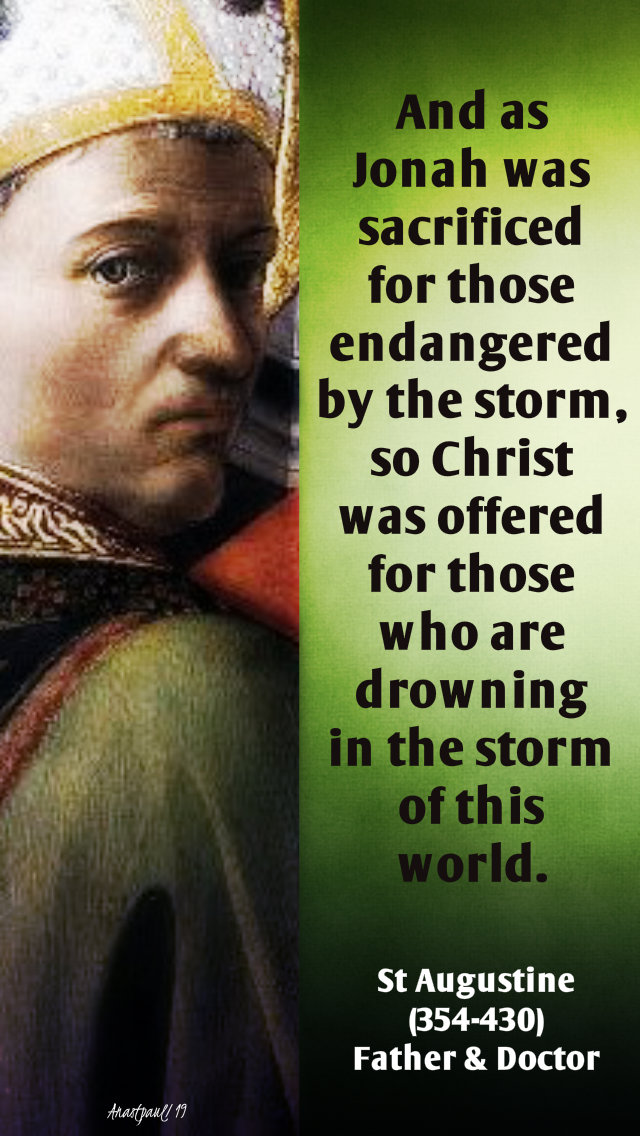
“And as Jonah was sacrificed for those endangered by the storm, so Christ was offered for those who are drowning in the storm of this world.”
St Augustine (354-430)
Closing Prayer:
Dear Lord,
I know You receive what is in my heart.
Let me be inspired by Your words
and by the actions of Your son, Jesus.
Guide me to make sacrifices this Lent
in the spirit of self-denial
and with greater attention to You
and to those around me.
Help me to believe that You will grant me this
because of the sacrifice Jesus made for me.
May the Lord bless us,
protect us from all evil
and bring us to everlasting life.
Amen.
Quote/s of the Day -– 13 March – Wednesday of the First week of Lent, Year C and The Memorial of St Leander (c 534-c 600)
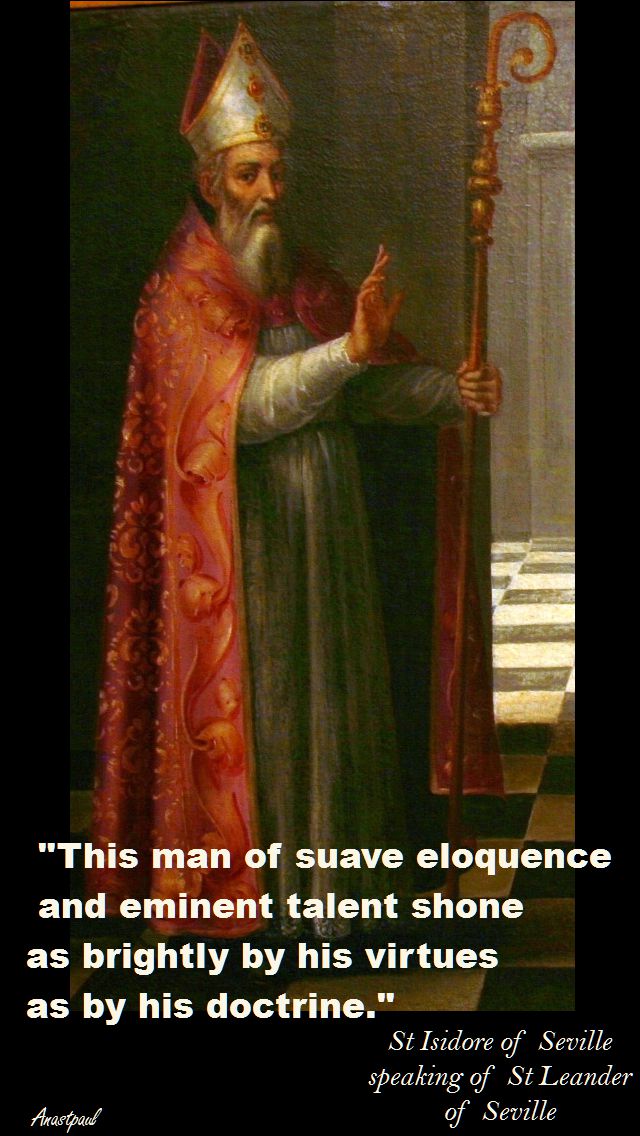
“This man of suave eloquence and eminent talent shone as brightly by his virtues as by his doctrine. By his faith and zeal the Gothic people have been converted from Arianism to the Catholic faith”
St Isidore of Seville (560-636) Doctor of the Church,
speaking of his brother St Leander, whom we celebrate today.
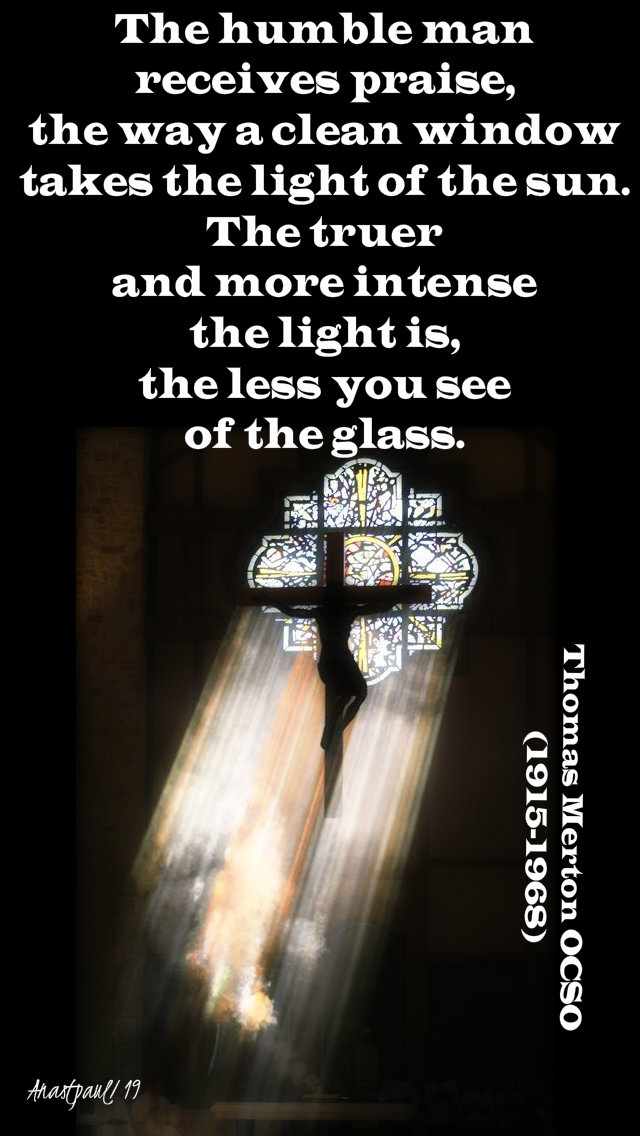
“The humble man receives praise, the way a clean window takes the light of the sun. The truer and more intense the light is, the less you see of the glass.”
One Minute Reflection – 13 March – Wednesday of the First week of Lent, Year C – The Memorial of St Leander (c 534-c 600)
“The men of Nineveh will arise at the judgement with this generation and condemn it, for they repented at the preaching of Jonah and behold, something greater than Jonah is here.”...Luke 11:32
REFLECTION – “The conversion of a great city like Nineveh stuns us! The message in any case is clear – collective choices are possible. Today, however, unfortunately, a collective choice is clearly manifested only when a country declares war on another. Emmanuel Kant recognised the strength of a community that was eager to share the same values, Margaret Mead that of a small group determined to change the world. The initiators of Congregations, of ecclesial movements, pious associations and social reforms shook the world with their community decisions. Jesus’s pain at resistance to His teaching has a lesson for those who put on the helmet of ‘indifference’ or the blinkers of ‘apathy’ – the LUKEWARM! Atheists and agnostics will rise from their graves to point to opportunities such people wasted. AWAKE! Lukewarmness is SIN!”…Archbishop Thomas Menamparampil SDB
PRAYER – Help me, my God and my Father, to discern through prayer and meditation what You truly want of me. Then enable me to offer it to You – and indeed to offer myself and all I have to You. St Leander, you were and are an example to all around you, please pray for us, amen!
Our Morning Offering – 13 March – Wednesday of the First week of Lent, Year C – The Memorial of St Leander (c 534-c 600)
As we pray the Nicene Creed every Sunday, we might reflect on the fact that, this same prayer is being prayed by every Catholic during Mass, throughout the world. Saint Leander introduced its recitation as a means of uniting the faithful. Let’s pray that the recitation may enhance that unity today- each time you pray it, pray in your heart for total unity and solidarity of ALL Catholics – “let them be one.”
The Nicene Creed
I believe in one God,
the Father almighty,
maker of heaven and earth,
of all things visible and invisible.
I believe in one Lord Jesus Christ,
the Only Begotten Son of God,
born of the Father before all ages.
God from God, Light from Light,
true God from true God,
begotten, not made,
consubstantial with the Father,
through Him all things were made.
For us men and for our salvation,
He came down from heaven
and by the Holy Spirit
was incarnate of the Virgin Mary,
and became man.
For our sake He was crucified
under Pontius Pilate,
He suffered death and was buried
and rose again on the third day
in accordance with the Scriptures.
He ascended into heaven
and is seated at the right hand of the Father.
He will come again in glory
to judge the living and the dead
and His kingdom will have no end.
I believe in the Holy Spirit,
the Lord, the giver of life,
who proceeds from the Father and the Son,
who with the Father and the Son
is adored and glorified,
who has spoken through the prophets.
I believe in One, Holy, Catholic and Apostolic Church.
I confess one Baptism for the forgiveness of sins
and I look forward to the resurrection of the dead
and the life of the world to come.
Amen
Saint of the Day – 13 March – Bl Françoise Tréhet (1756-1794) Martyr, Religious Sister, Teacher, Apostle of Charity – born on 8 April 1756 in Saint-Mars-sur-la-Futaie, Mayenne, France and died by being guillotined on 13 March 1794 in Laval, Mayenne, France.
Françoise Tréhet was born on 8 April 1756 in a family of wealthy landowners, in Saint-Mars-sur-la-Futaie in Vendée. She made her vows to the Sisters of Charity and became a teacher and performed various works of charity.
In 1783, she was invited to Saint-Pierre-des-Landes to open a parish school. She was helped in this task by her sister Jeanne Véron, ten years her junior. The two nuns taught the class and assisted the sick of the parish.
With the taking of the Bastille and hate movements against the Church, the French Revolution shed the blood of the innocent, simply because they were Christians, because they refused to submit to the violent demands proposed by the powerful, unscrupulous revolutionaries who happily took advantage of their position to put into practice their visceral hatred against Christ and His Church.
France, the “eldest daughter of the Church” lived then the saddest pages of her history, yet so full of saints and blessed … But, as often said, “the blood of the martyrs is seed of Christians”, that is why the blood of all these martyrs of the French Revolution, during the period of terror, will bring to the homeland of Saint Remi and Saint Louis IX, many other glorious saints who in Paradise, serve us all.
Francoise had a strong character and a strong will. She had predicted the torments of the revolution and refused to submit to the terror. Towards the end of February 1794, the two Sisters were denounced and condemned to the guillotine.
On 13 March, Francoise appeared at the Clement Commission, of sinister memory. She was accused of hiding priests and helping underground movements. She replied that every sick person was a brother in Jesus Christ and needed her care. She refused to shout “long life to the republic”, which condemned her to death by the guillotine.
She went to the scaffold, singing the Salve Regina. She was 37 years old. The same fate struck Jeanne a week later.
St Francoise’s relics are enshrined at the church of St-Pierre-des-Landes where she had taught. The two sisters were beatified on 19 June 1955 by Servant of God Pope Pius XII. (translated from French).
Bl Agnellus of Pisa
St Ansovinus of Camerino
Bl Berengar de Alenys
St Christina of Persia
St Euphrasia Bl Françoise Tréhet (1756-1794) Martyr
St Gerald of Mayo
St Grace of Saragossa
St Heldrad of Novalese
Bl Judith of Ringelheim
St Kevoca of Kyle St Leander of Seville (c 534-c 600)
Biography: https://anastpaul.wordpress.com/2017/03/13/saint-of-the-day-13-march-st-leander-of-seville/
St Mochoemoc
St Nicephorus of Constantinople
Bl Peter II of La Cava
St Pientius of Poitiers
St Ramirus of Leon
St Sabinus of Egypt
St Sancha of Portugal
—
Martyrs of Cordoba: Roderick, Salomon,
Martyrs of Nicaea:
Arabia
Horres
Marcus
Nymphora
Theodora
Theusitas
Martyrs of Nicomedia
Eufrasia
Macedonius
Modesta
Patricia
Urpasian
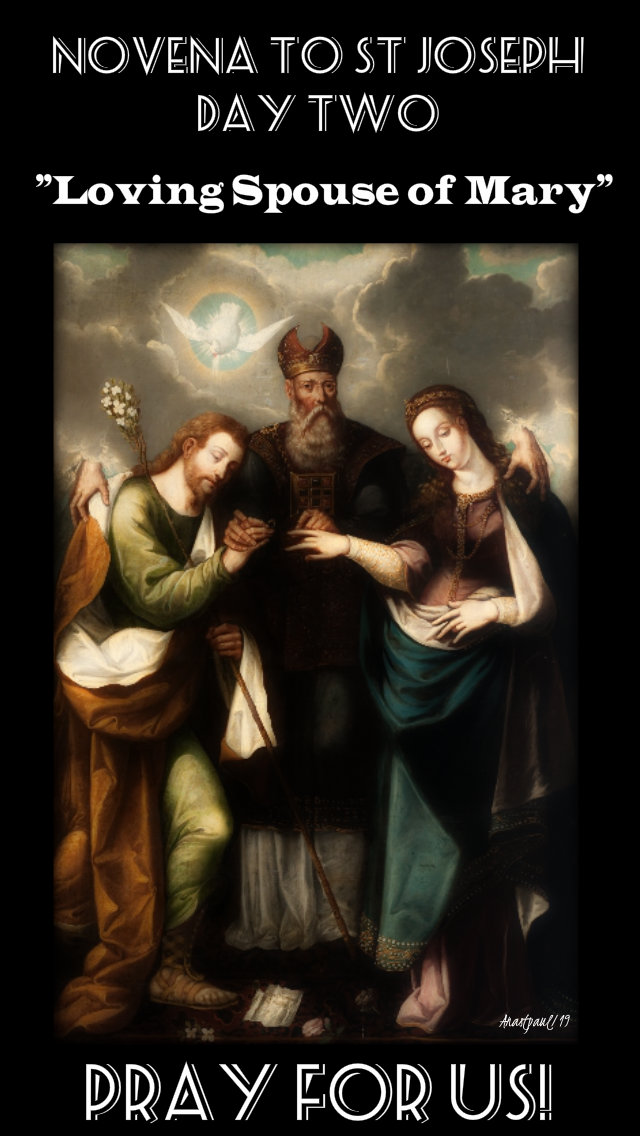
I’m thinking about the angel’s words to you, “Do not be afraid to take Mary for your wife” (Mt 1:20). Saint Joseph, you weren’t afraid. You trusted God. And now you truly are the husband of Mary. After Jesus, you are the dearest person to her heart! Well, St Joseph, as my spiritual father, I now ask you to speak to Mary about me, about my life. If you kindly adopt me as your spiritual child, then I know all the more, that Mary will take me to her heart as well. Both of you truly are my spiritual parents. And just as any good father wants to see his children love their mother, I know that you will help me to know and love my spiritual mother more.
By your powerful prayers, I ask you to help me realise what a gift I have in Mary. Pray for me that I will better appreciate her motherly role in my life. Saint Joseph, I know that you love her. I know it makes you happy to see her children love her with all their hearts.
Therefore, as I prepare to consecrate myself totally to your fatherly care, I give you permission — in fact, I’m pleading with you, Help me to appreciate my Mother Mary even more.
Saint Joseph, Loving Spouse of Mary, please help me to love my spiritual mother even more. Amen
Lenten Thoughts – 12 March – Tuesday of the First Week of Lent
Saint Cyprian of Carthage Bishop, Father of the Church and Martyr
An excerpt from his “On the Lord’s Prayer”
Dear brothers, the commands of the Gospel are nothing else than God’s lessons, the foundations on which to build up hope, the supports for strengthening faith, the food that nourishes the heart. They are the rudder for keeping us on the right course, the protection that keeps our salvation secure. As they instruct the receptive minds of believers on earth, they lead safely to the kingdom of heaven.
God willed that many things should be said by the prophets, His servants and listened to by His people. How much greater are the things spoken by the Son. These are now witnessed to by the very word of God who spoke through the prophets. The Word of God does not now command us to prepare the way for His coming – He comes in person and opens up the way for us and directs us toward it. Before, we wandered in the darkness of death, aimlessly and blindly. Now we are enlightened by the light of grace and are to keep to the highway of life, with the Lord to precede and direct us.
The Lord has given us many counsels and commandments to help us toward salvation. He has even given us a pattern of prayer, instructing us on how we are to pray. He has given us life and with His accustomed generosity, He has also taught us how to pray. He has made it easy for us to be heard as we pray to the Father in the words taught us by the Son.
He has already foretold that the hour was coming when true worshippers would worship the Father in spirit and in truth. He fulfilled what He had promised before, so that we who have received the spirit and the truth through the holiness He has given us, may worship in truth and in the spirit through the prayer He has taught.
What prayer could be more a prayer in the spirit than the one given us by Christ, by whom the Holy Spirit was sent upon us? What prayer could be more a prayer in the truth than the one spoken by the lips of the Son, who is Truth Himself? It follows that to pray in any other way than the Son has taught us is not only the result of ignorance but of sin. He himself has commanded it and has said – You reject the command of God, to set up your own tradition.
So, my brothers, let us pray as God our master has taught us. To ask the Father in words His Son has given us, to let Him hear the prayer of Christ ringing in His ears, is to make our prayer one of friendship, a family prayer. Let the Father recognise the words of His Son. Let the Son who lives in our hearts, be also on our lips. We have Him as an Advocate for sinners, before the Father, when we ask for forgiveness for ours sins, let us use the words given by our Advocate. He tells us – Whatever you ask the Father in my name, He will give you. What more effective prayer could we then make, in the name of Christ, than in the words of His own prayer?
Thought for the Day – 12 March – Tuesday of the First Week of Lent, C – Gospel Matthew 6:7–15 and the Memorial of St Luigi Orione FDP (1872-1940)
“Men who have risked their lives for the sake of Our Lord Jesus Christ” (Acts 15: 26). These words taken from the Acts of the Apostles can be well-applied to St Luigi Orione, a man who gave himself entirely for the cause of Christ and His Kingdom. Physical and moral sufferings, fatigue, difficulty, misunderstandings and all kinds of obstacles characterised his apostolic ministry. “Christ, the Church, souls”, he would say, “are loved and served on the cross and through crucifixion or they are not loved and served at all”(Writings, 68, 81).
The heart of this strategy of charity was “without limits because it was opened wide by the charity of Christ” (ibid., 102, 32). Passion for Christ was the soul of his bold life, the interior thrust of an altruism without reservations, the always fresh source of an indestructible hope.
This humble son of a man who repaired roads proclaimed that “only charity will save the world” and to everyone he would often say, that “perfect joy can only be found in perfect dedication of oneself to God and man and to all mankind.”
St Pope John Paul on the Canonisation of St Luigi Sixth Sunday of Easter, 16 May 2004
Work, Seeking God Alone From writings by Saint Don Orione (1872-1940)
“Yesterday, when I was in the room of a good priest my eyes fell on these words:
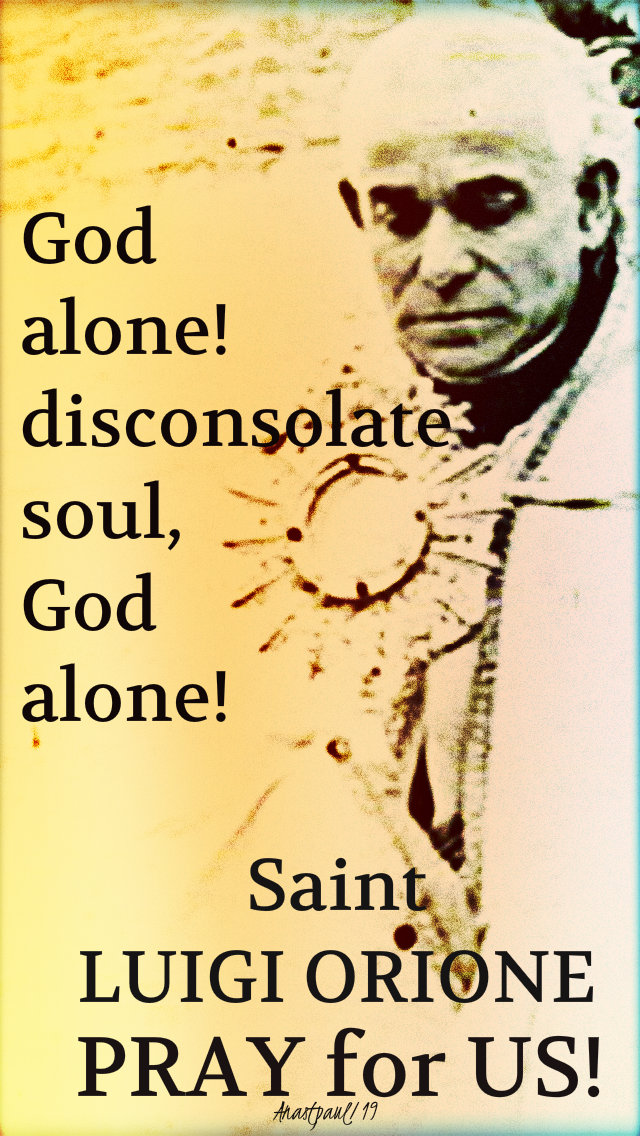
God alone!
My look at that moment was full of weariness and pain and my mind was thinking about so many other days like yesterday, full of anxiety and above the whirl of so much anguish and above the confused sound of so many sighs, I seemed to hear the amiable and good voice of my Angel – God alone! disconsolate soul, God alone!”
The ideal of Don Orione’s life was to live and to die for the spiritual welfare of people, serving Our Lord Jesus Christ, the Mother Church and its head, the Pope.
His motto was, “Do good always, to all, evil to none”.
Quote/s of the Day – 12 March – Tuesday of the First Week of Lent, C – Gospel Matthew 6:7–15 and the Memorial of St Luigi Orione FDP (1872-1940)
“Speaking of Prayer”
“Without Prayer nothing good is done. God’s works are done with our hands joined and on our knees. Even when we run, we must remain spiritually kneeling before Him.”
Saint Luigi Orione (1872-1940)
“But if He who was without sin prayed, how much more ought sinners to pray and if He prayed continually, watching through the whole night with uninterrupted petitions, how much more ought we to lie awake at night in continuing prayer!”
St Cyprian of Carthage (c 200- c 258)
Father of the Church
(The Lord’s Prayer #29)
“Your prayer is a conversation with God. When you read, it is God who is speaking, when you pray, it is with God that you are speaking.”
St Augustine (354-430) Father & Doctor of the Church
“All that one says to the Saviour is prayer and when the mind cannot apply itself, to the effort of true prayer, a few simple words to Him become one. It is needful always to think of Him, even if it is only by the thought that one is thinking less of Him – one must be always thinking of Him and then bit by bit, He draws one back entirely to Him, He is so good!”
Eugene de Ferronays (1827 – 1894)
“When we pray, let it be our whole being that turns towards God – our thoughts, our heart… The Lord will be moved to incline towards us and come to our help…”
St Pio of Pietralcina “Padre Pio” (1887-1968)
“Prayer is necessary to receive the help of God, as grain is needed to harvest … a humble and trustful prayer, for what is necessary for salvation, is never lost. It is heard at least by the fact, that it begs for the grace, to abide in prayer.”











 AnaStpaul
You must be logged in to post a comment.