
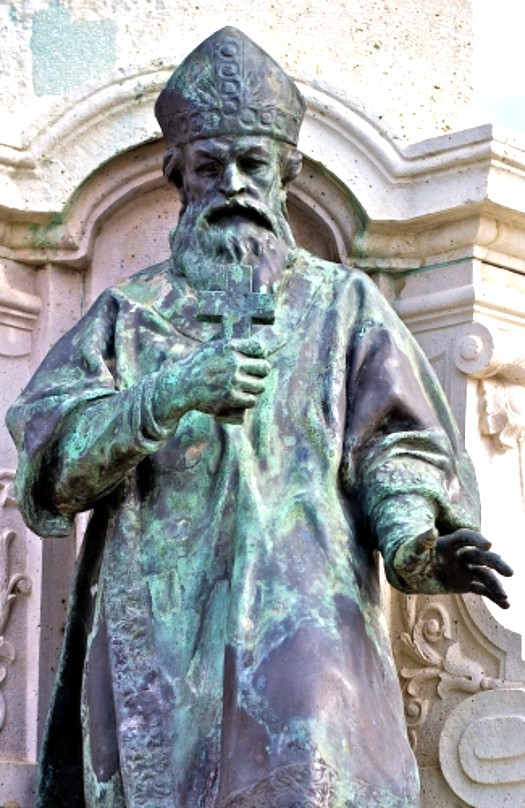
Saint of the Day – 25 October – Saint Maurus of Pécs OSB (c 1000-c 1075) Bishop, the first Hungarian Benedictine Monk and Abbot (Ordo Sancti Benedicti – OSB), Peace-maker, Writer and Hagiographer – born in c 1000, probably in the territory of modern Hungary and died in c 1075 in Pécs, Hungary of natural causes. Patronage – Diocese of Pécs. Also known as – Maurus of Nitra, Maurus of Pannonhalma, Maurice, Mauricio, Mauro, Mór. Additional Memorial – 4 December (Benedictines).
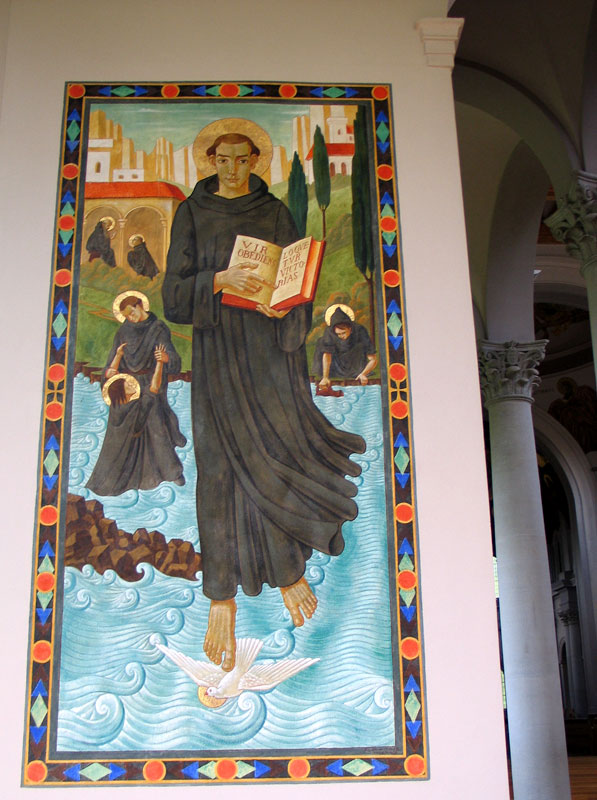
Saint Maurus was born around the year 1000 in Hungary. The legend of Saint Emeric (1007-1031) relates that Maurus was still a child when his parents sent him to the Benedictine Monastery of St Martin in Pannonhalma for schooling.
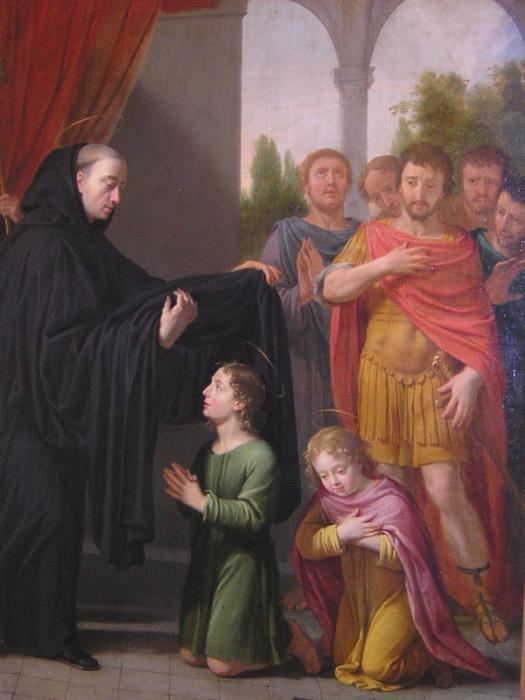
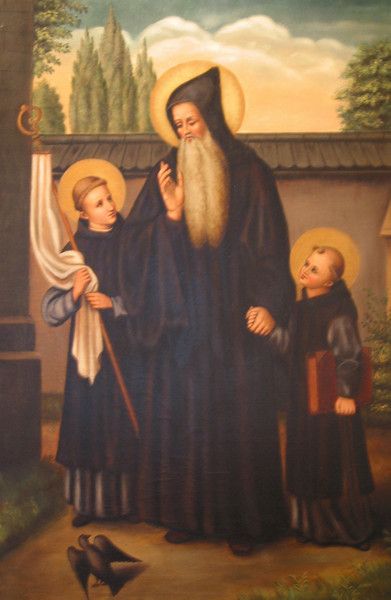
At an early age, Maurus joined the Benedictine Order in Pannonhalma and became the first Hungarian-born Benedictine.
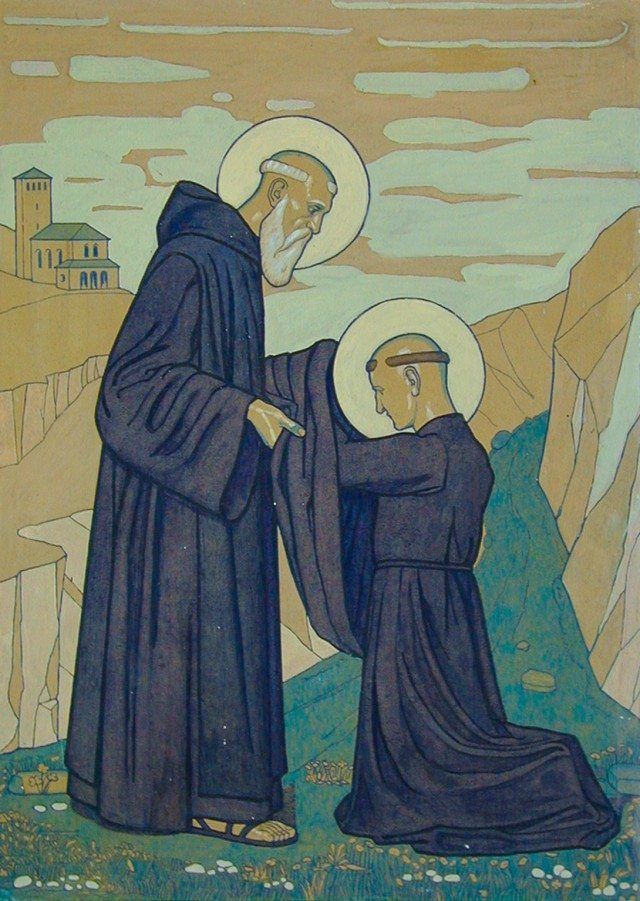
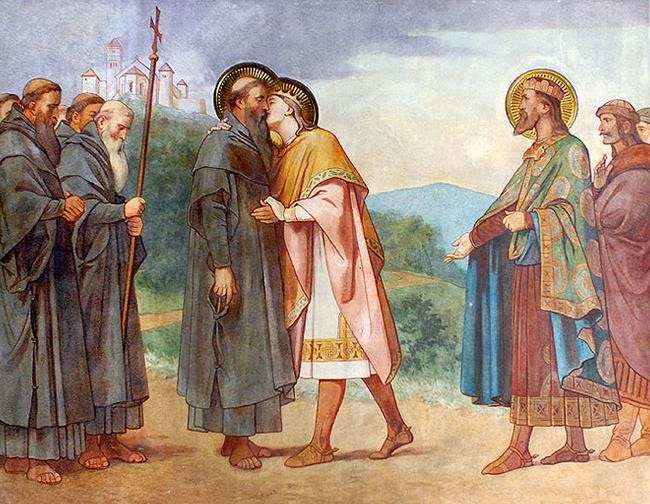
St King Stephen I of Hungary and his son St Emeric held Maurus in very high esteem because of his piety and allegiance to the Benedictine rule. Legend has it, that Maurus was the only Monk who Emeric greeted with seven kisses on the occasion of a visit to the Monastery and, with this he wanted to demonstrate his conviction, that Maurus had kept his vow of celibacy. Apparently Emeric always used to greet with an odd number of kisses (one, three, five and thus seven to Maurus).
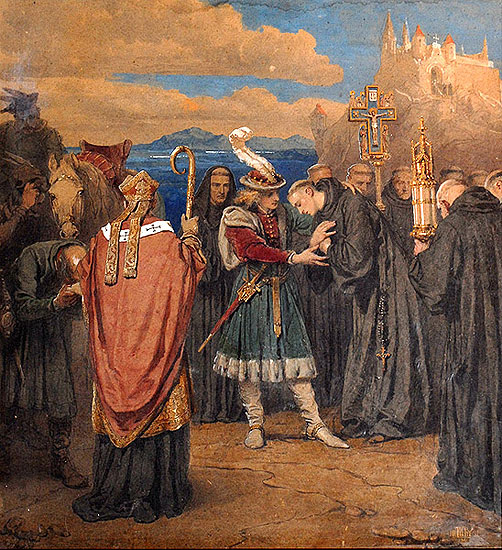
St Emeric’s father, Stephen I, the first king of Hungary, appointed Maurus Abbot of the Monastery in 1029 at the latest. According to the Greater Legend of Saint Gerard, Maurus sent four monks from Pannonhalma to assist Gerard, the first Bishop of Csanád (now Cenad, Romania) in organising the new Diocese. Maurus was appointed the second Bishop of Pécs in 1036.
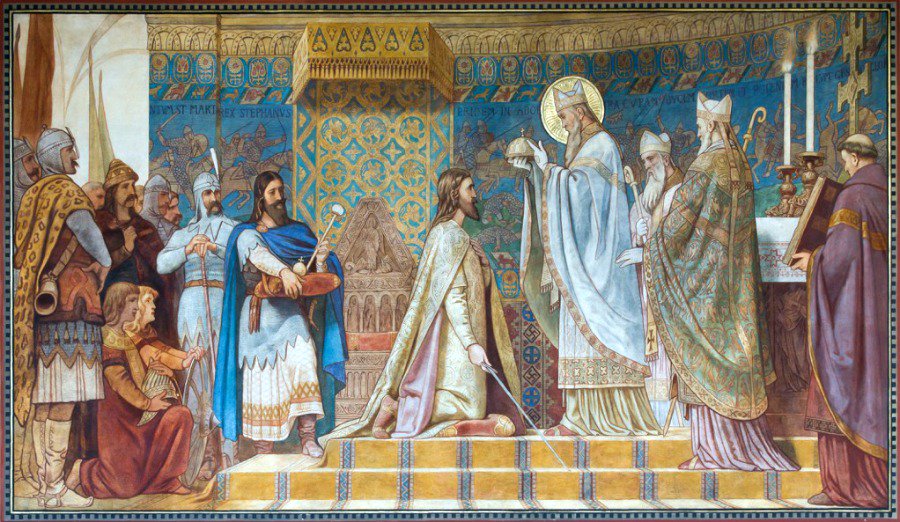
Maurus was the prelate who finished the construction of the earliest Cathedral in Pécs in the reign of Stephen I’s successor, Peter I. He was one of the three Bishops who survived the pagan uprising that put an end to King Peter’s rule, thus the three Bishops together, celebrated the coronation of the new king, Andrew I in Székesfehérvár in 1046. Maurus’s prestige in the new king’s court is demonstrated by the deed of founding of the Benedictine Tihany Abbey from 1055 on which his signature is only preceded by that of the archbishop of Esztergom. The contemporary Palatine of the kingdom, Radó also bequeathed a part of his possessions to Maurus and the bishopric of Pécs in his last will in 1056. The Palatine’s will was confirmed by both King Andrew I and his brother and successor, Béla I.
After Béla Is’ death, Maurus succeeded in negotiating peace between the sons of the late King Géza I and Saint Ladislas and King Andreas’ son Solomon, who celebrated his treaty at Pécs Easter 1064. There, Géza and Ladislas accepted Solomon’s right to the throne and Prince Géza personally placed the crown on King Solomon’s head. Maurus was also the first ecclesiastical writer in the Kingdom of Hungary and a significant hagiographer and he wrote the biography that the prince requested. In addition to the account of Abbot Philip of Zobor, Maurus was able to base his work on his own conversations with Benedict of Hungary, in his youth in the Monastery of Pannonhalma.
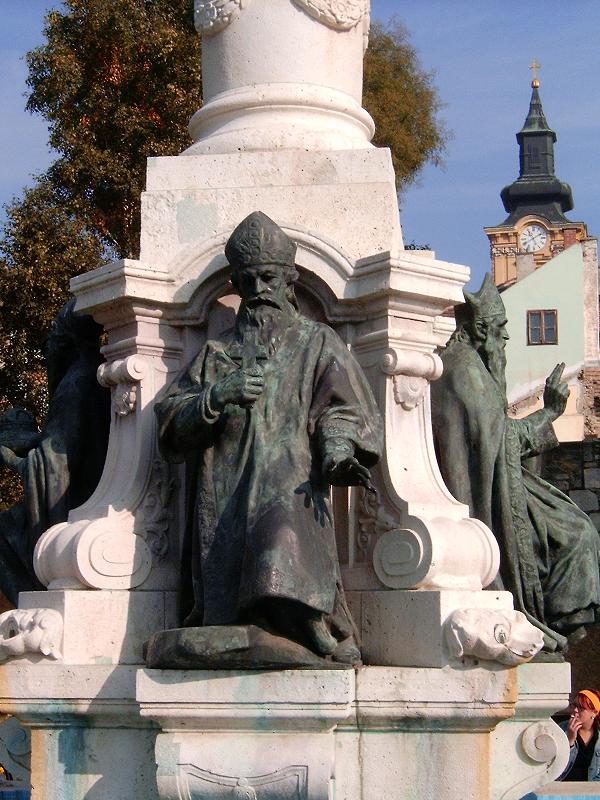
Maurus died around 1070 in Pécs. His cult began shortly after his death, and he was officially Canonised by the confirmation of his cult “from time immemorial” on 4 August 1848 by the Blessed Pope Pius IX (1846-78) (some sources call it a “beatification,” obviously incorrect, since the Martyrologium Romanum calls him Sanctus). The Canonisation took place at the request of the then Bishop of Pécs, János Scitovszky (1839-49), later Archbishop of Esztergom (1849-66) and apostolic administrator of Pécs (1849-52), Cardinal from 1853. He was the one who built the Cathedral in Esztergom, Hungary’s largest church.

Pope Pius IX emphasised that “there are Mass books from 1499 that sing the praises of Blessed Maurus and his name also appeared in martyrologies.”
Pope Pius XI declared him Co-Patron of the Diocese of Pécs on 4 December 1925.

 AnaStpaul
4 thoughts on “Saint of the Day – 25 October – Saint Maurus of Pécs OSB (c 1000-c 1075)”