Thought for the Day – 2 August – Meditations with Antonio Cardinal Bacci (1881-1971)
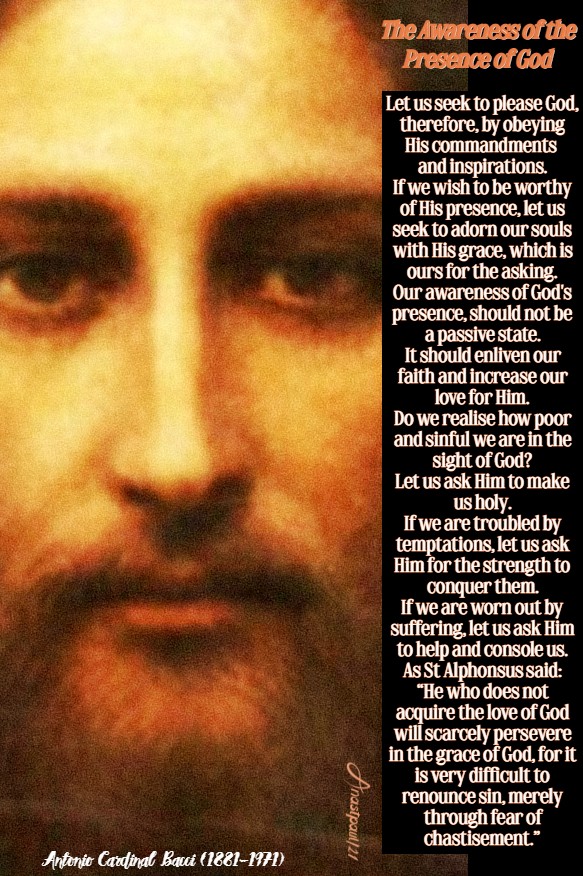
The Awareness of the Presence of God
“The presence of God, moreover, encourages us to do our best to acquire all the virtues. When He is always before our eyes, we have no difficulty in recognising, that He is the supreme Truth, Beauty and Goodness.
Let us seek to please God, therefore, by obeying His commandments and inspirations. If we wish to be worthy of His presence, let us seek to adorn our souls with His grace, which is ours for the asking. Our awareness of God’s presence, should not be a passive state. It should enliven our faith and increase our love for Him.
Do we realise how poor and sinful we are in the sight of God? Let us ask Him to make us holy. If we are troubled by temptations, let us ask Him for the strength to conquer them. If we are worn out by suffering, let us ask Him to help and console us. As St Alphonsus said: “He who does not acquire the love of God will scarcely persevere in the grace of God, for it is very difficult to renounce sin, merely through fear of chastisement.”
If we live in the presence of God and contemplate Him, we shall be moved to love Him more and more.”
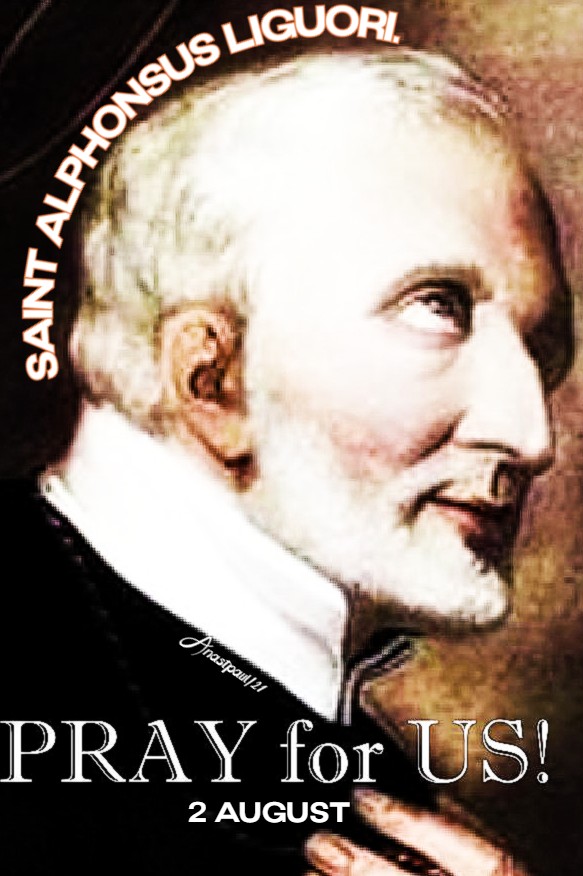
Quote/s of the Day – 2 August – The Memorial of St Alphonsus Maria de Liguori (1696-1787) Most Zealous Doctor of the Church
“If you wish to charm the loving Heart of your God, set yourself to talk to Him, as often as you can and, after a fashion, continually, together with the fullest and most confident liberty. He will not hold aloof from answering you and participating in the conversation on His part.”
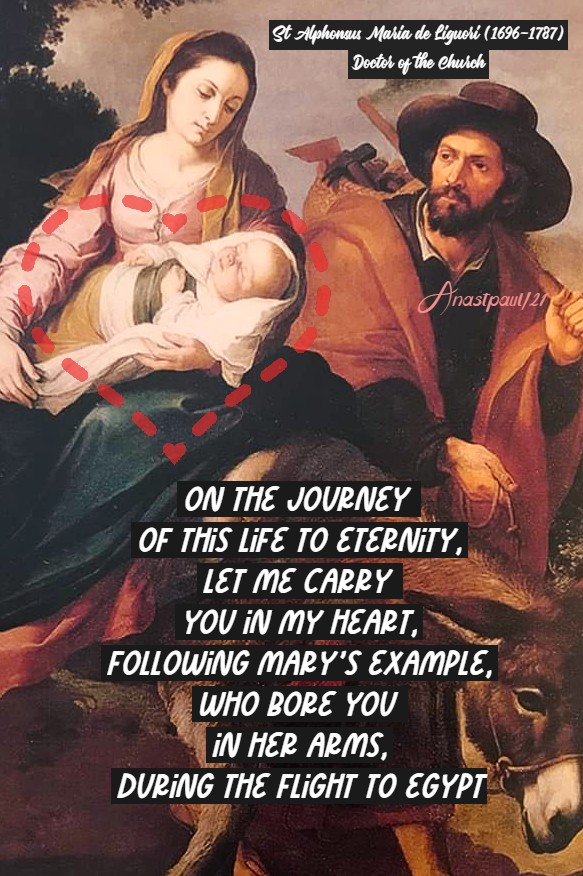
“On the journey of this life to eternity, let me carry You in my heart, following Mary’s example, who bore You in her arms, during the flight to Egypt.”
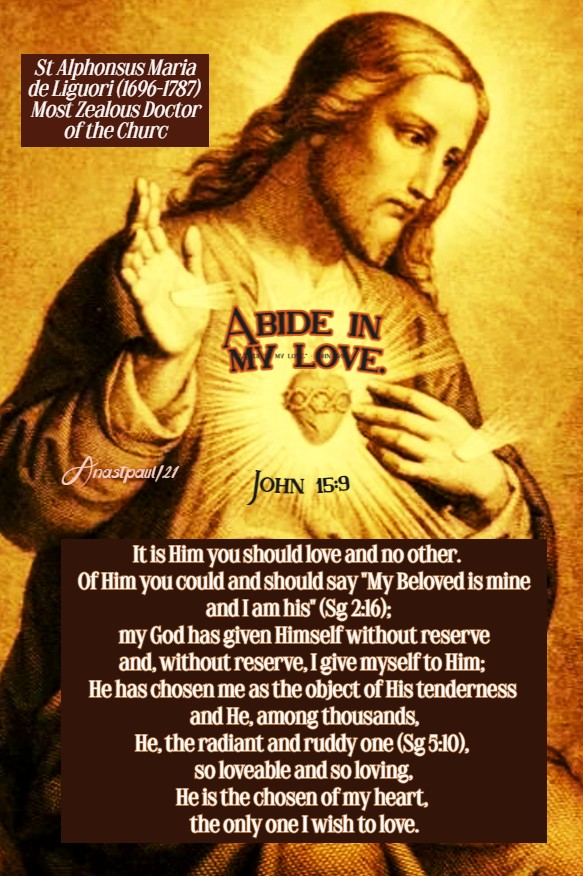
“… It is Him you should love and no other. Of Him you could and should say “My Beloved is mine and I am his” (Sg 2:16); my God has given Himself without reserve and, without reserve, I give myself to Him; He has chosen me as the object of His tenderness and He, among thousands, He, the radiant and ruddy one (Sg 5:10), so loveable and so loving, He is the chosen of my heart, the only one I wish to love.”
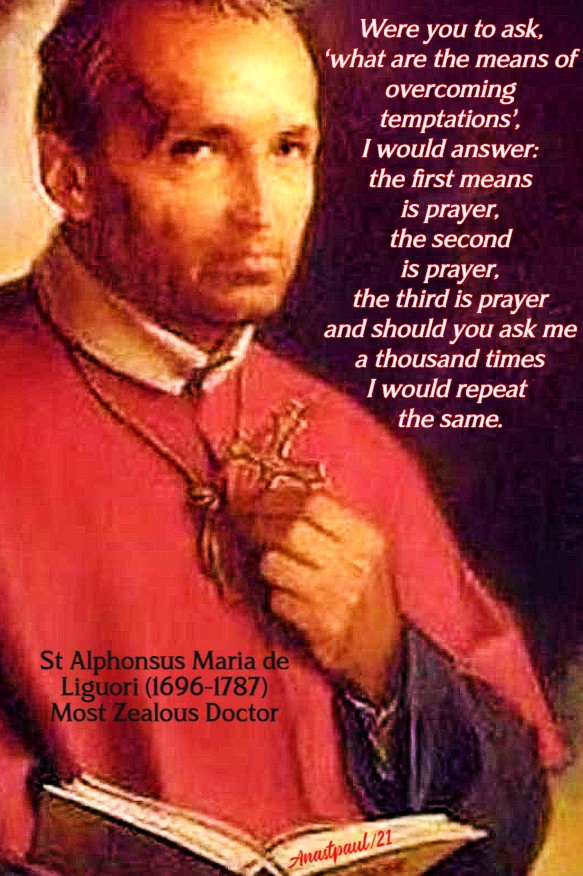
“Were you to ask, ‘what are the means of overcoming temptations’, I would answer: the first means is prayer, the second is prayer, the third is prayer and should you ask me a thousand times, I would repeat the same.”
“Sacrilegious tongues blaspheme the God who preserves their existence! … you should be damned forever and, instead of thanking Him for His goodness, you, at the very time that He bestows His favours upon you, YOU blaspheme His Holy Name!”
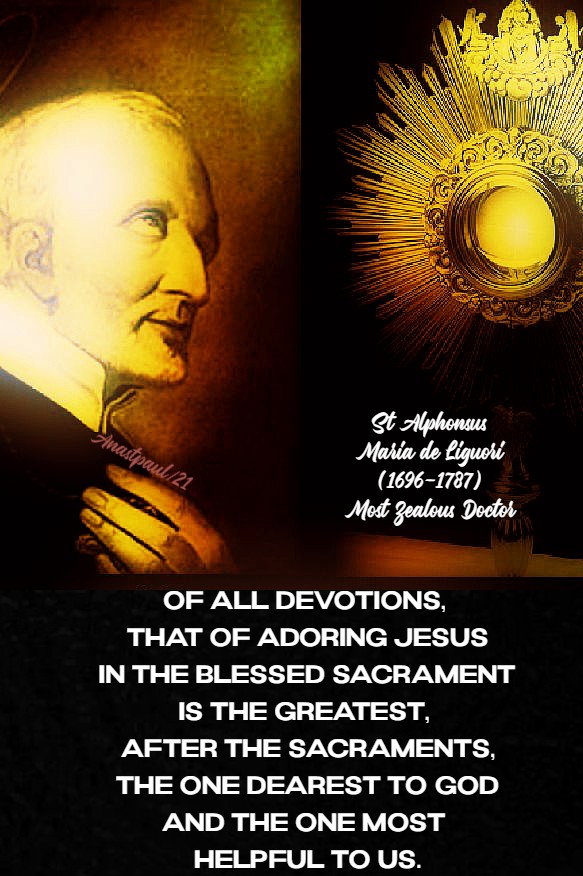
“Of all devotions, that of adoring Jesus in the Blessed Sacrament is the greatest, after the sacraments, the one dearest to God and the one most helpful to us.”
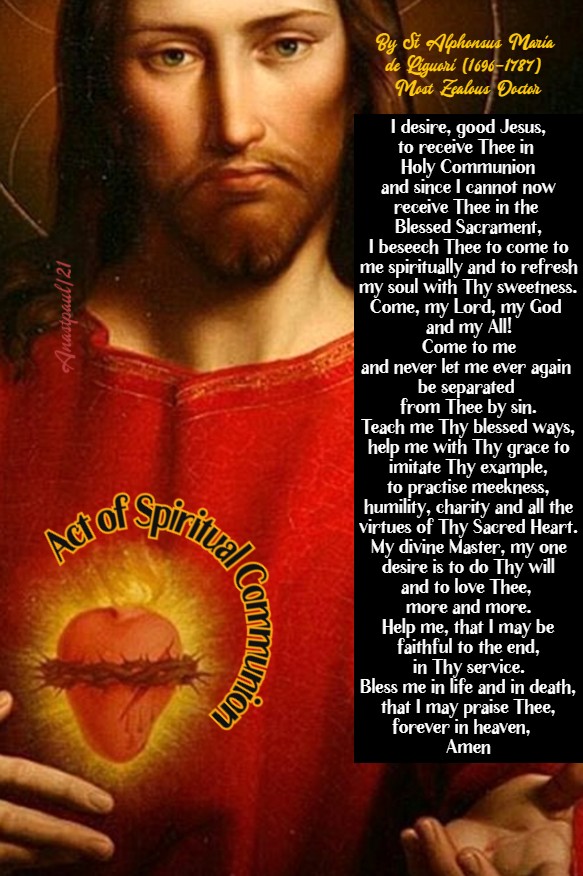
Act of Spiritual Communion By St Alphonsus Maria de Liguori (1696-1787) Most Zealous Doctor
I desire, good Jesus, to receive Thee in Holy Communion and since I cannot now receive Thee in the Blessed Sacrament, I beseech Thee to come to me spiritually and to refresh my soul with Thy sweetness. Come, my Lord, my God and my All! Come to me and never let me ever again be separated from Thee by sin. Teach me Thy blessed ways, help me with Thy grace to imitate Thy example, to practise meekness, humility, charity and all the virtues of Thy Sacred Heart. My divine Master, my one desire is to do Thy will and to love Thee, more and more. Help me, that I may be faithful to the end, in Thy service. Bless me in life and in death, that I may praise Thee, forever in heaven, Amen
St Alphonsus Maria de Liguori (1696-1787) Most Zealous Doctor
One Minute Reflection – 2 August – “Month of the Immaculate Heart of Mary” – Readings: Numbers 11: 4b-15; Psalm 81: 12-17; Matthew 14: 13-21- and the Memorial of St Alphonsus Maria de Liguori (1696-1787) Most Zealous Doctor of the Churc
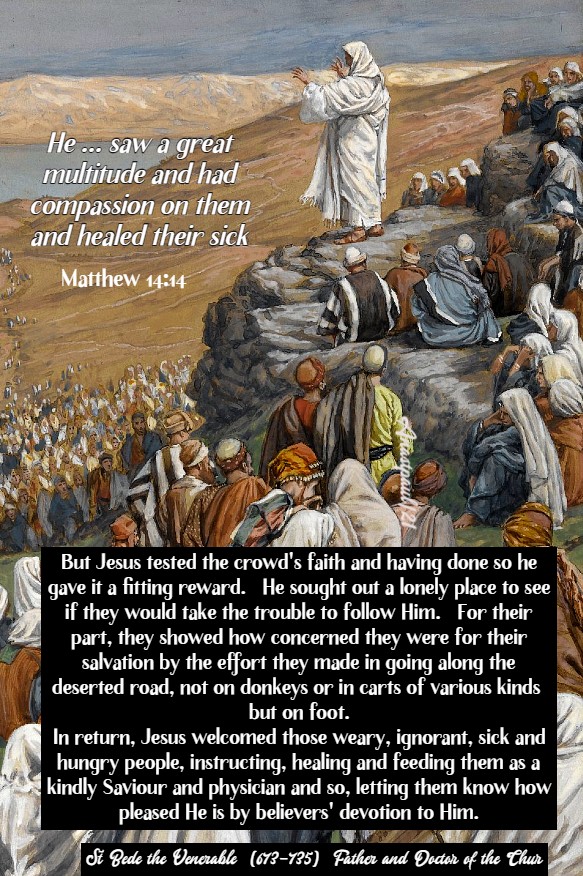
“He … saw a great multitude and had compassion on them and healed their sick.” – Matthew 14:14
REFLECTION – “Matthew relates more fully [than Mark] how he took pity on them. He says: “And he had compassion on them and cured their sick.” This is what it means really to take pity on the poor and on those who have no-one to guide them – to open the way of truth to them by teaching, to heal their physical infirmities , . and to make them want to praise the divine generosity by feeding them, when they are hungry, as Jesus did. …
But Jesus tested the crowd’s faith and having done so he gave it a fitting reward. He sought out a lonely place to see if they would take the trouble to follow Him. For their part, they showed how concerned they were for their salvation by the effort they made in going along the deserted road, not on donkeys or in carts of various kinds but on foot.
In return, Jesus welcomed those weary, ignorant, sick and hungry people, instructing, healing and feeding them as a kindly Saviour and physician and so, letting them know how pleased He is, by believers’ devotion to Him.” – St Bede the Venerable (673-735) Father and Doctor of the Church – Commentary on Saint Mark’s Gospel, 2 ;
PRAYER – Forgive the sins of Your people Lord and since of ourselves, we are unable to do what pleases You, lead us on the way of salvation in Your divine Son who lives in us and gives us life. May the prayers of the Immaculate Heart of Mary, and most zealous Saint Alphonsus Liguori, help us to constantly meditate on Your eternal sustenance. Through, our Lord Jesus Christ, who lives and reigns with You and the Holy Spirit, God forever and ever, amen.
Our Morning Offering – 2 August – The Memorial of St Alphonsus Maria de Liguori (1696-1787) Most Zealous Doctor of the Church and a Catholic Monday of the Holy Ghost
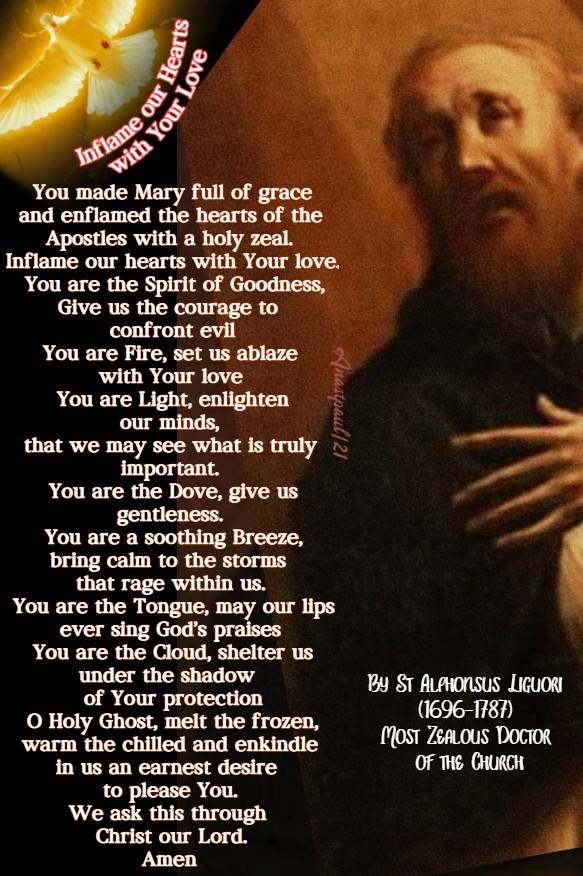
Inflame our Hearts with Your Love Prayer To the Holy Ghost By St Alphonsus Maria de Liguori (1696-1787) Most Zealous Doctor of the Church
You made Mary full of grace and enflamed the hearts of the Apostles with a holy zeal. Inflame our hearts with Your love. You are the Spirit of Goodness, Give us the courage to confront evil You are Fire, set us ablaze with Your love You are Light, enlighten our minds, that we may see what is truly important. You are the Dove, give us gentleness. You are a soothing Breeze, bring calm to the storms that rage within us. You are the Tongue, may our lips ever sing God’s praises You are the Cloud, shelter us under the shadow of Your protection O Holy Ghost, melt the frozen, warm the chilled and enkindle in us an earnest desire to please You. We ask this through Christ our Lord. Amen
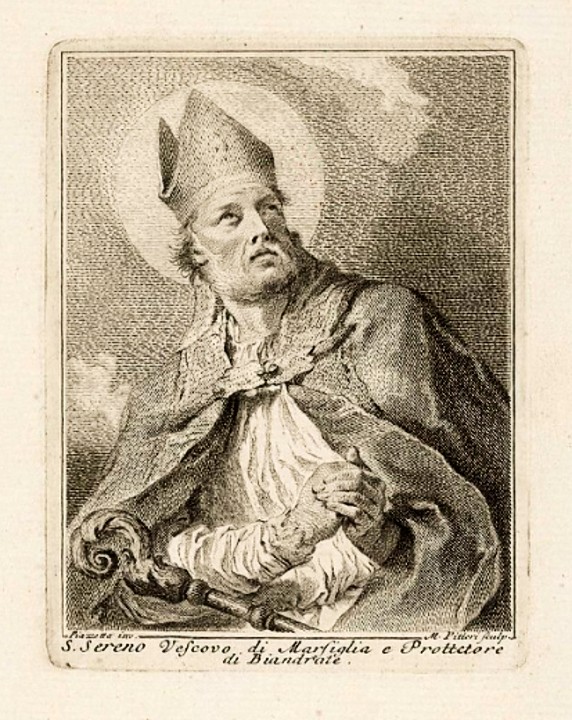
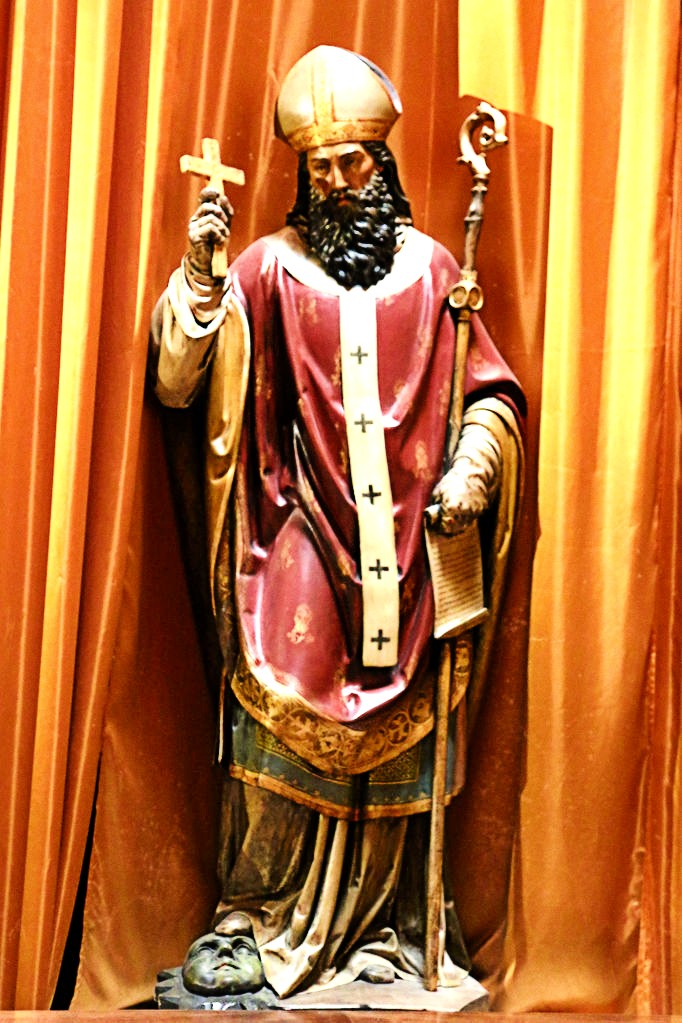
Saint of the Day – 2 August – Saint Serenus of Marseilles (Died c 606) the 10th Bishop of Marseilles. Died in c 606 near Biandrate, Piedmont, Italy of natural causes. Also known as – Sereno, Clear (translation of his name). Patronages – for good weather, for good harvests, of Biandrate, Italy.
Serenus is known through an exchange of letters with Pope Gregory the Great (540-604). The correspondence between the Pope and the Bishop of Marseilles concerned the position of the Church in regard to the images in the Churches and the journey undertaken by Saint Augustine, the future Archbishop of Canterbury and the Monks who accompanied him to the England.
He would have died near Biandrate in the Diocese of Vercelli on his return from Rome where he had been to discuss his iconoclastic positions regarding the veneration of images. We know little else but this Saint except that he was a zealous and holy Bishop sincerely aiming to foster the faith of his flock and adherence to Holy Mother Church.
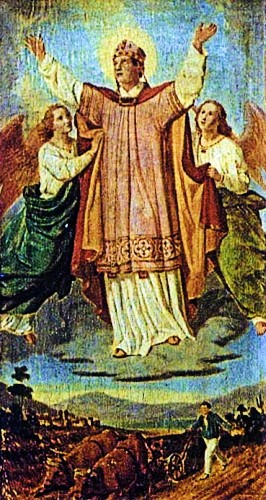
He was buried in a field near the Benedictine Abbey of San Nazzaro. His body,was found in the Middle Ages, by a farmer working the field, and his relics were then reenshrined in the St Columba of Biandrate.
The Bishop had destroyed the holy images by strictly applying the commandment given by God to Moses. In 599, the Pope sent Father Cyriaque to Gaul. Having to go through Marseilles, he had given Cyriaque a letter he had written to the Bishop :
“I learned a long time ago that seeing a few people worshiping the pictures of the Church you broke them and threw them out. I praise your zeal to prevent man-made things from being worshiped but I believe you should not shatter these images. Because we put paintings in Churches so that those who cannot read can see, on the walls, what they cannot learn from books. So you had to keep them and divert the people from sinning by worshiping paintings . Serenus replied to the Pope, doubting that this letter was from him. The Pope replied to him the following year:
You must have had no suspicion of Father Cyriaque, who was the bearer of my letters . Then talking about pictures:
Tell me, my brother, what Bishop have you ever heard of who did the same? Should not this consideration only hold you back so as not to appear alone pious and wise, in contempt of your brothers? … It is said that by shattering these images you scandalised your people so much, that most of them broke away from your community. We must remind them of them and show them, that through the Holy Scriptures, that it is not allowed to worship what is made by hand. Then add, that seeing the legitimate use of the images, turned into worship, you were outraged and made them break. You will add – if you want to have images in the Church, for your instruction, for which they were made in the past, I will gladly allow you. So you will soften them and bring them back to union. If someone wants to make images, do not prevent him: only forbid worshiping them. The sight of the stories must excite in them compunction but they must prostrate themselves only to adore the Holy Trinity. I tell you all this only out of my love for the Church, not to weaken your zeal but to encourage you in your duty.“ Saint Gregory the Great, after Basil the Great (329-379), Gregory of Nazianze (330-390), Gregory of Nyssa (335-394) and PaulinE of Nola (353-431), resumes in his letters that the images are useful for those who cannot read books. Gregory the Great sets three roles for images in his two letters to Serenus
1. educate the illiterate, 2. to fix the memory of holy history, 3. arouse a feeling of compunction among the faithful.“ But the Bishop must teach, that pictures cannot be worshiped.
Santa Maria degli Angelis / Our Lady of Angels, Assisi, Italy (13th Century) Feast Day and Portiuncula Indulgence: 2 August
Our Lady of Angels, or of the Portiuncula, is located on the outskirts of the City of Assisi, in Italy. It was a desolate locality and apparently an unsettled one where robbers and the lawlessness flourished, for the Benedictines who had lived at the Monastery felt it was too hazardous to remain there. They abandoned the Monastery, relocating to Mount Subasio, which was a fortified Monastery. The original Chapel is thought to date from the 4th Century and was built by holy hermits who had come from the Valley of Josaphat. It is said that they brought relics of the Blessed Virgin with them to the region when they constructed the Chapel. The history of the feast is inspiring. St Francis of Assisi, in the early days of his conversion, while he was still uncertain as to what path to pursue, was praying earnestly for enlightenment before the Crucifix at the Church of San Damiano, when he heard within himself the command of the Crucified: “Build up my house, for it is nearly falling down.” Taking the words literally, Francis began to restore San Damiano and other dilapidated Churches in and near Assisi. The most famous of these was the Church of Our Lady of the Angels. Some time after the restoration of this little Chapel, an Angel told St Francis to come to the Church of Our Lady of Angels, or Portiuncula. There he found Our Lord, His Blessed Mother and the Angels waiting for him. Our Lord commended Francis because of his zeal for the salvation of souls and promised to grant him whatever he should ask on behalf of sinners. St Francis asked for this great favour – that all those who came to this Church to pray and, truly sorry for their sins, confessed them, should “Obtain in perpetuity a Plenary Indulgence” so that they would have nothing to account for when God called them. This was the great favour he asked, but Our Lord granted it to him through Mary. When Saint Francis came upon the little, run down and abandoned Chapel of Our Lady of Angels, or Santa Maria degli Angelis, in the year 1208, it was almost completely hidden in shrubs and bush. Saint Francis entered the hidden Church, which measured only (7 x 4 metres) twenty-two feet by thirteen feet and saw the ancient fresco that had been placed above the main Altar. It was an image of the Assumption of the Blessed Virgin surrounded by Angels. Some say that this is why the Chapel was named Our Lady of Angels, although there are also legends that Angels could often be heard singing there.
The place took its name, the Little Portion, or Portiuncula in the native Italian, from the small section of fertile land that was gifted to the Monks to work for their support. It is said that this was the place where Saint Francis first understood his vocation, received visions and was also where the saint desired to live. The Benedictines had lived at that location for hundreds of years but the Benedictine Monks gave this Chapel to Saint Francis upon his request. It was certainly here that the Franciscan Order was founded. At first Saint Francis wished the convent which he built there to be the principal one of his Order. He assembled the first General Chapter there, where there were five thousand religious. It was also where he yielded up his spirit on 3 October 1226, the twentieth of his conversion and the forty-fourth of his age. The cell in which the poor man of Assisi died can still be seen where it rests against one of the columns of the cupola under the choir bay.
St Auspicius of Apt St Betharius of Chartres St Centolla of Burgos St Etheldritha of Croyland Bl Frederic Campisani Bl Giustino Maria Russolillo Bl Gundekar of Eichstätt Bl Joanna of Aza Bl John of Rieti St Maximus of Padua St Pedro de Osma
St Plegmund St Rutilius St Serenus of Marseilles (Died c 606) Bishop of Marseilles St Sidwell St Pope Stephen I — Martyred in the Spanish Civil War: Bl Fernando Olmedo Reguera Bl Miguel Amaro Rodríguez










 AnaStpaul
You must be logged in to post a comment.