
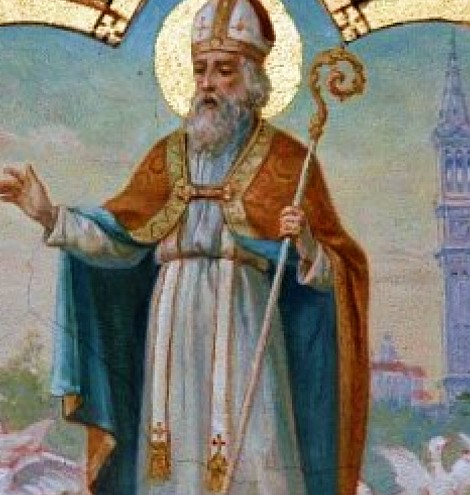
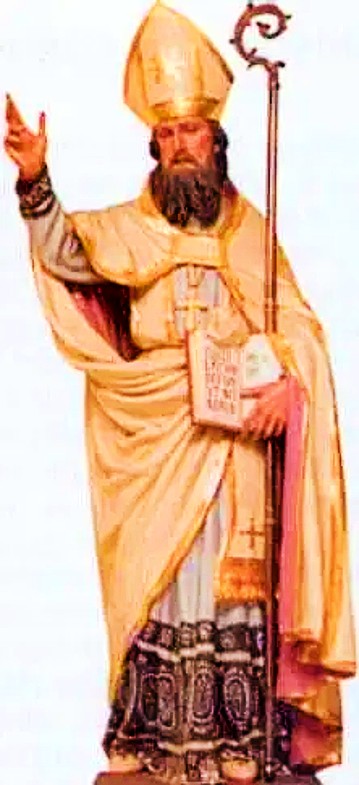
Saint of the Day – 11 November – Saint Bertuinus of Malonne (c634-698) Bishop. Abbot, Missionary, Founder of Churches and Monasteries. Born in England and died at his Monastery dedicated to him since his death in Malonne, Belgium of natural causes.
Also known as – Bertuin, Bertwinus, Berthuin, Bertuino.
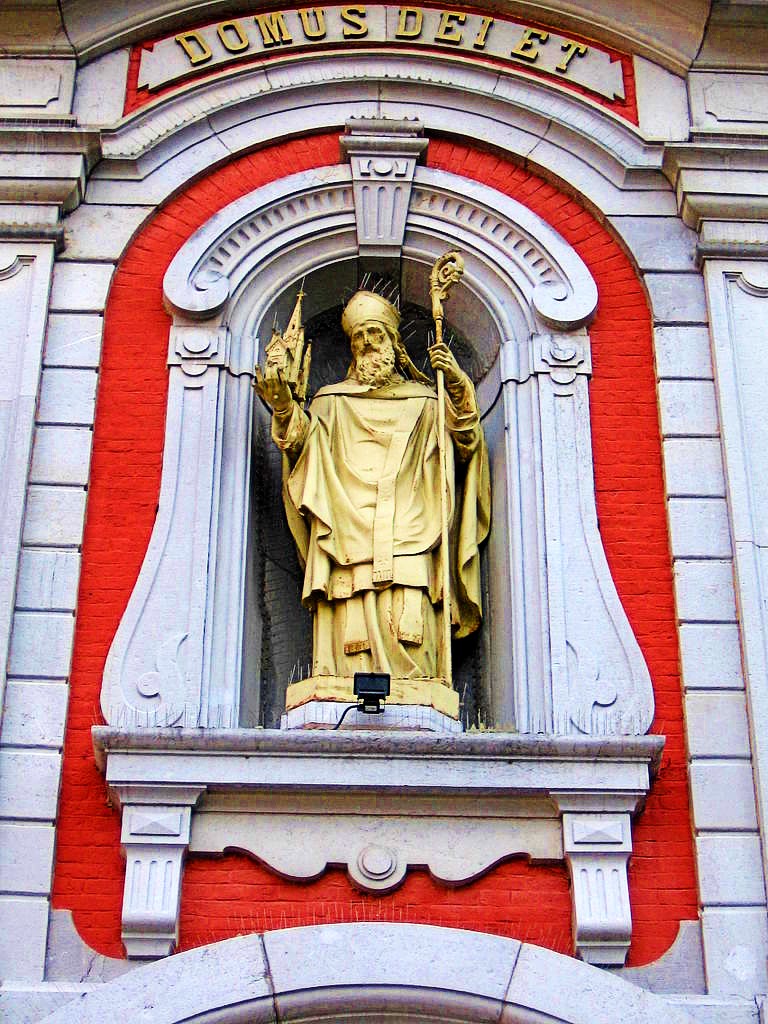
Bertuinus was born in England and educated in the Monastery of Obtell (a place perhaps identified with Outwell, in the County of Norfolk) which was part of his family’s property and there, he became a Monk.
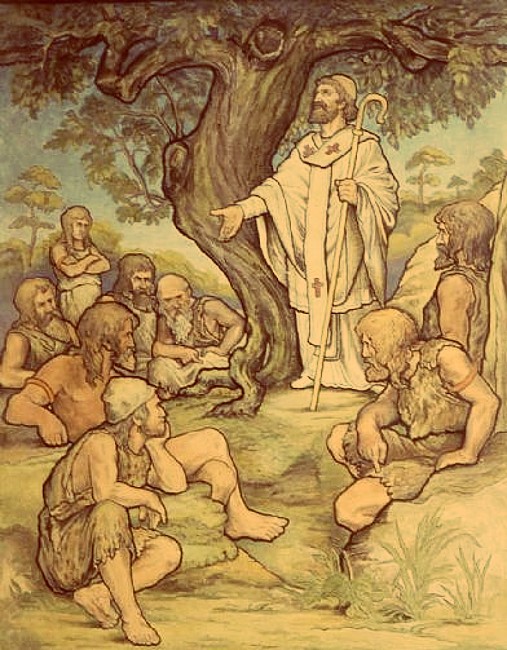
When the Bishop of the Diocese died, the people forced Bertuinus to accept the Episcopal dignity. In his high office he distinguished himself for his qualities as a skilled administrator, for the numerous conversions of pagans and for the foundation of several Monasteries.

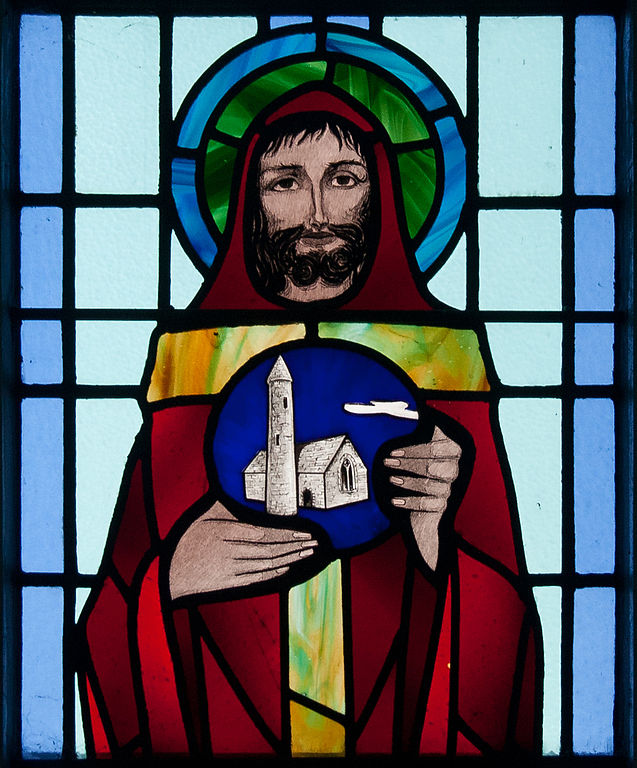
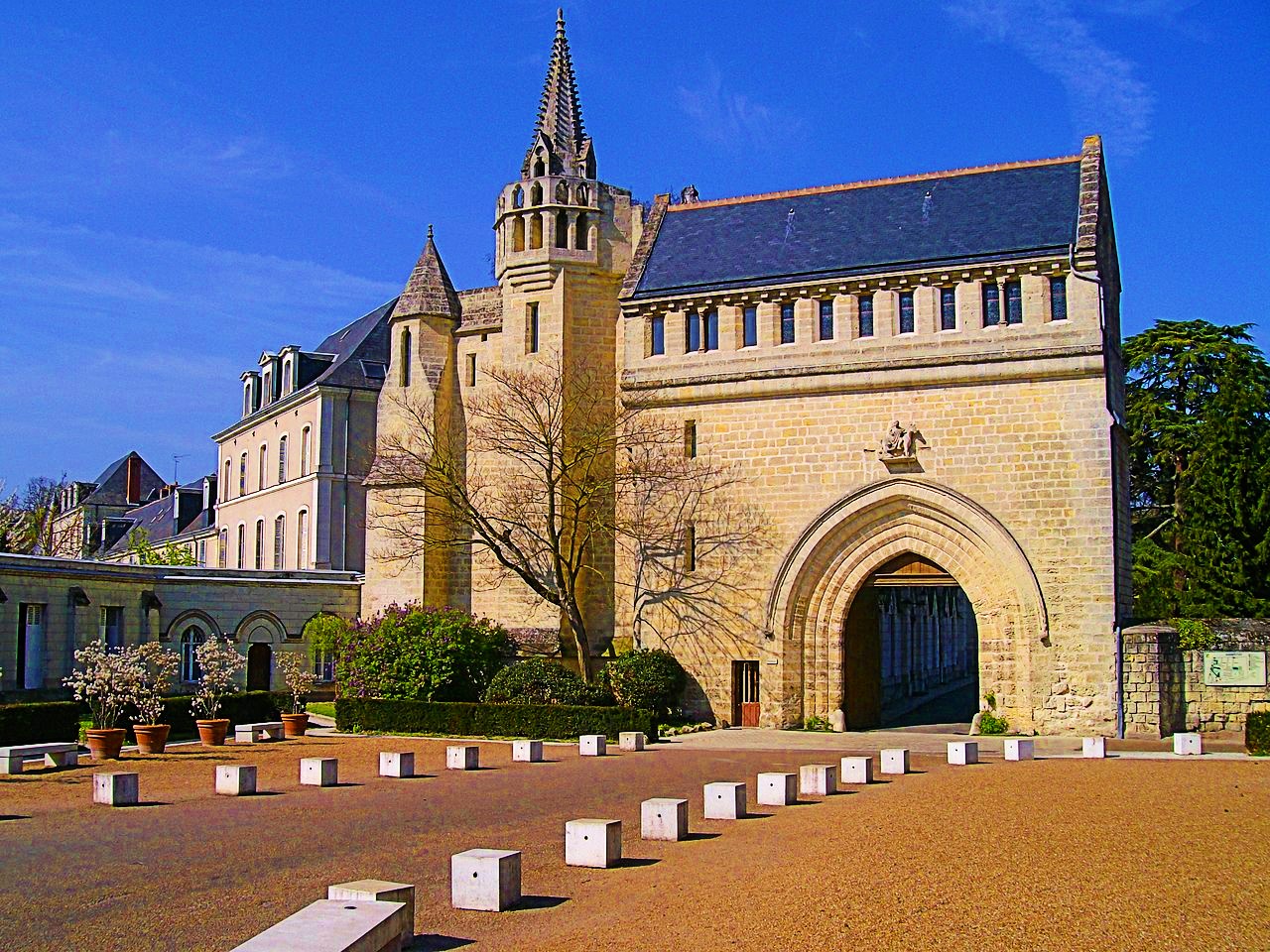
By Divine inspiration, however, he decided to go to the continent to preach the Gospel there and, faithful to Anglo-Saxon customs, he wanted to go first to Rome to visit the Tombs of the Apostles Peter and Paul. From Rome, through Gaul, he went to Belgium, settling in Malonne (Namur), where he built a Church and founded a Monastery, in which he died and was buried.
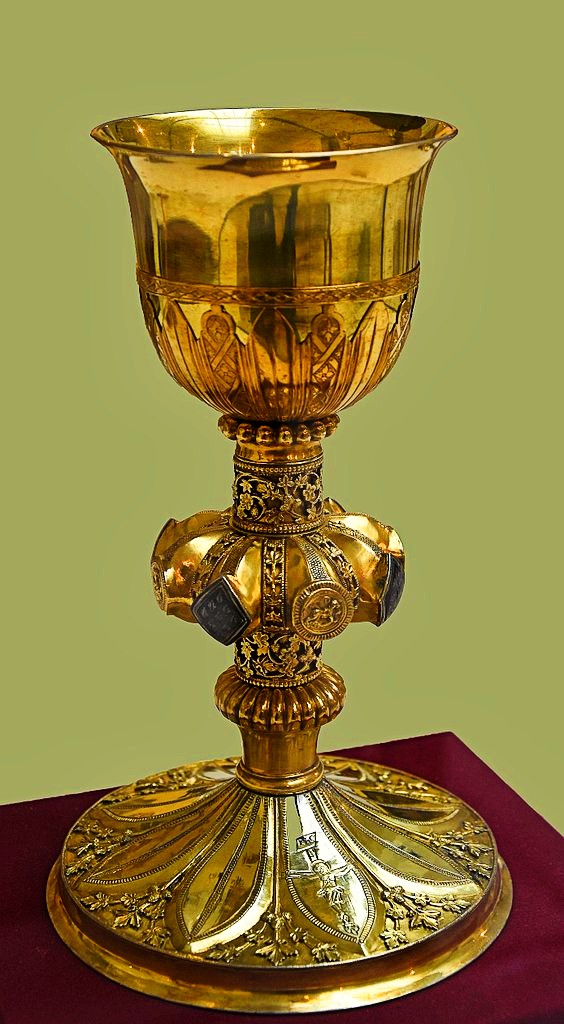
From the Vita Bertuinus of which there are four editions, the oldest of which could date to the 8th Century. It is not possible to deduce, with certainty, the precise period in which the holy Bishop lived. The most probable opinion attributes it to the 7th Century. His Feast is celebrated on 11 November but in some places, recently, it has been transferred to the 16th and then to the 27th of the same month.
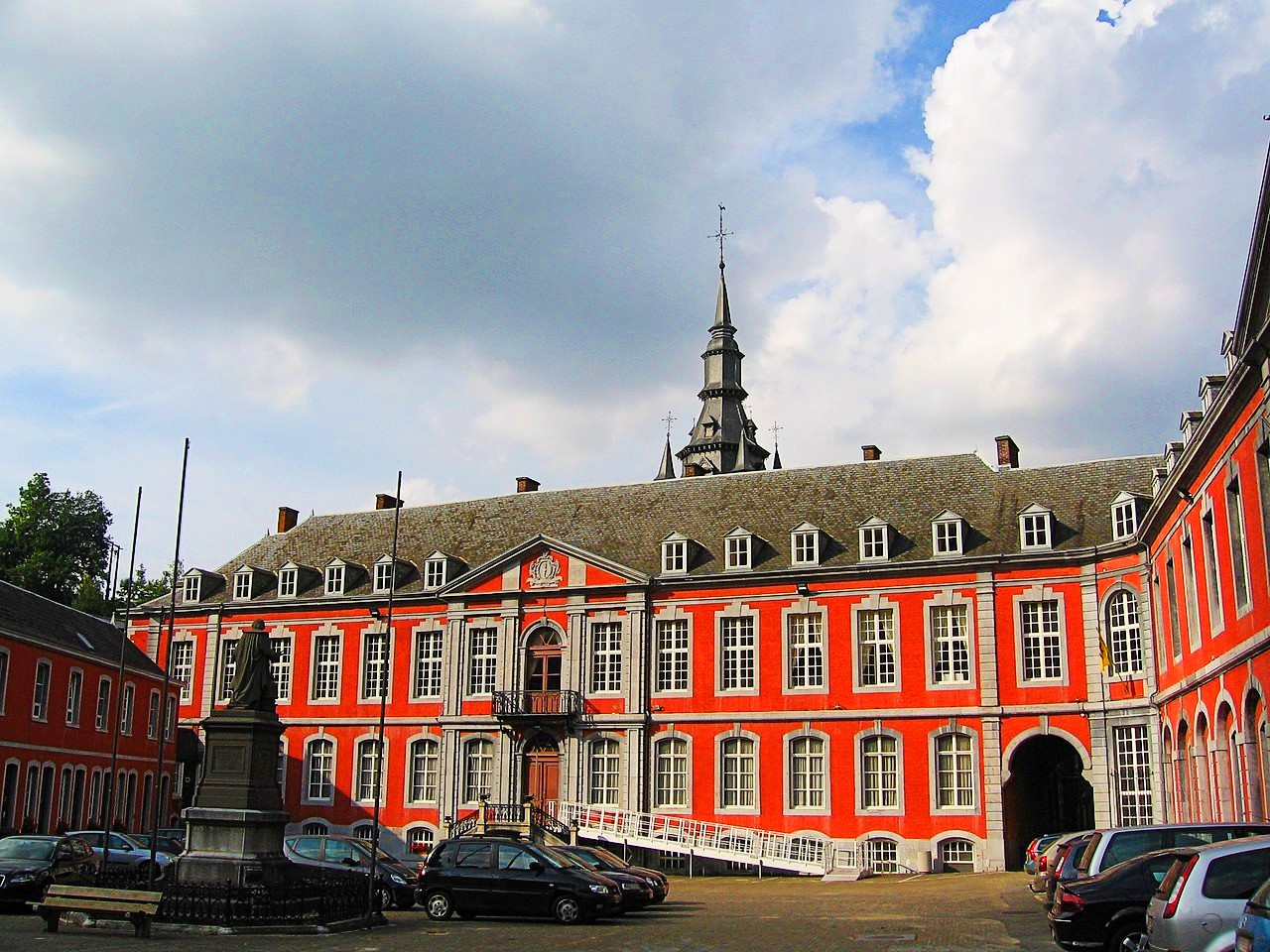
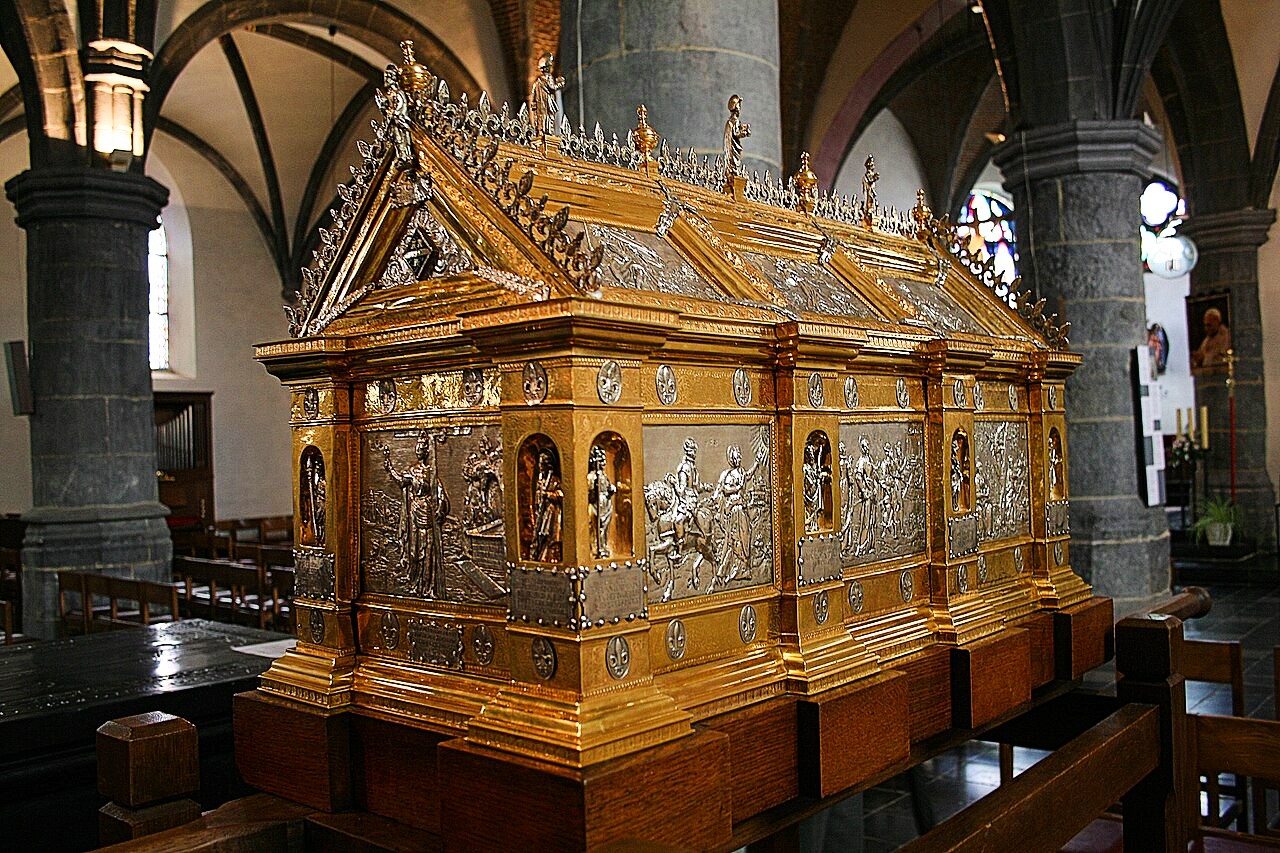
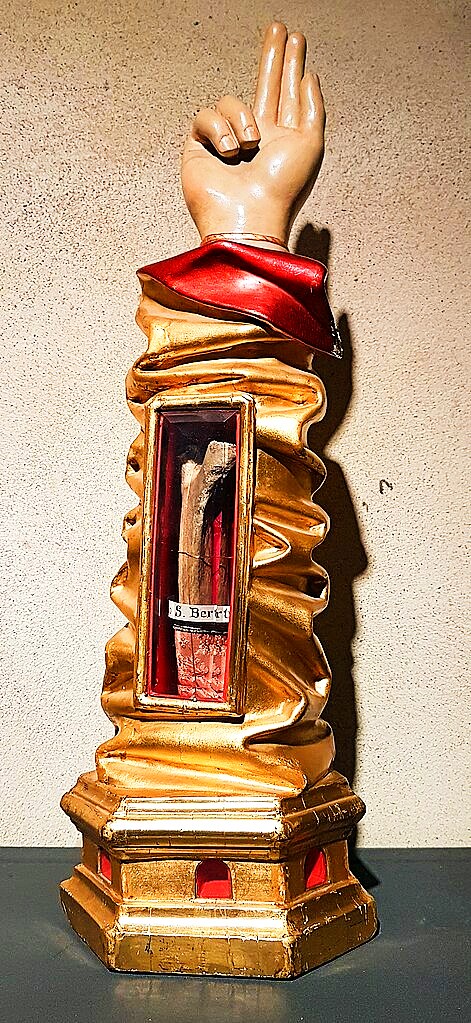
His cult which survived the French Revolution and the suppression of the St Bertuinus Abbey of Malonne, over the centuries has received a notable boost from the recognition and solemn translation of his Relics which took place in 1202 and from the celebrations of the Twelfth Centenary of his death, celebrated in 1898 on the basis of calculations made by hagiographers, who considered 698 to be the year of the Saint’s death. In 1601, the Relics of St Bertuinus were placed in an Urn at Malonne Abbey, which still contains them. The Sepulchre below MIGHT be this Urn mentioned here.


























 AnaStpaul
You must be logged in to post a comment.