
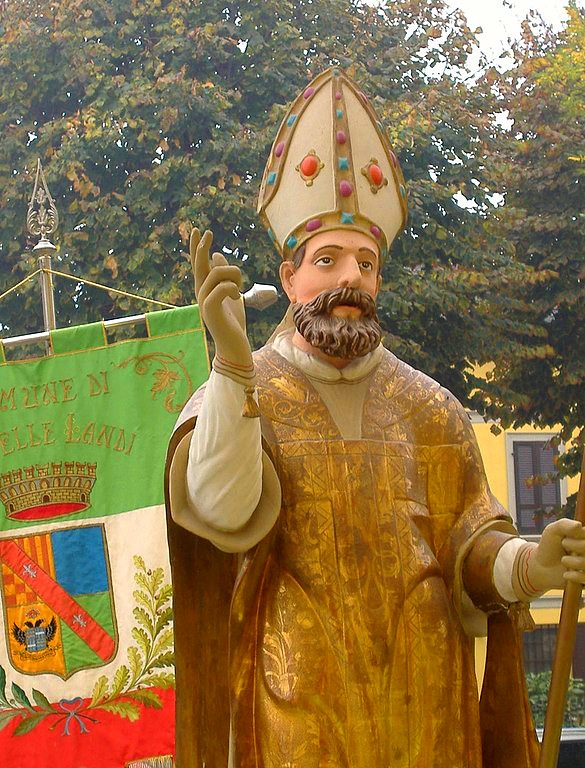
Saint of the Day – 11 December – Saint Sabinus of Piacenza (Died c420) Bishop, learned Defender of the Faith against heretics, Miracle-worker. Friend and assistant to St Ambrose. Sabinus was born in Milan around 330 – 340 and died in Piacenza in c420. Initially he was a Deacon of Milan, then became the Bishop of Piacenza for other 50 years. Patronage – of Piacenza. Also known as – Sabino, Savinus, Savino.
The Roman Martyrology states today: “At Piacenza, St Sabinus, a Bishop, renowned for miracles.”
Sabinus was in contact with the great St Ambrose of Milan (340-†397; Feast 7 December). They met again during the Council of Aquilea in 381. There Sabinus was noticed for his resolute attitude against the Arians.
Ambrose even had such a high opinion of Sabinus’ knowledge and skills, he submitted all his writings to him for evaluation. He seems to have been not only a wise man but also an exceptionally holy man.
Is he the Bishop Sabinus of Piacenza about whom Gregory the Great in his Dialogues (III,x) tells a wonderful anecdote? At any rate, he says in passing, that Sabinus was a respected man. This agrees with the reports of our Saint.
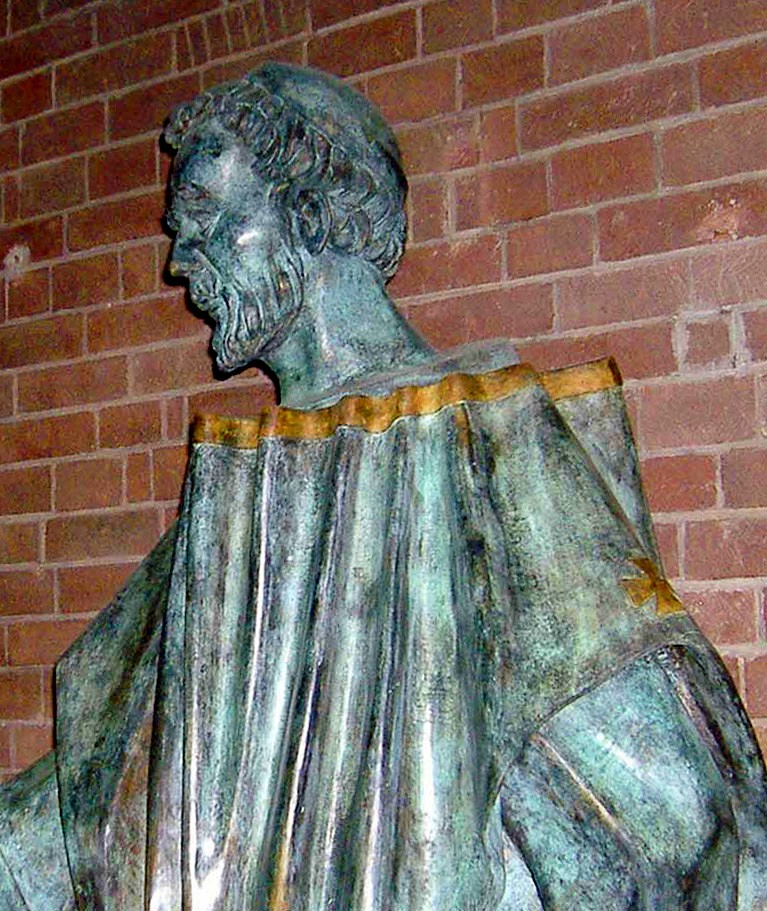
‘[Reliable informants] affirm that there was a Bishop in Piacenza named Sabinus, a man of great miraculous power. One day his Deacon reported that the Po River had overflowed its banks and had flooded the Ecclesiastical lands. The water of that river covered all the fields where food could be grown for the people. Bishop Sabinus, whose way of life commanded respect, answered him: “Go and say to that river: ‘The Bishop orders you to control yourself and to return to your own bed!’” The Deacon heard this but he pretended not to notice and made fun of it. Then the man of the Lord summoned a Notary and dictated to him the following:
“Sabinus, servant of the Lord Jesus Christ, is sending an official warning to the Po. I command you in the Name of the Lord Jesus Christ not to go beyond your bed in that region again. Do not dare to harm the Ecclesiastical lands any longer.” And, furthermore, he said to the Notary: “Go, make that official document and throw it into the water of the river.” And so it was so done. The water of the river received the command of the holy man, whereupon it immediately respected the Ecclesiastical lands. It returned to its own bed and did not dare to exceed its boundaries any longer in the direction of that area.’ [St Gregory the Great ‘Dialogues. The life of Benedict and other Saints]
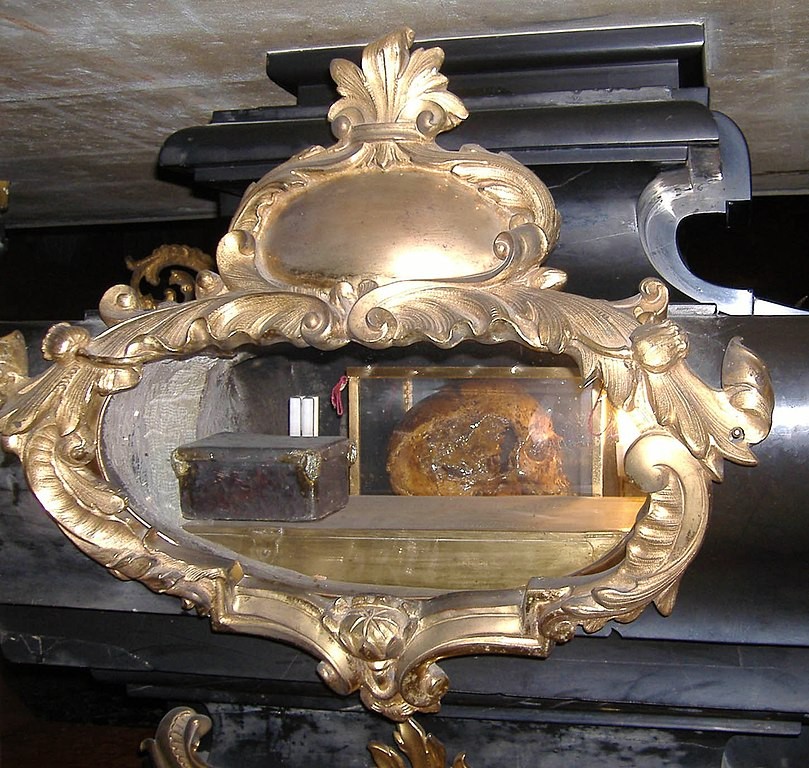
His Relics are located in the Basilica of San Savino in Piacenza. Saint Sabinus is venerated in Caselle and Landi, in both of which places the Churches are dedicated to him, in the neighbourhood of Piacenza.


 AnaStpaul