Thought for the Day – 3 April – Meditations with Antonio Cardinal Bacci (1881-1971)
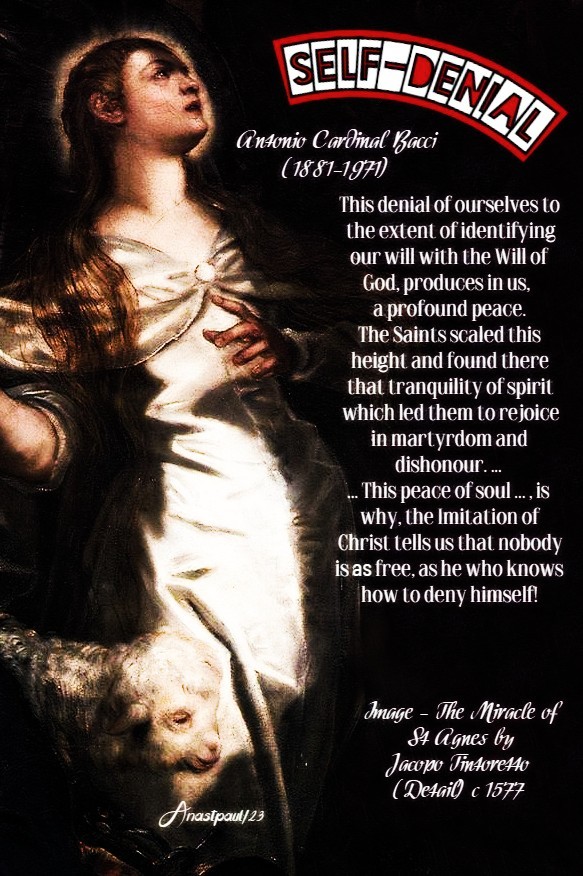
Self-Denial
“This denial of ourselves to the extent of identifying our will with the Will of God, produces in us, a profound peace. The Saints scaled this height and found there that tranquility of spirit which led them to rejoice in martyrdom and dishonour.
It was this peace of soul which made the dying St Aloysius Gonzaga smile and say: “I am happy to be going.” It was this which enabled the saintly, Cardinal Fisher, when he was going to the scaffold, to behold a light which does not fail and say: “Commit to the Lord your way … He will make justice dawn for you like the light (Ps 36:5-6). This too, is why, the Imitation of Christ tells us that nobody is as free, as he, who knows how to deny himself!””
Quote/s of the Day – 3 April –Thursday of the Fourth Week in Lent – Ferial Day – 4 Kings 4:25-38 – Luke 7:11-16 – Scripture search here: https://www.drbo.org/
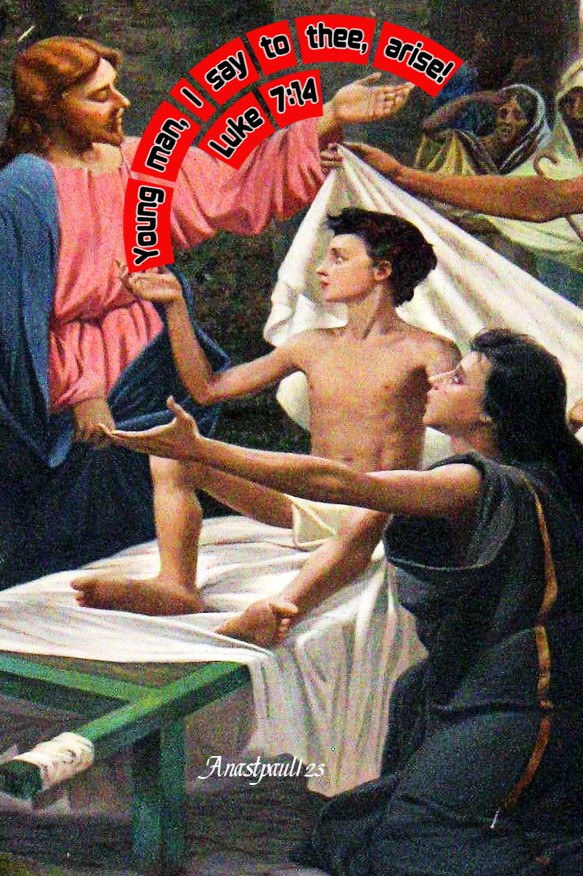
“Young man, I say to thee, arise!”
Luke 7:14
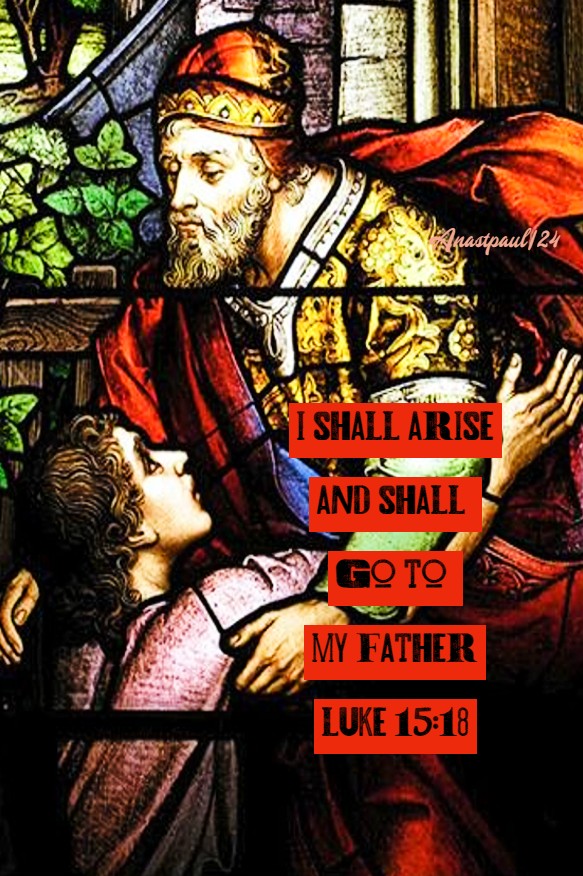
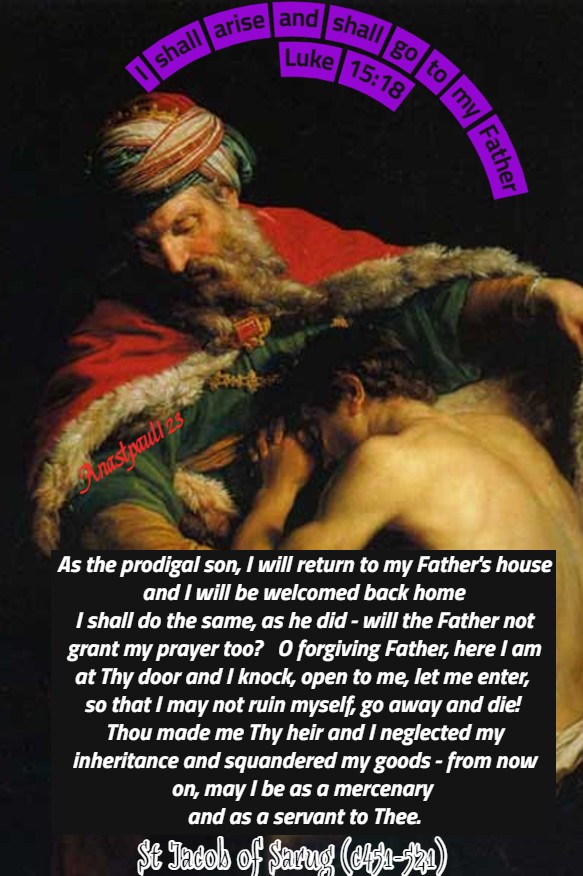
“I shall arise and shall go to my Father”
Luke 15:18
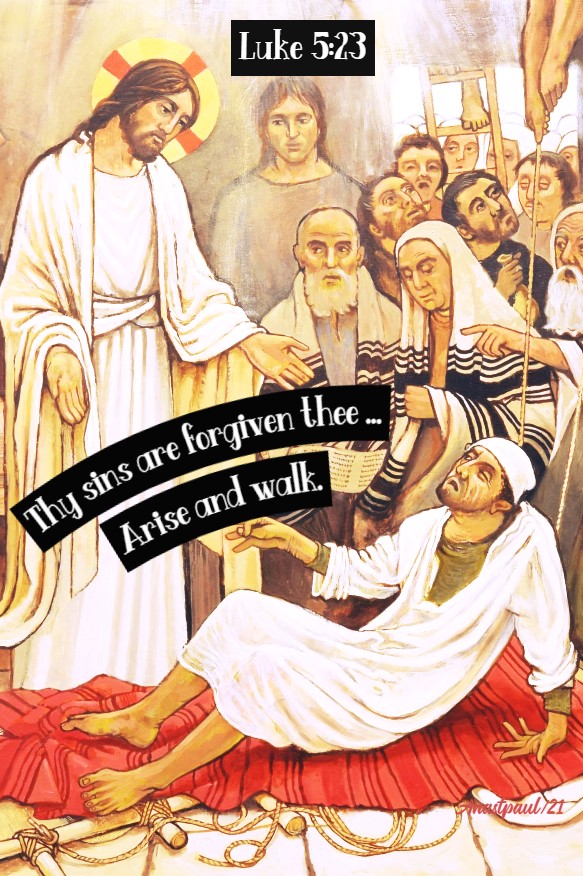
“Thy sins are forgiven thee … Arise and walk.”
Luke 5:23
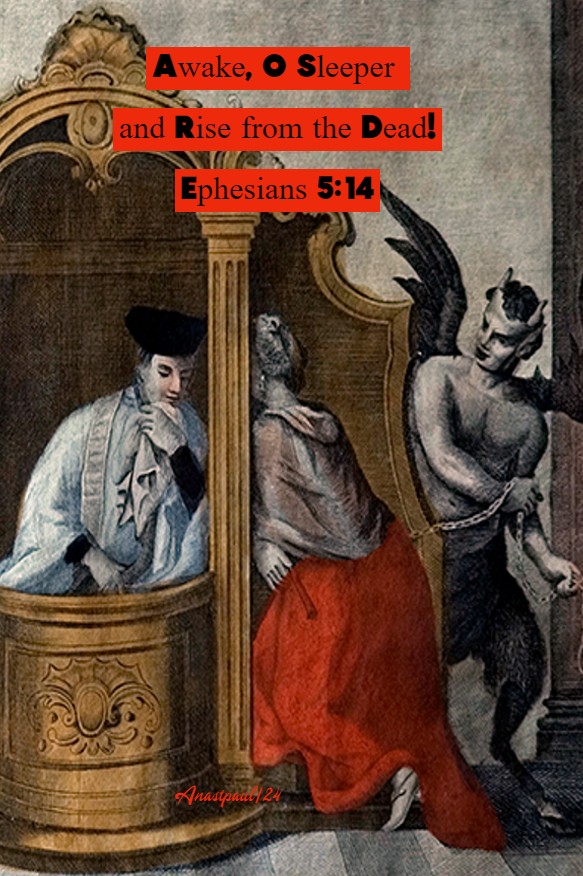
“Awake, O Sleeper and Rise from the Dead”
Ephesians 5:14
“As the prodigal son, I will return to my Father’s house and I will be welcomed back home. I shall do the same, as he did – will the Father not grant my prayer too? O forgiving Father, here I am at Thy door and I knock, open to me, let me enter, so that I may not ruin myself, go away and die! Thou made me Thy heir and I neglected my inheritance and squandered my goods – from now on, may I be as a mercenary and as a servant to Thee.”
St Jacob of Sarug (c451-521) Bishop, Theologian, Poet, Writer, Father
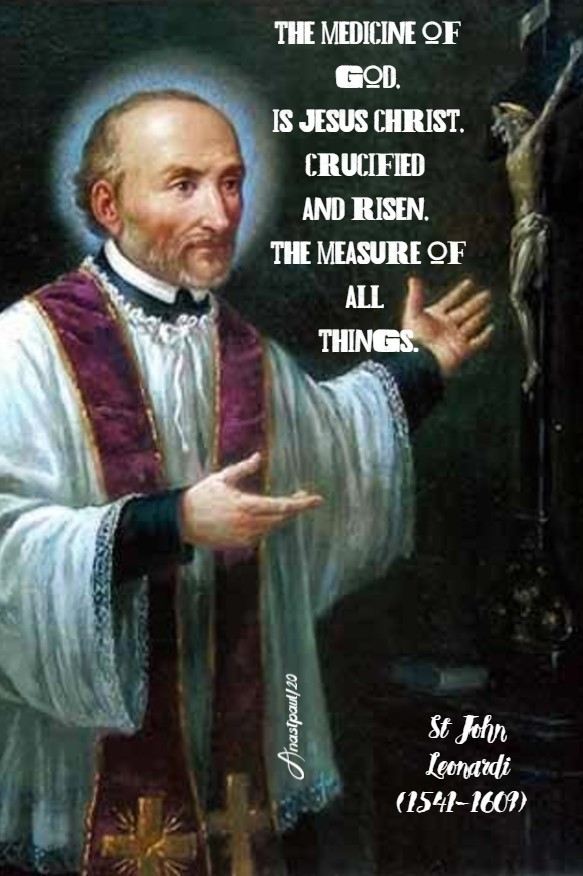
“The medicine of God, is Jesus Christ, Crucified and Risen, the measure of all things.”
St John Leonardi (1541-1609) Confessor, Priest, Founder
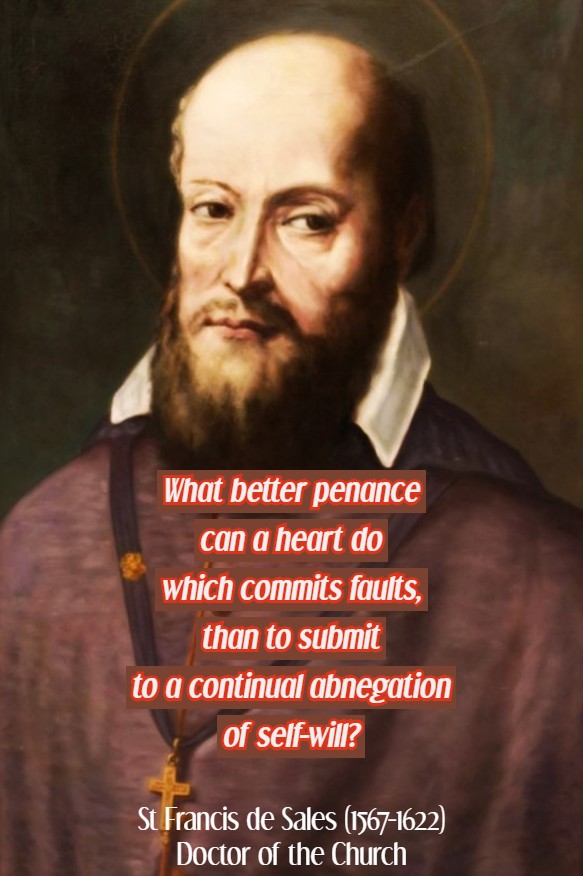
“What better penance can a heart do which commits faults, than to submit to a continual abnegation of self-will?”
St Francis de Sales (1567-1622) Doctor of the Church
Lenten Meditations – 3 April – With Fr Richard Frederick Clarke SJ (1839-1900) Scripture search here: https://www.drbo.org/
“The Sacred Passion of Our Lord Jesus Christ” “Short Meditations for Lent” From “The Devout Year” By Fr Richard Frederick Clarke SJ (1839-1900)
Thursday after the Fourth Sunday in Lent— The Crowning with Thorns
Read St.Mark xv:16-17
[16] And the soldiers led Him away into the court of the palace and they called together the whole band [17] And they clothe Him with purple and platting a crown of thorns, they put it upon Him. [Mark 15:16-17]
+1. Our Lord was covered with a scarlet cloak and crowned with thorns, as a travesty or caricature, of worldly honour. He desired to exhibit it in its true light. The farce played by the soldiers was, in truth, no farce but, a reality. It was intended to show how empty and contemptible is all earthly glory. It is worth no more than the mock-respect of the ruffians who bowed the knee by way of insult to Jesus. O Lord, by that mockery of honour, Thou didst undergo, grant that I may esteem human honour at its true value.
+2. Watch the soldiers at their cruel sport. The Crown upon the Head of Jesus, is plaited of briers, the long thorns of which, pierce His Sacred Forehead as they press it down upon His Head; the drops of Blood and mingled Tears, blind His eyes. One by one, they pass before Him and bow the knee and then, oh shame! they spit in His Sacred Face. Before that Sacred Face, Angels and Archangels fall in prostrate homage! O Lord, in return for those insults, Thou didst endure, I will always bow before Thee in the Blessed Sacrament, with reverent love and adoration. I will seek to wipe the drops of Blood from Thine Eyes by denying myself the free indulgence of my senses, even in lawful things.
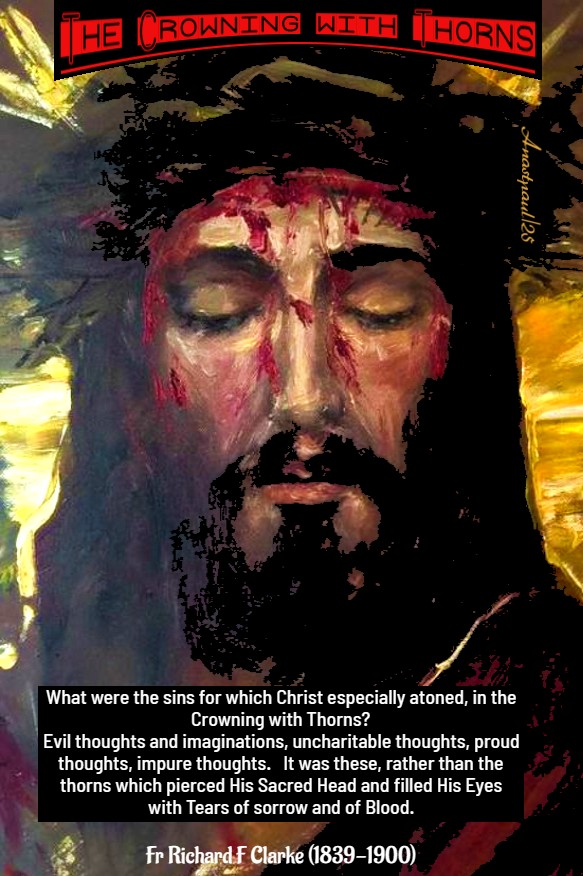
+3. What were the sins for which Christ especially atoned, in the Crowning with Thorns? Evil thoughts and imaginations, uncharitable thoughts, proud thoughts, impure thoughts. It was these, rather than the thorns which pierced His Sacred Head and filled His Eyes with Tears of sorrow and of Blood.
One Minute Reflection – 3 April – “The Month of the Resurrection and the Blessed Sacrament” –Thursday of the Fourth Week in Lent – Ferial Day – 4 Kings 4:25-38 – Luke 7:11-16 – Scripture search here: https://www.drbo.org/
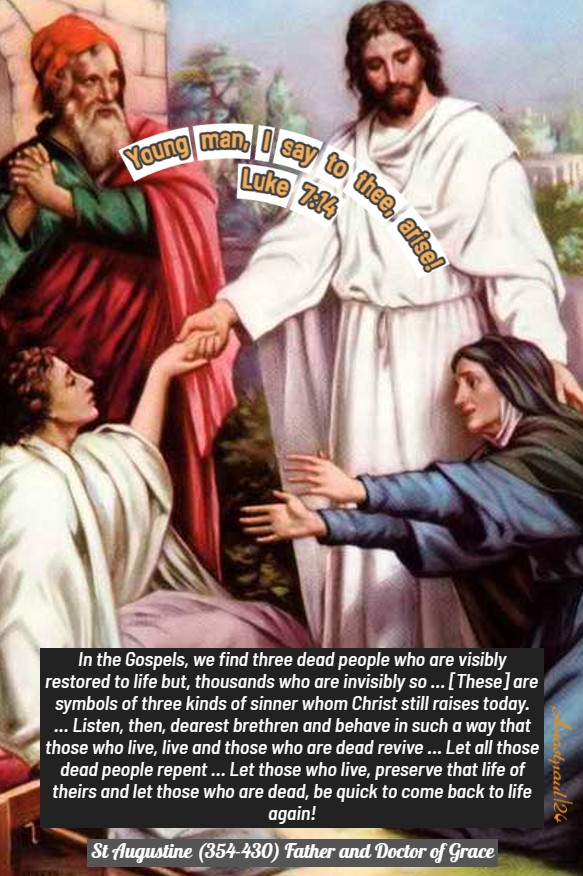
“Young man, I say to thee, arise!” – Luke 7:14
REFLECTION – “In the Gospels, we find three dead people who are visibly restored to life but, thousands who are invisibly so … The Synagogue Official’s daughter (Mk 5:22f.), the widow of Naim’s son and Lazarus (Jn 11) … are symbols of three kinds of sinner whom Christ still raises today. The young girl was still in her father’s house … the widow of Naim’s son was no longer in his mother’s house but not, as yet, in the tomb … Lazarus had already been buried …
And so, there are some people whose sins remain in their hearts but who have not put them into practice … They have consented to sin and death is within their souls but, it has not yet been carried outside. Now, it often happens … people experience this in themselves – after hearing the Word of God, our Lord seems to say to them: “Arise!” They accuse themselves of the consent they gave to evil and draw breath, to live in salvation and uprightness … Others, having given their consent, go as far as the deed. They carry out the dead thing, hidden in the concealment of their dwelling and expose it before everyone. Are we to despair of them? Did not our Saviour say to that young man: “I tell you, arise!?” Did not He give him back to his mother? This is how it is with someone who has behaved like that – if he is touched and moved by the Word of Truth, he rises again at Christ’s Word, he comes back to life. He was able to go a step further along the way of sin but he could not die forever.
As for those who are so bound fast in evil habits as to their removing even the sight of the evil things they do, they undertake to defend their evil deeds, they are angered if one rebukes them … Such as these, crushed under the weight of a habit of sinning, are, as though buried in the tomb … That stone placed over the sepulcher is the tyrannical force of the habit which crushes the soul and does not allow it, either to arise or to breathe…
Listen, then, dearest brethren and behave in such a way that those who live, live and those who are dead revive … Let all those dead people repent … Let those who live, preserve that life of theirs and let those who are dead, be quick to come back to life again!” – St Augustine (354-430) Bishop, Father and Doctor of Grace (Sermon 98).
PRAYER – Grant, we beseech Thee, Almighty God, that we who are chastising the flesh by fasting, may rejoice in this holy practice and thus, with earthly passions subdued, we may the more readily direct our thoughts to Heavenly things. Through the same Jesus Christ, Thy Son our Lord, Who lives and reigns with Thee, in the unity of the Holy Ghost, God, world without end. Amen (Collect).

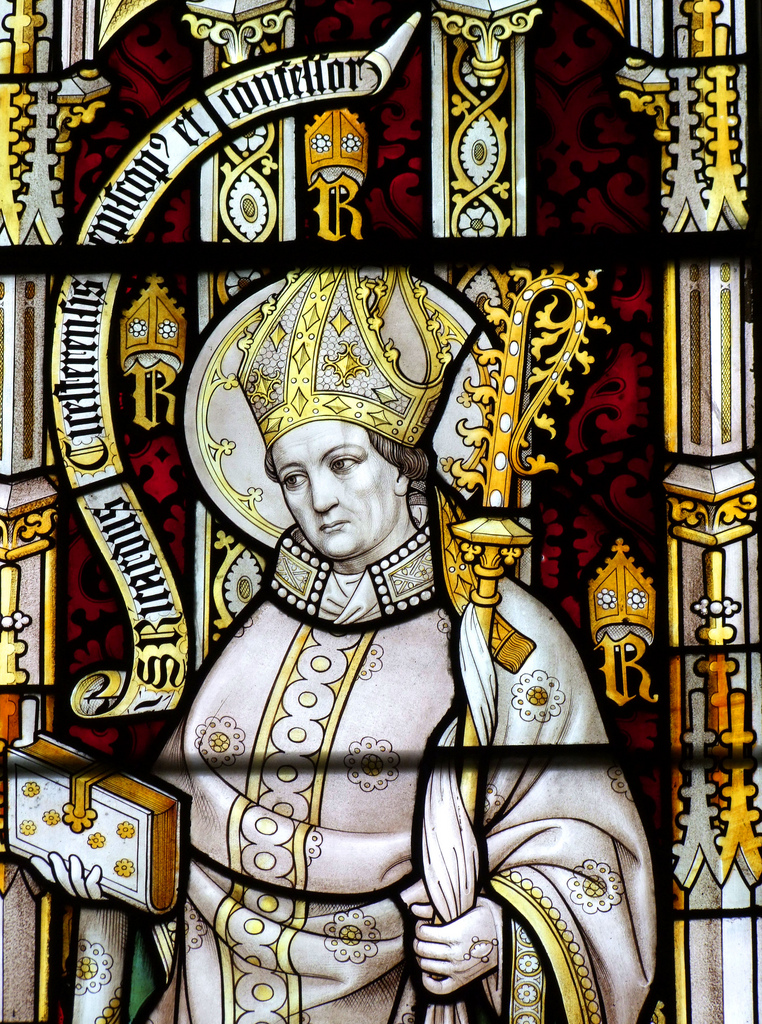
Our Morning Offering – 3 April – The Feastday of St Richard (1197-1253) Bishop of Chichester
Lord Jesus Christ, Have Mercy Upon Me. The Dying Prayer of St Richard of Chichester (1197-1253)
Lord Jesus Christ, I thank Thee for all the blessings Thou hast given me and for all the sufferings and shame, Thou didst endure for me, on which account, that pitiable cry of sorrow was Thine: “Behold and see, if there was any sorrow like unto My sorrow!” Thou knowest Lord, how willing I should be, to bear insult and pain, and death for Thee, therefore, have mercy upon me, for to Thee do I commend my spirit. Amen
St Richard recited this prayer on his deathbed, surrounded by the Clergy of his Diocese. The words were transcribed, in Latin, by his Confessor and friend, Fr Ralph Bocking (who ultimately also became his Biographer), a Dominican Friar. The prayer was eventually published in the Acta Sanctorum, an Encyclopedic text in 68 folio volumes of documents examining the lives of Saints. The British Library copy contains Fr Bocking’s transcription of the prayerin his handwriting as below:
Gratias tibi ago, Domine Jesu Christe, de omnibus beneficiis quae mihi praestitisti; pro poenis et opprobrious, quae pro me pertulisti; propter quae planctus ille lamentabilis vere tibi competebat. Non est dolor similis sicut dolor meus.
However, the first English translation is as above and not the version below, or the one more commonly known as “Day by Day” which words were never in the original and were added and used in the extremely sacrilegious and blasphemous “Godspell” – even though the common version with the rhyming “Triplet” (i.e. clearly, dearly, nearly) – is the one found commonly in Hymn and Prayer Books. Bearing in mind that this was “The Dying Prayer ” of St Richard, it is obviously highly unlikely that he would have requested the grace of daily sanctity, “day by day!”
Thanks be to Thee, my Lord Jesus Christ For all the benefits Thou hast given me, For all the pains and insults Thou hast borne for me. O most merciful Redeemer, Friend and Brother, May I know Thee more clearly, Love Thee more dearly, Follow Thee more nearly. Amen
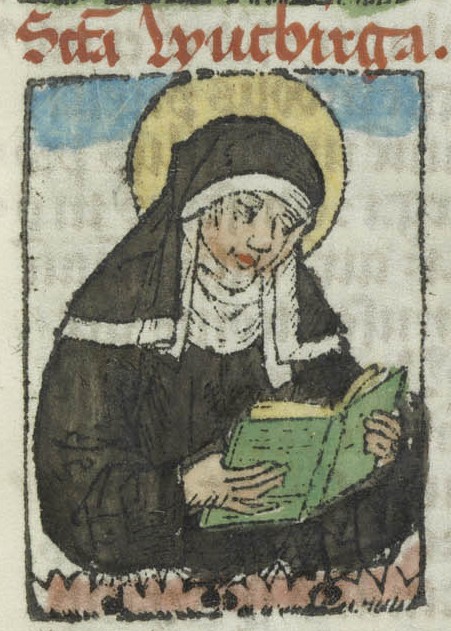
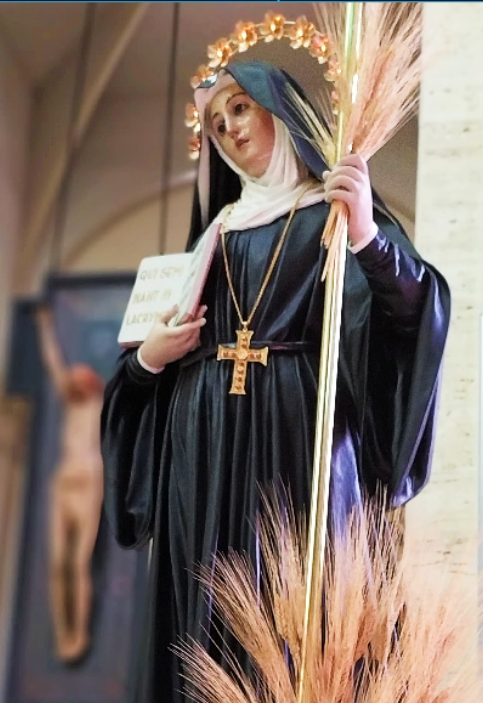
Saint of the Day – 3 April – Saint Liutberga (Died c870) Virgin, Nun, Recluse. Born in Solazburg, today an unknown place, probably in Sulzgau in Bavaria and died on 3 April in the late 9th Century of natural causes in Thale near Halberstadt in Saxony-Anhalt, modern Germany. Also known as – Liutbirg, Liutbirga, Liutberga of Wendhausen … of Thale.
Liutberga belonged to the family of Gisela, the daughter of Duke Hessis of Eastphalia, who had converted to Christianity in 775 and died as a Monk in the Fulda Monastery in 804. It is not clear, however, whether Liudbirga herself, was also a daughter of the Duke’s family, or whether she was placed in that family from outside and had received her education there.
Sometime between 830 and 840 she withdrew to live in solitude for God as a Recluse. Bishop St Thiatgrim of Halberstadt (Died 840) had given her his permission and imposed the Nun’s veil.
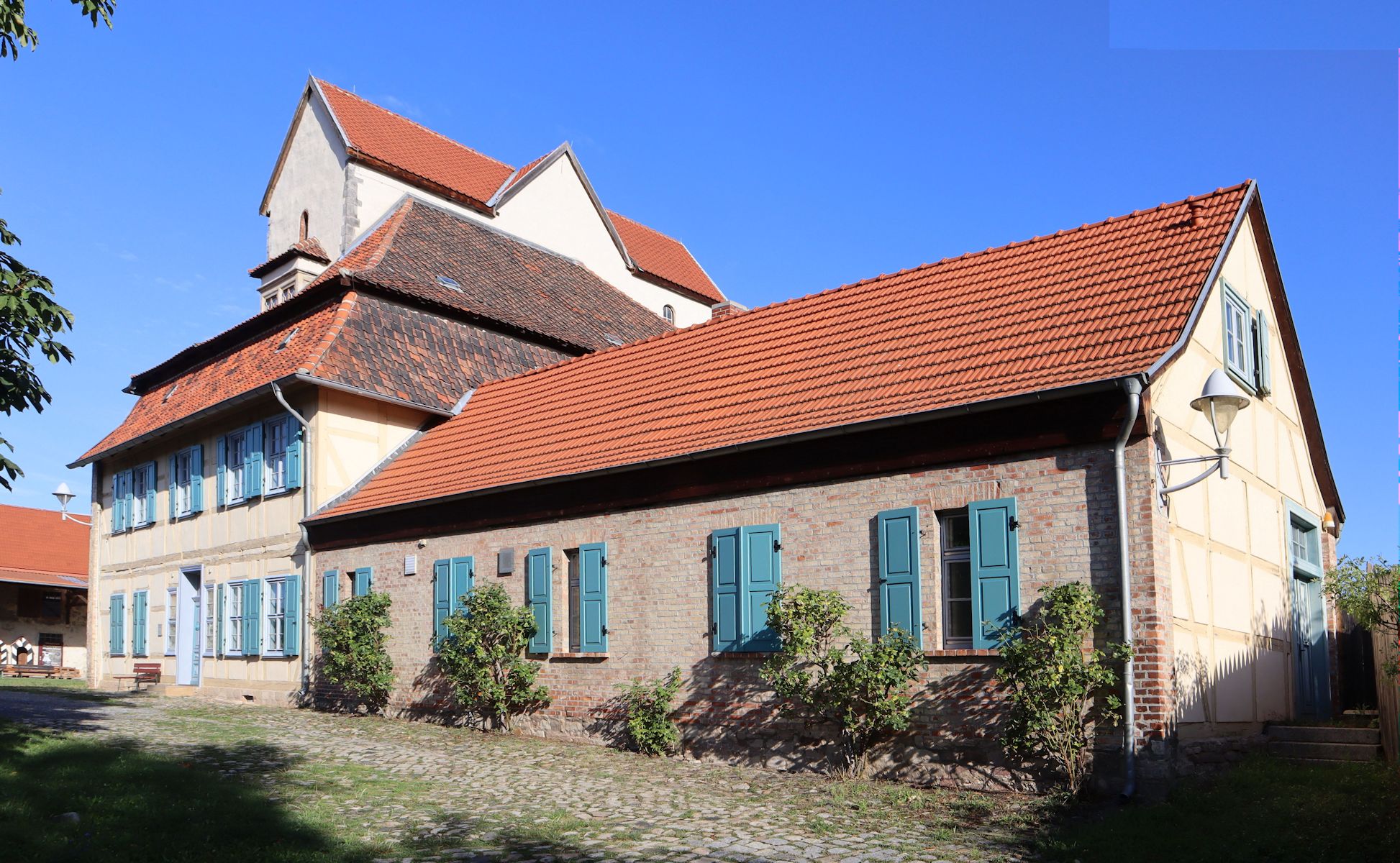
She thus spent the remaining thirty years of her life in a cell next to the Wendhausen Monastery, located on the site of the present-day Town of Thale, southwest of Magdeburg, in Saxony-Anhalt.
She fasted, prayed and helped anyone who came to her in need. Abbots and Bishops of her time often came to her for advice. Among them were St Ansgar of Hamburg-Bremen (Died 865) and St Haimo of Halberstadt (Died 853).
Liutberga was the first Recluse in Saxony-Anhalt.
Remains of the former Wendhausen Monastery in Thale
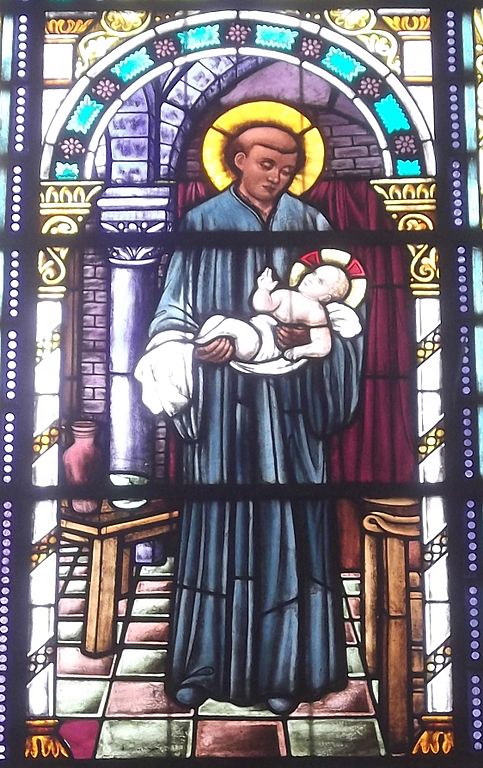
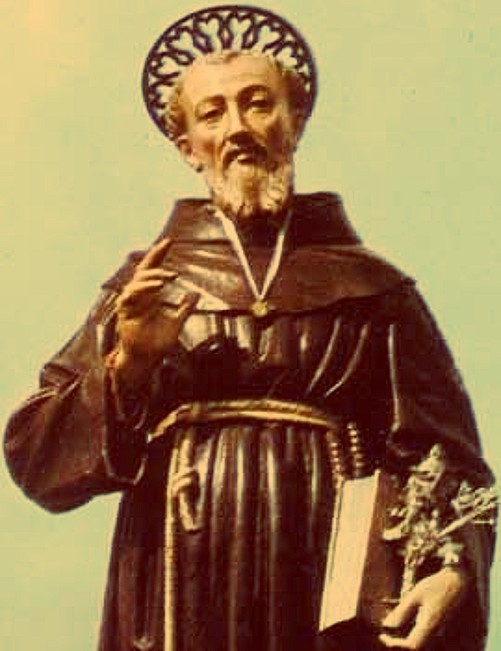
St Benedict of Palermo OFM (1526-1589) Lay Friar of the Order of Friars Minor of the Observance, Confessor, spiritual counsellor, Apostle of the poor and needy, graced with the gift of healing the sick. St Benedict’s gifts for prayer, his love for the Blessed Virgin and the Infant Jesus and the wisdom displayed in his guidance of souls, earned him, a reputation for holiness, throughout Sicily. Following the example of St Francis, Benedict kept seven 40-day fasts throughout the year. He also slept only a few hours each night. His body is incorrupt. Kind and Holy Benedict: https://anastpaul.com/2023/04/03/saint-of-the-day-3-april-st-benedict-of-palermo-ofm-1526-1589-lay-friar/
St Burgundofara / more commonly known as Fara (c595-c 643) Virgin, Nun, Abbess, Founder of the famous Evoriacum Monastery, near Paris which after her death was renamed in her honour, Faremoutiers Abbey (Fara’s Monastery). She is celebrated on 7 December in France. Her Pious and Zealous Life: https://anastpaul.com/2022/12/07/saint-of-the-day-7-december-st-burgundofara-c-595-c-643-virgin/
St Chrestus St Comman St Evagrius of Tomi
Blessed Gandulphus OFM (c1200-1260) Priest, Friar of the First Order of St Francis. He was a renowned Preacher mainly in Sicily, Hermit, Miracle-worker . He was one of those who entered the Order while the Seraphic Father was still alive and the life he led was one of great self-abnegation. He was Beatified on 10 March 1881 by Pope Leo XIII. Biography: https://anastpaul.com/2022/04/03/saint-of-the-day-3-april-blessed-gandulphus-of-binasco-ofm-c-1200-1260/
Martyrs of Greece – 4 Saints: A group of young Christian men who protested to City authorities that gifts to temples of pagan gods should be used to feed the poor during a regional famine. When the officials refused, the group went to local temples, broke up the idols and fixtures and gave the gold and silver bits to the poor to use to buy food. The group was imprisoned and executed. The only other thing we know about these Martyrs are the names – Bythonius, Elpideforus, Dius and Galycus. They Died in the 3rd Century at an unknown location in Greece.
Martyrs of Tomi (Romania) – 9 Saints who were Martyred together. We know nothing else about them but the names – Arestus, Benignus, Chrestus, Evagrius, Papo, Patricius, Rufus, Sinnidia and Zosimus. They Died at Tomi, Scythia (modern Constanta, Romania).
You must be logged in to post a comment.