Thought for the Day – 31 August – Meditations with Antonio Cardinal Bacci (1881-1971)
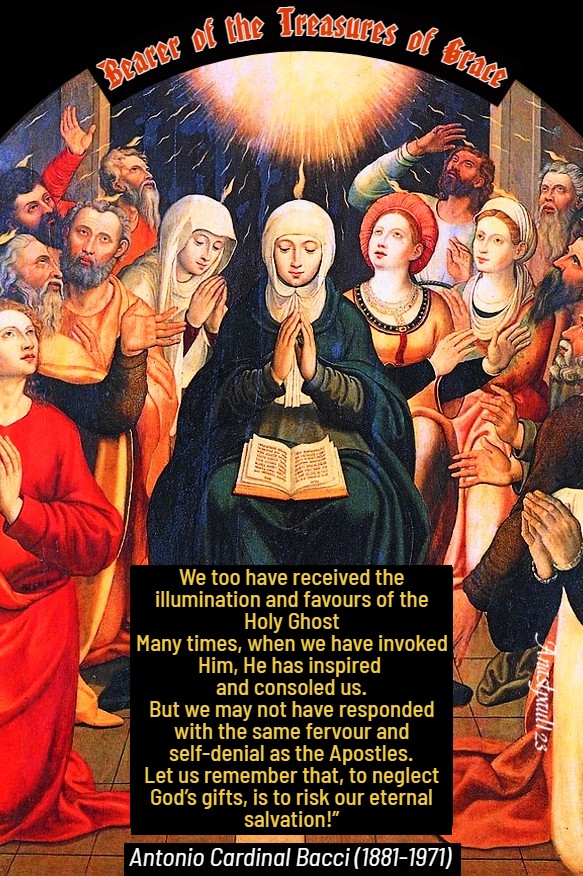
Bearer of the Treasures of Grace
“The Apostles were completely transformed after the Feast of Pentecost. They had been ignorant rustics, timid and vacillating. They had hardly understood at all, the lofty teachings of Christ, for they were hoping still for an earthly kingdom in which they would occupy the highest posts.
When they received the Holy Spirit, however, their minds were flooded with supernatural light and they became heroic in their resolution. Ignorant, though they had been, they became masters of Truth, far superior to the sages of Athens or the philosophers of Rome! They were no longer timid and hesitating but, fearlessly encountered the power of the Sanhedrin, the whips of the soldiery, the dangers of long voyages and, Martyrdom itself.
We too have received the illumination and favours of the Holy Ghost Many times, when we have invoked Him, He has inspired and consoled us. But we may not have responded with the same fervour and self-denial as the Apostles. Let us remember that, to neglect God’s gifts, is to risk our eternal salvation!”
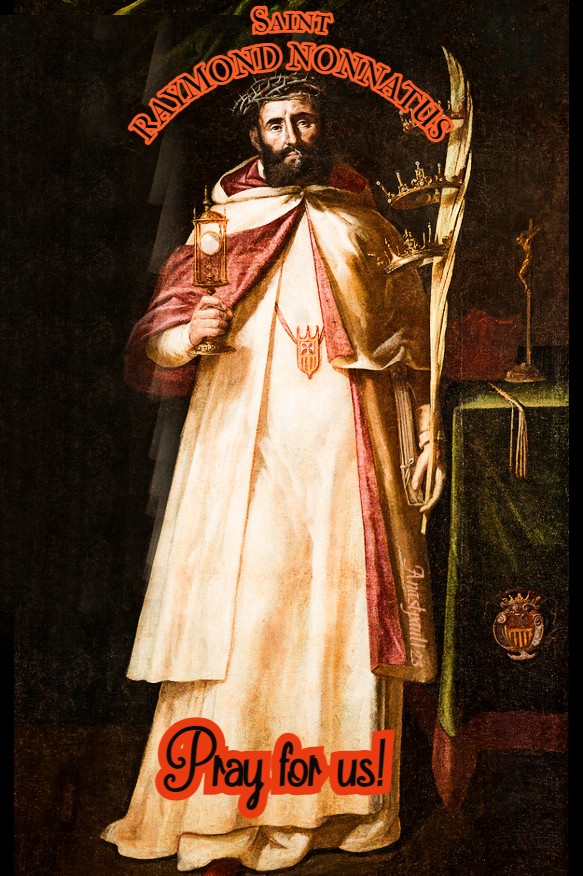
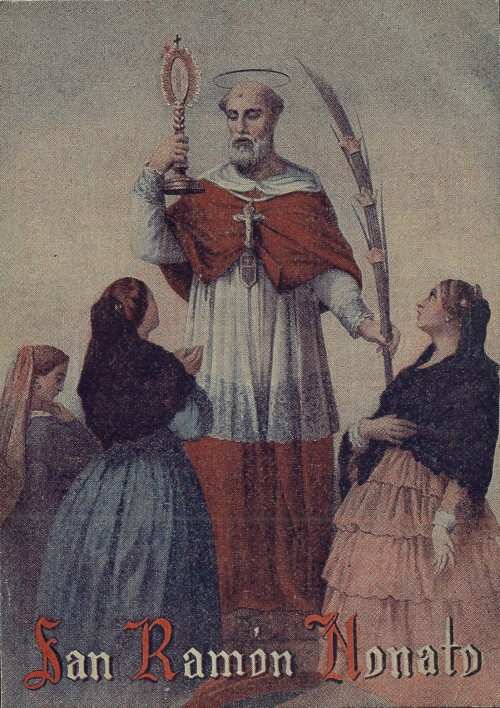
Quote/s of the Day – 31 August – “The Month of the Immaculate Heart of Mary” – Pentecost XII – St Raymond Nonnatus 1204-1240) Priest, Confessor, Cardinal, Friar of the Mercedarian Order – Ecclesiasticus Sir 31:8-1 – Luke 12:35-40 – Scripture search here: https://www.drbo.org/
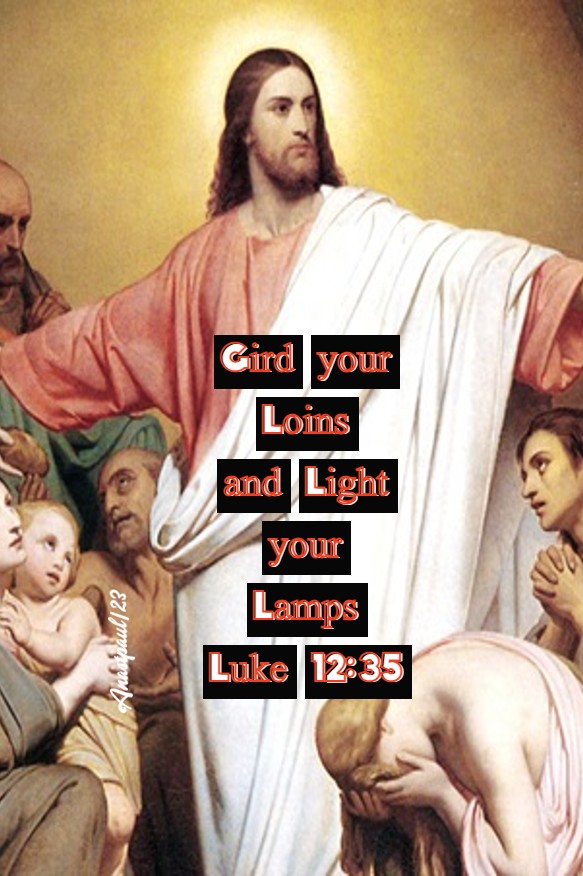
“Jesus said to His disciples: gird your loins and light your lamps”
Luke 12:35
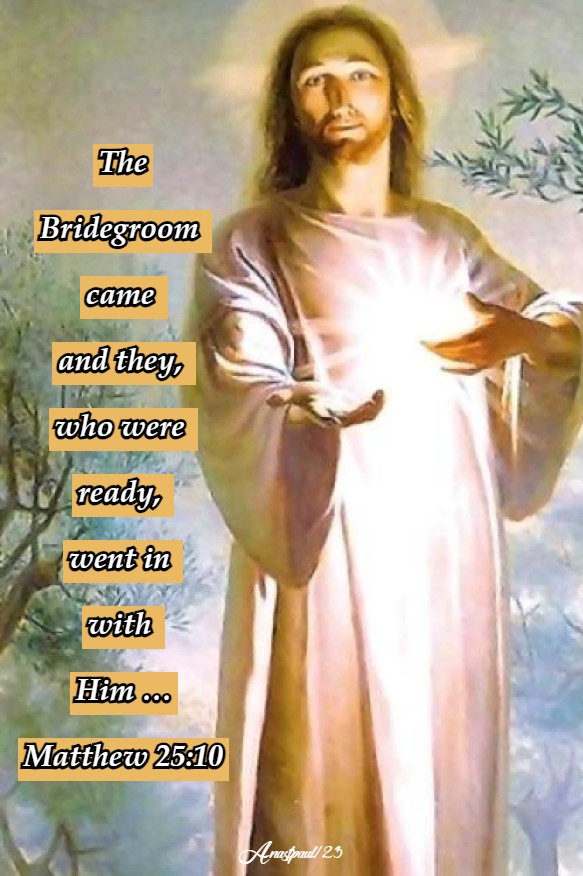
“ … The Bridegroom came and they, who were ready, went in with Him … ”
Matthew 25:10
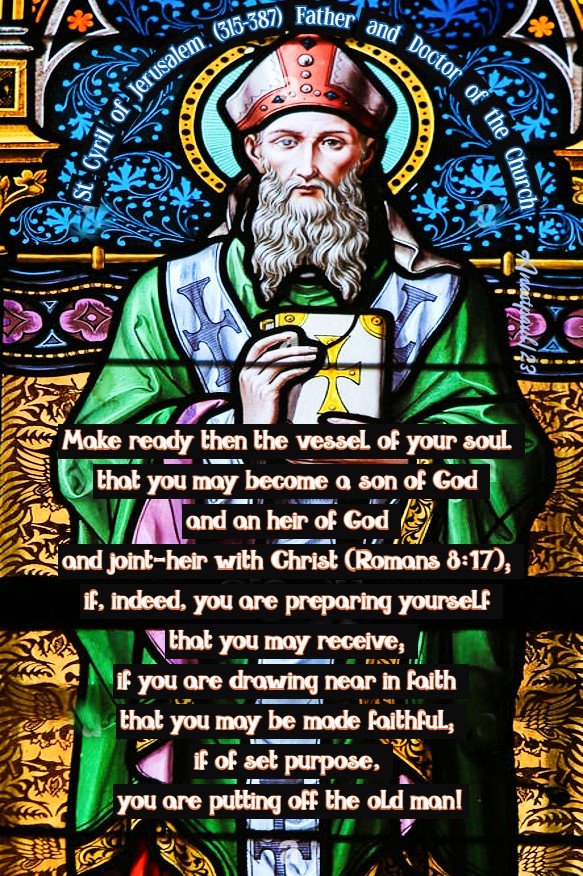
“Make ready then the vessel of your soul that you may become a son of God and an heir of God and joint-heir with Christ (Romans 8:17); if, indeed, you are preparing yourself that you may receive; if you are drawing near in faith that you may be made faithful; if of set purpose, you are putting off the old man!”
St Cyril of Jerusalem (315-387) Father and Doctor of the Church
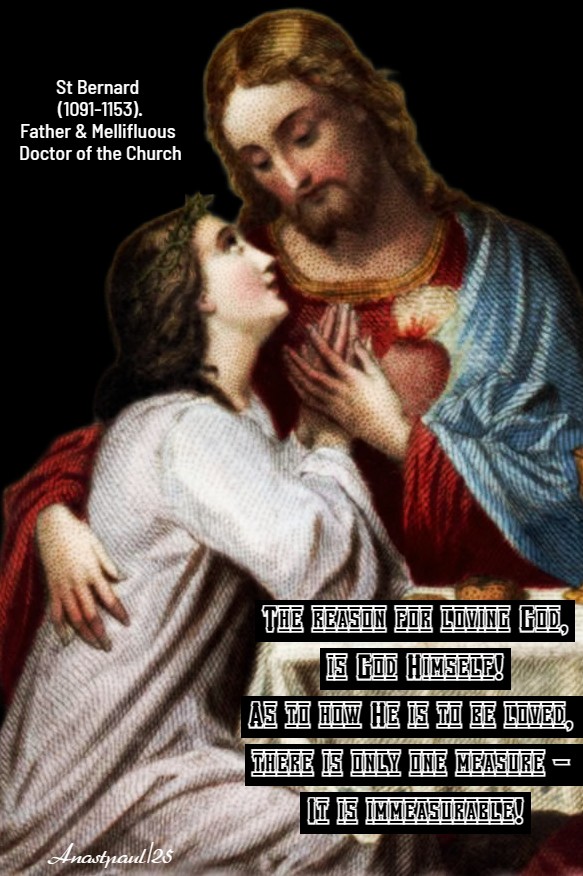
“The reason for loving God, is God Himself! As to how He is to be loved, there is only one measure – It is immeasurable!”
St Bernard (1090-1153) Father & Mellifluous Doctor of the Church
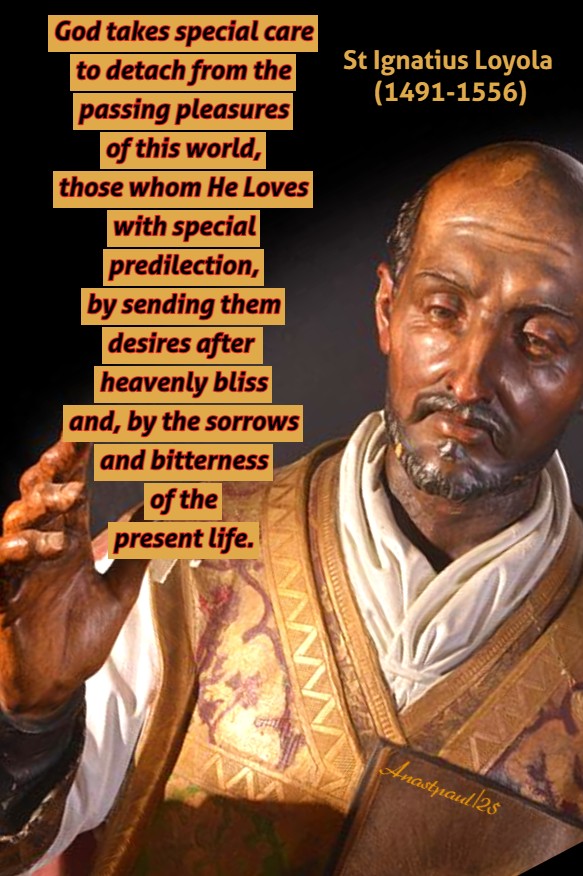
“God takes special care to detach from the passing pleasures of this world, those whom He Loves with special predilection, by sending them desires after heavenly bliss and, by the sorrows and bitterness of the present life.”
One Minute Reflection – 31 August – “The Month of the Immaculate Heart of Mary” – Pentecost XII – St Raymond Nonnatus 1204-1240) Priest, Confessor, Cardinal, Friar of the Mercedarian Order – Ecclesiasticus Sir 31:8-1 – Luke 12:35-40 – Scripture search here: https://www.drbo.org/
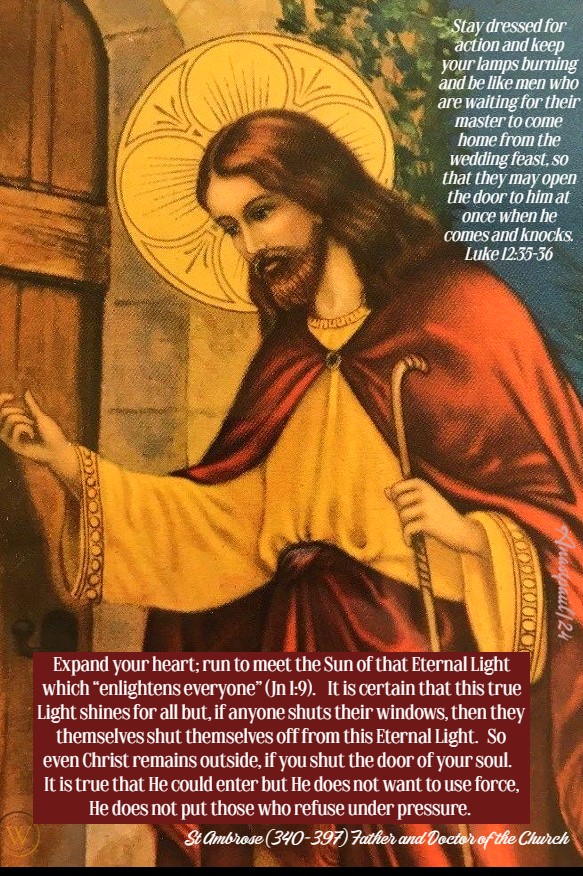
“Stay dressed for action and keep your lamps burning and be like men who are waiting for their master to come home from the wedding feast, so that they may open the door to him at once when he comes and knocks.” – Luke 12:35-36
REFLECTION – “God, the Word, stirs up the lazy and arouses the sleeper. For indeed, someone who comes knocking at the door is always wanting to come in. But it depends on us, if He does not always enter or always remain. … May your door be open to Him who comes; open your soul, enlarge your spiritual capacities, that you may discover the riches of simplicity, the treasures of peace and sweetness of grace. Expand your heart; run to meet the Sun of that Eternal Light which “enlightens everyone” (Jn 1:9). It is certain, that this true Light shines for all but, if anyone shuts their windows, then they themselves, shut themselves off from this Eternal Light.
So even Christ remains outside, if you shut the door of your soul. It is true, He could enter but He does not wish to use force, He does not put those who refuse under pressure. Descended from the Virgin, born from her womb, He shines throughout the universe to give Light to all. Those who long to receive the Light, that shines with an everlasting brightness, open up to Him. No night comes to intervene. Indeed, the sun we see each day, gives way to night’s darkness but the Sun of Justice (Mal 3:20) knows no setting, for Wisdom is not overcome by evil.” – St Ambrose (340-397) Bishop of Milan and Father and Doctor of the Church (12th Sermon on Psalm 118).
PRAYER – O God, Who made blessed Raymund, Thy Confessor, famous for delivering Thy faithful from the captivity of the infidels, grant us, by his intercession that, having been released from the bonds of our sins, we may with free minds, do what is pleasing to Thee. Through Jesus Christ, Thy Son our Lord, Who lives and reigns with Thee, in the unity of the Holy Ghost, God, world without end. Amen (Collect).
Our Morning Offering – 31 August – “The Month of the Immaculate Heart of Mary” on this the last day of August let us pray ab Act of Consecration and Repration to our Mother’s Immacylate Heart
An Act of Consecration and Reparation to the Immaculate Heart of Mary
O Immaculate Heart of Mary, Queen of Heaven and Earth and tender Mother of men, in accordance with thy ardent wish made known at Fatima, I consecrate to thee, myself, my brethren, my country and the whole human race. Reign over us and teach us how to make the Heart of Jesus reign and triumph in us and around us, as It has reigned and triumphed in thee. We wish to atone for the many crimes committed against Jesus and thee. We wish to call down upon our country and the whole world, the peace of God in justice and charity. We promise to imitate thy virtues, by the practice of a Christian life without regard to human respect. We resolve to receive Holy Communion on the first Saturday of every month and to offer thee five decades of the Rosary on this day, together with our sacrifices in the spirit of reparation and penance. Amen.
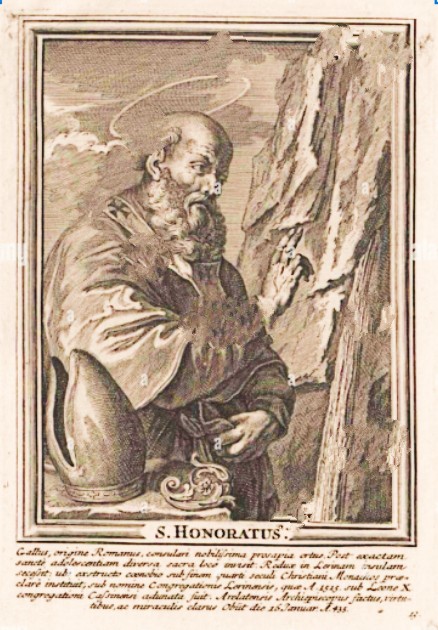
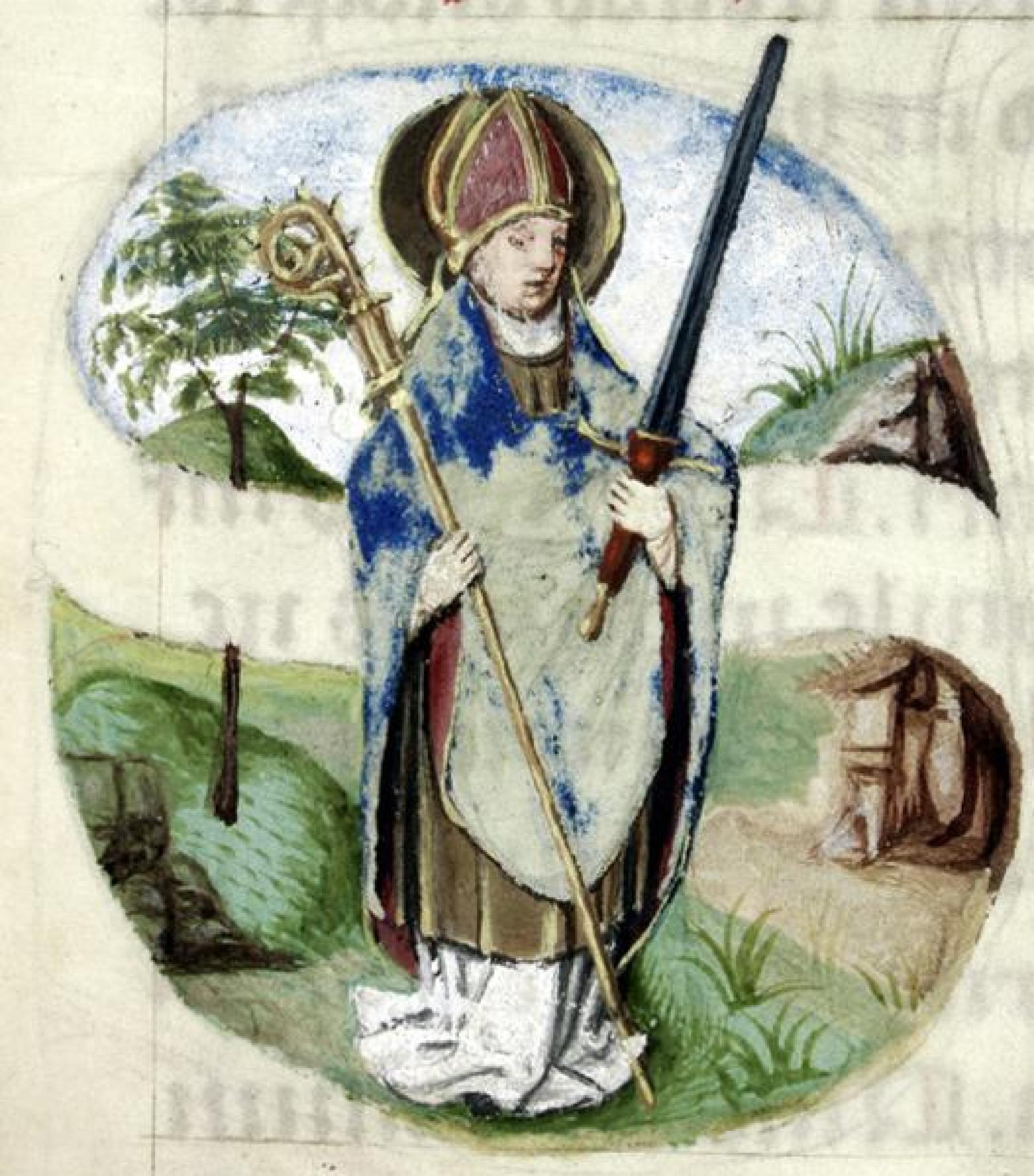
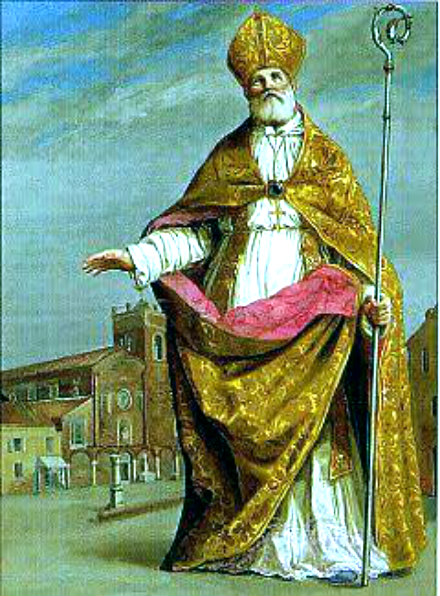
Saint of the Day – 31 August – St Honoratus (5th Century) Bishop of Marseilles and disciple of St Honoratus of Arles, the holy Bishop, Founder and Abbot of Lerins Monastery. Also known as – Onoratus, Onorato.
Honoratus was a Bishop of Marseille who lived in the 5th Century.
In the records of the Diocese, he is listed as number sixth after Greco, mentioned in 475 and before Saint Cannatus, mentioned at the end of the 5th Century.
We know very little information about him. Tradition holds that he was a disciple of Saint Honoratus of Arles, of whom, as modern Hagiographers affirm, he wrote the Vita.
Honoratus was the Bishop pf Marseilles during the Pontificate of Gelasius, with whom he had a lively exchange of correspondence, now lost, during which he had to defend his orthodoxy to the Pontiff.
According to some sources, our Saint Honoratus is described as a renowned orator and preacher of great power.
Thought for the Day – 30 August– Meditations with Antonio Cardinal Bacci (1881-1971)
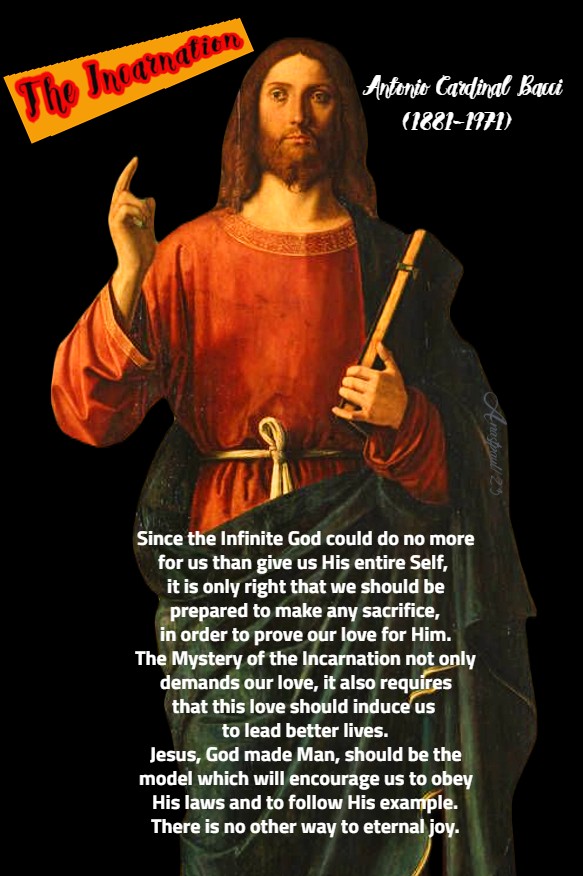
The Incarnation
“The Incarnation, which is the coming of God amongst men, in order that He might be loved more, requires that man, in return, love God and be obedient to His commandments.
Since the Infinite God could do no more for us than give us His entire Self, it is only right that we should be prepared to make any sacrifice, in order to prove our love for Him. The Mystery of the Incarnation not only demands our love, it also requires that this love should induce us to lead better lives. Jesus, God made Man, should be the model which will encourage us to obey His laws and to follow His example. There is no other way to eternal joy.”
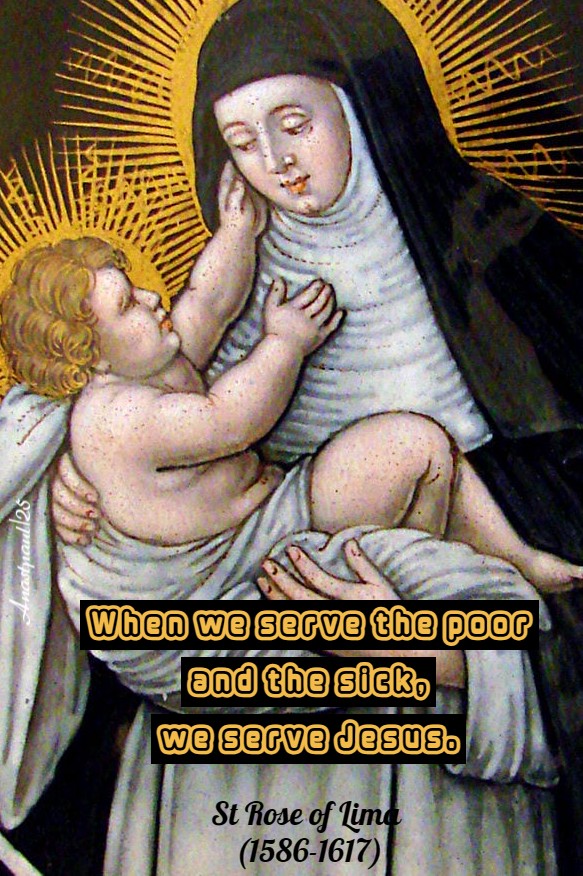
One Minute Reflection – 30 August – “The Month of the Immaculate Heart of Mary” – St Rose of Lima OP (1586-1617) Virgin – 2 Cor inthians10:17-18; 11:1-2 – Matthew 25:1-13 – Scripture search here: https://www.drbo.org/
“Many will come from the east and the west and will recline… at the banquet in the Kingdom of Heaven” – Matthew 8:11
REFLECTION – “I have seen our Lord in the Gospel accomplish many miracles and, reassured by them, have strengthened my fearful words. I have seen the centurion throw himself at the Lord’s feet, nations send their firstfruits to Christ. The Cross has not yet been erected and already, pagans hasten towards their Master. The words “Go, teach all nations” have not yet been heard (Mt 28,19) but the nations are already hastening. Their race precedes their call, they are burning with desire for the Lord. The sound of preaching has not yet been heard but they are hurrying towards the One Who preaches. Peter… has now been instructed and they gather around the One Who is teaching him; the light of Paul has not yet blazed beneath Christ’s standard and nations are coming with incense to adore the King (Mt 2:1).
And now, see how a centurion begs Him and says to him: “Lord, my servant is lying at home paralysed, suffering dreadfully.” Here is a new miracle indeed! The servant, whose limbs are paralysed leads his master to the Lord; the slaves’ sickness gives health to his owner. Seeking his servant’s healing, he finds our Lord and while he is seeking for his slave’s cure, he becomes Christ’s conquest!” – Basil of Seleucia (Died c 468) Archbishop (Homily 19 on the centurion, PG 85, 235f).
PRAYER – Almighty God, Giver of all good things, Who willed that blessed Rose, imbued in early life with the dew of heavenly grace, should bloom among the Indians with the beauty of virginity and patience, grant unto us, Thy servants that, following the fragrance of her sweetness, we may be found worthy to become a sweet savour of Christ. Who livest and reignest with God the Father, in the unity of the Holy Ghost, God, world without end. Amen (Collect).
Our Morning Offering – 30 August – “The Month of the Immaculate Heart of Mary” – St Rose of Lima OP (1586-1617) Virgin
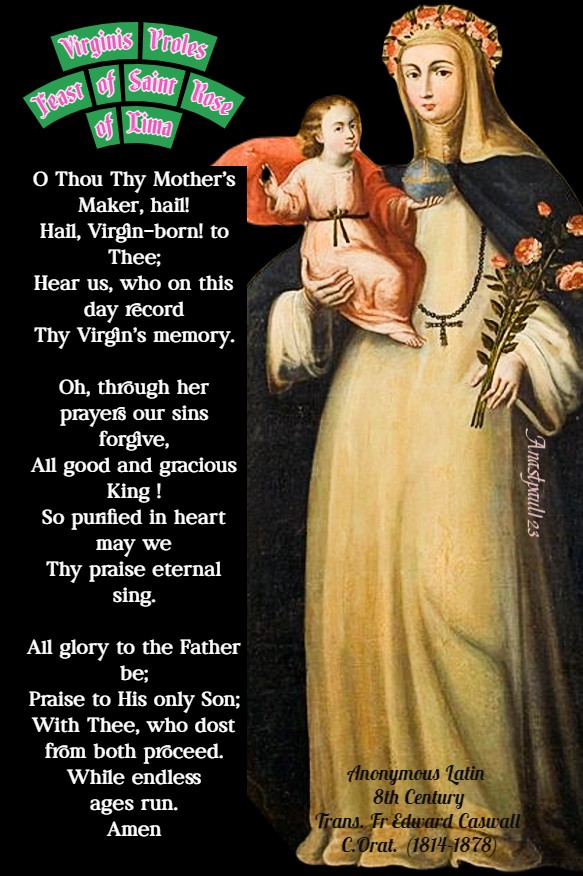
Virginis Proles Anonymous Latin, 8th Century Trans. Fr Edward Caswall C.Orat. (1814-1878)
O Thou Thy Mother’s Maker, hail! Hail, Virgin-born! to Thee; Hear us, who on this day record Thy Virgin’s memory.
Oh, through her prayers our sins forgive, All good and gracious King ! So purified in heart may we Thy praise eternal sing.
All glory to the Father be; Praise to His only Son; With Thee, who dost from both proceed. While endless ages run.
This Hymn is used for Matins in the Common of Virgins in the Extraordinary form of the Roman Breviary. Verses 1, 4 and 5 above, are used for a Virgin who is not a Martyr.
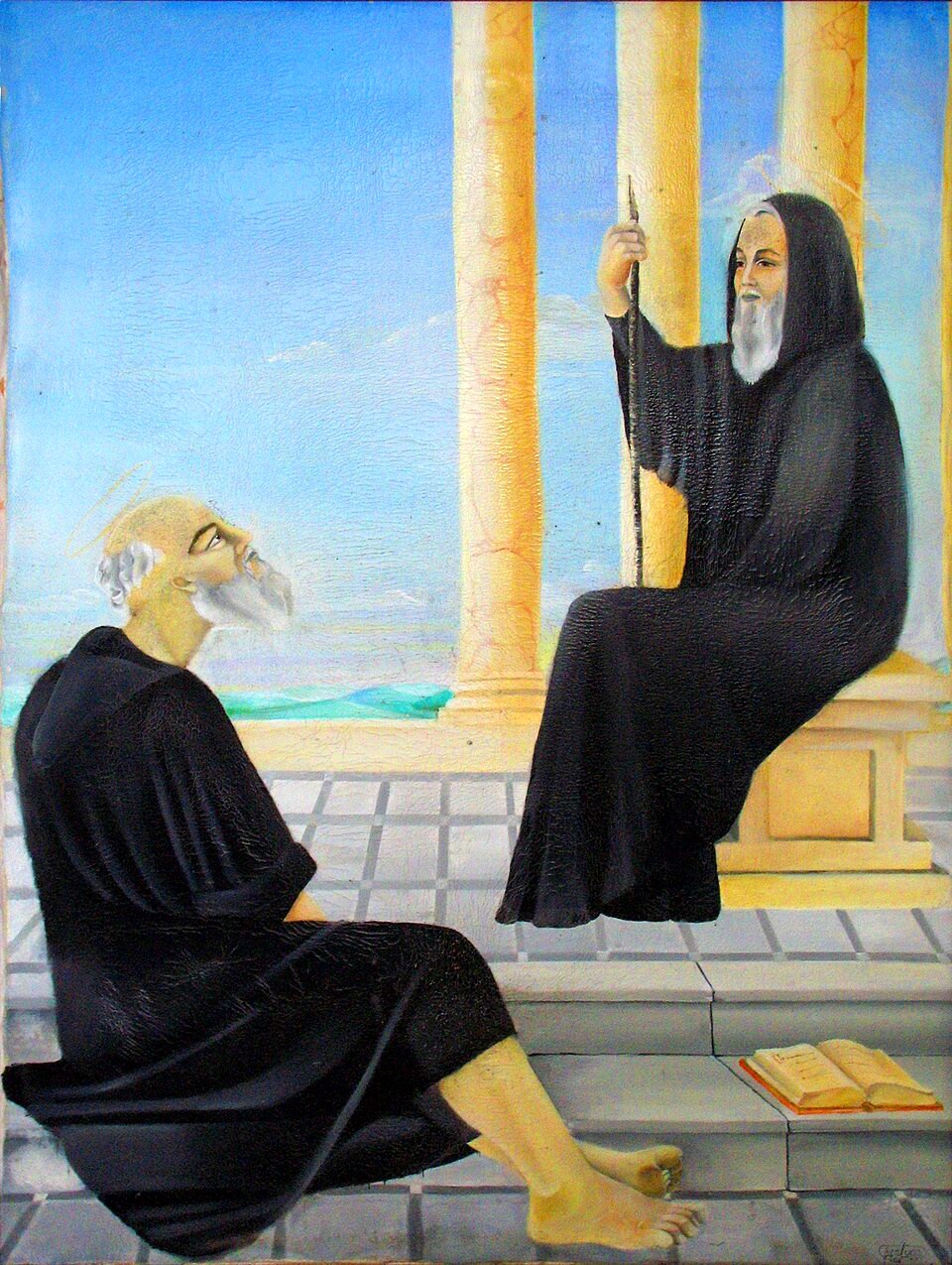
Saint of the Day – 30 August – St Fantinus (c927-1000) Confessor, Abbot of San Mercurius, Ascetic, Hermit, Missionary, Preacher, Spiritual Adviser and Miracle-worker. Born in Calabria in Italy in c927and died in Greece at around year 1000, Also known as – Fantinus of Calabria, Fantinus the Younger, Fantino…
The Roman Martyrology reads today: “At Thessalonica, St Fantinus, Confessor, who suffered much from the Saracens, was driven from his monastery in which he had lived in great abstinence. After having brought many to the ways of salvation, he rested at last at an advanced age.”
Saint Fantinus (on the right). Sanctuary of San Nicodemo, Mammola.
Born in Calabria in a locality described as being the “closest to Sicily” in its customs and appearance. Fantinus’ parents were named Giorgio and Vriena.
Fantinus was introduced as a child, to Saint Elias, a renowned cave-dwelling Hermit. His religious education was entrusted to Elias, leading Fantinus to become a Monk at the age of thirteen and working as a cook and as the doorman in the Monastery
At the age of thirty three, he became a Hermit in the region of Mount Mercurion in the north of Calabria. There, many Monasteries and Hermitages had been established under the Basilian rule. Fantinus lived a life of extreme asceticism, eating only raw vegetables and occupying much of his time copying manuscripts. He also experienced a vision of Heaven and Hell.
Fantinus lived both as a Hermit and as an Abbot. He subsequently convinced his aged parents, as well as his two brothers, Luke and Cosmas, and sister, Caterina, to enter the monastic life.
When he became a Hermit, he left his brother Lucas in charge of the Monastery he had founded. Though a Hermit, he often returned from the wild in order to guide and teach the disciples, who desired his spiritual counsel.
The Monastery he founded named San Mercurius, was destroyed by Muslim raiders during Fantinus’ lifetime. But Fantinus was told by an Angel to preach in Greece. He left Calabria with two disciples, Vitalis and Nicephorus. During the voyage, the ship ran out of drinking water. Fantinus made the Sign of the Cross over a container filled with seawater and miraculously converted it into drinkable water.
Fantinus visited Corinth, Athens and Larissa, where he lived near the sepulcher of Saint Achillius of Larissa. He lived for four months in a Monastery dedicated to Saint Menas near Thessalonica and then lived outside of its walls. In Thessalonica itself, he cured the sick and caused a corrupt Judge to repent of his sins. Fantinus was also honoured for his intercession in preventing a violent invasion of the City. Fantinus died in Greece.
Saint Fantinus died around the year 1000, after embracing and blessing the Monks attending him and was buried with great solemnity in the place of his choosing. The Saint’s Vita concludes with a series of miracles he performed after his death.
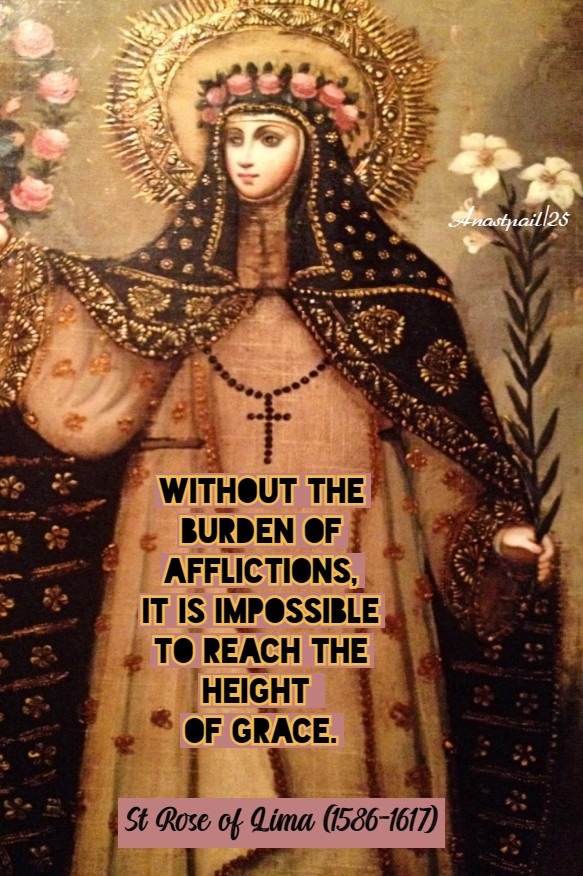
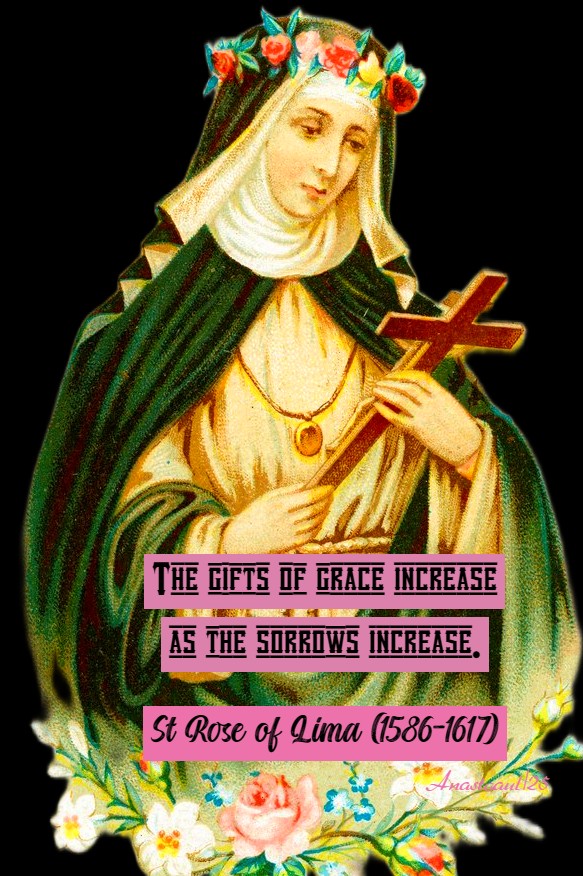
St Rose of Lima OP (1586-1617) Virgin and Penitent, Mystic, Visionary, Stigmatist (invisible), Apostle of the Poor. Also known as “St Rose of Saint Mary” – her Religious name. (Her Feast was moved from today to 23 August after Vatican II). Devoted and Ascetic St Rose: https://anastpaul.com/2018/08/23/saint-of-the-day-23-august-st-rose-of-lima-1586-1617/
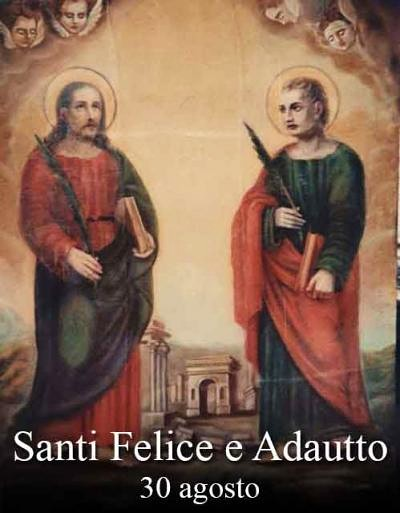
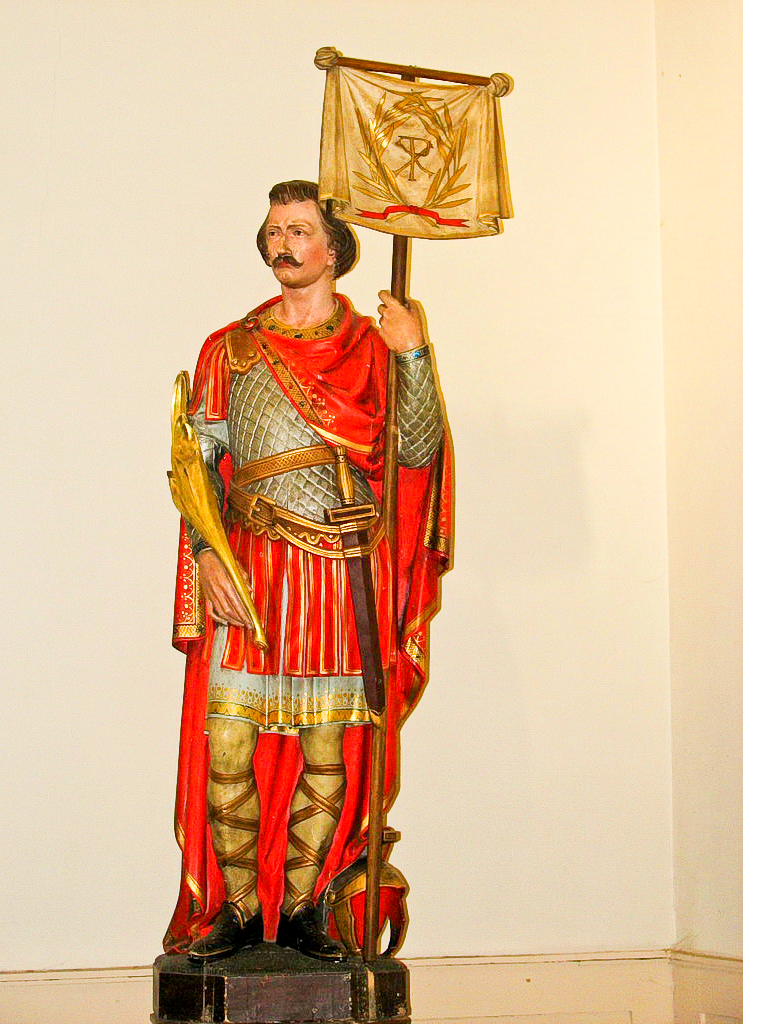
St Adauctus AND St Felix Martyrs of Rome (Died c303) – both dying in c303 by beheading in Rome. The Roman Martyrology reads today: “At Rome on the Ostian Way the Martyrdom of the blessed Priest, Felix, under the Emperor Diocletian and Maximian. After being racked, he was sentenced to death and as they led him to execution, he met a man who spontaneously declared himself a Christian and was, forthwith, beheaded with the holy Felix. The Christians, not knowing his name, called him Adauctus – the Latin word meaning “added to” because he was added to St Felix and shared his Crown.” Their Lives and Deaths: https://anastpaul.com/2023/08/30/saint-s-of-the-day-30-august-saints-felix-priest-and-martyr-and-saint-adauctus-died-c303/
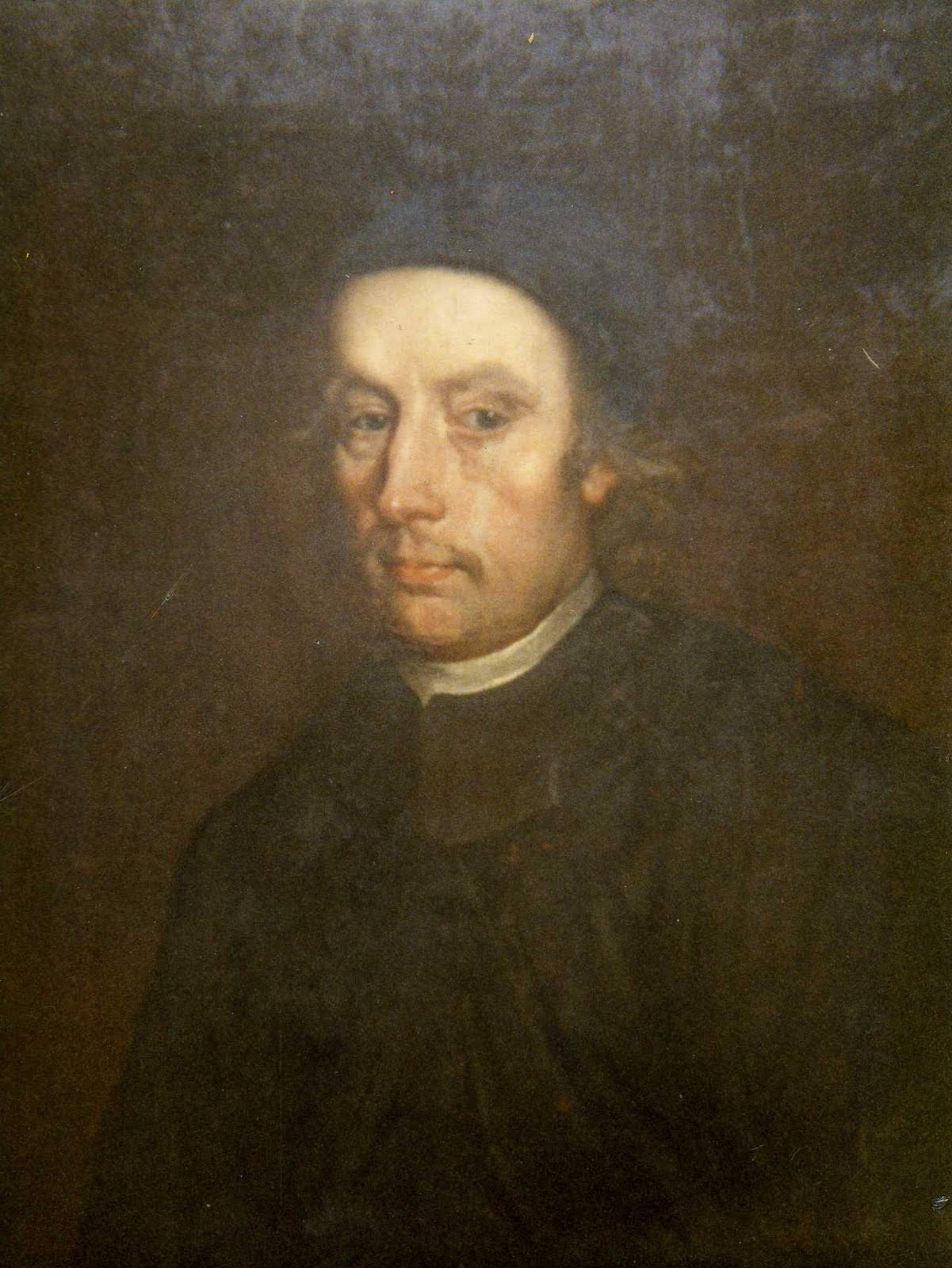
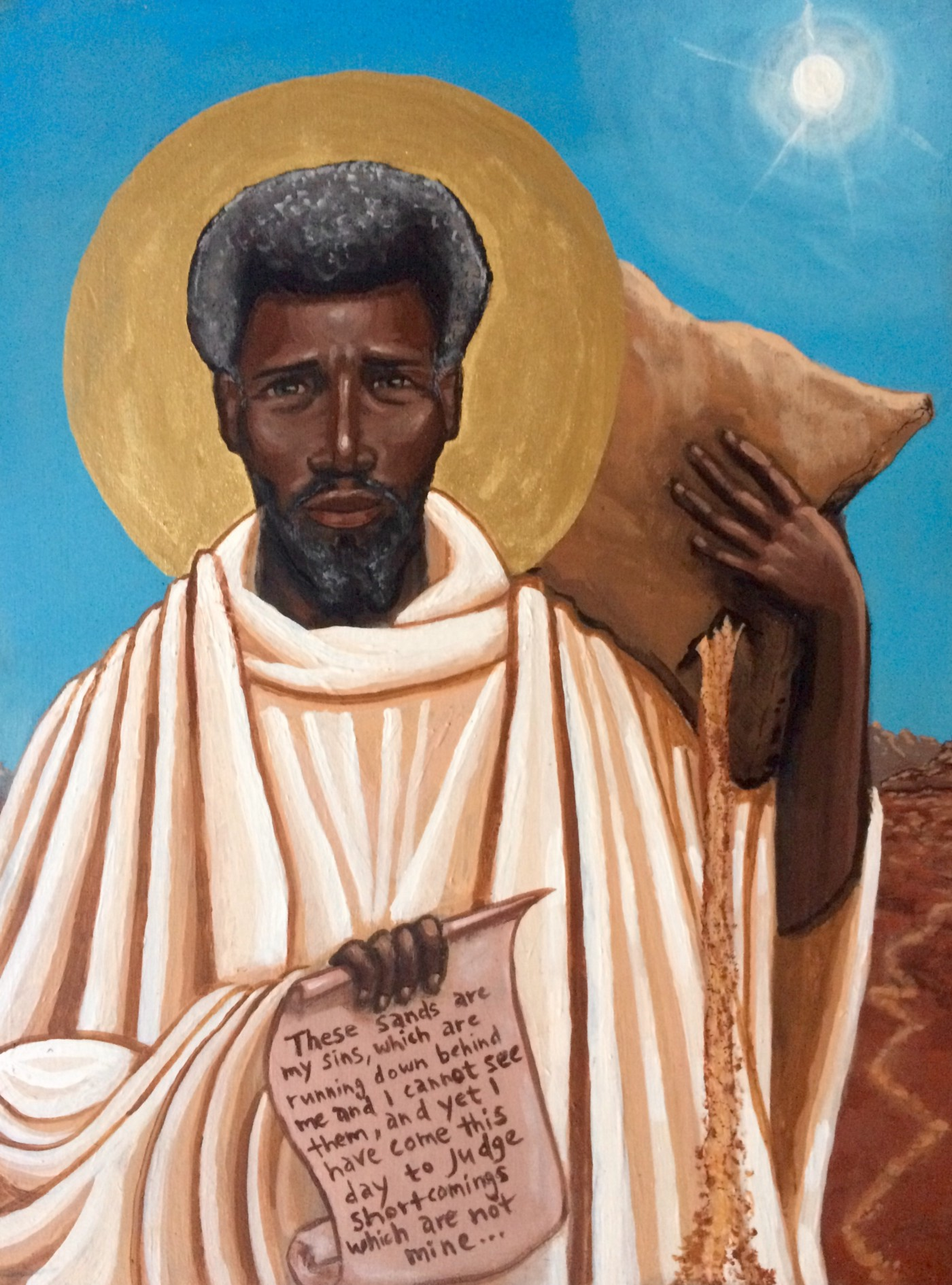
St Agilus St Arsenius the Hermit St Boniface of Hadrumetum St Bononius of Lucedio Bl Bronislava of Poland Bl Edward Shelley Bl Ero di Armenteira Bl Eustáquio van Lieshout St Fantinus (c927-1000) Abbot of San Mercurius
St Pelagius the Hermit St Peter of Trevi Bl Richard Flower Bl Richard Leigh Bl Richard Martin St Rumon of Tavistock St Sylvanus the Hermit St Thecla of Hadrumetum St Theodosius of Oria
Martyrs of Colonia Suffetulana – 60 Saints: A group of 60 Christians Martyred for destroying a statue of Hermes. They were Martyred in Colonia Suffetulana, Africa.
Thought for the Day – 29 August – Meditations with Antonio Cardinal Bacci (1881-1971)
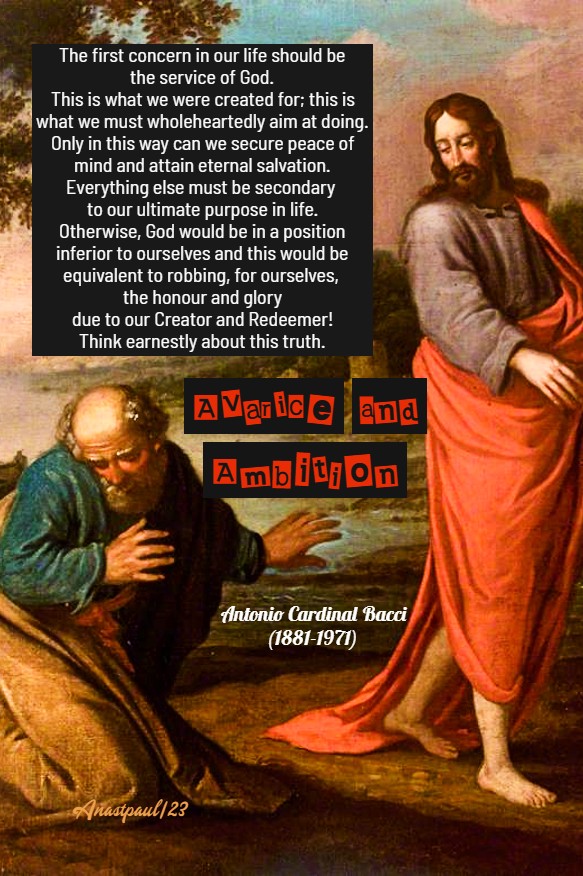
Avarice and Ambition
“What is our attitude in regard to these matters? We are not forbidden, naturally, to look after our own affairs and our work. In fact, it is our duty to do so, to whatever degree is demanded by the circumstances in which we live. Similarly, it is not forbidden to try to better our social position. But, all this must be done, however, with a due sense of proportion and by the proper means.
The first concern in our life should be the service of God. This is what we were created for; this is what we must wholeheartedly aim at doing. Only in this way can we secure peace of mind and attain eternal salvation. Everything else must be secondary to our ultimate purpose in life. Otherwise, God would be in a position inferior to ourselves and this would be equivalent to robbing, for ourselves, the honour and glory due to our Creator and Redeemer! Think earnestly about this truth.”
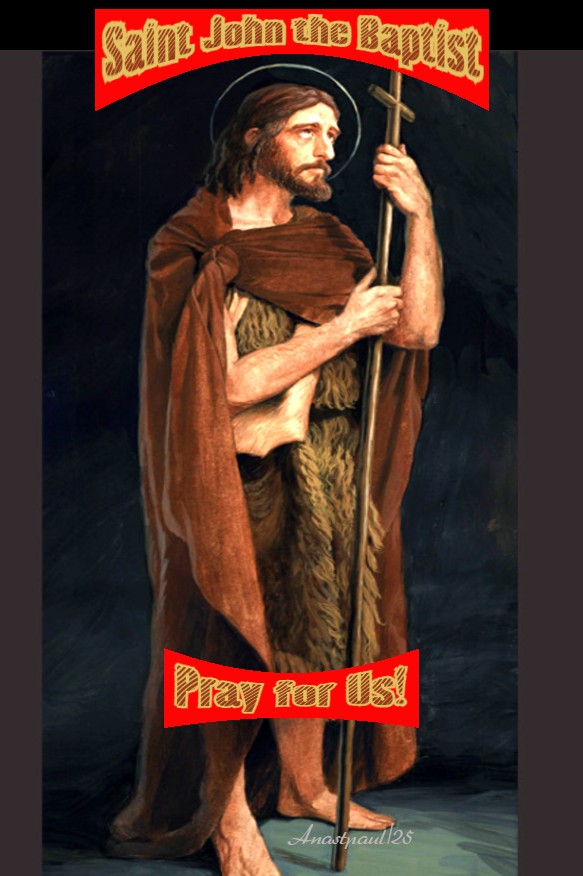
Quote/s of the Day – 29 August – The Beheading of Saint John the Baptist – Jeremias 1:17-19, Mark 6:17-29 – Scripture search here: https://www.drbo.org/
“Amen I say to you, there hath not risen among them that are born of women, a greater than John the Baptist.”
Matthew 11:11
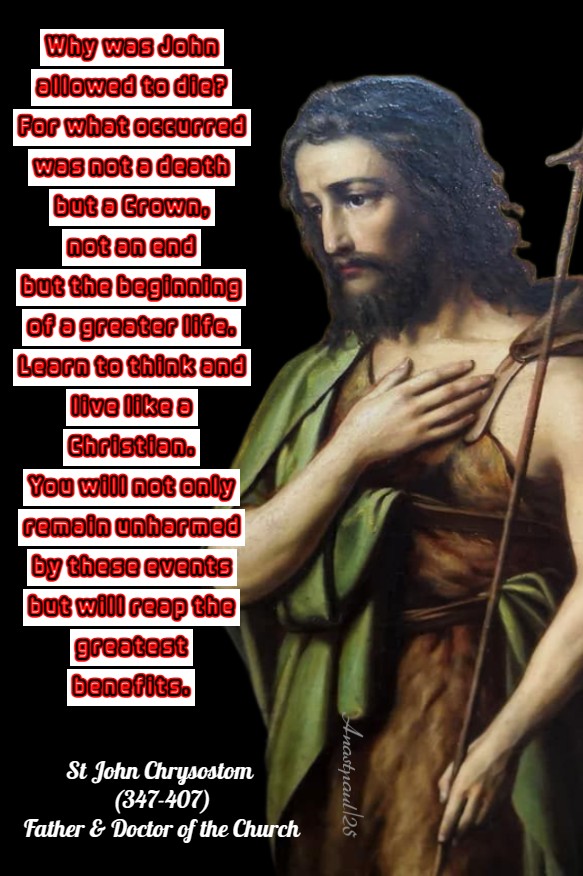
“Why was John allowed to die?” For what occurred was not a death but a crown, not an end but the beginning of a greater life. Learn to think and live like a Christian. You will not only remain unharmed by these events but will reap the greatest benefits.”
St John Chrysostom (347-407) Father & Doctor of the Church
One Minute Reflection – 29 August – “The Month of the Immaculate Heart of Mary” – The Beheading of Saint John the Baptist – Jeremias 1:17-19 – Mark 6:17-29 – Scripture search here: https://www.drbo.org/
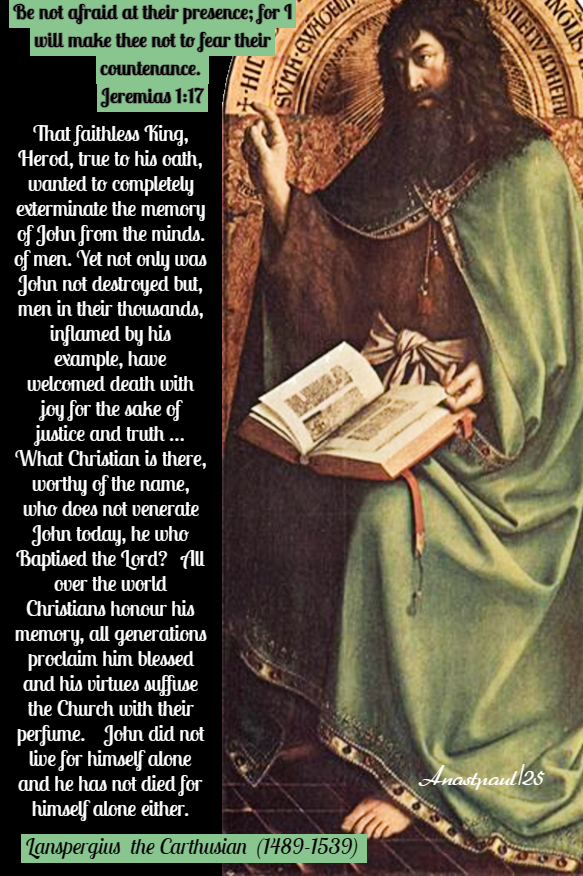
“Be not afraid at their presence; for I will make thee not to fear their countenance. ” – Jeremias 1:17
REFLECTION – “The Death of Christ stands at the head of an innumerable crowd of believers. Through this same Lord Jesus’ Power and, thanks to His Goodness, the precious deaths of His Martyrs and Saints have given birth to a great multitude of Christians. Indeed, never has the Christian religion been wiped out by the persecution of tyrants or the indefensible murder of the innocent! Rather, it has drawn greater increase from them each time.
We have an example of this in Saint John, who Baptised Christ and whose holy Martyrdom we celebrate today. That faithless King, Herod, true to his oath, wanted to completely exterminate the memory of John from the minds of men. Yet not only was John not destroyed but, men in their thousands, inflamed by his example, have welcomed death with joy for the sake of justice and truth … What Christian is there, worthy of the name, who does not venerate John today, he who Baptised the Lord? All over the world Christians honour his memory, all generations proclaim him blessed and his virtues suffuse the Church with their perfume. John did not live for himself alone and he has not died for himself alone either.” – Lanspergius (John Justus of Landsberg O,Cart,) the Carthusian (1489-1539) Monk, Theologian (Sermon for the Beheading of Saint John the Baptist).
PRAYER – May the great festival of St John the Baptist, Thy Precursor and Martyr, we beseech Thee, O Lord, assure for us the results of Thy saving help. Who lives and reign with God the Father, in the unity of the Holy Spirit, God, world without end. Amen (Collect).
Our Morning Offering – 29 August – The Beheading of Saint John the Baptist
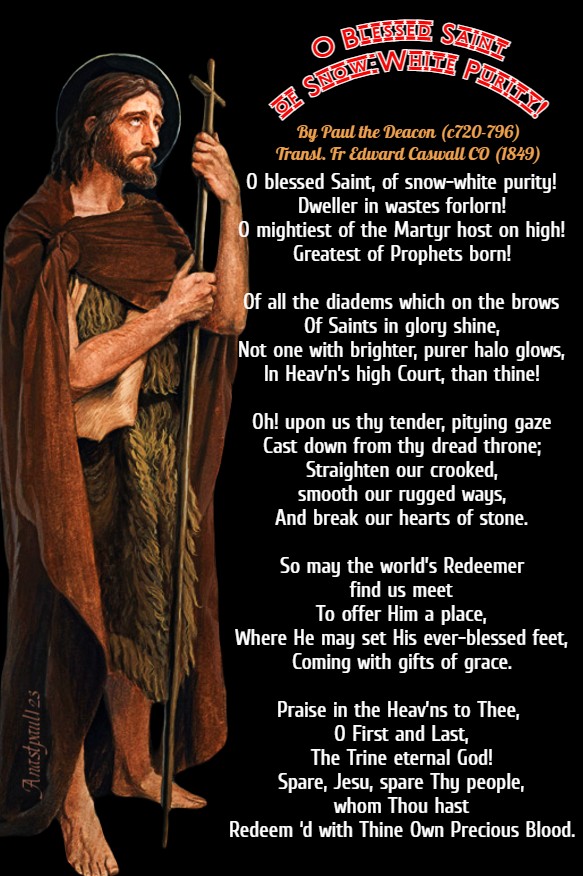
O Blessed Saint of Snow-White Purity! By Paul the Deacon (c720-796) Transl. Fr Edward Caswall C.Orat. (1814-1878) Breviary Hymn for Lauds
O blessed Saint, of snow-white purity! Dweller in wastes forlorn! O mightiest of the Martyr host on high! Greatest of Prophets born!
Of all the diadems which on the brows Of Saints in glory shine, Not one with brighter, purer halo glows, In Heav’n’s high Court, than thine!
Oh! upon us thy tender, pitying gaze Cast down from thy dread throne; Straighten our crooked, smooth our rugged ways, And break our hearts of stone.
So may the world’s Redeemer find us meet To offer Him a place, Where He may set His ever-blessed feet, Coming with gifts of grace.
Praise in the Heav’ns to Thee, O First and Last, The Trine eternal God! Spare, Jesu, spare Thy people,whom Thou hast Redeem ‘d with Thine Own Precious Blood.
Saint of the Day – 29 August – Saint Adelphus (5th Century) Bishop and Confessor of Metz, France. Patronages – of the Cities and Diocese of Metz and Strasbourg in France. Also known as – Adelfo, Adelfus, Adelphe, Adelphus.
The Roman Martyrology reads today: “At Metz, St Adephus, Bishop and Confessor.”
According to a Vita, of the 9th Century Adelphus was born to a noble Burgundian family. Some time before his birth, an Angel appeared to his mother, Beatrice, in a dream and informed her that her child would become a great Bishop.
He indeed became the 10th Bishop of Metz which office he served faithfully for 17 years as a most zealous shepherd and preacher, bring many pagans to Christ and His Church.
In 836, during the Episcopate of Drogo, Adelphus’ remains were translated to the Abbey of Neuvillers (Alsace) and became a destination for numerous pilgrimages.
In the 11th Century, they were placed in a Church dedicated to him but during the Revolution, they were returned to the Abbey Church for protection. Adelphus’s Feast Day falls on 29 August but in Neuvillers, it is celebrated on 1 September due to the celebration of the Feast of the Beheading of St John the Baptist on the same day.
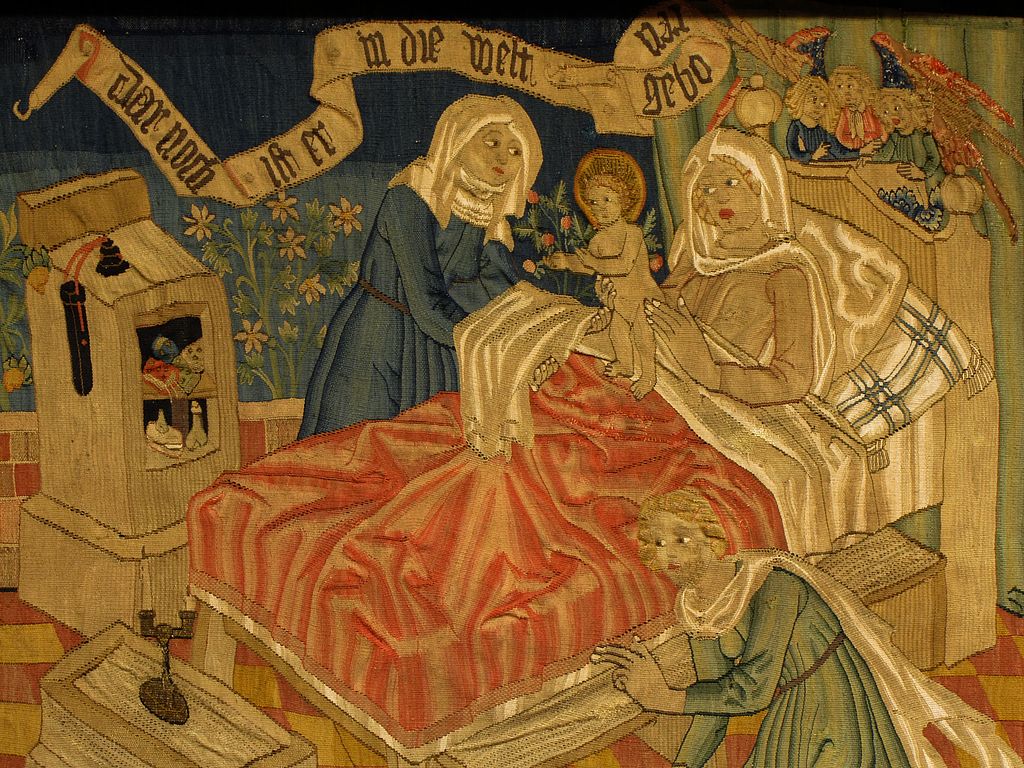
St Adelphus was Canonised on 3 December 1049 by Pope Leo IX. SBelow is a scene from the life of Adelphus as depicted in the Adelphus Tapestries from the 1470s and is in the Abbey of at his Shrine in Neuvillers.
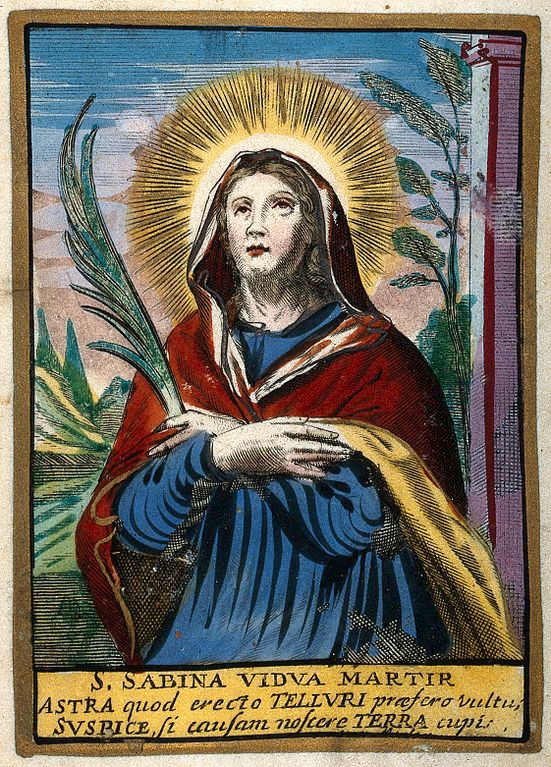
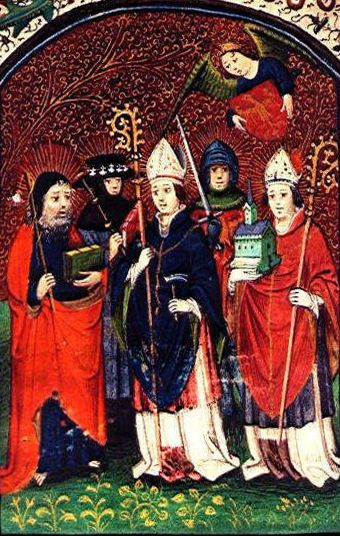
St Adelphus (5th Century) Bishop and Confessor of Metz, France St Adausia of Rome St Alberic of Bagno de Romagna St Basilia of Sirmium Bl Bronislava St Candida of Rome St Edwold the Hermit St Euthymius of Perugia St Maximian of Vercelli St Medericus St Nicaeus of Antioch St Paul of Antioch St Repositus of Velleianum Bl Richard Herst St Sabina of Troyes St Sator of Velleianum St Sebbe of Essex (c626-695) King, Monk St Velleicus St Victor of La Chambon St Vitalis of Velleianum
Thought for the Day – 28 August – Meditations with Antonio Cardinal Bacci (1881-1971)
The Creation
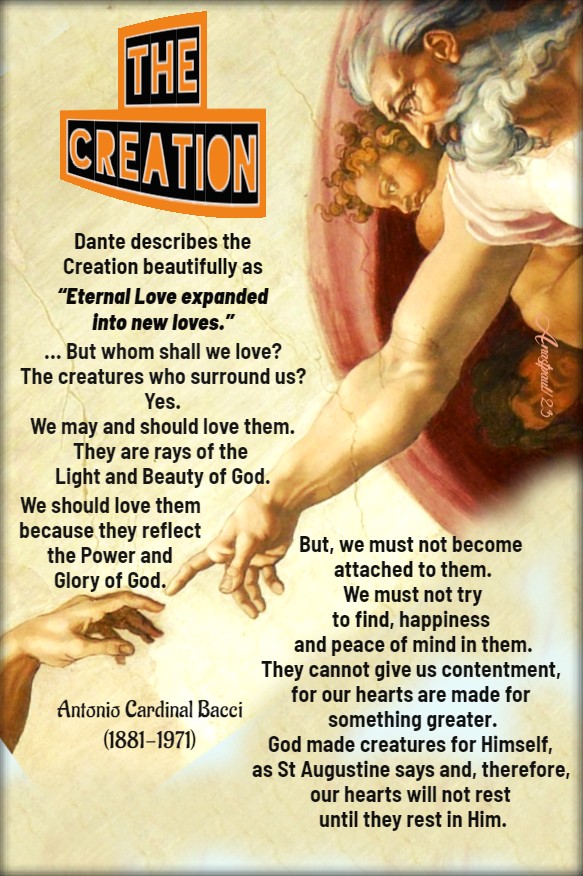
“Dante describes the Creation beautifully as “Eternal Love expanded into new loves.” Heaven and earth, Angels and men and all created beings, are nothing more than an expansion of this Eternal Love, into new loves. Love unites and fills everything. Everywhere in Heaven and on earth, there is love, there is need of love. But whom shall we love? The creatures who surround us? Yes. We may and should love them. They are rays of the Light and Beauty of God. We should love them because they reflect the Power and Glory of God. But, we must not become attached to them. We must not try to find, happiness and peace of mind in them. They cannot give us contentment, for our hearts are made for something greater. God made creatures for Himself, as St Augustine says and, therefore, our hearts will not rest until they rest in Him.”
Quote/s of the Day – 28 August – “The Month of the Immaculate Heart of Mary” – The Feast of St Augustine (354-430) Bishop, Confessor, Father and Doctor of Grace
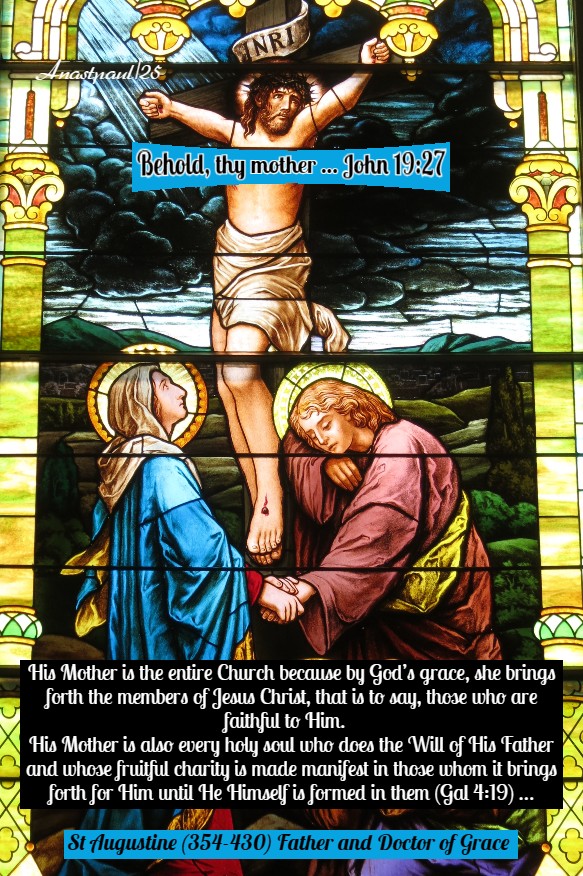
“Behold, thy mother” John 19:27
“His Mother is the entire Church because by God’s grace, she brings forth the members of Jesus Christ, that is to say, those who are faithful to Him. His Mother is also every holy soul who does the Will of His Father and whose fruitful charity is made manifest in those whom it brings forth for Him until He Himself is formed in them (Gal 4:19)…”
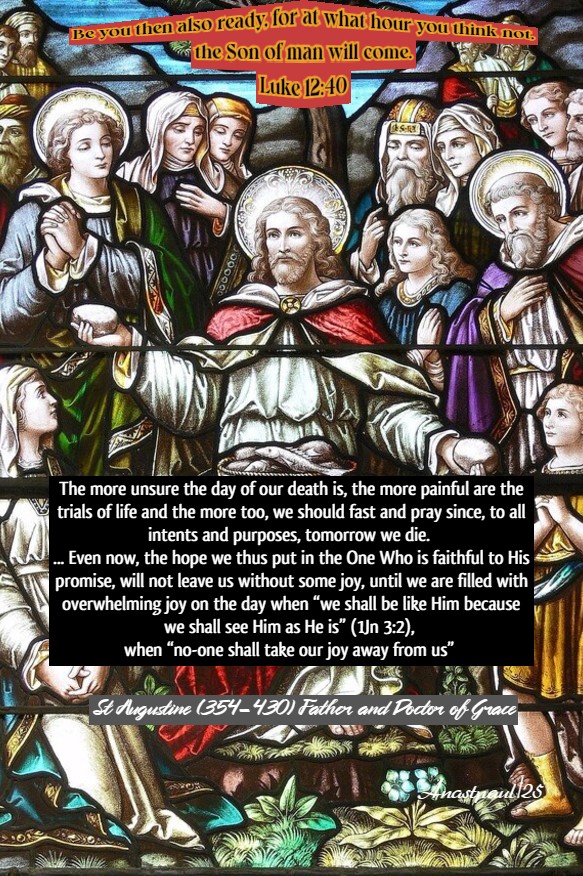
“Be you then also ready, for at what hour you think not, the Son of man will come.” Luke 12:40
“The more unsure the day of our death is, the more painful are the trials of life and the more too, we should fast and pray since, to all intents and purposes, tomorrow we die. Even now, the hope we thus put in the One Who is faithful to His promise, will not leave us without some joy, until we are filled with overwhelming joy on the day when “we shall be like Him because we shall see Him as He is” (1Jn 3:2), when “no-one shall take our joy away from us”
“Give of your earthly goods and receive eternal ones; give earth and receive Heaven!”
“Judge your own conscience. Demand an account from it. Dig deep and rend it apart. Discover all the evil thoughts and intentions of the day … and punish yourself for them!” (Expos in Ps 4 n 8).
“To arrive at the knowledge of the Truth, there are many paths – the first is humility, the second is humility and the third is humility!”
“Humility is a very strange entity. The moment we think we have it, we have already lost it!”
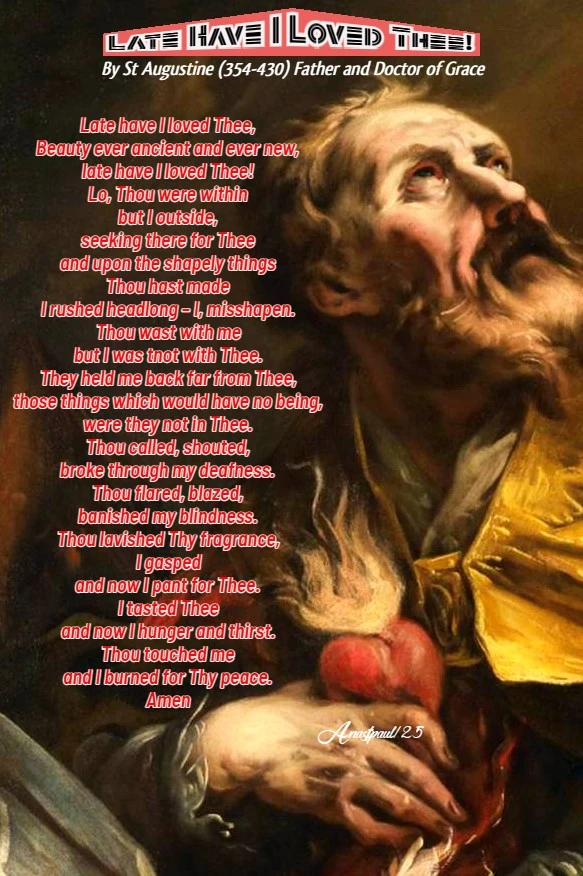
Late Have I Loved Thee! By St Augustine (354-430) Father and Doctor of Grace
Late have I loved Thee, Beauty ever ancient and ever new, late have I loved Thee! Lo, Thou were within but I outside, seeking there for Thee and upon the shapely things Thou hast made I rushed headlong – I, misshapen. Thou wast with me but I was tnot with Thee. They held me back far from Thee, those things which would have no being, were they not in Thee. Thou called, shouted, broke through my deafness. Thou flared, blazed, banished my blindness. Thou lavished Thy fragrance, I gasped and now I pant for Thee. I tasted Thee and now I hunger and thirst. Thou touched me and I burned for Thy peace. Amen
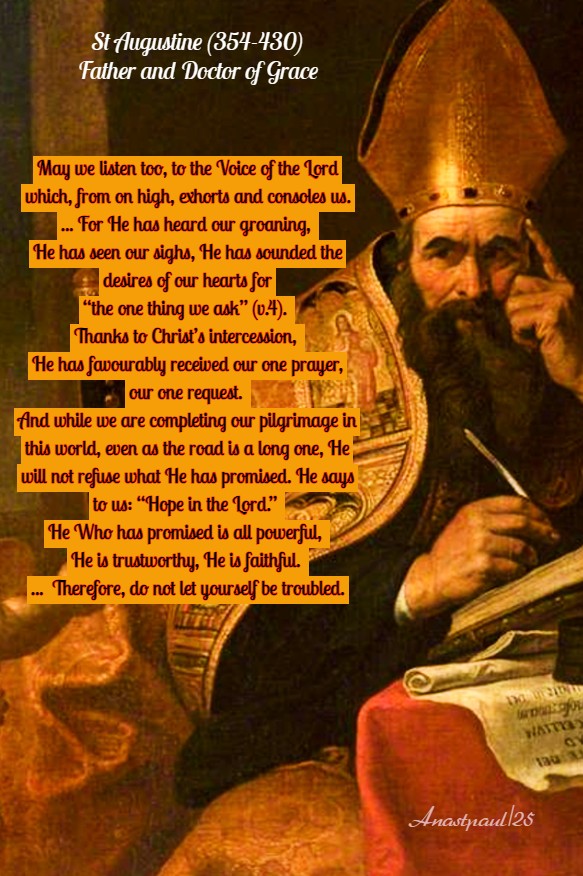
“May we listen too, to the Voice of the Lord which, from on high, exhorts and consoles us. … For He has heard our groaning, He has seen our sighs, He has sounded the desires of our hearts for “the one thing we ask” (v.4). Thanks to Christ’s intercession, He has favourably received our one prayer, our one request. And while we are completing our pilgrimage in this world, even as the road is a long one, He will not refuse what He has promised. He says to us: “Hope in the Lord.” He Who has promised is all powerful, He is trustworthy, He is faithful. … Therefore, do not let yourself be troubled.”
One Minute Reflection – 28 August – “The Month of the Immaculate Heart of Mary” – St Augustine (354-430) Bishop, Confessor, Great Western Father and Doctor of the Church – 2 Timothy 4:1-8, Matthew 5:13-19 – Scripture search here: https://www.drbo.org/
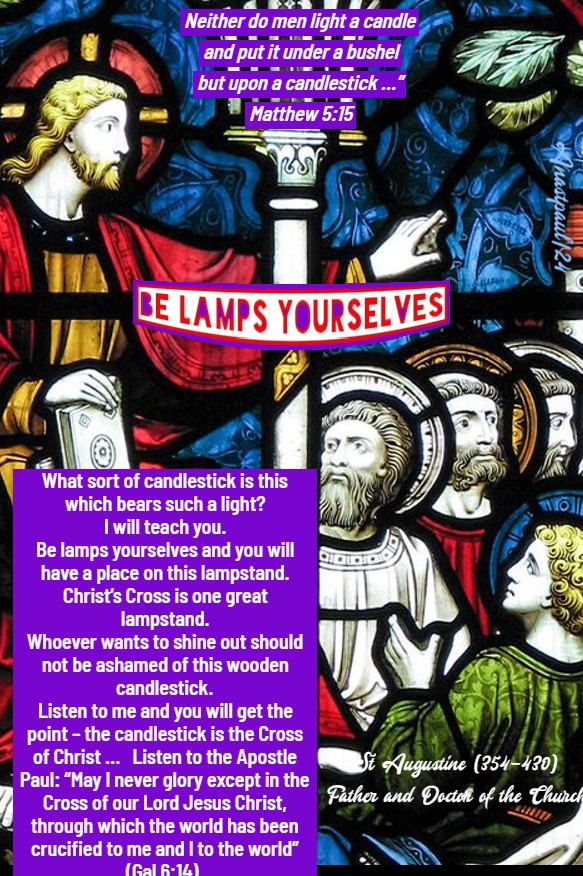
“Neither do men light a candle and put it under a bushel but upon a candlestick …” – Matthew 5:15
REFLECTION – “What sort of candlestick is this which bears such a light? I will teach you. Be lamps yourselves and you will have a place on this lampstand. Christ’s Cross is one great lampstand. Whoever wants to shine out should not be ashamed of this wooden candlestick. Listen to me and you will get the point – the candlestick is the Cross of Christ …
“So will your light shine before others, so that they may see your good works and glorify” Glorify Whom? Not yourself, since to seek your own glory is to want to be extinguished! “Glorify your heavenly Father.” Yes, that they may glorify Him, your heavenly Father, when they see your good works…
Listen to the Apostle Paul: “May I never glory except in the Cross of our Lord Jesus Christ, through which the world has been crucified to me and I to the world” (Gal 6:14).” – St Augustine (354-430) Bishop, Confessor, Father and Doctor of the Church
PRAYER – Give heed to our humble prayers, Almighty God and through the intercession of blessed Augustine, Thy Confessor and Bishop, kindly grant Thy oft-given mercy to those upon whom Thou bestows great hope in Thy forgiveness. Through Jesus Christ, Thy Son our Lord, Who lives and reigns with Thee, in the unity of the Holy Ghost, God, world without end. Amen (Collect).
Our Morning Offering – 28 August – “The Month of the Immaculate Heart of Mary” – The Feast of St Augustine (354-430) – Bishop, Confessor, Father and Doctor of Grace
Blessed Virgin Mary, Holy Mary! By St Augustine (354-430) Father & Doctor of the Church
Blessed Virgin Mary, who can worthily repay thee with praise and thanksgiving for having rescued a fallen world by thy generous consent! Receive our gratitude and by thy prayers, obtain the pardon of our sins. Take our prayers into the sanctuary of Heaven and enable them to make our peace with God. Holy Mary, help the miserable, strengthen the discouraged, comfort the sorrowful, pray for thy people, plead for the clergy, intercede for all women consecrated to God. May all who venerate thee, feel now, thy help and protection. Be ready to help us when we pray and bring back to us, the answers to our prayers. Make it thy continual concern, to pray for the people of God, for thou were blessed by God and were made worthy to bear the Redeemer of the world, Who lives and reigns forever. Amen
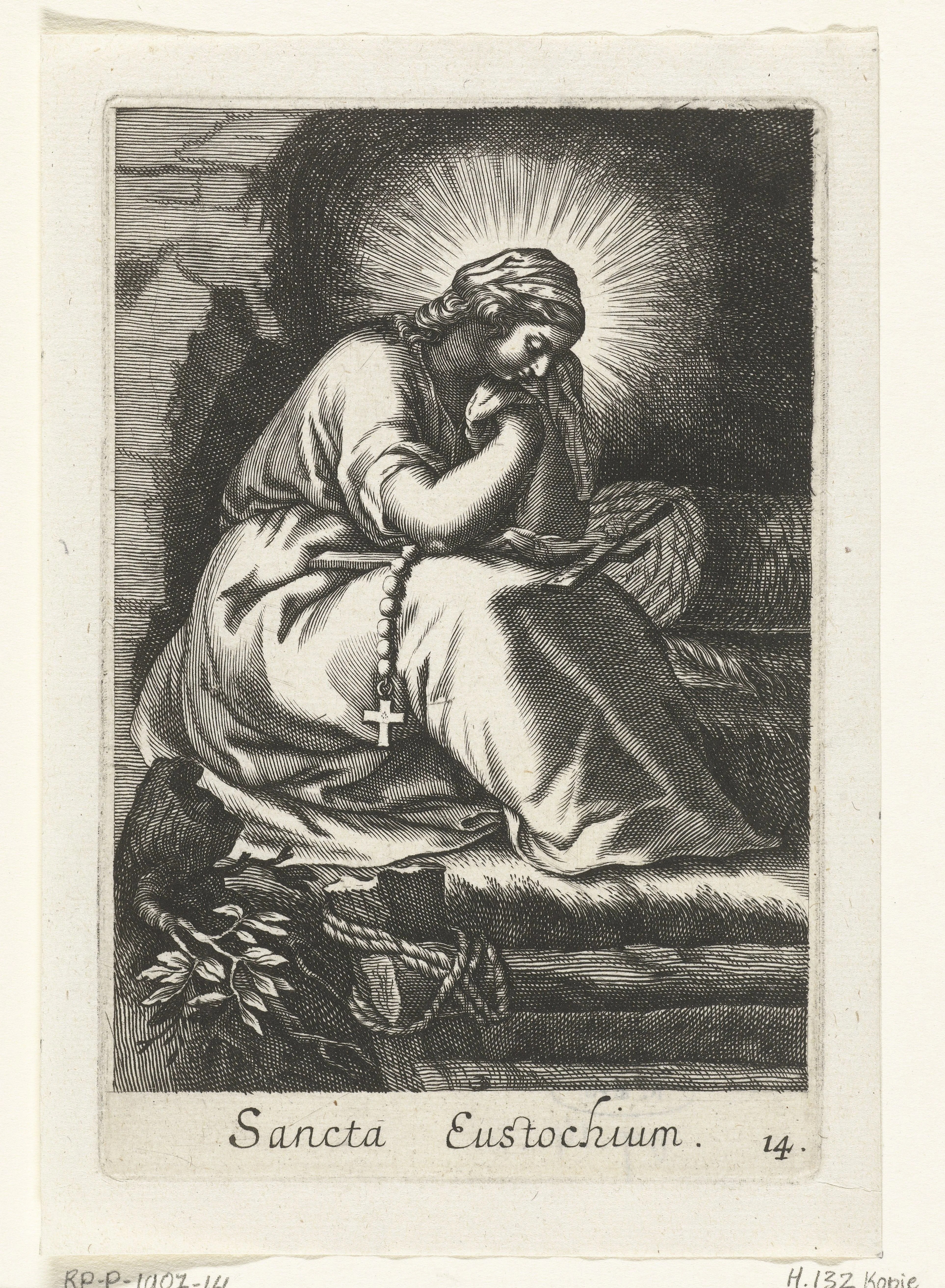
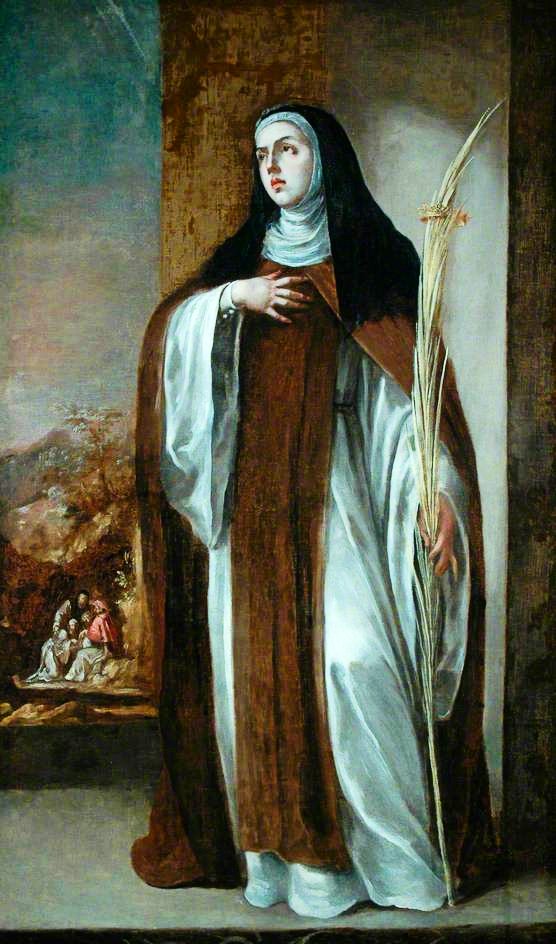
Saint of the Day – 28 August – St Eustochium (c368-c419) Virgin, daughter of St Paula a noble matron of Rome. Guided by the teachings of St Jerome, Eustochium practiced asceticism and committed her life to perpetual virginity. Also known as – Julia Eustochium
The Roman Martyrology reads today: “The holy virgin, Eustochium the daughter of blessed Paula, who was brought up at the manger of our Lord, with other virgins and being celebrated for merits, went to our Lord.”
Eustochium was the third of four daughters and one son of the Roman Senator Toxotius. The three sisters were named, Blaesilla, Paulina and Rufina, and a brother, named Toxotius. After the death of her husband in around 380, Paula and her daughter Eustochium, lived in Rome as austere a life as the fathers of the desert.
When Jerome came to Rome from Palestine in 382, they put themselves under his spiritual and educational guidance. Hymettius, an uncle and his wife, Praetextata, tried to persuade the youthful Eustochium to give up her austere life and enjoy the pleasures of the world but all their attempts were futile. About the year 384, she made a vow of perpetual virginity, on which occasion Jerome addressed his celebrated letter on virginity, to her “De Custodia Virginitatis.”
Eustochium and Paulahad known St Jerome ever since his arrival in Rome in 382.[3] In 386 they accompanied him on his journey to Egypt, where they visited the hermits of the Nitrian Desert in order to study and afterward imitate their mode of life. In the autumn of the same year, they returned to Palestine and settled permanently at Bethlehem. Paula and Eustochium at once began to erect four Monasteries and a Hospice near the spot where Jesus Christ was born. While the erection of the Monasteries was in process (386–389) they lived in a small builing in the neighbourhood.
St Eustochium by Juan de Valdés Leal
When completed, one of the Monasteries was occupied by Monks and put under the direction of St Jerome. The three others were taken by Paula and Eustochium and the numerous virgins who flocked around them. The three convents, which were under the supervision of Paula, had only one oratory, where all the virgins met several times daily for prayer and the liturgy of the hours. St Jerome testifies (Ep. 308) that Eustochium and Paula performed the most menial services. Much of their time they spent in the study of Sacred Scripture under the direction of St Jerome.
Eustochium spoke Latin and Classical Greek with equal ease and was able to read the Scriptures in the Hebrew text, thus afording great assistance to St Jerome in his works of translation and commentaries.
The letters which St Jerome wrote for her instruction and spiritual advancement are, according to his own testimony, very numerous.
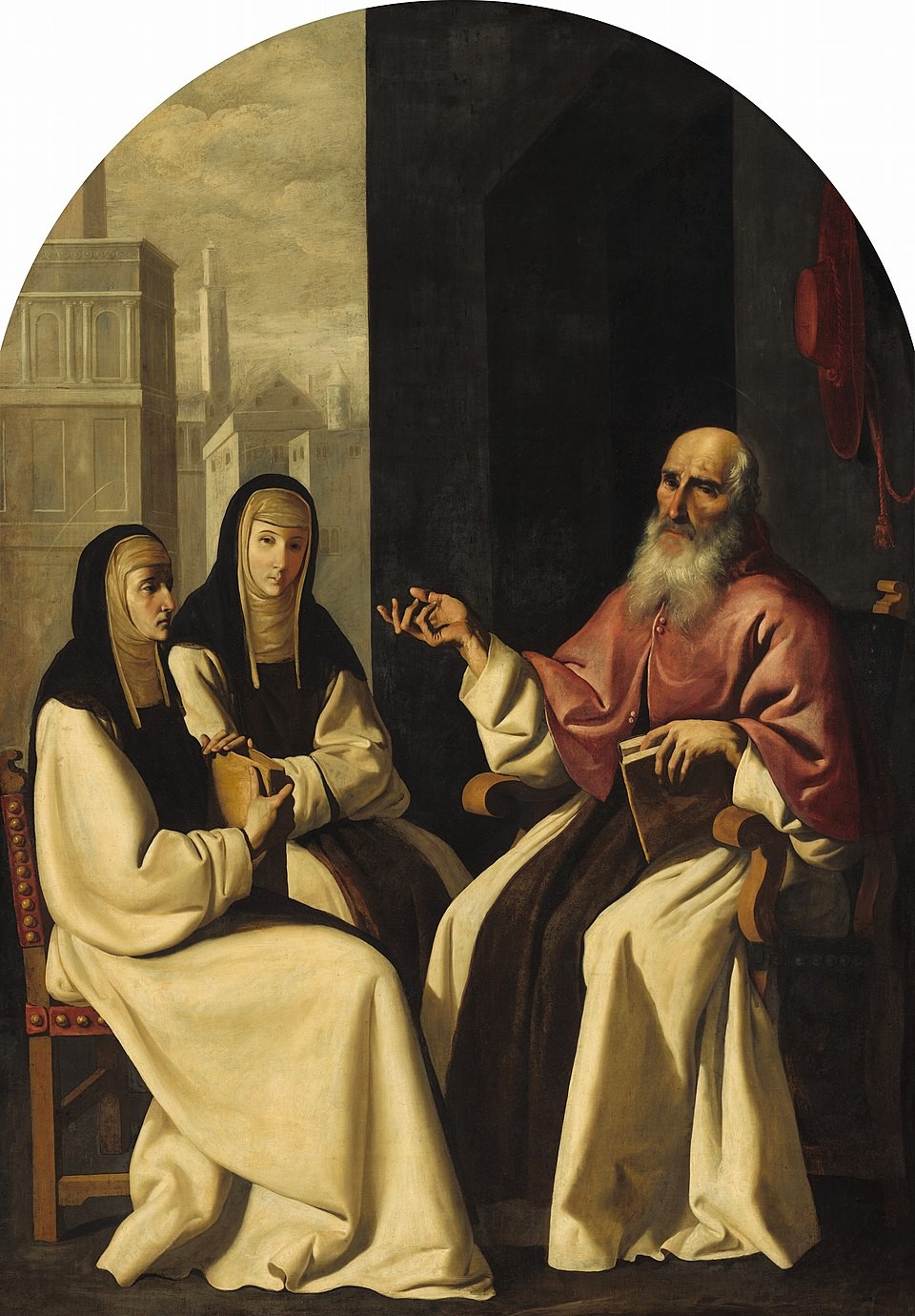
St Jerome with Sts Paula and Eustochium
In 417, a crowd of ruffians attacked and pillaged the Monasteries of Bethlehem, destroyed one of them by fire, besides killing and maltreating some of the residents.Both St Jerome and Eustochium informed Pope Innocent I by letter of the occurrence, who severely reproved the patriarch for having permitted the outrage.
Eustochium died shortly after and was succeeded in the supervision of the Convents by her niece, the younger Paula. St Eustochius of Tour might have been her nephew and further lateral descendants may include Sts Perpetuus and Volusianus.
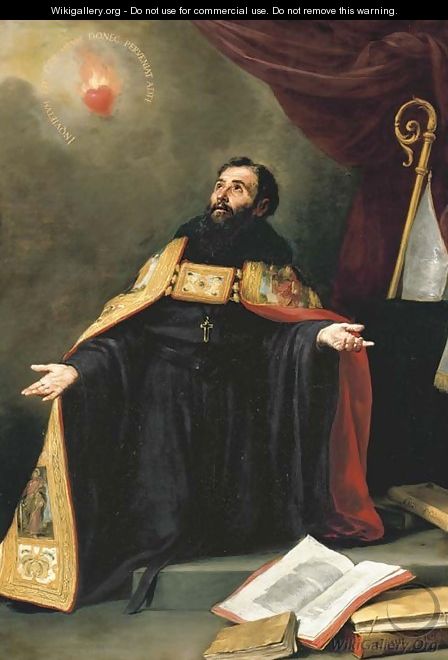
St Augustine (354-430) – Bishop of Hippo, Confessor, Doctor of Grace and one of the original Four Fathers & Doctors of the Latin Church, Theologian, Preacher, Writer a None of these titles, though accurate, would please him, however, as much as the simple one he used to describe himself: ‘Servant of God.’ For, whatever we achieve in life, whatever gifts and talents we have been given, are of little value unless they lead us, as they did Augustine, to know, love and serve God ever more deeply.
St Facundinus of Taino St Felix of Venosa St Fortunatus of Salerno St Gaius of Salerno St Gorman of Schleswig
Bl Hugh More Bl James Claxton St Januarius of Venosa
St Julian (Died c304) Martyrof Auvergne . The Roman Martyrology reads today : “At Brioude, in Auvergne, St Julian, Martyr, during the persecution of Diocletian. Being the companion of the blessed tribune, Ferreol and secretly serving Christ under a military garb, he was arrested by the soldiers and killed in a barbarous manner by having his throat cut.” His Life and Death: https://anastpaul.com/2024/08/28/saint-of-the-day-28-august-st-julian-of-auvergne-died-c304-martyr/
Thought for the Day – 27 August – Meditations with Antonio Cardinal Bacci (1881-1971)
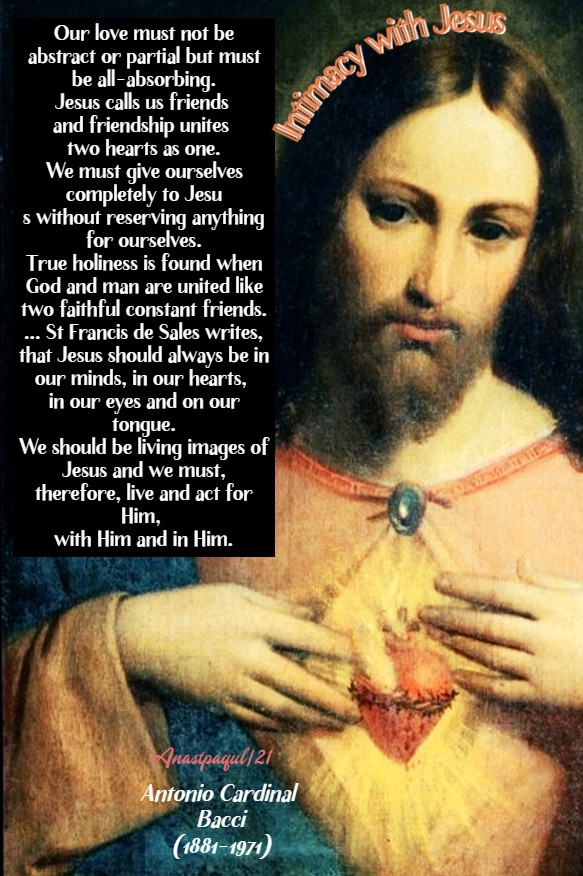
Intimacy with Jesus
“The union of love which should exist between Jesus and ourselves, is modelled on the mysterious union between Jesus and His Heavenly Father.
(1) This intimacy between ourselves and Jesus should be, first of all, in the mind. Our thoughts will be good when we think like God and with the mind of Jesus, “Who is the true Light Who enlightens every man who comes into the world” (Jn 1:9). If we stray away from that Light, darkness overwhelms us, even as it pervaded the earth during the Agony of Jesus Christ. Our intelligence is a ray of light which comes from God, we should take care not to allow this ray to be separated from its Divine source. This heavenly ray always shone on the faces of the Saints because they were clean of heart and close to God. That is how we should all be.
(2) In the second place, we should be united intimately with Jesus in our sentiments. “Have this mind in you which was also in Jesus Christ” (Phil 2:5) says St Paul. Our love must not be abstract or partial but must be all-absorbing. Jesus calls us friends and friendship unites two hearts as one. We must give ourselves completely to Jesus without reserving anything for ourselves. True holiness is found when God and man are united like two faithful constant friends.
(3) In the third place, there must be intimacy in action. It is not possible for a man who truly loves God to do anything which would offend Him. Jesus compares the love which we should have for Him with the love which He has for His Heavenly Father, so we should model our lives continuously on the life of Jesus. Jesus must work in us, as He did in St Paul and all the Saints.
St Francis de Sales writes, that Jesus should always be in our minds, in our hearts, in our eyes and on our tongue. We should be living images of Jesus and we must, therefore, live and act for Him, with Him and in Him.”
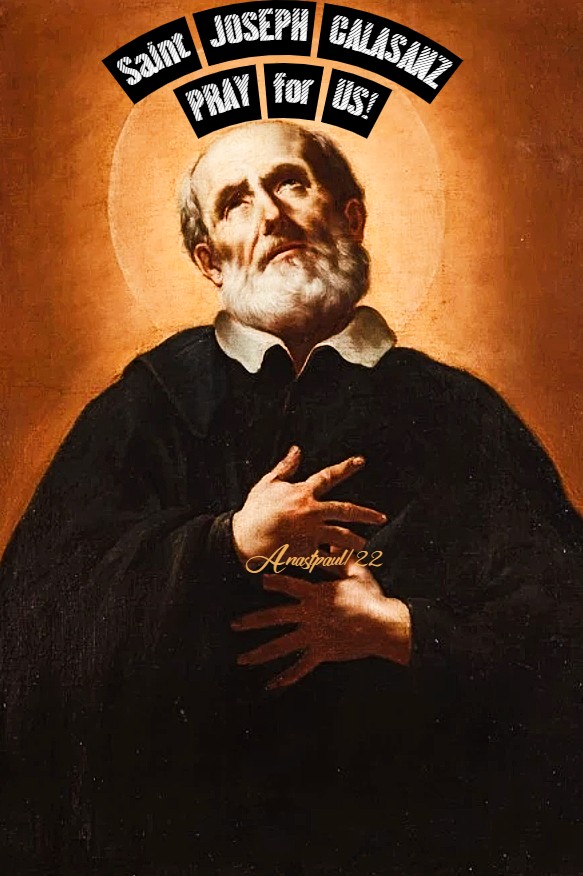
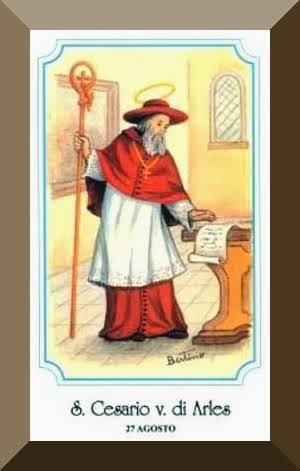
Quote/s of the Day – 27 August – “The Month of the Immaculate Heart of Mary” – St Caesarius of Arles (470-543) Bishop, Father of the Church and St Joseph Calasanz (1557-1648) Confessor, Priest– –
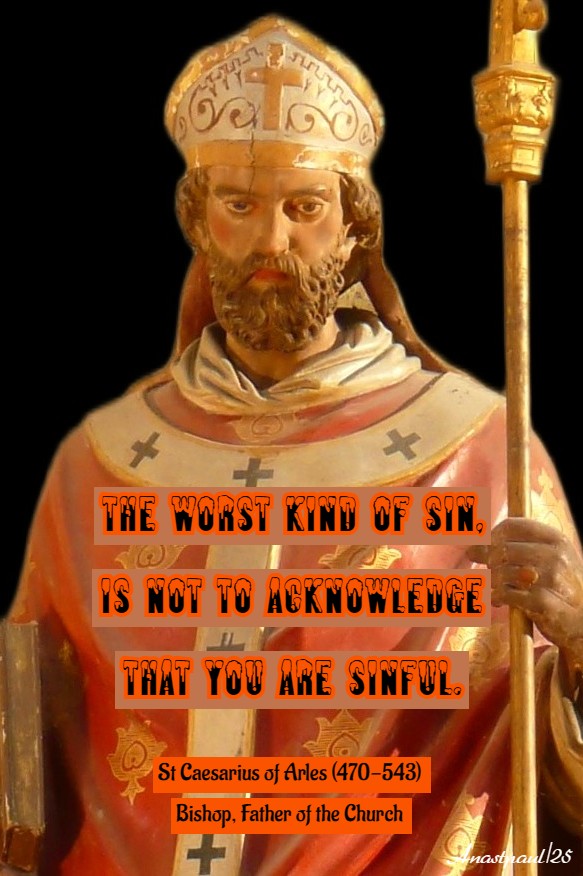
“The worst kind of sin, is not to acknowledge that you are sinful.”
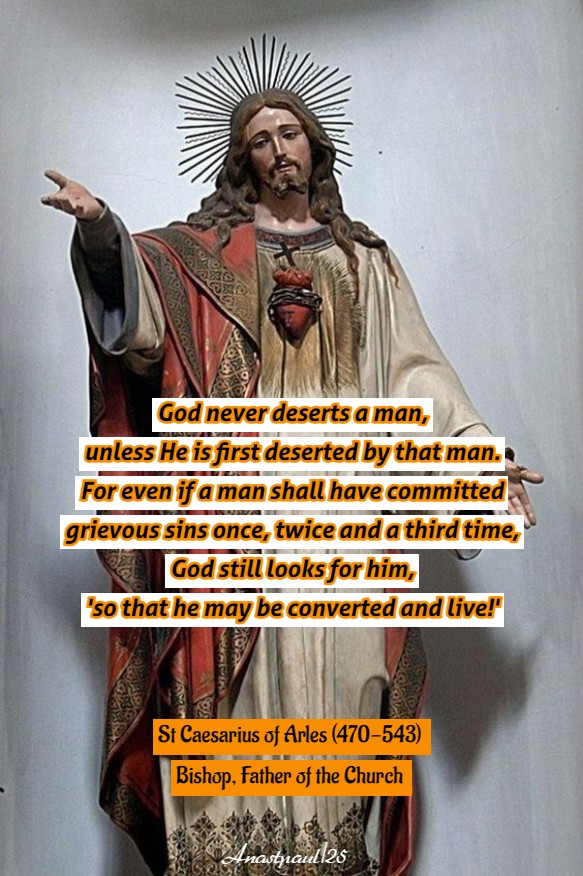
“God never deserts a man, unless He is first deserted by that man. For even if a man shall have committed grievous sins once, twice and a third time, God still looks for him, ‘so that he may be converted and live!‘”
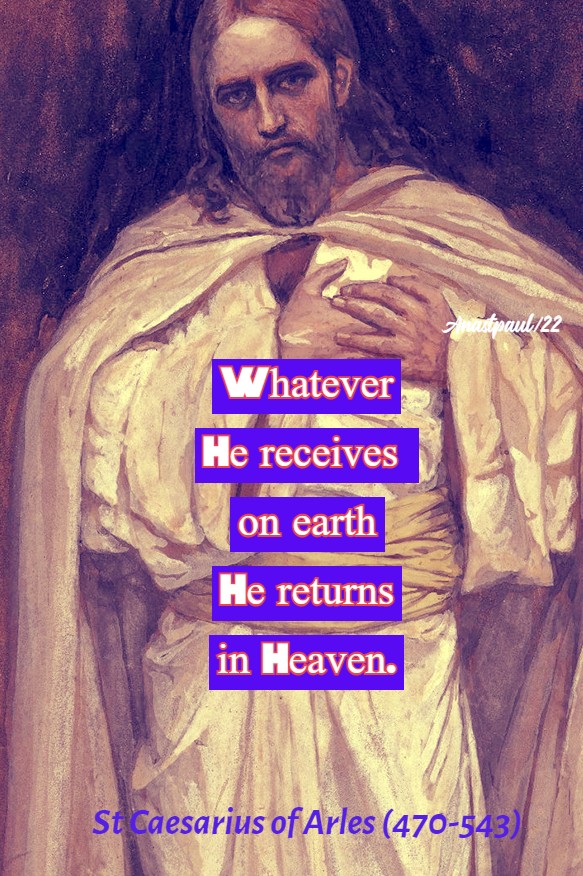
“Whatever He receives on earth, He returns in Heaven.”
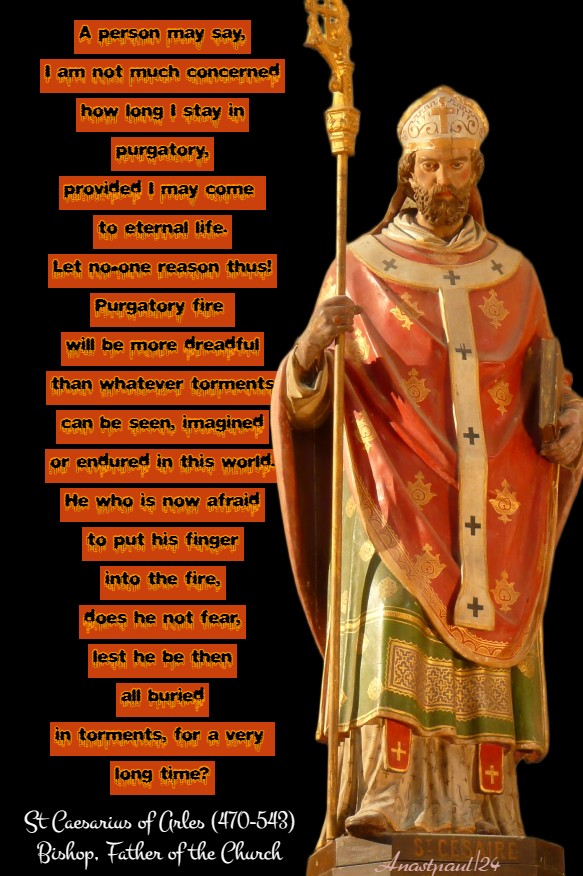
“A person may say, I am not much concerned how long I stay in purgatory, provided I may come to eternal life. Let no-one reason thus! Purgatory fire will be more dreadful than whatever torments can be seen, imagined or endured in this world. He who is now afraid to put his finger into the fire, does he not fear, lest he be then all buried in torments, for a very long time?”
St Caesarius of Arles (470-543) Bishop, Father of the Church
One Minute Reflection – 27 August – “The Month of the Immaculate Heart of Mary” – St Joseph Calasanz (1557-1648) Confessor, Priest –Wisdom 10:10-14; Matthew 18:1-5 – Scripture search here: https://www.drbo.org/
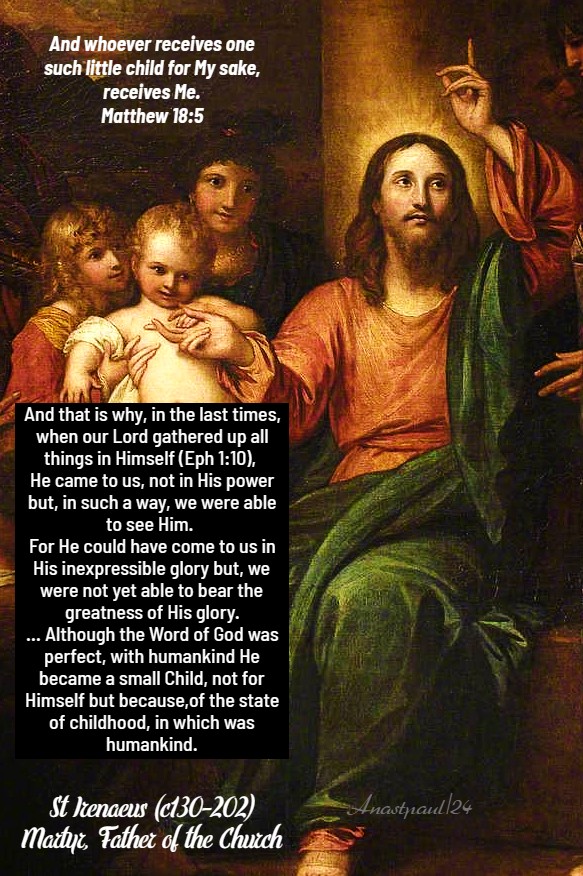
“And whoever receives one such little child for My sake, receives Me.” – Matthew 18:5
REFLECTION – “Could God not have made the human person perfect right from the beginning? For God, Who has always been identical with Himself and Who is not created, everything is possible. But because the existence of the created beings began after God’s, they are necessarily inferior to God, Who made them … Thus, since they are created, they are not perfect. When they have just been born, they are small children and as small children, they are neither accustomed to, nor have they had practice in, perfect conduct … Thus, God could give perfection to the human person right from the beginning but, the human person was incapable of receiving this perfection, for he was only a small child.
And that is why, in the last times, when our Lord gathered up all things in Himself (Eph 1:10), He came to us, not in His power but, in such a way, we were able to see Him. For He could have come to us in His inexpressible glory but, we were not yet able to bear the greatness of His glory. … Although the Word of God was perfect, with humankind He became a small Child, not for Himself but because of the state of childhood, in which was humankind.” – St Irenaeus (c130-202) Bishop of Lyons, Martyr, Father of the Church (Against the Heresies IV 38, 1-2).
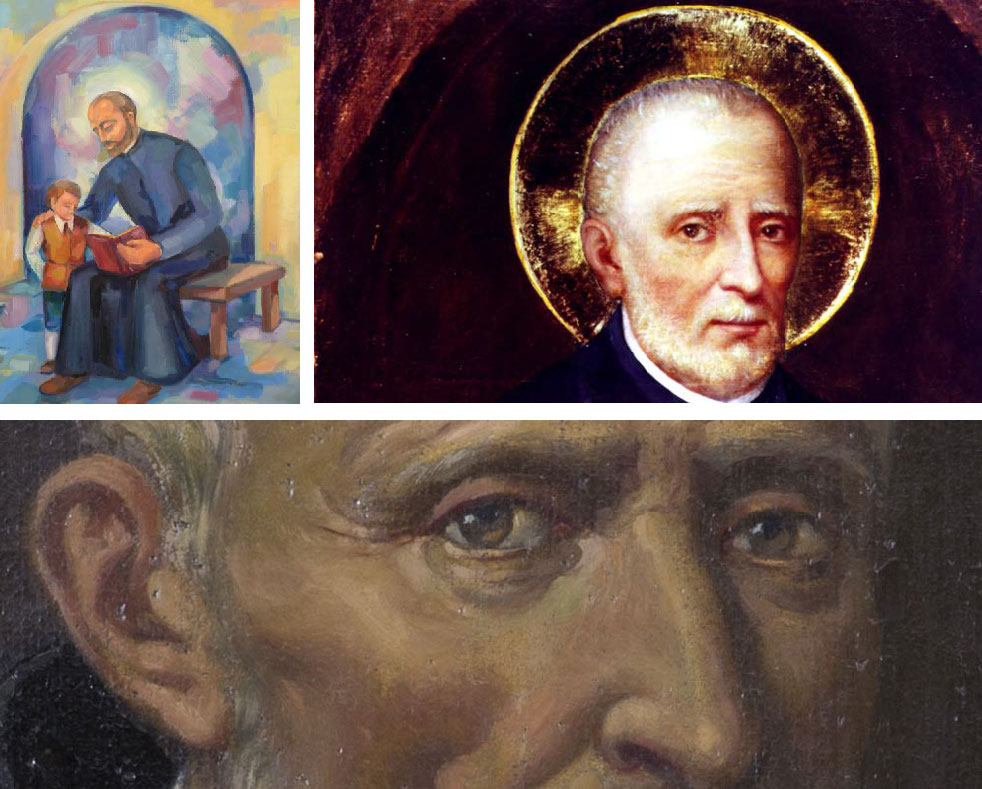
PRAYER – O God, Who through St Joseph, Thy Confessor, did graciously will to provide Thy Church with a new method for the training of youth, in the spirit of understanding and holiness grant, we beseech Thee, that, following his example and through his intercession, we may live and teach so as to acquire an everlasting reward. Through esus Christ, Thy Son our Lord, Who lives and reigns with Thee, in the unity of the Holy Ghost, God, world without end. Amen (Collect).
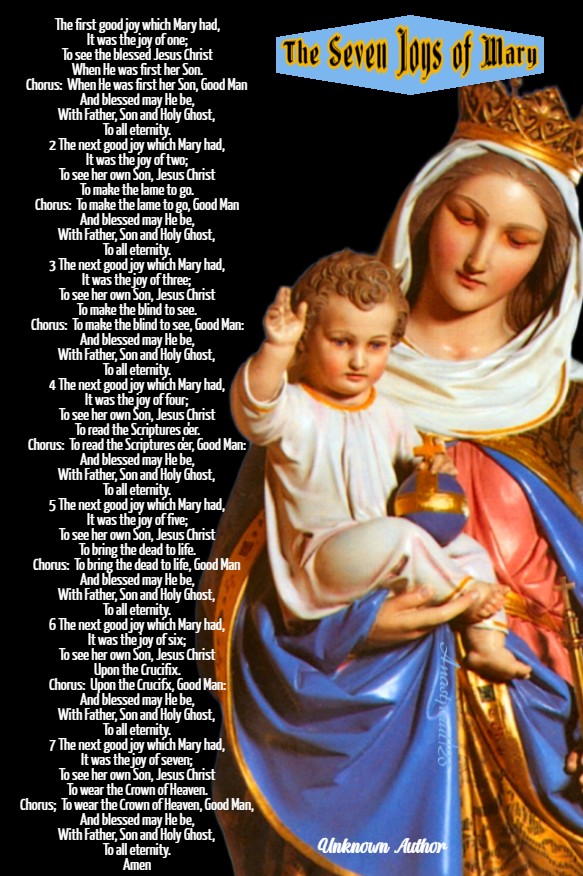
Our Morning Offering – 27 August – “The Month of the Immaculate Heart of Mary” – The Feast of the 7 Joys of Our Lady
The Seven Joys of Mary Author Unknown Earlist known date: 1833
The first good joy which Mary had, It was the joy of one; To see the blessed Jesus Christ When He was first her Son. Chorus: When He was first her Son, Good Man And blessed may He be, With Father, Son and Holy Ghost, To all eternity. 2 The next good joy which Mary had, It was the joy of two; To see her own Son, Jesus Christ To make the lame to go. Chorus: To make the lame to go, Good Man And blessed may He be, With Father, Son and Holy Ghost, To all eternity. 3 The next good joy which Mary had, It was the joy of three; To see her own Son, Jesus Christ To make the blind to see. Chorus: To make the blind to see, Good Man: And blessed may He be, With Father, Son and Holy Ghost, To all eternity. 4 The next good joy which Mary had, It was the joy of four; To see her own Son, Jesus Christ To read the Scriptures o’er. Chorus: To read the Scriptures o’er, Good Man: And blessed may He be, With Father, Son and Holy Ghost, To all eternity. 5 The next good joy which Mary had, It was the joy of five; To see her own Son, Jesus Christ To bring the dead to life. Chorus: To bring the dead to life, Good Man And blessed may He be, With Father, Son and Holy Ghost, To all eternity. 6 The next good joy which Mary had, It was the joy of six; To see her own Son, Jesus Christ Upon the Crucifix. Chorus: Upon the Crucifx, Good Man: And blessed may He be, With Father, Son and Holy Ghost, To all eternity. 7 The next good joy which Mary had, It was the joy of seven; To see her own Son, Jesus Christ To wear the Crown of Heaven. Chorus; To wear the Crown of Heaven, Good Man, And blessed may He be, With Father, Son and Holy Ghost, To all eternity.
Saint of the Day – 27 August – St Osio (c256-c357) Bishop and Confessor of Córdoba, Spain, Spiritual writer, Born in c256 in Córdoba, Hispania (modern Córdoba, Spain) and died in c357 in Sirmium, Pannonia (modern Sremska Mitrovica, Serbia). Also known as – Hosius, Hossius… Hozius… Ossios… Osius… Ossiuo… Ossius… Córdobalı Hosius.
Osio’s exact date of birth is unknown, although, based on the facts of his life, it can be deduced that he was born in Córdoba around 256 and died in Sirmium around 357, reaching the respectable age of over one hundred years.
Artist – Ángel María de Barcia Pavón (1841–1927)
He must have quickly given proof of his holiness, prudence, culture and zeal for the glory of God, since around 295 we find him as the Bishop of Córdoba, the former metropolitan See of Baetica. There are also serious doubts about his Episcopal Ordination. According to the Episcopal catalogue of Córdoba, he appears to have been acclaimed by the Clergy and the people, thanks to his life, marked by a reputation for holiness.
Many authors attach great importance to Osio and his thought within the life of the Church in antiquity; two lost works are attributed to him: “De laude virginitatis” and the “Treatise on Priestly Vestments.”
Ossio distinguished himself at the Council of Elvira, whose acts he signed eleventh. It seems that at this Council, Ossio acquired his great fame as a theologian. Those who claim that Ossio distinguished himself at this Baetic Council for his theological ability are plausible.
Diocletian’s accession to the throne revolved around the date of our Bishop’s Consecration and a few years later he launched a persecution against Christians. This was one of the first problems the new Bishop of Cordoba encountered:
And so Osio governed his See peacefully with great fruit, until the year 303, when at Easter which was on the 18th of April, the decree of the cruelest and bloodiest persecution was published which flooded the Provinces with the blood of Martyrs.
This is what the Episcopology tells us but it seems that bloodshed did not come until 304. This terrible persecution lasted until May 305, when Diocletian resigned his office. One of Christ’s Confessors during this persecution was Bishop Osio, who, although he escaped bloody Martyrdom, saved his life by God’s permission and for the benefit of his Church. It seems that the illustrious Bishop suffered great torments for Christ, bearing in his life the scars and signs of that attack which earned him the prestigious title of Confessor of the Faith which is Christ. It is known that the shepherds of the Church were greatly persecuted and this Osio, in particular.
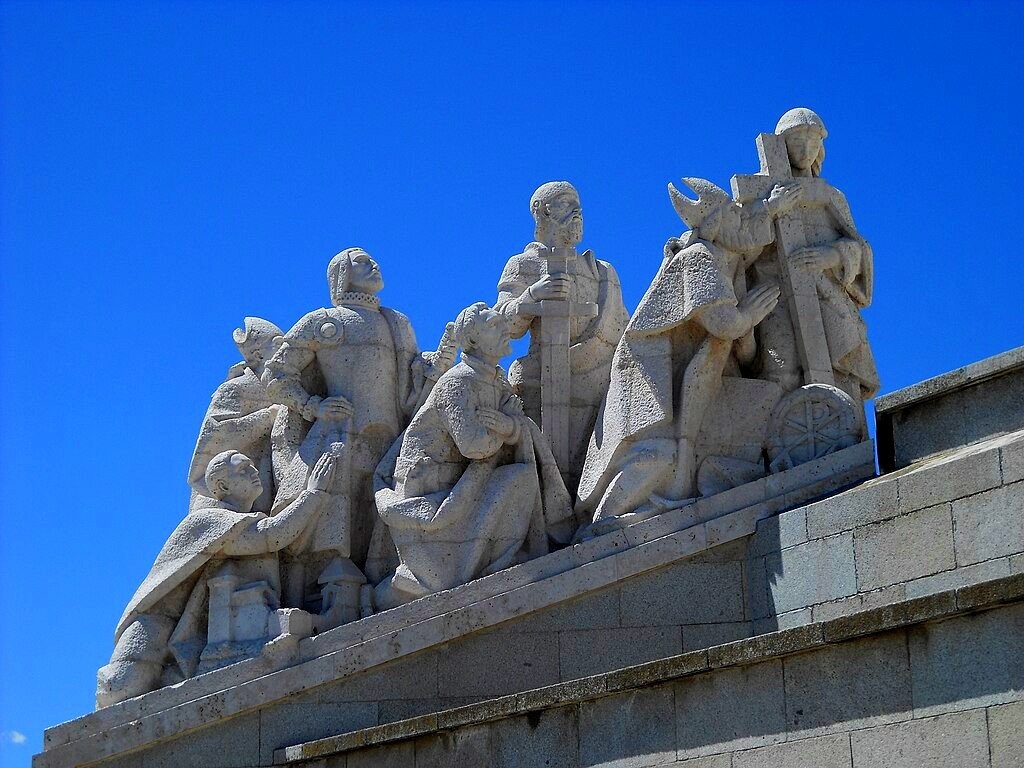
Monument of the Sacred Heart, Cerro de los Ángeles, Getafe, Madrid, Spain: “Spain Defender of the Faith”
He will make the Bishop of Córdoba a courageous witness to the Faith which will bring him torture and exile. He himself will later describe to Constantine: “I have confessed the Faith of Christ.”
After the end of the persecution and following the promulgation of the Edict of Peace (Edict of Milan in 313), and especially from 313 to 326, we find Osio in close relationship and communication with the Emperor Constantine apparently playing a possible advisory role. Constantine’s rise to imperial power marked the inauguration of a new era not only in the history of the Church but also in universal history.
The Council of Arles, the Alexandrian question of nascent Arianism, the celebration of the Church’s first Ecumenical Council and its post-conciliar controversies, would shape the future of imperial policy and the development of the Church. On all these occasions, the figure of Bishop St Osio of Córdoba appears explicitly. Hence the need to shed light on the importance and significance of this distinguished figure of the Spanish Episcopate and of the century marked by his life and ministry. Holy St Osio please pray for the Church of Christ and for us all! Amen.
Feast of the Seven Joys of Our Lady – This Feast is also known as “The Franciscan Crown,” The Seven Joys of the Virgin. Today was kept by the Franciscans as the Feast of the Seven Joys of the Virgin Mary. As an expression of the Seraphic Order’s devotional life, it corresponds to the Feast of the Holy Rosary, which began among the Dominicans and the observance on 15 September of the Seven Sorrows of the Virgin, https://anastpaul.com/2022/08/27/27-august-feast-of-the-seven-joys-of-our-lady-the-franciscan-crown/
St Agilo of Sithin St Angelus of Foligno St Anthusa the Younger St Arontius of Potenza St Baculus of Sorrento St Carpophorus St David Lewis St Decuman St Ebbo of Sens St Etherius of Lyons St Euthalia of Leontini St Fortunatus of Potenza
St Osio (c256-c357) Bishop and Confessor of Córdoba
St Phanurius St Poemen Bl Roger Cadwallador St Rufus of Capua St Sabinian of Potenza St Syagrius of Autun
Martyrs of Tomi – 5 Saints: A group of 17 Christians imprisoned and excuted for their faith during the persecutions of Diocletian. They miraculously were unburned by fire and untouched by wild animals. We know the names and a few details on five of them – John, Mannea, Marcellinus, Peter and Serapion. They were tied to stakes and burned alive; they emerged unharmed – thrown to wild animals in the amphitheatre; the animals ignored them; they were beheaded in 304 in Tomi, Mesia (modern Costanza, Romania).
Martyrs of Nagasaki – 14 Beati: A group of fourteen missionaries and Japanese native Christians, who were Martyred together for their faith. They died on 16 August 1627 in Nagasaki, Japan and were Beatified on 7 May 1867 by Pope Pius IX. They are – Blessed Antonius of Saint Francis, Blessed Bartolomé Díaz Laurel, Blessed Caius Akashi Jiemon, Blessed Francisca Pinzokere, Blessed Francisco of Saint Mary, Blessed Franciscus Kuhyoe, Blessed Leo Kurobyoe Nakamura, Blessed Lucas Tsuji Kyuemon, Blessed Ludovicus Matsuo Soyemon, Blessed Magdalena Kiyota, Blessed Maria Shobyoe, Blessed Michaël Koga Kizayemon, Blessed Thomas Sato Shin’emon, Blessed Tsuji Shobyoe.























 AnaStpaul
You must be logged in to post a comment.