
Saint of the Day – 30 October – Saint Serapion (Died 211) Bishop of Antioch, Scholar and a learned Theologian. He served as the Bishop of Antioch from 191 until his death in 211. He is known through his theological writings, although sadly all but a few fragments of his works have perished.
The Roman Martyrology reads today: “At Antioch, St Serapion, a Bishop, very celebrated for his learning.”
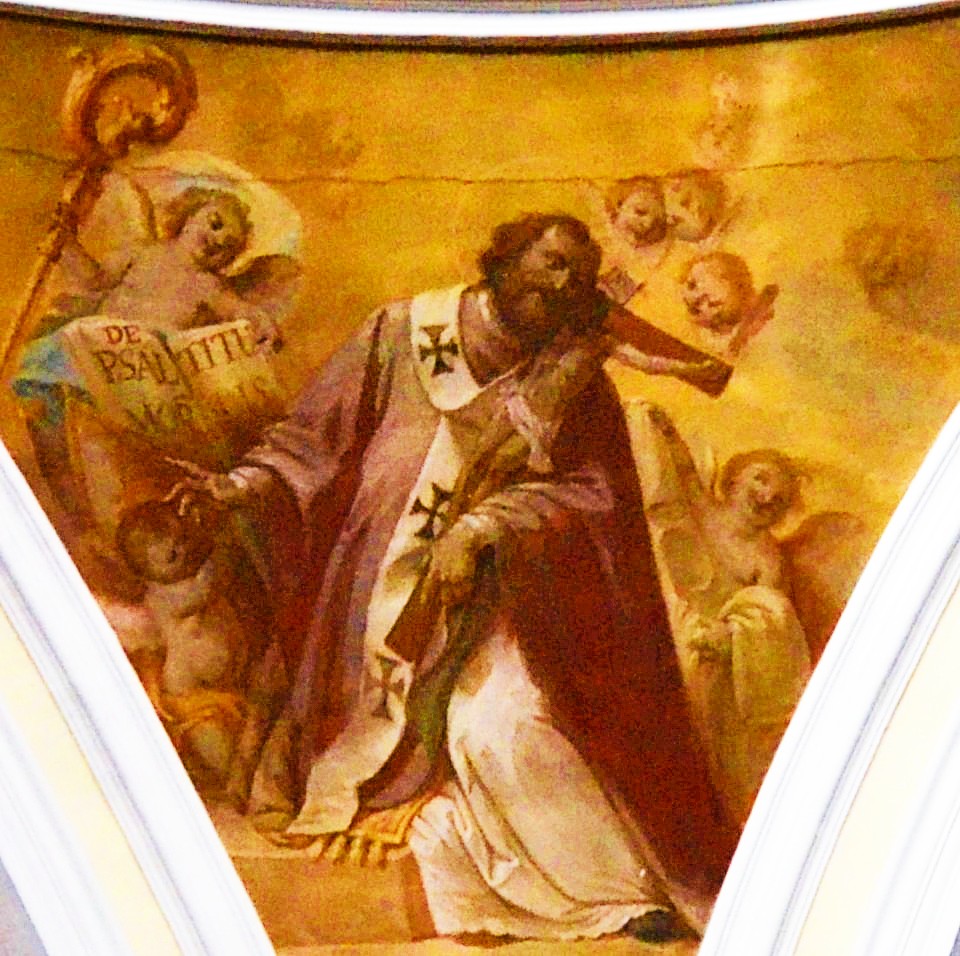
Serapion was considered one of the major Theologians of his day. St Eusebius of Caesarea (c260-339) refers to three of his works in his history but agrees that others probably existed – firstly, is a private letter addressed to Caricus and Pontius against Montanism, from which Eusebius quotes an extract (Historia ecclesiastica V 19), as well as proofs, showing that it was circulated amongst Bishops in Asia and Thrace; next is a work addressed to a certain Domninus, who in time of persecution abandoned Christianity for the error of ‘Jewish will-worship’ (Hist. Eccles, VI 12).
Lastly, St Eusebius quotes (vi 12:2) from a pamphlet Serapion wrote concerning the heretical Docetic teaching of Peter, in which Serapion presents an argument to the Christian community of Rhossus, in Syria, against this heresy and condemns it. He recalls the permission to read this apocryphal work given in ignorance of its true character and expresses his intention to visit the Church to strengthen them in the True Faith.
Eusebius also alludes to a number of personal letters Serapion wrote to Pontius, Caricus and others, about this heretical Docetic teaching.
Serapion also acted with the support of St Pantaenus against the influence of Gnosticism in Osroene, by consecrating Mari of Edessa as the Bishop of Edessa, where Mari addressed the increasingly Gnostic tendencies, the Syrian Bardesanes, was introducing to its Christian community. He Ordained St Pantaenus as a Priest or Bishop in Edessa.
Serapion was succeeded as the Bishop of Antioch by St Asclepiades (Eusebius Historia Ecclesiastica VI 11:4).


 AnaStpaul