Posted in SAINT of the DAY

Saint of the Day – 10 March – St Ferfugill (Died 789) Bishop of Clondalkin, Ireland

Saint of the Day – 10 March – St Ferfugill (Died 789) Bishop of Clondalkin, Ireland… Irish born dying on 10 March 789 in his See which is now a part of the Archdiocese of Dublin. Also known as – Firfuigill… Fugillus…

A veil of mystery surrounds the figure of Saint Ferfugill the Bishop of Clondalkin who lived in the 8th Century.

Information about this Irish Prelate is fragmentary, leaving us with a hazy portrait of his life and works. The only historical certainty is his long Episcopate as head of the Church of Clondalkin, located in the County of Leinster, not far from Dublin.

His reputation for sanctity, however, still resonates today, echoing a life dedicated to the service of God and his people.

The Tallagh Martyrology, an ancient Irish hagiographical text, remembers him as ‘Fir Fuigill Episcopo’ setting his
Liturgical Feast on 10 March, the day of his death in 789.

Some histoians believe that Saint Ferfugill was not only the Bishop but also the Abbot of the Monastery of Clondalkin, founded by Saint Mochua. A fascinatingbelief that, although lacking certainty, enriches the profile of this saintly man, envisioning him as a spiritual guide and point of reference for the monastic community.

The scarcity of information does not prevent us from grasping the essence of Saint Ferfugill – a zealous Bishop, a devoted shepherd, a man of faith who left an indelible mark on the history of the Irish Church.

Posted in MARIAN TITLES, SAINT of the DAY

Tuesday of the Third Week of Lent, Day One of the St Joseph Novena, Santa Maria della Querce / Our Lady of the Oak, Tuscany, Italy (1467), Forty Martyrs of Sebaste and the Saints for 10 March

Tuesday of the Third Week of Lent

NOVENA FOR THE INTERCESSION OF SAINT JOSEPH
DAY ONE 
– Link: NOVENA FOR THE INTERCESSION OF SAINT JOSEPH

Forty Martyrs of Sebaste, Armenia (Died 320) – Forty Christian soldiers of the Thunderstruck Legion of the Imperial Roman army who were tortured and murdered for their faith during the persecutions of Emperor Licinius. They were exposed naked on a frozen pond to freeze to death at Sebaste, Armenia in 320 and their bodies afterward were burned.
THE FULL STORY HERE:

https://anastpaul.com/2021/03/10/saints-of-the-day-10-march-the-forty-martyrs-of-sebaste-armenia-died-320/

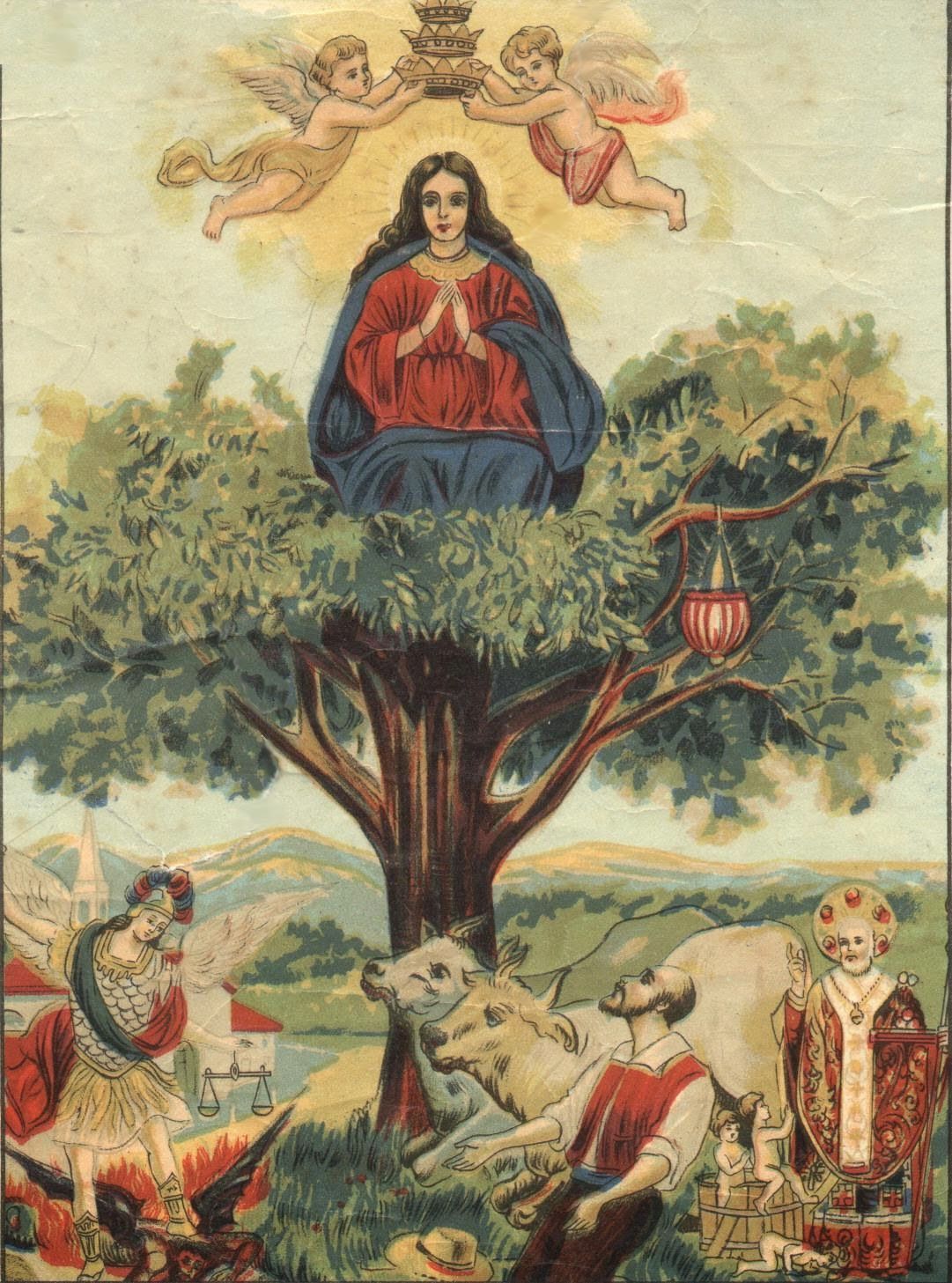
Santa Maria della Querce / Our Lady of the Oak, Tuscany, Italy (1467) – 10 March:
HERE:

https://anastpaul.com/2021/03/10/our-lady-of-the-oak-tuscany-italy-1467-and-memorials-of-the-saints-10-march/

St Alexander of Apema
St Anastasia the Patrician

St Andrew (Died 1097) Abbot of the Vallombrosian Monastery in Strumi in Florence, writer, peacemaker.
His Ardent Life:

https://anastpaul.com/2025/03/10/saint-of-the-day-10-march-saint-andrew-osb-vall-died-1097-abbot/

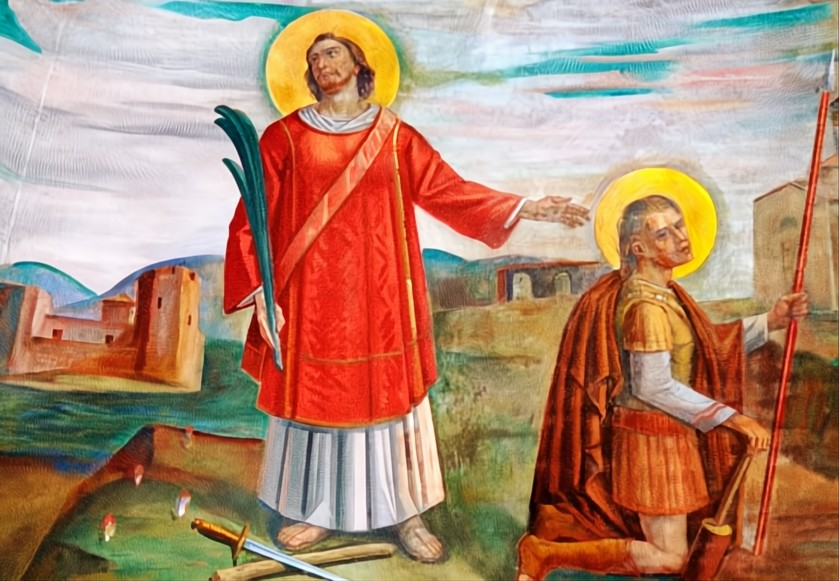
St Arialdo Deacon and Martyr – on the right might just be our Saint Andrew prior to becoming a Monk

St Attalas (Died c627) Abbot Abbot of Bobbio, Disciple of, Assistant and Successor to St Columban (543-615). A legendary leader of great wisdom and scholarly abilities, a loving father to his Monks and a generous and kindly Apostle to the poor and the ill, Miracle-worker. His Monks included Saint Valery, Saint Blitmund and St Bertulf, all Abbots at various times. Born in Burgundy, France and died in c627 of natural causes in Bobbio, Italy. Patronages – of Bobbio and of Luxeuil-les-Bains, France.
The Roman Martyrology reads today: “In the Monastery of Bobbio, the Abbot, St Attalas, renowned for miracles.”
Blessed by Miracles, St Attalas:

https://anastpaul.com/2024/03/10/saint-of-the-day-10-march-st-attalas-of-bobbio-died-c627-abbot/

St Blanchard of Nesle-la-Réposte
St Caius of Apema
St Cordratus of Nicomedië

St Droctoveus (c530-c580) Abbot, disciple of St Germanus. He was the first Abbot of the Benedictine Monastery which became the Church of Saint Germain-des-Pres in Paris.
His Pious Life:

https://anastpaul.com/2023/03/10/saint-of-the-day-10-march-st-droctoveus-c530-c580-abbot/

St Emilian of Lagny
St Failbhe the Little
St Ferfugill (Died 789) Bishop of Clondalkin, Ireland
St Gustav the Hermit


St Gustav the Hermit
St Himelin
Bl John of Vallombrosa
St Kessog

St Macarius of Jerusalem (Died c335) Bishop of Jerusalem for over twenty years. Defender of the Faith against Arianism, founder of the True Cross with St Helena, organiser and manager of the building of the Sacred Basilicas, including the Church of the Holy Sepuchre in Jerusalem, paid for by St Constantine the Great, St Helena’s son. Also of great import is the fact that Bishop Macarius was one of the two main authors of the Nicene Creed, that is, of the Creed that we still pronounce in Mass today
The Life os St Macarius:

https://anastpaul.com/2022/03/10/saint-of-the-day-10-march-saint-macarius-died-c-335/

St Peter of Veroli
St Rufinus of Nicomedië
St Sannudius of Bagensena
St Saturninus of Nicomedië
St Sedna of Ossory
St Silvester of Ireland

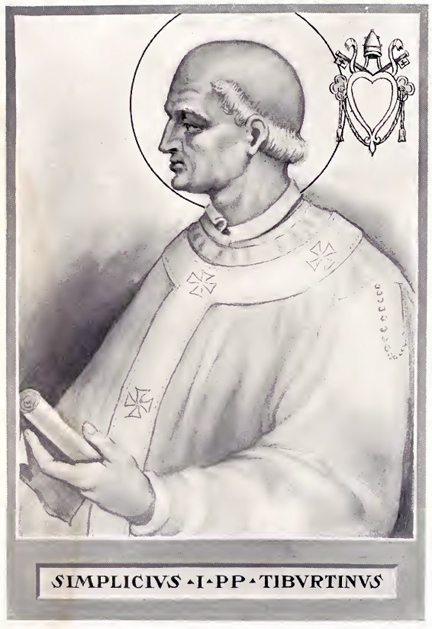
St Pope Simplicius (Died 483) Papal Ascension 25 February 468 – 10 March 483.
His Life:

https://anastpaul.com/2020/03/10/saint-of-the-day-10-march-saint-pope-simplicius-483/

St Victor of North Africa
Bl Wirnto of Formbach

Anonymous Martyrs of Persia – A group of 42 Christians Martyred in Persia in the 4th century.

Posted in JULY - The MOST PRECIOUS BLOOD, ORIGINAL SIN, QUOTES on SUFFERING, QUOTES on the DEVIL/EVIL, The MOST HOLY REDEEMER, Our SAVIOUR, The MOST PRECIOUS BLOOD, The PASSION, The REDEMPTION, Thomas Aquinas

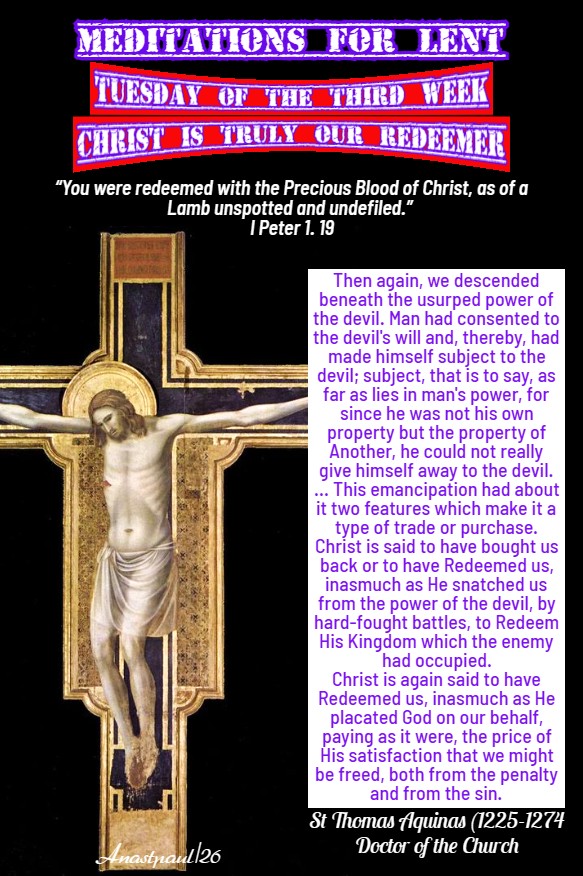
Tuesday of the Third Week of Lent – 10 March – Our Lenten Journey With St Thomas Aquinas – Christ is Truly our Redeemer

Tuesday of the Third Week of Lent – 10 March – Our Lenten Journey With St Thomas Aquinas (1225-1274) Doctor of the Church

Tuesday of the Third Week
Christ is Truly our Redeemer

You were redeemed with the Precious Blood of Christ, as of a Lamb unspotted and undefiled.”
I Peter 1. 19
By the sin of our first parents, the whole human race was alienated from God, as is taught in the 2nd Chapter of the Epistle to the Ephesians.
It was not from God’s Power that we were thereby severed but from that Sight of God’s Face to which His children and His servants are admitted.

Then again, we descended beneath the usurped power of the devil. Man had consented to the devil’s will and, thereby, had made himself subject to the devil; subject, that is to say, as far as lies in man’s power, for since he was not his own property but the property of Another, he could not really give himself away to the devil.

By His Passion then, Christ achieved two vital elements.
He freed us from the power of the enemy, conquering him by virtues which were the very opposite to the vices by which he had conquered man – by humility, namely, by obedience and by an austerity of suffering which was in direct opposition to the enjoyment of forbidden food.

Furthermore, by making satisfaction for the sin committed, Christ joined man to God and made him the child and servant of God.

This emancipation had about it two features which make it a type of trade or purchase.
Christ is said to have bought us back or to have Redeemed us, inasmuch as He snatched us from the power of the devil, by hard-fought battles, to Redeem His Kingdom which the enemy had occupied.
Christ is again said to have Redeemed us, inasmuch as He placated God on our behalf, paying as it were, the price of His satisfaction that we might be freed, both from the penalty and from the sin.

This Price, His Precious Blood, He paid that He might make satisfaction for us not to the devil but to God.
Again, by the Victory of His Passion was, He took us away from the devil.

The devil had indeed had dominion over us but unjustly, since what power he had was usurped.
Nevertheless, it was but just that we should fall under his yoke, as it was by him that we were overcome.
This is why it was necessary that the devil should be overcome by the very opposite of the forces by which he had himself overcome.
For he had not overcome by violence but by a lying persuasion to sin.

ST THOMAS AQUINAS (1225-1274)
Priest, Theologian, Dominican
Doctor Angelicus (Angelic Doctor)
Doctor Communis (Common Doctor)
Added by Pope Saint Pius V in 1568