Passionate Catholic.
Being a Catholic is a way of life - a love affair "Religion must be like the air we breathe..."- St John Bosco
Prayer is what the world needs combined with the example of our lives which testify to the Light of Christ.
This site, which is now using the Traditional Calendar, will mainly concentrate on Daily Prayers, Novenas and the Memorials and Feast Days of our friends in Heaven, the Saints who went before us and the great blessings the Church provides in our Catholic Monthly Devotions.
This Site is placed under the Patronage of my many favourite Saints and especially, St Paul.
"For the Saints are sent to us by God
as so many sermons.
We do not use them, it is they who move us
and lead us, to where we had not expected to go.”
Charles Cardinal Journet (1891-1975)
This site adheres to the pre-Vatican II Catholic Church and all her teachings. .
PLEASE ADVISE ME OF ANY GLARING TYPOS etc - In June 2021 I lost 100% sight in my left eye and sometimes miss errors. Thank you and I pray all those who visit here will be abundantly blessed. Pax et bonum! 🙏
Thought for the Day – 10 October – Meditations with Antonio Cardinal Bacci (1881-1971)
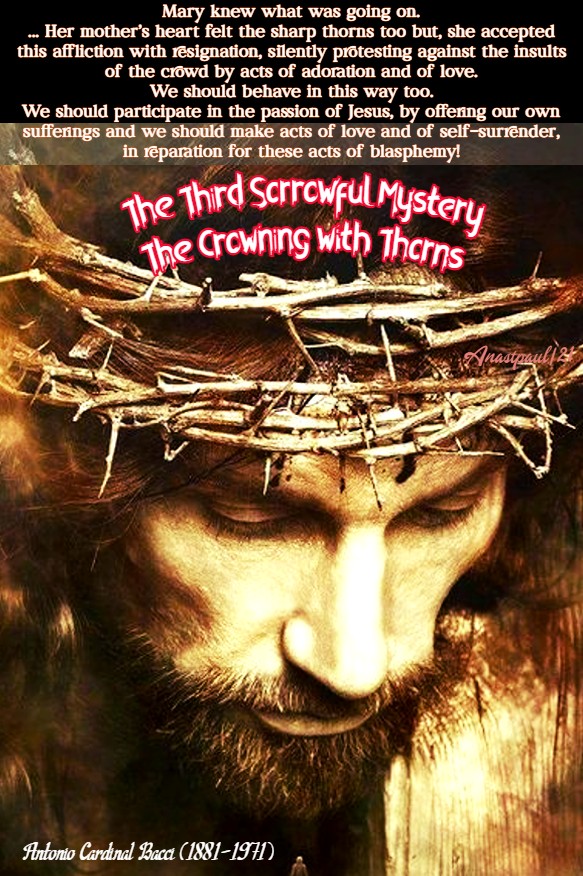
“Month of the Holy Rosary” The Third Sorrowful Mystery The Crowning with Thorns
“This new torture was a diabolical invention decreed by no law or authority. Purely for their own savage entertainment, the soldiers procured a bundle of thorned reeds, which they wound into the shape of a crown and pressed into Jesus’ head.
Mary knew what was going on. She was there with the holy women when Pilate brought her bloodstained Son before the people and, their blasphemous yells pierced her tender heart. Her mother’s heart felt the sharp thorns too but, she accepted this affliction with resignation, silently protesting against the insults of the crowd by acts of adoration and of love. We should behave in this way also. We should participate in the passion of Jesus, by offering our own sufferings and we should make acts of love and of self-surrender, in reparation for these acts of blasphemy!”
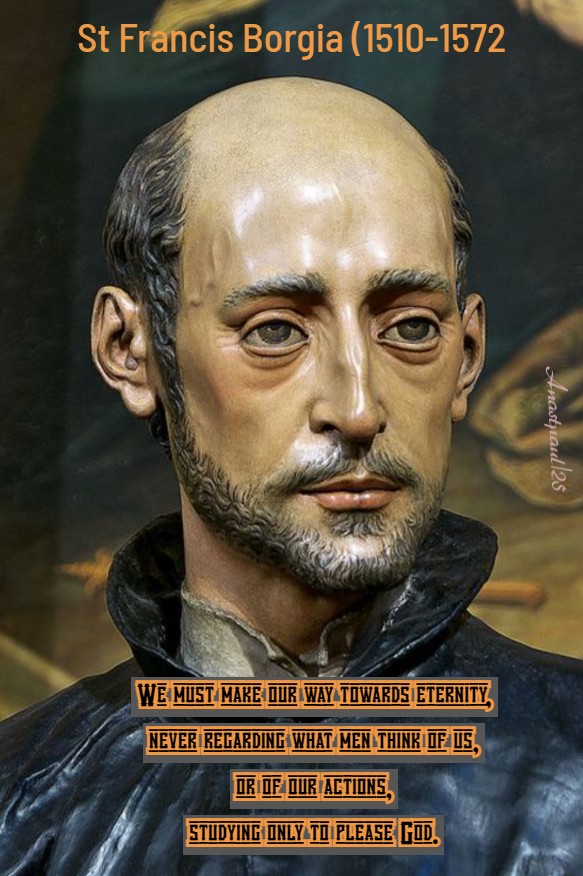
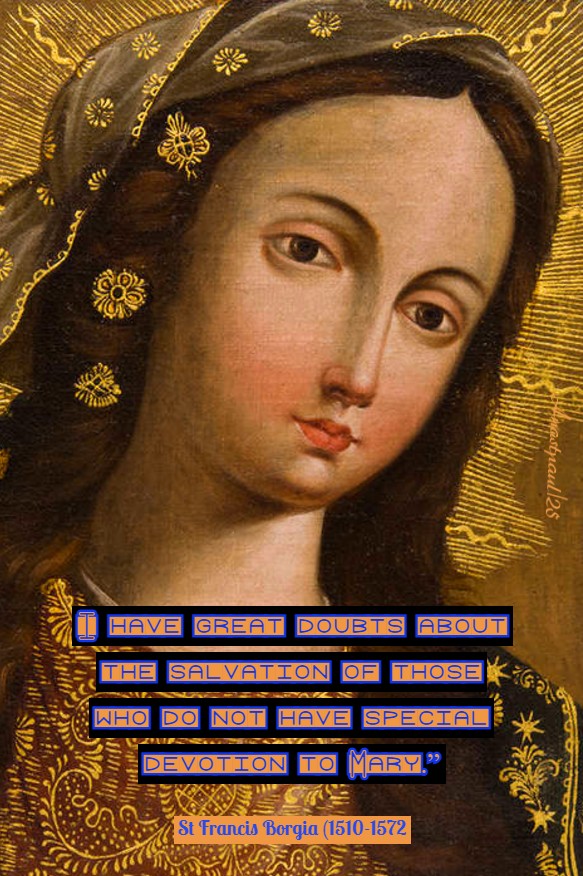
One Minute Reflection – 10 October – “The Month of The Most Holy Rosary and The Holy Angels” – St Francis Borgia SJ (1510-1572) Confessor, Priest of the Society of Jesus, – Ecclesiasticus 45:1-6 – Matthew 19:27-29 – Scripture search here: https://www.drbo.org/
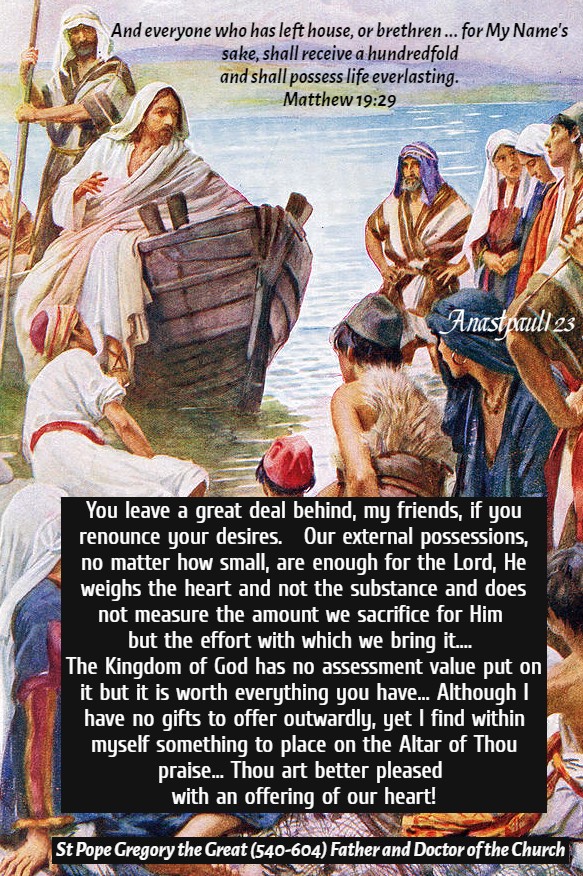
“And everyone who has left house, or brethren, or sisters, or father, or mother, or wife, or children, or lands, for My Name’s sake, shall receive a hundredfold and shall possess life everlasting.” – Matthew 19:29
REFLECTION – “No-one should say to himself, even when he regards others who have left a great deal behind: “I want to imitate those who despise this world but I have nothing to leave behind.” You leave a great deal behind, my friends, if you renounce your desires. Our external possessions, no matter how small, are enough for the Lord, He weighs the heart and not the substance and does not measure the amount we sacrifice for Him but the effort with which we bring it…. The Kingdom of God has no assessment value put on it but it is worth everything you have… To Peter and Andrew it was worth the nets and boat they gave up; to the widow it was worth two small coins (Lk 21:2); to another person it was worth a cup of cold water (Mt 10:42). The Kingdom of God, as I said, is worth everything you have. Think about it, my friends, what has less value when you purchase it, what is more precious when you possess it?
But perhaps a cup of cold water offered to someone who needs it, is not enough, even then the Word of God gives us assurance…: “Peace on earth to men of goodwill!” (Lk 2:4). In the sight of God, no hand is ever empty of a gift, if the deep places of the heart are filled with goodwill… Although I have no gifts to offer outwardly, yet I find within myself something to place on the Altar of Thou praise… Thou art better pleased with an offering of our heart! (cf. Ps 55:13).” – St Gregory the Great (540-604) Pope, Father and Doctor of the Church (Sermons on the Gospel no 5).
PRAYER – O Lord Jesus Christ, model of true humility and its reward, we beseech Thee, that as Thou made blessed Francis one of Thy glorious imitators, by his contempt for earthly honours, grant us to follow his example and to share in his glory.Through the same Jesus Christ, Thy Son our Lord, Who lives and reigns with Thee, in the unity of the Holy Ghost, God, world without end. Amen (Collect).
Our Morning Offering – 10 October – Friday Devotion: The Passion – This day should always be a day of repentance and a day in which we recall Christ’s complete self-sacrifice to save us from our sins.
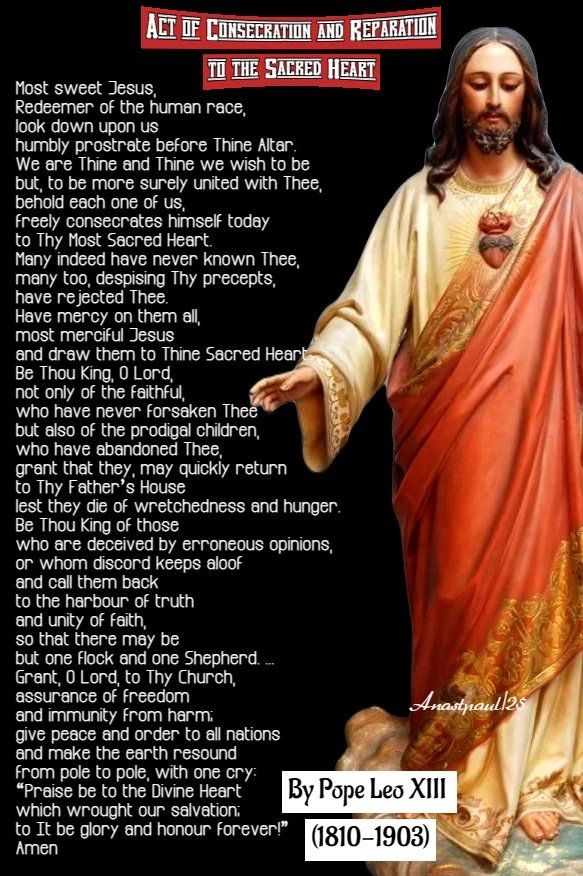
Act of Consecration and Reparation to the Sacred Heart By Pope Leo XIII (1810-1903)
Most sweet Jesus, Redeemer of the human race, look down upon us humbly prostrate before Thine Altar. We are Thine and Thine we wish to be but, to be more surely united with Thee, behold each one of us, freely consecrates himself today to Thy Most Sacred Heart. Many indeed have never known Thee, many too, despising Thy precepts, have rejected Thee. Have mercy on them all, most merciful Jesus and draw them to Thine Sacred Heart. Be Thou King, O Lord, not only of the faithful, who have never forsaken Thee but also of the prodigal children, who have abandoned Thee, grant that they, may quickly return to Thy Father’s House lest they die of wretchedness and hunger. Be Thou King of those who are deceived by erroneous opinions, or whom discord keeps aloof and call them back to the harbour of truth and unity of faith, so that there may be but one flock and one Shepherd. Be Thou, King of all those. who are still involved in the darkness of idolatry or of Islamism and refuse not, to draw them into the Light and Kingdom of God. Turn Thine Eyes of Mercy towards the children of the race, once Thy chosen people – of old they called down upon themselves the Blood of the Saviour; may it now descend upon them, a laver of redemption and of life. Grant, O Lord, to Thy Church, assurance of freedom and immunity from harm; give peace and order to all nations and make the earth resound from pole to pole, with one cry: “Praise be to the Divine Heart which wrought our salvation; to It be glory and honour forever!” Amen
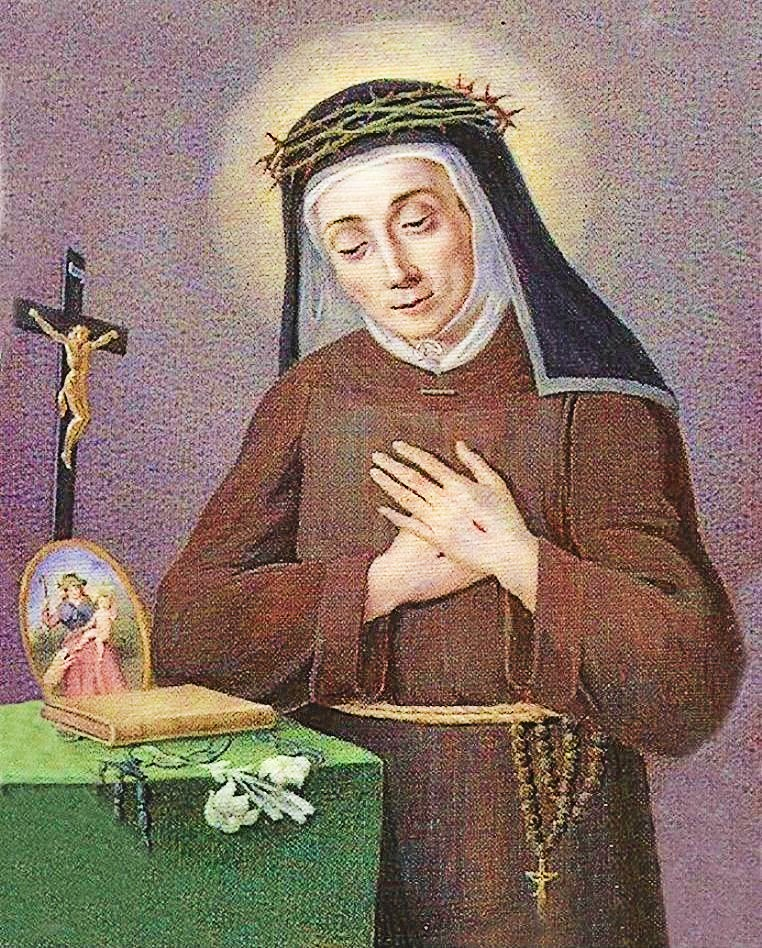
The above prayer, composed by Pope Leo XIII was included in the 1899 Encyclical, Annum Sacrum, issued by Leo XIII as he Consecrated the entire world to the Sacred Heart of Jesus. The Consecration was influenced by two letters written to the Holy Father by Blessed Sister Mary of the Divine Heart, who stated that in visions of Jesus Christ, she had been told to request the Consecration.
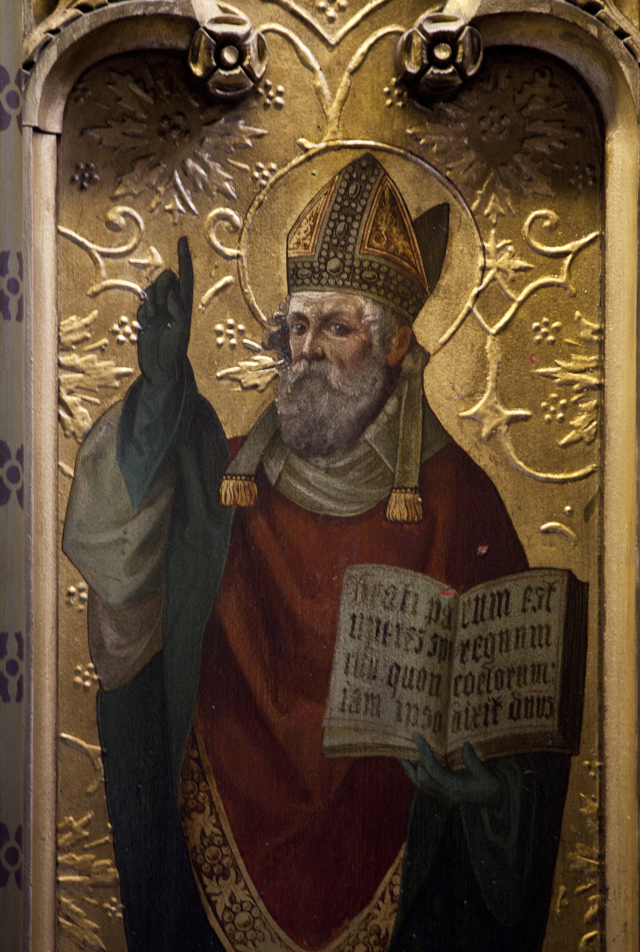
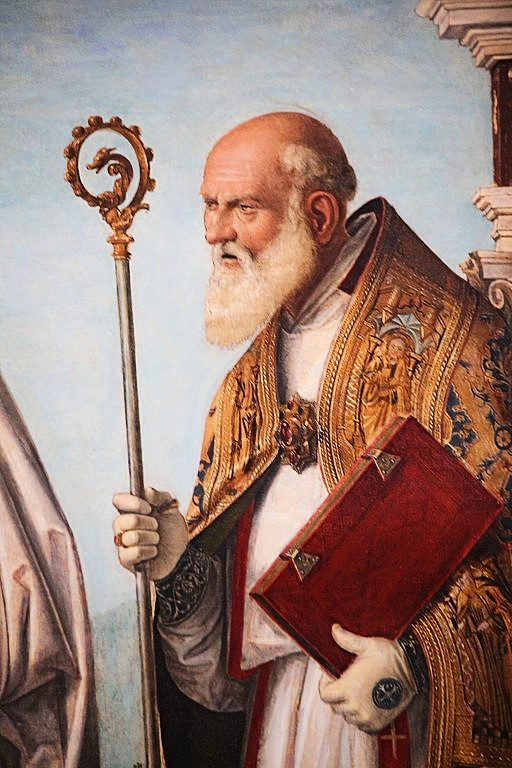
Saint of the Day – 10 October – St Cerbonius (c493-575) Bishop and Confessor of Populonia, Miracle-worker. He was the Bishop during the Barbarian invasions. St Pope Gregory I the Great, praises him in Book XI of his Dialogues. Born in c493 in North Africa and died in 575 in Elba, Italy. Patronages – of Baratti, Piombino, Massa Marittima, the Diocese of Massa Marittima-Piombino, the Diocese of Piombino. Also known as – Cerbonius of Piombino, … of Populonia, Cerbonius of Massa Marittima, Cerbo…Cerbone…Cerbonio…
The Roman Martyrology reads today: “At Piombino in Tiscany, St Cerbonius, Bishop and Confessor, who, as St Gregory relates, was renowned for miracles, both during life and after death.”
Stained glass – Saint Cerbonius of Populonia
Cerboneius was born in North Africa to a Christian family. When he became a Priest, to escape the persecution of Christians by the Vandals, he fled to Italy. The ship landed on the Maremma coast, in Tuscany, in the Gulf of Baratti.
In Populonia, Cerbonius was proclaimed as the Bishop. The locals were unhappy with him because he had the habit of saying Mass at dawn—too early for those who lived in the countryside far from Town. Their complaints reached the Pope.
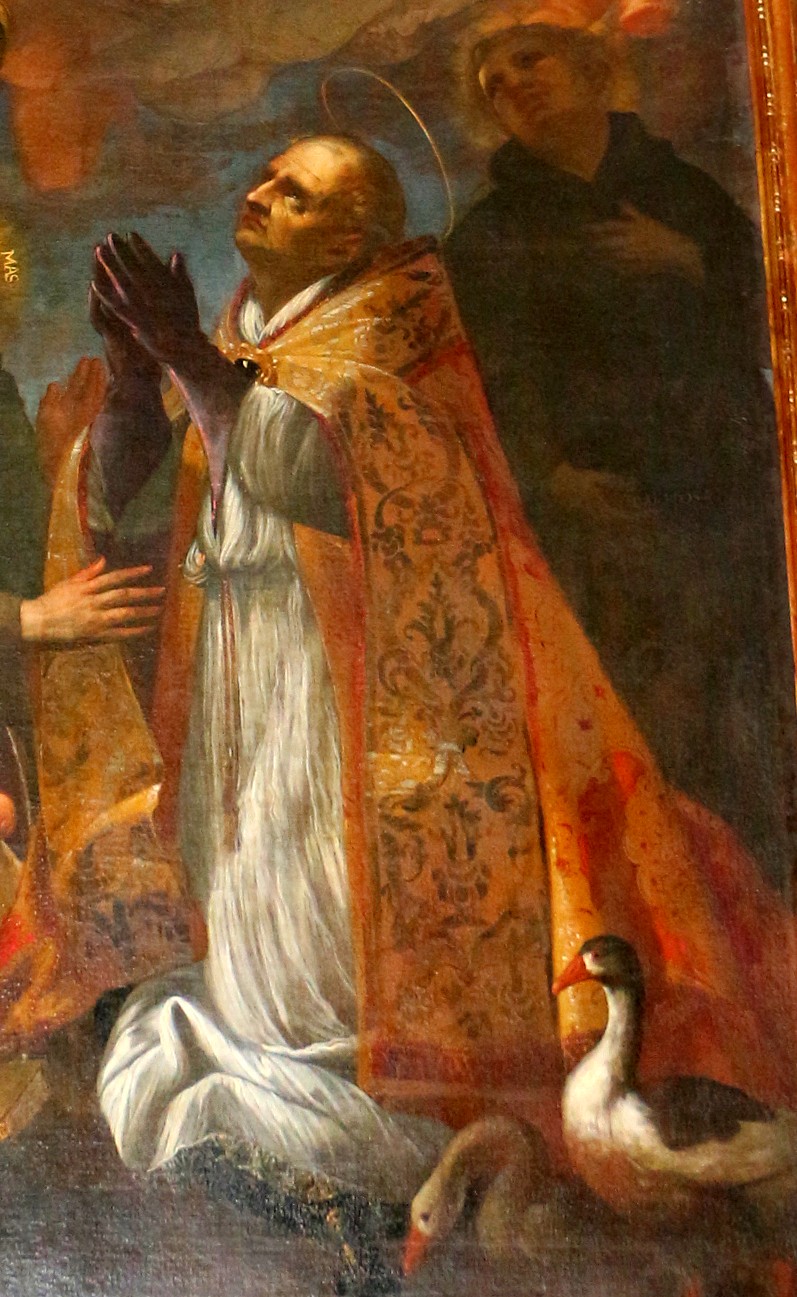
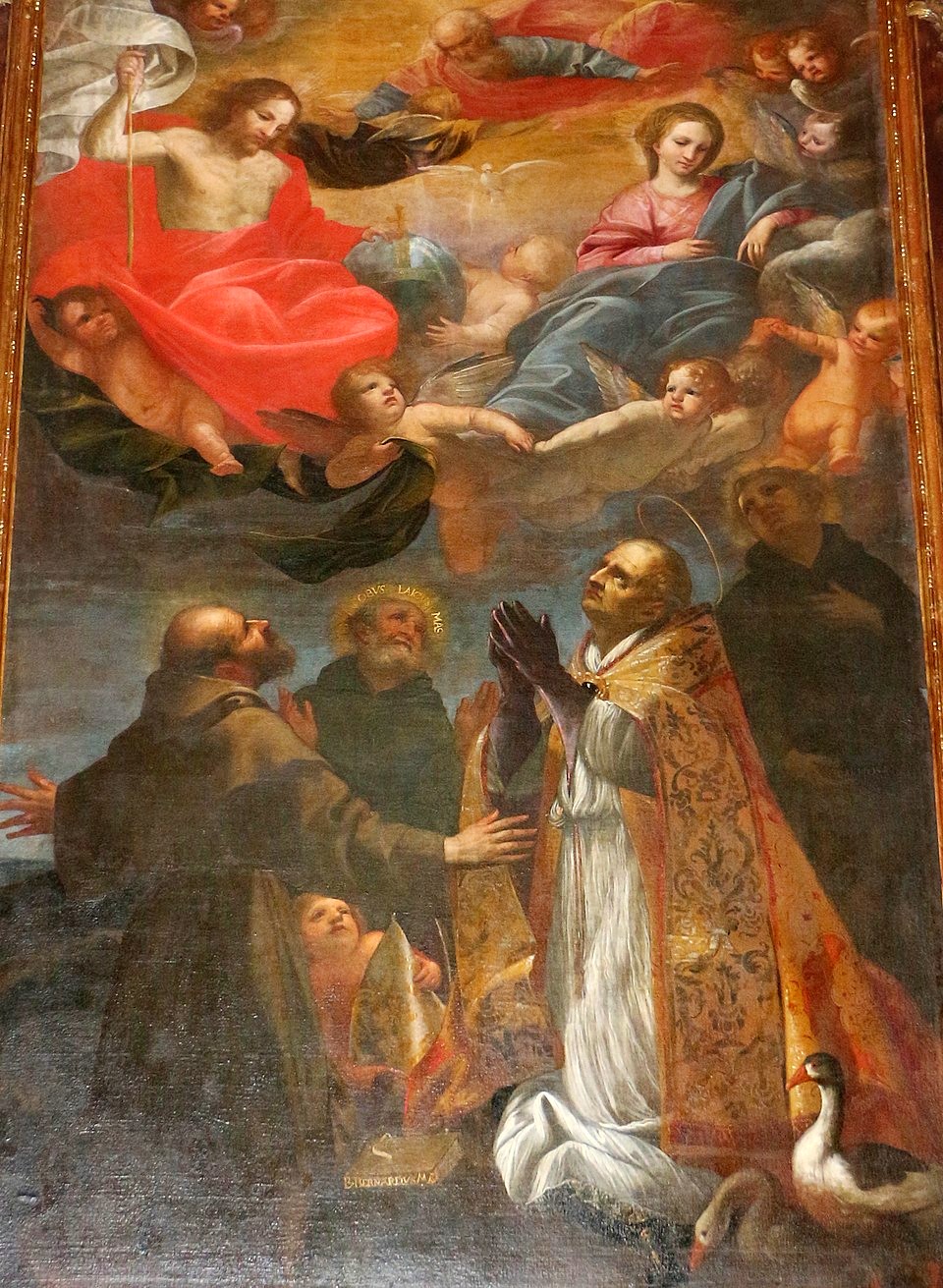
Two Clerics were sent to Populonia to accompany the Bishop to the Pontiff. During the journey, Cerbonius performed miracles – the companions were thirsty and exhausted from the journey and Cerbonius approached two doe, who tamely let themselves be milked for good milk. When the bBshop then encountered a flock of geese, he invited them to follow him to Rome. And so it happened. The geese, docile and obedient, follow Cerbonius and only took flight when he arrives before the Pope.
Saint Cerbonius of Populonia – Raffaello Vanni
The Pope, for his part, wishes to personally attend Cerboniud’ famous Dawn Mass. The Pontiff thus realises that he was in the company of a Saint. Indeed, during the Mass, a sublime melody was heard emanating from a Choir of Angels. From that day on, Cerbonois was happily supported by the people in celebrating his Dawn Mass.
Upon their return to Maremma, the battle between the Goths and the Byzantines rages. Cerbonius was imprisoned by the cruel Gothic King, Totila, accused of having favoured the enemy. The punishment must demonstrate an example – to be torn to pieces by a ferocious bear but the beast, instead of attacking Cerboneius, crouches beside him like a lamb, licking his feet. The King was astonished and decides to release the prisoner.
Saint Cerbonius of Populonia – Raffaello Vanni
During the Lombard invasion, Cerbonius escapes to the Island of Elba, defended by the Byzantines. There the Bishop lived a Hermit’s life and, when in 575, he felt his death approaching, he asked to be buried on dry land.
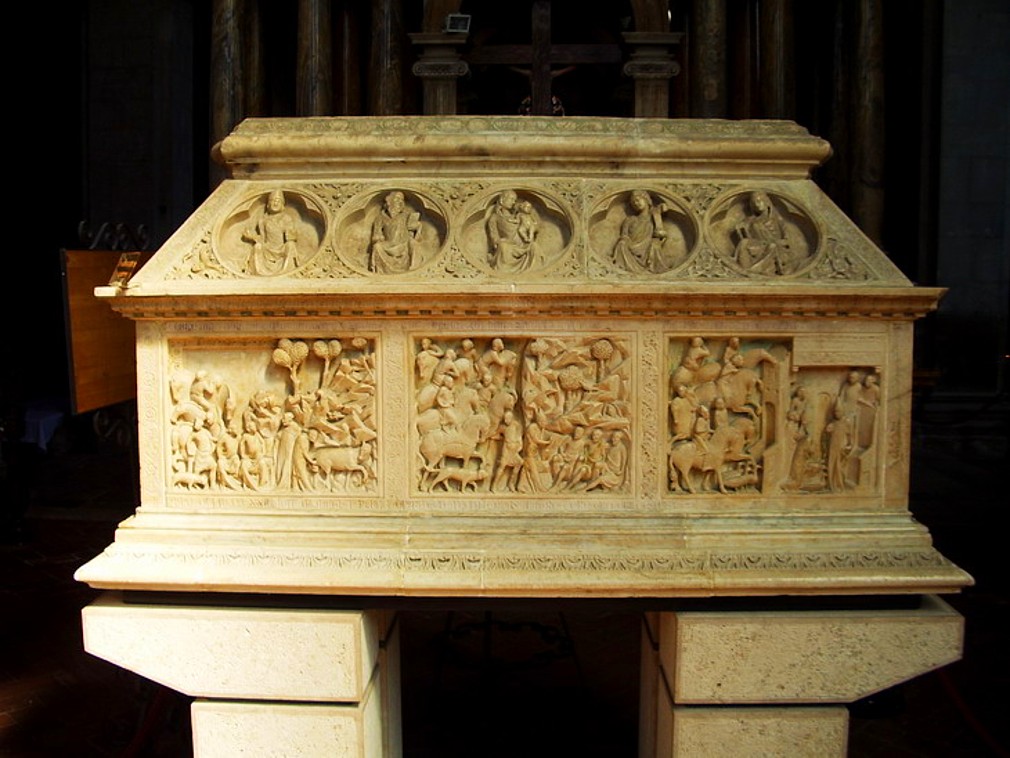
Thanks to a miraculous storm which kept the Lombards at bay, the ship carried the Bishop’s body to the Town of Baratti (Piombino), where he was buried in a small Church. In this spot, the famous San Cerbonius Spring still flows today, giving rise to the saying: “He who does not drink at San Cerbonius is a thief or a scoundrel.” Today, San Cerbonius rests in the Cathedral of Massa Marittima (Grosseto).
Sarcofago San Cerbone Duomo di Massa
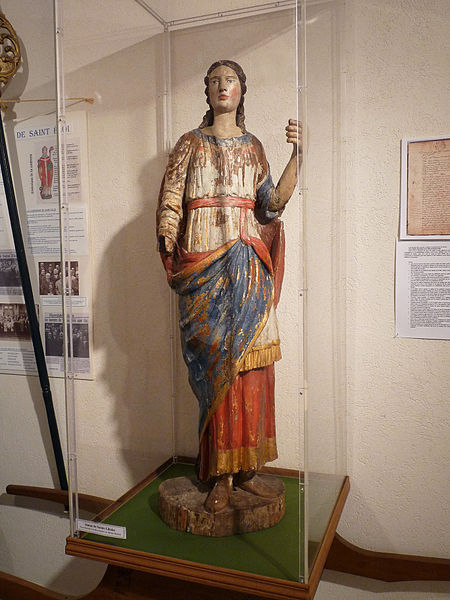
St Cerbonius Statue in the Cathedral in Massa Marittima
St Aldericus St Cassius St Cerbonius (c493-575) Bishop and Confessor of Populonia in Tuscany, Italy St Cerbonius of Verona St Clarus of Nantes Bl Demestrius of Albania Bl Edward Detkens St Eulampia St Eulampius St Florentius the Martyr St Fulk of Fontenelle St Gereon St Gundisalvus Bl Hugh of Macon
Bl Pedro de Alcantara de Forton de Cascajares St Pinytus of Crete Bl Pontius de Barellis St Tanca St Teodechilde St Victor of Xanten
Martyrs of Ceuta – 7 Beati: A group of seven Franciscan Friars Minor missionaries to Muslims in the Ceuta area of modern Morocco. Initially treated as madmen, within three weeks they were ordered to convert to Islam and when they would not they were first abused in the streets, then arrested, tortured and executed. Angelo, Daniele di Calabria, Donnolo, Hugolinus, Leone, Nicola, Samuele. They were beheaded in 1227 in Mauritania Tingitana (Ceuta, Morocco). Local Christians secreted the bodies away and gave them proper burial in Ceuta. They were Beatified in 1516 by Pope Leo X.
Thought for the Day – 9 October – Meditations with Antonio Cardinal Bacci (1881-1971)
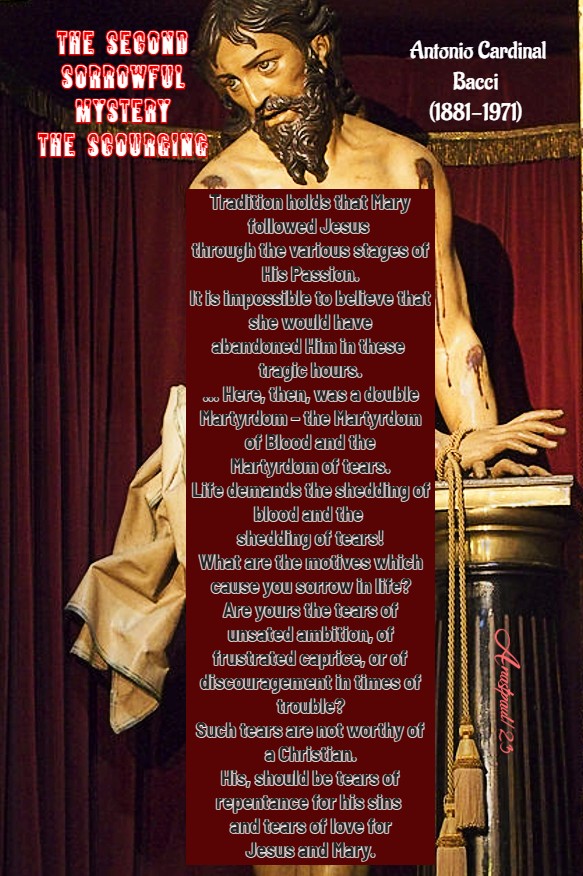
“Month of the Holy Rosary” The Second Sorrowful Mystery The Scourging
“Tradition holds that Mary followed Jesus through the various stages of His Passion. It is impossible to believe that she would have abandoned Him in these tragic hours. She must, at least, have known of the cruel flogging which He endured and, while His body was being torn by lashes, she was most probably not far away, participating, by her maternal sorrow, in her Son’s torment. Here, then, was a double Martyrdom – the Martyrdom of Blood and the Martyrdom of tears.
Life demands the shedding of blood and the shedding of tears! What are the motives which cause you sorrow in life? Are yours the tears of unsated ambition, of frustrated caprice, or of discouragement in times of trouble? Such tears are not worthy of a Christian. His, should be tears of repentance for his sins and tears of love for Jesus and Mary.”
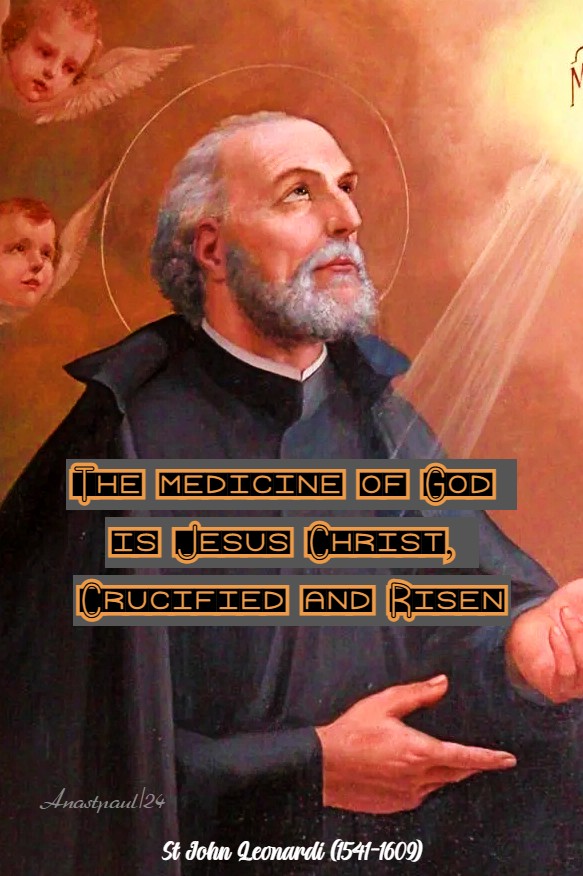
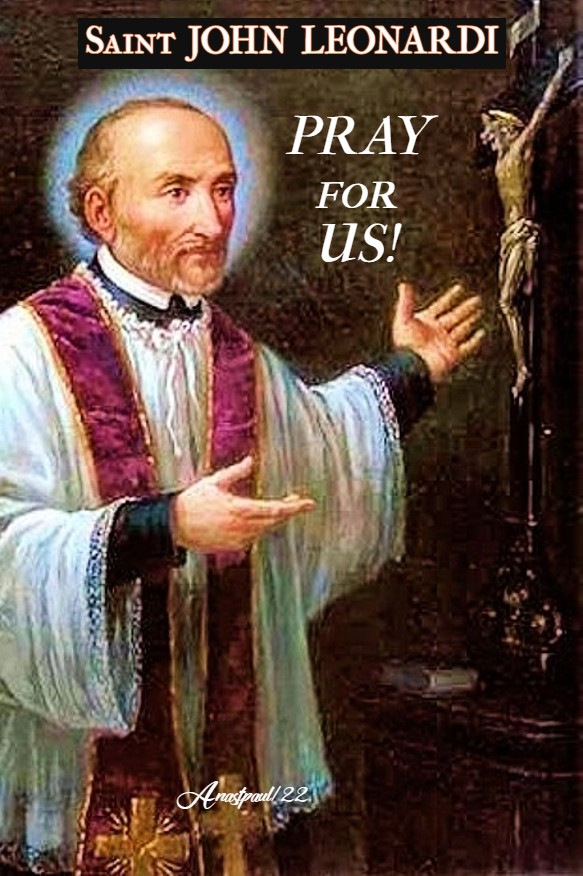
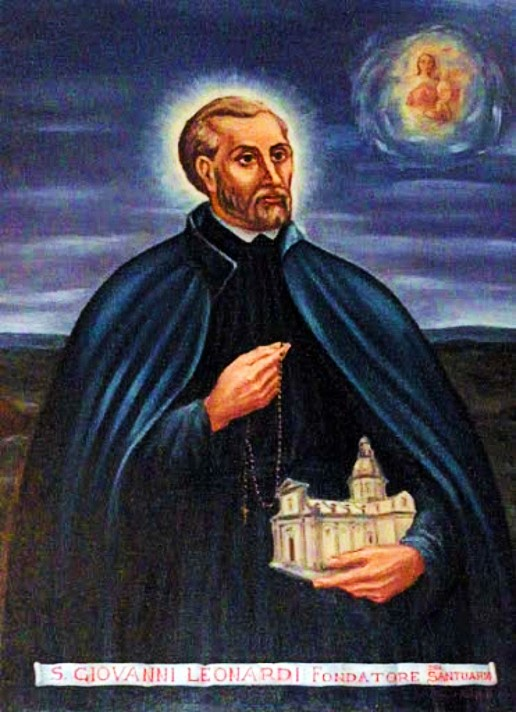
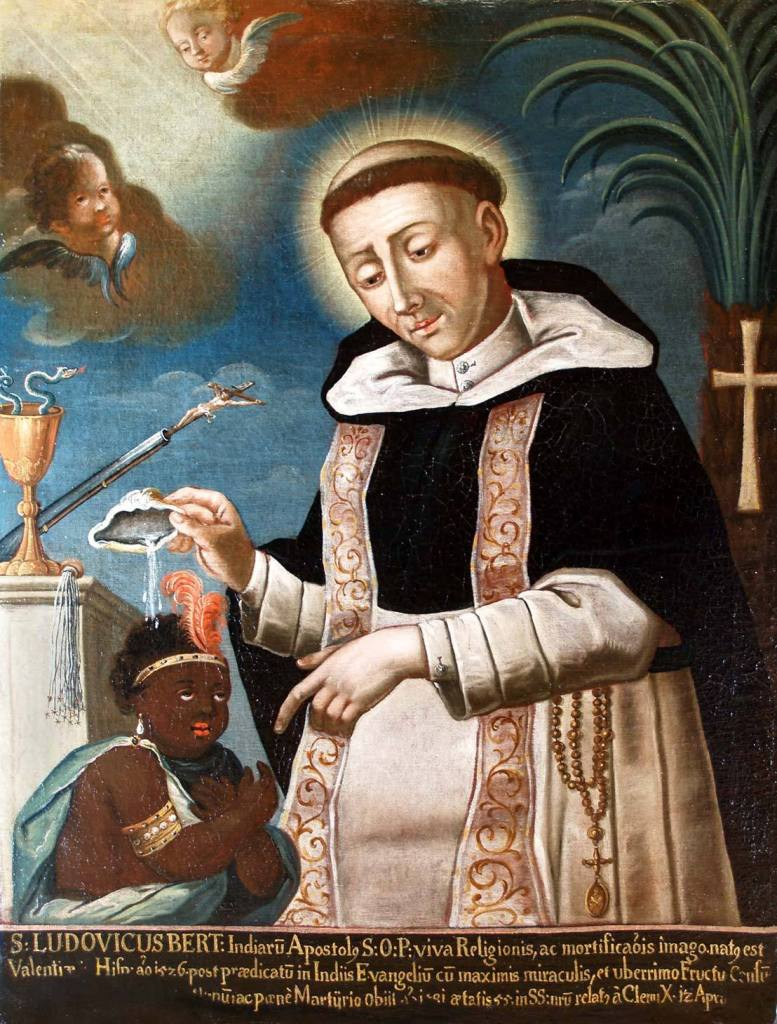
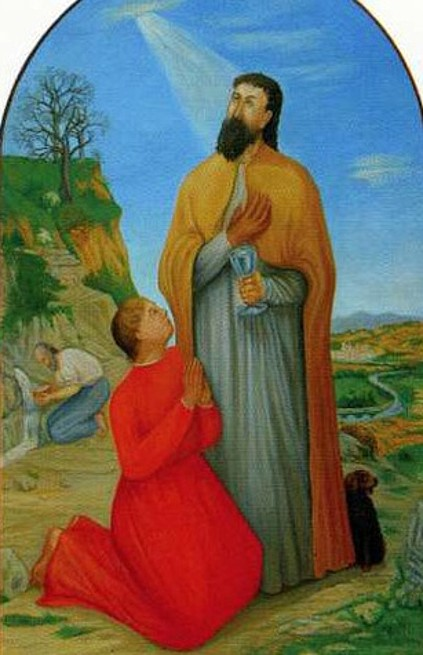
Quote/s of the Day – 9 October – St John Leonardi (1541-1609) Confessor, Priest, Founder and St Louis Bertrand (1526-1581) Confessor, Missionary, “Apostle of South America”
“The medicine of God is Jesus Christ, Crucified and Risen.”
One Minute Reflection – 9 October – “The Month of The Most Holy Rosary and The Holy Angels” – St John Leonardi (1541-1609) Confessor, Priest, Founder – 2 Corinthians 4:1-6; 4:15-18 –,Luke 10:1-9 – Scripture search here: https://www.drbo.org/
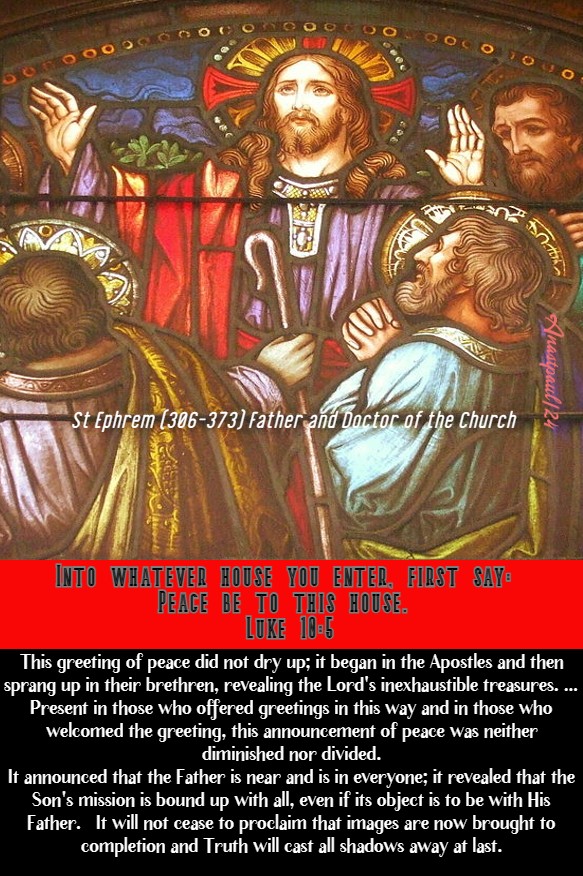
“Into whatever house you enter, first say: Peace be to this house. And, if the son of peace be there, your peace shall rest upon him but if not, it shall return to you.” – Luke 10:5-7
REFLECTION – “As you enter a house, first say, ‘Peace to this house,‘” (Lk 10:5) so that the Lord Himself might enter and remain there, as with Mary. … This greeting is the Mystery of Faith which shines forth in the world. Through it, enmity is stifled, war is ended and people acknowledge one another. The effect of that greeting was hidden by a veil in spite of the fact that it prefigures the Mystery of the Resurrection … when the light rises and dawn chases night away. From the moment Christ sent out His disciples, people began to give and receive this greeting, a source of healing and blessing. …
This greeting with its hidden power … is amply sufficient for us all. That is why Our Lord sent it out, together with His disciples, as forerunner, so that it might bring about peace and, carried by the voice of the Apostles whom He sent, prepare the way before them. It was sown in every dwelling … it entered into all who heard it, so as to separate and set apart, the children it recognised as its own. It remained in them but it denounced those who were alien to it, for they did not welcome it.
This greeting of peace did not dry up; it began in the Apostles and then sprang up in their brethren, revealing the Lord’s inexhaustible treasures. … Present in those who offered greetings in this way and in those who welcomed the greeting, this announcement of peace was neither diminished nor divided. It announced that the Father is near and is in everyone; it revealed that the Son’s mission is bound up with all, even if its object is to be with His Father. It will not cease to proclaim that images are now brought to completion and Truth will cast all shadows away at last.” – St Ephrem (306-373) Father and Doctor of the Church (Diatessaron 8: 3-4).
PRAYER – O God, Who in a wondrous way graciously urged blessed John, Thy Confessor, to propagate Thy faith among the pagans and through him brought together a new religious family in Thy Church for the education of the faithful, grant Thy servants, so to profit by his teaching that we may reach everlasting rewards.Through Jesus Christ, Thy Son our Lord, Who lives and reigns with Thee, in the unity of the Holy Ghost, God, world without end. Amen (Collect).
Our Morning Offering – 9 October – “The Month of The Most Holy Rosary and The Holy Angels”
Through Thee, to Us, Our Saviour Came Sweet Lady of the Rosary By St Amadeus of Lausanne O.Cist (1108-1159)
Through thee, to us, our Saviour came, Through thee, to Him, we fain would go. Our lives are marred by wrong and shame, Yet, confidence in thee we know. The friendship thou dost give to all Who love thy name, shall ever be Assurance thou wilt hear our call, Sweet Lady of the Rosary!
Thou art our Strength upon the way, Our Morning Star, to cheer and guide; Our Beacon Light to show the day, And lead us to the Saviour’s Side; A Comforter in ev’ry pain We find, O Mother blest, in thee, And seek we, never, thee in vain, Fair Lady of the Rosary!
Thy praises, Mary, we would sing, And all our faculties employ, That unto thee our hearts might bring A glory-crown of love and joy. Bless thou each humble effort made In thy regard and grant that we, May by thy influence be swayed, Our Lady of the Rosary!
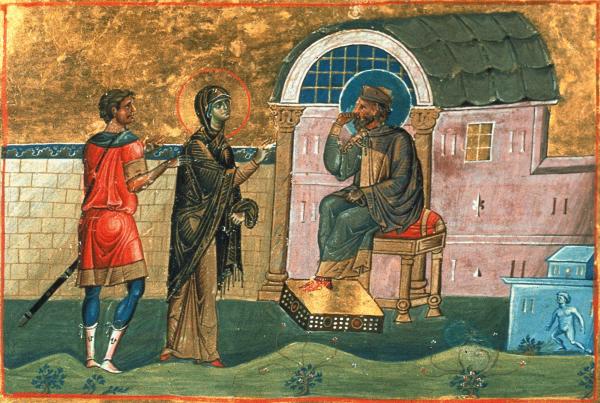
Saint of the Day – 9 October – Saint Publia (4th Century) Widow, Abbess in Antioch.
The Roman Martyrology reads today: “At Antioch, St Publia, Abbess, who while Julian the Apostate was passing by, sang with her Religious, these words of David: “The idols of the Gentiles are silver and gold” and: “Let them who make them, become like unto them.” By the command of the Emperor, she was struck on the face and severely rebuked.”
Theodoret, (393-457) Bishop, Theologian, Historian, Schriptural Exegesist, in his Ecclesiastical History, reports an act of Christian resistance in Antioch, during the coercive measures exercised there by Julian the Apostate (361-363), who resided In Antioch from June 362 to March 363, to direct military operations against the Persians.
Publia was a pious woman of Antioch, widowed at an early age with only one son, named John, who became a Priest. Some have tried to identify him as John Chrysostom, for no apparent reason, especially since the text which speaks of him explicitly states that Publia’s son refused to be elevated to the Episcopate.
Publia had entered a Nunnery in the City, of which she became Abbess and Deaconess. As the Emperor passed by, she had her Nuns sing specially chosen Psalms condemning idolatry (Psalm 108) and shaming God’s enemies (Psalm 67). Julian could not silence the choir, for every time he intervened, Publia encouraged her Nuns to continue their singing. Once, Julian, more irritated than usual by the Nuns’ rebellious attitude, summoned Publia and had her severely slapped. This humiliating measure had no effect and everything continued as before.
Publia did not die a Martyr but ended her days in peace at an unspecified time.
St Aron of Kracow St Abraham the Patriarch St Alfanus of Salerno St Andronicus of Antioch St Athanasia of Antioch Bl Bernard of Rodez St Demetrius of Alexandria St Deusdedit of Montecassino St Domninus St Dorotheus of Alexandria
St Goswin Bl Gunther St Lambert St Publia (4th Century) Widow, Abbess St Sabinus of the Lavedan St Valerius
Martyrs of Laodicea – Three Christians Martyred together in Laodicea but no other information about them has survived but their names – Didymus, Diodorus and Diomedes. They Died in Laodicea, Syria.
Thought for the Day – 8 October – Meditations with Antonio Cardinal Bacci (1881-1971)
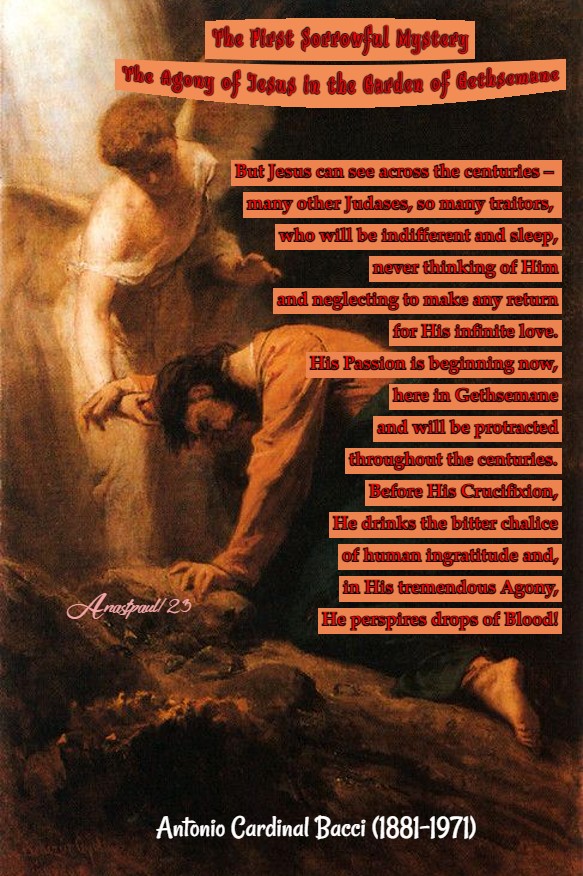
“Month of the Holy Rosary” The First Sorrowful Mystery The Agony of Jesus in the Garden of Gethsemane
“Let us pay particular attention to the scene in Gethsemane. Jesus is lying prostrate on the ground. He has given everything for sinful humanity. He has given His heavenly teaching, His miracles and His mercy. Even more, He has given Himself in the Blessed Eucharist which He has instituted in the form of food and drink, to sustain men on their earthly journey.
Now, He lies prostrate in prayer. Near Him, are His Apostles who, already forgetful of the immense favours which they have received, are asleep!
Not far away, there is another Apostle, Judas, who has sold his Master for thirty pieces of silver, as a slave would be sold and is about to deliver Him to His executioners. But Jesus can see across the centuries – many other Judases, so many traitors, who will be indifferent and sleep, never thinking of Him and neglecting to make any return for His Infinite Love. His Passion is beginning now, here in Gethsemaneand will be protracted throughout the centuries. Before His Crucifixion, He drinks the bitter chalice of human ingratitude and, in His tremendous Agony, He perspires drops of Blood!”
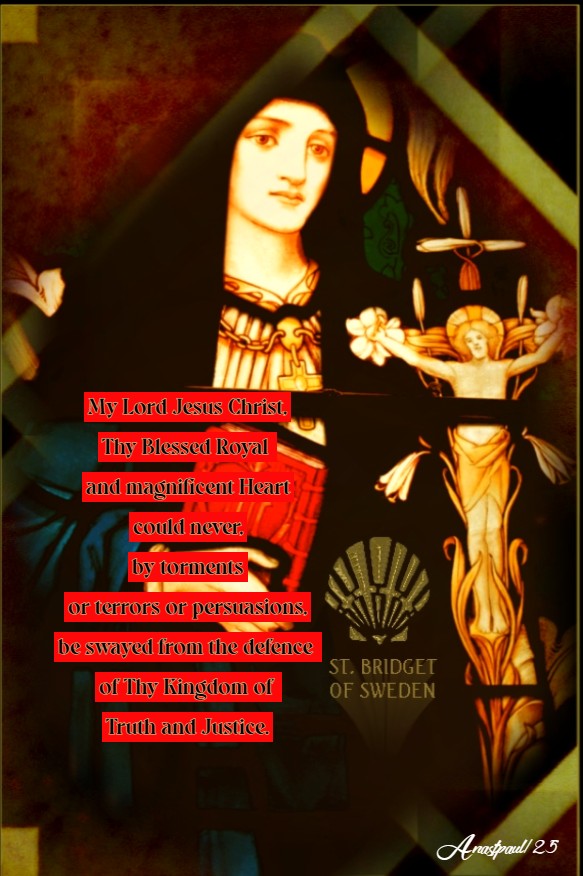
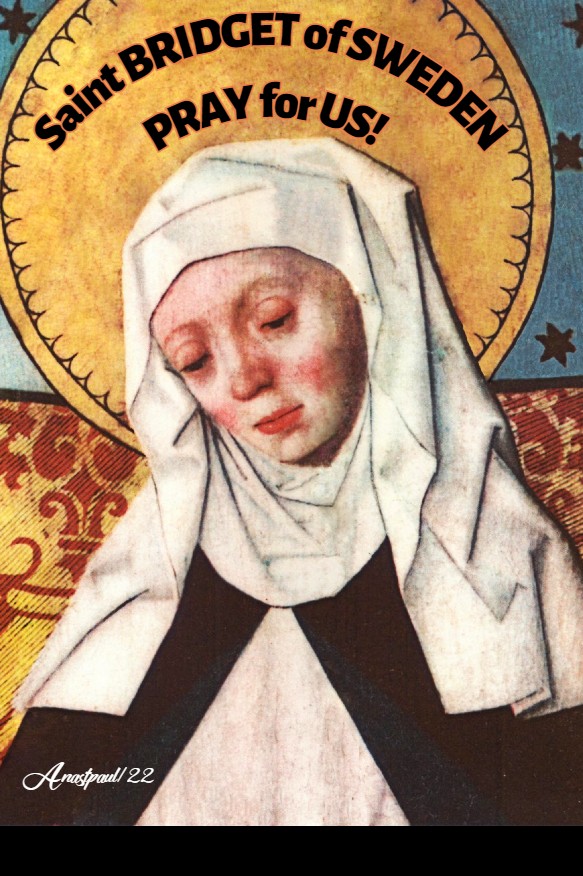
Quote/s of the Day – 8 October – St Bridget of Sweden (c1303-1373) Widow
“My Lord Jesus Christ, Thy Blessed, Royal and magnificent Heart could never, by torments or terrors or persuasions, be swayed from the defence of Thy Kingdom of Truth and Justice.”
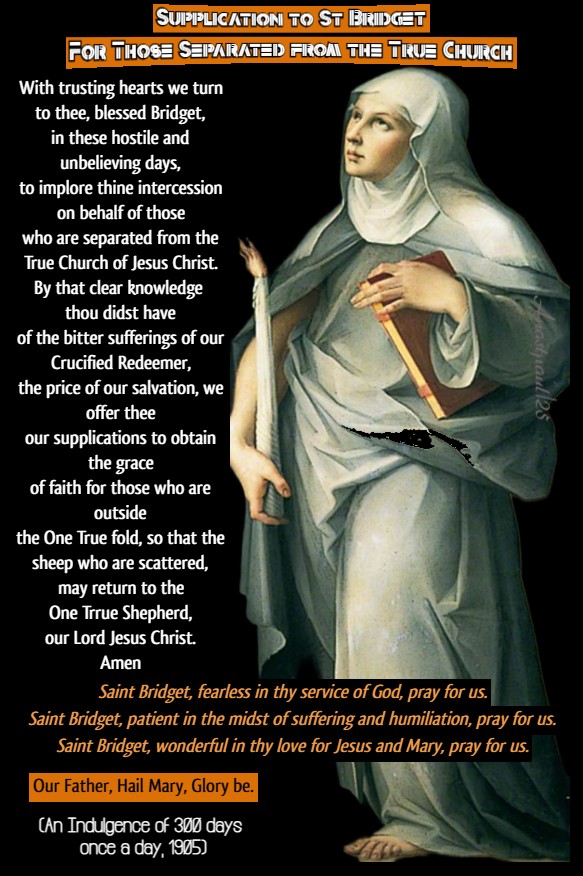
Supplication to St Bridget For Those Separated from the True Church (Can be used as a Novena)
With trusting hearts we turn to thee, blessed Bridget, in these hostile and unbelieving days, to implore thine intercession on behalf of those who are separated from the True Church of Jesus Christ. By that clear knowledge thou didst have of the bitter sufferings of our Crucified Redeemer, the price of our salvation, we offer thee our supplications to obtain the grace of faith for those who are outside the One True fold, so that the sheep who are scattered, may return to the One Trrue Shepherd, our Lord Jesus Christ. Amen
Saint Bridget, fearless in thy service of God, pray for us. Saint Bridget, patient in the midst of suffering and humiliation, pray for us. Saint Bridget, wonderful in thy love for Jesus and Mary, pray for us.
One Minute Reflection – 8 October – “The Month of The Most Holy Rosary and The Holy Angels” – St Bridget of Sweden (c 1303-1373) Widow – 1 Timothy 5:3-10 – Matthew 13:44-52 – Scripture search here: https://www.drbo.org/
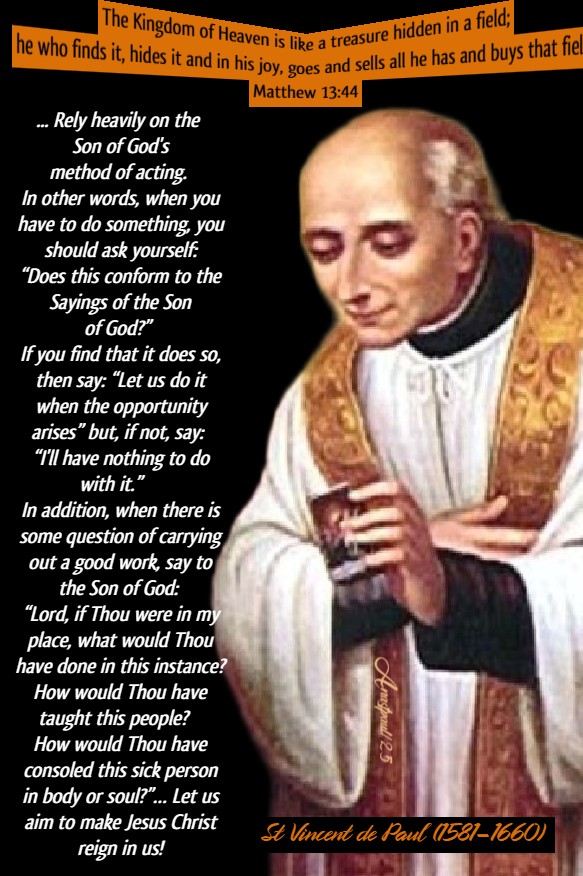
“The Kingdom of Heaven is like a treasure hidden in a field; he who finds it, hides it and in his joy, goes and sells all he has and buys that field.” – Matthew 13:44
REFLECTION – “Never be obsessed about appearing to be superior or in control. I do npt share the opinion of someone who said to me a few days ago that, to keep a firm hold on one’s authority, one should let one’s superiority be seen. My God! Our Lord Jesus Christ, never spoke like that! In both Word and Example, He taught us quite the contrary, telling us that He hHmself, had come, not to be served but to serve and, whoever wishes to be first among you, must become the slave of all (Mk 10:44-45)…
For this reason, give yourself to God, so that you can speak in the lowly spirit of Jesus Christ, confessing that your teaching, is not your own, nor does it come from you but is the Gospel’s. Above all, imitate the simple Words and comparisons made by Our Lord in Holy Scripture when speaking to the people. Alas! What wonderful things might He not have taught the people! What secrets might He not have disclosed about the Divinity and Its marvellous perfections, He Who was His Father’s Eternal Wisdom! But yet, you see how He speaks intelligibly and makes use of familiar comparisons of labourer, vinedresser, field, vine, mustard seed. This is how you ought to speak, if you would make yourself understood by the people to whom you are proclaiming the Word of God.
Something else, to which you ought to give special attention, is to rely heavily on the Son of God’s method of acting. In other words, when you have to do something, you should ask yourself: “Does this conform to the Sayings of the Son of God?” If you find that it does so, then say: “Let us do it when the opportunity arises” but, if not, say: “I’ll have nothing to do with it.” In addition, when there is some question of carrying out a good work, say to the Son of God: “Lord, if Thou were in my place, what would Thou have done in this instance? How would Thou have taught this people? How would Thou have consoled this sick person in body or soul?”… Let us aim to make Jesus Christ reign in us!” – St Vincent de Paul (1581-1660) Priest, Confessor, Founder of religious communities (Conversations; Counsels to Antoine Durand 1656)
PRAYER – O Lord, our God, Who through Thy Only-begotten Son revealed secrets to blessed Bridget, grant that through her kind intercession, we, Thy servants, may rejoice and be glad in the revelation of Thy eternal glory. Through Jesus Christ, Thy Son our Lord, Who lives and reigns with Thee, in the unity of the Holy Ghost, God, world without end. Amen (Collect).
Our Morning Offering – 8 October – “The Month of The Holy Rosary of the Blessed Virgin Mary” and today St Joseph’s Wednesday
Glorious St Joseph! Prayer for the Intercession of St Joseph in All Our Needs By St Francis de Sales (1567-1622) Doctor Caritatis
Glorious St Joseph, Spouse of Mary, grant us thy paternal protection, we beseech thee, by the Heart of Jesus Christ. O thou, whose power extends to all our necessities and can render possible for us, the most impossible things. Open thy fatherly eyes to the needs of thy children. In the trouble and distress which afflicts us, we confidently have recourse to thee. Deign to take under thy charitable charge this important and difficult matter, cause of our worries. Make its happy outcome be for God’s glory and for the good of His devoted servants. Amen
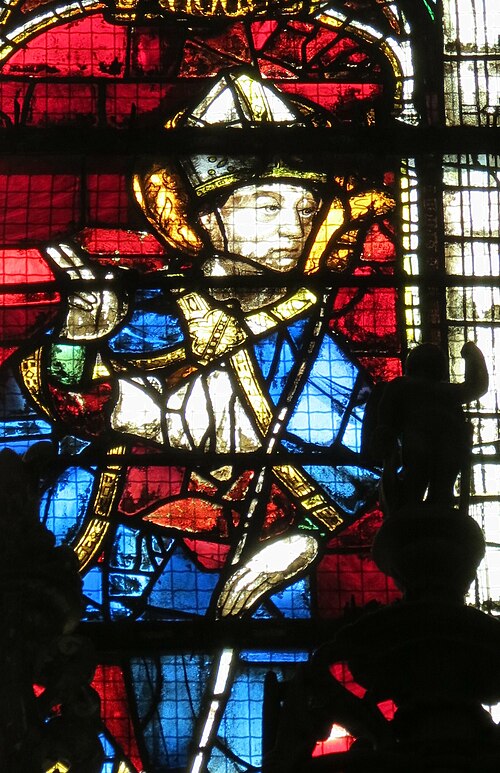
Saint of the Day – 8 October – Saint Evodius (5th Century) the 9th Bishop and Confessor of Rouen in France. Also known as – Yves, Lisoie, Yvoire, or Evodius.
The Roman Martyrology reads today: “At Rouen, St Evodius, Bishop and Confessor.”
Stained glass depiction of Saint Evodius in the Chapel of the Virgin, of the Rouen Cathedral
The good-quality Episcopal list of Rouen places him 9th in line. His Episcopate can be dated around 420-430. His Vita, written very late, places him at the time of King Clotaire I, who reigned from 511 to 561, so these dates are in contention with other sources.
Evodius is said to have died in Andelys and been buried in Rouen. At the time of the Norman invasions (9th Century), his Relics were translated to Braine in the Diocese of Soissons. In 1130, they passed to the Premonstratensians, who founded an Abbey in Braine which lasted until the Revolution of 1789. In 1874, Braine returned a fragment of Evodius’ Relics to Rouen Cathedral.
There is a legend which relates a fire which would cease burning when “wet with tears [of his] prayers.”
His Feast was initially celebrated in Rouen on 8 October which date is considered the day of his death. : then the occurrence of other Feasts caused it to be moved to other days of the same month (10, 12, 21).
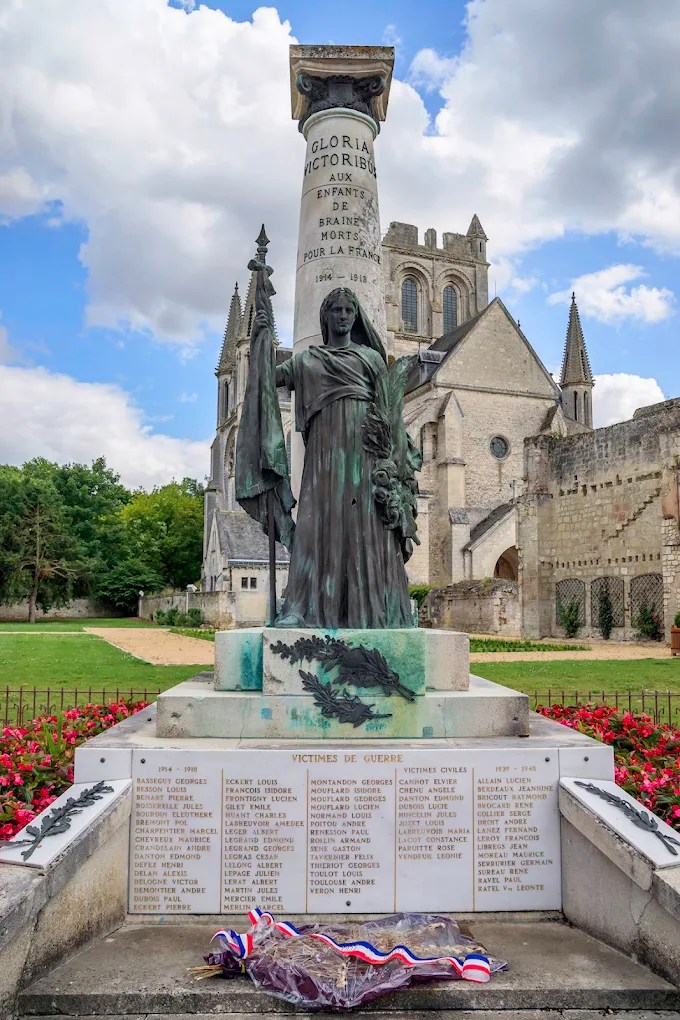
The Abbey Church of St Yves, below, in Braine is dedicated to him and the Choir School of the Rouen Cathedral is known today as St.Evodius Choir School.
St Evodius (5th Century) Bishop and Confessor of Rouen
St Felix (Died 390) the first Bishop of Como. Felix was a friend of Saint Ambrose, who praised him for his missionary activity and Ordained him a Priest in 379 and Consecrated him as Bishop in 386. St Ambrose sent him to evangelise the City of Como, as a testimony to the great missionary drive of the Church of Milan. St Felix is honoured as a zealous shepherd of souls. Blessed St Felix: https://anastpaul.com/2021/10/08/saint-of-the-day-8-october-saint-felix-of-como-died-390/
Pelagia among her courtesans, as Saint Nonnus prays for her
St Peter of Seville
St Ragenfrida (Died 9th Century) Virgin, Abbess. Daughter of Adalbert, Count of Ostrevant and Regina, who is also remembered as a Saint. Patronage – of Denain, Northern France, where her Monastery was. Her Blessed Life: The Roman Martyrology: “In Denain in Hainault, in today’s France, Saint Ragenfrida, Abbess, who built a Monastery in this place with her assets, of which she was a worthy guide.” Her Blessed Life: https://anastpaul.com/2023/10/08/saint-of-the-day-8-october-saint-ragenfrida-virgin-abbess-died-9th-century/
Thought for the Day – 7 October – Meditations with Antonio Cardinal Bacci (1881-1971)
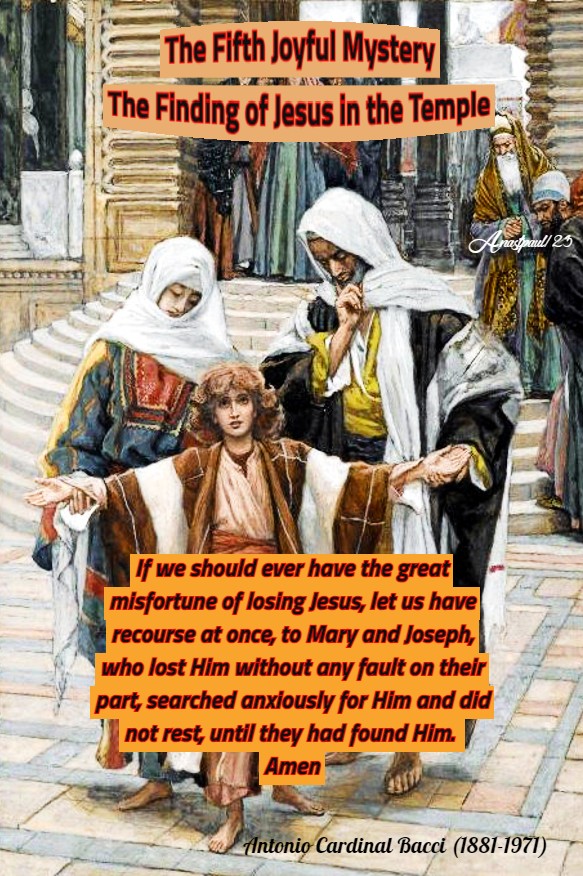
“Month of the Holy Rosary” The Fifth Joyful Mystery The Finding of Jesus in the Temple
“Mary and Joseph came, according to custom, to celebrate the feast of the Pasch in Jerusalem. They took with them, Jesus, Who was now twelve years of age. When the feast was over, the pilgrims came together to return to Nazareth. As usual, they gathered in the temple to say a final prayer and then divided into two companies, one consisting of men, the other of women. The children were assigned to either caravan.
At any rate, when the two groups came together for the night after a day’s journey, Mary and Joseph looked in vain for Jesus. He could not be found in either caravan! We can imagine how they suffered. However, they returned without delay to Jerusalem to look for their Child. They searched for three days. At last, when they went into the Temple to pour out their troubles to God, they found Jesus, sitting among the doctors, who were amazed at the wisdom of His answers and of His questions. There was joy and sorrow in Mary’s countenance as she regarded Him. “Son,” she said gently. “why hast thou done so to us? Behold, in sorrow, thy father and I have been seeking thee.” Jesus’ reply was also mild and at the same time, mysterious. “How is it that you sought me? Did you not know that I must be about my Father’s business?”
Then He returned with them to Nazareth, where He remained “subject to them.” But His mother, we are told, “kept all these things carefully in her heart” (Cf Lk 2:41-51).
This Mystery of the Rosary is, at the same time, joyful and sorrowful. We can learn a good deal by meditating on it. We can admire the divine wisdom of Jesus, Who, even from childhood, desired to reveal a little of the truth and also His obedience to Mary and Joseph, until He reached thirty years of age. We can admire, too, His hidden life in the workshop in Nazareth, interrupted only by this brief demonstration of His divinity and the anxiety of Mary and Joseph to find Jesus when they had lost Him, as well as their delight when He was restored to them.
If we should ever have the great misfortune of losing Jesus, let us have recourse at once, to Mary and Joseph, who lost Him without any fault on their part, searched anxiously for Him and did not rest, until they had found Him. Amen”
Quote/s of the Day – 7 October – “The Month of The Most Holy Rosary and The Holy Angels” – The Feast of the Holy Rosary of the Blessed Virgin Mary/Our Lady of Victory of Lepanto
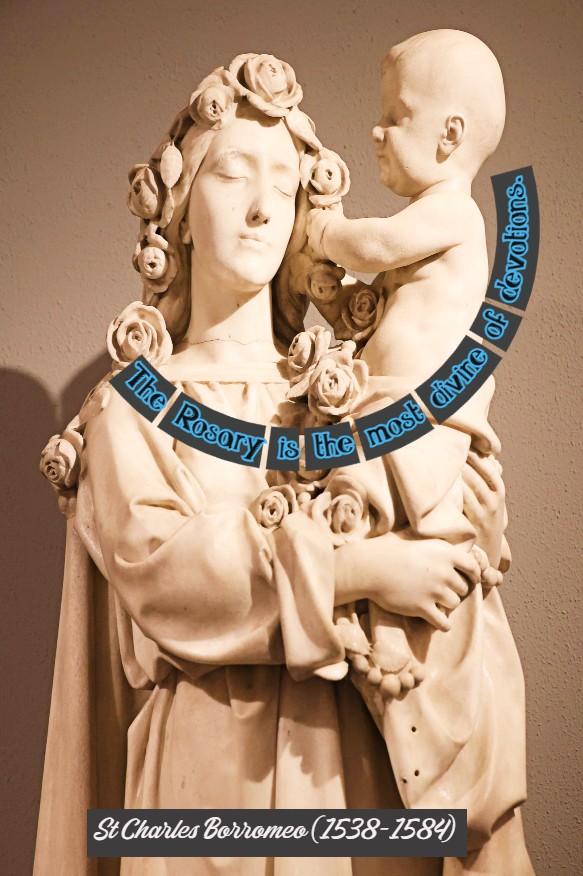
“The Rosary is the most divine of devotions.”
St Charles Borromeo (1538-1584)
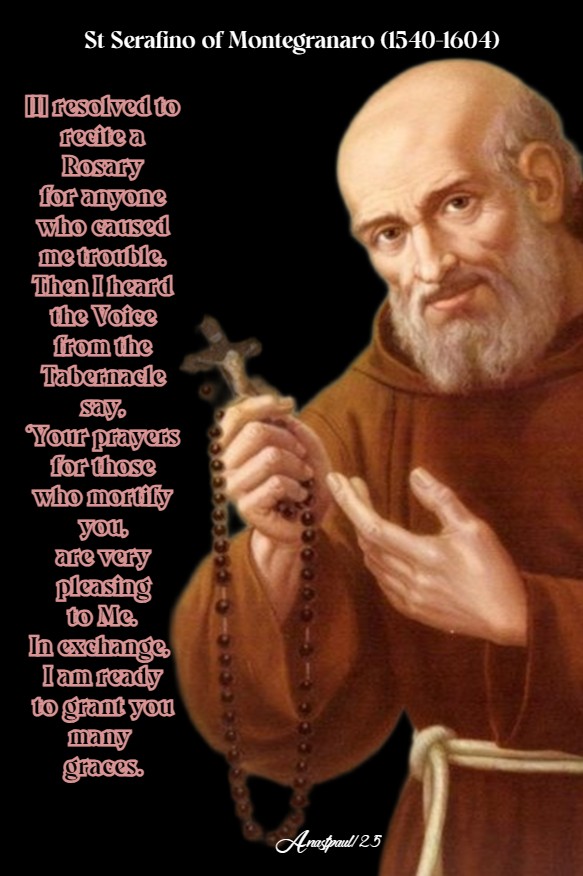
“… [I] resolved to recite a Rosary for anyone who caused me trouble. Then I heard the Voice from the Tabernacle say, ‘Your prayers for those who mortify you, are very pleasing to Me. In exchange, I am ready to grant you many graces.‘”
St Serafino of Montegranaro (1540-1604)
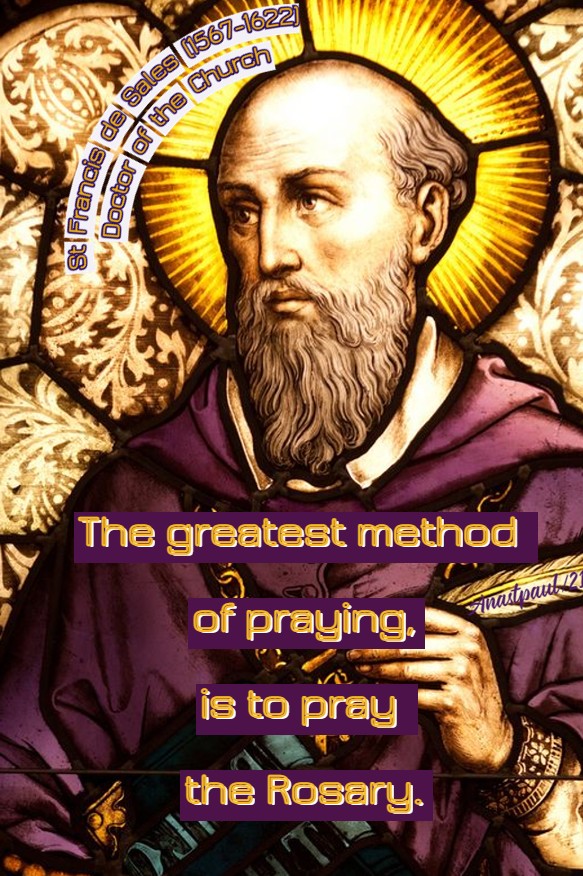
“The greatest method of praying is to pray the Rosary.”
St Francis de Sales (1567-1622)
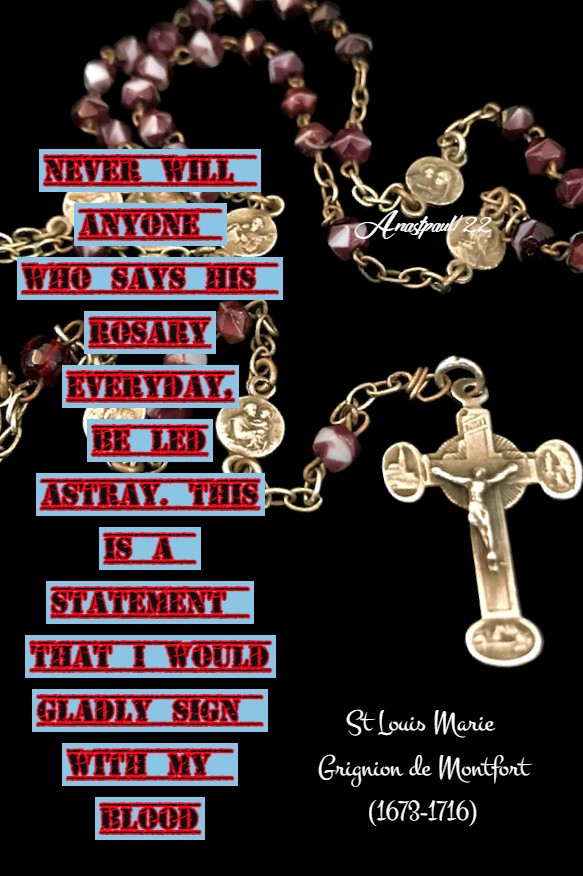
“Never will anyone who says his Rosary everyday, be led astray. This is a statement that I would gladly sign with my blood.”
St Louis Marie Grignion de Montfort (1673-1716)
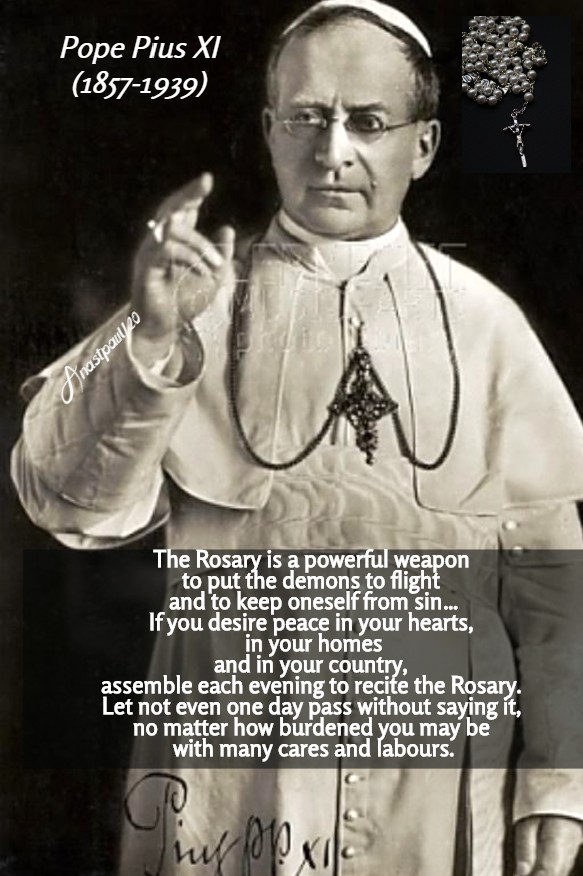
“The Rosary is a powerful weapon to put the demons to flight and to keep oneself from sin… If you desire peace in your hearts, in your homes and in your country, assemble each evening to recite the Rosary. Let not even one day pass without saying it, no matter how burdened you may be with many cares and labours.”
One Minute Reflection – 7 October – “The Month of The Most Holy Rosary and The Holy Angels” – The Feast of Our Lady of the Holy Rosary – Proverbs 8:22-24, 32-35 – Luke 1:26-38 – Scripture search here: https://www.drbo.org/
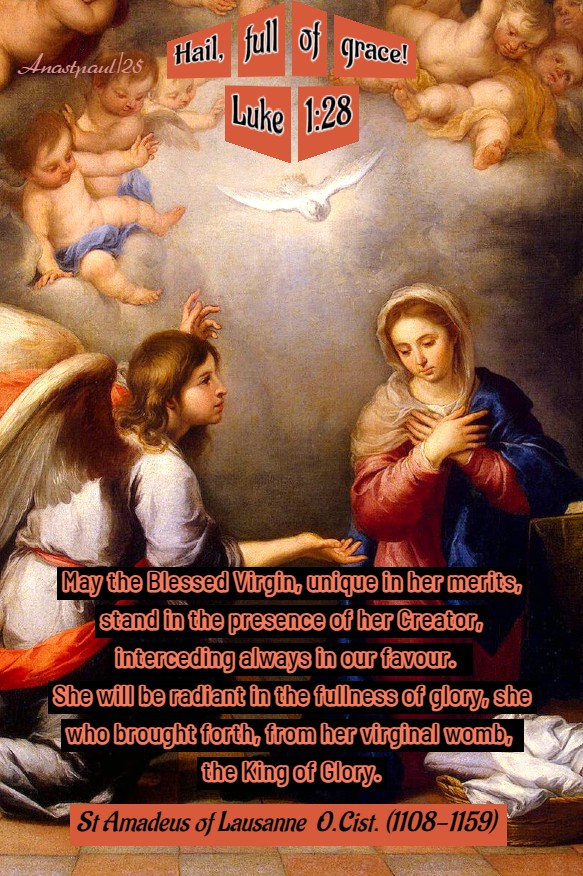
“Hail, full of grace!” – Luke 1:28
REFLECTION – “Let us honour the Queen of Heaven, Mother of Life, source of mercy, overflowing delights, leaning on her Beloved. Let us praise her, knowing full well that our praise will be insufficient.
Risen above the tallest trees of Paradise and exalted above the highest peaks of mountains, she will penetrate Heaven with incredible majesty accompanied by the singing of the Choirs of Celestial Angels and surrounded by the dancing of Angels. Happy are those who dwell in Thine House, O Lord, they will praise Thee without end! In Thee we praise, not Eve, who introduced the poison but Mary, who gave Life, who is the mother and nursemaid of all, the life of all the living. In thee we praise even our own mothers.
May all hear and rejoice, the humble virgin rises, crowned, to the throne of glory, may the humble rejoice. May those who exalt themselves in their presumption fall. Mary who gives herself as a holocaust to the fullness of grace. May the Blessed Virgin, unique in her merits, stand in the presence of her Creator, interceding always in our favour.She will be radiant in the fullness of glory, she who brought forth, from her virginal womb, the King of Glory.” – St Amadeus of Lausanne O.Cist. (1108-1159) Cistercian Bishop (Marian Sermon VII)
PRAYER – O God, Whose Only-begotten Son, by His life, death and resurrection, has merited for us the grace of eternal salvation, grant, we beseech Thee, that, meditating on these Mysteries in the Most Holy Rosary of the Blessed Virgin Mary, we may both imitate what they contain and obtain what they promise. Through the same Jesus Christ, Thy Son our Lord, Who lives and reigns with Thee, in the unity of the Holy Ghost, God, world without end. Amen (Collect).
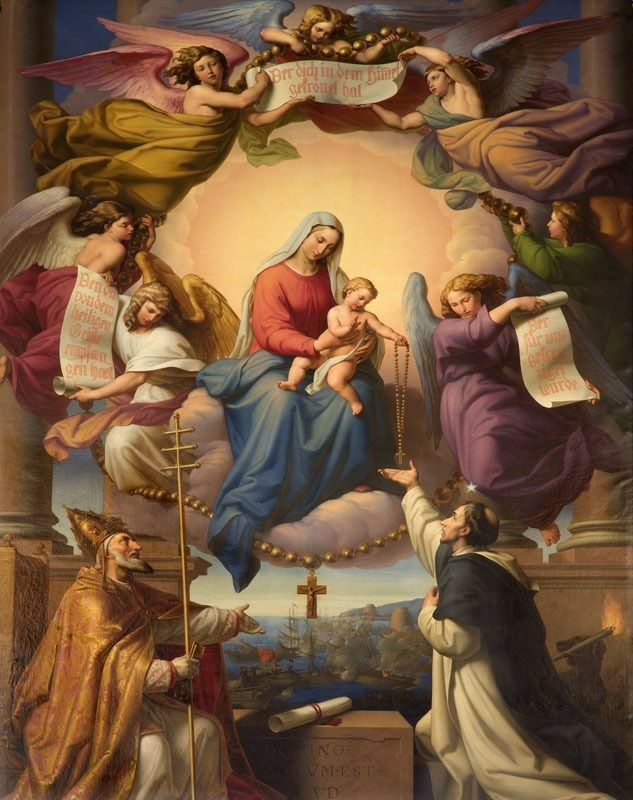
Our Morning Offering – 7 October – “The Month of The Most Holy Rosary and The Holy Angels” – Our Lady of the Holy Rosary/Our Lady of Victory – Commemorating the Victory of Lepanto – 1571
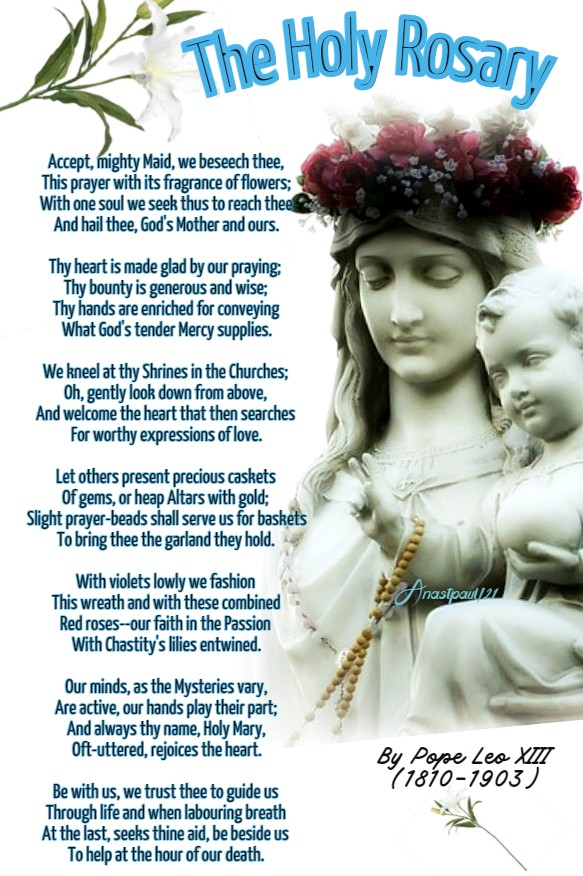
The Holy Rosary By Pope Leo XIII (1810-1903)
Accept, mighty Maid, we beseech thee, This prayer with its fragrance of flowers; With one soul we seek thus to reach thee And hail thee, God’s Mother and ours.
Thy heart is made glad by our praying; Thy bounty is generous and wise; Thy hands are enriched for conveying What God’s tender Mercy supplies.
We kneel at thy Shrines in the Churches; Oh, gently look down from above, And welcome the heart that then searches For worthy expressions of love.
Let others present precious caskets Of gems, or heap Altars with gold; Slight prayer-beads shall serve us for baskets To bring thee the garland they hold.
With violets lowly we fashion This wreath and with these combined Red roses–our faith in the Passion With Chastity’s lilies entwined.
Our minds, as the Mysteries vary, Are active, our hands play their part And always thy name, Holy Mary! Oft-uttered, rejoices the heart.
Be with us, we trust thee to guide us Through life and when labouring breath At the last, seeks thine aid, be beside us To help at the hour of our death. Anen
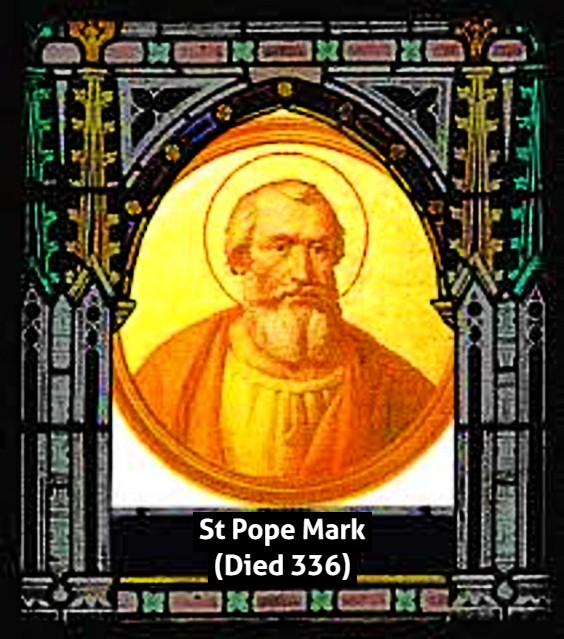
Saint of the Day – 7 October – Saint Mark (Died 336) The 34th Pope and Confessor. Born in Rome on an unknown date and died there in 336. He was Pope for less than a year having ascended the Throne on 18 January 336. Patronage – of Abbadia San Salvatore, Italy. Also known as – Marcus.
The Roman Martyrology reads today: “At Rome, on the Ardeatine way, the demise of St Mark, Pope and Confessor.”
Little is known of Mark’s early life. According to the Liber Pontificalis, he was a Roman and his father’s name was Priscus. Mark succeeded Sylvester I as Pope on 18 January 336.
Some evidence suggests that the early lists of Bishops and Martyrs known as the Depositio Episcoporum and Depositio Martyrum, were begun during his Pontificate.
According to the Liber Pontificalis, Pope Mark issued a Decree, investing the Bishop of Ostia with a Pallium and confirmed his appointment to Consecrate newly elected Popes.
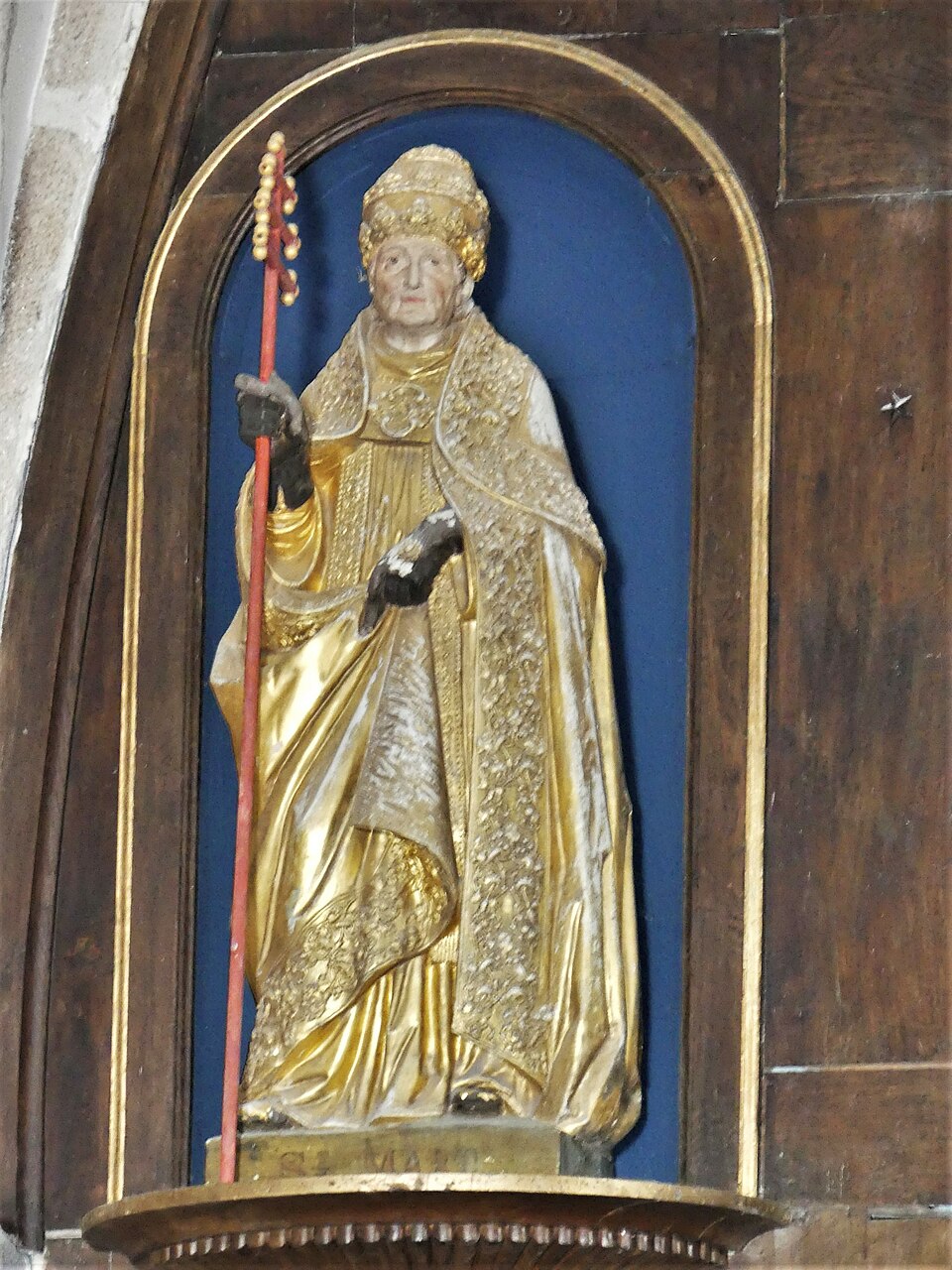
Statue of Pope Saint Mark in the Church of Saint-Marc-à-Loubaud, France.
Also from the same source, Pope Mark is credited with the foundation of the Basilica of San Marco, a Basilica in Rome, and a cemetery Church over the Catacomb of St Balbina, just outside the City on lands obtained as a donation from Emperor Constantine.
Mark died on 7 October and was buried in the Catacomb of St Balbina. In 1048 his remains were removed to the Town of Velletri and from 1145 were translated to the Basilica of San Marco in Rome, where they are kept in an urn under the Altar. He is particularly venerated at the the Town of which he is the Patron, Abbadia San Salvatore at Monte Amiata.
Reliquary of Pope Mark in the Basilica of San Lorenzo, Florence.
St Pope Mark (Died 336) The 34th Pope and Confessor.
St Adalgis of Novara (Died c 850) Bishop St Apuleius of Capua
St Augustus (Died c560) Priest and Abbot of Bourges. The Roman Martyrolog states of him today: “Near Bourges in Aquitaine, France, Saint Augustus, Priest and Abbot, who had his hands and feet so contracted that he could not support himself except with his knees and elbows. He was healed through the intercession of St Martin of Tours. He gathered around himself some Monks and waited intently on prayer.” His Life of Virtue: https://anastpaul.com/2021/10/07/saint-of-the-day-7-october-saint-augustus-of-bourges-died-c-560/
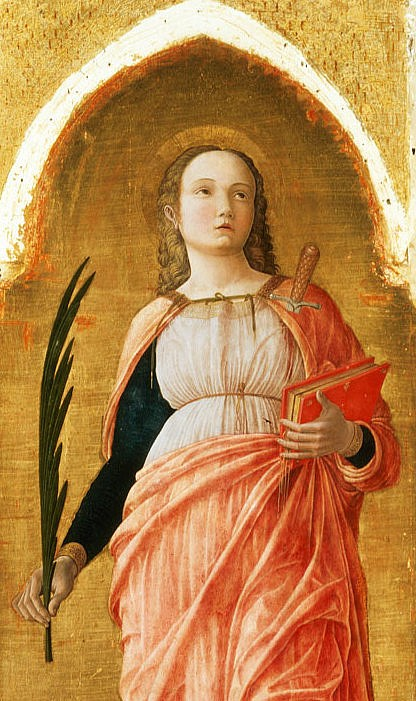
St Justina (Died c 304) Virgin and Martyr of Padua. The Roman Martyrology states today: “At Padua, Saint Justina, Virgin and Martyr, who was Baptised by blessed Prosdocimus, disciple of St Peter. As she remained firm in the faith of Christ, she was put to the sword by order of the Governor Maximus and thus went to God.” Her Life and Death: https://anastpaul.com/2022/10/07/saint-of-the-day-7-october-saint-justina-of-padua-died-c-304-virgin-and-martyr/
St Marcellus of Capua (Died Third or Fourth Century) Martyr St Martin Cid St Osith St Palladius of Saintes St Quarto of Capua St Rigaldo
St Sergius and Companions – Martyrs
Mercedarian Nuns of Seville: Five Mercedarian Nuns at the Monastery of the Assumption in Seville, Spain noted for their piety – Sisters Agnese, Bianca, Caterina, Maddalena and Marianna.
Thought for the Day – 6 October – Meditations with Antonio Cardinal Bacci (1881-1971)
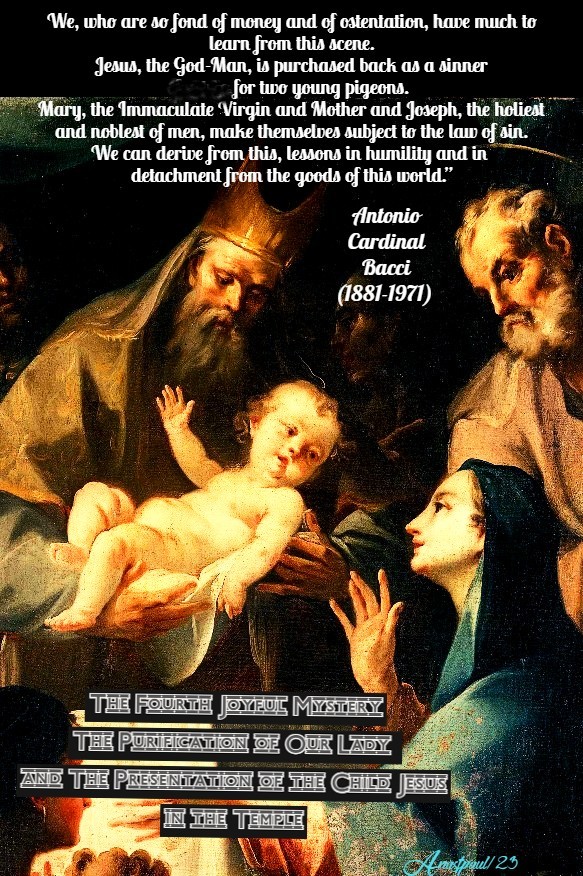
“Month of the Holy Rosary” The Fourth Joyful Mystery The Purification of Our Lady and The Presentation of the Child Jesus in the Temple
“Then Joseph and Mary carried the Infant Jesus to the Temple to offer Him to God and to buy Him back as their first-born Son, with the price paid by the poor, namely, with a pair of turtle-doves or two young pigeons. Let us reflect on this new act of humility on the part of the Holy Family. In spite of the supreme dignity which had been accorded them, they submitted quietly to the law which bound those in poverty and in sin. We, who are so fond of money and of ostentation, have much to learn from this scene. Jesus, the God-Man, is purchased back as a sinner for two young pigeons. Mary, the Immaculate Virgin and Mother and Joseph, the holiest and noblest of men, make themselves subject to the law of sin. We can derive from this, lessons in humility and in detachmentfrom the goods of this world.”
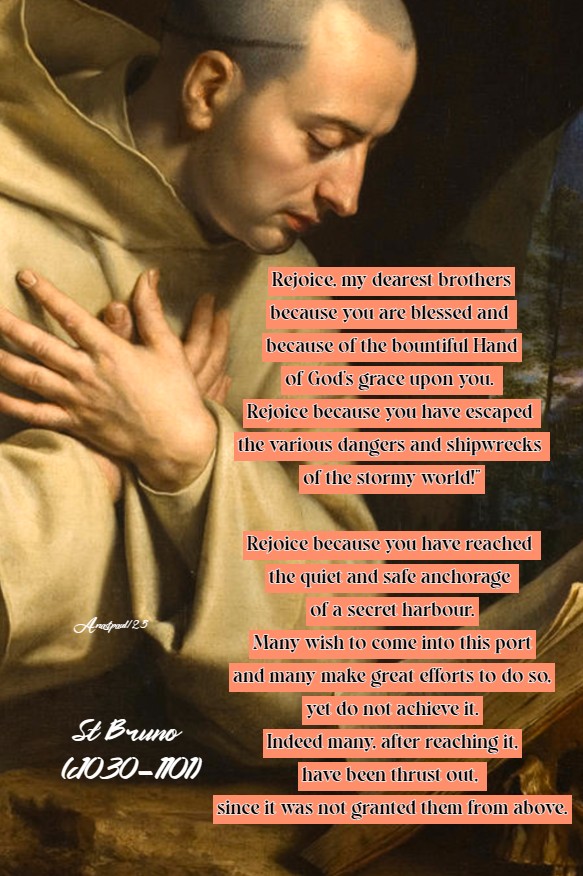
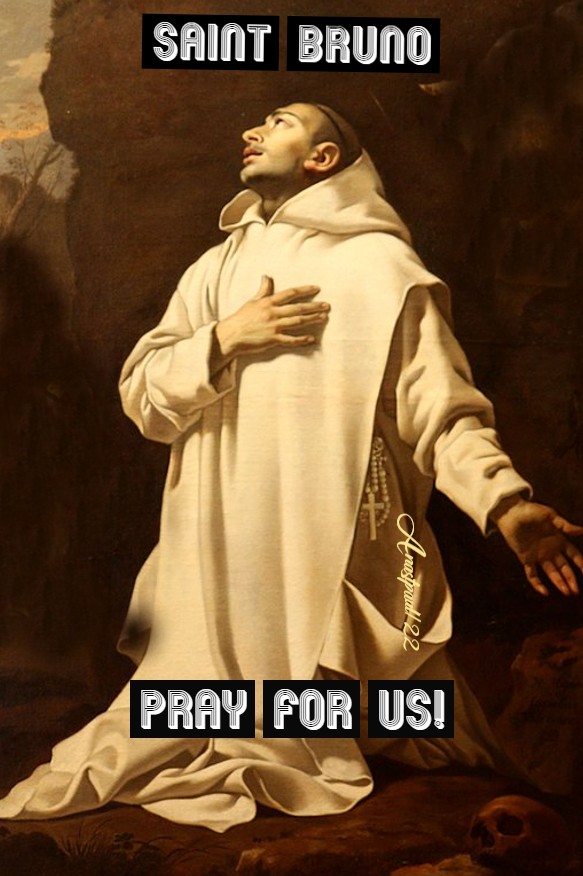
Quote/s of the Day – 6 October – St Bruno O.Cart (c1030-1101) Priest, Confessor
“Rejoice, my dearest brothers because you are blessed and because of the bountiful Hand of God’s grace upon you. Rejoice because you have escaped the various dangers and shipwrecks of the stormy world!
Rejoice because you have reached the quiet and safe anchorage of a secret harbour. Many wish to come into this port and many make great efforts to do so, yet do not achieve it. Indeed many, after reaching it, have been thrust out, since it was not granted them from above.”
One Minute Reflection – 6 October – “The Month of The Most Holy Rosary and The Holy Angels” – St Bruno O.Cart (c1030-1101) Priest, Confessor – Ecclesiasticus Sirach 31:8-11 – Luke 12:35-40 – Scripture search here: https://www.drbo.org/
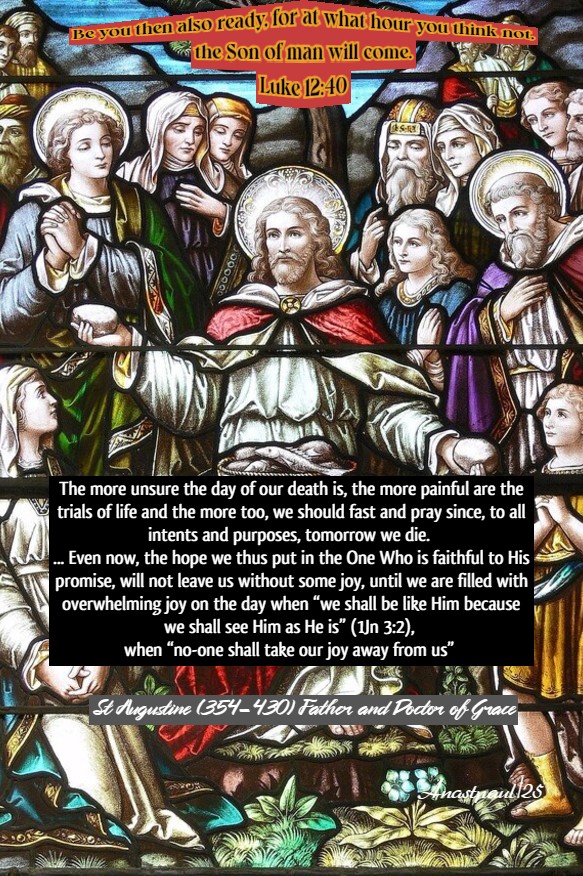
“Be you then also ready, for at what hour you think not, the Son of man will come.” – Luke 12:40
REFLECTION – “Let our “loins be girded and our lamps lit”; let us be like “servants waiting for their master to return from the wedding feast” (Lk 12:35). Do not let us be like those unbelievers who say: “Let us eat and drink, for tomorrow we die” (1 Cor 15:32). The more unsure the day of our death is, the more painful are the trials of life and the more too, we should fast and pray since, to all intents and purposes, tomorrow we die. Our Lord said to His disciples: “Yet a little while and you will no longer see Me and again, a little while and you will see Me” (Jn 16:16). Now is the time of which He said: “You will grieve but the world will rejoice” (v. 20); now is the time in this life of suffering when we journey apart from Him. “But,” He adds, “I shall see you again and your hearts will be full of joy and no-one will take your joy away from you” (v. 22).
Even now, the hope we thus put in the One Who is faithful to His promise, will not leave us without some joy, until we are filled with overwhelming joy on the day when “we shall be like Him because we shall see Him as He is” (1Jn 3:2), when “no-one shall take our joy away from us”… “A woman in labour,” says our Lord, “is in anguish because her hour has arrived. But when she has given birth to a child, she feels immense joy because a child has been born into the world” (Jn 16:21). This is the joy no-one can take away from us and with which we will be filled when we pass from our present understanding of faith into eternal Light. So let us fast and pray now because we are in the days of childbirth.” – St Augustine (354-430) Father and Doctor of Grace [Sermon 210, 5 (7)]
PRAYER – May we be aided by the intercession of St Bruno, Thy Confessor, we beseech Thee, O Lord, that we, who have grievously offended Thy Majesty by sin, may, by his merits and prayers, obtain forgiveness for our offenses. Through Jesus Christ, Thy Son our Lord, Who lives and reigns with Thee, in the unity of the Holy Ghost, God, world without end. Amen (Collect).
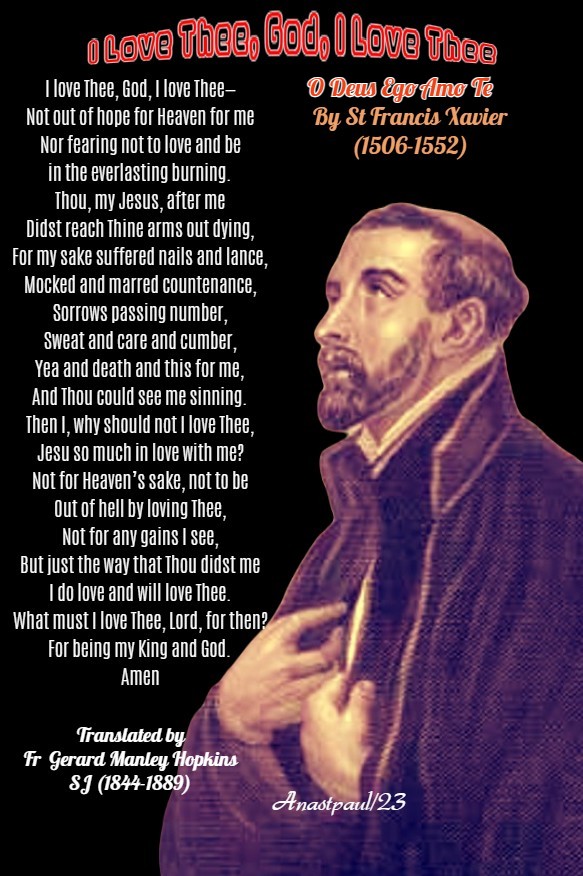
I Love Thee, God, I Love Thee O Deus Ego Amo Te By St Francis Xavier (1506-1552) Translated by Gerard Manley Hopkins SJ (1844-1889)
I love Thee, God, I love Thee— Not out of hope for Heaven for me Nor fearing not to love and be in the everlasting burning. Thou, my Jesus, after me Didst reach Thine arms out dying, For my sake suffered nails and lance, Mocked and marred countenance, Sorrows passing number, Sweat and care and cumber, Yea and death and this for me, And Thou could see me sinning. Then I, why should not I love Thee, Jesu so much in love with me? Not for Heaven’s sake, not to be Out of hell by loving Thee, Not for any gains I see, But just the way that Thou didst me I do love and will love Thee. What must I love Thee, Lord, for then? For being my King and God. Amen
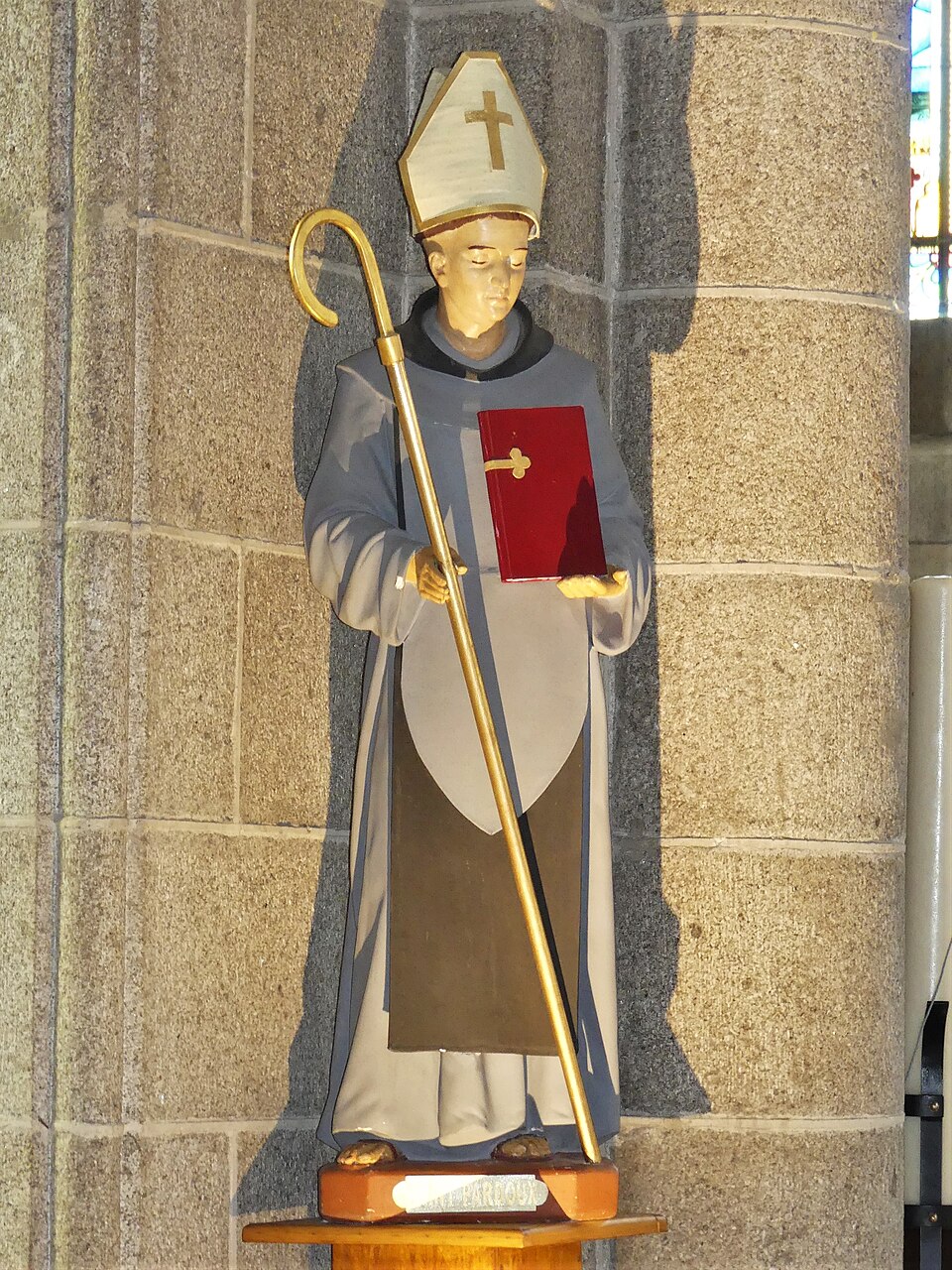
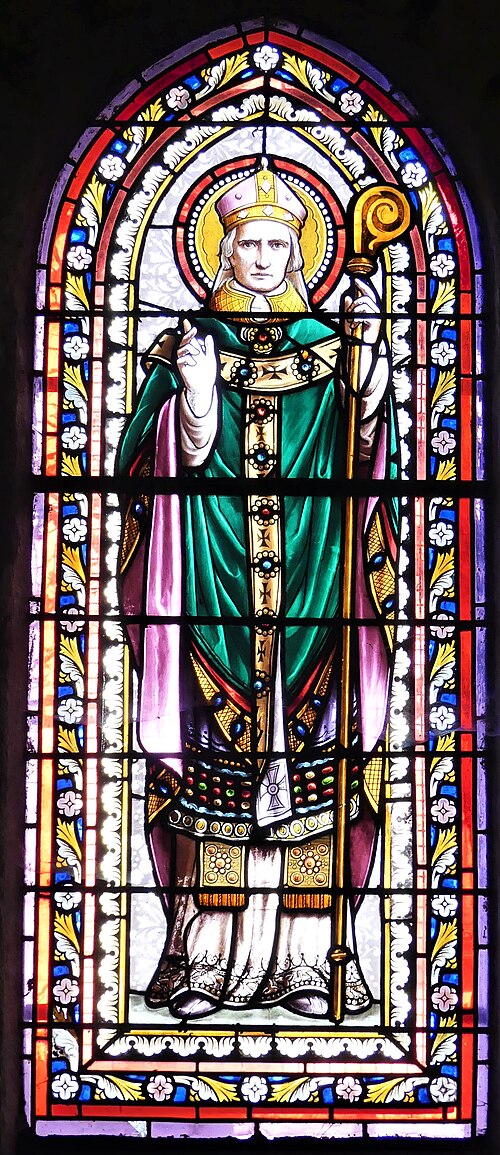
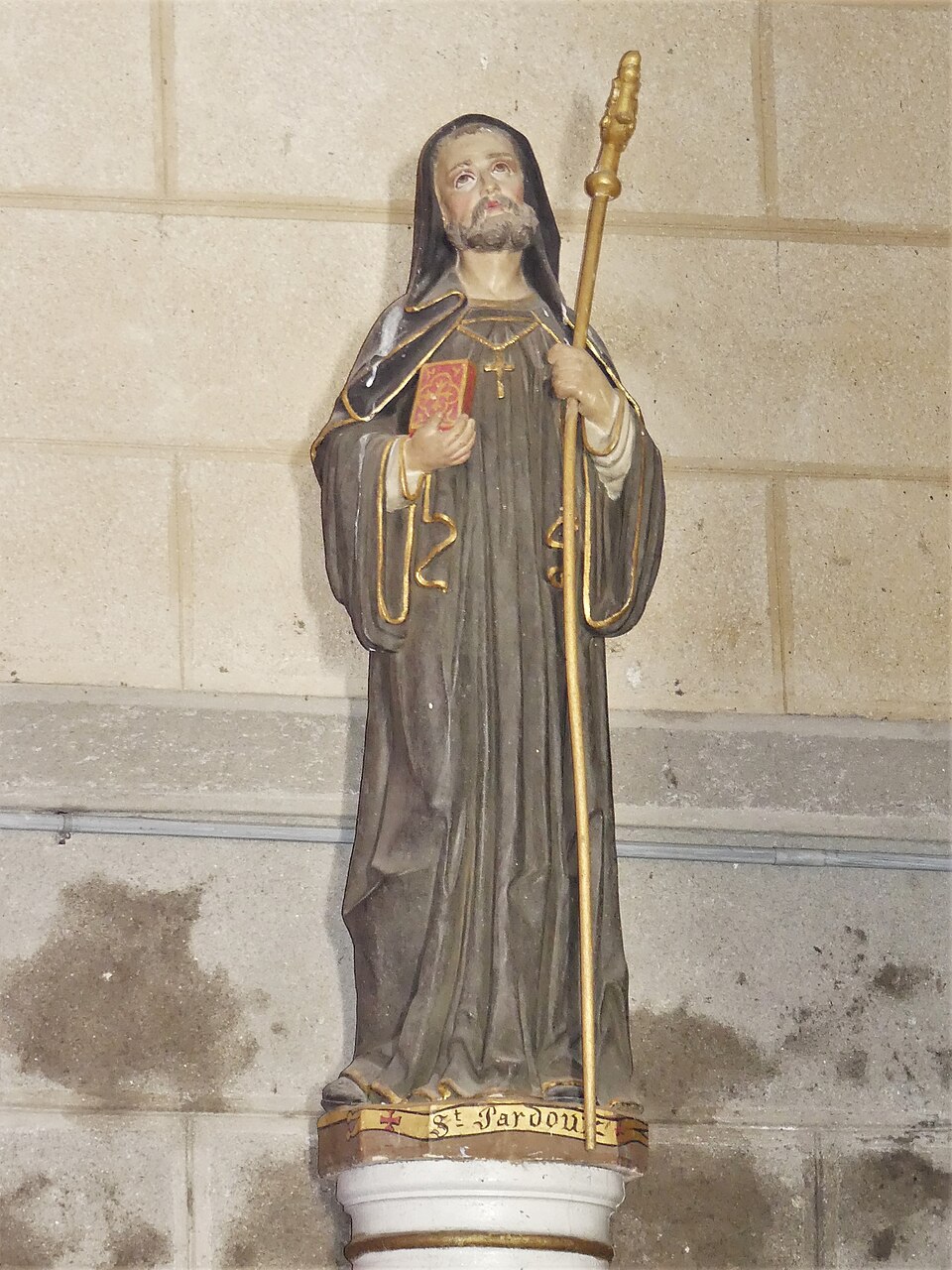
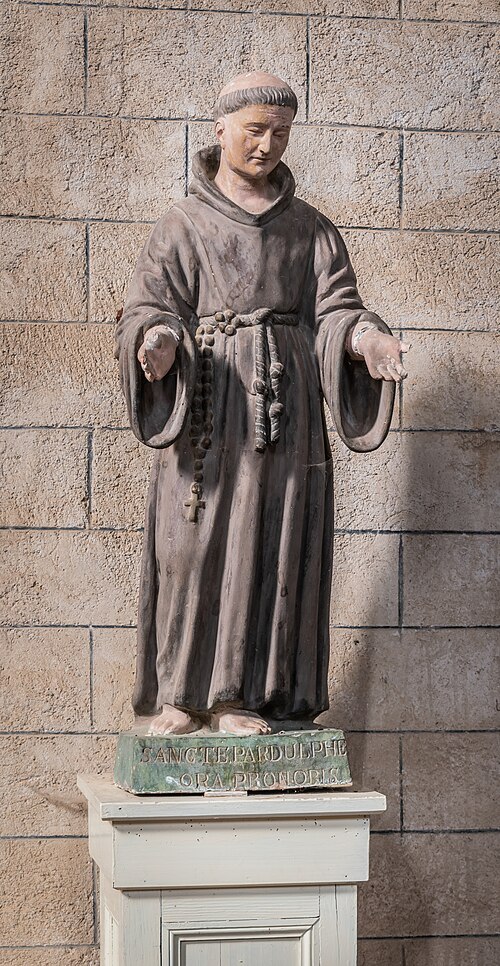
Saint of the Day – 6 October – Saint Pardulf (c658-c738) Founder Abbot of the Abbey of Guéret, Hermit, Miracle-worker. Born in c658 in Sardent, France and died in c738 at his Abbey in Guéret. Patronages – of the blind, painful eyes and eye ailments, cattle breeders, of Limoges, France. Also known as – Pardoux, Pardulfus, Pardulphus, Pardolf, Pardolfo.
St Pardulf’s Vita writtenin around 750 by a Monk of his Abbey. He was born in Sardent, fifteen kilometers south of Guéret, to a peasant family. When caught in a thunderstorm, he was injured and momentarily blinded by a falling tree, while several companions were killed. This event led him to devote himself to God and he soon acquired a reputation as a man of holiness, living soley for God and a miracle-worker.
After some hesitation, he agreed to become the first Abbot of a Monastery which the Count of Limoges, Lanterius, had built in Guéret. He set an example for his disciples through an austere life and, performed many miracles there.
St Pardulf Statue at Sardent Church, his birth Town.
After the battle of Poitiers (732), the Monks of Guéret fled, terrified by the Saracens who were devastating the regopm bit Pardulf remained alone with a companion and the Saracens did not dare enter the Monastery; the Monks returned shortly afterwards, very contrite for their cowardice and amazed by their Abbot’s bravery.
St Pardulf window at Guéret Church
Pardulf died on 6 October c737/8 at the age of eighty and was buried in the Monastery Church. Many miracles occurred at his tomb. In the 9th Century the Abbey was destroyed by the Normans and Pardulf’s remains were dispersed: some Relics are venerated in Guéret and others in Arnac.
Statue of St Pardulf at La Serre-Bussière-Vieille Church
His Feast Day, fixed on 6 October, appears in the Liturgical books since the 10th Century. His cult has had a great diffusion in Limousin, Quercy, Poitou and Corrèze. Twenty-two communes bear his name, sometimes altered to Perdoux, Perdon or Pardon.
Because of his temporary blindness and many miracles reported of cures for eye ailments by his intercession, he is particularly invoked against diseased eyes and the sick bathe their eyes with water from the Fountains called “of San Pardulf.”
St Pardulf (c658-c738) Abbot, Hermit St Renato of Sorrento St Romanus of Auxerre St Sagar of Laodicea
Martyrs of Capua – 4 Saints: A group of Martyrs who were either killed in Capua, Italy, or that’s where their relics were first enshrined. We now know nothing but their names – Aemilius, Castus, Marcellus and Saturninus.
Martyrs of Trier: Commemorates the large number of Martyrs who died in Trier, Germany in the persecutions of Diocletian.
DISCLAIMER: Please note: I cannot control the content of the Advertisements on this Site, or of pop-ups which may appear, The revenue from the Advertisements, however, does provide a little assistance in the support of the Site. I do apologise for any inappropriate content.

















 AnaStpaul
You must be logged in to post a comment.