Our Morning Offering – 3 January – “The Month of the Most Holy Name of Jesus and of the Holy Family”
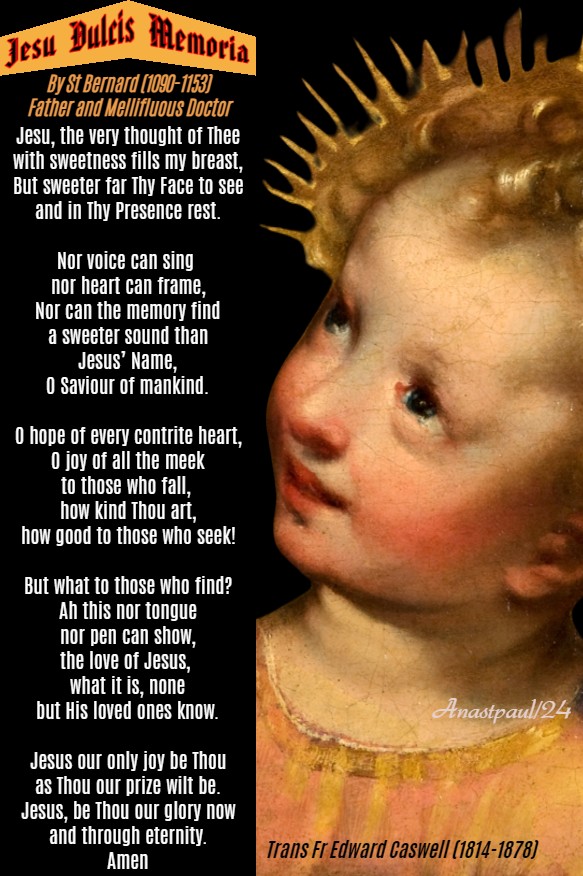
Jesu Dulcis Memoria By St Bernard (1090-1153) Father and Mellifluous Doctor Trans Fr Edward Caswell C.Orat. (1814-1878)
Jesu, the very thought of Thee with sweetness fills my breast, But sweeter far Thy Face to see and in Thy Presence rest.
Nor voice can sing nor heart can frame, Nor can the memory find a sweeter sound than Jesus’ Name, O Saviour of mankind.
O hope of every contrite heart, O joy of all the meek to those who fall, how kind Thou art, how good to those who seek!
But what to those who find? Ah this nor tongue nor pen can show, the love of Jesus, what it is, none but His loved ones know.
Jesus our only joy be Thou as Thou our prize wilt be. Jesus, be Thou our glory now and through eternity. Amen
Jesu, Dulcis Memoria is a celebrated 12th Century prayer/hymn by St Bernard of Clairvaux (1090-1153) Doctor Mellifluous. The entire Hymn has some 42 to 53 stanzas. Parts of this Hymn are used for the Feast of the Holy Name of Jesus.
Saint of the Day – 3 January – Saint Daniel of Padua (Died 168) Deacon Martyr, Missionary, Evangeliser. Born in Italy, tradition says that he was originally a Jew but was converted by Saint Prosdocimus (Died c100), the first Bishop of Padua, who he assisted in evangelising north-eastern Italy. He was Ordained a Deacon and helped the Bishop preach the Gospel. Patronages – of lost articles, the blind and of eye diseases, prisoners, women whose husbands are away from home at war and he is considered the Patron Saint of Treviso and is also one of four Patron Saints of Padua, along with Saints Anthony of Padua, Prosdocimus and Justina of Padua. Also known as – Daniele, Danilo. Additional Memorial – 17 February on some calenders.
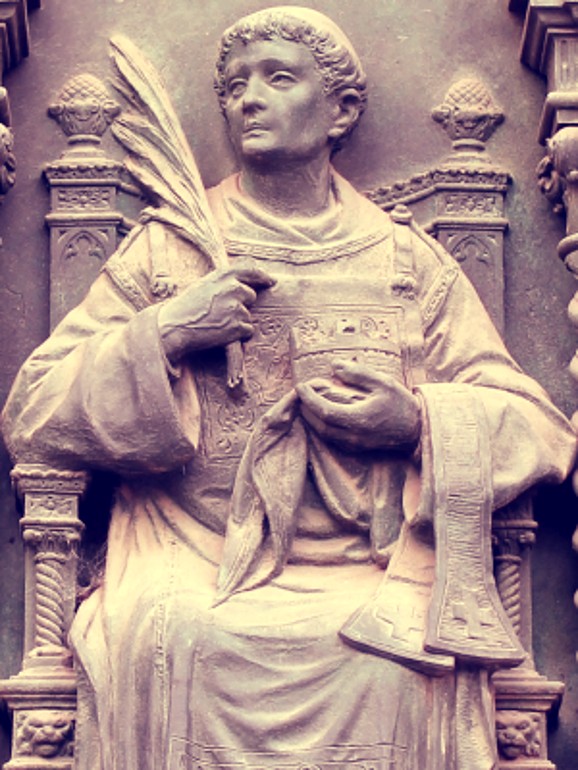
Bronze sculpture detail of Daniel of Padua on the doors of the Basilica of St Anthony
According to tradition, Daniel was Martyred in the year 168 under Emperor Marcus Aurelius (161-180), nailed to a table. However, it is more likely that he died in the early 4th Century in the persecutions under the Emperor Diocletian (284-305). The Roman Martyrology gives no further information.
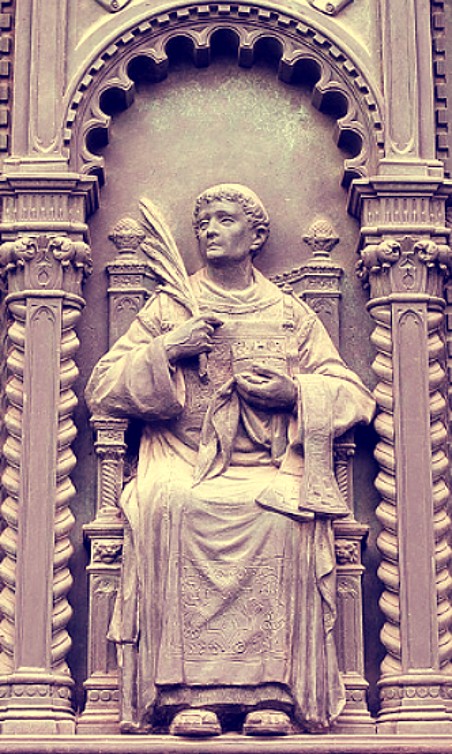
Bronze sculpture of Daniel of Padua on the doors of the Basilica of St Anthony
The traditions about Daniel were forgotten but his remains were discovered many Centuries later. According to the legend, the core of which seems certain, the Martyr appeared to a blind man in Tuscia and invited him to receive the grace of sight in the oratory of St Prosdocimus in Padua, where Daniel’s tomb lay, completely ignored. The miraculous cure was followed by a diligent search, which led to the discovery of a marble sarcophagus. The Martyr lay there, as on the day he was killed. The body, lying on a wooden slab and covered with a slab of marble, had been pierced by many long nails. An inscription said: “Hic corpus Danielis martyris et levitae quiescit – This is the body of Daniel, Martyr and Deacon.”
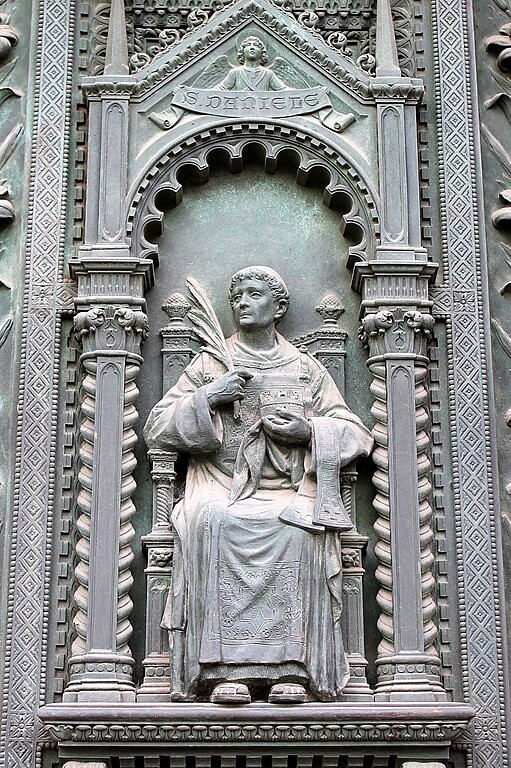
Bronze sculpture of Daniel of Padua on the doors of the Basilica of St Anthony
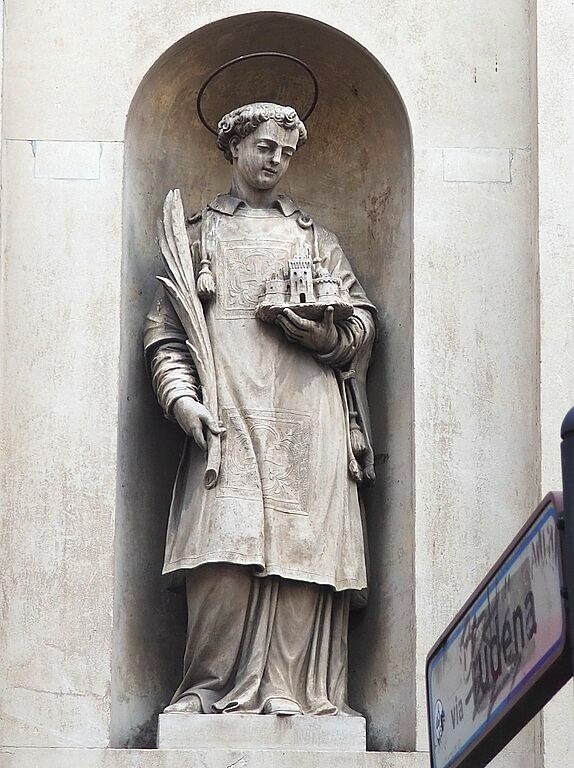
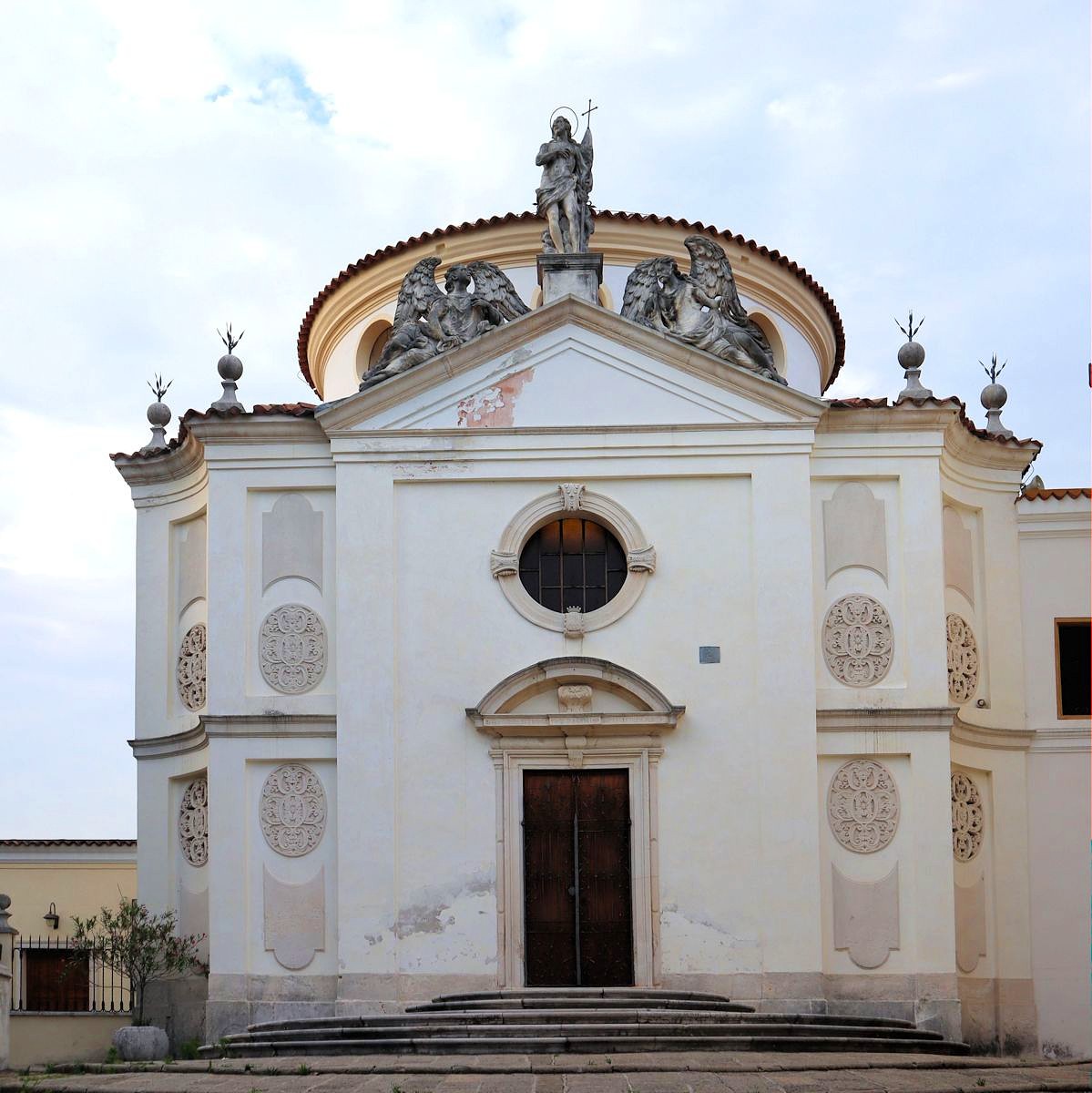
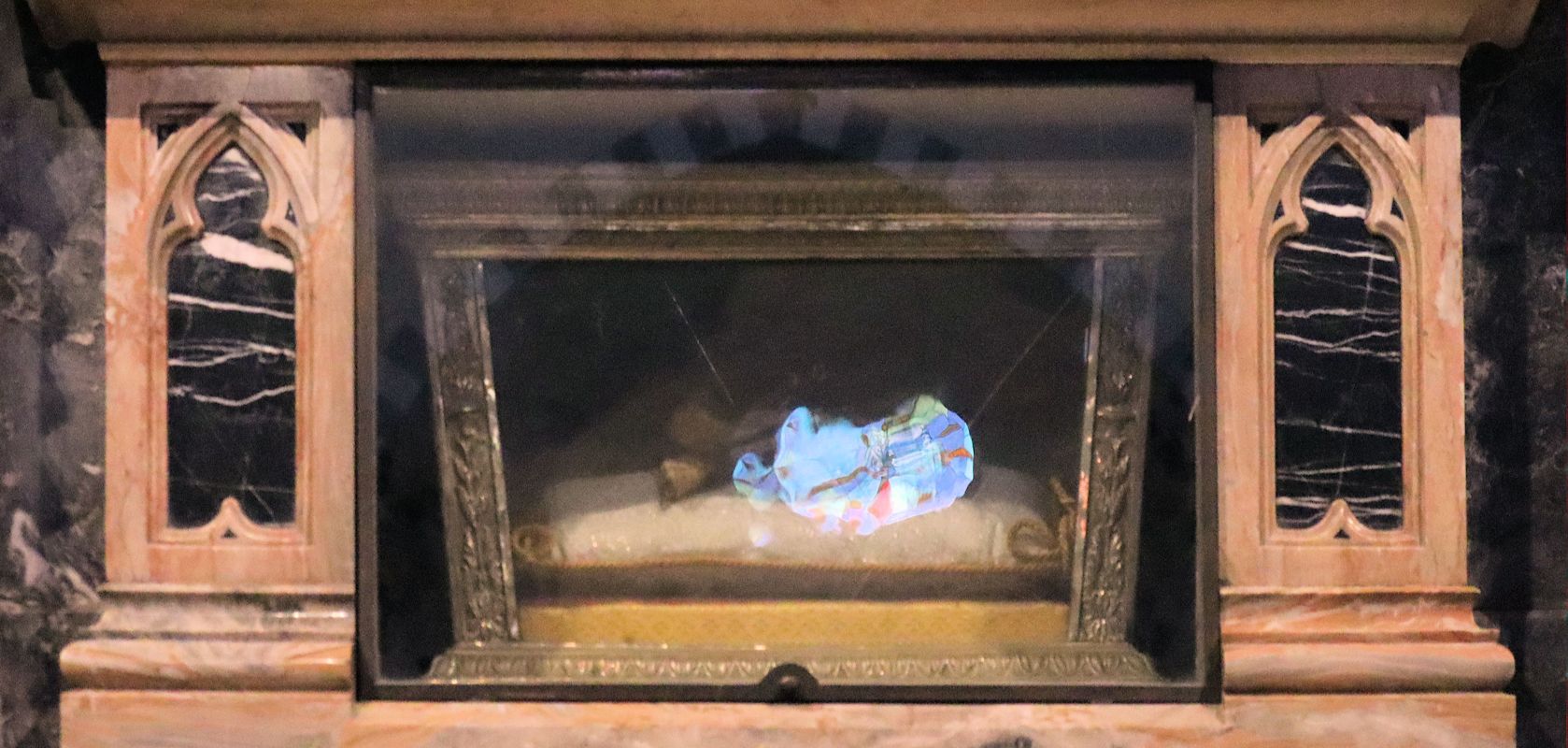
Bishop Uldericus was present at the first identification and, on 3 January 1076 he had the sarcophagus solemnly processed into the new Cathedral of Santa Maria within the City walls. To appease the opposition of the Monks of Santa Justina and the local population of the place, he built a Chapel dedicated to St Daniel on the site where the Parish Church of the same name now stands – the Statue depicted below is situate on the facade. The Martyr’s remains lay under the High Altar in the Cathedral until in 1592 when they were moved to the crypt in the new Cathedral.
In 1953, the sarcophagus was placed in another Chapel and then Daniel’s original sarcophagus was freed from the marble and bronze which had hidden it. It was the same one in which the Martyr had been found, an old Roman sarcophagus of Carrara marble which had had the old pagan decoration removed, probably at the time it was discovered.
Church of the Monastery of St Daniel in Monte near Abano Terme
Daniel is celebrated in the Diocese of Padua, as a Patron Saint, on 3 January the date of the first translation. This day is also in the general Roman Martyrology, while the day in the edition for the Regular Canons was 17 February.
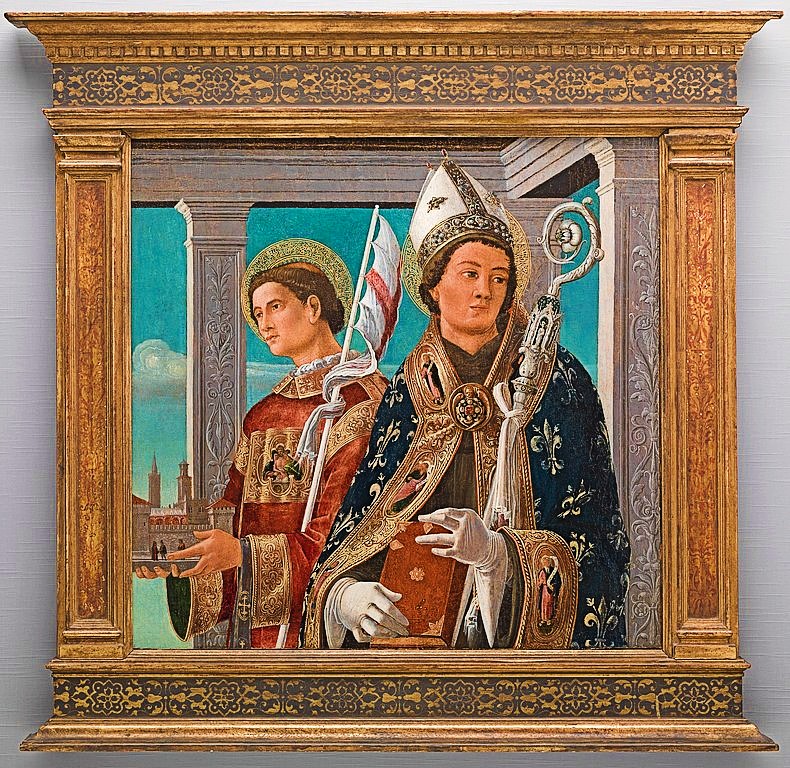
Daniel is depicted in art as a Deacon wearing a Dalmatic, holding a towel and wash basin. He is also often depicted with a Church or City model and a banner. He is invoked by wives with men away at war. He is also invoked in cases of imprisonment, the blind and eye disorders and lost articles.
Jacopo da Montagnana – Saints Daniel of Padua and Louis of Toulouse
St Florentius of Vienne St Florentius of Vienne the Martyr St Gordius of Cappadocia St Imbenia (Died c300) Virgin, Martyr St Lucian of Lentini St Melorius St Peter of Palestine
St Peter Balsam St Primus of Cyzicus St Salvator of Belluno St Theogenes of Cyzicus St Theonas St Theopemptus of Nicomedia St WenogStl William Vives St Zosimus of Cilicia
Martyrs of Africa – 12 Saints: A group of Christians Martyred together in Africa, date unknown, exact location unknown. We know nothing more than their names – Acuta, Candidus, Constantius, Eugenia, Firmus, Hilarinus, Lucida, Martial, Poenica, Possessor, Rogatianus and Statutianus.
Martyrs of Tomi – 7 Saints: A group of Christians Martyred together, date unknown. We know nothing more than their names – Claudon, Diogenius, Eugene, Eugentus, Pinna, Rhodes and Rhodo. They were martyred at Tomi, Exinius Pontus, Moesia (modern Constanta, Romania).
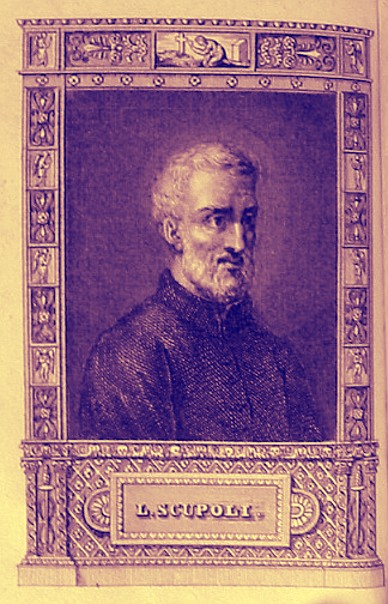
Thought for the Day – 2 January – The Spiritual Combat (1589) – Dom (Fr) Lorenzo Scupoli OSM (c1530-1610)
For those times when our old Friend and Spiritual Guide, Antonio Cardinal Bacci’s works have been exhausted, we will start exploring the renowned Spiritual Combat. The intention is not to re-publish the book in its entirety but just to highlight areas of great value to most of us living in the world. Today, I am posting the short introduction to the book.
Preface
“None shall be crowned who has not fought well.” - 2 Tim 2: 5
“The Spiritual Combat is known as one of the greatest classics in Ascetic Theology, along with the Imitation of Christ. In both cases, the Authors are shrouded in mystery. Several 17th Century editions were published under the name of the Spanish Benedictine, John of Castanzia. Some writers of the Society of Jesus have ascribed the book to the Jesuit, Achilles Gagliardi but most critics, however, consider Fr Lorenzo Scupoli (born Francesco) as the Author of this famous Treatise.
The first known edition was published in Venice in 1589 and contained but 24 Chapters, later editions appeared with more Chapters, so it is possible that the Theatines, or another Religious Order may have been part of the composition, [although this is doubtful, for the style remains the same throughout].
Whatever may be the truth of the problem of the Author, doubt of the actual one or ones, can take nothing away from the value and efficacy of this “golden book” as St Francis de Sales called it. It was “the favourite – the dear book” of this great master of the spiritual life, who, for 18 years, carried, in a pocket, a copy, which he had received from Fr Scupoli in Padua himself. The Saint read some pages of it everyday, entrusted to its supernatural and human wisdom, the guidance of his soul and recommended it to all under his direction.
The purpose of the work is to lead the soul to the summit of spiritual perfection by means of a constant courageous struggle against our evil natures which tend to keep us away from that goal.
The Author was a genius, the kind that can only be inspired by the grace of God and his book is a Catholic treasure and one of the greatest gifts God could have given any age! but most espeically, this benighted age which has losts its appreciation for the kind of simplicity necessary for sanctity!”
Quote/s of the Day – 2 January – “The Month of the Most Holy Name of Jesus and of the Holy Family” and the Feast of the Most Holy Name of Jesus AND of the INFANT of PRAGUE – Acts 4:8-12; Luke 2:21 – Scripture search here: https://www.drbo.org/
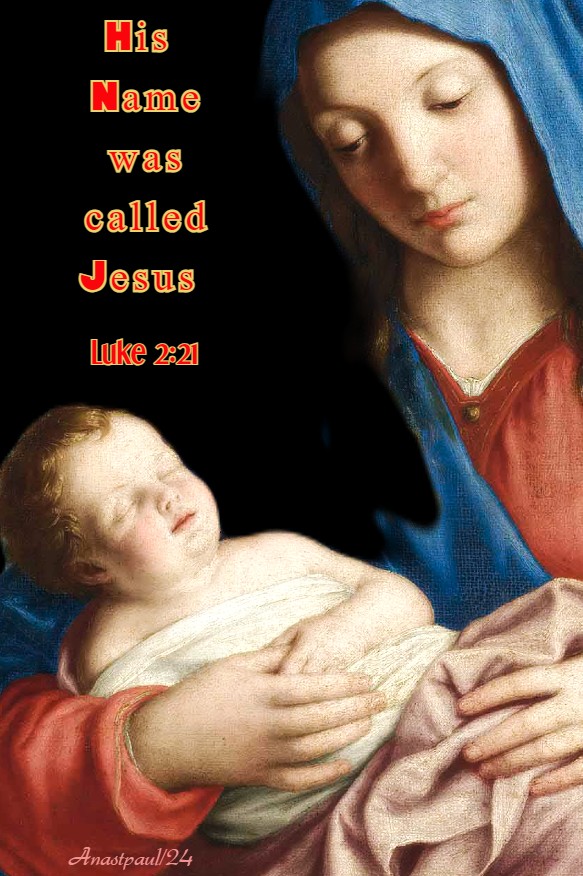
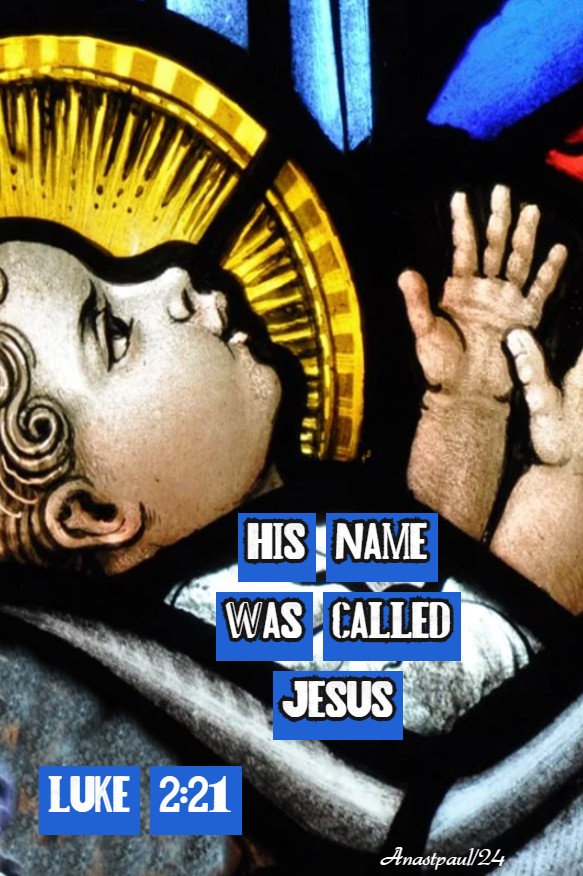
“His Name was called Jesus …”
Luke 2:21
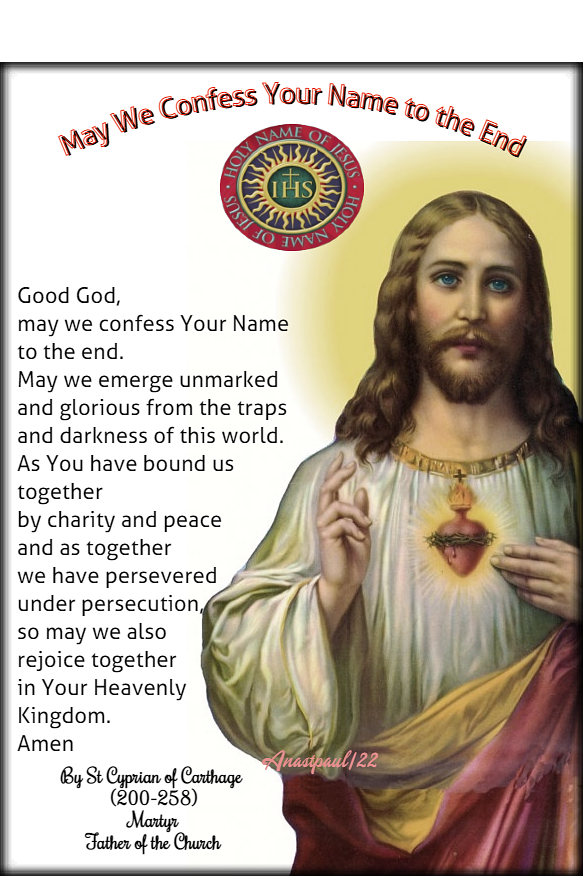
May We Confess Your Name to the End By St Cyprian of Carthage (200-258)
Good God, may we confess Your Name to the end. May we emerge unmarked and glorious from the traps and darkness of this world. As You have bound us together by charity and peace and as together we have persevered under persecution, so may we also rejoice together in Your heavenly Kingdom. Amen
St Cyprian of Carthage (c 200-258) Martyr, Bishop of Carthage, Father of the Church
“Wake up then, believer and note what is stated here: “In My Name.” That [Name] is Christ Jesus. Christ signifies King, Jesus signifies Saviour. Therefore, whatever we ask for that would hinder our salvation, we do not ask in our Saviour’s Name and yet, He is our Saviour, not only when He does what we ask but also, when He does not. When He sees us ask anything to the disadvantage of our salvation, He shows Himself our Saviour by not doing it. The physician knows whether what the sick person asks for, is to the advantage or disadvantage of his health. And [the physician] does not allow what would be harmful to him, although the sick person himself, desires it. But the physician looks to his final cure.”
St Augustine (354-430) Father and Doctor of Grace of the Church
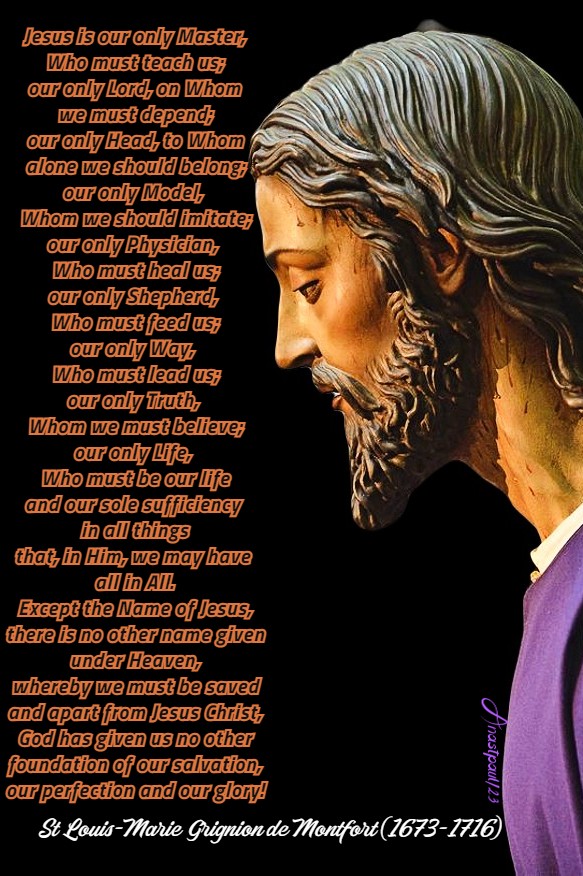
“[Jesus] is our only Master, Who must teach us; our only Lord, on Whom we must depend; our only Head, to Whom alone we should belong; our only Model, Whom we should imitate; our only Physician, Who must heal us; our only Shepherd, Who must feed us; our only Way, Who must lead us; our only Truth, Whom we must believe; our only Life, Who must be our life and our sole sufficiency in all things that, in Him, we may have all in All. Except the Name of Jesus, there is no other name given under Heaven, whereby we must be saved and apart from Jesus Christ, God has given us no other foundation of our salvation, our perfection and our glory! ”
St Louis-Marie Grignion de Montfort (1673-1716)
“Oh Most Sacred Name, Name of peace, Balsam of life, which is the centre of all the sighs, of the most fervent lovers of Jesus. The Sign of those, who truly love Jesus, is to bear Jesus imprinted in the heart and to name often and with devotion, the Most Holy Name of Jesus.”
St Leonard of Port Maurice (1676-1751)
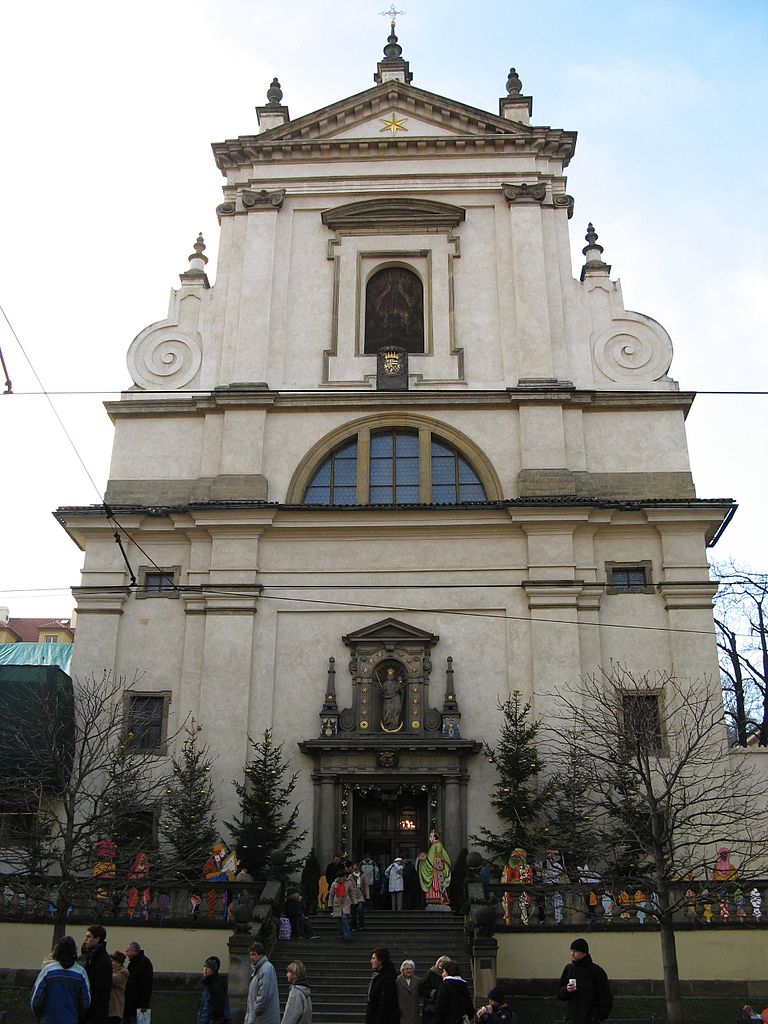
Transport yourself “in spirit” to the Church in Prague where the original Statue of the Infant still stands and let Jesus help you with your intentions!
This wonderful prayer to the Infant Jesus of Prague is known as the Prayer of Father Cyrillus, (c 1637) truly one of the first champions of the loving little Infant!
Prayer of Fr Cyrillus, to the Beloved and Miraculous Infant Jesus of Prague
Jesus, unto Thee I flee, Through Thy Mother praying Thee In my need to succour me. Truly, I believe of Thee God Thou art with strength to shield me; Full of trust, I hope of Thee Thou, Thy grace wilt give to me. All my heart I give to Thee, Therefore, do my sins repent me; From them breaking, I beseech Thee, Jesus, from their bonds to free me. Firm my purpose, is to mend me; Never more will I offend Thee. Wholly unto Thee I give me, Patiently to suffer for Thee, Thee to serve eternally. And my neighbour like to me I will love, for love of Thee. Little Jesus, I beseech Thee, In my need, to succour me, That with Joseph and Mary And the Angels, I may Thee Once enjoy eternally. Amen.
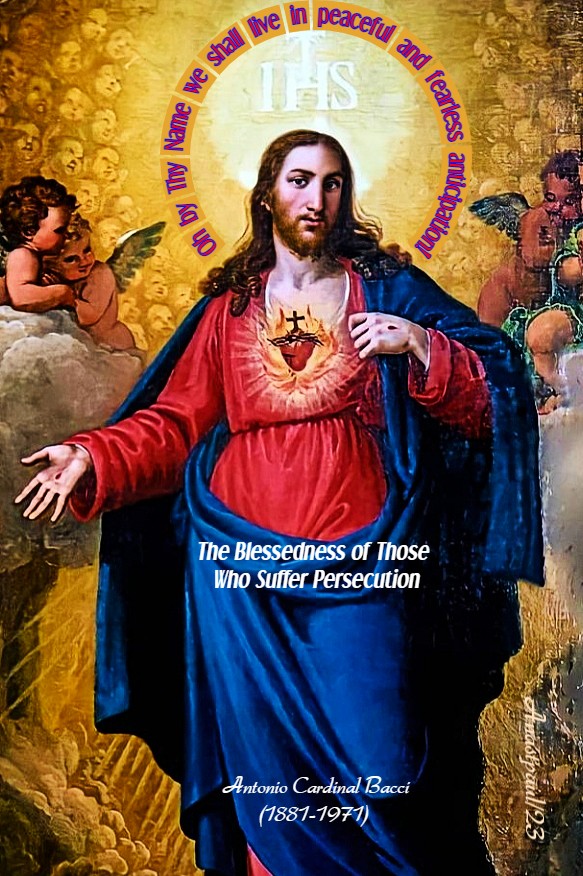
“Oh by Thy Name we shall live in peaceful and fearless anticipation!”
One Minute Reflection – 2 January – “The Month of the Most Holy Name of Jesus and of the Holy Family” and the Feast of the Most Holy Name of Jesus – Acts 4:8-12; Luke 2:21 – Scripture search here: https://www.drbo.org/
“When eight days were fulfilled for the circumcision of the Child, His Name was called Jesus, the Name given Him by the Angel, before He was conceived in the womb.” – Luke 2:21
REFLECTION – “The Child is circumcised, He is, now, not only a member of the human race, He is made, today, a member of God’s chosen People. He subjects Himself to this painful ceremony, to this symbol of one devoted to the Divine service, in order that He may fulfil all justice.
He receives, at the same time, His Name–the Name is Jesus and it means a Saviour. A Saviour! Then, He is to save us? Yes and He is to save us by His Blood. Such is the Divine appointment and He has bowed down His will to it. The Incarnate Word is upon the earth in order to offer a Sacrifice and the Sacrifice is begun today. This first shedding of the Blood of the Man-God was sufficient to the fulness and perfection of a Sacrifice but, He is come, to win the heart of the sinner and that heart, is so hard that all the streams of that Precious Blood which flow from the Cross on Calvary, will scarcely make it yield. The drops which were shed today, would have been enough to satisfy the justice of the Eternal Father but not to cure man’s miseries and the Babe’s Heart would not be satisfied to leave us uncured. He came for man’s sake and His love for man, will go to what looks like excess–He will carry out the whole meaning of His dear name–He will be our “Jesus” our Saviour!” – Abbot Dom Prosper Guéranger OSB (1805-1875) (The Circumcision of Our Lord, 1870).
PRAYER – O God, Thou Who by the fruitful virginity of blessed Mary, have bestowed upon mankind the rewards of eternal salvation, grant, we beseech Thee, that we may enjoy the intercession of her, through whom we have been found worthy to receive among us, the Author of Life, our Lord Jesus Christ Thy Son. Who lives and reigns with Thee, in the unity of the Holy Ghost, God, world without end. Amen (Collect).
Our Morning Offering – 2 January – “The Month of the Most Holy Name of Jesus and of the Holy Family” and the Feast of the Most Holy Name and of the Miraculous Infant Jesus of Prague
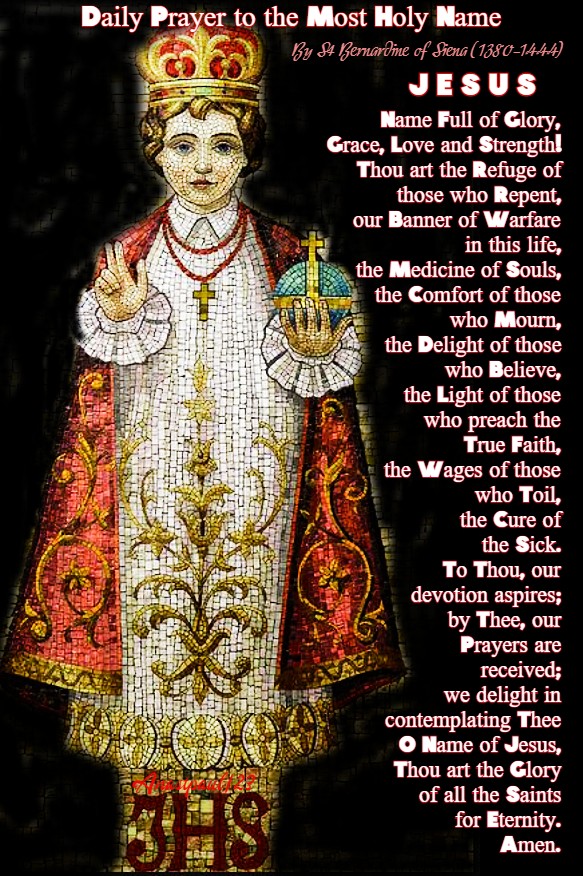
Daily Prayer to the Most Holy Name By St Bernardine of Siena (1380-1444) Apostle of the Most Holy Name
Jesus, Name full of glory, grace, love and strength! Thou art the Refuge of those who repent, our Banner of warfare in this life, the Medicine of souls, the Comfort of those who mourn, the Delight of those who believe, the Light of those who preach the true faith, the Wages of those who toil, the Cure of the sick. To Thou, our devotion aspires; by Thee, our prayers are received; we delight in contemplating Thee. O Name of Jesus, Thou art the glory of all the Saints for eternity. Amen.
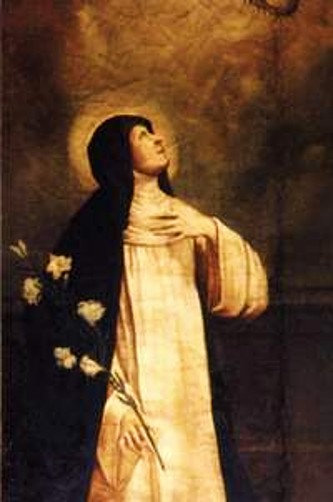
Saint of the Day – 2 January – Blessed Stephana de Quinzanis OP (1457-1530) Virgin, Dominican Tertiary, Mystic, Stigmatist, Stephana was particularly devoted to the Passion of our Lord and bore the Stigmata of His Passion. At the same time, she experienced spiritual aridity, as well as doubts and temptations. Stephana was well known for her service to the poor. Born in 1457 in Orzinuovi near Brescia in Italy and died on 2 January 1530 in Soncino near Crema in Italy. Also known as – Stefana Quinzani, Stephanie de Quinzanis. Patronage – of Theologians, Beatified on 14 December 1740 by Pope Benedict XIV (cultus confirmed). Her Body is interred at the Church of the Convent of the Dominican Tertiary Sisters Soncino, Cremona, Italy which Stephana had founded and some of her Relics are enshrined in her hometown Parish of .Orzinuovi.
She was born in 1457 in Brescia, Italy, to Lorenzo de Quinzanis and his wife, who were a poor and pious couple. Her father became a member of the Third Order of St Dominic while Stephana was very young. While accompanying him on visits to the Dominican Monastery in nearby Soncino, she met the stigmatist Friar, Blessed Matthew Carrieri, who instructed her in the Catechism.
Bl Matthew told her that she would be his spiritual heiress, a statement she did not understand for many years. She began receiving visions of Dominican Saints from age seven, at which point she made vows of poverty, chastity and obedience. In 1464, Christ appeared to her, accompanied bythe Blessed Virgin Mary and Saints Dominic, Thomas Aquinas and Catherine of Siena, presenting her with a wedding ring, signifying her mystical marriage. Bl Matthew Carrieri died when Stephana was 14 years old and soon after he appeared to her in a vision and she herself received the Stigmata.
Stephana started to work as a servant but she continued in her formation in the Third Order and at age 15, made her profession at the Dominican Priory in Soncino. Her devotion to the poor and sick led her to found a community of Third Order Sisters there. She served as its first Prioress.
Her counsel was sought by many, including St Angela Merici, Foundress of the Ursulines, also Bl Augustine Fangi, as well as her fellow Dominican tertiary and mystic, Bl Osanna of Mantua. In 1497, Stephana participated in various stages of the Passion of Jesus Christ which was attested to by 21 witnesses in a still extant account, written in the vernacular and entitled “Relazione dell’Estasi della Passione – Report of the Ecstasy of the Passion.” Sources state that although Stephana was “plain” she had magnificent hair. Grudging herself this one beauty, she pulled it out by the roots.
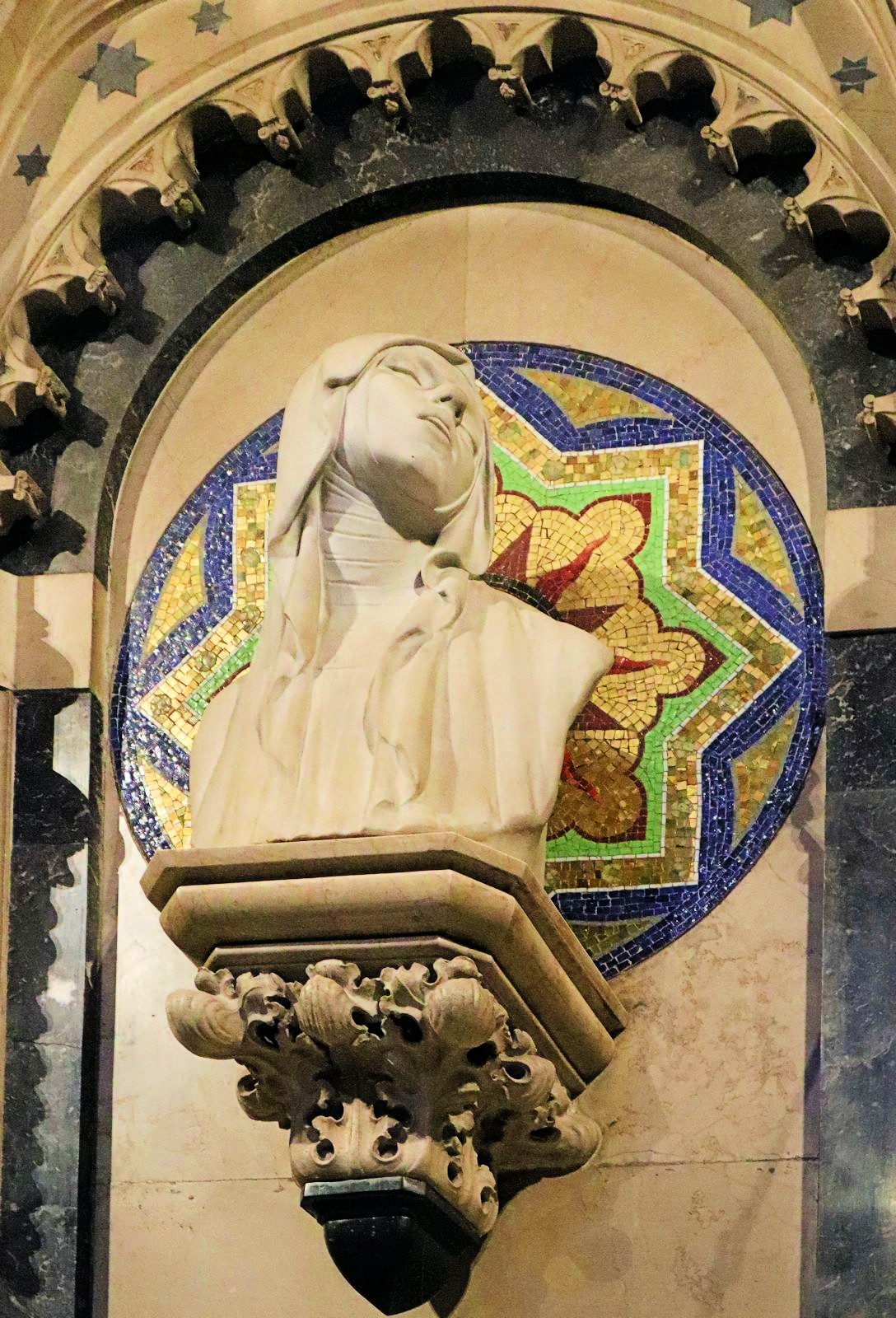
Bl Stephana in ecstasy, bust on the Altar dedicated to her, in the Parish Church in Orzinuovi. The Sculphture was created in 1930 by Enrico Biondi
Stephana had a particularly intense devotion to Saint Thomas Aquinas. In fact, to overcome the temptation of thoughts against purity, she once threw herself upon a cartload of thorns in imitation of the Doctor Angelicus. Exhausted from this penance, she prayed to Saint Thomas and, was girded by Angels, as St Thomas had been mystically girded with a cord, which they tied so tightly around her waist that she cried out in pain.
Although she had no formal theological training, she could discuss mystical theology at the most profound level. She is considered a patron saint for theologians. Stephana could read the hearts and minds of the people around her and had the gift of prophesy and of curing illnesses. She lived in a nearly continuous fast. She accurately predicted the date of her own death which occurred from natural causes on 2 January 1530.
Stephana’s tomb became a pilgrimage site almost immediately. Her intercession was often felt in the Convent she had founded, where the Sisters obtained both material and spiritual help through her intercession.
Her cult was popularised by the Dominicans Bartholomeo of Mantua and Battista of Salò but their Latin Vitae (Lives of the Blessed), have been lost and only a later Italian version which combined the two texts has survived.
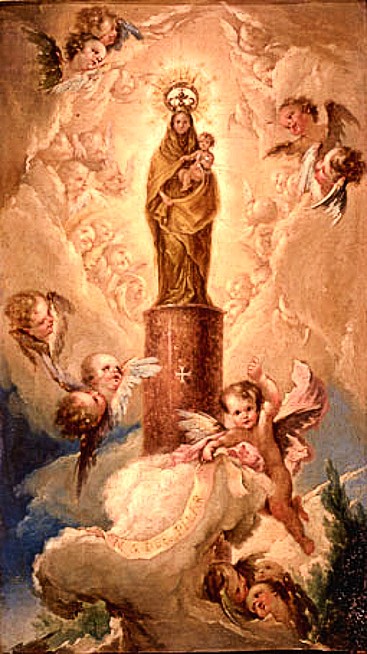
The Feast of the Infant Jesus of Prague the 16th Century wax-coated wooden Statue of the Child Jesus, holding a globus cruciger (the Orb and Cross) with the right hand being raised in benediction, is of Spanish origin and is just under half a metre in height. It is now located in the Discalced Carmelite Church of Our Lady of Victories in Malá Strana, Prague, Czech Republic, see the Church at the bottom (one where I have been immensely blessed to attend Holy Mass before the Infant each day for a week some years ago). The Statue is venerated on 2 January, on 14 January and on the first Sunday of May. Our Wonderful Infant: https://anastpaul.com/2023/01/02/saint-of-the-day-2-january-feast-of-the-infant-jesus-of-prague/
Bl Airaldus of Maurienne St Alverius of Agaunum St Asclepius of Limoges St Aspasius of Auch St Baudimius of Auvergne St Blidulf of Bobbio St Dietmar of Prague (Died 982) Bishop St Hortulana of Assisi St Isidore of Antioch St Isidore of Nitri St John Camillus the Good St Macarius of Rome
St Mark the Mute St Maximus of Vienne St Munchin of Limerick Bl Odino of Rot St Paracodius of Vienne St Sebastian of Agaunum St Seiriol Blessed Stephana de Quinzanis OP (1457-1530) Virgin, Dominican Tertiary, Mystic, Stigmatist Bl Sylvester of Troina St Telesphorus, Pope St Theodota St Theopistus St Vincentian of Tulle St Viance of Anjou
Many Martyrs Who Suffered in Rome: There were many Martyrs who suffered in the persecutions of Diocletian for refusing to surrender the holy books. Though we know these atrocities occurred, we do not know the names of the Saints and we honour them as a group. c 303 in Rome, Italy.
Martyrs of Antioch – 5 Saints: A group of Christian soldiers Martyred together for their faith. We know the names of five – Albanus, Macarius, Possessor, Starus and Stratonicus. They were born in Greece and were Martyred in Antioch (modern Antakya, Turkey).
Many Martyrs of Britain: The Christians of Britain appear to have escaped unharmed in the earlier persecutions which afflicted the Church but the cruel edicts of Diocletian were enforced in every corner of the Roman Empire and the faithful inhabitants of this land, whether native Britons or Roman colonists, were called upon to furnish their full number of holy Martyrs and Confessors. The names of few are on record but the British historian, Saint Gildas, after relating the Martyrdom of Saint Alban, tells us, that many others were seized, some put to the most unheard-of tortures and others immediately executed, while not a few hid themselves in forests and the caves of the earth, where they endured a prolonged death until God called them to their reward. The same writer attributes it to the subsequent invasion of the English, then a pagan people, that the recollection of the places, sanctified by these Martyrdoms, has been lost and so little honour paid to their memory. It may be added, that, according to one tradition, a thousand of these Christians were overtaken in their flight near Lichfield and cruelly massacred and that the name of Lichfield, or Field of the Dead, is derived from them.
Martyrs of Ethiopia – 3 Saints: A group of Christians Martyred together for their faith. We know the names of three – Auriga, Claudia and Rutile.
Martyrs of Jerusalem – 2 Saints: A group of Christians Martyred together for their faith. We know the names of two – Stephen and Vitalis.
Martyrs of Lichfield: Many Christians suffered at Lichfield (aka Lyke-field, meaning field of dead bodies), England in the persecutions of Diocletian. Though we know these atrocities occurred, we do not know the names of the Saints and we honour them as a group. Their Martyrdom occurred in 304 at Lichfield, England.
Martyrs of Piacenza: A group of Christians who died together for their faith in the persecutions of Diocletian. No details about them have survived. They were Martyred on the site of Church of Madonna di Campagna, Piacenza, Italy.
Martyrs of Puy – 4 Saints: Missionaries, sent by Saint Fronto of Périgueux to the area of Puy, France. Tortured and Martyred by local pagans. We know the names – Frontasius, Severinus, Severian and Silanus. They were beheaded in Puy (modern Puy-en-Velay), France and buried together in the Church of Notre Dame, Puy-en-Velay by Saint Fronto, their bodies laid out to form a cross.
Martyrs of Syrmium – 7 Saints: Group of Christians Martyred together, date unknown. We know the names of seven – Acutus, Artaxus, Eugenda, Maximianus, Timothy, Tobias and Vitus – but very little else. This occurred in the 3rd or 4th century at Syrmium, Pannonia (modern Sremska Mitrovica, Serbia).
Martyrs of Tomi – 3 Saints: Three brothers, all Christian soldiers, in the Imperial Roman army and all three Martyred in the persecutions of Emperor Licinius Licinianus. We know their names – Argeus, Marcellinus and Narcissus – but little else. They were Martyred in 320 at Tomi, Exinius Pontus, Moesia (modern Constanta, Romania).
We know that there is only ONE thing necessary and so, for this New Year, 2024, I wish you only that ONE THING – that HE may fill your heart, your mind, your soul, your whole being, everyday and every moment and then, nothing will be wanting to you, ALL will be yours and even sadness and pain will serve only to unite you more and more closely to our Divine Saviour. And so, abiding in His Sacred Heart, 2024 will be PERFECT!
“We must make our way towards eternity, never regarding what men think of us, or of our actions, studying only to please God.”
St Francis Borgia (1510-1572)
The One Thing Necessary By St Alphonsus Maria de Liguori (1696-1787) Most Zealous Doctor
O my God, help me to remember, that time is short, eternity long. What good is all the greatness of this world at the hour of death? To love Thee, my God and save my soul is the one thing necessary. Without Thee, there is no peace of mind or soul. My God, I need fear only sin and nothing else in this life, for to lose Thee, my God, is to lose all. O my God, help me to remember, that I came into this world with nothing and shall take nothing from it, when I die. To gain Thee, I must leave all. But in loving Thee, I already have all good things – the infinite riches of Christ and His Church in life, Mary’s motherly protection and perpetual help and the eternal dwelling place Jesus has prepared for me. Eternal Father, Jesus has promised that whatever we ask in His Name will be granted us. In His Name, I pray, give me a burning faith, a joyful hope, a holy love for Thee. Grant me perseverance in doing Thine will and never let me be separated from Thee. My God and my All, make me a Saint! Amen
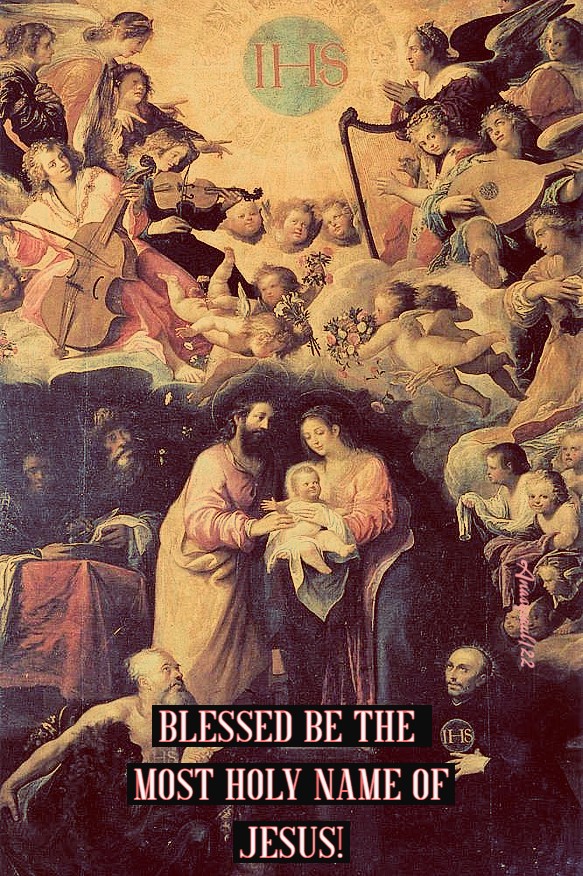
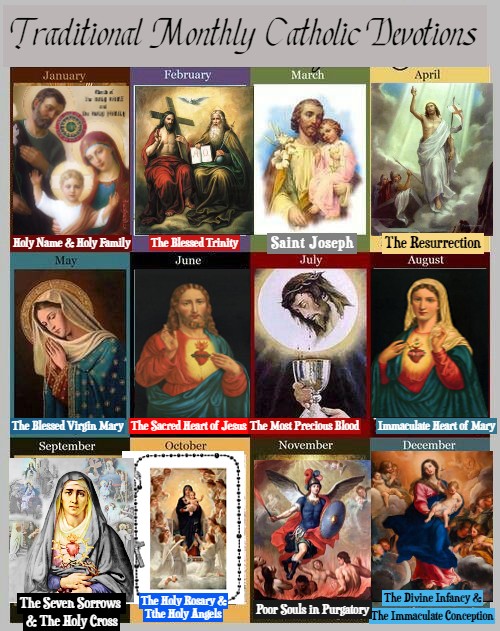
JANUARY – The Month of the Holy Name of Jesus and the Holy Family
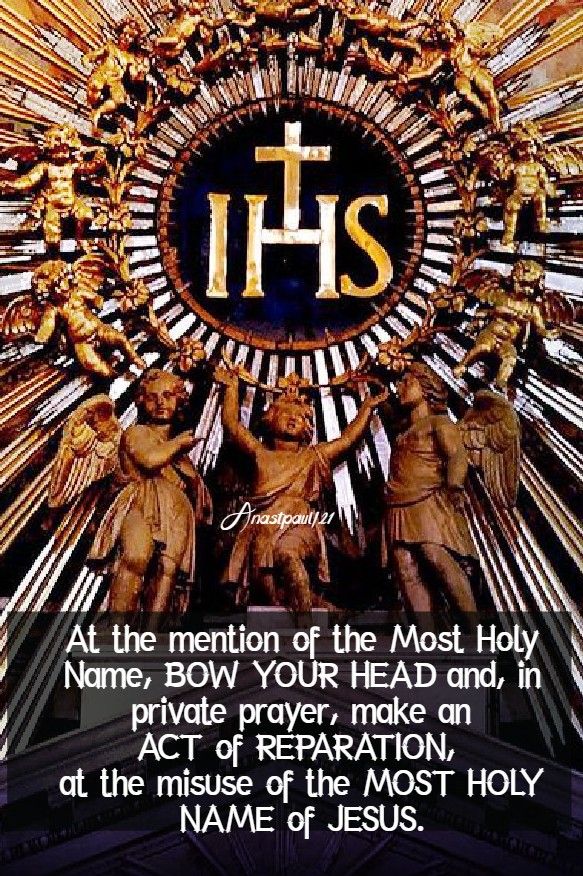
The Second Council of Lyons in 1274 decreed that “at the name of Jesus every knee should bow; whenever that glorious name is recalled, especially during the Sacred Mysteries of the Mass, everyone should bow the knees of his heart, which he can do even by a bow of his head.”
It may very well be that the custom of bowing the head at the name of Jesus has passed out of general use, as have other laudable customs, in recent times but, that does not prevent us personally, from continuing to live it and passing on to our children this ancient custom.
The ideal of the Catholic family has been once fully realised. There have been many good examples, all more or less approaching the ideal. But all except one must be regarded as having failed, at least in some respects, to achieve the perfection of family life. That one, of course, is the Holy Family of Nazareth. Since, therefore, God has given us the ideal fully realised, in the concrete, it is to that rather than the more remote symbols that we must go for our lessons, as to what the Catholic family should be. The Word was made flesh, to reveal to us, the mind of the Eternal Father. In order, then, to learn the mind of the Eternal Father concerning the nature and end of the Catholic family life, we cannot do better than turn our thoughts to the little home at Nazareth.
… The purpose of the Incarnation, is the salvation of souls. The purpose of the Church, is the salvation of souls. The purpose of the first Catholic Family, is the salvation of souls. The first and foremost purpose, then, of every Catholic family, is to obtain for its members, the possession of everlasting life. The family does not exist merely for the sake of the love of husband and wife; nor for the love of parent and children; nor for the acquisition of worldly fortunes; nor for the promotion of the children in business; nor for the material prosperity of nations. All these are lawful and subordinate aims, subordinate to the final aim of all human life — to help immortal souls to reach Heaven. This is the first and, in a sense, the only lesson to be learned from the Holy Family of Nazareth — the purpose of the Catholic family is the undoing of sin, the hindrance of sin, the propagation of those truths and virtues which lead to Eternal Life!
Thought for the Day – 1 January – Meditations with Antonio Cardinal Bacci (1881-1971)
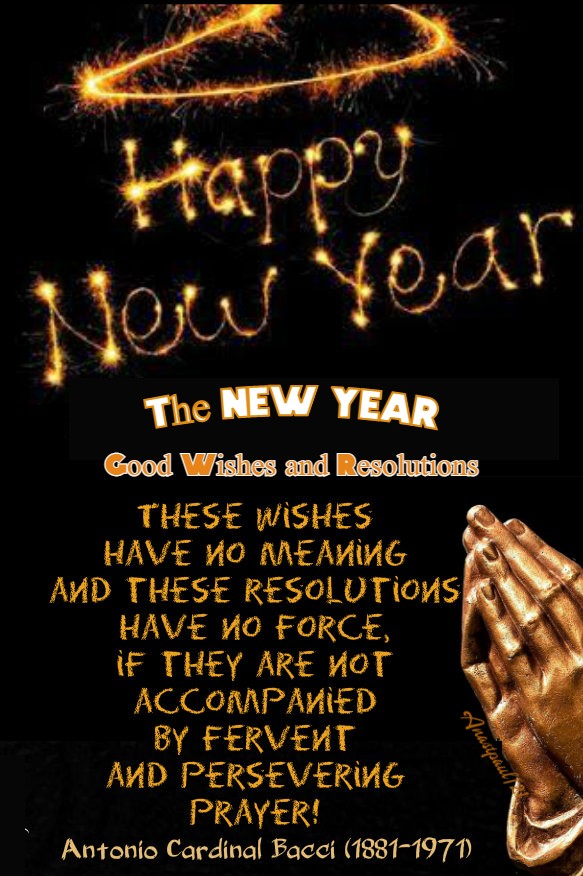
The New Year
“During these days, it is customary to exchange, verbally or in writing, good wishes for the New Year. But these poor greetings are often nothing more than conventional phrases. Men lack the power to transmute such good wishes into reality. God alone is the source of every material and spiritual good, therefore, He alone can ensure that these benevolent expressions are translated into deeds of Christian renovation. Since we are at the beginning of a new year, it is especially important for us to ask God more fervently and insistently, to bless the resolutions which are making for ourselves and the good wishes, which we are showering on our friends.
These wishes have no meaning and these resolutions have no force, if they are not accompanied by fervent and persevering prayer!”
Quote/s of the Day – 1 January – “The Month of the Most Holy Name of Jesus and of the Holy Family” – The Octave Day of the Nativity and the Feast of the Circumcision of the Lord – Titus 2:11-15, Luke 2:21 – Scripture search here: https://www.drbo.org/
“His Name was called Jesus”
Luke 2:21
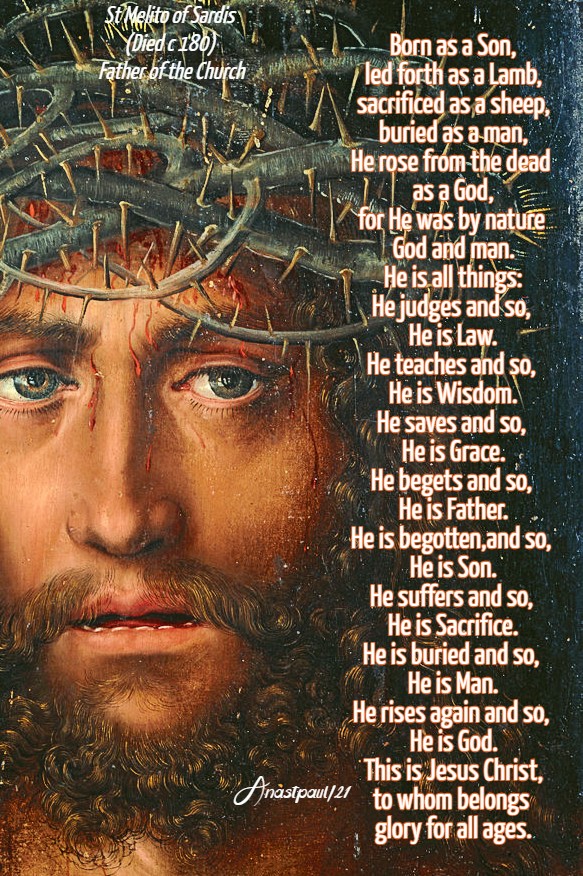
“Born as a Son, led forth as a Lamb, sacrificed as a sheep, buried as a man, He rose from the dead as a God, for He was by nature God and man.
He is all things – He judges and so, He is Law. He teaches and so, He is Wisdom. He saves and so, He is Grace. He begets and so, He is Father. He is begotten,and so, He is Son. He suffers and so, He is Sacrifice. He is buried and so, He is Man. He rises again and so, He is God. This is Jesus Christ, to Whom belongs glory for all ages.”
St Melito of Sardis (Died c180) Bishop, Early Church Father
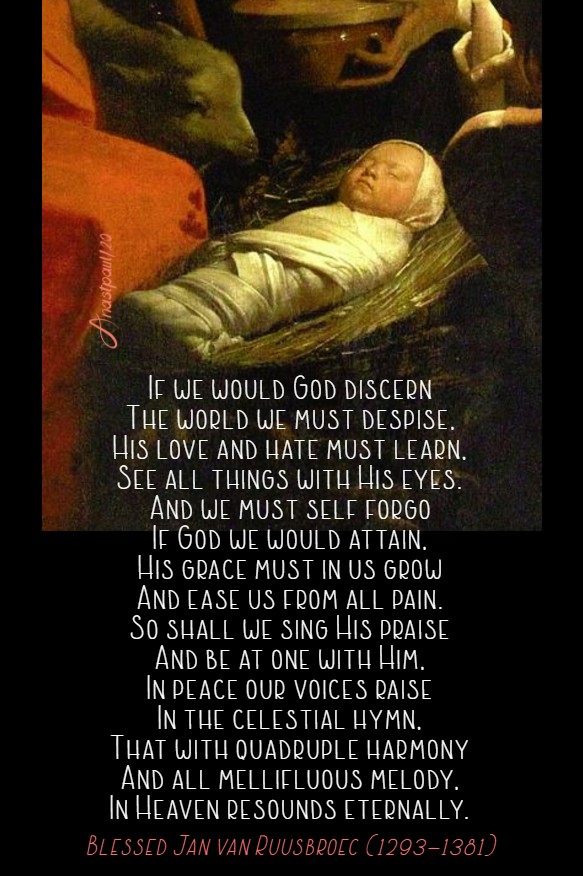
“If we would God discern The world we must despise, His love and hate must learn, See all things with His eyes. And we must self forgo If God we would attain, His grace must in us grow And ease us from all pain. So shall we sing His praise And be at one with Him, In peace our voices raise In the celestial hymn, That with quadruple harmony And all mellifluous melody, In Heaven resounds eternally.”
Blessed Jan van Ruusbroec (1293-1381)
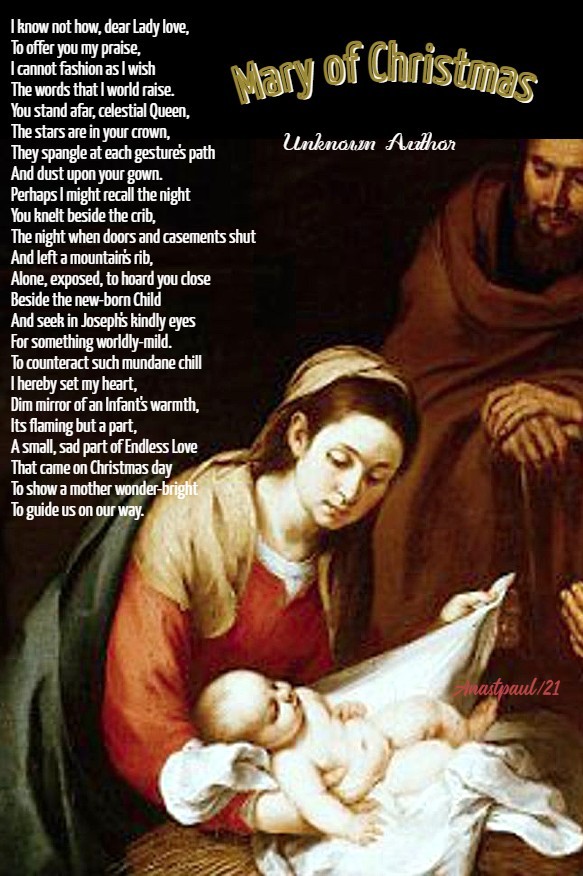
Mary of Christmas Unknown Author
I know not how, dear Lady love, To offer you my praise, I cannot fashion as I wish The words that I would raise. You stand afar, celestial Queen, The stars are in your crown, They spangle at each gesture’s path And dust upon your gown. Perhaps I might recall the night You knelt beside the crib, The night when doors and casements shut And left a mountain’s rib, Alone, exposed, to hoard you close Beside the new-born Child And seek in Joseph’s kindly eyes For something worldly-mild. To counteract such mundane chill I hereby set my heart, Dim mirror of an Infant’s warmth, Its flaming but a part, A small, sad part of Endless Love That came on Christmas day To show a mother wonder-bright To guide us on our way. Amen.
One Minute Reflection – 1 January – “The Month of the Most Holy Name of Jesus and of the Holy Family” – Feast of the Circumcision of the Lord – Titus 2:11-15, Luke 2:21 – Scripture search here: https://www.drbo.org/
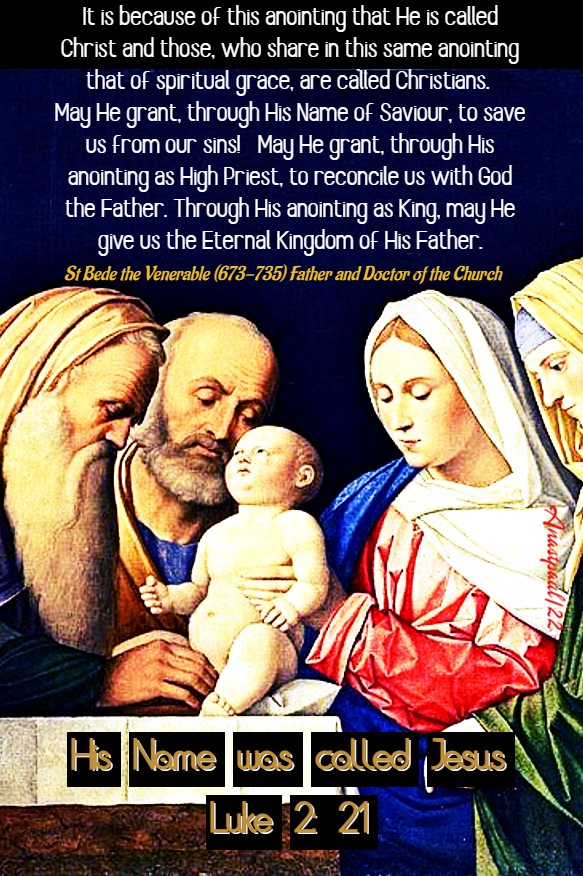
“His Name was called Jesus” – Luke 2:21
REFLECTION – “The Name “Jesus” in Hebrew means “salvation” or “Saviour.” It is a Name that for the prophets, referred to a very specific vocation . From whence came these words, sung with great desire to see Him: “My heart will rejoice in Thy salvation and will be joyful because of His salvation; my soul pines for Thy salvation” (Ps 12:6 ;34:9 ;118:81). “Yet will I rejoice in the Lord and exult in my saving God” (Hab 3:18). And especially: “O God, by Thy Name save me” (Ps 53:3). It is as though one were to say: “O Thou Who are called ‘Saviour,’ by saving me, manifest the glory of Thy Name.” And so the Name of the Son, born of the Virgin Mary, is Jesus, according to the Angel’s explanation: “He shall save His people from their sins”…
As for the word “Christ,” this designates priestly or royal status. Priests and Kings were in fact “chrismated” that is to say, anointed with holy oil. By this means, they became signs of Him Who, appearing in the world as true King and High Priest, received the anointing of “the oil of gladness above Thy fellows” (Ps 44:8). It is because of this anointing that He is called Christ and those, who share in this same anointing that of spiritual grace, are called Christians. May He grant, through His Name of Saviour, to save us from our sins! May He grant, through His anointing as High Priest, to reconcile us with God the Father. Through His anointing as King, may He give us the Eternal Kingdom of His Father.” – St Bede the Venerable (673-735) Father and Doctor of the Church (Homily 5; CCL 122,36).
PRAYER – O God, Thou Who by the fruitful virginity of blessed Mary, have bestowed upon mankind the rewards of eternal salvation, grant, we beseech Thee, that we may enjoy the intercession of her, through whom we have been found worthy to receive among us, the Author of Life, our Lord Jesus Christ Thy Son. Who lives and reigns with Thee, in the unity of the Holy Ghost, God, world without end. Amen (Collect).
Our Morning Offering – 1 January – “The Month of the Most Holy Name of Jesus and of the Holy Family”
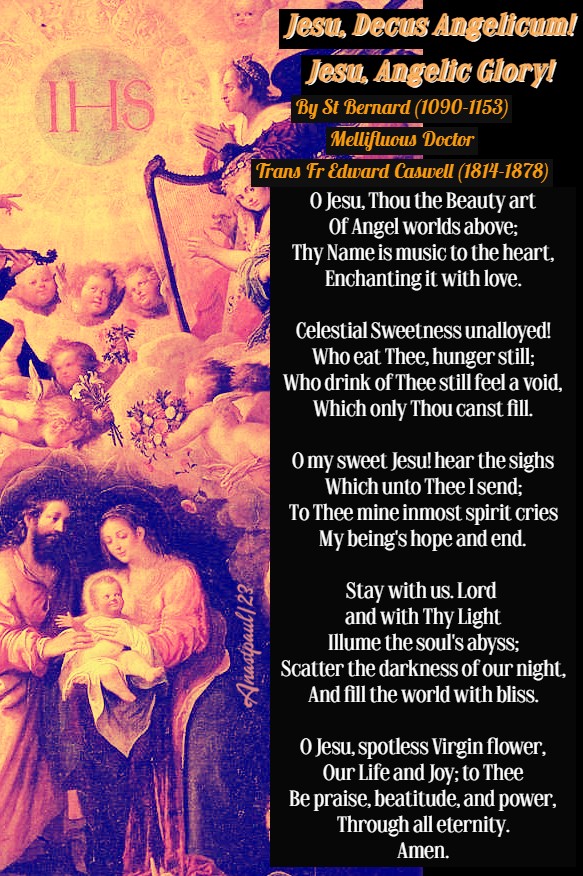
Jesu, Decus Angelicum! Jesu, Angelic Glory! By St Bernard of Clairvaux (1090-1153) Mellifluous Doctor Trans Fr Edward Caswell C.Orat. (1814-1878)
O Jesu, Thou the Beauty art Of Angel worlds above; Thy Name is music to the heart, Enchanting it with love.
Celestial Sweetness unalloyed! Who eat Thee, hunger still; Who drink of Thee still feel a void, Which only Thou canst fill.
O my sweet Jesu! hear the sighs Which unto Thee I send; To Thee mine inmost spirit cries My being’s hope and end.
Stay with us. Lord and with Thy Light Illume the soul’s abyss; Scatter the darkness of our night, And fill the world with bliss.
O Jesu, spotless Virgin flower, Our Life and Joy; to Thee Be praise, beatitude, and power, Through all eternity. Amen.
Jesu, Dulcis Memoria is a celebrated 12th Century prayer/hymn by St Bernard of Clairvaux (1090-1153), Doctor Mellifluous. The entire hymn has some 42 to 53 stanzas. Parts of this hymn are used for the Feast of the Holy Name of Jesus. Above are the stanzas most commonly used for the Feast of the Holy Name.
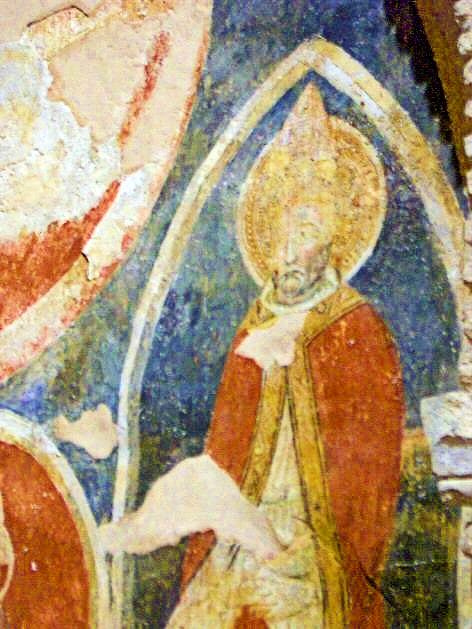
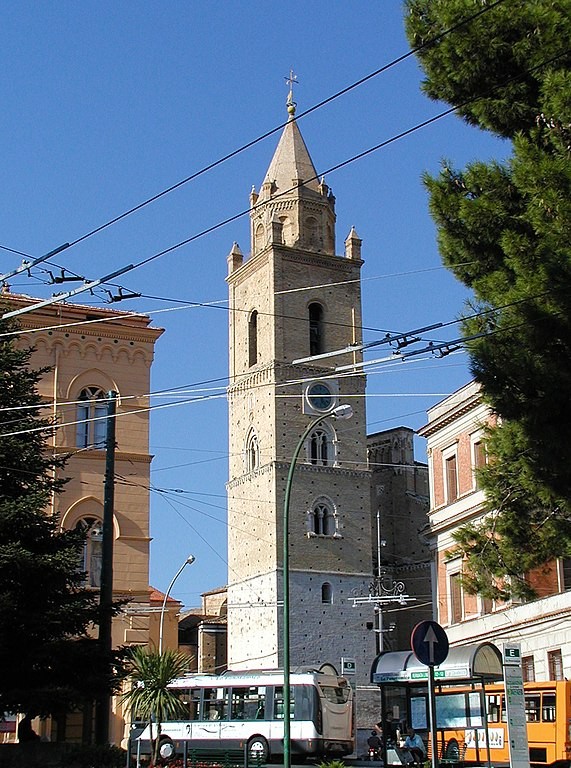
Saint of the Day – 1 January – Saint Justin of Chieti (Died c540) the First Bishop of Chieti, Italy, Miracle-worker. Patron of the City and Archdiocese of Chieti-Vasto, Abruzzo, Italy.
The Roman Martyrology reads today: “At Chieti, in Abruzzo, the birthday of St Justin, Bishop of that City, illustrious for holiness of life and miracles.”
Saint Justin is considered, by ancient tradition, to be the evangeliser of the City of Chieti, as well as its first Bishop, despite many uncertainties regarding the period in which he lived. In fact, there is no historical documentation from which to draw detailed information about his life. Only in the 15th Century did some of his “passios” appear, largely modelled on those of the Saints of the same name which end up confusing him with a Saint from Siponto who suffered Martyrdom in Abruzzo in the 3rd Century, together with his family.
However, it is certain that the Cathedral of Chieti was instead dedicated to the holy Bishop Justin at least since the 9th Century. In fact, the first documents on the Church which have come down to us, date to this era. Very probably, this mysterious Bishop ruled the Diocese of Chieti during the troubled period of the barbarian invasions and the spread of the Arian heresy, that is, around the end of the 4th Century.
At this historical juncture, faced with the dissolution of the state institutions of Italy at the time, the people began to rally around the shepherds, chosen from among the most charismatic figures of the Christian world. In fact, there are quite a few Italian Cities which venerate their Bishops of that period, as Saints.
Most of our Saint’s relics are still venerated today in an urn, placed in the crypt of the Theatine Cathedral. The object of a particular and ancient veneration, is the Holy Arm, to which popular devotion attributed numerous miracles, including that of 593 in which the Holy Arm, carried in procession by the Theatines, repelled an invasion of locusts which threatened the crops in the surroundings farms.
Saint Justin was once celebrated today, 1 January, then, in 1616, his feast was moved to 14 January and finally moved to 11 May. However,, the Roman Martyrology still commemorates him on the original date – 1 January.
The Circumcision of the Lord (Holy Day): “At that time, after eight days were accomplished that the Child should be circumcised; His Name was called Jesus, which was called by the Angel, before He was conceived in the womb.” – Luke 2:21 Excerpt from the Catechism of the Council of Trent, (Part IV – “Hallowed be Thy Name“”) https://anastpaul.com/2023/01/01/1-january-feast-of-the-circumcision-of-the-lord/
Titular Feast of the Society of Jesus – But now celebrated on the Feast of the Holy Name of Jesus, which is tomorrow 2 January
Bl Adalbero of Liege St Baglan of Wales St Basil of Aix Bl Bonannus of Roio St Brogan St Buonfiglio Monaldi Bl Catherine de Solaguti St Clarus of Vallis Regia St Clarus of Vienne St Colman mac Rónán St Colman Muillin of Derrykeighan St Concordius of Arles St Connat St Cuan St Demet of Plozévet St Elvan St Eugendus of Condat St Euphrosyne of Alexandria St Fanchea of Rossory St Felix of Bourges St Frodobert of Troyes
St Gisela of Rosstreppe St Gregory Nazianzen the Elder Bl Hugolinus of Gualdo Cattaneo Bl Jean-Baptiste Lego Bl Jean of Saint-Just-en-Chaussée St Justin of Chieti (Died c540) Bishop St Maelrhys St Magnus the Martyr St Mydwyn
St Odilo of Cluny OSB (962-1049) “Archangel of the Monks,” Priest, Monk, 5th Abbot of Clun, Reformer, Apostle of the poor and needy, Marian devotee and promoter of prayer for the Souls in Purgatory. He established All Souls’ Day (on 2 November) in Cluny and its Monasteries as the annual commemoration to pray for all the faithful departed. The practice was soon adopted throughout the whole Church. St Odilo’s Life: https://anastpaul.com/2021/01/01/saint-of-the-day-1-january-saint-odilo-of-cluny-osb-962-1049-the-archangel-of-the-monks/
St Odilo of Stavelot St Peter of Atroa (773–837) Abbpt St Peter of Temissis St Sciath of Ardskeagh St Severino Gallo St Telemachus St Thaumastus of Mainz St Theodotus St Tyfrydog Bl Valentin Paquay St William of Dijon St Zedislava Berka OP (c 1220-1252) Married Laywoman and Mother, Tertiary of the Order of Preachers. Canonised by St Pius X on 28 August 1907.
Breton Missionaries to Britain: Martyred Soldiers of Rome: Thirty soldiers martyred in Rome as a group during the persecutions of Diocletian. We do not even known their names. They were Martyred c 304 at Rome, Italy.
Martyrs of Africa – 8 Saints: Eight Christians Martyred together in Africa, date unknown. The only details we have are four of their names – Argyrus, Felix, Narcissus and Victor.
Thought for the Day – 31 December – Meditations with Antonio Cardinal Bacci (1881-1971)
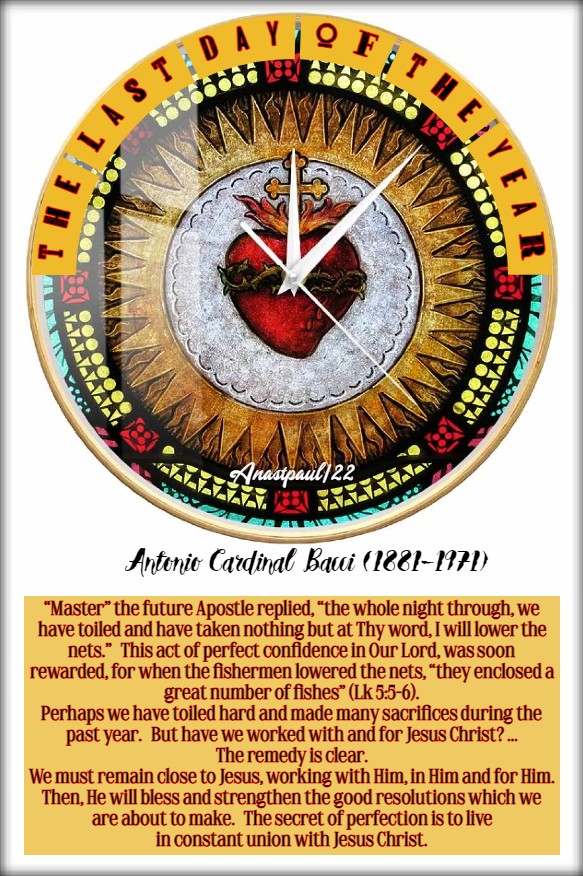
The Last Day of the Year
“After he had spent a night fishing in the lake of Galilee without having caught anything, St Peter was ordered by Jesus, to cast his nets back into the sea. “Master” the future Apostle replied, “the whole night through, we have toiled and have taken nothing but at Thy word, I will lower the nets.” This act of perfect confidence in Our Lord, was soon rewarded, for when the fishermen lowered the nets, “they enclosed a great number of fishes” (Lk 5:5-6).
Perhaps we have toiled hard and made many sacrifices during the past year. But have we worked with and for Jesus Christ? We may have thought more of ourselves than of Jesus and, as a result, achieved little or nothing in the spiritual life.
The remedy is clear. We must remain close to Jesus, working with Him, in Him and for Him. Then, He will bless and strengthen the good resolutions which we are about to make. The secret of perfection is to live in constant union with Jesus Christ.”
Quote/s of the Day – 31 December – “The Month of the Divine Infancy and the Immaculate Conception of the Blessed Virgin Mary” – Sunday Within the Octave of Christmas – Galatians 4:1-7, Luke 2:33-40 – Scripture search here: https://www.drbo.org/
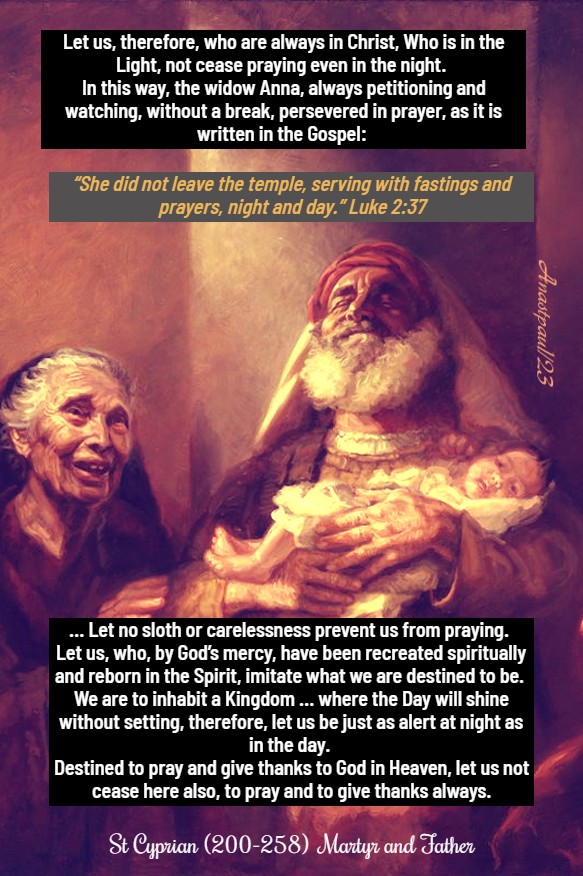
“She did not leave the temple, serving with fastings and prayers, night and day.”
Luke 2:37
“If, in holy Scripture, Christ is the true Sun and the true Day, there is no hour when Christians should not adore God frequently and constantly, so that we, who are in Christ, that is, in the true Sun and true Day, should be persevering, throughout the whole day, in our petitions and prayer. And when, in the course of time, the revolving night returns, there can be no harm from the nocturnal shades, for those who pray because, to the sons of Light (1 Thes 5:5), even in the night there is day! For when is he without light who has Light in his heart? Or when does he not have sun and day to whom Christ is Sun and Day?”
St Cyprian (200-258) Martyr, Father of the Church
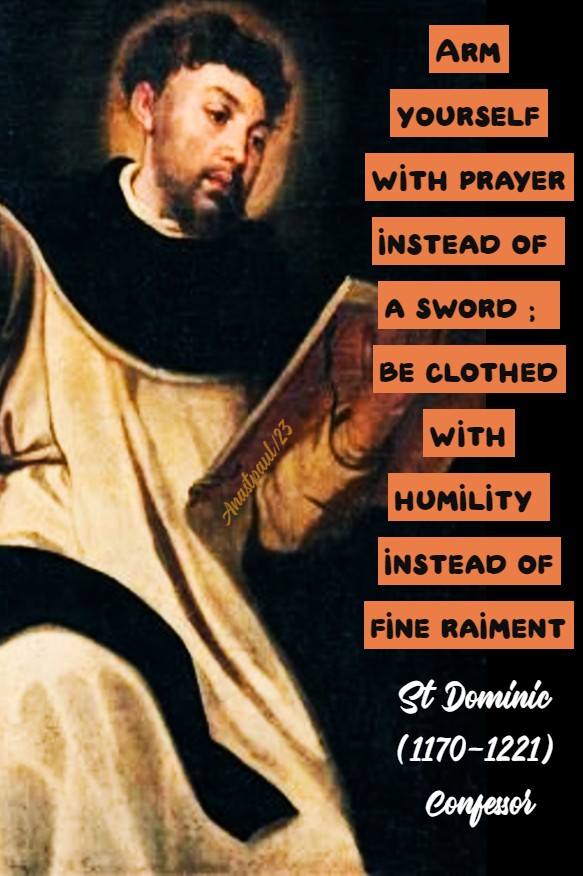
“Arm yourself with prayer instead of a sword; be clothed with humility instead of fine raiment.”
St Dominic (1170-1221)
“If you want God to hear your prayers, hear the voice of the poor. If you wish God to anticipate your wants, provide for those of the need, without waiting for them to ask you. Especially, anticipate the needs of those, who are ashamed to beg. To make them ask for alms, is to make them buy it!”
St Thomas of Villanova (1488-1555)
“It is best to learn to silence the faculties and to cause them to be still, so that God may speak!”
St John of the Cross (1542-1591) Doctor of the Church
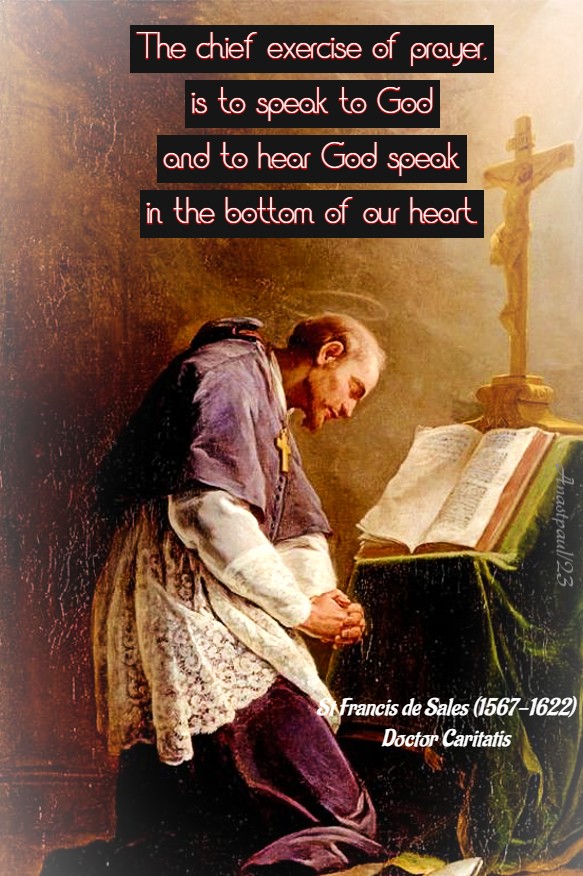
“The chief exercise of prayer, is to speak to God and to hear God speak in the bottom of our heart.”
(Treatise on the Love of God Book 6 Chapter 1)
“The sacred gift of prayer is already in the Right Hand of the Saviour; as soon as ever you shall have emptied yourself of self, He will pour it into your heart!”
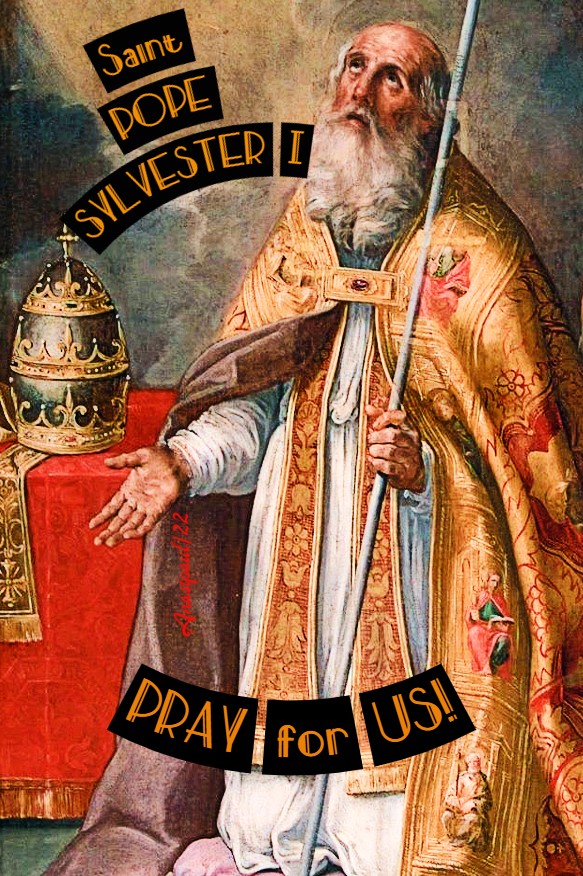
One Minute Reflection – 31 December – “The Month of the Divine Infancy and the Immaculate Conception of the Blessed Virgin Mary” – The Seventh Day of the Octave of Christmas and the Memorial of St Pope Sylvester I (Died 335) – Galatians 4:1-7, Luke 2:33-40 – Scripture search here: https://www.drbo.org/
“She did not leave the temple, serving with fastings and prayers, night and day.”- Luke 2:37
REFLECTION – “If in holy Scripture Christ is the true Sun and the true Day, there is no hour when Christians should not adore God frequently and constantly, so that we, who are in Christ, that is, in the true Sun and true Day, should be persevering, throughout the whole day, in our petitions and prayer. And when, in the course of time, the revolving night returns, there can be no harm from the nocturnal shades, for those who pray because, to the sons of Light (1 Thes 5:5), even in the night there is day! For when is he without light, who has Light in his heart? Or when does he not have sun and day, to whom Christ is Sun and Day?
Let us, therefore, who are always in Christ, Who is in the Light, not cease praying even in the night. In this way, the widow Anna, always petitioning and watching, without a break, persevered in prayer, as it is written in the Gospel: “She did not leave the temple, serving with fastings and prayers night and day.”… Let no sloth or carelessness prevent us from praying. Let us, who, by God’s mercy, have been recreated spiritually and reborn in the Spirit, imitate what we are destined to be. We are to inhabit a Kingdom … where the Day will shine without setting, therefore, let us be just as alert at night as in the day. Destined to pray and give thanks to God in Heaven, let us not cease here also, to pray and to give thanks always.” – St Cyprian (200-258) Bishop of Carthage and Martyr, Father of the Church (On the Our Father).
PRAYER – Look forgivingly on Thy flock, Eternal Shepherd and keep it in Thy constant protection, by the intercession of blessed Sylvester thy Confessor and Sovereign Pontiff, whom thou didst constitute Shepherd of the whole Church. Through Jesus Christ, Thy Son our Lord, Who lives and reigns with Thee, in the unity of the Holy Ghost, God, world without end. Amen (Collect).
Our Morning Offering – 31 December – “The Month of the Divine Infancy and the Immaculate Conception of the Blessed Virgin Mary” –Sunday Within the Octave of Christmas
O Jesus, Dear Holy Child By St Thérèse of the Child Jesus (1873 – 1897)
O Jesus, dear Holy Child, my only treasure, I abandon myself to Thy every whim. I seek no other joy than that of calling forth Thy sweet Smile. Vouchsafe to me, the graces and the virtues of Thy Holy Childhood, so that, on the day of my birth into Heaven, the Angels and Saints may recognise in Thy Spouse, Thérèse of the Child Jesus. Amen
Saint of the Day – 31 December – Saint Zoticus of Constantinople (Died c350) Priest, known as “The Feeder of Orphans,” possibly a Martyr. Patronages – of the poor and of orphans. Nickname: “Orphanotrophos” the one who feeds orphans. Name means: Z: the man full of life (Greek) and O: the orphan carer (Greek).
Originally from Rome, he journeyed to Constantinople (modern Istanbul, Turkey) when it became the capital city of the Empire under Constantine the Great (r. 324-337). There he founded a hospital for the poor and defended orthodox Christianity before the pro-Arian Emperor Constantius II (r. 641-668).
Some traditions declare him a Martyr due to the above defiance of the Arian Enmperor but the Roman Martyrology does not define him as a Martyr. It says: “The same day, St Zoticus, Roman Priest, who went to Constantinople and took upon himself the care of orphans.”
Zoticus is revered as the founder of Byzantium ‘s first Orphanage
Bl Dominic de Cubells St Donatus of Rome St Eustadius of Bourges St Festus of Valencia St Gelasius of Palestine Bl Giuseppina Nicoli St Hermes the Exorcist
St Offa of Benevento St Peter of Subiaco St Pinian St Potentian of Sens St Sabinian of Sens St Theophylact of Ohrid St Walembert of Cambrai St Wisinto of Kremsmünster St Zeno of Rome St Zoticus of Constantinople (Died c350) Priest
Martyrs of Catania – 10 Saints: A group of early Christians Martyred together, date unknown. The only other information to survive are ten of their names – Attalus, Cornelius, Fabian, Flos, Minervinus, Pontian, Quintian, Sextus, Simplician and Stephen. They were martyred in Catania, Sicily, Italy.
Martyrs of Rome – 10 Saints: A group of Roman women Martyred in an early persecution, date unknown. We known the names of ten of them – Dominanda, Donata, Hilaria, Nominanda, Paolina, Paulina, Rogata, Rustica, Saturnina and Serotina. Their relics were enshrined in the catacombs of Via Salaria, Rome, Italy.
Thought for the Day –30 December – Meditations with Antonio Cardinal Bacci (1881-1971)
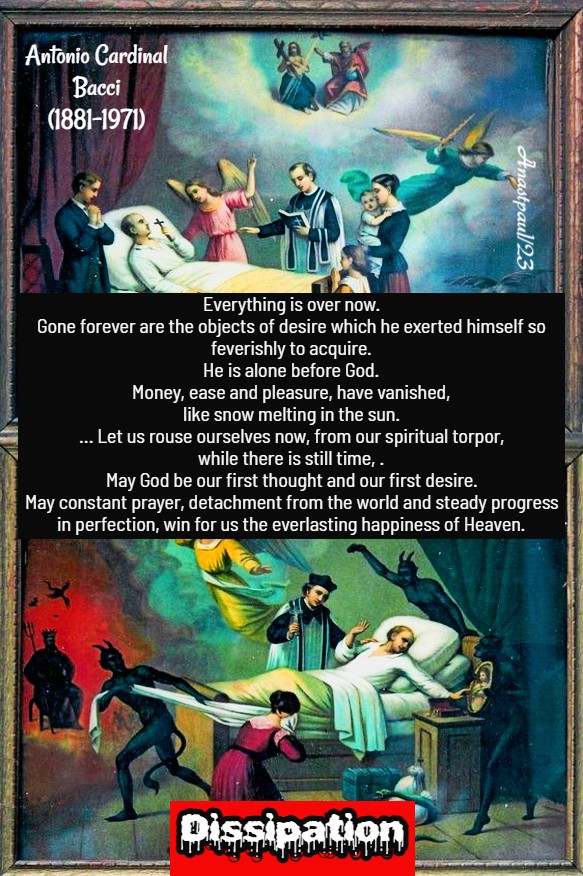
Dissipation
“Imagine the death of the dissipated man. When he reaches the end of his earthly journey, it will seem to him as if he has awakened from a dream. Everything is over now. Gone forever are the objects of desire which he exerted himself so feverishly to acquire. He is alone before God. Money, ease and pleasure, have vanished, like snow melting in the sun.
Please God, we shall never experience this fearful re-awakening. Let us rouse ourselves now, from our spiritual torpor, while there is still time, . May God be our first thought and our first desire. May constant prayer, detachment from the world and steady progress in perfection, win for us the everlasting happiness of Heaven.”
Quote/s of the Day – 30 December – The Sixth Day Within the Octave of the Nativity of our Lord
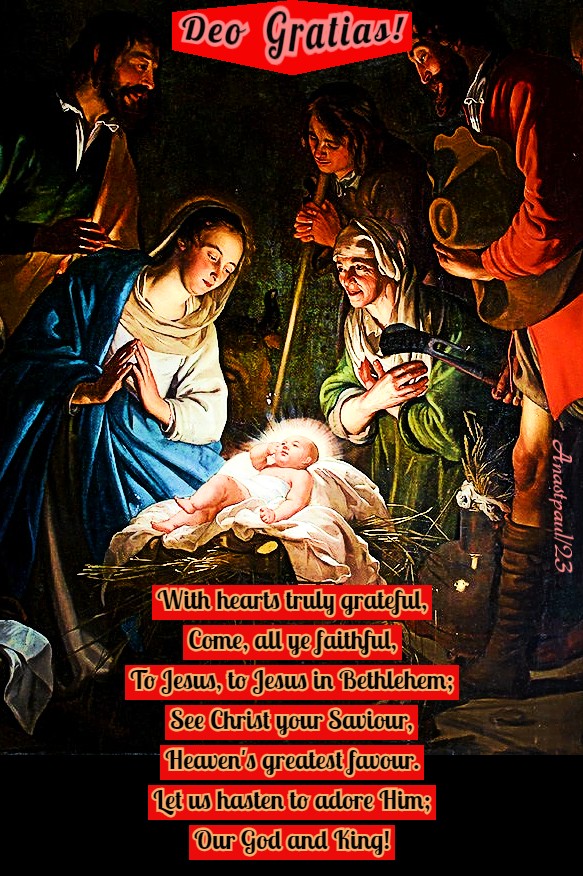
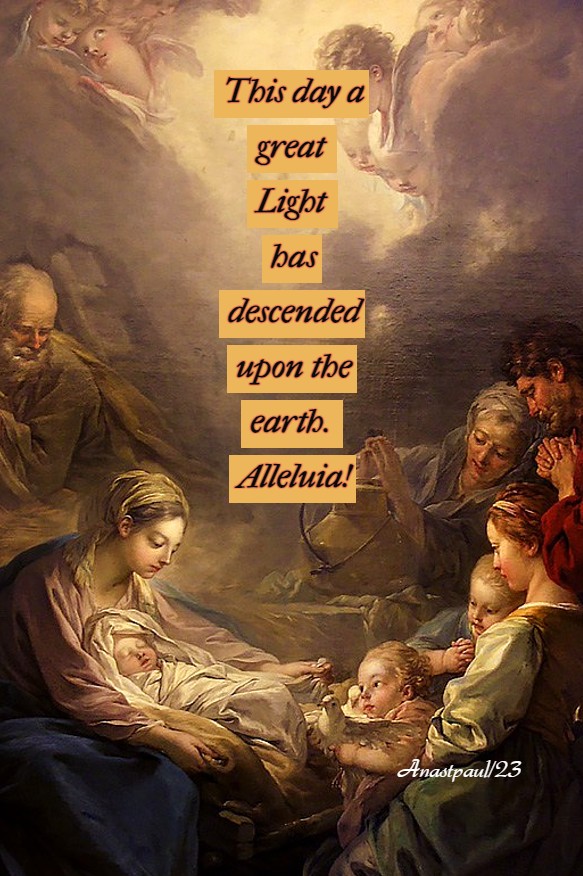
“With hearts truly grateful, Come, all ye faithful, To Jesus, to Jesus in Bethlehem; See Christ your Saviour, Heaven’s greatest favour. Let us hasten to adore Him; Our God and King.”
DEO GRATIAS!
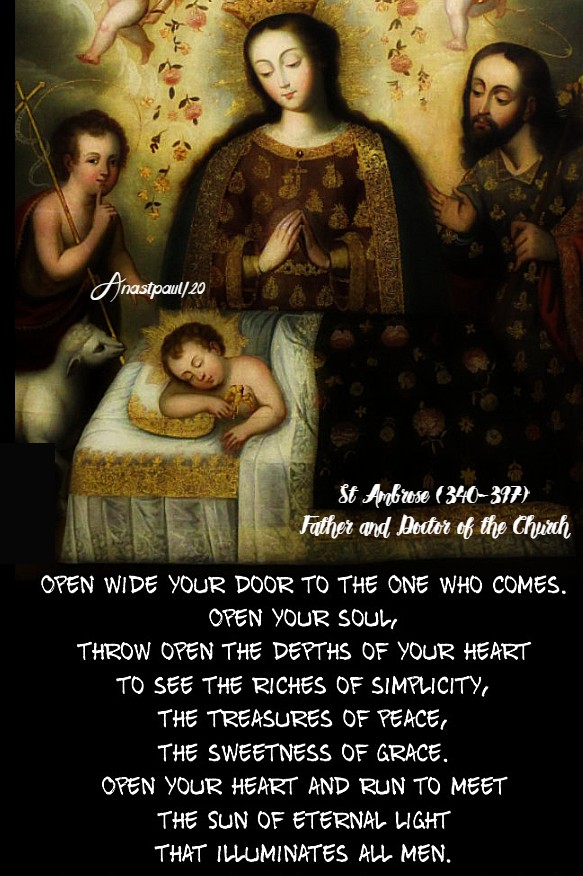
“Open wide your door to the One who comes. Open your soul, throw open the depths of your heart to see the riches of simplicity, the treasures of peace, the sweetness of grace. Open your heart and run to meet the Sun of Eternal Light Who illuminates all men.”
St Ambrose (340-397) Father and Doctor of the Church
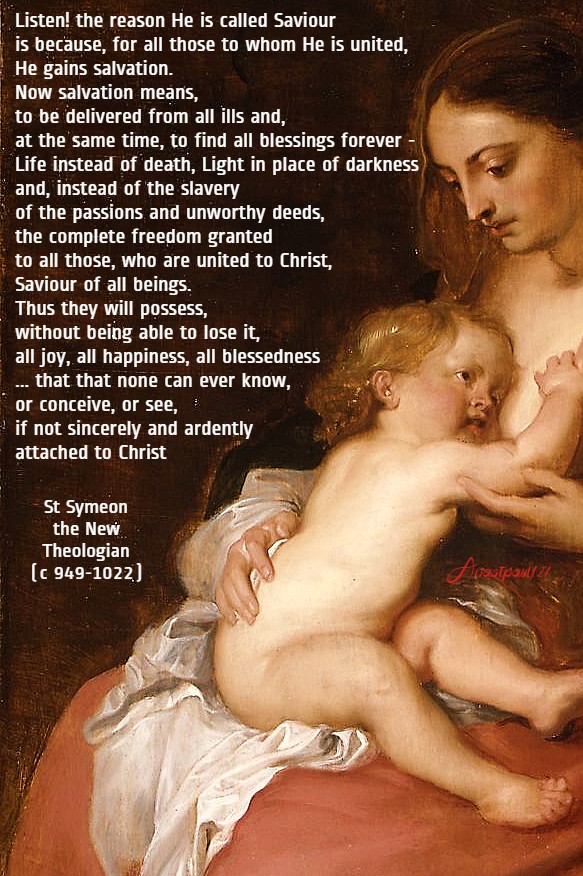
“Listen! the reason He is called Saviour is because, for all those to whom He is united, He gains salvation. Now salvation means, to be delivered from all ills and, at the same time, to find all blessings forever – Life instead of death, Light in place of darkness and, instead of the slavery of the passions and unworthy deeds, the complete freedom granted to all those, who are united to Christ, Saviour of all beings. Thus they will possess, without being able to lose it, all joy, all happiness, all blessedness … that that none can ever know, or conceive, or see, if not sincerely and ardently attached to Christ.”
St Symeon the New Theologian (c 949-1022)
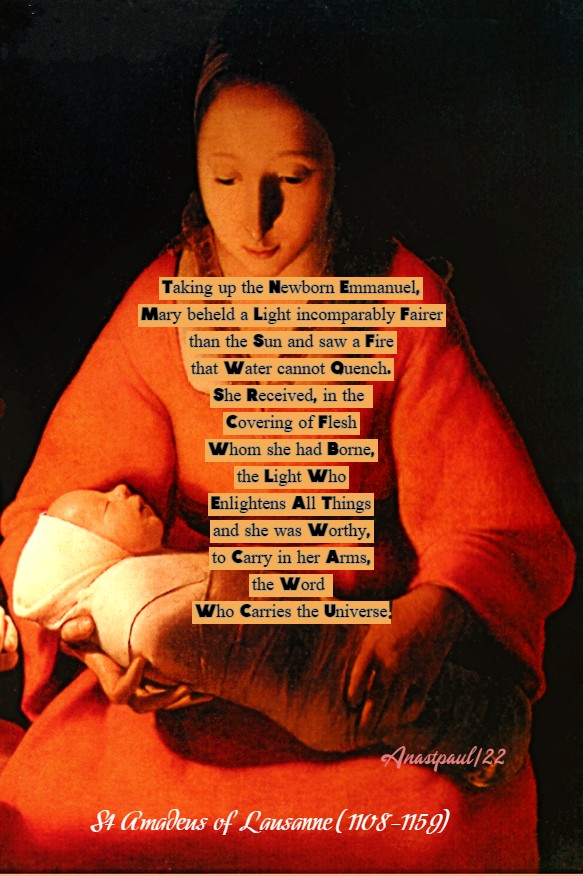
“Taking up the newborn Emmanuel, Mary beheld a Light incomparably fairer than the sun and saw a Fire that water cannot quench. She received, in the covering of flesh Whom she had borne, the Light Who enlightens all things and she was worthy, to carry in her arms, the Word Who carries the universe!” ”
St Amadeus of Lausanne (1108-1159) Bishop, Cistercian Monk
(Homilies in praise of the Blessed Virgin Mary IV SC 72)
One Minute Reflection – 30 December – “The Month of the Divine Infancy and the Immaculate Conception of the Blessed Virgin Mary” – The Sixth Day Within the Octave of the Nativity of our Lord – Titus 3:4-7, Luke 2:15-20 – Scripture search here: https://www.drbo.org/
“And they came with haste and they found, Mary and Joseph and the Infant lying in the manger. ” – Luke 2:16
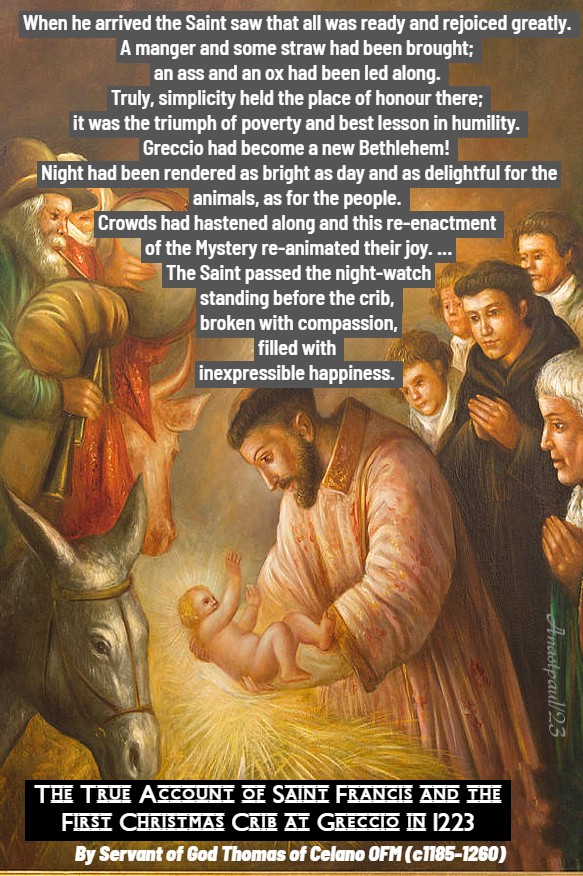
REFLECTION – “About two weeks before Christmas, Francis said: … “I wish to call to mind, the Child Who was born at Bethlehem and all the sufferings He endured, from His childhood … I wish to see Him with the eyes of my flesh, just as He was, laid in a manger and sleeping on the hay between an ox and an ass”…
The joyful day arrived … The Friars from several Convents thereabouts were gathered together. In festive spirit the people round about, both men and women, all according to their means, made torches and candles ready with which to illuminate the night which saw the bright star arise, to light up all the ages! When he arrived the Saint saw that all was ready and rejoiced greatly. A manger and some straw had been brought; an ass and an ox had been led along. Truly, simplicity held the place of honour there; it was the triumph of poverty and best lesson in humility. Greccio had become a new Bethlehem! Night had been rendered as bright as day and as delightful for the animals, as for the people. Crowds had hastened along and this re-enactment of the Mystery re-animated their joy. The woods resounded with songs and the mountains threw back their echoes. The brethren sang the Lord’s praises and the whole night was spent in rejoicing. The Saint passed the night watch standing before the crib, broken with compassion, filled with inexpressible happiness. Finally, Mass was celebrated on the manger as on an Altar and the Priest experienced fervour of a kind he had never felt before.
Francis had put on his Dalmatic, for he was a Deacon and he sang the Gospel with resonant voice … Then he preached to the people, finding words as sweet as honey, to speak of the birth of the poor King and the little Town of Bethlehem.” – Servant of God Thomas of Celano OFM (c1185-1260) Biographer of Saint Francis and Saint Clare (The First Life of Saint Francis, #84-86).
PRAYER – Grant, we beseech Thee, Almighty God that the new birth, in the flesh, of Thine Only-begotten Son, may deliver us, whom the bondage of old keeps under the yoke of sin. Through the same Jesus Christ, Thy Son our Lord, Who lives and reigns with Thee, in the unity of the Holy Ghost, God, world without end. Amen (Collect).
Our Morning Offering – 30 December – “The Month of the Divine Infancy and the Immaculate Conception of the Blessed Virgin Mary” –The Sixth Day Within the Christmas Octave
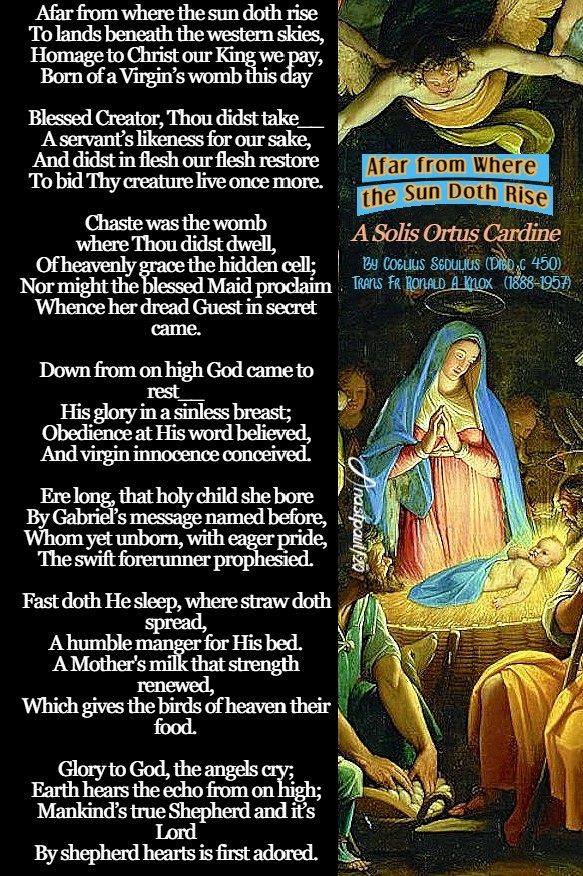
Afar from Where the Sun Doth Rise A Solis Ortus Cardine By Coelius Sedulius (Died c 450) Trans Msgr Ronald A Knox (1888-1957)
Afar from where the sun doth rise To lands beneath the western skies, Homage to Christ our King we pay, Born of a Virgin’s womb this day
Blessed Creator, Thou didst take__ A servant’s likeness for our sake, And didst in flesh our flesh restore To bid Thy creature live once more.
Chaste was the womb where Thou didst dwell, Of heavenly grace the hidden cell; Nor might the blessed Maid proclaim Whence her dread Guest in secret came.
Down from on high God came to rest__ His glory in a sinless breast; Obedience at His word believed, And virgin innocence conceived.
Ere long, that holy child she bore By Gabriel’s message named before, Whom yet unborn, with eager pride, The swift forerunner prophesied.
Fast doth He sleep, where straw doth spread, A humble manger for His bed. A Mother’s milk that strength renewed, Which gives the birds of heaven their food.
Glory to God, the angels cry; Earth hears the echo from on high; Mankind’s true Shepherd and it’s Lord By shepherd hearts is first adored.
Saint of the Day – 30 December – Saint Raoul of Vaucelles O.Cist. (Died 1152) Cistercian Priest, Abbot and Founder of Vaucelles Abbey under the instruction of St Bernard (1090-1153) the Doctor of Clairvaux. Born in Sussex, England and died in 1152 of natural causes at the Monastery which he had founded in France. Also known as – Radulphe, Ralph, Raul. There are sadly no available images of our Saint.
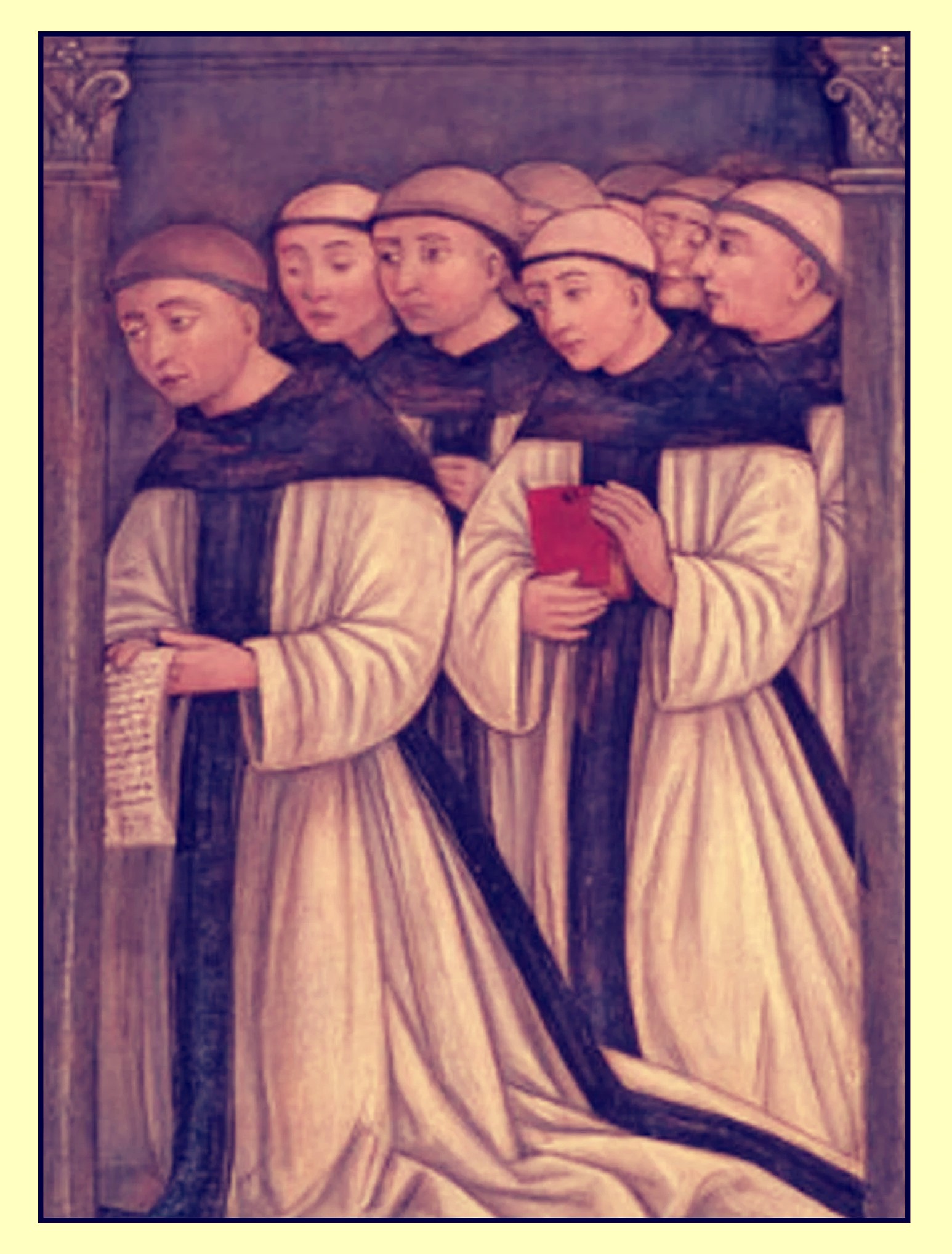
Cistercian Monks
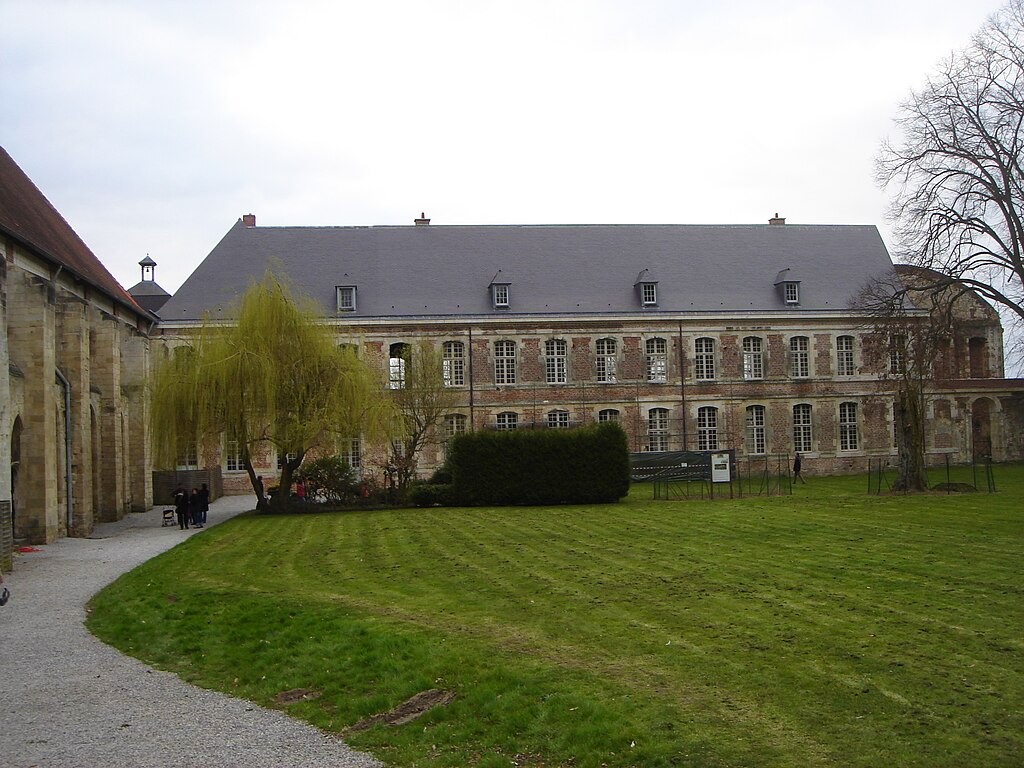
The Abbey, whose foundation was desired by St Bernard himself, included within its walls, the largest Cistercian Abbey Church in the world, is located in the Municipality of Rues-des-Vignes, was suppressed along with all other Catholic Churches, Monasteries and Convents) during the French Revolution.
Saint Raoul, who is believed to have been born in Merston, Sussex in England, was a Priest, who had been entrusted with a Parish in his own Country. Returning from a trip to Italy, Raoul stopped at the Clairvaux Abbey, and was fortunate enough to meet St Bernard along with the Monks of his community.
Raoul became deeply enthusiastic about this way of living his religious calling and he decided not to return to England and asked to become a Novice in that very Monastery.
In 1132, shortly after having pronounced his vows, he was sent by St Bernard together St Richard (Died 1169 – Feast day 28 January), another English Priest who had followed him in entering the Order,and with other Monk, to found the Abbey of Vaucelles, in the Diocese of Cambrai. Raoul was the main protagonist in the construction of the Abbey, whose Church was Consecrated in 1149 by Samson, the Bishop of Reims.
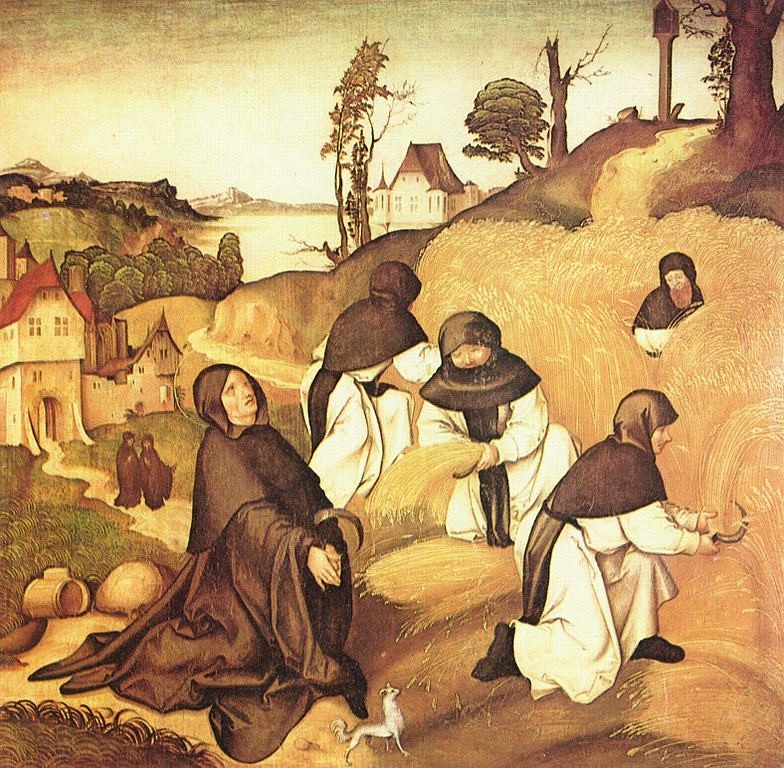
Cistercians at work in a detail from the Life of St Bernard
Saint Raoul was considered a model for his Monks as he personally trained them with the word and with the example of an upright religious life. He also had the temporal well-being of the Abbey under his care and at heart, so much so, that during his governance, the community began to prosper rapidly.
The story of the miracle of the endless wheat is also handed down about our Saint. During a severe famine, Raoul managed to guarantee the subsistence of a large number of poor people. And even when the grain diminished rapidly and he was advised to be prudent in his donations, he replied that as long as there was grain in the Monastery, he would feed all the unfortunate people who came along and, if the grain was not enough, he would also feed the hungry with the livestock of the Abbey.
We know that when he died, after twenty years of his Abbacy, his community was made up of over two hundred Monks.
Saint Raoul was buried in the chapter hall of the Monastery. After the Lateran Council, his body together with that of St Richard the second Abbot and that of Nicholas the third Abbot, was moved to the cloister near the door of the Abbey by Abbot Adelgo, who governed the fate of the Monastery between 1166 and 1181.
The Feast day for St Raoul, in the Cistercian Menologium, was set for today, 30 December.
St Anysia of Thessalonica St Anysius of Thessalonica
St Egwin of Worcester OSB (Died 717) Bishop of Worcester, England, Benedictine Monk, Reformer and Penitent, miracle-worker. Egwin was devout and lived for God from his youth. His biographers say, that king, clergy and the faithful, all united in demanding Egwin’s elevation to Bishop. About St Egwin: https://anastpaul.com/2020/12/30/saint-of-the-day-30-december-saint-egwin-of-worcester-osb-died-717/
St Elias of Conques St Eugene of Milan St Geremarus
St Hermes of Moesia St Jucundus of Aosta St Liberius of Ravenna
Blessed Margherita Colonna (c1255-1284) Virgin, Nun, Mystic, Apostle of the poor. Beatified on 17 September 1847 by Pope Pius IX. The Roman Martyrology states: “At Palestrina in Lazio, Blessed Margherita Colonna, Virgin, who preferred poverty for Christ to the riches and pleasures of the world, which she served by professing the Rule of St Clare.” Her Life: https://anastpaul.com/2021/12/30/saint-of-the-day-30-december-blessed-margherita-colonna-c-1255-1284/
St Perpetuus of Tours St Raoul of Vaucelles O.Cist. (Died 1152) Abbot
St Richard of Wedinghausen St Ruggero of Canne St Sebastian of Esztergom
Martyrs of Alexandria – 5 Saints: A group of Christians Martyred in the unrest caused by Monophysite heretics. We know the names for five of them – Appian, Donatus, Honorius, Mansuetus and Severus. They were martyred in c 483 at Alexandria, Egypt.
Martyrs of Oia – 6 Saints: A group of Christians Martyred together, date unknown. The only details to have survived are the names – Cletus, Florentius, Papinianus, Paul, Serenusa and Stephen. They were martyred in Oia, Greece.
Martyrs of Spoleto – 4 Saints: A group of Christians Martyred in the persecutions of DioSletian – Exuperantius, Marcellus, Sabinus and Venustian. They were martyred in 303 in Spoleto, Italy.
Thought for the Day – 29 December – Meditations with Antonio Cardinal Bacci (1881-1971)
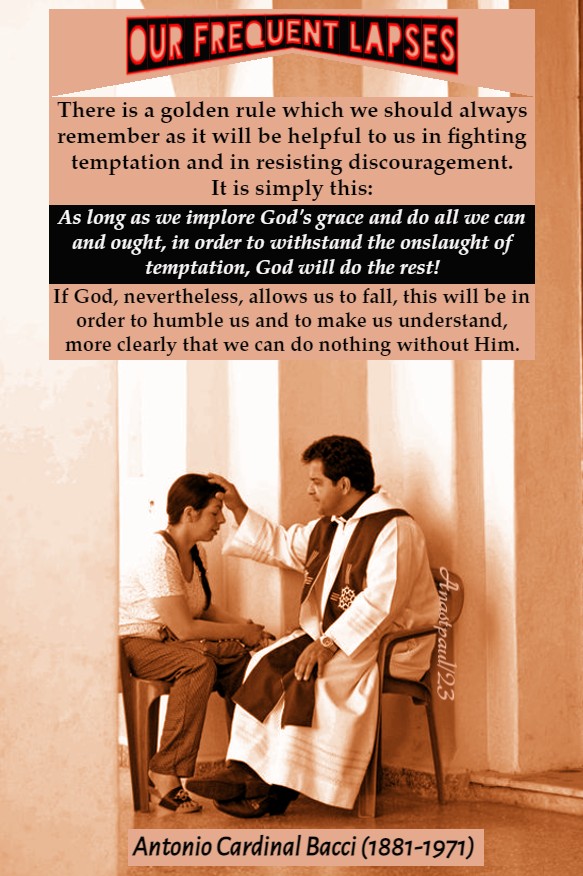
Our Frequent Lapses
“There is a golden rule which we should always remember as it will be helpful to us in fighting temptation and in resisting discouragement. It is simply this: As long as we implore God’s grace and do all we can and ought, in order to withstand the onslaught of temptation, God will do the rest!
If God, nevertheless, allows us to fall, this will be in order to humble us and to make us understand, more clearly that we can do nothing without Him. When we fall, moreover, we may be certain that in His infinite goodness, He will accept our repentance and forgive us.”




















 AnaStpaul
You must be logged in to post a comment.