Our Lenten Journey with St Francis de Sales – 27 March – Monday of Passion Week
“In love, by love, for love and of love” St Francis de Sales
MONDAY IN PASSION WEEK St Francis de Sales (1567-1622) Doctor Caritas
“THE SWEET JESUS was scourged, crowned, condemned, mocked and rejected as man, devoted, destined and dedicated to carry out and endure, the opprobriums and ignominies due in punishment to all sins and He served as a general sacrifice for sin, being made, as it were, an anathema, separated from and abandoned by His Eternal Father.
The Divine Saviour wished to die in the flames of love because of the Infinite Charity He bore towards us and, by the force and power of love, that is to say, He would die in love, by love, for love and of love. This is what He Himself says: “No-one takes away My life but I lay it down of Myself, for I have power to lay it down and to take it up again” .—He was offered, says Isaias because He wished it.” – (Consoling Thoughts of St Francis de Sales).
Our Lenten Journey with St Francis de Sales – 26 March – Passion Sunday – Hebrews 9:11-15, John 8:46-59 – Scripture search here: https://www.drbo.org/
“… By means of His death, … they, who have been called, may receive the eternal inheritance, according to the promise, in Christ Jesus our Lord.” Hebrews 9:15
“Amen, amen, I say to you, if anyone keep My word, he will never see death.” John 8:51
DEATH St Francis de Sales (1567-1622) Doctor Caritas
“CONSIDER THE UNCERTAINTY of the day of your death. One day, my soul, you must depart from this body. When will it be? In winter or summer? In town or country? At home or afar? During the day or the night? With or without warning? As a result of illness of accident? Shall I have a chance to go to Confession? Shall I be assisted by a Priest? Will I be prepared? Unhappily, I know the answer to none of these things. Only one thing is certain – that I shall die and sooner than I imagine.”
Consider that then, the world will come to an end, as far as you are concerned. You will have no more part in it. It will turn upside down before your eyes, for worldly joys and pleasures and the things you loved in vain, will turn into empty dreams and shadows. Fool that I am to offend God for the sake of such trifling vanities. I have forsaken God and for what – for nothing! On the other hand, devotion and good deeds will be seen as desirable and delightful and you will ask yourself – why did I not take this beautiful and pleasant path of everlasting joy? At that hour, your sins – which at the time seemed so small – willappear as vast as mountains and your devotions truly small. …
Pray to God and cast yourself into His arms. O my God, take me into Thy care on that terrible day; may all other days be sad, if only that single day will be a happy one! Thank God for inspiring these resolutions and offer them to Him, imploring Him to grant you the grace of a Happy Death, through the merits of His Son and through the intercession of the Blessed Virgin Mary and all the Saints. Carry with you always a small Happy Death Crucifix, properly blessed, to obtain a Plenary Indulgence at the hour of death and meditate upon it often.” – (Introduction to the Devout Life – Excerpt from The Fifth Meditation on Death).
WHAT IS A HAPPY DEATH CRUCIFIX? A Crucifix which displays the “Skull and Crossbones” preferably at the Feet of Jesus. “The skull and bones have many symbolic meanings. All Catholics are encouraged to meditate on the “Four Last Things – Death and Judgement, Heaven and Hell” so that they will live in a state of grace and prepare themselves for Heaven. The skull is a great reminder of human mortality. Jesus Christ was Crucified on Golgotha – “the place of the skull,” There is a tradition that Christ, the New Adam, Who conquered sin and death, was Crucified on the gravesite of the first man, Adam, who brought sin and death into the world through his disobedience to God. The skull is a symbol of Adam’s grave. Most important of all, the skull and bones are placed beneath Jesus’ Feet, to show that He triumphed over death and sin on our behalf.”
Our Lenten Journey with St Francis de Sales – 25 March – The Annunciation of the Blessed Virgin Mary – Isaias 7:10-15, Luke 1:26-38 – Scripture search here: https://www.drbo.org/
“Hail, full of grace, the Lord is with thee, blessed art thou amongst women!” Luke 1:28
“And Mary said to the Angel: How shall this be done as I know not man?” Luke 1:34
CHASTITY and HUMILITY St Francis de Sales (1567-1622) Doctor Caritas
“VIRGINITY AND ABSOLUTE CHASTITY, is an angelic virtue but, although it belongs, more especially to Angels than to men, yet the purity of Our Lady infinitely surpassed that of the Angels, having three great perfections above theirs, even that of the Cherubim and Seraphim…that of the Angels is sterile and can produce no fruit. On the contrary, that of our glorious Mistress was not only fruitful because she produced, for us, this sweet Fruit of Life, Our Lord and Master but, in the second place, she has begotten many virgins. It is it in imitation of her, as we have said, that virgins have vowed their virginity …
But she was not only virgin par excellence above all others, Angels as well as men – she was also more humble than all others. This was manifest excellently on the day of the Annunciation. She then made the greatest act of humility that was ever made, or ever will be made, by a pure creature; for seeing herself exalted by the Angel, who saluted her, saying she was full of grace and that she would conceive a Son Who would be both God and Man…Our Lady, being reassured by the Angel and having learned what God willed to do with her and in her, made this supreme act of humility, saying: “I am the servant of the Lord. Let it be done to me as you say.” She saw herself raised to the highest dignity that ever was or will be, for although it should please God to create anew many worlds, He could never make a pure creature be greater than the Mother of God.
Our Lady humbled herself and acknowledged herself unworthy of being raised to the high dignity of Mother of God, therefore, she was made to be His Mother, for she had no sooner uttered the protestation of her littleness, than, having abandoned herself to Him, by an act of incomparable charity, she became the Mother of the Most High, Who is the Saviour of our souls!” (Sermon on 25 March 1621at a religious Profession).
Our Lenten Journey with St Francis de Sales – 24 March – Friday of the Fourth Week in Lent and the Feast of St Gabriel the Archangel – Daniel 9:21-26, Luke 1:26-38 – Scripture search here: https://www.drbo.org/
“He hath given His Angels charge over thee, to keep thee in all thy ways.” Psalm 90:11
“At that time, the Angel Gabriel was sent from God to a town of Galilee called Nazareth, to a virgin betrothed to a man named Joseph, of the house of David, and the virgin’s name was Mary.” Luke 1:26-27
THE ANGELS St Francis de Sales (1567-1622) Doctor Caritas
“INASMUCH AS GOD continually sends us inspirations by means of His Angels, we may fittingly send back our aspirations, through the same channel. … Seek to be familiar with the Angels; learn to realise that they are continually present, although invisible. Especially love and revere the Guardian Angel of the Diocese in which you live, those of the friends who surround you and your own. Commune with them frequently, join in their songs of praise and seek their protection and help in all you do, spiritual or temporal.
That pious man Peter Faber, the first companion of Saint Ignatius and the first Priest, first preacher and first theological teacher of the Company of the Jesuits, who was a native of our Diocese, (the French region of Savoy) once, passing through this country on his way from Germany, (where he had been labouring for God’s Glory) told, how great comfort he had found, as he went among places infested with heresy, in communing with the Guardian Angels thereof, whose help had often preserved him from danger and softened hearts to receive the Faith. He spoke with such earnestness that a lady, who, when quite young, heard him, was so impressed that she repeated his words to me only four years ago, sixty years after their utterance! with the utmost feeling.” – (Introduction to the Devout Life – PART II. Containing sundry counsels).
Our Lenten Journey with St Francis de Sales – 18 March – Saturday of the Third Week in Lent, to Mary our Mother we pray today
“Let us run to Mary and, as her little children, cast ourselves into her arms with a perfect confidence.”
“Hail Mary, full of grace …”
THE ANGELIC SALUTATION St Francis de Sales (1567-1622) Doctor Caritas
“LET US GLORY, says a pious author, in repeating this salutation, with the Angel Gabriel, the Apostles, the Martyrs and all the Christian world. Let this Ave Maria, which comes to us fragrant as a Canticle of Heaven and repeated by as many echoes as there are faithful souls on earth, be sweet to our lips and sweeter still to our hearts. It is a rare and enviable favour indeed to be able to salute a Queen and yet, everyday, at every moment, men and women, old and young, all of every condition, can salute the Queen of Heaven and earth, who contains, in her hands all the treasures of God and can be sure of being always heard and, that each salutation addressed to her, will meet with a corresponding benefit. . . . But can the sinner too, dare to approach her? Yes, certainly – let him also come with humble confidence and salute her, who is his refuge, for she will in no wise be offended by his prayer and, if the Hail Mary from his lips be a cry of sorrow and repentance, it will become omnipotent and will obtain mercy, pardon, grace and salvation. Hail Mary ! Ave Maria ! . . . A sweet and beautiful word it is, which Heaven sent to earth and earth again returns, so frequently to heaven! ” – (The Month of Mary According to the Spirit of St Francis de Sales).
Our Lenten Journey with St Francis de Sales – 16 March – Thursday of the Third Week in Lent – Jeremias 7:1-7, Luke 4:38-44 – Scripture search here: https://www.drbo.org/
“Thou opens Thy hand and fills with blessing every living creature.” Psalm 144:16
“And standing over her, He commanded the fever and it left her. And immediately rising, she ministered to them.” Luke 4:39
PROPER CONDUCT IN ILLNESS St Francis de Sales (1567-1622) Doctor Caritas
“St Peter’s mother-in-law knew that Our Lord was in Capharnaum and that He was curing many sick people. Nevertheless, she did not anxiously send for Him to tell Him that she was suffering, nor did she beg Him to come to her house. But what is even more amazing, is that even when they encountered one another in her house, she looked at Him and He looked at her but she did not say a word about her illness, so as to move Him to have pity on her; nor did she cry out, “Lord, Son of David, have pity on me” [Matt 15:22] or “Lord, say only the word and my soul will be healed” [Matt 8:8; Lk. 7:7]—that is, I will regain life and health. …
Our fever patient did not act in this way at all. She was in her bed without making any fuss whatever. It was enough for her that others knew she was ill; she was content to take what was given her for her health, not fretting over whether it would benefit her or not. She believed firmly that God was not the first, nor the second, nor the third cause of her illness, for He is not the cause of sickness in any way whatever. Since He is not the cause of sin, then He is not the cause of sickness either. But just as He permits sin, He sends infirmities to correct and purify us of it. Thus, we must be submissive to His Justice, as well as to His Mercy, keeping a humble silence. This will make us tranquilly embrace the events of His Providence, as David did, who, in his afflictions said: “I suffered and was silent because I knew that it was Thou Who sent them to correct me and purge me of my guilt.” [Ps.38: 10-12].
Our fever patient did the same. “Thou have sent me the fever and I have accepted it. I have submitted myself, both to Thy Justice and to Thy Mercy. Just as Thou sent it to me, without my asking for it, so Thou can take it away, without my asking Thee to do so. Thou knows better than I do what is best for me. I have no need to trouble myself about it. It is sufficient for me that Thou look at me and that Thou knows that I am sick in my bed!” – (Sermon for the Thursday after the Third Sunday of Lent, 3 March 1622, concerning the cure of St Peter’s mother-in-law).
Our Lenten Journey with St Francis de Sales – 14 March – Tuesday of the Third Week in Lent – 4 Kings 4:1-7, Mattew 18:15-22 – Scripture search here: https://www.drbo.org/
“And forgive us our sins, for we also forgive everyone who is indebted to us.” Luke 11:4
“Then Peter came up to him and said, “Lord, how often shall my brother sin against me and I forgive him? As many as seven times?” Jesus said to him, “I do not say to you seven times but seventy times seven.” Matthew 18:21-22
CHARITY in INJURY St Francis de Sales (1567-1622) Doctor Caritas
“THE CHRISTIAN SHOULD LOVE husband or wife with a calm, tranquil, firm and constant love, chiefly because God desires and enjoins us to do so. The same reason holds good as to children and other relatives and friends, each one according to his rank.
But as a general thing, what is the state of your heart with regard to your neighbour? Do you love him from your heart and for the love of God? In order to prove this, you must call to mind certain disagreeable, troublesome individuals, for with such, it is that we practice the love of God towards our neighbour and still more, towards those who do us any injury, either in word or deed. Consider whether your heart is clear with regard to such and whether you have to force it to love them? Are you slow to speak evil of your neighbour, especially of those whom you do not like? Do you never injure him, either directly or indirectly? A very little reflection will easily satisfy you on these points.” – (Introduction to the Devout Life).
Our Lenten Journey with St Francis de Sales – 12 March – The Third Sunday in Lent – Ephesians 5:1-9, Luke 11,14-28 – Scripture search here: https://www.drbo.org/
“To Thee have I lifted up my eyes, Who dwells in Heaven. Have mercy on us, O Lord, have mercy on us.” Psalm 122:1,3
“Every kingdom divided against itself is laid waste.” Luke 11:17
MUTUAL CHARITY St Francis de Sales (1567-1622) Doctor Caritas
“IN TODAY’S GOSPEL[Lk. 11:14-28], Our Lord insists that every kingdom divided against itself, (not united in itself) is brought to desolation. On the other hand, the converse is true, too – all kingdoms united in concord, not permitting any division to enter, will surely be filled with consolation. For if the propositions are opposite, the consequences must be, too. These words are among the most remarkable, noteworthy and important that our Divine Master ever spoke. For this reason the ancient Fathers carefully interpreted them.
They agree that our Saviour had three kinds of concord or union in mind when He spoke, where division in any of them, results in desolation. The first is the concord which should exist between a king and his subjects, making subjects submissive and obedient to his laws. The second is the union which we ought to have within, in our inner kingdom, where reason must be the king to whom are subject, all the faculties of our spirit, all our senses and even our bodies. … (Without this obedience and submission we cannot avoid having desolation and trouble, any more than there could be peace in a kingdom in which the subjects are not obedient to the laws of the king.)
… The third, is that which we ought to have with each other. This union or concord, has been earnestly preached, recommended and taught to us by Our Lord, equally in word and example. … Nothing is so stressed, nothing stated so completely as the observance of this Commandment [the Commandment of love[. He does so with good reason, for the beloved of the Beloved, the great Apostle St John, assures us that anyone who says that he loves God and does not love his neighbour, is a liar [1 Jn.4:20-21]. On the other hand, he who says he loves his neighbour but does not love God also contradicts the truth. That simply cannot be. To love God without loving the neighbour, who is created in His Image and Likeness [Gen. 1:26-27], is impossible.
But what should this union and concord be which we all ought to have? Oh! What should it be indeed! It must be such that if Our Lord Himself had not explained it, no-one would have been so daring as to use the same terms as His. At the Last Supper, after He had given the incomparable pledge of His love for us men, the Most Blessed Sacrament of the Eucharist, He said: “Father, My very dear Father, I beseech Thee that all those whom Thou hast given Me may be one, as Thou and I, Father, are One ” [Jn 17:11-12, 21-22]. To show that He was not speaking only for the Apostles but for all the rest of us, He added: “I do not pray for them alone (that is, those He had just mentioned) but for all those who will believe in Me, through their word” [Jn 17:20]. Who would have dared, I repeat, to make such a comparison, or to ask that we might be united as the Father, the Son and the Holy Spirit are united? – (Sermon for the Third Sunday of Lent, 27 February 1622).
Our Lenten Journey with St Francis de Sales – 10 March – Friday of the Second Week in Lent – Hebrews 11:33-39, Luke 6:17-23. – Scripture search here: https://www.drbo.org/
“The just cried and the Lord heard them and delivered them out of all their troubles.” Psalm 33:18
“And He, lifting up His eyes on His disciples, said: Blessed are you poor, for yours is the Kingdom of God.” Luke 6:20
POVERTY AMID RICHES St Francis de Sales (1567-1622) Doctor Caritas
“Blessed are the poor in spirit, for theirs is the Kingdom of God” and if so, woe be to the rich in spirit, for theirs must be the bitterness of hell! By rich in spirit, I mean him, whose riches engross his mind, or whose mind is buried in his riches. He is poor in spirit, whose heart is not filled with the love of riches, whose mind is not set upon them. …
Whatever riches and all other transitory things you may possess, you must keep your heart free from the slightest affection for them. Your heart may be surrounded by riches; however, riches must never master your heart! … And this, my child, is what your heart should be – open only to Heaven, impenetrable to riches and earthly treasures. If you have them, keep your heart from attaching itself to them; let it maintain a higher level and amidst riches be as though you had none, superior to them. Do not let that mind which is the likeness of God, cleave to mere earthly goods; let it always be raised above them, not sunk in them.
… Do not fix your longings on anything which you do not possess; do not let your heart rest in that which you have; do not grieve overmuch , at the losses which may happen to you – and then, you may reasonably believe, that although rich in fact, you are not so in affection but that you are poor in spirit and, therefore, blessed, for the Kingdom of Heaven is yours.” (Introduction to the Devout Life – PART III Containing counsels concerning the practice of virtue).
Our Lenten Journey with St Francis de Sales – 9 March – Thursday in the Second Week of Lent – Proverbs 31:10-31, Matthew 13:44-52 – Scripture search here: https://www.drbo.org/
“Thou hast loved justice and hated iniquity; therefore God, thy God, hath anointed thee with the oil of gladness, above thy fellows.” Psalm 44:8
“So shall it be at the end of the world. The Angels shall go out and shall separate the wicked from among the just. And shall cast them into the furnace of fire: there shall be weeping and gnashing of teeth.” Matthew 13:49-50
HEAVEN or HELL? St Francis de Sales (1567-1622) Doctor Caritas
“CONSIDER THAT THE CHOICE you make in this life will last forever in the next! Consider too, that while both are open to receive you, according to your choice, yet God, Who is prepared to give the one by reason of His Justice, the other by reason of His Mercy, all the while desires, unspeakably that you should select Paradise. offering you countless graces on God’s part, countless assistance to attain to it. Consider that Jesus Christ, enthroned in Heaven, looks down upon you in loving invitation – ‘O beloved one, come unto Me and joy forever in the eternal blessedness of My Love!’ Behold His mother yearning over you with maternal tenderness, ‘Courage, my child, do not despise the Goodness of my Son, or my earnest prayers for thy salvation.‘ …
O Hell, I abhor thee now and forever; I abhor thy griefs and torments, thine endless misery, the unceasing blasphemies and maledictions which thou pourest out upon my God and turning to thee, O blessed Paradise, eternal glory, unfading happiness, I choose thee forever as my abode, thy glorious mansions, thy precious and abiding tabernacles.
O my God, I bless Thy Mercy which gives me the power to choose, O Jesus, Saviour, I accept Thine Eternal Love and praise Thee for the promise Thou hast given me, of a place prepared for me, in that blessed New Jerusalem, where I shall love and bless Thee forever. ” (Excerpt – ‘Introduction to the Devout Life’ 9th Meditation).
Our Lenten Journey with St Francis de Sales – 8 March – Wednesday in the Second Week of Lent – Ecclesiasticus Sirach 31:8-11, Matthew 22:34-46 – Scripture search here: https://www.drbo.org/
“Blessed is the man who fears the Lord, he shall delight exceedingly in His commandments. …” Psalm 111:3
“‘You shall love the Lord your God with your whole heart and with your whole soul and your whole mind.’ This is the greatest and first commandment. And the second is like it, ‘You shall love your neighbour as yourself.’ ” Matthew 22:37-39
THE GREAT COMMANDMENT St Francis de Sales (1567-1622) Doctor Caritas
“CHARITY, while it is alive in the soul, reigns supreme and holds sway over all the emotions, leading the will to put God before everything else without delay, without exception, without reserve. … But why does charity include love of ourselves? Why, because we are wearing God’s Image and Likeness and, since all men enjoy the same noble dignity, we love them too as we love ourselves – in other words, as devoted living likenesses of the Godhead. … So it is, then, that the same charity which gives rise to acts of love of God, also breeds love of our neighbour.
When we see our neighbour, created to the Image and Likeness of God, should we not say to one another, ‘Stop, do you see this created being, do you see how he resembles the Creator? should we not cast ourselves upon him and weep over him with love? Should we not give him a thousand, thousand blessings?
It is for love of God Who made him in His Own Image and Likeness and, therefore, capable of sharing in His goodness in grace and glory. I say it is for love of God, from Whom he is, Whose he is, by Whom he is, in Whom he is, for Whom he is, Whom he resembles in a most particular manner.” – (Treatise on the Love of God, Book 10).
Our Lenten Journey with St Francis de Sales – 6 March – Ecclesiasticus Sirach 51:13-17, Matthew 13:44-52 – Scripture search here: https://www.drbo.org/
“The Kingdom of Heaven is like a treasure …” Matthew 13:44
“Again, the Kingdom of Heaven is like a merchant in search of fine pearls. When he finds a single pearl of great price, he goes and sells all that he has and buys it.” Matthew13:45-46
HEAVENLY TREASURE St Francis de Sales (1567-1622) Doctor Caritas
“The first difficulty seen in the question is: Can the souls of the blessed, separated from their bodies, see, hear, consider and understand? Can they, in short, exercise the functions of the mind, as freely as when they were united to their bodies? I answer that not only can they act as before but much more perfectly. And to support this theory I shall give you a story from St Augustine, an author in whom one can place complete trust. He relates that he was acquainted with a physician from Carthage who was as famous in Rome as in that City, both because he excelled in the art of medicine and because, he was a very good man, one who did many charitable works and served the poor gratis.
His charity towards his neighbour, moved God to lift him out of an error into which he had fallen as a young man. God always greatly favours those who practise charity toward their neighbour; indeed, there is nothing that draws down His mercy upon us more abundantly. Our Lord has declared it His own special commandment [Jn. 15:12], the one He loves and cherishes most. For after that of the love of God, there is none greater [Matt 22:37-40].
St Augustine recounts how this physician told him that when young, he began to doubt whether the soul, separated from the body, can see, hear, or understand anything. One day, while in this error, he fell asleep. Suddenly, a handsome young man appeared to him in his sleep and said: “Follow me.” The physician did so and his guide led him into a large and spacious field where, on one side he showed him incomparable beauties and on the other allowed him to hear a concert of delightful music. Then the physician awoke.
Some time after, the same young man again appeared to him in sleep and asked: “Do you recognise me?” The physician answered that he did indeed recognise him distinctly, that it was he who had conducted him to the beautiful field where he had heard such pleasing music. “But how can you see and recognise me?” asked the youth. “Where are your eyes?” “My eyes,” he replied, “are in my body.” “And where is your body?” “My body is lying in my bed.” “And are your eyes open or closed?” “They are closed.” “If they are closed, they can see nothing. Admit, then, since you see me even with your eyes closed, recognise me distinctly and have heard the music, even though your senses slept, that the functions of the mind do not depend on the corporal senses and that the soul, even when separated from the body, can nevertheless see, hear, consider and understand. ” Then the sacred dream ended and the youth left the physician, who never after doubted this truth.” – (Sermon for the Second Sunday of Lent, 20 February 1622).
Our Lenten Journey with St Francis de Sales – 4 March – The Memorial of St Casimir (1458-1484) Confessor, Prince – Saturday of Ember Week in Lent – Ecclesiasticus Sirach 31:8-11,Luke 12:35-40 – Scripture search here: https://www.drbo.org/
“The just shall flourish like the palm tree, he shall grow up, like the cedar of Lebanon.” Psalm 91:13
“Stay dressed for action and keep your lamps burning … ” Luke 12:35-36
VIGILANT FAITH AND CHARITY St Francis de Sales (1567-1622) Doctor Caritas
“IT WORKS THE SAME WAY with faith as with charity. We know by the works which charity performs, whether faith is dead or dying. When it produces no good works, we conclude that it is dead and when they are few and sluggish, that, it is dying. But just as there is a dead faith, there must also be a living one which is its opposite. It is excellent. Joined and United with charity and vivified by it, it is strong, firm and Constant. It performs many great and good works which deserve the praise: “Oh, how great is your faith!Let all that you desire be done.” …
It is great because of the good works it performs and also because of the many virtues which accompany it and which it governs. … So charity united to faith is not only followed by all the virtues but, as a queen, she commands them and all obey and fight for her and, according to her will. From this, results the multitude of good works, of a living faith.
There is a vigilant faith which, again, depends on its union with charity. But there is also one which is sluggish, dull and apathetic and, it is the opposite of vigilant faith. It is lax in applying itself to the consideration of the Mysteries of our Religion. It is completely torpid and, for this reason, it does not penetrate revealed Truths at all. It sees them, to be sure and knows them, because its eyes are not altogether closed. It is not asleep but it is drowsy or dozing. It resembles weary people who, although their eyes are open, see almost nothing and although they hear talking, they neither know nor understand what is said. Why? Because they are quite overcome with sleepiness. …
But vigilant faith not only performs good works, like living faith, it also penetrates and understands revealed Truths quickly and with great depth and subtlety of perception. It is active and diligent, in seeking and embracing those things which can increase and strengthen it. It watches and perceives from afar, all its enemies. It is always on the alert to discover the good and to avoid evil. It guards itself against anything which could ruin it. Vigilant, it walks firmly and easily keeps from falling over precipices.
This vigilant faith is accompanied by the Four Cardinal Virtues: Fortitude, Prudence, Justice and Temperance. It uses them as an Armoured Breastplate to put its enemies to flight, or to remain among them firm, invincible and unshaken. So great is its strength that it fears nothing because, not only is it strong but also, it is aware of its strength and by Whom it is supported—Truth itself!” (Sermon for Thursday after the First Sunday of Lent, 17 February 1622).
One Minute Reflection – 3 March – “The Month of the St Joseph” – Ember Friday, First Week of Lent – Ezekiel 18:20-28, John 5:1-15 – Scripture search here: https://www.drbo.org/
“Now a certain man was there who had been thirty-eight years under his infirmity. When Jesus saw him lying there and knew that he had been in this state a long time, He said to him: Do you wish to be made whole?” – John 5:5-6
REFLECTION – “Christ’s Miracles are symbols of the different events of our eternal salvation, … this pool is the symbol of the precious gift the Lord’s Word gives us. To explain – this water is the Jewish people; the five porticos are the Law which Moses wrote in five books. And so, this pool was surrounded by five porticos, like the people enclosed by the Law. The water which was stirred and troubled, is the Saviour’s Passion in this people’s midst. Whoever went down into this water was healed – but only one person so as to express unity. Those, who were unable to bear anyone speaking to them about the Passion, are the proud – they do not wish to go down and are not healed. “What!” says that arrogant man: “Believe a God to be Incarnate! that a God was Born of a woman that a God has been Crucified, Scourged, covered with Wounds ,that He Died and has been Buried?! No, I would never believe in these Humiliations of a God, they are unworthy of Him.”
Let your heart speak here, rather than your head. The Humiliations of a God seem unworthy to the arrogant and that is why they are very far from a cure. So protect yourself from this pride. If you desire your healing, accept to go down. There would be something to be worried about, if someone said to you that Christ had undergone some sort of change, in becoming Incarnate. But no, … your God remains what He Is, have no fear; He does not perish and He prevents you yourselves from perishing. Yes, He remains what He Is; He Is born of a woman but according to the flesh … it is as Man that He has been Seized, Bound, Scourged, Mocked and finally Crucified and put to Death. Why be afraid? The Word of the Lord remains forever. Anyone who refuses these humiliations of a God, does not wish to be cured of the mortal swelling of his pride.
By His Incarnation, our Lord Jesus Christ has, therefore, restored hope to our flesh. He assumed the fruits of this earth which are only too well known and common – Birth and Death. Birth and death – here indeed are goods that the earth possesses in abundance! But in them were found, neither resurrection nor eternal life. He found here the unfortunate fruits of this unfruitful earth and gave us, in exchange, the possessions of His Heavenly Kingdom!” – St Augustine (354-430) Father and Doctor of Grace (Sermon 124).
PRAYER – From all perils of soul and body defend us, O Lord, we beseech Thee and by the intercession of blessed and gloriosus ever Virgin Mary, Mother of God, of blessed Joseph, of Thy blessed apostles Peter and Paul and all the Saints, graciously grant us safety and peace that all adversities and errors, being overcome, Thy Church may serve Thee in security and freedom. Through Jesus Christ, Thy Son our Lord, Who lives and reigns with Thee, in the unity of the Holy Ghost, God, world without end. Amen (Collect).Through the same Jesus Christ, Thy Son our Lord, Who lives and reigns with Thee, in the unity of the Holy Ghost, God, world without end. Amen (Collect).
Our Lenten Journey with St Francis de Sales – 1 March – Ember Wednesday
“The troubles of my heart are multiplied, deliver me from my necessities. See my abjection and my labour and forgive me all my sins.” Psalm 24:17-18
“The men of Nineveh will rise up in the judgement with this generation and will condemn it; for they repented at the preaching of Jonah and behold, One greater than Jonah is here.” Matthew 12:41
REPENTANCE St Francis de Sales (1567-1622) Doctor Caritatis
“LET ANYONE WHO IS STANDING BE FEARFUL lest he fall, says the Apostle [1 Cor 10:12]; let no-one glory in finding himself expressly called by God, to a place where there seems nothing to fear. Let no-one presume on his good works and think he has nothing more to fear. St Peter, who had received so many graces, who had promised to accompany Our Lord to prison and even to death itself [Lk 22:33], denied Him, nevertheless, at the whimpering taunt of a chambermaid! Judas sold Him for such a small sum of money!
These falls were both very great but there was this difference. One acknowledged his guilt; the other despaired. Yet, our Saviour had inspired in the heart of both, the same Peccavi [admission of guilt] (“I have sinned”) that same Peccavi that God inspired in David’s heart. [2 Kgs (2 Sm.) 12:13]. Yes, He inspired it in both Apostles but one rejected it and the other accepted it. Hearing the cock crow, St Peter remembered what he had done and the word his good Master had spoken to him. Then, acknowledging his sin, he went out and wept so bitterly [Matt 26:74-75; Lk 22:61-62] that he received what we today call a Plenary Indulgence and full remission of all his sins. O happy St Peter! By such contrition for your sins you received a full pardon for such great disloyalty!
From this time on, St Peter never ceased weeping, principally when he heard the cock crow at night and morning, for he remembered this crowing as the signal for his conversion. It is also reported that he shed so many tears that they hollowed his cheeks into two furrows. With these tears he, who had been a great sinner became a great saint. “O glorious St Peter, how happy you are to have done such great penance for such great disloyalty. By it you were reinstated in grace. You, who deserved eternal death became worthy of eternal life.” Not only that but St Peter received here below, special favours and privileges and was lavished with blessings on earth and in Heaven.
On the other hand, although Judas received the same inspiration for the same Peccavi, he rejected it and despaired. I know that efficacious and sufficient grace differ, as theologians say but I am not here to prove and dispute, whether Judas’ inspiration … was as efficacious as David’s, or only sufficient. It was certainly sufficient. This Peccavi, sent to the heart of Judas, was truly like that formerly sent to David. Why then was Judas not converted?
O miserable man! He saw the gravity of his crime and despaired. Truly, he confessed his sin, for in returning to the chief priests the thirty pieces of silver for which he had sold his good Master, he acknowledged aloud that he had sold innocent blood. [Matt. 27:3-5]. But these priests would give him no absolution. Alas, did not this unhappy man know that Our Lord alone could give it to him, that He was the Saviour and held Redemption in His hands? Had he not seen this truth clearly in those whose sins Jesus had remitted? Certainly, he knew it but he did not wish, nor dare to ask pardon. To make him despair, the devil showed him the enormity and hideousness of his crime and, perhaps, made him fear that if he asked his Master’s pardon, He might impose too great a penance. Perhaps, for fear of such penance, he was unwilling to ask for forgiveness. Thus, despairing, he hanged himself and his body burst wide open, all his entrails spilling out [Acts 1:18] and he was buried in the deepest of Hells.” – Sermon for Good Friday 25 March 1622.
One Minute Reflection – 1 March – Ember Wednesday – 3 Kings. 19:3-8, Matthew 12:38-50 –The Memorial of St David (c 542-c 601) Bishop, Confessor – Scripture search here: https://www.drbo.org/
“The sign of Jonah” – Matthew 12:39
REFLECTION – “You were conducted by the hand to the holy pool of Sacred Baptism, just as Christ was conveyed from the Cross to the sepulchre close at hand [in this Church of the Holy Sepulchre]. Each person was asked if he believed in the Name of the Father and of the Son and of the Holy Spirit. You made the confession that brings salvation and submerged yourselves three times in the water and emerged, by this symbolic gesture, you were secretly re-enacting the burial of Christ, three days in the tomb. For just as our Saviour spent three days and nights in the bosom of the earth, so you, upon first emerging, were representing Christ… You saw nothing when immersed – as if it were night but you emerged – as if to the light of day. In one and the same action, you died and were born, the water of salvation became both tomb and mother for you…
What a strange and astonishing situation! We did not really die, we were not really buried, we did not really hang from a cross and rise again. Our imitation was symbolic but our salvation a reality! Christ truly hung from a Cross, was truly buried and truly rose again. All this He did gratuitously for us, so that we might share His sufferings by imitating them and gain salvation in actuality. What transcendent kindness! Christ endured nails in His innocent Hands and Feet and suffered pain and by letting me participate in the pain, without anguish or sweat, He freely bestows salvation on me! …
We know well that not merely does Baptism cleanse sins and bestow on us the gift of the Holy Spirit – it is also the sign of Christ’s suffering. This is why, as we heard just now, Paul cried out: “Are you unaware that we, who were Baptised into Christ Jesus, were Baptised into His Death? We were indeed buried with Him through Baptism into death”… So, in order that we may realise that Christ endured all His sufferings for us and our salvation IN actuality and not in symbolism and that, we share in His pains, Paul cried out the literal truth: “If we have grown into union with Him through a death like His, we shall also be united with Him in the resurrection,” (Rom 6,3-5). – St Cyril of Jerusalem (313-350) Bishop of Jerusalem, Father and Doctor of the Church (Catechesis no.20/2nd Mystagogy) .
PRAYER – We beseech Thee, O Lord, look graciously upon the fervour of Thy people, who mortify themselves in the flesh through abstinence that they may be refreshed in spirit, by the fruit of these good works and the intercession of Thy blessed Confessor, David. Through Jesus Christ, Thy Son our Lord, Who lives and reigns with Thee, in the unity of the Holy Ghost, God, world without end. Amen (Collect).
Our Lenten Journey with St Francis de Sales – 24 February – Friday after Ash Wednesday, Feast of St Matthias, Apostle
“ Lord, Thou hast proved me and known me: Thou hast known my sitting down and my rising up.” Psalm 138:1-2
“Take My yoke upon you and learn from Me, for I Am meek and humble of heart and you will find rest for yourselves. For My yoke is easy and My burden light.” Matthew 11:29-30
ON FASTING 3 St Francis de Sales (1567-1622) Doctor Caritas
“THE THIRD CONDITION NECESSARY for fasting well, is to look to God and to do everything to please Him, withdrawing within ourselves in imitation of a great Saint, St Gregory the Great, who, withdrew into a secret and out-of-the-way place, where he remained for some time without anyone knowing where he was, being content that the Lord and His Angels knew it.
This is what Cassian, that great Father of the spiritual life, teaches us so well in the book of his admirable Conferences. (Many Saints held it in such esteem that they never went to bed without reading a chapter from it to recollect their mind to God.) He says: “What will it profit you to do what you are doing for the eyes of creatures? Nothing but vanity and complacency which are good for Hell alone. But if you keep your fast and do all your works to please God alone, you will labour for eternity, without delighting in yourself or caring whether you are seen by others or not, since what you do is not done for them, nor do you await your recompense from them. We must keep our fast with humility and truth and not with lying and hyocrisy – that is, we must fast for God and to please Him alone.” …
This is all I wish to tell you regarding fasting and what must be observed in order to fast well. The first thing is that your fast should be entire and universal – that is that you should make all the members of your body and the powers of your soul fast – keeping your eyes lowered … mortifying the hearing and the tongue, so that you will no longer hear or speak of anything vain or useless; … the memory, in filling it with the remembrance of bitter and sorrowful things and avoiding joyous and gracious thoughts; keeping your will in check and your spirit at the foot of the Crucifix, with some holy and sorrowful thought. If you do this, your fast will be universal, interior and exterior, for you will mortify both your body and your spirit. The second condition is that you do not observe your fast or perform your works, for the eyes of others and the third, is that you do all your actions and consequently, your fasting, to please God alone, to Whom be honour and glory forever and ever. Amen.” – (Excerpt from the Sermon given for Ash Wednesday on 9 February 1622).
Our Lenten Journey with St Francis de Sales – 23 February – Ash Thursday
“Blessed is the man who feareth the Lord, he shall delight exceedingly in His Commandments.” Psalm 111:1
“But you, when you fast, anoint your head and wash your face, so that you may not be seen fasting by men …” Matthew 6:17-18.
ON FASTING 2 St Francis de Sales (1567-1622) Doctor Caritas
“THE SECOND CONDITION is never to fast through vanity but always through humility. If our fast is not performed with humility, it will not be pleasing to God. All our ancient Fathers have declared it so but particularly, St Thomas, St Anbrose and the great St Augustine. St Paul, in the epistle which he wrote to the Corinthians (1 Cor 3) … declares the conditions necessary for disposing ourselves to fast well during Lent. He says this to us: “Lent is approaching. Prepare yourselves to fast with charity, for if your fast is performed without it, it will be vain and useless, since fasting, like all other good works, is not pleasing to God unless it is done in charity and through charity. When you disciopline yourself, when you say long prayers, if you have not charity, all that is nothing. Even though you should work miracles, if you have not charity, they will not profit you at all. Indeed, even if you should suffer martyrdom, without charity, your martyrdom is worth nothing and would not be meritorious in the eys of the Divine Master. For all works, small or great, however good they may be in themselves, are of no value and profit us nothing, if they are not done in charity and through charity,”
I say the same now – if your fast is without humility it is worth nothing and cannot be pleasing to the Lord! … Now, according to the Apostle, all that is done without charity is not pleasing to God, so I say, in the same way with this great Saint, that if you fast without humility, your fast is of no value. For if you have not humility you have not charity and if you are without charity, you are also without humility. It is almost impossible to have charity without being humble and to be humble withou having charity. These two virtues have such an affinity with one another that the one can never be without the other!
But what is this fast through humility? It is never to fast through vanity. Now how can one fast through vanity? … To fast through vanity is to fast through self-will, since this self-will is not without vanity or, at least, not without a temptation to vanity. And what does it mean to fast through self-will. It is to fast as one wishes and not as others wish – to fast in the manner which pleases us and not as we are ordered or counselled.
Let each one of us examine our consciences and we will find that all that comes from ourselves, from our own judgement, choice and election, is esteemed and loved far better, than that which comes from another!” – (Excerpt from the Sermon given for Ash Wednesday on 9 February 1622).
Saint of the Day – 1 January – Feast of the Circumcision of the Lord
“At that time, after eight days were accomplished that the Child should be circumcised; His Name was called Jesus, which was called by the Angel, before He was conceived in the womb.” – Luke 2:21
Excerpt from the Catechism of the Council of Trent, (Part IV – “Hallowed be Thy Name“”)
In the Old Law (Gen. 17:12), it was required that every male child should, on the eighth day after his birth, be circumcised and thus admitted among God’s chosen people. The rite of circumcision in the Old Law corresponded to the Sacrament of Baptism in the New Law and was the means of remitting original sin. Our Lord, although free from every sin, submitted to this rite, in order to show that He was a true Son of Abraham, to manifest respect and obedience to the established law and, to prove that He had a real human body. At the time of circumcision, a name was given to the child. Our Lord was called Jesus, which signified His office as Saviour. On this Feast of the Circumcision, therefore, it is most appropriate that we should meditate on the first petition of the Lord’s prayer, “hallowed be thy name.”
I. The first petition of the Lord’s Prayer. In the opening words of the Lord’s Prayer we ask that God’s Name may be honoured, which shows that God’s glory should be our chief desire. This petition does not mean that God’s essential glory or perfection should be increased, nor that the honour given Him on earth, should be equal to that shown Him in Heaven.
II. The objects of this petition. We ask: That we may praise God with our hearts and lips; That those in error may be brought to recognise and revere His Church; That sinners may be converted to His service; That men may learn to refer all blessings to Him as to their Author and source.
CONCLUSION. Our conduct should be in conformity with this petition. Catholics must not cause the Name of God or of His Church, to be profaned by their own evil words and actions. On the contrary, by clean speech and good example, Catholics ought to excite others to exalt the Name of God, to respect the Faith of Christ, and to honour His Church. Good resolutions for the New Year!
One Minute Reflection – 21 April – Wednesday of the Third Week of Easter, Readings: Acts 8:1-8, Psalm 66:1-7, John 6:35-40 and the Memorial of St Anselm (1033-1109) Doctor of the Church
“I am the bread of life” John 6:35
REFLECTION – “When Christ Himself has said of the bread: “This is my body” who could waver? And when He asserts that “This is my blood” who could be in doubt? Once, in Cana of Galilee, Jesus changed water into wine – which is akin to blood. So who could now refuse to believe it, if He transforms wine into blood? He wrought this amazing miracle when invited to an earthly marriage, so how could anyone refuse to acknowledge that He might grant the happiness of His own Body and Blood, to “the friends of the Bridegroom,” (Mt 9,15)?
For His body, has been given to you under the appearance of bread and His blood, under the appearance of wine, so that, when you have partaken of the body and blood of Christ, you might be one body and one blood with Him. So shall we become Christ-bearers [“Christophers”]. His body and blood are diffused through all our members – see, then, how we become participants in the divine nature! Formerly, when He was talking to the Jews, Christ said: “Unless you eat my flesh and drink my blood, you do not have life in you” (Jn 6,53. If the bread and wine only seem to be purely natural substances to you, don’t stop at that… If your senses lead you astray, let your faith reassure you.
So when you draw near to receive him do not do so without respect, holding out the palms of your hands with your fingers spread apart. But since the King is about to rest in your right hand, make a Throne for Him with your left. Receive the Body of Christ in the hollow of your hand and answer: Amen!” – St Cyril of Jerusalem (313-350) Bishop of Jerusalem, Father & Doctor of the Church – Catechetical Lectures to the Newly Baptised, 22
PRAYER – Holy almighty God, in Your wisdom You created us and by Your providence You rule and feed us with the bread of life, Your Divine Son Penetrate our inmost being with Your holy light, so that our way of life may always be one of faithful service, as we follow Your Son, who leads us to eternal life. May the prayers of Mary our Mother and St AAnselm, help us to shine Your light on our neighbour. Through Christ our Lord, with the Holy Spirit, God forever, amen.
Acts 8: 1b-8 1 There was raised a great persecution against the church which was at Jerusalem and they were all dispersed through the countries of Jude, and Samaria, except the apostles. 2 And devout men took order for Stephen’s funeral, and made great mourning over him. 3 But Saul made havock of the church, entering in from house to house and dragging away men and women, committed them to prison. 4 They. therefore. that were dispersed, went about preaching the word of God. 5 And Philip going down to the City of Samaria, preached Christ unto them. 6 And the people with one accord were attentive to those things which were said by Philip, hearing and seeingthe miracles which he did. 7 For many of them who had unclean spirits, crying with a loud voice, went out. 8 And many, taken with the palsy and that were lame, were healed.
Gospel: John 6: 35-40 35 And Jesus said to them: I am the bread of life,-he that comes to me, shall not hunger and he that believeth in me, shall never thirst. 36 But I said unto you, that you also have seen me and you believe not. 37 All that the Father gives to me, shall come to me; and him that comes to me, I will not cast out. 38 Because I came down from heaven, not to do my own will but the will of him that sent me. 39 Now this is the will of the Father who sent me, that of all that he hath given me, I should lose nothing but should raise it up agaiin, the last day. 40 And this is the will of my Father that sent me, that everyone who sees the Son and believes in him, may have life everlasting and I will raise him up on the last day.
Saint of the Day – 27 December – St John the Apostle and Evangelist. Patronages – • against burns; burn victims• against epilepsy• against foot problems• against hailstorms• against poisoning• art dealers• authors, writers• basket makers• bookbinders• booksellers• butchers• compositors• editors• engravers• friendships• glaziers• government officials• harvests• lithographers• notaries• painters• papermakers• publishers• saddle makers• scholars• sculptors• tanners• theologians• typesetters• vintners• Asia Minor (proclaimed on 26 October 1914 by Pope Benedict XV)• 6 Diocese• 7 Cities.
The days following Christmas are full of symbolic meaning, as on 26 December we honour the first Martyr, St Stephen, who shed his blood for Jesus. 27 December, honours St John the Evangelist, the Disciple of Jesus who wrote the Gospel of John and the book of Revelation. Interestingly enough, he is the only Gospel writer to omit a narrative of Jesus’ birth. Based on this fact alone, it seems strange to include him during the Octave of Christmas. What is the Church’s reason behind this choice? Servant of God, Dom Prosper Guéranger in his Liturgical Year, points to St John’s pure chastity and his focus on the Divinity of Christ, as the reasons why he is honoured now at the Crib of Christ.
Dom Prosper Guéranger OSB (1805-1875)
The Disciple Whom Jesus Loved, the Eagle
“Nearest to Jesus’ Crib, after Stephen, stands John, the Apostle and Evangelist. It was only right, that the first place should be assigned to him, who so loved his God, that he shed his blood in his service; for, as this God Himself declares, greater love than this hath no man, that he lay down his life for his friends [1 John, 15:13] and Martyrdom has ever been counted, by the Church, as the greatest act of love and as having, consequently, the power of remitting sins, like a second Baptism. But, next to the sacrifice of Blood, the noblest, the bravest and, which most wins the heart of Him, who is the Spouse of souls, is the sacrifice of Virginity. Now, just as St Stephen is looked upon as the type of Martyrs, St John is honoured as the Prince of Virgins. Martyrdom won for Stephen the Crown and palm; Virginity merited for John most singular prerogatives, which, while they show how dear to God, is holy Chastity, put this Disciple among those, who, by their dignity and influence, are above the rest of men.
St. John was of the family of David, as was our Blessed Lady. He was, consequently, a relation of Jesus. This same honour belonged to St James the Greater, his Brother; as also to St James the Less and St Jude, both Sons of Alpheus. When our Saint was in the prime of his youth, he left, not only his boat and nets, not only has lather Zebedee but, even his betrothed, when everything was prepared for the marriage. He followed Jesus and never once looked back. Hence, the special love which our Lord bore him. Others were Disciples or Apostles, John was the Friend, of Jesus. The cause of this our Lord’s partiality, was, as the Church tells us in the Liturgy, that John had offered his Virginity to the Man-God. Let us, on this his Feast, enumerate the graces and privileges that came to St John from his being The Disciple whom Jesus loved.
This very expression of the Gospel, which the Evangelist repeats several times — The Disciple whom Jesus loved [John, 13:23, 19:26, 21:7, 21:20] — says more than any commentary could do. St Peter, it is true, was chosen by our Divine Lord, to be the Head of the Apostolic College and the Rock whereon the Church was to be built – he, then, was honoured most but St John was loved most. Peter was bid to love more than the rest loved and he was able to say, in answer to Jesus’ thrice repeated question, that he did love Him in this highest way and yet, notwithstanding, John was more loved by Jesus than was Peter himself, because his Virginity deserved this special mark of honour.
Chastity of soul and body brings him, who possesses i,t into a sacred nearness and intimacy with God. Hence it was, that at the Last Supper – that Supper, which was to be renewed on our Altars, to the end of the world, in order to cure our spiritual infirmities and give life to our souls – John was placed near to Jesus, nay, was permitted, as the tenderly loved Disciple, to lean his head upon the Breast of the Man-God. Then it was, that he was filled and from their very Fountain, with Light and Love, it was both a recompense and a favour and became the source of two signal graces, which make St John an object of special reverence to the whole Church.
Divine wisdom, wishing to make known to the world, the Mystery of the Word and commit to Scripture, those profound secrets, which, so far, no pen of mortal had been permitted to write — the task was put upon John. Peter had been crucified, Paul had been beheaded and the rest of the Apostles had laid down their lives in testimony of the Truths they had been sent to preach to the world; John was the only one left in the Church. Heresy had already begun its blasphemies against the Apostolic Teachings; it refused to admit the Incarnate Word as the Son of God, Consubstantial to the Father. John was asked by the Churches to speak and he did so in language heavenly above measure. His Divine Master had reserved to this, his Virgin-Disciple, the honour of writing those sublime Mysteries, which the other Apostles had been commissioned only to teach — THE WORD WAS GOD, and this WORD WAS MADE FLESH for the salvation of mankind.
Thus did our Evangelist soar, like the Eagle, up to the Divine Sun and gaze upon Him with undazzled eye, because his heart and senses were pure and, therefore, fitted for such vision of the uncreated Light. If Moses, after having conversed with God in the cloud, came from the divine interview with rays of miraculous light encircling his head – how radiant must have been the face of St John, which had rested on the very Heart of Jesus, in whom are hid all the treasures of wisdom and knowledge! [Col. 2:3] how sublime his writings! how divine his teaching! Hence, the symbol of the Eagle, shown to the Prophet Ezechiel, [Ezechiel 1:10, 10:14] and to St John himself in his Revelations, [Apoc. 4:7] has been assigned to him by the Church and, to this title of The Eagle has been added, by universal tradition, the other beautiful name of Theologian. This was the first recompense given by Jesus to his Beloved John, a profound penetration into divine Mysteries. The second was the imparting to him a most ardent charity, which was equally a grace consequent upon his angelic purity, for purity unburdens the soul from grovelling egotistic affections and raises it to a chaste and generous love. John had treasured up in his heart the Discourses of his Master, he made them known to the Church and, especially, that divine one of the Last Supper, wherein Jesus had poured forth His whole Soul to His own, whom he had always tenderly loved but most so, at the end [John, 13:1]. He wrote his Epistles and Charity is his subject – God is Charity — he that loveth not, knoweth not God — perfect Charity casteth out fear — and so on throughout, always on Love. During the rest of his life, even when so enfeebled by old age as not to be able to walk, he was forever insisting upon all men loving each other, after the example of God, who had loved them and so loved them! Thus, he that had announced more clearly than the rest of the Apostles the divinity of the Incarnate Word, was by excellence, the Apostle of that divine Charity, which Jesus came to enkindle upon the earth.
But, our Lord had a further gift to bestow and it was sweetly appropriate to the Virgin-Disciple. When dying on His cross, Jesus left Mary upon this earth. Joseph had been dead now some years. Who, then, shall watch over His Mother? who is there worthy of the charge? Will Jesus send His Angels to protect and console her? — for, surely, what man could ever merit to be to her as a second Joseph? Looking down, he sees the Virgin-Disciple standing at the foot of the Cross – we know the rest, John is to be Mary’s Son — Mary is to be John’s Mother. Oh! wonderful Chastity, that wins from Jesus such an inheritance as this! Peter, says St Peter Damian, shall have left to him the Church, the Mother of men; but John, shall receive Mary, the Mother of God, whom he will love as his own dearest Treasure and to whom, he will stand in Jesus’ stead; whilst Mary will tenderly love John, her Jesus’ Friend, as her Son.
The Blessed Virgin in the House of St John by Dante Gabriel Rossetti, 1859
Can we be surprised after this, that St John is looked upon by the Church as one of her greatest glories? He is a Relative of Jesus in the flesh; he is an Apostle, a Virgin, the Friend of the Divine Spouse, the Eagle, the Theologian, the Son of Mary; he is an Evangelist, by the history he has given of the Life of his Divine Master and Friend; he is a Sacred Writer, by the three Epistles he wrote under the inspiration of the Holy Ghost; he is a Prophet, by his mysterious Apocalypse, wherein are treasured the secrets of time and eternity. But, is he a Martyr? Yes, for if he did not complete his sacrifice, he drank the Chalice of Jesus [Matt. 20:22], when, after being cruelly scourged, he was thrown into a caldron of boiling oil, before the Latin Gate, at Rome. He was, therefore, a Martyr in desire and intention, though not in fact. If our Lord, wishing to prolong a life so dear to the Church, as well as to show how he loves and honours Virginity, — miraculously stayed the effects of the frightful punishment, St John had, on his part, unreservedly accepted Martyrdom.
Such is the companion of Stephen at the Crib, wherein lies our Infant Jesus. If the Protomartyr dazzles us with the robes he wears of the bright scarlet of his own blood — is not the virginal whiteness of John’s vestment fairer than the untrod snow? The spotless beauty of the Lilies of Mary’s adopted Son and the bright vermilion of Stephen’s Roses — what is there more lovely than their union? Glory, then, be to our New-Born King, whose court is tapestried with such heaven-made colours as these! Yes, Bethlehem’s Stable is a very heaven on earth and we have seen its transformation. First, we saw Mary and Joseph alone there — they were adoring Jesus in his Crib; then, immediately, there descended a heavenly host of Angels singing the wonderful Hymn; the Shepherds soon followed, the humble simple-hearted Shepherds; after these, entered Stephen the Crowned and John the Beloved Disciple; and, even before there enters the pageant of the devout Magi, we shall have others coming in and there will be, each day, grander glory in the Cave and gladder joy in our hearts. Oh! this Birth of our Jesus! Humble as it seems, yet, how divine! What King or Emperor ever received, in his gilded cradle, honours like these shown to the Babe of Bethlehem? Let us unite our homage with that given him by these the favoured inmates of his court. Yesterday, the sight of the Palm in Stephen’s hand animated us and we offered to our Jesus the promise of a stronger Faith: to-day, the Wreath, that decks the brow of the Beloved Disciple, breathes upon the Church the heavenly fragrance of Virginity — an intenser love of Purity must be our resolution and our tribute to the Lamb.
Thought for the Day – 11 September – Meditations with Antonio Cardinal Bacci (1881-1971)
The Incarnation
“By means of the Incarnation, God comes to man so that man may return to God. God created man by an act of love to display and to diffuse, His infinite goodness. But this relationship of love was disrupted by sin. Love became fear, on the part of man and it became justice, on the part of God.
The love of God is infinite, however and cannot decrease. No sooner had man fallen, than God promised our first parents, that He Himself, would come to save them. As soon as man had lost the white robe of grace, the Lord mercifully promised that He would come to restore it. But how? He could have sent an Angel to lead erring man back to the fold and to teach him the way of virtue, which leads to Heaven. That would have been a great act of love and mercy. But, an Angel is a finite being, whereas, the love of God has no limit. For this reason, He was not satisfied to send an Angel.
We can see, furthermore, another explanation of the great mystery of the Incarnation. God infinitely loved man, who was the work of His omnipotence. Precisely because He loved him, He wished to be loved by him in return. But because the spirit of man is united to matter, he does not see God, except through the works of His creation. He sees Him, as it were, “through a mirror in an obscure manner,” (1 Cor 13:12) and not face-to-face. He does not love God, therefore, as he would if he could see Him in all His beauty. He would need to see Him and to know Him better, before he could love Him more. So God made Himself small by becoming man. “Human wisdom often asks,” writes Bossuet, “why God came on earth.” To this I reply: “He came to be lobed by men.“ “God was great,” writes St Bernard, “so great as to demand to be adored. Now He has become small, so that He may be better loved.” God became, like us, a child. “The goodness and kindness of God, our Saviour appeared,” (Titus 2:4) says St Paul. But Jesus was not satisfied merely to become like us, to enlighten us with His doctrine and to enrich us with the abundance of His graces and gifts. He also gave Himself to us by dying on the Cross and remaining with us in the Blessed Sacrament. How could we fail to return such love!?“
One Minute Reflection – 20 August – “Month of the Immaculate Heart of Mary” – Thursday of the Twentieth week in Ordinary Time, Readings: Ezekiel 36: 23-28, Psalms 51:12-13, 14-15, 18-19, Matthew 22:1-14 and the Memorial of St Bernard of Clairvaux (1090-1153) “Doctor of Light”
“The kingdom of heaven may be likened to a king who gave a wedding feast for his son.” – Matthew 22:2
REFLECTION – “There are three kinds of marriage – the one that concerns union, the one that is about justification and the one that is about glorification. The first kind were celebrated within the temple of the Virgin Mary; the second kind are celebrated daily within the temple of faithful souls and the third, will be celebrated in the temple of heavenly glory. The purpose of a wedding is to unite two people, the bridegroom and the bride. If two families are against each other, marriage usually unites them, when a man from one side marries a woman from the other. Between ourselves and God, there used to be a great division – to wipe it out and establish peace, the Son of God had to take His bride from someone of our lineage. To realise this marriage, numerous intermediaries and peacemakers intervened who, through their insistent prayers, were able to win it, at great cost. Finally, the Father Himself gave His consent and sent His Son, who joined Himself to our nature in the marriage chamber of the Virgin Mary’s womb. Thus the Father “gave a marriage feast for his Son.” In the same way, the second kind of marriage is celebrated when the grace of the Holy Spirit intervenes and the soul is converted (…) The grace of the Holy Spirit is the bridegroom of the soul. When He calls it to repentance with His interior inspiration, all appeal from the vices is without effect. Finally, the third kind of marriage will be celebrated at the coming of the bridegroom, Jesus Christ, on the Day of Judgement. Of Him it is written: “Behold, the bridegroom is coming! Go out to meet him” (Mt 25:6). He will take the Church itself as bride, as John says in the Book of Revelation: “Come here. I will show you the Bride, Jerusalem, coming down out of heaven from God, gleaming with the splendour of God” (cf. Rv 21:9-11). The Church of the Faithful comes down from heaven, from beside God, for it has obtained from God that it’s dwelling should be in the heavens. And so, at present, it lives by faith and hope but very soon it will celebrate it’s espousals with it’s bridegroom: “Blessed,” says the Book of Revelation, “are those who have been called to the wedding feast of the Lamb!” (Rv 19:9).” … St Anthony of Padua OFM (1195-1231) Doctor of the Church
PRAYER – All-knowing God, let me be able to stand in Your presence with a good conscience. Send Your Holy Spirit to fill my soul with the enlightenment of repentance and then to guide my steps towards the wedding feast You have prepared for Your Son. You made St Bernard burn with zeal for Your house and gave him the grace to enkindle and enlighten others in Your Church. Grant that by his prayer, we may be filled with the same spirit and always live as children of the Light. Through Christ our Lord, in the unity of the Holy Spirit, God forever, amen.
Sunday Reflection – 12 July – “Month of the Most Precious Blood” – The Fifteenth Sunday of the Year in Ordinary Time, Year A, Readings: Isaiah 55:10-11, Psalm 65:10-14, Romans 8:18-23, Matthew 13:1-23
“But blessed are your eyes, for they see and your ears, for they hear. For truly, I say to you, many prophets and righteous people, longed to see what you see and did not see and to hear what you hear and did not hear it.”
Matthew 13:16-17
The Sacrament that You Receive is Effected by the Words of Christ
Saint Ambrose (340-397) Bishop and Great Latin Father and Doctor of the Church
An excerpt from his work, On the Mysteries
We see that grace can accomplish more than nature, yet so far we have been considering instances of what grace can do through a prophet’s blessing. If the blessing of a human being had power even to change nature, what do we say of God’s action in the Consecration itself, in which the very words of the Lord and Saviour are effective? If the words of Elijah had power even to bring down fire from heaven, will not the words of Christ have power to change the natures of the elements? You have read that in the creation of the whole world He spoke and they came to be; He commanded and they were created. If Christ could by speaking create out of nothing what did not yet exist, can we say that His words are unable to change existing things into something they previously were not? It is no lesser feat to create new natures for things than to change their existing natures.
What need is there for argumentation? Let us take what happened in the case of Christ Himself and construct the truth of this mystery from the mystery of the incarnation. Did the birth of the Lord Jesus from Mary come about in the course of nature? If we look at nature we regularly find that conception results from the union of man and women. It is clear then, that the conception by the Virgin was above and beyond the course of nature. And this Body, which we make present, is the Body born of the Virgin. Why do you expect to find in this case, that nature takes its ordinary course in regard to the Body of Christ, when the Lord Himself was born of the Virgin in a manner above and beyond the order of nature? This is indeed the true flesh of Christ, which was crucified and buried. This is then, in truth, the Sacrament of His Flesh.
The Lord Jesus Himself declares – This is my Body. Before the blessing contained in these words, a different thing is named; after the Consecration a Body is indicated. He Himself speaks of His Blood. Before the Consecration something else is spoken of; after the Consecration Blood is designated. And you say: “Amen,” that is: “It is true.” What the mouth utters, let the mind within, acknowledge, what the word says, let the heart ratify.
So the Church, in response to grace so great, exhorts her children, exhorts her neighbours, to hasten to these mysteries – Neighbours, she says, come and eat; brethren, drink and be filled. In another passage the Holy Spirit has made clear to you what you are to eat, what you are to drink. Taste, the prophet says and see, that the Lord is good; blessed is the man who puts his trust in Him. Christ is in that sacrament, for it is the Body of Christ. It is, therefore, not bodily food but spiritual. Thus the Apostle too says, speaking of its symbol – Our fathers ate spiritual food and drank spiritual drink. For the body of God is spiritual; the body of Christ is that of a divine spirit, for Christ is a spirit. We read – The spirit before our face is Christ the Lord. And in the letter of Saint Peter we have this – Christ died for you. Finally, it is this food that gives strength to our hearts, this drink which gives joy to the heart of man, as the prophet has written.
Quote/s of the Day – 28 October – Feast of Saints Simon and Jude, Apostles and Martyrs, Gospel: Luke 6:12-19
“Simon was worlds apart from Matthew, who, on the contrary, had an activity behind him as a tax collector that was frowned upon as entirely impure. This shows that Jesus called His disciples and collaborators, without exception, from the most varied social and religious backgrounds.
It was people who interested Him, not social classes or labels! And the best thing is that in the group of His followers, despite their differences, they all lived side by side, overcoming imaginable difficulties, indeed, what bound them together, was Jesus Himself, in whom they all found themselves united with one another.
This is clearly a lesson for us who are often inclined to accentuate differences and even contrasts, forgetting, that in Jesus Christ, we are given the strength to get the better of our continual conflicts.
Let us also bear in mind, that the group of the Twelve, is the prefiguration of the Church, where there must be room for all charisms, peoples and races, all human qualities that find their composition and unity in communion with Jesus.”
Pope Benedict XVI
Catechesis on Saints Simon and Jude General Audience Saint Peter’s Square Wednesday, 11 October 2006
“Woe to them! They followed the way of Cain … These are blemishes … as they carouse fearlessly and look after themselves. They are waterless clouds blown about by winds, fruitless trees in late autumn, twice dead and uprooted. They are like wild waves of the sea, foaming up their shameless deeds, wandering stars, for whom the gloom of darkness has been reserved forever.”
One Minute Reflection – 18 October – The Feast of St Luke the Evangelist, Gospel: Luke 10:1-9
And he said to them, “The harvest is plentiful but the labourers are few, pray therefore, the Lord of the harvest, to send out labourers into his harvest.” … Luke 10:2
Saint Luke’s testimony – “I too have decided, after investigating everything accurately to write it down in an orderly sequence” (Luke 1:3)
REFLECTION – “Among all the Scriptures, even those of the New Testament, the Gospels have a special pre-eminence and rightly so, for they are the principal witness for the life and teaching of the incarnate Word, our Saviour. The Church has always and everywhere, held and continues to hold, that the four Gospels are of apostolic origin. For what the Apostles preached in fulfilment of the commission of Christ, afterwards, they themselves and apostolic men, under the inspiration of the divine Spirit, handed on to us in writing – the foundation of faith, namely, the fourfold Gospel, according to Matthew, Mark, Luke and John.
Holy Mother Church has firmly and with absolute constancy, held and continues to hold, that the four Gospels just named, whose historical character the Church unhesitatingly asserts, faithfully hand on what Jesus Christ, while living among men, really did and taught for their eternal salvation until the day He was taken up into heaven (Acts 1:1-2). Indeed, after the Ascension of the Lord the Apostles handed on to their hearers what He had said and done. This they did with that clearer understanding which they enjoyed after they had been instructed by the glorious events of Christ’s life and taught by the light of the Spirit of truth (Jn 14:26).
The sacred authors wrote the four Gospels, selecting some things from the many which had been handed on by word of mouth or in writing, reducing some of them to a synthesis, explaining some things in view of the situation of their churches and preserving the form of proclamation but always, in such fashion, that they told us the honest truth about Jesus. For their intention in writing, was that either from their own memory and recollections, or from the witness of those who “themselves from the beginning were eyewitnesses and ministers of the Word” we might know “the truth concerning those matters about which we have been instructed” (Lk 1, 1-4). … Vatican Council II – Dogmatic Constitution on Revelation “ Dei Verbum ” # 18-19
PRAYER – Lord God, You chose St Luke to reveal the mystery of Your love in his preaching and his writings. Grant, we pray, that we may grow in love for the Holy Face of Christ, His words and His directions, revealed to us in the Gospels, in the example of your saints. Today, on his feast, we especially look to St Luke, to guide, teach and pray for us. We make our prayer through our Lord Jesus Christ, with the Holy Spirit, one God with You, forever and ever, amen.
Thought for the Day – 2 August – The Memorial of St Eusebius of Vercelli (c 283-371)
Excerpt from Pope Benedict XVI’s
Catechesis on St Eusebius, October 2007
Ambrose’s admiration for Eusebius was based, above all, on the fact that the Bishop of Vercelli governed his Diocese with the witness of his life: “With the austerity of fasting he governed his Church.” Indeed, Ambrose was also fascinated, as he himself admits, by the monastic ideal of the contemplation of God which, in the footsteps of the Prophet Elijah, Eusebius had pursued. First of all, Ambrose commented, the Bishop of Vercelli gathered his clergy in vita communis and educated its members in “the observance of the monastic rule, although they lived in the midst of the city.” The Bishop and his clergy were to share the problems of their fellow citizens and did so credibly, precisely by cultivating, at the same time, a different citizenship, that of Heaven (cf. Heb 13: 14). And thus, they really built true citizenship and true solidarity among all the citizens of Vercelli.
While Eusebius was adopting the cause of the sancta plebs of Vercelli, he lived a monk’s life in the heart of the city, opening the city to God. This trait, though, in no way diminished his exemplary pastoral dynamism. It seems among other things that he set up parishes in Vercelli for an orderly and stable ecclesial service and promoted Marian shrines for the conversion of the pagan populations in the countryside. This “monastic feature,” however, conferred a special dimension on the Bishop’s relationship with his hometown. Just like the Apostles, for whom Jesus prayed at his Last Supper, the Pastors and faithful of the Church “are of the world” (Jn 17: 11), but not “in the world”. Therefore, Pastors, Eusebius said, must urge the faithful not to consider the cities of the world as their permanent dwelling place but to seek the future city, the definitive heavenly Jerusalem. This “eschatological reserve” enables Pastors and faithful to preserve the proper scale of values without ever submitting to the fashions of the moment and the unjust claims of the current political power. The authentic scale of values – Eusebius’ whole life seems to say – does not come from emperors of the past or of today but from Jesus Christ, the perfect Man, equal to the Father in divinity, yet a man like us. In referring to this scale of values, Eusebius never tired of “warmly recommending” his faithful “to jealously guard the faith, to preserve harmony, to be assiduous in prayer”(Second Letter, op. cit.).
Dear friends, I too warmly recommend these perennial values to you, as I greet and bless you, using the very words with which the holy Bishop Eusebius concluded his Second Letter: “I address you all, my holy brothers and sisters, sons and daughters, faithful of both sexes and of every age group, so that you may… bring our greeting also to those who are outside the Church, yet deign to nourish sentiments of love for us.”
Thought for the Day – 22 May – Wednesday of the Fifth Week of Easter C, Gospel: John 15:1-8
“I am the true vine and my Father is the vine grower. He takes away every branch in me that does not bear fruit and everyone that does, he prunes so that it bears more fruit” … John 15:1-2
The Christian in the World
An excerpt from A Letter to Diognetus
(Nn. 5-6; Funk, 397-401)
Christians are indistinguishable from other men either by nationality, language or customs. They do not inhabit separate cities of their own, or speak a strange dialect, or follow some outlandish way of life. Their teaching is not based upon reveries inspired by the curiosity of men. Unlike some other people, they champion no purely human doctrine. With regard to dress, food and manner of life in general, they follow the customs of whatever city they happen to be living in, whether it is Greek or foreign.
And yet there is something extraordinary about their lives. They live in their own countries as though they were only passing through. They play their full role as citizens, but labour under all the disabilities of aliens. Any country can be their homeland but for them their homeland, wherever it may be, is a foreign country . Like others, they marry and have children but they do not expose them. They share their meals but not their wives. They live in the flesh but they are not governed by the desires of the flesh. They pass their days upon earth but they are citizens of heaven. Obedient to the laws, they yet live on a level that transcends the law.
Christians love all men but all men persecute them. Condemned because they are not understood, they are put to death but raised to life again. They live in poverty but enrich many, they are totally destitute but possess an abundance of everything. They suffer dishonour but that is their glory. They are defamed but vindicated. A blessing is their answer to abuse, deference, their response to insult. For the good they do they receive the punishment of malefactors but even then they rejoice, as though receiving the gift of life. They are attacked by the Jews as aliens, they are persecuted by the Greeks, yet no one can explain the reason for this hatred.
To speak in general terms, we may say that the Christian is to the world what the soul is to the body. As the soul is present in every part of the body, while remaining distinct from it, so Christians are found in all the cities of the world but cannot be identified with the world. As the visible body contains the invisible soul, so Christians are seen living in the world but their religious life remains unseen. The body hates the soul and wars against it, not because of any injury the soul has done it but because of the restriction the soul places on its pleasures. Similarly, the world hates the Christians, not because they have done it any wrong but because they are opposed to its enjoyments.
Christians love those who hate them just as the soul loves the body and all its members despite the body’s hatred. It is by the soul, enclosed within the body, that the body is held together and similarly, it is by the Christians, detained in the world as in a prison, that the world is held together. The soul, though immortal, has a mortal dwelling place and Christians also live for a time amidst perishable things, while awaiting the freedom from change and decay that will be theirs in heaven. As the soul benefits from the deprivation of food and drink, so Christians flourish under persecution. Such is the Christian’s lofty and divinely appointed function, from which he is not permitted to excuse himself…Vatican.va
Prayer
Father of all holiness, guide our hearts to You. Keep in the light of Your truth all those You have freed from the darkness of unbelief. We ask this through our Lord Jesus Christ, Your Son, who lives and reigns with You and the Holy Spirit, one God, forever and ever.
Prepared by the Spiritual Theology Department of the Pontifical University of the Holy Cross
Marian Thoughts – 14 May – ‘Mary’s Month’ – Tuesday of the Fourth Week of Easter, C
Mini Series – Pope Francis and the Holy Rosary
“I want to recommend some medicine for all of you. It’s a spiritual medicine. Don’t forget to take it. “It’s good for your heart, for your soul, for your whole life.” (17 November 2013)
The First Joyful Mystery: The Annunciation
“The annunciation to Mary can be read alongside the announcement to Zechariah of John the Baptist’s birth. One annunciation happens to a priest in the Temple of God, during a liturgy, where everyone is waiting outside, while the other, happens to a young woman named Mary, in a small town that did not necessarily have a good reputation. This contrast is not insignificant. It serves as a sign that the new Temple of God, the new encounter of God with His people, will happen in places which we normally do not expect, on the margins, on the peripheries. By now, it will no longer be in a place reserved for the few, while the majority wait outside. Nothing and no-one, will be indifferent, no situation will be deprived of His presence, the joy of salvation began in the daily life of the home of a youth in Nazareth.
Even today, God is still searching for hearts like Mary’s that are open to welcoming His invitation and providing hope, even when it’s hard.
God continues to walk our neighbourhoods and our streets, He pushes in each place in search of hearts capable of listening to His invitation and making it become flesh here and now.
In the end, the Lord continues to seek hearts like that of Mary, disposed to believe even in very extraordinary conditions.
Just like He did with Mary, God also takes the initiative in our lives, inserting Himself into our daily struggles, anxieties and desires.
It is precisely in the daily routine of our lives, that we receive the most beautiful announcement we can hear – “Rejoice, the Lord is with you!”
(Pope Francis, 2017)
Second Thoughts for the Day – 13 May – Monday of the Fourth Week of Easter, C and the Memorial of Blessed Julian of Norwich (c 1342-c 1430)
Excerpt from Pope Benedict’s Catechesis on Julian of Norwich
Wednesday, 1st December 2010
Dear Brothers and Sisters,
I still remember with great joy the Apostolic Journey I made in the United Kingdom last September. England is a land that has given birth to a great many distinguished figures who enhanced Church history with their testimony and their teaching. One of them, venerated both in the Catholic Church and in the Anglican Communion, is the mystic Julian of Norwich, of whom I wish to speak this morning.
The — very scant — information on her life in our possession comes mainly from her Revelations of Divine Love in Sixteen Showings, the book in which this kindly and devout woman set down the content of her visions.
It is known that she lived from 1342 until about 1430, turbulent years both for the Church, torn by the schism that followed the Pope’s return to Rome from Avignon and for the life of the people who were suffering the consequences of a long drawn-out war between the Kingdoms of England and of France. God, however, even in periods of tribulation, does not cease to inspire figures such as Julian of Norwich, to recall people to peace, love and joy.
As Julian herself recounts, in May 1373, most likely on the 13th of that month, she was suddenly stricken with a very serious illness that in three days seemed to be carrying her to the grave. After the priest, who hastened to her bedside, had shown her the Crucified One not only did Julian rapidly recover her health but she received the 16 revelations that she subsequently wrote down and commented on in her book, Revelations of Divine Love.
And it was the Lord himself, 15 years after these extraordinary events, who revealed to her the meaning of those visions.
“‘Would you learn to see clearly your Lord’s meaning in this thing? Learn it well – Love was His meaning. Who showed it to you? Love…. Why did He show it to you? For Love’…. Thus I was taught that Love was our Lord’s meaning”(Julian of Norwich, Revelations of Divine Love, Chapter 86).
Inspired by divine love, Julian made a radical decision. Like an ancient anchoress, she decided to live in a cell located near the church called after St Julian, in the city of Norwich — in her time an important urban centre not far from London. She may have taken the name of Julian, precisely from that Saint, to whom was dedicated the church, in whose vicinity she lived for so many years, until her death.
This decision to live as a “recluse”, the term in her day, might surprise or even perplex us. But she was not the only one to make such a choice. In those centuries a considerable number of women opted for this form of life, adopting rules specially drawn up, for them, such as the rule compiled by St Aelred of Rievaulx (1110-1167).
The anchoresses or “recluses”, in their cells, devoted themselves to prayer, meditation and study. In this way they developed a highly refined human and religious sensitivity which earned them the veneration of the people. Men and women of every age and condition, in need of advice and comfort, would devoutly seek them. It was not, therefore, an individualistic choice, precisely with this closeness to the Lord, Julian developed the ability to be a counsellor to a great many people and to help those who were going through difficulties in this life.
We also know that Julian too received frequent visitors, as is attested by the autobiography of another fervent Christian of her time, Margery Kempe, who went to Norwich in 1413 to receive advice on her spiritual life. This is why, in her lifetime, Julian was called “Dame Julian”, as is engraved on the funeral monument that contains her remains. She had become a mother to many.
Men and women who withdraw to live in God’s company acquire by making this decision a great sense of compassion for the suffering and weakness of others. As friends of God, they have at their disposal a wisdom that the world — from which they have distanced themselves — does not possess and they amiably share it with those who knock at their door.
It was precisely in the solitude infused with God that Julian of Norwich wrote her Revelations of Divine Love. Two versions have come down to us, one that is shorter, probably the older and one that is longer. This book contains a message of optimism based on the certainty of being loved by God and of being protected by his Providence.
In this book we read the following wonderful words: “And I saw full surely that ere God made us He loved us, which love was never lacking nor ever shall be. And in this love He has made all His works and in this love He has made all things profitable to us and in this love our life is everlasting… in which love we have our beginning. And all this shall we see in God, without end” (Revelations of Divine Love, Chapter 86).
The theme of divine love recurs frequently in the visions of Julian of Norwich who, with a certain daring, did not hesitate to compare them also to motherly love. This is one of the most characteristic messages of her mystical theology. The tenderness, concern and gentleness of God’s kindness to us are so great that they remind us, pilgrims on earth, of a mother’s love for her children. In fact, the biblical prophets also sometimes used this language that calls to mind the tenderness, intensity and totality of God’s love, which is manifested in creation and in the whole history of salvation that is crowned by the Incarnation of the Son.
God, however, always excels all human love, as the Prophet Isaiah says: “Can a woman forget her sucking child, that she should have no compassion on the son of her womb? Even these may forget, yet I will never forget you” (Is 49:15).
Julian of Norwich understood the central message for spiritual life – God is love and it is only if one opens oneself to this love, totally and with total trust and lets it become one’s sole guide in life, that all things are transfigured, true peace and true joy found and one is able to radiate it.
I would like to emphasise another point. The Catechism of the Catholic Church cites the words of Julian of Norwich when it explains the viewpoint of the Catholic faith on an argument that never ceases to be a provocation to all believers (cf. nn. 304-313, 314).
If God is supremely good and wise, why do evil and the suffering of innocents exist? And the Saints themselves asked this very question. Illumined by faith, they give an answer that opens our hearts to trust and hope: in the mysterious designs of Providence, God can draw a greater good even from evil, as Julian of Norwich wrote: “Here I was taught by the grace of God that I should steadfastly hold me in the Faith … and that … I should take my stand on and earnestly believe in … that ‘all manner of thing shall be well”’ (The Revelations of Divine Love, Chapter 32).
Yes, dear brothers and sisters, God’s promises are ever greater than our expectations. If we are present to God, to His immense love, the purest and deepest desires of our heart, we shall never be disappointed. “And all will be well”, “all manner of things shall be well” – this is the final message that Julian of Norwich transmits to us and that I am also proposing to you today. Many thanks…Vatican.va

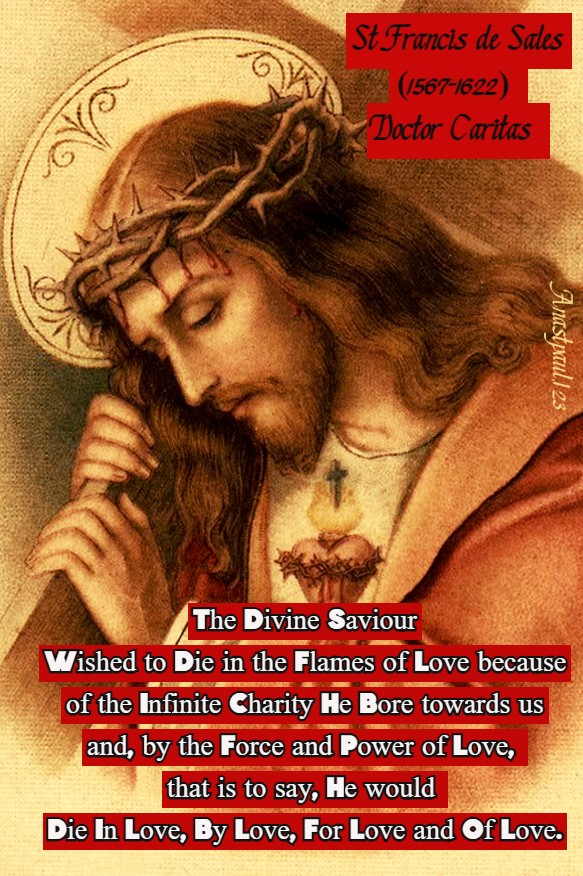

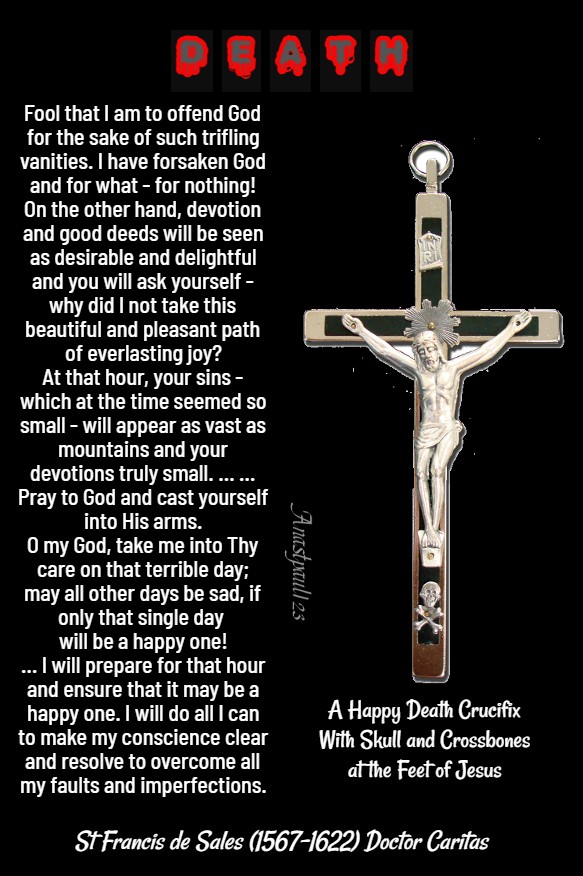

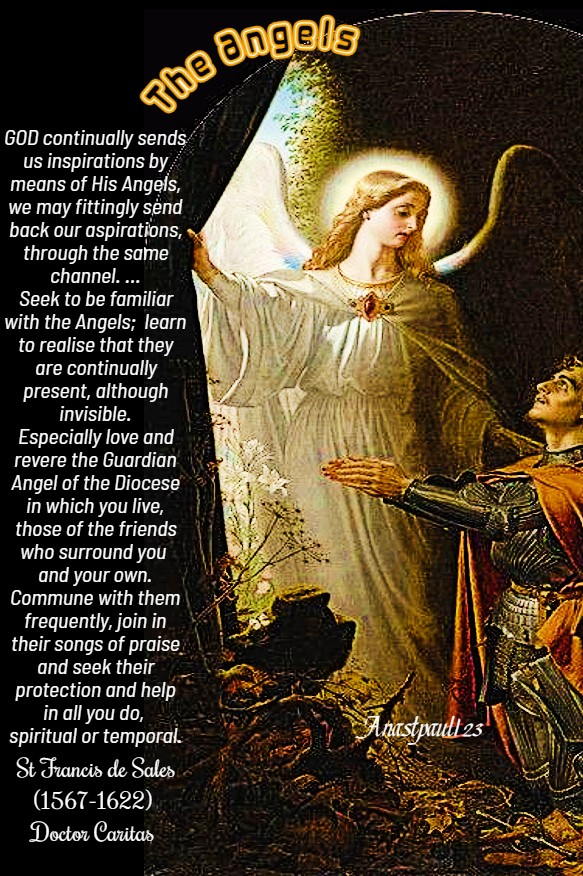

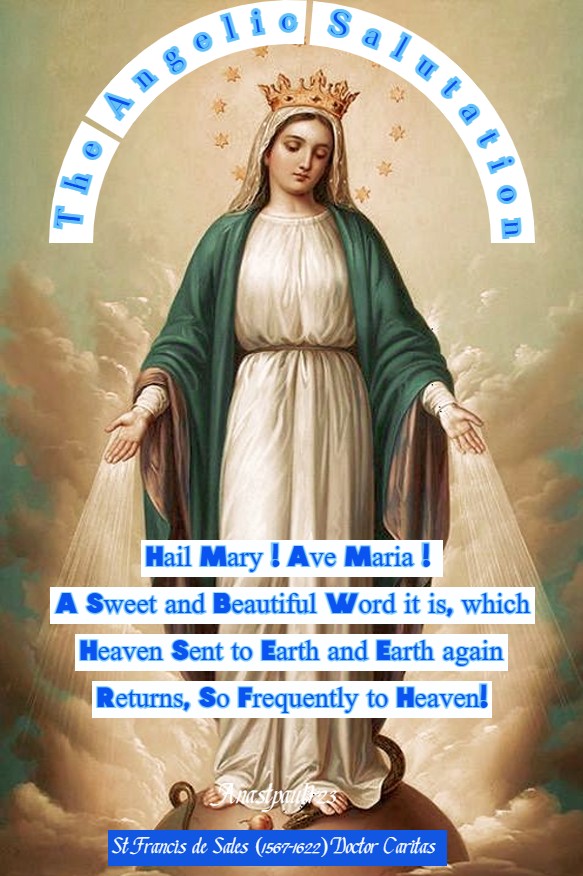
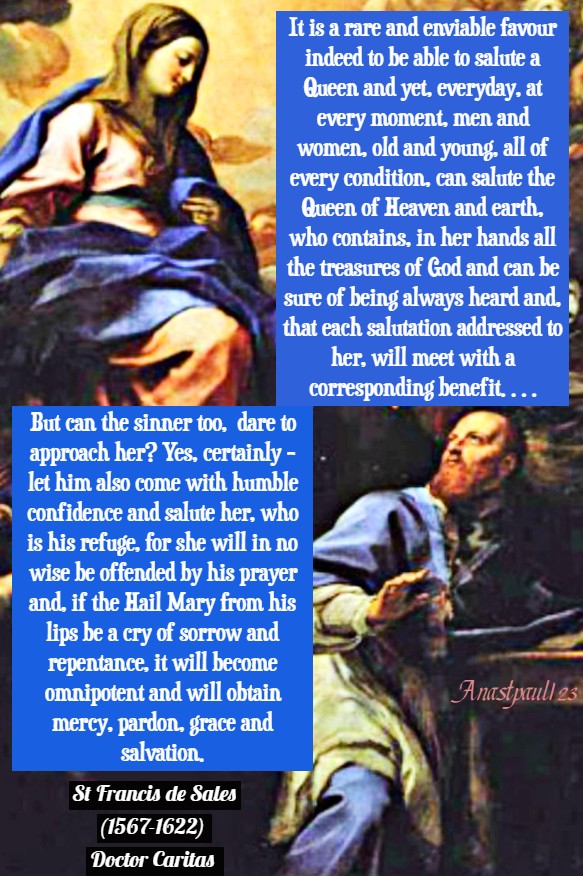

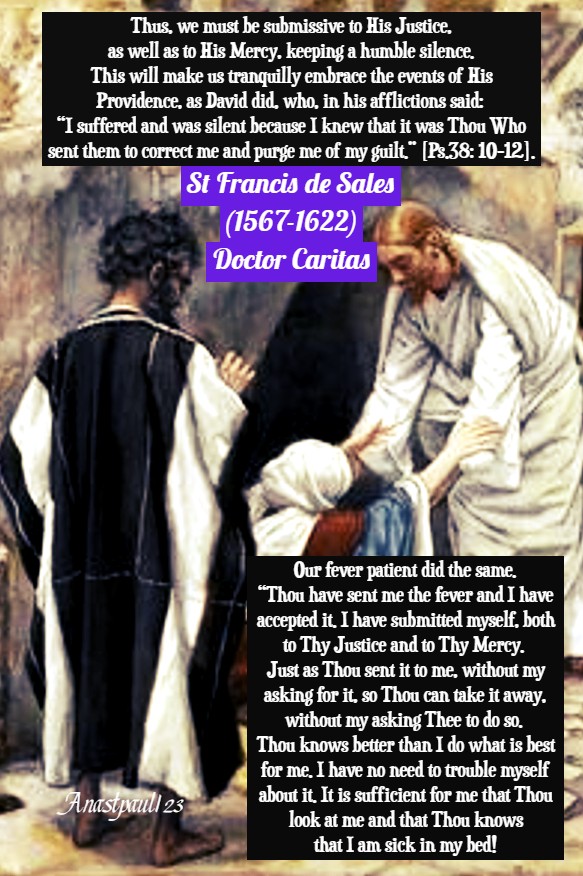

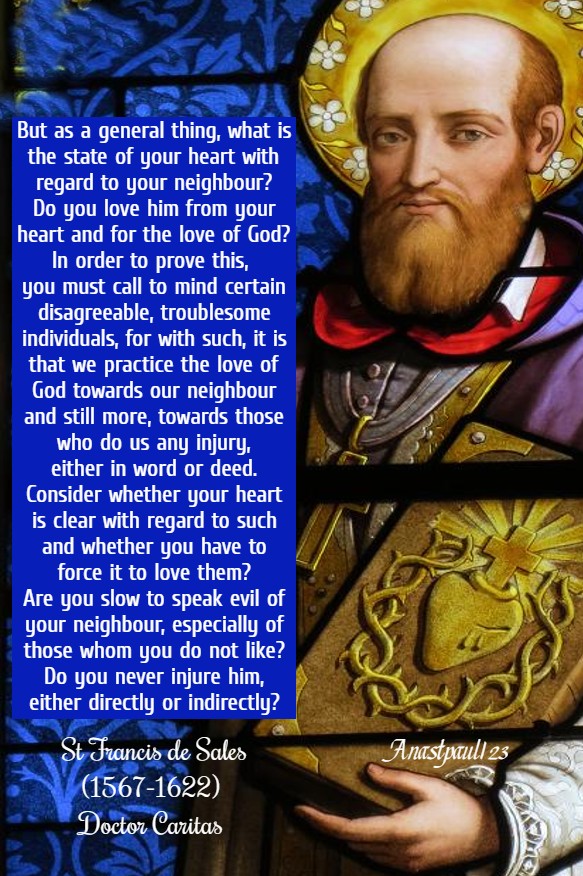



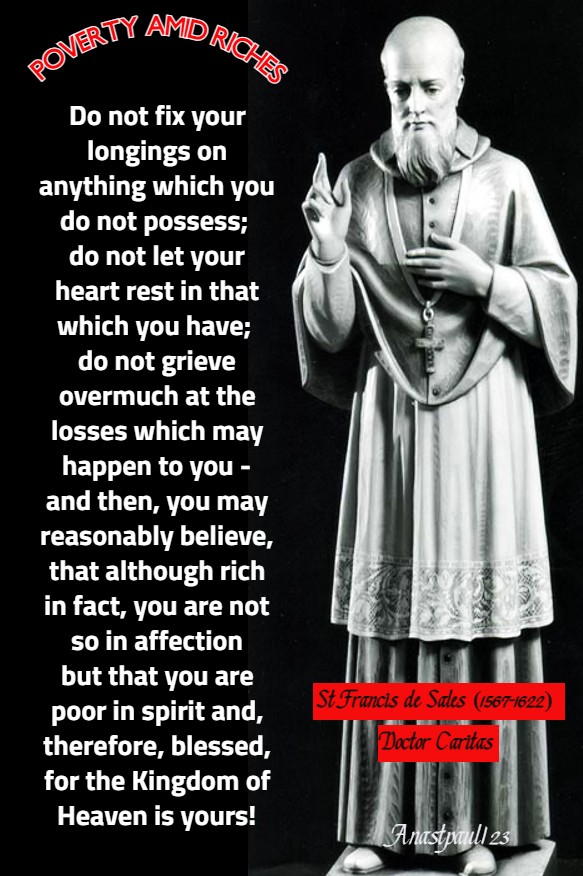



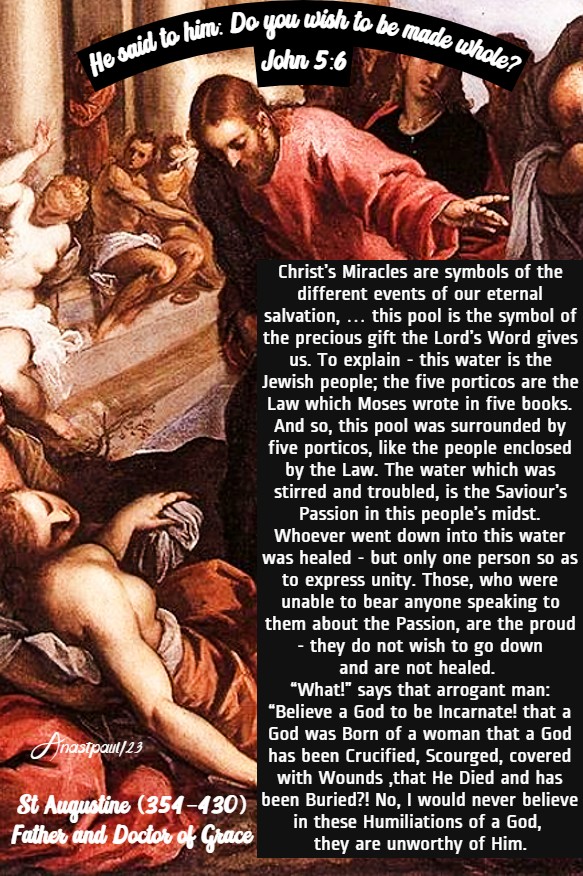


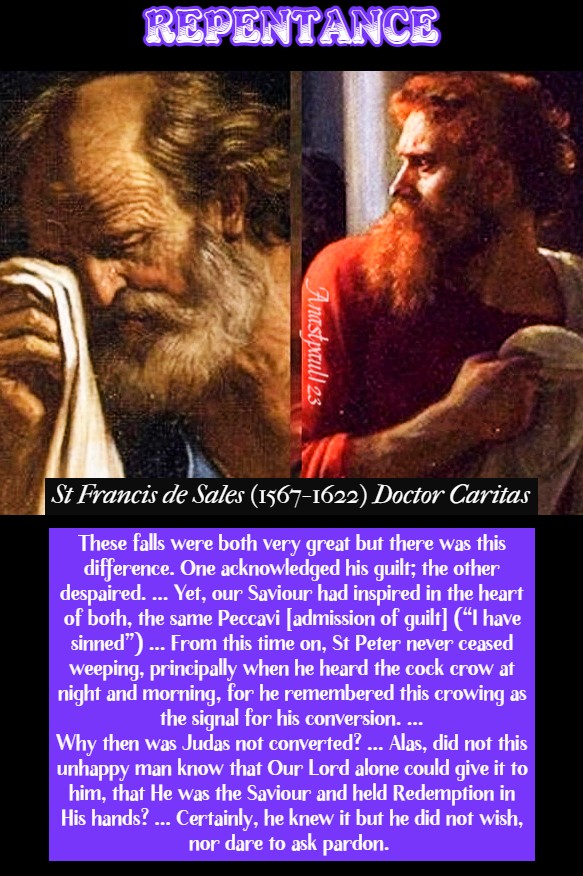

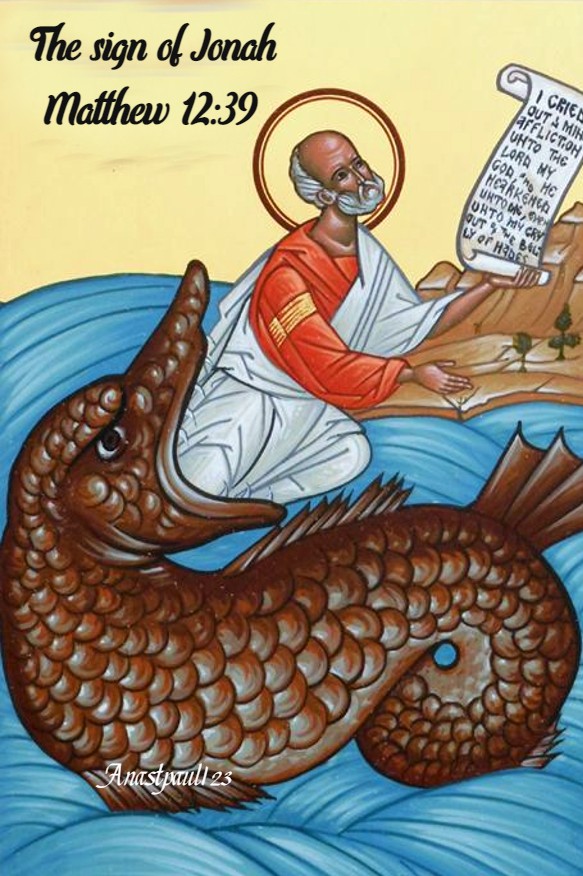
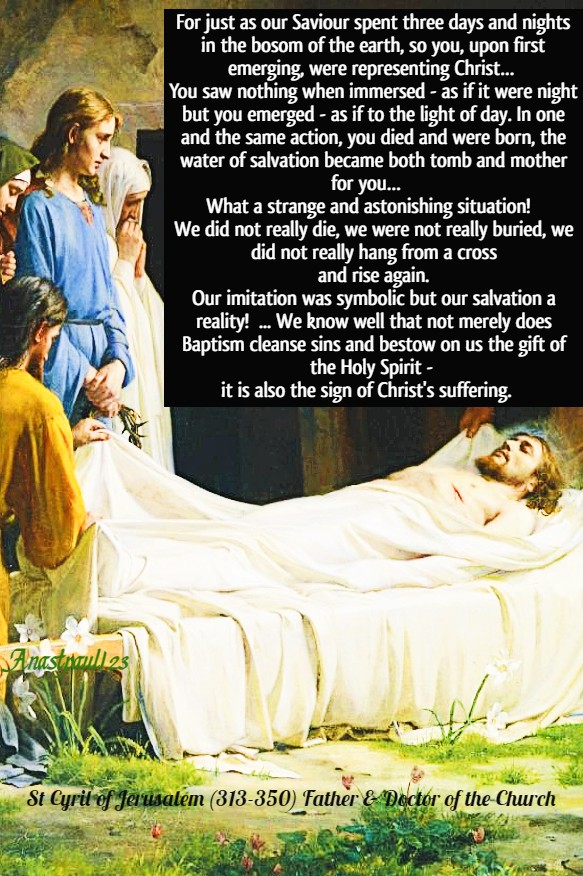

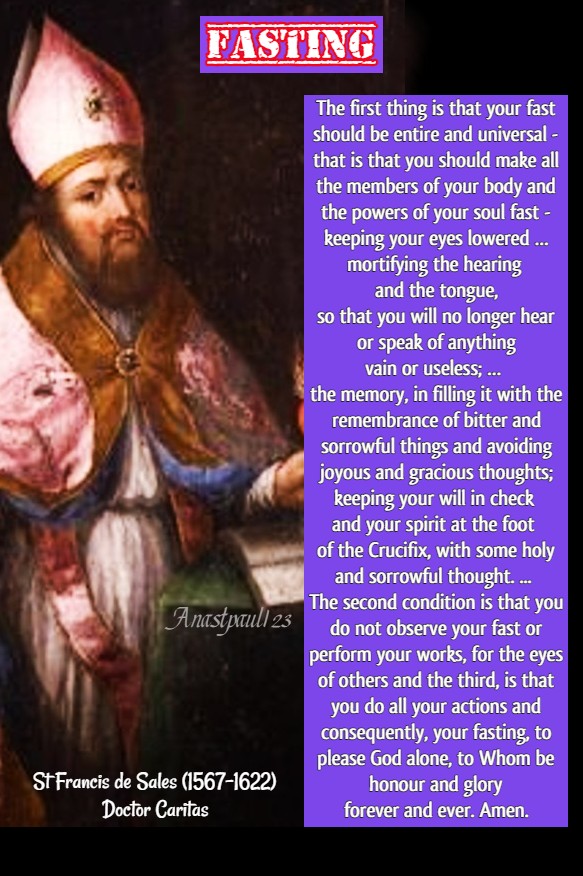
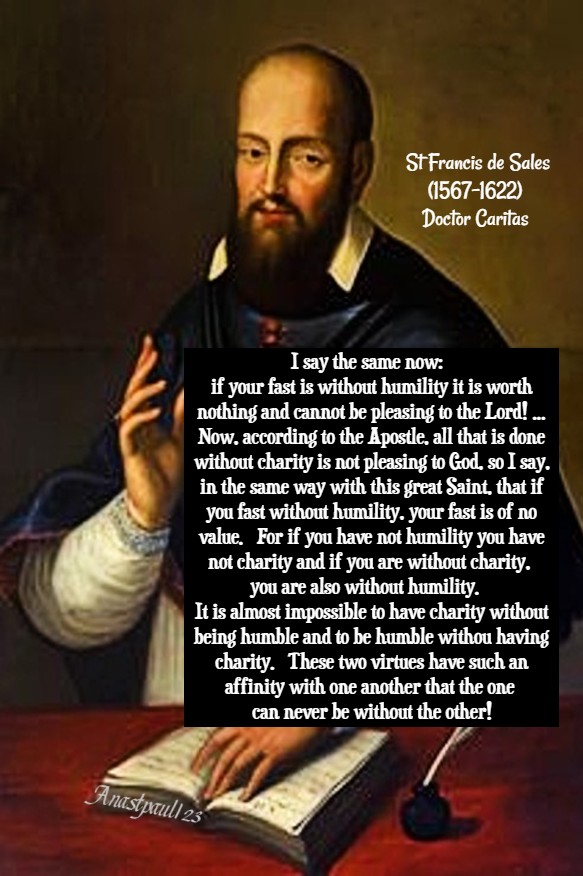


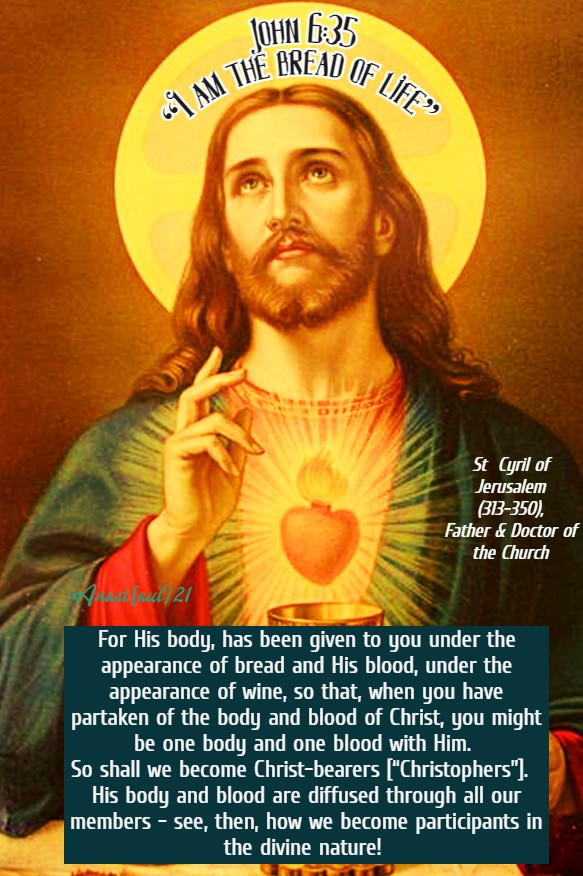
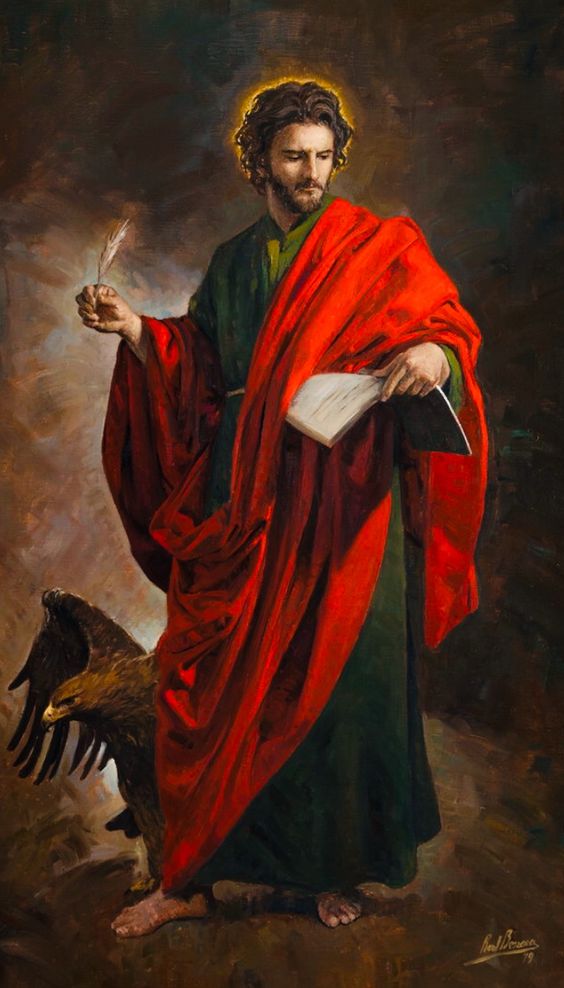

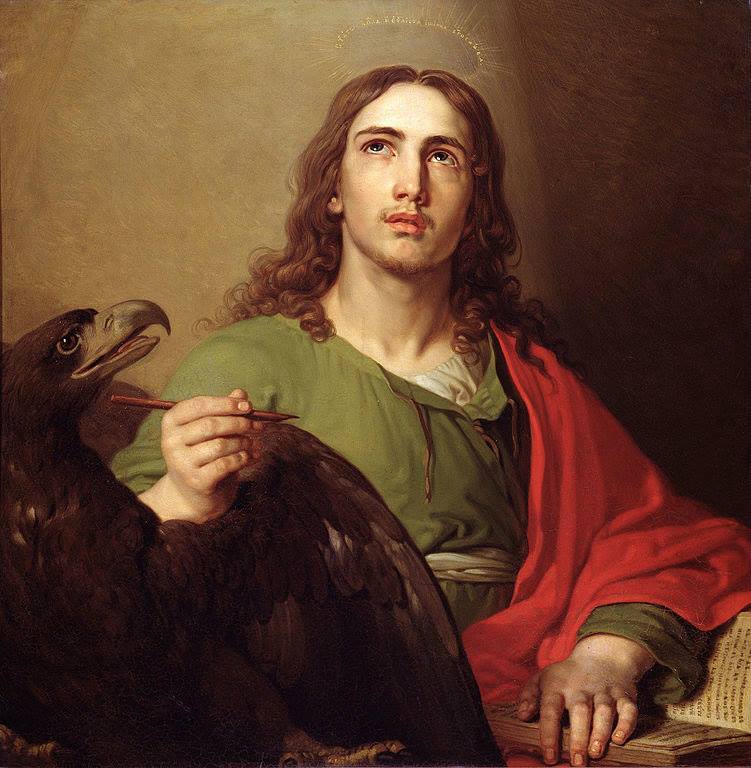
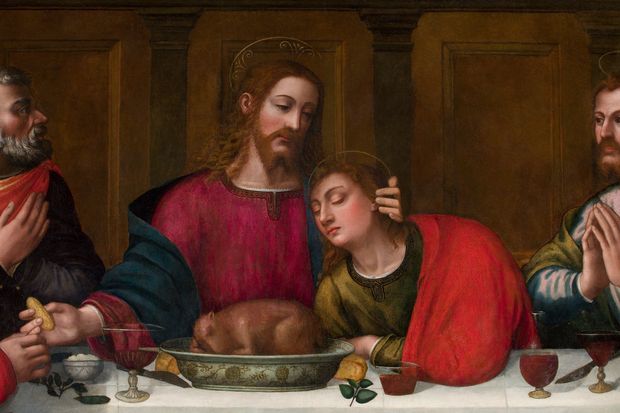
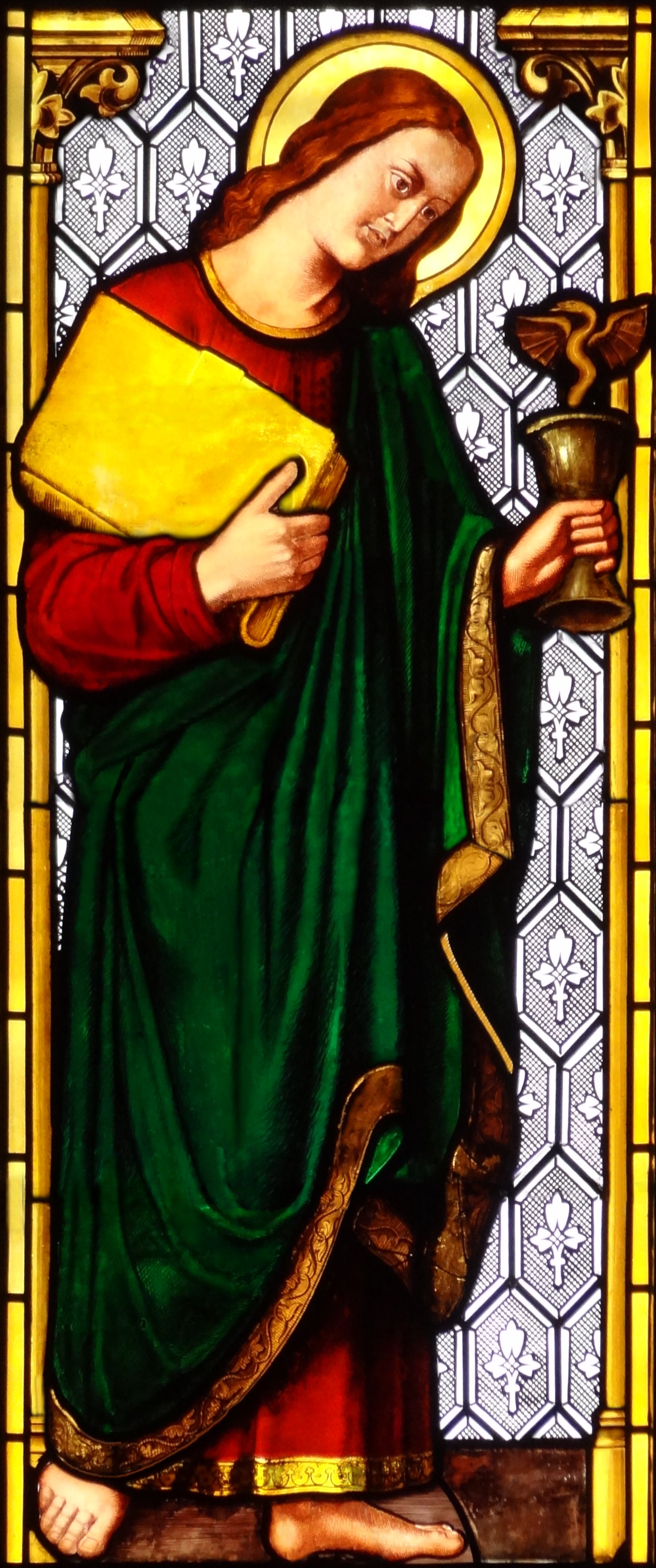
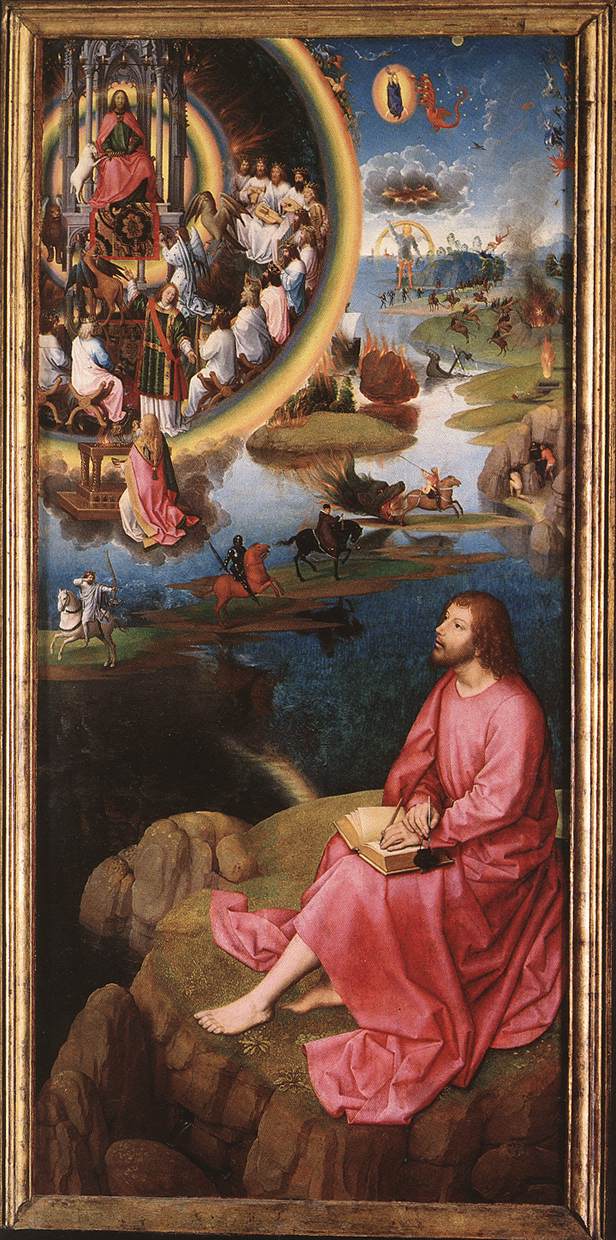
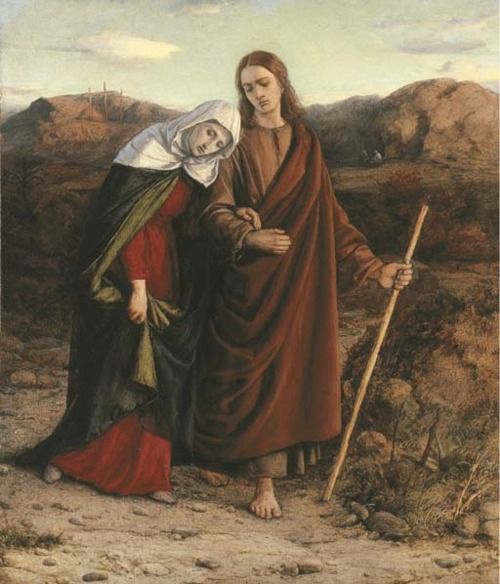

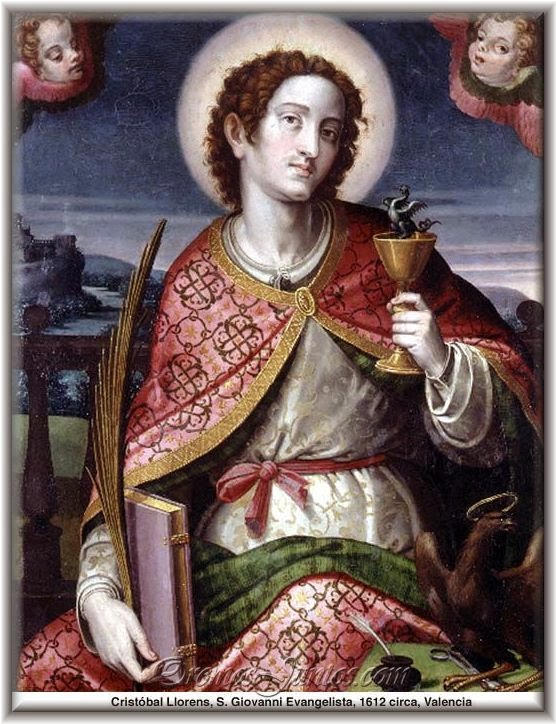

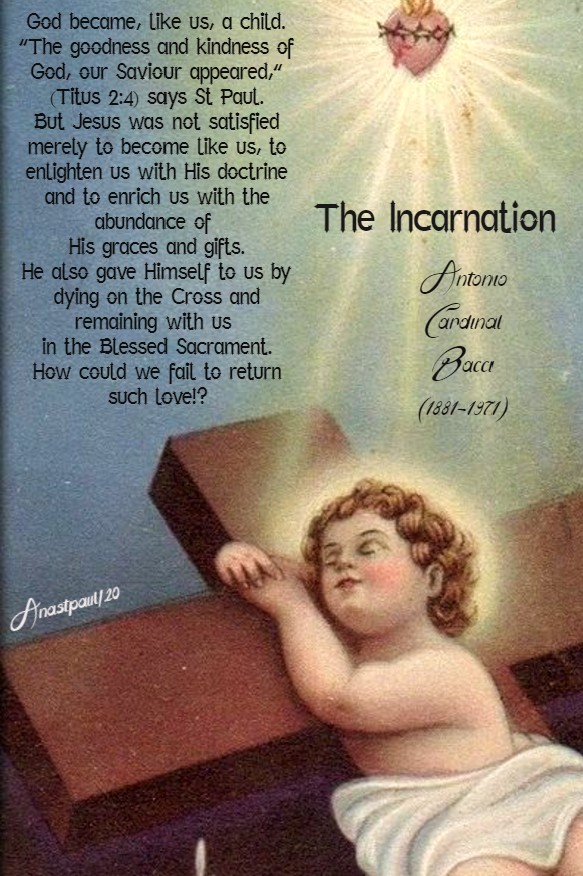
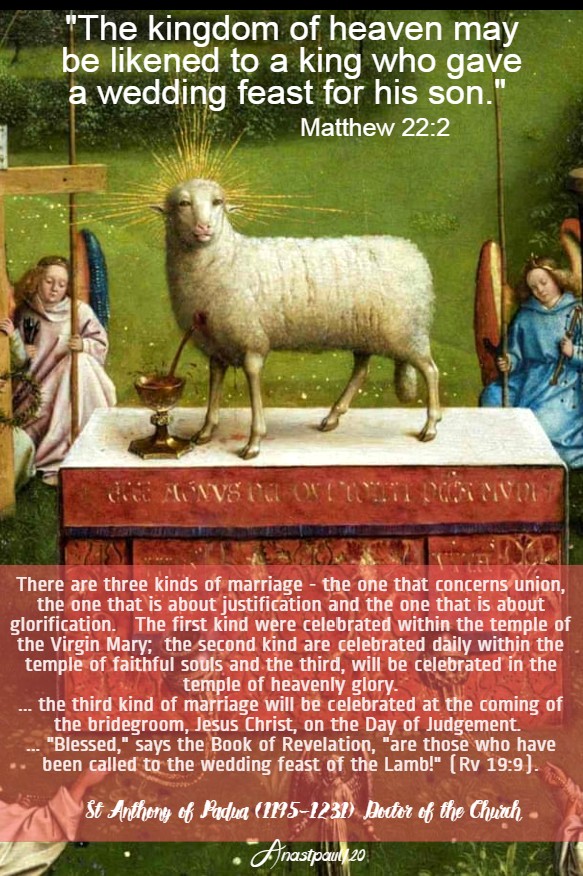
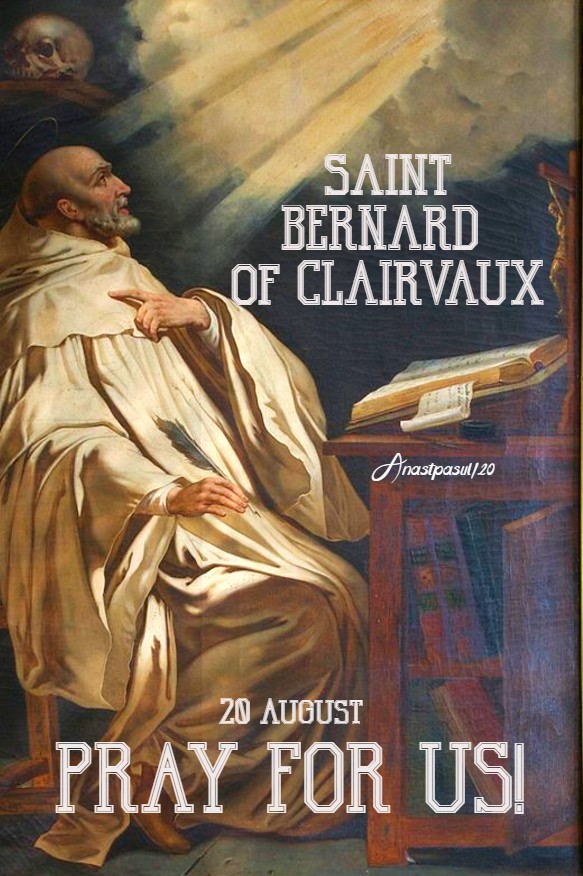

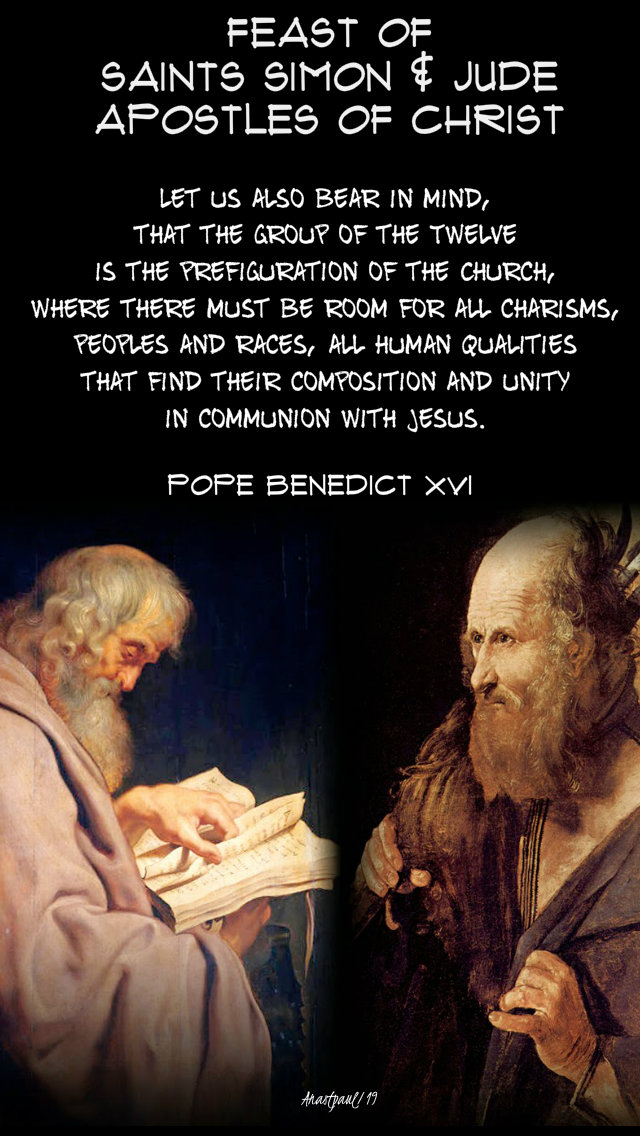
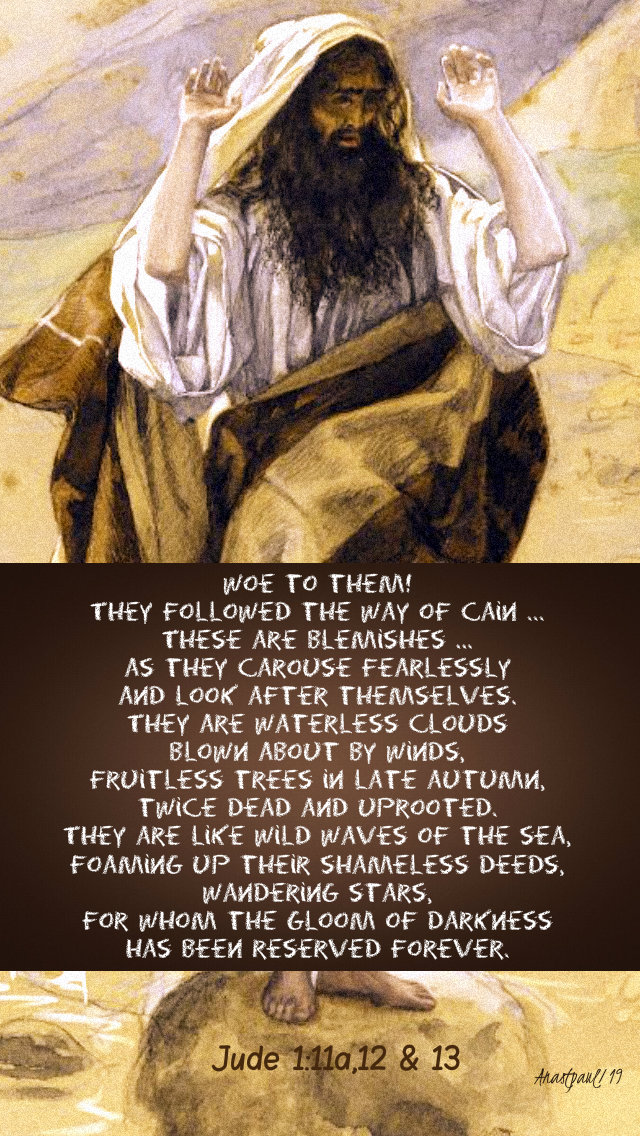
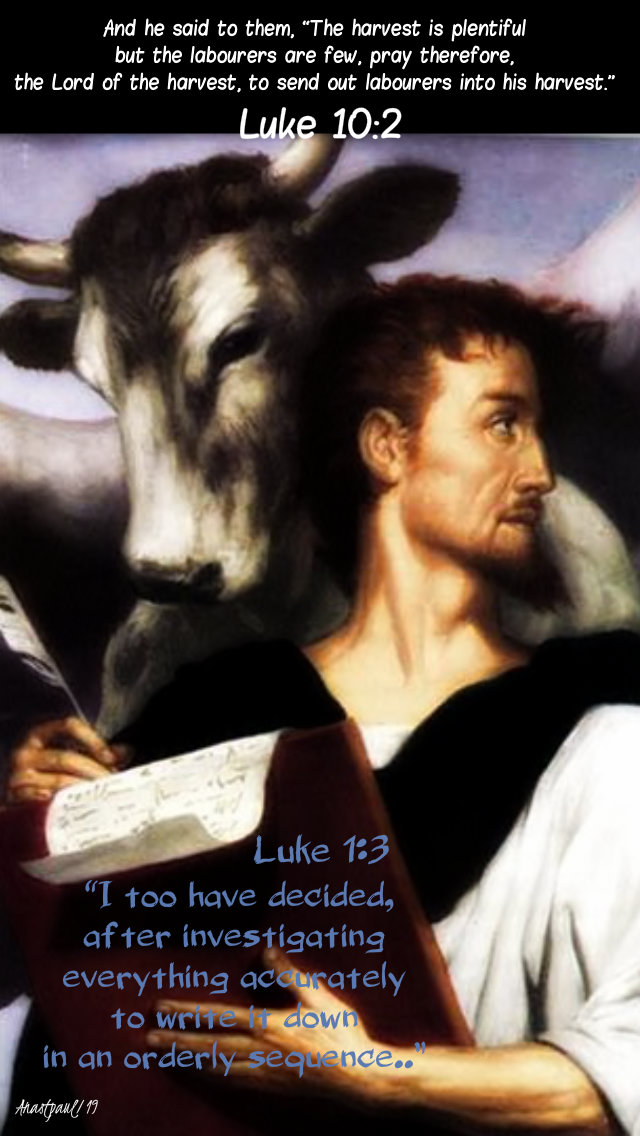

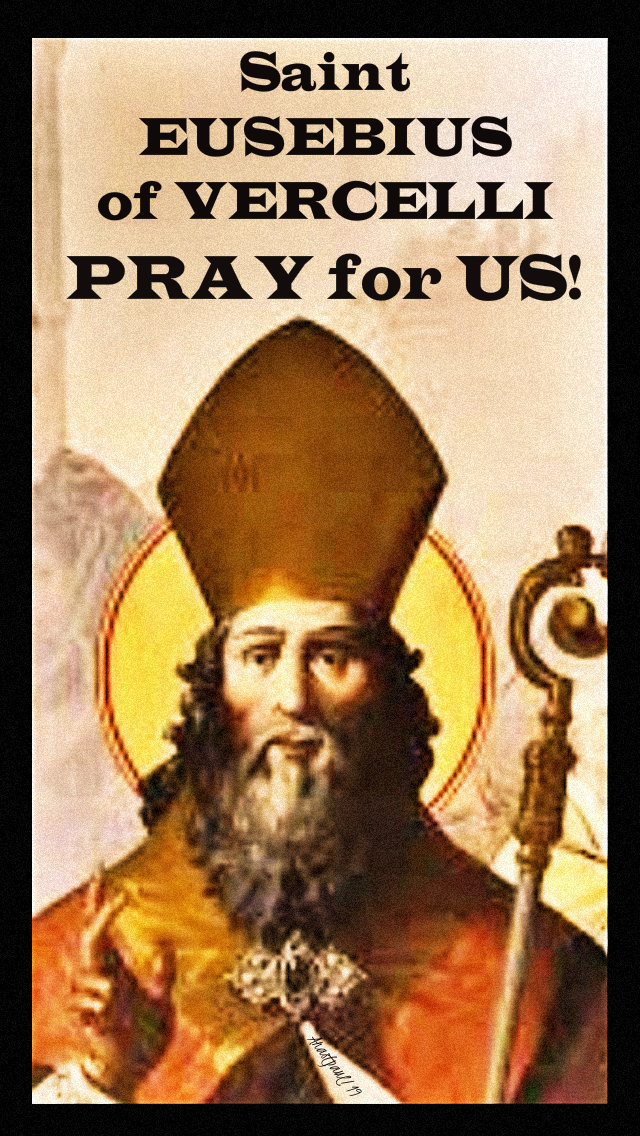
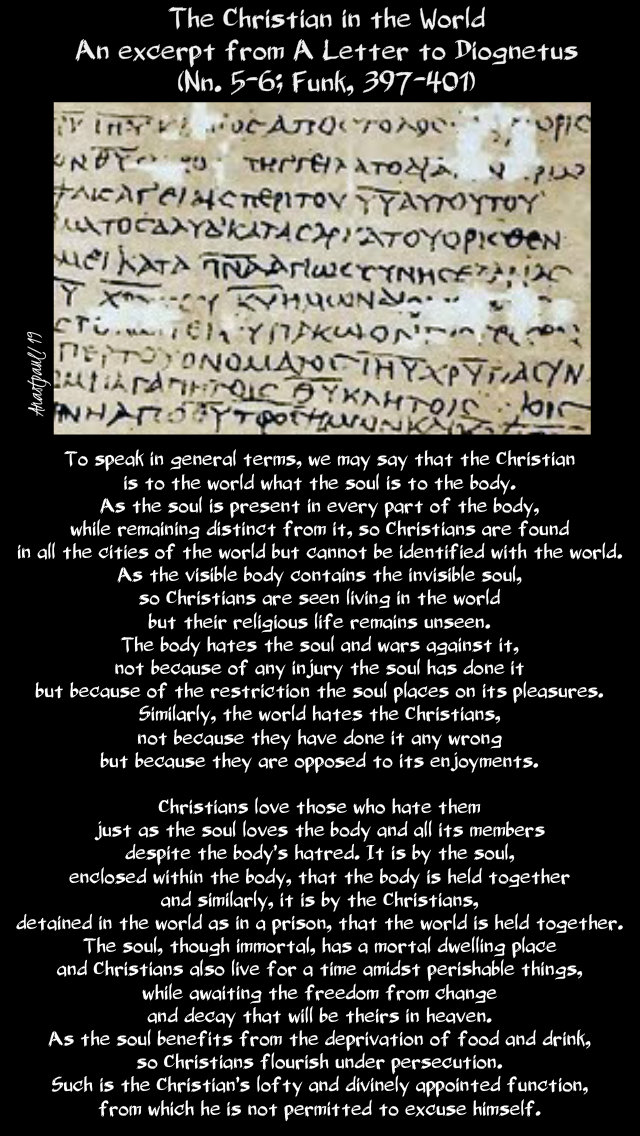

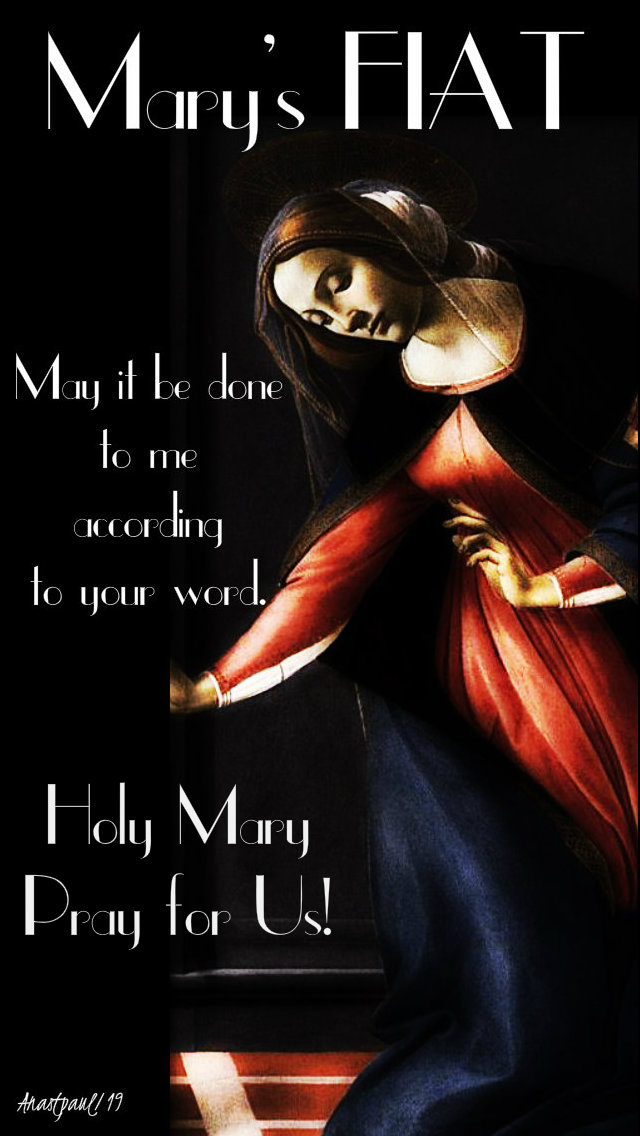

 AnaStpaul
You must be logged in to post a comment.