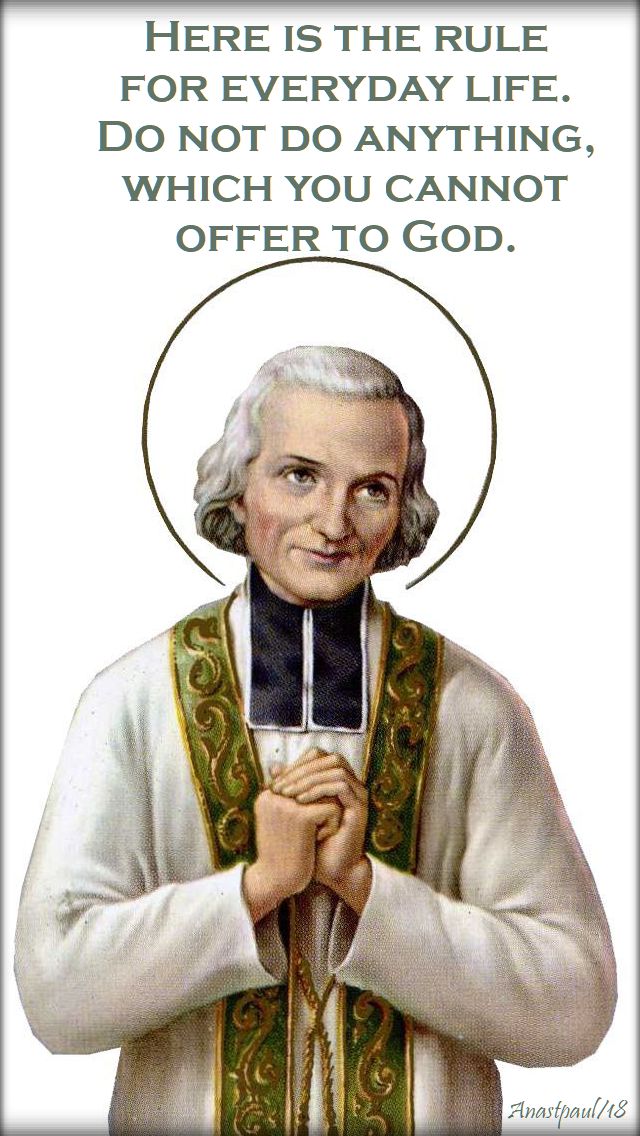
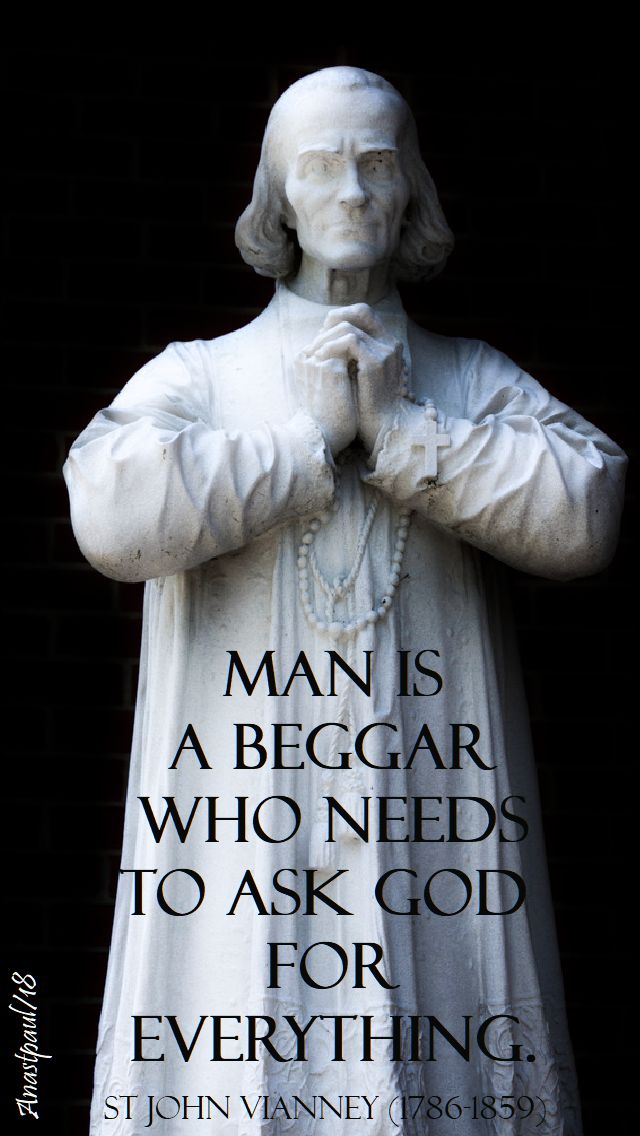
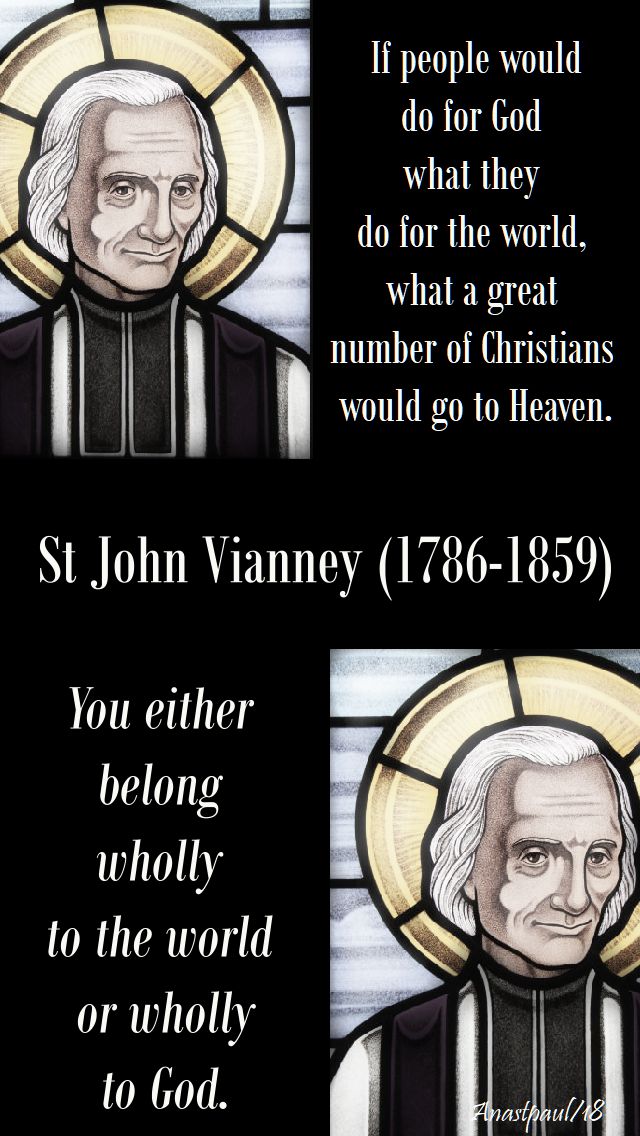
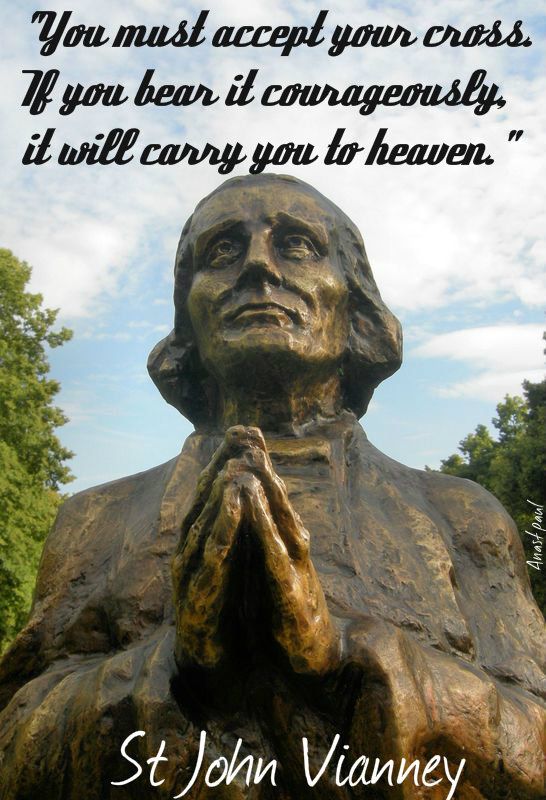
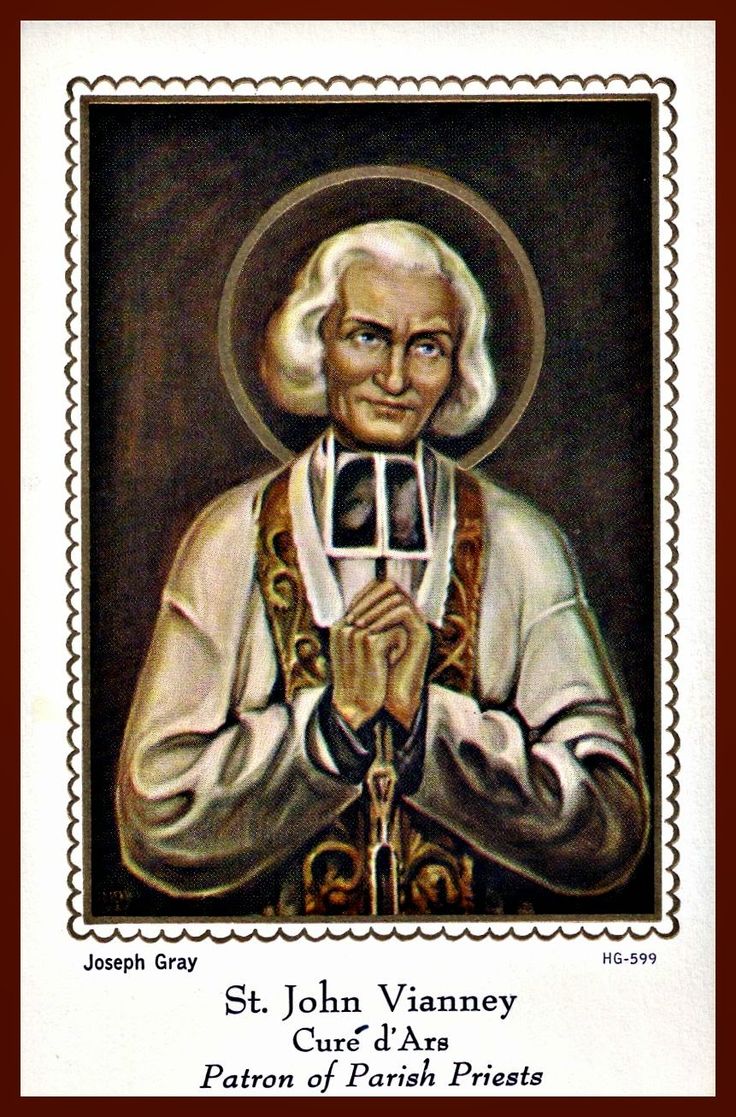
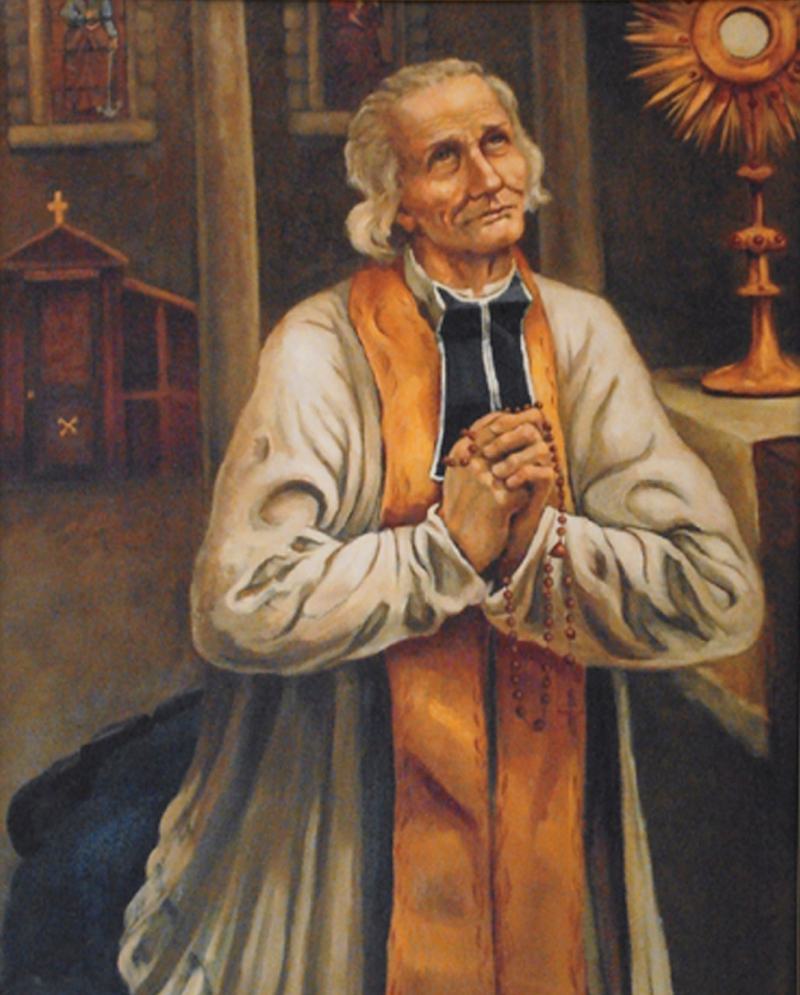
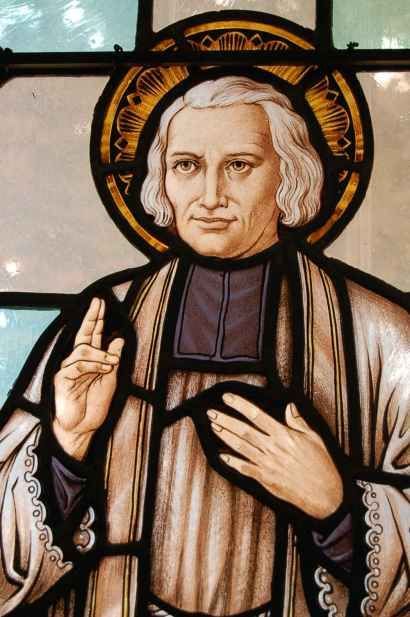
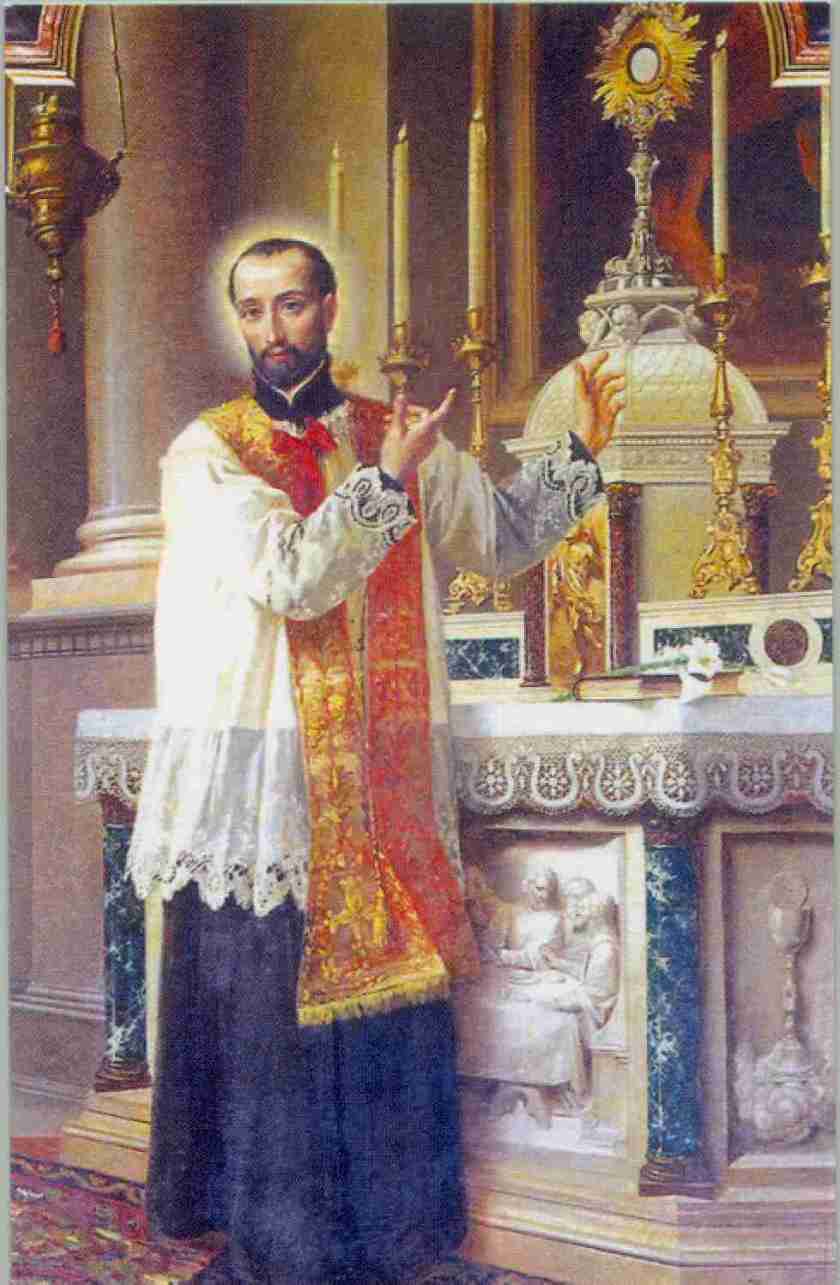
St John Baptist Mary Vianney was born near Lyon, France, on 8th May 1786. Overcoming many difficulties prior to his ordination on 13th Aug 1815, he was thereafter entrusted with the remote parish of Ars, a village of 230 souls. His Bishop had warned him that he would find religious practice there in a sorry state: “There is little love of God in that parish; you will have to be the one to put it there”. As a result, he was deeply aware that he needed to embody Christ’s presence and bear witness to God’s saving mercy: “Lord, grant me the conversion of my parish. I am willing to suffer whatever you wish, for my entire life!” With that prayer he entered upon his mission.
His first biographer tells us that “upon his arrival, he chose the church as his home. He entered the church daily before dawn and did not leave it until after the evening Angelus. There he was to be sought whenever needed”.
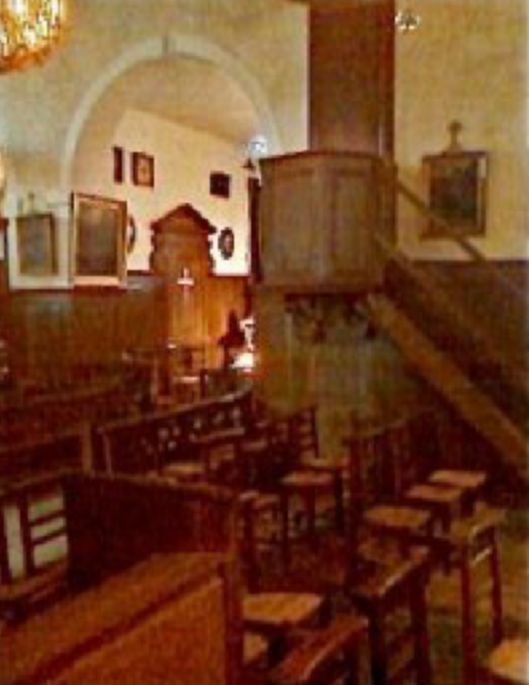
Inside the Old Church where St John Mary Vianney preached and heard confessions
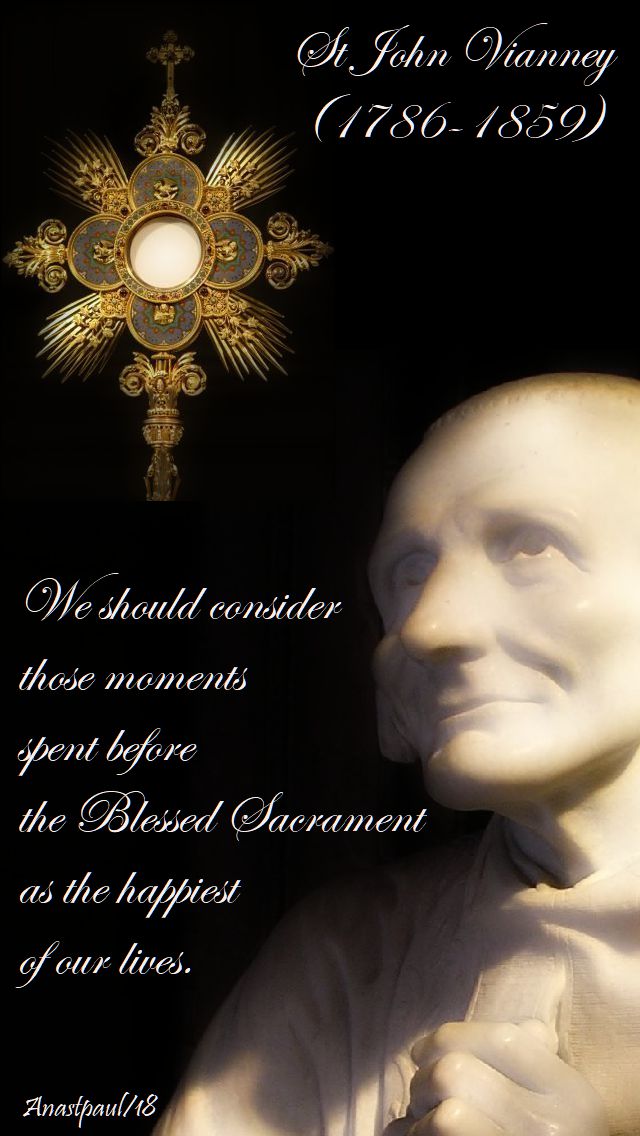
The Curé d’Ars taught his parishioners primarily by the witness of his life. It was from his example that they learned to pray, to visit Jesus frequently in the Tabernacle. “One need not say much to pray well”, he explained to them, “we know that Jesus is there in the Tabernacle. Let us open our hearts to Him, let us rejoice in His sacred presence. That is the best prayer”. And He would urge them: “Come to communion, my brothers and sisters, come to Jesus. Come to live from Him in order to live with Him… Of course you are not worthy of Him but you need Him!”
He regularly visited the sick and families and organised missions and feast day celebrations. He also enlisted lay persons to collaborate in the collection and management of funds for his charitable works, providing also for the education of children. He personally cared for the orphans and teachers of the “Providence”, an institute he founded.
The Curé of Ars was known for his humility, while as a priest he was conscious of being an immense gift to his people. “A good shepherd, a pastor after God’s heart, is the greatest treasure which the good Lord can grant to a parish and one of the most precious gifts of divine mercy”.
Explaining to his parishioners the importance of the Sacraments, he would say: “Without the Sacrament of Holy Orders, we would not have the Lord. Who put him there in that tabernacle? The priest. Who welcomed your soul at the beginning of your life? The priest. Who feeds your soul and gives it strength for its journey? The priest. Who will prepare it to appear before God, bathing it one last time in the blood of Jesus Christ? The priest, always the priest. And if this soul should die as a result of mortal sin, who will raise it up, who will restore its calm and peace? Again, the priest… Only in heaven will he fully realise what he is.”
Those who attended the Masses he celebrated have said that “it was not possible to find a finer example of worship… He gazed upon the Host with immense love”. He was convinced that the fervour of a priest’s life depended entirely upon the Mass, “All good works, taken together, do not equal the sacrifice of the Mass since they are human works, while the Holy Mass is the work of God… The reason why a priest is lax is that he does not pay attention to the Mass! My God, how we ought to pity a priest who celebrates as if he were engaged in something routine!”
“The priest is not a priest for himself, he is a priest for you”
His profound sense of responsibility as a priest was palpable. “Were we to fully realise what a priest is on earth, we would die: not of fright but of love… Without the priest, the passion and death of our Lord would be of no avail. It is the priest who continues the work of redemption on earth… What use would be a house filled with gold, were there no one to open its door? The priest holds the key to the treasures of heaven: it is he who opens the door: he is the steward of the good Lord; the administrator of his goods… Leave a parish for 20 years without a priest and they will end by worshipping the beasts there… The priest is not a priest for himself, he is a priest for you”.
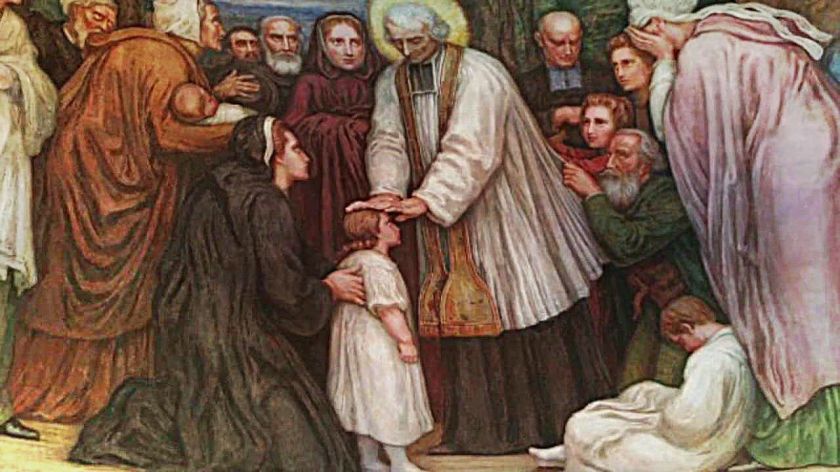
By spending long hours in church before the Tabernacle, he inspired the faithful to imitate him by coming to visit Jesus, knowing that their parish priest would be there, ready to listen and offer forgiveness. Later, the growing numbers of penitents from all over France would keep him in the confessional for up to 16 hours a day. It was said that Ars had become “a great hospital of souls”.
He once explained to a fellow priest his self-imposed mortifications and expiations for those souls whose confessions he heard, “I will tell you my recipe: I give sinners a small penance and the rest I do in their place.” He was moved knowing that souls have been won at the price of Jesus’ own blood and a priest cannot devote himself to their salvation if he refuses to share personally in the precious cost of Christ’s redemption.
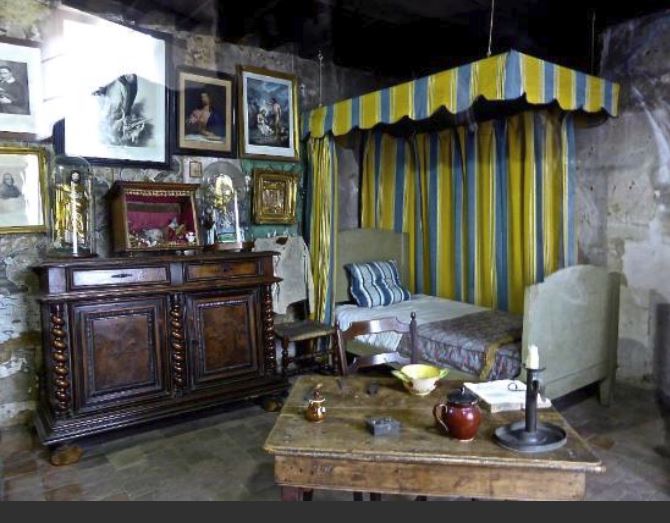
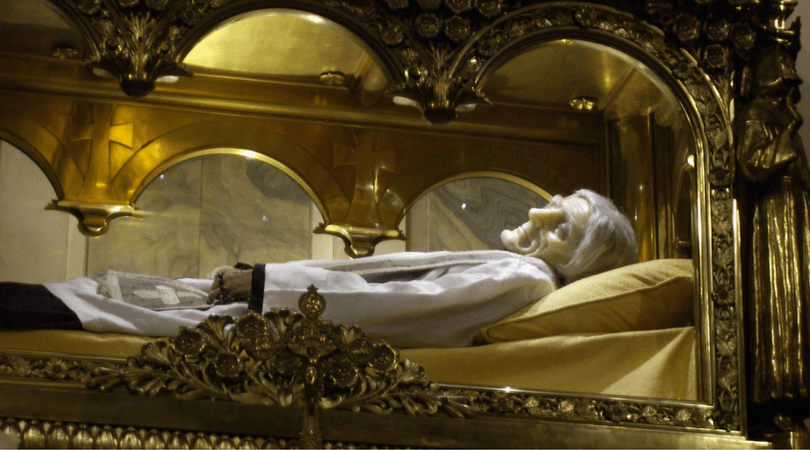
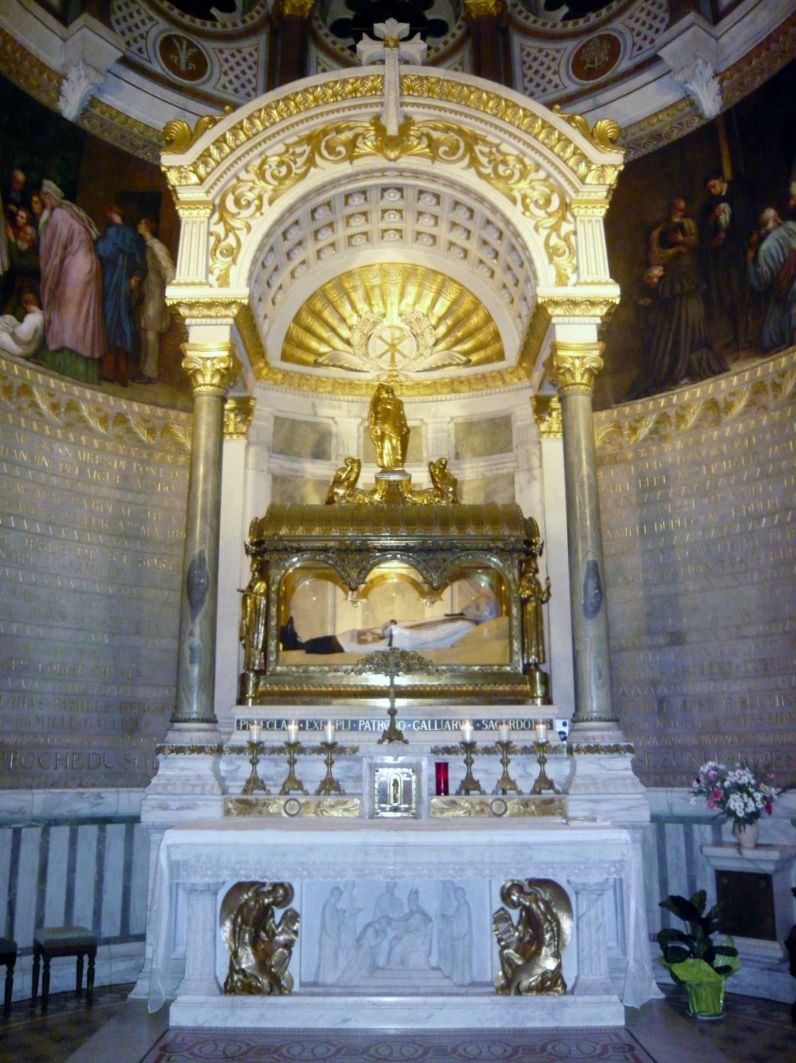
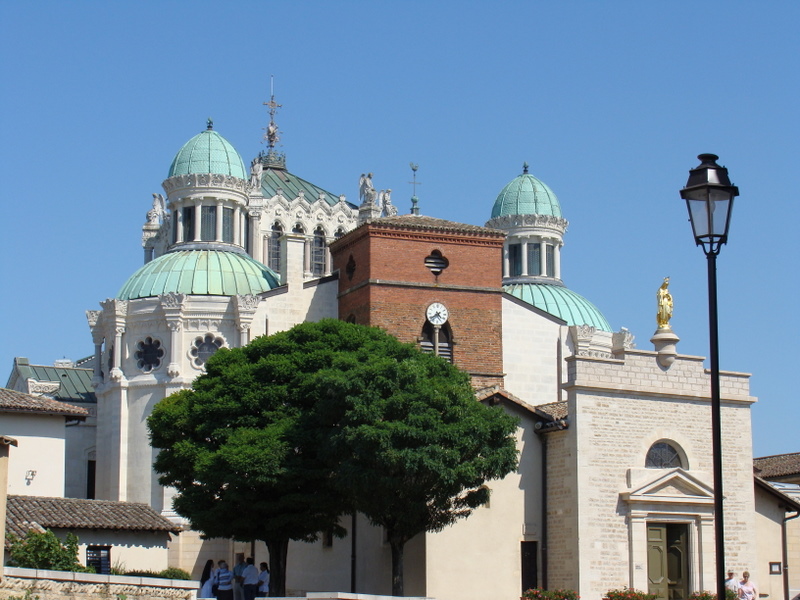
A century after his death, the Shrine of Our Lady of Mercy was built in Ars-sur-Formans, where the relic of the heart of the Saint is venerated in the Chapel of the Heart. His incorrupt body lies at the main altar of the Shrine in a glass reliquary. The Curé’s humble cottage is presently a museum.
St John Vianney’s Bedroom in his house which is now the Museum
Current estimates indicate that over 400,000 pilgrims visit the shrine every year.
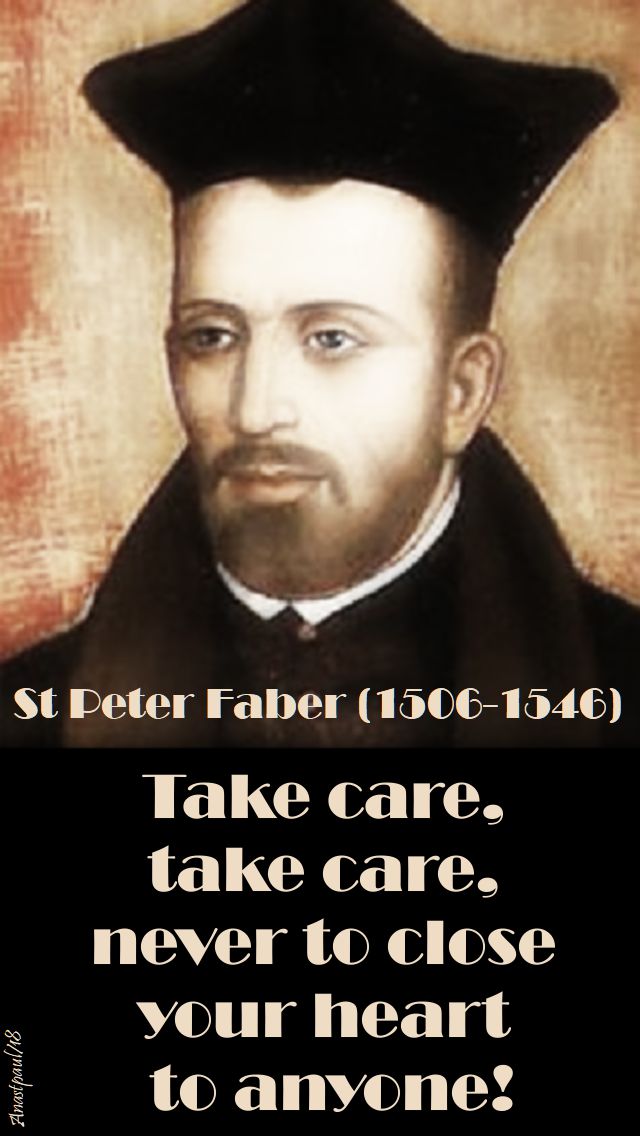
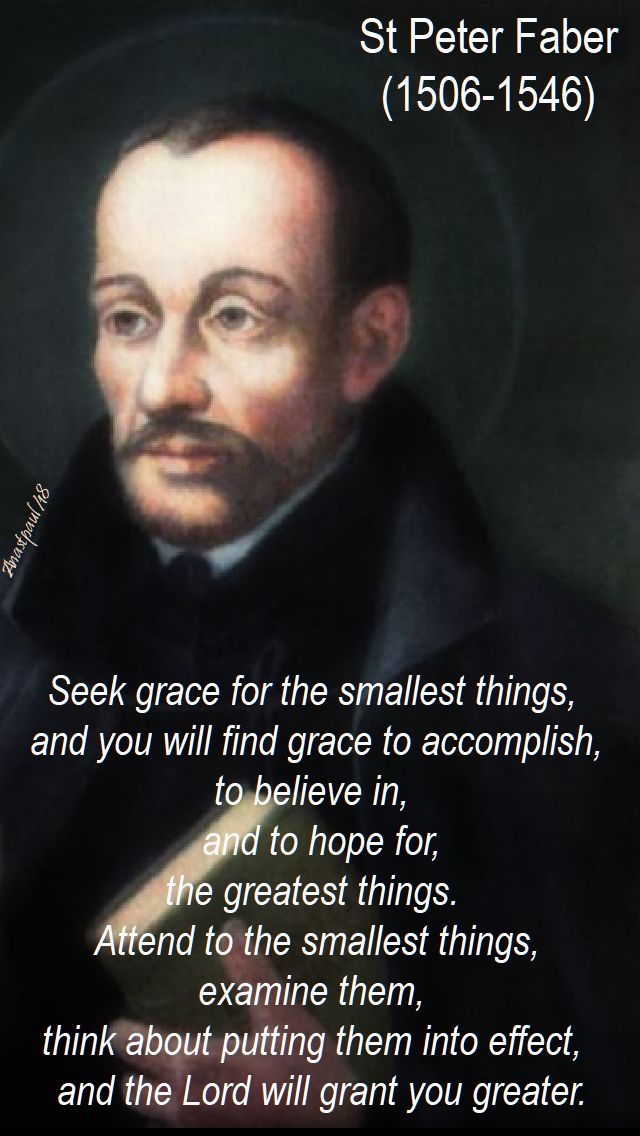
Quote/s of the Day – 2 August – The Memorial of Sts Peter Faber (1506-1546)
and Peter Julian Eymard (1811-1868)
“Take care, take care, never to close your heart to anyone!”
“Seek grace for the smallest things, and you will find grace to accomplish, to believe in, and to hope for, the greatest things. Attend to the smallest things, examine them, think about putting them into effect, and the Lord will grant you greater.”
“To find God in the works, compared to finding Him in prayer, is often like the actual execution, compared to the mere desire.”
St Peter Faber (1506-1546)
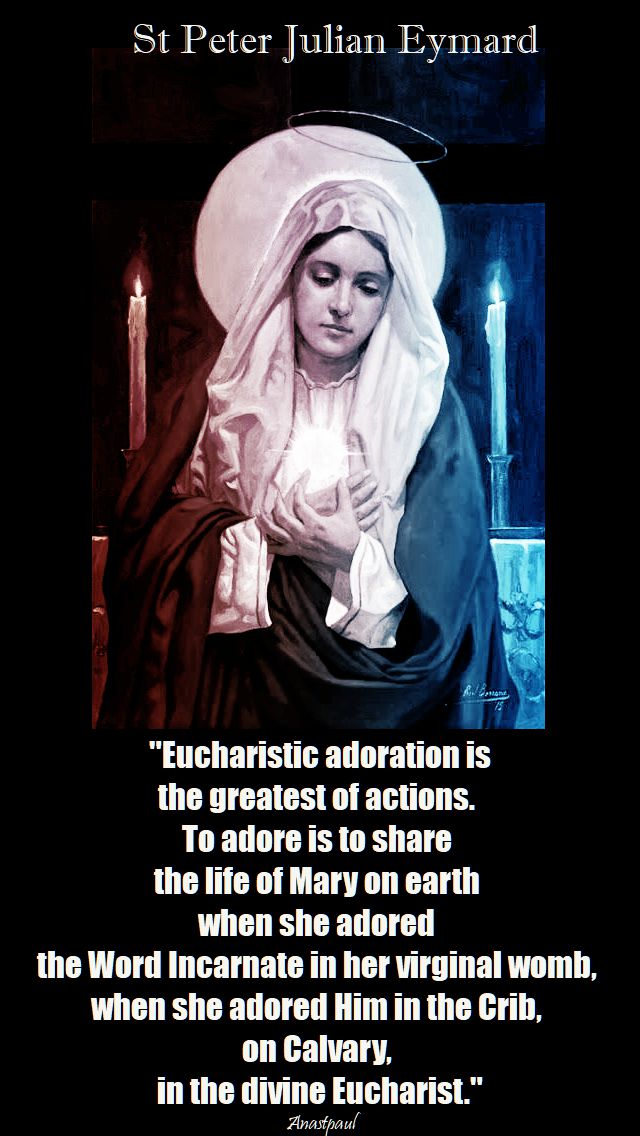
“Eucharistic adoration is the greatest of actions. To adore is to share the life of Mary on earth when she adored the Word Incarnate in her virginal womb, when she adored Him in the Crib, on Calvary, in the divine Eucharist.”
“When we work hard, we must eat well. What a joy, that you can receive Holy Communion often! It’s our life and support in this life – receive Communion often and Jesus will change you into Himself.”
Quote/s of the Day – 1 August – The Memorial of St Alphonsus Liquori (1696-1787) Doctor of the Church
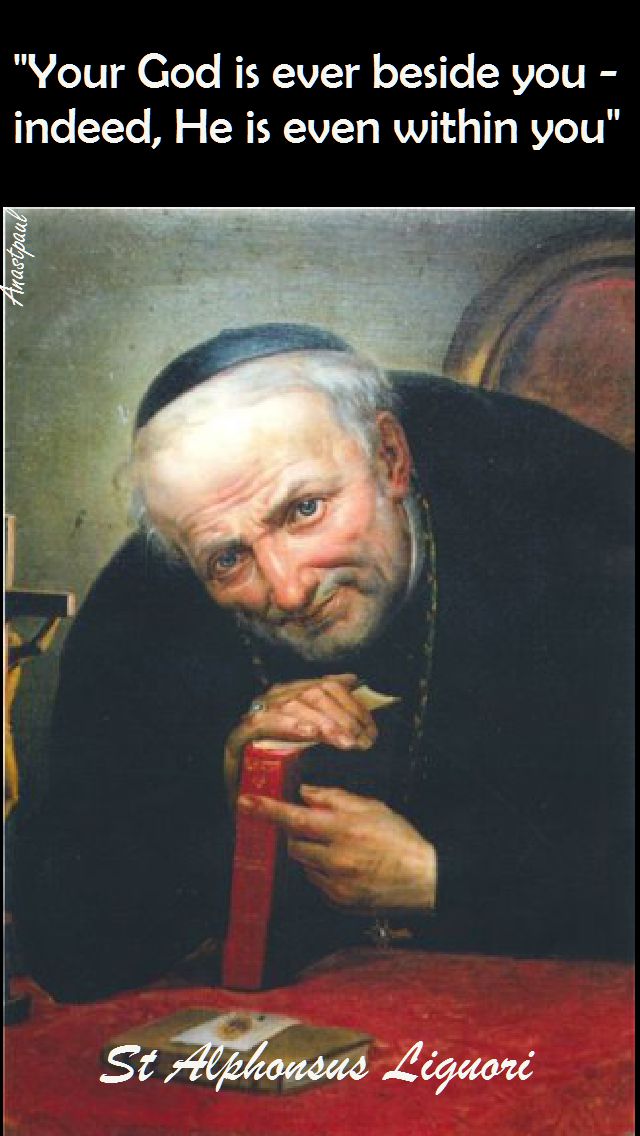
“Your God is ever beside you – indeed, He is even within you.”
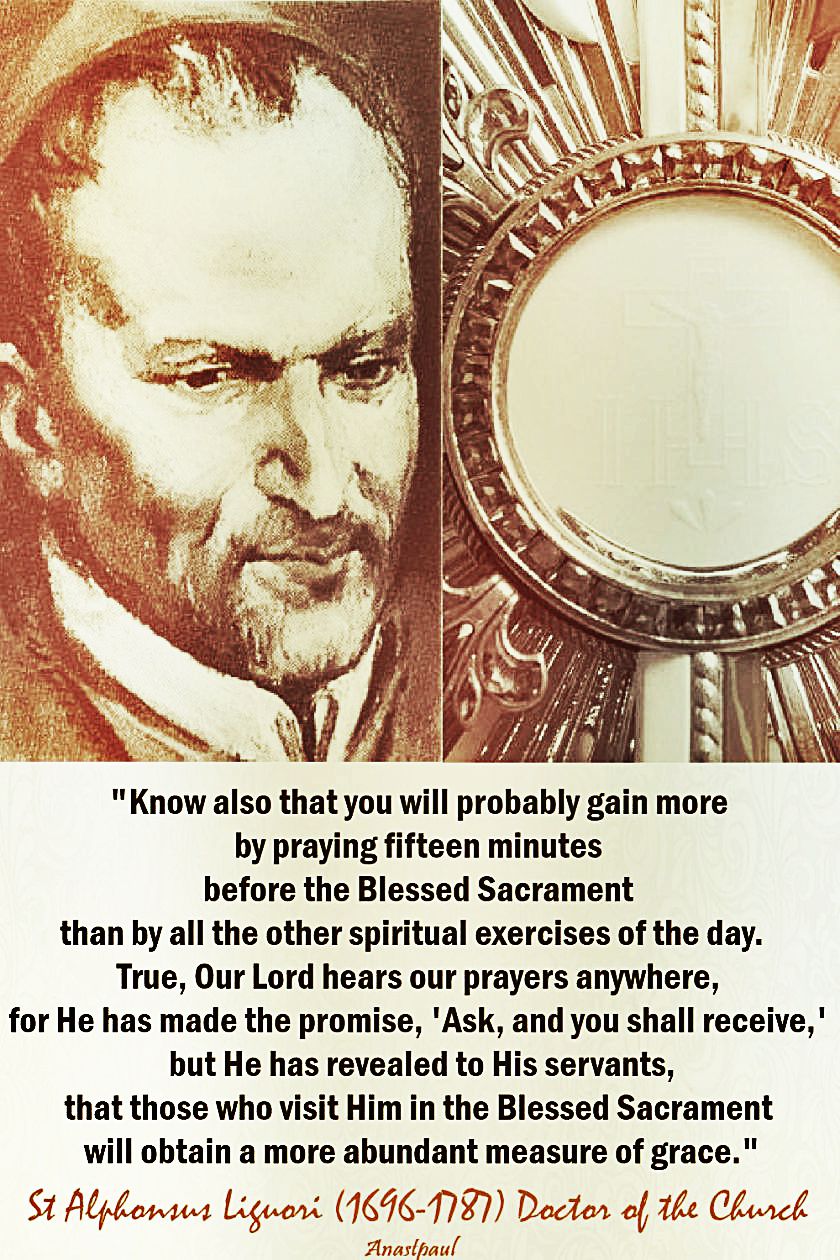
“Know also that you will probably gain more by praying fifteen minutes before the Blessed Sacrament than by all the other spiritual exercises of the day. True, Our Lord hears our prayers anywhere, for He has made the promise, ‘Ask, and you shall receive,’ but He has revealed to His servants, that those who visit Him in the Blessed Sacrament will obtain a more abundant measure of grace.”
“St Augustine and St Thomas define mortal sin to be a turning away from God: that is, the turning of one’s back upon God, leaving the Creator for the sake of the creature. What punishment would that subject deserve who, while his king was giving him a command, contemptuously turned his back upon him to go and transgress his orders? This is what the sinner does; and this is punished in hell with the pain of loss, that is, the loss of God, a punishment richly deserved by him who in this life turns his back upon his sovereign good.”
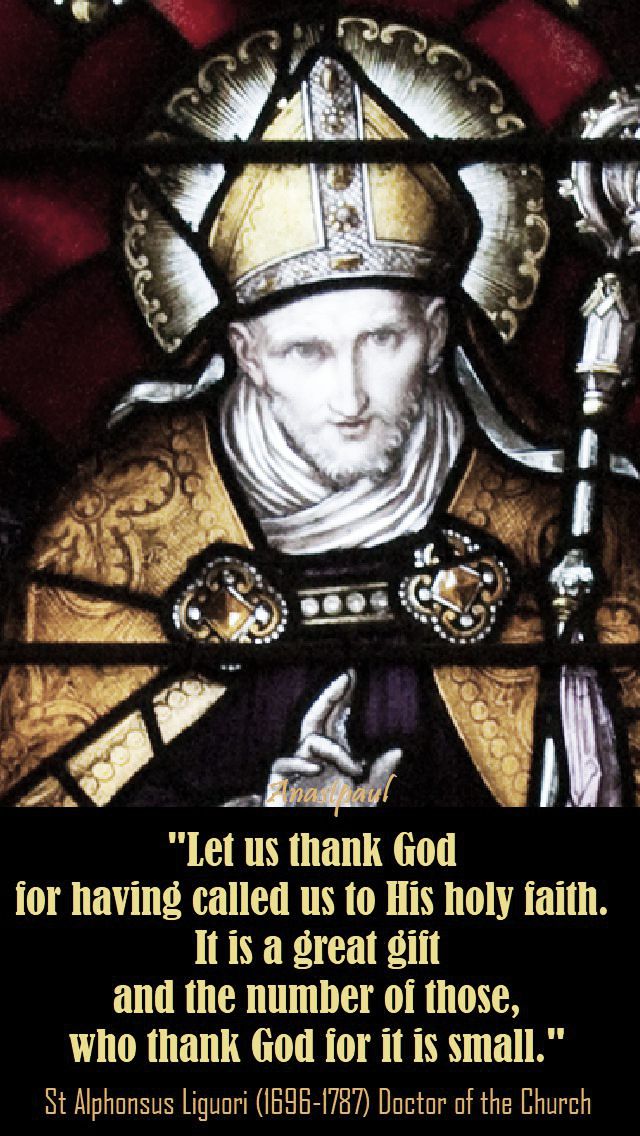
“Let us thank God for having called us to His holy faith. It is a great gift and the number of those, who thank God for it is small.”
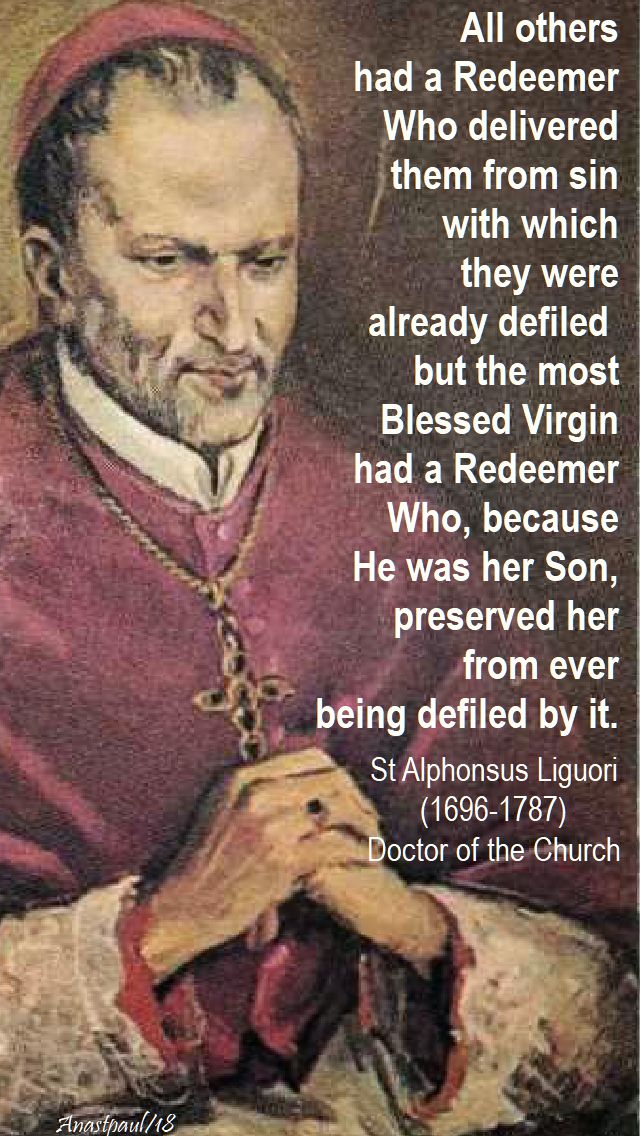
“All others had a Redeemer Who delivered them from sin with which they were already defiled but that the most Blessed Virgin had a Redeemer Who, because He was her Son, preserved her from ever being defiled by it. “
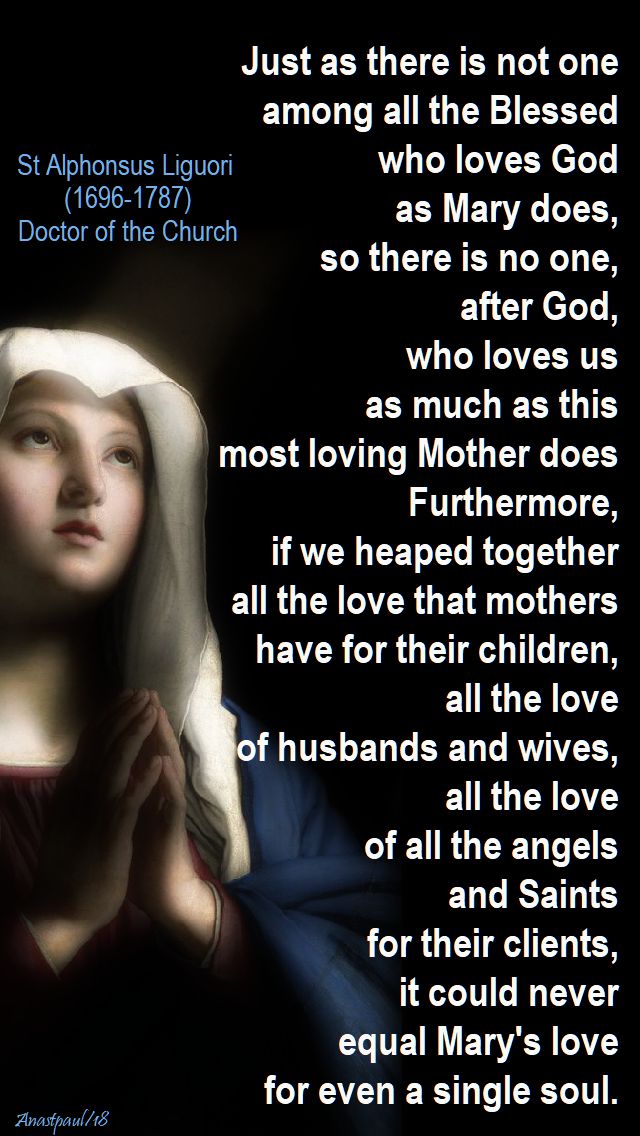
“Just as there is not one among all the Blessed who loves God as Mary does, so there is no one, after God, who loves us as much as this most loving Mother does. Furthermore, if we heaped together all the love that mothers have for their children, all the love of husbands and wives, all the love of all the angels and Saints for their clients, it could never equal Mary’s love for even a single soul.”
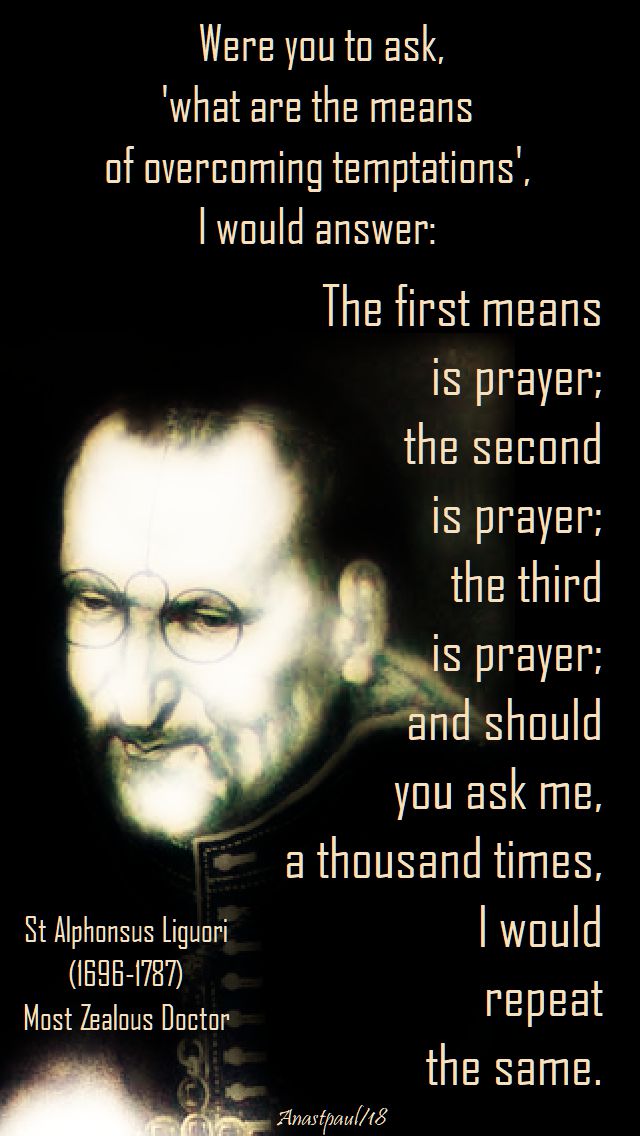
“Were you to ask, ‘what are the mans of overcoming temptations’, I would answer:
the first means is prayer; the second is prayer; the third is prayer and should you ask me a thousand times, I would repeat the same.”
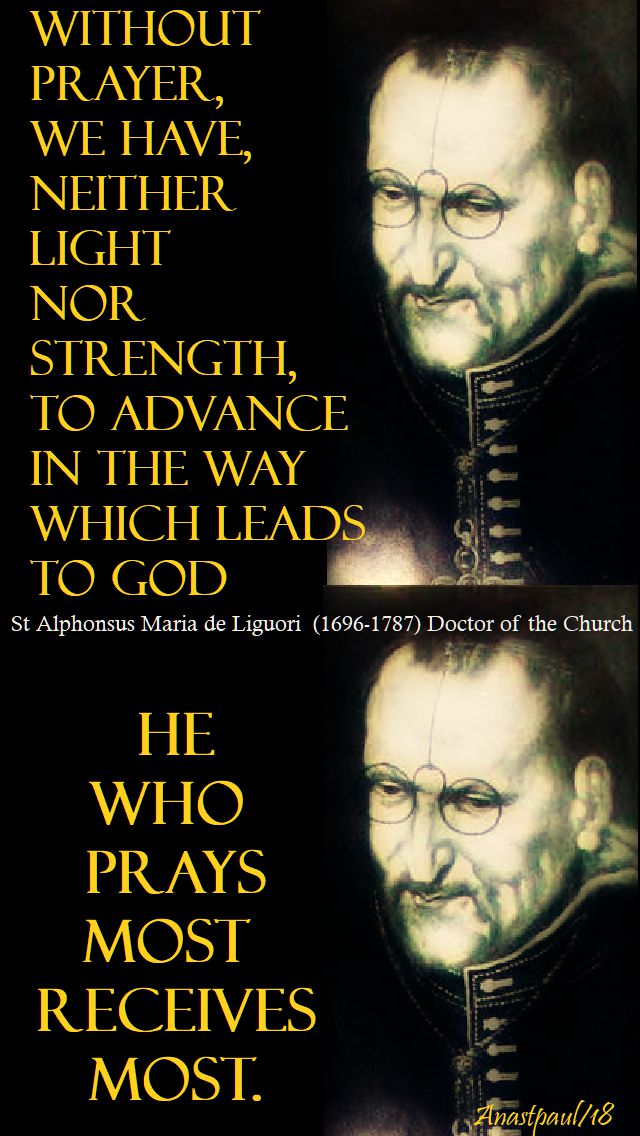
“Without prayer, we have neither light nor strength, to advance in the way which leads to God.”
“He who prays most receives most.”
St Alphonsus Liguori (1696-1787) Doctor of the Church
Quote/s of the Day 30 July – The Memorial of St Peter Chrysologus “Golden Words”
(c 400-450) Father & Doctor
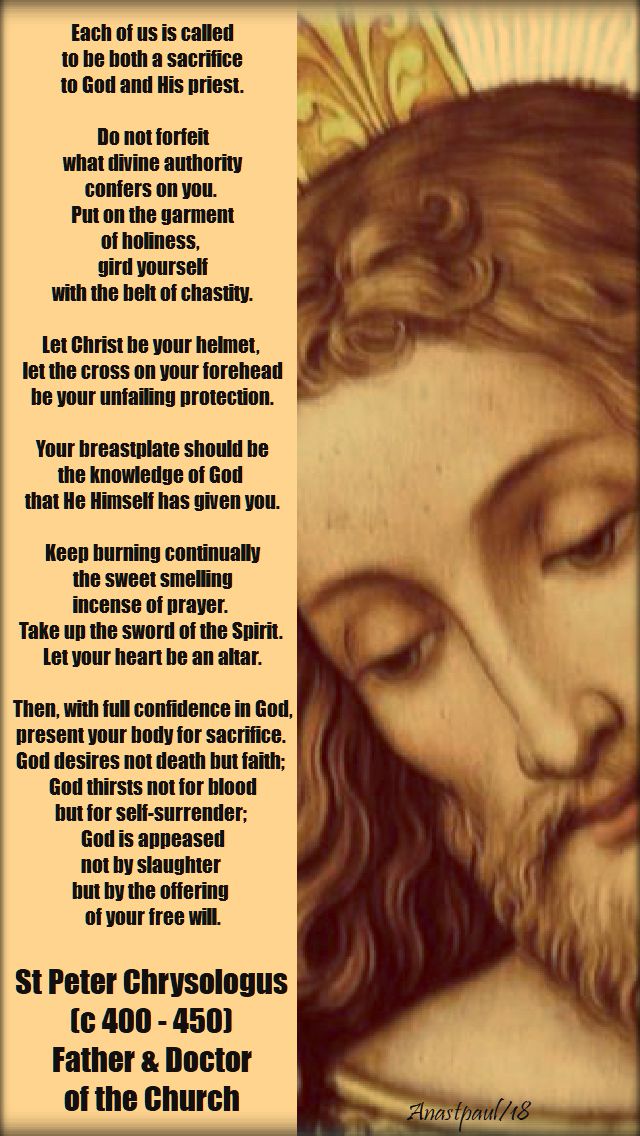
“Each of us is called to be both a sacrifice to God and His priest. Do not forfeit what divine authority confers on you. Put on the garment of holiness, gird yourself with the belt of chastity. Let Christ be your helmet, let the cross on your forehead be your unfailing protection. Your breastplate should be the knowledge of God that He Himself has given you. Keep burning continually the sweet smelling incense of prayer. Take up the sword of the Spirit. Let your heart be an altar. Then, with full confidence in God, present your body for sacrifice. God desires not death but faith; God thirsts not for blood but for self-surrender; God is appeased not by slaughter but by the offering of your free will.”
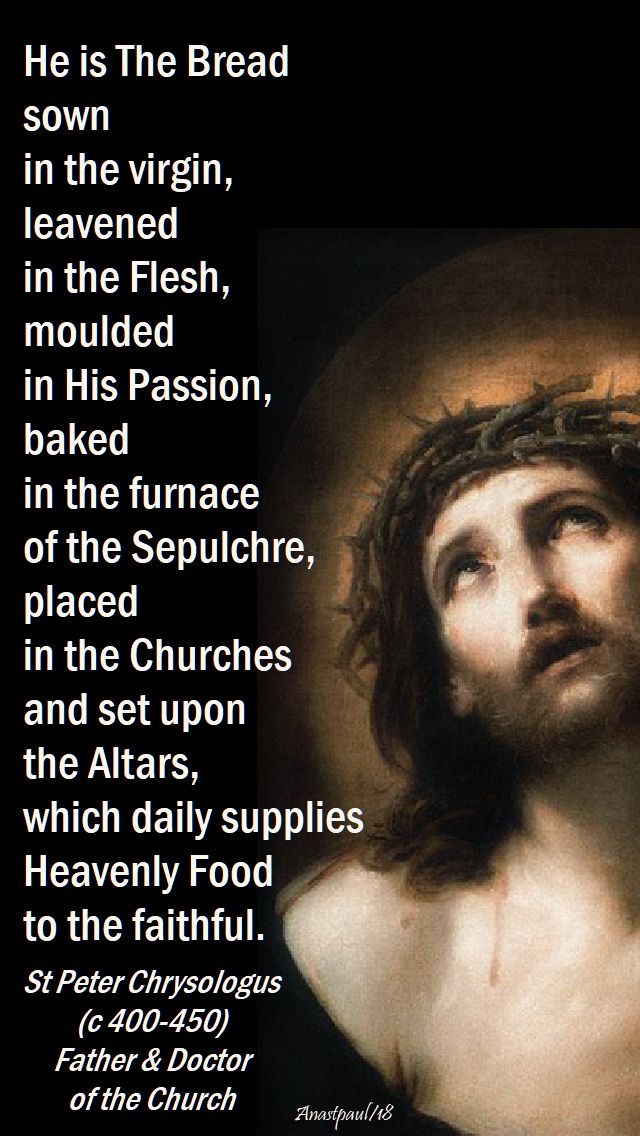
“He is The Bread sown in the virgin, leavened in the Flesh, moulded in His Passion, baked in the furnace of the Sepulchre, placed in the Churches and set upon the Altars, which daily supplies Heavenly Food to the faithful.”
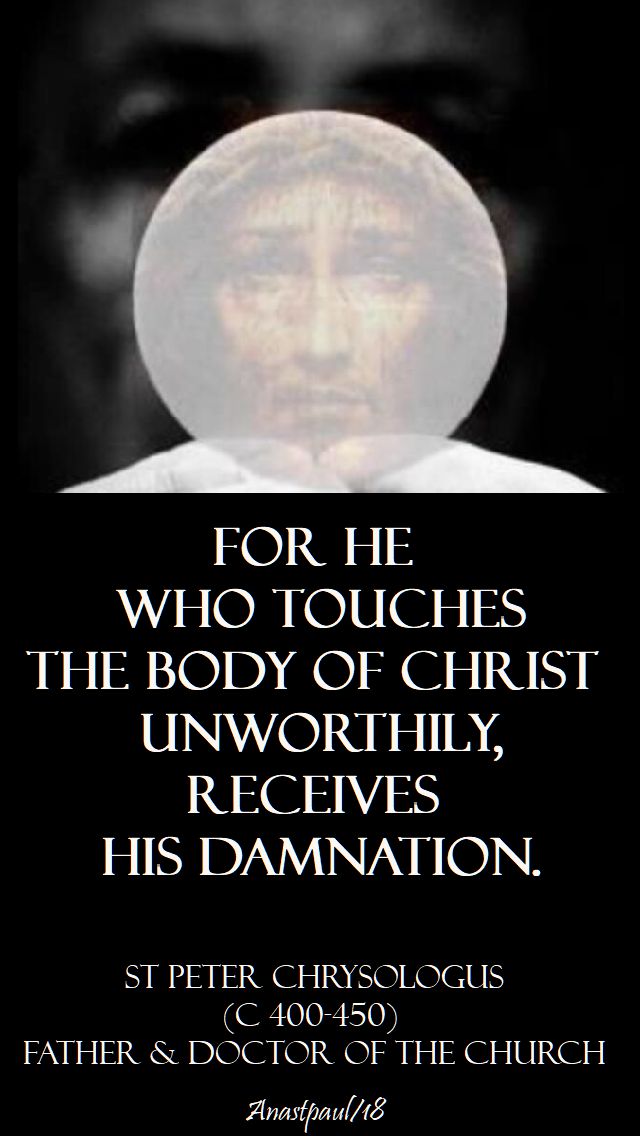
“For he who touches the Body of Christ unworthily, receives his damnation.”
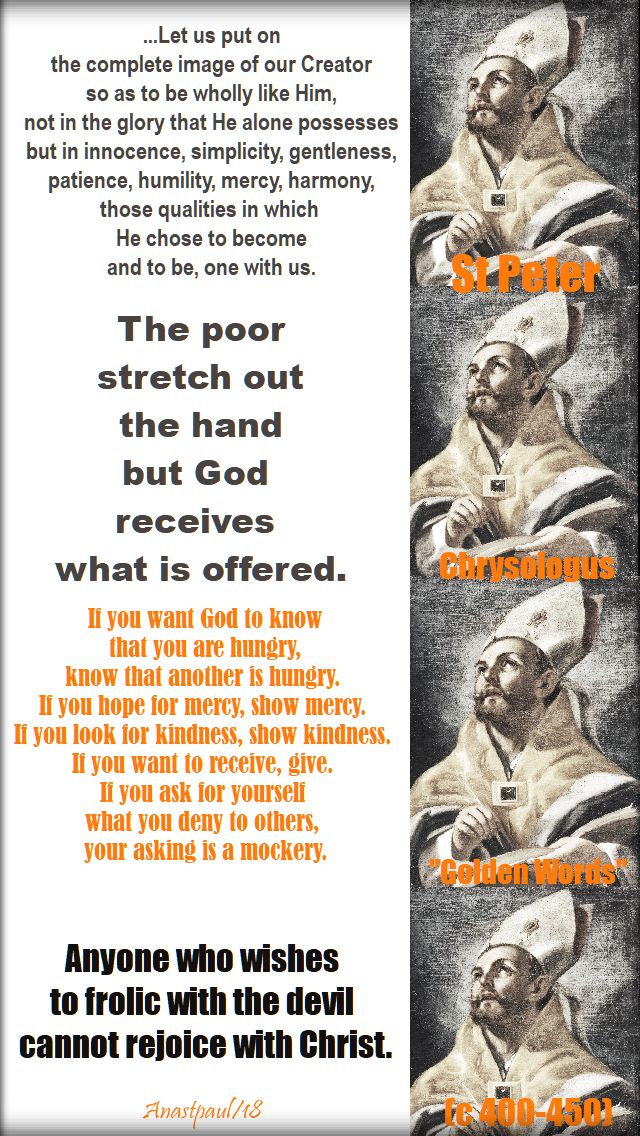
“Now that we are reborn,… in the likeness of our Lord and have indeed been adopted by God as his children, let us put on the complete image of our Creator so as to be wholly like Him, not in the glory that He alone possesses but in innocence, simplicity, gentleness, patience, humility, mercy, harmony, those qualities in which He chose to become and to be, one with us.”
“The poor stretch out the hand but God receives what is offered.”
” If you want God to know that you are hungry, know that another is hungry. If you hope for mercy, show mercy. If you look for kindness, show kindness. If you want to receive, give. If you ask for yourself what you deny to others, your asking is a mockery.”
“Anyone who wishes to frolic with the devil cannot rejoice with Christ.”
“We exhort you, in every respect, honourable brother, to heed obediently what has been written by the Most Blessed Pope of the City of Rome; for Blessed Peter, who lives and presides in his own see, provides the truth of faith to those who seek it.”
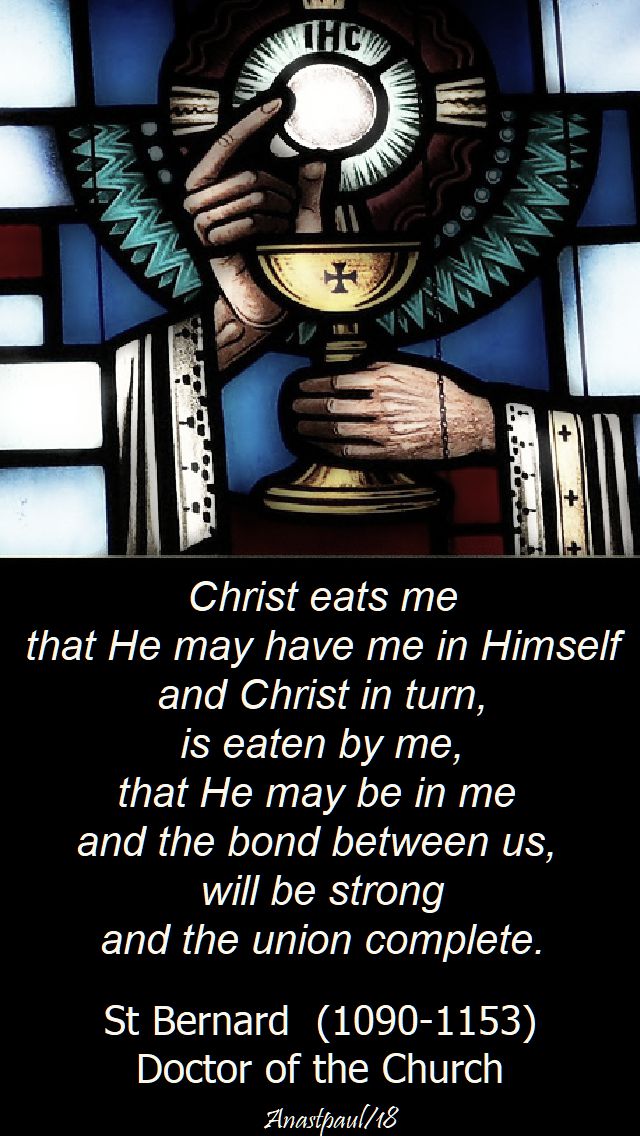
Saint Bernard teaches that it is not enough for us to take and eat the Bread from Heaven.
We must also offer ourselves to be eaten.
Holy Communion is a wondrous exchange in which we become the bread of Christ.
Listen to Saint Bernard:
“My penitence, my salvation are His food. I myself am His food. I am chewed. as I am reproved by Him; I am swallowed by Him. as I am taught; I am digested by Him. as I am changed; I am assimilated. as I am transformed; I am made one with Him, as I am conformed to Him. He feeds upon us and is fed by us that we may be the more loosely bound to Him.”
Saint Bernard, ever the poet, uses images of eating and assimilation to describe how Christ unites us to Himself.
Our Lord becomes our food that we might become His.
We need the language of poets and preachers in our approach to the Eucharist.
Saint Bernard says, “Christ eats me that He may have me in Himself and Christ in turn is eaten by me that He may be in me and the bond between us, will be strong and the union complete.”
What awaits you in Holy Communion exceeds all that you can desire. Eat, then and offer yourself to be eaten. Receive the Bread of God and become the bread of God.
Our Morning Offering – 22 July – Sixteenth Sunday in Ordinary Time, Year B
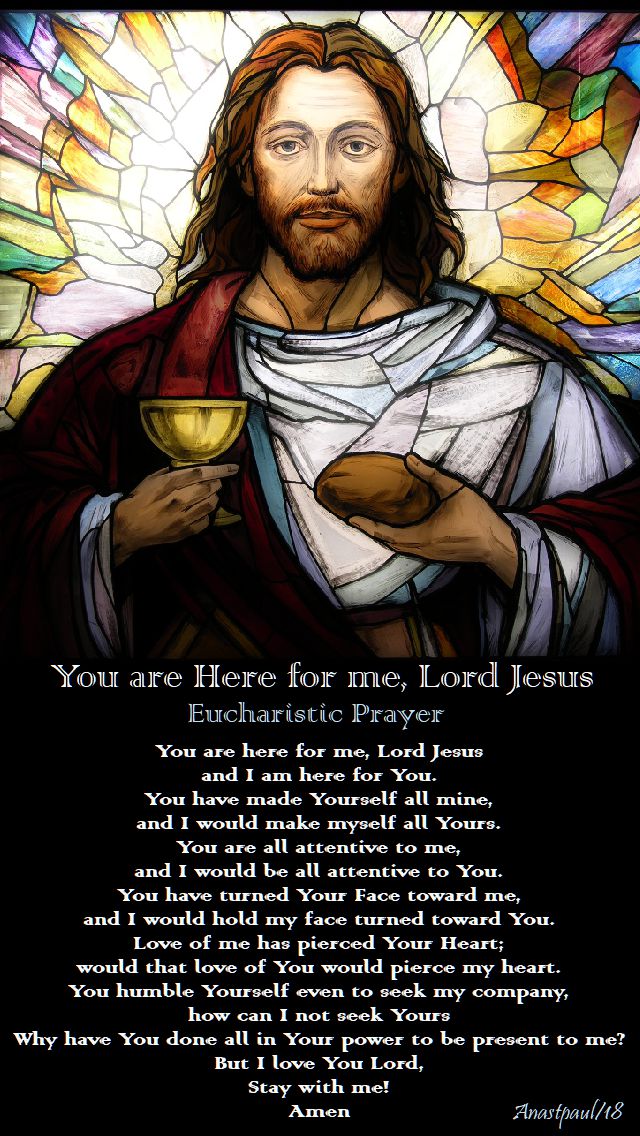
You are Here for me, Lord Jesus Eucharistic Prayer
You are here for me, Lord Jesus
and I am here for You.
You have made Yourself all mine,
and I would make myself all Yours.
You are all attentive to me,
and I would be all attentive to You.
You have turned Your Face toward me,
and I would hold my face turned toward You.
Love of me has pierced Your Heart;
would that love of You would pierce my heart.
You humble Yourself even to seek my company;
how can I not seek Your company
Why have You done all
in Your power to be present to me?
But I love You Lord,
Stay with me!
Amen
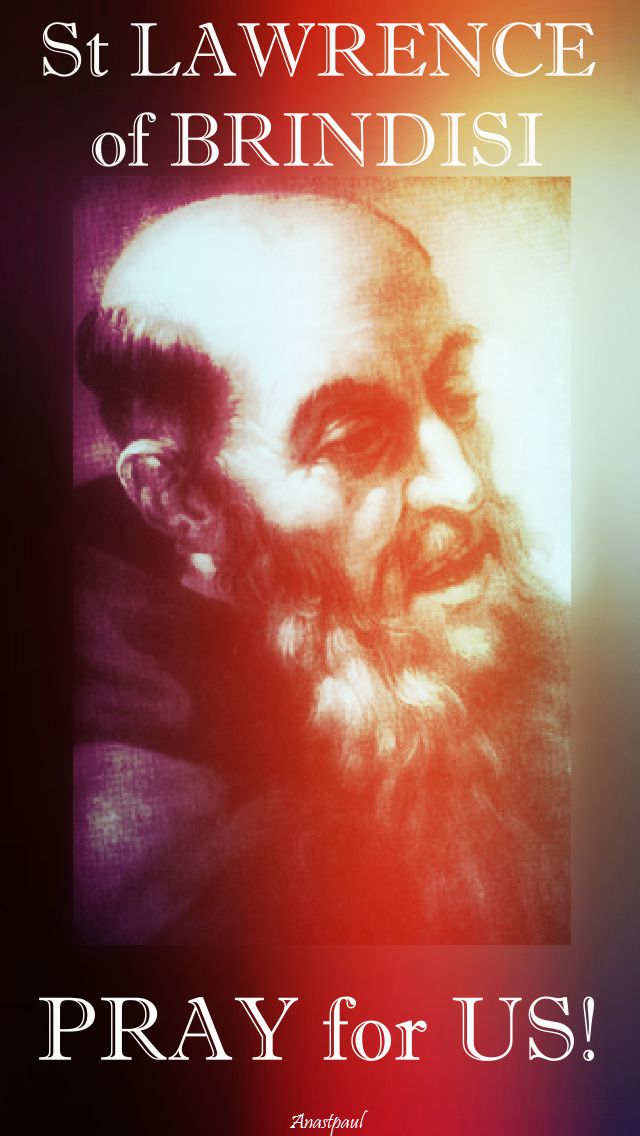
One Minute Reflection – 21 July – Saturday of the Fifteenth week in Ordinary Time – The Memorial of St Lawrence of Brindisi OFM Cap (1559-1619) Doctor of the Church – Today’s Readings: Micah 2:1-5, Psalm 10:1-4, 7-8, 14, Matthew 12:14-21
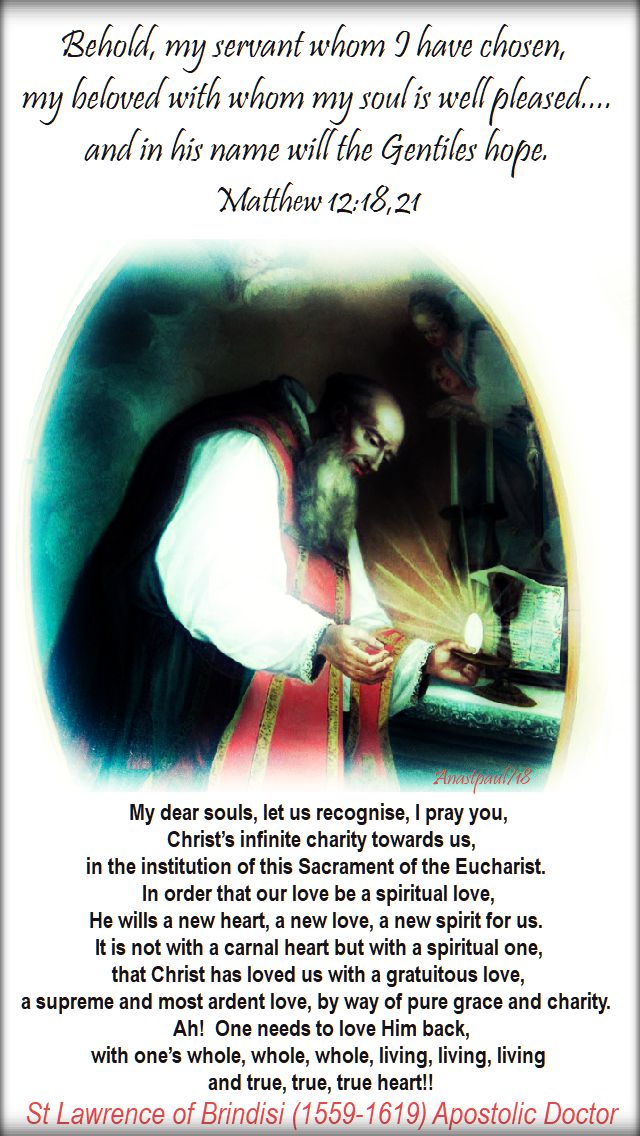
“Behold, my servant whom I have chosen, my beloved with whom my soul is well pleased…. and in his name will the Gentiles hope.”…Matthew 12:18,21
REFLECTION – “My dear souls, let us recognise, I pray you, Christ’s infinite charity towards us, in the institution of this Sacrament of the Eucharist. In order that our love be a spiritual love, He wills a new heart, a new love, a new spirit for us. It is not with a carnal heart but with a spiritual one, that Christ has loved us with a gratuitous love, a supreme and most ardent love, by way of pure grace and charity. Ah! One needs to love Him back with one’s whole, whole, whole, living, living, living and true, true, true heart!!” …… St Lawrence of Brindisi (1559-1619) Apostolic Doctor
PRAYER – Lord God, You bestowed on St Lawrence of Brindisi the spirit of counsel and fortitude, so that Your name might be glorified and souls be saved. At the intercession of St Lawrence, grant that we may see what we have to do and, in Your mercy give us the strength to do it and the courage, love and charity to persevere. Grant above all, that by his prayers we may love You above all and with all we are. St Lawrence pray for us, amen.
Pope Francis announced this morning, 19 July 2018, during an Ordinary Public Consistory that he will canonise an additional person on October 14 along with Blessed Paul VI and Blessed Oscar Romero.
It is fitting that Blessed Nunzio Sulprizio, who died at the age of 19, be canonised during the Synod whose theme is Young People, the Faith and Vocational Discernment. Now with the addition of Blessed Nunzio, the canonisation will include people from every walk of life: clerical, religious and lay.
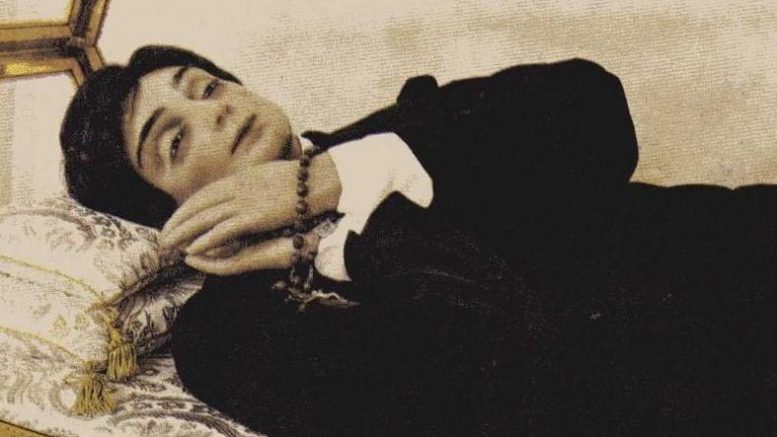
Blessed Nunzio was born in Pescosansonesco in Italy in April of 1817. He lost both of his parents while still a child and was brought up by an uncle. His uncle exploited him, not allowing him to go to school and forced him to work in his blacksmith shop. Regardless of extreme cold or intense heat, he was forced to carry enormous weights over great distances.
He found refuge before the Tabernacle where he would keep Jesus company.
After contracting gangrene in one of his legs, he was sent to a hospital for people with incurable diseases in Naples. He suffered tremendously on account of the pain. Yet, he is known to have said such things as:
Jesus suffered so much for us and by His merits we await eternal life. If we suffer a little bit, we will taste the joy of paradise. Jesus suffered a lot for me. Why should I not suffer for Him? I would die in order to convert even one sinner. When asked who was taking care of him, he would respond: “God’s Providence”.
Once he got better, he dedicated himself to helping other patients. But his health took a sudden turn for the worse. He died from bone cancer in May of 1836 before he reached his 20th birthday.
Pope Paul VI said the following when he Beatified Nunzio on 1 December 1963:
Nunzio Sulprizio will tell you that the period of youth should not be considered the age of free passions, of inevitable falls, of invincible crises, of decadent pessimism, of harmful selfishness. Rather, he will rather tell you how being young is a grace… St Philip used to repeat: Blessed are you, young people, who have the time to do good.
It is a grace, it is a blessing to be innocent, to be pure, to be happy, to be strong, to be full of ardour and life – just like those who receive the gift of fresh and new existence should be, regenerated and sanctified by baptism. They receive a treasure that should not be foolishly wasted but should be known, guarded, educated, developed and used to produce fruit for their own benefit and that of others.
He will tell you that no other age than yours, young people, is as suitable for great ideals, for generous heroism, for the coherent demands of thought and action.
He will teach you how you young people can regenerate the world in which Providence has called you to live and how it is up to you first to consecrate yourselves for the salvation of a society that needs strong and fearless souls.
He will teach you that the supreme word of Christ is to be the sacrifice, the cross, for our own salvation and that of the world. Young people understand this supreme vocation. (vaticannews.va)
Sunday Reflection – 15 July – Fifteenth Sunday of the Year
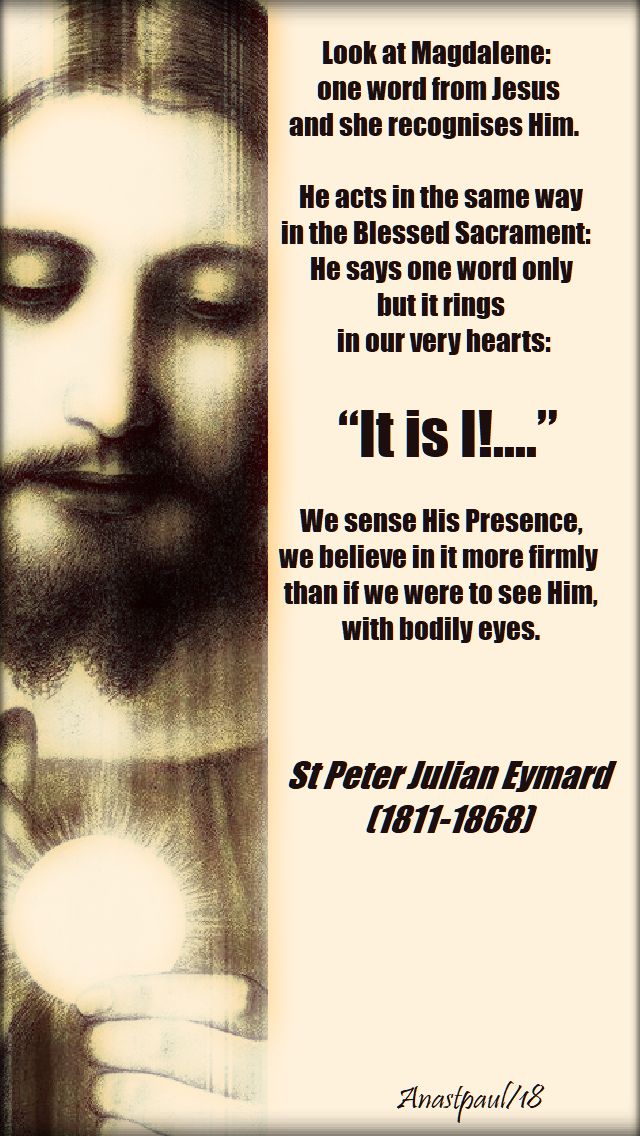
“….in the Blessed Sacrament Our Lord Himself is the light which manifests Him as our model and reveals His beauties to us. He is Himself His light, His means of being known, just as the sun is itself its own proof. To make Himself known, He has only to show Himself. Recognition of Him need not come from its being reasoned out.
A child does not have to discourse with himself to recognise his parents. Our Lord reveals Himself through His presence, just as parents do. But as we grow to know His voice better and as our hearts become more sympathetic to Him in emptying themselves of what is not Him, our Lord manifests Himself in a clearer and more intimate manner, which only those know, who love Him. He gives the soul a divine conviction which overshadows the light of human reason.
Look at Magdalene: one word from Jesus and she recognises Him. He acts in the same way in the Blessed Sacrament: He says one word only but it rings in our very hearts: “It is I!….” We sense His Presence, we believe in it more firmly than if we were to see Him with bodily eyes.”
Quote/s of the Day – 5 July – The Memorial of St Anthony Mary Zaccaria (1502-1539)
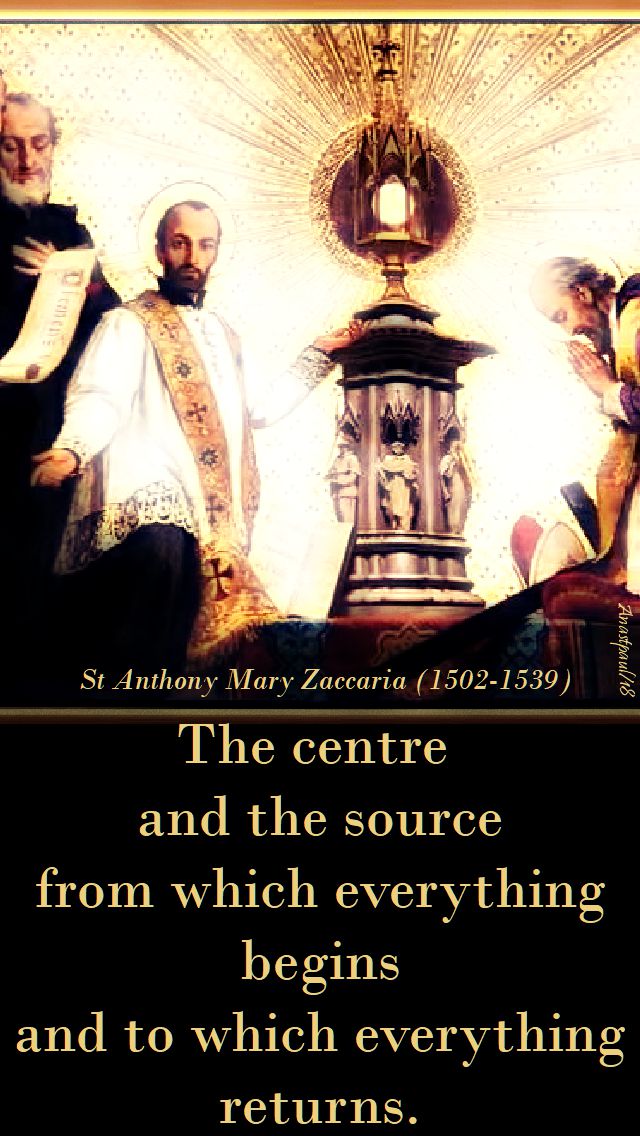
“The centre and the source from which everything begins and to which everything returns.”
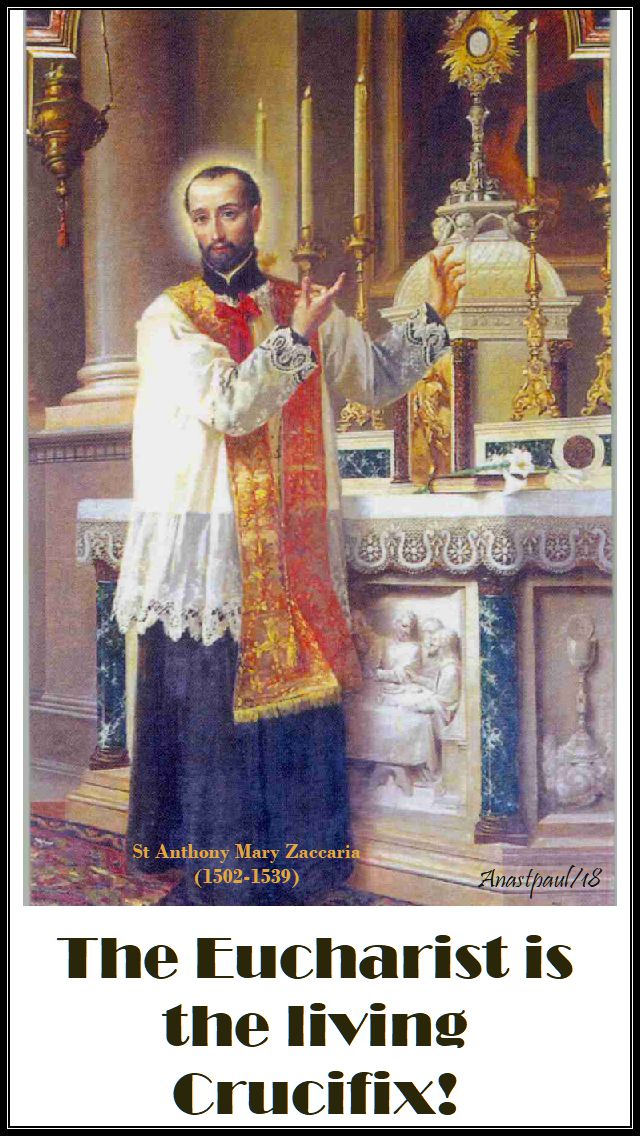
“The Eucharist is the living Crucifix!”
“If you want to obtain what you pray for, adapt yourself to it, that is, if you want humility, do not avoid humiliations.”
“Let them keep in mind, therefore, that there can be no humility without reproaches and mockery and anyone who feels ashamed of them … may as well abandon all hope, of being able to achieve perfection.”
“That which God commands seems difficult and a burden. The way is rough; you draw back; you have no desire to follow it. Yet DO SO – and you will attain glory.”
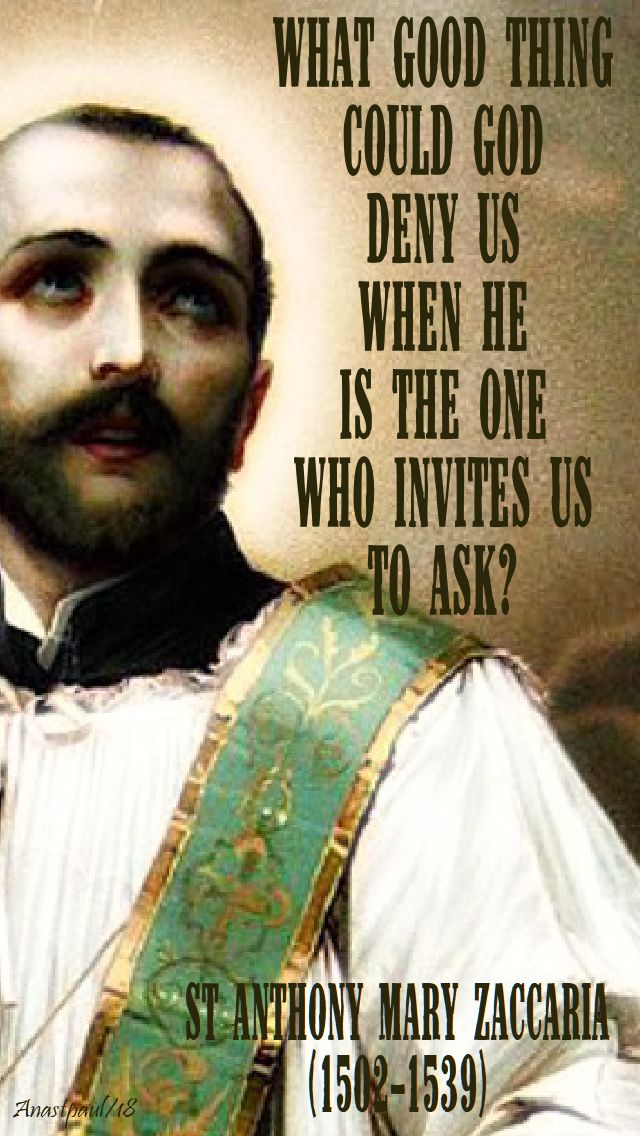
“What good thing could God deny us when He is the one who invites us to ask?”
Our Morning Offering – 5 July 2018 – The Memorial of St Anthony Mary Zaccaria (1502-1539)
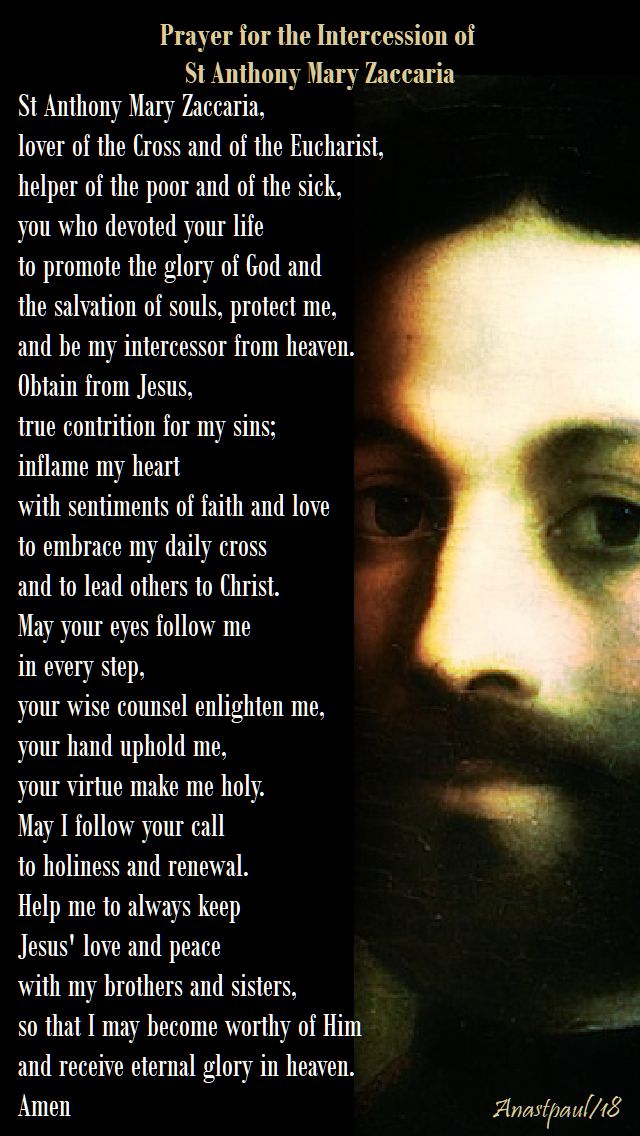
Prayer for the Intercession of St Anthony Mary Zaccaria
St Anthony Mary Zaccaria,
lover of the Cross and of the Eucharist,
helper of the poor and of the sick,
you who devoted your life
to promote the glory of God and
the salvation of souls, protect me,
and be my intercessor from heaven.
Obtain from Jesus,
true contrition for my sins;
inflame my heart
with sentiments of faith and love
to embrace my daily cross
and to lead others to Christ.
May your eyes follow me in every step,
your wise counsel enlighten me,
your hand uphold me,
your virtue make me holy.
May I follow your call
to holiness and renewal.
Help me to always keep
Jesus’ love and peace
with my brothers and sisters,
so that I may become worthy of Him
and receive eternal glory in heaven.
Amen
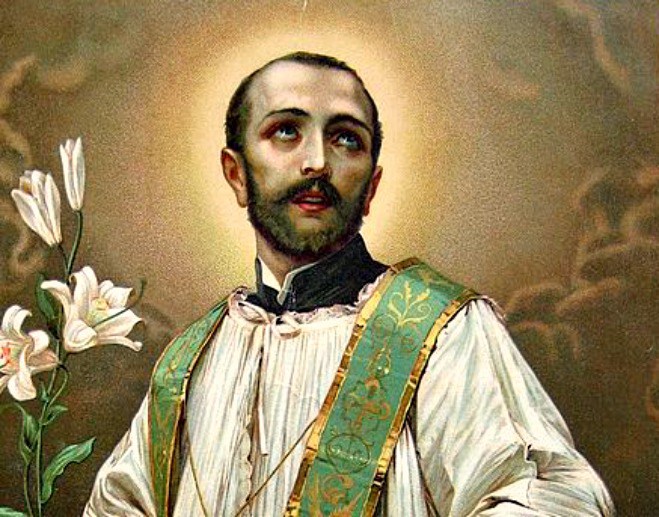
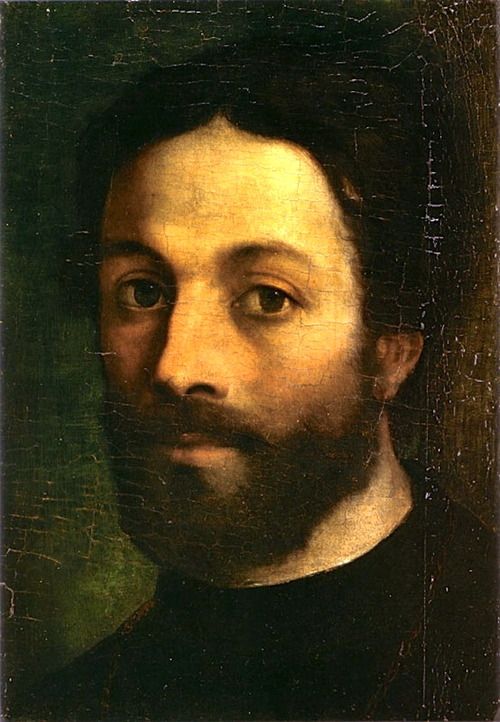
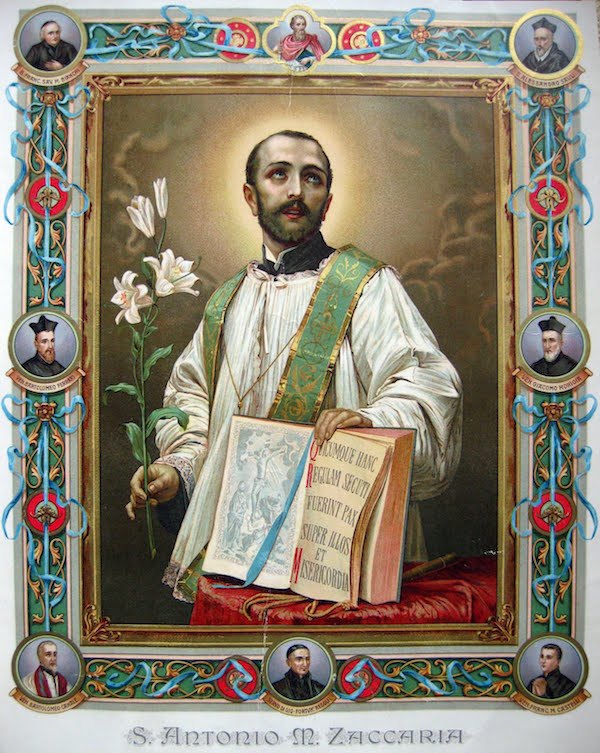
Saint of the Day – 5 July – St Anthony Mary Zaccaria CRSP. (1502-1539) – Confessor, Priest, Founder, Philosopher, Doctor of Medicine/Physician, Renewal of the Forty Hours’ Adoration Devotion, Preacher, Administrator, one of the early leader of the Counter Reformation. Founder of the The Clerics Regular of St Paul (the Barnabites) and the Angelic Sisters of St Paul., both of whom he is the Patron and of Doctors/Physicians. His body is incorrupt.
Today we celebrate the life of Saint Anthony Mary Zaccaria. A renowned preacher and promoter of Eucharistic Adoration, he founded the order of priests now known as the Barnabites.
In 2001, the future Pope Benedict XVI, Cardinal Joseph Ratzinger, wrote the preface for a book on St Anthony Mary Zaccaria, praising the saint as “one of the great figures of Catholic reform in the 1500s,” who was involved “in the renewal of Christian life in an era of profound crisis.” “St Anthony”, Cardinal Ratzinger wrote, “deserves to be rediscovered” as “an authentic man of God and of the Church, a man burning with zeal, a demanding forger of consciences, a true leader able to convert and lead others to good.”
Anthony Mary Zaccaria was born into an Italian family of nobility in Cremona during 1502. His father Lazzaro died shortly after Anthony’s birth and his mother Antonietta – though only 18 years old – chose not to marry again, preferring to devote herself to charitable works and her son’s education. Antonietta’s son took after her in devotion to God and generosity toward the poor. He studied Latin and Greek with tutors in his youth and was afterward sent to Pavia to study philosophy. He went on to study medicine at the University of Padua, earning his degree at age 22 and returning to Cremona.
Despite his noble background and secular profession, the young doctor had no intention of either marrying or accumulating wealth. While caring for the physical conditions of his patients, he also encouraged them to find spiritual healing through repentance and the sacraments. He also taught catechism to children, and went on to participate in the religious formation of young adults. He eventually decided to withdraw from the practice of medicine and with the encouragement of his spiritual director, he began to study for the priesthood.
Ordained a priest at age 26, Anthony is experienced a miraculous occurrence during his first Mass, being surrounded by a supernatural light and a multitude of angels during the consecration of the Eucharist. Contemporary witnesses marvelled at the event and testified to it after his death.
Church life in Cremona had suffered decline in the late 15th and early 16th centuries. The new priest encountered widespread ignorance and religious indifference among laypersons, while many of the clergy were either weak or corrupt. In these dire circumstances, Anthony Mary Zaccaria devoted his life to proclaiming the truths of the Gospel both clearly and charitably. Within two years, his eloquent preaching and tireless pastoral care is said to have changed the moral character of the city dramatically.
In 1530, Anthony moved to Milan, where a similar spirit of corruption and religious neglect prevailed. There, he decided to form a priestly society, the Clerics Regular of St. Paul. Inspired by the apostle’s life and writings, the order was founded on a vision of humility, asceticism, poverty, and preaching. After the founder’s death, they were entrusted with a prominent church named for St Barnabas and became commonly known as the “Barnabites.”
St Anthony also founded a women’s religious order, the Angelic Sisters of St Paul and an apostolate, the Laity of St Paul, geared toward the sanctification of those outside the priesthood and religious life. He pioneered the “40 Hours” devotion, involving continuous prayer before the Blessed Sacrament.
In 1539, Anthony became seriously ill and returned to his mother’s house in Cremona. The founder of the Clerics Regular of St Paul died on 5 July during the liturgical octave of the Feast of Sts Peter and Paul, at the age of only 36.
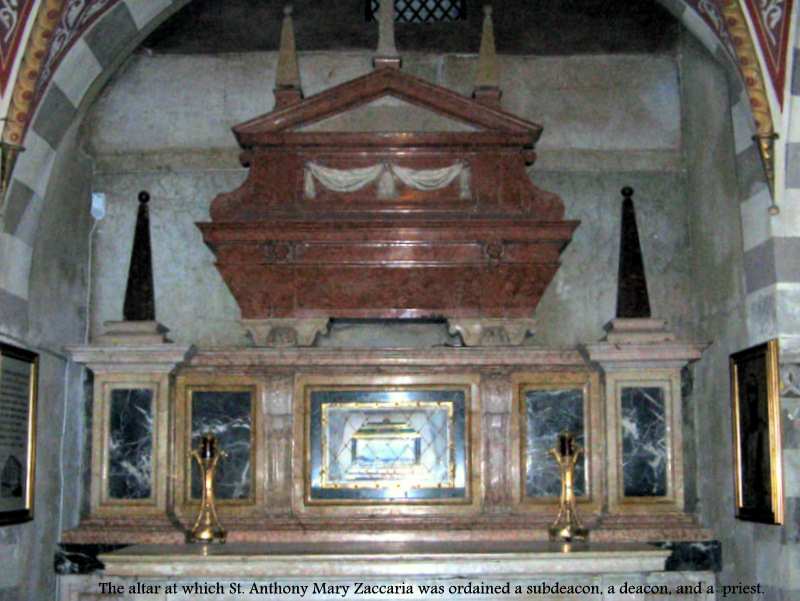
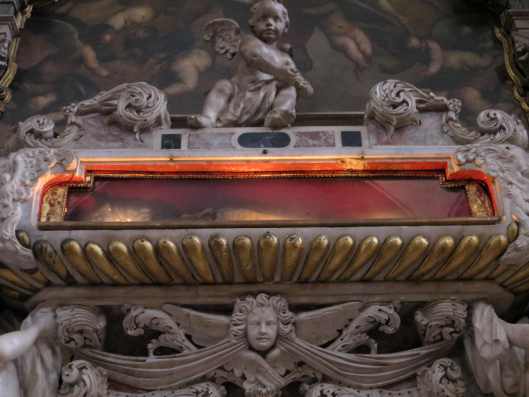
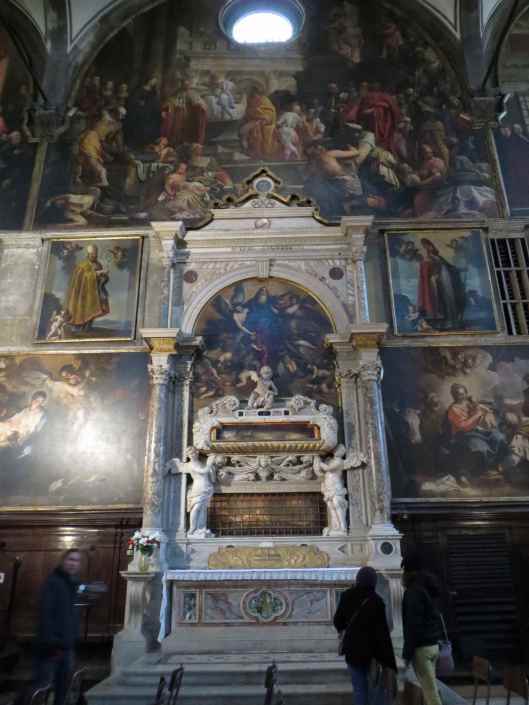
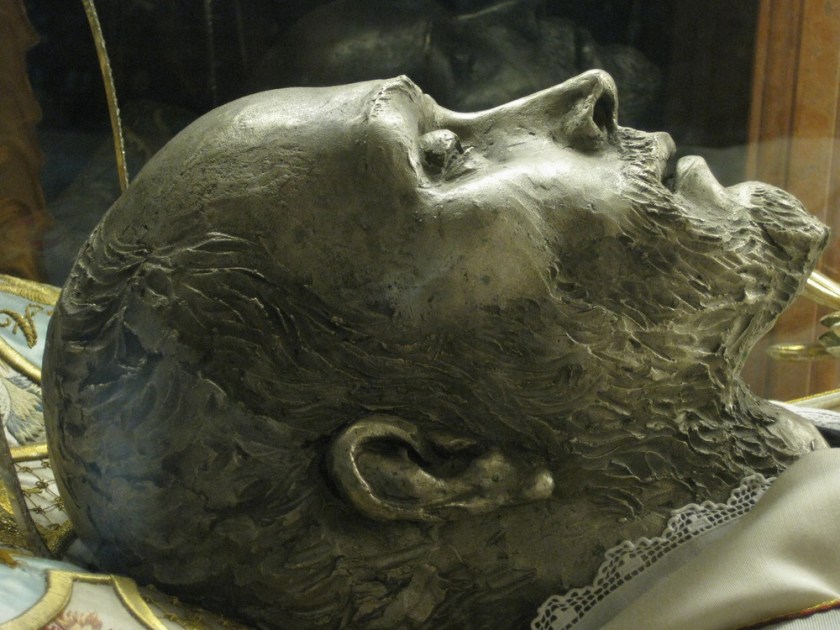
Nearly three decades after his death, St Anthony Mary Zaccaria’s body was found to be incorrupt. He was beatified by Blessed Pope Pius IX in 1849 and declared a saint by Pope Leo XIII in 1897. His body is now enshrined at the Church of St Barnabas in Milan, Italy. More about St Anthony and all about the 40 hour devotion, here: https://anastpaul.wordpress.com/2017/07/05/saint-of-the-day-5-july-st-anthony-mary-zaccaria-b-or-c-r-s-p/
Church of St Barnabas, RomeTomb of St Anthony Mary ZaccariaAltar and TombSt Anthony Mary Zaccaria
Quote/s of he Day – 4 July – The Memorial of Blessed Pier Giorgio Frassati T.O.S.D. (1901-1925) “Man of the Eight Beatitudes”
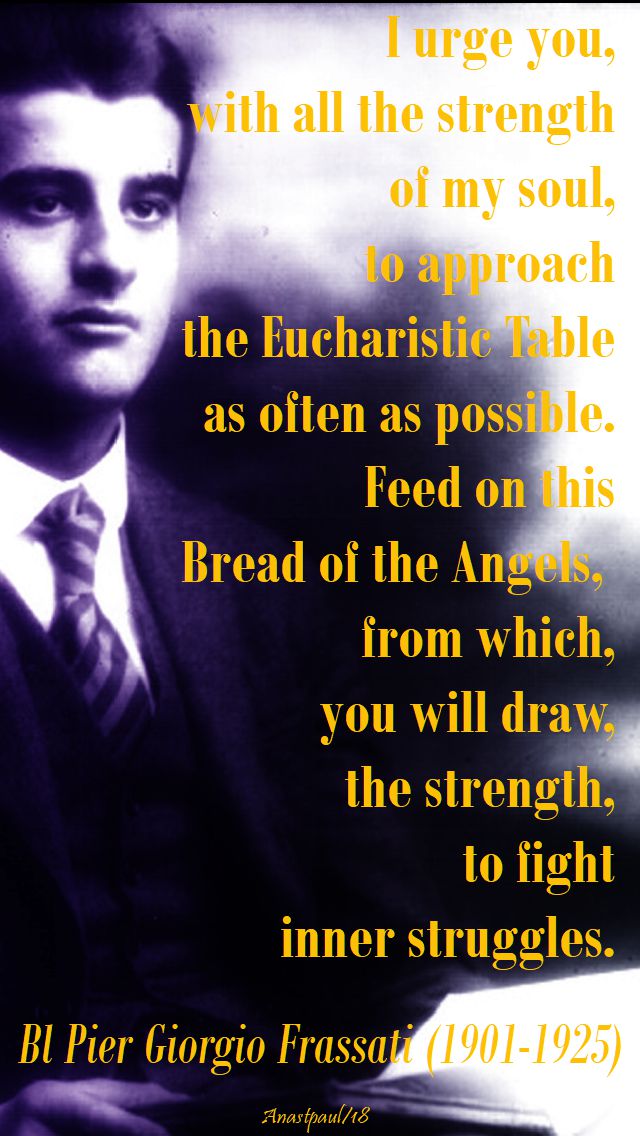
“I urge you, with all the strength of my soul, to approach the Eucharistic Table as often as possible. Feed on this Bread of the Angels, from which you will draw, the strength, to fight inner struggles.”
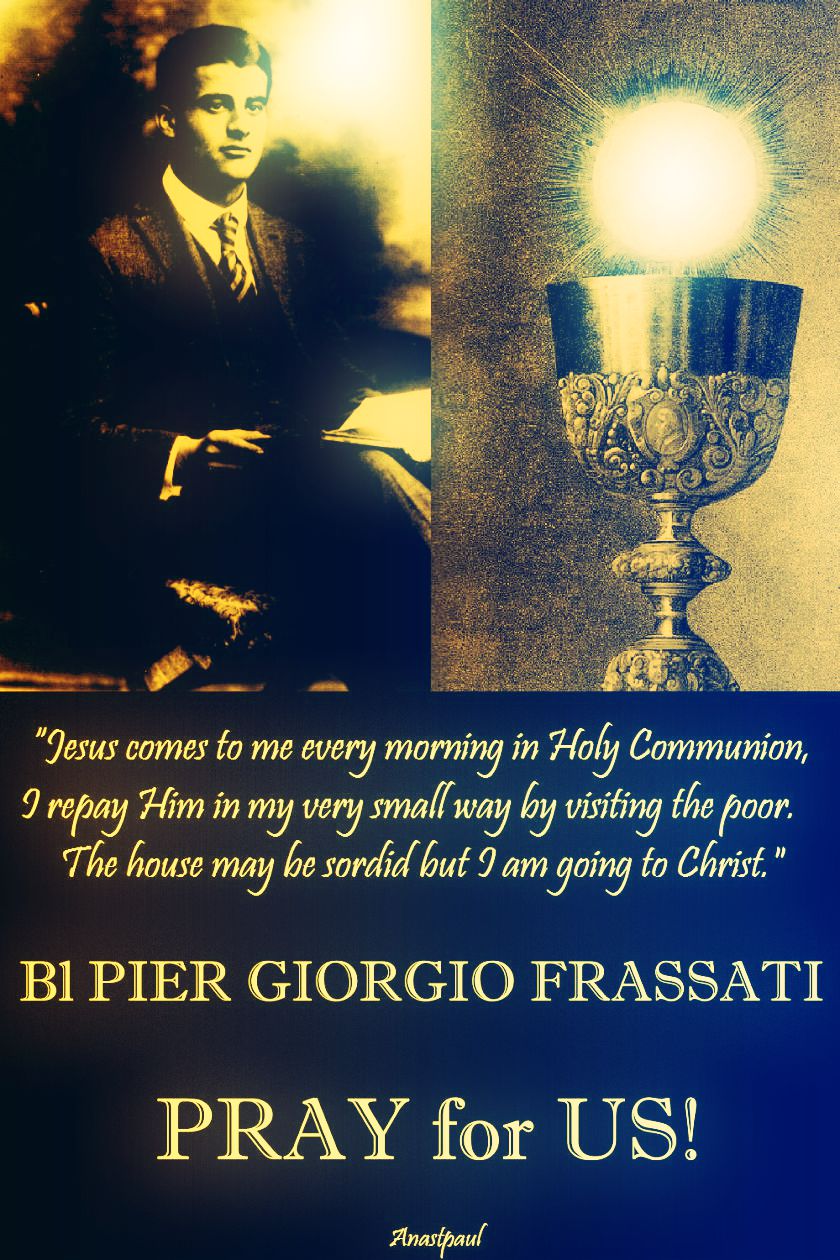
“Jesus comes to me every morning in Holy Communion, I repay Him, in my very small way, by visiting the poor. The house may be sordid but I am going to Christ.”
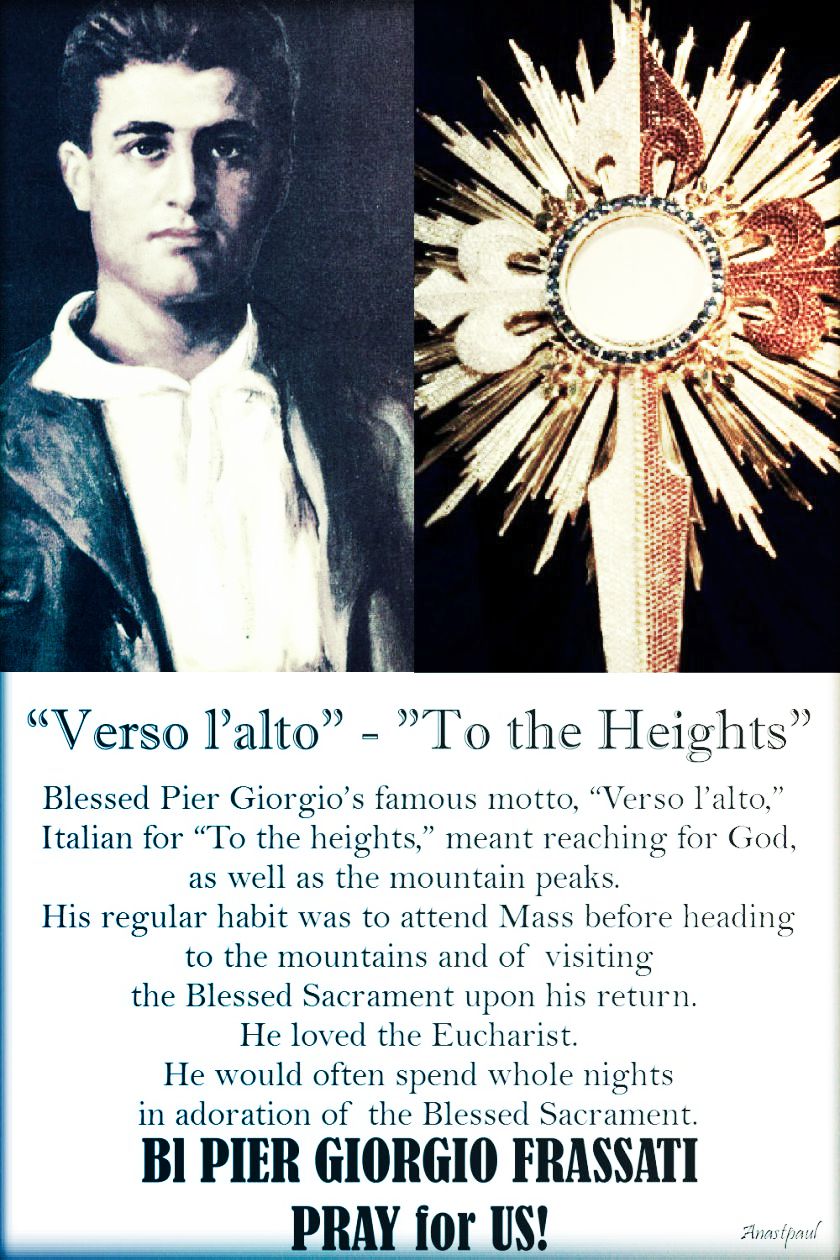
“Verso l’alto,”
“To the Heights”
Blessed Pier Giorgio’s famous motto, “Verso l’alto,” Italian for “To the heights,” meant reaching for God as well as the mountain peaks. His regular habit was to attend Mass before heading to the mountains and of visiting the Blessed Sacrament upon his return. He loved the Eucharist. He would often spend whole nights in adoration of the Blessed Sacrament.
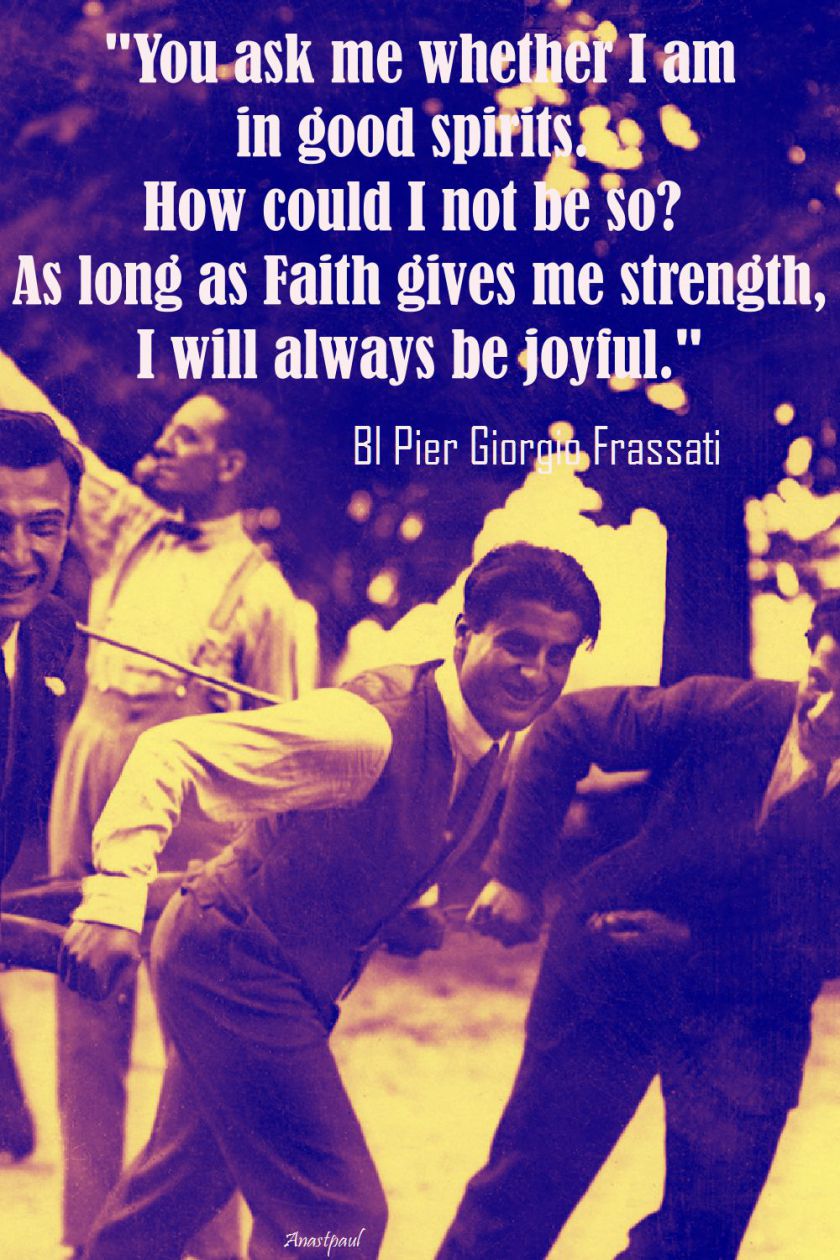
“You ask me whether I am in good spirits. How could I not be so? As long as Faith gives me strength, I will always be joyful. Sadness ought to be banished from Catholic souls… the purpose for which we have been created shows us the path; even if strewn with many thorns, it is not a sad path. It is joyful even in the face of sorrow.”
Quote/s of the Day – 28 June – The Memorial of St Irenaeus of Lyons (c 135 – c 202) Father of the Church
“Our way of thinking, is attuned to the Eucharist and the Eucharist in turn, confirms our way of thinking.”
“Jesus Christ, in His infinite love, has become what we are, in order that He may make us entirely what He is.”
“It is not you that shapes God. It is God that shapes you. If then you are the work of God await the Hand of the artist who does all things in due season. Offer Him your heart, soft and tractable and keep the form in which the artist has fashioned you. Let the clay be moist lest you go hard and lose the imprint of His Fingers.”
“As long as anyone has the means of doing good to his neighbours and does not do so, he shall be reckoned a stranger to the love of the Lord.”
The business of the Christian is nothing else but to be ever preparing for death.
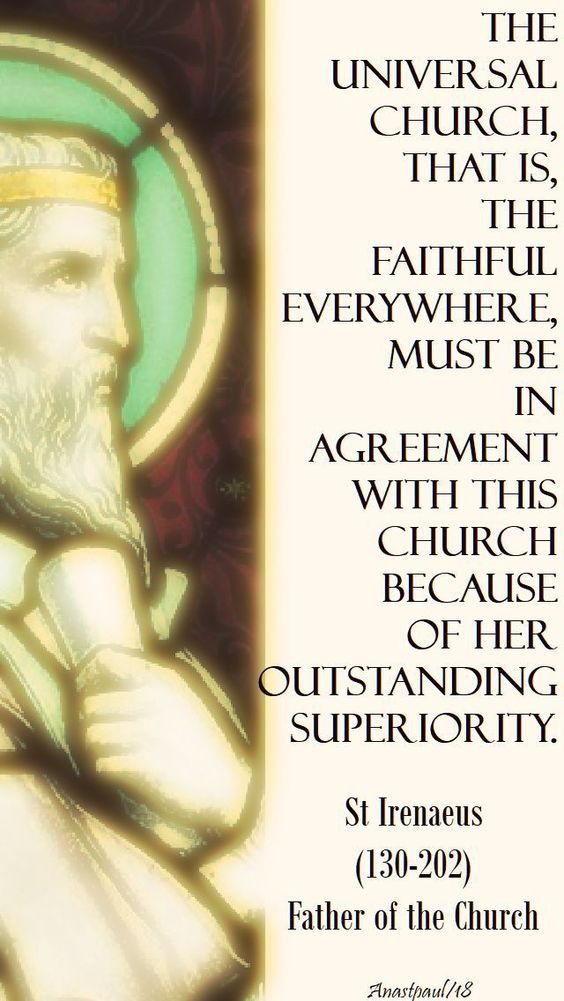
“The universal Church, that is, the faithful everywhere, must be in agreement with this Church because of her outstanding superiority.”
“Being obedient she (Mary) became the cause of salvation for herself and for the whole human race. The knot of Eve’s disobedience was untied by Mary’s obedience: what the virgin Eve bound through her disbelief, Mary loosened by her faith.”
Quote/s of the Day – 26 June – The Memorial of St Josemaria Escrivá (1902-1975)
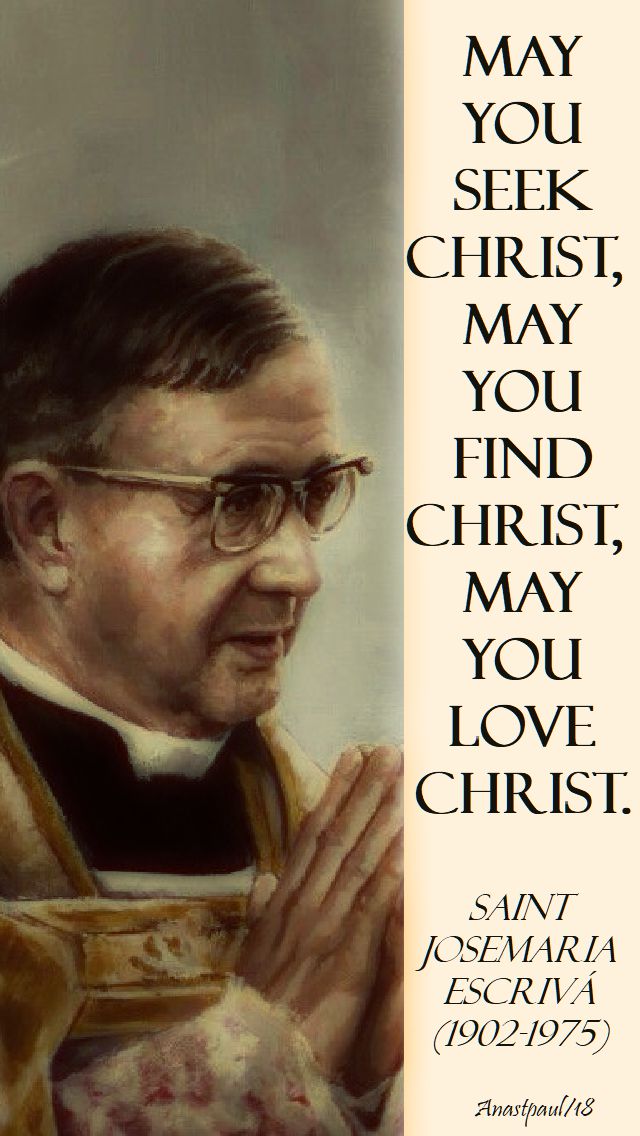
“Turn your gaze constantly to Jesus who, without ceasing to be God, humbled Himself and took the nature of a slave, in order to serve us… May you seek Christ, may you find Christ, may you love Christ.”
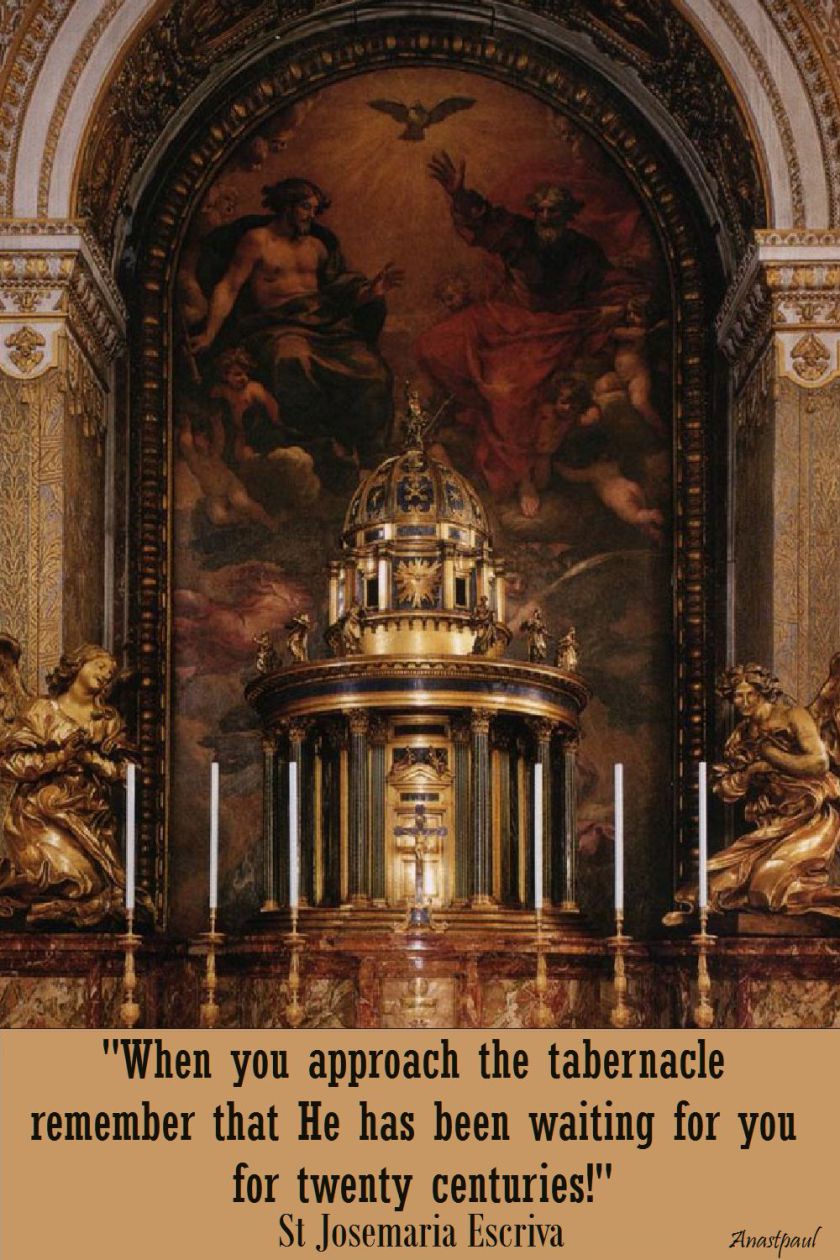
“When you approach the tabernacle, remember, that He has been waiting for you for twenty centuries.”
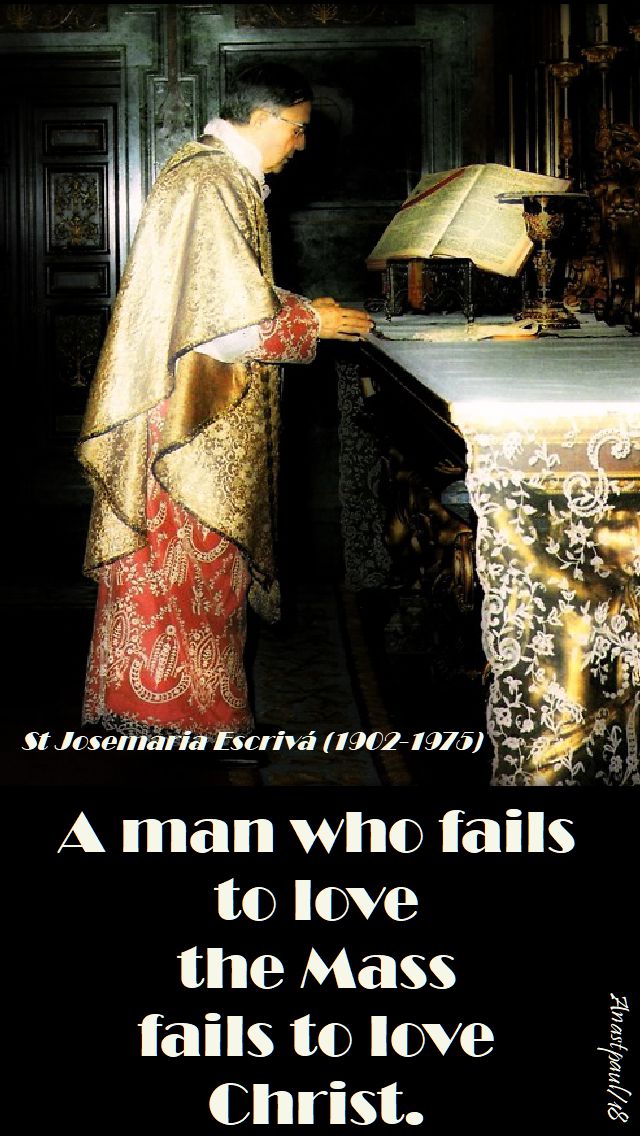
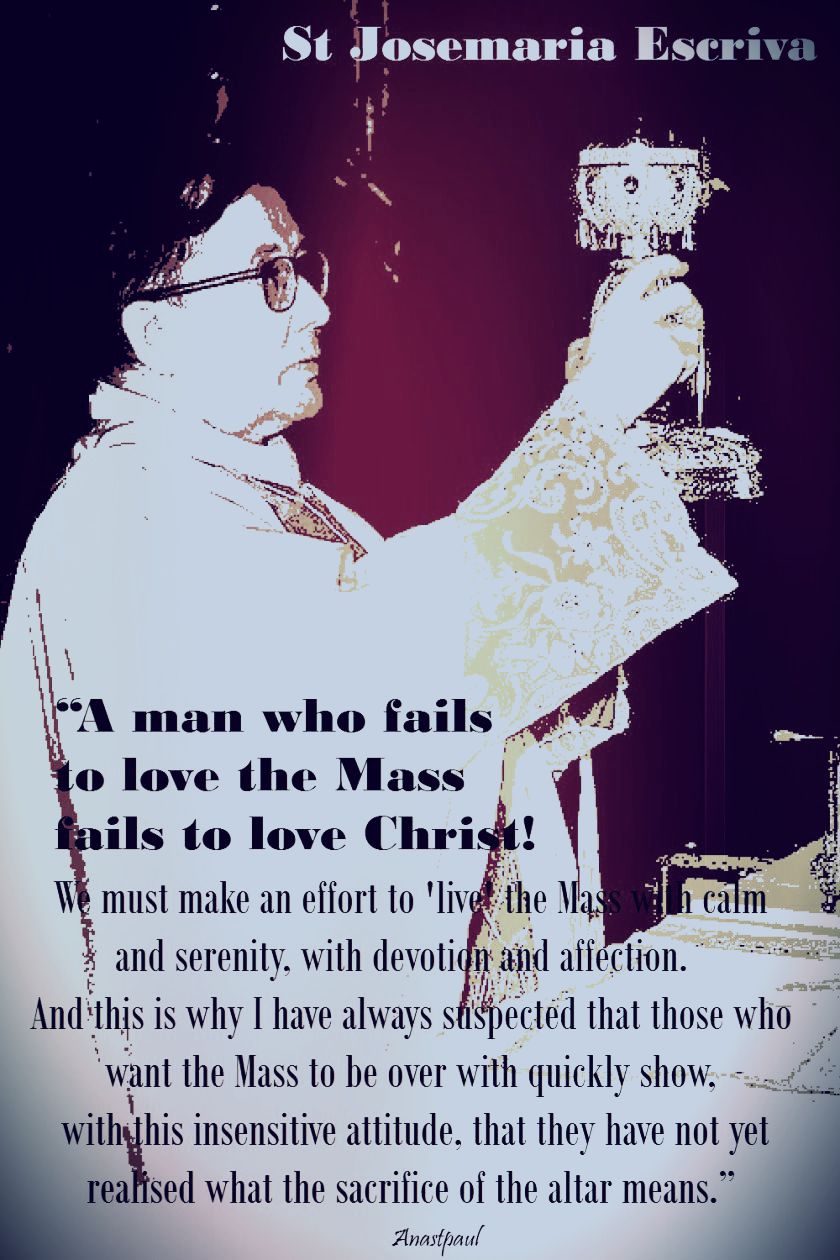
““A man who fails to love the Mass, fails to love Christ. We must make an effort to ‘live’ the Mass with calm and serenity, with devotion and affection. And this is why I have always suspected that those who want the Mass to be over with quickly show, with this insensitive attitude, that they have not yet realised what the sacrifice of the altar means.” AND “Many Christians take their time and have leisure enough in their social life (no hurry here). They are leisurely, too, in their professionally activities, at table and recreation (no hurry here either). But isn’t it strange how those same Christians find themselves in such a rush and want to hurry the priest, in their anxiety to shorten the time devoted to the most holy sacrifice of the altar?”
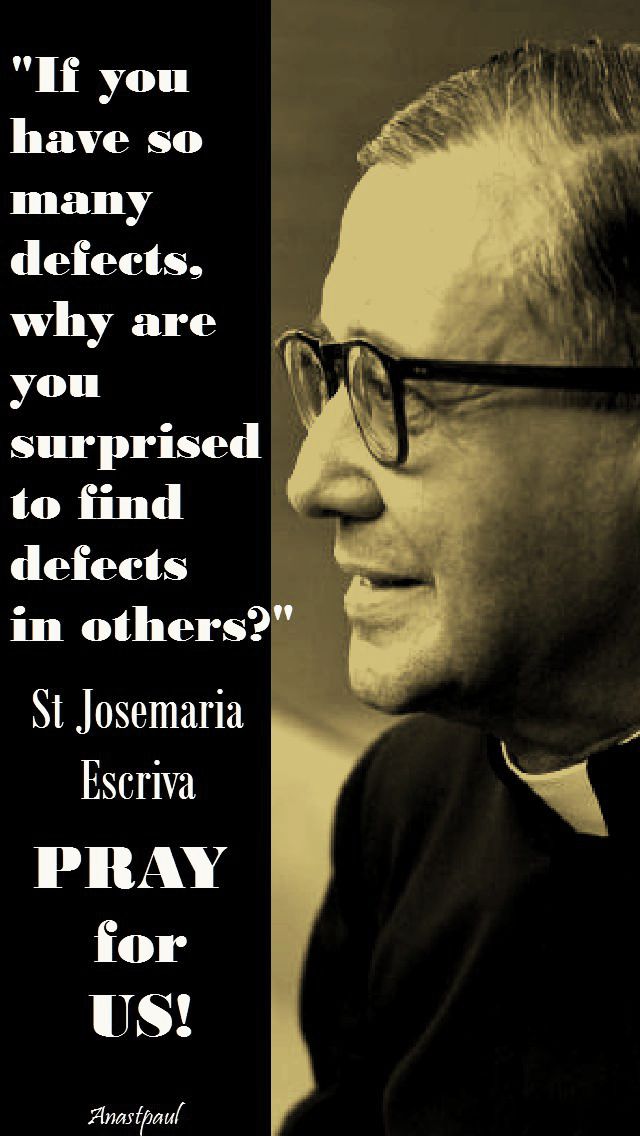
“If you have so many defects, why are you surprised, to find defects in others?”
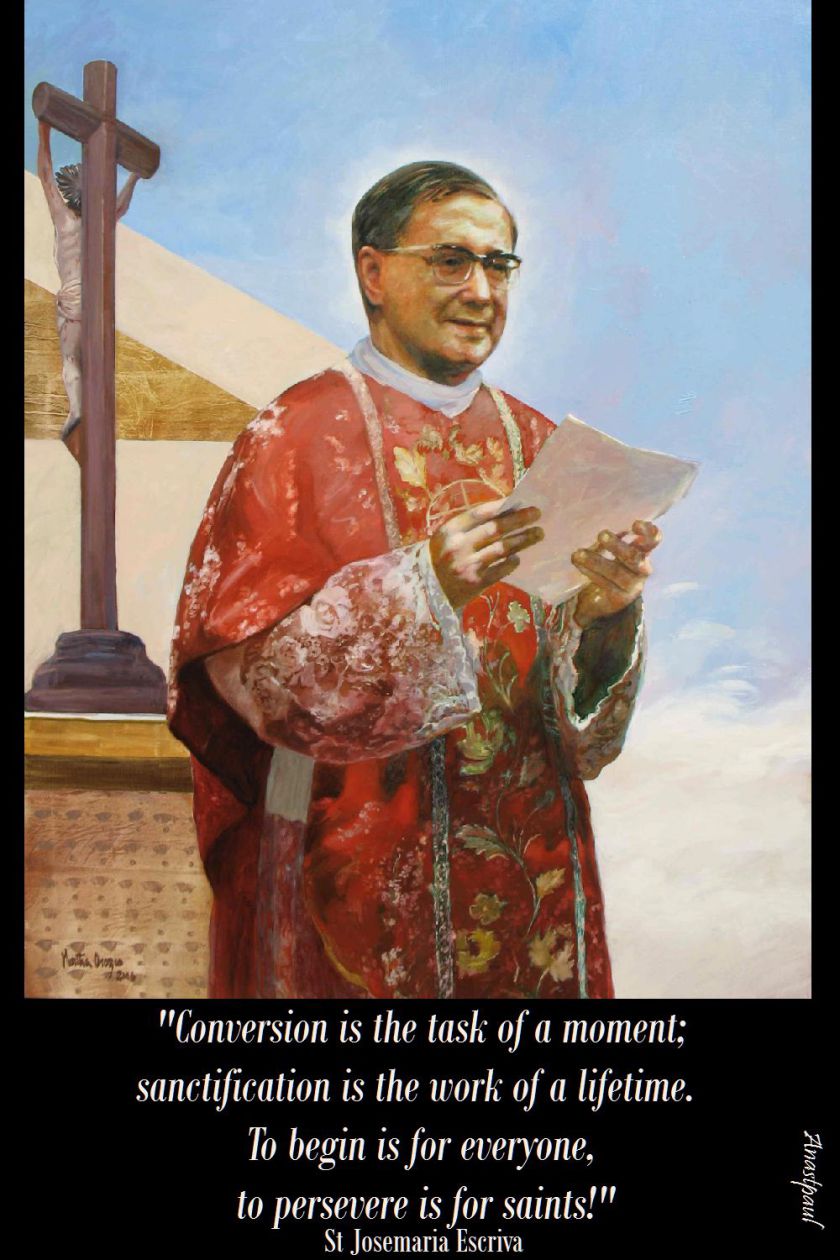
“Conversion is the task of a moment; sanctification is the work of a lifetime. To begin is for everyone, to persevere is for saints!”
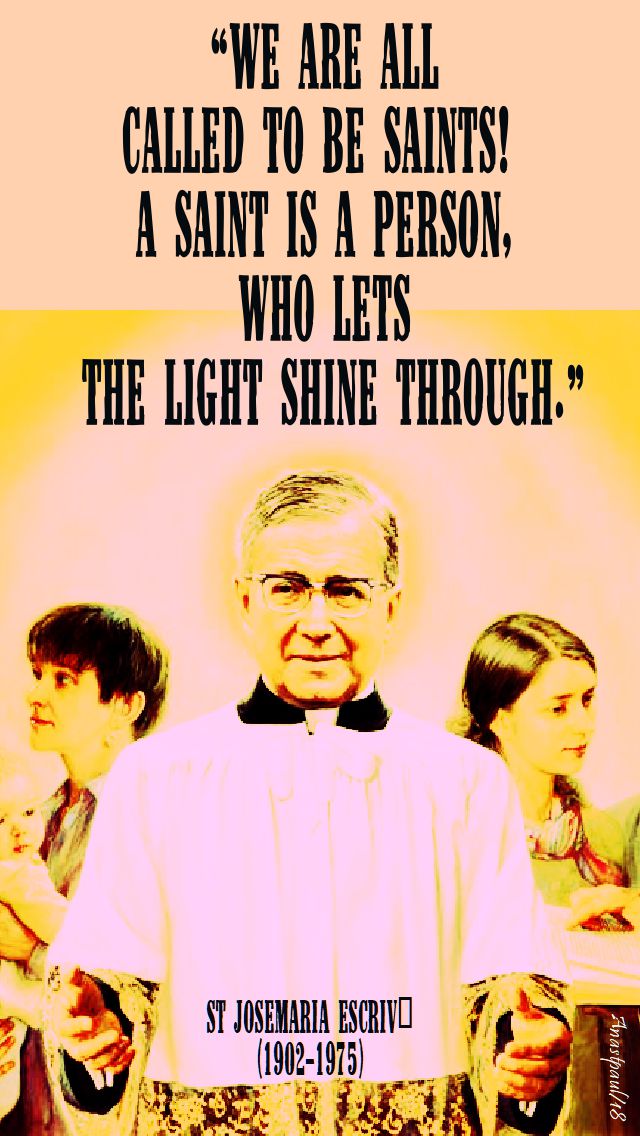
“We are all called to be saints! A saint is a person, who lets the light shine through.”
Quote/s of the Day 25 June – The Memorial of St Maximus of Turin (? – c 420)
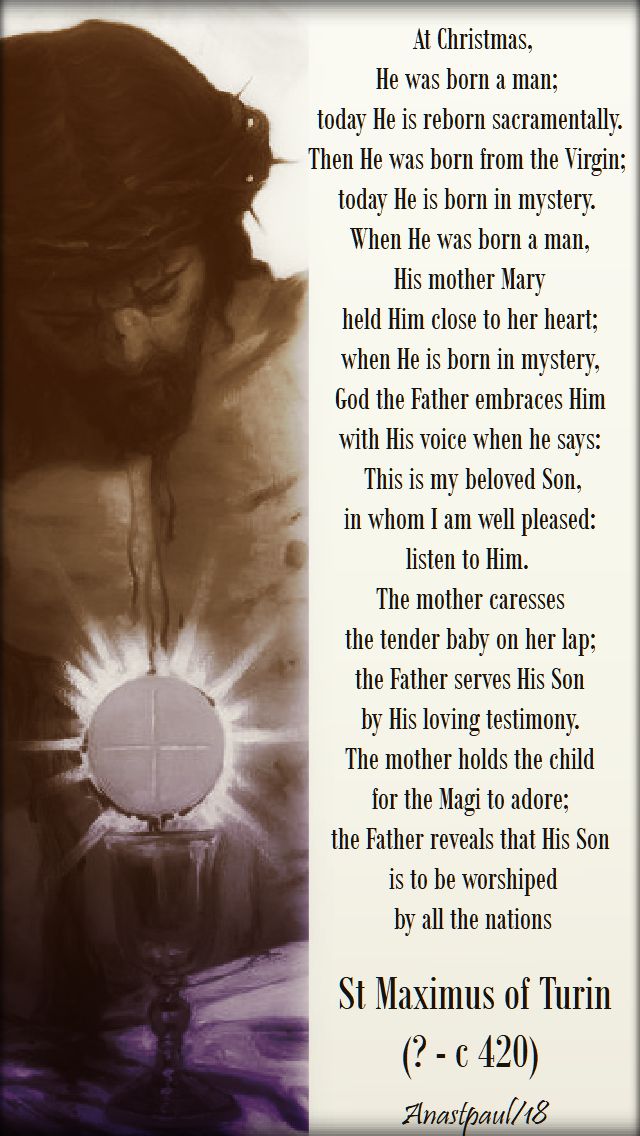
“At Christmas He was born a man; today He is reborn sacramentally. Then He was born from the Virgin; today He is born in mystery. When He was born a man, His mother Mary held Him close to her heart; when He is born in mystery, God the Father embraces Him with His voice when he says: This is my beloved Son, in whom I am well pleased: listen to Him. The mother caresses the tender baby on her lap; the Father serves His Son by His loving testimony. The mother holds the child for the Magi to adore; the Father reveals that His Son is to be worshiped by all the nations.”
“The light of Christ is an endless day that knows no night.”
Thought for the Day – 23 June – The Memorial of St Joseph Cafasso (1811-1860)
Fr Cafasso was truly a man of God, a holy priest. All his words and acts breathed forth the delicious odour of celestial virtue. Some saw in him a resemblance to St Philip Neri on account of his humility, others to St Alphonsus Liguori for his learning, others to St Vincent de Paul for his devotion to the poor and those in prison, others to St Aloysius Gonzaga for the innocence and purity of his life, others to St Francis de Sales for his burning love for God and his gentleness of manner, others to the Cure of Ars for the austerity of his life and his work in the Confessional.
Devotion to the Eucharist gave energy to all Joseph’s other activities. Long prayer before the Blessed Sacrament has been characteristic of many Catholics who have lived out the Gospel well. His great devotions were: to the Passion, to the Sacred Heart, to the Mass, to the Stations of the Cross, to the Blessed Sacrament, to our Blessed Lady, to St Joseph, to many of the Saints, to the Souls in Purgatory in whose favour he recommended the his works and sufferings.
But the most telling element of his life, the one we should learn most from, was his compassion. St Joseph realised that harshness with the weak, only does harm – for what straw can stand up in a gale? It was his consummate compassion that was noted by everyone and he could face the most hardened criminals with his easy laugh and gentle manner. He knew, that it is LOVE alone that conquers!
Quote/s of the Day – 18 June – The Memorial of St Romuald (c 951-1027)
Speaking of: Prayer
“It is better to say one Our Father fervently and devoutly than a thousand, with no devotion and full of distraction.”
St Edmund (841-869)
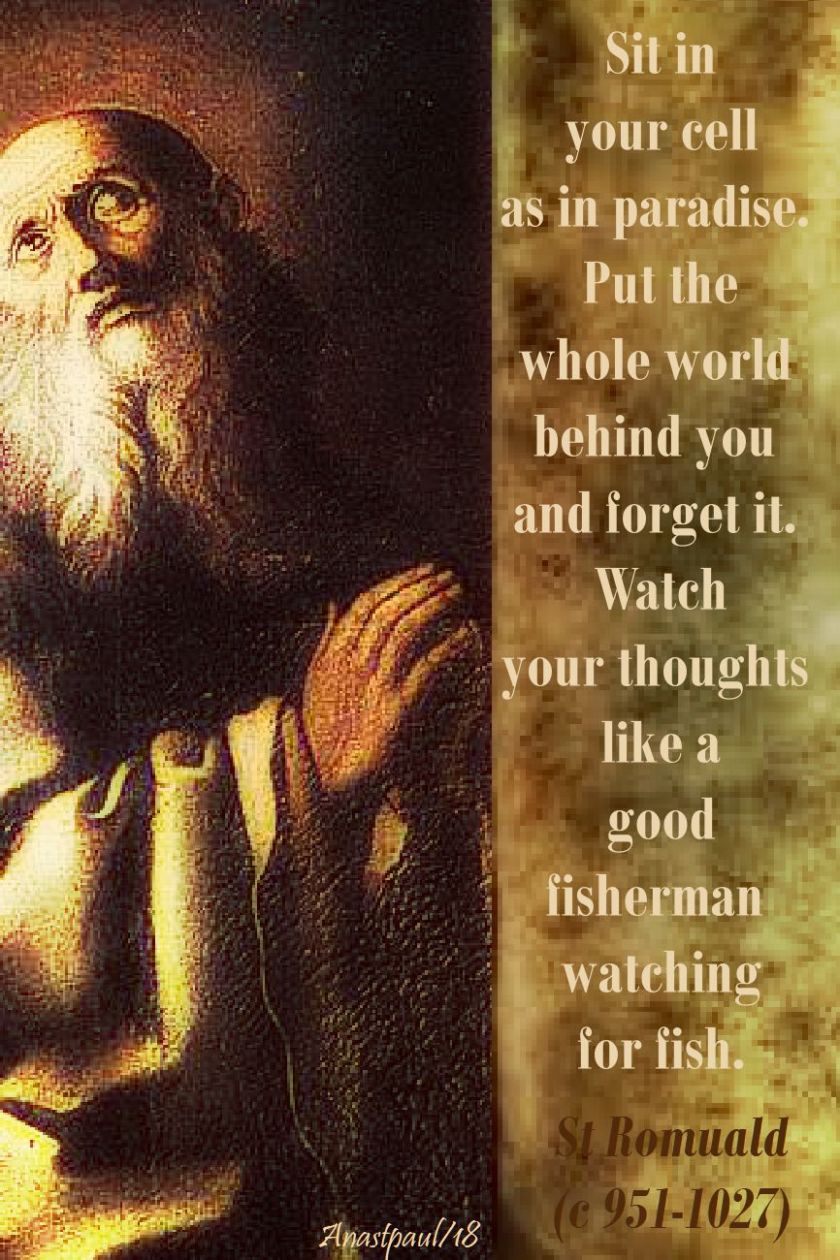
“Sit in your cell as in paradise. Put the whole world behind you and forget it. Watch your thoughts like a good fisherman watching for fish.”
St Romuald (c 951-1027)
“Were you to ask, ‘what are the means of overcoming temptations’, I would answer: The first means is prayer; the second is prayer; the third is prayer; and should you ask me, a thousand times, I would repeat the same.”
St Alphonsus Liguori (1696-1787)
Most Zealous Doctor
“When we speak to Jesus with simplicity and with all our heart, He does like a mother who holds her child’s head with her hands and covers it with kisses and caresses.”
St John Vianney (1786-1859)
“Jesus is waiting for you in the chapel. Go and find Him.”
St Jeanne Jugan (1792-1879) 30 August
“To clasp the hands in prayer is a beginning of an uprising against the disorder of the world.”
Karl Barth (1886-1968)
“Friends, do not be afraid of silence or stillness. Listen to God. Adore Him in the Eucharist.”
Pope Benedict XVI
“Turn your car into a monastery.”
Bishop Robert Barron
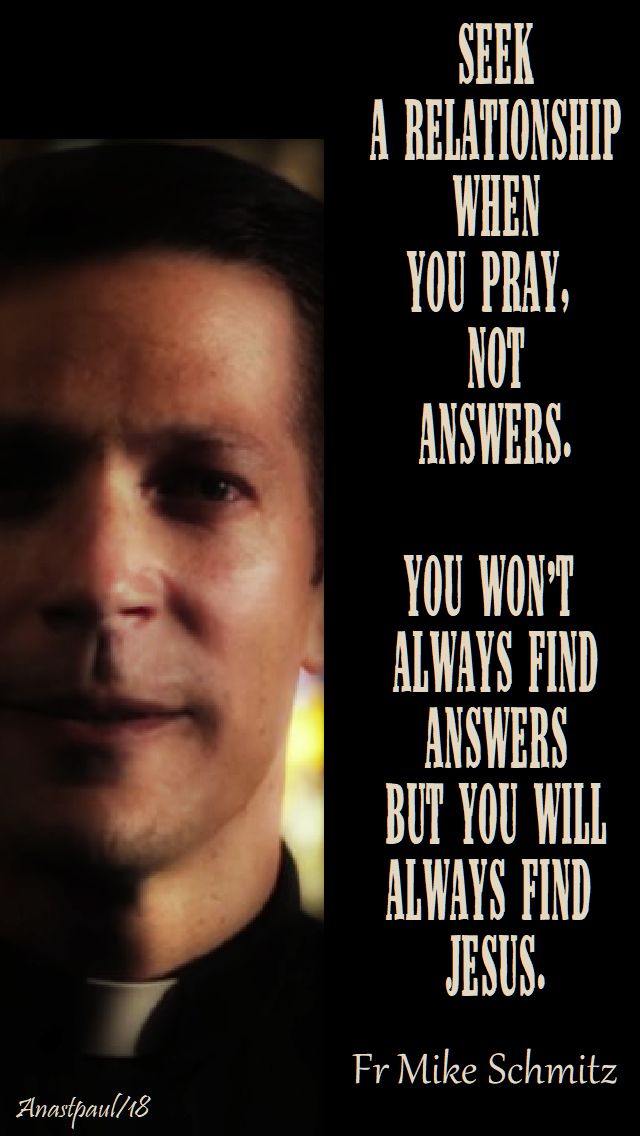
“Seek a relationship when you pray, not answers. You won’t always find answers but you will always find Jesus.”
Quote/s of the Day – 15 June – June, the Month of the Sacred Heart
“O most Sacred, most loving Heart of Jesus, You are concealed in the Holy Eucharist and You beat for us still.”
Blessed John Henry Newman (1801-1890)
“I beg and entreat you, by the love of God and by the respect which we owe Him, to apply yourselves to serve Our Lord Jesus Christ with all the fidelity of which you are capable and to venerate His Divine Majesty with the deepest respect, above all in the Sacrament of the Eucharist, in which He is hidden in all the greatness of His divine and human natures, wherein He is present as entirely, as powerfully and as infinitely, as He is in heaven.”
Quote of the Day – 12 June – The Memorial of Blessed Maria Candida of the Eucharist (1884-1949) (celebrated by the Carmelite Order today)
“I want to be like Mary, to be Mary for Jesus, to take the place of His Mother. When I receive Jesus in Communion, Mary is always present. I want to receive Jesus from her hands, she must make me one with Him. I cannot separate Mary from Jesus. Hail, O Body born of Mary. Hail Mary, dawn of the Eucharist!”
Sunday Reflection – 10 June -Tenth Sunday of the Year B
“The Holy Sacrifice of the Mass gives boundless honour to the Most Blessed Trinity because it represents the passion of Jesus Christ and because, through the Mass, we offer God the merits of Our Lord’s obedience, of His sufferings and of His Precious Blood. The whole of the heavenly court also receives an accidental joy from the Mass.
Several doctors of the Church—together with St Thomas Aquinas—tell us that, for the same reason, all the blessed in Heaven rejoice in the communion of the faithful because the Blessed Sacrament, is a memorial of the passion and death of Jesus Chris and that by means of it, men share in its fruits and work out their salvation”
St Louis de Montfort (1673-1716)
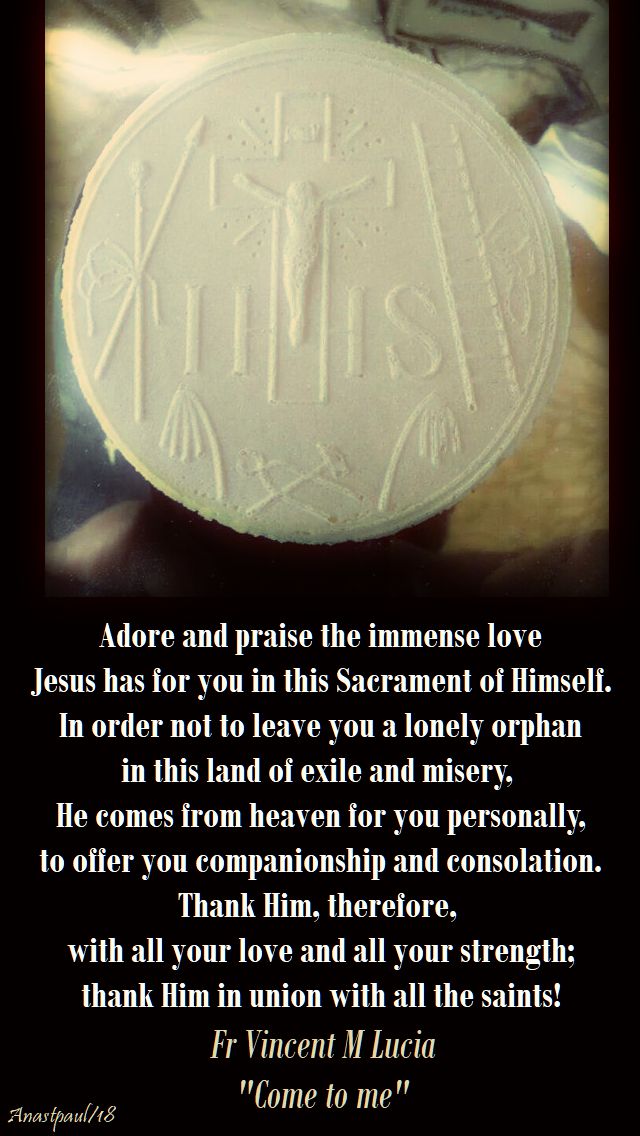
“Adore and praise the immense love Jesus has for you in this Sacrament of Himself.
In order not to leave you a lonely orphan in this land of exile and misery, He comes from heaven for you personally, to offer you companionship and consolation.
Thank Him, therefore, with all your love and all your strength;
thank Him in union with all the saints!”…Fr Vincent M Lucia “Come to me”
Thought for the Day – 4 June – Ninth Week in Ordinary Time, Year B and the Memorial of St Filippo Smaldone (1848-1923) – Apostle of Eucharistic Adoration and of Charity
Speaking of: Eucharistic Adoration
“St Filippo Smaldone, son of South Italy, knew how to instil in his life the higher virtues characteristic of his land.
A priest with a great heart nourished continuously on prayer and Eucharistic Adoration, he was above all, a witness and servant of charity, which he manifested in an eminent way through service to the poor, in particular to deaf-mutes, to whom he dedicated himself entirely.
The work that he began developed thanks to the Congregation of the Salesian Sisters of the Sacred Hearts, founded by him and which spread to various parts of Italy and the world.
St Filippo Smaldone saw the image of God reflected in deaf-mutes and he used to repeat that, just as we prostrate before the Blessed Sacrament, so we should kneel before a deaf-mute.
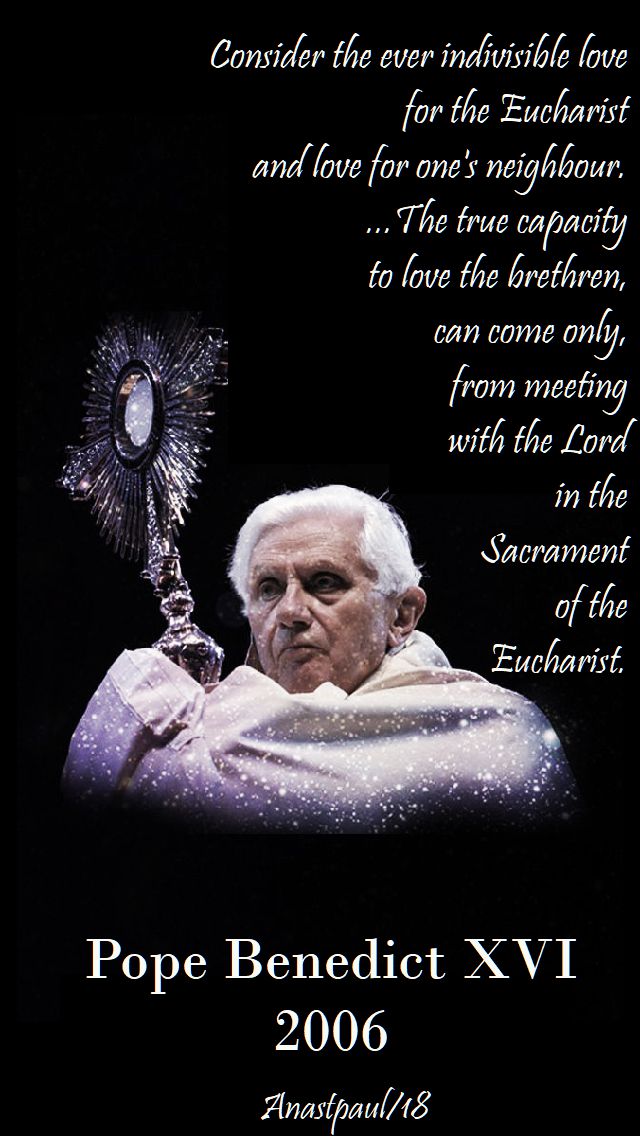
From his example we welcome the invitation to consider the ever indivisible love for the Eucharist and love for one’s neighbour. But the true capacity to love the brethren, can come only, from meeting with the Lord in the Sacrament of the Eucharist.”
Pope Benedict XVI on the Canonisation of St Filippo Smaldone, St Peter’s Square, Sunday, 15 October 2006
Quote of the Day – 3 June 2018 – The Solemnity of Corpus Christi
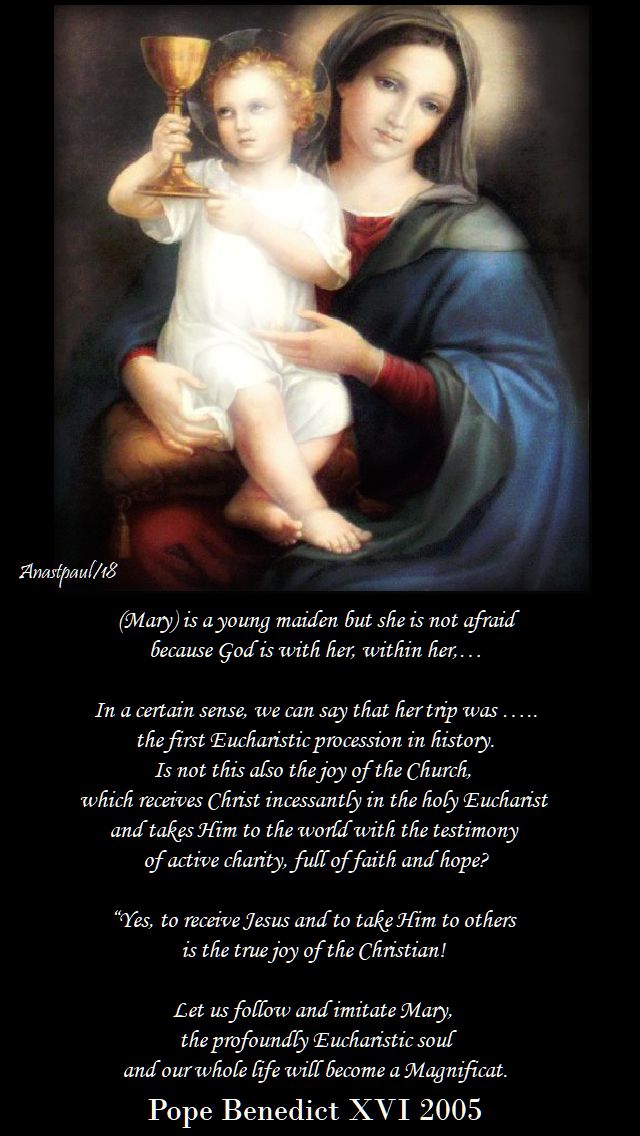
“(Mary) is a young maiden but she is not afraid because God is with her, within her,… In a certain sense, we can say that her trip was ….. the first Eucharistic procession in history. Is not this also the joy of the Church, which receives Christ incessantly in the holy Eucharist and takes Him to the world with the testimony of active charity, full of faith and hope?
“Yes, to receive Jesus and to take Him to others is the true joy of the Christian!
Let us follow and imitate Mary, the profoundly Eucharistic soul and our whole life will become a Magnificat.”
One Minute Reflection – 3 June 2018 – The Solemnity of Corpus Christi Year B
And as they were eating, he took bread and blessed and broke it and gave it to them and said, “Take; this is my body.” And he took a cup and when he had given thanks, he gave it to them and they all drank of it. And he said to them, “This is my blood of thec covenant, which is poured out for many...Mark 14:22-24
REFLECTION – “Since we are talking about the Body, know that we, as many of us as partake of the Body, as many as partake of that Blood, we partake of something which is in no way different or separate from that which is enthroned on high, which is adored by the angels, which is next to Uncorrupt Power.”…St John Chrysostom (347-407) Doctor of the Church
PRAYER – Lord Jesus Christ, You gave Your Church, an admirable Sacrament as the abiding memorial of Your Passion. Teach us to worship the sacred mystery of Your Body and Blood, that it’s redeeming power may sanctify us always. Who live and reign with the Father and the Holy Spirit, God, forever, amen.
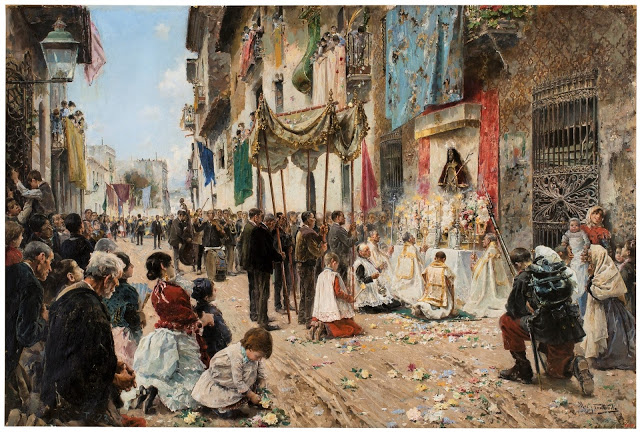
Arcadio Mas y Fondevila, Corpus Christi Spanish, 1887 Madrid, Museo Nacional del Prado This picture depicts priest and people in adoration at one of the street altars that are a part of the traditional Corpus Christi procession through a town.
The Solemnity of The Body and Blood of Christ “Corpus Christi” – 3 June
Happy Solemnity of the Most Holy Body and Blood, Soul and Divinity of Jesus Christ, our Lord and God! What a Gift we celebrate today!
The Eucharist is the source and summit of the whole Christian life. The feast of Corpus Christi is a celebration of Christ’s Real Presence in the Eucharist. It parallels the celebration on Holy Thursday in commemoration of the institution of this Aacrament. When the Eucharist is carried through the streets in solemn procession, the Christian people give public witness of their faith and devotion toward the Sacrament of the Eucharist
In 1246, Bishop Robert de Thorete of the Belgian diocese of Liège, at the suggestion of St Juliana of Mont Cornillon (also in Belgium), convened a synod and instituted the celebration of the feast.
From Liège, the celebration began to spread and, on 8 September 1264, Pope Urban IV issued the papal bull “Transiturus,” which established the Feast of Corpus Christi as a universal feast of the Church, to be celebrated on the Thursday following Trinity Sunday.
At the request of Pope Urban IV, St Thomas Aquinas (1225-1274), Doctor of the Church, composed the office, the official prayers of the Churc, for the feast. This office is widely considered one of the most beautiful in the traditional Roman Breviary and it is the source of the famous Eucharistic hymns Pange Lingua Gloriosi and Tantum Ergo Sacramentum.
The feast is also celebrated with a Eucharistic procession, in which the Sacred Host is carried throughout the town, accompanied by hymns and litanies. There the Eucharistic Lord, held in the monstrance by the priest, is escorted by candles, canopies, incense, choirs, altar servers, and worshipers. The faithful venerate the Body of Christ as the procession passed by, with Benediction celebrated along the way.
The feast of Corpus Christi is one time when our Lord in the Blessed Sacrament is exposed not just to faithful Catholics but to all the world. This is a time when Catholics can show their love for Christ in the Real Presence by honouring Him in a very public way. It is also a wonderful way in which we can show our love for our neighbors by bringing Our Lord and Savior closer to them. So many conversions are a result of Eucharistic Adoration experienced from inside the Church. How many more there would be if we could reach those who only drive by the church in worldly pursuits.
“Corpus Christi reminds us first of all of this:, that being Christian means coming together from all parts of the world to be in the presence of the one Lord and to become one with him and in him. The second constitutive aspect, is walking with the Lord. ,This is the reality manifested by the procession that we shall experience together after Holy Mass, almost as if it were naturally prolonged by moving behind the One who is the Way, the Journey. With the gift of Himself in the Eucharist, the Lord Jesus sets us free from our “paralyses”, He helps us up and enables us to “proceed “, that is, He makes us take a step ahead and then another step and thus sets us going with the power of the Bread of Life.”
Pope Benedict XVI, Corpus Christ 2008
Throughout our lives, if we were raised Catholic, we were taught reverence for the Eucharist. But “reverence” is not enough. Most Catholics reverence the Eucharist, meaning, we genuflect, kneel and treat the Sacred Host with respect. But it’s important to ponder a question in your heart. Do you believe the Eucharist is God Almighty, the Saviour of the world, the second Person of the Most Holy Trinity? Do you believe deeply enough to have your heart moved with love and profound devotion every time you are before our divine Lord present before us under the veil of the Eucharist? When you kneel do you fall down prostrate in your heart, loving God with your whole being?
Perhaps this sounds like it’s a bit excessive. Perhaps simple reverence and respect is enough for you. But it’s not. Since the Eucharist is God Almighty, we must see Him there with the eyes of faith in our soul. We must profoundly adore Him as the angels do in Heaven. We must cry out, “Holy, Holy, Holy is the Lord God Almighty.” We must be moved to the deepest of worship as we enter into His divine presence.
Ponder the depth of your faith in the Eucharist today and strive to renew it, worshiping God as one who believes with your whole being.
I devoutly adore You, O hidden Deity, truly hidden beneath these appearances. My whole heart submits to You and in contemplating You, it surrenders itself completely. Sight, touch, taste are all deceived in their judgement of You but hearing suffices firmly to believe. Jesus, I trust in You.
Be abundantly blessed today, 3 June 2018, on the Solemnity of the Body and Blood of our Lord Jesus Christ aka Corpus Christi! The Source and the Summit of our faith.
Martyrs of Uganda (Memorial) – 22 saints: Twenty-two (22) Ugandan converts martyred in the persecutions of King Mwanga. They are –
• Achileo Kiwanuka • Adolofu Mukasa Ludigo
• Ambrosio Kibuuka • Anatoli Kiriggwajjo
• Anderea Kaggwa • Antanansio Bazzekuketta
• Bruno Sserunkuuma • Charles Lwanga
• Denis Ssebuggwawo • Gonzaga Gonza
• Gyavire • James Buzabaliao
• John Maria Muzeyi • Joseph Mukasa
• Kizito • Lukka Baanabakintu
• Matiya Mulumba • Mbaga Tuzinde
• Mugagga • Mukasa Kiriwawanvu
• Nowa Mawaggali • Ponsiano Ngondwe
They were canonised on 18 October 1964 by Pope Paul VI at Rome, Italy.
—
Bl Adam of Guglionesi
Albert of Como
Athanasius of Traiannos
Auditus of Braga
Bl Beatrice Bicchieri
Caecilius of Carthage
St Charles Lwanga & Companions
Bl Charles-René Collas du Bignon
Clotilde of France
Conus of Lucania
Cronan the Tanner
Davinus of Lucca
Bl Diego Oddi
Bl Francis Ingleby
Gausmarus of Savigny
Genesius of Clermont
Glunshallaich
Hilary of Carcassone
Isaac of Córdoba
John Grande
Kevin of Glendalough
Laurentinus of Arezzo
Liphardus of Orléans
Morand of Cluny
Moses of Arabia
Oliva of Anagni
Paula of Nicomedia
Pergentinus of Arezzo
Phaolô Vu Van Duong
Urbicius
—
Dominicans Martyred in China
Martyrs of Africa – 156 saints: 156 Christians martyred together in Africa, date unknown; the only other information to survive are some of their names –
• Abidianus
• Demetria
• Donatus
• Gagus
• Januaria
• Juliana
• Nepor
• Papocinicus
• Quirinus
• Quirus
Martyrs of Byzantium – 5 saints: A group of Christians, possibly related by marriage, who were martyred together. They were –
• Claudius
• Dionysius
• Hypatius
• Lucillian
• Paul
They were martyred in 273 in Byzantium.
Martyrs of Rome – 8 saints: A group of Christians martyred together. We know nothing else about them but the names –
• Amasius
• Emerita
• Erasmus
• Lucianus
• Orasus
• Satuaucnus
• Septiminus
• Servulus
They were martyred in Rome, Italy, date unknown.
Martyrs of Rome – 86 saints: 85+ Christians martyred together in Rome, Italy, date unknown. The only details that have survived are some of their names –
Sunday Reflection – 27 May – The Solemnity of the Most Holy Trinity
Holy Communion
Bl John Henry Newman (1801-1890)
O my God, holiness becomes Your House and yet You dost made Your abode in my breast. My Lord, my Saviour, to me You come, hidden under the semblance of earthly things, yet in that very flesh and blood which You took from Mary. You, who did first inhabit Mary’s breast, come to me.
My God, You see me; I cannot see myself. Were I ever so good a judge about myself, ever so unbiased and with ever so correct a rule of judging, still, from my very nature, I cannot look at myself and view myself truly and wholly. But You, as You come to me, contemplates me.
When I say, Domine, non sum dignus—”Lord, I am not worthy”—You whom I am addressing, alone understands in their fullness the words which I use. You see how unworthy so great a sinner is to receive the One Holy God, whom the Seraphim adore with trembling. You see, not only the stains and scars of past sins but the mutilations, the deep cavities, the chronic disorders which they have left in my soul. You see the innumerable living sins, though they be not mortal, living in their power and presence, their guilt and their penalties, which clothe me. You see all my bad habits, all my mean principles, all wayward lawless thoughts, my multitude of infirmities and miseries, yet You come. You see most perfectly how little I really feel what I am now saying, yet You come.
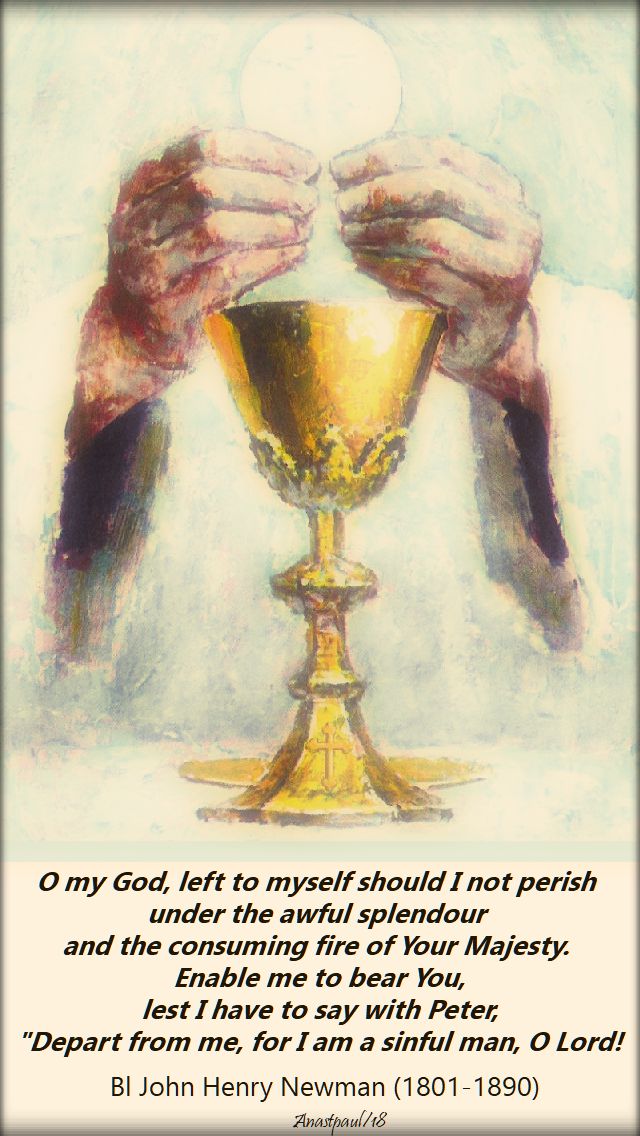
O my God, left to myself should I not perish under the awful splendour and the consuming fire of Your Majesty. Enable me to bear You, lest I have to say with Peter, “Depart from me, for I am a sinful man, O Lord!”





























 AnaStpaul
You must be logged in to post a comment.