Thought for the Day – 3 May – The Feast of Saints Philip and James, Apostles
The Preaching of the Apostles
Tertullian (c 155- c 240)
Priest, Father and Ancient Christian Writer
An excerpt from his On the Prescription of Heretics
Our Lord Jesus Christ Himself declared what He was, what He had been, how He was carrying out His Father’s will, what obligations He demanded of men. This He did during His earthly life, either publicly to the crowds, or privately to His disciples. Twelve of these He picked out, to be His special companions, appointed to teach the nations.
One of them fell from His place. The remaining eleven were commanded by Christ, as He was leaving the earth to return to the Father after His resurrection, to go and teach the nations and to baptise them into the Father, the Son and the Holy Spirit.
The apostles cast lots and added Matthias to their number, in place of Judas, as the twelfth apostle. The authority for this action is to be found in a prophetic psalm of David. After receiving the power of the Holy Spirit which had been promised to them, so that they could work miracles and proclaim the truth, they first bore witness to their faith in Jesus Christ and established churches throughout Judea. They then went out into the whole world and proclaimed to the nations the same doctrinal faith.
They set up churches in every city. Other churches received from them a living transplant of faith and the seed of doctrine and through this daily process of transplanting they became churches. They therefore qualify as apostolic churches by being the offspring of churches that are apostolic.
Every family has to be traced back to its origins. That is why we can say that all these great churches constitute that one original Church of the apostles, for it is from them that they all come. They are all primitive, all apostolic, because they are all one. They bear witness to this unity by the peace in which they all live, the brotherhood which is their name, the fellowship to which they are pledged. The principle on which these associations are based is common tradition by which they share the same sacramental bond.
The only way in which we can prove what the apostles taught—that is to say, what Christ revealed to them — is through those same churches. They were founded by the apostles themselves, who first preached to them by what is called the living voice and later by means of letters.
The Lord had said clearly in former times – I have many more things to tell you but you cannot endure them now. But He went on to say – When the Spirit of truth comes, He will lead you into the whole truth. Thus Christ shows us that the apostles had full knowledge of the truth, for He had promised that they would receive the whole truth through the Spirit of truth. His promise was certainly fulfilled, since the Acts of the Apostles prove, that the Holy Spirit came down on them.
Saint of the Day – 25 April – Saint Giovanni Battista Piamarta FN (1841 – 1913) – Priest, Teacher, Apostle of the Poor, Founder of the Congregation of the Holy Family of Nazareth. St Giovanni established his congregation in 1900 in order to promote Christian education across the Italian peninsula. He also founded the Humble Servants of the Lord. Both of which he is the Patron and of jobseekers.
Giovanni Battista Piamarta was born in Brescia on 26 November 1841 into a poor household, his father was a barber.
He lost his parents at the age of nine in 1840 and the orphanage was situate in the slums of the town, where he experienced the desperation of the street children. His maternal grandfather helped him to keep afloat and alive and sent him to the Oratory of Saint Thomas. His adolescence was difficult but thanks to the parish of Vallio Terme he entered the diocesan seminary.
He was ordained to the priesthood on 23 December 1865 and he began his pastoral mission in Carzago Riviera (Bedizzole), spending his first two decades in intense pastoral work and is remembered as a priest “zealous, excellent, flawless in everything”.
During that time he was appointed as the priest (and later director) of the parish of Saint Alexander and then as the parish priest of Pavone del Mella. Brescia was in the process of industrialisation and Piamarta identified with the difficulties and hopes of disadvantaged adolescents, due to his own experiences as a child.
With the support of Monsignor Pietro Capetti and the Catholic Movement he started the Art and Crafts Institute for the vocational and Christian education of the poorest children and adolescents on 3 December 1886. The “Workman’s Institute” grew and they were able to help and teach many adolescents to receive an adequate technical education.
In 1889, he and Father Giovanni Bonsignori began the Agricultural Colony of Remedello. As a result, a range of the religious gathered around Piamarta who shared the ideals and labours of the mission. In March 1900 he established the Congregation of the Holy Family of Nazareth (“Piamartinis”) to continue the work of technical Christian education around the world.
This would, in time, include Italy, Angola, Mozambique, Brazil (from where the Canonisation miracle came) and Chile. Piamarta’s work with the Brescian printing and publishing house, “Queriniana”, helped make Brescia a European centre of Catholic publications.
St Giovanni died on 25 April 1913 in Remedello after a life spent in the service of God and his fellow man. In 1926 his remains were moved to the church of the workmen that he himself had built.
He was Beatified on 12 October 1997 by St Pope John Paul II and Canonised on 21 October 2012 by Pope Benedict XVI.
The Son of Man came to serve and to give his life as a ransom for many (cf. Mk 10:45
“Giovanni Battista Piamarta, priest of the Diocese of Brescia, was a great apostle of charity and of young people. He raised awareness of the need for a cultural and social presence of Catholicism in the modern world and so he dedicated himself to the Christian, moral and professional growth of the younger generations with an enlightened input of humanity and goodness. Animated by unshakable faith in divine providence and by a profound spirit of sacrifice, he faced difficulties and fatigue to breathe life into various apostolic works, including the Artigianelli Institute, Queriniana Publishers, the Congregation of the Holy Family of Nazareth for men and for women, the Congregation of the Humble Sister Servants of the Lord.
The secret of his intense and busy life is found in the long hours he gave to prayer. When he was overburdened with work, he increased the length of his encounter, heart to heart, with the Lord. He preferred to pause before the Blessed Sacrament, meditating upon the passion, death and resurrection of Christ, to gain spiritual fortitude and return to gaining people’s hearts, especially the young, to bring them back to the sources of life with fresh pastoral initiatives.”
Pope Benedict XVI on the Canonisation of St Giovanni, Sunday, 21 October 2012
Thought for the Day – 24 March – The Third Sunday of Lent, Year C and The Memorial of Bl Óscar Arnulfo Romero y Galdámez (1917–1980) Martyr
The night before he was murdered while celebrating Mass, Archbishop Oscar Romero of San Salvador said on the radio:
“I would like to appeal in a special way to the men of the army and in particular to the troops of the National Guard, the police and the garrisons. Brothers, you belong to our own people. You kill your own brother peasants and in the face of an order to kill that is given by a man, the law of God that says ‘Do not kill!’ should prevail.
No soldier is obliged to obey an order counter to the law of God. No-one has to comply with an immoral law. It is the time now that you recover your conscience and obey its dictates rather than the command of sin. . . . Therefore, in the name of God and in the name of this long-suffering people, whose laments rise to heaven every day more tumultuous, I beseech you, I beg you, I command you! In the name of God: ‘Cease the repression!’”
Simultaneously, Romero had eloquently upheld the gospel and effectively signed his own death warrant.
When a military junta seized control of the national government in 1979, Archbishop Romero publicly criticised the US government for backing the junta. His weekly radio sermons, broadcast throughout the country, were regarded by many as the most trustworthy source of news available.
Romero’s funeral was celebrated in the plaza outside the cathedral and drew an estimated 250,000 mourners.
His tomb in the cathedral crypt soon drew thousands of visitors each year. On 3 February 2015, Pope Francis authorised a decree recognising Oscar Romero as a martyr for the faith. His beatification took place in San Salvador on 23 May 2015. He was canonized on 14 October 2018.
Oscar Romero and many other Latin American martyrs for the faith were falsely accused of advocating a Marxist-inspired “theology of liberation.” Following Jesus always requires choices. Romero’s fiercest critics conveniently dismissed his choices as politically inspired. An incarnational faith must be expressed publicly.
Lenten Thoughts – 23 March – Saturday of the Second Week of Lent, Year C
“Remember that you will derive strength by reflecting that the saints, yearn for you to join their ranks, desire to see you fight bravely, and behave like a true knight in your encounters with the same adversities which they had to conquer and that breathtaking joy is the eternal reward, for having endured a few years, of temporal pain. Every drop of earthly bitterness, will be changed into an ocean of heavenly sweetness.”
Lenten Thoughts – 21 March – Thursday of the Second week of Lent, Year C and the Memorial of St Nicholas of Flue (1417-1487)
The Primacy of the Spiritual: Saint Nicholas of Flue (Excerpt) By Christopher O Blum
Born to a pious, upstanding peasant family, young Nicholas stood out for his goodness, simplicity and mortification. While still a young man, labouring in the fields and meadows of the valleys south of Lucerne, he fasted four times per week, explaining himself, when pressed, by saying, “Such is the will of God.” Until his fiftieth year, his life was that of an exemplary Swiss free man. Like many of his fellow countrymen, he served his canton both under arms and by holding civic office. And this pillar of the community raised up five sons and five daughters with the help of his exemplary wife Dorothy. Yet God persisted in calling him to a life beyond that of the domestic holiness he had already embraced and sent visions to him in his late-night prayer vigils and his moments of afternoon solitude in the fields, visions that beckoned him to leave all.
As the eminent Swiss theologian Charles Cardinal Journet (1891-1975) explained in his biography of the hermit-saint, “it no longer sufficed for him to walk along the roads of the world with God in his heart, he had to take the path set aside for him, that he might be taken by the hand and led to where he knew not.” What praise of Dorothy of Flue could be lovelier, Journet asked, than to admire her magnanimity in being able to “comprehend the drama of this great soul”? They parted friends, just thirteen weeks after the birth of their youngest child and remained so. Several years later, a pilgrim visitor to Nicholas’ hermitage saw the saint, with joyous mien, lean out of the window of his tiny cell after the morning Mass to greet his family with a blessing: “May God give you a blessed day, dear friends and good people!”
Nicholas had initially thought to join a monastery, perhaps one in nearby Alsace known for its austerity. But a chance conversation with a peasant helped him to understand another of his mystical visions – this one of the nearby town of Liestal wrapped in flames. His good works were needed in his own neighbourhood. And so, he built himself a hermitage one valley over from his home and spent the next twenty years there, clad only in a tunic, with bare feet and a bare head, to do penance for his beloved people. His piety was simple, for he was illiterate. A neighbouring priest had taught him the practice of meditating on Christ’s Passion in stages to match the seven canonical hours of the Church’s daily prayer. This method bore good results. He soon became known for the wisdom and holiness of his counsel and pilgrims flocked to his hidden valley to listen to his simple, direct words: “O man, when the world hates you and is faithless toward you, think of your God, how he was struck and spat upon. You should not accuse your neighbour of guilt but pray to God, that he be merciful to you both.”
Writing during the Second World War, Cardinal Journet saw in Nicholas of Flue the “supreme incarnation of the genius of Switzerland.” By this he did not mean that the hermit was a pacifist. He was something higher and more important. His greatness “was to have affirmed the primacy of the spiritual life.” “For the saints”, the Cardinal explained, “are sent to us by God as so many sermons. We do not use them, it is they who move us and lead us, to where we had not expected to go.” Those were years of exceptional trial for the Swiss but they were also years in which men and women of good will prepared the ground for spiritual renewal and rebuilding.
What lesson might Nicholas of Flue hold out for our generation? Were he alive today this simple Swiss peasant would doubtless be startled by our wealth. The recession of recent years seems to have done little to dull the edge of our consumption. The adjective “worldly” is now being used as a term of approbation, to signify the savoir-faire of the person who knows the latest fashions and ways of thinking. It is a telling linguistic development. Nicholas of Flue spent the last twenty years of his life in a tiny room with two windows. Through one of them, he could see something of the beauty of his native land, a beauty that nourished his reflection and piety: “O man, think of the sun so high in the sky and consider its splendour – but your soul has received the splendour of the eternal God.”Through the other, he saw the altar, whence came the very food of his soul. “We should carry the Passion of God in our hearts, for this is the greatest consolation to a man at the hour of his death.” The one thing needful indeed.
My Lord and my God St Nicholas of Flue (1417-1487)
My Lord and my God,
take from me everything
that distances me from You.
My Lord and my God,
give me everything
that brings me closer to You.
My Lord and my God,
detach me from myself
to give my all to You.
Amen
The above prayer of St Nicholas, is cited in the Catechism of the Catholic Church in paragraph #226. CCC 226 – It means making good use of created things: faith in God, the only One, leads us to use everything that is not God only insofar as it brings us closer to Him and to detach ourselves from it insofar as it turns us away from Him.
Thought for the Day – 19 March – Solemnity of Saint Joseph, spouse of the Blessed Virgin Mary
The faithful foster-father and guardian
Saint Bernardine of Siena (1380-1444)
An excerpt from his On Saint Joseph (Sermon 2)
There is a general rule concerning all special graces granted to any human being. Whenever the divine favour chooses someone to receive a special grace, or to accept a lofty vocation, God adorns the person chosen with all the gifts of the Spirit needed to fulfil the task at hand.
This general rule is especially verified in the case of Saint Joseph, the foster-father of our Lord and the husband of the Queen of our world, enthroned above the angels. He was chosen by the eternal Father as the trustworthy guardian and protector of His greatest treasures, namely, His divine Son and Mary, Joseph’s wife. He carried out this vocation with complete fidelity until at last God called him, saying – Good and faithful servant, enter into the joy of your Lord.
What then is Joseph’s position in the whole Church of Christ? Is he not a man chosen and set apart? Through him and, yes, under him, Christ was fittingly and honourably introduced into the world. Holy Church in its entirety is indebted to the Virgin Mother because through her it was judged worthy to receive Christ. But after her we undoubtedly owe special gratitude and reverence to Saint Joseph.
In him the Old Testament finds its fitting close. He brought the noble line of patriarchs and prophets to its promised fulfilment. What the divine goodness had offered as a promise to them, he held in his arms.
Obviously, Christ does not now deny to Joseph that intimacy, reverence and very high honour which He gave him on earth, as a son to His father. Rather we must say that in heaven Christ completes and perfects, all that He gave at Nazareth.
Now we can see how the last summoning words of the Lord appropriately apply to Saint Joseph – Enter into the joy of your Lord. In fact, although the joy of eternal happiness enters into the soul of a man, the Lord preferred to say to Joseph – Enter into joy. His intention was that the words should have a hidden spiritual meaning for us. They convey not only that this holy man possesses an inward joy but also that it surrounds him and engulfs him like an infinite abyss.
Remember us, Saint Joseph and plead for us to your foster-child. Ask your most holy bride, the Virgin Mary, to look kindly upon us, since she is the mother of Him who with the Father and the Holy Spirit lives and reigns eternally. Amen
Lenten Reflection – 19 March – Tuesday of The Second Week of Lent, Year C
The Solemnity of St Joseph, Husband of Mary
“When Joseph awoke, he did as the angel of the Lord had commanded him”
St Francis de Sales (1567-1622)
Bishop of Geneva and Doctor of the Church
“How faithful in humility was the great saint we are celebrating! That can’t be said in all its perfection for, in spite of what he was, in what poverty and lowliness he lived all the days of his life, a poverty and lowliness beneath which he kept hidden and concealed his great virtues and dignity!… Truly, I have no doubt at all that the angels came, beside themselves with admiration, rank upon rank, to behold and wonder at his humility, while he sheltered that dearest child in the poor workshop where he worked at his employment so as to feed the little boy and the mother entrusted to him.
There is no doubt at all that Saint Joseph was braver than David and wiser that Solomon [who were his ancestors]. Nevertheless, seeing him reduced to the exercise of carpentry, who could have discerned this unless they were enlightened by a heavenly light, so hidden did he keep the remarkable gifts with which God had favoured him? And what wisdom did he not have? For God gave him his most glorious Son to care for…, the universal Prince of heaven and earth… Nevertheless, you can see how low and humbled he was brought, more than can be said or imagined… he went to his own country and town of Bethlehem and none but he was turned away from all those inns… Notice how the angel turns him about with both hands. He tells him he has to go to Egypt and he goes, he orders him to return and he returns. God wants him to be always poor… and he submits to it with love and not only for a while, for he was poor his whole life long.”
Daily Meditation: Protect us from what could harm us as St Joseph protected our Lord and Saviour.
God the Father has given us His only Son, the Word made man,
to be our food and our life. Let us thank Him and pray:
May the word of Christ dwell among us in all its richness.
Help us in this Lenten season to listen more frequently to Your word,
that we may celebrate the solemnity of Easter with greater love for Christ, our paschal teacher,
that we may encourage those in doubt and error to follow what is true and good.
Enable us to enter more deeply into the mystery of the Anointed One,
that our lives may reveal Him more effectively.
Purify and renew Your Church in this time of salvation,
that it may give an even greater witness to You.
For thy steadfast love was established forever, thy faithfulness is firm as the heavens. Thou hast said, “I have made a covenant with my chosen one, I have sworn to David my servant: ‘I will establish your descendants for ever, and build your throne for all generations.’
Psalm 89:2–4
Closing Prayer:
God in heaven and in my life,
guide me and protect me.
I so often believe I can save myself
and I always end in failure.
Lead me with Your love away from harm
and guide me on the right path.
May Your Spirit inspire the Church
and make us an instrument of Your love and guidance.
Thank You for your care for me.
May the Lord bless us,
protect us from all evil
and bring us to everlasting life.
Amen
Quote/s of the Day – 19 March – The Solemnity of St Joseph, Spouse of the Blessed Virgin Mary, Guardian of Jesus, Patron of the Dying, Patron of the Universal Church
Saint Joseph was the just man, by his constant fidelity, an effect of justice; by his perfect discretion, a sister to prudence; by his upright conduct, a mark of strength and by his inviolable chastity, a flower of temperance.”
St Albert the Great (1200-1280) Doctor of the Church
“Some Saints are privileged, to extend to us, their patronage, with particular efficacy, in certain needs but not in others but our holy patron St Joseph, has the power to assist us in all cases, in every necessity, in every undertaking.”
St Thomas Aquinas (1225-1274) Doctor of the Church
“Go, then to Joseph and do all, that he shall say to you, Go to Joseph and obey him, as Jesus and Mary obeyed him, Go to Joseph and speak to him, as they spoke to him, Go to Joseph and consult him, as they consulted him, Go to Joseph and honour him, as they honoured him, Go to Joseph and be grateful to him, as they were grateful to him, Go to Joseph and love him, as they love him still.”
St Alphonsus Liguori (1696-1787) Doctor of the Church
“There is but one saint who typifies to us the next world and that is Saint Joseph. He is the type of rest, repose, peace. He is the saint and patron of home, in death as well as in life.”
One Minute Reflection – 19 March – The Solemnity of St Joseph, Spouse of the Blessed Virgin Mary, Guardian of Jesus and Patron of the Universal Church
When Joseph woke from sleep, he did as the angel of the Lord commanded him; he took his wife...Matthew 1:24
REFLECTION – “And this man, this dreamer, is able to accept this duty, this grave duty. He has so much to say to us, in this time, of a strong sense of being orphaned. And so this man takes the promise of God and carries it onward in silence, with strength, he carries it onward so that God’s Will might be done. He is the man who doesn’t speak but obeys, the man of tenderness, the man capable of carrying forward the promises so that they might become solid, certain; the man who guarantees the stability of the Kingdom of God, the paternity of God, our sonship as children of God.
I like to think of Joseph as the guardian of weaknesses, of our weaknesses too, he is able to give birth to so many beautiful things from our weaknesses, even from our sins.
Today I want to ask, grant to all of us the ability to dream, that when we dream great things, beautiful things, we might draw near to the dream of God, the things God dreams about us. [I ask] that he might give to young people – because he was young – the capacity to dream, to risk, to undertake the difficult tasks they have seen in dreams. And [I ask] him to give to all of us the faithfulness that tends to grow when we have a just attitude – Joseph was just – [the faithfulness that] grows in silence, with few words, that grows in tenderness that guards our own weaknesses and those of others.”…Pope Francis – Santa Marta, 20 March 2017
PRAYER – Almighty God, at the beginnings of our salvation, when Mary conceived your Son and brought Him forth into the world, you placed them under Joseph’s watchful care. May his prayer still help Your Church to be an equally faithful guardian of Your mysteriest and a sign of Christ to mankind. We make our prayer through our Lord Jesus, with the Holy Spirit, God, forever, amen.
Thought for the Day – 16 March – Our devotion to the Saints
One thing that unites the Catholic Church to the Eastern Orthodox Churches and separates it from most Protestant denominations is the devotion to the saints, those holy men and women who have lived exemplary Christian lives and, after their deaths, are now in the presence of God in Heaven. Many Christians — even Catholics — misunderstand this devotion, which is based on our belief that, just as our life does not end with death, so too our relationships with our fellow members of the Body of Christ continue after their deaths. This Communion of Saints is so important that it is an article of faith in all Christian creeds, from the time of the Apostles’ Creed.
What Is a Saint?
Saints, broadly speaking, are those who follow Jesus Christ and live their lives according to His teaching. They are the faithful in the Church, including those who are still alive. Catholics and Orthodox, however, also use the term narrowly to refer to especially holy men and women who, through extraordinary lives of virtue, have already entered Heaven. The Church recognises such men and women through the process of canonisation, which holds them up as examples for Christians still living here on earth.
Why Do Catholics Pray to Saints?
Like all Christians, Catholics believe in life after death, but the Church also teaches us that our relationship with other Christians does not end with death. Those who have died and are in Heaven in the presence of God can intercede with Him for us, just as our fellow Christians do here on earth when they pray for us. Catholic prayer to saints is a form of communication with those holy men and women who have gone before us and a recognition of the “Communion of Saints,” living and dead.
Patron Saints
Few practices of the Catholic Church are so misunderstood today as devotion to patron saints. From the earliest days of the Church, groups of the faithful (families, parishes, regions, countries) have chosen a particularly holy person who has passed into eternal life to intercede for them with God. The practice of naming churches after saints and of choosing a saint’s name for Confirmation, reflects this devotion.
The Doctors of the Church
The Doctors of the Church are great saints known for their defence and explanation of the truths of the Catholic Faith. Thirty six saints, including four female saints, have been named Doctors of the Church, covering all eras in Church history.
The Litany/ies of the Saints
The Litany/ies of the Saints is one of the oldest prayers in continuous use in the Catholic Church. Most commonly recited on All Saints Day and at the Easter Vigil on Holy Saturday, the Litany of the Saints is an excellent prayer for use throughout the year, drawing us more fully into the Communion of Saints. The Litany of Saints addresses the various types of saints and includes examples of each and asks all of the saints, individually and together, to pray for us Christians who continue our earthly pilgrimage.
Quote/s of the Day -– 13 March – Wednesday of the First week of Lent, Year C and The Memorial of St Leander (c 534-c 600)
“This man of suave eloquence and eminent talent shone as brightly by his virtues as by his doctrine. By his faith and zeal the Gothic people have been converted from Arianism to the Catholic faith”
St Isidore of Seville (560-636) Doctor of the Church,
speaking of his brother St Leander, whom we celebrate today.
“The humble man receives praise, the way a clean window takes the light of the sun. The truer and more intense the light is, the less you see of the glass.”
Quote/s of the Day – 20 February – The Memorial of Blessed Julia Rodzinska OP (1899-1945) Martyr
“Kneeling on a wooden plank, straight, with her head lifted up and eyes aimed at the Infinite is our sister Julia. She holds a rosary in her strong, shapely hands. Her face is focused… She was very pious. Her piety influenced others. In her presence, one felt the need to pray.”
“She was outstanding in her love of God and the Church.”
“She performed works of mercy where there was no mercy.”
“She reminded us frequently that God guides everything.”
By a fellow inmate of the Concentration Camp speaking of Blessed Julia Rodzinska, Martyr
Quote/s of the Day – 16 February – The Memorial of Blessed Joseph Allamano (1851–1926) – Founder of the Consolata Missionaries and Consolata Missionary Sisters
“…Essentially, every priest has a missionary vocation. This vocation, is that great love of the Lord, that compels us, to do all we can, to make Our Lord Jesus Christ known and loved, by those, who have not yet encountered Him.”
Blessed Joseph Allamano (1851–1926)
Blessed Joseph Allamano was “a Priest for the whole world.”
St Pope John Paul II
on the Beatification of Bl Joseph Allamano, 7 October 1990
Thought for the Day – 4 February – The Memorial of St John de Britto SJ (1647-1693) Martyr
We are called to serve.
Excerpt from the EUCHARISTIC CELEBRATION IN HONOUR OF ST JOHN DE BRITTO
HOMILY OF HIS HOLINESS JOHN PAUL II Madras Wednesday, 5 February 1986
“Let the peoples praise you, O God, let all the peoples praise you” .
Saint John de Britto, whom we are remembering in today’s liturgical celebration, was born in Lisbon in 1647. After entering the Society of Jesus he followed the footsteps of Saint Francis Xavier to India where he chose to work for the humble and needy in what was then called the Madurai Mission. His patient labours, selfless zeal and genuine love for the poor, won for him their confidence. Like Jesus he was “a sign of contradiction” and his success created jealousy and opposition. As a result, John de Britto died a martyr on 4 February 1693, bearing witness to Christ.
…Saint John de Britto’s life faithfully reflected the life of our Lord and Saviour Jesus Christ, for it was a life of service unto death. Today it challenges all of us to continue with fresh vigour the Church’s role of loving service to humanity. The immense and tender love of Jesus Christ for the poor and the downtrodden, for sinners and the suffering, remains a challenge for every Christian. Christ’s unrelenting stand for truth is a compelling example. Above all, the generosity shown in His suffering and death, as the culmination of His service to humanity and the supreme act of Redemption, is the example for us. We are called to serve.
There can be no authentic Christian life without an effective love of our fellow human beings. At the closing of the Vatican Council Pope Paul VI affirmed that ” if… in the face of every man, especially when this face is made transparent by his tears and suffering, we can and must, recognise the face of Christ … and in the face of Christ, we can and must, recognise, the face of our heavenly Father, … then our humanism becomes a Christianity and our Christianity becomes theocentric. And thus we can also say – to know God, it is necessary, to know man.”
Today we live at a time of history when peace and harmony between nations and races is constantly threatened. Division and hatred, fear and frustration – these are among the counter-values of our day. The message of love in Christ Jesus in urgently needed. Hence, the Church’s task of proclaiming the Gospel and of being at the service of society is supremely relevant in India today. This task requires the active collaboration of all sectors of the ecclesial community, especially the laity.
…Through the testimony of your lives, through your words and deeds, the word of God is made known to the minds and hearts of others who seek Him, so that “they also may obtain salvation in Christ Jesus with its eternal glory” – that “they may obtain salvation”!
Brothers and sisters, if we die with Christ, we shall live also with Him, “if we endure, we shall also reign with him” .
Christ – Shepherd, Prophet and Priest – has sealed our hearts with His call just as He touched the hearts of the apostles, the hearts of Saint Thomas, Saint Francis Xavier and Saint John de Britto. May they intercede for the Church in India, for this beloved country and its people!
We will be happy if we remain faithful. For He, Christ, is faithful – “He remains faithful for He cannot deny Himself” .
Brothers and sisters, you are called to be living witnesses to Christ, living witnesses to God’s word, living witnesses to the saving message of love and mercy that Christ revealed to the world. Amen.
Quote/s of the Day – 25 January – Feast of the Conversion of St Paul the Apostle
“Whoever, therefore, eats the bread, or drinks the cup, of the Lord, in an unworthy manner, will be guilty of profaning the body and blood of the Lord. Let a man examine himself and so eat of the bread and drink of the cup. For any one who eats and drinks, without discerning the body eats and drinks judgement upon himself.”
1 Corinthians 11:27-29
“Let love be genuine, hate what is evil, hold fast to what is good, love one another with brotherly affection, outdo one another in showing honour. Never flag in zeal, be aglow with the Spirit, serve the Lord. Rejoice in your hope, be patient in tribulation, be constant in prayer. Contribute to the needs of the saints, practice hospitality.”
Romans 12:9-13
“….but we rejoice in our sufferings because we know, that suffering produces perseverance, perseverance, character and character, hope.”
Romans 5:4
“For to me, to live is Christ and to die is gain.”
Philippians 1:21
Pope Benedict XVI reflects on the significance of Paul’s conversion for the whole Christian people:
“Paul’s conversion matured in his encounter with the Risen Christ, it was this encounter that radically changed his life. What happened to him on the road to Damascus is what Jesus asks in today’s Gospel, Saul is converted because, thanks to the divine light, “he has believed in the Gospel.” In this consists his and our conversion – in believing in Jesus dead and risen and in opening to the illumination of His divine grace. In that moment Saul understood, that his salvation, did not depend on good works fulfilled according to the law but, on the fact, that Jesus died also for him the persecutor and has risen. This truth by which every Christian life is enlightened thanks to Baptism completely overturns our way of life. To be converted means, also for each one of us, to believe that Jesus “has given himself for me”, dying on the Cross (cf. Galatians 2: 20) and, risen, lives with me and in me. Entrusting myself to the power of His forgiveness, letting myself be taken by His hand, I can come out of the quicksands of pride and sin, of deceit and sadness, of selfishness and of every false security, to know and live the richness of His love.”
Thought for the Day – 24 January – “To Philotea – You and Me”
The Memorial of St Francis de Sales (1567-1622) Doctor of the Church:
Doctor Caritatis (Doctor of Charity) ‘The Gentle Christ of Geneva’
Excerpt from Pope Benedict’s Catechesis on St Francis de Sales Wednesday, 2 March 2011
To Philotea, the ideal person to whom he dedicated his Introduction to a Devout Life (1607), Francis de Sales addressed an invitation that might well have seemed revolutionary at the time. It is the invitation to belong completely to God, while living to the full, her presence in the world and the tasks proper to her state. “My intention is to teach those who are living in towns, in the conjugal state, at court” (Preface to The Introduction to a Devout Life).
The Document with which Pope Leo xiii, more than two centuries later, was to proclaim him a Doctor of the Church, would insist on this expansion of the call to perfection, to holiness.
It says: “[true piety] shone its light everywhere and gained entrance to the thrones of kings, the tents of generals, the courts of judges, custom houses, workshops and even the huts of herdsmen” (cf. Brief, Dives in Misericordia, 16 November 1877).
Thus came into being the appeal to lay people and the care for the consecration of temporal things and for the sanctification of daily life on which the Second Vatican Council and the spirituality of our time were to insist.
The ideal of a reconciled humanity was expressed in the harmony between prayer and action in the world, between the search for perfection and the secular condition, with the help of God’s grace that permeates the human being and, without destroying him, purifies him, raising him to divine heights.
Thought for the Day – 20 January – The Memorial of St Pope Fabian (c 200 – c 250) Martyr
St Cyprian of Carthage (c 200- c 258) Bishop and Martyr, Father of the Church, here writes of the martyrdom of St Fabian who had been elected bishop of the Church of Rome in 236. In 250, at the beginning of the persecution of the Emperor Decius, Pope Fabian was captured, martyred and buried in the catacombs, in cemetery of Saint Callistus. St Cyprian himself was arrested in Carthage a few years later and also won the crown of martyrdom.
When St Cyprian had learnt of Pope Fabian’s death, he sent this letter to the presbyters and deacons of Rome:
LETTER OF CYPRIAN “When the report of the departure of the excellent man, my colleague, was still uncertain among us, my beloved brethren and I was wavering doubtfully in my opinion on the matter, I received a letter sent to me from you by Crementius the sub-deacon, in which I was fully informed of his glorious end and I rejoiced greatly, that the integrity of his administration had been matched, by the nobility of his end.
I greatly congratulate you that you honour his memory with so public and illustrious a testimony, through which you have made known to me not only the memory of your bishop, which confers glory upon you but also an example of faith and strength, that I should follow.
For just as the fall of a bishop tends to bring about the ruinous fall of his followers, so it is a useful and helpful thing when, by the firmness of his faith, a bishop becomes manifest to his brethren as an object of imitation.”
LETTER OF THE CHURCH OF ROME Before receiving the above letter, the Church of Rome wrote to Cyprian, bearing witness to its steadfastness in persecution:
“The church stands in faith, even though some have been driven to fall by sheer terror, whether because they were people of some eminence or that, when they were seized, they were overwhelmed by the fear of man. We did not abandon these people, although they were separated from us but exhort them and exhort them still, to repent, so that they may somehow receive pardon from Him, who is able to pardon them and so that they should not, by being deserted by us, become worse.
So you see, brethren, that you ought to do the same, so that even those who have fallen may be brought to their senses by your exhortation and confess, if they are seized once more and so make amends for their former sin. You have other duties too, which we have added here. For example, if anyone who has fallen into this temptation begins to be taken with sickness and repents of what he has done and desires communion, it must be granted to them in any case.
And if you have widows or bedridden people who cannot maintain themselves, or people who are in prison or otherwise excluded from their own dwellings, they must always have someone to minister to them. Moreover, catechumens who are taken ill should not be disappointed in their hopes but should also be given help.
The brethren who are in chains greet you, as do the elders and the whole Church, which also, with the deepest anxiety, keeps watch over all who call on the Lord. And we too ask that you in your turn should remember us.”
The above is an excerpt from a letter from Saint Cyprian to the Roman Church (Ep. 9, 1 et 8, 2-3: CSEL 3, 488-489, 487-488) on the occasion of the martyrdom of Pope Fabian. It is used in the Roman Office of Readings for the memorial of Sts Fabian on January 20, the same day on which St Sebastian is honoured.
St Pope Fabian, Pray for Us!
St Sebastian, Pray for Us!
Thought for the Day – 16 January – The Memorial of Blessed Giuseppe Tovini OFS (1841-1897)
St Pope Paul VI and Blessed Giuseppe Tovini
Sons & Saints of Brescia
Excerpt from St Pope John Paul’s Homily
EUCHARISTIC CELEBRATION ON THE OCCASION OF THE CENTENARY OF THE BIRTH OF THE SERVANT OF GOD PAUL VI AND THE BEATIFICATION OF GIUSEPPE TOVINI
HOMILY OF POPE JOHN PAUL II Brescia Sunday, 20 September, 1998
With deep affection I greet you, city of Brescia, so rich in works of Christian inspiration; I greet your priests, religious and the many lay people who in their various ecclesial and civil offices have distinguished themselves by their religious, social and cultural commitment.
2. “Peter, do you love me?”. We can say that Paul VI’s life was a response to Christ’s question – a great proof of love for God, the Church and mankind. He loved God as a gracious and caring Father and during the important moments of his life, especially those burdened with difficulties and suffering, he displayed a very strong sense of the divine fatherhood.
When, as Archbishop of Milan, he decided to hold a popular mission to instil new energy in the city’s Christian tradition, he chose as his basic theme – God is Father. Then on 6 August, 20 years ago, as he neared the end of his earthly life at Castel Gandolfo, he wanted to recite the Our Father as his last prayer.
And what can be said of his passionate love for Christ? His was an essentially Christocentric spirituality. In the homily to mark the beginning of his Pontificate, he explained that he had chosen the name of Paul because the Apostle “loved Christ supremely, because he greatly wanted and strove to bring the Gospel of Christ to all nations, because he offered his life in Christ’s name”(30 June 1963, in Insegnamenti I, [1963], pp. 24-25). On another occasion he added that it is impossible to leave Christ out of consideration, “if we want to know something certain, full, revealed about God, or rather, if we want to have a living, direct and authentic relationship with God” (General Audience, 18 December 1968; L’Osservatore Romano English edition, 26 December 1968, p. 3).
3. To his love for God the Father and for Christ the Teacher, Paul VI joined an intense love for the Church, for which he spent all his physical, intellectual and spiritual energies, as the touching confession he made in Pensiero alla morte testifies: “The Church … I could say that I have always loved her … and that I think I have lived for her and for nothing else” (cf. Pubblicazione dell’Istituto Paolo VI, Brescia 1988, pp. 28-29).
Flowing spontaneously from this love for Christ and for the Church was his pastoral passion for man, with an acute insight into the sufferings and expectations of the contemporary age. Few have known, as he, to interpret the anxieties, desires, toils and aspirations of the men of our century. He wished to walk at their side, to do this he made himself a pilgrim on their roads, meeting them where they lived and struggled to build a world of greater attention and respect for the dignity of every human being.
He wanted to be the servant of Church which evangelised the poor, called with every person of goodwill to build that “civilisation of love” in which not only the crumbs of economic and civil progress go to the poor, but where justice and solidarity should reign.
4. The roots of Pope Montini’s particular sensitivity to the great social questions of our century are sunk deep in his Brescian origins. In his own family and then during the years of his youth in Brescia, he breathed that atmosphere, that fervour of activity which made Brescian Catholicism one of the significant landmarks of the Catholic presence in the social and political life of the country. Addressing his fellow citizens at the beginning of his Pontificate, Paul VI expressed this debt of gratitude: “Brescia! The city which not only gave me birth but is such a part of the civil, spiritual and human tradition, teaching me as well the meaning of life in this world and always offering me a framework which, I think, will withstand future experiences ordained over the years by divine Providence” (cf. Address to a Pilgrimage from Milan and Brescia, 29 June 1963, in Insegnamenti I [1963], p. 647).
5. Bl Giuseppe Toviniwas certainly a great witness of the Gospel incarnated in Italy’s social and economic history in the last century. He is resplendent for his strong personality, his profound lay and family spirituality and for his generous efforts to improve society. Between Tovini and Giovanni Battista Montini there is — as a matter of fact — a close, profound spiritual and mental bond.
In fact, the Pontiff himself wrote of Tovini: “The impression he left on those I first knew and esteemed was so vivid and so real that I frequently heard comments and praise of his extraordinary personality and his many varied activities – astonished, I heard admiring expressions of his virtue and sorrowful regrets at his early death” (cf. Preface by Giovanni Battista Montini to the biography of Giuseppe Tovini by Fr Antonio Cistellini in 1953, p. I).
6. Fervent, honest, active in social and political life, Giuseppe Tovini proclaimed the Christian message, always in fidelity to the guidance of the Church’s Magisterium. His constant concern was to defend the faith, convinced that — as he said at a congress — “without faith our children will never be rich, with faith they will never be poor”. He lived at a sensitive time in the history of Italy and the Church and it was clear to him, that one could not respond fully to God’s call, without being generously and selflessly involved in social problems.
His was a prophetic vision and he responded with apostolic daring to the needs of the times, which in the light of new forms of discrimination required of believers a more incisive leadership in temporal affairs.
Aided by the legal skills and rigorous professionalism that distinguished him, he promoted and directed many social organisations and also held political office in Cividate Camuno and Brescia in the desire to make Christian doctrine and morality present among the people. He considered commitment to education a priority and prominent among his many initiatives, was his defence of schools and the freedom of teaching.
With humble means and great courage he laboured tirelessly to preserve for Brescian and Italian society what was most particularly its own, that is, its religious and moral heritage.
Tovini’s honesty and integrity were rooted in his deep, vital relationship with God, which he constantly nourished with the Eucharist, meditation and devotion to the Blessed Virgin. From listening to God in daily prayer, he drew light and strength for the great social and political battles he had to wage to safeguard Christian values. The Church of St Luke, with its beautiful image of the Immaculata and where his mortal remains now rest, is a witness to his piety.
On the threshold of the third millennium, Giuseppe Tovini, whom today we contemplate in heavenly glory, spurs us on. I invite you in particular, dear lay faithful of Brescia and Italy, to look to this great social apostle, who was able to give hope to those without voice in the society of his time, so that his example will be an incentive and encouragement to everyone to work generously today and always to defend and to spread the truth and the demands of the Gospel. May he protect you from heaven and sustain you by his intercession.
Dear Brescians, you have received a great religious and civil heritage – treasure it as an incomparable patrimony and bear active witness to it, with that ingenuity and integrity, that fidelity and perseverance which distinguished Paul VI and Giuseppe Tovini.
7. “I have fought the good fight…. The Lord stood by me” (2 Tm 4:7,17) These words from the second reading of the Mass summarise the spiritual experience of the two figures we recall today with devout admiration. We thank God for their witness – it is a precious gift, not only for Brescia but for Italy and for all humanity. Their memory must not fade with the passing of time. In different fields and with different responsibilities, they sowed so much good, they fought the good fight – the fight for Truth and the civilisation of Love.
May Mary, Mother of the Church, help us take up their legacy and follow in their footsteps so that we too will be allowed to answer Christ like the Apostle Peter: “Lord, you know everything; you know that I love you” (Jn 21:17). Amen!
Thought for the Day – 2 January – The Memorial of St Basil the Great and St Gregory of Nazianzen
“It often happens, that men of very dissimilar talents, tastes, are attracted together by their very dissimilitude …. Gregory the affectionate, the tender-hearted, the man of quick feelings, the accomplished, the eloquent preacher – and Basil, the man of firm resolve and hard deeds, the high-minded ruler of Christ’s flock, the diligent labourer in the field of ecclesiastical politics.
Thus they differed, yet not as if they had not much in common still – both had the blessing and the discomfort of a sensitive mind; both were devoted to an ascetic life; both were men of classical tastes’ both were special champions of the Catholic creed; both were skilled in argument and successful in their use of it; both were in highest place in the Church, the one Exarch of Caesarea, the other Patriarch of Constantinople.”…Blessed John Henry Newman (1801-1890)Historial Sketches
“Different men have different names, which they owe to their parents or to themselves, that is, to their own pursuits and achievements. But our great pursuit, the great name we wanted, was to be Christians, to be called Christians.”…St Gregory of Nazianzen (330-390)(from his writings on his friendship with St Basil).
It may be small comfort, but post-Vatican II turmoil in the Church is a mild storm compared to the devastation caused by the Arian heresy, a trauma the Church has never forgotten. Christ did not promise the kind of peace we would love to have—no problems, no opposition, no pain.
In one way or another, holiness is always the way of the cross.
Thought for the Day – 27 December – the Feast of St John the Apostle and Evangelist “The Disciple whom Jesus Loved” and the 3rd Octave Day – “The Greatest Easter Painting Ever Made”
So she ran and went to Simon Peter and the other disciple, the one whom Jesus loved and said to them, “They have taken the Lord out of the tomb and we do not know where they have laid him.” Peter then came out, with the other disciple and they went toward the tomb. They both ran but the other disciple outran Peter and reached the tomb first and stooping to look in, he saw the linen cloths lying there but he did not go in. Then Simon Peter came, following him and went into the tomb, he saw the linen cloths lying and the napkin, which had been on his head, not lying with the linen cloths but rolled up in a place by itself. Then the other disciple, who reached the tomb first, also went in and he saw and believed...John 20:2–8
Tucked away in a central Parisian museum that was once a railway station, there hangs an Easter painting quite unlike any Gospel masterpiece created before or after it. It is not painted by a Rembrandt or a Rubens or the patron saint of artists, Fra Angelico. The painting is the work of a little-known Swiss painter. For those who make a trip to see it, viewing the canvas is a special spiritual experience in their lives.
The work does not even show the risen Jesus. It merely portrays two witnesses, Jesus’ oldest and youngest apostle. The youngest who was the only man brave enough to stay by Jesus’ cross and the only one who did not die a martyr’s death as a result of it. The oldest apostle, who first denied Jesus in fear, yet ultimately chose to be crucified upside down by the Roman authorities, rather than deny Christ’s resurrection.
Anton van Dyck
In “The Disciples Peter and John Running to the Sepulchre on the Morning of the Resurrection” by Eugène Burnand, John clasps his hand in prayer while Peter holds his hand over his heart. The viewer feels the rush as their hair and cloaks fly back with the wind. They are sprinting towards discovery of the moment that forever altered heaven and earth. As you look at it, engage for a moment in what the Catholic blogger Bill Donaghy calls “the visual equivalent of Lectio Divina.” As Donaghy notes, “This Resurrection scene does not put us before still figures near a stagnant stone, or figures standing with stony faces in a contrived, plastic posture, pointing to an empty tomb. This scene is dynamic; we are in motion.”
During his time, Burnand was fascinated by the possibilities of the emerging art of photography. Ironically, he would later be dismissed in the twentieth century as too “bourgeois” and anti-modernist when in fact he was merging his love of tradition with his interest in new technological ways of capturing the human person. His painting feels cinematic long before cinema existed as a major art form.
Through the movement and immediacy of the scene, the preceding minutes with Mary Magdalene are palpable. In a sense, she is in the painting too. “You can almost hear her voice in the background, can you not, a few minutes earlier, as she burst into their house…” writes the Episcopal Bishop Dorsey McConnell in an Easter sermon meditating on the painting.
Apart from Jesus’ mother, no other three participants capture the closeness of Jesus’ encounter with humankind quite like John, Peter and Mary of Magdala. Their interactions with Christ embody a relationship to God previously unimaginable to mankind. Jesus turning to Peter as they sit by the fire and asking three times, “Do you love me?”, thereby washing away the sin of the three denials past; Christ turning to John in the midst of his suffering and saying, “Behold, your mother,” giving her to the Church entire. And, of course, the beautiful moment about to transpire in which Jesus’ merely says Mary’s name and she recognises Him with a cry of “Rabbouni!” They are the moments which cause one to wonder, how those who truly hate Christianity (not merely disbelief it) can remain so hostile to its narrative beauty.
By Rogier van Weyden (1400-1464)By William Dyce (1806-1864)
Look into Peter’s wide open eyes and John’s intense gaze. Their eyes contain a mix of anxiousness and hope, the way a parent or grandparent’s eyes look at the news of an impending birth. A new life is about to emerge but there is still uncertainty because it is a mystery beyond full human comprehension or control. Peter and John’s faces capture the same sense of anticipation.
Burnand created a sparse, simple painting capturing two of the most important players in the greatest story ever told. Meditate upon their faces, as Burnand intended you to do and through them, discover the empty tomb.
Quote/s of the Day – 27 December – the Feast of St John the Apostle and Evangelist “The Disciple whom Jesus Loved” and the 3rd Octave Day and the Memorial of Blessed Sára Salkaházi (1899–1944) Martyr
Beloved:
What was from the beginning, what we have heard, what we have seen with our eyes, what we looked upon and touched with our hands concerns the Word of life (for the life was made visible;
we have seen it and testify to it and proclaim to you the eternal life that was with the Father and was made visible to us.…
1 John 1:1-2
“Life itself was therefore revealed in the flesh. In this way what was visible to the heart alone, could become visible also to the eye and so heal men’s hearts. For the Word is visible to the heart alone, while flesh is visible to bodily eyes as well. We already possessed the means to see the flesh but we had no means of seeing the Word. The Word was made flesh so that we could see it, to heal the part of us, by which we could see the Word…”
St Augustine (354-430) – Father & Doctor of the Church
“It is right and just, that someone, who was loved by Christ more than any other, should be the object of a very special love, by Christ’s friends, all the more so, since John has shown such love for us that… he has shared with us, the riches of eternal life, that he himself received. Indeed, God gave him, the keys to wisdom and knowledge (cf Lk 11:52)…
John’s God-illumined mind, conceived the incomparable height of divine wisdom, when he reclined on the Redeemer’s breast, during the holy Last Supper meal (Jn 13:25). And because “all the treasures of wisdom and knowledge” (Col 2:3) are within the heart of Jesus, it is from there, that he drew and from there, that he greatly enriched our wretchedness, as people who are poor and generously distributed these goods, taken from their source, for the salvation of the whole world. And because this blessed John speaks about God in a marvellous way, that cannot be compared to that of anyone else, it is only right that the Greeks as well as the Latins have given him the name of “Theologian”. Mary is “Theotokos” because she has truly given birth to God; John is “Theologos” because he saw in an indescribable way, that the Word of God, was with the Father before the beginning of time and was God (Jn 1:1) and because, too, he spoke about this, with extraordinary depth.”
St Peter Damian (1007-1072) Doctor of the Church
“To love, even when it is difficult, even when my heart has complaints, when, I feel rejected! Yes, this is what God wants! I will try; I want to start – even if I would fail – until I will be able to love. The Lord God gives me grace and I have to work with that grace!”
“I want to follow You wherever You take me, freely, willingly, joyfully. Break my will! Let Your will reign in me! I do not want to make my own plans. Let Your will be done in me and through me. No matter how hard it might be, I want to love Your will! I want to be one with You, my Beloved, my Spouse.”
Saint of the Day – 21 December – St Peter Canisius SJ. (1521-1597) The “Second Apostle of Germany” – Doctor of the Church
Catechesis of Pope Benedict XVI – 9 February 2011
He was born on 8 May 1521 in Wijmegen, Holland. His father was Burgomaster of the town. While he was a student at the University of Cologne he regularly visited the Carthusian monks of St Barbara, a driving force of Catholic life and other devout men who cultivated the spirituality of the so-called devotio moderna [modern devotion].
He entered the Society of Jesus on 8 May 1543 in Mainz (Rhineland — Palatinate), after taking a course of spiritual exercises under the guidance of Bl (now Saint) Pierre Favre, Petrus [Peter] Faber, one of St Ignatius of Loyola’s first companions. He was ordained a priest in Cologne. Already the following year, in June 1546, he attended the Council of Trent, as the theologian of Cardinal Otto Truchsess von Waldburg, Bishop of Augsberg, where he worked with two confreres, Diego Laínez and Alfonso Salmerón. In 1548, St Ignatius had him complete his spiritual formation in Rome and then sent him to the College of Messina to carry out humble domestic duties.
He earned a doctorate in theology at Bologna on 4 October 1549 and St Ignatius assigned him to carry out the apostolate in Germany. On 2 September of that same year he visited Pope Paul III at Castel Gandolfo and then went to St Peter’s Basilica to pray. Here he implored the great Holy Apostles Peter and Paul for help to make the Apostolic Blessing permanently effective for the future of his important new mission. He noted several words of this prayer in his spiritual journal.
He said: “There I felt that a great consolation and the presence of grace had been granted to me through these intercessors [Peter and Paul]. They confirmed my mission in Germany and seemed to transmit to me, as an apostle of Germany, the support of their benevolence. You know, Lord, in how many ways and how often on that same day you entrusted Germany to me, which I was later to continue to be concerned about and for which I would have liked to live and die”.
We must bear in mind that we are dealing with the time of the Lutheran Reformation, at the moment when the Catholic faith in the German-speaking countries seemed to be dying out in the face of the fascination of the Reformation. The task of Canisius — charged with revitalising or renewing the Catholic faith in the Germanic countries — was almost impossible. It was possible only by virtue of prayer. It was possible only from the centre, namely, a profound personal friendship with Jesus Christ, a friendship with Christ in His Body, the Church, which must be nourished by the Eucharist, His Real Presence.
In obedience to the mission received from Ignatius and from Pope Paul III, Canisius left for Germany. He went first to the Duchy of Bavaria, which for several years was the place where he exercised his ministry. As dean, rector and vice chancellor of the University of Ingolstadt, he supervised the academic life of the Institute and the religious and moral reform of the people. In Vienna, where for a brief time he was diocesan administrator, he carried out his pastoral ministry in hospitals and prisons, both in the city and in the countryside and prepared the publication of his Catechism. In 1556 he founded the College of Prague and, until 1569, was the first superior of the Jesuit Province of Upper Germany. In this office he established a dense network of communities of his Order in the Germanic countries, especially colleges, that were starting points for the Catholic Reformation, for the renewal of the Catholic faith.
At that time he also took part in the Colloquy of Worms with Protestant divines, including Philip Melanchthon (1557); He served as Papal Nuncio in Poland (1558); he took part in the two Diets of Augsberg (1559 and 1565); he accompanied Cardinal Stanislaw Hozjusz, Legate of Pope Pius IV, to Emperor Ferdinand (1560); and he took part in the last session of the Council of Trent where he spoke on the issue of Communion under both Species and on the Index of Prohibited Books (1562).
In 1580 he withdrew to Fribourg, Switzerland, where he devoted himself entirely to preaching and writing. He died there on 21 December 1597. Bl Pius IX Beatified him in 1864 and in 1897 Pope Leo XIII proclaimed him the “Second Apostle of Germany”. Pope Pius XI Canonised him and proclaimed him a Doctor of the Church in 1925.
St Peter Canisius spent a large part of his life in touch with the most important people of his time and exercised a special influence with his writings. He edited the complete works of Cyril of Alexandria and of St Leo the Great, the Letters of St Jerome and the Orations of St Nicholas of Flüe. He published devotional books in various languages, biographies of several Swiss Saints and numerous homiletic texts.
However, his most widely disseminated writings were the three Catechisms he compiled between 1555 and 1558. The first Catechism was addressed to students who could grasp the elementary notions of theology; the second, to young people of the populace for an initial religious instruction; the third, to youth with a scholastic formation of middle and high school levels. He explained Catholic doctrine with questions and answers, concisely, in biblical terms, with great clarity and with no polemical overtones.
There were at least 200 editions of this Catechism in his lifetime alone! And hundreds of editions succeeded one another until the 20th century. So it was, that still in my father’s generation people in Germany were calling the Catechism simply “the Canisius”. He really was the Catechist of Germany for centuries, he formed people’s faith for centuries. This was a characteristic of St Peter Canisius – his ability to combine harmoniously fidelity to dogmatic principles with the respect that is due to every person. St Canisius distinguished between a conscious, blameworthy apostosy from faith and a blameless loss of faith through circumstances.
Moreover, he declared to Rome that the majority of Germans who switched to Protestantism were blameless. In a historical period of strong confessional differences, Canisius avoided — and this is something quite extraordinary — the harshness and rhetoric of anger — something rare, as I said, in the discussions between Christians in those times — and aimed only at presenting the spiritual roots and at reviving the faith in the Church. His vast and penetrating knowledge of Sacred Scripture and of the Fathers of the Church served this cause, the same knowledge that supported his personal relationship with God and the austere spirituality that he derived from the Devotio Moderna and Rhenish mysticism.
Characteristic of St Canisius’ spirituality was his profound personal friendship with Jesus. For example, on 4 September 1549 he wrote in his journal, speaking with the Lord: “In the end, as if You were opening to me the heart of the Most Sacred Body, which it seemed to me I saw before me, You commanded me to drink from that source, inviting me, as it were, to draw the waters of my salvation from Your founts, O my Saviour”.
Then he saw that the Saviour was giving him a garment with three pieces that were called peace, love and perseverance. And with this garment, made up of peace, love and perseverance, Canisius carried out his work of renewing Catholicism. His friendship with Jesus — which was the core of his personality — nourished by love of the Bible, by love of the Blessed Sacrament and by love of the Fathers, this friendship was clearly united with the awareness of being a perpetuator of the Apostles’ mission in the Church. And this reminds us that every genuine evangeliser is always an instrument united with Jesus and with His Church and is fruitful for this very reason.
Friendship with Jesus had been inculcated in St Peter Canisius in the spiritual environment of the Charterhouse of Cologne, in which he had been in close contact with two Carthusian mystics – Johannes Lansperger, whose name has been Latinized as “Lanspergius” and Nikolaus van Esche, Latinized as “Eschius”.
He subsequently deepened the experience of this friendship, familiaritas stupenda nimis, through contemplation of the mysteries of Jesus’ life, which form a large part of St Ignatius’ Spiritual Exercises. This is the foundation of his intense devotion to the Heart of the Lord, which culminated in his consecration to the apostolic ministry in the Vatican Basilica.
The Christocentric spirituality of St Peter Canisius is rooted in a profound conviction – no soul anxious for perfection fails to practice prayer daily, mental prayer, an ordinary means that enables the disciple of Jesus to live in intimacy with the divine Teacher.
For this reason in his writings for the spiritual education of the people, our Saint insists on the importance of the Liturgy with his comments on the Gospels, on Feasts, on the Rite of Holy Mass and on the sacraments; yet, at the same time, he is careful to show the faithful the need for and beauty of personal daily prayer, which should accompany and permeate participation in the public worship of the Church. This exhortation and method have kept their value intact, especially after being authoritatively proposed anew by the Second Vatican Council in the Constitution Sacrosanctum Concilium, Christian life does not develop unless it is nourished by participation in the Liturgy — particularly at Sunday Mass — and by personal daily prayer, by personal contact with God.
Among the thousands of activities and multiple distractions that surround us, we must find moments for recollection before the Lord every day, in order to listen to Him and speak with Him.
At the same time, the example that St Peter Canisius has bequeathed to us, not only in his works but especially with his life, is ever timely and of lasting value. He teaches clearly that the apostolic ministry is effective and produces fruits of salvation in hearts only if the preacher is a personal witness of Jesus and an instrument at His disposal, bound to Him closely by faith in His Gospel and in His Church, by a morally consistent life and by prayer as ceaseless as love. And this is true for every Christian who wishes to live his adherence to Christ with commitment and fidelity.
Thought for the Day – 13 December – The Memorial of Blessed Antonio Grassi Cong. Orat. (1592 – 1671)
“For thirty seven of those years he was, without precedent, Provost of his Congregation. Like a lamp burning on a lampstand he shed the unfailing rays of his virtues on all sides, and “made himself all things to all men, so as to win them all for Christ”...Alfonso Cardinal Capecelatro, Cong.Orat., Rome 24 May 1900.
From the writings of Blessed John Henry Newman, Cong. Orat.,
on the Oratorian Vocation
Newman the Oratorian
Quoting Marciano’s “apposite description of Father Grassi of Fermo”:
“In respect of obedience, though, from being so long time a Superior, he appeared to have no opportunity for its exercise, yet he knew how to follow in its track. First, he placed his private will in the hand of his Confessor, as if he were a child. Next, though Superior, he used to render a most exact obedience to the officials of the Congregation. Called by the Porter or Sacristan, he never was heard to say, ‘I cannot’. And whereas in the last years of his life a Brother was assigned him for his attendance, he called him his guardian-angel and recognised him as his Superior and obeyed him, in such sort, as not even to change his place without his leave. In his journeys, he so depended upon his companion, to whom he then gave the name of governor, that his intimations were for him inviolable precepts.”
Thought for the Day – 30 November – The Feast of St Andrew, Apostle of Christ
Excerpt from Pope Benedict’s Catechesis on St Andrew
Wednesday, 14 June 2006
“This is what the Apostle is claimed to have said on that occasion, according to an ancient story (which dates back to the beginning of the sixth century), entitled The Passion of Andrew:
“Hail, O Cross, inaugurated by the Body of Christ and adorned with His limbs as though they were precious pearls. Before the Lord mounted you, you inspired an earthly fear. Now, instead, endowed with heavenly love, you are accepted as a gift.
Believers know of the great joy that you possess and of the multitude of gifts you have prepared. I come to you, therefore, confident and joyful, so that you too may receive me exultant as a disciple of the One who was hung upon you…. O blessed Cross, clothed in the majesty and beauty of the Lord’s limbs!…
Take me, carry me far from men, and restore me to my Teacher, so that, through you, the one who redeemed me by you, may receive me.
Hail, O Cross; yes, hail indeed!”.
Here, as can be seen, is a very profound Christian spirituality. It does not view the Cross as an instrument of torture but rather as the incomparable means for perfect configuration to the Redeemer, to the grain of wheat that fell into the earth.
We have a very important lesson to learn, our own crosses acquire value if we consider them and accept them as a part of the Cross of Christ, if a reflection of His light illuminates them. It is by that Cross alone that our sufferings too are ennobled and acquire their true meaning.
The Apostle Andrew, therefore, teaches us to follow Jesus with promptness (cf. Mt 4: 20; Mk 1: 18), to speak enthusiastically about Him to those we meet and especially, to cultivate a relationship of true familiarity with Him, acutely aware that in Him alone, can we find the ultimate meaning of our life and death.”
Quote of the Day – 30 November – The Feast of St Andrew, Apostle of Christ
“We have found the Messiah”… Andrew’s words reveal a soul waiting with the utmost longing for the coming of the Messiah, looking forward to His appearing from heaven, rejoicing when He does appear and hastening to announce so great an event to others. To support one another in the things of the spirit is the true sign of good will between brothers, of loving kinship and sincere affection.”
One Minute Reflection – 30 November – Today’s Gospel: Matthew 4:18–22 – The Feast of St Andrew, Apostle of Christ
And he said to them, “Follow me and I will make you fishers of men.”...Matthew 4:19
REFLECTION – “And they left their nets and followed him.” And yet John (the Evangelist) says that they were called in a different way. From this it is evident that this was a second call. One may conclude this from several evidences. For there it is said that they came to Him when “John had not yet been thrown into prison” but here it says, after he was in confinement. And there Andrew calls Peter but here Jesus calls both. On the one hand, John says, “Jesus saw Simon coming and said, ‘You are Simon, the Son of Jonah. You shall be called Cephas, which is translated Peter.’” On the other hand, Matthew says that he was already called by that name, for he says, “Seeing Simon who was called Peter.” In the other instance, Andrew is seen coming into His house and hearing many things. But here, having heard one brief call, they both followed immediately.
When they earlier had seen that John was in prison and that Jesus was withdrawing, it would not have been unnatural for them to return again to their own craft, fishing, having followed Him at the beginning and then later having left Him to fish.
Accordingly, you now see, that Jesus finds them actively fishing. But He neither resisted them at first, when they desired to withdraw from Him, nor having withdrawn themselves, did He let them go altogether. He gave way when they moved aside from Him and came again to win them back. This, after all, is exactly what fishing is all about.”… St John Chrysostom (347-407) Father & Doctor – (The Gospel of Matthew, Homily 14)
PRAYER – Lord, in Your kindness hear our petitions. You called Andrew the apostle, to preach the Gospel and guide Your Church in faith. May he always be our friend in Your presence to help us with his prayers. We ask this through our Lord Jesus Christ, Your Son, who lives and reigns with You and the Holy Spirit, one God, forever and ever. Amen
Saint of the Day – 30 November – St Andrew, Apostle of Christ, Martyr – Called the “First Called” – born at Bethsaida, Galilee and was Martyred by crucifixion on a saltire (x-shaped) cross in Patras Greece (around the year 62) – Patronages: fishermen, fishmongers and rope-makers, textile workers, singers, miners, pregnant women, butchers, farm workers, protection against sore throats, protection against convulsions, protection against fever, protection against whooping cough, Scotland, Barbados, Georgia, Ukraine, Russia, Sicily, Greece, Cyprus, Romania, Patras, Burgundy, San Andrés (Tenerife), Diocese of Parañaque, Telhado, Amalfi, Luqa (Malta) and Prussia; Diocese of Victoria.
The first striking characteristic of Andrew is his name – it is not Hebrew, as might have been expected but Greek, indicative of a certain cultural openness in his family that cannot be ignored. We are in Galilee, where the Greek language and culture are quite present. Andrew comes second in the list of the Twelve, as in Matthew (10: 1-4) and in Luke (6: 13-16); or fourth, as in Mark (3: 13-18) and in the Acts (1: 13-14). In any case, he certainly enjoyed great prestige within the early Christian communities. The kinship between Peter and Andrew, as well as the joint call that Jesus addressed to them, are explicitly mentioned in the Gospels. We read: “As he walked by the Sea of Galilee, he saw two brothers, Simon who is called Peter and Andrew his brother, casting a net into the sea; for they were fishermen. And he said to them, “Follow me and I will make you fishers of men'” (Mt 4: 18-19; Mk 1: 16-17).
From the Fourth Gospel we know another important detail: Andrew had previously been a disciple of John the Baptist and this shows us that he was a man who was searching, who shared in Israel’s hope, who wanted to know better the word of the Lord, the presence of the Lord. He was truly a man of faith and hope and one day he heard John the Baptist proclaiming Jesus as, “the Lamb of God” (Jn 1: 36), so he was stirred and with another unnamed disciple followed Jesus, the one whom John had called “the Lamb of God”. The Evangelist says that “they saw where he was staying and they stayed with him that day…” (Jn 1: 37-39). Thus, Andrew enjoyed precious moments of intimacy with Jesus. The account continues with one important annotation: “One of the two who heard John speak and followed him, was Andrew, Simon Peter’s brother. He first found his brother Simon and said to him, “We have found the Messiah’ (which means Christ). He brought him to Jesus” (Jn 1: 40-43), straightaway showing an unusual apostolic spirit.
Andrew, then, was the first of the Apostles to be called to follow Jesus. Exactly for this reason the liturgy of the Byzantine Church honours him with the nickname: “Protokletos”, [protoclete] which means, precisely, “the first called”.
The Gospel traditions mention Andrew’s name in particular on another three occasions that tell us something more about this man. The first is that of the multiplication of the loaves in Galilee. On that occasion, it was Andrew who pointed out to Jesus the presence of a young boy who had with him five barley loaves and two fish, not much, he remarked, for the multitudes who had gathered in that place (cf. Jn 6: 8-9). In this case, it is worth highlighting Andrew’s realism. He noticed the boy, that is, he had already asked the question: “but what good is that for so many?” (ibid) and recognised the insufficiency of his minimal resources. Jesus, however, knew how to make them sufficient for the multitude of people who had come to hear Him.
The second occasion was at Jerusalem. As He left the city, a disciple drew Jesus’ attention to the sight of the massive walls that supported the Temple. The Teacher’s response was surprising: He said that of those walls not one stone would be left upon another. Then Andrew, together with Peter, James and John, questionedHhim: “Tell us, when will this be, and what will be the sign when these things are all to be accomplished?” (Mk 13: 1-4). In answer to this question Jesus gave an important discourse on the destruction of Jerusalem and on the end of the world, in which He asked His disciples to be wise in interpreting the signs of the times and to be constantly on their guard. From this event we can deduce that we should not be afraid to ask Jesus questions but at the same time that we must be ready to accept even the surprising and difficult teachings that He offers us.
Lastly, a third initiative of Andrew is recorded in the Gospels: the scene is still Jerusalem, shortly before the Passion. For the Feast of the Passover, John recounts, some Greeks had come to the city, probably proselytes or God-fearing men who had come up to worship the God of Israel at the Passover Feast. Andrew and Philip, the two Apostles with Greek names, served as interpreters and mediators of this small group of Greeks with Jesus. The Lord’s answer to their question – as so often in John’s Gospel – appears enigmatic but precisely in this way proves full of meaning. Jesus said to the two disciples and, through them, to the Greek world: “The hour has come for the Son of man to be glorified. I solemnly assure you, unless a grain of wheat falls to the earth and dies, it remains just a grain of wheat but if it dies, it produces much fruit” (12: 23-24). Jesus wants to say: Yes, my meeting with the Greeks will take place but not as a simple, brief conversation between myself and a few others, motivated above all by curiosity. The hour of my glorification will come with my death, which can be compared with the falling into the earth of a grain of wheat. My death on the Cross will bring forth great fruitfulness, in the Resurrection the “dead grain of wheat” – a symbol of myself crucified – will become the bread of life for the world, it will be a light for the peoples and cultures. Yes, the encounter with the Greek soul, with the Greek world, will be achieved in that profundity to which the grain of wheat refers, which attracts to itself the forces of heaven and earth and becomes bread. In other words, Jesus was prophesying about the Church of the Greeks, the Church of the pagans, the Church of the world, as a fruit of His Pasch.
Some very ancient traditions not only see Andrew, who communicated these words to the Greeks, as the interpreter of some Greeks at the meeting with Jesus recalled here but consider him the Apostle to the Greeks in the years subsequent to Pentecost. They enable us to know that for the rest of his life he was the preacher and interpreter of Jesus for the Greek world.
Peter, his brother, travelled from Jerusalem through Antioch and reached Rome to exercise his universal mission, Andrew, instead, was the Apostle of the Greek world. So it is that in life and in death they appear as true brothers – a brotherhood that is symbolically expressed in the special reciprocal relations of the See of Rome and of Constantinople, which are truly Sister Churches.
A later tradition, as has been mentioned, tells of Andrew’s death at Patras, where he too suffered the torture of crucifixion. At that supreme moment, however, like his brother Peter, he asked to be nailed to a cross different from the Cross of Jesus. In his case it was a diagonal or X-shaped cross, which has thus come to be known as “St Andrew’s cross”….Pope Benedict XVI – 14 June 2006
Andrew is the patron saint of several countries and cities and is the patron saint of Prussia and of the Order of the Golden Fleece. He is considered the founder and the first bishop of the Church of Byzantium and is consequently the patron saint of the Ecumenical Patriarchate of Constantinople. The flag of Scotland (and consequently the Union Flag and those of some of the former colonies of the British Empire) feature Saint Andrew’s saltire cross. The saltire is also the flag of Tenerife, the former flag of Galicia and the Russian Navy Ensign.
The feast of Andrew is observed on 30 November in both the Eastern and Western churches and is the national day of Scotland. In the traditional liturgical books of the Catholic Church, the feast of Saint Andrew is the first feast day in the Proper of Saints.
Memorial of St Josaphat (1584-1623) Bishop and Martyr “the thief of souls.”
“In designing his Church God worked with such skill that in the fullness of time it would resemble a single great family embracing all men. It can be identified, as we know, by certain distinctive characteristics, notably its universality and unity.
Christ the Lord passed on to His apostles the task He had received from the Father: ‘I have been given all authority in heaven and on earth. Go, therefore, and make disciples of all nations.’ He wanted the apostles as a body to be intimately bound together, first by the inner tie of the same faith and love which flows into our hearts through the Holy Spirit and, second, by the external tie of authority exercised by one apostle over the others. For this he assigned the primacy to Peter, the source and visible basis of their unity for all time. So that the unity and agreement among them would endure, God wisely stamped them, one might say, with the mark of holiness and martyrdom.
Both these distinctions fell to Josaphat, Archbishop of Polock of the Slavonic rite of the Eastern Church. He is rightly looked upon as the great glory and strength of the Eastern Rite Slavs. Few have brought them greater honour or contributed more to their spiritual welfare than Josaphat, their pastor and apostle, especially when he gave his life as a martyr for the unity of the Church. He felt, in fact, that God had inspired him to restore world-wide unity to the Church and he realised that his greatest chance of success lay in preserving the Slavonic rite and Saint Basil’s rule of monastic life within the one universal Church.
Concerned mainly with seeing his own people reunited to the See of Peter, he sought out every available argument which would foster and maintain Church unity. His best arguments were drawn from liturgical books, sanctioned by the Fathers of the Church, which were in common use among Eastern Christians, including the dissidents. Thus thoroughly prepared, he set out to restore the unity of the Church. A forceful man of fine sensibilities, he met with such success that his opponents dubbed him “the thief of souls.”
The seeds of separation were sown in the fourth century when the Roman Empire was divided into East and West. The actual split came over customs such as using unleavened bread, Saturday fasting and celibacy. No doubt the political involvement of religious leaders on both sides was a large factor and doctrinal disagreement was present. But no reason was enough to justify the present tragic division in Christendom, which is 64 percent Roman Catholic, 13 percent Eastern—mostly Orthodox—Churches and 23 percent Protestant and this when the 71 percent of the world that is not Christian, should be experiencing unity and Christ-like charity from Christians! (These figures from Franciscan Media)
One Minute Reflection – 7 November – Today’s Gospel: Luke 14:25–33 – Wednesday of the Thirty First week in Ordinary Time, Year B and The Memorial of St Willibrord (c 658 – 739) “Apostle to the Frisians” and Bl Anthony Baldinucci SJ (1665-1717)
So therefore, whoever of you does not renounce all that he has cannot be my disciple...Luke 14:33
REFLECTION – “Francis’ father led this child of his before the bishop. He wanted to have Francis renounce into his hands his family possessions and return everything he had. A true lover of poverty, Francis showed himself eager to comply; he went before the bishop without delaying or hesitating. He did not wait for any words nor did he speak any but immediately took his clothes and gave them back to his father… Drunk with remarkable fervour, he even took off his underwear, stripping himself completely naked before all. He said to his father : “Until now I have called you father here on earth, but now I can say without reservation, ‘Our Father who art in heaven’ (Matt. 6:9), since I have placed all my treasure and all my hope in him.”
When the bishop saw this, he was amazed at such intense fervour in the man of God. He immediately stood up and in tears drew Francis into his arms, covering him with the mantle he was wearing, like the pious and good man that he was. He bade servants give Francis something to cover his body. They brought him a poor, cheap cloak of a farmer who worked for the bishop. Francis accepted it gratefully and with his hand marked a cross on it with a piece of chalk, thus signifying it as the covering of a crucified man and a half-naked beggar. Thus the servant of the Most High King was left naked so that he might follow his naked crucified Lord, whom he loved.”… St Bonaventure (1221-1274) Doctor of the Church
PRAYER – Holy God and Father, You sent your Son to show us the way to our eternal home. Teach us always to understand that by relinquishing the things of this world and focusing our efforts only on following the Light He shines on our path, we may attain the eternal victory. May the prayers of St Willibrord and St Anthony, assist us in carrying our cross after Him. Through Christ our Lord, with the Holy Spirit, God forever, amen.
Thought for the Day – 1 November – The Solemnity of All the Saints
By Blessed John Henry Newman (1801-1890)
“Very various are the Saints, their very variety is a token of God’s workmanship but however various and whatever was their special line of duty, they have been heroes in it – they have attained such noble self-command, they have so crucified the flesh, they have so renounced the world, they are so meek, so gentle, so tender-hearted, so merciful, so sweet, so cheerful, so full of prayer, so diligent, so forgetful of injuries, they have sustained such great and continued pains, they have persevered in such vast labours, they have made such valiant confessions, they have wrought such abundant miracles, they have been blessed with such strange successes, that they have been the means of setting up a standard before us of truth, of magnanimity, of holiness, of love. They are not always our examples, we are not always bound to follow them – not more than we are bound to obey literally, some of our Lord’s precepts, such as turning the cheek or giving away the coat – not more than we can follow the course of the sun, moon or stars in the heavens; but, though not always our examples, they are always our standard of right and good; they are raised up to be monuments and lessons, they remind us of God, they introduce us into the unseen world, they teach us what Christ loves, they track out for us the way which leads heavenwards.”

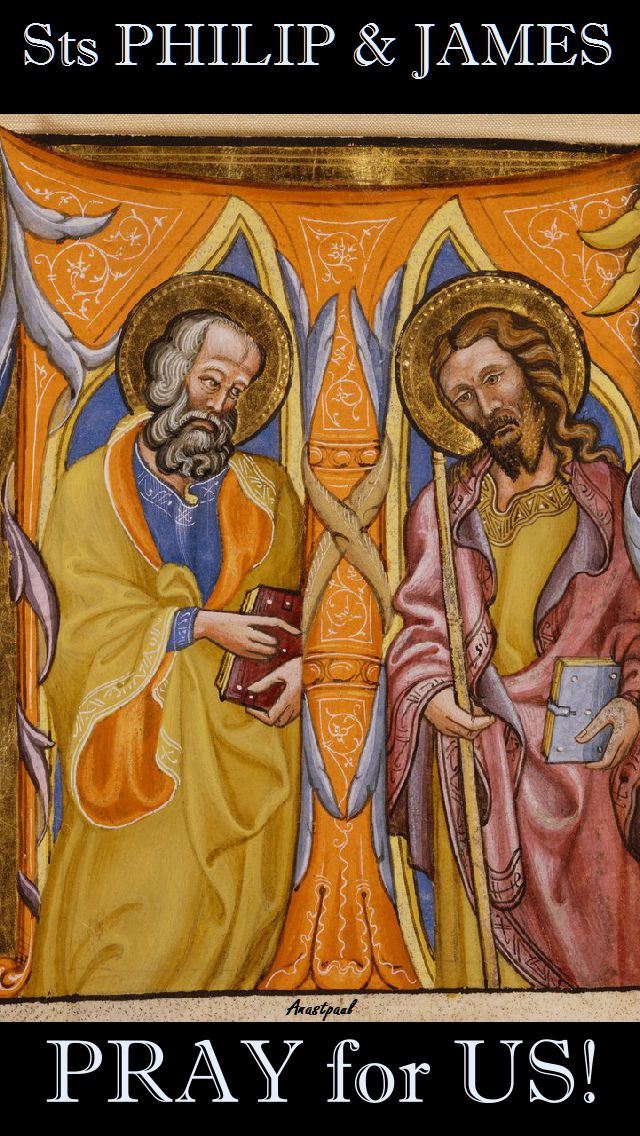

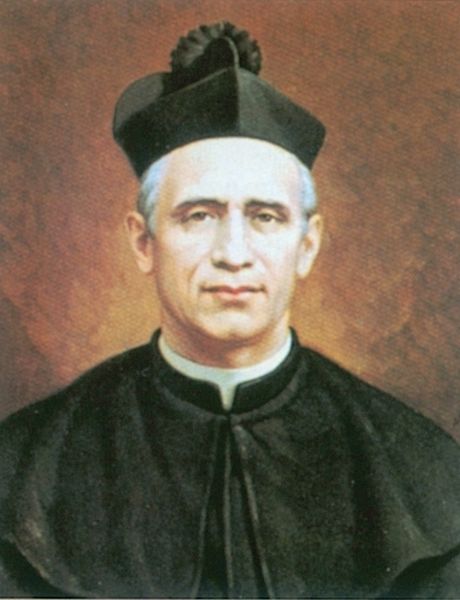

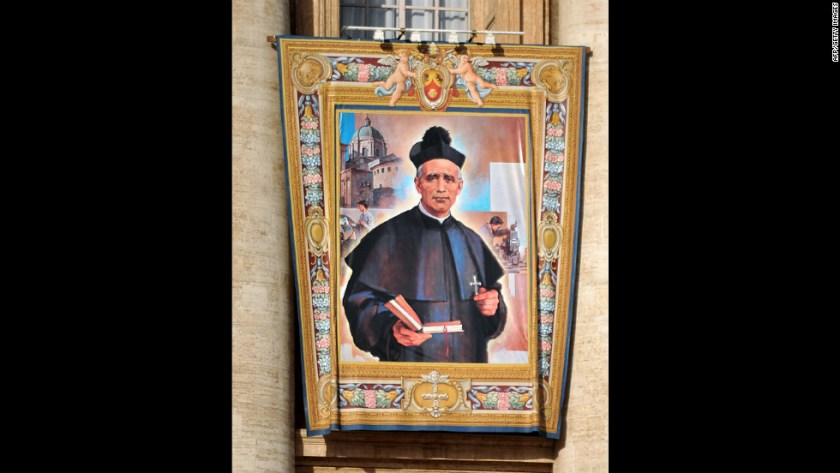
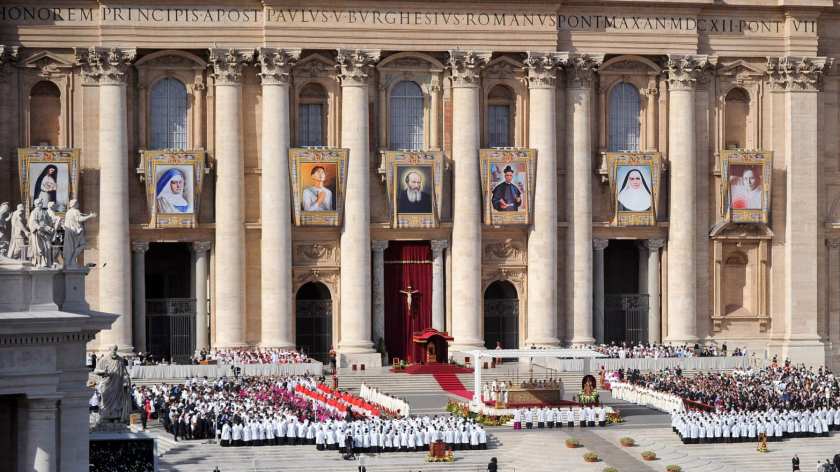
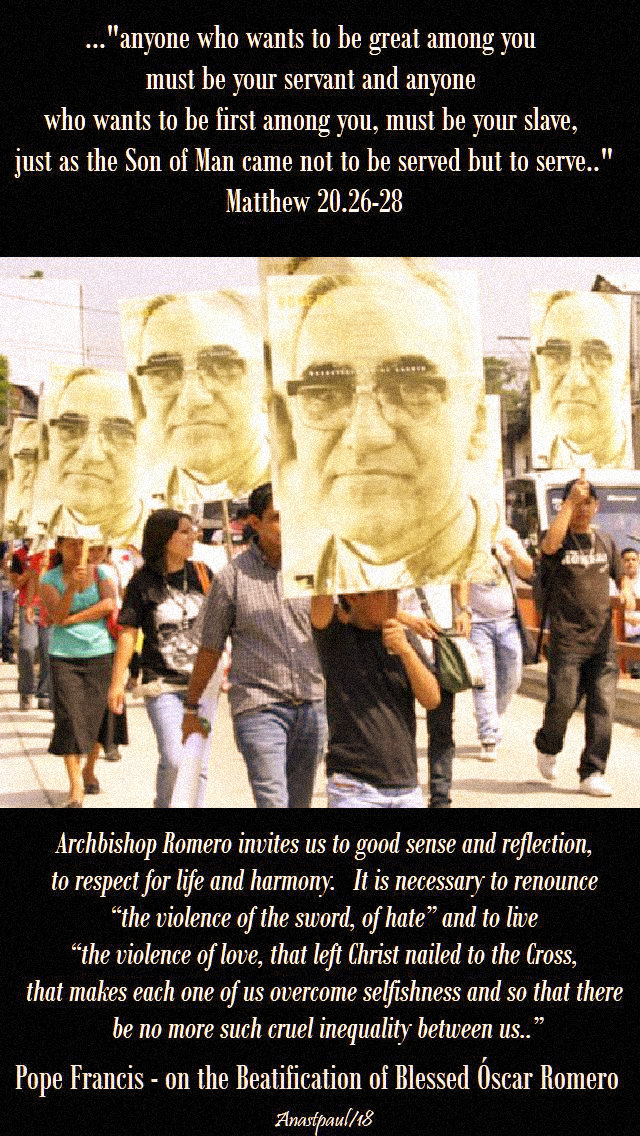
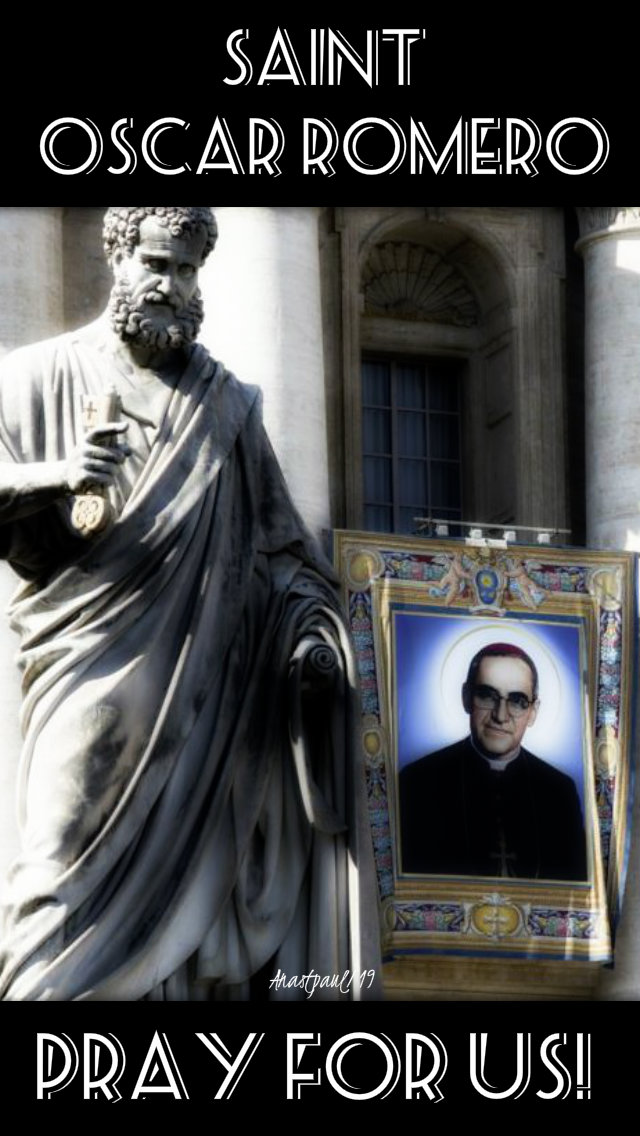
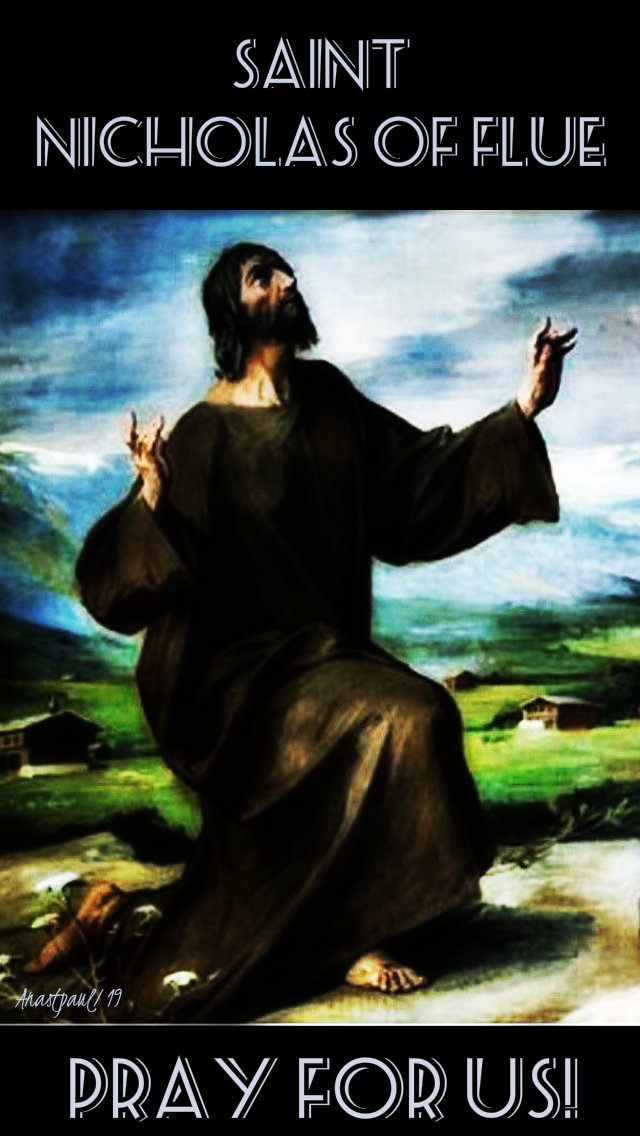
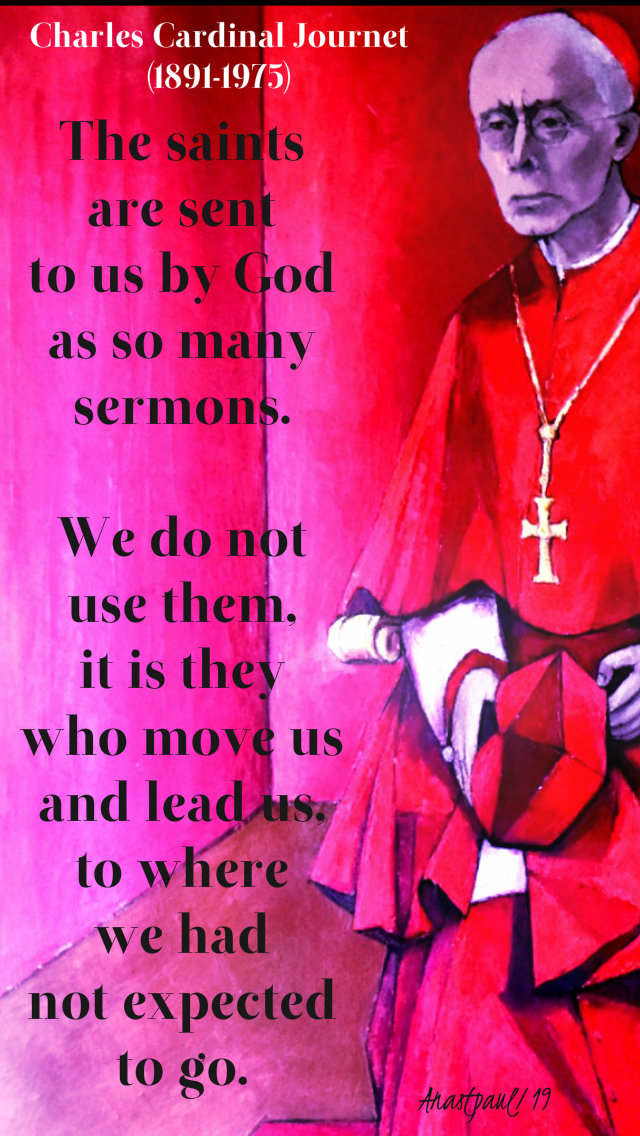

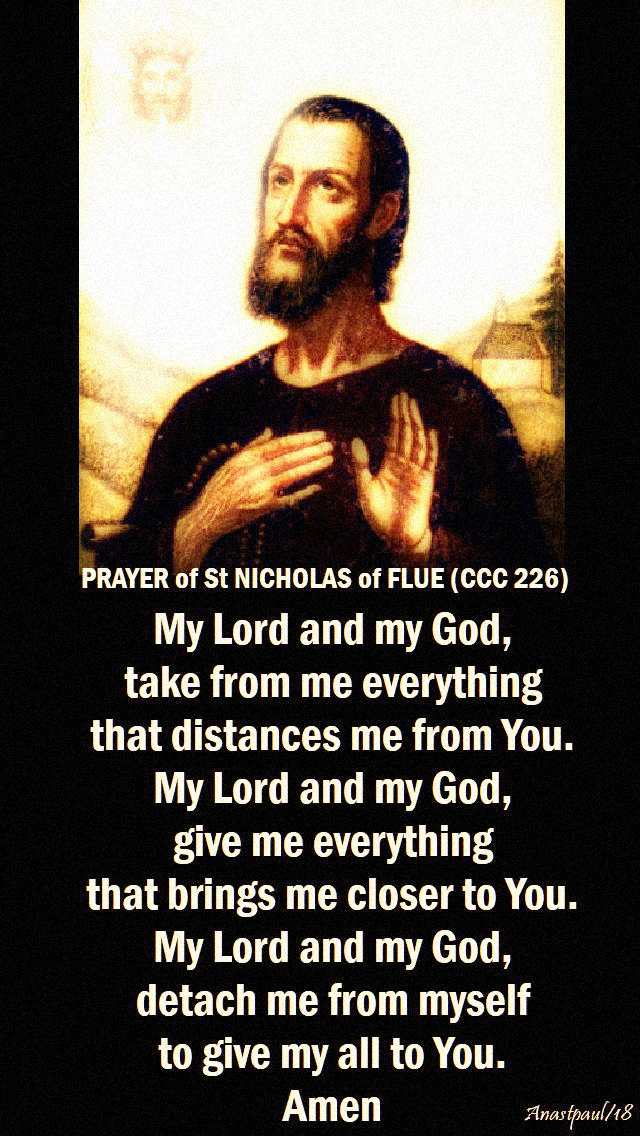
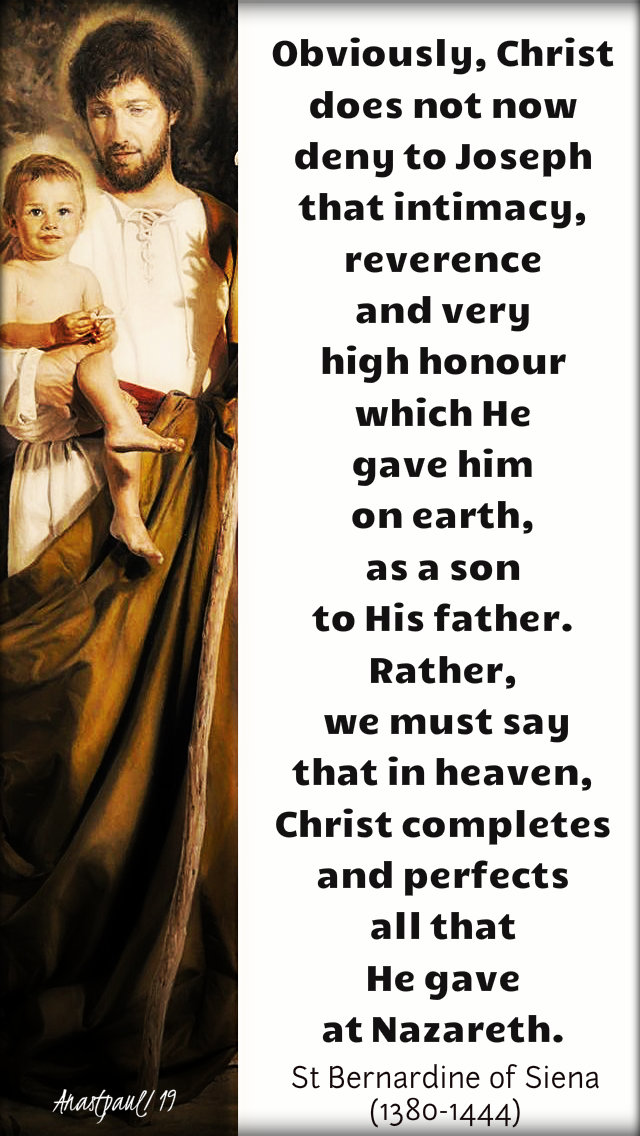
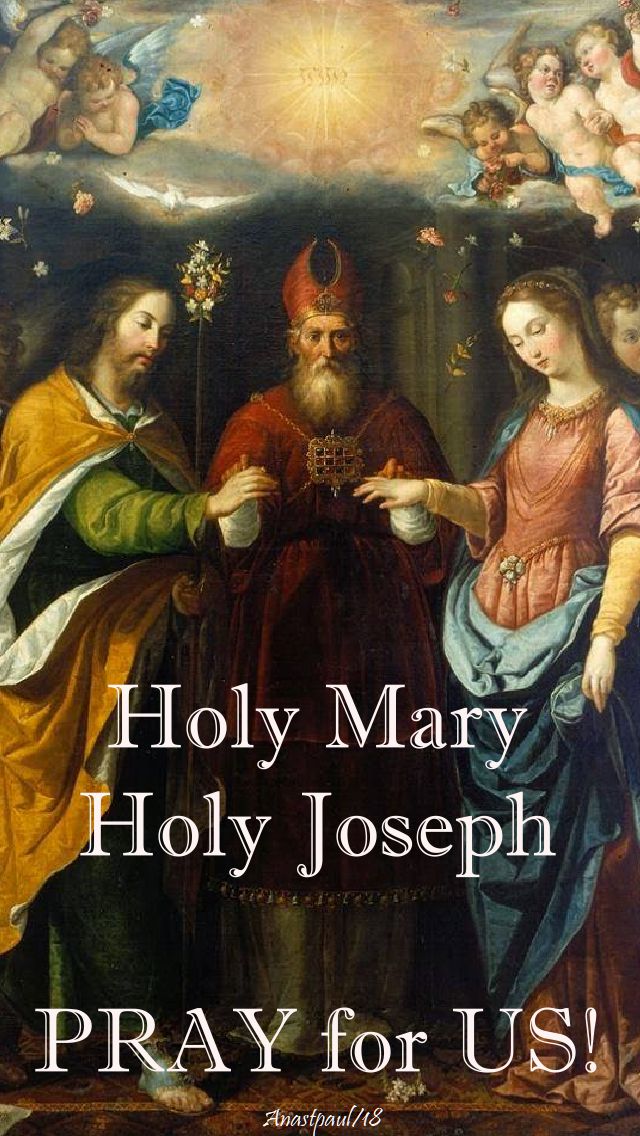
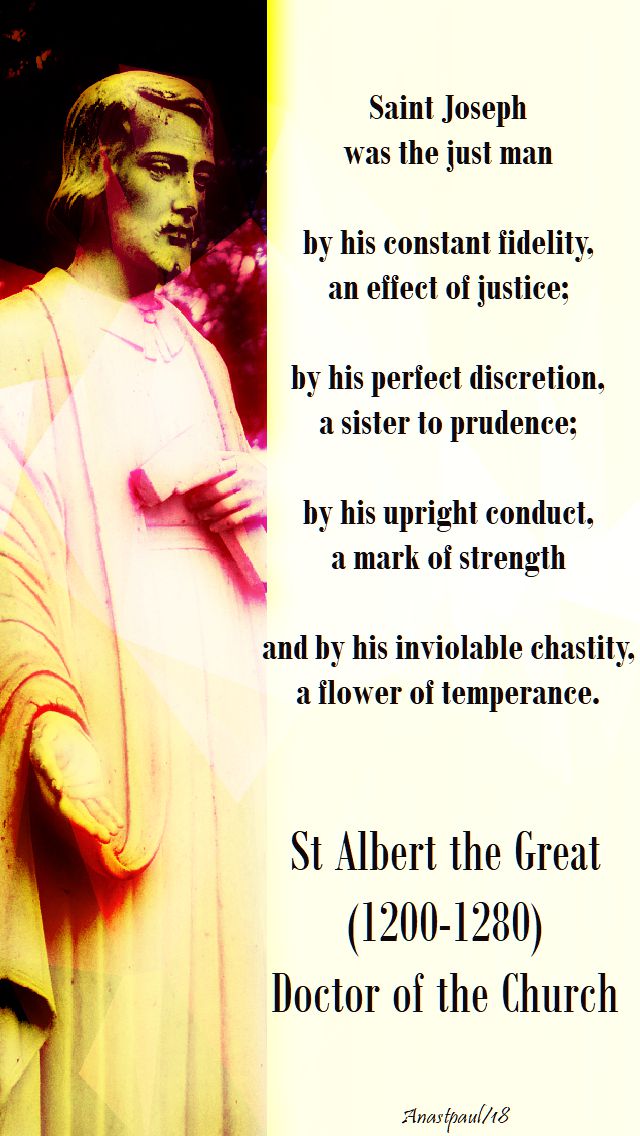
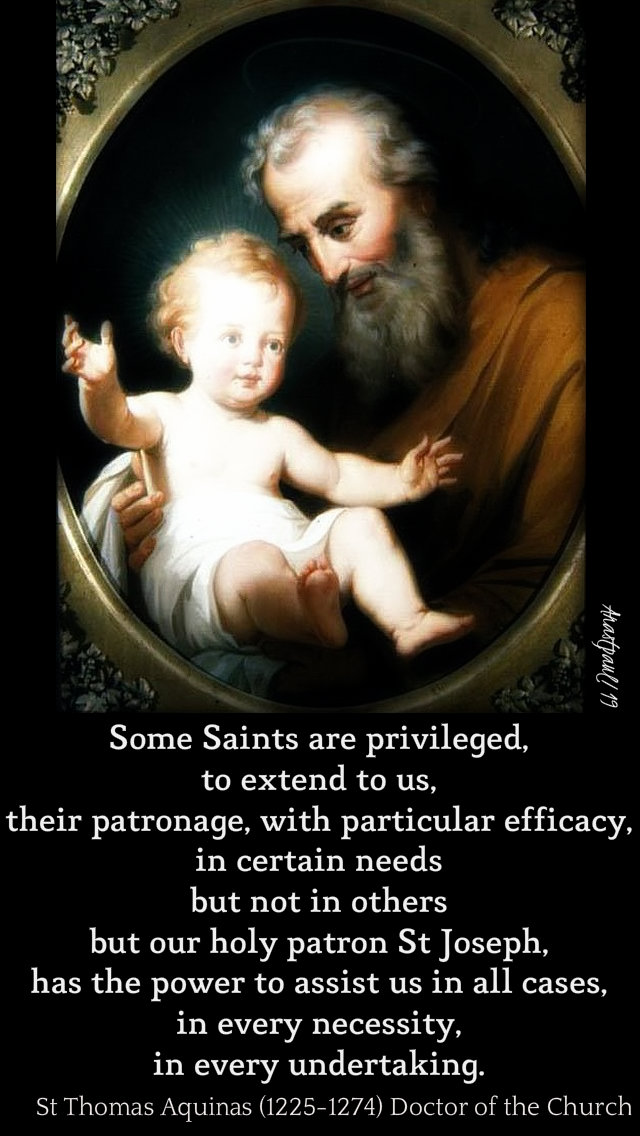
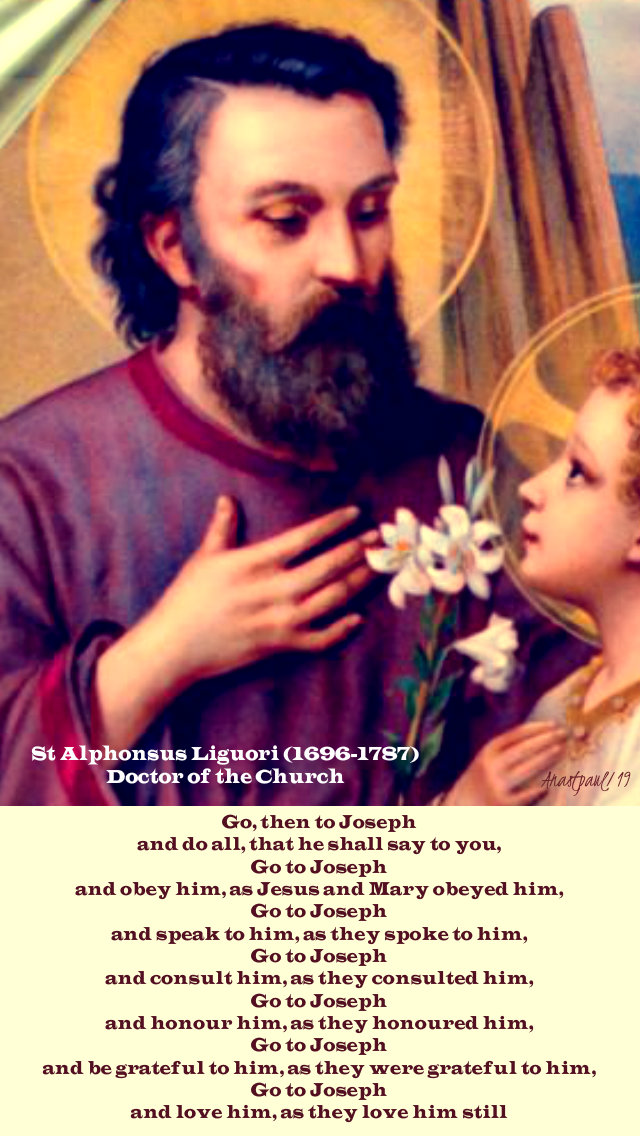
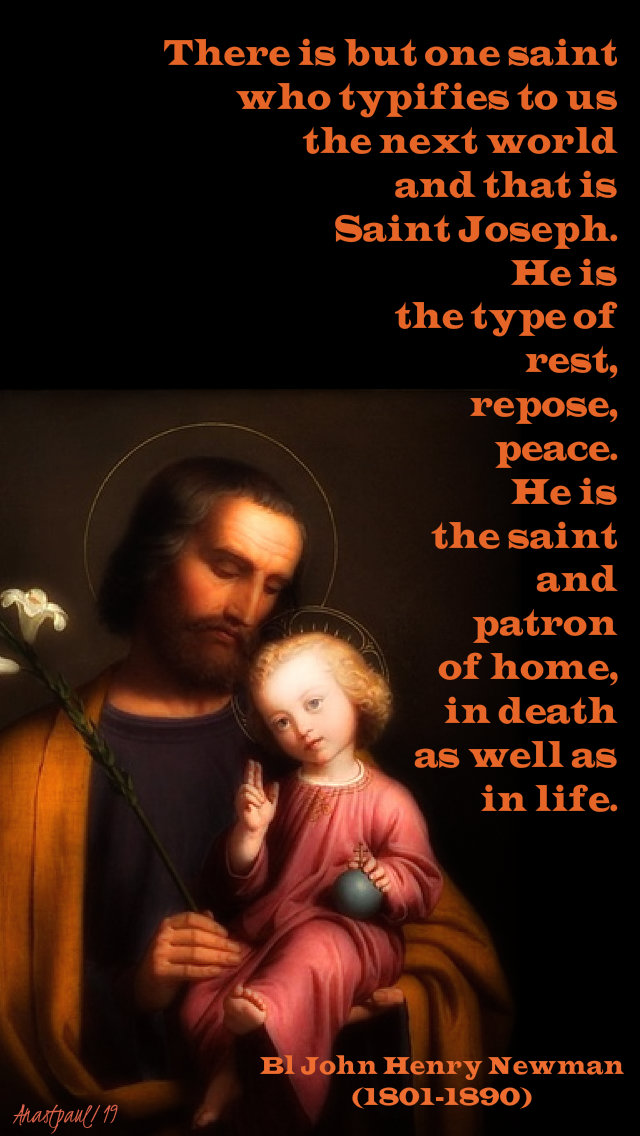
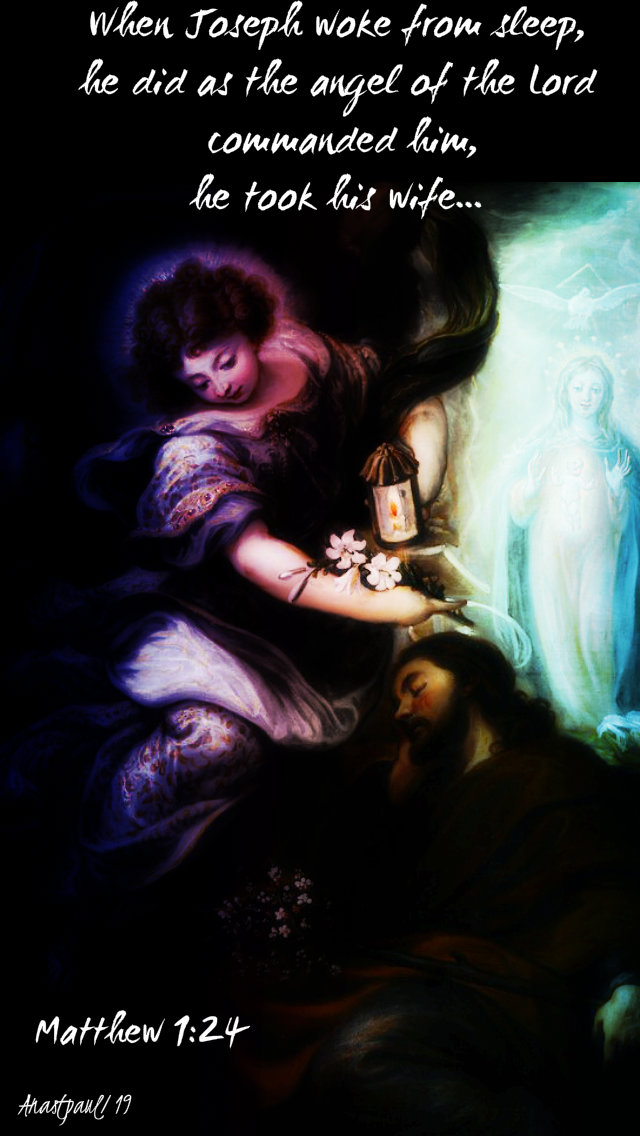
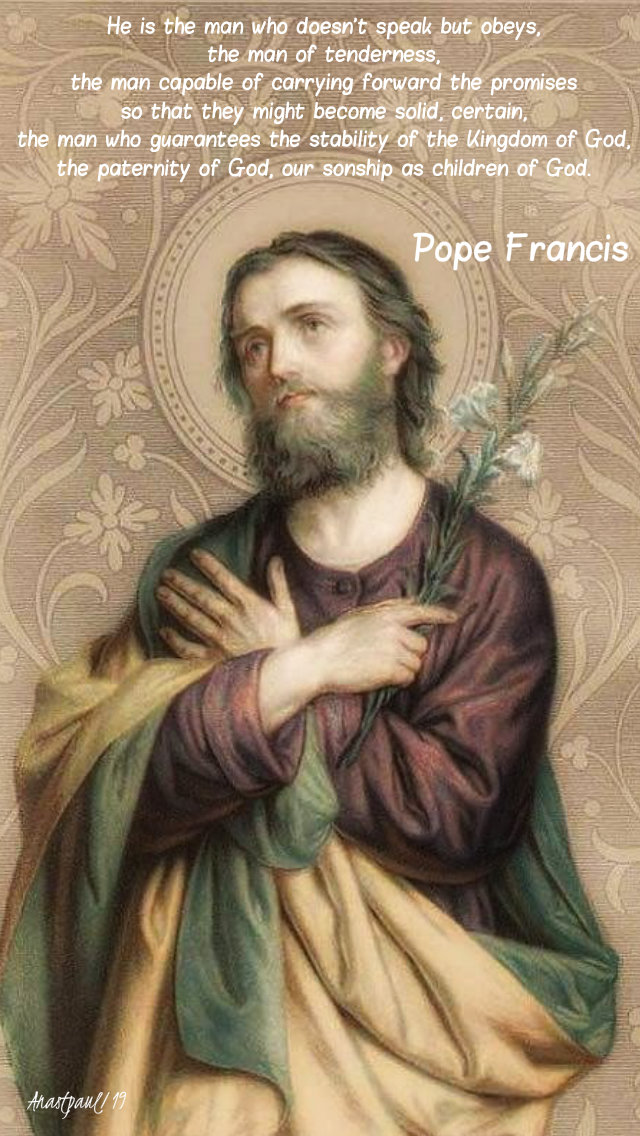
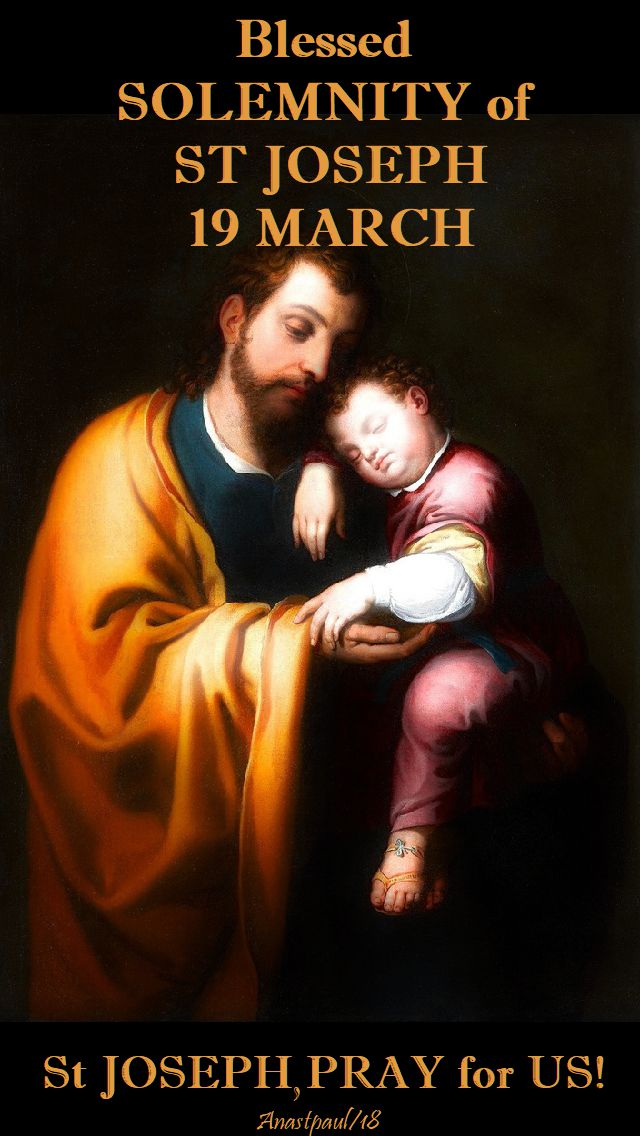
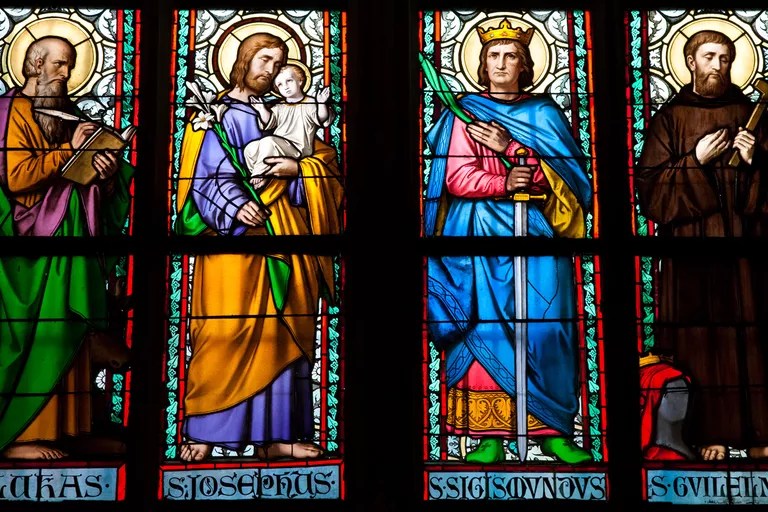
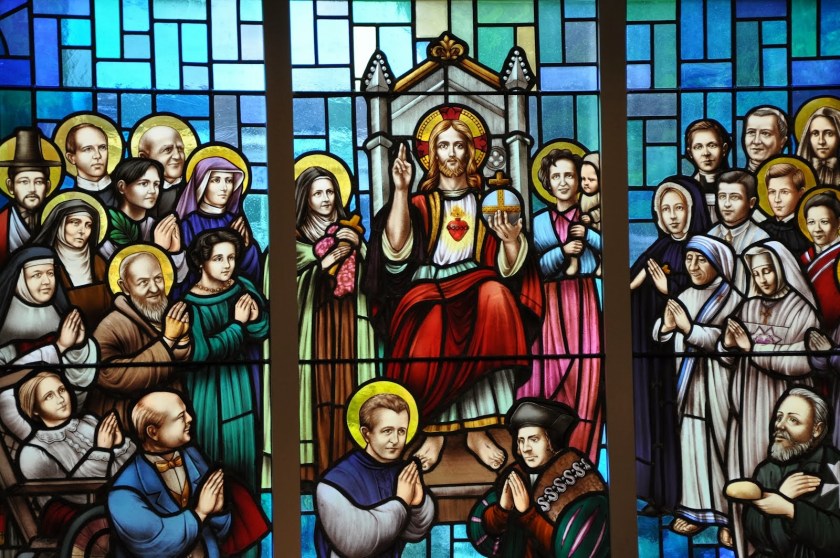
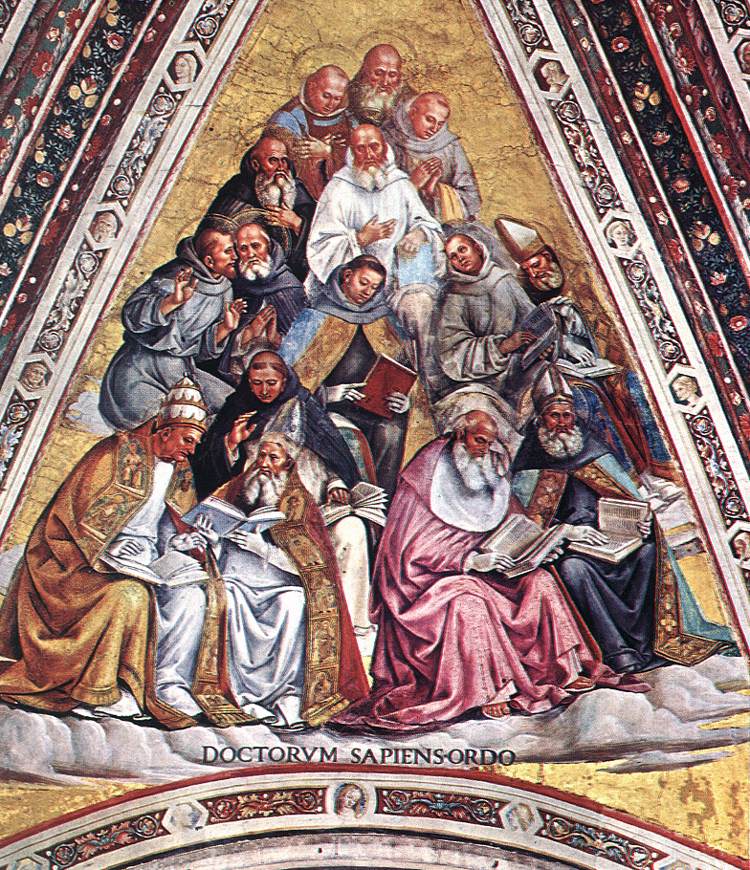

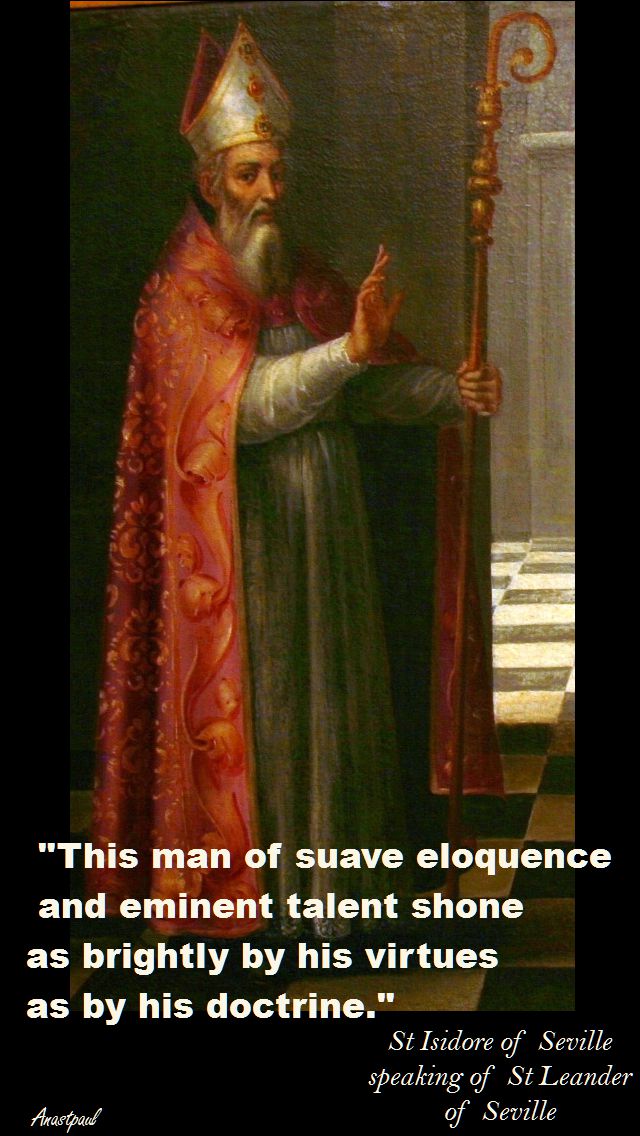


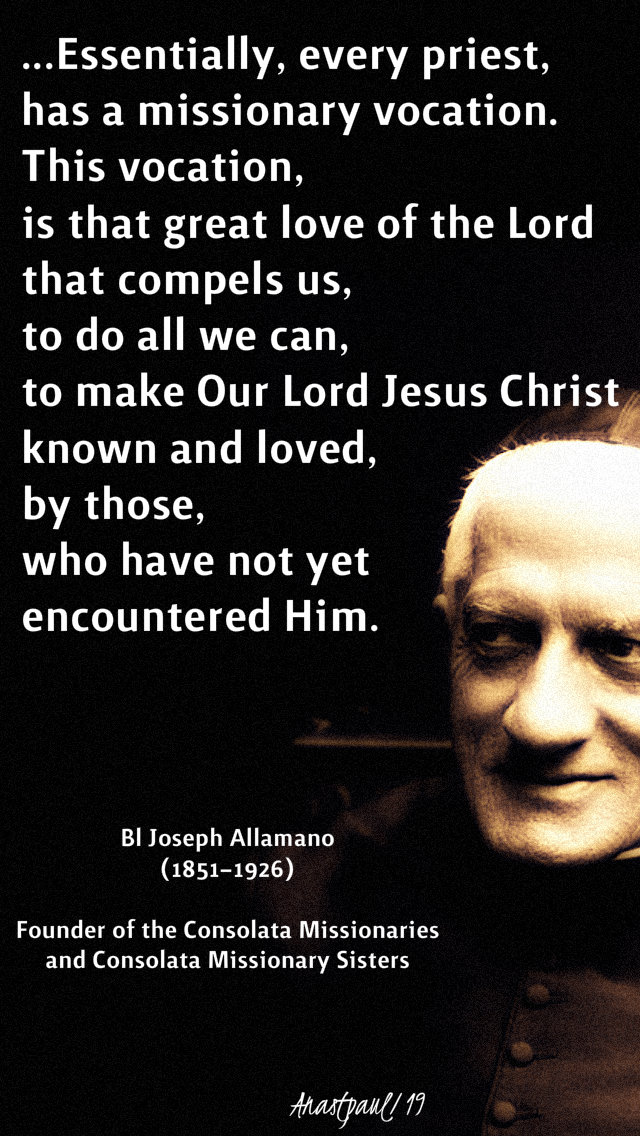
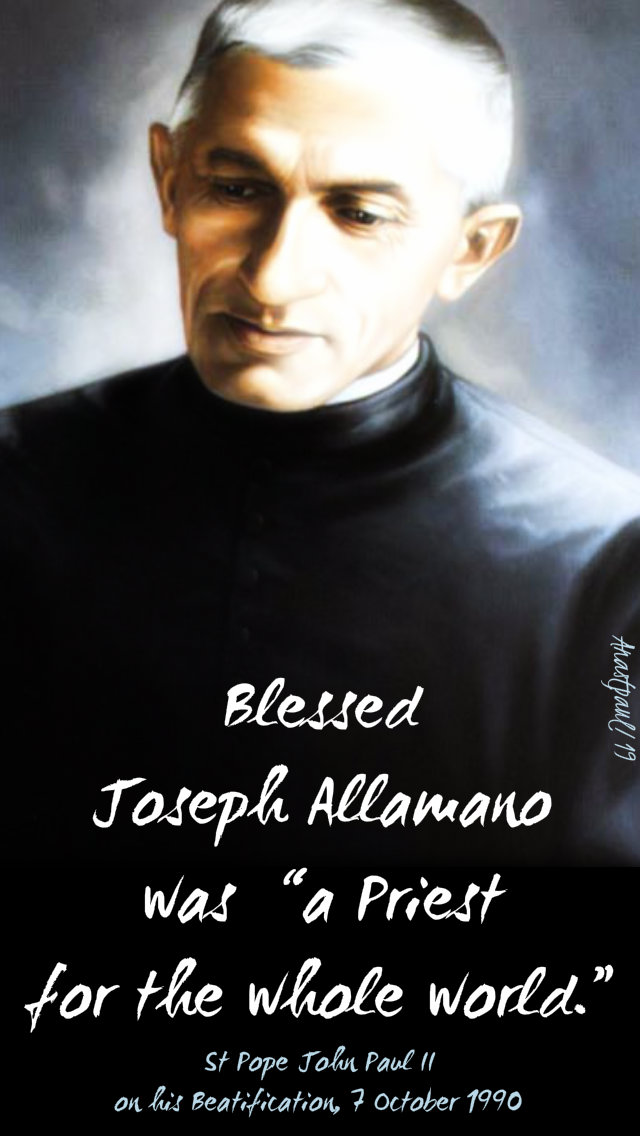
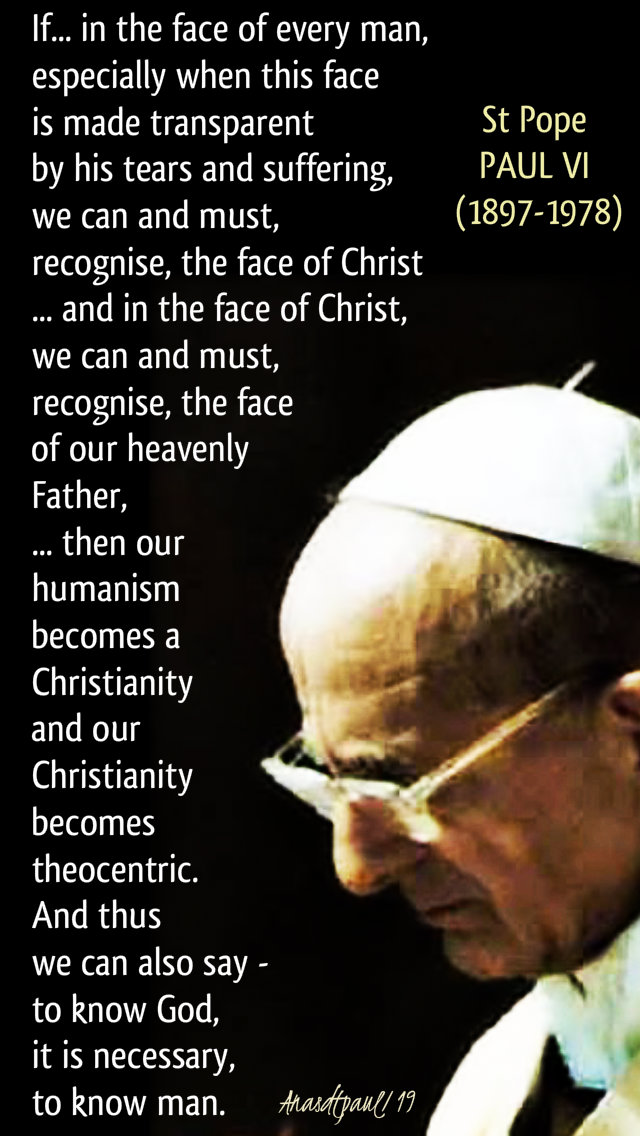
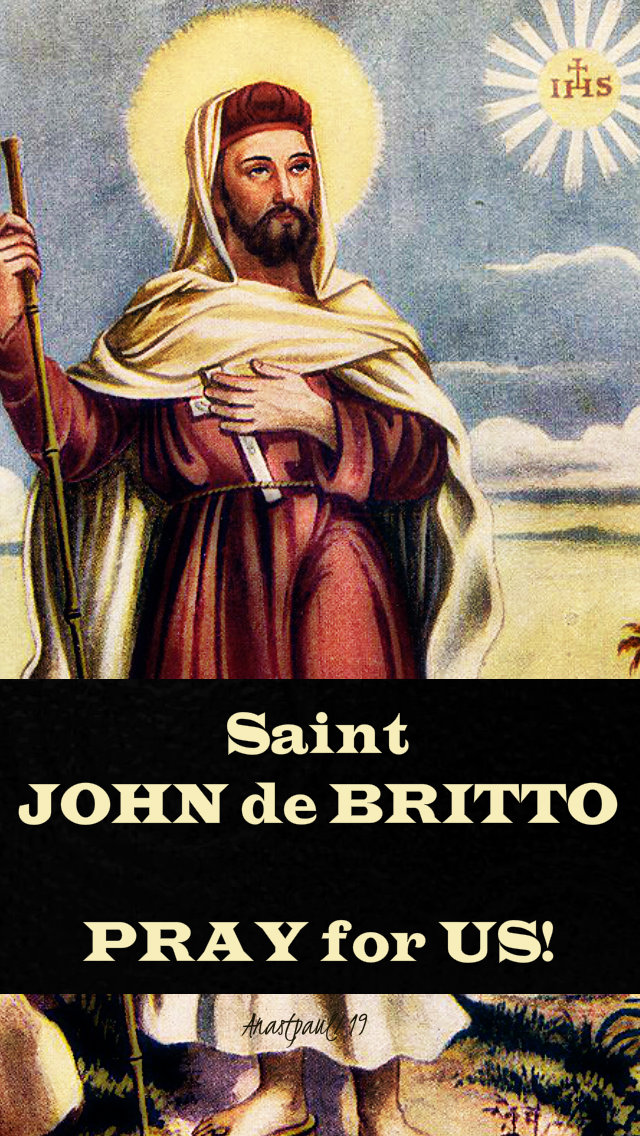
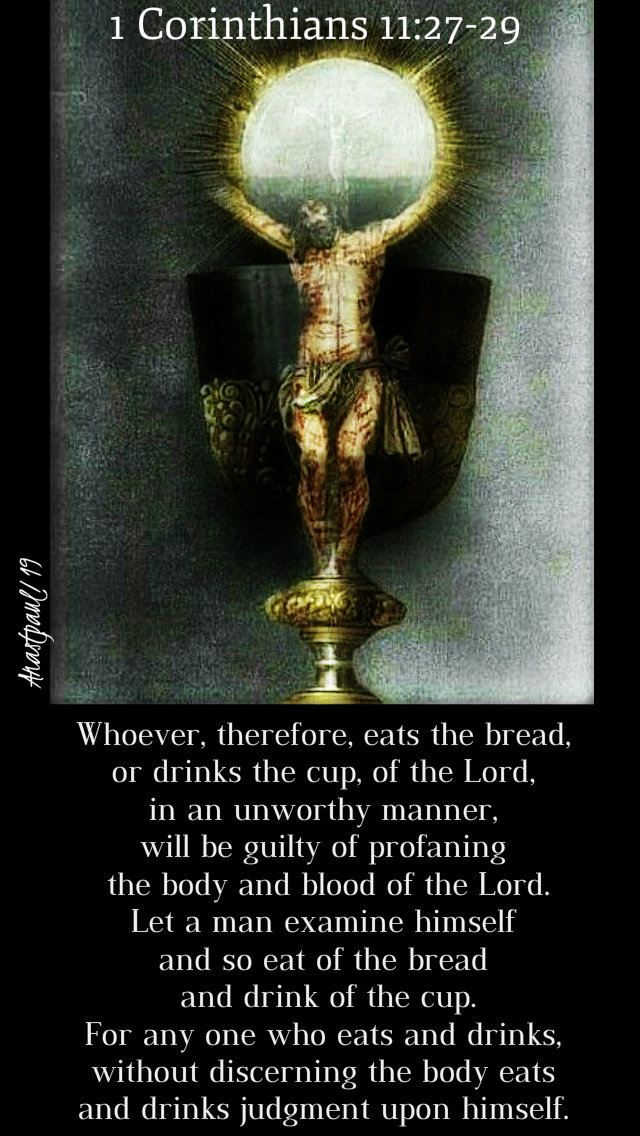
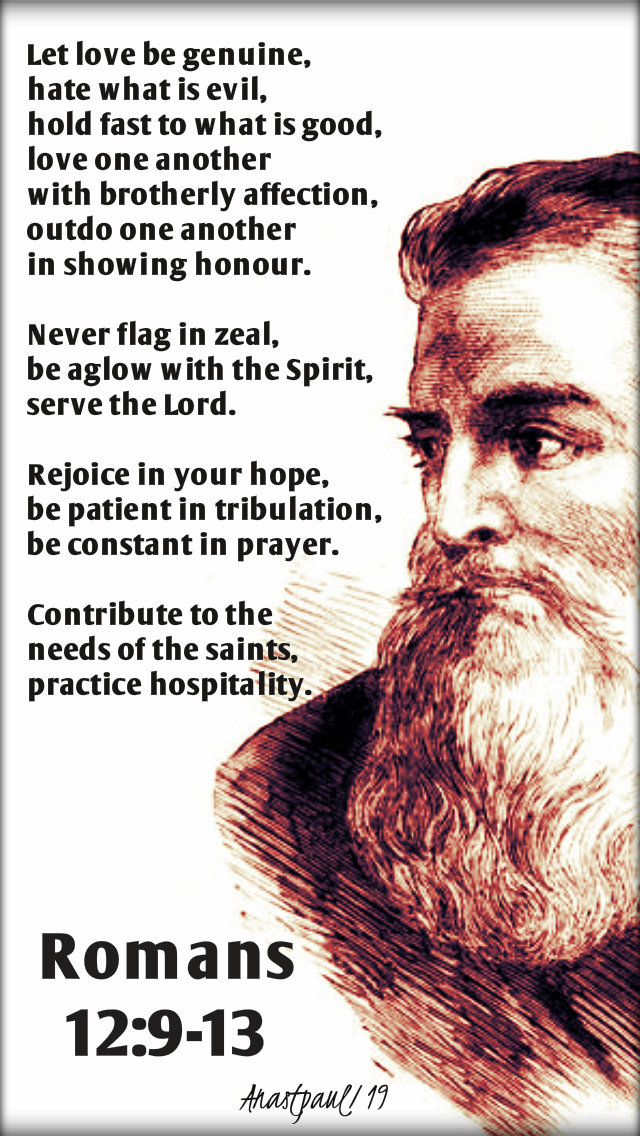
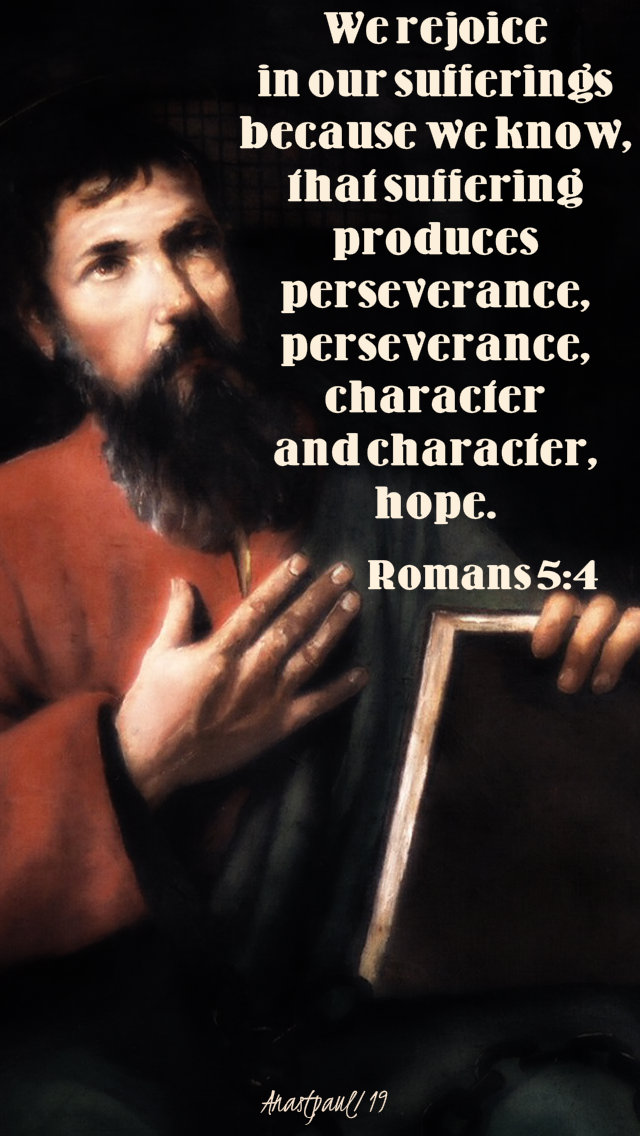
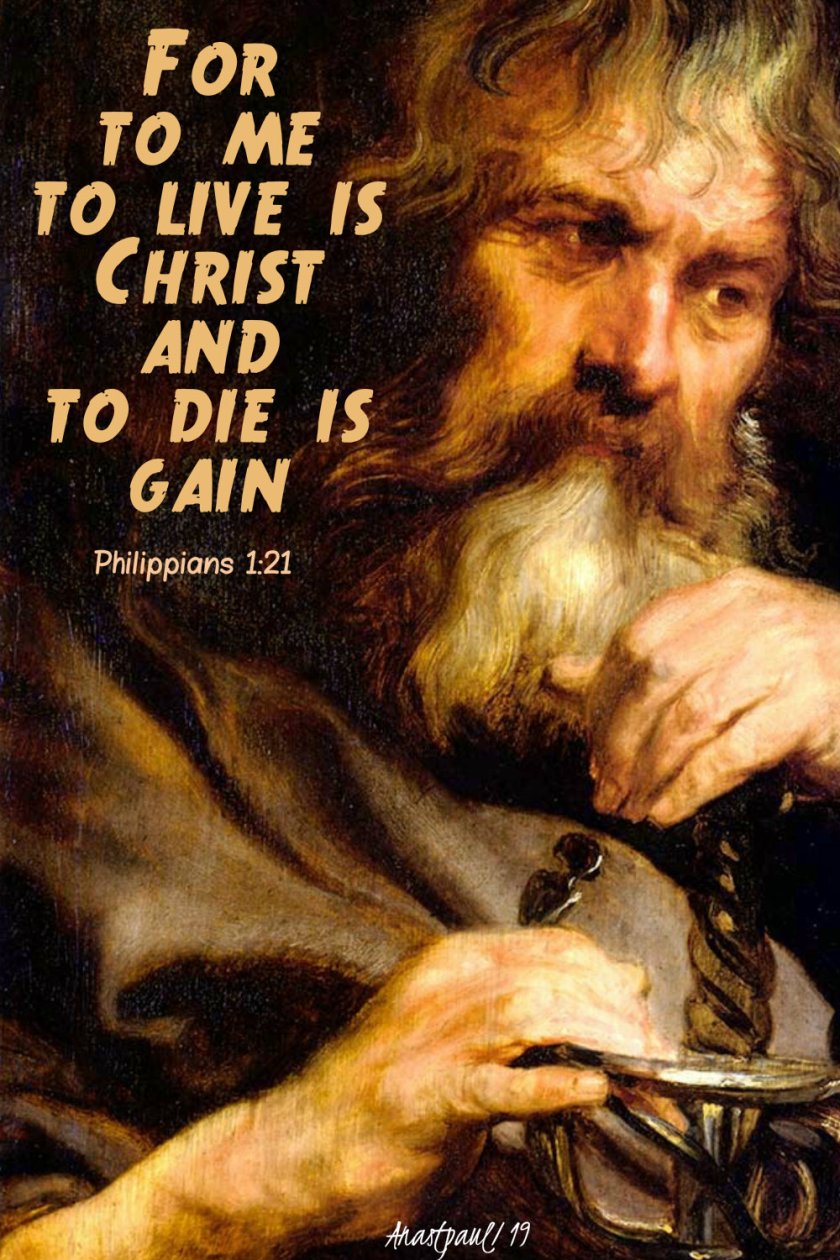
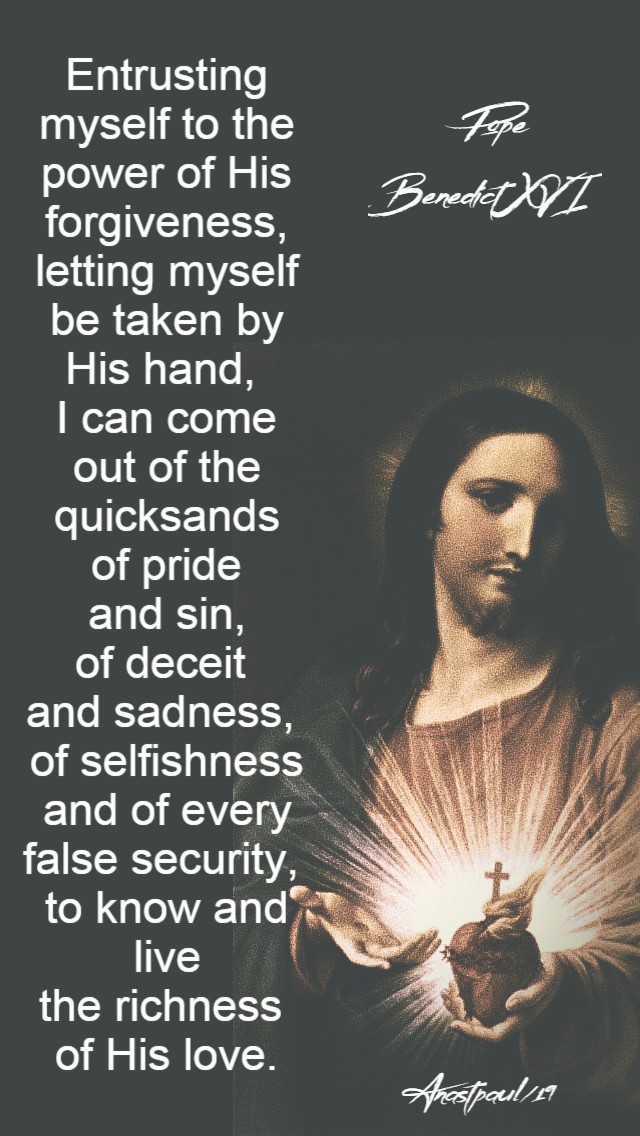
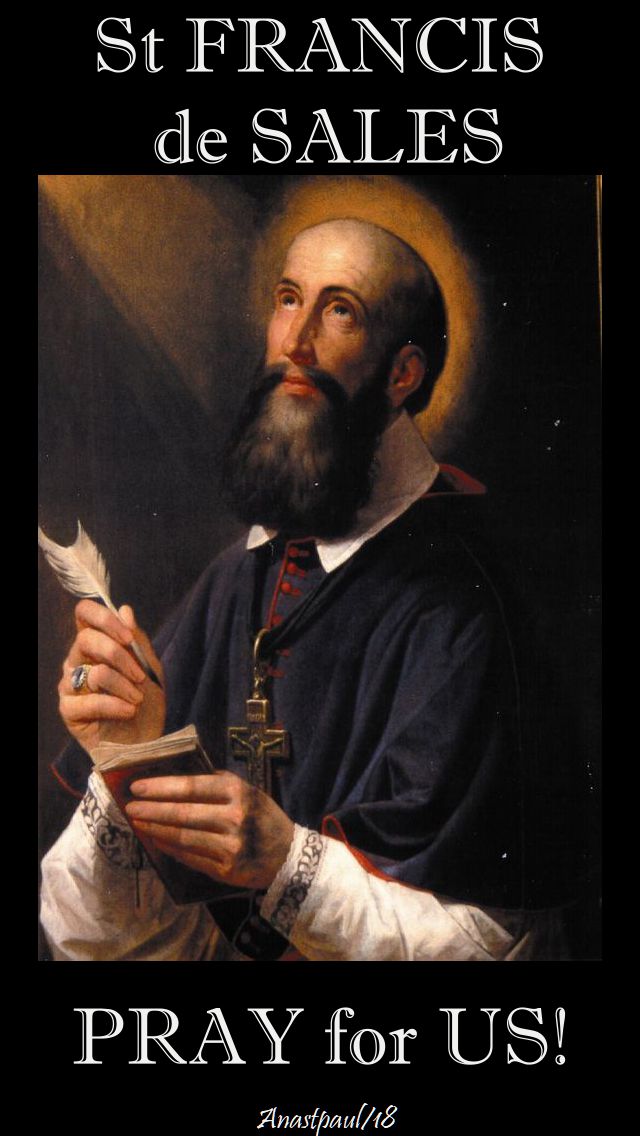


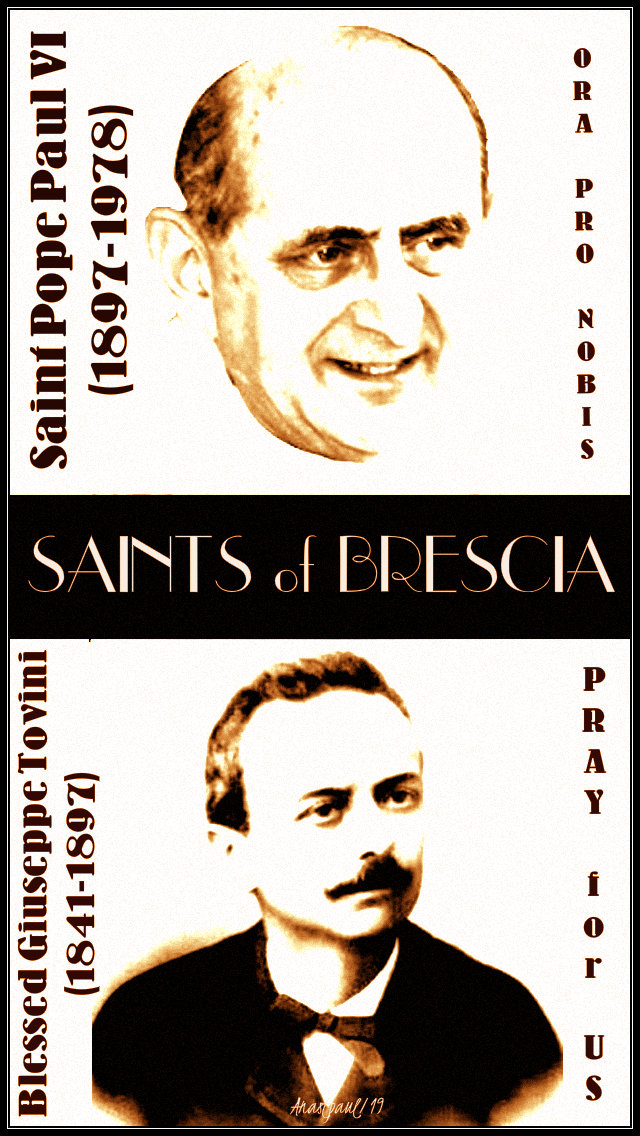
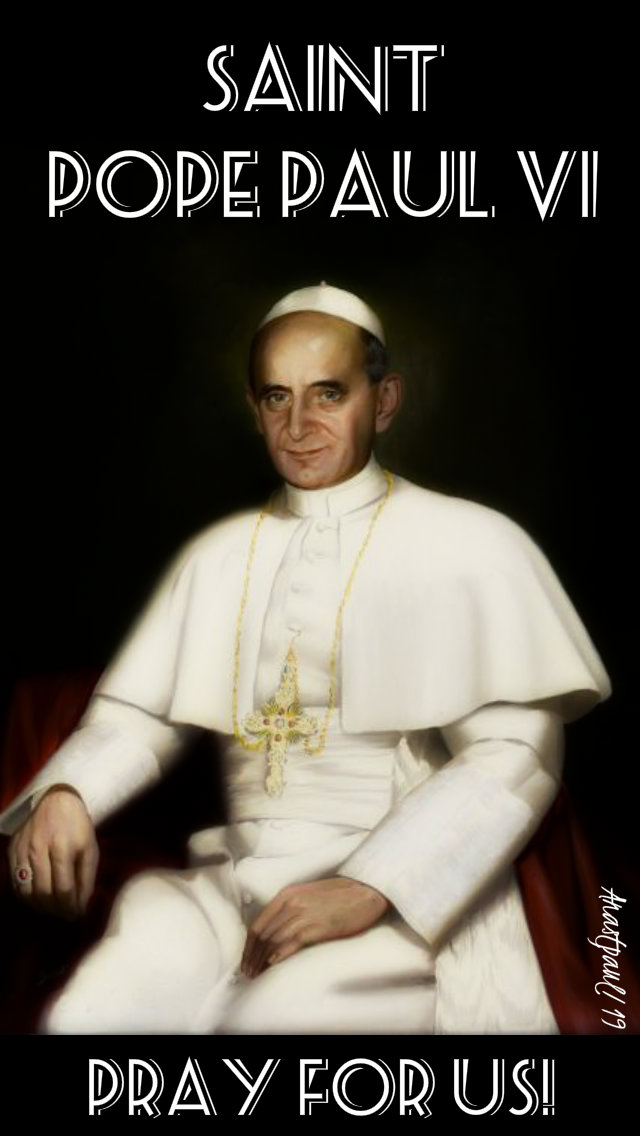
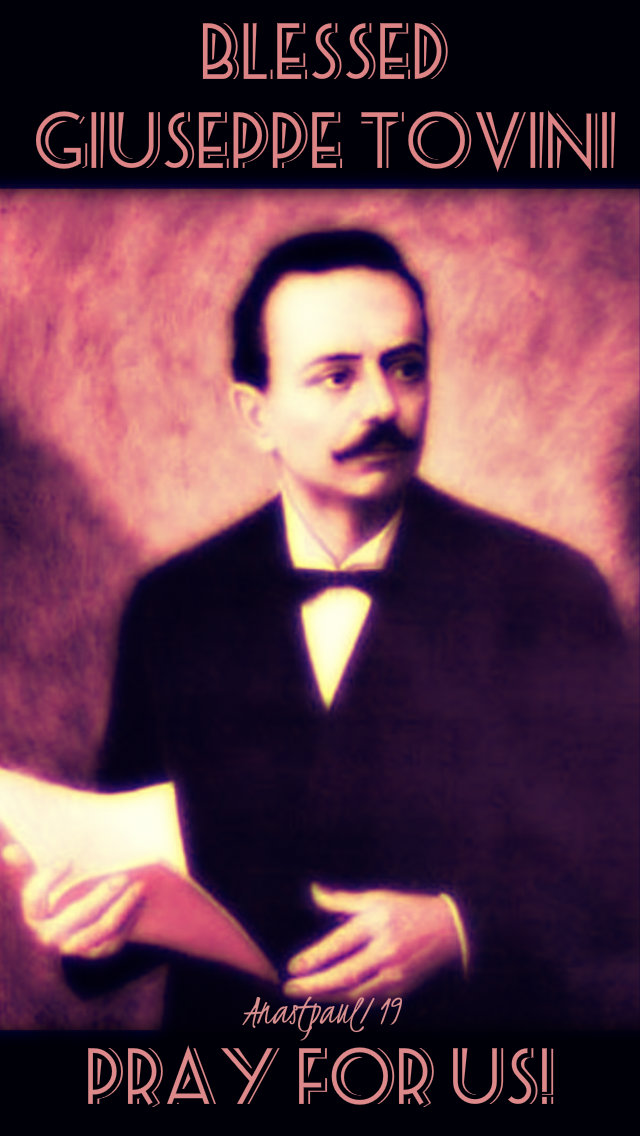
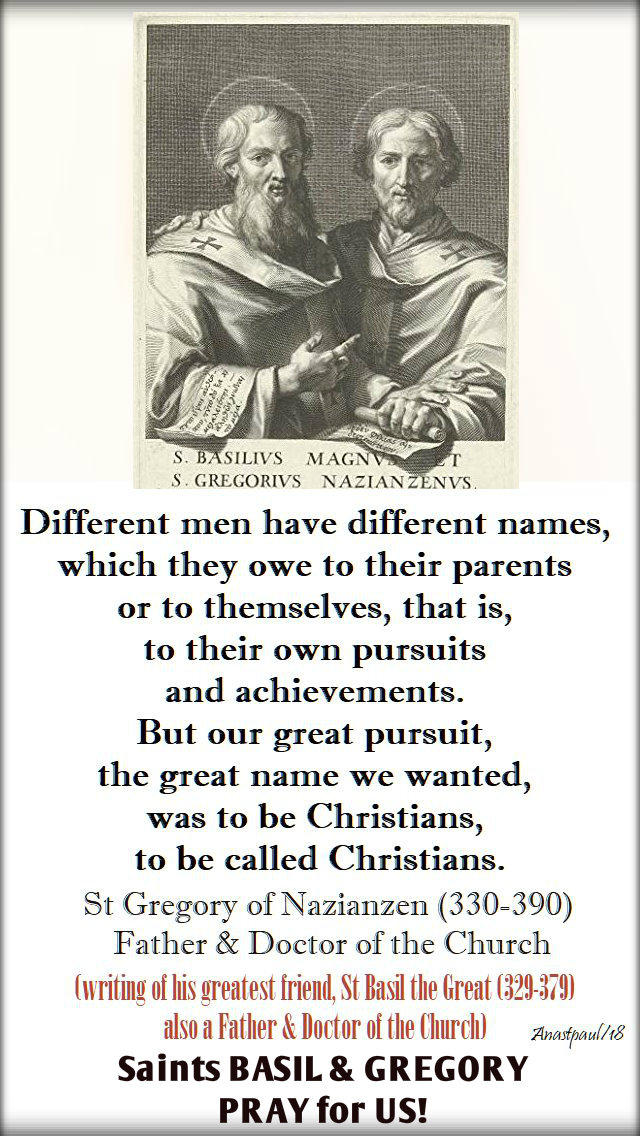
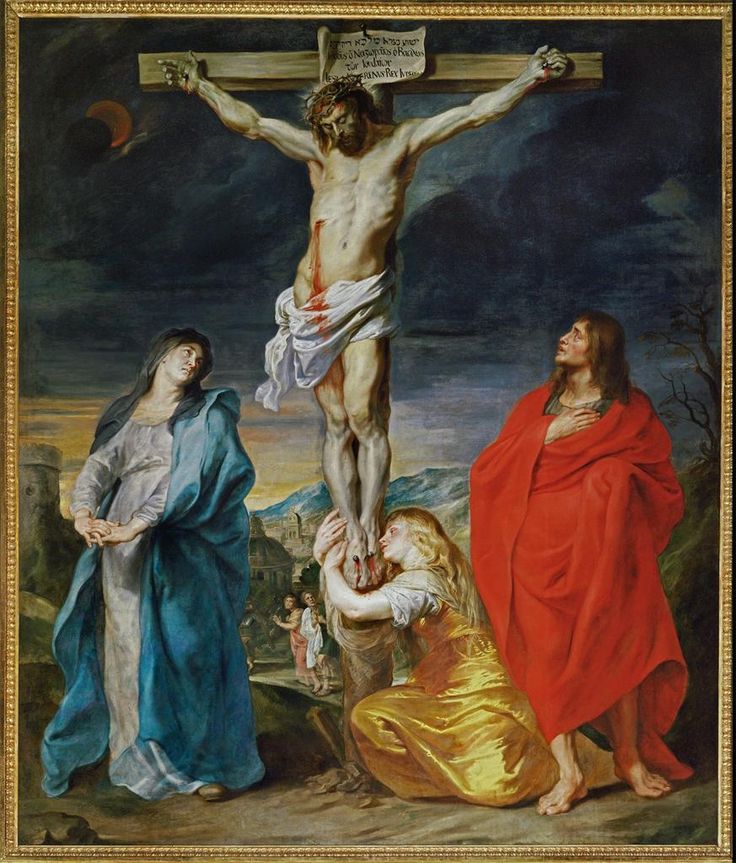
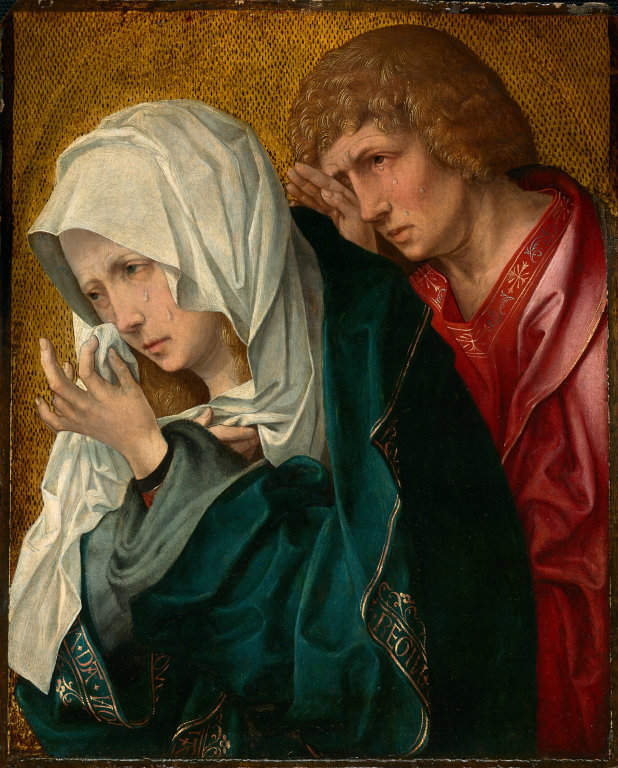
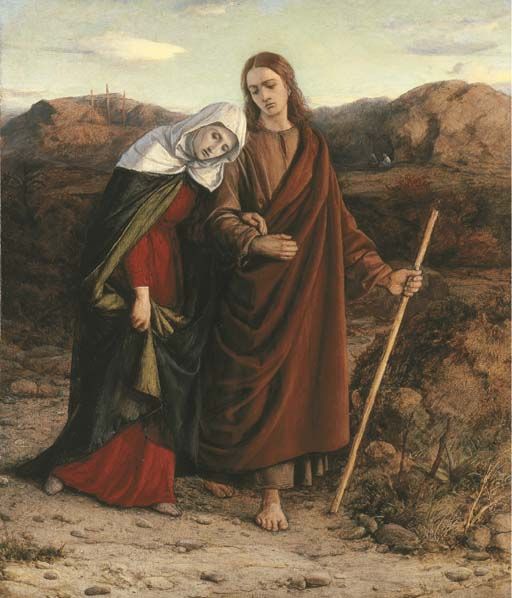
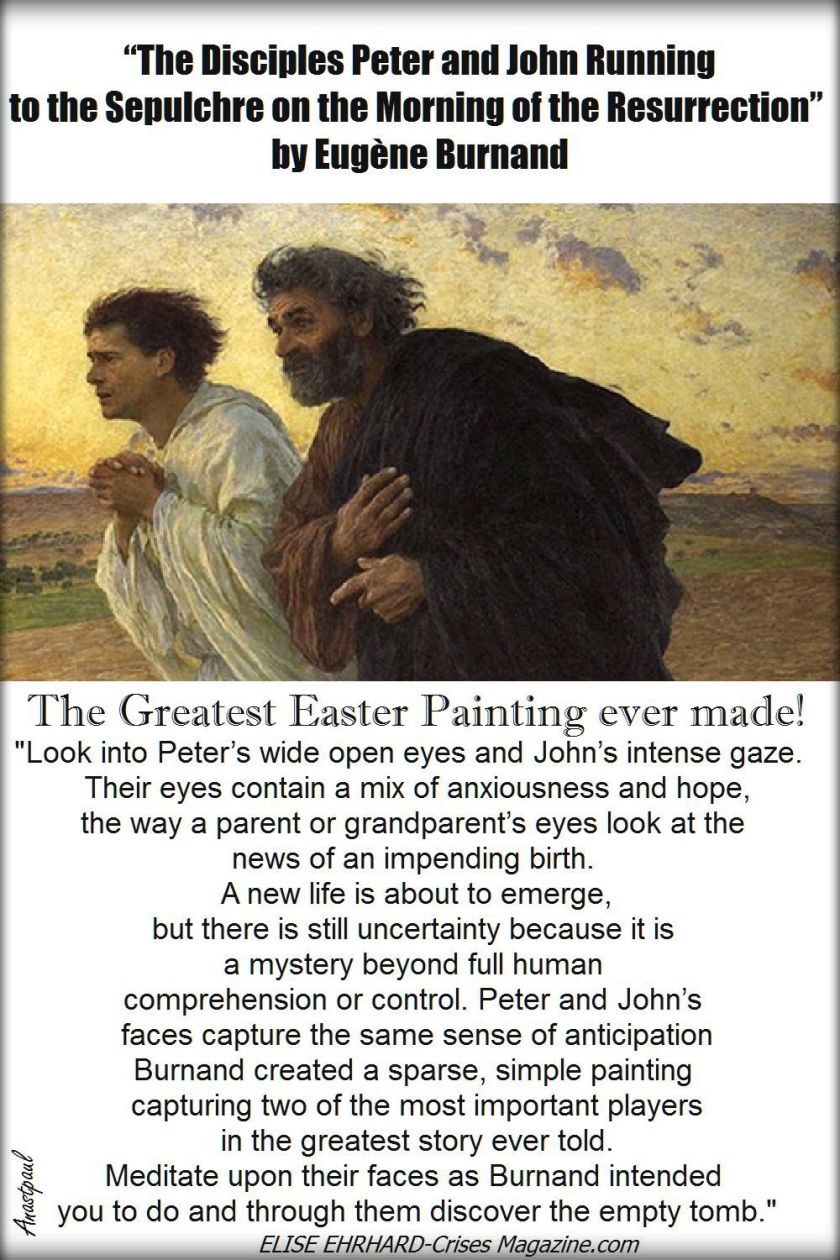

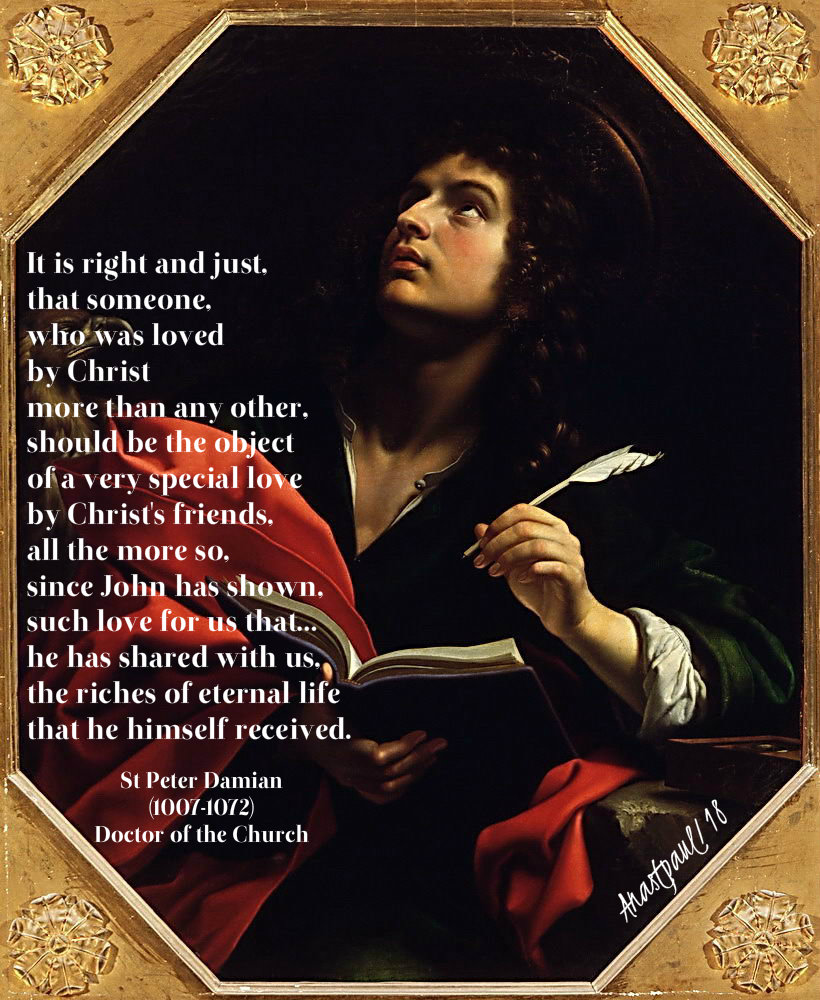
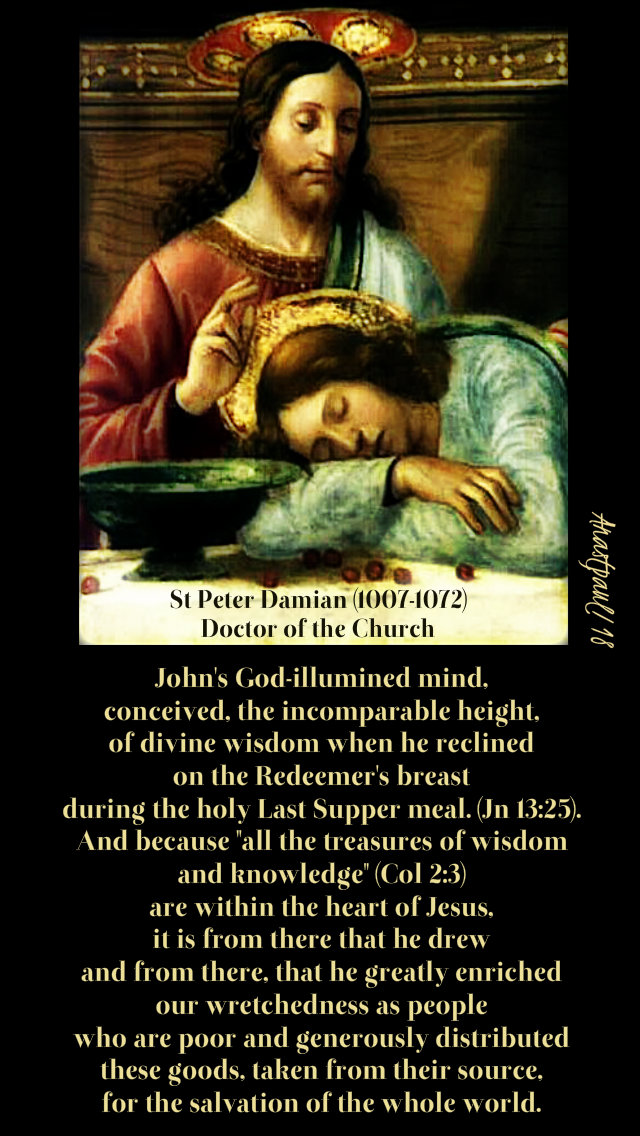
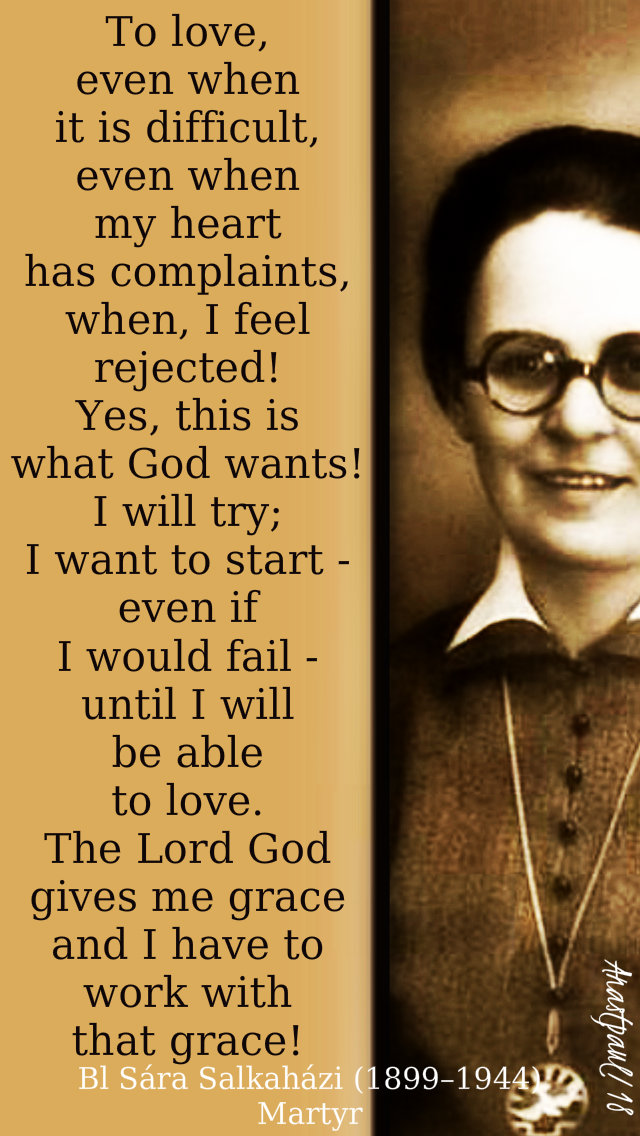

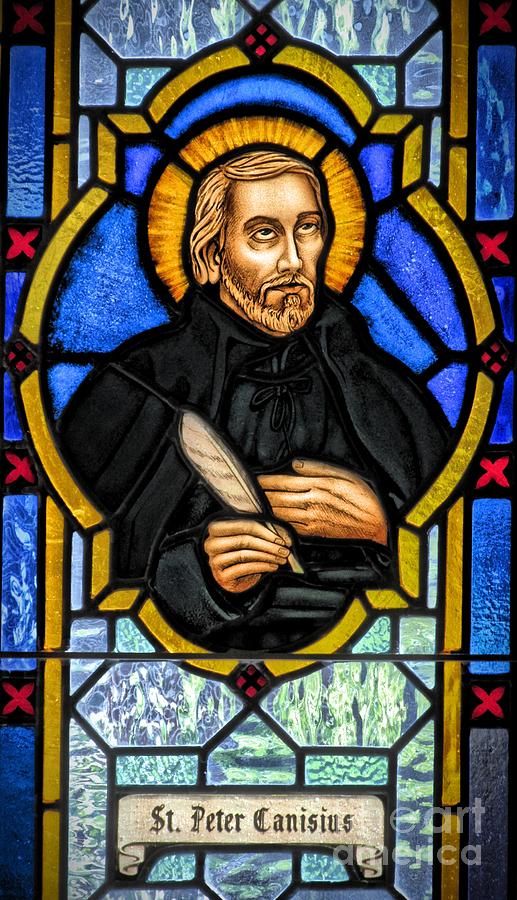
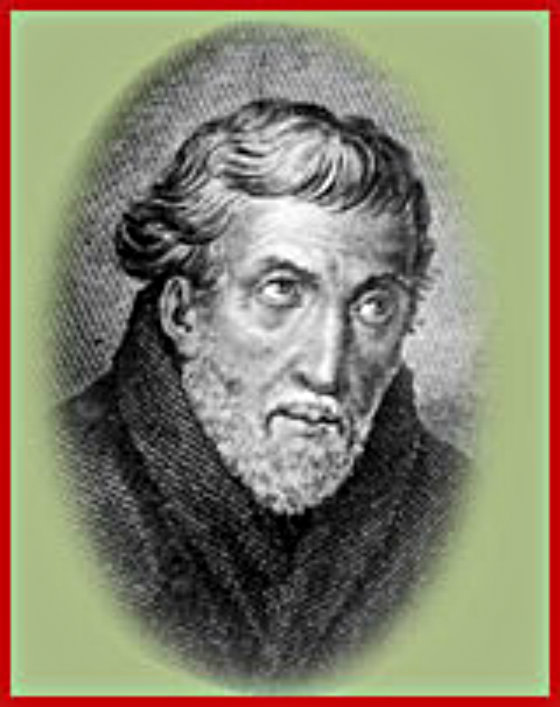
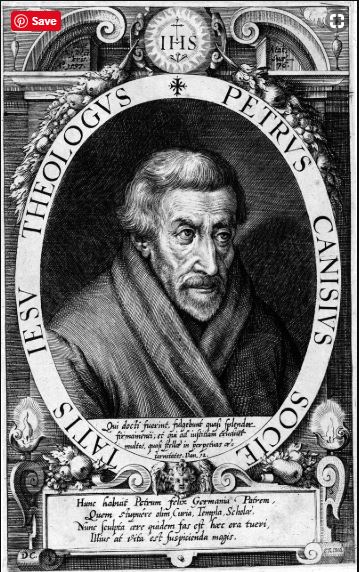
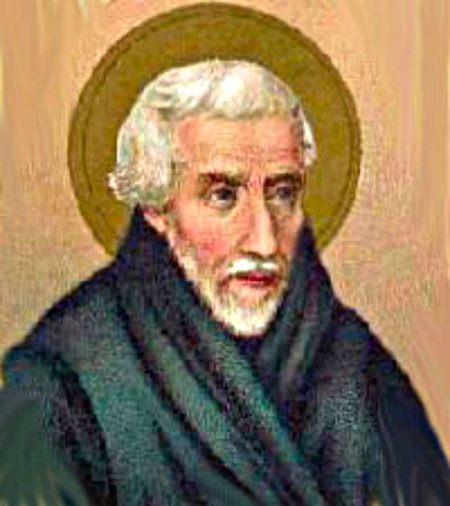
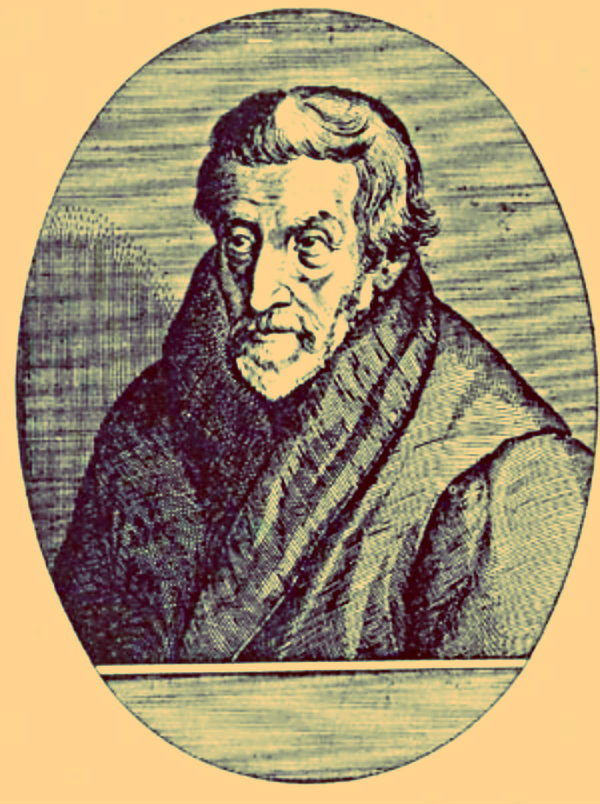
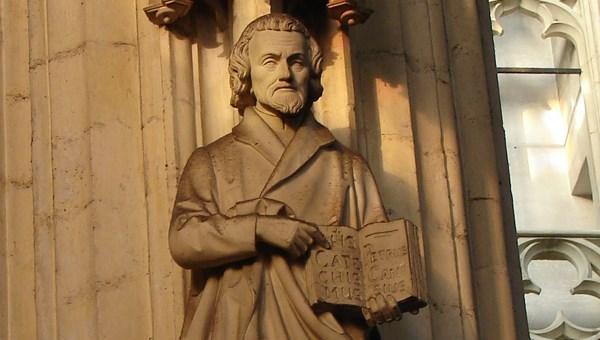

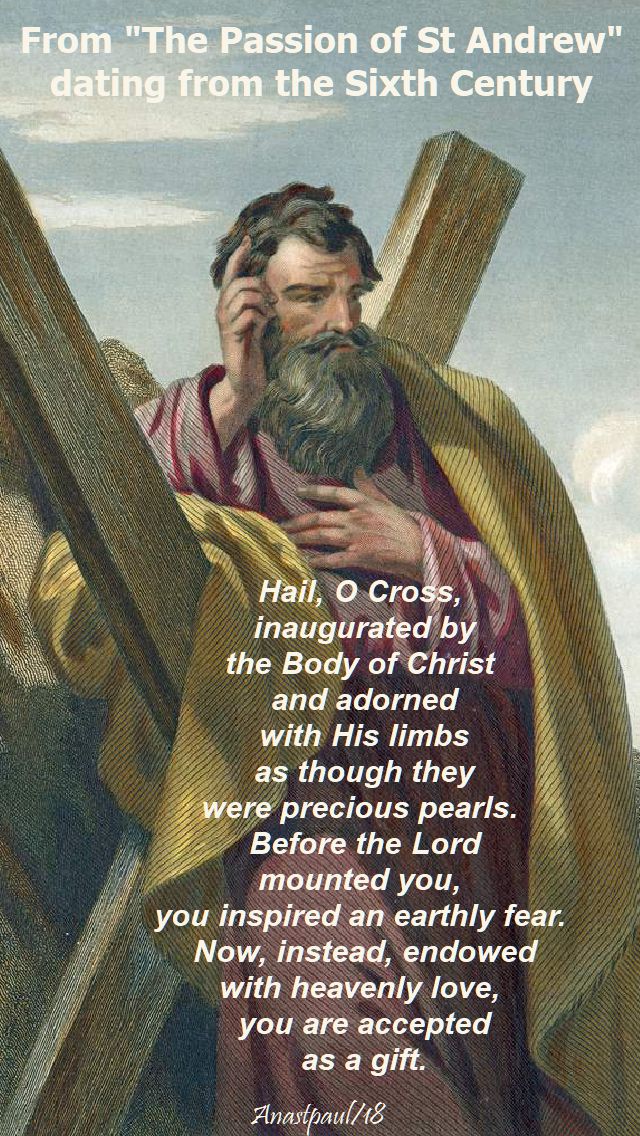
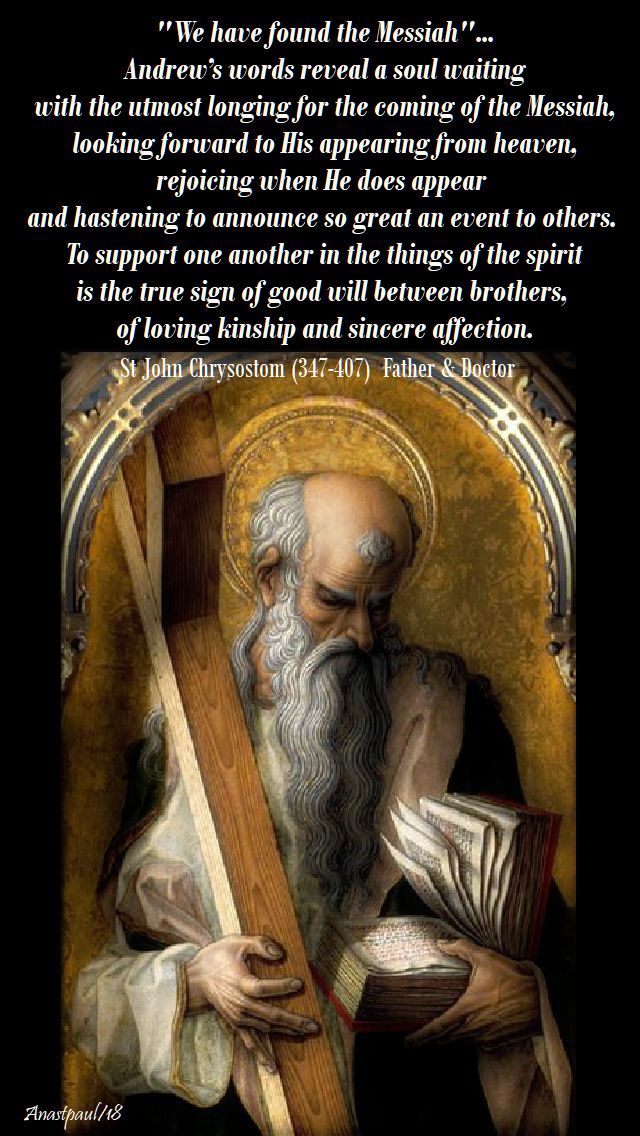
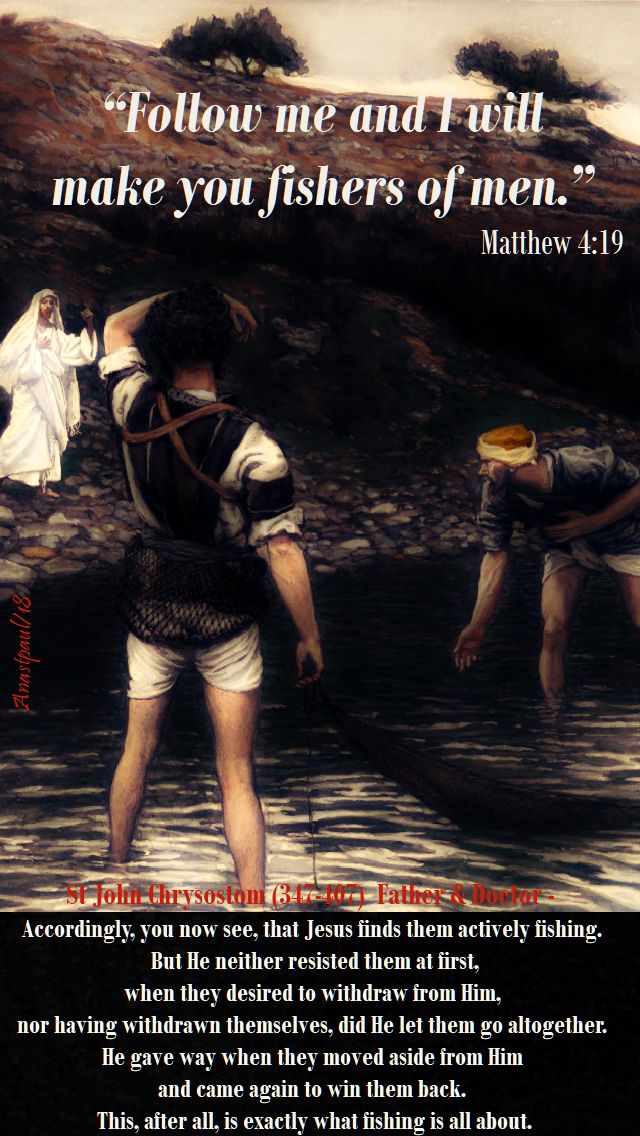

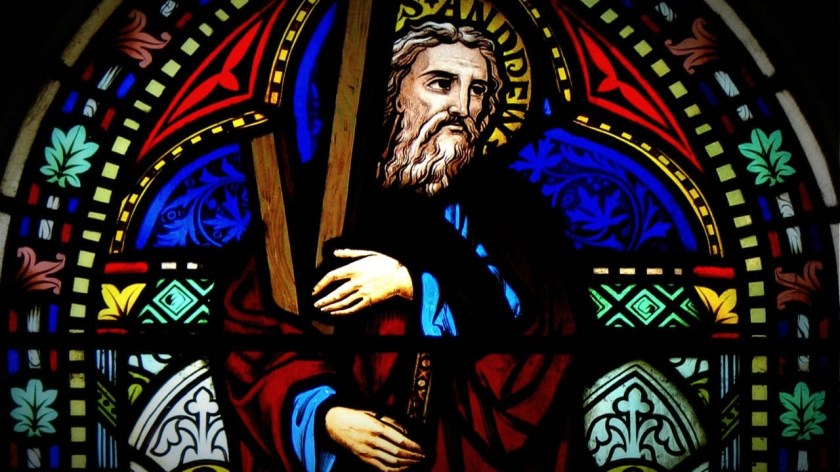
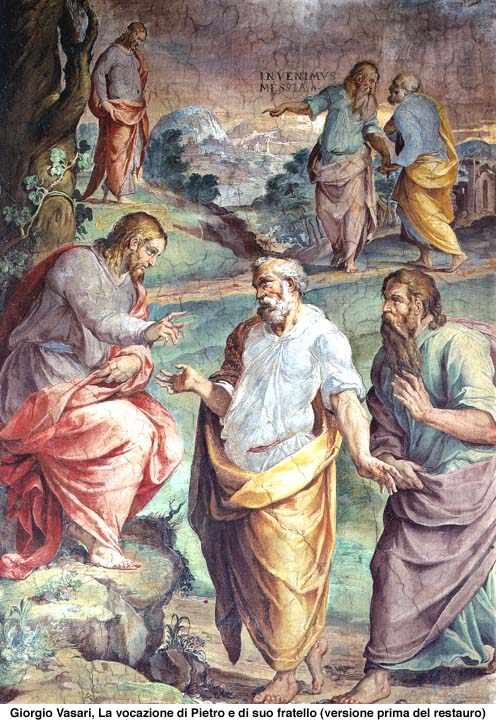
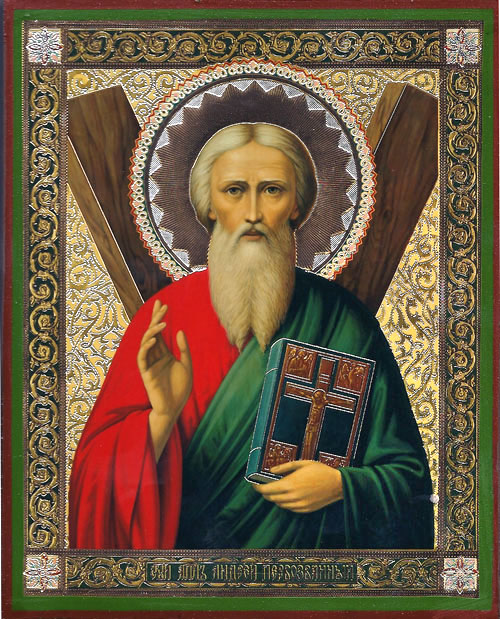
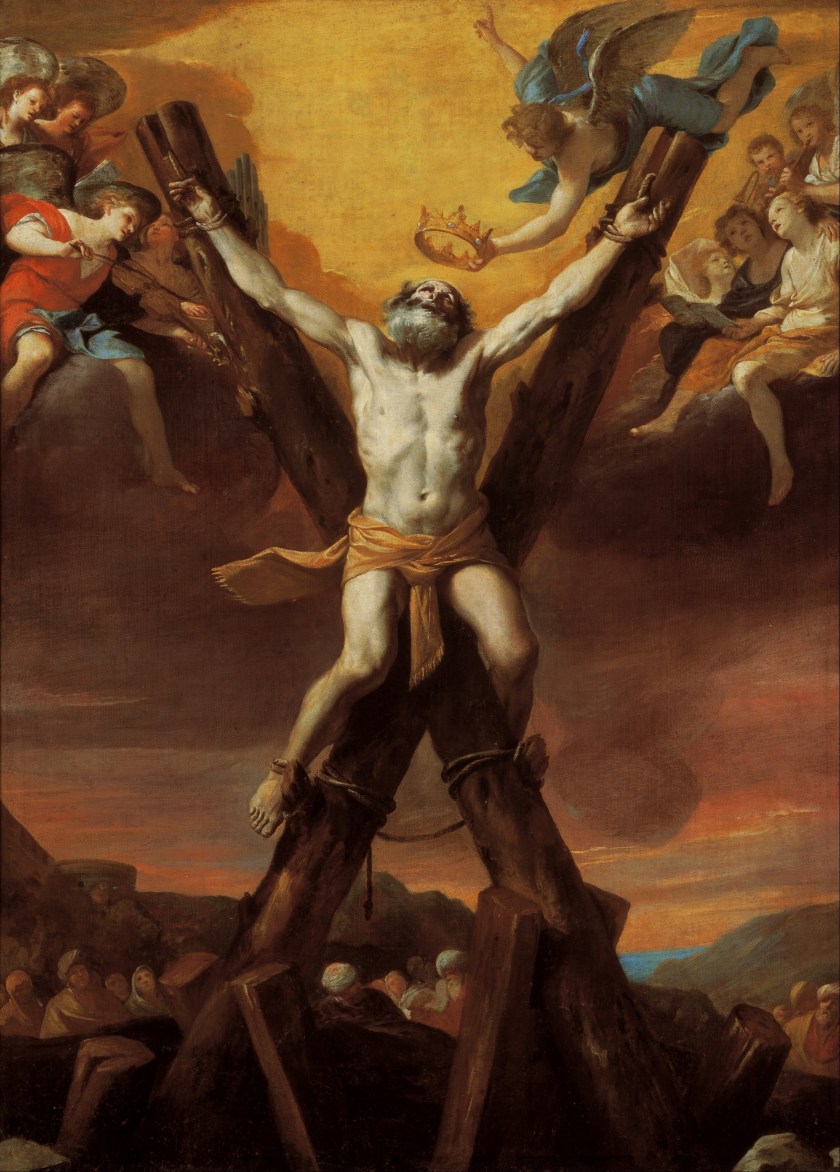


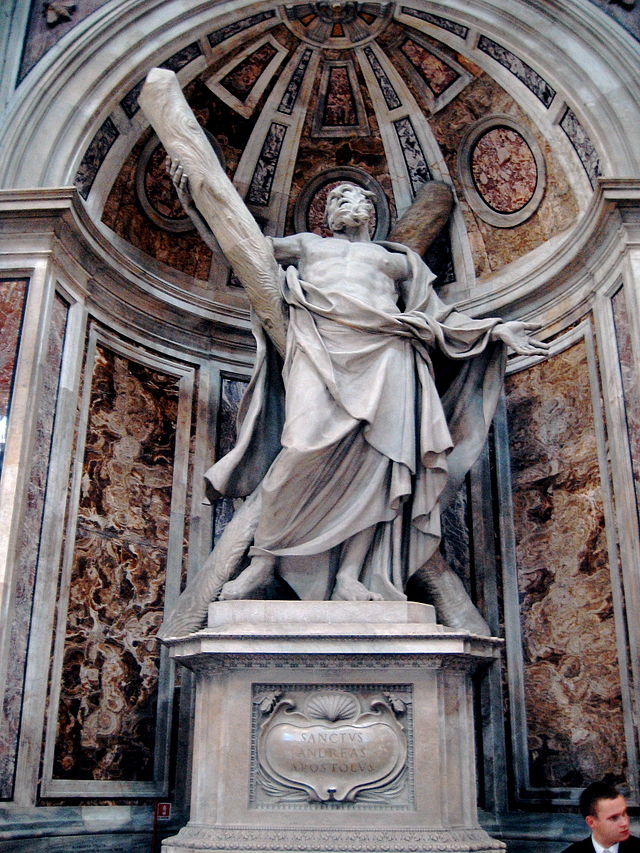

 AnaStpaul
You must be logged in to post a comment.