Saint of the Day – 3 November – Saint Pirminus (c690-753) Missionary Bishop on the Upper Rhine in Germany, Abbot, Founder of Monasteries, Reformer, Miracle-worker, Born in around 690 in Ireland or in Narbonne or in Paris, France and died on 3 November in 753 in Hornbach, Germany. Patronages – against eye ailments, against plague/epidemics, against poisoning, against rheumatism, against snake bites, against vermin, for happy birth, of livestock; in Austria – Innsbruck; in France – Alsace; in Germany – Amorbach, Monsheim, Palatinate, Pirmasens, Reichenau Island, Speyer, Diocese (with St Bernard). Also known as – Pirmin, Pirminius.
The Roman Martyrology reads today: “The departure from this life of St Pirminus, Bishop of Meaux.”
St Pirminus Statue in the Murbach Monastery
Pirminus is described in various sources, as a Visigoth, an Irish Scot, or of Roman origin. He was Consecrated as an itinerant Bishop around 720 – possibly in Meaux in France – and sent on a mission to north-western France and the Upper Rhine region.
Arrival of Saint Pirmin on the Island of Reichenau
He maintained good relations with the Frankish Mayor of the Palace, Charles Martel, who, in 724, placed him under his protection and founded numerous Monasteries, including probably Pfungen near Winterthur and certainly the Mittelzell Monastery on the Lake Constance Island of Reichenau. All the crawling creatures which damaged the Island are said to have fallen into the water upon his arrival and thus disappeared. According to tradition, Pirminus remained on Reichenau until 726 and was then expelled by Duke Theobald.
Pirminus then went to Alsace to continue his work there. Here he was active in the Carolingian territory. In 727, he founded what was then Murbach Abbey and was able to realise his ideas there, that is, monastic life based on the Benedictine Rule, understood as a permanent pilgrimage without worldly ties and the Abbey’s freedom from the local Bishop, led by its own Abbot. Pirminus held this office in Murbach. The founding of the Monasteries in Neuweiler (present-day Neuwiller-lès-Saverne ) , Schwarzach in Rheinmünster in Baden and Pfäfers near Chur, are also attributed to Pirminus. According to local tradition, he lived for a time in the cave near Winterthur which was later named after him.
Illustration from the Hornbach Sacramentary: Abbot Adalbert of Hornbach presents the manuscript to his Patron Saint, St Pirminus
According to 9th and 12th Century traditions, Pirminus founded the Monastery in Gengenbach with the support of the Frankish nobleman Ruthard. By 820, it was the largest Monastery in the region and an Imperial Abbey. He is said to have introduced the Benedictine Rule at the Monastery in Schuttern, thus initiating its flourishing. The Monastery of Amorbach in the Odenwald may also indeed, have originated by our Saint Pirminus. In around 742, Pirminus founded the Monastery in Hornbach in the Palatinate on a hill where a Roman sanctuary had likely previously stood. He reformed the Monasteries in Weißenburg /Wissembourg and Maursmünster Marmoutier in Alsace which had been founded in the 5th/6th Centuries and, in 741 he sent Monks from Mittelzell to found Niederaltaich Abbey.
St Pirminus Relics at Speyer Cathedral
Pirminus died in his Monastery in Hornbach. As early as the end of the 8th Century, he was referred to as a Saint in a manuscript from Metz . After 814, Abbot Wyerund of Hornbach Monastery had Pirminus’ remains exhumed and interred in the Church he had recently built. In 827, Pirminus was first mentioned as the Church’s Patron Saint, and Hrabanus Maurus wrote a Tomb Inscription. The Tomb was excavated in 1953 and, in 1957, the present Chapel was built over it.
St Pirminus Grave built in 1957
“The first recorded version of the Apostles’ Creed, as it is known today, is found in the Treatise De singulis libris canonicis scarapsus (Excerpt from the Unique Canonical Books), most possibly written by St Pirminus. In it, he describes how the Apostles were gathered at Pentecost, the Holy Ghost descended upon them and they then began to speak in turn: Peter : I believe in God, the Father Almighty, Creator of Heaven and earth. John : And in Jesus Christ, His only Son, our Lord. James said: He was conceived by the Holy Ghost and born of the Virgin Mary. Andrew said: He suffered under Pontius Pilate, was Crucified, Died and was buried. Philip said: He descended into Hades. Thomas said: On the third day He Rose from the dead. Bartholomew said: He Ascended into Heaven and was seated at the Right Hand of God the Father Almighty. Matthew said: From thence He shall come to judge the living and the dead. James, the son of Alpheus, said: I believe in the Holy Ghost. Simon the Zealot said: And the Holy Catholic Church. Jude, the son of James, said: In the communion of the Saints and the forgiveness of sins. Likewise, Thomas said [he spoke a second time]: In the Resurrection of the body and eternal life.”
Saint of the Day – 17 December – St Briarch (Died 627) Abbot, Priest, Missionary, Founder of the Monastery of Bourbriac from which a village grew (Briarch Village), Hermit Born in Ireland and died in 627 in Bourbiac, France of natural causes. Patronages – against epilepsy, against mental illness, against headaches. Also known as – Briarch of Brittany, Briach…Briac…Briachus…Briag…Briagenn…Briarch of Bourbriac.
In the 6th Century, the Benedictines spread throughout Europe, Monks who lived according to the Rule of Saint Benedict, based on prayer and work. Even in Ireland, the ideas of the Italian Monk captured the interest of many young men.
This is the case of the Saint celebrated today – the nobleman Briarch. He abandoned luxury, wealth and a brilliant career and left his native Island home, to go to Wales. Here, his monastic life began under the guidance and direction of St Tual (Died c560) The young nobleman, who had become a Priest, decided to cross the sea once again and reached Brittany in North-west France, which at that time was called Armorica.
Briaco was not alone; he was accompanied by seventy fellow Monks. In this area, the Priest built a Monastery around which a village was born, the current French City of Bourbriac (Briarch Village).
In the Monastery, the Monks prayed, cultivated the land, copied the Sacred Scriptures and other Latin and Greek spiritual works by hand and welcomed the many in need of food, care and protection. The Monks also taught the locals how to cultivate the fields and how to read and write. Monasteries thus become places of peace and work for many desperate people fleeing from invasions.
After some time, Briarch wished to embrace solitude in order to grow in sanctity and to unite himself to God. He took refuge in the forest and lived as a Hermit. He prayed, fasted and immersed himself in mediationon. His isolation did not mean, however, running away from people, towards whom Briarch was always kind.
Celebrating St Briarch today on his Feast
In fact, during his stay in the forest, many miracles occurred due to his intercession. He made a sick person wear his habit and immediately a miraculous cure occurred. Another individual, suffering from obsessive thoughts which caused him to suffer great anxiety, was healed by the prayers of the Irish Hermit. On another occasion, a man, bitten by a poisonous snake, was immediately saved from death by the intervention of Briarch.
On the facade of the St Briac Church at Saint-Briac-sur-Mer
Briarch then undertook another journey, this time as a Pilgrim to Rome to meet Pope Pelagius II and to visit the holy places. On his return however in 627, he stopped in the South of France, in Arles, some sources say he died here and others that he did reach his beloved Monastery in Brittany, where he died.
Briarch is buried in the Church of Bourbriac. There is still a Sarcophagus from the Merovingian period, probably the stone coffin in which he was laid to rest. Under the Church is the Crypt from the 11th Century, probably built as Briarcc’s final resting place, where believers could venerate him without disturbing the service in the Church above. A spring can still be seen near the Church.
A pardon (penitential procession) is held on Ascension Day. On that occasion, the Reliquary of St Briarch, in the form of a bust is carried around the former Monastery grounds. There are numerous Churches, Towns, Villaes, regions named after St Briarch in France.
The Reliquary of St Briarch used in the Pardon Procession
Saint of the Day – 20 November – St Edmund (c841-870) King and Martyr. Born in c841 probably in Nuremburg, Germany and died by being beaten, whipped, pierced with arrows “until he bristled with them like a hedgehog” and then beheaded at Hoxne, Suffolk, England on 20 November 870. Patronages – Co-Patron of England, against the Plague/Epidemics, of Kings, of torture victims, wolves, of the County and Diocese of East Anglia. Also known as – Edmund the Martyr, … of East Anglia. Additional Memorials – 29 April (translation of Relics), 2 November and 25 December on some local calendars.
The Roman Martyrology reads today: “In England, St Edmund, King and Martyr.”
On Christmas Day in the year 855, a remarkable event unfolded as a 14-year-old boy named Edmund was hailed as the rightful King of Norfolk by the influential figures of the County, including ruling men and Clergy. This acclaim was soon followed by a similar declaration from the leaders of Suffolk the following year.
For the next 15 years, Edmund would rule over the East Angles, a region in England, with a reputation for Christian dignity and justice which was universally acknowledged. He appeared to draw inspiration from the piety of King David of the Old Testament, notably excelling in the public recitation of the Psalms during worship.
However, Edmund’s reign was not without its challenges. Starting in 866, his Kingdom faced escalating threats from Danish invasions. For four years, the East Angles managed to maintain an unstable and often broken peace, with the invaders. Nevertheless, the situation took a dire turn, when the Danes set fire to Thetford, prompting King Edmund’s army to confront them. Unfortunately, they were unable to defeat the marauding Danish forces.
As the invaders reached East Anglia, they presented Edmund with an offer of peace but, it came with a condition which Edmund found impossible to accept. The condition required him to rule as a vassal under Danish authority and, most notably, to forbid the practice of the Christian Faith. Edmund unwaveringly refused this ultimatum, choosing to stand firm in defence of Christ.
In response to his refusal, Edmund was subjected to a gruesome and torturous fate. He was bound to a tree and made the target of Danish archers, who rained down a hail of arrows upon him. Throughout this agonising ordeal, Edmund displayed remarkable bravery, repeatedly invoking the Name of Jesus. Eventually, he was decapitated, sealing his fate as a Martyr for Christ and His Church.
The Martyrdom of St Edmund, from the 12th Century Passio Sancto Eadmundi
Edmund’s final resting place is the City of Bury St Edmunds, where his memory is cherished to this day. The tree at Hoxne which tradition claimed was the site of his Martyrdom, stood as a symbol of his sacrifice until 1849 when it fell. During the tree’s dismantling, an arrowhead was discovered embedded in its trunk, serving as a poignant reminder and Relic of his Martyrdom.
St Edmund holds a unique place in history as the only English sovereign to die for both his religious beliefs and the defence of his throne, until the time of King Charles I. His Martyrdom quickly earned him reverence and his cultus spread widely throughout the Middle Ages. Together with Saint George, Saint Edmund is celebrated as one of the Patron Saints of England.
‘There was a great wonder, that he was as whole as if he were alive, with an intact body and his neck was healed which had previously been cut; it was as if there were a red silken thread about his neck, to show men how he had been killed. And the wounds which the cruel heathen had made in his body, with many shots, were healed by Heaven’s God and he lies thus incorrupt until this present day, awaiting the resurrection and eternal glory.’
This modern Statue of St Edmund in the Cathedral of Bury St Edmund
Saint of the Day – 17 January – St Anthony Abbot (251-356) Hermit, Founder of Monasteries, Abbot and Spiritual Guide, Mystic and Miracle-Worker, beloved of all animals. Born in 251 at Heracleus, Egyptand died on 17 January 356 at Mount Colzim of natural causes. Also known as – Anthony of Egypt, Anthony of the Desert, Anthony the Anchorite, Anthony the Hermit, Antonio Abate, Father of All Monks, Father of Western Monasticism. His Patronages are numerous – against eczema, skin diseases and rashes, pestilence, Saint Anthony’s Fire, of firefighters, of wild animals, amputees, anchorites, basket weavers and makers, bell ringers, brushmakers, domestic animals, butchers, cemetery and funeral workers and gravediggers, epileptics, farmers, hermits, monks, pigs, livestock, Hospitallers, of 29 Cities in Europe.
The Roman Martyrology says: “In Thebais, St Anthony, Abbot and Spiritual Guide of many Monks. He was most celebrated for his life and miracles, of which St Athanasius has written a detailed account. His holy body was found by divine revelation, during the reign of the Emperor Justinian and brought to Alexandria, where it was buring in the Church of St John the Baptist.”
St Anthony unknown artist Italian School
St Anthony’s Vocation Anthony was born in 251 to a wealthy family of farmers in the village of Coma, now Qumans, in Egypt. Around the age of 18-20, he was left an orphan with a rich estate to manage and with a younger sister to educate. Attracted by the evangelical teaching “If you wish to be perfect, go, sell what you have, give to the poor and you will have treasure in heaven, then come, follow me” and by the example of some Anchorites who lived nearby in prayer, poverty and chastity, Anthony’s heart was drawn to choose this path. He, therefore, sold his goods, entrusted his sister to a community of virgins and dedicated himself to an ascetic life in front of his house and then outside the town.
Seeking a penitential and isolated life, he prayed to God for enlightenment. Not far away he saw a Hermit, like himself, who sat and worked, weaving a rope, then stopped, stood up and prayed; immediately after, he went back to working and praying again. This Anchorite was an Angel of God showing Anthony the path of work and prayer which, two Centuries later, would form the basis of the Benedictine Rule “Ora et labora” and Western Monasticism. Part of Anthony’s work was used to obtain food and part was distributed to the poor. St Athanasius asserts that he prayed continually and was so attentive to reading the Scriptures that he trained them verbatim in his memory oand he no longer needed scrolls.
From the Sienese Altarpiece (1425-50) depiciting the Life of St Anthony – this image shows him as a little boy on the right and as a young adult on the left, after hearing the Gospel of the rich young man
St Anthony’s Temptations While still very young, after a few years of his solitary life, very difficult trials began for him. Impure thoughts tormented him, doubts assailed him about the advisability of such a solitary life. The instinct of the flesh and the attachment to material goods which he had tried to suppress, returned in overbearing and uncontrollable force. He, therefore, asked for help from other Hermits, who told him not to be afraid but to move forward with confidence because God was with him. They also advised him to get rid of all ties and material possessions and retreat to a more solitary place. Thus, barely covered by a rough cloth, Anthony took refuge in an ancient tomb dug into the rock of a hill, aurrounding the village of Coma. A friend brought him some bread every now and then; for the rest, he had to make do with wild berries and herbs growing around him. In this place, the first temptations were replaced by terrifying visions and noises. Furthermore, he went through a period of terrible spiritual darkness. All this Anthonye overcame by patiently persevering in faith, carrying out the will of God, day by day, as his teachers had taught him. When Christ finally revealed Himself to him as the Hermit, he asked: “Where were Thou? Why did Thou not appear from the beginning, to put an end to my sufferings?”. He heard Him reply: “Anthony, I was here with thee and witnessed thy fight”…
St Anthony’s Temptations
On the Mountains of Pispir Discovered by his fellow citizens, who, like all Christians of those times, flocked to the Hermits to receive spiritual advice, prayer and consolation but, at the same time, disturbed their solitude and meditation, forced Anthony to move further away. In the Pispir mountains there was an abandoned fortress, infested with snakes but with a spring source and in 285 Anthony moved there and remained there for 20 years. Twice a year, bread was dropped to him from above. In this new solitude he followed the example of Jesus, Who, guided by the Spirit, retreated into the desert “to be tempted by the devil,”
St Athanasius tells of the many times when St Anthony struggled against devils, not only by resisting temptations but also suffering bodily harm which they were permitted to inflict upon him. On one such occasion, “a multitude of demons … so cut him with stripes that he lay on the ground speechless from the excessive pain.” He was discovered unconscious by the local villagers, who thought him dead and brought him to their Church, here depicted in the background. (Life of Anthony 8 and 9)
The First Communities of disciples Then came the time when many people who wanted to dedicate themselves to the solitary eremitcal life arrived at the fort. Anthony went out and began to console the afflicted, obtaining cures from the Lord, freeing the possessed and instructing the new disciples. Two groups of Monks were formed who gave rise to two Monasteries, one east of the Nile and the other on the left bank of the river. Each Monk had his own solitary cave but obeyed a brother more experienced in spiritual life. Anthony gave everyone his advice on the path towards perfection of the spirit and union with God, thus operating as their Abbot from his cave.
In the Thebaid Once again, to escape the many curious people who went to the fortress, Anthony decided to retreat to a more isolated place. He, therefore ,went to the Thebaid desert, in Upper Egypt, where he began to cultivate a small garden to support himself and those disciples and visitors, who followed him. He lived in the Thebaid region until the end of his very long life. He was able to bury the body of the Hermit Saint Paul the Hermit, with the help of a lion — for this reason he is considered the Patron Saint of wild animals, of cemeteries, gravediggers and funeral workers. In his last years he welcomed two Monks who looked after him in his extreme old age. He died at the age of 106, on 17 January 356 and was buried in a secret place.
St Anthony meets St Paul the Hermit
The Spiritual Inheritance His presence had also attracted many people to the Thebaid eager for a more spiritual life. Many chose to follow his style, thus Monasteries arose among those mountains. The desert was populated by Monks, the first of that multitude of consecrated men, who in the East and the West, continued the path he had begun, expanding it and adapting it to the needs of the times. His disciples handed down his wisdom to the Church, collected in 120 sayings and 20 letters. In Letter 8, Saint Anthony wrote: “Ask with a sincere heart for that great Spirit of fire which I myself have received and it will be given to you.”
The Last Rites and Death of St Anthony
Protection against Shingles (Herpes Zoster) In 561 his tomb was discovered and the Relics began a long journey through time and space, from Alexandria to Constantinople, until arriving in France, in the 11th Century, in Motte-Saint-Didier, where a Church was built in his honour. Crowds of sick people flocked to venerate his Relics in this Church, especially those suffering from skin eruptions, caused by the poisoning of a fungus present in rye, used to make bread (or so it was thought). The disease, now scientifically known as herpes zoster, was known since ancient times as ‘ignis sacer’ (sacred fire) due to the burning sensation it caused. Also for this reason, our Saint is invoked against skin diseases in general. To house all the sick people who arrived, a hospital was built and a brotherhood of religious people was founded, the ancient hospital order of the ‘Antoniani.’ Hence the Patronage of Hospitallers. The village took the name of Saint-Antoine de Viennois.
The Tau Staff is visible in St Anthony’s hand
The Pig, the Fire, the “Tau” The Pope granted the Antonians the privilege of raising pigs for their own use and at the expense of the community, so the piglets could move freely between courtyards and streets; no-one touched them, if they wore an identification bell. Their fat was used to treat ergotism, which was called “sickness. Antonio” and then “fire of St Anthony.” For this reason, in popular religiosity, the pig began to be associated with the great Egyptian Hermit, later considered the Patron Saint of pigs and by extension, of all domestic and stable animals. In his iconography, in addition to the pig with the bell, there also appears the T-shaped Hermits’ staff, the “tau” the last letter of the Hebrew alphabet and, therefore, an allusion to the last things and destiny. A popular legend which connects his iconographic attributes, narrates that Saint Anthony went to hell to contend with the devil for the souls of the dead. While his little pig, sneaking in, created havoc among the demons, he lit his tau-shaped stick with infernal fire and took it out together with the recovered little pig — he gave fire to humanity, lighting a pile of wood.
Popular devotion On the day of his liturgical memory, the stables are blessed and the domestic animals are brought to be blessed. In some countries of Celtic origin, Saint Anthony took on the functions of the divinity of rebirth and light, Lug, the guarantor of new life, to whom wild boars and pigs were consecrated. Therefore, in various works of art, there is a boar at his feet. Patron of all those involved in processing pigs, alive or slaughtered, he is also the Patron of those who work with fire, such as firefighters because he cured that metaphorical fire which was Herpes Zoster. Even today, on 17 January, especially in agricultural villages and farmhouses, it is customary to light the so-called “St Anthony’s bonfire which had a purifying and fertilising function, like all the fires which marked the transition from winter to the imminent spring. The ashes, then collected in the home braziers of the past, were used to heat the house and, using a special bell made with wooden slats, to dry damp clothes. Venerated throughout the Centuries, his name is among the most widespread in Catholicism. Saint Anthony of Padua himself, precisely to indicate his desire for greater perfection, chose to change the name received at his Baptism to that of our Saint today.
The Life of St Anthony by St Athanasius: https://www.youtube.com/watch? v=XiKDl_lOb74&list=PL5_ax08Z6UX9h2VWw84sk4zcAQUliDUo7
Saints of the Day – 6 January – Saint Caspar, Saint Melchior and Saint Balthasar, (1st Century) otherwise known as the Three Wise Men/Kings or the Magi – they were all Martyrs. Patronages – against epilepsy/of epileptics, against thunder, furriers, motorists, pilgrims, playing card manufacturers, sawmill workers, travellers, travelling merchants, Cologne, Germany, Saxony. Additional Memorials – 23 July (translation of Relics); 24 July (Cologne, Germany where their Relics lie).
“And entering into the house, they found the child with Mary His Mother and falling down they adored Him and opening their treasures, they offered Him gifts; gold, frankincense and myrrh.” – Matthew 2:11
The Three Kings brought Jesus Gold — to show that He was a King; Frankincense to honour Him as God and Myrrh to greet Him as man. These Kings first saw the Star which led them to Bethlehem, on the previous 25 March — the day and at the moment, on which Jesus was conceived in the womb of the Blessed Virgin Mary by the power of the Holy Ghost.
It took the Magi nine months and twelve days to reach Bethlehem, guided by the Star. The Star left them when they were in Jerusalem. But it shone again after the Kings left Jerusalem and led them to the cave of Bethlehem.
Our Lady let each of the Kings hold Jesus in his arms. They were given some of His baby clothes to bring back to the East by way of Relics. The Kings returned to the East, to Persia and later were Baptised there by Saint Thomas the Apostle, in the year 40.
All three of the Kings were Martyred for the Catholic Faith. Their names are now and should always be called, Saint Caspar, Saint Melchior and Saint Balthasar. The bodies of Saint Gaspar, Saint Melchior and Saint Balthasar were first brought to Constantinople and then to Milan and in the 12th Century they were placed in the Cathedral of Cologne, in Germany, where they are venerated with much love by the Catholics of all the world.
Around the year 1200, the Cologne Cathedral Chapter commissioned the creation of this Golden Shrine to house the bones of the Magi.
These Relics which were brought from Milan to Cologne in 1164 by ArchbishopRainald of Dassel, remain there to this day.
The precious Reliquary is decorated with gems, intaglios and cameos. The sides of the Shrine feature images of the Prophets and the Apostles, seated beneath rows of arches while the front-facing end, depicts three manifestations of Christ; the adoration of the Magi on the left, the Baptism in the Jordan on the right and the Last Judgement – above.
For centuries, pilgrims have come from all over Europe and the world, to venerate the Relics in the Shrine.
Prayer for the Intercession of the Three Kings, Saint Caspar, Saint Melchior and Saint Balthasar (By Cologne Cathedral)
Lord and God Thou created us for a lifelong journey to Thee. Each one of us takes a different path, over mountains and through valleys, through joy and sorrow and need. May the Three Holy Kings guide us in our wanderings, as their faith, knowledge and determination guided them through many perils on their journey to Thee. They saw Thee, knelt before Thee, offered up their gifts and paid homage to Thee, They were filled with the joy of finding Thee!
Lord and God, We thank Thee for granting us the freedom to seek and find Thee, our life’s goal! Grant us the faith, strength and trust we need, to follow in the path of the Three Kings. Give us courage when we are at risk of taking easier but false paths, Let us experience the joy of being with Thee at the end of our journey, so that we may be eternally surrounded by Thy Love. We ask this, through Jesus Christ our Lord. the destination of every pilgrimage. Amen!
(An Imprimatur has been granted for this publication – Cologne Cathedral)
Saint of the Day – 8 September – St Adrian (Died 306) Confessor, Lay Martyr, Royal Court Guard in Roman Imperial Court at Nicomedia in Asia-Minor during the time of Emperor Maximian in the early 4th Century. Patronages – against the plague/epidemics, against epilepsy, arms dealers, butchers, guards, soldiers. Also known as – Hadrian.
The Roman Martyrology reads this day: “At Nicomedia, St Adrian, with twenty three other Martyrs, who ended their Martyrdom on the 4th day of March by having their limbs crushed, after enduring many torments, under the Emperors Diocletian and Maximian. Their remains were carried to Byzantium by the Christians and buried with due honours. Afterwards, the body of St Adrian was taken to Rome on this day, on which his festival is celebrated.”
Adrian was a paganGuard at the Imperial Court of Nicomedia. Impressed by the courage of a group of Christians who were being tortured, he declared himself a Christian and was imprisoned with them and suffered excruciating tortures before he was put to death.
After his execution, the executioners wanted to burn the bodies of the dead but a storm arose and quenched the fire. His young wife, Natalia, who was present at his death, comforted him in his agony, recovered one of his severed hands and took it to Argyropolis near Constantinople, where she fled to escape the importunities of an Imperial Official of Nicomedia, who wanted to marry her. She died there peacefully on 1 December in the same year as her husband.
French Statue of St Adrian
Saint Adrian/Hadrian was the chief military Saint of Northern Europe for many Centuries second only to Saint George and is much revered in Belgium, Germany and the north of France. He is usually represented armed, with an anvil in his hands or at his feet.
Saint of the Day – 11 April – Saint Godeberta (c640-c700) Abbess, Miracle-worker. Born in c640 near Amiens, France and died in c700 at Noyon, France of natural causes. Patronages – against plague/epidemics, for drought relief )fpr rain) , of Noyon, France. Also known as – Godeberta of Noyon, Godebertha, Godberta.Godeberta means “fervour.” Additional Memorials – 11 June, the Fifth Sunday after Easter.
Godeberta was born about the year 640, at Boves, a few leagues from Amiens, in France;. She was very carefully educated, her parents being of noble rank and attched to the Court of King Clovis II. When the question of her marriage was being discussed in the presence of the King, the saintly Bishop of Noyon, St Eligius, as if by inspiration, presented Godeberta with a golden ring and expressed the hope that she might devote her life to the service of God. Godeberta, moved by the Holy Spirit and feeling her heart suddenly filled with Divine love, turned away from the bright prospects before her and refused the advantageous offers which had been made by her noble suitors. She declared her willingness to be the spouse of Christ and asked the holy prelate to allow her to assume the veil.
The Legend of Saint Eligius and Saint Godeberta, by Petrus Christus.
In a short time all opposition to her wishes disappeared and she entered on her new life under the guidance of St Eligius. The King of the Franks was so impressed by her conduct and her zeal that he made her a present of the small palace which he had at Noyon, together with a little Chapel dedicated to St George. Godeberta’s example inspired a number of young women to follow in the same path and she founded in her new home, a Convent, of which she became the Abbess
Here she passed the remainder of her life in prayer and solitude, save when the call of charity or religion, brought her forth among the people, many of whom were still sunk in the vices of paganism. She was remarkable ,in particular, for the constant penances and fasts, to which she subjected herself. She had a wonderful faith in the efficacy of that ancient practice of the early Christians–the Sign of the Cross and, it is recorded, that on one occasion, in 676, during the Episcopacy of St Mommelinus, when the town was threatened with total destruction by fire, she made the Sign of the Cross over the flames,and the conflagration was forthwith extinguished.
The exact year of her death is unknown but it is said to have occurred on 11 June, on which day her feast is marked in the Proprium of Beauvais. In Noyon, however, by virtue of an indult, dated 2 April, 1857, it is kept on the fifth Sunday after Easter, the feast of 11 April appears to stem from the belief that this was the date of the translation of her Relics. The body of the Saint was interred in the Church of St George, which was afterwards called by her name.
In 1168 Godeberta’s body was solemnly translated from the ruined Church where it had rested for over 450 years, by Bishop Baudoin to the Cathedral of Noyon. Providentially her relics have escaped the ravages of time and fire and the malice of the irreligious. At the period of the Revolution a pious townsman secretly buried them near the Cathedral. When the storm had passed they were recovered from their hiding place and their authenticity, being canonically established, they were replaced in the Church.
A bell is still preserved which tradition avers, to have been the one actually used by Godeberta in her Convent. It is certainly very ancient and there seems no good reason, in particular from an archaeological point of view, for doubting the trustworthiness of the legend. In the treasury of the Cathedral, likewise may be seen a gold ring, said to have been that presented by St Eligius to the Saint. Mention is made in a record of the year 1167 of this Relic having been then in the possession of the Church of Noyon.
Unfortunately the most ancient documents we have giving details of Godeberta’s life do not, in all probability, date beyond the Eleventh Century, as the oldest “Vita” which, in truth, is rather a panegyric for her feast than a biography, is believed to have been composed by Radbodus, who became Bishop of Noyon in 1067. In those days, too, the aim of such writers was the edification rather than the instruction of the faithful, so we find in this life, the usual wonders related in such pious works of that period with but few historic facts. It is certain, however, that St. Godeberta was looked upon as a protector in the time of plagues and catastrophes and we have every reason to hold that this practice was justified by the results that followed her solemn invocation.
In 1866 a violent outbreak of typhoid fever occurred in Noyon, decimating the Town. On 23 May in that year, one of the leading citizens, whose child had just been stricken down, approached the cure of the Church and recalling the favours that had been granted in ages past to the clients of the Saint, earnestly asked that the Shrine containing her Relics should be exposed and a Novena of intercession begun. This was done the following day,and forthwith, the scourge ceased; it was officially certified that not another case of typhoid occurred. In thanksgiving a solemn procession took place under the guidance of the Bishop, Mgr Gignoux, a few weeks later, the Relics of St Godeberta being carried triumphantly through the town. A beautiful statue of the saint, the cathedral of Noyon, which was blessed by the Bishop on 25 February, 1867, perpetuated the memory of this wonderful event.
Saint of the Day – 9 March – St Frances of Rome Obl.S.B. (1384-1440) Widow, Founder, Wife, Mother, Mystic, Organiser of charitable services and a Benedictine Oblate who founded a religious community of Oblates, who share a common life without religious vows. Patronages – against plague/epidemics, of automobile drivers (given in 1951), aviators, taxi drivers, death of children, the laity, motorcyclists, motorists, people ridiculed for their piety, Roman housewives, widows, women, Rome, Italy.
Saint Frances of Rome, Widow From the Liturgical Year, 1870
Frances, a noble lady of Rome, led a most virtuous life, even in her earliest years. She despised all childish amusements and worldly pleasures, her only delight being solitude and prayer. When eleven years old, she resolved on consecrating her virginity to God and seeking admission into a Monastery. But she humbly yielded to the wishes of her parents and married a young and rich nobleman, by name Lorenzo Ponziani.
As far as it was possible, she observed, in the married state, the austerities of the more perfect life to which she had aspired. She carefully shunned theatrical entertainments, banquets and other such amusements. Her dress was of serge and extremely plain. Whatever time remained after she had fulfilled her domestic duties, was spent in prayer and works of charity. But her zeal was mainly exercised in endeavouring to persuade the ladies of Rome, to shun the world and vanity in dress. It was with a view to this, that she founded, during her husband’s life, the House of Oblates of the Congregation of Monte-Oliveto, under the Rule of St Benedict.
She bore her husband’s banishment, the loss of all her goods and the trouble which befel her whole family, not only with heroic patience but was frequently heard to give thanks, saying with holy Job: “The Lord hath given and the Lord hath taken away; blessed be the Name of the Lord!”
At the death of her husband, she fled to the aforesaid House of Oblates and there, barefooted, with a rope tied around her neck and prostrate on the ground, she humbly and with many tears, begged admission. Her petition being granted, she, though mother of the whole community, gloried in calling herself everyone’s servant and a worthless woman and a vessel of dishonour. She evinced the contempt she had for herself by her conduct, as well as by her expressions. Thus, when returning from a vineyard in the suburbs, she would go through the city, sometimes carrying faggots on her head, sometimes driving an ass laden with them.
She looked after, and bestowed abundant alms upon the poor. She visited the sick in the hospitals and consoled them, not only with corporal food but with spiritual advice. She was untiring in her endeavours to bring her body into subjection, by watchings, fasting, wearing a hair-shirt and an iron girdle and by frequent disciplines. Her food, which she took but once in the day, consisted of herbs and pulse and her only drink was water. But she would somewhat relent in these corporal austerities, as often as she was requested to do so by her Confessor, whom she obeyed with the utmost exactitude.
Her contemplation of the Divine Mysteries and especially of the Passion, was made with such intense fervour and abundance of tears that she seemed as though she would die with grief. Frequently, too, when she was praying and above all, after Holy Communion, she would remain motionless, with her soul fixed on God and rapt in heavenly contemplation.
The enemy of mankind seeing this, endeavoured to frighten her out of so holy a life, by insults and blows but she feared him not, invariably baffled his attempts and, by the assistance of her Angel Guardian, whose visible presence was granted to her, she gained a glorious victory.
God favoured her with the gift of healing the sick, as also with that of prophecy, whereby she foretold future events and could read the secrets of hearts. More than once, when she was intent on prayer, either in the bed of a torrent, or during a storm of rain, she was not touched by the water. On one occasion, when all the bread they had was scarcely enough to provide a meal for three of the Sisters, she besought our Lord and he multiplied the bread so that after fifteen persons had eaten as much as they needed, there was sufficient left to fill a basket.
At another time, when the Sisters were gathering wood outside the City walls, in the month of January, she amply quenched their thirst by offering them bunches of fresh grapes, which she plucked from a vine and which she had miraculously obtained.
Her virtues and miracles procured for her the greatest veneration from all. Our Lord called her to Himself in the fifty-sixth year of her age and she was Canonised in 1384 by Pope Paul the Fifth.
Saint of the Day – 7January – St Valentine of Passau (Died 475) Bishop in Passau in the Rhaetia region, Switzerland, an area in the border region of modern Italy, Austria and Switzerland, Monk, Abbot, Missionary, Hermit, Miracle-worker. Died on 7 January 475 at Mais, Tyrol, Austria of natural causes. Patronages – against convulsions, against cramps/stomach pain, against epilepsy, against gout, against plague/epidemics, against demonic possession, of cattle diseases, of pilgrims, poor people, City and Diocese of Passau. Also known as • Valentine of Mais • Valentine of Raetia • Valentine of Ratien • Valentine of Retie • Valentine of Rezia • Valentine of Rhaetia • Valentine of Rhétie • Valentin, Valentinus.Additional Memorial – 4 August (translation of relics), 29 October a combined Feast with the other Patrons of Passau, St Stephen, the Protomartyr and St Maximillian Martyr Bishop of Passau for 20 years, who died in c 284 (Feast day 12 October)..
The 3 Patrons of Passau, St Valentine left, st Stephen centre and St Maximillian right
According to tradition, Valentine came to Passau around 430; there the construction of the first Church on the site of today’s Cathedral is attributed to him.
Valentine had been sent by the Pope to preach the Gospel in the Passau. He found that his work was without fruit and returned to Rome to implore the Holy Father to send him elsewhere. But the Pope Consecrated him Bishop and sent him back to Passau, to preach in season and out of season, whether it produced fruit or not.
The Bishop renewed his efforts but the pagans and Arians combined to drive him out of the City. Thereupon, he went into the Rhætian Alps and his teaching produced abundant fruit in the region. His Vita states, St Valentine was “teaching the word of God and doing great good, such that he was able to expel demons from the obsessed and cure those who were sick of all sorts of diseases.”
At length he resolved to serve God and purify his own soul, in a life of retirement. He, therefore, built a little Chapel and Monastery at Mais, in Tyrol and there he died. His Relics are enshrined at Passau.
A Monk who died in 482 wrote a Vita of the Bishop of Raetia. St Venantius Fortunatus knew of a Church dedicated to Saint Valentine in the Upper Inn Valley and another, probably on the Brenner Pass in the Alps.
otive image, 1843 from the Mariahill pilgrimage Church in Passau. Next to Bishop Valentin appears the Mother of God with the Jesus Child in her arms in a wreath of clouds. The text asks for a devotional Lord’s Prayer to Maria for the sinful person.
Around 1200, on the occasion of the discovery of his grave in the forecourt of Passau Cathedral, a life story was written by an Cathedral Chaplain – who said that Valentin worked in the area around Passau but was unsuccessful because of the wildness of the residents and finally retreated to the Alps after abuse and expulsion.
Below is a Painting by Franz de Neve “The Cures Wrought by Saint Valentine and the Beheading of St Maximilian” (after 1689) which resides in the Cathedral of St Stephen, Passau. In the foreground, St Valentine cures the sick. The beheading of St Maximilian is barely visible in the left edge of the background.
Saint of the Day – 3 December – St Francis Xavier SJ (1506-1552) Confessor, Priest, Missionary, Miracle-worker, co-Founder with St Ignatius Loyola (1491-1556) and St Peter Faber (1506-1546) of the Society of Jesus. One of the Greatest Missionaries since St Paul. St Francis was Canonised on 12 March 1622 by Pope Gregory XV. His body is incorrupt.
St Francis Xavier By Fr Francis Xavier Weninger SJ (1805-1888) Part One -(His early years, before departing for the Indies).
St Francis Xavier,–the great Apostle of the Indies, as he is called in the Bull of his Canonisation–the celebrated Thaumaturgus of the 16th Century, the irreproachable witness of the truth of our holy religion, the ornament of the Society of Jesus and of the entire Catholic Church–was of Royal lineage and was born of illustrious parents, at the Castle of Xavier, in the Kingdom of Navarre.
Having passed his childhood there, he was sent to the University of Paris, to study the liberal arts, for which he evinced an especial inclination. He applied himself so diligently and made so much progress that he was not only created. Doctor of Philosophy but also appointed to instruct others in that science. All his aim was to gain honours and to become great in the eyes of the world. His father intended to recall him home after some years but his sister, who was Prioress in the Convent of the Poor Clares at Gandia and had the reputation of being a Saint, knew, by Divine inspiration, the great work for which her brother was destined by the Almighty and persuaded her father not to insist on his return, saying, in a prophetic manner that Francis was chosen to become the apostle of many nations.
Whilst Xavier was teaching at Paris, St Ignatius came to the same City to finish his studies. Knowing, by Divine inspiration, how much good Francis, who was so highly gifted by the Almighty, would be able to do for the salvation of souls, he sought the friendship of the young Professor and gradually showed him the emptiness, of all temporal greatness and drew him from his eagerness to obtain worldly honours, by repeating the earnest words of Christ: “What will it profit a man if he gain the whole world and lose his own soul!” These words of our Saviour, coming from the lips of a St Ignatius, so deeply pierced the heart of Xavier and made so indelible an impression that he became entirely converted.
Taking St Ignatius as his guide, he followed his precepts and after having most fervently gone through the “Spiritual Exercises,” he resolved to devote himself, with Ignatius, to the greater glory of God.
On the Feast of the Assumption of the Blessed Virgin, in the year 1534, Ignatius, St Francis and five others, made a vow in the Church of Montmartre at Paris, to consecrate their lives to the salvation of souls. Soon after, St Francis, by the order of St Ignatius, went with some of these zealous men to Italy.
At the very beginning of this journey, which was to be performed on foot, St Francis gave a striking proof of the ardour of his spirit. Before his conversion, he had been a great lover of dancing and gymnastic exercises and, so greatly excelled in them that he had taken great pride in these accomplishments. To punish this vanity, he tied his arms and ankles so tightly with small knotted cords, that he could not make the least motion without pain. After the first day’s march, his pains became so intense that he fainted away and was forced to reveal the cause. The cords had cut so deeply into the flesh that they could hardly be seen. The surgeon who was called, declared that a painful operation was necessary to cut the cords out of the flesh.St Francis and his companions, not wishing to be delayed on their way, prayed for aid from on High and, on the following morning they found, not only the cords broken but all the wounds entirely healed. Having given due thanks to the Almighty for this miracle, they continued their journey.
At Venice, St Francis spent two months in the hospital, nursing the sick most tenderly. While there, it happened that he found, among the sick, one who was suffering from a loathsome ulcer. St Francis felt a natural repugnance to approach the poor patient, but, recollecting the maxim of St. Ignatius, “Conquer thyself,” he unhesitatingly went to the sick, embraced him kindly and putting his lips to the ulcer, cleansed it of all offensive matter. As a reward for so heroic a victory over self, God restored the sick man’s health and took from St Francis all repugnance to the most hideous forms of disease.
Two months after this, he was Ordained Priest and said his first Holy Mass, amid a flood of tears, after having prepared himself for it, by forty days of solitude, many prayers, austere fasting and other penances.
At Rome, whither he was called by St Ignatius, he preached for a time with great success. It was at this period that John III., King of Portugal, requested the Pope to send him six of the disciples of St Ignatius, for the Indies. St Ignatius, on account of the small number of his followers, gave only two, Simon Rodriguez and Nicholas Bobadilla but, as the latter fell ill just before the time appointed for setting out, St Francis Xavier., whom Heaven had selected for this mission, was sent in his stead.
No tongue can tell the joy with which the Saint received this news, which fulfilled that which had been shown him, years before, in a mysterious dream. It had appeared to him, in his sleep that he had a negro on his shoulders, whom he was obliged to carry and that he was so fatigued, as to sink to the ground under his burden. He then awoke and found himself in truth, covered with perspiration and extremely tired.
He was soon prepared for his journey from Rome to Lisbon, whence he was to sail for the Indies and having received, from St Ignatius, valuable instructions and from the Vicar of Christ, the Papal Blessing, with the powers of an Apostolic Nuncio, he set out with his companion, Rodriguez, carrying nothing with him but the Crucifix on his breast, his Breviary under his arm and his staff in his hand.
At the holy house of Loretto, where he stopped on his way, he commended his important mission to his divine Mother, and begged, with childlike trust, for her motherly assistance. Feeling in his heart that his prayer had been heard, he was greatly comforted, on leaving this blessed spot. To be continued …
Saint of the Day – 20 March – Saint Cuthbert of Lindisfarne (c 634-687) “The Wonder-Worker of England,” Bishop of Lindisfarne, Monk, Hermit, Miracle-worker, Born in c 634 possibly in Northumbria, England and died on 20 March 687 at Lindisfarne, England of natural causes. Patronages – against plague and epidemics, of boatmen, mariners, sailors, shepherds, England, the Diocese of Hexham and Newcastle, England, Diocese of Lancaster, England, of Durham, England, Northumbria, England. Both during his life and after his death he became a popular medieval Saint of Northern England, with a cult centred on his tomb at Durham Cathedral. I am always saddened by the almost total lack of veneration at this Tomb, although there are still a few organised Catholic pilgrimages per year. The Church is now no longer ours (Anglican) and for the most part, the only visitors to the Tomb are camera-flashing tourists.
The Roman Martyrology reads today: “In England, St Cuthbert, Bishop of Lindisfarne, who, from his childhood until his death, was renowned for good works and miracles.”
Cuthbert was born in North Northumbria in about the year 634 – the same year in which St Aidan founded the Monastery at Lindisfarne. He came from a notable and wea\lthy English family and like most boys of that class, he was placed with foster-parents for part of his childhood and taught the arts of war. We know nothing of his foster-father but he was very fond of his foster-mother, Kenswith.
It seems, from stories about his childhood, that he was brought up as a Christian. He was credited, for instance, with having saved, by his prayers, some Monks who were being swept out to sea on a raft. There is some evidence that, in his mid-teens, he was involved in at least one battle, which would have been quite normal for a boy of his social background.
St Cuthbert discovers a piece of timber to save drowning Monks, from a 12th-century manuscript of St Bede’s ‘Life of St Cuthbert.’
His life changed when he was about 17 years old. He was looking after some neighbour’s sheep on the hills. (As he was certainly not a shepherd boy it is possible that he was mounting a military guard – a suitable occupation for a young warrior!) Gazing into the night sky he saw a light descend to earth and then return, escorting, he believed, a human soul to Heaven. The date was 31 August 651- the night that St Aidan died! Perhaps Cuthbert had already been considering a possible monastic calling but that was his moment of decision.
He went to the Monastery at Melrose, also founded by St Aidan and asked to be admitted as a Novice. For the next 13 years he was with the Melrose Monks. When Melrose was given land to found a new Monastery at Ripon, North Yorkshire, Cuthbert went with the founding party and was made Administrator. In his late 20s he returned to Melrose and found that his former teacher and friend, the Prior Boisil, was dying of the plague. Cuthbert became Prior (second to the Abbot) at Melrose.
In 664 the Synod of Whitby decided that Northumbria should cease to look to Ireland for its spiritual leadership and turn instead to the continent. The Irish Monks of Lindisfarne, with others, went back to Iona. The Abbot of Melrose subsequently became also Abbot of Lindisfarne and Cuthbert its Prior.
Cuthbert seems to have moved to Lindisfarne at about the age of 30 and lived there for the next 10 years. He ran the Monastery; – he was an active missionary; he was much in demand as a spiritual guide and he was graced with the charism of miraculous curing of the ill. He was an outgoing, cheerful, compassionate person and no doubt became popular. But when he was 40 years old he believed that he was being called to be a hermit and to do the hermit’s job of fighting the spiritual forces of evil in a life of solitude.
After a short trial period on the tiny islet adjoining Lindisfarne, he moved to the more remote and larger island known as ‘Inner Farne’ and built a hermitage where he lived for 10 years. Of course, people did not leave him alone – they went out in their little boats to consult him or ask for healing. However, on many days of the year the seas around the islands are simply too rough to make the crossing and Cuthbert was left in peace.
Cuthbert’s fame for piety, diligence, and obedience quickly grew.and at the age of about 50 he was asked by both Church and King to leave his hermitage and become a Bishop. He reluctantly agreed. For two years he was an active, travelling Bishop as St Aidan had been. He seems to have journeyed extensively. On one occasion he was visiting the Queen in Carlisle (on the other side of the country from Lindisfarne) when he knew by miraculous understanding that her husband, the King, had been slain by the Picts in battle in Scotland.
Feeling the approach of death, he retired back to the hermitage on the Inner Farne where, in the company of Lindisfarne Monks, he died on 20 March 687.
His body was brought back and buried at Lindisfarne. People immediately came to pray at the grave and many miracles occured. To the Monks of Lindisfarne this was a clear sign that Cuthbert was a Saint in Heaven and they, desired to declare to the world the great power of intercession, of their St Cuthbert.
They decided to allow 11 years for his body to become a skeleton and then ‘elevate’ his remains on the anniversary of this death (20 March 698). We believe that during these years, the beautiful manuscript known as ‘The Lindisfarne Gospels‘ was made, to be used for the first time at the great ceremony of the Translation of St Cuthbert. The declaration of Cuthbert’s sainthood was to be a day of joy and thanksgiving. It turned out to be also a day of surprise, even shock, for when they opened the coffin ,they found no skeleton but a complete and undecayed body. That was a sign of very great sainthood indeed.
So the cult of St Cuthbert began. Pilgrims began to flock to the Shrine. The ordinary life of the Monastery continued for almost another century until, on 8 June 793, the Vikings came. The Monks were totally unprepared; some were killed; some younger ones and boys were taken away to be sold as slaves; gold and silver was taken and the monastery partly burned down. After that, the Monastery lived under threat and it seems that in the 9th century there was a gradual movement of goods and buildings to the nearby mainland. The traditional date for the final abandonment of Lindisfarne is 875.
The body of St.Cuthbert, together with other relics and treasures which had survived the Viking attack, were carried by the Monks and villagers onto the mainland.
For over 100 years the community settled at the old Roman Town of Chester-le-Street. It was said that fear of further attack took them inland to Ripon but not for long and on their journey back from there they finally settled at Durham.
After the Norman Conquest (1066) a Benedictine community began to build the great Cathedral at Durham. They proposed to honour the body of St.Cuthbert with a new Shrine immediately east of the new High Altar and in 1104, all was ready for the translation. The Durham Monks opened up the coffin and found, that the St Cuthbert’s body was indeed still incorrupt. Throughout the Middle Ages the coffin was placed in a beautiful Shrine and visited by great numbers of pilgrims. But at the reformation, when the Monastery was dissolved, the Shrine was dismantled and the coffin opened – the body was still complete. It was buried in a plain grave behind the High Altar and the Sacred items buried with St Cuthbert were removed. Below is St Cuthbert’s Gospel of St John, recovered from his coffin; the original tooled red goatskin binding is the earliest surviving Western binding.
The human remains were then re-interred in the same place and marked by a plain gravestone with the name Cuthbertus. The Site, remaibs the focus of many pilgrimages today, including myself and family who have venerated St Cuthbert, a few times, in the Cathedral built to house his Shrine – of course, this is now a protestant church.
The 8th-century historian St Bede, wrote both a verse and a prose life of St Cuthbert around 720. He has been described as the most popular Saint in England prior to the death of Thomas Becket in 1170. In particular, Alfred the Great, King of Wessex, was inspired and encouraged in his struggle against the Danes by a vision or dream he had of St Cuthbert. Thereafter, the royal house of Wessex, who became the Kings of England, made a point of great devotion to St Cuthbert.
Why is St Cuthbert depicted holding St Oswald’s Head (c 605-642) King of Northumbia and why is it entombed with St Cuthbert?
St Bede tells us that Oswald was born around 605, the son of the King of Northumbria. After his father’s death, Oswald and his brothers were exiled to western Scotland, possibly to Iona, where they were inspired by St Columba’s Monks and were Baptised. In 634 Oswald returned to Northumbria where Cadwalla was massacring the people having killed King Edwin. After setting up a Cross as his standard and leading his men in prayer on the night before battle, Oswald defeated Cadwalla’s much larger army at Heavenfield and reclaimed the throne. The Intercession of St Columba,who died some 35 years earlier, assisted Oswald and his men, for Columba,appeared to Oswald in a vision and promised Heavenly assistance.
Oswald asked the Monks at Iona to send Missionaries to convert and guide his people. The first Monk they sent went back and reported that he could make no progress, due to the ungovernability, obstinacy and barbarous temperament of Oswald’s people, so they sent St Aidan instead. Oswald let Aidan choose where to base his Monastery and his mission. Aidan chose Lindisfarne and Oswald then worked closely with Aidan, travelling the countryside, acting as Aidan’s translator. In St Bede’s words, “while the Bishop, who was not fluent in the English language, preached the gospel, it was most delightful to see the King himself, interpreting the word of God to his ealdormen and thegns; for he, himself, had obtained perfect command of the Irish tongue during his long exile.”
Oswald was killed at Oswestry on 5 August 642, fighting the Mercians led by King Penda. His head was rescued from the battlefield and is buried in the Durham Cathedral, in St Cuthbert’s tomb, which is why you sometimes see pictures or statues of Cuthbert holding Oswald’s head. Soon miracles occurred at the place of his death, as they had at the place where he knelt to pray before battle and he was effectively canonised by the loving devotion of his people.
Saint of the Day – 9 January – Blessed Julia of CertaldoOSA (1319-1367) Laywoman, Third Order Augustinian, Recluse, Ascetic, Mystic living a life of prayer and penance. Born in 1319 at Certaldo, Italy as Giulia and died on 9 January 1367 of natural causes. Patronages – of the City and Diocese of Certaldo, Augustinian tertiaries, Against the plague/epidemics. all sickness, ailments. Also known as – Giulia della Rena da Certaldo, Julia della Rena.
The Roman Martyrology states of her today: “In Certaldo in Tuscany, Blessed Giulia della Rena, of the Third Order of Saint Augustine, who lived alone for God in a narrow cell next to the Church.“
Julia was born in Tuscany, near Certaldo, in 1319, of a family of noble origin. After being orphaned at a young age, she entered the service of the Tinolfi family in nearby Florence, There, having come into contact with the Augustinians and their spirituality, she took on the habit of the secular Third Order Augustinians when she was not yet twenty. She was professed in 1388 at the Church of the Holy Spirit.
But the tumult in Florence caused her to return home to Certaldo where she rescued a child from a burning building. This act of charity and heroism brought her unwanted fame and attention. Julia, feeling drawn to a more radical and austere vocation, decided to take refuge in a small room attached to the Augustinian Church of Sts Michael and James. She had little in her small cell save for a two little windows and a Crucifix. The windows opened, one into the Church to attend the sacred mysteries, the other towards the outside, to receive the food that popular piety would send her.
Julia would never leave her little “hermitage.” She lived there, segregated from the world for thirty years, following the long path of asceticism and mysticism to the end. Penance and prayer filled her day, as she sought daily to unite herself to Christ and to do penance and mortification, for all the sins of the world.
The people of Certaldo and the surrounding area, were devoted to this holy woman and took it upon themselves to assist her material existence with victuals and whatever she needed. The popular tradition tells, that even the children ran to her aid in large numbers, bringing her something to eat and that Julia, grateful and smiling, reciprocated with beautiful fresh flowers in any season of the year, even when the ground was covered with snow!
Nothing more is known about Julia, except that she was greatly revered by her fellow citizens for the life of piety she lived . It was as if she “belonged” to them as family.
Julia died around the year 1367. Her cult developed immediately after her passing, since the dedication of an Altar in the same Church where she had lived and where her body had been interred dates to 1372. Since 1506, the Certaldese Municipality contributed to the feast in honour of the Blessed, whose intercessory protection was attributed, several times, for the liberation from contagions diseases and the plague.
His mortal remains are venerated in Certaldo in the Church of Sts James and Philip, which once belonged to the Augustinians and where her Feast is celebrated with great honour each year, as the Patron of the region.
Her cult from time immemorial, was confirmed by Pope Pius VII on 18 May 1819 raising her to the Altars as Blessed Julia of Certaldo and inserting her name in the Roman Martyrology.
To celebrate the Bicentennial of the death of Blessed Julia, on 9 January 2019, the Bishop, Monsignor Andrea Migliavacca, launched a year of devotion to the protector of Certaldo, with a solemn Procession and Holy Mass to pay homage to Blessed Julia, Supported by the Municipality of Certaldo, a full year of exhibitionsm devotions and events began.
During the celebration, the new silver Reliquary, made for the occasion thanks to the gift of silver by the people of Certaldo and the new banner of the Opera Beata Giulia Apostolate was inaugurated and blessed. In addition, a votive lamp was lit, which burnt next to the Altar of the Blessed Julia, for the whole of 2019.
Saint of the Day – 6 January – St Felix of Nantes (c 515-584) Bishop of Nantes, Confessor, Evangeliser, Negotiator and peace-maker, Social reformer. Born in c 515 in the Aquitaine region of modern France and died on 6 January 584 of natural causes. Patronages – against famine, against the plague/epidemics. Additional Memorial – 7 July (translation of relics).
The Roman Martyrology states: “In Nantes in Brittany, the memorial of Saint Felix, Bishop, who, in the service of his fellow citizens, gave testimony of his zeal, building the Cathedral Church and evangelising the rural populations relentlessly.”
Born in c 513 to a well-known family of Aquilani and was Ordained a Priest in 540. Felix was married but when, at the age of 37, he was made Bishop of Nantes, on the death of Evemer. his wife became a Nun. He then sold his patrimony donating the proceeds to assist he poor.
He immediately began to evangelise the region and trained young Priests as Missionaries to assist in his programme.
He built and Consecrated a Cathedral within the walls of the City, as planned by his predecessor, Evemer. His social and secular improvements at Nantes were praised in the poems of the Bishop of Poitiers, St Venantius Fortunatus.
He often mediated between the people of Brittany and the Frankish kings. Guerech II, Count of Vannes, plundered the Diocese of Rennes and Vannes and repulsed the troops which King Chilperic sent against him but, at the entreaties of Bishop Felix, withdrew his forces and made peace . By intervening in the political affairs of his time, he saved Maclavius from death, who was being persecuted by his brother Conone, Count of Vannes, who wanted to suppress him.
Felix was in attendance at the Council of Paris in 557 and the Council of Tours in 567.
Towards the end of his life Felix wanted to choose his nephew Burgundius as his successor but St Gregory of Tours, his Archbishop, who was against him (Felix had supported his rival Riculfo) refused to consecrate him, on the grounds that he was too young.
Felix died at the age of seventy, on 6 January 584 after 33 years of zealous service as Bishop of Nantes and was buried in the Cathedral which he had built and Consecrated.
Saint of the Day – 27 December – 27 December – St John the Apostle and Evangelist. Patronages – • against burns; burn victims• against epilepsy• against foot problems• against hailstorms• against poisoning• art dealers• authors, writers• basket makers• bookbinders• booksellers• butchers• compositors• editors• engravers• friendships• glaziers• government officials• harvests• lithographers• notaries• painters• papermakers• publishers• saddle makers• scholars• sculptors• tanners• theologians• typesetters• vintners• Asia Minor (proclaimed on 26 October 1914 by Pope Benedict XV)• 6 Diocese• 7 Cities.
St John, Apostle and Evangelist by Father Francis Xavier Weninger SJ (1805-1888)
St John, Apostle and Evangelist of Jesus Christ, a brother of St James and son of Zebedee and Salome, was born at Bethsaida, a Town in Galilee. Christ, our Lord, called him and his brother James to follow Him, at the time when they were mending their nets in a boat, on the shore of the Sea of Genesareth. John, without delay, left all he possessed, even his own father and, with his brother, followed the Lord. Although the youngest of the Apostles, he was beloved by the Saviour above all the others – whence he is several times mentioned in the Gospel, as “the disciple whom Jesus loved.” The cause of this special love of Jesus for him, was, according to the Holy Fathers, his virginal purity, which he kept undefiled and the tender love he bore to the Lord. “He was more beloved than all the other Apostles,” writes St Thomas Aquinas, “on account of his purity.” “For the same reason,” says St. Anselm, “God revealed more mysteries to him, than to the other Apostles. Justly,” says he, “did Christ the Lord reveal the greatest mysteries to him, because he surpassed all in virginal purity.“
Anthony van Dyck
It is evident from the Gospel, that St John was one of the most intimate of the friends of the Lord, and was, in consequence, sometimes admitted into Christ’s presence, when, except Peter and James, no other Apostle was allowed to be near. Thus, he was with Christ when He healed the mother-in-law of Peter; when He raised the daughter of Jairus from the dead and when He was transfigured on Mount Thabor. He also accompanied Christ when He suffered His Agony in the Garden of Olives. The other two above-named Apostles ,shared these favours with John but none was permitted to lean upon the Saviour’s bosom, at the last supper, save John; none was recommended as son to the divine Mother but John. Only he, of all the Apostles, followed Christ to Mount Calvary,and remained there with Him, until His death. To recompense this love, Christ gave him to His Mother as her son, when He said: “Behold thy Mother!” Christ, who had lived in virginal chastity, would trust His Virgin Mother to no-one else but John, who himself lived in virginal purity. As St.Jerome says: “Christ, a virgin, recommended Mary, a virgin, to John, a virgin.” No greater grace could John have asked of Christ; no more evident proof could he have received of His love. The most precious thing which the Lord possessed on earth, His holy Mother, He commended to His beloved disciple. He took him as brother, by giving Him as son to His Mother. Who cannot see from all this, that Christ loved and honoured St John above all others?
How deeply this beloved disciple must have suffered by seeing his Saviour die, so ignominious a death, is easily to be conceived; and St Chrysostom hesitates not to call him, therefore, a manifold Martyr. After Christ had died on the Cross, had been taken from it, and interred with all possible honours, St John returned home with the divine Mother, who was now also his mother, and waited for the glorious Resurrection of the Lord. When this had taken place, he participated in the many apparitions of the Lord, by which the disciples were comforted and, doubtless received again, particular marks of love from the Saviour. He afterwards assisted, with the divine Mother and the Apostles and other disciples of Christ, at the wonderful Ascension of the Lord. With these, also, he received, after a ten days’ preparation, the Holy Ghost, on the great festival of Pentecost.
Soon after this, he and Peter had, before all others, the grace to suffer for Christ’s sake. For when these two Apostles had, in the name of Christ, miraculously healed a poor cripple who was lying at the door of the temple of Jerusalem and used this opportunity, to show to the assembled people, that Jesus of Nazareth was the true Messiah.
Fresco in the Cappella Brancacci, Florence, attributed to Masolino da Panicale (1383 – c.1447). It is part of the cycle of frescoes painted between 1425 and 1427 depicting the life of St. Peter. It shows the Apostle, accompanied by StJohn, giving his hand to a cripple seeking alms. The cripple is instantly cured.
They were seized, at the instigation of the chief priests,and were cast into prison. On the following day, the priests came together and John and Peter were called before them and asked in whose name and by what power, they had healed the cripple. Peter and John answered fearlessly, that it had been done in the Name of Jesus Christ. The high priest dared not do anything further to them but, setting them free, prohibited them from preaching, in future, the Name of Christ. The two holy Apostles, however, nothing daunted, said: “If it be just in the sight of God to hear you rather than God, judge ye: for we cannot but speak the things which we have seen and heard.“
Anthony van Dyck
St. John remained for some time in Jerusalem after this and, with the other Apostles, was zealous in his endeavors to convert the Jews. When the Apostles separated, to preach the Gospel over all the world, Asia Minor was assigned to St John. Going thither, he began with great zeal his apostolic functions and, by the gift of miracles, he converted many thousands to the Faith of Christ. The many Bishoprics which he instituted in the principal cities sufficiently prove this. In the course of time, he went also to other countries, preaching everywhere the Word of Christ, with equal success..
Anthony van Dyck
oil, oak
64,5 x 50 cm
The Emperor Domitian, who, after the death of the Emperor Nero, again began to persecute the Christians, ordered his officers to apprehend John and bring him to Rome. Hardly had the holy Apostle arrived there, when he was commanded by the Emperor to sacrifice to the gods. As the Saint refused this and fearlessly confessed Christ, the Emperor had him most cruelly scourged and afterwards, cast into a large caldron, filled with boiling oil. The Saint signed himself and the cauldron with the Holy Cross and remained unharmed, when he was cast into it. This gave him an opportunity to announce, with great energy, to the assembled people, the Gospel of Jesus Christ. The tyrant, who could not suffer this, had him taken out of the cauldron, and sentenced him to banishment on the island of Patmos, to work in the mines and perform other hard labour, in company with other Christians. St John had, at that time, reached his ninetieth year but was willing to undergo the unjust sentence.
After his arrival on the island, he had many and wonderful visions, which, by command of God, he put down in writing. The book which contains them, is a part of Holy Writ, called the Apocalypse, or Revelation of St John, a book which,, according to St Jerome, contains almost as many mysteries as words. After the death of Domitian, St John was liberated and returning to Ephesus, remained there until his death. He outlived all the other Apostles, as he reached the age of 100 years. His great labours, wearisome travels and the many hardships he endured, at last enfeebled him to such an extent, that he could not go to the Church without being carried. F
Frequently he repeated, in his exhortations, the words: “My little children, love one another.” Some, annoyed at this, asked him why he so often repeated these words. He answered: “Because it is the commandment of the Lord and if that is done, it suffices.” By this he meant, that if we love each other rightly, we also love God and when we love God and our neighbour, no more is needed to gain salvation – as love to God and to our neighbour contains the keeping of all other commandments.
The holy Apostle, who had suffered and laboured so much for his beloved Master, was, at length, in the year 104, called by Him into heaven to receive his eternal reward.
Besides the Apocalypse, to which we referred above, St John also wrote three Epistles and his Gospel, on account of which, he is called Evangelist. In his Gospel he gives many more facts than the other Evangelists, to prove the Divinity of Jesus Christ; as, at that period, several heretics, as Cerinthus, Ebion and the Nicolaites, fought against this truth. In his Epistles, he exhorts particularly, to love God and our neighbour,and to avoid heretics. In the first, among other things, he explains that love to God consists in keeping the commandments of God, which are not difficult to keep. “For this is the charity of God,” writes he, “that we keep His commandments;and His commandments are not heavy.” Of the love of our neighbour he says, that it must manifest itself in works, that is, we must assist our brethren in their need and, if necessary, give even our lives for them, after the example of Christ. The holy Apostle exemplified his words by his actions.
Several holy Fathers relate the following of him. The Saint had given a youth in charge of a Bishop, with the commendation to instruct him carefully in virtue and sacred sciences. After some years, when the Saint returned to this Bishop and asked for the young man, he heard with deep sorrow, that he had secretly left and had joined the highwaymen and had even become their chief. The holy Apostle set out at once and went, not without danger to his life, into the woods, where the unhappy young man was said, to be. Finding him, he spoke most kindly to him and succeeded in bringing him back. It is touching to read how the holy, man promised to atone for the youth’s sins, if he would repent and lead a better life. The youth followed the Saint’s admonition and did penance with such fervour and zeal, that the Saint hesitated not to give him charge of the Church at Ephesus. (1876)
St John, Pray for Holy Mother Church, Pray for us all!
Saint of the Day – 1 December – “Good St Eligius”- St Eligius of Noyon (c 588-660) Bishop, Goldsmith, Royal Courtier and adviser to the King, peace-maker, servant of the poor and of slaves. He founded Monasteries and donated his own property for the founding of the first female Monastery in the area. Born in c 588 at at Catelat, near Limoges, France and died on 1 December 660 at Noyon, France of high fever, Also known as – Alar, Elaere, Elar, Elard, Eler, Eloi, Eloy, Eloye, Iler, Loie, Loije, Loy, Additional Memorials – 24 June (translation of relics, and blessing of horses), 8 November as one of the Saints of the Diocese of Evry. Patronages – carpenters, cartwrights, clock/watch makers, coin collectors, craftsmen of all kinds, cutlers, gilders, goldsmiths, harness makers, horses especially sick horses, jewelers; jockeys; knife makers; labourers, locksmiths, metalworkers in general, miners, minters, Royal Electrical and Mechanical Engineers, Royal Australian Electrical and Mechanical Engineers, saddlers, tool makers, Veterinarians, against boils, against epidemics, against equine diseases, against poverty, against ulcers, agricultural workers, basket makers, Eloois-Vijve, Belgium, Sint-Eloois-Winkel, Belgium, Schinveld, Netherlands.
The Roman Martyrology states: “In Noyon in Neustria, now in France, Saint Eligius, Bishop, who, goldsmith and adviser to King Dagobert, after having contributed to the foundation of many Monasteries and built Sepulchral buildings of outstanding art and beauty in honour of the Saints, was raised to the See of Noyon and Tournai, where he zealously evangelised.”
The Legend of Saint Eligius and Saint Godeberta, by Petrus Christus.
Eligius was born around 588, originally from Chaptelat in Limousin. He belonged to a wealthy rural family who worked their own land, unlike many landowners who left the cultivation to slaves. He left the care of the family farm to one of his brothers and entered trade as a Goldsmith apprentice in a shop in which the Royal Coin was hammered, according to ancient Roman methods. He saved some of the income from his family and gave it in charity to the poor and to slaves. He was as clever in enamel as in gold chiselling. These professional qualities went hand-in-hand with a scrupulous honesty. When they asked him to make a golden throne for King Clothair II (613-629), he made a second with the extra gold he did not want to hold for himself.
This gesture, extraordinary at the time, earned him the trust of the King, who asked him to reside in Paris as the Royal Goldsmith, a Royal Court Officer and Court Counselor. Named coinmaster in Marseilles, he would redeem many of the slaves sold at the Port. When Dagobert became King in 629, he was summoned to Paris where he directed the shops of the Frankish kingdom in which coin was minted, which were in Paris on the Quai des Orfèvres at the present-day Rue de la Monnaie. Among others, he had the task of embellishing the tombs of Saint Genevieve and Saint Denis.
He made Reliquaries for Saint Germain, Saint Severinus, Saint Martin and Saint Columba and numerous Liturgical objects for the new Abbey of Saint Denis. Thanks to his honesty, his frankness and his capacity for peaceable judgement, he came so far into the King’s trust, that the latter called him to himself, and entrusted him with a peace mission to the Breton king, King Judicael.
St Eligius Consecrated Bishop of Novon
Great was the piety and prayer life of this layman, who often attended monastic offices. In 632 he founded the Solignac Monastery south of Limoges. While Eligius still lived, the Monastery had grown to count more than 150 Monks under the two rules of St Benedict and St Colomba: – the Monastery was under the protection of the King and not under the authority of the Bishop. The religious fervour and the ardour of the Monks, made it one of the most illustrious Monasteries of the time. One year after the foundation of Solignac, Eligius founded, in his Ile de la Cité home, the first Monastic house for women religious in Paris, whose direction he entrusted to Saint Aurea.
A year after the death of King Dagobert, whom he had seen in the last moments of his life, Eligius left the Court together with Saint Audenus, who had served as adviser and Chancellor under Dagobert . Like Audenus, Eligius also entered formation and was Ordained Priest. On the same day, 13 May 641, they received the Episcopate: Saint Audenus to the See of Rouen; Eligius to that of Noyon and Tournai. Eligius put all his zeal into apostolic mission.
He died in 660, on the eve of his departure for Cahors. Holy Queen Bathilde travelled to greet him but she arrived too late.
There is a wonderful legend of St Eligius – the devil appeared to him dressed as a woman and he, Eligius, quickly grabbed him by the nose with his pincers. This colourful legend is depicted in two French Cathedrals (Angers and Le Mans) and in the Milan Cathedral, with the stained glass window by Niccolò da Varallo, a gift from the Milanese Goldsmiths in the fifteenth century. Ungfortunately, I cannot find any of these artworks.
In Paris, a Church was dedicated to him in the quarter of the blacksmiths, locksmiths and cabinet-makers. The Church of Saint Eligius was rebuilt in 1967. A church destroyed in 1793 was dedicated to him in the Rue des Orfèvres near the Hôtel de la Monnaie (the mint). In Notre Dame Cathedral, in the Chapel of Saint Ann, once home to the jewellers’ and goldsmiths’ confraternity, the jewellers and goldsmiths of Paris have placed his Statue and restored his Altar.
These are the Representations of this our little-known but o so holy and worthy Saint: • anvil • Bishop with a Crosier in his right hand, on the open palm of his left a miniature Church of chased gold • Bishop with a hammer, anvil and horseshoe • Bishop with a horse • Courtier • Goldsmith • hammer • horseshoe • man grasping a devil’s nose with pincers • man holding a Chalice and Goldsmith’s hammer • man holding a horse’s leg, which he detached from the horse in order to shoe it more easily • man shoeing a horse • man with hammer and crown near a smithy • man with hammer, anvil and Saint Anthony • pincers • man with Saint Godebertha of Noyon • man giving a ring to Saint Godebertha • man working as a Goldsmith. (catholicsaintsinfo.mobi).
St Eligius at the feet of the Virgin and Child by Gerard Seghers
Saint of the Day – 5 January – Saint Gerlach (c 1100-c 1170) Hermit – born in c 1100 at Valkenburg, Netherlands and died in 1172 – 1177 at Houthem, in the Province of Limburg in the Kingdom of the Netherlands of natural causes. Also known as Gerlac von Houthem, Gerlac of Maastricht, Gerlac of Valkenberg, Gerlach, Gerlache, Gerlacus, Gerlachus, Gerlak.Patronages – against cattle disease, against plague/epidemics, of domestic animals.
The Vita Beati Gerlaci Eremytae, written around 1227, describes his legend and life. Originally a licentious soldier and brigand, Gerlach became a pious Christian upon the death of his wife and went on pilgrimage to Rome and Jerusalem. At Rome, he performed rites of penance for the sins of his youth, made a general confession of his sins to Pope Eugene III and then proceeded to Jerusalem where the latter had sent him. There he tended the sick, which he did for seven years.
Upon returning to the Netherlands, he gave up all of his possessions to the poor and took up residence in a hollow oak on his former Estate near Houthem. He ate bread mixed with ash and travelled by foot, each day on pilgrimage to Maastricht, to the Basilica of Saint Servatius.
Neighbouring Monks wished to see him enter their Monastery, especially since they were convinced that Gerlach was very rich and hid his treasure in the hollow of the tree where he lived. The local Bishop, therefore, intervened and ordered that the oak be felled. When he saw that there was no hidden treasure, he ordered that the tree be made into boards and be used to build a new hermitage for Gerlach.
The people of the neighbourhood already considered him a saint and he also enjoyed the protection of great figures, such as Hildegard of Bingen .
Legend states that when Gerlach had done enough penance, water from the local well transformed itself into wine three times, as a sign that his sins had been forgiven. He died shortly after, barely fifty and legend has it that the last rites were administered to him by the Saint Servatius himself.
The Order of Premontre (Norbertines) claims his as one of theirs, due to his “rough white habit” and has him on its liturgical calendar as a “Blessed.” Below is the Church of St Gerlac in Houthem where his relics now rest. The Abbey of St Gerlac, which was named after him, is now a hotel.
Saint of the Day – 2 January – Saint Adelard of Corbie (c 751 – 827) Monk, Abbot, Apostle of the poor and needy, Court administrator, Counsellor to Charlemagne – born in c 751 and died on 2 January 827 at Corbie Abbey, Picardy, France following a brief illness. Also known as Adalard, Adalhard, Adelhard, Adalardus, Adelardus, Alard, Alardus, Adalardo. Patronages – against fever/illness, against typhoid/epidemics, of gardeners, of many Churches and Towns in France and along the lower Rhine.
Adelard (752-827) was the grandson of Charles Martel, nephew of King Pepin and first cousin to Charlemagne. Adalard received a good education in the Palatine School at the Court of Charlemagne in Aachen and while still very young was made Count of the Palace. He became a Monk, at the age of 20, at Corbie in Picardy in 773. He attempted to embrace a more eremitical life at Monte Cassino but was ordered back to Corbie by Charlemagne. Eventually, he was chosen Abbot and became Charlemagne’s counsellor.
He was forced by the King to leave the Monastery and work for him as chief minister for his son Pepin. At his death in Milan in 810, King Pepin appointed Adelard tutor to his son Bernard of Italy, then but twelve years of age.
He was accused of supporting a rival power (Bernard) against Emperor Louis the Debonair and was banished to a Monastery on the island of Heri. Five years later he was recalled to the King’s court (821). Several hospitals were erected by him. In 822 Adalard and his brother Wala founded Corvey Abbey (“New Corbie”) in Westphalia, Germany.
He later retired to the Abbey at Corbie and died on 2 January after an illness, thought today to have been typhoid.
Miracles were reported after his death. When Adelard first became Monk at Corby in Picardy (in 773), his first assignment was gardener of the Monastery. He did his job humbly and piously, praying throughout the day. His great virtues eventually helped him become Abbot but also, forced him into secular posts at the order of the King.
Saint Adelard was Canonised by Pope John XIX in 1026.
With the above description in mind, it will not be much of a surprise that Adelard became the patron saint of gardeners. In addition, he became known as the patron of sufferers of fevers and typhoid.
Saint of the Day – 27 December – St John the Apostle and Evangelist. Patronages – • against burns; burn victims• against epilepsy• against foot problems• against hailstorms• against poisoning• art dealers• authors, writers• basket makers• bookbinders• booksellers• butchers• compositors• editors• engravers• friendships• glaziers• government officials• harvests• lithographers• notaries• painters• papermakers• publishers• saddle makers• scholars• sculptors• tanners• theologians• typesetters• vintners• Asia Minor (proclaimed on 26 October 1914 by Pope Benedict XV)• 6 Diocese• 7 Cities.
The days following Christmas are full of symbolic meaning, as on 26 December we honour the first Martyr, St Stephen, who shed his blood for Jesus. 27 December, honours St John the Evangelist, the Disciple of Jesus who wrote the Gospel of John and the book of Revelation. Interestingly enough, he is the only Gospel writer to omit a narrative of Jesus’ birth. Based on this fact alone, it seems strange to include him during the Octave of Christmas. What is the Church’s reason behind this choice? Servant of God, Dom Prosper Guéranger in his Liturgical Year, points to St John’s pure chastity and his focus on the Divinity of Christ, as the reasons why he is honoured now at the Crib of Christ.
Dom Prosper Guéranger OSB (1805-1875)
The Disciple Whom Jesus Loved, the Eagle
“Nearest to Jesus’ Crib, after Stephen, stands John, the Apostle and Evangelist. It was only right, that the first place should be assigned to him, who so loved his God, that he shed his blood in his service; for, as this God Himself declares, greater love than this hath no man, that he lay down his life for his friends [1 John, 15:13] and Martyrdom has ever been counted, by the Church, as the greatest act of love and as having, consequently, the power of remitting sins, like a second Baptism. But, next to the sacrifice of Blood, the noblest, the bravest and, which most wins the heart of Him, who is the Spouse of souls, is the sacrifice of Virginity. Now, just as St Stephen is looked upon as the type of Martyrs, St John is honoured as the Prince of Virgins. Martyrdom won for Stephen the Crown and palm; Virginity merited for John most singular prerogatives, which, while they show how dear to God, is holy Chastity, put this Disciple among those, who, by their dignity and influence, are above the rest of men.
St. John was of the family of David, as was our Blessed Lady. He was, consequently, a relation of Jesus. This same honour belonged to St James the Greater, his Brother; as also to St James the Less and St Jude, both Sons of Alpheus. When our Saint was in the prime of his youth, he left, not only his boat and nets, not only has lather Zebedee but, even his betrothed, when everything was prepared for the marriage. He followed Jesus and never once looked back. Hence, the special love which our Lord bore him. Others were Disciples or Apostles, John was the Friend, of Jesus. The cause of this our Lord’s partiality, was, as the Church tells us in the Liturgy, that John had offered his Virginity to the Man-God. Let us, on this his Feast, enumerate the graces and privileges that came to St John from his being The Disciple whom Jesus loved.
This very expression of the Gospel, which the Evangelist repeats several times — The Disciple whom Jesus loved [John, 13:23, 19:26, 21:7, 21:20] — says more than any commentary could do. St Peter, it is true, was chosen by our Divine Lord, to be the Head of the Apostolic College and the Rock whereon the Church was to be built – he, then, was honoured most but St John was loved most. Peter was bid to love more than the rest loved and he was able to say, in answer to Jesus’ thrice repeated question, that he did love Him in this highest way and yet, notwithstanding, John was more loved by Jesus than was Peter himself, because his Virginity deserved this special mark of honour.
Chastity of soul and body brings him, who possesses i,t into a sacred nearness and intimacy with God. Hence it was, that at the Last Supper – that Supper, which was to be renewed on our Altars, to the end of the world, in order to cure our spiritual infirmities and give life to our souls – John was placed near to Jesus, nay, was permitted, as the tenderly loved Disciple, to lean his head upon the Breast of the Man-God. Then it was, that he was filled and from their very Fountain, with Light and Love, it was both a recompense and a favour and became the source of two signal graces, which make St John an object of special reverence to the whole Church.
Divine wisdom, wishing to make known to the world, the Mystery of the Word and commit to Scripture, those profound secrets, which, so far, no pen of mortal had been permitted to write — the task was put upon John. Peter had been crucified, Paul had been beheaded and the rest of the Apostles had laid down their lives in testimony of the Truths they had been sent to preach to the world; John was the only one left in the Church. Heresy had already begun its blasphemies against the Apostolic Teachings; it refused to admit the Incarnate Word as the Son of God, Consubstantial to the Father. John was asked by the Churches to speak and he did so in language heavenly above measure. His Divine Master had reserved to this, his Virgin-Disciple, the honour of writing those sublime Mysteries, which the other Apostles had been commissioned only to teach — THE WORD WAS GOD, and this WORD WAS MADE FLESH for the salvation of mankind.
Thus did our Evangelist soar, like the Eagle, up to the Divine Sun and gaze upon Him with undazzled eye, because his heart and senses were pure and, therefore, fitted for such vision of the uncreated Light. If Moses, after having conversed with God in the cloud, came from the divine interview with rays of miraculous light encircling his head – how radiant must have been the face of St John, which had rested on the very Heart of Jesus, in whom are hid all the treasures of wisdom and knowledge! [Col. 2:3] how sublime his writings! how divine his teaching! Hence, the symbol of the Eagle, shown to the Prophet Ezechiel, [Ezechiel 1:10, 10:14] and to St John himself in his Revelations, [Apoc. 4:7] has been assigned to him by the Church and, to this title of The Eagle has been added, by universal tradition, the other beautiful name of Theologian. This was the first recompense given by Jesus to his Beloved John, a profound penetration into divine Mysteries. The second was the imparting to him a most ardent charity, which was equally a grace consequent upon his angelic purity, for purity unburdens the soul from grovelling egotistic affections and raises it to a chaste and generous love. John had treasured up in his heart the Discourses of his Master, he made them known to the Church and, especially, that divine one of the Last Supper, wherein Jesus had poured forth His whole Soul to His own, whom he had always tenderly loved but most so, at the end [John, 13:1]. He wrote his Epistles and Charity is his subject – God is Charity — he that loveth not, knoweth not God — perfect Charity casteth out fear — and so on throughout, always on Love. During the rest of his life, even when so enfeebled by old age as not to be able to walk, he was forever insisting upon all men loving each other, after the example of God, who had loved them and so loved them! Thus, he that had announced more clearly than the rest of the Apostles the divinity of the Incarnate Word, was by excellence, the Apostle of that divine Charity, which Jesus came to enkindle upon the earth.
But, our Lord had a further gift to bestow and it was sweetly appropriate to the Virgin-Disciple. When dying on His cross, Jesus left Mary upon this earth. Joseph had been dead now some years. Who, then, shall watch over His Mother? who is there worthy of the charge? Will Jesus send His Angels to protect and console her? — for, surely, what man could ever merit to be to her as a second Joseph? Looking down, he sees the Virgin-Disciple standing at the foot of the Cross – we know the rest, John is to be Mary’s Son — Mary is to be John’s Mother. Oh! wonderful Chastity, that wins from Jesus such an inheritance as this! Peter, says St Peter Damian, shall have left to him the Church, the Mother of men; but John, shall receive Mary, the Mother of God, whom he will love as his own dearest Treasure and to whom, he will stand in Jesus’ stead; whilst Mary will tenderly love John, her Jesus’ Friend, as her Son.
The Blessed Virgin in the House of St John by Dante Gabriel Rossetti, 1859
Can we be surprised after this, that St John is looked upon by the Church as one of her greatest glories? He is a Relative of Jesus in the flesh; he is an Apostle, a Virgin, the Friend of the Divine Spouse, the Eagle, the Theologian, the Son of Mary; he is an Evangelist, by the history he has given of the Life of his Divine Master and Friend; he is a Sacred Writer, by the three Epistles he wrote under the inspiration of the Holy Ghost; he is a Prophet, by his mysterious Apocalypse, wherein are treasured the secrets of time and eternity. But, is he a Martyr? Yes, for if he did not complete his sacrifice, he drank the Chalice of Jesus [Matt. 20:22], when, after being cruelly scourged, he was thrown into a caldron of boiling oil, before the Latin Gate, at Rome. He was, therefore, a Martyr in desire and intention, though not in fact. If our Lord, wishing to prolong a life so dear to the Church, as well as to show how he loves and honours Virginity, — miraculously stayed the effects of the frightful punishment, St John had, on his part, unreservedly accepted Martyrdom.
Such is the companion of Stephen at the Crib, wherein lies our Infant Jesus. If the Protomartyr dazzles us with the robes he wears of the bright scarlet of his own blood — is not the virginal whiteness of John’s vestment fairer than the untrod snow? The spotless beauty of the Lilies of Mary’s adopted Son and the bright vermilion of Stephen’s Roses — what is there more lovely than their union? Glory, then, be to our New-Born King, whose court is tapestried with such heaven-made colours as these! Yes, Bethlehem’s Stable is a very heaven on earth and we have seen its transformation. First, we saw Mary and Joseph alone there — they were adoring Jesus in his Crib; then, immediately, there descended a heavenly host of Angels singing the wonderful Hymn; the Shepherds soon followed, the humble simple-hearted Shepherds; after these, entered Stephen the Crowned and John the Beloved Disciple; and, even before there enters the pageant of the devout Magi, we shall have others coming in and there will be, each day, grander glory in the Cave and gladder joy in our hearts. Oh! this Birth of our Jesus! Humble as it seems, yet, how divine! What King or Emperor ever received, in his gilded cradle, honours like these shown to the Babe of Bethlehem? Let us unite our homage with that given him by these the favoured inmates of his court. Yesterday, the sight of the Palm in Stephen’s hand animated us and we offered to our Jesus the promise of a stronger Faith: to-day, the Wreath, that decks the brow of the Beloved Disciple, breathes upon the Church the heavenly fragrance of Virginity — an intenser love of Purity must be our resolution and our tribute to the Lamb.
Saint of the Day – 3 December – St Francis Xavier SJ (1506-1552 – aged 46) – Priest, Missionary, co-Founder with St Ignatius Loyola (1491-1556) and St Peter Faber (1506-1546) of the Society of Jesus (the Jesuits) – he was born Francisco de Jasso y Azpilicueta on 7 April 1506 at Javier, Spanish Navarre, Basque region and died on 3 December 1552 at Sancian, China of a fever contracted on a mission journey. Patronages: African missions, black missions, foreign missions (proclaimed on 25 March 1904 by St Pope Pius X), missionaries, sailors, navigators, parish missions, plague epidemics, World Youth Day 2011, Australia, Borneo, Brunei, China, East Indies, India, Japan, Kenya, New Zealand, South Africa, Apostleship of Prayer, Congregation for the Propagation of the Faith, Fathers of the Precious Blood, Missioners of the Precious Blood, University of Saint Francis Xavier, 6 cities, 16 dioceses. His body is incorrupt.
St Francis was a companion of Saint Ignatius of Loyola and one of the first seven Jesuits who took vows of poverty and chastity at Montmartre, Paris, in 1534. He led an extensive mission into Asia, mainly in the Portuguese Empire of the time and was influential in evangelisation work, most notably in India. He also was the first Christian missionary to venture into Japan, Borneo, the Maluku Islands and other areas. In those areas, struggling to learn the local languages and in the face of opposition, he had less success than he had enjoyed in India. Xavier was about to extend his missionary preaching to China when he died on Shangchuan Island.
He was Beatified by Pope Paul V on 25 October 1619 and Canonised by Pope Gregory XV on 12 March 1622. In 1624 he was made co-patron of Navarre. Known as the “Apostle of the Indies” and “Apostle of Japan”, he is considered to be one of the greatest missionaries since Saint Paul. In 1927, Pope Pius XI published the decree “Apostolicorum in Missionibus” naming Saint Francis Xavier, along with Saint Thérèse of Lisieux, co-patron of all foreign missions. He is now co-patron saint of Navarre with San Fermin. The Day of Navarre (Día de Navarra) in Spain marks the anniversary of Saint Francis Xavier’s death, on 3 December 1552.
A young Spanish gentleman, in the dangerous days of the Reformation, was making a name for himself as a professor of philosophy at the University of Paris. He was aspiring, apparently, to a high dignity, until Saint Ignatius of Loyola decided to undertake the spiritual conquest of this ardent soul. What does it profit a man to gain the entire world, if he suffers the loss of his soul? Ignatius often repeated to the brilliant teacher. The words of Christ, joined to the example of Ignatius and his disciples, prevailed. It was not long before his gifted friend decided to labour for the glory of God, by adopting the evangelical life of an apostle, to which he was indeed called. He was among the first members of the Society of Jesus, those who with Ignatius made their religious vows in the church of Montmartre in Paris, on the feast of the Assumption in 1534.
St Ignatius, St Peter & St Francis
St Francis, St Ignatius, St Peter
On his way to Rome with the others, handicapped by severe penances he had imposed on himself, he remained in Venice and exercised a brief apostolate by caring for the sick in the city hospital. The others waited for him to regain his ability to walk. These first fervent Jesuits were intending to embark for the Holy Land but were prevented by a war. In Rome, Francis again went to a hospital to serve the sick and visited the prisons to encourage and console the poor inmates, while preparing for ordination with the others, according to the desire of the Pope.
Saint Ignatius having remained in Venice, the other five returned there afterwards. Francis was sent by Saint Ignatius to the Orient in 1534, where for twelve years he laboured unceasingly to win souls, sleeping only three hours a night, eating very little, and bearing the Gospel to Hindustan, to Malacca and as far as Japan. At all times thwarted by jealousy, covetousness and the carelessness of those who should have helped and encouraged him, he did not slacken in his apostolic endeavours despite opposition and the difficulties of every sort which he encountered.
Miracles accompanied him everywhere, he resurrected several who had died. His inexhaustible kindness was not the least of his assets in winning thousands of pagans to the Faith. He baptised so many that his arm became virtually disabled, ten thousand in a single month in the kingdom of Trevancor, where in the same space of time he saw to the building of forty-five churches. At Meliapour, site of the martyrdom of Saint Thomas, he found the marble on which the Apostle was sacrificed and which exuded blood the first time Mass was said upon it. Passing through various islands, cities and provinces of India, he strengthened his first conquests by additional preaching. He planted crosses in the public squares and overcame all obstacles.
Saint Francis is called Apostle of Japan as well as of India. There the pagan priests opposed and calumniated him and tried without success to outwit him in debates. Humiliated, they used subtle means to instil dislike for him in the minds of the court authorities. But he won the love as well as the respect of those he evangelised, blessing them with such miracles as filling the hitherto sterile sea of Cangoxima with inexhaustible reserves of fish. The vast kingdom of China appealed to his charity and he was resolved to risk his life to force an entry, when God took him to Himself. It was on 2 December 1552, that the Apostle of the Indies died on Sancian, an island facing the city of Canton in China, like Moses, in sight of the land of promise.
St Francis on the South Colonnade at St Peter’s Rome
St Francis on the Charles Bridge, Prague
St Francis was first buried on a beach at Shangchuan Island, Taishan, Guangdong. His incorrupt body was taken from the island in February 1553 and was temporarily buried in St Paul’s church in Portuguese Malacca on 22 March 1553. An open grave in the church now marks the place of Xavier’s burial. Pereira came back from Goa, removed the corpse shortly after 15 April 1553 and moved it to his house. On 11 December 1553, Xavier’s body was shipped to Goa. The body is now in the Basilica of Bom Jesus in Goa, where it was placed in a glass container encased in a silver casket on 2 December 1637. This casket, constructed by Goan silversmiths between 1636 and 1637, was an exemplary blend of Italian and Indian aesthetic sensibilities. There are 32 silver plates on all the four sides of the casket depicting different episodes from the life of the Saint. The right forearm, which Xavier used to bless and baptise his converts, was detached by Superior General Claudio Acquaviva in 1614. It has been displayed since in a silver reliquary at the main Jesuit church in Rome, Il Gesù.
Casket of Saint Francis Xavier in the Basilica of Bom Jesus in Goa, India
St Francis’ Incorrupt arm at the Jesuit Church of the Gesu, Rome
Saint of the Day – 13 September – St John Chrysostom (347-407) Father and Doctor of the Church – “Golden Mouthed” – (c 347 at Antioch, Asia Minor – 407 of natural causes) Bishop, Father and Doctor, Preacher, Orator, Writer, Theologian, Confessor.
Listening to Pope Benedict XVI’s Homily,
General Audience, 19 September 2007
“This year (2007) is the 16th centenary of St John Chrysostom’s death (407-2007). It can be said that John of Antioch, nicknamed “Chrysostom”, that is, “golden-mouthed“, because of his eloquence, is also still alive today because of his works. An anonymous copyist left in writing that “they cross the whole globe like flashes of lightening”.
Chrysostom’s writings also enable us, as they did the faithful of his time whom his frequent exiles deprived of his presence, to live with his books, despite his absence. This is what he himself suggested in a letter when he was in exile (To Olympias, Letter 8, 45).
He was born in about the year 349 in Antioch, Syria (today Antakya in Southern Turkey). He carried out his priestly ministry there for about 11 years, until 397, when, appointed Bishop of Constantinople, he exercised his episcopal ministry in the capital of the Empire prior to his two exiles, which succeeded one close upon the other – in 403 and 407. Let us limit ourselves today to examining the years Chrysostom spent in Antioch. He lost his father at a tender age and lived with Anthusa, his mother, who instilled in him exquisite human sensitivity and a deep Christian faith. After completing his elementary and advanced studies crowned by courses in philosophy and rhetoric, he had as his teacher, Libanius, a pagan and the most famous rhetorician of that time. At his school John became the greatest orator of late Greek antiquity.
He was baptised in 368 and trained for the ecclesiastical life by Bishop Meletius, who instituted him as lector in 371. This event marked Chrysostom’s official entry into the ecclesiastical cursus. From 367 to 372, he attended the Asceterius, a sort of seminary in Antioch, together with a group of young men, some of whom later became Bishops, under the guidance of the exegete Diodore of Tarsus, who initiated John into the literal and grammatical exegesis characteristic of Antiochean tradition.
He then withdrew for four years to the hermits on the neighbouring Mount Silpius. He extended his retreat for a further two years, living alone in a cave under the guidance of an “old hermit”. In that period, he dedicated himself unreservedly to meditating on “the laws of Christ”, the Gospels and especially the Letters of Paul. Having fallen ill, he found it impossible to care for himself unaided and therefore had to return to the Christian community in Antioch (cf. Palladius, Dialogue on the Life of St John Chrysostom, 5).
The Lord, his biographer explains, intervened with the illness at the right moment to enable John to follow his true vocation. In fact, he himself was later to write that were he to choose between the troubles of Church government and the tranquillity of monastic life, he would have preferred pastoral service a thousand times (cf. On the Priesthood, 6, 7): it was precisely to this that Chrysostom felt called. It was here that he reached the crucial turning point in the story of his vocation: a full-time pastor of souls! Intimacy with the Word of God, cultivated in his years at the hermitage, had developed in him an irresistible urge to preach the Gospel, to give to others what he himself had received in his years of meditation. The missionary ideal thus launched him into pastoral care, his heart on fire.
Between 378 and 379, he returned to the city. He was ordained a deacon in 381 and a priest in 386 and became a famous preacher in his city’s churches. He preached homilies against the Arians, followed by homilies commemorating the Antiochean martyrs and other important liturgical celebrations: this was an important teaching of faith in Christ and also in the light of his Saints. The year 387 was John’s “heroic year”, that of the so-called “revolt of the statues”. As a sign of protest against levied taxes, the people destroyed the Emperor’s statues. It was in those days of Lent and the fear of the Emperor’s impending reprisal that Chrysostom gave his 22 vibrant Homilies on the Statues, whose aim was to induce repentance and conversion. This was followed by a period of serene pastoral care (387-397).
Chrysostom is among the most prolific of the Fathers – 17 treatises, more than 700 authentic homilies, commentaries on Matthew and on Paul (Letters to the Romans, Corinthians, Ephesians and Hebrews) and 241 letters are extant. He was not a speculative theologian. Nevertheless, he passed on the Church’s tradition and reliable doctrine in an age of theological controversies, sparked above all by Arianism or, in other words, the denial of Christ’s divinity. He is, therefore, a trustworthy witness of the dogmatic development achieved by the Church, from the fourth to the fifth centuries.
His is a perfectly pastoral theology in which there is constant concern for consistency between thought expressed via words and existential experience. It is this in particular that forms the main theme of the splendid catecheses with which he prepared catechumens to receive Baptism.
On approaching death, he wrote that the value of the human being lies in “exact knowledge of true doctrine and in rectitude of life”(Letter from Exile). Both these things, knowledge of truth and rectitude of life, go hand in hand – knowledge has to be expressed in life. All his discourses aimed to develop in the faithful the use of intelligence, of true reason, in order to understand and to put into practice the moral and spiritual requirements of faith.
John Chrysostom was anxious to accompany his writings with the person’s integral development in his physical, intellectual and religious dimensions. The various phases of his growth are compared to as many seas in an immense ocean: “The first of these seas is childhood” (Homily, 81, 5 on Matthew’s Gospel). Indeed, “it is precisely at this early age that inclinations to vice or virtue are manifest”. Thus, God’s law must be impressed upon the soul from the outset “as on a wax tablet”(Homily 3, 1 on John’s Gospel). This is indeed the most important age. We must bear in mind how fundamentally important it is that the great orientations which give man a proper outlook on life truly enter him in this first phase of life. Chrysostom therefore recommended – “From the tenderest age, arm children with spiritual weapons and teach them to make the Sign of the Cross on their forehead with their hand”(Homily, 12, 7 on First Corinthians). Then come adolescence and yout – “Following childhood is the sea of adolescence, where violent winds blow…, for concupiscence… grows within us” (Homily 81, 5 on Matthew’s Gospel). Lastly comes engagement and marriage – “Youth is succeeded by the age of the mature person who assumes family commitments – this is the time to seek a wife” (ibid.).
He recalls the aims of marriage, enriching them – referring to virtue and temperance – with a rich fabric of personal relationships. Properly prepared spouses therefore bar the way to divorce, everything takes place with joy and children can be educated in virtue. Then when the first child is born, he is “like a bridge, the three become one flesh, because the child joins the two parts”(Homily 12, 5 on the Letter to the Colossians) and the three constitute “a family, a Church in miniature” (Homily 20, 6 on the Letter to the Ephesians).
Chrysostom’s preaching usually took place during the liturgy, the “place” where the community is built with the Word and the Eucharist. The assembly gathered here expresses the one Church (Homily 8, 7 on the Letter to the Romans), the same word is addressed everywhere to all (Homily 24, 2 on First Corinthians), and Eucharistic Communion becomes an effective sign of unity (Homily 32, 7 on Matthew’s Gospel).
His pastoral project was incorporated into the Church’s life, in which the lay faithful assume the priestly, royal and prophetic office with Baptism. To the lay faithful he said: “Baptism will also make you king, priest and prophet” (Homily 3, 5 on Second Corinthians).
From this stems the fundamental duty of the mission, because each one is to some extent responsible for the salvation of others: “This is the principle of our social life… not to be solely concerned with ourselves!”(Homily 9, 2 on Genesis). This all takes place between two poles – the great Church and the “Church in miniature”, the family, in a reciprocal relationship.
As you can see, dear brothers and sisters, Chrysostom’s lesson on the authentically Christian presence of the lay faithful in the family and in society is still more timely than ever today. Let us pray to the Lord to make us docile to the teachings of this great Master of the faith.”
“I would like to end this writing with a final word of the great Doctor, in which he invites his faithful – and also us, of course – to reflect on the eternal values:
“For how long will we be nailed to the present reality? How much longer will it be before we can meet with success? How much longer will we neglect our salvation? ”
Let us remember what Christ considered we deserved, let us thank Him, glorify Him, not only with our faith but also with our effective actions, in order to obtain future goods through the grace and loving tenderness of Our Lord Jesus Christ, for whom and with whom glory be to the Father and to the Holy Spirit, for ever and ever. Amen”
Saint of the Day – 3 September – St Pope Gregory the Great (540-604) – Father & Doctor of the Church – “Father of the Fathers” – Pope, Prefect of Rome, Monk, Abbot, Writer, Theologian, Teacher, Liturgist, Administrator, Diplomat, Political Negotiator, Apostle of Charity and Social Justice, Apostle of Pastoral Ministry, PeaceMaker. Patronages – • against gout • against plague/epidemics,• choir boys,• teachers• stone masons, stonecutters, • students, school children,• Popes, the Papacy,• musicians,• singers,• England, • West Indies,• Legazpi, Philippines, Diocese of,• Order of Knights of Saint Gregory, • Kercem, Malta,• Montone, Italy,• San Gregorio nelle Alpi, Italy.
Pier Francesco Sacchi – Dottori della Chiesa c 1516 Four doctors of the Church represented with attributes of the Four Evangelists: St Augustine with an eagle, St Gregory the Great with a bull, St Hieronymus with an angel, St Ambrosius with a winged lion.
Pope Benedict’s Catechesis on St Pope Gregory the Great
Today I would like to present the figure of one of the greatest Fathers in the history of the Church, one of four Doctors of the West, Pope St Gregory, who was Bishop of Rome from 590 to 604 and who earned the traditional title of Magnus/the Great. Gregory was truly a great Pope and a great Doctor of the Church!
He was born in Rome about 540 into a rich patrician family of the gens Anicia, who were distinguished not only for their noble blood but also for their adherence to the Christian faith and for their service to the Apostolic See. Two Popes came from this family : Felix III (483-492), the great-great grandfather of Gregory and Agapetus (535-536). The house in which Gregory grew up stood on the Clivus Scauri, surrounded by majestic buildings that attested to the greatness of ancient Rome and the spiritual strength of Christianity. The example of his parents Gordian and Sylvia, both venerated as Saints and those of his father’s sisters, Aemiliana and Tharsilla, who lived in their own home as consecrated virgins following a path of prayer and self-denial, inspired lofty Christian sentiments in him.
In the footsteps of his father, Gregory entered early into an administrative career which reached its climax in 572 when he became Prefect of the city. This office, complicated by the sorry times, allowed him to apply himself on a vast range to every type of administrative problem, drawing light for future duties from them. In particular, he retained a deep sense of order and discipline: having become Pope, he advised Bishops to take as a model for the management of ecclesial affairs the diligence and respect for the law like civil functionaries . Yet this life could not have satisfied him since shortly after, he decided to leave every civil assignment in order to withdraw to his home to begin the monastic life, transforming his family home into the monastery of St Andrew on the Coelian Hill. This period of monastic life, the life of permanent dialogue with the Lord in listening to His word, constituted a perennial nostalgia which he referred to ever anew and ever more in his homilies. In the midst of the pressure of pastoral worries, he often recalled it in his writings as a happy time of recollection in God, dedication to prayer and peaceful immersion in study. Thus, he could acquire that deep understanding of Sacred Scripture and of the Fathers of the Church that later served him in his work.
But the cloistered withdrawal of Gregory did not last long. The precious experience that he gained in civil administration during a period marked by serious problems, the relationships he had had in this post with the Byzantines and the universal respect that he acquired induced Pope Pelagius to appoint him deacon and to send him to Constantinople as his “apocrisarius” – today one would say “Apostolic Nuncio” in order to help overcome the last traces of the Monophysite controversy and above all to obtain the Emperor’s support in the effort to check the Lombard invaders. The stay at Constantinople, where he resumed monastic life with a group of monks, was very important for Gregory, since it permitted him to acquire direct experience of the Byzantine world, as well as to approach the problem of the Lombards, who would later put his ability and energy to the test during the years of his Pontificate. After some years he was recalled to Rome by the Pope, who appointed him his secretary. They were difficult years – the continual rain, flooding due to overflowing rivers, the famine that afflicted many regions of Italy as well as Rome. Finally, even the plague broke out, which claimed numerous victims, among whom was also Pope Pelagius II. The clergy, people and senate were unanimous in choosing Gregory as his successor to the See of Peter. He tried to resist, even attempting to flee but to no avail, finally, he had to yield. The year was 590.
Recognising the will of God in what had happened, the new Pontiff immediately and enthusiastically set to work. From the beginning he showed a singularly enlightened vision of realty with which he had to deal, an extraordinary capacity for work confronting both ecclesial and civil affairs, a constant and even balance in making decisions, at times with courage, imposed on him by his office.
Abundant documentation has been preserved from his governance thanks to the Register of his Letters (approximately 800), reflecting the complex questions that arrived on his desk on a daily basis. They were questions that came from Bishops, Abbots, clergy and even from civil authorities of every order and rank. Among the problems that afflicted Italy and Rome at that time was one of special importance both in the civil and ecclesial spheres – the Lombard question. The Pope dedicated every possible energy to it in view of a truly peaceful solution. Contrary to the Byzantine Emperor who assumed that the Lombards were only uncouth individuals and predators to be defeated or exterminated, St Gregory saw this people with the eyes of a good pastor and was concerned with proclaiming the word of salvation to them, establishing fraternal relationships with them in view of a future peace founded on mutual respect and peaceful coexistence between Italians, Imperials and Lombards. He was concerned with the conversion of the young people and the new civil structure of Europe – the Visigoths of Spain, the Franks, the Saxons, the immigrants in Britain and the Lombards, were the privileged recipients of his evangelising mission. Yesterday we celebrated the liturgical memorial of St Augustine of Canterbury, the leader of a group of monks Gregory assigned to go to Britain to evangelise England.
The Pope – who was a true peacemaker – deeply committed himself to establish an effective peace in Rome and in Italy by undertaking intense negotiations with Agilulf, the Lombard King. This negotiation led to a period of truce that lasted for about three years (598-601), after which, in 603, it was possible to stipulate a more stable armistice. This positive result was obtained also thanks to the parallel contacts that, meanwhile, the Pope undertook with Queen Theodolinda, a Bavarian princess who, unlike the leaders of other Germanic peoples, was Catholic deeply Catholic. A series of Letters of Pope Gregory to this Queen has been preserved in which he reveals his respect and friendship for her. Theodolinda, little by little was able to guide the King to Catholicism, thus preparing the way to peace. The Pope also was careful to send her relics for the Basilica of St John the Baptist which she had had built in Monza and did not fail to send his congratulations and precious gifts for the same Cathedral of Monza on the occasion of the birth and baptism of her son, Adaloald. The series of events concerning this Queen constitutes a beautiful testimony to the importance of women in the history of the Church. Gregory constantly focused on three basic objectives: to limit the Lombard expansion in Italy, to preserve Queen Theodolinda from the influence of schismatics and to strengthen the Catholic faith and to mediate between the Lombards and the Byzantines in view of an accord that guaranteed peace in the peninsula and at the same time permitted the evangelisation of the Lombards themselves. Therefore, in the complex situation his scope was constantly twofold: to promote understanding on the diplomatic-political level and to spread the proclamation of the true faith among the peoples.
Along with his purely spiritual and pastoral action, Pope Gregory also became an active protagonist in multifaceted social activities. With the revenues from the Roman See’s substantial patrimony in Italy, especially in Sicily, he bought and distributed grain, assisted those in need, helped priests, monks and nuns who lived in poverty, paid the ransom for citizens held captive by the Lombards and purchased armistices and truces. Moreover, whether in Rome or other parts of Italy, he carefully carried out the administrative reorganisation, giving precise instructions so that the goods of the Church, useful for her sustenance and evangelising work in the world, were managed with absolute rectitude and according to the rules of justice and mercy. He demanded that the tenants on Church territory be protected from dishonest agents and, in cases of fraud, were to be quickly compensated, so that the face of the Bride of Christ was not soiled with dishonest profits..
Gregory carried out this intense activity notwithstanding his poor health, which often forced him to remain in bed for days on end. The fasts practised during the years of monastic life had caused him serious digestive problems. Furthermore, his voice was so feeble that he was often obliged to entrust the reading of his homilies to the deacon, so that the faithful present in the Roman Basilicas could hear him. On feast days he did his best to celebrate the Missarum sollemnia, that is the solemn Mas, and then he met personally with the people of God, who were very fond of him, because they saw in him the authoritative reference from whom to draw security – not by chance was the title Consul Dei quickly attributed to him. Notwithstanding the very difficult conditions in which he had to work, he gained the faithful’s trust, thanks to his holiness of life and rich humanity, achieving truly magnificent results for his time and for the future. He was a man immersed in God – his desire for God was always alive in the depths of his soul and precisely because of this he was always close to his neighbour, to the needy people of his time. Indeed, during a desperate period of havoc, he was able to create peace and give hope. This man of God shows us the true sources of peace, from which true hope comes. Thus, he becomes a guide also for us today.
Pope Benedict XVI, General Audience, Wednesday 28 May 2008
More about Gregory here: https://anastpaul.wordpress.com/2017/09/03/saint-of-the-day-3-september-st-pope-gregory-the-great-540-604-father-doctor-of-the-church/
Prayer to Saint Gregory, Pope and Confessor for the Universal Church and for Pope Francis
O invincible defender of Holy Church’s freedom,
Saint Gregory of great renown,
by that firmness you showed
in maintaining the Church’s rights
against all her enemies,
stretch forth from heaven your mighty arm,
we beseech you, to comfort her
and defend her in the fearful battle
she must ever wage with the powers of darkness.
May you, in a special manner,
give strength in this dread conflict,
to the venerable Pontiff Francis,
who has fallen heir not only to your throne
but likewise to the fearlessness of your mighty heart.
Obtain for him the joy of beholding
his holy endeavours crowned by the triumph of the Church
and the return of the lost sheep into the right path.
Grant, finally, that all may understand,
how vain it is to strive against that faith,
which has always conquered
and is destined always to conquer –
“this is the victory which overcomes the world, our faith.”
This is the prayer that we raise to you with one accord
and we are confident, that,
after you have heard our prayers on earth,
you will one day call us to stand with you in heaven,
before the eternal High Priest,
who with the Father and the Holy Spirit
lives and reigns, world without end.
Amen
The Solemnity of the Nativity of St John the Baptist – 24 June. Patronages – Baptism; bird dealers; converts; against convulsions; convulsive children; cutters; epilepsy; epileptics; farriers; hail; hailstorms; Knights Hospitaller; Knights of Malta; lambs; lovers; monastic life; motorways; printers, spasms; tailors; Genoa, Italy; Quebec; Sassano, Italy; Diocese of Savannah, Georgia; Diocese of Charleston, South Carolina; Diocese of Dodge City, Kansas; Diocese of Paterson, New Jersey; Diocese of Portland, Maine.
“Today, 24 June, we are celebrating the Solemnity of St John the Baptist. He is the only saint — with the exception of the Virgin Mary — whose birth the liturgy celebrates and it does so because it is closely connected with the mystery of the Incarnation of the Son of God. In fact, from the time when he was in his mother’s womb, John was the precursor of Jesus: the Angel announced to Mary his miraculous conception as a sign that “nothing is impossible to God” (Lk 1:37), six months before the great miracle that brings us salvation, God’s union with man, brought about by the Holy Spirit.
The four Gospels place great emphasis on the figure of John the Baptist, the prophet who concludes the Old Testament and inaugurates the New, by identifying Jesus of Nazareth as the Messiah, the Anointed One of the Lord. In fact, Jesus Himself was to speak of John in these terms: “This is he of whom it is written ‘Behold I send my messenger before your face, / who shall prepare your way before you. Truly I say to you, among those born of women there has risen no one greater than John the Baptist; yet he who is least in the kingdom of heaven is greater than he!” (Mt 11:10-11).
John’s father, Zechariah — Elizabeth’s husband and a relative of Mary — was a priest of Old Testament worship, he did not immediately believe in the announcement of such an unexpected fatherhood. This is why he was left mute until the day of the circumcision of the child to whom he and his wife gave the name God had indicated to them, that is, John, which means “graced by God”. Inspired by the Holy Spirit, Zechariah spoke thus of his son’s mission: “And you, child, will be called the prophet of the Most High; for you will go before the Lord to prepare his ways, to give knowledge of salvation to his people in the forgiveness of their sins” (Lk 1:76-77).
All this came to pass 30 years later when John began baptising people in the River Jordan, calling them to prepare themselves with this act of penance for the imminent coming of the Messiah, which God had revealed to them during their wanderings in the desert of Judaea. This is why he was called the “Baptist”, the “Baptiser” (cf. Mt 3:1-6). When one day Jesus himself came from Nazareth to be baptised, John at first refused but then consented; he saw the Holy Spirit settle on Jesus and heard the voice of the heavenly Father proclaiming him His Son (cf. Mt 3:13-17). However, the Baptist’s mission was not yet complete. Shortly afterwards he was also asked to precede Jesus in a violent death: John was beheaded in King Herod’s prison and thus bore a full witness to the Lamb of God who had recognised him and publicly pointed him out beforehand.
Dear friends, the Virgin Mary helped her elderly kinswoman Elizabeth when she was expecting John to bring her pregnancy to completion. May she help all people to follow Jesus, the Christ, the Son of God, whom the Baptist proclaimed with deep humility and prophetic fervour.”….Pope Benedict XVI, Angelus Address, 24 June 2012
Here is a great sermon from St Augustine on the reason for this Solemnity: https://anastpaul.wordpress.com/2017/06/24/solemnity-of-the-nativity-of-saint-john-the-baptist-24-june/
Saint of the Day – 23 April – St George (died c 303) also known as St George of Lydda, Jirí, Jordi, Zorzo, Victory Bringer – Martyr and Soldier. St George was born c 256-285 in Palestine and was tortured and beheaded to death in c 303 in Nicomedia, Bithynia, Roman Empire. Patronages – • against herpes • against leprosy • against plague • against skin diseases • against skin rashes • against syphilis • agricultural workers • Aragon • archers • armourers • Boy Scouts • butchers • Canada • Cappadocia • Catalonia • cavalry • chivalry • Crusaders • England • equestrians • Ethiopia • farmers • field hands • field workers • Georgia • Germany • Greece • halberdiers • horsemen • horses • knights • lepers • Lithuania • Malta • Montenegro • Order of the Garter • Palestine • Palestinian Christians • Portugal • riders • Romanian Army • saddle makers • saddlers • Serbia • sheep • shepherds • soldiers • Teutonic Knights • 2 Dioceses • 181 Cities. He isone of the Fourteen Holy Helpers.
St George was a Roman soldier of Greek origin and officer in the Guard of Roman emperor Diocletian, who was sentenced to death for refusing to recant his Christian faith. As a Christian Martyr, he later became one of the most venerated saints in Christianity and was especially venerated by the Crusaders. George’s parents were Christians of Greek background, his father Gerontius was a Roman army official from Cappadocia and his mother Polychronia was a Christian and a Greek native from Lydda in the Roman province of Syria Palaestina.
St George is commemorated and remembered as one of the Fourteen Holy Helpers and one of the most prominent military Saints, he is immortalised in the myth of Saint George and the Dragon. Due to his chivalrous behaviour (protecting women, fighting evil, dependence on faith and might of arms, largesse to the poor), devotion to Saint George became popular in the Europe after the 10th century. In the 15th century his feast day was as popular and important as Christmas. Many of his areas of patronage have to do with life as a knight on horseback. The celebrated Knights of the Garter are actually Knights of the Order of Saint George. The shrine built for his relics at Lydda, Palestine was a popular point of pilgrimage for centuries.
There is little information on the early life of Saint George. Herbert Thurston in The Catholic Encyclopedia states that based upon an ancient cultus, narratives of the early pilgrims and the early dedications of churches to Saint George, going back to the fourth century, “there seems, therefore, no ground for doubting the historical existence of St. George”. According to Donald Attwater, “No historical particulars of his life have survived, … The widespread veneration for St George as a soldier saint from early times had its centre in Palestine at Diospolis, now Lydda. St George was apparently martyred there, at the end of the third or the beginning of the fourth century; that is all that can be reasonably surmised about him.”
On 24 February 303, Diocletian, who hated Christians, announced that every Christian the army passed would be arrested and every other soldier should offer a sacrifice to the Roman gods. George refused to abide by the order and told Diocletian, who was angry but greatly valued his friendship with George’s father. When George announced his beliefs before his peers, Diocletian was unable to keep the news to himself. In an effort to save George, Diocletian attempted to convert him to believe in the Roman gods, offered him land, money and slaves in exchange for offering a sacrifice to the Roman gods and made several other offers that George refused.
Finally, after exhausting all other options, Diocletian ordered George’s execution. In preparation for his death, George gave his money to the poor and was sent for several torture sessions. He was lacerated on a wheel of swords and required resuscitation three times but still George did not turn from God.
Saint George dragged through the city behind horses – 15th century – Bernardo Martorell
George was decapitated before Nicomedia’s outer wall. His body was sent to Lydda for burial and other Christians went to honour George as a martyr.
Saint George and the Dragon
There are several stories about George fighting dragons but in the Western version, a dragon or crocodile made its nest at a spring that provided water to Silene, believed to be modern-day Lcyrene in Libya. The people were unable to collect water and so attempted to remove the dragon from its nest on several occasions. It would temporarily leave its nest when they offered it a sheep each day, until the sheep disappeared and the people were distraught. This was when they decided that a maiden would be just as effective as sending a sheep. The townspeople chose the victim by drawing straws. This continued until one day the princess’ straw was drawn. The monarch begged for her to be spared but the people would not have it. She was offered to the dragon but before she could be devoured, George appeared. He faced the dragon, protected himself with the sign of the Cross and slayed the dragon. After saving the town, the citizens abandoned their paganism and were all converted to Christianity.
Interesting Facts
Saint George stands out among other saints and legends because he is known and revered by both Muslims and Christians.
It is said Saint George killed the dragon near the sea in Beirut, thus Saint George Bay was named in his honour.
Saint George’s feast day is celebrated on 23 April but if it falls before Easter, it is celebrated Easter Monday.
The Russian Orthodox Church celebrates three St George feast days each year -23 April, 3 November, to commemorate the consecration of a cathedral dedicated to him in Lydda, and on 26 November for when a church in Kiev was dedicated to him.
In Bulgaria, his feast day is celebrated 6 May with the slaughter and roasting of a lamb.
In Egypt, the Coptic Orthodox Church of Alexandria calls St George the “Prince of Martyrs” and celebrates on 1 May. There is a second celebration 17 November in honour of the first church dedicated to him.
Saint George is the patron saint of England and Catalonia and his cross can be found throughout England including on the English and other Commonwealth flags.
In older works, Saint George is depicted wearing armour and holding a lance or fighting a dragon, which represents Christ’s enemies.
Saint of the Day – 2 April – St Francis of Paola O.M. (1416-1507) also known as “Saint Francis the Fire Handler” – Monk and Founder, inspired with the Gift of Prophecy and still called the “Miracle-Worker“, Apostle of the poor, Peacemaker – born on 27 March 1416 at Paola, Calabria, Kingdom of Italy (part of modern Italy) and died on 2 April 1507 (Good Friday) at Plessis, France of natural causes. He was an Italian mendicant Friar and the Founder of the Order of Minims. Unlike the majority of founders of men’s religious orders and like his Patron Saint, Francis was never Ordained a Priest In 1562 Huguenots broke open his tomb, found his body incorrupt and burned it. The bones were salvaged by Catholics and distributed as relics to various churches. Patronages – against fire, against plague/epidemics, against sterility, mariners, sailors, naval officers, travellers, 7 Cities.
St Francis founded the Hermits of St Francis which Rule was formally approved by Pope Alexander VI, who, however, changed their title into that of “Minims”. Their name refers to their role as the “least of all the faithful”. Humility was to be the hallmark of the brothers as it had been in Francis’s personal life. bstinence from meat and other animal products became a “fourth vow” of his religious order, along with the traditional vows of poverty, chastity and obedience. Francis instituted the continual, year-round observance of this diet in an effort to revive the tradition of fasting during Lent, which many Roman Catholics had ceased to practice by the 15th century. The rule of life adopted by Francis and his religious was one of extraordinary severity. He felt that heroic mortification was necessary as a means for spiritual growth. They were to seek to live unknown and hidden from the world. After the approbation of the order, Francis founded several new monasteries in Calabria and Sicily. He also established monasteries of nuns and a third order for people living in the world, after the example of St Francis of Assisi.
Francis was born in the town of Paola, which lies in the southern Italian Province of Cosenza, Calabria. In his youth he was educated by the Franciscan friars in Paola. His parents were remarkable for the holiness of their lives, having remained childless for some years after their marriage, they had recourse to prayer and especially commended themselves to the intercession of St Francis of Assisi, after whom they named their first-born son. Two other children were eventually born to them.
When still in the cradle, Francis suffered from a swelling which endangered the sight of one of his eyes. His parents again had recourse to Francis of Assisi and made a vow that their son should pass an entire year wearing the “little habit” of St Francis in one of the friaries of his Order, a not-uncommon practice in the Middle Ages. The child was immediately cured.
From his early years Francis showed signs of extraordinary sanctity and at the age of 13, being admonished by a vision of a Franciscan friar, he entered a friary of the Franciscan Order to fulfil the vow made by his parents. Here he gave great edification by his love of prayer and mortification, his profound humility and his prompt obedience. At the completion of the year he went with his parents on a pilgrimage to Assisi, Rome, and other places of devotion. Returning to Paola, he selected a secluded cave on his father’s estate and there lived in solitude; but later on he found an even-more secluded cave on the sea coast. Here he remained alone for about six years, giving himself to prayer and mortification.
Soon others joined him and they took the name Hermits of Saint Francis of Assisi and followed the practices of the Franciscans, or the Franciscan Minim Friars. The order attracted many candidates within a sort space of time.
Francis later felt God calling him to defend those who were poor and oppressed. He scolded King Ferdinand of Naples and his sons for their wrongdoing. In 1482, when King Louis XI of France was dying, he begged that Francis come to cure him. Francis at first refused but Pope Sixtus IV ordered him to care for the king and prepare him for death. When the king saw Francis, he pleaded for a miracle. Francis rebuked him, saying that the lives of kings are in the hands of God. Francis restored peace between France and Great Britain and between France and Spain.
Famous Miracles:
According to a famous story, in the year 1464, he was refused passage by a boatman while trying to cross the Strait of Messina to Sicily. He reportedly laid his cloak on the water, tied one end to his staff as a sail and sailed across the strait with his companions following in the boat. The second of Franz Liszt’s “Legendes” (for solo piano) describes this story in music.
After his nephew died, the boy’s mother—the saint’s own sister—appealed to Francis for comfort and filled his apartment with lamentations. After the Mass and divine office had been said for the repose of his soul, St Francis ordered the corpse to be carried from the church into his cell, where he continued praying until, to her great astonishment, the boy’s life was restored and Francis presented him to his mother in perfect health. The young man entered his order and is the celebrated Nicholas Alesso who afterwards followed his uncle into France and was famous for sanctity and many great actions.
St Francis also raised his pet lamb, Martinello, from the dead after it had been eaten by workmen. “Being in need of food, the workmen caught and slaughtered Francis’ pet lamb, Martinello, roasting it in their lime kiln. They were eating when the Saint approached them, looking for his lamb. They told him they had eaten it, having no other food. He asked what they had done with the fleece and the bones. They told him they had thrown them into the furnace. Francis walked over to the furnace, looked into the fire and called ‘Martinello, come out!’ The lamb jumped out, completely untouched, bleating happily on seeing his master.”
Pope Leo X canonised him in 1519. He is considered to be a patron saint of boatmen, mariners and naval officers. His liturgical feast day is celebrated by the universal Church today, the day on which he died. In 1963, Pope John XXIII designated him as the patron saint of Calabria. Though his miracles were numerous, he was canonised for his humility and discernment in blending the contemplative life with the active one.
Devotion of the Thirteen Fridays:
Pope Clement XII, in the brief “Coelestium Munerum Dispensatio” of 2 December 1738, promulgated an indulgence to all the faithful who, upon 13 Fridays continuously preceding the Feast of St Francis of Paola (2 April), or at any other time of the year, shall, in honour of this Saint, visit a church of the Minims and pray there for the Church. In this brief, mention is made of a devotion which originated with St Francis himself, who, on each of 13 Fridays, used to recite 13 Pater Nosters (Our Fathers) and as many Ave Marias (Hail Marys) and this devotion he promulgated by word of mouth and by letter to his own devout followers, as an efficacious means of obtaining from God the graces they desired, provided they were for the greater good of their souls
Saint of the Day – 20 January – St Sebastian Martyr, Roman Soldier. He was born in Milan and was Martyred in c 288. Patronages – against cattle disease, against plague/epidemics and the victims, dying people, against enemies of religion, archers, armourers,arrowsmiths, athletes, bookbinders, fletchers, gardeners, gunsmiths, hardware stores,ironmongers, lace makers, lace workers, lead workers, masons, police officers, racquet makers, soldiers, stone masons, stonecutters, Pontifical Swiss Guards, Bacolod, Philippines, Diocese of, Tarlac, Philippines, Diocese of, 22 Cities. St Sebastian was Martyred during the Roman Emperor Diocletian’s persecution of Christians. He is commonly depicted in art and literature tied to a post or tree and shot through with arrows. Despite this being the most common artistic depiction of Sebastian, he was rescued and healed by St Irene of Rome. Shortly afterwards he went to Diocletian to warn him about his sins and as a result, was clubbed to death. The details of Saint Sebastian’s Martyrdom were first spoken of by the 4th Century Bishop, the beloved and revered Doctor of the Church St Ambrose in his sermon (number 22) on Psalm 118. St Ambrose stated that Sebastian came from Milan and that he was already venerated there at that time.
Although there is no doubt that there was a Roman martyr named Sebastian and that devotion to him dates back to the fourth century, the earliest surviving life of the saint was written a century or more after his death. According to this story Sebastian was a Praetorian, a member of an elite troop of soldiers who served as the emperor’s bodyguard. When Emperor Diocletian began his persecution of the Church, Sebastian used his status to visit Christians in prison. This was dangerous business and it was not long before he was denounced to the emperor.
Enraged that one of his own bodyguards was a Christian, Diocletian ordered the Praetorians to take Sebastian back to their camp and shoot him to death with arrows. After performing this deadly evil on their former comrade, the Praetorians assumed that Sebastian was dead. So did everyone else who heard of his martyrdom.
After sunset a Christian woman named Irene crept into the Praetorians’ camp to retrieve the body and give it a Christian burial. As Irene and her serving woman cut Sebastian down, they heard him groan. Incredibly, he was still alive.
Instead of carrying him to the catacombs for burial, Irene brought Sebastian back to her house where she and her servant nursed him. As soon as his strength returned, Sebastian went off to confront Diocletian. He found the emperor on the steps of the imperial palace. Furious that his former bodyguard was still alive, Diocletian demanded of his entourage, “Did I not sentence this man to be shot to death with arrows?” But Sebastian answered for the emperor’s courtiers. He had been made a target for archers, “But the Lord kept me alive so I could return and rebuke you for treating the servants of Christ so cruelly.”
This time the emperor took no chances, he ordered his guard to beat Sebastian to death there on the palace steps, while he watched.
Once he was certain that Sebastian truly was dead, Diocletian had the martyr’s body dumped into the Cloaca Maxima, Rome’s main sewer. Nonetheless, Christians recovered it and buried Sebastian in a catacomb known ever since as San Sebastiano.
Saint of the Day – 3 September – St Pope Gregory the Great (540-604) – Father & Doctor of the Church. Also known as “Father of the Fathers” (c 540 at Rome, Italy – Papal Ascension: 3 September 590 – 12 March 604 at Rome, Italy of natural causes). Pope, Prefect of Rome, Monk, Abbot, Writer, Theologian, Teacher, Liturgist. Patronages – • against gout • against plague/epidemics,• choir boys,• teachers• stone masons, stonecutters, • students, school children,• Popes, the Papacy,• musicians,• singers,• England, • West Indies,• Legazpi, Philippines, Diocese of,• Order of Knights of Saint Gregory, • Kercem, Malta,• Montone, Italy,• San Gregorio nelle Alpi, Italy. Attributes – • crozier
• dove,• pope working on sheet music,• pope writing,• tiara.
4 Original Latin Fathers – Jerome, Gregory, Ambrose, Augustine
Pope St. Gregory was born in Rome, the son of a wealthy Roman Senator. His mother was St. Sylvia. He followed the career of public service that was usual for the son of an aristocratic family, becoming Prefect of the City of Rome but resigned within a year to pursue monastic life.
He founded with the help of his vast financial holdings seven monasteries, of which six were on family estates in Sicily. A seventh, which he placed under the patronage of St. Andrew and which he himself joined, was erected on the Clivus Scauri in Rome. For several years, he lived as a good and holy Benedictine monk.
Then Pope Pelagius made him one of the seven deacons of Rome. For six years, he served as permanent ambassador to the Court of Byzantium. In the year 586, he was recalled to Rome and with great joy returned to St Andrew’s Monastery. He became abbot soon afterwards and the monastery grew famous under his energetic rule. When the Pope died, Gregory was unanimously elected to take his place because of his great piety and wisdom. However, Gregory did not want that honour, so he disguised himself and hid in a cave but was found and made Pope anyway.
He was elected Pope on 3 September 590, the first monk to be elected to this office. For fourteen years he ruled the Church. Even though he was always sick, Gregory was one of the greatest popes the Church has ever had. He reformed the administration of the Church’s estates and devoted the resulting surplus to the assistance of the poor and the ransoming of prisoners. He negotiated treaties with the Lombard tribes who were ravaging northern Italy and by cultivating good relations with these and other barbarians he was able to keep the Church’s position secure in areas where Roman rule had broken down.
His works for the propagation of the faith include the sending of St Augustine of Canterbury and his monks as missionaries to England in 596, providing them with continuing advice and support and (in 601) sending reinforcements. He wrote extensively on pastoral care, spirituality and morals and designated himself “servant of the servants of God”, a title which all Popes have used since that time.
He never rested and wore himself down to almost a skeleton. Even as he lay dying, he directed the affairs of the Church and continued his spiritual writing.
He codified the rules for selecting deacons to make these offices more spiritual. Prior to this, deacons were selected on their ability to sing the liturgy and chosen if they had good voices.
Because he loved the solemn celebration of the Eucharist, St. Grergory devoted himself to compiling the Antiphonary, which contains the chants of the Church used during the liturgy (the Gregorian Chant). He also set up the Schola Cantorum, Roman’s famous training school for chorusters.
St Gregory died on March 12, 604 and was buried in St Peter’s Church. He is designated as the fourth Doctor of the Latin Church. His feast is celebrated on the date of his election as Pope.
The Eucharistic Miracle of St Pope Gregory
St Gregory the Great is perhaps especially remembered by many for the Eucharistic Miracle that occurred in 595 during the Holy Sacrifice. This famous incident was related by Paul the Deacon in his 8th century biography of the holy pope, Vita Beati Gregorii Papae.
Pope Gregory was distributing Holy Communion during a Sunday Mass and noticed amongst those in line a woman who had helped make the hosts was laughing. This disturbed him greatly and so he inquired what was the cause of her unusual behaviour. The woman replied that she could not believe how the hosts she had prepared could become the Body and Blood of Christ just by the words of consecration.
Hearing this disbelief, St. Gregory refused to give her Communion and prayed that God would enlighten her with the truth. Just after making this plea to God, the pope witnessed some consecrated Hosts (which appeared as bread) change Their appearance into actual flesh and blood. Showing this miracle to the woman, she was moved to repentance for her disbelief and knelt weeping. Today, two of these miraculous Hosts can still be venerated at Andechs Abbey in Germany (with a third miraculous Host from Pope Leo IX [11th century], thus the Feast of the Three Hosts of Andechs [Dreihostienfest]).
During the Middle Ages, the event of the Miraculous Mass of St. Gregory was gradually stylised in several ways. First the doubting woman was often replaced by a deacon, while the crowd was often comprised of the papal court of cardinals and other retinue. Another important feature was the pious representation of the Man of Sorrows rising from a sarcophagus and surrounded by the Arma Christi, or the victorious display of the various instruments of the Passion.
The artistic representation of this Eucharistic Miracle became especially prominent in Europe during the Protestant Reformation in reaction to the heretical denial of the doctrine of the Real Presence.
Saint of the Day – 16 August- St Roch (1295-1327) Confessor, Pilgrim, Hermit, Apostle of the Sick, Miracle Worker. Born in 1295 at Montpelier, France and died in 1327 at Montpelier or Angleria, France of natural causes). His relics are in Venice, Italy in the Church of San Rocco,some reside in Rome and others in Arles, France. Patronages – against cholera, against diseased cattle, against epidemics, against knee problems, against the plague, against skin diseases and rashes, bachelors, of dogs, falsely accused people, invalids, relief from pestilence, OF surgeons, tile makers, The Diocese of Tagbilaran, Philippines,Constantinople, 24 other assorted Cities around the world. Attributes – angel, bread, dog, pilgrim with staff, often displaying a plague wound on his leg, pilgrim with a dog, pilgrim with a dog licking the wound, pilgrim with a dog carrying a loaf of bread in its mouth.
According to his Acta and his vita in the Golden Legend, he was born at Montpellier, at that time “upon the border of France“, as the Golden Legend has it, the son of the noble governor of that city. Even his birth was accounted a miracle, for his noble mother had been barren until she prayed to the Virgin Mary. Miraculously marked from birth with a red cross on his breast which grew as he did, he began to manifest strict asceticism and great devotion and piety from a very early age. On days when his “devout mother fasted twice in the week and the blessed child Rocke abstained twice also, he would drink from his mother but once that day.”
On the death of his parents in his twentieth year he distributed all his worldly goods among the poor like Francis of Assisi—although his father, on his deathbed, had ordained him governor of Montpellier—and set out as a mendicant pilgrim for Rome. Coming into Italy during an epidemic of plague, he was very diligent in tending the sick in the public hospitals at Acquapendente, Cesena, Rimini, Novara and Rome, and is said to have effected many miraculous cures by prayer and the sign of the cross and the touch of his hand. In In Rome, according to the Golden Legend he preserved the “Cardinal of Angleria in Lombardy” by making the Sign of the Cross on his forehead, which miraculously remained there, visi nbble to all! Ministering at Piacenza he himself finally fell ill. He was expelled from the Town and withdrew into the forest, where he fashioned a shelter of boughs and leaves which was miraculously supplied with water, by a spring wic arose in the place;. He would have perished, had not a dog belonging to a nobleman named Gothard Palastrelli, supplied him with bread and licked his wounds, healing them. Count Gothard, following his hunting dog carrying the bread, discovered Saint Roch and became his acolyte.
On his incognito return to Montpellier he was arrested as a spy (by orders of his own uncle) and thrown into prison, where he languished five years and died on 16 August 1327, without revealing his name, to avoid worldly glory. After his death, according to the Golden Legend;
“anon, an Angel brought a table into the prison, from Heaven, divinely written with letters of gold, which he laid under the head of St Roch. And on that table was written, God had granted to him his prayer, that is, to wit, that who that calleth meekly to St Roch shall not be hurt with any hurt of pestilence.”
The townspeople recognised him as well by his birthmark; he was soon Canonised in the popular mind and a great Church erected in veneration.
The story that, in 1414, when the Council of Constance was threatened with plague, public processions and prayers for the intercession of Roch were ordered and the outbreak ceased, is provided by Francesco Diedo, the Venetian governor of Brescia, in his Vita Sancti Rochi, 1478. The cult of Roch gained momentum during the bubonic plague that passed through northern Italy in 1477–79.
His popularity, originally in central and northern Italy and at Montpellier, spread through Spain, France, Lebanon the Low Countries, Brazil and Germany, where he was often interpolated into the roster of the Fourteen Holy Helpers, whose veneration spread in the wake of the Black Death. The magnificent 16th-century Scuola Grande di San Rocco and the adjacent church of San Rocco were dedicated to him by a confraternity at Venice, where his body was said to have been surreptitiously translated and was triumphantly inaugurated in 1485; the Scuola Grande is famous for its sequence of paintings by Tintoretto, who painted St Roch visited by an angel, in a ceiling canvas (1564).
DIGITAL CAMERA
Tomb of St Roch in San Rocco in Venice
We know for certain that, in 1465, the body of St Roch was carried from Voghera, instead of Montpellier as previously thought, to Venice. Pope Alexander VI (1492–1503) built a Church and a hospital in his honour. Pope Paul III (1534–1549) instituted a confraternity of St Roch. This was raised to an Arch-confraternity in 1556 by Pope Paul IV; it still thrives today.
Saint Roch had not been officially recognised as a Saint as yet, however. In 1590 the Venetian Ambassador to Rome reported to the Serenissima that he had been repeatedly urged to present the witnesses and documentation of the life and miracles of St Rocco, already deeply entrenched in the Venetian life because Pope Sixtus V “is strong in his opinion either to Canonise him or else to remove him from the ranks of the Saints.” The Ambassador had warned a Cardinal of the general scandal that would result, if the widely venerated St Rocco, were impugned as an impostor. Sixtus did not pursue the matter but left it to later Popes to proceed with the Canonisation process. His successor, Pope Gregory XIV (1590–1591), added Roch of Montpellier, who had already been memorialised in the Holy Sacrifice of the Mass for two centuries, to the Roman Martyrology, thereby fixing 16 August as his universal Feast Day.
Numerous brotherhoods have been instituted in his honour. He is usually represented in the garb of a pilgrim, often lifting his tunic to demonstrate the plague sore in his thigh and accompanied by a dog carrying a loaf in its mouth. The Third Order of Saint Francis, by tradition, claims him as a member and includes his Feast on its own calendar, observing his Feast on 17 August.
Saint of the Day – 9 March – St Frances of Rome Obl.S.B. (1384-1440) Wife, Mother, Mystic, Organiser of charitable services and a Benedictine Oblate who founded a religious community of Oblates, who share a common life without religious vows – Patronages – against plague/epidemics, of automobile drivers (given in 1951), aviators, taxi drivers, death of children, the laity, motorcyclists, motorists, people ridiculed for their piety, Roman housewives, widows, women, Rome, Italy.
Frances was born in 1384 in Rome to a wealthy and aristocratic couple, Paolo Bussa and Iacobella dei Roffredeschi, in the up-and-coming district of Parione and christened in the nearby Church of St Agnes on the famed Piazza Navona. When she was eleven years old, she wanted to be a nun but, at about the age of twelve, her parents forced her to marry Lorenzo Ponziani, commander of the papal troops of Rome and member of an extremely wealthy family. Although the marriage had been arranged, it was a happy one, lasting for forty years, partly because Lorenzo admired his wife and partly because he was frequently away at war.
With her sister-in-law Vannozza, Frances visited the poor and took care of the sick, inspiring other wealthy women of the city to do the same. Soon after her marriage, Frances fell seriously ill. Her husband called a man in who dabbled in magic but Frances drove him away and later recounted to Vannozza that St Alexis had appeared to her and cured her.
When her mother-in-law died, Frances became mistress of the household. During a time of flood and famine, she turned part of the family’s country estate into a hospital and distributed food and clothing to the poor. According to one account, her father-in-law was so angry that he took away from her the keys to the supply rooms but gave them back when he saw that the corn bin and wine barrel were replenished after Frances finished praying.
St Frances of Rome Giving Alms by Baciccio
During the wars between the pope in Rome and various anti-popes in the Western Schism of the Church, Lorenzo served the former. According to one story, their son, Battista, was to be delivered as a hostage to the commander of the Neapolitan troops. Obeying this order on the command of her spiritual director, Frances brought the boy to the Campidoglio. On the way, she stopped in the Church of the Aracoeli located there and entrusted the life of her son to the Blessed Mother. When they arrived at the appointed site, the soldiers went to put her son on a horse to transport him off to captivity. The horse, however, refused to move, despite heavy whipping. The superstitious soldiers saw the hand of God in this and returned the boy to his mother.
During a period of forced exile, much of Lorenzo’s property and possessions were destroyed. In the course of one occupation of Rome by Neapolitan forces in the early part of the century, he was wounded so severely that he never fully recovered. Frances nursed him throughout the rest of his life.
Frances experienced other sorrows in the course of her marriage with Lorenzo Ponziani. They lost two children to the plague. Chaos ruled the city in that period of neglect by the pope and the ongoing warfare between him and the various forces competing for power on the Italian peninsula devastated the city. The city of Rome was largely in ruins—wolves were known to enter the streets. Frances again opened her home as a hospital and drove her wagon through the countryside to collect wood for fire and herbs for medicine. It is said she had the gift of healing, and more than sixty cases were attested to during the Canonisation proceedings.
According to the Catholic Encyclopedia, “With her husband’s consent St Frances practised continence and advanced in a life of contemplation.
Her visions often assumed the form of drama enacted for her by heavenly personages. She had the gift of miracles and ecstasy, as well as the bodily vision of her guardian angel, had revelations concerning Purgatory and Hell and foretold the ending of the Western Schism. She could read the secrets of consciences and detect plots of diabolical origin. She was remarkable for her humility and detachment, her obedience and patience”.
On August 15, 1425, the feast of the Assumption of Mary, she founded the Olivetan Oblates of Mary, a confraternity of pious women, under the authority of the Olivetan monks of the Abbey of Santa Maria Nova in Rome but neither cloistered nor bound by formal vows, so they could follow her pattern of combining a life of prayer with answering the needs of their society.
In March 1433, she founded a monastery at Tor de’ Specchi, near the Campidoglio, in order to allow for a common life by those members of the confraternity who felt so called. This monastery remains the only house of the Institute. On 4 July of that same year, they received the approval of Pope Eugene IV as a religious congregation of oblates with private religious vows. The community later became known simply as the Oblates of St. Frances of Rome.
Frances herself remained in her own home, nursing her husband for the last seven years of his life from wounds he had received in battle. When he died in 1436, she moved into the monastery and became the superior. She died in 1440 and was buried in Santa Maria Nova.
On 9 May 1608, she was Canonised by Pope Paul V and in the following decades a diligent search was made for her remains, which had been hidden due to the troubled times in which she lived. Her body was found incorrupt some months after her death. Her grave was identified on 2 April 1638, (but this time only the bones remained) and her remains were reburied in the Church of Santa Maria Nova on 9 March 1649, which since then has been her feast day. Again, in 1869, her body was exhumed and has since then been displayed in a glass coffin for the veneration of the faithful. The Church of Santa Maria Nova is now usually referred to as the Church of St Frances.
In 1925, Pope Pius XI declared her the patron saint of automobile drivers because of a legend that an angel used to light the road before her with a lantern when she travelled, keeping her safe from hazards. Within the Benedictine Order, she is also honoured as a patron saint of all oblates.
Saint of the Day – 4 March – St Casimir- (1458-148) aged 25 Confessor, Prince, Celibate, Ascetic, Apostle of Prayer, Apostle of Charity and Mercy, Marian Devotee, Eucharistic Adorer, Confessor – Patronages – against plagues/epidemics, of bachelors, kings, princes, Lithuania (proclaimed by Pope Urban VIII in 1636, Poland, Grodno, Belarus, Diocese of, youth. His body is incorrupt.
Casimir Jagiellon was born in 1458, the third of thirteen children born to Poland’s King Casimir IV and his wife Elizabeth of Austria. He and several of his brothers studied with the Priest and Historian, John Dlugosz, whose deep piety and political expertise influenced Casimir in his education.
The young Prince had a distaste for the luxury of courtly life and instead chose the way of asceticism and devotion. He wore plain clothes with a hair shirt beneath them, slept frequently on the ground and would spend much of the night in prayer and meditation on the suffering and death of Christ.
Casimir showed his love for God through these exercises of devotion and also through his material charity to the poor. He was known as a deeply compassionate young man who felt others’ pains acutely.
The young Prince was only 13 years old when his father was asked by the Hungarians to offer his son as their new King. Casimir was eager to aid the Hungarians in their defence against the Turks and went to be crowned. This plan was unsuccessful, however and he was forced to return to Poland.
After his return Casimir resumed his studies with Fr Dlugosz, while developing a canny grasp of politics by observing his father’s rule. In 1479 the King left Poland to attend to state business in Lithuania, leaving Prince Casimir in charge of the realm .between 1481 and 1483.
Advisers to the p=Prince joined his father in trying to convince Casimir to marry. But he preferred to remain single, focusing his life on the service of God and the good of his people.
After experiencing symptoms of tuberculosis, Casimir foresaw his death and prepared for it by deepening his devotion to God. He died en route to Lithuania on 4 March 1484 and was buried with a copy of the Marian Hymn he sang daily “Daily, Daily Sing to Mary.” Pope Adrian VI Canonised him in 1522. After a lapse of one hundred and twenty years, his body was taken up, and found without the slightest sign of corruption.
Five centuries after his death, John Paul II recalled how St Casimir “embraced a life of celibacy, submitted himself humbly to God’s will in all things, devoted himself with tender love to the Blessed Virgin Mary and developed a fervent practice of adoring Christ present in the Blessed Sacrament.”
Saint of the Day – 25 February – St Walburga (c 710-779) Nun and Missionary. Daughter of St Richard the King. Sister of St Willibald and St Winebald, niece of St Boniface. Also known as:-Auboué, Avangour, Avongourg, Bugga, Falbourg, Gaubourg, Gauburge, Gaudurge, Gualbourg, Valborg, Valburg, Valpurge, Valpuri, Vaubouer, Vaubourg, Walbourg, Walburg, Walburge, Walpurd, Walpurga, Walpurgis, Waltpurde, Warpurg – Religious/Missionary – Patronages – against coughs,,against dog bites, against famine, against hydrophobia (as a symptom of) rabies, against mad dogs, against plague/epidemics, against storms, sailors, farmers, harvests, Eichstätt, Germany, Diocese of, Plymouth, England, Diocese of and 4 Cities. Additional Memorials – 12 October (translation of relics to Eichstätt), 24 September (translation of relics to Zutphen).
Painting by the Master of Meßkirch, c 1535–1540.
St Walburga was English, the sister of two associates of St Boniface in evangelising Germany and the Lowlands. She was the daughter of St.Richard the Pilgrim, a West Saxon chieftain and Winna, sister of St. Boniface, Apostle to Germany. She had at least three siblings; two of her brothers are known by name, St Willibald and St Winibald.
In 720 her father and two older brothers went on a pilgrimage to Rome. Her father died at Lucca, Italy, but the brothers reached Rome where St. Winibald (c.701-761) became a monk, while St. Willibald (c.700-787) went on to the Holy Land.
Walburga was educated at Wimborne Monastery in Dorset, where she became a nun. In 748, she was sent with St. Lioba to Germany to help St. Boniface in his missionary work. She spent two years at Bishofsheim, after which she became Abbess of the monastery at Heidenheim founded by her brother St. Winebald. At her brother’s death in 761, St. Walburga was appointed Abbess of both monasteries by her other brother St. Willibald, who was then Bishop of Eichstadt. She remained superior of both men and women until her death on February 25, 779.
She was buried first at Heidenheim but her body was tranferred next to that of her brother, St. Winebald, at Eichstadt. n the 870s, Walpurga’s remains were transferred to Eichstätt. In Finland, Sweden, and Bavaria, her feast day commemorates the transfer of her relics on May 1. At present the most famous of the oils of saints is the Oil of Saint Walburga (Walburgis oleum). It flows from the stone slab and the surrounding metal plate on which rest the relics of Saint Walburga in her church in Eichstädt in Bavaria. The fluid is caught in a silver cup, placed beneath the slab for that purpose, and is distributed among the faithful in small vials by the Sisters of Saint Benedict, to whom the church belongs. A chemical analysis has shown that the fluid contains nothing but the ingredients of water. Though the origin of the fluid is probably due to natural causes, the fact that it came in contact with the relics of the saint justifies the practice of using it as a remedy against diseases of the body and the soul. Mention of the oil of Saint Walburga is made as early as the ninth century by her biographer Wolfhard of Herrieden. – from the Catholic Encyclopedia article Oil of Saints

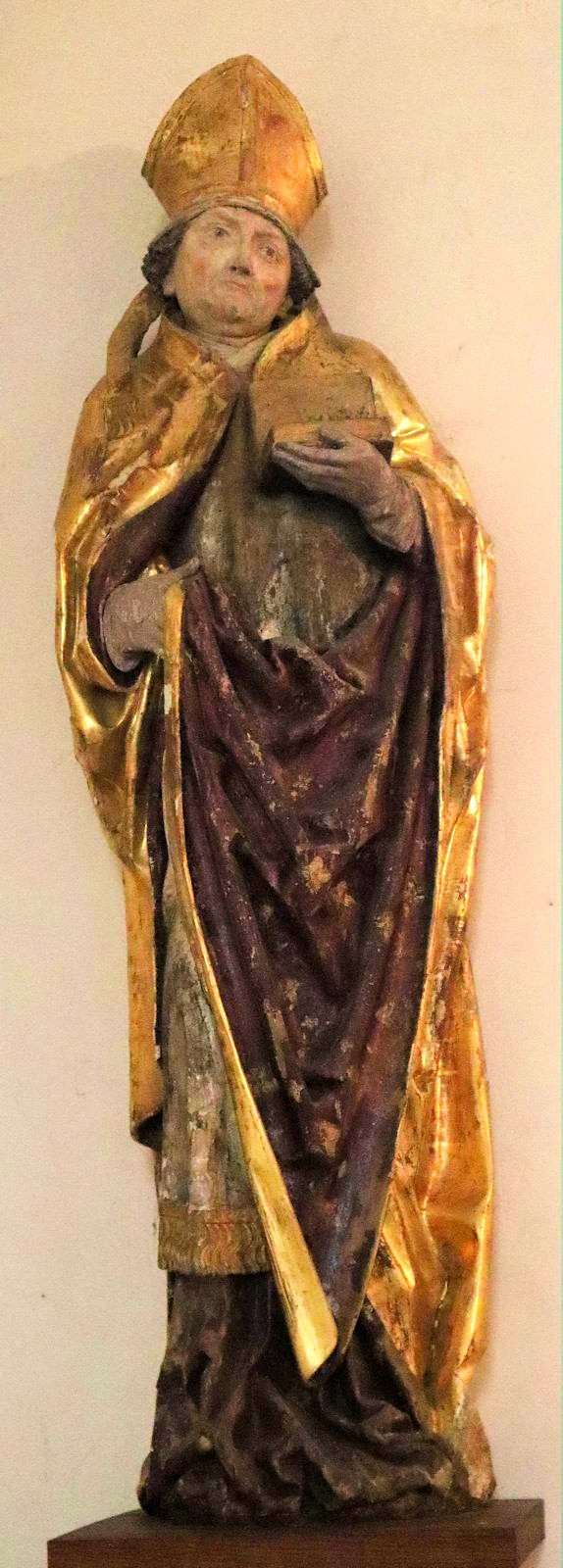
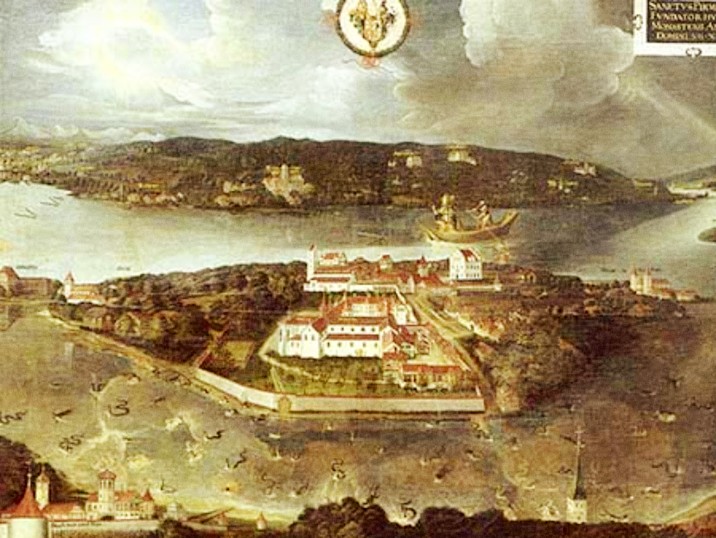
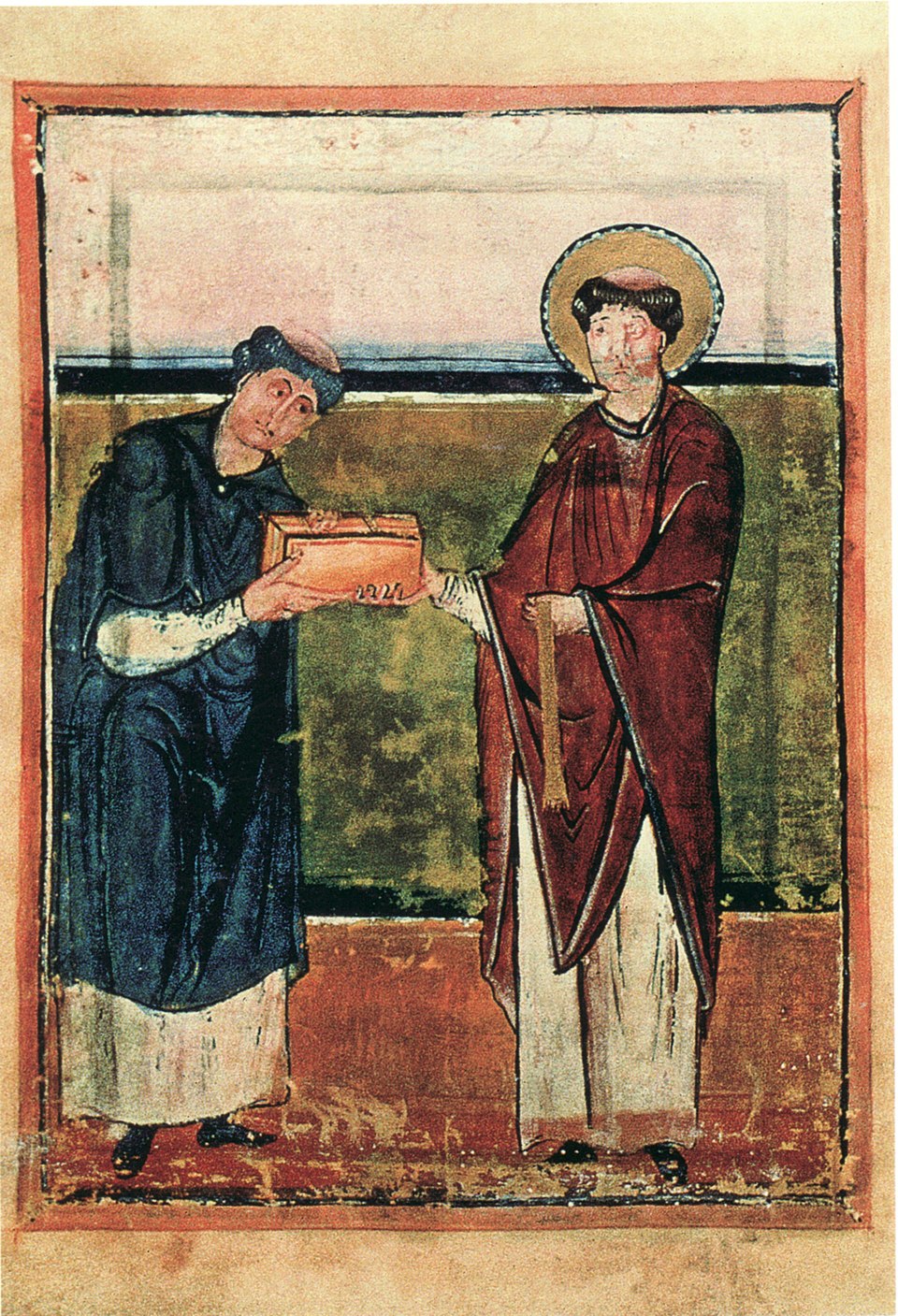

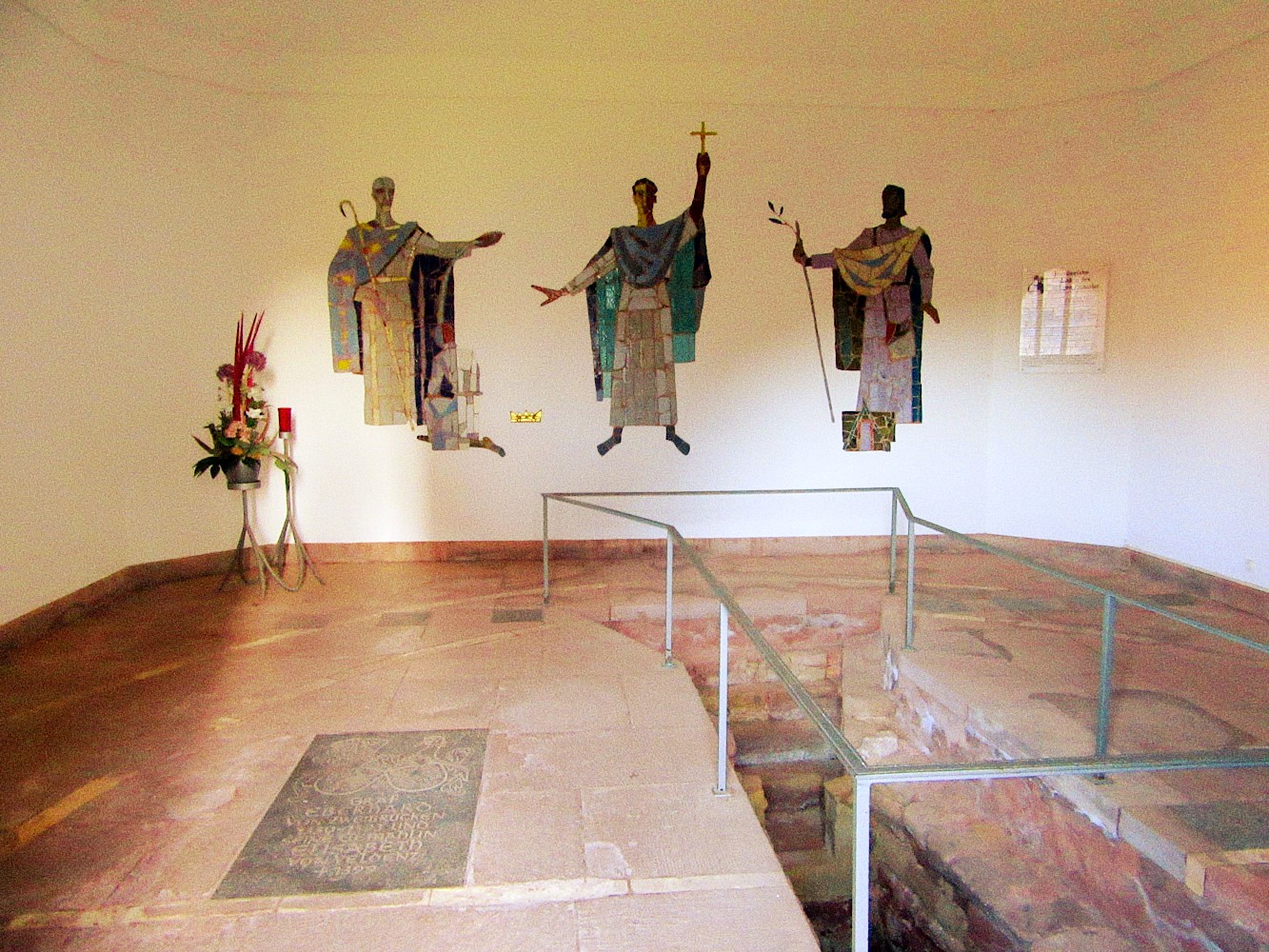
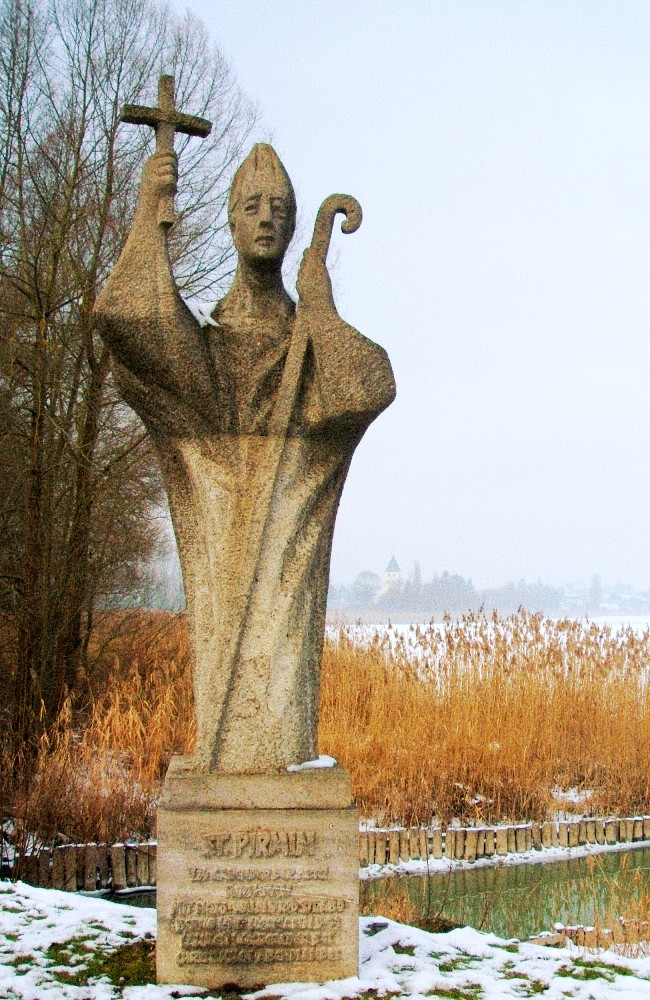

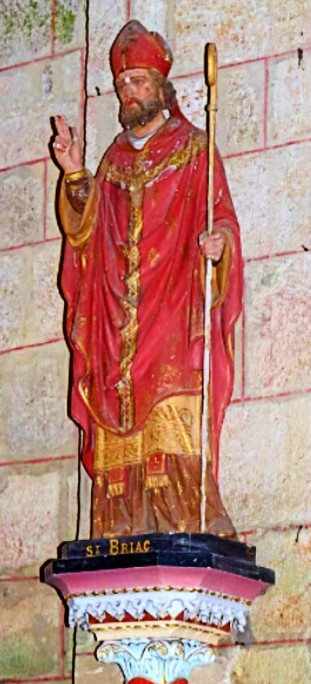
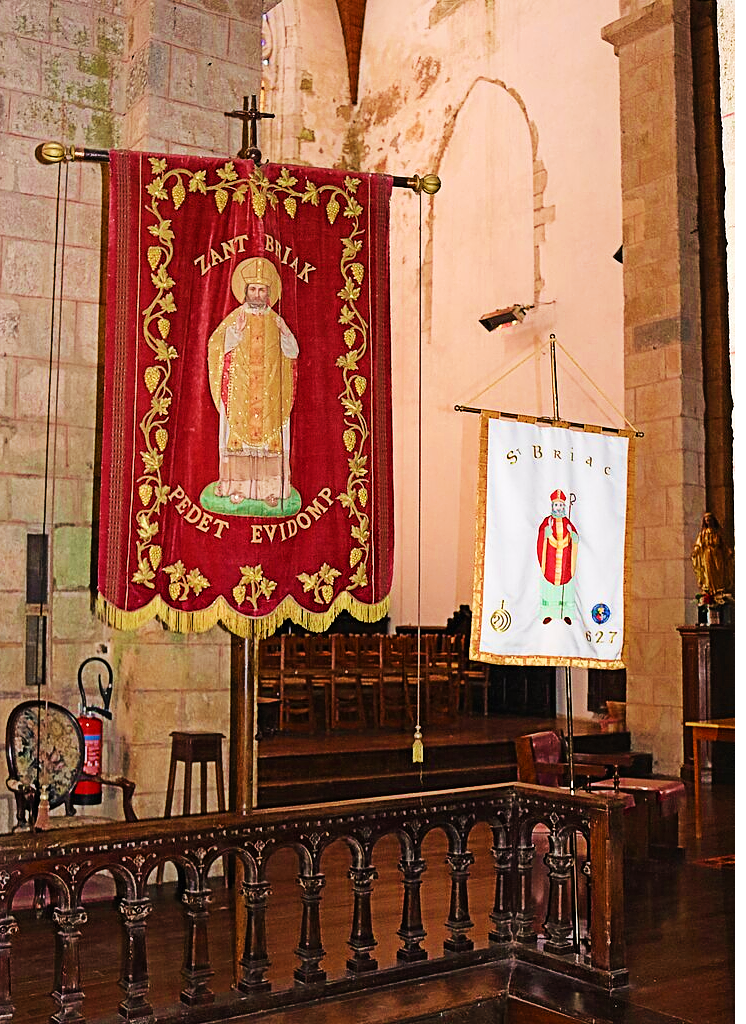
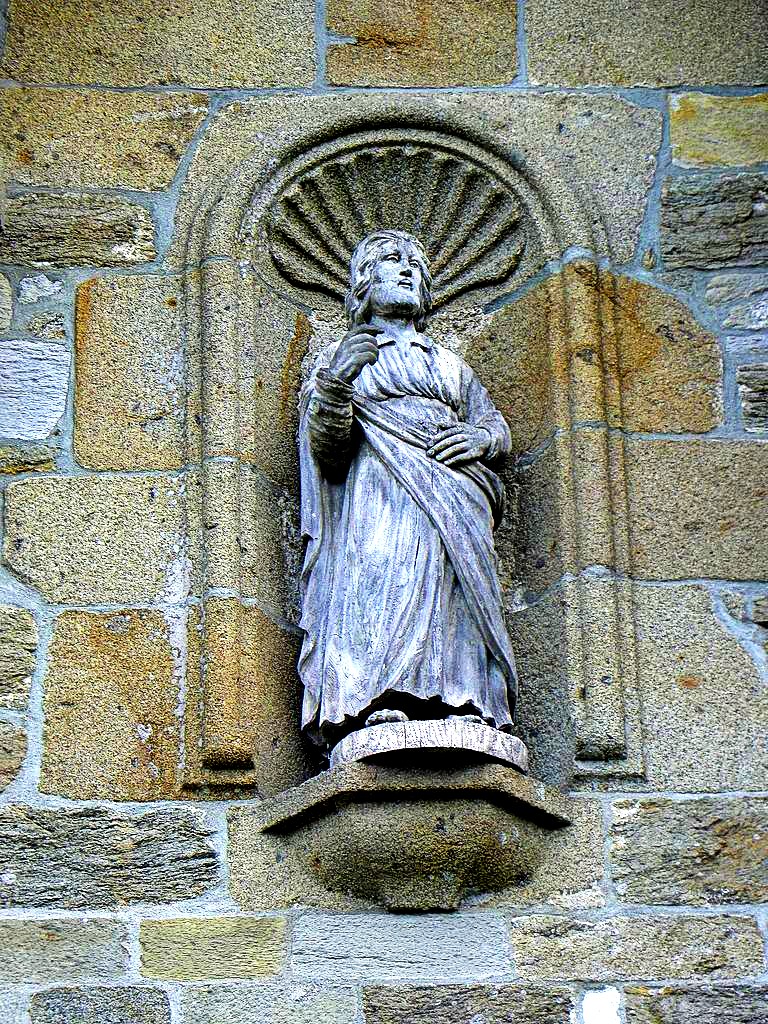
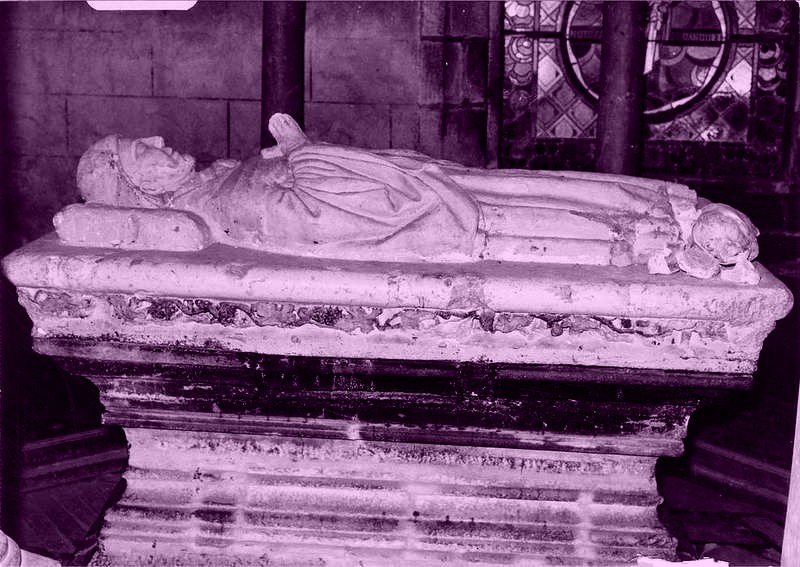
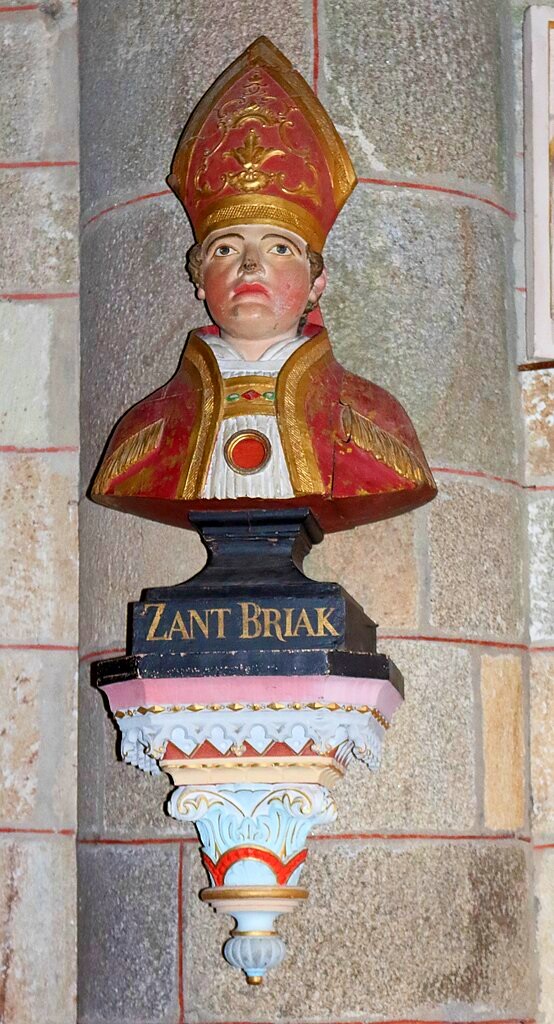

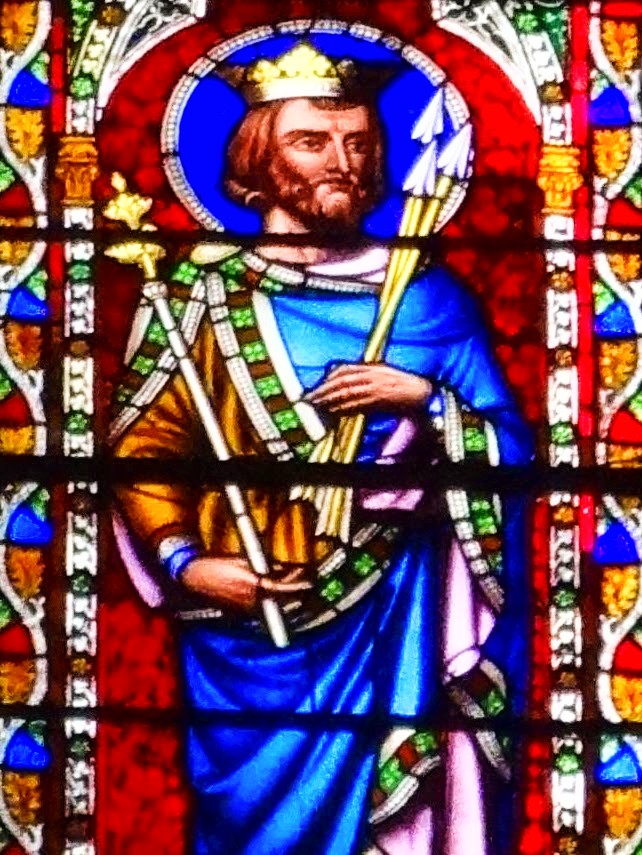
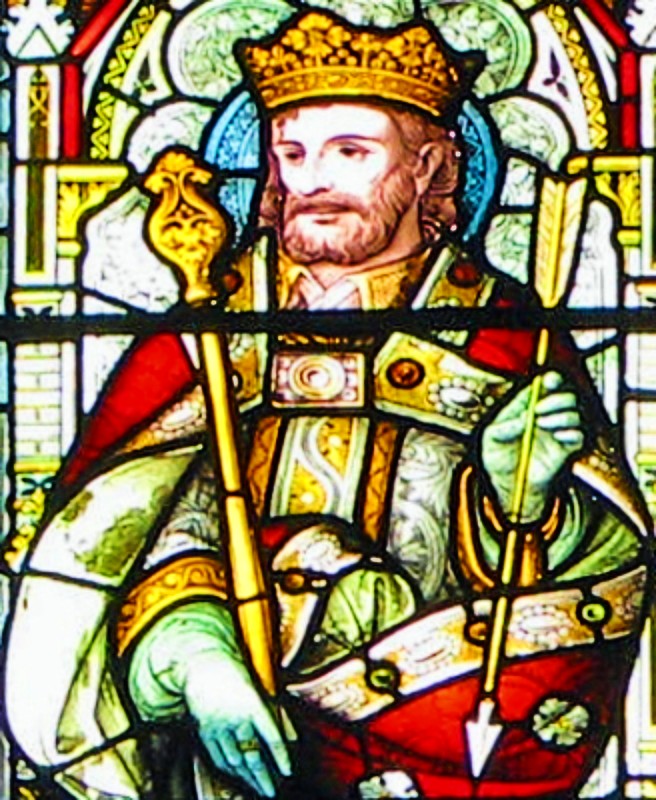
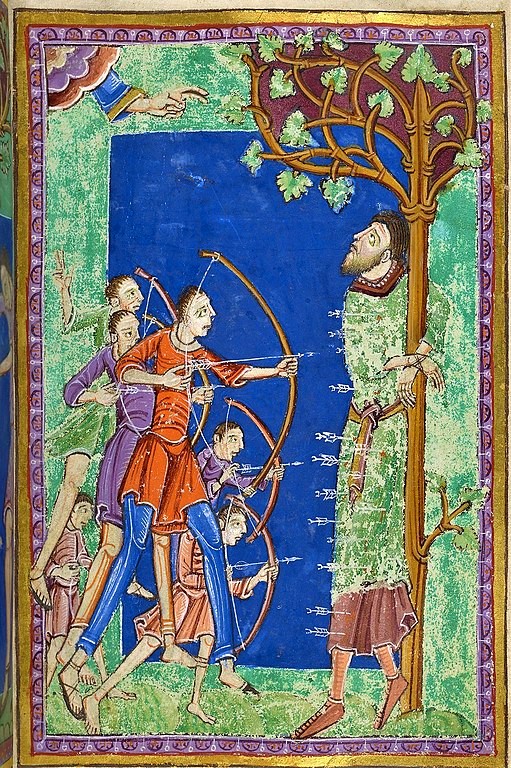
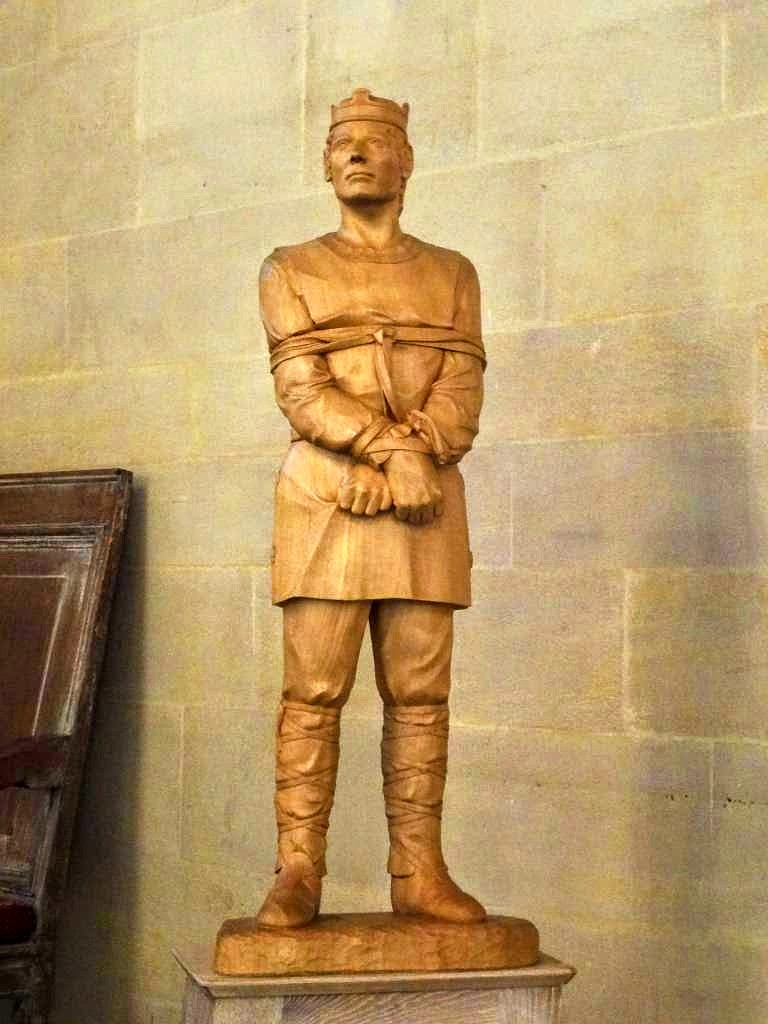
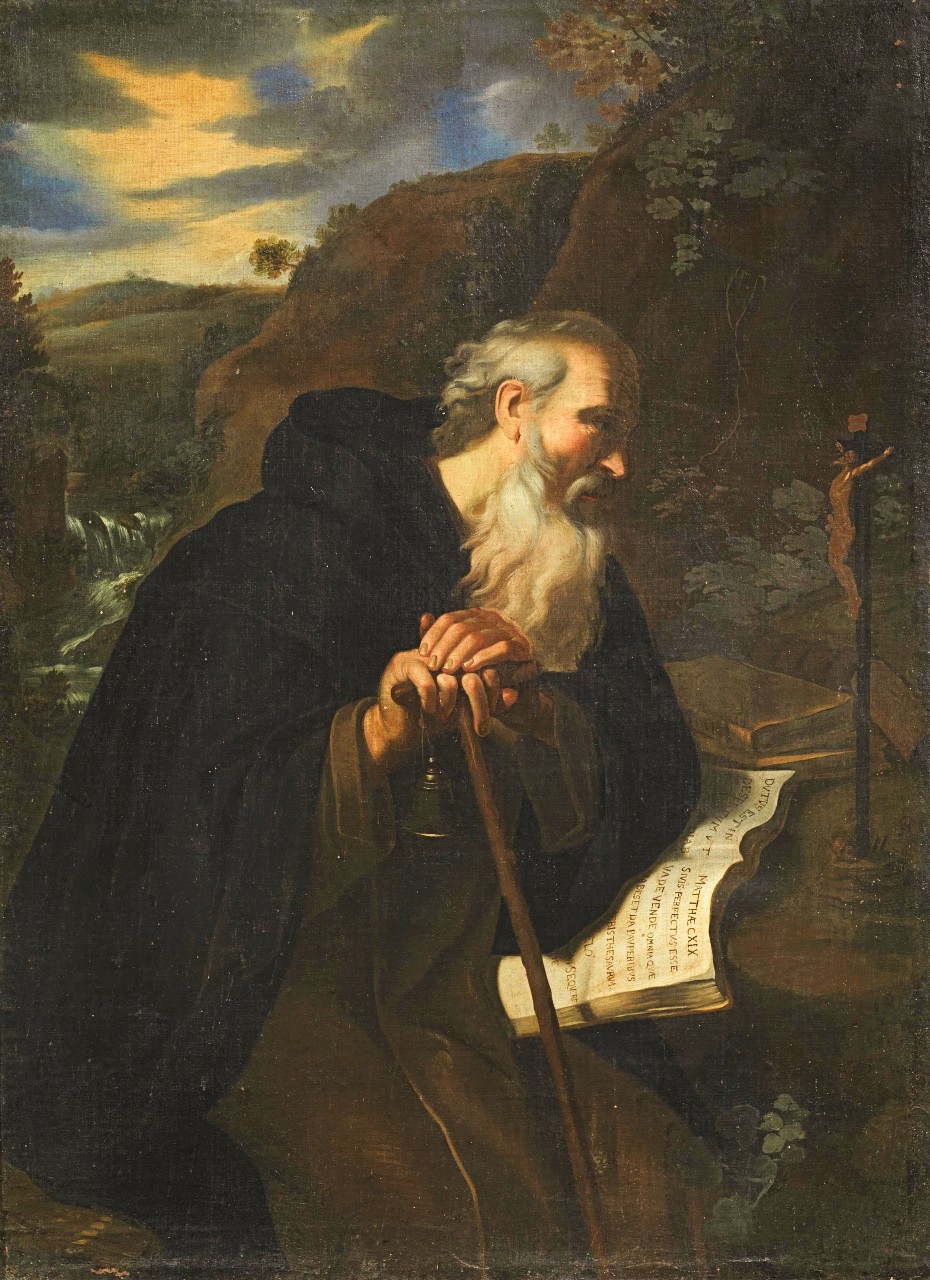
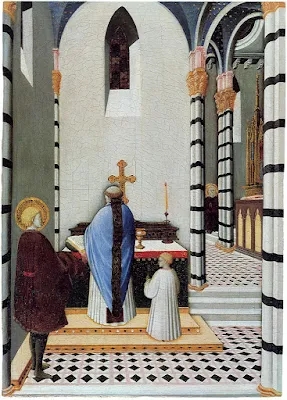
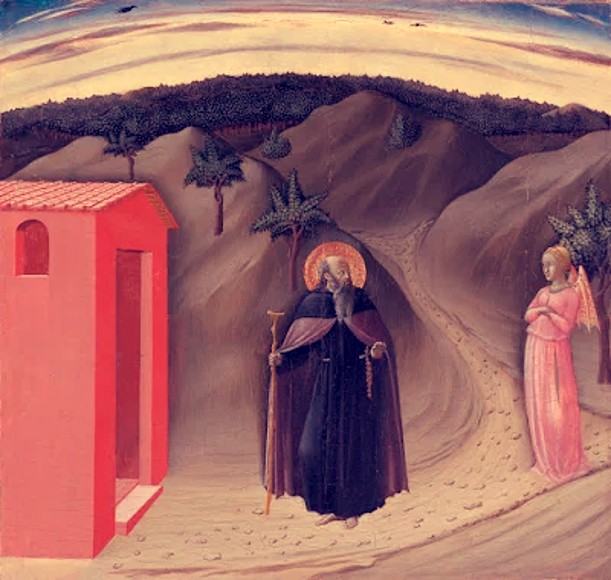
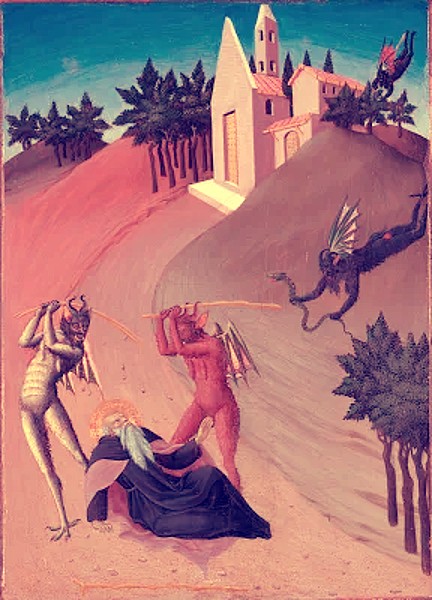
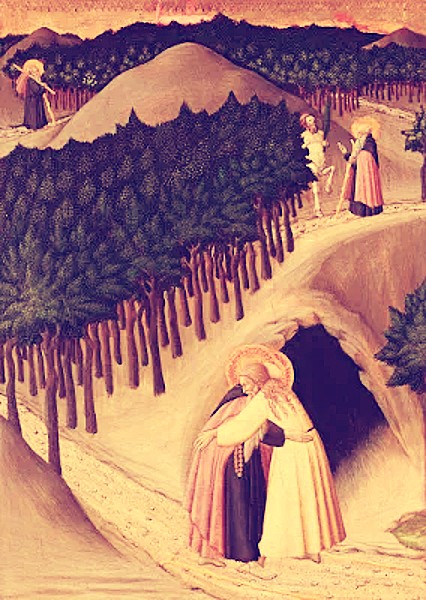
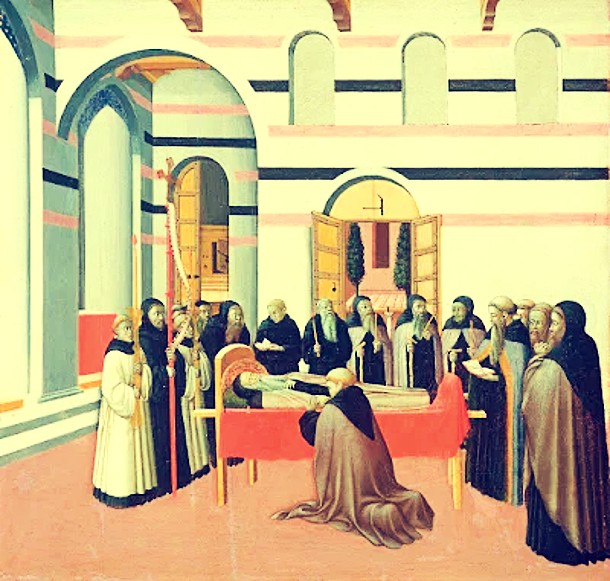
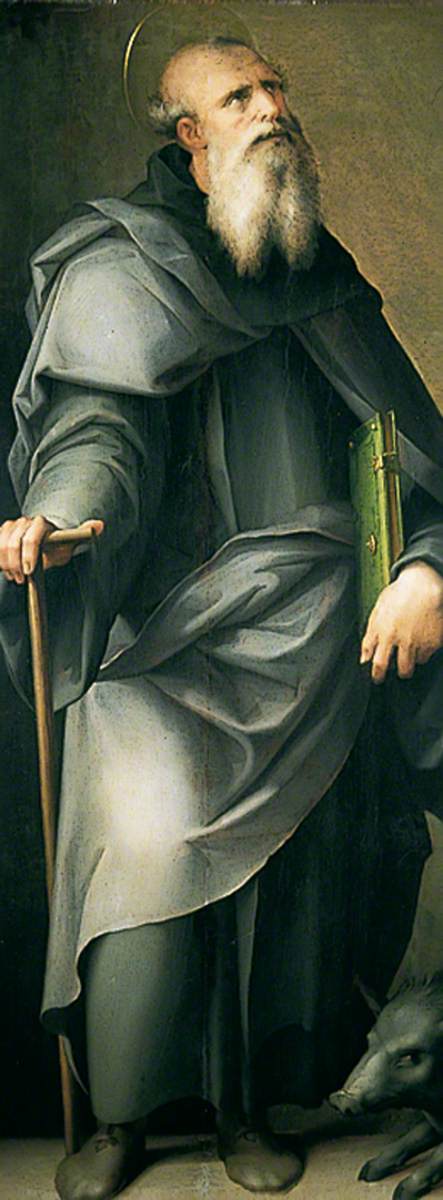
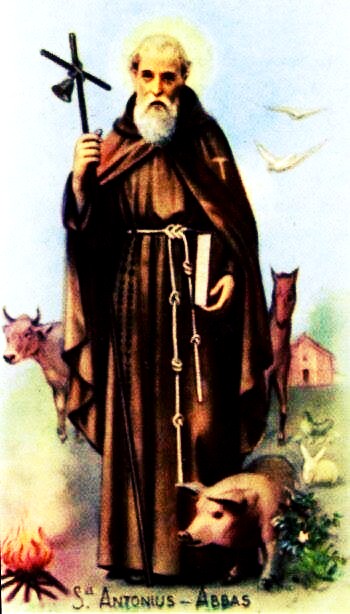
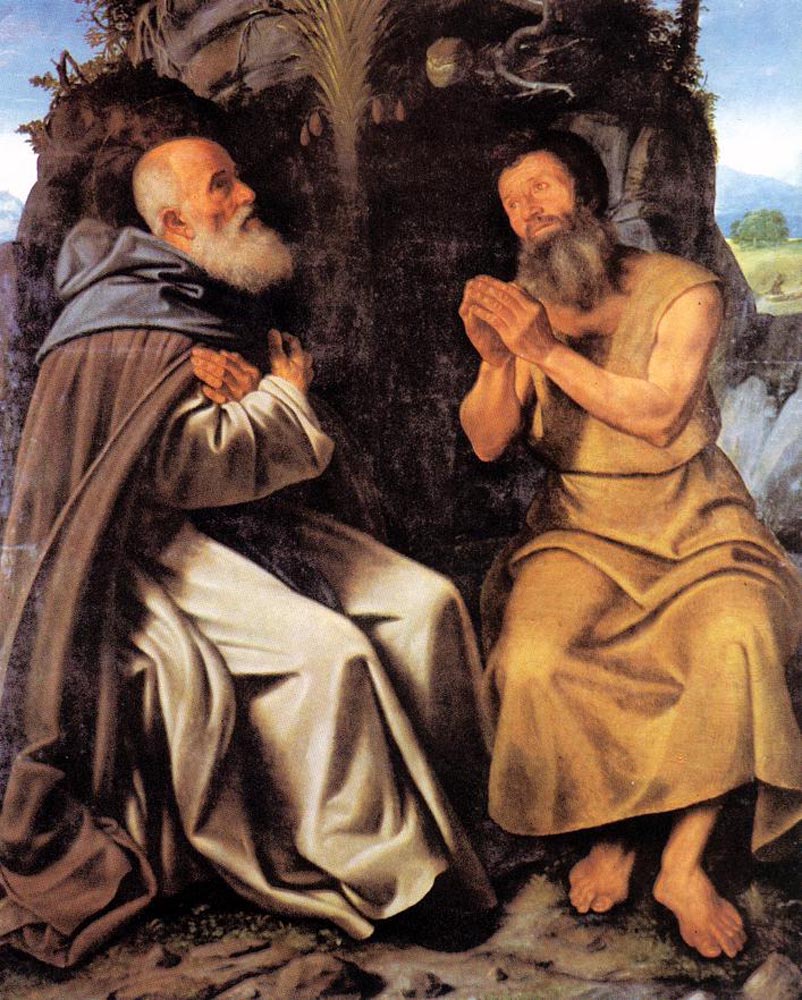

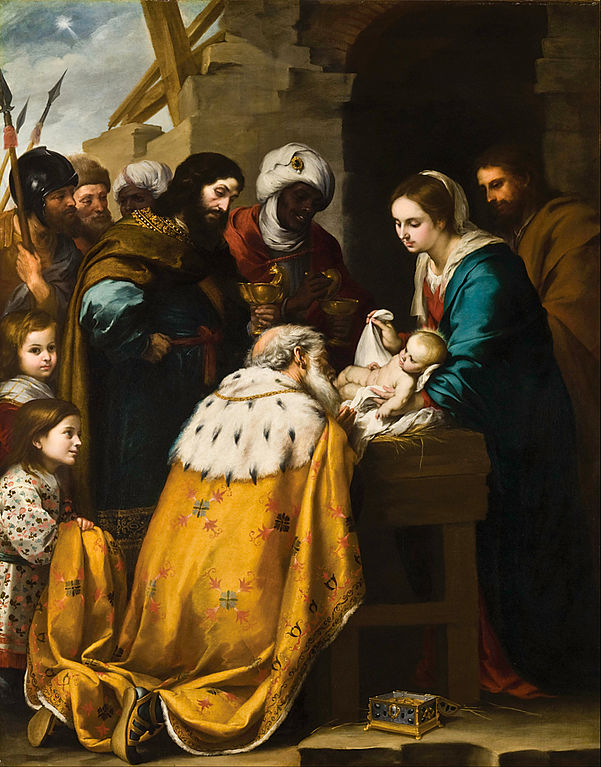
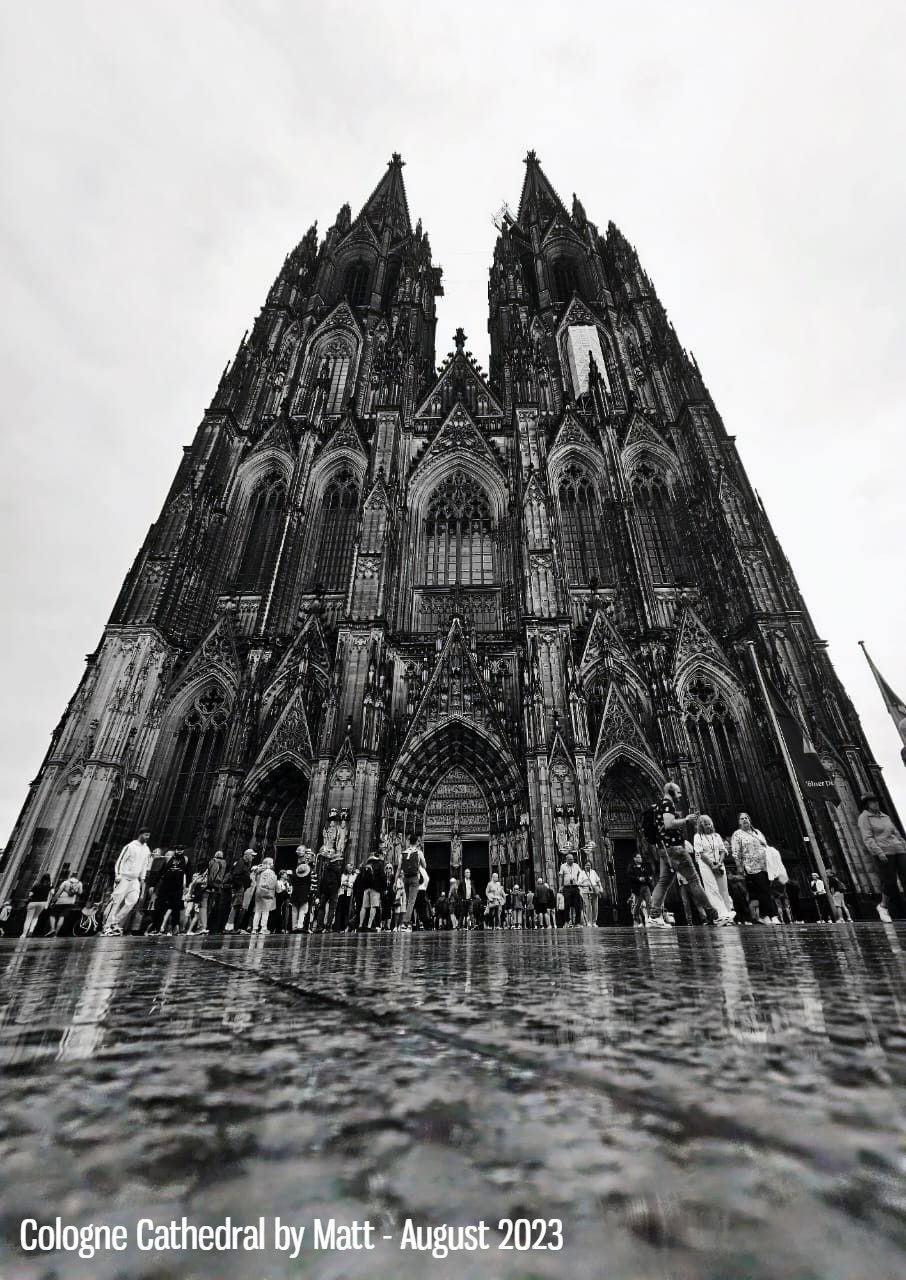
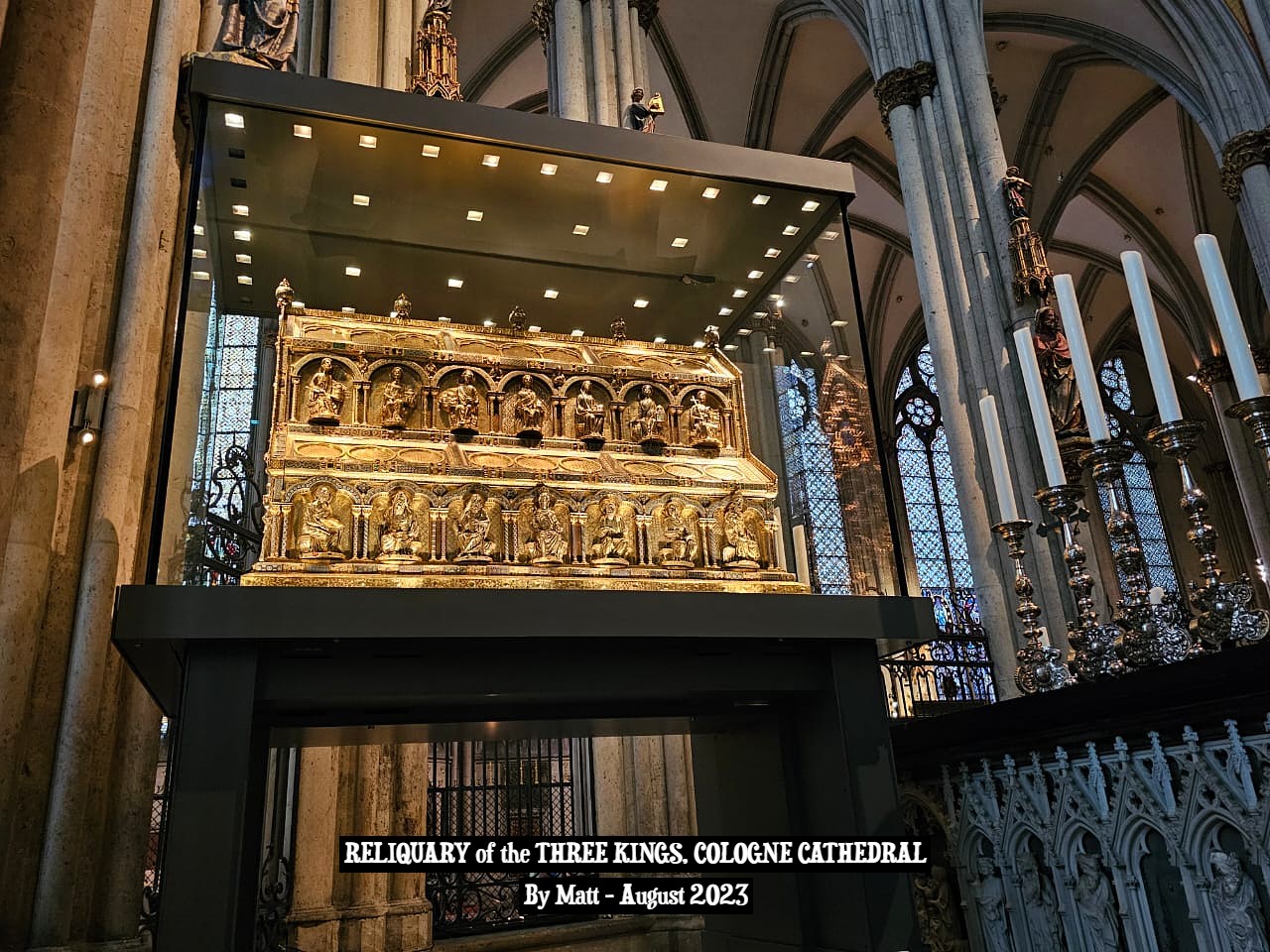
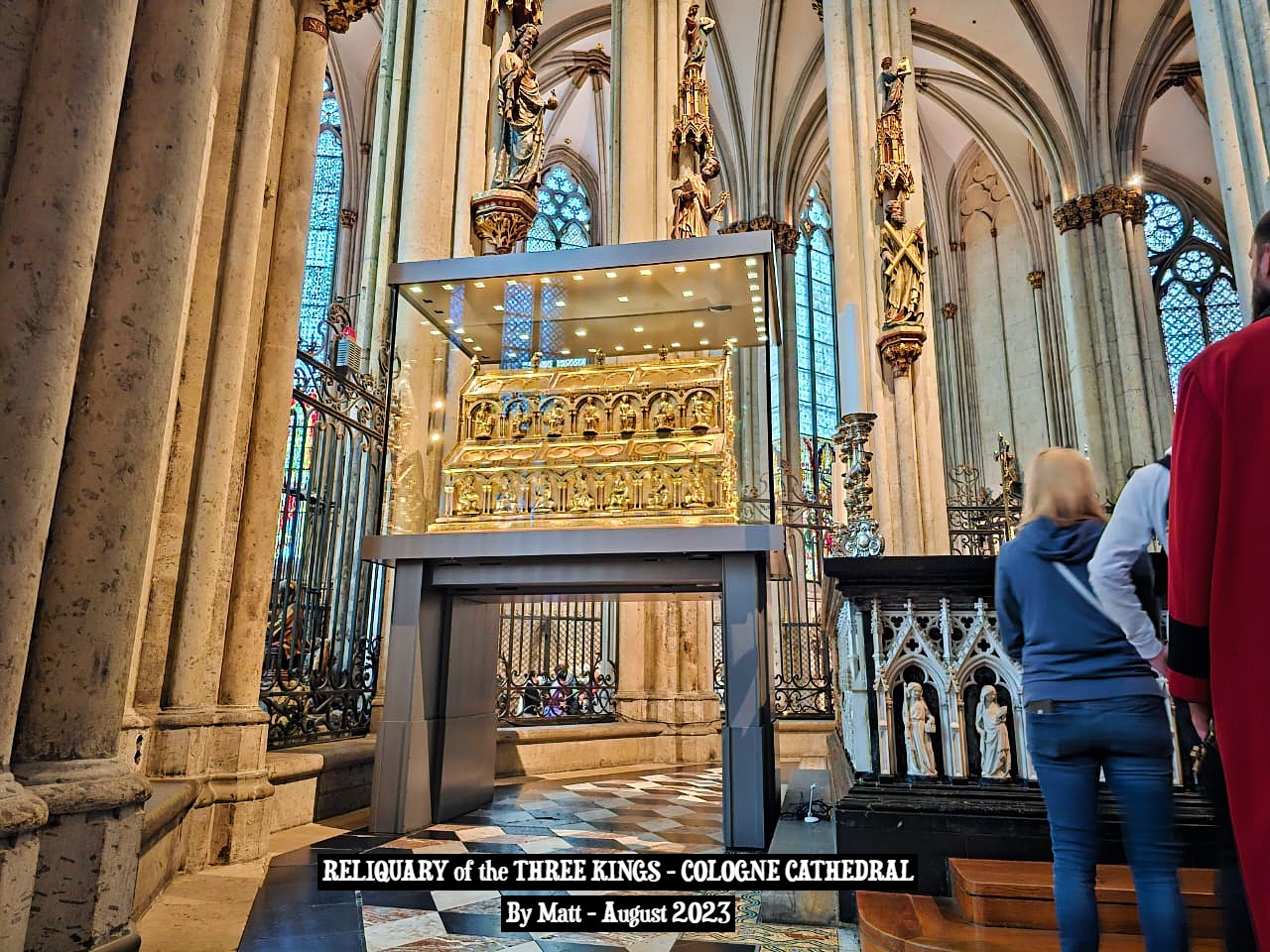
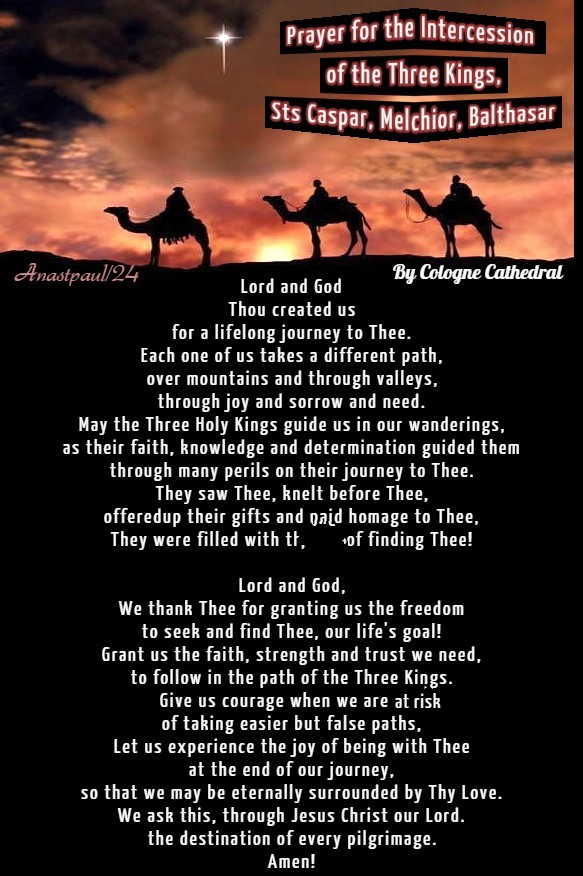
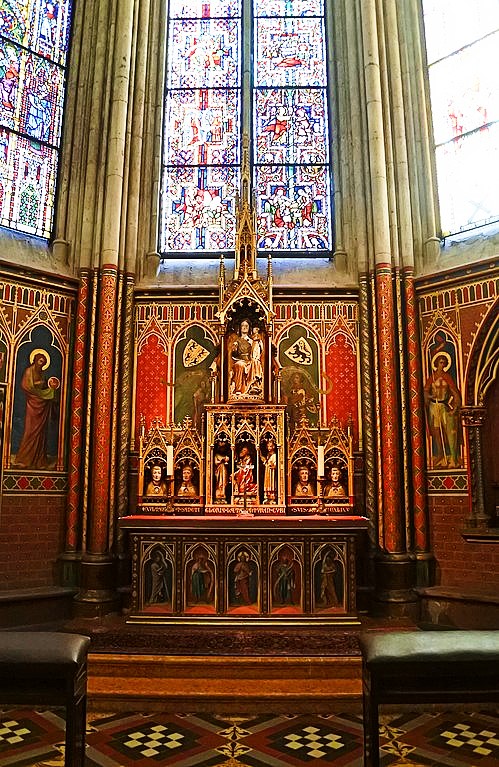

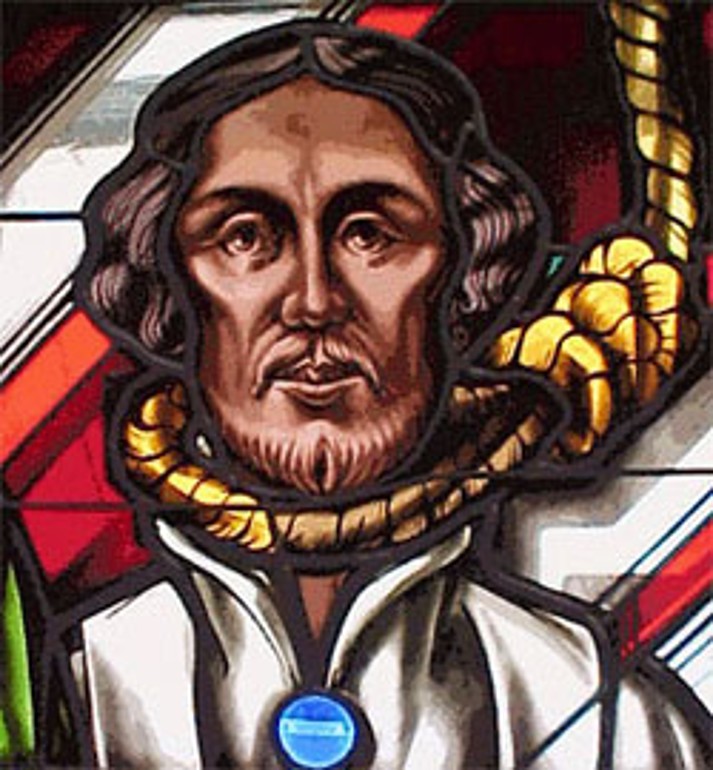
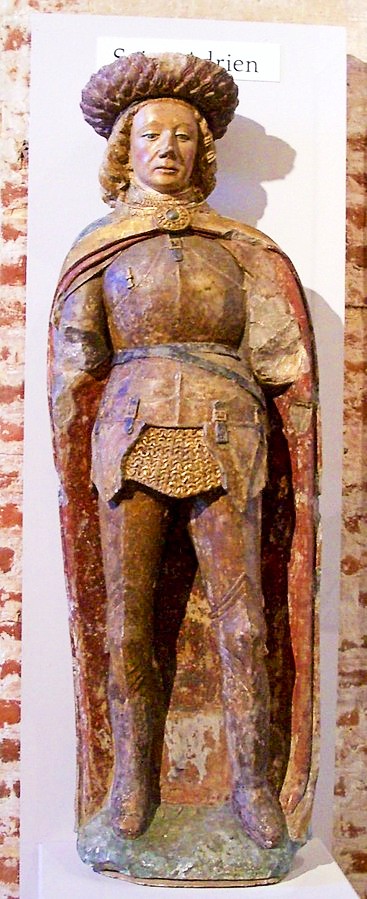
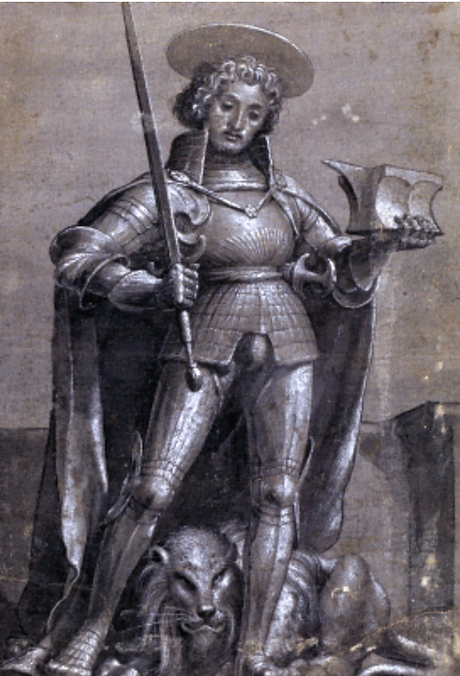

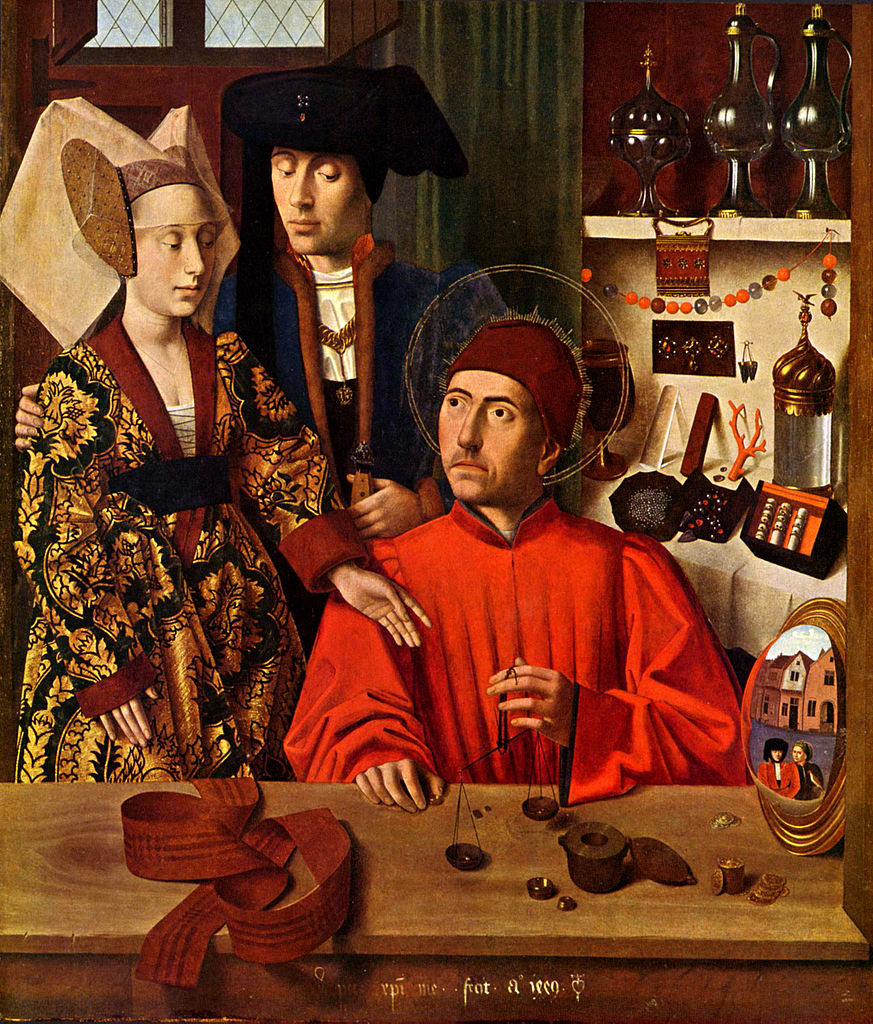
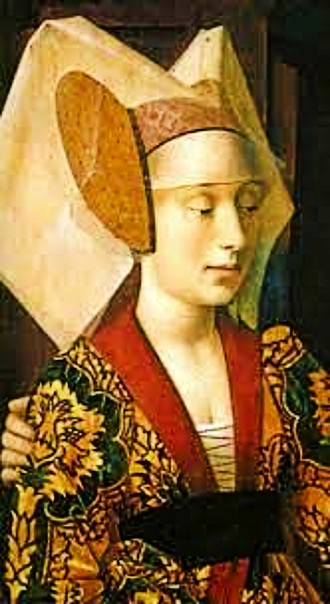
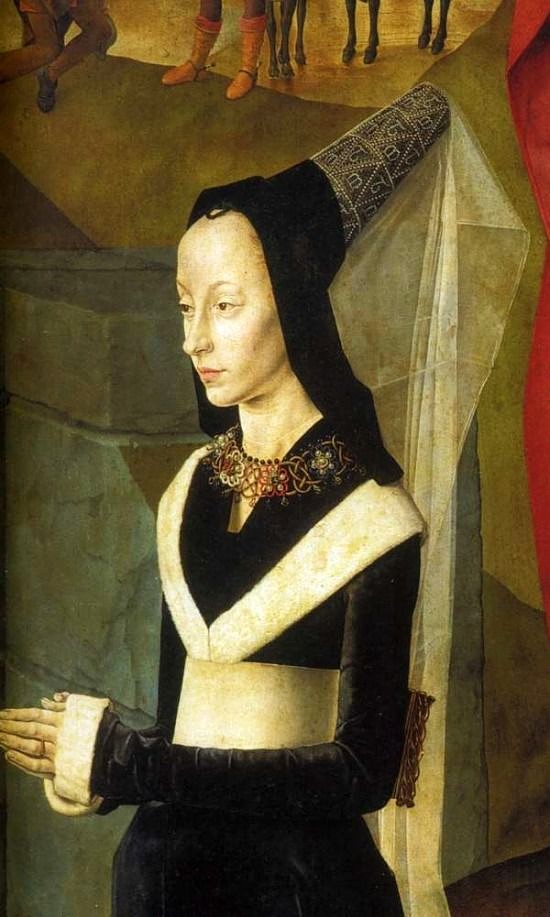
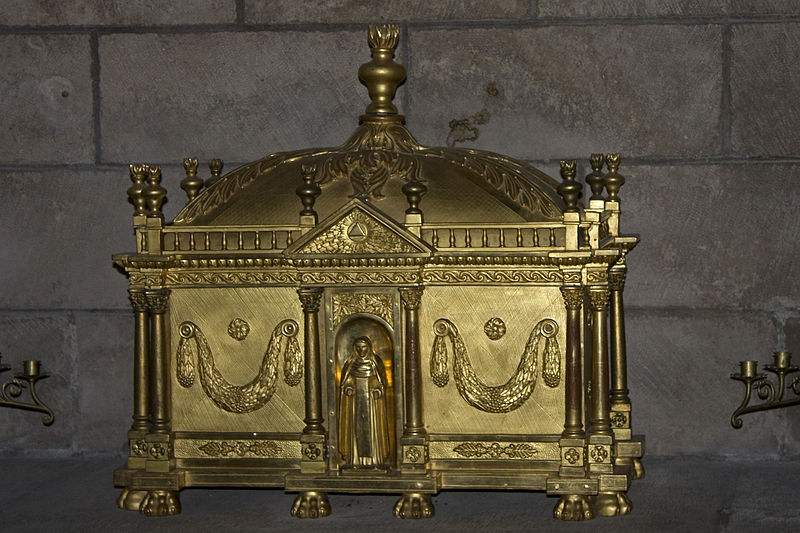
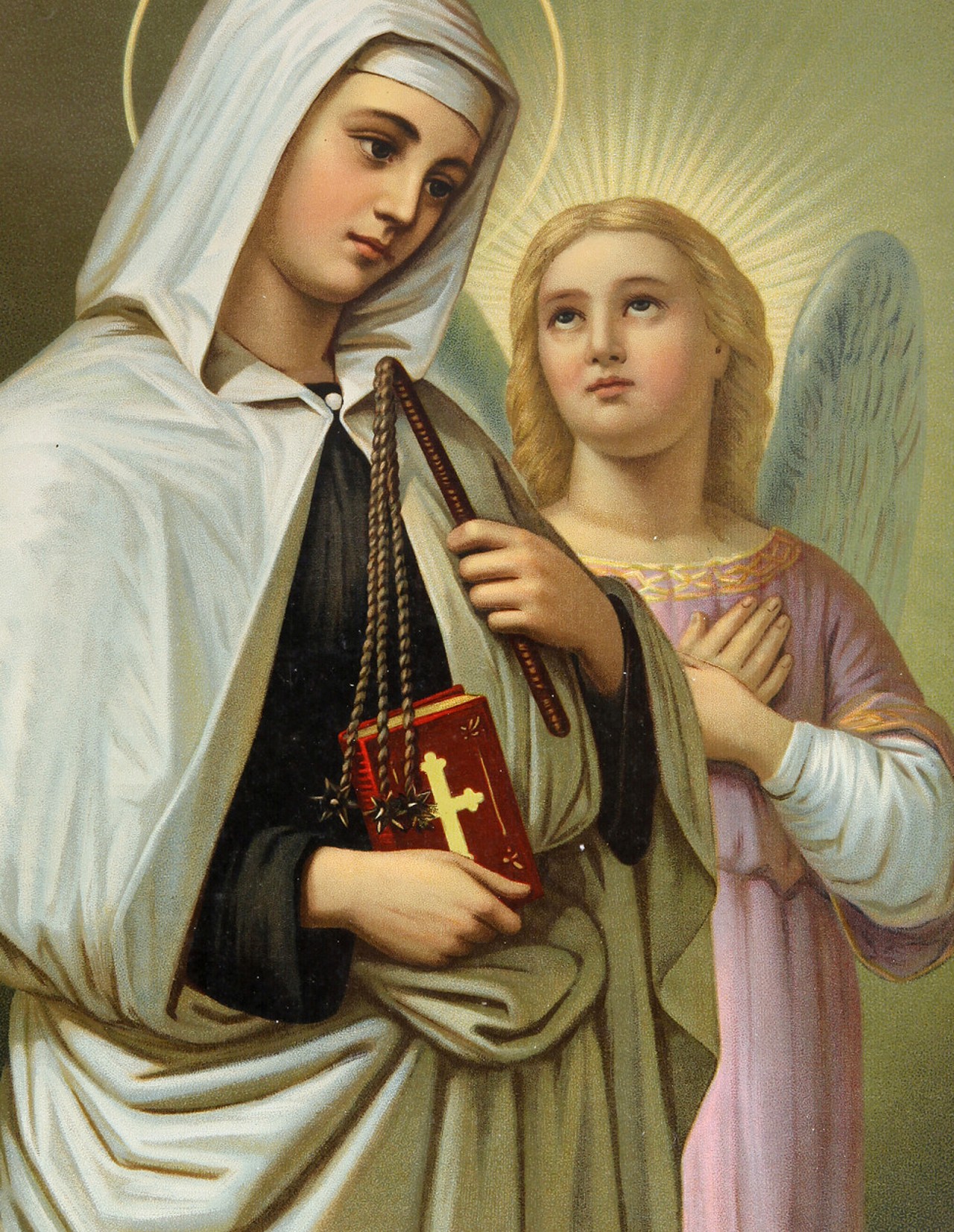
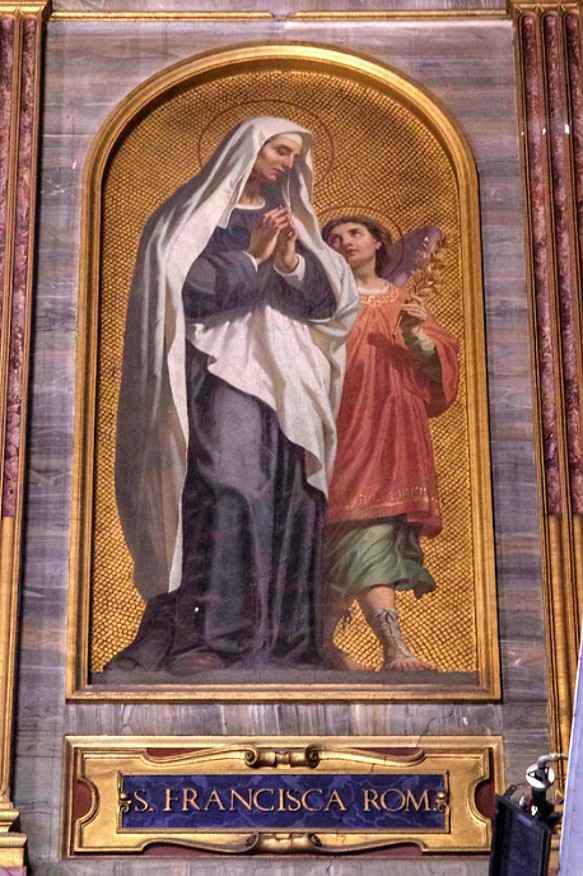
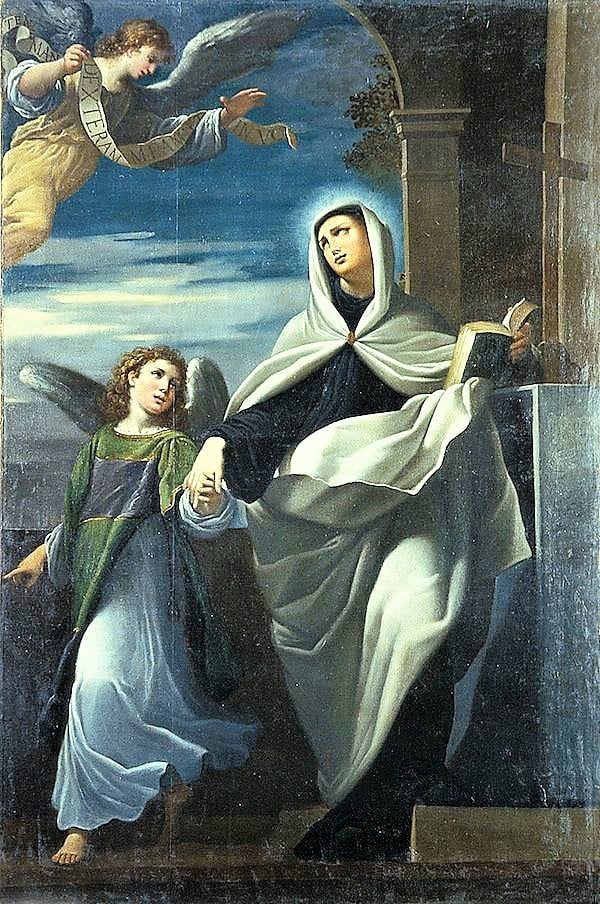
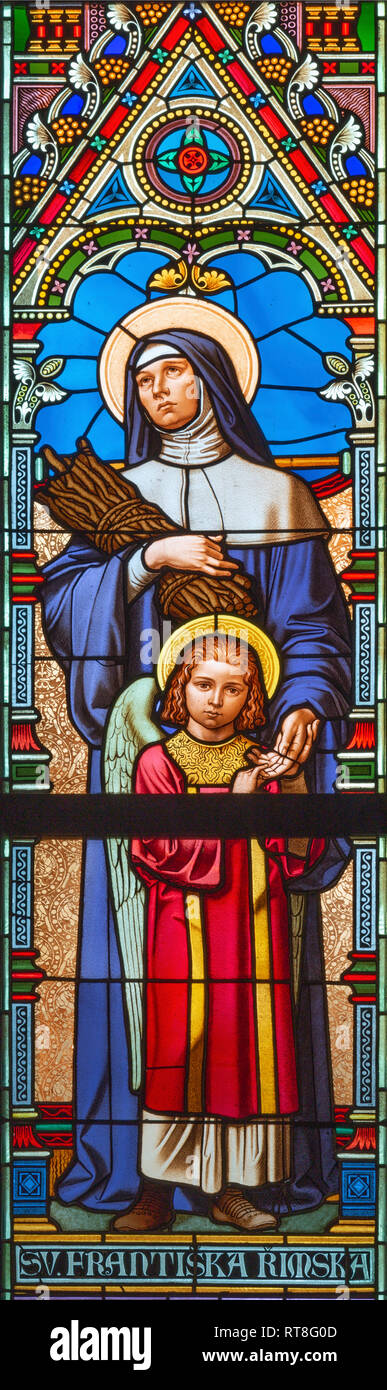
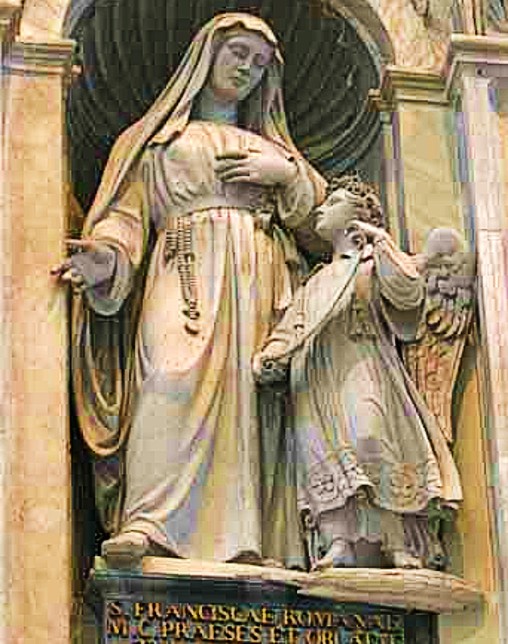
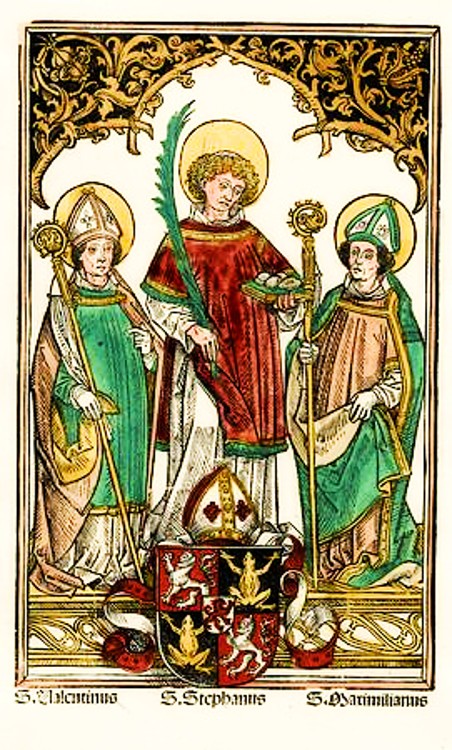
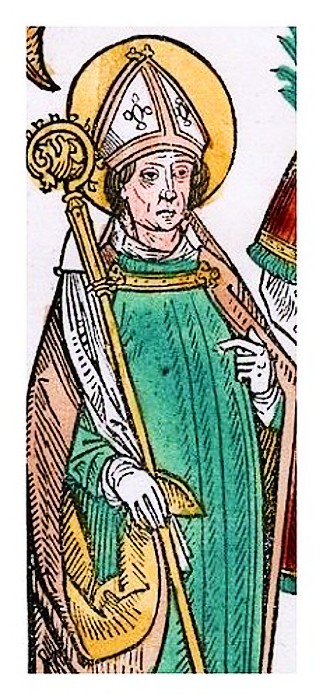
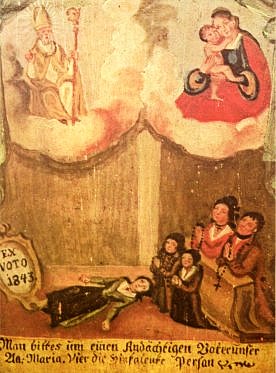
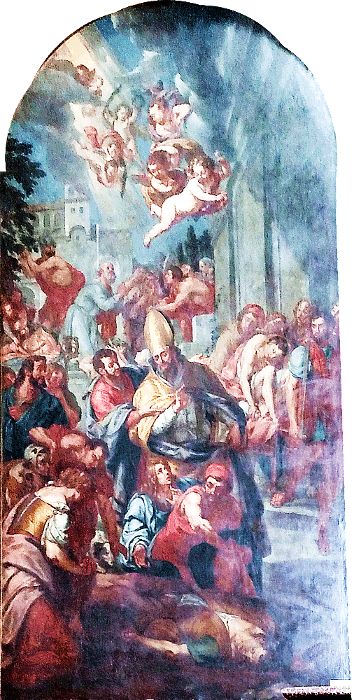
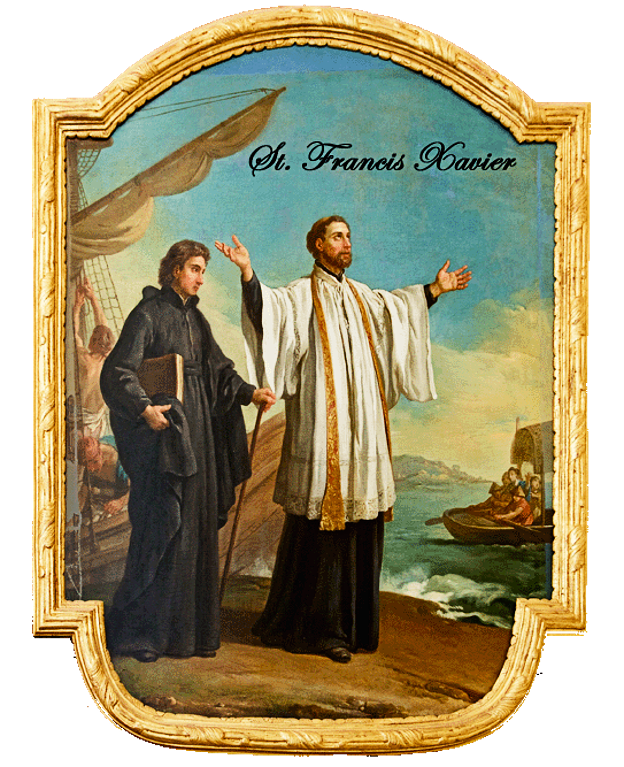
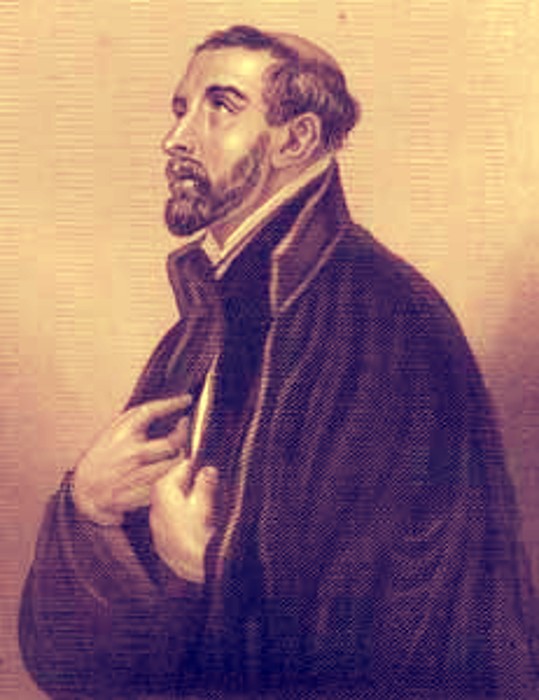
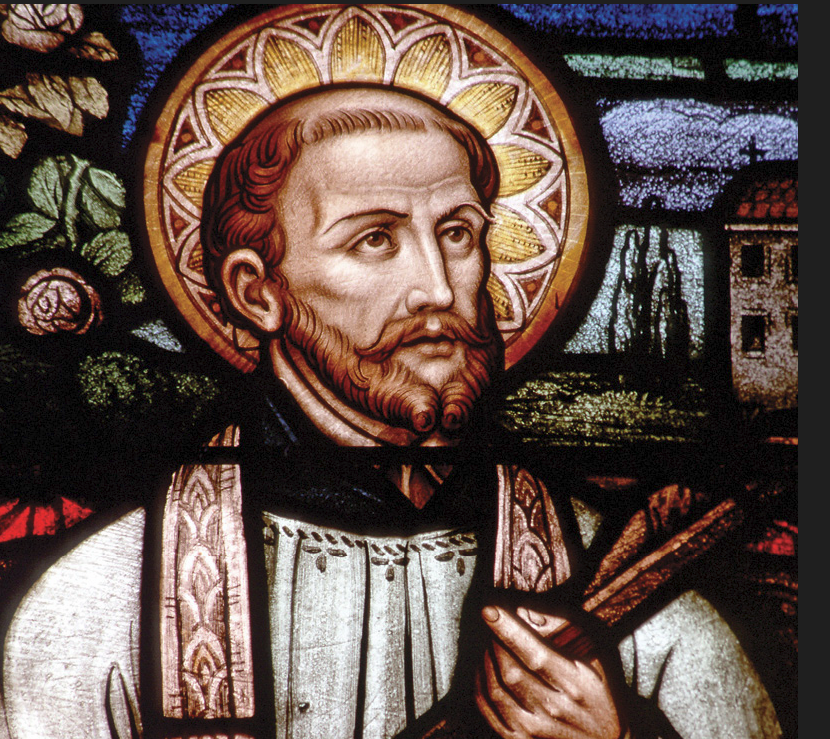


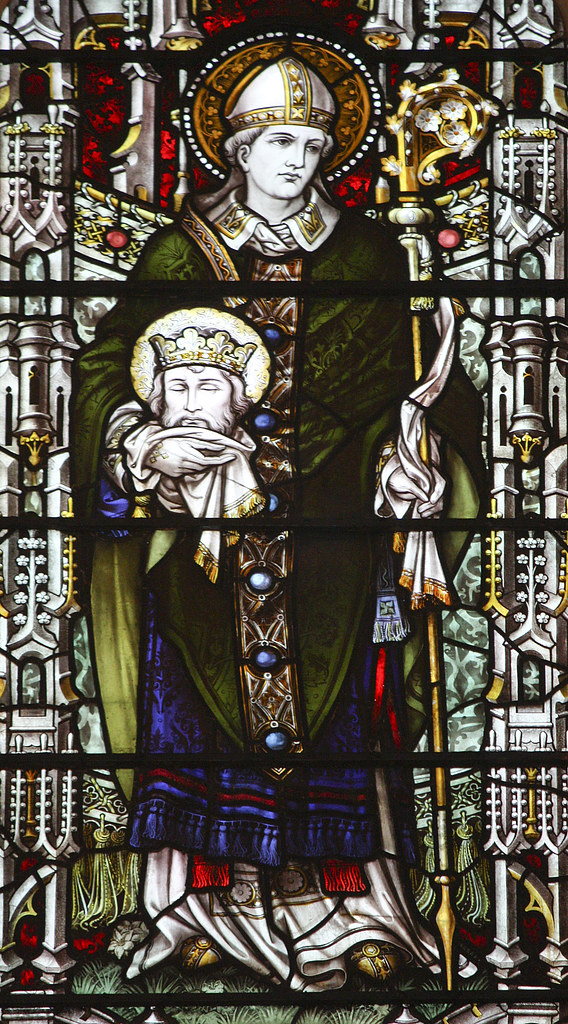

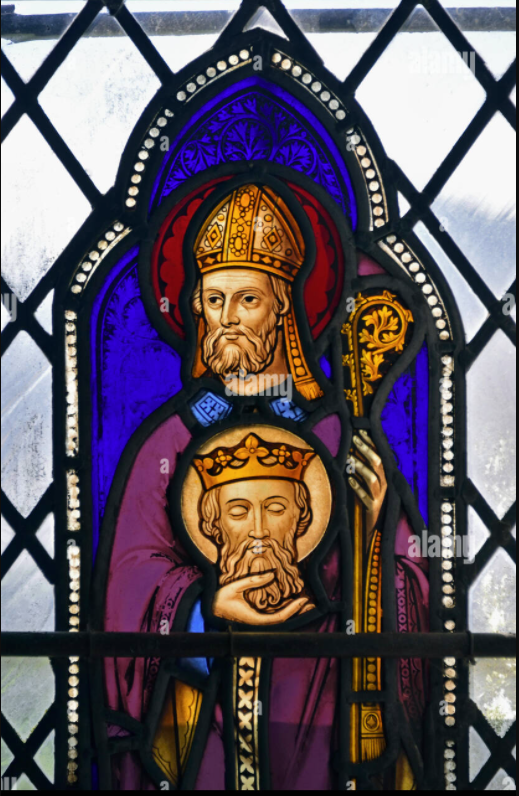
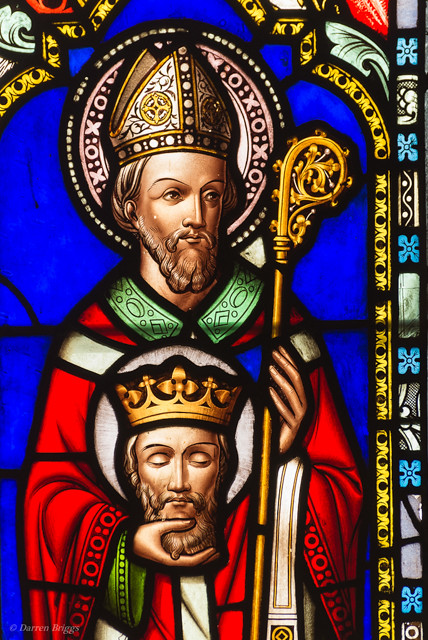
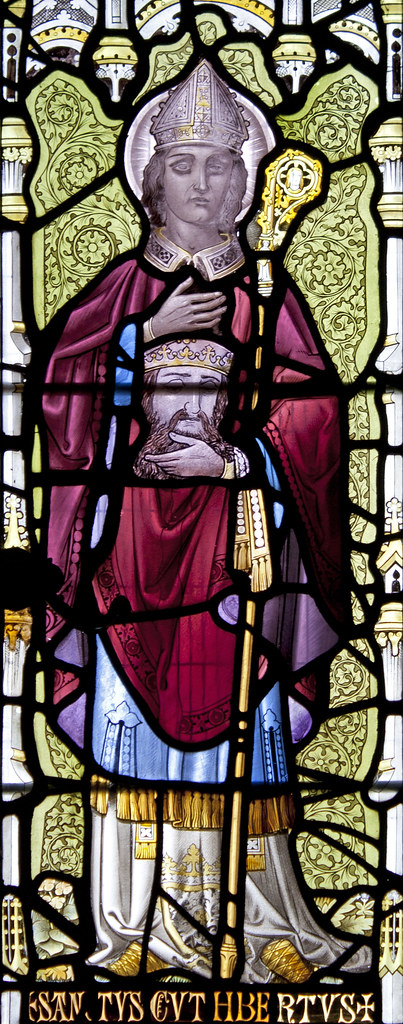

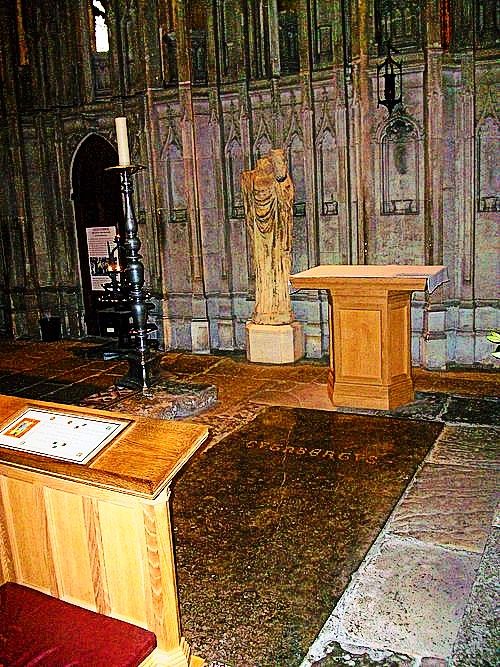
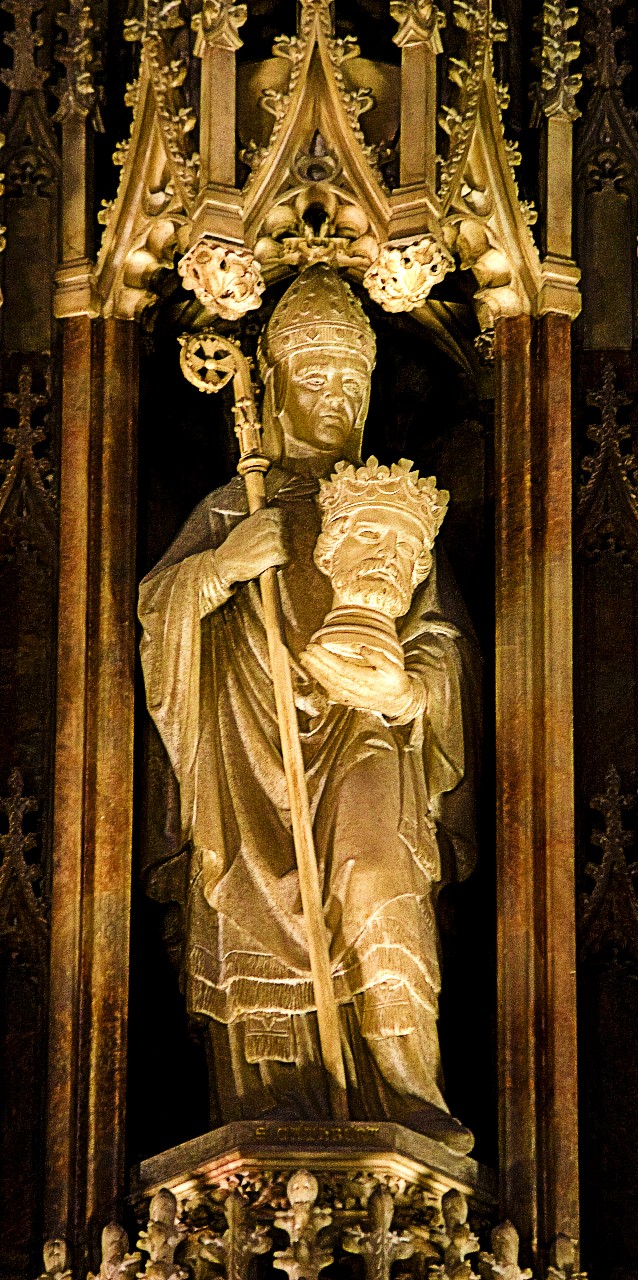
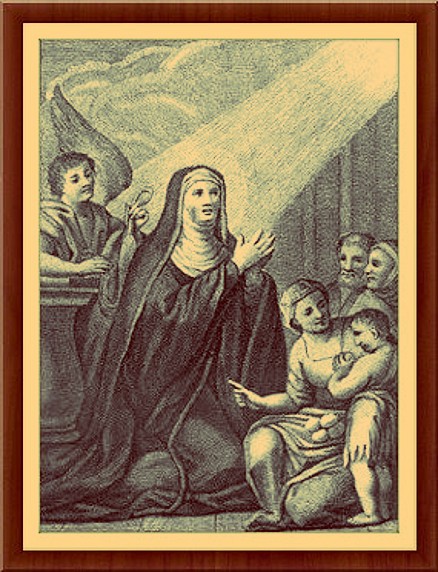
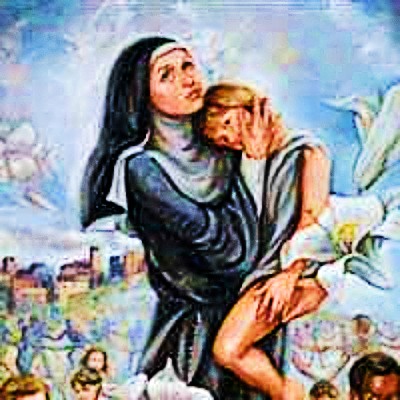
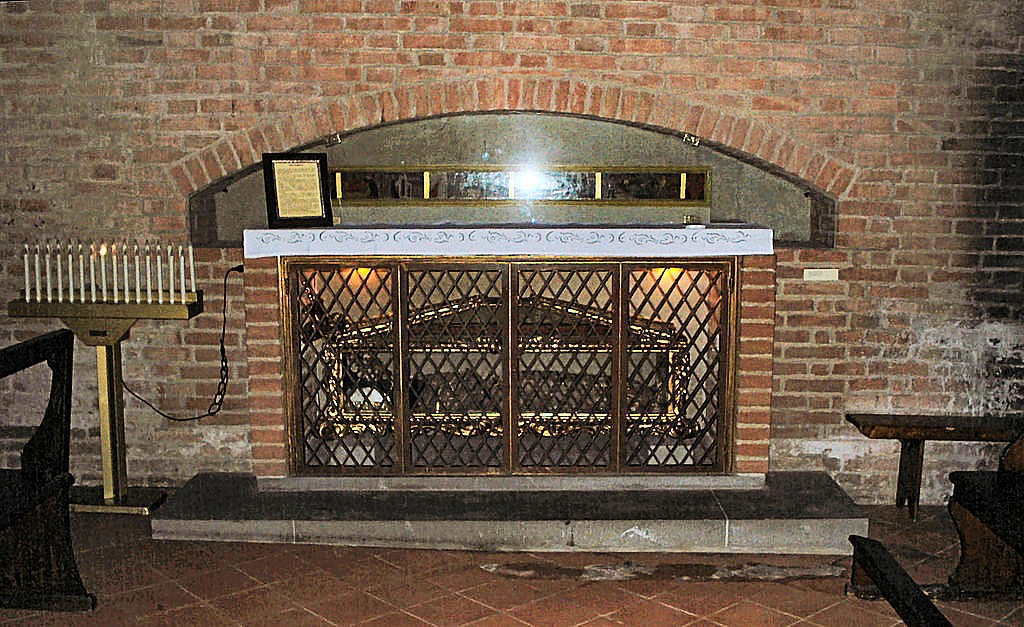
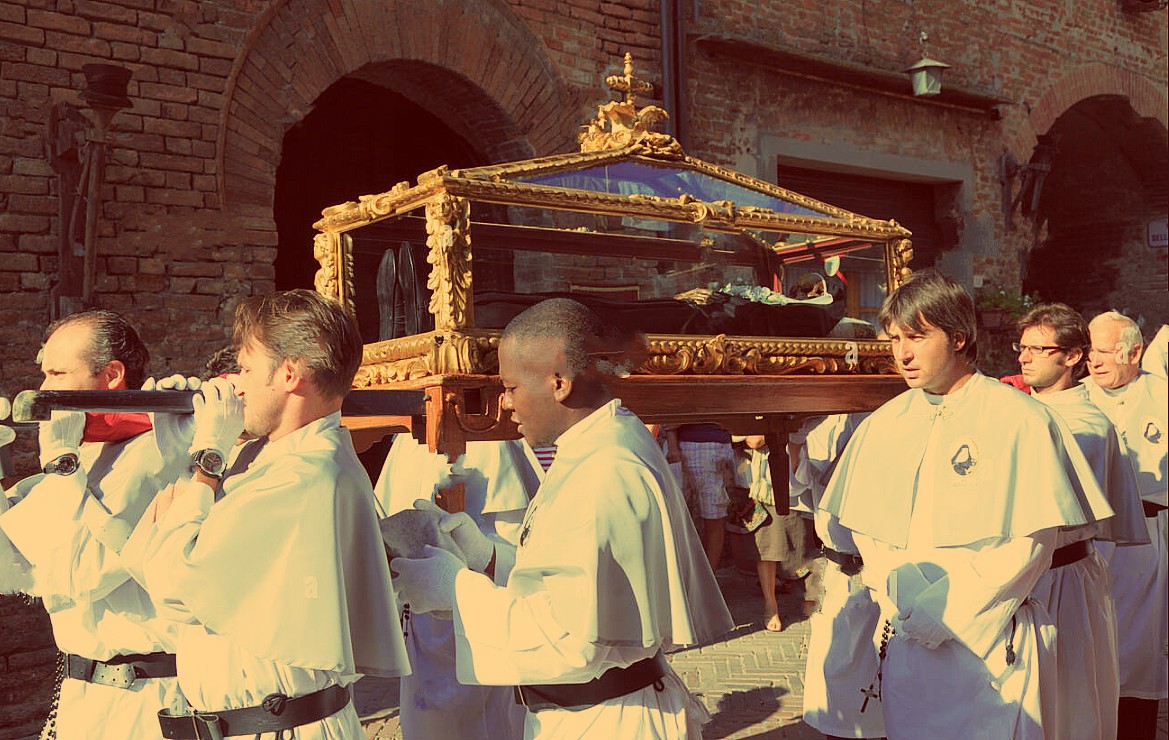
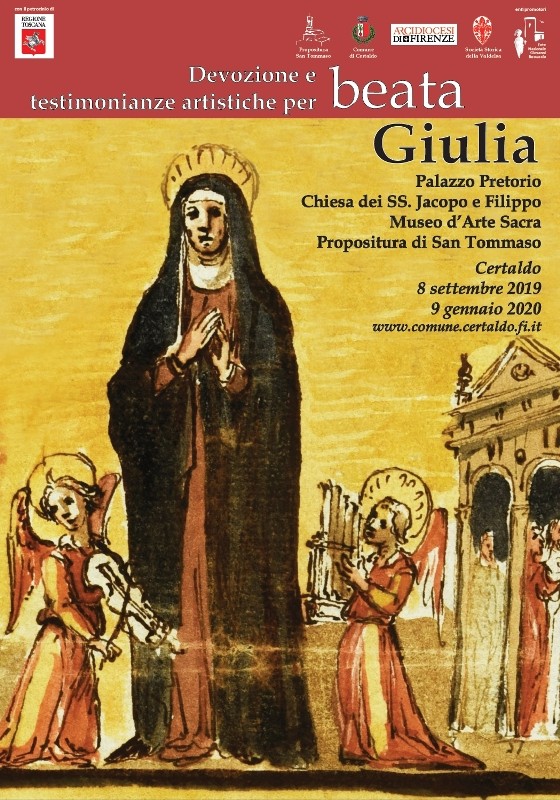
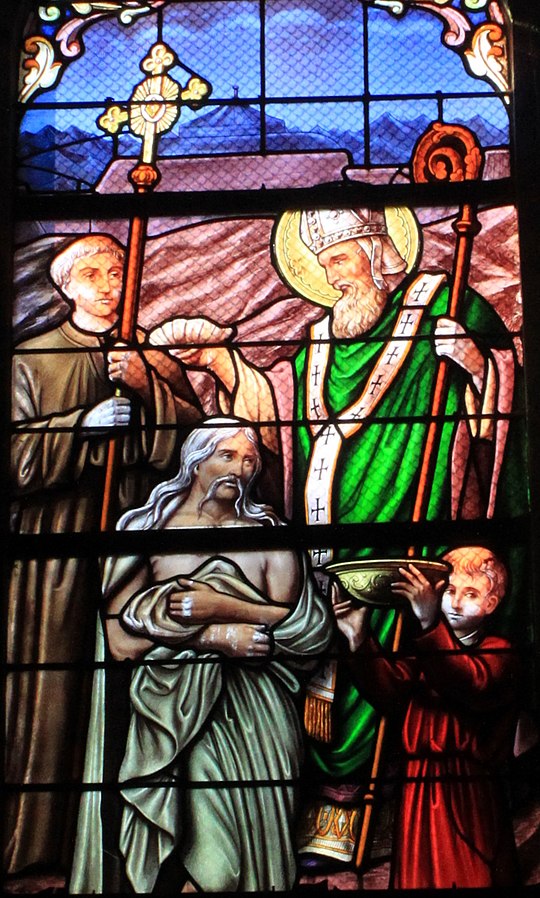
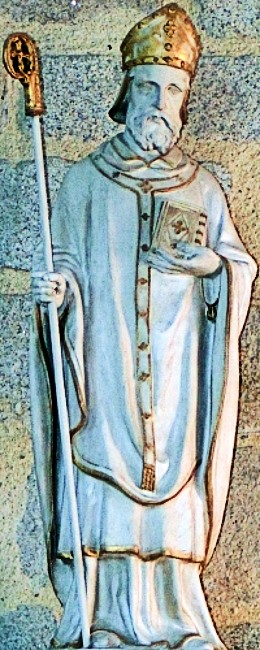

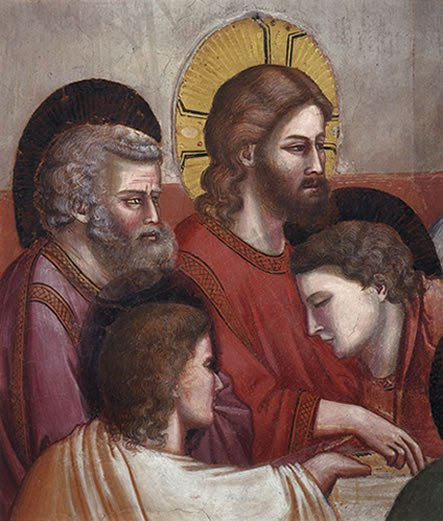
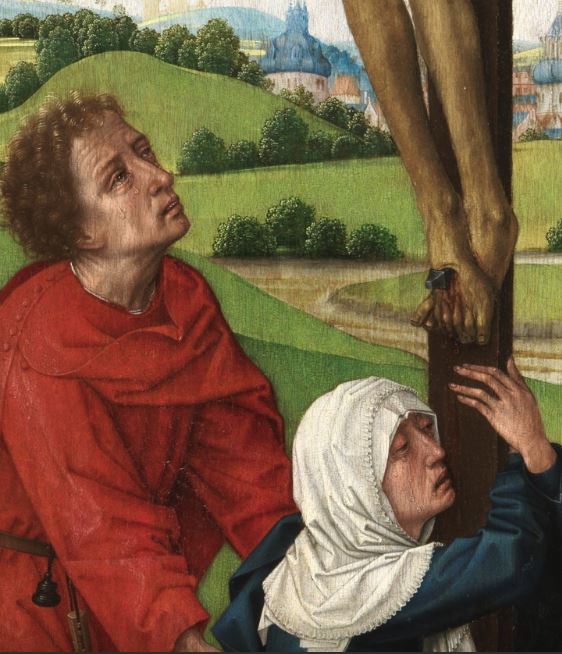
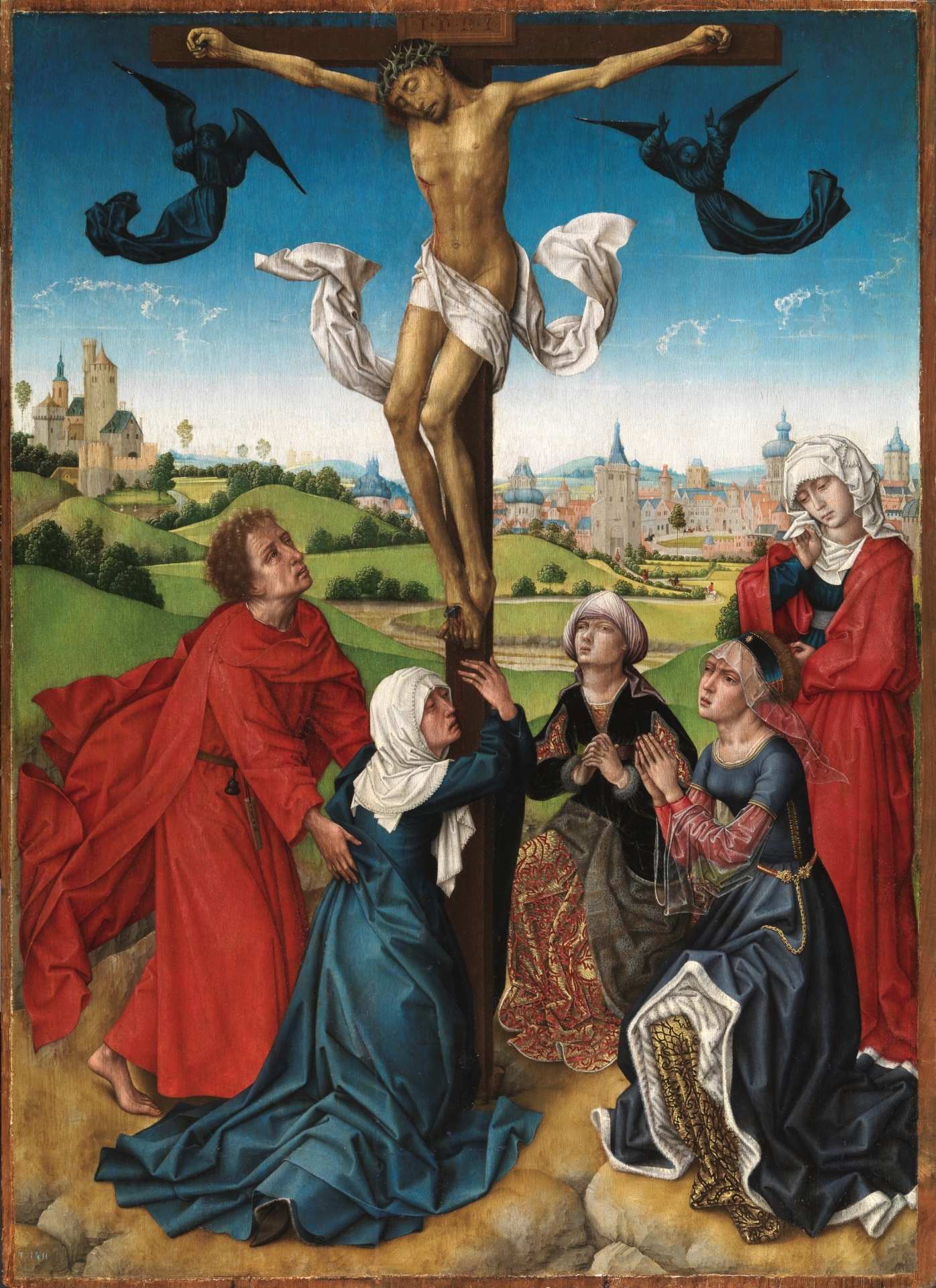


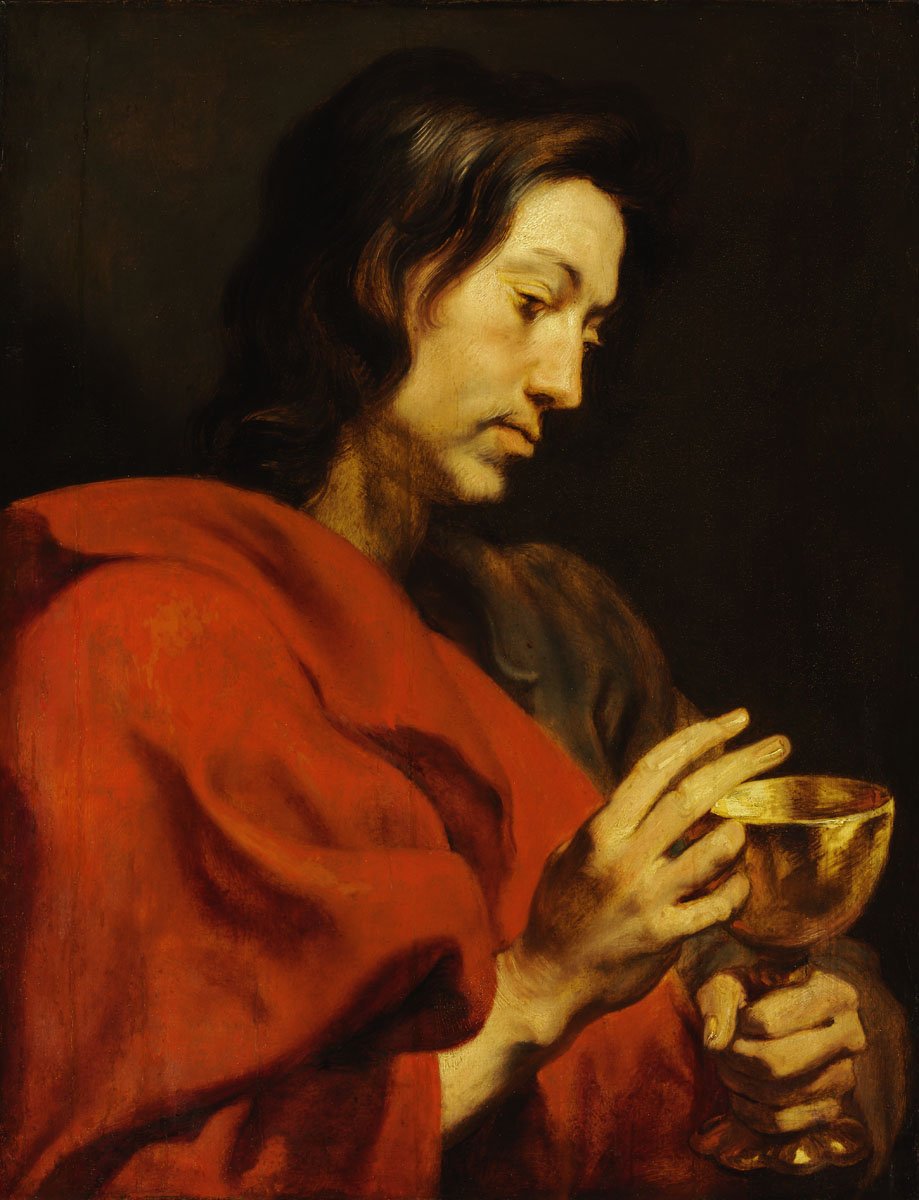
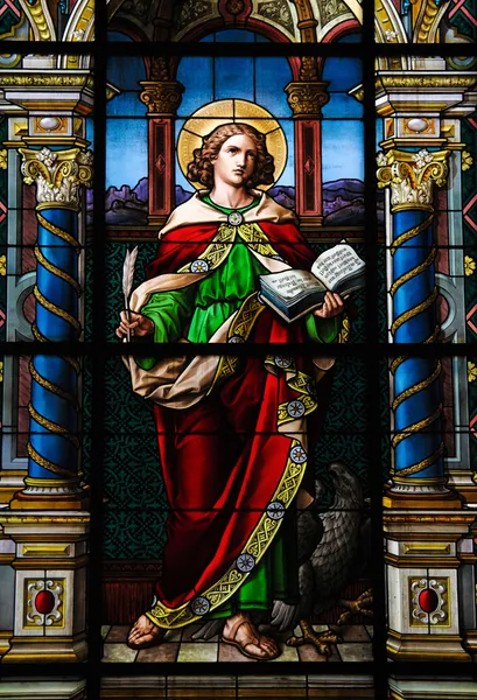


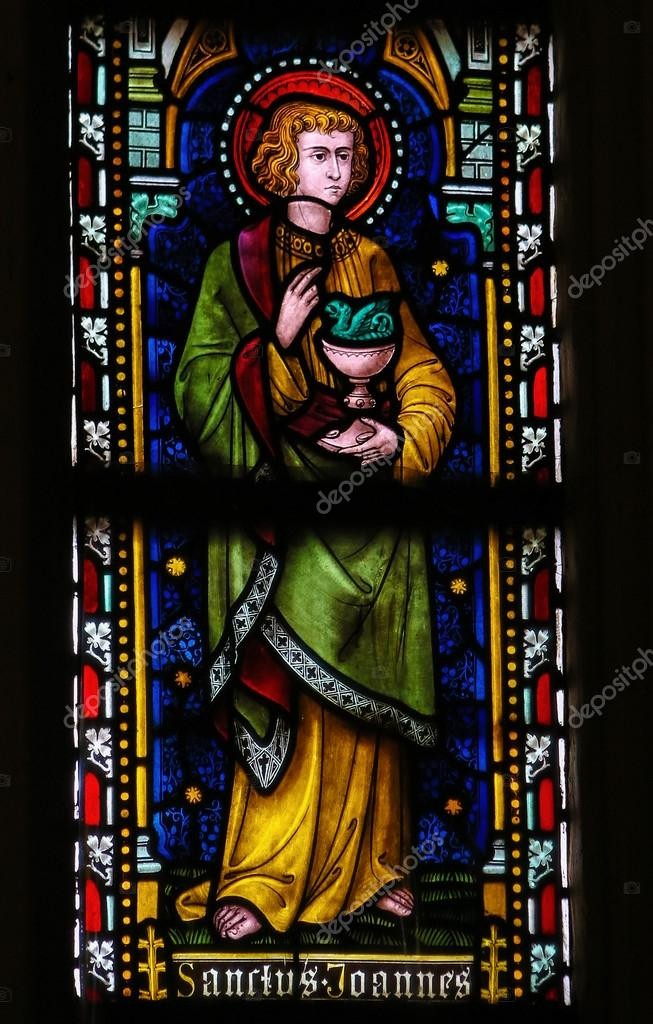

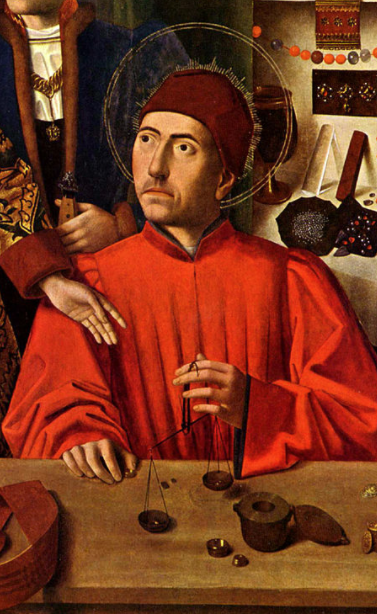
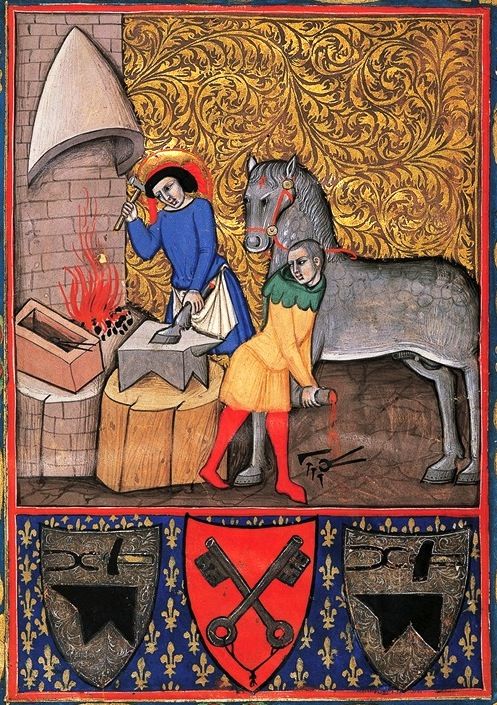
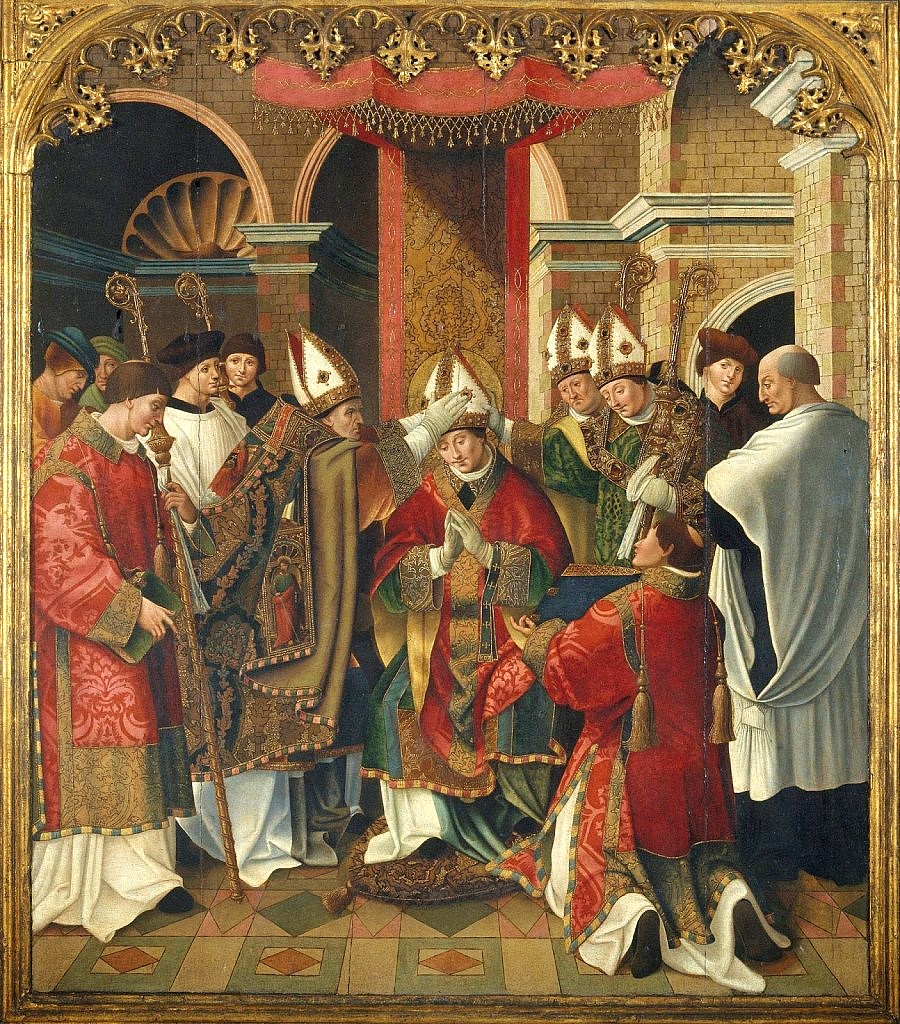
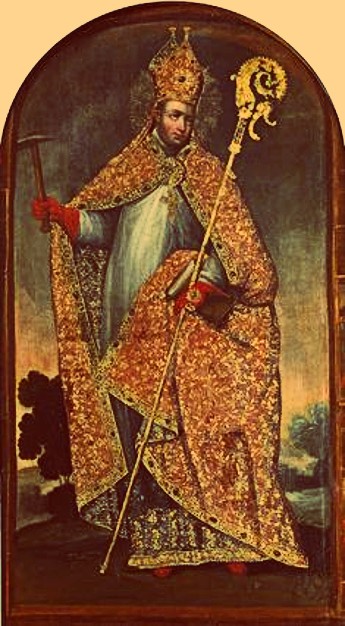
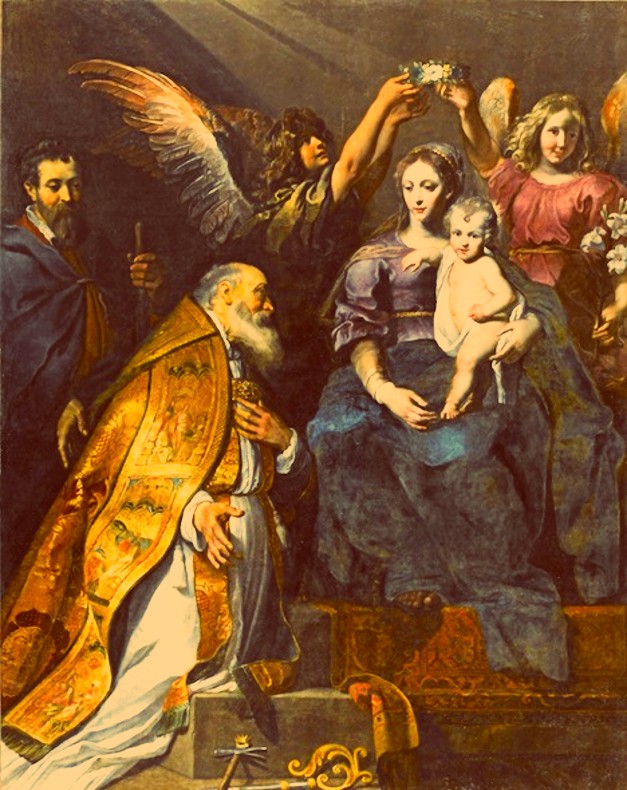

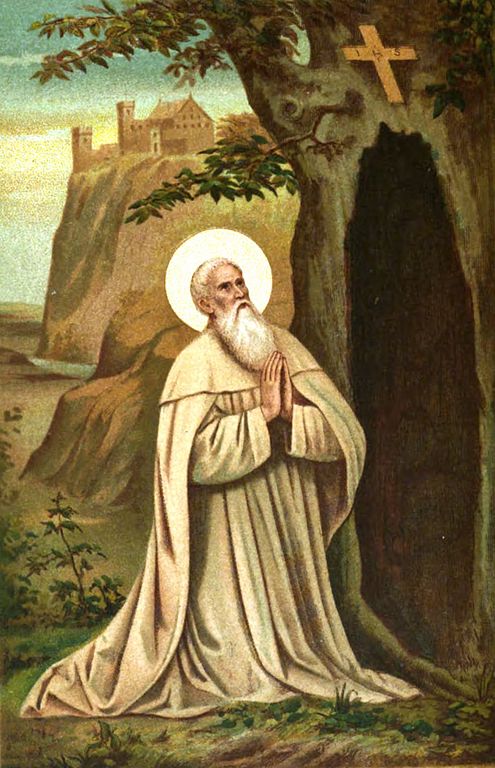
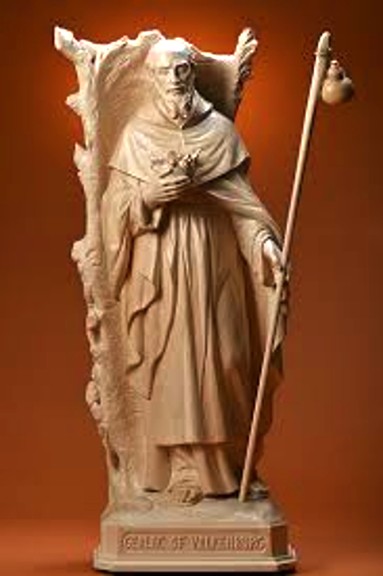
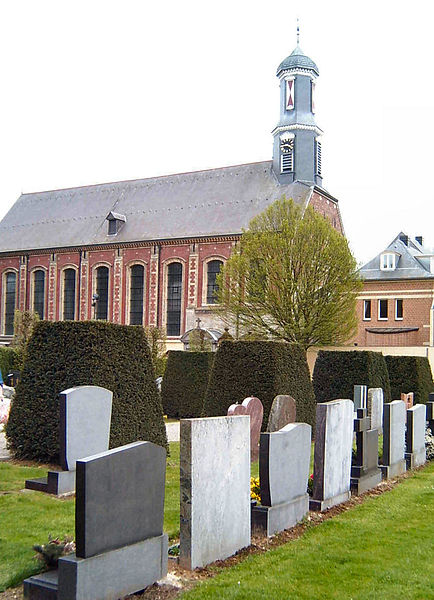
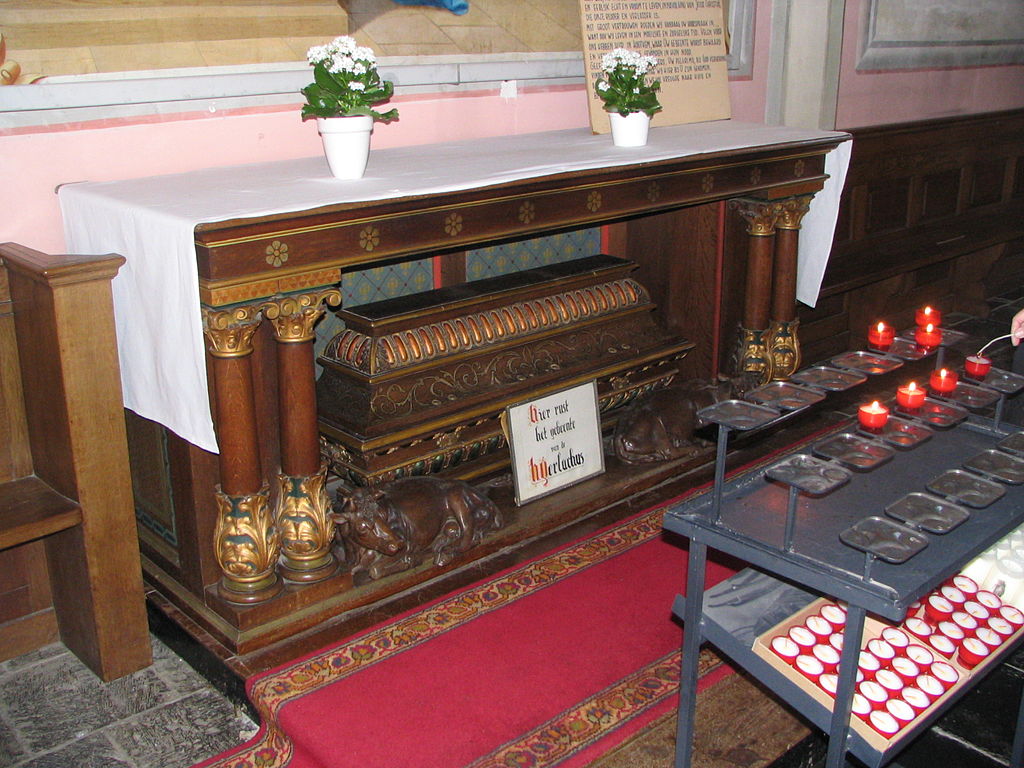
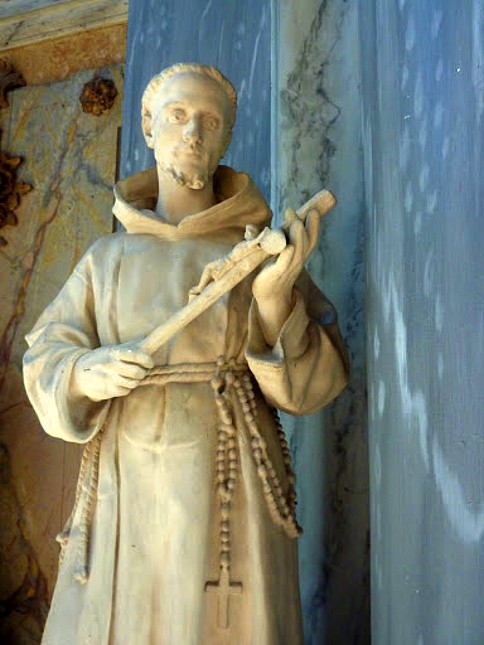
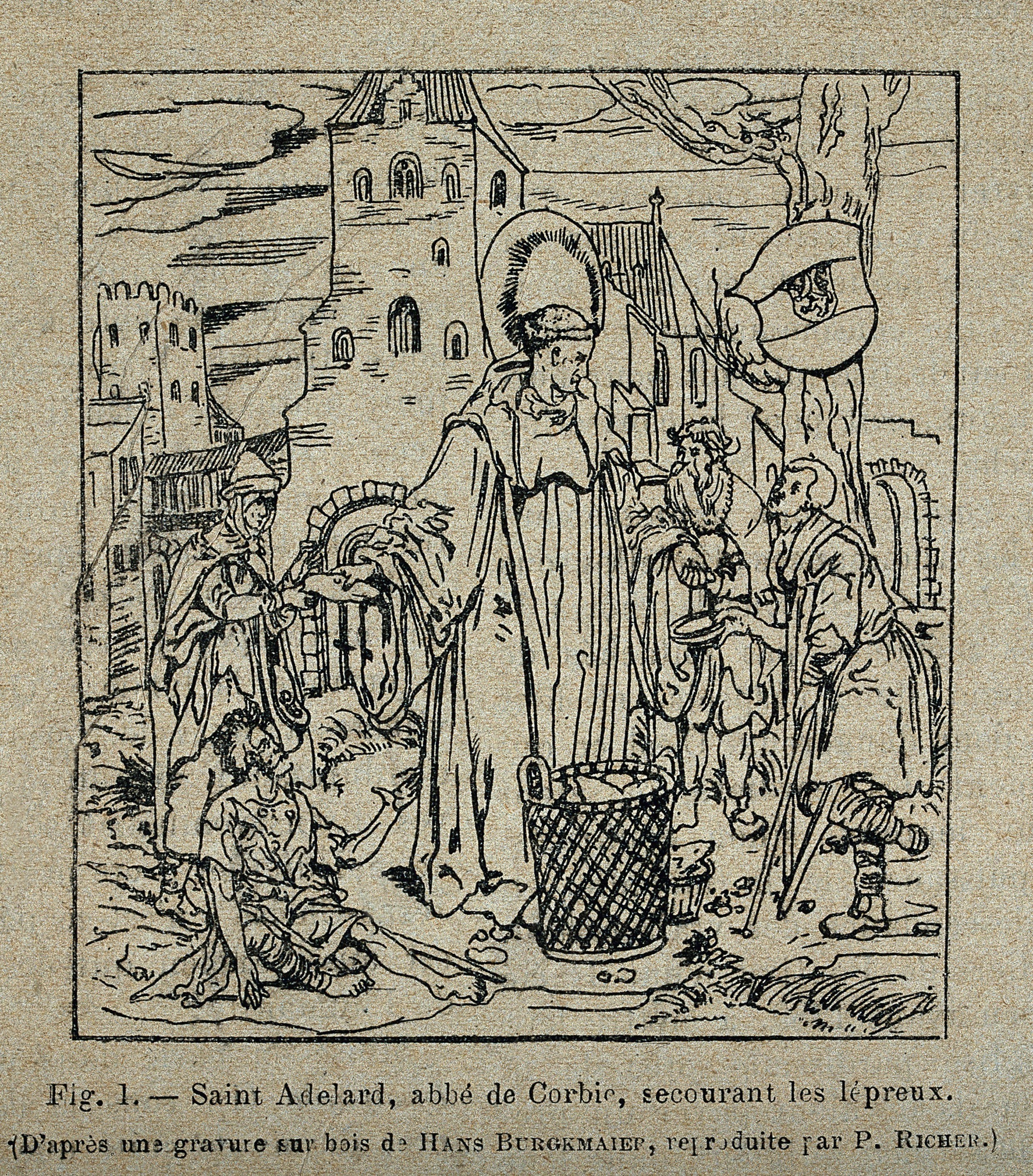
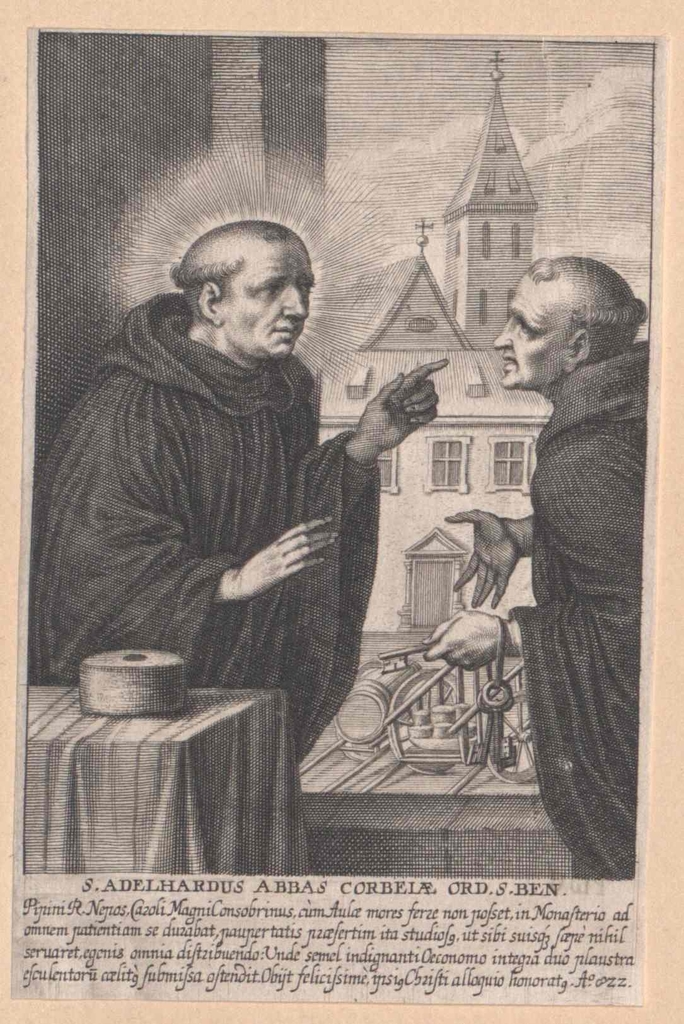
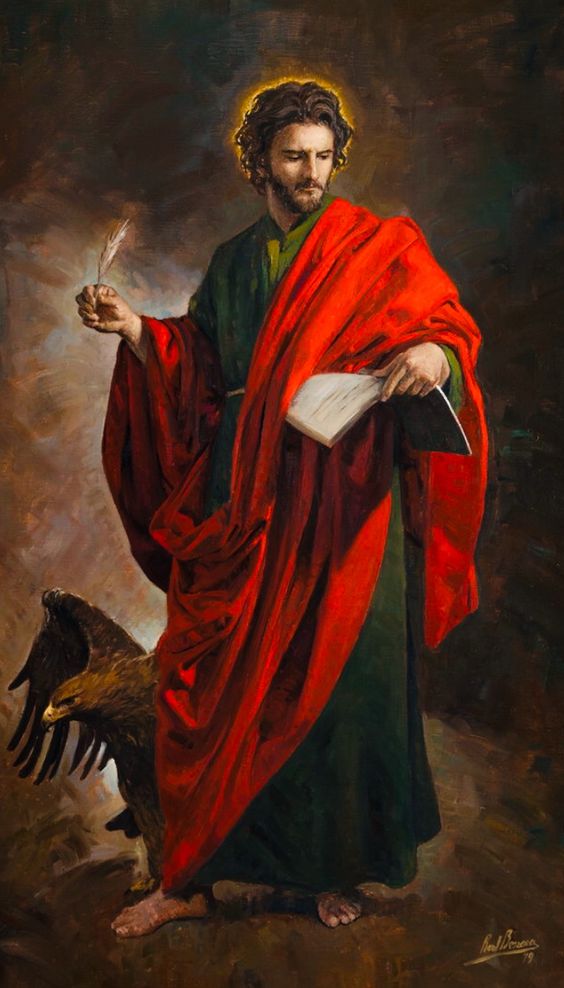

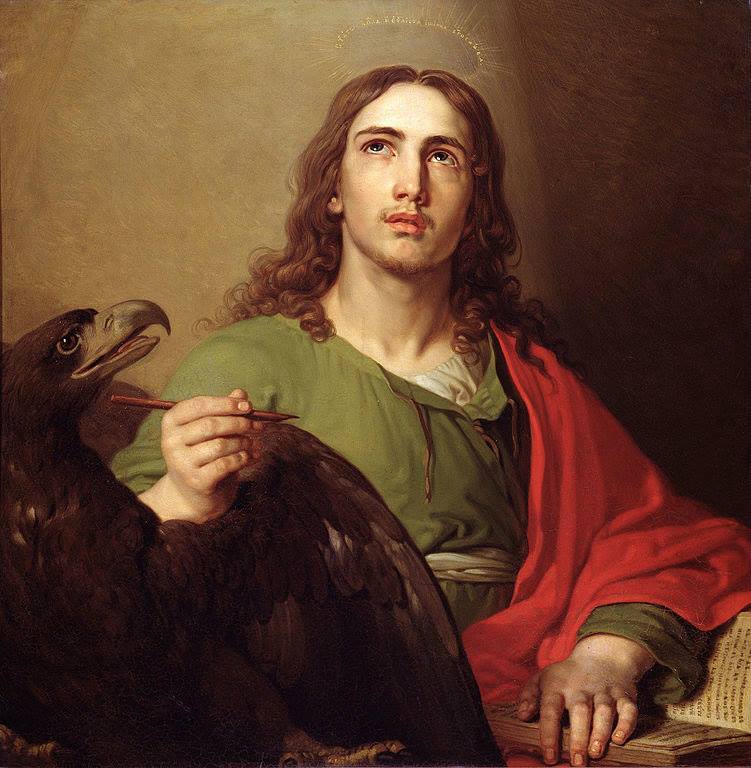
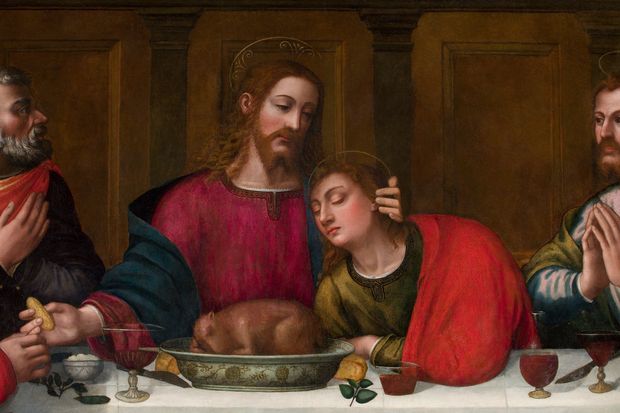
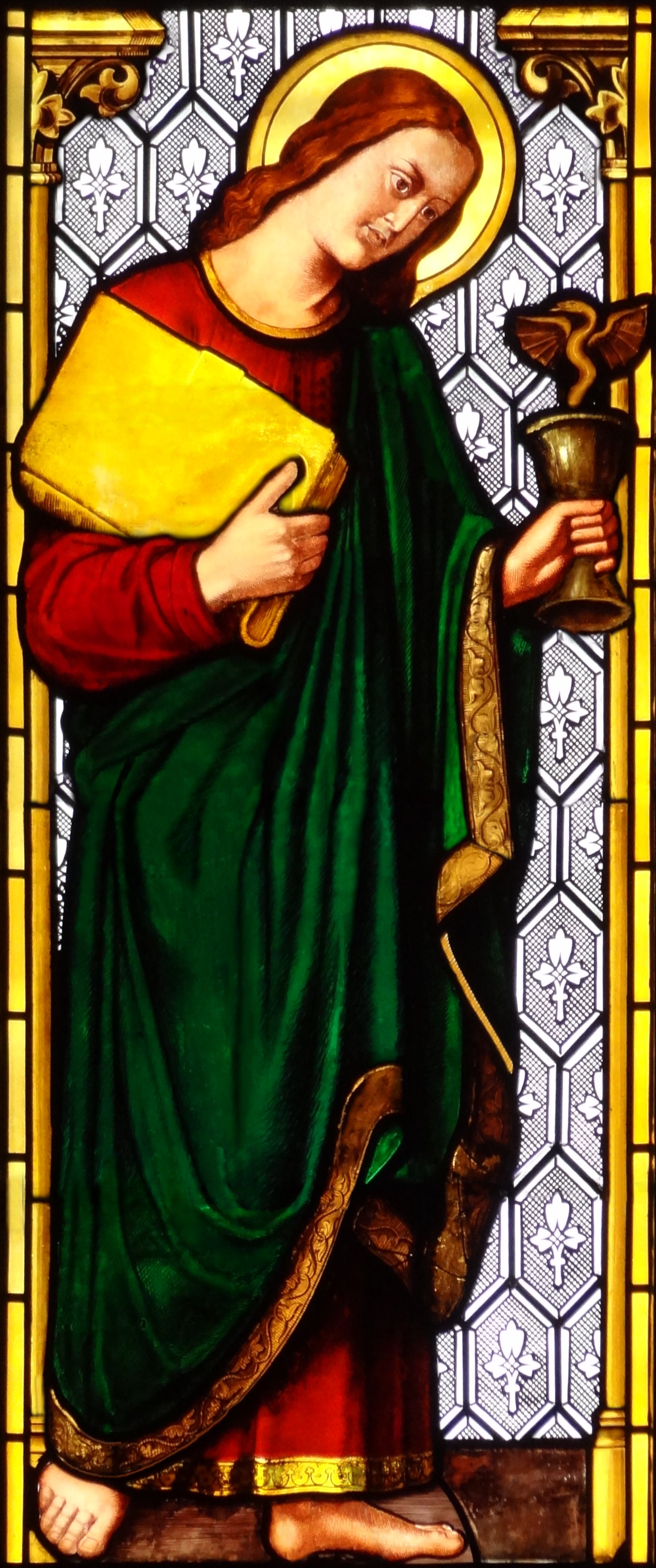
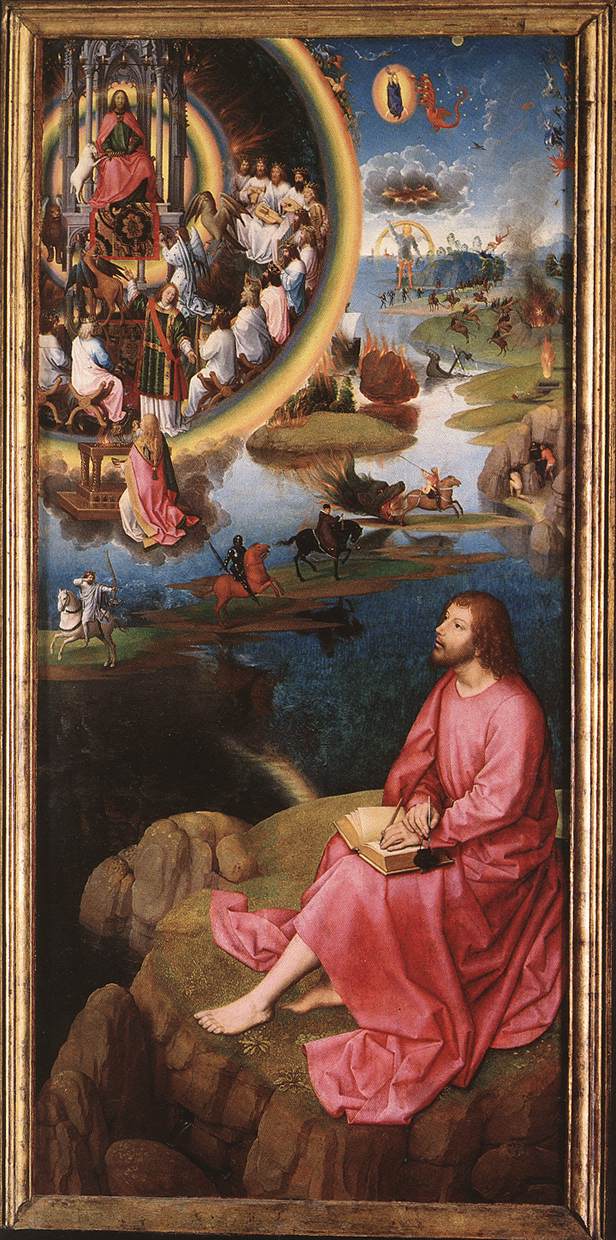
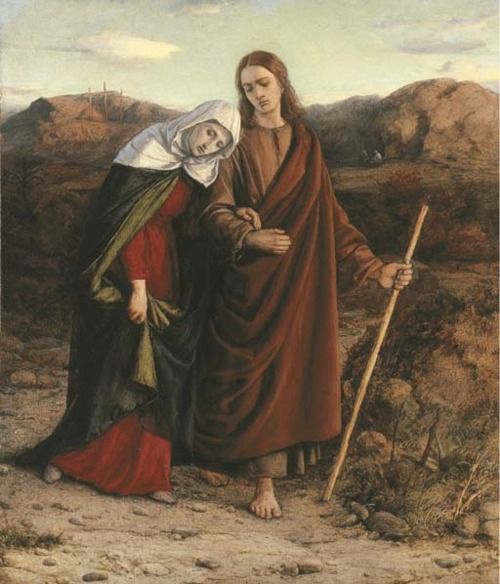

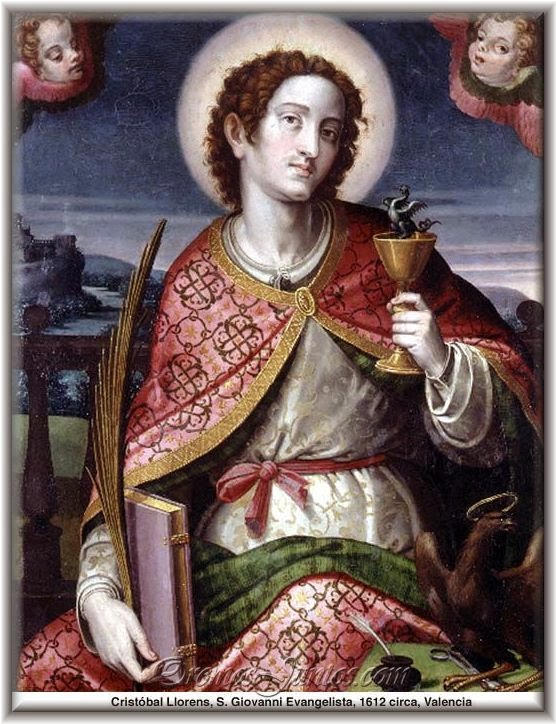

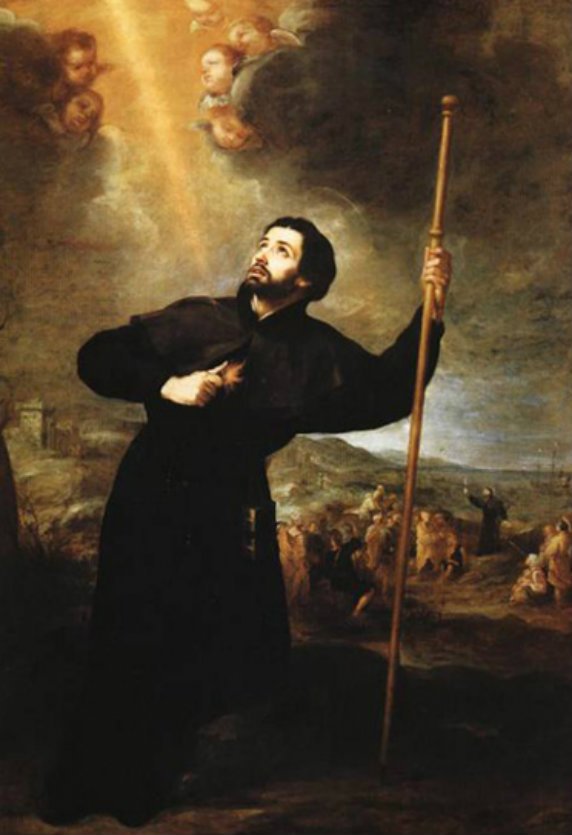
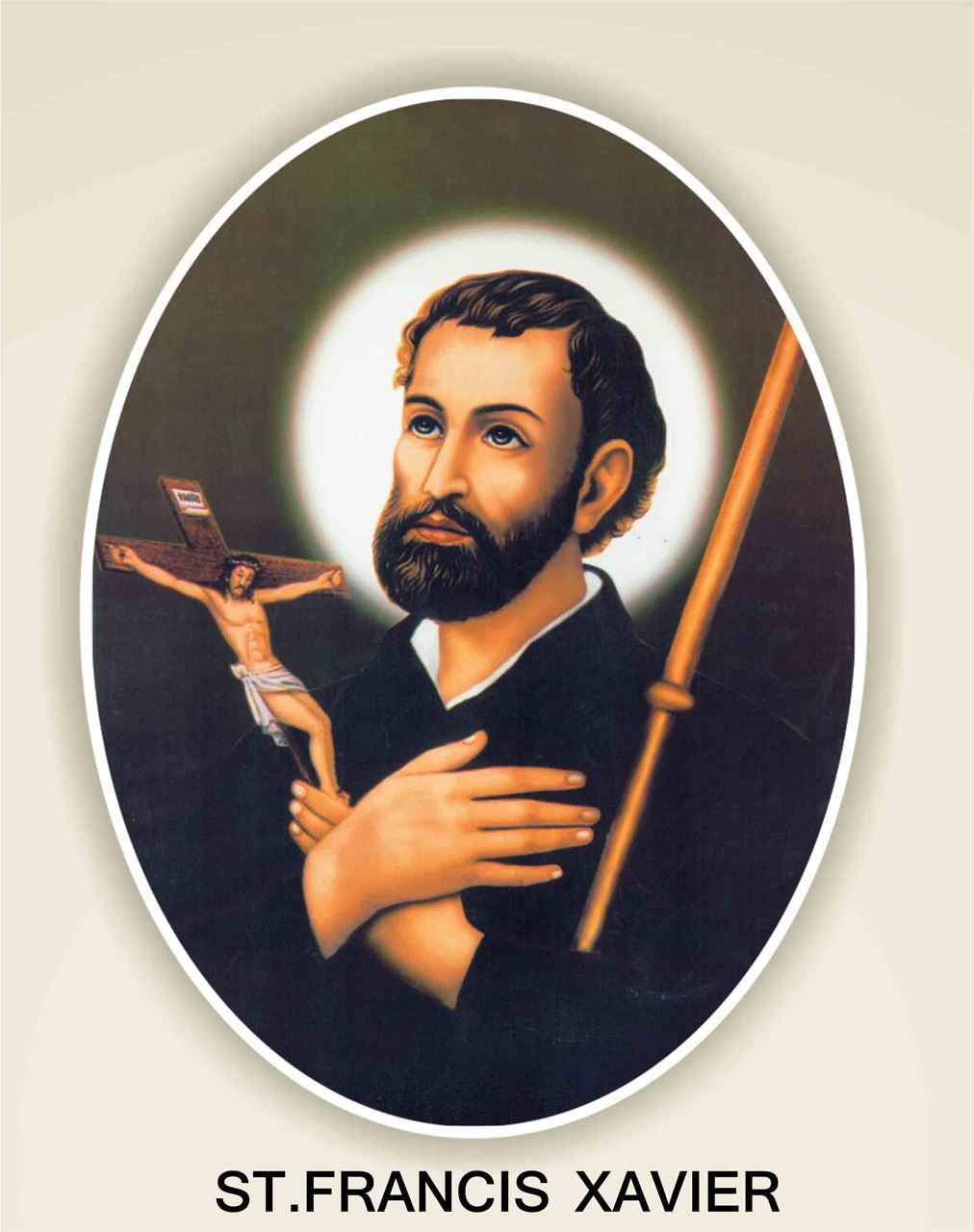
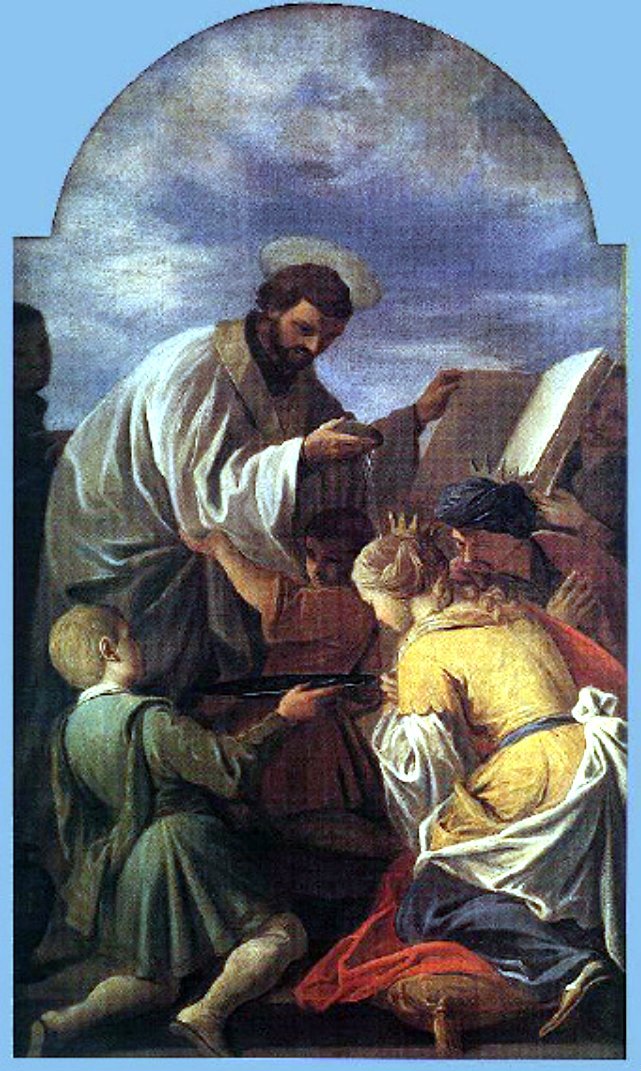
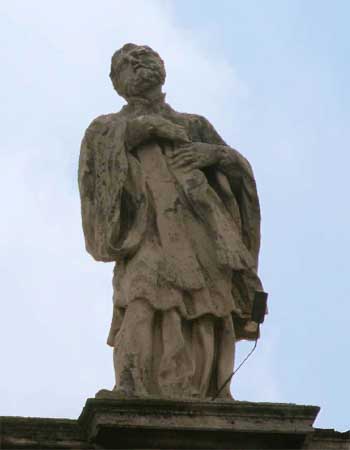
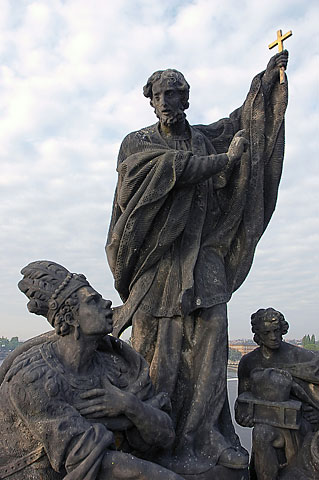
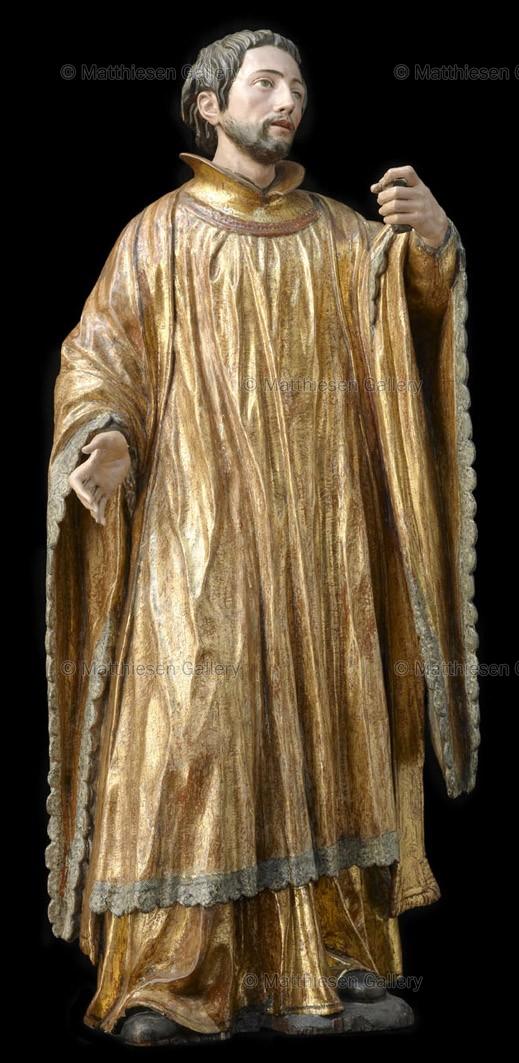
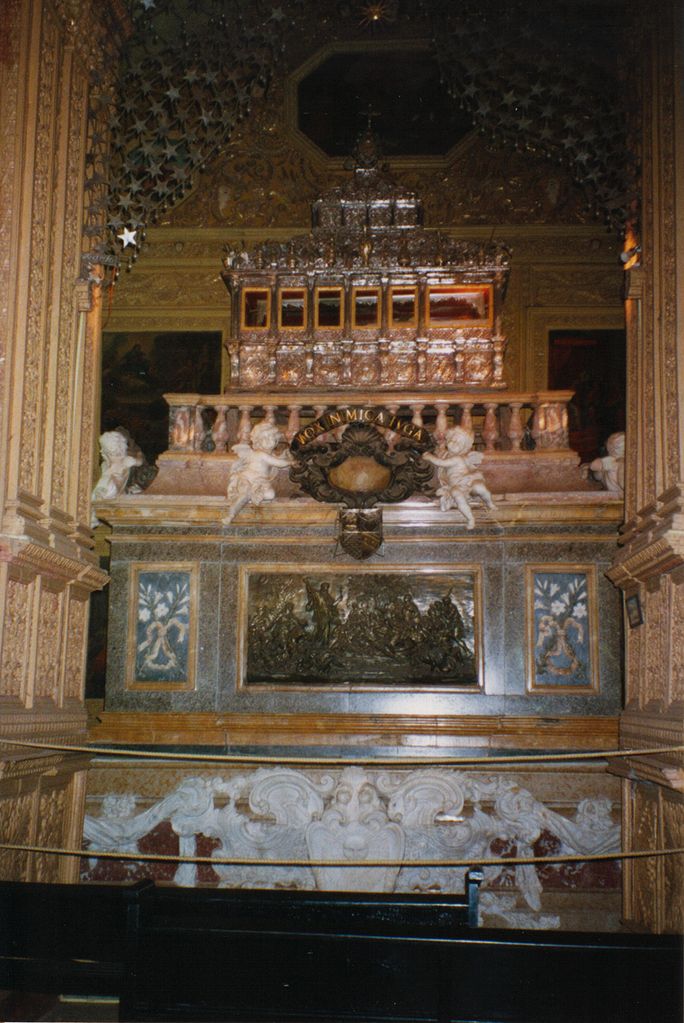

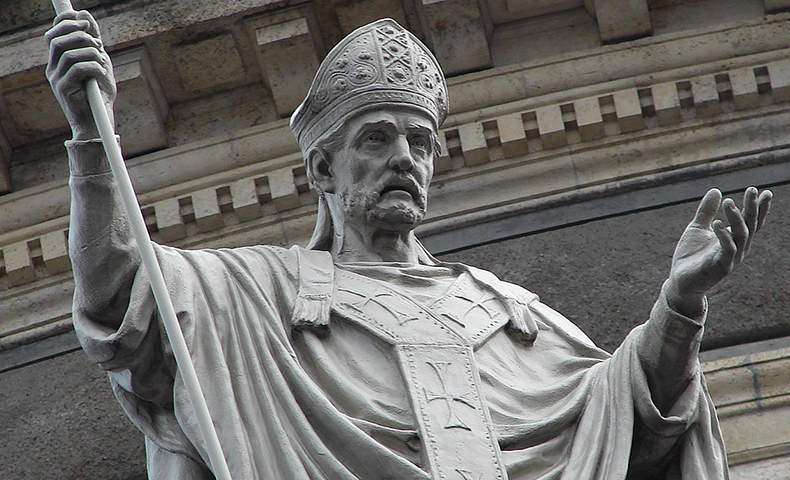


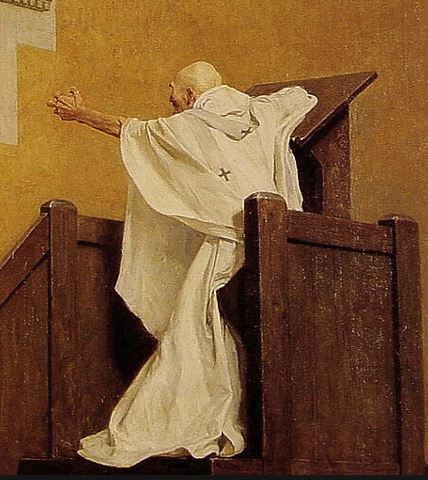
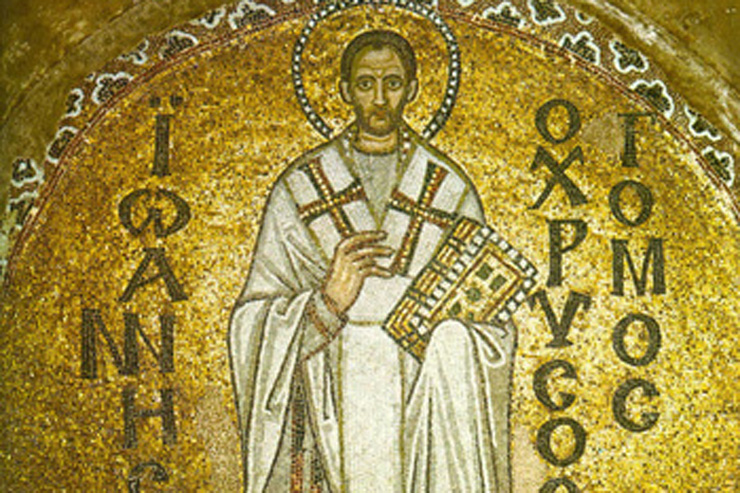
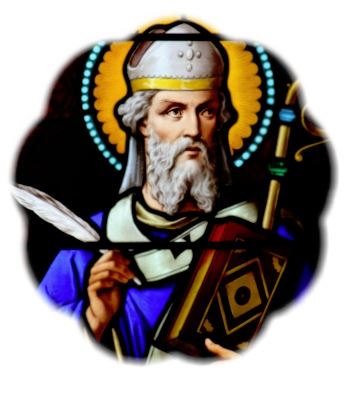
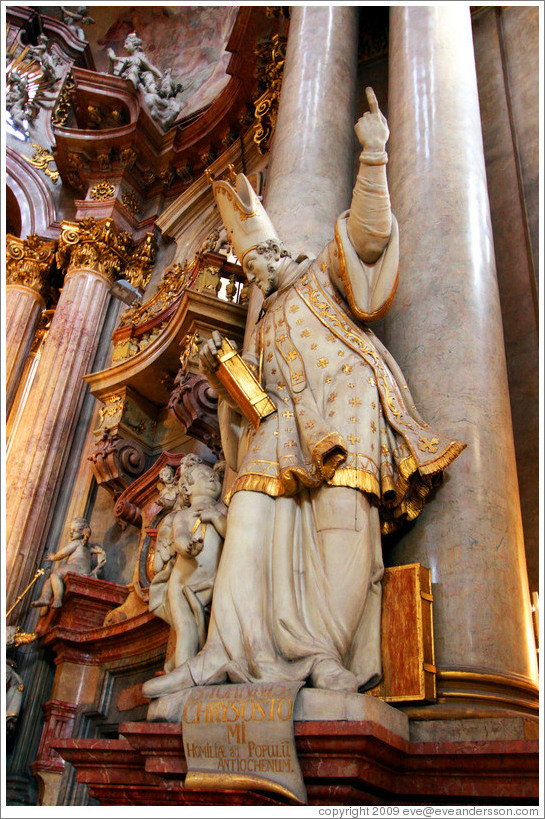
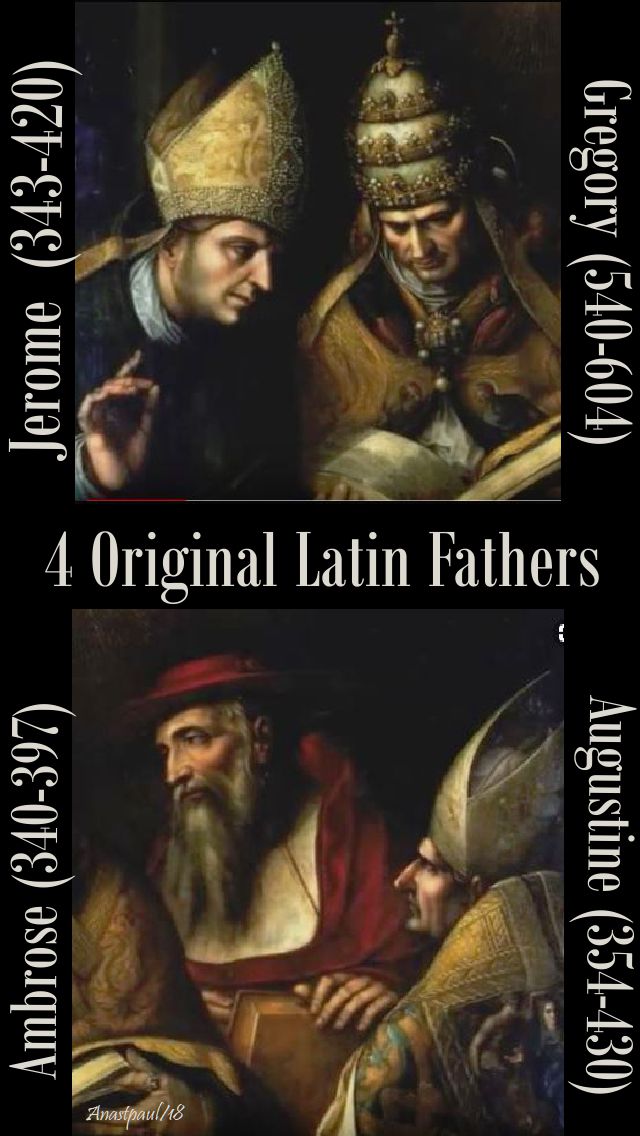
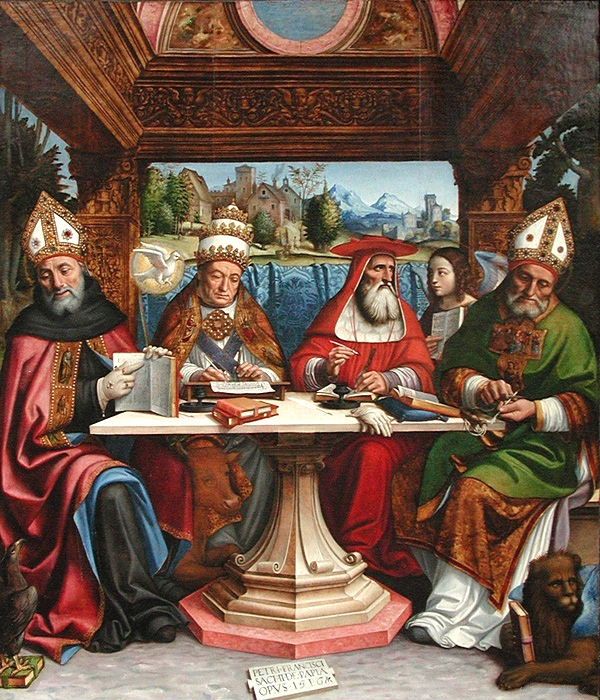
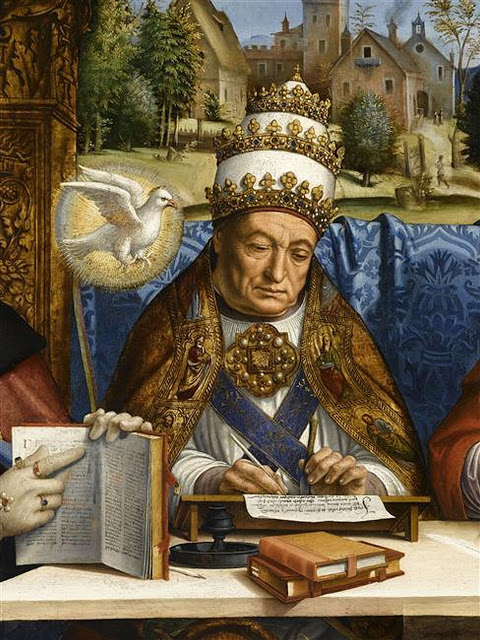
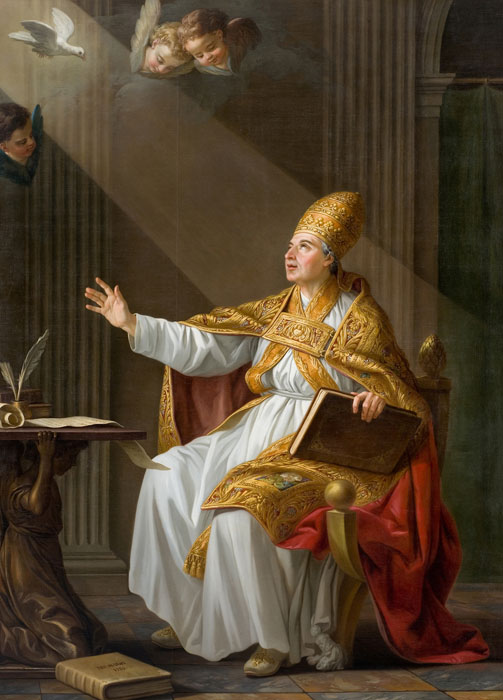
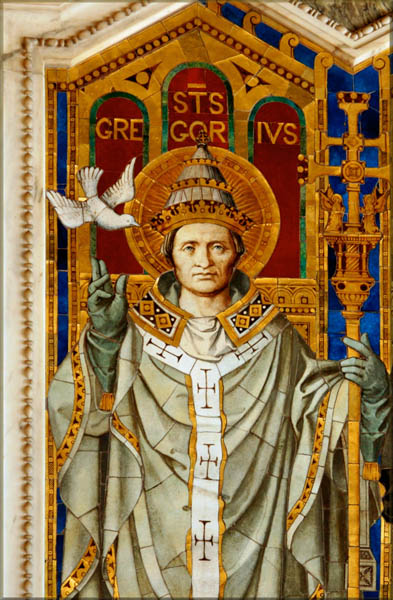
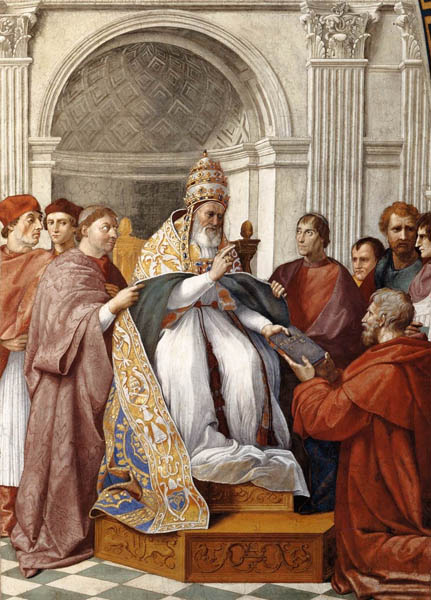
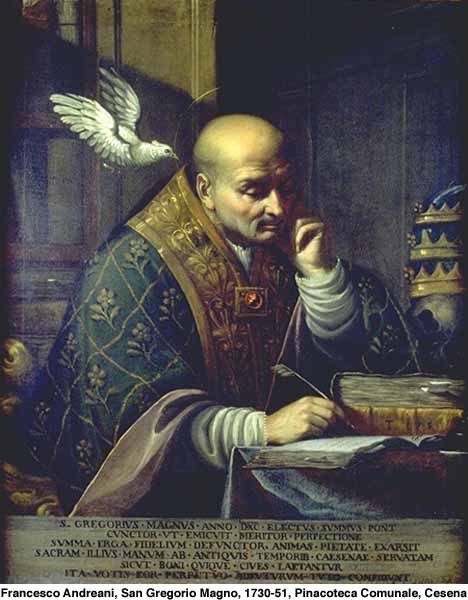
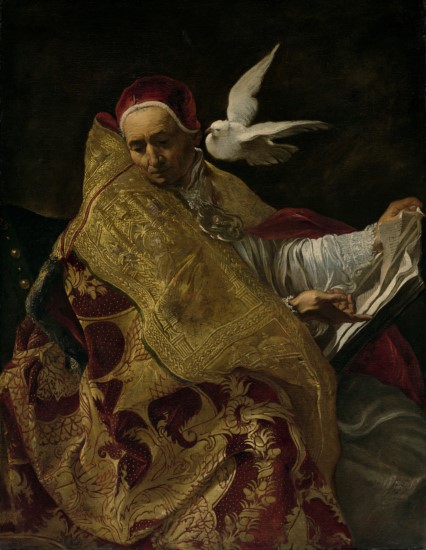
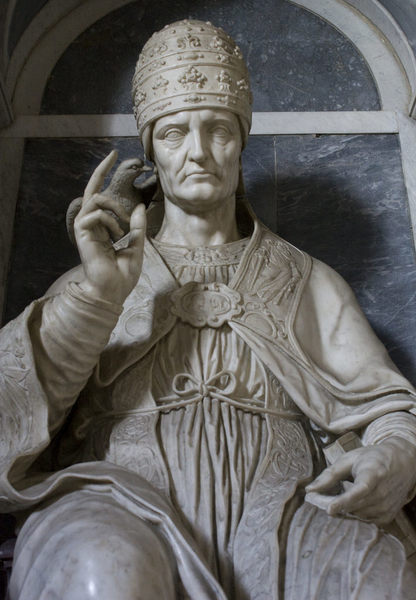
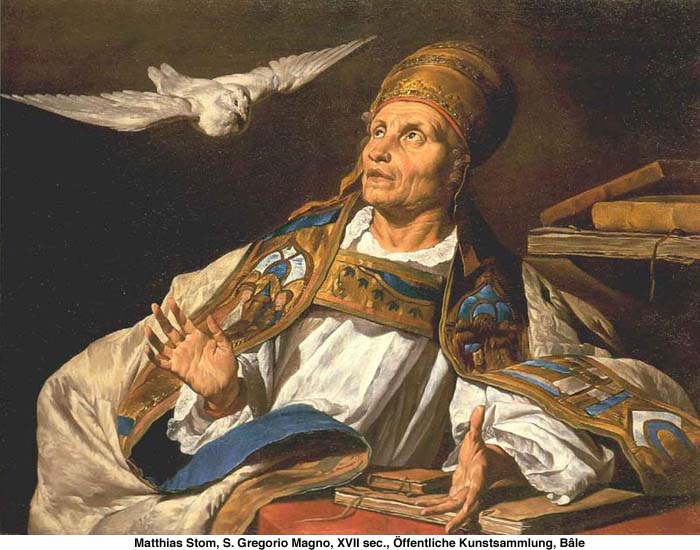
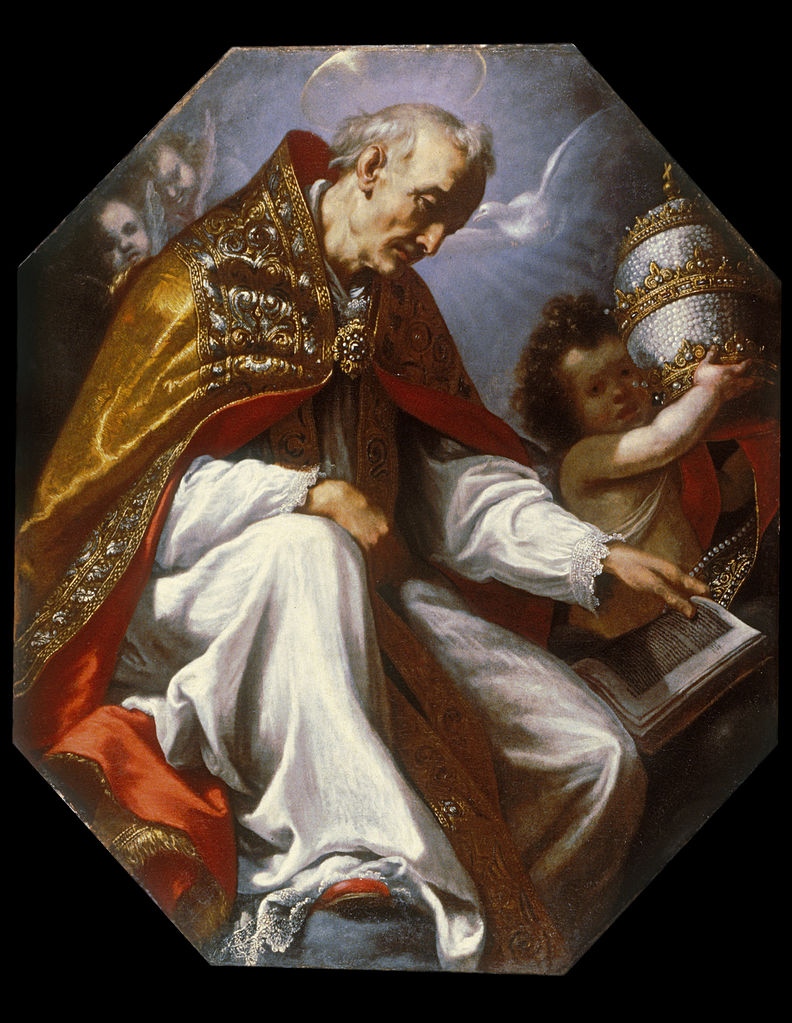
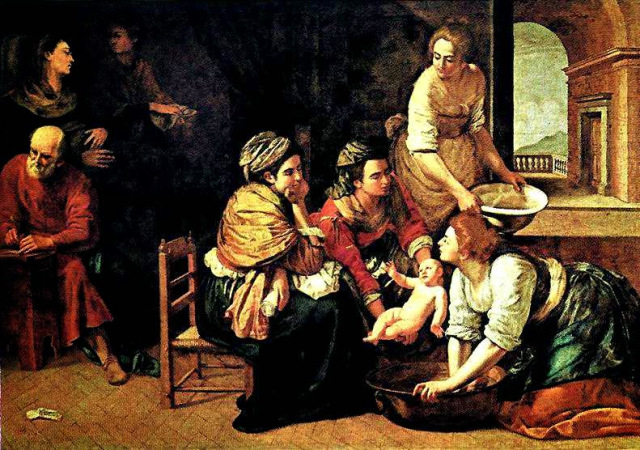
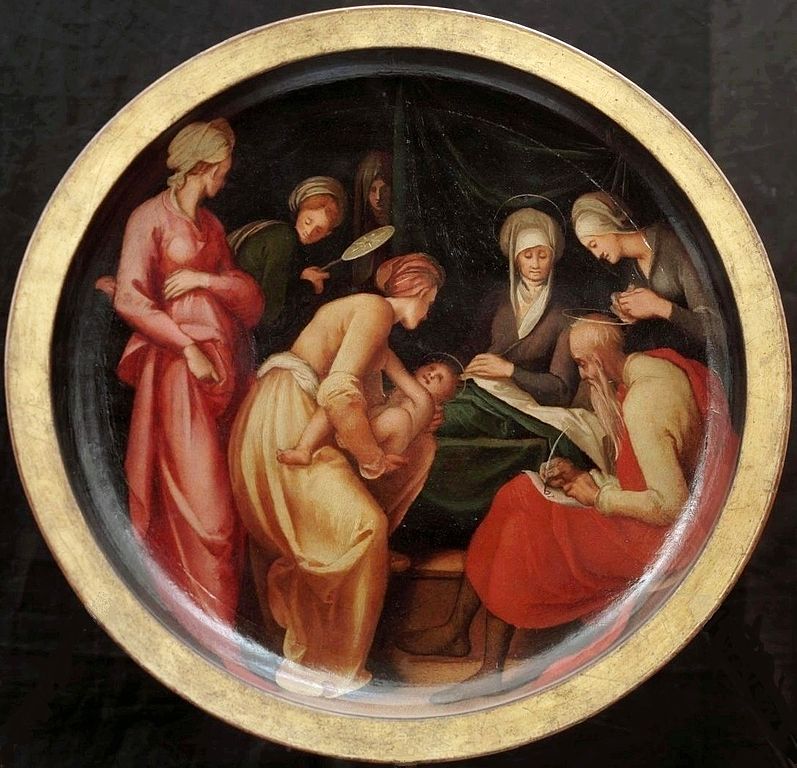

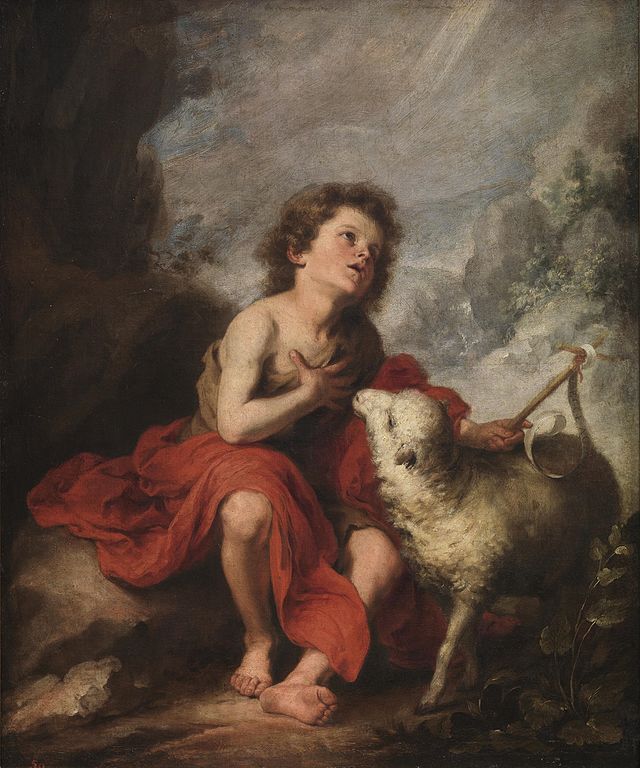
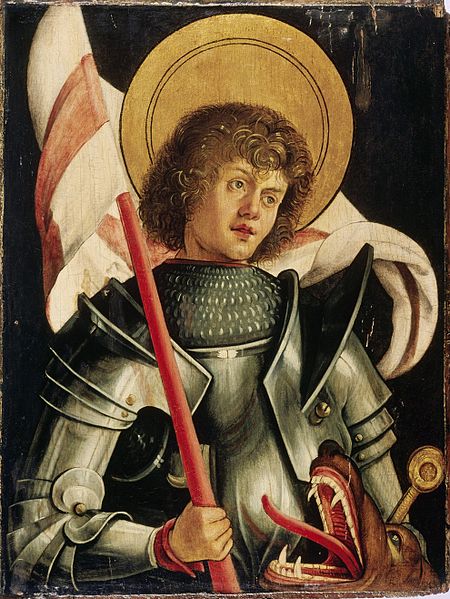
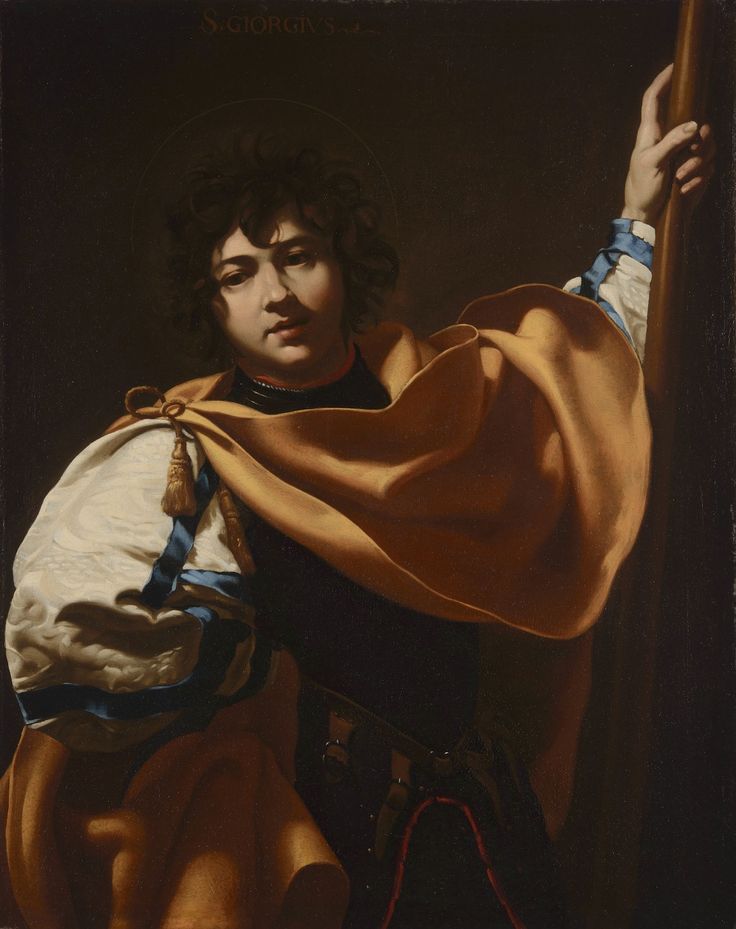
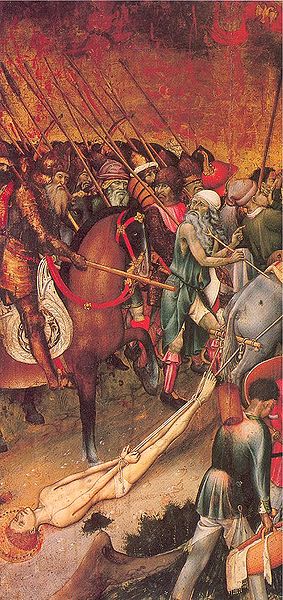
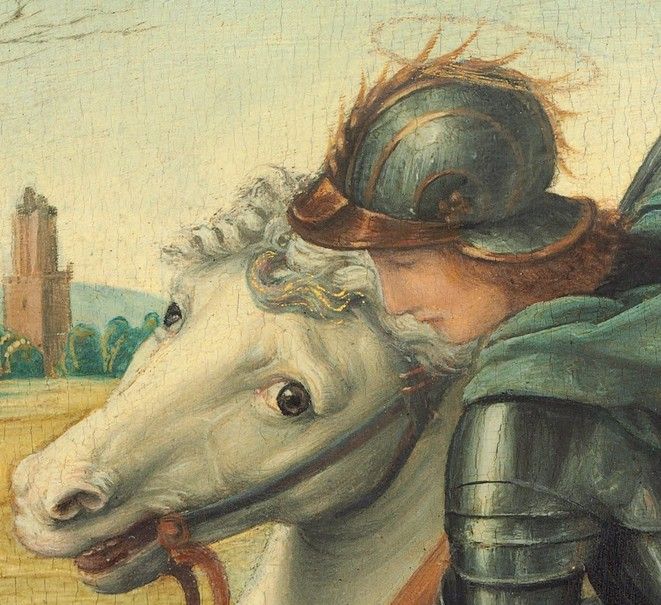
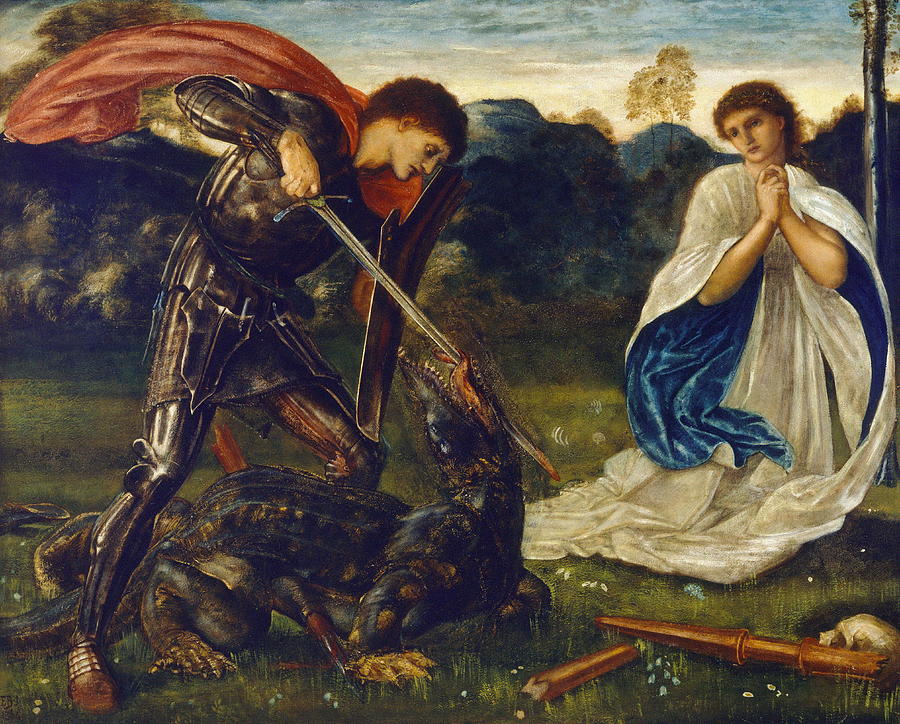
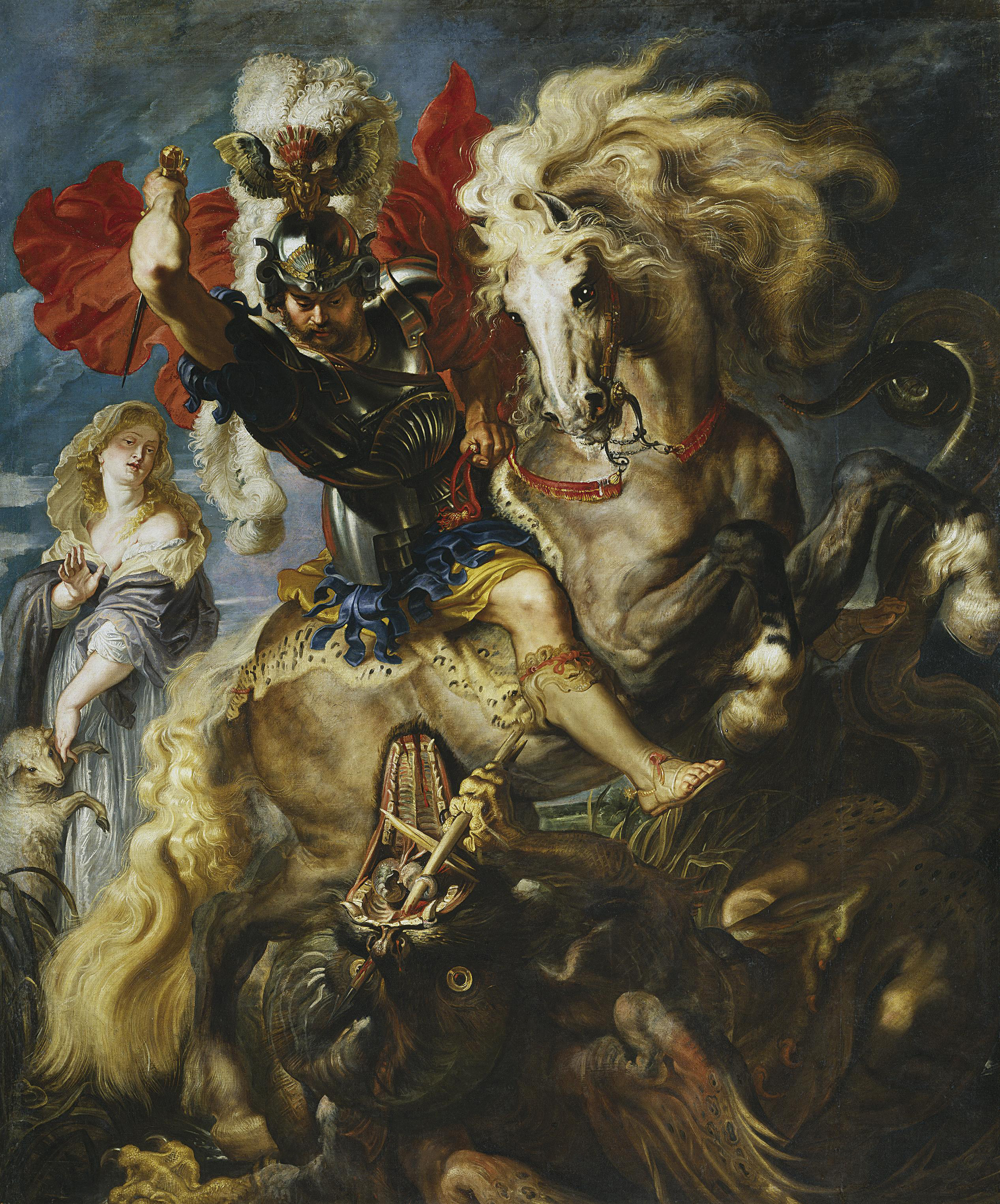
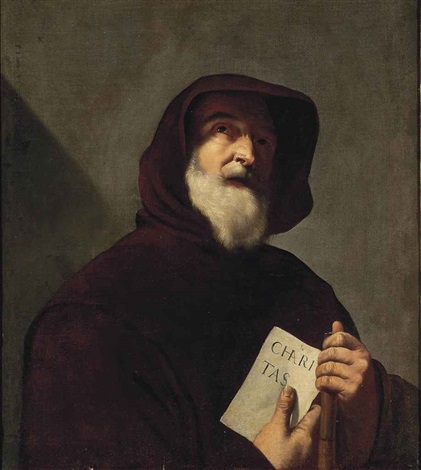
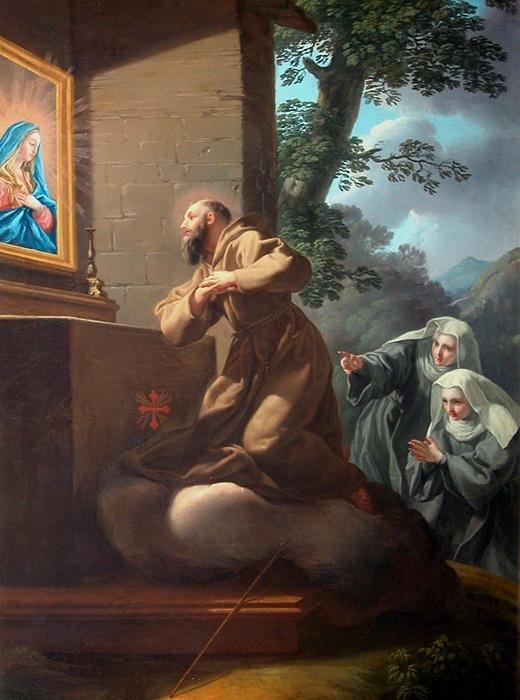
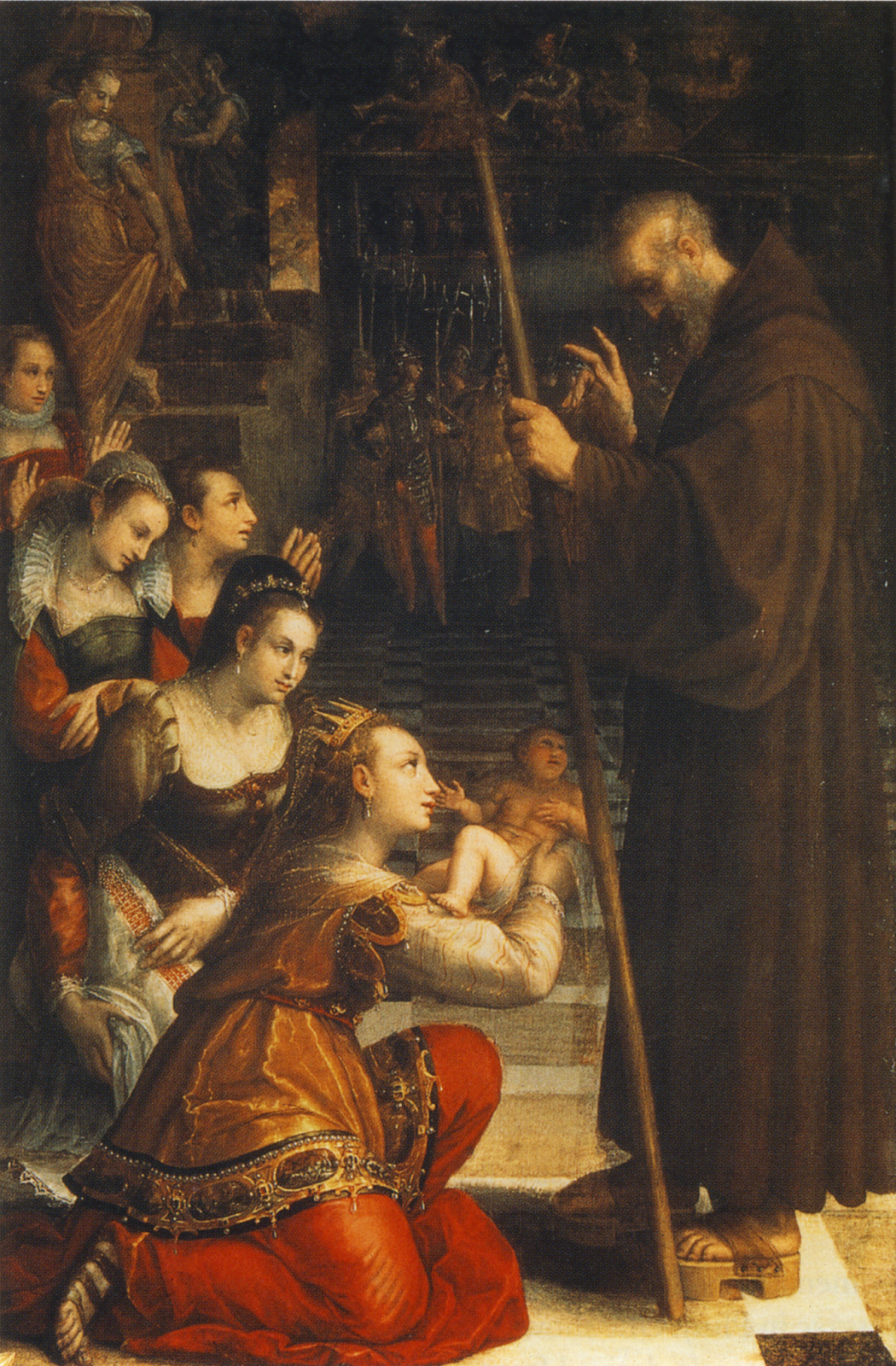


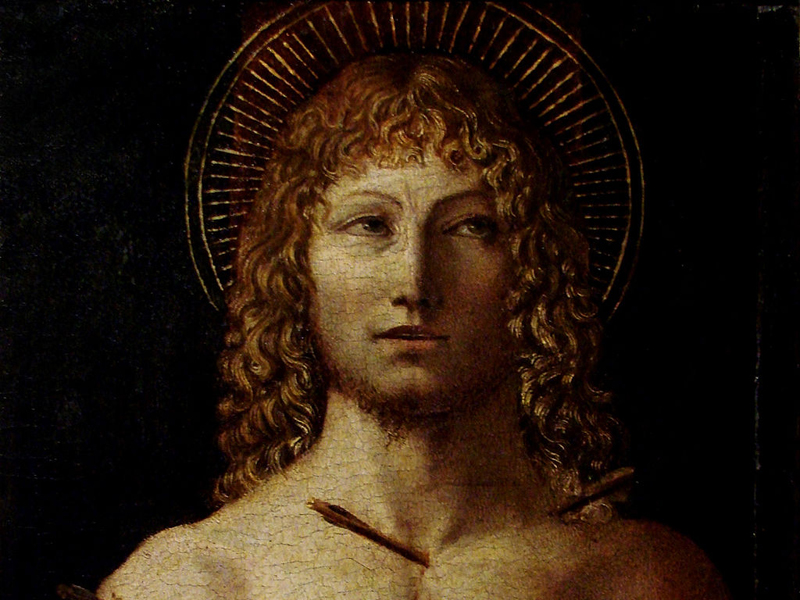
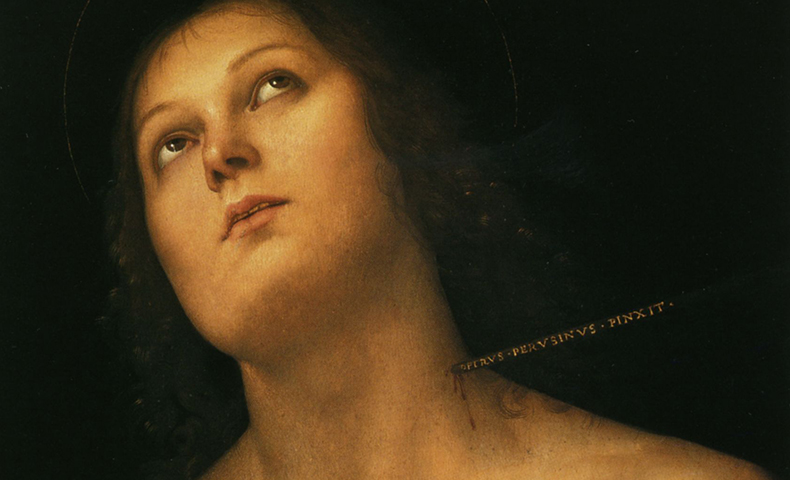
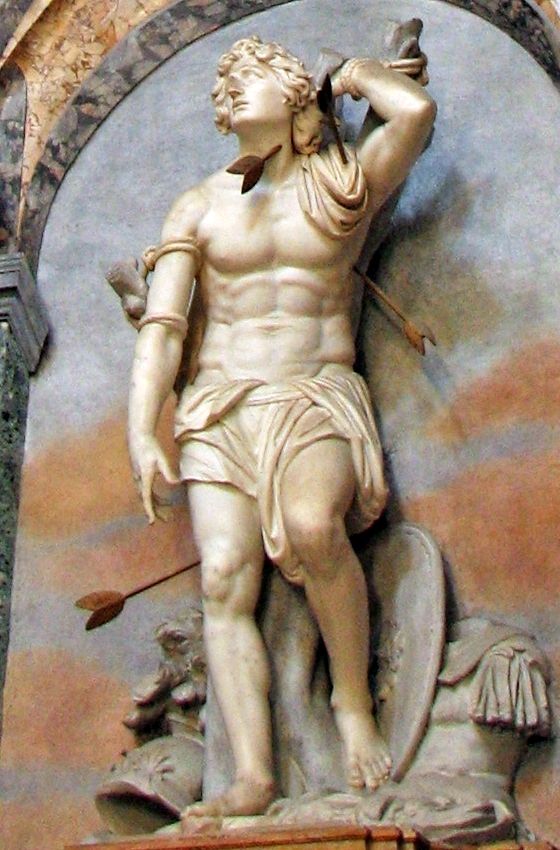
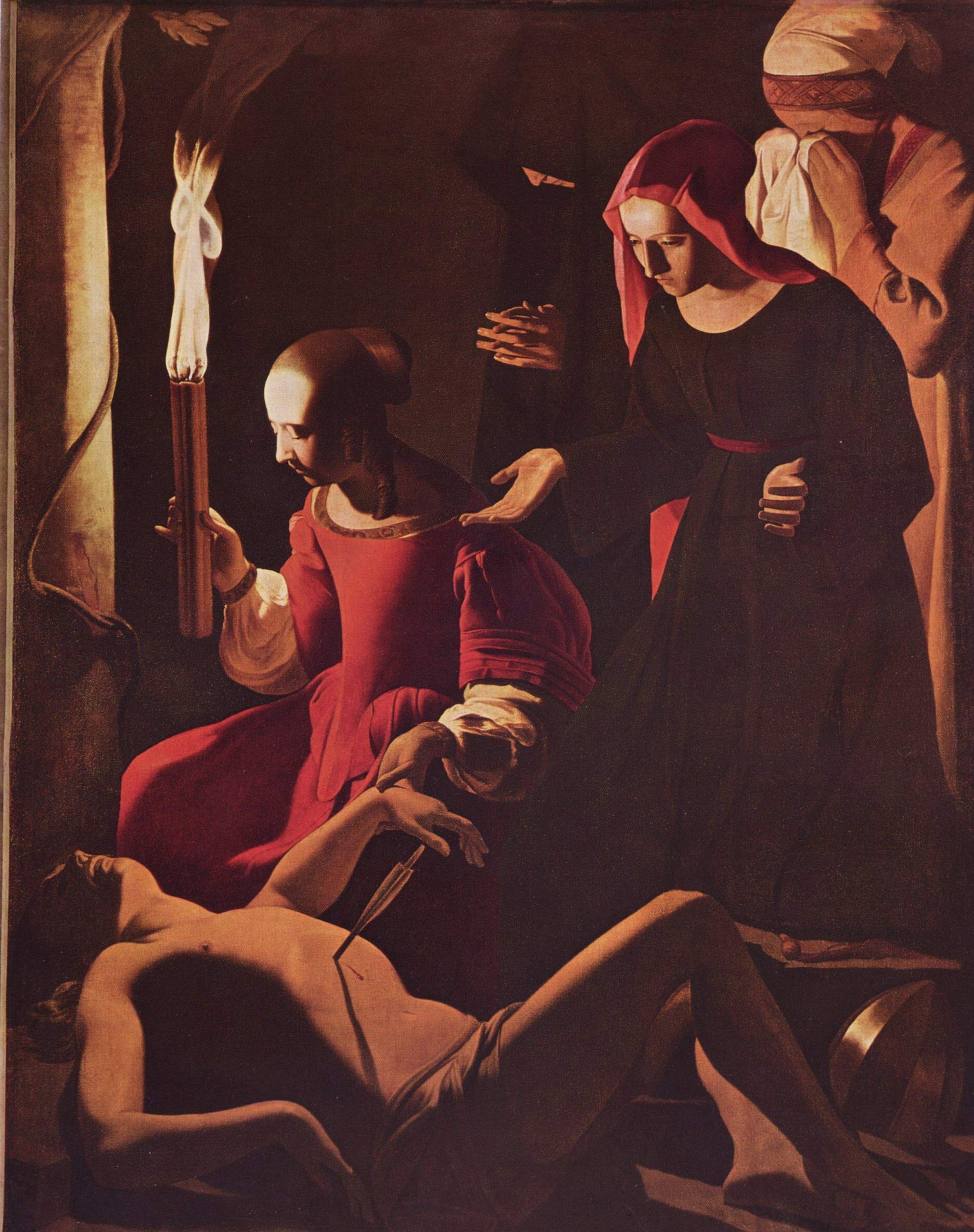
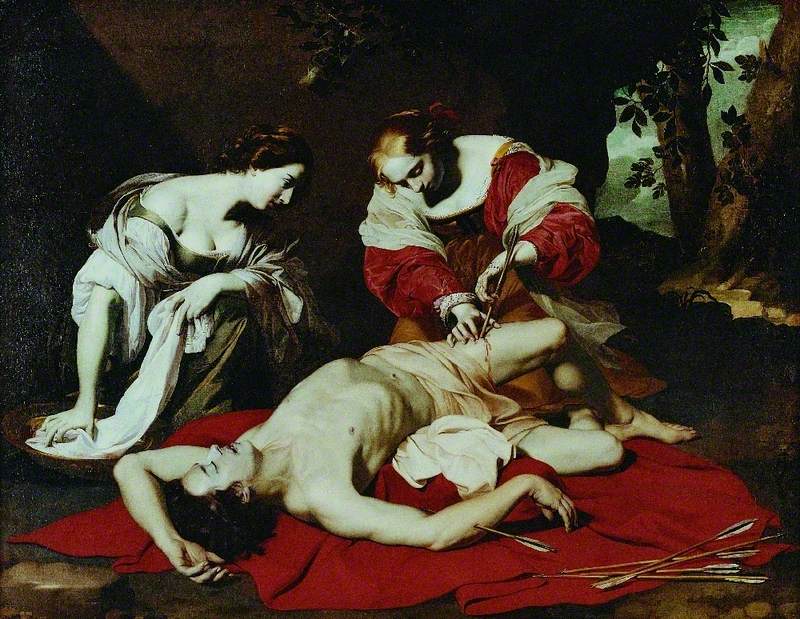
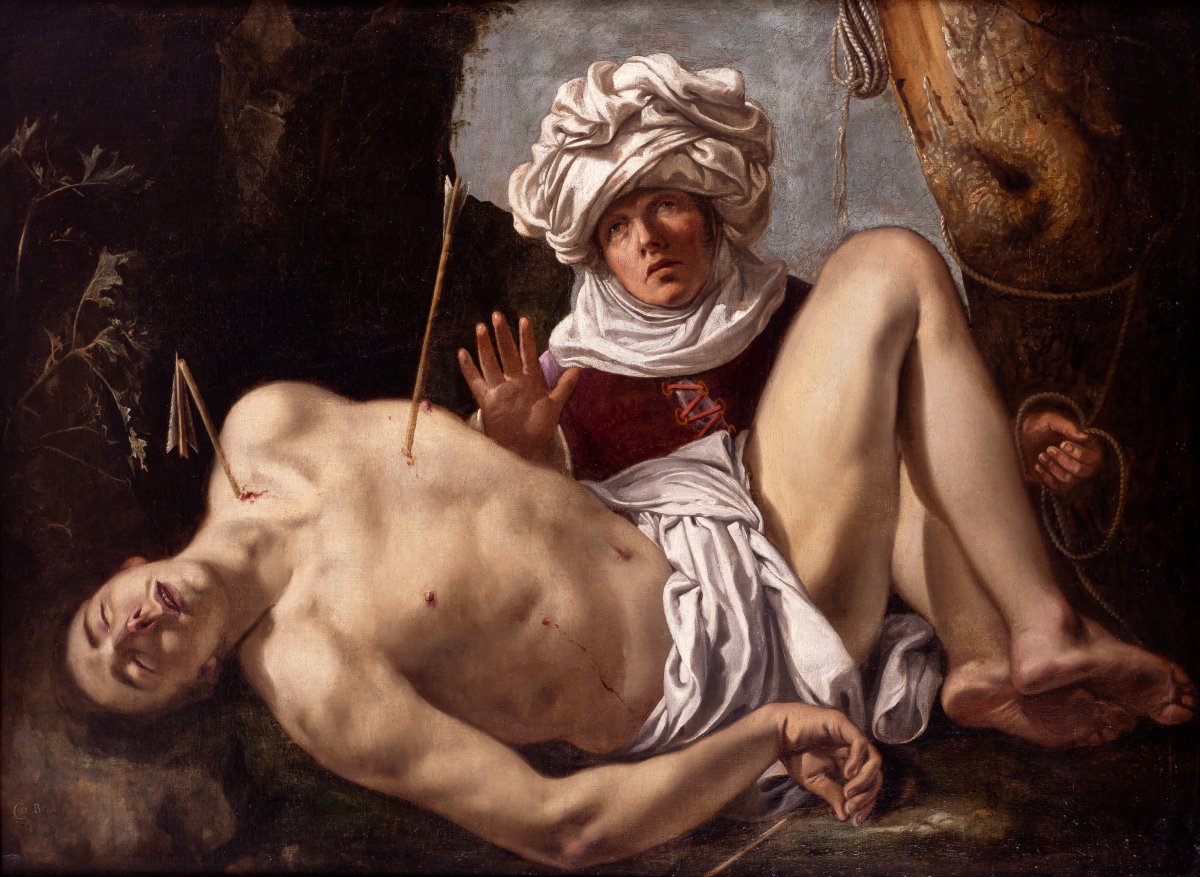
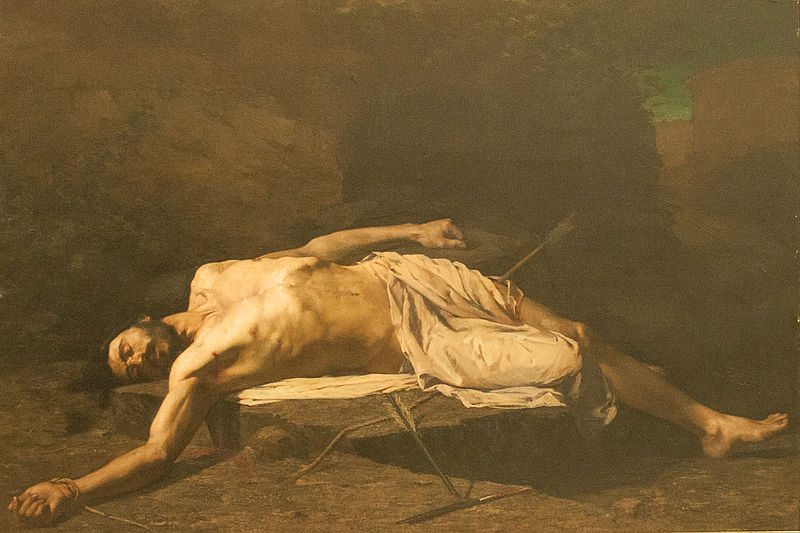
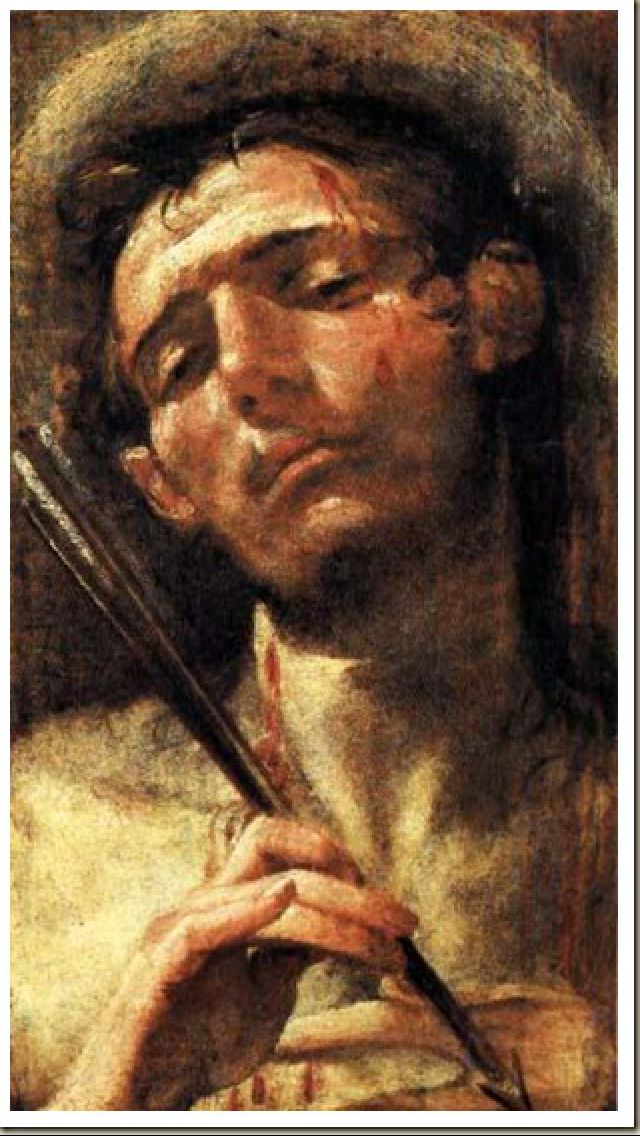
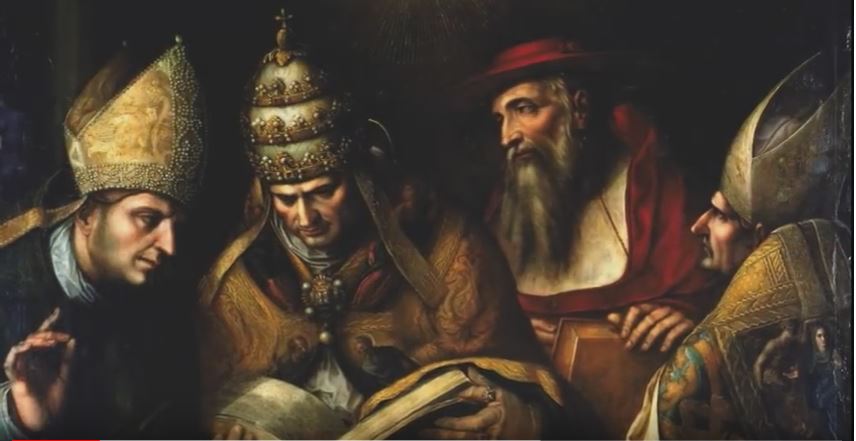


![Bartolo-di-Fredi-xx-A-Papal-Saint-Saint-Gregory-the-Great-1380s[1]](https://i0.wp.com/anastpaul.com/wp-content/uploads/2017/09/bartolo-di-fredi-xx-a-papal-saint-saint-gregory-the-great-1380s1.jpg?w=166&h=330&ssl=1 "Bartolo-di-Fredi-xx-A-Papal-Saint-Saint-Gregory-the-Great-1380s[1]")


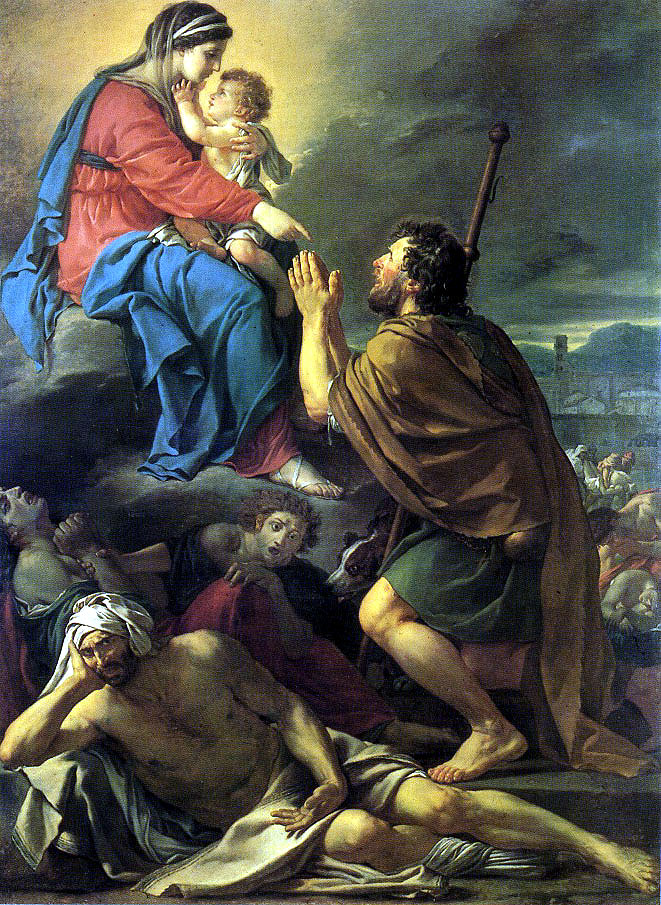 In In Rome, according to the Golden Legend he preserved the “Cardinal of Angleria in Lombardy” by making the Sign of the Cross on his forehead, which miraculously remained there, visi nbble to all! Ministering at Piacenza he himself finally fell ill. He was expelled from the Town and withdrew into the forest, where he fashioned a shelter of boughs and leaves which was miraculously supplied with water, by a spring wic arose in the place;. He would have perished, had not a dog belonging to a nobleman named Gothard Palastrelli, supplied him with bread and licked his wounds, healing them. Count Gothard, following his hunting dog carrying the bread, discovered Saint Roch and became his acolyte.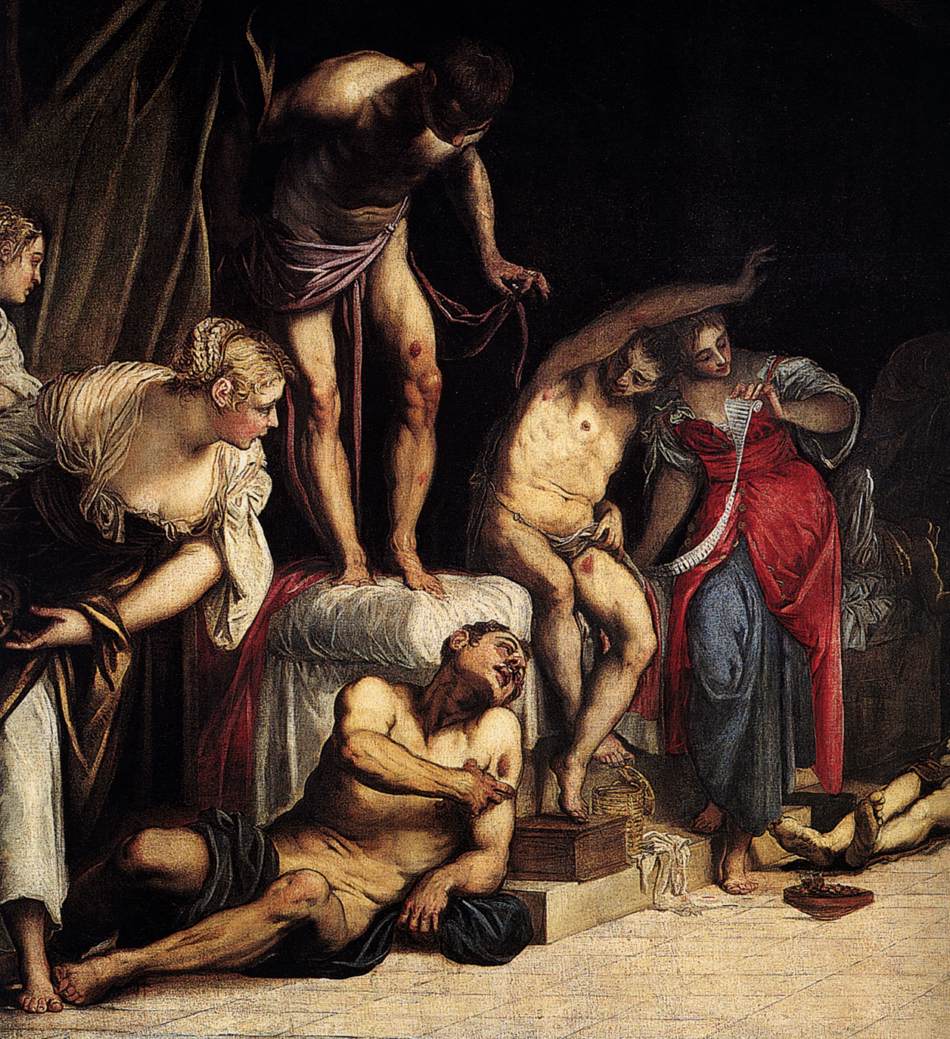
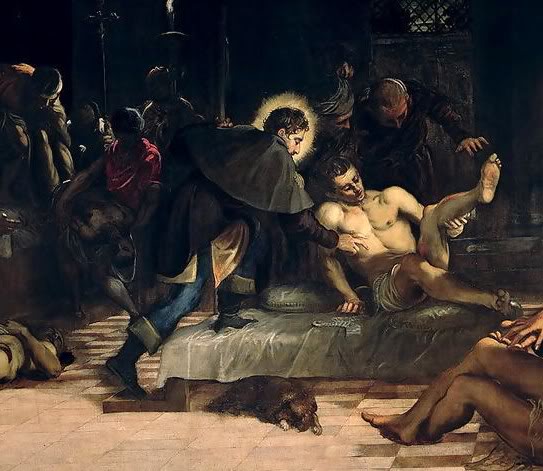


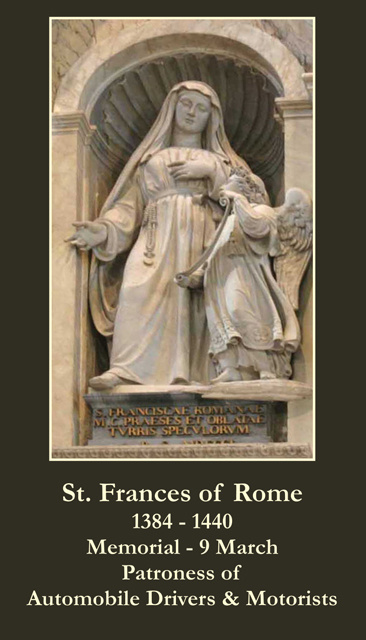
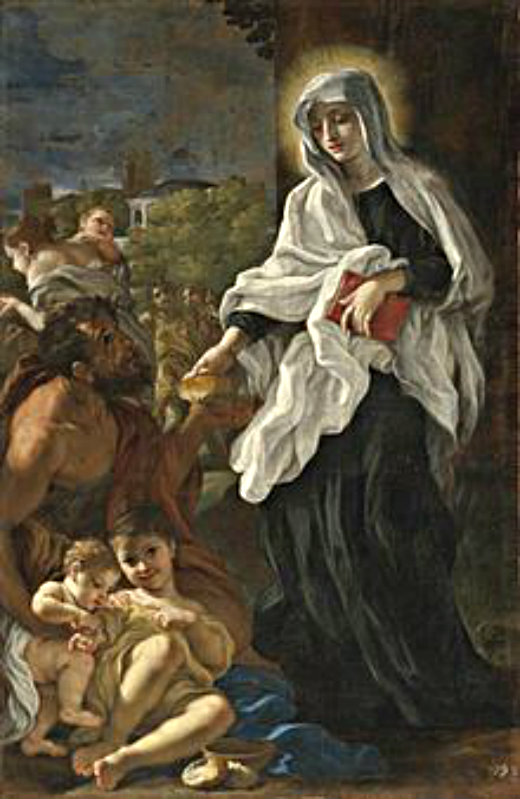
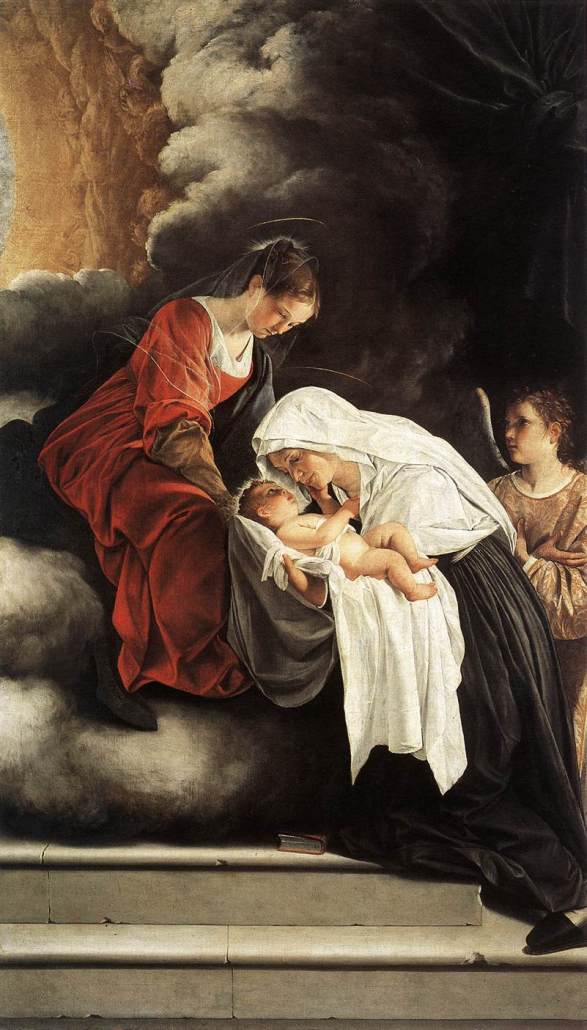
 On 9 May 1608, she was Canonised by Pope Paul V and in the following decades a diligent search was made for her remains, which had been hidden due to the troubled times in which she lived. Her body was found incorrupt some months after her death. Her grave was identified on 2 April 1638, (but this time only the bones remained) and her remains were reburied in the Church of Santa Maria Nova on 9 March 1649, which since then has been her feast day. Again, in 1869, her body was exhumed and has since then been displayed in a glass coffin for the veneration of the faithful. The Church of Santa Maria Nova is now usually referred to as the Church of St Frances.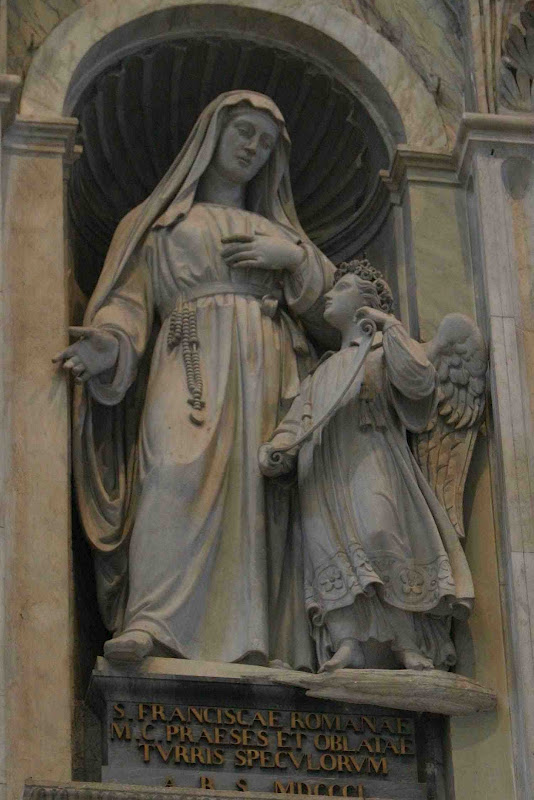
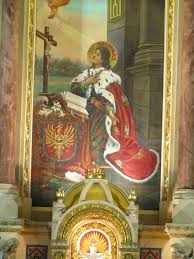
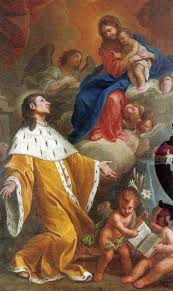
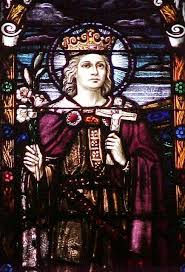
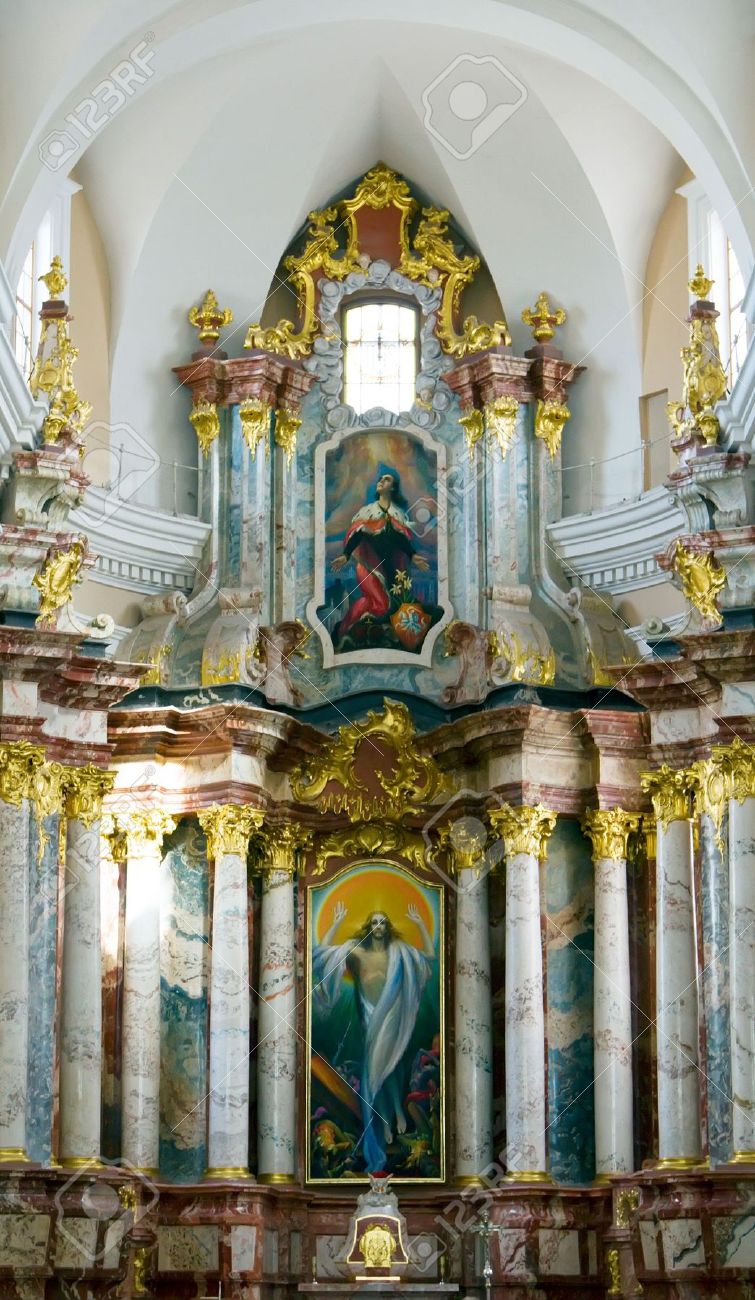
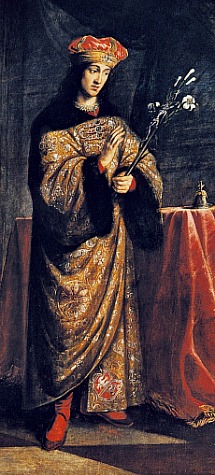
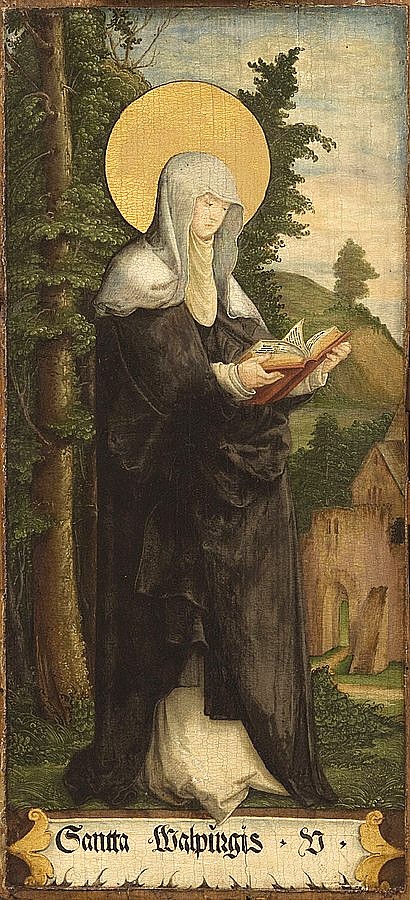
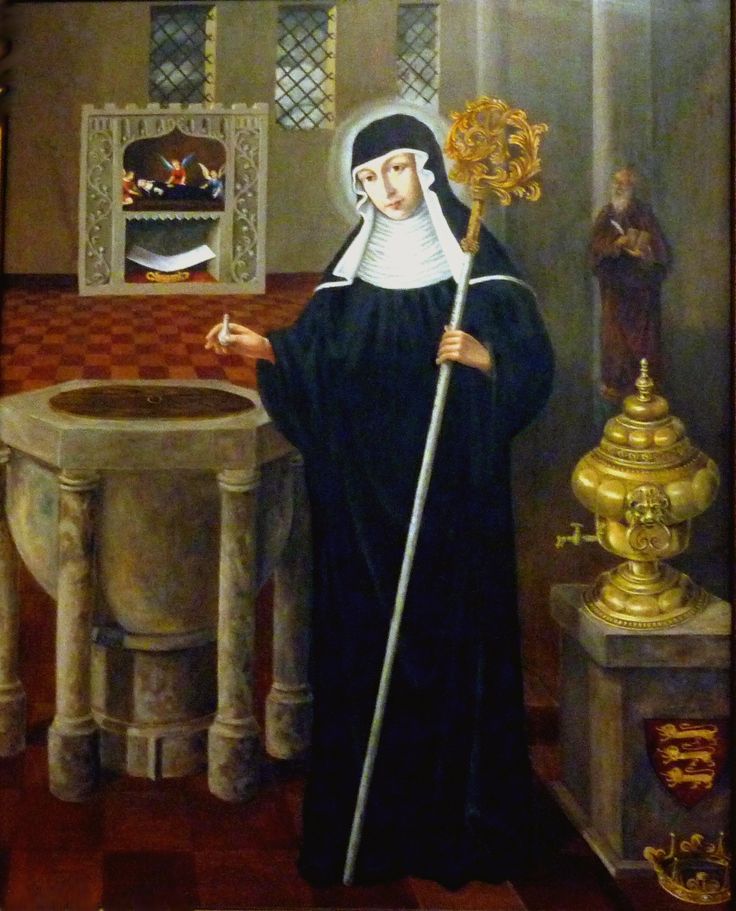
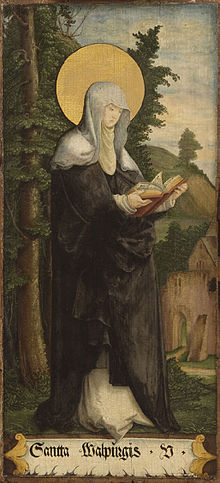
 AnaStpaul
You must be logged in to post a comment.