Saint of the Day – 27 September – St Vincent de Paul CM (1581-1660) Confessor, known as the “Great Apostle of Trumpets” – Priest, Founder, Apostle of Charity, Doctor of Canon Law, Reformer of Society and Priests, founder of Hospital and Orphanages. Born on 24 April 1581 near Ranquine, Gascony near Dax, southwest France – the Town is now known as Saint-Vincent-de-Paul, Landes, France and died on 27 September 1660 at Paris, France of natural causes. His body was found incorrupt when exhumed in 1712 and the incorrupt heart is displayed in a reliquary in the Chapel of the Motherhouse of the Sisters of Charity in Paris. St Vincent was Beatified on 13 August 1729 by Pope Benedict XIII and Canonised on 16 June 1737 by Pope Clement XII. Patronages – lepers; against leprosy, all charitable societies (given on 12 May 1885 by Pope Leo XIII), charitable workers; volunteers, horses, hospital workers, hospitals, lost articles, prisoners, for spiritual help, Madagascar, Brothers of Charity, Richmond, Virginia, diocese of, Saint Vincent de Paul Societies, Sisters of Charity, Vincentian Service Corps. Attributes – 16th century cleric performing some act of charity, cleric carrying an infant, priest surrounded by the Sisters of Charity, cannon ball and sword (referring to prisoners of war he ransomed).
St Vincent was born of poor parents in the village of Pouy in Gascony, France, about 1580. He enjoyed his first schooling under the Franciscan Fathers at Acqs. Such had been his progress in four years that a gentleman chose him as subpreceptor to his children and he was thus enabled to continue his studies without being a burden to his parents.
In 1596, he went to the University of Toulouse for theological studies, and there he was ordained priest in 1600.
In 1605, on a voyage by sea from Marseilles to Narbonne, he fell into the hands of African pirates and was carried as a slave to Tunis. His captivity lasted about two years, until Divine Providence enabled him to effect his escape.
After a brief visit to Rome he returned to France, where he became preceptor in the family of Emmanuel de Gondy, Count of Goigny, and General of the galleys of France. In 1617, he began to preach missions, and in 1625, he lay the foundations of a congregation which afterward became the Congregation of the Mission or Lazarists, so named on account of the Priory of St. Lazarus, which the Fathers began to occupy in 1633.
The deathbed confession of a dying servant opened Vincent de Paul’s eyes to the crying spiritual needs of the peasantry of France. This seems to have been a crucial moment in the life of the man from a small farm in Gascony, France, who had become a priest with little more ambition than to have a comfortable life.
The Countess de Gondi–whose servant he had helped–persuaded her husband to endow and support a group of able and zealous missionaries who would work among poor tenant farmers and country people in general. Vincent was too humble to accept leadership at first but after working for some time in Paris among imprisoned galley slaves, he returned to be the leader of what is now known as the Congregation of the Mission, or the Vincentians. These priests, with vows of poverty, chastity, obedience, and stability, were to devote themselves entirely to the people in smaller towns and villages.
It would be impossible to enumerate all the works of this servant of God. Charity was his predominant virtue. It extended to all classes of persons, from forsaken childhood to old age. The Sisters of Charity also owe the foundation of their congregation to St. Vincent. In the midst of the most distracting occupations his soul was always intimately united with God. Though honoured by the great ones of the world, he remained deeply rooted in humility. The Apostle of Charity, the immortal Vincent de Paul, breathed his last in Paris at the age of eighty in 1660.
St Vincent De Paul is among the Incorruptibles. The Incorruptibles are Catholic Saints who’s bodies show no decay after their death. The Incorruptibles are a consoling sign of Christ’s victory over death, a confirmation of the dogma of the Resurrection of the Body, a sign that the Saints are still with us in the Mystical Body of Christ, as well as a proof of the truth of the Catholic Faith – for only in the Catholic Church do we find this phenomenon.
Saint of the Day – 21 September – The Feast of St Matthew, Apostle and Evangelist, Martyr (born Levi) – Patronages – accountant, bookkeepers, bankers, customs officers, financial officers, money managers, guards, security forces, security guards, stock brokers, tax collectors, Diocese of Trier, Germany, Archdiocese of Washington, 5 cities.
Saint Matthew, the first-century tax collector turned apostle who chronicled the life and ministry of Christ in his Gospel, is celebrated by the Church today, September 21. Although relatively little is known about the life of St Matthew, the account he wrote of Christ’s ministry – his Gospel was written in Aramaic, the language that our Lord Himself spoke and was written to convince the Jews that their anticipated Messiah had come in the person of Jesus.
The Gospel accounts of Mark and Luke, like Matthew’s own, describe the encounter between Jesus and Matthew under the surprising circumstances of Matthew’s tax-collecting duties. Jewish publicans, who collected taxes on behalf of the Roman rulers of first-century Judea, were objects of scorn and even hatred among their own communities, since they worked on behalf of the occupying power and often earned their living by collecting more than the state’s due.
Jesus most likely first encountered Matthew near the house of Peter, in Capernaum near the Sea of Galilee. The meeting of the two was dramatic, as Matthew’s third-person account in his Gospel captured: “As Jesus passed on,” the ninth chapter recounts, “he saw a man named Matthew sitting at the customs post. He said to him, ‘Follow me’. And he got up and followed him.”
Matthew’s calling into Jesus’ inner circle was a dramatic gesture of the Messiah’s universal message and mission, causing some religious authorities of the Jewish community to wonder: “Why does your teacher eat with tax collectors and sinners?” Jesus’ significant response indicated a central purpose of his ministry: “I did not come to call the just but sinners.”
A witness to Christ’s resurrection after death, as well as his ascension into heaven and the events of Pentecost, Matthew also recorded Jesus’ instruction for the apostles to “go, therefore, and make disciples of all nations, baptizing them in the name of the Father, and of the Son, and of the holy Spirit, teaching them to observe all that I have commanded you.”
Like 11 of the 12 apostles, St. Matthew is traditionally thought to have died as a martyr while preaching the Gospel. The Roman Martyrology describes his death as occurring in a territory near present-day Egypt.
Both the saint himself and his Gospel narrative, have inspired important works of religious art, ranging from the ornate illuminated pages of the Book of Kells in the ninth century, to the St Matthew Passion of J.S. Bach. Three famous paintings of Caravaggio, depicting St. Matthew’s calling, inspiration and martyrdom, hang within the Contarelli Chapel in Rome’s Church of St Louis of the French.
Reflecting on St.Matthew’s calling, from the pursuit of dishonest financial gain to the heights of holiness and divine inspiration, Pope Benedict said in 2006 that “in the figure of Matthew, the Gospels present to us a true and proper paradox: those who seem to be the farthest from holiness can even become a model of the acceptance of God’s mercy and offer a glimpse of its marvelous effects in their own lives.”
Saint of the Day – 17 September – St Robert Bellarmine SJ (1542-1621) Priest of the Society of Jesus, Bishop, Confessor, Cardinal, Theologian, Professor, Writer, Preacher, Mediator, Doctor of the Church. Born as Roberto Francesco Romolo Bellarmino on 4 October 1542 at Montepulciano, Tuscany, Italy and died on the morning of 17 September 1621 at Rome, Italy of natural causes. He was buried in Rome and his relics were translated to the Church of Saint Ignatius, Rome on 21 June 1923. Patronages – Canon lawyer, Catechists, Catechumens, Cincinnati, Ohio Archdiocese of, Bellarmine University, Fairfield University, Bellarmine College and School. He was Beatified on 13 May 1923, Rome by Pope Pius XI and Canonised 29 June 1930, Rome by Pope Pius XI – he was named a Doctor of the Church by the same Pope a year later. He is remembered as one of the most important Cardinals of the Catholic Counter Reformation.
Robert Bellarmine was born to an impoverished noble Italian family. His early intellectual accomplishments gave his father hope that Bellarmine would restore the family’s fortunes through a political career. His mother’s wish that he enter the Society of Jesus prevailed. The young Bellarmine, a very small, frail but lively fellow excelled in his studies, especially Latin and Italian poetry. It didn’t take long for it to become obvious that he wished to join the Society of Jesus. The rector of the college described him as “the best of our school and not far from the kingdom of heaven.” On completion of his studies, Bellarmine taught first at the University of Louvain in Belgium. In 1576 he accepted the invitation of Pope Gregory XIII (1572-1585) to teach polemical theology at the new Roman College. When he was ordained in 1570, the study of Church history and the fathers of the Church was in a sad state of neglect. He devoted his energy to these two subjects, as well as to Scripture, in order to systematise Church doctrine against the attacks of the Protestant Reformers. He was the first Jesuit to become a professor at Louvain.
Robert Bellarmine spent the next 11 years teaching and writing his monumental Disputations on the Controversies of the Christian Faith., a three-volume defence of the Catholic faith against the arguments of the Protestant reformers. Particularly noteworthy are the sections on the temporal power of the pope and the role of the laity. To this day, it is considered one of the most important texts of Catholic theology ever written. Three hundred years after its publication, it was called “the most complete defence of the Catholic teaching”. A confidant to the Popes, Bellarmine held a number of positions, including rector of the Roman College, examiner of bishops, Cardinal Inquisitor, Archbishop of Capua, and Bishop of Montepulciano.
Through his writings Bellarmine was involved in the political, religious and social issues of the time. Bellarmine incurred the anger of monarchists in England and France by showing the divine-right-of-kings theory untenable. He developed the theory of the indirect power of the Pope in temporal affairs; although he was defending the pope against the Scottish philosopher Barclay, he also incurred the ire of Pope Sixtus V. He argued with King James I of England and was a judge at the trial of Giordano Bruno. Bellarmine also communicated the decree of condemning the Copernican doctrine of the movements of the earth and sun, issued by Congregation of the Index to Galileo Galilei in 1616. Among many activities, Bellarmine became theologian to Pope Clement VIII, preparing two catechisms which have had great influence in the Church.
Much to the amazement of all, at the height of his career, at the age of 60, Pope Clement VIII appointed Robert Bellarmine the Archbishop of Capua. Bellarmine had never been in pastoral ministry. Nevertheless, he began a new dimension of his Priesthood with his usual enthusiasm. He would spend the next three years introducing the reforms of the Council of Trent in his Archdiocese. He travelled everywhere, preaching to the people. He visited his clergy as well as religious men and women to encourage them to renew the Church. He won the love of everyone.
The last major controversy of Bellarmine’s life came in 1616 when he had to admonish his friend Galileo, whom he admired. He delivered the admonition on behalf of the Holy Office, which had decided that the heliocentric theory of Copernicus was contrary to Scripture. The admonition amounted to a caution against putting forward—other than as a hypothesis—theories not yet fully proven.
Although he was one of the most powerful men in Rome and was made a cardinal by Pope Clement VIII on the grounds that“he had not his equal for learning.” While he occupied apartments in the Vatican, Bellarmine relaxed none of his former austerities. He limited his household expenses to what was barely essential, eating only the food available to the poor. He was known to have ransomed a soldier who had deserted from the army and gave most of his money to the poor. Once he gave the tapestries from his living quarters to the poor, saying that the walls wouldn’t catch cold. While he took little regard for his own comforts, he always saw to it that his servants and aides had everything they needed.
Robert Bellarmine died at Rome on 17 September 1621 at the age of 79. If his early career featured brilliant polemics and his middle years gentle, loving, pastoral life, his final years brought him transcendent peace. His writings turned spiritual. He wrote several works, the classics being “The Ascent of the Mind to God” and “The Art of Dying.” He wrote that this was his way of preparing for death and to move closer to his God. The process for his Canonisation was begun in 1627 but was delayed until 1930 for political reasons, stemming from his writings. In 1930, Pope Pius XI Canonised him and the next year declared him a Doctor of the Church.
Saints of the Day – 16 September – St Pope Cornelius and St Cyprian of Carthage – Martyrs. St Pope Cornelius – Papal Ascension: 251. He was Martyred in 253 and his remains were buried at the Cemetery of Saint Callistus Rome. “Cornelius” means ‘battle horn.‘ Patronages – • against earache; earache sufferers• epileptics; against epilepsy• against fever• against myoclonus• cattle• domestic animals• Kornelimünster, Germany. St Cornelius was a Bishop becoming ar reluctant 21st Pope, elected after a 1 1/2 year period, during which the persecutions were so severe that Papal ascension was an immediate death sentence. He worked to maintain unity in a time of schism and apostasy and fought Novatianism. He also called a Synod of Bishops to confirm him as rightful Pontiff, as opposed to the anti-pope Novatian. He had the support of Saint Cyprian of Carthage and Saint Dionysius. He welcomed back those who had apostacised during the persecutions of Decius – the documents which settled this matter prove the final authority of the Pope. Exiled to Centumcellae in 252 by Roman authorities to punish Christians in general, who were said to have provoked the gods to send plague against Rome. Martyr. A document from Cornelius shows the size of the Roman Clergy during his Papacy – 46 Priests, 7 Deacons, 7 Sub-deacons, approximately 50,000 Christians. His name is in the Communicantes in the Canon of the Mass.
St Cyprian of Carthage – (Died in 190 in Carthage, North Africa – Bishop and Martyr, learned Rhetorician, Teacher, Writer, Theologian – beheaded 14 September 258 in Carthage, North Africa). Patronages – • Algeria (proclaimed on 6 July 1914 by Pope Pius X)• North Africa (proclaimed on 6 July 1914 by Pope Pius X, on 10 January 1958 by Pope Pius XII and on 27 July 1962 by Pope John XXIII NOTE – no, I don’t know why it was done so many times).
St Cyprian was born to wealthy pagan parents. He taught rhetoric and literature. He was adult convert in 246, taught the faith by Saint Caecilius of Carthage. He was ordained in 247 and became the Bishop of Carthage in 249. During the persecution of Decius, beginning in 250, Cyprian lived in hiding, covertly ministering to his flock; his enemies condemned him for being a coward and not standing up for his faith. As a writer he was second only in importance to Tertullian as a Latin Father of the Church. Friend of Saint Pontius. St Cyprian was involved in the great argument over whether apostates should be readmitted to the Church; Cyprian believed they should but under stringent conditions. He was supported St Pope Cornelius against the anti-pope Novatian. During the persecutions of Valerian he was exiled to Curubis in 257, brought back Carthage and then martyred in 258. His name is in the Communicantes in the Canon of the Mass.
An excerpt written to Cornelius, Bishop of Rome condemned to martyrdom for his faith, from his brother Bishop Cyprian of Carthage, himself to give his witness as a Martyr a few years later. Read on the feasts of Sts Cornelius and Cyprian, Martyrs, on 16 September.
Cyprian to his brother Cornelius.
My very dear brother, we have heard of the glorious witness given by your courageous faith. On learning of the honour you had won by your witness, we were filled with such joy that we felt ourselves sharers and companions in your praiseworthy achievements. After all, we have the same Church, the same mind, the same unbroken harmony. Why then should a priest not take pride in the praise given to a fellow priest as though it were given to him? What brotherhood fails to rejoice in the happiness of its brothers wherever they are?
Words cannot express how great was the exultation and delight here when we heard of your good fortune and brave deeds: how you stood out as leader of your brothers in their declaration of faith, while the leader’s confession was enhanced as they declared their faith. You led the way to glory, but you gained many companions in that glory; being foremost in your readiness to bear witness on behalf of all, you prevailed on your people to become a single witness.
We cannot decide which we ought to praise, your own ready and unshaken faith or the love of your brothers who would not leave you. While the courage of the bishop who thus led the way has been demonstrated, at the same time the unity of the brotherhood who followed has been manifested. Since you have one heart and one voice, it is the Roman Church as a whole that has thus born witness.
Dearest brother bright and shining is the faith which the blessed Apostle praised in your community. He foresaw in the spirit the praise your courage deserves and the strength that could not be broken; he was heralding the future when he testified to your achievements; his praise of the fathers was a challenge to the sons. Your unity, your strength have become shining examples of these virtues to the rest of the brethren.
Divine providence has now prepared us. God’s merciful design has warned us that the day of our own struggle, our own contest, is at hand. By that shared love which binds us close together, we are doing all we can to exhort our congregation, to give ourselves unceasingly to fastings, vigils and prayers in common. These are the heavenly weapons which give us the strength to stand firm and endure; they are the spiritual defenses, the God-given armaments that protect us.
Let us then remember one another, united in mind and heart. Let us pray without ceasing, you for us, we for you; by the love we share we shall thus relieve the strain of these great trials.
Saint of the Day – 13 September – St John Chrysostom (347-407) Father and Doctor of the Church – “Golden Mouthed” – (c 347 at Antioch, Asia Minor – 407 of natural causes) Bishop, Confessor, Father and Doctor, Preacher, Orator, Writer, Theologian, Name Meaning – • God is gracious; gift of God (John), • golden-mouthed (Chrysostom). Patronages – • epileptics; against epilepsy• Constantinople; Istanbul, Turkey• lecturers, preachers, speakers, orators (proclaimed on 8 July 1908 by St Pope Pius X). St John Chrysostom was the Archbishop of Constantinople and is an important Early Church Father. He is known for his preaching and public speaking, his denunciation of abuse of authority by both ecclesiastical and political leaders, the Divine Liturgy of Saint John Chrysostom and his ascetic sensibilities. Chrysostom was among the most prolific authors in the early Christian Church, exceeded only by St Augustine in the quantity of his surviving writings.
John was born in Antioch in 349 to Greek parents from Syria. John’s father died soon after his birth and he was raised by his mother. He was baptised in 368 or 373 and tonsured as a reader. As a result of his mother’s influential connections in the city, John began his education under the pagan teacher Libanius. From Libanius, John acquired the skills for a career in rhetoric, as well as a love of the Greek language and literature. As he grew older, however, John became more deeply committed to Christianity and went on to study theology under Diodore of Tarsus, founder of the re-constituted School of Antioch.
John lived in extreme asceticism and became a hermit in about 375; he spent the next two years continually standing, scarcely sleeping and committing the Bible to memory. As a consequence of these practices, his stomach and kidneys were permanently damaged and poor health forced him to return to Antioch.
Diaconate and service in Antioch:
John was ordained as a deacon in 381 by Saint Meletius of Antioch who was not then in communion with Alexandria and Rome. After the death of Meletius, John separated himself from the followers of Meletius, without joining Paulinus, the rival of Meletius for the bishopric of Antioch. But after the death of Paulinus he was ordained a presbyter (priest) in 386 by Evagrius, the successor of Paulinus.
In Antioch, over the course of twelve years (386–397), John gained popularity because of the eloquence of his public speaking at the Golden Church, Antioch’s cathedral, especially his insightful expositions of Bible passages and moral teaching. The most valuable of his works from this period are his Homilies on various books of the Bible. He emphasised charitable giving and was concerned with the spiritual and temporal needs of the poor. He spoke against abuse of wealth and personal property:
“Do you wish to honour the body of Christ? Do not ignore him when he is naked. Do not pay him homage in the temple clad in silk, only then to neglect him outside where he is cold and ill-clad. He who said: “This is my body” is the same who said: “You saw me hungry and you gave me no food”, and “Whatever you did to the least of my brothers you did also to me”… What good is it if the Eucharistic table is overloaded with golden chalices when your brother is dying of hunger? Start by satisfying his hunger and then with what is left you may adorn the altar as well.”
His straightforward understanding of the Scriptures – in contrast to the Alexandrian tendency towards allegorical interpretation – meant that the themes of his talks were practical, explaining the Bible’s application to everyday life. Such straightforward preaching helped Chrysostom to garner popular support. He founded a series of hospitals in Constantinople to care for the poor.
Archbishop of Constantinople:
In the autumn of 397, John was appointed Archbishop of Constantinople, after having been nominated without his knowledge. He had to leave Antioch in secret due to fears that the departure of such a popular figure would cause civil unrest. During his time as Archbishop he adamantly refused to host lavish social gatherings, which made him popular with the common people but unpopular with wealthy citizens and the clergy. His reforms of the clergy were also unpopular. He told visiting regional preachers to return to the churches they were meant to be serving—without any payout.
His time in Constantinople was more tumultuous than his time in Antioch. Theophilus, the Patriarch of Alexandria, wanted to bring Constantinople under his sway and opposed John’s appointment to Constantinople. Theophilus had disciplined four Egyptian monks (known as “the Tall Brothers”) over their support of Origen’s teachings. They fled to John and were welcomed by him. Theophilus therefore accused John of being too partial to the teaching of Origen. He made another enemy in Aelia Eudoxia, wife of Emperor Arcadius, who assumed that John’s denunciations of extravagance in feminine dress were aimed at herself. Eudoxia, Theophilus and other of his enemies held a synod in 403 (the Synod of the Oak) to charge John, in which his connection to Origen was used against him. It resulted in his deposition and banishment. He was called back by Arcadius almost immediately, as the people became “tumultuous” over his departure, even threatening to burn the royal palace. There was an earthquake the night of his arrest, which Eudoxia took for a sign of God’s anger, prompting her to ask Arcadius for John’s reinstatement.
Peace was short-lived. A silver statue of Eudoxia was erected in the Augustaion, near his cathedral. John denounced the dedication ceremonies as pagan and spoke against the Empress in harsh terms: “Again Herodias raves; again she is troubled; she dances again; and again desires to receive John’s head in a charger”, an allusion to the events surrounding the death of John the Baptist. Once again he was banished, this time to the Caucasus in Abkhazia.
Exile and death:
Faced with exile, John Chrysostom wrote an appeal for help to three churchmen: Pope Innocent I, Venerius the Bishop of Milan and the third to Chromatius, the Bishop of Aquileia. In 1872, church historian William Stephens wrote:
“The Patriarch of the Eastern Rome appeals to the great bishops of the West, as the champions of an ecclesiastical discipline which he confesses himself unable to enforce, or to see any prospect of establishing. No jealousy is entertained of the Patriarch of the Old Rome by the Patriarch of the New Rome. The interference of Innocent is courted, a certain primacy is accorded him but at the same time he is not addressed as a supreme arbitrator; assistance and sympathy are solicited from him as from an elder brother, and two other prelates of Italy are joint recipients with him of the appeal.”
Pope Innocent I protested John’s banishment from Constantinople to the town of Cucusus in Cappadocia, but to no avail. Innocent sent a delegation to intercede on behalf of John in 405. It was led by Gaudentius of Brescia; Gaudentius and his companions, two bishops, encountered many difficulties and never reached their goal of entering Constantinople.
John wrote letters which still held great influence in Constantinople. As a result of this, he was further exiled from Cucusus (where he stayed from 404 to 407) to Pitiunt (Pityus) (in modern Abkhazia) where his tomb is a shrine for pilgrims. He never reached this destination, as he died at Comana Pontica on 14 September 407 during the journey. His last words are said to have been “Glory be to God for all things”.
Veneration and canonisation:
John came to be venerated as a saint soon after his death. Almost immediately after, an anonymous supporter of John (known as pseudo-Martyrius) wrote a funeral oration to reclaim John as a symbol of Christian orthodoxy. But three decades later, some of his adherents in Constantinople remained in schism. Saint Proclus, Patriarch of Constantinople (434–446), hoping to bring about the reconciliation of the Johannites, preached a homily praising his predecessor in the Church of Hagia Sophia. He said, “O John, your life was filled with sorrow but your death was glorious. Your grave is blessed and reward is great, by the grace and mercy of our Lord Jesus Christ O graced one, having conquered the bounds of time and place! Love has conquered space, unforgetting memory has annihilated the limits and place does not hinder the miracles of the saint.”
Saint of the Day – 10 September – St Nicholas of Tolentino OSA (1245-1305)- known as The Patron of Holy Souls, Priest, Augustinian Friar Monk, Confessor, Mystic, Preacher. Born in 1245 at Sant’Angelo, March of Ancona, Diocese of Fermo, Italy and died on 10 September 1305 at Tolentino, Italy following a long illness. His Relics were re-discovered at Tolentino in 1926. In previous times his Relics were known to exude blood when the Church was in danger. He was Canonised on 5 June (Pentecost) 1446 by Pope Eugene IV – over 300 miracles were recognised by the Congregation. Patronages – animals, babies (reported to have raised more than 100 children from the dead), sailors, dying people, sick animals, the Holy Souls in Purgatory, 4 Cities, 3 Diocese. Attributes – Augustinian holding a bird on a plate in the right hand and a crucifix on the other hand; holding a basket of bread, giving bread to a sick person; holding a lily or a crucifix garlanded with lilies; with a star above him or on his breast.
St Nicholas was born in 1245 in Sant’Angelo. He was named after St Nicholas of Myra, at whose Shrine his parents prayed to have a child. Nicholas became a Monk at 18 and seven years later, he was Ordained a Priest. He gained a reputation as a Preacher and a Confessor. In c 1274, he was sent to Tolentino, near his birthplace where he lived the rest of his lif. Nicholas was primarily a shepherd to his flock. He ministered to the poor and the criminal. He is said to have cured the sick with bread over which he had prayed to Mary, the mother of God. He gained a reputation as a wonder-worker.
On account of his kind and gentle manner his superiors entrusted him with the daily feeding of the poor at the monastery gates but at times he was so free with the friary’s provisions that the procurator begged the superior to check his generosity. Once, when weak after a long fast, he received a vision of the Blessed Virgin Mary and Saint Augustine who told him to eat some bread marked with cross and dipped in water. Upon doing so he was immediately stronger. He started distributing these rolls to the ailing, while praying to Mary, often curing the sufferers; this is the origin of the Augustinian custom of blessing and distributing Saint Nicholas Bread. When working wonders or healing people, he always asked those he helped to “Say nothing of this”, explaining that he was just God’s instrument.
During his life, Nicholas is said to have received visions, including images of Purgatory, which friends ascribed to his lengthy fasts. Prayer for the souls in purgatory was the outstanding characteristic of his spirituality. Because of this Nicholas was proclaimed patron of the souls in Purgatory in 1884 by Leo XIII. Towards the end of his life he became ill, suffering greatly, but still continued the mortifications that had been part of his holy life. Nicholas died on 10 September 1305.
Miracles:
There are many tales and legends which relate to Nicholas. One says the devil once beat him with a stick, which was then displayed for years in his church. In another, Nicholas, a vegetarian, was served a roasted fowl, for which he made the sign of the cross and it flew out a window. Nine passengers on a ship going down at sea once asked Nicholas’ aid and he appeared in the sky, wearing the black Augustinian habit, radiating golden light, holding a lily in his left hand, and with his right hand, he quelled the storm. An apparition of the saint, it is said, once saved the burning palace of the Doge of Venice by throwing a piece of blessed bread on the flames. He was also reported to have resurrected over one hundred dead children, including several who had drowned together.
According to the Peruvian chronicler Antonio de la Calancha, it was St. Nicholas of Tolentino who made possible a permanent Spanish settlement in the rigorous, high-altitude climate of Potosí, Bolivia. e reported that all children born to Spanish colonists there died in childbirth or soon thereafter, until a father dedicated his unborn child to St Nicholas of Tolentino (whose own parents, after all, had required saintly intervention to have a child). The colonist’s son, born on Christmas Eve, 1598, survived to healthy adulthood and many later parents followed the example of naming their sons Nicolás.
Veneration:
Nicholas was Canonised by Pope Eugene IV (also an Augustinian) in 1446. He was the first Augustinian to be Canonised. At his Canonisation, Nicholas was credited with three hundred miracles, including three resurrections.
The remains of St Nicholas are preserved at the Shrine of Saint Nicholas in the Basilica di San Nicola da Tolentino in the city of Tolentino, province of Macerata in Marche, Italy.
He is particularly invoked as an advocate for the souls in Purgatory, especially during Lent and the month of November. In many Augustinian churches, there are weekly devotions to St Nicholas on behalf of the suffering souls. November 2, All Souls’ Day, holds special significance for the devotees of St. Nicholas of Tolentino.
Saint of the Day – 9 September – St Peter Claver SJ (1581-1654) Confessor- Priest, Religious, Missionary. Also known as • Apostle of Cartagena • Slave of the Blacks • Slave of the Slaves. Born at 1581 at Verdu, Catalonia, Spain and died on 8 September 1654 at Cartegena, Colombia of natural causes. During the 40 years of his apostolic work in Colombia, it is estimated he personally Baptised around 300,000 people. The Congress of the Republic of Colombia declared September 9 as the Human Rights national Day in his honour. Patronages – African missions (proclaimed in 1896 by Pope Leo XIII), African-Americans, slaves, against slavery, black missions, black people, Human Rights, foreign missions, inter-racial justice, race relations, seafarers, Missionary Sisters of Saint Peter Claver, Colombia, Accra, Ghana, archdiocese of Lake Charles, Louisiana, Diocese of•Shreveport, Louisiana, Diocese of Witbank, South Africa, Apostleship of the Sea.
Claver was born in 1580 into a devoutly Catholic and prosperous farming family in the Catalan village of Verdú, Urgell, located in the Province of Lleida, about 54 miles (87 km) from Barcelona. He was born 70 years after King Ferdinand of Spain set the colonial slavery culture into motion by authorising the purchase of 250 African slaves in Lisbon for his territories in New Spain, an event which was to shape Claver’s life.
As a student at the University of Barcelona, Claver was noted for his intelligence and piety. After two years of study there, Claver wrote these words in the notebook he kept throughout his life: “I must dedicate myself to the service of God until death, on the understanding that I am like a slave.”
After he had completed his studies, at the age of 20 years, Peter entered the Society of Jesus in Tarragona . When he had completed the Novitiate, he was sent to study Philosophy at Palma, Mallorca. While there, he came to know the porter of the college, St. Alphonsus Rodriguez, a Lay Brother known for his holiness and gift of prophecy. St Alphonsus informed Peter that he had been told by God that Peter was to spend his life in service in the Colonies of New Spain and he frequently urged the young student to accept that calling.
Peter volunteered for the Spanish Colonies and was sent to the Kingdom of New Granada, where he arrived in the port City of Cartagena in 1610. Required to wait six years to be Ordained as a Priest, while he completed his Theological studies, he lived in Jesuit houses at Tunja and Bogotá. During those preparatory years, he was deeply disturbed by the harsh treatment and living conditions of the black slaves who had been brought from Africa. By this time, the slave trade had already been established for a Century, in the Americas. Local natives were considered not physically suited to work in the gold and silver mines and this created a demand for blacks from Angola and Congo. These were bought in West Africa for four crowns a head, or bartered for goods and sold in America for an average of two hundred crowns apiece. Others were captured at random, especially able-bodied males deemed suitable for labour.
Cartagena was a slave-trading hub. 10,000 slaves poured into the port annually, crossing the Atlantic from West Africa under such foul and inhuman conditions that an estimated one-third died in transit. Although the slave trade was condemned by Pope Paul III and Urban VIII had issued a Papal Decree prohibiting slavery, (later called “supreme villainy” by Pope Pius IX), it was a lucrative business and continued to flourish.
Peter’s predecessor in his eventual lifelong mission, Father Alonso de Sandoval, SJ, was his mentor and inspiration. Sandoval devoted himself to serving the slaves for 40 years before Claver arrived, to continue his work. Sandoval attempted to learn about their customs and languages; he was so successful that, when he returned to Seville, he wrote a book in 1627 about the nature, customs, rites and beliefs of the Africans. Sandoval found Claver an apt pupil. When he was solemnly professed in 1622, Claver signed his final profession document in Latin as: Petrus Claver, aethiopum semper servus (Peter Claver, servant of the Ethiopians [i.e. Africans] forever).
The Church of St. Peter Claver in Cartagena, Colombia, where Claver lived and ministered. Whereas Sandoval had visited the slaves where they worked, Claver preferred to head for the wharf as soon as a slave ship entered the port. Boarding the ship, he entered the filthy and diseased holds to treat and minister to their badly treated, terrified human cargo, who had survived a voyage of several months under horrible conditions. It was difficult to move around on the ships because the slave traffickers filled them to capacity. The slaves were often told they were being taken to a land where they would be eaten. Claver wore a cloak, which he would lend to anyone in need. A legend arose that whoever wore the cloak received lifetime health and was cured of all disease. After the slaves were herded from the ship and penned in nearby yards to be scrutinised by crowds of buyers, Claver joined them with medicine, food, bread, brandy, lemons and tobacco With the help of interpreters and pictures which he carried with him, he gave basic instructions.
Claver saw the slaves as fellow Christians, encouraging others to do so as well. During the season when slavers were not accustomed to arrive, he traversed the country, visiting plantation after plantation, to give spiritual consolation to the slaves. During his 40 years of ministry it is estimated that he personally catechised and baptised 300,000 slaves. He would then follow up on them to ensure that as Christians they received their Christian and civil rights. His mission extended beyond caring for slaves, however. He preached in the city square, to sailors and traders and conducted country missions, returning every spring to visit those he had baptised, ensuring that they were treated humanely. During these missions, whenever possible he avoided the hospitality of planters and overseers; instead, he would lodge in the slave quarters.
Claver’s work on behalf of slaves did not prevent him from ministering to the souls of well-to-do members of society, traders and visitors to Cartagena (including Muslims and English Protestants) and condemned criminals, many of whom he spiritually prepared for death; he was also a frequent visitor at the city’s hospitals. Through years of unremitting toil and the force of his own unique personality, the slaves’ situation slowly improved. n time he became a moral force, the Apostle of Cartagena.
In the last years of his life Peter was too ill to leave his room. He lingered for four years, largely forgotten and neglected, physically abused and starved by an ex-slave who had been hired by the Superior of the house to care for him. He never complained about his treatment, accepting it as a just punishment for his sins. He died on 8 September 1654.
When the people of the City heard of his death, many forced their way into his room to pay their last respects. Such was his reputation for holiness that they stripped away anything to serve as a relic of the saint. The city magistrates, who had previously considered him a nuisance for his persistent advocacy on behalf of the slaves, ordered a public funeral and he was buried with pomp and ceremony. The extent of Claver’s ministry, which was prodigious even before considering the astronomical number of people he baptised, came to be realised only after his death.
He was Canonised in 1888 by Pope Leo XIII, along with the holy Jesuit porter, Alphonsus Rodriguez. In 1896 Pope Leo also declared Claver the Patron of missionary work among all African peoples. His body is preserved and venerated in the Church of the Jesuit residence, now renamed in his honour.
Legacy:“No life, except the life of Christ, has moved me so deeply ,as that of Peter Claver”. St Pope Leo XIII, on the occasion of his Canonisation.
Many Organisations, Missions, Parishes, Religious Congregations, Schools and Hospitals bear the name of St. Peter Claver and also claim to continue the Mission of Claver as the following:
The Knights of Peter Claver Inc is the largest African-American Catholic fraternal organisation in the United States. In 2006, a unit was established in San Andres, Colombia. The Order was founded in Mobile, Alabama and is presently headquartered in New Orleans. Claver’s mission continues today in the work of the Apostleship of the Sea (AoS) and his inspiration remains among port chaplains and those who visit ships in the name of the Church, through the AoS. The Missionary Sisters of St. Peter Claver are a religious congregation of women dedicated to serving the spiritual and social needs of the poor around the world, particularly in Africa. They were founded in Austria by the Blessed Mary Theresa Ledóchowska in 1894.
Among the many schools dedicated to St. Peter Claver are those in Decatur, Georgia and Pimville, South Africa. The oldest African American school in the Diocese of St. Petersburg and the oldest African American school still functioning in the State of Florida, is the St Peter Claver Catholic School.
St Peter Claver’s under the altar at the Church of St Peter Claver in Cartagena
Saint of the Day – 3 September – St Pope Gregory the Great (540-604) – Father & Doctor of the Church. Also known as “Father of the Fathers” (c 540 at Rome, Italy – Papal Ascension: 3 September 590 – 12 March 604 at Rome, Italy of natural causes). Pope, Prefect of Rome, Monk, Abbot, Writer, Theologian, Teacher, Liturgist. Patronages – • against gout • against plague/epidemics,• choir boys,• teachers• stone masons, stonecutters, • students, school children,• Popes, the Papacy,• musicians,• singers,• England, • West Indies,• Legazpi, Philippines, Diocese of,• Order of Knights of Saint Gregory, • Kercem, Malta,• Montone, Italy,• San Gregorio nelle Alpi, Italy. Attributes – • crozier
• dove,• pope working on sheet music,• pope writing,• tiara.
4 Original Latin Fathers – Jerome, Gregory, Ambrose, Augustine
Pope St. Gregory was born in Rome, the son of a wealthy Roman Senator. His mother was St. Sylvia. He followed the career of public service that was usual for the son of an aristocratic family, becoming Prefect of the City of Rome but resigned within a year to pursue monastic life.
He founded with the help of his vast financial holdings seven monasteries, of which six were on family estates in Sicily. A seventh, which he placed under the patronage of St. Andrew and which he himself joined, was erected on the Clivus Scauri in Rome. For several years, he lived as a good and holy Benedictine monk.
Then Pope Pelagius made him one of the seven deacons of Rome. For six years, he served as permanent ambassador to the Court of Byzantium. In the year 586, he was recalled to Rome and with great joy returned to St Andrew’s Monastery. He became abbot soon afterwards and the monastery grew famous under his energetic rule. When the Pope died, Gregory was unanimously elected to take his place because of his great piety and wisdom. However, Gregory did not want that honour, so he disguised himself and hid in a cave but was found and made Pope anyway.
He was elected Pope on 3 September 590, the first monk to be elected to this office. For fourteen years he ruled the Church. Even though he was always sick, Gregory was one of the greatest popes the Church has ever had. He reformed the administration of the Church’s estates and devoted the resulting surplus to the assistance of the poor and the ransoming of prisoners. He negotiated treaties with the Lombard tribes who were ravaging northern Italy and by cultivating good relations with these and other barbarians he was able to keep the Church’s position secure in areas where Roman rule had broken down.
His works for the propagation of the faith include the sending of St Augustine of Canterbury and his monks as missionaries to England in 596, providing them with continuing advice and support and (in 601) sending reinforcements. He wrote extensively on pastoral care, spirituality and morals and designated himself “servant of the servants of God”, a title which all Popes have used since that time.
He never rested and wore himself down to almost a skeleton. Even as he lay dying, he directed the affairs of the Church and continued his spiritual writing.
He codified the rules for selecting deacons to make these offices more spiritual. Prior to this, deacons were selected on their ability to sing the liturgy and chosen if they had good voices.
Because he loved the solemn celebration of the Eucharist, St. Grergory devoted himself to compiling the Antiphonary, which contains the chants of the Church used during the liturgy (the Gregorian Chant). He also set up the Schola Cantorum, Roman’s famous training school for chorusters.
St Gregory died on March 12, 604 and was buried in St Peter’s Church. He is designated as the fourth Doctor of the Latin Church. His feast is celebrated on the date of his election as Pope.
The Eucharistic Miracle of St Pope Gregory
St Gregory the Great is perhaps especially remembered by many for the Eucharistic Miracle that occurred in 595 during the Holy Sacrifice. This famous incident was related by Paul the Deacon in his 8th century biography of the holy pope, Vita Beati Gregorii Papae.
Pope Gregory was distributing Holy Communion during a Sunday Mass and noticed amongst those in line a woman who had helped make the hosts was laughing. This disturbed him greatly and so he inquired what was the cause of her unusual behaviour. The woman replied that she could not believe how the hosts she had prepared could become the Body and Blood of Christ just by the words of consecration.
Hearing this disbelief, St. Gregory refused to give her Communion and prayed that God would enlighten her with the truth. Just after making this plea to God, the pope witnessed some consecrated Hosts (which appeared as bread) change Their appearance into actual flesh and blood. Showing this miracle to the woman, she was moved to repentance for her disbelief and knelt weeping. Today, two of these miraculous Hosts can still be venerated at Andechs Abbey in Germany (with a third miraculous Host from Pope Leo IX [11th century], thus the Feast of the Three Hosts of Andechs [Dreihostienfest]).
During the Middle Ages, the event of the Miraculous Mass of St. Gregory was gradually stylised in several ways. First the doubting woman was often replaced by a deacon, while the crowd was often comprised of the papal court of cardinals and other retinue. Another important feature was the pious representation of the Man of Sorrows rising from a sarcophagus and surrounded by the Arma Christi, or the victorious display of the various instruments of the Passion.
The artistic representation of this Eucharistic Miracle became especially prominent in Europe during the Protestant Reformation in reaction to the heretical denial of the doctrine of the Real Presence.
Saint of the Day – 31 August – St Raymond Nonnatus O.deM (1204-1240). Priest, Confessor, Cardinal, Friar of the Mercedarian Order. He was delivered by Caesarean operation when his mother died in childbirth; hence the name non natus = not born. Born in 1204 at Portella, diocese of Urgel, Catalonia, Spain and died on31 August 1240 at Cardona, Spain of a fever. He was buried at the Chapel of Saint Nicholas near his family farm he was supposed to have managed. He was Beatified on 5 November 1625 by Pope Urban VIII (cultus confirmed) and Canonised on 1657 by Pope Alexander VII. Patronages – against gossip, of silence, against fever, of babies, infants, childbirth, children, pregnant women, falsely accused people, midwives, obstetricians, Baltoa, Dominican Republic, San Ramon, Costa Rica.
From the time he was very young, he manifested a great devotion to the Most Holy Virgin. He prayed the Rosary every day in the hermitage of St. Nicholas of Mira . Once Our Lady appeared to him and promised him her protection. Afterward he was strongly tempted to sin against chastity but did not fall. He went to thank his Patroness and consecrated his virginity to her. Mary appeared to him again, showing her satisfaction and advising him to enter the Order of the Mercedarians (Order of Mercy), whose foundation she had inspired St. Peter Nolasco to make only shortly before, in 1218.
He was ordained a Priest and dedicated himself to the redemption of captives until 1231. He liberated 140 captives in Valencia, 250 in Argel and 28 in Tunis. It was in this last city that he had the occasion to fulfill the special fourth vow of the Mercedarians to offer themselves to remain in captivity in the place of Catholic prisoners. Since he was unable to pay the ransom demanded by the slave dealers in Tunis, Raymond offered himself to take the place of some prisoners.
The trade was made and he began a hard captivity. To prevent him from speaking about Our Lord, for his engaging words were converting numerous Muslims, the Arabian slave masters pierced his lips with a red-hot iron and closed them with a padlock. This padlock was only opened for him to eat. After eight months of this torment, other Mercedarians arrived from Spain bringing the demanded ransom.
The last ten years of his life were spent in Rome, where he became the representative of his Order and in traveling throughout different countries to preach the Crusade. As a cardinal representative of Pope Gregory IX he was sent to meet with St Louis of France and encourage him to go on the Crusade, which actually took place 10 years later.
St. Raymond Nonnatus died in Cardona, a Spanish village close to Barcelona, on August 31, 1240. He was only 37-years-old.
One particular devotion is centered around the padlock that is part of his martyrdom. Locks are placed at his altar representing a prayer request to end gossip, rumours, false testimonies and other sins of the tongue. The locks are used as a visible sign of such prayer request, which first and foremost must take place interiorly, a prayer to God through St. Raymond’s intercession.
The Mercedarians – Order of the Blessed Virgin Mary of Mercy:
The Order of the Blessed Virgin Mary of Mercy is an international community of priests and brothers who live a life of prayer and communal fraternity. In addition to the vows of poverty, chastity and obedience, their members take a special fourth vow to give up their own selves for others whose faith is in danger.
The Order, also called the Mercedarians, or Order of Mercy, was founded in 1218 in Spain by St Peter Nolasco to redeem Christian captives from their Muslim captors. The Order exists today in 17 countries, including Spain, Italy, Brazil, India and the United States.
St Peter Nolasco & St Raymond Nonnatus and the Blessed Virgin Mary
Today, friars of the Order of Mercy continue to rescue others from modern types of captivity, such as social, political, and psychological forms. They work in jails, marginal neighborhoods, among addicts and in hospitals.
The spiritual and communal life of the friars include prayer, meditation, Holy Mass, recreation and apostolate. Their life is based on the Rule of St. Augustine and the Constitutions of the Order.
Overall, the Order of Mercy commits itself to give testimony to the same Good News of love and redemption that it has shown since the beginning of its history.
Saint of the Day – 28 August – St Augustine (354-430) born Augustinus Aurelius (13 November 354 at Tagaste, Numidia, North Africa (Souk-Ahras, Algeria) – 28 August 430 at Hippo, North Africa) – Doctor of Grace and one of the original Four Fathers & Doctors of the Latin Church – Bishop, Theologian, Philosopher, Rhetorician, Writer, Preacher, Teacher, Advisor, Reformer, Confessor, Apologist, Apostle of Charity. PATRONAGES – of theologians, brewers, printers, 7 Diocese, 7 Cities, against sore eyes, eye diseases, against vermin. Attributes – Child; dove; pen; shell, pierced heart, holding book with a small church, bishop’s staff, mitre, flaming heart, an allusion to a passage in his Confessions.
Augustine was born in the year on 13 November in 354 AD in the municipium of Thagaste (now Souk Ahras, Algeria) in Roman Africa. His mother, Monica, was a devout Christian; his father Patricius was a Pagan who converted to Christianity on his deathbed. Scholars generally agree that Augustine and his family were Berbers, an ethnic group indigenous to North Africa but that they were heavily Romanized, speaking only Latin at home as a matter of pride and dignity. In his writings, Augustine leaves some information as to the consciousness of his African heritage. For example, he refers to Apuleius as “the most notorious of us Africans,” to Ponticianus as “a country man of ours, insofar as being African”and to Faustus of Mileve as “an African Gentleman.”
Augustine’s family name, Aurelius, suggests that his father’s ancestors were freedmen of the gens Aurelia given full Roman citizenship by the Edict of Caracalla in 212. Augustine’s family had been Roman, from a legal standpoint, for at least a century when he was born. It is assumed that his mother, Monica, was of Berber origin, on the basis of her name but as his family were an upper class of citizens known as honorable men, Augustine’s first language is likely to have been Latin.
Augustine Aurelius still unbaptised and burning for knowledge, he came under the influence of the Manicheans, which caused his mother intense sorrow. He left Africa for Rome, deceiving his mother, who was ever anxious to be near him. She prayed and wept. A bishop consoled her by observing that a son of so many tears would never be lost. Yet the evil spirit drove him constantly deeper into moral degeneracy, capitalising on his leaning toward pride and stubbornness. Grace was playing a waiting game; there still was time and the greater the depths into which the evil spirit plunged its fledgling, the stronger would be the reaction.
Augustine recognised this vacuum; he saw how the human heart is created with a great abyss; the earthly satisfactions that can be thrown into it are no more than a handful of stones that hardly cover the bottom. And in that moment grace was able to break through: Restless is the heart until it rests in God. The tears of his mother, the sanctity of Milan’s Bishop Ambrose, the book of St Anthony the hermit and the sacred Scriptures wrought his conversion, which was sealed by baptism on Easter night 387. Augustine’s mother went to Milan with joy and witnessed her son’s baptism. It was what it should have been, the greatest event of his life, his conversion — metanoia. Grace had conquered. Augustine accompanied his mother to Ostia, where she died. She was eager to die, for now she had given birth to her son for the second time.
St Augustine and St Ambrose
In 388 he returned to Tagaste, where he lived a common life of prayer and solitude with his friends. In 391 he was ordained priest at Hippo, in 394 made coadjutor to bishop Valerius and then from 396 to 430 bishop of Hippo.
Augustine, numbered among the four great Doctors of the Western Church, possessed one of the most penetrating minds of ancient Christendom. He was the most important Platonist of patristic times, the Church’s most influential theologian, especially with regard to clarifying the dogmas of the Trinity, grace and the Church. He was a great speaker, a prolific writer, a saint with an inexhaustible spirituality. His Confessions, a book appreciated in every age, describes a notable portion of his life (until 400), his errors, his battles, his profound religious observations. Famous too is his work The City of God, a worthy memorial to his genius, a philosophy of history. Most edifying are his homilies, especially those on the psalms and on the Gospel of St. John.
Augustine’s episcopal life was filled with mighty battles against heretics, over all of whom he triumphed. His most illustrious victory was that over Pelagius, who denied the necessity of grace; from this encounter he earned the surname “Doctor of grace.” As an emblem Christian art accords him a burning heart to symbolise the ardent love of God which permeates all his writings. He is the founder of canonical life in common; therefore Augustinian monks and the Hermits of St. Augustine honour him as their spiritual father.
As bishop, Augustine worked tirelessly for his people. He fought false religious teachings, protected the people from corrupt officials and invaders and cared for the sick, the poor and those in prison. His many sermons, letters and books reflect the ever-deepening love he felt for God. He wisely observed: “You have made us, O God, for yourself, and our hearts shall find no rest until they rest in you.”
He wrote and advised bishops, popes and councils. His influence on the Church and his fight against heresy were exceptional. He was loved by many, for he had struggled much and could help others who were struggling.
In 430 Vandals invaded the province. For three months Augustine inspired Christian hope in his people. According to Possidius, Augustine spent his final days in prayer and repentance, requesting that the penitential Psalms of David be hung on his walls so that he could read them. vv He directed that the library of the church in Hippo and all the books therein should be carefully preserved. He died on 28 August 430. Shortly after his death, the Vandals lifted the siege of Hippo but they returned not long thereafter and burned the city. They destroyed all of it but Augustine’s cathedral and library, which they left untouched.
St Bede’s True Martyrology, recounts that Augustine’s body was later translated or moved to Cagliari, Sardinia, by the Catholic bishops expelled from North Africa by Huneric. Around 720, his remains were transported again by Peter, bishop of Pavia and uncle of the Lombard king Liutprand, to the church of San Pietro in Ciel d’Oro in Pavia, in order to save them from frequent coastal raids by Muslims. In January 1327, Pope John XXII issued the papal bull Veneranda Santorum Patrum, in which he appointed the Augustinians guardians of the tomb of Augustine (called Arca), which was remade in 1362 and elaborately carved with bas-reliefs of scenes from Augustine’s life.
St Augustine’s Relics in HippoSt Augustine’s Shrine at San Pietro
Saint of the Day – 25 August – St Louis IX, King of France (1214-1270) Confessor, King, Reformer, Apostle of Charity, a Third Order Franciscan. Born on 25 April 1214 at Poissy, France and died on 25 August 1270 at Tunis (in modern Tunisia) of natural causes). His relics in the Basilica of Saint Denis, Paris, France but they were destroyed in 1793 during the French Revolution. He was Canonised in 1297 by Pope Boniface VIII. Attributes: crown, crown of thorns, king holding a cross, king holding a crown of thorns, nails, cross and Crucifix. Patronages – against the death of children, barbers, bridegrooms, builders, button makers, construction workers, Crusaders, difficult marriages, distillers, embroiderers, French monarchs, grooms, haberdashers, hairdressers, hair stylists, kings, masons, needle workers, parenthood, parents of large families, passementiers, prisoners, sculptors, sick people, soldiers, stone masons, stonecutters, trimming makers, Québec, Québec, archdiocese of, Saint Louis, Missouri, Archdiocese of, Versailles, France, Diocese of, many cities in France and other parts of the world, Franciscan Tertiaries and the Congregation of the Sisters of Saint Louis.
Louis IX was a reformer and developed French royal justice, in which the king is the supreme judge to whom anyone is able to appeal to seek the amendment of a judgment. He banned trials by ordeal, tried to prevent the private wars that were plaguing the country and introduced the presumption of innocence in criminal procedure. To enforce the correct application of this new legal system, Louis IX created provosts and bailiffs.
According to his vow made after a serious illness, and confirmed after a miraculous cure, Louis IX took an active part in the Seventh and Eighth Crusade in which he died from dysentery. He was succeeded by his son Philip III.
Louis’s actions were inspired by Christian values and Catholic devotion. He decided to punish blasphemy, gambling, interest-bearing loans and prostitution and bought presumed relics of Christ for which he built the Sainte-Chapelle. He also expanded the scope of the Inquisition and ordered the burning of Talmuds. He is the only canonised king of France and there are consequently many places named after him.
Louis was born on 25 April 1214 at Poissy, near Paris, the son of Prince Louis the Lion and Princess Blanche, and baptised in La Collégiale Notre-Dame church. His grandfather on his father’s side was Philip II, king of France; while his grandfather on his mother’s side was Alfonso VIII, king of Castile. Tutors of Blanche’s choosing taught him most of what a king must know—Latin, public speaking, writing, military arts and government. He was 9 years old when his grandfather Philip II died and his father ascended as Louis VIII. A member of the House of Capet, Louis was twelve years old when his father died on 8 November 1226. He was crowned king within the month at Reims cathedral. Because of Louis’s youth, his mother ruled France as regent during his minority. The night before he was crowned, he fasted and prayed. He asked God to make him a good servant, to make him a good and holy king for his people.
Louis’ mother trained him to be a great leader and a good Christian. She used to say:
I love you, my dear son, as much as a mother can love her child; but I would rather see you dead at my feet than that you should ever commit a mortal sin.
No date is given for the beginning of Louis’s personal rule. His contemporaries viewed his reign as co-rule between the king and his mother, though historians generally view the year 1234 as the year in which Louis began ruling personally, with his mother assuming a more advisory role. She continued to have a strong influence on the king until her death in 1252. On 27 May 1234, Louis married Margaret of Provence (1221 – 21 December 1295), whose sister Eleanor later became the wife of Henry III of England. The new queen’s religious devotion made her a well suited partner for the king. He enjoyed her company and was pleased to show her the many public works he was making in Paris, both for its defense and for its health. They enjoyed riding together, reading, and listening to music. This attention raised a certain amount of jealousy in his mother, who tried to keep them apart as much as she could.
After the morning Mass, King Louis IX would ride his horse out into the country to see how he could work to make life better for his people. He would often stop in villages to listen to what the people had to say. He checked that wealthy, powerful nobles were not abusing people. When he heard that the nobles unjustly took from people who had less, he forced the nobles to give back what they had taken. He listened to people’s ideas for how to improve their country and he passed laws to protect those who were vulnerable. Louis was devoted to his people, founding hospitals, visiting the sick and like his patron Saint Francis, caring even for people with leprosy. He is one of the patrons of the Secular Franciscan Order. Louis united France—lords and townsfolk, peasants and priests and knights—by the force of his personality and holiness. For many years the nation was at peace. Every day, Louis had 13 special guests from among the poor to eat with him and a large number of poor were served meals near his palace. During Advent and Lent, all who presented themselves were given a meal and Louis often served them in person. He kept lists of needy people, whom he regularly relieved, in every province of his dominion.
The king ordered churches and hospitals built throughout France. In his travels, the king himself would often visit and care for those who were sick. He listened to the needs of others. As a man given the power to guide his country, he could do great good for his people. He worked for peace in the world and when he did fight, he was merciful to those he captured.
In 1244, King Louis led a Crusade into the Holy Land. As king, Louis could have taken special privileges and comforts. Instead, he chose to share the hardships of his soldiers. Once, the king was captured. While in prison, he prayed the Liturgy of the Hours every day. Disturbed by new Muslim advances in Syria, he led another crusade in 1267, at the age of 41. His crusade was diverted to Tunis for his brother’s sake. The army was decimated by disease within a month and Louis himself died on foreign soil at the age of 44. He was canonised 27 years later.
Louis’ patronage of the arts drove much innovation in Gothic art and architecture and the style of his court radiated throughout Europe by both the purchase of art objects from Parisian masters for export and by the marriage of the king’s daughters and female relatives to foreign husbands and their subsequent introduction of Parisian models elsewhere. Louis’ personal chapel, the Sainte-Chapelle in Paris, was copied more than once by his descendants elsewhere. Louis ordered the production of the Morgan Bible, a masterpiece of medieval painting. In his private chapel, Saint Louis would genuflect during the Nicene Creed to show reverence to the incarnation of Christ at the words, and was incarnate by the Holy Spirit from the Virgin Mary; and was made man. During the crusades, the king’s practice became widespread and eventually was established as part of the rubrics of Holy Mass. The painting of St Louis and St John the Baptist below, is from the Flemish school and was a detail for an altar of the Parliament of Paris. In the background is the Louvre palace from the 13th century.
During the so-called “golden century of Saint Louis”, the kingdom of France was at its height in Europe, both politically and economically. Saint Louis was regarded as “primus inter pares”, first among equals, among the kings and rulers of the continent. He commanded the largest army and ruled the largest and wealthiest kingdom, the European centre of arts and intellectual thought at the time. The foundations for the famous college of theology later known as the Sorbonne were laid in Paris about the year 1257. The prestige and respect felt in Europe for King Louis IX were due more to the attraction that his benevolent personality created rather than to military domination. For his contemporaries, he was the quintessential example of the Christian prince and embodied the whole of Christendom in his person. His reputation for saintliness and fairness was already well established while he was alive and on many occasions he was chosen as an arbiter in quarrels among the rulers of Europe.
When Louis was dying, he prayed “Lord, I will enter into your house. I will worship in your holy temple and will give glory to your name.” Through his prayer, his support of the Church and his Christlike service to all, Louis made his whole life an act of worship.
St Louis on his Deathbed instructing his son
St Louis receives the Last Rites and Holy Communion
Saint of the Day – 24 August – St Bartholomew Apostle of Christ – Martyr – Patronages –Armenia; bookbinders/publishers; butchers; Florentine cheese and salt merchants; Gambatesa, Italy; Catbalogan, Samar; Għargħur, Malta; leather workers; neurological diseases; plasterers/construction workers; shoemakers; tanners; trappers; skin diseases/rashes, against involuntary shaking disorders; Los Cerricos (Spain), 16 further cities all over the world. Attributes – cross, elderly man holding a tanner’s knife and a human skin, tanner’s knife, bright red (skinless) man holding his own skin.
Apostles Bartholomew, Andrew, James
Saint Bartholomew is one of the Twelve Apostles, mentioned sixth in the three Gospel lists (Matthew 10:3; Mark 3:18; Luke 6:14) and seventh in the list of Acts (1:13). The name (Bartholomaios) means “son of Talmai” which was an ancient Hebrew name.
Rembrandt van Rijn
Besides being listed as an Apostle, he is not otherwise mentioned in the New Testament, at least not under the name Bartholomew: many ancient writers and Catholic tradition have identified Bartholomew as Nathaniel in the Gospel of John (John 1:45-51, and 21:2).
The Gospel passage read at Mass on the feast of Saint Bartholomew is precisely this passage from John (1:45-51) where Nathaniel is introduced to Jesus by his friend Phillip, and Jesus says of him “Here is a true child of Israel. There is no duplicity in him (1:47).”
We are presented with the Apostle’s character in this brief and beautiful dialogue with the Lord Jesus. He is a good Jew, honest and innocent, a just man, who devotes much time to quiet reflection and prayer – “under the fig tree (1:48)” – and has been awaiting the Messiah, the Holy One of God.
At Jesus’ mention that “Before Philip called you, when you were under the fig tree, I saw you (1:48),” Nathaniel responded “Rabbi, you are the Son of God! You are the King of Israel (1:49)!”
Being “a true child of Israel,” Nathaniel was a man well-read in the Scriptures and knew what they said of the Messiah and where he would come from. This is why he is skeptical of Phillip’s claim that Jesus is the Messiah, “Can anything good come out of Nazareth (1:46)?”
But Nathaniel was lacking “duplicity” – that is, his heart was undivided, his intentions pure – his openness to reality was always ready to recognise and surrender to the truth when he encountered it. He remained open to his friend Phillip’s invitation to “Come and see (1:46).” In encountering Jesus and hearing His words, he found himself face to face with the Truth Himself, and, like John the Baptist’s leap in his mother’s womb at the Lord’s presence, Nathaniel’s words leapt out of his own heart in a clear and simple confession of faith, “Rabbi, you are the Son of God! You are the King of Israel!”
Jesus, in Matthew 5:8, says, “Blessed are the pure of heart, for they shall see God.” In Nathaniel we have an example of the pure man who sees – recognises – God when confronted with Him and on seeing Him believes in Him and upon believing in Him, follows Him.
Nothing is known for sure about the life of Nathaniel/Bartholomew after the Ascension of Jesus but tradition holds that he preached in the East and died a martyr’s death in Armenia, being flayed alive for having won converts to the Lord Jesus.
Saint of the Day – 17 August – St Hyacinth OP (1185-1257) – (born Jacek Odrowąż) “Apostle of Poland” and “Apostle of the North” also known as “the Polish St Dominic”– Religious Priest, Confessor, Doctor of Law and Divinity, Missionary, Preacher, Miracle Worker, Mystic (1185 at Lanka Castle, Kamien Slaski, Opole, Upper Silesia (in modern Poland) – 15 August 1257 at Krakow, Poland of natural causes). His major relics are in Paris, France. He was Canonised on 17 April 1594 by Pope Clement VIII. Patronages – against drowning, Camalaniugan, Philippines, Ermita de Piedra de San Jacinto, Tuguegarao, Philippines, Krakow, Poland, archdiocese of, Lithuania (named by Pope Innocent XI in 1686), Poland, Lithuania. Attributes – statue of the Blessed Virgin Mary; Monstrance or Ciborium.
Called the “Apostle of Poland” and the “Apostle of the North”, Hyacinth was the son of Eustachius Konski of the noble family of Odrowąż. He was born in 1185 at the castle of Lanka, at Kamin, in Silesia, Poland. A near relative of Blessed Ceslaus, he made his studies at Kraków, Prague and Bologna and at the latter place merited the title of Doctor of Law and Divinity. On his return to Poland he was given a stipend at Sandomir. He subsequently accompanied his uncle Ivo Konski, the Bishop of Kraków, to Rome.
While in Rome, he witnessed a miracle performed by Saint Dominic and became a Dominican friar, along with the Blessed Ceslaus and two attendants of the Bishop of Kraków – Herman and Henry. In 1219 Pope Honorius III invited Saint Dominic and his followers to take up residence at the ancient Roman basilica of Santa Sabina, which they did by early 1220. Before that time, the friars had only a temporary residence in Rome at the convent of San Sisto Vecchio which Honorius III had given to Dominic circa 1218, intending it to be used for a reformation of Roman nuns under Dominic’s guidance. Hyacinth and his companions were among the first to enter the convent. They were also the first alumni of the studium of the Dominican Order at Santa Sabina out of which would grow the 16th century College of Saint Thomas at Santa Maria sopra Minerva, which became the Pontifical University of Saint Thomas Aquinas, Angelicum in the 20th century. After an abbreviated novitiate, Hyacinth and his companions received the religious habit of the Order from St Dominic himself in 1220.
The young friars were then sent back to their homeland to establish the Dominican Order in Poland and Kiev. As Hyacinth and his three companions travelled back to Kraków, he set up new monasteries with his companions as superiors, until finally he was the only one left to continue on to Kraków, where he founded two houses.
His apostolic journeys extended over numerous and vast regions, he walked a total of nearly twenty five thousand miles in his apostolic travels. Austria, Bohemia, Livonia, the shores of the Black Sea, Tartary, Northern China in the east, Sweden, Norway and Denmark to the west, were evangelised by him and he is said to have visited Scotland. Everywhere he travelled unarmed, without a horse, with no money, no interpreters, no furs in the severe winters and often without a guide, abandoning to Divine Providence his mission in its entirety. Everywhere multitudes were converted, churches and convents were built; one hundred and twenty thousand pagans and infidels were baptised by his hands. He worked many miracles; at Krakow he raised a dead youth to life. His progress among these hostile peoples, with their barbarous customs and unknown languages, through trackless forests, in the fierce cold of the North, can be explained as a miracle.
He had inherited from Saint Dominic a perfect filial confidence in the Mother of God; to Her he ascribed his success and to Her aid he looked for his own salvation. Early in his mission career, Our Lady appeared to Hyacinth and promised him that she would never refuse him anything. Through the years of his arduous labour she kept her promise, and his ministry was rich with a harvest of souls. He performed many astounding miracles, including countless cures. On one occasion he gave sight to two boys who had been born without eyes. He raised several dead people to life. The best known incident in his life has to do with Our Lady, which is not surprising.
Apparition of the Virgin to Saint Hyacinth, Ludovico Carracci (1592), in the Louvre Museum
It was at the request of this indefatigable missionary that Saint Thomas Aquinas wrote his famous philosophical Summa contra Gentiles, proving the reasonableness of the Faith on behalf of those unfamiliar with doctrine.
While Saint Hyacinth was at Kiev the Tartars sacked the town but it was only as he finished Mass that the Saint heard of the danger. Without waiting to unvest, he took the ciborium in his hands and was leaving the church. Then occurred the most famous of his countless prodigies. As he passed by a statue of Mary a voice said: “Hyacinth, My son, why do you leave Me behind? Take Me with you…” The statue was of heavy alabaster but when Hyacinth took it in his arms it was light as a reed. With the Blessed Sacrament and the statue he walked to the Dnieper river and crossed dry-shod over the surface of the waters to the far bank.
On the eve of the Assumption, 1257, he was advised of his coming death. In spite of an unrelenting fever, he celebrated Mass on the feast day and communicated as a dying man. He was anointed at the foot of altar and died on the great Feast of Our Lady.
A note on the name “Hyacinth”: Jacek is the common form in Polish, for the name “Hyacinth.” Literally understood, “Hyacinth” is said to derive from the hyacinth flower or hyacinth stone and thus its meaning has two interpretations.
In the first place he is called “Hyacinth,” because the flower has a stalk with a crimson blossom: this suits Blessed Jacek well for he was a simple stalk in his docility of heart, a flower in his chastity, a crimson blossom in his vow of poverty and lack of material goods.
Secondly, he is called “Hyacinth” from the hyacinth stone, for he shines brilliantly in the way he handed on the teaching of the gospel, was resplendent in his holy way of life and most steadfast in spreading the catholic faith.
Saint of the Day – 16 August- St Roch (1295-1327) Confessor, Pilgrim, Hermit, Apostle of the Sick, Miracle Worker. Born in 1295 at Montpelier, France and died in 1327 at Montpelier or Angleria, France of natural causes). His relics are in Venice, Italy in the Church of San Rocco,some reside in Rome and others in Arles, France. Patronages – against cholera, against diseased cattle, against epidemics, against knee problems, against the plague, against skin diseases and rashes, bachelors, of dogs, falsely accused people, invalids, relief from pestilence, OF surgeons, tile makers, The Diocese of Tagbilaran, Philippines,Constantinople, 24 other assorted Cities around the world. Attributes – angel, bread, dog, pilgrim with staff, often displaying a plague wound on his leg, pilgrim with a dog, pilgrim with a dog licking the wound, pilgrim with a dog carrying a loaf of bread in its mouth.
According to his Acta and his vita in the Golden Legend, he was born at Montpellier, at that time “upon the border of France“, as the Golden Legend has it, the son of the noble governor of that city. Even his birth was accounted a miracle, for his noble mother had been barren until she prayed to the Virgin Mary. Miraculously marked from birth with a red cross on his breast which grew as he did, he began to manifest strict asceticism and great devotion and piety from a very early age. On days when his “devout mother fasted twice in the week and the blessed child Rocke abstained twice also, he would drink from his mother but once that day.”
On the death of his parents in his twentieth year he distributed all his worldly goods among the poor like Francis of Assisi—although his father, on his deathbed, had ordained him governor of Montpellier—and set out as a mendicant pilgrim for Rome. Coming into Italy during an epidemic of plague, he was very diligent in tending the sick in the public hospitals at Acquapendente, Cesena, Rimini, Novara and Rome, and is said to have effected many miraculous cures by prayer and the sign of the cross and the touch of his hand. In In Rome, according to the Golden Legend he preserved the “Cardinal of Angleria in Lombardy” by making the Sign of the Cross on his forehead, which miraculously remained there, visi nbble to all! Ministering at Piacenza he himself finally fell ill. He was expelled from the Town and withdrew into the forest, where he fashioned a shelter of boughs and leaves which was miraculously supplied with water, by a spring wic arose in the place;. He would have perished, had not a dog belonging to a nobleman named Gothard Palastrelli, supplied him with bread and licked his wounds, healing them. Count Gothard, following his hunting dog carrying the bread, discovered Saint Roch and became his acolyte.
On his incognito return to Montpellier he was arrested as a spy (by orders of his own uncle) and thrown into prison, where he languished five years and died on 16 August 1327, without revealing his name, to avoid worldly glory. After his death, according to the Golden Legend;
“anon, an Angel brought a table into the prison, from Heaven, divinely written with letters of gold, which he laid under the head of St Roch. And on that table was written, God had granted to him his prayer, that is, to wit, that who that calleth meekly to St Roch shall not be hurt with any hurt of pestilence.”
The townspeople recognised him as well by his birthmark; he was soon Canonised in the popular mind and a great Church erected in veneration.
The story that, in 1414, when the Council of Constance was threatened with plague, public processions and prayers for the intercession of Roch were ordered and the outbreak ceased, is provided by Francesco Diedo, the Venetian governor of Brescia, in his Vita Sancti Rochi, 1478. The cult of Roch gained momentum during the bubonic plague that passed through northern Italy in 1477–79.
His popularity, originally in central and northern Italy and at Montpellier, spread through Spain, France, Lebanon the Low Countries, Brazil and Germany, where he was often interpolated into the roster of the Fourteen Holy Helpers, whose veneration spread in the wake of the Black Death. The magnificent 16th-century Scuola Grande di San Rocco and the adjacent church of San Rocco were dedicated to him by a confraternity at Venice, where his body was said to have been surreptitiously translated and was triumphantly inaugurated in 1485; the Scuola Grande is famous for its sequence of paintings by Tintoretto, who painted St Roch visited by an angel, in a ceiling canvas (1564).
DIGITAL CAMERA
Tomb of St Roch in San Rocco in Venice
We know for certain that, in 1465, the body of St Roch was carried from Voghera, instead of Montpellier as previously thought, to Venice. Pope Alexander VI (1492–1503) built a Church and a hospital in his honour. Pope Paul III (1534–1549) instituted a confraternity of St Roch. This was raised to an Arch-confraternity in 1556 by Pope Paul IV; it still thrives today.
Saint Roch had not been officially recognised as a Saint as yet, however. In 1590 the Venetian Ambassador to Rome reported to the Serenissima that he had been repeatedly urged to present the witnesses and documentation of the life and miracles of St Rocco, already deeply entrenched in the Venetian life because Pope Sixtus V “is strong in his opinion either to Canonise him or else to remove him from the ranks of the Saints.” The Ambassador had warned a Cardinal of the general scandal that would result, if the widely venerated St Rocco, were impugned as an impostor. Sixtus did not pursue the matter but left it to later Popes to proceed with the Canonisation process. His successor, Pope Gregory XIV (1590–1591), added Roch of Montpellier, who had already been memorialised in the Holy Sacrifice of the Mass for two centuries, to the Roman Martyrology, thereby fixing 16 August as his universal Feast Day.
Numerous brotherhoods have been instituted in his honour. He is usually represented in the garb of a pilgrim, often lifting his tunic to demonstrate the plague sore in his thigh and accompanied by a dog carrying a loaf in its mouth. The Third Order of Saint Francis, by tradition, claims him as a member and includes his Feast on its own calendar, observing his Feast on 17 August.
Saint of the Day – 12 August – St Jane Frances de Chantal VHM (1572-1641) – Mother, Widow, Foundress – born on 28 January 1572 at Dijon, Burgundy, France and died on 13 December 1641 at the Visitationist Convent, Moulins, France of natural causes. Her relic sreside at Annecy, Savoy She was Beatified on 21 November 1751 by Pope Benedict XIV and Canonised on 16 July 1767 by Pope Clement XIII. Patronages – against in-law problems, against the death of parents, forgotten people, parents separated from children, widows.
Jane Frances de Chantal was born in Dijon, France, on 28 January 1572, the daughter of the royalist president of the Parliament of Burgundy. Her mother died when Jane was 18 months old. Her father became the main influence on her education. She developed into a woman of beauty and refinement, lively and cheerful in temperament. She married the Baron de Chantal when she was 21 and then lived in the feudal castle of Bourbilly. Baron de Chantal was accidentally killed by an arquebus while out shooting in 1601. Left a widow at 28, with four children, the broken-hearted baroness took a vow of chastity. Her mother, step mother, sister, first two children and now her husband had died. Chantal gained a reputation as an excellent manager of the estates of her husband, as well as of her difficult father-in-law, while also providing alms and nursing care to needy neighbours.
During Lent in 1604, the pious baroness met Saint Francis de Sales, the bishop of Geneva who was preaching at the Sainte Chapelle in Dijon. They became close friends and de Sales became her spiritual director. She wanted to become a nun but he persuaded her to defer this decision. Later, with his support, and that of her father and brother (the Archbishop of Bourges) and, after providing for her children, Chantal left for Annecy, to start the Congregation of the Visitation. The Congregation of the Visitation was canonically established at Annecy on Trinity Sunday, 6 June 1610. The order accepted women who were rejected by other orders because of poor health or age. During its first eight years, the new order also was unusual in its public outreach, in contrast to most female religious who remained cloistered and adopted strict ascetic practices. The usual opposition to women in active ministry arose and Francis de Sales was obliged to make it a cloistered community following the Rule of St Augustine. When people criticised her for accepting women of poor health and old age, Chantal famously said, “What do you want me to do? I like sick people myself, I’m on their side.”
Her reputation for sanctity and sound management resulted in many visits by (and donations from) aristocratic women. The order had 13 houses by the time de Sales died, and 86 before Chantal herself died at the Visitation Convent in Moulins, aged 69. St. Vincent de Paul served as her spiritual director after de Sales’ death. Her favourite devotions involved the Sacred Heart of Jesus and the Heart of Mary. Chantal was buried in the Annecy convent next to de Sales. The order had 164 houses by 1767, when she was canonised. Chantal outlived her son (who died fighting Huguenots and English on the Île de Ré during the century’s religious wars) and two of her three daughters but left extensive correspondence. Her granddaughter also became a famous writer, Marie de Rabutin-Chantal, marquise de Sévigné.
Saint of the Day – 11 August – St Clare of Assisi (1194-1253) – Virgin, Religious, Founder, Mystic, Friend and Follower of St Francis, Miracle-Worker – (16 July 1194 at Assisi, Italy – 11 August 1253 of natural causes). St Clare was Canonised on 26 September 1255 by Pope Alexander IV. St Clare was born Chiara Offreduccio (sometimes spelled Clair, Claire, etc.) is an Italian saint and one of the first followers of Saint Francis of Assisi. She founded the Order of Poor Ladies, a monastic religious order for women in the Franciscan tradition and wrote their Rule of Life, the first set of monastic guidelines known to have been written by a woman. Following her death, the Order she founded was renamed in her honour as the Order of Saint Clare, commonly referred to today as the Poor Clares. Patronages – embroiderers, needle workers, eyes, against eye disease, for good weather, gilders, gold workers, goldsmiths, laundry workers, television (proclaimed on 14 February 1958 by Pope Pius XII because when St Clare was too ill to attend the Holy Mass, she had been able to see and hear it, on the wall of her room.), television writers, Poor Clares, Assisi, Italy, Santa Clara Indian Pueblo.
St Clare was born in Assisi, the eldest daughter of Favorino Sciffi, Count of Sasso-Rosso and his wife Ortolana. Traditional accounts say that Clare’s father was a wealthy representative of an ancient Roman family, who owned a large palace in Assisi and a castle on the slope of Mount Subasio. Ortolana belonged to the noble family of Fiumi and was a very devout woman who had undertaken pilgrimages to Rome, Santiago de Compostela and the Holy Land. Later in life, Ortolana entered Clare’s monastery, as did Clare’s sisters, Beatrix and Catarina (who took the name Agnes).
As a child, Clare was devoted to prayer. Although there is no mention of this in any historical record, it is assumed that Clare was to be married in line with the family tradition. However, at the age of 18 she heard Francis preach during a Lenten service in the church of San Giorgio at Assisi and asked him to help her to live after the manner of the Gospel. On the evening of Palm Sunday, 20 March 1212, she left her father’s house and accompanied by her aunt Bianca and another companion proceeded to the chapel of the Porziuncula to meet Francis. There, her hair was cut and she exchanged her rich gown for a plain robe and veil.
Francis placed Clare in the convent of the Benedictine nuns of San Paulo, near Bastia. Her father attempted to force her to return home. She clung to the altar of the church and threw aside her veil to show her cropped hair. She resisted any attempt, professing that she would have no other husband but Jesus Christ. In order to provide the greater solitude Clare desired, a few days later Francis sent her to Sant’ Angelo in Panzo, another monastery of the Benedictine nuns on one of the flanks of Subasio. Clare was soon joined by her sister Catarina, who took the name Agnes. They remained with the Benedictines until a small dwelling was built for them next to the church of San Damiano, which Francis had repaired some years earlier.
Other women joined them and they were known as the “Poor Ladies of San Damiano”. They lived a simple life of poverty, austerity and seclusion from the world, according to a Rule which Francis gave them as a Second Order (Poor Clares).
San Damiano became the centre of Clare’s new religious order, which was known in her lifetime as the “Order of Poor Ladies of San Damiano.” San Damiano was long thought to be the first house of this order, however, recent scholarship strongly suggests that San Damiano actually joined an existing network of women’s religious houses organised by Hugolino (who later became Pope Gregory IX). Hugolino wanted San Damiano as part of the order he founded because of the prestige of Clare’s monastery. San Damiano emerged as the most important house in the order and Clare became its undisputed leader. By 1263, just ten years after Clare’s death, the order had become known as the Order of Saint Clare. In 1228, when Gregory IX offered Clare a dispensation from the vow of strict poverty, she replied: “ I need to be absolved from my sins but not from the obligation of following Christ.” Accordingly, the Pope granted them the Privilegium Pauperitatis — that nobody could oblige them to accept any possession.
Unlike the Franciscan friars, whose members moved around the country to preach, Saint Clare’s sisters lived in enclosure, since an itinerant life was hardly conceivable at the time for women. Their life consisted of manual labour and prayer. The nuns went barefoot, slept on the ground, ate no meat and observed almost complete silence.
For a short period, the order was directed by Francis himself. Then in 1216, Clare accepted the role of abbess of San Damiano. As abbess, Clare had more authority to lead the order than when she was the prioress and required to follow the orders of a priest heading the community. Clare defended her order from the attempts of prelates to impose a rule on them that more closely resembled the Rule of Saint Benedict than Francis’ stricter vows. Clare sought to imitate Francis’ virtues and way of life so much so that she was sometimes titled alter Franciscus, another Francis. She also played a significant role in encouraging and aiding Francis, whom she saw as a spiritual father figure and she took care of him during his final illness.
After Francis’s death, Clare continued to promote the growth of her order, writing letters to abbesses in other parts of Europe and thwarting every attempt by each successive pope to impose a rule on her order which weakened the radical commitment to corporate poverty she had originally embraced. She did this despite enduring a long period of poor health until her death. Clare’s Franciscan theology of joyous poverty in imitation of Christ is evident in the rule she wrote for her community and in her four letters to Agnes of Prague.
In 1224, the army of Frederick II came to plunder Assisi. Clare went out to meet them with the Blessed Sacrament in her hands. Suddenly a mysterious terror seized the enemies, who fled without harming anybody in the city.
Before breathing her last in 1253, Clare said: “ Blessed be You, O God, for having created me.”
On 9 August 1253, the papal bull Solet annuere of Pope Innocent IV confirmed that Clare’s rule would serve as the governing rule for Clare’s Order of Poor Ladies. Two days later, on 11 August Clare died at the age of 59. Her remains were interred at the chapel of San Giorgio while a church to hold her remains was being constructed. At her funeral, Pope Innocent IV insisted the friars perform the Office for the Virgin Saints as opposed to the Office for the Dead (Bartoli, 1993). This move by Pope Innocent ensured that the Canonisation process for Clare would begin shortly after her funeral. Pope Innocent was cautioned by multiple advisers against having the Office for the Virgin Saints performed at Clare’s funeral (Bartoli, 1993). The most vocal of these advisers was Cardinal Raynaldus who would later become Pope Alexander IV, who in two years time would canonise Clare (Pattenden, 2008). At Pope Innocent’s request the canonisation process for Clare began immediately. While the whole process took two years, the examination of Clare’s miracles took just six days. On 26 September 1255, Pope Alexander IV Canonised Clare as Saint Clare of Assisi. Construction of the Basilica of Saint Clare was completed in 1260, and on October 3 of that year Clare’s remains were transferred to the newly completed basilica where they were buried beneath the high altar. In further recognition of the saint, Pope Urban IV officially changed the name of the Order of Poor Ladies to the Order of Saint Clare in 1263.
Some 600 years later in 1872, Saint Clare’s relics were transferred to a newly constructed shrine in the crypt of the Basilica of Saint Clare, where her relics can still be venerated today. Her body is incorrupt.
St Clare’s Garment in the Centre with St Francis’ on each side
In art, Clare is often shown carrying a monstrance or pyx, in commemoration of the occasion when she warded away the soldiers of Frederick II at the gates of her convent by displaying the Blessed Sacrament and kneeling in prayer.
Pope Pius XII designated Clare as the Patron Saint of television in 1958 because when St Clare was too ill to attend the Holy Mass, she had been able to see and hear it, on the wall of her room.
There are traditions of bringing offerings of eggs to the Poor Clares for their intercessions for good weather, particularly for weddings. This tradition remains popular in the Philippines, particularly at the Real Monasterio de Santa Clara in Quezon City. According to the Filipino essayist Alejandro Roces, the practice arose because of Clare’s name. In Castilian clara refers to an interval of fair weather and in Spanish, it also refers to the white or albumen of the egg.
Saint of the Day – 10 August – St Lawrence of Rome (Died 258) – Martyr and Deacon (Archdeacon – distributor of alms and “Keeper of the Treasures of the Church”) Born at Huesca, Spain – cooked to death on a gridiron on 10 August 258). St Lawrence was one of the seven Deacons of the City of Rome, under Saint Pope Sixtus II who were martyred in the persecution of the Christians by decree of the Roman Emperor Valerian ordered in 258. His remains were buried in the cemetery of Saint Cyriaca on the road to Tivoli, Italy. His tomb was opened by Pelagius to inter the body of Saint Stephen the Martyr and his mummified head removed to the Quirinal Chapel. The gridiron believed to have been his deathbed is in San Lorenzo in Lucina and his garments in Our Lady’s Chapel in the Lateran Palace. Patronages – against fire, against lumbago, of archives, archivists, armories, armourers, brewers, butchers, chefs, cooks, comedians, comediennes, cutlers, deacons, glaziers, laundry workers, librarians, libraries, paupers, the poor, restauranteurs, schoolchildren, students, seminarians, stained glass workers, tanners, vine growers, vintners, wine makers, Ceylon, Sri Lanka, 38 cities and dioceses.
Saint Lawrence was chief of the seven Roman deacons of Pope Sixtus II who had been his mentor in Spain and taken him to Rome and ordained him as Deacon there, after he had been called to the Holy Office. In 258, Emperor Valerian increased his persecutions of the Christians. One day when Pope Sixtus II was in the cemetery of Saint Calistus celebrating Mass accompanied by some members of his clergy, he was arrested. Along with him, the other six Roman deacons were arrested. As the soldiers took the Pontiff to be put to death, Lawrence followed him in anguish crying out: “Where are you going, my father, without your son? Where are you going, Holy Pontiff, without your deacon? Isn’t it the custom to offer the sacrifice with an assistant? Let me prove I am worthy of the choice you made when you entrusted me with the distribution of the Blood of Our Lord.”
St Pope Sixtus II with the St Lawrence
The Pope replied to Saint Lawrence: “I am not leaving you, my son. They are lenient on old men, not the youth. A greater combat is reserved for you. You will follow me in three days.” With the Pontiff’s execution, Lawrence was the highest ranking church authority left in Rome.
Saint Lawrence was brought before Cornelius Secularis, prefect of Rome under the Emperor Valerian, who, according to Dom Prosper Guéranger in his Liturgical Year: “aimed at ruining the Christians by prohibiting their assemblies, putting their chief men to death, and confiscating their property.” Saint Lawrence asked for a short delay, so he could gather these riches for the prefect and true to the promise of Pope Sixtus, returned three days after the pontiff’s death to hand them over. However, heeding Pope Sixtus II’s final words, Lawrence used his three days to distribute the material wealth of the Church to the poor, before the Roman authorities could lay their hands on it.
When the archdeacon returned, instead of bringing vessels of gold and silver, he brought the poor of the city, saying, “Behold, these choice pearls, these sparkling gems that adorn the temple, these sacred virgins, I mean, and these widows who refuse second marriage…. Behold then, all our riches.” In response to his boldness, Cornelius ordered the scourging and torture of Saint Lawrence upon the rack.
From the Liturgical Year: “…Lawrence was taken down from the rack about midday. In his prison, however, he took no rest but wounded and bleeding as he was, he baptised the converts won to Christ by the sight of his courageous suffering. He confirmed their faith and fired their souls with a martyr’s intrepidity. When the evening hour summoned Rome to its pleasures, the prefect recalled the executioners to their work, for a few hours’ rest had sufficiently restored their energy to enable them to satisfy his cruelty.”
Surrounded by this ill-favoured company, the prefect thus addressed the valiant deacon: ‘Sacrifice to the gods, or else the whole night long shall be witness of your torments.’ ‘My night has no darkness,’answered Laurence, ‘and all things are full of light to me.’ They struck him on the mouth with stone, but he smiled and said, ‘I give Thee thanks, O Christ.’
Then an iron bed or gridiron with three bars was brought in and the saint was stripped of his garments and extended upon it while burning coals were placed beneath it. As they were holding him down with iron fork, Lawrence said ‘I offer myself as a sacrifice to God for an odour of sweetness.’ The executioners continually stirred up the fire and brought fresh coals, while they still held him down with their forks. Then the saint said: ‘Learn, unhappy man, how great is the power of my God; for your burning coals give me refreshment but they will be your eternal punishment. I call Thee, O Lord, to witness: when I was accused, I did not deny Thee; when I was questioned, I confessed Thee, O Christ; on the red-hot coals I gave Thee thanks.’ And with his countenance radiant with heavenly beauty, he continued: ‘Yea, I give Thee thanks, O Lord Jesus Christ, for that Thou hast deigned to strengthen me.’ He then raised his eyes to his judge and said: ‘See, this side is well roasted; turn me on the other and eat.’ Then, continuing his canticle of praise to God [he said]: ‘I give Thee thanks, O Lord, that I have merited to enter into Thy dwelling place.’
As he was on the point of death, he remembered the Church. The thought of the eternal Rome gave him fresh strength and he breathed forth this ecstatic prayer: ‘O Christ, only God, O Splendour, O Power of the Father, O Maker of heaven and earth and builder of this city’s walls! Thou has placed Rome’s sceptre high over all; Thou hast willed to subject the world to it, in order to unite under one law the nations which differ in manners, customs, language, genius, and sacrifice. Behold the whole human race has submitted to its empire and all discord and dissensions disappear in its unity. Remember thy purpose: Thou didst will to bind the immense universe together into one Christian Kingdom. O Christ, for the sake of Thy Romans, make this city Christian; for to it Thou gavest the charge of leading all the rest to sacred unity. All its members in every place are united – a very type of Thy Kingdom; the conquered universe has bowed before it. Oh! may its royal head bowed in turn! Send Thy Gabriel and bid him heal the blindness of the sons of Iulus, that they may know the true God. I see a prince who is to come – an Emperor who is a servant of God. He will not suffer Rome to remain a slave; he will close the temples and fasten them with bolts forever.’
Thus he prayed and with these last words, he breathed forth his soul. Some noble Romans who had been conquered to Christ by the martyr’s admirable boldness, removed his body: the love of the most high God had suddenly filled their hearts and dispelled their former errors. From that day, the worship of the infamous gods grew cold; few people went now to the temples but hastened to the altars of Christ. Thus Lawrence, going unarmed to the battle, had wounded the enemy with his own sword.”
The burned body of Saint Lawrence was carried away by converted Roman Senators who buried him in a grotto in the Verano field, near Tivoli. On this day, the reliquary containing his burnt head is displayed in the Vatican for veneration. His feast spread throughout Italy and northern Africa after his martyrdom—and even Saint Augustine of Hippo wrote a beautiful sermon on St Lawrence’s life, connecting his “treasures of the Church” to martyrdom and the Holy Eucharist. Emperor Constantine built a beautiful basilica in Lawrence’s honour. Saint Lawrence is especially honoured in the city of Rome, where he is one of the city’s patrons. There are several churches in Rome dedicated to him, including San Lorenzo in Panisperna, traditionally identified as the place of his execution. The gridiron on which he was grilled is venerated there today.
Since the Perseid Meteor Shower typically occurs every year in mid-August, on or near Saint Lawrence’s feast day, some refer to the shower as the “Burning Tears of Saint Lawrence.” Saint Lawrence, for his care and love of the poor, is considered their patron. For having saved the treasures of the Church—including its documents, he is recognized as the patron saint of librarians. For his courage in being grilled to death, he is also the patron saint of cooks and kitchen workers.
Saint of the Day – 8 August – St Dominic de Guzman (1170-1221) – Confessor, Founder of the Dominican Order of Preachers – Priest, Founder, Teacher, Preacher, Mystic, Miracle-Worker, Apostle of the Holy Rosary (1170 at Calaruega, Burgos, Old Castile – noon 6 August 1221 at Bologna, Italy). He was Canonised on 13 July 1234 by Pope Gregory IX at Rieti, Italy who declared, after signing the Bull of Canonisation on 13 July, 1234, Pope Gregory IX declared that he no more doubted the saintliness of Saint Dominic than he did that of Saint Peter and Saint Paul. Patronages: astronomers, astronomy, the falsely accused, of scientists, The Dominican Republic, Batanes-Babuyanes, in the Philippines, prelature of, Bayombong, Philippines, Diocese of, Santo Domingo, Santo Domingo Indian Pueblo, Valletta, Malta. Attributes – chaplet, Dominican carrying a rosary and a tall cross, Dominican holding a lily, Dominican with dog and globe, Dominican with fire, Dominican with star shining above his head, dog with a torch in its mouth, rosary, star.
Dominic de Guzman was born in Calaruega, Spain, son to noble parents Felix Guzman and Blessed Joan of Aza. While only a boy, he demonstrated great piety, spending his days in contemplation and prayer, under the influence of his mother’s great love of the Lord. At Dominic’s baptism, Blessed Joan saw a star shining from his chest, which became another of his symbols in art, and led to his patronage of astronomy.
Educated by his uncle, a Priest, Dominic soon travelled to Palencia, where he attended University and was eventually Ordained to the Priesthood. While at University, he demonstrated strict penances and rigorous study but his teachers and classmates soon also noted the tenderest of hearts and the gentlest of spirits. Dominic demonstrated great care for those in need, practising love and charity without judgement.
Following his Ordination, Dominic was appointed the Prior Superior of his Augustinian Order and strictly observed the Benedictine rule prescribed. Selected as Canon to the Bishop of Osma, he accompanied Bishop Diego de Avezedo to Languedoc to join with the Cistercian Order in their fight against heresy. It was here that the idea of founding an Order of Preachers, committed to eradicating heresy, first occurred to Dominic.
In 1215, Dominic established himself, with six followers, in a house given by Peter Seila, a rich resident of Toulouse. Dominic saw the need for a new type of organisation to address the spiritual needs of the growing cities of the era, one that would combine dedication and systematic education, with more organisational flexibility than either monastic orders or the secular clergy. He subjected himself and his companions to the monastic rules of prayer and penance; and meanwhile bishop Foulques gave them written authority to preach throughout the territory of Toulouse. In the same year, the year of the Fourth Lateran Council, Dominic and Foulques went to Rome to secure the approval of the Pope, Innocent III. Dominic returned to Rome a year later and was finally granted written authority in December 1216 and January 1217 by the new pope, Honorius III for an order to be named “The Order of Preachers” (“Ordo Praedicatorum”, or “O.P.,” popularly known as the Dominican Order).
St Dominic’s House in Toulouse
It was not long thereafter that Dominic founded an institute for women at and attached several preaching friars to it. During a subsequent crusade against the Albigensian heresy, Dominic followed the papal armies and preached to all who would listen. He had little success, however and returned home to a castle bequeathed to him, where he founded an order dedicated to the conversion of the Albigensians. The order was canonically approved by the bishop of Toulouse the following year and two years later received Pope Honorius III’s approval. The Order of Preachers, the Dominicans, was founded.
Saint Dominic spent the remaining years of his life organising his new order, traveling throughout Europe preaching and attracting new members and establishing new houses. The new order, under his direction, was astoundingly successful in conversion, based upon contemplative and intellectual approaches, coupled with the contemporary and popular needs of the people. His ideal, and that of his Order, was to link organically a life with God, study and prayer in all forms, with a ministry of salvation to people by the word of God. His ideal: contemplata tradere: “to pass on the fruits of contemplation” or “to speak only of God or with God.” (Read the Nine Ways of Prayer of St Dominic here: https://www.fisheaters.com/stdominic9ways.html)
There was a time that St Dominic became discouraged at the progress of his mission. To him, it seemed that no matter how much he worked, heresy remained. As he contemplated the future of his order, he received a vision from Our Blessed Mother, who showed him a wreath of roses, representing the Holy Rosary. Mary told him to say the Rosary daily, to teach it to all who would listen and eventually the faith would defeat heresies. The spread of the Rosary, is attributed to the preaching of Saint Dominic. The Rosary has for centuries been at the heart of the Dominican Order. Pope Pius XI stated, “The Rosary of Mary is the principle and foundation on which the very Order of Saint Dominic rests for making perfect the life of its members and obtaining the salvation of others.” For centuries, Dominicans have been instrumental in spreading the rosary and emphasizing the Catholic belief in the power of the rosary. Saint Dominic is spread devotion to the Rosary, and used it to strengthen his own spiritual life.
Saint Dominic is also remembered for miracles (raising four people from the dead) and miraculous visions. On one occasion, he received a vision of a poor beggar, who he sought out the following day. Finding the beggar, Dominic embraced him and said, “You are my companion and must walk with me. If we hold together, no earthly power can withstand us.” The beggar turned out to be Saint Francis of Assisi and the two holy men became the closest of friends.
St Dominic died at the age of fifty-one, “exhausted with the austerities and labours of his career”. He had reached the convent of St Nicholas at Bologna, Italy, “weary and sick with a fever”. He “made the monks lay him on some sacking stretched upon the ground” and that “the brief time that remained to him was spent in exhorting his followers to have charity, to guard their humility, and to make their treasure out of poverty”. He died at noon on 6 August 1221. His body was moved to a simple sarcophagus in 1233. Under the authority of Pope Gregory IX, Dominic was canonised in 1234. In 1267 Dominic’s remains were moved to the shrine, made by Nicola Pisano and his workshop. The feast of Saint Dominic is celebrated with great pomp and devotion in Malta, in the old city of Birgu and the capital city Valletta. The Dominican order has very strong links with Malta and Pope St. Pius V, a Dominican friar himself, aided the Knights of St. John to build the city of Valletta.
Saint of the Day – 7 August – St Cajetan – Founder of the Theatine Order – Priest, Confessor, Reformer, Doctor of Civil and Canon Law, Diplomat, Mystic, Miracle Worker, Apostle of the sick and the poor. Known as the “Father of Providence” and the “Huntsman of Souls” – (Born in October 1480 at Vicenza, Italy as Gaetano dei Conti di Tiene -and died in1547 at Naples, Italy of natural causes) – Beatified on 8 October 1629 by Pope Urban VIII and Canonised on 12 April 1671 by Pope Clement X. Patronages – bankers, gamblers;,unemployed, workers, document controllers, job seekers, Albania, Naples and Italy, Ħamrun (Malta), Argentina, Brazil, El Salvador, Guatemala.
Cajetan and Luther| by Francesco de’ Rossi
St Cajetan was born of a noble family in Vicenza, Italy. He was the youngest of three sons born to Don Gaspar di Thiene and Dona Maria di Porto.
He studied civil and Canon Law at the University of Padua and moved to Rome where he worked in the Court of Julian II. He assisted at the fifth Council of the Lateran. He was ordained a priest and became part of the “company of Divine Love.” In 1518 he returned to Vicenza. After the death of his mother, he dedicated himself to the founding and directing of hospitals to treat the syphiletics in Vicenza, Verona and Venice. With his own hands he cared for the sick. Such zeal did he show for the salvation of his fellowmen that he was surnamed the “huntsman for souls.”
In 1524, with Juan Pedro Carrafa, Bishop of Chieti, he founded the Clerics Regular who later would be called the Theatines. One of the four men who joined him in his new order, Juan Pedro mentioned above, went on to become the pope (Pope Paul IV). The Theatines, as they were later to become, were to bea community of priests who were to lead an apostolic life. They were to look with disdain all earthly belongings, to accept no salaries from the faithful; only from that which was freely donated were they allowed to retain the means of livelihood. St Cajetan was tortured during the plunder of Rome in 1527 (the torturers hoping to obtain his inheritance which had long before been spent on the poor and sick), Cajetan later returned to Venice where for three years he directed the Religious Institute he had founded. In 1533, where he established a centre for opposing the spread of Lutheranism in Naples. He eventually extended that mission to the city of Verona where he would die fourteen years later in 1547. It was in this city that he planted the yeast of reform that made him worthy of the devotion with which the Neopolitans have always awarded him. He founded a bank to help the poor and offer an alternative to usurers (loan sharks). It later became the Bank of Naples. His concern for the unemployed, giving them the necessary financial help in their time of need, made him their patron. Later in his life, Saint Cajetan would introduce the Forty Hours’ Adoration of the Blessed Sacrament, as an antidote to the heresy of Calvin. In 1629, Urban VIII authorised public worship to Cajetan and on April 12, 1671, Clement X inscribed him in the catalogue of Saints.
St Cajetan often prayed eight hours daily. On Christmas Eve at the Church of Saint Mary Major he was greeted with his first vision of Our Blessed mother. When he entered the church he saw the Mary, radiant with light, who came to him and placed Her divine Infant in his arms. These are the words he used to describe his vision: “….I boldly found myself, at the time of the Holy Nativity, in this crib; to give me courage I had with me Saint Jerome my father, who had the crib so close to his heart and whose remains were placed at the entrance of the same crib; and with a little bit of encouragement from the old man (St. Joseph), from the hands of the Virgin Mary, I took into my arms that little Baby: the Eternal Word Who became flesh. My heart was really hard, you must believe me, because if it were not as hard as a diamond, it was sure to liquefy at that moment… patience…”
St Cajetan is the “Heart” of the Catholic reformation, the founder of the Clerics Regular (Theatines) and the “Great Man and Great Saint” that Christians acclaim as “The Father of Providence” for he aids those who invoke him in their needs with great miracles.
Founder Statue at St Peters Rome
Prayer of Saint Cajetan before a Crucifix
Look down, O Lord, from Your sanctuary, from Your dwelling in heaven on high and behold this sacred Victim which our great High Priest, Your Holy Son our Lord Jesus Christ, offers up to You for the sins of His brethren and be appeased despite the multitude of our sins. Behold, the voice of the Blood of Jesus, our Brother, cries to You from the cross. Listen, O Lord. Be appeased, O Lord. Hearken and do not delay for Your own sake, O my God; for Your Name is invoked upon this city and upon Your people and deal with us according to Your mercy. Amen.
Saint of the Day – 9 August – St Jean-Baptiste Marie Vianney TOSF (1786-1859) – The Curé of Ars (Parish Priest of Ars) – Confessor Priest and Tertiary – (8 May 1786 at Dardilly, Lyons, France – 4 August 1859 at Ars, France of natural causes) His body is interred in the Basilica of Ars. He was Canonised on 31 May 1925 by Pope Pius XI. Patronages – Confessors, Priests (proclaimed on 23 April 1929 by Pope Pius XI), Personal Apostolic Administration of Saint John Mary Vianney, Dubuque, Iowa, Archdiocese of, Kamloops, British Columbia, Diocese of, Kansas City, Kansas, Archdiocese of, Lafayette, Louisiana, Diocese of, Saint Paul and Minneapolis, Minnesota, Archdiocese of. St John Vianney’s body is incorrupt.
St John Vianney was born on 8 May 1786, in the French town of Dardilly, France (near Lyon) and was baptised the same day. His parents, Matthieu Vianney and his wife Marie (Belize), had six children, of whom John was the fourth. The Vianneys were devout Catholics, who helped the poor and gave hospitality to St Benedict Joseph Labre, the patron saint of tramps, who passed through Dardilly on his pilgrimage to Rome.
St Benedict Joseph Labre
By 1790, the anticlerical Terror phase of the French Revolution forced many loyal priests to hide from the regime in order to carry out the sacraments in their parish. Even though to do so had been declared illegal, the Vianneys traveled to distant farms to attend Masses celebrated by priests on the run. Realising that such priests risked their lives day by day, Vianney began to look upon them as heroes. He received his First Communion catechism instructions in a private home by two nuns whose communities had been dissolved during the Revolution. He made his first communion at the age of 13 (normal in those times). During the Mass, the windows were covered so that the light of the candles could not be seen from the outside. His practice of the Faith continued in secret, especially during his preparation for confirmation.
The Catholic Church was re-established in France in 1802 by Napoleon Bonaparte, resulting in religious peace throughout the country, culminating in a Concordat. By this time, Vianney was concerned about his future vocation and longed for an education. He was 20 when his father allowed him to leave the farm to be taught at a “presbytery-school” in the neighbouring village of Écully, conducted by the Abbé Balley. The school taught arithmetic, history, geography and Latin. Vianney struggled with school, especially with Latin, since his past education had been interrupted by the French Revolution. Only because of Vianney’s deepest desire to be a priest—and Balley’s patience—did he persevere.
St Vianney’s studies were interrupted in 1809 when he was drafted into Napoleon’s armies. He would have been exempt, as an ecclesiastical student but Napoleon had withdrawn the exemption in certain dioceses because of his need for soldiers in his fight against Spain. Two days after he had to report at Lyons, he became ill and was hospitalised, during which time his draft left without him. Once released from the hospital, on 5 January, he was sent to Roanne for another draft. He went into a church to pray and fell behind the group. He met a young man who volunteered to guide him back to his group but instead led him deep into the mountains of Le Forez, to the village of Les Noes, where deserters had gathered. St Vianney lived there for fourteen months, hidden in the byre attached to a farmhouse and under the care of Claudine Fayot, a widow with four children. He assumed the name Jerome Vincent and under that name, he opened a school for village children. Since the harsh weather isolated the town during the winter, the deserters were safe from gendarmes. However, after the snow melted, gendarmes came to the town constantly, searching for deserters. During these searches, Vianney hid inside stacks of fermenting hay in Fayot’s barn.
An imperial decree proclaimed in March 1810 granted amnesty to all deserters, which enabled Vianney to go back legally to Ecully, where he resumed his studies. He was tonsured in 1811 and in 1812 he went to the minor seminary at Verrières-en-Forez. In autumn of 1813, he was sent to the major seminary at Lyons. Considered too slow, he was returned to Abbe Balley. However, Balley persuaded the Vicar general that Vianney’s piety was great enough to compensate for his ignorance and the seminarian received minor orders and the subdiaconate on 2 July 1814, was ordained a deacon in June 1815 and was ordained priest on 12 August 1815 in the Couvent des Minimes de Grenoble. He said his first Mass the next day and was appointed the assistant to Balley in Écully.
Curé of Ars
In 1818, shortly after the death of Balley, Jean-Marie Vianney was appointed parish priest of the parish of Ars, a town of 230 inhabitants. As parish priest, he realised that the Revolution’s aftermath had resulted in religious ignorance and indifference, due to the devastation wrought on the Catholic Church in France. At the time, Sundays in rural areas were spent working in the fields, or dancing and drinking in taverns. He spent time in the confessional and gave homilies against blasphemy and paganic dancing. If his parishioners did not give up this dancing, he refused them absolution. Abbe Balley had been St Vianney’s greatest inspiration, since he was a priest who remained loyal to his faith, despite the Revolution. He felt compelled to fulfill the duties of a curé, just as did Balley, even when it was illegal. With Catherine Lassagne and Benedicta Lardet, he established La Providence, a home for girls. Only a man of vision could have such trust that God would provide for the spiritual and material needs of all those who came to make La Providence their home.
Later years
Fr Vianney came to be known internationally and people from distant places began travelling to consult him as early as 1827. “By 1855, the number of pilgrims had reached 20,000 a year. During the last ten years of his life, he spent 16 to 18 hours a day in the confessional. Even the bishop forbade him to attend the annual retreats of the diocesan clergy because of the souls awaiting him yonder”. His work as a confessor is John Vianney’s most remarkable accomplishment. In the winter months he was to spend 11 to 12 hours daily reconciling people with God. In the summer months this time was increased to 16 hours. Unless a man was dedicated to his vision of a priestly vocation, he could not have endured this giving of self day after day.
Many people look forward to retirement and taking it easy, doing the things they always wanted to do but never had the time. But John Vianney had no thoughts of retirement. As his fame spread, more hours were consumed in serving God’s people. Even the few hours he would allow himself for sleep were disturbed frequently by the devil, who physically attacked and tormented St John and kept him from sleeping.
St Vianney had a great devotion to St. Philomena. He regarded her as his guardian and erected a chapel and shrine in honor of the saint. During May 1843, he fell so ill he thought that his life was coming to its end. St John Vianney attributed his cure to her intercession.
He yearned for the contemplative life of a monk and four times ran away from Ars, the last time in 1853. St John Vianney read much and often the lives of the saints, and became so impressed by their holy lives that he wanted for himself and others to follow their wonderful examples. The ideal of holiness enchanted him. This was the theme which underlay his sermons. “We must practice mortification. For this is the path which all the Saints have followed,” he said from the pulpit. He placed himself in that great tradition which leads the way to holiness through personal sacrifice. “If we are not now saints, it is a great misfortune for us: therefore we must be so. As long as we have no love in our hearts, we shall never be Saints.” The Saint, to him, was not an exceptional man before whom we should marvel but a possibility which was open to all Catholics. Unmistakably did he declare in his sermons that “to be a Christian and to live in sin is a monstrous contradiction. A Christian must be holy.” With his Christian simplicity he had clearly thought much on these things and understood them by divine inspiration, while they are usually denied to the understanding of educated men. He was a champion of the poor as a Franciscan tertiary and was a recipient of the coveted French Legion of Honour.
On 4 August 1859, Vianney died at the age of 73. The bishop presided over his funeral with 300 priests and more than 6,000 people in attendance. Before he was buried, Vianney’s body was fitted with a wax mask.
On 3 October 1874 Pope Pius IX proclaimed him “venerable”; on 8 January 1905, Pope Pius X declared him Blessed and proposed him as a model to the parochial clergy. In 1925 John Mary Vianney was canonized by Pope Pius XI, who in 1929 made him patron saint of parish priests.
In 1959, to commemorate the centenary of John Vianney’s death, Pope John XXIII issued the encyclical letter Sacerdotii nostri primordia. St Pope John Paul II visited Ars in person in 1986 in connection with the anniversary of Vianney’s birth and referred to the great saint as a “rare example of a pastor acutely aware of his responsibilities … and a sign of courage for those who today experience the grace of being called to the priesthood.”
In honour of the 150th anniversary of Vianney’s death, Pope Benedict XVI declared a Year of the Priest, running from the Feast of the Sacred Heart 2009–2010. The Vatican Postal Service issued a set of stamps to commemorate the 150th Anniversary. With the following words on 16 June 2009, Benedict XVI officially marked the beginning of the year dedicated to priests, “…On the forthcoming Solemnity of the Most Sacred Heart of Jesus, Friday 19 June 2009 – a day traditionally devoted to prayer for the sanctification of the clergy –, I have decided to inaugurate a ‘Year of the Priest’ in celebration of the 150th anniversary of the dies natalis of John Mary Vianney, the Patron Saint of parish priests worldwide…” In the Holy Father’s words the Curé d’Ars is “a true example of a pastor at the service of Christ’s flock.”
There are statues and stained glass windows of St John Vianney in many French churches and in Catholic churches throughout the world. Also, many parishes founded in the twentieth and twenty-first centuries are named after him. Some relics are kept in the Church of Notre-Dame de la Salette in Paris.
Saint of the Day – 2 August – St Alphonsus Maria de Liguori C.Ss.R. – Doctor of the Church-Bishop, Confessor, Founder, Spiritual Writer, Composer, Musician, Artist, Poet, Lawyer, Scholastic Philosopher and Theologian. Born on 27 September 1696 at Marianelli near Naples, Italy and died on 1 August 1787 at Nocera, Italy of natural causes. He was Canonised on 26 May 1839 by Pope Gregory XVI and declared Doctor of the Church by Pope Pius IX in 1871. He founded the Congregation of the Most Holy Redeemer (the Redemptorists). In 1762 he was appointed Bishop of Sant’Agata dei Goti. Patronages – against arthritis, against scrupulosity, of Confessors (given on 26 February 1950 by Pope Pius XII), final perseverance, moral theologians, moralists (1950 by Pope Pius XII), scrupulous people, vocations, Diocese of Acerra, Italy, Diocese of Agrigento, Italy,l Pagani, Italy, Sant’Agata de’ Goti, Italy. Attributes – chaplet, praying with a monstrance in his hands, pen, quill, crucifix, writing, bishop with his chin on his chest (due to his arthritis).
St Alphonsus learned to ride and fence but was never a good shot because of poor eyesight. Myopia and chronic asthma precluded a military career so his father had him educated for the legal profession. He was taught by tutors before entering the University of Naples, where he graduated with doctorates in civil and canon law at 16. He remarked later that he was so small at the time that he was almost buried in his doctor’s gown and that all the spectators laughed. When he was 18, like many other nobles, he joined the Confraternity of Our Lady of Mercy with whom he assisted in the care of the sick at the hospital for “incurables”.
He became a successful lawyer. He was thinking of leaving the profession and wrote to someone, “My friend, our profession is too full of difficulties and dangers; we lead an unhappy life and run risk of dying an unhappy death”. At 27, after having lost an important case, the first he had lost in eight years of practicing law, he made a firm resolution to leave the profession of law. Moreover, he heard an interior voice saying: “Leave the world, and give yourself to me.”
In 1723, he decided to offer himself as a novice to the Oratory of St. Philip Neri with the intention of becoming a priest. His father opposed the plan but after two months (and with his Oratorian confessor’s permission), he and his father compromised: he would study for the priesthood but not as an Oratorian and live at home. He was ordained on 21 December 1726, at 30. He lived his first years as a priest with the homeless and the marginalised youth of Naples. He became very popular because of his plain and simple preaching. He said: “I have never preached a sermon which the poorest old woman in the congregation could not understand”. He founded the Evening Chapels, which were managed by the young people themselves. The chapels were centres of prayer and piety, preaching, community, social activities and education. At the time of his death, there were 72, with over 10,000 active participants. His sermons were very effective at converting those who had been alienated from their faith.
Liguori suffered from scruples much of his adult life and felt guilty about the most minor issues relating to sin. Moreover, the saint viewed scruples as a blessing at times and wrote: “Scruples are useful in the beginning of conversion…. they cleanse the soul and at the same time make it careful”.
In 1729, Alphonsus left his family home and took up residence in the Chinese Institute in Naples. It was there that he began his missionary experience in the interior regions of the Kingdom of Naples, where he found people who were much poorer and more abandoned than any of the street children in Naples. In 1731, while he was ministering to earthquake victims in the town of Foggia, Alphonsus claimed to have had a vision of the Virgin Mother in the appearance of a young girl of 13 or 14, wearing a white veil.
Congregation of the Most Holy Redeemer (The Rdemptorists) – On 9 November 1732, he founded the Congregation of the Most Holy Redeemer, when Sister Maria Celeste Crostarosa told him that it had been revealed to her that he was the one that God had chosen to found the congregation. He founded the congregation with the charism of preaching popular missions in the city and the countryside. Its goal was to teach and preach in the slums of cities and other poor places. They also fought Jansenism, a heresy that supported a very strict morality: “the penitents should be treated as souls to be saved rather than as criminals to be punished”. He is said never to have refused absolution to a penitent.
A gifted musician and composer, he wrote many popular hymns and taught them to the people in parish missions. In 1732, while he was staying at the Convent of the Consolation, one of his order’s houses in the small city of Deliceto in the province of Foggia in Southeastern Italy, Liguori wrote the Italian carol “Tu scendi dalle stelle” (“From Starry Skies Descending”) in the musical style of a pastorale. The version with Italian lyrics was based on his original song written in Neapolitan, which began Quanno nascette Ninno (When the child was born). As it was traditionally associated with the zampogna, or large-format Italian bagpipe, it became known as Canzone d’i zampognari the (“Carol of the Bagpipers”).
Bishop Alphonsus was consecrated Bishop of Sant’Agata dei Goti in 1762. He tried to refuse the appointment by using his age and infirmities as arguments against his consecration. He wrote sermons, books and articles to encourage devotion to the Blessed Sacrament and the Blessed Virgin Mary. He first addressed ecclesiastical abuses in the diocese, reformed the seminary and spiritually rehabilitated the clergy and faithful. He suspended those priests who celebrated Mass in less than 15 minutes and sold his carriage and episcopal ring to give the money to the poor. In the last years of his life, he suffered a painful sickness and a bitter persecution from his fellow priests, who dismissed him from the Congregation that he had founded.
Death In 1775, he was allowed to retire from his office and went to live in the Redemptorist community in Pagani, Italy, where he died.
Veneration and legacy He was beatified on 15 September 1816 by Pope Pius VII and canonized on 26 May 1839 by Pope Gregory XVI.
In 1949, the Redemptorists founded the Alphonsian Academy for the advanced study of Catholic moral theology. He was named the patron of confessors and moral theologians by Pope Pius XII on 26 April 1950, who subsequently wrote of him in the encyclical Haurietis aquas.
Moral theology Alphonsus’ greatest contribution to the Church was in the area of moral theology. His masterpiece was The Moral Theology (1748), which was approved by the Pope himself and was born of Alphonsus’ pastoral experience, his ability to respond to the practical questions posed by the faithful and his contact with their everyday problems. He opposed sterile legalism and strict rigoururism. According to him, those were paths closed to the Gospel because “such rigour has never been taught nor practiced by the Church”. His system of moral theology is noted for its prudence, avoiding both laxism and excessive rigour. Since its publication it has remained in Latin, often in 10 volumes or in the combined 4-volume version of Gaudé. It saw only recently its first publication in translation, in an English translation made by Ryan Grant and published in 2017 by Mediatrix Press. The English translation of the work is projected to be around 5 volumes.
Mariology His Mariology, though mainly pastoral in nature, rediscovered, integrated and defended that of St Augustine of Hippo, St Ambrose of Milan and other fathers; it represented an intellectual defence of Mariology in the 18th century, the Age of Enlightenment, against the rationalism to which his often flaming Marian enthusiasm contrasted:
The Glories of Mary Marian Devotion Prayers to the Divine Mother Spiritual Songs The True Spouse of Jesus Christ
Other works Great Means of Salvation and of Perfection The Way of Salvation and of Perfection The Way of the Cross, Preparation for Death, The Incarnation, Birth and Infancy of Jesus Christ The Holy Eucharist Victories of the Martyrs
Saint of the Day – 29 July – St Martha (1st century), Virgin Martyr – sister of St Lazarus and St Mary of Bethany. Friend of Jesus, and hostess to him in her house. May have been part of an early mission to France. Died – c.80 of natural causes. Patronages – butlers• Congregation of Martha and Mary (founded in 1979)• cooks (proclaimed on 1 July 1963 by Pope Paul VI)• dieticians • domestic servants• homemakers • hotel-keepers• housemaids• housewives• innkeepers (proclaimed on 1 July 1963 by Pope Paul VI) • laundry workers • maids• manservants • servants• servers• single laywomen• travellers• Villajoyosa, Spain (chosen after a flash flood saved the village from Moorish invaders on her feast day in 1538).
One of the most precious things in life is to have a home where you can go at any time and find people who accept, love, and understand you. Jesus found such a home in Bethany, at the house of a woman named Martha. She welcomed Him and served Him and they developed a special bond of friendship. One of these visits has ever remained dear to Christian memory. On that occasion Martha, busily serving the Master, asked Him to persuade Mary to help her. Without in any way reproaching Martha, Jesus explained to her that certain souls, called by God, should choose a better part still — the primary duty of listening to Him and contemplating Him.
Martha lived with her sister Mary. Like many other pairs of sisters, these two women were different in personality. Martha was energetic and outspoken, while Mary was quiet and reflective. Jesus loved both of them and appreciated the gifts that each one had.
The Gospel of Luke records that once, when Jesus was visiting, Martha prepared the meal while Mary sat talking to their visitor. Martha complained that Jesus should tell Mary to help her. Jesus said that because Martha was worrying so much about the work, she did not have time to enjoy being with Him and listening to His words.
Another time recorded in John’s Gospel, the sisters sent a message to Jesus that their brother, Lazarus, was ill. They knew Jesus would come and cure him; they trusted in His loving care for them. When Jesus finally came, Lazarus had already been dead for four days. As soon as she heard that Jesus was nearby, Martha, a woman of action, went out to meet Him, while Mary stayed in the house. In her grief, Martha told Jesus honestly what she had expected from Him. Jesus asked her to believe that He was the resurrection and that He had power to give eternal life to all who believe in Him. Without really understanding this mystery, Martha trusted Jesus totally and said, “I believe that you are the Christ, the Son of God, the one who was to come into this world” (John 11:27). That day Jesus raised her brother Lazarus from the dead, showing that He has power over life and death and power to give eternal life.
The home Jesus found in Bethany was not only in the house but in the faithful heart of a woman named Martha.
Saint of the Day – 27 July – St Pantaleon (Died c 305) – Martyr, Lay Physician, one of the Fourteen Holy Helpers. He was Martyred in c 305. Patronages – against consumption or tuberculosis, bachelors, doctors, physicians, midwives, torture victims. A phial of his blood is preserved at Constantinople and is reported to become liquid and bubble on his feast day. Some of his relics are enshrined at the church of Saint Denis in Paris, France and others at Lyons, France.
According to ltradition he was the son of a rich pagan, Eustorgius of Nicomedia and had been instructed in Christianity by his Christian mother, Eubula. He became estranged from Christianity for a while as a young man.
He studied medicine and became physician to the Emperor Maximinianus.
He returned to the faith when he encountered a zealous priest, Hermolaus who by prudent exhortation awakened Pantaleon’s conscience to a sense of his guilt, and brought him back into the faith of the Church. Henceforth he devoted himself ardently to the advancement of the spiritual and temporal welfare of his fellow citizens. First of all he sought to convert his father, who was still a heathen and had the consolation to see him die a Christian. As a physician, he was intent on healing his patients both by physical and by spiritual means. Christians he confirmed in the practice and confession of the Faith” and the heathens he sought to convert. Many suffering from incurable diseases were restored to health by his prayer and the invocation of the holy name of Jesus. His presence was everywhere fraught with blessings and consolation. Upon the death of his father he came into possession of a large fortune, which he divied amongst the poor and the sick. Envious colleagues denounced him to the emperor during the Diocletian persecution. The emperor wished to save him and sought to persuade him to apostasy. Pantaleon, however, openly confessed his faith and as proof that Christ is the true God, he healed a paralytic. Notwithstanding this, he was condemned to death by the emperor, who regarded the miracle as an exhibition of magic.
Pantaleon’s flesh was first burned with torches; upon this Christ appeared to all in the form of Hermolaus to strengthen and heal Pantaleon. The torches were extinguished. Then a bath of liquid lead was prepared, Christ in the same form stepped into the cauldron with him, the fire went out and the lead became cold. He was then thrown into the sea but the stone with which he was loaded floated. He was thrown to the wild beasts but these fawned upon him and could not be forced away until he had blessed them. He was bound on the wheel but the ropes snapped and the wheel broke. An attempt was made to behead him but the sword bent and the executioners were converted. Pantaleon implored Heaven to forgive them, for which reason he also received the name of Panteleemon (the all-compassionate). It was not until he himself desired it that it was possible to behead him, nailed to a tree. The priest Hermolaus and the brothers Hermippos and Hermocrates suffered death with him, in the year c 305.
Saint of the Day – 15 July – St Bonaventure – Confessor, Bishop, Doctor of the Church – Friar, Theologian, Philosopher, Writer, Mystic, Preacher, Teacher – born in (1221 at Bagnoregio, Tuscany, Italy and died on 15 July 1274 at Lyon, France of natural causes). He was born Giovanni di Fidanza and was the seventh Minister General of the Order of Friars Minor, he was also Cardinal Bishop of Albano. Bonaventure was Canonised on 14 April 1482 by Pope Sixtus IV and declared a Doctor of the Church in the year 1588 by Pope Sixtus V. He is known as the “Seraphic Doctor” (Latin: Doctor Seraphicus). PATRONAGES – against intestinal problems, stomach diseases, of – Bagnoregio, Italy, Banja Luka, Bosnia and Herzegovina, Cochiti Indian Pueblo, Saint Bonaventure University, New York.
St Bonaventure was born at Bagnorea in Umbria, not far from Viterbo, then part of the Papal States. Almost nothing is known of his childhood, other than the names of his parents, Giovanni di Fidanza and Maria Ritella.
He entered the Franciscan Order in 1243 and studied at the University of Paris, possibly under Alexander of Hales and certainly under Alexander’s successor, John of Rochelle. In 1253 he held the Franciscan chair at Paris. A dispute between seculars and mendicants delayed his reception as Master until 1257, where his degree was taken in company with Thomas Aquinas. Three years earlier his fame had earned him the position of lecturer on The Four Books of Sentences—a book of theology written by Peter Lombard in the twelfth century—and in 1255 he received the degree of master, the medieval equivalent of doctor.
After having successfully defended his order against the reproaches of the anti-mendicant party, he was elected Minister General of the Franciscan Order. On 24 November 1265, he was selected for the post of Archbishop of York; however, he was never consecrated and resigned the appointment in October 1266.[6]
Bonaventure was instrumental in procuring the election of Pope Gregory X, who rewarded him with the title of Cardinal Bishop of Albano and insisted on his presence at the great Second Council of Lyon in 1274. There, after his significant contributions led to a union of the Greek and Latin churches, Bonaventure died suddenly and in suspicious circumstances. The 1913 edition of the Catholic Encyclopedia has citations that suggest he was poisoned but no mention is made of this in the 2003 second edition of the New Catholic Encyclopedia. The only extant relic of the saint is the arm and hand with which he wrote his Commentary on the Sentences, which is now conserved at Bagnoregio, in the parish church of St. Nicholas.
He steered the Franciscans on a moderate and intellectual course that made them the most prominent order in the Catholic Church until the coming of the Jesuits. His theology was marked by an attempt completely to integrate faith and reason. He thought of Christ as the “one true master” who offers humans knowledge that begins in faith, is developed through rational understanding and is perfected by mystical union with God.
Bonaventure’s feast day was included in the General Roman Calendar immediately upon his canonisation in 1482. In 1969 it was classified as an obligatory memorial and assigned to the date of his death, 15 July.
Saint of the Day – 14 July – St Camillus de Lellis MI (1550-1614) Confessor, Priest and Founder, Apostle of the Sick, ((25 May 1550 at Bocchiavico, Abruzzi, Naples, Italy – 14 July 1614 at Genoa, Italy of natural causes). He was Canonised on 29 June 1746 by Pope Benedict XIV. Patronages – against illness, sickness or bodily ills; sick people (proclaimed on 22 June 22 1886 by Pope Leo XIII), hospitals, hospital workers, nurses, Abruzzi, Italy.
Founder of the Order of Clerks Regular, Ministers of the Infirm (abbreviated as M.I.), better known as the Camillians.
His experience in wars led him to establish a group of health care workers who would assist soldiers on the battlefield. The large, red cross on their cassock remains a symbol of the Congregation today. Camillians continue to identify themselves with this emblem on their habits, a symbol universally recognized today as the sign of charity and service. This was the original Red Cross, hundreds of years before the International Red Cross and Red Crescent Movement was formed.
During the Battle of Canizza in 1601, while Camillians were helping with the wounded, the tent in which they were tending to the sick and in which they had all of their equipment and supplies was completely destroyed and burned to the ground. Everything in the tent was destroyed except the red cross of a religious habit belonging to one of the Camillians who was ministering to the wounded on the battlefield. This event was taken by the Camillans to manifest divine approval of the Red Cross of St Camillus.
Members of the Order also devoted themselves to victims of Bubonic plague. It was due to the efforts of the brothers and supernatural healings by de Lellis that the people of Rome credited de Lellis with ridding the city of a great plague and the subsequent famine. For a time, he became known as the “Saint of Rome”.
De Lellis’ concern for the proper treatment of the sick extended to the end of their lives. He had come to be aware of the many cases of people being buried alive, due to haste and ordered that the Brothers of his Order wait fifteen minutes past the moment when the patient seemed to have drawn his last breath, in order to avoid this. St Camillus Church and Museum in Italy http://himetop.wikidot.com/camillus-de-lellis-church-and-museum
Camillus de Lellis was born on May 25, 1550, at Bucchianico (now in Abruzzo, then part of the Kingdom of Naples). His mother, Camilla Compelli de Laureto, was nearly fifty when she gave birth to him. His father was an officer in both the Neapolitan and French royal armies and was seldom home. De Lellis had his father’s temper and, due to her age and retiring nature, his mother felt unable to control him as he grew up. She died in 1562. As a consequence he grew up neglected by the family members who took him in after her death. Tall for his age, at 16 De Lellis joined his father in the Venetian army and fought in a war against the Turks.
After a number of years of military service, his regiment was disbanded in 1575. De Lellis was then forced to work as a labourer at the Capuchin friary at Manfredonia; he was constantly plagued, however, by a leg wound he received while in the army, which would not heal. Despite his aggressive nature and excessive gambling, the guardian of the friary saw a better side to his nature and continually tried to bring that out in him. Eventually the friar’s exhortations penetrated his heart and he had a religious conversion in 1575. He then entered the novitiate of the Capuchin friars. His leg wound, however, had continued to plague him and was declared incurable by the physicians, thus he was denied admission to that Order.
He then moved to Rome where he entered the Hospital of St. James (possibly founded by the Hospitaller Knights of St. James), which cared for incurable cases. He himself became a caregiver at the hospital and later its Director. In the meantime, he continued to follow a strict ascetic life, performing many penances, such as constant wearing of a hairshirt. He took as his spiritual director and confessor, the popular local priest, Philip Neri, who was himself to found a religious congregation and be declared a saint.
De Lellis began to observe the poor attention the sick received from the staff of the hospital. He was led to invite a group of pious men to express their faith through the care of the patients at the hospital. Eventually he felt called to establish a religious community for this purpose and that he should seek Holy Orders for this task. Neri, his confessor, gave him approval for this endeavour and a wealthy donor provided him with the income necessary to undertake his seminary studies.
He was ordained on Pentecost of 1584 by Lord Thomas Goldwell, Bishop of St Asaph, Wales and the last surviving Catholic bishop of Great Britain. Camillus then retired from his service at the hospital and he and his companions moved to the Hospital of the Holy Ghost, where they assumed responsibility for the care of the patients there.
In 1586 Pope Sixtus V gave the group formal recognition as a congregation and assigned them the Church of St. Mary Magdalene in Rome, which they still maintain. In 1588 they expanded to Naples and in 1594 St Camillus led his Religious to Milan where they attended to the sick of the Ca’ Granda, the main hospital of the city. A memorial tablet in the main courtyard of the Ca’ Granda commemorates his presence there.
Pope Gregory XV raised the Congregation to the status of an Order, equivalent with the mendicant orders, in 1591. At that time they established a fourth religious vow unique to their Order: “to serve the sick, even with danger to one’s own life.”
Throughout his life De Lellis’ ailments caused him suffering but he allowed no one to wait on him and would crawl to visit the sick when unable to stand and walk. It is said that Camillus possessed the gifts of healing and prophecy. He resigned as Superior General of the Order in 1607 but continued to serve as Vicar General of the Order. By that time, communities of the Order had spread all throughout Italy, even as far as Hungary. He assisted in a General Chapter of the Order in 1613, after which he accompanied the new Superior General on an inspection tour of all the hospitals of the Order in Italy. In the course of that tour, he fell ill. He died in Rome in 1614 and was entombed at the Church of St. Mary Magdalene.
Saint of the Day – 3 July – St Thomas the Apostle of Christ – Apostle, Martyr, Preacher, Evangelist (called Didymus which means “the twin” was one of the Twelve Apostles of Jesus Christ. He is informally called ‘Doubting Thomas’ because he doubted Jesus’ Resurrection when first told (in the Gospel of John account only), followed later by his confession of faith, “My Lord and my God,”, on seeing Jesus’ wounded Body. He was ready to die with Jesus when Christ went to Jerusalem but is best remembered for doubting the Resurrection until allowed to touch Christ’s wounds. An old tradition says that Thomas Baptised the three Magi. He was Martyred by being stabbed with a spear in c 72 while in prayer on a hill in Mylapur, India and is buried near the site of his death. His relics later moved to Edessa, Mesopotamia and finally to Tortona, Italy in the 13th Century. His Patronages are:• people in doubt; against doubt• architects•blind people and against blindness• builders• construction workers• geometricians• stone masons and stone cutters• surveyors• theologians• Ceylon• East Indies• India• Indonesia• Malaysia • Pakistan• Singapore• Sri Lanka• Diocese of Bathery, India• Castelfranco di Sopra, Italy• Certaldo, Italy• Ortona, Italy.
We feel great kinship for the Apostle Thomas because, like him, most of us curiously combine faith and doubt. We sometimes share the enthusiasm St Thomas expressed when upon Lazarus’s death Jesus decided to go to Bethany. “Let’s go too,” Thomas said to the other disciples,“that we may die with him” (see John 11:16). But also like him we sometimes wonder where Jesus is headed and where He is taking us (see John 14:5).
However, we are most like Thomas because doubts occasionally rattle our brains and cloud our souls. So we all relate to the story of doubting Thomas (see John 20:25–29). Thomas was absent the first time Jesus appeared after his resurrection. The apostle swore he would not believe, “Unless I see in his hands the print of the nails, and place my finger in the mark of the nails and place my hand in his side”. Eight days later Jesus appeared again and told Thomas to touch his wounds. “My Lord, and my God,” Thomas exclaimed, recovering his faith.
Some early Christian writers criticised Thomas’s faithless behaviour. But others praised him for helping us cure our doubts, as Gregory the Great does in this homily:
“. . . For the faithlessness of Thomas aids us in our belief more than does the faith of the disciples who believed. . . . When he is brought to believe by feeling with his own hand, every doubt having been removed, our own mind is confirmed in faith. . . .The divinity cannot be seen by any mortal man. So Thomas saw man and confessed him to be God, saying, “My Lord, and my God.”
On seeing, then, he believed, and proclaimed him to be God whom he could not see.
Then Jesus spoke these words that give us much joy: “Blessed are they who have not seen and yet have believed” (see John 20:29). This sentence undoubtedly signifies to us who hold in our minds Him whom we have not seen in the flesh. But we are signified only if we follow up our faith by works. For he really believes, who carries out in deed what he believes.
We do not know for sure where Thomas conducted his missionary activity after Pentecost. Some claim that he evangelised among the Parthians. But a stronger tradition says he carried the gospel to India. He is supposed to have recruited the Christians of Malabar and died a martyr by the spear at Mylapore, near Madras. An ancient stone cross there marks the place where his remains lay buried until they were removed to Edessa in 394 and then later to Italy.
St Thomas, Apostle of Christ pray for our unbelief!
Saint of the Day – 13 June – St Anthony of Padua OFM (1195-1231) Evangelical Doctor – KNOWN AS THE Hammer of Heretics – Professor of Miracles – Wonder-Worker – Ark of the Testament – Repository of Holy Scripture (1195 at Lisbon, Portugal – 13 June 1231 of natural causes). Religious Priest and Friar of the Franciscan Order, Evangelist, Preacher, Teacher, Apostle of Charity, Apostle of the Holy Eucharist, Scriptural expert, Miracle Worker, Teacher, Confessor, Defender of the Faith. He was buried on the Tuesday following his death in the Church of Santa Maria Maggiore, Padua, Italy and legend says that all the sick who visited his new grave were healed. Also known as St Anthony of Lisbon.Patronages – against sterility, against shipwreck, against starvation, American Indians, amputees, animals – both wild and domestic, asses, mariners, elderly people, expectant mothers, for faith in the Blessed Sacrament, fishermen, for good harvests, horses, lost articles, seekers of lost articles, posted articles, oppressed people, poor people, swineherds, travel guides, travellers, Brazil, Portugal, Tigua Indians, 4 Diocese, 17 Cities.
St Anthony of Padua/Lisbon, was a Portuguese Priest and Friar of the Franciscan Order. He was born and raised by a wealthy family in Lisbon, Portugal and died in Padua, Italy. Noted by his contemporaries for his forceful preaching, expert knowledge of scripture and undying love and devotion to the poor and the sick, he was one of the most-quickly Canonised Saints in Church history. He was proclaimed a Doctor of the Church by Pope Pius XII on 16 January 1946.
St. Anthony’s Youth & Conversion
St Anthony was born in the year 1195at Lisbon (Portugal) where his father was a captain in the royal army. Already at the age of fifteen years, he had entered the Congregation of Canons Regular of St Augustine and devoted himself with great earnestness both to study and to the practice of piety in the Monastery at Coimbra (Portugal).
About that time some of the first members of the Order of Friars Minor, which St. Francis has founded in 1206 came to Coimbra. They begged from the Canons Regular a small and very poor place, from which by their evangelical poverty and simplicity they edified everyone in the region. Then in 1219 some of these friars, moved by divine inspiration, went as missionaries to preach the Gospel of Christ to the inhabitants of Morocco. There they were brutally martyred for the Faith. Some Christian merchants succeeded in recovering their remains and so brought their relics in triumph back to Coimbra. The relics of St Bernard and companions, the first martyrs of the Franciscan Order, seized St. Anthony with an intense desire to suffer martyrdom in a like manner. So moved by their heroic example he repeatedly begged and petitioned his superiors to be given leave to join the Franciscan Order. In the quiet little Franciscan convent at Coimbra he received a friendly reception and in the same year his earnest wish to be sent to the missions in Africa was fulfilled.
St Anthony’s Arrival in Italy
But God had decreed otherwise. And so, St Anthony scarcely set foot on African soil when he was seized with a grievous illness. Even after recovering from it, he was so weak that, resigning himself to the will of God, he boarded a boat back to Portugal. Unexpectedly a storm came upon them and drove the ship to the east where it found refuge on coast of Sicily. St Anthony was greeted and given shelter by the Franciscans of that island and thus came to be sent to Assisi, where the general chapter of the Order was held in May, 1221. Since he still looked weak and sickly,and gave no evidence of his scholarship, no one paid any attention to the stranger until Father Gratian, the Provincial of friars living in the region of Romagna (Italy), had compassion on him and sent him to the quiet little convent near Forli (also in Italy). There St Anthony remained nine months as chaplain to the hermits, occupied in the lowliest duties of the kitchen and convent and to his heart’s content he practiced interior as well as exterior mortification.
St Anthony, Preacher and Teacher
But the hidden jewel was soon to appear in all its brilliance. For the occasion of a ceremony of ordination some of the hermits along with St Anthony were sent to the town of Forli. Before the ceremony was to begin, however, it was announced that the priest who was to give the sermon had fallen sick. The local superior, to avert the embarrassment of the moment, quickly asked the friars in attendance to volunteer. Each excused himself, saying that he was not prepared, until finally, St Anthony was asked to give it. When he too, excused himself in a most humble manner, his superior ordered him by virtue of the vow of obedience to give the sermon. St Anthony began to speak in a very reserved manner; but soon holy animation seized him and he spoke with such eloquence, learning and unction that everybody was fairly amazed.
When St Francis was informed of the event, he gave St Anthony the mission to preach throughout Italy. At the request of the brethren, St. Anthony was later commissioned also to teach theology, “but in such a manner,” St Francis distinctly wrote, ” that the spirit of prayer be not extinguished either in yourself or in the other brethren.” St Anthony himself placed greater value in the salvation of souls than on learning. For that reason he never ceased to exercise his office as preacher despite his work of teaching.
The number of those who came to hear him was sometimes so great that no church was large enough to accommodate and so he had to preach in the open air. Frequently St. Anthony wrought veritable miracles of conversion. Deadly enemies were reconciled. Thieves and usurers made restitution. Calumniators and detractors recanted and apologised. He was so energetic in defending the truths of the Catholic Faith that many heretics returned to the Church. This occasioned the epitaph given him by Pope Gregory IX “the ark of the covenant.”
In all his labours he never forgot the admonition of his spiritual father, St Francis, that the spirit of prayer must not be extinguished. If he spent the day in teaching and heard the confession of sinners till late in the evening, then many hours of the night were spent in intimate union with God.
Once a man, at whose home St Anthony was spending the night, came upon the saint and found him holding in his arms the Child Jesus, unspeakably beautiful and surrounded with heavenly light. For this reason St. Anthony is often depicted holding the Child Jesus.
St Anthony’s Death
In 1227 St Anthony was elected Minister Provincial of the friars living in northern Italy. Thus he resumed the work of preaching. Due to his taxing labours and his austere penance, he soon felt his strength so spent that he prepared himself for death. After receiving the last sacraments he kept looking upward with a smile on his countenance. When he was asked what he saw there, he answered: “I see my Lord.”He breathed forth his soul on June 13, 1231 A. D., being only thirty six year old. Soon the children in the streets of the city of Padua were crying: “The saint is dead, Anthony is dead.” Anthony is buried in a chapel within the large basilica built to honour him, where his tongue is displayed for veneration in a large reliquary. For, when his body was exhumed thirty years after his death, it was claimed that the tongue glistened and looked as if it was still alive and moist; apparently a further claim was made that this was a sign of his gift of preaching.
Pope Gregory IX enrolled him among the saints in the very next year. At Padua, a magnificent basilica was built in his honour, his holy relics were entombed there in 1263. From the time of his death up to the present day, countless miracles have occurred through St. Anthony’s intercession, so that he is known as the Wonder-Worker. In 1946 St Anthony was declared a Doctor of the Church.
Basilica of St Anthony in Padua
Why do we ask St Anthony to help us find lost things?
St. Anthony had a book of psalms that was quite special to him. It was special because in those days before the printing press, books were rare and expensive. But it was also special because it contained many notes Anthony had made to help him in his preaching and teaching.
Late one night, a young Franciscan decided to leave the community. He’d had enough of that life, so he made plans to just sneak out in the middle of the night. He saw Anthony’s book of psalms on his way out and he snatched it up and ran. He knew that he could sell this precious book for a good deal of money.
Of course, Anthony was quite upset. He prayed that God would change the young man’s heart and bring him back to the Franciscan life. He also hoped that while God was at it, he would return Anthony’s book too. The next day, the young man returned, tired and ashamed, with Anthony’s book. He also brought back his own gifts and talents, which he decided once more to offer to the Franciscan community.
So that’s why we like to ask St Anthony to help us find lost things. He was an extraordinary man who can still help us from heaven, even in the most ordinary ways.
Saint of the Day – 11 June – St Barnabas the Apostle – his name means “Son of Encouragement.” Patronages – Cyprus, Antioch, against hailstorms, invoked as peacemaker.
Say the word “Apostles” and most people will respond, “the twelve.” By which, they mean the twelve-become-eleven-and-then-twelve-again: Simon Peter, Andrew, James (son of Zebedee) John, Philip, Bartholomew, Thomas, Matthew, James (Son of Alphaeus), Jude (Thaddeus), Simon the Zealot, Judas and Matthias, who replaced Judas. How, then, can the Church celebrate the Feast of St. Barnabas the Apostle every 11 June?
There are more than twelve apostles. The list includes Paul, Luke, John Mark, Lazarus and, today’s saint, Barnabas, who, like Paul, his travelling and preaching companion, was probably converted after Christ’ death, resurrection and ascension. We first hear of Barnabas in Acts 4:36-37:
“There was a Levite, a native of Cyprus, Joseph, to whom the apostles gave the name Barnabas (which means “son of encouragement”). He sold a field of that belonged to him, then bought the money and laid it at the apostles’ feet.”
The story of Barnabas is told just before the story of Ananias and Sapphira, who kept back part of the proceeds from land they, like Barnabas, had sold and then, unlike Barnabas, lied to Peter about it. Ananias and Sapphira wanted to be thought of as faithful without doing the work of faithfulness. It’s instructive that Luke links their stories.
From the day of his conversion Barnabas was faithful. He was generous and open to all who came seeking Christ. When the elders of the Jerusalem Church doubted Paul’s conversion, Barnabas vouched for him. Born, like Paul, a Jew, Barnabas welcomed gentile converts and did not insist that their conversion be two-fold, first to Judaism and only then to Christianity. With Paul, he spent a year in Antioch preaching Christ crucified to the gentiles. From Antioch, Barnabas and Paul went to Cyprus and Asia Minor. They had only one message: Jesus of Nazareth was crucified, died and was buried. On the third day he rose again and appeared to the ones who have been sent out to tell this good news to all the world.
← → The Apostles, St. Paul And St. Barnabas At Lystra Jacob Jordaens – 1645
Barnabas and Paul finally separated in their ministries, while remaining apostles of the one Catholic Church, over Paul’s insistence that Mark not travel with them again.
In death, however, the “Apostles to the Gentiles” were reunited. Mark is said to have buried Barnabas after he was killed by a mob in Cyprus around the year 62. St Paul and St Mark were, in turn, reconciled before St. Paul’s martyrdom five years later.
He is said to have been stoned to death in Salamis in the year 61.
Paul writes of him in first letter to the church at Corinth, where he makes clear that both he and Barnabas have to work for a living. So we know he was preaching and teaching as late as 56 or 57 A.D. Some sources say he was the first Bishop of Milan. In Acts 11:24, St. Luke called him “a good man, full of the Holy Spirit and of faith.” Luke writes as a result of Barnabas’ preaching in Antioch, “a great many people were brought to the Lord.”
Sometimes the stories of martyrdoms are so dramatic and so compelling that we focus on the death of the saint rather than the life. Barnabas calls us to consider the way we live, and then through this way, preparing for our deaths.
Saint of the Day – 6 June – St Norbert (c 1080-1134) – also known as St Norbert of Xanten – Bishop, Confessor, Founder, “Defender of the Eucharist” and “Apostle of the Eucharist”, Exorcist, Reformer, Preacher – (c1080 at Xanten, Germany – 6 June 1134 at Magdeburg, Germany, relics in Prague) – Patron for peace, invoked during childbirth for safe delivery, of infertile married couples, Bohemia (Czech Republic), Archdiocese of Magdeburg, Germany – Attributes – monstrance, cross with two cross-bars.
St Norbert was a German from illustrious Frankish and Salic German stock. Offered as a youth to the collegiate church of St Victor in Xanten, he was educated both in literature and the ways of the court and the world. At Xanten, he became a Subdeacon and at this period of his life, showed no inclination to pursue the dignity of the Priesthood. Rather, St Norbert, who was wealthy, handsome, thin and somewhat tall, sought approval in the courts of the great and of the emperor. Known to be an eloquent speaker and possessed of an affability that won him admiration and friendships, St Norbert used these natural gifts, not to seek the glory of God but to gain the love and esteem of men. His biographer describes him at this period before his conversion as one who “had no time for piety and quiet” and that he “lived his life according to his own desires.”
But soon life became one of interior strife for St Norbert. He had witnessed Emperor Henry V’s mistreatment of Pope Paschal II in Rome in 1111, when he travelled there in Frederick of Cologne’s retinue. These events left St Norbert with a sense of uneasiness he could not dispel. The man who had been so happy to live at court no longer felt comfortable in that atmosphere of intrigue, where the emperor’s arrogance took the place of law. He left the court and returned to Xanten, where we find him in 1115. In late spring of this year, St. Norbert, accompanied by a single servant, was travelling on the road to Freden when a storm suddenly came up. A bolt of lightning struck the ground before his horse’s feet and he was thrown to the ground. Shaken, he asked, “Lord what do you want me to do?” In response, he seemed to hear these words from Psalm 34, “Turn from evil and do good, seek peace and pursue it.” St Norbert underwent a profound conversion. Under the influence of grace and led by the Gospel, he became sure of one thing: he wanted to put on the new man (Eph. 4:24; Col. 3:10) and live a life of perfection in the service of the Church, according to the Gospel of Christ and in the footsteps of the Apostles.
From the beginning of his conversion, St Norbert aimed at a life of priestly perfection through imitation of the Apostles. He sought ordination to the priesthood and gave his considerable wealth to the poor, in order “that he may follow the naked cross naked” ( Vita Norberti B, IX 22). Inflamed with the zeal of divine fervour, St Norbert went about with “no purse, no sandals nor two tunics,” (Mk. 6:8) proclaiming by his words and example the necessity of poverty of spirit in order to enter the kingdom of God. As Christ had sent out his Apostles not only “to proclaim the message,” but also “to have authority to cast out demons,” (Mk. 3:15) St Norbert was well known as an exorcist and his biographer records many instances when he was called upon to exercise this office. Regarded as a “minister of peace and concord,” he had the gift of reconciling people and establishing peace between feuding parties.
At the centre of St Norbert’s spiritual life and ministry was the Holy Sacrifice of the Mass. Contrary to custom of his times, he celebrated Mass every day and it was after offering the Eucharistic sacrifice that he loved to preach, while his heart was overflowing with the love he had drawn from intimate contact with Christ. The Acts of the Apostles record how the first Christians “devoted themselves to the apostles’ teaching and fellowship, to the breaking of bread and the prayers,” (2:42) and that “the whole group of those who believed were of one heart and soul” (4:32). St Norbert sought to realise the fullness of this Apostolic ideal in the founding of a new religious family.
In 1121, St Norbert established the first monastery of our Order in Prémontré, France. He had a great talent to speak to people, to fill people with enthusiasm for the kingdom of God, so much so that in a short period of time he was able to attract many men and women to the Apostolic Life and to start many foundations of religious communities of this “ordo novus”. Liturgical prayer held a central place in the life of Norbert and his first companions. The Eucharist, the heart of liturgical prayer occupied such a place at Prémontré and in the life of St Norbert that later tradition made Norbert the Apostle of the Eucharist. His order, the Premonstratensian or Norbertine Canons and Sisters are today in Europe, the US, Canada, South America, Zaire, South Africa, India and Australia are involved in education, parochial ministry, university chaplaincy and youth work.
In 1126, St Norbert was elected archbishop of Magdeburg, Germany. He worked for the kingdom of God on all levels and ready to commit himself to peace and justice, did not shy away from arguments and conflicts, neither in his own diocese nor in the conflict between emperor and pope, as he courageously defended the rights of the Church.
St Norbert died on 6 June 1134, the Wednesday after Pentecost. By order of the emperor, his body was laid at rest in Abbey Church of St. Mary’s at Magdeburg, where he had installed the confreres of his Order. St Norbert’s body was transferred to the Norbertine Abbey of Strahov in Prague in 1627 after numerous attempts were made over the centuries by the Abbey of Strahov in Prague to retrieve the saint’s body. Only after several military defeats at the hand of Emperor Ferdinand II was the abbot of Strahov able to claim the body. On 2 May 1627 the body was finally brought to Prague where it remains to this day, displayed in a glass-fronted tomb in the Royal Canonry of Strahov, Prague and is venerated by his sons and daughters from all over the world. As mentioned above, St. Norbert is venerated as the “Apostle and Defender of the Eucharist.” He is usually depicted with a ciborium or monstrance in his hand on account of his extraordinary devotion to the Most Blessed Sacrament. St Norbert is also a patron of childbirth/expectant mothers, as well as traditionally invoked by married couples who want to conceive a child, with many favours attributed to his intercession.
Shrine of St. Norbert, Royal Canonry of Strahov, Prague
Why is St Norbert Patron of Expectant Mothers & Infertile Married Couples?
A pious woman once approached St Norbert asking whether she and her husband ought to separate and enter monasteries because they lived in an infertile marriage. St Norbert prophesied that they would be blessed with children, the first of whom would be dedicated to God. This child, Nicholas, did indeed become a Norbertine at Prémontré. St Norbert is traditionally invoked for a good childbirth. The Norbertine Canonesses at Doksany (Czech Republic) in modern times promote this devotion to St. Norbert as patron of infertile couples or endangered pregnancies and report hundreds of families now blessed with children, the sisters having well over 3,000 spiritual children as of 2012.
A Prayer to St. Norbert for a Good Childbirth
St. Norbert, great and faithful servant of God!
You venerated the holy and miraculous birth of our Saviour,
Who His Mother, the purest Virgin Mary,
conceived without the loss of her virginity
and gave birth remaining a virgin.
You connected the origin of the Premonstratensian Order
with the day of the birth of Jesus Christ.
I humbly pray to you, St. Norbert,
as a great protector, so that God will give me the grace,
through your intercession,
to give birth to this conceived child.
And so that He will give me also the grace
that this child will join the Church of Christ
through the sacrament of Baptism
and that he/she will serve Him, Our Lord,
the whole of his/her life
so that in the end we both will reach eternal salvation.
Through Jesus Christ, Our Lord, Amen.
(Translated from The Little Hours, 1749, by one of our Norbertine Sisters at Doksany)
Saint of the Day – 1 June – St Justin Martyr – Martyr, first Christian Philosopher, Apologist, Orator, Teacher, Writer, Missionary (c100 – beheaded in 165 at Rome, Italy. His relics in the Capuchin Church, Romeat Nablus Palestine) – Patronages – of Apologists, Lecturers, Orators, Philosophers.
Born at the turn of the second century, Justin grew up under pagan parents and early on began to seek after knowledge. According to Justin himself, he studied under several of the most important philosophical systems of the day but found them all wanting.
Around the age of 30, however, he went out into a field near the sea to be be alone with his thoughts and had an encounter that would change his life. An older man began to follow him at a distance. Justin turned to speak to him and before he really knew what was happening, the man was presenting the gospel. Finally, Justin had found the true philosophy for which he had been searching. Of that moment, he wrote:
“A fire was suddenly kindled in my soul. I fell in love with the prophets and these men who had loved Christ; I reflected on all their words and found that this philosophy alone was true and profitable. That is how and why I became a philosopher. And I wish that everyone felt the same way that I do.”
Justin spent the rest of his life defending this true and profitable philosophy. He even went to Rome itself to found a school at which he taught Christian philosophy. He wrote several defenses of the Christian faith, even writing apologetic works directed to the Roman emperor and the Roman senate. His books give us insight into the early Church. In one of them he described the ceremony of Baptism around the year 160. It was similar to the ceremony today. In another place, he wrote that the Sunday meetings of the Christian community included readings from Scripture, a homily, offering of bread and wine and giving Holy Communion. Two of his so-called apologies have come down to us; they are addressed to the Roman emperor and to the Senate.
After contending for Christianity with a cynic philosopher, he was turned in to the government as a heretic and false teacher. They arrested him and six of his disciples. When asked to reject Christ and make a sacrifice to the Roman gods, Justin boldly replied:
“No one who is rightly minded turns from true belief to false.”
The Trial of St Justin
In his new found faith, not only did he find truth but Justin found a truth worth living and dying for –– as he was beheaded for his refusal to denounce Jesus. In his life, Justin sought to demonstrate how the Christian faith was consistent with reason and logic. In his death, he earned the surname Martyr.

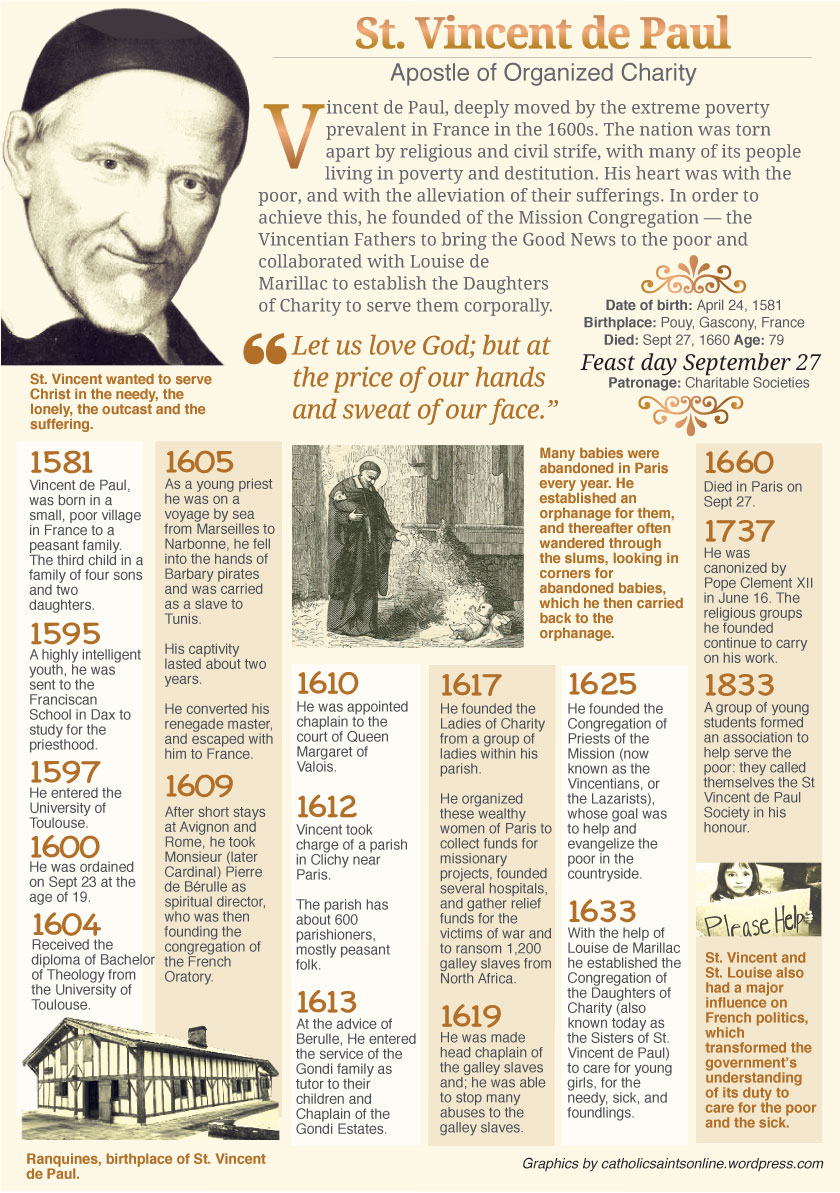
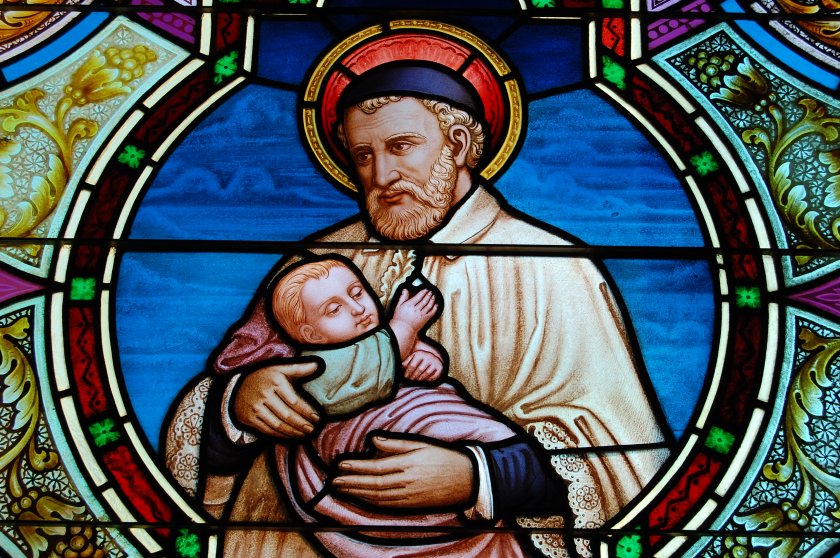
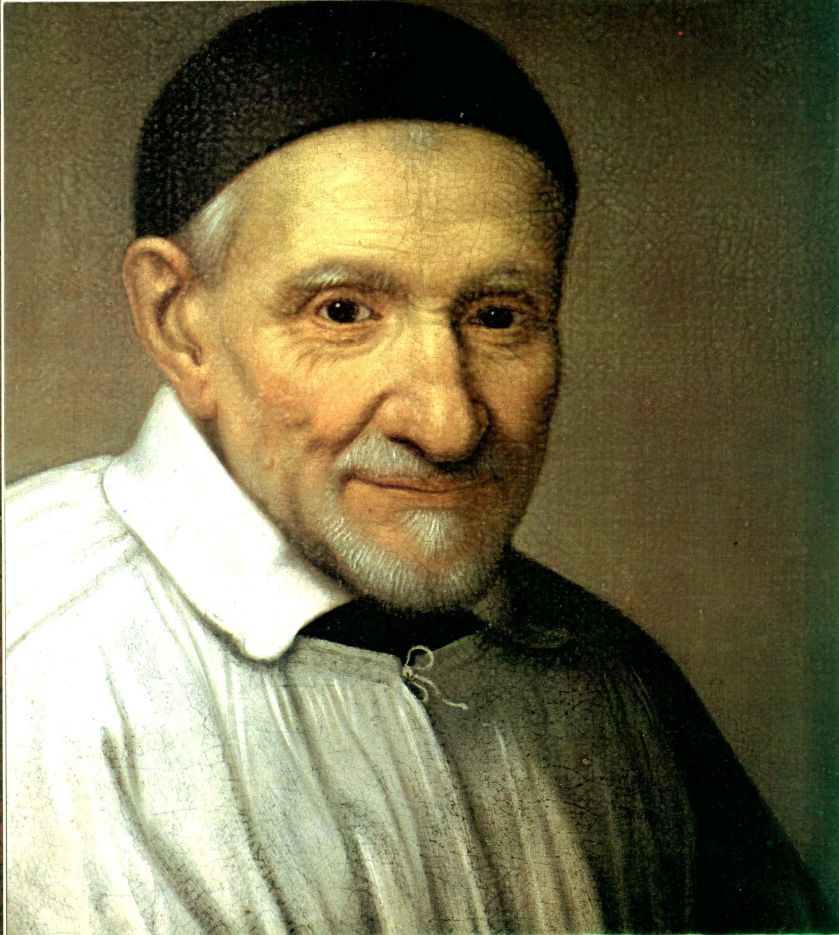
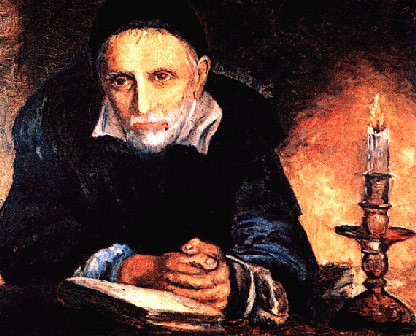
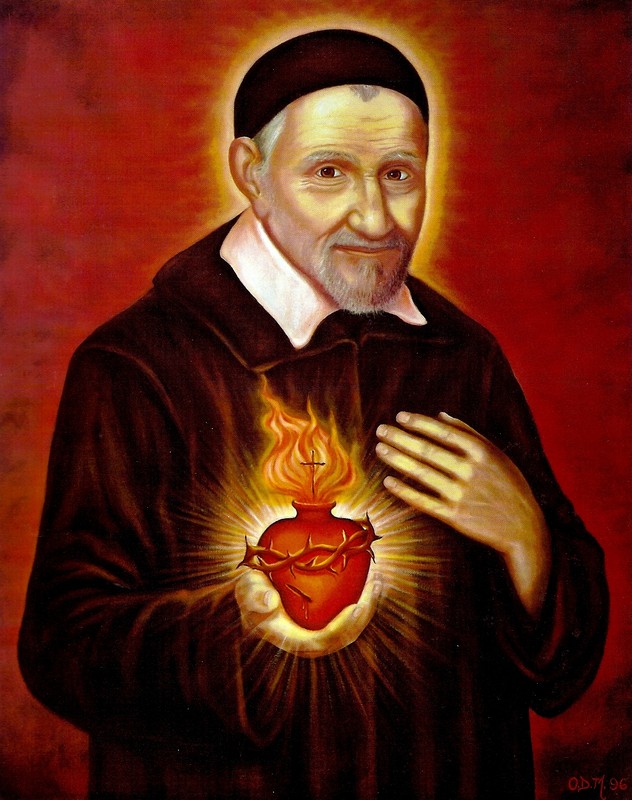


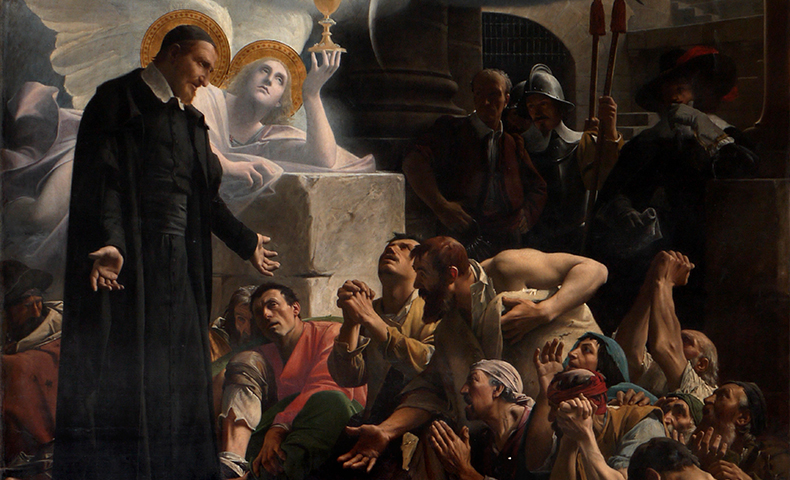
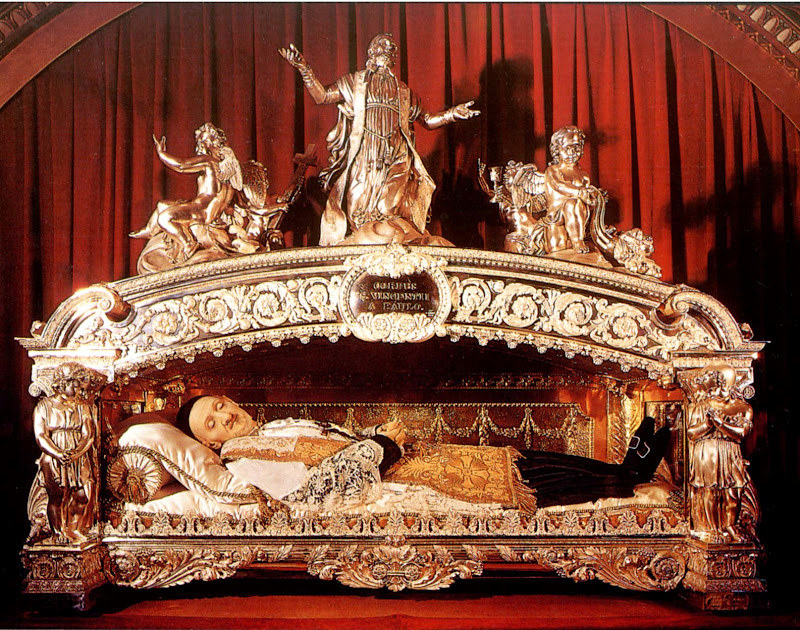
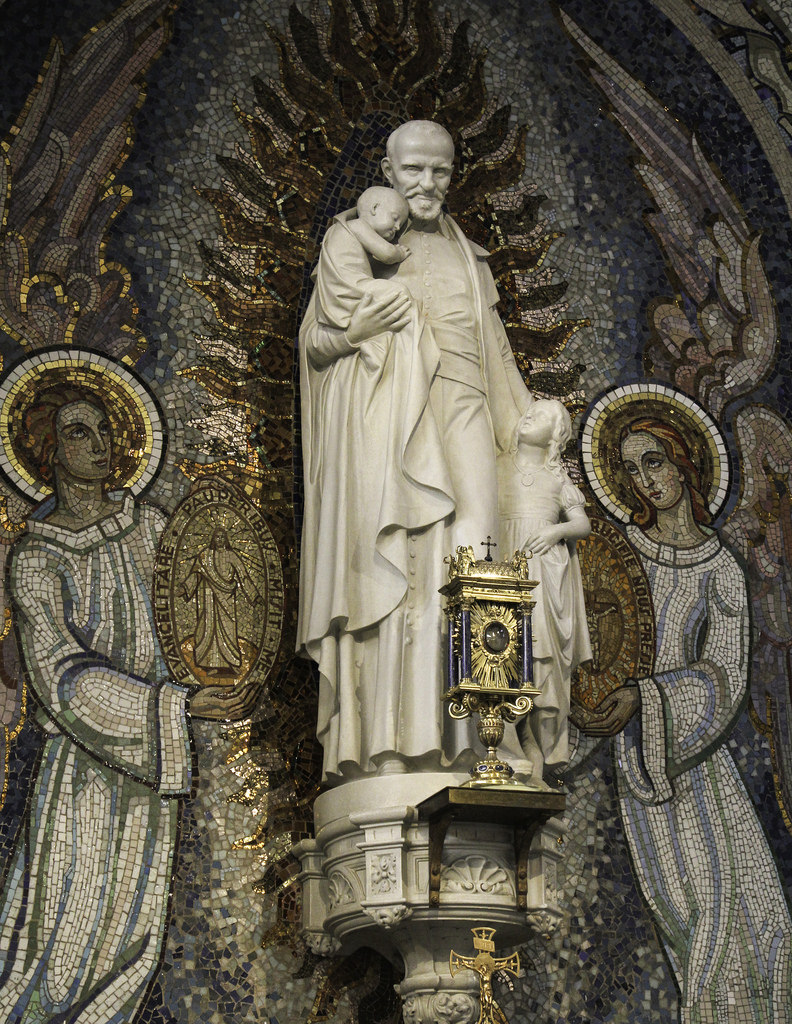
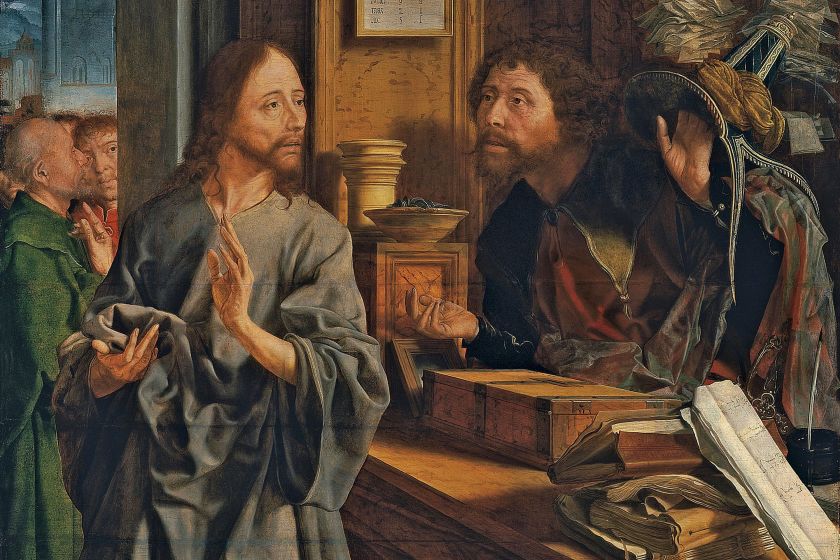


![1271956746499_San-Matteo[1]](https://i0.wp.com/anastpaul.com/wp-content/uploads/2017/09/1271956746499_san-matteo1.jpg?w=836&h=1176&ssl=1 "1271956746499_San-Matteo[1]")
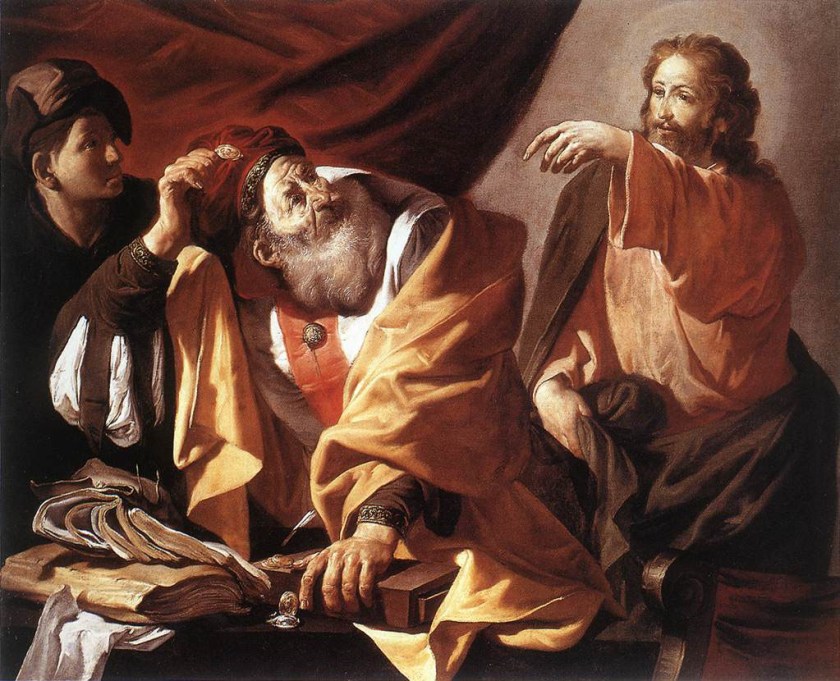
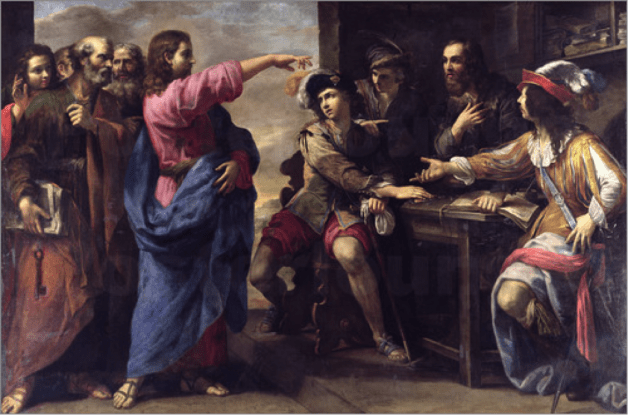


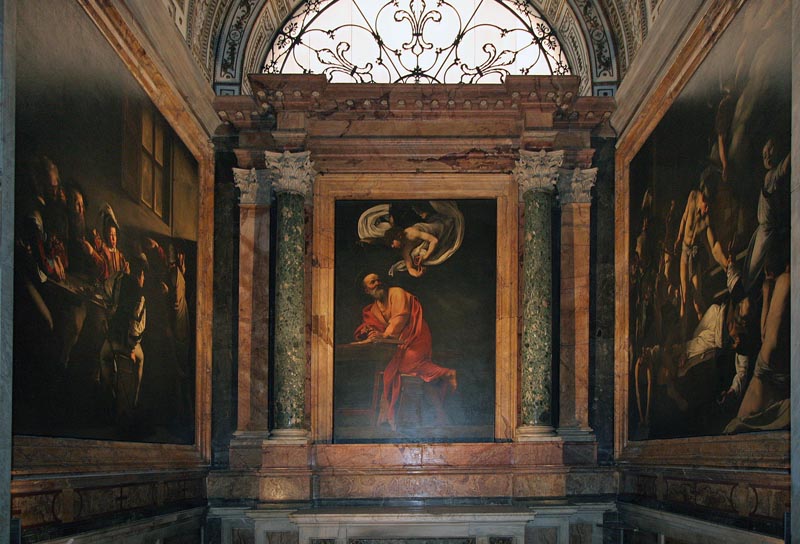
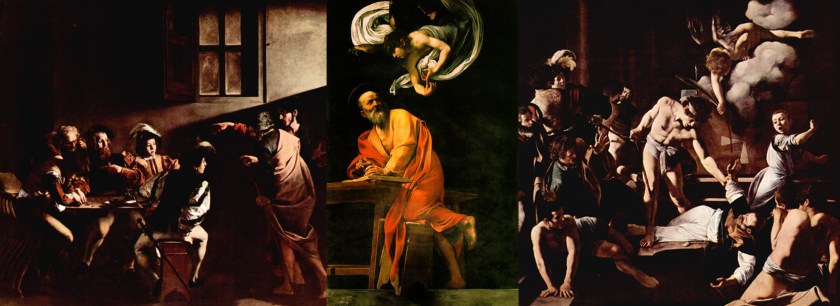


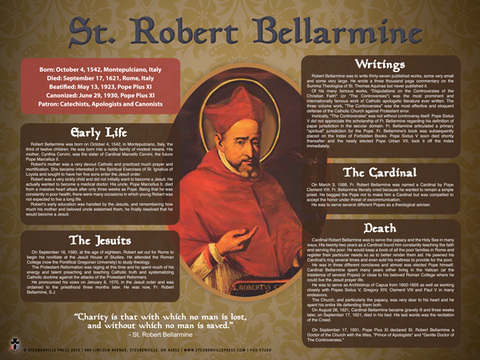
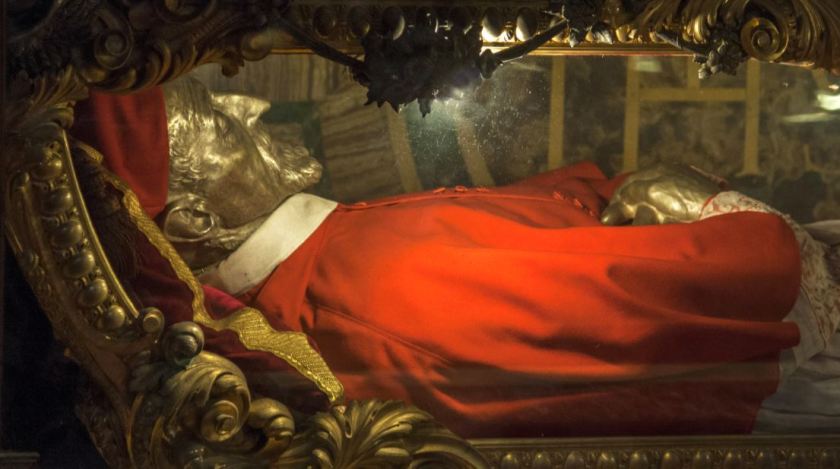
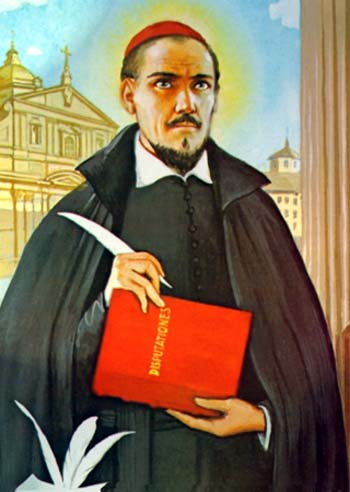


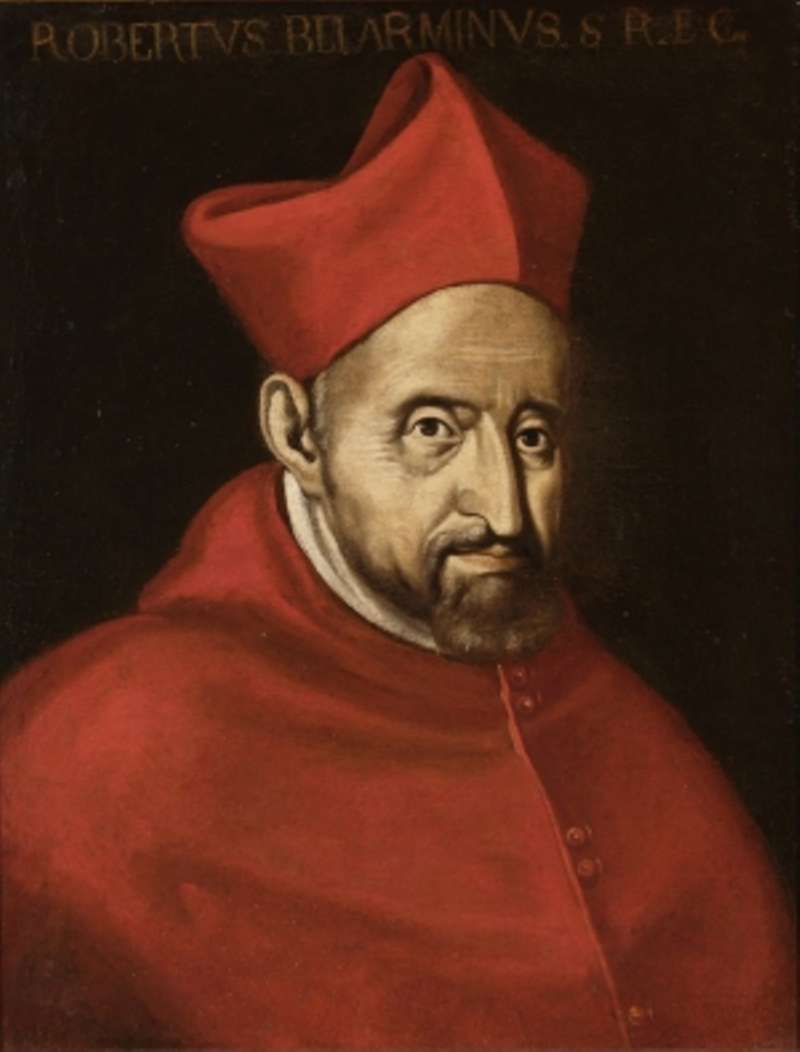


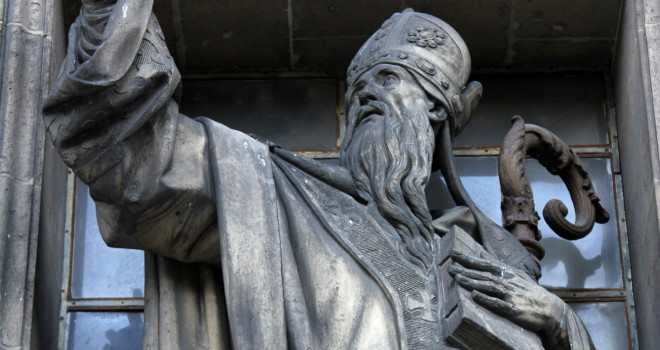


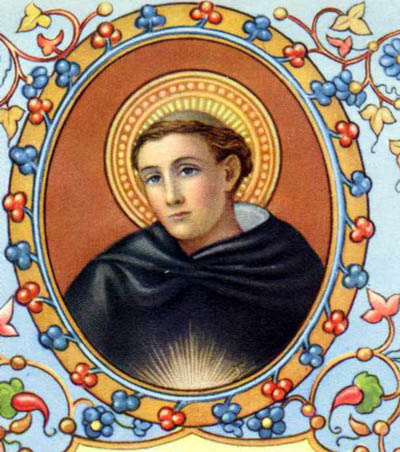
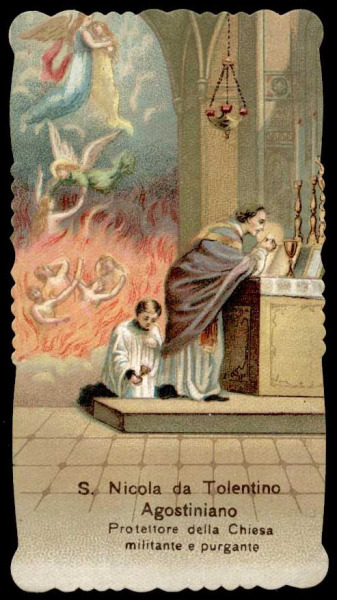
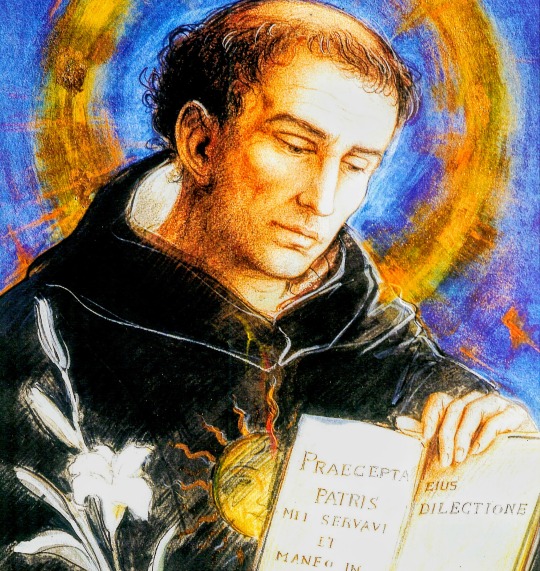


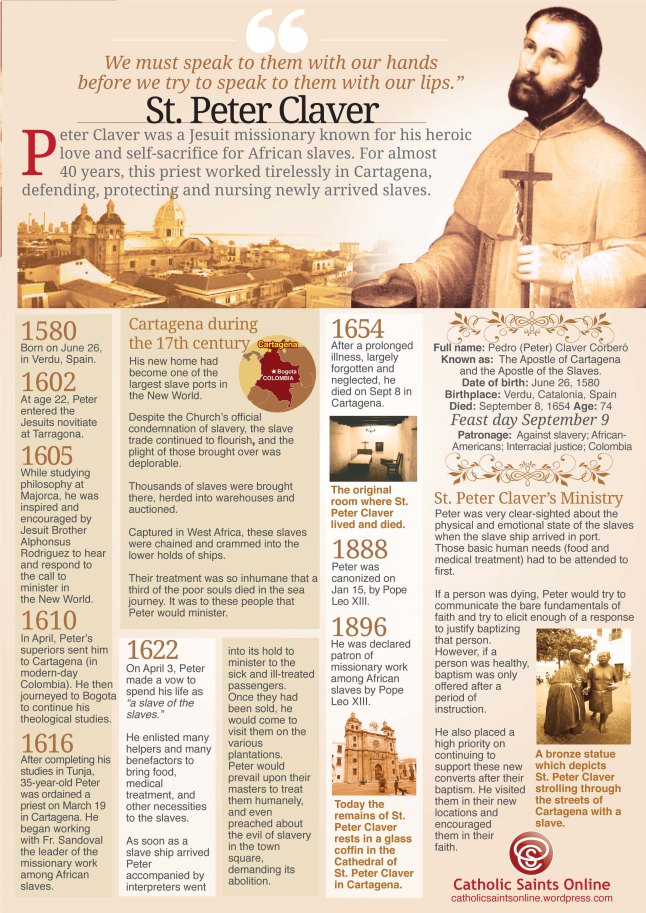
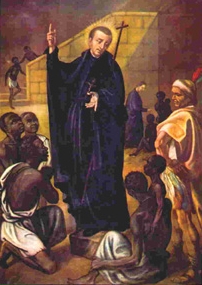
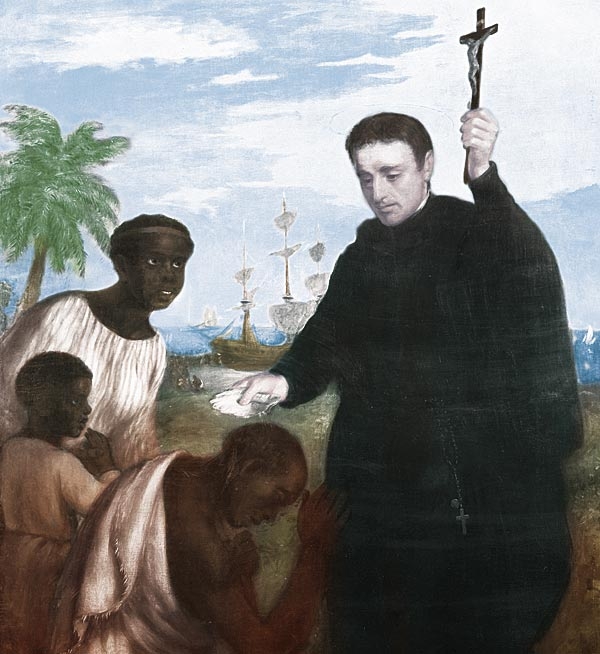
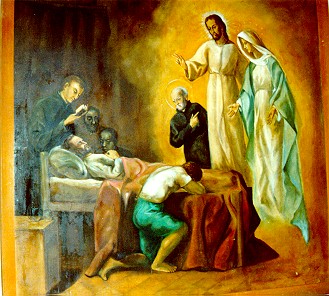
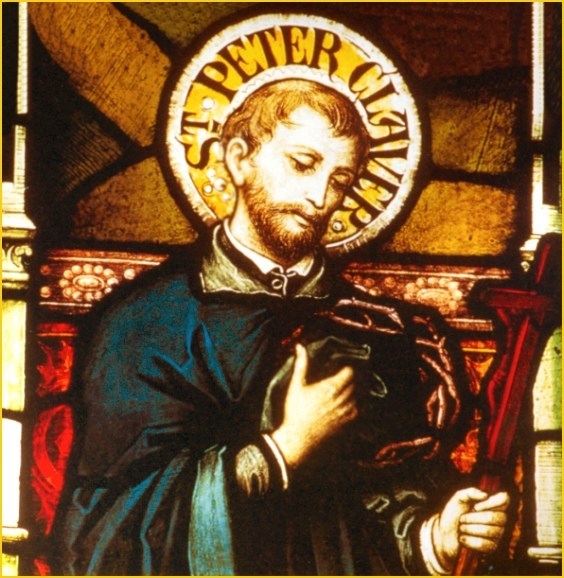
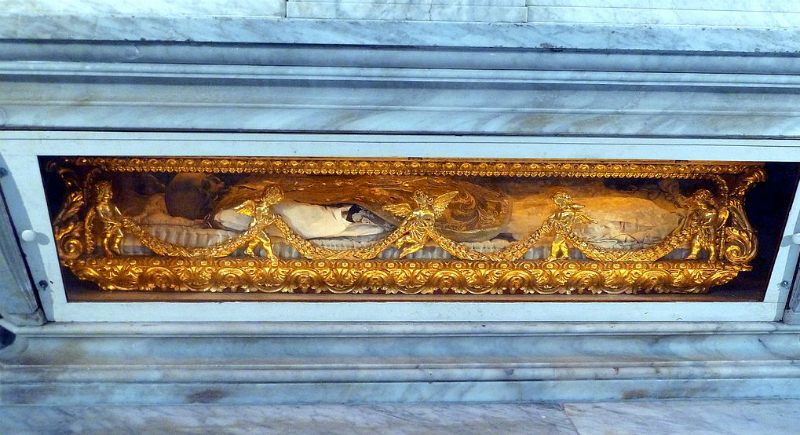
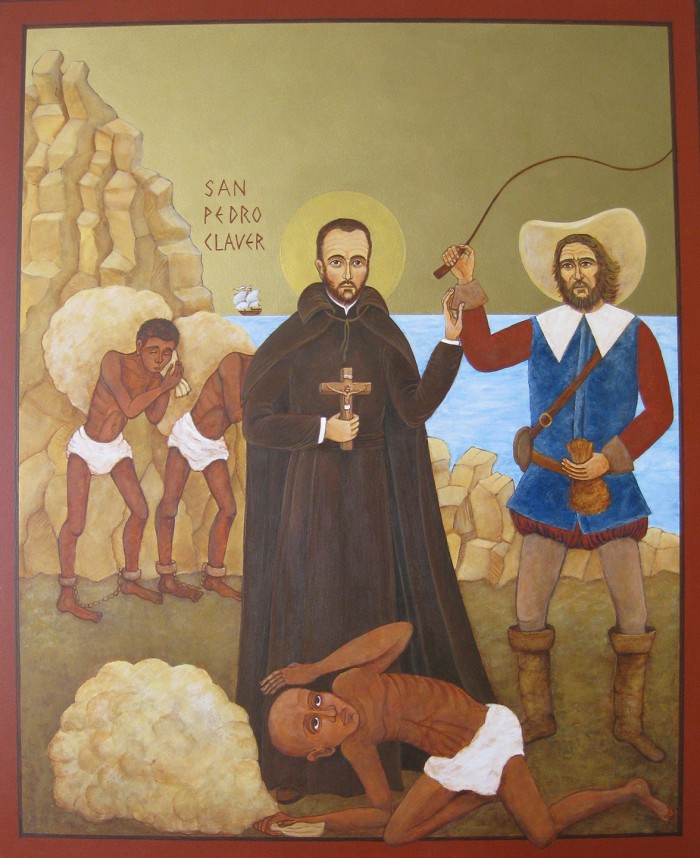
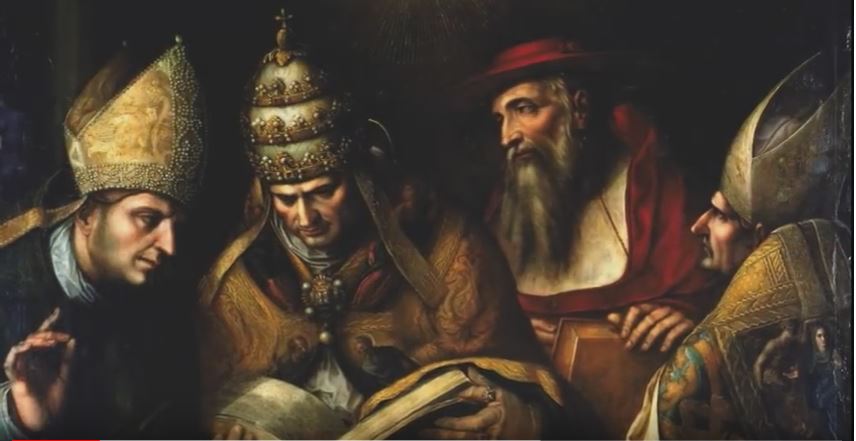


![Bartolo-di-Fredi-xx-A-Papal-Saint-Saint-Gregory-the-Great-1380s[1]](https://i0.wp.com/anastpaul.com/wp-content/uploads/2017/09/bartolo-di-fredi-xx-a-papal-saint-saint-gregory-the-great-1380s1.jpg?w=166&h=330&ssl=1 "Bartolo-di-Fredi-xx-A-Papal-Saint-Saint-Gregory-the-Great-1380s[1]")


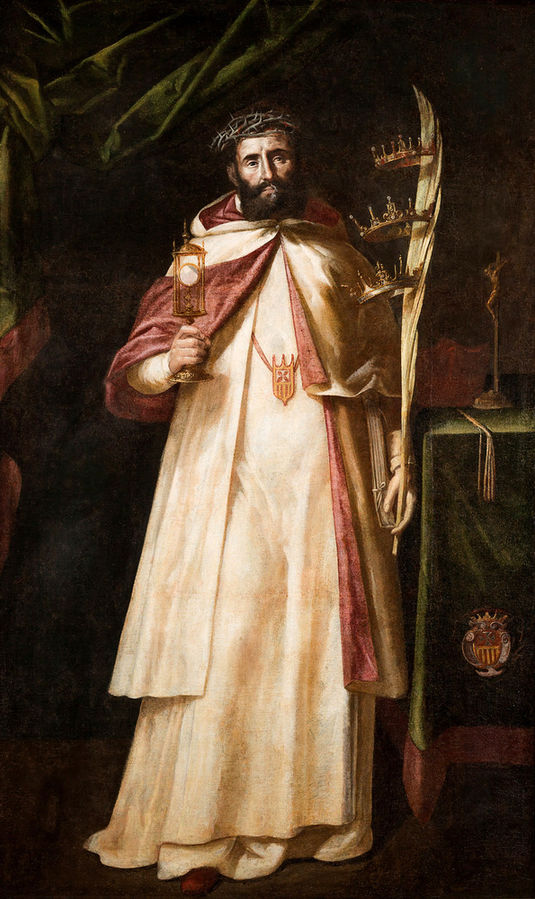
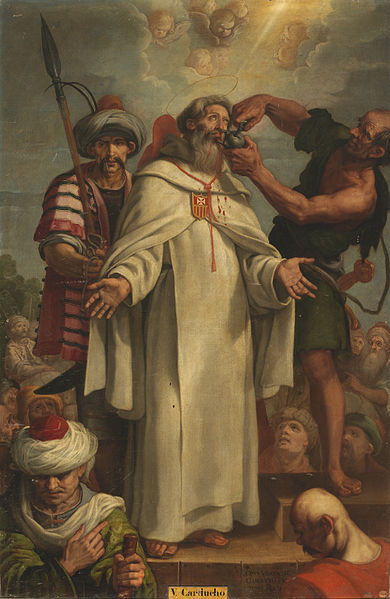
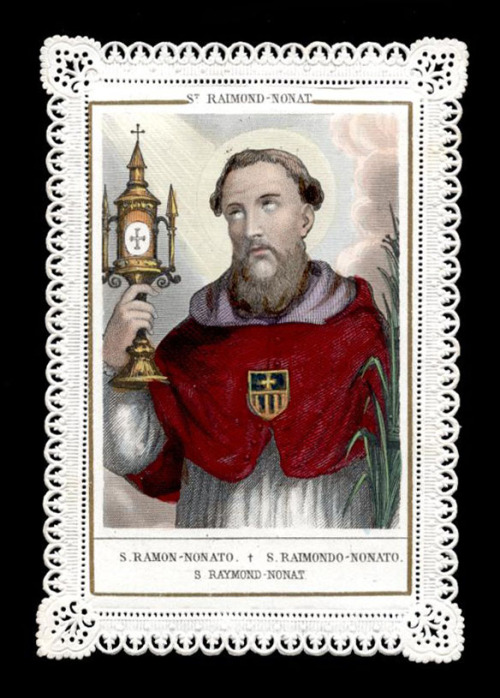
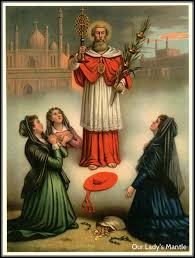
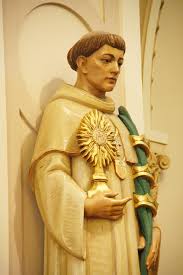
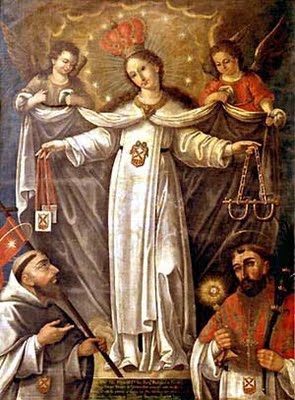
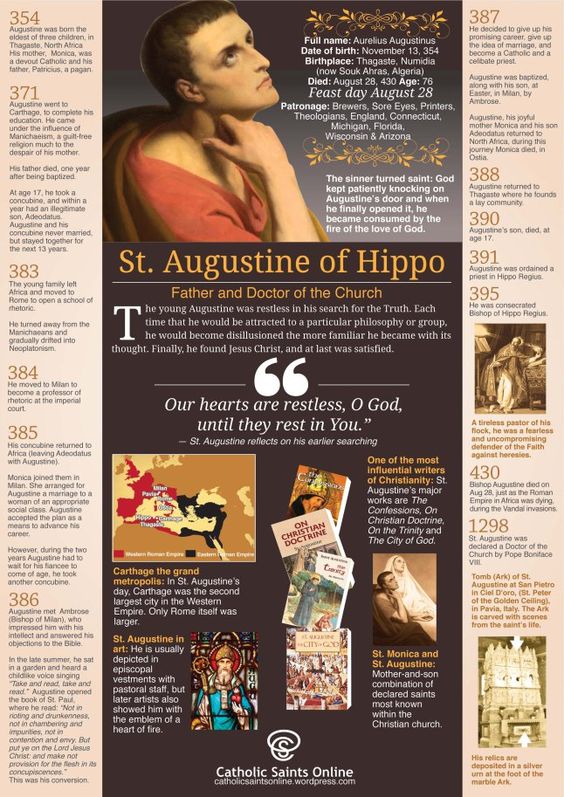
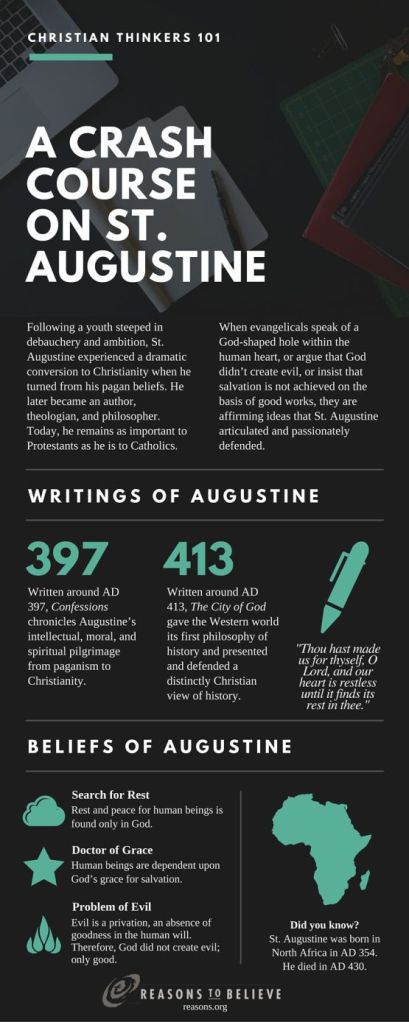
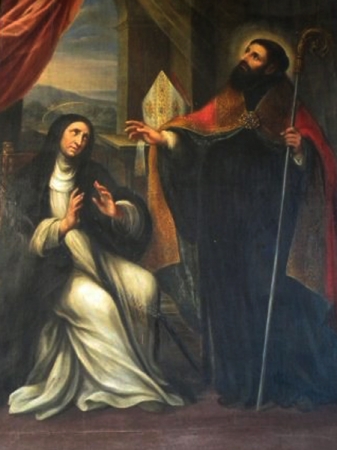
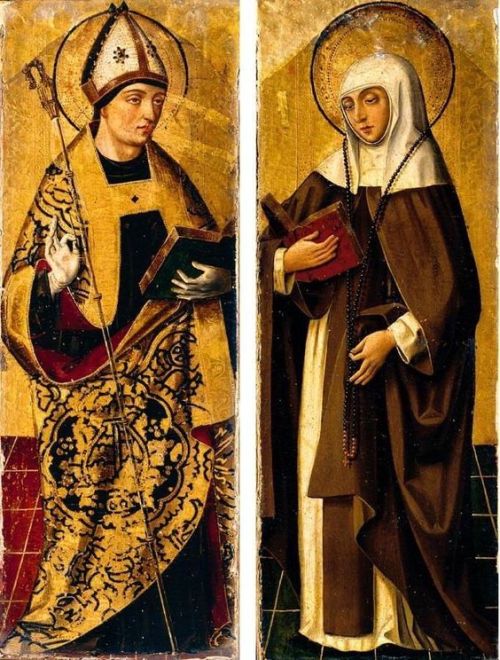
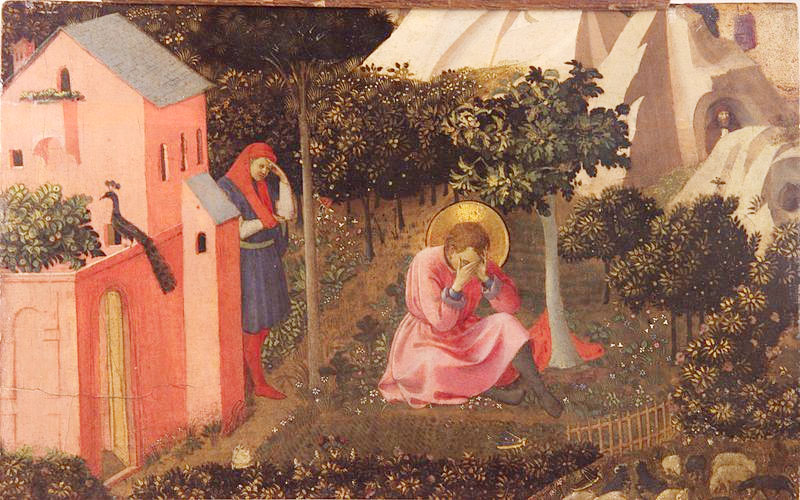
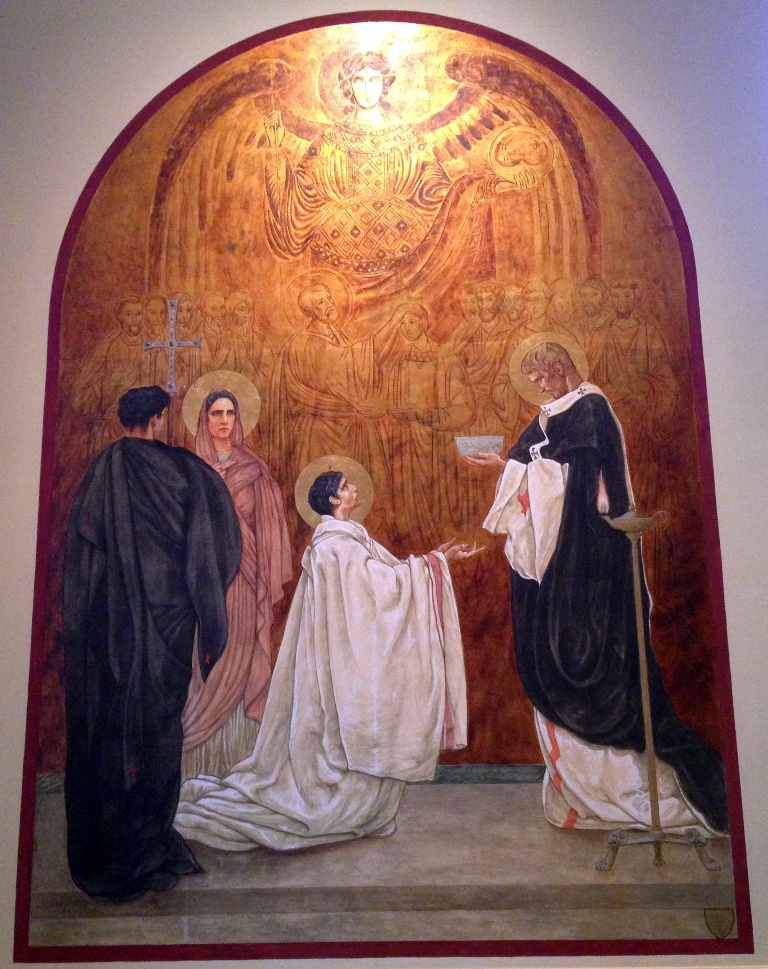
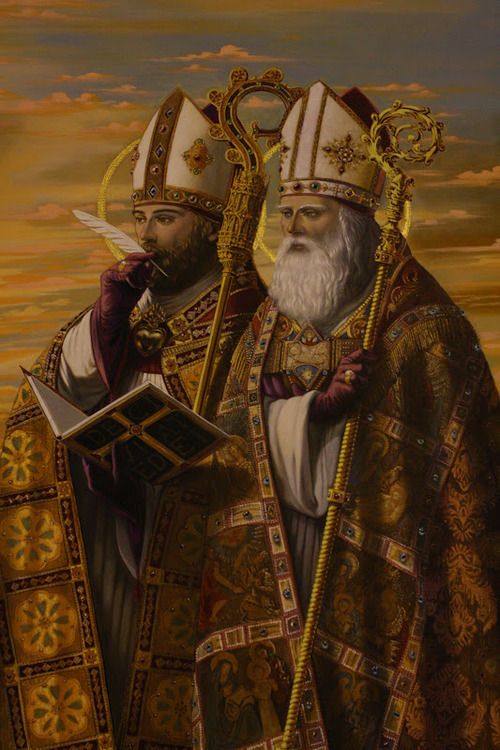
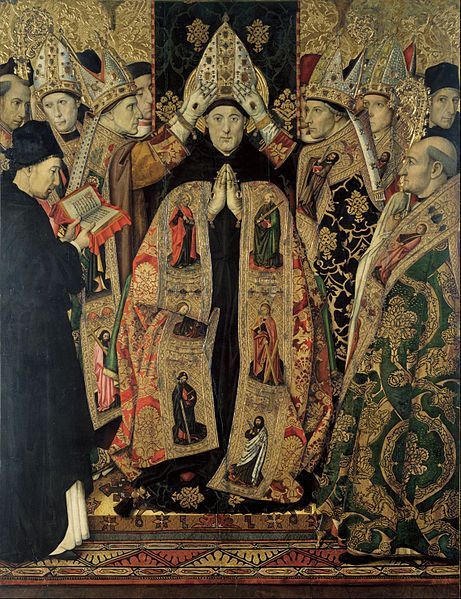
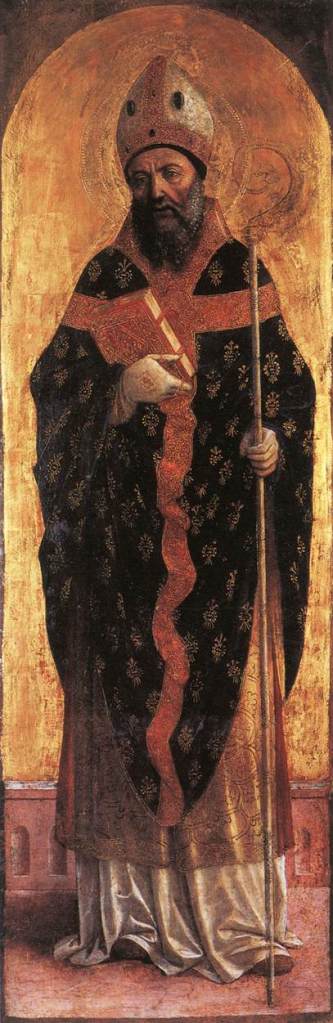
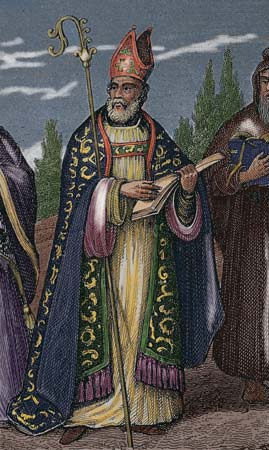
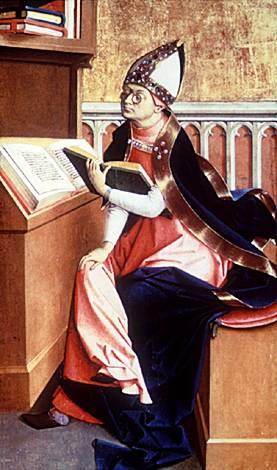
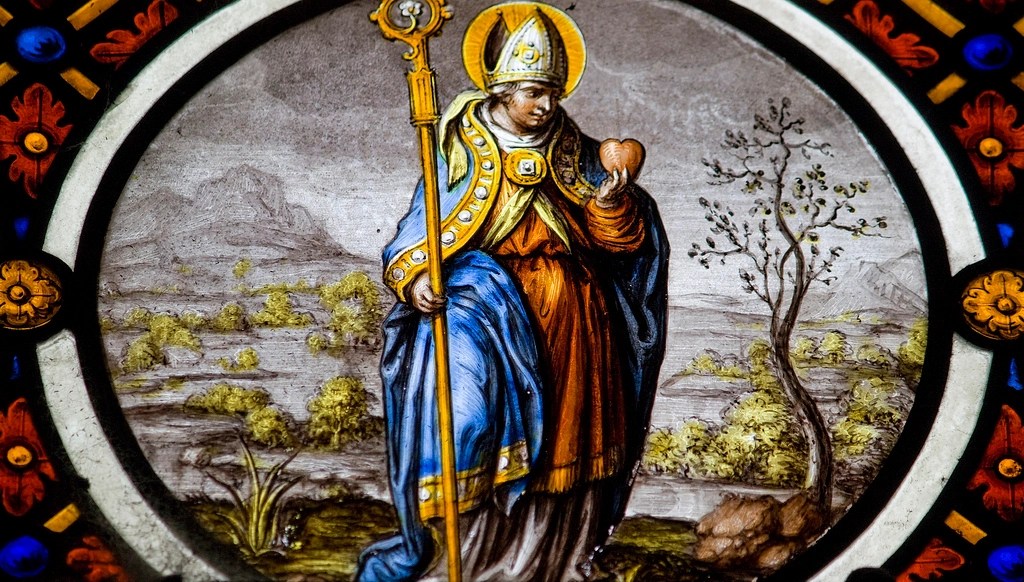
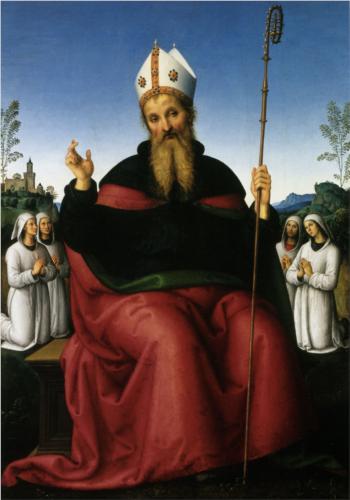
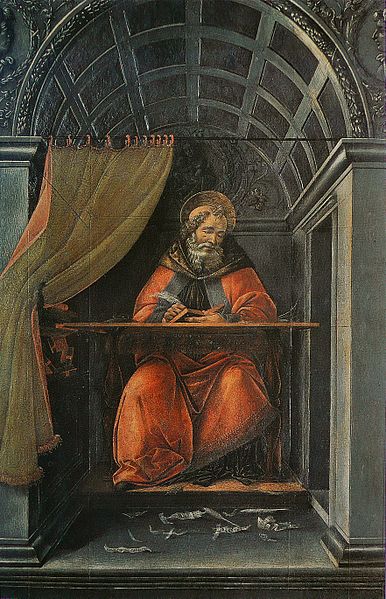
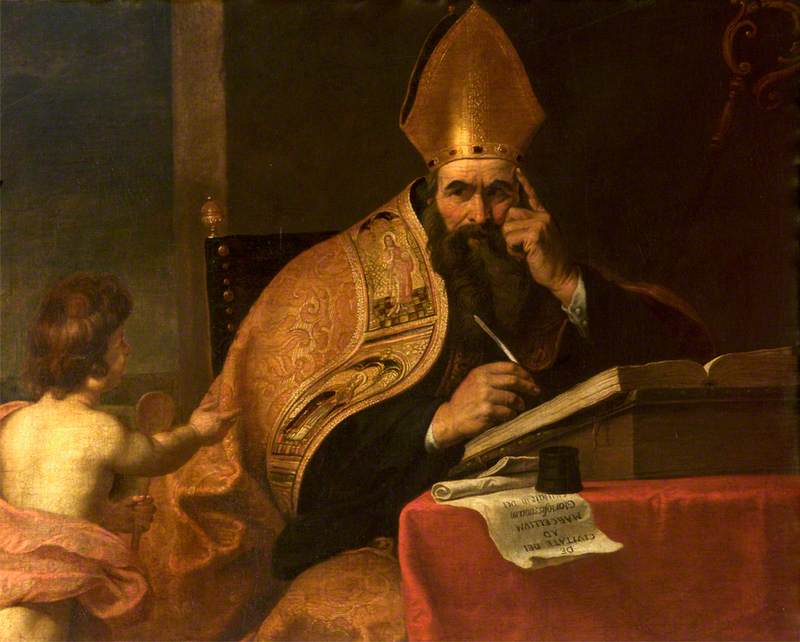
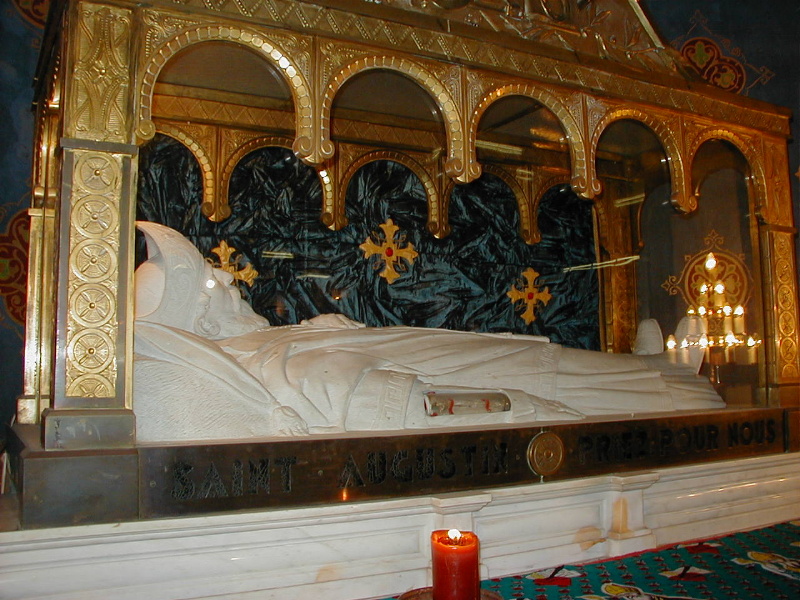
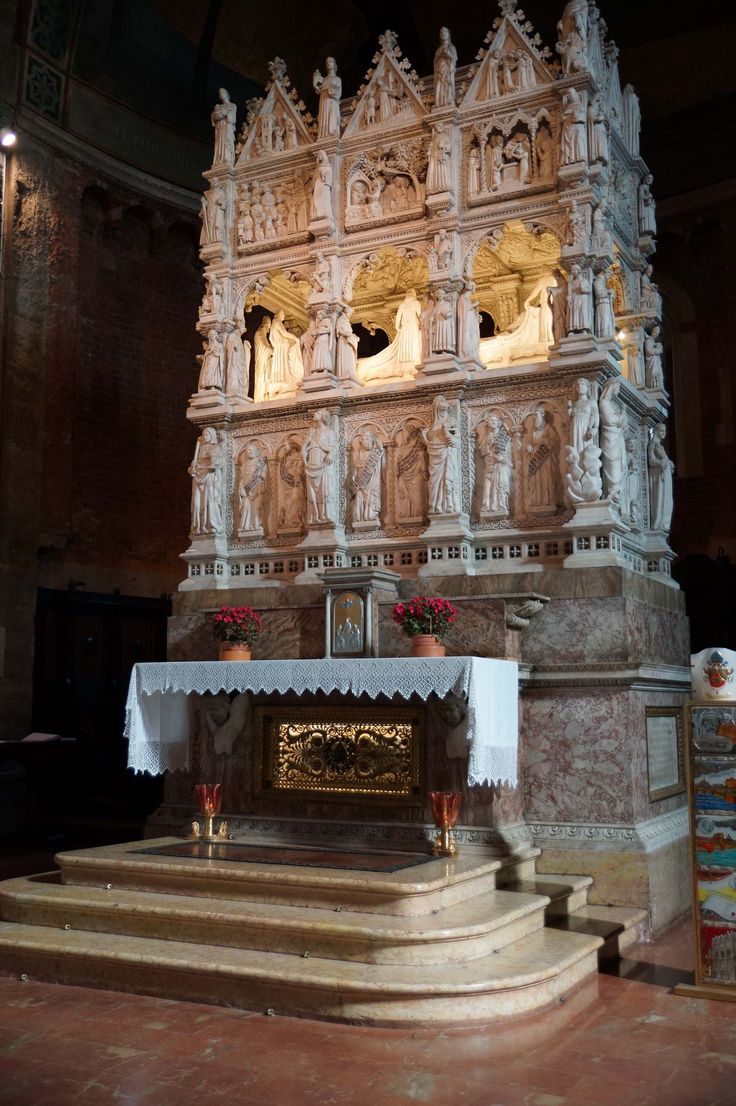
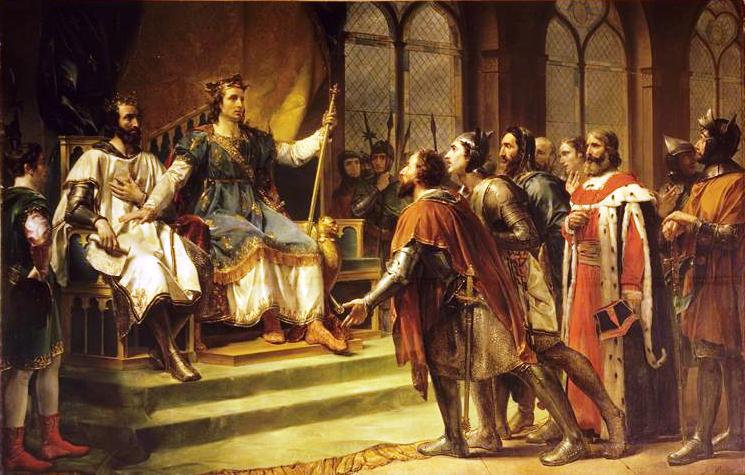
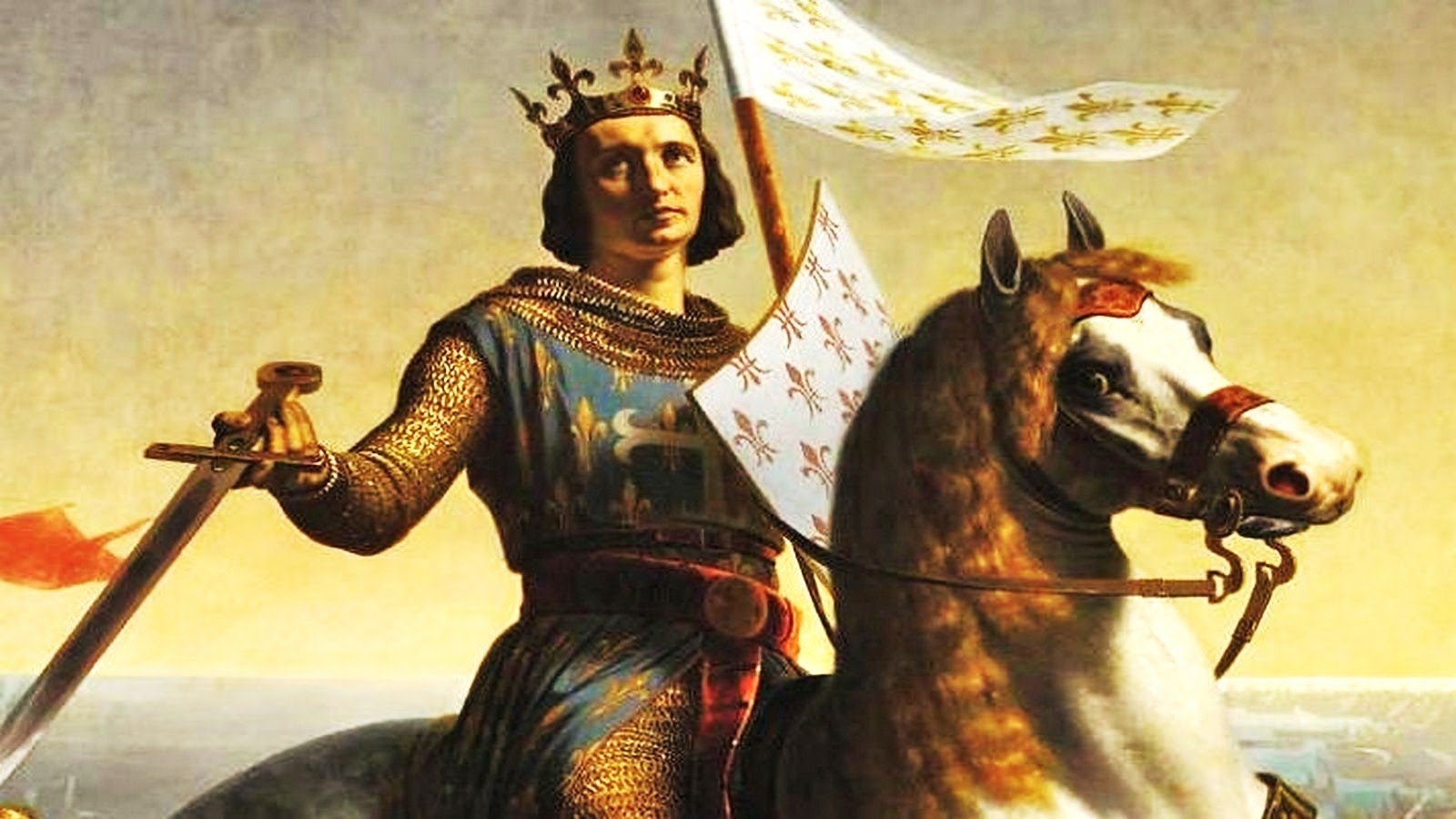


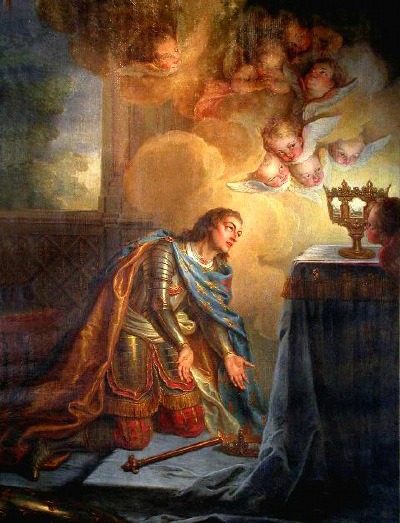
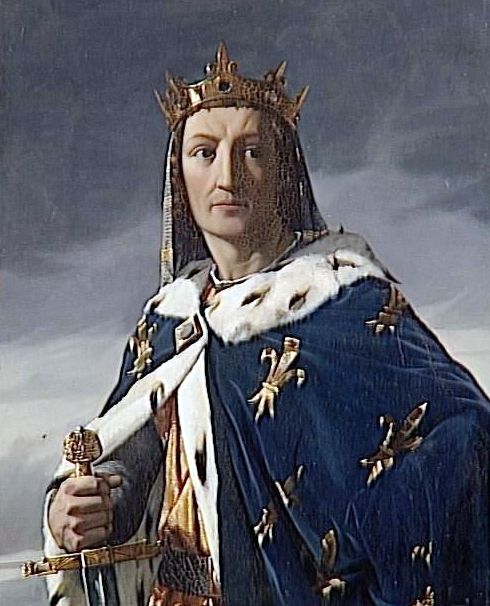
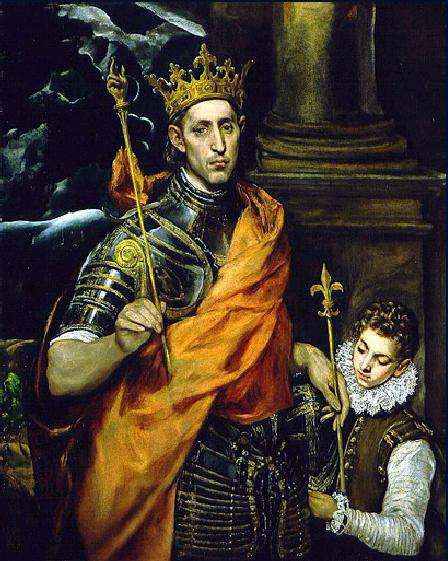


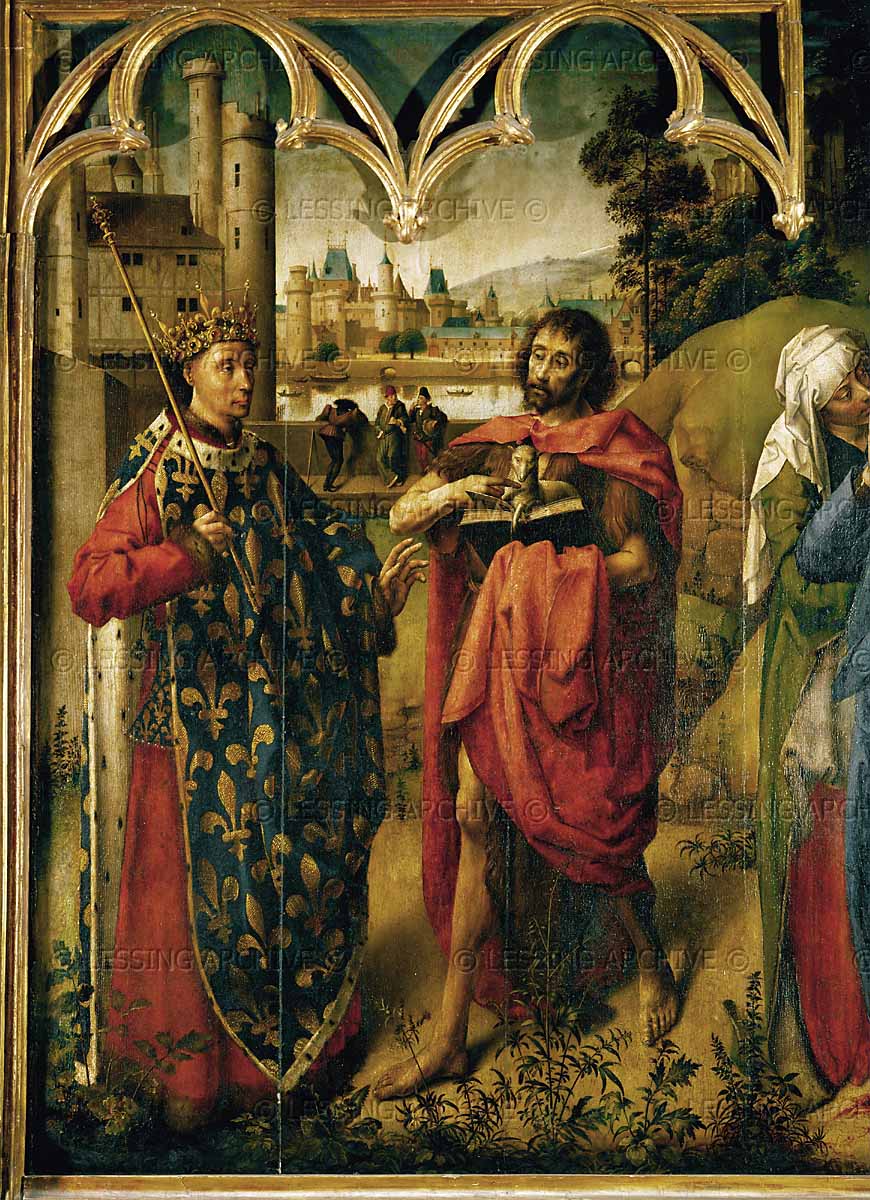
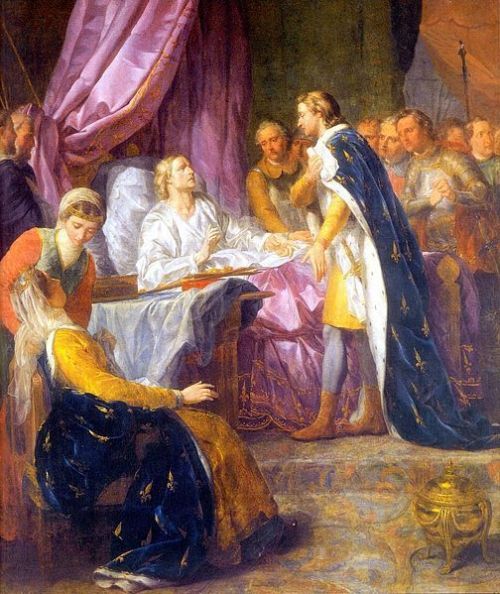
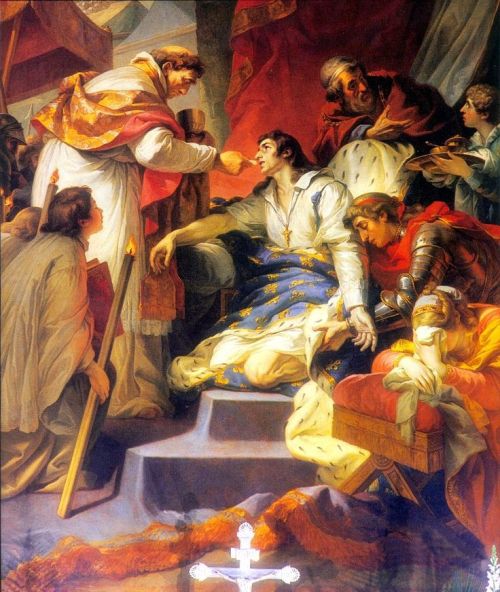
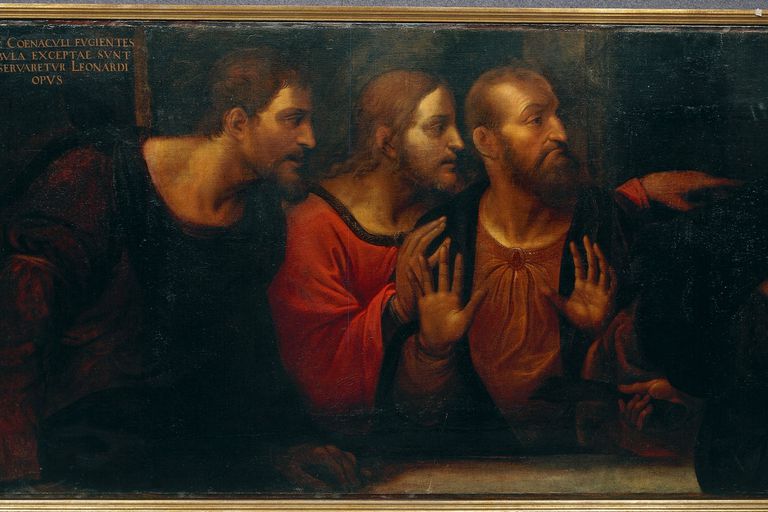


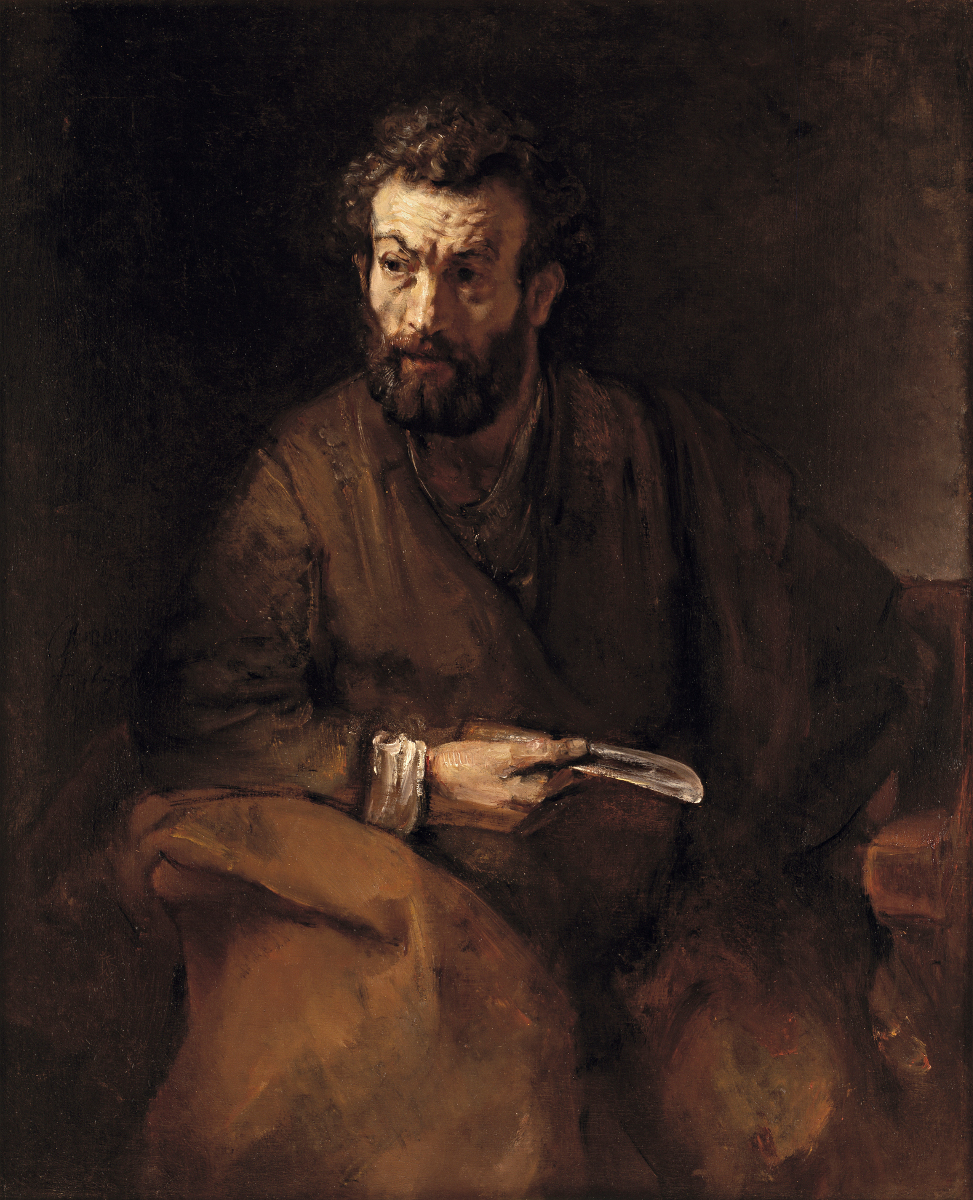
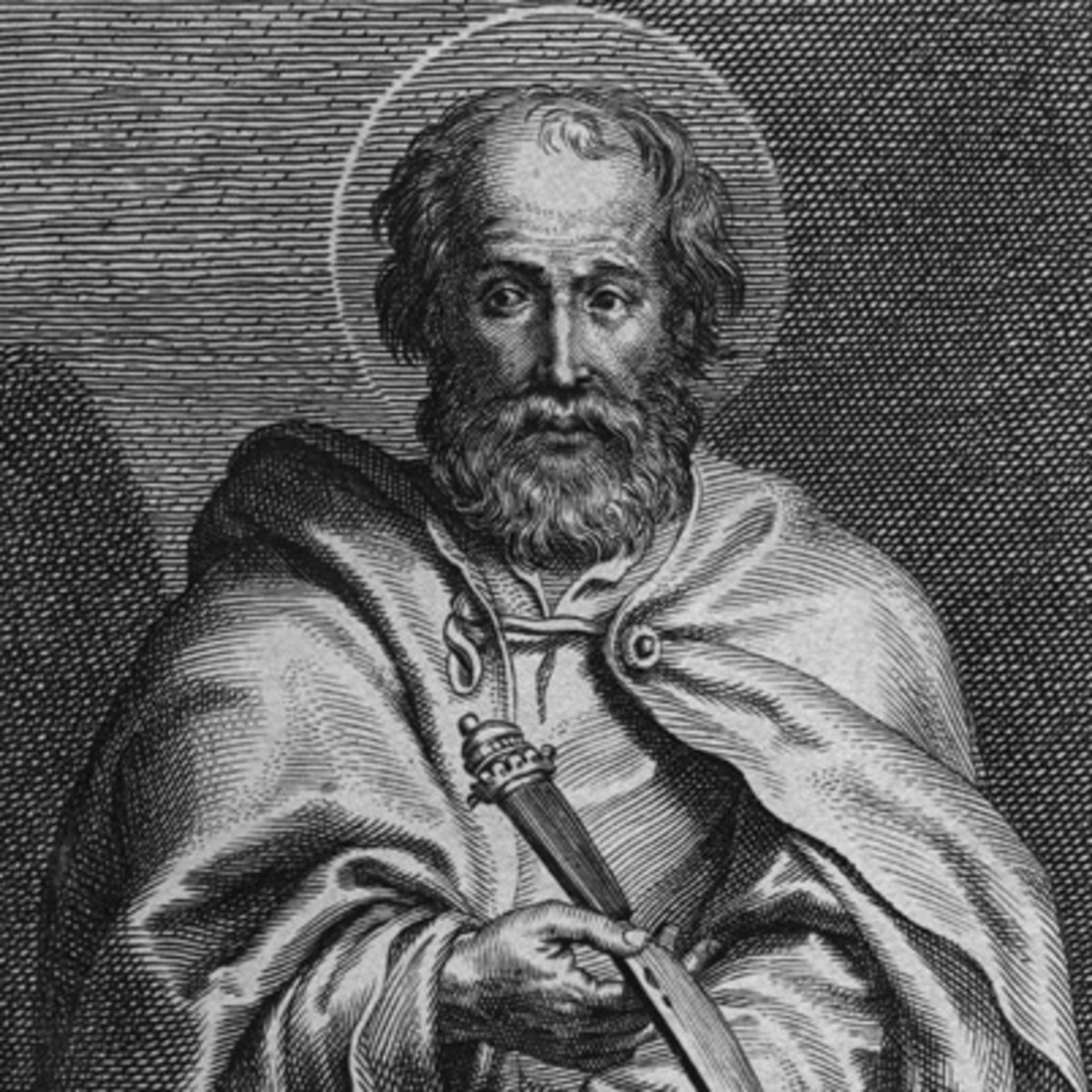
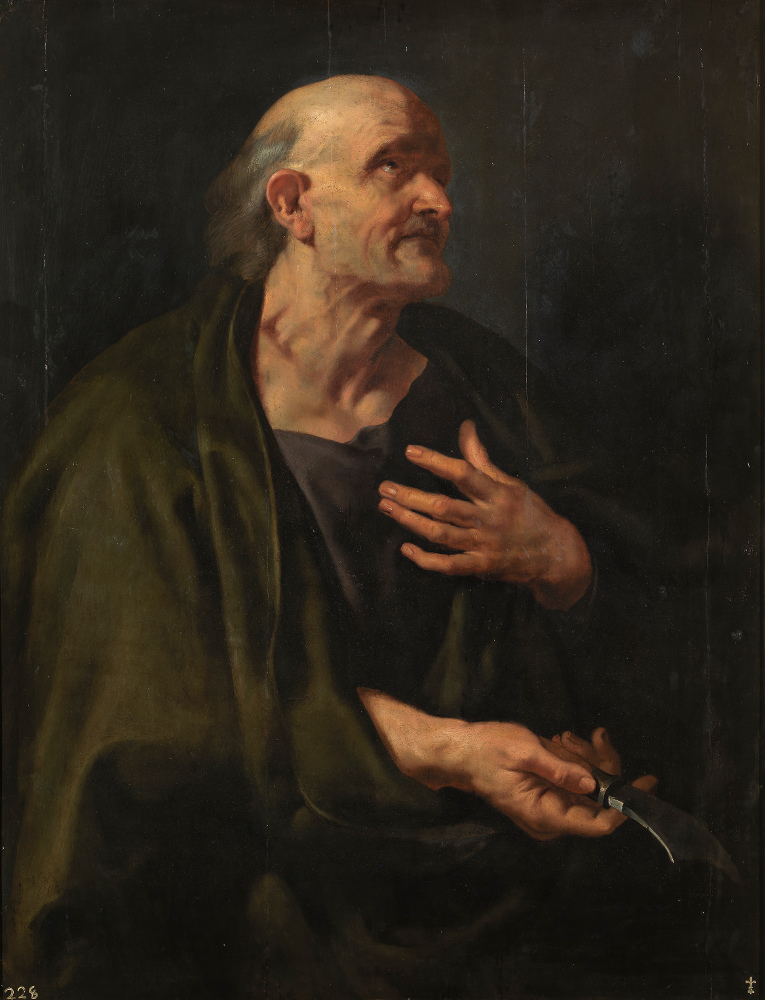


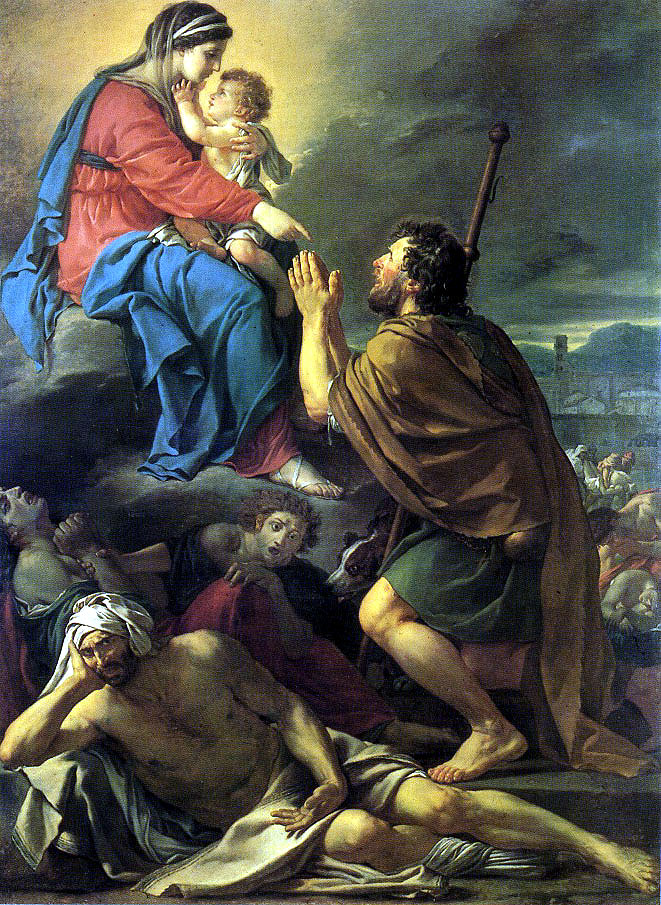 In In Rome, according to the Golden Legend he preserved the “Cardinal of Angleria in Lombardy” by making the Sign of the Cross on his forehead, which miraculously remained there, visi nbble to all! Ministering at Piacenza he himself finally fell ill. He was expelled from the Town and withdrew into the forest, where he fashioned a shelter of boughs and leaves which was miraculously supplied with water, by a spring wic arose in the place;. He would have perished, had not a dog belonging to a nobleman named Gothard Palastrelli, supplied him with bread and licked his wounds, healing them. Count Gothard, following his hunting dog carrying the bread, discovered Saint Roch and became his acolyte.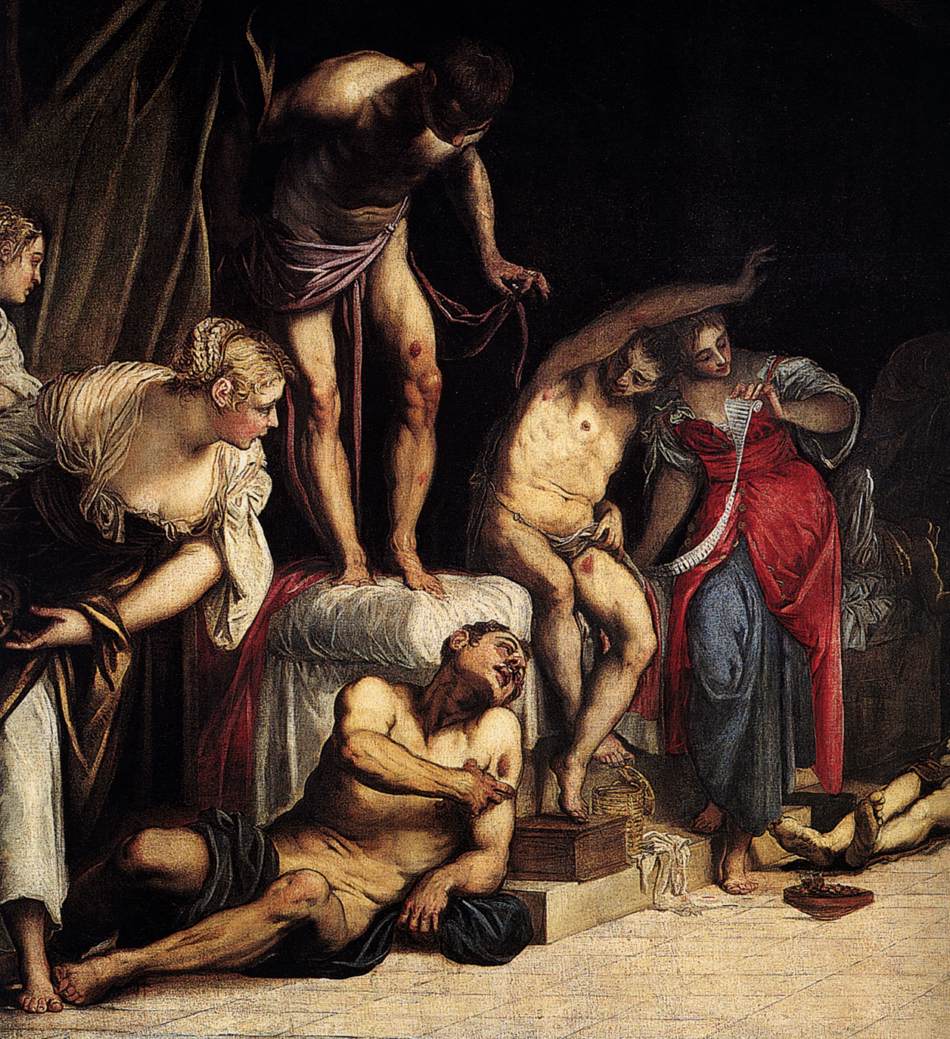
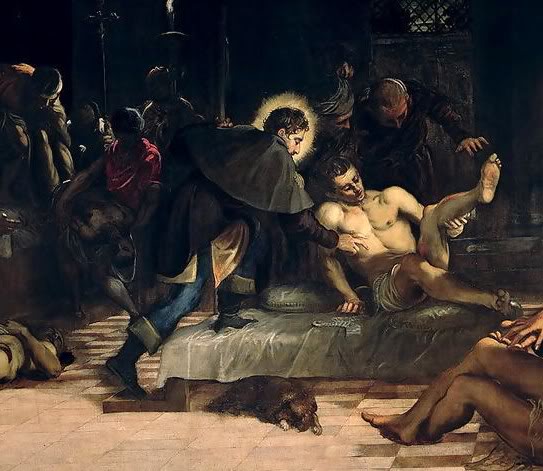
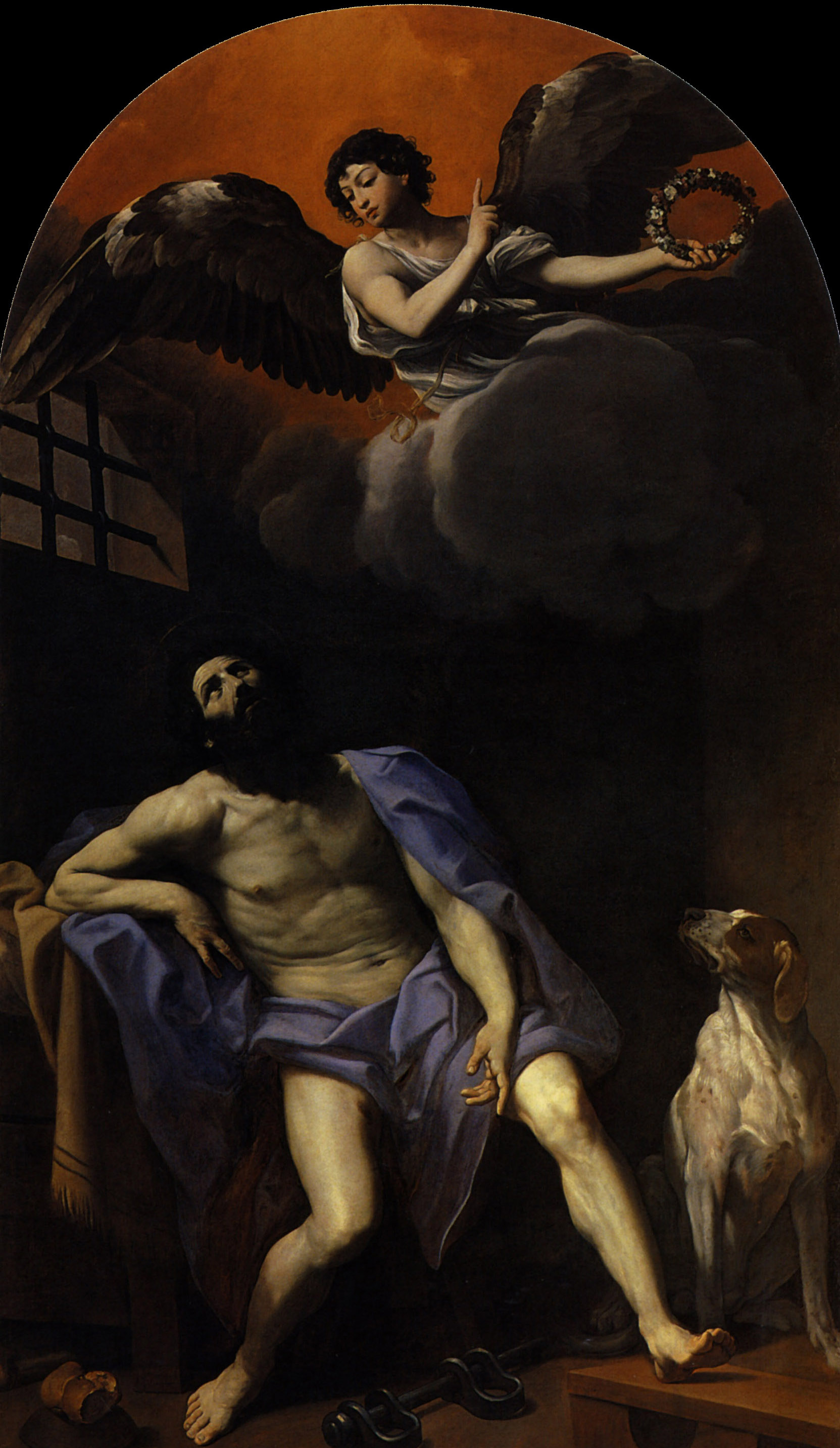
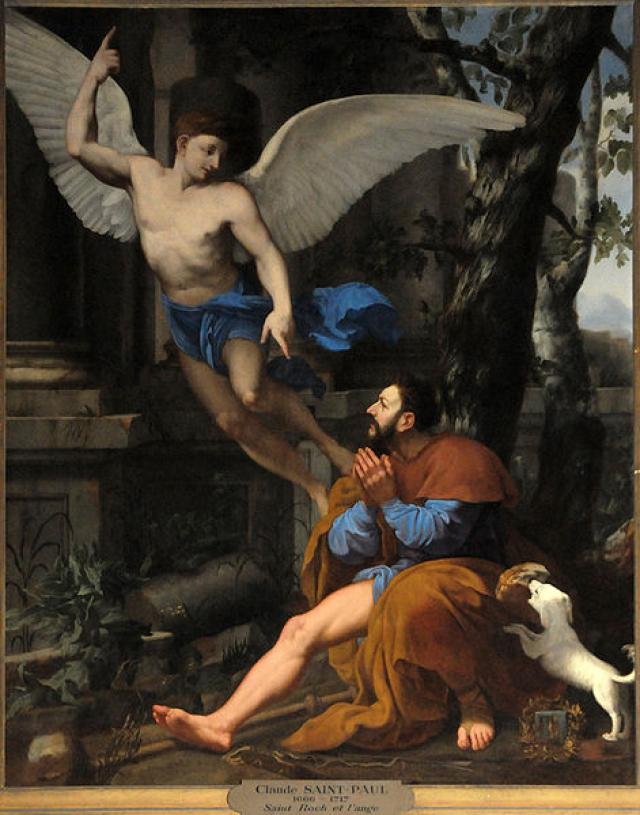
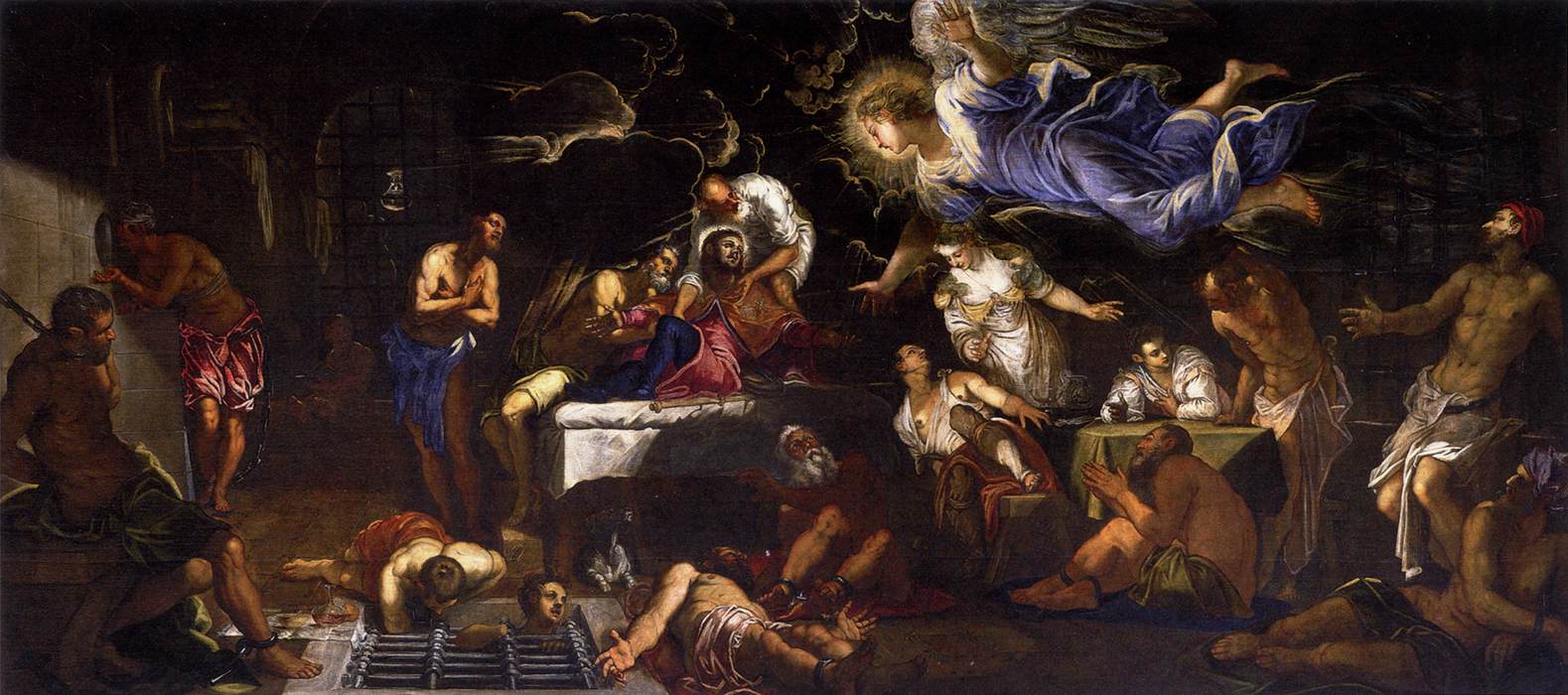


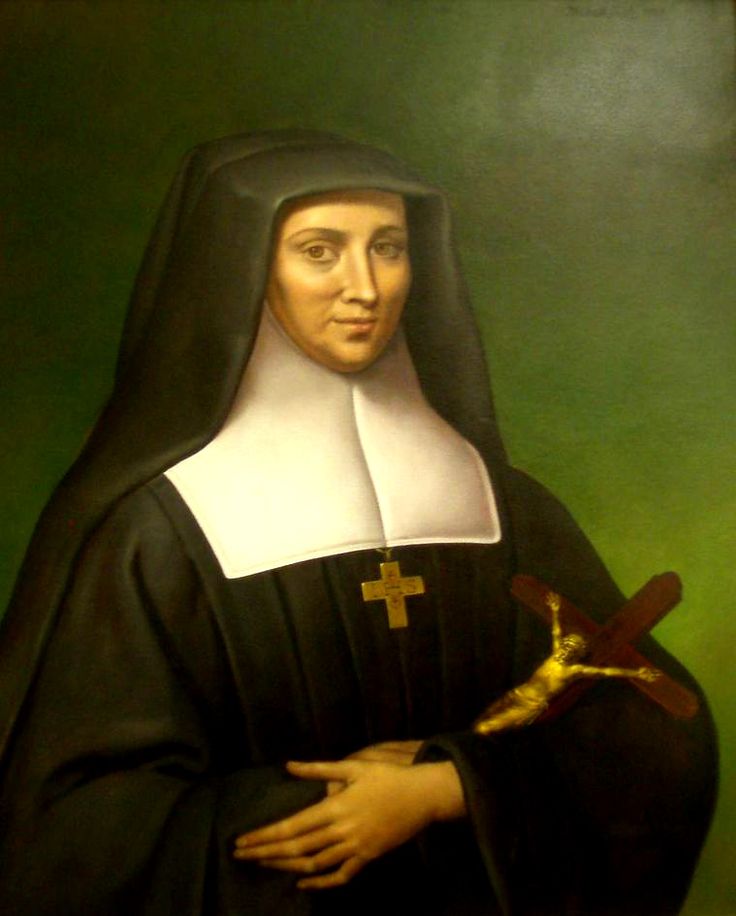
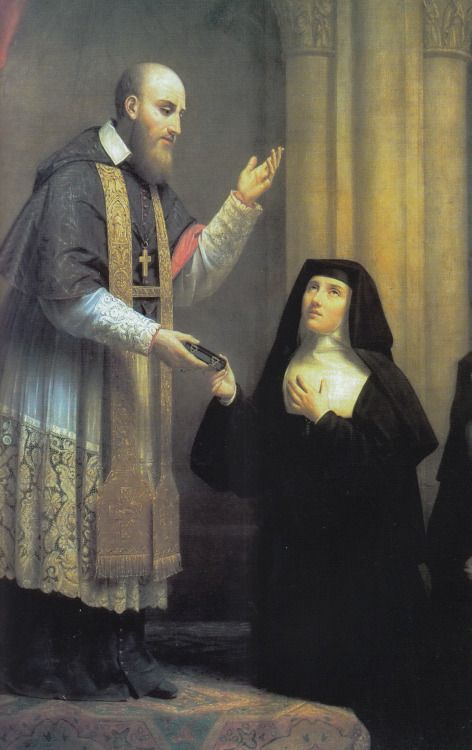
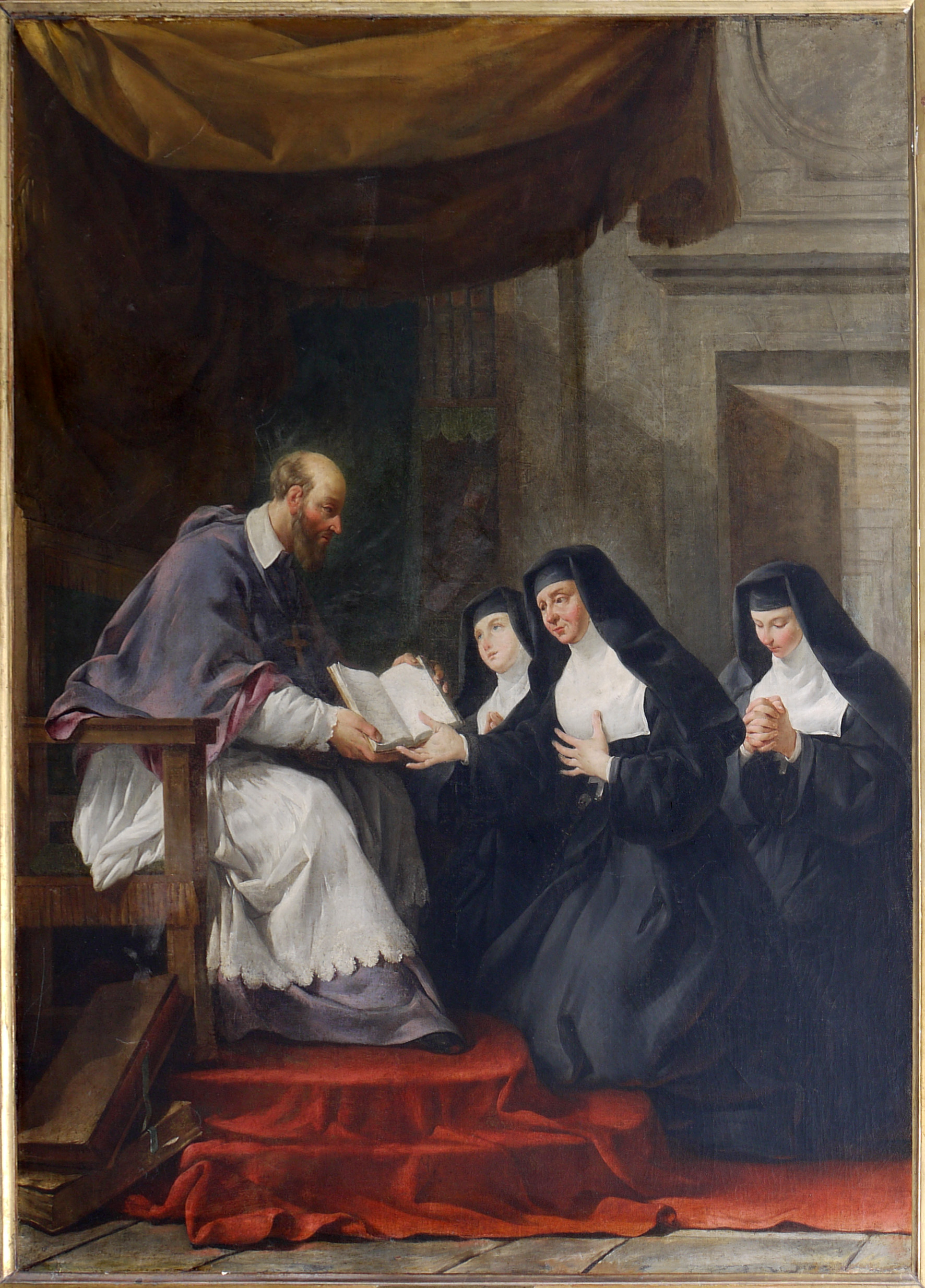


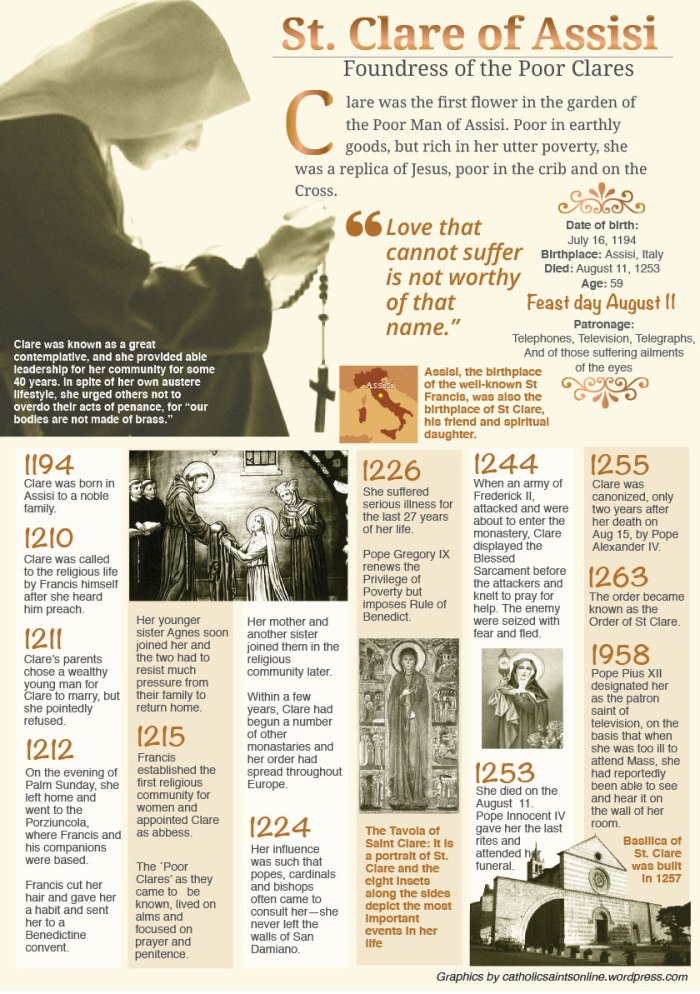
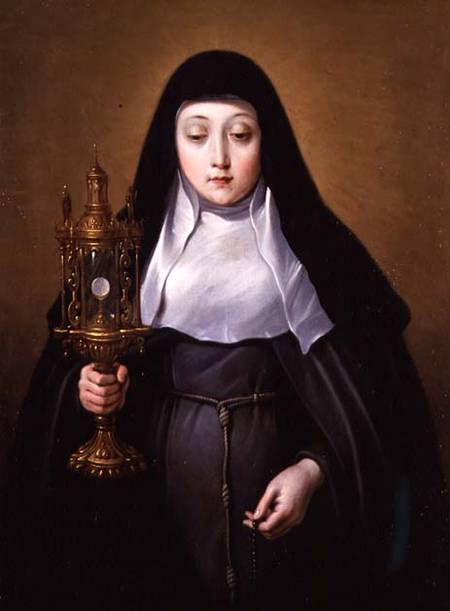


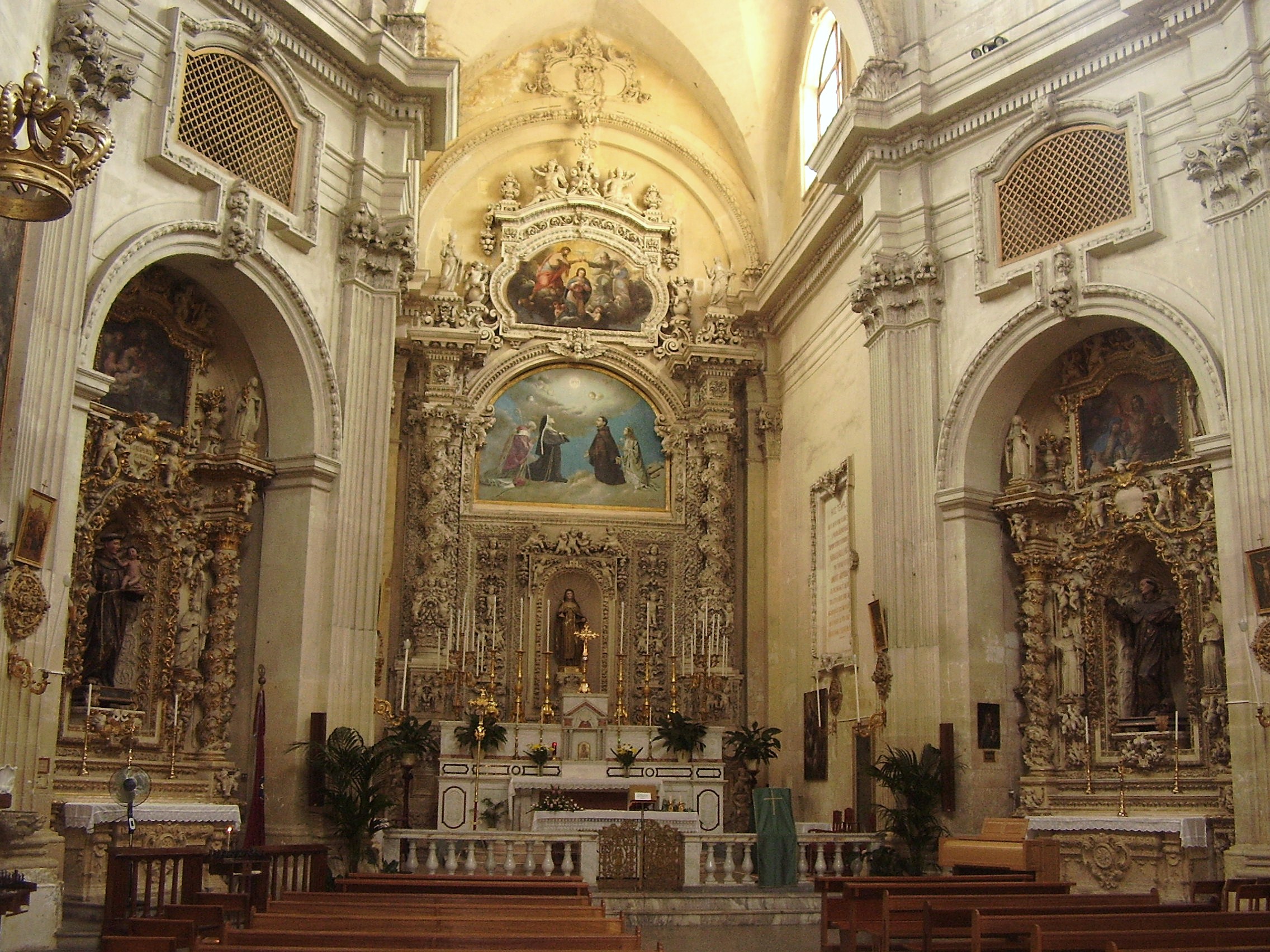
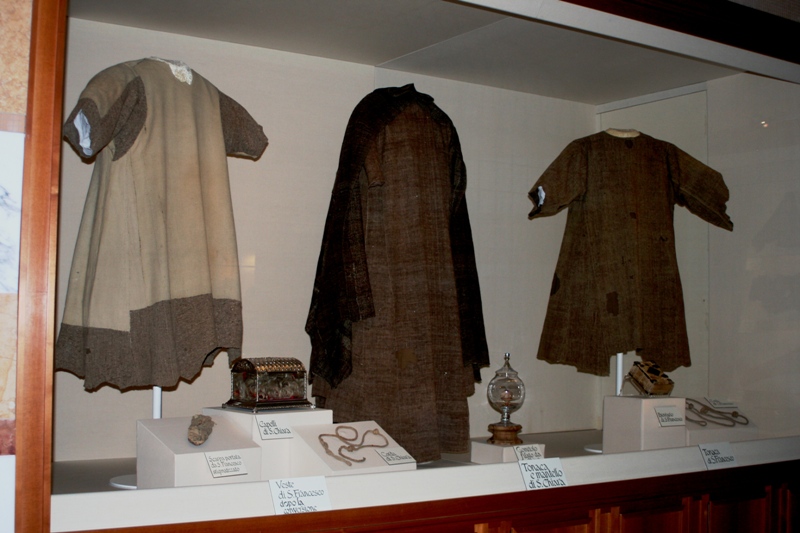
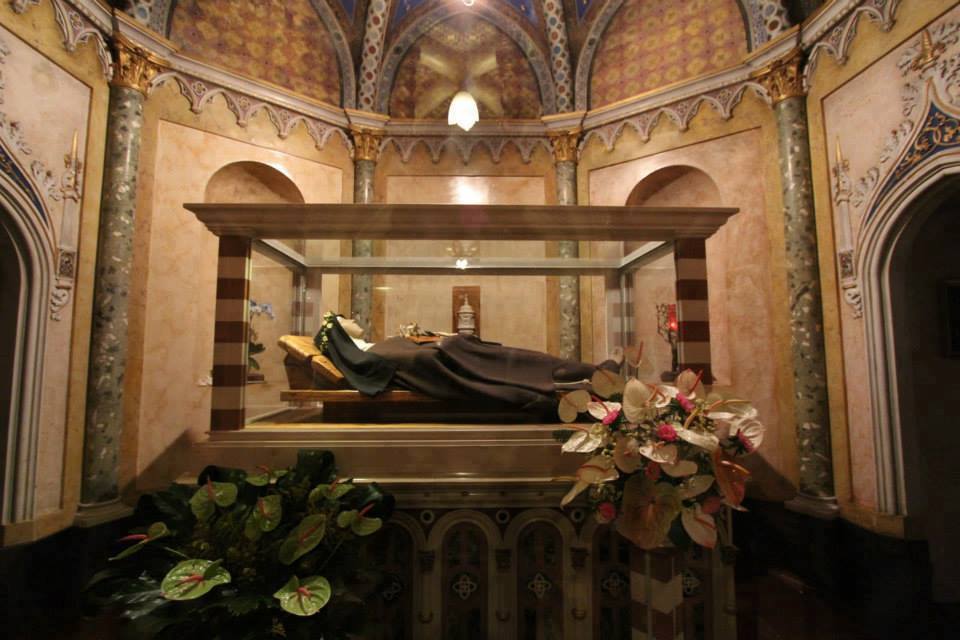


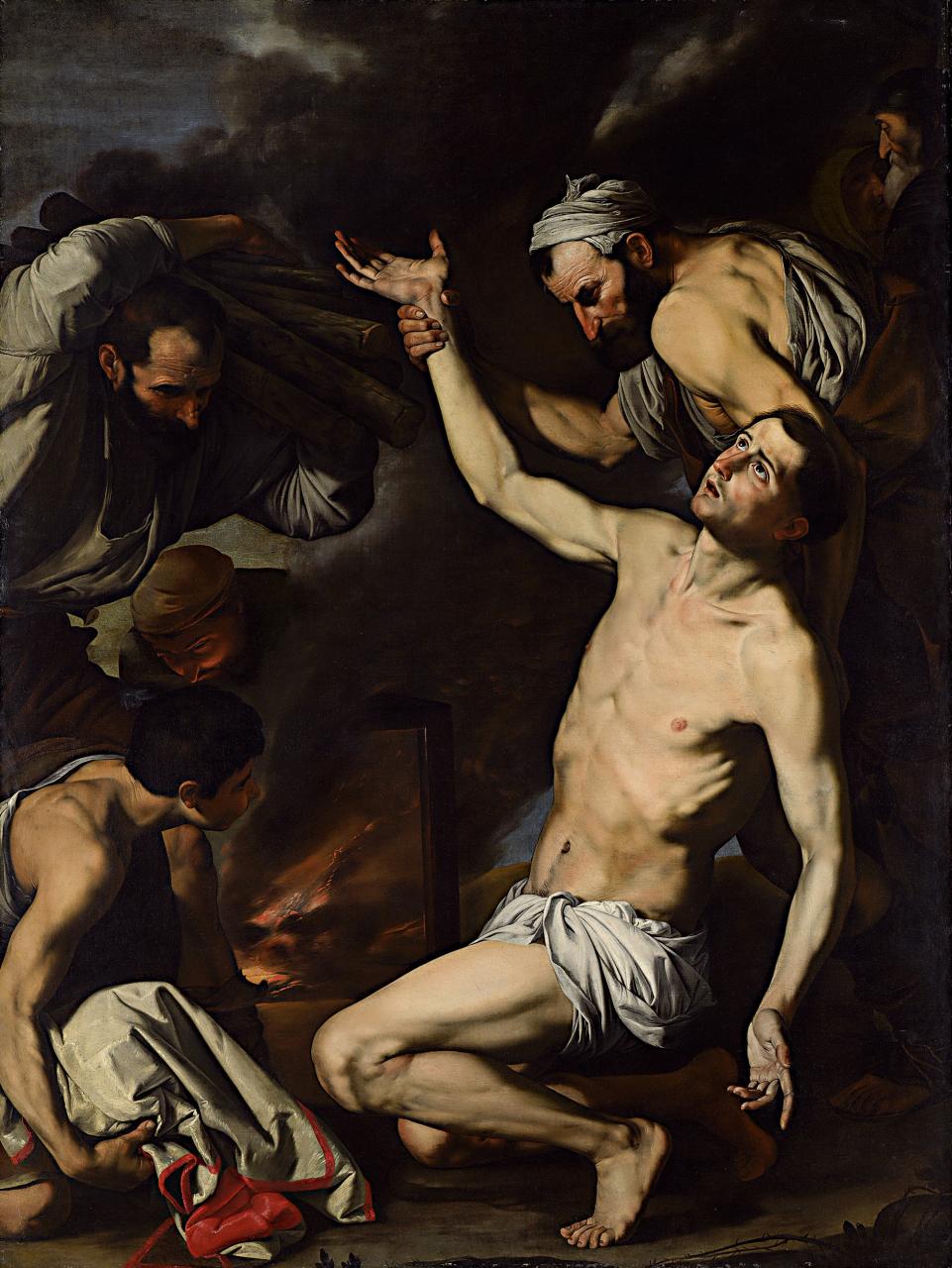
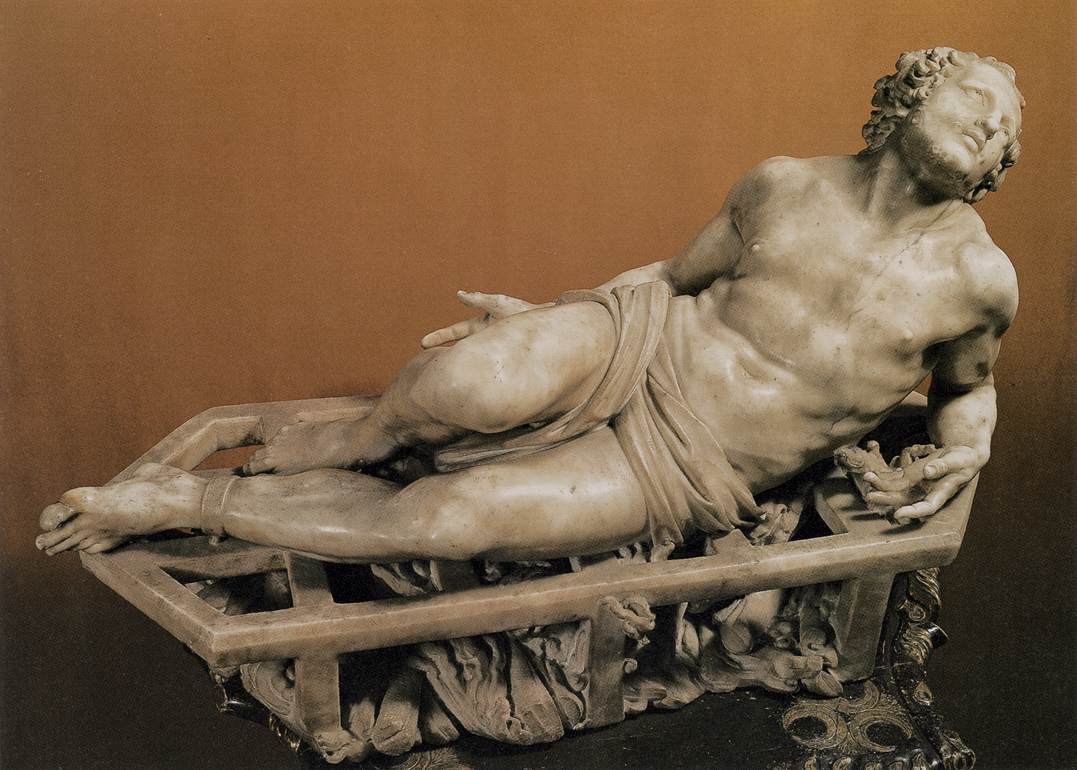


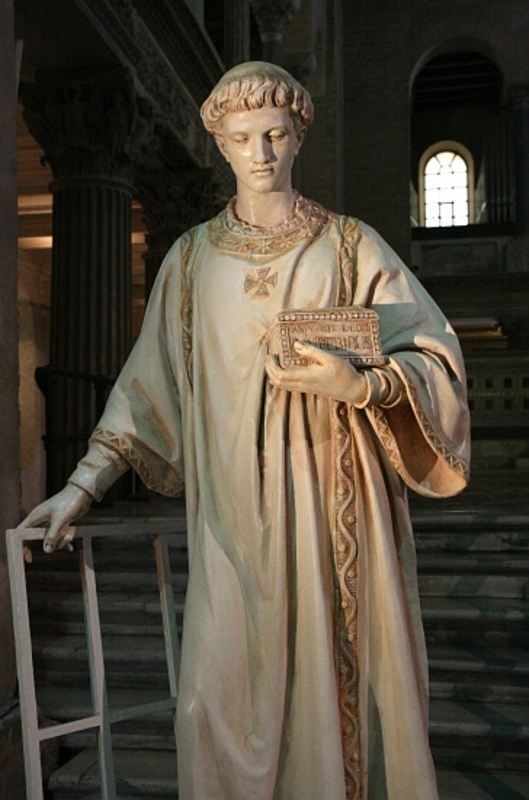
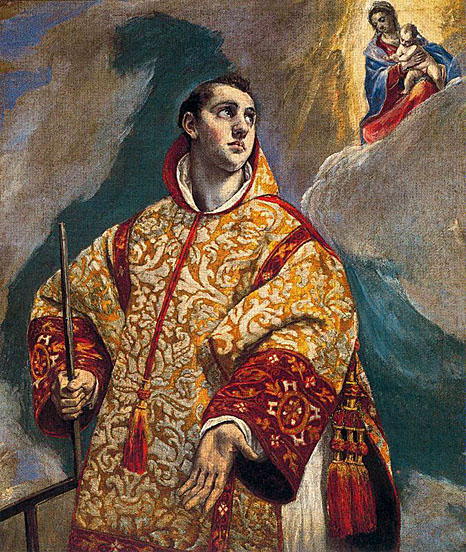
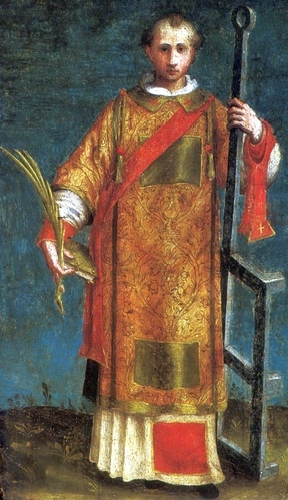
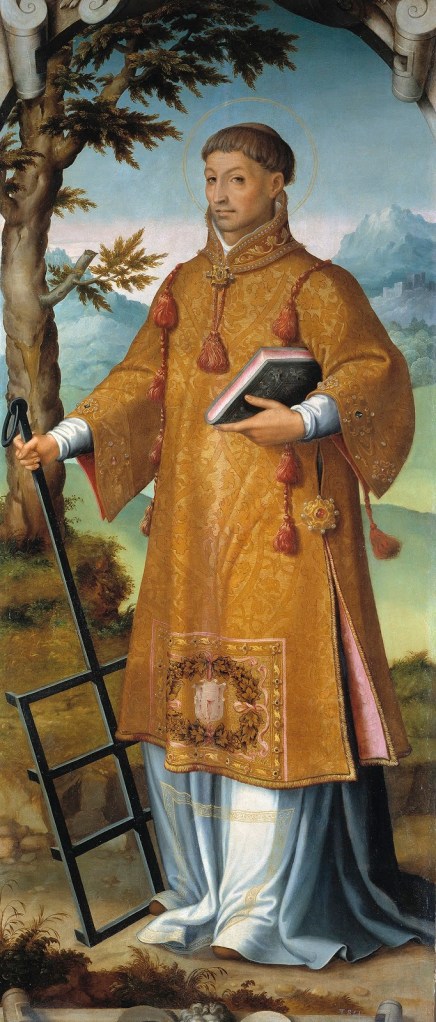
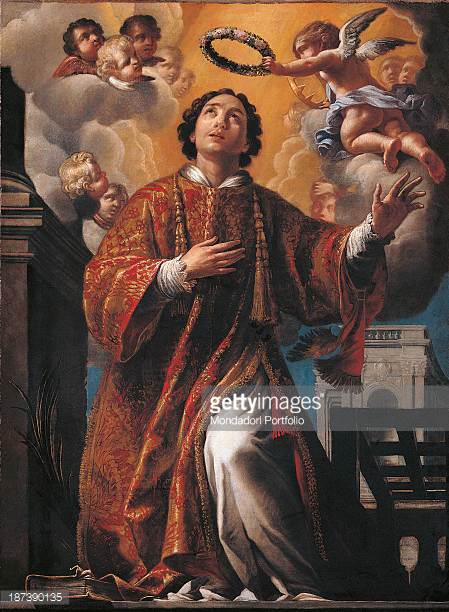
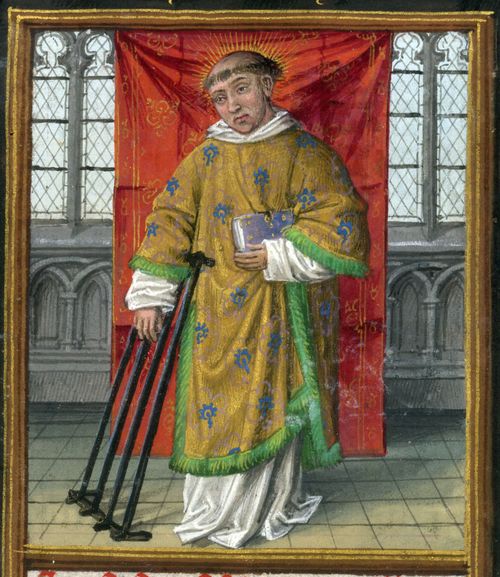
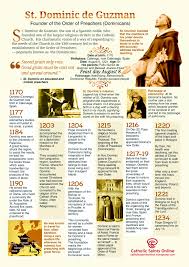
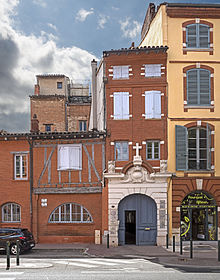
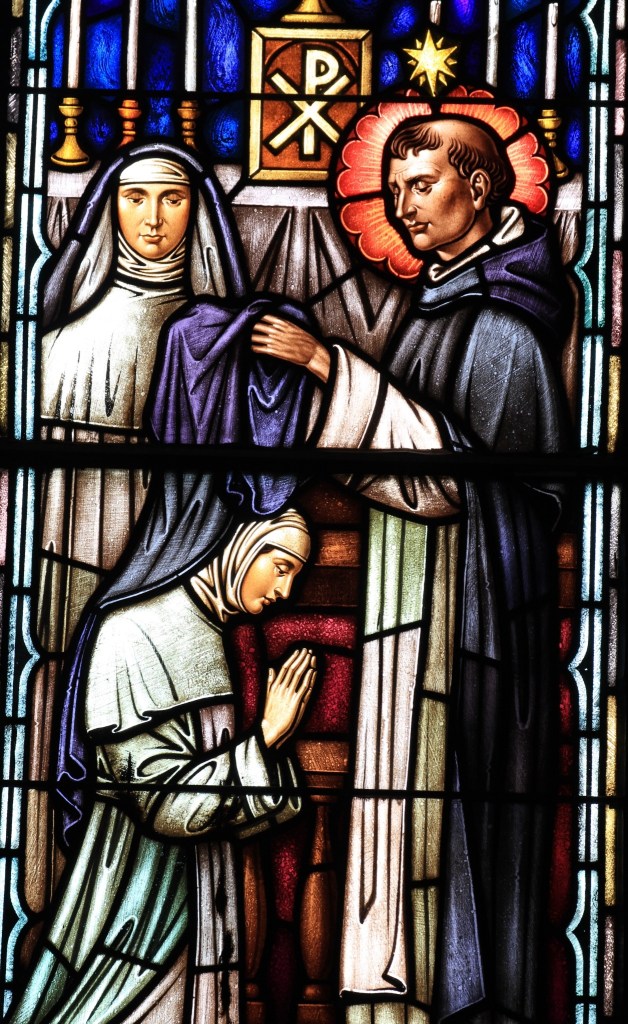
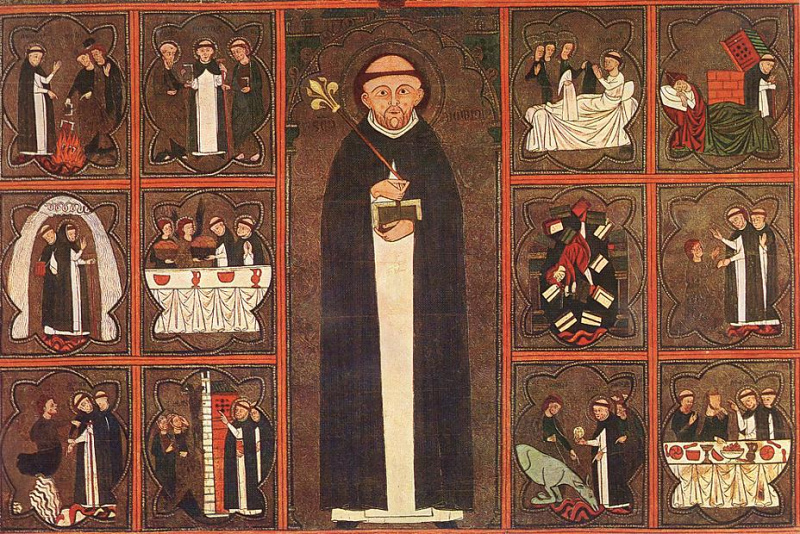
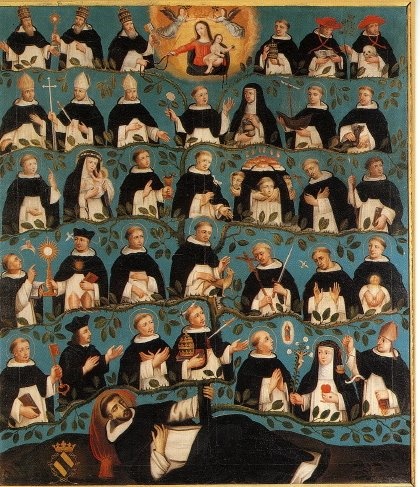
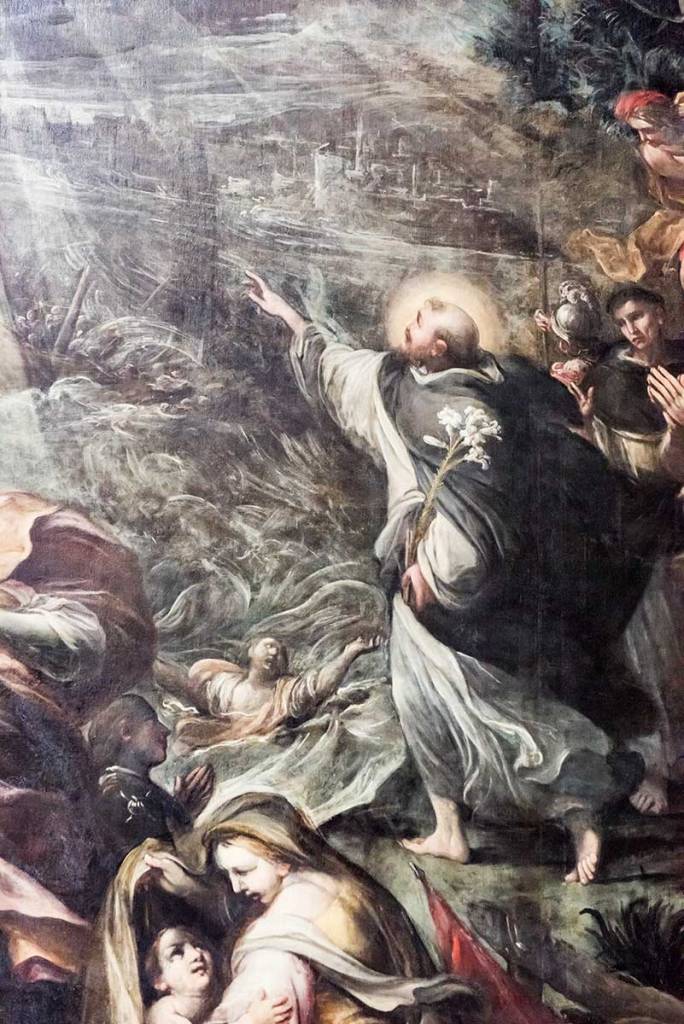
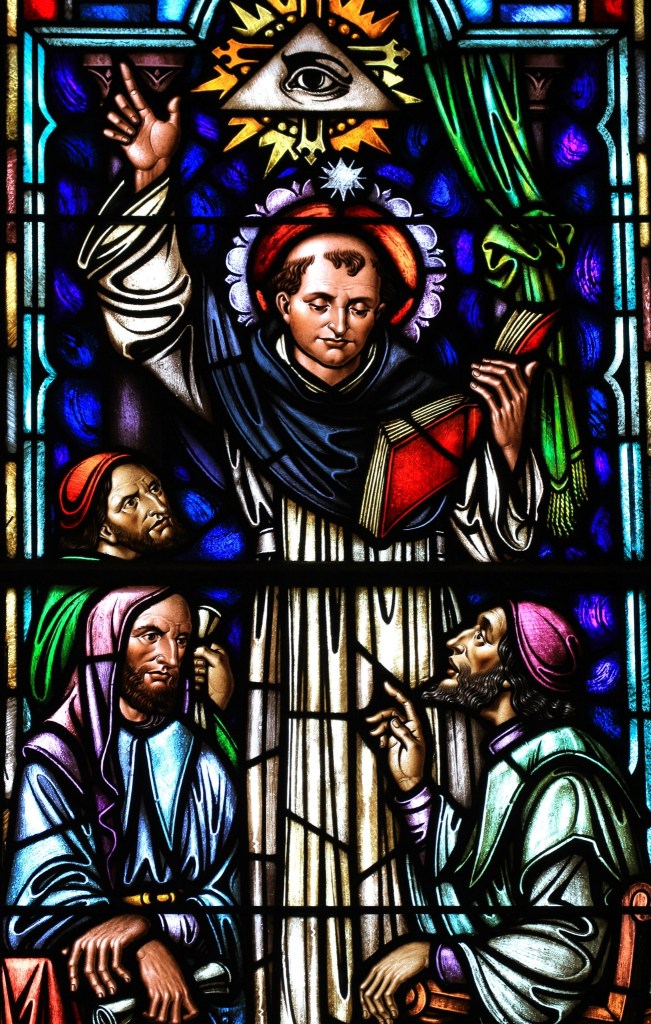
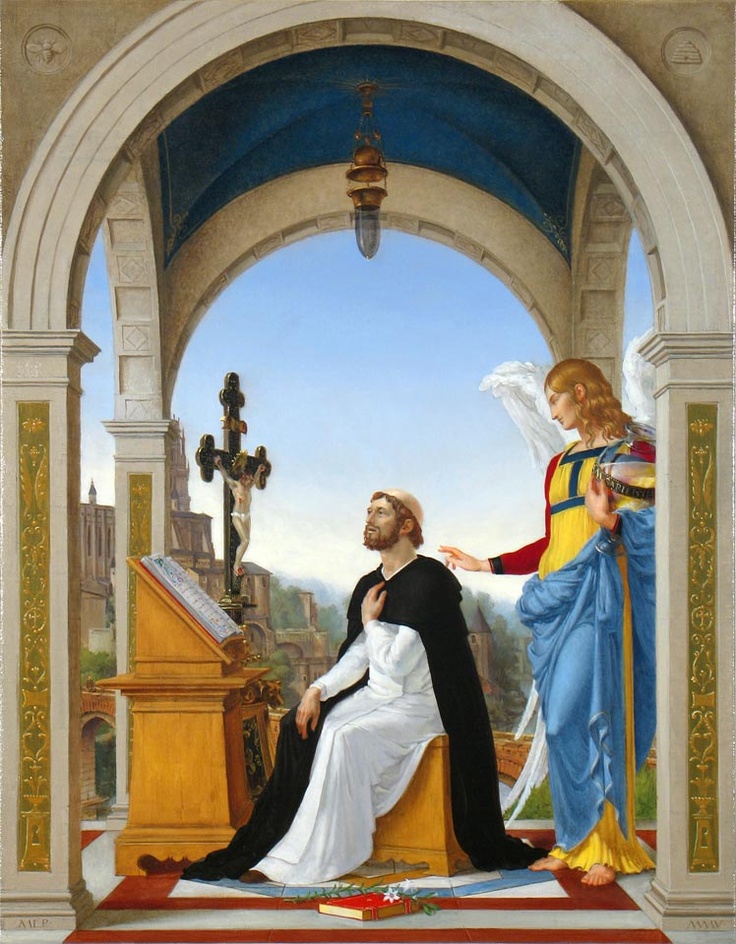
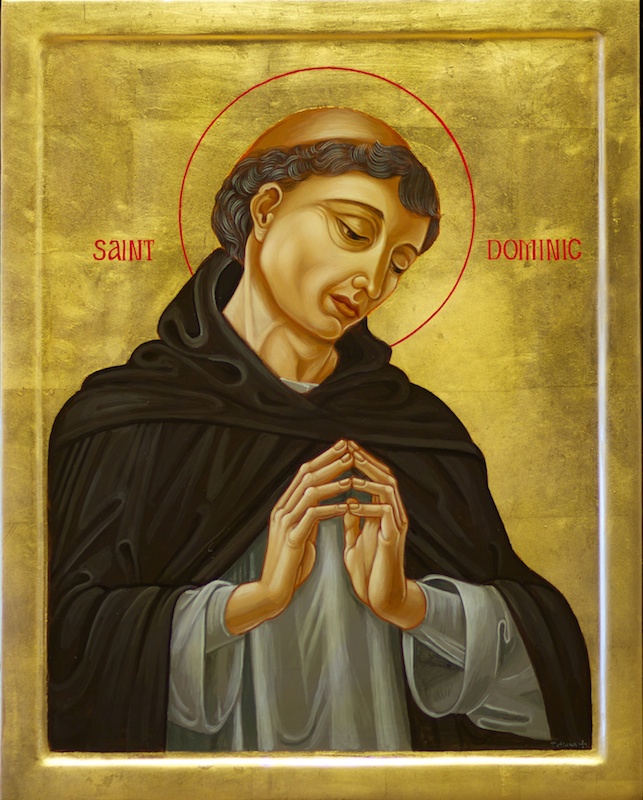
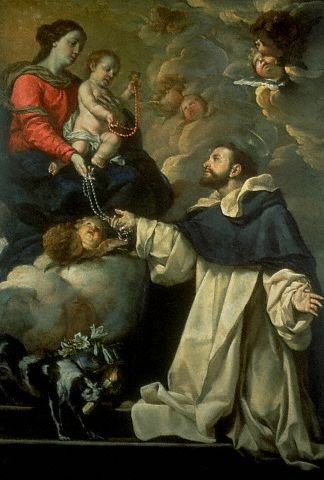

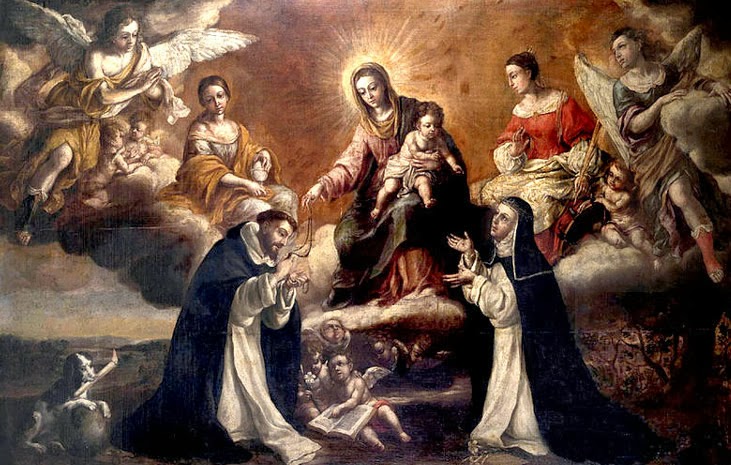
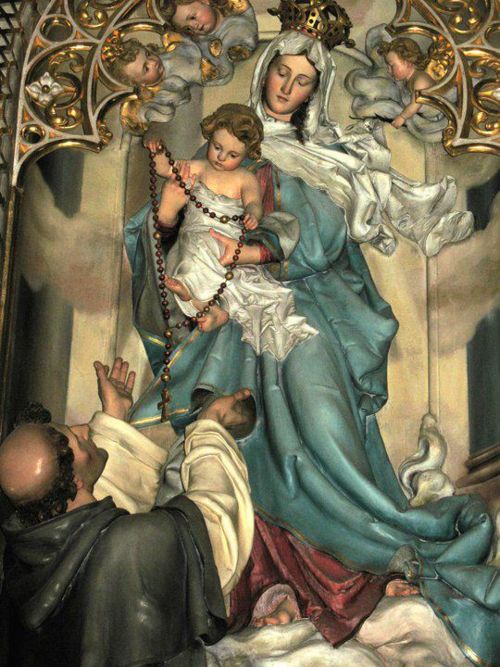
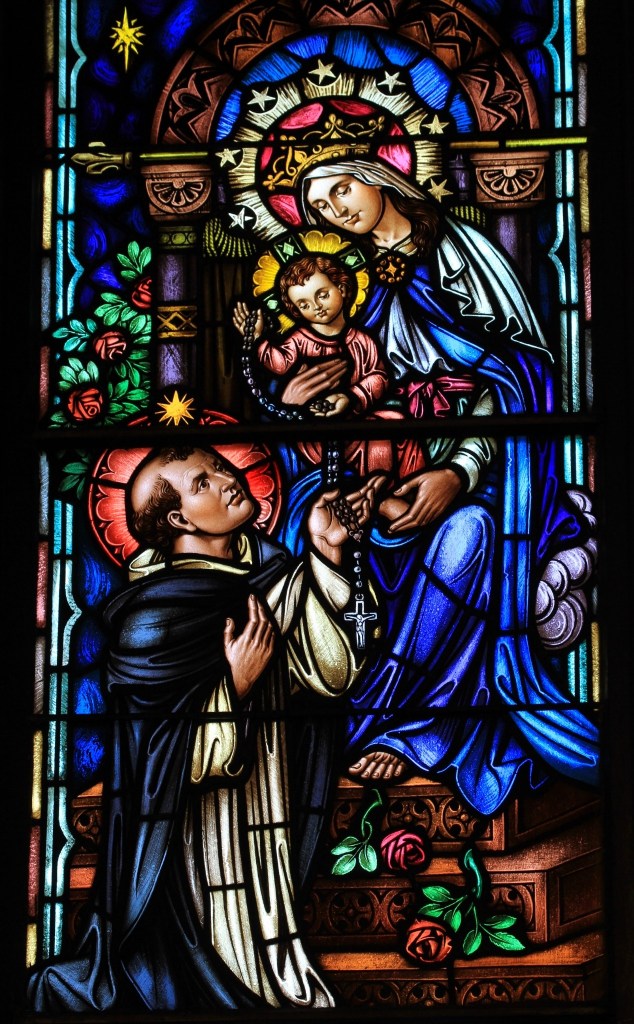
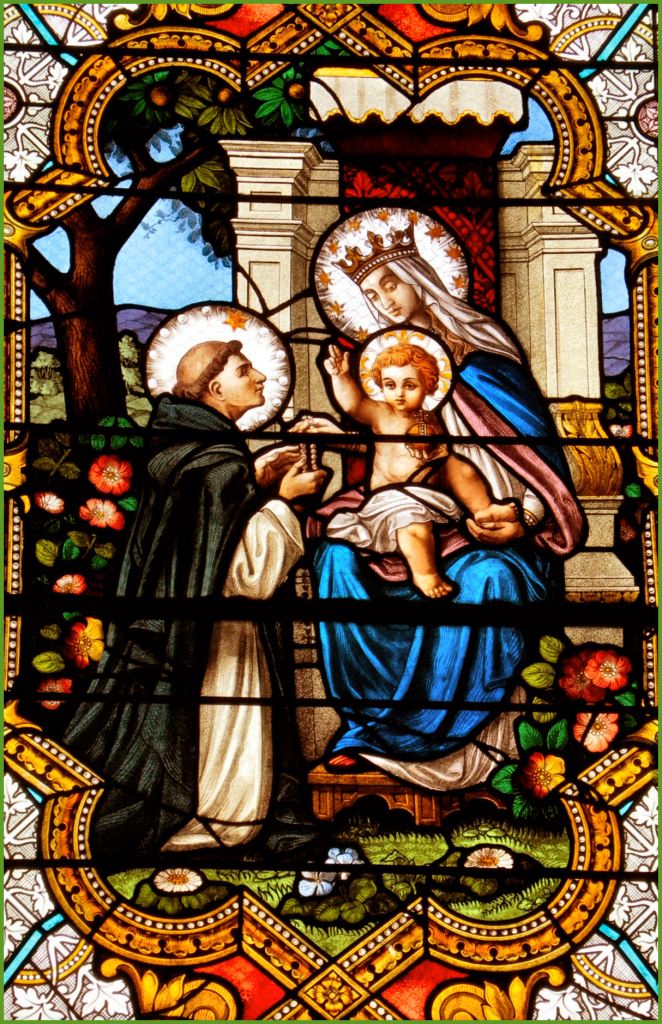
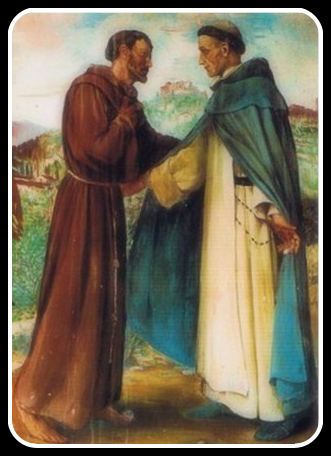
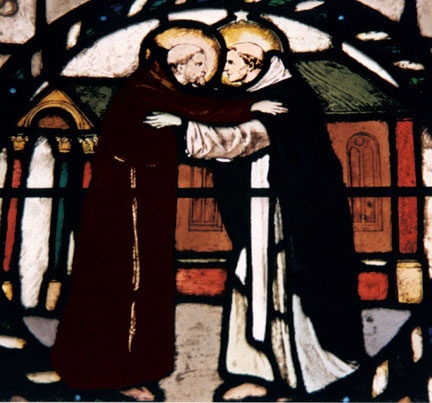
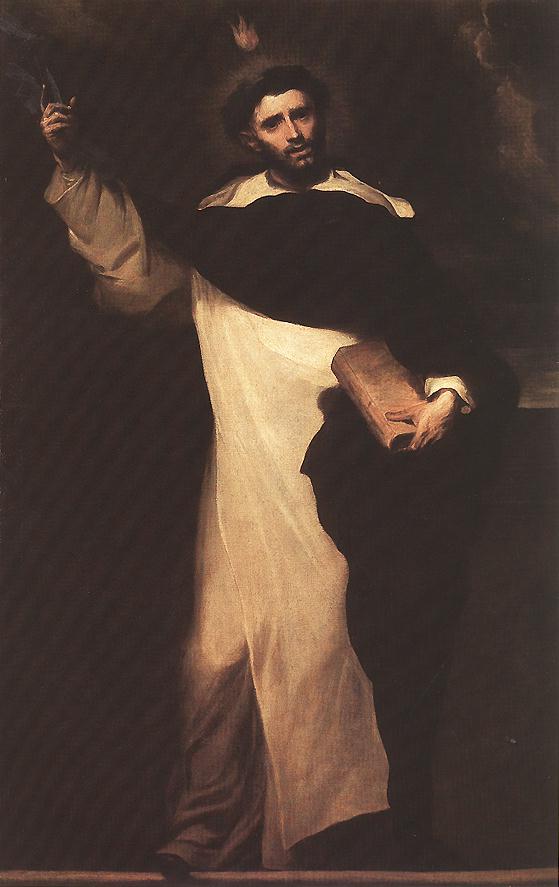
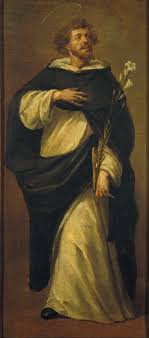
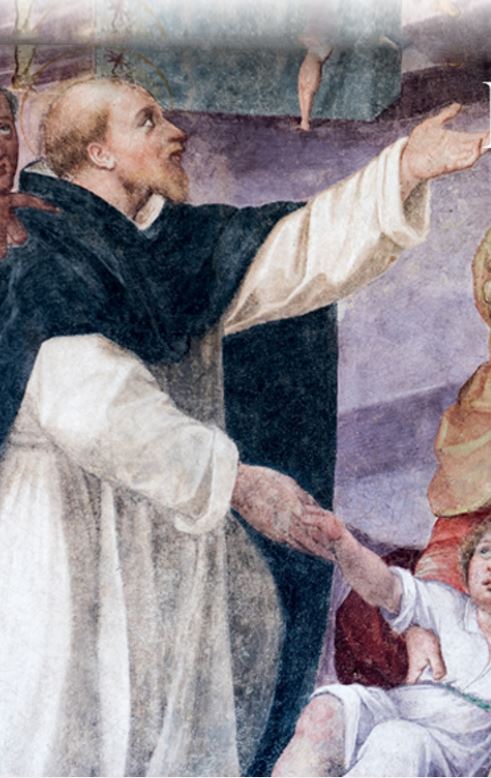
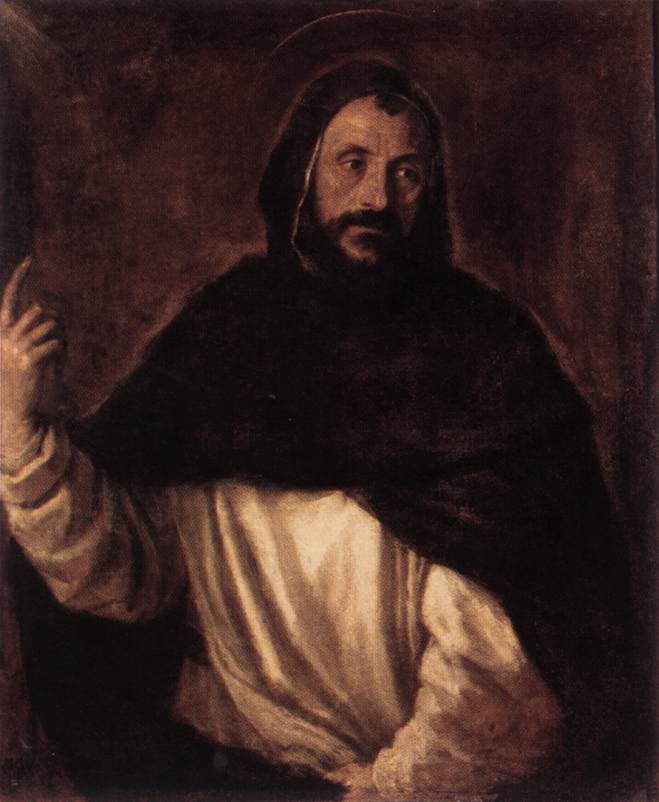
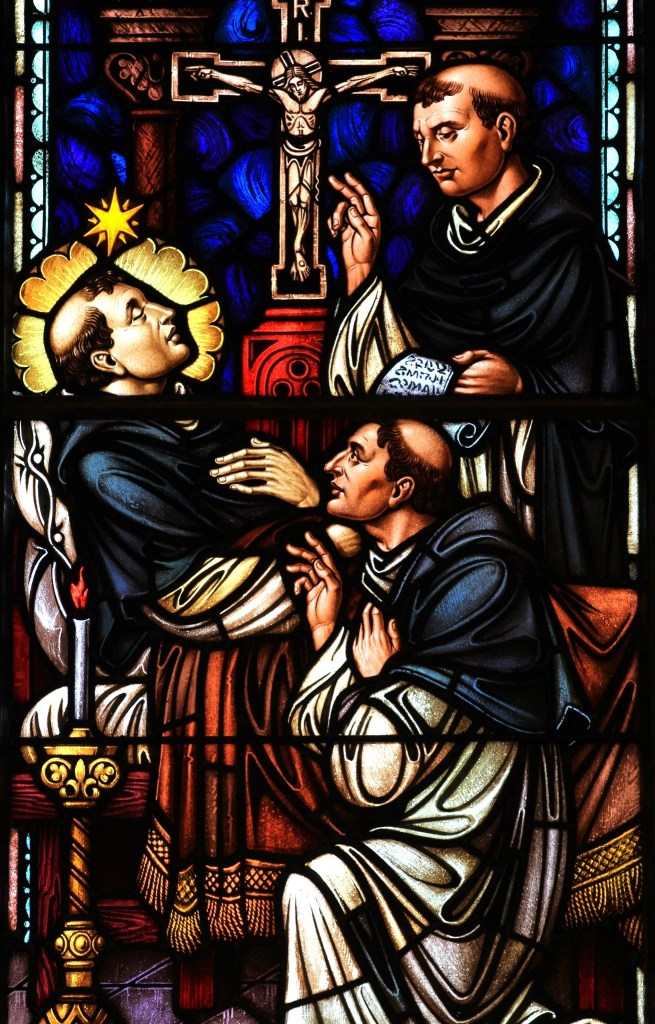
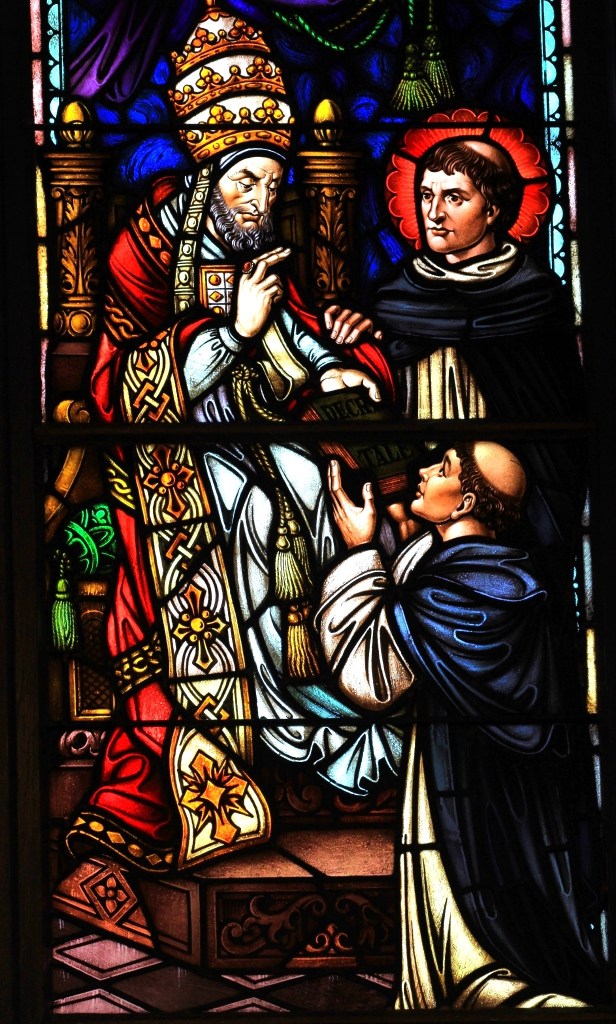
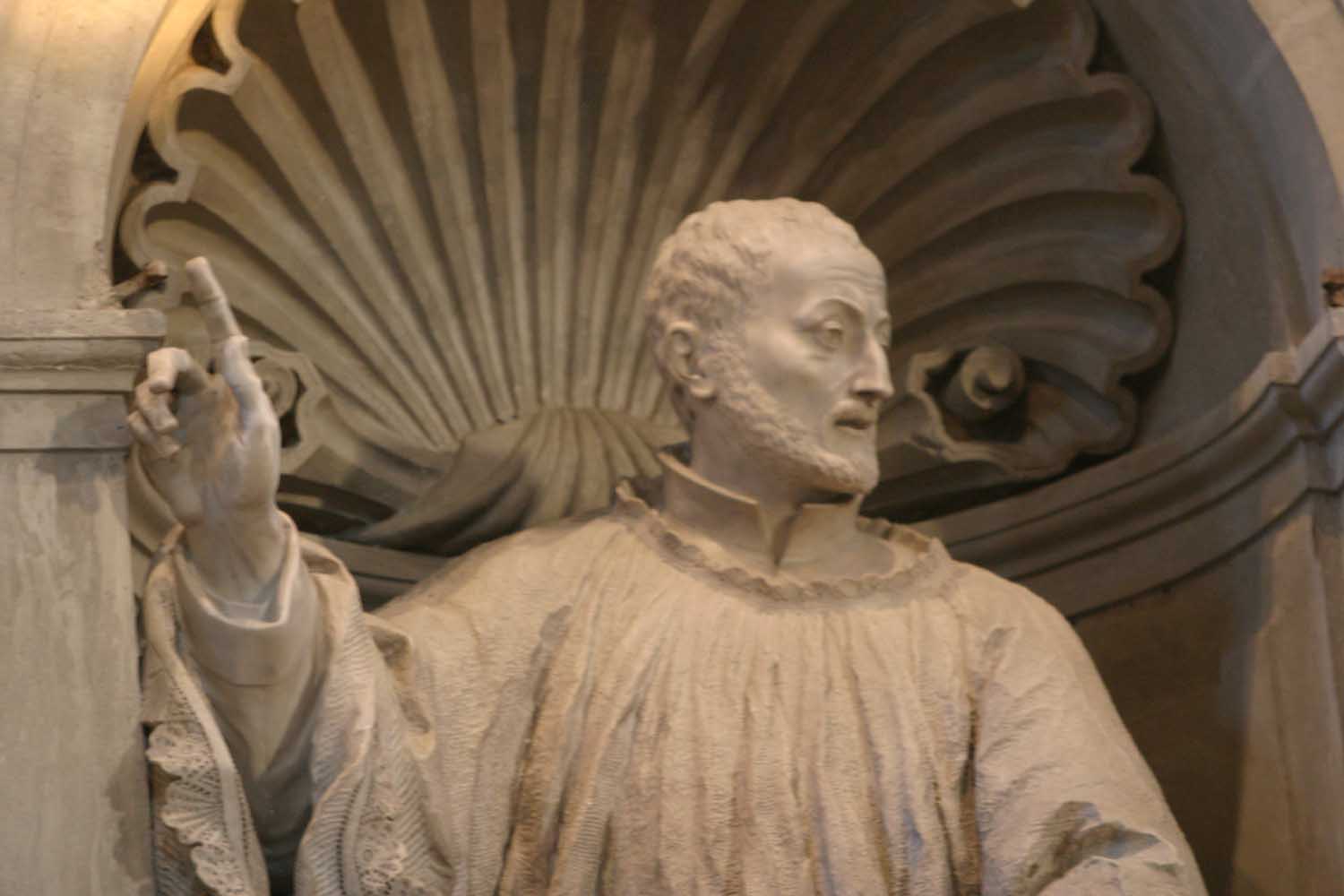
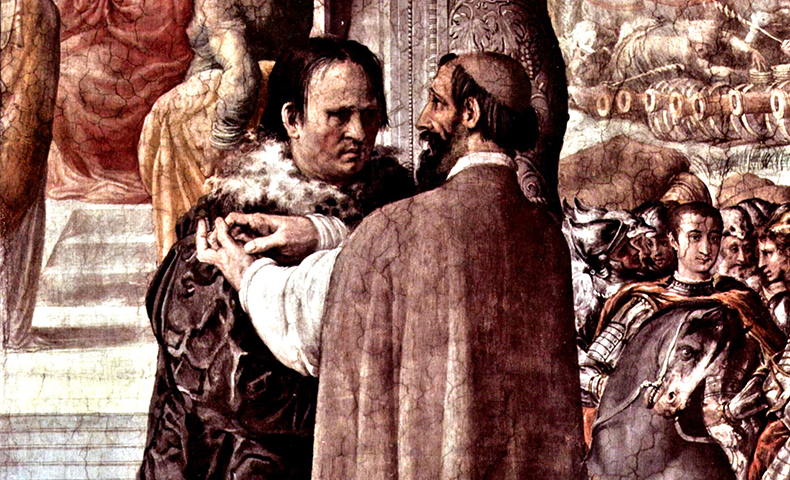
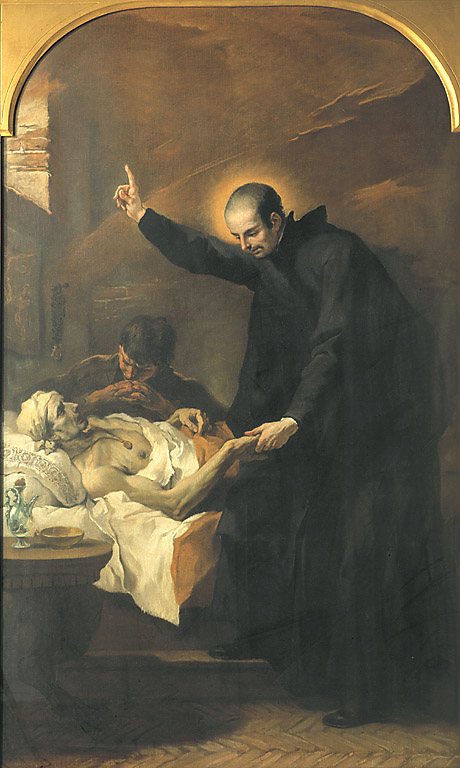
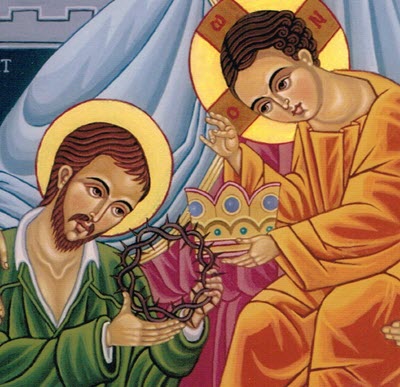
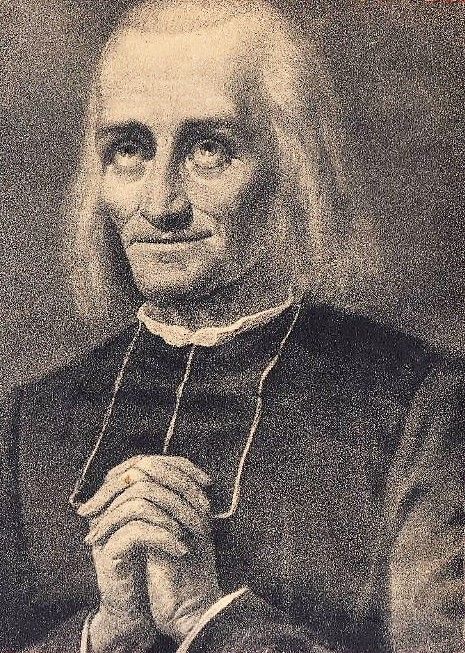
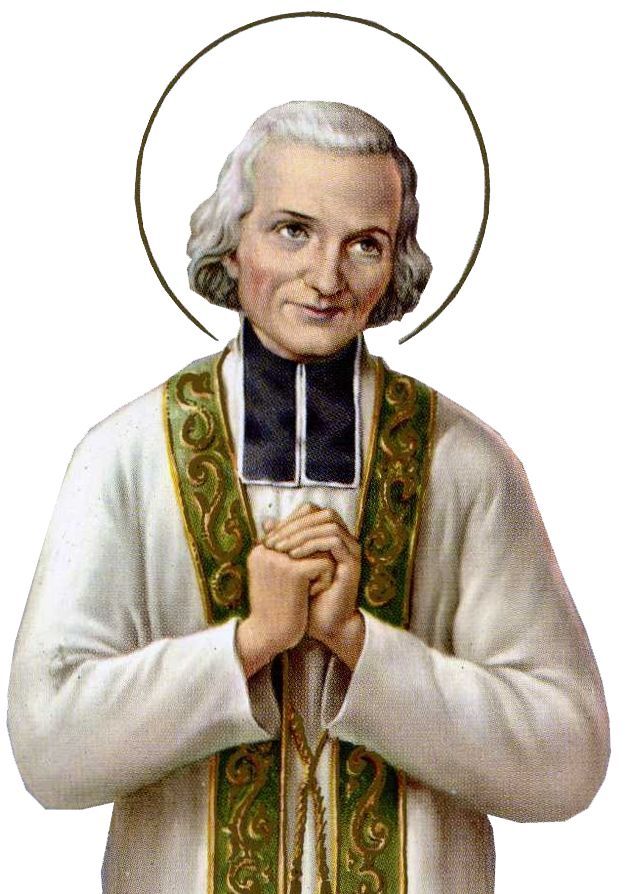
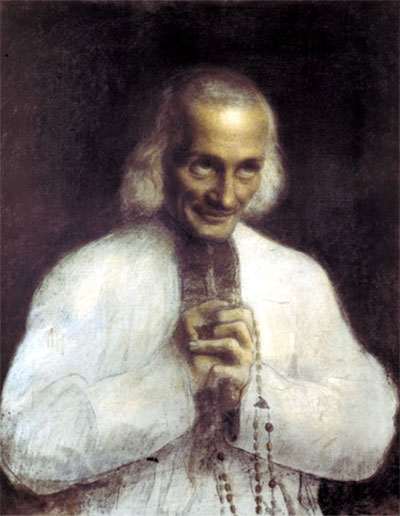
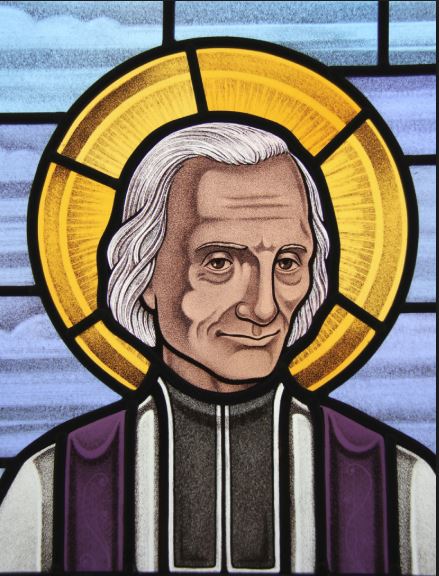
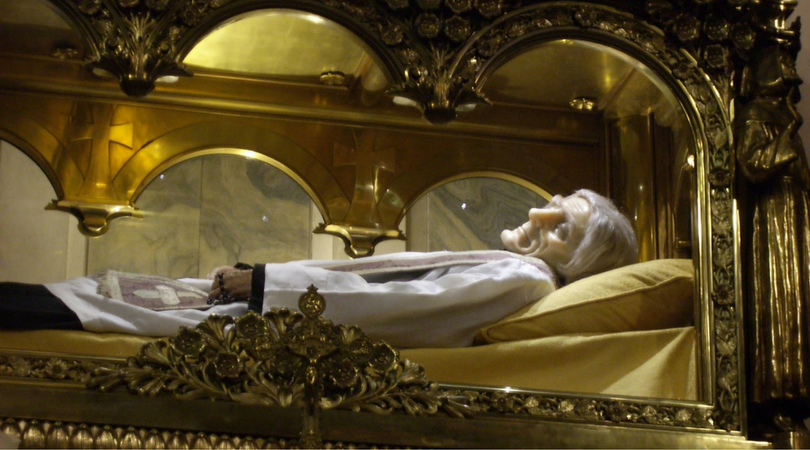
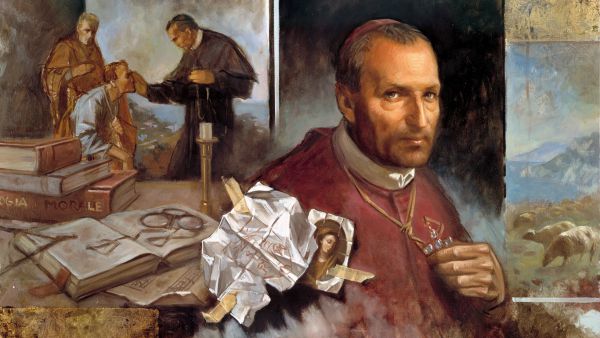
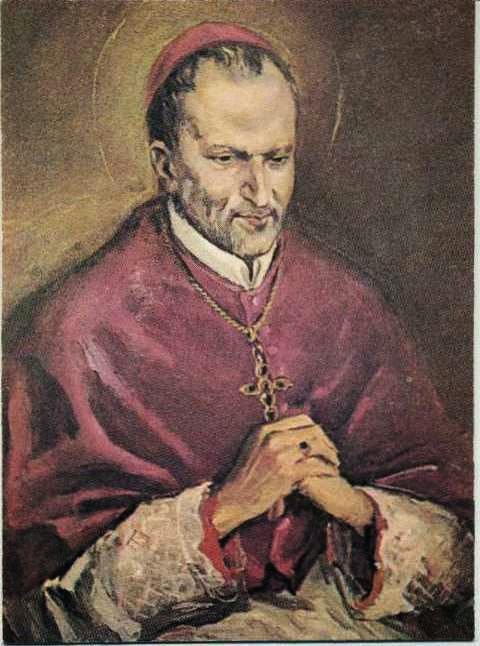
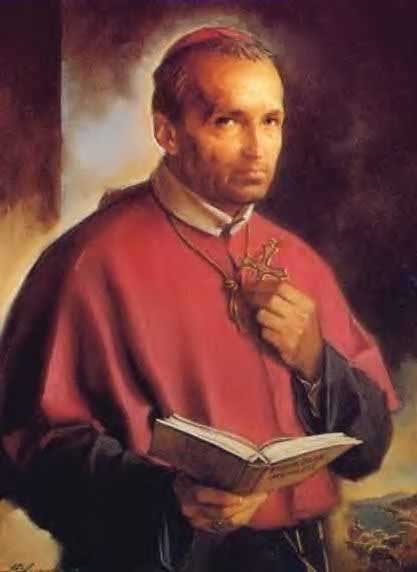
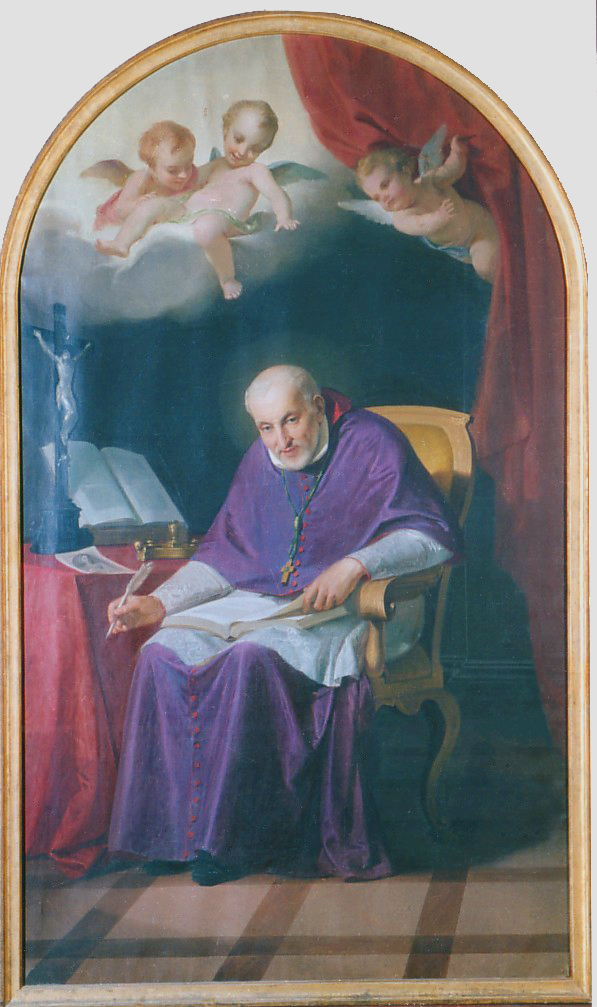
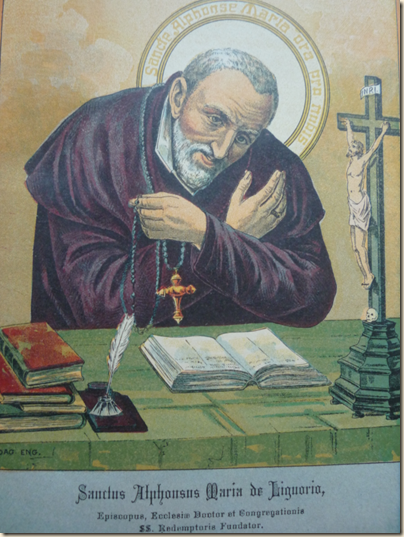
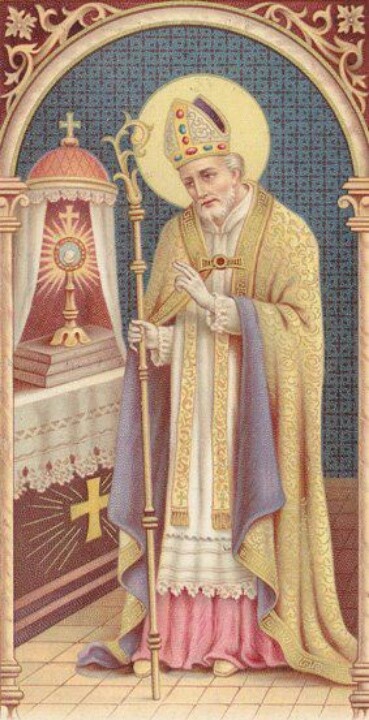
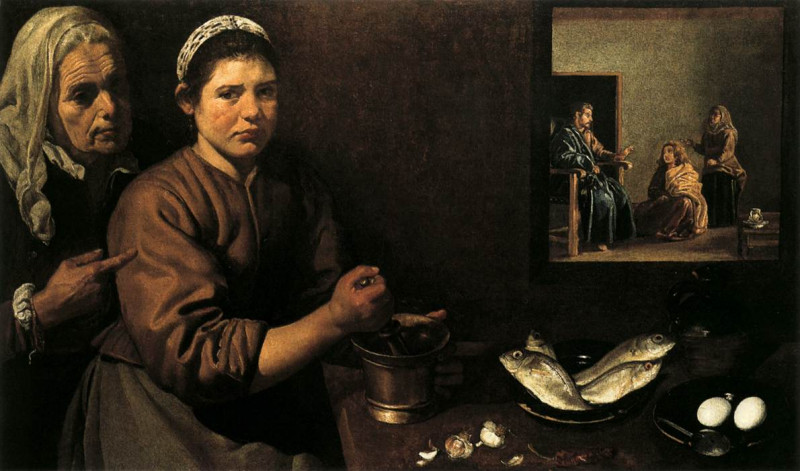

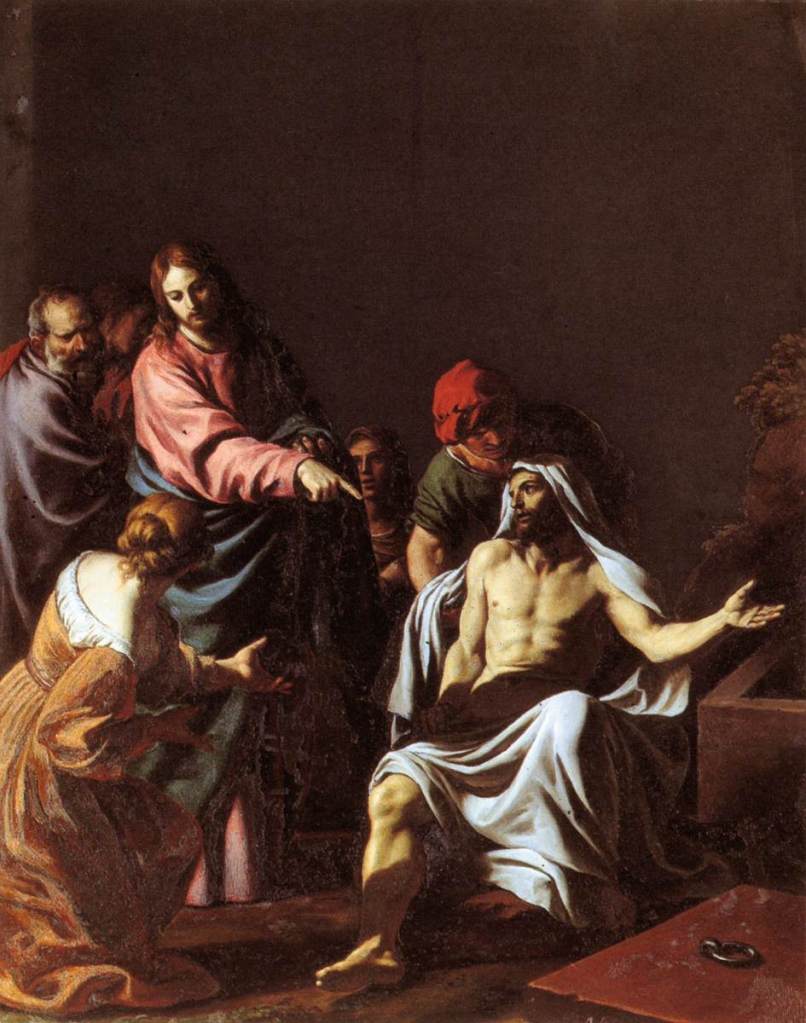
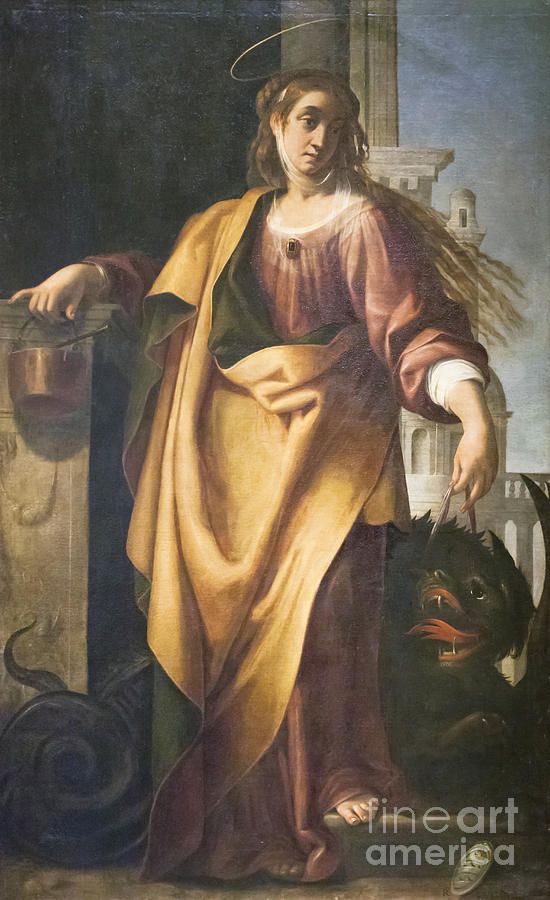
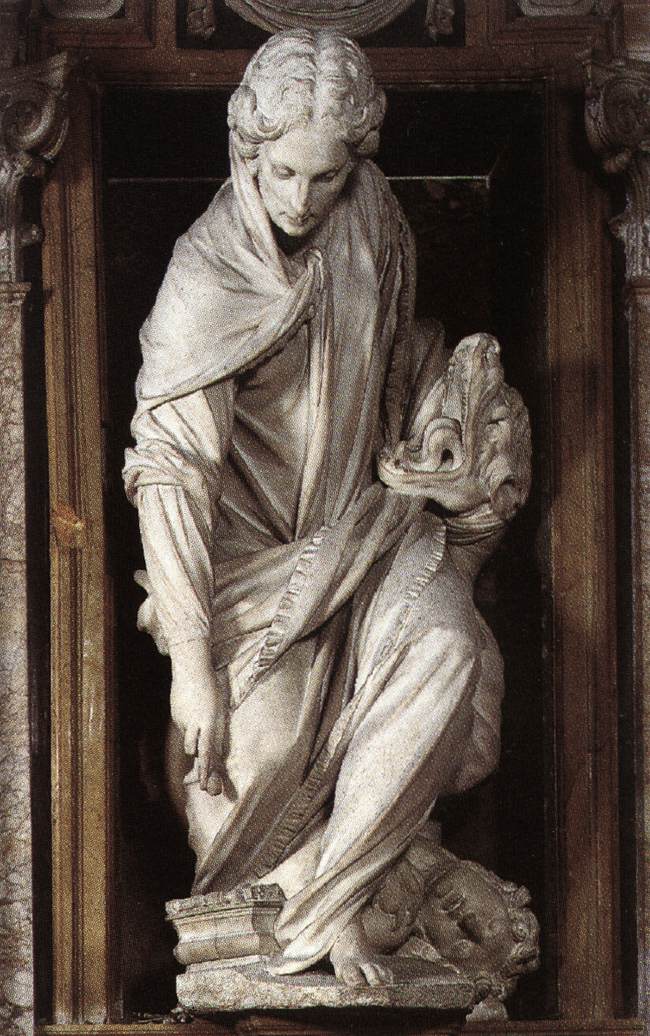
![St. Martha [Large]](https://anastpaul.com/wp-content/uploads/2017/07/st-martha-large.jpg)
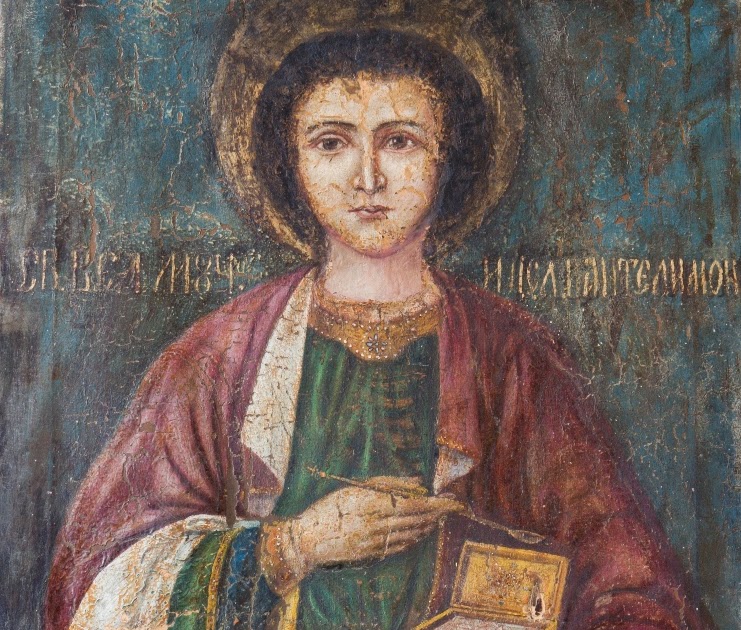
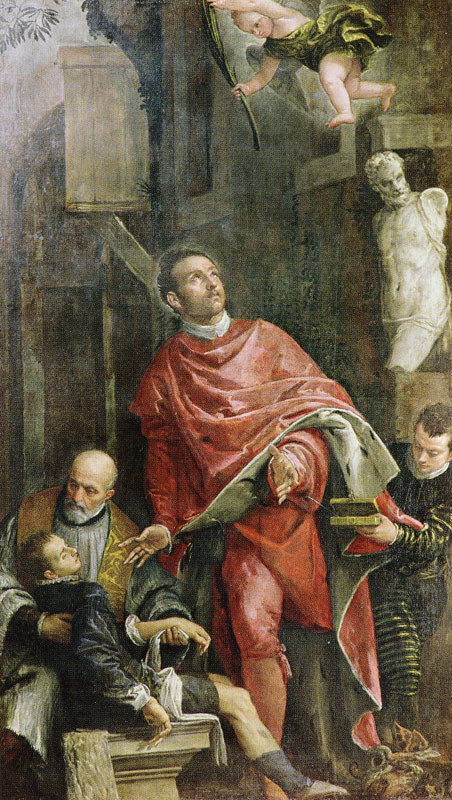


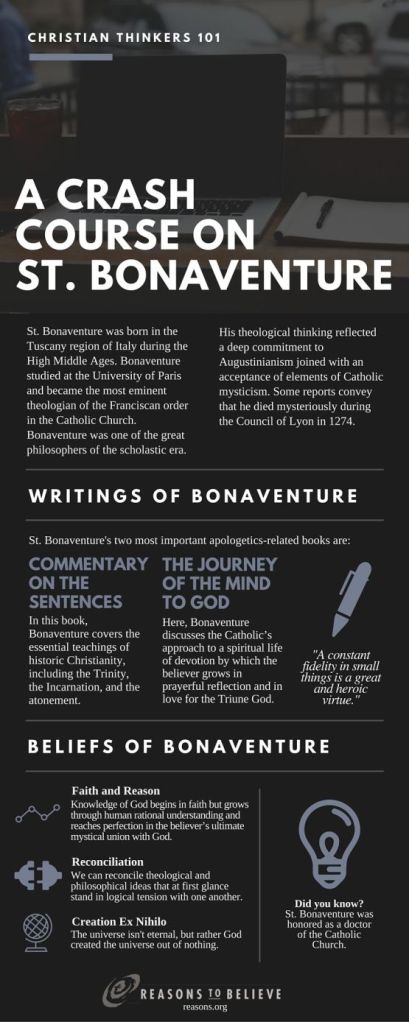
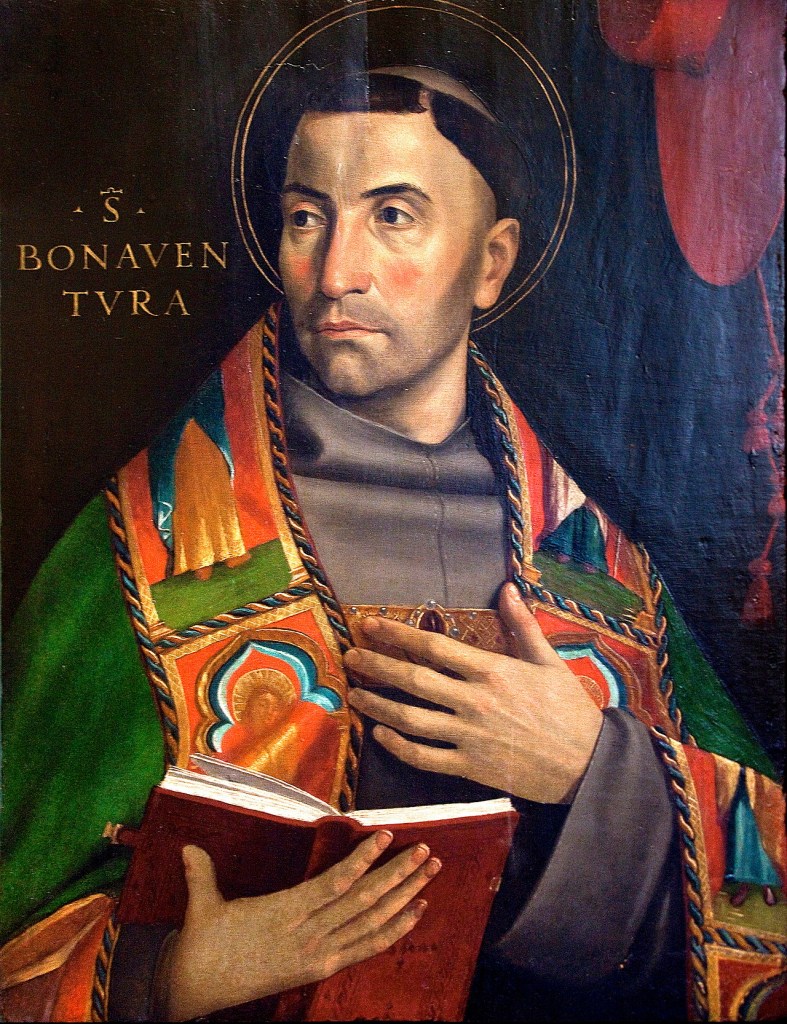
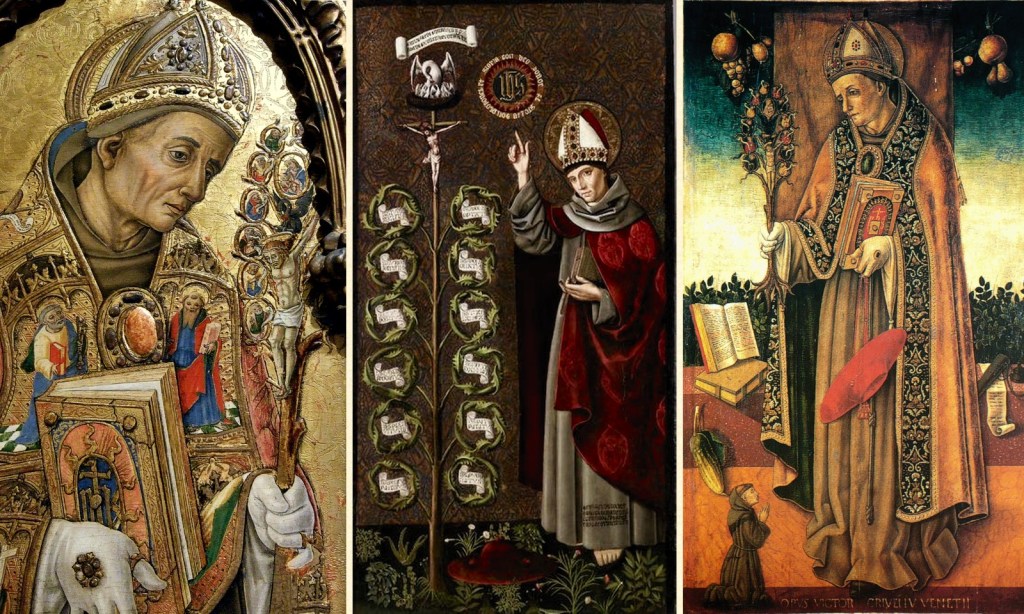
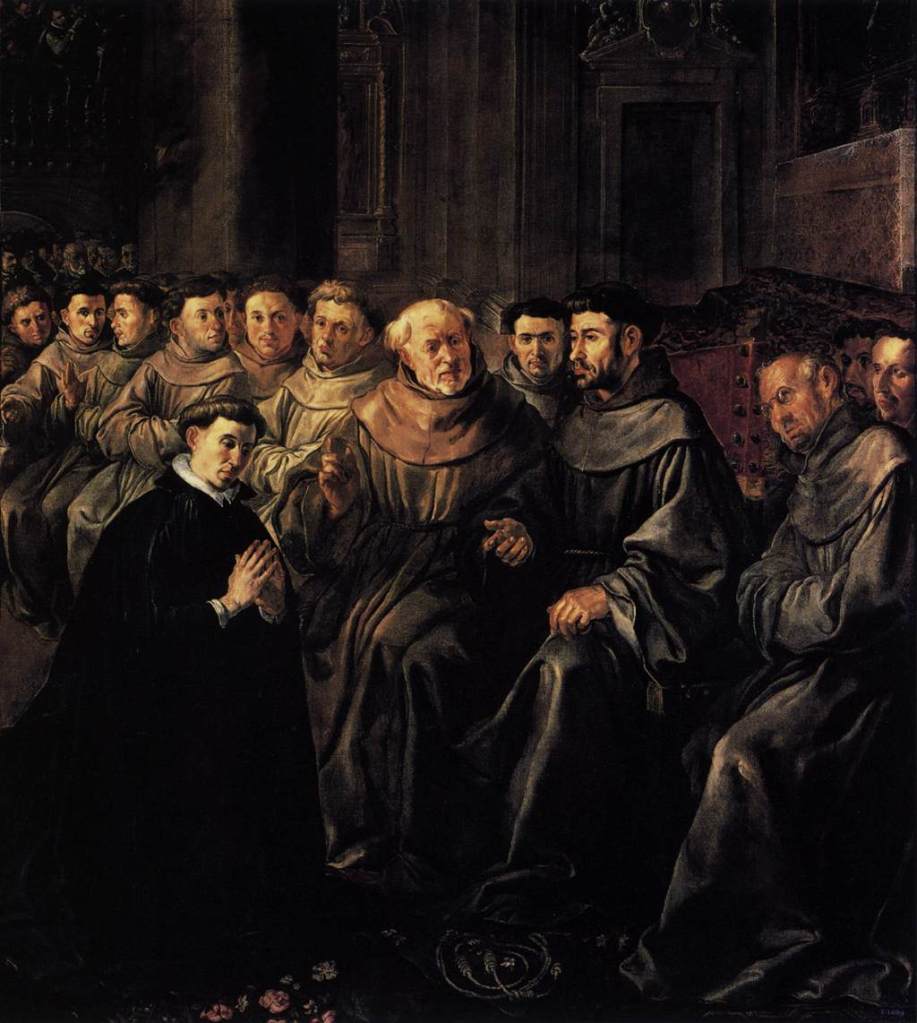
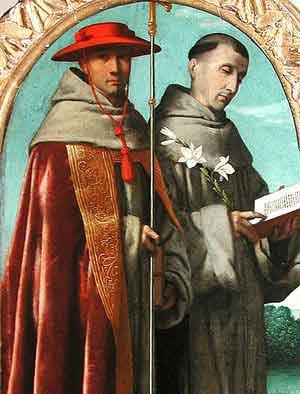
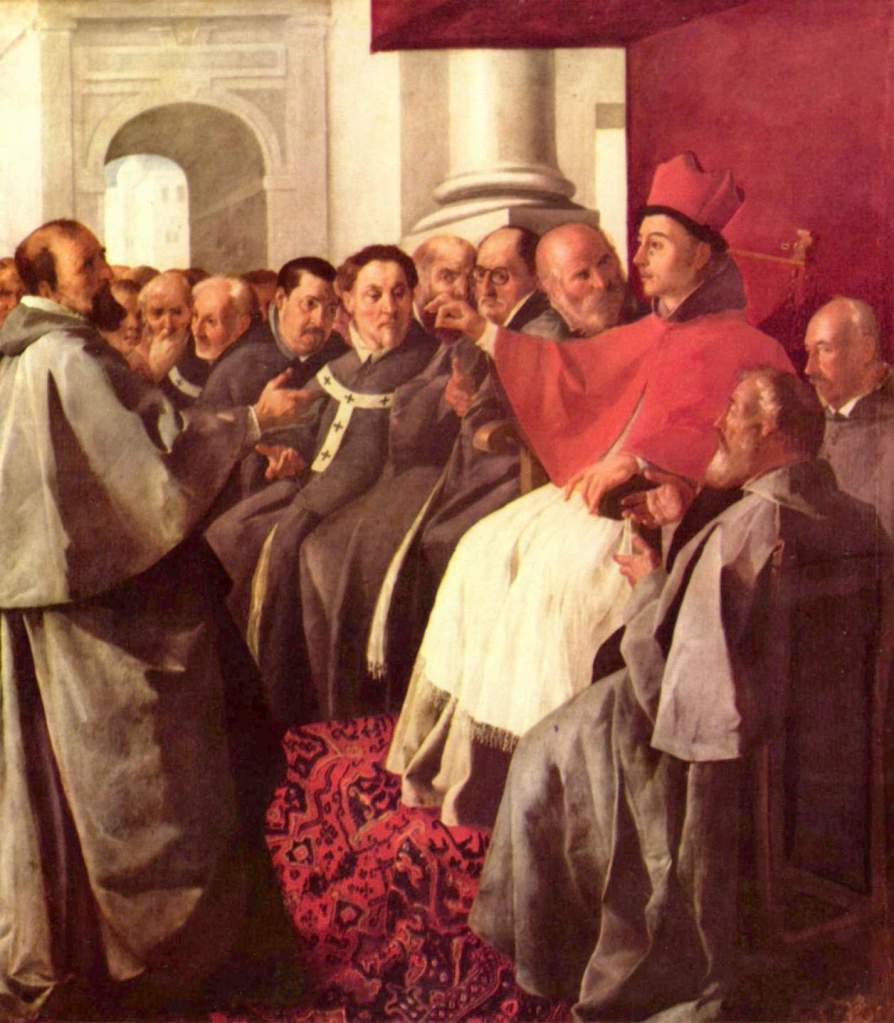
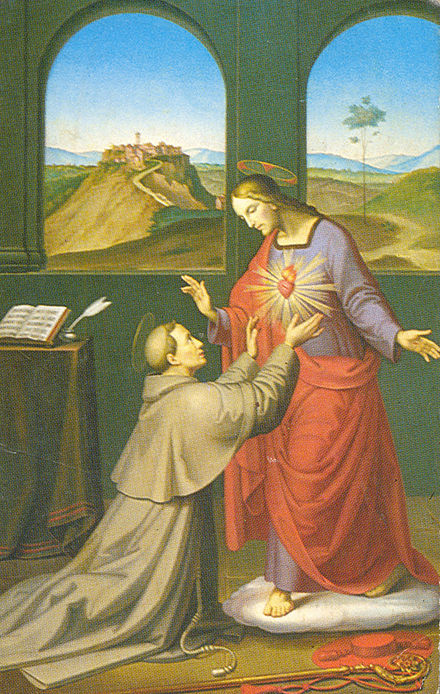
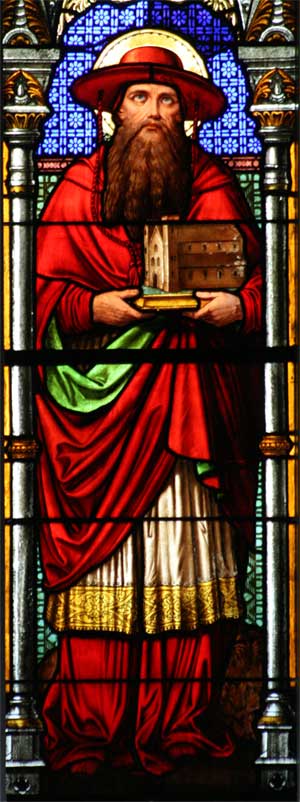
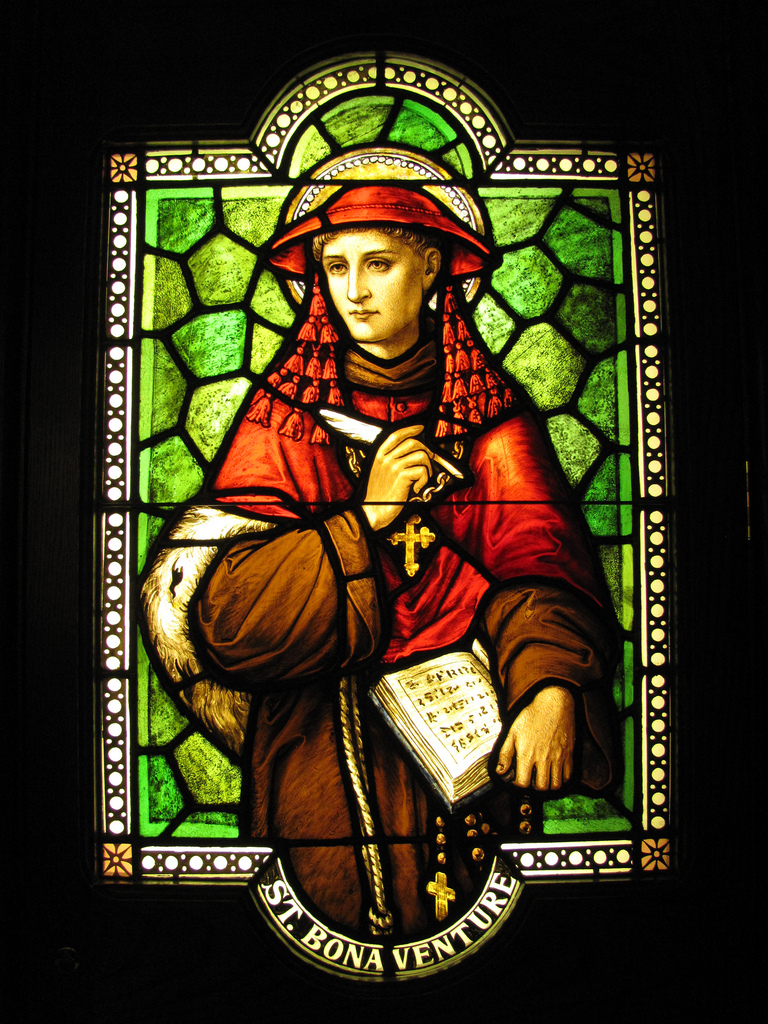
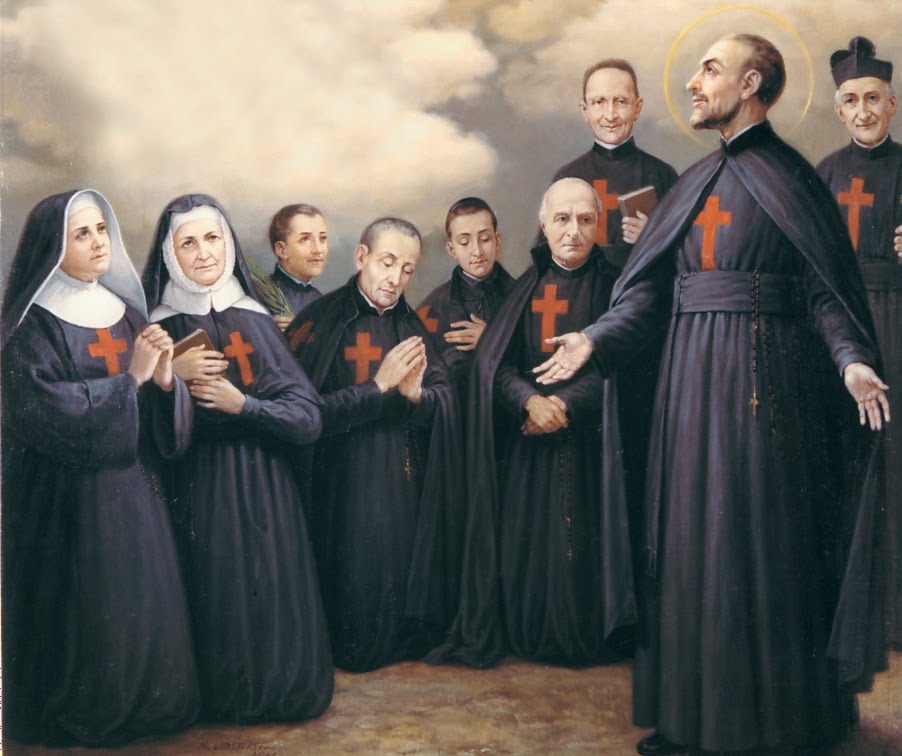


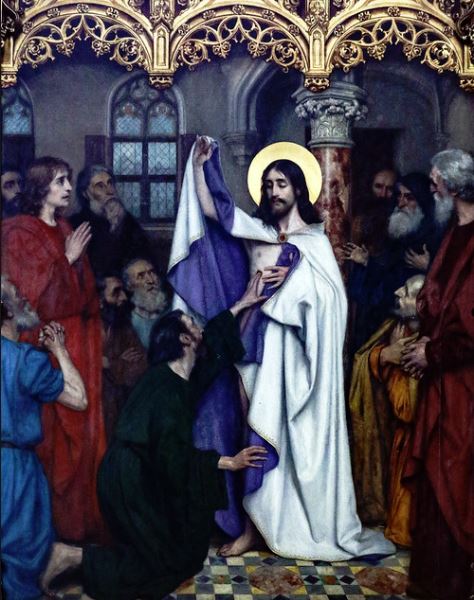
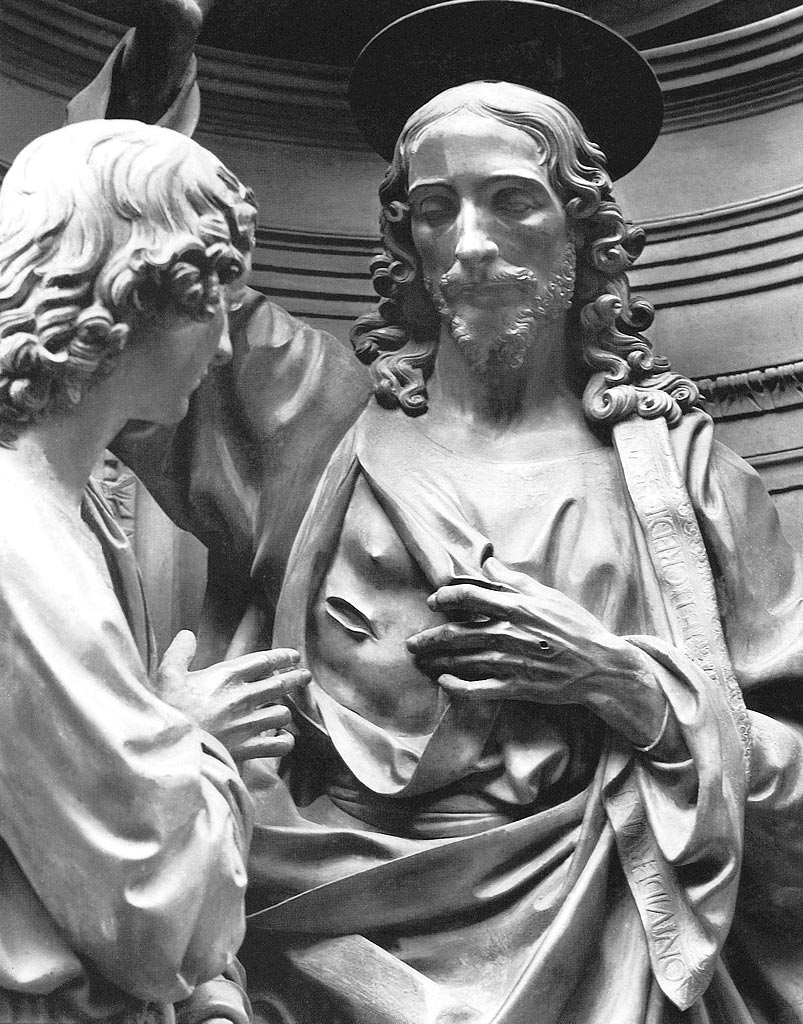
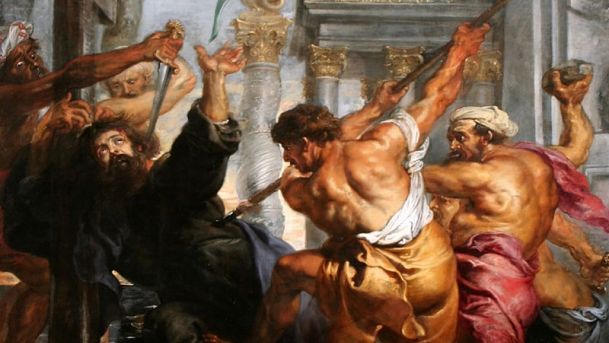
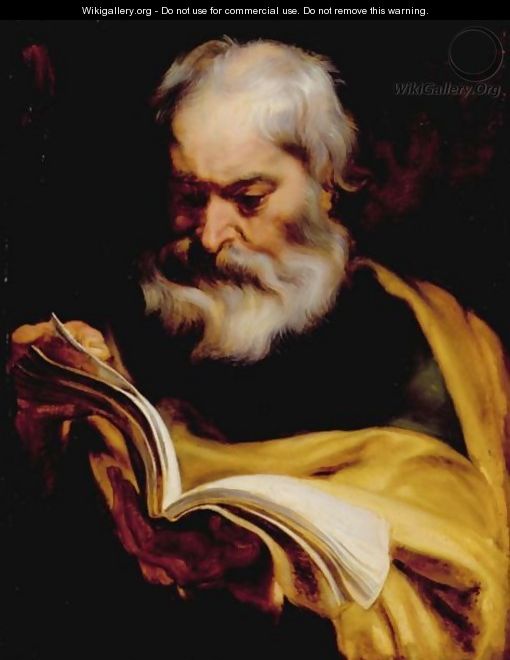
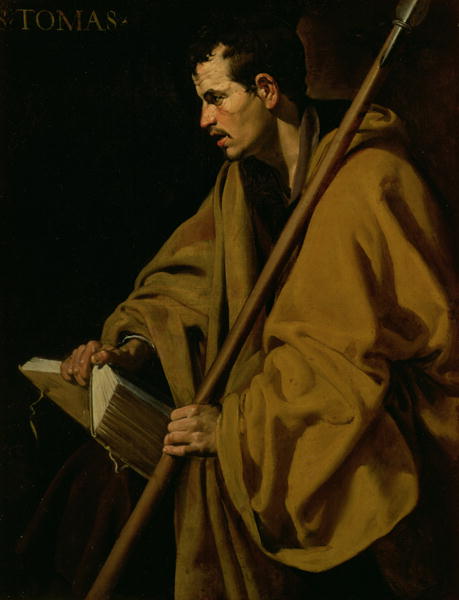
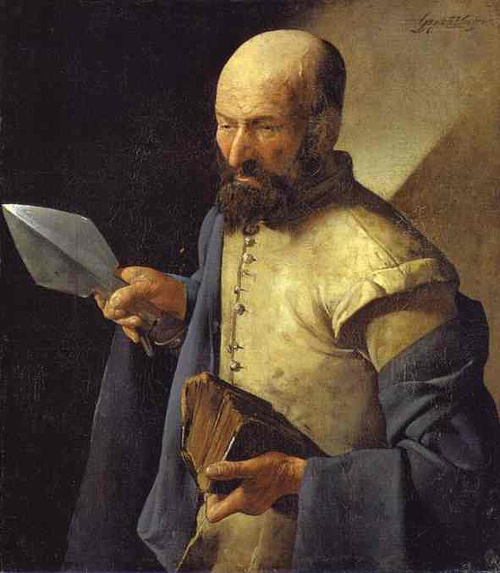
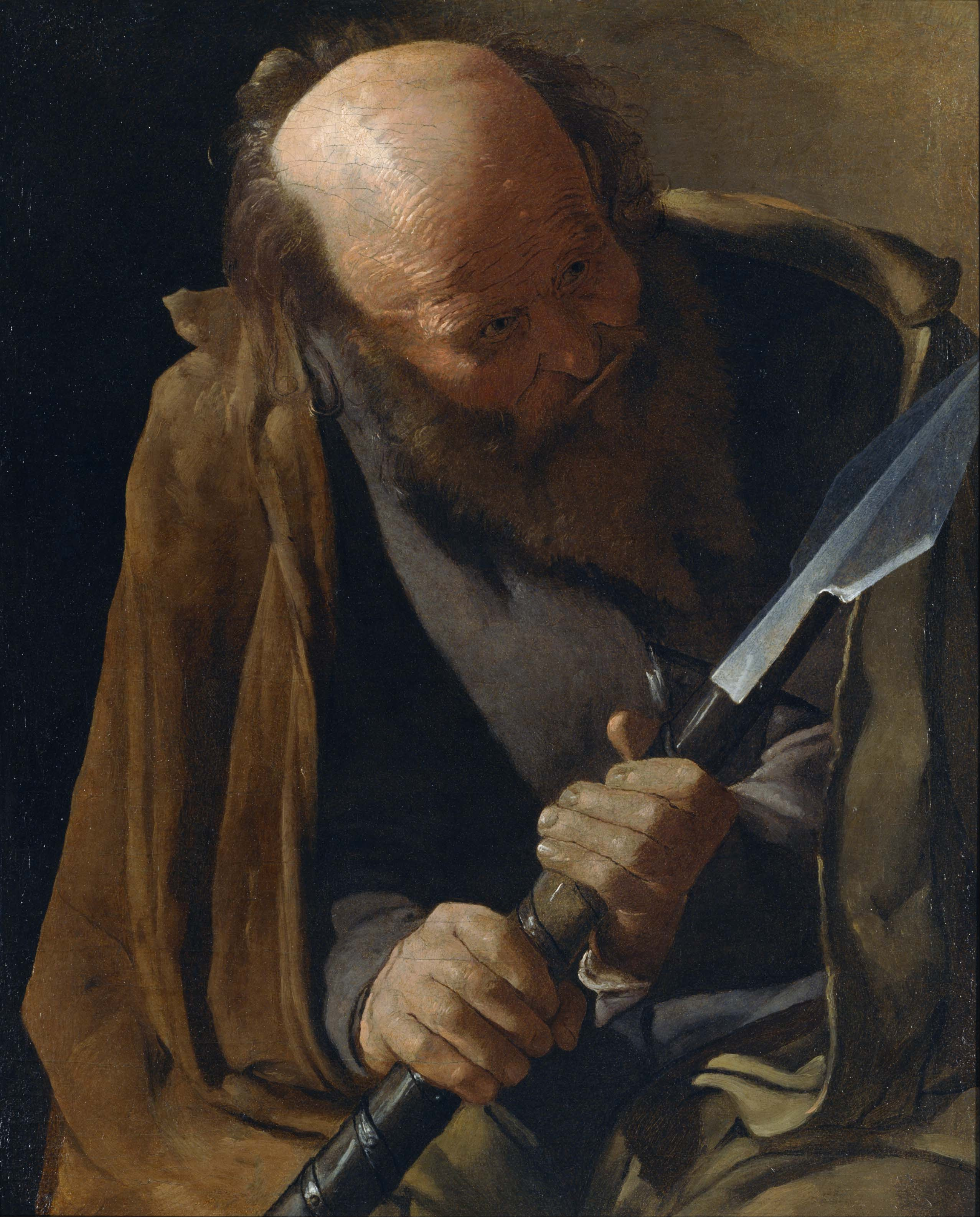
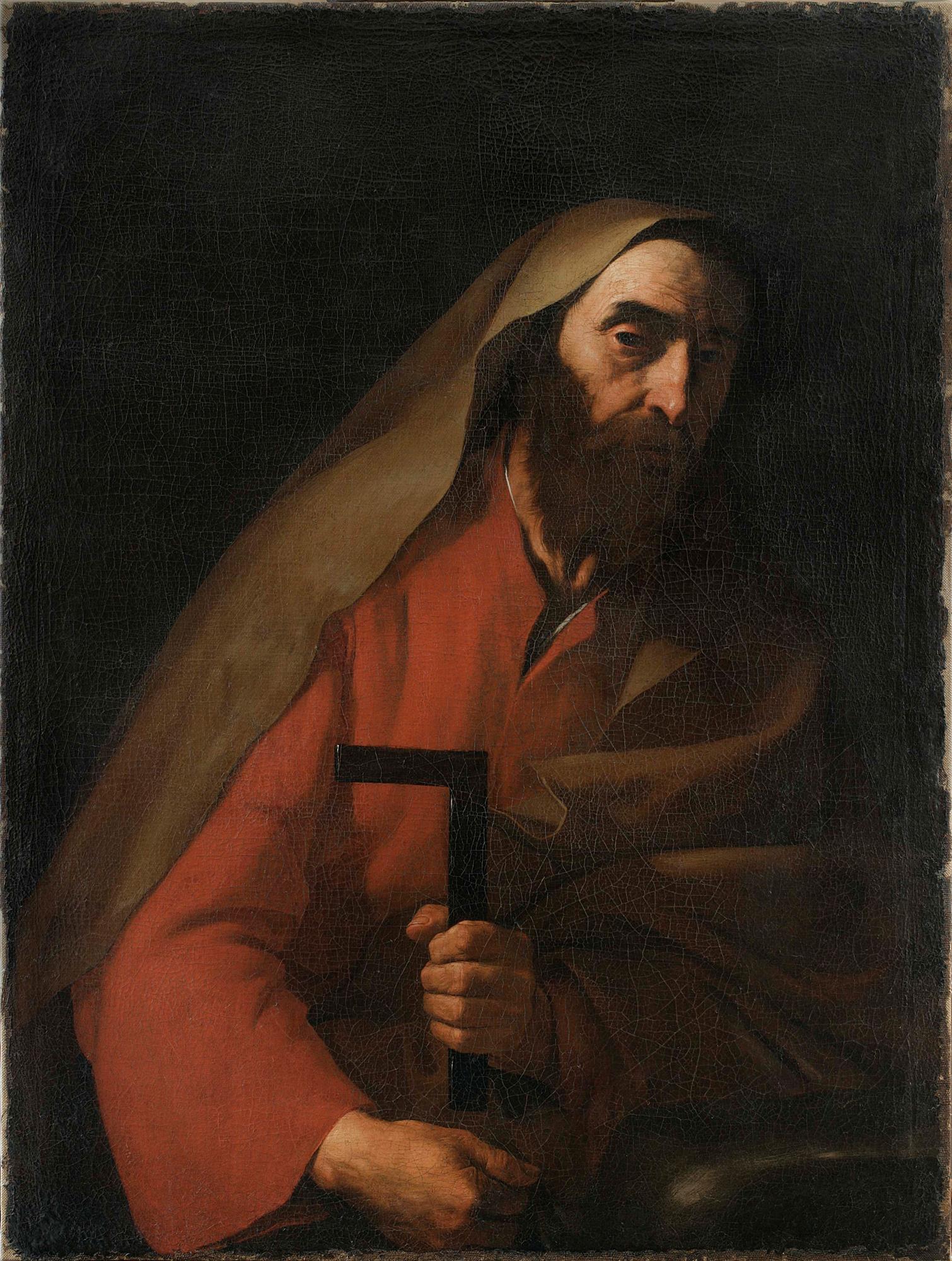
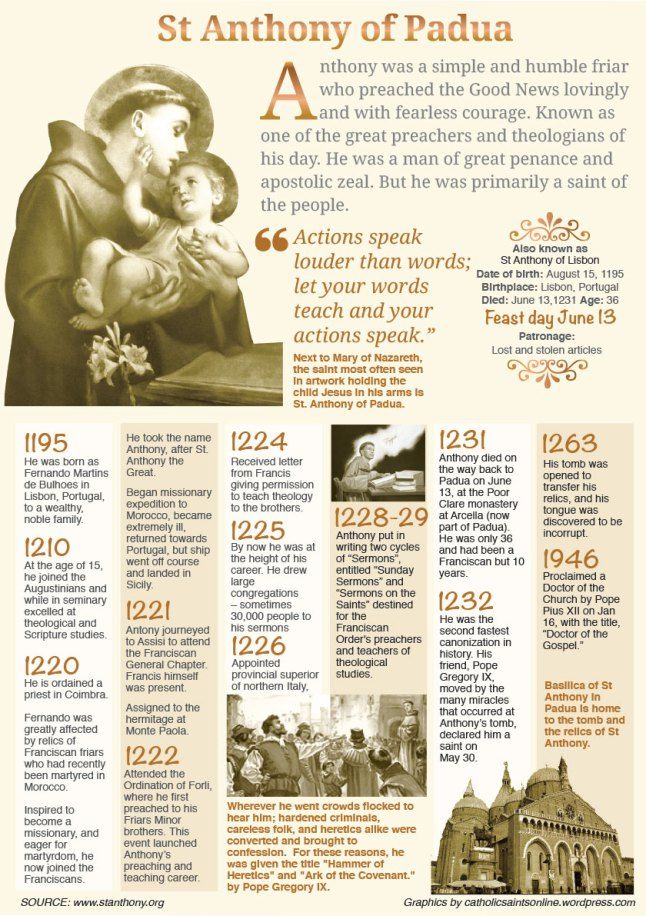
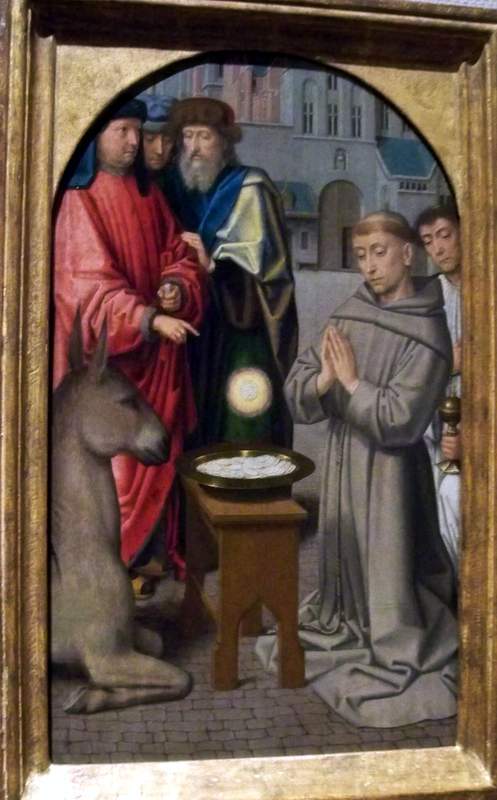
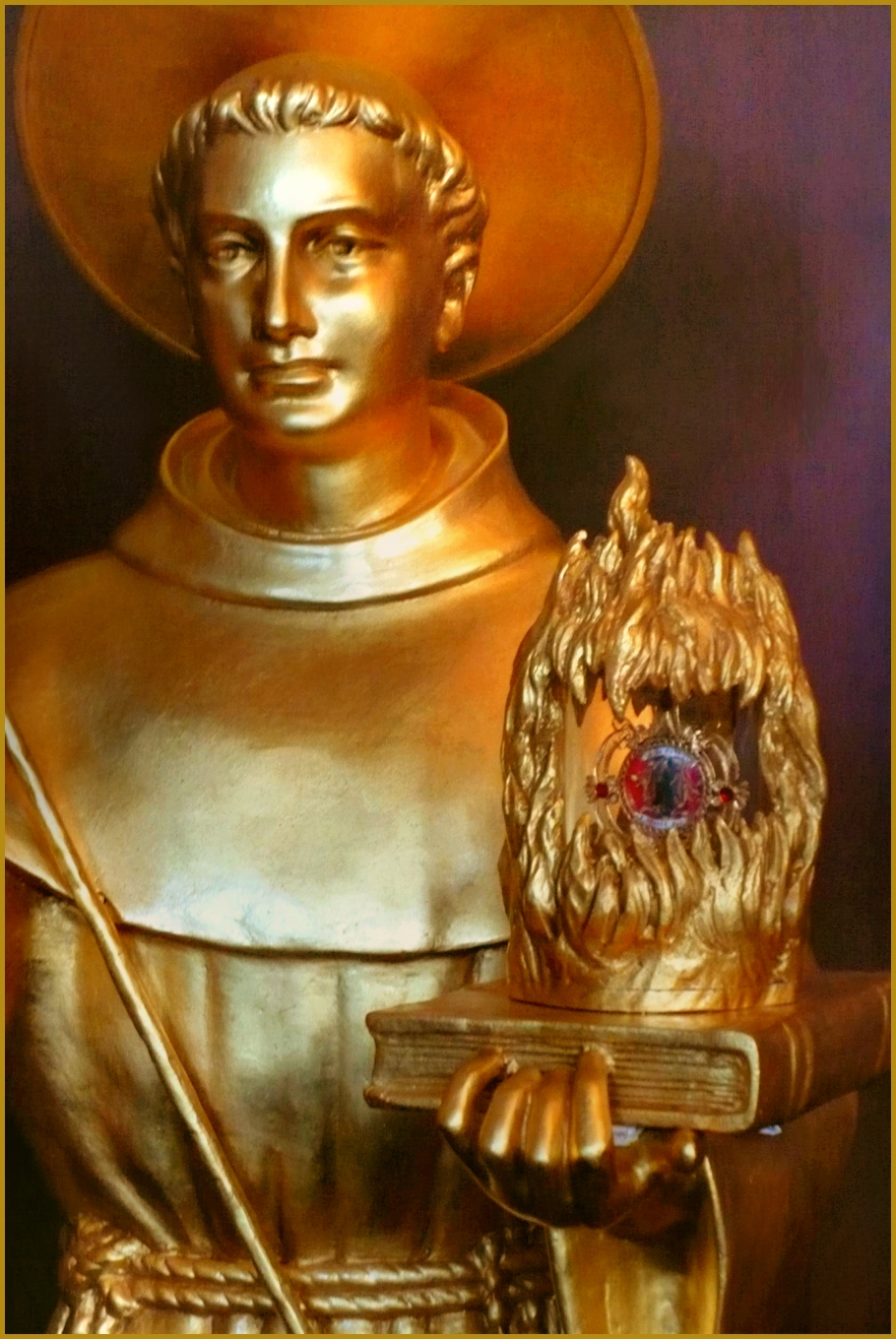
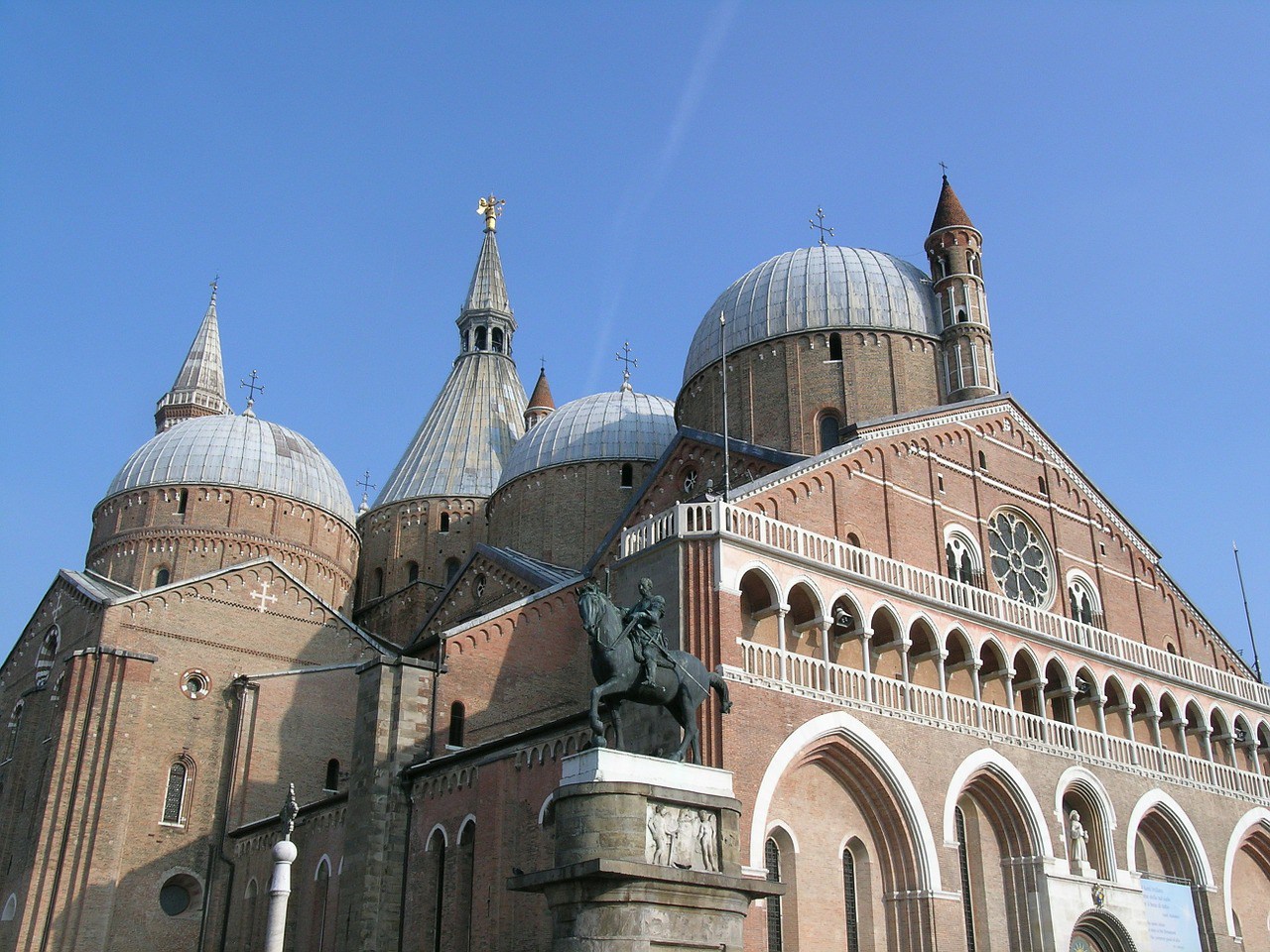

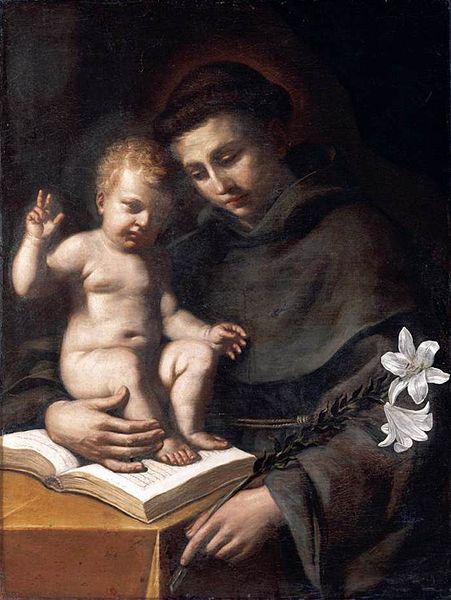
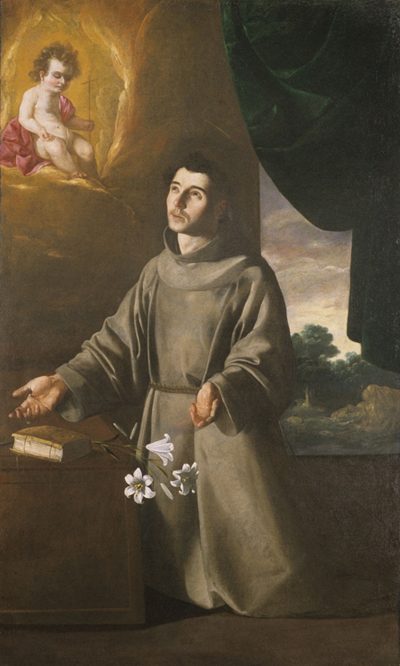
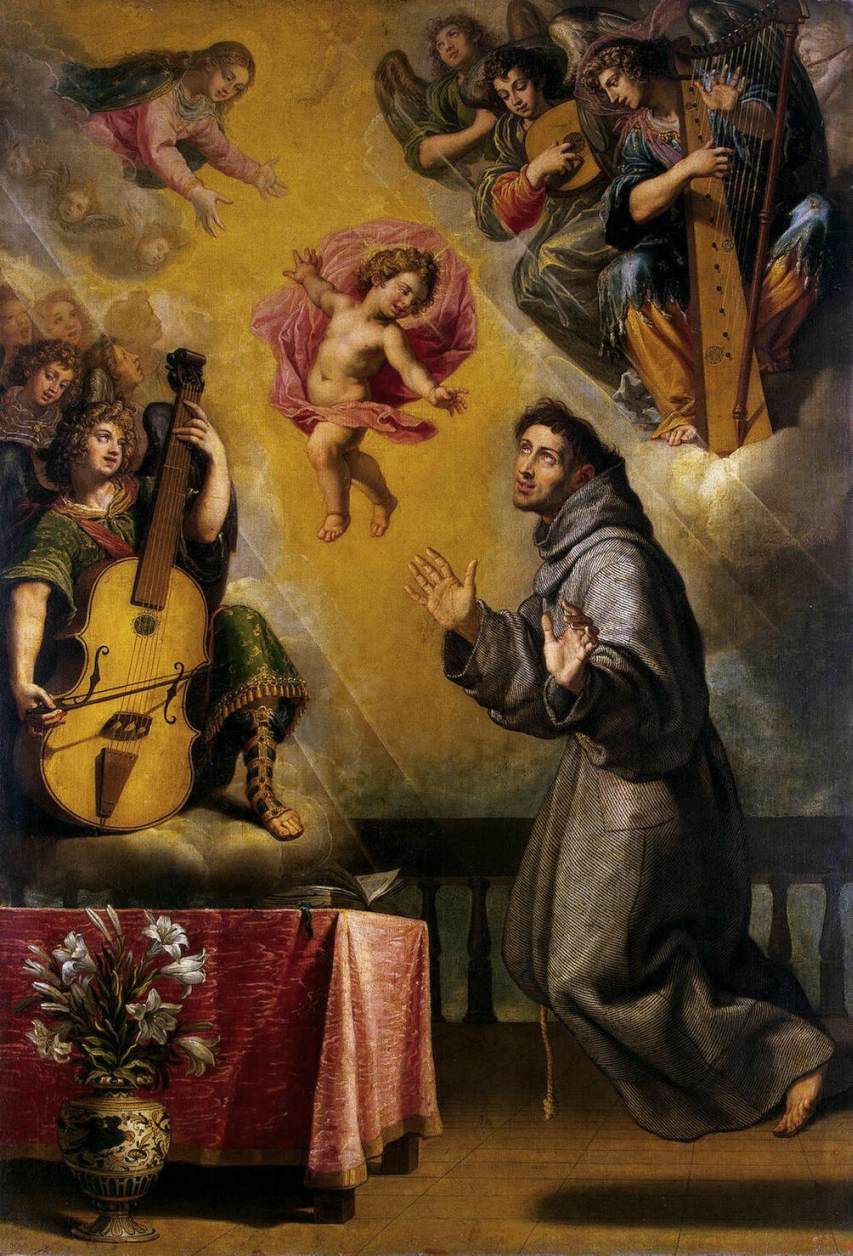
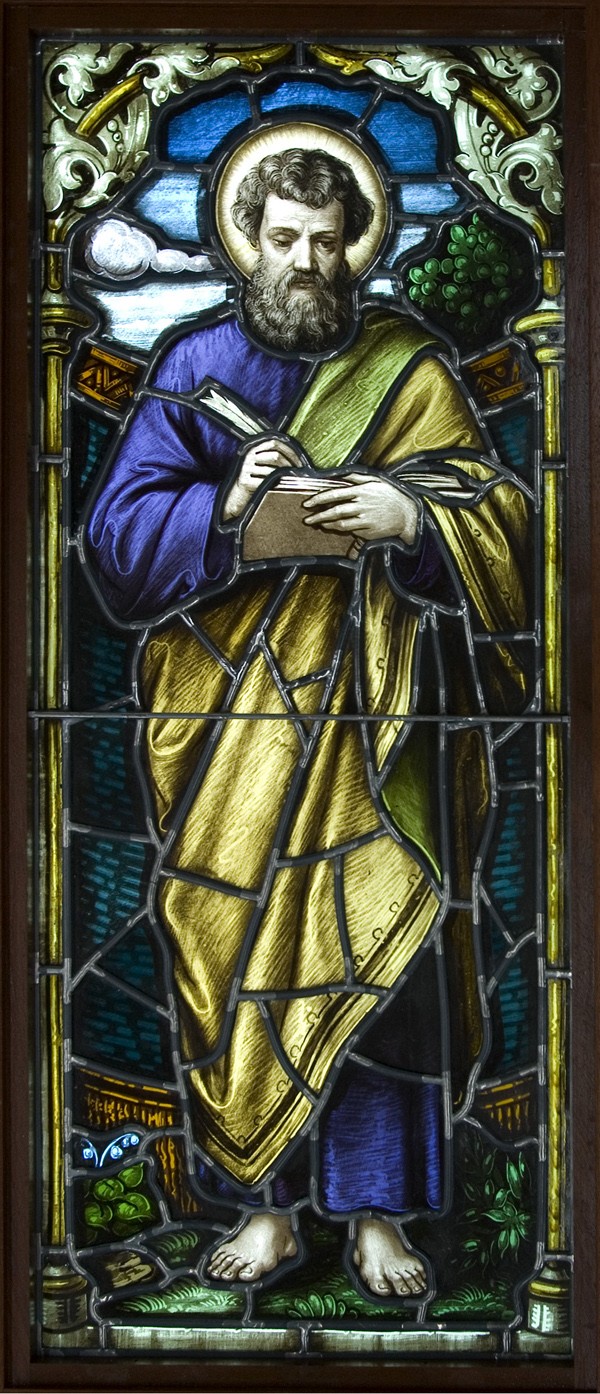
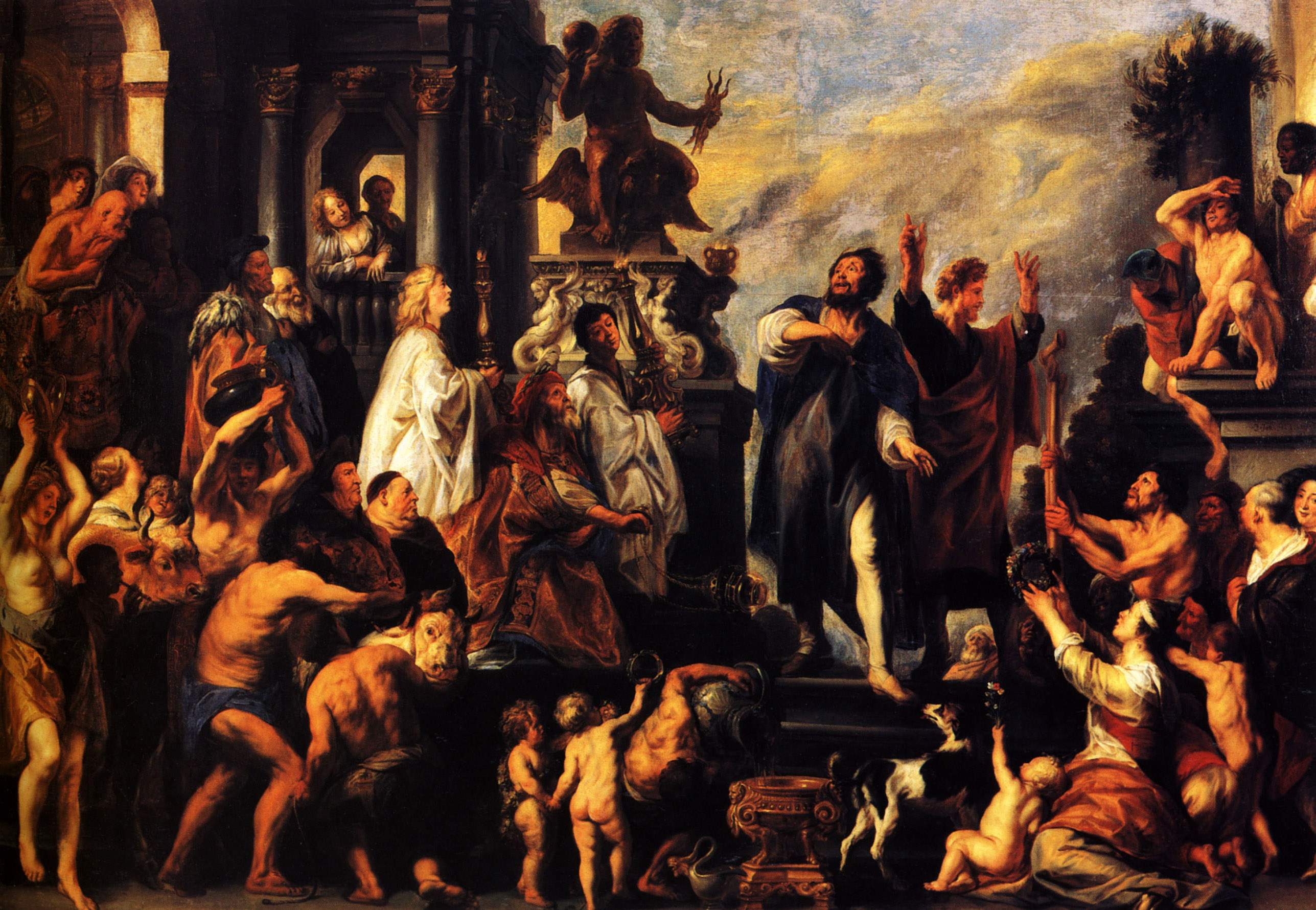


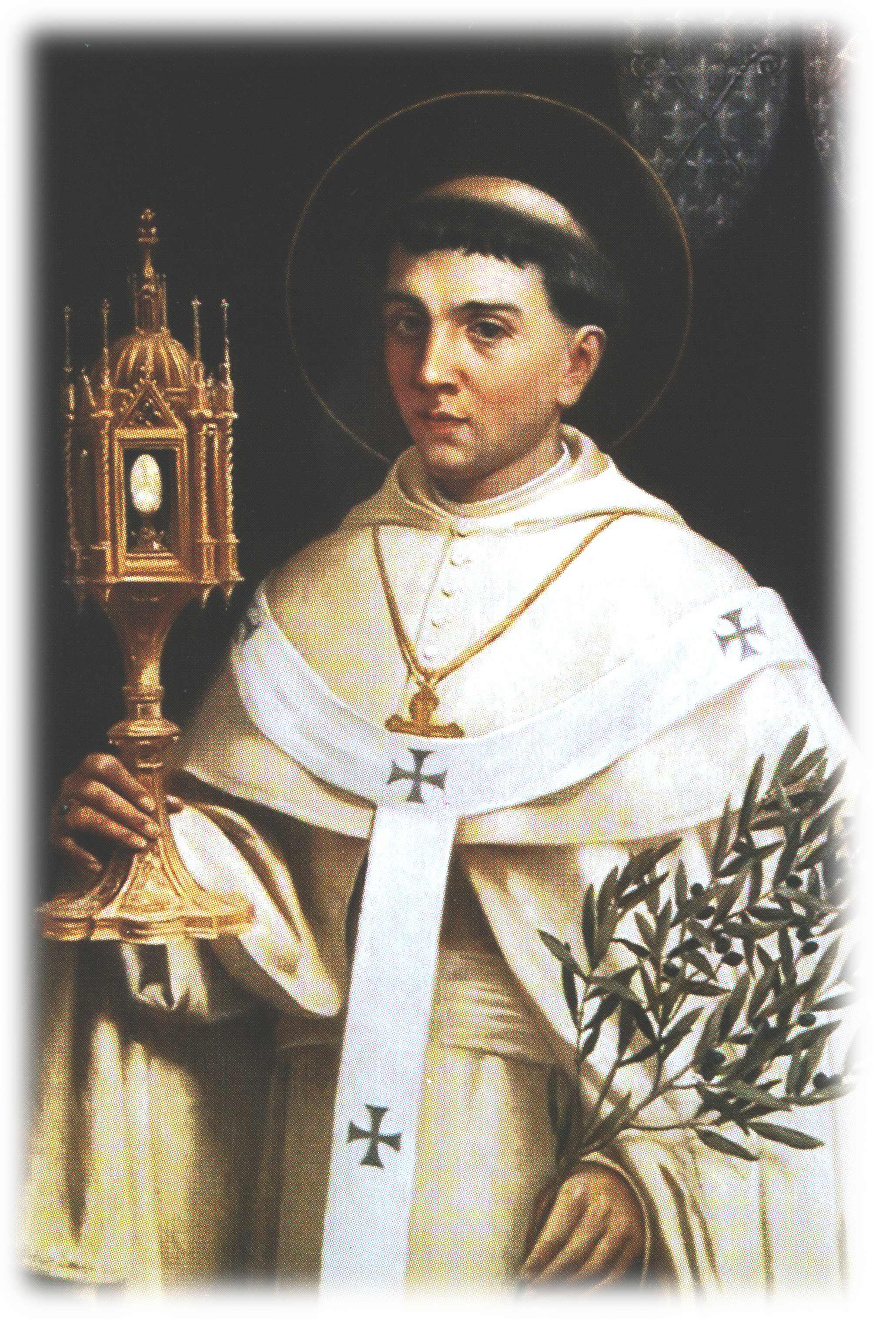
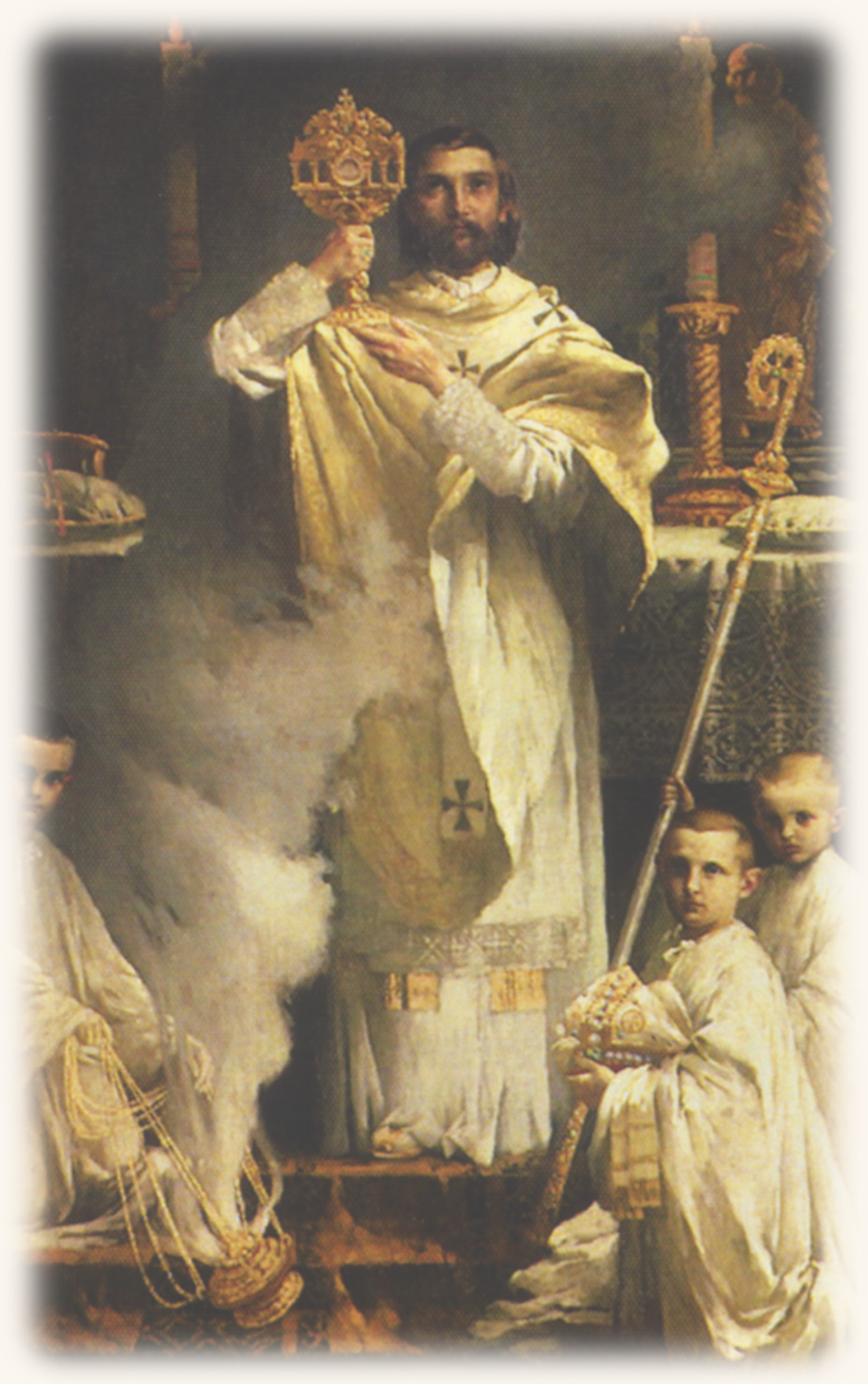


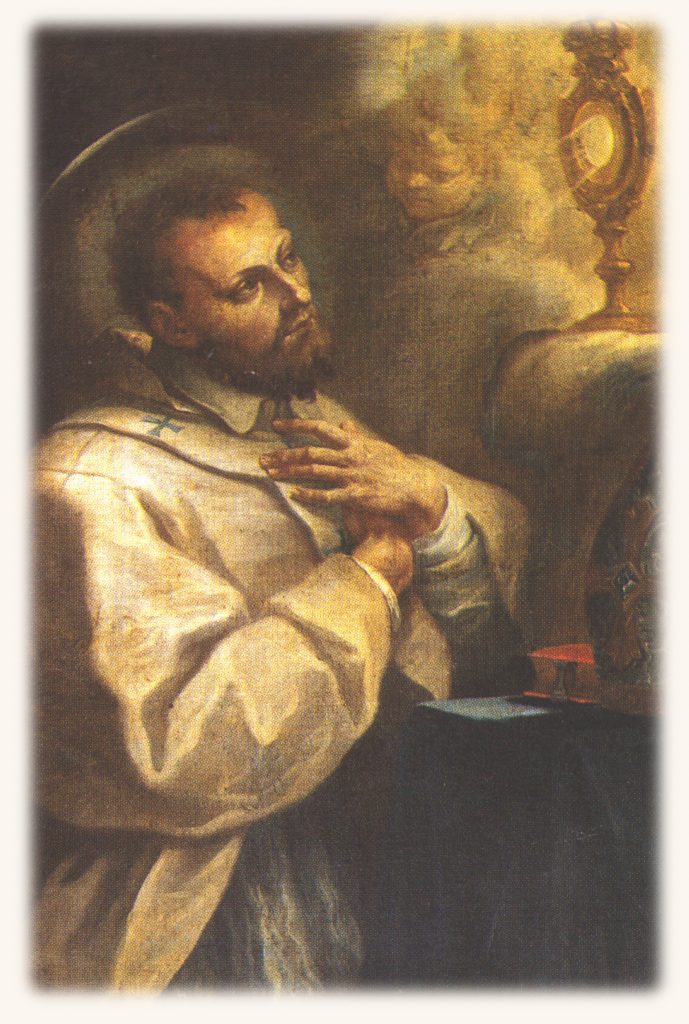
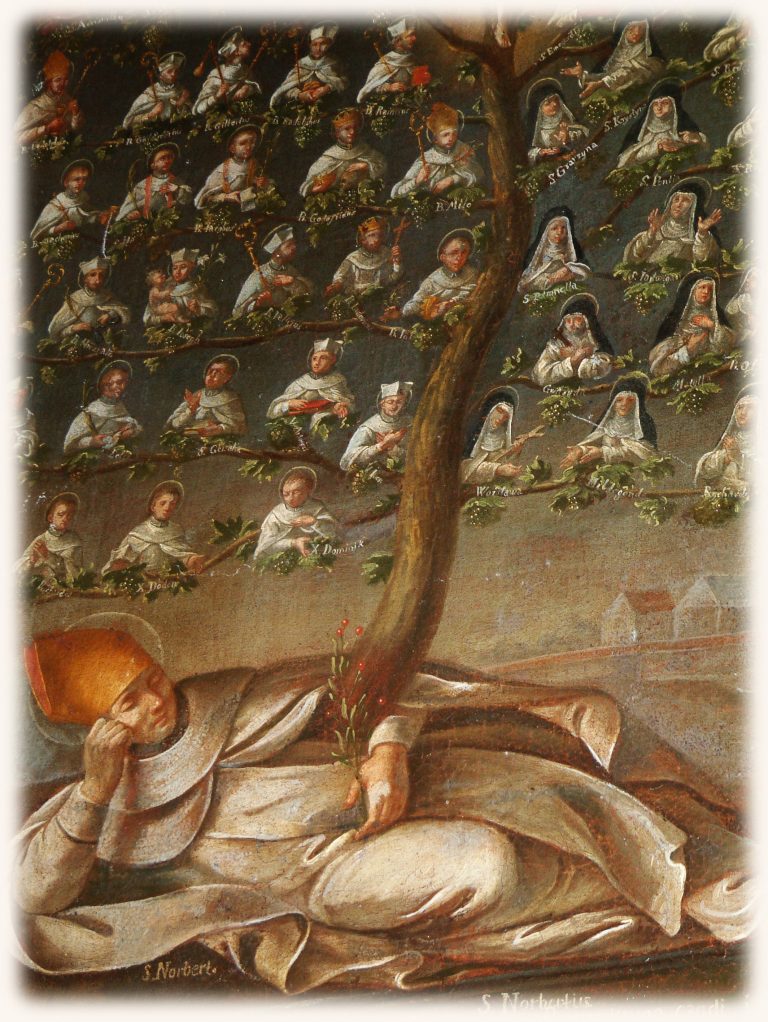
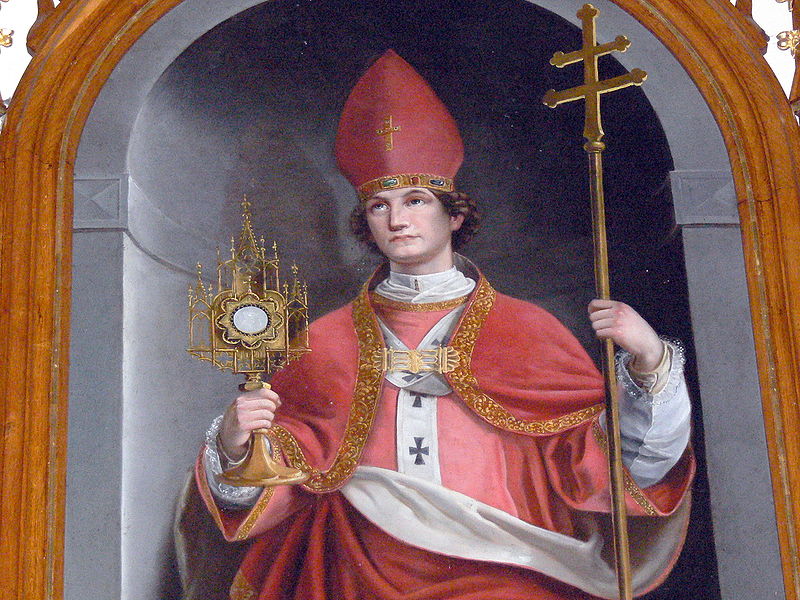
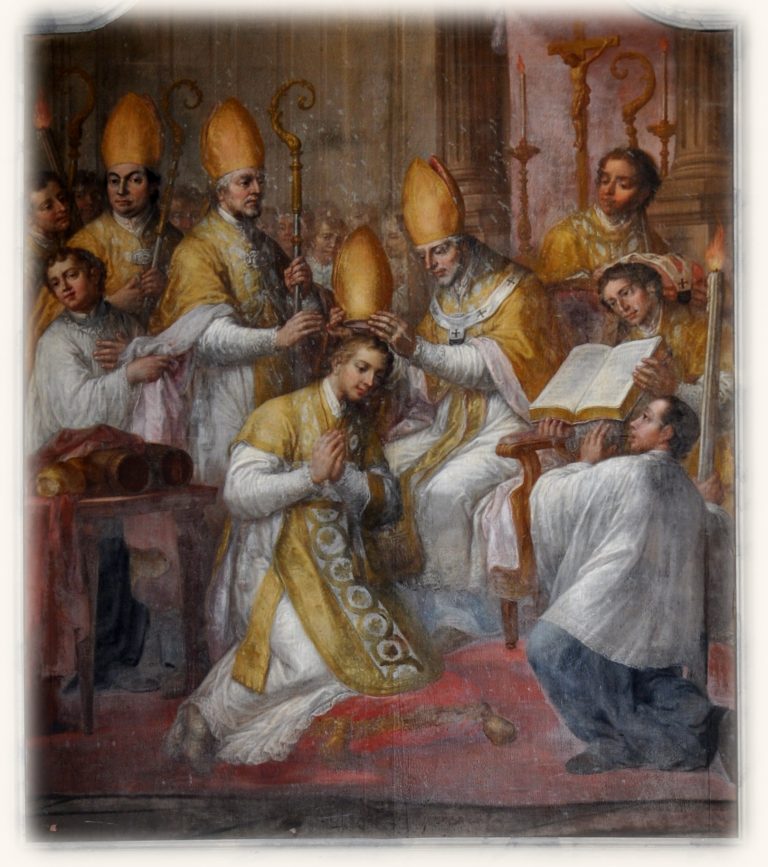
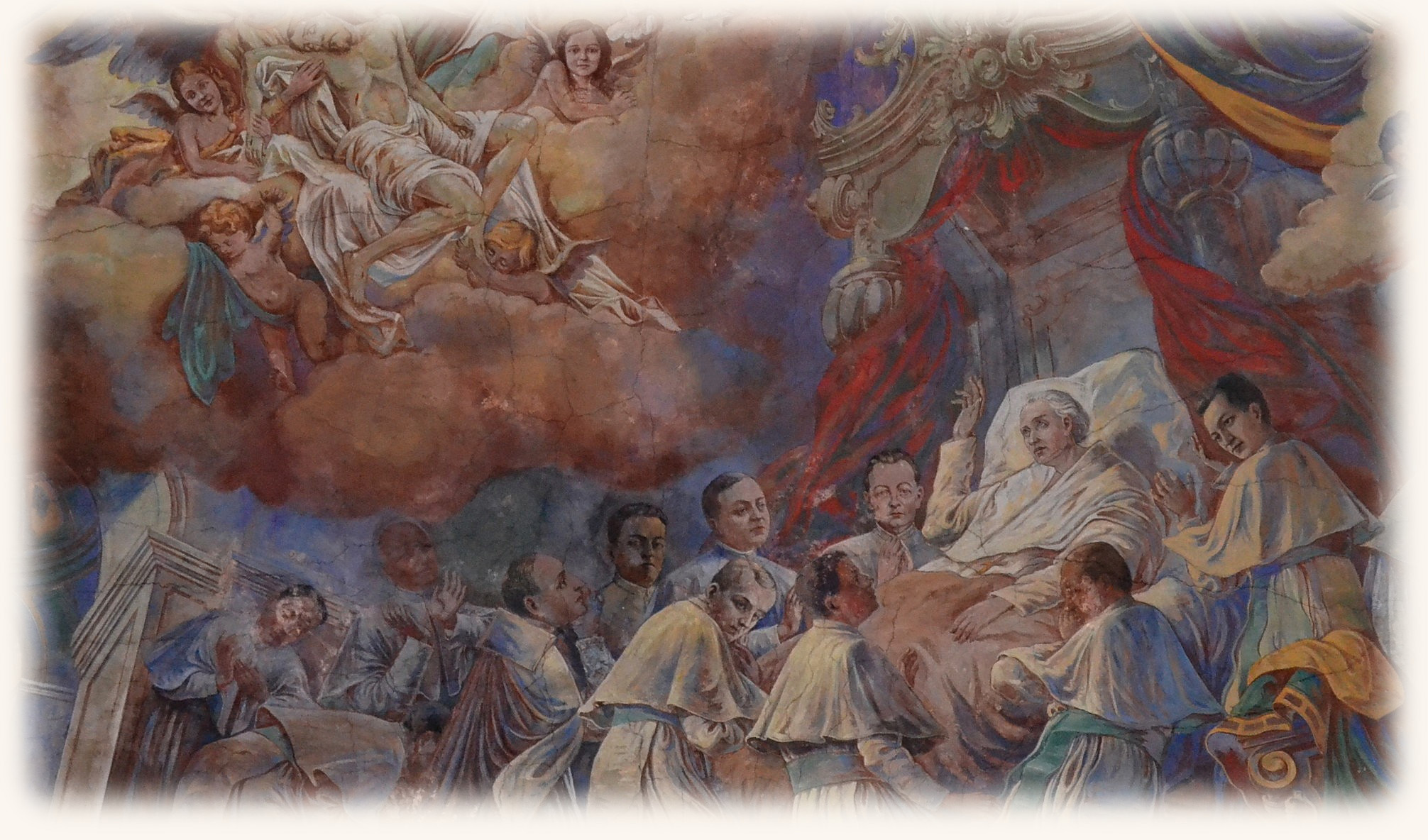
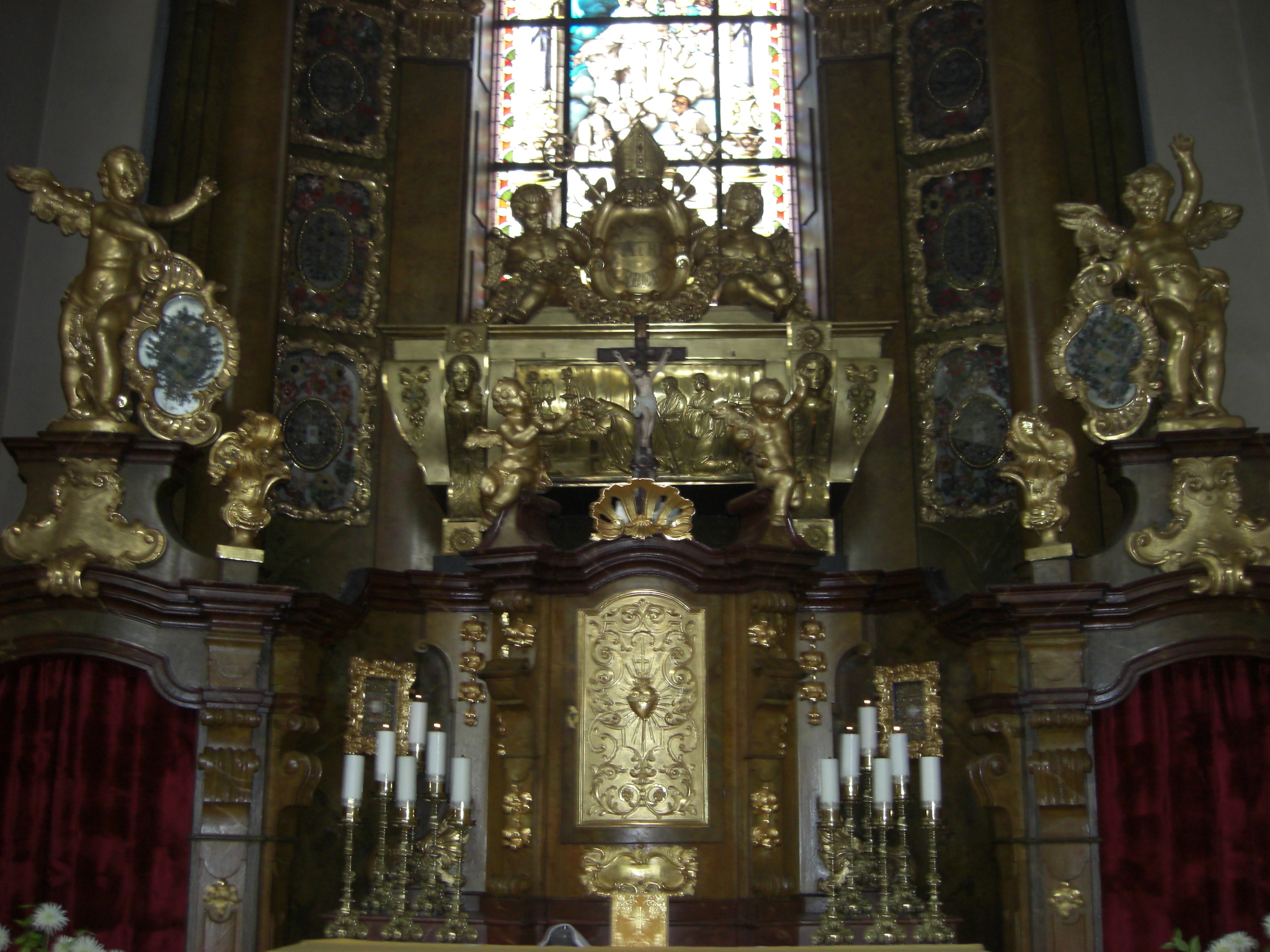
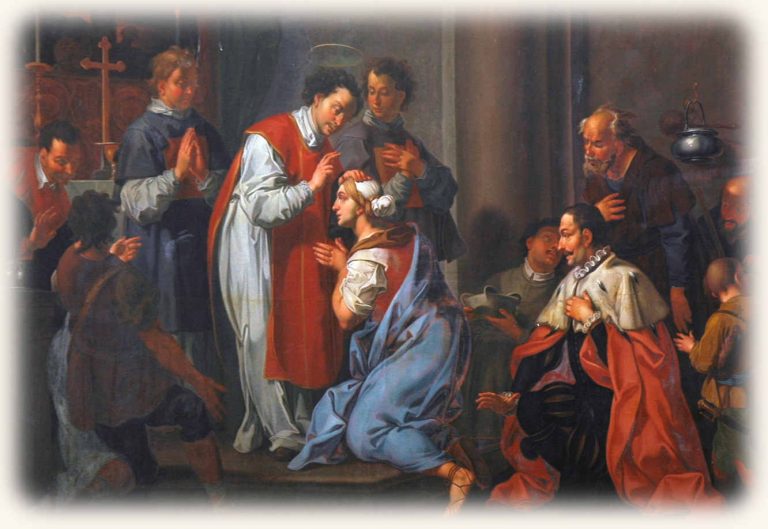




 AnaStpaul
You must be logged in to post a comment.