
Quote of the Day – 10 May – Friday of the Third Week of Easter, C and the Memorial of Blessed Ivan Merz (1896-1928)
Category: SAINT of the DAY
One Minute Reflection – 10 May – “He is there and He is also here..”
One Minute Reflection – 10 May – and Friday of the Third Week of Easter, C, First Reading: Acts 9:1-20 and the Memorial of Blessed Ivan Merz (1896-1928)
“He fell to the ground and heard a voice saying to him, “Saul, Saul, why are you persecuting me?”…Acts 9:4
REFLECTION – “How can we show that He is there and that He is also here? Let Paul answer for us, who was previously Saul. First of all, the Lord’s own voice from heaven shows this: “Saul, Saul, why are you persecuting me?” Had Paul climbed up to heaven then? Had Paul even thrown a stone at heaven? It was Christians he was persecuting, them he was tying up, them he was dragging off to be put to death, them he was everywhere hunting out of their hiding places and never sparing when he found them. To him the Lord said, “Saul, Saul.” Where is He crying out from? Heaven. So He’s up above. “Why are you persecuting me?” So He’s down below.”…St Augustine (354-430) Bishop of Hippo, Father & Doctor (Sermon 122)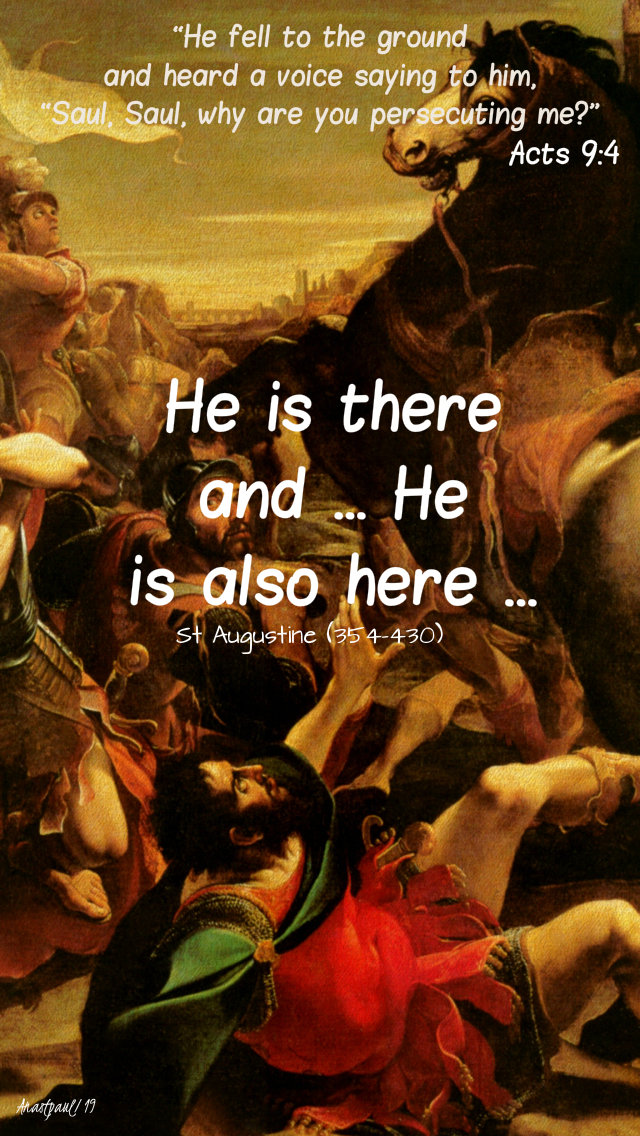
PRAYER – Almighty God, You sent Your Son and we have now come to know the grace of His Resurrection. Through Him we live and move and have our being. As we follow Him, He walks with us and leads us to You. Grant we pray, that His mother and ours, may guide our way to Him and may the prayers of Blessed Ivan Merz, who always followed closely behind the Lord, be a solace in our trials. Through Christ our Lord, with the Holy Spirit, God now and forever, amen.

Saint of the Day – 10 May – Blessed Ivan Merz (1896-1928)
Saint of the Day – 10 May – Blessed Ivan Merz (1896-1928) aged 32 – Layman, Teacher, Professor, Apostle of the Blessed Sacrament and of prayer, Founder of Youth Movements in Croatia – Patronages – Croatian youth, youth as a whole, World Youth Day celebrations.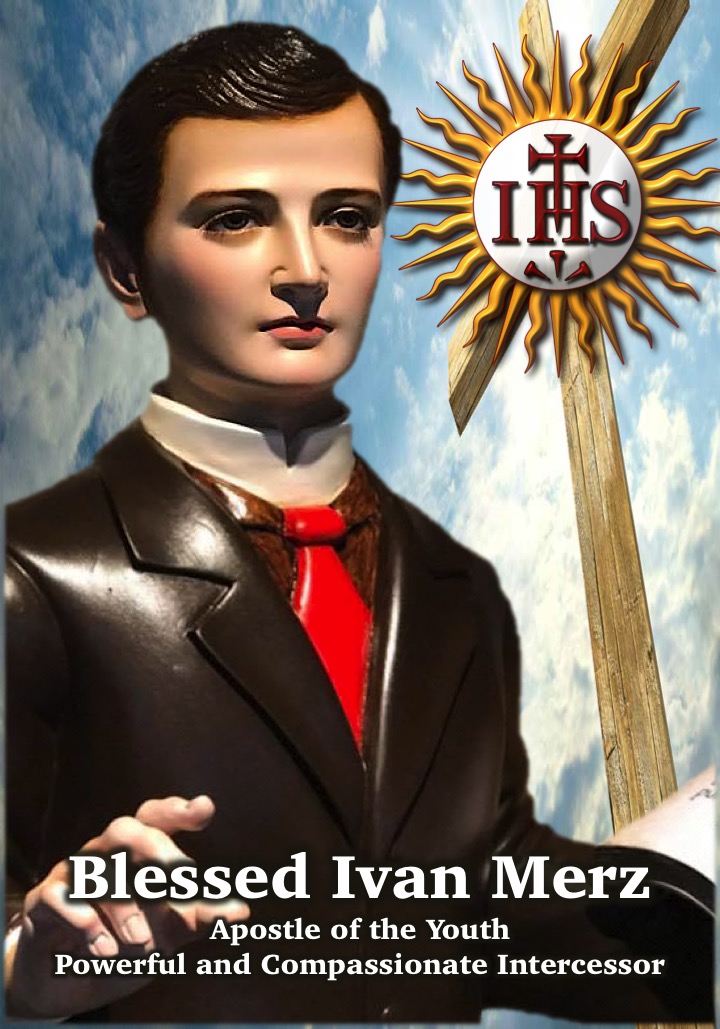
Ivan Merz was born in Banja Luka, Bosnia, on 16 December 1896 and was baptised on 2 February 1897. He attended elementary and middle school in Banja Luka and, after a brief period of education at the military academy of Wiener Noustadt, he enrolled in 1915 at the University of Vienna, with the dream of teaching young people in Bosnia, thus, he would be following the example of his professor, Ljubomir Marakovic, who helped Ivan to discover the richness of the Catholic faith.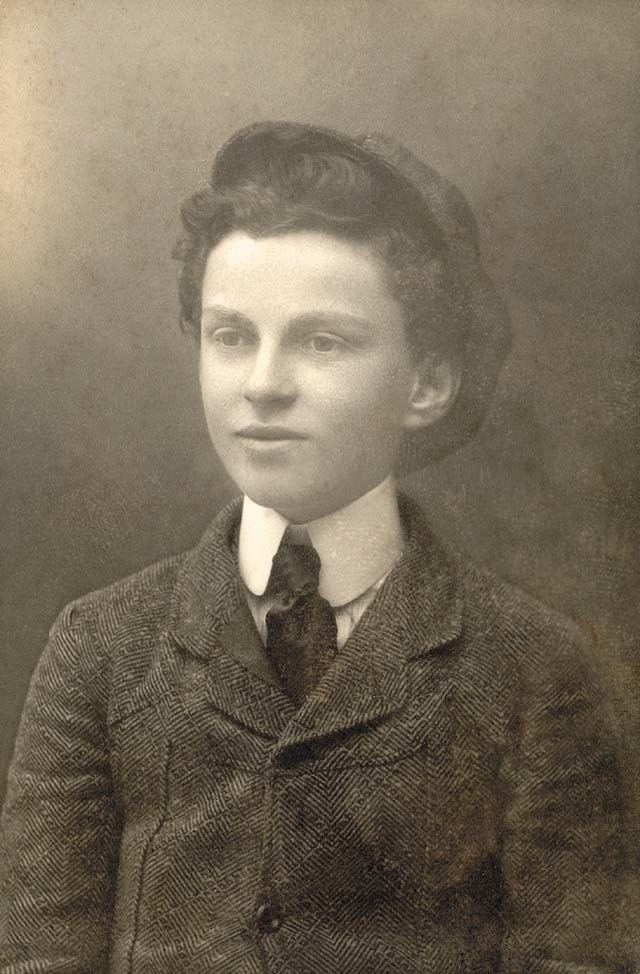
In March 1916, Ivan was enlisted in the army and shipped to the Italian battle front, where he spent the greater part of two years beginning in 1917. The war experience and its horrors marked a turning point in Ivan’s young life and contributed greatly to his spiritual growth, prompting him to abandon his future into God’s hands and to strive with all his might towards the goal of Christian perfection.
On 5 February 1918, he wrote in his diary: “Never forget God! Always desire to be united with Him. Begin each day in the first place with meditation and prayer, possibly close to the Blessed Sacrament or during Mass. During this time, plans for the day are made, one’s defects are put under examination and grace is implored for the strength to overcome all weakness. It would be something terrible if this war had no meaning for me!… I must begin a life regenerated in the spirit of this new understanding of Catholicism. The Lord alone can help me, as man can do nothing on his own”. At this time, Ivan also made a private vow of perpetual chastity.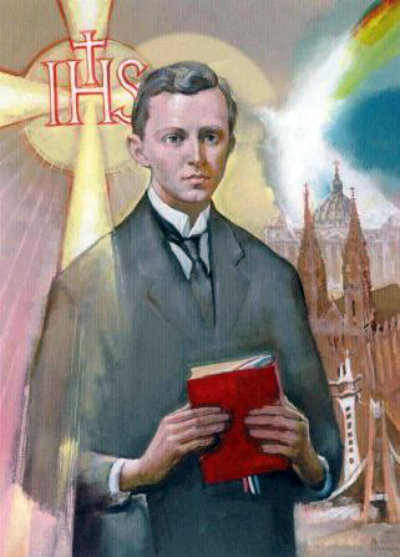
After the war, he continued his studies at Vienna (1919-20) and then in Paris (1920-22). In 1923 he obtained a degree in philosophy. His thesis was entitled “The influence of the Liturgy on the French authors”. He then became a professor of language and French literature and was exemplary in his dedication to the students and to his responsibilities as a teacher.
In his spare time he studied philosophy and theology and deepened his knowledge of the documents of the Magisterium of the Church.
Ivan was especially noted for his interest in young people and concern for their growth in faith and holiness. He started the “League of Young Croatian Catholics” and the “Croatian League of Eagles” within the Croatian Catholic Action Movement. Their motto was: “Sacrifice Eucharist Apostolate”.
For Ivan, the purpose of this organisation was to form a group of front-line apostles whose goal was holiness. The scope of this goal also flowed over into liturgical renewal, of which Ivan was one of the first promoters in Croatia.
As a Catholic intellectual, Ivan was able to guide young people and adults to Christ and His Church, through his writings and organised gatherings. He also sought to teach them love and obedience to the Vicar of Christ and the Church of Rome.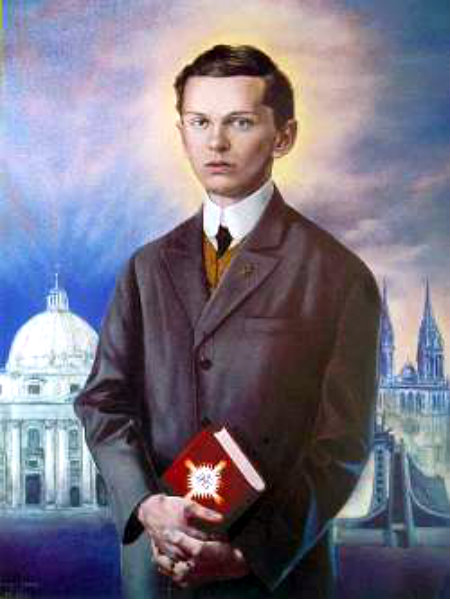
In the face of any misunderstandings and difficulties, Ivan always had an admirable patience and calm, the fruit of his continual union with God in prayer. Those who knew him well described him as a person who had his “mind and heart immersed in the supernatural”. Convinced that the most effective way to save souls was through efficacious suffering, he offered to God all his physical and moral sufferings, particularly for the intention of the success of his apostolic endeavours.
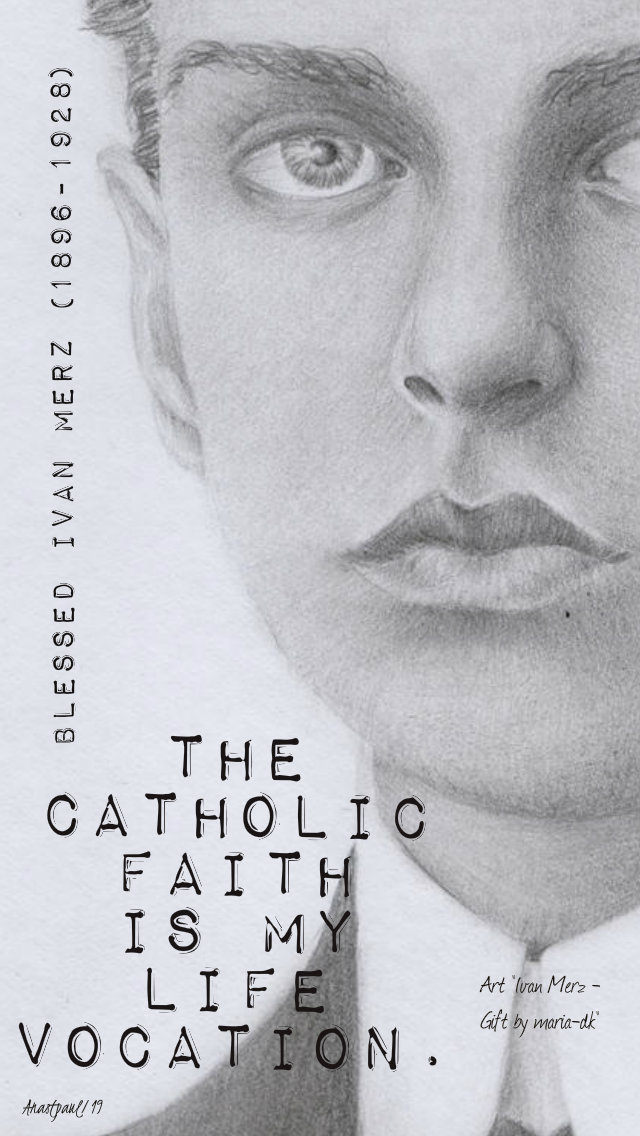
Shortly before his death, he offered his life for the youth of Croatia. In short, the young man believed that his vocation was very simply “the Catholic faith”.
Ivan Merz died on 10 May 1928 in Zagreb. He was 32 years old….Vatican.va
Blessed Ivan left an example of how a man can live, fight and suffer for God’s cause. Merz tried hard to give his life the “full meaning”, heading for sanctity and all his pedagogical task was devoted to the formation of apostles of sanctity. He died with a reputation of a saint. His shrine is located in the Basilica of the Heart of Jesus in Zagreb, Croatia. The canonisation cause started in 1958.
He was Beatified by St Pope John Paul on Sunday, 22 June 2003 in Bosnia Herzegovina.
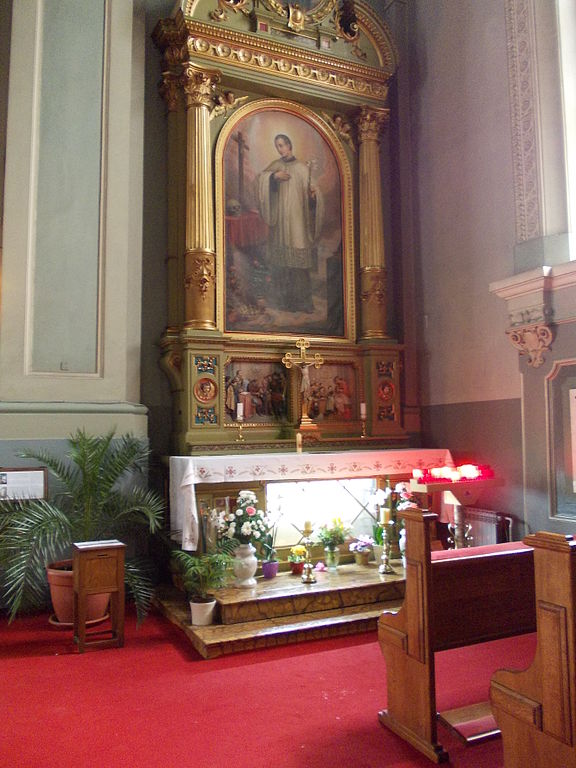
On 3 March 2018, His Excellency Francisco Mendoza De Leon, DD, bishop of the Diocese of Antipolo and local Ordinary of the Blessed Ivan Merz Centre and Reliquarium, formally opened and blessed the Blessed Ivan Merz Reliquarium.
The Blessed Ivan Merz Reliquarium (Home of the Sacred Relics) was established to house the sacred relics of Blessed Ivan Merz and of other sacred relics belonging to Our Lord, the Blessed Mother and beatified and canonised Servants of God. It serves as spiritual oasis for pilgrims, devotees and disciples in faith of the Apostle of the Youth.
We pray that those who will visit Blessed Ivan Merz Reliquarium will experience the Lord’s kind assistance.
May those who venerate the remains of the Saints, especially of Blessed Ivan Merz, with their prayers and merits, obtain pardon for sin and protection from every adversity. 
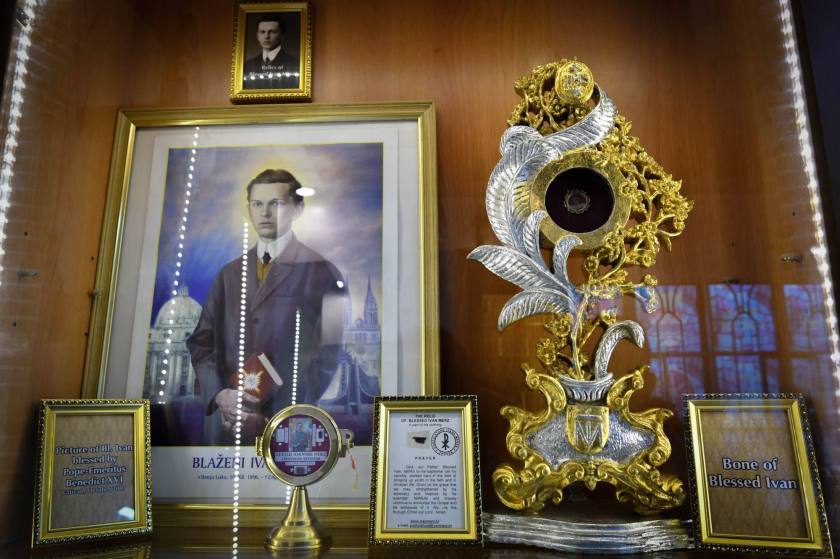
Beautiful images on their website here: https://ivanmerz.org/the-reliquarium-and-relics/
Memorials of the Saints – 10 May
St John of Avila (1499-1569) “Apostle of Andalusia”– Doctor of the Church
About St John: https://anastpaul.wordpress.com/2018/05/10/saint-of-the-day-10-may-st-john-of-avila-1499-1569-apostle-of-andalusia-known-as-father-master-avila-doctor-of-the-church/
St Joseph de Veuster (1840-1889) – St Damian of Molokai “The Martyr of Molokai”(Optional Memorial)
St Damian’s life: https://anastpaul.wordpress.com/2017/05/10/10-may-the-memorial-of-st-damian-de-veuster-de-molokai/
Robert Louis Stevenson and St Damian: https://anastpaul.wordpress.com/2017/05/10/blessed-memorial-of-s-damian-de-veuster-de-molokai/
St Alphius of Lentini
Bl Amalarius of Metz
Bl Antonio of Norcia
St Aurelian of Limoges
Bl Beatrix d’Este the Elder
St Blanda of Rome
St Calepodius of Rome
St Catald of Taranto
St Comgall of Bangor
St Cyrinus of Lentini
St Dioscorides of Smyrna
Bl Enrico Rebuschini
St Epimachus of Rome
St Felix of Rome
Bl Giusto Santgelp
St Gordian the Judge
Bl Ivan Merz (1896-1928)
Bl Nicholas Albergati
St Palmatius of Rome
St Philadelphus of Lentini
St Quartus of Capua
St Quintus of Capua
St Simplicius of Rome
St Solange of Bourges
St Thecla
Bl William of Pontnoise
One Minute Reflection – 9 May – “..Reading the Scriptures”
One Minute Reflection – 9 May – Thursday Third Week of Easter, C, First Reading: Acts 8:26–40
“… and was returning home. Seated in his chariot, he was reading the prophet Isaiah.”…Acts 8:28
REFLECTION – “Consider, I ask you, what a great effort it was not to neglect reading even while on a journey and, especially, while seated in a chariot. Let this be heeded by those people who do not even deign to do it at home but rather think reading the Scriptures is a waste of time, claiming as an excuse their living with a wife, conscription in military service, caring for children, attending to domestics and looking after other concerns, they do not think it necessary for them to show any interest in reading the holy Scriptures.” … St John Chrysostom (347-407) Father & Doctor (Homilies on Genesis, 35.)
PRAYER – Almighty, ever-living God, in Your Word, You shed the light of Your glory on the peoples who are living in the shadow of death. By Your Word, You teach us all things and lead us in the way of hope and love. For Your Word is Truth and Your Word became flesh and filled our world with the Sun of Justice, Your Son, He who is the Sun and the Truth. May our steps be guided by His Mother, as we follow in the footsteps of Your Word and may the prayers of Blessed Maria Carmen Rendiles, be a help in our trials. Through Christ, our Lord Jesus, with You in union with the Holy Spirit, now and forever, amen.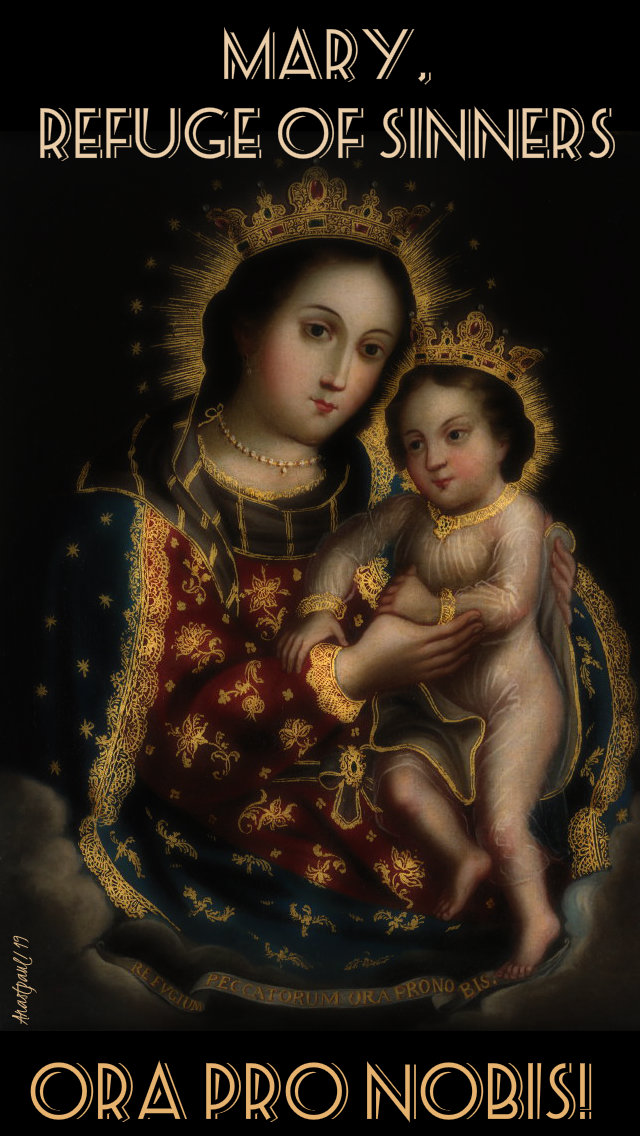
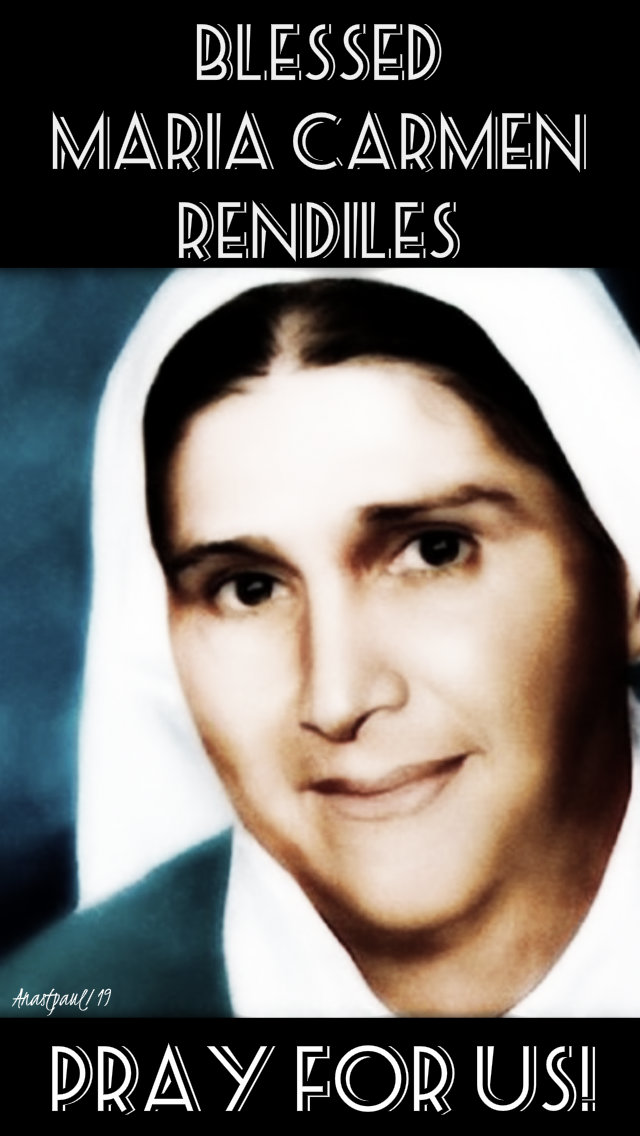
Saint of the Day – 9 May – Blessed Maria Carmen Rendiles (1903-1977)
Saint of the Day – 9 May – Blessed Carmen Elena Rendiles Martínez more commonly known as Blessed Maria Carmen Rendiles (1903-1977) – in religion María Carmen – was a Venezuelan professed religious of the Servants of the Eucharist and the founder of the Servants of Jesus of Caracas, Apostle of Charity, Catechist, Administrator and founder of many schools and convents. She served in a leadership position for her order in France where she spent her time of religious formation and returned to Venezuela to found her order in 1965 and assume control as Superior-General of her new order. Patronage – Servants of Jesus of Caracas.
Blessed Maria Carmen was born on 11 August 1903 in Caracas, Venezuela. She was the third of eight children and her family was wealthy and respected in the capital city. Her baptism was celebrated in the church of Santa Anna on 24 September 1903 and she received her Confirmation on 28 October 1905, she made her First Communion on 11 March 1911. Carmen was born with a rare physical deformation and was missing her left arm. She lived her whole life with a prosthetic arm but this physical setback never affected her joyful spirit. She was admired and impressed many people with how she lived her life, not letting her handicap hold her back.
When she was fifteen, she become a Catechist at her parish and would go on missions to nearby towns to teach. She did this for many years and began to feel the calling to be a religious nun and serve God. In 1927 she joined the Congregation of the Servants of the Blessed Sacrament, which was based in France but had convents in Venezuela. She studied in Toulouse, France. When her studies were completed, she went back to Caracas and worked there in the convent for about 10 years.
She served in many different jobs and positions during her time as a nun and in 1951 she was named the Provincial Superior for her region. During this time, she started new convents and several schools in both Venezuela and Columbia. She even started a school for poor children in her old childhood home, which she inherited.
Blessed Maria Carmen founded the Servants of Jesus on 25 March 1965. The order received diocesan approval and support on 14 August 1969 from the Cardinal Archbishop of Caracas José Humberto Quintero Parra. She was the Superior General of her new order from 1969 when she was appointed until her death on 9 May 1977 due to influenza. In 2015 there were 94 religious in a total of 19 communities in both Venezuela and in Colombia.
In 5 July 2013, Pope Francis declared her a venerable (decree of heroic virtues) and on 16 June 2018 she was Beatified. The beatification miracle involved the healing of Trinette Durán de Branger on 18 July 2003 and the ceremony was celebrated in Caracas, Venezuela, by Cardinal Angelo Amato. Her process of sainthood continues.
“It brings immense joy to the entire Catholic Church of Venezuela, and especially for the Archdiocese of Caracas, to announce that Pope Francis has signed the decree approving the beatification of Mother Carmen Rendiles Martínez” announced Archbishop of Caracas Cardinal Jorge Urosa Savino.
“On 21 November, a miracle presented to the Congregation for the Causes of Saints was approved, for which it will be beatified next year.”
Urosa explained that Martinez will become the third Venezuelan beatified by the Vatican. The blessing comes after the Vatican studied and approved, an “instantaneous, perfect, stable and lasting” miraculous healing on Trinette Durán de Branger, on 18 July 2003.
Urosa extended his congratulations to the Congregation Servants of Jesus, founded by Mother Rendiles Martinez, for her tireless and laborious work performed through the commission that leads to the process of beatification and canonisation.
“It has been arduous work carried out by Dr Silvia Correale, postulator of the cause, Sister Rosa María Ríos, vice postulator and the general superiors of the Congregation,” the Cardinal pointed out. “The current head of the religious order is Mother Maria Eugenia Noreña.”
Memorials of the Saints – 9 May
St Banban the Wise
St Beatus of Laon
St Beatus of Lungern
Bl Benincasa of Montepulciano
St Brynoth of Scara
St Dionysius of Vienne
Bl Fortis Gabrielli
St Gerontius of Cervia
St Giuse Hien
St Gorfor of Llanover
St Gregory of Ostia
St Hermas of Rome
Isaiah the Prophet
St John of Châlon
Bl Theresa of Jesus/Karolina Gerhardinger (1797-1879)
Biography: https://anastpaul.wordpress.com/2018/05/09/saint-of-the-day-9-may-blessed-theresa-of-jesus-karolina-gerhardinger-1797-1879/
St Maria del Carmen Rendiles Martinez
St Pachomius of Tabenna
St Sanctan of Kill-da-Les
Bl Stefan Grelewski
Bl Thomas Pickering
St Vincent of Montes
Martyrs of Persia: 310 Christians murdered together for their faith in Persia. No details about them have survived.
20 Mercedarian Martyrs of Riscala: 20 Mercedarian friars who were murdered by Huguenot heretics for refusing to denounce their faith. 16th century at the Santa Maria convent at Riscala, France.
Saint of the Day – 8 May – Blessed Clara Fey (1815-1894)
Saint of the Day – 8 May – Blessed Clara Fey (1815-1894) – Religious Nun and Founder of the Sisters of the Poor Child Jesus. Her life was dedicated to providing aid to the poor, with particular emphasis on education, first in Aachen, Germany and later in the Netherlands.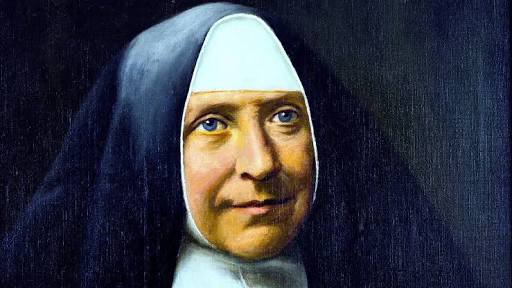
Clara Fey was born on 11 April 1815 in Aachen, the fourth of five children of wealthy textile industrialist Louis and his wife Katherine . Louis was to die following a stroke in 1820, when Clara was aged five years.
She studied under noted teacher, Luise Hensel and became acquainted with the future Blesseds Pauline von Mallinckrodt and Franziska Schevier. In her childhood she observed the poor conditions in her town and was resolved to aid the poor in their suffering more so because of the importance her mother placed on helping those less fortunate than herself.
To that end she would later set up a school with some like-minded friends in Aachen in 1837 in order to cater to the educational needs of poor children. Fey’s brother, Andreas would go on to become a priest, later serving as the vicar of the Saint Paul parish in Aachen.
On 2 February 1844, Bl Clara established the Sisters of the Poor Child Jesus in Aachen, as a means of leading children to Jesus Christ and educating children in a religious environment.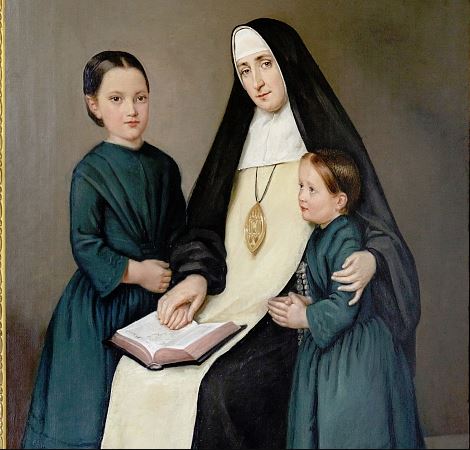
Around 1835 she started to read the works of Saint Teresa of Ávila and professed a desire to become a Carmelite nun. In 1841, however, her spiritual adviser, Father Wilhelm Sartorius, motivated her to instead read the works of Saint Francis de Sales for greater theological inspiration.
Blessed Clara made her vows as a nun in 1850. Her order received diocesan approval on 28 January 1848 from the Archbishop of Cologne and a papal decree of praise from Pope Pius IX on 11 July 1862, with full papal approval for the order issued by Pope Leo XIII on 15 June 1888. The Rule of her order would be based on the teachings of Saint Augustine.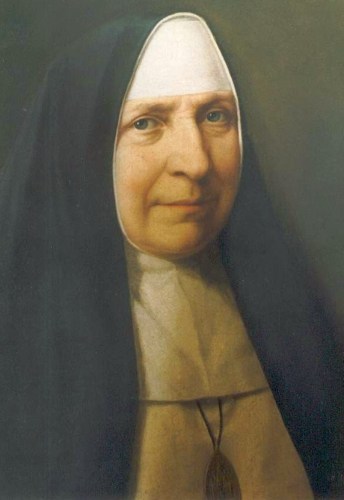
She served as the order’s first superior general from its founding until her death despite her frail health and frequent bouts of illness. In 1875, the Kulturkampf forced her and the order, to relocate to the Netherlands where she remained until her death in May 1894. After her death a devotional cult began at the site of her grave in Simpelveld.
The decree introducing her cause for beatification was issued in 1958 by Pope Pius XII, at which time she became titled a Servant of God. In 1991, following confirmation of her heroic virtue by Pope John Paul II, she was titled Venerable. Pope Francis confirmed a miraculous healing attributed to her intercession on 4 May 2017. Her beatification was celebrated in Aachen on 5 May 2018.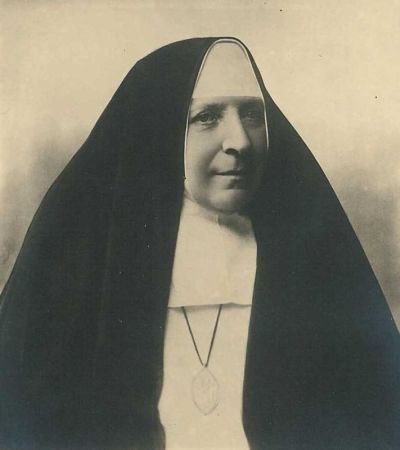
Memorial of Our Lady of Luján and of the Saints – 8 May
Apparition of Michael the Archangel at Monte Gargano, Italy (492)
About this Apparition: https://anastpaul.wordpress.com/2018/05/08/saint-of-the-day-8-may-apparition-of-michael-the-archangel-at-monte-gargano-italy-492/
Our Lady of Luján: The Virgin is a two feet tall terracotta statue of Our Lady. It was made in Brazil and sent to Argentina in May 1630. Its original appearance seemed inspired by Murillo’s Immaculates. In 1887, to preserve and protect it, the image was given a solid silver covering. It is usually clothed with a white robe and sky blue cloak, the colours of the Argentinian flag. Only the dark oval face with big blue eyes and the hands folded in prayer are now visible.
St Acacius of Byzantium
Bl Aloysius Luis Rabata
St Amatus Ronconi
Bl Angelo of Massaccio
St Arsenio of Mount Scete
St Benedict II, Pope
St Boniface IV, Pope
Bl Clara Fey (1815-1894)
St Desideratus of Bourges
Bl Domenico di San Pietro
St Gibrian
St Helladius of Auxerre
St Ida of Nivelles
St Martin of Saujon
St Metrone of Verona
St Odrian of Waterford
St Otger of Utrecht
St Peter of Besançon
Bl Pietro de Alos
Bl Raymond of Toulouse
Bl Teresa Demjanovich
Bl Ulrika Fransiska Nisch
St Victor Maurus
St Wiro of Utrecht
Saint of the Day – 7 May – St Agostino Roscelli ( 1818–1902)
Saint of the Day – 7 May – St Agostino Roscelli ( 1818–1902) aged 83, Priest, Founder of the Institute of Sisters of the Immaculata, Spiritual director, Apostle of prayer and charity, Social reformer, founder of training schools and programmes for young adults, both girls and boys, Chaplain to Prisoners and Orphanages – also known as Augustine Roscelli, Augustin Roscelli – born on 27 July 1818 at Bargone di Casarza Ligure, Italy and died on 7 May 1902 at Genoa, Italy of natural causes. St Agostino inspired social change in Genoa, Italy for children and disadvantaged women.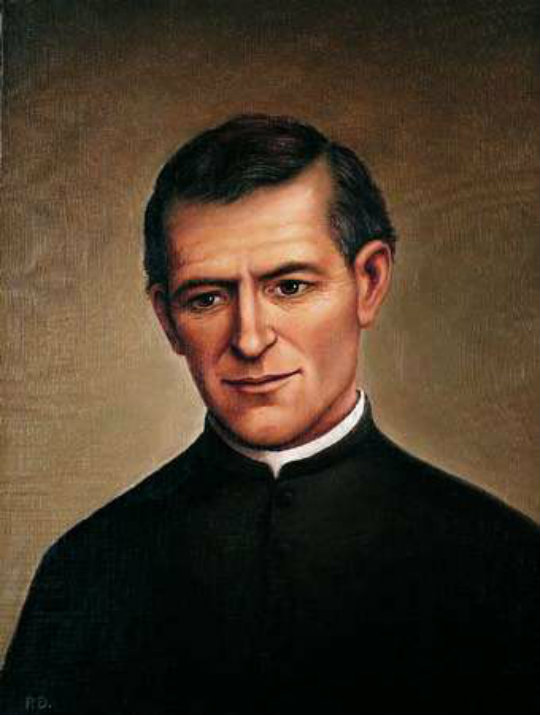
On 27 July 1818, Agostino was born in northern Italy. His parents, Domenico Roscelli and Maria Gianelli, had him baptised the same day out of fear that he may not survive. Despite his early health problems, Agostino would grow into a quiet intellectual, receiving his basic education from the parish priest, Fr Andrea Garibaldi. These times were brief however, as he would spend a large part of his childhood caring for his poor farming family’s sheep in the mountains. During these solitary times, he would fill his hours with prayer.
In May 1835, at the age of 17, Agostino attended a parish mission given by a visiting priest, Fr Antonio Maria Gianelli (1789– 1846) (parish priest of Chiavari and later bishop of Bobbio) and now a Saint and the founder of the Missionaries of St Alphonsus. (About St Anthony here: https://anastpaul.wordpress.com/2018/06/07/saint-of-the-day-7-june-st-anthony-mary-gianelli-1789-1846/)
This mission thoroughly convinced him he had a call to the priesthood, a calling that would not be easily achieved, considering the poor financial state his family was in. Despite this, he attacked the situation with prayer, which led to financial aid that allowed him to study in Genoa, Italy. One of his benefactors was Fr Gianelli who found him a post as a sacristan and guardian of a church attached to a girls school. He was ordained on 19 September 1846.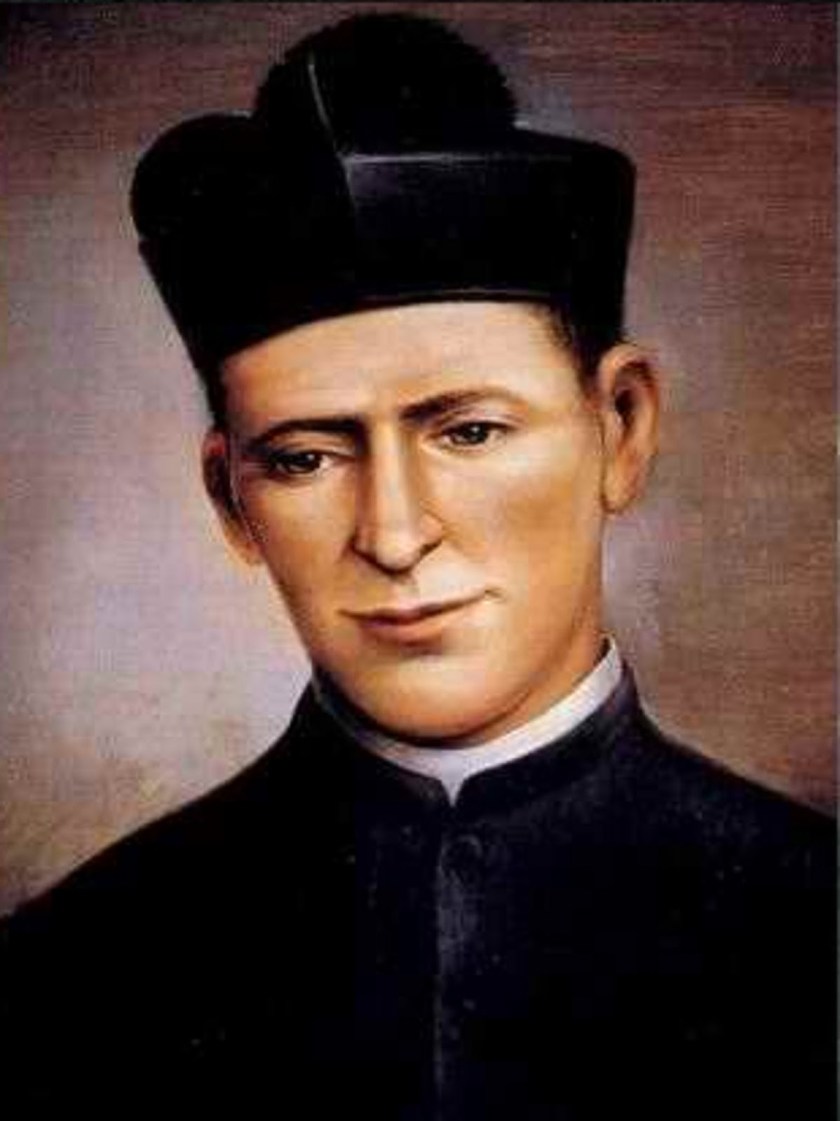
Agostino was shortly thereafter, appointed to a working class parish, San Martino d’Albaro, in 1846. He would later move to the Church of Consolation in Genoa in 1854. As a parish priest he soon made a positive impression with his obvious zeal and austerity of life. He spent long hours in the confessional, which developed his deep concern for the youth of the area. The boys of the parish were often tempted into a life of crime, having little to no education or hope of finding work. The girls were even worse off, having less education than the boys and were liable to seek menial work in the city, often being seduced or enticed into a life of prostitution.
Seeing a great need for change, Agostino set about forming a new type of job training for girls. He gathered together a group of young women and with them founded a “sewing workshop”, in which girls could receive practical and professional training as well as Christian instruction. 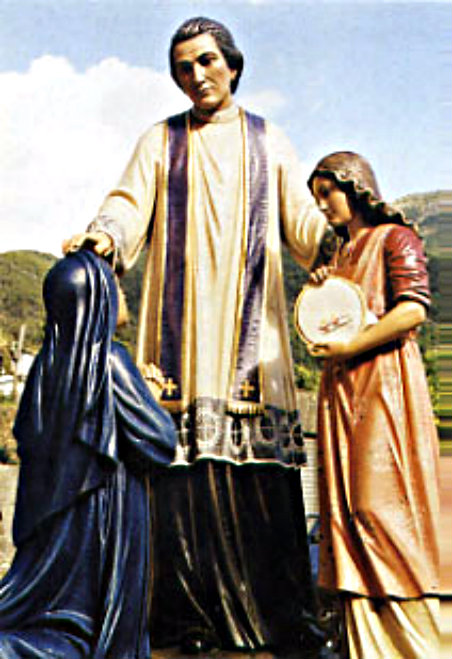 Not wanting to neglect the boys, he would also found a “young craftsman” institute for them in 1858. He would later go on to establish a residential school to train young women who were in danger of starvation or falling into prostitution because they had no support.
In 1872, Agostino began a ministry to prisoners, working especially with those condemned to death. Two years later, in 1874, he was appointed Warden and Chaplain of the new provincial orphanage, Monte dei Fieschine, a post he held for 22 years. During that time he would baptise over 8,000 children, as well as providing care for young single mothers, not condemning them but seeing them as simple souls led astray on account of lack of rewarding work.
He lived in an atmosphere of intense prayer, something that would inspire those around him, especially his helpers. The women who ran the sewing workshop, known as “Roscelli’s Collaborators”, decided their mission would be greatly helped if they were to consecrate themselves to Christ in a more formal way. Agostino was reluctant to start a religious congregation but was encouraged to seek the advice and approval of Pope Pius IX.
Pope Pius IX’s reply was simple, “May God bless you and your good works”. 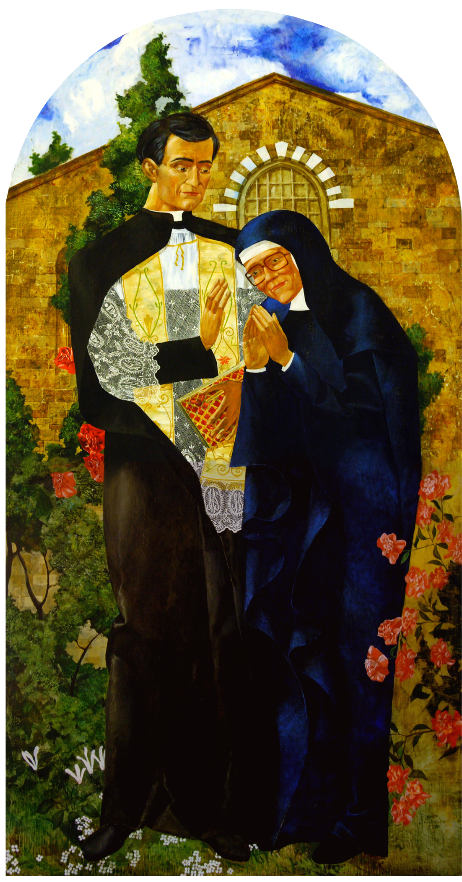 This was what Agostino needed however and he would go on to found the Institute of Sisters of the Immaculata on 15 October 1876. Agostino would induct the first of the nuns a week later, going on to act as their spiritual director. He would oversee the early growth of the order beyond Genoa and eventually beyond Italy.
Until the very end of his life, St Agostino would describe himself simply as a “poor priest”, ever humble as to his accomplishments. On 7 May 1902, he died of natural causes in Genoa, Italy. He was 83 years old.
On 17 May 1995, Agostino was officially declared Blessed by St Pope John Paul II. He said:
“A spiritual feature characteristic of Blessed Agostino Roscelli…was to work at the service of his brothers and sisters without ever neglecting his interior union with the Lord. The true contemplative is the one who is able to work with greater force and incisiveness for the salvation of souls and the good of the Church. The new blessed’s apostolic activity was truly fruitful because it flowed from a genuine mystical and contemplative life. His ardent love for God, enriched by the gift of wisdom, enabled him to give himself as far as possible to serving his neighbour without ever being separated from the Lord.”… St John Paul at the Beatification ceremony.”
99 years after his death, Agostino was officially declared a Saint by St Pope John Paul II on 10 June 2001.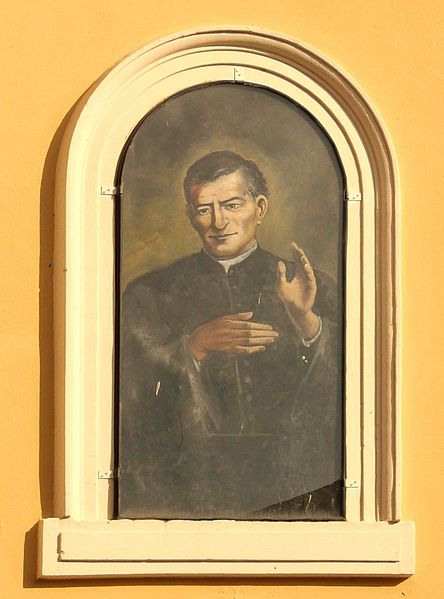
“‘Great is his love for us.’ The love of God for men is manifested with particular clarity in the life of St Augustine Roscelli, whom we contemplate today in the splendour of holiness. Its existence, imbued with deep faith, can be considered a gift offered to the glory of God and for the good of souls. It was faith which made him always obedient to the Church and its teachings, in docile adherence to the Pope and to their own bishop. By faith he knew how to draw comfort in sad and harsh difficulty and in painful events. Faith was the solid rock to which he held on tightly to not give in to discouragement. This same faith led him to feel it his duty to communicate it to others, especially to those who approached the ministry of confession. He became a master of the spiritual life, especially for the sisters that he founded, which saw him serene even in the most trying situations. St Augustine Roscelli exhorts us always to trust in God, immersing us in the mystery of His love.”… St John Paul’s homily at the Canonization of Agostino Roscelli, 10 June 2001.
Below is his birthplace and the plaque outside.


Apparition of the Holy Cross over Jerusalem and Memorials of the Saints – 7 May
Apparition of the Holy Cross over Jerusalem: Commemorates the appearance on 7 May 351, Pentecost that year, of a luminous image of the Holy Cross in Jerusalem. It stretched from Mount Golgotha to the Mount of Olives (about two miles / three kilometers), was brighter than the sun, lasted several hours and was seen by the entire city. It led to many conversions and was reported in a letter attribued to Saint Cyril of Jerusalem.
—
St Abba
St Agostino Roscelli ( 1818–1902)
Bl Albert of Bergamo
Bl Antonio de Agramunt
St Augustine of Nicomedia
St Augustus of Nicomedia
St Cerenico of Spoleto
St Domitian of Huy
St Duje
St Flavia Domitilla of Terracina
St Flavius of Nicomedia
Bl Francesco Paleari
Bl Gisela of Ungarn
Bl Jan Eugeniusz Bajewski
St John of Beverley
St Juvenal of Benevento
St Maurelius of Voghenza-Ferrara
Bl Miqael of Ulompo
St Peter of Pavia
St Placid of Autun
St Quadratus of Herbipolis
St Quadratus of Nicomedia
St Rose Venerini (1656-1728)
About St Rose: https://anastpaul.wordpress.com/2018/05/07/saint-of-the-day-7-may-st-rose-venerini-1656-1728/
St Serenicus of Hyesmes
St Serenus of Hyesmes
Bl Villanus of Gubbio
Thought for the Day – 6 May – The Contest of Faith
Thought for the Day – 6 May – Monday of the Third week of Easter, Gospel: John 6:22–29 and the Memorial of St Francois Laval (1623-1708)
The Contest of Faith
Saint Cyprian of Carthage (200-258)
Bishop, Martyr, Father of the Church and Martyr
An excerpt from his Letter 58
Dear brothers, the commands of the Gospel are nothing else than God’s lessons, the foundations on which to build up hope, the supports for strengthening faith, the food that nourishes the heart. They are the rudder for keeping us on the right course, the protection that keeps our salvation secure. As they instruct the receptive minds of believers on earth, they lead safely to the kingdom of heaven.
As we do battle and fight, in the contest of faith, God, His angels and Christ Himself, watch us. How exalted is the glory, how great the joy of engaging in a contest with God presiding, of receiving a crown, with Christ as judge.
Dear brethren, let us arm ourselves with all our might, let us prepare ourselves for the struggle with uncorrupted minds, with a whole faith and with devoted courage.
The blessed Apostle teaches us how to arm and prepare ourselves – Put round you the belt of truth, put on the breastplate of righteousness, for shoes wear zeal for the Gospel of peace, take up the shield of faith to extinguish all the burning arrows of the evil one, take the helmet of salvation and the sword of the spirit, which is the word of God.
Let us take this armour and defend ourselves with these spiritual defences from heaven, so that when the evil day comes we may be able to resist the threats of the devil and fight back against him.
Let us put on the breastplate of righteousness so that our breasts may be protected and kept safe from the arrows of the enemy. Let our feet be shod in the teaching of the Gospel and armoured so that when we begin to trample on the serpent and crush it, it will not be able to bite us or trip us up.
Let us with fortitude bear the shield of faith to protect us by extinguishing all the burning arrows that the enemy may launch against us.
Let us wear on our head the helmet of the Spirit, to defend our ears against the proclamations of death, to defend our eyes against the sight of accursed idols, to defend our foreheads so that God’s sign may be kept intact and to defend our mouths, so that our tongues may proclaim victoriously the name of Christ their Lord.
Let us arm our right hand with the sword of the Spirit so that it may courageously refuse the daily sacrifices and let the hand—mindful of the Eucharist—that took hold of the body of the Lord, embrace the Lord Himself and so gain from the Lord the future prize of a heavenly crown.
Dear brethren, have all this firmly fixed in your hearts. If the day of persecution finds us thinking on these things and meditating upon them, the soldier of Christ, trained by Christ’s commands and instructions, will not tremble at the thought of battle but will be ready to receive the crown of victory. Amen!
St Francois Laval, who have received the Crown, please pray for us!
One Minute Reflection – 6 May – “Our first aim is to go to God…”
One Minute Reflection – 6 May – Monday of the Third week of Easter, Gospel: John 6:22–29
“Do not labour for the food which perishes but for the food which endures to eternal life, which the Son of man will give to you...”John 6:27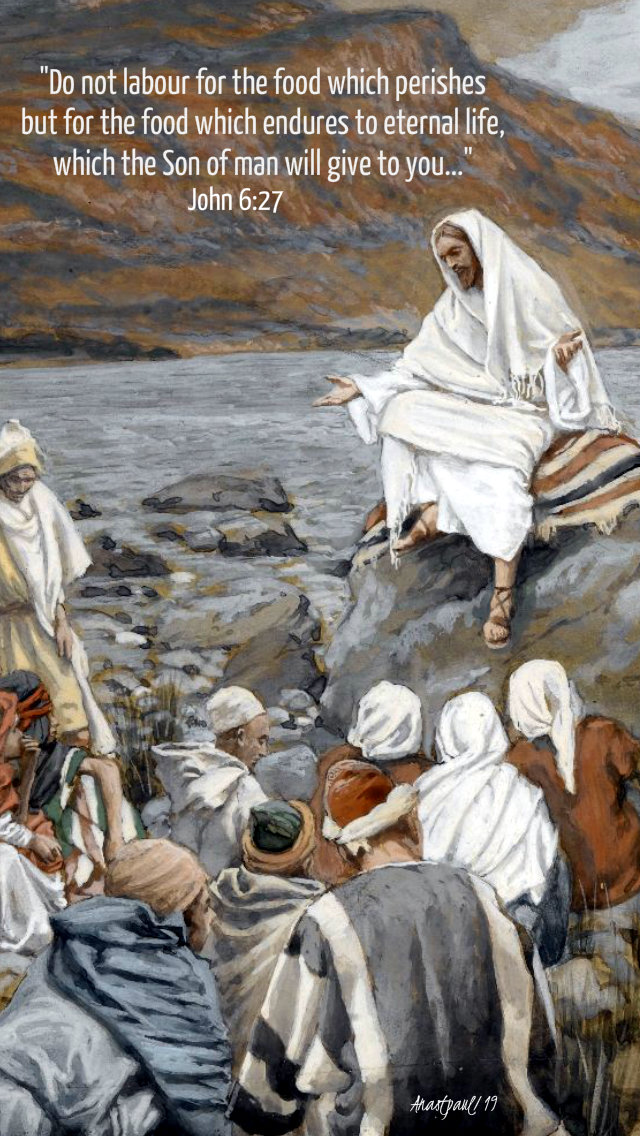
REFLECTION – “Someone who works frenziedly on Sundays, thinking he is going to earn more money or get more done, is making a mistake in his calculations! Can two or three dollars ever compensate for the harm he does himself by violating the law of God? You imagine everything depends on your work, but then an illness, an accident…! It takes so little: a storm, hail, frost… Do not work for food that perishes but for that which dwells in eternal life. What will you gain by having worked on Sunday? You leave the land just as it is when you depart; you do not carry anything away. Our first aim is to go to God, we are not on earth for anything but this! My brethren, we should die on Sundays and come back to life again on Mondays. Sunday belongs to God – it is His day, the Day of the Lord. He made all the days of the week and could have kept them all. He has given you six of them and has only held back the seventh for himself!”…St John Vianney (1786-1859)
PRAYER – King of heaven and earth, Lord God, rule over our hearts and bodies this day. Sanctify us and guide our every thought, word and deed, according to the commandments of Your law, so that now and forever, Your grace may free and save us. Let us walk in Your ways and be your lights and thus by our lives, help others to follow You. Grant that the prayers of our blessed Mother, the Mother of Jesus Your Son and St Francois Laval, who always lived for You alone, may help us, as we work through each day to reach our heavenly home. Through Jesus the Lord, with the Holy Spirit, God now and forever, amen.

Saint of the Day – 6 May – St Francis-Xavier de Montmorency Laval (Francois Laval) (1623-1708)
Saint of the Day – 6 May – St Francis-Xavier de Montmorency Laval (1623-1708) Bishop, Missionary, Apostle of Prayer, of the Poor and the sick, of great Charity, Reformer,founder of schools, hospitals, churches, the first Seminary in Canada, he took took a great interest in practical education for craftsmen and farmers, founding a school of arts and crafts, Social reformer, administrator, commonly known as St Francois Laval, was the first Bishop of Quebec, appointed when he was 36 years old by Pope Alexander VII.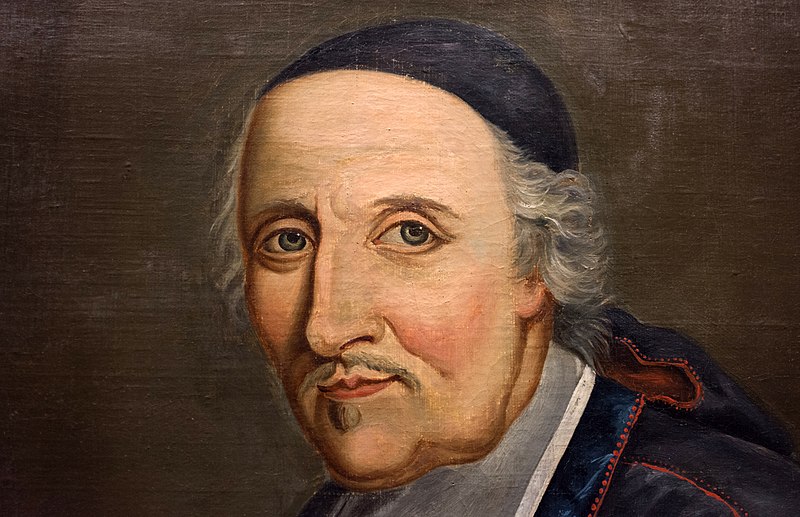
Born of a noble background in France’s Perce province in 1623, St François Laval was trained and educated by Jesuits. During those formative years the young Laval grew in awareness of the order’s missionaries in North America. He was impressed by their missionary zeal to such a degree that he wanted to join their work, following in the footsteps of his missionary namesake St Francis Xavier. Ordained a diocesan priest in 1647, it seemed that Father Laval would be unable to fulfil his missionary dreams because of obligations with several ecclesiastical appointments in France within the first years following his ordination. However, the dream seemed closer to a reality after spending more than a year in Rome training to become an apostolic vicar to missionary regions in Asia. Father Laval was disappointed to learn that the mission ceased to develop after a variety of political problems arose.
He returned to his native France and spent three years living in a retreat house called the Hermitage at Caen. In his time there, his reputation grew as a man dedicated to prayer and works of charity. He also helped in reforming monasteries. Bishop François de Servien of Bayeaux described the zealous priest to be of “great piety, prudent and of unusually great competence in business matters (and) fine examples of virtue.” Taking into consideration these qualities and his earlier experience in Rome, Father Laval’s appointment as apostolic vicar to New France in 1659 made good sense.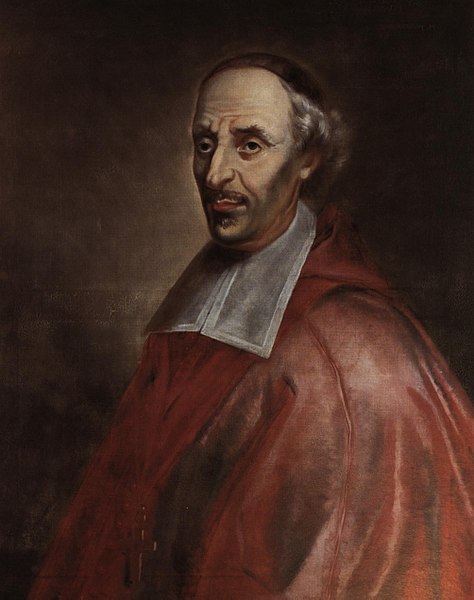
French exploration and colonisation in the New World having begun some 50 years earlier, the ministry of a bishop became a necessity in 1646. Ecclesiastical authority of New France initially was given to the archbishop of Rouen, France and Father Laval was appointed his delegate in the New World in 1658. He was then ordained a bishop the next year in Paris by France’s apostolic nuncio and arrived in Quebec by mid-June. From the very beginning of his time in the New World, Bishop Laval was regarded as a consummate pastor. His first day was marked by baptising a young Huron and administering the last sacraments to a dying man. A funeral orator remembered the newly arrived bishop as even helping the sick “make their beds every day and performing all of the most demeaning services for the sick.” His life as bishop also was marked by simplicity and poverty and he was generous with the poor. “He gives away everything and lives in poverty,” St Marie Guyart (1599-1672) said of Bishop Laval. “His home, his life, his furnishings, his servants are all a reflection of how he lives his live in poverty.”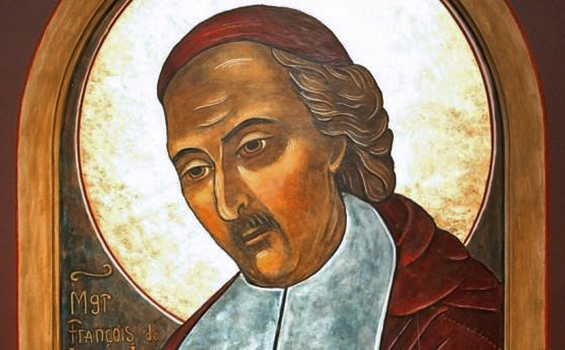
In 1674, Bishop Laval successfully requested that the Holy See erect a separate diocese — the first in the New World north of Mexico — encompassing most of North America. In his tenure as bishop of the vast diocese, he was responsible for building an ecclesiastical infrastructure. Parishes and hospitals were constructed at his direction. He was a great proponent of building a strong educational system for all, not just the elite. The project of which he was proudest was the Grand Seminaire, founded in 1663 to support the Church of New France by training future priests and leaders. It housed an academy and a home for priests. Bishop Laval shared a large part of the administration of the Seminary but he was met with great resistance when he levied an ecclesiastical tax on parishes and farms in order to provide for the upkeep of the seminary. The seminary eventually evolved into Laval University, the oldest institution of higher education in Canada.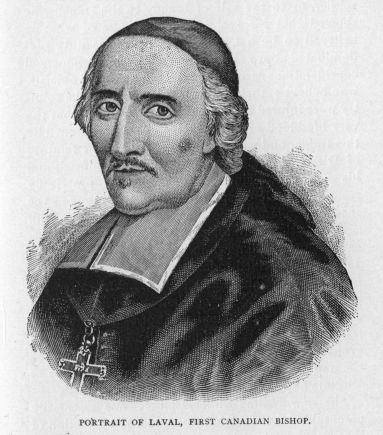
His ecclesiastical position required that he be involved in a certain amount of colonial politics and he was never afraid to disregard civil authority when needed. He boldly defended civil rights in the New World, especially among the natives. Recognising the destructive behaviour among Native Americans when introduced to alcohol, he excommunicated those who sold it to the natives. His decision was supported by a royal decree in 1679.
As his health began to show signs of deterioration in 1688, he resigned his office. He spent several years in retirement caring for the poor and living a life of prayer. He experienced great sorrow in his declining years as he witnessed two raging fires at his beloved seminary, which was rebuilt with his assistance.
Bishop Laval died in 1708 after developing a stomach ulcer, though he never missed a Mass or a day of fasting.  An observer of his funeral noted, “Immediately after his death the people canonised him, as it were, having had the same veneration for his body as for those of the saints … they even cut off pieces of his robe, which several have had enshrined in silver and they treat them as relics.”
His body was placed in the Cathedral-Basilica of Notre-Dame de Québec (“Our Lady of Quebec City”) he had built, however, his heart was kept in the chapel of the seminary to which he had dedicated a large part of his life and love.
He was Beatified on 22 June 1980, in Vatican City, by St Pope John Paul II and was granted equipollent Canonisation by Pope Francis on 3 April 2014. The city of Laval, Quebec, north of Montreal, is named after him.
Memorials of the Saints – 6 May
St Acuta
Bl Anna Rosa Gattorno (1831-1900)
Biography: https://anastpaul.wordpress.com/2018/05/06/saint-of-the-day-6-may-blessed-anna-rosa-gattorno-1831-1900/
Bl Anthony Middleton
Bl Bartolomeo Pucci-Franceschi
St Benedicta of Rome
St Colman Mac Ui Cluasigh of Cork
St Colman of Loch Eichin
St Edbert of Lindisfarne
Bl Edward Jones
St Evodius of Antioch
St Francis-Xavier de Montmorency Laval (1623-1708)
St Heliodorus
Bl Henryk Kaczorowski
St James of Numidia
St Justus of Vienne
Bl Kazimierz Gostynski
St Lucius of Cyrene
Bl Maria Catalina Troiani
St Marianus of Lambesa
Bl Peter de Tornamira
St Petronax of Monte Cassino
St Protogenes of Syria
Bl Prudence Castori
St Theodotus of Kyrenia
St Venerius of Milan
St Venustus of Africa
St Venustus of Milan
Bl William Tandi
One Minute Reflection – 5 May – “Jesus was standing on the shore”
One Minute Reflection – 5 May – Third Sunday of Easter, Year C, Gospel: John 21:1–19 and the Memorial of Saint Nunzio Sulprizio (1917-1836)
“When it was already dawn, Jesus was standing on the shore”...John 21:4
REFLECTION – “When it was already dawn, Jesus was standing on the shore”
What does the sea indicate but the present age, which is disturbed by the uproar of circumstances and the commotion of this perishable life? What does the solidity of the shore signify but the uninterrupted continuance of eternal peace? Therefore, since the disciples were still held in the waves of this mortal life, they were labouring on the sea. But since our Redeemer had already passed beyond His perishable body, after His Resurrection, He stood on the shore, as if He were speaking to His disciples by His actions, of the mystery of His Resurrection: “I am not appearing to you on the sea, because I am not with you in the waves of confusion” (Mt 14:25)
It is for this reason that He said, in another place, to these same disciples after his Resurrection: “These are the words I spoke to you when I was still with you” (Lk 24:44). It was not that He wasn’t with them, when He appeared to them as a bodily presence but… He, in His immortal body, was apart from their mortal bodies. He was saying, that He was no longer with them, even as He stood in their midst. In the passage we read today, He also disclosed, by the place in which He was standing, when He showed Himself on the shore, while they were still at sea, what He professed, when he was with them.”…St Pope Gregory the Great (540-604) Father & Doctor of the Church
PRAYER – Lord God, grant Your people constant joy in the renewed vigour of their souls. They rejoice because You have restored them to the glory of Your adopted children, let them look forward gladly to the certain hope of the resurrection. May the prayers of our Blessed Mother and St Nunzio, who so bravely fought the good fight, be of assistance to us amidst the storms of this mortal life. We make our prayer through our Resurrected Christ, with the Holy Spirit, one God forever, amen, alleluia!

Saint of the Day – 5 May – Saint Nunzio Sulprizio (1917-1836)
Saint of the Day – 5 May – Saint Nunzio Sulprizio (1917-1836) Aged 19 – Layman – also known as “Nuntius” born on 13 April 1817 at Pescosansonesco, Pescara, Abruzzi, Italy and died on 5 May 1836 in Naples, Italy. Patronages – the disabled, blacksmiths, Workers, Pescosansonesco. St Nunzio suffered from poor health during his brief life and was considered by those who knew him to be a gentle and pious individual. He was Beatified in late 1963 by St Pope Paul VI, after the recognition of two miracles (direct healings) attributed to his intercession. Pope Francis confirmed his Canonisation on 8 June 2018 after the confirmation of a third miracle and Nunzio was Canonised on 14 October 2018, together with Blessed Pope Paul VI, Blessed Oscar Romero (martyr) and others.
Nunzio Sulprizio was born on 13 April 1817 to Domenico Sulprizio and Rosa Luciani just after Easter. He was named after his paternal grandfather Nunzio who died on 8 September 1803. His parents had married on 28 May 1816 and he was born during a time of great famine. He was baptised before sunset mere hours after his birth. His parents took him to the Bishop of Sulmona Francesco Tiberi on 16 May 1820 so he could receive his Confirmation in the faith.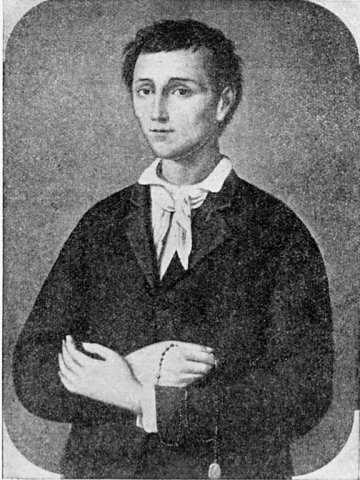
His father died on 31 July 1820 and his mother remarried in 1822 for financial support to a much older man, his little sister Domenica died just months after their father on 7 December 1820. His stepfather viewed Sulprizio with little more than harshness and contempt. The relationship between the two was nonexistent and Sulprizio bonded more with his mother and maternal grandmother. During this period of his childhood, he attended the school in Corvara that the priest De Fabiis managed. It was around this time, he also started to attend school that a local priest ran where he learned to read and to write. In his childhood, he took the time to attend Mass and come to know Jesus Christ but also to follow His example and that of the saints.
His mother died on 5 March 1823 and he was sent to live with his maternal grandmother Anna Rosaria Luciani del Rossi who was illiterate but firm in the faith. The two often took walks together and attended Mass on a regular basis. He also began to attend the school for poor students that Father Fantacci managed but his grandmother died only 3 years later, on 4 April 1826.
It was following this that his uncle – Domenico Luciani, took him on as an apprentice blacksmith. His uncle was harsh on him and often left him without proper nourishment and did not feed him if he decided that Nunzio needed either discipline or correction. He sent Nunzio to run errands regardless of the distance which put a great strain upon him. He was also beaten or cursed. The work was too heavy for his frail frame and his young age. He contracted a disease in 1831. This occurred one winter morning when his uncle sent him to the slopes of Rocca Tagliata for supplies. That evening he became feverish and had a swollen leg and a burning temperature, forcing him to bed. He did not mention this to his uncle, though the next morning he could no longer stand. His uncle was indifferent to his suffering. His condition was later diagnosed as gangrene in one leg. He was hospitalised first in L’Aquila between April and June and then in Naples. Despite his pain he dealt with it with patience and his offering his pain to God.
During his illness at home he needed to clean his sore on a constant basis since it oozed puss. There was one occasion where he went to a stream close to home to clean his wound but a woman who came to wash her clothes chased him away, after telling him that he would pollute the water. Instead he found another stream and was able to recite several rosaries as he let the water clean his sore.
In the hospital, Nunzio later met his paternal uncle – Francesco Sulprizio (a soldier) – who introduced him to a fellow soldier, Colonel Felice Wochinger. His uncle introduced him to that colonel in 1832. The two’s relationship soon grew until it became that of father and son. St Gaetano Errico (1791-1860), a priest – promised him that he would admit him into his religious order when the time was right. On 20 June 1832 he entered the Hospital of the Incurables to seek further treatment with the colonel providing for all his needs during this time. He also prepared for his First Communion and was enthusiastic about receiving it earlier, despite the fact that rules dictated that he had to be fifteen. He was sent by the Colonel for spa treatments on the island of Ischia and was able to abandon crutches in favour of a simple walking stick.
In 1835 the doctors decided to amputate his leg as their sole option but his pain continued. His situation worsened in March 1836 and his suffering increased when his fever increased. He continued to place his trust in God and was well aware of the fact that the end was near. Two months later on the date of his death he asked for a crucifix to be brought to him before summoning his confessor to receive the sacraments for the last time. He died in 1836. His remains are now located in the Church of San Domenico Soriano in Naples. Decades after his death Pope Leo XIII proposed Sulprizio as a model for workers.
The miracle that led to his Canonisation concerned a man who was injured in a motorbike accident who fell into a coma. One relic of St Nunzio was – at the request of his relations – placed in his hospital room. Almost a week later his parents were told he had made remarkable progress and had awakened from his coma and not in a vegetative state as was predicted by all the doctors concerned.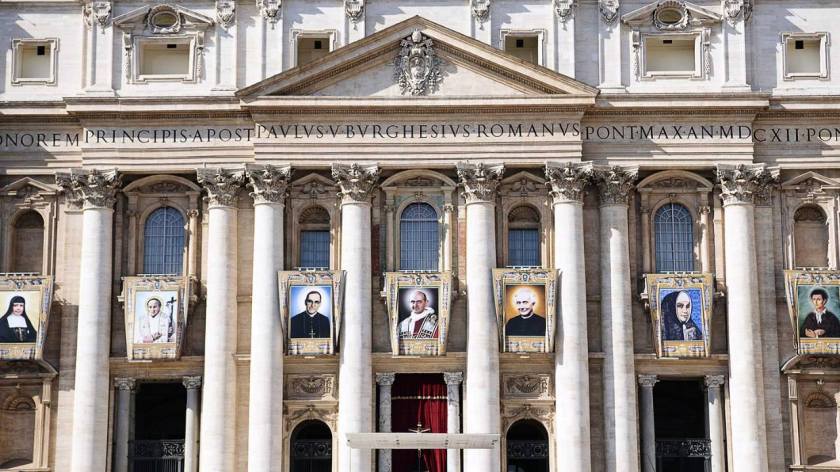

Third Sunday of Easter, Year C *2019 and Memorials of the Saints – 5 May
Third Sunday of Easter, Year C *2019
St Angelus of Jerusalem
St Avertinus of Tours
Bl Benvenuto Mareni
St Britto of Trier
Bl Caterina Cittadini (1801-1857)
Biography: https://anastpaul.wordpress.com/2018/05/05/saint-of-the-day-5-may-blessed-caterina-cittadini-1801-1857/
St Crescentiana
St Echa of Crayke
St Eulogius of Edessa
St Euthymius of Alexandria
St Geruntius of Milan
St Godehard of Hildesheim
Bl Grzegorz Boleslaw Frackowiak
St Hilary of Arles
St Hydroc
St Irenaeus of Thessalonica
St Irenes of Thessalonica
Bl John Haile
St Jovinian of Auxerre
St Jutta Kulmsee
St Leo of Africo
St Maurontius of Douai
St Maximus of Jerusalem
St Nectarius of Vienne
St Nicetas of Vienne
St Nunzio/Nuntius Sulprizio (1917-1836) Aged 19
St Peregrinus of Thessalonica
St Sacerdos of Limoges
St Sacerdos of Saguntum
St Silvanus of Rome
St Theodore of Bologna
St Waldrada of Metz
Quote of the Day – 4 May – Do and want God’s will
Quote of the Day – 4 May – Saturday of the Second Week of Easter,Gospel: John 6:16–21 and the Memorial of St José Maria Rubio y Peralta SJ (1864-1929)
“Do what God wants and want what God does.”
St José Maria Rubio (1864-1929)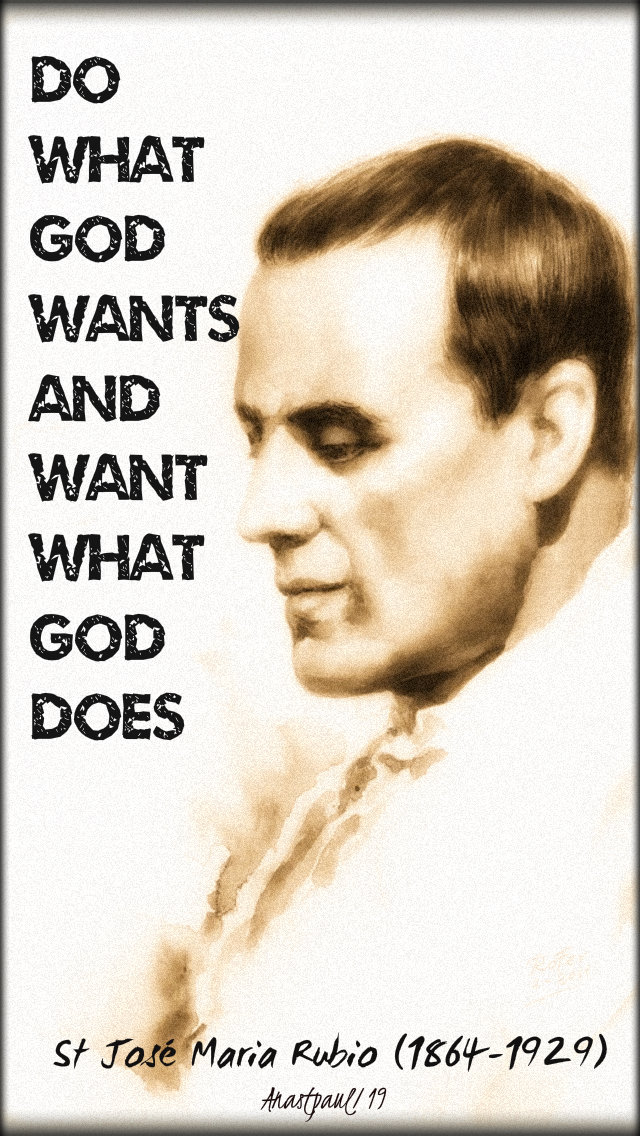
One Minute Reflection – 4 May – “It is I, be not afraid.”
One Minute Reflection – 4 May – Mary’s Month and a Marian Saturday of the Second Week of Easter,Gospel: John 6:16–21 and the Memorial of St José Maria Rubio y Peralta SJ (1864-1929)
“It is I, be not afraid.”…John 6:20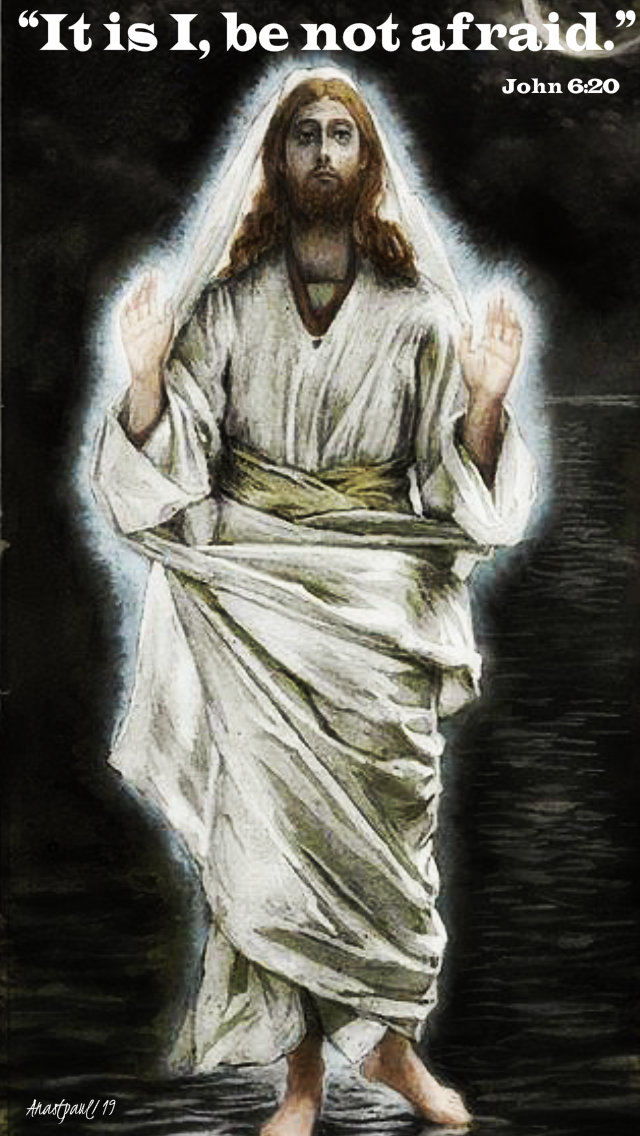
REFLECTION – Saint Teresa Benedicta of the Cross [Edith Stein] (1891-1942)
Carmelite, martyr, co-patron of Europe – “At the Helm”
Fierce are the waves, Lord, rough the seas,
And dark, so dark, the night.
I beg of You to grant me, please,
On lonely vigil, light.
Then steer your ship with steady arm,
Trust me and rest your soul.
Your little boat I’ll keep from harm,
I’ll guide it toward its goal.
Be firm of purpose as you keep
The compass e’er in view.
Through stormy night you’ll cross the deep,
’twill help you to steer true.
The needle trembles faintly, then
Holds steady and prevails;
It points your way and guides you when
I, God, direct your sails.
Be therefore steadfast, calm and true,
Your God is at your side.
Through storm and night He’ll see you through
With conscience as your guide.
PRAYER – Let us praise You Lord, with voice and mind and deed and since life itself is Your gift, may all we have and are, be Yours! May our Mother be with us and pray for us and listen, we pray, to the prayers of St José Maria Rubio as we ask his intercession. Through Christ our Lord, with the Holy Spirit, in union with You, one God for all eternity, amen.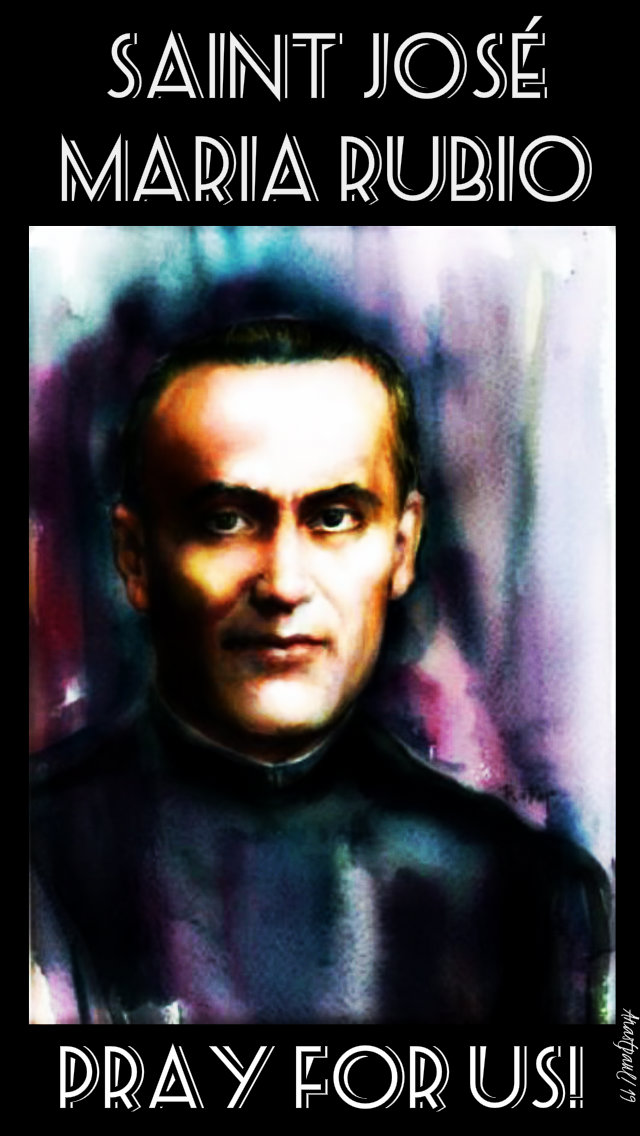
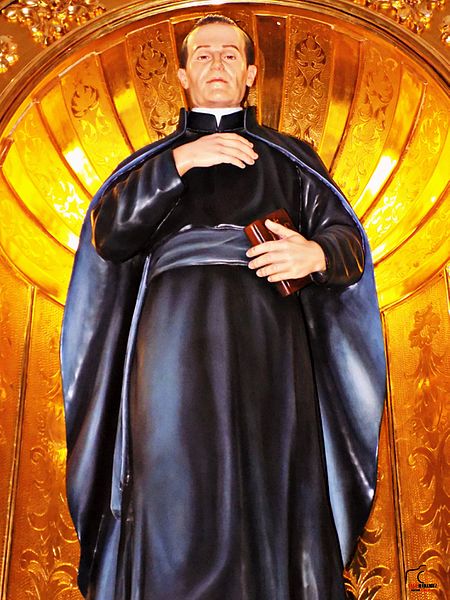
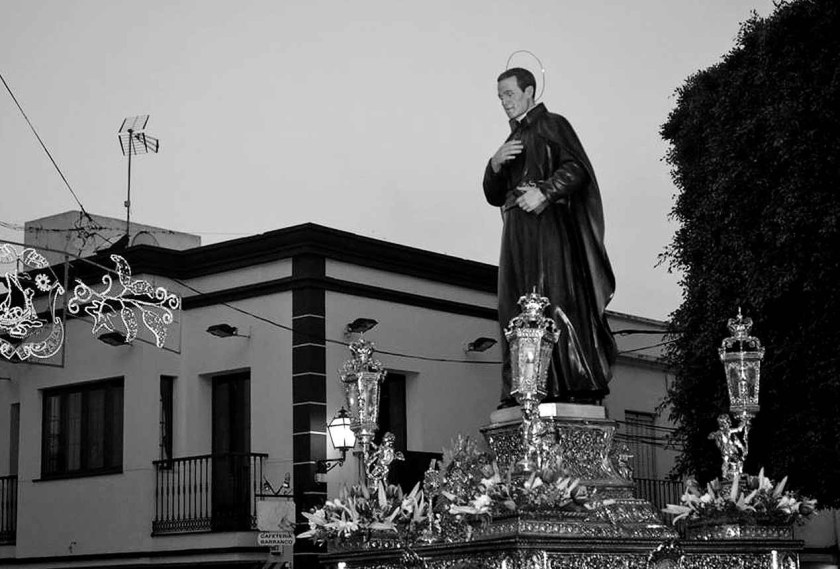
Saint of the Day – 4 May – Saint Jose Maria Rubio y Peralta SJ (1864-1929) “the Apostle of Madrid” and “Father of the Poor”
Saint of the Day – 4 May – Saint Jose Maria Rubio y Peralta SJ (1864-1929) aged 64 “the Apostle of Madrid” and “Father of the Poor” – Professed Jesuit Priest, Confessor, Professor, Preacher, Spiritual Director, Apostle of Eucharistic Adoration, Prayer and the Poor, endowed with the gifts of miracles, prophesy and bilocation. Born on 22 July 1864 in Dallas, Spain and died on 2 May 1929 in Aranjuez, Spain.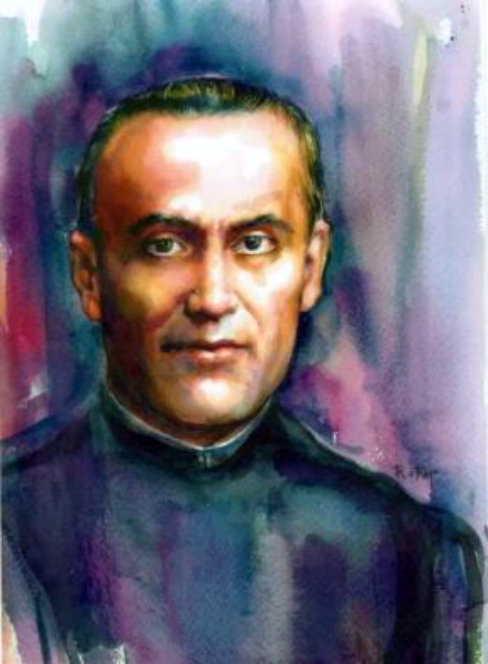
José María Rubio was born on 22 July 1864 in Dalías, Spain. His parents were farmers and he was one of 12 children, six of whom died at a young age. He was given a Christian upbringing and in 1875, began secondary school in Almería. As José María felt called to become a priest, he transferred to the diocesan seminary in 1876 to continue his academic pursuits. In 1878 he moved to the major seminary of Granada, where over the years he completed studies in philosophy, theology and canon law. On 24 September 1887 he was ordained a priest.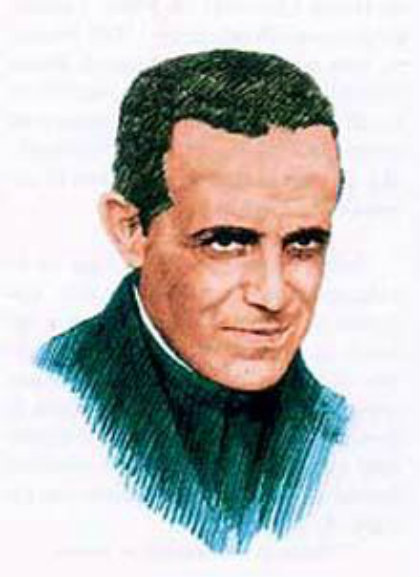
At this time, he also felt called to become a Jesuit but since he was impeded by circumstances – he took care of an elderly priest who needed assistance – he could not fulfil this wish for 19 years. In the years after his ordination, Fr Rubio was also busy as a vice-parish priest in Chinchón and then as parish priest in Estremera. In 1890, the Bishop called him to Madrid, where he was given the responsibility of synodal examiner. He also taught metaphysics, Latin and pastoral theology at the seminary in Madrid and was chaplain to the nuns of St Bernard.
In 1906, after a pilgrimage to the Holy Land the previous year, he entered the Jesuit novitiate in Granada. On 12 October 1908 he made his religious profession.
Fr Rubio was exemplary in his pastoral ministry, sustained and nurtured by his profound spiritual life. The Bishop of Madrid called him “The Apostle of Madrid” and the faithful sought him out from the early morning hours for confession and to receive spiritual direction.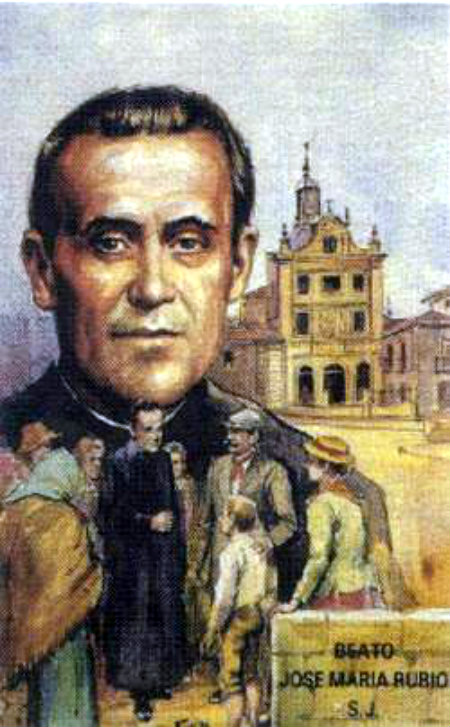
He was known for his incisive, simple preaching that moved many to conversion . He also had particular devotion to the poor, always providing them with the material and spiritual assistance they needed.
Through his preaching and spiritual direction, Fr Rubio was able to attract and guide many lay people who wanted to live their Christian faith authentically and assist him in the mission of helping the poor. Under his guidance, they opened tuition-free schools which offered academic formation as well as instruction in various trades . They also assisted the sick and disabled and tried to find work for the unemployed.
Fr Rubio was always the heart and soul of all of these works but he remained in the background, preferring to let his collaborators take centre stage. For this reason and to help them develop well, the gifts that God had given them, he gave the laity the main responsibility and taught them to live and act like the Apostles of the Lord Jesus.
Fr Rubio also organised popular missions and spiritual exercises in the poorest zones of the city, because he believed the poor must be helped fully, both spiritually and materially and that they must be encouraged and loved for who they are – for their own human dignity.
The most important aspect of the apostolate for Fr Rubio was prayer, adoration of Jesus in the Blessed Sacrament was the centre of his entire life. The love of Christ was what Fr Rubio wanted to give to the poor. For him and his collaborators, prayer came first and it was through this intense prayer life that they received the strength to minister in the poorest and most abandoned areas of Madrid and to assist the people spiritually.
Fr José María Rubio died on 2 May 1929 in Aranjuez. He was beatified on 6 October 1985 and Canonised on 4 May 2003 on both occasions by St John Paul II….Vatican.va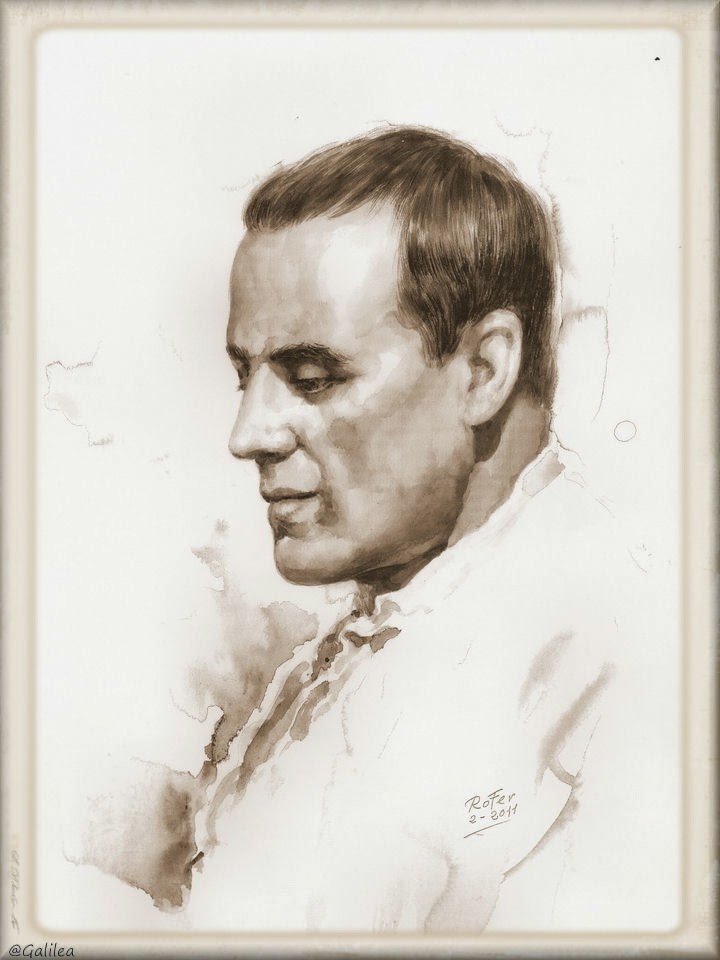
St Jose Maria was a withdrawn and a modest man, of great charity and tireless devotion to work. He excelled as a preachre and as a regular confessor, which caused long lines of faithful who were looking into it further support and spiritual help. His effectiveness and reputation grew quickly throughout the city. He was noted for his love of the poor, who came forward for help. He developed his evangelical work in towns and suburbs and founded and organised several associations such as the “Guard of Honour of the Sacred Heart,” the work of the “Marys of the Tabernacles” and social schools in Ventilla neighbourhoods, aided by young teachers Juan and Demetrio de Andrés, known as “Ventilla Martyrs” killed during the Civil War, 1936.
Miracles of St José María Rubio
VISIT TO A DYING MAN
While confessing, a lady came and gave him the directions to a man who had to confess soon, as he was dying. That evening, Father Rubio went to visit the dying man and following the directions, he had to go to a third floor without a lift. When he finally arrived, knocked and asked for the gentleman, “It’s me” the gentleman said “but I think that someone has played a practical joke on you, as you see I’m in perfect health. Come on, man! have a drink and relax after you have had to climb so many stairs.” Entering the room, Rubio saw a portrait on the wall and while the man served him a drink. Father Rubio said that the lady was the one who sent him. The man laughed and said that the lady was his mother who died some years ago. Then, the gentleman said; “Look, anyway, as you are here, I’m going to confess because it’s been years since I entered a church and so your journey will not have been in vain”. He confessed and died that night.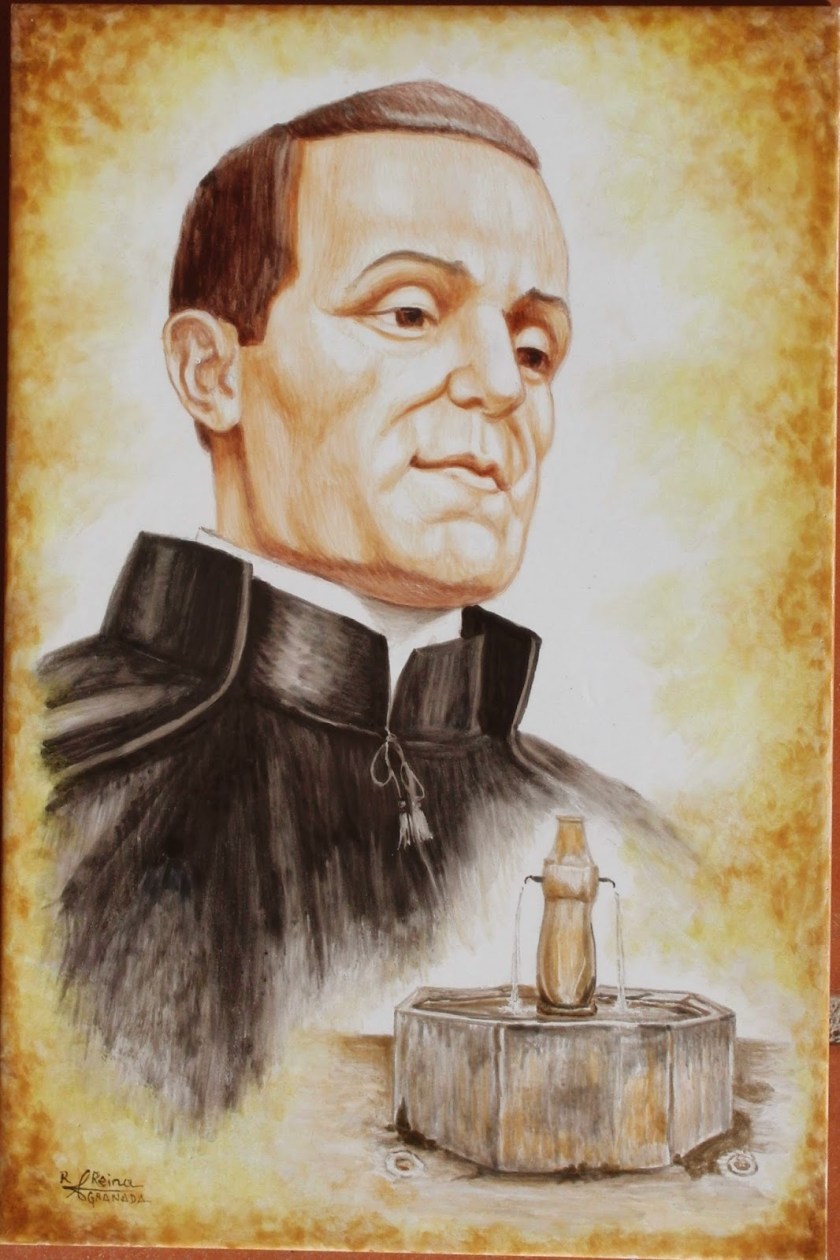
THE SEAMSTRESS
A seamstress from Madrid confessed that her father hated the faith and considered the Christian religion a swindle and a lie. Thus, she was afraid of the eternal damnation of her father. Father Rubio said that she should not be worried, as her father would be saved.
Some days after the confession, during a retreat and preaching, this seamstress came late. At the moment when she arrived, Father Rubio paused for a moment in his speech and said in loud voice: “At this very moment one of you just received a very special grace. Really very, very big. In a few days you will know what it is and whoever of you has received this, that lucky person has to thank our Lord Jesus Christ”.
All women who were there present took note of the time and day, as he was already famous for these prophecies that were fulfilled. The seamstress in a few days noticed that her father died holy and just at that time when Father Rubio was preaching, her father was confessing and receiving the last sacraments.
During his life miraculous events were reported, such as bilocation, healings, prophecy some, perhaps legendary but others ratified by numerous witnesses. What dominates is the testimony of his example and his word, next to the message that holiness is available to all who simply surrender to the will of God. His ultimate favourite and motto was: “Do what God wants and want what God does.”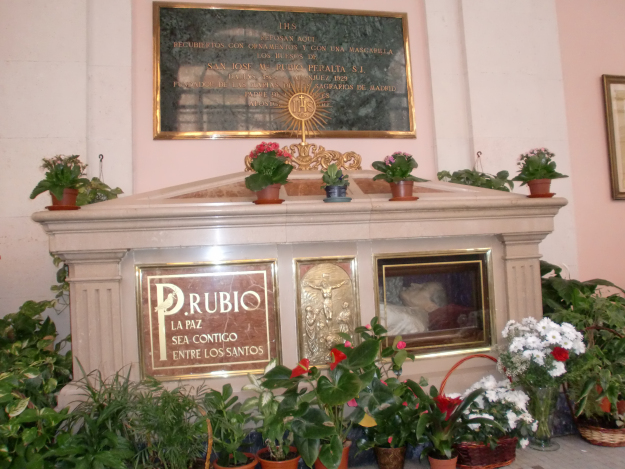
Memorials of the Saints – 4 May
St Albian of Albée
Bl Angela Bartolomea dei Ranzi
Bl Angela Isabella dei Ranzi
St Antonia of Constantinople
St Antonina of Nicaea
St Antonia of Nicomedia
St Antonius of Rocher
St Arbeo of Freising
St Augustine Webster
St Cunegund of Regensburg
St Curcodomus of Auxerre
St Cyriacus of Ancona
St Enéour
St Ethelred of Bardney
St Florian of Lorch
Bl Hilsindis
Bl Jean-Martin Moyë (1730-1793)
Biography: https://anastpaul.wordpress.com/2018/05/04/saint-of-the-day-4-may-blessed-jean-martin-moye-1730-1793/
St Jose Maria Rubio y Peralta SJ (1864-1929)
St Judas Cyriacus
Bl Ladislas of Gielniów
St Luca da Toro
Bl Margareta Kratz
Bl Michal Giedroyc
St Nepotian of Altino
Bl Paolino Bigazzini
St Paulinus of Cologne
St Paulinus of Senigallia
St Pelagia of Tarsus
St Porphyrius of Camerino Rino
St Richard Reynolds
St Robert Lawrence
St Silvanus of Gaza
Bl Tommaso da Olera/Acerbis OFM Cap (1563-1631)
—
Carthusian Martyrs: A group of Carthusian monks who were hanged, drawn and quartered between 19 June 1535 and 20 September 1537 for refusing to acknowledge the English royalty as head of the Church:
• Blessed Humphrey Middlemore
• Blessed James Walworth
• Blessed John Davy
• Blessed John Rochester
• Blessed Richard Bere
• Blessed Robert Salt
• Blessed Sebastian Newdigate
• Blessed Thomas Green
• Blessed Thomas Johnson
• Blessed Thomas Redyng
• Blessed Thomas Scryven
• Blessed Walter Pierson
• Blessed William Exmew
• Blessed William Greenwood
• Blessed William Horne
• Saint Augustine Webster
• Saint John Houghton
• Saint Robert Lawrence
Martyrs of Cirta: Also known as
• Martyrs of Cirtha
• Martyrs of Tzirta
A group of clergy and laity martyred together in Cirta, Numidia (in modern Tunisia) in the persecutions of Valerian. They were – Agapius, Antonia, Emilian, Secundinus and Tertula, along with a woman and her twin children whose names have not come down to us.
Martyrs of England: 85 English, Scottish and Welsh Catholics who were martyred during the persecutions by Protestants in the 16th and 17th centuries. They are commemorated together on 22 November.
• Blessed Alexander Blake • Blessed Alexander Crow • Blessed Antony Page • Blessed Arthur Bell • Blessed Charles Meehan • Blessed Christopher Robinson • Blessed Christopher Wharton • Blessed Edmund Duke • Blessed Edmund Sykes • Blessed Edward Bamber • Blessed Edward Burden • Blessed Edward Osbaldeston • Blessed Edward Thwing • Blessed Francis Ingleby • Blessed George Beesley • Blessed George Douglas • Blessed George Errington • Blessed George Haydock • Blessed George Nichols • Blessed Henry Heath • Blessed Henry Webley • Blessed Hugh Taylor • Blessed Humphrey Pritchard • Blessed John Adams • Blessed John Bretton • Blessed John Fingley • Blessed John Hambley • Blessed John Hogg • Blessed John Lowe • Blessed John Norton • Blessed John Sandys • Blessed John Sugar • Blessed John Talbot • Blessed John Thules • Blessed John Woodcock • Blessed Joseph Lambton • Blessed Marmaduke Bowes • Blessed Matthew Flathers • Blessed Montfort Scott • Blessed Nicholas Garlick • Blessed Nicholas Horner • Blessed Nicholas Postgate • Blessed Nicholas Woodfen • Blessed Peter Snow • Blessed Ralph Grimston • Blessed Richard Flower • Blessed Richard Hill • Blessed Richard Holiday • Blessed Richard Sergeant • Blessed Richard Simpson • Blessed Richard Yaxley • Blessed Robert Bickerdike • Blessed Robert Dibdale • Blessed Robert Drury • Blessed Robert Grissold • Blessed Robert Hardesty • Blessed Robert Ludlam • Blessed Robert Middleton • Blessed Robert Nutter • Blessed Robert Sutton • Blessed Robert Sutton • Blessed Robert Thorpe • Blessed Roger Cadwallador • Blessed Roger Filcock • Blessed Roger Wrenno • Blessed Stephen Rowsham • Blessed Thomas Atkinson • Blessed Thomas Belson • Blessed Thomas Bullaker • Blessed Thomas Hunt • Blessed Thomas Palaser • Blessed Thomas Pilcher • Blessed Thomas Pormort • Blessed Thomas Sprott • Blessed Thomas Watkinson • Blessed Thomas Whitaker • Blessed Thurstan Hunt • Blessed William Carter • Blessed William Davies • Blessed William Gibson • Blessed William Knight • Blessed William Lampley • Blessed William Pike • Blessed William Southerne • Blessed William Spenser • Blessed William Thomson •
They were Beatified on 22 November 1987 by Pope John Paul II.
Martyrs of Novellara: A bishop and several his flock who were martyred together in the persecutions of Diocletian and whose relics were kept and enshrined together. We know nothing else about them but the names – Apollo, Bono, Cassiano, Castoro, Damiano, Dionisio, Leonida, Lucilla, Poliano, Tecla, Teodora and Vespasiano. They were Martyred on 26 March 303. Their relics were enshrined in the parish of Saint Stephen in Novellara, Italy in 1603.
Thought for the Day – 3 May – The Preaching of the Apostles
Thought for the Day – 3 May – The Feast of Saints Philip and James, Apostles
The Preaching of the Apostles
Tertullian (c 155- c 240)
Priest, Father and Ancient Christian Writer
An excerpt from his On the Prescription of Heretics
Our Lord Jesus Christ Himself declared what He was, what He had been, how He was carrying out His Father’s will, what obligations He demanded of men. This He did during His earthly life, either publicly to the crowds, or privately to His disciples. Twelve of these He picked out, to be His special companions, appointed to teach the nations.
One of them fell from His place. The remaining eleven were commanded by Christ, as He was leaving the earth to return to the Father after His resurrection, to go and teach the nations and to baptise them into the Father, the Son and the Holy Spirit.
The apostles cast lots and added Matthias to their number, in place of Judas, as the twelfth apostle. The authority for this action is to be found in a prophetic psalm of David. After receiving the power of the Holy Spirit which had been promised to them, so that they could work miracles and proclaim the truth, they first bore witness to their faith in Jesus Christ and established churches throughout Judea. They then went out into the whole world and proclaimed to the nations the same doctrinal faith.
They set up churches in every city. Other churches received from them a living transplant of faith and the seed of doctrine and through this daily process of transplanting they became churches. They therefore qualify as apostolic churches by being the offspring of churches that are apostolic.
Every family has to be traced back to its origins. That is why we can say that all these great churches constitute that one original Church of the apostles, for it is from them that they all come. They are all primitive, all apostolic, because they are all one. They bear witness to this unity by the peace in which they all live, the brotherhood which is their name, the fellowship to which they are pledged. The principle on which these associations are based is common tradition by which they share the same sacramental bond.
The only way in which we can prove what the apostles taught—that is to say, what Christ revealed to them — is through those same churches. They were founded by the apostles themselves, who first preached to them by what is called the living voice and later by means of letters.
The Lord had said clearly in former times – I have many more things to tell you but you cannot endure them now. But He went on to say – When the Spirit of truth comes, He will lead you into the whole truth. Thus Christ shows us that the apostles had full knowledge of the truth, for He had promised that they would receive the whole truth through the Spirit of truth. His promise was certainly fulfilled, since the Acts of the Apostles prove, that the Holy Spirit came down on them.
Saints James and Philip, Pray for us!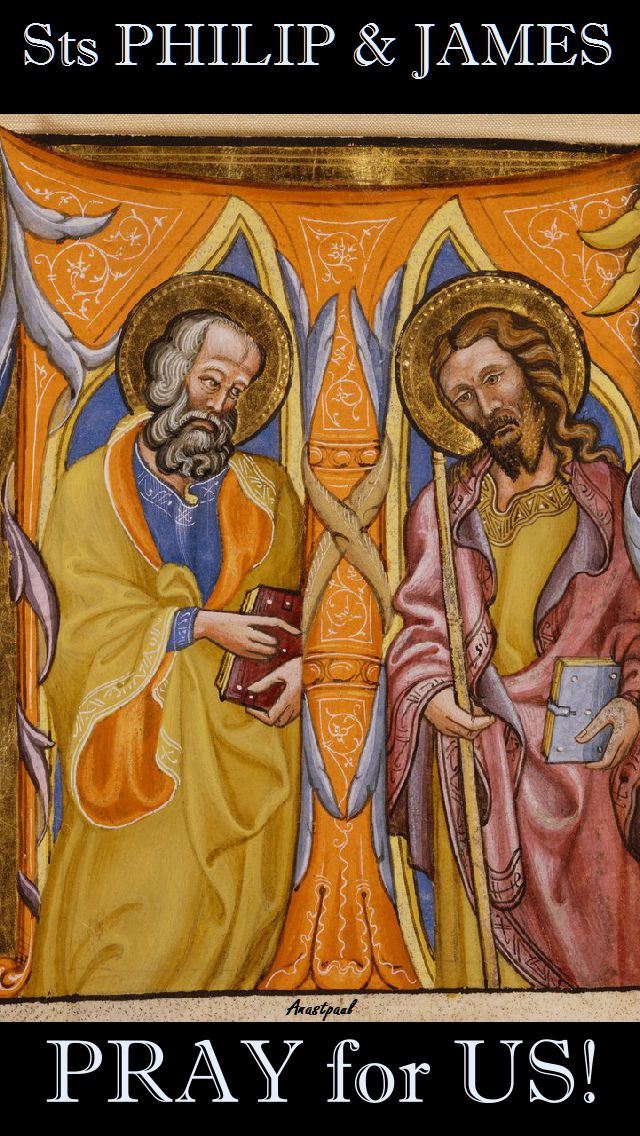
One Minute Reflection – 3 May – I believe
One Minute Reflection – 3 May – Friday of the Second Week of Easter, Gospel: John 14:6–14 and the Feast of Sts James and Philip and the Memorial of Saint Stanislaw Kazimierczyk CRL (1433–1489)
“Truly, truly, I say to you, he who believes in me will also do the works that I do and greater works than these will he do, because I go to the Father…”...John 14:12
REFLECTION – “Jesus is the Father’s Emissary. From the beginning of His ministry, He “called to him those whom he desired … And he appointed twelve, whom also He named apostles, to be with Him and to be sent out to preach.” (Mk 3:13-14) From then on, they would also be His “emissaries” (Greek apostoloi). In them, Christ continues His own mission = “As the Father has sent me, even so I send you.” (Jn 20:21) The apostles’ ministry is the continuation of His mission, Jesus said to the Twelve: “he who receives you receives me.” (Mt 10:40)
Jesus unites them to the mission He received from the Father. As “the Son can do nothing of his own accord” but receives everything from the Father who sent Him, so those whom Jesus sends can do nothing apart from Him (Jn 5:19.30), from whom they received both the mandate for their mission and the power to carry it out. Christ’s apostles knew that they were called by God as “ministers of a new covenant,” “servants of God,” “ambassadors for Christ,” “servants of Christ and stewards of the mysteries of God” (1 Cor 4:1).
In the office of the apostles, there is one aspect that cannot be transmitted – to be the chosen witnesses of the Lord’s Resurrection and so the foundation stones of the Church. But their office also has a permanent aspect. Christ promised to remain with them always. The divine mission entrusted by Jesus to them “will continue to the end of time, since the Gospel they handed on is the lasting source of all life for the Church. Therefore, … the apostles took care to appoint successors.” (Vatican II, LG 20) Catechism of the Catholic Church- #858-860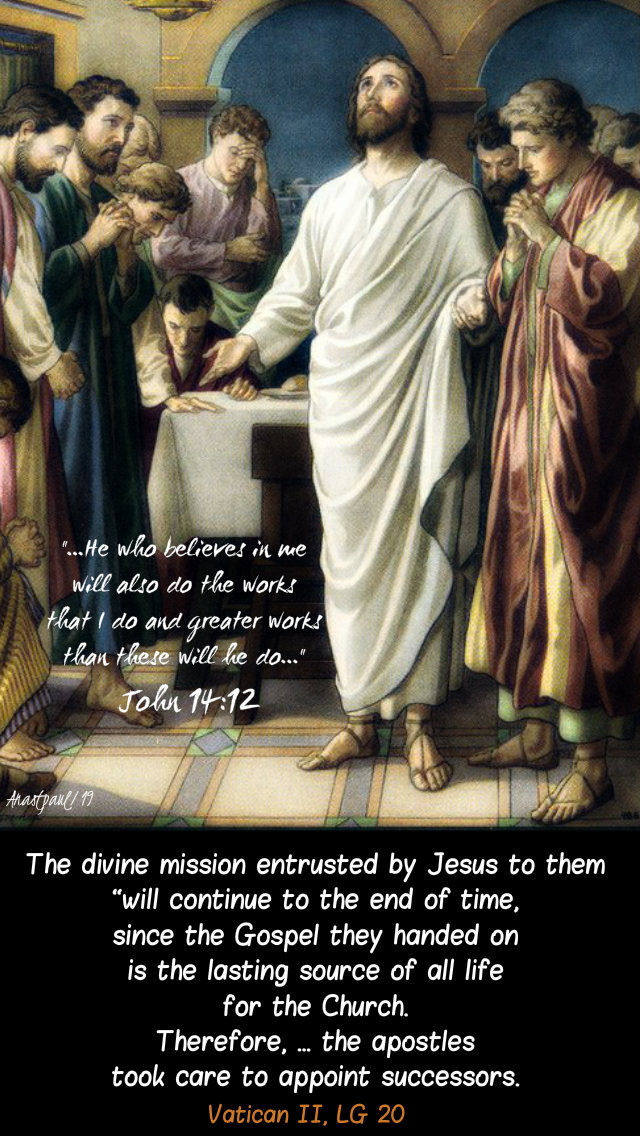
PRAYER – Almighty Father, we believe, strengthen our faith. Divine Son, we follow You, remain with us. Holy Spirit, come, guide our steps. Glory be to the Father and to the So and to the Holy Spirit, as it was in the beginning is now and ever shall be, amen. Saints James and Philip, Saint Stanislaw, pray for us!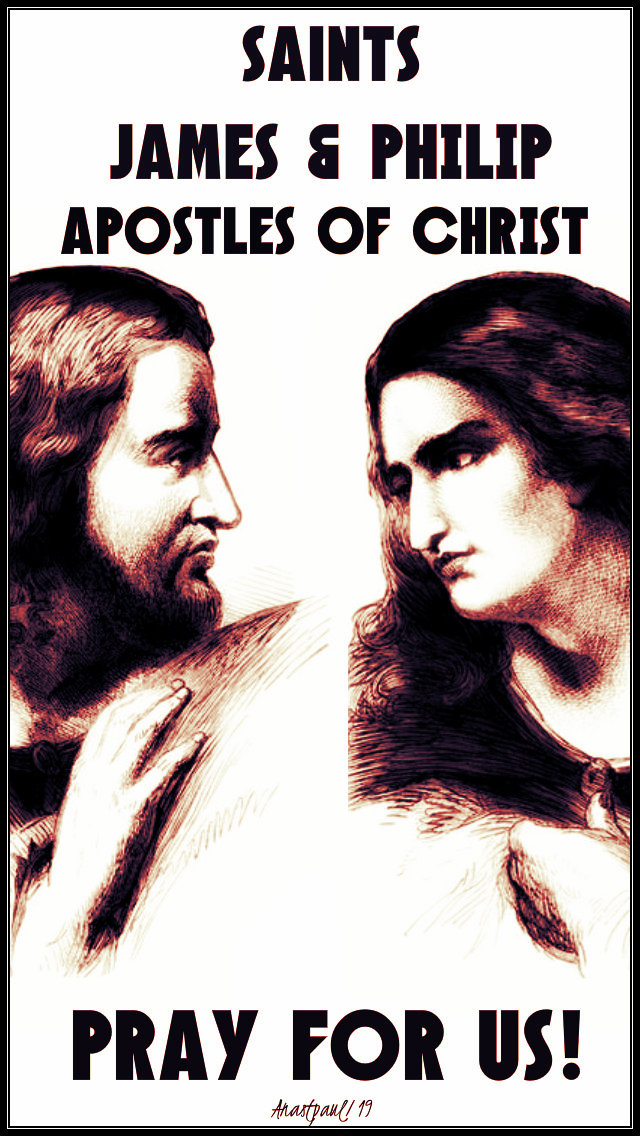
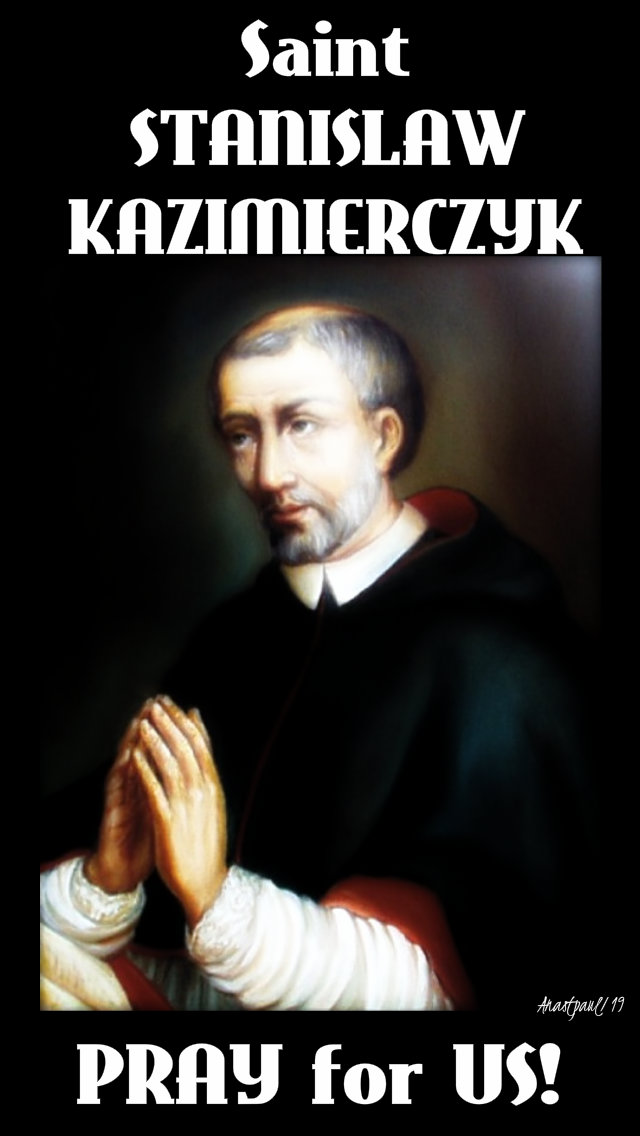
Saint of the Day – 3 May – Saint Stanislaw Kazimierczyk CRL (1433–1489)
Saint of the Day – 3 May – Saint Stanislaw Kazimierczyk CRL (1433–1489) aged 55, Priest of the Canons Regular of the Lateran – Apostle of the Holy Eucharist and of the poor, of Confession, famed Preacher, ascetic, mystic. Born on 27 September as Stanisław (Louis) Sołtys and died on 3 May 1489 in Kazimierz, Lubelskie, Poland of natural causes. Patronage – of Preachers.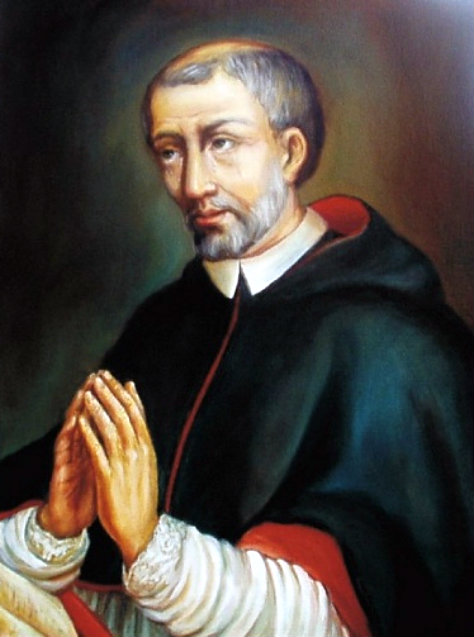
Stanisław Sołtys was born 27 September 1433 in Kraków to Maciej Sołtys and Jadwiga. His parents had long wanted a child and he was born on exactly the same date that the remains of Saint Stanisłaus (1030– 1079), Patron of Poland, were being moved. His parents were members of the Brotherhood of the Blessed Sacrament.
He received his education from the Canons Regular of the Lateran at their school, not far from his home, which was attached to their convent and to the local parish church of the Corpus Christi, that the order administered. He went onto receive doctorates in theological studies and in his philosophical studies from the Jagiellonian University in Kraków. He received a bachelor’s degree in 1451.
The successful completion of his studies in 1456 saw him enter the Canons Regular of the Lateran and thus became a novice. He took the religious name of Stanisław Kazimierczyk after the patron of Poland. 
He was ordained as a priest in 1456 and was then named as the vice-prior of the order despite being a new priest and not having experience. He was also made the novice master in charge of new candidates to the order. He dedicated himself to the care of the ill and the poor and was noted for the deep devotion of the Holy Mass. He developed a reputation for great spiritual insight as a confessor. It was his allure as a preacher and confessor that saw people seek him out to preach and hear their confessions. He preached in strong defence of the doctrine of the Real Presence in the Eucharist against the preachings of the Polish followers of John Wycliffe and Jan Hus. It was due to this, that he gained the title “Apostle of the Blessed Sacrament”. Saint John Cantius (1390-1473) – a colleague of his at the Jagiellonian and a major scientist of the period, was a close friend of his.
He slept little and often slept on the ground more as a penitential act. On one occasion he went to visit the tomb of his patron when he saw the Mother of God with the Infant Jesus in her arms, Saint Stanisław and other saints were around her. He often delivered his sermons in German as well as his native Polish. King John I Albert once attributed an 8 September 1487 battle win against the Ottoman Empire to him.
He died on 3 May 1489 and immediately was acclaimed a saint by all who knew him and those to whom he ministered. He had fallen quite ill during Lent and requested anointing. He put his hands on his conferees’ heads to bless them and to bid them farewell and died with his hands upraised to entrust his soul to God.
The faithful referred to him often as “Blessed” despite the fact that he had not been beatified but was called this due to his great reputation for personal holiness – in the 1500s this title was recorded as being given. His remains were moved in 1632 after the priest Martin Kłoczyński commissioned a splendid altar in his honour to house the remains – a total of 176 purported miracles were reported to have taken place in the first year since his death.
The Canons Regular of the Lateran made several requests to the pope to seek beatification in 1773 but no cause was ever initiated . The Cardinal Archbishop of Kraków Karol Józef Wojtyła (the future St Pope John Paul II) asked the order, in 1971, to collect existing documents and evidence on the life of the late priest and set up a historical commission to aid them in this on 15 December 1972. The beatification process launched under Pope John Paul II on 14 October 1986 and the priest was titled as a Servant of God once the Congregation for the Causes of Saints (CCS) issued the official nihil obstat to the cause. St John Paul II both named him as Venerable upon the confirmation of his heroic virtue and approved his longstanding “cultus” which allowed for the pope to preside over the Beatification on 18 June 1993 as a solemnisation of that “cultus”.
Pope Benedict XVI approved a miracle on 19 December 2009 and on 19 February 2010 confirmed the date for Canonisation. He Canonised him on 17 October 2010 in Saint Peter’s Square.
Feast of St James and St Philip – Memorials of the Saints – 3 May
St James the Lesser Apostle (Feast)
St Philip the Apostle (Feast)
Sts James and Philip: https://anastpaul.wordpress.com/2018/05/03/3-may-feast-of-sts-philip-and-james-apostles-and-martyrs/
St Adalsindis of Bèze
Bl Adam of Cantalupo in Sabina
St Ahmed the Calligrapher
St Aldwine of Peartney
St Pope Alexander I
St Alexander of Constantinople
Bl Alexander of Foigny
St Alexander of Rome
Bl Alexander Vincioli
St Ansfrid of Utrecht
St Antonina of Constantinople
St Diodorus the Deacon
Bl Edoardo Giuseppe Rosaz
St Ethelwin of Lindsey
St Eventius of Rome
St Fumac
St Gabriel Gowdel
St Juvenal of Narni
Bl Maria Leonia Paradis
St Maura of Antinoe
St Peter of Argos
St Philip of Zell
Bl Ramon Oromí Sullà
St Rhodopianus the Deacon
St Scannal of Cell-Coleraine
Bl Sostenaeus
St Stanislas Kazimierczyk CRL (1433–1489)
St Theodolus of Rome
St Timothy of Antinoe
Bl Uguccio
Bl Zechariah
Thought for the Day – 2 May – On the Incarnation of the Word
Thought for the Day – 2 May – Thursday of the Second week of Easter, Gospel: John 3:31–36 and the Memorial of St Athanasius (297-373)
On the Incarnation of the Word
Saint Athanasius (297-373)
Bishop, Great Eastern Father & Doctor of the Church
Known as “The Father of Orthodoxy”
An excerpt from On the Incarnation of the Word
The Word of God, incorporeal, incorruptible and immaterial, entered our world. Yet it was not as if He had been remote from it up to that time. For there is no part of the world that was ever without His Presence; together with His Father, He continually filled all things and places.
Out of His loving-kindness for us, He came to us and we see this in the way He revealed Himself openly to us. Taking pity on mankind’s weakness and moved by our corruption, He could not stand aside and see death have the mastery over us, He did not want creation to perish and His Father’s work in fashioning man, to be in vain. He, therefore, took to Himself a body, no different from our own, for He did not wish simply to be in a body or only to be seen.
If He had wanted simply to be seen, He could indeed have taken another and nobler, body. Instead, He took our body in its reality.
Within the Virgin, He built himself a temple, that is, a body, He made it His own instrument in which to dwell and to reveal Himself. In this way, He received from mankind, a body like our own and, since all were subject to the corruption of death, He delivered this body over to death for all and with supreme love, offered it to the Father. He did so, to destroy the law of corruption, passed against all men, since all died in Him. The law, which had spent its force on the body of the Lord, could no longer have any power over His fellowmen. Moreover, this was the way in which the Word was to restore mankind to immortality, after it had fallen into corruption and summon it back, from death to life. He utterly destroyed the power death had against mankind—as fire consumes chaff—by means of the body He had taken and the grace of the Resurrection.
This is the reason why the Word assumed a body that could die, so that this body, sharing in the Word who is above all, might satisfy death’s requirement in place of all. Because of the Word dwelling in that body, it would remain incorruptible and all would be freed forever from corruption, by the grace of the Resurrection.
In death, the Word made a spotless sacrifice and oblation of the body He had taken. By dying for others, He immediately banished death for all mankind.
In this way the Word of God, who is above all, dedicated and offered His temple, the instrument that was His body, for us all, as He said and so paid, by His own death the debt that was owed. The immortal Son of God, united with all men by likeness of nature, thus fulfilled all justice, in restoring mankind to immortality, by the promise of the resurrection.
The corruption of death, no longer holds any power over mankind, thanks to the Word, who has come to dwell among them through His one body.
St Athanasius, Pray for Us!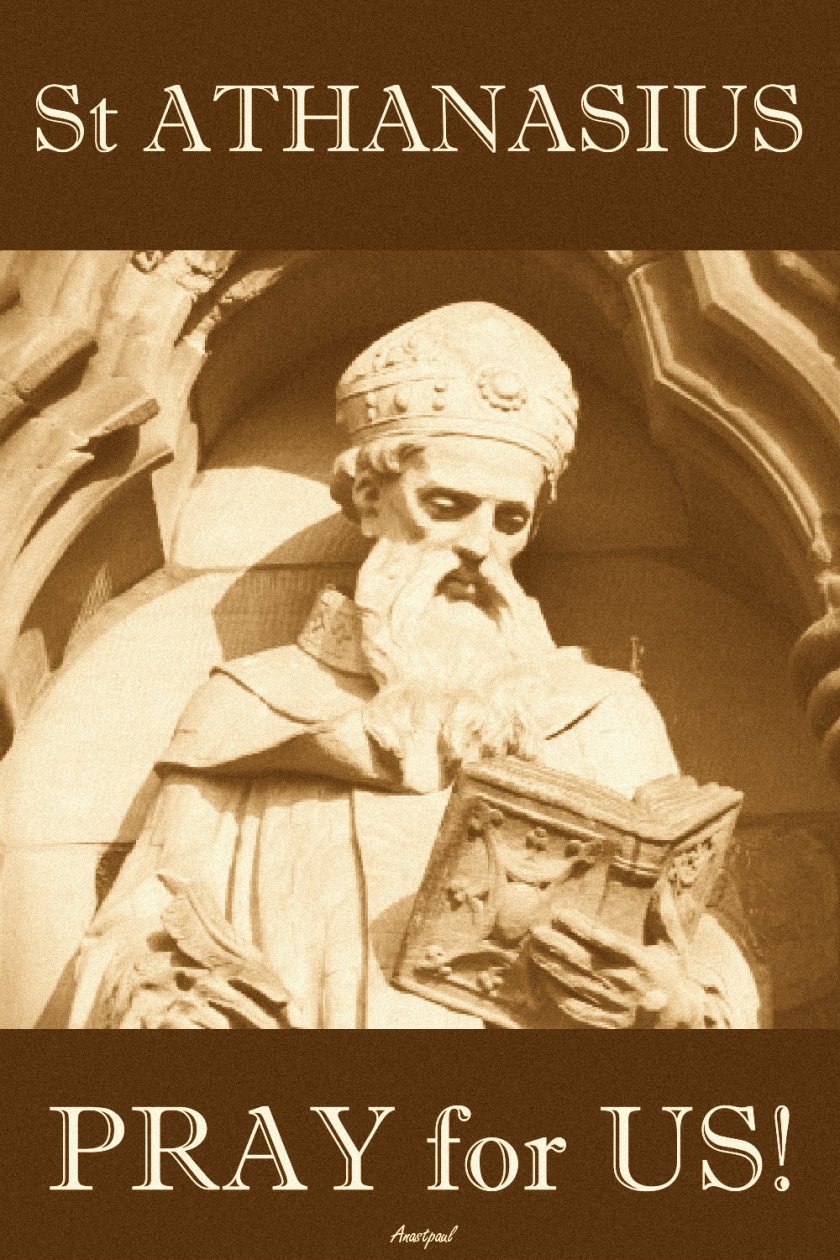
Quote/s of the Day – 2 May – Athanasius and Antoninus
Quote/s of the Day – 2 May – Thursday of the Second week of Easter, Gospel: John 3:31–36 and the Memorial of St Athanasius (297-373) – Father and Doctor of the Church and St Antoninus of Florence OP (1389-1459)
“For the Son of God became man
so that we might become God.”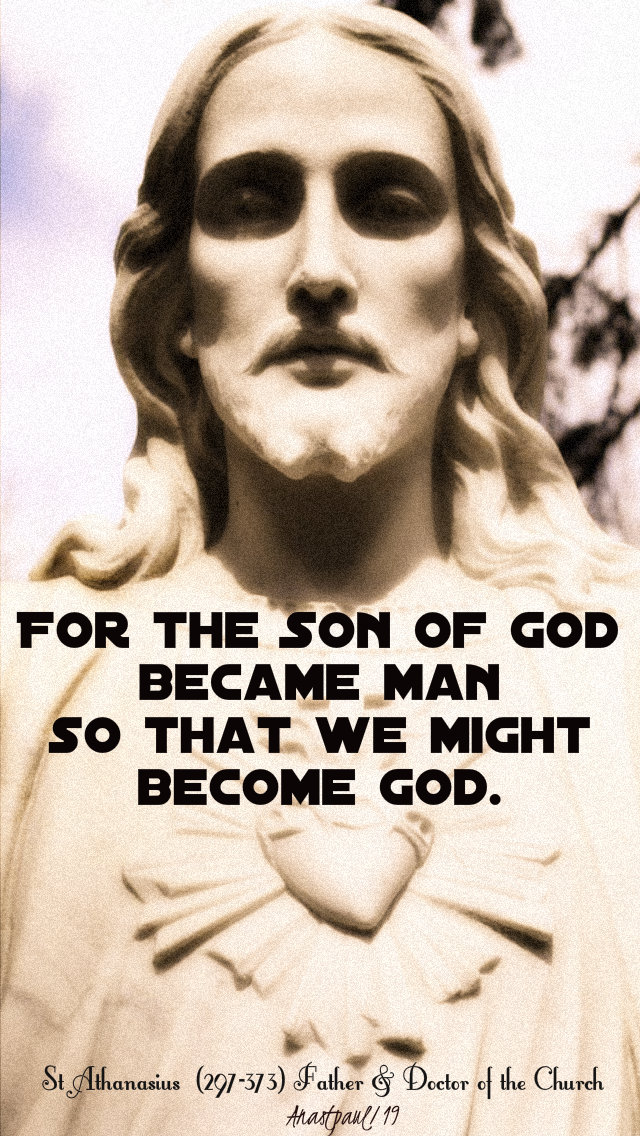
“Christians, instead of arming themselves with swords,
extend their hands in prayer.”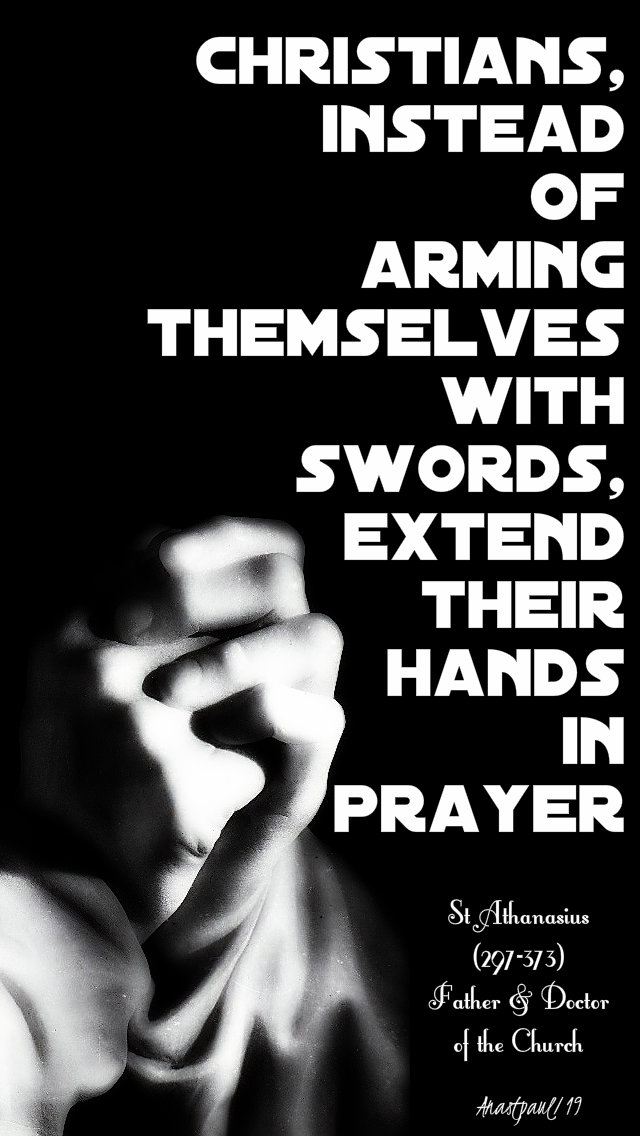
“But what is also to the point, let us note that the very tradition, teaching and faith of the Catholic Church from the beginning was preached by the Apostles and preserved by the Fathers. On this the Church was founded – and if anyone departs from this, he neither is, nor any longer ought to be called, a Christian.”
St Athanasius (297-373) Father & Doctor of the Church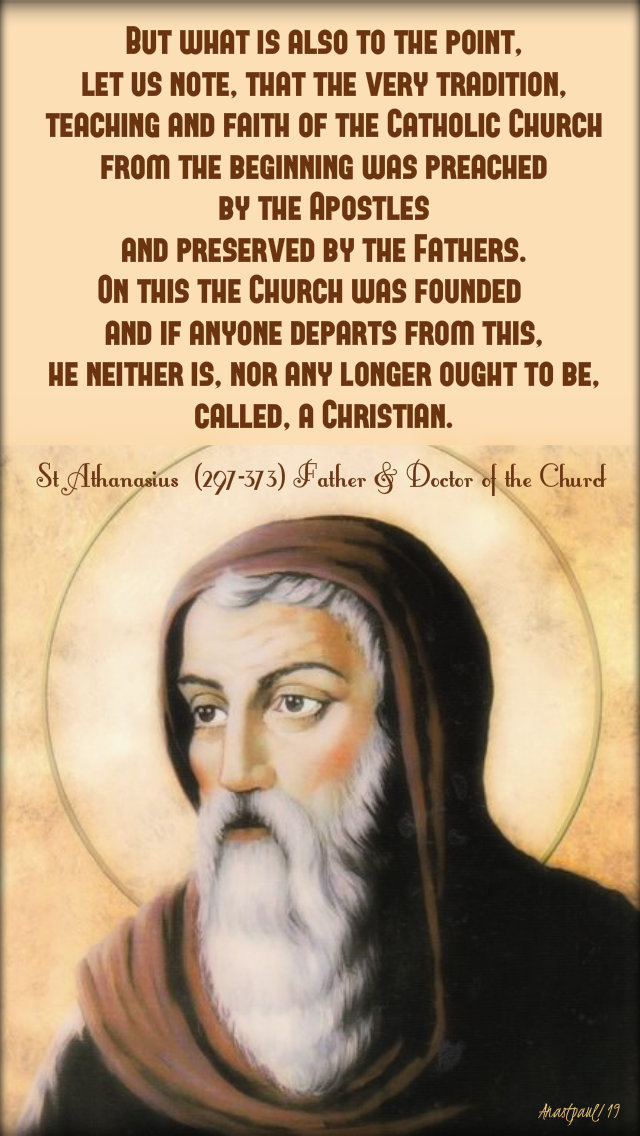
“While other martyrs suffered
by sacrificing their own lives,
the Blessed Virgin suffered,
by sacrificing her Son’s life.”
St Antoninus OP (1389-1459)
One Minute Reflection – 2 May – He is in them by the Presence of His Spirit and in them He is seen.
One Minute Reflection – 2 May – Thursday of the Second week of Easter, Gospel: John 3:31–36 and the Memorial of St Athanasius (297-373) – Father and Doctor of the Church and St Antoninus OP (1389-1459), Gospel: John 3:31–36
For the one whom God sent speaks the words of God. He does not ration his gift of the Spirit…he who does not obey the Son shall not see life…John 3:34,36
REFLECTION – “The sanctification or, rather, the deification of the nature of man, is one main subject of St Athanasius’s theology. Christ, in rising, raises His Saints with Him to the right hand of power. They become instinct with His life, of one body with His flesh, divine sons, immortal kings, gods. He is in them, because He is in human nature and He communicates in them that nature, deified by becoming His, that them It may deify. He is in them by the Presence of His Spirit and in them He is seen.”…Bl John Henry Newman (1801-1890)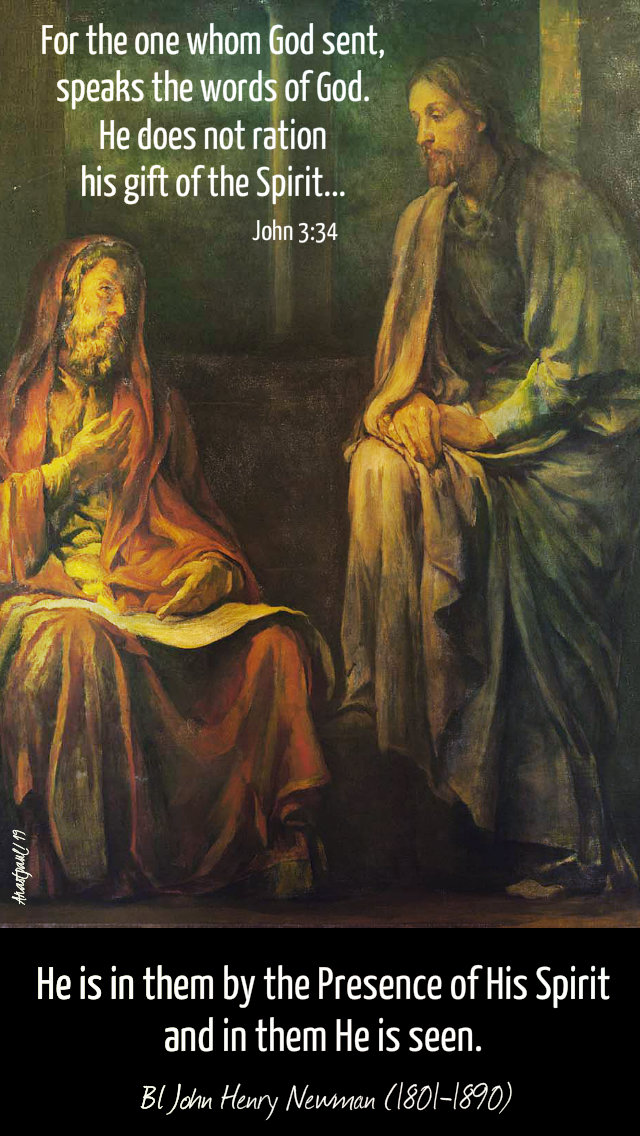
PRAYER – Lord God, whose name is holy and whose mercy is proclaimed in every generation, send forth Your Spirit into our hearts and grant that, faithfully pondering on all that is holy, we may ever live in the splendour of Your presence. Listen we beseech You, to the prayers we request from St Athanasius and St Antoninus, to help us on this earthly journey. We make our prayer through Christ, Your Son our Lord and Saviour, with the Holy Spirit, one God forever amen.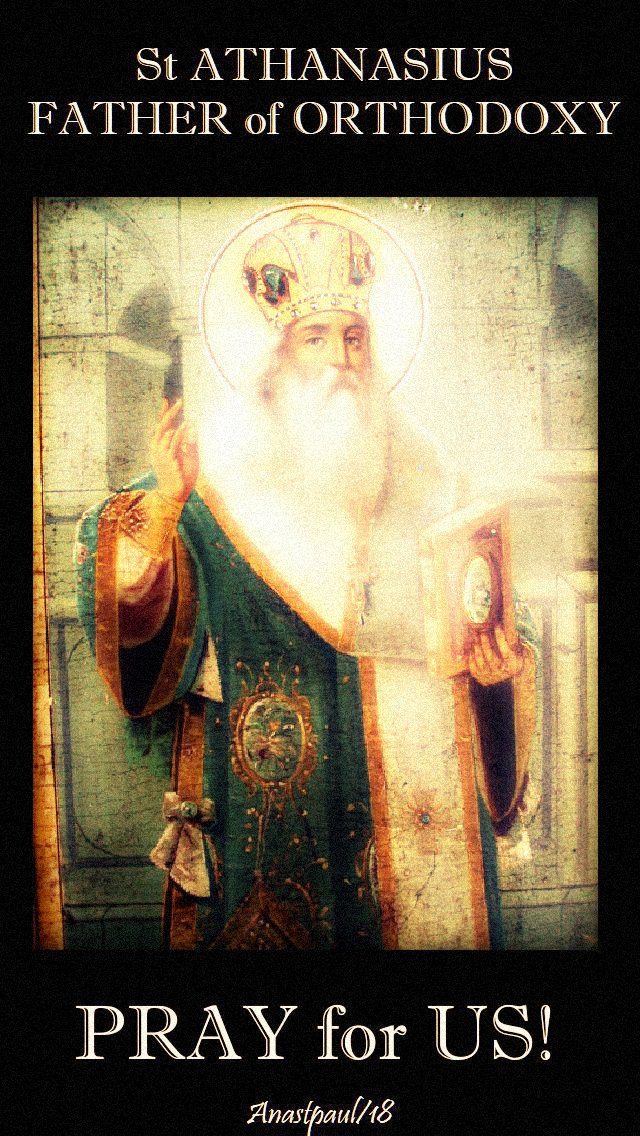
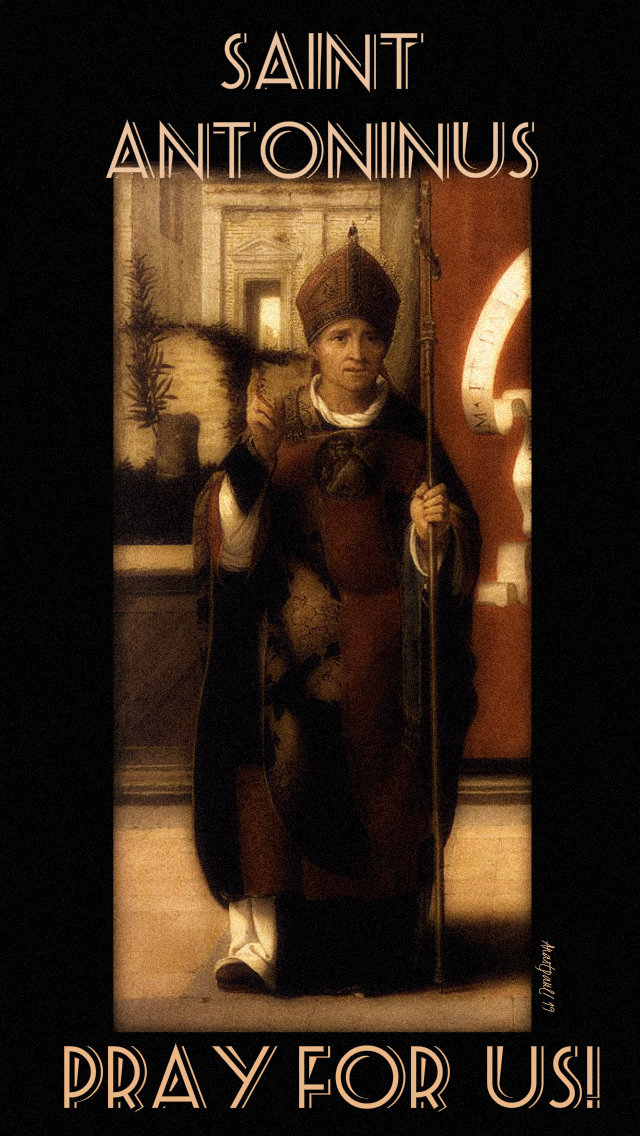
Saint of the Day – 2 May – Saint Antoninus of Florence OP (1389-1459) “Antoninus the Counsellor”
Saint of the Day – 2 May – Saint Antoninus of Florence OP (1389-1459) Archbishop of Florence, Dominican Priest and Friar, Confessor, spiritual director, apostle of mercy, theologian, writer, reformer, Prior of the Order. Born as Antonio Pierozzi (also called de Forciglioni) on 1 March 1389 in the city of Florence and died on 2 May 1459 at Florence, Italy. Known as “Antoninus the Counsellor”. Patronages – Moncalvo, Turin, Italy, University of Santo Tomas Graduate School, Manila, Philippines, Saint Antoninus Parish, Municipality of Pura, Tarlac Philippines.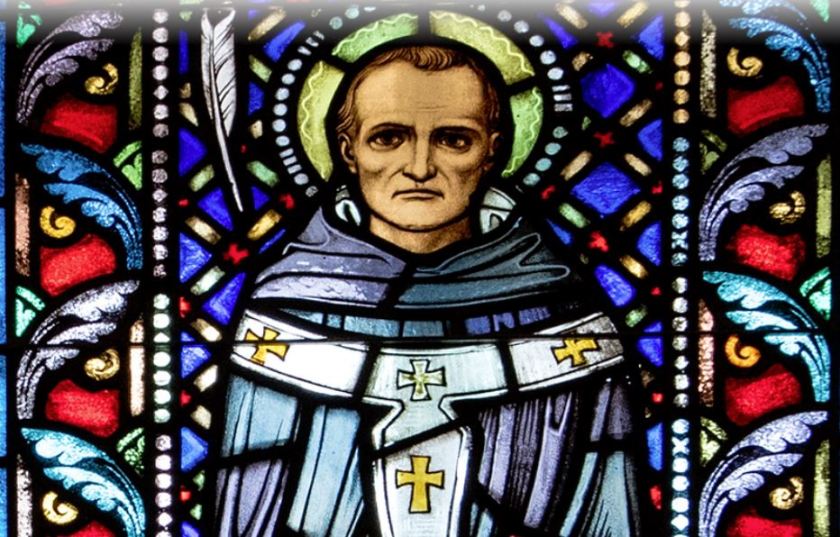
Anthony Pierozzi, born on 1 March 1389, was soon nicknamed “Antoninus” (“Little Anthony”), either because of his small stature or his weak health. Thus began the life of the future Saint Antoninus born to noble parents in Florence, Italy.
The influence of the Dominicans on Antoninus’ early life led him to seek admittance to the Dominican Order at the age of 15. Antoninus approached the prior of the convent in Fiesole, Blessed Brother John Dominic (c 1355–1419, with his request to be admitted to the Order. Perhaps noticing the weak health of the aspirant and not wishing to give an outright refusal to Antoninus’ request, Brother John Dominic told him to come back once he had memorised the Decretum of Gratian, or the Code of Canon Law at the time. To the prior’s surprise, the youth returned within the year having accomplished the task required of him. He was thus admitted to the Order.
The love and zeal he had as a novice never left Antoninus. He became a great reformer more by example than by word. Elected prior at a young age, Antoninus served as superior for many years. He, like his brothers in St Dominic and St Thomas Aquinas, was concerned with the formation of the friars of the Order of Preachers. Hence he prepared the Summa Moralis, a systematic and comprehensive presentation of Christian Moral Theology, which he wrote, as he said, during the summer and the winter of his life. Antoninus’ writings treated the practical aspects of living the faith. His writings were a major development in the field of moral theology. St Antoninus also wrote a biography of Blessed John Dominic and a history of the world.
Antoninus’ devotion to the Sacrament of Penance and spiritual counsel earned him the title of Antoninus the Counsellor. Such was his ability to instruct and to guide others.
Antoninus accepted into the Order Brother John of Fiesole, the future artist, Fra Angelico (c 1395–1455). Having an eye for recognising the gifts of others, Antoninus instructed Fra Angelico to prepare his own Summa Moralis, not in words but through his painting. Hence when the new convent of San Marco was built, Prior Antoninus had Fra Angelico grace each of the friar’s cells with a painting based on a scene from the life of Christ.
After he was appointed Archbishop of Florence, Antoninus’ residence became known as the hostel for the poor, such was his generosity and service for victims of poverty. His sensitivity to the needs of others led him to found the “Men of St Martin,” in order to offer quiet support to the wealthy who had become indigent. Hence, the Archbishop lived out the works of mercy.

He came to win the esteem and love of his people, especially by his energy and resource in combating the effects of the plague and earthquake in 1448 and 1453. Antoninus lived a life of austerity as archbishop, continuing to follow the Dominican Rule. His relations with the Medici regime were close but not always harmonious, with his serving several times as an ambassador for the Republic to the Holy See during the 1450s.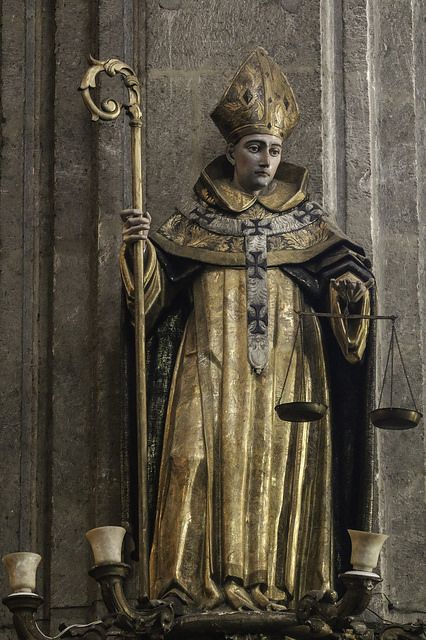
St Antoninus died on 2 May 1459 and Pope Pius II conducted his funeral. The Pope happened to be on his way to the Council of Mantua when he heard of the Archbishop’s death. The Archbishop’s wish was that he be buried at the priory which he had founded in the City. 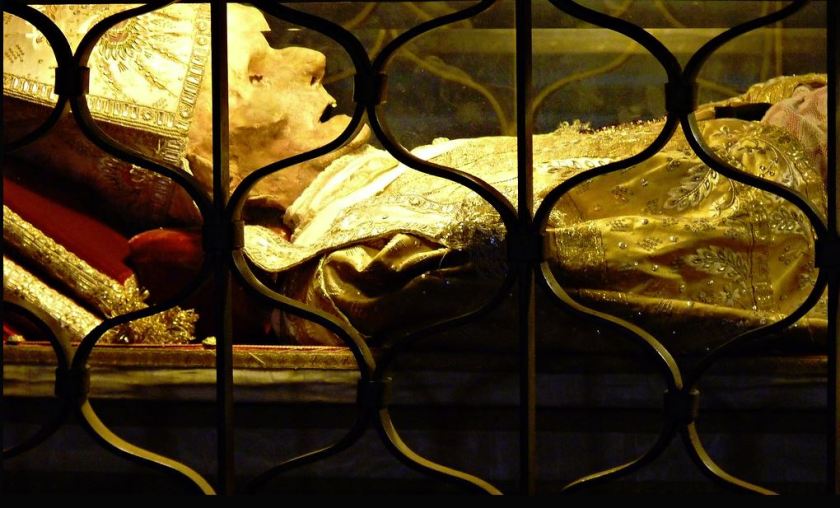
He was Canonised on Trinity Sunday, 31 May 1523 by Pope Adrian VI, who himself held ideas of radical and drastic church reform similar to those of Antoninus.
Eternal God, you blessed Saint Antoninus with a marvellous gift of counsel. By the help of his prayers, while we walk in the darkness of this life, may we learn from the light of Christ all that we ought to do. We ask this through our Lord Jesus Christ, your Son, who lives and reigns with you and the Holy Spirit, one God, forever and ever. Amen
 AnaStpaul
You must be logged in to post a comment.