Saint of the Day – 14 May – Feast of St Matthias Apostle – Patron of alcoholics, carpenters, against smallpox, tailors, hope, perseverance, various Diocese and Cities. Attributes – lance, spear.
St Matthias was one of the first to follow our Saviour and he was an eye-witness of all His divine actions up to the very day of the Ascension. He was one of the seventy-two disciples but our Lord had not conferred upon him the dignity of an apostle. And yet, he was to have this great glory, for it was of him that David spoke, when he prophesied that another should take the bishopric, left vacant by the apostasy of Judas the traitor. In the interval between Jesus’ Ascension and the descent of the Holy Ghost, the apostolic college had to complete the mystic number fixed by our Lord Himself, so that there might be the twelve on that solemn day, when the Church, filled with the Holy Ghost, was to manifest herself to the Synagogue. The lot fell on Mathias, he shared with his brother-apostles the persecution in Jerusalem and, when the time came for the ambassadors of Christ to separate, he set out for the countries allotted to him. Tradition tells us that these were Cappadocia and the provinces bordering on the Caspian Sea.
The Election of St MatthiasThe Election of St Matthias
The virtues, labour and sufferings of St Mathias have not been handed down to us. This explains the lack of proper lessons on his life, such as we have for the feasts of the rest of the apostles. St Clement of Alexandria (150-215), records in his writings several sayings of our holy apostle. One of these is so very appropriate to the spirit of the present season, that we consider it a duty to quote it. ‘It behooves us to combat the flesh and make use of it, without pampering it by unlawful gratifications. As to the soul, we must develop her power by faith and knowledge.’ How profound is the teaching contained in these few words! Sin has deranged the order which the Creator had established. It gave the outward man, such a tendency to grovel in things which degrade him, that the only means left us, for the restoration of the image and likeness of God, unto which we were created, is the forcible subjection of the body to the spirit. But the spirit itself, that is, the soul, was also impaired by original sin and her inclinations were made prone to evil, what is to be her protection? Faith and knowledge. Faith humbles her and then exalts and rewards her and the reward is knowledge.
— Excerpted from The Liturgical Year, Abbot Gueranger O.S.B.
St Ampelio
St Boniface of Ferentino
St Boniface of Tarsus
St Carthage the Younger
St Corona the Martyr
St Costanzo of Capri
St Costanzo of Vercelli
Bl Diego of Narbonne
St Dyfan
St Engelmer
St Erembert of Toulouse
St Felice of Aquileia
St Fortunatus of Aquileia
St Gal of Clermont-Ferrand
Bl Giles of Santarem
St Henedina of Sardinia
St Justa of Sardinia
St Justina of Sardinia
St Maria Domenica Mazzarello
St Maximus
St Michael Garicoïts
St Pons of Pradleves
St Pontius of Cimiez
St Tuto of Regensburg
St Victor the Martyr
—
Martyrs of Seoul – 5 Beata: A group of lay people martyred together in the apostolic vicariate of Korea.
• Petrus Choe Pil-je
• Lucia Yun Un-hye
• Candida Jeong Bok-hye
• Thaddeus Jeong In-hyeok
• Carolus Jeong Cheol-sang
14 May 1801 at the Small West Gate, Seoul, South Korea – Beatified: 15 August 2014 by Pope Francis
Thought for the Day – 3 May – Thursday of the Fifth Week of Eastertide and the Feast of Sts Philip and James Apostles and Martyrs
As in the case of the other apostles, we see in James and Philip human men who became foundation stones of the Church and we are reminded again that holiness and its consequent apostolate are entirely the gift of God, not a matter of human achieving. All power is God’s power, even the power of human freedom to accept His gifts. “You will be clothed with power from on high,” Jesus told Philip and the others. Their first commission had been to expel unclean spirits, heal diseases, announce the kingdom. They learned, gradually, that these externals were sacraments of an even greater miracle inside their persons—the divine power to love like God.
3 May – Feast of Sts Philip and James – Apostles and Martyrs
Philip was one of the first chosen Disciples of Christ. On the way from Judea to Galilee Our Lord found Philip and said, “Follow Me.” Philip straightway obeyed and then in his zeal and charity sought to win Nathaniel also, saying, “We have found Him of Whom Moses and the prophets did write, Jesus of Nazareth” and when Nathaniel in wonder asked, “Can any good come out of Nazareth?” Philip simply answered, “Come and see” and brought him to Jesus. Another characteristic saying of this apostle is preserved for us by St John. Christ in His last discourse had spoken of His Father and Philip exclaimed, in the fervour of his thirst for God, “Lord, show us the Father and it is enough.” According to the anonymous Acts of Philip, through a miraculous healing and his preaching, Philip converted the wife of the proconsul of the city of Phyrgia. This enraged the proconsul, and he had Philip, Bartholomew tortured. Philip and Bartholomew were then crucified upside down and Philip preached from his cross. As a result of Philip’s preaching the crowd released Bartholomew from his cross but Philip insisted that they not release him, and Philip died on the cross. Another account is that he was martyred by beheading in the city of Hierapolis.
St James the Less, the author of an inspired epistle, was also one of the Twelve. St Paul tells us that he was favoured by a special apparition of Christ after the Resurrection. On the dispersion of the apostles among the nations, St James was left as Bishop of Jerusalem and even the Jews held in such high veneration his purity, mortification and prayer, that they named him the Just. The earliest of Church historians has handed down many traditions of St James’s sanctity. He was always a virgin, says Hegesippus, and consecrated to God. He drank no wine, wore no sandals on his feet and but a single garment on his body. He prostrated himself so much in prayer that the skin of his knees was hardened like a camel’s hoof. The Jews, it is said, used out of respect to touch the hem of his garment. He was indeed a living proof of his own words, “The wisdom that is from above first indeed is chaste, then peaceable, modest, full of mercy and good fruits.” He sat beside St Peter and St Paul at the Council of Jerusalem and when St Paul at a later time escaped the fury of the Jews by appealing to Caesar, the people took vengeance on James and crying, “The just one hath erred,” stoned him to death.
Why do we celebrate the feasts of St Philip and St James the Less on the same day? We celebrate them on the same day because their relics were brought to Rome together on the same day in early May. They rest there still, in the Basilica of the Holy Apostles. The reception of the Bodies of Sts Philip and James, which were brought from the East, somewhere about the 6th Century, gave rise to the institution of to-day’s Feast and this led gradually, to the insertion into the Calendar, of the special Feasts for the other Apostles and Evangelists.
St James the Lesser Apostle (Feast)
St Philip the Apostle (Feast)
—
St Adalsindis of Bèze
Bl Adam of Cantalupo in Sabina
St Ahmed the Calligrapher
St Aldwine of Peartney
St Pope Alexander I
St Alexander of Constantinople
Bl Alexander of Foigny
St Alexander of Rome
Bl Alexander Vincioli
St Ansfrid of Utrecht
St Antonina of Constantinople
St Diodorus the Deacon
Bl Edoardo Giuseppe Rosaz
St Ethelwin of Lindsey
St Eventius of Rome
St Fumac
St Gabriel Gowdel
St Juvenal of Narni
Bl Maria Leonia Paradis
St Maura of Antinoe
St Peter of Argos
St Philip of Zell
Bl Ramon Oromí Sullà
St Rhodopianus the Deacon
St Scannal of Cell-Coleraine
Bl Sostenaeus
St Stanislas Kazimierczyk
St Theodolus of Rome
St Timothy of Antinoe
Bl Tommaso Acerbis
Bl Uguccio
Bl Zechariah
Saint of the Day – 25 April – St Mark the Evangelist – also known as John Mark (Born 1st century – Martyred 25 April 68 at Alexandria, Egypt) – The Winged Lion – Evangelist, Martyr, Missionary, Preacher, Teacher, friend and assistant to St Peter, St Paul, cousin of St Barnabas.
John Mark, later known simply as Mark, was a Jew by birth. He was the son of that Mary who was proprietress of the Cenacle or “upper room” which served as the meeting place for the first Christians in Jerusalem (Acts 12:12). He was still a youth at the time of the Saviour’s death. We cannot be certain whether he knew Jesus personally. Some scholars feel that the evangelist is speaking of himself (so he then did know Jesus) when describing the arrest of Jesus in Gethsemane: “Now a young man followed him wearing nothing but a linen cloth about his body. They seized him, but he left the cloth behind and ran off naked” (Mark 14:51-52).
During the years that followed, the rapidly maturing youth witnessed the growth of the infant Church in his mother’s Upper Room and became acquainted with its traditions. This knowledge he put to excellent use when compiling his Gospel. Later, we find Mark acting as a companion to his cousin Barnabas and Saul on their return journey to Antioch and on their first missionary journey. But Mark was too immature for the hardships of this type of work and therefore left them at Perge in Pamphylia to return home.
As the two apostles were preparing for their second missionary journey, Barnabas wanted to take his cousin with him. Paul, however, objected. Thereupon the two cousins undertook a missionary journey to Cyprus. Time healed the strained relations between Paul and Mark and during the former’s first Roman captivity (61-63), Mark rendered Paul valuable service (Col. 4:10; Philem. 24) and the Apostle learned to appreciate him. When in chains the second time Paul requested Mark’s presence (2 Tim. 4:11).
Opnamedatum: 2010-11-30
An intimate friendship existed between Mark and Peter; he played the role of Peter’s companion, disciple and interpreter. According to the common patristic opinion, Mark was present at Peter’s preaching in Rome and wrote his Gospel under the influence of the prince of the apostles. This explains why incidents which involve Peter are described with telling detail (e.g., the great day at Capharnaum, 1:14f)). Little is known of Mark’s later life. It is certain that he died a Martyr’s death as bishop of Alexandria in Egypt. His relics were transferred from Alexandria to Venice, where a worthy tomb was erected in St Mark’s Cathedral.
St Mark’s Tomb inside the Altar at St Mark’s, Venice
St Mark’s Venice
The Gospel of St Mark, the shortest of the four, is, above all, a Roman Gospel. It originated in Rome and is addressed to Roman, or shall we say, to Western Christianity. Another high merit is its chronological presentation of the life of Christ. For we should be deeply interested in the historical sequence of the events in our blessed Saviour’s life.
Ceilings in the Vatican depicting St Mark
Furthermore, Mark was a skilled painter of word pictures. With one stroke he frequently enhances a familiar scene, shedding upon it new light. His Gospel is the “Gospel of Peter,” for he wrote it under the direction and with the aid of the prince of the apostles. “The Evangelist Mark is represented as a lion because he begins his Gospel in the wilderness, ‘The voice of one crying in the desert: Make ready the way of the Lord,’ or because he presents the Lord as the unconquered King.”…Excerpted from The Church’s Year of Grace, Pius Parsch
St Mark the Evangelist (Feast) Also known as John Mark (Born 1st century – martyred 25 April 68 at Alexandria, Egypt) – The Winged Lion
—
St Agathopodes of Antioch
Bl Andrés Solá Molist
St Anianus of Alexandria
Bl Antonio Pérez Lários
St Callista of Syracuse
St Clarentius of Vienne
St Ermin of Lobbes
St Evodius of Syracuse
St Franca Visalta
St Giovanni Piamarta
St Heribaldus of Auxerre
St Hermogenes of Syracuse
Bl José Trinidad Rangel y Montaño
St Kebius
St Macaille
St Macedonius
St Mario Borzaga
St Pasicrate of Mesia
St Paul Thoj Xyooj
Pedro de San Jose Betancur
Phaebadius of Agen
Philo of Antioch
Robert of Syracuse
Bl Robert Anderton
Stefano of Antioch
St Valenzio of Mesia
Bl William Marsden
—
Martyrs of Yeoju – 3 saints: Three Christian laymen martyred together in the apostolic vicariate of Korea. 25 April 1801 in Yeoju, Gyeonggi-do, South Korea
They were Beatified15 August 2014 by Pope Francis
• Ioannes Won Gyeong-do
• Marcellinus Choe Chang-ju
• Martinus Yi Jung-bae
One Minute Reflection – 3 April – Easter Tuesday and The Memorial of St Richard of Chichester (1197-1253)
Now when they heard this, they were cut to the heart and said to Peter and the rest of the apostles, “Brethren, what shall we do?” And Peter said to them, “Repent and be baptised every one of you, in the name of Jesus Christ, for the forgiveness of your sins and you shall receive the gift of the Holy Spirit...Acts 2:36-38
REFLECTION – “Satisfaction consists in the cutting off of the causes of the sin. Thus, fasting is the proper antidote to lust; prayer to pride, to envy, anger and sloth; alms to covetousness.”…St Richard of Chichester
PRAYER – Grant us O God, our Father, Your grace, that we may constantly work to repair the damage caused by our sin that we may seek forgiveness and then go forth to sin no more, always amending what earthly damage we have caused. St Richard of Chichester, may your prayers, assist us on our journey to our heavenly home. We make our prayer through our Lord Jesus Christ, in unity with the Holy Spirit, one God forever and ever, amen.
Thought for the Day – 28 March – Wednesday of Holy Week 2018 Judas
Commentaries on Holy Week | Wednesday
Wednesday of Holy Week recalls the sad story of one who was an apostle of Christ, Judas. As St Matthew tells us in his gospel: Then one of the twelve, who was called Judas Iscariot, went to the chief priests and said, “What will you give me if I deliver him to you?” And they paid him thirty pieces of silver. And from that moment he sought an opportunity to betray Him.
So that we realise that we all might behave as Judas did. So that we ask our Lord that, on our part, there be no treachery, nor distancing, nor abandonment. Not only because of the great harm this could bring to our personal lives but because we could drag along others who need the help of our good example, of our support, of our friendship.
JUDAS’ KISS
In some places in Latin America, the images of Christ crucified show a deep bruise on our Lord’s left cheek. People say this represents Judas’ kiss. So great is the pain that our sins cause Jesus. Let us tell Him that we want to be faithful, that we don’t want to sell Him, as Judas did, for thirty coins, for a trifle, for that’s what our sins are: pride, envy, impurity, hatred, resentment… When a temptation threatens to overwhelm us, let’s remember that it is not worthwhile to exchange the happiness of God’s children, which is what we are, for a pleasure that ends right away, leaving the bitter aftertaste of defeat and infidelity.
We have to feel on our shoulders the weight of the Church and of all humanity. Isn’t it marvellous to know that each of us can influence the whole world. In that place where we are, doing our work well, caring for our family, serving our friends, we can help make so many people happy. As St Josemaria wrote, through the fulfilment of our duties, we Christians have to be like the stone fallen into the lake. With your word and your example you produce a first circle… and it another… and another, and another…Until you reach the furthest sites.
Let us ask our Lord that there be no more betrayals; that we learn, with His grace, how to reject the temptations that the devil presents us with, trying to trick us. We have to say no, firmly, to all that would separate us from God. Thus the sad story of Judas will not be repeated in our own lives.
SACRAMENT OF DIVINE MERCY
And if we feel ourselves weak, let us hurry to the holy Sacrament of Penance! There our Lord is waiting, like the father in the parable of the prodigal son, to give us an embrace and offer us His friendship. He is continually going forth to meet us, even if we have fallen low, very low. It’s always time to return to God! We should never react with discouragement or pessimism. Don’t think: What can I do, if I’m just a pile of wretchedness? God’s mercy is even greater. What can I do, if I fall again and again through my weakness? God’s power to lift us from our falls is even greater.
The sins of Judas and of Peter were great. Both of them betrayed the Master: one by handing Him over to His persecutors, the other by denying Him three times. And nevertheless, how differently each reacted. Our Lord longed to show mercy towards both. Peter repented; he wept over his sin, he asked for forgiveness and Christ strengthened him in his faith and love. In time, he came to give his life for our Lord. But Judas failed to trust in Christ’s mercy. Up till the last moment, God held the doors of forgiveness open for him, but he didn’t want to enter them through penance.
MOMENT OF CONVERSION AND FORGIVENESS
In his first encyclical, John Paul II spoke of Christ’s “right to meet each one of us in that key moment in the soul’s life constituted by the moment of conversion and forgiveness” (Redemptor Hominis, 20). Let’s not deprive Jesus of that right! Let’s not take away from God the Father the joy of giving us a welcoming embrace! Let’s not sadden the Holy Spirit, who wants to give supernatural life back to souls!
Let’s ask Blessed Mary, the Hope of Christians, to prevent us from becoming discouraged on seeing our mistakes and sins, perhaps repeated ones. May she win for us from her Son the grace of conversion, an efficacious desire to go humbly and contritely to Confession, the sacrament of divine mercy, beginning and beginning again as often as necessary.
Bishop Javier Echevarria (1932-2016)
Fr Javier Echevarria (born 1932) was the second successor of St Josemaria Escriva as head of Opus Dei from 1994-2016. He worked closely with St. Josemaria Escriva as his personal secretary from 1953 until St Josemaria’s death in 1975. Bishop Echevarria was ordained as a priest on 7 August 1955. He was elected and appointed by John Paul II as prelate of Opus Dei on 20 April 1994. The Pope ordained him as a bishop on 6 January 1995. Bishop Echevarria died in Rome on 12 December 2016.
One Minute Reflection – 28 March – Wednesday of Holy Week 2018 & The Memorial of St Stephen Harding (1050-1134)
Then one of the twelve, who was called Judas Iscariot, went to the chief priests and said, “What will you give me if I deliver him to you?” And they paid him thirty pieces of silver. And from that moment he sought an opportunity to betray him…Matthew 26:14-16
REFLECTION – “Judas is neither a master of evil nor the figure of a demoniacal power of darkness but rather a sycophant who bows before the anonymous power of changing moods and current fashions. But it is precisely this anonymous power that crucified Jesus, for it was anonymous voices that cried ‘away with him! Crucify him!'”…Pope Benedict XVI
PRAYER – Father of mercy, hear the prayers of Your repentant children, who call on You in love. Englighten our minds, sanctify our hearts, grant us right judgement and lead us away from the idols of the world. St Stephen Harding, as you abandoned the world and helped many to follow you, intercede for us. Through Jesus Christ our Saviour, in union with the Holy Spirit, one God forever and ever, amen.
One Minute Reflection – 27 March – Tuesday of Holy Week 2018
Peter said to him, “Lord, why cannot I follow you now? I will lay down my life for you.” Jesus answered, “Will you lay down your life for me? Truly, truly, I say to you, the cock will not crow, till you have denied me three times…John 13:37-38
REFLECTION – “We too often forget that maxim of the Saints which warns us to consider ourselves as each day recommencing our progress towards perfection. If we consider it frequently we shall not be surprised at the poverty of our spirit, nor how much we have to refuse ourselves. The work is never finished, we have continually to begin again and that courageously. What we have done so far is good but what we are going to commence will be better and when we have finished that, we shall begin something else that will be better still and then another – until we leave this world to begin a new life that will have no end because it is the best that can happen to us.
It is not then a case for tears that we have so much work to do for our souls, for we need great courage to go ever onwards (since we must never stop) and much resolution to restrain our desires. Observe carefully this precept that all the Saints have given to those who would emulate them: to speak little, or not at all, of yourself and your own interests.”…St Francis de Sales (1567-1622) Doctor of the Church
PRAYER – All-powerful, everliving God, may our sacramental celebration of the Lord’s passion bring us Your forgiveness, Your love and Your help. Grant that through the prayers of Blessed Louis-Edouard Cestac, Your servant, we may constantly grow in sanctity, zeal and fortitude. T hrough our Lord Jesus Christ, in union with the Holy Spirit, one God forever, amen.
One Minute Reflection – 22 February – The Feast of the Chair of Saint Peter
“On this rock I will build my Church”…Matthew 16:18
REFLECTION – “How blessed is the Church of Rome, on which the Apostles poured forth all their doctrine along with their blood!” (De Praescriptione Hereticorum, 36)…….Tertullian
“I decided to consult the Chair of Peter, where that faith is found exalted by the lips of an Apostle; I now come to ask for nourishment for my soul there, where once I received the garment of Christ. I follow no leader save Christ, so I enter into communion with Your beatitude, that is, with the Chair of Peter, for this I know is the rock upon which the Church is built.” (cf. Le lettere I, 15, 1-2)…………..St Jerome (343-420) Father & Doctor
PRAYER – Holy Father, send Your Divine Enlightener into the hearts of all Your faithful, filling us with the strength to fulfil our mission as the followers of the Chair of St Peter. And most of all, we pray Lord Holy God to inspire and light the way of our Holy Father, Francis. Sustain and guide him, keep him in health and strength, to lead Your people by the Light of the Way and the Truth. Holy Father, have mercy on us, Holy Spirit guide and lead us, Lord Jesus Christ be our intercessor and teacher, amen.
Mater Ecclesiae: “Behold, your son… Behold, your mother.
And from that hour the disciple took her into his home.”
(John 19:26-27)
Dear Brothers and Sisters,
The Church’s service to the sick and those who care for them must continue with renewed vigour, in fidelity to the Lord’s command (cf. Lk 9:2-6; Mt 10:1-8; Mk 6:7-13) and following the eloquent example of her Founder and Master.
The theme for this year’s Day of the Sick is provided by the words that Jesus spoke from the Cross to Mary, His Mother, and to John: “Woman, behold your son … Behold your mother. And from that hour the disciple took her into his home” (Jn 19:26-27).
1. The Lord’s words brilliantly illuminate the mystery of the Cross, which does not represent a hopeless tragedy, but rather the place where Jesus manifests his glory and shows his love to the end. That love in turn was to become the basis and rule for the Christian community and the life of each disciple.
Before all else, Jesus’ words are the source of Mary’s maternal vocation for all humanity. Mary was to be, in particular, the Mother of her Son’s disciples, caring for them and their journey through life. As we know, a mother’s care for her son or daughter includes both the material and spiritual dimensions of their upbringing.
The unspeakable pain of the Cross pierces Mary’s soul (cf. Lk 2:35) but does not paralyse her. Quite the opposite. As the Lord’s Mother, a new path of self-giving opens up before her. On the Cross, Jesus showed His concern for the Church and all humanity and Mary is called to share in that same concern. In describing the outpouring of the Holy Spirit at Pentecost, the Acts of the Apostles show that Mary began to carry out this role in the earliest community of the Church. A role that never ceases.
2. John, the beloved disciple, is a figure of the Church, the messianic people. He must acknowledge Mary as his Mother. In doing so, he is called to take her into his home, to see in her the model of all discipleship and to contemplate the maternal vocation that Jesus entrusted to her, with all that it entails: a loving Mother who gives birth to children capable of loving as Jesus commands. That is why Mary’s maternal vocation to care for her children is entrusted to John and to the Church as a whole. The entire community of disciples is included in Mary’s maternal vocation.
3. John, as a disciple who shared everything with Jesus, knows that the Master wants to lead all people to an encounter with the Father. He can testify to the fact that Jesus met many people suffering from spiritual sickness due to pride (cf. Jn 8:31-39) and from physical ailments (cf. Jn 5:6). He bestowed mercy and forgiveness upon all, and healed the sick as a sign of the abundant life of the Kingdom, where every tear will be wiped away. Like Mary, the disciples are called to care for one another, but not only that. They know that Jesus’ heart is open to all and excludes no one. The Gospel of the Kingdom must be proclaimed to all, and the charity of Christians must be directed to all, simply because they are persons, children of God.
4. The Church’s maternal vocation to the needy and to the sick has found concrete expression throughout the two thousand years of her history in an impressive series of initiatives on behalf of the sick. This history of dedication must not be forgotten. It continues to the present day throughout the world. In countries where adequate public health care systems exist, the work of Catholic religious congregations and dioceses and their hospitals is aimed not only at providing quality medical care but also at putting the human person at the centre of the healing process, while carrying out scientific research with full respect for life and for Christian moral values. In countries where health care systems are inadequate or non-existent, the Church seeks to do what she can to improve health, eliminate infant mortality and combat widespread disease. Everywhere she tries to provide care, even when she is not in a position to offer a cure. The image of the Church as a “field hospital” that welcomes all those wounded by life is a very concrete reality, for in some parts of the world, missionary and diocesan hospitals are the only institutions providing necessary care to the population.
5. The memory of this long history of service to the sick is cause for rejoicing on the part of the Christian community and especially those presently engaged in this ministry. Yet we must look to the past above all to let it enrich us. We should learn the lesson it teaches us about the self-sacrificing generosity of many founders of institutes in the service of the infirm, the creativity, prompted by charity, of many initiatives undertaken over the centuries, and the commitment to scientific research as a means of offering innovative and reliable treatments to the sick. This legacy of the past helps us to build a better future, for example, by shielding Catholic hospitals from the business mentality that is seeking worldwide to turn health care into a profit-making enterprise, which ends up discarding the poor. Wise organisation and charity demand that the sick person be respected in his or her dignity and constantly kept at the centre of the therapeutic process. This should likewise be the approach of Christians who work in public structures; through their service, they too are called to bear convincing witness to the Gospel.
6. Jesus bestowed upon the Church his healing power: “These signs will accompany those who believe… they will lay hands on the sick, and they will recover (Mk 16:17-18). In the Acts of the Apostles, we read accounts of the healings worked by Peter (cf. Acts 3:4-8) and Paul (cf. Acts 14:8-11). The Church’s mission is a response to Jesus’ gift, for she knows that she must bring to the sick the Lord’s own gaze, full of tenderness and compassion. Health care ministry will always be a necessary and fundamental task, to be carried out with renewed enthusiasm by all, from parish communities to the most largest healthcare institutions. We cannot forget the tender love and perseverance of many families in caring for their chronically sick or severely disabled children, parents and relatives. The care given within families is an extraordinary witness of love for the human person, it needs to be fittingly acknowledged and supported by suitable policies. Doctors and nurses, priests, consecrated men and women, volunteers, families and all those who care for the sick, take part in this ecclesial mission. It is a shared responsibility that enriches the value of the daily service given by each.
7. To Mary, Mother of tender love, we wish to entrust all those who are ill in body and soul, that she may sustain them in hope. We ask her also to help us to be welcoming to our sick brothers and sisters. The Church knows that she requires a special grace to live up to her evangelical task of serving the sick. May our prayers to the Mother of God see us united in an incessant plea that every member of the Church may live with love the vocation to serve life and health. May the Virgin Mary intercede for this Twenty-sixth World Day of the Sick; may she help the sick to experience their suffering in communion with the Lord Jesus and may she support all those who care for them. To all, the sick, to healthcare workers and to volunteers, I cordially impart my Apostolic Blessing.
From the Vatican, 26 November 2017
Solemnity of Our Lord Jesus Christ, King of the Universe
Saint of the Day – 5 February – St Agatha (c 231- c 251) Virgin and Martyr. St Agatha was born at Catania or Palermo, Sicily and she was martyred in approximately 251 at Catania, Sicily by being rolled on coals. She is one of seven women, who, along with the Blessed Virgin Mary, are commemorated by name in the Canon of the Mass. Patronages – against breast cancer, against breast disease, against earthquakes, against eruptions of Mount Etna, against fire, against natural disasters, against sterility, against volcanic eruptions, of bell-founders, fire prevention, jewellers, martyrs, nurses, rape victims, single laywomen, torture victims, wet-nurses, Malta, San Marino, 64 Cities.
One of the most highly venerated virgin martyrs of Christian antiquity, Agatha was put to death during the persecution of Decius (250–253) in Catania, Sicily, for her determined profession of faith. Her written legend comprises “straightforward accounts of interrogation, torture, resistance and triumph which constitute some of the earliest hagiographic literature”. Although the martyrdom of Saint Agatha is authenticated and her veneration as a saint had spread beyond her native place even in antiquity, there is no reliable information concerning the details of her death.
According to Jacobus de Voragine, Golden Legend of c 1288, having dedicated her virginity to God, fifteen-year-old Agatha, from a rich and noble family, rejected the amorous advances of the low-born Roman prefect Quintianus, who then persecuted her for her Christian faith. He sent Agatha to Aphrodisia, the keeper of a brothel. The madam finding her intractable, Quintianus sent for her, argued, threatened and finally had her put in prison. Amongst the tortures she underwent was the cutting off of her breasts with pincers.
After further dramatic confrontations with Quintianus, represented in a sequence of dialogues in her passio that document her fortitude and steadfast devotion, Saint Agatha was then sentenced to be burnt at the stake but an earthquake saved her from that fate; instead, she was sent to prison where St Peter the Apostle appeared to her and healed her wounds. Saint Agatha died in prison, according to the Legenda Aurea in “the year of our Lord two hundred and fifty-three in the time of Decius, the emperor of Rome.”
Saint Agatha is a patron saint of Malta, where in 1551 her intercession through a reported apparition to a Benedictine nun is said to have saved Malta from Turkish invasion. Agatha is the patron saint of bell-founders because of the shape of her severed breasts and also of bakers, whose loaves were blessed at her feast day. More recently, she has been venerated as patron saint of breast cancer patients. She is claimed as the patroness of Palermo. The year after her death, the stilling of an eruption of Mt. Etna was attributed to her intercession. As a result, apparently, people continued to ask her prayers for protection against fire.
Agatha is buried at the Badia di Sant’Agata, Catania. She is listed in the late 6th-century Martyrologium Hieronymianum associated with Jerome and the Synaxarion, the calendar of the church of Carthage, ca. 530.
Two early churches were dedicated to her in Rome, notably the Church of Sant’Agata dei Goti in Via Mazzarino, a titular church with apse mosaics of c 460 and traces of a fresco cycle, overpainted by Gismondo Cerrini in 1630. Agatha is also depicted in the mosaics of Sant’Apollinare Nuovo in Ravenna, where she appears, richly dressed, in the procession of female martyrs along the north wall.
Basques have a tradition of gathering on Saint Agatha’s Eve (Basque: Santa Ageda bezpera) and going round the village. Homeowners can choose to hear a song about her life, accompanied by the beats of their walking sticks on the floor or a prayer for the household’s deceased. After that, the homeowner donates food to the chorus.[25] This song has varying lyrics according to the local tradition and the Basque language.
An annual festival to commemorate the life of Saint Agatha takes place in Catania, Sicily, from February 3 to 5. The festival culminates in a great all-night procession through the city for which hundreds of thousands of the city’s residents turn out.
St Agatha’s Tower is a former Knight’s stronghold located in the north west of Malta. The seventeenth-century tower served as a military base during both World Wars and was used as a radar station by the Maltese army.
Series on the Catechesis of Pope BENEDICT XVI on St Paul
“Speaking of St Paul ” No 1 – Wednesday, 2 July 2008
Religious and Cultural Environment
Marco Zoppo (1433–1478) – Italian painter (1433-1478) St Paul circa 1468
Dear Brothers and Sisters,
Today I would like to begin a new cycle of Catechesis focusing on the great Apostle St Paul. As you know, this year is dedicated to him, from the liturgical Feast of Sts Peter and Paul on 29 June 2008 to the same Feast day in 2009. The Apostle Paul, an outstanding and almost inimitable yet stimulating figure, stands before us as an example of total dedication to the Lord and to his Church, as well as of great openness to humanity and its cultures. It is right, therefore, that we reserve a special place for him in not only our veneration but also in our effort to understand what he has to say to us as well, Christians of today. In this first meeting let us pause to consider the environment in which St Paul lived and worked. A theme such as this would seem to bring us far from our time, given that we must identify with the world of 2,000 years ago. Yet this is only apparently and, in any case, only partly true for we can see that various aspects of today’s social and cultural context are not very different from what they were then.
A primary and fundamental fact to bear in mind is the relationship between the milieu in which Paul was born and raised and the global context to which he later belonged. He came from a very precise and circumscribed culture, indisputably a minority, which is that of the People of Israel and its tradition. In the ancient world and especially in the Roman Empire, as scholars in the subject teach us, Jews must have accounted for about 10 percent of the total population. Later, here in Rome, towards the middle of the first century, this percentage was even lower, amounting to three percent of the city’s inhabitants at most. Their beliefs and way of life, is still the case today, distinguished them clearly from the surrounding environment and this could have two results: either derision, that could lead to intolerance, or admiration which was expressed in various forms of sympathy, as in the case of the “God-fearing” or “proselytes”, pagans who became members of the Synagogue and who shared the faith in the God of Israel. As concrete examples of this dual attitude we can mention on the one hand the cutting opinion of an orator such as Cicero who despised their religion and even the city of Jerusalem (cf. Pro Flacco, 66-69) and, on the other, the attitude of Nero’s wife, Poppea, who is remembered by Flavius Josephus as a “sympathiser” of the Jews (cf. Antichità giudaiche 20, 195, 252); Vita 16), not to mention that Julius Caesar had already officially recognised specific rights of the Jews which have been recorded by the above-mentioned Jewish historian Flavius Josephus (cf. ibid., 14,200-216). It is certain that the number of Jews, as, moreover, is still the case today, was far greater outside the land of Israel, that is, in the Diaspora, than in the territory that others called Palestine.
It is not surprising, therefore, that Paul himself was the object of the dual contradictory assessment that I mentioned. One thing is certain: the particularism of the Judaic culture and religion easily found room in an institution as far-reaching as the Roman Empire. Those who would adhere with faith to the Person of Jesus of Nazareth, Jew or Gentile, were in the more difficult and troubled position, to the extent to which they were to distinguish themselves from both Judaism and the prevalent paganism. In any case, two factors were in Paul’s favour. The first was the Greek, or rather Hellenistic, culture which after Alexander the Great had become a common heritage, at least of the Eastern Mediterranean and of the Middle East and had even absorbed many elements of peoples traditionally considered barbarian. One writer of the time says in this regard that Alexander “ordered that all should consider the entire oecumene as their homeland… and that a distinction should no longer be made between Greek and barbarian” (Plutarch, De Alexandri Magni fortuna aut virtute, 6, 8). The second factor was the political and administrative structure of the Roman Empire which guaranteed peace and stability from Britain as far as southern Egypt, unifying a territory of previously unheard of dimensions. It was possible to move with sufficient freedom and safety in this space, making use, among other things, of an extraordinary network of roads and finding at every point of arrival basic cultural characteristics which, without affecting local values, nonetheless represented a common fabric of unification super partes, so that the Jewish philosopher, Philo of Alexandria, a contemporary of Paul himself, praised the Emperor Augustus for “composing in harmony all the savage peoples, making himself the guardian of peace” (Legatio ad Caium, 146-147).
There is no doubt that the universalist vision characteristic of St Paul’s personality, at least of the Christian Paul after the event on the road to Damascus, owes its basic impact to faith in Jesus Christ, since the figure of the Risen One was by this time situated beyond any particularistic narrowness. Indeed, for the Apostle “there is neither Jew nor Greek, there is neither slave nor free, there is neither male nor female; for you are all one in Christ Jesus” (Gal 3: 28). Yet, even the historical and cultural situation of his time and milieu could not but have had an influence on his decisions and his work. Some have defined Paul as “a man of three cultures”, taking into account his Jewish background, his Greek tongue and his prerogative as a “civis romanus [Roman citizen], as the name of Latin origin suggests. Particularly the Stoic philosophy dominant in Paul’s time which influenced Christianity, even if only marginally, should be recalled. Concerning this, we cannot gloss over certain names of Stoic philosophers such as those of its founders, Zeno and Cleanthes and then those closer to Paul in time such as Seneca, Musonius and Epictetus: in them the loftiest values of humanity and wisdom are found which were naturally to be absorbed by Christianity. As one student of the subject splendidly wrote, “Stoicism… announced a new ideal, which imposed upon man obligations to his peersbut at the same time set him free from all physical and national ties and made of him a purely spiritual being” (M. Pohlenz, La Stoa, I, Florence, 2, 1978, pp. 565 f.). One thinks, for example, of the doctrine of the universe understood as a single great harmonious body and consequently of the doctrine of equality among all people without social distinctions, of the equivalence, at least in principle, of men and women and then of the ideal of frugality, of the just measure and self-control to avoid all excesses. When Paul wrote to the Philippians, “Whatever is true, whatever is honourable, whatever is just, whatever is pure, whatever is lovely, whatever is gracious, if there is any excellence, if there is anything worthy of praise, think about these things” (Phil 4: 8), he was only taking up a purely humanistic concept proper to that philosophical wisdom.
In St Paul’s time a crisis of traditional religion was taking place, at least in its mythological and even civil aspects. After Lucretius had already ruled polemically a century earlier that “religion has led to many misdeeds” (De rerum natura, 1, 101, On the Nature of Things), a philosopher such as Seneca, going far beyond any external ritualism, taught that “God is close to you, he is with you, he is within you” (Epistulae morales to Lucilius, 41, 1). Similarly, when Paul addresses an audience of Epicurean philosophers and Stoics in the Areopagus of Athens, he literally says: “God does not live in shrines made by man,… for in him we live and move and have our being” (Acts 17: 24, 28). In saying this he certainly re-echoes the Judaic faith in a God who cannot be represented in anthropomorphic terms and even places himself on a religious wavelength that his listeners knew well. We must also take into account the fact that many pagan cults dispensed with the official temples of the town and made use of private places that favoured the initiation of their followers. It is, therefore, not surprising that Christian gatherings (ekklesiai) as Paul’s Letters attest, also took place in private homes. At that time, moreover, there were not yet any public buildings. Therefore, Christian assemblies must have appeared to Paul’s contemporaries as a simple variation of their most intimate religious practice. Yet the differences between pagan cults and Christian worship are not negligible and regard the participants’ awareness of their identity as well as the participation in common of men and women, the celebration of the “Lord’s Supper”, and the reading of the Scriptures.
In conclusion, from this brief over-view of the cultural context of the first century of the Christian era, it is clear that it is impossible to understand St Paul properly without placing him against both the Judaic and pagan background of his time. Thus he grows in historical and spiritual stature, revealing both sharing and originality in comparison with the surrounding environment. However, this applies likewise to Christianity in general, of which the Apostle Paul, precisely, is a paradigm of the highest order from whom we all, always, still have much to learn. And this is the goal of the Pauline Year: to learn from St Paul, to learn faith, to learn Christ, and finally to learn the way of upright living.
Second Thoughts for Today – 25 January – Feast of the Conversion of St Paul the Apostle
St Paul’s life is perhaps the best known in the annals of the saints and his conversion was one of the most earth-shattering miracles of the early Church.
Of course, not all of us can be knocked off our feet by a vision of Jesus Christ but we can live our faith with the same intensity as that of St Paul did. After his conversion, St Paul spent his life spreading the news of Jesus everywhere and died as his final witness to the faith.
It is total commitment and heroism that planted the Christian faith and it is still needed very badly in our day. The bottom-line is this:
One Minute Reflection – 25 January – Feast of the Conversion of St Paul the Apostle
I have appeared to you for this purpose, to appoint you as a servant and witness of what you have seen and what you will be shown. I shall deliver you from this people and from the Gentiles to whom I send you,to open their eyes that they may turn from darkness to light and from the power of Satan to God, so that they may obtain forgiveness of sins and an inheritance among those who have been consecrated by faith in me…Acts 26:16-18
REFLECTION – “Paul, more than anyone else, has shown us what man really is and in what our nobility consists and of what virtue this particular animal is capable. Each day he aimed ever higher; each day he rose up with greater ardour and faced with new eagerness the dangers that threatened him. He summed up his attitude in the words: “I forget what is behind me and push on to what lies ahead”…The most important thing of all to him, however, was that he knew himself to be loved by Christ. Enjoying this love, he considered himself happier than anyone else”…….St John Chrysostom
PRAYER – Today Lord, we celebrate the conversion of St Paul, Your chosen vessel for carrying Your name to the whole world. Help us to make our way towards You by following in his footsteps and by being Your disciples before the men and women of our day. Grant that by the prayers of St Paul, we too may say, “Yet I live, no longer I, but Christ lives in me; insofar as I now live in the flesh, I live by faith in the Son of God who has loved me and given himself up for me.” (Galatians 2:20) Through Jesus Christ, our Lord, in union with the Holy Spirit, one God forever and ever, amen.
St Paul the Apostle is the greatest of the early Christian missionaries. He first appears in the Acts of the Apostles under the name of Saul. Saul was raised in the Jewish faith as a Pharisee trained in the strict observance of God’s Law. He believed the Law should be obeyed by himself and all Jews. Saul was upset by the early Christian Church, believing that the early Christians had broken away from their Jewish traditions. He actively persecuted the Church in Jerusalem. As the first Christian martyr Stephen was being stoned to death, Saul watched the cloaks of the persecutors (Acts 7:58).
Paul then traveled to Damascus to further persecute early Christians. On the road to Damascus Saul had an encounter with the Risen Jesus Christ (Acts of the Apostles 9:1–19, Galatians 1: 13–14). Jesus asked, “Saul, Saul, why are you persecuting me?” Paul replied, “Who are you, sir?” Jesus responded, “I am Jesus whom you are persecuting”(Acts 9: 4 – 5). Jesus then sent Saul into Damascus to wait for further instructions. Saul was shaken and blinded by the experience. When a Christian named Ananias came and baptised Saul, his blindness went away. As a result of this encounter Saul became a follower of Christ. He was now convinced that fellowship with the risen Jesus Christ, not the observance of the Law, was all that was needed to receive God’s promise of salvation. (Galatians 1:11–12; 3:1–5)
Saul, whose name now became Paul, went to Jerusalem to consult with Peter (Galatians 1: 18). After his first missionary journeys, Paul was called by Jesus to proclaim the Gospel to the Gentiles. He spent the rest of his life journeying on his missions, establishing local churches and writing to them when he heard of their accomplishments and failures. Paul’s letters are the earliest records of the life and history of the early Church. As inspired by the Holy Spirit Paul’s letters are part of the Canon of the New Testament. As a record of the happenings in the early Church they are in invaluable record of the expansion of the Christianity.
St Paul’s Writings
All together, there are 13 epistles that bear Paul’s name as the author. However, scholars do not believe that he wrote them all. Paul himself was the author of first and second Thessalonians, Galatians, Philippians, first and second Corinthians, Romans and Philemon. The epistles to the Ephesians, Colossians, Titus and first and second Timothy bear Paul’s name but it is believed that they were written after his death. The writers of these letters were disciples of Paul who wanted to continue his teaching. Whoever the authors of these epistles were, these writings have been accepted into the New Testament as inspired by the Holy Spirit.
Centrality of Jesus Christ
The most profound and moving day in Paul’s life was when he met the risen Jesus Christ. Paul was well respected by the Jewish community and his peers. But he gave it all up for Christ. “More than that, I even consider everything as a loss because of the supreme good of knowing Jesus Christ my Lord.” (Philippians 3:8) Jesus Christ, Paul realised, was sent by the Father to bring salvation for all. Paul taught that we are united with Christ in faith and Baptism – “We were indeed buried with him through baptism into death, so that, just as Christ was raised from the dead by the glory of the Father, we too might live in newness of life.”(Romans 6:4)
On the personal level, individual Christians recognise that when they are united with Christ, they receive the grace needed to overcome sin and to live moral lives. (Galatians 5:16–26)
Justification
Paul teaches that the justice of God was saving justice at its best. God is faithful, fulfilling the promises made in the Old Testament covenant. Through the sin of Adam and Eve the human family was alienated from God. Through Christ the human family is called back into relationship with God. This process of reuniting the human family with God is called justification. (Romans 3:21–31) It is impossible for us to justify ourselves; we are only justified by being united in faith with Jesus Christ and by accepting the gift of grace won by Christ. (Romans 5:1–2) We can only be made right with God and set free from a life of immoral living by accepting the gift of God’s reconciling grace.
Life in the Spirit
Paul teaches that the love of God is being poured into our hearts through the Holy Spirit. (Romans 5:5) The Holy Spirit is the source of all love. The Holy Spirit creates a bond between us and God like children bound to a father. (Romans 8:14–16) The Holy Spirit not only establishes our relationship with the Father. Even though we are weak, the Holy Spirit helps us to live faithfully within that relationship. (Romans 8:26–27) It is through the Holy Spirit that we can live in love with all people. (1 Corinthians 13:3–7)
The Moral Life
What does it mean to live a Christian moral life? Paul thought deeply about this question. He was raised as a faithful Jew. As we have seen Paul, was raised to believe that following the strict moral code of the Jewish faith was the way to salvation. Paul believed “… the law is holy and the commandment is holy and righteous and good.”(Romans 7:12.) What Paul realised, however, that because we are weakened by the sin of Adam and Eve, it was impossible to us to reconnect in our relationship with God through our efforts alone (Romans 7:14).
After his experience with Jesus Christ, Paul knew that he was not alone on the road to salvation. Jesus Christ has already accomplished salvation for us. In faith and Baptism, Christians receive the grace of the Holy Spirit, who is our constant guide. The Holy Spirit helps us to live in relationship with God and others.
So Paul’s great message to the world was: You are saved entirely by God, not by anything you can do. Saving faith is the gift of total, free, personal and loving commitment to Christ, a commitment that then bears fruit in more “works” than the Law could ever contemplate.
Novena to St Paul in preparation for the Feast of The Conversion of St Paul on 25 January
Day Nine – 24 January
The key to conversion? Keeping our focus on the Cross of Jesus Christ, for “the human heart is converted by looking upon (the Crucified) whom our sins have pierced” (CCC 1432 cf. Jn 19:37; Zech 12:10)
LET US PRAY:
Glorious St Paul,
your conversion is a powerful witness to the world
that God loves us and does not give up on us,
no matter how far we stray.
Help me to cling to Christ Crucified
help me to fully participate at every SACRIFICE of the Holy Mass
help me to understand, that this IS He
who showed us the way
gave us the light to follow it in Holy Mother Church
who is His bride and shows us the only truth.
May every circumstance of my life be an occasion
to change my way of thinking,
to renounce self-will and
to surrender myself to the wisdom and tenderness of Jesus Christ
who is acting to make me His saint.
Pray that I may love God’s will and providence for me.
In this confidence, I entrust to you, St Paul,
these, my intentions
…………………………………….
(mention your request)
Novena to St Paul in preparation for the Feast of The Conversion of St Paul on 25 January
Day Eight – 23 January
“In the ancient Church, Baptism was also called “illumination” because this Sacrament gives light; it truly makes one see. In Paul what is pointed out theologically was also brought about physically: healed of his inner blindness, he sees clearly. Thus St Paul was not transformed by a thought but by an event, by the irresistible presence of the Risen One whom subsequently he would never be able to doubt, so powerful had been the evidence of the event, of this encounter…………….This encounter is a real renewal that changed all his parameters. Now he could say that what had been essential and fundamental for him earlier had become “refuse” for him; it was no longer “gain” but loss, because henceforth the only thing that counted for him was life in Christ.” Pope Benedict XVI 2008
LET US PRAY:
Glorious St Paul,
your conversion is a powerful witness to the world
that God loves us and does not give up on us,
no matter how far we stray.
May every circumstante of my life be an occasion
to change my way of thinking,
to renounce self-will and
to surrender myself to the wisdom and tenderness of Jesus Christ
who is acting to make me His saint.
Pray St Paul, that I too may be able to acclaim
“It is not I who live, but Christ who lives in me.”
Pray that I may love God’s will and providence for me.
In this confidence, I entrust to you, St Paul,
these, my intentions
…………………………………….
(mention your request)
Novena to St Paul in preparation for the Feast of The Conversion of St Paul on 25 January
Day Seven – 22 January
“Make no mistake, my brothers, if anyone joins a schismatic he will not inherit God’s Kingdom. If anyone walks in the way of heresy, he is out of sympathy with the Passion. Be careful, then, to observe a single Eucharist. For there is one flesh of our Lord, Jesus Christ and one cup of His blood that makes us one and one altar, just as there is one bishop along with the presbytery and the deacons, my fellow slaves. In that way whatever you do is in line with God’s will.”………………St Ignatius of Antioch
LET US PRAY:
Glorious St Paul,
your conversion is a powerful witness to the world
that God loves us and does not give up on us,
no matter how far we stray.
Help me to cling to Christ in the Blessed Sacrament
help me to fully participate at every Holy Mass
help me to understand, that this IS He
who showed us the way
gave us the light to follow it in Holy Mother Church
who is His bride and shows us the only truth.
May every circumstante of my life be an occasion
to change my way of thinking,
to renounce self-will and
to surrender myself to the wisdom and tenderness of Jesus Christ
who is acting to make me His saint.
Pray that I may love God’s will and providence for me.
In this confidence, I entrust to you, St Paul,
these, my intentions
……………………………..
(mention your request)
Novena to St Paul in preparation for the Feast of The Conversion of St Paul on 25 January
Day SIX – 21 January
Various daily acts cause our conversion and ultimately our sanctification to grow: examining our conscience and admitting our faults; undertaking works of penance and reconciliation; receiving the correction others give us with an open and humble heart; reaching out to the poor; standing up for what is right and just; accepting the suffering and persecution that come our way; desiring to better our life (see CCC1435).
LET US PRAY:
Glorious St Paul,
your conversion is a powerful witness to the world
that God loves us and does not give up on us,
no matter how far we stray.
Help me to live a life of ongoing conversion.
True conversion means converting my life to the
design of God, the plan He has for me right now.
Pray for me, that I may be filled with passion
for the evangelisation of all those around me,
that my life may be a beacon of the light of Christ.
May the witness of my life inspire other sinners to conversion.
May faith move me to believe that God can
and will change the things in me that seem impossible to rectify.
In this confidence, I entrust to you, St Paul,
these, my intentions
…………………………..
(mention your request)
Novena to St Paul in preparation for the Feast of The Conversion of St Paul on 25 January
Day FIVE – 20 January
“Conversion to Christ,” says Pope Benedict XVI, “ultimately means this: to exit the illusion of self-sufficiency in order to discover and accept one’s own need – the need of others and of God, the need of His forgiveness and His friendship.”
LET US PRAY:
Glorious St Paul,
your conversion is a powerful witness to the world
that God loves us and does not give up on us,
no matter how far we stray.
May every circumstante of my life be an occasion
to change my way of thinking,
to renounce self-will and
to surrender myself to the wisdom and tenderness of Jesus Christ
who is acting to make me His saint.
Pray that I may love God’s will and providence for me.
In this confidence, I entrust to you, St Paul,
these, my intentions
………………………………
(mention your request)
Novena to St Paul in preparation for the Feast of The Conversion of St Paul on 25 January
Day THREE – 18 January
“Suddenly a light from heaven flashed about him…. (he) heard a voice saying to him, ‘Saul, Saul, why do you persecute me?…I am Jesus….” They led (Saul) by the hand” (Acts 9:3,4,5,8)
Pope Emeritus Benedict XVI speaks of conversion as an act of obedience toward a reality that does not originate from us, that precedes us: the concrete God. (Joseph Ratzinger – The Nature and Mission of Theology {Ignatius, 1995 p 58})
Let us Pray:
Glorious St Paul,
your conversion is a powerful witness to the world
that God loves us and does not give up on us,
no matter how far we stray.
Help me to live a life of ongoing obedience to God
and conversion of my wilful heart.
Pray that I may renounce self-will
and surrender myself to my Creator
who has a plan to make me a saint.
May faith move me to believe that God can and will,
change the things in me that seem insurmountable.
Pray that I may love God’s will and providence for me.
In this confidence, I entrust to you, St Paul,
these, my intentions
………………………………….
(mention your request)
Novena to St Paul in preparation for the Feast of The Conversion of St Paul on 25 January
Day TWO – 17 January
Saul of Tarsus, the “Pharisee, a son of Pharisees” (Acts 23:6) had often prayed in the Psalms “You have said, ‘seek my face.’ My heart says to you, ‘Your face, Lord, do I seek’…Bow your heavens, O Lord and come down!….Flash forth the lightening …Stretch forth your hand from on high, rescue me and deliver me.” (Ps 27:8-9; 144:5,6,7).
And that is EXACTLY what happened when Saul encountered Christ on the road to Damascus!
LET US PRAY:
Glorious St Paul,
your conversion is a powerful witness to the world
that God loves us and does not give up on us,
no matter how far we stray.
May every circumstance of my life be an occasion
to change my way of thinking,
to renounce self-will and
to surrender myself to the wisdom
and tenderness of Jesus Christ
who is acting to make me His saint.
Pray that I may love God’s will and providence for me.
In this confidence, I entrust to you, St Paul,
these, my intentions
………………………………………..
(mention your request)
Announcement of Novenas: ST FRANCIS de SALES – begins 15 January ST PAUL – begins 16 January ST JOHN BOSCO – begins 22 January
to ST FRANCIS de SALES CO OM OFM Cap (1567-1622) Doctor of the Church – begins 15 January. St Francis de Sales is the Patron of Devotion so if there’s a Saint who might know what a Devout Heart is, it’s going to be him. St Alphonsus Liguori said that the most useful practice of a Novena is to make up our minds at the beginning of the Novena to correct some fault we have been accustomed to commit. Let us ask St Francis de Sales to stir our hearts toward greater devotion and love for God.
to ST PAUL – begins 16 January – We pray in honour of the Feast of the Conversion of St Paul on 25 January. St Paul is the MOST NEGLECTED IN PRAYER by Catholics – come on folks let us pray for zeal, for courage, for perseverence, for strength, for LOVE of God and neighbour, in fact we can pray to ST PAUL FOR ALL our needs!
to ST JOHN BOSCO “Don Bosco” (1815-1888) “Father and Teacher of the Youth”– He was a follower of the spirituality and philosophy of Saint Francis de Sales, Bosco was an ardent Marian devotee of the Blessed Virgin Mary under the title Mary Help of Christians. He later dedicated his works to De Sales when he founded the Salesians of Don Bosco – begins 22 January. St John Bosco is the Patron of Christian apprentices, editors, publishers, schoolchildren, young people, magicians, juvenile delinquents. Choose ALL young people or your own children. Or simply Pray the 9 days for your own growth in love of our Mother, the Help of Christians or our own growth in faith and sanctity.
Don’t forget to pray Novenas each day for nine straight days…
Thought for the Day – 27 December – the Feast of St John the Apostle and Evangelist “The Disciple whom Jesus Loved” and the 3rd Octave Day
Taken From THE LITURGICAL YEAR, Abbot Dom Guéranger OSB, Book II
NEAREST to Jesus’ Crib, after Stephen, stands John, the Apostle and Evangelist. It was only right that the first place should be assigned to him, who so loved his God that he shed his blood in his service; for, as this God Himself declares, greater love than this hath no man, that he lay down his life for his friends, [St. John xv 13] and Martyrdom has ever been counted by the Church as the greatest act of love and as having, consequently, the power of remitting sins, like a second Baptism. But next to the sacrifice of Blood, the noblest, the bravest sacrifice and that which most wins the heart of Him Who is the Spouse of souls, is the sacrifice of Virginity. Now just as St Stephen is looked upon as the type of Martyrs, St John is honoured as the Prince of Virgins. Martyrdom won for Stephen the Crown and palm; Virginity merited for John most singular prerogatives, which, while they show how dear to God is holy Chastity, put this Disciple among those who by their dignity and influence are above the rest of men.
St John was of the family of David, as was our Blessed Lady. He was consequently a relation of Jesus. This same honour belonged to St James the Greater, his brother; as also to St James the Less and St Jude, both sons of Alpheub. When our Saint was in the prime of his youth, he left not only his boat and nets, not only his Father Zebedee but even his betrothed, when everything was prepared for the marriage. He followed Jesus, and never once looked back. Hence the special love which our Lord bore him. Others were Disciples or Apostles, John was the Friend of Jesus. The cause of this our Lord’s partiality was, as the Church tells us in the Liturgy, that John had offered his Virginity to the Man-God. Let us, on this his Feast, enumerate the graces and privileges that came to St. John from his being the Disciple whom Jesus loved.
This very expression of the Gospel, which the Evangelist repeats several times—–The Disciple whom Jesus loved [St. John xiii 23; xix 26; xxi 7; xxi 20]—–says more than any commentary could do. St Peter, it is true, was chosen by our Divine Lord to be the Head of the Apostolic College and the Rock whereon the Church was to be built: he, then, was honoured most; but St John was loved most. Peter was bid to love more than the rest loved and he was able to say, in answer to Jesus’ thrice repeated question, that he did love Him in this highest way: and yet, notwithstanding, John was more loved by Jesus than was Peter himself, because his Virginity deserved this special mark of honour.
Chastity of soul and body brings him who possesses it into a sacred nearness and intimacy with God. Hence it was that at the Last Supper—–that Supper which was to be renewed on our Altars to the end of the world, in order to cure our spiritual infirmities and give life to our souls—–John was placed near to Jesus, nay, was permitted, as the tenderly loved Disciple, to lean his head upon the Breast of the Man-God. Then it was that he was filled, from their very Fountain, with Light and Love: it was both a recompense and a favour and became the source of two signal graces, which make St John an object of special reverence to the whole Church.
Divine wisdom wishing to make known to the world the Mystery of the Word and commit to Scripture those profound secrets which, so far, no pen of mortal had been permitted to write, the task was put upon John. Peter had been crucified, Paul had been beheaded and the rest of the Apostles had laid down their lives in testimony of the Truths they had been sent to preach to the world; John was the only one left in the Church. Heresy had already begun its blasphemies against the Apostolic Teachings; it refused to admit the Incarnate Word as the Son of God, Consubstantial to the Father. John was asked by the Churches to speak and he did so in language heavenly above measure. His Divine Master had reserved to this His Virgin-Disciple the honour of writing those sublime Mysteries which the other Apostles had been commissioned only to teach—–THE WORD WAS GOD, and this WORD WAS MADE FLESH for the salvation of mankind. Thus did our Evangelist soar, like the Eagle, up to the Divine Sun and gaze upon Him with undazzled eye, because his heart and senses were pure and therefore fitted for such vision of the uncreated Light. If Moses, after having conversed with God in the cloud, came from the Divine interview with rays of miraculous light encircling his head: how radiant must have been the face of St John, which had rested on the very Heart of Jesus, in Whom are hid all the treasures of wisdom and knowledge [Col. ii 3] how sublime his writings! how Divine his teaching! Hence the symbol of the Eagle, shown to the Prophet Ezechiel, [Ezech. i 10; x 14] and to St John himself in his Revelations, [Apoc. iv 7] has been assigned to him by the Church: and to this title of The Eagle has been added, by universal tradition, the other beautiful name of Theologian.
This was the first recompense given by Jesus to His Beloved John—–a profound penetration into Divine Mysteries. The second was the imparting to him of a most ardent charity, which was equally a grace consequent upon his angelic purity, for purity unburdens the soul from grovelling egotistic affections and raises it to a chaste and generous love. John had treasured up in his heart the Discourses of his Master: he made them known to the Church, and especially that Divine one of the Last Supper, wherein Jesus had poured forth His whole Soul to His Own, whom He had always tenderly loved but most so at the end. [1 St. John xiii 1] He wrote his Epistles and Charity is his subject: God is Charity—–he that loveth not, knoweth not God—–perfect Charity casts out fear—–and so on throughout, always on Love. During the rest of his life, even when so enfeebled by old age as not to be able to walk, he was for ever insisting upon all men loving each other, after the example of God, Who had loved them and so loved them! Thus, he that had announced more clearly than the rest of the Apostles the Divinity of the Incarnate Word, was par excellence the Apostle of that Divine Charity which Jesus came to enkindle upon the earth.
But our Lord had a further gift to bestow and it was sweetly appropriate to the Virgin-Disciple. When dying on his Cross, Jesus left Mary upon this earth. Joseph had been dead now some years. Who then shall watch over His Mother? Who is there worthy of the charge? Will Jesus send His Angels to protect and console her? For, surely, what man could ever merit to be to her as a second Joseph? Looking down, He sees the Virgin-Disciple standing at the foot of the Cross: we know the rest, John is to be Mary’s Son: Mary is to be John’s Mother. Oh! wonderful Chastity, that wins from Jesus such an inheritance as this! Peter, says St Peter Damian, shall have left to him the Church, the Mother of men; but John shall receive Mary, the Mother of God, whom he will love as his own dearest Treasur, and to whom he will stand in Jesus’ stead; whilst Mary will tenderly love John, her Jesus’ Friend, as her Son.
Can we be surprised after this, that St John is looked upon by the Church as one of her greatest glories? He is a Relative of Jesus in the flesh; he is an Apostle, a Virgin, the Friend of the Divine Spouse, the Eagle, the Theologian, the Son of Mary; he is an Evangelist, by the history he has given of the Life of his Divine Master and Friend; he is a Sacred Writer, by the three Epistles he wrote under the inspiration of the Holy Ghost; he is a Prophet, by his mysterious Apocalypse, wherein are treasured the secrets of time and eternity. But is he a Martyr? Yes, for if he did not complete his sacrifice, he drank the Chalice of Jesus, [St. Matt. xx 22] when, after being cruelly scourged, he was thrown into a caldron of boiling oil before the Latin Gate at Rome. He was therefore a Martyr in desire and intention, though not in fact. If our Lord, wishing to prolong a life so dear to the Church, as well as to show how he loves and honours Virginity, miraculously stayed the effects of the frightful punishment, St John had, on his part, unreservedly accepted Martyrdom.
Such is the companion of Stephen at the Crib, wherein lies our Infant Jesus. If the Protomartyr dazzles us with the robes he wears of the bright scarlet of his own blood; is not the virginal whiteness of John’s vestment fairer than the untrod snow? The spotless beauty of the Lilies of Mary’s adopted Son and the bright vermilion of Stephen’s Roses——what is there more lovely than their union? Glory, then, be to our New-Born King, Whose court is tapestried with such heaven-made colours as these! Yes, Bethlehem’s Stable is a very Heaven on earth and we have seen its transformation. First we saw Mary and Joseph alone there: they were adoring Jesus in His Crib; then, immediately, there descended a heavenly host of Angels singing the wonderful Hymn; the Shepherds soon followed, the humble, simple-hearted Shepherds; after these entered Stephen the Crowned and John the Beloved Disciple; and even before there enters the pageant of the devout Magi, we shall have others coming in, and there will be each day grander glory in the Cave, and gladder joy in our hearts. Oh! this birth of our Jesus! Humble as it seems, yet how Divine! What King or Emperor ever received in his gilded cradle, honours like these shown to the Babe of Bethlehem? Let us unite our homage with that given Him by these the favoured inmates of His court. Yesterday the sight of the Palm in Stephen’s hand animated us and we offered to our Jesus the promise of a stronger Faith: today the Wreath that decks the brow of the Beloved Disciple breathes upon the Church the heavenly fragrance of Virginity: an intenser love of Purity must be our resolution, and our tribute to the Lamb.
Beloved Disciple of the Babe of Bethlehem! how great is thy happiness! how wonderful is the reward given to thy love and thy purity! In thee was fulfilled that word of thy Master: Blessed are the clean of heart; for they shall see God. Not only didst thou see this God-Man: thou wast His Friend and on His Bosom didst rest thy head. John the Baptist trembles at having to bend the head of Jesus under the water of Jordan; Magdalen, though assured by his own lips that her pardon was perfect as her love, yet dares not raise her head, but keeps clinging to his feet; Thomas scarce presumes to obey Him when He bids him put his finger into His wounded Side; and thou, in the presence of all the Apostles, sittest close to Him, leaning thy head upon His Breast! Nor is it only Jesus in his Humanity that thou seest and possessest; but, because thy heart is pure, thou soarest like an eagle up to the Sun of Justice and fixest thine eye upon Him in the light inaccessible wherein He dwells eternally with the Father and the Holy Ghost.
Thus was rewarded the fidelity wherewith thou didst keep intact for Jesus the precious treasure of thy Purity. And now, O worthy favourite of the great King! forget not us poor sinners. We believe and confess the Divinity of the Incarnate Word Whom thou hast evangelised unto us; but we desire to draw nigh to Him during this holy season, now that He shows himself so desirous of our company, so humble, so full of love, so dear a Child, and so poor! Alas! our sins keep us back; our heart is not pure like thine; we have need of a Patron to introduce us to our Master’s crib. [Isa. i 3] Thou, O Beloved Disciple of Emmanuel! Thou must procure us this happiness. Thou hast shown us the Divinity of the Word in the bosom of the Eternal Father; lead us now to this same Word made flesh. Under thy patronage Jesus will permit us to enter into the Stable, to stand near His Crib, to see with our eyes and touch with our hands [1 St. John i 1] this sweet Fruit of eternal Life. May it be granted us to contemplate the sweet Face of Him that is our Saviour and thy Friend; to feel the throbs of that Heart which loves both thee and us, which thou didst see wounded by the Spear, on Calvary. It is good for us to fix ourselves here near the Crib of our Jesus and share in the graces He there lavishes and learn, as thou didst, the grand lesson of this Child’s simplicity: thy prayers must procure all this for us.
Then too, as Son and Guardian of Mary, thou hast to present us to thine own and our Mother. Ask her to give us somewhat of the tender love wherewith she watches over the Crib of her Divine Son; to see in us the Brothers of that Child she bore; and to admit us to a share of the maternal affection she had for thee, the favoured confidant of the secrets of her Jesus.
We also pray to thee, O holy Apostle! for the Church of God. She was planted and watered by thy labours, embalmed with the celestial fragrance of thy virtues and illumined by thy sublime teachings; pray now that these graces may bring forth their fruit, and that to the end of her pilgrimage faith may be firm, the love of Jesus fervent, and Christian morals pure and holy. Thou has told us in thy Gospel of a saying of thy Divine Master: I will not now call you my Servants but my Friends: [St. John xv 15] pray, dear Saint, that there may come to this, from our hearts and lips, a response of love and courage, telling our Emmanuel that, like thyself, we will follow Him whithersoever He leads us.
Let us, on this second day after our Divine Infant’s Birth, meditate upon the Sleep He deigns to take. Let us consider how this God of all goodness, Who has come down from Heaven to invite His creature man to come to Him and seek rest for his soul, seeks rest Himself in our earthly home and sanctifies by His Own Divine sleep that rest which to us is a necessity. We have just been dwelling with delighted devotion on the thought of His offering His Breast as a resting-place for the Beloved Disciple and for all souls that imitate John in his love and devotedness: now let us look at this our God, sweetly sleeping in His humble Crib, or on His Mother’s lap.
One Minute Reflection – 27 December – the Feast of St John the Apostle and Evangelist “The Disciple whom Jesus Loved” and the 3rd Octave Day
Beloved: What was from the beginning, what we have heard, what we have seen with our eyes, what we looked upon and touched with our hands concerns the Word of life (for the life was made visible; we have seen it and testify to it and proclaim to you the eternal life that was with the Father and was made visible to us.…1 John 1:1-2
REFLECTION – “Life itself was therefore revealed in the flesh. In this way what was visible to the heart alone could become visible also to the eye and so heal men’s hearts. For the Word is visible to the heart alone, while flesh is visible to bodily eyes as well. We already possessed the means to see the flesh but we had no means of seeing the Word. The Word was made flesh so that we could see it, to heal the part of us, by which we could see the Word…”…St Augustine (354-430) – Father & Doctor of the Church
PRAYER – Almighty God, who through Your Apostle John, unlocked for us the hidden treasures of Your Word, grant that we may grasp with fuller understanding, the message he so admirably proclaimed. Through our Lord Jesus Christ, in union with the Holy Spirit, one God forever and ever, amen.
Saint of the Day – 27 December – St John the Apostle and Evangelist – “The Disciple whom Jesus Loved” – (died c 101) Also known as • The Apostle of Charity • The Beloved Apostle • Giovanni Evangelista • John the Divine • John the Evangelist • John the Theologian. Patronages – • against burns; burn victims• against epilepsy• against foot problems• against hailstorms• against poisoning• art dealers• authors, writers• basket makers• bookbinders• booksellers• butchers• compositors• editors• engravers• friendships• glaziers• government officials• harvests• lithographers• notaries• painters• papermakers• publishers• saddle makers• scholars• sculptors• tanners• theologians• typesetters• vintners• Asia Minor (proclaimed on 26 October 1914 by Pope Benedict XV)• 6 Diocese• 7 Cities, Attributes – • book• cauldron• chalice• chalice with a serpent in allusion to the cup of sorrow foretold by Jesus• eagle, representing his role as the evangelist who most concentrated on Jesus’s divine nature• serpent. The author of five books of the Bible (the Gospel of John, the First, Second, and Third Letters of John and Revelation), Saint John the Apostle was one of earliest disciples of Christ. Commonly called Saint John the Evangelist because of his authorship of the fourth and final gospel, he is one of the most frequently mentioned disciples in the New Testament, rivaling Saint Peter for his prominence in the Gospels and the Acts of the Apostles. Yet outside of the Book of Revelation, John preferred to refer to himself, not by name but as “the disciple whom Jesus loved.” He was the only one of the Apostles to die, not of martyrdom but of old age, around the year 101.
St John the Evangelist was a Galilean and the son, along with Saint James the Greater, of Zebedee and Salome. Because he is usually placed after St James in the lists of the apostles (see Matthew 10:3, Mark 3:17 and Luke 6:14), John is generally considered the younger brother, perhaps as young as 17-18 at the time of Christ’s death.
With St James, he is always listed among the first four apostles (see Acts 1:13), reflecting not only his early calling (he is the other disciple of St John the Baptist, along with St Andrew, who follows Christ in John 1:34-40) but his honoured place among the disciples. (In Matthew 4:18-22 and Mark 1:16-20, James and John are called immediately after the fellow fishermen Peter and Andrew.)
Like Peter and James the Greater, John was a witness to the Transfiguration (Matthew 17:1 ) and the Agony in the Garden (Matthew 26:37). His closeness to Christ is apparent in the accounts of the Last Supper (John 13:23), at which he leaned on Christ’s breast while eating and the Crucifixion (John 19:25-27), where he was the only one of Christ’s disciples present. Christ, seeing St John at the foot of the Cross with His mother, entrusted Mary to his care. He was the first of the disciples to arrive at the tomb of Christ on Easter, having outraced Saint Peter (John 20:4) and while he waited for Peter to enter the tomb first, St John was the first to believe that Christ had risen from the dead (John 20:8).
As one of the two initial witnesses to the Resurrection, St John naturally took a place of prominence in the early Church, as the Acts of the Apostles attest (see Acts 3:1, Acts 4:3, and Acts 8:14, in which he appears alongside St Peter himself.) When the apostles dispersed following the persecution of Herod Agrippa (Acts 12), during which John’s brother James became the first of the apostles to win the crown of martyrdom (Acts 12:2), tradition holds that John went to Asia Minor, where he likely played a role in founding the Church at Ephesus.
Exiled to Patmos during the persecution of Domitian, he returned to Ephesus during Trajan’s reign and died there.
While on Patmos, John received the great revelation that forms the Book of Revelation and likely completed his gospel (which may, however, have existed in an earlier form a few decades before).
Traditional iconography has represented St John as an eagle, symbolising “the heights to which he rises in the first chapter of his Gospel.” Like the other Evangelists, he is sometimes symbolised by a book and a later tradition used the chalice as a symbol of St John, recalling Christ’s words to John and James the Greater, in Matthew 20:23, “My chalice indeed you shall drink.”
A MARTYR WHO DIED A NATURAL DEATH Christ’s reference to the chalice inevitably calls to mind His own Agony in the Garden, where He prays, “My Father, if this chalice may not pass away but I must drink it, thy will be done” (Matthew 26;42). It thus seems a symbol of martyrdom and yet John, alone among the apostles, died a natural death. Still, he has been honoured as a martyr from the earliest days after his death, because of an incident related by Tertullian, in which John, while in Rome, was placed in a pot of boiling oil but emerged unharmed.

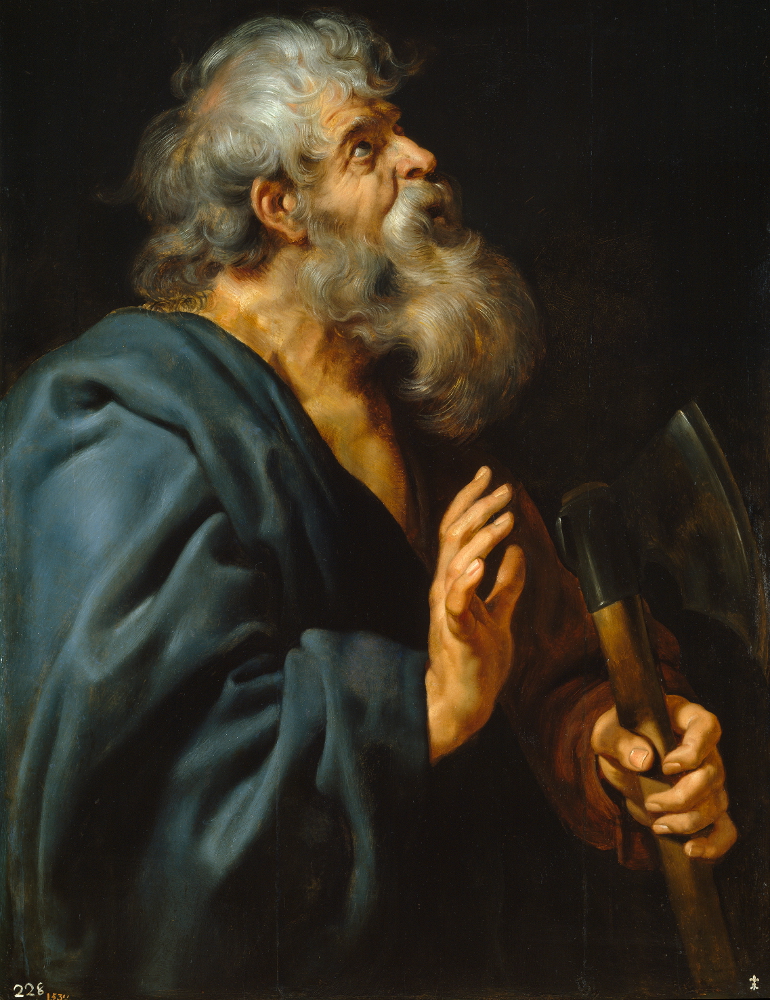
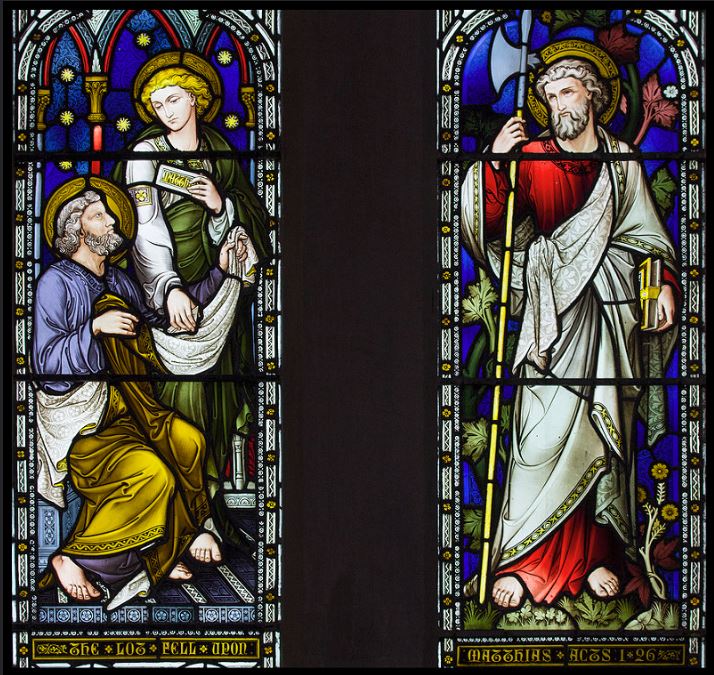
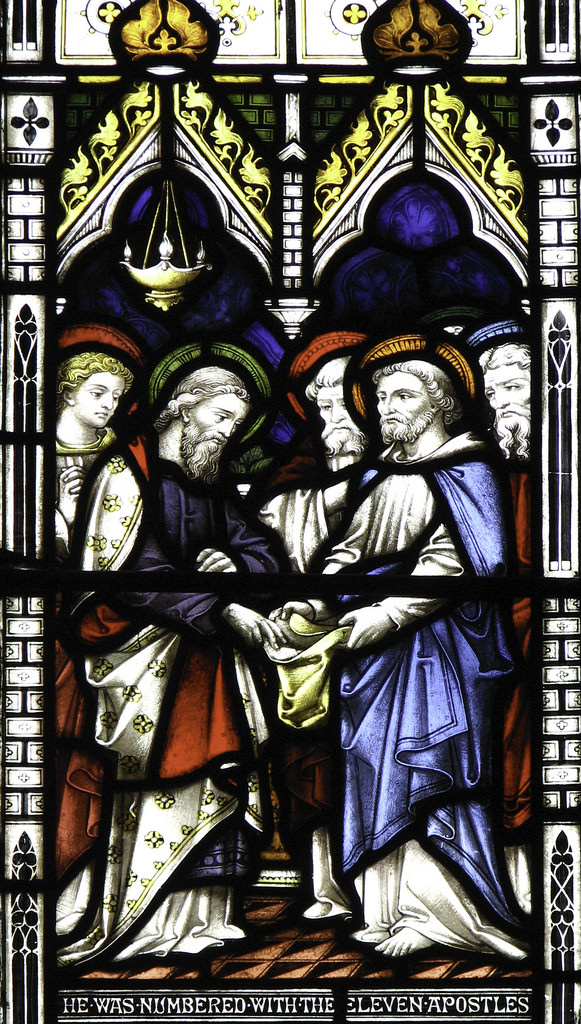
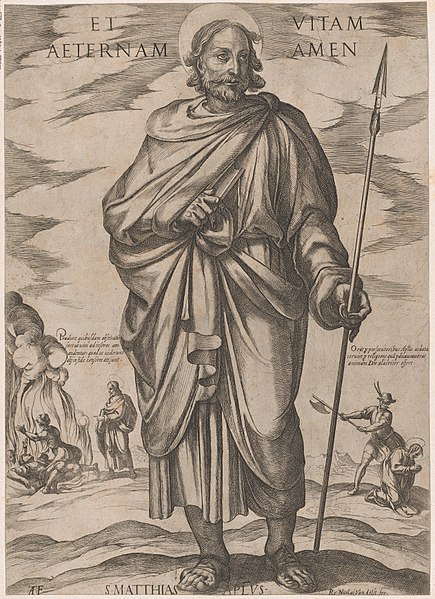
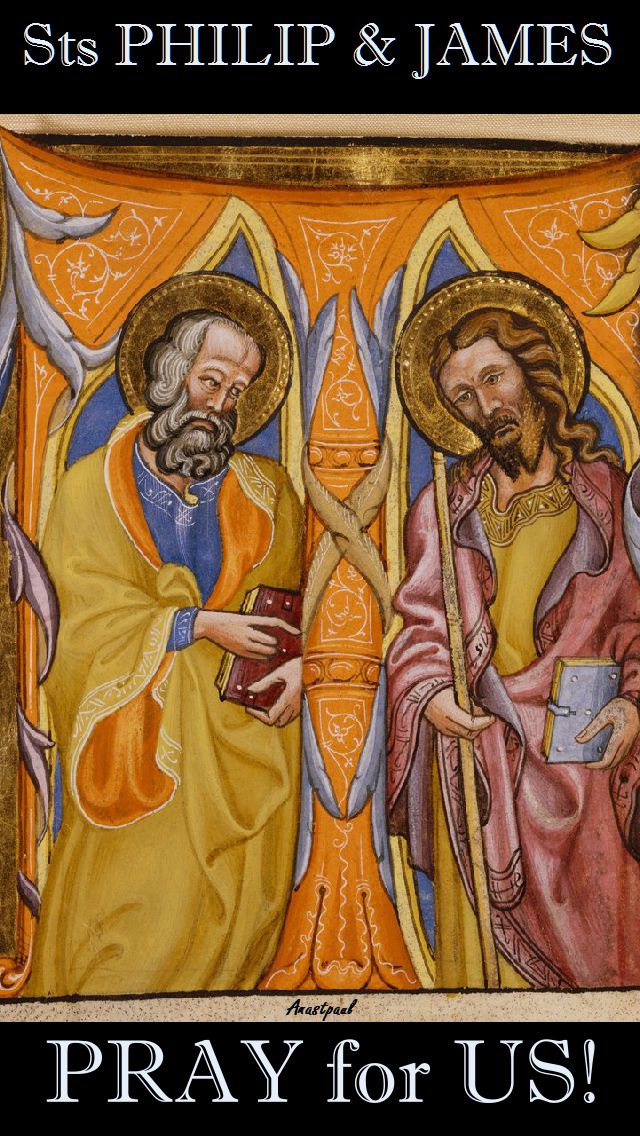
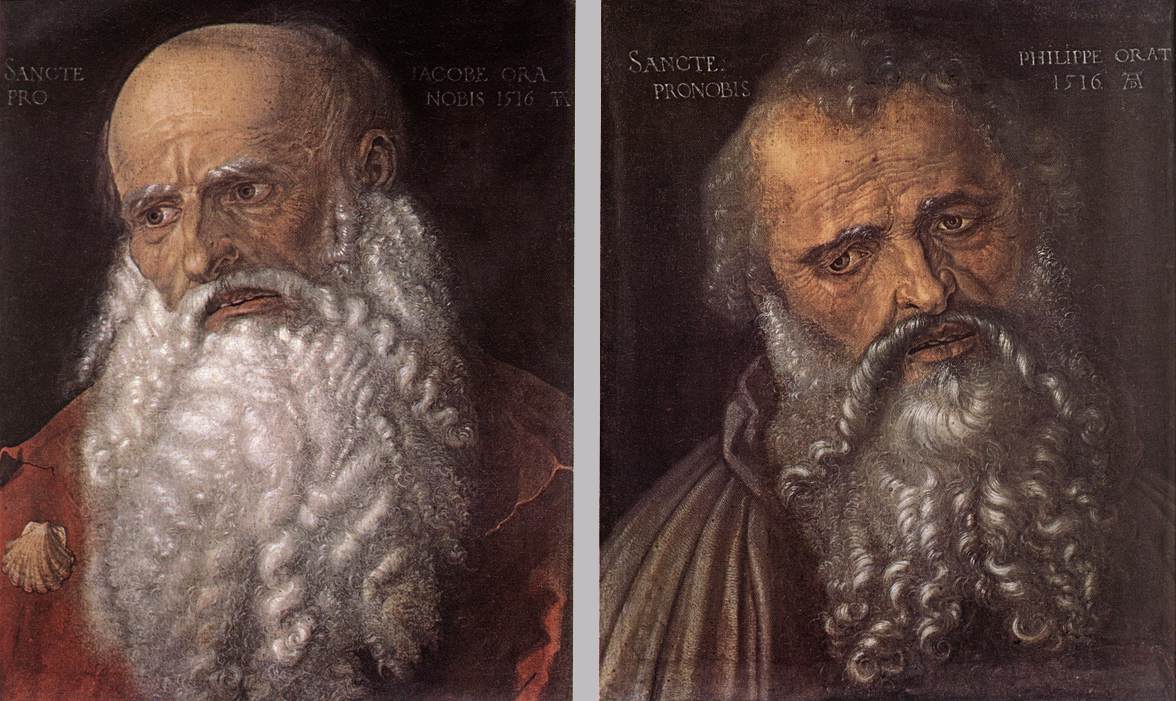
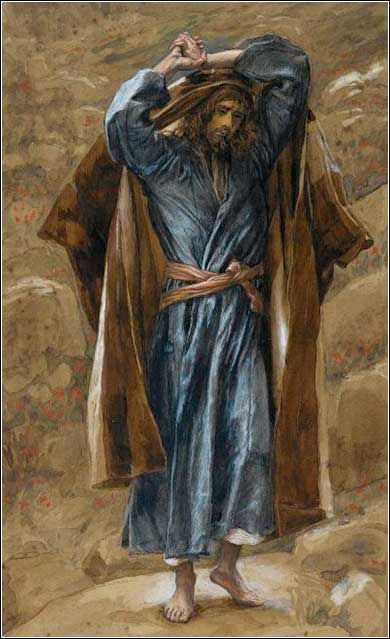
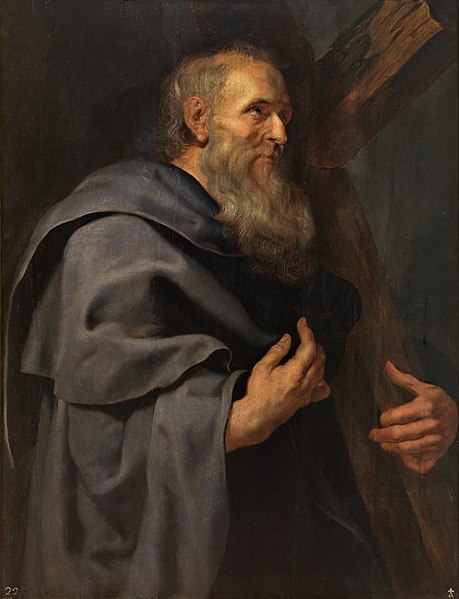
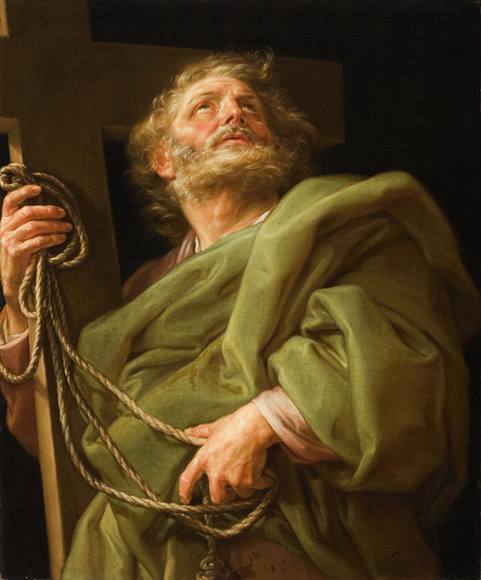
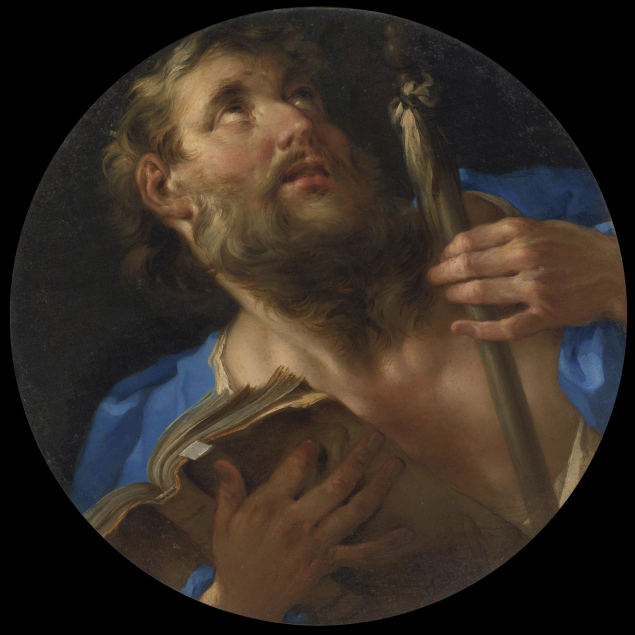
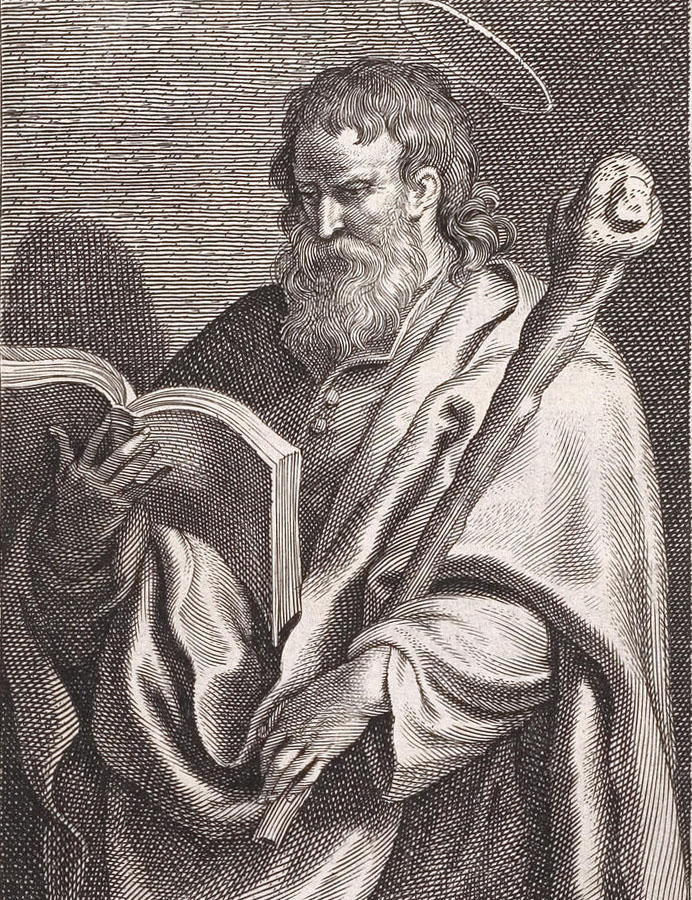
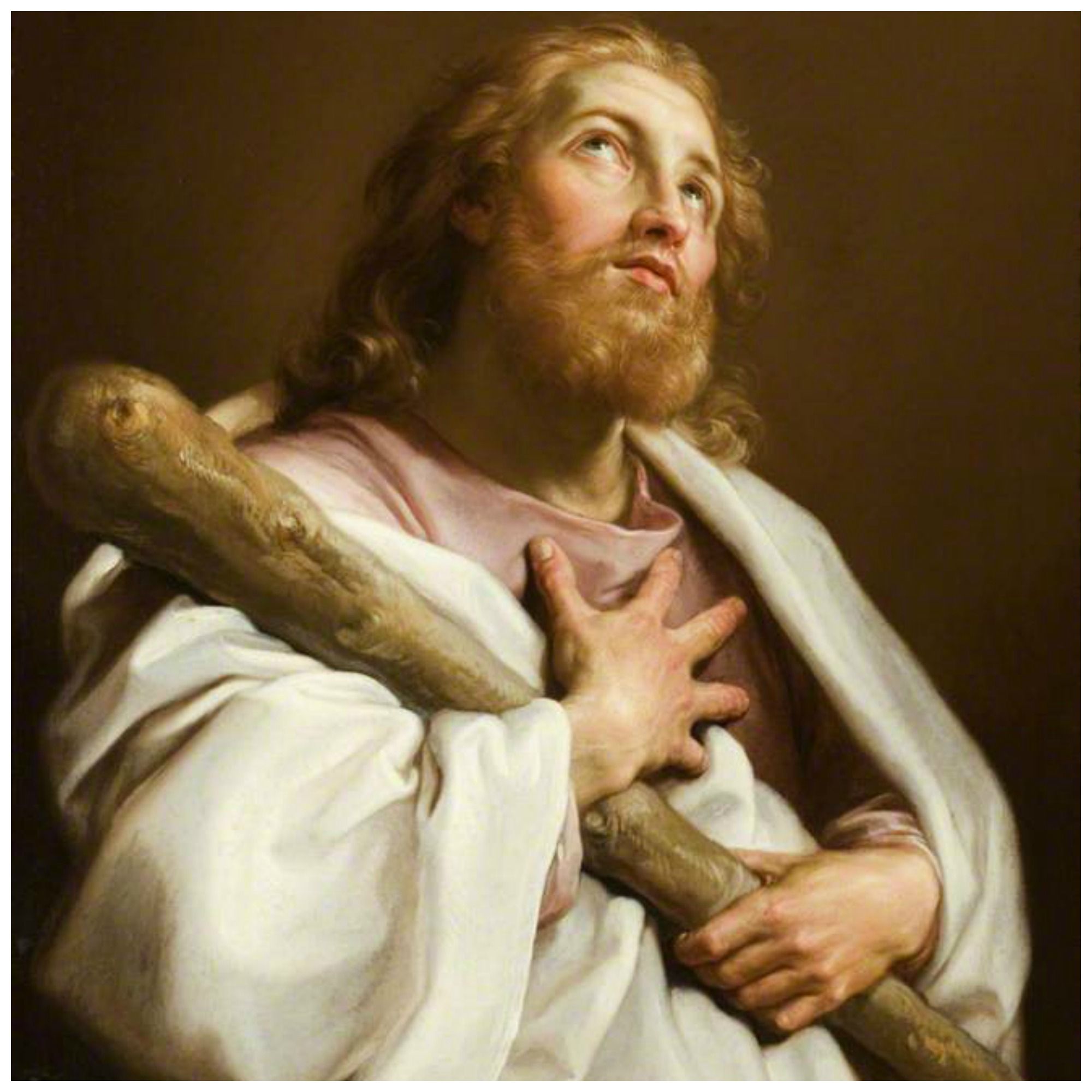
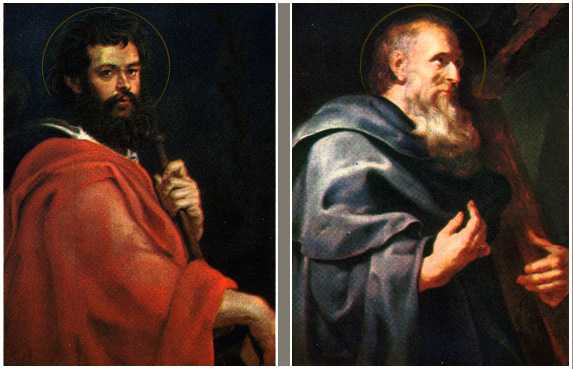
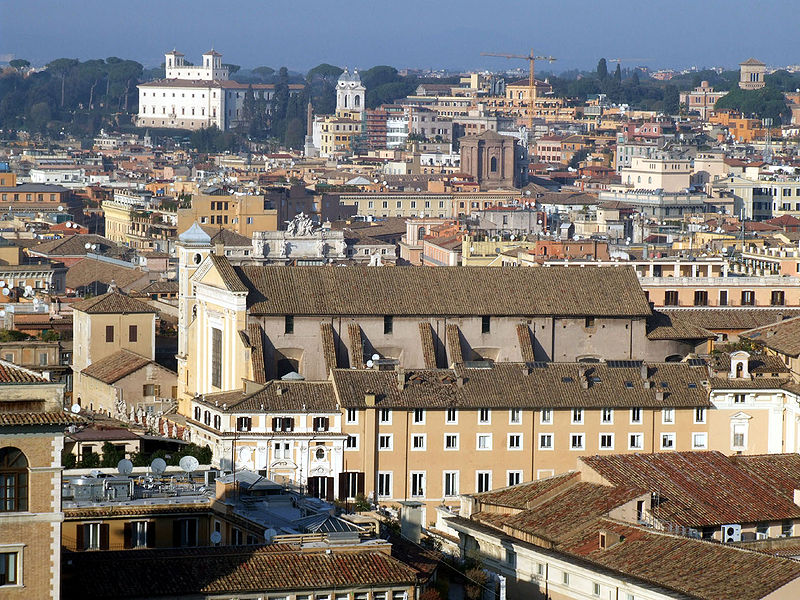
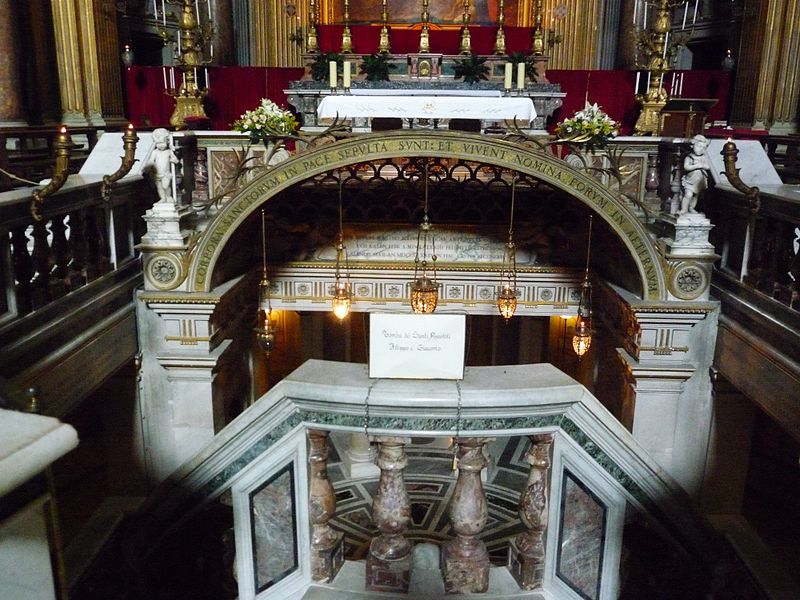
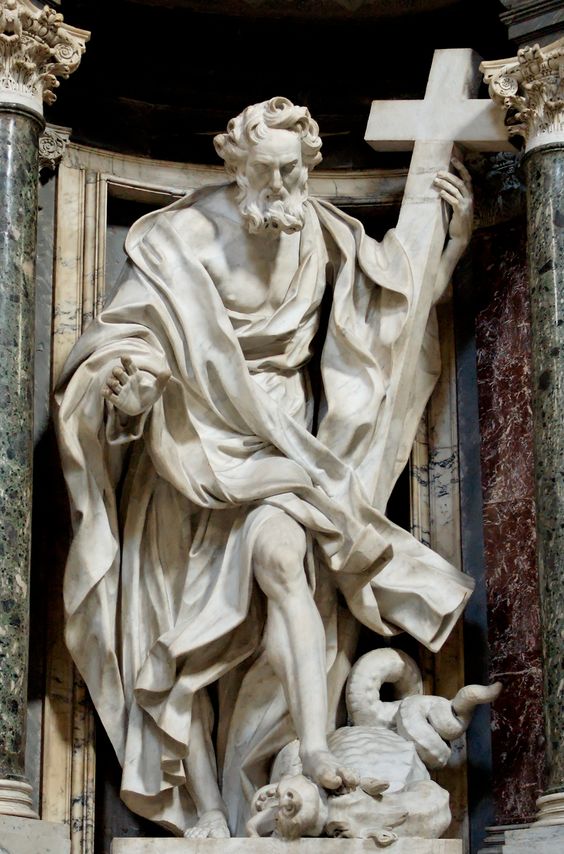
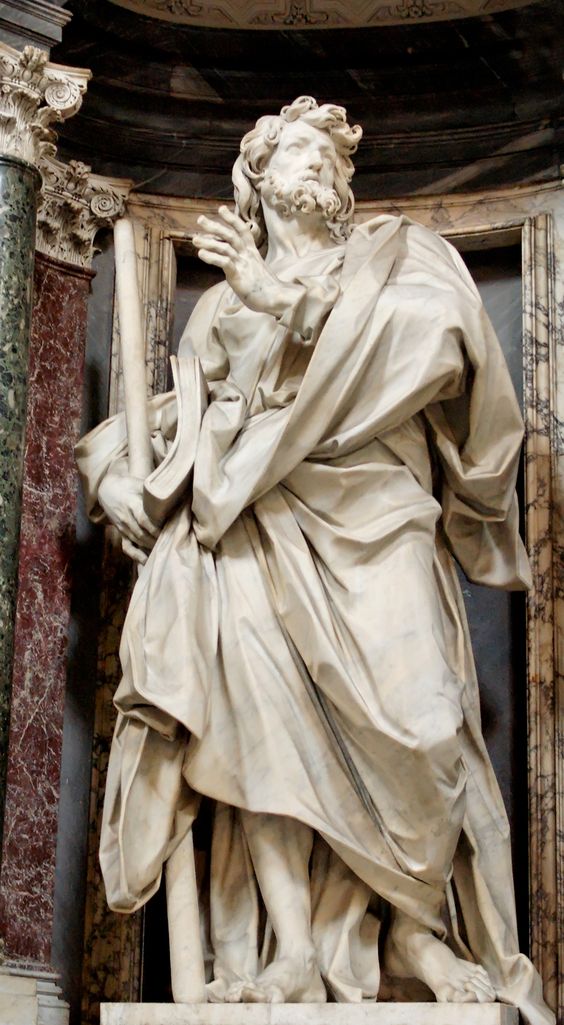
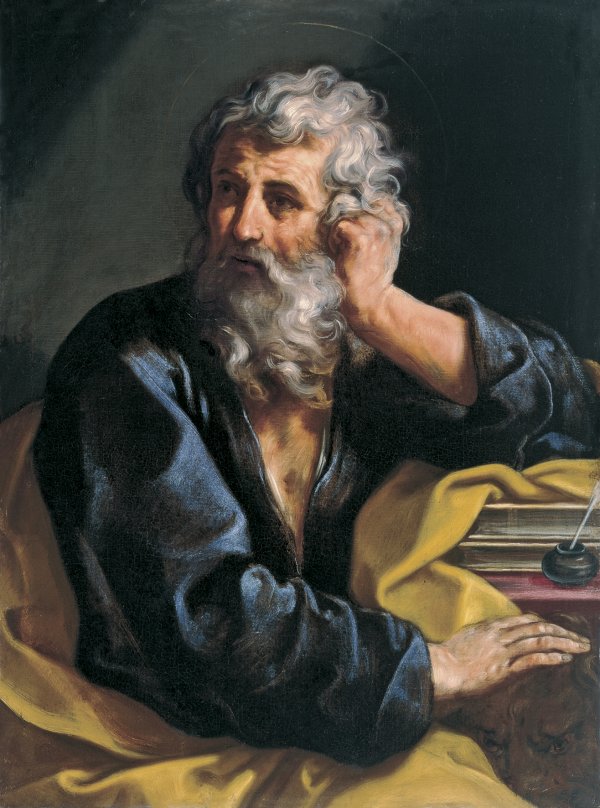
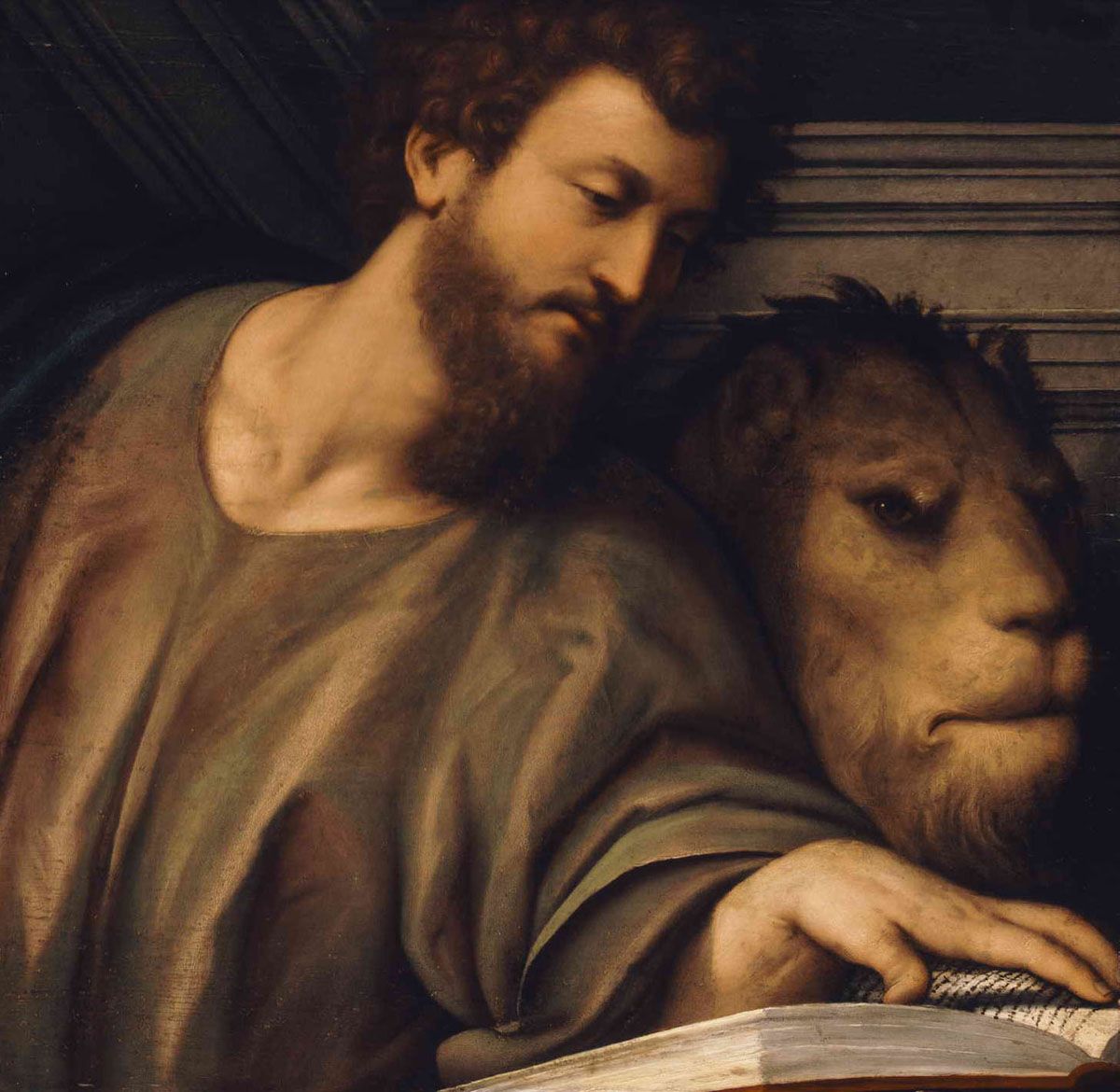


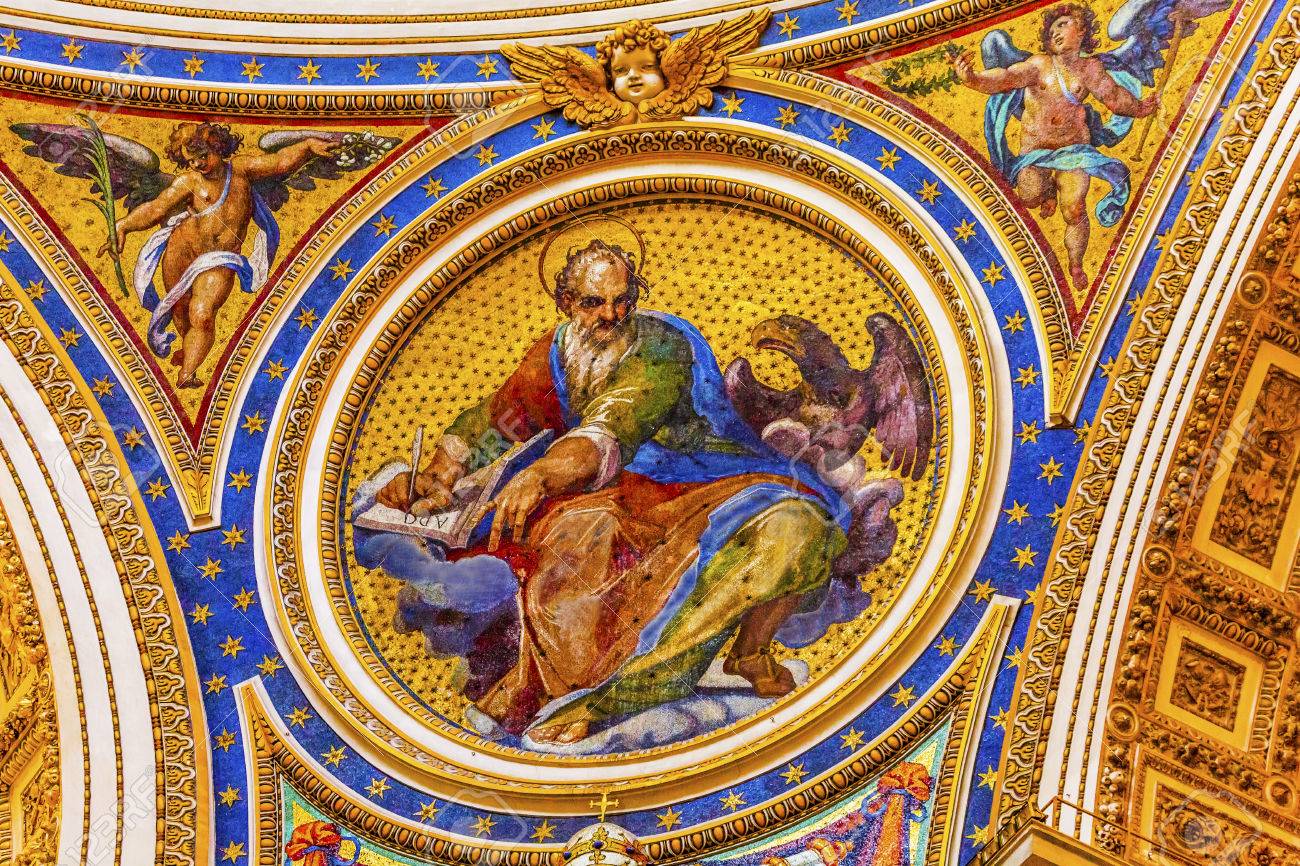
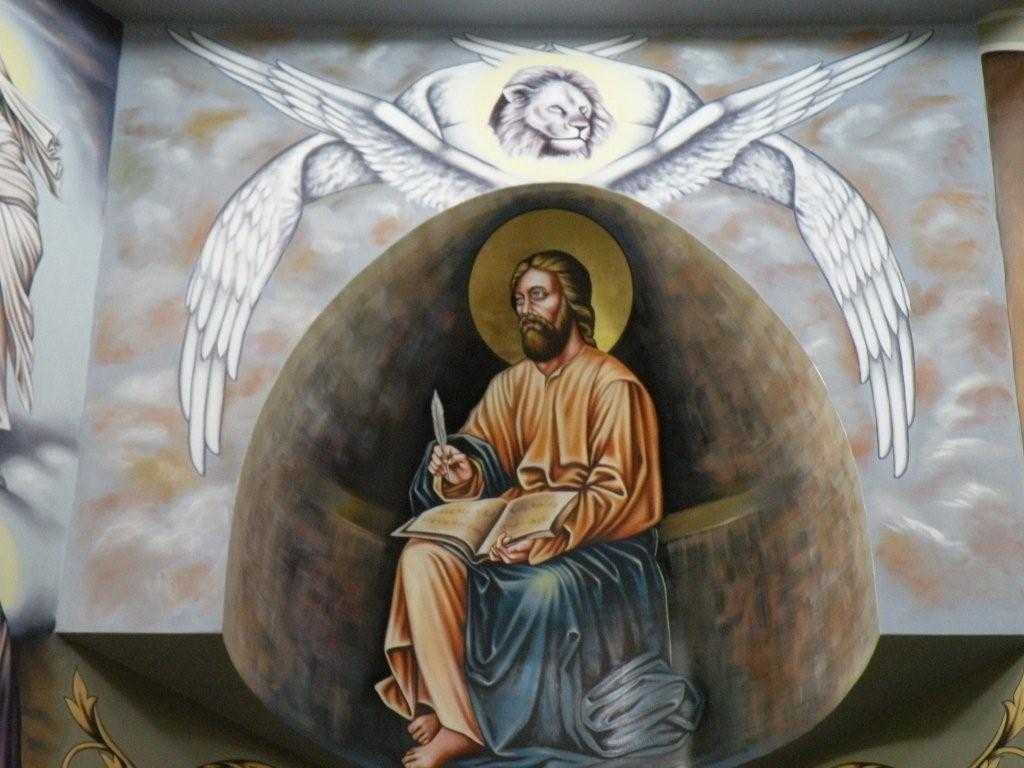
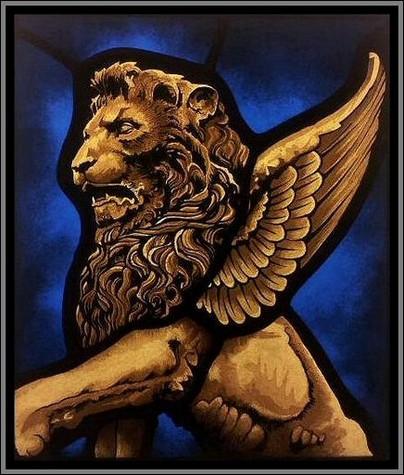
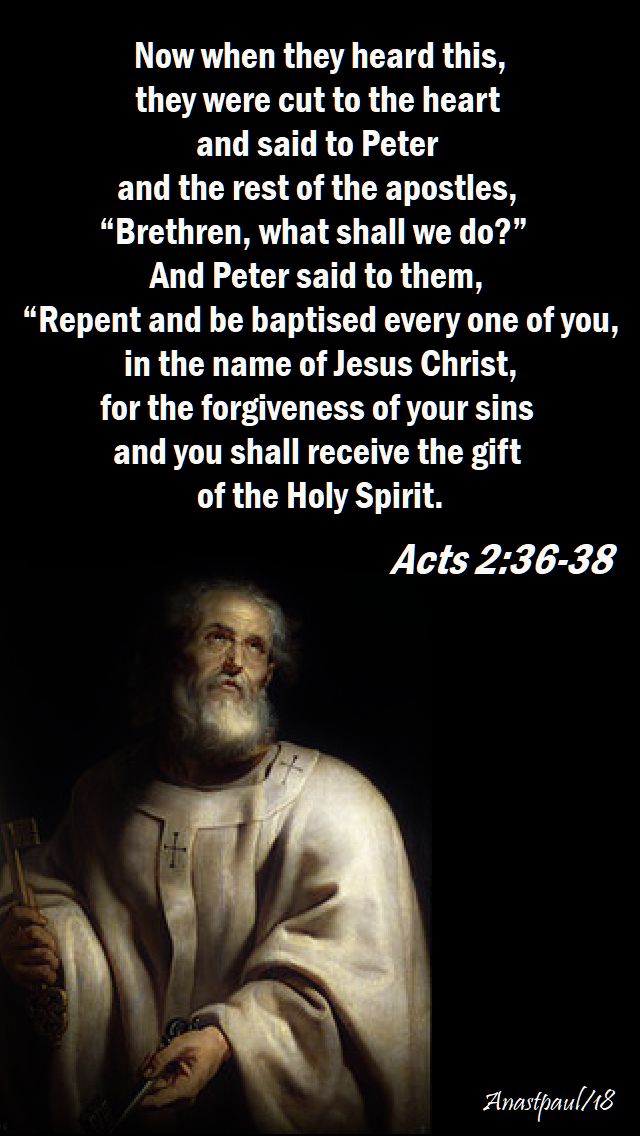
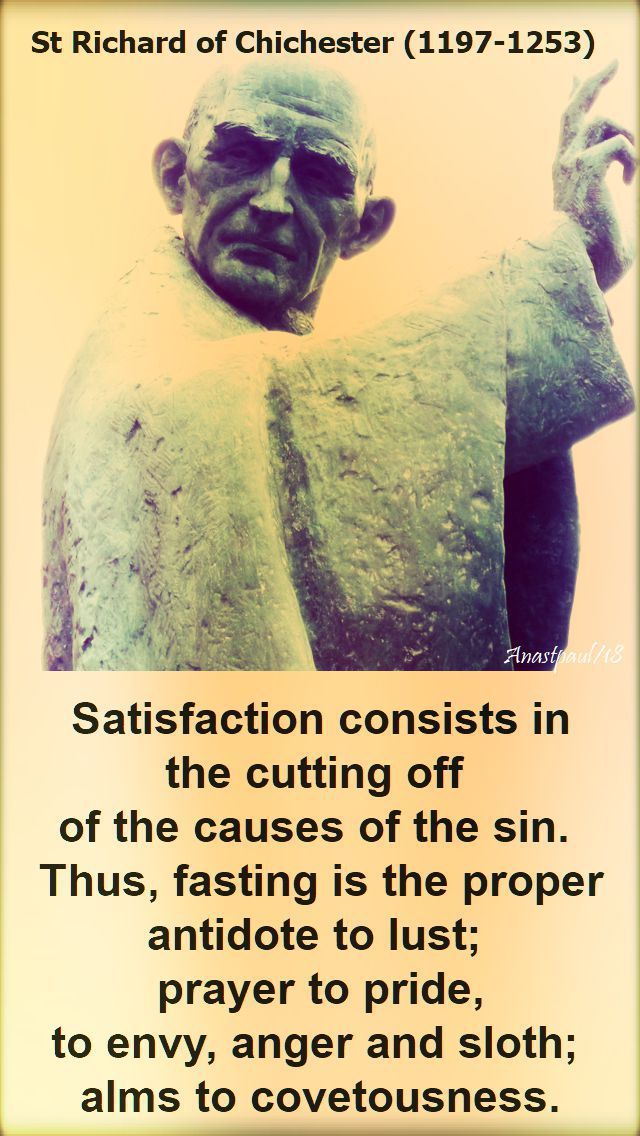
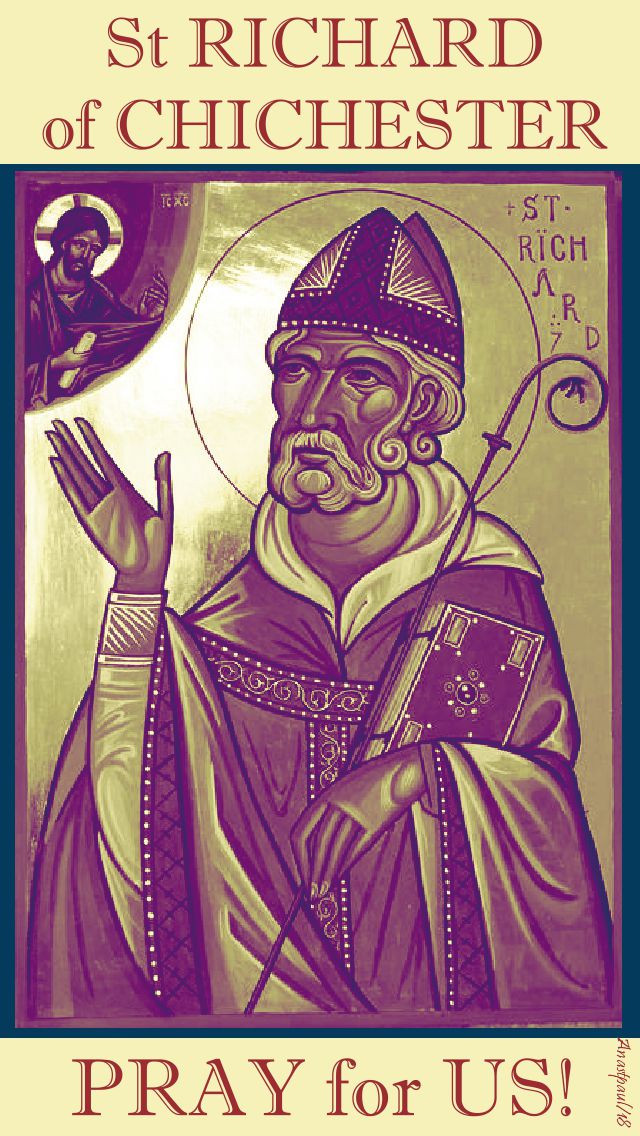
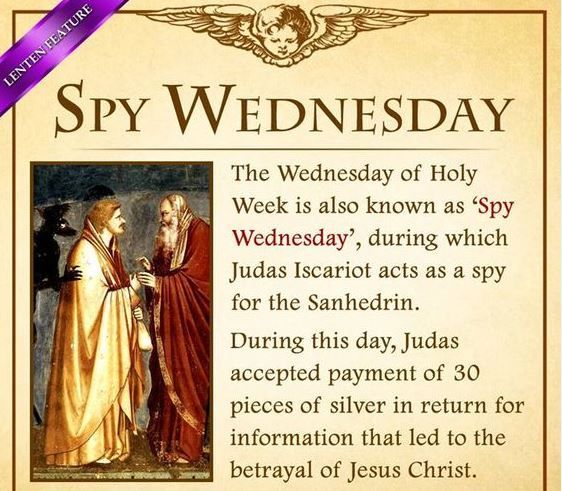
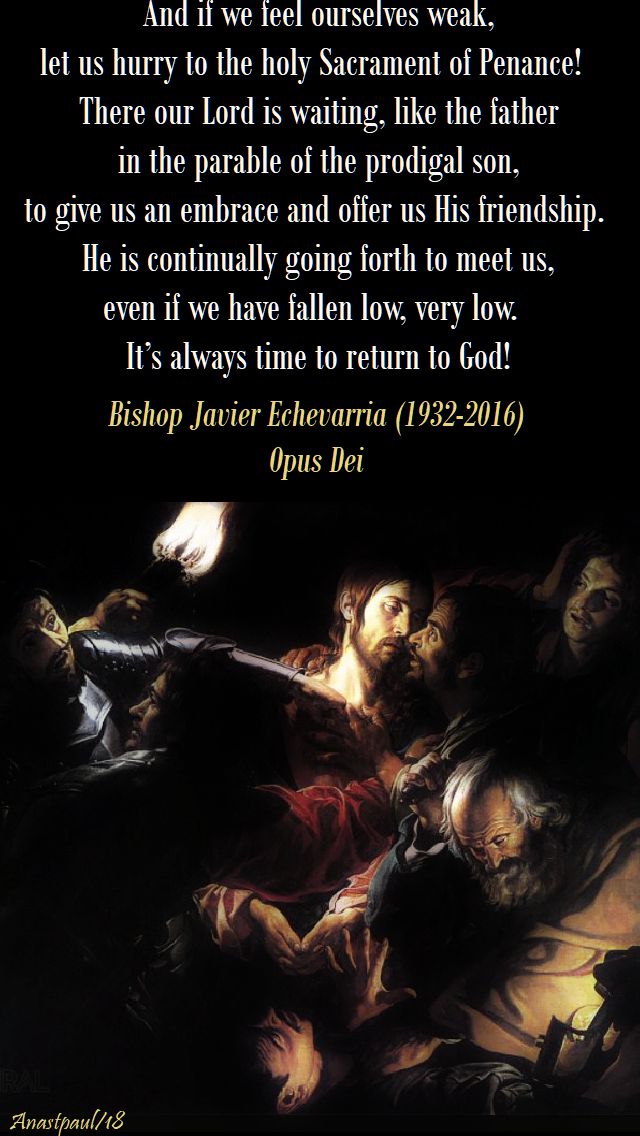



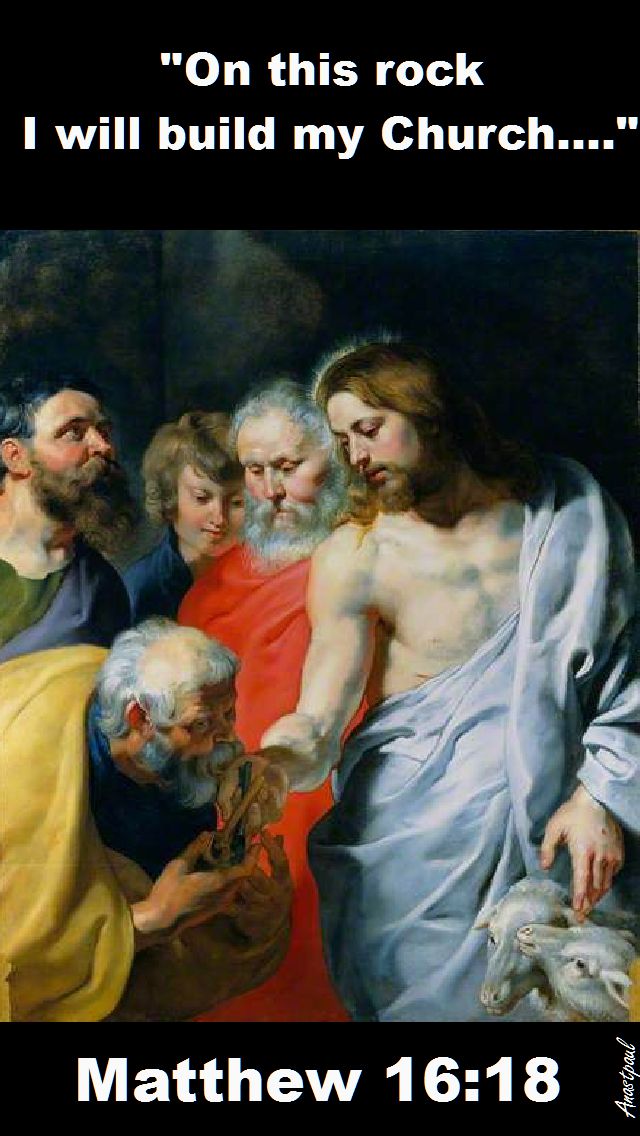
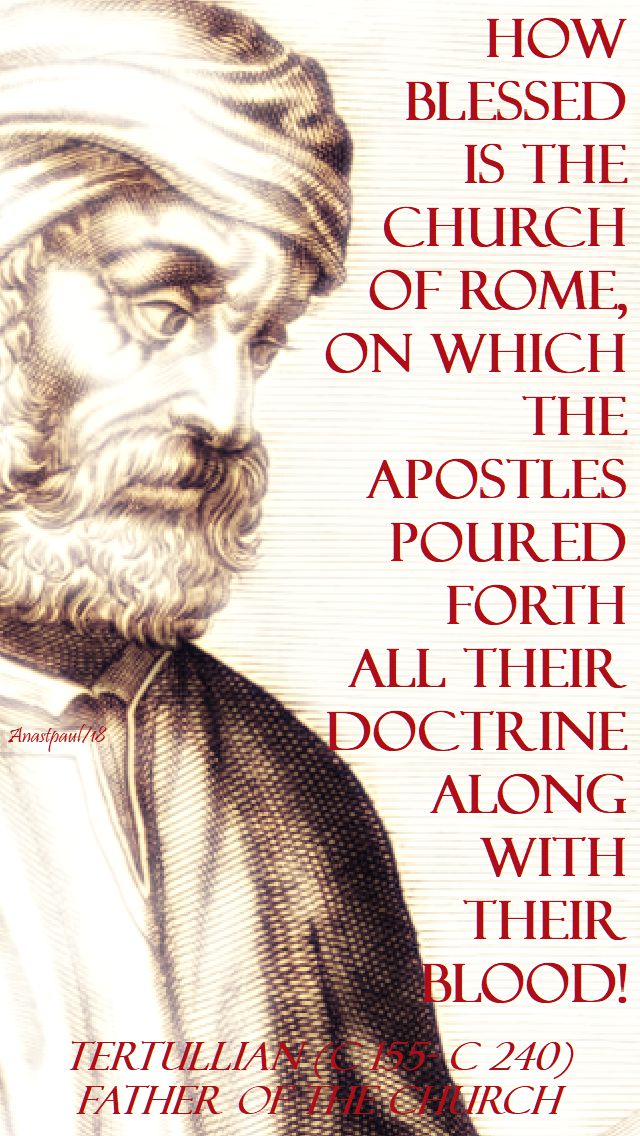
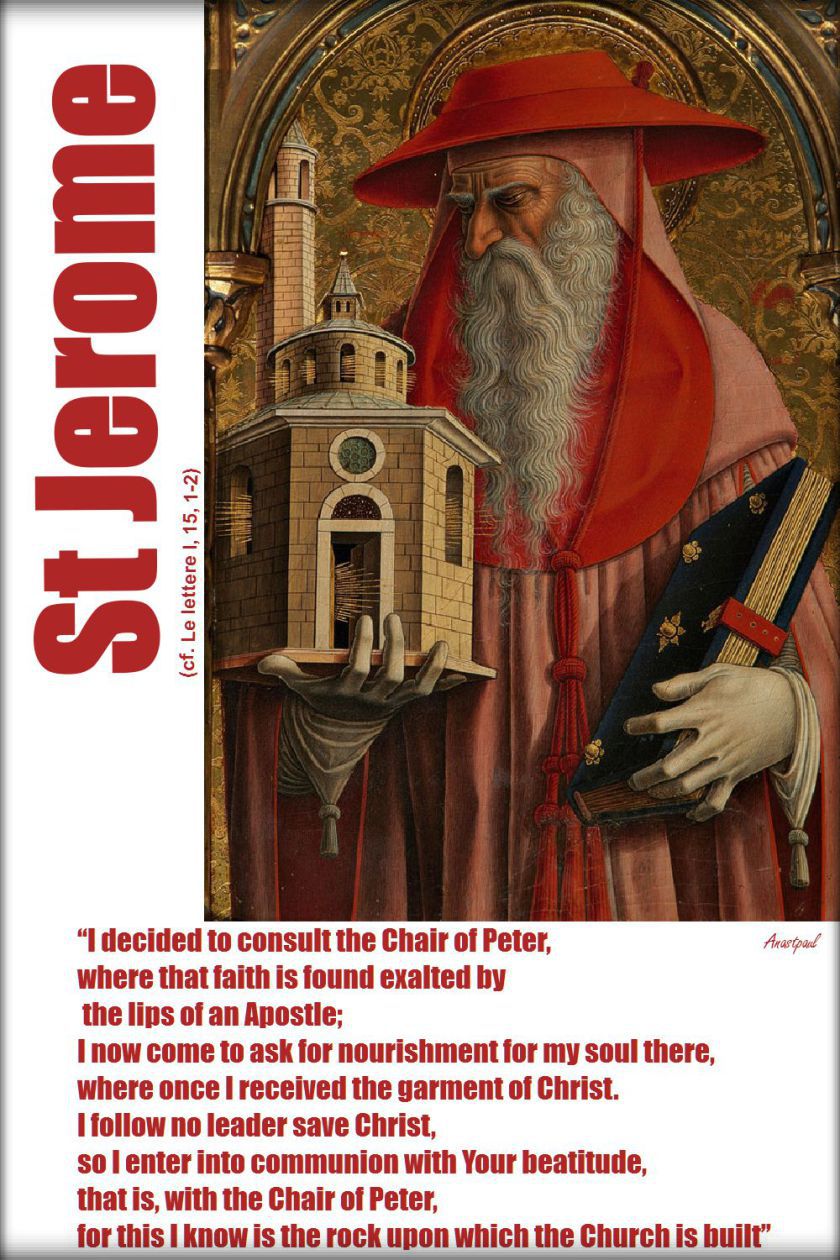
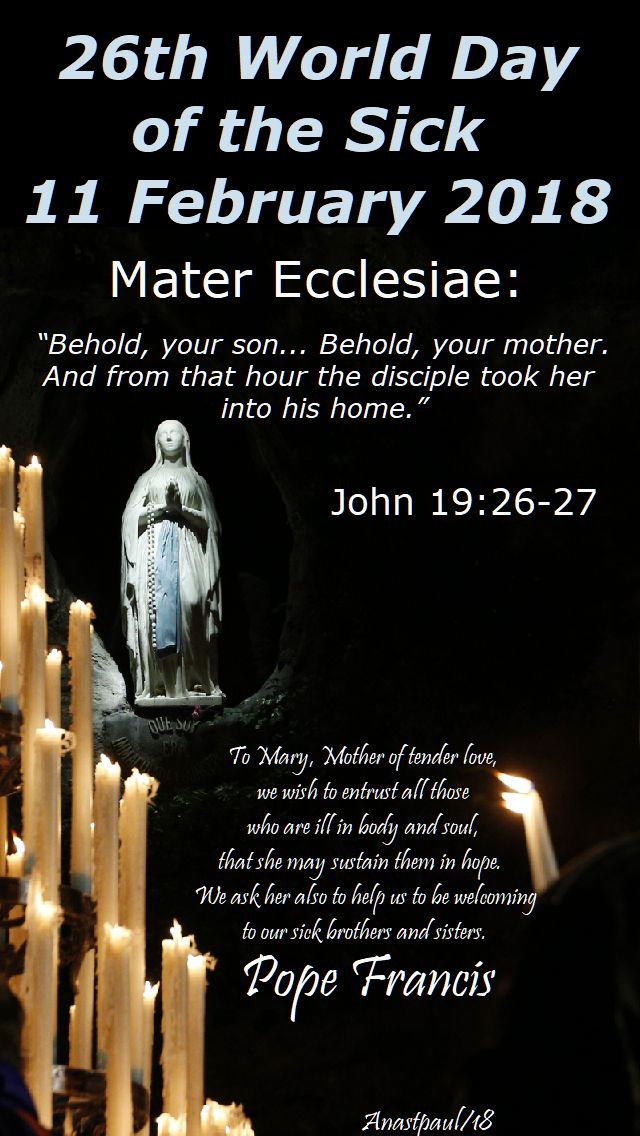
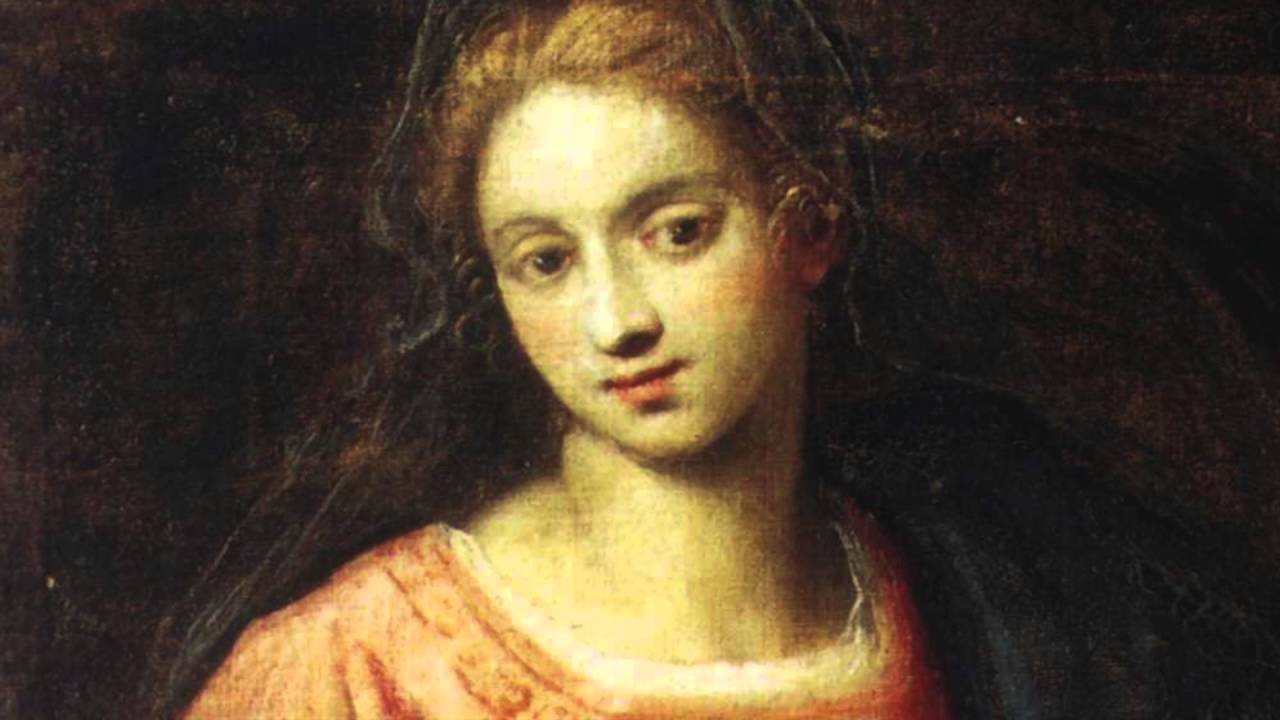


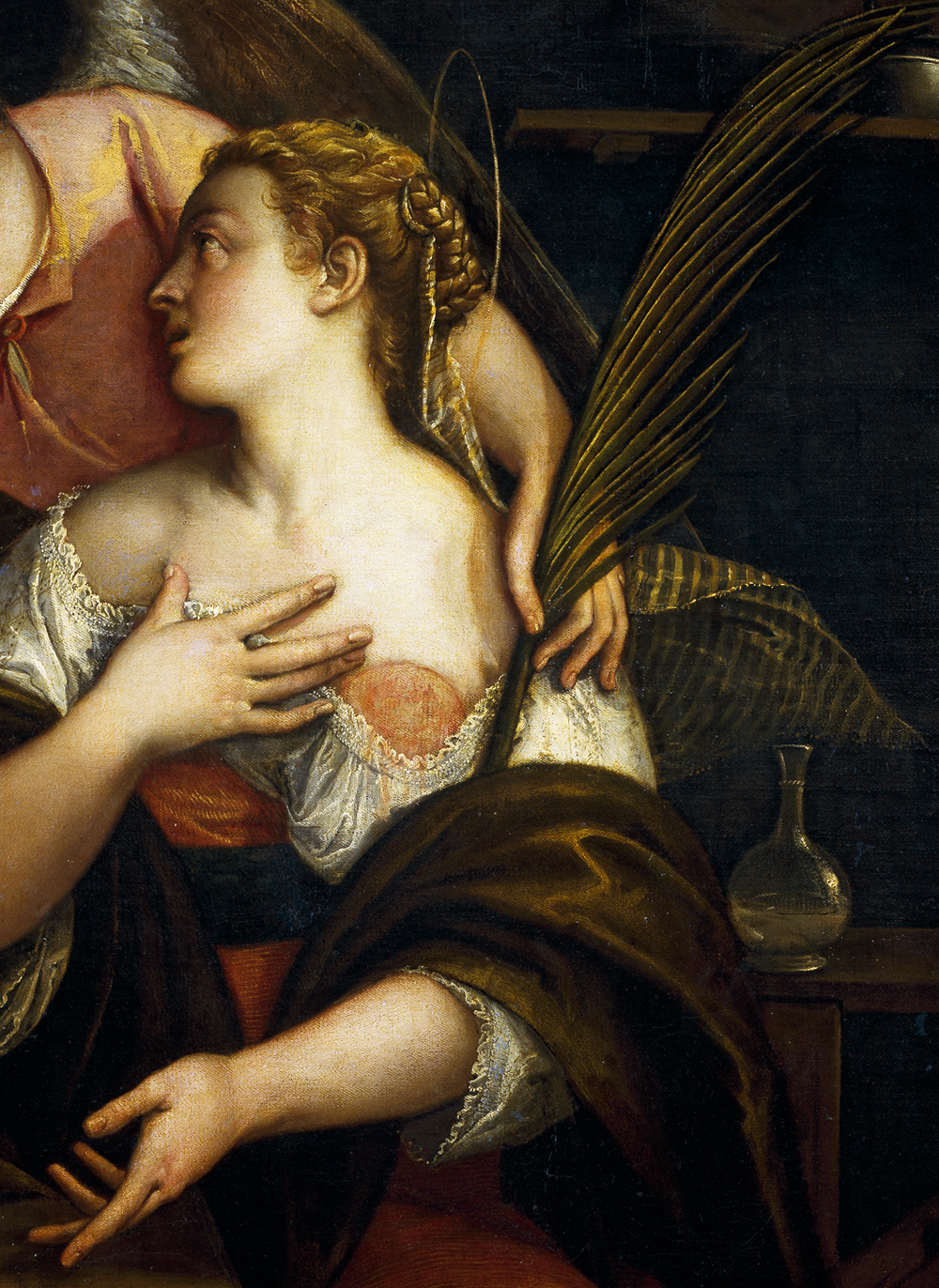
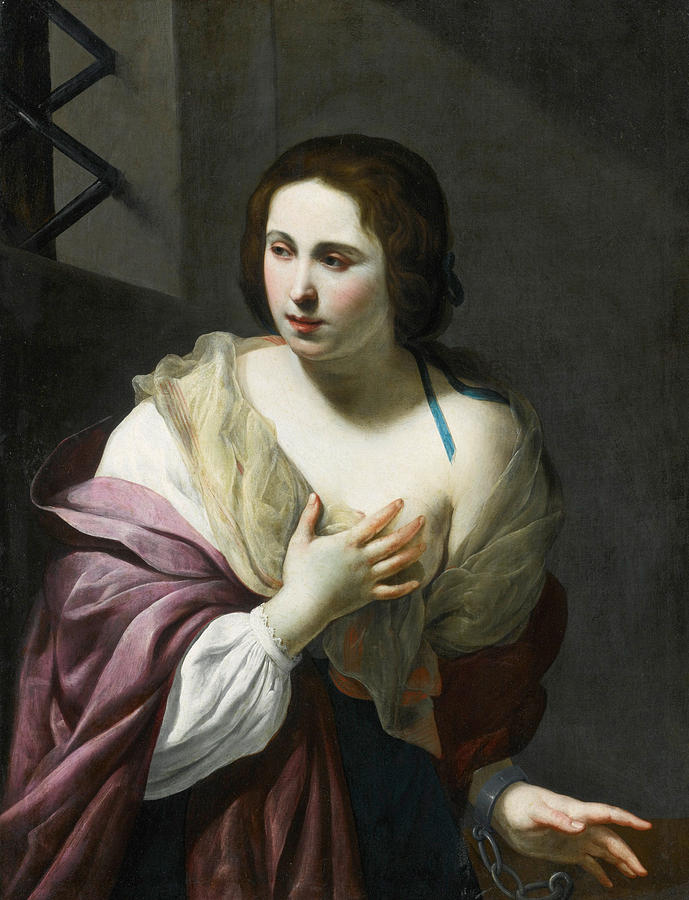


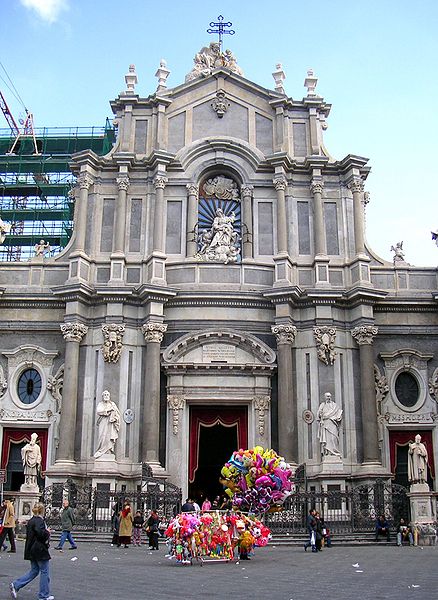
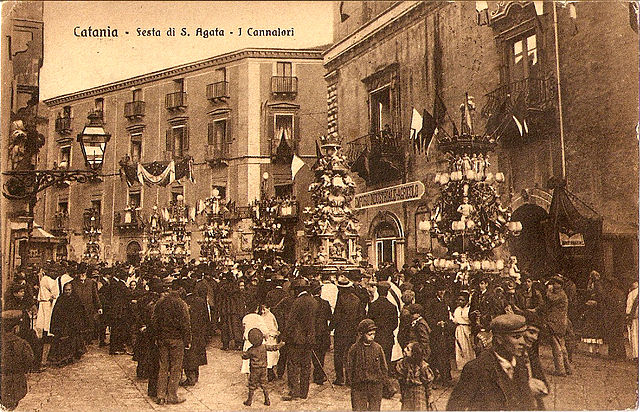
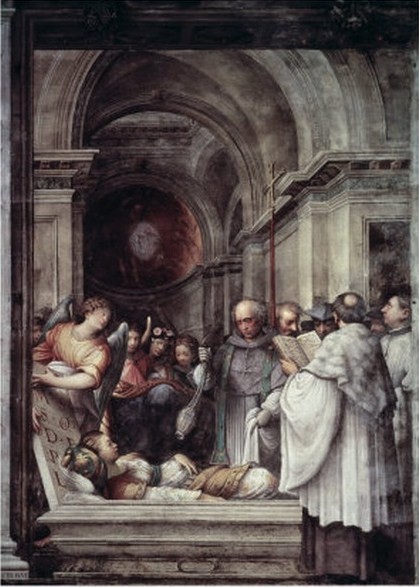
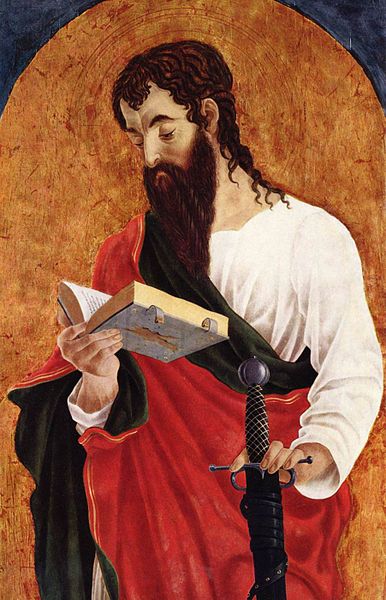
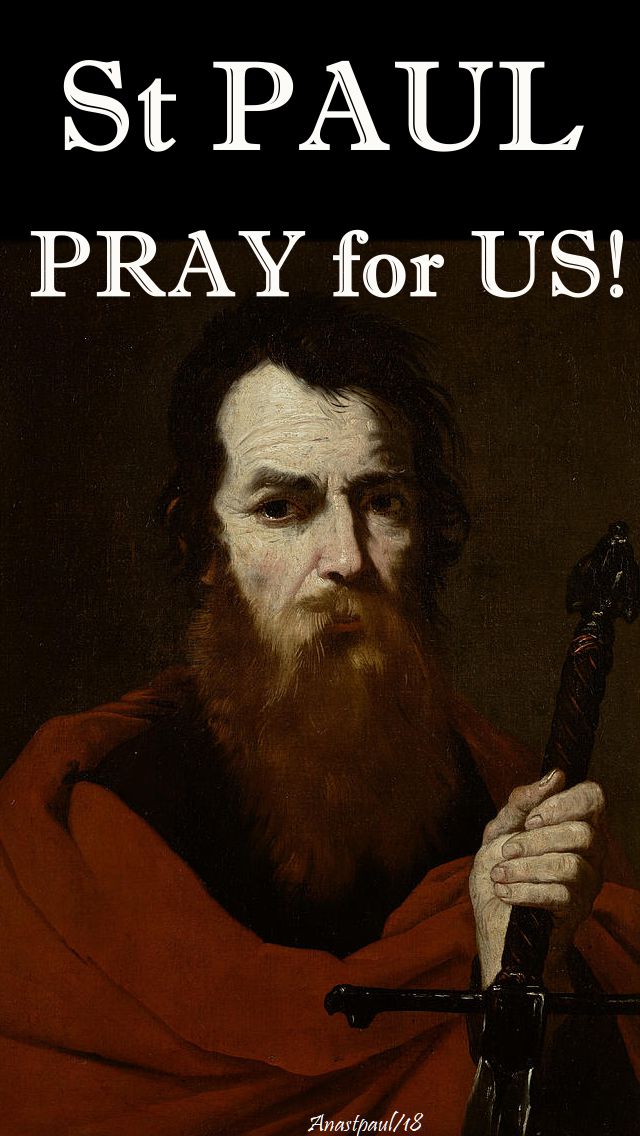
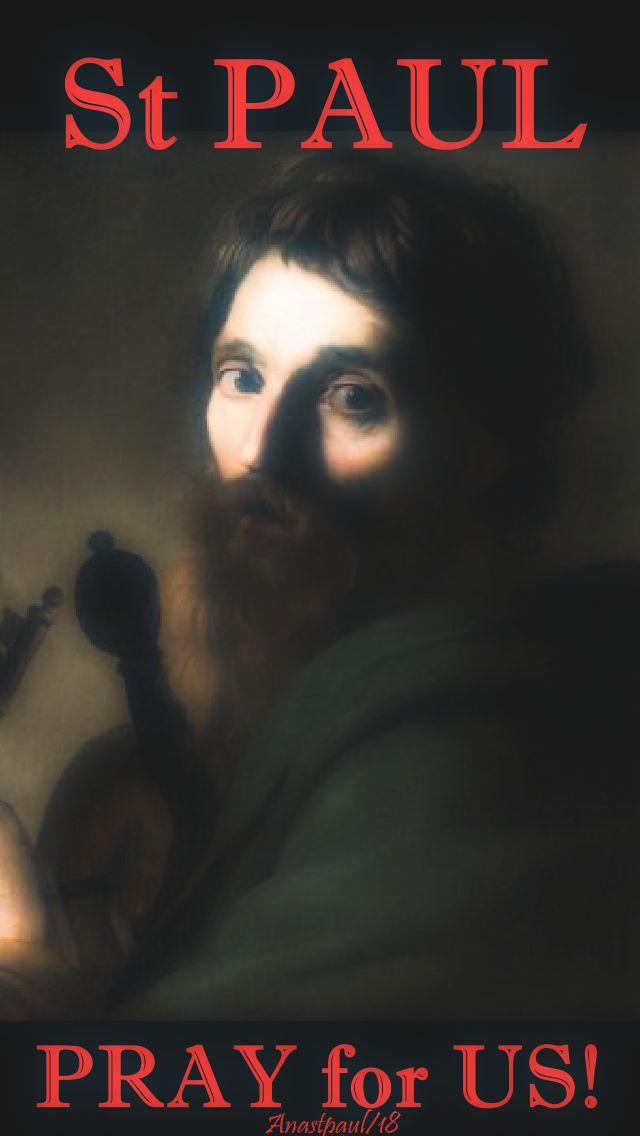


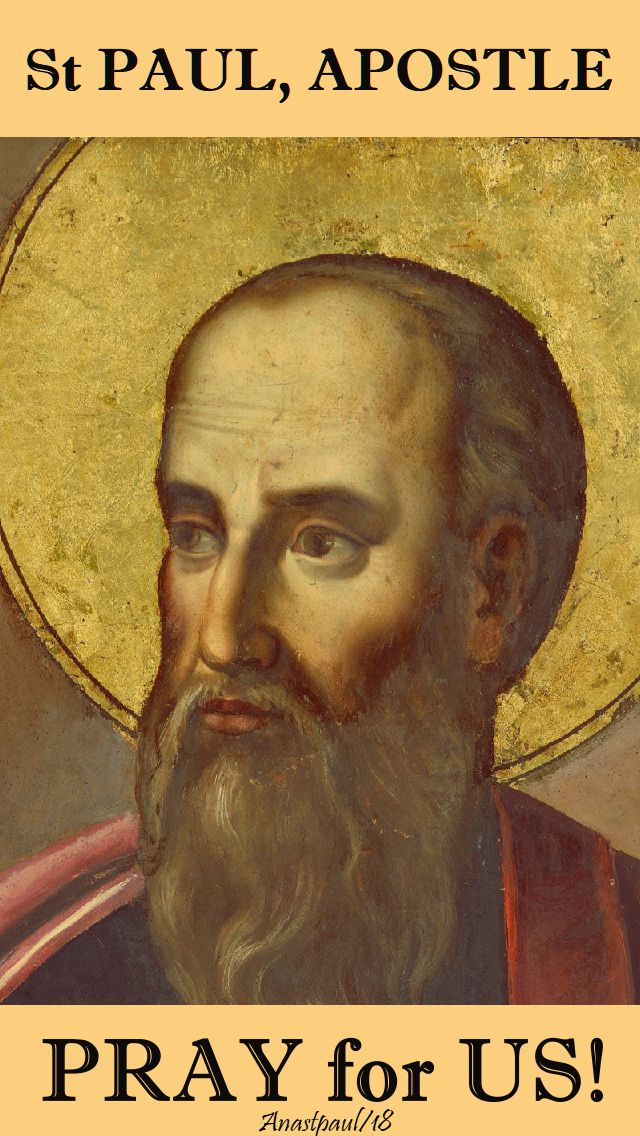

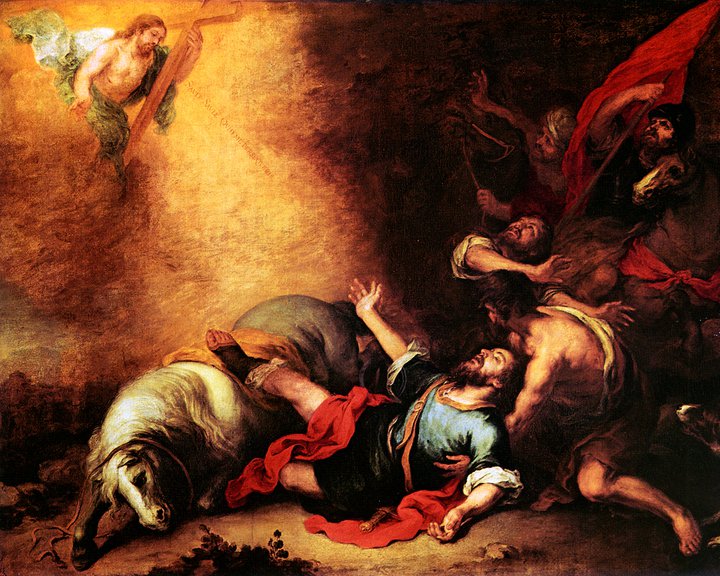
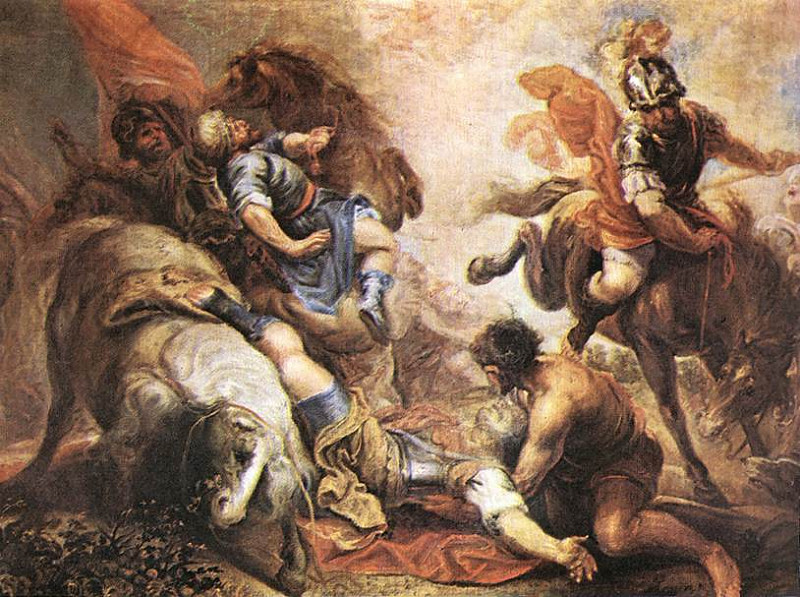
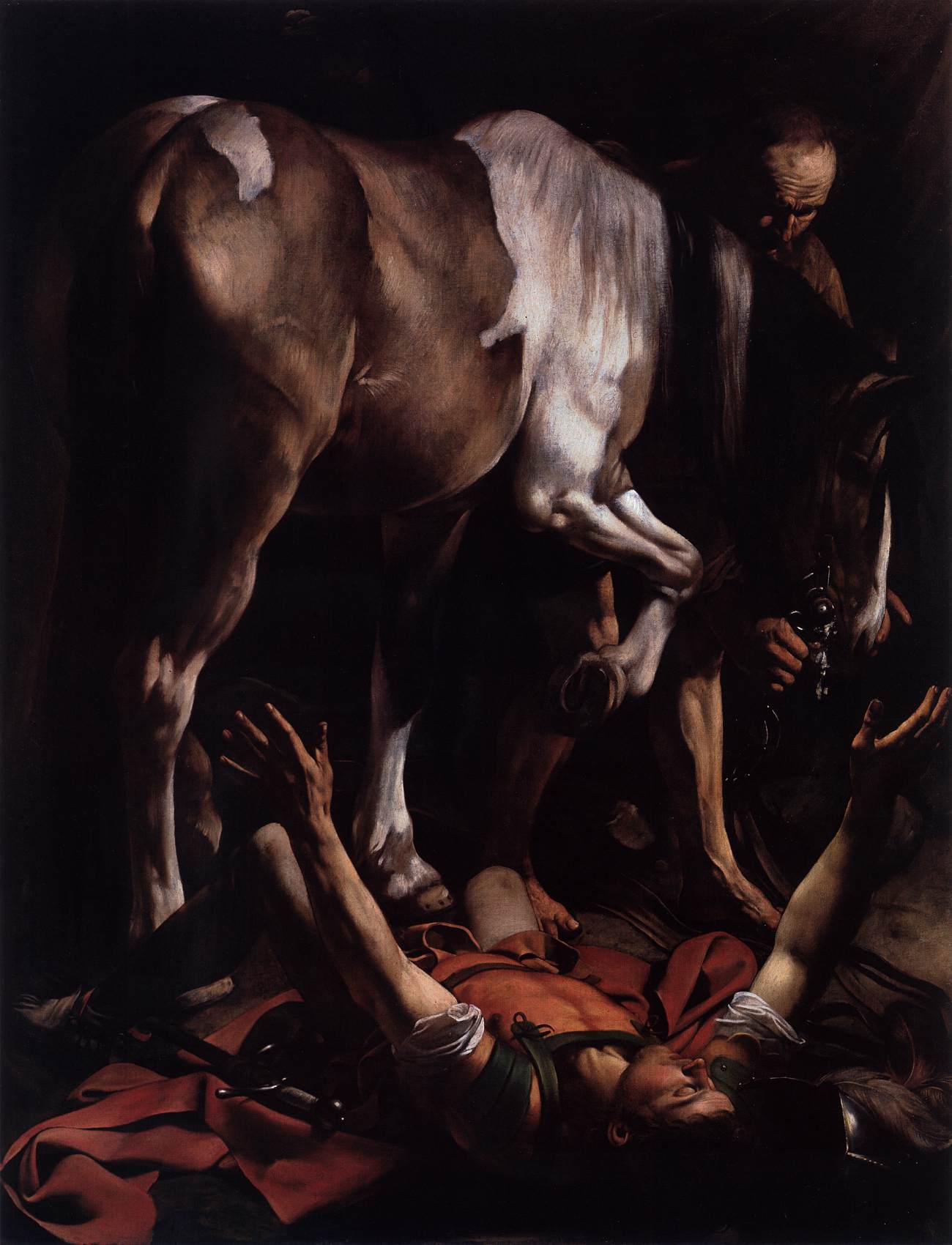
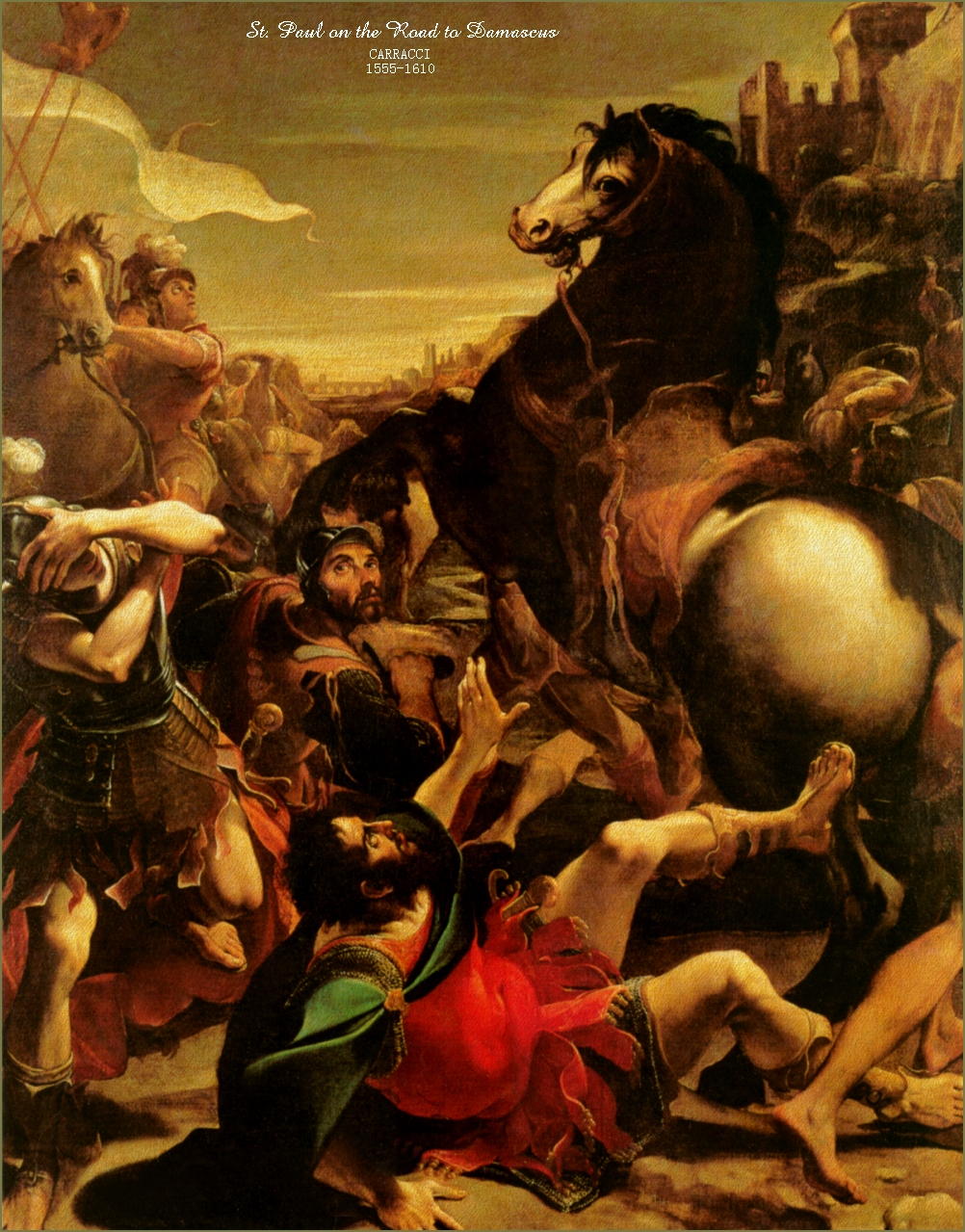
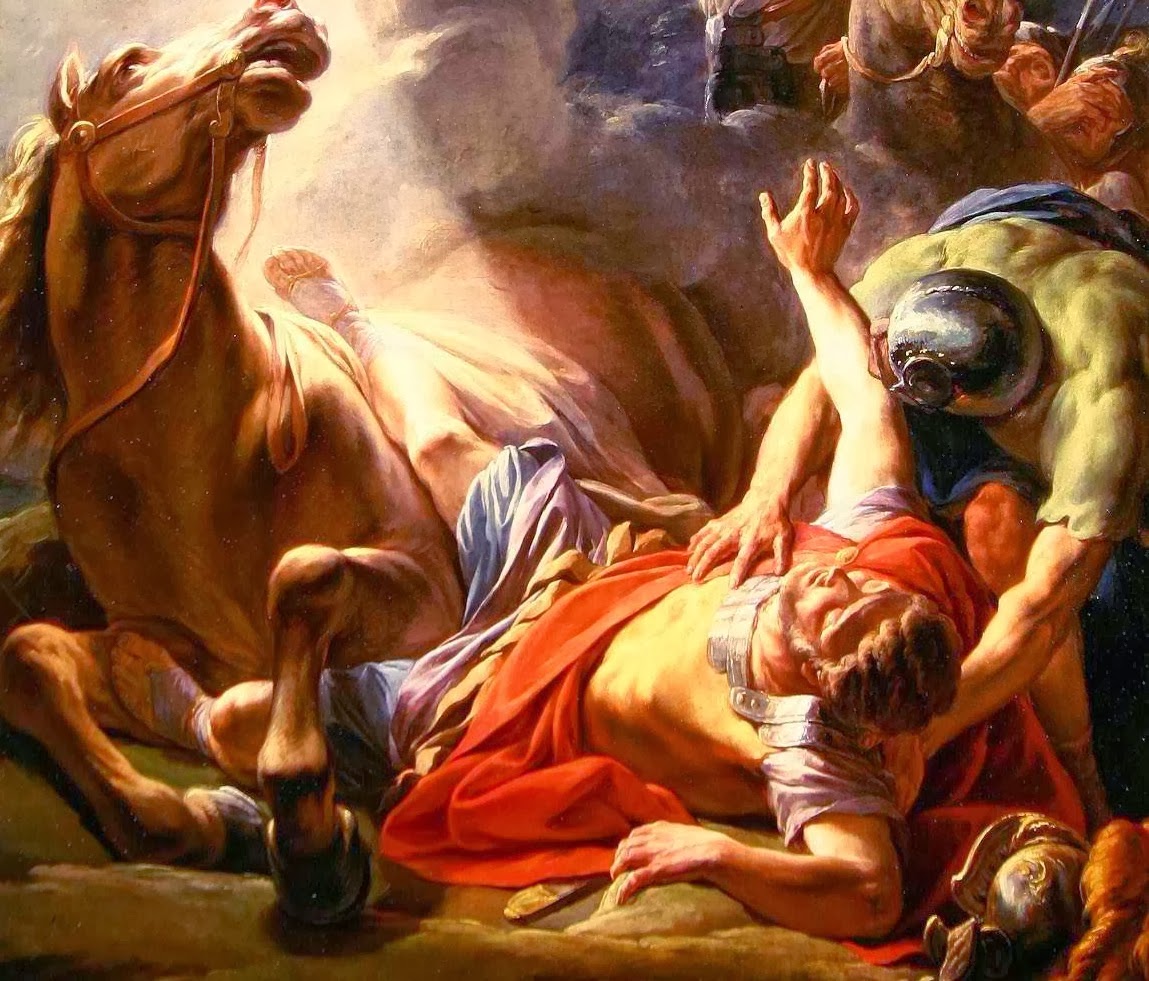



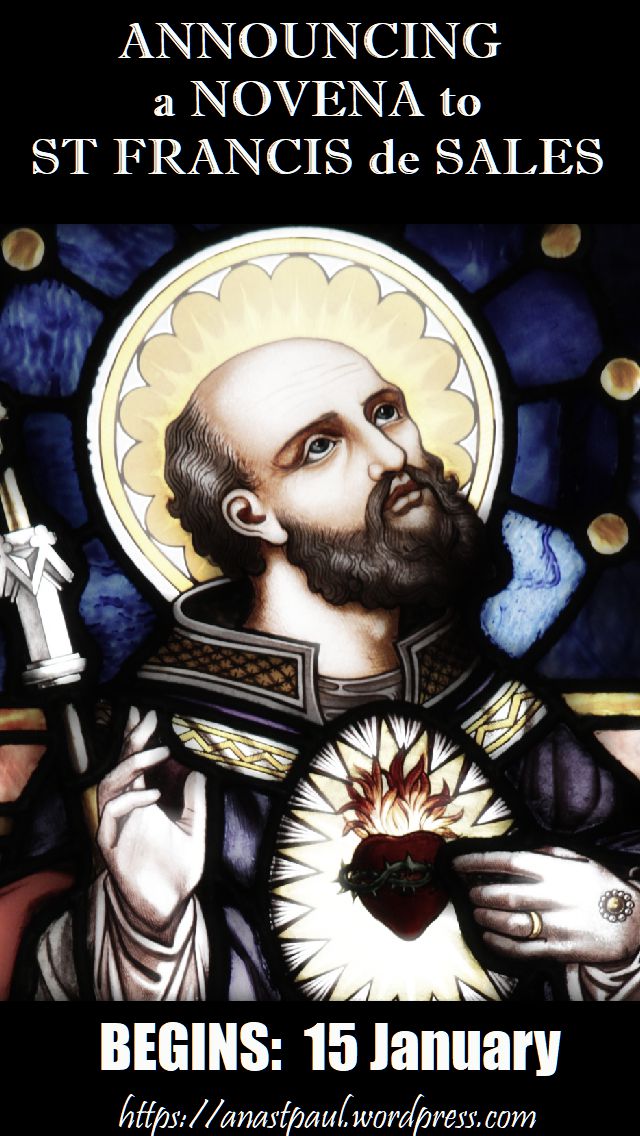
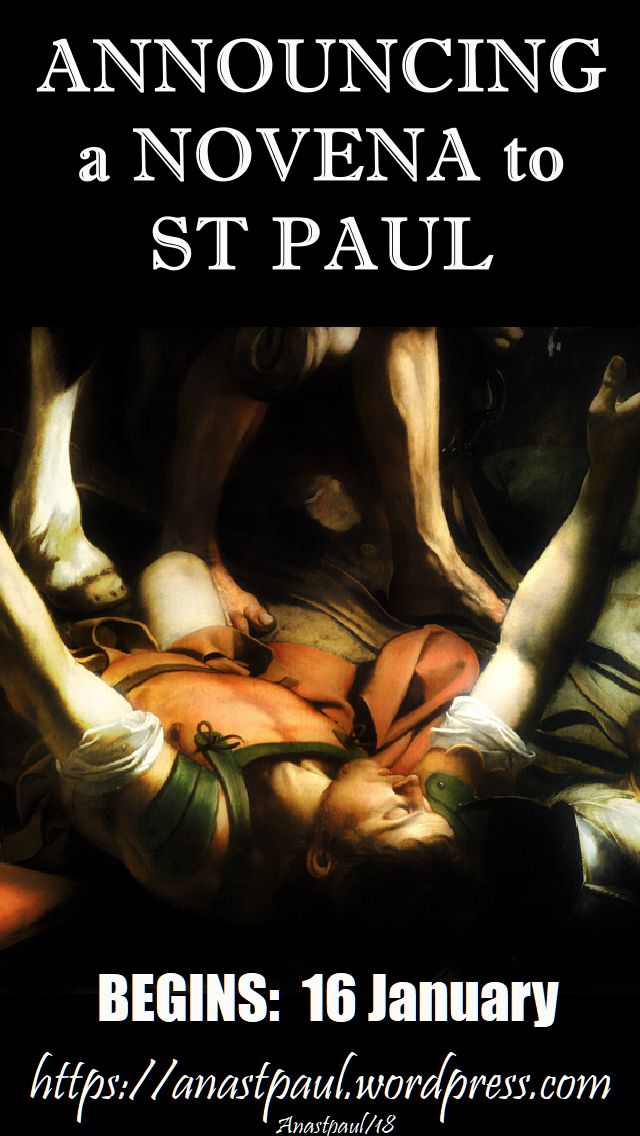
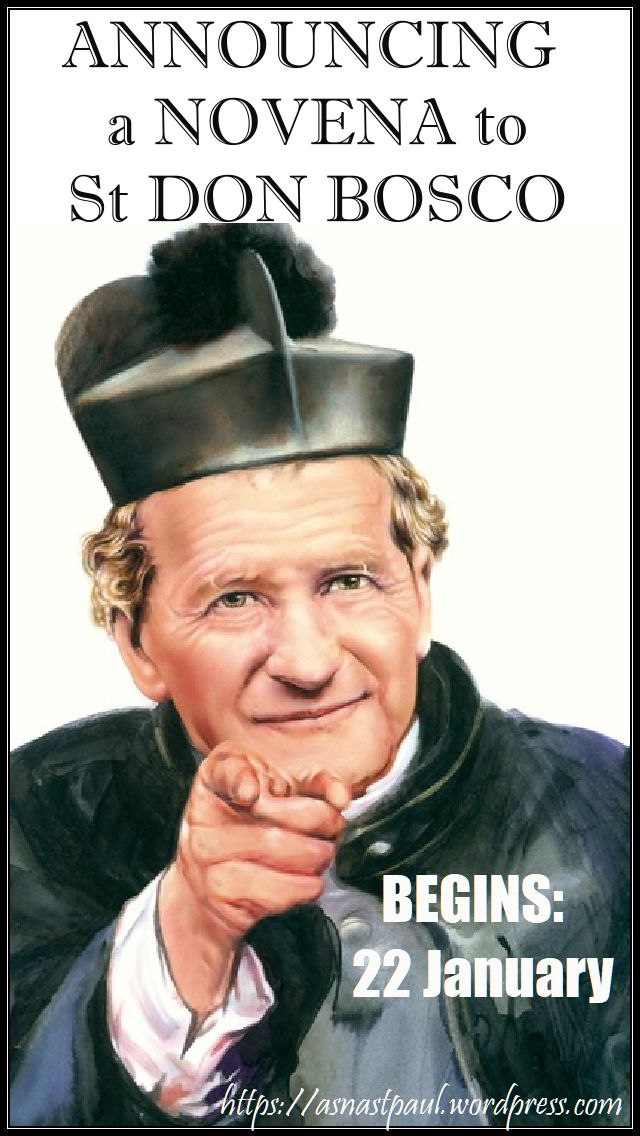
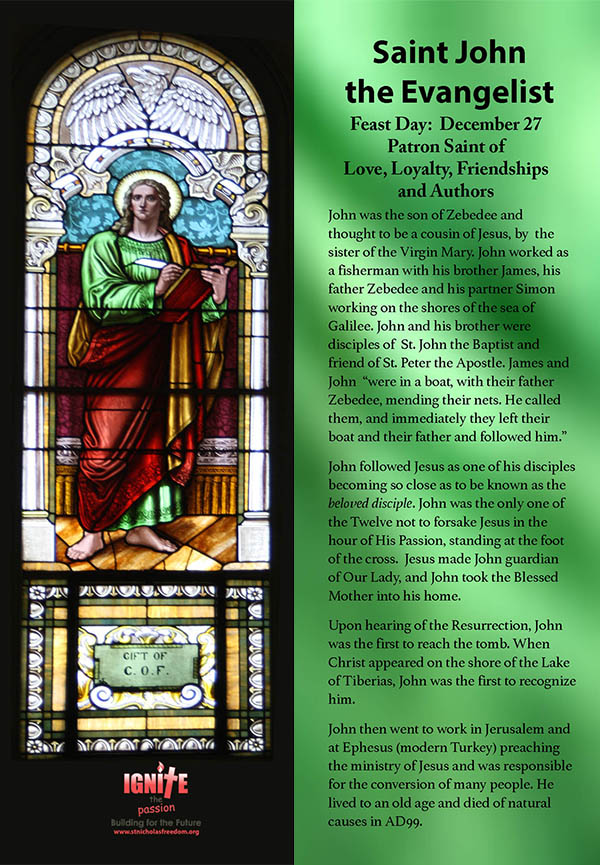

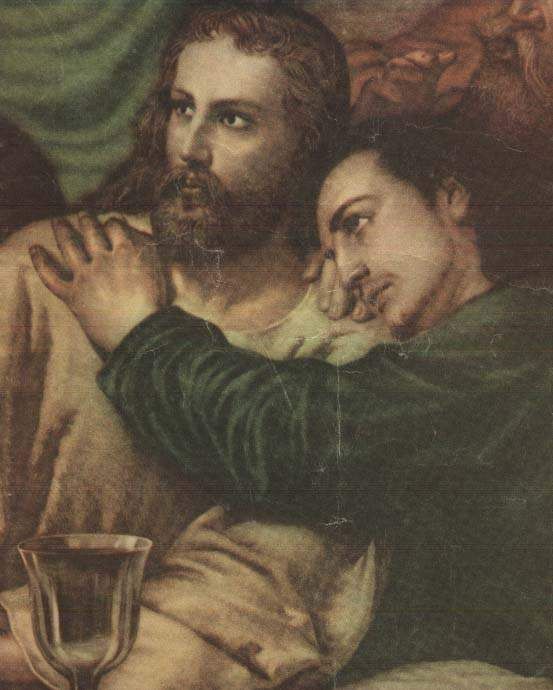
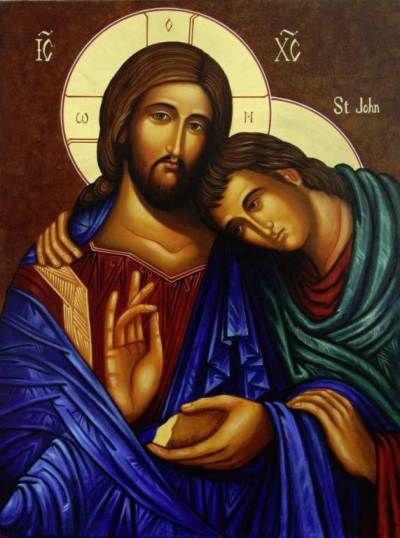
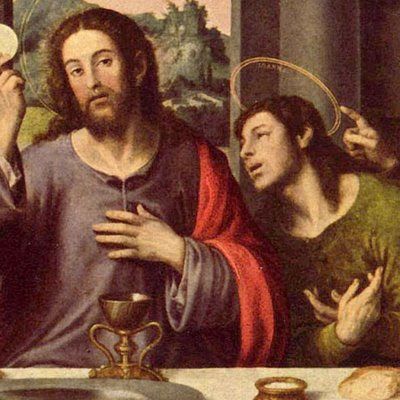

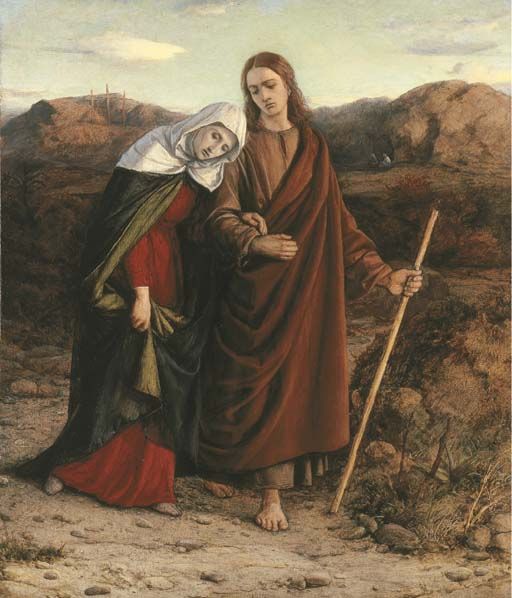


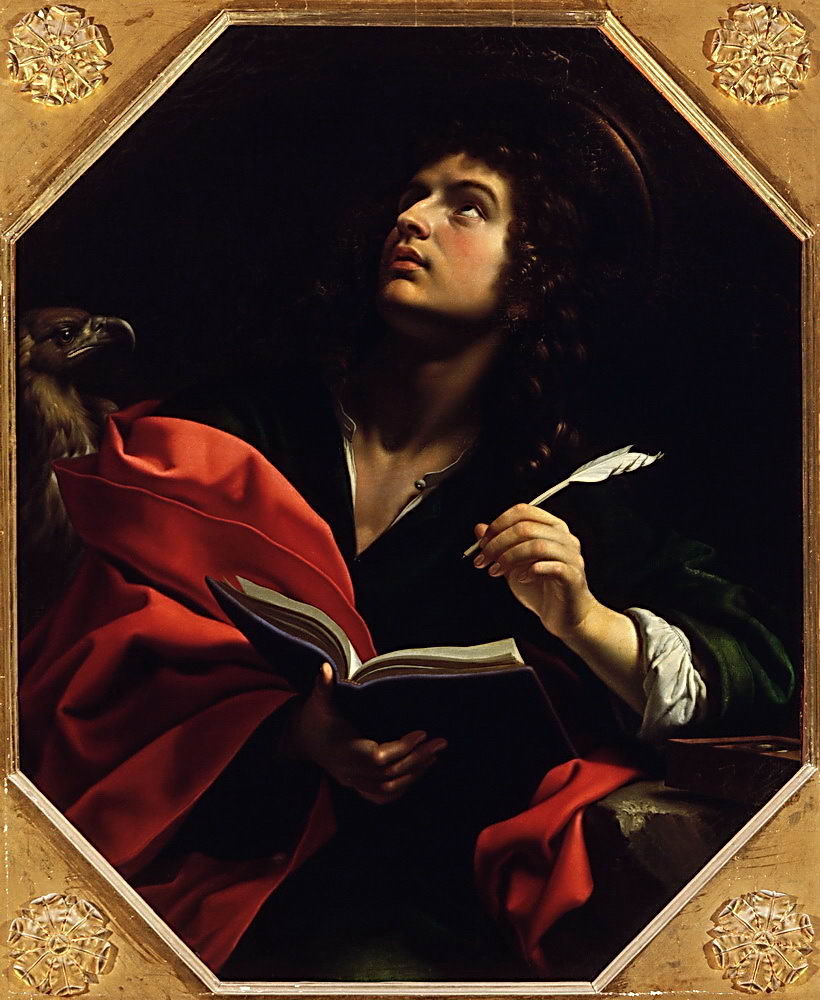
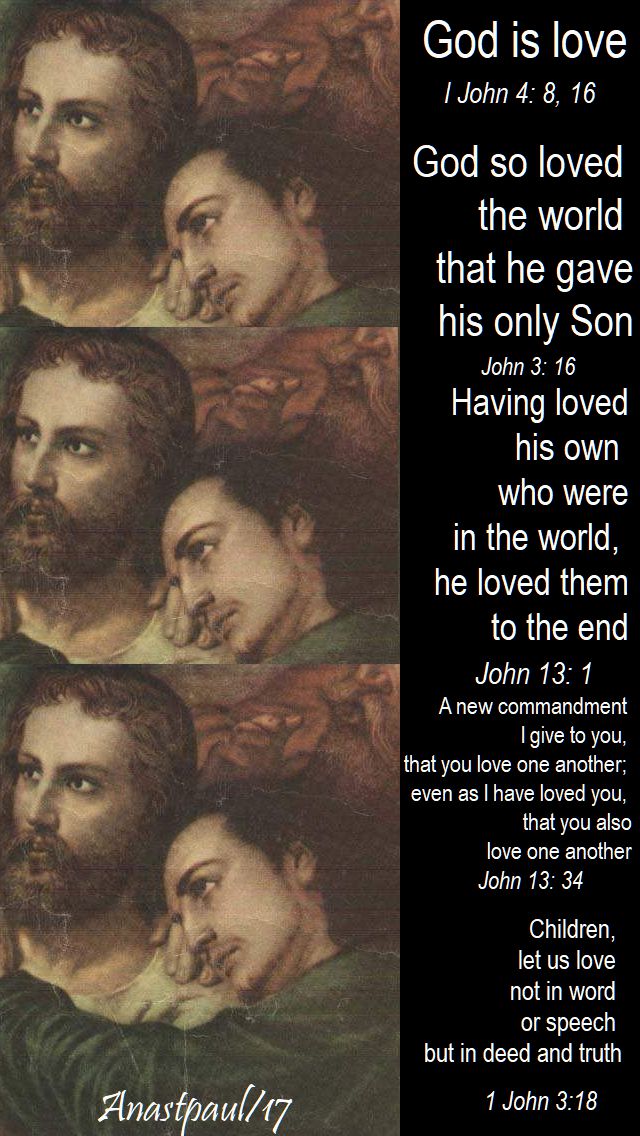
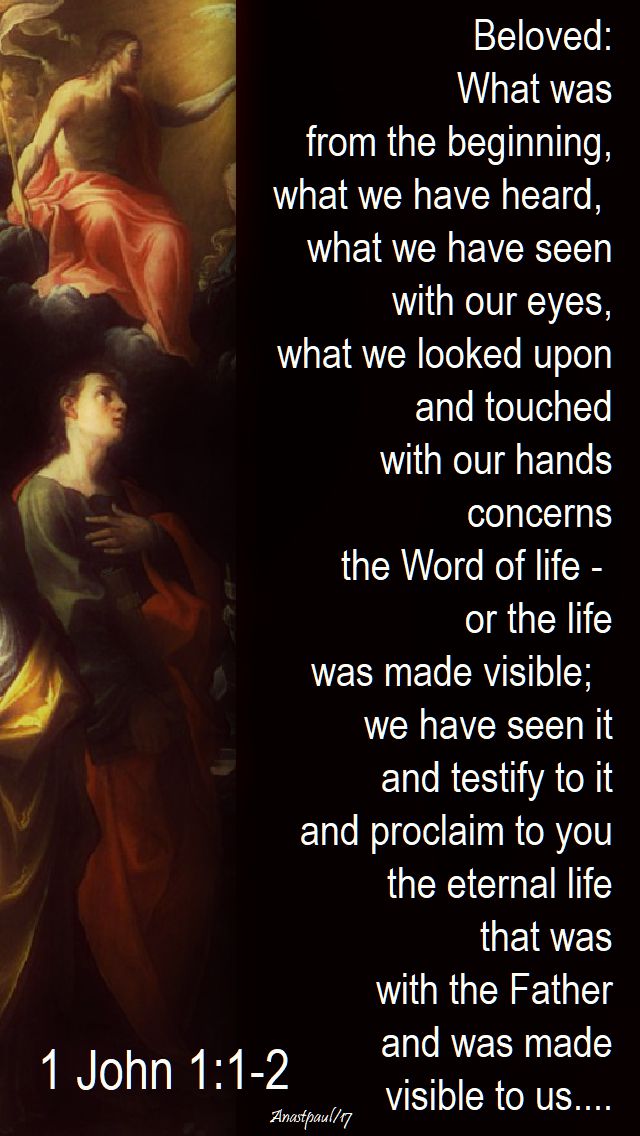
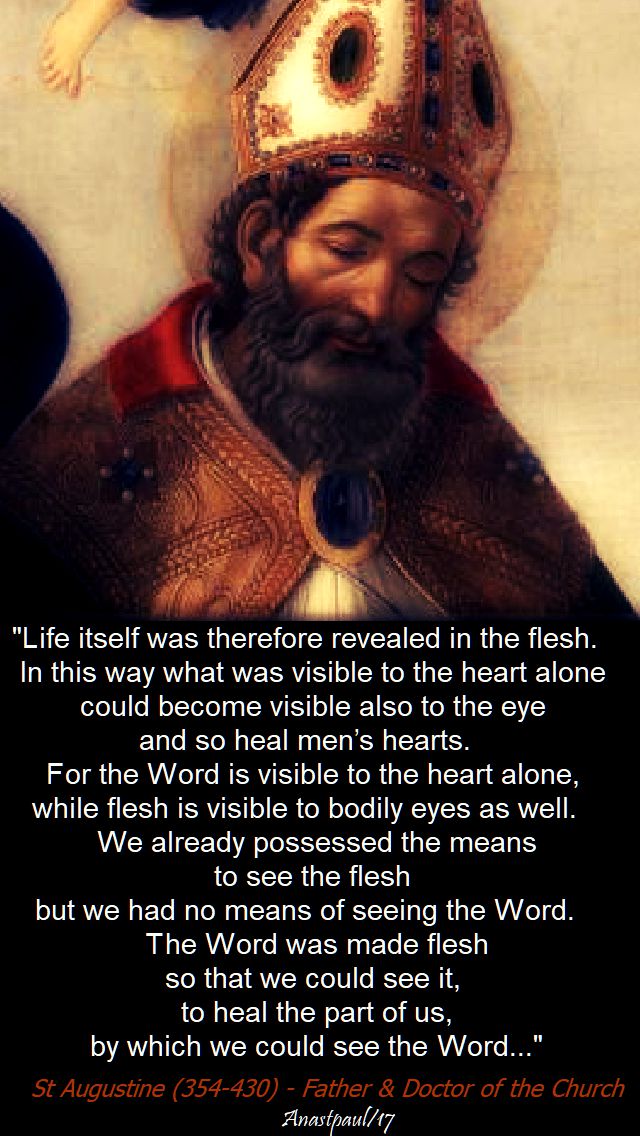
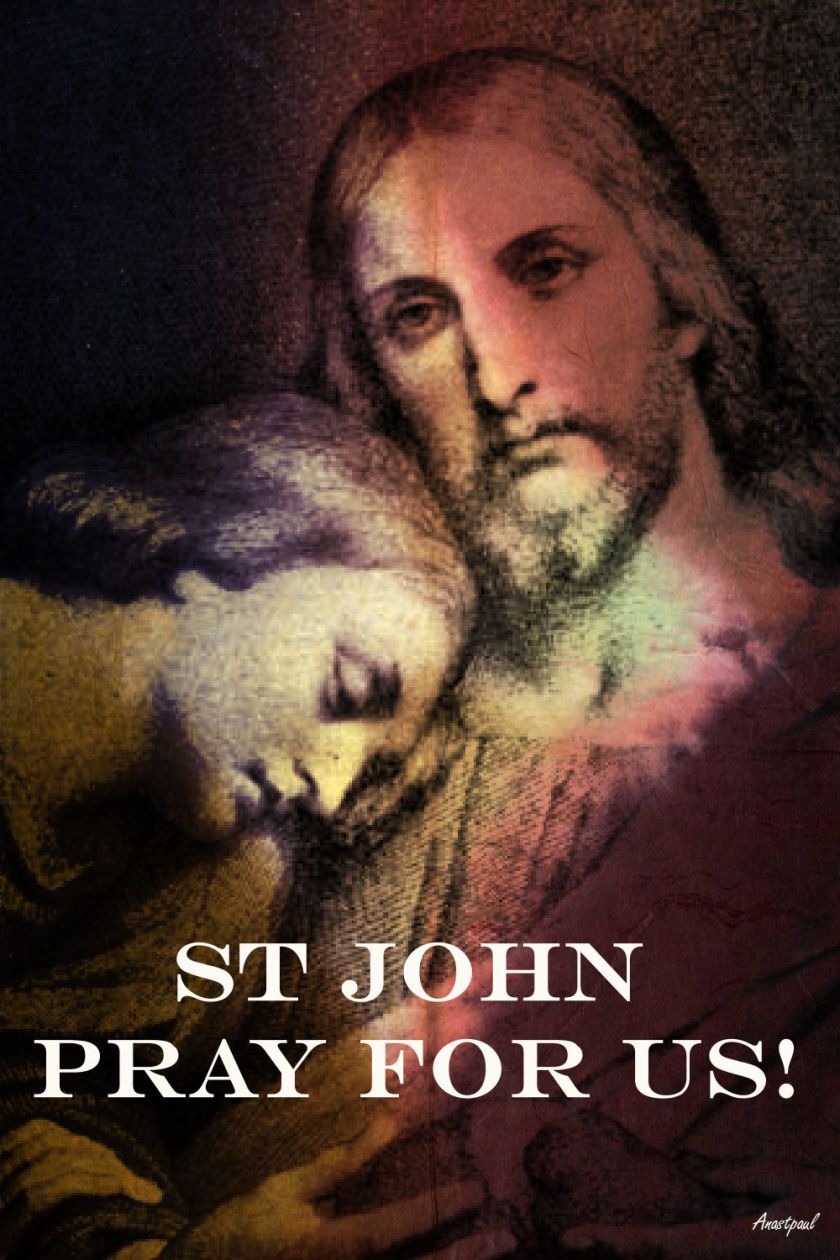
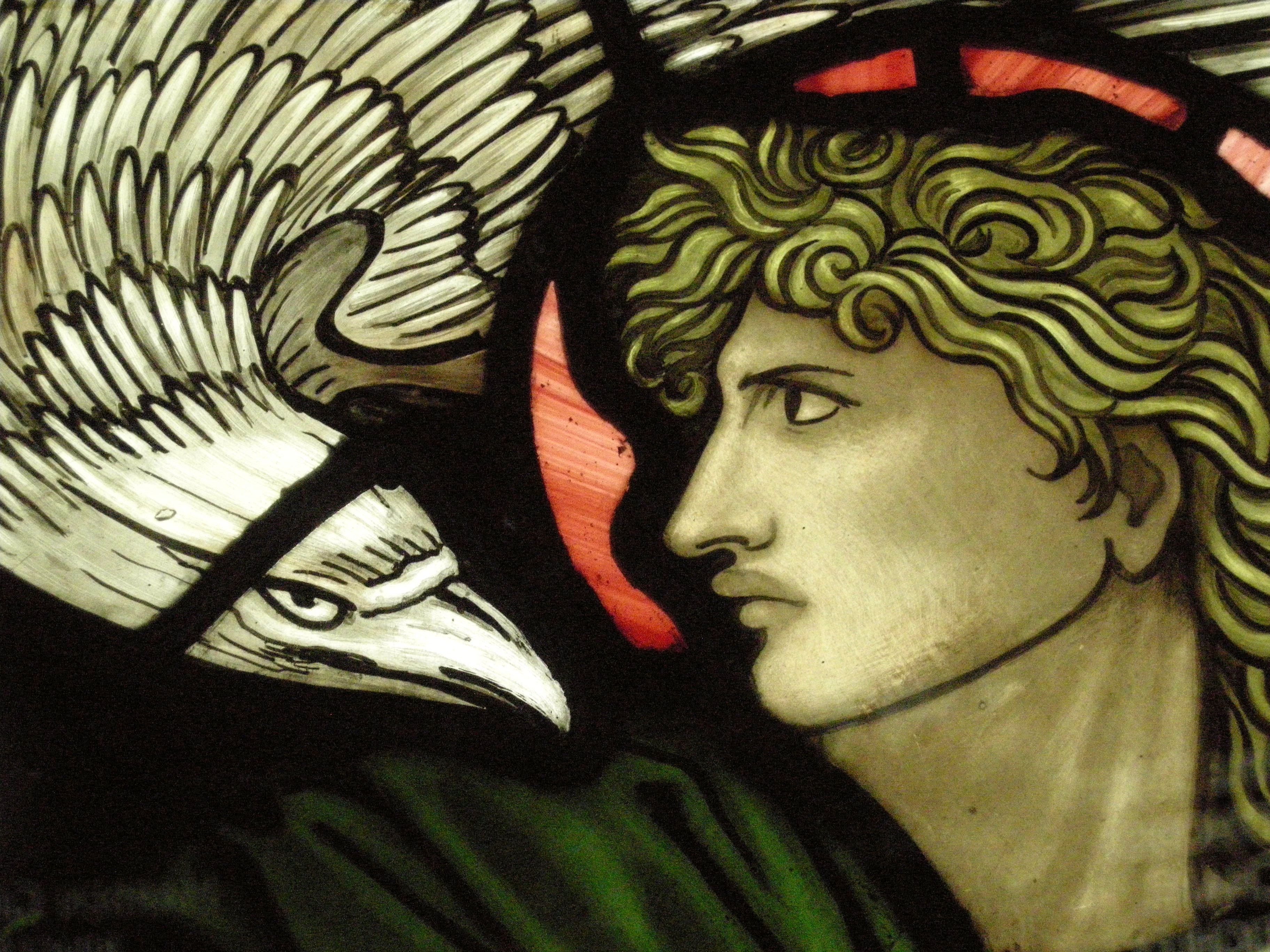
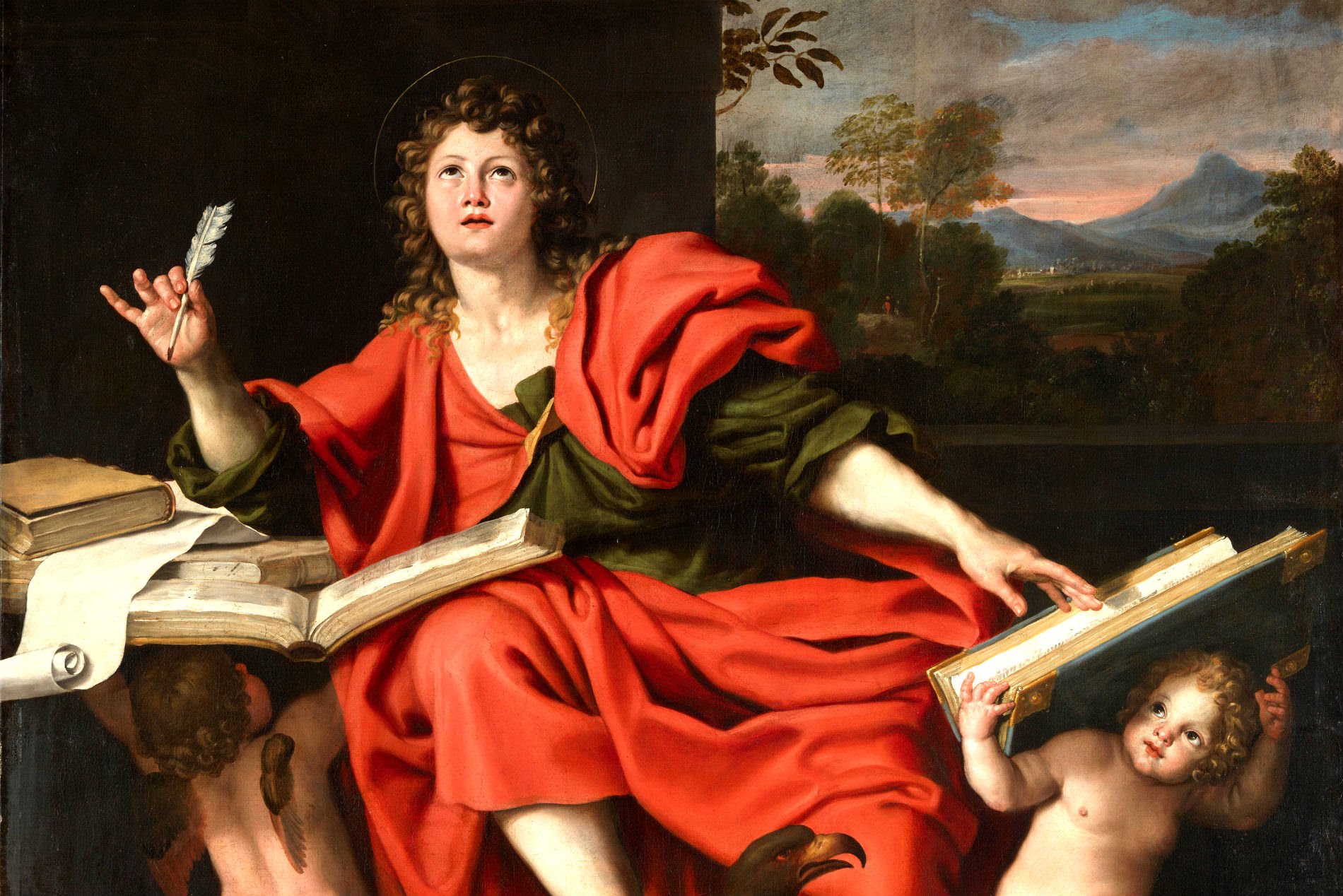
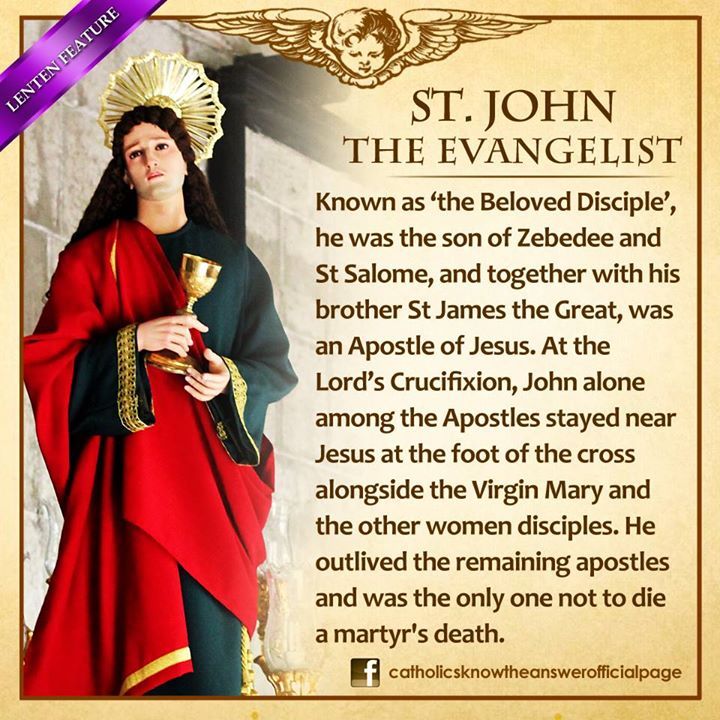
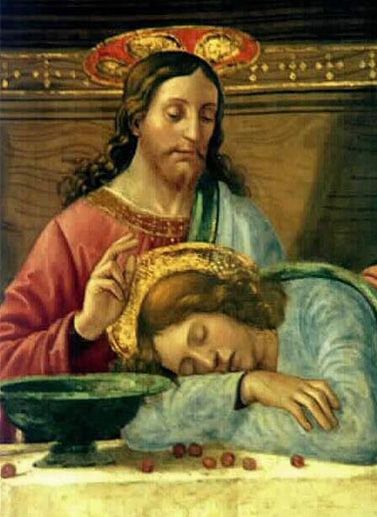
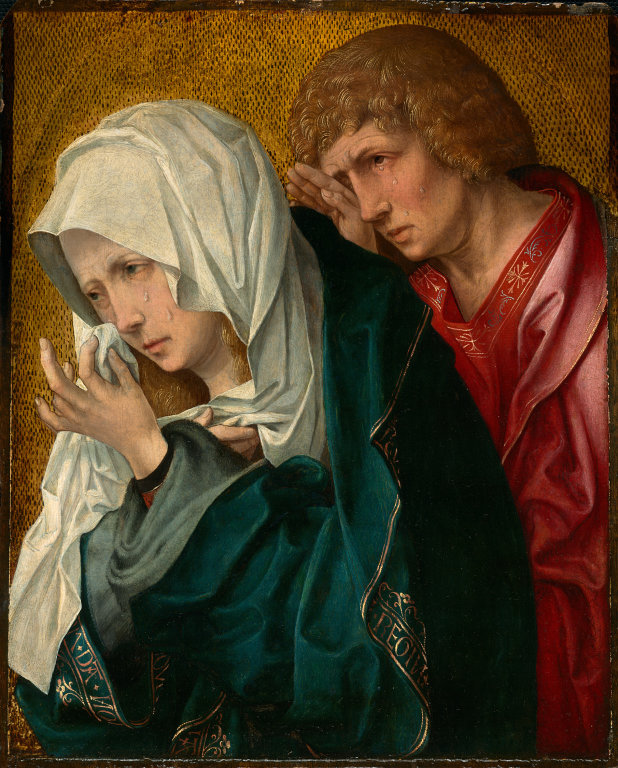
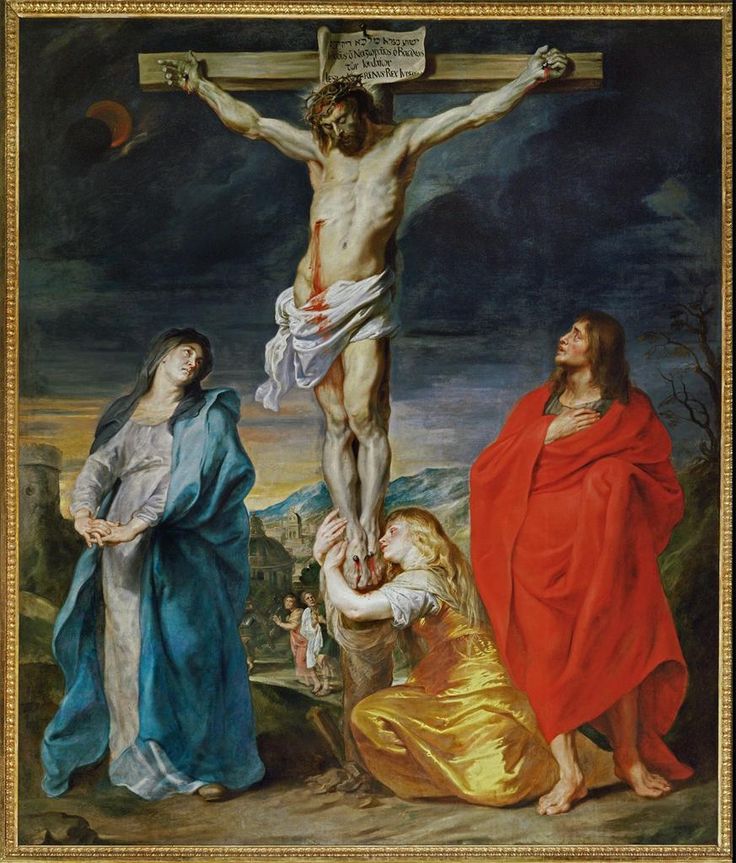
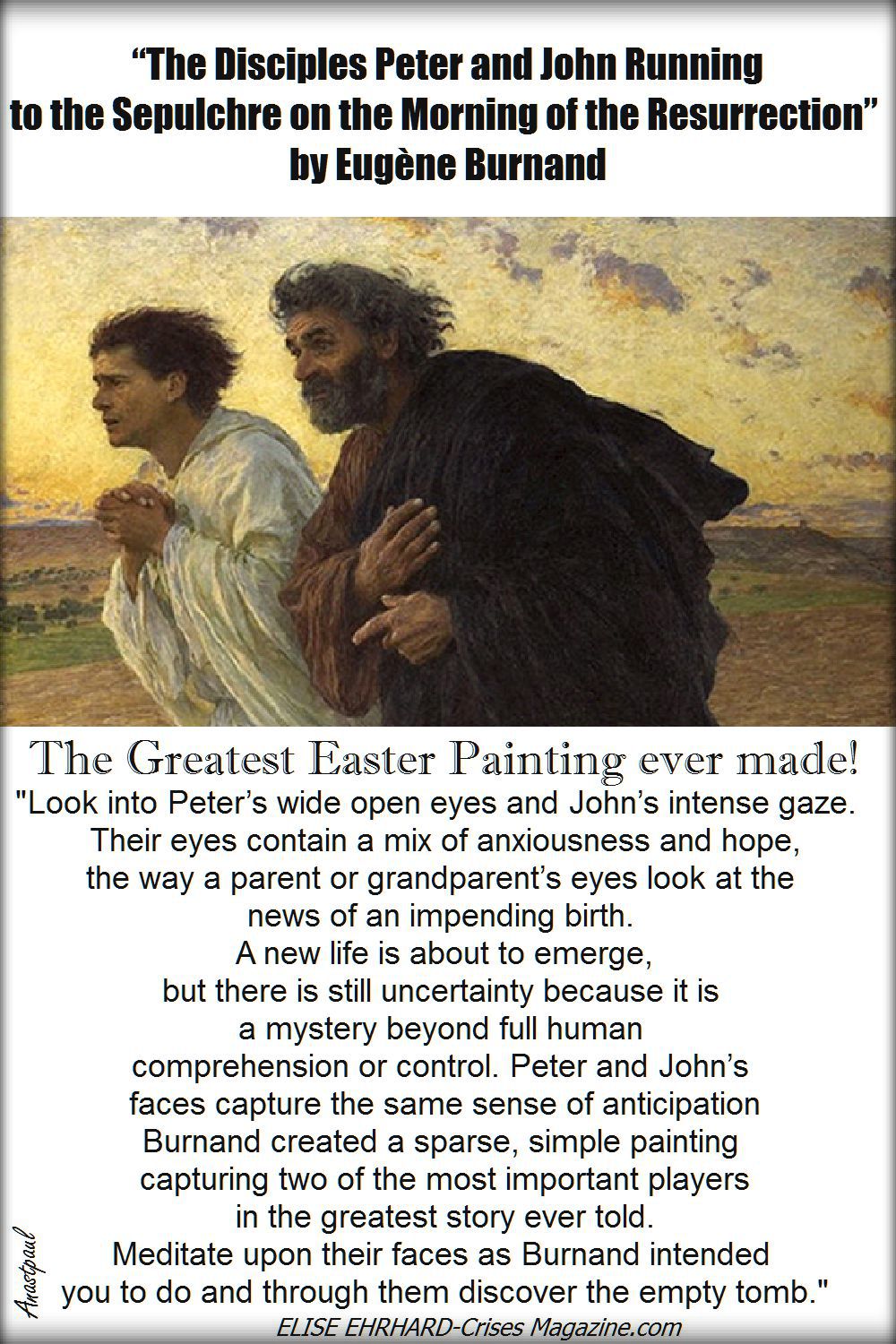
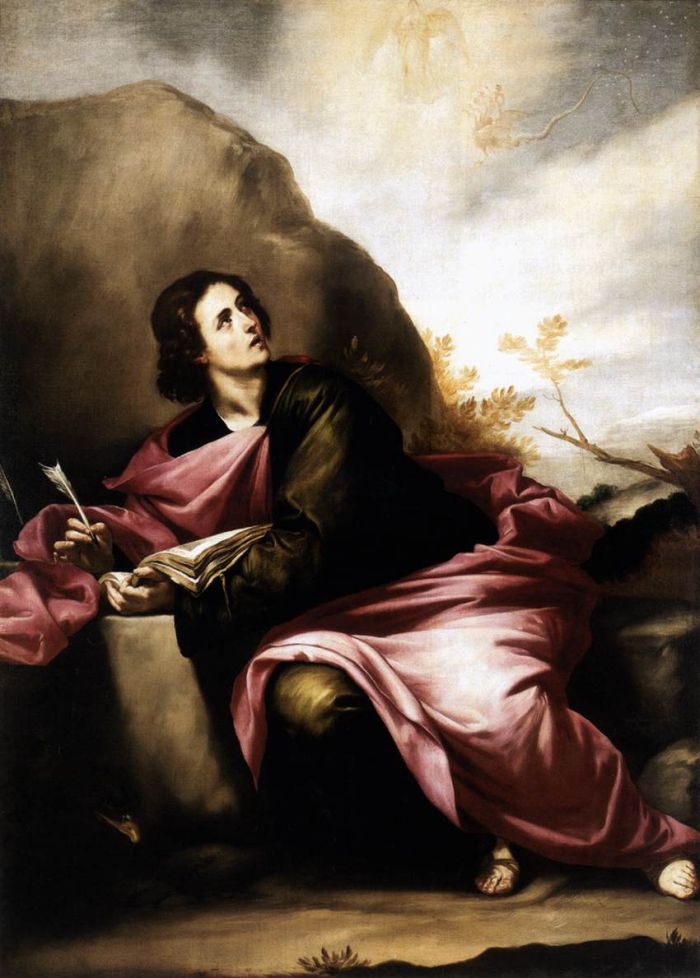
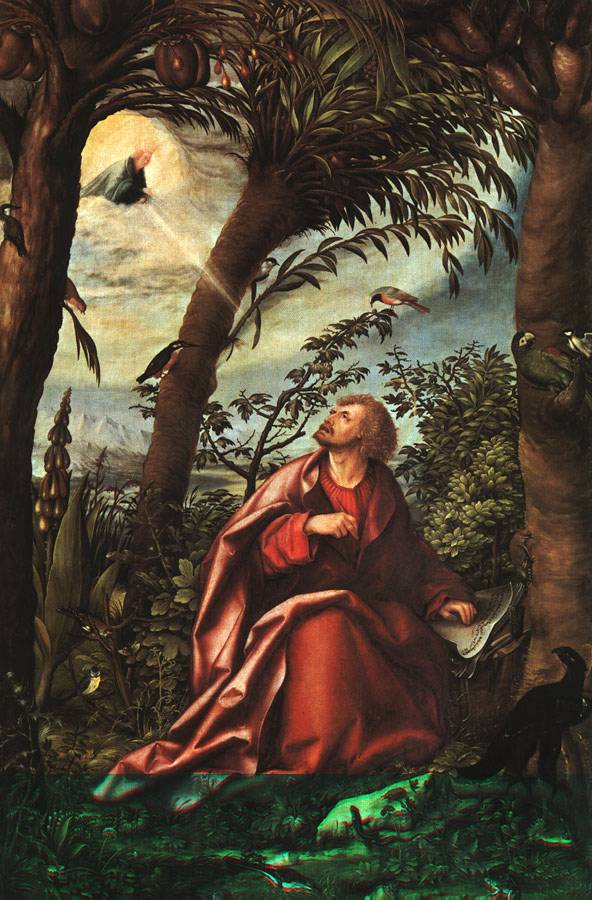
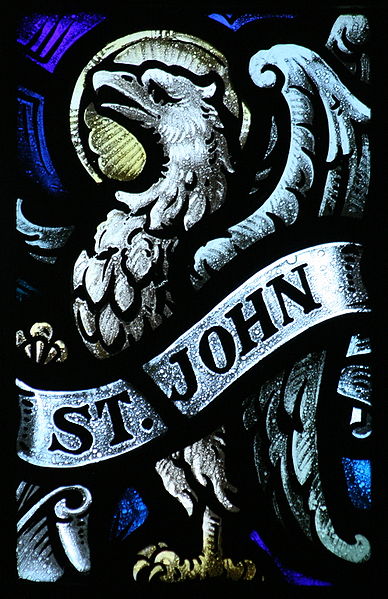
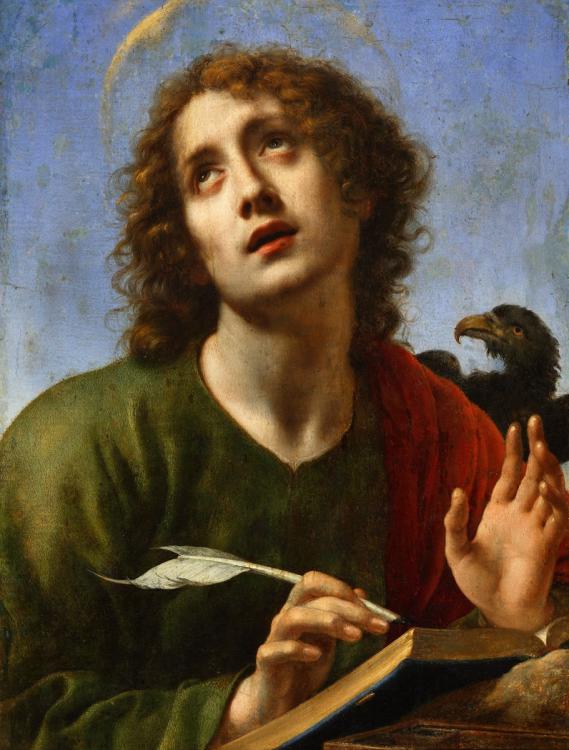
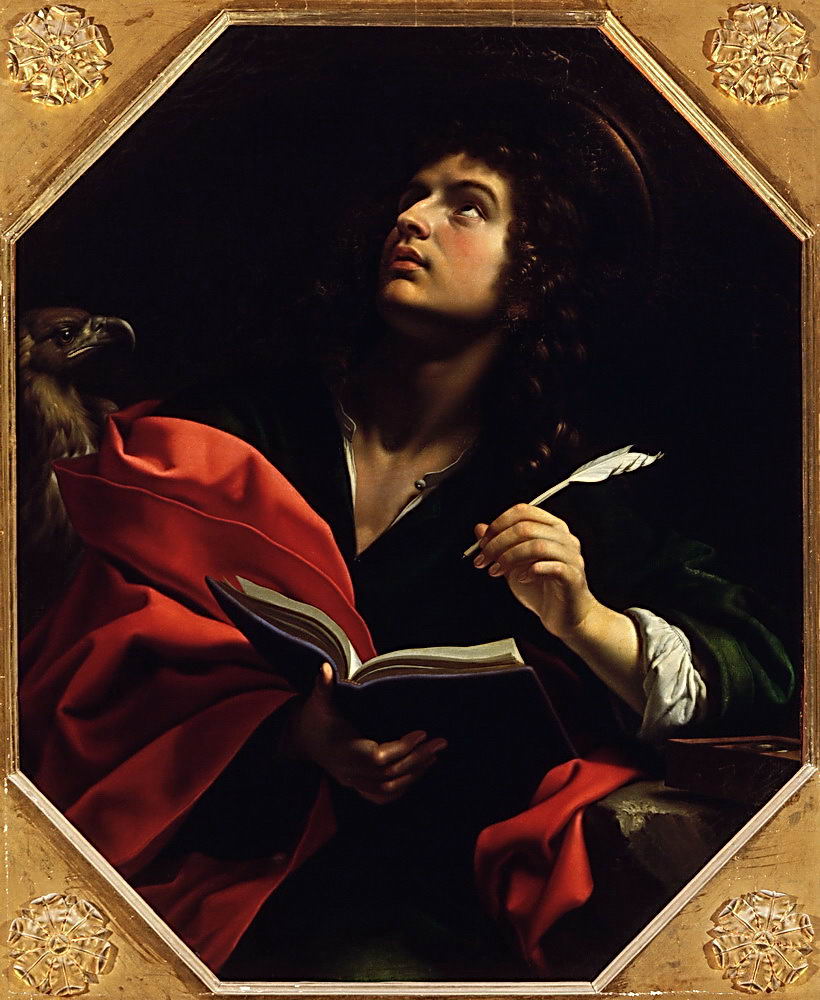
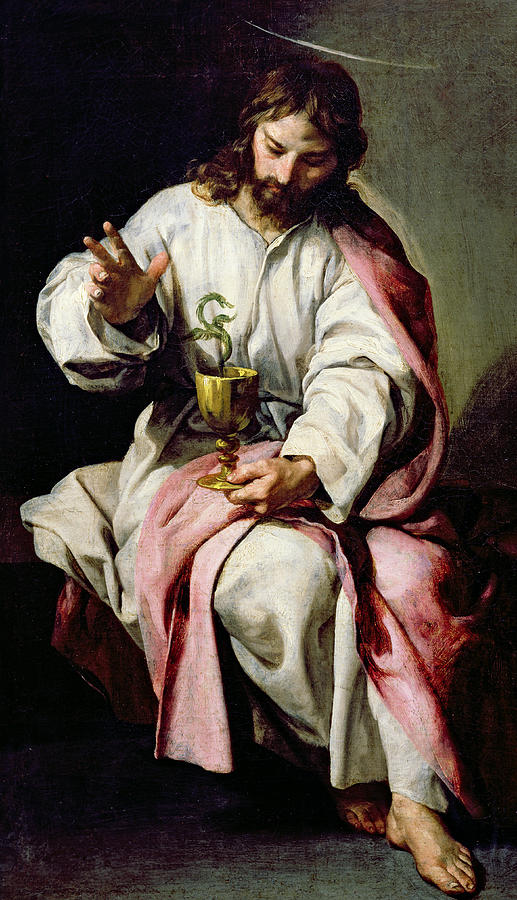
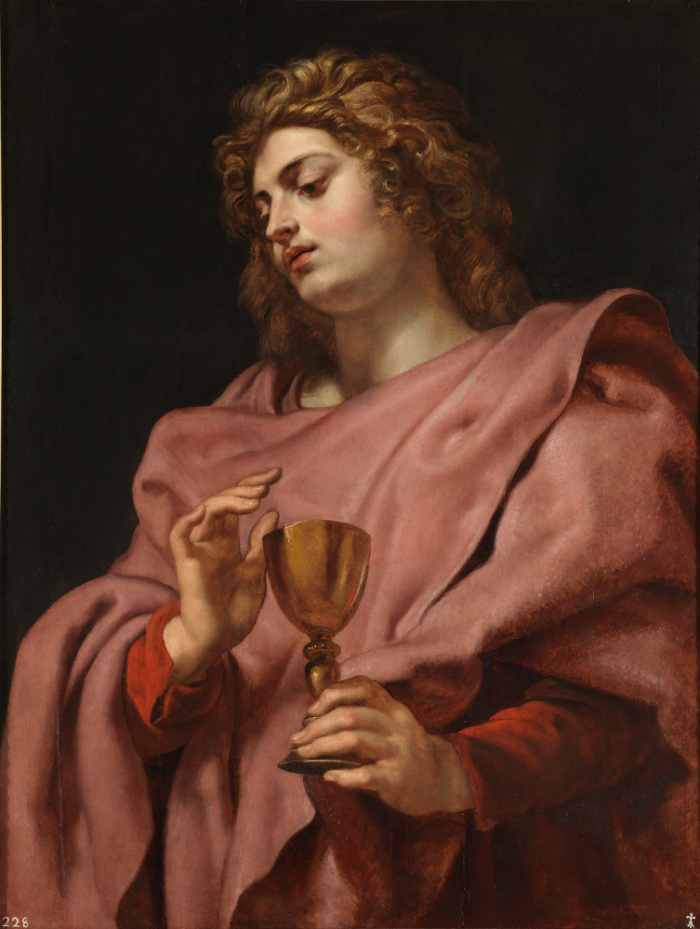
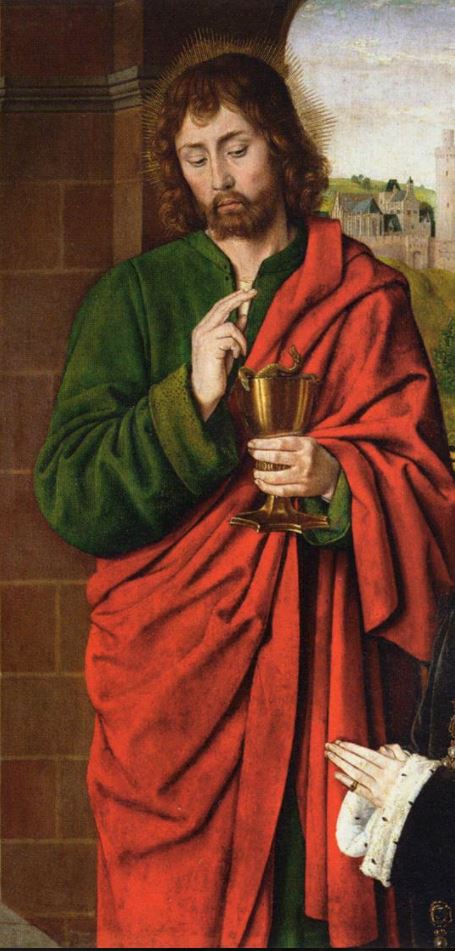
 AnaStpaul
You must be logged in to post a comment.