St Stephen of Hungary (c 975- 1038) King of Hungary (Optional Memorial)
Bl Angelus Agostini Mazzinghi
St Armagillus of Brittany
St Arsacius of Nicomedia
St Frambaldo
Bl Iacobus Bunzo Gengoro
Bl Jean-Baptiste Menestrel
Bl John of Saint Martha
Bl Laurence Loricatus
Bl Magdalena Kiyota Bokusai
Bl Maria Gengoro
Bl Ralph de la Futaye
St Roch (1295-1327) “Pilgrim”
The story of St Roch here: https://anastpaul.wordpress.com/2017/08/16/saint-of-the-day-16-august-st-roch/
St Serena
Bl Simon Kiyota Bokusai
Bl Thomas Gengoro
St Titus the Deacon
—
Martyrs of Palestine – 33 saints: Thirty-three Christians martyred in Palestine; they are commemorated in old martyrologies, but the date and exact location have been lost.
Martyred in the Spanish Civil War:
Bl Amadeu Monje Altés
Bl Antonio María Rodríguez Blanco
Bl Enrique García Beltrán
Bl José María Sanchís Mompó
Bl Laurentí Basil Matas
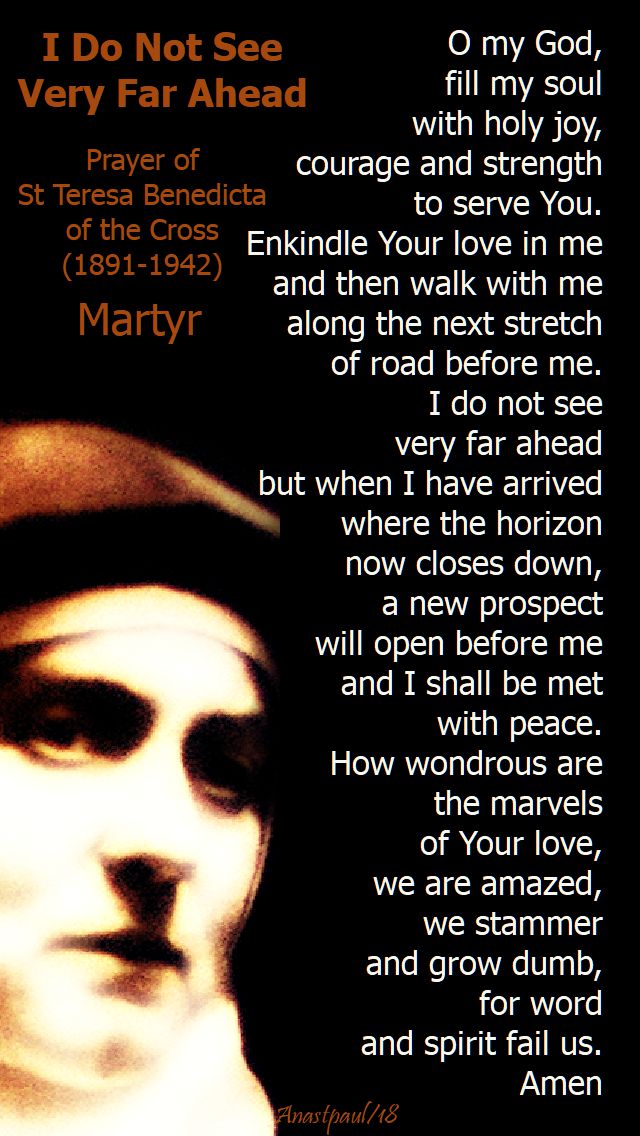
Our Morning Offering – 9 August – The Memorial of St Teresa Benedicta of the Cross (1891-1942) Martyr
I Do Not See Very Far Ahead By St Teresa Benedicta of the Cross (1891-1942)
O my God,
fill my soul with holy joy,
courage and strength to serve You.
Enkindle Your love in me
and then walk with me
along the next stretch of road before me.
I do not see very far ahead
but when I have arrived
where the horizon now closes down,
a new prospect will open before me
and I shall be met with peace.
How wondrous are the marvels of Your love,
we are amazed,
we stammer and grow dumb,
for word and spirit fail us.
Amen
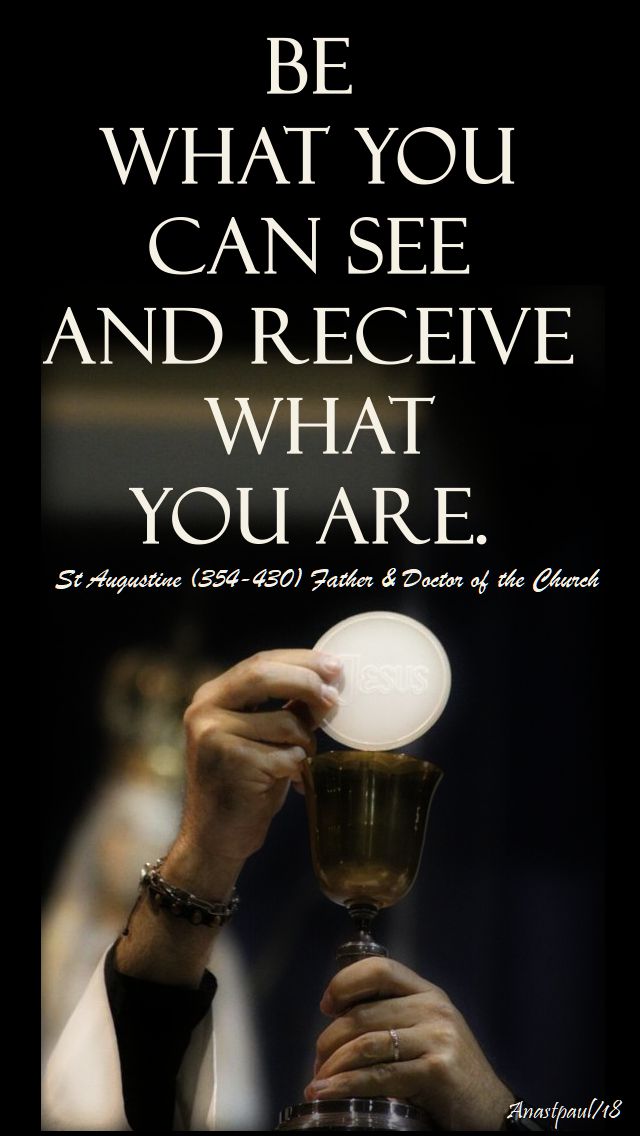
Sunday Reflection – 5 August – Eighteenth Sunday in Ordinary Time, Year B – Today’s Gospel: John 6:24-35
“Bread is not made from one grain but from many. It’s as though you, who were many were ground. When you were baptised it’s as though you were mixed into dough. When you received the fire of the Holy Spirit, it’s as though you were baked. Be what you can see and receive what you are.
After all, just as many grains are mixed into one loaf in order to produce the visible appearance of bread, as though what holy scripture says about the faithful were happening: They had one soul and one heart in God (Acts 4:32); so too with the wine. Brothers and sisters, just remind yourselves what wine is made from; many grapes hang in the bunch but the juice of the grapes is poured together in one vessel.”
St Augustine (354-430) Father & Doctor of the Church
St Eusebius of Vercelli (283-371) Bishop (Optional Memorial)
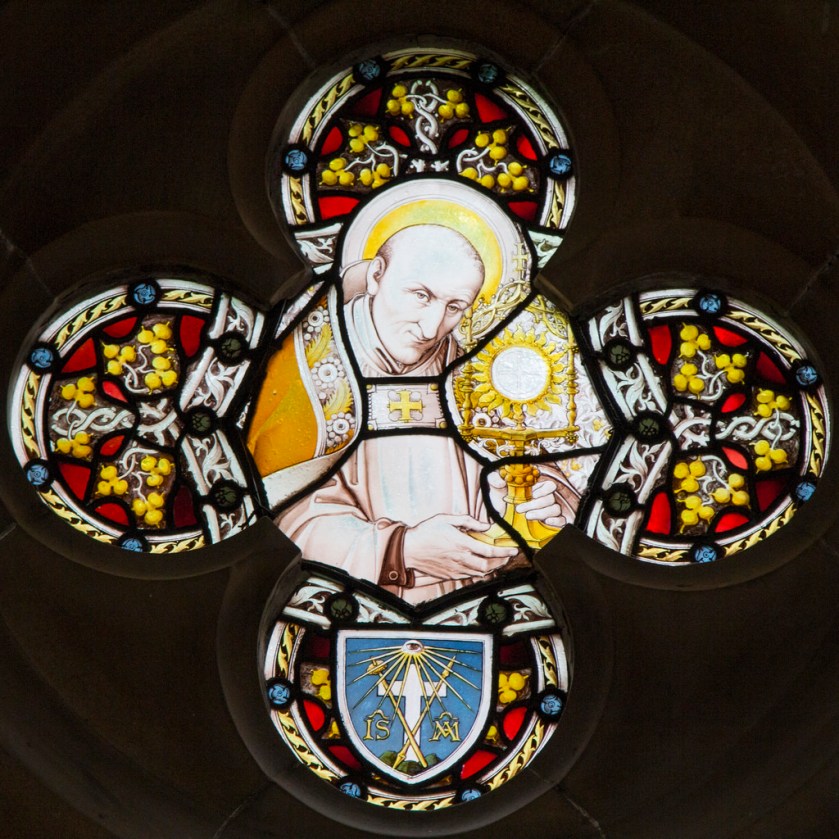
St Peter Julian Eymard SSS (1811-1868) (Optional Memorial)
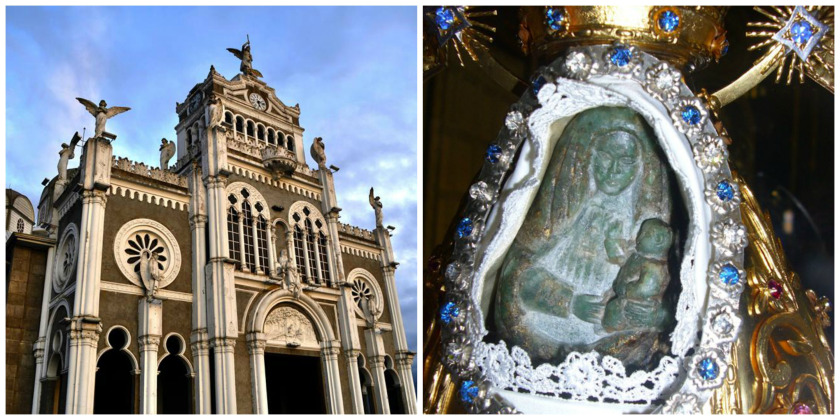
Our Lady of the Angels: The image of Our Lady of the Angels is only about 10 cms high and is carved in a simple fashion on dark stone. She has a round, sweet face, slanted eyes and a delicate mouth. Her colouring is leaden, with scattered golden sparkles. She carries the Christ Child on her left arm. Only the faces of Mary and the Child are visible; the rest is covered by a cloak that is gathered in pleats. The statuette is displayed in a large gold monstrance that surrounds it and enlarges its appearance. While searching for firewood on 2 August 1635, the feast of the Holy Angels, a poor mestizo woman named Juana Pereira discovered this small image of the Virgin sitting beside the footpath near Cartago, Costa Rica. Juana took it home with her but it soon disappeared only to be re-discovered at the same place beside the same path. The statue repeated this behaviour five more times – taken to homes and then the parish church – and returning on its own to the site where Juan a found it. The locals finally took this to mean that Our Lady wanted a shrine built there, and so it was.
The shrine soon became a point of pilgrimage, especially for the poor and outcast. The image was solemnly crowned in 1926. In 1935 Pope Pius XI declared the shrine of the Queen of Angels a basilica (see below). The stone on which the statue was originally sitting is in the basilica and is being slowly worn away by the touch of the hands of the pilgrims. A spring of water appeared from beneath the stone and its waters carried away to heal the sick. Patronage – Costa Rica, diocese of Getafe, Spain.
St Auspicius of Apt
St Betharius of Chartres
St Centolla of Burgos
St Etheldritha of Croyland
Bl Frederic Campisani
Bl Giustino Maria Russolillo
Bl Gundekar of Eichstätt
Bl Joanna of Aza
Bl John of Rieti
St Maximus of Padua
St Pedro de Osma
St Peter Faber S.J. (1506-1546)
St Plegmund
St Rutilius
St Serenus of Marseille
St Sidwell
St Pope Stephen I
—
Martyred in the Spanish Civil War:
Bl Ceferino Jimenez Malla
Bl Felipe de Jesús Munárriz Azcona
Bl Fernando Olmedo Reguera
Bl Francesc Company Torrelles
Bl Francisca Pons Sarda
Bl Francisco Calvo Burillo
Bl Francisco Manzano Cruz
Bl Francisco Tomás Serer
Bl José Peris Ramos
Bl Juan Díaz Nosti
Bl Leoncio Pérez Nebreda
Bl Leoncio Pérez Ramos
Bl Martí Anglés Oliveras
Bl Miguel Amaro Rodríguez
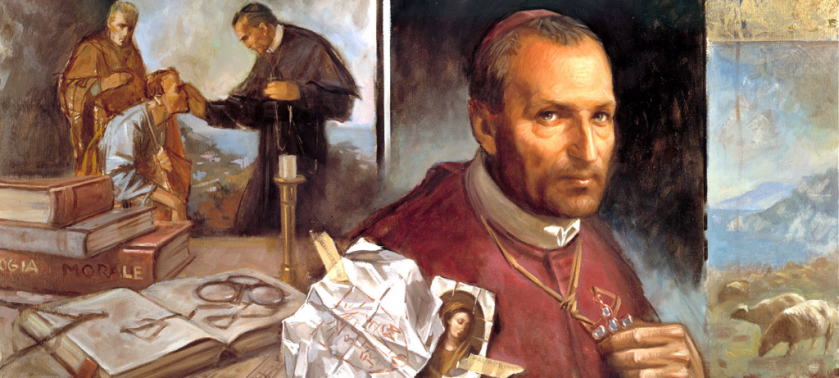
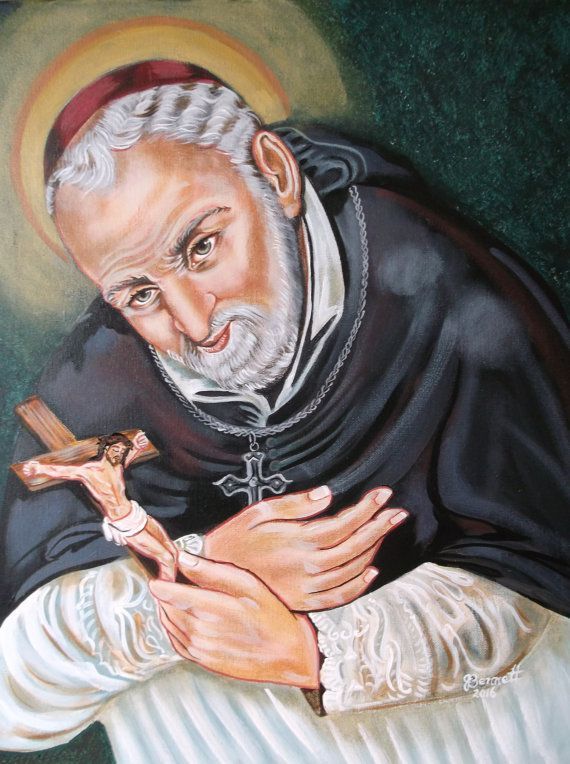
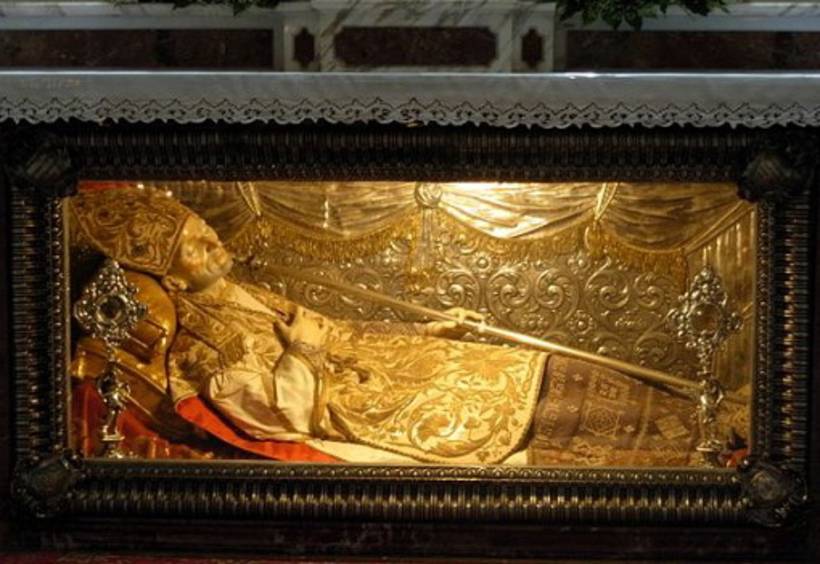
Saint of the Day – 1 August – St Alphonsus Maria de Liguori C.Ss.R. (1696-1787) – Confessor, Bishop, Doctor of the Church, Founder of the Redemptorists, Spiritual Writer, Composer, Musician, Artist, Poet, Lawyer, Scholastic Philosopher and Theologian. Patronages – against arthritis, against scrupulosity, of Confessors (given on 26 February 1950 by Pope Pius XII), final perseverance, moral theologians, moralists (1950 by Pope Pius XII), scrupulous people, vocations, Diocese of Acerra, Italy, Diocese of Agrigento, Italy,l Pagani, Italy, Sant’Agata de’ Goti, Italy.
The Roman Martyrology states of St Alphonsus today: “At Nocera-de-Pagani, Saint Alphonsus Maria de Liguori, Bishop of St Agatha of the Goths and Founder of the Congregation of the Most Holy Redeemer (the Redemptorists), distinguished by his zeal for the salvation of souls, by his writings, his preaching and his example.
He was inscribed on the Calendar of the Saints by Pope Gregory XVI in the year 1839, the 52nd after his happy death and , in 1871, was declared Doctor of the Universal Church by Pius IX, according to a decree of the Sacred Congregation of Rites.“
St Alphonsus was born of noble parents, near Naples, in 1696. His spiritual training was entrusted to the Fathers of the Oratory in that city and from his boyhood Alphonsus was known as a most devout Brother of the Little Oratory. At the early age of sixteen he was made doctor in law and he threw himself into this career with ardour and success.
A mistake, by which he lost an important cause, showed him the vanity of human fame and determined him to labour only for the glory of God. He entered the priesthood, devoting himself to the most neglected souls and to carry on this work he founded later the missionary Congregation of the Most Holy Redeemer, The Redemptorists.
At the age of sixty-six he became Bishop of St Agatha and undertook the reform of his diocese with the zeal of a Saint. He made a vow never to lose time and, though his life was spent in prayer and work, he composed a vast number of books, filled with such science, unction and wisdom that he has been declared one of the Doctors of the Church.
St Alphonsus wrote his first book at the age of forty-nine and in his eighty-third year had published about 100 volumes, when his director forbade him to write more. Very many of these books were written in the half-hours snatched from his labours as missionary, religious superior and Bishop, or in the midst of continual bodily and mental sufferings. With his left hand he would hold a piece of marble against his aching head while his right hand wrote.
Yet he counted no time wasted which was spent in charity. He did not refuse to hold a long correspondence with a simple soldier who asked his advice, or to play the harpsichord while he taught his novices to sing spiritual canticles. He lived in evil times, and met with many persecutions and disappointments.
For his last seven years he was prevented by constant sickness from offering the Adorable Sacrifice but he received Holy Communion daily and his love for Jesus Christ and his trust in Mary’s prayers sustained him to the end.
He died in 1787, in his ninety-first year.
For lots more details on St Alphonsus here: https://anastpaul.wordpress.com/2017/08/01/saint-of-the-day-1-august-st-alphonsus-maria-de-liguori-c-ss-r-doctor-of-the-church/
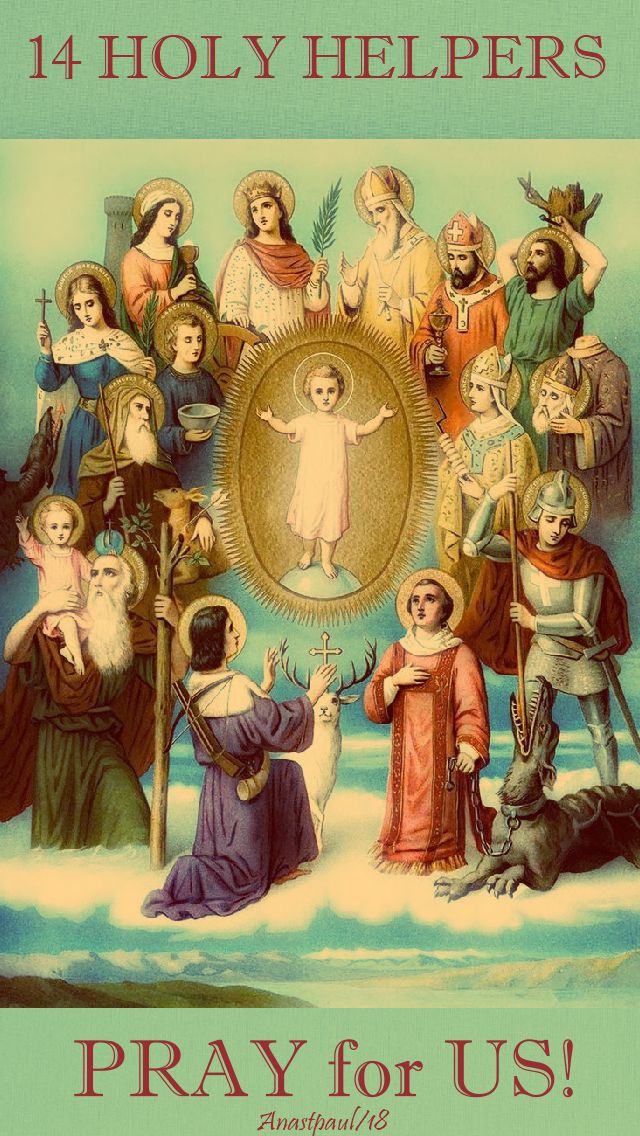
Thought for the Day – 25 July – The Memorial of St Christopher (died c 251) One of the Fourteen Holy Helpers
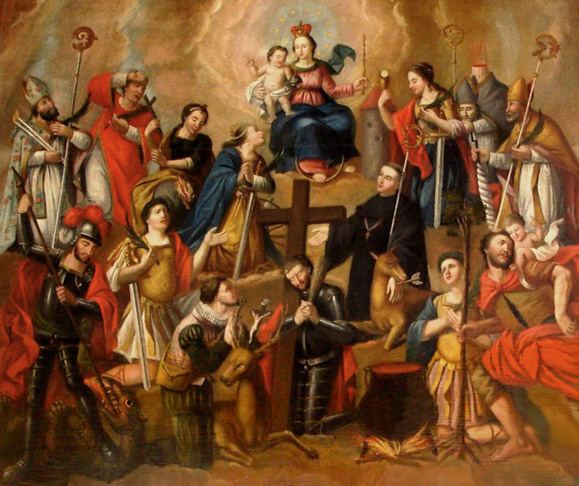
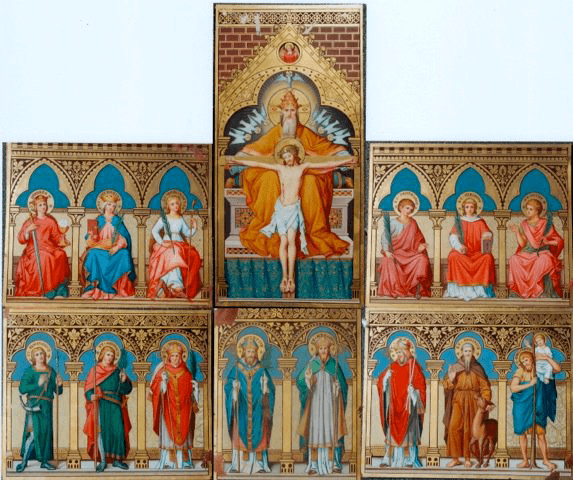
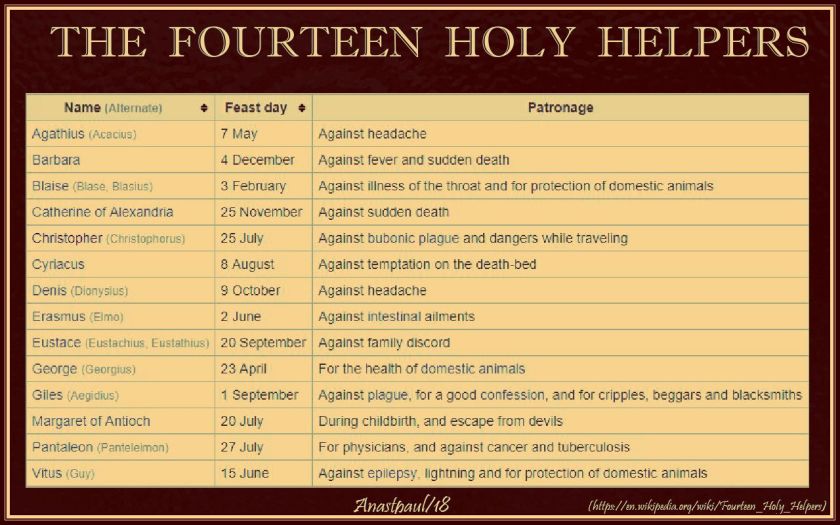
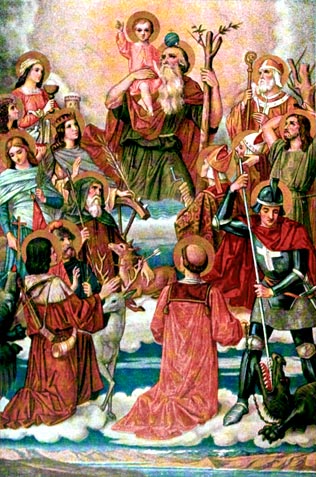
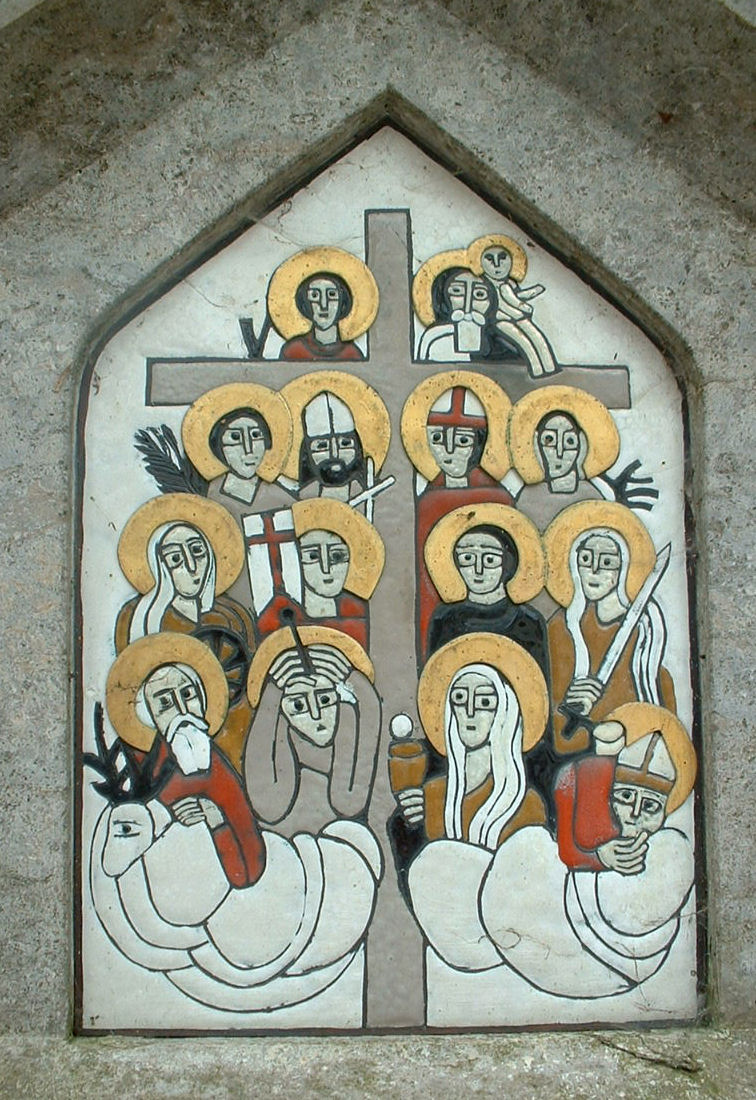
The Fourteen “Auxiliary Saints” or “Holy Helpers” are a group of saints invoked because they have been efficacious in assisting in trials and sufferings. Each saint has a separate feast or memorial day and the group was collectively venerated on 8 August until the 1969 reform of the Roman calendar, when the feast was dropped. These saints were often represented together. Popular devotion to these saints often began in some monastery that held their relics. All of the saints except Giles were martyrs. Devotion to some of the saints, such as St George, St Margaret, St Christopher, St Barbara and St Catherine became so widespread that customs and festivals still are popular today.
The Fourteen Holy Helpers are invoked as a group mainly because of the Black Plague which devastated Europe from 1346 to 1349. Among its symptoms were the black tongue, a parched throat, violent headache, fever and boils on the abdomen. The victims were attacked without warning, robbing them of their reason and killed within a few hours; many died without the last Sacraments. No one was immune and the disease wreaked havoc in villages and family circles. The epidemic appeared incurable. The pious turned to Heaven, begging the intervention of the saints, praying to be spared or cured. Each of these fourteen saints had been efficacious in interceding in some aspect for the stricken during the Black Plague. The dates are the traditional feast days; not all the saints are on the Universal Roman Calendar.
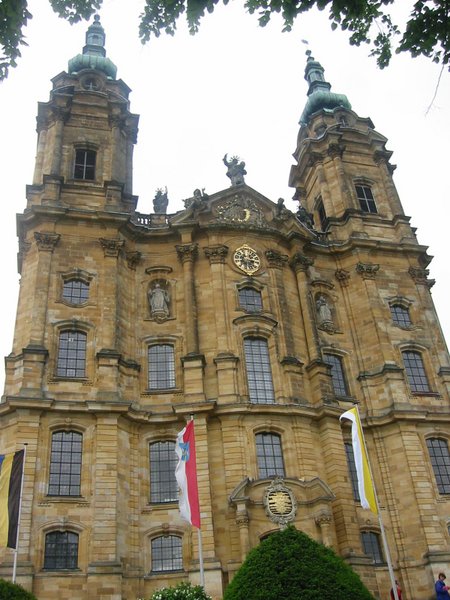
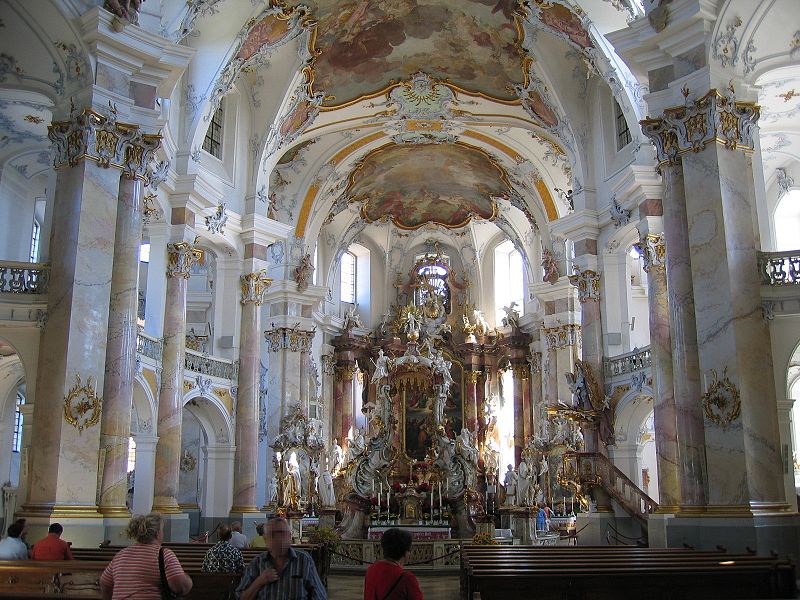
The Basilica of the Fourteen Holy Helpers (also Basilika Vierzehnheiligen) is a church located near the town of Bad Staffelstein near Bamberg, in Bavaria, southern Germany. The late Baroque-Rococo basilica, designed by Balthasar Neumann, was constructed between 1743 and 1772.
The altar depicts statues of the Fourteen Holy Helpers.
The Legend of Building the Basilica
On 24 September 1445, Hermann Leicht, the young shepherd of a nearby Franciscan monastery, saw a crying child in a field that belonged to the nearby Cistercian monastery of Langheim . As he bent down to pick up the child, it abruptly disappeared. A short time later, the child reappeared in the same spot. This time, two candles were burning next to it. In June 1446, the Leicht saw the child a third time. This time, the child bore a red cross on its chest and was accompanied by thirteen other children. The child said: “We are the fourteen helpers and wish to erect a chapel here, where we can rest. If you will be our servant, we will be yours!” Shortly after, Leicht saw two burning candles descending to this spot. It is alleged that miraculous healings soon began, through the intervention of the fourteen saints.
The Cistercian brothers to whom the land belonged erected a chapel, which immediately attracted pilgrims. An altar was consecrated as early as 1448. Pilgrimages to the Vierzehnheiligen continue to the present day between May and October.
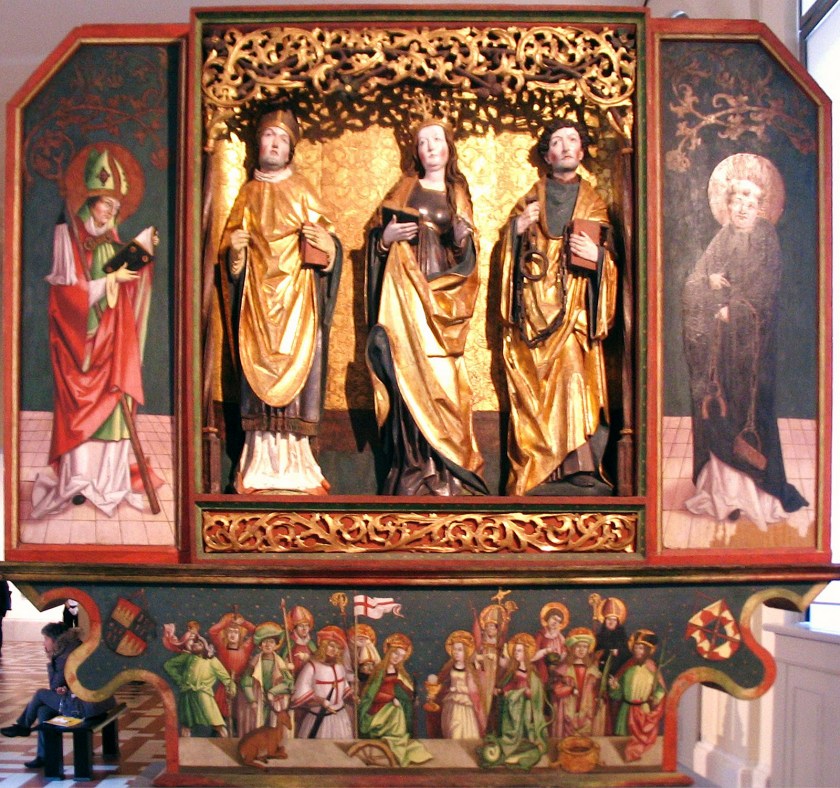
One of the most famous group depictions of the “Fourteen Saints” is a 1503 altarpiece by Matthias Grünewald for the monastery in Lichtenfels in Upper Franconia, unfortunately, I cannot find a complete image of this, below are Panels one and two.
The “fourteen angels” of the lost children’s prayer in the Composer, Engelbert Humperdinck’s (1854-1921) fairy opera, ‘Hansel and Gretel’, are the Fourteen Holy Helpers. The English words are familiar and very beautiful:
When at night I go to sleep, Fourteen angels watch do keep, Two my head are guarding, Two my feet are guiding; Two upon my right hand, Two upon my left hand. Two who warmly cover Two who o’er me hover, Two to whom ’tis given To guide my steps to heaven.
I will pray daily, to the Fourteen Holy Helpers, to Pray for us all, for the world is indeed suffering from a ‘Plague’ of a new kind!
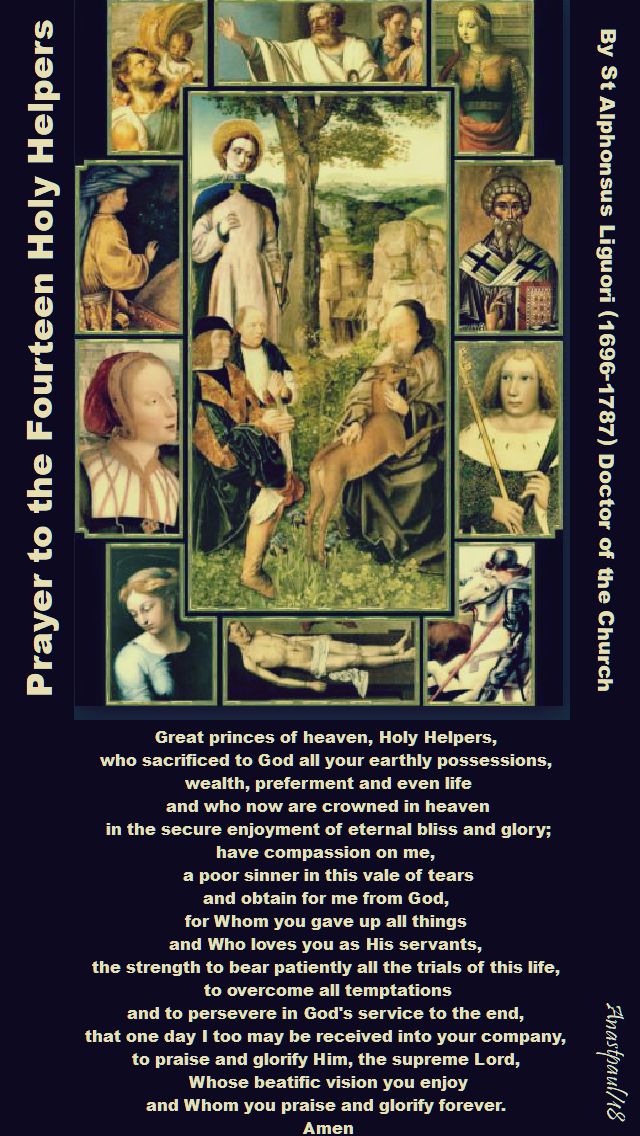
Prayer to the Fourteen Holy Helpers By St Alphonsus Liguori (1696-1787) Doctor of the Church
Great princes of heaven, Holy Helpers,
who sacrificed to God all your earthly possessions,
wealth, preferment and even life
and who now are crowned in heaven
in the secure enjoyment of eternal bliss and glory;
have compassion on me,
a poor sinner in this vale of tears
and obtain for me from God,
for Whom you gave up all things
and Who loves you as His servants,
the strength to bear patiently all the trials of this life,
to overcome all temptations
and to persevere in God’s service to the end,
that one day I too may be received into your company,
to praise and glorify Him, the supreme Lord,
Whose beatific vision you enjoy
and Whom you praise and glorify forever.
Amen
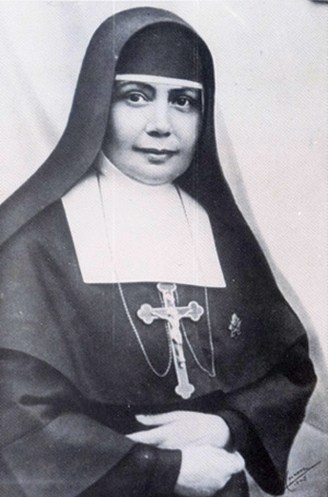
Saint of the Day – 6 July – Blessed Sr Nazaria of Saint Teresa of Jesus (Nazaria Ignacia March y Mesa) (1889-1943) Religious and Founder of the Missionaries of the Crusade (later renamed Congregation of the Missionary Crusaders of the Church) – born on 10 January 1889 at Arcos de Santa María N° 41 (Augusto Figueroa), Madrid, Spain and died on 6 July 1943 in the Rivadavia Hospital, Buenos Aires, Argentina of complications from pneumonia and tuberculosis. Patronage – Missionaries of the Crusade.
Fourth of eighteen children born to José Alejandro March y Reus, a merchant, fisherman and industrial worker and Nazaria Mesa Ramos; Nazairi had a twin sister, Ignazia, and ten brothers who survived infancy. She and her sister were baptised on the day they were born, Nazaria made her First Communion on 21 November 1898 and made a personal vow of consecration to God. Unlike many children who are drawn to religious life at an early age, her family was indifferent to the faith and grew so tired of her devotions that they once “grounded” her from going to Mass. By the time she was confirmed on 15 March 1902, which was celebrated by Blessed Marcelo Spínola y Maestre, her family had grown used to her piety and allowed her to join the Franciscan Third Order and more actively practice her faith. She succeeded in getting several of them to return to the Church.
In late 1904, business failures led the family to move to Mexico. On the trip, Nazaria met sisters in the Instituto de Hermanitas de los Ancianos Desamparados (Institute of Sisters of the Abandoned Elders) and was so inspired by their charism that on 7 December 1908 she followed a calling to religious life and entered the Institute in Mexico City, Mexico; she made her perpetual vows on 1 January 1915 and took the name Sister Nazariade Sainte-Thérèse. Her diaries of the time show a deep devotion to her calling but struggles with her vows of obedience to her superiors.
She was assigned to the Institute hospice in Oruro, Bolivia where she worked as a cook, housekeeper, nurse and occasional beggar to support the poor and neglected for twelve years. The region around Oruro was not entirely Christian, many Protestant groups were establishing missions and the few priests in the area were often lax or lived scandalous lives. Beginning in 1920 Sister Nazaria began to feel a call to found a new congregation devoted to missionary work, evanglisation and religious education. On 18 January 1925, the feast of the Chair of Saint Peter, Sister made a special vow of obedience to the Pope and on Pentecost that year, she made a vow to work for the union and extension of the Holy Catholic Church. On 16 June 1925, with six other sisters, she founded the Pontifical Crusade, later renamed the Congregation of the Missionary Crusaders of the Church and began service as their superior. The mission of the Congregation was to catechise children and adults, support the work of priests, conduct missions and to print and distribute short religious tracts.
Mother Nazaria met with opposition to her work, much of it from within Church administration. Her sisters in the Institute treated her as a traitor to her original vocation for turning away from their work; her superiors considered her disobedient and some Claretian clergy considered her a glory-hound, ignoring all the help members of their order had given her. But Nazaria clung to Christ and pressed on.
Monsignor Felipe Cortesi, while in Bolivia, had worked to help Mother Nazaria to found the Congregation. When he was assigned to be the apostolic nuncio of Argentina in 1930, he asked had her open a Missionary Crusader house in Buenos Aires. The Congregation received an early test under fire during the 1932 to 1935 war between Bolivia and Paraguay; Mother Nazaria and the sisters cared for and brought the sacraments to soldiers on both sides and helped establish homes for war orphans. In 1934 she founded the first magazine in Bolivia for women in religious life, Al Adalid de Cristo Rey, and the first female trade union, Sociedad de Obrera Católicas
In early 1934, Monsignor Cortesi asked the Vatican Congregation of Religious to approve the rules for the Crusaders that Nazaria had written, based on Ignatian spirituality. Later that year, Mother Nazaria travelled to Rome with an Argentinian pilgrimage group to work for the approval of her Rule. She made pilgrimages to several sites and had a private audience with Pope Pius XI during which Nazaria said that she was willing to die for the Church; the Pope told her that she must, instead, live and work for the Church.
Leaving Italy for her native Spain, Mother Nazaria founded a retreat centre for spiritual exercises in Madrid under the flag of Uruguay; the sisters there survived the Spanish Civil War as Franco did not wish to risk the international incident killing them would cause. With the help of the Bolivian government, Mother Nazaria was able to leave the persecutions in Spain and return to the Americas. She summoned a general chapter of the Congregation in 1937 to strengthen the unity and zeal of her sisters. She worked on the spiritual formation of new sisters and set an example by her pious, simple life. To the superiors of the Congregation houses she always recommended a maternal approach to the sisters in their care, to remember their role as Mother of the house. When the Spanish Civil War ended, Nazaria returned to Spain to check on the sisters she had left behind, then returned to the Americas for the final time.
Blessed Nazaria was buried in the Chacorita cemetery in Buenos Aires on 8 July 1943. Her relics werere-interred at the Congregation house at Buenos Aires on 14 June 1957
and later relics enshrined in the crypt of the mother house of the Congregation in Oruro, Bolivia in 1972.
The Congregation spread throughout South America and began to work in Portugal, Spain, France, Italy and Camaroon. Though Nazaria did not live to see it, the Congregation received Vatican recognition on 9 June 1947 by Pope Pius XII.
She was Beatified on 27 September 1992 by Pope John Paul II in Saint Peter’s Basilica, Rome, Italy. Her Canonisation was announced on 19 May 2018, when Pope Francis promulgated a decree of a miracle attributed to the intercession of Blessed Nazaria and will take place on 14 October 2018.
Thought for the Day – 2 July – Monday of the Thirteenth Week, Year B – Today’s Gospel: Matthew 8:18-22
“The poverty that makes rich.”
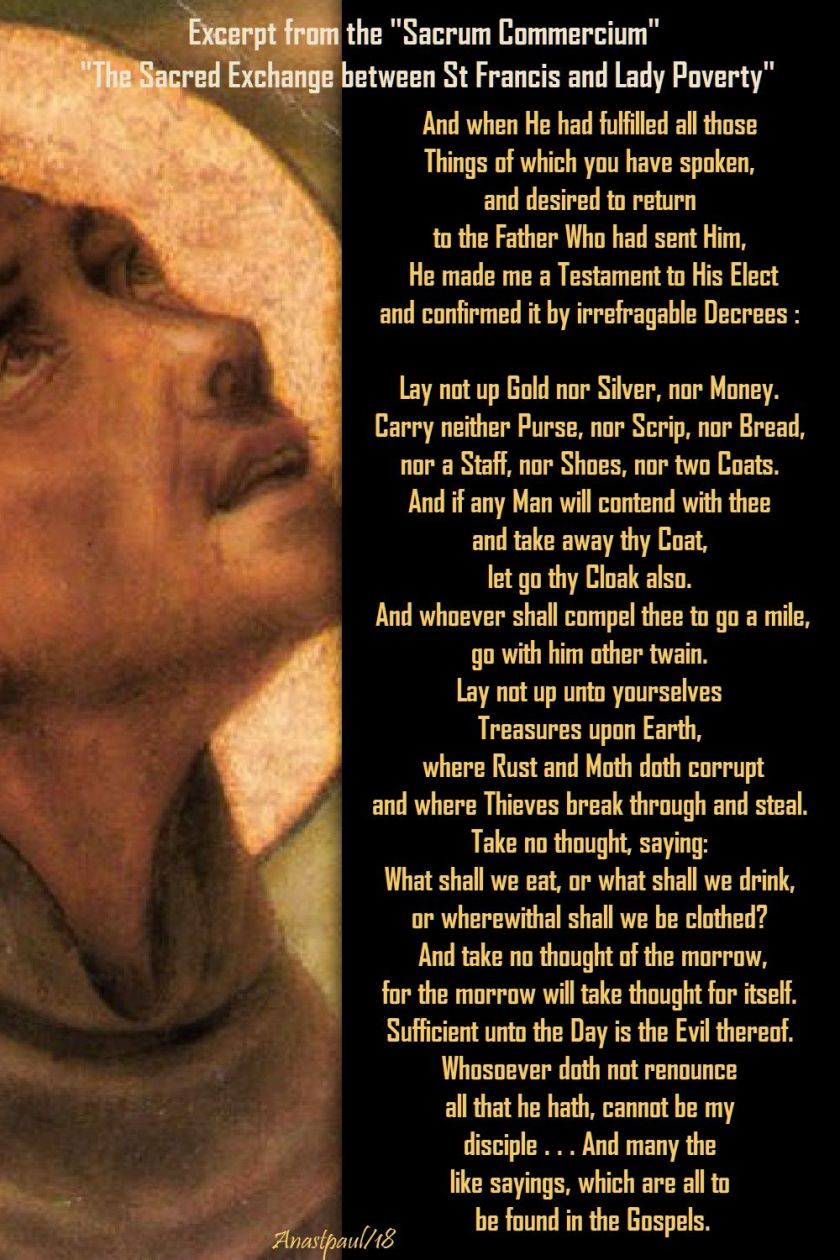
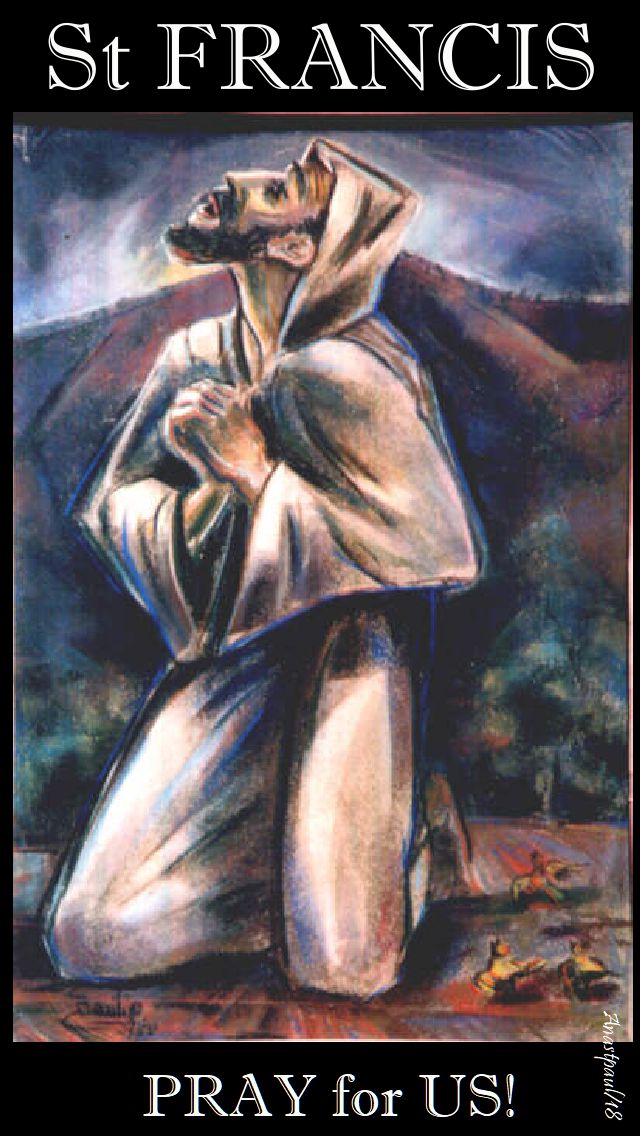
Excerpt from the “Sacrum Commercium” – “The Sacred Exchange between St Francis and Lady Poverty”
“And when He had fulfilled all those
Things of which you have spoken,
and desired to return to the Father Who had sent Him,
He made me a Testament to His Elect
and confirmed it by irrefragable Decrees :
Lay not up Gold nor Silver, nor Money.
Carry neither Purse, nor Scrip, nor Bread, nor a Staff, nor Shoes, nor two Coats.
And if any Man will contend with thee and take away thy Coat,
let go thy Cloak also. And whoever shall compel thee to go a mile,
go with him other twain.
Lay not up unto yourselves Treasures upon Earth,
where Rust and Moth doth corrupt
and where Thieves break through and steal.
Take no thought, saying:
What shall we eat, or what shall we drink,
or wherewithal shall we be clothed?
And take no thought of the morrow,
for the morrow will take thought for itself.
Sufficient unto the Day is the Evil thereof.
Whosoever doth not renounce
all that he hath, cannot be my
disciple . . . And many the
like sayings, which are all to
be found in the Gospels.”
The Sacred Exchange between Saint Francis and Lady Poverty, is one of the richest texts of the early Franciscan movement, “the single most brilliant example of the simple but lapidary allegory which was to become a major mode of spiritual writing in the later Middle Ages.” An allegory offering insights into Francis’s vision of poverty, the Sacred Exchange weaves a luxuriant tapestry of images held together by the strong threads of a biblical theology. For all of its richness, however, no text of these first hundred and fifty years is more mysterious. Like the weaver of an undated tapestry, the author of the Sacred Exchange is content to hide obscurely making sure that the ends and threads are in their proper place that the beauty and exactness of his work may be seen. Although there are many names suggested, the author of the Sacred Exchange still remains unknown. The same holds true for the date of its composition though it is believed by solid historical explorations, to date from late 13th century.
The allegory is an exhortation written to encourage Francis’s followers to live in the authentic way of the saint’s biblical vision of poverty. The central figure of the work is Lady Poverty, the personification of biblical Wisdom and, at times, of the Church. The Passage above is one of the most profound, as each word is taken from scripture and bound together into a poem of immense richness.
This is a lesson we now need to embrace, as difficult as it would seem in the world in which we live, the world led only by riches. For this is a true desire for sanctity, with Christ alone as our riches!
The Most Precious Blood of Our Lord, Jesus Christ: The feast was removed from the General Roman Calendar in 1969, “because the Most Precious Blood of Christ the Redeemer is already venerated in the solemnities of the Passion, of Corpus Christi, of the Sacred Heart of Jesus and in the feast of the Exaltation of the Holy Cross.” However, as this is the Month of the Most Precious Blood, this day, Sunday is most worthy of celebrating this Feast Day, this year (2018).
St Junipero Serra (1713-1784) (Optional Memorial, USA)
St Aaron of Caerleon
St Aaron the Patriarch
Bl Antonio Rosmini-Serbati
St Arnulf of Mainz
Bl Assunta Marchetti
St Atilano Cruz Alvarado
St Calais of Anisole
St Carilephus
St Castus of Sinuessa
St Cewydd
St Concordius of Toledo
St Cuimmein of Nendrum
St Domitian of Lerins
Bl Elisabeth de Vans
St Eparchius of Perigord
St Eutychius of Umbria
St Esther the Queen
St Gall of Clermont
Bl George Beesley
St Golvinus of Leon
St Gwenyth of Cornwall
St Huailu Zhang
Bl Jan Nepomucen Chrzan
Bl Jean-Baptiste Duverneuil
St Julius of Caerleon
St Justino Orona Madrigal
St Juthware
St Leonorious of Brittany
St Leontius of Autun
Bl Luis Obdulio Navarro
St Martin of Vienne
Bl Montford Scott
Bl Nazju Falzon
St Nicasius of Jerusalem
St Oliver Plunkett (1629-1681) Martyr
Bl Pierre-Yrieix Labrouhe de Laborderie
St Secundinus of Sinuessa
St Servan of Culross
St Theobald of Vicenza
St Theodoric of Mont d’Or
Bl Thomas Maxfield
Bl Tullio Maruzzo
St Veep
—
Martyrs of Rome – 6 saints: Six Christians who were martyred together. No details have survived except their names – Esicius, Antonius, Processus, Marina, Serenus and Victor. They were martyred in Rome, Italy, date unknown.
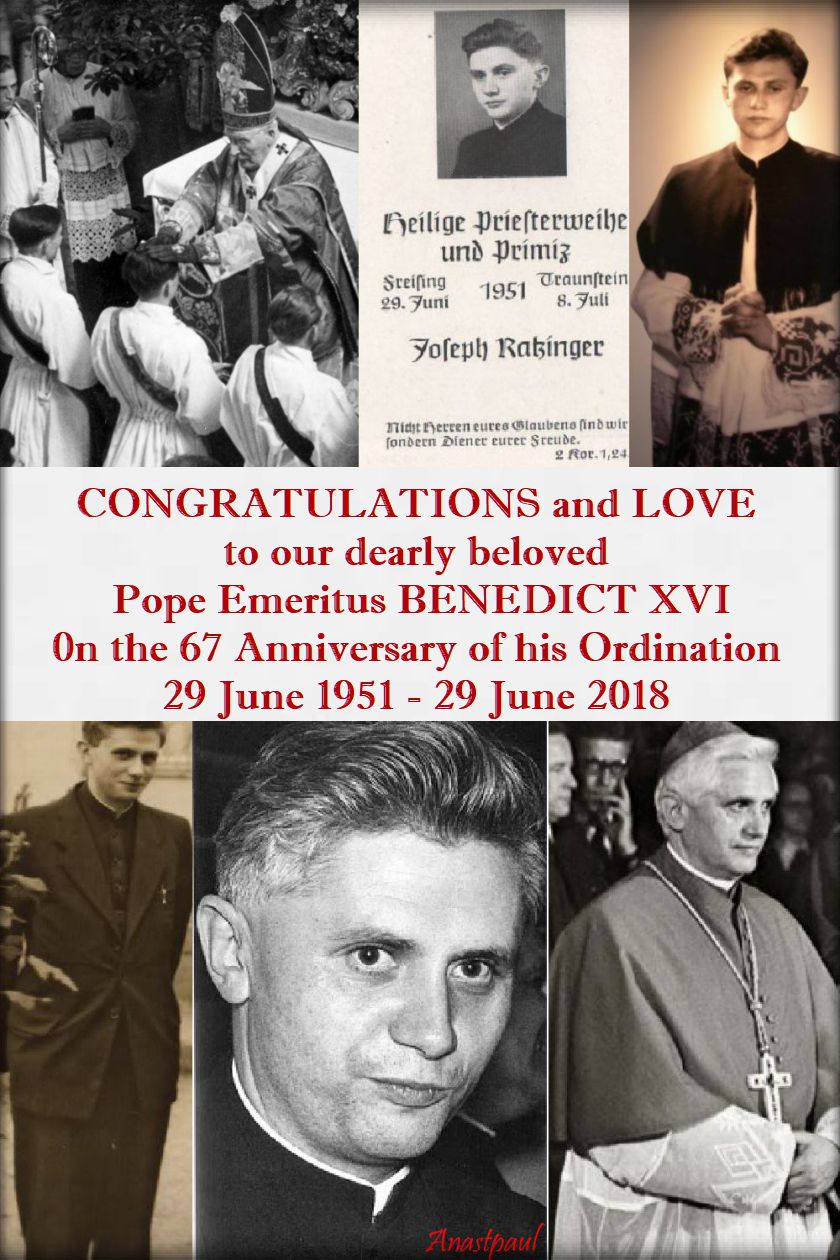
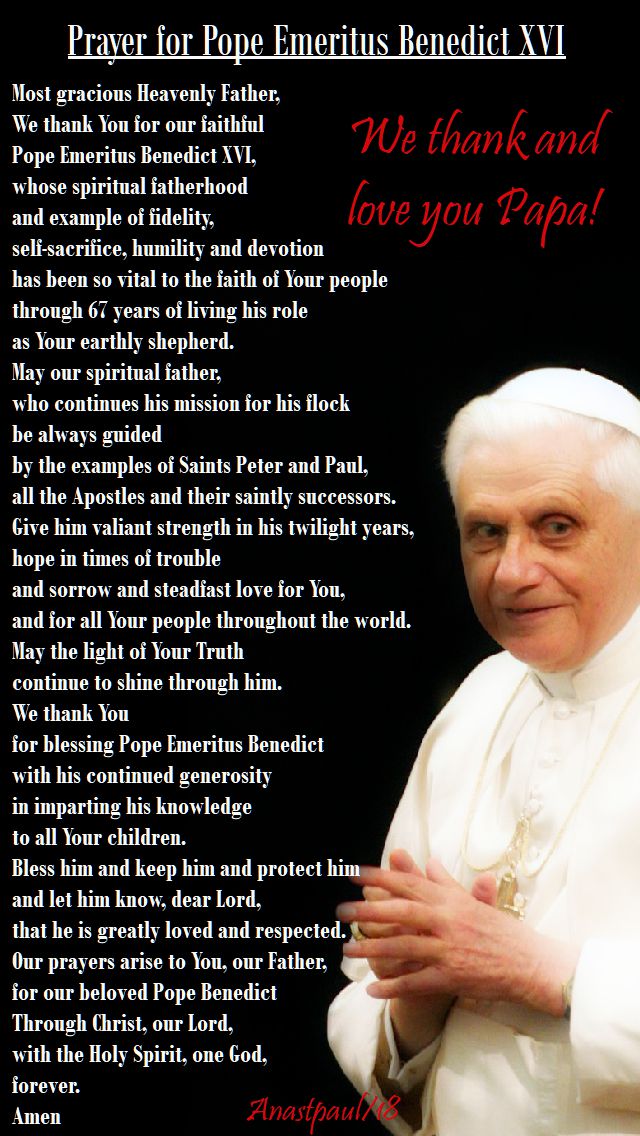
Congratulations, Prayers and Love to Pope Emeritus Benedict XVI on the occasion of the 67th Anniversary of his Priestly Ordination
PRAYER FOR POPE EMERITUS BENEDICT XVI
ON THE 67TH ANNIVERSARY OF HIS ORDINATION – 29 JUNE 2018
Most gracious Heavenly Father,
We thank You for our faithful Pope Emeritus Benedict XVI,
whose spiritual fatherhood and example of fidelity,
self-sacrifice, humility and devotion
has been so vital to the faith of Your people
through 67 years of living his role as Your earthly shepherd.
May our spiritual father, who continues his mission for his flock
be always guided by the examples of Saints Peter and Paul,
all the Apostles and their saintly successors.
Give him valiant strength in his twilight years,
hope in times of trouble and sorrow and steadfast love for You,
and for all Your people throughout the world.
May the light of Your Truth continue to shine through him.
We thank You for blessing Pope Emeritus Benedict with his
continued generosity in imparting his knowledge to all Your children.
Bless him and keep him and protect him
and let him know that he is greatly loved and respected.
Our prayers arise to You, our Father for our beloved Pope Benedict
Through Christ, our Lord.
Amen
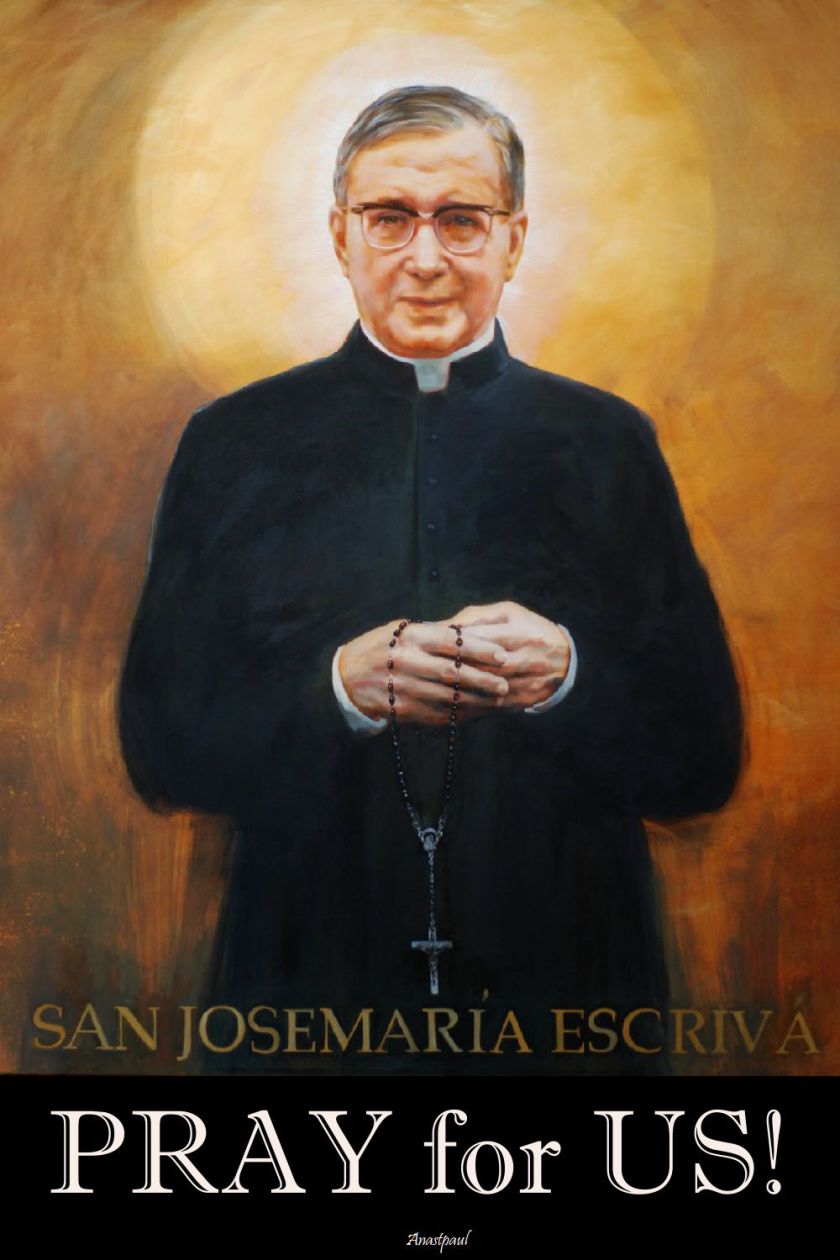
Thought for the Day – 26 June – The Memorial of St Josemaria Escrivá (1902-1975)
Excerpt from St John Paul’s Homily
on the Canonisation of St Josemaria – 6 October 2002
“All who are led by the Spirit of God are sons of God” (Rom 8,14). These words of the Apostle Paul, … help us understand better the significant message of today’s canonisation of Josemaría Escrivá de Balaguer. With docility he allowed himself to be led by the Spirit, convinced that only in this way can one fully accomplish God’s will.
This fundamental Christian truth was a constant theme in his preaching. Indeed, he never stopped inviting his spiritual children to invoke the Holy Spirit to ensure that their interior life, namely, their life of relationship with God and their family, professional and social life, totally made up of small earthly realities, would not be separated but would form only one life that was “holy and full of God”. He wrote, “We find the invisible God in the most visible and material things” (Conversations with Josemaría Escrivá, n. 114).
This teaching of his is still timely and urgent today. In virtue of the Baptism that incorporates him into Christ, the believer is called to establish with the Lord an uninterrupted and vital relationship. He is called to be holy and to collaborate in the salvation of humanity.
To fulfil such a rigorous mission, one needs constant interior growth nourished by prayer. St Josemaría was a master in the practice of prayer, which he considered to be an extraordinary “weapon” to redeem the world. He always recommended: “in the first place prayer; then expiation; in the third place but very much in third place, action” (The Way, n. 82). It is not a paradox but a perennial truth: the fruitfulness of the apostolate lies above all in prayer and in intense and constant sacramental life. This, in essence, is the secret of the holiness and the true success of the saints.
May the Lord help you, dear brothers and sisters, to accept this challenging ascetical and missionary instruction. May Mary sustain you, whom the holy founder invoked as “Spes nostra, Sedes Sapientiae, Ancilla Domini!” (Our Hope, Seat of Wisdom, Handmaid of the Lord).
May Our Lady make everyone an authentic witness of the Gospel, ready everywhere to make a generous contribution to building the Kingdom of Christ! May the example and teaching of St Josemaría be an incentive to us, so that at the end of the earthly pilgrimage, we too may be able to share in the blessed inheritance of heaven! There, together with the angels and all the saints, we will contemplate the face of God and sing His glory for all eternity.”
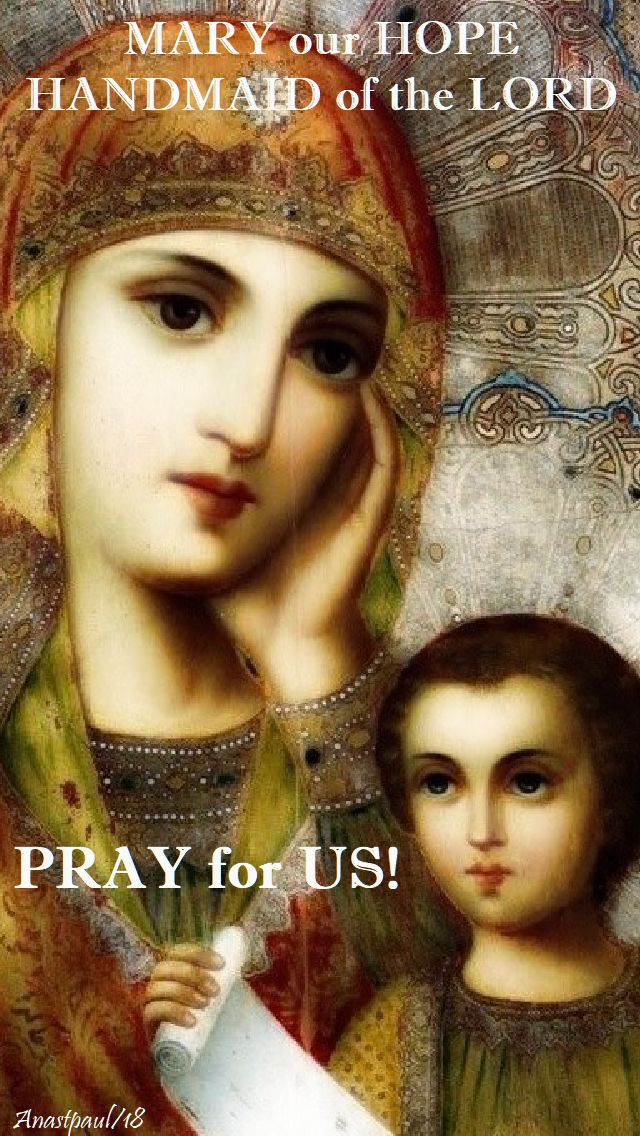
Mary, Our Hope, Seat of Wisdom, Handmaid of the Lord, Pray for us!
Madonna of Miracles – Our Lady of Miracles (or Madonna of Miracles) is the patron saint of the town of Alcamo, Italy.
—
St Agofredus of La-Croix
St Alban of Mainz
St Apollinaris of Africa
Bl Colagia
St Corbmac
St Cyriacus of Africa
St Demetria of Rome
St Dominic of Comacchio
St Engelmund
Bl Jacques-Morelle Dupas
St John Rigby
St José Isabel Flores Varela
Bl Juan of Jesus
St Lazarus
St Leutfridus
St Martia of Syracuse
St Martin of Tongres
Bl Melchiorre della Pace
St Mewan of Bretagne
Bl Nicholas Plutzer
St Ralph of Bourges
St Raymond of Barbastro
St Rufinus of Syracuse
St Suibhne the Sage
St Terence
St Ursicenus of Pavia
—
Martyrs of Taw – 3+ saints: Three Christians of different backgrounds who were martyred together – Moses, Paphnutius, Thomas. They were beheaded in Taw, Egypt, date unknown.
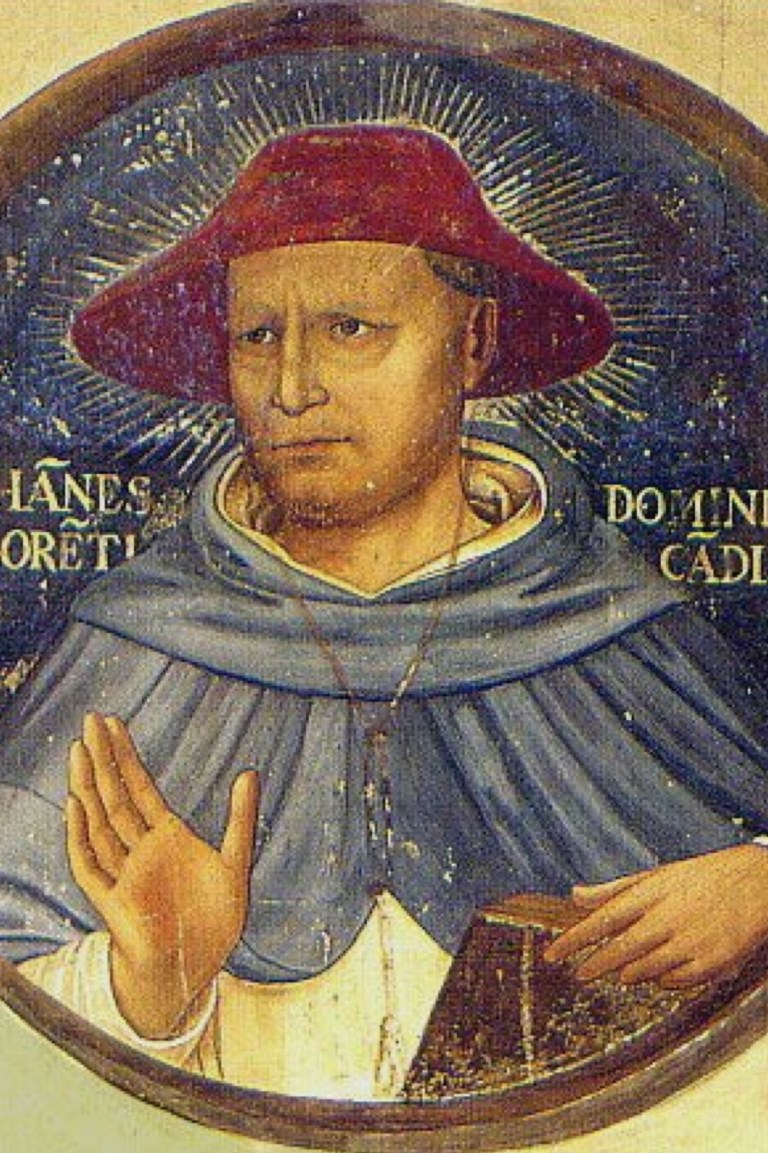
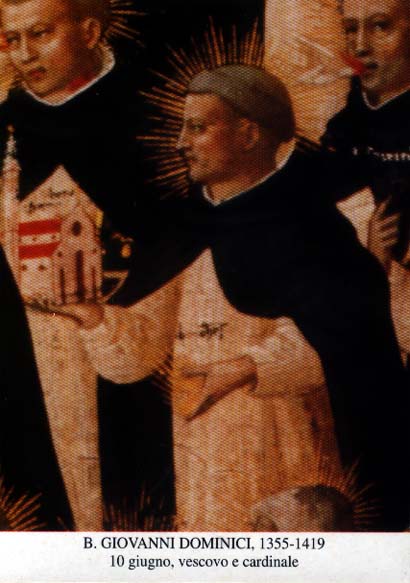
Saint of the Day – 10 June – Blessed John Dominici O.P. (c 1355-1419) ArchBishop, Cardinal, Religious Friar, Theologian, Preacher, Confessor, Reformer, Papal Legate, Papal Counsellor and Confessor, Writer, Evangeliser – born on 1356 at Florence, Italy and died on 10 June 1419 of a fever at Buda, Hungary.
Although John had little education and suffered from a speech impediment that caused him to stammer and stutter, he possessed a tremendous drive to improve himself, overcome his obstacles and serve our Lord. He also had a great memory and later in life became a great theologian and preacher. John Dominic met St Catherine of Siena when he was young, entered the Order of Preachers and was an integral part of a major reform movement. This reform helped to revitalise the Order after its decimation by the plague and general laxity of observance. Not only was he a major force in the Dominican Order but he became a cardinal in the Church and an official legate for the Pope. Most importantly, he worked to resolve the Great Western Schism. He also brought Fra Angelico, the world famous painter and St Antoninus, a brilliant theologian and reformer, into the Order.
Born in c 1355 at Florence, Italy, John spent a great deal of his youth in or around the Dominican church of Santa Maria Novella. He joined the Order at the age of 17, despite his lack of education and his speech impediment, even while the Dominicans are scholars and preachers. After entering the Order, Blessed John studied in Pisa and Florence and received a degree from the University of Paris. As a priest, Blessed John once believed that his speech impediment would threaten his vocation but it was cured through the intervention of Saint Catherine of Siena. Blessed John spent 12 years in Venice as a preacher.
In 1392, Blessed John found himself to be the Vicar provincial serving in Rome. At the time, Blessed Raymond of Capua was the Master General of the Order and he helped rebuild the Order after the ravages of the Plague and helped return regular discipline to the Order’s members.
Blessed John founded Dominican convents in Venice, Fiesole, Chioggia, Citta de Castello, Cortona, Lucca and Fabriano and was a correspondent of Blessed Clara Gambacorta, advising her of how to restore discipline to Dominican nuns of the day. For a time, he lost papal support because of support for the Dominican White Penitents in Venice but was later welcomed back and resumed his work in the Order.
Most importantly, Blessed John worked to provide a Christian education to young people. He opposed pagan ideas that were taking hold in the humanism of his day and was a confessor and adviser to Pope Gregory XII. He was made Cardinal of San Sisto in 1407 and Archbishop of Ragusa in 1408. In these roles, he helped to heal the Western Schism and convinced Pope Gregory XII to call the Council of Constance and to abdicate the papacy causing the anti-popes to also drop their claims to the papal throne.
He was appointed the Papal legate to Milan, Genoa, Hungary and Bohemia for Pope Martin V and, in that role, worked to settle the disputes caused by the death of Jon Hus and to heal the Hussite Schism. However, while Blessed John was able to convert some, he was unable to resolve the Hussite Schism.
John is widely known for his scripture commentaries and hymns. His portrait was painted by Fra Angelico and a his memoir was written by St Antonius of Florence, who joined the Order after hearing Blessed John preach.
Blessed John died on 10 June 1419 at Buda, Hungary, from a fever and he was buried in the Saint Paul the Hermit church there. His tomb became a site of miracles and his remains were venerated and miracles reported, until the destruction of the church during a Turkish invasion. His cultus was confirmed in 1832 and he was beatified by Pope Gregory XVI in 1837.
Our Morning Offering – 8 June – The Solemnity of The Most Sacred Heart of Jesus
Prayer of Consecration to The Most Sacred Heart of Jesus By Pope Leo XIII (1810-1903)
Most sweet Jesus,
Redeemer of the human race,
look down upon us,
humbly prostrate before Your altar.
We are Yours and Yours we wish to be
but to be more surely united with You,
behold, each one of us,
freely consecrates himself today
to Your most sacred heart.
Many, indeed, have never known You, many too,
despising your precepts, have rejected You.
Have mercy on them all, most merciful Jesus
and draw them to Your sacred heart.
Be You king, O Lord, not only of the faithful
who have never forsaken You
but also of the prodigal children who have abandoned You;
grant that they may quickly return to their father’s house,
lest they die of wretchedness and hunger.
Be You king, of those who are deceived
by erroneous opinions,
or whom discord keeps aloof
and call them back to the harbour of truth and unity of faith,
so that soon there may be but one flock and one shepherd.
Be you king also, of all those who sit
in the ancient superstition of the Gentiles
and refuse not You to deliver them out of darkness
into the light and kingdom of God.
Grant, O Lord, to Your Church,
assurance of freedom and immunity from harm;
give peace and order to all nations
and make the earth resound from pole to pole with one cry:
Praise to the divine heart that wrought our salvation;
to it be glory and honour forever.
Amen.
and
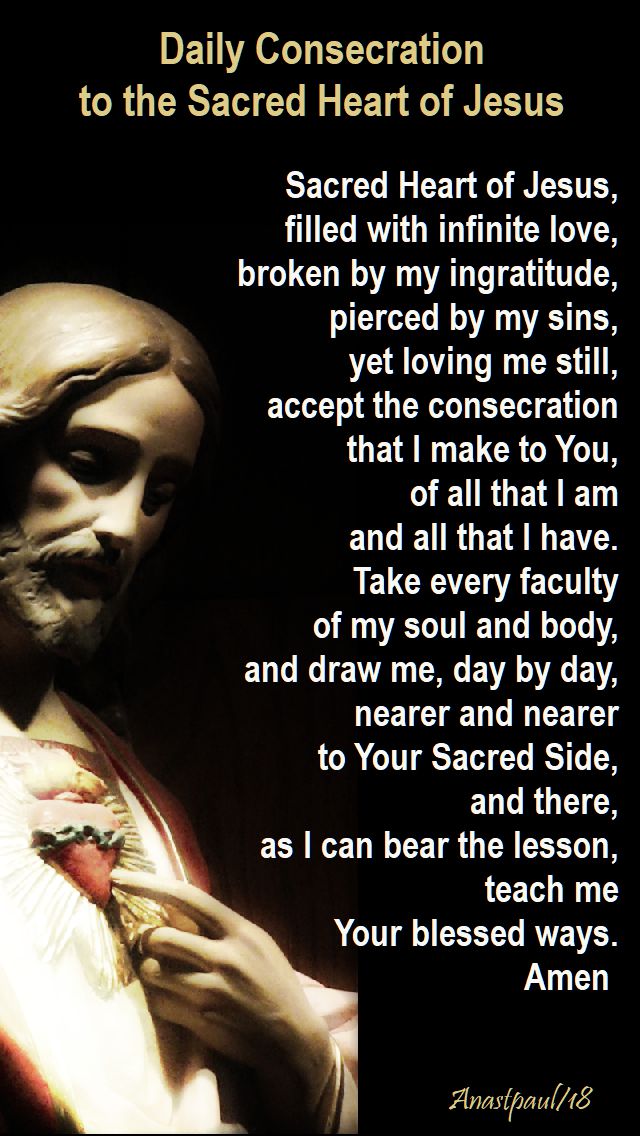
Daily Consecration to the Sacred Heart of Jesus
Sacred Heart of Jesus,
filled with infinite love,
broken by my ingratitude,
pierced by my sins,
yet loving me still,
accept the consecration that I make to You,
of all that I am and all that I have.
Take every faculty of my soul and body,
and draw me, day by day,
nearer and nearer to Your Sacred Side,
and there, as I can bear the lesson,
teach me Your blessed ways.
Amen
Bl Anne of Saint Bartholomew
St Anthony Mary Gianelli (1789-1846)
St Aventinus of Larboust
Bl Basilissa Fernandez
St Colman of Dromore
Bl Demosthenes Ranzi
St Deochar
St Gotteschalk
St Justus of Condat
St Landulf of Yariglia
St Lycarion of Egypt
Venerable Matt Talbot (1856 – 1925)
St Meriadoc I of Vannes
St Meriadoc II of Vannes
St Odo of Massay
St Potamiaena of Alexandria the Younger
St Quirinus of Cluny
St Robert of Newminster
St Sergius of Cluny
St Vulflagius of Abbeville
—
Martyrs of Africa – 7 saints: A group of seven Christians who were martyred together. No details about them have survived except the names – Donata, Evasius, Guirillus, Januaria, Privata, Spisinna, Victurus. The precise location in Africa and date are unknown.
Martyred in Córdoba, Spain:
Habentius of Córdoba
Jeremiah of Córdoba
Peter of Córdoba
Sabinian of Córdoba
Wallabonsus of Córdoba
Wistremundus of Córdoba
One Minute Reflection – 2 June – Martyrs – The Memorial of Sts Erasmus (martyred in c 303 and Marcellinus and Peter – (martyred in 304).
My dear friends, do not be taken aback at the testing by fire which is taking place among you, as though something strange were happening to you; but in so far as you share in the sufferings of Christ, be glad, so that you may enjoy a much greater gladness when his glory is revealed….1 Peter 4:12-13
REFLECTION – “Bodily and spiritual affliction are the surest sign of Divine predilection. Gratitude for suffering is a precious jewel for our heavenly crown… Man should always firmly believe that God sends just that trial which is most beneficial for him.”…St Gertrude the Great
PRAYER – O GOD, who dost give us joy through the memory of Thy holy Martyrs, graciously grant that we may be inflamed by their example, in whose merits we rejoice. Sts Erasmus, Marcellinus and Peter, Pray for us! Through Christ our Lord. Amen.
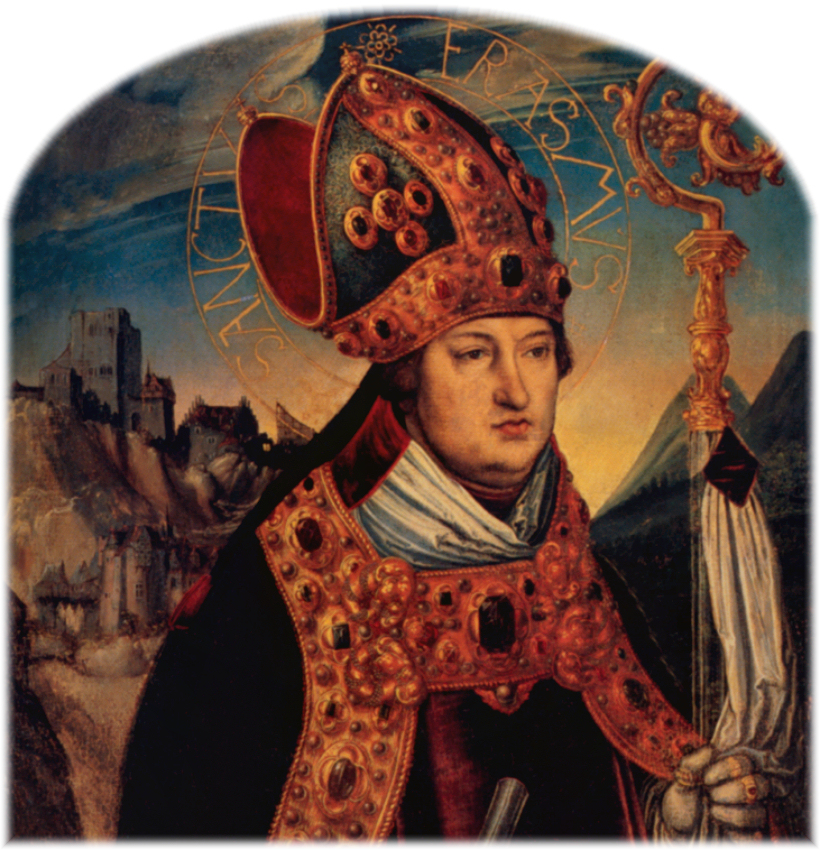
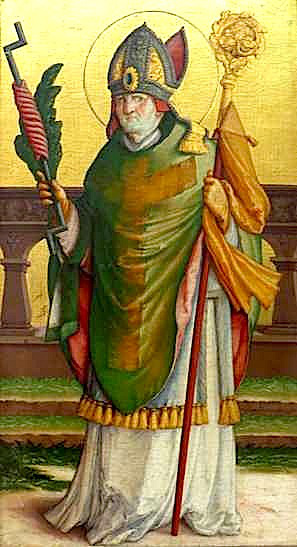
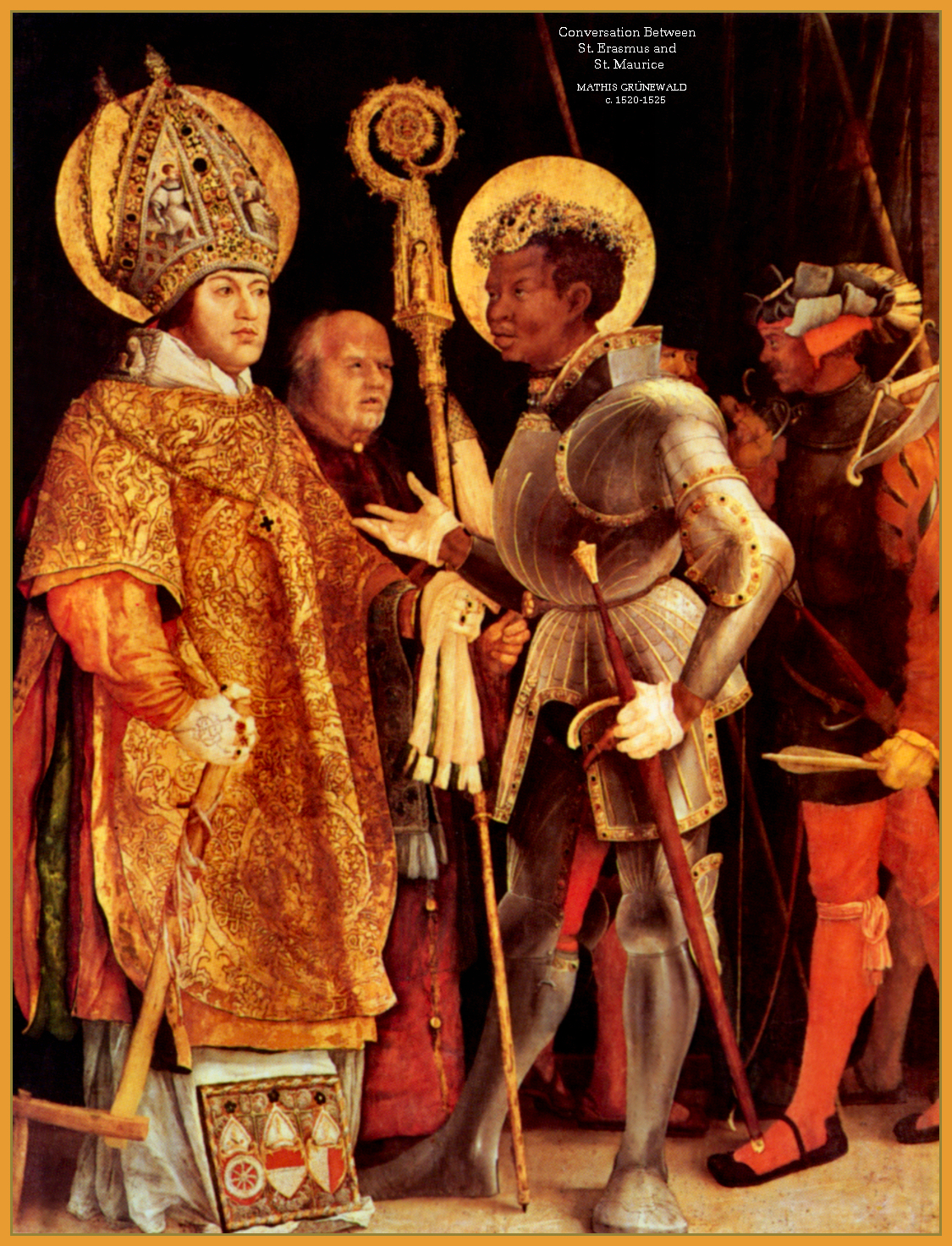
Saint of the Day – 2 June – St Erasmus (Died c 303) Martyr – also known as Saint Elmo (Telmo, Eramo, Erarmo, Ermo, Herasmus, Rasimus, Rasmus), Bishop of Formiae, Campagna, Italy. St Erasmus or Elmo is also one of the Fourteen Holy Helpers, saintly figures of Christian tradition who were venerated especially as intercessors. Patronages – against appendicitis, against birth pains, against abdominal or stomach pains and diseases, against colic, against danger at sea, against seasickness, against storms, ammunition, explosives and ordnance workers, boatmen, mariners, sailors, watermen, childbirth and women in labour, navigators, Gaeta, Italy, Formia, cattle pest, Fort St Elmo, Malta.
As with many Martyrs of the early Church, we know little about their lives and upbringings but much about their pious and courageous deaths, accounts of which were recorded and believed to be more instructive to the faithful than complete biographies.
The childhood and birthplace of Saint Erasmus is lost to history. In the late third century, we do know that he was appointed Bishop of Antioch in Asia Minor, where he led the faithful. When Emperor Diocletian ascended to the throne, widespread persecution of Christians began and Antioch was not overlooked. Saint Erasmus fled into the mountains of Lebanon, where he undertook an austere life of prayer and fasting, going without food for days at a time. Holy legend tells us that a raven brought him food when he deprived himself for too long. Eventually, however, he was discovered by the soldiers of the Emperor and dragged to judgement.
St Erasmus was urged to recant his faith and some respect was offered him. However, when he adamantly stated his belief in Christ and could not be persuaded to make offerings to the gods. He stated, “Almighty God, that made all things, hath wrought heaven and hell and all that is therein, Him will I not forsake for nothing that can or may be done to me, for His goodly grace hath given to me such grace and to other of His chosen friends, that He was made man and hath tasted and suffered the bitter death for me and for all sinners.”Saint Erasmus was viciously tortured. He was at first scourged, had heated hooks jabbed into his intestines and stomach and was finally thrown into a caldron filled with boiling oil. However, despite these horrific tortures, the Lord protected Saint Erasmus from death and many were converted to the faith—including the jailor and his family.
Unable to torture him physically into recanting his faith, the judge ordered him imprisoned in chains, thrown into a pit filled with vipers and worms and forbid the jailor to feed him, insisting that he die of starvation for his crime. However, Erasmus was again delivered, with an angel appearing to him and leading him to freedom. During his escape, the angel proclaimed, ”Erasmus, Follow me! Thou shalt convert a great many.”
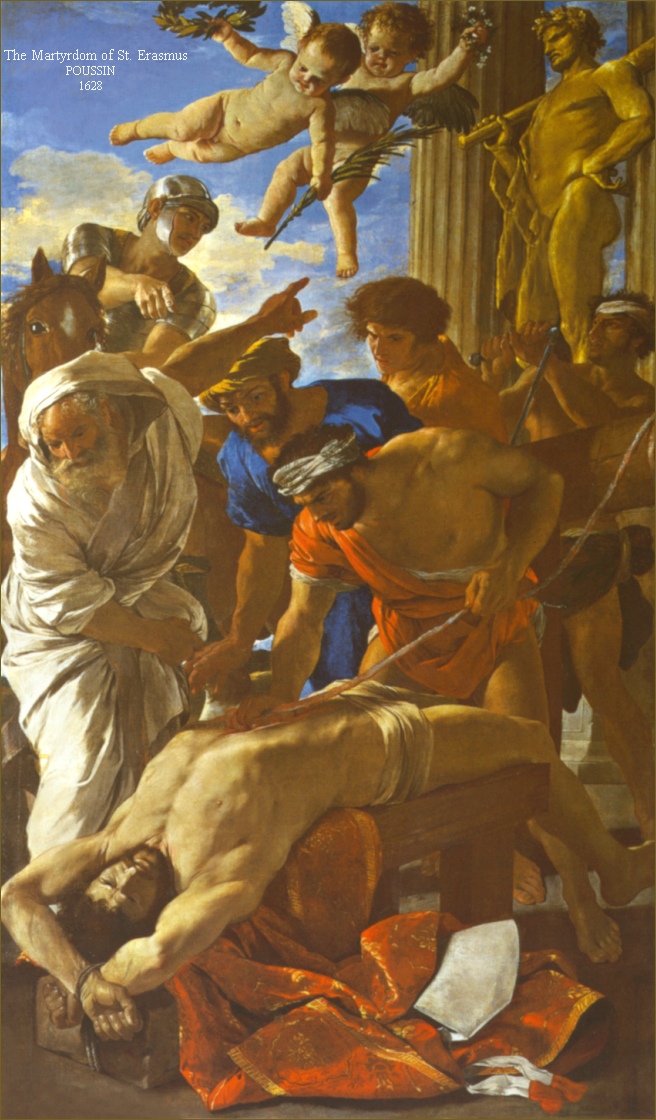
Erasmus fled to Europe, preaching the power of the Lord, performing miracles and converting the multitudes proclaimed by the Angel. Upon his arrival in Italy, however, he was again arrested—this time by Emperor Maximin, who also persecuted Christians. History tells us that the Emperor, enraged by Erasmus’ success in conversions, ordered three hundred of the newly baptised Christians killed as incentive for Erasmus to recant his faith. When he did not, he was cruelly tortured and again imprisoned. During this torture, his intestines were slowly wound around a sailor’s capstan, which is why he is the Patron Saint of sailors today. Eventually, Saint Erasmus died a Martyr’s death due to disembowelling and subsequent beheading, having been summoned by the voice of the Lord.
From the Golden Legend:“And when the hour was come that this holy Bishop and Martyr of God should depart out of this world, then was heard a loud voice perfectly, coming from heaven saying: “Erasmus, my true servant, thou hast done me true service, wherefore come with me and go and enter into the bliss and joy of thy Lord and I promise thee and all people that think upon thy great pain and call upon thy holy name and worship every Sunday, what that they ask of Me in thy name for the wealth of their souls, I shall grant it. Now come, my true and chosen friend, be glad and comforted with Mine ascension . I will that thou arise with Me and come sit upon the right hand of My Father.” Then was this holy man right glad and joyful and he cast his eyes upward to heaven, with lifting up his hands and there he saw, a clear shining crown come from heaven upon his blessed head. Then gave he loving and thanking to Almighty God with bowing his head and kneeling and both his hands upward to heaven, and meekly said: “O Lord in thy hands yield my spirit and this Sunday receive my soul into thy peace and rest.” And with saying these words he yielded up his ghost, which was seen by many men’s eyes, shining clearer than the sun and how that he was received of the holy Angels and was led through the height of heaven into the uppermost plan of heaven – there he standeth with God, with all the holy company and is there a true helper to all them that call truly to Saint Erasmus for ghostly health, which joy and ghostly health let us pray, that he for us, all of our Lord God may obtain.”
Saint Erasmus is one of the 14 Holy Helpers, a group of saints invoked with special confidence because they have proven themselves efficacious helpers in adversity and difficulties . Other saints identified as Holy Helpers are: Saints Blaise, Catherine of Alexandria, George, Christopher and others. Saint Erasmus, due to the manner in which he was tortured, is the Patron Saint of those with stomach or intestinal disorders.
Saint Erasmus, under the name Saint Elmo, is also the patron saint of sailors and the shining lights observed upon his death, continue to be reported by sailors as “Saint Elmo’s fire.” This electrostatic phenomenon has been reported throughout history, from Julius Caesar, to the journals of sailors on Magellan’s voyage around the globe, to the writings of Shakespeare, Melville and Charles Darwin.
A chronicler of Magellan’s voyage to circle the globe, observed: “During those storms the holy body, that is, to say St. Elmo, appeared to us many times in light…on an exceedingly dark night on the maintop where he stayed for about two hours or more for our consolation.” Darwin wrote that one night when the Beagle was anchored in the estuary of the Rio Plata: “Everything was in flames, the sky with lightning, the water with luminous particles, and even the very masts were pointed with a blue flame.” The appearance of St Elmo’s Fire is regarded as a good omen for sailors, as it tends to occur near the end of severe thunderstorms or weather systems, the answer to sailors’ prayers for heavenly intervention. In these moments, the guiding hand of Saint Elmo is present.
The endurance of Saint Erasmus in the face of cruel and horrific torture reminds us that the Lord is always with those who love Him. It is difficult to imagine being in a position of profound physical torture, like that many of the early Church’s Martyrs endured. In our day to day lives, we often find it difficult to withstand the smallest inconveniences and hurts we experience, generally feeling lost and overwhelmed. But the lives of the early Martyrs are not that different from our own. Terminal illnesses, significant financial and vocational struggles, victimisation and trauma fill our lives and the lives of those we love. Our suffering is sometimes great, albeit different from the early Martyrs. Our call is to join that suffering to Christ, to look to the Lord for support and succour, to rely on Our Blessed Mother for grace and intercession. When we are able to do that—when we are able to look beyond our struggles and suffering to see the face of God present within us, we grow closer to the glorious Saints and Martyrs who reflected their faith for all to see, even in the midst of great pain!
St Marcellinus (Optional Memorial)
St Peter the Exorcist (Optional Memorial)
—
St Ada of Ethiopia
St Adalgis of Thiérarche
St Armin of Egypt
St Barbarinus
St Blandina the Slave
St Bodfan of Wales
St Daminh Ninh
Bl Demetrios of Philadelphia
St Dorotheus of Rome
St Erasmus (Died c 303)
St Pope Eugene I,
St Evasius
Bl Giovanni de Barthulono
Bl Guy of Acqui
St Honorata
St Humatus
St John de Ortega
St Joseph Tien
St Nicholas Peregrinus
St Photinus of Lyons
St Rogate
Bl Sadoc of Sandomierz
St Stephen of Sweden
—
Martyrs of Lyons and Vienne: A group of 48 Christians from the areas of Vienne and Lyon, France, who were attacked by a pagan mob, arrested and tried for their faith, and murdered in the persecutions of Marcus Aurelius. A letter describing their fate, possibly written by Saint Irenaeus of Lyons, was sent to the churches in the Middle East. Only a few names and details of their lives have surived; some of them have separate entries on this date –
• Alexander of Vienne
• Attalus of Pergamos
• Biblis of Lyons
• Blandina the Slave
• Cominus of Lugdunum
• Epagathus of Lugdunum
• Maturus the Novice
• Photinus of Lyons
• Ponticus of Lugdunum
• Sanctius of Vienne
• Vettius of Lugdunum
They were martyred in assorted ways on on various during 177.
Martyrs of Sandomierz: A group of 49 Dominicans, some of whom received the habit from Saint Dominic de Guzman himself. They worked separately and together to bring the faith and establish the Dominican Order in Poland, basing their operations in and around Sandomierz. In 1260 they were all martyred by the Tartars as they were singing the Salve Regina at Compline; the custom of singing the Salve Regina at the deathbed of Dominicans stems from this incident. We know a few details about a few of the martyrs, but most survive only as names –
• Zadok
• Andrea, chaplain
• James, novice master
• Malachi, convent preacher
• Paul, vicar
• Peter, guardian of the garden
• Simone, penitentiary
friars
• Abel, Barnabas, Bartholomew, Clemente, Elia, John, Luke, Matthew, Philip
deacons
• Giuseppe, Joachim, Stefano
sub-deacons
• Abraham, Basil, Moses, Taddeo
clerics
• Aaron, Benedict, David, Dominico, Mattia, Mauro, Michele, Onofrio, Timothy
professed students
• Christopher, Donato, Feliciano, Gervasio, Gordian, John, Mark, Medardo, Valentino
novices
• Daniele, Isaiah, Macario, Raffaele, Tobia
lay brothers
• Cyril, tailor
• Jeremiah, shoemaker
• Thomas, organist
They were martyred in 1260 at Sandomierz, Poland and Beatified on 18 October 1807 by Pope Pius VII (cultus confirmation).
Mary, our Queen, Holy Mother of God By St ANTHONY OF PADUA (1195-1231) Evangelical Doctor
Mary, our Queen,
Holy Mother of God,
we beg you to hear our prayer.
Make our hearts overflow with Divine grace
and resplendent with heavenly wisdom.
Render them strong with your might
and rich in virtue.
Pour down upon us the gift of mercy
so that we may obtain the pardon of our sins.
Help us to live in such a way
as to merit the glory and bliss of heaven.
May this be granted us by your Son Jesus
Who has exalted you above the angels,
has crowned you as Queen,
and has seated you with Him
forever on His refulgent throne.
Amen
Quote of the Day – 27 May – The Solemnity of the Most Holy Trinity
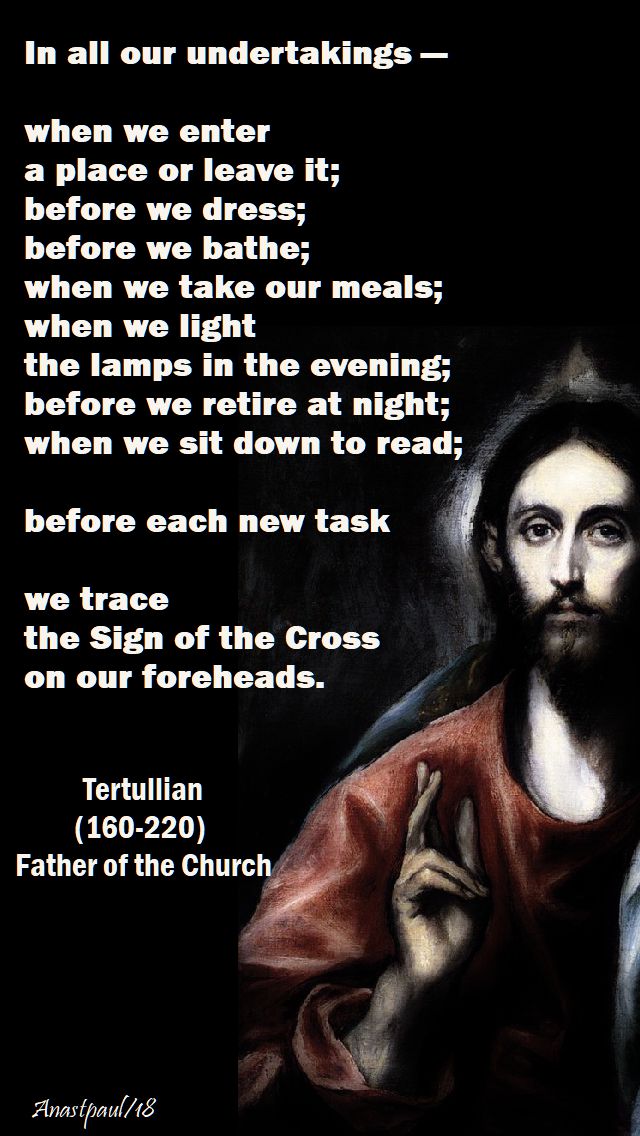
In all our undertakings —
when we enter a place or leave it;
before we dress;
before we bathe;
when we take our meals;
when we light the lamps in the evening;
before we retire at night;
when we sit down to read;
before each new task —
we trace the Sign of the Cross on our foreheads.
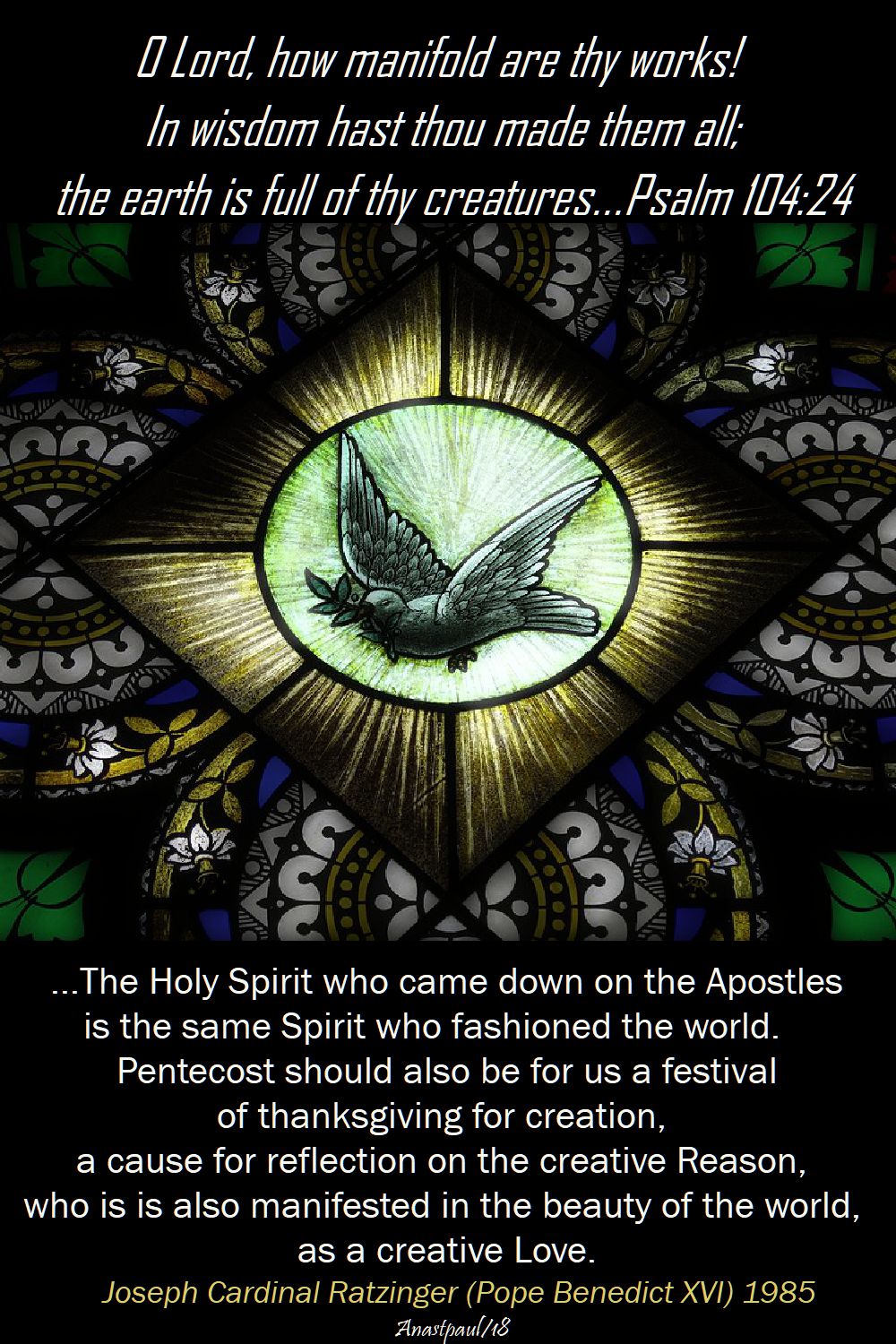
O Lord, how manifold are thy works! In wisdom hast thou made them all; the earth is full of thy creatures…Psalm 104:24
REFLECTION – “…the Holy Spirit who came down on the Apostles is the same Spirit who fashioned the world. Pentecost should also be for us a festival of thanksgiving for creation, a cause for reflection on the creative Reason, who is is also manifested in the beauty of the world, as a creative Love.”…Joseph Cardinal Ratzinger (Pope Benedict XVI) 1985
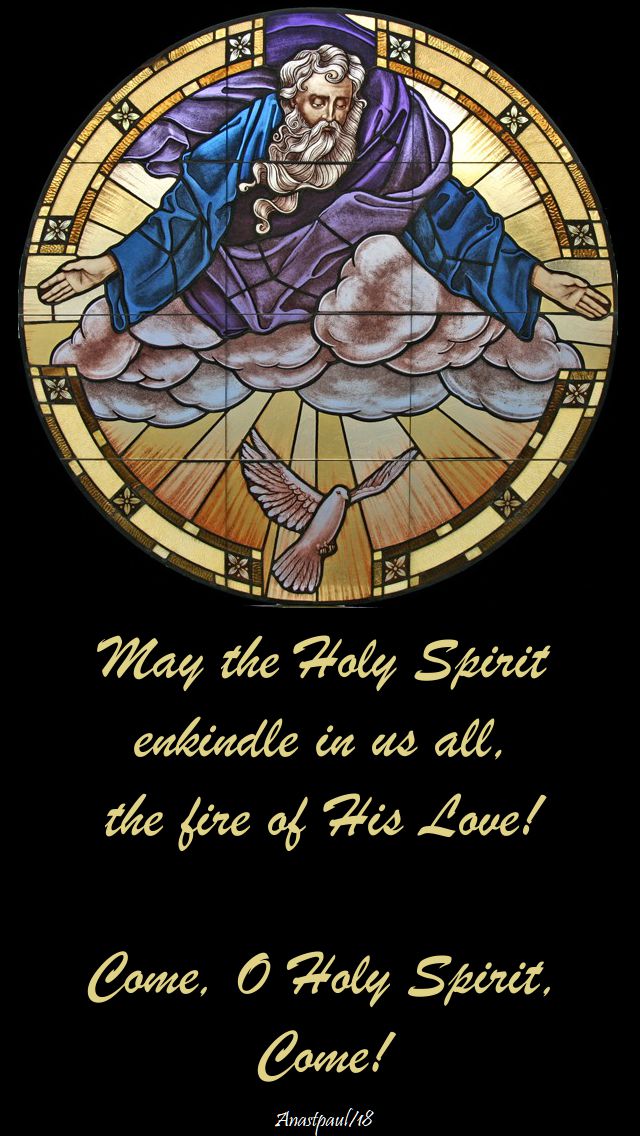
PRAYER – Lord God, pour out the gifts of the Holy Spirit on all mankind and fulfil now, in the hearts of Your faithful, what You accomplished at the beginning of the world, every second of every day and when the Gospel was first preached on earth. Come, O Holy Spirit, come! We make our prayer through our Lord Jesus Christ, Your Son, in the unity of the Holy Spirit, one God forever, amen.
St Abdas of Cascar
Bl Adam of Adami
Bl Adam of San Sabine
St Andrew Bobola
St Annobert of Séez
St Aquilinus of Isauria
St Brendan the Navigator
St Carantac
St Carantoc
St Diocletian of Osimo
St Felix of Uzalis
St Fidolus of Aumont
St Fiorenzo of Osimo
St Fort of Bordeaux
St Francoveus
St Gennadius of Uzalis
St Germerius of Toulouse
St Hilary of Pavia
St Honorius of Amiens
Bl Louis of Mercy
St Margaret Of Cortona
St Maxima of Fréjus
Bl Michal Wozniak
St Peregrinus of Auxerre
St Peregrinus of Terni
St Possidius of Calama
St Primael of Quimper
St Simon Stock (1165-1265)
St Ubaldus Baldassini
St Victorian of Isauria
Bl Valdimir Ghika
—
Martyrs of Saint Sabas: A group of monks, whose names have not come down to us, who were massacred by Moors at the monastery of Saint Sabas in Palestine.
Our Morning Offering – 15 May – “Mary’s Month” – Tuesday of the Seventh Week of Eastertide
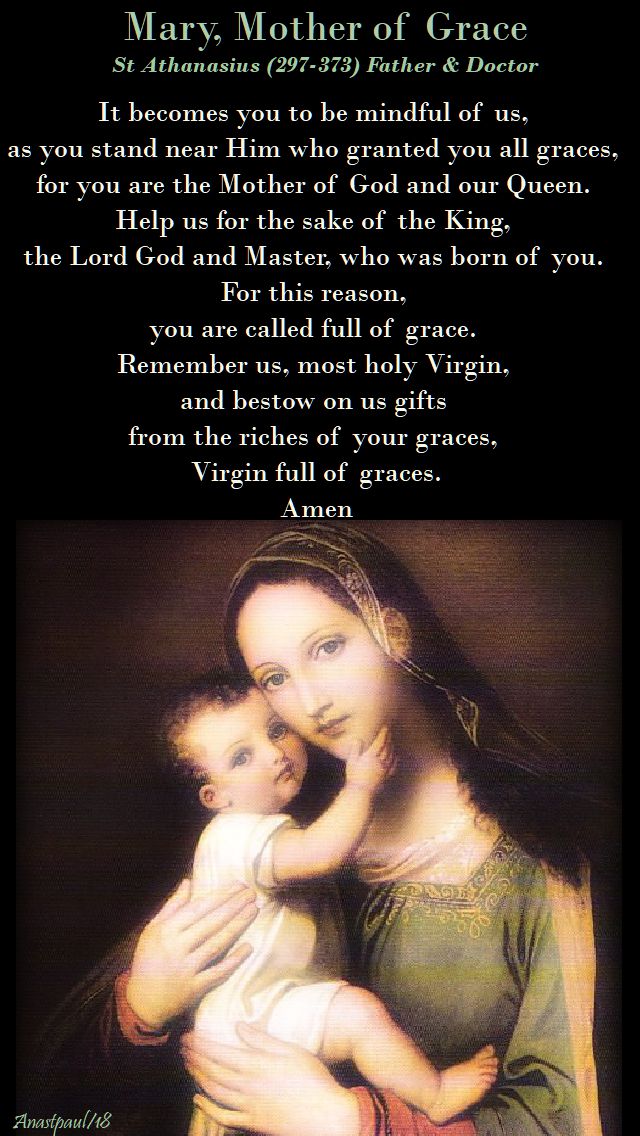
Mary, Mother of Grace St Athanasius (297-373) Father & Doctor
It becomes you to be mindful of us,
as you stand near Him who granted you all graces,
for you are the Mother of God and our Queen.
Help us for the sake of the King,
the Lord God and Master, who was born of you.
For this reason,
you are called full of grace.
Remember us, most holy Virgin,
and bestow on us gifts
from the riches of your graces,
Virgin full of graces.
Amen
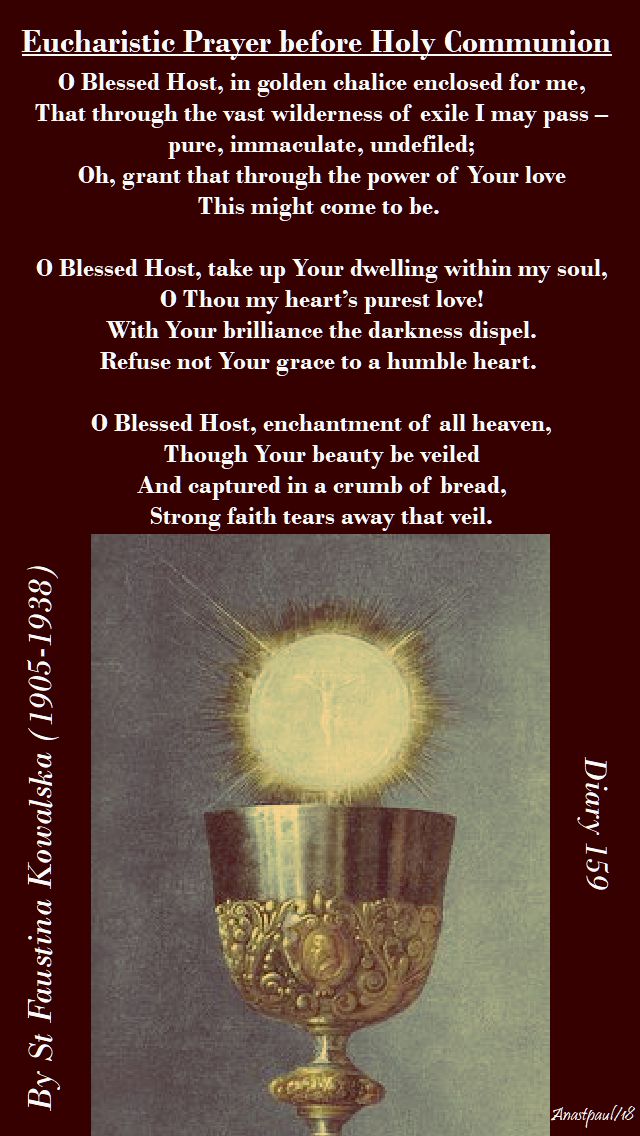
Sunday Reflection – 13 May – The Solemnity of the Ascension of the Lord “O Blessed Host”
” Blessed Host” Eucharistic Prayer before Holy Communion By St Faustina Kowalska (1905-1938) Diary 159
O Blessed Host, in golden chalice enclosed for me,
That through the vast wilderness of exile I may pass –
pure, immaculate, undefiled;
Oh, grant that through the power of Your love
This might come to be.
O Blessed Host, take up Your dwelling within my soul,
O Thou my heart’s purest love!
With Your brilliance the darkness dispel.
Refuse not Your grace to a humble heart.
O Blessed Host, enchantment of all heaven,
Though Your beauty be veiled
And captured in a crumb of bread,
Strong faith tears away that veil.
Marian Thought for the Day – 13 May – “Mary’s Month” – The Solemnity of the Ascension of the Lord and the Feasts of Our Lady of Fatima, Our Lady of Help, Our Lady of the Most Blessed Sacrament and the Memorial of the Dedication of the Minor Basilica of Saint Mary of the Martyrs (Pantheon)
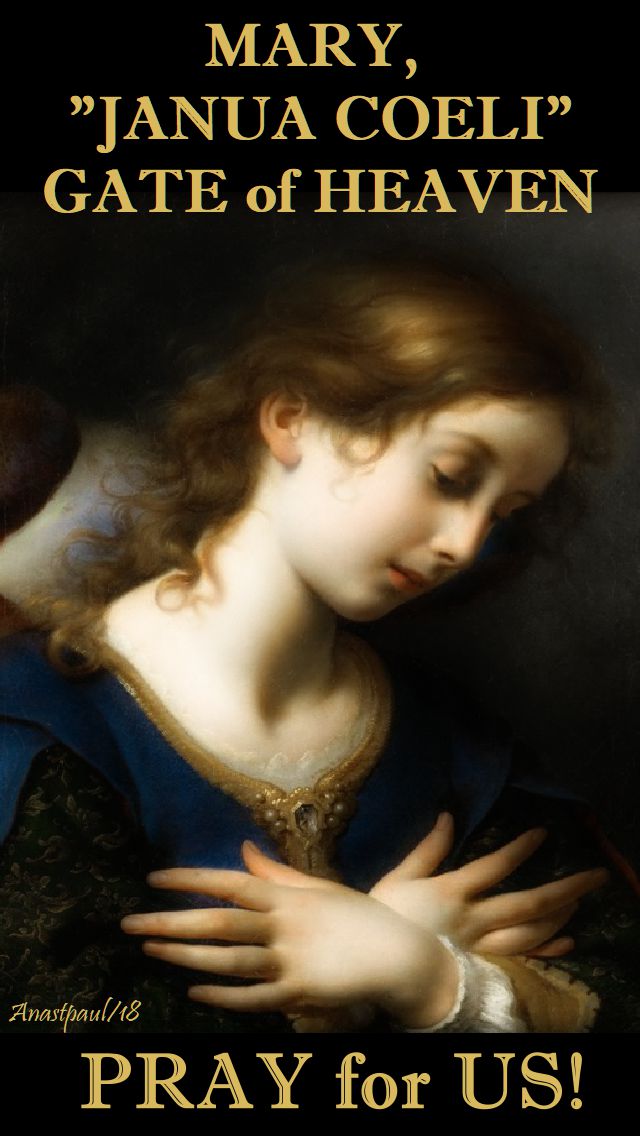
Mary is the “Janua Cœli,” the Gate of Heaven
Blessed John Henry Newman (1801-1890)
MARY is called the Gate of Heaven, because it was through her, that our Lord passed from heaven to earth. The Prophet Ezechiel, prophesying of Mary, says, “the gate shall be closed, it shall not be opened and no man shall pass through it, since the Lord God of Israel has entered through it—and it shall be closed for the Prince, the Prince Himself shall sit in it.”
Now this is fulfilled, not only in our Lord having taken flesh from her and being her Son, but, moreover, in that she had a place in the economy of Redemption; it is fulfilled in her spirit and will, as well as in her body. Eve had a part in the fall of man, though it was Adam who was our representative and whose sin made us sinners. It was Eve who began and who tempted, Adam. Scripture says: “The woman saw that the tree was good to eat, and fair to the eyes, and delightful to behold; and she took of {37} the fruit thereof, and did eat, and gave to her husband, and he did eat.” It was fitting then in God’s mercy that, as the woman began the destruction of the world, so woman should also begin its recovery and that, as Eve opened the way for the fatal deed of the first Adam, so Mary should open the way, for the great achievement of the second Adam, even our Lord Jesus Christ, who came to save the world by dying on the cross for it. Hence Mary is called by the holy Fathers a second and a better Eve, as having taken that first step in the salvation of mankind which Eve took in its ruin.
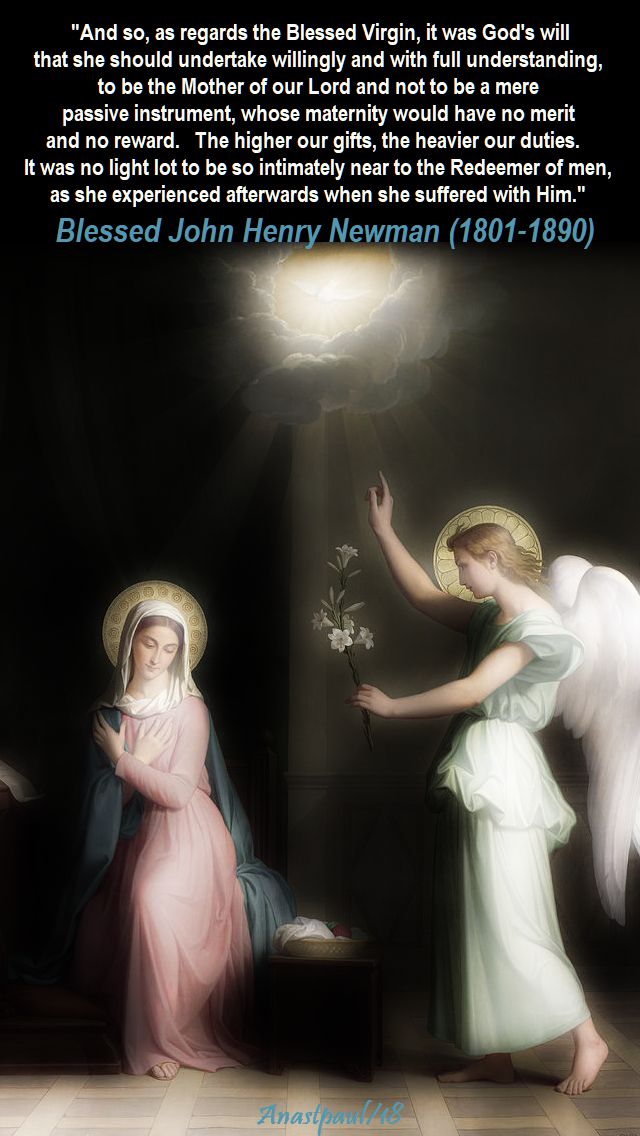
How, and when, did Mary take part and the initial part, in the world’s restoration? It was when the Angel Gabriel came to her to announce to her the great dignity which was to be her portion. St Paul bids us “present our bodies to God as a reasonable service.” We must not only pray with our lips and fast and do outward penance and be chaste in our bodies but we must be obedient and pure in our minds. And so, as regards the Blessed Virgin, it was God’s will that she should undertake willingly and with full understanding, to be the Mother of our Lord and not to be a mere passive instrument, whose maternity would have no merit and no reward. The higher our gifts, the heavier our duties. It was no light lot to be so intimately near to the Redeemer of men, as she experienced afterwards when she suffered with Him. Therefore, weighing well the Angel’s words before giving her answer to them—first she asked whether so great an office would be a forfeiture of that Virginity which she had vowed. When the Angel told her no, then, with the full consent of a full heart, full of God’s love to her and her own lowliness, she said, “Behold the handmaid of the Lord; be it done unto me according to thy word.” It was by this consent that she became the Gate of Heaven.
Marian Thought for the Day – 4 May – Mary’s Month! – Friday of the Fifth Week of Eastertide
Mary is the “Virgo Prædicanda,” the Virgin who is to be Proclaimed
Blessed John Henry Newman (1801-1890)
MARY is the Virgo Prædicanda, that is, the Virgin who to be proclaimed, to be heralded, literally, to be preached.
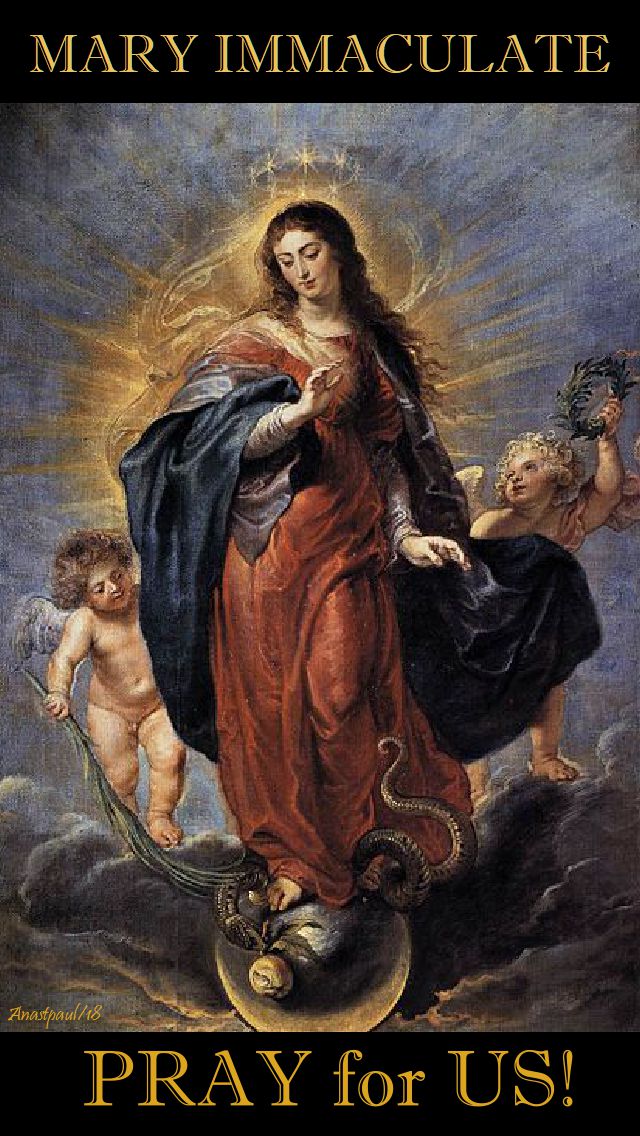
We are accustomed to preach abroad that which is wonderful, strange, rare, novel, important. Thus, when our Lord was coming, St John the Baptist preached Him; then, the Apostles went into the wide world and preached Christ. What is the highest, the rarest, the choicest prerogative of Mary? It is that she was without sin. When a woman in the crowd cried out to our Lord, “Blessed is the womb that bare Thee!” He answered, “More blessed are they who hear the word of God and keep it.” Those words were fulfilled in Mary. She was filled with grace in order to be the Mother of God. But it was a higher gift than her maternity to be thus sanctified and thus pure. Our Lord indeed would not have become her son unless He had first sanctified her but still, the greater blessedness was to have that perfect sanctification. This then is why she is the Virgo Prædicanda; she is deserving to be preached abroad because she never committed any sin, even the least; because sin had no part in her; because, through the fullness of God’s grace, she never thought a thought, or spoke a word, or did an action, which was displeasing, which was not most pleasing, to Almighty God; because in her was displayed the greatest triumph over the enemy of souls.
Wherefore, when all seemed lost, in order to show what He could do for us all by dying for us; in order to show what human nature, His work, was capable of becoming; to show how utterly He could bring to naught the utmost efforts, the most concentrated malice of the foe and reverse all the consequences of the Fall, our Lord began, even before His coming, to do His most wonderful act of redemption, in the person of her who was to be His Mother. By the merit of that Blood which was to be shed, He interposed to hinder her incurring the sin of Adam, before He had made on the Cross atonement for it. And therefore it is that we preach her who is the subject of this wonderful grace.
But she was the Virgo Prædicanda for another reason. When, why, what things do we preach? We preach what is not known, that it may become known. And hence the Apostles are said in Scripture to “preach Christ.” To whom? To those who knew Him not—to the heathen world. Not to those who knew Him but to those who did not know Him.
Preaching is a gradual work, first one lesson, then another. Thus were the heathen brought into the Church gradually. And in like manner, the preaching of Mary to the children of the Church and the devotion paid to her by them, has grown, grown gradually, with successive ages. Not so much preached about her in early times as in later. First she was preached as the Virgin of Virgins—then as the Mother of God—then as glorious in her Assumption—then as the Advocate of sinners—then as Immaculate in her Conception. And this last has been the special preaching of the present century and thus that which was earliest in her own history is the latest in the Church’s recognition of her.
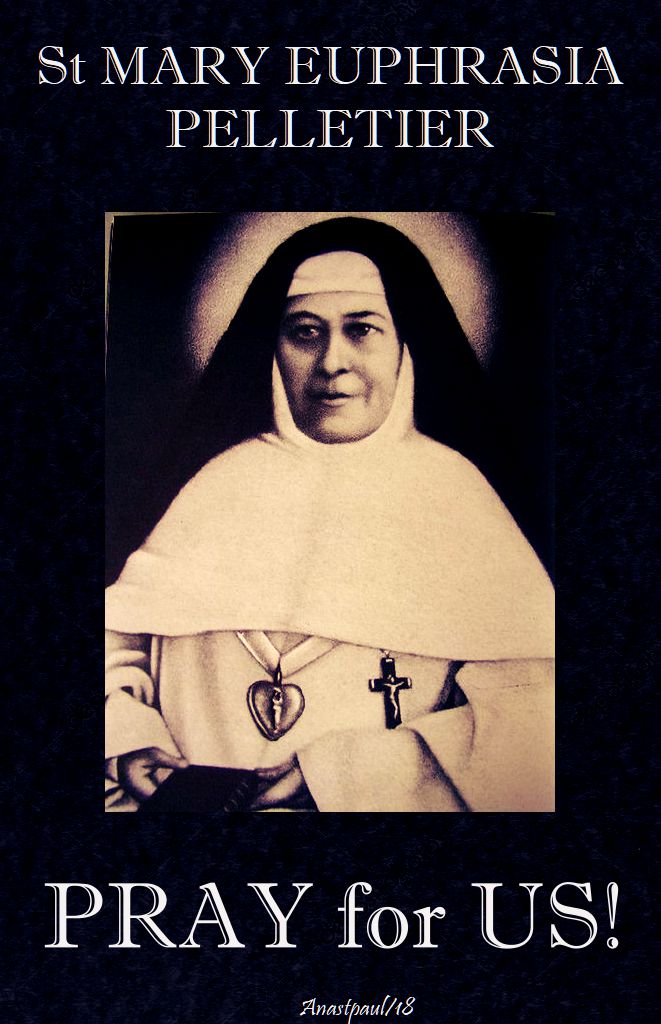
Thought for the Day – 24 April – Tuesday of the Fourth Week of Eastertide and the Memorial of St Mary Euphrasia Pelletier (1796-1868)
Sorrow and joy alternated almost without interruption in Angers and the new houses. There were difficulties connected with each of the foundations, entailing a great deal of hard work. Throughout these hardships, St Mary Euphrasia endured and embraced them, and said “Great crosses bring great graces.”
Ardent prayer sustained her. “Pray, be silent and hope”became her motto. She loved to repeat: “I belong to every country where there are souls to be saved.” Her work of saving them was going on apace and souls were bought at a great price.
Mary Euphrasia’s last years were very lonely. Labour, enterprises, intense activities, physical and moral sufferings were steadily taking a toll on the Foundress’ strength. She was almost seventy-two years of age when she breathed her last on 24 April 1868, the Friday after Good Shepherd Sunday. “Goodbye my daughters, goodbye dear Institute” were her last words.
Mary Euphrasia founded, in her lifetime, 110 houses on every continent. Today, the Mission Partners of the Good Shepherd (Sisters and Lay) are present in more than 70 countries, embracing the world with their zeal for the salvation of all people. A year after the death of Mary Euphrasia, the Ceylon (Sri Lanka) mission was founded. From Ceylon, the Good Shepherd Sisters came to Singapore in 1939 and reached Malaysia in 1956.
It is not easy to sum up the life of Mary Euphrasia. Perhaps it is best understood in terms of her own wish for her Sisters: “You will effect no good, my dear Sisters … until you become animated with the thoughts, sentiments and affections of the Good Shepherd” and “Live His way of life!”
Quote/s of the Day – 20 April – Friday of the Third Week of Eastertide – Today’s Gospel: John 6:52-59
“Speaking of: The Holy Eucharist”
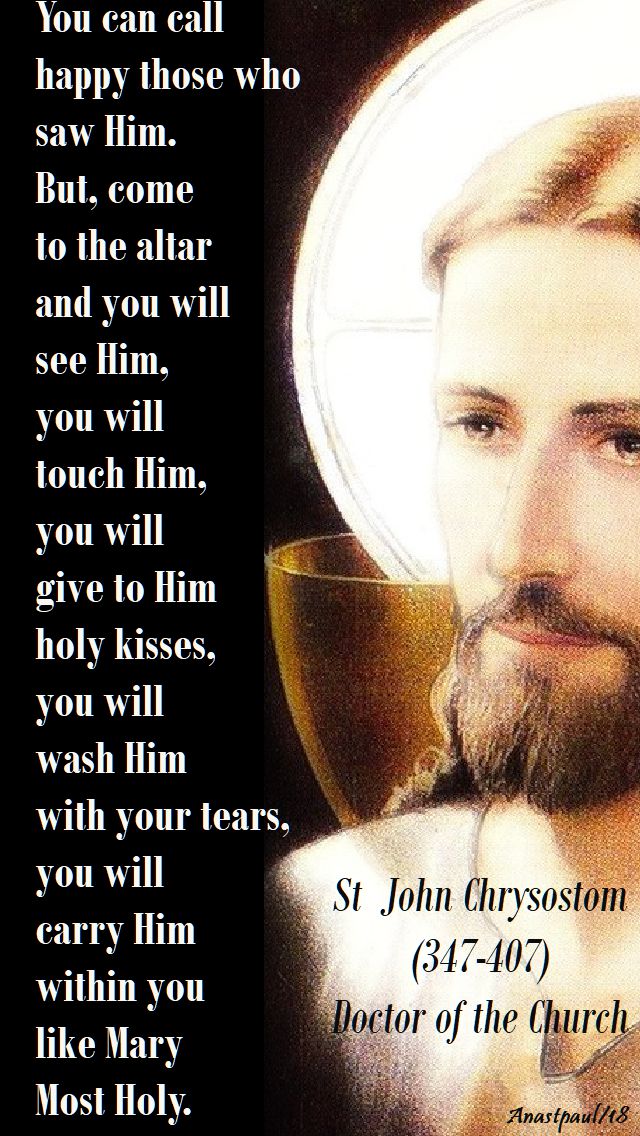
“You can call happy those who saw Him. But, come to the altar and you will see Him, you will touch Him, you will give to Him holy kisses, you will wash Him with your tears, you will carry Him within you like Mary Most Holy.”
St John Chrysostom (347-407) Doctor of the Church
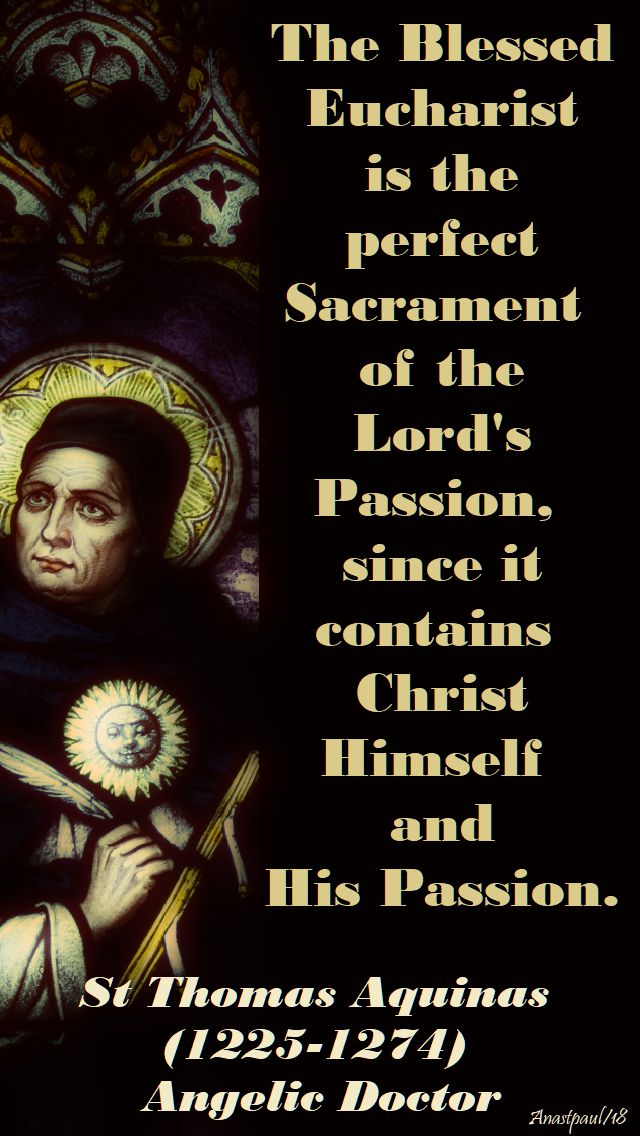
“The Blessed Eucharist is the perfect Sacrament of the Lord’s Passion, since It contains Christ Himself and his Passion.”
St Thomas Aquinas (1225-1274) Angelic Doctor
“The last degree of love is when He gave Himself to us to be our Food; because He gave Himself to be united with us in every way.”
St Bernardine of Siena (1380-1444)
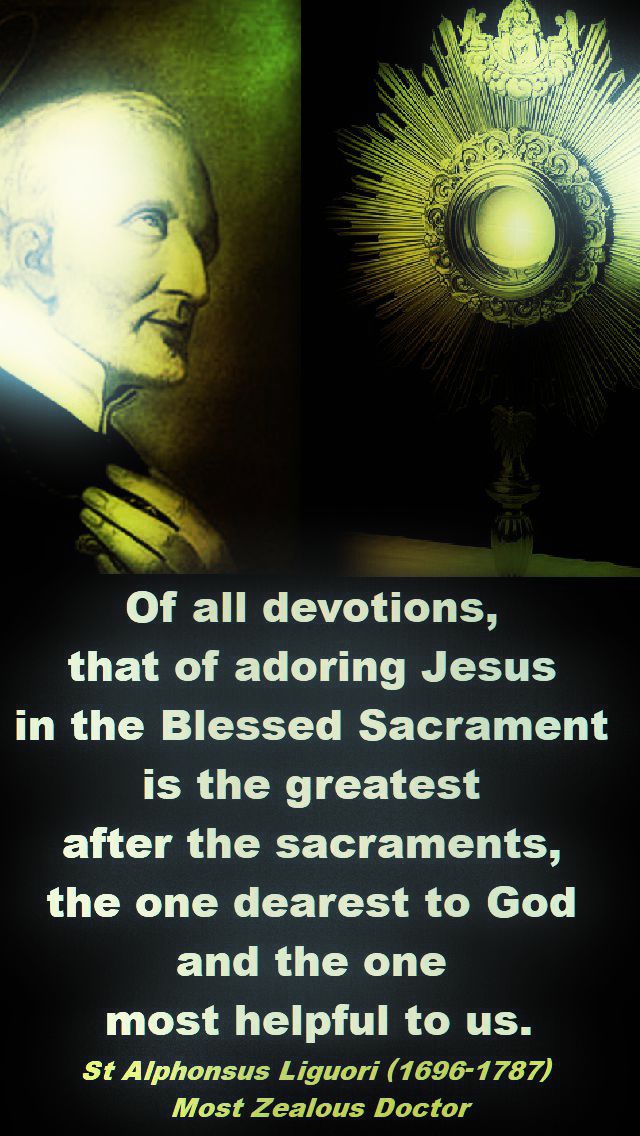
“Of all devotions, that of adoring Jesus in the Blessed Sacrament is the greatest after the sacraments, the one dearest to God and the one most helpful to us.”
St Alphonsus Liguori (1696-1787) Most Zealous Doctor
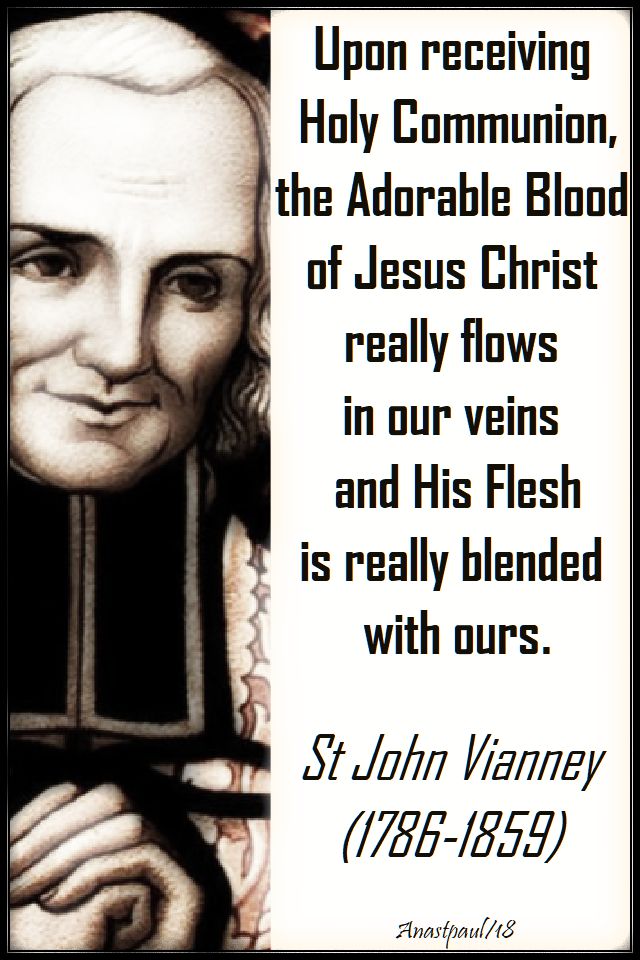
“Upon receiving Holy Communion, the Adorable Blood of Jesus Christ really flows in our veins and His Flesh is really blended with ours.”
St John Vianney (1786-1859)
“I urge you with all the strength of my soul to approach the Eucharistic Table as often as possible. Feed on this Bread of the Angels from which you will draw the strength to fight inner struggles.”
Apologies, I mixed up the 17 and 18 April – the Saint of the Day I posted yesterday is actually celebrated today! So I am going to miss the Saint altogether today. Last year I posted the story of St Marie of the Incarnation O.S.U. (1599-1672) – Also known as Marie Guyard, Marie Guyart of the Incarnation,Marie Guyart, Marie de l’Incarnation, Marie of the Ursulines, Mother of New France, Teresa of the New World, for today. Here is the post: https://anastpaul.wordpress.com/2017/04/18/saint-of-the-day-18-april-st-marie-of-the-incarnation/
Quote/s of the Day – 13 April – Friday of the Second Week of Eastertide “Just Random”
Try to fulfil each day’s task steadily and cheerfully. The life of a true Christian should be a perpetual jubilee, a prelude to the festivals of eternity.
St Théophane Vénard (1829-1861) Martyr
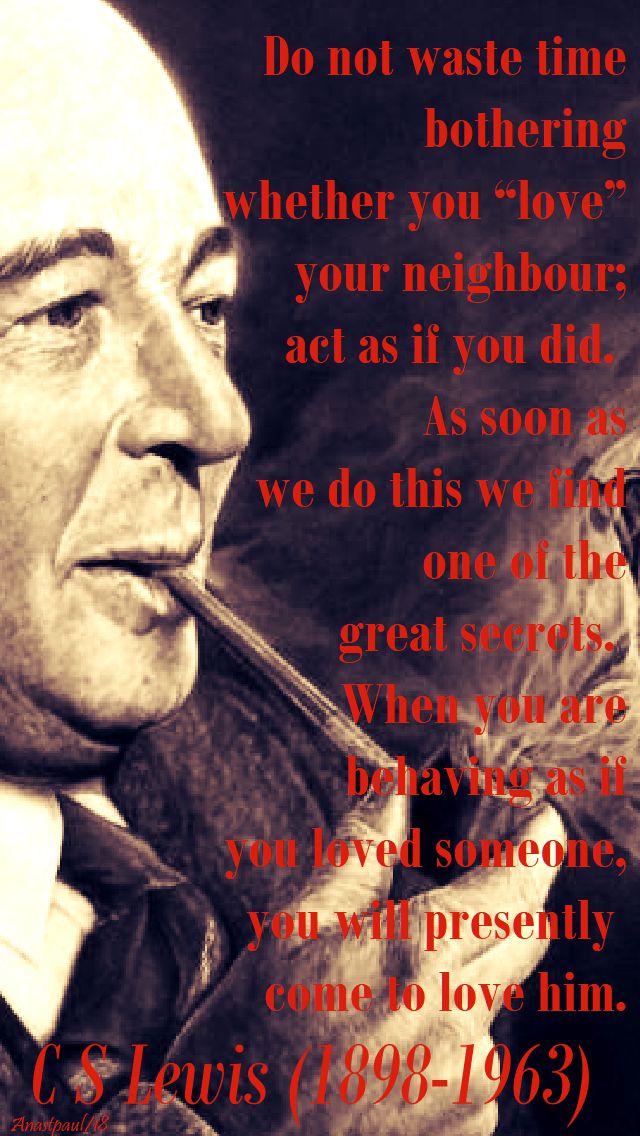
Do not waste time bothering whether you “love” your neighbour; act as if you did. As soon as we do this we find one of the great secrets. When you are behaving as if you loved someone, you will presently come to love him.
C S Lewis (1898-1963)
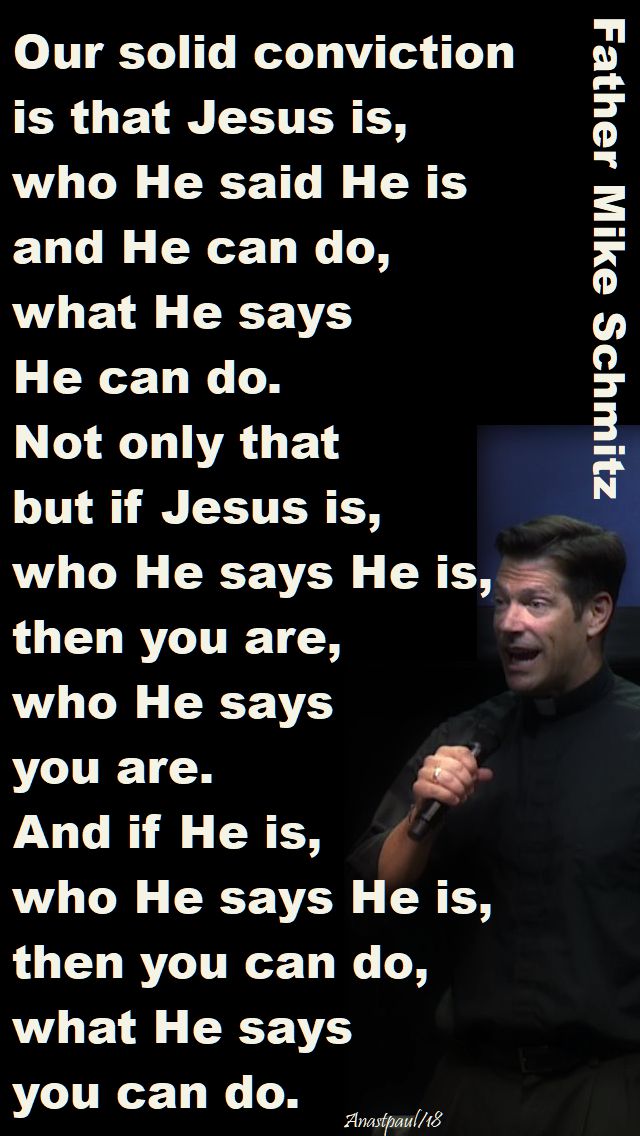
Our solid conviction is that Jesus is who He said He is and He can do what He says He can do. Not only that but if Jesus is, who He says He is, then you are, who He says you are. And if He is who He says He is, then you can do what He says you can do.











 AnaStpaul
You must be logged in to post a comment.