Posted in MARIAN TITLES, SAINT of the DAY

Madonna delle Grazie / Our Lady of Grace, Leini, Torino, Piedmont, Italy (1630) and Memorials of the Saints – 1 June

Month of the Most Sacred Heart of Jesus

Madonna delle Grazie / Our Lady of Grace, Leini, Torino, Piedmont, Italy (1630) – 1 June:
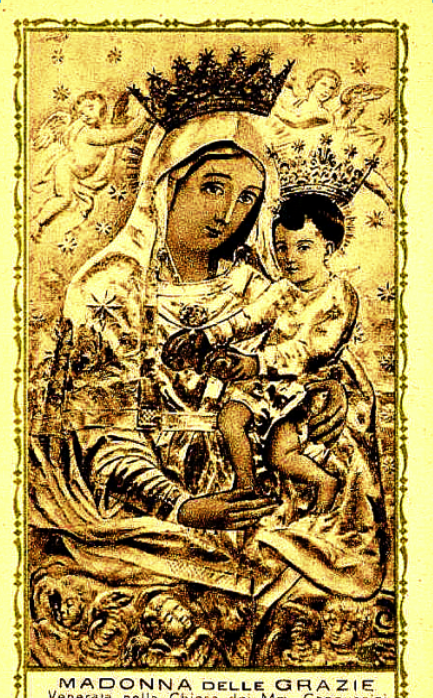
13 km from Turin, a short distance from the highway to Ivrea, stands a famous Sanctuary. From impeccable evidence and documents, the Madonna appeared to a humble deaf-mute, placing the Rosary around his neck.

For 3 years, since 1627, a famine had ravaged the town of Leini and the surrounding areas followed by the Black Plague, reducing the town to a handful of families. On 1 June 1630, a farmworker, of the Regina family, deaf and dumb from birth, when returning from the fields stopped before the image of the Virgin and implored her:
“… save Leini, Mary, Holy Mother, hear our prayer, save us …”
She appeared to him with a smile in answer to his prayer and placed a Rosary around his neck. His tongue loosed and from his mouth came a Hymn of praise and thanksgiving to the Virgin. The first voice he ever heard was the Blessed Mother who told him:
“… Go, announce, that in my honour a Church should be built in this place and I will ask my Son to stop the plague … “

He began running through the desolate streets shouting the news of the miracle and announcing that the plague had ceased, that the Blessed Virgin prayed for Leini. The few survivors heard the wonders of the miracle and joined with him in the Rosary prayer and supplication with thanksgiving. From that day the plague stopped, the sick were healed,and the survivors were thankful for the wonderful grace that the Virgin had given them. She had asked that they build a Sanctuary and the townspeople fulfilled their solemn promises. An inscription has been affixed on the front facade: “Sacellum hoc BM Gratiarum Virgini Matri against pestiferam emu to majoribus dicatum year 1630.”

The Church has become a famous pilgrimage destination where it is possible to admire inside, a gallery where numerous ex-votos accumulated over the years are collected. The structure was built immediately after the plague of the seventeenth century, to obtain protection from the Blessed Virgin, thanks to the people of Leini.
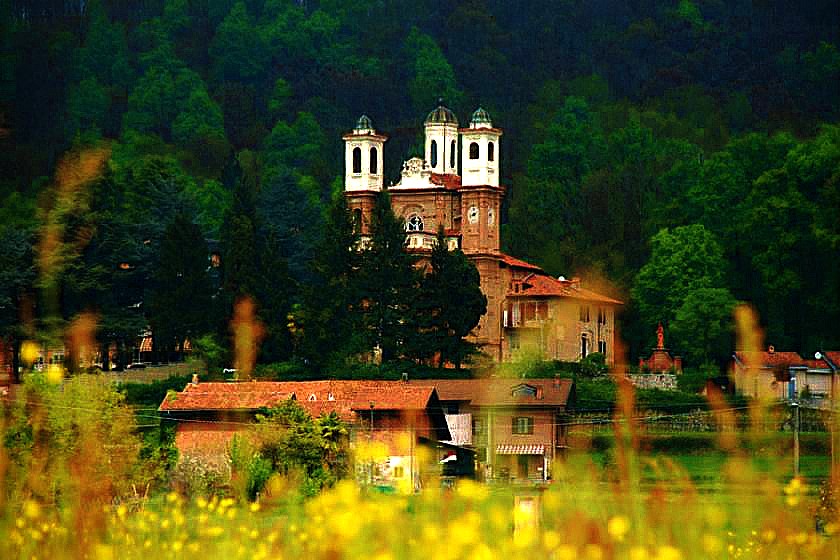

The Apparition and the Consecration of the Sanctuary are celebrated each year on 1 June and 15 August, the Feast of the Assumption, respectively.

St Justin Martyr (c 100-165) Father of the Church (Memorial) Martyr, first Christian Philosopher, Apologist, Orator, Teacher, Writer, Missionary.
Biography:

https://anastpaul.com/2017/06/01/saint-of-the-day-1-june-st-justin/

St Agapetus of Ruthenia
Bl Alfonso Navarrete Benito

Saint Annibale Maria di Francia (1851-1927) Priest, Founder of a series of orphanages and the Congregations of the Rogationist Fathers and the Daughters of Divine Zeal.
His Life Story:

https://anastpaul.com/2020/06/01/saint-of-the-day-1-june-saint-annibale-maria-di-francia-1851-1927/

Bl Arnald Arench
Bl Arnold of Geertruidenberg
St Atto of Oca
St Candida of Whitchurch
St Caprasius of Lérins
St Clarus of Aquitaine
St Claudius of Vienne
Bl Conrad of Hesse
St Conrad of Trier
St Crescentinus
St Cronan of Lismore
St Damian of Scotland
St Dionysius of Ruthenia
St Donatus of Lucania
St Felinus of Perugia
Bl Ferdinand Ayala
St Firmus
St Fortunatus of Spoleto
Bl Gaius Xeymon
St Gaudentius of Ossero
St Giuse Túc
St Gratian of Perugia
Bl Herculanus of Piegare
St Iñigo of Oña
St Ischryrion and Companions
Bl James of Strepar
St Jean-Baptiste-Ignace-Pierre Vernoy de Montjournal

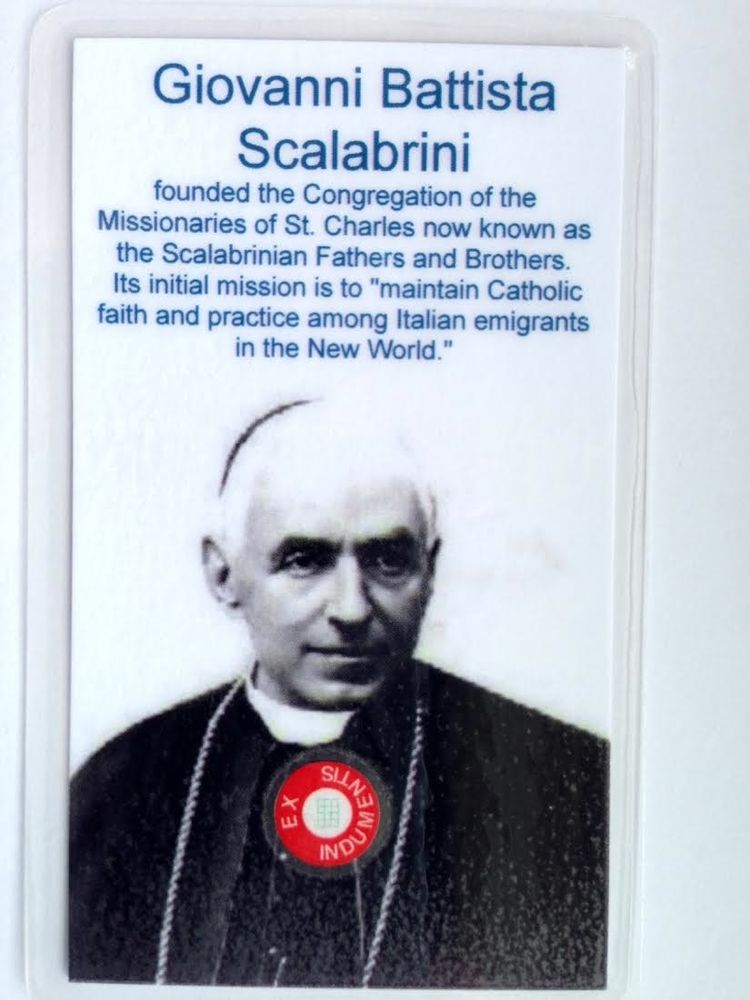
Blessed John Baptist Scalabrini (1839-1905) “The Apostle of the Catechism” and “The Father of Migrants” Bishop, Prelate, Founder of both the Missionaries of St Charles and the Mission Sisters of Saint Charles.
His Life Story:

https://anastpaul.com/2018/06/01/saint-of-the-day-1-june-blessed-john-baptist-scalabrini-1839-1905-the-apostle-of-the-catechism-and-the-father-of-migrants/

Bl John Pelingotto
Bl John Storey
St Juventius
Bl Leo Tanaka
St Melosa
St Pamphilus of Alexandria
St Peter of Pisa
St Porphyrius of Alexandria
St Proculus of Bologna
St Proculus the Soldier
St Ronan
St Secundus of Amelia
St Seleucus of Alexandria
St Simeon of Syracuse
St Telga of Denbighshire
St Thecla of Antioch
Blessed Teobaldo Roggeri (c 1100-1150) Layman
St Thespesius of Cappadocia
St Wistan of Evesham
St Zosimus of Antioch

Martyrs of Alexandria – 5 saints: A group five of imperial Roman soldiers assigned to guard a group of Egyptian Christians who were imprisoned for their faith in the persecutions of Decius. During their trial, they encouraged the prisoners not to apostatize. This exposed them as Christians, were promptly arrested and executed. Martyrs. Their names are – Ammon, Ingen, Ptolomy, Theophilis and Zeno. They were beheaded in 249 at Alexandria, Egypt.

Martyrs of Caesarea – 3 saints: Three Christians martyred together in the persecutions of Galerius. We know little more about them than the name – Paul, Valens and Valerius. They diedf in 309 at Caesarea, Palestine.

Martyrs of Lycopolis – 6 saints: Five foot soldiers and their commander who were martyred for their faith by order of the imperial Roman prefect Arriano during the persecutions of Decius. In Lycopolis, Egypt.

Martyrs of Rome – 6 saints: A group of spiritual students of Saint Justin Martyr who died with him and about whom we know nothing else but their names – Carito, Caritone, Evelpisto, Ierace, Liberiano and Peone. In Rome, Italy.

Posted in FATHERS of the Church, SAINT of the DAY

Memorials of “Mary Mother of the Church, Mater Ecclesiae” and the Saints – 1 June

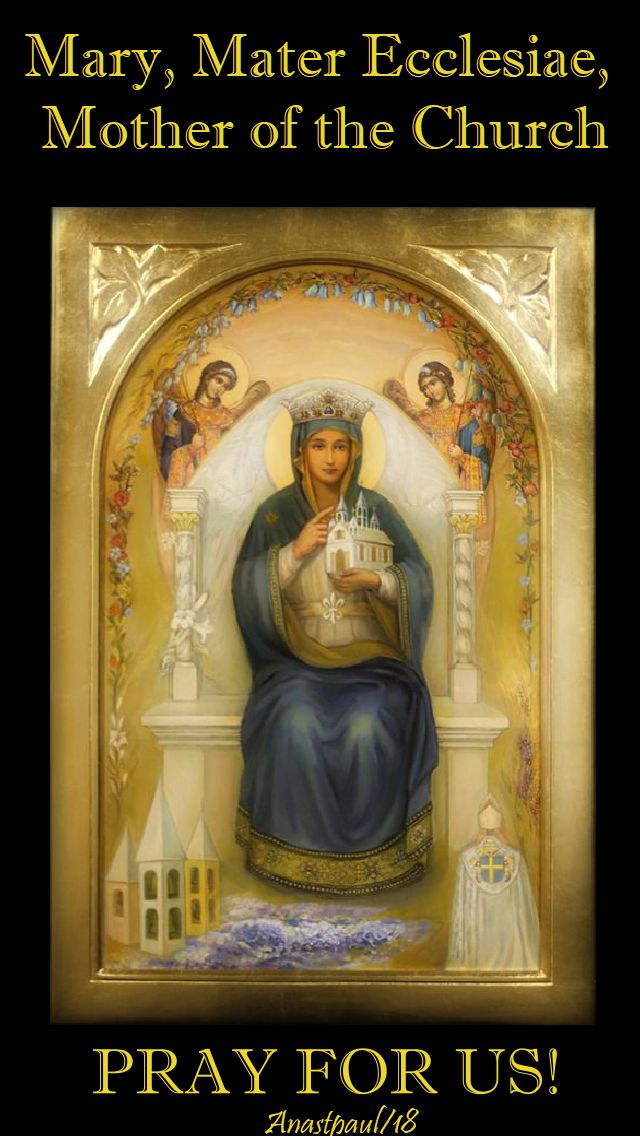
“Mary Mother of the Church, Mater Ecclesiae” – The First Monday after Pentecost – established by Pope Francis – 1st official Memorial 2018

Vatican Decree here: https://anastpaul.wordpress.com/2018/03/04/pope-francis-institutes-new-celebration-of-mary-mother-of-the-church/

mary mater ecclesiae - mother of the church - pray for us - 21 may 2018

St Justin Martyr (c 100-165) Father of the Church (Memorial)
Biography:
https://anastpaul.com/2017/06/01/saint-of-the-day-1-june-st-justin/

St Agapetus of Ruthenia
Bl Alfonso Navarrete Benito
Saint Annibale Maria di Francia (1851-1927)

Bl Arnald Arench
Bl Arnold of Geertruidenberg
St Atto of Oca
St Candida of Whitchurch
St Caprasius of Lérins
St Clarus of Aquitaine
St Claudius of Vienne
Bl Conrad of Hesse
St Conrad of Trier
St Crescentinus
St Cronan of Lismore
St Damian of Scotland
St Dionysius of Ruthenia
St Donatus of Lucania
St Felinus of Perugia
Bl Ferdinand Ayala
St Firmus
St Fortunatus of Spoleto
Bl Gaius Xeymon
St Gaudentius of Ossero
St Giuse Túc
St Gratian of Perugia
Bl Herculanus of Piegare
St Iñigo of Oña
St Ischryrion and Companions
Bl James of Strepar
St Jean-Baptiste-Ignace-Pierre Vernoy de Montjournal
Blessed John Baptist Scalabrini (1839-1905)
His Lifestory:
https://anastpaul.com/2018/06/01/saint-of-the-day-1-june-blessed-john-baptist-scalabrini-1839-1905-the-apostle-of-the-catechism-and-the-father-of-migrants/

Bl John Pelingotto
Bl John Storey
St Juventius
Bl Leo Tanaka
St Melosa
St Pamphilus of Alexandria
St Peter of Pisa
St Porphyrius of Alexandria
St Proculus of Bologna
St Proculus the Soldier
St Ronan
St Secundus of Amelia
St Seleucus of Alexandria
St Simeon of Syracuse
St Telga of Denbighshire
St Thecla of Antioch
Bl Theobald Roggeri
St Thespesius of Cappadocia
St Wistan of Evesham
St Zosimus of Antioch

Martyrs of Alexandria – 5 saints: A group five of imperial Roman soldiers assigned to guard a group of Egyptian Christians who were imprisoned for their faith in the persecutions of Decius. During their trial, they encouraged the prisoners not to apostatize. This exposed them as Christians, were promptly arrested and executed. Martyrs. Their names are – Ammon, Ingen, Ptolomy, Theophilis and Zeno. They were beheaded in 249 at Alexandria, Egypt.

Martyrs of Caesarea – 3 saints: Three Christians martyred together in the persecutions of Galerius. We know little more about them than the name – Paul, Valens and Valerius. They diedf in 309 at Caesarea, Palestine.

Martyrs of Lycopolis – 6 saints: Five foot soldiers and their commander who were martyred for their faith by order of the imperial Roman prefect Arriano during the persecutions of Decius. In Lycopolis, Egypt.

Martyrs of Rome – 6 saints: A group of spiritual students of Saint Justin Martyr who died with him and about whom we know nothing else but their names – Carito, Caritone, Evelpisto, Ierace, Liberiano and Peone. In Rome, Italy.
Posted in MORNING Prayers, ON the SAINTS, PAPAL SERMONS, QUOTES of the SAINTS, SAINT of the DAY

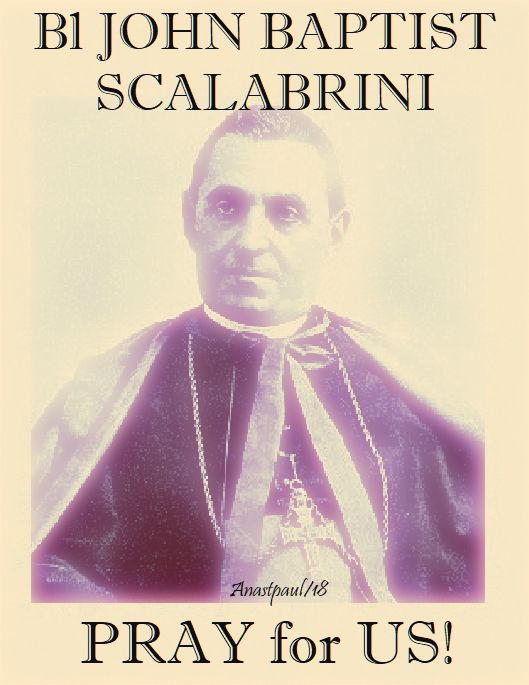
Thought for the Day – 1 June – The Memorial of Blessed John Baptist Scalabrini (1839-1905)

Thought for the Day – 1 June – The Memorial of Blessed John Baptist Scalabrini (1839-1905)

“God’s temple is holy, and that temple you are” (1 Cor 3:17).   The universal call to holiness was constantly felt and personally lived by John Baptist Scalabrini.   He loved to say over and over: “Would that I could sanctify myself and all the souls entrusted to me!”. Striving for holiness and proposing it to everyone he met, was always his first concern.

Deeply in love with God and extraordinarily devoted to the Eucharist, he knew how to translate the contemplation of God and his mystery into intense apostolic and missionary activity, making himself all things to all men in order to proclaim the Gospel. This ardent passion of his for the kingdom of God made him zealous in catechesis, pastoral activities and charitable work, especially for those most in need.   Pope Pius IX called him the “Apostle of the Catechism” because of his efforts to promote the systematic teaching of the Church’s doctrine to children and adults in every parish.

Out of his love for the poor, particularly for emigrants, he became the apostle of his many compatriots compelled to leave their country, often under difficult conditions and in concrete danger of losing their faith: for them he was a father and sure guide.   We can say that Bl John Baptist Scalabrini intensely lived the paschal mystery, not through martyrdom but by serving the poor and crucified Christ, in the many needy and suffering people, whom he loved, with the heart of a true Shepherd in solidarity with his flock….St Pope John Paul (1920-2005) on the Beatification of Bl Scalabrini – Sunday, 9 November 1997.

Oh if we could gain just a grain of such zeal, we would all become saints.

Blessed John Baptist Scalabrini, Pray for us!

bl john baptist scalabrini - pray for us - 1 june 2018

Posted in QUOTES of the SAINTS, SAINT of the DAY

Saint of the Day – 1 June – Blessed John Baptist Scalabrini (1839-1905) “The Apostle of the Catechism” and “The Father of Migrants”

Saint of the Day – 1 June – Blessed John Baptist Scalabrini (1839-1905) “The Apostle of the Catechism” – Bishop, Prelate, Founder, Advisor, Apostle of Charity and the Suffering, Writer, Teacher, known as “The Apostle of the Catechism” and “The Father of Migrants”, Founder of both the Missionaries of St Charles and the Mission Sisters of Saint Charles.  Born Giovanni Battista Scalabrini on 8 July 1839 at Fino Mornasco, Como, Italy and died at dawn on 1 June 1905, the feast of the Ascension of the Lord.   He was Beatified on 9 November 1997 by Pope John Paul II.

bl john scalabrini.info

He is an unknown figure to almost everyone.   Yet John Baptist Scalabrini, a seemingly obscure Roman Catholic Bishop of a rural northern Italian diocese, Piacenza, from 1876 to his death in 1905, is perhaps more than anyone else the single-most important architect of a global outreach on the part of the Catholic Church in the ever-increasing fields of migration and refugee flows.   His innovative thinking, analysis of the migrants’ and refugees’ plights and efforts on their behalf continue to inform and even inspire the Church’s efforts in this field down to this day.

Giovanni Battista Scalabrini was born in Fino Mornasco (in the province of Como in northern Italy) on July 8, 1839.  The third of eight children, he attended the local State High School, where, from his first year, his remarkable intelligence and consistent efforts made him a top student. He was ordained a priest in 1863 at the age of 24, after which he expressed the desire to become a missionary. Instead, he was assigned by his Bishop to teach at the minor seminary and also to act as Vice Rector and later Rector.

In his adolescence he wrote a poem in praise of the life of Saint Aloysius Gonzaga and in his childhood often recited the Angelus while each October reciting it in the Como Cathedral.   He had a devotion to Saint Joseph and Saint Francis de Sales as well as Saint Charles Borromeo which extended for the remainder of his life.

He distinguished himself during a cholera epidemic in 1867 through his tireless efforts to alleviate the suffering of the victims.   As the pastor of the parish he opened a kindergarten in the area and wrote the “Little Catechism for Kindergartens” to go with it.   In 1872 he delivered a series of eleven addresses on the First Vatican Council – something that Saint John Bosco (1815-1888) appreciated – and these addresses were printed in 1873 and even reached Rome which was a considerable factor in his later episcopal appointment.   These were reprinted in a reduced form at the behest of Bosco himself.

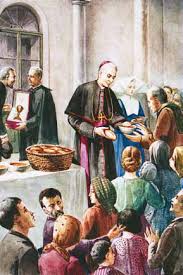
scalabrini - feed the poor

Giovanni Battista Scalabrini was born in Fino Mornasco (in the province of Como in northern Italy) on July 8, 1839.  The third of eight children, he attended the local State High School, where, from his first year, his remarkable intelligence and consistent efforts made him a top student. He was ordained a priest in 1863 at the age of 24, after which he expressed the desire to become a missionary.   Instead, he was assigned by his Bishop to teach at the minor seminary and also to act as Vice Rector and later Rector.

His pioneering firsts, winning ideas:

– Five pastoral visitations accomplished in person of a vast diocese with many places difficult to reach
– Three Synods
– The first Catechetical Congress in the world and the first Journal on Catechetics in Italy (and second in the world)
– The proposal for the first unified Catechism for Italians, including emigrants
– The Institution of the first Chair of Catechetics
– The first Missionary Religious Congregation for Italian emigrants
– The first proposal for a specific pastoral plan for them
– The first to found a Lay Order for the assistance of migrants.

Scalabrini’s practicality, readiness for action and gifts as a fine religious administrator served him brilliantly as an untiring pastor.   He needed such gifts, as noted by one of the official examiners of his heroic virtues – the first step in the road to official canonisation of an individual in the Church – noted, he had “such an imposing quantity of work that it leaves any ordinary person not only edified, but thoroughly daunted”.

Another feature of of his pastoral work was his surprising ability to infuse all his people with an insight into their vocation as disciples of Christ so that their faith led them from the cradle to the grave.

For him, everything was sanctified and helped to sanctify, assisting the ever-deepening personal friendship with God that the Second Vatican Council was to declare more than 50 years after his death to be the universal call to holiness, the basis for every human life.

Interestingly, unlike other contemporary saints, Scalabrini’s life was not surrounded by miraculous events.   What was miraculous, in a sense, was his immense confidence in Providence.   Scalabrini is not a saint and a bishop but a saint because he was a bishop who lived his vocation to the best of his ability.

Today, Bishop Scalabrini stands out as ideal pastor for the modern era. His motto as pastor was St Paul’s “make yourself everything to everyone”, and what is clearly special about his life is the intensity and breadth of his commitment in whatever field he entered.

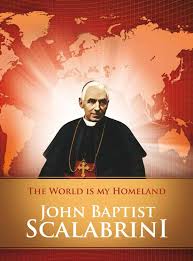
scalabrini - the world

Those who knew him regarded him as sociable and accessible, direct and open, sensitive and vulnerable.   Yet he was also lucid, vigorous and had a deep trust in ascetic practice. He may have been sensitive but was also resolute as a leader and decisive in control of spontaneous impulses, refusing to succumb to emotional pressure or transitory whims of the moment.

Finally, Scalabrini was also a pioneering bishop, an explorer able to step outside the accepted boundaries and thinking of his day to go further, to confront obstacle and use them as opportunities to advance.   “Without doubt”, he once said, “we are in the hands of God, but we must not sit there idly.”

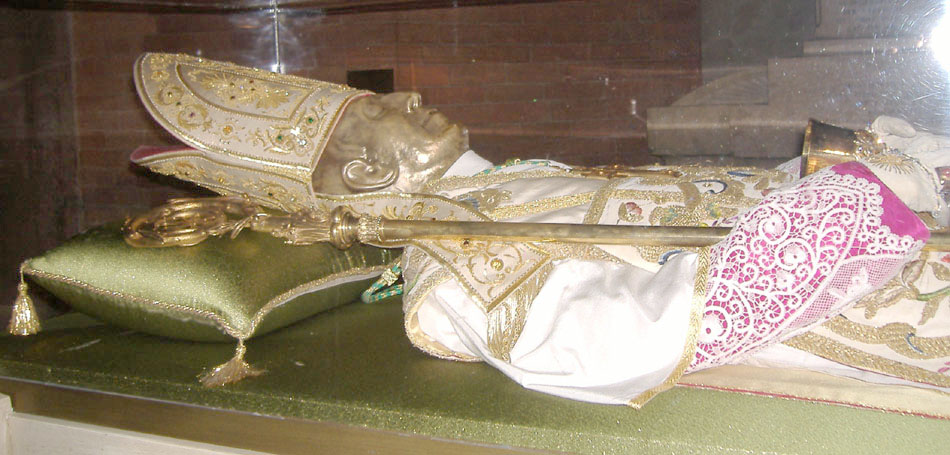
John Baptist Scalabrini, lived the drama of the exodus of migrants who,during the last decades of the nineteenth century, travelled in great numbers from Europe to the countries in the New World.   He clearly saw the need for a specific pastoral care of migrants, through a suitable network of spiritual assistance.    He strongly supported the need for legislative and institutional instruments for the human and juridical protection of the migrants, against all forms of exploitation.   Today, in different situations, the spiritual sons and daughters of Blessed Scalabrini, who were later joined by the “Secular Institute of the Scalabrinian Missionary Women”, continue to give witness to Christ’s love for migrants and to offer them the Gospel.   In 1998, John Paul II declared him Blessed and defined him as the “Father of Migrants”.Body-of-scalabrini