Posted in franciscan OFM, MARIAN TITLES, SAINT of the DAY

Easter Tuesday Alleluia! Nuestra Señora de la Altagracia / Our Lady of the Highest Grace, (1506) and the Saints for 2 April

Easter Tuesday Alleluia!
Resurrexit, sicut dixit! Alleluia!

St Abundius of Como Bishop and Confessor
St Agnofleda of Maine
St Appian of Caesarea (c287-306) Martyr, Layman

St Bronach of Glen-Seichis
St Constantine of Scotland
St Ebbe the Younger
St Eustace of Luxeuil
St Gregory of Nicomedia
St John Payne

St Lonochilus of Maine
St Musa of Rome
St Nizier of Lyon (c513-573) Bishop
St Rufus of Glendalough
St Theodora of Tiria

Posted in FEASTS and SOLEMNITIES, franciscan OFM, MARIAN TITLES, SAINT of the DAY

PALM SUNDAY, Nuestra Señora de la Altagracia / Our Lady of the Highest Grace, (1506) St Francis of Paola and Memorials of the Saints – 2 April

PALM SUNDAY

Nuestra Señora de la Altagracia / Our Lady of the Highest Grace, Higuey, Dominican Republic (1506) Patron of Dominicans- 2 April:
HERE:

https://anastpaul.com/2021/04/02/nuestra-senora-de-la-altagracia-our-lady-of-the-highest-grace-1506-and-memorials-of-the-saints-2-april/

St Francis of Paola O.M. (1416-1507) known as “Saint Francis the Fire Handler” – Confessor, Monk and Founder, inspired with the Gift of Prophecy and still called the “Miracle-Worker” Apostle of the poor, Peacemaker. He was an Italian mendicant Friar and the Founder of the Order of Minims. Unlike the majority of founders of men’s religious orders and like his Patron Saint, Francis was never ordained a priest. His Body was Incorrupt until destroyed in the French Revolution. He was Canonised in 1519 by Pope Leo X.
St Francis’s Life:

https://anastpaul.wordpress.com/2018/04/02/saint-of-the-day-2-april-st-francis-of-paola-o-m-1416-1507/

St Abundius of Como
St Agnofleda of Maine
St Appian of Caesarea (c287-306) Martyr, Layman
Blessed Arnulf of Leuven O.Cist. (c1200-1276) Abbot
St Bronach of Glen-Seichis
St Constantine of Scotland
St Ebbe the Younger
St Eustace of Luxeuil
St Gregory of Nicomedia
St John Payne

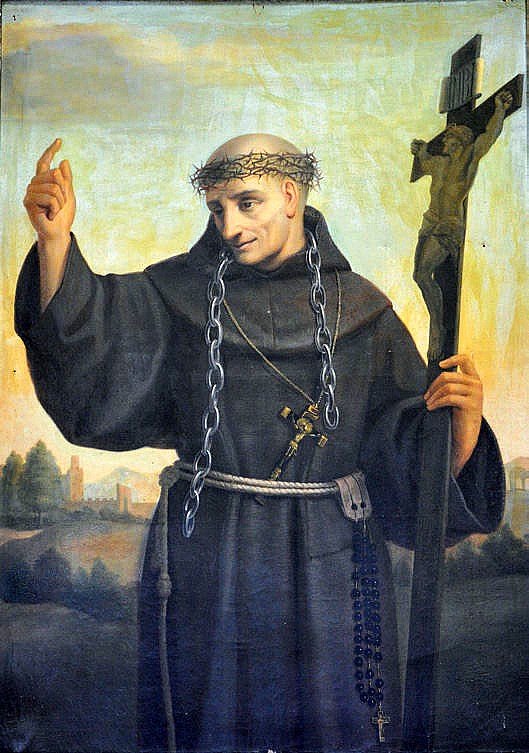
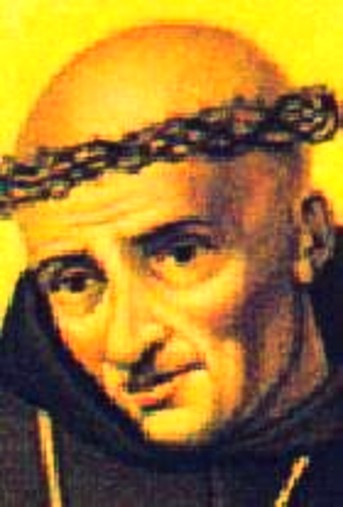
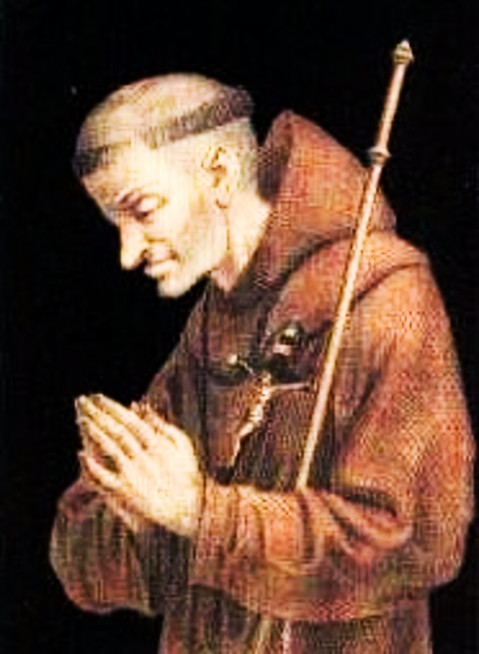
Blessed Leopold of Gaiche OFM Cap (1732-1815) Priest, and Friar of the Order of Friars Minor of the Capuchin branch, Missionary Preacher in Italy, called “The Apostle of Umbria.” He became renowned for wearing a crown of thorns. He served in a position of power in the Franciscan Order in the Umbrian region in which he supported strong adherence to the Rule of Saint Francis.
Biography:

https://anastpaul.com/2022/04/02/saint-of-the-day-2-april-blessed-leopold-of-gaiche-ofm-cap-1732-1815/

St Lonochilus of Maine
St Musa of Rome
St Nicetius of Lyon
St Rufus of Glendalough
St Theodora of Tiria

St Urban of Langres (c 327-c 390) Bishop, the sixth Bishop of Autun and Langres, in Burgundy, France from 374 until his death, Confessor.
About St Urban:

https://anastpaul.com/2021/04/02/saint-of-the-day-2-april-saint-urban-of-langres-c-327-c-390/

St Victor of Capua

Martyrs of Africa – 10 Saints: A group of ten Christians Martyred together in Africa, date unknown. We have six of their names – Marcellinus, Procula, Quiriacus, Regina, Satullus and Saturnin but no other information has survived.

Martyrs of Thessalonica – 16 Saints: Sixteen Christians who were Martyred together in Thessalonica in Greece, date unknown. We know nothing else about them but 13 of their names – Agapitus, Agatophus, Cyriacus, Dionysius, Gagus, Julianus, Mastisius, Proculus, Publius, Theodoulus, Urbanus, Valerius and Zonisus.

Posted in franciscan OFM, SAINT of the DAY

Saint of the Day – 2 April – Blessed Leopold of Gaiche OFM Cap (1732-1815)

Saint of the Day – 2 April – Blessed Leopold of Gaiche OFM Cap (1732-1815) Priest and Friar of the Order of Friars Minor of the Capuchin branch, Missionary Preacher in Italy, called “The Apostle of Umbria.” He became renowned for wearing a crown of thorns. He served in a position of power in the Franciscan Order in the Umbrian region in which he supported strong adherence to the Rule of Saint Francis. Born as Giovanni Croci on 30 October 1732 in Gaiche di Piegaro, Perugia, Italy and died on 2 April 1815 , aged 82, in Monteluco, Perugia, Italy of natural causes.

Giovanni Croci was born on 30 October 1732 to poor farmers and he lived a pious life which he learned from his devout parents. Giovanni worked as a shepherd as a child. He studied with his Parish Priest, learning both secular and divine lessons.

It was a shining moment for Giovanni’s parent,s when he announced his intention to become a Capuchin Friar. In 1752, he entered the Franciscan Convent in his hometown and assumed the religious name of “Leopold” upon admittance, taking the habit for the first time in the Convent of Saint Bartholomew in Cibottola. Leopold was Ordained to the Priesthood in 1757 after completing his Novitiate. He was regarded as an excellent student and a pious follower of the Rule.. He received his Ordination from the Bishop of Terni Cosimo.

In 1768, after his Profession and Ordination, Leopold was appointed as an “Apostolic Missionary” and for ten yeas, travelled across multiple the region from Diocese to Diocese, preaching the Gospel. As his guide, Leopold adopted the methods of St Leonard of Port Maurice. In 1772, 4 years after commencing his apostolate, Leopold was appointed as the “Chief Missionary” of the Order.

Leopold kept a journal of his travels and work, in which he recorded, that he preached 330 Missions with each lasting an average of two weeks and he also led a total of 40 Lenten Retreats. He restored the Devotion of the Via Crucis in many areas where it had fallen into obscurity or had been suppressed during the times of various political persecutions.

In 1781, Leopold was appointed as the Provincial General of the Order in the Umbrian region. His tenure was noted for his strong insistence on the careful study and application of the Rule of Saint Francis of Assisi.

In 1788 he chose Monteluco near Spoleto, as the site of a Monastery, he wished to build. The Monastery of Saint Francis was built and Leopold remained there as part of an ongoing spiritual retreat of strict observance. In 1809 he climbed a mountain in a protest against the invasion of the Italian nation, led by Napoleon Bonaparte and planted a tree representing justice and liberty but, the invasion forced him to leave the Convent, which was subsequently closed down. , He was briefly imprisoned for his refusal to be part of the Napoleonic Republic.’s laws and excesses. He began to preach once more following the European Restoration not long after.

He travelled to Rome in 1814, where he met with Pope Pius VII and in a private audience when he requested the Pope’s assistance in restoring the Monteluco Convent. Once that was done he returned and spent the remainder of his life there.

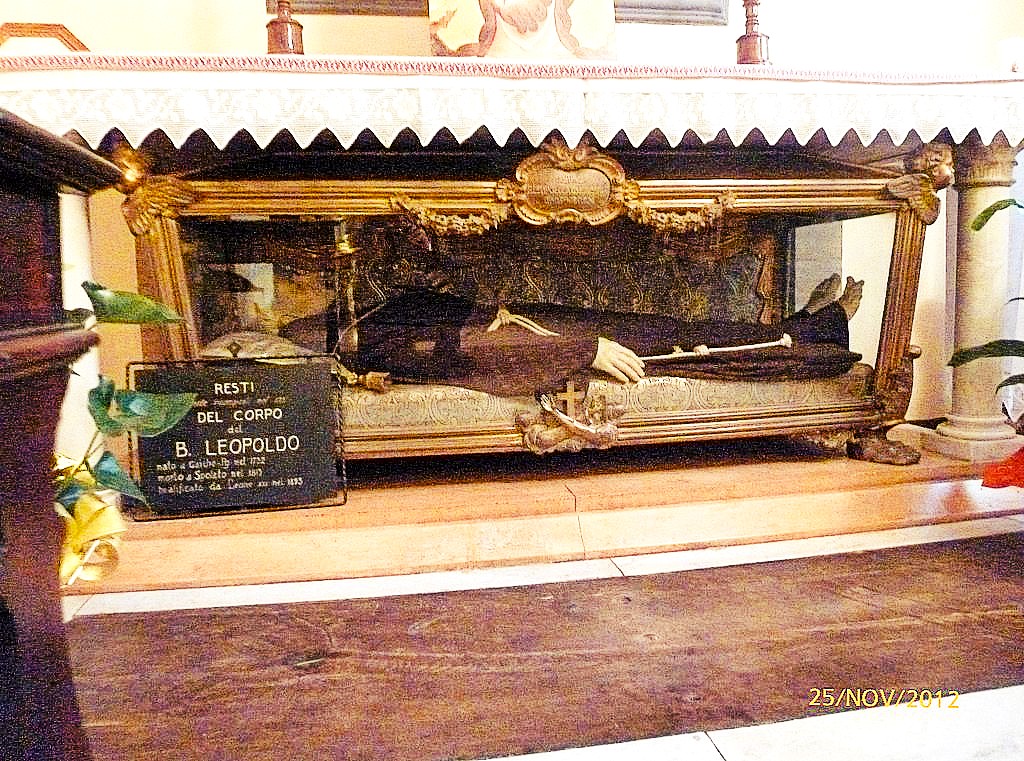
During a sermon for Christmas in 1814 Leopold was taken ill and died a few months later, on 2 April 1815 of that illness and was buried in the Church of Saint Francis in Spoleto. His tomb immediately became the site of miracles.

The process of Beatification opened in Spoleto in 1844 under Pope Gregory XVI . Upon the recognition of his model life of heroic virtue, he was proclaimed to be Venerable on 13 February 1855 after Pope Pius IX granted his approval.

The acceptance of two miracles attributed to his intercession allowed for Pope Leo XIII to celebrate his Beatification on 12 March 1893.

The current postulator of the cause is Father Giovangiuseppe Califano OFM.

Posted in franciscan OFM, MARIAN TITLES, SAINT of the DAY, The INCARNATION

Saturday of the Fourth Week in Lent, Nuestra Señora de la Altagracia / Our Lady of the Highest Grace, Higuey, Dominican Republic (1506) and Memorials of the Saints – 2 April

Saturday of the Fourth Week in Lent +2022

Nuestra Señora de la Altagracia / Our Lady of the Highest Grace, Higuey, Dominican Republic (1506) Patron of Dominicans- 2 April:
HERE:

https://anastpaul.com/2021/04/02/nuestra-senora-de-la-altagracia-our-lady-of-the-highest-grace-1506-and-memorials-of-the-saints-2-april/

St Francis of Paola O.M. (1416-1507) known as “Saint Francis the Fire Handler” – Monk and Founder, inspired with the Gift of Prophecy and still called the “Miracle-Worker” Apostle of the poor, Peacemaker. He was an Italian mendicant Friar and the Founder of the Order of Minims.   Unlike the majority of founders of men’s religious orders and like his Patron Saint, Francis was never ordained a priest. His Body was Incorrupt until destroyed in the French Revolution. (Memorial)
St Francis’s Life:

https://anastpaul.wordpress.com/2018/04/02/saint-of-the-day-2-april-st-francis-of-paola-o-m-1416-1507/

St Abundius of Como
St Agnofleda of Maine
St Appian of Caesarea
St Bronach of Glen-Seichis
St Constantine of Scotland
St Ðaminh Tuoc
Bl Diego Luis de San Vitores-Alonso
St Ebbe the Younger
St Eustace of Luxeuil
St Gregory of Nicomedia
St John Payne
Blessed Leopold of Gaiche OFM Cap (1732-1815) Priest
St Lonochilus of Maine
St Musa of Rome
Bl Mykolai Charnetsky
St Nicetius of Lyon

St Pedro Calungsod (1654–1672) Martyr, Sacristan, Missionary Lay Catechist.
His Life and Death:

https://anastpaul.com/2019/04/02/saint-of-the-day-2-april-st-pedro-calungsod-1654-1672-martyr/

St Rufus of Glendalough
St Theodora of Tiria

St Urban of Langres (c 327-c 390) Bishop, the sixth Bishop of Autun and Langres, in Burgundy, France from 374 until his death, Confessor.
About St Urban:

https://anastpaul.com/2021/04/02/saint-of-the-day-2-april-saint-urban-of-langres-c-327-c-390/

St Victor of Capua

Blessed Vilmos Apor (1892–1945) Bishop, Martyr, Chaplain of the Order of Malta.
Blessed Vilnos’ Life and Death:

https://anastpaul.com/2020/04/02/saint-of-the-day-2-april-blessed-vilmos-apor-1892-1945-bishop-martyr/

Martyrs of Africa – 10 Saints: A group of ten Christians Martyred together in Africa, date unknown. We have six of their names – Marcellinus, Procula, Quiriacus, Regina, Satullus and Saturnin but no other information has survived.

Martyrs of Thessalonica – 16 Saints: Sixteen Christians who were Martyred together in Thessalonica in Greece, date unknown. We know nothing else about them but 13 of their names – Agapitus, Agatophus, Cyriacus, Dionysius, Gagus, Julianus, Mastisius, Proculus, Publius, Theodoulus, Urbanus, Valerius and Zonisus.