St Anna the Prophetess St Berlinda of Meerbeke St Blasius of Armentarius St Blasius of Oreto St Caellainn St Celerinus of Carthage St Clerina of Carthage St Deodatus of Lagny St Eutichio St Evantius of Vienne St Felix of Africa St Felix of Lyons
St Laurentius of Carthage St Lawrence the Illuminator ) Died 576) Bishop St Leonius of Poitiers St Liafdag St Lupicinus of Lyon St Margaret of England St Oliver of Ancona St Philip of Vienne St Remedius of Gap St Sempronius of Africa St Tigrides St Werburga of Bardney St Werburga of Chester
Benedictine Martyrs: A collective memorial of all members of the Benedictine Order who have died as Martyrs for the Faith.
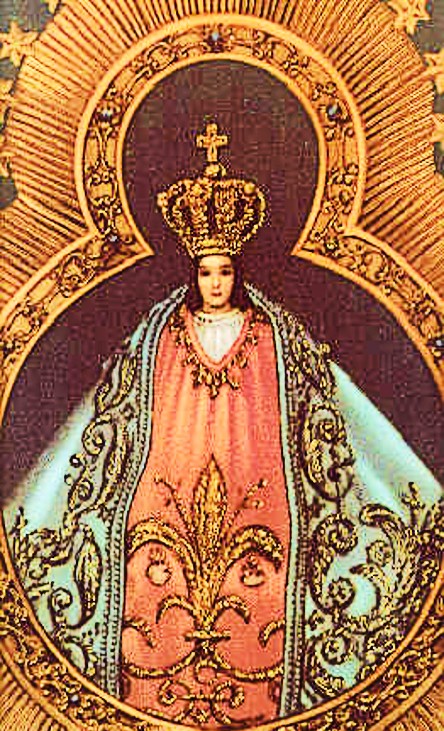
Nuestra Señora de Suyapa / Our Lady of Suyapa OR Virgen de Suyapa / The Virgin of Suyapa, Honduras (c1747) Patron of Honduras, Central America and The Orden de los Caballeros de Suyapa – 3 February:
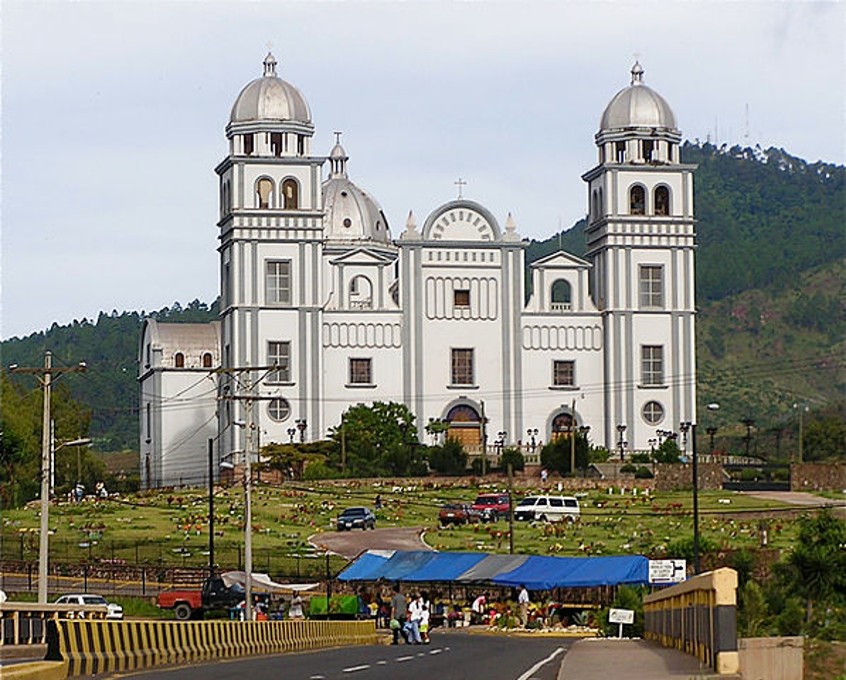
A title and image of the Blessed Virgin Mary popular in Honduras. The Statueis now enshrined in the Basilica of Suyapa, Tegucigalpa, Honduras. The sculptor and date of creation are unknown but the Statue was found by a farm worker on 3 February 1747. His family kept it as a focus for personal devotion. In 1768 a miraculous cure was attributed to Our Lady from this devotion. A Chapel was built for the Statue in 1777 to make public devotion possible.
The Statue was stolen in 1936 by a mentally ill woman who lived close by; it was located at her home and quickly returned. The quick end of the Football War in 1969 between Honduras and El Savador was attributed to the intercession of Mary following the outpouring of prayers to her under this title. The Staute was stolen again on 1 September 1986 – the thief stripped it of its gold, silver and jewels and then abandoned it in a restaurant men’s room in Tegucigalpa. It has since been restored to its former glory.
In 1925, Pope Pius XI declared her Patroness of Honduras under the title Our Lady of Suyapa and selected 3 February s her Feast day. In 1954, a large Basilica was built next to the Chapel. The Statue of the Virgin spends most of her time in the Chapel but every year before the celebration of her festival, the Statue is moved into the large Basilica to accommodate the crowds.
The Statue of the Virgin of Suyapa has a group of lay caretakers, all male, known as The Orden de los Caballeros de Suyapa (Order of the Knights of Suyapa). They care for the Statue and its Chapel and guard it full time when it is sent on pilgrimage around Honduras each February.
St Anna the Prophetess St Berlinda of Meerbeke St Blasius of Armentarius St Blasius of Oreto St Caellainn St Celerinus of Carthage St Clerina of Carthage St Deodatus of Lagny St Eutichio St Evantius of Vienne St Felix of Africa St Felix of Lyons St Hadelin of Chelle (Died c690) Priest, Monk, Hermit Bl Helinand of Pronleroy St Hippolytus of Africa St Ia of Cornwall St Ignatius of Africa Bl Iustus Takayama Ukon
Bl John Zakoly St Laurentinus of Carthage St Laurentius of Carthage St Lawrence the Illuminator ) Died 576) Bishop St Leonius of Poitiers St Liafdag St Lupicinus of Lyon St Margaret of England St Oliver of Ancona St Philip of Vienne St Remedius of Gap St Sempronius of Africa St Tigrides St Werburga of Bardney St Werburga of Chester
Benedictine Martyrs: A collective memorial of all members of the Benedictine Order who have died as Martyrs for the Faith.
St Anna the Prophetess St Berlinda of Meerbeke St Blasius of Armentarius St Blasius of Oreto St Caellainn St Celerinus of Carthage St Claudine Thevenet St Clerina of Carthage St Deodatus of Lagny St Eutichio St Evantius of Vienne St Felix of Africa St Felix of Lyons St Hadelin of Chelles Bl Helena Stollenwerk Bl Helinand of Pronleroy St Hippolytus of Africa St Ia of Cornwall St Ignatius of Africa Bl Iustus Takayama Ukon
Bl John Zakoly St Laurentinus of Carthage St Laurentius of Carthage St Lawrence the Illuminator St Liafdag St Lupicinus of Lyon St Margaret of England Bl Marie Rivier St Oliver of Ancona St Philip of Vienne St Remedius of Gap St Sempronius of Africa Blessed Stephen Bellesini OSA (1774-1840) Priest of the Hermits of St Augustine St Tigrides St Werburga of Bardney St Werburga of Chester
Benedictine Martyrs: A collective memorial of all members of the Benedictine Order who have died as Martyrs for the Faith.
Outside of Palestine one of the most famous sanctuaries of the Mother of God in the Levant, is a Convent of Orthodox nuns, – Dair as-Sagura, located within the walls of an ancient fortress on a hill near Damascus. It is thought to be the site where Abel, the murdered brother of Cain, is buried and, is also the site of one of the world’s most ancient Monasteries.
Saidnaya, (or Saydnaya or Sednaya), is a city located in a mountainous region of Syria about 17 miles north of Damascus. The word Saidnaya means “Our Lady” and refers to a famous icon of the Virgin Mother of God that is still kept in the main Church. The origin of the Shrine of Our Lady of Saideneida goes back to a time long before the separation of the Orthodox Church from Old Rome. In fact, there is a tradition, that associates the Shrine to at least the time of the Roman Emperor Justinian I (died 565). According to this tradition, the Roman Emperor Justininian I was leading his army through the desert in modern day Syria. His army was suffering greatly from a lack of water and was near despair, when the Emperor saw a beautiful gazelle in the distance. Justinian chased the animal, which came to a rocky knoll where there was a spring of fresh water. He was preparing to shoot the animal when it suddenly transformed into an icon of the Mother of God which shone with a heavenly light. A voice could be heard to say, “No, thou shalt not kill me, Justinian but thou shalt build a Church for me here on this hill.” The light then faded and the beautiful figure disappeared. The water from the spring saved his army and Justinian told his commanders what he had seen. He ordered them to draw up the plans for the Church Our Lady had requested. The architects complained of insurmountable problems and the Blessed Virgin appeared to the Emperor in a dream and gave him the plan for the Church and convent, of which she herself would be the protectress. The project was completed on the Feast of Our Lady’s nativity.
Mosaic depiction of Mary ordering Justinian not to kill her but to build a church on the rock in the background, after having first appeared to him as a gazelle. The scroll she holds reads: “No, thou shalt not kill me, Justinian but thou shalt build a Church for me, here, on this rock.”
Once constructed, the convent became so renowned that it was second only to Jerusalem as a site of pilgrimage. The icon, called Our Lady of Saideneida and attributed to St Luke, was said to have been brought to its home in the year 870 from Jerusalem. The holy Abbess of the convent, a woman named Marina, spoke to a Greek pilgrim named Theodore who had stopped at the convent for rest on his pilgrimage to the Holy Land. Since he was on his way to Jerusalem, the holy abbess Marina asked Theodore to purchase an icon of the Blessed Virgin in the Holy City and bring it back to the convent. The hermit, once in Jerusalem, forgot about the Abbess’s request and began making his way home, when he was stopped by a voice which asked, “Have you not forgotten something in Jerusalem? What have you done in regard to the commission from the Abbess Marina?” Theodore turned back and purchased a beautiful icon of the Theotokos that he knew would be acceptable to the Abbess. His journey back to the convent was fraught with difficulties, as he and his companions were set upon by bandits and suffered the attack of wild beasts. The hermit turned to the Blessed Virgin in all these dangers, invoking her intercession as he prayed before the icon. Despite all the attacks and violence, all those in the caravan were miraculously saved from every danger through the aid of the Mother of God.
The hermit Theodore, was convinced of the powerful aid of the icon and was tempted to keep it for himself. He decided to return home by another route to avoid the Abbess and Saideneida completely. He paid to take ship but the vessel encountered such a furious storm that they were forced to turn back rather than be lost. Repenting of his error, he returned to the road he had taken and made his way back to Saideneida. Once back at the convent, the days passed and he found that he did not want to part with the icon. He lied to the Abbess, telling her he had not purchased the icon she had requested and planned to depart from the convent in secret rather than face the disappointed abbess again. Moving in the darkness the following morning, the hermit made his way soundlessly to the gate so as to begin his trek back to his homeland. As he attempted to pass through the convent gate, however, there was an invisible power that would not allow him to pass. It was as if he were trying to walk through a wall of solid stone, though nothing could be seen that barred his way. When he realised that he would not be able to leave the convent, he turned back and faced the Abbess, admitting to her that he had lied and had intended to keep the icon for himself. With tears of gratitude, the Abbess Marina gave glory to God and His Holy Mother and the icon found its home. That same icon, known as the Shaghoura, meaning “the illustrious,” is kept in a pilgrimage Shrine that is separate from the rest of the chapel. It is hidden in an ornate niche with silver doors. Childless couples especially and pilgrims seeking miracles of cures, still come seeking the Blessed Virgin’s intercession. The Shrine was formerly well known in the West, where from about 1200 it was popularised by the stories of miracles and miraculous cures. A German chronicler, during the ages of the crusades, wrote of his pilgrimage to the convent and spoke of the special properties of a miraculous, holy oil that was emitted from the icon. It was believed, that the oil could cure the sick and Templar knights, especially, would go to the Shrine to obtain the holy oil for their Churches. Interestingly, not only Catholics but also Moslems go to the Shrine as pilgrims. It is remembered, that a sultan, in thanksgiving for a prayer answered through the icon, set a lamp to burn perpetually before the image of Our Lady. The Middle Ages were certainly a time of faith and there were many images of Our Lord, the Blessed Virgin and various Saints that were produced for the edification of the people. Inflamed with a true zeal for the faith and anxious to give glory to God, there were many Shrines all over Europe, many of which are now long forgotten in our age when the world struggles mightily to extinguish the Light of Christ.
Bl Alois Andritzki St Anatolius of Salins St Ansgar OSB (801-865) “Apostle of the North”, Bishop Biography: https://anastpaul.com/2019/02/03/saint-of-the-day-3-february-saint-ansgar-osb-801-865-apostle-of-the-north/ St Anna the Prophetess St Berlinda of Meerbeke St Blasius of Armentarius St Blasius of Oreto St Caellainn St Celerinus of Carthage St Claudine Thevenet St Clerina of Carthage St Deodatus of Lagny St Eutichio St Evantius of Vienne St Felix of Africa St Felix of Lyons St Hadelin of Chelles Bl Helena Stollenwerk Bl Helinand of Pronleroy St Hippolytus of Africa St Ia of Cornwall St Ignatius of Africa Bl Iustus Takayama Ukon Blessed John Nelson SJ (1535-1578) Priest Martyr Bl John Zakoly St Laurentinus of Carthage St Laurentius of Carthage St Lawrence the Illuminator St Liafdag St Lupicinus of Lyon St Margaret of England Bl Marie Rivier St Oliver of Ancona St Philip of Vienne St Remedius of Gap St Sempronius of Africa St Tigrides St Werburga of Bardney St Werburga of Chester — Benedictine Martyrs: A collective memorial of all members of the Benedictine Order who have died as martyrs for the faith.
St Blaise (Died c 316) – Martyr (Optional Memorial)
All about St Blaise: https://anastpaul.wordpress.com/2018/02/03/saint-of-the-day-st-blaise-died-c-316-martyr/
St Ansgar OSB (801-865) (Optional Memorial)
Bl Alois Andritzki
St Anatolius of Salins
St Anna the Prophetess
St Berlinda of Meerbeke
St Blasius of Armentarius
St Blasius of Oreto
St Caellainn
St Celerinus of Carthage
St Claudine Thevenet
St Clerina of Carthage
St Deodatus of Lagny
St Eutichio
St Evantius of Vienne
St Felix of Africa
St Felix of Lyons
St Hadelin of Chelles
Bl Helena Stollenwerk
Bl Helinand of Pronleroy
St Hippolytus of Africa
St Ia of Cornwall
St Ignatius of Africa
Bl Iustus Takayama Ukon
Bl John Nelson
Bl John Zakoly
St Laurentinus of Carthage
St Laurentius of Carthage
St Lawrence the Illuminator
St Liafdag
St Lupicinus of Lyon
St Margaret of England
Bl Marie Rivier
St Oliver of Ancona
St Philip of Vienne
St Remedius of Gap
St Sempronius of Africa
St Tigrides
St Werburga of Bardney
St Werburga of Chester
—
Benedictine Martyrs: A collective memorial of all members of the Benedictine Order who have died as martyrs for the faith.
St Ansgar (Optional Memorial)
—
Bl Alois Andritzki
St Anatolius of Salins
St Anna the Prophetess
St Berlinda of Meerbeke
St Blasius of Armentarius
St Blasius of Oreto
St Caellainn
St Celerinus of Carthage
St Claudine Thevenet
St Clerina of Carthage
St Deodatus of Lagny
St Eutichio
St Evantius of Vienne
St Felix of Africa
St Felix of Lyons
St Hadelin of Chelles
Bl Helena Stollenwerk
Bl Helinand of Pronleroy
St Hippolytus of Africa
St Ia of Cornwall
St Ignatius of Africa
Bl Iustus Takayama Ukon
Bl John Nelson
Bl John Zakoly
St Laurentinus of Carthage
St Laurentius of Carthage
St Lawrence the Illuminator
St Liafdag
St Lupicinus of Lyon
St Margaret of England
Bl Marie Rivier
St Oliver of Ancona
St Philip of Vienne
St Remedius of Gap
St Sempronius of Africa
St Tigrides
St Werburga of Bardney
St Werburga of Chester
—
Benedictine Martyrs: A collective memorial of all members of the Benedictine Order who have died as martyrs for the faith.
Profiled Benedictine Martyrs
• Blessed Agustí Busquets Creixell
• Blessed Ambroise-Augustin Chevreux
• Blessed Àngel Maria Rodamilans Canals
• Blessed Antolín Pablos Villanueva
• Blessed Augustin-Joseph Desgardin
• Blessed Càndid Feliu Soler
• Blessed Cipriano González Millán
• Blessed Claude Richard
• Blessed Conrad of Seldenbüren
• Blessed Ignasi Guilà Ximenes
• Blessed Joan Grau Bullich
• Blessed Joan Roca Bosch
• Blessed John Beche
• Blessed John Eynon
• Blessed John Rugg
• Blessed John Sordi
• Blessed John Thorne
• Blessed José Antón Gómez
• Blessed José Erausquin Aramburu
• Blessed Josep Albareda Ramoneda
• Blessed Josep Maria Fontseré Masdeú
• Blessed Josep Maria Jordá i Jordá
• Blessed Konrad II of Mondsee
• Blessed León Alesanco Maestro
• Blessed Lluis Casanovas Vila
• Blessed Louis Barreau de La Touche
• Blessed Louis-François Lebrun
• Blessed Luis Palacios Lozano
• Blessed Luis Vidaurrázaga González
• Blessed Mark Barkworth
• Blessed Pere Vallmitjana Abarca
• Blessed Pere Vilar Espona
• Blessed Peter of Subiaco
• Blessed Philip Powel
• Blessed Rafael Alcocer Martínez
• Blessed René-Julien Massey
• Blessed Richard Whiting
• Blessed Roger James
• Blessed Suzanne-Agathe Deloye
• Blessed Thiemo of Salzburg
• Blessed Thomas Pickering
• Blessed Thomas Tunstal
• Blessed William Scott
• Five Polish Brothers
• Martyred Subiaco Benedictines of Barcelona
• Martyrs of Cardeña
• Martyrs of Croyland
• Martyrs of Messina
• Saint Abbo of Fleury
• Saint Adalbert of Prague
• Saint Ageranus of Blèze
• Saint Agigulf
• Saint Aigulf
• Saint Aigulphus of Lérins
• Saint Alban Bartholomew Roe
• Saint Altigianus
• Saint Amarinus of Clermont
• Saint Ambrose Edward Barlow
• Saint Arnulf of Novalesa
• Saint Beocca of Chertsey
• Saint Berard of Blèze
• Saint Bernard of Lérida
• Saint Bertha of Avenay
• Saint Boniface
• Saint Bruno of Querfort
• Saint Deusdedit of Montecassino
• Saint Donatus of Messina
• Saint Elleher
• Saint Eobán of Utrecht
• Saint Ernest of Mecca
• Saint Ethor of Chertsey
• Saint Eutychius of Messina
• Saint Faustus of Messina
• Saint Firmatus of Messina
• Saint Frugentius the Martyr
• Saint Genesius of Blèze
• Saint Gerard Sagredo
• Saint Gibardus of Luxeuil
• Saint Gundekar
• Saint Hadulph
• Saint Hedda of Peterborough
• Saint Hedda the Abbot
• Saint Hilarinus
• Saint Hildebert of Ghent
• Saint John Roberts
• Saint Marinus of Maurienne
• Saint Placidus of Messina
• Saint Porcarius of Lérins
• Saint Rodron of Blèze
• Saint Rumold
• Saint Sifrard of Blèze
• Saint Stephen of Burgos
• Saint Victorinus of Messina
• Saint Vincent of Léon
• Saint Wiborada of Gall
• Venerable Abel Ángel Palazuelos Maruri
• Venerable Ángel Carmelo Boix Cosials
• Venerable Antoni Lladós Salud
• Venerable Antonio Fuertes Boira
• Venerable Antonio Suárez Riu
• Venerable Fernando Salinas Romeo
• Venerable Jaume Caballé Bru
• Venerable Julio Fernández Muñiz
• Venerable Leandro Cuesta Andrés
• Venerable Leoncio Ibáñez Caballero
• Venerable Lorenzo Sobrevia Cañardo
• Venerable Mariano Palau Sin
• Venerable Martín Donamaría Valencia
• Venerable Ramón Sanz De Galdeano Mañeru
• Venerable Santiago Pardo López






 AnaStpaul
You must be logged in to post a comment.