
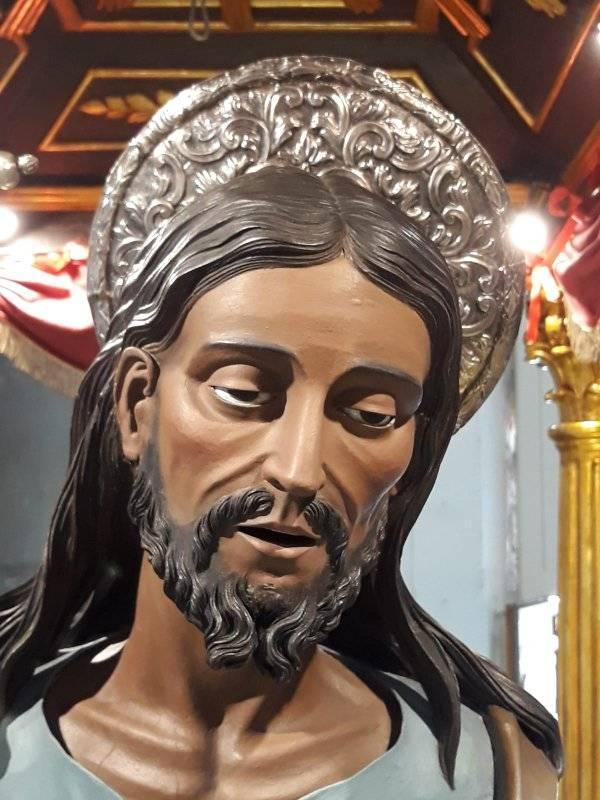
Saint of the Day – 17 August – St James the Deacon (7th Century). James was a Roman Deacon particularly proficient in Church music and Gregorian Chant, who accompanied St Paulinus of York (c584-644) the 1st Bishop of York, on his mission to Northumbria. He was a member of the second Gregorian mission in around 604. After Paulinus left Northumbria due to pagan violence, James stayed near Lincoln and continued his missionary efforts, dying sometime after 671, according to the Venerable St Bede.
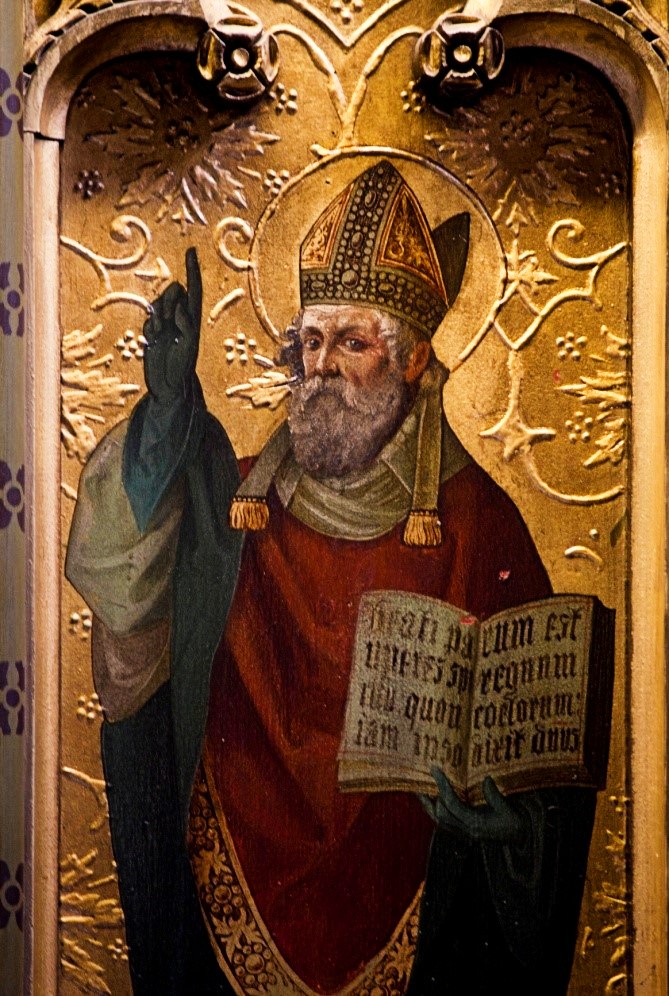
James was presumably an Italian, like the other members of the Gregorian mission. His birth date is unknown but it is believed that he arrived in England in the 2nd mission in around 604. He accompanied St Paulinua to Northumbria together with the sister of King Eadbald of Kent, who went to Northumbria to marry King Edwin.
When King Edwin died in battle in 633, having been the principal supporter of St Paulinus’ mission, the pagans responded in aggression to the Christian missionaries. St Paulinus was forced to flee to Kent. James, however, remained in Northumbria and continued missionary evangelisation. James’ efforts were centred in Lincoln, at a Church which St Paulinus had built, the remains of which may lie under the Church of St Paul-in-the-Bail.
St Bede (673-735) writes that James lived in a village near Catterick which “bears his name to this day.” He reports that James, undertook missionary work in the area and lived to a great age. During the reign of King Oswiu of Northumbria, James attended the Royal Court, for he celebrated Easter with Oswiu’s Queen, Eanflæd, Edwin’s daughter. James and Eanflæd celebrated Easter on the date used by the Roman Church which led to conflicts with Oswiu, who celebrated Easter on the date calculated by the Irish Church. These dates did not always coincide and were one of the reasons that Oswiu called the Council of Whitby in 664 to decide which system of Easter calculation his Kingdom would use. We know, in our favoured position that the Council of Whitby settled the issue agreeing to following Rome.
According to St Bede’s account, James was present at the Council of Whitby. St Bede states that after the Council and the return of Roman customs, James, as a trained singing master in the Roman style, taught many Gregorian Chant.
James’ date of death is unknown but St Bede implies that he was still alive during St Bede’s lifetime, meaning he died after the latter’s birth, between 672. This would mean he was at least 70 years old at his death. It has been suggested that St James was St Bede’s informant for the life of St Edwin, the works of St Paulinus and perhaps, the Council of Whitby.
After his death, James was venerated as a Saint throughout the country.



 AnaStpaul
You must be logged in to post a comment.