Posted in MARIAN TITLES, SAINT of the DAY, The SEVEN PASSION Feasts

FEAST OF THE FIVE HOLY WOUNDS, Friday of the Third Week in Lent, Nossa Senhora das Virtudes / Our Lady of Virtues, Portugal (15th Century), St John of God and all the Saints for 8 March

St Apollonius of Antinoë
St Arianus of Alexandri
St Arnulf of Chartres Abbot
St Beoadh of Ardcarne
St Duthus of Ross

St Humphrey of Prüm
St Julian of Toledo (c642-690) Bishop and Confessor
St Litifredus of Pavia
St Philemon of Antinoë
St Pontius of Carthage
St Provinus of Como
St Quintilis of Nicomedia
St Rhian

St Stephen of Obazine
St Theophylact of Nicomedia
St Theoticus of Alexandria
St Veremundus of Irache

Posted in DOCTORS of the Church, FATHERS of the Church, SAINT of the DAY

Saint of the Day – 8 March – St Felix of Burgundy (Died 647) Bishop , “The Apostle of East Anglia”

Saint of the Day – 8 March – St Felix of Burgundy (Died 647) “The Apostle of East Anglia,” the First Bishop of Dunwich, Missionary in East Anglia and particularly in the Port Town now known as Felixstowe, in Suffolk, England. Amongst being the Founder of Norwich Cathedral and countless Churches.the famous Monastery of Bury Saint Edmunds, he is also the Founder of what is now the University of Cambridge. Born in the late 6th Century in Burgundy, France and died on 8 March 647 of natural causes. Patronage – of the Diocese of East Anglia, Also known as – “The Apostle of East Anglia,” Felix of Dunwich, Felix of East Anglia.

The Roman Martyrology states: “In England, St Felix, Bishop, who converted the East Anglians to the Faith.

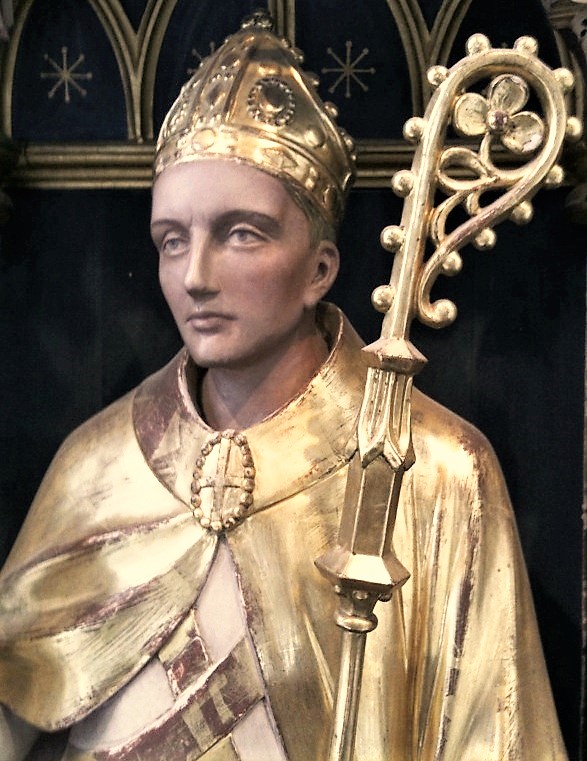
A statue of St Felix, part of a reredos by J P Seddon (1885) at St Peter Mancroft, Norwich

Felix is widely credited as the man who introduced Christianity to the Kingdom of East Anglia. Almost all that is known about him comes from St Bede’s The Ecclesiastical History of the English People, St Bede wrote that Felix freed “the whole of this Kingdom from long-standing evil and unhappiness.”

St Bede continues: “Bishop Felix… came to Archbishop Honorius from the Burgundian region, where he had been raised and Ordained and, by his own desire, was sent by him, to preach the Word of Life to the nation of the Angles. Nor did he fail in his purpose; for, like a good farmer, he reaped a rich harvest of believers. In accord with the meaning of his own name, he freed the whole province from its ancient iniquity and infelicity rought it to the Faith and works of righteousness and guided it to eternal felicity.

St Bede also records the great zeal of St Sigebert, the King of East Anglia (whom some say was converted by Felix which the King was in exile in France. St Bede says: As soon as he began to reign, he made it his business to see that the whole Kingdom shared his Faith. Bishop Felix most nobly supported his efforts. This Bishop, who had been born and Consecrated in Burgundy, came to Archbishop Honorius, to whom he expressed his longings, so the Archbishop sent him to preach the Word of Life to this nation of the Angles.

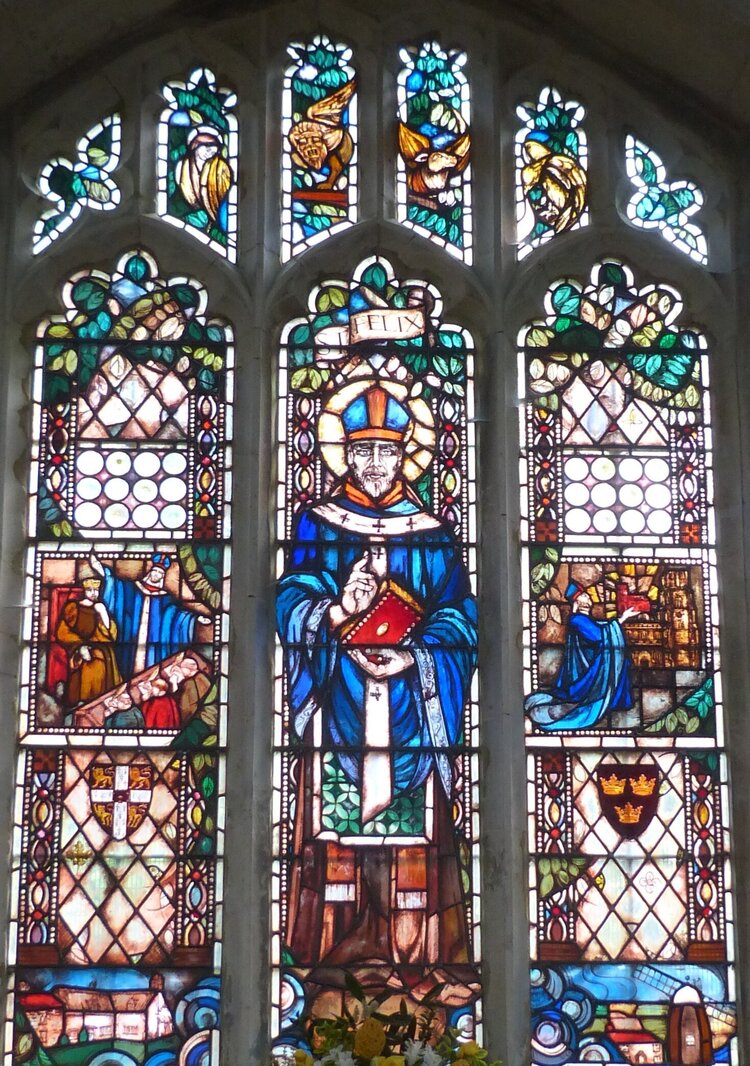
St Felix stained glass at Norwich Cathedral

Upon his arrival in East Anglia, Sigeberht gave him a See at near Felixstowe, or Dunwich in Suffolk. According to St Bede, Felix helped Sigebert to establish a school in his Kingdom “where boys could be taught letters.”

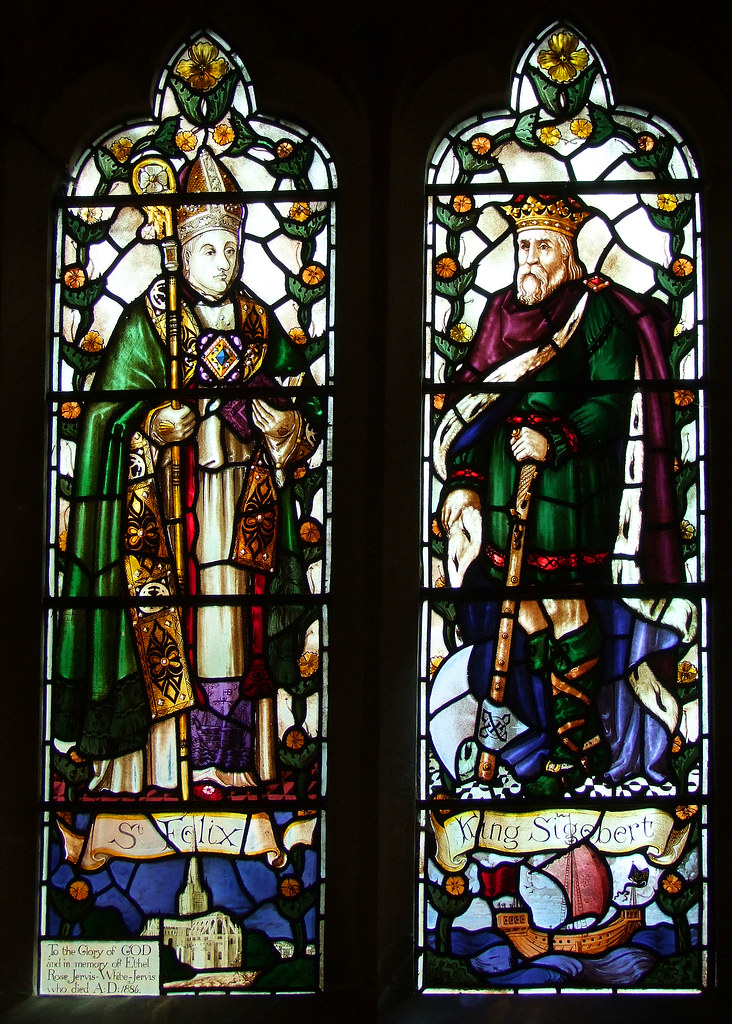
St Felix and St Sigebert also at Norwich Cathedral

Felix evangelised throughout East Anglia, building a Cathedral at Norwich and school at Dunwich, stone Churches throughout the region and the College that would become the University of Cambridge. In c637, with the aid of St Sigebert, he founded the Bury Saint Edmunds Monastery. Finally, he worked with St Fursey, an Irish Missionary who had arrived in the area. Spiritual teacher of Saint Ethelreda (Died 679) the East Anglian Princess, Queen and later Abbess.

Felix died on 8 March 647, having been the Bishop for 17 years. His Relics were translated from Dunwich to Soham Abbey and then to the Abbey at Ramsey. After his death, he was immediately venerated as a Saint. Several English Churches are dedicated to him.

Posted in MARIAN TITLES, SAINT of the DAY

Wednesday of the Second Week in Lent, Nossa Senhora das Virtudes / Our Lady of Virtues, Portugal (15th Century), St John of God, Confessor and Memorials of the Saints – 8 March

Wednesday of the Second Week in Lent – Fast

St John of God OH (1495-1550) Confessor, Founder of the Brothers Hospitallers of Saint John of God, a worldwide Catholic religious institute dedicated to the care of the poor, sick and those suffering from mental disorders. (Memorial)
Biography:

https://anastpaul.wordpress.com/2017/03/08/saint-of-the-day-8-march-st-john-of-god/
AND:
https://anastpaul.com/2019/03/08/saint-of-the-day-8-march-st-john-of-god-oh-1495-1550/

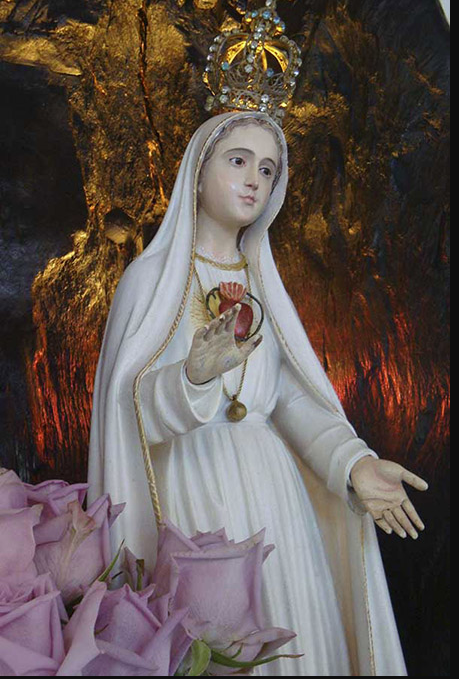
Nossa Senhora das Virtudes / Our Lady of Virtues, Lisbon, Portugal (15th Century) – 8 March:
HERE:

https://anastpaul.com/2021/03/08/nossa-senhora-das-virtudes-our-lady-of-virtues-lisbon-portugal-15th-century-and-memorials-of-the-saints-8-march/
St Apollonius of Antinoë
St Arianus of Alexandria
St Beoadh of Ardcarne
St Duthus of Ross
St Felix of Burgundy (Died 647) Bishop, Missionary in East Anglia and particularly in the Port Town now known as Felixstowe, in Suffolk, England. Amongst being the Founder of countless Churches. a famouse Monastery of Bury Saint Edmunds, he is also the Founder of what is now the University of Cambridge.
St Humphrey of Prüm
St Jon Helgi Ogmundarson
St Litifredus of Pavia
St Philemon of Antinoë
St Pontius of Carthage
St Provinus of Como
St Quintilis of Nicomedia
St Rhian

St Senan of Scattery (c 488-541) Monk, Abbot, Founder of many Monasteries and Churches, Miracle-worker, one of the Twelve Apostles of Ireland. Saint Patrick foretold his birth and saintliness.
About St Senan:

https://anastpaul.com/2022/03/08/saint-of-the-day-8-march-saint-senan-of-scattery-c-488-541/

St Stephen of Obazine
St Theophylact of Nicomedia
St Theoticus of Alexandria
St Veremundus of Irache

Blessed Vincent Kadlubek O.Cist (c 1160-1223) Bishop, Cistercian Monk, noted Historian, prolific Writer and renowned Precher. His Episcopal mission was to reform the Diocesan Priests and to re-invigorate the faithful. Beatified on 18 February 1764 by Pope Clement XIII.
About Bl Vincent:

https://anastpaul.com/2021/03/08/saint-of-the-day-8-march-blessed-vincent-kadlubek-o-cist-c-1160-1223-bishop/

Martyrs of North Africa – 9 Saints: A Bishop and some of his flock who were Martyred together in North Africa. The only details that have survived are nine of the names – Beata, Cyril, Felicitas, Felix, Herenia, Mamillus, Rogatus, Silvanus, Urban.