
Wednesday of the Third Week in Lent
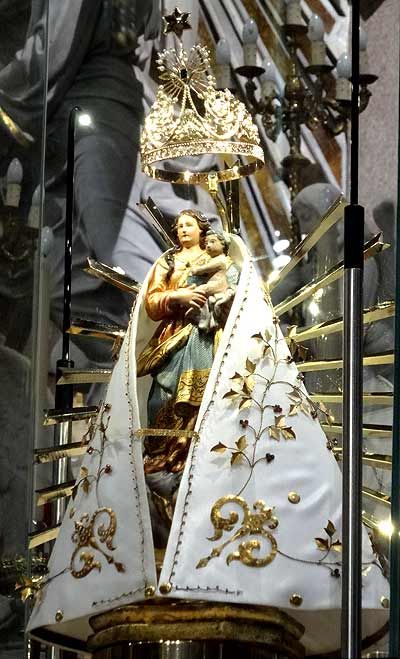
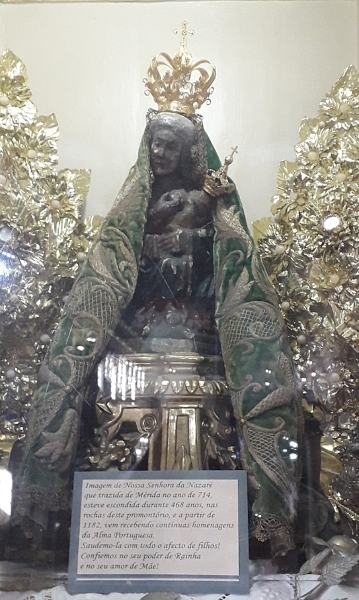
Nossa Senhora da Nazaré / Our Lady of Nazareth, Pierre Noire, Portugal, (1150) – 6 March:
HERE:
https://anastpaul.com/2021/03/06/nossa-senhora-da-nazare-our-lady-of-nazareth-pierre-noire-portugal-1150-and-memorials-of-the-saints-6-march/
Sts Perpetua and Felicity (Died c203) Martyrs in Carthage (Roman province of Africa – modern day Tunisia) – Patrons of Mothers, Expectant Mothers, ranchers, butchers, Carthage, Catalonia.
Feast day moved in 1969 to 7 March.
Their Life and Death:
https://anastpaul.com/2017/03/07/saints-of-the-day-7-march-saints-perpetua-and-felicity/
St Aetius
St Bairfhion
St Baldred of Strathclyde
St Baldred the Hermit
St Balther of Lindisfarne
St Basil of Bologna
St Cadroë
St Chrodegang of Metz (c714-776) The First Bishop of Metz, Protector and Father of the poor and orphans, Reformer of the Clergy, a relative of King Pepin and of Prince Charles Martel, both of whom he was Court Chancellor, Royal Diplomat, Saint Opportuna of Montreuil was his brother.
The Roman Martyrology states: “In Metz in Austrasia, in today’s France, St Crodegango, Bishop, who arranged for the Clergy to live as if within the walls of a cloister under an exemplary rule of life and greatly promoted liturgical chant.”
Biography:
https://anastpaul.com/2022/03/06/saint-of-the-day-6-march-saint-chrodegang-of-metz/
St Colette PCC (1381-1447) Abbess and Foundress of the Colettine Poor Clares, a reform branch of the Order of Saint Clare. Patronages – against eye disorders, against fever, against headaches, against infertility, against the death of parents, of women seeking to conceive, expectant mothers and sick children, craftsmen, Poor Clares, servants, Corbie, France, Ghent, Belgium. St Colette was Canonised on 24 May 1807 by Pope Pius VII.
Biography:
https://anastpaul.com/2017/03/06/saint-of-the-day-6-march-st-colette/
AND:
https://anastpaul.com/2019/03/06/saint-of-the-day-6-march-st-colette-2/
St Cyriacus of Trier
St Cyril of Constantinople
St Evagrius of Constantinople
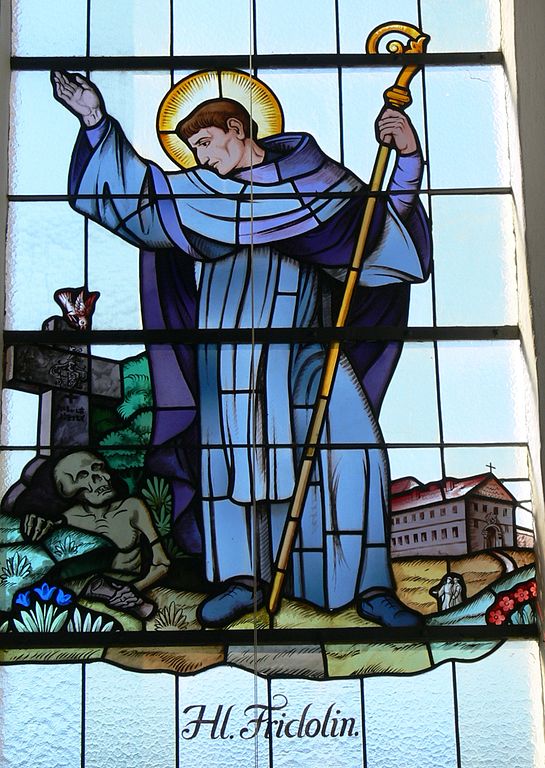
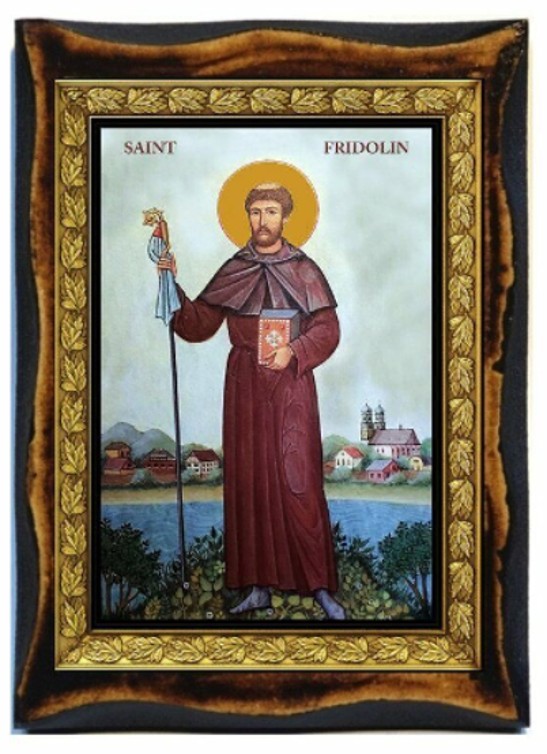
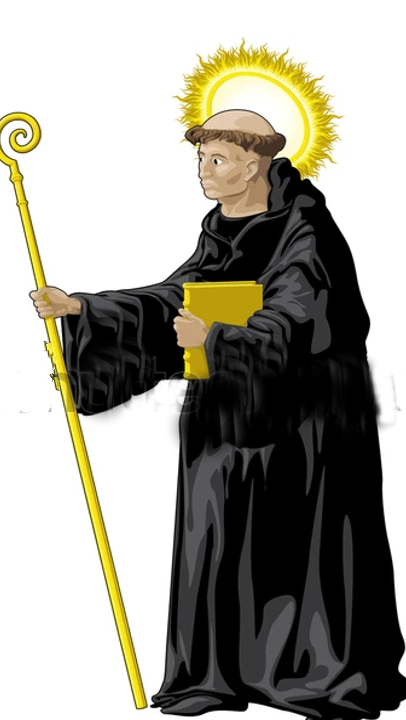
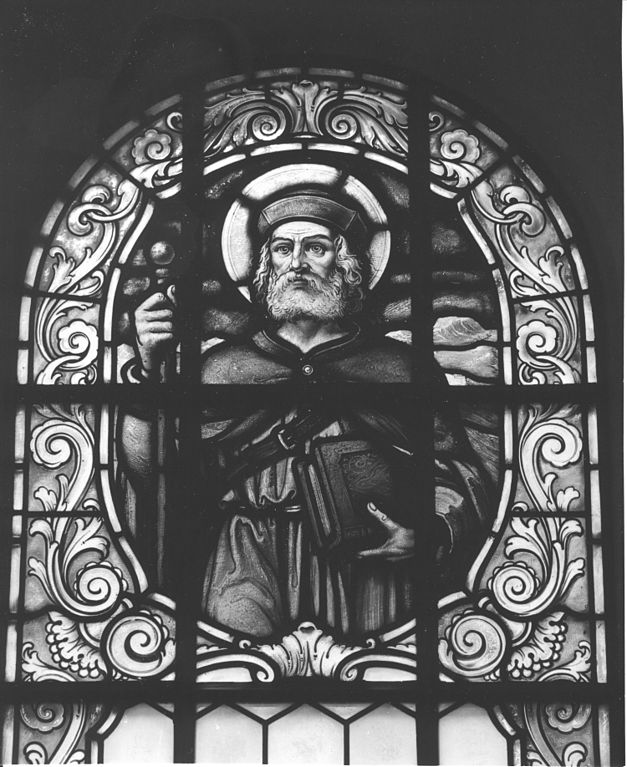
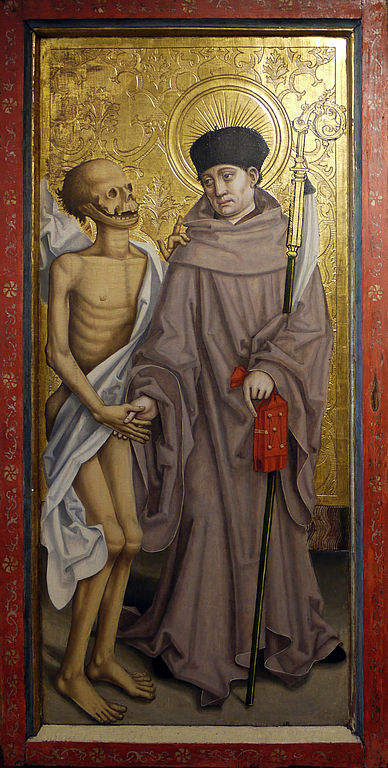
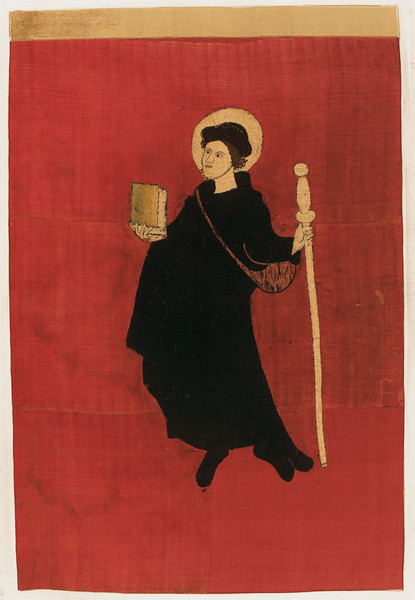
St Fridolin Vandreren of Säckingen (Died c540) “Apostle of the Upper Rhine” Monk, Abbot, Missionary, wandering Evangelist, Founder of the Monastery in Säckingen, Baden (part of modern Germany), Miracle-worker.
A Zealous Example:
https://anastpaul.com/2023/03/06/saint-of-the-day-6-march-st-fridolin-vandreren-of-sackingen-died-c540-apostle-of-the-upper-rhine/
Bl Guillermo Giraldi
St Heliodorus the Martyr
Bl Jordan of Pisa
St Julian of Toledo
St Kyneburga of Castor
St Kyneswide of Castor
St Marcian of Tortona
St Ollegarius Bonestruga OSA (1060-1137) Bishop
St Patrick of Malaga
St Sananus
Blessed Sylvester of Assisi OFM (Died 1240) Priest, Friar. Sylvester was one of the first 4 followers of St Francis of Assisi and was the first Priest in the Franciscan Order.
About St Sylvester:
https://anastpaul.com/2021/03/06/saint-of-the-day-6-march-blessed-sylvester-of-assisi-ofm-died-1240-priest/
St Tibba of Castor
St Venustus of Milan
Martyrs of Amorium – 42 Saints – Also known as Martyrs of Syria and Martyrs of Samarra;
A group of 42 Christian senior officials in the Byzantine Empire who were captured by forces of the Abbasid Caliphate when the Muslim forces overran the City of Amorium, Phrygia in 838 and massacred or enslaved its population. The men were imprisoned in Samarra, the seat of the Caliphate, for seven years. Initially thought to be held for ransom due to their high position in the empire, all attempts to buy their freedom were declined. The Caliph repeatedly ordered them to convert to Islam and sent Islamic scholars to the prison to convince them; they refused until the Muslims finally gave up and killed them. Martyrs. We know the names and a little about seven of them:
Aetios
Bassoes
Constantine
Constantine Baboutzikos
Kallistos
Theodore Krateros
Theophilos
but details about the rest have disappeared over time. However, a lack of information did not stop several legendary and increasingly over-blown “Acts” to be written for years afterward. One of the first biographers, a monk name Euodios, presented the entire affair as a judgement by God on the empire for its official policy of Iconoclasm.
Deaths:
beheaded on 6 March 845 in Samarra (in modern Iraq) on the banks of the Euphrates river by Ethiopian slaves
the bodies were thrown into the river, but later recovered by local Christians and given proper burial.


 AnaStpaul
You must be logged in to post a comment.