Our Morning Offering – 6 December – “The Month of the Divine Infancy and the Immaculate Conception of the Blessed Virgin Mary” – The First week of Advent
A Great and Mighty Wonder By St Germanus (c 640-c 733)
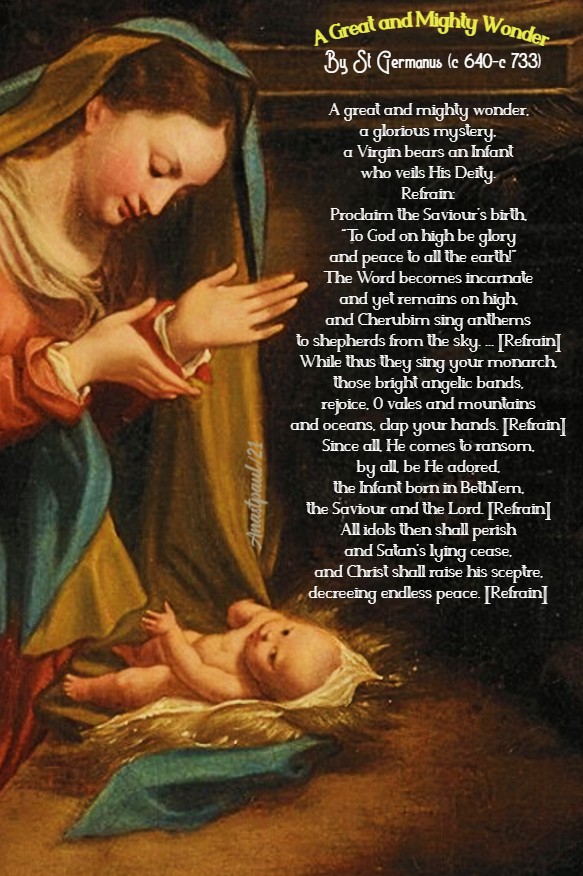
A great and mighty wonder, a glorious mystery, a Virgin bears an Infant who veils His Deity. Refrain: Proclaim the Saviour’s birth, “To God on high be glory and peace to all the earth!” The Word becomes incarnate and yet remains on high, and Cherubim sing anthems to shepherds from the sky. … [Refrain] While thus they sing your monarch, those bright angelic bands, rejoice, O vales and mountains and oceans, clap your hands. [Refrain] Since all, He comes to ransom, by all, be He adored, the Infant born in Bethl’em, the Saviour and the Lord. [Refrain] All idols then shall perish and Satan’s lying cease, and Christ shall raise His sceptre, decreeing endless peace. [Refrain]
St Germanus was one of the Greek hymnwriters and one of the grandest among the defenders of the Icons. He was born at Constantinople of a patrician family, was Ordained there and became subsequently, Bishop of Cyzicus. He was present at the Synod of Constantinople in 712, which restored the Monothelite heresy but, in after years, he condemned it. He was made Archbishop of Constantinople in 715. In 730 he was driven from the See, not without blows, for refusing to yield to the Iconoclastic Emperor, Leo the Isaurian. He died shortly afterwards in exile at a good old age. His Life below: https://anastpaul.com/2021/05/12/saint-of-the-day-12-may-saint-germanus-of-constantinople-c-640-733/
Quote/s of the Day – 14 September – “Month of The Seven Sorrows of the Blessed Virgin Mary and The Holy Cross” – Exaltation of the Holy Cross –Philippians 2:5-11, John 12:31-36 – Scripture search here: https://www.drbo.org/
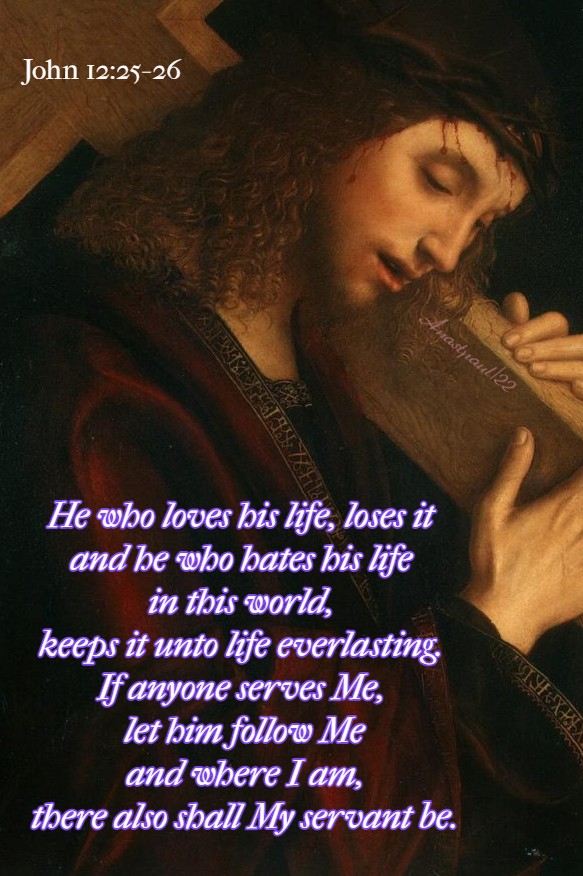
“If anyone serves Me, let him follow Me and where I am, there also shall My servant be.”
John 12:25-26
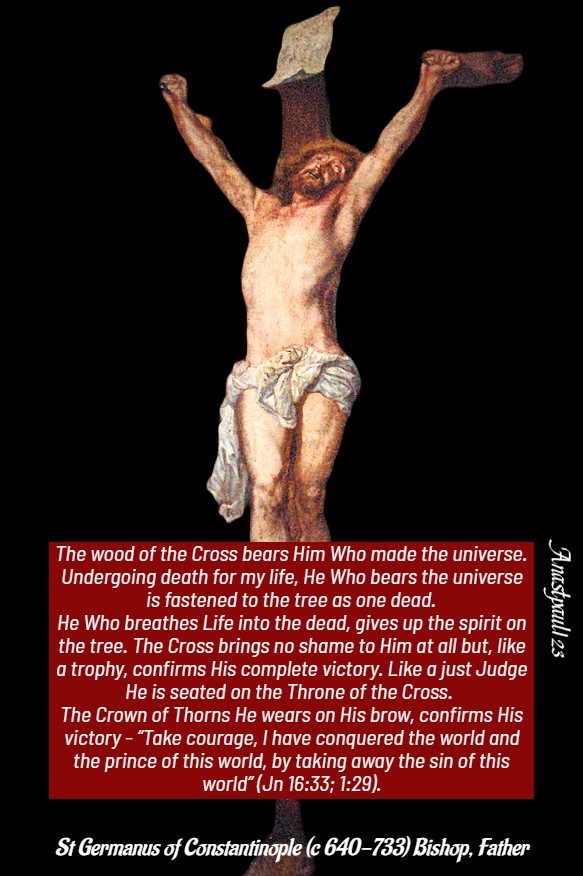
“The wood of the Cross bears Him Who made the universe. Undergoing death for my life, He Who bears the universe is fastened to the tree, as one dead. He Who breathes Life into the dead, gives up the spirit on the tree. The Cross brings no shame to Him at all but, like a trophy, confirms His complete victory. Like a just Judge, He is seated on the Throne of the Cross. The Crown of Thorns. He wears on His brow, confirms His victory “Take courage, I have conquered the world and the prince of this world, by taking away the sin of this world” (Jn 16:33; 1:29).”
St Germanus of Constantinople (c640-733) Bishop, Father of the Church
Hail, Most Precious and Life-Giving Cross of the Lord!
Let God arise and let His enemies be scattered and let those, who hate Him, flee from His Presence. As smoke vanishes, let them vanish and as wax melts by the presence of fire, so let the demons perish by the presence of those who love God and who sign themselves with the Sign of the Cross and say in gladness: Hail, Most Precious and Life-Giving Cross of the Lord, for Thou drives away the demons by the power of our Lord Jesus Christ Crucified on thee, Who went down to hell and trampled on the power of the devil and gave us thee, His venerable Cross, for driving away all enemies. O Most Precious and Life-Giving Cross of the Lord, help me with our holy Lady, the Virgin Mother of God and with all the Saints throughout the ages. Amen.
St John Damascene (675-749) Father and Doctor of the Church
(Part of the Night Prayers by St John Damascene)
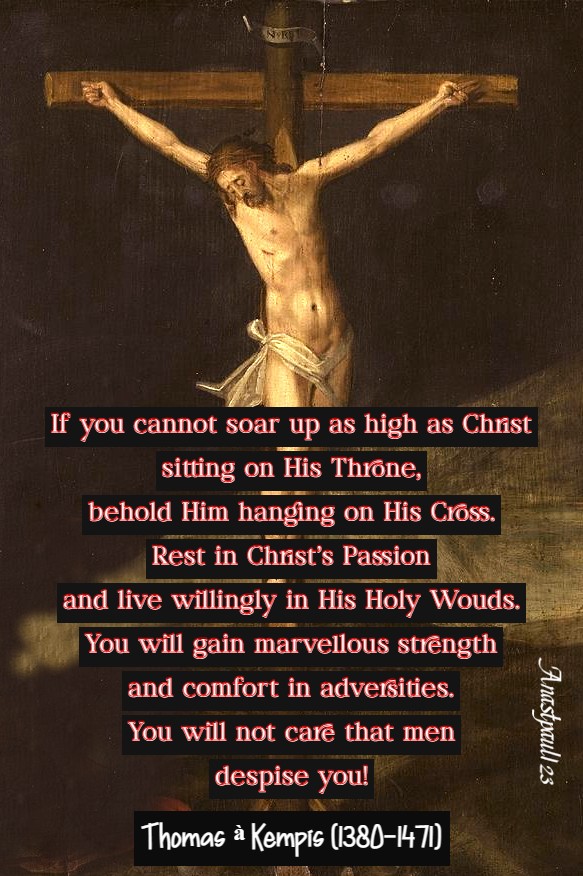
“If you cannot soar up as high as Christ sitting on His Throne, behold Him hanging on His Cross. Rest in Christ’s Passion and live willingly in His Holy Wounds. You will gain marvellous strength and comfort in adversities. You will not care that men despise you!”
Thomas à Kempis CRSA (1380-1471)
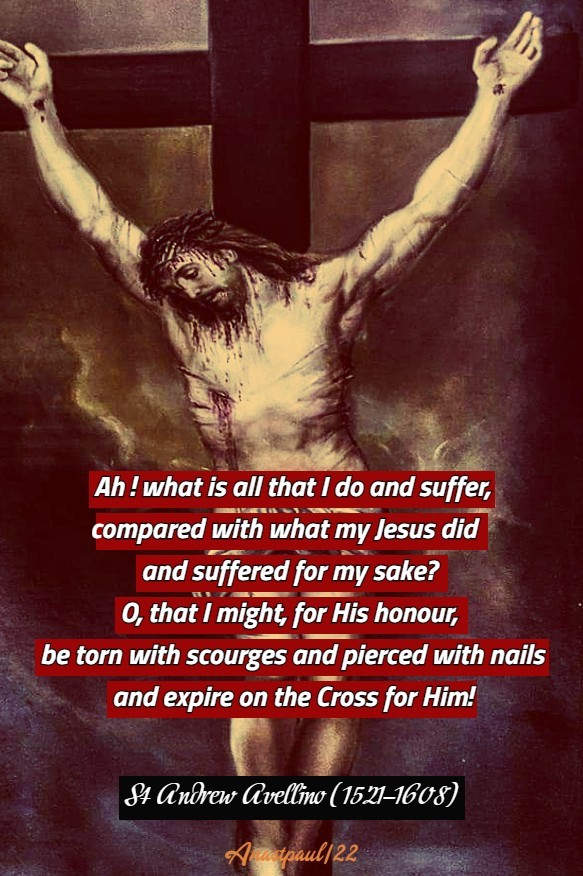
“Ah ! what is all that I do and suffer, compared with what my Jesus did and suffered for my sake? O, that I might, for His honour, be torn with scourges and pierced with nails and expire on the Cross for Him!”
St Andrew Avellino (1521–1608)
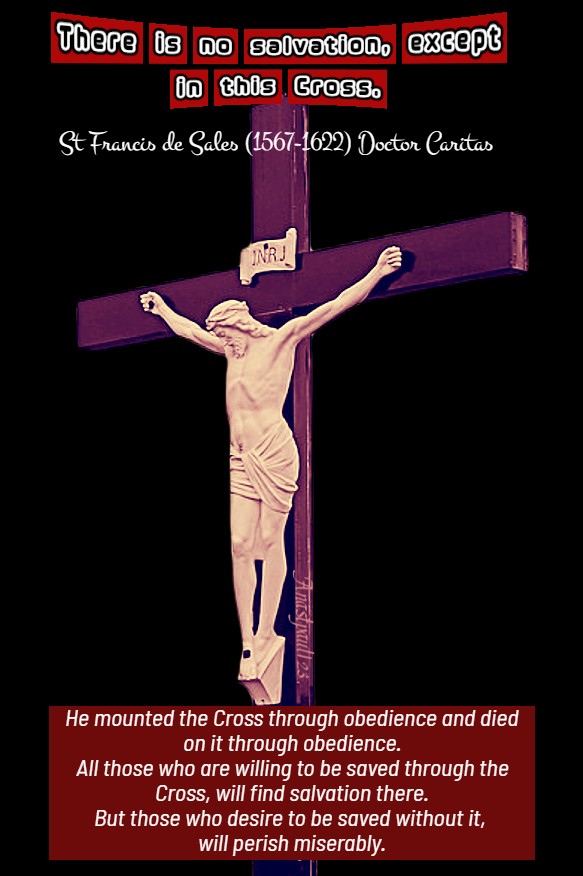
“He mounted the Cross through obedience and died on it through obedience. All those who are willing to be saved through the Cross, will find salvation there. But those, who desire to be saved without it, will perish miserably. There is no salvation, except in this Cross.”
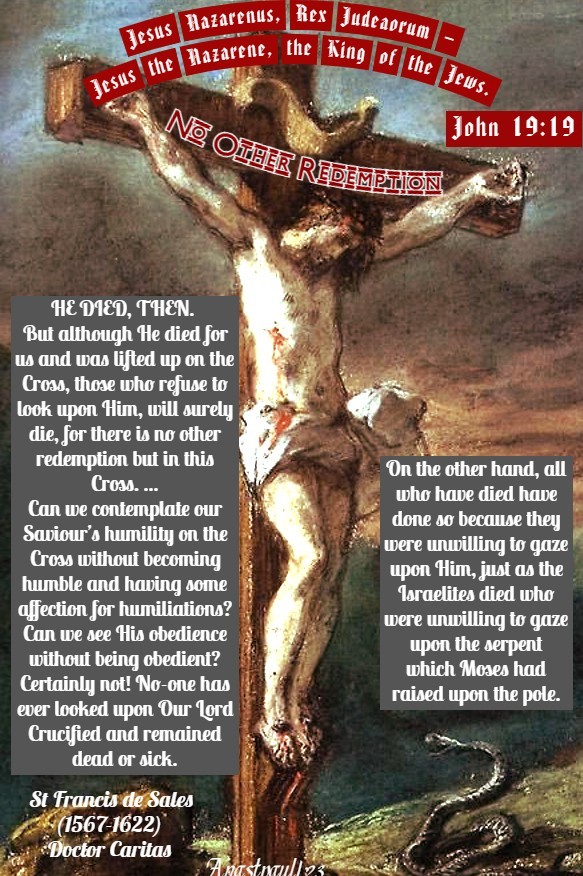
“Jesus Nazarenus, Rex Judeaorum – Jesus the Nazarene, the King of the Jews.” John 19:19
“HE DIED, THEN But although He died for us and was lifted up on the Cross, those who refuse to look upon Him, will surely die, for there is no other redemption but in this Cross.
O God, how spiritually beneficial and profitable is a consideration of Thy Cross and Passion! Can we contemplate our Saviour’s humility on the Cross, without becoming humble and, having some affection for humiliations? Can we see His obedience, without being obedient? Certainly not! No-one has ever looked upon Our Lord Crucified and remained dead or sick. On the other hand, all who have died, have done so because. they were unwilling to gaze upon Him, just as the Israelites died. who were unwilling to gaze upon the serpent which Moses had raised upon the pole.”
Quote/s of the Day – 21 May – “The Month of the Blessed Virgin Mary”
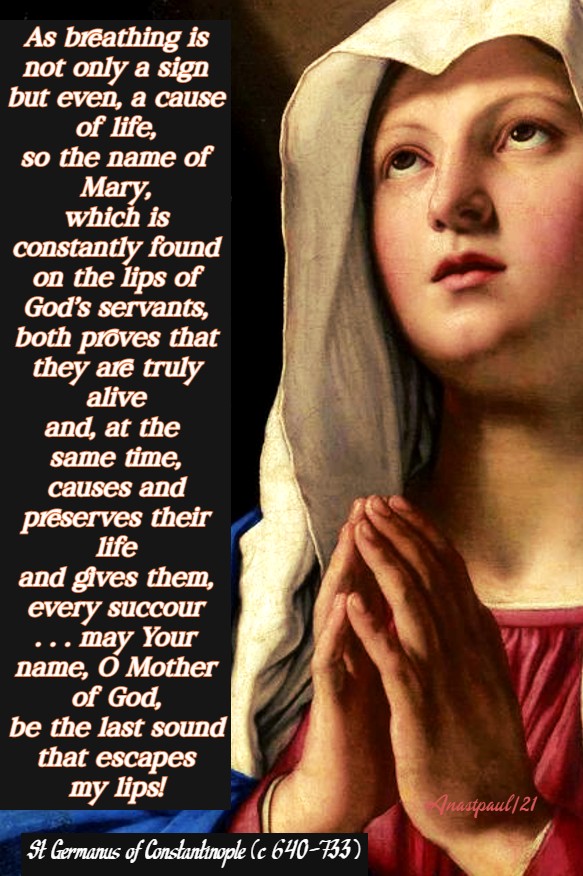
“As breathing is not only a sign but even, a cause of life, so the name of Mary, which is constantly found on the lips of God’s servants, both proves that they are truly alive and, at the same time, causes and preserves their life and gives them, every succour . . . may Your name, O Mother of God, be the last sound that escapes my lips!”
St Germanus of Constantinople (c 640-733)
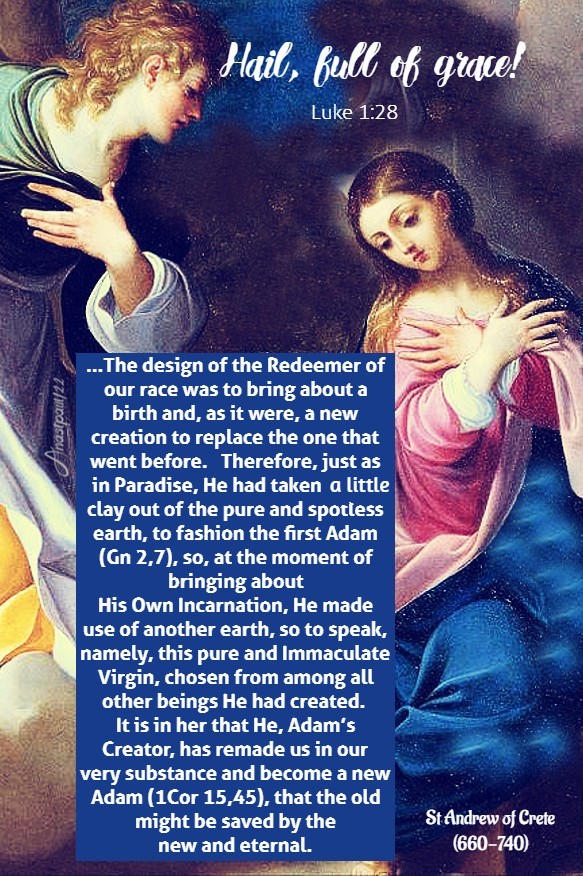
“… The design of the Redeemer of our race was to bring about a birth and, as it were, a new creation to replace the one that went before. Therefore, just as in Paradise, He had taken a little clay out of the pure and spotless earth, to fashion the first Adam (Gn 2,7), so, at the moment of bringing about His Own Incarnation, He made use of another earth, so to speak, namely, this Pure and Immaculate Virgin, chosen from among all other beings He had created. It is in her that He, Adam’s Creator, has remade us in our very substance and become a new Adam (1Cor 15,45) that the old might be saved by the new and eternal.”
St Andrew of Crete (660-740)
“There is no sinner in the world, however much at enmity with God, who cannot recover God’s grace by recourse to Mary and by asking her assistance.”
St Bridget of Sweden (1303-1373)
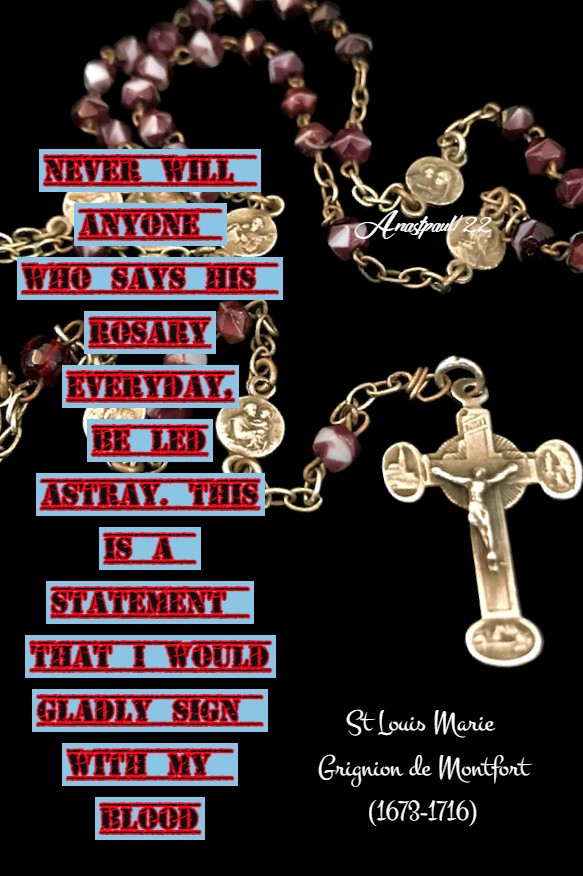
“Never will anyone who says his Rosary everyday, be led astray. This is a statement that I would gladly sign with my blood.”
One Minute Reflection – 7 April – Good Friday – The Passion of Our Lord Jesus Christ according to St John 18:1-40.19:1-42 – Scripture search here: https://www.drbo.org/
“And bearing His own Cross, He went forth to the place which is called Calvary but in Hebrew Golgotha.” – John 19:17
REFLECTION – “The people who sit in darkness have seen a great light; upon those who dwell in the land of gloom, a Light has shone” (Is 9:1), the Light of Redemption. When they saw that the tyrant, death, was wounded to death, this people came out from darkness to Light; from death they passed to Life.
The wood of the Cross bears Him Who made the universe. Undergoing death for my life, He Who bears the universe is fastened to the tree as one dead. He Who breathes Life into the dead, gives up the spirit on the tree. The Cross brings no shame to Him at all but, like a trophy, confirms His complete victory. Like a just Judge He is seated on the Throne of the Cross. The Crown of Thorns He wears on His brow, confirms His victory – “Take courage, I have conquered the world and the prince of this world, by taking away the sin of this world” (Jn 16:33; 1:29).
That the Cross stands for victory, the stones themselves cry out (cf Lk 19:40), those stones of Calvary where Adam, our forefather, was buried, according to an old tradition held by our fathers. “Adam, where are you?” (Gn 3:9), Christ cries out again from the Cross. “I am seeking for you there and, that I might find you, I stretched out my Hands on the Cross. I turn my outstretched Hands to the Father in thanksgiving for having found you, then I turn them also to you to welcome you. I have not come to judge your sin but to save you out of My Love for humankind (cf Jn 3,17). I have not come to curse you for your disobedience but to bless you, by My obedience. I will shelter you with My Wings, you will find refuge in My shade; My Faithfulness will cover you with the shield of the Cross and you will no more fear the terror of the night (cf Ps 90:1-5) because you will know day without setting (Wsd 7:10). I will seek out your life, concealed in darkness and the shadow of death (Lk 1:79). I will take no rest until, humbled and having descended even to hell to search for you, I have led you back to Heaven.” – St Germanus of Constantinople (c 640-733) Bishop, Father (In Domini corporis supulturam ; PG 98, 251-260).
PRAYER – Deliver us, we beseech Thee, O Lord, from all evils, past, present and to come and by the intercession of the blessed and glorious ever Virgin Mary, Mother of God and of the Holy Apostles, Peter and Paul and of all the Saints, mercifully grant peace in our days, that through the assistance of Thy mercy we may be always free from sin and secure from all disturbance. Through Jesus Christ, Thy Son our Lord, Who lives and reigns with Thee, in the unity of the Holy Ghost, God, world without end. Amen. Faithful Cross! above all other, One and only noble Tree! None in foliage, none in blossom, None in fruit thy peer may be. Sweetest wood and sweetest iron, Sweetest weight is hung on thee. (Antiphons).
Quote/s of the Day – 21 May – “The Month of the Blessed Virgin Mary” and Sanctae Mariae Sabbato, Mary’s Saturday
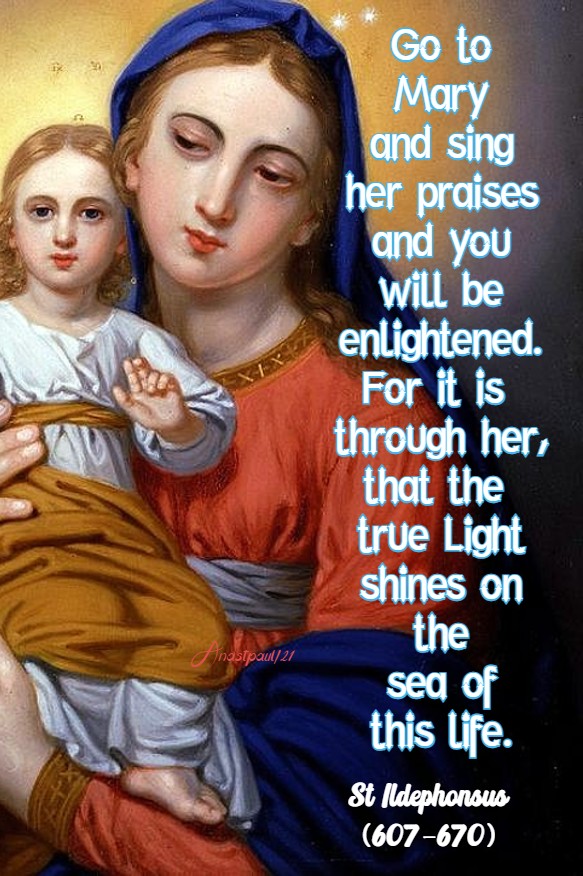
“Go to Mary and sing her praises and you will be enlightened. For it is through her, that the true Light shines on the sea of this life.”
St Ildephonsus (607-670)
“As breathing is not only a sign but even, a cause of life, so the name of Mary, which is constantly found on the lips of God’s servants, both proves that they are truly alive and, at the same time, causes and preserves their life and gives them, every succour . . . may Your name, O Mother of God, be the last sound that escapes my lips!”
St Germanus of Constantinople (c 640-733)
“We may seek graces but shall never find them without the intercession of Mary.”
St Cajetan (1480-1547)
“Do you not know, that not only is Jesus, resting and dwelling continually in the Heart of Mary but that He is, Himself the Heart of Mary … “
St John Eudes CO (1601-1680) Apostle of the Two Holy Hearts
St Crispoldus St Cyril of Galatz St Dedë Malaj St Diomma of Kildimo St Dionysius of Asia St Domingo de la Calzada / Dominic of the Causeway ((1019 – 1109) Priest, Hermit, Bridge Builder St Ejëll Deda St Ephrem of Jerusalem
Blessed Joanna of Portugal OP (1452-1490) Religious of the Second Order of St Dominic, Virgin, Princess of Portugal of the House of Aviz, daughter of King Afonso V of Portugal and his first wife Isabella of Coimbra, Penitent. About Blessed Joanna whom the Portuguese called “Saint Princess Joanna”: https://anastpaul.com/2020/05/12/saint-of-the-day-12-may-blessed-joanna-of-portugal-1452-1490/
Bl Juan de Segalars St Lucien Galan
St Maria Domenica Mazzarello
St Modoald of Trier St Palladius of Rome St Philip of Agira St Richrudis of Marchiennes St Theodora of Terracina St Thomas Khampheuane Inthirath
Our Morning Offering – 5 December – The Second Sunday of Advent
A Great and Mighty Wonder By St Germanus (c 640-c 733)
A great and mighty wonder, a glorious mystery, a Virgin bears an Infant who veils His Deity. Refrain: Proclaim the Saviour’s birth, “To God on high be glory and peace to all the earth!” The Word becomes incarnate and yet remains on high, and Cherubim sing anthems to shepherds from the sky. … [Refrain] While thus they sing your monarch, those bright angelic bands, rejoice, O vales and mountains and oceans, clap your hands. [Refrain] Since all, He comes to ransom, by all, be He adored, the Infant born in Bethl’em, the Saviour and the Lord. [Refrain] All idols then shall perish and Satan’s lying cease, and Christ shall raise his sceptre, decreeing endless peace. [Refrain]
St Germanus was one of the Greek hymnwriters and one of the grandest among the defenders of the Icons. He was born at Constantinople of a patrician family, was ordained there and became subsequently Bishop of Cyzicus. He was present at the Synod of Constantinople in 712, which restored the Monothelite heresy but in after years he condemned it. He was made Archbishop of Constantinople in 715. In 730 he was driven from the See, not without blows, for refusing to yield to the Iconoclastic Emperor Leo the Isaurian. He died shortly afterwards in exile at a good old age. His Life below: https://anastpaul.com/2021/05/12/saint-of-the-day-12-may-saint-germanus-of-constantinople-c-640-733/
Quote/s of the Day – 12 September – Feast of the Holy Name of Mary
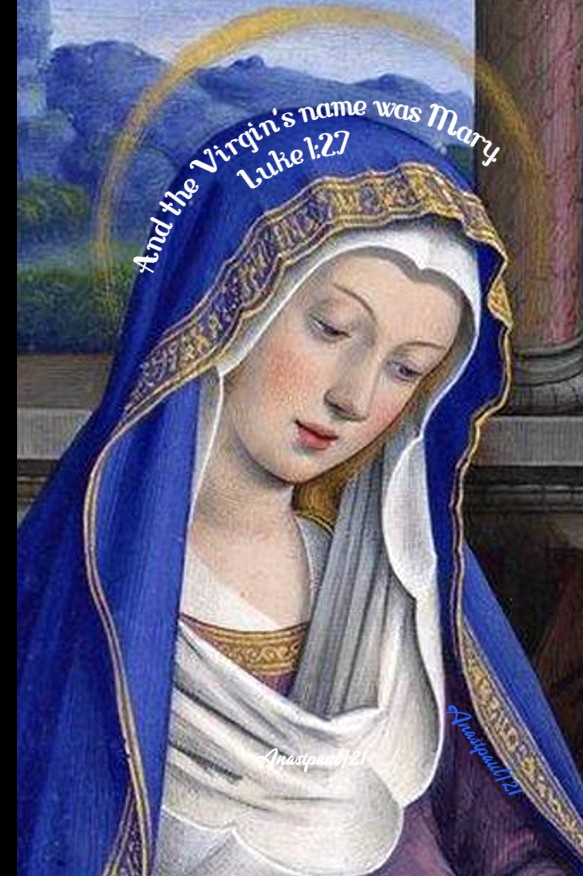
“And the Virgin’s name was Mary.”
Luke 1:27
“As breathing is not only a sign but even, a cause of life, so the name of Mary, which is constantly found on the lips of God’s servants, both proves that they are truly alive and, at the same time, causes and preserves their life and gives them, every succour . . . may Your name, O Mother of God, be the last sound that escapes my lips!”
St Germanus of Constantinople (c 640-733)
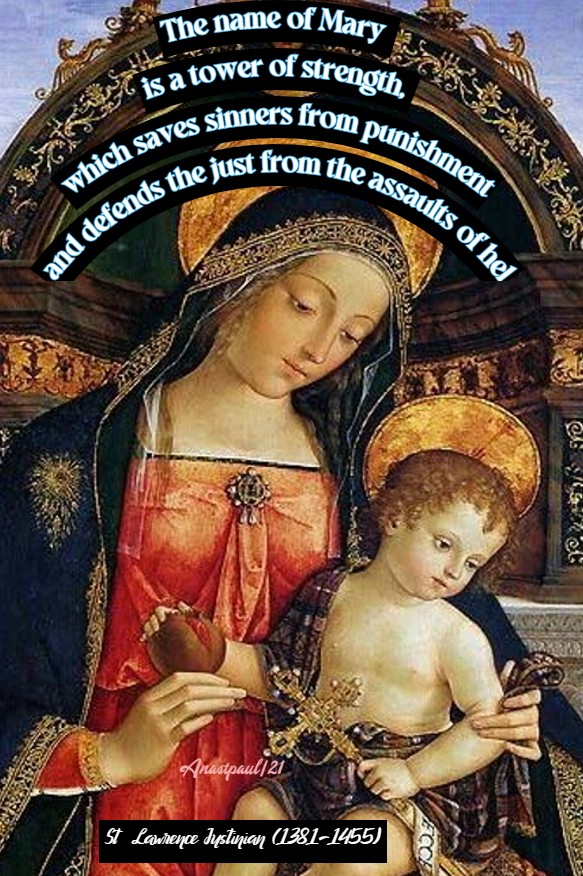
“The name of Mary is a tower of strength, which saves sinners from punishment and defends the just from the assaults of hell.”
St Lawrence Justinian (1381-1455)
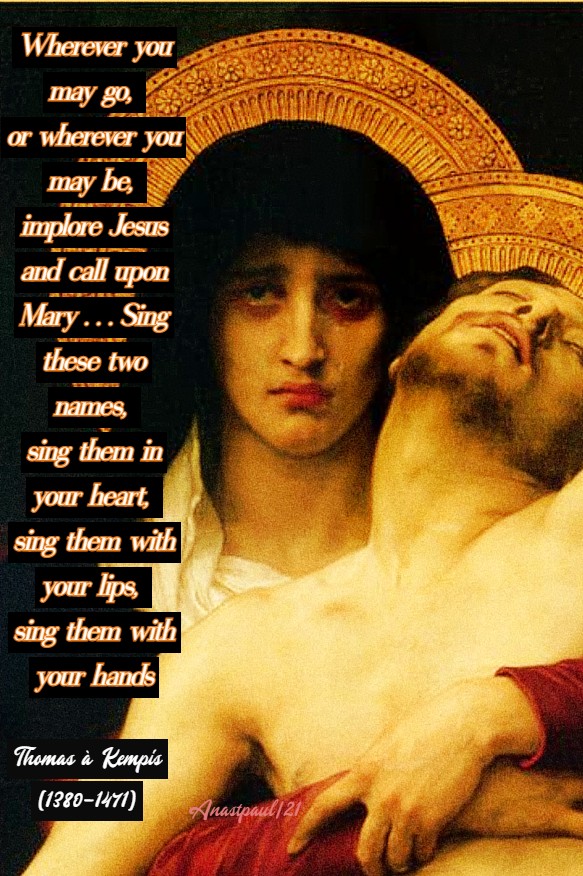
“Wherever you may go, or wherever you may be, implore Jesus and call upon Mary . . . Sing these two names, sing them in your heart, sing them with your lips, sing them with your hands.”
Our Morning Offering – 14 May – “Mary’s Month” – Feast of St Matthias Apostle
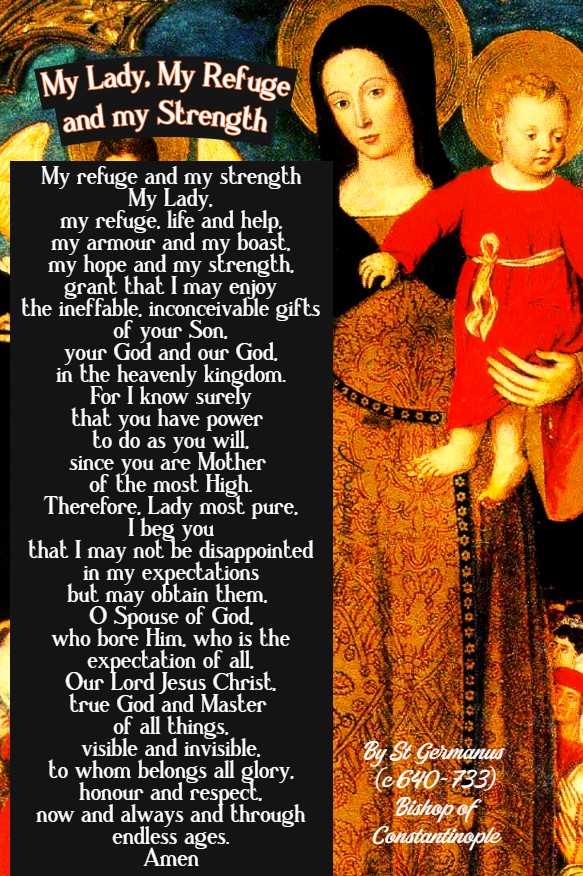
My Lady, My Refuge and my Strength By St Germanus (c 640- 733) Bishop of Constantinople Defender of the Faith Defender of Sacred Images
My refuge and my strength My Lady, my refuge, life and help, my armour and my boast, my hope and my strength, grant that I may enjoy the ineffable, inconceivable gifts of your Son, your God and our God, in the heavenly kingdom. For I know surely that you have power to do as you will, since you are Mother of the most High. Therefore, Lady most pure, I beg you that I may not be disappointed in my expectations but may obtain them, O Spouse of God, who bore Him, who is the expectation of all, Our Lord Jesus Christ, true God and Master of all things, visible and invisible, to whom belongs all glory, honour and respect, now and always and through endless ages. Amen
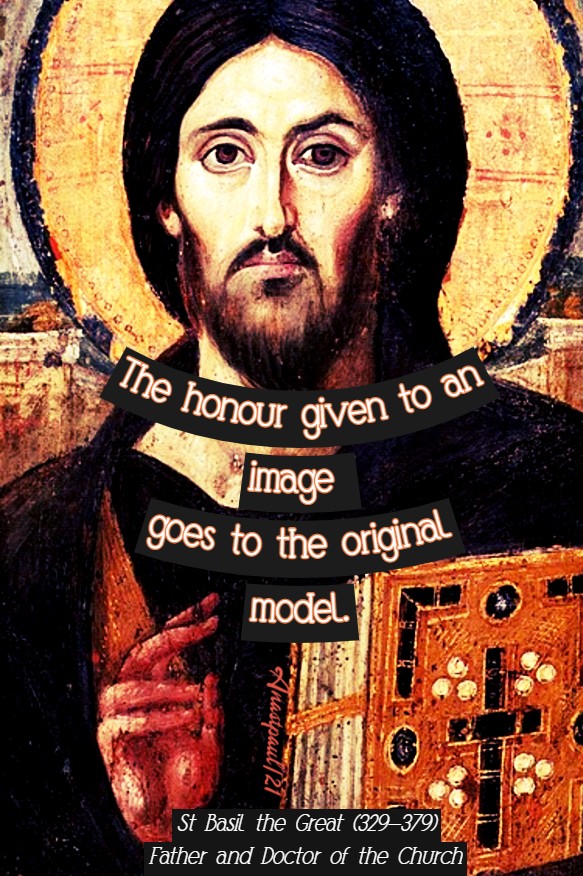
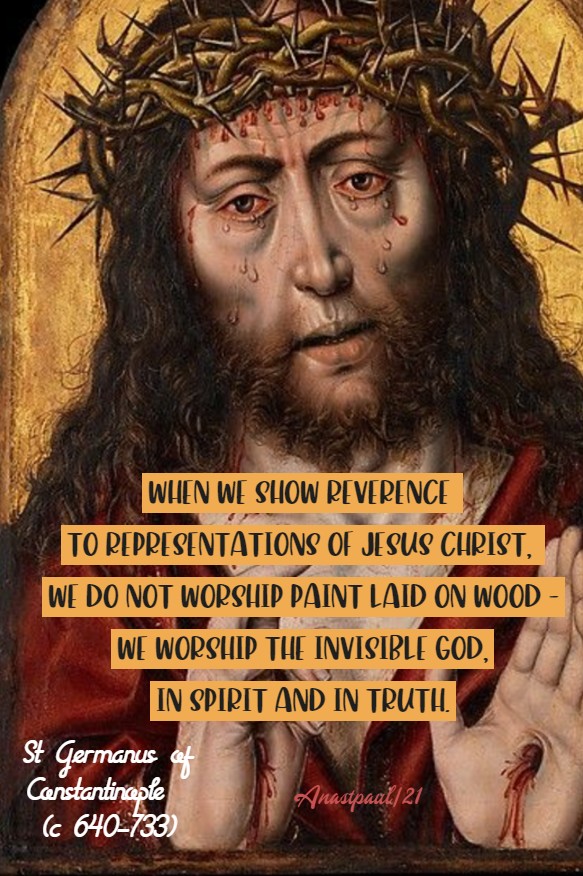
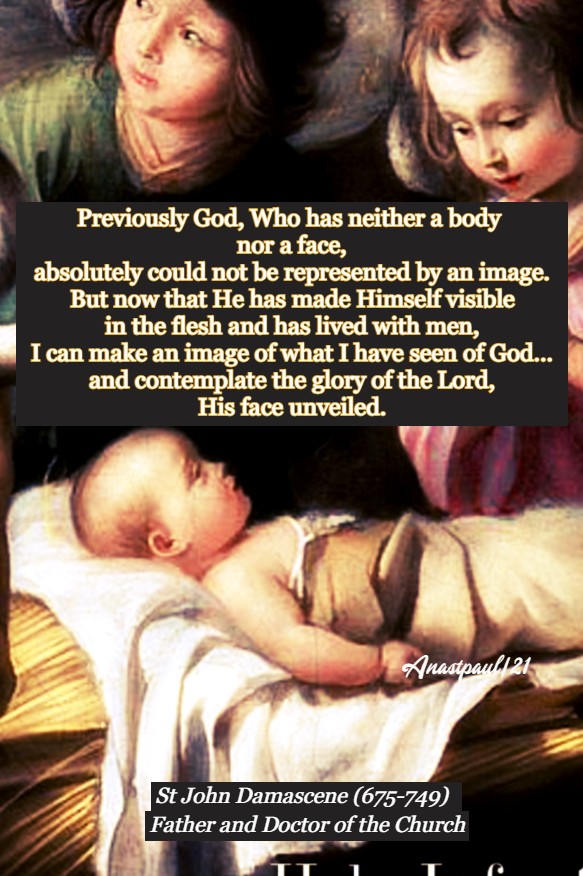
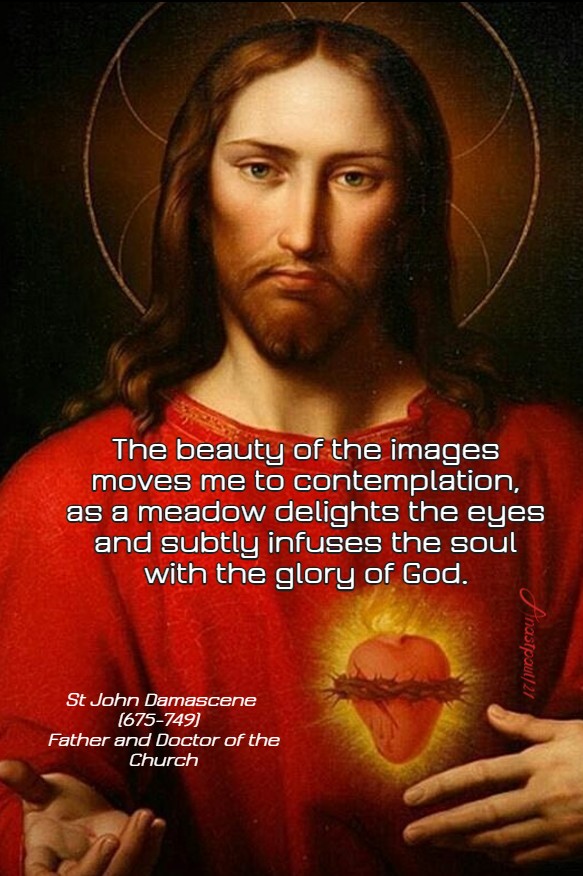
Quote/s of the Day – 12 May – The Memorial of St Germanus of Constantinople (c 640-733) Defender of Sacred Images
“The honour given to an image goes to the original model.”
St Basil the Great (329-379 Father and Doctor of the Church
“When we show reverence to representations of Jesus Christ, we do not worship paint laid on wood – we worship the invisible God, in spirit and in truth.”
St Germanus of Constantinople (c 640-733)
“Previously God, Who has neither a body nor a face, absolutely could not be represented by an image. But now that He has made Himself visible in the flesh and has lived with men, I can make an image of what I have seen of God… and contemplate the glory of the Lord, His face unveiled.”
“The beauty of the images moves me to contemplation, as a meadow delights the eyes and subtly infuses the soul with the glory of God.”
St John Damascene (675-749) Father and Doctor of the Church
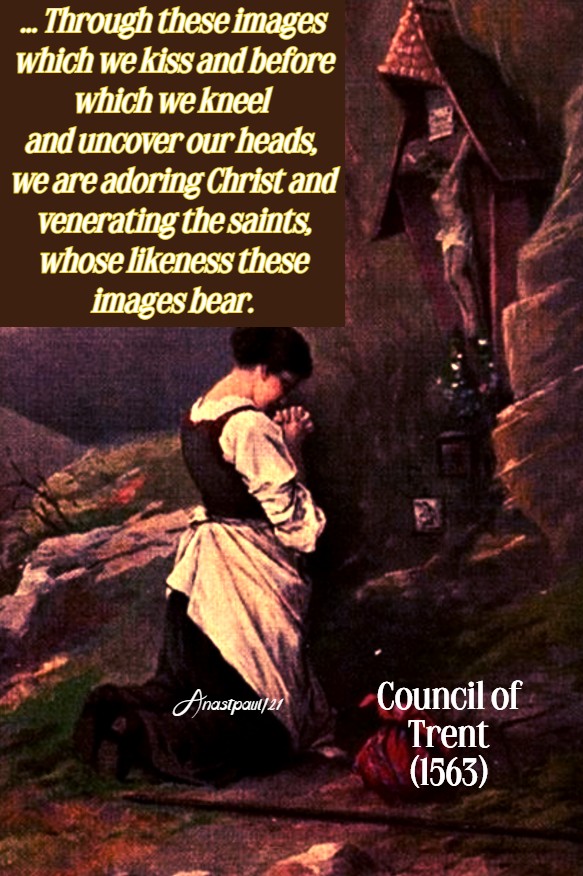
“… Through these images which we kiss and before which we kneel and uncover our heads, we are adoring Christ and venerating the saints, whose likeness these images bear.”
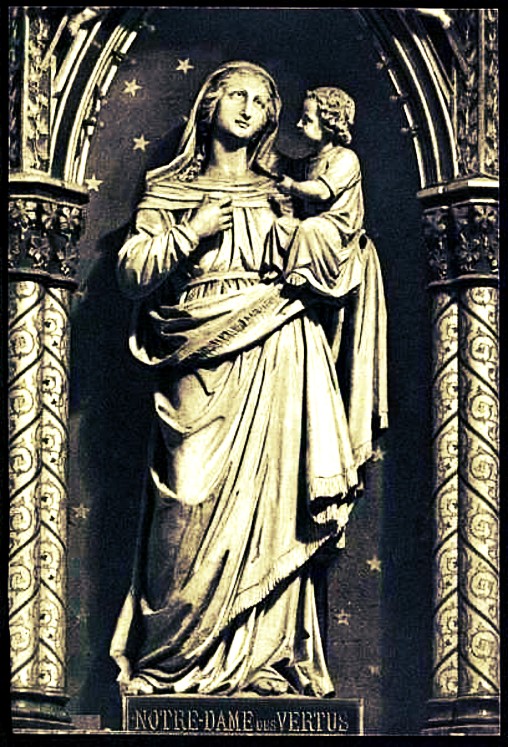
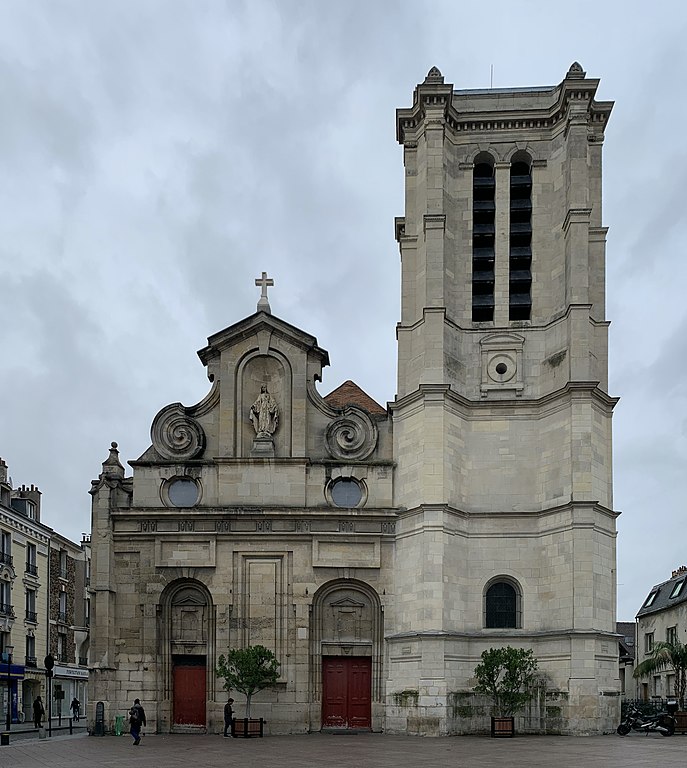
Notre-Dame-des-Vertus / Our Lady of Power, Aubervilliers, France(1336) – 12 May:
The Abbot Orsini wrote: “This image has wrought so many miracles in this Church, that it is called Our Lady of Power, though the Church is dedicated to Saint Christopher.”
Known now as Notre-Dame-des-Vertus, this is the 14th century Church in Aubervilliers that is the very location that experienced so many miracles during the Middle Ages. As noted by the Abbot Orsini, the Church was originally dedicated to Saint Christopher, yet the name soon changed to honour the Mother of God, in recognition of the graces and miracles obtained there due to the intercession of the Blessed Virgin Mary. The Parish had been built around the Saint Christopher Chapel and after whom the road leading to the Church is named. The first miracle occurred on 14 May 1336 and is known locally as the Miracle of Rain. It was during a time of terrible drought when a small girl entered the Church of Saint Christopher with flowers to adorn the Statue of the Blessed Virgin Mary. While praying that Our Lady would send rain to save the crops, the girl suddenly noticed, that the Statue had become covered, with what appeared to be drops of sweat and the sky turned dark, as the weather began to turn.
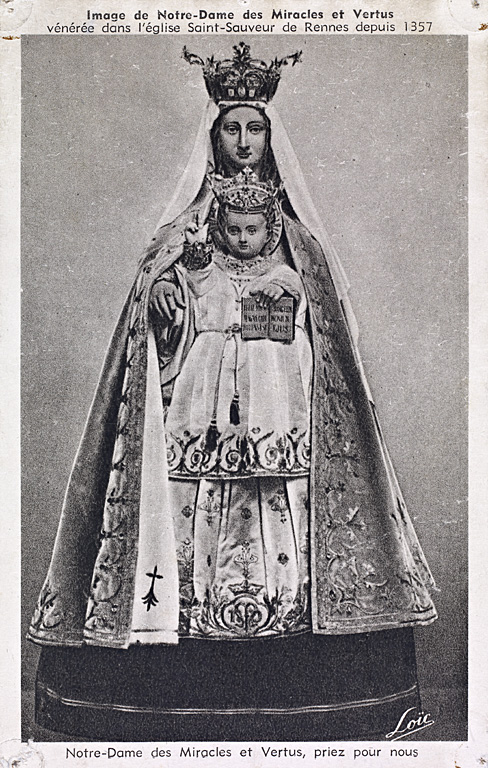
This, I believe, is a Holy Card of the original Statue which was desecrated during the French Revolution
The inhabitants of the Parish flocked to the Church, alerted by the sound of the Church bell, to see the wonder and give thanks to God for this miracle. This was but the beginning of the pilgrimages to the Church that began almost immediately, especially from the Parishes of Paris. These pilgrimages were encouraged by the authorities of the Church, as well as by the example of the many distinguished visitors and the continued occurrences of many other miracles over the following centuries. These miracles included many cures, as well as the miracles of two children who were brought back to life. Kings and Queens were among the many pilgrims who came during the Middle Ages, including King Louis XIII, who came to pray for the capture of Rochelle. The Archbishop of Paris confirmed the celebration of the festival on the second Tuesday of May, which is the month of Mary. After all these miracles, the Chapel was far too small to contain the influx of pilgrims, in particular the processions coming from Paris to the Basilica that stopped at the miraculous little Chapel on their way.
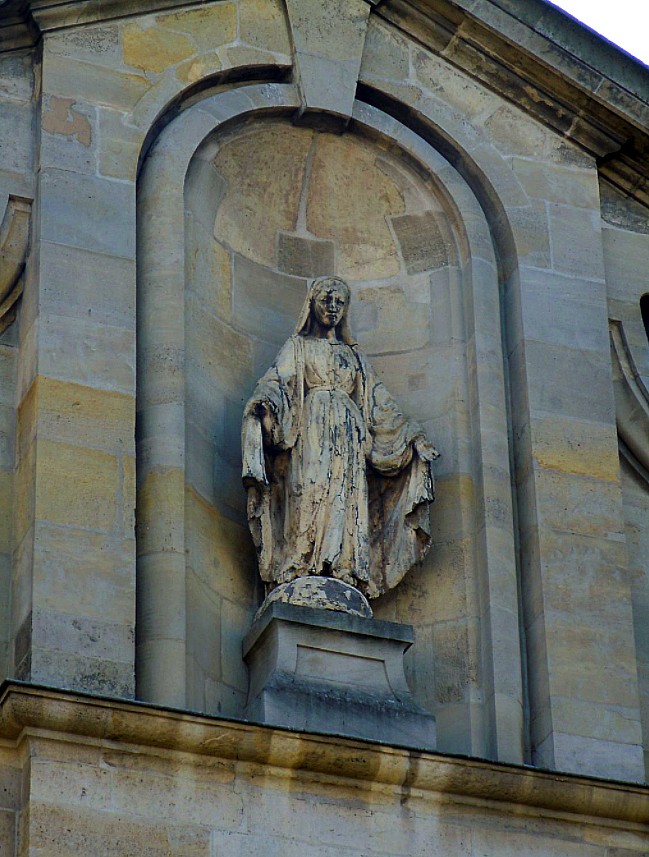
This is our Blessed Lady on the Facade
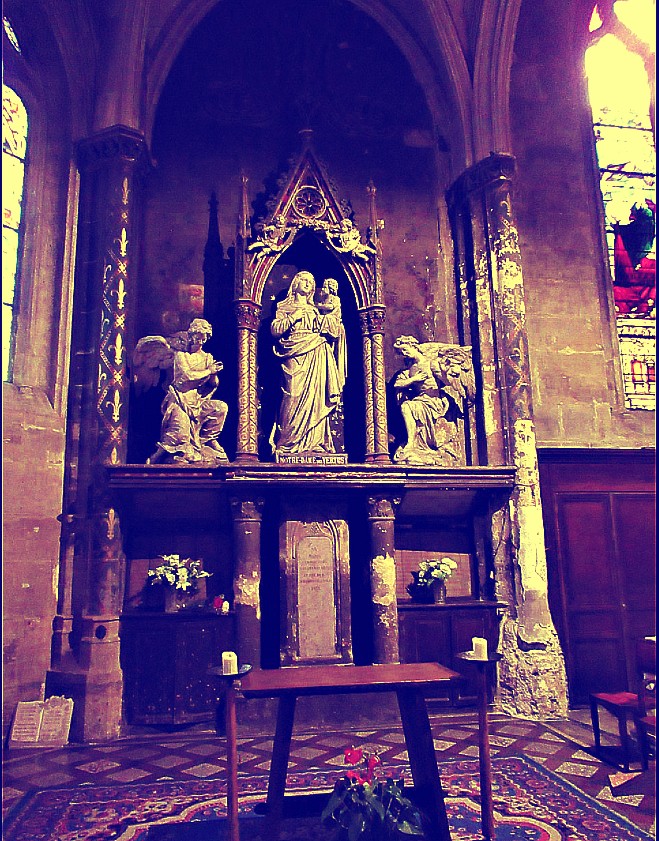
The small Sanctuary was later replaced by a more imposing Church whose construction began in the fifteenth century. Particularly remarkable are the stained glass windows that adorn the Church and remind the visitor of the extraordinary history of this place, for they relate to the many different miracles performed by the Blessed Virgin in the Chapel, of which there were many. Virtually every great Saint is depicted in these windows too – if you wish to see them, although they are not professional photographs, go here: https://www.tripadvisor.com/Attraction_Review-g3347617-d10980848-Reviews-Eglise_Notre_Dame_des_Vertus- There are numerous Statues and Altars of the Blessed Virgin in the Sanctuary, all of them highly venerated by pilgrims.
During the French revolution, in 1789, the Statue of the miraculous Virgin was profaned. It was dragged on the road leading to Saint Denis with a rope around its neck; the Sans-Culottes movement burned it singing the French song “Carmagnole et Ah! Ca ira!” proof of the Satanic roots of the French Revolution. One of her hands was saved from the flames and was preserved. The present Statue of the Virgin, located in the left Chapel, was sculpted in wood by Baffet House in 1873. It is a copy of an ancient Statue found that year in the Chapel Saint-Julien-Le-Pauvre at Hotel-Dieu. It was inserted into a Neo Gothic frame, flanked by two angels holding phylacteries, (a coiled-end speech scroll bearing legends) which recall the miracle in 1582 when the Virgin restored a stillborn child to life.
St Pancras of Rome (c 289 – c 303) Martyr Child of 14, Roman Convert (Optional Memorial) Biography: https://anastpaul.com/2017/05/12/saint-of-the-day-st-pancras/ — St Crispoldus St Cyril of Galatz St Dedë Malaj St Diomma of Kildimo St Dionysius of Asia St Dominic de la Calzada St Ejëll Deda St Ephrem of Jerusalem
St Erc Nasca of Tullylish St Ethelhard of Canterbury St Euphrosyna of Terracina Bl Francis Patrizzi of Siena Bl Gemma of Goriano St Germanus of Constantinople (c 640-733) Bishop
Blessed Joanna of Portugal OP (1452-1490) Religious of the Second Order of St Dominic, Virgin, Princess of Portugal of the House of Aviz, daughter of King Afonso V of Portugal and his first wife Isabella of Coimbra, Penitent. About Blessed Joanna whom the Portuguese called “Saint Princess Joanna”: https://anastpaul.com/2020/05/12/saint-of-the-day-12-may-blessed-joanna-of-portugal-1452-1490/
Bl Juan de Segalars St Lucien Galan
St Maria Domenica Mazzarello
St Modoald of Trier St Palladius of Rome St Philip of Agira St Richrudis of Marchiennes St Theodora of Terracina St Thomas Khampheuane Inthirath
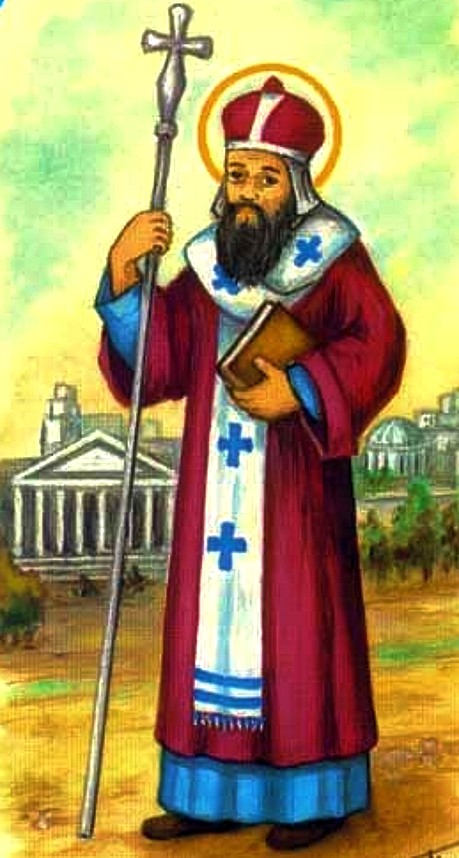
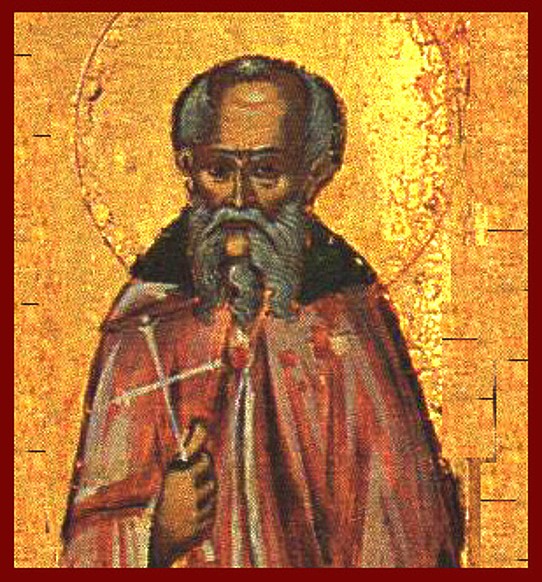
Saint of the Day – 12 May – Saint Germanus of Constantinople (c 640-733) Bishop of Constantinople from 715 to 730, Defender of the Doctrine of the Church both against Monothelitism and Iconoclasm, Poet, Hymnist, Spiritual writer, some of his works being used and quoted still today. Born in c 640 in Constantinople and died on 12 May 733 at Platonium of natural causes at an advanced age. Tradition depicts Germanus as much more determined in his position, even winning a debate on the matter with Constantine, Bishop of Nacoleia, a leading Iconoclast. Pope Gregory II (term 715-731), a fellow Iconodule, praised Germanus’ “zeal and steadfastness.“
The Roman Martyrology includes him today and states: “At Constantinople, Saint Germanus, a Bishop distinguished by virtues and learning, who, with great courage, reprehended Leo the Isaurian, for promulgating an edict against holy images.”
The son of Justinianus, a patrician, Germanus dedicated himself to the service of the Church and became a Priest at the Cathedral of the City. Some time after the death of his father, who had filled various high official positions, Germanus was Consecrated Bishop of Cyzicus but the exact year of his elevation is not known.
According to St Theophanes (c 75- 817/818), he was present in this capacity at the Synod of Constantinople held in 712 at the insistence of the new Emperor, Philippicus, who favoured Monothelitism. The object of the Council was to re-establish Monothelitism and to condemn the Acts of the Sixth General Council of 681. Even Germanus is said to have bowed to the imperial will, with the majority of the Greek Bishops. However, immediately after the dethronement of Emperor Philippicus (713) his successor, Anastasius II, restored orthodoxy and Monothelitism was now definitively banished from the Byzantine Empire. If Germanus really had yielded for a short time to the false teachings of the Monothelites (though this is very doubtful), he now once more acknowledged the orthodox definition of the two wills in Christ.
When the Bishop of Constantinople died, Germanus was raised to the patriarchal see (715), which he held until 730. Immediately (715 or 716), he convened, a Synod of Greek Bishops, who acknowledged and proclaimed anew the Doctrine of the two wills and the two operations in Christ and placed under anathema, Sergius, Cyrus and the other leaders of Monothelitism. Germanus entered into communication with the Armenian Monophysites, with a view to restoring them to unity with the Church but without success. Soon after his elevation to the ecclesiastical dignity the Iconoclastic storm burst forth in the Byzantine Church, Bishop Constantine of Nacoleia in Phrygia, who, like some other Bishops of the Empire, condemned the veneration of the images of Christ and the Saints, went to Constantinople and entered into a discussion with Germanus on the subject.
Germanus represented the traditional use of the Church and sought to convince Constantine of the propriety of reverencing images. Apparently he was converted to the teaching of the Germanus but he did not deliver the letter entrusted to him, by Germanus to the Metropolitan of Synnada, for which he was excommunicated.
At the same time the learned Bishop wrote to Bishop Thomas of Claudiopolis, another Iconoclast and developed in detail the sound principles underlying the reverencing of images, as against the recent innovations. Emperor Leo III, however, did not recede from his position and everywhere encouraged the iconoclasts. In a volcanic eruption between the islands of Thera and Therasia, Leo saw a Divine judgement for the idolatry of image- worship and in an edict (726) explained that Christian images had taken the place of idols and the venerators of images were idolaters, since, according to the law of God (Exodus 20:4), no product of the hand of man may be adored.
Immediately afterwards, the first Iconoclastic disturbances erupted in Constantinople. Germanus vigorously opposed the Emperor and sought to convert him to a truer view of things, whereupon Leo attempted to depose him.
In 722) Leo issued a series of edicts against the worship of images (726–729). A letter by Germanus written before 726 to two Iconoclast Bishops, says that “now whole towns and multitudes of people are in considerable agitation over this matter” but we have very little evidence as to the growth of the debate. Germanus turned to Pope Gregory II (729), who in a lengthy epistle praised his zeal and steadfastness. The Emperor in 730 summoned the Council before which Germanus was cited, to subscribe to an imperial decree prohibiting images. He resolutely refused and was thereupon, compelled to resign his Bishopric, being succeeded by the pliant Anastasius.
Germanus withdrew to the home of his family, where he died some years later at an advanced age. in 733. The Ecumenical Council of Nicaea (787) bestowed high praise on Germanus and included hims in the diptychs of the Saints. He is venerated as a Saint in both the Greek and the Latin Church. His feast is celebrated today, 12 May.
Several writings of Germanus have been preserved,“Narratio de sanctis synodis,” a dialogue “De vitae termino,” a letter to the Armenians and three letters on the reverencing of images, as well as nine discourses. The “Historia ecclesiastica et mystica,” also attributed to him – was a popular work in Greek and Latin translations, for many centuries
Pope Pius XII included one of his texts in the Apostolic Constitution proclaiming Mary’s Assumption into Heaven, a Dogma of the Church.
Among his writings was the hymn translated by John Mason Neale as “A Great and Mighty Wonder,”although Neale misattributed this to Anatolius of Constantinople.
Our Morning Offering – 15 May – “Mary’s Month” – Friday of the Fifth Week of Easter
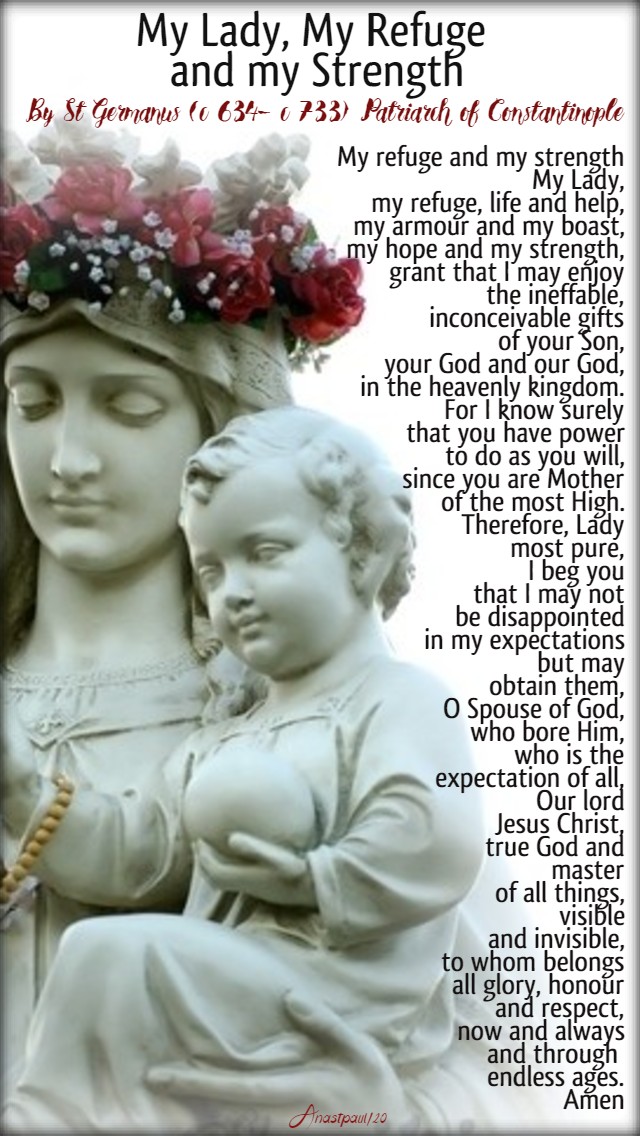
My Lady, My Refuge and my Strength By St Germanus (c 634- c 733) Patriarch of Constantinople
My refuge and my strength
My Lady,
my refuge, life and help,
my armour and my boast,
my hope and my strength,
grant that I may enjoy
the ineffable, inconceivable gifts of your Son,
your God and our God,
in the heavenly kingdom.
For I know surely
that you have power to do as you will,
since you are Mother of the most High.
Therefore, Lady most pure,
I beg you
that I may not be disappointed in my expectations
but may obtain them, O Spouse of God,
who bore Him, who is the expectation of all,
Our lord Jesus Christ,
true God and master of all things,
visible and invisible,
to whom belongs all glory, honour and respect,
now and always and through endless ages.
Amen













 AnaStpaul
You must be logged in to post a comment.