St Romuald (c 951-1027) Monk, Abbot, Ascetic, Founder of the Camaldolese Order and a major figure in the Eleventh-Century “Renaissance of eremitical asceticism.” His Feast Day is today and was thus from 1595. It was changed to 19 June in 1969 after Vatican II. St Romuald’s body is incorrupt. St Romuald’s Life: https://anastpaul.com/2018/06/19/saint-of-the-day-19-june-st-romuald-c-951-1027/
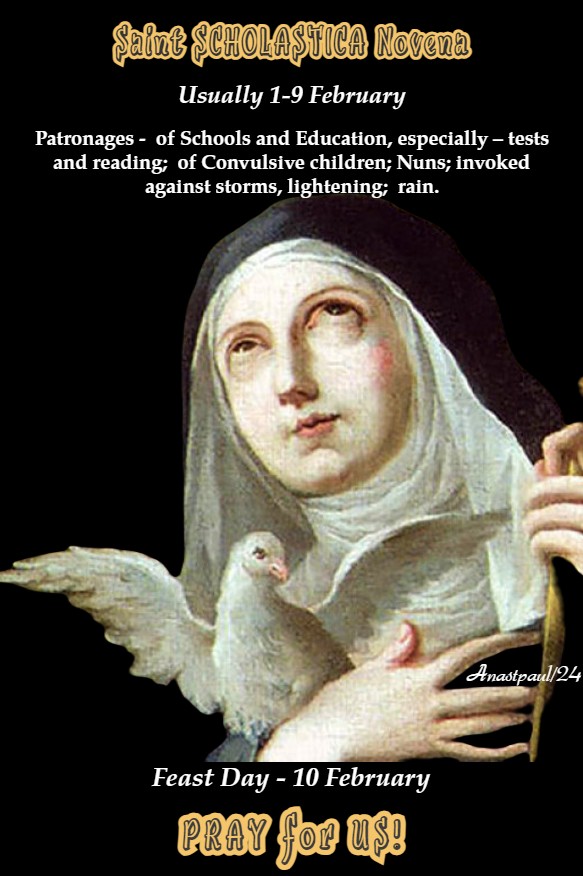
St Scholastica Novena – THE SEVENTH DAYA: CLICK THE LINK BELOW: St Scholastica Novena
St Adaucus of Phrygia St Amulwinus of Lobbes St Anatolius of Cahors Bl Anselmo Polanco Bl Anthony of Stroncone
St Augulus St Chrysolius of Armenia St Fidelis of Merida Blessed Jacques Salès SJ (1556-1593) + Priest Martyr St John of Triora St Juliana of Bologna
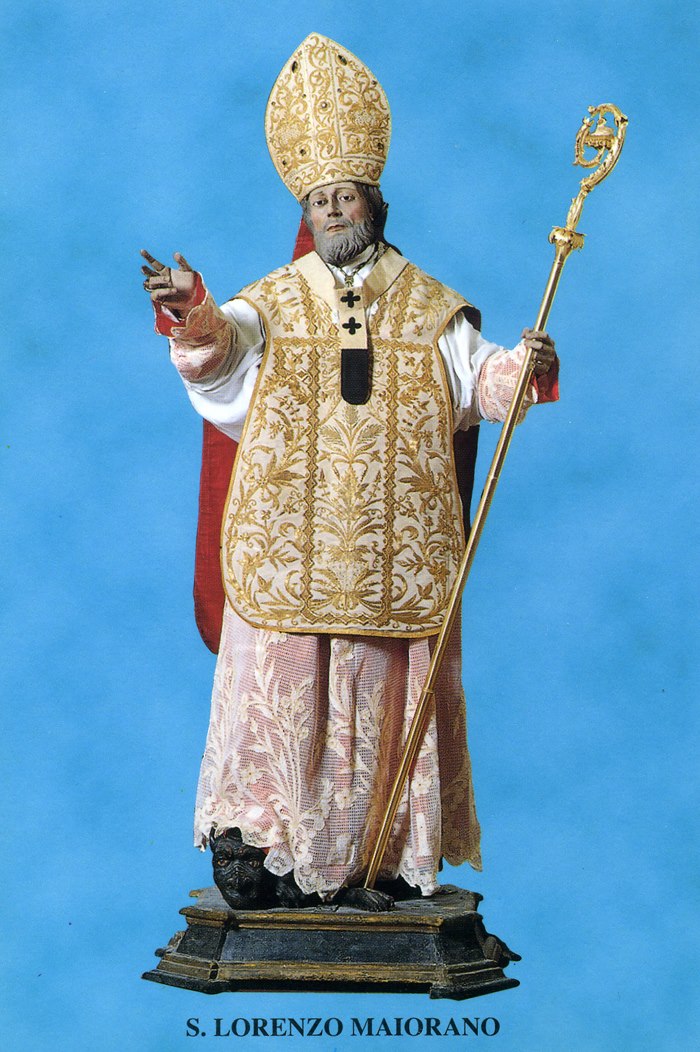
St Lorenzo Maiorano (Died 545) Bishop of Siponto, Italy, Miracle-worker gifted with Prophecy and visions. Collaborator with St Michael in the Apparition at Gargano, known as “The Defender of the People.” St Lorenzo is also called the “Patron saint of Foreigners” by the citizens of Siponto, having been a foreigner himself. His Life: https://anastpaul.com/2023/02/07/saint-of-the-day-7-february-saint-lorenzo-maiorano-died-545-bishop/
St Luke the Younger
Blessed Mary of Providence/Eugénie Smet HHS (1825-1871) Nun and Founder of the Society of the Helpers of the Holy Souls. Her apostolate has spread throughout the world – now in 24 countries and continues to minister to the Souls in the Body of Christ — both those on earth and those who have departed this world. Beatified in Rome on 26 May 1957 by Pope Pius XII. Biography: https://anastpaul.com/2021/02/07/saint-of-the-day-7-february-blessed-mary-of-providence-hhs-1825-1871/
St Maximus of Nola St Meldon of Péronne St Moses the Hermit Bishop St Parthenius of Lampsacus
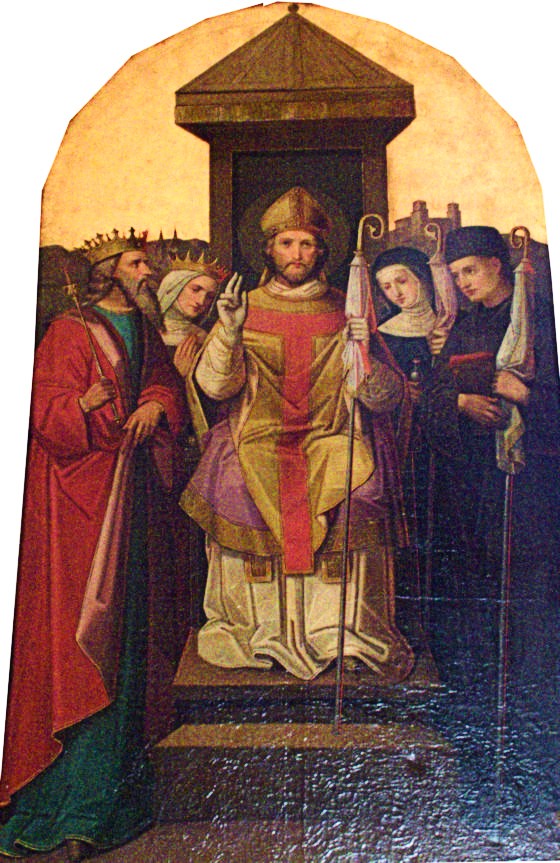
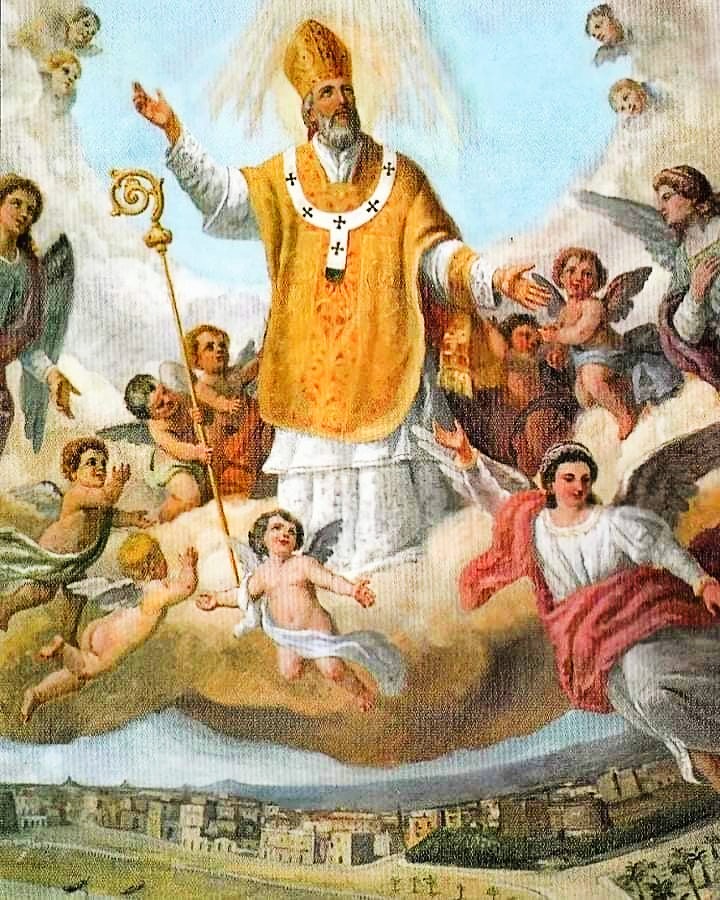
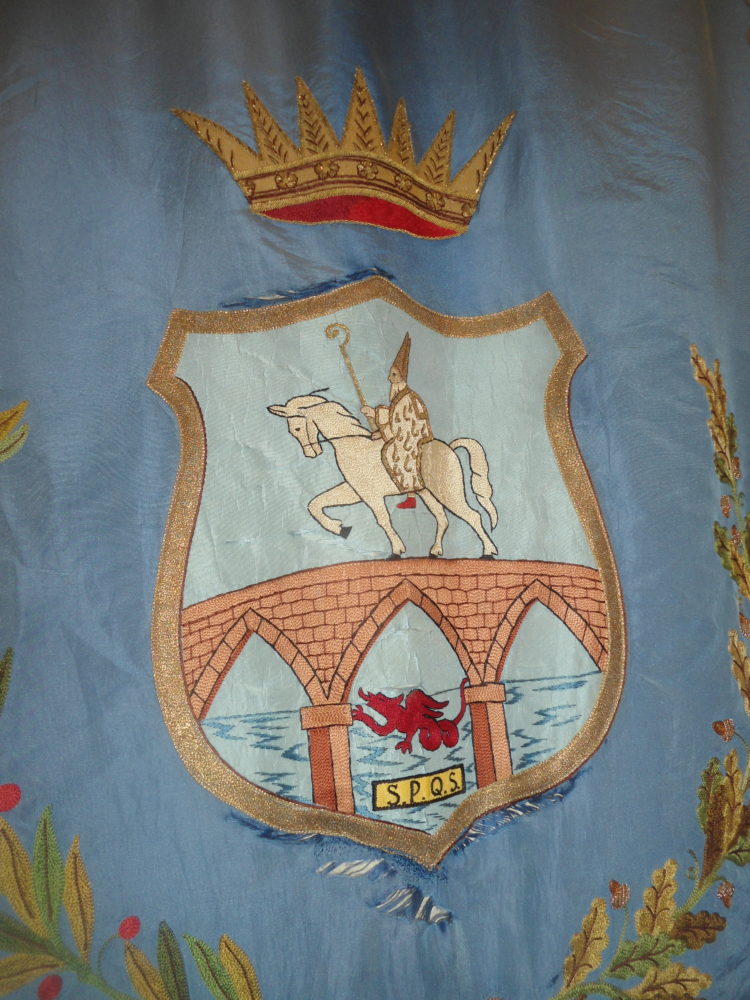
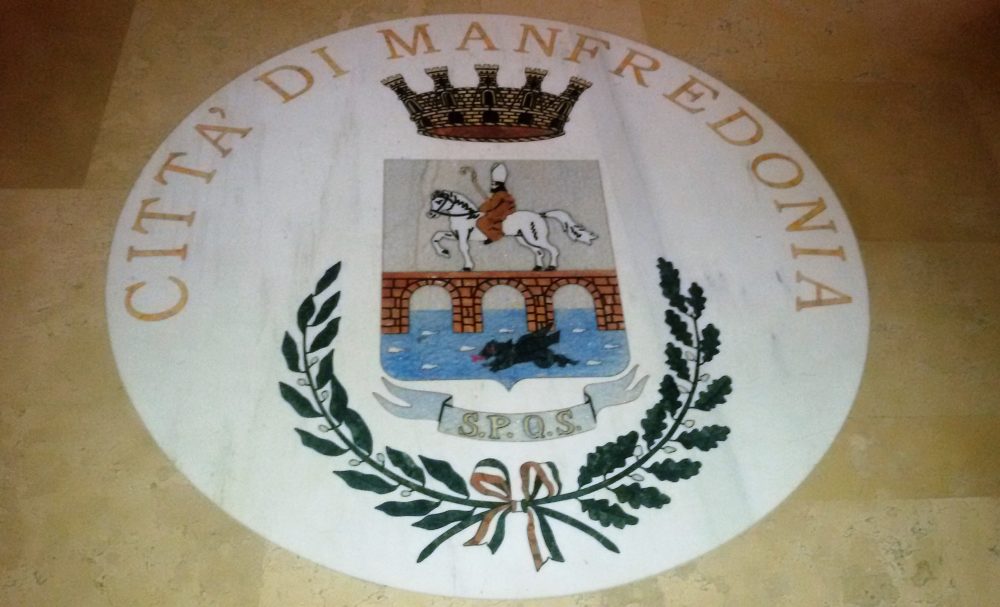
Saint of the Day – 7 February – Saint Lorenzo Maiorano (Died 545) Bishop of Siponto in Italy, Miracle-worker gifted with Prophecy and visions. Collaborator with St Michael in the Apparition at Gargano, known as “The Defender of the People.” Born in Constantinople in the 5th Century and died on 7 February 545 in Siponto, Italy. Patronages – of the City and Archdiocese of Manfredonia, he is the Co-patron with St Philip Neri and Our Lady of Siponto. St Lorenzo is also called the “Patron Saint of Foreigners” by the citizens of Siponto, having been a foreigner himself. Also known as – “The Defender of the People.” Lawrence Majoranus, Lawrence of Siponto, Lorenzo of Siponto, Laurence, Patron of Foreigners.
it is agreed that Lorenzo Maiorano was originally from the East, more precisely, from Constantinople, the seat of the Byzantine Empire.
The Bishopric of Siponto, now Manfredonia (the name it took in 1256 from King Manfred), after the death of Bishop Felix, which occurred at the time of the Eastern Emperor Zeno (474-491), during the struggles between Odoacer and Theodoric (489-493), remained vacant for a year. When peace returned, the Sipontos sent a delegation to Constantinople to ask for a successor, this must have happened in one of the last years of the 5th century, when Siponto was still under Byzantine rule because it is known that from the same 5th Century to the entire 8th Century, Puglia was under Roman jurisdiction.
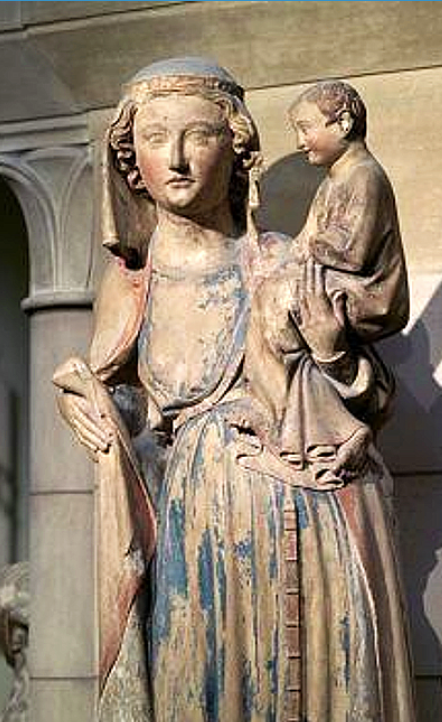
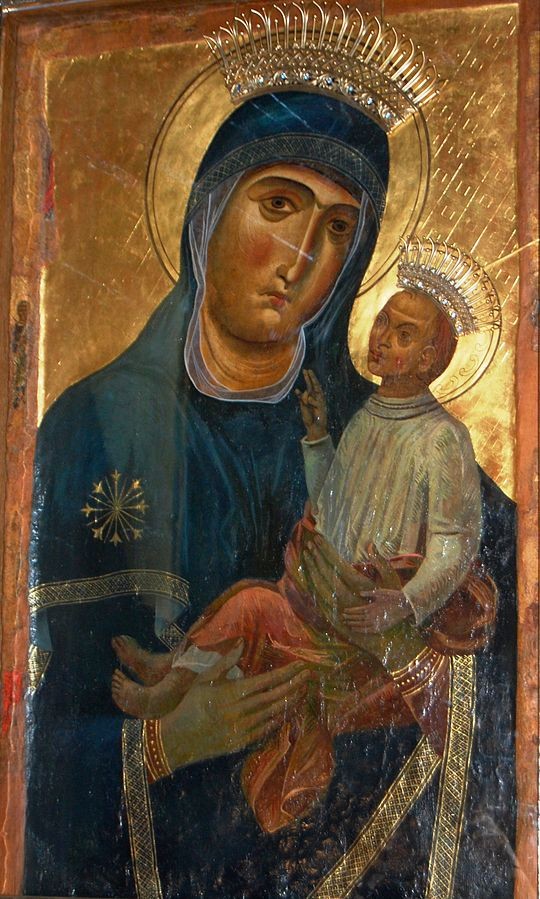
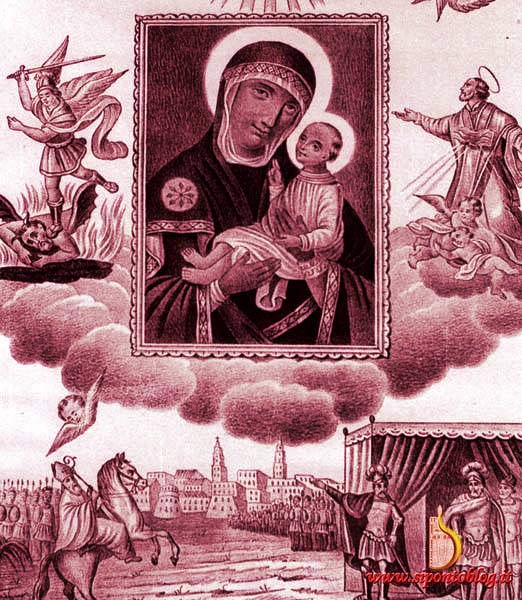
The Emperor Zeno, still alive before 491, designated Lorenzo his relative, who accepted and left, bringing with him precious Relics of Sts Stephen and Agatha. It is also believed that Lorenzo brought with him, the Icon of Our Lady of Siponto (Maria Santissima di Siponto). It is said that the Icon was painted by an anonymous painter in Constantinople in the fifth century and was exhibited in one of the most important Churches there.
Our Lady of Siponto
At this point there are variances in the records – in one Vita, it is made to understand that Lorenzo was Consecrated Bishop in Constantinople itself, while in the other version, it is said that he reached Rome to be Consecrated by Pope Gelasius I (492-496).
It is recalled that this was the time when the Emperors only nominated Bishops for their regions, to be Consecrated by the Pope or sometimes only to ask for his approval. This situation would only be resolved much later, with the struggle between the Papacy and the Empire, with the so-called “Investiture controversy.”
Having become Bishop of Siponto, a strategic City due to its position on the sea, Lorenzo beyond the merits of shepherd of souls, linked his name to the extraordinary event of the Apparition of the Archangel Michael on the Gargano.
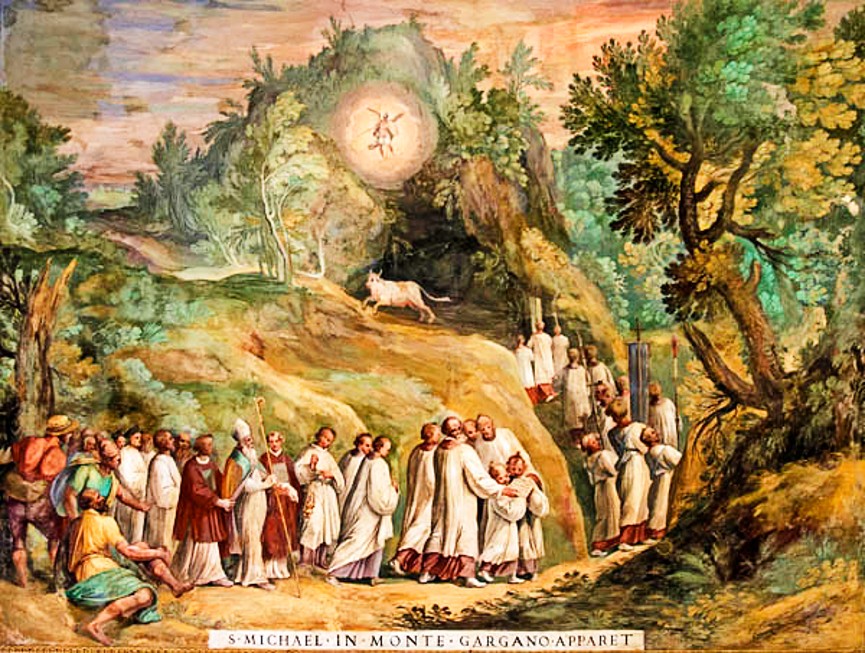
It was the year 490 and a gentleman named Elvio Emanuele Gargan, had lost the most beautiful bull of his herd. After long searches he found the animal crouched inside an inaccessible cave, since he could not be reached, he decided to kill the bull and fired an arrow from his bow but the arrow inexplicably, instead of hitting the bull, spun around and rebounded, hitting the shooter instead!
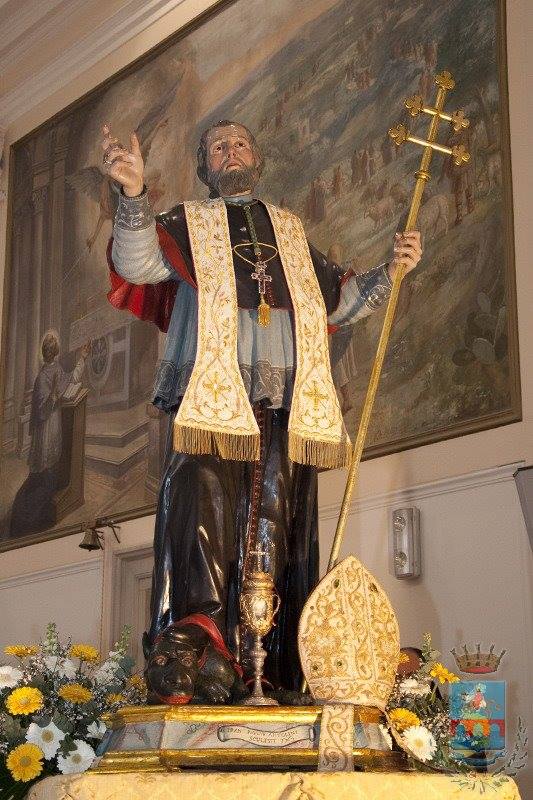
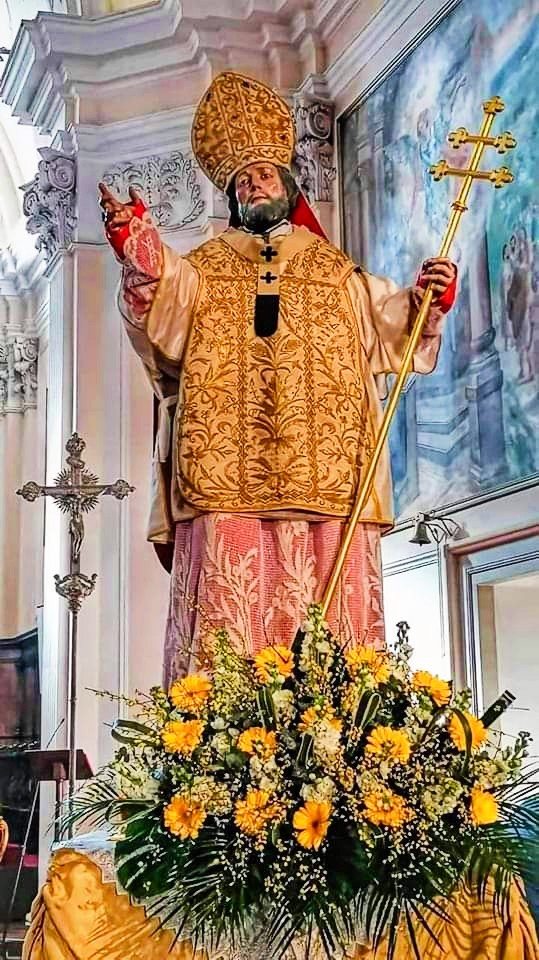
St Lorenzo without his festival Vestments
Shocked, he went to the Bishop of Siponto, Lorenzo and told what had happened. Bishop Lorenzo prescribed three days of prayer and fasting. On the third day, the Archangel Michael revealed himself to the Bishop, with the invitation to dedicate that cave to Christian worship. But Lorenzo hesitated and did not execute the will of St Michael because the pagan cult was still very much alive on the mountain where the cave was located.
After two years, in 492, Siponto was besieged by the barbarian King Odoacer, the Christian forces were now their close to collapsing, when our Saint Lorenzo managed to obtain a three-day truce from the King which the Bishop and the faithful employed more in prayer and penance, than in reconstituting their strength for a battle already lost at the start.
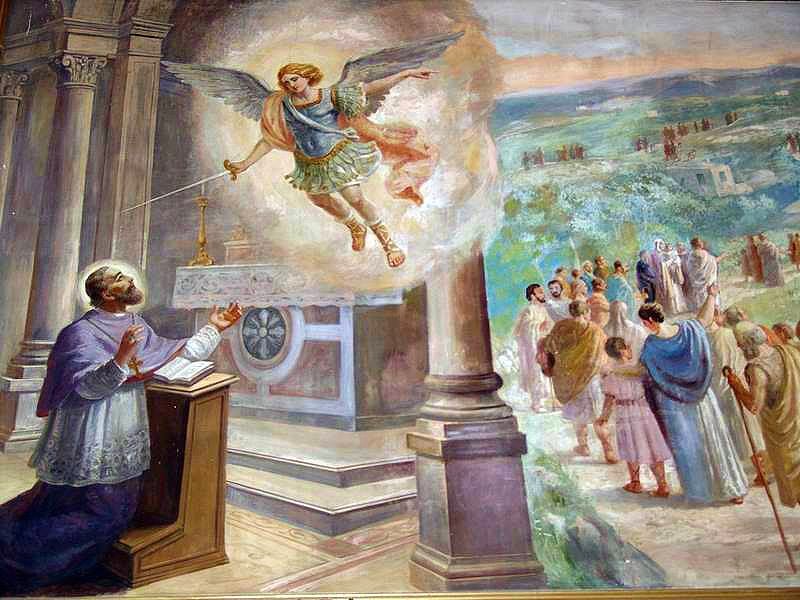
At this juncture the Archangel reappeared to the Bishop, to tell him that he would give his help if the Sipontines attacked the enemy. The promise came true and when the besiegers resumed hostilities, a storm of sand and hail suddenly fell on the barbarians, who, frightened, fled.
St Lorenzo under the storm of sand and hail
The City was saved and Bishop Lorenzo, with all the population, went up to Monte dell’Arcangelo in procession to thank him but once again, Lorenzo did not dare to enter the cave. This uncertainty, prompted him the following year, to seek the advice of Pope Gelasius I, who ordered him to occupy that cave and to go there with the Bishops of Puglia to Consecrate it, after a triduum of fasts.
But the Archangel Michael manifested himself for the third time to the undecided Bishop, telling him that it was not necessary to Consecrate the cave because it was already Consecrated by Michael’s presence, so Lorenzo could enter and celebrate Holy Mass.
Legend has it that when Bishop Lorenzo entered the cave, he found an Altar covered in red cloth, with a crystal Cross on it. He then had a Church built at the entrance to the cave, which he dedicated to St Michael on 29 September 493. Fom here began that uninterrupted cult over the centuries, which has seen crowds of pilgrims of all classes, Kings and Queens, future Saints, Popes starting from Gelasius I himself, come to the Sanctuary and the Sacred Grotto, all united by the desire to visit this mystical cave where, according to the words of the Archangel to St Lorenzo, “the sins of men can be forgiven.”
It is also known that by invoking the help of St Michael, Lorenzo managed to repel an incursion of Neapolitans against Siponto.
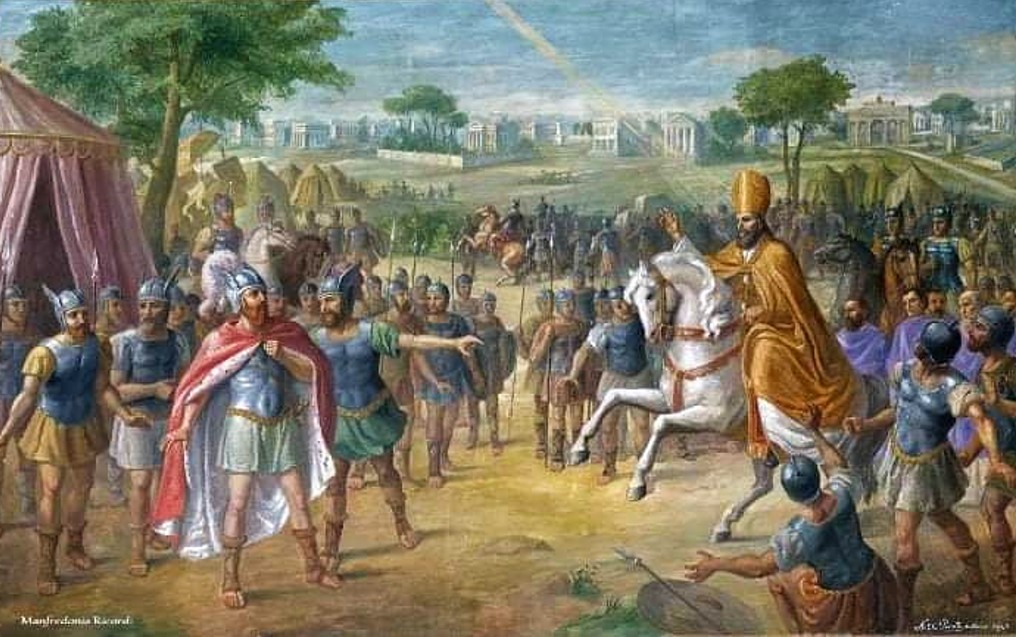
He had various Churches built, including one in honour of St John the Baptist which he had decorated with paintings, as well as the one on the Gargano. He had the gift of prophecy and predicted the imminent disasters of the Gothic War; he met with Totila, King of the Ostrogoths (d. 552) obtaining that Siponto was spared from destruction.
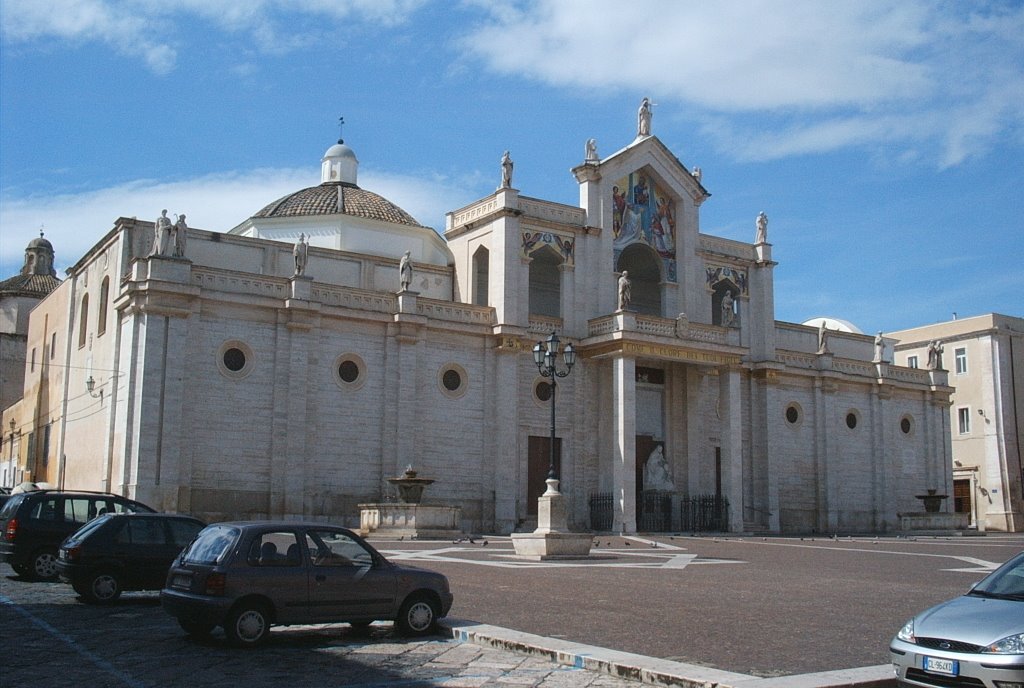
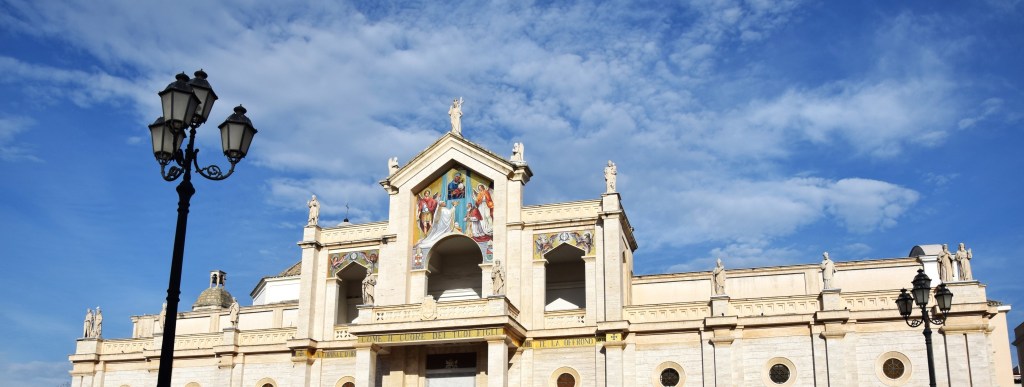
Lorenzo died in Siponto on 7 February perhaps in 545. His remaining Relics are now in Cattedrale di San Lorenzo Maiorano, where they were translated in 1327 by Bishop Matteo Orsini from Siponto Cathedral, where they lay under the High Altar. During the fire and the destruction of the first Cathedral by the Turks in 1620, the body of Saint Lorenzo was also destroyed, except for the right arm, which remains in the Cathedral today.
St Romuald (c 951-1027) Monk, Abbot, Ascetic, Founder of the Camaldolese Order and a major figure in the Eleventh-Century “Renaissance of eremitical asceticism.” His Feast Day is today and was thus from 1595. It was changed to 19 June in 1969. St Romuald’s body is incorrupt. St Romuald’s Life: https://anastpaul.com/2018/06/19/saint-of-the-day-19-june-st-romuald-c-951-1027/
St Adaucus of Phrygia St Amulwinus of Lobbes St Anatolius of Cahors Bl Anselmo Polanco Bl Anthony of Stroncone
St Augulus St Chrysolius of Armenia St Fidelis of Merida Bl Jacques Sales St John of Triora St Juliana of Bologna St Lorenzo Maiorano (Died 545) Bishop St Luke the Younger
Blessed Mary of Providence/Eugénie Smet HHS (1825-1871) Nun and Founder of the Society of the Helpers of the Holy Souls. Her apostolate has spread throughout the world – now in 24 countries and continues to minister to the Souls in the Body of Christ — both those on earth and those who have departed this world. Beatified in Rome on 26 May 1957 by Pope Pius XII. Biography: https://anastpaul.com/2021/02/07/saint-of-the-day-7-february-blessed-mary-of-providence-hhs-1825-1871/
St Maximus of Nola St Meldon of Péronne St Moses the Hermit St Parthenius of Lampsacus




 AnaStpaul
You must be logged in to post a comment.