
Saint of the Day – 21 March – Saint Lupicinus of Condat (Died c480) Abbot, previously a Widower, then a Hermit and then founding two Monasteries which became cornerstones of monastic, social and political stability under his administration. Born probably somewhere in the region of the Jura Mountains in France and died at his Monastery there in c480. Also known as – Lupicinus of Lauconne, Lupicinus of Jura, Lupicin… Lupicino… St Lupinus’ Body was certainly incorrupt until the 1700s. I am not sure whether it was protected from the evils destruction of the French Revolution.
The Roman Martyrology reads: “In the territory of Lyons, the Abbot St Lupicinus, whose life was resplendent with the lustre of holiness and miracles.”
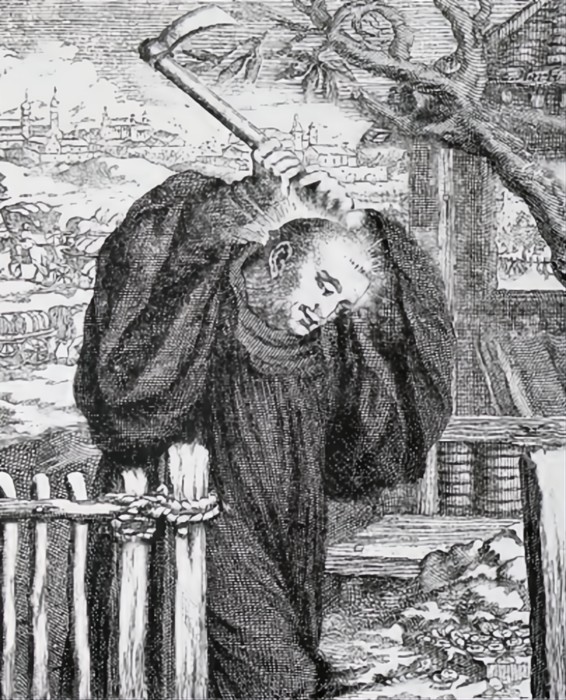
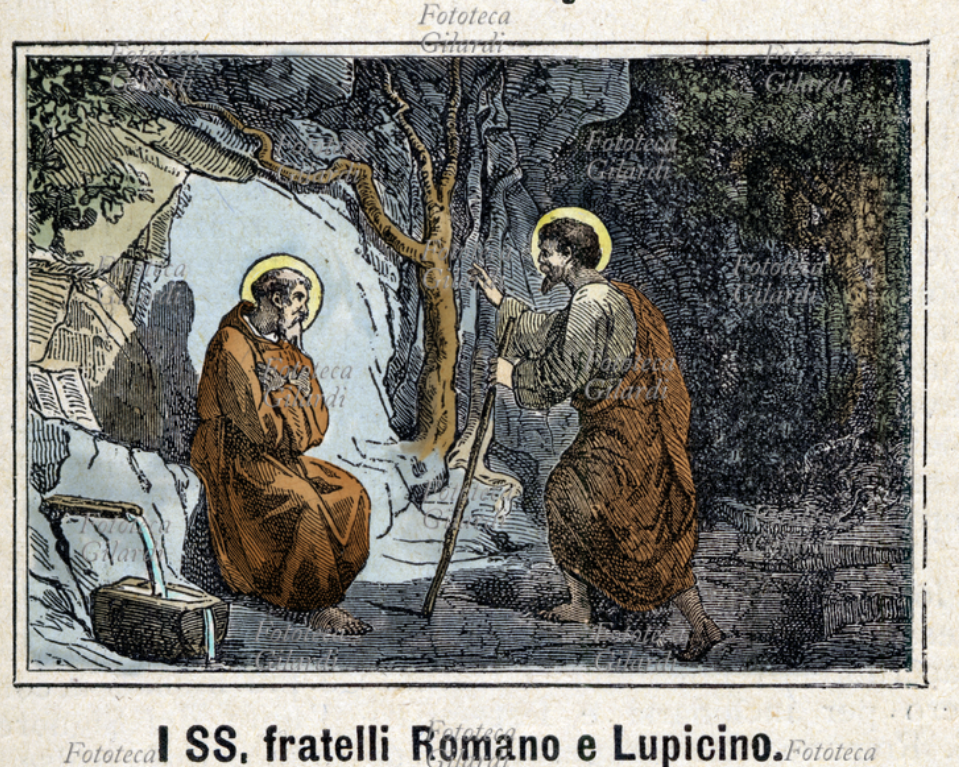
Lupicinus, was a man of adamantine faith and austere spirit. After the death of his beloved wife, Lupicinus joined his brother Romanus, a Hermit dedicated to contemplative solitude living in the Jura Mountains, a short distance north of the Western Alps and mainly demarcating a long part of the French–Swiss border.
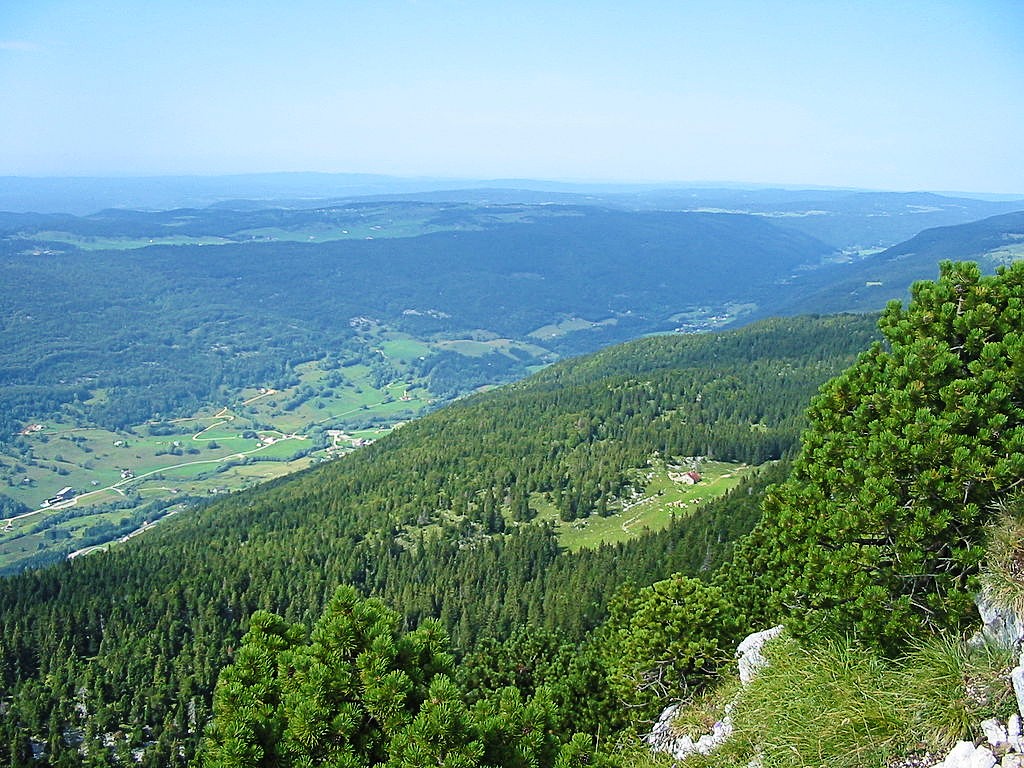
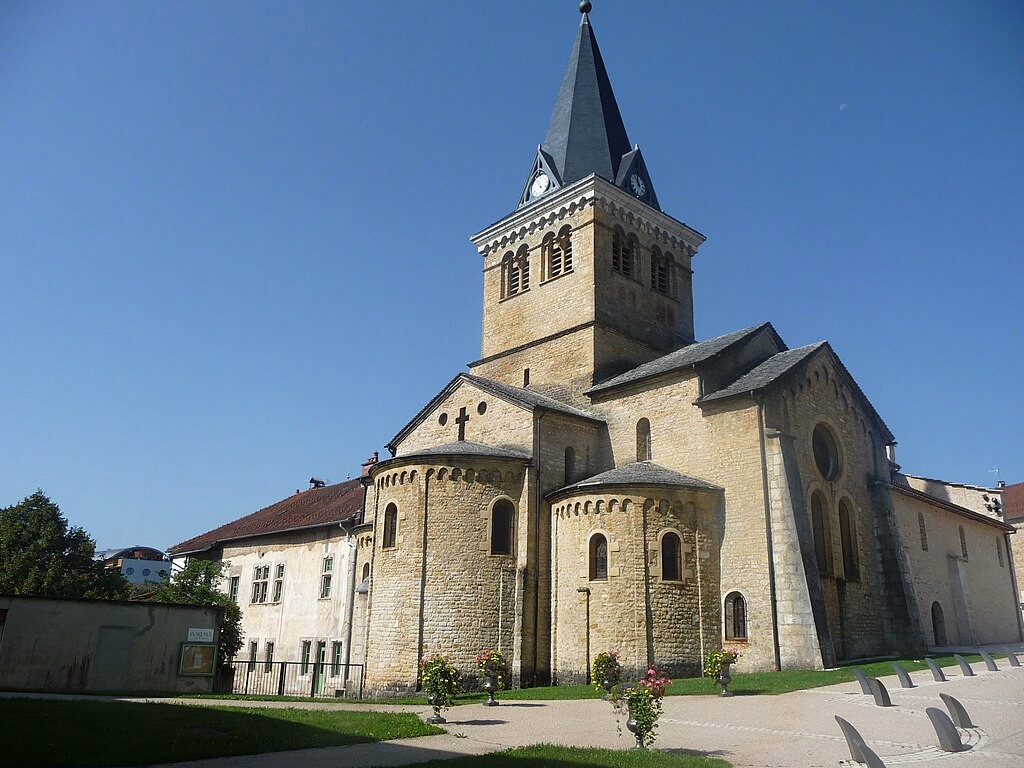
Together, the two brothers took the first steps towards a monastic destiny of great importance in the region, founding two Monasteries: Condat, later known as Saint-Oyend (another sibling brother, the youngest, who is actually called St Eugendus) and Saint-Claude and Lauconne, later called Saint-Lupicin. Both brothers led the monastic communities with dedication but Lupicinus stood out for his ascetic rigour and iron discipline, applying the monastic rule with severity and intransigence, both in the governance of the community and in the recruitment of new members.
Upon Romanus’ death, Lupicinus assumed the unified leadership of the two Monasteries, becoming a point of reference, not only for religious life but also for the protection of the surrounding populations. In particular, he distinguished himself as a staunch defender of Count Agrippinus against the aims of the Burgundian King, demonstrating not only spiritual but also political mettle.
His earthly parable ended in 480, leaving an indelible legacy.
The memory of Lupicinus and his brother Romanus was handed down by a biography written by a Condat Monk shortly after the death of St Oyend, their fellow Monk. Although the veracity of this document has been questioned by some scholars, others, have recognised its historical value. A further biography, by St Gregory of Tours, offers a less detailed but still, significant account.
St Lupinus Relics were transflated on 3 July of an unspecified year, shortly after his death. A reconnaissance carried out in 1689 miraculously revealed the intact body, strengthening the cult of the Saint. Until the French Revolution, on 6 June each year, the Relics were solemnly transported from the Church of St Lupinus to that of the Chapter of Saint-Claude, in a procession of great popular devotion.
The date of celebration of St Lupicinus was set for 21 March and then confirmed by the Roman Martyrology. Together with his brothers Sts Romano and Oyend, he is venerated as a Benedictine Saint, although the Monasteries he founded predated the Rule of Saint Benedict which was adopted at a later time.
In the lives of the first Abbots of Condat, it is mentioned that the Monastery which was built by St Romanus of timber, being consumed by fire, the young brother, St Eugendus, rebuilt it of stone and also that he built a handsome Church in honour of Sts Peter, Paul and Andrew.



 AnaStpaul
You must be logged in to post a comment.