Bl Almus of Balmerino St Argymirus of Córdoba St Attilio of Trino St Austell of Cornwall St Benignus of Utrecht St Crummine Bl Damian of Campania St Egilo St Heimerad (c970-1019) Priest, Pilgrim, Hermit St Lupercio St Papias the Martyr
Martyrs of Africa – 27 Saints: 27 Christians Martyred together. The only details about them to survive are the names – Afesius, Alexander, Amfamon, Apollonius, Arion, Capitolinus, Capitulinus, Crescens, Dionusius, Dioscorus, Elafa, Eunuchus, Fabian, Felix, Fisocius, Gurdinus, Hinus, Meleus, Nica, Nisia, Pannus, Panubrius, Plebrius, Pleosus, Theoma, Tubonus and Venustus. Unknown location in Africa, date unknown.
Martyrs of Alexandria – 8 Saints: A group of spiritual students of Origen who were Martyred together in the persecutions of emperor Septimius Severus – Heraclides, Heron, Marcella, Plutarch, Potamiaena the Elder, Rhais, Serenus and Serenus. They were burned to death c206 in Alexandria, Egypt.
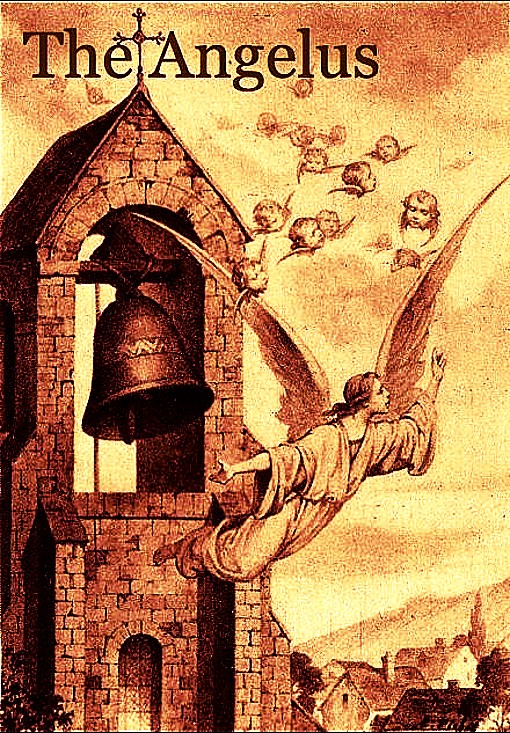
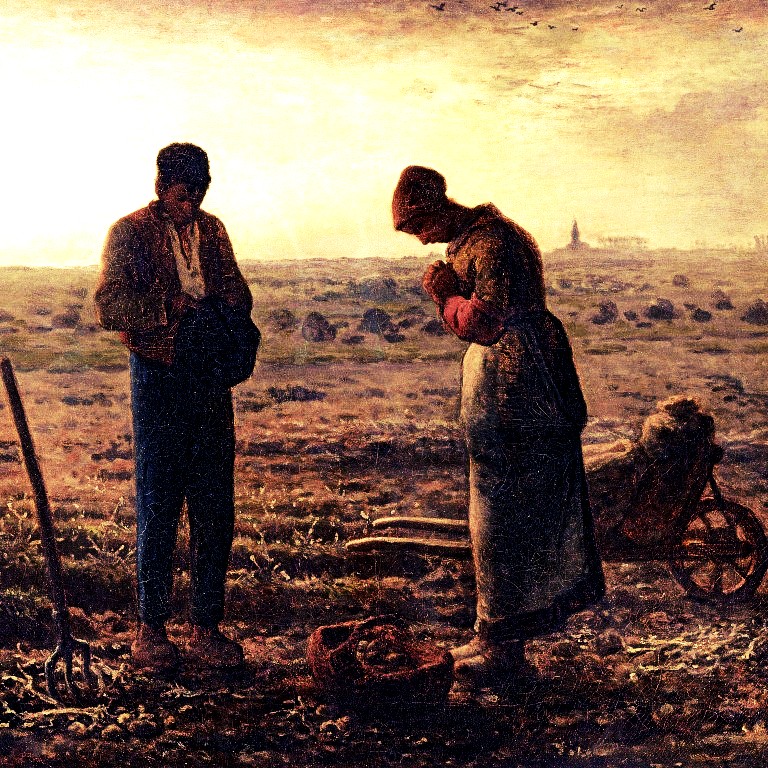
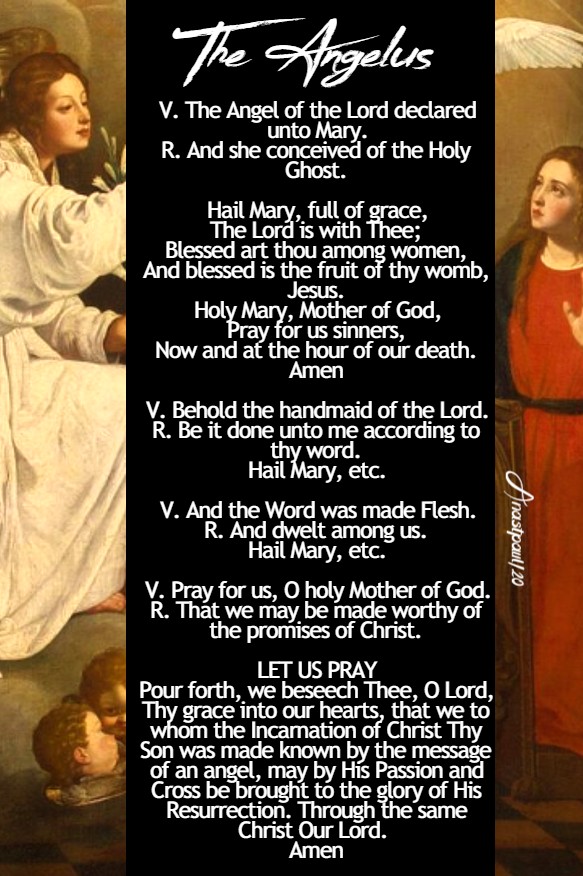
Angelus Domini nuntiavit Mariæ / Institution of the Angelus of Our Lady, Europe, (1456) – 28 June:
The institution of the Angelus occurred on 28-29 June about 1456 by Pope Callistus. The Turks had been threatening Europe and it was the Pope’s request that the Faithful recite the Angelus for the safety of Christendom against the Turks and for peace. The Angelus was first recited about sunset, a general practice throughout Europe in the first half of the 14th century, recommended by Pope John XXI. The morning Angelus seems to have started somewhat later, again, for peace. The recitation of the midday Angelus began sometime in the 14th or 15th century; it was called the “Peace Bell.” This present-day custom of reciting the Angelus is a short practice of devotion in honour of the Incarnation, repeated three times each day, morning, noon, and evening, at the sound of the Church bell.
It is curious how the Angelus is associated historically with the invasion of the Turks, again, in 1683, when they laid siege to Vienna. Emperor Leopold of Austria fled and begged for assistance and help from John Sobieski, a great Polish general, who gathered his army and hastened to the rescue, stopping at one of Our Lady’s Shrines in Poland, for blessing. On 11 September 1683, Sobieski was on the heights of Kahlenberg, near Vienna and the next day engaged in battle with the Turks. Brilliantly leading his troops, he forced the Turks into a trap but the number of the foe was so great, that he could not penetrate their ranks; then Sobieski’s cavalry turned in retreat, interpreted by the Turks as flight. The Turks rushed forward but were re-attacked. The shouts and cries of Sobieski’s men threw terror into the Turks, when they learned that Sobieski himself, “The Northern Lion,” was on the battlefield, for he had defeated the Turks in Poland on previous occasions and they feared him, therefore, the Turks fled panic-stricken. The battle raged for a time; all along the front was Sobieski commanding, fighting, encouraging his men and urging them forward. The Turks were finally defeated, Vienna and Christendom saved and the news was sent to Pope Innocent XI at Rome. Sobieski was a humble man, for in the height of his greatest victory, in a letter to Pope Innocent XI, he said it was God’s cause he was fighting for and Mary’s honour. His message to the Pope on the victory read: “I came, I saw but God and Mary conquered.” The day after the Battle, Sobieski entered Vienna victoriously. Later, he pursued the Turks into Hungary, again attacking and defeating them. The Turkish threat to Europe had been vanished forever, or at least until the 21st century.
Pope Innocent XI, after the battle of Vienna, requested the whole Christian world to recite the Angelus for peace. In our own time, we see the peaceful Moslem invasion of Europe, which once again, Poland is resisting.
The 500th anniversary of the Institution of the Angelus by Pope Callistus III, was a reminder to recite the centuries old prayer for peace and for the protection of the Christian world. Let us renew this pious practice if we have become lax in our devotion and let us pray the Angelus, for the protection of the Church in our own times, from the many menaces, on all fronts, internally and exteriorly facing the Faith and the world and the whole existence of the Catholic Church.
Bl Almus of Balmerino St Argymirus of Córdoba St Attilio of Trino St Austell of Cornwall St Benignus of Utrecht St Crummine Bl Damian of Campania St Egilo St Heimrad St Lupercio St Papias the Martyr
Martyrs of Africa – 27 saints: 27 Christians martyred together. The only details about them to survive are the names – Afesius, Alexander, Amfamon, Apollonius, Arion, Capitolinus, Capitulinus, Crescens, Dionusius, Dioscorus, Elafa, Eunuchus, Fabian, Felix, Fisocius, Gurdinus, Hinus, Meleus, Nica, Nisia, Pannus, Panubrius, Plebrius, Pleosus, Theoma, Tubonus and Venustus. Unknown location in Africa, date unknown.
Martyrs of Alexandria – 8 saints: A group of spiritual students of Origen who were martyred together in the persecutions of emperor Septimius Severus – Heraclides, Heron, Marcella, Plutarch, Potamiaena the Elder, Rhais, Serenus and Serenus. They were burned to death c.206 in Alexandria, Egypt.
Bl Almus of Balmerino
St Argymirus of Córdoba
St Attilio of Trino
St Austell of Cornwall
St Benignus of Utrecht
St Crummine
Bl Damian of Campania
St Egilo
St Heimrad
St Lupercio
St Papias the Martyr Blessed Paolo Giustiniani ECMC (1476-1528)
St Pope Paul I
St Theodichildis St Vincenza Gerosa (1784–1847) Her life: https://anastpaul.com/2019/06/28/saint-of-the-day-28-june-st-vincenza-gerosa-1784-1847/
—
Martyrs of Africa – 27 saints: 27 Christians martyred together. The only details about them to survive are the names – Afesius, Alexander, Amfamon, Apollonius, Arion, Capitolinus, Capitulinus, Crescens, Dionusius, Dioscorus, Elafa, Eunuchus, Fabian, Felix, Fisocius, Gurdinus, Hinus, Meleus, Nica, Nisia, Pannus, Panubrius, Plebrius, Pleosus, Theoma, Tubonus and Venustus. Unknown location in Africa, date unknown.
Martyrs of Alexandria – 8 saints: A group of spiritual students of Origen who were martyred together in the persecutions of emperor Septimius Severus – Heraclides, Heron, Marcella, Plutarch, Potamiaena the Elder, Rhais, Serenus and Serenus. They were burned to death c.206 in Alexandria, Egypt.
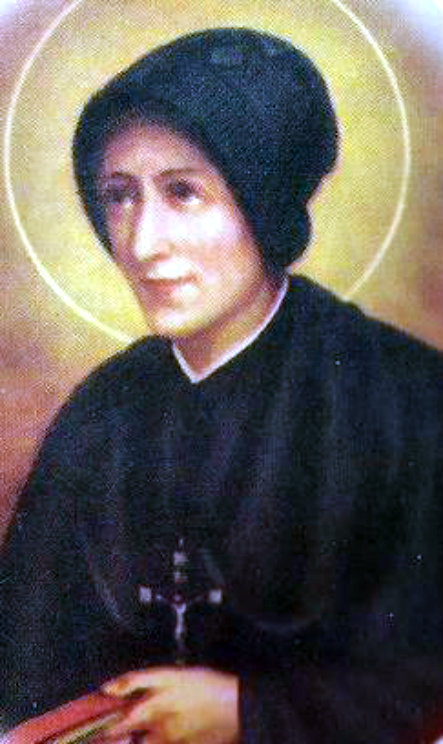
Saint of the Day – 28 June – St Vincenza Gerosa SCCG (1784–1847) – was an Italian professed religious and the co-foundress of the Sisters of Charity of Lovere that she founded alongside Saint Bartolomea Capitanio (1807–1833). Gerosa met Capitanio in 1824 and the two consecrated themselves to God in the name of educating children and tending to the poor of the Bergamo area. Patronage – Sisters of Charity of Lovere.
Saint Vincenza was born Caterina Gerosa in Lovere, Bergamo, Italy in 1784. She was orphaned as a youth. She was eventually adopted by a wealthy family of shopkeepers. Despite her family’s wealth, Caterina grew up shy and reserved. She was ever focused on aiding those in need, specifically the poor and abandoned. She dressed modestly and spent her time when not helping at the family shop, in prayer and at daily Mass.
Vincenza was sent by her parents to be educated by the Benedictine Sisters of Gandino. However, she soon fell ill and her poor health prevented her from continuing her studies. She returned to Lovere, where her adopted mother, father and dear sister died in rapid succession. She was left alone again and had to manage the family business, suffering the losses of her family by offering them to Christ. She prayed constantly to accept the will of the Lord in her life and used her family’s money to provide charitable works in the community. She became involved in her Church parish, organising a women’s oratory with meetings and retreats. She founded a practical school to teach the poor girls of the community domestic work so as to improve their station in life.
Vincenza met the schoolteacher, Bartolomea Capitanio and together they embarked on a new mission – to found a hospital to care for those who could not afford medical care. This they did and extended their mission to establishing a special religious institute with the objectives of providing assistance to the sick, free education for girls, Christian orphanages and programs designed to promote youth welfare. To accomplish this mission, together they founded the Sisters of Charity in 1824. At that time, Catherine took the name Vincenza and made her profession in the parish of San Giorgio before Father Rusticiano Barboglio and the Servant of God Angelo Bosio. Together they wrote ‘the Foundation Document” which forms the basis of the Rule of Life for the Order – “The Institute which will be founded in Lovere is be totally founded on charity and this must be its principle aim…should have as its aim the education of poor young girls…devote itself to the relief of the sick..”
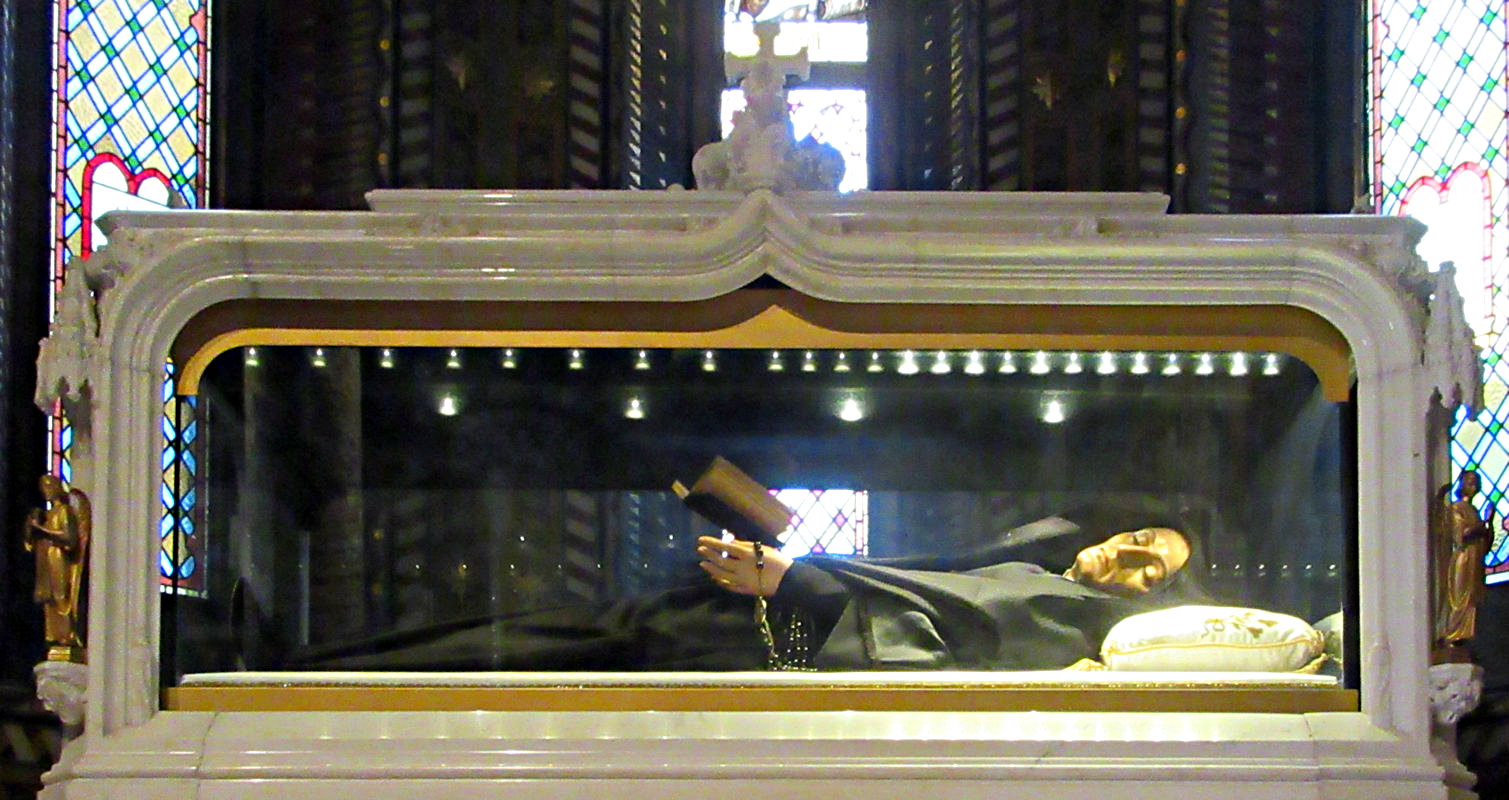
Only nine short years later, Bartolomea died. Vincenza was tempted to return to her previous life at Lovere but agreed to continue the work the two started after her spiritual director encouraged her to do so. She continued on her own to manage and expand the order. The Order of the Sisters of Charity was approved by Pope Gregory XVI in 1840 and quickly spread throughout Italy and later to India and other countries. Vincenza continued overseeing the order until her death in 1847. Her body is venerated at the Chapel of the Sisters of Charity in Lovere.
Christ crowned, Vincentia (right) and Bartholomäa Capitano, apse mosaic, around 1937, in the Sanctuary of the Sisters of Charity in Lovere.
Saint Vincenza Gerosa was Beatified on 7 May 1933 by Pope Pius XI. She was Canonised on 18 May 1950 by Pope Pius XII.
Solemnity of The Most Sacred Heart of Jesus *2019 World Day of Prayer for the Sanctification of Priests *2019 Excerpt from ENCYCLICAL of Pope Pius XII
HAURIETIS AQUAS – on DEVOTION TO The SACRED HEART
15 May 1956
Bl Almus of Balmerino
St Argymirus of Córdoba
St Attilio of Trino
St Austell of Cornwall
St Benignus of Utrecht
St Crummine
Bl Damian of Campania
St Egilo
St Heimrad
St Lupercio
St Papias the Martyr
St Pope Paul I
St Theodichildis St Vincenza Gerosa (1784–1847)
—
Martyrs of Africa – 27 saints: 27 Christians martyred together. The only details about them to survive are the names – Afesius, Alexander, Amfamon, Apollonius, Arion, Capitolinus, Capitulinus, Crescens, Dionusius, Dioscorus, Elafa, Eunuchus, Fabian, Felix, Fisocius, Gurdinus, Hinus, Meleus, Nica, Nisia, Pannus, Panubrius, Plebrius, Pleosus, Theoma, Tubonus and Venustus. Unknown location in Africa, date unknown.
Martyrs of Alexandria – 8 saints: A group of spiritual students of Origen who were martyred together in the persecutions of emperor Septimius Severus – Heraclides, Heron, Marcella, Plutarch, Potamiaena the Elder, Rhais, Serenus and Serenus. They were burned to death c.206 in Alexandria, Egypt.




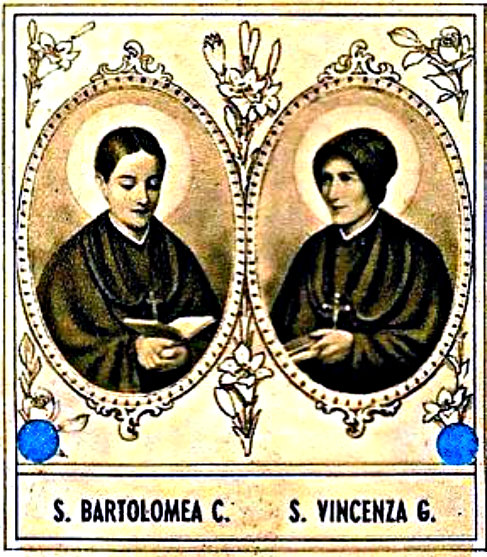 To accomplish this mission, together they founded the Sisters of Charity in 1824. At that time, Catherine took the name Vincenza and made her profession in the parish of San Giorgio before Father Rusticiano Barboglio and the Servant of God Angelo Bosio. Together they wrote ‘the Foundation Document” which forms the basis of the Rule of Life for the Order – “The Institute which will be founded in Lovere is be totally founded on charity and this must be its principle aim…should have as its aim the education of poor young girls…devote itself to the relief of the sick..”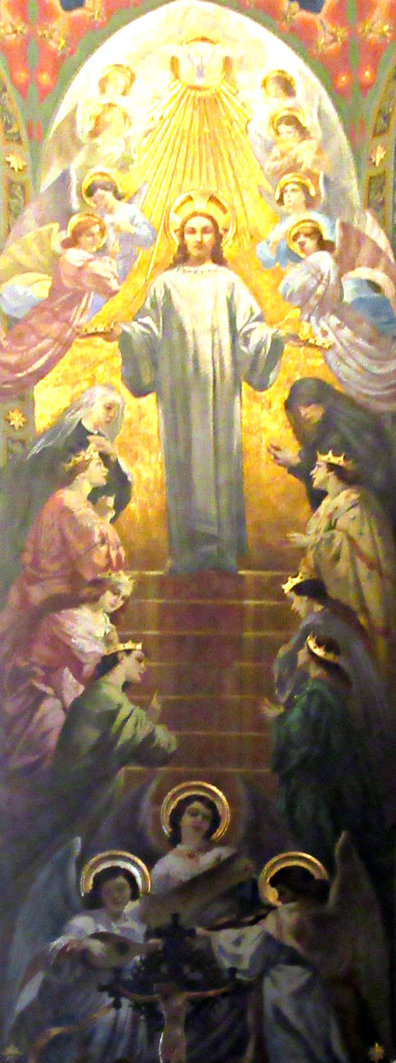

 AnaStpaul
You must be logged in to post a comment.