
Year: 2017
LENTEN REFLECTION – The First Sunday of Lent – 5 MARCH
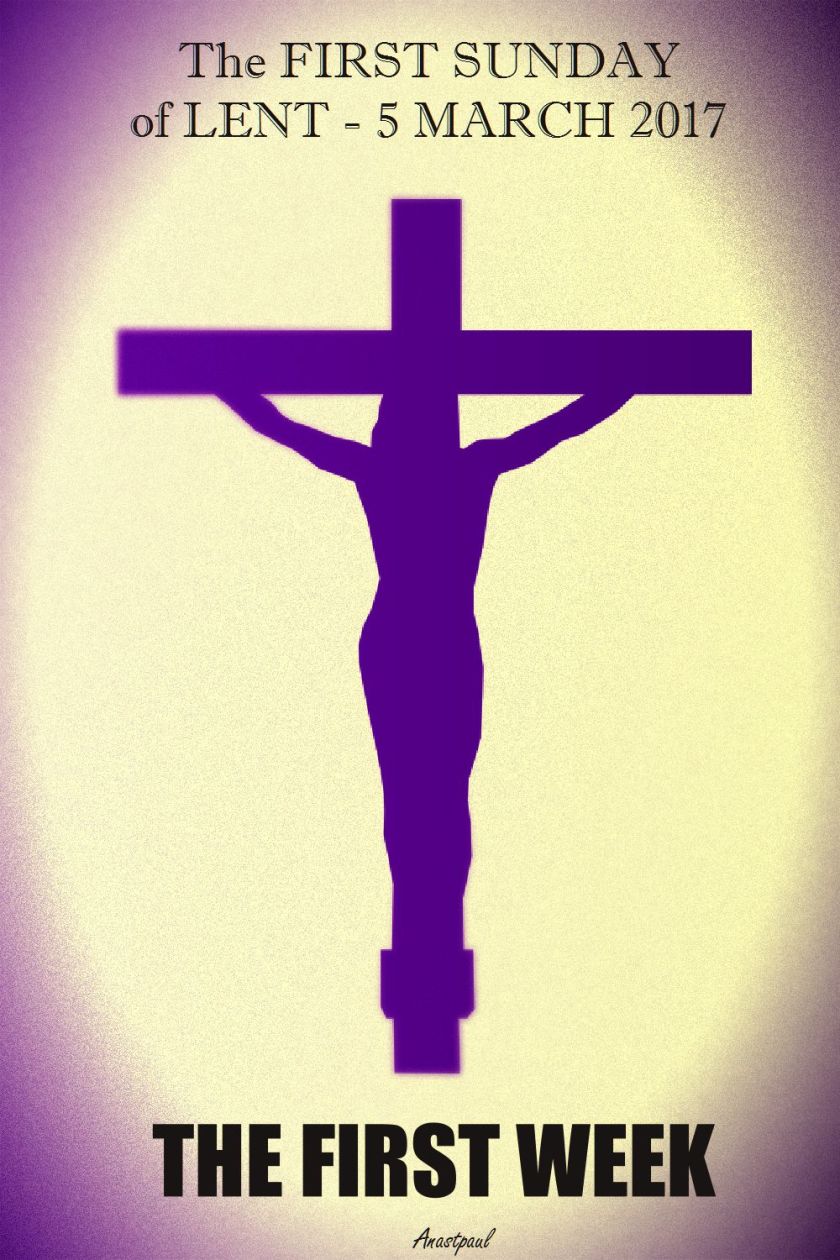
HE BORE OUR PRIDE IN HIS BODY ON THE CROSS
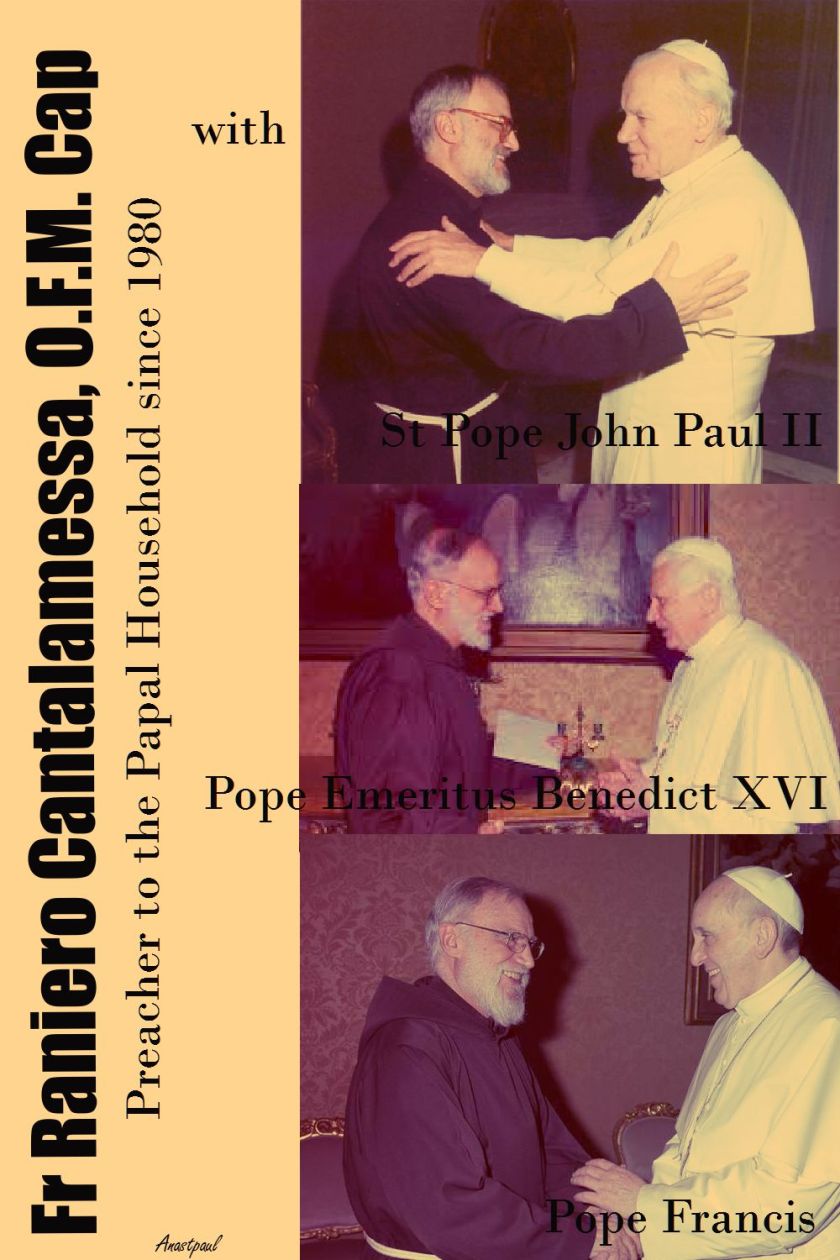
by Fr Raniero Cantalamessa
The cross is the tomb which absorbs all human pride:”Come thus far; I said and no farther: here your proud waves shall break” (Job 38:11). The waves of human pride break against the rock of Calvary and they can go no further. The wall God erected against them is too high and the abyss he dug before them too deep. ‘We must realize that our former selves have been crucified with him to destroy this sinful body’ (Romans 6:6). The body of pride — for this is the sin par excellence, the sin that gives rise to all other sins. ‘He was bearing our faults in his own body on the cross’ (1 Peter 2:24). He bore our pride in his body.
But what concerns us in all this? Where is the ‘gospel’, the good and joyful news? It is that Jesus humbled himself also for me, in my place. ‘If one man has died for all, then all have died’ (2 Corinthians 5:14); one has humbled himself for all, therefore all have humbled themselves. Jesus on the cross is the new Adam obeying for all. He is the head, the beginning of a new mankind. He acts in the name of all and for the benefit of all. As ‘by one man’s obedience many will be made righteous’ (Romans 5:19), by one man’s humility, many will be made humble.
Pride, like disobedience, is no longer part of us. It is part of the Old Adam. It has become old-fashioned. The new thing now is humility, which is full of hope because it opens up a new existence based on giving, love and solidarity and no longer on competitiveness, social climbing and taking advantage of one another. ‘The old creation has gone and now the new one is here’ (2 Corinthians 5:17). Humility is one of these marvelous new things.
What, therefore, does it mean to celebrate the mystery of the cross ‘in spirit and in truth’? When applied to what we are celebrating, what is the significance of the ancient maxim: ‘Acknowledge what you are doing, imitate what you are celebrating’? It signifies that you should implement within yourself what you represent externally; put into practice what you are commemorating in the liturgy.
…I must give Christ ‘the sinful body of my pride’, so that he can destroy it de facto just as he destroyed it by right once and for all on the cross. When I was a boy, the people of my region used to light a bonfire in the country at nightfall on the eve of certain feasts which could be seen over the hills. ach family would bring some wood and vine branches to keep the fire going while, around it, the rosary would be recited. Something similar must take place here this evening in preparation for the great feast of Easter. Each one of us should throw, in spirit, his load of pride, vanity, self-sufficiency, presumption, haughtiness into the great furnace of Christ’s passion.
We must imitate the saints in heaven as they adore the Lamb, for this is the model for our adoration here on earth. Revelation tells us the saints approach the throne in procession and fall down before him who is seated and they ‘threw down their crowns in front of the throne’ (Revelation 4:10). They cast the real crowns of their martyrdom and we cast the false crown with which we have crowned ourselves. We must ‘nail all feelings of pride to the cross’ (St Augustine, On Christian Doctrine 2,7,9).
On the cross Jesus did not just reveal or practice humility; he created it too. True Christian humility consists in participating in Christ’s inner state on the cross. St Paul says, ‘In your minds you must be the same as Jesus Christ’ (Phil. 2:5); the same mind and not a similar one. Apart from this, many other things can be taken for humility which are really either natural inclination or timidness, or a liking for understatement, or simply common sense and intelligence, when they are not a refined form of pride.
Once we have put on Christ’s humility, it will be easier, among other things, to work for Christian unity, for unity and peace naturally follow humility. This is also true in families. Marriage starts with an act of humility. A young man who falls in love and who on his knees, as was once the custom, asks a girl to marry him, makes the most radical act of humility in his life. He begs and it is as if he were saying, ‘Give me yourself. Alone, I am not sufficient to myself, I need you!’ We could say that God created humankind male and female to help them to be humble, not to be haughty and self-sufficient and to discover the blessing of depending on someone who loves you. He inscribed humility in our very flesh. But, unfortunately, pride too often takes over again and the person we love has to pay for the initial need we had of him or her. Then a dreadful wall of pride rises between the two partners and their incommunicability extinguishes all joy. This evening, Christian spouses are also invited to place all resentment at the foot of the cross, to be reconciled to one another, embracing each other for the sake of Christ who, on this day on the cross, ‘killed the hostility’ (Ephesians 2:16).
(Fr Raniero Cantalamessa, O.F.M. Cap. is an Italian Catholic priest in the Order of Friars Minor Capuchin and theologian and writer. He has served as the Preacher to the Papal Household since 1980, under Pope John Paul II, Pope Benedict XVI and Pope Francis.)
HOW TO AVOID PURGATORY By Fr. Paul O’Sullivan O.P.
HOW TO AVOID PURGATORY By Fr. Paul O’Sullivan O.P.
For those who have not read this little book and to refresh myself, I will be posting the entire book in daily doses. (To read later find in the Purgatory Category).
Appendix
THE BROWN SCAPULAR
(The following official information was obtained from the National Scapular
center, Darien, Illinois, May 9, 1986.)
Two wonderful promises of Our Lady of Mount Carmel are available to those
who have been enrolled in the Brown Scapular.
The great promise of the Blessed Virgin Mary, given to St. Simon Stock on
July 16, 1251, is as follows: “Whoever dies wearing this scapular shall not
suffer eternal fire.”
Our Lady’s second Scapular Promise, known as the Sabbatine Privilege (the
word “Sabbatine” meaning “Saturday”), was given by the Blessed Virgin Mary
to Pope John XXII in the year 1322 and is as follows: “I, the Mother of
Grace, shall descend on the Saturday after their death and whomsoever I
shall find in Purgatory, I shall free.”
There are three conditions for obtaining this privilege: 1) the wearing of
the Brown Scapular; 2) the practice of chastity according to one’s state of
life; 3) the daily recitation of the Little Office of the Blessed Virgin
Mary.
Those who cannot read can abstain from meat on Wednesdays and Saturdays
instead of reciting the Little Office. Also, any priest who has diocesan
faculties (this includes most priests) has the additional faculty to
commute (change) the third requirement into another pious work–for
example, the daily Rosary.
Because of the greatness of the Sabbatine privilege, the Carmelite Order
suggests that the third requirement not be commuted into anything less than
the daily recitation of seven Our Fathers, seven Hail Marys and seven
Glory Bes.
THE END
Thought for the Day – 5 March
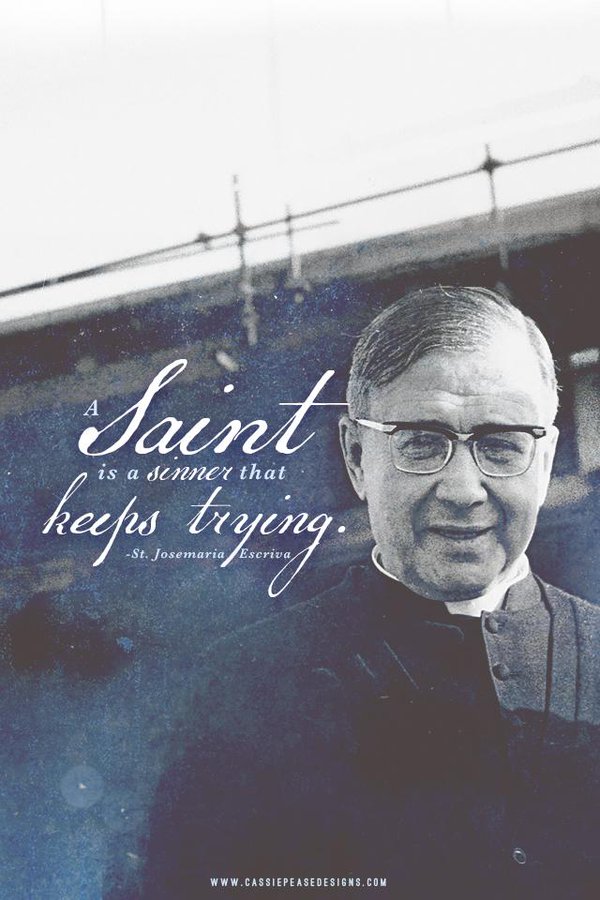
When St Eisebius of Cremona (memorial today) went to Rome to collect funds on behalf of St Jerome, he noticed that Rufinus, an old friend of Jerome’s – though not on good terms with him, was translating the works of Origen, against whose writing St Jerome was arguing. Eusebius secretly removed the works and sent them to Jerome, thus in fact stealing and causing a final rift between the two. So even saints sometimes do disgraceful things and St Eusebius’ theft of Rufinus’ manuscript was a thoughtless act of an overzealous friend embroiled in the controversies of the day. It is good to know that even saints have faults and that such faults detract nothing from their holiness. For – a saint is a sinner who keeps on trying! NEVER FORGET IT!
Quote of the Day – 5 March
Quote of the Day – 5 March
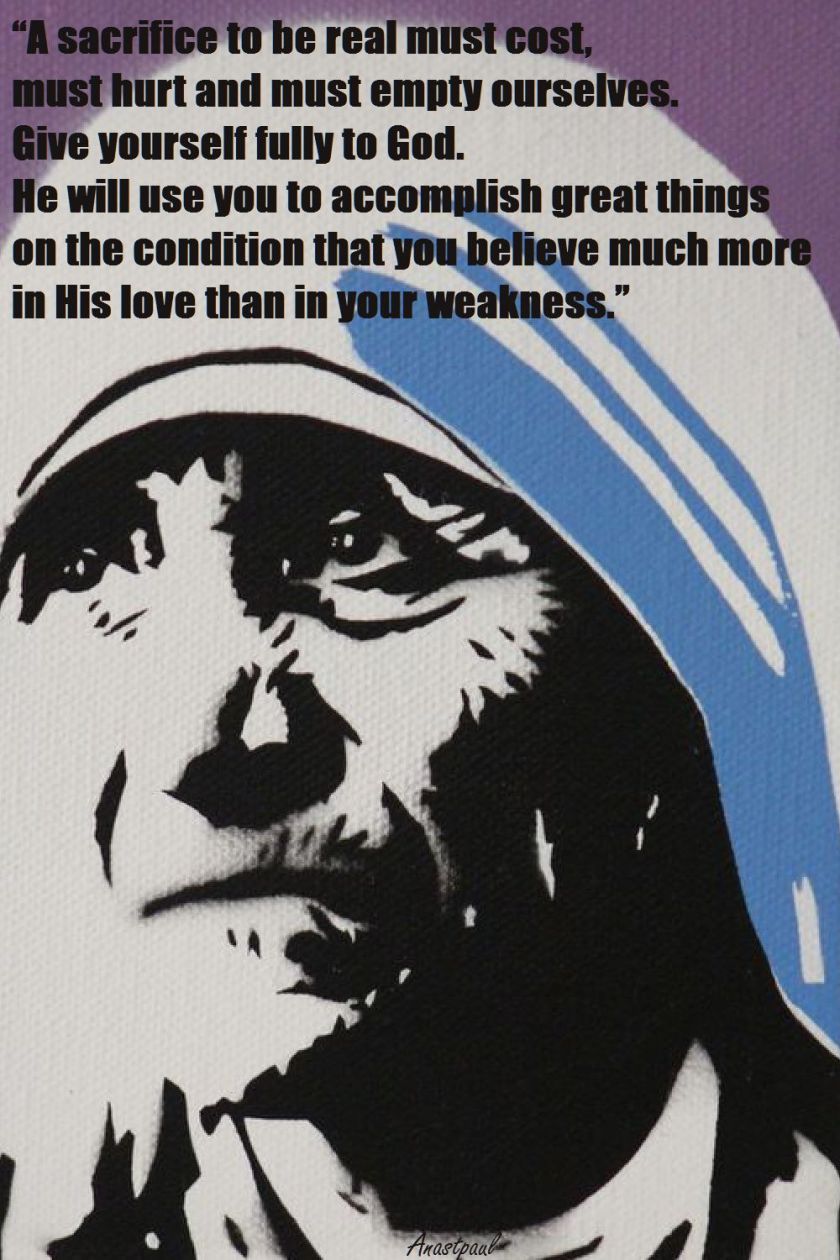
“A sacrifice to be real must cost, must hurt and must empty ourselves. Give yourself fully to God. He will use you to accomplish great things on the condition that you believe much more in His love than in your weakness.”
St Mother Teresa
One Minute Reflection – 5 March
One Minute Reflection – 5 March
The Lord is far from the wicked but the prayer of the just he hears….Prv 15:29
REFLECTION – “Let us unceasingly prepare ourselves for prayer by carrying out our dutes with great fidelity. Then let us come before our divine Saviour with all the simplicity of our souls.”,,,,,,,,St Mary Euphrase
PRAYER – Almighty God, move me to prepare myself for prayer by a good life. Grant that I may pray to You by my works as well as by my words. Teach me to truly live the words I pray. Amen

Our Morning Offering – 5 March 2017 The First Week of Lent Sunday
Our Morning Offering – 5 March
The First Week of Lent
Sunday
Lord God,
You who breathed
the spirit of life within me.
Draw out of me
the light and life You created.
Help me to find my way back to You.
Help me to use my life
to reflect Your glory
and to serve others
as Your son Jesus did.
Amen
Saint of the Day – 5 March – St Eusebius of Cremona
Saint of the Day – 5 March – St Eusebius of Cremona (died 423) Abbot
Born in Cremona, Italy; died c. 423. Eusebius first met Saint Jerome in Rome
when Jerome was acting as secretary to Pope Saint Damasus and preaching a
strict asceticism to all who would listen. Eusebius was so much attracted to
the stern Biblical scholar that when Jerome decided to leave for the Holy
Land, he begged to accompany him. At Antioch they were joined by Jerome’s
other two great friends, the widow Saint Paula and her daughter Saint
Eustochium. The four of them made a pilgrimage to all the places connected
with the earthly life of Jesus, before deciding to make Bethlehem their
home.
Jerome was much touched by the hundreds of pilgrims to Bethlehem, many of
whom were extremely poor. Resolving to build a hostel for them, he sent
Eusebius to Dalmatia and Italy to raise money for the project. Saint Paula
sold her Roman estate through him for this purpose and Eusebius also sold
his own property at Cremona and gave the proceeds for the building of the
hostel.
Eusebius succeeded the holy Doctor of the Church as abbot of Bethlehem and
was involved, like his friend, in bitter disputes with the followers of
Origen. As a loyal friend of Jerome’s Eusebius became involved in Jerome’s disputes over Origen and he seems to have been responsible for Pope Anastasius’ condemnation of Origen’s writings. There is an unsubstantiated tradition that Eusebius founded the
abbey of Guadalupe in Spain.
In 400 AD, Eusebius returned to his native Cremona, where some sources
indicate that he stayed until his death. Others suggest that he returned to
Bethlehem to become spiritual director of one of the religious communities
there. He may well be buried alongside Jerome in Bethlehem, where-in the
crypt of the church of the Nativity-an altar is dedicated in his name
(Benedictines, Bentley).
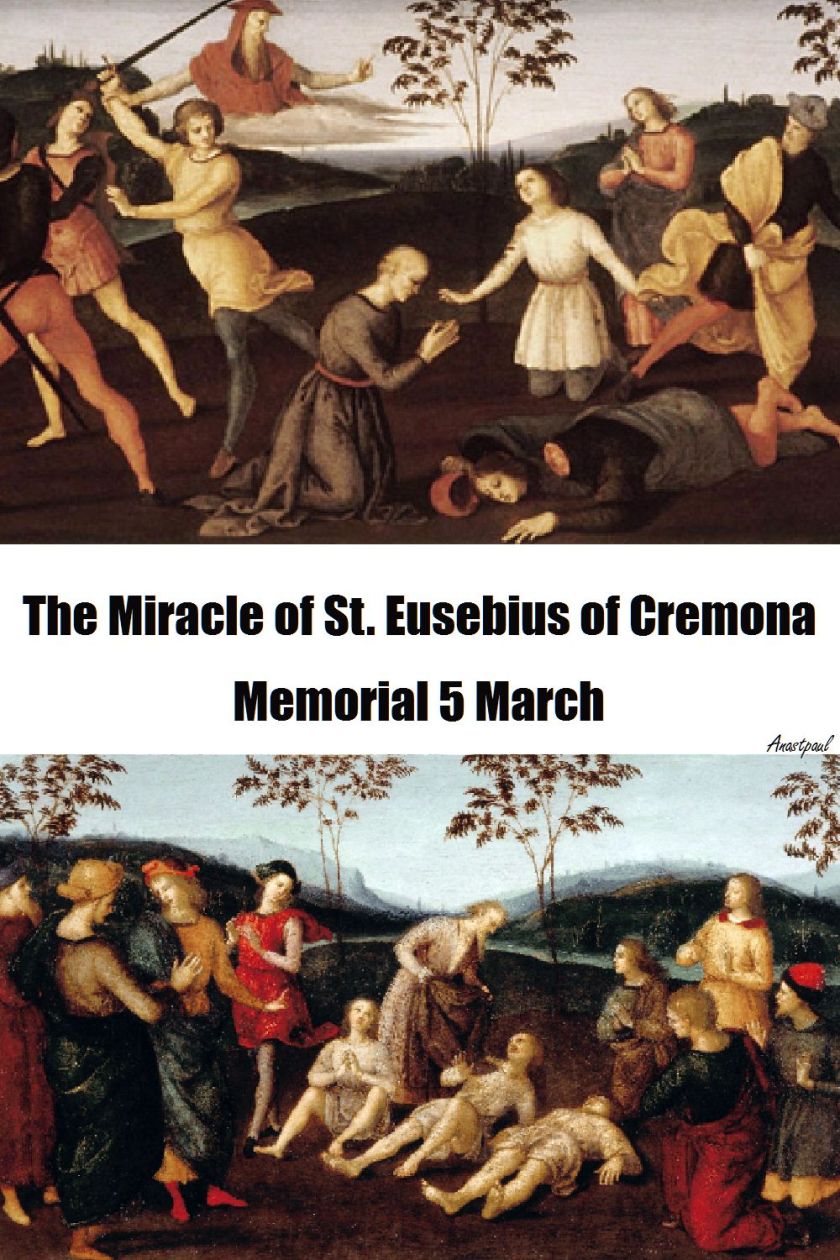
Painted for the chapel founded by Domenico Gavari in the Church of Santo Domenico, in Città di Castello (Umbria, Italy), this work illustrates a miracle of St. Eusebius, the bringing back to life of three young men, in keeping with a literary source that became very popular in Italy in the 15th century. Two other paintings from the same altarpiece have also survived and are housed at the National Gallery (London) and the North Carolina Museum of Art (USA).
The narrative subtlety of the three resuscitated figures, depicting different moments in their return to life – ranging from the still prostrate body on the right to the young man on the left who is already seen in prayer – reveals Raphael’s remarkable capacity for invention.
Saints and Holy Days – 5 March
1st Sunday in Lent (2017)
—
St Adrian of Caesarea
St Caron
St Carthach the Elder
Bl Christopher Macassoli of Vigevano
St Clement of Santa Lucia
St Colman of Armagh
St Conon of Pamphylia
Bl Conrad Scheuber
St Eusebius of Cremona
St Eusebius the Martyr
St Gerasimus
Bl Giovanna Irrizaldi
Bl Ion Costist
St John Joseph of the Cross
St Kieran
Bl Lazër Shantoja
St Lucius I, Pope
St Mark the Ascetic
St Oliva of Brescia
St Phocas of Antioch
St Piran
Bl Roger
Bl Romeo of Limoges
St Theophilus of Caesarea
St Virgilius of Arles
LENTEN REFLECTION – The First Week of Lent – 4 MARCH
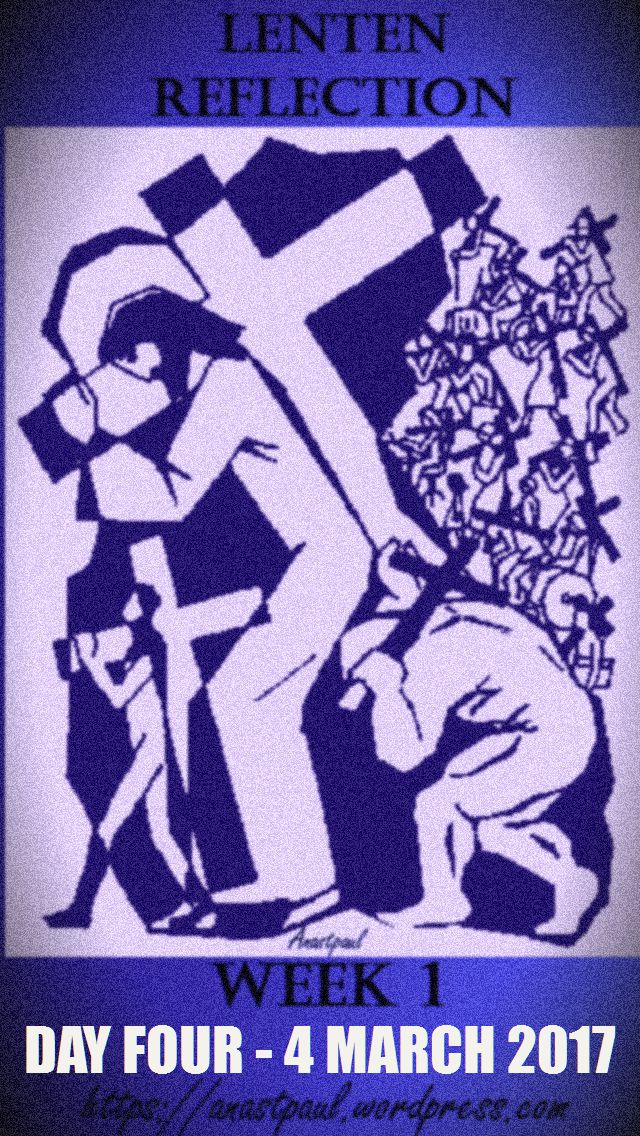
LENTEN REFLECTION – 4 MARCH
Redeemed by His Blood
by Bernard of Clairvaux
To redeem a servant, the Father spares not His own Son, and the Son delivers Himself up most willingly. Both send the Holy Spirit and the Spirit Himself interceded for us with unspeakable groaning (Romans 8:26).
O hard, and hardened, and hard-hearted children of Adam! How can you remain unmoved by such great kindness, such blazing fire, so prodigious a flame of love and so ardent a lover, who paid such an extravagant price for a worthless piece of goods!
“Not with perishable things like gold and silver” did Jesus redeem us, but with his own “precious blood” (1 Peter 1:18-19) which flowed out liberally from the five parts of Jesus’ body.
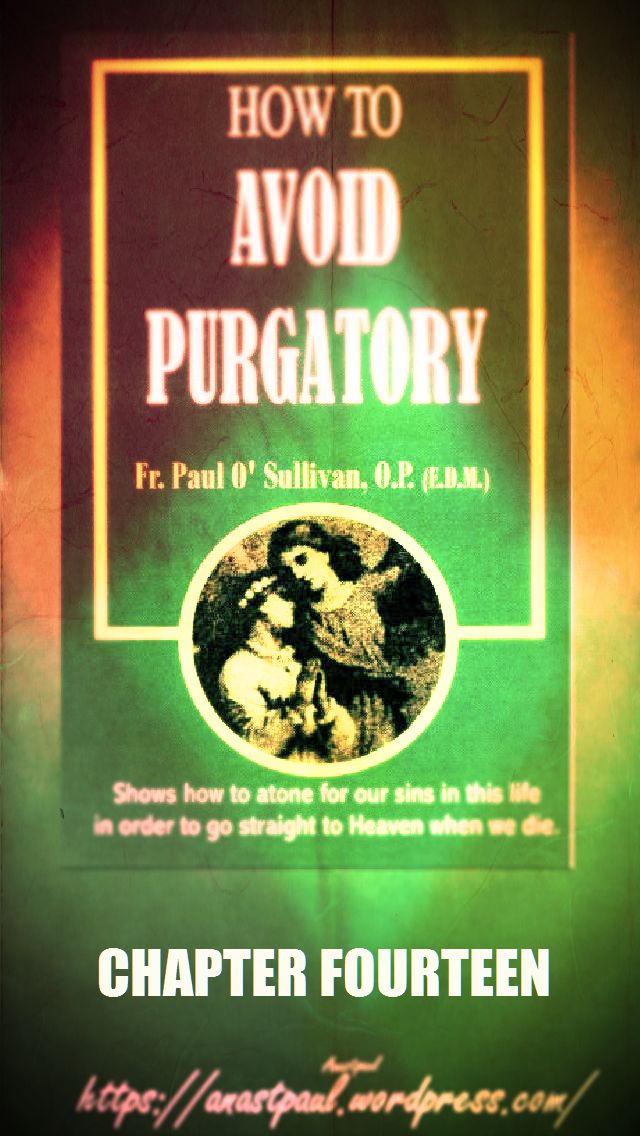
What more should He have done that He did not do? He enlightened the blind, brought back the stragglers, reconciled the guilty and justified the ungodly.
Thirty-three years He was seen on earth. He lived among humans, He died for humans, He spoke concerning the Cherubim and Seraphim and all the angelic powers and they came to be (Psalm 33:9). When He wills it, all power is there with him (Wisdom 12:18).
What then does He who sought you with such concern now seek from you, if not that you walk mindfully with your God (Micah 6:8)? No one but the Holy Spirit enables us to this.
It is He who probes the depth of our hearts (1 Corinthians 2:10), He who discerns the thoughts and intentions of the heart (Hebrews 4:12).
He does not allow the slightest amount of chaff to settle inside the dwelling of a heart which He possesses but consumes it in an instant with a fire of the most minute scrutiny.
He is the sweet and gentle Spirit who bends our will, or rather straightens and directs it more fully toward his own so that we may be able to understand His will truly, love it fervently, and fulfill it effectively.
HOW TO AVOID PURGATORY By Fr. Paul O’Sullivan O.P.
HOW TO AVOID PURGATORY By Fr. Paul O’Sullivan O.P.
For those who have not read this little book and to refresh myself, I will be posting the entire book in daily doses. (To read later find in the Purgatory Category).
Chapter 14
HOW WE CAN HELP THE HOLY SOULS
I. The first means is by joining the Association of the Holy Souls. The
conditions are easy.
ASSOCIATION OF THE HOLY SOULS
Approved by the Cardinal Patriarch of Lisbon, June, 1936
1. The members are asked to send their full name and address to:
Association of the Holy Souls, Dominican Nuns of the Perpetual Rosary, Pius
XII Monastery, Rua do Rosario 1, 2495 Fatima, Portugal.
2. The members must offer up a Mass once a week for the Holy Souls
(Sunday’s Mass can fulfil this obligation).
3. The members pray for and promote devotion to the Holy Souls. (We
recommend the booklets Read Me or Rue It and How to Avoid Purgatory.)
4. The members are asked to contribute a yearly alms to the Mass Fund. The
alms is used to have Masses said for the Holy Souls every month.
II. A second means of helping the Holy Souls is having Masses offered for
them. This is certainly the most efficacious way of relieving them.
III. Those who cannot get many Masses offered, owing to want of means,
ought to assist at as many Masses as possible for this intention.
A young man who was earning a very modest salary told the writer: “My wife
died a few years ago. I got 10 Masses said for her. I could not possibly do
more but heard 1,000 for her dear soul ”
IV. The recital of the Rosary (with its great indulgences) and the Way of
the Cross (which is also richly indulgenced) are excellent means of helping
the Holy Souls.
St. John Massias, as we saw, released from Purgatory more than a million
souls, chiefly by reciting the Rosary and offering its great indulgences
for them.
V. Another easy and efficacious way is by the constant repetition of short
indulgenced prayers, offering up the indulgences for the Souls in
Purgatory. Many people have the custom of saying 500 or 1,000 times each
day the little ejaculation, “Sacred Heart of Jesus, I place my trust in
Thee” or the one word, “Jesus” These are most consoling devotions and bring
oceans of graces to those who practice them and give immense relief to the
Holy Souls.
Those who say the ejaculations 1,000 times a day gain 300,000 days
Indulgence! What a multitude of souls they can thus relieve! What will it
not be at the end of a month, a year–or 50 years? And if they do not say
the ejaculations, what an immense number of graces and favours they shall
have lost. It is quite possible and even easy to say these ejaculations
1,000 times a day. But if one does not say them 1,000 times, let him say
them 500 or 200 times.
VI. Still another powerful prayer is:
“Eternal Father, I offer Thee the Most Precious Blood of Jesus, with all
the Masses being said all over the world this day, for the Souls in
Purgatory.”
Our Lord showed St. Gertrude a vast number of souls leaving Purgatory and
going to Heaven as a result of this prayer which the Saint was accustomed
to say frequently during the day.
VII. The Heroic Act consists in offering to God in favour of the Souls in
Purgatory all the works of satisfaction we practice during life and all the
suffrages that will be offered for us after death. If God rewards so
abundantly the most trifling alms given to a poor man in His name, what an
immense reward will He not give to those who offer all their works of
satisfaction in life and death for the souls He loves so dearly.
This Act does not prevent priests from offering Mass for the intentions
they wish, or lay people from praying for any persons or other intentions
they desire. We counsel everyone to make this act.
ALMS HELP THE HOLY SOULS
St. Martin gave half of his cloak to a poor beggar, only to find out
afterwards that it was to Christ he had given it. Our Lord appeared to him
and thanked him.
Blessed Jordan of the Dominican Order could never refuse an alms when it
was asked in the name of God. One day he had forgotten his purse. A poor
man implored an alms for the love of God. Rather than refuse him, Jordan,
who was then a student, gave him a most precious belt or cincture which he
prized dearly. Shortly afterwards, he entered a church and found his
cincture encircling the waist of an image of Christ Crucified. He, too, had
given his alms to Christ. We all give our alms to Christ.
RESOLUTION
a) Let us give all the alms we can afford; b) Let us have said all the
Masses in our power; c) Let us hear as many more as is possible; d) Let us
offer all our pains and sufferings for the relief of the Holy Souls.
We shall thus deliver countless souls from Purgatory, who will repay us ten
thousand times over.
Thought for the Day – 4 March
Thought for the Day – 4 March
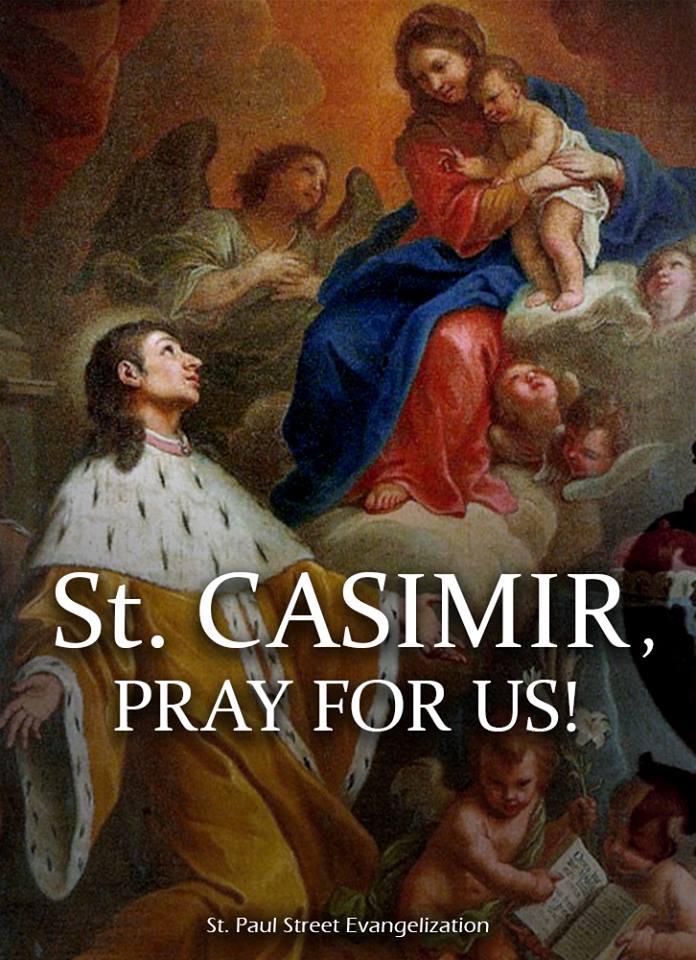
The calendar of the saints is studded with young saints: Agnes, Aloysius, Doiminic Savio, Maria Goretti……many more and today’s saint, Casimir. They chose to be different, independent and very bold during the times they lived. They chose to stand out from the crowd (almost the complete opposite of the desire of most of the young) and because of this choice, they had to walk a very singular path to sanctity. Casimir and Aloysius, both were princes but chose devotion to God above all, at a very early age. Youth too, needs its. saints and God sends them to us!
St Casimir pray for us especially for our youth!

Quote of the Day – 4 March
Quote of the Day – 4 March
““(St Casimir’s) life of purity and prayer
beckons you to practice your faith
with courage and zeal,
to reject the deceptive attractions
of modern permissive society
and to live your convictions
with fearless confidence and joy.”
St John Paul in 1984, to Lithuanian pilgrims, on the 500th anniversary of St Casimir’s death

One Minute Reflection – 4 March – “But above all these things have charity, which is the bond of perfection…” – Col 3:14
One Minute Reflection – 4 March – The Memorial of St Casimir (1458-1484) Confessor, Prince
“But above all these things have charity, which is the bond of perfection…” – Col 3:14
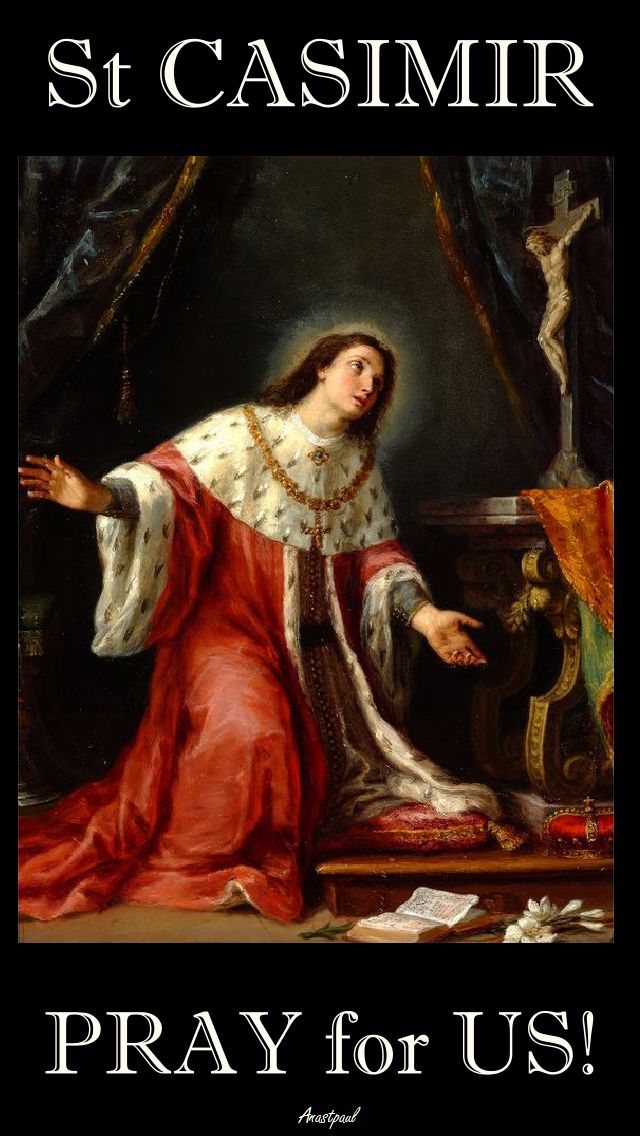
REFLECTION – “By the power of the Holy Ghost, Casimir burned with a sincere and unpretentious love for Almighty God that was almost unbelievable in its strength. So rich was his love and so abundantly did it fill his heart, that it flowed out from his inner spirit toward his fellow men. As a result nothing was more pleasant, nothing more desirable for him, than to share his belongings and even to dedicate and give his entire self to Christ’s poor, to strangers, to the sick, to those in captivity and all who suffer. To widows, orphans and the afflicted, he was not only a guardian and patron but a father, son and brother.” (From the Biography of Saint Casimir, written by a contemporary).

PRAYER – Loving Father, pour out Thy divine love into my heart and soul. Let me co-operate with that love and in this way strive for perfection in all virtues. St Casimir, you are a shining example to us all of how love should look, of how love should behave, please pray that we may too become beacons and hearts burning with love for all! Amen.
Our Morning Offering – 4 March
Our Morning Offering – 4 March – The Memorial of St Casimir (1458-1484 -aged 25)
Prince Casimir chose a life of celibacy and asceticism. He died at the age of twenty-six from tuberculosis, on 4 March 1484. He was buried in the cathedral at Vilna (now Vilnius, Lithuania). When in 1604 his tomb was opened for translation to the church that Sigismund III built in his name, his body was found to be fresh and whole. He was holding this prayer to the Virgin in his hands, in perfect condition.
His Memorial is today, 4 March.
Every day, O my soul,
pay your respects to Mary,
Make her feasts solemn
and celebrate her brilliant virtues.
Contemplate and admire her elevation;
Proclaim her blessedness
both as Mother and Virgin.
Honour her, so that she delivers you
from the weight of your sins.
Invoke her, so as not to be driven
by the torrent of passion.
I do know if anybody
can honour Our Lady worthily
Yet, he who keeps silent
in her praises is senseless.
Everyone should exalt
and love her in a special way,
And never cease to cherish and pray to he.
O Mary, the honour and glory of all women,
You who God has raised above all creatures,
O Virgin of Mercy, hear the prayers of those
who never stop praising you.
Purify those who are guilty
and make them worthy of heaven.
Hail, O holy Virgin,
through whom the gates of heaven
were opened to undeserving souls
You, who, the old serpent’s snares
never managed to seduce.
You repair and console despairing souls,
Preserve us from the evils
that will fall on the wicked,
Obtain perpetual peace for me,
And save us from the misfortune
of the flames of Gehenna;
Obtain for us the virtues of chasty and modesty,
and male us gentle, kind, sober, pious, prudent, upright
and the enemy of all falsehood.
Grant me meekness, love of harmony and purity.
Make me strong and constant
on the path of righteousness.
Amen
Saint of the Day – 4 March – St Casimir (1458-1484) Confessor
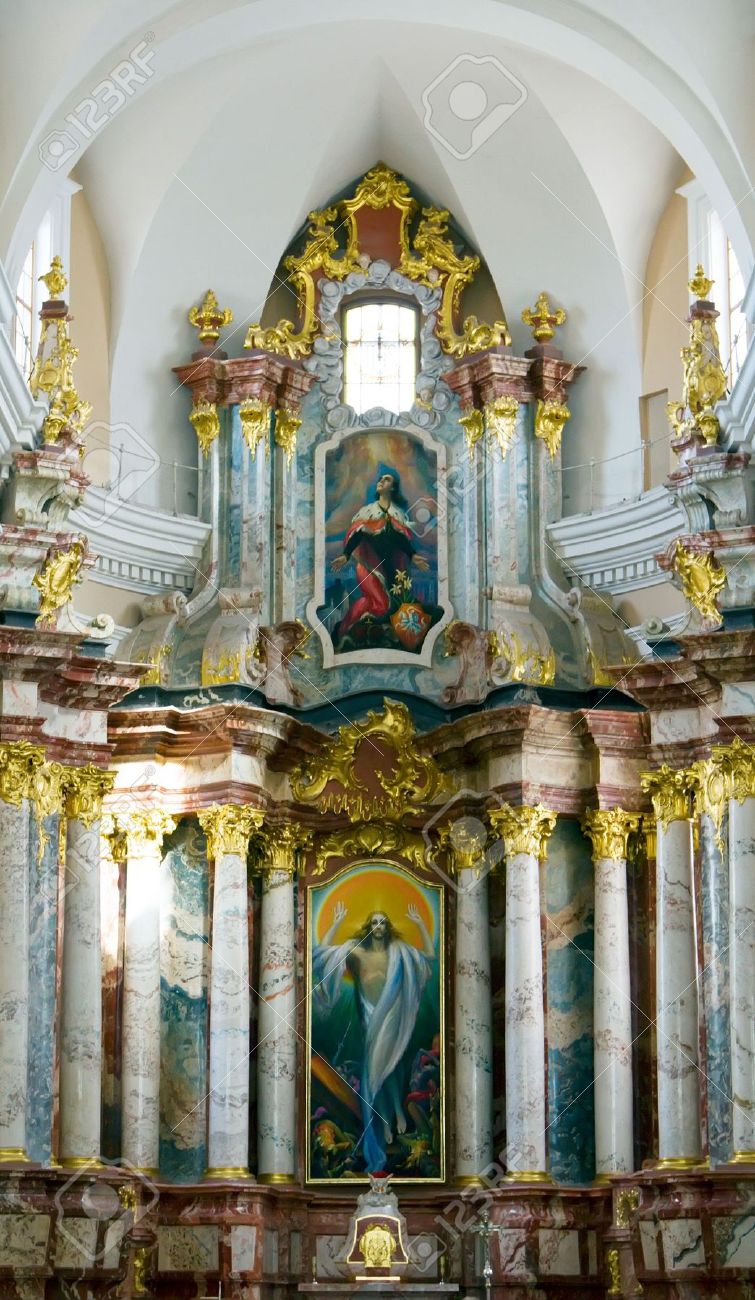
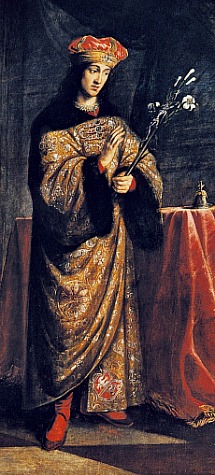
Saint of the Day – 4 March – St Casimir- (1458-148) aged 25 Confessor, Prince, Celibate, Ascetic, Apostle of Prayer, Apostle of Charity and Mercy, Marian Devotee, Eucharistic Adorer, Confessor – Patronages – against plagues/epidemics, of bachelors, kings, princes, Lithuania (proclaimed by Pope Urban VIII in 1636, Poland, Grodno, Belarus, Diocese of, youth. His body is incorrupt.
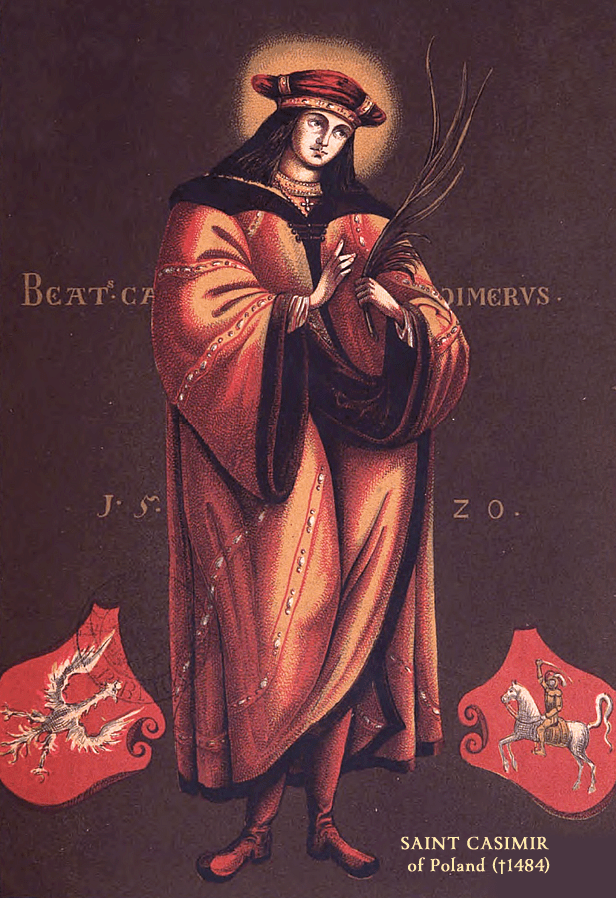
Casimir Jagiellon was born in 1458, the third of thirteen children born to Poland’s King Casimir IV and his wife Elizabeth of Austria. He and several of his brothers studied with the Priest and Historian, John Dlugosz, whose deep piety and political expertise influenced Casimir in his education.
The young Prince had a distaste for the luxury of courtly life and instead chose the way of asceticism and devotion. He wore plain clothes with a hair shirt beneath them, slept frequently on the ground and would spend much of the night in prayer and meditation on the suffering and death of Christ.
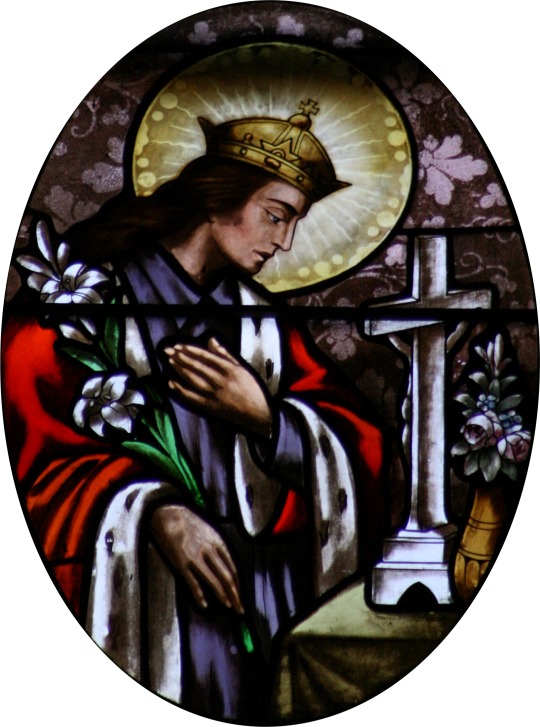
Casimir showed his love for God through these exercises of devotion and also through his material charity to the poor. He was known as a deeply compassionate young man who felt others’ pains acutely.
The young Prince was only 13 years old when his father was asked by the Hungarians to offer his son as their new King. Casimir was eager to aid the Hungarians in their defence against the Turks and went to be crowned. This plan was unsuccessful, however and he was forced to return to Poland.
After his return Casimir resumed his studies with Fr Dlugosz, while developing a canny grasp of politics by observing his father’s rule. In 1479 the King left Poland to attend to state business in Lithuania, leaving Prince Casimir in charge of the realm .between 1481 and 1483.
Advisers to the p=Prince joined his father in trying to convince Casimir to marry. But he preferred to remain single, focusing his life on the service of God and the good of his people.
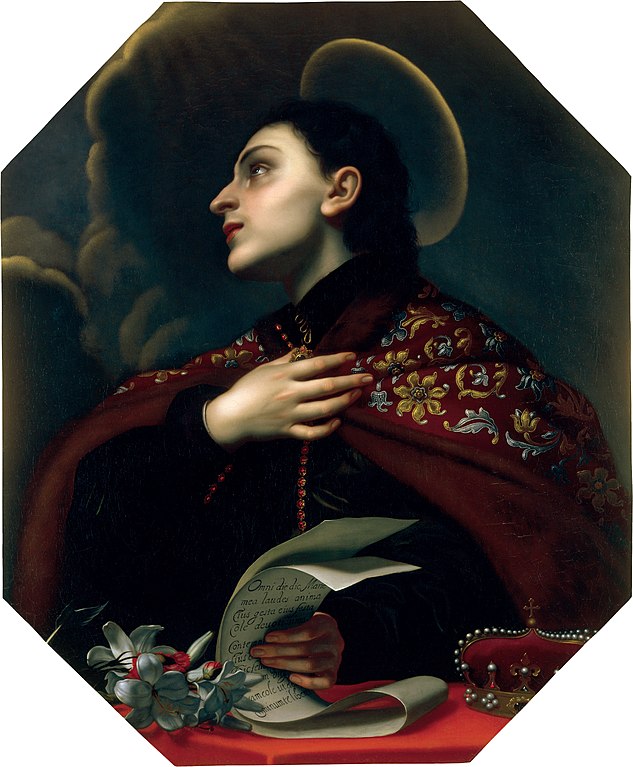
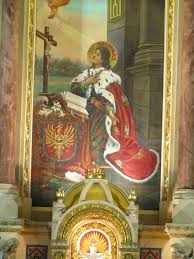
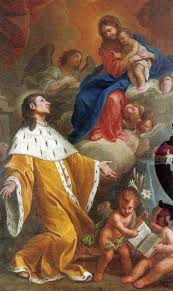
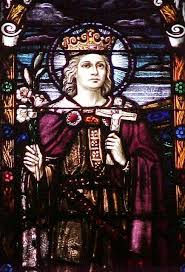
After experiencing symptoms of tuberculosis, Casimir foresaw his death and prepared for it by deepening his devotion to God. He died en route to Lithuania on 4 March 1484 and was buried with a copy of the Marian Hymn he sang daily “Daily, Daily Sing to Mary.” Pope Adrian VI Canonised him in 1522. After a lapse of one hundred and twenty years, his body was taken up, and found without the slightest sign of corruption.
Five centuries after his death, John Paul II recalled how St Casimir “embraced a life of celibacy, submitted himself humbly to God’s will in all things, devoted himself with tender love to the Blessed Virgin Mary and developed a fervent practice of adoring Christ present in the Blessed Sacrament.”
Saints – 4 March
St Casimir of Poland (Optional Memorial)
—
Adrian of May
Adrian of Nicomedia
Appian of Comacchio
Arcadius of Cyprus
Basinus of Trier
Felix of Rhuys
Gaius of Nicomedia
Giovanni Antonio Farina
Bl Humbert III of Savoy
Leonard of Avranches
Bl Marie-Louise-Élisabeth de Lamoignon de Dolé de Champlâtreux
Nestor the Martyr
Owen
Peter of Pappacarbone
Bl Placide Viel
Bl Rupert of Ottobeuren
—
Martyrs on the Appian Way – 900 saints – Group of 900 martyrs buried in the catacombs of Saint Callistus on the Appian Way, Rome, Italy.c260
Martyrs of Nicomedia – 20 saints – A group of 20 Christians murdered together for their faith. The only details about them to survive are three of their names – Archelaus, Cyrillos and Photius. Nicomedia, Bithynia (in modern Turkey)
Martyrs of the Crimea – 7 saints – A group of 4th century missionary bishops who evangelized in the Crimea and southern Russia, and we martyred for their work. We know little else beyond the names – Aetherius, Agathodorus, Basil, Elpidius, Ephrem, Eugene and Gapito.
Martyred by Communists: Bl Giovanni Fausti, Bl Gjelosh Lulashi, Bl Kolë Shllaku, Bl Zoltán Lajos Meszlényi
Martyred by Elizabeth I: Bl Alexander Blake, Bl Christopher Bales, Bl Nicholas Horner
Martyred by Nazis: Bl Mieczyslaw Bohatkiewicz, Bl Stanislaw Pyrtek, Bl Wladyslaw Mackowiak
Martyred in the Spanish Civil War: Bl Pedro Ruiz Ortega, Bl Pere Roca Toscas
LENTEN REFLECTION – The First Week of Lent – 3 MARCH
LENTEN REFLECTION – 3 MARCH
Emptied for Our Sake
.
By Bernard of Clairvaux
Christ’s self-emptying was neither a simple gesture nor a limited one. He emptied Himself even to the assuming of human nature, even to accepting death, death on a cross (Philippians 2:7).
Who is there that can adequately gauge the greatness of the humility, gentleness and self-surrender, revealed by the Lord of majesty in assuming human nature, in accepting the punishment of death, the shame of the cross?
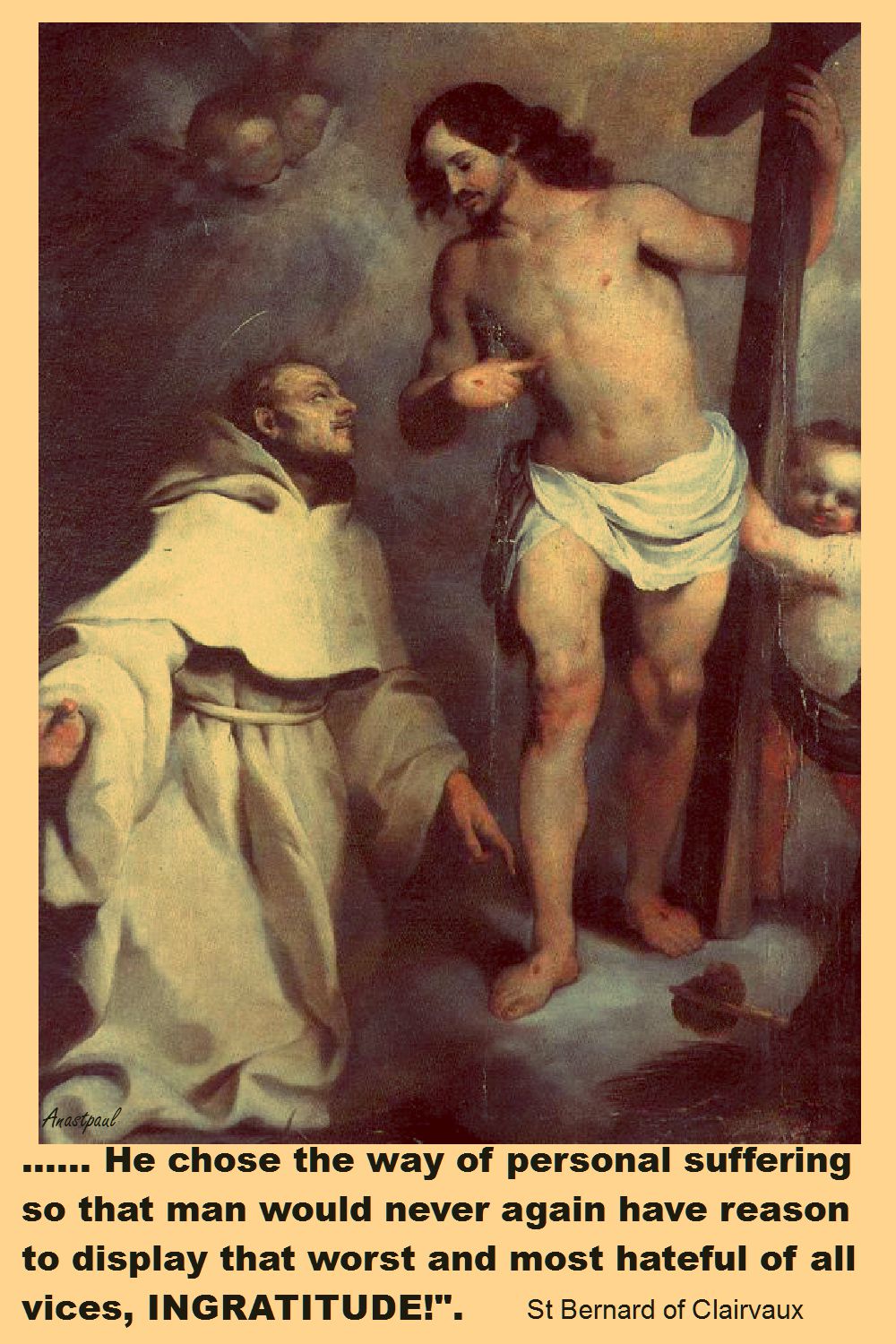
But somebody will say: “Surely the Creator could have restored His original plan without all that hardship?” Yes, He could but He chose the way of personal suffering so that man would never again have reason to display that worst and most hateful of all vices, ingratitude.
Even if God made you out of nothing, you have not been redeemed out of nothing. In six days He created all things and among them, you. On the other hand, for a period of thirty whole years He worked your salvation in the midst of the earth.
What He endured in those labours! To His bodily needs and the abuses from His enemies did He not add the mightier burden of the humiliation of the cross and crown it all with the horror of His death? And this was indeed necessary. Man and beast you save, 0 Lord (Psalm 36:6). How you have multiplied your mercy, 0 God!
HOW TO AVOID PURGATORY By Fr. Paul O’Sullivan O.P.
HOW TO AVOID PURGATORY By Fr. Paul O’Sullivan O.P.
For those who have not read this little book and to refresh myself, I will be posting the entire book in daily doses. (To read later find in the Purgatory Category).
Chapter 13
TO AVOID PURGATORY, DO AS FOLLOWS
1. In every prayer you say, every Mass you hear, every Communion you
receive, every good work you perform, have the express intention of
imploring God to grant you a holy and happy death and no Purgatory. Surely
God will hear a prayer said with such confidence and perseverance.
2. Always wish to do God’s will. It is in every sense the best for you.
When you do or seek anything that is not God’s will, you are sure to
suffer. Say fervently, therefore, each time you recite the Our Father: “Thy
will be done”
3. Accept all the sufferings, sorrows, pains and disappointments of life,
be they great or small: ill health, loss of goods, the death of your dear
ones, heat or cold, rain or sunshine, as coming from God. Bear them calmly
and patiently for love of Him and in penance for your sins. Of course one
may use all his efforts to ward off trouble and pain but when one cannot
avoid them let him bear them manfully.
Impatience and revolt make sufferings vastly greater and more difficult to
bear.
4. Christ’s life and actions are so many lessons for us to imitate.
The greatest act in His life was His Passion. As He had a Passion, so each
one of us has a passion. Our passion consists in the sufferings and labours
of every day. The penance God imposed on man for sin was to gain his bread
in the sweat of his brow. Therefore, let us do our work, accept its
disappointments and hardships and bear our pains in union with the Passion
of Christ. We gain more merit by a little pain than by years of pleasure.
5. Forgive all injuries and offences, for in proportion as we forgive
others, God forgives us.
6. Avoid mortal sins and deliberate venial sins and break off all bad
habits. Then it will be relatively easy to satisfy God’s justice for sins
of frailty. Above all, avoid sins against charity and against chastity,
whether in thought, word or deed, for these sins [and the expiation for
them] are the reason why many souls are detained in Purgatory for long
years.
7. If afraid of doing much, do many little things, acts of kindness and
charity, give the alms you can, cultivate regularity of life, method in
work and punctuality in the performance of duty; don’t grumble or complain
when things are not as you please; don’t censure and complain of others;
never refuse to do a favour to others when it is possible.
These and suchlike little acts are a splendid penance.
8. Do all in your power for the Holy Souls in Purgatory. Pray for them
constantly, get others to do so, join the Association of the Holy Souls and
ask all those you know to do likewise. The Holy Souls will repay you most
generously.
9. There is no way more powerful of obtaining from God a most holy and
happy death than by weekly Confession, daily Mass and daily Communion.
10. A daily visit to the Blessed Sacrament–it need only be three or four
minutes–is an easy way of obtaining the same grace. Kneeling in the
presence of Jesus with eyes fixed on the Tabernacle, sure that He is
looking at us, let us for a few minutes repeat some little prayer like
these: “My Jesus, mercy.” “My Jesus, have pity on me, a sinner” “My Jesus,
I love You” “My Jesus, give me a happy death”
Thought for the Day – 3 March
Thought for the Day – 3 March
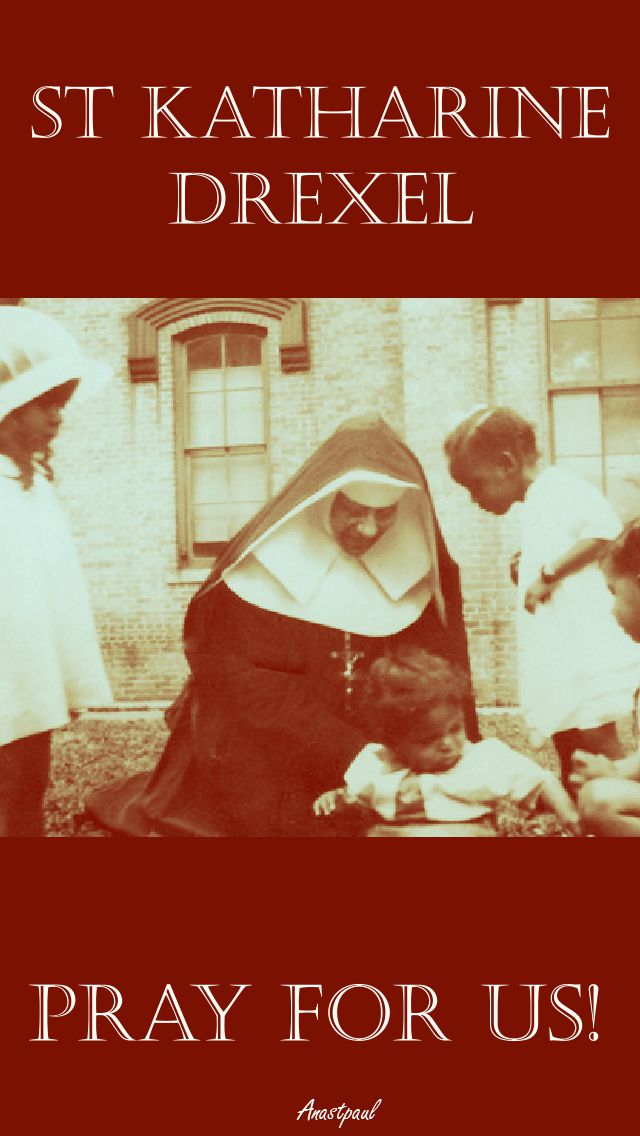
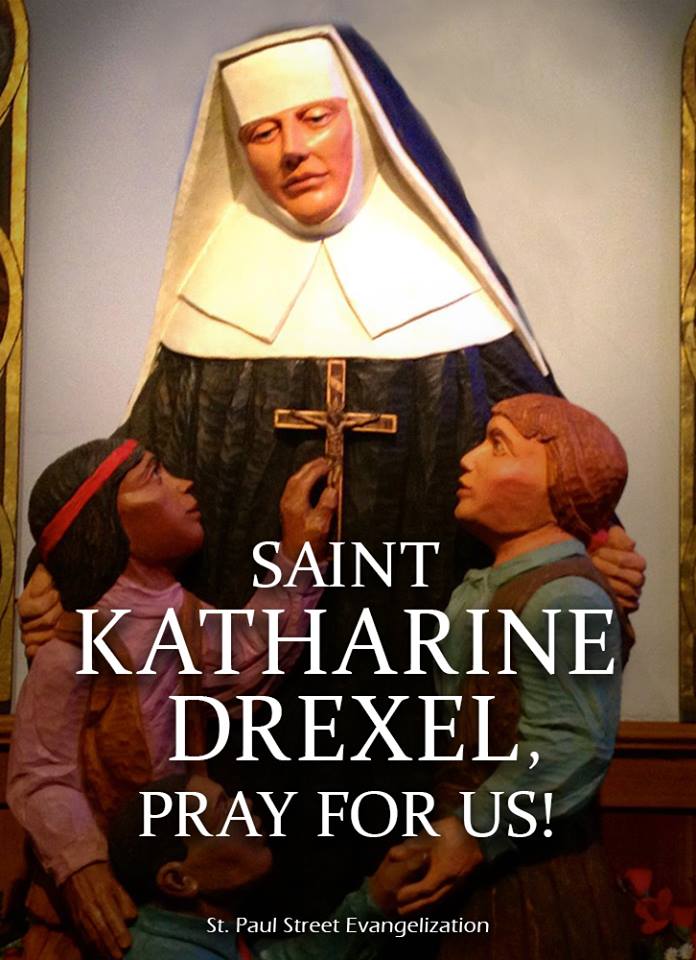
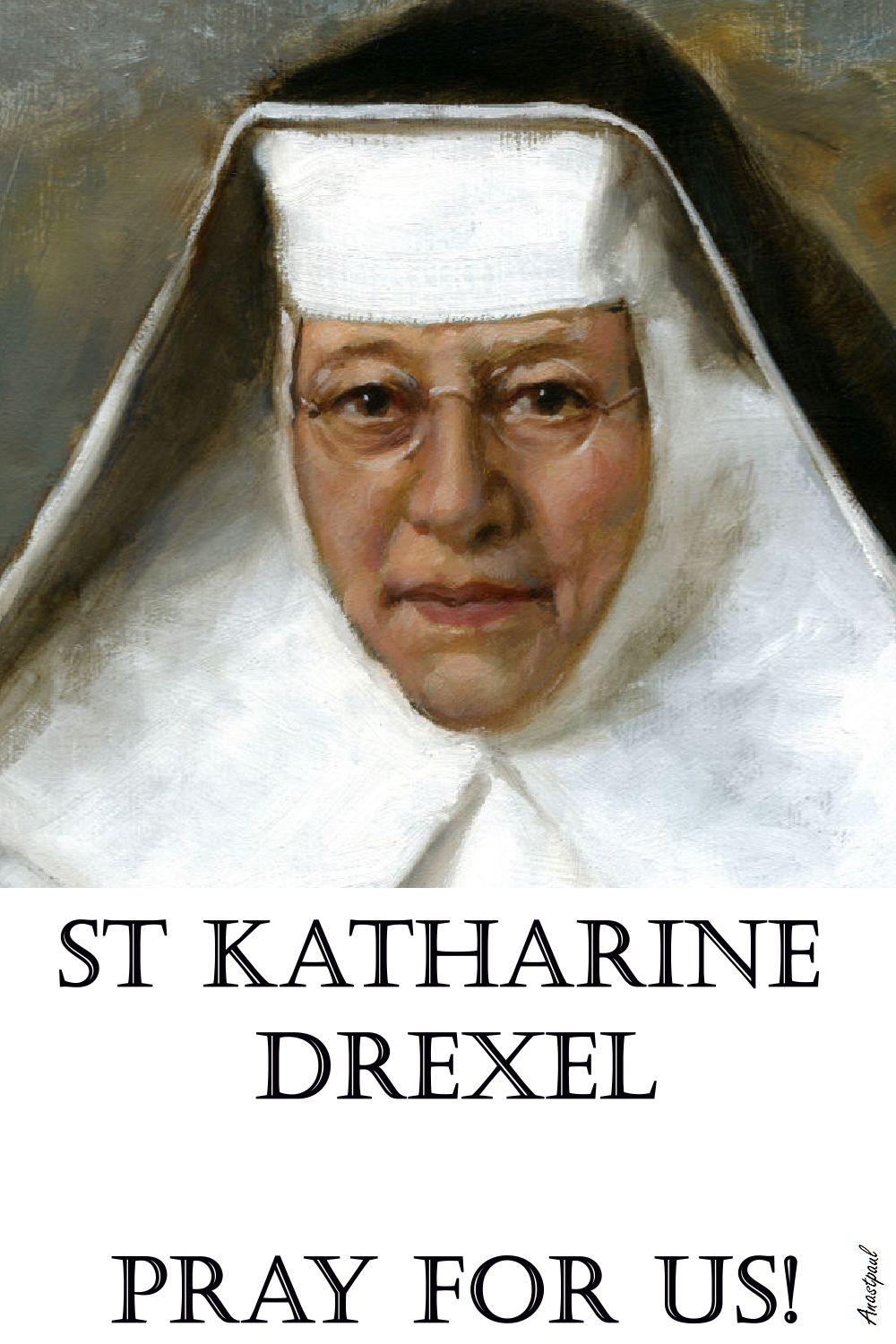
At first St Katharine Drexel was going to give only her fortune to the work of the missions but instead, at the suggestion of the Pope, gave herself. Her long life was spent bringing the faith to others and inspiring others to join her. God wants more than our generosity – He wants us! Perhaps we should look around and see how we might serve Him?
Katharine’s vast inheritance was distributed among her father’s twenty-nine favourite charities. Not a penny went to her own community. She wanted her sisters to live by faith, trusting God—not money—for everything!
St Katharine Drexel, pray for us!
Quotes/s of the Day – 3 March
Quotes/s of the Day – 3 March
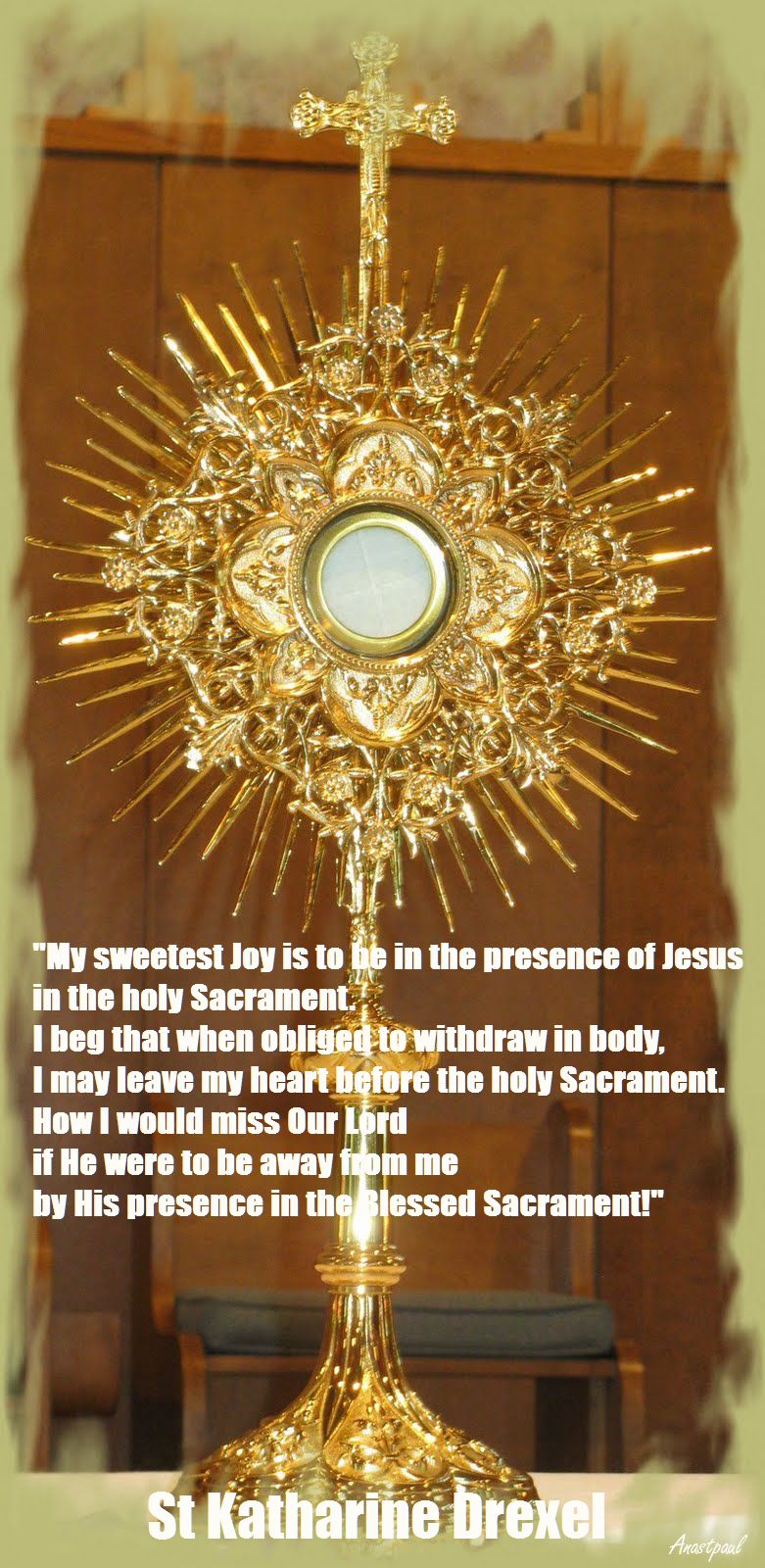
“My sweetest Joy is to be in the presence of Jesus in the holy Sacrament. I beg that when obliged to withdraw in body, I may leave my heart before the holy Sacrament. How I would miss Our Lord if He were to be away from me by His presence in the Blessed Sacrament!”
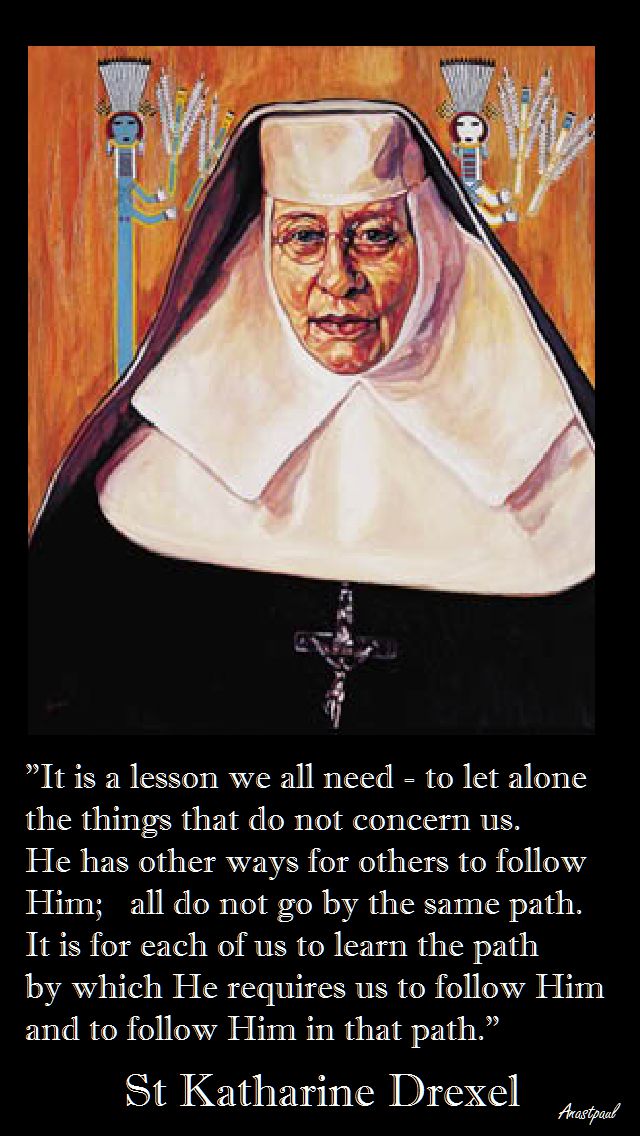
“It is a lesson we all need – to let alone the things that do not concern us. He has other ways for others to follow Him; all do not go by the same path. It is for each of us to learn the path by which He requires us to follow Him and to follow Him in that path.”
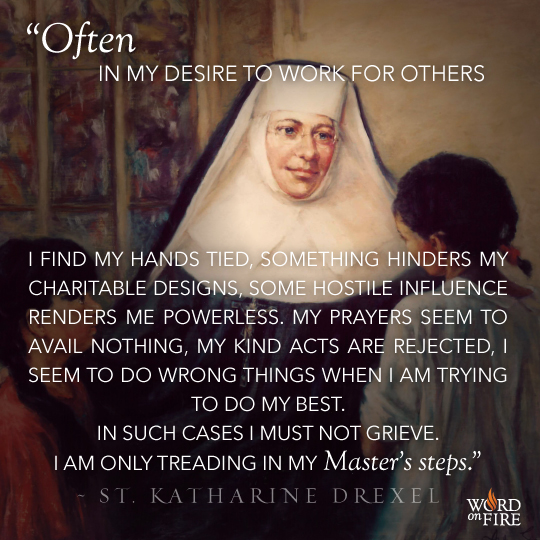
“Often in my desire to work for others I find my hands tied, something hinders my charitable designs, some hostile influence renders me powerless. My prayers seem to avail nothing, my kind acts are rejected, I seem to do the wrong thing when I am trying to do my best. In such cases I must not grieve. I am only treading in my Master’s steps.”
St Katharine Drexel
One Minute Reflection – 3 March
One Minute Reflection – 3 March
He who does not take up his cross and come after me is not worthy of me…………….Matthew 10:38
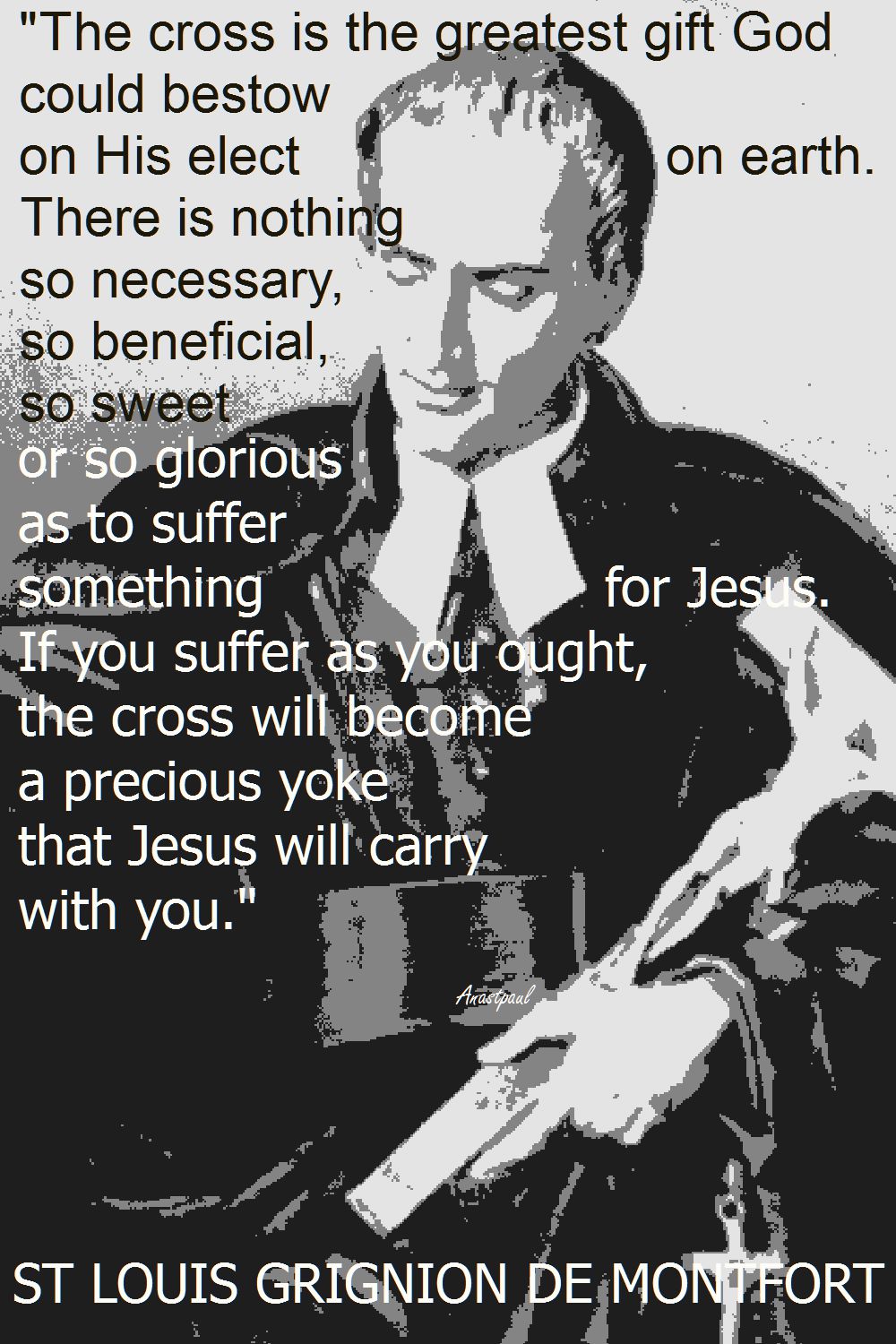
REFLECTION – “The cross is the greatest gift God could bestow on His elect on earth. There is nothing so necessary, so beneficial, so sweet, or so glorious as to suffer something for Jesus. If you suffer as you ought, the cross will become a precious yoke that Jesus will carry with you.”…………..St Louis Grignion de Montfort
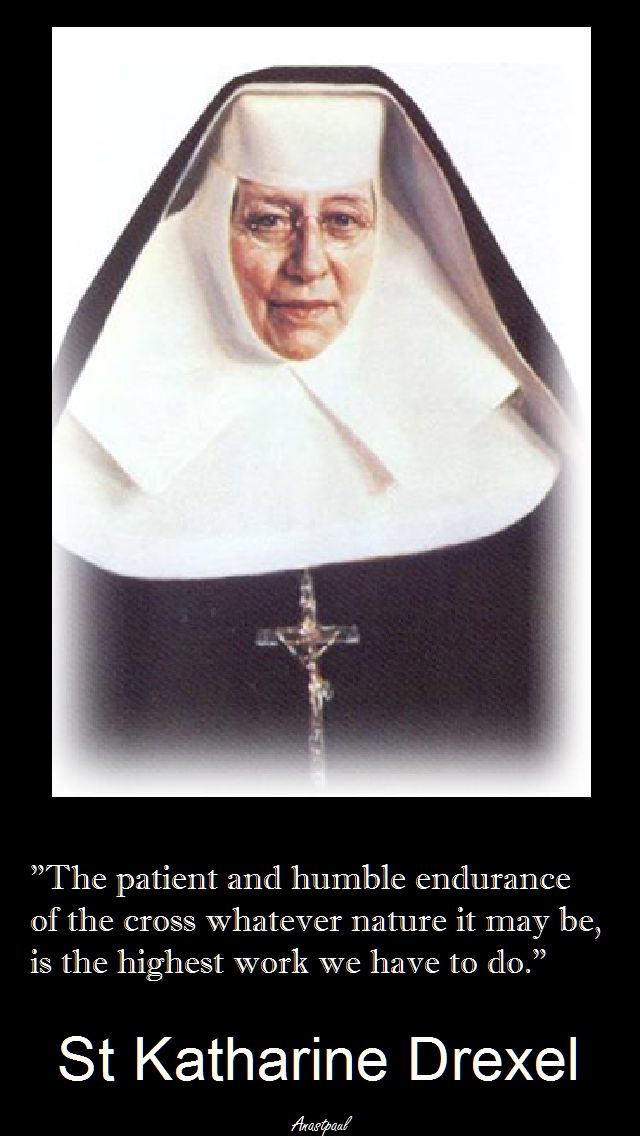
“The patient and humble endurance of the cross whatever nature it may be, is the highest work we have to do.”………..St Katharine Drexel
PRAYER – Lord Jesus, impress upon me that without a cross on earth there will be no crown in heaven. Help me to bear my cross daily for You as You bore Your Cross for me and for all mankind. St Katharine Drexel, pray for us, amen.
Our Morning Offering – 3 March
Our Morning Offering – 3 March
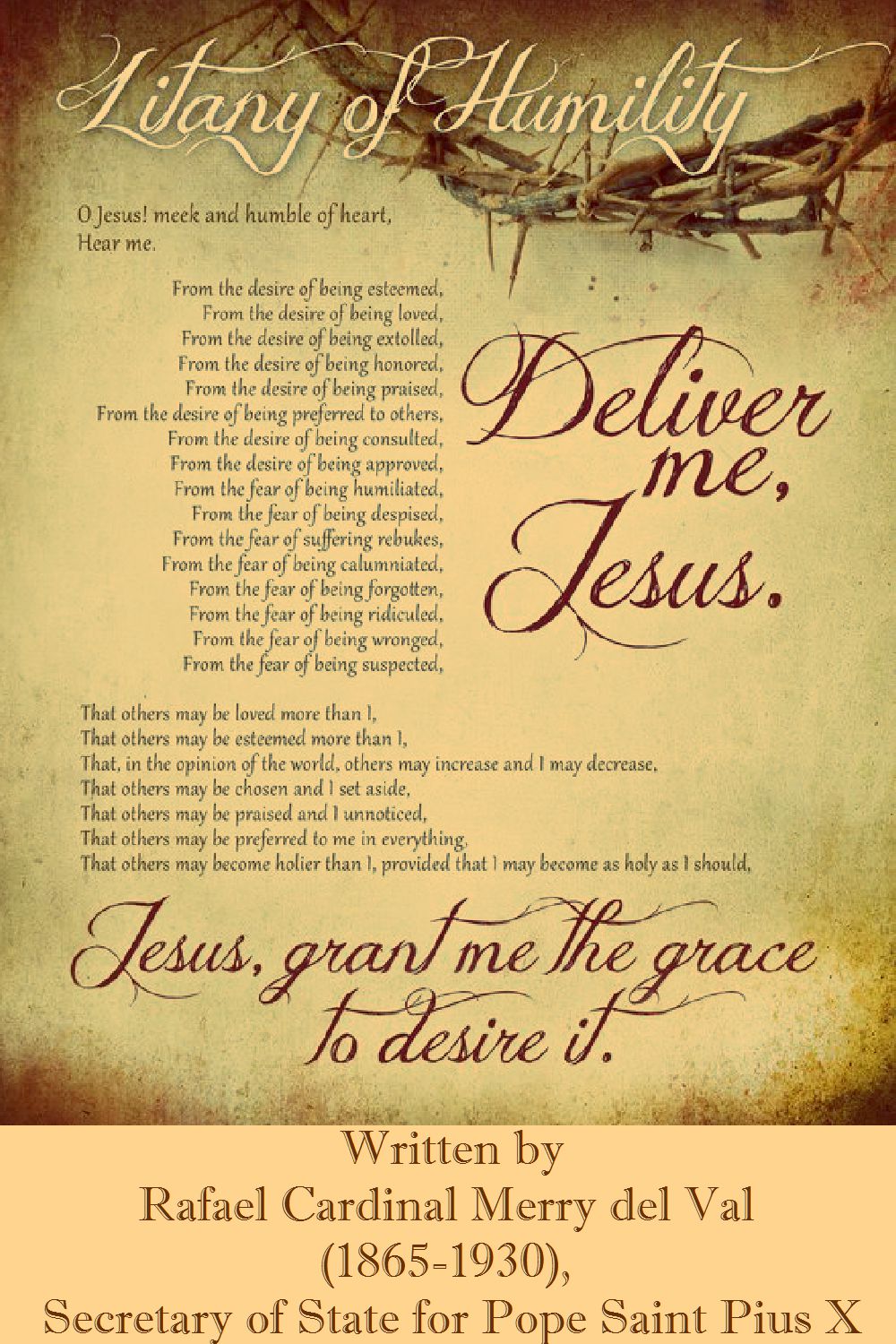
Litany of Humility
Written by Rafael Cardinal Merry del Val (1865-1930),
Secretary of State for Pope Saint Pius X
O Jesus! meek and humble of heart, hear me.
From the desire of being esteemed, deliver me, O Jesus.
From the desire of being loved, deliver me, O Jesus.
From the desire of being extolled, deliver me, O Jesus.
From the desire of being honoured, deliver me, O Jesus.
From the desire of being praised, deliver me, O Jesus.
From the desire of being preferred to others, deliver me, O Jesus.
From the desire of being consulted, deliver me, O Jesus.
From the desire of being approved, deliver me, O Jesus.
From the fear of being humiliated, deliver me, O Jesus.
From the fear of being despised, deliver me, O Jesus.
From the fear of suffering rebukes, deliver me, O Jesus.
From the fear of being calumniated, deliver me, O Jesus.
From the fear of being forgotten, deliver me, O Jesus.
From the fear of being ridiculed, deliver me, O Jesus.
From the fear of being wronged, deliver me, O Jesus.
From the fear of being suspected, deliver me, O Jesus.
That others may be loved more than I, O Jesus, grant me the grace to desire it.
That others may be esteemed more than I, grant me the grace to desire it.
That, in the opinion of the world, grant me the grace to desire it.
That others may increase and I may decrease, grant me the grace to desire it.
That others may be chosen and I set aside, grant me the grace to desire it.
That others may be praised and I unnoticed, grant me the grace to desire it.
That others may be preferred to me in everything, grant me the grace to desire it.
March – The Month of St Joseph
March – The Month of St Joseph
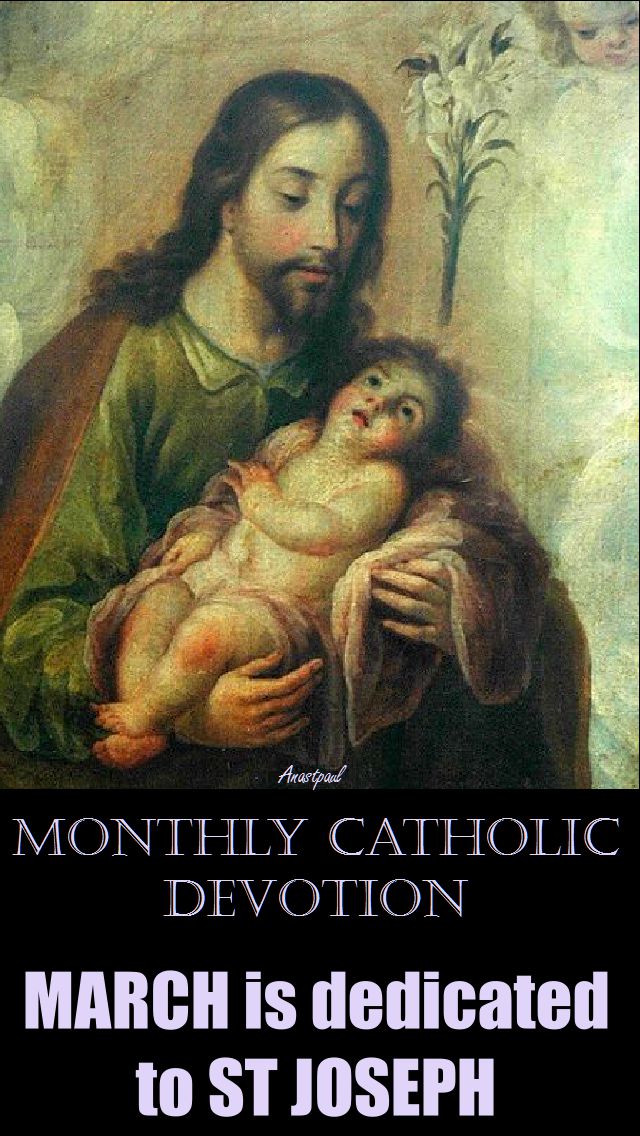
The Catholic Church dedicates the entire month of March to Saint Joseph and urges us to pay special attention to his life and example. In the 20th century, several popes had a deep devotion to Saint Joseph and Pope Saint Pius X (1903-14) approved a public litany, the Litany of Saint Joseph, while Pope John XXIII (1958-63) wrote A Prayer for Workers, asking Saint Joseph to intercede for them.
Fathers, in particular, should cultivate devotion to Saint Joseph, whom God Himself chose to care for His Son. As we learn more about Saint Joseph, we can teach our own boys about the virtues of fatherhood through his example.
Litany of St. Joseph
Lord, have mercy on us.
Christ, have mercy on us.
Lord, have mercy on us.
Christ, hear us.
Christ, graciously hear us.
God the Father of Heaven, have mercy on us.
God the Son, Redeemer of the world,
God, the Holy Spirit,
Holy Trinity, One God, have mercy on us.
Holy Mary, pray for us.
Saint Joseph,
Illustrious Scion of David,
Light of Patriarchs,
Spouse of the Mother of God,
Chaste guardian of the Virgin,
Foster-father of the Son of God,
Watchful defender of Christ,
Head of the Holy Family,
Joseph most just,
Joseph most chaste,
Joseph most prudent,
Joseph most valiant,
Joseph most obedient,
Joseph most faithful,
Mirror of patience,
Lover of poverty,
Model of workmen,
Glory of home life,
Guardian of virgins,
Pillar of families,
Solace of the afflicted,
Hope of the sick,
Patron of the dying,
Terror of demons,
Protector of Holy Church, pray for us.
Lamb of God, who takest away the sins of the world, spare us, O Lord.
Lamb of God, who takest away the sins of the world, graciously hear us, O Lord.
Lamb of God, who takest away the sins of the world, have mercy on us.
L. He made him lord over his house,
R. And the ruler of all his possessions.
Let us pray.
O God, who in Your ineffable providence did vouchsafe to choose blessed Joseph to be the spouse of Your most holy Mother: grant, we beseech You, that we may have him for an intercessor in heaven, whom we venerate as our protector on earth. Who lives and reigns world without end. Amen.
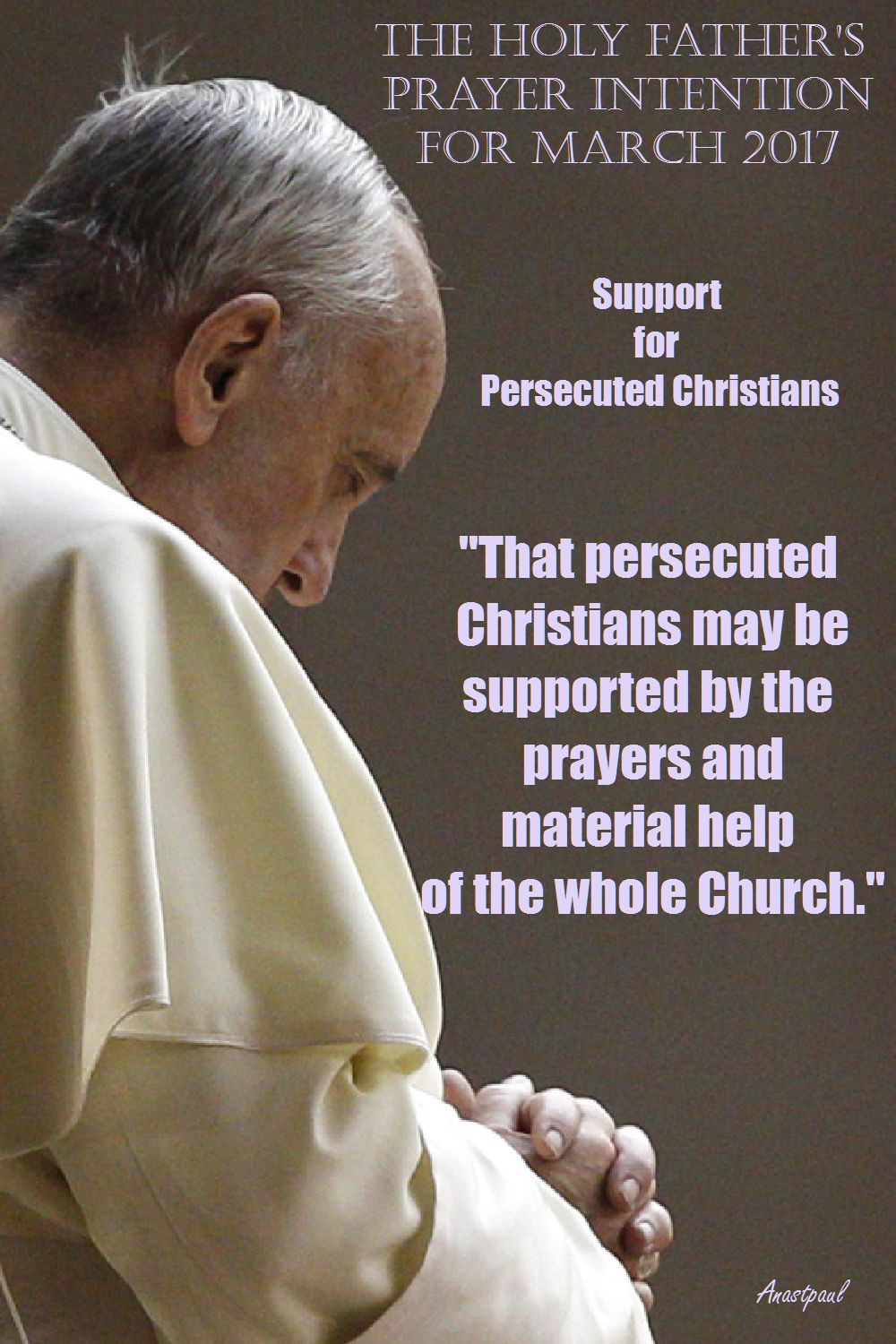
THE HOLY FATHER’S PRAYER INTENTION FOR MARCH 2017
THE HOLY FATHER’S PRAYER INTENTION FOR MARCH 2017
Support for Persecuted Christians
.
“That persecuted Christians may be supported by the prayers and material help
of the whole Church.”
Saint of the Day – 3 March – St Katharine Drexel
Saint of the Day – 3 March – St Katharine Drexel S.B.S (Sisters of the Blessed Sacrament) (1858-1955-AGED 96) – was an American heiress, philanthropist, religious sister, missionary, educator, and foundress. She was canonised by the Roman Catholic Church in 2000; her feast day is observed on March 3. She is the only canonised saint to have been born a United States citizen – Patron of Philanthropy, racial justice


Francis A. Drexel, a world-renowned banker and a man of faith, provided his family a life of ease. And Emma Bouvier, her stepmother, trained Katharine and her two sisters in generous giving. Mrs. Drexel believed God gave wealth to the family to aid others and regularly involved her daughters in distributing food, medicine, clothing and rent money to the poor. The experience shaped Katharine’s future.
As a rich girl, Katharine also had a grand debut into society. But when she nursed her stepmother through a three-year terminal illness, she saw that all the Drexel money could not buy safety from pain or death and her life took a profound turn. Both parents died by 1885, leaving Katharine and her sisters to share the annual income from a fourteen-million-dollar estate. Right away Katharine began to donate thousands of dollars to the Bureau of Catholic Indian Missions for the construction and staffing of schools for Native American children, which became her life’s passion. Katharine had always been interested in the plight of the Indians, having been appalled by what she read in Helen Hunt Jackson’s A Century of Dishonour. While on a European tour, she met Pope Leo XIII and asked him to send more missionaries to Wyoming for her friend Bishop James O’Connor. The pope replied, “Why don’t you become a missionary?” His answer shocked her into considering new possibilities.
Back home, Katharine visited the Dakotas, met the Sioux leader Red Cloud and began her systematic aid to Indian missions.
At this time, however, Katharine’s spirit was in turmoil. Bishop James O’Connor, her spiritual director, thought she should remain a single woman serving in the world. But she wished to become a contemplative nun. “My heart is very sorrowful, she wrote him in 1886, because like the little girl who wept when she found that her doll was stuffed with sawdust and her drum was hollow, I, too, have made a horrifying discovery and my discovery like hers is true. I have ripped both the doll and the drum open and the fact lies plainly and in all its glaring reality before me: All, all, all (there is no exception) is passing away and will pass away.”
In 1891, Katharine resolved the tension by founding a new religious community, the Sisters of the Blessed Sacrament for Indians and Coloured People, that combined prayer and social action. By 1904, 104 sisters had joined her. After three and a half years of training, Mother Drexel and her first band of nuns–Sisters of the Blessed Sacrament for Indians and Coloured–opened a boarding school in Santa Fe. A string of foundations followed. By 1942, she had a system of black Catholic schools in 13 states, plus 40 mission centers and 23 rural schools. Segregationists harassed her work, even burning a school in Pennsylvania. In all, she established 50 missions for Indians in 16 states.
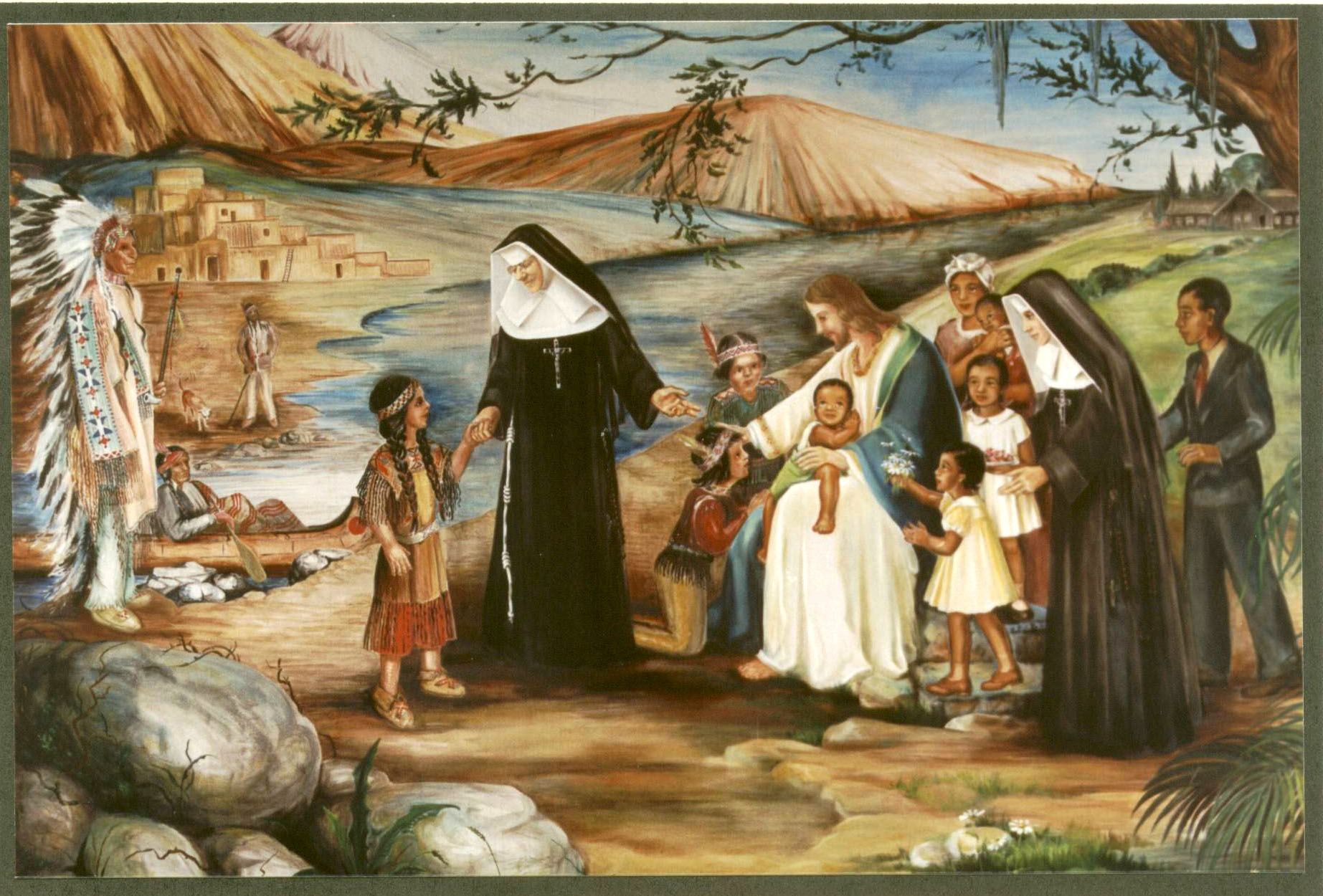
Two saints met when Mother Drexel was advised by Mother Cabrini about the “politics” of getting her order’s Rule approved in Rome. Her crowning achievement was the founding of Xavier University in New Orleans, the first Catholic university in the United States for African Americans.
Katharine established 145 Catholic missions and twelve schools for Native Americans and fifty schools for blacks. During her lifetime she gave away about twenty million dollars, mostly for these causes.
In 1935, Katharine suffered a severe heart attack. Two years later she retired and got her heart’s desire—eighteen years of quiet contemplation before she died in 1955 at age ninety-six.


Saints – 3 March
St Katharine Drexel (Optional Memorial)
—
St Anselm of Nonantola
St Arthelais of Benevento
Bl Benedetto Sinigardi da Arezzo
St Calupan
St Camilla
St Cele-Christ
St Cunegundes
St Foila
Bl Frederick of Hallum
St Gervinus
Bl Innocent of Berzo
Bl Jacobinus de’ Canepaci
St Lamalisse
St Non
Bl Peter de Geremia
Bl Pierre-René Rogue
St Sacer
St Teresa Eustochio Verzeri
St Titian of Brescia
St Winwallus of Landévennec
—
40 Martyrs in North Africa – A group of Christians martyred together in North Africa, date unknown. No details have survived, but we know these names – Antonius, Artilaus, Asclipius, Astexius, Basil, Bosimus, Carissimus, Castus, Celedonius, Claudianus, Cyricus, Donata, Emeritus, Emeterius, Euticus, Felix, Fortunatus, Frunumius, Gajola, Georgius, Gorgonius, Hemeterus, Isicus, Janula, Julius, Luciola, Luciolus, Marcia, Marinus, Meterus, Nicephorus, Papias, Photius, Risinnius, Sabianus, Savinianus and Solus
Martyrs of Pontus – 3+ saints – A large group of Christians martyred together in the persecutions of Emperor Maximian Galerius and governor Ascleopiodato. We have some details on three of them – Basiliscus, Cleonicus and Eutropius. 308 in Pontus (in modern Turkey)
Martyrs of Caesarea;
Asterius
Marinus
Martyrs of Calahorra
Cheledonius
Emeterius
Martyrs of Gondar, Ethiopia:
Bl Antonio Francesco Marzorati
Bl Johannes Laurentius Weiss
Bl Michele Pío Fasol
LENTEN REFLECTION – The First Week of Lent – 2 MARCH
LENTEN REFLECTION – 2 MARCH
Purification of Spirit through fasting and almsgiving
by St Pope Leo the Great (died 461 AD) Doctor of the Church
Dear friends, at every moment the earth is full of the mercy of God and nature itself is a lesson for all the faithful in the worship of God. The heavens, the sea and all that is in them bear witness to the omnipotence of their Creator and the marvelous beauty of the elements as they obey him demands from the intelligent creation a fitting expression of its gratitude.
But with the return of that season marked out in a special way by the mystery of our redemption and of the days that lead up to the paschal feast, we are summoned more urgently to prepare ourselves by a purification of spirit.
The special note of the paschal feast is this: the whole Church rejoices in the forgiveness of sins. It rejoices in the forgiveness not only of those who are then reborn in holy baptism but also of those who are already numbered among God’s adopted children.
Initially, men are made new by the rebirth of baptism. Yet there is still required a daily renewal to repair the shortcomings of our mortal nature and whatever degree of progress has been made there is no one who should not be more advanced. All must therefore strive to ensure that on the day of redemption no one may be found in the sins of his former life.
Dear friends, what the Christian should be doing at all times should be done now with greater care and devotion, so that the Lenten fast enjoined by the apostles may be fulfilled, not simply by abstinence from food but above all by the renunciation of sin.
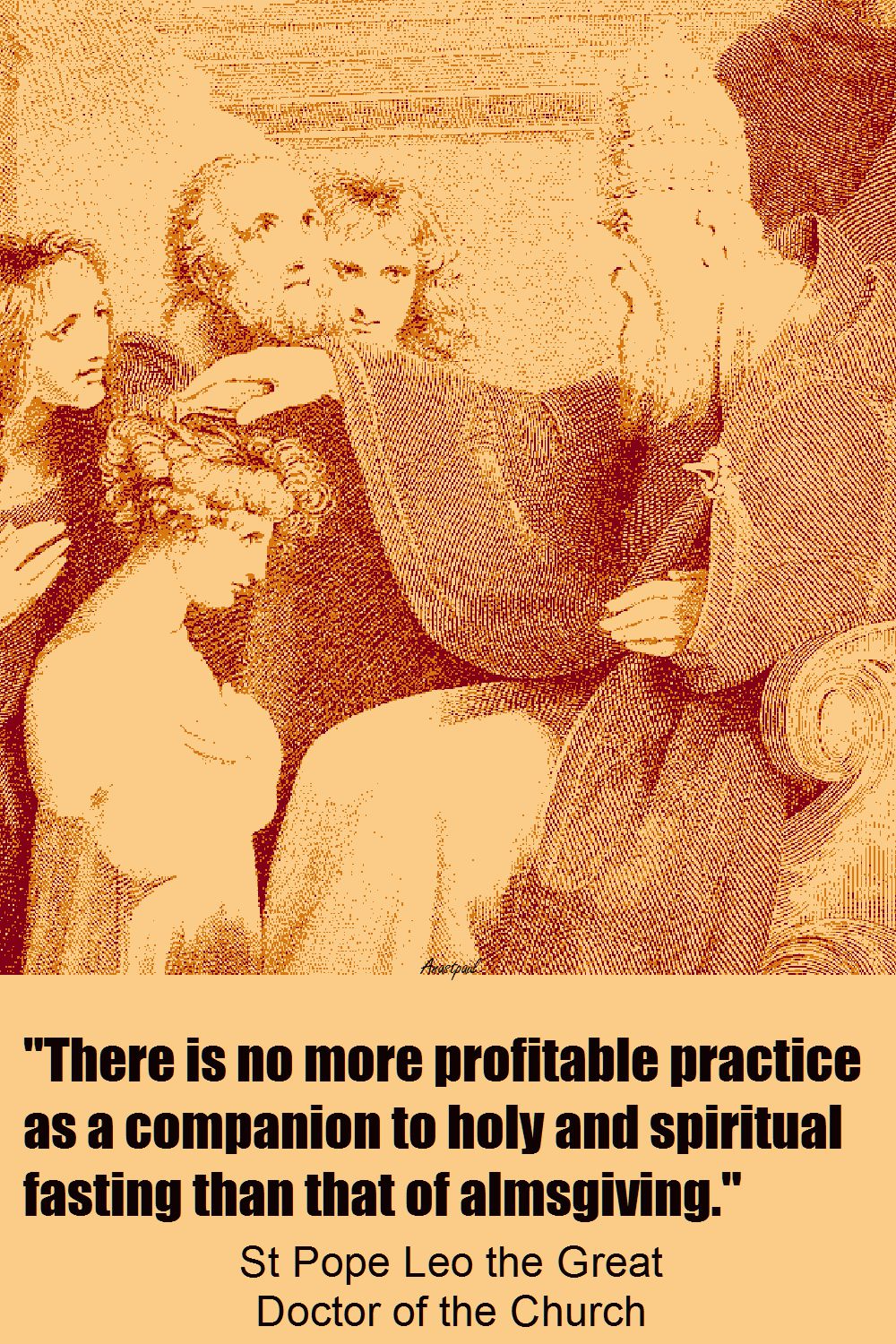
There is no more profitable practice as a companion to holy and spiritual fasting than that of almsgiving. This embraces under the single name of mercy many excellent works of devotion, so that the good intentions of the faithful may be of equal value, even where their means are not. The love that we owe both God and man is always free from any obstacle that would prevent us from having a good intention. The angels sang: Glory to God in the highest and peace to his people on earth. The person who shows love and compassion to those in any kind of affliction is blessed, not only with the virtue of good will but also with the gift of peace.
The works of mercy are innumerable. Their very variety brings this advantage to those who are true Christians, that in the matter of almsgiving not only the rich and affluent but also those of average means and the poor are able to play their part. Those who are unequal in their capacity to give can be equal in the love within their hearts.
Thought for the Day – 2 March
Thought for the Day – 2 March
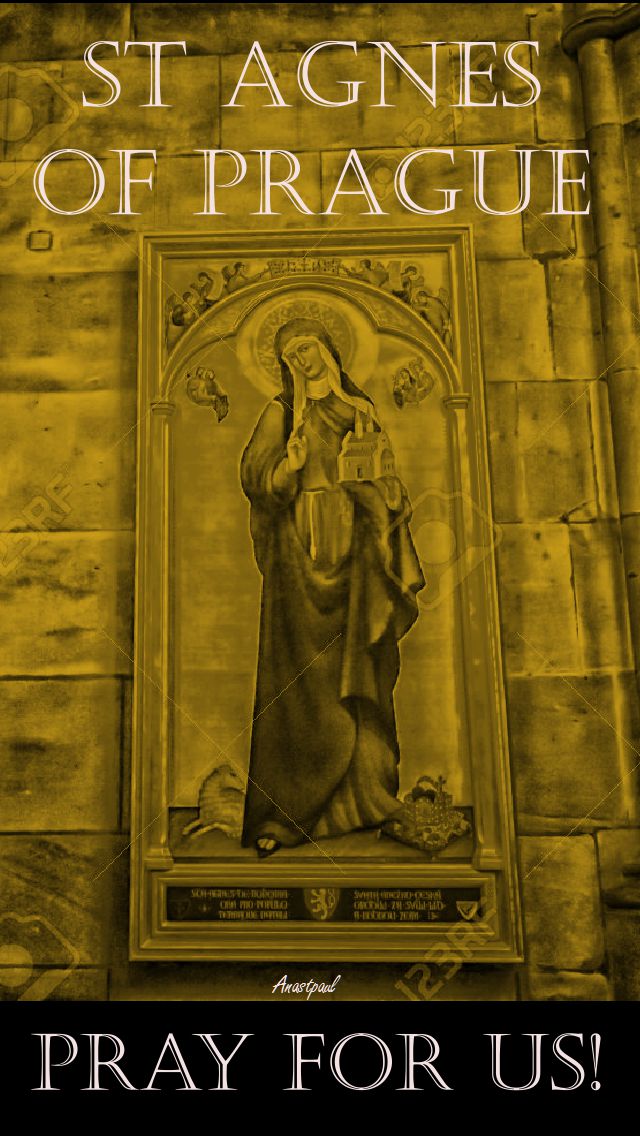
Sometimes we have to break out of the mold into which others have placed us and hew our own unique pathway to God. A princess is expected to be a princess but St Agnes saw something more valuable and more important and refused the throne of an empress. She knew what she wanted and would let nothing stand in her way. When God calls, we leave all else behind!
St Agnes of Prague, pray for us!

Quote of the Day – 2 March
Quote of the Day – 2 March
“Happy the soul to whom it is given to attain this life with Christ, to cleave with all one’s heart to Him whose beauty all the heavenly hosts behold forever, whose love inflames our love, the contemplation of whom is our refreshment, whose graciousness is our delight, whose gentleness fills us to overflowing, whose remembrance makes us glow with happiness, whose fragrance revives the dead, the glorious vision of whom will be the happiness of all the citizens of the heavenly Jerusalem. For He is the brightness of eternal glory, the splendour of eternal light, the mirror without spot.”
St Clare of Assisi to St Agnes of Prague

(Read the entire letter here: http://www.beliefnet.com/columnists/bread_on_the_trail/2011/08/a-letter-of-st-clare-to-blessed-agnes-of-prague-on-christian-contemplation.html)
 AnaStpaul
You must be logged in to post a comment.