Our Morning Offering – 15 January – The Feast of Our Lady of Banneux
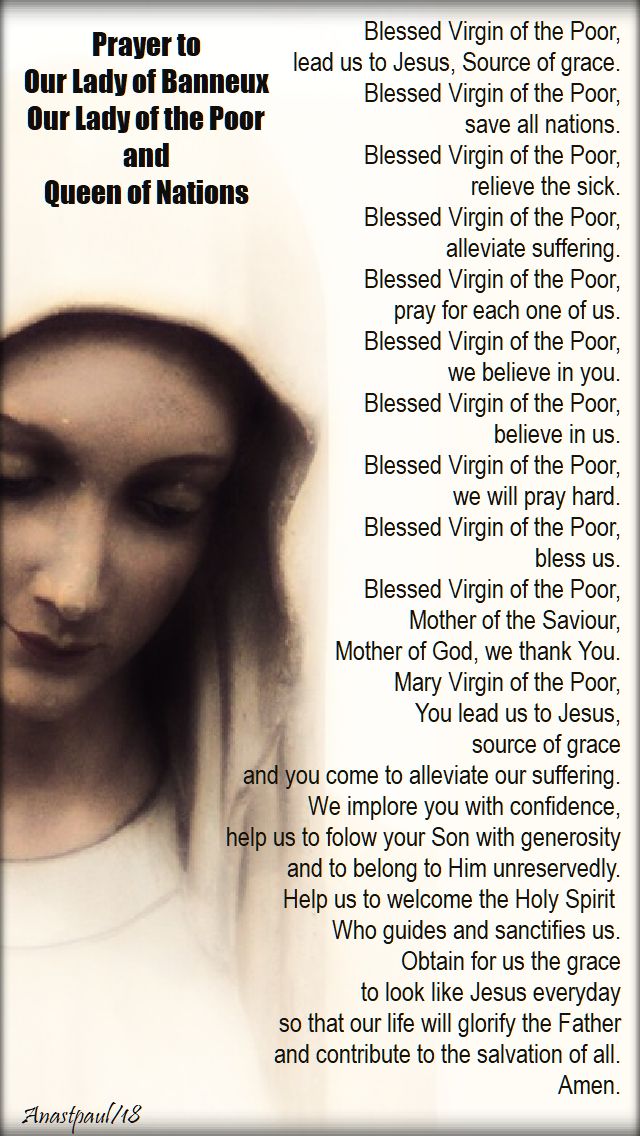
Prayer to Our Lady of Banneux Our Lady of the Poor and Queen of Nations
Blessed Virgin of the Poor,
lead us to Jesus, Source of grace.
Blessed Virgin of the Poor, save all nations.
Blessed Virgin of the Poor, relieve the sick.
Blessed Virgin of the Poor, alleviate suffering.
Blessed Virgin of the Poor, pray for each one of us.
Blessed Virgin of the Poor, we believe in you.
Blessed Virgin of the Poor, believe in us.
Blessed Virgin of the Poor, we will pray hard.
Blessed Virgin of the Poor, bless us.
Blessed Virgin of the Poor,
Mother of the Saviour,
Mother of God, we thank You.
Mary Virgin of the Poor,
You lead us to Jesus,
source of grace
and you come to alleviate our suffering.
We implore you with confidence,
help us to folow your Son with generosity
and to belong to Him unreservedly.
Help us to welcome the Holy Spirit
Who guides and sanctifies us.
Obtain us the grace to look like Jesus everyday
so that our life will glorify the Father
and contribute to the salvation of all.
Amen.
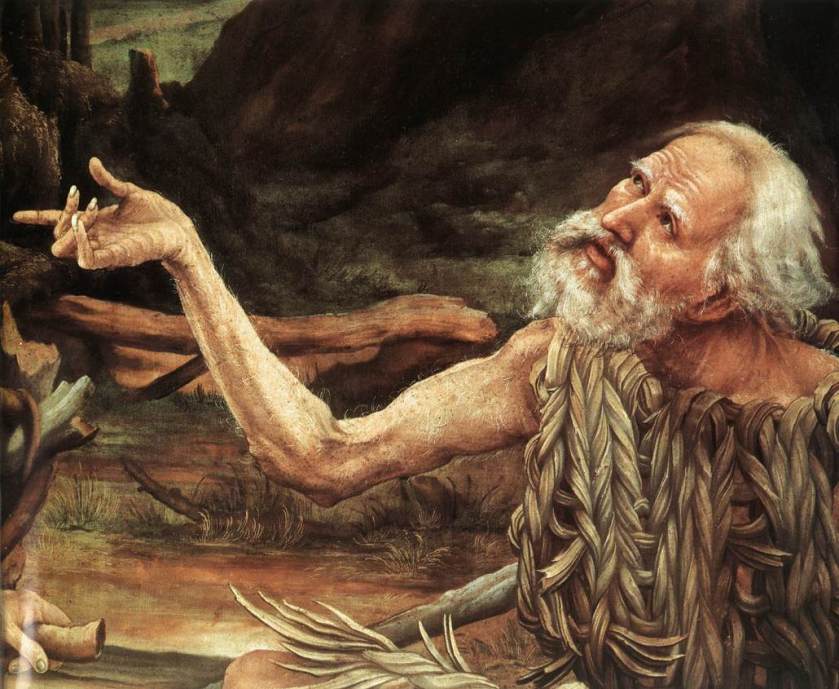
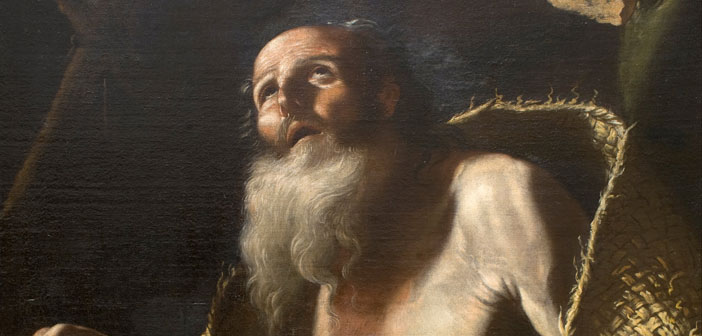
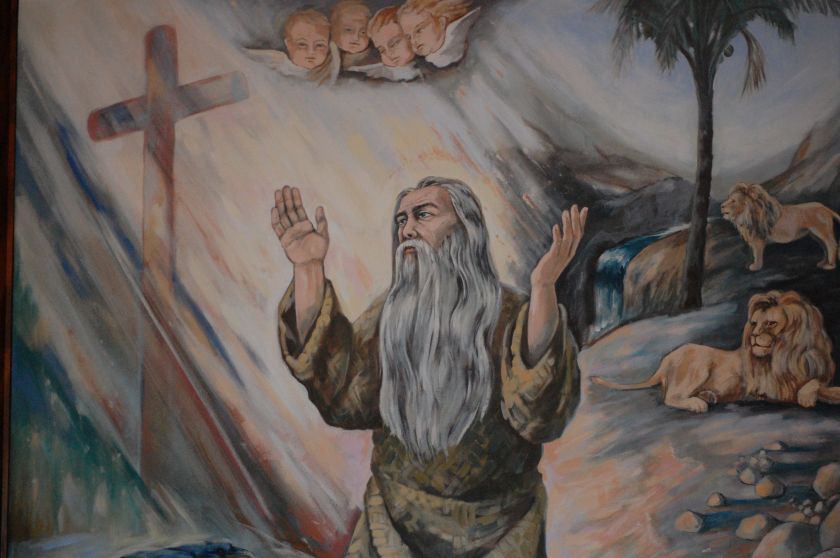
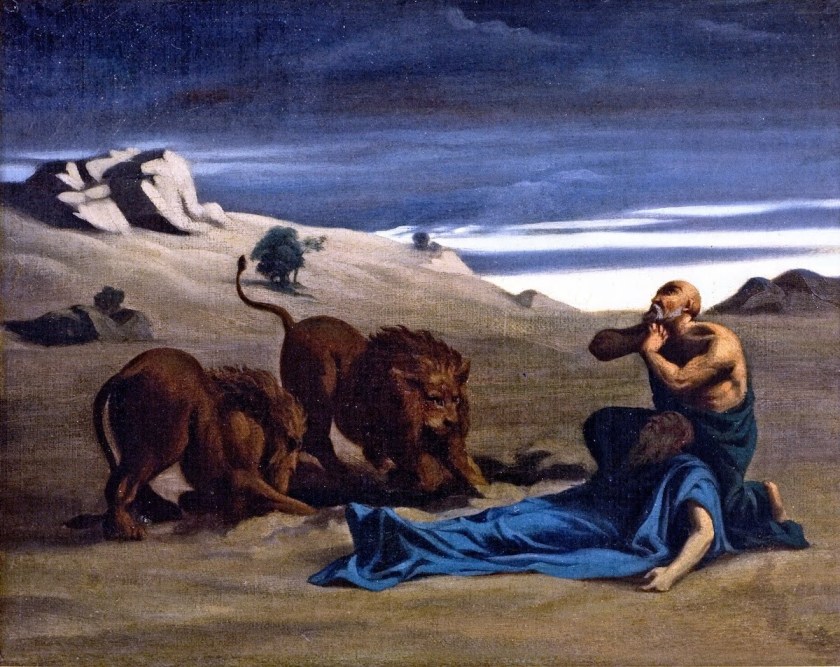
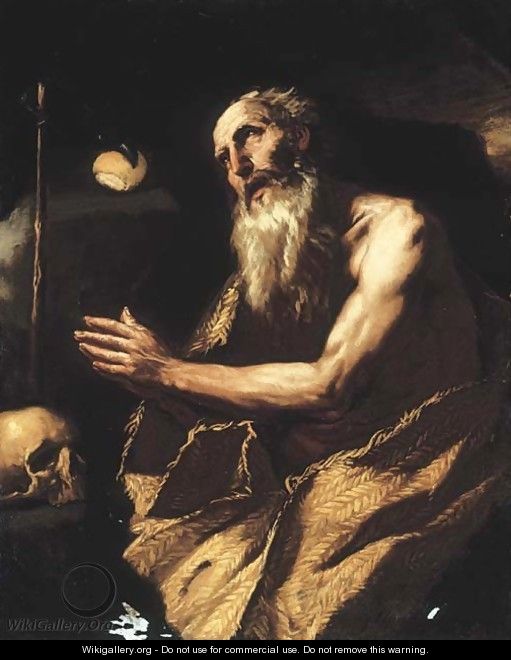
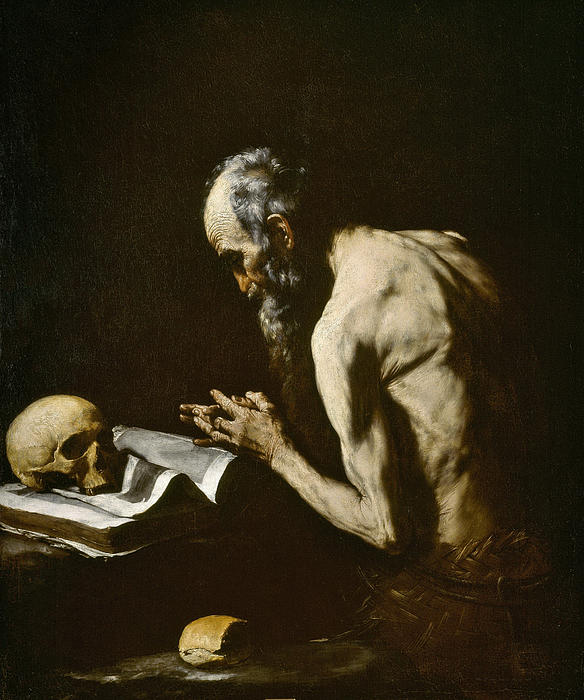
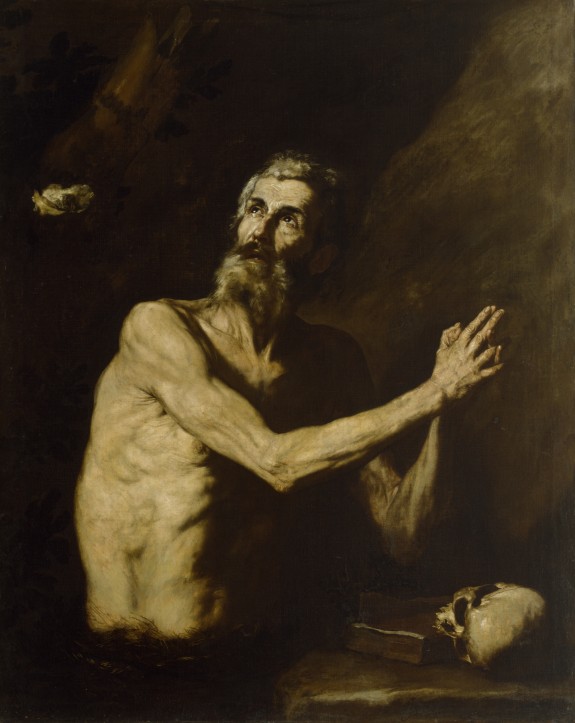
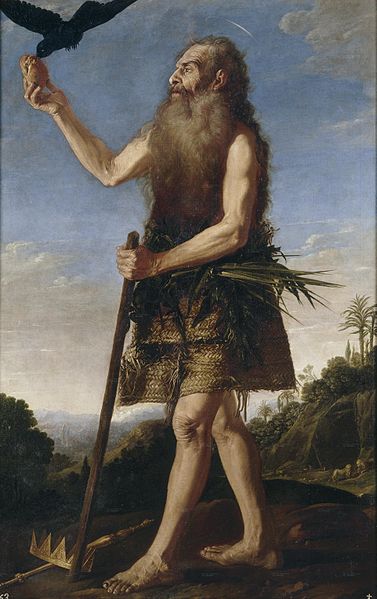
Saint of the Day – 15 January – St Paul the Hermit – also known as Paul of Thebes – The First Hermit – (c 227 in the Thebaid region of Egypt-c 342) is regarded as the first Christian hermit, who lived alone in the desert from his sixteenth to the one hundred and thirteenth year of his life. Attributes – two lions, palm tree, raven. Patronage – San Pablo (Philippines). He is not to be confused with Paul the Simple, who was a disciple of Anthony the Great.
St Paul’s story is told in the book Life of Saint Paul the First Hermit (Vitae Patrum (Vita Pauli primi eremitae) was composed in Latin by Saint Jerome, probably in 375–376.
A Christian from his youth, Paul was orphaned at age 15. In 250 the persecution by Decius forced him into hiding, first at a friend’s house and then, fearing exposure, to a cave in the Egyptian desert. He had planned to return home after things quieted down but the peaceful solitude of the desert seduced him to stay. A palm tree and a spring near his cave provided him food, clothing and water until he turned 43. After that time, as it had happened for Elias, a raven brought him half a loaf of bread each day.
In Paul’s 90th year in the desert his presence was revealed to St Anthony, who immediately went to find him. Anthony met Paul in his cave when the latter was aged 113 and the two hermits became friends overnight. They shared a whole loaf of bread brought by the raven, discussed world events and prayed. Anthony thought he had found a companion but Paul knew that God had sent Anthony to help him die. The biography described their meeting:
Blessed Paul said to Anthony: “For a long time now, I have known that you dwelled in these regions. And for a long time God had promised you to me for a companion. Since my hour of eternal sleep has arrived and because I have always desired ‘to be dissolved and to be with Christ’ (see Philippians 1:23), having ‘finished the course, . . . a crown of justice’ (see 2 Timothy 4:7–8) remains for me. You have been sent by God to bury my miserable body, rather to return earth to earth.”
Anthony listened to these words with tears and groans, begging Paul not to leave him behind but to accept him as a companion on that journey. Paul answered: “You ought not seek your own interests but those of another. It is indeed profitable for you to cast off the burden of the flesh to follow the Lamb but it is also profitable for the rest of your brethren that they may be the more instructed by your example. I beg of you, hasten, if is not too much to ask and bring back the cloak which Athanasius the bishop gave you, to wrap about my wretched body.”Now, blessed Paul made this request, not because he cared at all whether or not his body decayed covered up or naked, since for a long time now he had been wearing garments woven from palm leaves but because he wanted to spare Anthony the grief of witnessing his death.
Anthony went to get the cloak. When he returned he found Paul kneeling with arms outstretched but already dead. Two lions dug Paul’s grave and Anthony buried him. But he kept Paul’s outer garment woven from palm leaves, which he treasured from that time and which he always wore on the great feast days of Easter and Pentecost.
St Paul’s Monastery (Deir Mar Boulos) is traditionally believed to be on the site of the cave where the saint lived and where his remains are kept. The monastery is located in the eastern desert mountains of Egypt near the Red Sea. The Cave Church of St Paul marks the spot where St Anthony, “the Father of Monasticism” and St Paul, “the First Hermit”, are believed to have met.
St Paul is also the patron saint of the Diocese of San Pablo (Philippines) and is the titular of the Cathedral of the said Diocese in San Pablo, Laguna, Philippines. The Order of Saint Paul the First Hermit was founded in Hungary in his honour in the 13th century. He is usually represented with a palm tree, two lions and a raven.
Our Lady of Banneux, Belgium (under 2 Titles Our Lady of the Poor and Queen of Nations): Our Lady of Banneux, or Our Lady of the Poor, is the sobriquet given to the apparition of the Virgin Mary to Mariette Beco, an adolescent girl living in Banneux, province of Liège (Belgium). Between January 15 and March 2, 1933, Beco told her family and parish priest of seeing a Lady in white who declared herself to be the “Virgin of the Poor”, saying I come to relieve suffering and believe in me and I will believe in you. As Our Lady of Banneux she has two titles: Our Lady of the Poor and Queen of Nations.
Mariette Beco was twelve years old when she reported Marian apparitions in 1933 in Banneux, Belgium, a hamlet about 15 kilometres (10 mi) southeast of the city of Liège. In this case, the Lady in White reportedly declared she was the Virgin of the Poor and said: “Believe in me and I will believe in you.”
—
St Alexander of Goma
Bl Angelus of Gualdo Tadini
St Arnold Janssen
St Blaithmaic of Iona
St Bonitus of Clermont
St Britta
St Ceolwulf of Northumbria
St Emebert of Cambrai
St Ephysius of Sardinia
St Eugyppius
St Francis Ferdinand de Capillas
Bl Geoffrey of Peronne
Bl Giacomo Villa
St Gwrnerth
St Habakkuk the Prophet
St Isidore of Scété
St Isidore the Egyptian
St Ita of Killeedy
St John Calabytes
St Liewellyn
St Lleudadd of Bardsey
St Macarius of Egypt
St Malard of Chartres
St Maura
St Maurus
St Maximus of Nola
St Pansofius of Alexandria
St Paul the Hermit
Bl Peter of Castelnau
St Placid
St Probus of Rieti
St Romedio of Nonsberg
St Sawl
St Secondina of Anagni
St Secundina of Rome
St Tarsicia of Rodez
St Teath
—
Martyrs of Suances – 5 beati: A priest and four laymen in the archdiocese of Burgos, Spain who were martyred together in the Spanish Civil War.
• Blessed Donato Rodríguez García
• Blessed Emilio Huidobro Corrales
• Blessed Germán García y García
• Blessed Valentín Palencia Marquina
• Blessed Zacarías Cuesta Campo
They were martyred on
15 January 1937 near Suances, Cantabria, Spain
Venerated on 30 September 2015 by Pope Francis (decree of heroic virtues)
and Beatified on 23 April 2016 by Pope Francis
beatification celebrated in Burgos, Spain, presided by Cardinal Angelo Amato
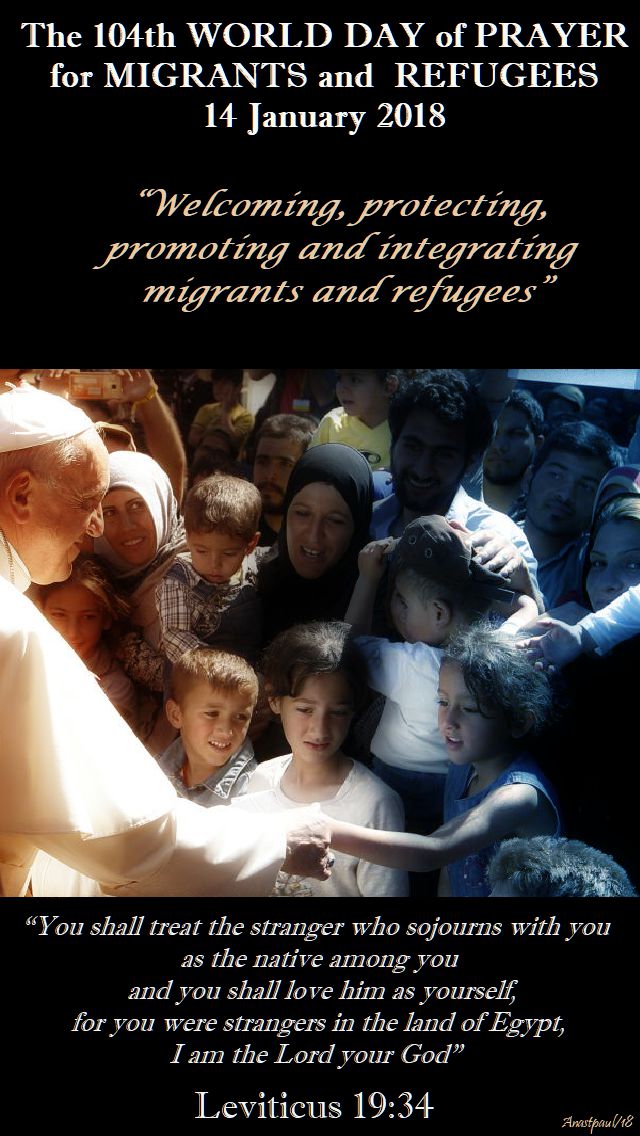
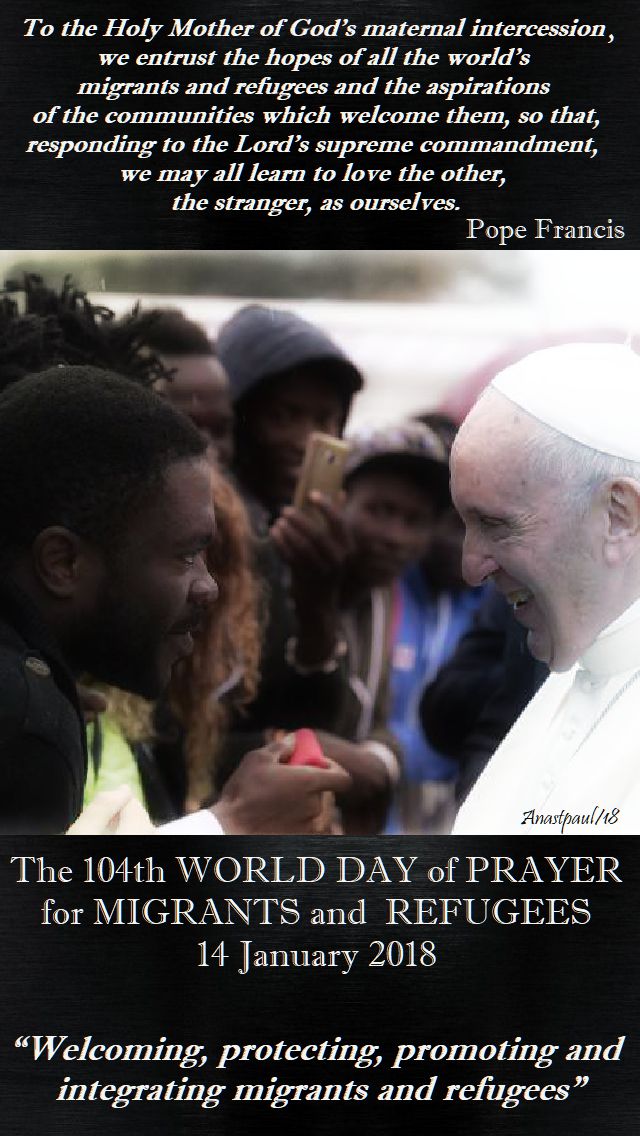
The 104th WORLD DAY of PRAYER for MIGRANTS and REFUGEES – 14 January 2018
MESSAGE OF HIS HOLINESS POPE FRANCIS
“Welcoming, protecting, promoting and integrating migrants and refugees”
Dear brothers and sisters!
“You shall treat the stranger who sojourns with you as the native among you and you shall love him as yourself, for you were strangers in the land of Egypt: I am the Lord your God” (Leviticus 19:34).
Throughout the first years of my pontificate, I have repeatedly expressed my particular concern for the lamentable situation of many migrants and refugees fleeing from war, persecution, natural disasters and poverty. This situation is undoubtedly a “sign of the times” which I have tried to interpret, with the help of the Holy Spirit, ever since my visit to Lampedusa on 8 July 2013. When I instituted the new Dicastery for Promoting Integral Human Development, I wanted a particular section – under my personal direction for the time being – to express the Church’s concern for migrants, displaced people, refugees and victims of human trafficking.
Every stranger who knocks at our door is an opportunity for an encounter with Jesus Christ, who identifies with the welcomed and rejected strangers of every age (Matthew 25:35-43). The Lord entrusts to the Church’s motherly love every person forced to leave their homeland in search of a better future. This solidarity must be concretely expressed at every stage of the migratory experience – from departure through journey to arrival and return. This is a great responsibility, which the Church intends to share with all believers and men and women of good will, who are called to respond to the many challenges of contemporary migration with generosity, promptness, wisdom and foresight, each according to their own abilities.
In this regard, I wish to reaffirm that “our shared response may be articulated by four verbs: to welcome, to protect, to promote and to integrate”.
Considering the current situation, welcoming means, above all, offering broader options for migrants and refugees to enter destination countries safely and legally. This calls for a concrete commitment to increase and simplify the process for granting humanitarian visas and for reunifying families. At the same time, I hope that a greater number of countries will adopt private and community sponsorship programmes, and open humanitarian corridors for particularly vulnerable refugees. Furthermore, special temporary visas should be granted to people fleeing conflicts in neighbouring countries. Collective and arbitrary expulsions of migrants and refugees are not suitable solutions, particularly where people are returned to countries which cannot guarantee respect for human dignity and fundamental rights. Once again, I want to emphasise the importance of offering migrants and refugees adequate and dignified initial accommodation. “More widespread programmes of welcome, already initiated in different places, seem to favour a personal encounter and allow for greater quality of service and increased guarantees of success”. The principle of the centrality of the human person, firmly stated by my beloved Predecessor, Benedict XVI, obliges us to always prioritise personal safety over national security. It is necessary, therefore, to ensure that agents in charge of border control are properly trained. The situation of migrants, asylum seekers and refugees requires that they be guaranteed personal safety and access to basic services. For the sake of the fundamental dignity of every human person, we must strive to find alternative solutions to detention for those who enter a country without authorisation.
The second verb – protecting – may be understood as a series of steps intended to defend the rights and dignity of migrants and refugees, independent of their legal status. Such protection begins in the country of origin and consists in offering reliable and verified information before departure, and in providing safety from illegal recruitment practices. This must be ongoing, as far as possible, in the country of migration, guaranteeing them adequate consular assistance, the right to personally retain their identity documents at all times, fair access to justice, the possibility of opening a personal bank account, and a minimum sufficient to live on. When duly recognised and valued, the potential and skills of migrants, asylum seekers and refugees are a true resource for the communities that welcome them. This is why I hope that, in countries of arrival, migrants may be offered freedom of movement, work opportunities and access to means of communication, out of respect for their dignity. For those who decide to return to their homeland, I want to emphasise the need to develop social and professional reintegration programmes. The International Convention on the Rights of the Child provides a universal legal basis for the protection of underage migrants. They must be spared any form of detention related to migratory status, and must be guaranteed regular access to primary and secondary education. Equally, when they come of age they must be guaranteed the right to remain and to enjoy the possibility of continuing their studies. Temporary custody or foster programmes should be provided for unaccompanied minors and minors separated from their families. The universal right to a nationality should be recognised and duly certified for all children at birth. The statelessness which migrants and refugees sometimes fall into can easily be avoided with the adoption of “nationality legislation that is in conformity with the fundamental principles of international law”. Migratory status should not limit access to national healthcare and pension plans, nor affect the transfer of their contributions if repatriated.
Promoting essentially means a determined effort to ensure that all migrants and refugees – as well as the communities which welcome them – are empowered to achieve their potential as human beings, in all the dimensions which constitute the humanity intended by the Creator. Among these, we must recognise the true value of the religious dimension, ensuring to all foreigners in any country the freedom of religious belief and practice. Many migrants and refugees have abilities which must be appropriately recognised and valued. Since “work, by its nature, is meant to unite peoples”, I encourage a determined effort to promote the social and professional inclusion of migrants and refugees, guaranteeing for all – including those seeking asylum – the possibility of employment, language instruction and active citizenship, together with sufficient information provided in their mother tongue. In the case of underage migrants, their involvement in labour must be regulated to prevent exploitation and risks to their normal growth and development. In 2006, Benedict XVI highlighted how, in the context of migration, the family is “a place and resource of the culture of life and a factor for the integration of values”. The family’s integrity must always be promoted, supporting family reunifications – including grandparents, grandchildren and siblings – independent of financial requirements. Migrants, asylum seekers and refugees with disabilities must be granted greater assistance and support. While I recognise the praiseworthy efforts, thus far, of many countries, in terms of international cooperation and humanitarian aid, I hope that the offering of this assistance will take into account the needs (such as medical and social assistance, as well as education) of developing countries which receive a significant influx of migrants and refugees. I also hope that local communities which are vulnerable and facing material hardship, will be included among aid beneficiaries.
The final verb – integrating – concerns the opportunities for intercultural enrichment brought about by the presence of migrants and refugees. Integration is not “an assimilation that leads migrants to suppress or to forget their own cultural identity. Rather, contact with others leads to discovering their ‘secret’, to being open to them in order to welcome their valid aspects and thus contribute to knowing each one better. This is a lengthy process that aims to shape societies and cultures, making them more and more a reflection of the multi-faceted gifts of God to human beings”. This process can be accelerated by granting citizenship free of financial or linguistic requirements, and by offering the possibility of special legalisation to migrants who can claim a long period of residence in the country of arrival. I reiterate the need to foster a culture of encounter in every way possible – by increasing opportunities for intercultural exchange, documenting and disseminating best practices of integration, and developing programmes to prepare local communities for integration processes. I wish to stress the special case of people forced to abandon their country of arrival due to a humanitarian crisis. These people must be ensured adequate assistance for repatriation and effective reintegration programmes in their home countries.
In line with her pastoral tradition, the Church is ready to commit herself to realising all the initiatives proposed above. Yet in order to achieve the desired outcome, the contribution of political communities and civil societies is indispensable, each according to their own responsibilities.
At the United Nations Summit held in New York on 19 September 2016, world leaders clearly expressed their desire to take decisive action in support of migrants and refugees to save their lives and protect their rights, sharing this responsibility on a global level. To this end, the states committed themselves to drafting and approving, before the end of 2018, two Global Compacts, one for refugees and the other for migrants.
Dear brothers and sisters, in light of these processes currently underway, the coming months offer a unique opportunity to advocate and support the concrete actions which I have described with four verbs. I invite you, therefore, to use every occasion to share this message with all political and social actors involved (or who seek to be involved) in the process which will lead to the approval of the two Global Compacts.
Today, 15 August, we celebrate the Feast of the Assumption of Mary. The Holy Mother of God herself experienced the hardship of exile (Matthew 2:13-15), lovingly accompanied her Son’s journey to Calvary and now shares eternally His glory. To her maternal intercession we entrust the hopes of all the world’s migrants and refugees and the aspirations of the communities which welcome them, so that, responding to the Lord’s supreme commandment, we may all learn to love the other, the stranger, as ourselves.
Vatican City, 15 August 2017 – Solemnity of the Assumption of the Blessed Virgin Mary
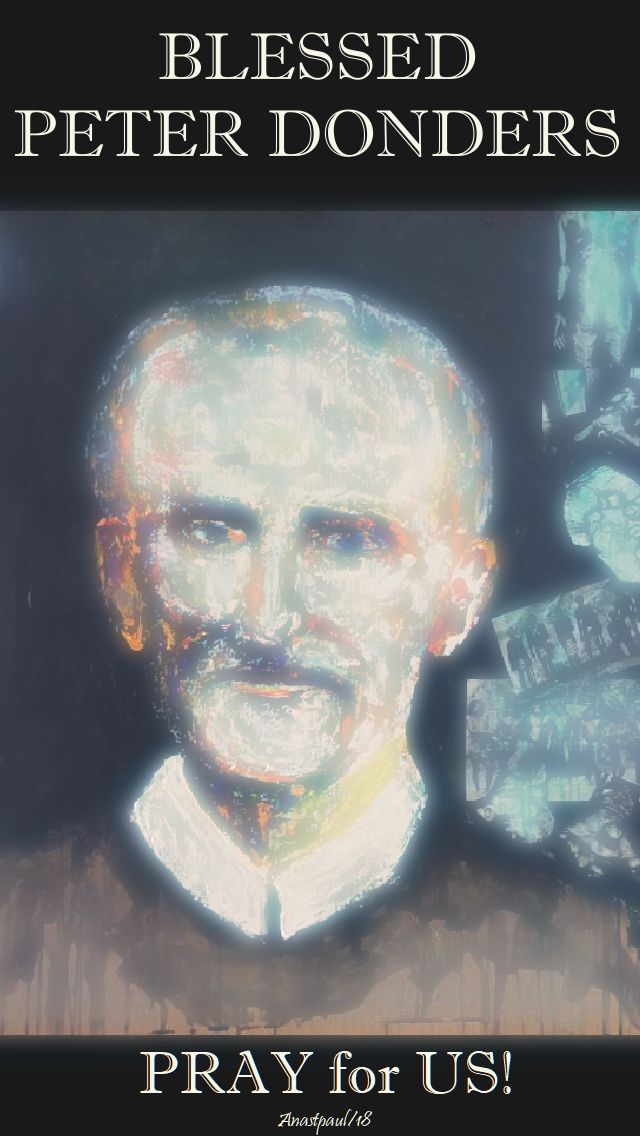
Thought for the Day – 14 January – The Memorial of Blessed Peter Donders C.Ss.R. (1807-1887)
Blessed Peter is a sure sign of God grace and providence. The old saying “God works in strange and wondrous ways” are proved in Peter’s life.
Although all the odds were against Blessed Peter, he struggled on, always trusting, believing and loving our most gracious and loving God and the Church. He gave his life to Him who gives us life. Peter gave all he had to God and his children, working tirelessly in extremely difficult conditions to improve the lives of the poor and the sick, the lepers and all the extremely underprivileged, who did not even display gratitude for his work.
In the end, he died of leprosy but he joined his suffering to all those he had worked so tirelessly for, choosing to spend his last days with them in the leper colony and now he is honoured in the halls of the Saints, his light never to be dimmed.
What a lesson Blessed Peter is for us all – we who so easily bemoan the so-called hardships of our lives! Blessed Peter Donders was happy to lose his life for Christ’s sake. So also should we.
Blessed Peter Donders, pray to God for us, that we may learn gratitude, that we may learn generosity, kindness, justice and love.
Sunday Reflection – 14 January – The Shepherd Gathers Us
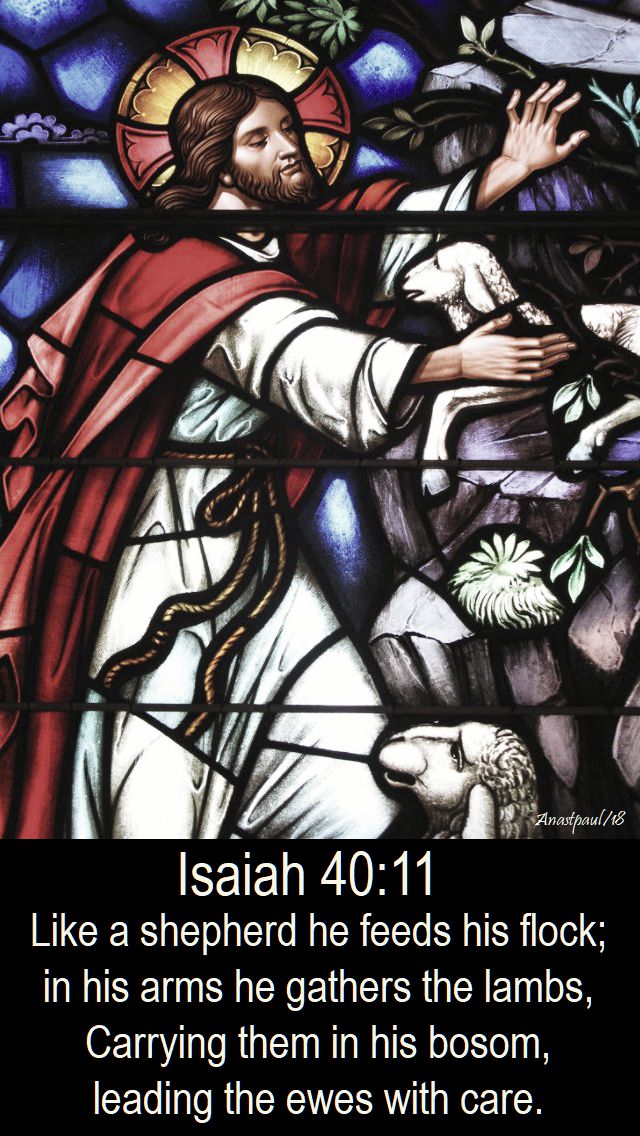
Like a shepherd he feeds his flock; in his arms he gathers the lambs, Carrying them in his bosom, leading the ewes with care….Isaiah 40:11
Jesus promised that whenever a group of people gather in prayer, He will be there with them. The early church took that promise literally. The first disciples had been used to having Jesus physically among them and then, after His Ascension, they often struggled to know what Jesus would want them to do. However, they had a simple formula for every occasion and difficulty – Jesus’ invitation to gather in His Name. They would gather around the Word and the breaking of the bread and, there, let Jesus make His presence felt and effect through them what they could not otherwise accomplish themselves.
As Christians today, we still need to take that same promise literally. Christian life is not sustained only by private acts of prayer, justice and virtue. It is sustained in a community, by gathering ritually around the Word of God and through the breaking of the bread. However, it is important to understand, that this kind of gathering is not simply a social one capable only of doing what social gatherings can do. To gather around the Word of God and the breaking of the bread is a ritual gathering and ritual brings something that normal social gatherings does not – namely, transformative power beyond what can be understood and explained through the physical, psychological and social dynamics that are present.
Lord, You invite me to be part of Your flock. Remind me of that when I am tempted to go off on my own.
Quote/s of the Day – 14 January -Speaking of the Holy Eucharist from the Fathers of the Church
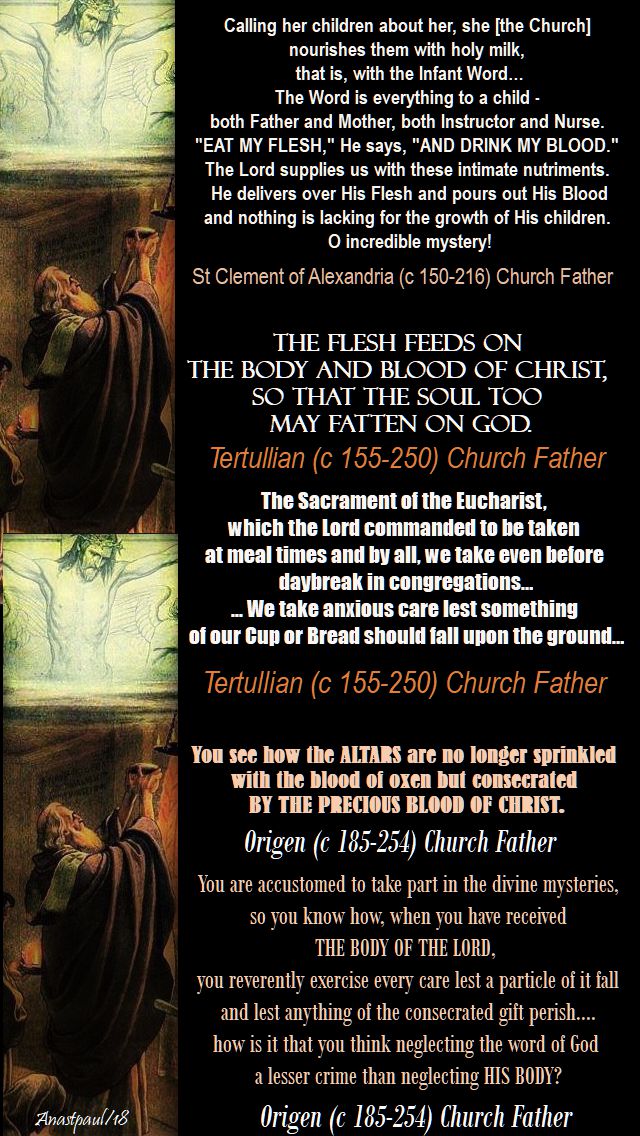
“Calling her children about her, she [the Church] nourishes them with holy milk, that is, with the Infant Word… The Word is everything to a child – both Father and Mother, both Instructor and Nurse. “EAT MY FLESH,” He says, “AND DRINK MY BLOOD.” The Lord supplies us with these intimate nutriments. He delivers over His Flesh and pours out His Blood and nothing is lacking for the growth of His children. O incredible mystery!” (Instructor of Children 1:6:42,1,3)
St Clement of Alexandria (c 150-216) Church Father
“The flesh feeds on THE BODY AND BLOOD OF CHRIST, so that the SOUL TOO may fatten on God.” (Resurrection of the Dead 8:3)
“The Sacrament of the Eucharist, which the Lord commanded to be taken at meal times and by all, we take even before daybreak in congregations… … We take anxious care lest something of our Cup or Bread should fall upon the ground…” (The Crown 3:3-4)
Tertullian (c 155-250) Church Father
“You see how the ALTARS are no longer sprinkled with the blood of oxen but consecrated BY THE PRECIOUS BLOOD OF CHRIST.” (Homilies on Joshua 2:1)
“You are accustomed to take part in the divine mysteries, so you know how, when you have received THE BODY OF THE LORD, you reverently exercise every care lest a particle of it fall and lest anything of the consecrated gift perish…. how is it that you think neglecting the word of God a lesser crime than neglecting HIS BODY?” (Homilies on Exodus 13:3)
Origen (c 185-254) Church Father
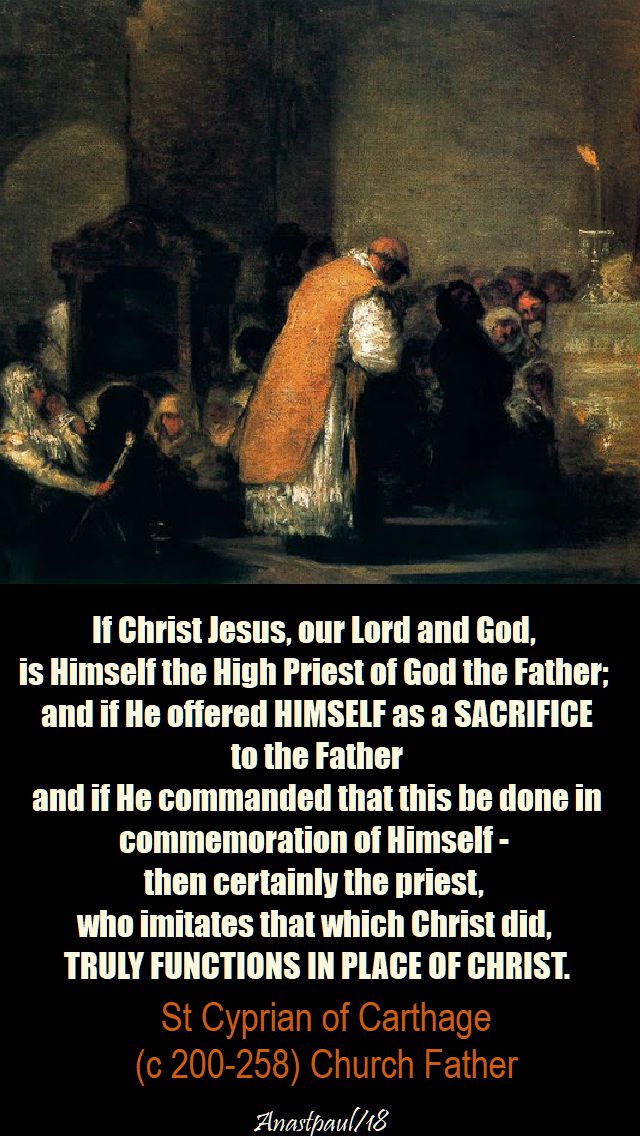
“If Christ Jesus, our Lord and God, is Himself the High Priest of God the Father; and if He offered HIMSELF as a SACRIFICE to the Father and if He commanded that this be done in commemoration of Himself – then certainly the priest, who imitates that which Christ did, TRULY FUNCTIONS IN PLACE OF CHRIST.” (Letters 63:14)
One Minute Reflection – 14 January – 2nd Sunday in Ordinary Time Year B
The next day again John was standing with two of his disciples and he looked at Jesus as he walked and said, “Behold, the Lamb of God!” The two disciples heard him say this, and they followed Jesus…John 1:35-37
REFLECTION – “If, then, you seek to know what path to follow, take Christ because He is the way.” …St Thomas Aquinas (1225-1274) Doctor of the Church
PRAYER – Holy Lord God, grant that we may live constantly in Your presence. Grant that we may possess a spirit of joy and gladness because of the firm knowledge that You are always with us and in You and through You and with You, the extraordinary is commonplace! And turn around Lord and call us, for we are behind You. Be with us Lord, always, we pray! Amen
Our Morning Offering – 14 January – 2nd Sunday in Ordinary Time Year B
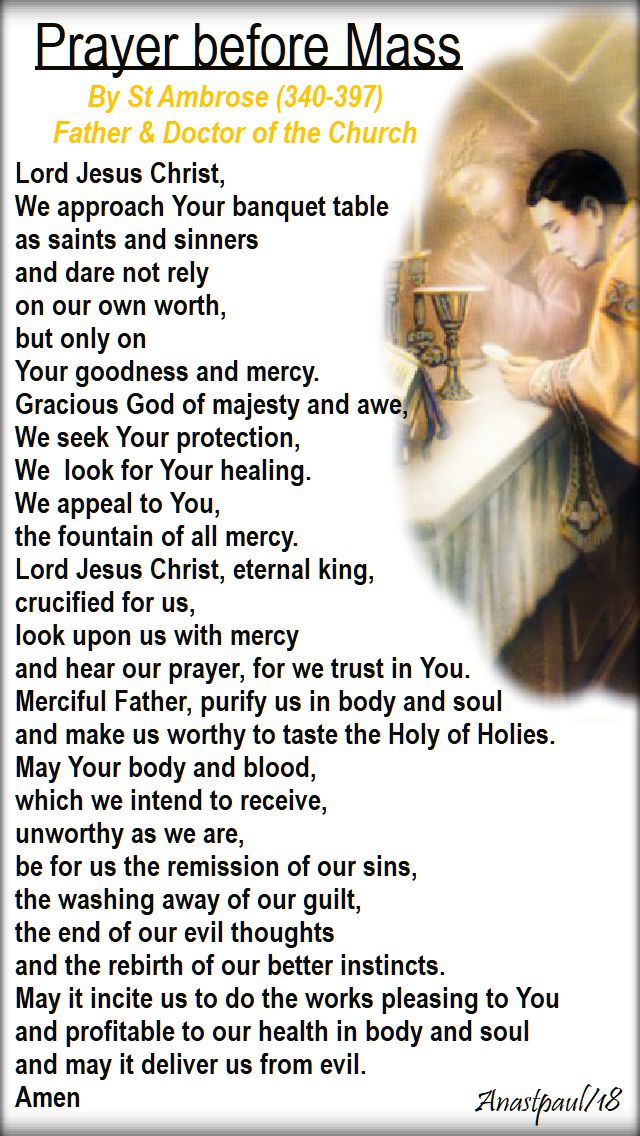
Prayer before Mass By St Ambrose (340-397) Father & Doctor of the Church
Lord Jesus Christ,
We approach Your banquet table
as saints and sinners
and dare not rely on our own worth,
but only on Your goodness and mercy.
Gracious God of majesty and awe,
We seek Your protection,
We look for Your healing.
We appeal to You, the fountain of all mercy.
Lord Jesus Christ, eternal king,
crucified for us, look upon us with mercy
and hear our prayer, for we trust in You.
Merciful Father, purify us in body and soul
and make us worthy to taste the Holy of Holies.
May Your body and blood,
which we intend to receive,
unworthy as we are,
be for us the remission of our sins,
the washing away of our guilt,
the end of our evil thoughts
and the rebirth of our better instincts.
May it incite us to do the works pleasing to You
and profitable to our health in body and soul
and may it deliver us from evil. Amen
Saint of the Day – 14 January – Blessed Petrus/Peter Donders C.Ss.R. (1807-1887) Religious Priest, Missionary, Evangeliser, Social reformer and Leper Colony worker, Writer. Blessed Peter was born on 27 October 1805 at Tilburg, North Brabant, Netherlands and he died on 14 January 1887 at Batavia, Saramacca, Surinam of natural causes. He is buried there. He was Beatified on 23 May 1982 by St Pope John Paul II. O n 11 April 1978, the Congregation for the Causes of Saints declared miraculous the cure of Louis John Westland from Osteomyelitis by Blessed Peter’s intercession.
Peter Donders was a loser – all his life he was a loser. He was born in 1809 in the town of Tilburg in Holland, the son of poor weavers, who lived in a one-roomed house with an earthen floor on which sat the family loom. Peter had to leave school at the age of twelve – his parents needed the money. He was a devout boy who wanted to be a priest but everything was against him: poverty, delicate health and, to tell the truth, he was not that clever. Peter’s was the original impossible dream. As a weaver, he was not a great success. You see, he prayed while he weaved which did nothing at all for the quality of the cloth.
For health reasons, Peter was rejected for military service, which was to his advantage. Through the good offices of his kindly parish priest, he got into the seminary, not as a clerical student – but as a domestic servant, but he was allowed to study as best he could in the evenings. At the age of twenty-nine he was eventually admitted to the seminary to study for the priesthood. In his last year of study the Vicar Apostolic of Surinam, known then as Dutch Guyana, visited the seminary. He wanted young priests to go there. Peter was the only one who volunteered.
A year later, after a sea voyage of one and a half months, Peter disembarked at Paramaribo where behind the opulence of this colonial seaport lay a cess pit of social misery and moral decay. Here he worked for fourteen years. Apart from a few rich whites, his parishioners consisted of between seven and eight thousand slaves living in horrendous conditions.
Inland from the town, there were vast tracts of steaming tropical land owned by four hundred planters and worked by forty thousand slaves – human beasts of burden. On seeing their living conditions Peter remarked: “If only here they had the same care for the health and well being of the slaves as they have in Europe for the animals, things would be so much better.” The fact that he could do little or nothing to alleviate the suffering of these poor people broke Peter’s heart. Patiently he tried to teach them the basic truths of the faith but was met with indifference, hatred and hostility. But he persevered in preaching the gospel.
Peter’s next appointment was as parish priest of the leper colony at Batavia, where no priest had lasted more than three years and where one had been murdered. The four hundred lepers were without a doctor or nurse or any kind of sanitation. They slept on the packed earth so that the pus from their festering sores could drain into the ground. Again, there was little that Peter could do for them. He provided beds for those still living and burial for those who died. He did bring them food but the authorities frowned on this. In prolonging their lives he was, according to them, prolonging public expense.
In the year 1866 a band of Redemptorist Fathers landed in Surinam to assist the four diocesan priests already there. On their arrival two of the four priests decided to return to Holland; the other two became Redemptorists. Peter Donders was one of them. As a Redemptorist Peter set out to preach to the native Indians, who, among other things, practised polygamy and worshipped spirits. But the Indians were more interested in liquor than in liturgy. He preached there for eighteen years with little success. He himself put it this way: “It pleased God to offer to the till now neglected Indians … the possibility of knowing and loving Him. But sadly expectations were never fulfilled.”
Despite the lack of progress in all his apostolic endeavours, Peter never lost faith in God nor in his vocation. He did admit, however, that his mission was not all that it could have been, adding quickly: “But God is all powerful; Mary, the refuge of sinners, is also their mother; from the day on which Christ died souls must be bought by blood. If only, by sacrificing my own life, I could bring all people to know and love God as he deserves. But let God’s holy will be done in all things.”
In the end, Peter Donders did sacrifice his own life. After working in Surinam for forty years and having reached the age of seventy-four, his superiors ordered him to rest. He tried but without success. By that time he was himself a leper and so he chose to return to the leper colony where he died and was buried in 1887.
As has already been said, Peter Donders, or should I say Blessed Peter Donders, as he now is, was a loser but then didn’t Jesus say on more than one occasion: “If any want to become my followers, let them deny themselves and take up their cross and follow me. For those who want to save their life will lose it, and those who lose their life for my sake and for the sake of the gospel will save it” (Mk. 8:34-35). Blessed Peter Donders was happy to lose his life for Christ’s sake. So also should we.
Bl Alfonsa Clerici
Bl Amadeus of Clermont
St Barbasymas
St Caldeoldus of Vienne
St Datius of Milan
Bl Devasahayam Pillai
St Engelmaro
St Eufrasio of Clermont
St Euphrasius the Martyr
St Felix of Nola
St Felix of Rome
St Fermin of Mende
St Glycerius of Antioch
Bl Godfrey of Cappenberg
St Isaias the Martyr
St Jesaja of Sinai
St Macrina the Elder
St Nino of Georgia
Bl Odoric of Pordenone
St Odo of Novara
Bl Pablo Merillas Fernández
St Paul of Africa
Bl Petrus Donders C.Ss.R. (1807-1887)
St Potitus
Bl Rainer of Arnsberg
St Sabas of Sinai
St Sava of Serbia
St Successus of Africa
St Theodolus of Sinai
Bl William de Sanjulia
—
Martyrs of Mount Sinai: A group of monks on Mount Sinai who were martyred by desert Bedouins. Their names and exact number have not come down to us. Martyred by Bedouins.
Martyrs of Raithu – 43 saints: A group of 43 monks in the Raithu Desert near Mount Sinai, Palestine, near the Red Sea. They were martyred for their faith by desert Bedouins. Their names have not come down to us. Martyred by Bedouins.
Thought for the Day – 13 January – The Memorial of St Hilary of Poitiers (315-368) Father & Doctor of the Church
It was in reading the Holy Scriptures that St Hilary discovered the greatness of God and the sublimity of the Church and Christian teachings. The Scriptures is not just a revered book to be placed on our shelves in a place of honour it is to be read, to be studied and reflected upon. It leads not only to faith and holiness of life but also to the Kingdom of God itself. So we learn that Christ said His coming would bring not peace but a sword (see Matthew 10:34). The Gospels offer no support for us if we fantasise about a sunlit holiness that knows no problems. Christ did not escape at the last moment, though He did live happily ever after—after a life of controversy, problems, pain and frustration. Hilary, like all saints, simply had more of the same.
All-powerful God, as Saint Hilary defended the divinity of Christ Your Son, give us a deeper understanding of this mystery and help us to profess it in all truth.
Quote/s of the Day – 13 January – The Memorial of St Hilary of Poitiers (315-368) Father & Doctor of the Church
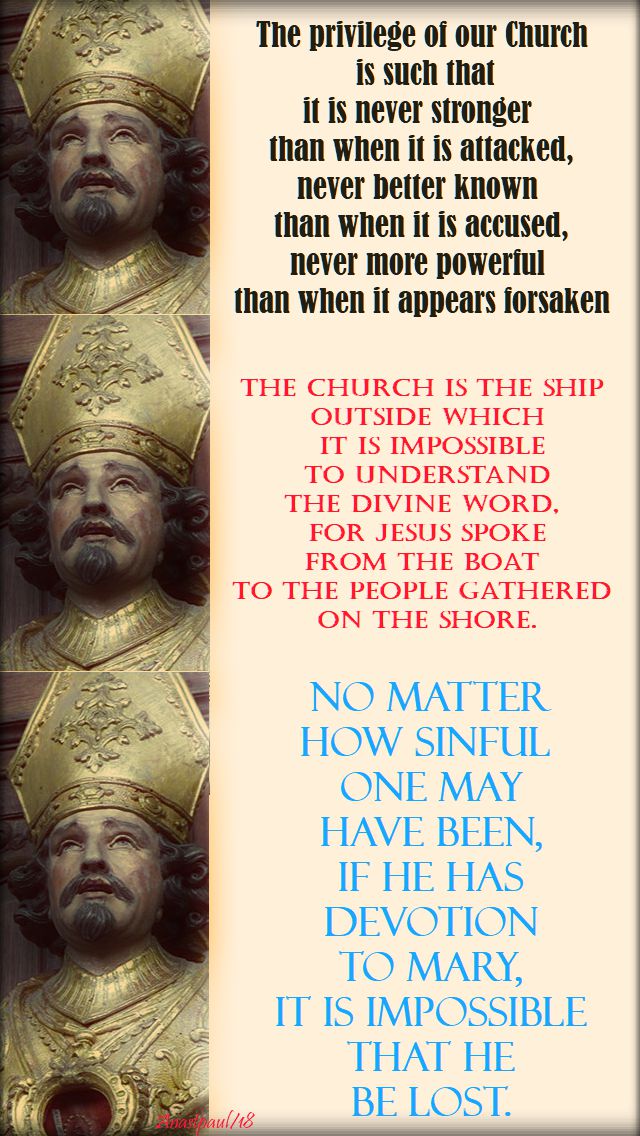
“The privilege of our Church is such that it is never stronger than when it is attacked, never better known than when it is accused, never more powerful than when it appears forsaken.” (Treatise on the Trinity)
“The Church is the Ship outside which it is impossible to understand the Divine Word, for Jesus spoke from the boat to the people gathered on the shore.”
“No matter how sinful one may have been, if he has devotion to Mary, it is impossible that he be lost.”
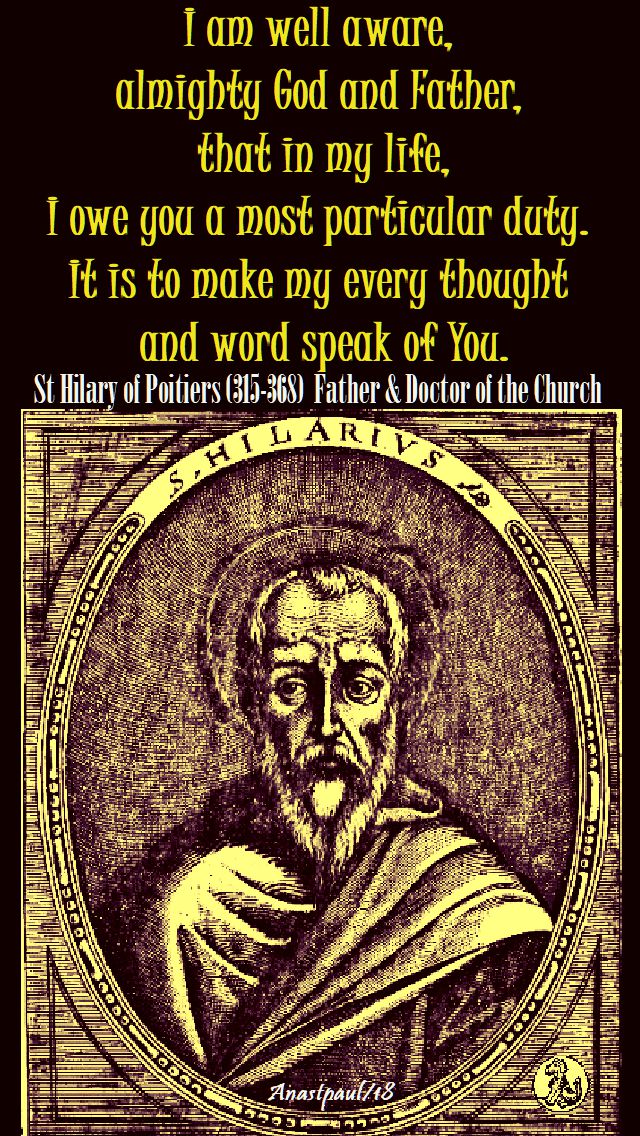
“I am well aware, almighty God and Father, that in my life, I owe you a most particular duty. It is to make my every thought and word speak of You.”
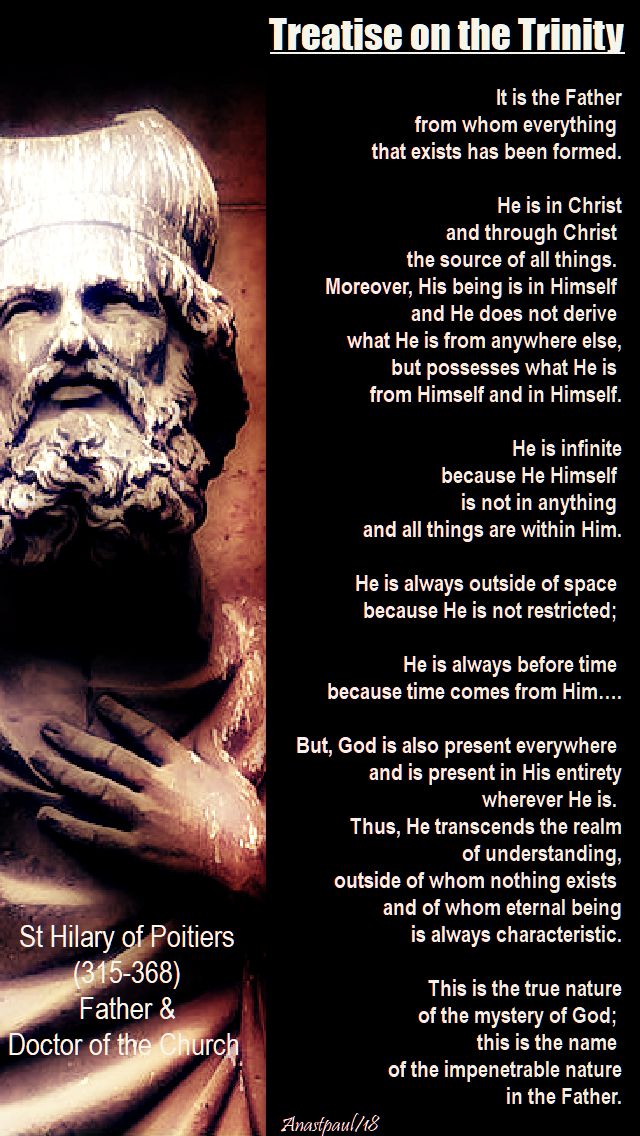
“It is the Father from whom everything that exists has been formed. He is in Christ and through Christ the source of all things. Moreover, His being is in Himself and He does not derive what He is from anywhere else, but possesses what He is from Himself and in Himself. He is infinite because He Himself is not in anything and all things are within Him, He is always outside of space because He is not restricted; He is always before time because time comes from Him…. But, God is also present everywhere and is present in His entirety wherever He is. Thus, He transcends the realm of understanding, outside of whom nothing exists and of whom eternal being is always characteristic. This is the true nature of the mystery of God; this is the name of the impenetrable nature in the Father.” (Treatise on the Trinity)
St Hilary of Poitiers (315-368) Father & Doctor of the Church
One Minute Reflection – 13 January – The Memorial of St Hilary of Poitiers (315-368) Father & Doctor of the Church
Then he said, ‘In truth I tell you, unless you change and become like little children you will never enter the kingdom of Heaven…Matthew 18:3
REFLECTION – “Little children follow and obey their father. They love their mother. They know nothing of covetousness, ill-will, bad temper, arrogance and lying. This state of mind opens the road to heaven. To imitate our Lord’s own humility, we must return to the simplicity of God’s little ones. – St Hilary
PRAYER – Give us the grace, almighty God, to become as innocent and obedient to You as little children. Teach us neither to question, nor fear, for it is our total trust of You that we will reach our heavenly home. Grant that the intercession of St Hilary we may achieve such innocence, through Christ our Lord, in union with the Holy Spirit, one God forever and ever, amen.
Our Morning Offering – 13 January – The Memorial of St Hilary of Poitiers (315-368) Father & Doctor of the Church
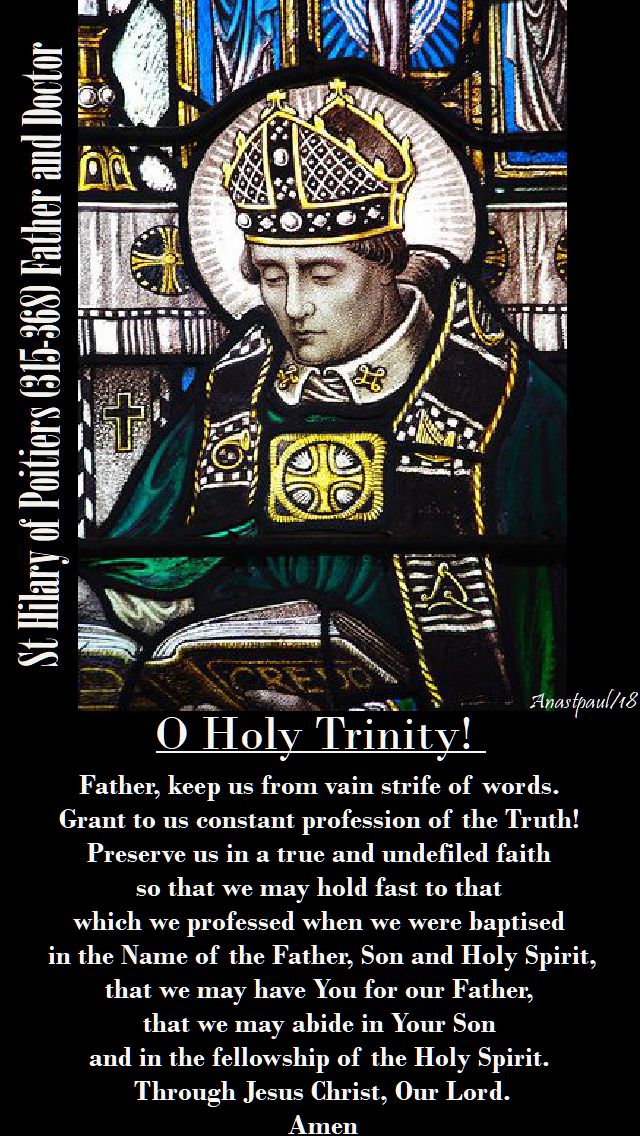
O Holy Trinity! For Perseverance In the One True Faith By St Hilary of Poitiers
Father, keep us from vain strife of words.
Grant to us constant profession of the Truth!
Preserve us in a true and undefiled faith
so that we may hold fast to that
which we professed when we were baptised
in the Name of the Father, Son and Holy Spirit,
that we may have You for our Father,
that we may abide in Your Son
and in the fellowship of the Holy Spirit.
Through Jesus Christ, Our Lord.
Amen
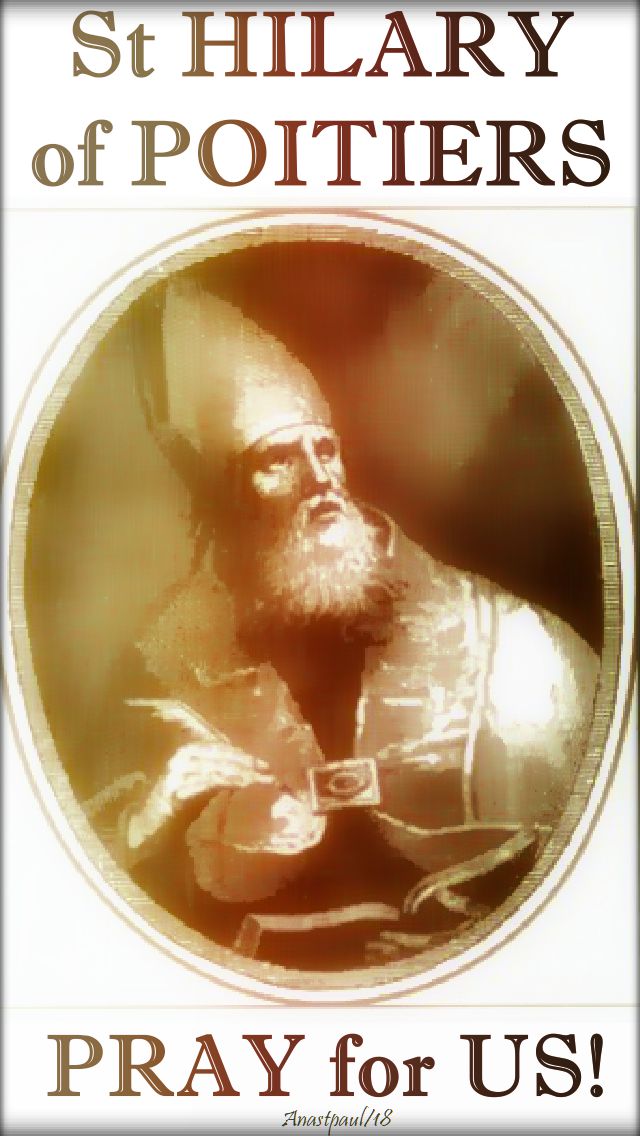
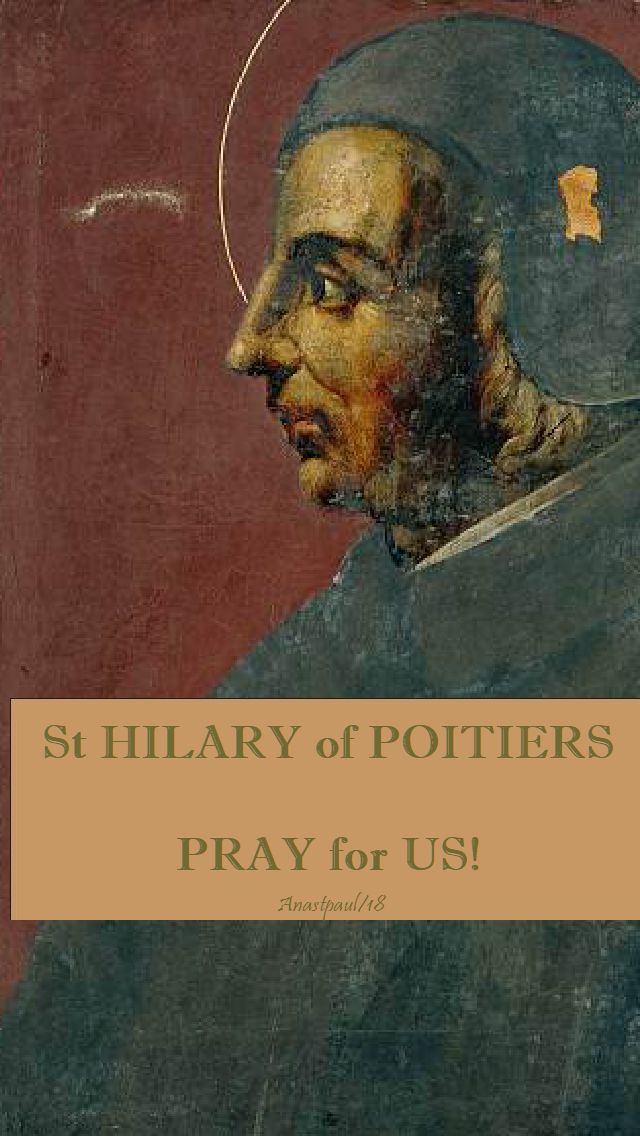
Saint of the Day – 13 January – St Hilary of Poitiers (315-368) Father & Doctor of the Church, Bishop, Confessor, Writer, Philosopher, Theologian, Preacher, Defender of the Faith. He was sometimes referred to as the “Hammer of the Arians” and the “Athanasius of the West.” His name comes from the Latin word for happy or cheerful. St Hilary was born in 315 at Poitiers, France and he died in 368 of natural causes. Patronages – against rheumatism, against snakes, against snake bites, backward children, children learning to walk, mothers, the sick/the infirm, 4 Cities.
Hilary was born to pagan parents of Poitiers, France, in 315. After training in the classics and philosophy, Hilary married. He and his wife had one daughter, Afra. All who knew Hilary said he was a friendly, charitable, gentle man. Hilary’s studies led him to read Scripture. He became convinced that there was only one God, whose Son became man and died and rose to save all people. This led him to be baptised along with his wife and daughter.
This gentle and courteous man, became a staunch defender of the divinity of Christ. He was devoted to writing some of the greatest theology on the Trinity and was, like his Master, in being labeled a “disturber of the peace.” In a very troubled period in the Church, his holiness was lived out in both scholarship and controversy.
The people of Poitiers chose Hilary to be their bishop in 353. As Bishop, he was soon taken up with battling what became the scourge of the fourth century, Arianism, which denied the divinity of Christ.
The heresy spread rapidly. Saint Jerome said “The world groaned and marvelled to find that it was Arian.” When Emperor Constantius ordered all the bishops of the West to sign a condemnation of Athanasius, the great defender of the faith in the East, Hilary refused and was banished from France to far off Phrygia. There, too, his pastoral solicitude led him to work tirelessly for the re-establishment of the Church’s unity, based on the correct faith, as formulated by the Council of Nicea. To this end, he began writing his most important and most famous dogmatic work: “De Trinitatae” (On the Trinity). Eventually he was called the “Athanasius of the West” and the “Hammer of the Arians.”
Fearing Hilary’s arguments, Arian’s followers begged the emperor to send Hilary home. The emperor, believing Hilary was also undermining his authority, recalled him. Hilary’s writings show that he could be fierce in defending the faith but in dealing with the bishops who had given in to the Arian heresy, he was charitable. He showed them their errors and helped them to defend their faith. Though the emperor called Hilary “disturber of the peace,” Saints Jerome and Augustine praised him as “teacher of the churches.”
During the last years of his life, he wrote “Treatises on the Psalms,” a commentary on 58 psalms, interpreted according to the principle highlighted in the introduction to the work: “There is no doubt that all the things said in the Psalms must be understood according to the Gospel proclamation, so that, independently of the voice with which the prophetic spirit has spoken, everything refers to the knowledge of the coming of our Lord Jesus Christ, incarnation, passion and kingdom and the glory and power of our resurrection”(“Instructio Psalmorum” 5).
In all of the Psalms, he sees this transparency of Christ’s mystery and of His body, which is the Church. On various occasions, Hilary met with St Martin, the future bishop of Tours who founded a monastery near Poitiers, which still exists today.
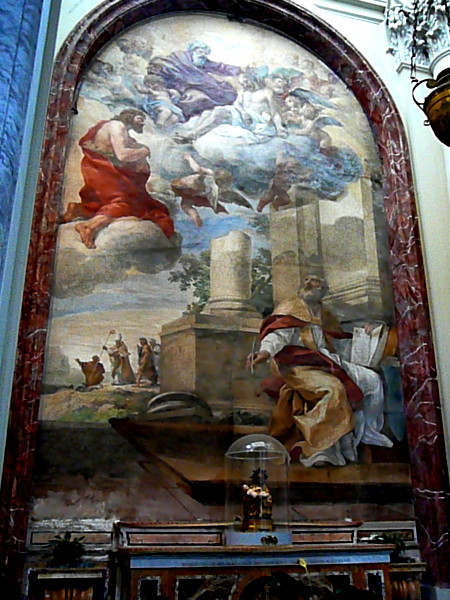
St Hilary confers minor Orders on St Martin of Tours
Hilary died in 367. His feast day is celebrated today throughout the universal Church. In 1851, Blessed Pius IX proclaimed him a doctor of the Church.
St Hilary of Poitiers (315-368) Doctor of the Church (Optional Memorial)
—
St Agrecius of Trier
St Andrew of Trier
St Berno of Cluny
St Ðaminh Pham Trong Kham
St Designatus of Maastricht
St Elian of Brittany
St Emil Szramek
St Enogatus of Aleth
St Erbin of Cornwall
St Francesco Maria Greco
Bl Francisca Inés Valverde González
St Giuse Pham Trong Ta
St Glaphyra
St Gumesindus of Córdoba
St Hermylus
Bl Hildemar of Arrouaise
Bl Ida of Argensolles
Bl Ivetta of Huy
St Kentigern of Glasgow
St Leontius of Caesarea
St Luca Pham Trong Thìn
Bl María Francisca Espejo y Martos
Bl Matteo de Lana
St Peter of Capitolíade
St Servusdei of Córdoba
St Stephen of Liège
St Stratonicus
Bl Veronica of Milan
St Viventius
St Vivenzio of Blera
—
Forty Martyred Soldiers at Rome: Forty soldiers martyred in the persecutions of Gallienus.
They werr martyred in 262 on the Via Lavicana, Rome, Italy.
Thought for the Day – 12 Jan – The Memorial of St Aelred of Rievaulx (1110-1167) “St Bernard of the North”
Although St Aelred lived a millennium ago, his life and writings have a distinctively contemporary feel. An extremely competent administrator of Rievaulx, a vast Yorkshire abbey in Northern England, yet even more a spiritual father to hundreds of men, had we met Aelred we would identify him with Pope John XXIII or Carlo Martini, the archbishop of Milan, Italy. Like these beloved shepherds of the modern church, Aelred loved his flock and was much loved in return. As I was walking around the cloisters, he said, all the brothers were sitting together. And in the whole throng I could not find one whom I did not love and by whom I was not loved.
As a writer, too, Aelred seems to address our modern concerns and sensibilities. In his teaching that the interior life is communal—that we move from self and sin to find God in community—we might imagine we are hearing Father Henri Nouwen or Dorothy Day. Consider, for example, Aelred’s reflections on how spiritual friendship leads us to Christ:
It is no small consolation in this life to have someone who can unite with you in an intimate affection and the embrace of a holy love. Someone in whom your spirit can rest, to whom you can pour out your soul, to whose pleasant exchanges, as to soothing songs, you can fly in sorrow. To the dear breast of whose friendship, amidst the many troubles of the world, you can safely retire. A person who can shed tears with you in your worries, be happy with you when things go well, search out with you the answers to your problems, whom with the ties of charity you can lead into the depths of your heart. A person who, though absent in body, is yet present in spirit, where heart to heart you can talk to him, where the sweetness of the Spirit flows between you, where you so join yourself and cleave to him that soul mingles with soul and two become one.
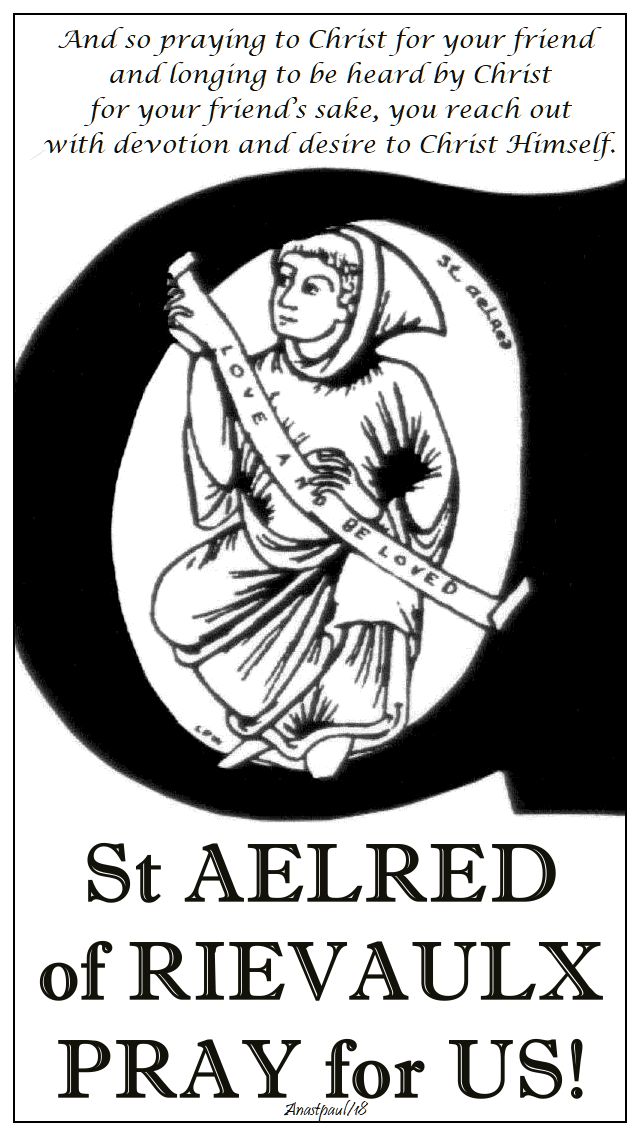
And so praying to Christ for your friend and longing to be heard by Christ for your friend’s sake, you reach out with devotion and desire to Christ Himself. And suddenly and insensibly, as though touched by the gentleness of Christ close at hand, you begin to taste how sweet He is and to feel how lovely He is. Thus from that holy love with which you embrace your friend, you rise to that love by which you embrace Christ. (LoyolaPress)
May all our friendships lead us to Christ! St Aelred, Pray for us!
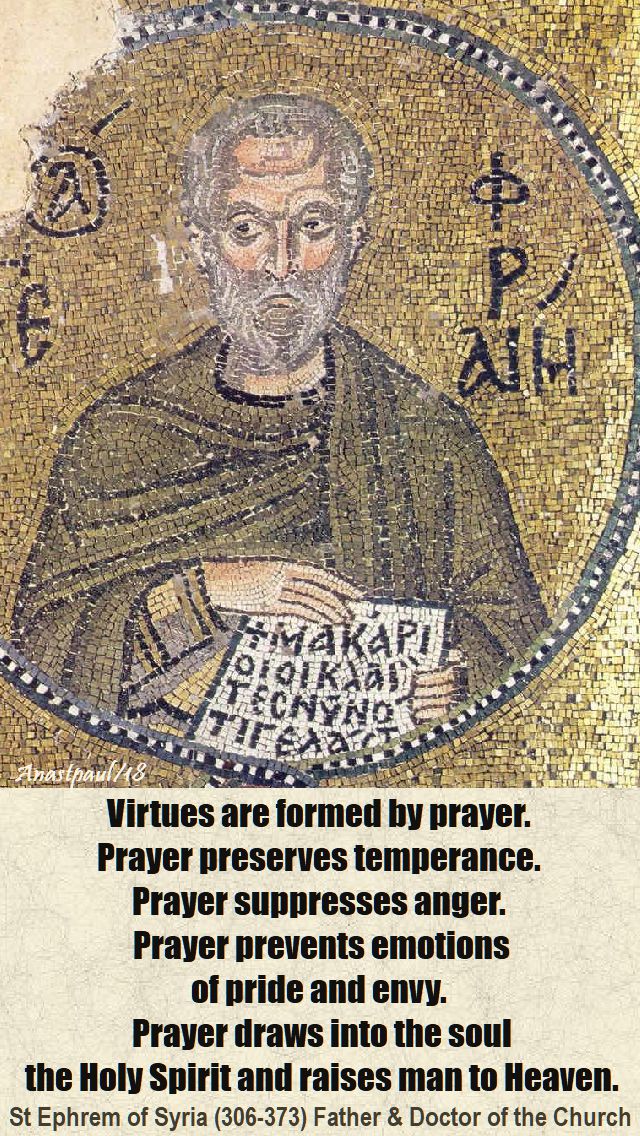
“Virtues are formed by prayer. Prayer preserves temperance. Prayer suppresses anger. Prayer prevents emotions of pride and envy. Prayer draws into the soul the Holy Spirit and raises man to Heaven.”
St Ephrem of Syria (306-373) Father & Doctor of the Church
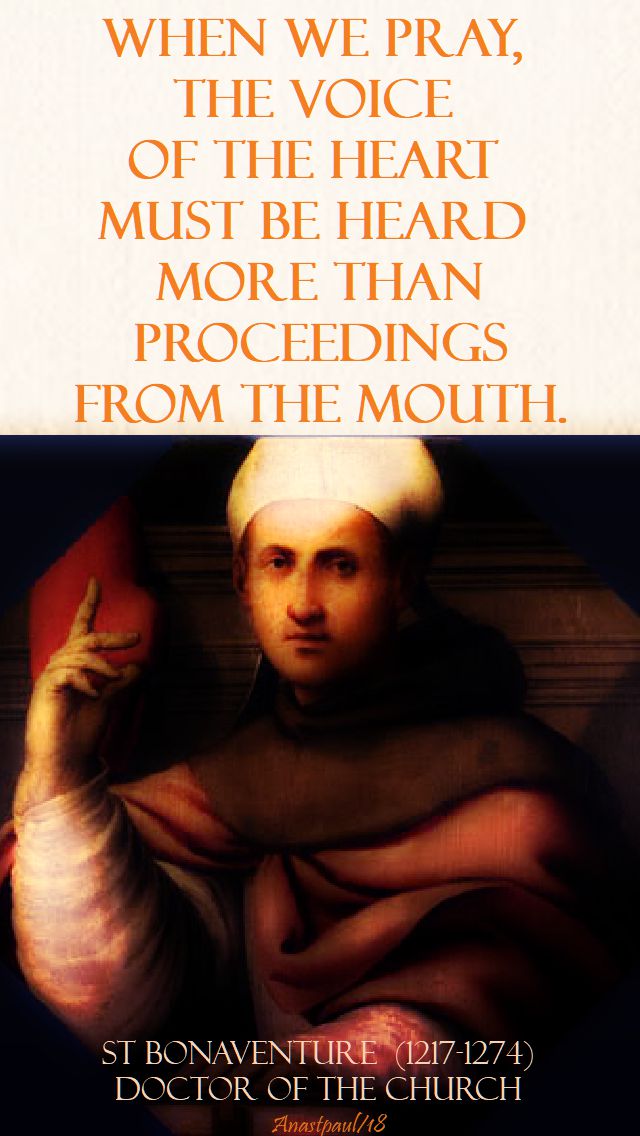
“When we pray, the voice of the heart must be heard more than proceedings from the mouth.”
St Bonaventure (1217-1274) Doctor of the Church
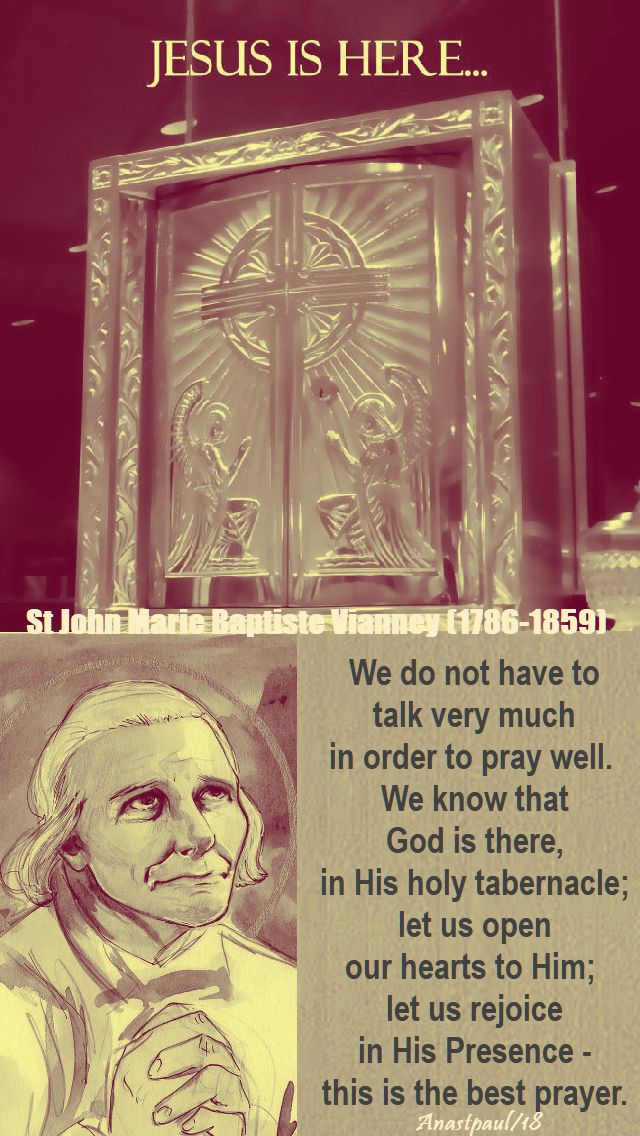
“We do not have to talk very much in order to pray well. We know that God is there, in His holy tabernacle; let us open our hearts to Him; let us rejoice in His Presence – this is the best prayer.”
St John Marie Baptiste Vianney (1786-1859) Patron of Priests
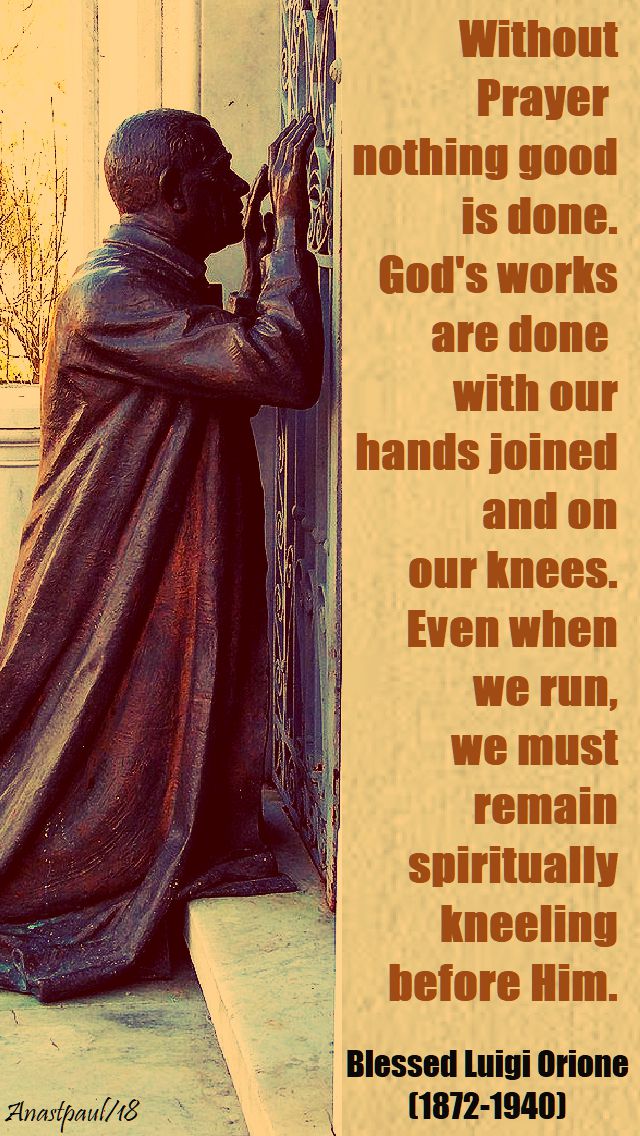
“Without Prayer nothing good is done. God’s works are done with our hands joined and on our knees. Even when we run, we must remain spiritually kneeling before Him.”
Blessed Luigi Orione (1872-1940)
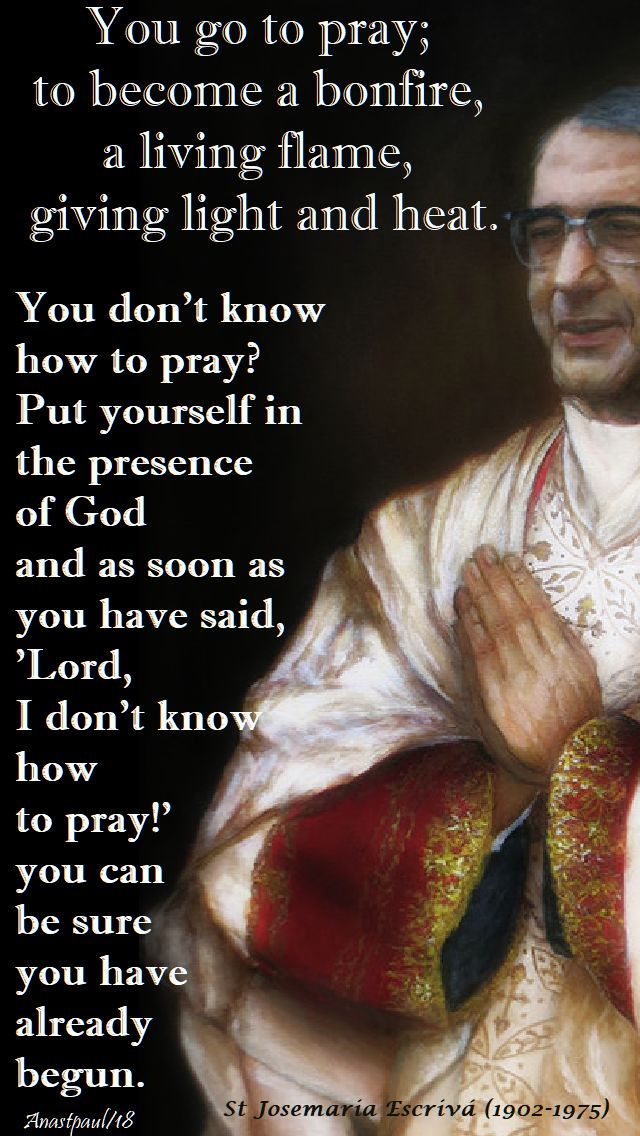
“You go to pray; to become a bonfire, a living flame, giving light and heat.”
“You don’t know how to pray? Put yourself in the presence of God and as soon as you have said, ‘Lord, I don’t know how to pray!’ you can be sure you have already begun.”
Our Morning Offering – 12 January – Month of the Holy Name of Jesus
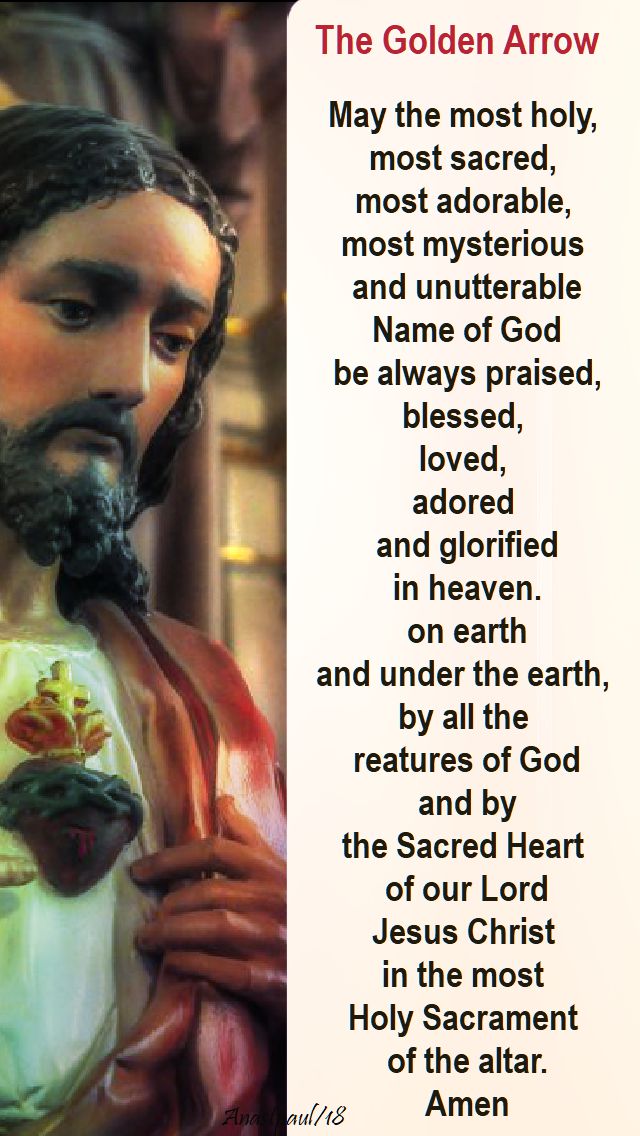
The Golden Arrow
May the most holy,
most sacred,
most adorable,
most mysterious
and unutterable Name of God
be always praised,
blessed,
loved,
adored
and glorified in heaven.
on earth and under the earth,
by all the creatures of God
and by the Sacred Heart
of our Lord Jesus Christ
in the most Holy Sacrament
of the altar.
Amen
This prayer is said to have been revealed by Jesus Himself to a Carmelite Nun of Tours in 1843 as a reparation for blasphemy. “This Golden Arrow will wound My Heart delightfully,” He said “and heal the wounds inflicted by blasphemy.”
One Minute Reflection – 12 January – The Memorialsof St Aelred of Rievaulx (1110-1167) and St Marguerite Bourgeoys (1620-1700)
And we have this confidence in him, that if we ask anything according to his will, he hears us. And if we know that he hears us in regard to whatever we ask, we know that what we have asked him for is ours…1 John 5:14-15
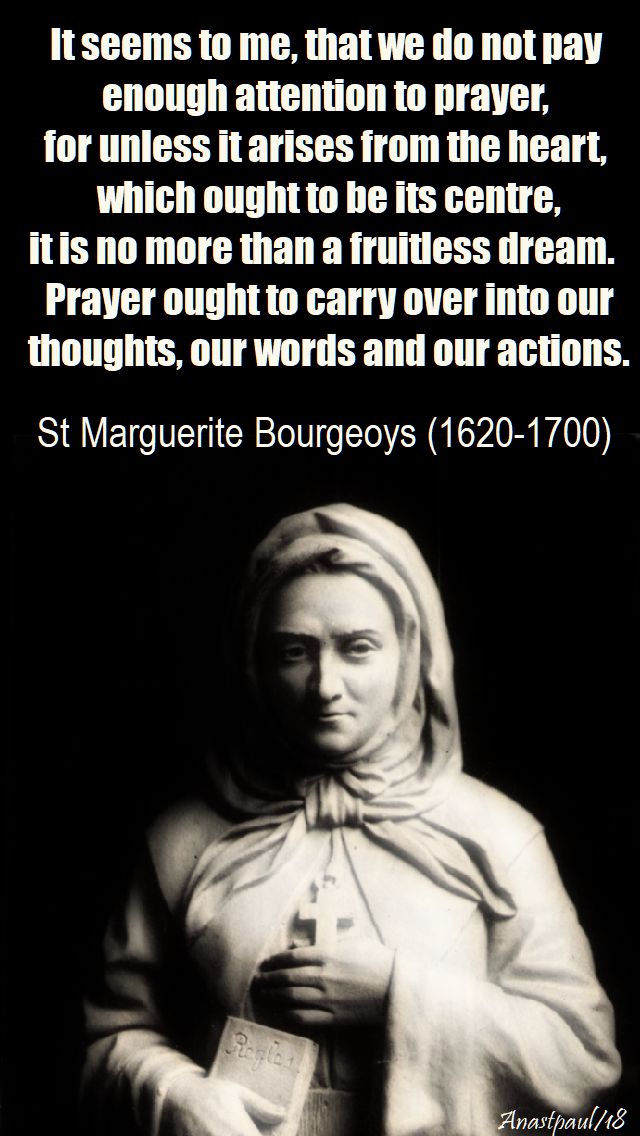
REFLECTION – “It seems to me, that we do not pay enough attention to prayer, for unless it arises from the heart, which ought to be its centre, it is no more than a fruitless dream. Prayer ought to carry over into our thoughts, our words and our actions…..It is true that all I have ever desired most deeply and what I still most ardently wish, is that the great precept of the love of God, above all things and of the neighbour as oneself, be written in every heart.”… St Marguerite Bourgeoys (1620-1700)
“Charity may be a very short word but with its tremendous meaning of pure love, it sums up man’s entire relation to God and to his neighbour.”…St Aelred of Rievaulx (1110-1167)
PRAYER – Loving Father, grant me the grace to strive after perfect love. Help me to bring forth frequent acts of love towards my neighbour, which flow from You, the summit of my prayer and the teacher of all that is good and in this, to grow each day in love for You and for all your creatures….St Aelred of Rievaulx (1110-1167), St Marguerite Bourgeoys Pray for us, amen.
Saint of the Day – 12 January – St Aelred of Rievaulx (1110-1167) Cistercian Monk, Abbot, Writer, Spiritual director, Poet, Preacher, Historian, Advisor and peacemaker. He is called “Saint Bernard of the North”. St Aelred was born in 1110 at Hexham, England and he died on 12 January 1167 at Rievaulx Abbey, Yorkshire, England of kidney disease. He was buried in the Rievaulx Chapter House. In 1191 his relics were translated to the abbey church and enshrined behind the high altar. Patronage – kidney stone sufferers. Attributes – monk holding a book or scroll.
St Aelred was the son of Eilaf, a priest during a period when English priests were allowed to marry and keeper of the shrine of Hexham. He was the Master of the household of the court of King David of Scotland and was known for his gentle spirituality and his personal austerity amid the court life. King David wanted to make his friend a bishop, but instead Aelred left Scotland in 1134 to become a Cistercian monk at Rievaulx, Yorkshire, England.
Their he became the Master of novices and later the first abbot of a Cistercian monastery in Revensby, Lincolnshire, England in 1142.
He returned to Rievaulx to become the Abbot in 1147, which made him the superior of all Cistercians in England and kept him much on the road, travelling from house to house, preaching throughout England and Scotland. He acted as peacemaker among the Picts in Galway, ending disputes and revitalising the faith in the area. He composed sermons and prayers, wrote works on the spiritual and aescetic life, wrote on the lives of King David of Scotland, Saint Ninian and Saint Edward the Confessor and was considered a living saint by those who knew him.
O God, who gave the blessed Abbot Aelred the grace of being all things to all men, grant that, following his example, we may so spend ourselves in the service of one another, as to preserve the unity of the Spirit in the bond of peace.
As the author of Spiritual Friendship, Saint Aelred’s Pastoral Prayer is a profound meditation on the Rule of Saint Benedict which shaped his thinking and led him (and his disciples) to prefer nothing to the love of Christ.
So, with today’s liturgical memorial of Saint Aelred celebrated especially by Benedictines and Cistercians, the Church’s memory of the life and teaching of Saint Aelred of Rievaulx, ought to open for us a renewed interest in friendship with Christ and with one another, as well as a more sincere devotion to the Cross. It is the Cross that shapes the life of the Christian and more poignantly, that of the person professing monastic vows as a monk, nun or the oblate promise. In his well-known treatise, Spiritual Friendship, Saint Aelred has a well-known and bold teaching: “God is friendship.” This is clearly an understanding of Saint John’s theology, “God is love.” God is friendship is Saint Aelred’s personal experience of God’s intimacy with him.
Aelred was never formally canonised in the manner that was later established but he became the centre of a cult in the north of England that was officially recognised by Cistercians in 1476. As such, he was venerated as a saint, with his body kept at Rievaulx. In the sixteenth century, before the dissolution of the monastery, John Leland, claims he saw Aelred’s shrine at Rievaulx containing Aelred’s body glittering with gold and silver. Today, Aelred of Rievaulx is listed as a saint on 12 January, the traditional date of his death, in the latest official edition of the Roman Martyrology, which expresses the official position of the Roman Catholic Church.
From 1147 to 1167, Aelred governed 150 choir monks and 500 lay brothers at the Cistercian abbey at Rievaulx. He ruled firmly but with kindness. In two decades he did not dismiss even one person from the monastery. Although constantly suffering from kidney stones, Aelred visited many other abbeys, extending his gentle influence throughout western monasticism. Encouraged by St Bernard of Clairvaux, he wrote numerous books, including The Mirror of Charity and On Spiritual Friendship. For the last four years of his life, illness confined him to a cell attached to the abbey where small groups of monks daily sought his counsel. He died on January 12, 1167.
The Writings:
• A Certain Wonderful Miracle
• Genealogy of the Kings of the English
• Jesus as a Boy of Twelve
• Lament for the Death of King David of Scotland
• Mirror of Charity
• On Spiritual Friendship
• On the Saints of Hexham
• On the Soul
• Pastoral Prayer
• Relatio de Standardo
• Rule of Life for a Recluse • The Life of Saint Ninian
• The Life of Saint Edward, King and Confessor
St Aelred of Rievaulx (1110-1167)
Bl Antoine Fournier
St Antony Mary Pucci
St Arcadius of Mauretania
Bl Bartholomew Alvarez
Bl Bernardo de Plano
St Biccianus
St Benedict Biscop
St Bernard of Corleone
St Caesaria of Arles
St Caroticus
Bl Emmanuel d’Abreu
St Eutropius
St Ferreolus of Grenoble
Bl John Gaspard Cratz
St John of Ravenna
Bl Lucia of Valcaldara
St Marguerite Bourgeous
St Martinian of Belozersk
St Martin of León
Bl Nicholas Bunkerd Kitbamrung
St Peter of Abessala
Bl Pierre-François Jamet
St Probus of Verona
St Quinctus the Soldier
St Satyrus
St Tatiana of Rome
St Tigrius
St Victorian of Asana
Bl Vincent da Cunha
—
Martyrs of Africa – 44 saints: A group of 44 Christian soldiers murdered together for their faith in Africa. The only details that survive are four of their names – Castulus, Modestus, Rogatus and Zoticus.
Martyrs of Ephesus – 42 saints: Forty-two monks martyred at a monastery in Ephesus (modern Turkey) during the persecutions of the Iconoclast Byzantine Emperor Constantine V. Their names have not come down to us. Martyred c 762.
Martyrs of Iona – 38 saints: Thirty-eight monks martyred in Iona, Ireland. Their names have not come down to us. They were Martyred in 750 at Iona, Ireland.
Thought for the Day – 11 January – The Memorial of St Theodosius the Cenobiarch (423-529 died aged 106)
Today is the Memorial of St Theodosius the Cenobiarch who was a Monk, an Abbot and a Founder. Roughly translated, cenobitical means “people who have a life in common,” and refers to the monks who joined Saint Theodosius’ community. These monks, of many nationalities, devoted themselves to the Lord but did not remain in seclusion . Rather, they socialised and interacted with the outside world, most particularly in the form of charitable and hospitable works, which was a new approach to monasticism at that time!
To his monastery were annexed three infirmaries: one for the sick, the gift of a pious lady in that neighbourhood; the two others St Theodosius built himself, one for the aged and feeble, the other for such as had been punished with the loss of their senses, or by falling under the power of the devil.
All succours, spiritual and temporal, were afforded in these infirmaries, with admirable order, care, and affection. He erected also several buildings for the reception of strangers, in which he exercised an unbounded hospitality, entertaining all that came, for whose use there were one day above a hundred tables served with provisions – these, when insufficient for the number of guests, were more than once miraculously multiplied by his prayers.
The monastery itself was like a city of saints in the midst of a desert and in it reigned regularity, silence, charity, and peace. The monks passed a considerable part of the day and night at their devotions in the church and at the times not set apart for public prayer and necessary rest, everyone was obliged to apply himself to some trade or manual labour.
It has always been recognised that love of neighbour is part of the love of God and the great saints have lived this, helping the sick, the poor and the needy without expecting any return. Monasteries were the first hospitals where the sick were cared for, free of charge and where the goodness of God was shown in countless ways. St Theodosius the Cenobiarch was a leader in his time and in ours – we can do no less than he did!
Quote/s of the Day – 11 January – Speaking of Worry
“Let not your hearts be troubled; believe in God, believe also in me. In my Father’s house are many rooms; if it were not so, would I have told you that I go to prepare a place for you? And when I go and prepare a place for you, I will come again and will take you to myself, that where I am you may be also. And you know the way where I am going.”
John 14:1-4
“Where there is charity and wisdom, there is neither fear nor ignorance. Where there is patience and humility, there is neither anger nor vexation. Where there is poverty and joy, there is neither greed nor avarice. Where there is peace and meditation, there is neither anxiety nor doubt.”
St Francis of Assisi (1181/82 – 1226)
“I will not mistrust Him, Meg, although I shall feel myself weakening and on the verge of being overcome with fear. I shall remember how St Peter, at a blast of wind began to sink because of his lack of faith and I shall do as he did: call upon Christ and pray to Him for help. And then, I trust He shall place His holy hand on me and in the stormy seas, hold me up from drowning.”
St Thomas More (1478-1535) (Letter to his daughter, Meg, from his prison cell.)
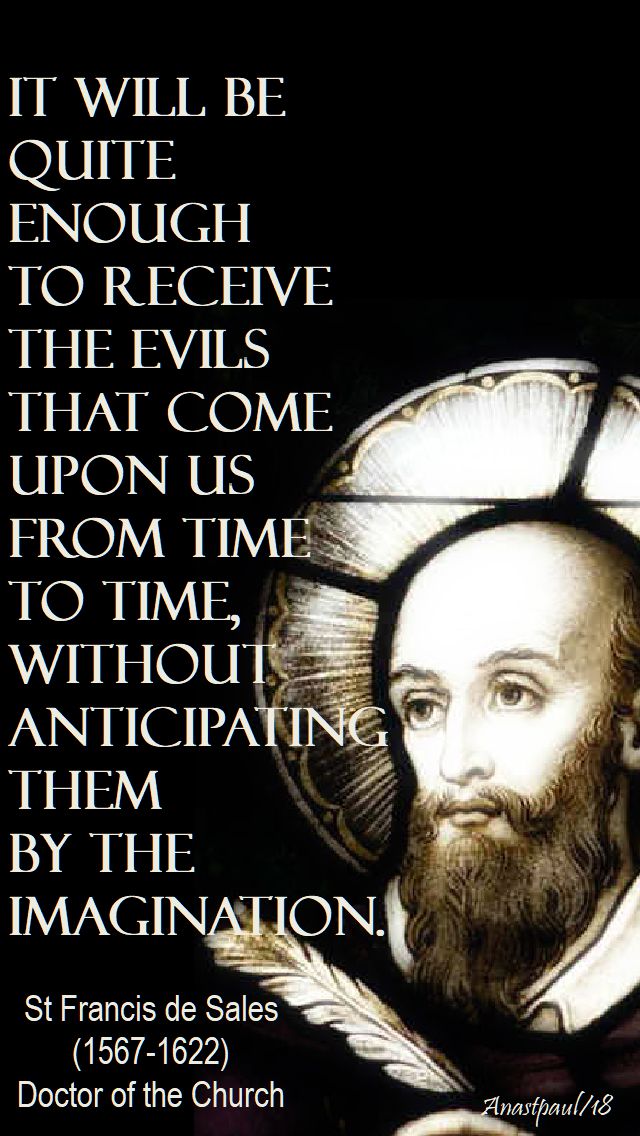
“It will be quite enough to receive the evils that come upon us from time to time, without anticipating them by the imagination.”
St Francis de Sales (1567-1622) Doctor of the Church
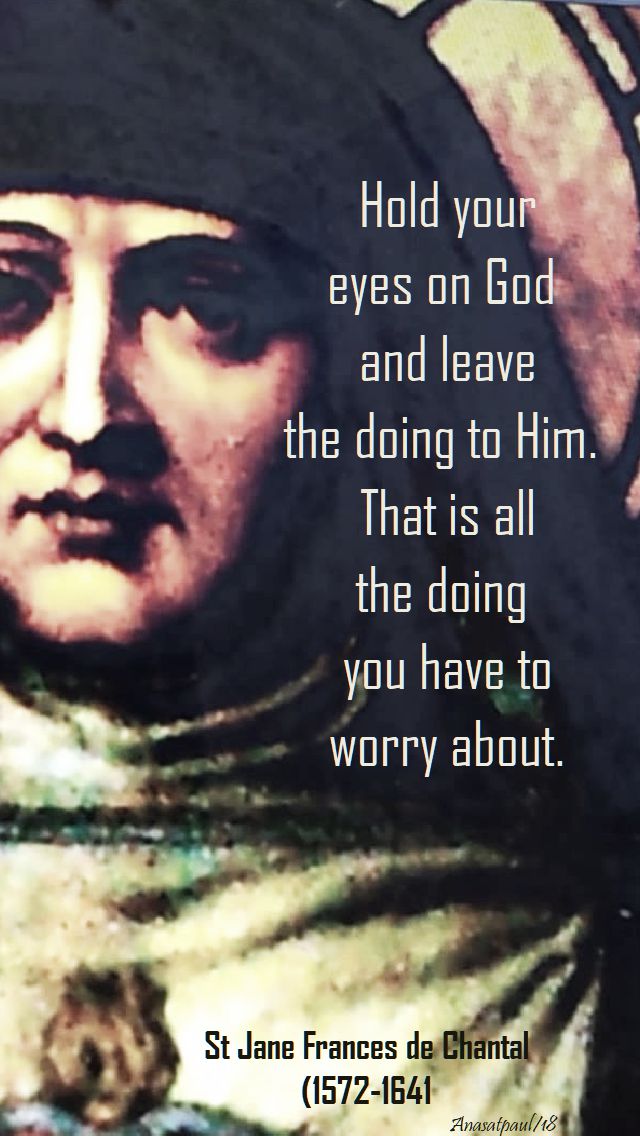
“Hold your eyes on God and leave the doing to Him. That is all the doing you have to worry about.”
St Jane Frances de Chantal (1572-1641)
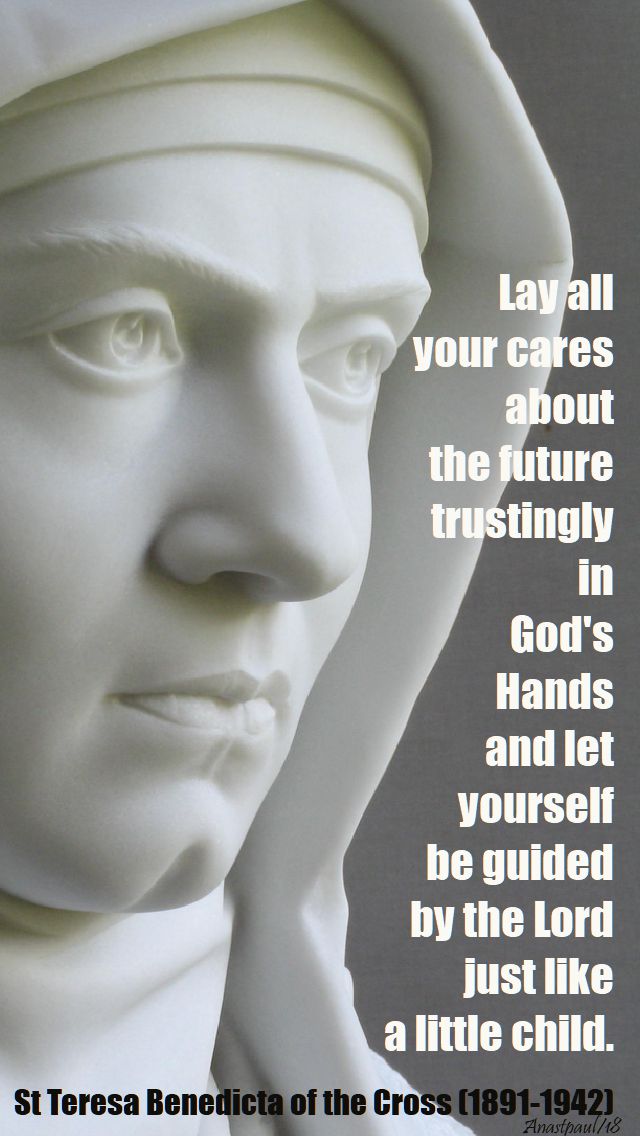
“Lay all your cares about the future trustingly in God’s Hands and let yourself be guided by the Lord just like a little child.”
St Teresa Benedicta of the Cross (1891-1942)
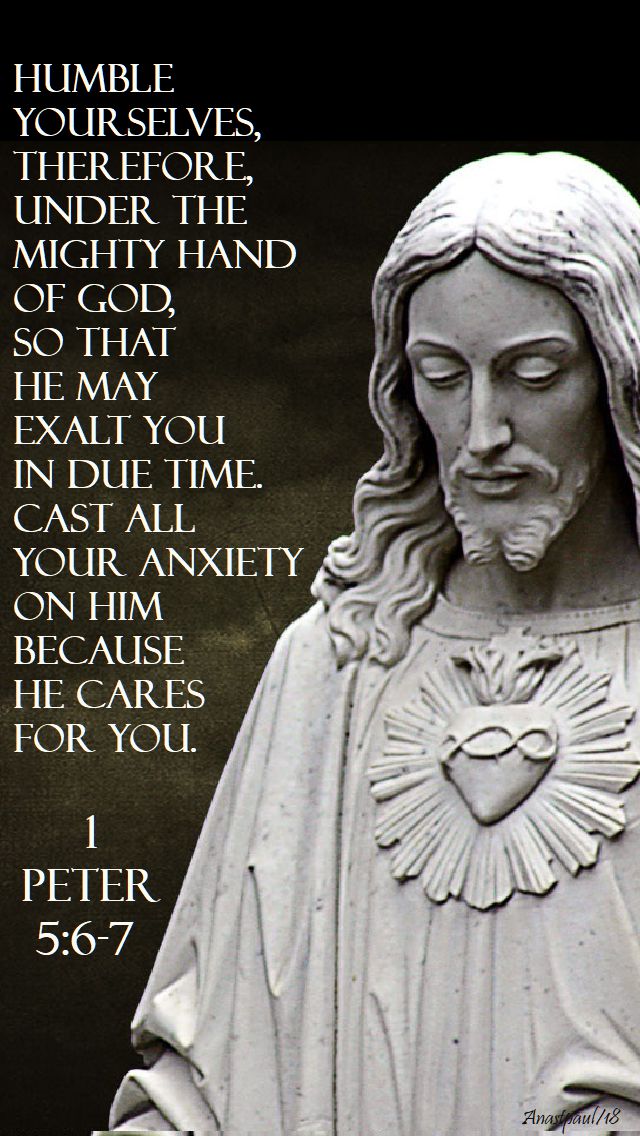
“Humble yourselves therefore, under the mighty hand of God, so that he may exalt you in due time. Cast all your anxiety on him because he cares for you.”
1 Peter 5:6-7
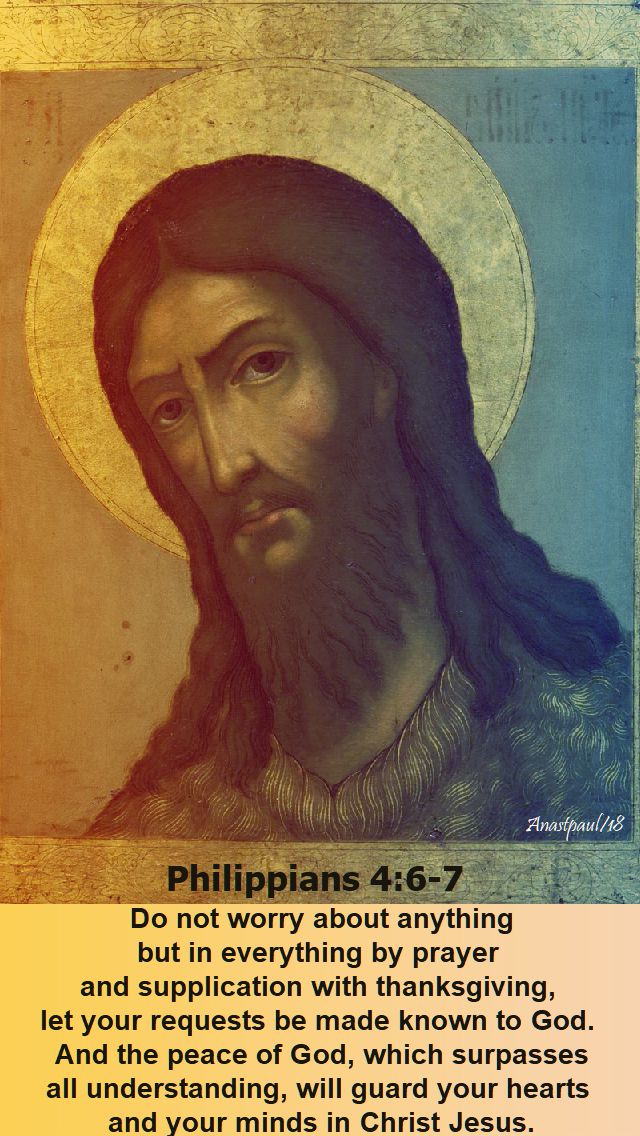
“Do not worry about anything but in everything by prayer and supplication with thanksgiving, let your requests be made known to God. And the peace of God, which surpasses all understanding, will guard your hearts and your minds in Christ Jesus.”
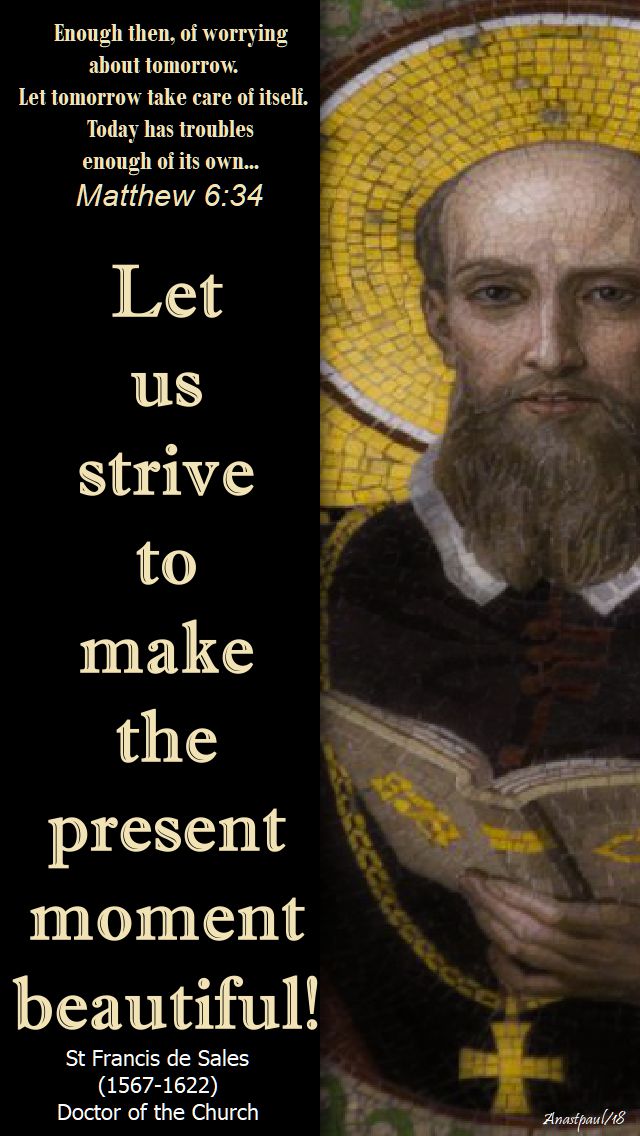
Enough then, of worrying about tomorrow. Let tomorrow take care of itself. Today has troubles enough of its own….Matthew 6:34
REFLECTION – “Let us strive to make the present moment beautiful!”…St Francis de Sales (1567-1622) Doctor of the Church
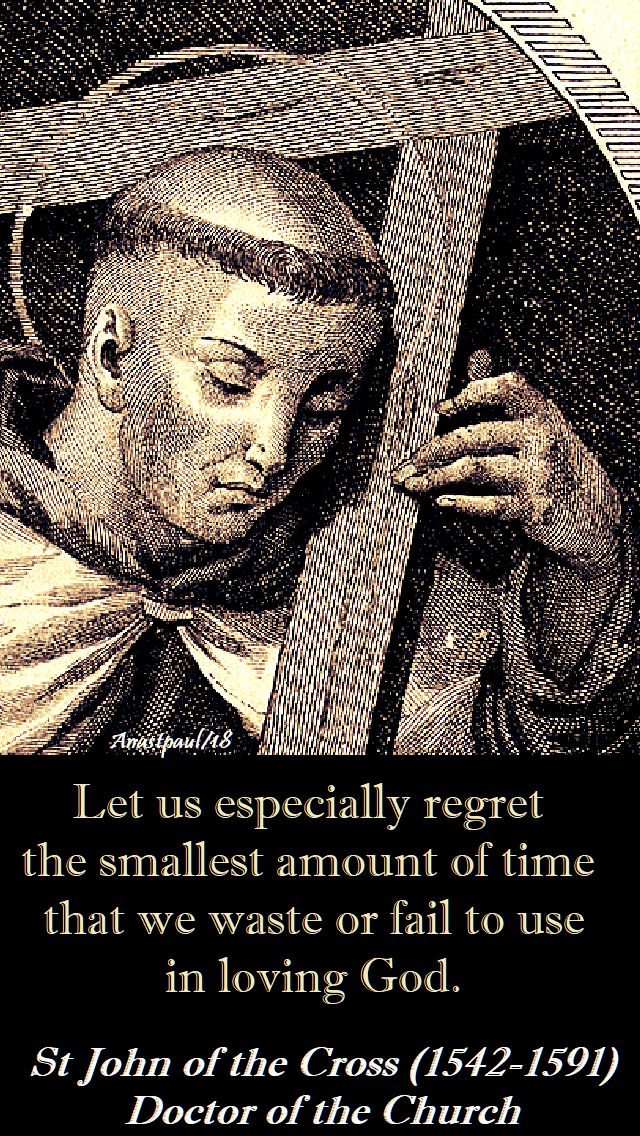
“Let us especially regret the smallest amount of time that we waste or fail to use in loving God.”..St John of the Cross (1542-1591) Doctor of the Church
PRAYER – Lord God, help me to remember that yesterday is gone forever and tomorrow may never come. Let me live in the present and strive to do Your will. Let me abandon myself to Your divine guidance and Your providence in all things. Amen
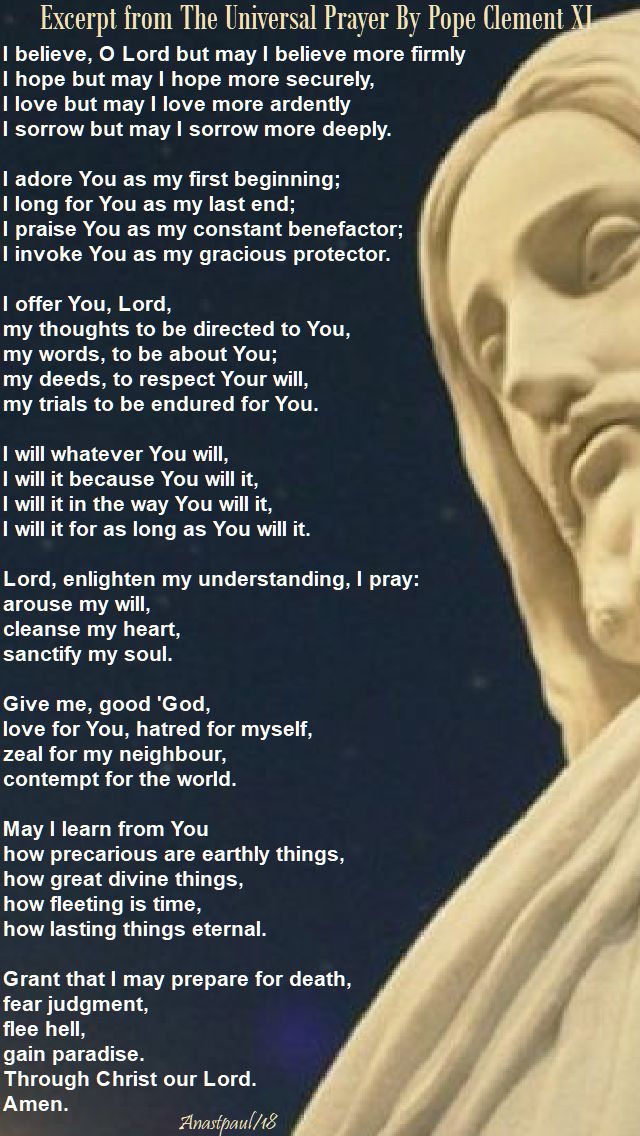
I believe, O Lord but may I believe more firmly
I hope but may I hope more securely,
I love but may I love more ardently
I sorrow but may I sorrow more deeply.
I adore You as my first beginning;
I long for You as my last end;
I praise You as my constant benefactor;
I invoke You as my gracious protector.
By Your wisdom direct me,
by Your righteousness restrain me,
by Your indulgence console me,
by Your power protect me.
I offer You, Lord,
my thoughts to be directed to You,
my words, to be about You;
my deeds, to respect Your will,
my trials to be endured for You.
I will whatever You will,
I will it because You will it,
I will it in the way You will it,
I will it for as long as You will it.
Lord, enlighten my understanding, I pray:
arouse my will,
cleanse my heart,
sanctify my soul.
May I weep for past sins,
repel future temptations,
correct evil inclinations,
nurture appropriate virtues.
Give me, good ‘God,
love for You, hatred for myself,
zeal for my neighbour,
contempt for the world.
May I strive to obey superiors,
to help those dependent on me,
to have care for my friends,
forgiveness for my enemies.
May I conquer sensuality by austerity,
avarice by generosity,
anger by gentleness,
lukewarmness by fervour.
Render me prudent in planning,
steadfast in danger,
patient in adversity,
humble in prosperity.
Make me, O Lord, attentive at prayer,
moderate at meals,
diligent in work,
steadfast in intent.
May I be careful to maintain interior innocence,
outward modesty,
exemplary behavior,
a regular life.
May I be always watchful in subduing nature,
in nourishing grace,
in observing Your law,
in winning salvation.
May I learn from You
how precarious are earthly things,
how great divine things,
how fleeting is time,
how lasting things eternal.
Grant that I may prepare for death,
fear judgment,
flee hell,
gain paradise.
Through Christ our Lord.
Amen.
Saint of the Day – 11 January – St Vitalis of Gaza (Died c 625) Monk, Hermit and apostle of charity and prayer.
Roman martyrology: At Gaza, Vitalis was a monk for many years and earned considerable controversy for his methods in reforming the local prostitutes and scandalous women.
Vitalis was a monk of Gaza, of unknown origin, who in his monk’s dress, at the age of 60, arrived in the gay and dazzling city of Alexandria, Egypt, like a ghost of the desert. In his lonely cell he had read the story of the woman taken in adultery and had felt impelled to travel to the city and work among the prostitutes. He obtained the name and address of every harlot, hired himself our as a day labourer and every night took his wage to one of these unfortunate women.
It was a very strange and unconventional procedure. He would sup with the woman, then, giving her the money, would say: “I pay thee this, that thou mayest spend one night without sin.” Afterwards he would pray with her, often passing the night in reciting the Psalms and, on leaving, would extract a solemn promise that she would tell no one of the nature of his visit.
It led to great scandal and he was gravely misunderstood, but the Church refused to intervene and he continued his mission. Thus he visited in turn every harlot in Alexandria and many, moved by his purity and sincerity as well as by his earnest appeal, abandoned their shameful calling. Many, indeed, afterwards married and became good wives and mothers.
Vitalis was killed when a man, misunderstanding the nature of the monk’s visit to a brothel, struck him on the head. Vitalis managed to return to his hut where he died. Apparently during his burial, former prostitutes came out to explain his works before processing with candles and lanterns as his body was brought to the grave.
St Alexander of Fermo
St Anastasius of Suppentonia
Bl Anna Maria Janer Anglarill
St Boadin of Ireland
St Breandan of Ireland
St Eithne
St Fedelemia
Bl Francis Rogaczewski
St Francisca Salesia Aviat
St Honorata of Pavia
St Hyginus, Pope
St Leucius of Alexandria
St Leucius of Brindisi
St Liberata of Pavia
St Lucius the Soldier
St Luminosa of Pavia
St Mark the Soldier
St Michael of Klopsk
St Palaemon
St Paldo
St Peter Balsam
St Peter of Alexandria
St Peter of Anea
St Peter the Soldier
St Salvius of Amiens
St Severus of Alexandria
St Speciosa of Pavia
St Taso
St Theodosius the Soldier
St Theodosius of Antioch
St Theodosius the Cenobiarch
St Tipasio of Tigava
St Tommaso da Cori
St Vitalis of Gaza – http://integrityrestored.com/the-saint-who-ministered-to-prostitutes-learning-from-st-vitalis-of-gaza/
Bl William Carter
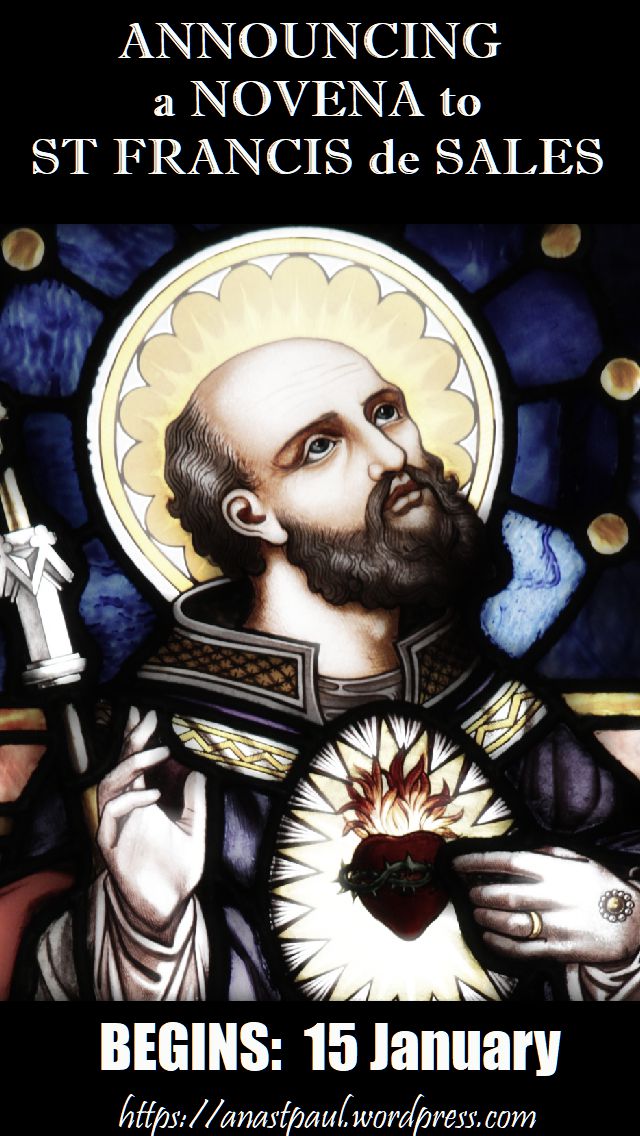
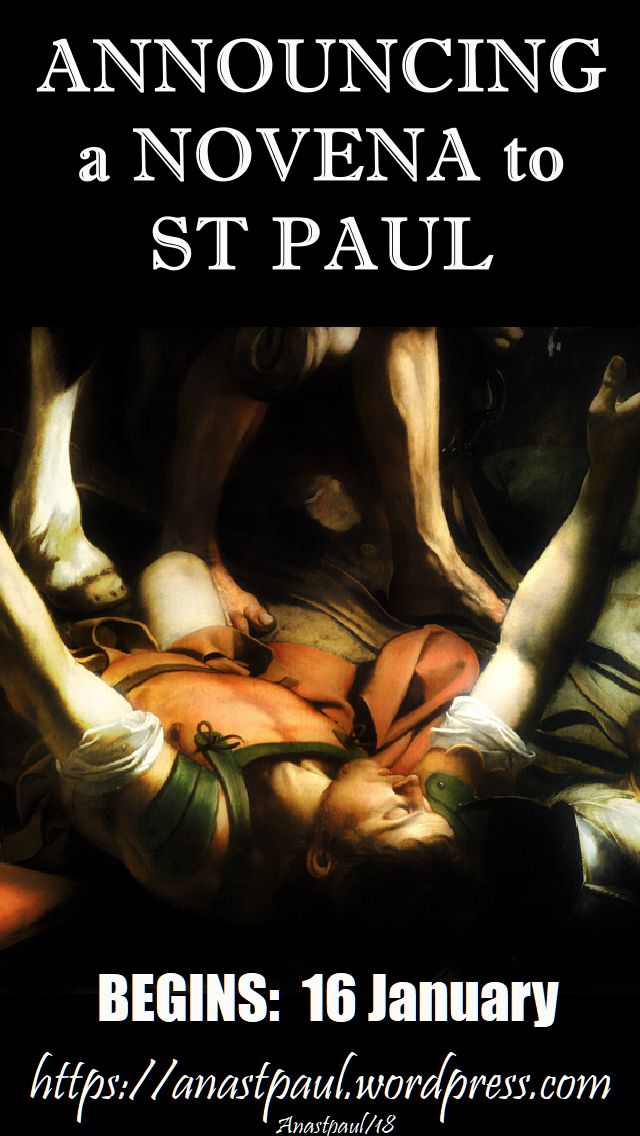
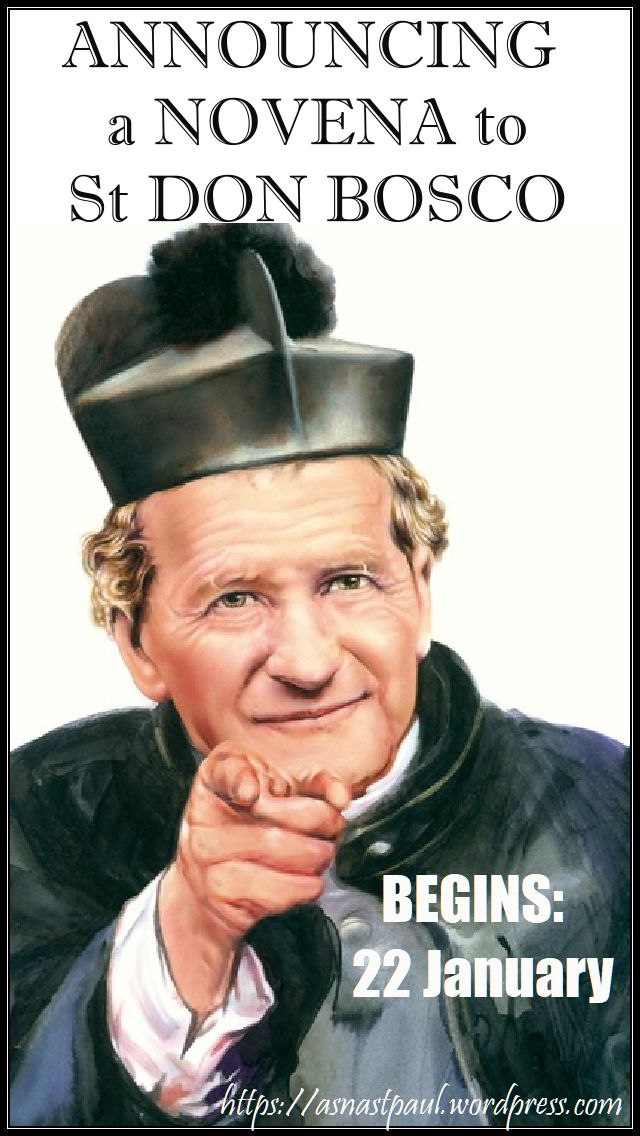
Announcement of Novenas: ST FRANCIS de SALES – begins 15 January ST PAUL – begins 16 January ST JOHN BOSCO – begins 22 January
to ST FRANCIS de SALES CO OM OFM Cap (1567-1622) Doctor of the Church – begins 15 January. St Francis de Sales is the Patron of Devotion so if there’s a Saint who might know what a Devout Heart is, it’s going to be him. St Alphonsus Liguori said that the most useful practice of a Novena is to make up our minds at the beginning of the Novena to correct some fault we have been accustomed to commit. Let us ask St Francis de Sales to stir our hearts toward greater devotion and love for God.
to ST PAUL – begins 16 January – We pray in honour of the Feast of the Conversion of St Paul on 25 January. St Paul is the MOST NEGLECTED IN PRAYER by Catholics – come on folks let us pray for zeal, for courage, for perseverence, for strength, for LOVE of God and neighbour, in fact we can pray to ST PAUL FOR ALL our needs!
to ST JOHN BOSCO “Don Bosco” (1815-1888) “Father and Teacher of the Youth”– He was a follower of the spirituality and philosophy of Saint Francis de Sales, Bosco was an ardent Marian devotee of the Blessed Virgin Mary under the title Mary Help of Christians. He later dedicated his works to De Sales when he founded the Salesians of Don Bosco – begins 22 January. St John Bosco is the Patron of Christian apprentices, editors, publishers, schoolchildren, young people, magicians, juvenile delinquents. Choose ALL young people or your own children. Or simply Pray the 9 days for your own growth in love of our Mother, the Help of Christians or our own growth in faith and sanctity.
Don’t forget to pray Novenas each day for nine straight days…




















 AnaStpaul
You must be logged in to post a comment.