Today, 31 July, the Church liturgically recalls for us, one of the Master’s of the spiritual life, Saint Ignatius of Loyola (1491-1556). The Pilgrim died in 1556 and was the author of the Spiritual Exercises and founder of the Society of Jesus. Saint Ignatius of Loyola, a man who’s path to be a soldier for Christ and His Church, was started by a cannonball injury.
From the life of Saint Ignatius from his own words by Luis Gonzalez
Ignatius was passionately fond of reading worldly books of fiction and tales of knight-errantry. When he felt he was getting better, he asked for some of these books to pass the time. But no book of that sort could be found in the house, instead they gave him a life of Christ and a collection of the lives of saints written in Spanish.
By constantly reading these books he began to be attracted to what he found narrated there. Sometimes in the midst of his reading, he would reflect on what he had read. Yet at other times he would dwell on many of the things which he had been accustomed to dwell on previously. But at this point our Lord came to his assistance, insuring that these thoughts were followed by others which arose from his current reading.
While reading the life of Christ our Lord, or the lives of the saints, he would reflect and reason with himself: “What if I should do what Saint Francis or Saint Dominic did?” In this way he let his mind dwell on many thoughts, they lasted a while until other things took their place. Then those vain and worldly images would come into his mind and remain a long time. This sequence of thoughts persisted with him for a long time.
But there was a difference. When Ignatius reflected on worldly thoughts, he felt intense pleasure; but when he gave them up out of weariness, he felt dry and depressed. Yet when he thought of living the rigourous sort of life he knew the saints had lived, he not only experienced pleasure when he actually thought about i, but even after he dismissed these thoughts, he still experienced great joy. Yet he did not pay attention to this, nor did he appreciate it until one day, in a moment of insight, he began to marvel at the difference. Then he understood his experience – thoughts of one kind left him sad, the others full of joy. And this was the first time he applied a process of reasoning to his religious experience. Later on, when he began to formulate his spiritual exercises, he used this experience, as an illustration to explain the doctrine he taught his disciples, on the discernment of spirits.
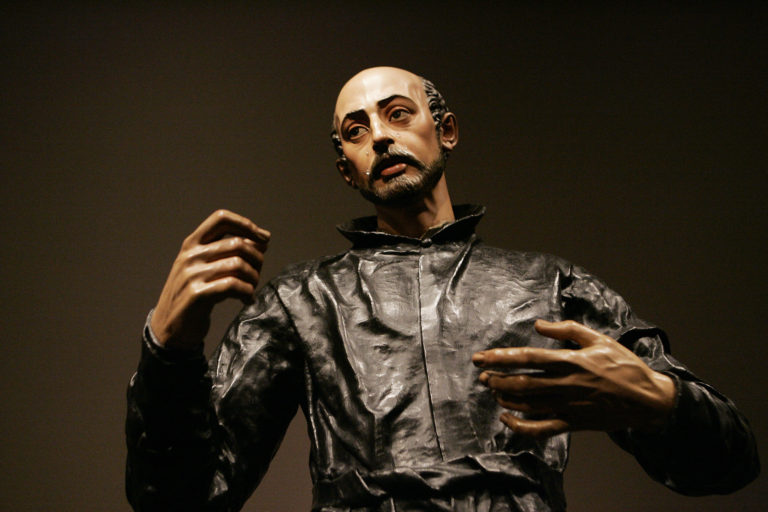
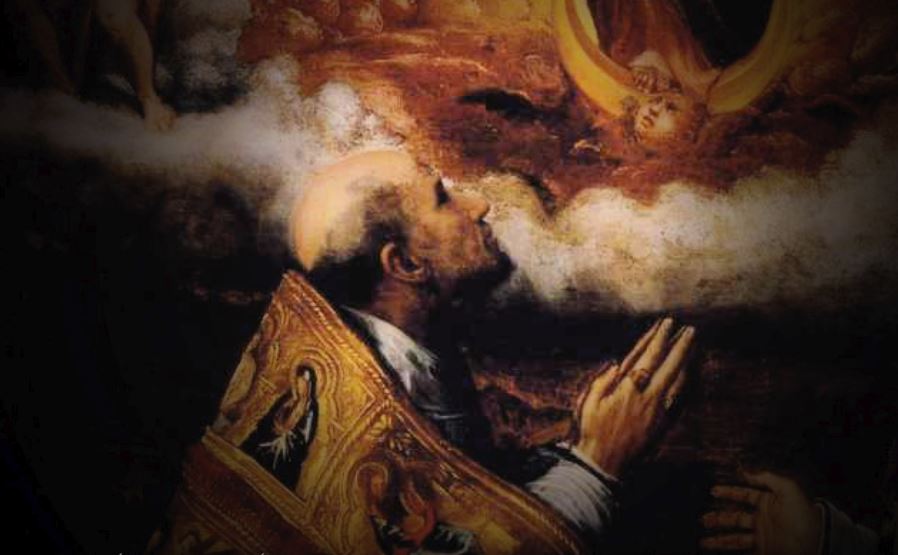
The upper portion of the sculpture “Saint Ignatius Loyola,” by Juan Martinez Montanes and Francisco Pacheco.
“After we experience the great peace of knowing God’s love for us, which quiets our anxieties and insecurities, we find another deep desire stirring within us. We desire greatness, because we are made for greatness.”
Milanese School – St Ignatius receiving a vision of Christ
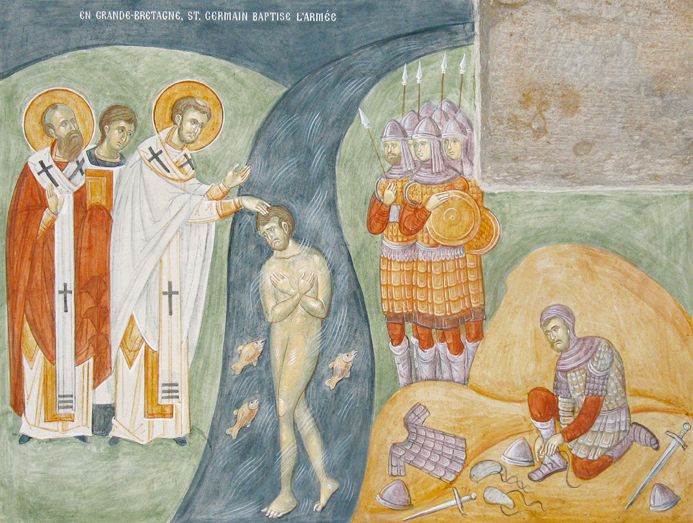
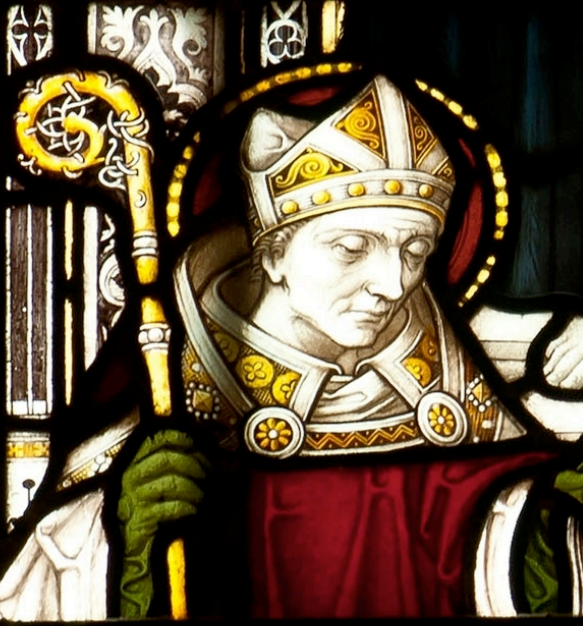
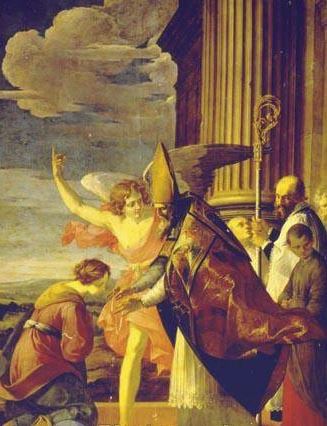
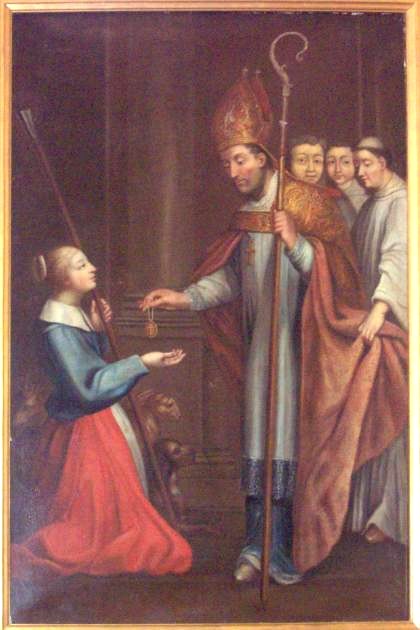
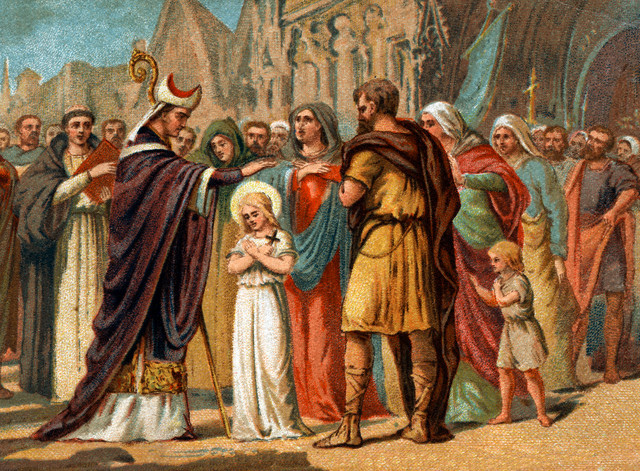
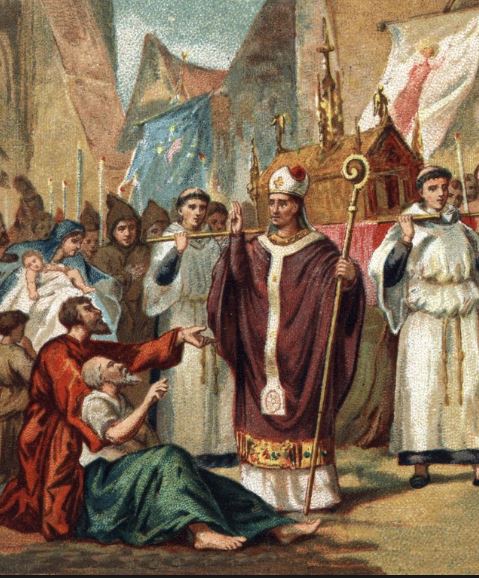
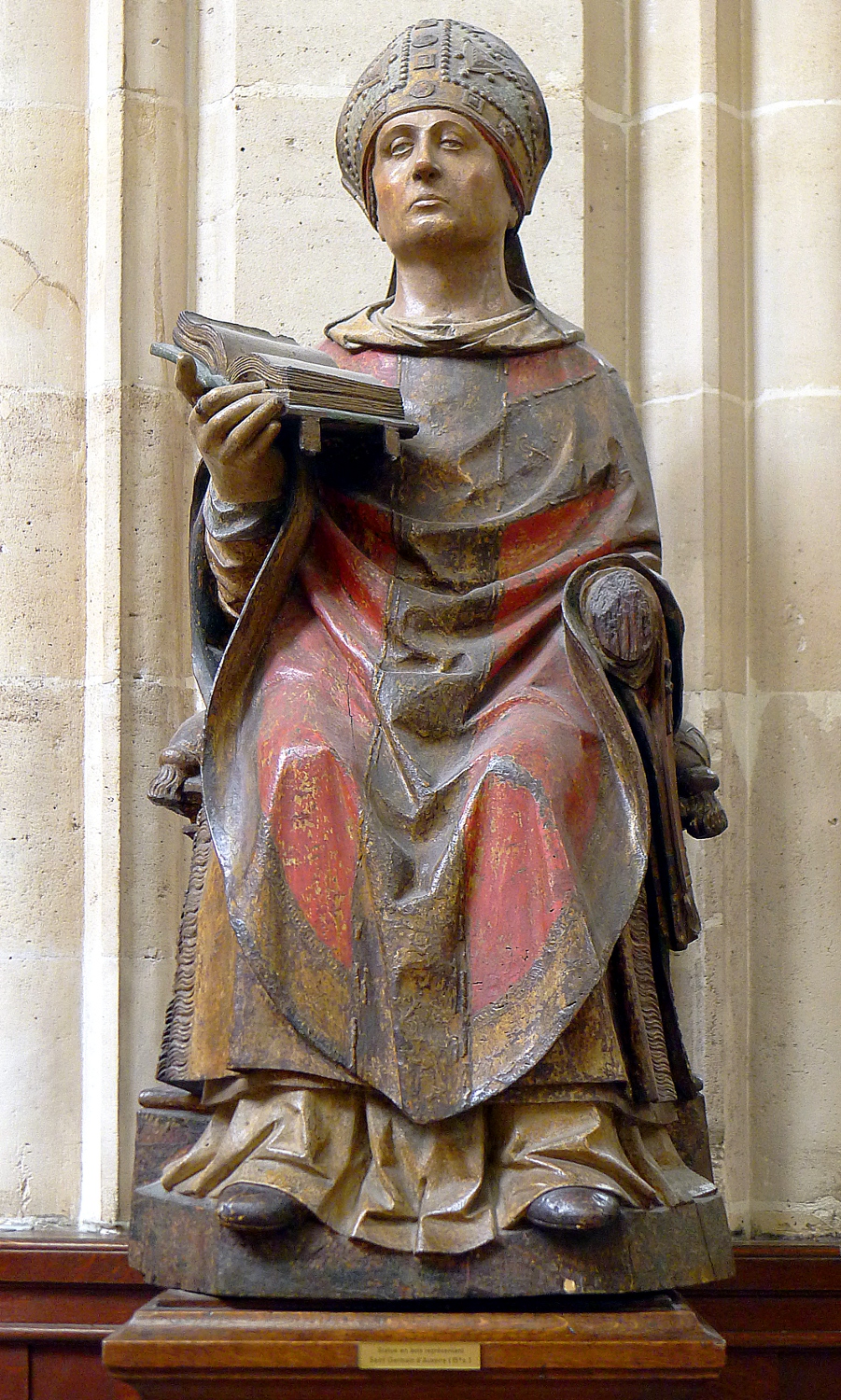
Saint of the Day – 31 July – St Germanus d’Auxerre Bishop of Auxerre (c 378 – c 448) , Lawyer, Missionary, Reformer, Exorcist, Miracle-Worker – born in c 378 at Auxerre, France – died on 31 July 448 at Ravenna, Italy of natural causes. Patronages: Patronage – Auxerre, France.
He abandoned a career as a high-ranking government official to devote his formidable energy towards the promotion of the church and the protection of his ‘flock’ in dangerous times – personally confronting, for instance, the barbarian king, “Goar”. In Britain he is best remembered for his journey to combat Pelagianism in or around 429 and the records of this visit provide valuable information on the state of post-Roman British society. He also played an important part in the establishment and promotion of the Cult of Saint Alban. The saint was said to have revealed the story of his martyrdom to Germanus in a dream or holy vision and Germanus ordered this to be written down for public display. Germanus is venerated as a saint in both the Roman Catholic and Orthodox churches, which commemorate him today 31 July.
The principal source for the events of his life is the Vita Germani, a hagiography written by Constantius of Lyon around 480 and a brief passage added onto the end of the Passio Albani, which may possibly have been written or commissioned by Germanus. Constantius was a friend of Bishop Lupus of Troyes, who accompanied Germanus to Britain, which provided him with a link to Germanus.
Germanus, according to appearances, was not of outstanding piety during his youth, though of noble birth, his forebears were lords of the county of Auxerre in Gaul in the 5th century. He studied eloquence and civil law in Rome and practised law there with distinction. He married a Roman noblewoman and became known to the emperor Honorius, who made him general of the imperial troops for his native province.
Returning then to Auxerre, he indulged his passion for hunting and when advised by Saint Amator (344-418 – Memorial 1 May) the bishop of Auxerre, that his habits were not edifying, paid no attention to the admonition. But God made known to this holy bishop his forthcoming death and that Germanus was destined to succeed him. Saint Amator, therefore, went to see the Prefect of Gaul and asked his permission to have this soldier as a member of his clergy and the permission was granted. He then tonsured Germanus and clothed him with the ecclesiastical habit, taking him by surprise during an assembly of the faithful and informing him there that he was destined to be his successor. Germanus dared not resist, fearing to oppose the Will of God. He was consecrated soon afterwards, in the year 418.
He immediately became another man and making over his lands to the Church, he adopted a life of humble penance. He rapidly attained high perfection and the gift of miracles was given him. He attempted to conceal it but it became known when he obliged the demon, during a public exorcism, to reveal the place where stolen money was concealed. Afterwards there was never a time when all the roads leading to his residence were not filled with crowds of sick persons, waiting to address the bishop and beg his assistance. Many possessed persons were also delivered. Invariably his modesty caused him to attribute the multiplying prodigies to the relics of Saints which he wore around his neck, or to the sign of the Cross, or to the holy water he sometimes used, or to oil which he blessed. The furious demons tormented him with temptations and terrifying apparitions but found themselves powerless to disturb his peace.
At that time the Pelagian heresy was laying waste the British Isles and Germanus was chosen by the reigning Pontiff to go and deliver the Britons from the snare of Satan. With Saint Lupus (383-478) he preached in the fields and highways throughout the land. Eventually he met the heretics face to face in a public conference, where each party was given an opportunity to speak. When the heretics had defended their position, the two holy bishops answered with such force that their adversaries were reduced to silence and the faithful rejoiced in the triumph of the Catholic faith. Immediately after the debate with the Pelagians, Germanus gave thanks for his victory at the grave of Saint Alban, which was likely in some sort of tomb or basilica. That night, Saint Alban came to him in a dream, revealing the details of his martyrdom. When Germanus awoke, he had the account written down in tituli, possibly to be engraved on the walls or illustrated placards at a church site. Germanus then deposited some of the bones of continental saints in the basilica and took a sample of the earth at the site of Alban’s martyrdom, which still bore the marks of the martyr’s blood.
He also led the British people to their famous alleluia victory over the Saxons.
Germanus visited England a second time to combat the Pelagian heresy which was still sowing its errors. On this visit, he established public schools in Great Britain, which afterwards alleviated the ignorance of the people and preserved them from error. He ordained priests and established an archbishop and many Saints were formed in the schools which his successors continued to found. After pursuing his good works on behalf of the peoples of both his adopted and his native land, he died while in Italy, where he had succeeded in appeasing the anger of the emperor against some rebels in Britain. Miracles had accompanied him all along the route of his journey. His holy death occurred at Ravenna in the year 450, the 31st of his episcopal office.
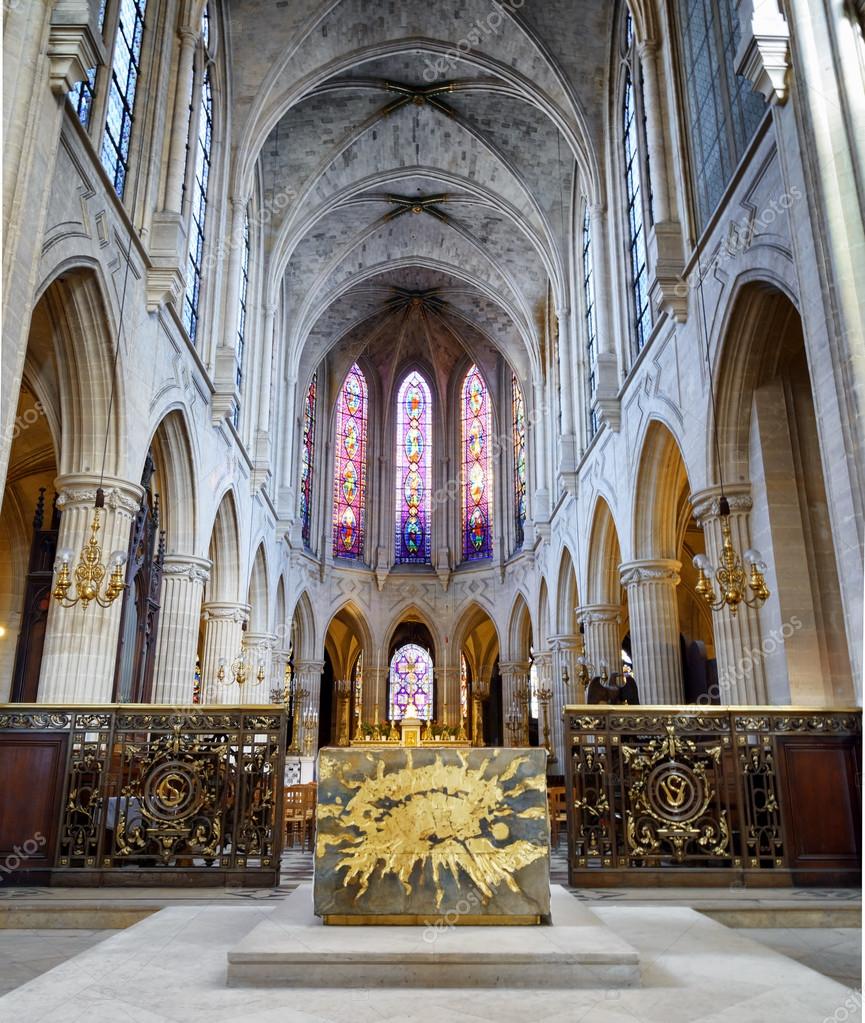
Saint Germanus’s tomb continues to be venerated in the church of the Abbey of Saint-Germain d’Auxerre. There is a tradition of a panegyric on the Sunday nearest to or preceding his festival in July. His body was interred in the Oratory of Saint Maurice, Auxerre, France but later re-interred in the church of Saint Germain that was built by Queen Clotilda on the site of the Oratory. His body was found incorrupt when it re-located in the church several centuries later. In 1567, the Huguenots desecrated the shrine and threw out the relics. There are relics in Saint Marion abbey which are reported to be Saint Germain’s but this cannot be proven.
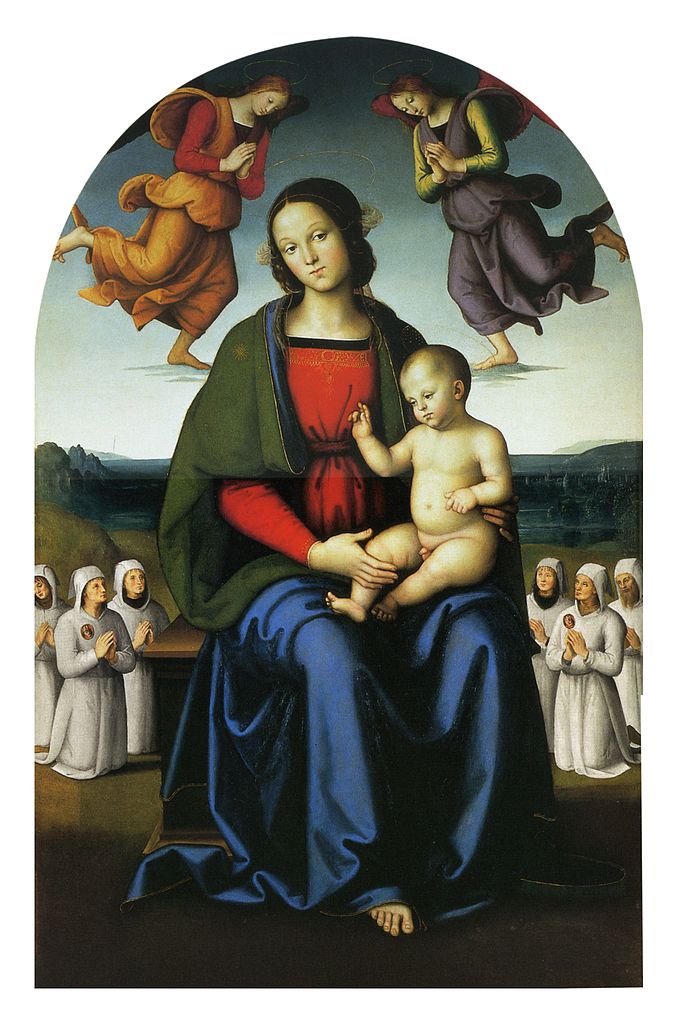
Our Lady of Consolation: Starting in the 2nd century, Catholics venerated Mary as Our Lady of Consolation, one of her earliest titles of honour. The title of Our Lady of Consolation, or Mary, Consoler of the Afflicted, comes from the Latin Consolatrix Afflictorum. The origin of this invocation is derived from the Augustinian monks who propagated this particular devotion. In 1436 the Confraternity of the Holy Cincture of Our Lady of Consolation was founded in Bologna, Italy. It was based on an Augustinian tradition which hold that Saint Monica in the fourth century, was distraught with anxiety for her wayward son, Augustine and that Mary gave her a sash which the Virgin wore, with the assurance that whoever wore this belt would receive her special consolation and protection. Along with Augustine and Monica, Our Lady of Consolation is one of the three patrons of the Augustinians. The “Augustinian Rosary” is sometimes called the “Corona (or Crown) of Our Mother of Consolation”.
—
St Calimerius of Milan
Bl Cecilia Schelingov
Bl Everard Hanse
St Fabius of Caesarea
St Firmus of Tagaste
St Germanus of Auxerre (c 378 – c 448)
St Giustino de Jacobis
St Helen of Skofde
Bl Jean-François Jarrige de La Morelie de Breuil
Bl John Colombini
St Marcel Denis
St Neot
—
Matyrs of Syria – 350 saints: 350 monks massacred by heretics for their adherence to orthodox Christianity and the decrees of the Council of Chalcedon. 517 in Syria.
Martyrs of Synnada: 3 Saints
Democritus
Dionysius the Martyr
Secundus
Martyred in the Spanish Civil War: Thousands of people were murdered in the anti-Catholic persecutions of the Spanish Civil War from 1934 to 1939.
• Blessed Ciriaco Olarte Pérez de Mendiguren
• Blessed Dionisio Vicente Ramos
• Blessed Francisco Remón Játiva
• Blessed Miguel Goñi Ariz
• Blessed Miguel Francisco González-Díez González-Núñez
• Blessed Agapito Alcalde Garrido
• Blessed Ciriaco Olarte Pérez de Mendiguren
• Blessed Dionisio Vicente Ramos
• Blessed Francisco Remón Játiva
• Blessed Jaume Buch Canals
• Blessed Maria Roqueta Serra
• Blessed Miguel Goñi Ariz
• Blessed Miguel Francisco González-Díez González-Núñez
• Blessed Prudencio Gueréquiz y Guezuraga
• Blessed Segundo de Santa Teresa
• Blessed Teresa Subirà Sanjaume
• Blessed Vicenta Achurra Gogenola
• Blessed Francisca Pons Sardá
Thought for the Day -30 July – The Memorial of St Peter Chrysologus “Golden Words” (c 400-450) Father & Doctor
Saint Peter’s great gift to the Church are the words he left behind and the impact those words have upon those who hear them—both while he was alive and in the present day.
His name, meaning “Golden Words” in Greek, comes not from long and intricate homilies given on complex theological issues but rather his humility and the hope that he would not “bore” the faithful.
His teachings on the Annunciation, Prayer, Fasting and Mercy, the Holy Eucharist, the Incarnation and Human Dignity, the Priesthood of All Catholic Believers, the Epiphany, the Love of God and more—as well as around 180 other sermons—survive today, inspiring us and reminding us of the core tenets of our faith.
He is credited as the first to deliver the “short sermon”—morally rich, Gospel-driven, doctrinally sound brief reflections on the Catholic way of being in the world, of living what Christ taught us.
St Peter was called “Golden Words” because his eloquence ‘enriched’ those who listened, though the words themselves have immense value.
The wonder of Gold is that it does not tarnish or lose its value, in fact gold constantly increases in value. Reading today his golden words, we can certainly agree with his nickname, for they are even more valuable in our time possibly, than in his. And, let us not forget that ‘good listening’ is as important as good preaching.
Quote/s of the Day 30 July – The Memorial of St Peter Chrysologus “Golden Words”
(c 400-450) Father & Doctor
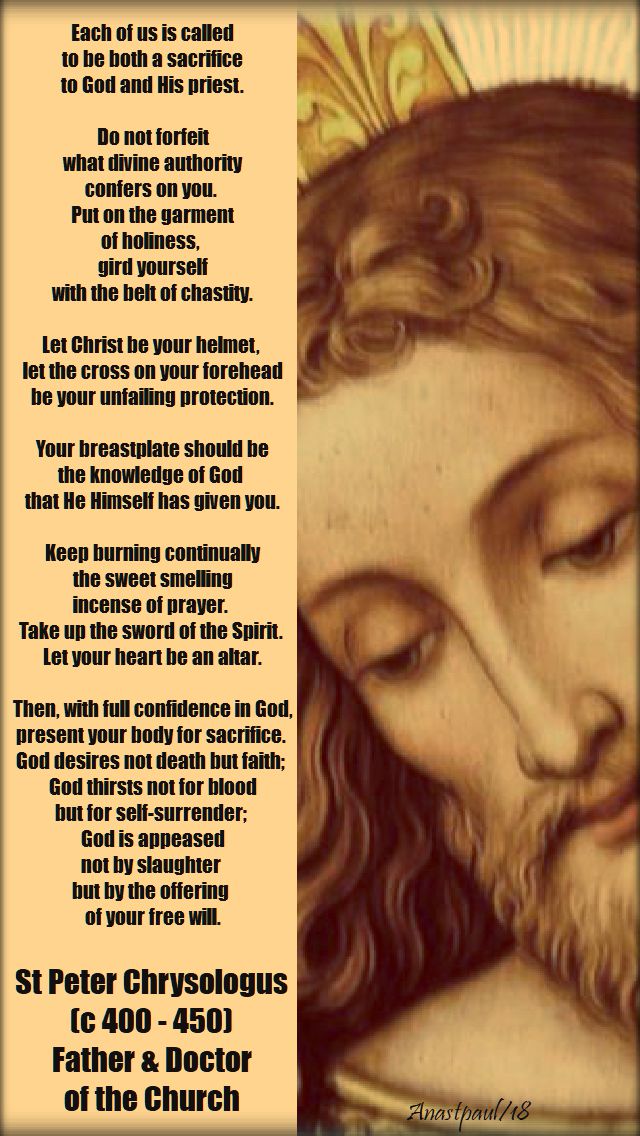
“Each of us is called to be both a sacrifice to God and His priest. Do not forfeit what divine authority confers on you. Put on the garment of holiness, gird yourself with the belt of chastity. Let Christ be your helmet, let the cross on your forehead be your unfailing protection. Your breastplate should be the knowledge of God that He Himself has given you. Keep burning continually the sweet smelling incense of prayer. Take up the sword of the Spirit. Let your heart be an altar. Then, with full confidence in God, present your body for sacrifice. God desires not death but faith; God thirsts not for blood but for self-surrender; God is appeased not by slaughter but by the offering of your free will.”
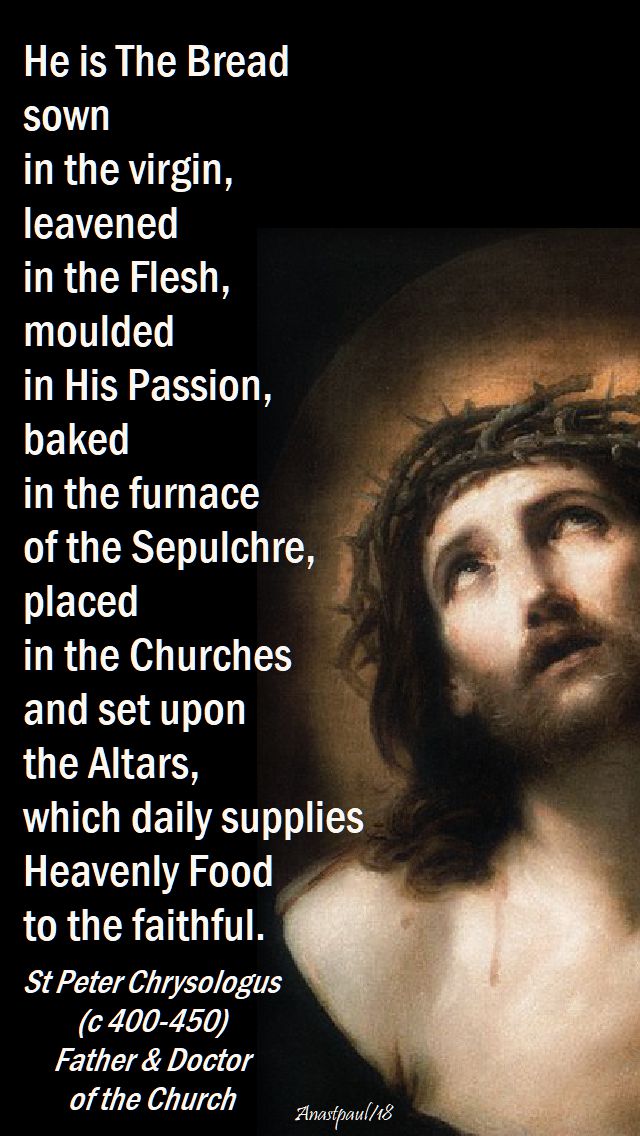
“He is The Bread sown in the virgin, leavened in the Flesh, moulded in His Passion, baked in the furnace of the Sepulchre, placed in the Churches and set upon the Altars, which daily supplies Heavenly Food to the faithful.”
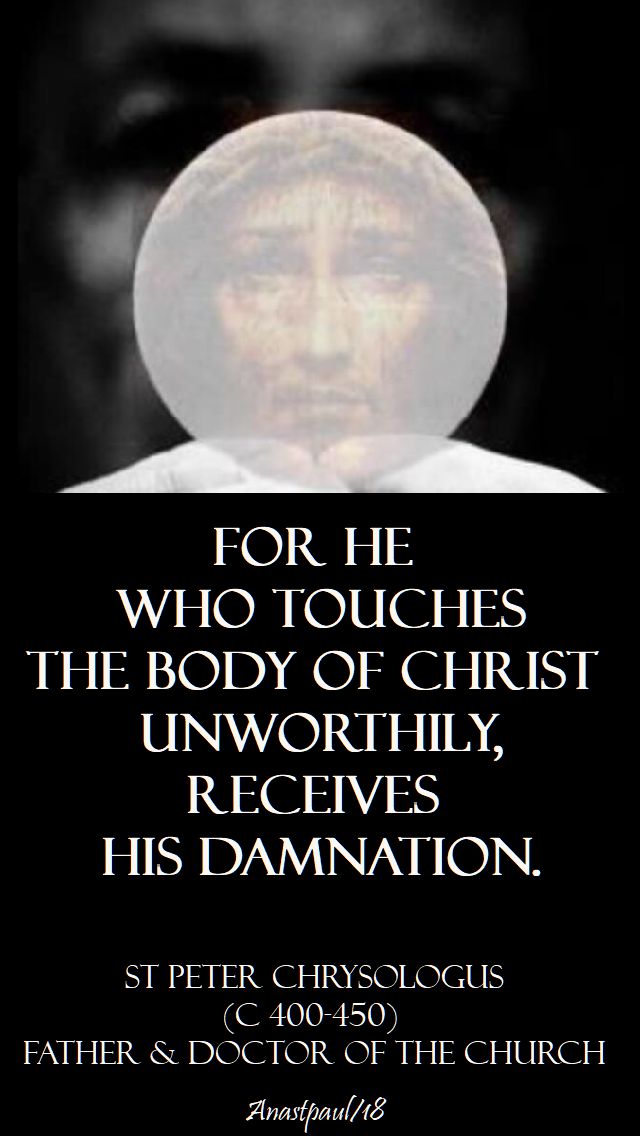
“For he who touches the Body of Christ unworthily, receives his damnation.”
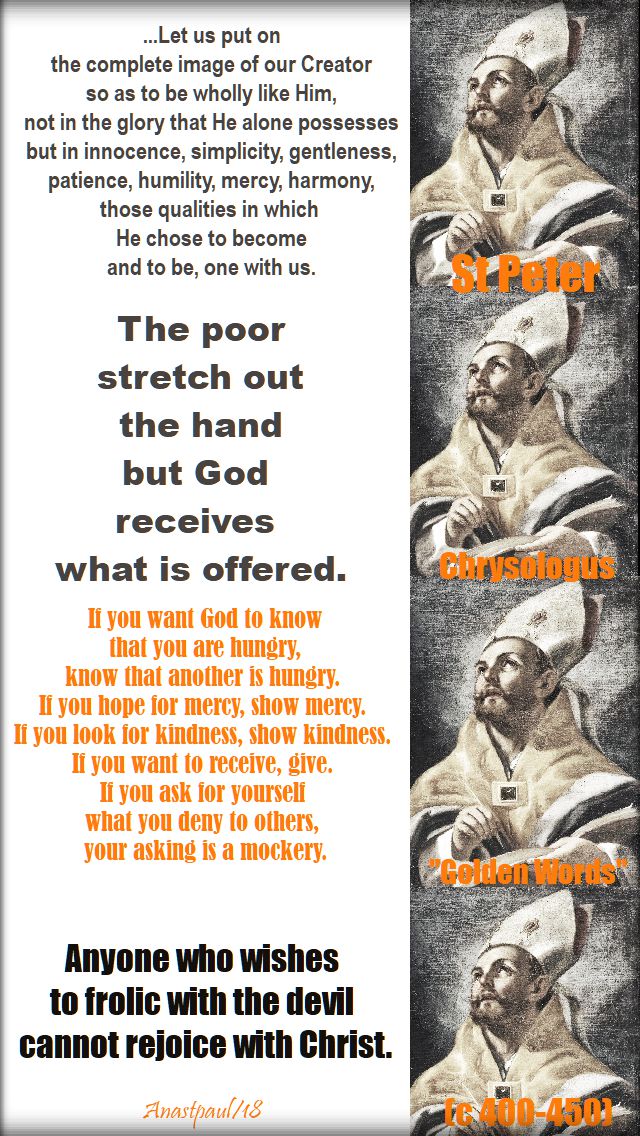
“Now that we are reborn,… in the likeness of our Lord and have indeed been adopted by God as his children, let us put on the complete image of our Creator so as to be wholly like Him, not in the glory that He alone possesses but in innocence, simplicity, gentleness, patience, humility, mercy, harmony, those qualities in which He chose to become and to be, one with us.”
“The poor stretch out the hand but God receives what is offered.”
” If you want God to know that you are hungry, know that another is hungry. If you hope for mercy, show mercy. If you look for kindness, show kindness. If you want to receive, give. If you ask for yourself what you deny to others, your asking is a mockery.”
“Anyone who wishes to frolic with the devil cannot rejoice with Christ.”
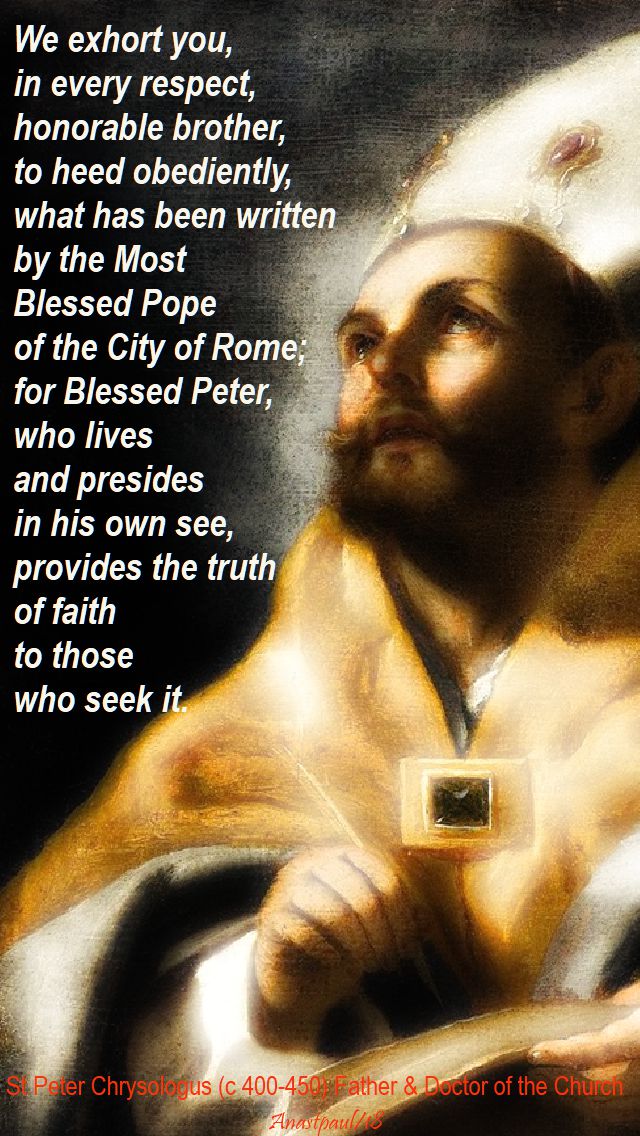
“We exhort you, in every respect, honourable brother, to heed obediently what has been written by the Most Blessed Pope of the City of Rome; for Blessed Peter, who lives and presides in his own see, provides the truth of faith to those who seek it.”
One Minute Reflection – 30 July – Monday of the Seventeenth week in Ordinary Time, Year B and The Memorial of St Peter Chrysologus “Golden Words” (c 400-450) Father & Doctor
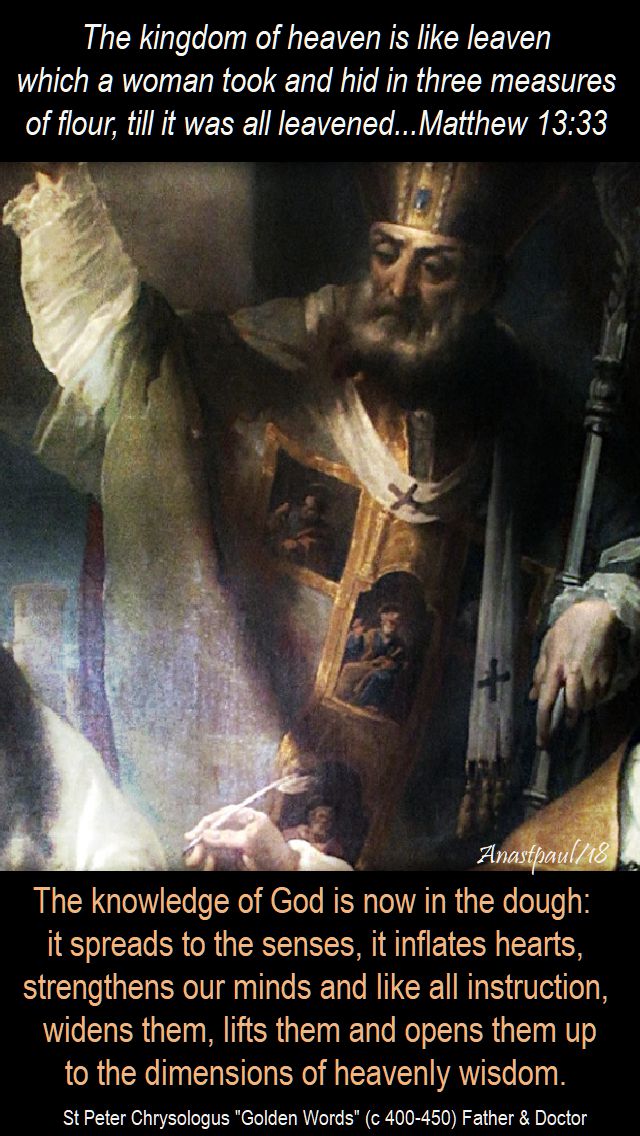
“The kingdom of heaven is like leaven which a woman took and hid in three measures of flour, till it was all leavened.”..Matthew 13:33
REFLECTION – “Let us give the deep meaning of this parable. The woman who took some yeast is the Church; the yeast which she took is the revelation of heavenly doctrine; the three measures with which she mixed the yeast are the Law, the Prophets and the Gospels, where the divine meaning mixes itself and hides itself under symbolic terms, to be understood by the believer but escape those who do not believe. As for these words “until the whole batch was leavened”, they relate to what the apostle Paul says: “Now we know partially and we prophesy partially, but when the perfect comes, the partial will pass away” (1Co 13:9). The knowledge of God is now in the dough: it spreads to the senses, it inflates hearts, strengthens our minds and like all instruction, widens them, lifts them and opens them up to the dimensions of heavenly wisdom. Everything will soon be leavened. When? at the advent of Christ.”...St Peter Chrysologus
PRAYER – God our Father, You made St Peter Chrysologus a most eloquent preacher of Christ, Your Word. By his intercession, help us top meditate constantly in our hearts, on the mysteries by which You save us and to manifest them faithfully in our lives. We make our prayer through Jesus Christ and the Holy Spirit, one God forever, amen.
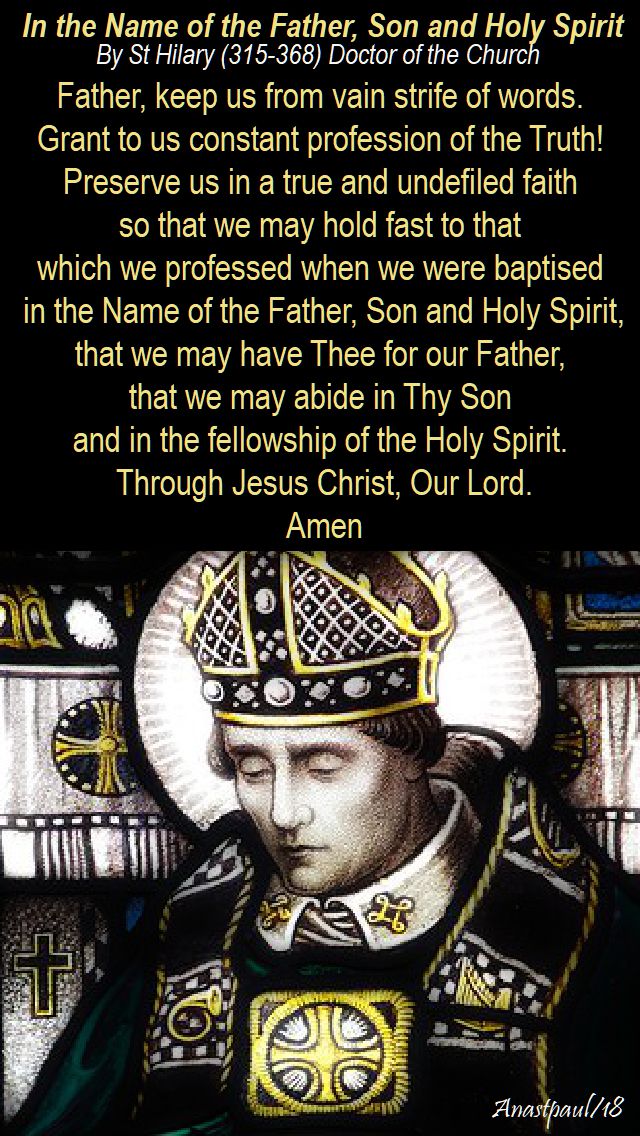
In the Name of the Father, Son and Holy Spirit By St Hilary (315-368) Father & Doctor of the Church
Father, keep us from vain strife of words.
Grant to us constant profession of the Truth!
Preserve us in a true and undefiled faith
so that we may hold fast to that
which we professed when we were baptised
in the Name of the Father, Son and Holy Spirit,
that we may have Thee for our Father,
that we may abide in Thy Son
and in the fellowship of the Holy Spirit.
Through Jesus Christ, Our Lord.
Amen
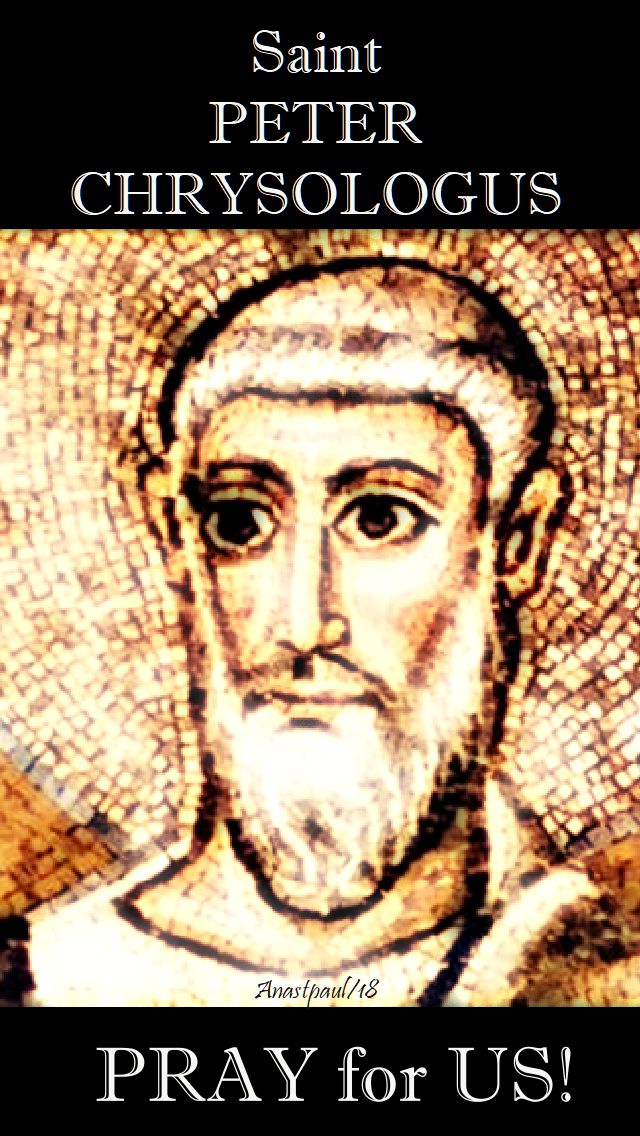
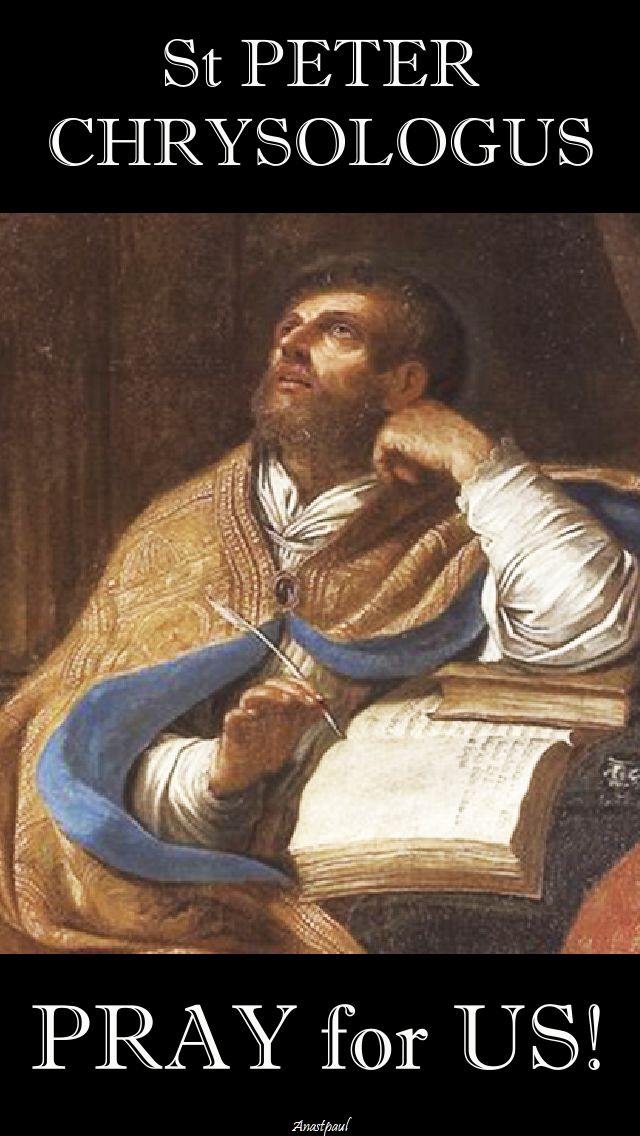
Saint of the Day – 30 July – St Peter Chrysologus (c 400-450) “Golden Words” Father & Doctor of the Church – Bishop of Ravenna, Italy. Patronages – against fever, against mad dogs, of Imola, Italy.
Today we celebrate the Memorial of Saint Peter Chrysologus, a fifth-century Italian bishop known for testifying courageously to Christ’s full humanity and divinity during a period of the heresy called Monophysite.
The saint’s title, Chrysologus, signifies “golden speech” in Greek. Named as a Doctor of the Church in 1729, he is distinguished as the “Doctor of Homilies” for the concise but theologically rich reflections he delivered during his time as the Bishop of Ravenna.
His surviving works (176 of sermons), offer eloquent testimony to the Church’s traditional beliefs about Mary’s perpetual virginity, the penitential value of Lent, Christ’s Eucharistic presence, and the primacy of St Peter and his successors in the Church.
Few details of St Peter Chrysologus’ early life are known. He was born in the Italian Town of Imola in either the late fourth or early fifth century but sources differ as to whether this occurred around 380 or as late as 406.
Following his study of theology, Peter was Ordained to the Diaconate by Imola’s local Bishop Cornelius, whom he greatly admired and regarded as his spiritual father. Cornelius not only Ordained Peter but taught him the value of humility and self-denial. The lessons of his mentor inspired Peter to live as a Monk for many years, embracing a lifestyle of asceticism, simplicity and prayer. His simple monastic life came to an end, however, after the death of Archbishop John of Ravenna in 430. After John’s death, the clergy and people of Ravenna chose a successor and asked Cornelius, still the Bishop of Imola, to journey to Rome and obtain Papal approval for the candidate. Cornelius brought Peter, then still a Deacon, along with him on the visit to Pope Sixtus III.
Tradition relates that the Pope had experienced a vision from God on the night before the meeting, commanding him to overrule Ravenna’s choice of a new Archbishop. The Pope declared that Peter, instead, was to be Ordained as John’s successor.
In Ravenna, Peter was received warmly by the Western Roman Emperor Valentinian III and his mother Galla Placidia. She is said to have given him the title of “Chrysologus” because of his preaching skills. Throughout the Archdiocese, however, he encountered the surviving remnants of paganism, along with various abuses and distortions of the Catholic faith. Peter exercised zeal and pastoral care in curbing abuses and evangelising non-Christians, during his leadership of the Church in Ravenna.
One of the major heresies of his age, Monophysitism, held that Christ did not possess a distinct human nature in union with His eternal divine nature. Peter laboured to prevent the westward spread of this error, promoted from Constantinople by the monk Eutyches.
The Archbishop of Ravenna also made improvements to the City’s Cathedral and built several new Churches. Near the end of his life he addressed a significant letter to Eutyches, stressing the Pope’s authority in the Monophysite controversy.
Having returned to Imola in anticipation of his death, St Peter Chrysologus died in 450, one year before the Church’s official condemnation of Monophysitism. 176 of his sermons have survived; it is the strength of these beautiful explanations of the Incarnation, the Creed, the place of Mary and John the Baptist in the great plan of salvation, etc., that led to his being proclaimed a Doctor of the Church in 1729 by Pope Benedict XIII.
St Abdon
Bl Antonio di San Pietro
Bl Edward Powell
St Ermengyth
St Hatebrand
St Julitta of Caesarea
St Leopold Bogdan Mandic
Bl Manés de Guzmán
St María Natividad Venegas de La Torre
Bl Richard Featherstone
St Rufinus of Assisi
St Senen
St Tatwine of Canterbury
St Terenzio of Imola
Bl Thomas Abel
St Ursus of Auxerre
Bl Vicenta Chavez-Orozco
—
Martyrs of Castelseras: Three Dominicans, two of them priests, one a novice, who were martyred together in the Spanish Civil War for refusing to renounce Christianity.
• Joaquín Prats Baltueña
• José María Muro-Sanmiguel
• Zosimo Izquierdo Gil
They were shot on 30 July 1936 at a farm house outside Castelserás, Teruel, Spain and Beatified on 11 March 2001 by Pope John Paul II.
Martyrs of Tebourba – 3 saints: Three girls martyred together in the persecutions of Diocletian. We know little else about them but the names – Donatilla, Maxima and Secunda. 304 at Tebourba in North Africa.
Martyred in the Spanish Civil War: Thousands of people were murdered in the anti-Catholic persecutions of the Spanish Civil War from 1934 to 1939. Today’s list includes the following:
The Martyred Hospitallers of Spain and
Bl Alejandro Arraya Caballero
Bl Alejandro González Blanco
Bl Bernabé Núñez Alonso
Bl Eugenio García Tribaldos
Bl Francesc Salla Saltó
Bl Guillermo Álvarez Quemada
Bl Jaume Puig Mirosa
Bl Juan Lanz Palanca
Bl Luis Aguirre Bilbao
Bl Luis Herrero Arnillas
Bl Miguel Solas del Val
Bl Pablo Díaz de Zárate y Ortiz de Zárate
Bl Rafael Martí Fugueras
Bl Ramón Palos Gascón
Bl Ricardo Pla Espí
Bl Sebastià Llorens Telarroja
Bl Sergio Cid Paz
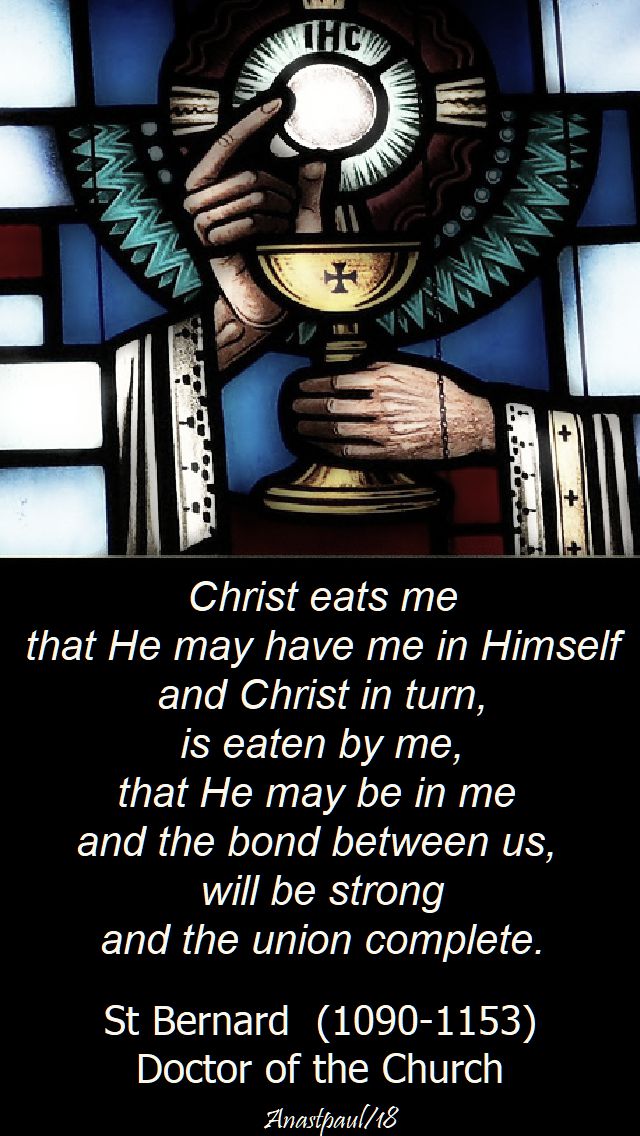
Saint Bernard teaches that it is not enough for us to take and eat the Bread from Heaven.
We must also offer ourselves to be eaten.
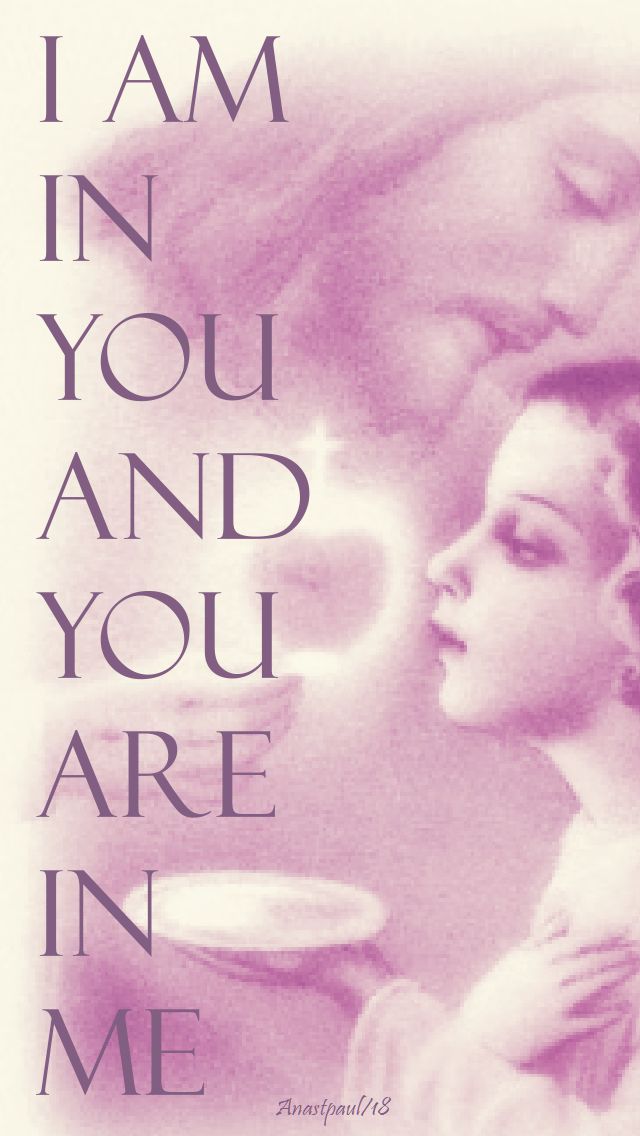
Holy Communion is a wondrous exchange in which we become the bread of Christ.
Listen to Saint Bernard:
“My penitence, my salvation are His food. I myself am His food. I am chewed. as I am reproved by Him; I am swallowed by Him. as I am taught; I am digested by Him. as I am changed; I am assimilated. as I am transformed; I am made one with Him, as I am conformed to Him. He feeds upon us and is fed by us that we may be the more loosely bound to Him.”
Saint Bernard, ever the poet, uses images of eating and assimilation to describe how Christ unites us to Himself.
Our Lord becomes our food that we might become His.
We need the language of poets and preachers in our approach to the Eucharist.
Saint Bernard says, “Christ eats me that He may have me in Himself and Christ in turn is eaten by me that He may be in me and the bond between us, will be strong and the union complete.”
What awaits you in Holy Communion exceeds all that you can desire. Eat, then and offer yourself to be eaten. Receive the Bread of God and become the bread of God.
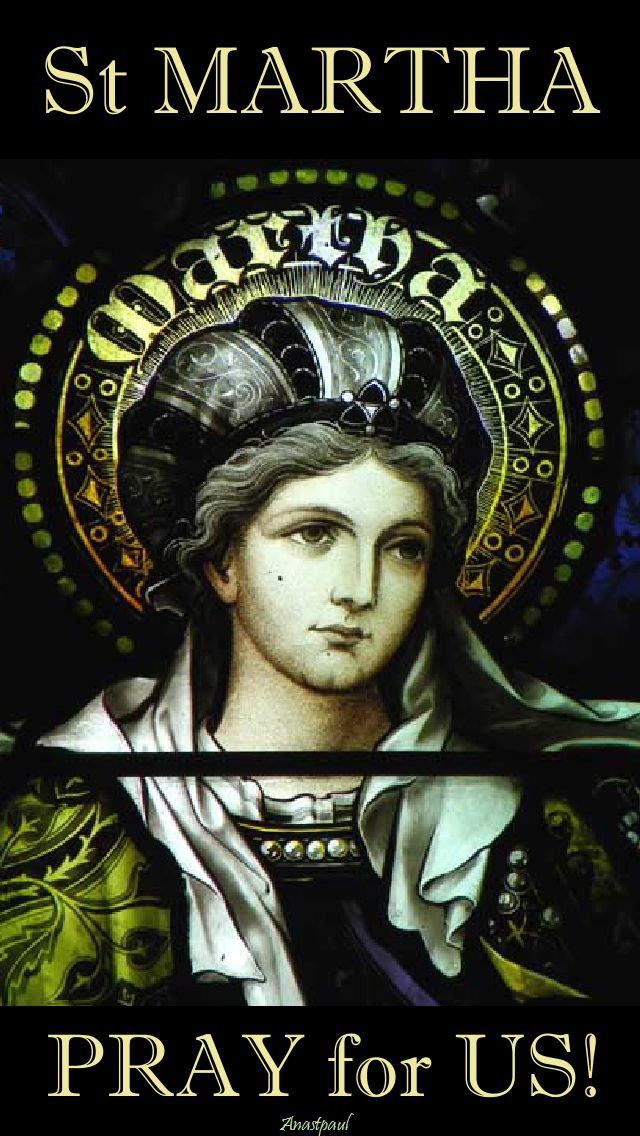
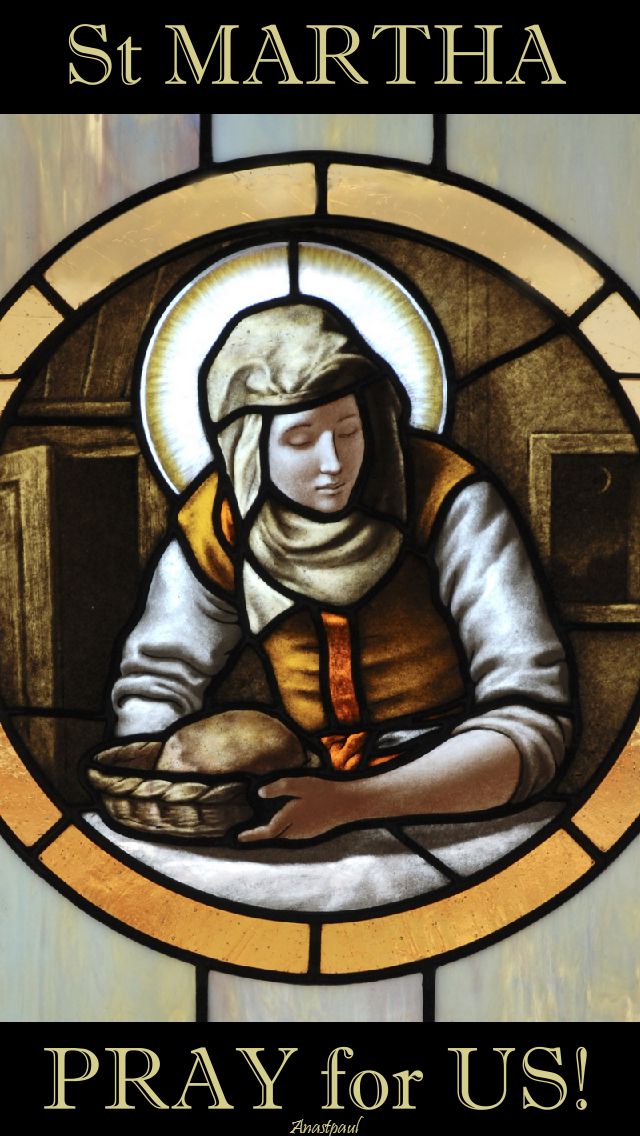
Thought for the Day – 29 July – The Memorial of St Martha
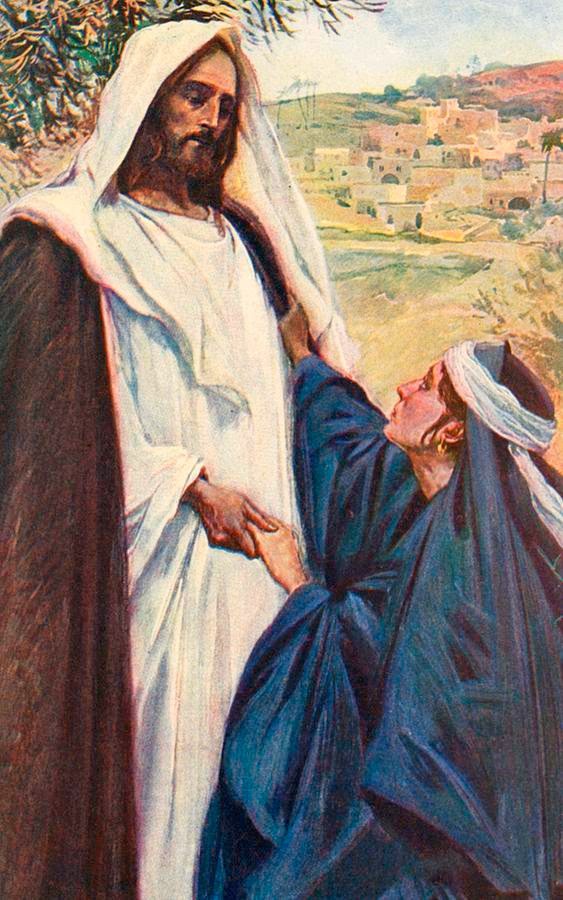
One of the most precious things in life is to have a home where you can go at any time and find people who accept, love and understand you. Jesus found such a home in Bethany, at the house of a woman named Martha. She welcomed Him and served Him, and they developed a special bond of friendship.
Martha lived with her sister Mary. Like all other pairs of sisters, these two women were different in personality. Martha was energetic and outspoken, while Mary was quiet and reflective. Jesus loved both of them and appreciated the gifts that each one had.
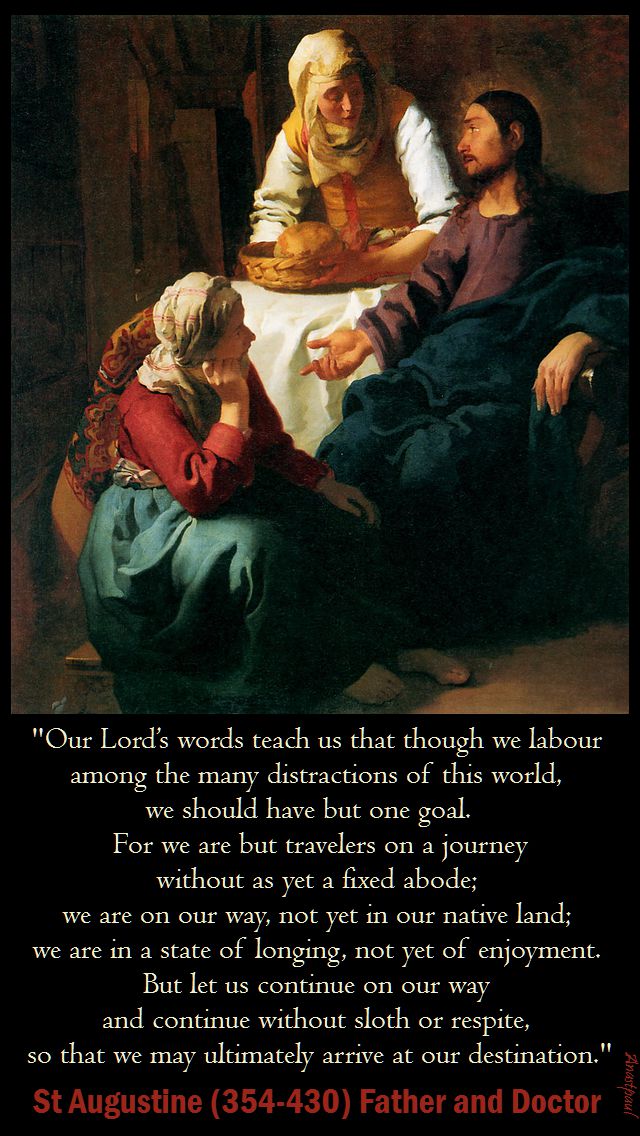
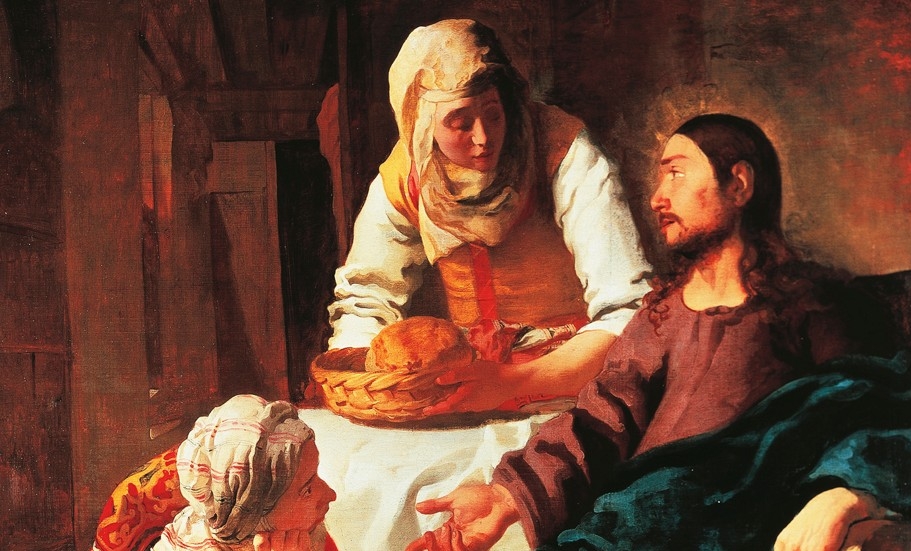
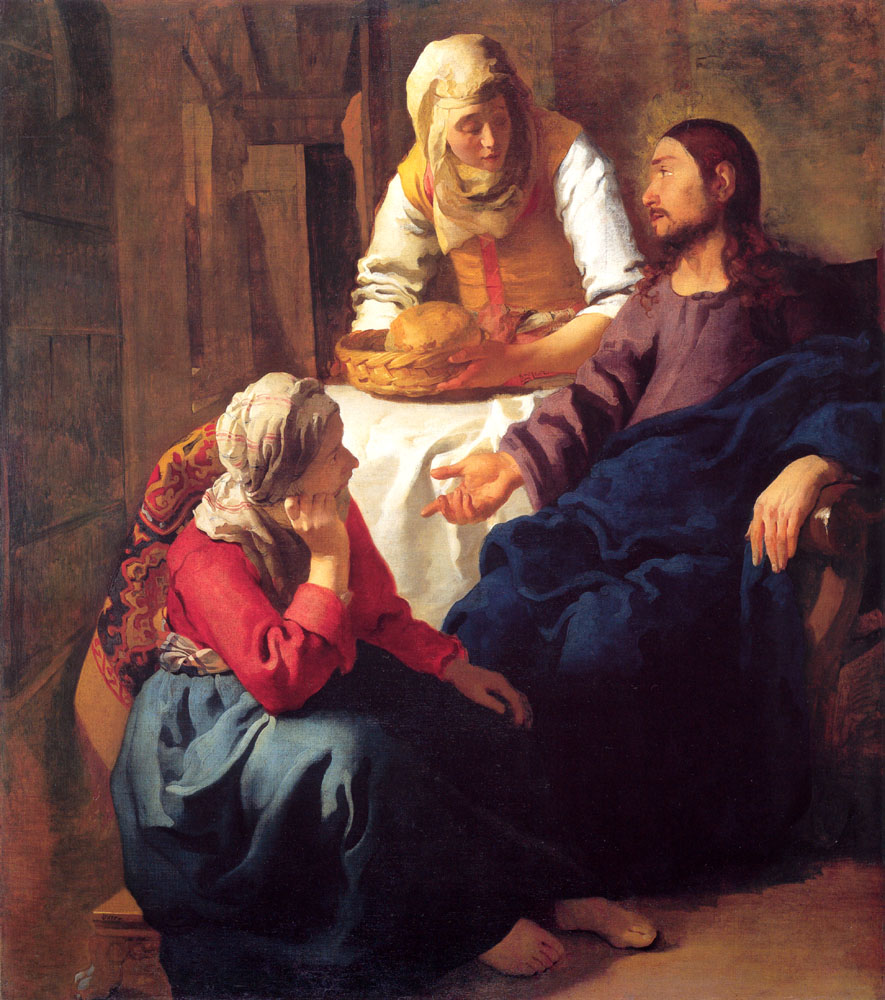
The Gospels record that once, when Jesus was visiting, Martha prepared the meal while Mary sat talking to their visitor. Martha complained that Jesus should tell Mary to help her. Jesus said that because Martha was worrying so much about the work, she did not have time to enjoy being with Him and listening to His words.
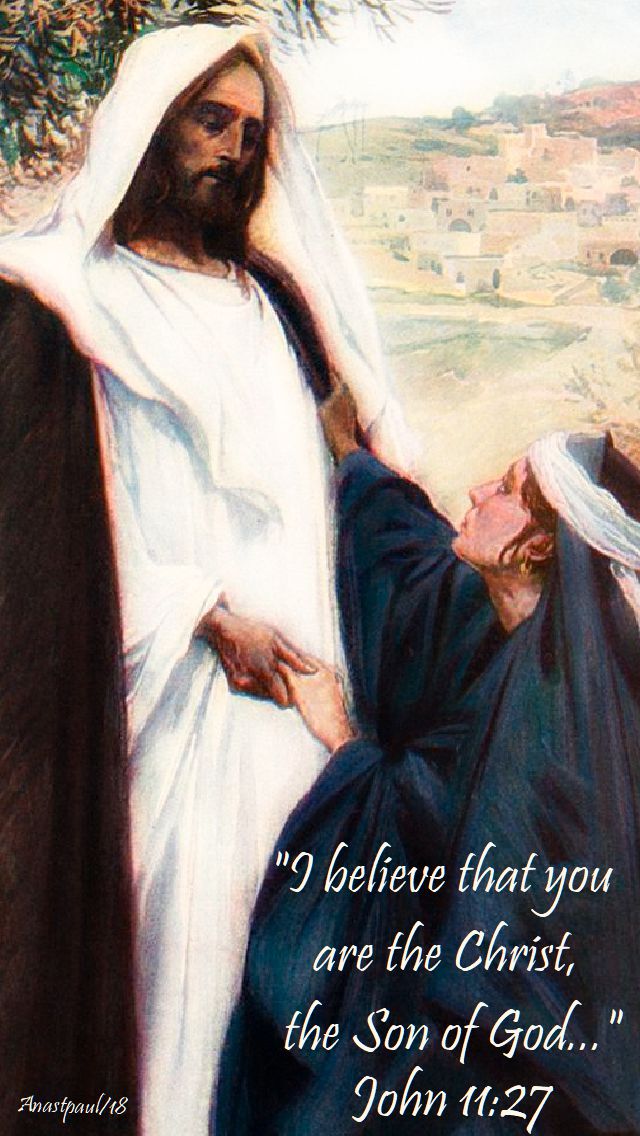
Another time recorded in John’s Gospel, the sisters sent a message to Jesus that their brother, Lazarus, was ill. They knew Jesus would come and cure him; they trusted in His loving care for them. When Jesus finally came, Lazarus had already been dead for four days . As soon as she heard that Jesus was nearby, Martha, a woman of action, went out to meet Him, while Mary stayed in the house. In her grief, Martha told Jesus honestly what she had expected from Him. Jesus asked her to believe that He was the resurrection and that He had power to give eternal life to all who believe in Him. Without really understanding this mystery, Martha trusted Jesus totally and said, “I believe that you are the Christ, the Son of God, the one who was to come into this world” (John 11:27). That day Jesus raised her brother Lazarus from the dead, showing that He has power over life and death and power to give eternal life.
The home Jesus found in Bethany was not only in the house but in the faithful heart of a woman named Martha.
Quote/s of the Day – 29 July – Seventeenth Sunday in Ordinary Time – Today’s Gospel: John 6:1–15 and the Memorial of St Martha
“Martha, Martha, you are anxious and worried about many things. There is need of only one thing. Mary has chosen the better part and it will not be taken from her.” – Luke 10:42
“Our Lord’s words teach us that though we labour among the many distractions of this world, we should have but one goal. For we are but travelers on a journey without as yet a fixed abode; we are on our way, not yet in our native land; we are in a state of longing, not yet of enjoyment. But let us continue on our way and continue without sloth or respite, so that we may ultimately arrive at our destination.”
St Augustine (354-430) Father and Doctor
(Sermo 103, 1-2, 6: PL 38, 613, 615)
One of his disciples, Andrew, Simon Peter’s brother, said to him, “There is a lad here who has five barley loaves and two fish; but what are they among so many?”…John 6:8-9
“Before the suffering, loneliness, poverty and difficulties of so many people, what can we ourselves do? Complaining doesn’t resolve anything but we can offer the little that we have, like the lad in the Gospel. We surely have a few hours of time, certain talents, some skills…. Who among us doesn’t have “five loaves and two fish” of his own? We all have them! If we are willing to place them in the Lord’s hands, they will be enough to bring about a little more love, peace, justice and especially joy in the world.”
One Minute Reflection – 29 July – Seventeenth Sunday in Ordinary Time – Today’s Gospel: John 6:1–15
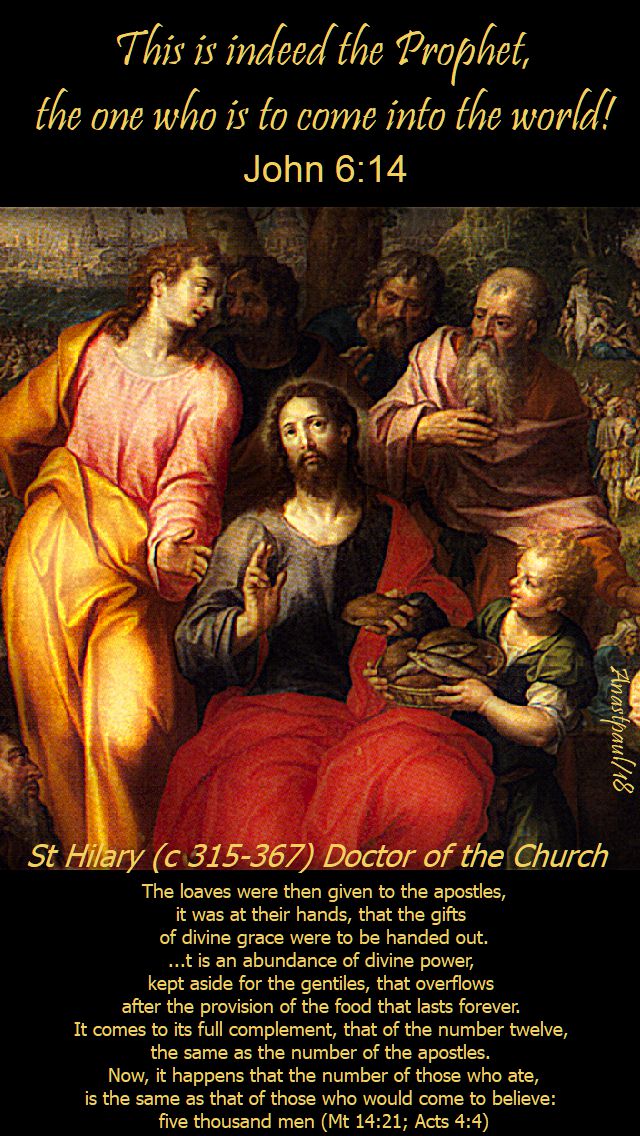
“This is indeed the Prophet, the one who is to come into the world!”…John 6:14
REFLECTION – “The disciples say that they have only five loaves and two fish. The five loaves signified that they were still subject to the five books of the Law and the two fish that they were fed by the teachings of the prophets and John the Baptist… This was what the apostles had to offer to begin with since this was the point they were at and it was from this point, that the preaching of the Gospel began…
Our Lord took the loaves and the fish. He raised his eyes to heaven, said the blessing and broke them. He gave thanks to the Father because the Good News was being changed into food after centuries of the Law and the prophets… The loaves were then given to the apostles, it was at their hands, that the gifts of divine grace were to be handed out. Then the people were fed with the five loaves and two fish and, when those who were invited were satisfied, the leftovers of bread and fish were so plentiful that twelve baskets were filled with them. What this means is that the crowd was filled with God’s word coming from the teaching of the Law and the prophets. But it is an abundance of divine power, kept aside for the gentiles, that overflows after the provision of the food that lasts forever. It comes to its full complement, that of the number twelve, the same as the number of the apostles. Now, it happens that the number of those who ate is the same as that of those who would come to believe: five thousand men (Mt 14:21; Acts 4:4).”…St Hilary (c 315-367) Bishop of Poitiers, Doctor of the Church
PRAYER – Lord God, protector of those who hope in You, without whom nothing is strong, nothing holy, support us always with Your love. Help us to offer our own ‘loaves and fishes’ our own talents and possessions, to feed all who need our care. May the prayers of St Martha grant us Your grace to serve Christ faithfully in our brethren and guide us so to use the good things of this world, that even now, we may hold fast to what endures forever, through Jesus Christ, our Lord. Amen
Our Morning Offering – 28 July – Seventeenth Sunday in Ordinary Time, Year B (and still in the Month of Precious Blood)
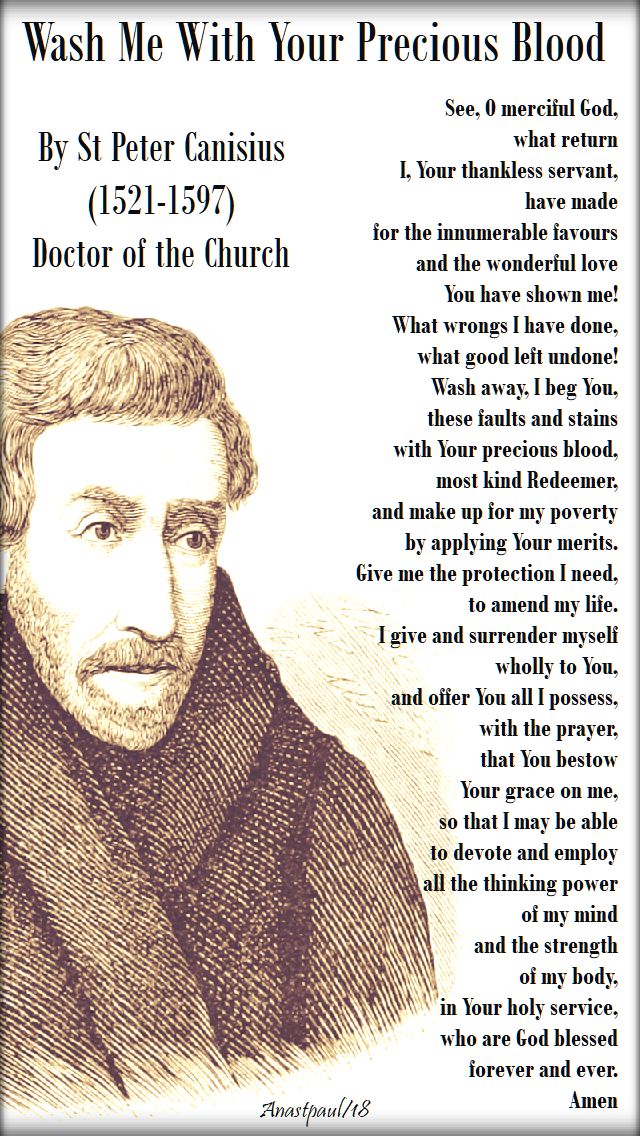
Wash Me With Your Precious Blood By St Peter Canisius (1521-1597) Doctor of the Church
See, O merciful God,
what return
I, Your thankless servant,
have made for the innumerable favours
and the wonderful love
You have shown me!
What wrongs I have done,
what good left undone!
Wash away, I beg You,
these faults and stains
with Your precious blood,
most kind Redeemer,
and make up for my poverty
by applying Your merits.
Give me the protection I need,
to amend my life.
I give and surrender myself wholly to You,
and offer You all I possess,
with the prayer,
that You bestow Your grace on me,
so that I may be able to devote and employ
all the thinking power of my mind
and the strength of my body,
in Your holy service,
who are God blessed
forever and ever.
Amen
Saint of the Day – 29 July – St Martha Virgin (1st century) – Sister of Saint Lazarus and Saint Mary of Bethany. Friend of Jesus and hostess to him in her house.
St John tells us that “Jesus loved Martha and Mary and Lazarus” and yet but few glimpses are vouchsafed us of them. First, the sisters are set before us with a word. Martha received Jesus into her house and was busy in outward, loving, lavish service, while Mary sat in silence at the feet she had bathed with her tears. Then, their brother is ill, and they send to Jesus, “Lord, he whom Thou lovest is sick.” And in His own time the Lord came and they go out to meet Him and then follows that scene of unutterable tenderness and of sublimity unsurpassed: the silent waiting of Mary, Martha strong in faith but realising so vividly, with her practical turn of mind, the fact of death and hesitating: “Canst Thou show Thy wonders in the grave?” And then once again, on the eve of His Passion, we see Jesus at Bethany. Martha, true to her character, is serving; Mary, as at first, pours the precious ointment, in adoration and love, on His divine head.
According the tradition we find the tomb of St Martha, at Tarascon, in Provence. When the storm of persecution came, the family of Bethany, with a few companions, were put into a boat, without oars or sail and borne to the coast of France. St Mary’s tomb is at S. Baume; St Lazarus is venerated as the founder of the Church of Marseilles; and the memory of the virtues and labours of St Martha is still fragrant at Avignon and Tarascon.
Reflection: -When Martha received Jesus into her house, she was naturally busy in preparations for such a Guest. Mary sat at His feet, intent alone on listening to His gracious words. Her sister thought that the time required other service than this and asked our Lord to bid Mary help in serving. Once again Jesus spoke in defence of Mary. “Martha, Martha,” He said, “thou art lovingly anxious about many things, be not over-eager, do thy chosen work with recollectedness. Judge not Mary. Hers is the good part, the one only thing really necessary. Thine will be taken away, that something better be given thee.” The life of action ceases when the body is laid down but the life of contemplation endures and is perfected in heaven.
St Martha (Memorial) – Sister of Saint Lazarus and Saint Mary of Bethany. Friend of Jesus, and hostess to him in her house. May have been part of an early mission to France.
More on St Marth here: https://anastpaul.wordpress.com/2017/07/29/saint-of-the-day-29-july-st-martha/
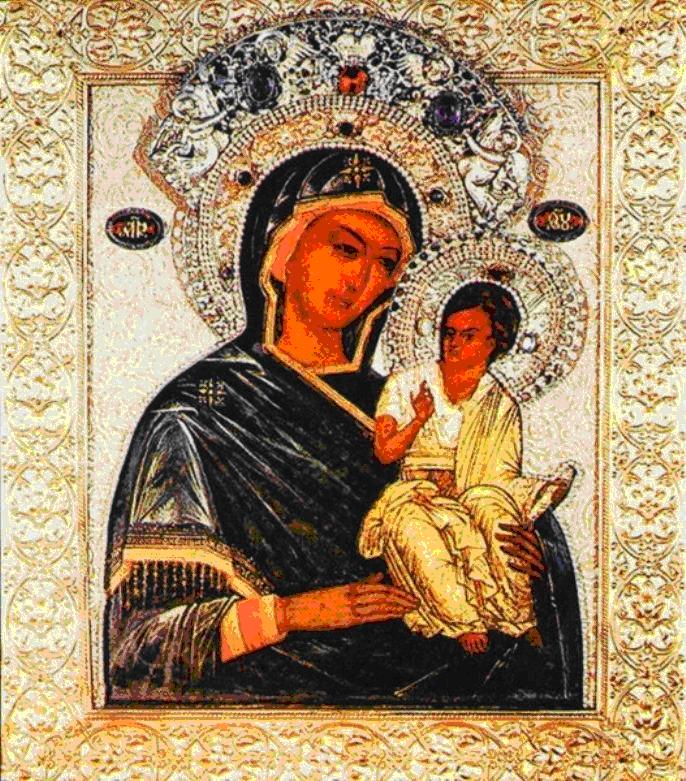
Chirsk-Pskov Icon of the Mother of God:
The Chirsk (Pskov) Icon of the Mother of God was initially in the Chirsk village church of the Pskov diocese. In a time of a deadly pestilence, tears flowed from the eyes of the Chirsk Icon of the Mother of God. This was reported to authorities in the city of Pskov. Priests and devout men carried the wonder-working icon to Pskov. A procession was held to honour the icon, which was placed in the cathedral church of the Holy Trinity.
On the reverse of the icon are depicted the Holy Apostle and Evangelist Luke and St Theodosius of the Kiev Caves.
—
St Antony
St Beatrix of Rome
Bl Beatrix of Valfleury
St Callinicus of Paphlagonia
Bl Charles-Antoine-Nicolas Ancel
St Faustinus of Rome
St Faustinus of Spello
St Felix of Rome
St John Baptist Luo Tingyin
St John the Soldier
Bl José Calasanz Marqués
St Joseph Zhang
St Kilian of Inishcaltra
St Lek Sirdani
Bl Luis Bertran
St Lupus of Troyes
Bl Mancius of the Cross
St Martha Wang
St Olaf II
St Olaus of Sweden
St Paulus Chen Changpin
Bl Petrus of Saint Mary
St Pjetër Çuni
St Prosper of Orleans
St Rufo of Rome
St Seraphina
St Serapia of Syria
St Simplicius of Rome
St Sulian
Bl Pope Urban II
St William of Saint Brieuc
—
Four Anonymous Martyrs
Martyrs of Calanda – 8 beati: A group of Dominican priests and friars who were martyred over the course of a day in the same town by the same group of anti-Christian forces in the Spanish Civil War.
• Antonio Manuel López Couceiro
• Felicísimo Díez González
• Gumersindo Soto Barros
• Lamberto María de Navascués de Juan
• Lucio Martínez Mancebo
• Matías Manuel Albert Ginés
• Saturio Rey Robles
• Tirso Manrique Melero
They were martyred on 29 July 1936 in Calanda, Teruel, Spain and Beatified on 11 March 2001 by St Pope John Paul II.
Martyrs of Lleida – 12 beati: Carmelites of the Ancient Observance novices, friars and priests who were all martyred together in the Spanish Civil War.
• Àngel Prat Hostench
• Eliseo Maneus Besalduch
• Gabriel Escoto Ruiz
• Ginés Garre Egea
• Joan Maria Puigmitjà Rubió
• Joan Prat Colldecarrera
• Josep Solé Rovira
• Lluis Fontdecava Quiroga
• Manuel Serrano Buj
• Miquel Soler Sala
• Pere Dorca Coromina
• Pere Ferrer Marín
They were martyred on 29 July 1936 in Clot dels Aubens, Cervera, Lleida, Spain and Beatified on 28 October 2007 by Pope Benedict XVI.
Martyred in the Spanish Civil War: Thousands of people were murdered in the anti-Catholic persecutions of the Spanish Civil War from 1934 to 1939.
Bl Bartolomé Rodríguez Soria
Joseph-Louis Marcou Pecalvel
Bl Juan Bautista Egozcuezábal Aldaz
Martyrs of Rome – 23 saints
Eugene
Flora the Martyr
Lucilla
Theodore
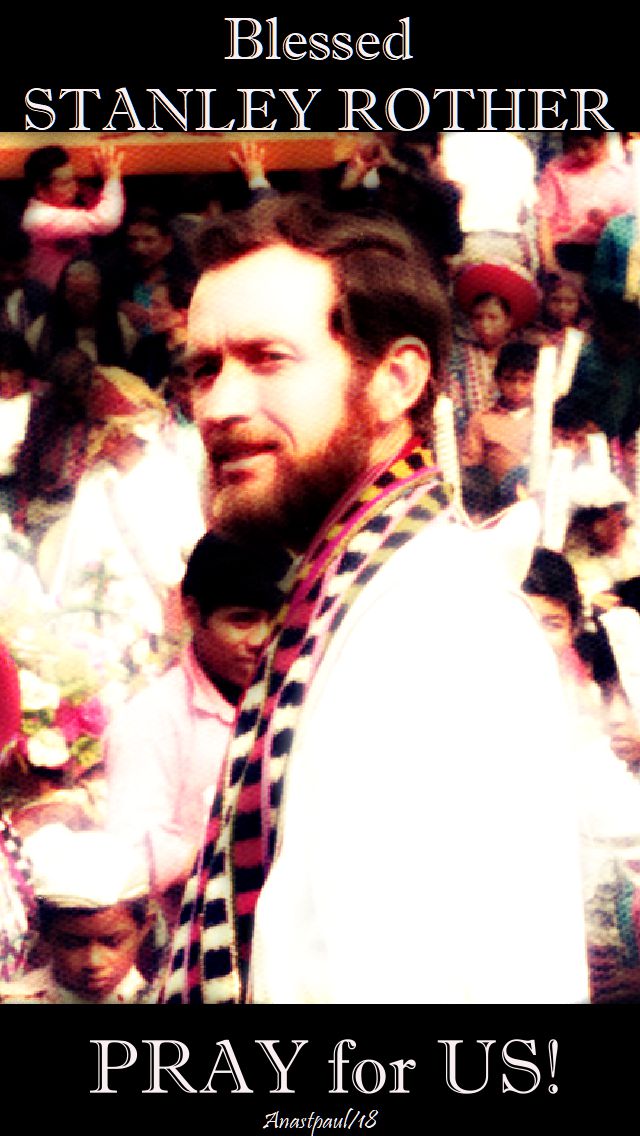
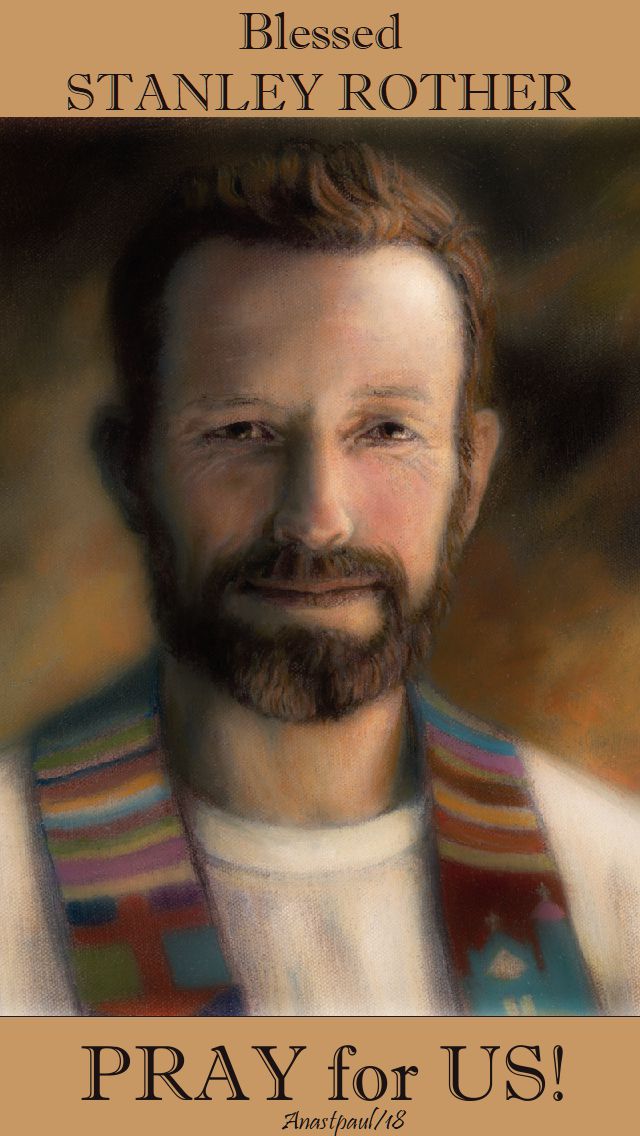
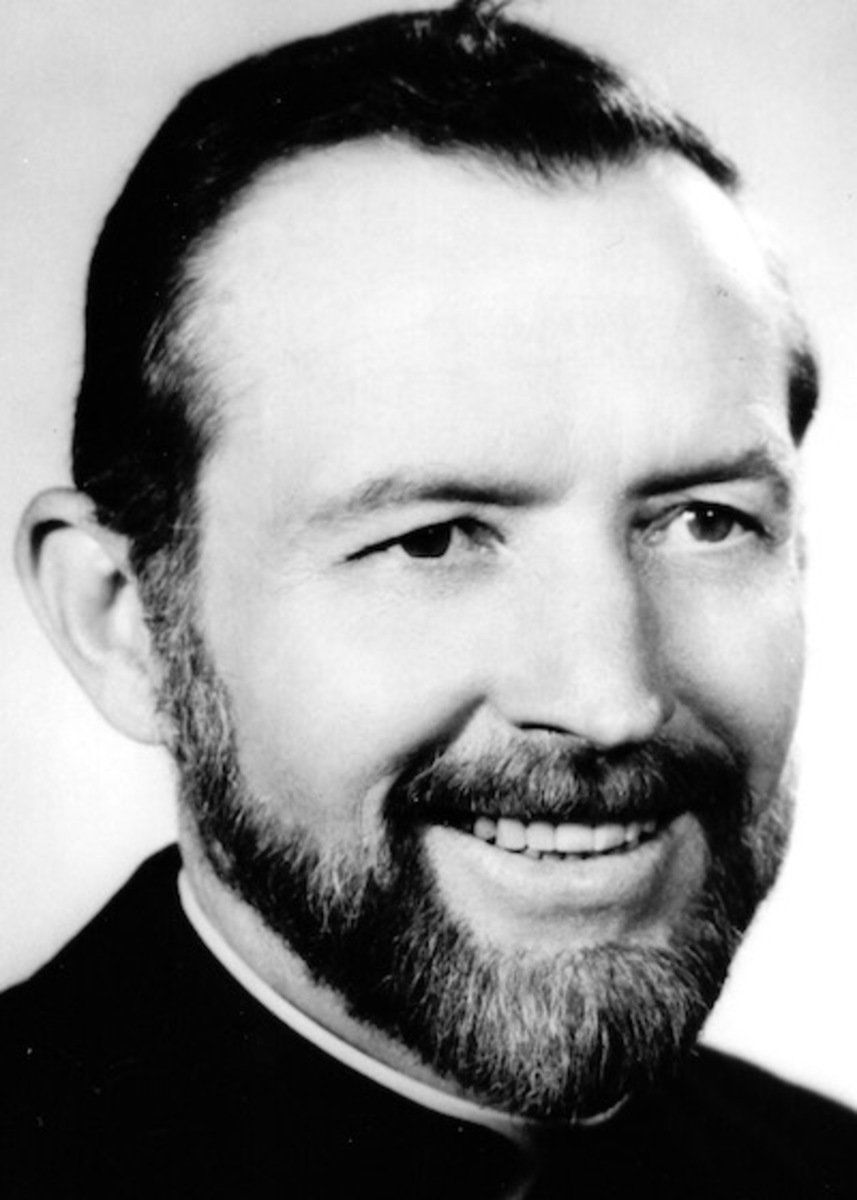
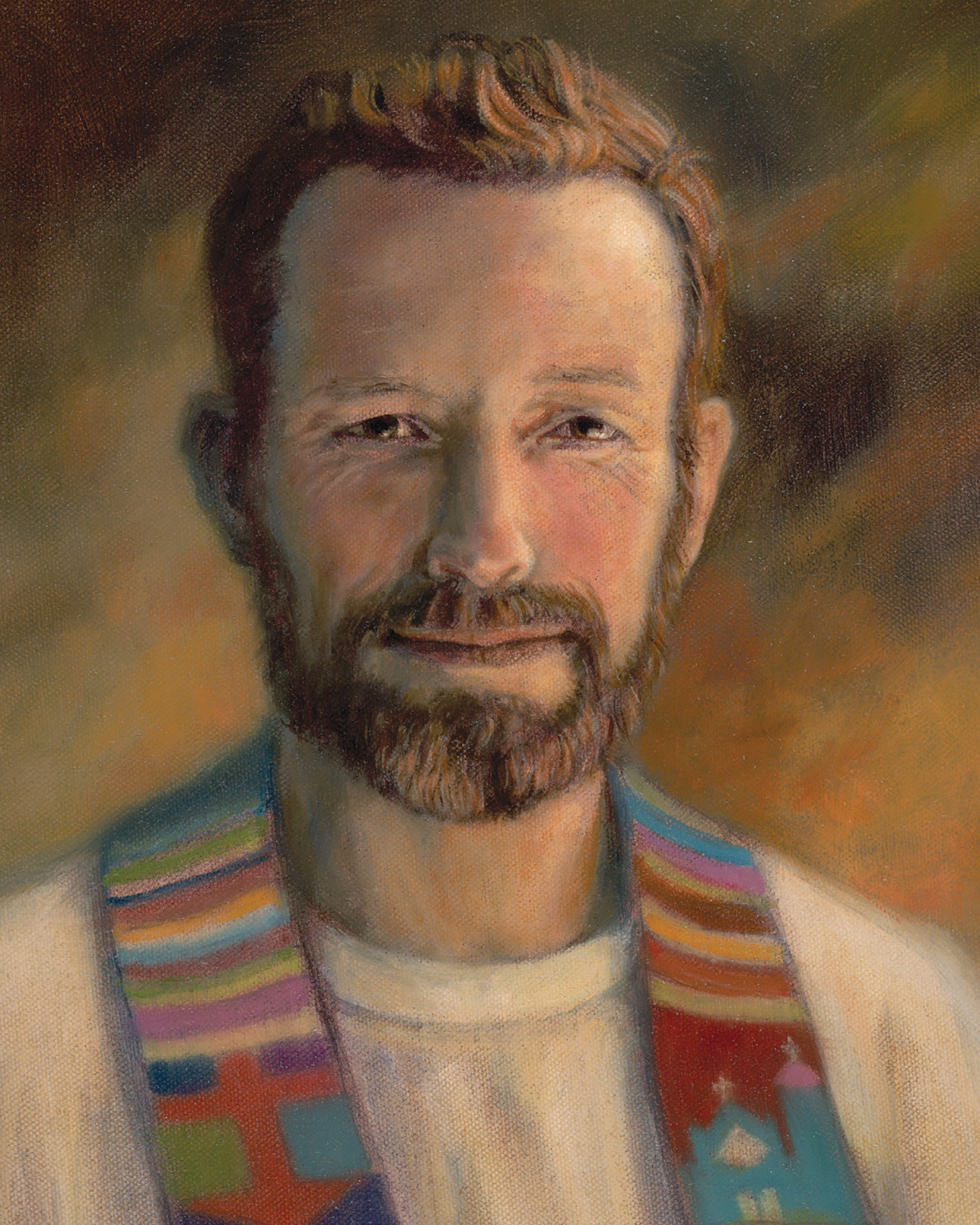
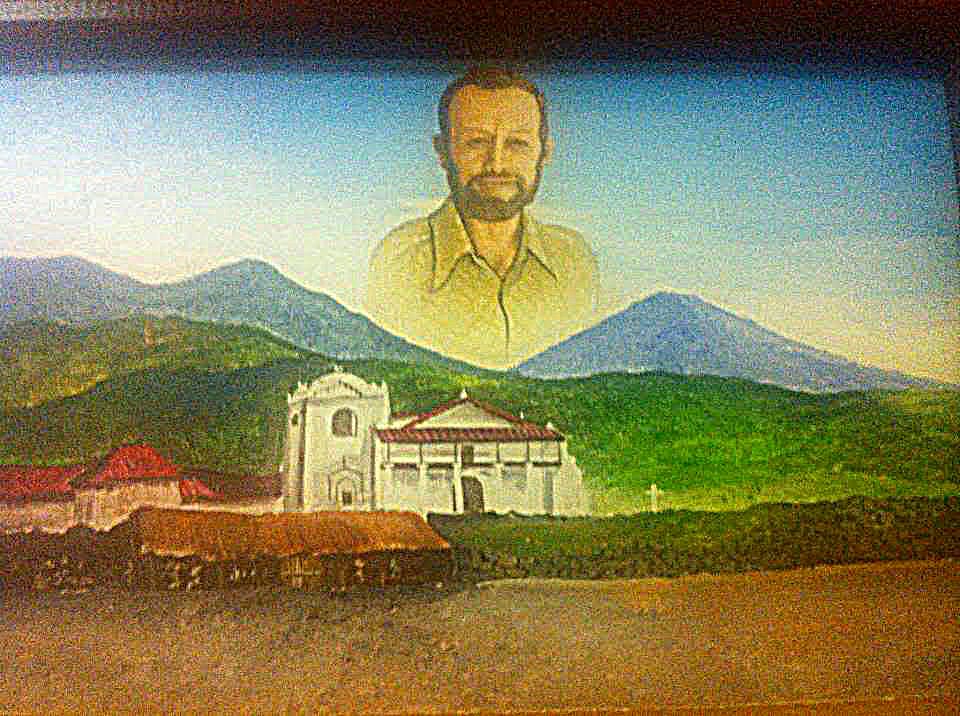
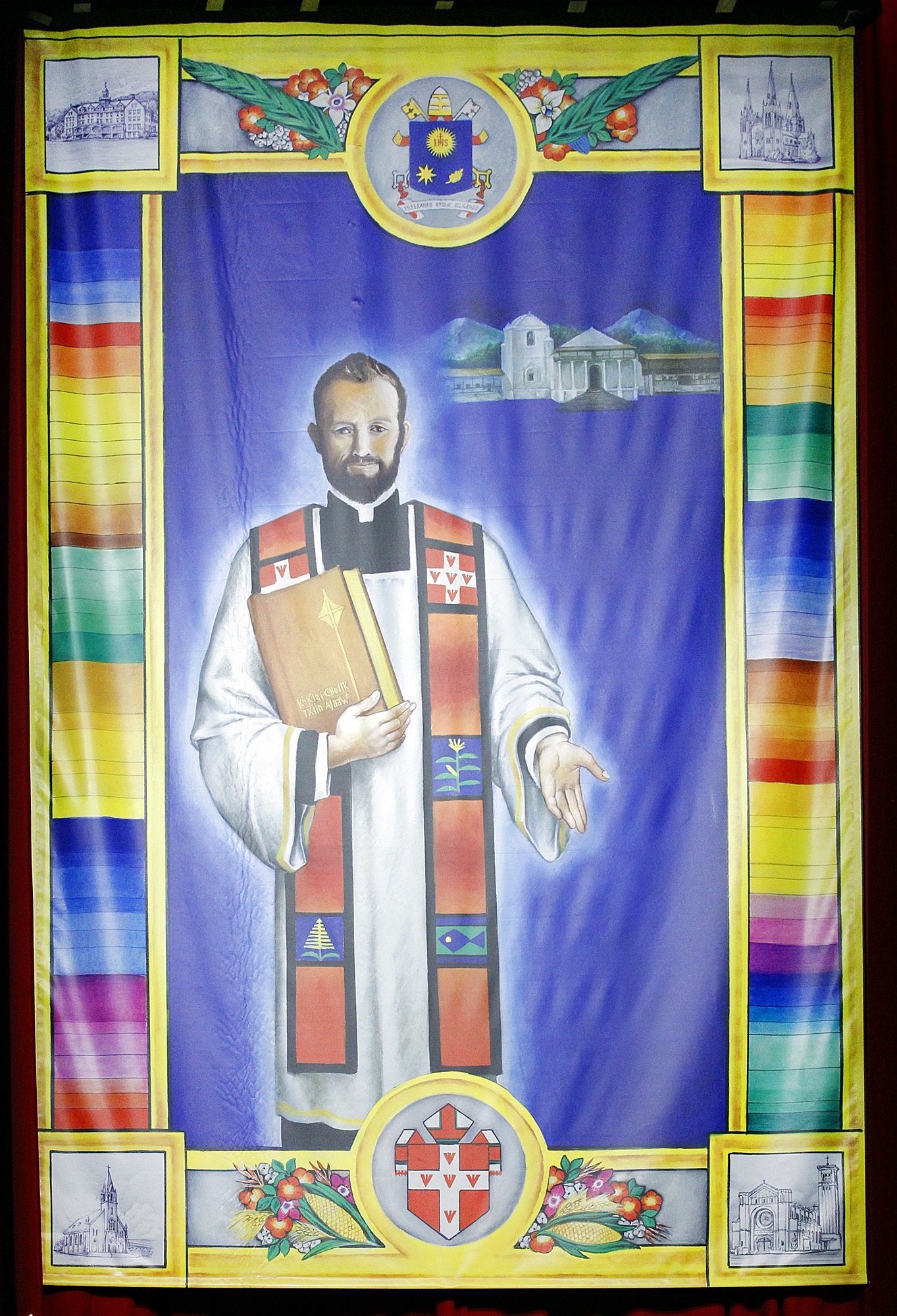
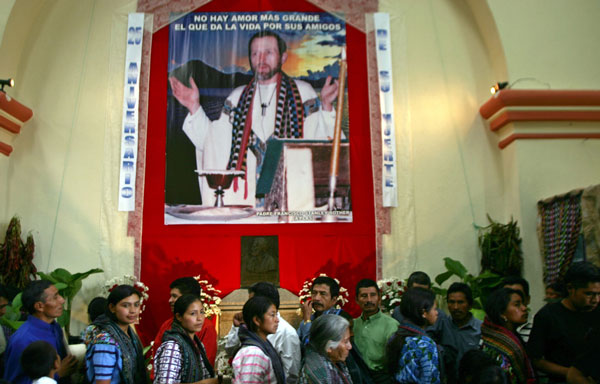
Thought for the Day – 28 July 2018 – The First Memorial of Blessed Stanley Francis Rother (1935-1981) Martyr “The Shepherd Who Didn’t Run”
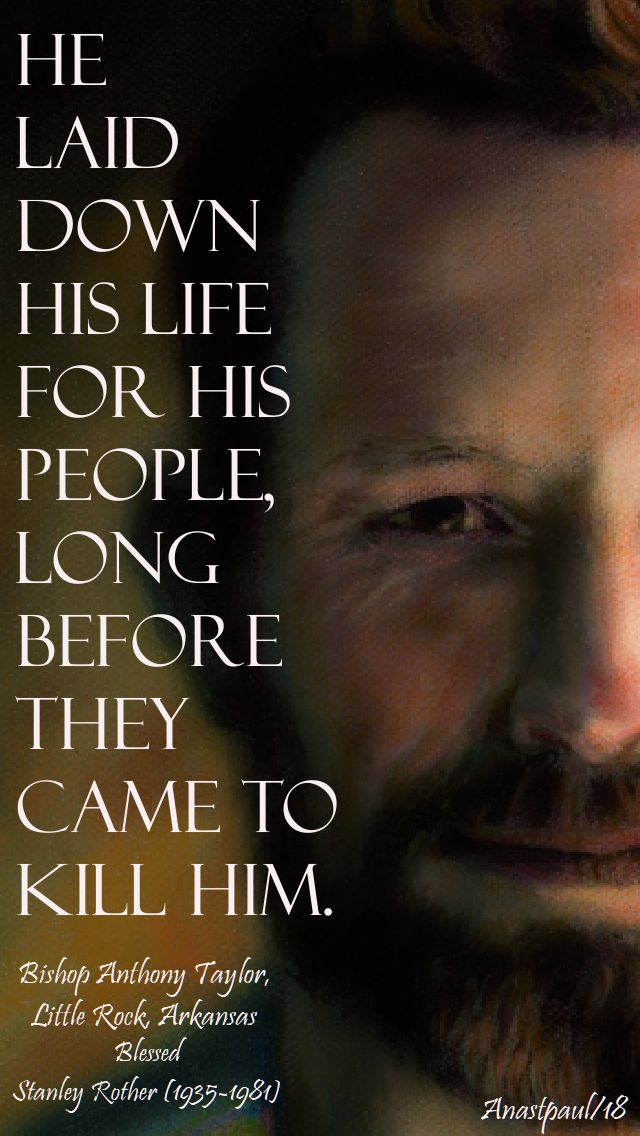
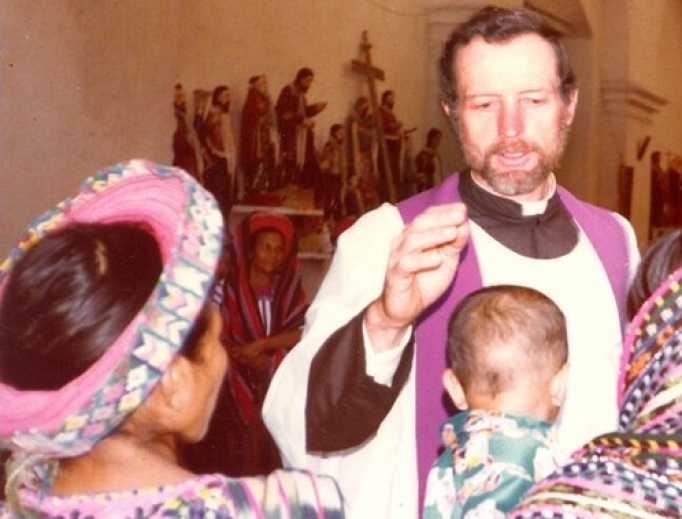
In Guatemala, Blessed Stanley spent his life in the service of his flock and, over time, he became one of them. He helped his people cultivate farms for crops, advised them in all manner of life’s problems and even pulled teeth for them when necessary. But he was more than a social worker; he was their father — the one who preached to them the Word of God in their native tongue, catechised them and their children and distributed the sacraments through which they grew ever closer to God.
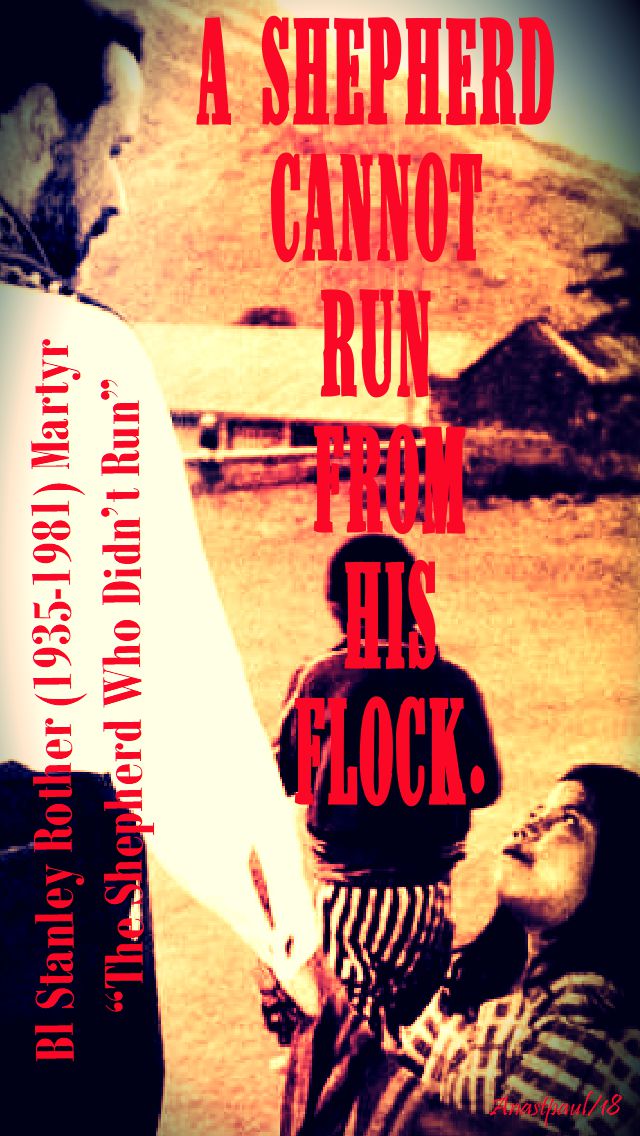
The backdrop to his work and ministry in Guatemala is the political turmoil that wreaked havoc on the country in the 1970s and ’80s. Eventually, Rother became a victim of the guerrilla fighting and was killed for defending the rights and dignity of his people. His death was no less noble than his life had been. Though he had been warned multiple times that he was a target and despite having been home months before his death, Rother willingly chose to return to Guatemala to defend and remain close to his people. He wrote to this effect just months before his death, saying, “the shepherd cannot run at the first sign of danger. Pray for us that we might be a sign of the love of Christ for our people, that our presence among them will fortify them to endure these sufferings in preparation for the Kingdom.” (excerpt OSV)
This loving shepherd brings to mind the words of Pope Francis way back on 28 March 2013, just 2 weeks after his election to the Papacy, that our priests must be “shepherds living with the smell of the sheep.” And so, we too, must be extending ourselves to our neighbour!
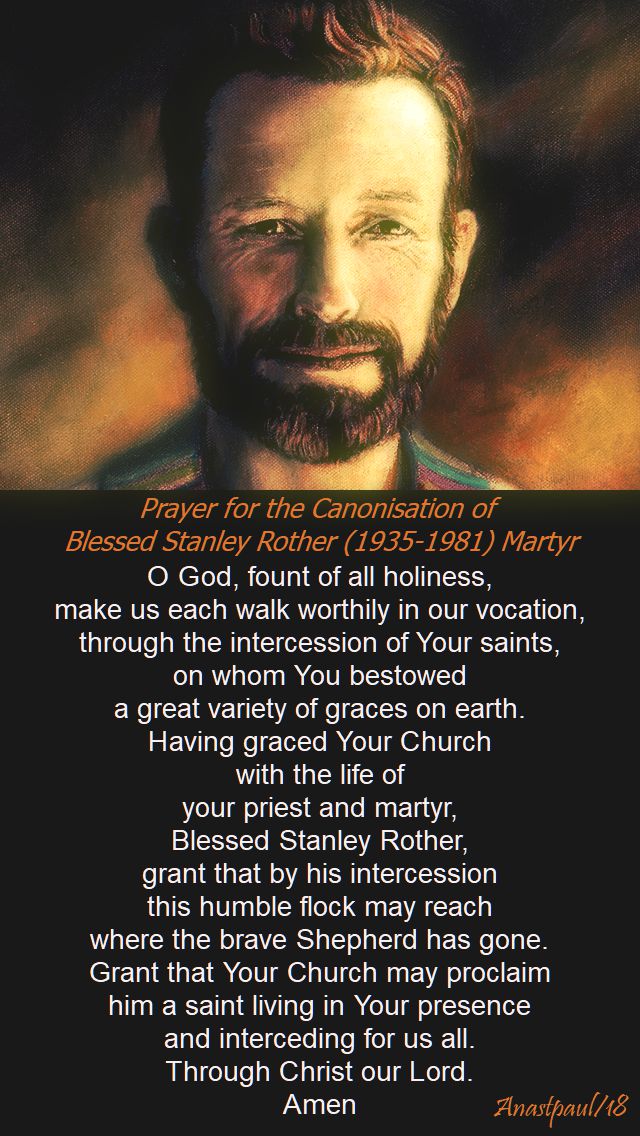
Prayer for the Canonisation of Blessed Stanley Rother
O God, fount of all holiness,
make us each walk worthily in our vocation,
through the intercession of Your saints,
on whom You bestowed
a great variety of graces on earth.
Having graced Your Church
with the life of
your priest and martyr,
Blessed Stanley Rother,
grant that by his intercession
this humble flock may reach
where the brave Shepherd has gone.
Grant that Your Church may proclaim
him a saint living in Your presence
and interceding for us all.
Through Christ our Lord.
Amen
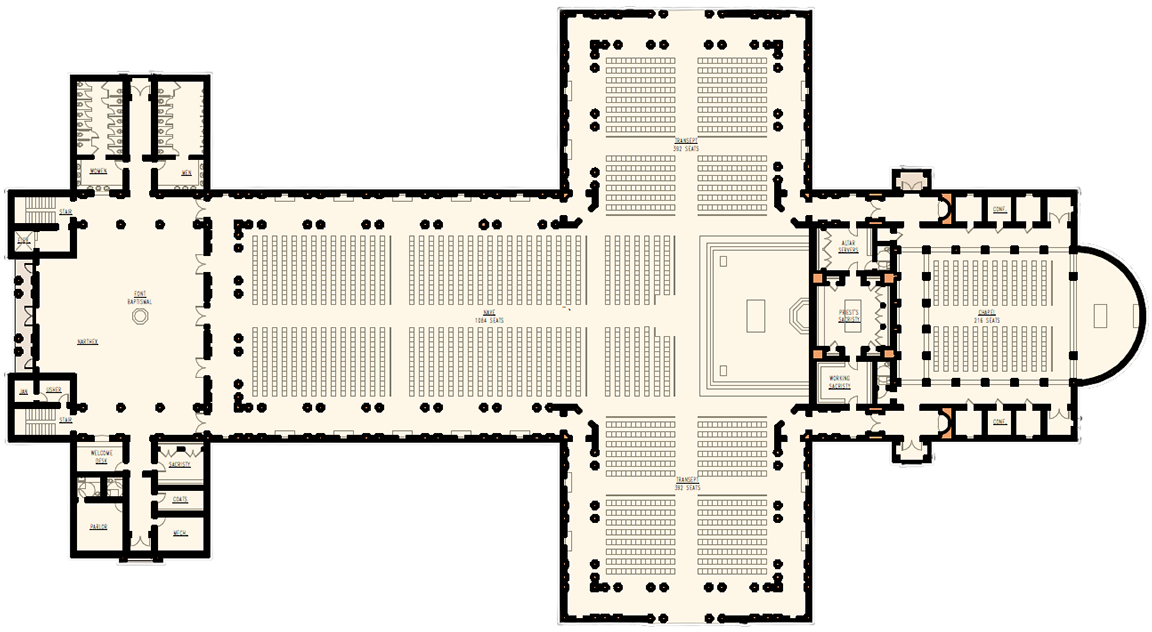
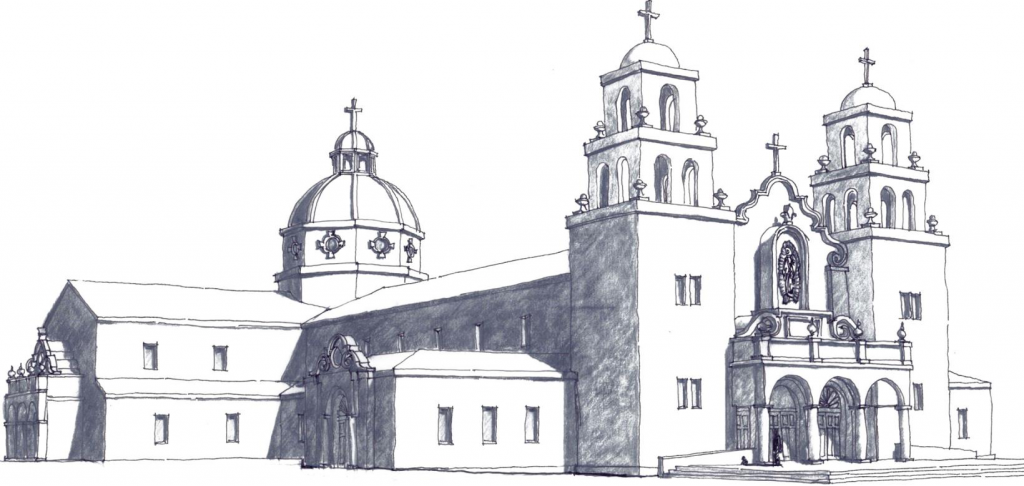
Below is a plan and facade view of the huge Cathedral Shrine, planned to honour Blessed Stanley in Oklahoma. – http://stanleyrother.org/shrine/
One Minute Reflection – 28 July – Saturday of the Sixteenth week in Ordinary Time, Year B – Today’s Gospel: 13:24-30 and The First Memorial of Blessed Stanley Francis Rother (1935-1981) Martyr
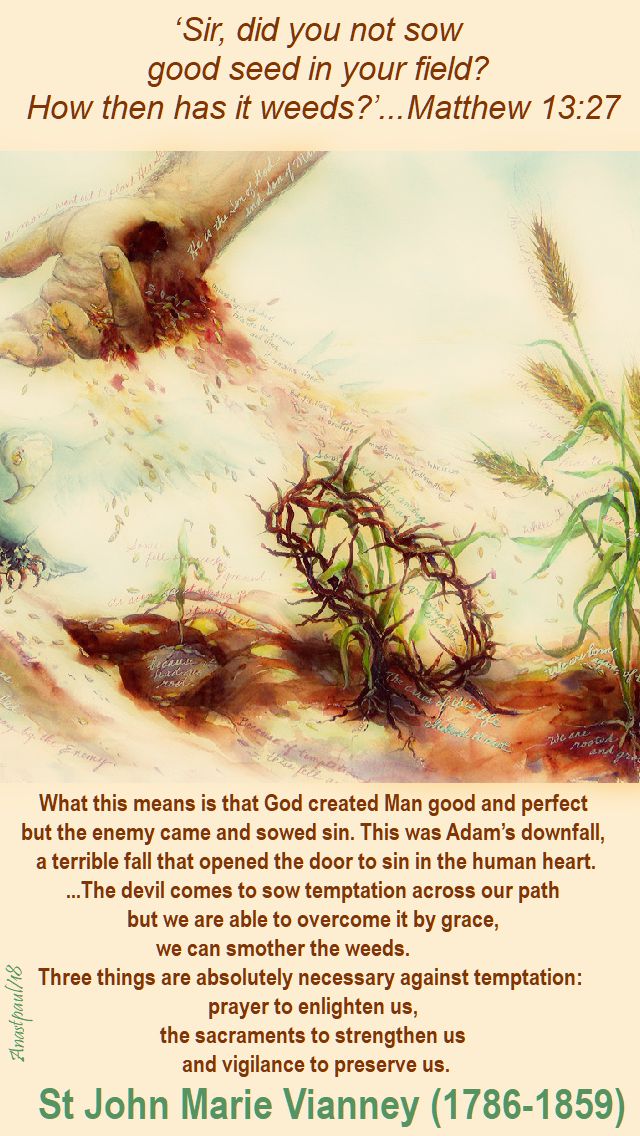
‘Sir, did you not sow good seed in your field? How then has it weeds?’…Matthew 13:27
REFLECTION – “In today’s gospel, my friends, we see that when the owner of the field had sowed his seed in good soil, the enemy came while he was sleeping and sowed weeds in it. What this means is that God created Man good and perfect but the enemy came and sowed sin. This was Adam’s downfall, a terrible fall that opened the door to sin in the human heart.
Are you saying that we must pull out the weeds? “But no,” the Lord replies, “for fear that in pulling up the weeds you pull up the good seed as well. Wait until harvest.” This is how the human heart must remain until the end, a mixture of good and bad, vice and virtue, light and darkness, good seed and weeds. God did not wish to destroy this mix and refashion a nature in us where there would be nothing but good seed. He wants us to fight, to strive to prevent the weeds from taking over. The devil comes to sow temptation across our path but we are able to overcome it by grace, we can smother the weeds. Three things are absolutely necessary against temptation: prayer to enlighten us, the sacraments to strengthen us and vigilance to preserve us. Happy are souls that are tempted! It is when the devil discerns that a soul is tending towards union with God that he redoubles his rage.”…St John Marie Vianney (1786-1859)
PRAYER – All-powerful and ever-living God, splendour of true light and never-ending day, chase away the night of sin and fill our minds with the glory of Your coming. Take away our heart of stone and give us a heart of flesh, help us in our battle with sin and the devil. By our prayers, Your holy sacraments and the strength of the Holy Spirit, may we be ever vigilant of the evil one. Blessed Stanley Rother, although evil surrounded you, you kept your eyes on the Lord, knowing He was always with you. Hear the prayers of Blessed Stanley on our behalf dear Lord. We make our prayer through Christ, our Lord with the Holy Spirit, one God forever, amen.
Our Morning Offering – 28 July – Saturday of the Sixteenth week in Ordinary Time, Year B
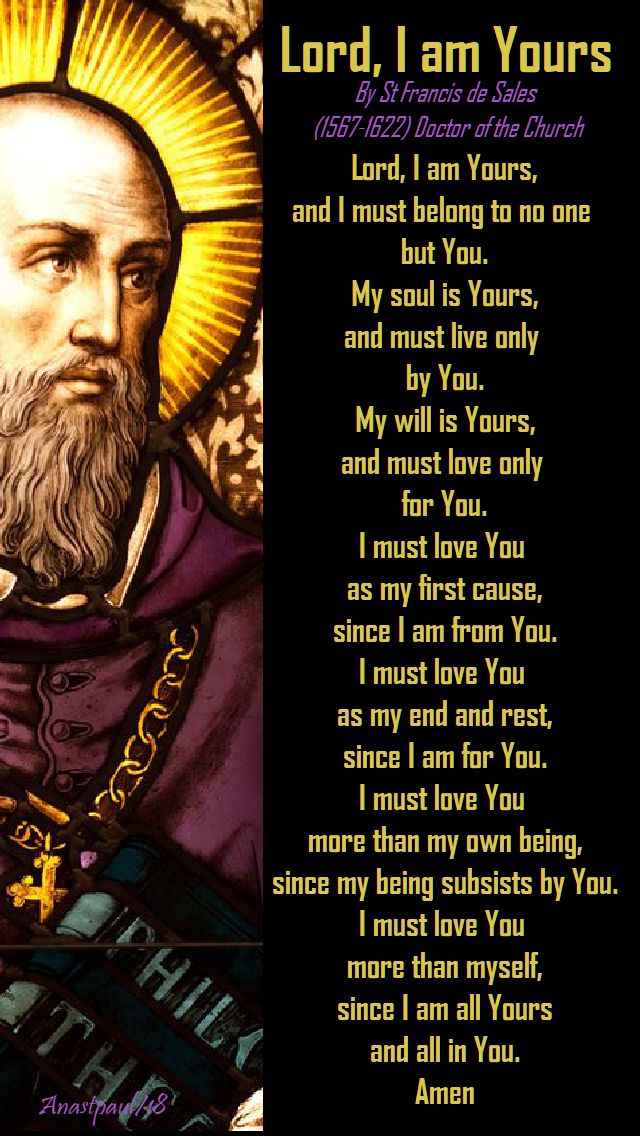
Lord, I am Yours By St Francis de Sales (1567-1622) Doctor of the Church
Lord, I am Yours,
and I must belong to no one but You.
My soul is Yours,
and must live only by You.
My will is Yours,
and must love only for You.
I must love You as my first cause,
since I am from You.
I must love You as my end and rest,
since I am for You.
I must love You more than my own being,
since my being subsists by You.
I must love You more than myself,
since I am all Yours and all in You.
Amen
Today, 28 July 2018 , is the First Feast Day of Blessed Stanley Francis Rother (1935-1981) Martyr, Priest, Missionary. Blessed Stanley was born on 27 March 1935 in Okarche, Oklahoma. He was martyred by gunshot at approximately 2am on 28 July 1981 in his rectory in Santiago Atitlán, Sololá, Guatemala.
Stanley Francis Rother was one of 4 children of Franz Rother (8 August 1911 – 2 July 2000) and Gertrude Smith (23 May 1913 – 24 October 1987), who had a farm close to that town in Oklahoma; sister Betty Mae, who became Sister Marita and two brothers, Tom & Jim. Stanley was strong and adept at farm tasks. Then after completing his high school studies at the Holy Trinity school he declared his calling to the priesthood to his parents. His parents were pleased with their son’s decision though his father asked him: “Why didn’t you take Latin instead of working so hard as a Future Farmer of America?” To prepare for this, he was sent to the Saint John Seminary and then to Assumption Seminary in San Antonio in Texas. His talents gained working on the farm left him with other duties at the seminary and his studies suffered and he struggled with Latin. He served as a sacristan, groundskeeper, bookbinder, plumber and gardener. After almost six years the seminary staff advised him to withdraw.
After consultation with his local bishop Bishop Victor Reed he then attended Mount Saint Mary’s Seminary in Emmitsburg in Maryland from which he graduated in 1963. Bishop Reed ordained him to the priesthood on 25 May 1963. Rother then served as an associate pastor in various parishes around Oklahoma and in 1968 – at his own request – he was assigned to the mission of the archdiocese to the Tz’utujil people located in Santiago Atitlán in the rural highlands of southwest Guatemala.
So that he could be in closer touch with his congregation, he set out to work to learn Spanish and the Tz’utujil language which was an unwritten and indigenous language that the missionary Ramón Carlín once recorded. He served in Santiago Atitlán from 1968 until his death. Rother lived with a native family for a while to get a better grasp of practical conversation and worked with the locals to show them how to read and write. He supported a radio station located on the mission property which transmitted daily lessons in both language and mathematics. In 1973 he noted with pride in a letter: “I am now preaching in Tz’utuhil.” During that time, in addition to his pastoral duties he translated the New Testament into Tz’utujil and began the regular celebration of the Mass in Tz’utujil. In the late 1960s Rother founded in Panabaj a small hospital, dubbed as the “Hospitalito”, Father Carlín served as a collaborator in this project.
By 1975, Rother had become the de facto leader of the Oklahoma-sponsored mission effort in Guatemala as other religious and lay supporters rotated out of the program. He was a highly recognisable figure in the community, owing to his light complexion as well as his habit of smoking tobacco in a pipe. Since there was not a Tz’utujil name equivalent to “Stanley,” the people of Father Rother’s mission affectionately called him “Padre Apla’s,” translated as “Father Francis,” in reference to his middle name.
Rother put his farming skills to good use in Guatemala, on one occasion operating a bulldozer from 7:00 am to 4:30 pm to clear land on local farms, stopping just for Mass. His door was open to all people. There was one old man who appeared each day for lunch and others came for advice on personal or financial affairs. Some even turned up to have their teeth extracted. On one occasion he accompanied a boy to Guatemala City to be treated for lip cancer, from which the boy was eventually cured.
Within the last year of his life Rother saw the radio station smashed and its director murdered. His catechists and parishioners would disappear and later be found dead, with their bodies showing signs of having been beaten and tortured. In December 1980 he had addressed a letter to the faithful in Oklahoma and wrote about the violent situation: “This is one of the reasons I have for staying in the face of physical harm. The shepherd cannot run at the first sign of danger.”
At the beginning of 1981 he was warned that his name was on a death list (he was number eight on the list) and that he should leave Guatemala at once to remain alive. One parishioner warned him in January: “Father, you’re in extreme danger. You must get out immediately.” Rother was reluctant but he nonetheless returned to Oklahoma in January, though he later asked the archbishop for permission to return: “My people need me. I can’t stay away from them any longer.” Another reason for returning was that he wanted to celebrate Easter with them. His brother Tom said to him, upon hearing that Stanley wanted to return to Guatemala: “Why do you want to go back? They’re waiting on you and they’re gonna kill you.” Rother said: “Well, a shepherd cannot run from his flock.” “Pray for us that we may be a sign of the love of Christ for His people,” said Fr Stanley, “that our presence among them will fortify them to endure these sufferings in preparation for the coming of the Kingdom.” Rother went back to Santiago Atitlán in April and knew that he was being watched.
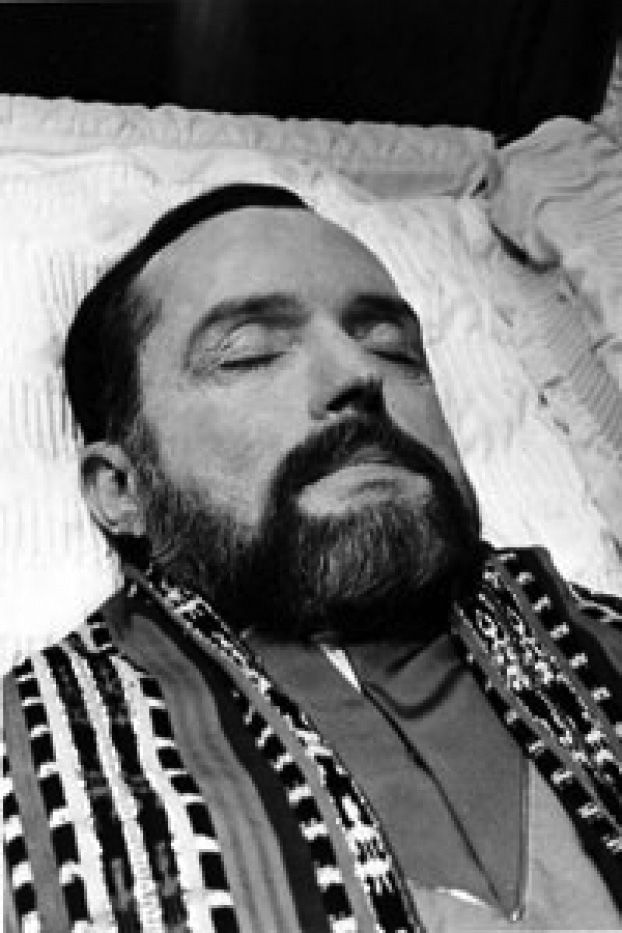
On the morning of 28 July just after midnight, gunmen broke into the rectory of his church and shot him twice in the head after a brief struggle. The killers forced the teenager Francisco Bocel (who was in the church at the time) to lead them to the bedroom of the “red-bearded Oklahoma-born missionary.” The men threatened to kill Bocel if he did not show them Rother and so Bocel led them downstairs and knocked on a door near the staircase saying: “Father. They are looking for you.” Rother opened the door and a struggle ensued as Bocel ran upstairs hearing Rother yell: “Kill me here!” One shot pierced his jaw and the fatal shot struck the left temple; there were bruises on both hands. His father Franz – upon hearing the news of his son’s death – rang his eldest daughter Marita in Kansas and told her: “They got him.” She hung up the phone and wept.
Father Rother was one of 10 priests murdered in Guatemala that year. His remains were flown back to Oklahoma and were buried in his hometown on 3 August 1981, in Holy Trinity Cemetery. At the request of his former Tz’utujil parishioners, his heart was removed and buried under the altar of the church where he had served.
Three men were arrested on charges of murder within weeks of Rother’s murder, another man and a women were sought for questioning at that stage as well. The three men arrested admitted to having entered the church in a robbery attempt and also admitted to having shot Rother dead when the priest attempted to stop them. Despite the confessions, many people familiar with the circumstances of the murder considered the three accused persons as innocent and the prosecutions to be a cover-up of paramilitary involvement in the murder. Convictions for all three men were later overturned by a Guatemalan appellate court, under pressure from U.S. authorities. No other suspects have been prosecuted for the murder.
On 1 December 2016 his Beatification received approval from Pope Francis after the Pope confirmed that Rother had been killed “in odium fidei” (in hatred of the faith). On 13 March, 2017 the date for his Beatification was announcedand was Beatified on 23 September 2017 at the Cox Convention Centre, with Cardinal Angelo Amato presiding over the Beatification – as the Prefect of the Congregation of the Causes of the Saints on the Holy Father’s behalf at a Mass attended by approximately 20,000 people.
St Acacius of Miletus
St Alphonsa of the Immaculae Conception/India FCC (1910-1946)
St Arduinus of Trepino
St Botwid of Sudermannland
St Camelian of Troyes
St Celsus of Rome
Bl Christodoulos
Bl Davíd Carlos-Marañon
St Eustathius of Galatia
St Irene of Cappadocia
Bl John Soreth
St José Caselles-Moncho
Bl José Melchór García-Sampedro Suárez
Bl Josep Castell-Camps
St Longinus of Satala
St Lucidius of Aquara
St Lyutius
Bl Manuel Segura-López
St Nazarius of Rome
St Pedro Poveda Castroverde
St Peregrinus
St Samson of York
Bl Stanley Francis Rother (1935-1981) Martyr
He is the first US-born Priest and Martyr to be Beatified (on 23 September 2017) and the second person to be Beatified on US soil following the 2014 Beatification of New Jersey-born nun, Blessed Miriam Teresa Demjanovich S.C. (1901-1927).
His First Feast Day today, 28 July 2018
St Pope Victor I
—
Martyrs of Laodicea – 8 saints
Martyrs of Thebaid: A large but unspecified number of Christians who were imprisoned, tortured and murdered together in the persecutions of Decius and Valerian. 3rd century Thebes, Egypt.
Martyred in the Spanish Civil War – Thousands of people were murdered in the anti-Catholic persecutions of the Spanish Civil War from 1934 to 1939.
Martyrs of Fernán Caballero – 14 beati: Fourteen Claretian clerics who were martyred together in the Spanish Civil War. – 28 July 1936 in Fernán Caballero, Ciudad Real, Spain. They were Beatified on 13 October 2013 by Pope Francis.
Bl Antolín Astorga Díez
Bl Enrique Serra Chorro
Bl Gregorio Charlez Ribera
Bl Joan Ayats Plantalech
Bl Joan Bover Teixidor
Bl Joan Costa Canal
Bl José Aurelio Calleja de Hierro
Bl José Gutiérrez Arranz
Bl Josep Camí y Camí
Bl Josep Martí Coll
Bl Lluis Casanovas Vila
Bl Lorenzo Arribas Palacio
Bl Manuel Collellmir Sentíes
Bl Miguel Léibar Garay
Bl Narcís Felíu Costa
Bl Pedro Alonso Fernández
Bl Pelagi Ayats Vergés
Bl Pere Vilar Espona
Bl Primitivo Sandín Miñambres
Bl Ramon Gros Ballbé
Bl Vicente Toledano Valenciano
Thought for the Day – 27 July – Friday of the Sixteenth week in Ordinary Time, Year B – Today’s Gospel: Matthew 13:18–23
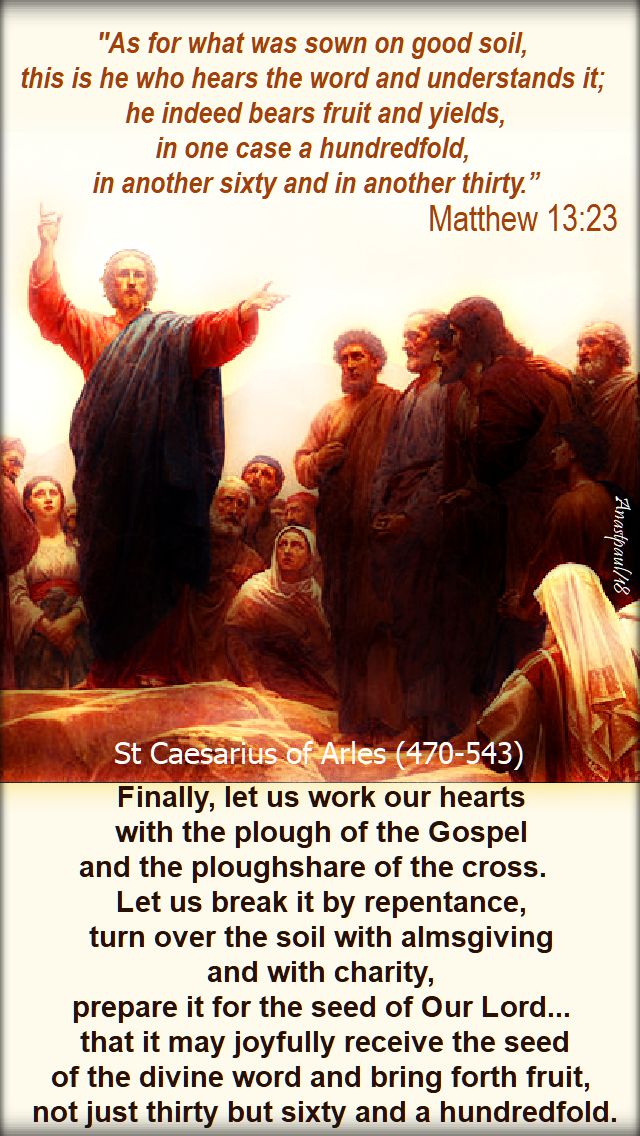
“As for what was sown on good soil, this is he who hears the word and understands it; he indeed bears fruit and yields, in one case a hundredfold, in another sixty and in another thirty.”…Matthew 13:23
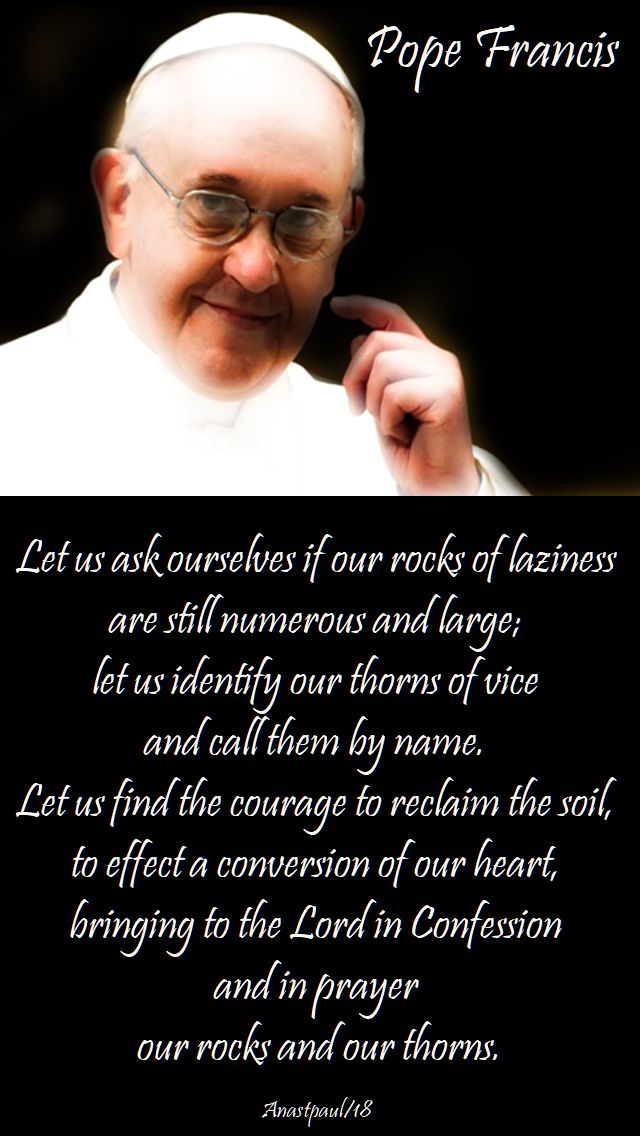
“Dear brothers and sisters, Jesus invites us today to look inside ourselves: to give thanks for our good soil and to tend the soil that is not yet good.
Let us ask ourselves if our heart is open to welcome the seed of the Word of God with faith.
Let us ask ourselves if our rocks of laziness are still numerous and large; let us identify our thorns of vice and call them by name.
Let us find the courage to reclaim the soil, to effect a conversion of our heart, bringing to the Lord in Confession and in prayer, our rocks and our thorns.” …Pope Francis (Angelus, 16 July 2017)
Quote of the Day – 27 July – Friday of the Sixteenth week in Ordinary Time, Year B – Today’s Gospel: Matthew 13:18–23
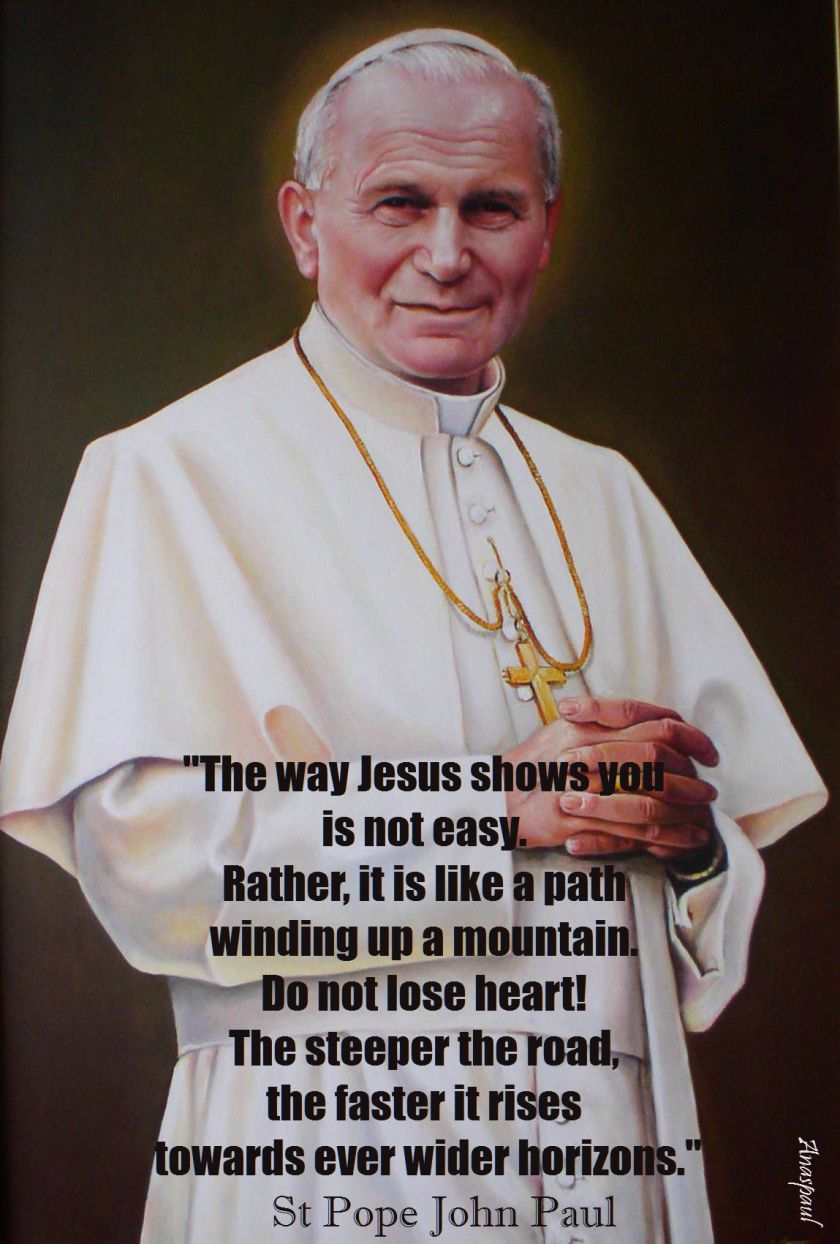
“The way Jesus shows you is not easy. Rather, it is like a path winding up a mountain. Do not lose heart! The steeper the road, the faster it rises towards ever wider horizons.”
One Minute Reflection – 27 July – Friday of the Sixteenth week in Ordinary Time, Year B – Today’s Gospel: Matthew 13:18–23
“As for what was sown on good soil, this is he who hears the word and understands it; he indeed bears fruit, and yields, in one case a hundredfold, in another sixty, and in another thirty.”...Matthew 13:23
REFLECTION – “Indeed, you all know how land is cultivated. First of all you pull out the weeds and throw away the stones, then you work the ground itself. You do it again a second time, a third time and finally… you sow. Oh, let it be like this in our souls! First of all let us uproot the weeds, that is to say our evil thoughts; then take out the stones, in other words all our malice and obstinacy. Finally, let us work our hearts with the plough of the Gospel and the ploughshare of the cross. Let us break it by repentance, turn over the soil with almsgiving and with charity, prepare it for the seed of Our Lord… that it may joyfully receive the seed of the divine word and bring forth fruit, not just thirty but sixty and a hundredfold.”...St Caesarius of Arles (470-543) Monk & Bishop (Sermons to the people, no.6 passim ; SC 175)
PRAYER – A pure heart create for me O God, put a steadfast spirit within me! (Ps 50[51]) Lord God, bestow a full measure of Your grace to us. Keep us within in the path of Your commandments, help us to work on the earth of our souls, rooting out the weeds and casting forth the stones of malice. Grant that by the prayers of St Pope Celestine, who faced so many stones of heresy, we may succeed in attaining sanctity. Through Christ, our Lord, in union with the Holy Spirit, one God, forever, amen.
Our Morning Offering – 27 July – Friday of the Sixteenth week in Ordinary Time, Year B
Above All That is Not You Thomas à Kempis (1380-1471)
O most loving Jesus,
give me this special grace to rest in You
above all created things,
above all health and beauty,
above all glory and honour,
above all dignity and power,
above all knowledge and prudence,
above all riches and talents,
above all joy and gladness,
above all fame and praise,
above all sweetness and consolation,
above all hope and promise,
above all merit and desire,
above all gifts and rewards
that You may give or send –
except Yourself –
above all joy or happiness
that the human mind and heart
can grasp or feel,
above all Angels and Archangels,
above all the heavenly hosts as well,
above all things visible and invisible
and above all that is not You,
my God.
Amen
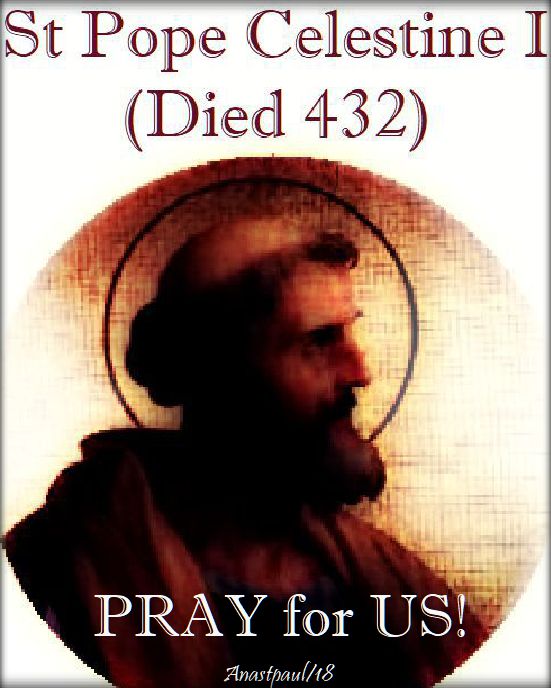
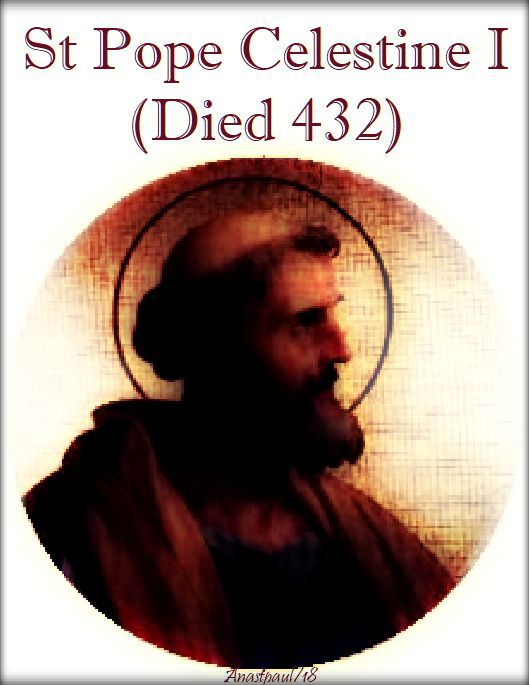
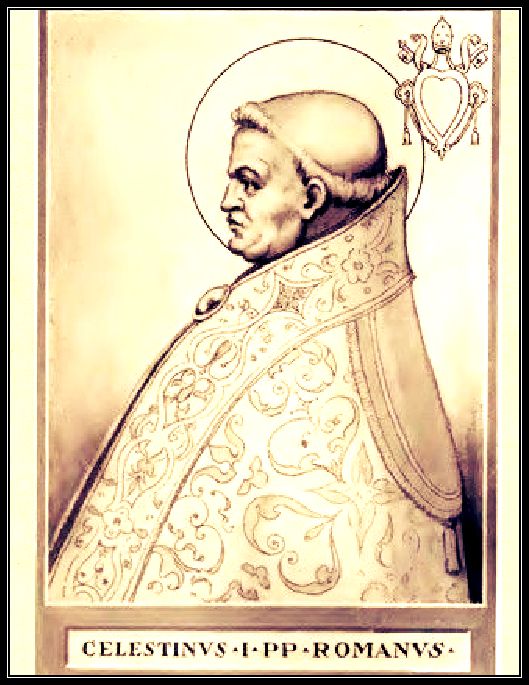
Saint of the Day – St Pope Celestine I (died 432), called “the Heresy Fighter.” Much is unknown about Celestine, including his birthday. But his reign as Pope – from 422 to his death in 432 – is credited with many achievements.
Celestine I was a Roman from the region of Campania. Nothing is known of his early history except that his father’s name was Priscus. According to John Gilmary Shea, Celestine was a relative of the emperor Valentinian. He appears to have spent some time in Milan, living with the city’s bishop, St Ambrose (340-397). St Augustine (354-430) (a protégé of Ambrose) seems to have been good friends with Celestine. Certainly, Celestine sided with St Augustine against the Donatists and Semipelagians.
The first known record of him is in a document of Pope Innocent I from the year 416, where he is spoken of as “Celestine the Deacon”.
Various portions of the liturgy are attributed to him but without any certainty on the subject. In 430, he held a synod in Rome, at which the teachings of Nestorius were condemned. The following year, he sent delegates to the First Council of Ephesus, which addressed the same issue. Four letters written by him on that occasion, all dated 15 March 431, together with a few others, to the African bishops, to those of Illyria, of Thessalonica and of Narbonne, are extant in re-translations from the Greek; the Latin originals having been lost.
St Celestine actively condemned the Pelagians and was zealous for Roman orthodoxy. To this end he was involved in the initiative of the Gallic bishops to send Germanus of Auxerre and Lupus of Troyes travelling to Britain in 429 to confront bishops reportedly holding Pelagian views.
He sent Palladius to Ireland to serve as a bishop in 431. Bishop Patricius (Saint Patrick) continued this missionary work. Pope Celestine strongly opposed the Novatians in Rome; as Socrates Scholasticus writes, “this Celestinus took away the churches from the Novatians at Rome also and obliged Rusticula their bishop to hold his meetings secretly in private houses.” He was zealous in refusing to tolerate the smallest innovation on the constitutions of his predecessors. As St Vincent of Lerins reported in 434:
Holy Pope Celestine also expresses himself in like manner and to the same effect. For in the Epistle which he wrote to the priests of Gaul, charging them with connivance with error, in that by their silence they failed in their duty to the ancient faith, and allowed profane novelties to spring up, he says: “We are deservedly to blame if we encourage error by silence. Therefore rebuke these people. Restrain their liberty of preaching.”
In a letter to certain bishops of Gaul, dated 428, St Celestine rebukes the adoption of special clerical garb by the clergy. He wrote: “We [the bishops and clergy] should be distinguished from the common people [plebe] by our learning, not by our clothes; by our conduct, not by our dress; by cleanness of mind, not by the care we spend upon our person”.
The 5th century was something of a boom time for heresy. Celestine also had to confront Manicheans, Novatians and, above all, Nestorians. He commissioned St Cyril of Alexandria to look into Nestorianism, which taught that Christ had two persons and denied that Mary was the Mother of God. Having determined that this was heretical, the Pope deposed Nestorius, restoring faithful Catholics whom Nestorius had excommunicated.
St Celestine died on 26 July 432. He was buried in the cemetery of St Priscilla in the Via Salaria but his body, subsequently moved, now lies in the Basilica di Santa Prassede.
In art, Saint Celestine is portrayed as a Pope with a dove, dragon, and flame.
St Aetherius of Auxerre
St Anthusa of Constantinople
St Arethas
St Aurelius of Cordoba
Bl Berthold of Garsten
St Pope Celestine I (Died 432)
St Ecclesius of Ravenna
Bl Felipe Hernández Martínez
St Felix of Cordoba
St Galactorio of Lescar
St George of Cordoba
St Hermippus
St Hermocrates
St Hermolaus
Bl Jaime Ortiz Alzueta
Bl Joaquín Vilanova Camallonga
Bl José María Ruiz Cano
St Juliana of Mataró
St Lillian of Cordoba
Bl Lucy Bufalari
St Luican
Bl Maria Grazia Tarallo
Bl Maria Klemensa Staszewska
Bl Mary Magdelene Martinengo
St Maurus of Bisceglia
Bl Modesto Vegas y Vegas
St Natalia of Cordoba
Bl Nevolone of Tavenisa
St Pantaleimon
St Pantaleon (Died c 305) Martyr
Bl Rudolf Aquaviva S.J.
Bl Robert Sutton
St Semproniana of Mataró
St Sergius of Bisceglia
Bl William Davies
Bl Zacarías Abadía Buesa
Martyrs of Nicomedia – 3 saints: Three Christians martyred together. The only other information to survive are their names – Felix, Jucunda and Julia. Nicomedia, Asia Minor.
Seven Sleepers of Ephesus: A group of seven young Christian men who hid in a cave in hopes of avoiding the persecution of Decius in the year 250. Found and arrested, they were ordered by the pro-consul in Ephesus to renounce their faith; they refused and were sentenced to die. Legend says that they were walled up in their hiding cave, guarded by the dog Al Rakim; when the cave wall was breached in 479 – they all woke up!
It is likely that the youths were tortured to death in various ways and buried in the cave. The resurrection story confusion came from the phrase “went to sleep in the Lord” which was used to describe the death of Christians and 479 is when their relics were discovered. Their names were Constantinus, Dionysius, Joannes, Malchus, Martinianus, Maximianus and Serapion. They were martyred in 250 in Ephesus (in modern Turkey); tradition says that they were walled up in a cave to suffocate but other records indicate that they were tortured to death in various ways. Their relics discovered in 479 and translated to Marseilles, France and enshrined in a large stone coffin.
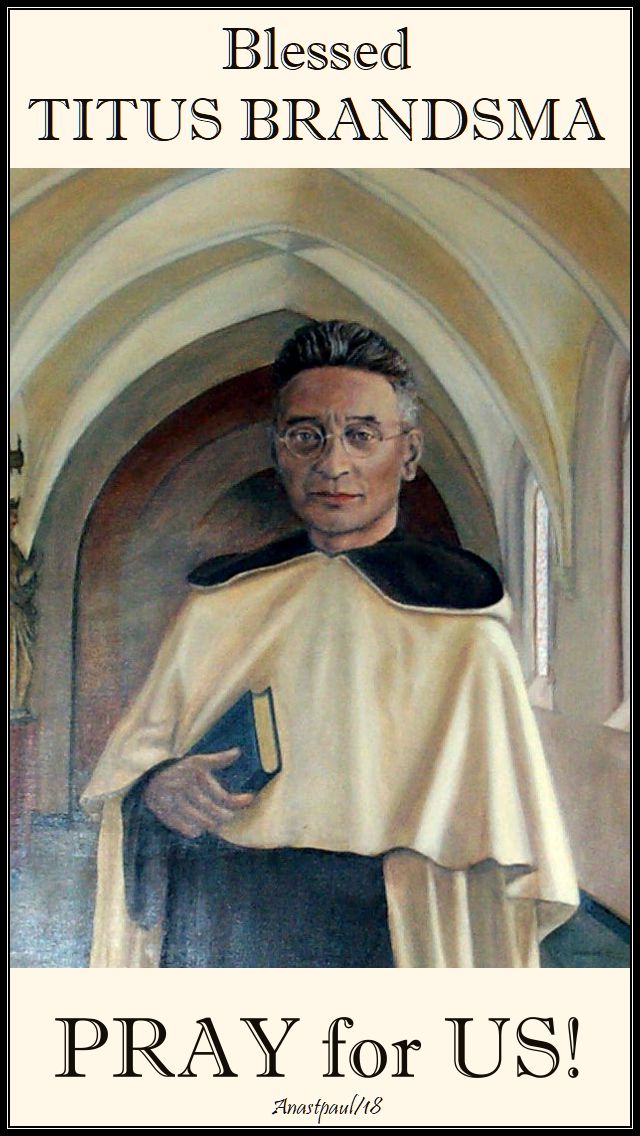
Thought for the Day – 26 July – The Memorial of Blessed Titus Brandsma O.C.D. (1881-1942) Martyr of the Faith
Titus’ teachings on peace and forgiveness were probably put to the most radical test during his seven months as a prisoner of the Nazis. He was subjected, not only to loss of freedom and appalling prison conditions but to brutal mistreatment by his captors, including medical experimentation. Two particular incidents stand out as concrete examples of his response to these extreme conditions of suffering.
Once, another Dutch prisoner challenged him about his admonition that the prisoners should pray for their Nazi captors. How could they be expected to do that, the other Dutchman asked, when they were being mishandled and terrorised by the guards? With typical humour and realism, Titus replied, “You don’t have to pray for them the whole day! The good Lord will be happy with one prayer”.
Always lovingly cognisant of the gap between the human ideal and the reality of human limitations, Titus counselled a practical, achievable goal.
Secondly, the nurse, who administered the fatal injection in the “hospital” at Dachau, testified at his beatification process that he had given her his rosary at the end and said “What an unfortunate girl you are. I shall pray for you”. His response, the nurse said, was instrumental in bringing her back to the practice of her faith (she was a Catholic).
Question for contemplation: Who are the persons in my life that I see as equivalent to Titus’ Nazi captors and how can I find realistic ways to be more accepting of them as human beings?
Blessed Titus Brandsma, Pray for us!
On 13 December 2017 an event took place in the United States of America that may take the cause of Carmelite martyr Blessed Titus Brandsma a step closer to canonisation.
The Bishop of Palm Beach Diocese in Florida, Bishop Gerald Barbarito and other officials signed, witnessed and sealed, the papers relating to an investigation of a medically unexplained healing attributed to God through the intercession of Blessed Titus.
The recipient of this grace is Father Michael Driscoll, a Carmelite friar working in Palm Beach Diocese. In 2004 he was diagnosed with a severe stage of metastatic melanoma cancer that was attacking his neck area behind the ear and spreading to other parts of his body. Some areas of the cancer were in the critical fourth and fifth stages. A sincere devotee of Blessed Titus, Father Michael prayed to God for healing through the intercession of the Carmelite martyr and his prayers were joined by fellow Carmelites, parishioners, friends and family. Undergoing more than 30 treatments including surgery, Father Michael said with determination, “I am okay because Titus is going to take care of me.”
On 13 December the diocese held the Official Closing Session of its investigation into the alleged miraculous healing. After a period of prayer, the papers were signed, witnessed, sealed and then sent to the Vatican’s Congregation for the Causes of Saints. If the case is deemed to be a credible miracle and Pope Francis approves, the canonisation of Titus Brandsma will be declared. (http://www.carmelite.org/news/hopeful-step-canonisation-blessed-titus-brandsma – with pics)
Prayer for the Canonisation of Blessed Titus Brandsma
Loving God, Your servant, Titus Brandsma, laboured zealously in Your vineyard and gave his life freely because of his faith in You. Through his intercession I ask for Your mercy and help. Father, Titus never refused, when he was asked for help by Your people. By his intercession, I come to You with my needs: ………………………………………… (mention requests) Lord, help me always to imitate the great faith, generous love and burning zeal of Titus Brandsma. Glorify Your servant as he wished to glorify You. Amen. Mary, Mother of Carmel, pray for us. Titus Brandsma, Carmelite and Martyr, pray for us. Amen.
Quote/s of the Day – 26 July – The Memorial of Blessed Titus Brandsma O.C.D. (1881-1942) Martyr of the Faith
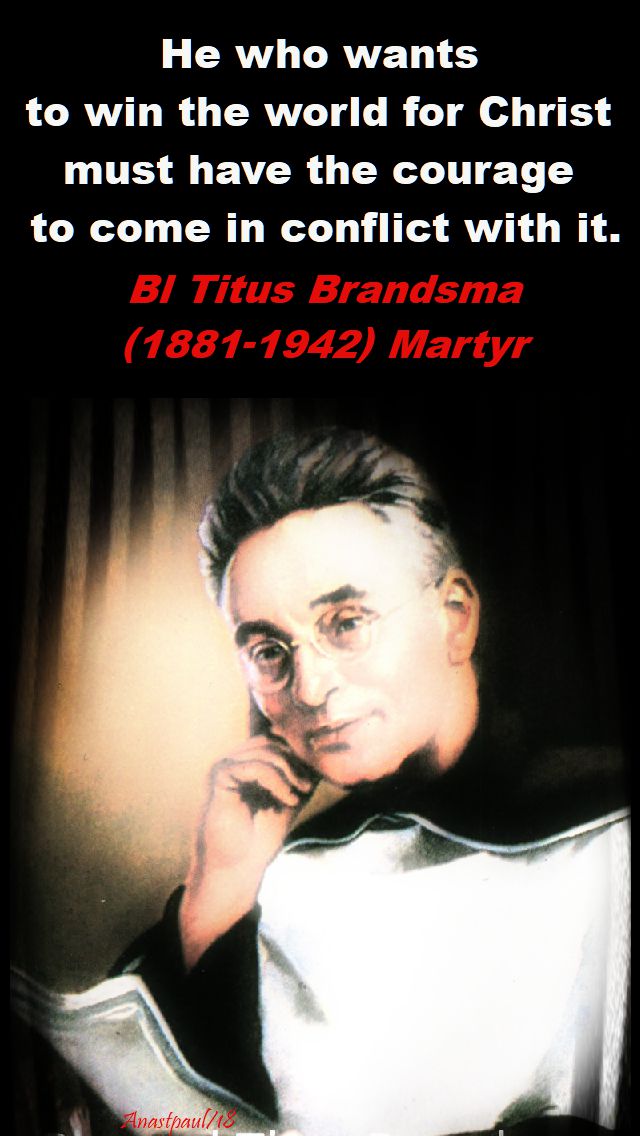
“He who wants to win the world for Christ must have the courage, to come in conflict with it.”
I am awestruck by Blessed Titus, who despite his ghastly sufferings, exclaimed:
“I see God in the work of His hands and the marks of His love in every visible thing.”
“Not my will but yours be done!” (what Blessed Titus would shout during torture and medical experiments)
++++++++++++++++++++
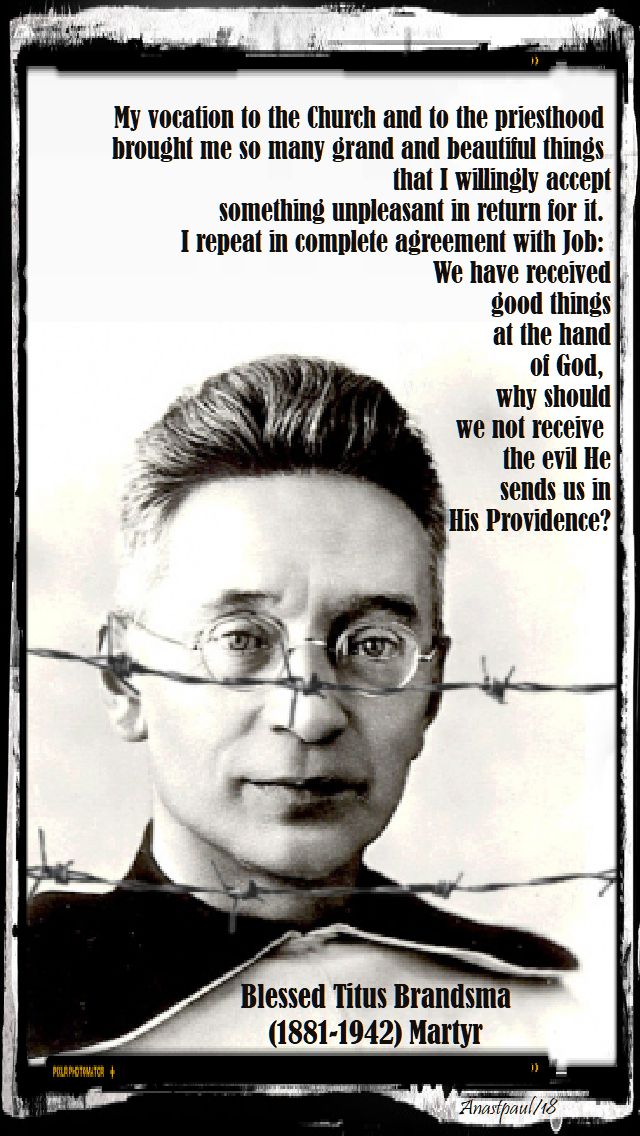
“My vocation to the Church and to the priesthood brought me so many grand and beautiful things that I willingly accept something unpleasant in return for it. I repeat in complete agreement with Job: We have received good things at the hand of God, why should we not receive the evil He sends us in His Providence?”















 AnaStpaul
You must be logged in to post a comment.