Thought for the Day – 5 February – Meditations with Antonio Cardinal Bacci (1881-1971)
Doing Everything for the Love of God
“As St John says, God is love; he who dwells in love dwells in God and God dwells in him (1 Jn 4:16). Since He is love, God longs to be loved by us. Our actions should come from and, be accompanied by, our love for Him. “Love, therefore, is the fulfilment of the law,” writes St Paul (Rom 13:10). We must perform all our actions, therefore for the love of God. The alchemists of old, made a great many experiments in the hope of being able to transform base metals into gold. What was impossible in the physical order, however, is quite possible in the moral and spiritual order. We can transform all our actions into pure gold, by means of the love of God.
There is a story told about a sculptor who was chiselling out a small statue which was to be placed on the highest pinnacle of the temple. He was striving after perfection in the tiniest details, as if it would be possible for the statue to be inspected at close quarters. Somebody asked him why he was so particular and careful in his work and he replied: “I am not working for those who are looking up from below but, for Him, Who is looking down from above. I am working for God alone!”
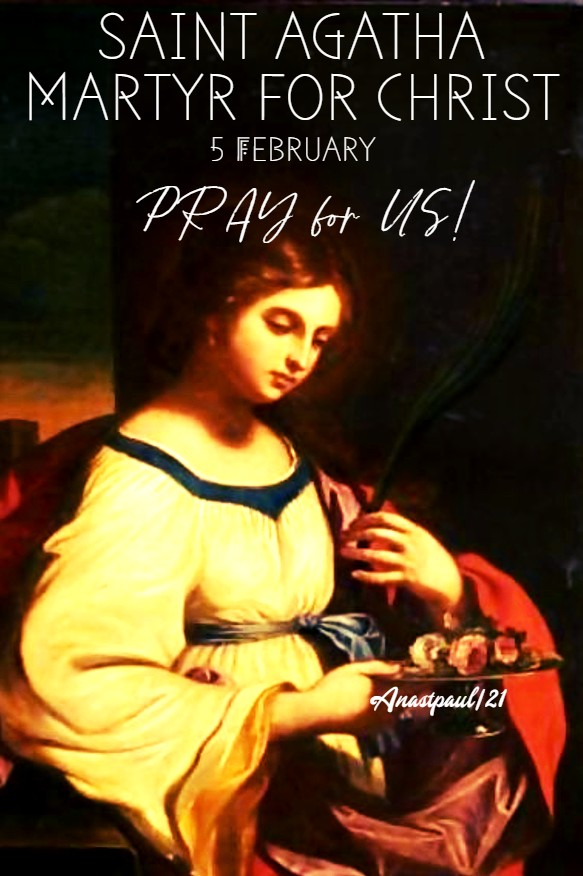
Quote/s of the Day – 5 February – The Memorial of St Agatha (c 231- c 251) Virgin Martyr
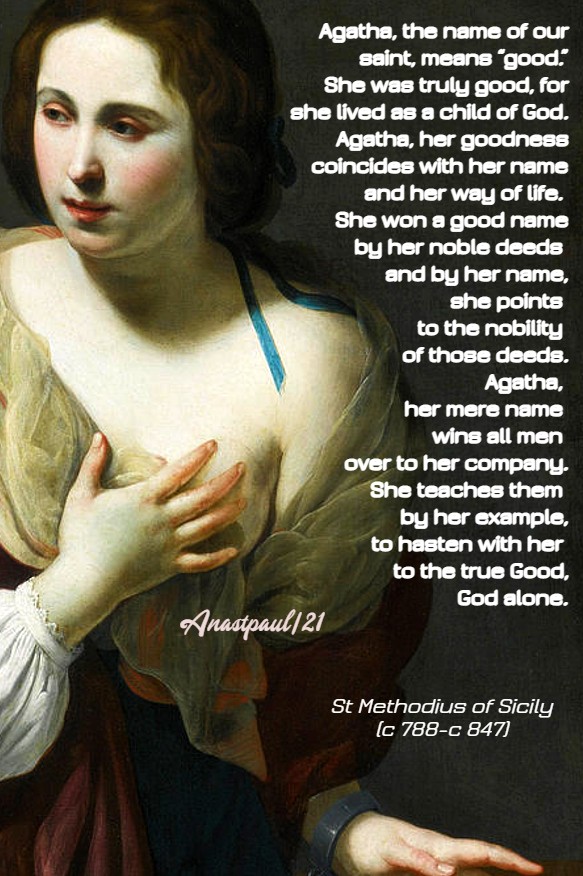
“My fellow Christians, our annual celebration of a Martyr’s feast, has brought us together. Agatha achieved renown in the early Church for her noble victory. … For her, Christ’s death was recent, His blood was still moist. Her robe is the mark of her faithful witness to Christ. Agatha, the name of our saint, means “good.” She was truly good, for she lived as a child of God. Agatha, her goodness coincides with her name and her way of life. She won a good name by her noble deeds and by her name, she points to the nobility of those deeds. Agatha, her mere name wins all men over to her company. She teaches them by her example, to hasten with her to the true Good, God alone.”
“The woman who invites us to this banquet is both a wife and virgin. To use the analogy of Paul, she is the bride who has been betrothed to one husband, Christ. A true virgin, she wore the glow of pure conscience and the crimson of the Lamb’s blood for her cosmetics.”
St Methodius of Sicily (c 788-c 847) From a homily on Saint Agatha
One Minute Reflection – 5 February – Friday of the Fourth Week of Ordinary Time, Readings: Hebrews 13:1-8, Psalms 27:1, 3, 5,8-9, Mark 6:14-29 and the Memorial of St Agatha (c 231- c 251) Virgin Martyr
“He brought in the head on a platter and gave it to the girl. The girl in turn gave it to her mother.” … Mark 6:28
REFLECTION – “In what way, then, was this just man harmed by this demise, this violent death, these chains, this imprisonment? Who are those he did not set back on their feet — provided they had a penitent disposition — because of what he spoke, because of what he suffered, because of what he still proclaims in our own day — the same message he preached while he was living. Therefore, do not say: “Why was John allowed to die?” For what occurred was not a death but a crown, not an end but the beginning of a greater life.
Learn to think and live like a Christian. You will not only remain unharmed by these events but will reap the greatest benefits.” … St John Chrysostom (347-407) Father & Doctor – On the Providence of God, 22.
PRAYER – Increase in us, O Lord, the gift of faith, so that we may arise and offer our praise to You and by Your grace, yield fruit from heaven, for the glory of Your Kingdom. Lord God, let St Agatha, who became precious in Your sight through her pure life and valiant martyrdom, plead for our forgiveness. For, with joy and rejoicing, as though to a feast, St Agatha, went to prison and offered her sufferings to You, with many prayers. Through Jesus Christ, Your divine Son, in unity with the Spirit, one God forever. St Agatha, pray for us, amen.
Let Your Will be Mine By Thomas à Kempis (1380-1471)
O most merciful Jesus, grant me Your grace, that it may remain with me always and persevere with me to the end. Grant me always to will and desire, what is more pleasing and acceptable to You. Let Your will be mine and let my will always follow Yours in perfect conformity with it. Let my will and desires, always be one with Yours and let me be unable to will or not to will, except as You will or do not will. Grant that I may die to all worldly things and that I may be despised and unknown for love of You. Grant, above all things to be desired, that I may find rest in You and that in Your Heart alone, may be my peace. You, O Lord, give true peace to the heart and perfect rest to body and soul. Apart from You, all is difficult and never still. In that peace, in You Who are the one, supreme and eternal Good, I will sleep and take my rest. Amen
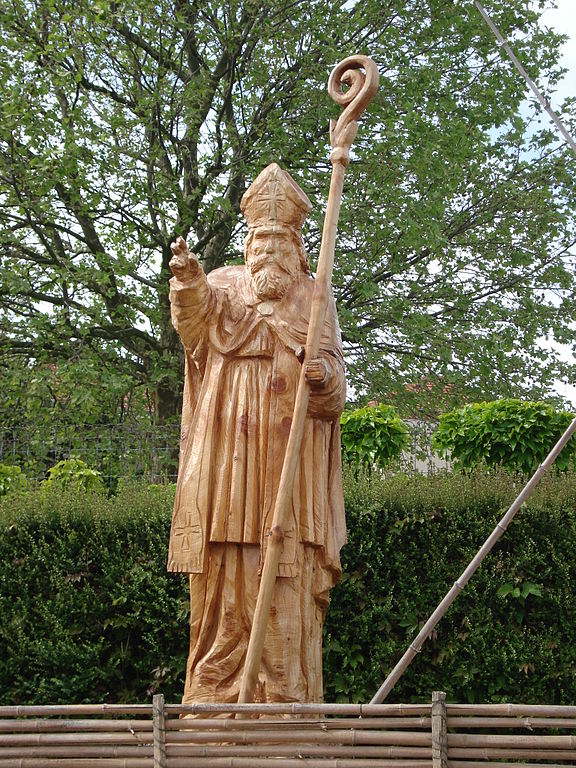
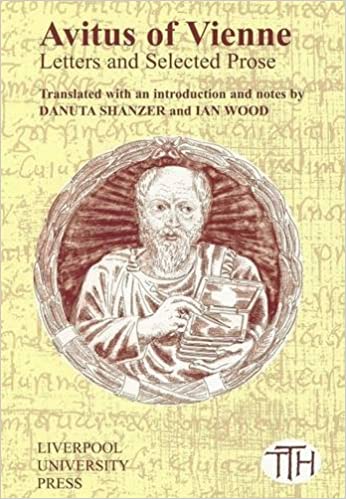
Saint of the Day – 5 February – Saint Avitus of Vienne (c 450-c 518) Bishop of Vienne, Poet, Confessor and Defender of the Mysteries of the Faith against heretics, writer. Avitus was a distinguished Bishop of Vienne, in Gaul, from 490 to about 518, though his death is placed by some as late as 525 or 526. Also known as – Alcimus Ecdicius
Avitus was born of a prominent Gallo-Roman family closely related to the Emperor Avitus and other illustrious persons and in which episcopal honours were hereditary.
In difficult times for the Catholic faith and Roman culture in Southern Gaul, Avitus exercised a favourable influence. He pursued with earnestness and success, the extinction of the Arian heresy in the barbarian Kingdom of Burgundy (443-532), won the confidence of King Gundobad and converted his son, King Sigismund (516-523).
A letter of Pope Hormisdas to Avitus records that he was made Vicar Apostolic in Gaul by that Pontiff and in 517, he presided in this capacity at the Council of Epaon for restoring ecclesiastical discipline in Gallia Narbonensis. Avitus appears also to have exerted himself to terminate the dispute between the churches of Rome and Constantinople, which arose out of the excommunication of Acacius; we gather from his later letters, that this was accomplished before his death.
Like his contemporary, Ennodius of Pavia, he was strenuous in his assertion of the authority of the Apostolic See as the chief bulwark of religious unity and the incipient Christian civilisation. “If the Pope,” he says, “is rejected, it follows that not one Bishop but the whole episcopate threatens to fall” — Ep. xxxiv; ed. Peiper).
The literary fame of Avitus rests on a Poem of 2,552 hexameters, in five books, dealing with the Scriptural narrative of Original Sin, Expulsion from Paradise, the Deluge, the Crossing of the Red Sea. The first three books offer a certain dramatic unity; in them are told the preliminaries of the great disaster, the catastrophe itself and the consequences. The fourth and fifth books deal with the Deluge and the Crossing of the Red Sea as symbols of Baptism. Avitus deals freely and familiarly with the Scriptural events and exhibits well their beauty, sequence and significance.
He is one of the last masters of the art of rhetoric as taught in the schools of Gaul in the fourth and fifth centuries. Ebert says that none of the ancient Christian poets, treated more successfully, the poetic elements of the Bible. His poetic diction, though abounding in archaisms and rhythmic redundancy, is pure and select and the laws of metre are well observed. It is said that Milton made use of his paraphrase [sic] of Scripture in the preparation of “Paradise Lost.” He wrote also 666 hexameters “De virginitate” or “De consolatoriâ castitatis laude” for the comfort of his sister Fuscina, a nun.
His prose works include “Contra Eutychianam Hæresim libri II,” written in 512 or 513 and also, about eighty seven letters, that are of considerable importance for the ecclesiastical and political history of the years 499-518. Among them is the famous letter to Clovis on the occasion of his Baptism.
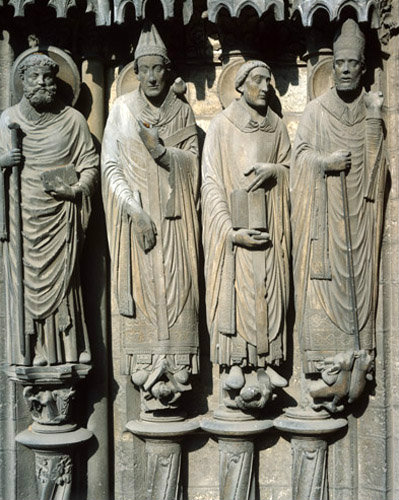
St Avitus on the right, with St Martin, St Jerome and St Gregory in the South Portal of Chartres Cathedral
There was once extant a collection of his homilies but they have perished with the exception of two and some fragments and excerpts. The works of Avitus are still found in printed format.
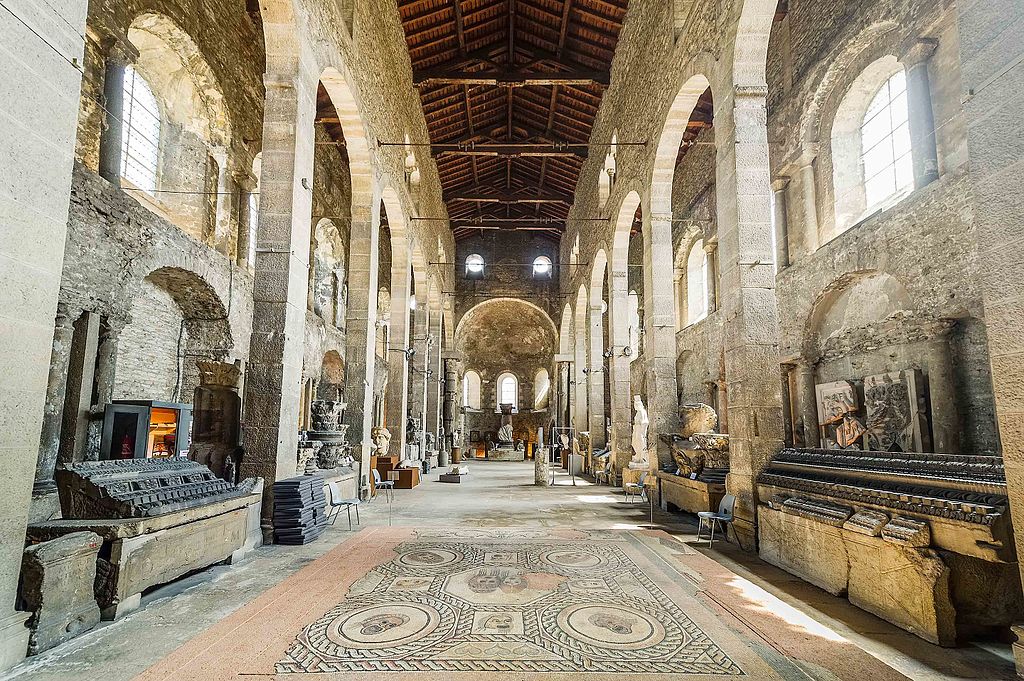
Upon his death, Avitus was buried in the Monastery of St Peter and St Paul at Vienne, see below.
Dedication of the first Church of Our Lady, by St Peter – Tortosa, Italy – 5 February:
The Abbot Orsini wrote: “Dedication of the first Church of Our Lady, by Saint Peter, Tortosa, Italy” The first Church dedicated to Our Lady by Saint Peter the Apostle was not actually in Italy, as the good Abbot stated but in the City of Tartus, Syria. The City of Tartus was known as Tortosa to the Crusaders, who lived in the region during the time of the Crusades. The Cathedral of Our Lady of Tortosa, built in the year 1123 by these Crusaders, still stands on the site of the original Sanctuary of the Blessed Virgin that was dedicated by Saint Peter. It is remembered, that the Emperor Constantine looked favourably upon the City because of his love for the Blessed Virgin Mary and the devotion to her by the faithful at Tortosa. By all appearances, the Church of Our Lady was as much of a fortress as it was a Church and indeed, there were once towers surrounding the structure, two of which have survived the centuries. The façade of the Church, which appears almost Romanesque in style, has five arched window openings that are well above ground level and, there is a centrally located doorway. Once inside, however, the structure looks more like a Church, as there are graceful arches, columns and a vaulted ceiling. It is thought by many historians, to be the best-preserved structure of a religious nature dating from the time of the Crusades. Since the Church doubled as a fortification, the Crusaders were able to hold it, even after Tortosa was taken by Saladin in the year 1188. Saladin, who was able to unify the warring Muslim factions, made them into a robust army and won an important battle at Hattin over the Crusaders, capturing nearly all of their holdings, save for those near the coasts. The Knights Templar continued to use the Church as a kind of headquarters until the year 1291, when it was also taken. Once captured by the Mameluke’s, the Church was turned into a mosque. Later, under the Ottoman Empire, the Church was used as a place of storage. The Church was recently renovated, although now it is used only as a Museum.
St Agatha Hildegard of Carinthia St Agricola of Tongres St Albinus of Brixen St Anthony of Athens St Avitus of Vienne (c 450-c 518) Bishop St Bertulph St Buo of Ireland St Calamanda of Calaf St Dominica of Shapwick St Fingen of Metz Bl Françoise Mézière St Gabriel de Duisco St Genuinus of Sabion St Indract St Isidore of Alexandria St Jesús Méndez-Montoya Bl John Morosini St Kichi Franciscus St Luca di Demenna St Modestus of Carinthia St Philip of Jesus (1572-1597) Martyr His Life and Death: https://anastpaul.com/2020/02/05/saint-of-the-day-5-february-st-philip-of-jesus-1572-1597/ Bl Primo Andrés Lanas St Saba the Younger St Vodoaldus of Soissons — Martyrs of Pontus: An unknown number of Christians who were tortured and martyred in assorted painful ways in the region of Pontus (in modern Turkey) during the persecutions of Maximian.
Thought for the Day – 4 February – Meditations with Antonio Cardinal Bacci (1881-1971)
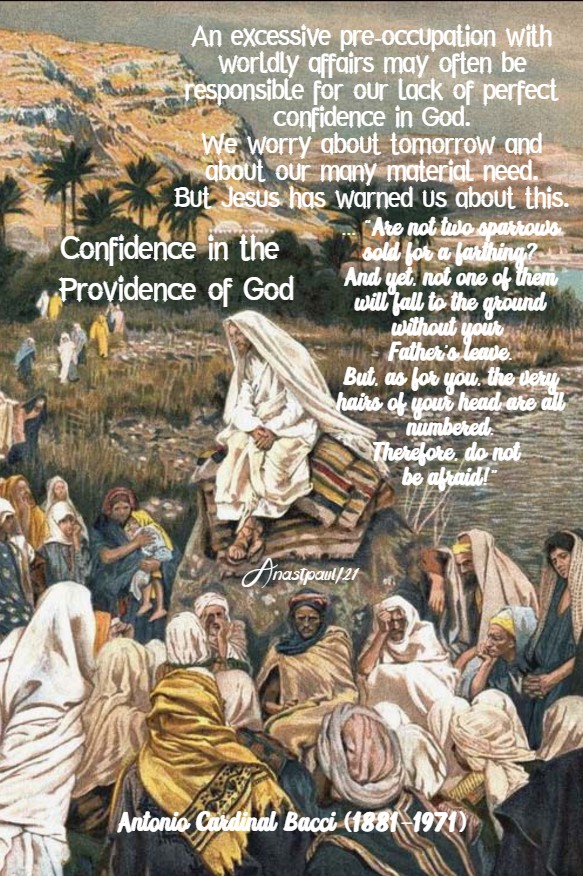
Confidence in the Providence of God
“An excessive pre-occupation with worldly affairs may often be responsible for our lack of perfect confidence in God. We worry about tomorrow and about our many material need. But Jesus has warned us about this. “Do not be anxious for your life,” He said, “what you shall eat, nor yet for your body, what you shall wear … Look at the birds of the air – they do not sow, or reap, or gather into barns, yet your heavenly Father feeds them. Are you not of much more value than they? … Consider how the lilies of the field grow, they neither toil nor spon, yet I say to you that not even Solomon in all his glory, was arrayed like one of these. But, if God so clothes the grass of the field, which flourishes today but tomorrow is thrown into the oven, how much more you, O you of little faith! Therefore, do not be anxious … But seek first the kingdom of God and his justice and all these things shall be given ou besides. Therefore, do not be anxious about tomorrow; for tomorrow will have anxieties of its own. Sufficient for the day is its own trouble” (Cf Mt 6:25-34).
“Are not two sparrows sold for a farthing? And yet, not one of them will fall to the ground without your Father’s leave. But, as for you, the very hairs of your head are all numbered. Therefore, do not be afraid!” (Cf Mt 10:29-31).”
Quote/s of the Day – 4 February – Thursday of the Fourth Week of Ordinary Time, Readings: Hebrews 12:18-19, 21-24, Psalms 48:2-3,3-4, 9, 10-11, Mark 6:7-13
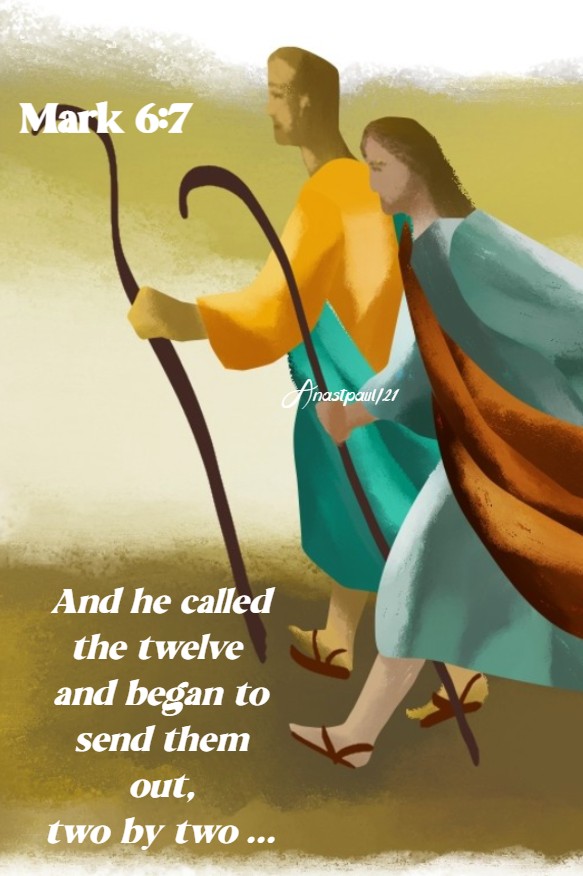
And he called the twelve and began to send them out, two by two …
Mark 6:7
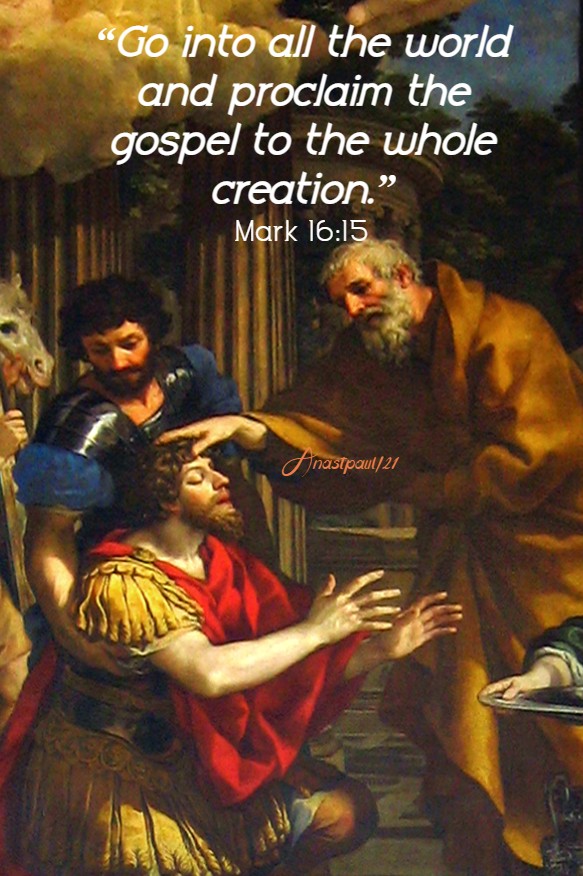
“Go into all the world and proclaim the gospel to vthe whole creation.”
Mark 16:15
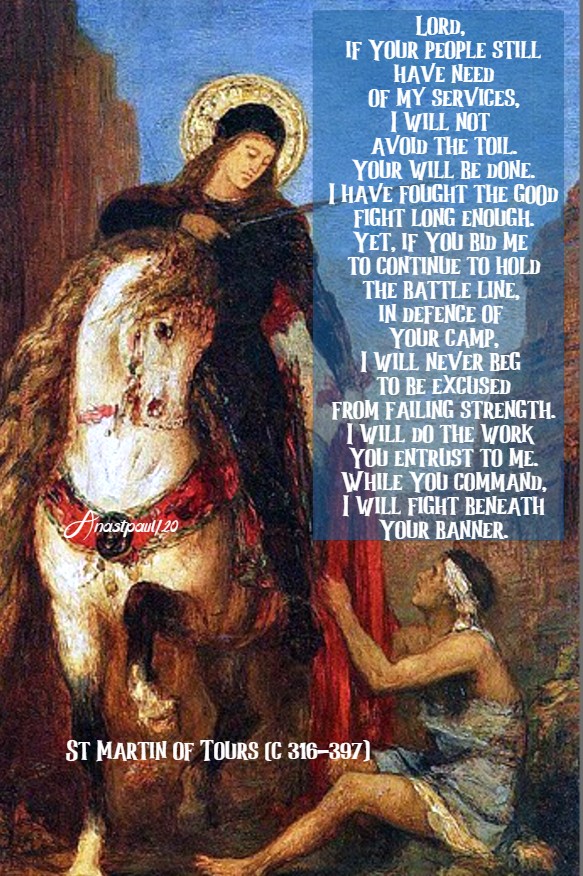
“Lord, if Your people still have need of my services, I will not avoid the toil. Your will be done. I have fought the good fight long enough. Yet, if You bid me to continue to hold the battle line, in defence of Your camp, I will never beg to be excused from failing strength. I will do the work You entrust to me. While You command, I will fight beneath Your banner. Amen”
St Martin de Tours (c 316-397)
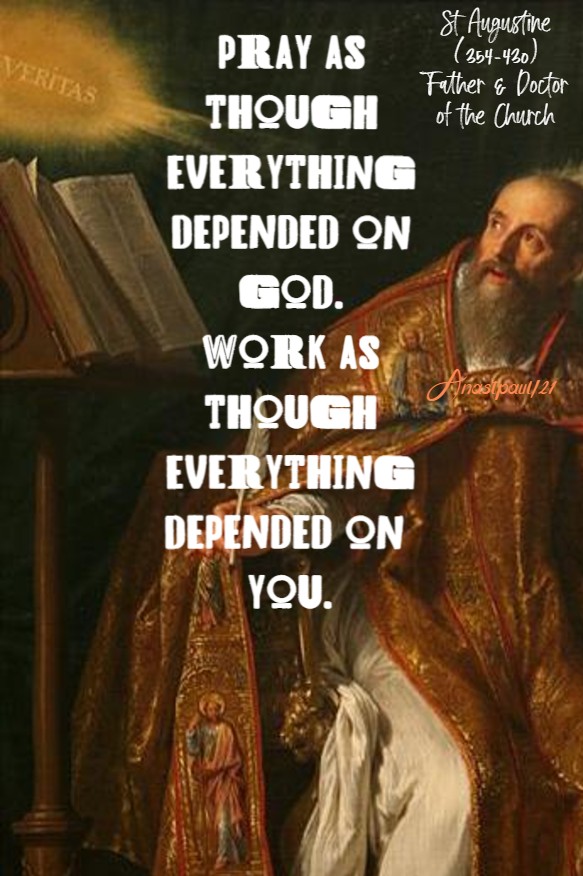
“Pray as though everything depended on God. Work as though everything depended on you.”
St Augustine (354-430) Father & Doctor of the Church
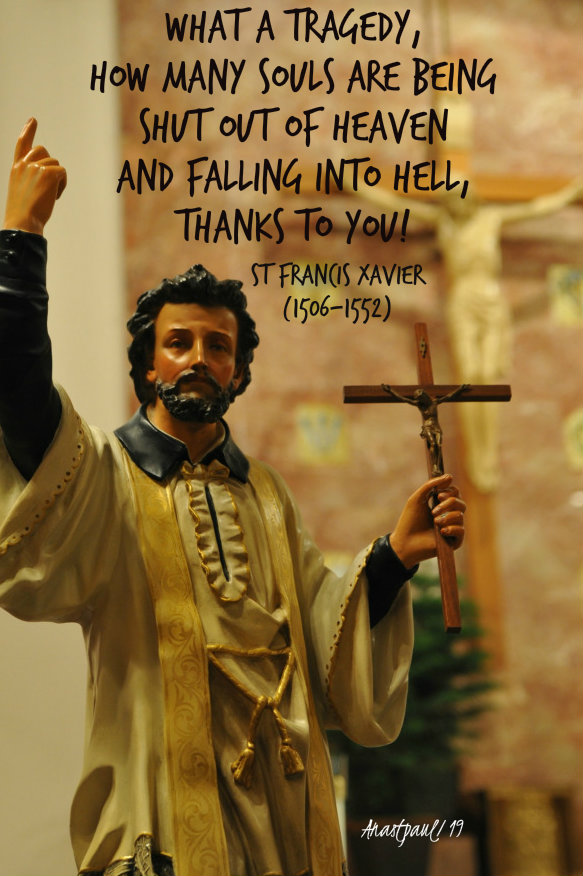
“What a tragedy, how many souls are being shut out of heaven and falling into hell, thanks to you!”
St Francis Xavier (1506-1552)
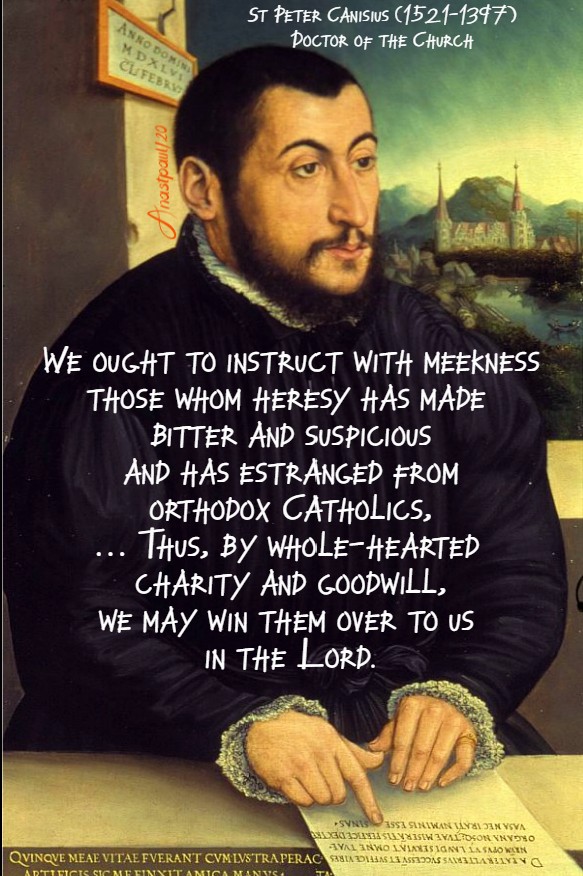
“We ought to instruct with meekness those whom heresy has made bitter and suspicious and has estranged from orthodox Catholics, … Thus, by whole-hearted charity and goodwill, we may win them over to us in the Lord.”
St Peter Canisius (1521-1397) Doctor of the Church
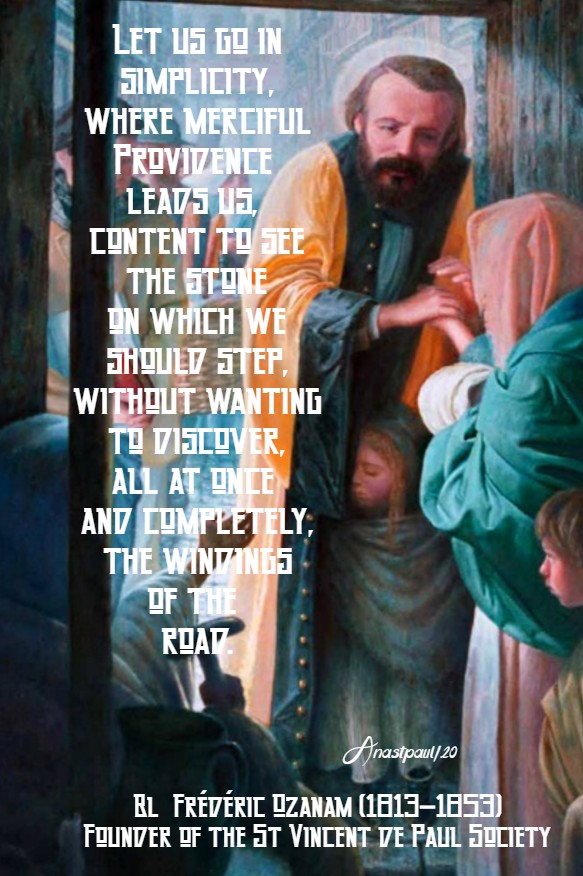
“Let us go in simplicity, where merciful Providence leads us, content to see the stone on which we should step, without wanting to discover, all at once and completely, the windings of the road.”
Blessed Frédéric Ozanam (1813–1853) “Servant to the Poor”
One Minute Reflection – 6 February – Thursday of the Fourth Week of Ordinary Time, Readings: Hebrews 12:18-19, 21-24, Psalms 48:2-3,3-4, 9, 10-11, Mark 6:7-13 and the Memorial of St Andrew Corsini O.Carm (1302-1373) Bishop
And they cast out many demons and anointed with oil, many who were sick and healed them. – Mark 6:13
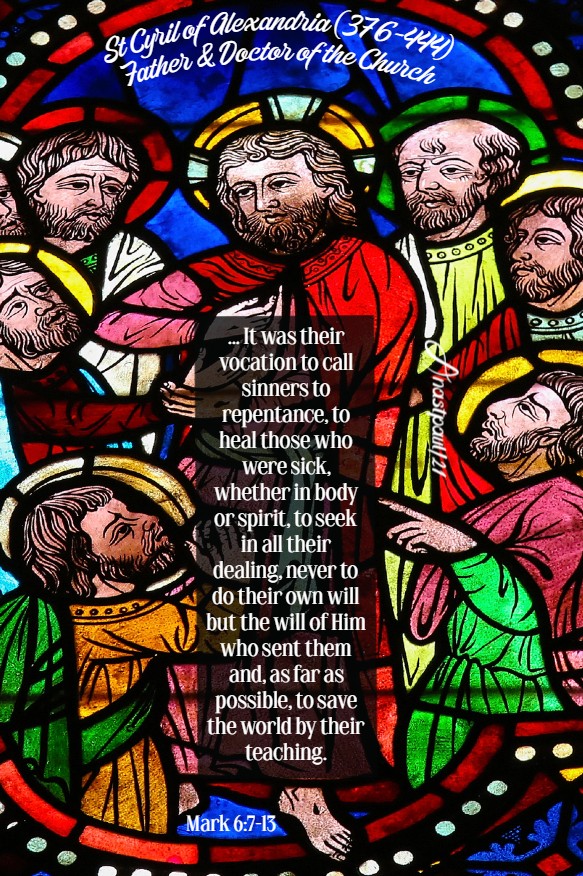
REFLECTION – “Accordingly, in affirming that they are sent by Him, just as He was sent by the Father, Christ sums up in a few words the approach, they themselves should take to their apostolate. From what He said, they would gather, that it was their vocation to call sinners to repentance, to heal those who were sick, whether in body or spirit, to seek in all their dealing, never to do their own will but the will of Him who sent them and, as far as possible, to save the world by their teaching.” – St Cyril of Alexandria (376-444) Bishop, Father & Doctor of the Church
PRAYER – Human weakness finds its anchor in You, Lord and our faith is build on You as on a rock. Supported by the teachings, lives and prayers of our fathers, Your Apostles, may we always answer Your call and live in ever-closer union with You. And may St Andrew Corsini and all your Angels, Martyrs and Saints, pray for Holy Mother Church and for us all. Through Christ, our Lord, in the unity of the Holy Spiirt, God forever and ever, amen.
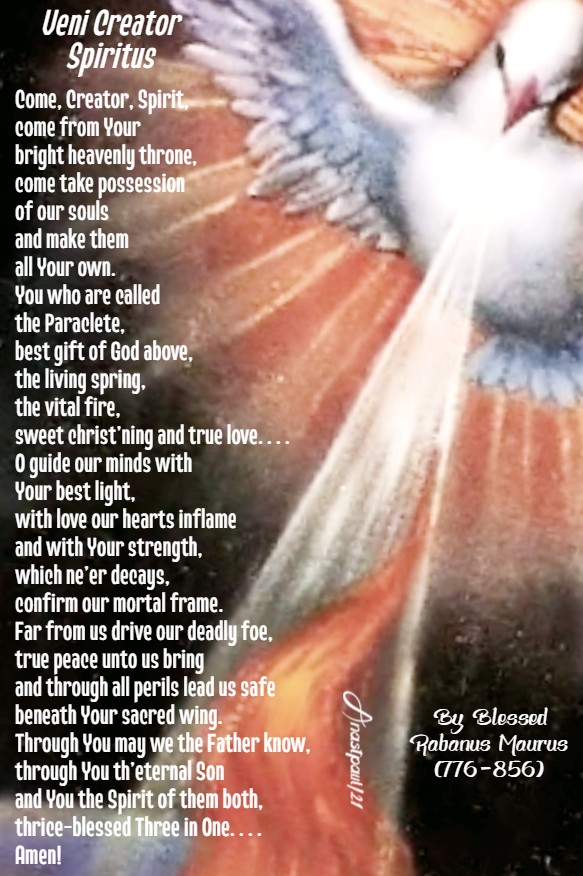
Our Morning Offering – 4 February – The Memorial of Blessed Rabanus Maurus (776-856)
Veni Creator Spiritus The Golden Sequence By Blessed Rabanus Maurus (776-856)
Come, Creator, Spirit, come from Your bright heavenly throne, come take possession of our souls and make them all Your own. You who are called the Paraclete, best gift of God above, the living spring, the vital fire, sweet christ’ning and true love. . . . O guide our minds with Your best light, with love our hearts inflame and with Your strength, which ne’er decays, confirm our mortal frame. Far from us drive our deadly foe, true peace unto us bring and through all perils lead us safe, beneath Your sacred wing. Through You, may we the Father know, through You, th’eternal Son and You, the Spirit of them both, thrice-blessed Three in One. . . . Amen!
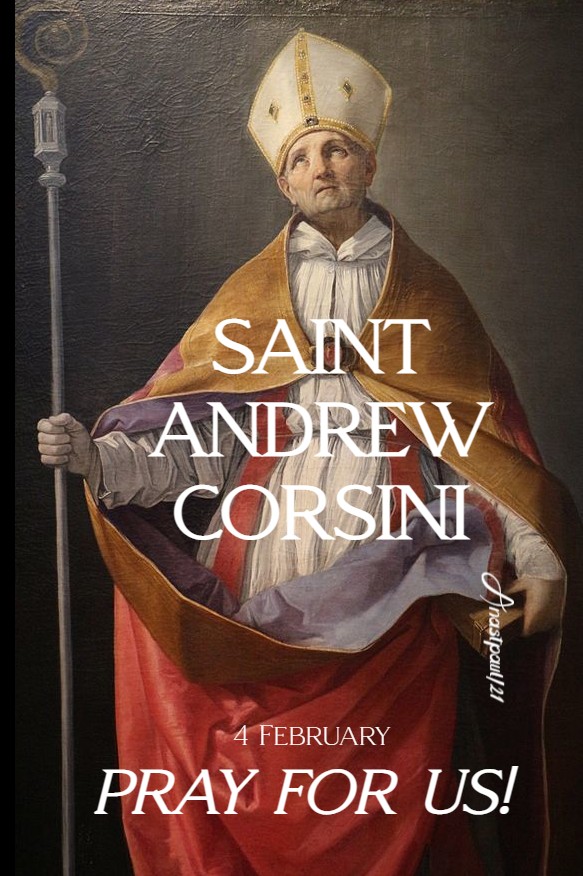
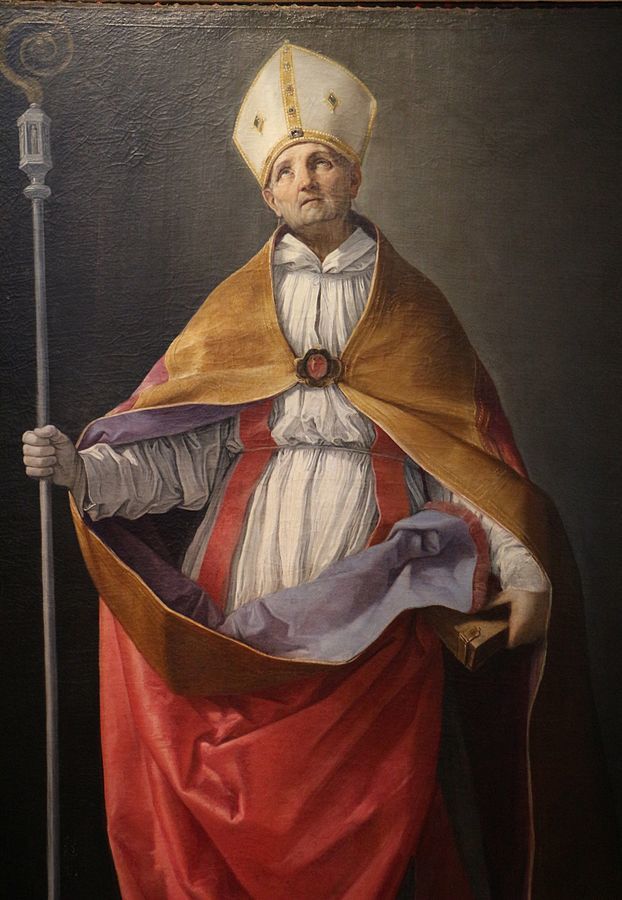
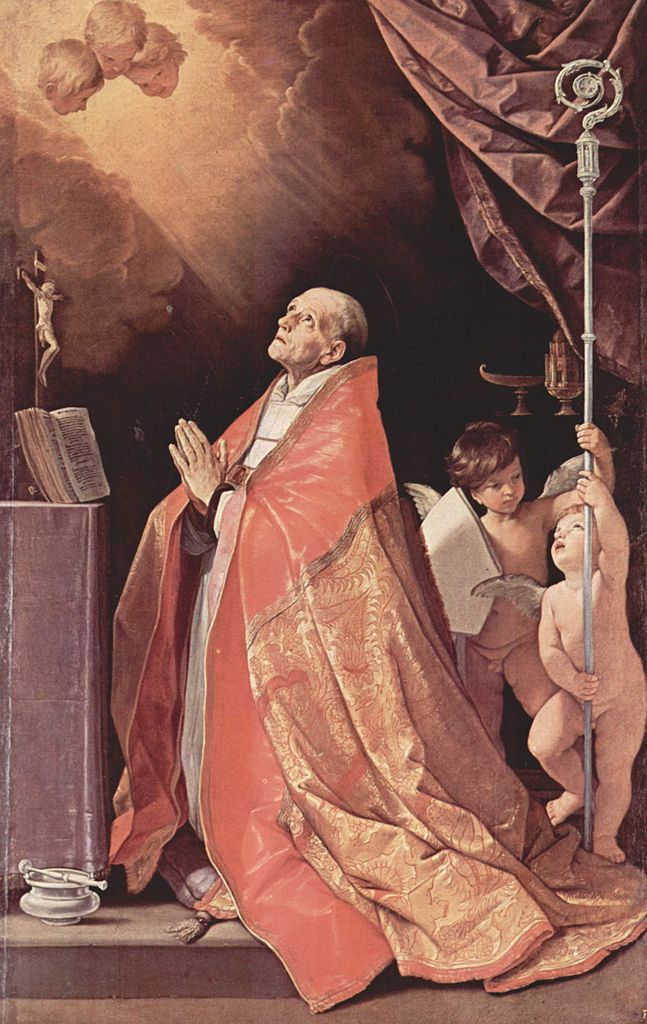
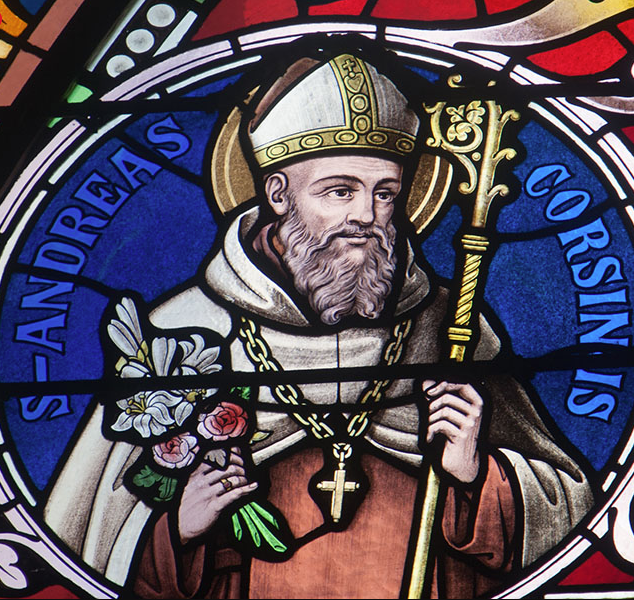
Saint of the Day – 4 February – Saint Andrew Corsini O.Carm (1302-1373) Bishop of Fiesole from 1349 until his death, known as the “Apostle of Florence,” Carmelite Friar, Penitent, apostle of the poor, peacemaker, Papal Legate. Born as Andrea Corsini on 30 November 1302 in Florence, (Republic of Florence) current Italy and died on 6 January 1373 (aged 70) in Fiesole, Italy. Additional Memorial – 9 February (Carmelites). Patronages – Florence,Fiesole,Diplomats, against civil disorder, against riots. His body is incorrupt.
Artist – Guido Reni
Andrew Corsini was born in Florence on 30 November 1302 into the noble and illustrious Corsini family, one of twelve children born to Nicholas Corsini and Peregrina degli Stracciabende. He was named in honour of Saint Andrew whose Feastday it was. Before his birth, his parents dedicated him to God, under the protection of the Blessed Virgin.
He was wild in his youth, extravagance and vice were normal to him and it pained his devout mother. His parents severely rebuked him for his behaviour and he resolved to amend his ways and try to live up to their expectations. He went to the Carmelite Monastery at the Santa Maria del Carmine Church to consider what course to take and despite the entreaties of his dissolute friends, decided to become a Carmelite friar.
He joined the Carmelites in Florence in 1318 for his novitiate and began a life of great mortification. He was Ordained to the Priesthood in 1328 and said his first Mass in a hermitage so as to avoid the customary family celebrations. Corsini began preaching in Florence and was then sent for his studies to the University of Paris and later to Avignon, where he resided with his cousin, Cardinal Pietro Corsini. He returned to Florence in 1332 and was chosen as Prior of his convent. He became known as the “Apostle of Florence.” In 1348 he was appointed as the order’s Tuscan Provincial during the General Chapter meeting in Metz.
On 13 October 1349, Pope Clement VI appointed him Bishop of Fiesole. Upon learning of this appointment, the reluctant Corsini went into hiding. An inscription on his tomb states that “he was snatched from the Carmel to the Church and the mitre of Fiesole.” A child discovered him at the charterhouse at Enna and he later accepted the nomination as Bishop as the result of a vision.
He redoubled his austerities as Bishop, wearing a hair shirt and sleeping on a bed of vine-branches. At Fiesole, just northeast of Florence, he gained a reputation as a peacemaker between rival political factions and for his care of the poor. Pope Urban V sent him to Bologna as a Papal Legate to heal the breach between the nobles and the people. “His family connections made him acceptable to the nobility and his life of poverty, endeared him to the poor and he did succeed in bringing peace.”
Also by Guido Reni
Corsini appointed two vicars to aid him in governing his Diocese and enforced discipline amongst the Diocesan Priests. A number of miraculous cures were attributed to his prayers.
It was reported that in 1372 or 1373, as he celebrated Midnight Mass on Christmas Eve, that the Blessed Virgin appeared to him and told him he would leave this world on the Three Kings’ feast. It came to pass, that he fell ill on Christmas night and died as foretold, on 6 January 1373 or 1374 (the discrepancy in the dates is due to a different date in the Florentine calendar). His remains were moved to Florence in the evening of 2 February 1374 and were later found to be incorrupt upon exhumation in 1385. The location of his burial was damaged in 1771 but his remains were left undisturbed.
Miracles so multiplied at his death, that Pope Eugene IV permitted a public devotion to him, although it was not confirmed until later. Pope Eugene IV Beatified Andrew Corsini on 21 April 1440. Among the miracles attributed to Corsini’s intervention was the Florentine victory over the Milanese at the Battle of Anghiari on 29 June 1440. Petitions were lodged in 1465 and 1466 to Pope Paul II, requesting his Canonisation and the pope appointed a commission to investigate the matter. Pope Urban VIII Canonised St Andrew Corsini, on 22 April 1629.
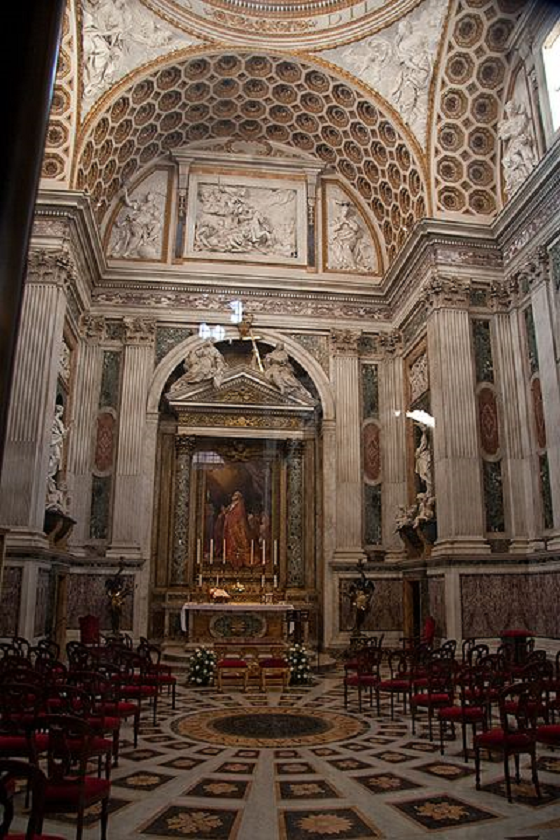
In 1675 after his Canonisation, the members of the Corsini family had the Corsini Chapel built in the Carmelite church of Santa Maria del Carmine as a more suitable resting place for his remains. Pope Clement XII – born Lorenzo Corsini – erected in the Roman Basilica of Saint John Lateran a magnificent Chapel dedicated to his kinsman.
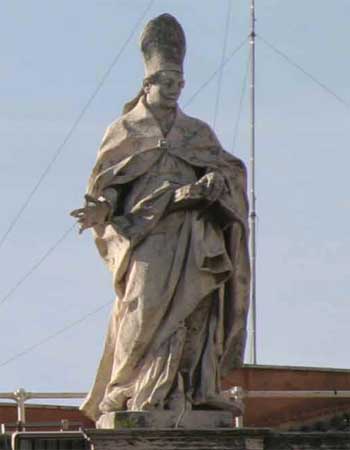
In 1702 or 1703 a Statue in his honour was commissioned and placed along the colonnade in Saint Peter’s Square.
Prayer God our Father, You reveal that those who work for peace will be called Your children. Through the prayers of St Andrew Corsini, who excelled as a peacemaker, help us to work without ceasing for that justice, which brings truth and lasting peace. We ask this through Christ, Our Lord. Amen
Nostra Signora del Fuoco /Our Lady of Fire, Forli, Italy (1428) – 4 February:
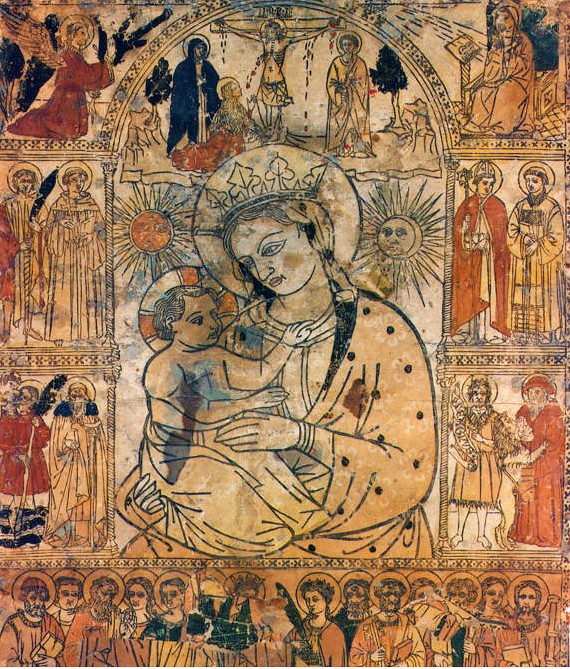
The best-known print in early times was certainly the miraculous woodcut of Forli in north-eastern Italy, which became famous as Our Lady of Fire, or Nostra Signora del Fuoco /Our Lady of the Fire. It is the subject of the earliest monograph on a printed picture, which also fixes the earliest date that can be attached to a surviving Italian print. This book is Giuliano Bezzi’s “Il Fuoco Trionfante,” printed in 1637 at Forli, between Florence and Ravenna and he speaks of the miracle remembered as Our Lady of Fire. “Around the year of our Lord 1420, in a pleasant house by the Cathedral at Forli, the devout and learned Lombardino Brussi of Ripetrosa imitated Christ among the disciples at Emmaus by breaking the bread of the fear of the Lord and of humane letters with school boys. Their household devotion turned to the Virgin. They ever began and ended their literary exercises by praising and praying to this great sovereign of the universe. They said their prayers before an image of Our Lady rudely printed from a woodblock on a paper about a foot square. Printing was then new and who knows if this may not have been the first print by the first printmaker? The simplicity of the image certainly matched the well-mannered scholar’s simplicity of heart. It showed and still shows, the most Blessed Virgin holding her Holy Infant and surrounded by saints like King Solomon by his guard. Above to the right and left shine the sun and the moon, luminously forecasting that the Virgin was to consecrate this paper with a power like the moon’s over water and the sun’s over fair weather.
The devotion to the Virgin had advanced these happy boys from easy letters to graver studies when, on 4 February 1428, fire broke out in the downstairs classroom. Whether it started by accident or by design, is not known but certain it is, that the outcome so glorified God and His Blessed Mother that fires nowadays cause joy where they burn! When this fire had feasted on the benches and cupboards of the school, it followed its nature to ascend and sprang at the sacred paper. In awe at the sight of the most holy image, the flames stopped and – wonder of wonders – like the blameless fingers of a loving hand, they detached it from the wall to which it was tacked. The fire thought the wall too base a support for so sublime a portrait and longed to uphold the heaven of that likeness, like the other heaven, on a blazing sphere. Above the flames raging in the closed room the unscorched image floated as on a throne. When the fire had consumed the ceiling beams it wafted out the revered leaf, not to burn but to exalt it. With this leaf on its back it flew to the second floor, to the third, to the roof, then through the roof and behold, the Virgin’s image burst above the wondrous pyre like a phoenix, triumphant and unconsumed! The miracle drew the eyes of all the populace and came to the ears of Monsignor Domenico Capranica, the Papal Legate, who carried the paper in a procession, accompanied by all the people, to the Cathedral of Santa Croce, where it was placed in a holy but simple chapel.”
The building burned to the ground but the image of Our Lady of Fire was not forgotten. Copies were made of the image and they could be found in every Christian home in the region. The original print itself, was the focus and centre of religious life in the town of Forli, which had been blessed to witness such a great miracle.
Martyrs of Perga – 4 saints: A group of shepherds martyred in the persecutions of Decius. The only details we have about them are the names – Claudian, Conon, Diodorus and Papias. They were martyred in c 250 in Perga, Asia Minor (in modern Turkey).
Thought for the Day – 3 February – Meditations with Antonio Cardinal Bacci (1881-1971)
Religion and Devotion
“Religion, should not be a cold, mehcanical practice of obedience to the commandments of God and the precepts of the Church. Deep spiritual devotion and supernatural charity are necessary, as well as religion. In other words, religion should not be merely external but, should spring from the mind and heart, this is devotion, which is the spirit of religion. “Devotion,” wites Aquinas, “seems to be the determination to give one’s self readily to the service of God” (Summa Theologiae, II-II, q 82, a 2, ad 1). But this determination should be loving and effective because, as St Thomas also observes, “charity generates devotion” (Summa Theologiae, II-II, q 82, a 2, ad 2).
St Francis de Sales analysed and expanded these ideas. “True and living devotion,” he writes, “presupposes the love of God – indeed, it really is a true love of God… but a love… which has reached that height of perfection at which it not only causes us to act but, to act zealously, frequently and promptly…” (Introduction to the Devout Life, Bk I, C 1). He continues: “Since devotion consists in an unique degree of charity, it not only makes us prompt, active and zealous in the observance of all the divine commands but, incites us, furthermore, to perform readily and lovingly, as many good works as we can… even if they are only recommended or suggested” (Ibid). From this solid and sincere devotion flows, that taste for divine things, that inner gentleness and peace of spirit which the Saints enjoyed, even in the midst of sorrow and disillusionment. It is the spontaneous homage of the mind and heart, that God wants most of all.”
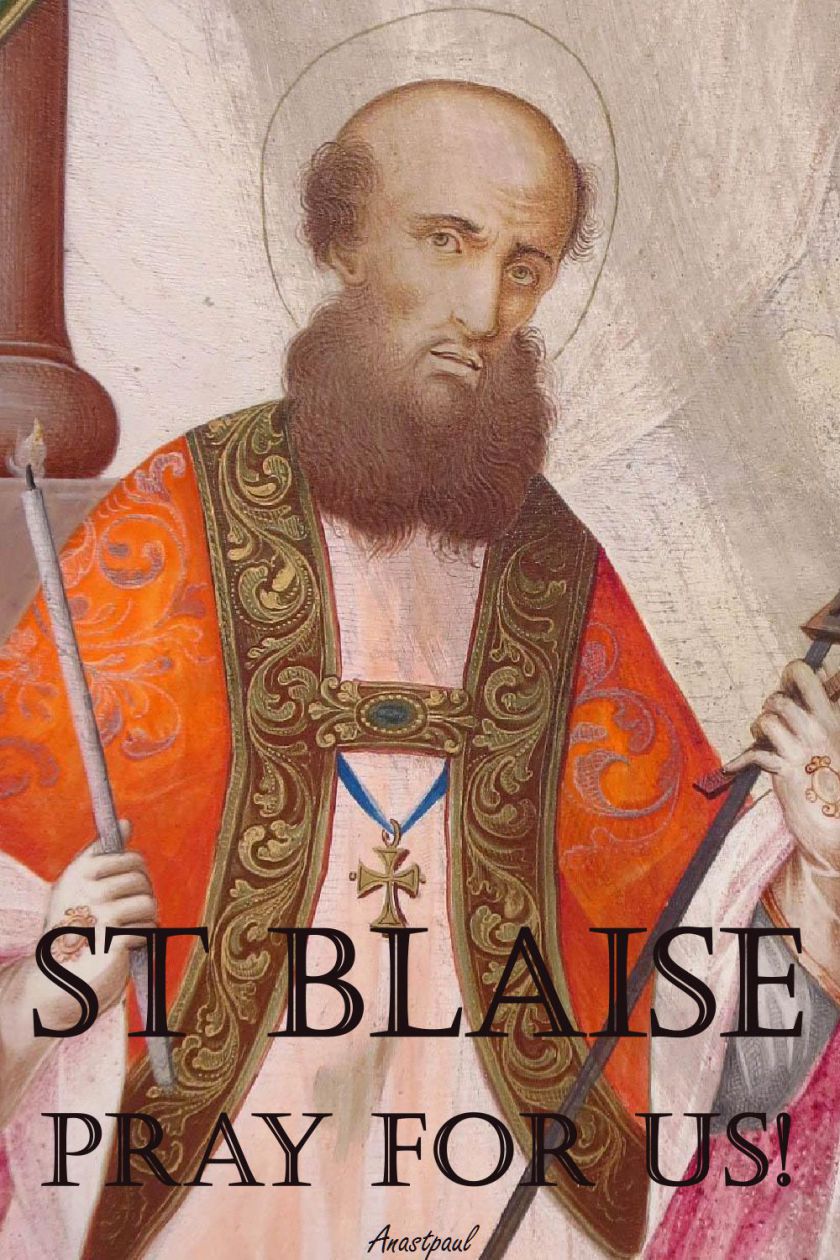
Quote of the Day – 3 February – The Memorial of St Blaise Bishop Martyr (Died c 316)
The Blessing of the Throats is a Sacramental of the Church, ordinarily celebrated today, the Feast day of Saint Blaise.
Saint Blase was, according to various accounts, a Physician before becoming a Bishop. His cult spread throughout the entire Church in the Middle Ages because he miraculously cured a little boy who nearly died due to a fishbone in his throat. From the eighth century he has been invoked on behalf of the sick, especially those afflicted with illnesses of the throat.
If the Blessing is conferred during Mass, the Blessing follows the homily and general intercessions, or, for pastoral reasons, the Prayer of Blessing may take the place of the final Blessing of the Mass. When the Blessing is given outside Mass, it is preceded by a brief celebration of the Word of God. If the Blessing is to be celebrated at Morning Prayer or Evening Prayer, it is given after the Reading and Responsory (and homily) and before the Gospel Canticle.
The Blessing may be given by touching the throat of each person with two candles which have been Blessed yesterday, on the Feast of the Purification of the Blessed Virgin. The candles are held together in the form of a Cross.
THE BLESSING of ST BLAISE
Through the intercession of Saint Blaise, Bishop and Martyr, may God deliver you from ailments of the throat and from every other evil. In the name of the Father and of the Son and of the Holy Spirit. Amen
“What is the wisdom given to him? How are such mighty works done by his hands?” – Mark 6:2
REFLECTION – “The Father sent the Word to appear to the world, who was dishonoured by His people, preached through Apostles and believed in by pagan nations. It is He who was from the beginning (Jn 1:1), who appeared new and proved to be old and is ever born young in the hearts of saints. He is the eternal, today counted a son (Ps 2:7). Through Him the Church is enriched and grace unfolding is multiplied in the saints, affording understanding, revealing secrets mysteries, making them understand the signs of the times, rejoicing over the faithful, given to those who seek for it, by whom pledges of faith are not broken and the boundaries set by the Fathers are not passed over. Then the fear of the law is praised in song and the grace announced by the prophets is learned and the faith of the gospels is established and what has been handed down from the Apostles is guarded and the Grace of the Church exults for joy. If you do not offend this Grace, you will learn what the Word talks about, through those through whom He wishes to talk, when He pleases … Draw near, then and listen earnestly to them and you will know what God bestows on those who truly love Him, who become a garden of delight, causing to grow in themselves a thriving tree bearing all kinds of rich fruits. For in this place are planted the tree of knowledge and the tree of life (Gn 2:9) … Let your mind be knowledge and the Word of truth become your life. If this tree grows in you and, if you ardently long for its fruit, you will always gather the vintage of God’s best gifts.” – A Letter to Diognetus (c 130) – 11, 3-7; 12, 1-2 and 7-8;
PRAYER – Lord our God, make us love You above all things and all our fellow-men, with a love that is worthy of You. May we look to Your Divine Son in love and imitation. Grant too, that by the prayers of St Blaise, we too may be granted the grace to follow Your only Son, no matter our sufferings, to one day reachYou, in our heavenly home. We make our prayer, through Christ our Lord, in the unity of the Holy Spirit, one God, forever amen.
Lord, for Tomorrow and its Needs By Sister Mary Xavier (1877)
Lord, for tomorrow and its needs I do not pray; keep me, my God, from stain of sin, just for today. Let me both diligently work and duly pray; let me be kind in word and deed, just for today. Let me no wrong or idle word unthinking say; set thou a seal upon my lips, just for today. And if today my tide of life should ebb away, give me Thy sacraments divine, sweet Lord, today. So, for tomorrow and its needs I do not pray but keep me, guide me, love me, Lord, just for today.
Saint of the Day – 3 February – Blessed John Nelson SJ (1535-1578) Priest Martyr, English Jesuit Martyr who was executed during the reign of Elizabeth I. Born in 1534 at Skelton, Yorkshire, England and died by being hung, drawn and quartered on 3 February 1578 at Tyburn, London England. Additional Memorial 29 October as one of the Martyrs of Douai.
John Nelson was born in Yorkshire in 1535 and was the son of Sir Nicholas Nelson. He was known for his intense practice of the faith and never feared to practice Catholicism openly although Queen Elizabeth’s government was unfavourable to Catholics and spies abounded. John was convinced that it was only by the shedding of blood that England could again be restored to the faith and driven by this firm conviction, at the age of 40, he left for Flanders and studied at the English college at Douai. He was delighted when his younger brothers, Martin and Thomas, followed him to Douai in 1574 and 1575 respectively. John was Ordained a Priest in 1576 at Bynche and 5 months later, he and 4 other newly Ordained Priests, left the continent for their native land England.
Fr Nelson spent only 1 year in his Priestly ministry and was forced to celebrate Mass secretly in Catholic households. On 1 December 1577, as he was reading his Breviary in the evening at his London residence, Priest-hunters surprised him and arrested him on suspicion of him being a Catholic Priest. He was brought to London’s Newgate Prison. A week after he was arrested, he was taken before the Queen’s High Commissioners but he adamantly refused to recognise the Queen’s authority over the Church. When asked who then was the Head of the Church, he unequivocally answered, that it was the Pope. He also boldly declared, when asked of the Queen’s position, that she was a schismatic, a heretic and that the religion practiced in England was of her own making. At his trial, he repeated the same remarks and because he refused to take the oath acknowledging the Queen’s supremacy in religious matters, he was found guilty of High Treason and condemned to be hanged, drawn and quartered as a traitor.
Fr Nelson spent the last two days of his life in a dark, damp, vermin-infested dungeon where he spent his time fasting, praying and preparing for death. On his execution day, 3 February 1578, he refused to see several Protestant ministers, after meeting with family members. When asked to beg pardon of the Queen, he responded, “I will ask no pardon of her, for I have never offended her.” He was then dragged to Tyburn for execution. Just before he was hanged, Fr Nelson asked the Catholics present to pray with him and aloud he recited the Creed, the Our Father and the Hail Mary, all in Latin. He then encouraged the bystanders to remain steadfast in their faith, asked forgiveness of all whom he might have offended and beseeched God to forgive his enemies and executioners. Just as he was finishing these words he was hanged. He was cut down while still alive to make him further suffer disembowelment. His severed head was then displayed on London’s Bridge and portions of his body exhibited at each of the city’s four gates.
Fr Nelson had been an admirer of the Jesuits since he had met them in France and as there was no Jesuit mission in England until 1580, 2 years after his death, he had written to the French Jesuits during his imprisonment for permission to be admitted to the Society. The Jesuits were happy to accept him, especially one about to be Martyred for Christ.
Fr John Nelson was Beatified by Pope Leo XIII on 9 December 1886, togetherWITH other Jesuit martyrs of England and Wales.
Outside of Palestine one of the most famous sanctuaries of the Mother of God in the Levant, is a Convent of Orthodox nuns, – Dair as-Sagura, located within the walls of an ancient fortress on a hill near Damascus. It is thought to be the site where Abel, the murdered brother of Cain, is buried and, is also the site of one of the world’s most ancient Monasteries.
Saidnaya, (or Saydnaya or Sednaya), is a city located in a mountainous region of Syria about 17 miles north of Damascus. The word Saidnaya means “Our Lady” and refers to a famous icon of the Virgin Mother of God that is still kept in the main Church. The origin of the Shrine of Our Lady of Saideneida goes back to a time long before the separation of the Orthodox Church from Old Rome. In fact, there is a tradition, that associates the Shrine to at least the time of the Roman Emperor Justinian I (died 565). According to this tradition, the Roman Emperor Justininian I was leading his army through the desert in modern day Syria. His army was suffering greatly from a lack of water and was near despair, when the Emperor saw a beautiful gazelle in the distance. Justinian chased the animal, which came to a rocky knoll where there was a spring of fresh water. He was preparing to shoot the animal when it suddenly transformed into an icon of the Mother of God which shone with a heavenly light. A voice could be heard to say, “No, thou shalt not kill me, Justinian but thou shalt build a Church for me here on this hill.” The light then faded and the beautiful figure disappeared. The water from the spring saved his army and Justinian told his commanders what he had seen. He ordered them to draw up the plans for the Church Our Lady had requested. The architects complained of insurmountable problems and the Blessed Virgin appeared to the Emperor in a dream and gave him the plan for the Church and convent, of which she herself would be the protectress. The project was completed on the Feast of Our Lady’s nativity.
Mosaic depiction of Mary ordering Justinian not to kill her but to build a church on the rock in the background, after having first appeared to him as a gazelle. The scroll she holds reads: “No, thou shalt not kill me, Justinian but thou shalt build a Church for me, here, on this rock.”
Once constructed, the convent became so renowned that it was second only to Jerusalem as a site of pilgrimage. The icon, called Our Lady of Saideneida and attributed to St Luke, was said to have been brought to its home in the year 870 from Jerusalem. The holy Abbess of the convent, a woman named Marina, spoke to a Greek pilgrim named Theodore who had stopped at the convent for rest on his pilgrimage to the Holy Land. Since he was on his way to Jerusalem, the holy abbess Marina asked Theodore to purchase an icon of the Blessed Virgin in the Holy City and bring it back to the convent. The hermit, once in Jerusalem, forgot about the Abbess’s request and began making his way home, when he was stopped by a voice which asked, “Have you not forgotten something in Jerusalem? What have you done in regard to the commission from the Abbess Marina?” Theodore turned back and purchased a beautiful icon of the Theotokos that he knew would be acceptable to the Abbess. His journey back to the convent was fraught with difficulties, as he and his companions were set upon by bandits and suffered the attack of wild beasts. The hermit turned to the Blessed Virgin in all these dangers, invoking her intercession as he prayed before the icon. Despite all the attacks and violence, all those in the caravan were miraculously saved from every danger through the aid of the Mother of God.
The hermit Theodore, was convinced of the powerful aid of the icon and was tempted to keep it for himself. He decided to return home by another route to avoid the Abbess and Saideneida completely. He paid to take ship but the vessel encountered such a furious storm that they were forced to turn back rather than be lost. Repenting of his error, he returned to the road he had taken and made his way back to Saideneida. Once back at the convent, the days passed and he found that he did not want to part with the icon. He lied to the Abbess, telling her he had not purchased the icon she had requested and planned to depart from the convent in secret rather than face the disappointed abbess again. Moving in the darkness the following morning, the hermit made his way soundlessly to the gate so as to begin his trek back to his homeland. As he attempted to pass through the convent gate, however, there was an invisible power that would not allow him to pass. It was as if he were trying to walk through a wall of solid stone, though nothing could be seen that barred his way. When he realised that he would not be able to leave the convent, he turned back and faced the Abbess, admitting to her that he had lied and had intended to keep the icon for himself. With tears of gratitude, the Abbess Marina gave glory to God and His Holy Mother and the icon found its home. That same icon, known as the Shaghoura, meaning “the illustrious,” is kept in a pilgrimage Shrine that is separate from the rest of the chapel. It is hidden in an ornate niche with silver doors. Childless couples especially and pilgrims seeking miracles of cures, still come seeking the Blessed Virgin’s intercession. The Shrine was formerly well known in the West, where from about 1200 it was popularised by the stories of miracles and miraculous cures. A German chronicler, during the ages of the crusades, wrote of his pilgrimage to the convent and spoke of the special properties of a miraculous, holy oil that was emitted from the icon. It was believed, that the oil could cure the sick and Templar knights, especially, would go to the Shrine to obtain the holy oil for their Churches. Interestingly, not only Catholics but also Moslems go to the Shrine as pilgrims. It is remembered, that a sultan, in thanksgiving for a prayer answered through the icon, set a lamp to burn perpetually before the image of Our Lady. The Middle Ages were certainly a time of faith and there were many images of Our Lord, the Blessed Virgin and various Saints that were produced for the edification of the people. Inflamed with a true zeal for the faith and anxious to give glory to God, there were many Shrines all over Europe, many of which are now long forgotten in our age when the world struggles mightily to extinguish the Light of Christ.
Bl Alois Andritzki St Anatolius of Salins St Ansgar OSB (801-865) “Apostle of the North”, Bishop Biography: https://anastpaul.com/2019/02/03/saint-of-the-day-3-february-saint-ansgar-osb-801-865-apostle-of-the-north/ St Anna the Prophetess St Berlinda of Meerbeke St Blasius of Armentarius St Blasius of Oreto St Caellainn St Celerinus of Carthage St Claudine Thevenet St Clerina of Carthage St Deodatus of Lagny St Eutichio St Evantius of Vienne St Felix of Africa St Felix of Lyons St Hadelin of Chelles Bl Helena Stollenwerk Bl Helinand of Pronleroy St Hippolytus of Africa St Ia of Cornwall St Ignatius of Africa Bl Iustus Takayama Ukon Blessed John Nelson SJ (1535-1578) Priest Martyr Bl John Zakoly St Laurentinus of Carthage St Laurentius of Carthage St Lawrence the Illuminator St Liafdag St Lupicinus of Lyon St Margaret of England Bl Marie Rivier St Oliver of Ancona St Philip of Vienne St Remedius of Gap St Sempronius of Africa St Tigrides St Werburga of Bardney St Werburga of Chester — Benedictine Martyrs: A collective memorial of all members of the Benedictine Order who have died as martyrs for the faith.
Thought for the Day – 2 February – Meditations with Antonio Cardinal Bacci (1881-1971)
The Purification of Our Lady
“Today, the Church commemorates the Presentatio of the Child Jesus in the temple ad the Purification of the Blessed Virgin Mary. These ceremonies were carried out, in order to comply with a twofold Mosaic law. One part of this law referred to women who had become mothers; the other pat was concerned with first-born male children. According to the first law, a mother was officially regarded as impure for forty days after she had given birth to a child. When this period was over, she had to present herself in the temple and make an offering of a lamb and a turtledove. If she were poor, she could substitute a second young pigeon for the lamb (Cf Lev 12). The second law (Cf Es 13:2, 34:19; Num 8:16; Lev 27:26) commanded the mother to offer and consecrate to God, her first-born son. She was to do this in memory of the miracle in Egypt when the Angel of God destroyed all the first-born sons of the people of the country and spared those of the Israelites. In later times, when the ritual worship of God became the special obligation of the tribe of Levi, the first-born sons of the other tribes, had to be presented in the temple and bought back by an offering.
It is quite clear, that Jesus and Mary were not bound by this twofold law. But they voluntarily subjected themselves to it, in order to give an example of humility and obedience.”
Quote/s of the Day – 2 February – The Feast of the Purification of the Blessed Virgin and the Presentation of the Lord
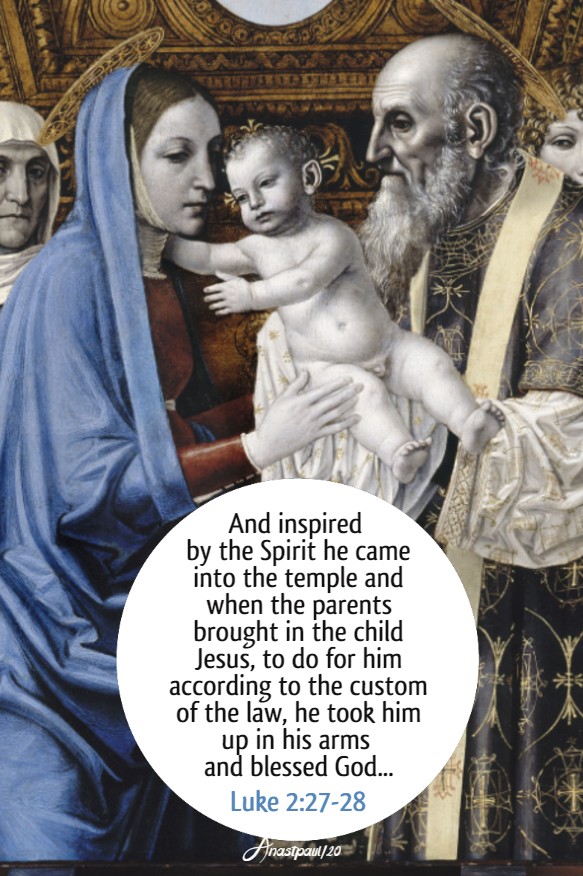
“And inspired by the Spirit he came into the temple and when the parents brought in the child Jesus, to do for him according to the custom of the law, he took him up in his arms and blessed God ..…”
Luke 2:27-28
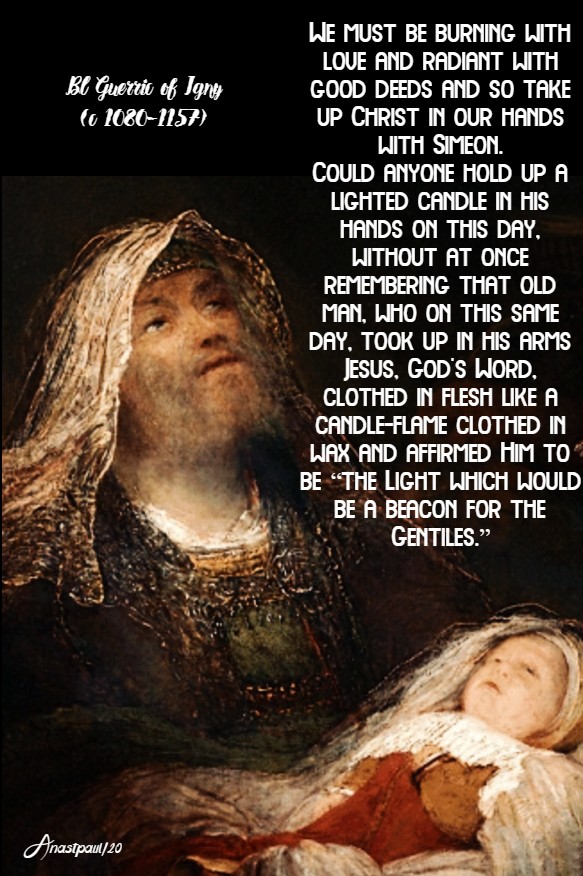
“We must be burning with love and radiant with good deeds and so take up Christ in our hands with Simeon. Could anyone hold up a lighted candle in his hands on this day, without at once remembering that old man, who on this same day, took up in his arms Jesus, God’s Word, clothed in flesh like a candle-flame clothed in wax and affirmed Him to be “the Light which would be a beacon for the Gentiles.”
Bl Guerric of Igny O.Cist (c 1080-1157)
“She, the holy Mother of God, must go to the Temple like other Hebrew mothers, as though she had lost something, which needed restoring by a legal sacrifice. He, that is the Son of God and Son of Man, must be treated in all things, as though He were a servant and be ransomed in common. with the poorest Jewish boy. Mary adores the will of God and embraces it with her whole heart. … She was in the Temple of Jerusalem, what she was in the house of Nazareth, when she received the Archangel’s visit; she was the Handmaid of the Lord.”
Servant of God Abbot Prosper Guéranger (1805-1875)
One Minute Reflection – 2 February – The Feast of the Purification of the Blessed Virgin and the Presentation of the Lord, Readings: Malachi 3:1-4, Psalm 24:7-10, Hebrew 2:14-18, Luke 2:22-40
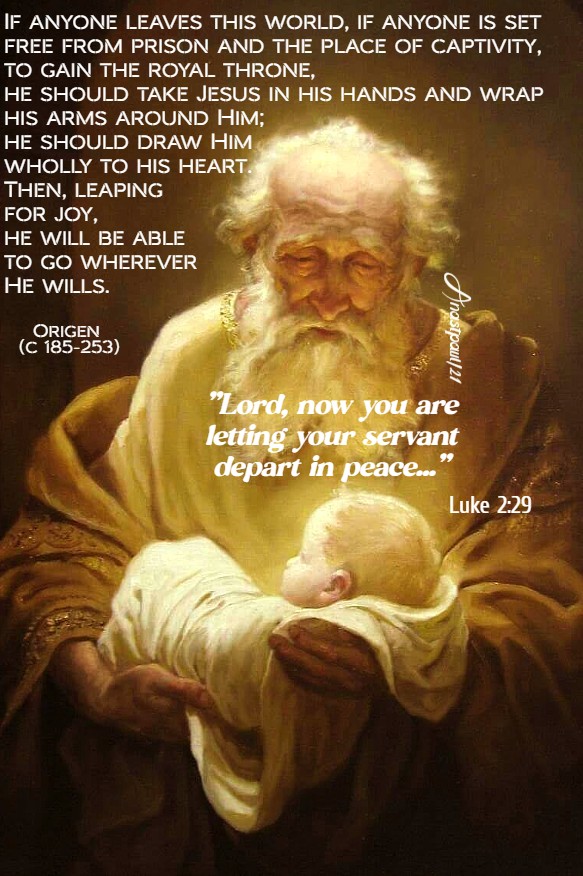
“Lord, now you are letting your servant depart in peace …” Luke 2:29
REFLECTION – “A woman touched the tassel on Jesus’ cloak and she was cured.” (cf. Mt 9:20). If this woman gained so many benefits from touching the border of His cloak, what are we to think of Simeon who “took the child in his arms” and, holding him, gave himself up to rejoicing as he perceived, that he was carrying the Child who had come to “proclaim liberty to captives” (Lk 4:18) and that he himself, was about to be set free from the constraints of the body? He recognised, that no one could release someone from the prison-house of the body, in hope of the life to come, except He whom he held in his arms. And it was to Him that he spoke, saying: “Now, Master, you may let your servant go in peace. For so long as I was not holding Christ, so long as I was not cradling Him in my arms, I was held fast and unable to escape from my bonds.”
Moreover, not Simeon alone but the whole human race, is to be understood by these words. If anyone leaves this world, if anyone is set free from prison and the place of captivity, to gain the royal throne, he should take Jesus in his hands and wrap his arms around Him; he should draw Him wholly to his heart. Then, leaping for joy, he will be able to go wherever He wills.” – Origen (c 185-253) Priest and Theologian, Father of the Church – Homilies on Saint Luke’s Gospel, no 15
PRAYER – O Light of All the Earth! Prayer, Morning Hymn for the Feast of the Presentation Liturgy of the Hours
Hail to the Lord who comes, comes to His temple gate, not with His angel host, not in His kingly state.
But borne upon the throne of Mary’s gentle breast, thus to His Father’s house He comes, the heavenly guest.
There Joseph at her side, in reverent wonder stands and, filled with holy joy, old Simeon in his hands, takes up the promised Child, the glory of all lands.
The world’s true light draws near, All darkness to dispel, the flame of faith is lit and dies the power of hell.
Our bodies and our souls, are temples now for Him, for we are are born of grace – God lights our souls within.
O Light of all the earth! We light our lives with Thee, the chains of darkness gone, all sons of God are free.
Our Morning Offering – 2 February – The Feast of the Purification of the Blessed Virgin and the Presentation of the Lord in the Temple
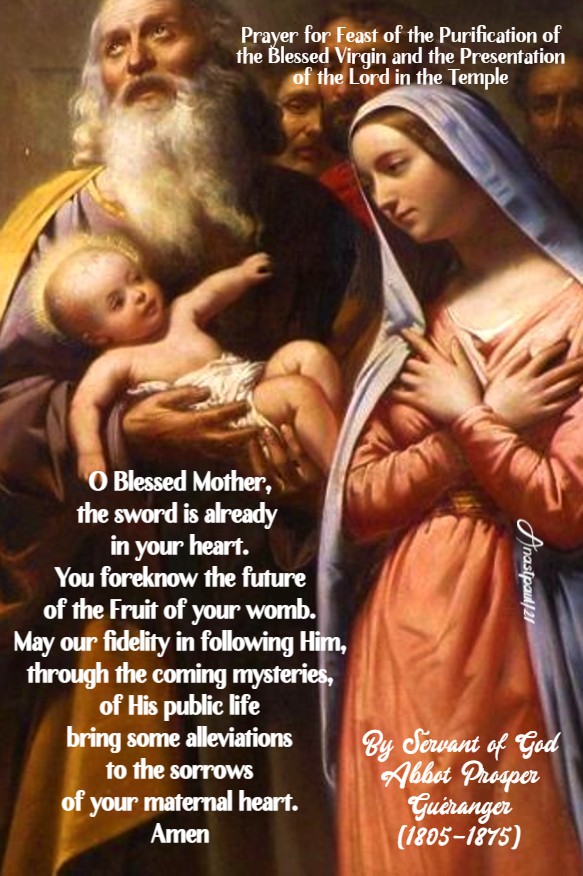
Prayer for the Feast By Servant of God Abbot Prosper Guéranger OSB (1805-1875)
O Blessed Mother, the sword is already in your heart. You foreknow the future of the Fruit of your womb. May our fidelity in following Him, through the coming mysteries, of His public life bring some alleviations to the sorrows of your maternal heart. Amen
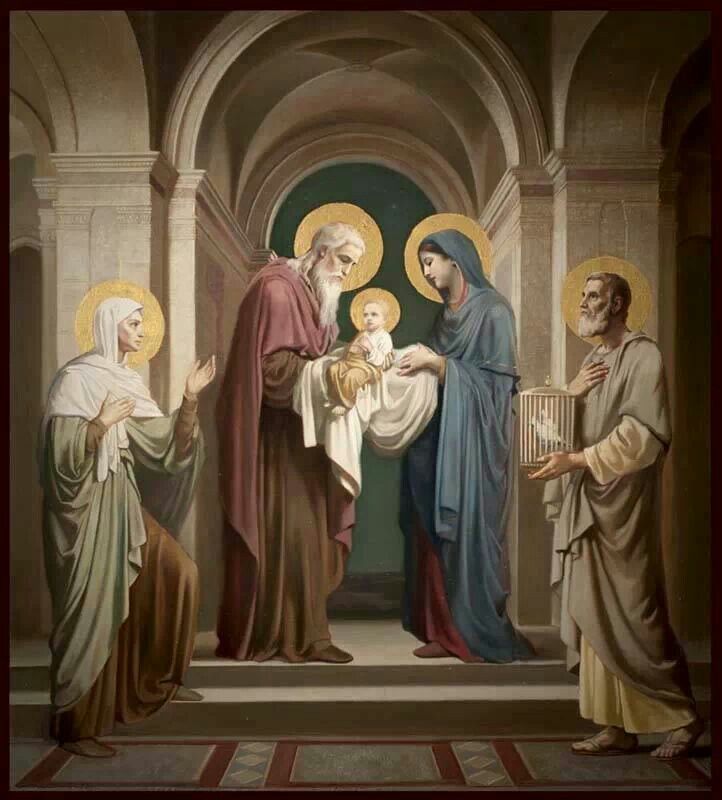
Feast of the Purification of Our Lady, the Presentation of Our Lord in the Temple – Candlemas Day – 2 February
Master of Saint Severin c 1490
Besides commemorating the Presentation of Christ in the Temple, this day has another meaning, for it is called Candlemas Day. The candle is one of the most widely used sacramentals in the Church; one blessed in a special Mass.
We use candles at Baptism, at Mass and other church devotions, at the Ordination of a Priest, the Consecration of a Bishop, at Easter, at Christmas to signify the coming of Christ. Two blessed candles should be in every home, to use in times of sickness, death, storms and calamities.
In the blessing of candles, the Church reminds us, that the candles signify light; they are blessed for the service of mankind, for health of body and soul, for those who desire to carry them in their hands with honour. Christ, the true Light and Fire of Charity, is asked to bless these candle,; to dispel the darkness of night, to free us from the blindness of vice and to discern what is pleasing to Him and profitable for our salvation.
On the Feast of Mary’s Purification, we greet her with lighted candles – shining with faith and understanding, burning with love and zeal, as Sion welcomed Christ the King; today we go to Christ through Mary, to Christ, the new Light that gives Faith, Hope and Charity to us all.
The two-fold Jewish rites, to which the Holy Family submitted on this occasion, were the legal purifying of the mother after childbirth and the offering of the first-born male child to the Lord. They showed reverence for the Father’s Law, by fulfilling its obligations and so, the Mother submitted to the Purification in all humility.
Angels beheld in wondering awe, what was the greatest event the Temple had ever witnessed. It was nothing less than the second coming of the Lord to His Temple, which the prophets had foretold. At the Presentation, God the Son made Man, took possession of the Temple built for His Father’s glory and so, ratified the worship which is offered to God in sacred courts, churches.
This simple ceremony is the link between the mystery of the Incarnation and the Redemption; here the Saviour renews the oblation of Himself; “Sacrifice and oblation Thou wouldst not but a body Thou hast fitted to me. Then, I said: “Behold, I come: in the head of the book it is written of me, that I should do Thy will, O God.”
Jesus really begins His Passion in this mystery of the Presentation and so, too, Mary begins her dolors. It is by Mary’s hands, that Jesus makes the oblation, which is the prelude to His Sacrifice. We honour the Presentation among the Joyful Mysteries but it is also, first in place among Mary’s Sorrows.
Simeon enlightened by the Holy Spirit, understood the mystery and so, too, did Mary. After his first transports of joy at seeing the Messiah, he blessed them and said to His Mother, “Behold this Child is set for the fall and the resurrection of many in Israel and for a sign which shall be contradicted and thy own soul, a sword shall pierce, that out of many hearts, thoughts may be revealed.”
This prophecy reminds us, that Mary is always to be associated with the destiny of Jesus, the one solitary partner of His lot, singled out to suffer with Him. Heresies that pierced the Son have trans-pierced the Mother. The early Church guarded the doctrines of Jesus by defining Mary’s titles; today, those who repudiate the honour of Mary, turn from the Son also; in the mind of satan as in the mind of the Church, the honour of Son and Mother go together.
The Church of Jerusalem was the first to celebrate this Feast. On this day, also, a procession was held to the Constantinian basilica. The Armenians still keep the day on 14 February and call it “The Coming of the Son of God into the Temple.” The Greeks called it “Hypapante” the meeting of the Child Jesus and His Mother with Simeon and Anna in to Temple.
This Feast reminds us how intimately Mary is associated with her Son in the work of Redemption. We welcome Her Child to our hearts with love and faith, we bless the Mother, too, for she had “not spared her life by reason of the distress and tribulation of her people but has prevented our ruin, in the presence of our God.”
Saint of the Day – 2 February – Blessed Peter Cambiano OP (1320-1365) Priest and Friar of the Order of Preachers (the Dominicans) and Martyr, Confessor, renowned Preacher calling many to conversion by his holy zeal and the power of his words. Born in 1320 in Chieri, Piedmont, Italy and died by being stabbed to death with daggers on 2 February 1365 by Waldensian heretics outside the Franciscan friary of Susa, Italy. He is also known as – Pietro de Ruffi, Peter of Ruffia, Peter Cambiani, Pietro Cambiano av Ruffi. Additional Memorial – 7 November (Dominicans).
Peter Cambiano was born in Chieri, in Piedmont, in 1320. Peter’s father was a City Councillor, his mother was from a noble family and the boy was raised in a pious household. He received a good education and was drawn early to religious life, with a personal devotion to Our Lady of the Rosary and was thus attracted to the Dominican Order.
He joined the Dominicans in Piedmont, Italy at age 16. He continued his studies and was ordained at age 25 and was a noted preacher throughout northern Italy. Among his talents, it is said, that he had a loud clear voice, which was very useful at that time when he had to preach in the open air. He received an appropriate formation that allowed him to be prepared for controversy with the Waldensians, a heretic sect spread in northern Italy.
The inquisition had been set up to deal with those people in Lombardy before the death of St Peter Martyr, a century before. So well did young Peter carry out the work of preaching among them, that the Order sent him to Rome to obtain a higher degree. The Pope, impressed by his talents and his family name, appointed him Inquisitor General in Piedmont.
In January 1365, Peter and two Dominican brothers went on a preaching mission through the mountains between Italy and Switzerland, working from the Franciscan Friary at Susa, Italy.
Peter’s preaching brought many back to the faith, which earned him the anger of the Waldensians. Three of the heretics came to the Friary, asked to see Peter and then murdered him at the gate.
He was buried at the Franciscan Friary, as it was considered unsafe to transport his body through the hostile heretical territory. His relics were translated to the Dominican house in Turin, Italy in 1517, after the Franciscan Friary was destroyed by an invading army.
Peter was Beatified on 4 December 1856 by Pope Pius IX (cultus confirmation).
Loving God, in Your mercy You bestowed the crown of Martyrdom on Blessed Peter for his defence of the true faith. Help us by his prayers to please You by a faith that is manifested through charity. We ask this through our Lord Jesus Christ, Your Son, who lives and reigns with You and the Holy Spirit, one God, forever and ever. Amen (General Calendar of the Order of Preachers)
Feast of the Purification of the Blessed Virgin and the Presentation of the Lord – also known as Candlemas – 2 February: The feast commemorates the purifying of the Blessed Virgin according to the Mosaic Law, 40 days after the birth of Christ and the presentation of the Infant Jesus in the Temple. The feast was introduced into the Eastern Empire by Emperor Justinian I and is mentioned in the Western Church in the Gelasian Sacramentary of the 7th century. Candles are blessed on that day in commemoration of the words of Holy Simeon concerning Christ “a light to the revelation of the Gentiles” (Luke 2) and a procession with lighted candles is held in the church to represent the entry of Christ, the Light of the World, into the Temple of Jerusalem. “Candlemas” is still the name in Scotland for a legal term-day on which interest and rents are payable (2 February). Patronages – Jaro, Philippines, Western Visayas, Philippines.
Our Lady of the Candles – (formally known as Nuestra Señora de la Purificación y la Candelaria) is a Marian title and image venerated by Filipino Catholics. The image, which is enshrined on the balcony of Jaro Cathedral, is known as the patroness of Jaro District of Iloilo City and the whole of the Western Visayas. The feast day of Our Lady of the Candles is on Candlemas (2 February) and is celebrated in Iloilo City with a Solemn Pontifical Mass presided by the Archbishop of Jaro.
St Adalbald of Ostrevant St Adeloga of Kitzingen St Agathodoros of Tyana St Andrea Carlo Ferrari St Apronian the Executioner St Bruno of Ebsdorf St Burchard of Wurzburg St St Candidus the Martyr St Columbanus of Ghent St Cornelius the Centurion St Felician the Martyr St Feock St Firmus of Rome St Flosculus of Orléans St Fortunatus the Martyr St Hilarus the Martyr St Jeanne de Lestonnac St Lawrence of Canterbury Bl Louis Alexander Alphonse Brisson Blessed Maria Domenica Mantovani (1862-1934) Her Life: https://anastpaul.com/2020/02/02/saint-of-the-day-2-february-blessed-maria-domenica-mantovani-1862-1934/ St Marquard of Hildesheim St Mun Blessed Peter Cambiano OP (1320-1365) Priest and Martyr St Rogatus the Martyr St Saturninus the Martyr St Sicharia of Orleans St Simon of Cassia Fidati Bl Stephen Bellesini St Theodoric of Ninden St Victoria the Martyr — Martyrs of Ebsdorf: Members of the army of King Louis III of France under the leadership of Duke Saint Bruno of Ebsdorf. The martyrs died fighting invading pagan Norsemen, and defending the local Christian population. Four bishops, including Saint Marquard of Hildesheim and Saint Theodoric of Ninden, eleven nobles, and countless unnamed foot soldiers died repelling the invaders. They were martyred in the winter of 880 in battle at Luneberg Heath and Ebsdorf, Saxony (modern Germany).
Thought for the Day – 1 February – Meditations with Antonio Cardinal Bacci (1881-1971)
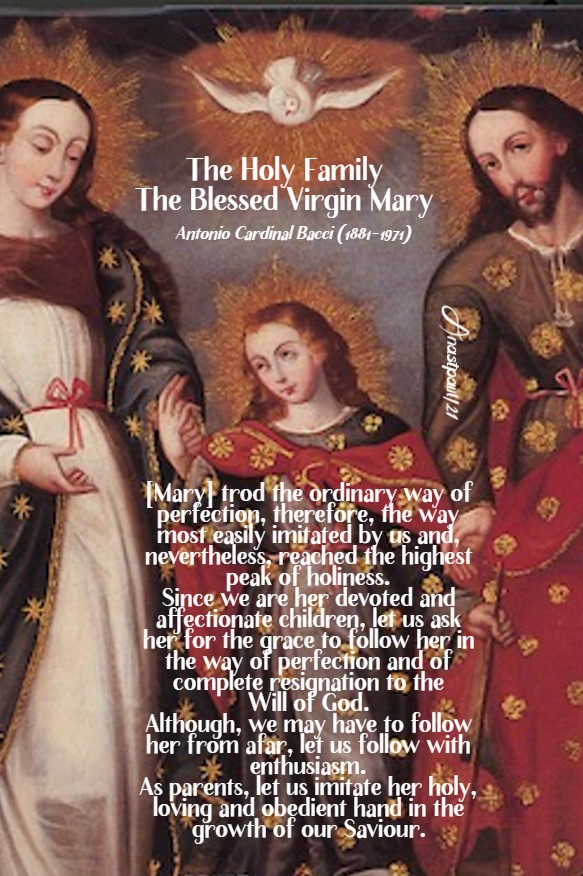
The Holy Family – The Blessed Virgin Mary
“The Blessed Vigin Mary is the second model proposed for our imitation in the Holy Family. She is the purest and most beautiful creature ever fashioned by the Hand of God. As Mother of the Word Incarnate, her dignity touches the divine. Peserved from all stain of sin from the moment of her conception, she is full of grace. Except in God Himself, no greater beauty and holiness can be found elsewhere, than in Mary.
We do not read that Mary worked miracles, had ecstasies, or possessed any extraordinary external gifts. Her sanctity was completely internal. She trod the ordinary way of perfection, therefore, the way most easily imitated by us and, nevertheless, reached the highest peak of holiness. Since we are her devoted and affectionate children, let us ask her for the grace to follow her in the way of perfection and of complete resignation to the Will of God. Although, we may have to follow her from afar, let us follow with enthusiasm. As parents, let us imitate her holy, loving and obedient hand in the growth of our Saviour.”
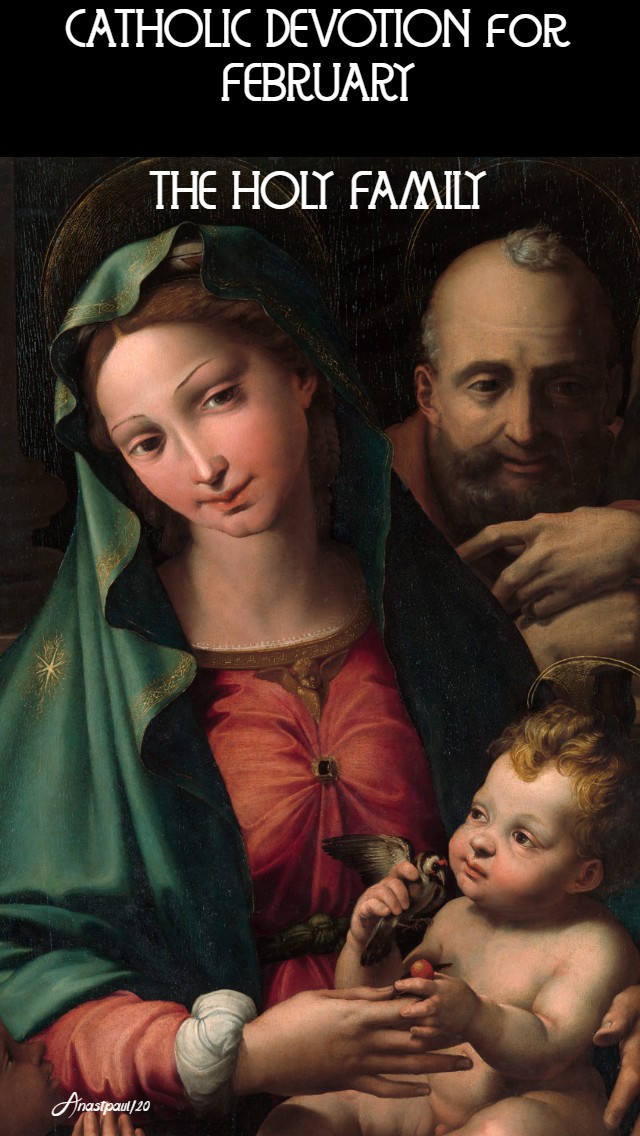
Quote/s of the Day – 1 February – “Month of the Holy Family of Nazareth”
“Thus, parents, I say, are more vicious, more cruel than child-murderers; for, a murderer of children, as Herod was, separates only the body from the soul; while the others, give the souls and bodies of their children to eternal flames! Further, those who are killed would have died in the course of time, though they had not been murdered; while children, neglected by their parents, might have avoided eternal death, had not the wickedness of their parents prepared it for them. Besides this, the general resurrection would have compensated for the bodily death, while the death and destruction of the soul, nothing can restore. A child, condemned by the parent’s fault, has no hope of salvation but has to suffer eternal pains. Hence I am right in saying, that such parents are worse than child-murderers.”
St John Chrysostom (347-407) Father & Doctor
“We become what we love and who we love, shapes what we become.”
St Clare of Assisi (1194-1253)
“On the journey of this life to eternity, let me carry You in my heart, following Mary’s example, who bore You in her arms, during the flight to Egypt.”
St Alphonsus Maria de Liguori (1696-1787) Bishop and Doctor of the Church
“To hand onto your children. the faith you received from your parents, is your first duty and your greatest privilege as parents. The home should be the first school of religion, as it must be the first school of prayer.”
Bl Louise-Thérèse de Montaignac de Chauvance (1820-1885) “Apostle of the Sacred Heart”
“The family is the basis in the Lord’s plan and all the forces of evil aim to demolish it. Uphold your families and guard them against the grudges of the evil one, by the Presence of God.”
St Charbel Makhlouf OLM (1828-1898)
“ … The family is not made for society; rather, it is society, which is made for the family.”
“God did not create a human family made up of segregated, dissociated, mutually independent members. No; He would have them all united by the bond of total love of Him and consequent self-dedication to assisting each other to maintain that bond intact.”
“There is no surer means of calling down God’s blessing upon the family, than the daily recitation of the Rosary.”
Do we not need to honour and imitate the Holy Family in today’s culture and society which attacks families in so many ways? We know why, too. Back in 1981 Sister Lucia of Fatima wrote to Cardinal Carlo Caffarra who was commissioned to establish the Pontifical Institute for Studies on Marriage and Family. In 2008 he revealed the dire warning she gave him in that letter, which turned out to be true, as proven by the events we have seen rapidly unfolding in the world.
Lucia wrote, “The final battle between the Lord and the kingdom of Satan will be about Marriage and the Family. Do not be afraid…because, whoever works for the sanctity of Marriage and the Family, will always be fought against and opposed, in every way because this is the decisive issue.”
“In our day the very foundations of family life have been shaken by the failure of so many marriages. For this reason the devotion to the Holy Family of Nazareth takes on a new meaning and a new importance. The modern family must again be rejuvenated and filled with the spirit of the Holy Family of Nazareth. It must recapture the spirit of faith, the spirit of subjection to the will of God. It is for this intention that we should offer our prayers and sacrifices during the month.” — The Light of the World by Benedict Baur, OSB.
Prayer for the Protection of the Holy Family
Grant unto us, Lord Jesus, ever to follow the example of Your Holy Family, that in the hour of our death Your glorious Virgin Mother together with blessed Joseph may come to meet us and we may be worthily, received by You into everlasting dwellings, who lives and reigns, world without end. Amen
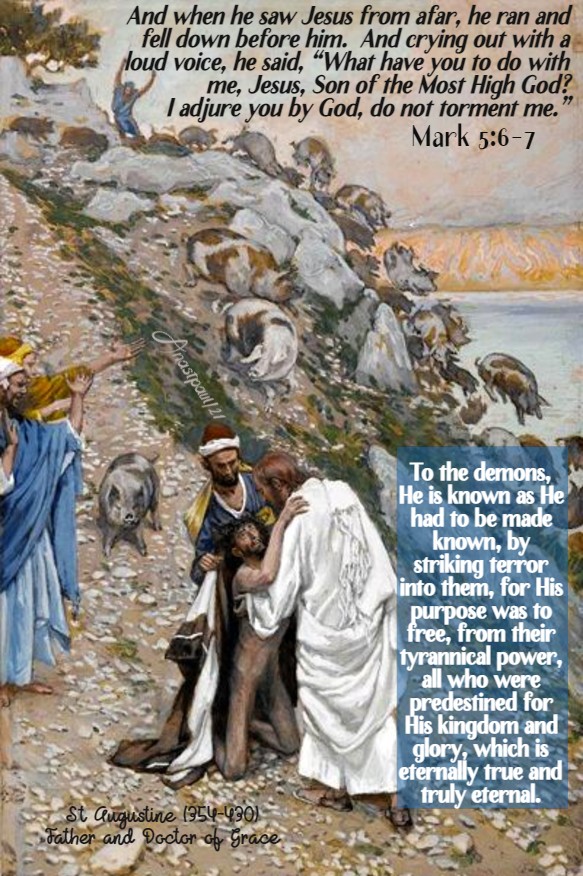
And when he saw Jesus from afar, he ran and fell down before him. And crying out with a loud voice, he said, “What have you to do with me, Jesus, Son of the Most High God? I adjure you by God, do not torment me.” For he was saying to him, “Come out of the man, you unclean spirit!” – Mark 5:6-8
REFLECTION – “Those words show clearly, that the demons had much knowledge but entirely lacked love. They dreaded receiving their punishment from Him. They did not love the righteousness that was in Him. He made himself known to them, to the extent He willed and, He willed to be made known, to the extent that was fitting. But, He was not made known to them, as He is known to the holy angels, who enjoy participation in His eternity, in that, He is the Word of God. To the demons, He is known as He had to be made known, by striking terror into them, for His purpose was to free, from their tyrannical power, all who were predestined for His kingdom and glory, which is eternally true and truly eternal. Therefore, He did not make Himself known to the demons, as the life eternal and the unchangeable light, which illuminates His true worshipers, whose hearts are purified by faith in Him, so that they see that light. He was known to the demons, through certain temporal effects of His power, the signs of His hidden presence, which could be more evident to their senses, even those of malignant spirits, than to the weak perception of human beings.”- St Augustine (354-430) Father and Doctor of Grace – (City of God, 9)
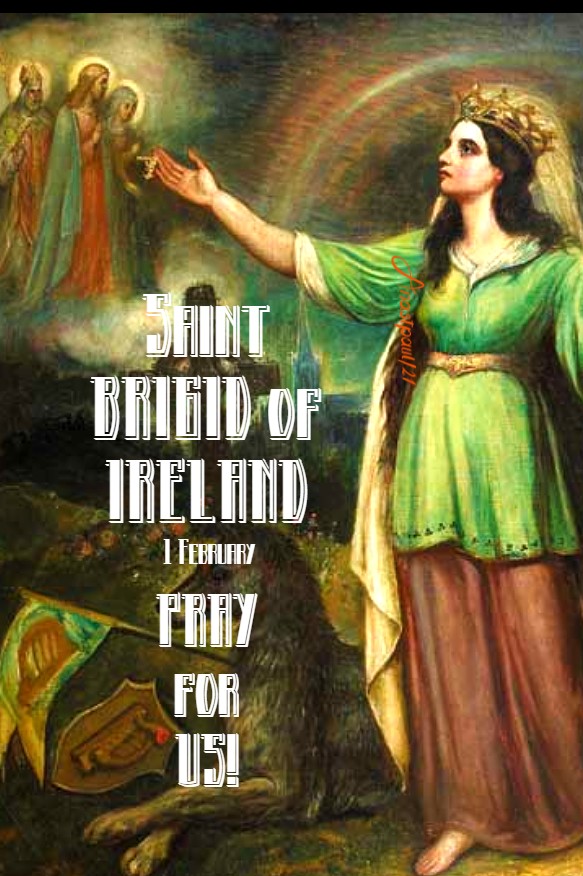
PRAYER – Almighty Father, grant that our trust and faith may grow each day. Help us to be secure in Your unfailing love and help. Even in our times of fear, pain and distress, give us the trust to know that You are always with us and that Your healing grace does indeed work miracles in our lives. Grant us strength, O Lord, to overcome all our fears with confidence in Your loving care and in the powerful and loving care of the Blessed Virgin Mary, the Mother of Your Son and our mother. May the intercession of St Brigid of Ireland and all Your Angels and Saints be a comfort to us. Through Jesus Christ in union with the Holy Spirit, one God forever, amen.
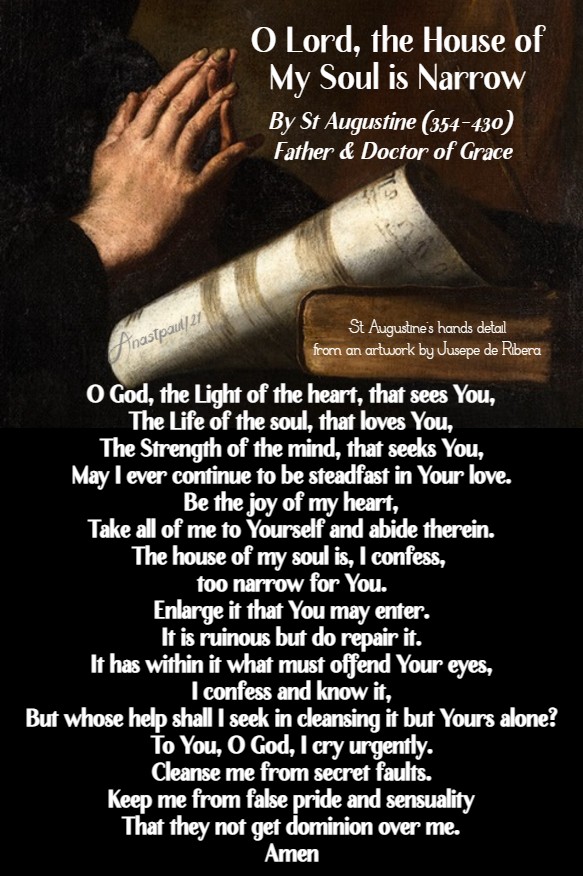
O Lord, the House of My Soul is Narrow By St Augustine (354-430) Father & Doctor of Grace
O God, the Light of the heart, that sees You, The Life of the soul, that loves You, The Strength of the mind, that seeks You, May I ever continue to be steadfast in Your love. Be the joy of my heart, Take all of me to Yourself and abide therein. The house of my soul is, I confess, too narrow for You. Enlarge it that You may enter. It is ruinous but do repair it. It has within it what must offend Your eyes, I confess and know it, But whose help shall I seek in cleansing it but Yours alone? To You, O God, I cry urgently. Cleanse me from secret faults. Keep me from false pride and sensuality That they not get dominion over me. Amen




























 AnaStpaul
You must be logged in to post a comment.