Thought for the Day – 21 July – Meditations with Antonio Cardinal Bacci (1881-1971)
The Examination of Conscience
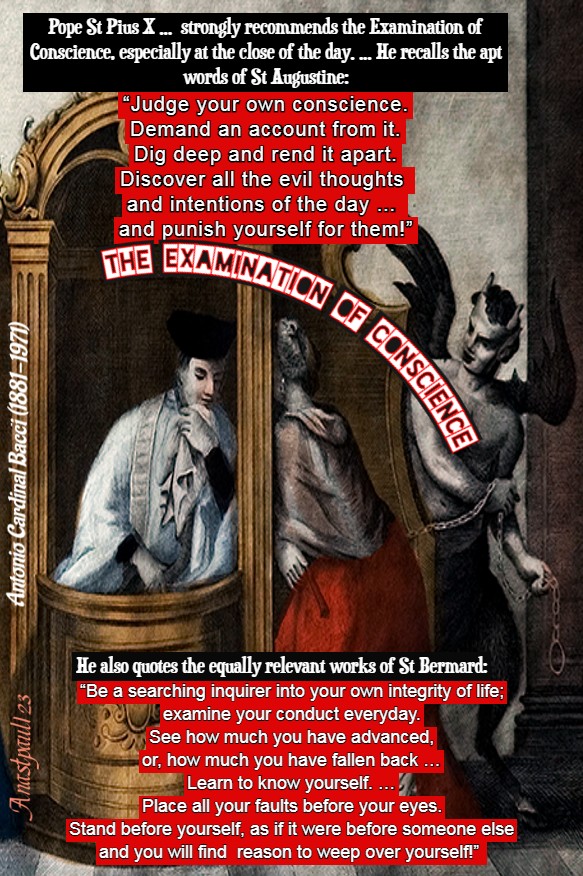
“Pope St Pius X holds great authority for a Christian. In his Exhortatio ad Clerum, he strongly recommends the Examination of Conscience, especially at the close of the day. This Examination, he says, is necessary for Priests but it is no less necessary for the laity. He recalls the apt words of St Augustine: “Judge your own conscience. Demand an account from it. Dig deep and rend it apart. Discover all the evil thoughts and intentions of the day … and punish yourself for them!” (Expos in Ps 4 n 8). He also quotes the equally relevant words of St Bernard: “Be a searching inquirer into your own integrity of life; examine your conduct everyday. See how much you have advanced, or, how much you have fallen back … Learn to know yourself. … Place all your faults before your eyes. Stand before yourself, as if it were before someone else and you will find reason to weep over yourself!” (Meditat Cap 5 de quotidiano sui ipsius examine).
The Saintly Pontiff concludes his inspiring address as follows: “Experience has proven that anyone who makes a strict examination of his thoughts, words and actions, is more firmly resolved to hate and avoid what is evil and wholeheartedly to love what is good” (Acta Pii X, IV p257).”
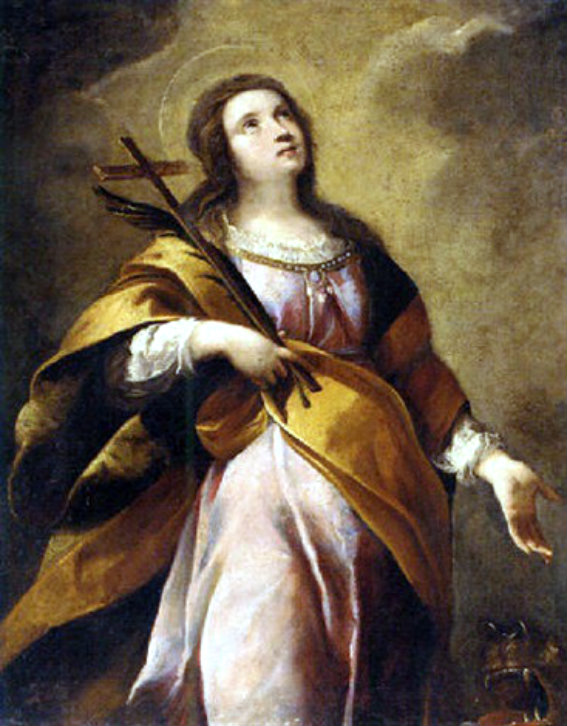
Quote/s of the Day – 21 July – St Praxedes, Virgin (Died 164) – 1 Corinthians 7:25-34 – Matthew 13:44-52 – Scripture search here: https://www.drbo.org/
“So it will be at the end of the world. The Angels will go out and separate the wicked from among the just …
Matthew 13:49
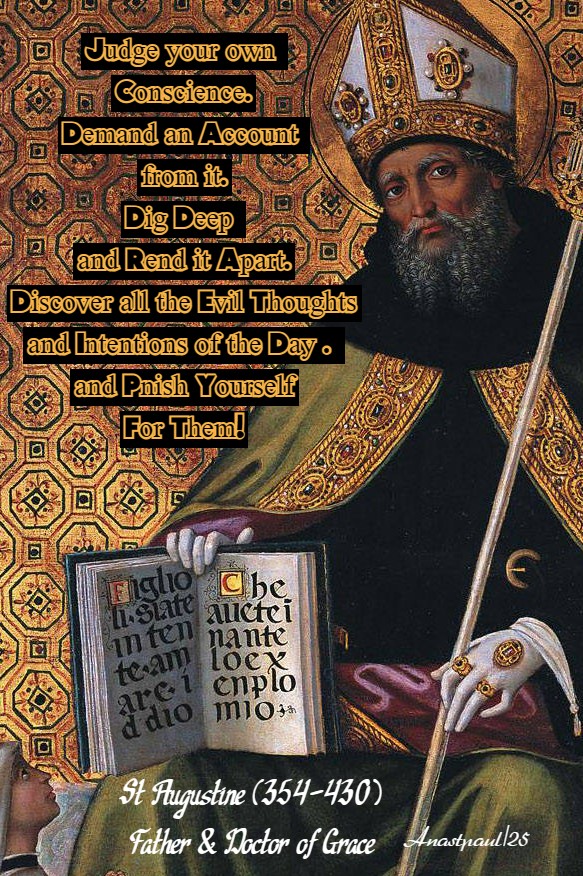
“Judge your own conscience. Demand an account from it. Dig deep and rend it apart. Discover all the evil thoughts and intentions of the day … and punish yourself for them!”
(Expos in Ps 4 n 8).
St Augustine (354-430) Father & Doctor of Grace
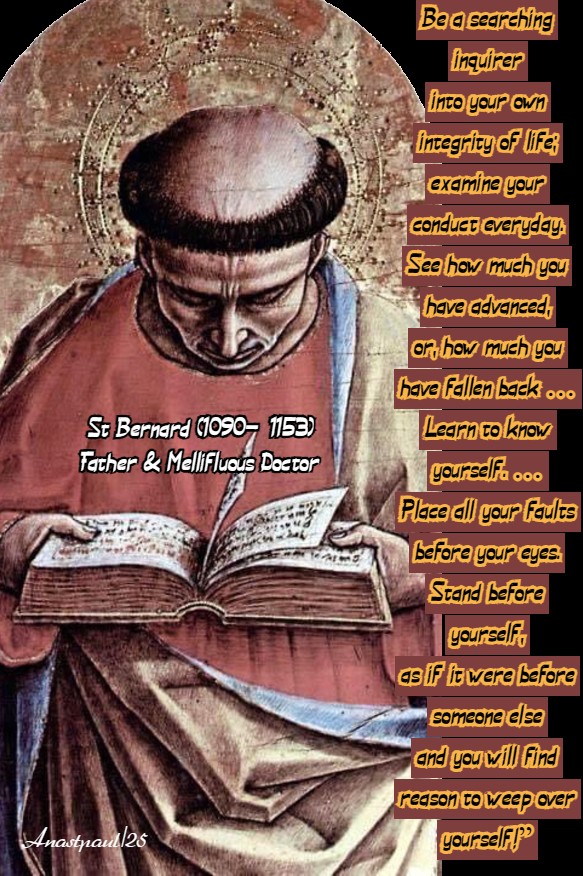
“Be a searching inquirer into your own integrity of life; examine your conduct everyday. See how much you have advanced, or, how much you have fallen back … Learn to know yourself. … Place all your faults before your eyes. Stand before yourself, as if it were before someone else and you will find reason to weep over yourself!”
(Meditat Cap 5 de quotidiano sui ipsius examine).
St Bernard (1090-1153) Father & Mellifluous Doctor
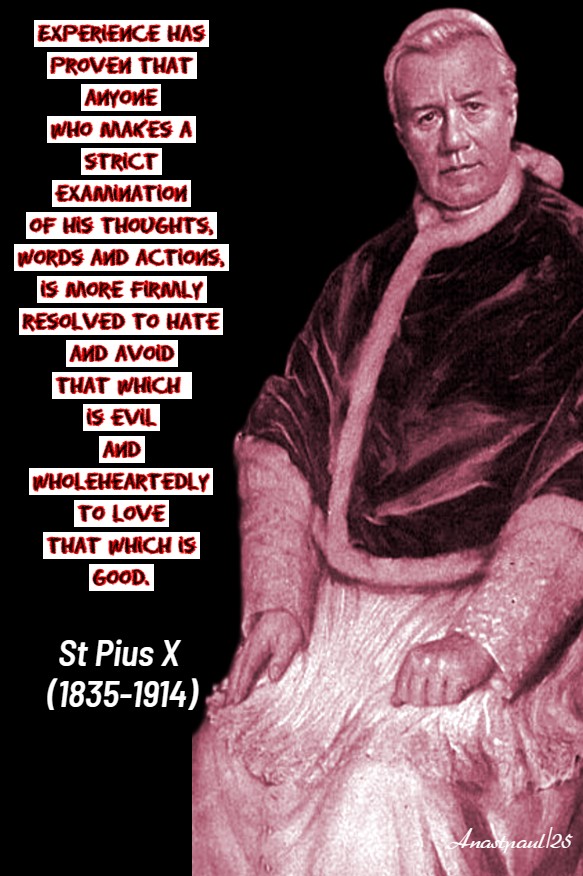
“Experience has proven that anyone who makes a strict examination of his thoughts, words and actions, is more firmly resolved to hate and avoid that which is evil and wholeheartedly to love that which is good.”
One Minute Reflection – 21 July – “The Month of the Most Precious Blood” – St Praxedes, Virgin (Died 164) – 1 Corinthians 7:25-34 – Matthew 13:44-52 – Scripture search here: https://www.drbo.org/
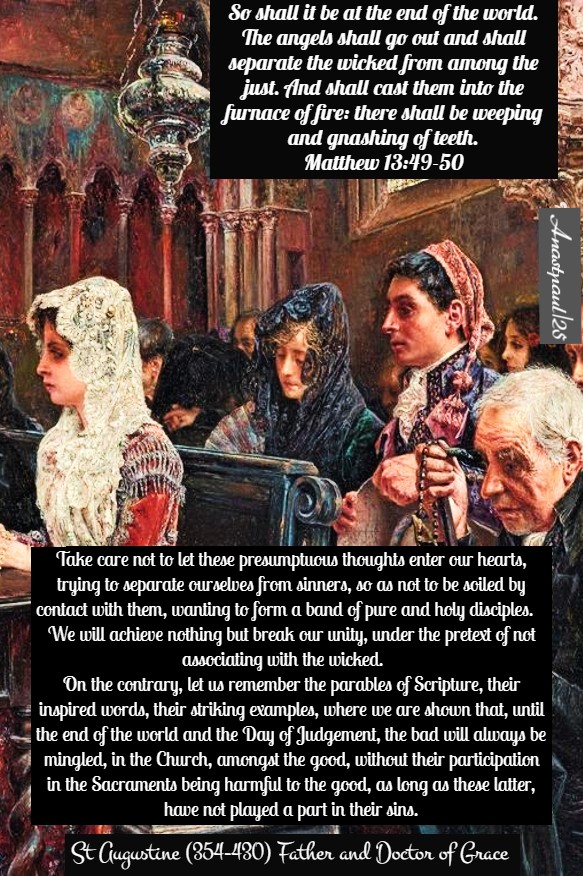
“So shall it be at the end of the world. The Angels shall go out and shall separate the wicked from among the just. And shall cast them into the furnace of fire: there shall be weeping and gnashing of teeth.” – Matthew 13:49-50
REFLECTION – “Our Lord was an example of incomparable patience. He bore with a “devil” among His disciples even to His Passion (Jn 6,70). He said: “Let them grow together until the harvest lest you uproot the wheat when you pull out the weeds” (cf. Mt 13,29f.). As a symbol of the Church, He preached that the net would bring back to shore, namely the end of the world, every kind of fish, both good and bad. And He made it known, in various other ways, whether openly or in parables, that there would always be a mixture of good and bad. But, nevertheless, He stresses, that we have to protect the Church’s discipline when He says: “If your brother sins against you, go and tell him his fault between you and him alone. If he listens to you, you have won over your brother” (Mt 18,15)…
Yet today, we see people who think of nothing but stern commandments, who order that troublemakers be reproved, ‘not giving what is holy to the dogs,’ treating, like the publicans, ‘anyone who despises the Church, cutting off the scandalous member from the body‘ (Mt 7:6 ; 18:17 ; 5:30). Their stormy zeal so troubles the Church, that they pull out the weeds before their time and their blindness makes of them enemies, of the unity of Jesus Christ…
Take care not to let these presumptuous thoughts enter our hearts, trying to separate ourselves from sinners, so as not to be soiled by contact with them, wanting to form a band of pure and holy disciples. We will achieve nothing but break our unity, under the pretext of not associating with the wicked. On the contrary, let us remember the parables of Scripture, their inspired words, their striking examples, where we are shown that, until the end of the world and the Day of Judgement, the bad will always be mingled, in the Church, amongst the good, without their participation in the Sacraments being harmful to the good, as long as these latter, have not played a part in their sins.” – St Augustine (354-430) Father and Doctor of Grace (On Faith and Works – Excerpt ch 3-5)
PRAYER – Graciously hear us, O God our Saviour, that, as we rejoice in the festival of blessed Praxedes, thy Virgin, so may we be nourished by the food of her heavenly teaching, as to be enlightened by the fervour of her dedicated holiness. Through the same Jesus Christ, Thy Son our Lord, Who lives and reigns with Thee, in the unity of the Holy Ghost, God, world without end. Amen (Collect).
One Minute Reflection – 21 July – “The Month of the Most Precious Blood” – St Praxedes, Virgin (Died 164) – 1 Corinthians 7:25-34 – Matthew 13:44-52 – Scripture search here: https://www.drbo.org/
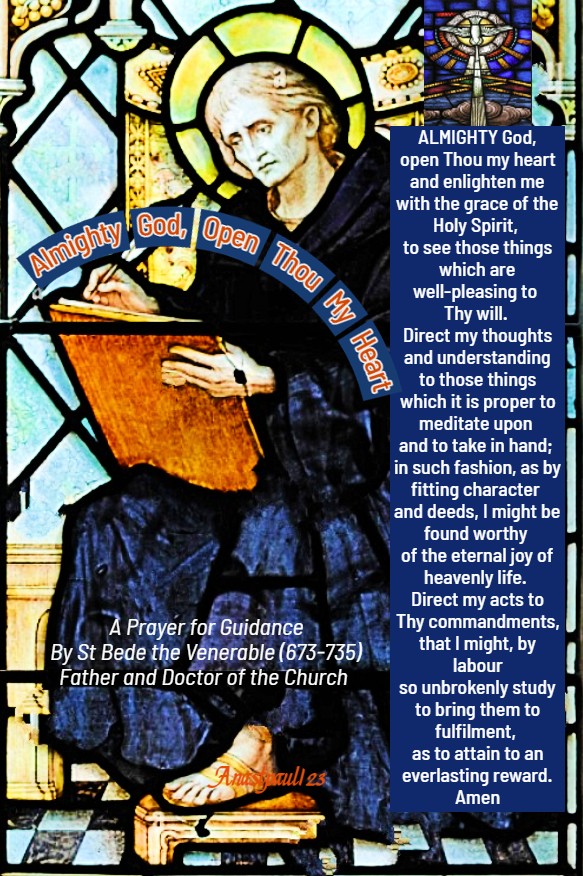
Almighty God, Open Thou My Heart A Prayer for Guidance By St Bede the Venerable (673-735) Father and Doctor of the Church
ALMIGHTY God, open Thou my heart and enlighten me with the grace of the Holy Spirit, to see those things which are well-pleasing to Thy will. Direct my thoughts and understanding to those things which it is proper to meditate upon and to take in hand; in such fashion, as by fitting character and deeds, I might be found worthy of the eternal joy of heavenly life. Direct my acts to Thy commandments, that I might, by labour so unbrokenly study to bring them to fulfilment, as to attain to an everlasting reward. Amen
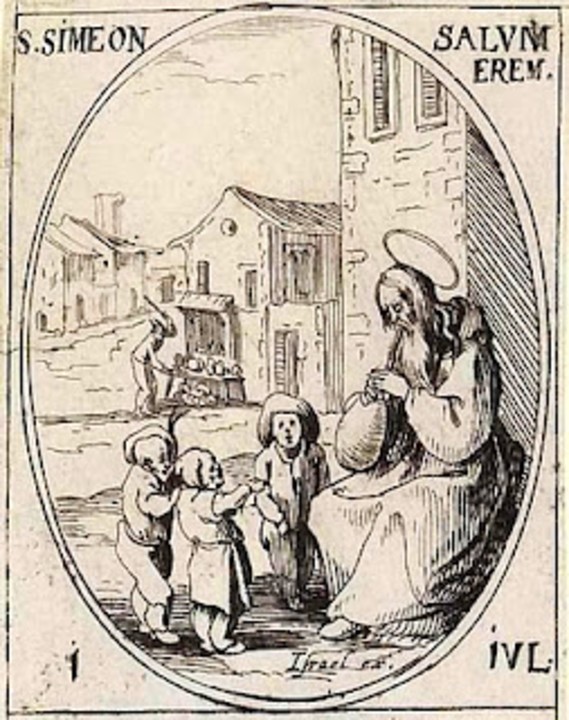
Saint of the Day – 21 July – Saint John (6th Century) Deacon, Hermit, apostle of the poor and needy and disciple and friend of St Simeon Salus (Died c570) – nown as “The Holy Fool.” Born and died probably in Emesa, Syria. . The Roman Martyrology reads today: “In Syria, the holy Monk St John, a companion of St Simeon Salus.” https://anastpaul.com/2025/07/01/saint-of-the-day-1-july-st-simeon-salus-died-c570-confessor/
St Simeon Salus and maybe St John begging in the background
As a young man became the Deacon of the Church in the City of Emesa. There he became a friend, disciple and finally the companion of St Simeon Salus. This occurred in the following manner:
Simeon did not play a fool with his friend John, the Deacon of the Church in Emesa. Simeon once saved John from being executed when he was falsely accused. Shortly before his death, Simeon told John:
“I beg you, never disregard a single soul, especially when it happens to be a Monk or a beggar. For your charity knows that His place is among the beggars, especially among the blind, people made as pure as the sun through their patience and distress …Show love of your neighbour through almsgiving. For this virtue, above all, will help us on the Day of Judgement.”
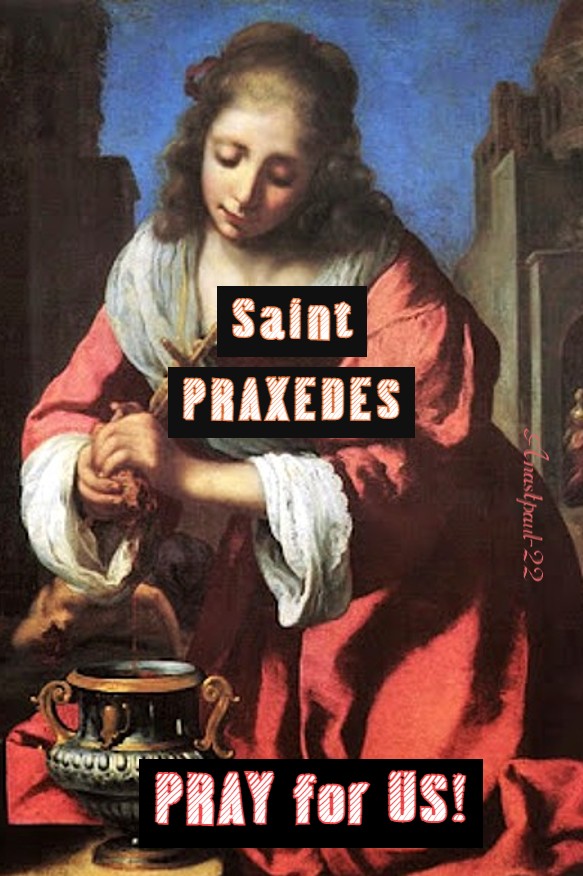
St Praxedes (Died c165) Virgin Laywoman. Patronage – single laywoman. The Roman Martyrology reads: “At Rome, the holy virgin, Praxedes, who was brought up in all chastity and in the knowledge of the Divine law. Assiduously attending to watching, prayer and fasting, she rest in Christ and was buried near her sister St Pudentiana and family, on the Salarian Road.” A Devout and Holy Life: https://anastpaul.com/2023/07/21/saint-of-the-day-21-july-st-praxedes-died-c165-virgin/
St Iosephus Wang Yumei St John (6th Century) Deacon and Hermit of Emesa in Syria St John of Moyenmoutier Bl Juan de Las Varillas Bl Juan de Zambrana St Jucundinus of Troyes St Julia of Troyes St Justus of Troyes Bl Parthenius of Thessaly
Martyrs of Africa – 6 Saints: Six Christians who were Martyred together. We know no other details about them but the names – Emilian, Hugal, Motanus, Saphus, Stercorius and Victor. They were martyred in an unknown location in Africa, date unknown.
DISCLAIMER: Please note: I cannot control the content of the Advertisements on this Site, or of pop-ups which may appear, The revenue from the Advertisements, however, does provide a little assistance in the support of the Site. I do apologise for any inappropriate content.
Thought for the Day – 20 July – Meditations with Antonio Cardinal Bacci (1881-1971)
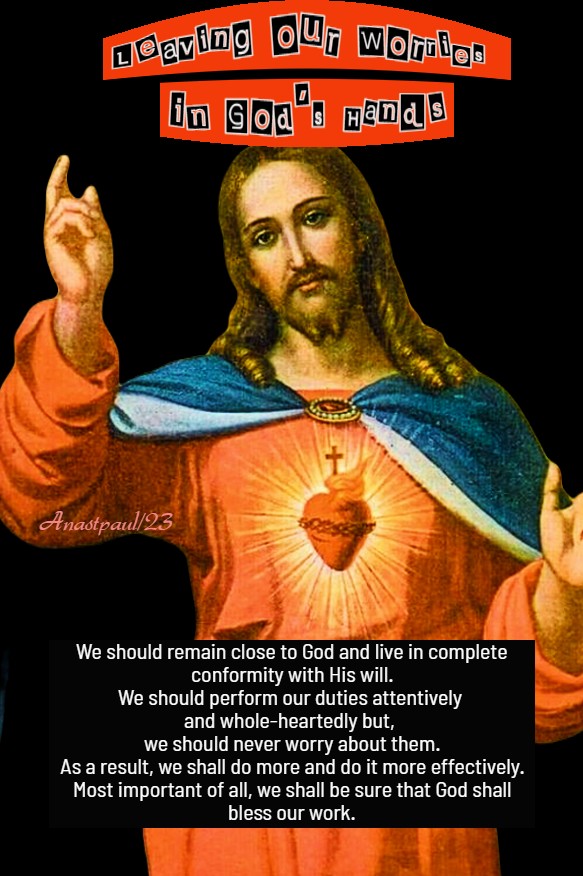
Leaving Our Worries in God’s Hands
“We should try to behave with similar serenity. We should remain close to God and live in complete conformity with His will. We should perform our duties attentively and whole-heartedly but, we should never worry about them. As a result, we shall do more and do it more effectively. Most important of all, we shall be sure that God shall bless our work.”
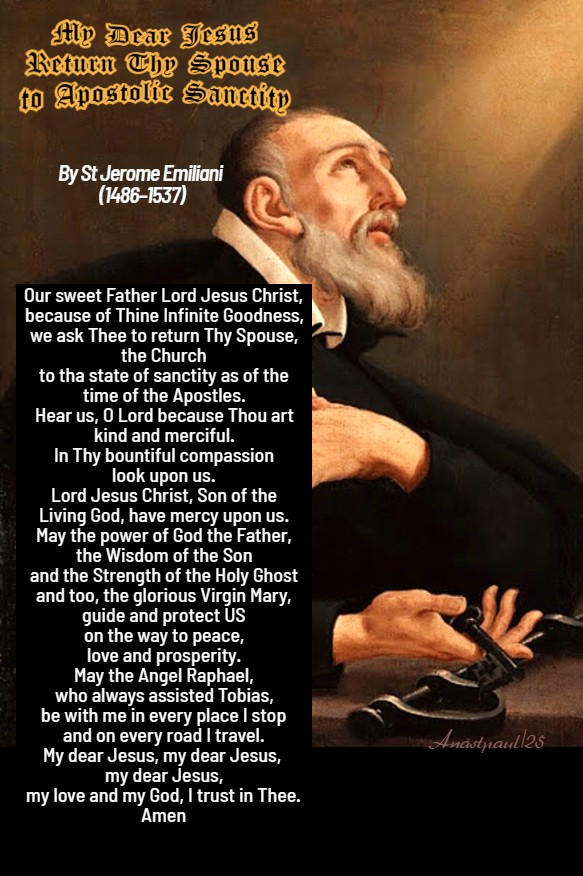
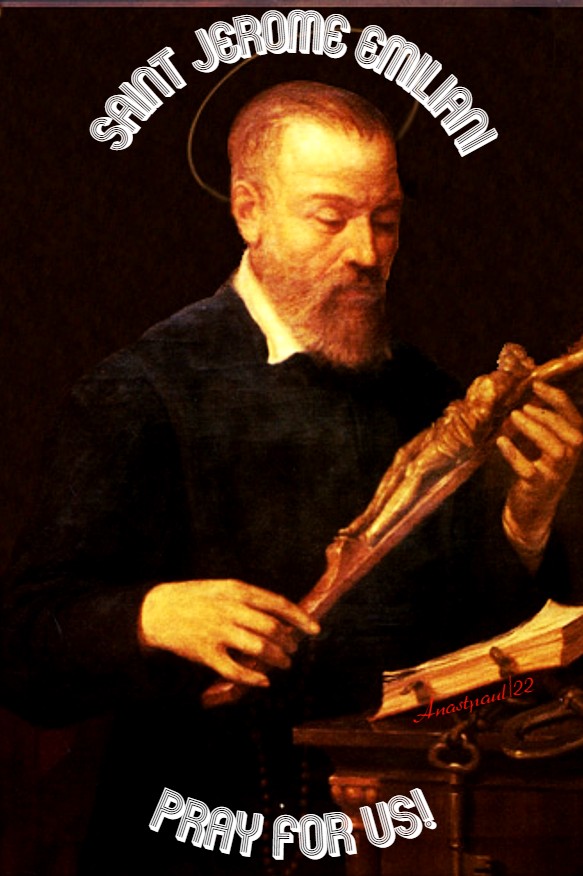
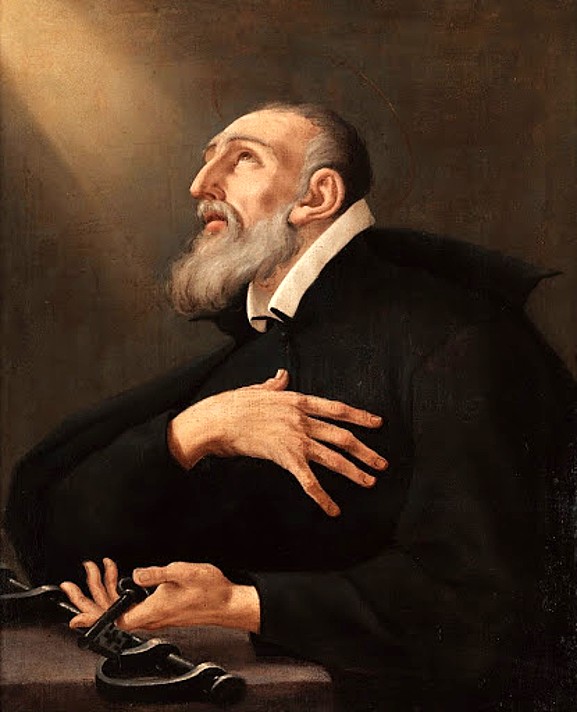
Quote/s of the Day – 20 July – St Jerome Emiliani (1486–1537) Confessor, Founder of the Somascan Fathers (known as “The Fathers of the Orphans since 1534”)
My Dear Jesus Return Thy Spouse to Apostolic Sanctity By St Jerome Emiliani (1486–1537)
Our sweet Father Lord Jesus Christ, because of Thine Infinite Goodness, we ask Thee to return Thy Spouse, the Church to tha state of sanctity as of the time of the Apostles. Hear us, O Lord because Thou art kind and merciful. In Thy bountiful compassion look upon us. Lord Jesus Christ, Son of the Living God, have mercy upon us. May the power of God the Father, the Wisdom of the Son and the Strength of the Holy Ghost and too, the glorious Virgin Mary, guide and protect us on the way to peace, love and prosperity. May the Angel Raphael, who always assisted Tobias, be with me in every place I stop and on every road I travel. My dear Jesus, my dear Jesus, my dear Jesus, my love and my God, I trust in Thee. Amen
One Minute Reflection – 20 July – “The Month of the Most Precious Blood” – Pentecost VI – St Jerome Emiliani (1486–1537) Confessor, Founder of the Somascan Fathers (known as “The Fathers of the Orphans since 1534”) – Romans 6:3-11 – Mark 8:1-9 – Scripture search here: htps://www.drbo.org/
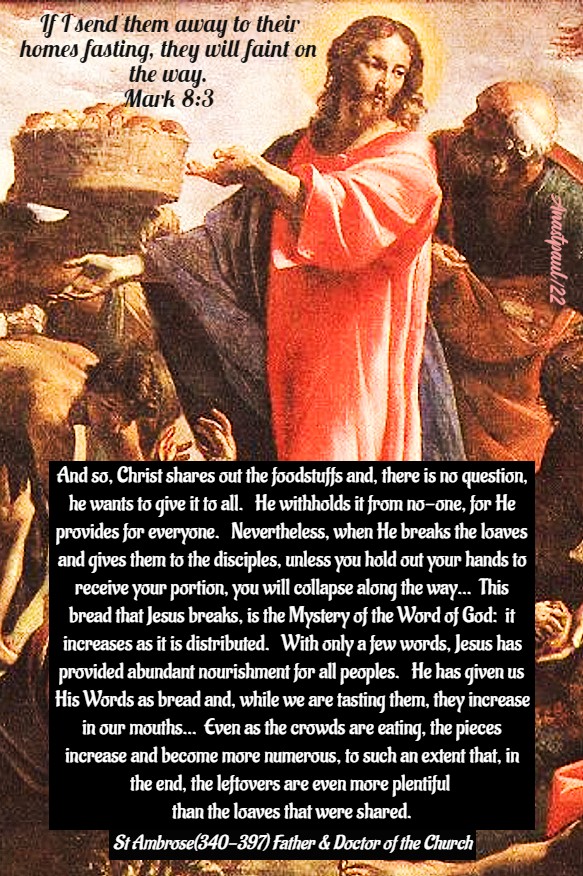
“If I send them away to their homes fasting, they will faint on the way,” – Mark 8:3
REFLECTION – “Lord Jesus, how well I know Thou hast no wish to allow these people here with me, to remain hungry but to feed them with the food Thou distributes and so, strengthened with Thy food, they will have no fear of collapsing from hunger. I know, too that Thou hast no wish to send us away hungry, either… As Thou hast said: Thou do not wish them to collapse on the way, meaning, to collapse in the byways of this life, before reaching the end of the road, before coming to the Father and understanding, that Thou hast come from the Father…
Our Lord takes pity, then, so that none may collapse along the way… Just as He makes it rain on the just, as well as the unjust, (Mt 5:45) so He feeds the just as well as the unjust. Was it not thanks to the strength of the food that the holy Prophet Elijas, when he was collapsing on the way, was able to walk for forty days? (1 Kgs 19:8). It was an Angel who gave that food to him but, in your case, it is Christ Himself Who feeds you. If you preserve the food you have received in this way, then you will walk, not forty days and forty nights … but for forty years, from your departure from the borders of Egypt, to your arrival in the land of plenty, the land where milk and honey flow (Ex 3:8)…
And so, Christ shares out the foodstuffs and, there is no question, He wants to give it to all. He withholds it from no-one, for He provides for everyone. Nevertheless, when He breaks the loaves and gives them to the disciples, unless you hold out your hands to receive your portion, you will collapse along the way … This bread which Jesus breaks, is the Mystery of the Word of God: it increases as it is distributed. With only a few words, Jesus has provided abundant nourishment for all peoples. He has given us His Words as bread and, while we are tasting them, they increase in our mouths … Even as the crowds are eating, the pieces increase and become more numerous, to such an extent that, in the end, the leftovers are even more plentiful than the loaves that were shared.” – St Ambrose (340-397) Bishop of Milan, Father and Doctor of the Church (Commentary on the Gospel of Saint Luke VI, 73-88).
PRAYER – O God, the Father of mercies, by the merits and intercession of St Jerome, whom Thou willed to be the helper and father of orphans, grant that we may faithfully guard the spirit of adoption which makes us Thy sons both in name and reality.Through Jesus Christ, Thy Son our Lord, Who lives and reigns with Thee, in the unity of the Holy Ghost, God, world without end. Amen (Collect).
Our Morning Offering – 20 July – The Feastday of St Jerome Emiliani (1486–1537) Confessor, Founder of the Somascan Fathers
O Mary, Twice Mother of Mercy By St Jerome Emiliani (1486–1537)
O Mary, thou art twice Mother of Mercy because thou hast been made Mother of our most merciful Saviour, and, furthermore because, thou hast given to us so many signs of thy maternal care and love. Turn upon us, we beseech thee, thy glance of compassion and grant, that we may always live free from sin, which is the only impediment to receiving the fruits of the Divine Mercies. Amen
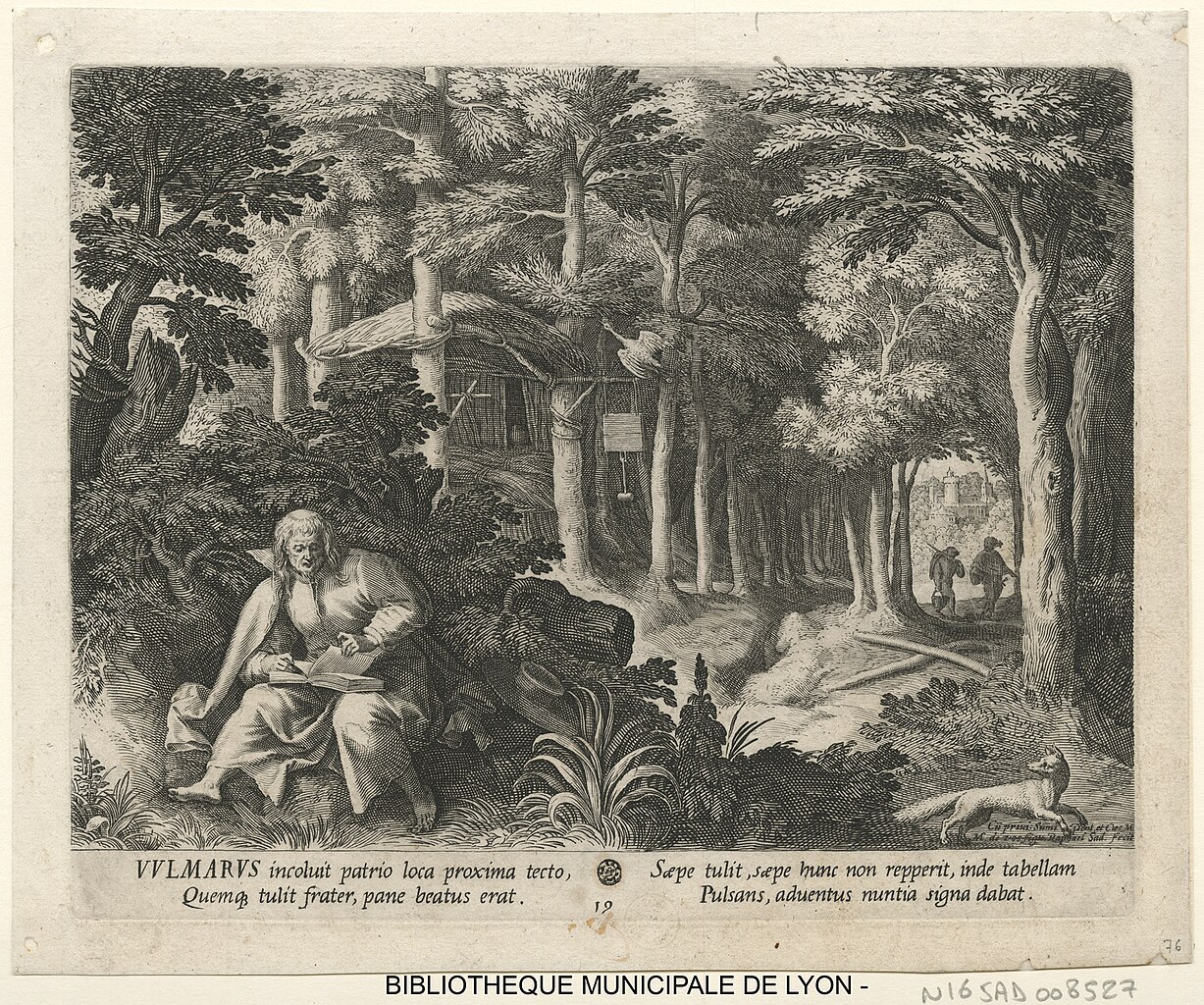
Saint of the Day – 20 July – St Wulmar (Died 689) Priest, Founder Abbot of the Monastery of Saint-Vulmaire in Boulogne, France, Hermit, Born near Boulogne in Picardy, France and died in the same region at his Abbey in 689). Patronage – Samer, France. Also known – as Ulmar, Ulmer, Vilmarus, Volmar, Vulmaro, Vulmarus.
The Roman Martyrology reads today: “At Boulogne, in France, the Abbot St Wulmar, a man of admirable sanctity.”
St Wulmar (1600) Bibliotheque Municipale de Lyon
Wulmar was born near the Village of Picardy in the Province of Boulogne in France. Although he was married, he was separated by force from his wife, she having been originally promised to another was taken from Wulmar to fulfil this prior agreement, the marriage to Wulmar being declared null and void. Wulmar was inspired to join the Abbey of Hautmont in Hainaul.
His piety and devotion, even in his humble duties of keeping the cattle and hewing wood for the community, brought him to the attention of the Superiors. Upon observation, he was found to be a worthy candidate for Ordination and promoted to the dignity of the Priesthood.
Later, he obtained the consent of his Superiors to leave the Abbey and live his life alone as a Hermit near Mount Cassel. For several years he fulfilled this desire by living a life of solitude, prayer and fasting, intent on drawing ever closer to the Lord.
Becoming well-known and drawing disciples to himself, Wulman founded the Abbey of Samer, near Calais, where he served as the Abbot.
When Wulmar died this Monastery was re-named Saint-Vulmar in his honour and existed until the French Revolution.
Wulmar also founded the Convent for cloistered Nuns at Wierre-aux-Bois, about a mile from his own Monastery, for his Niece, Saint Eremberta.
St Wulmar has been glorified by miracles and his Relics were conveyed to Boulogne and from there to the Abbey of St Peter at Ghent.
Bl Anne Cartier St Ansegisus St Aurelius of Carthage
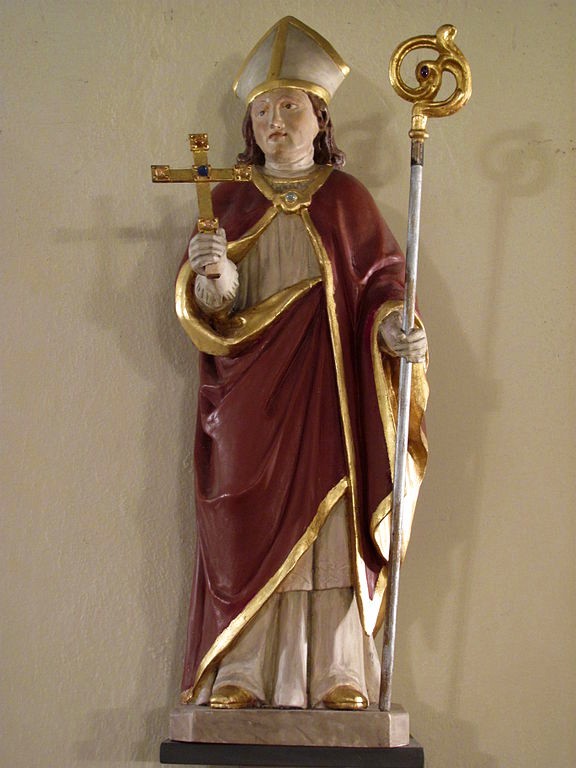
St Bernward (c960-1022) Bishop – Bernward was the thirteenth Bishop of Hildesheim from 993 until his death in 1022. He was an exceptionally gifted and talented Creative Artist and Craftsman, in particular, in the creation of Sacred Vessels and adornments of Holy items, in precious metals. Patronages – Architects, Builders, Goldsmiths, Sculptors, Craftsmen, Painters, This Holy and Creative Shepherd: https://anastpaul.com/2023/07/20/saint-of-the-day-20-july-st-bernward-of-hildesheim-c960-1022-bishop/
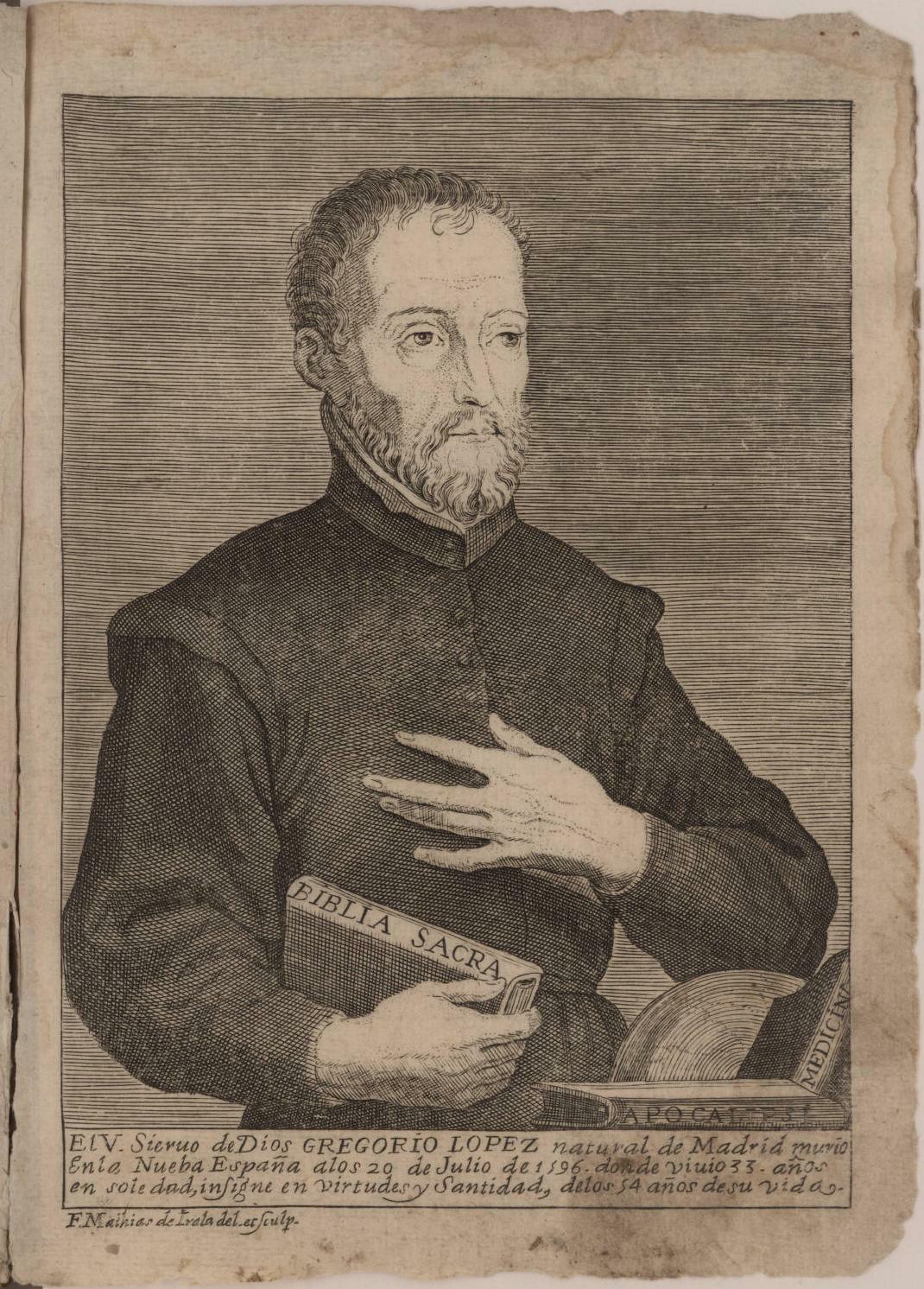
Blessed Gregory Lopez (1542-1596) “The Mystery Man” – Hermit, Spiritual Advisor, Writer. Around 1585, word of a “Mystery Man” began to leak into Mexico City, a strange hermit who lived out in the lonely valley of Guesteca, who walked miles to go to Mass, lived totally subject to “Lady Poverty” and had travelled from the Shrine of Our Lady of Guadalupe in Spain (which dates from 712), to her Shrine in Mexico (which dates from 1531). The Mystery Man” : https://anastpaul.com/2018/07/20/saint-of-the-day-20-july-blessed-gregory-lopez-1542-1596/
St Joseph Barsabbas the Just (1st Century) Disciple of Jesus, Bishop, Martyr. The Roman Martyrology states today: “The birthday of the blessed Joseph, surnamed the Just, whom the Apostles selected with the blessed Matthias, for the Apostleshop in the place of the traitor, Judas. The lot having fallen upon Matthias, Joseph, notwithstanding, continued to preach and advance in virtue and after having sustained from the Jews, many persecutions for the Faith of Christ, happoily ended his life in Judea.” His Life and Death: https://anastpaul.com/2021/07/20/saint-of-the-day-20-july-saint-joseph-barsabbas-the-just-1st-century-disciple-of-jesus/
St Mère St Paul of Saint Zoilus St Rorice of Limoges St Severa St Severa of Saint Gemma St Wulmar (Died 689) Priest, Founder Abbot of the Monastery of Saint-Vulmaire in Boulogne, France.
Martyrs of Corinth – 22 Saints: 22 Christians who were Martyred together. We know nothing else about them but the names – • Appia • Calorus • Cassius • Celsus • Cyriacus • Donatus • Emilis • Felix • Fructus • Magnus • Maximus • Nestita • Partinus • Pasterus • Paul • Romanus • Spretus • Tertius • Theodolus • Ueratia • Valerian • Victor. They were martyred in Corinth, Greece.
Martyrs of Damascus – 16 Saints: 16 Christians who were Martyred together. We know the names of six of then, but no details about any of them – Cassia, Julian, Macrobius, Maximus, Paul and Sabinus. They were martyred in Damascus, Syria, date unknown.
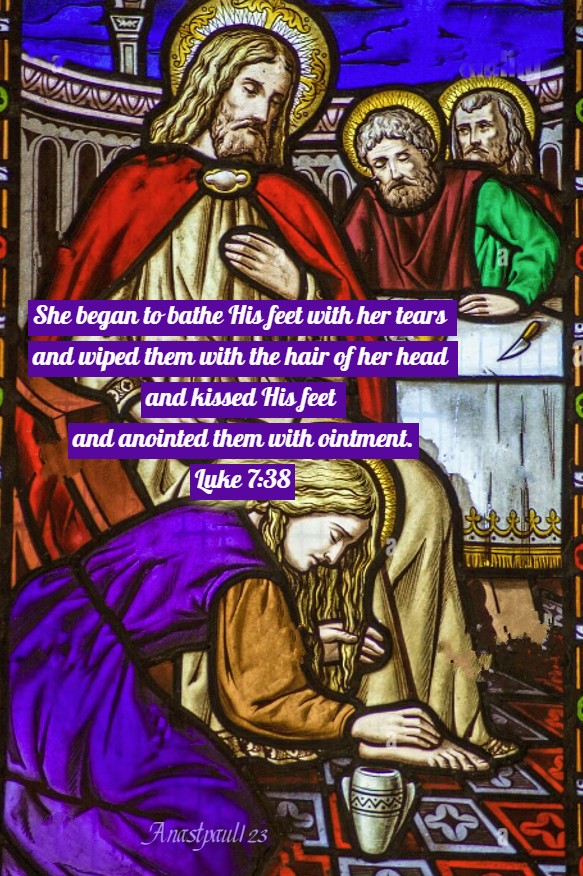
Quote/s of the Day – 22 July – St Mary Magdalen (1st Century) Penitent – Song 3:2-5; 8:6-7, Luke 7:36-50.
“She began to bathe His feet with her tears and wiped them with the hair of her head and kissed His feet and anointed them with ointment.”
Luke 7:38
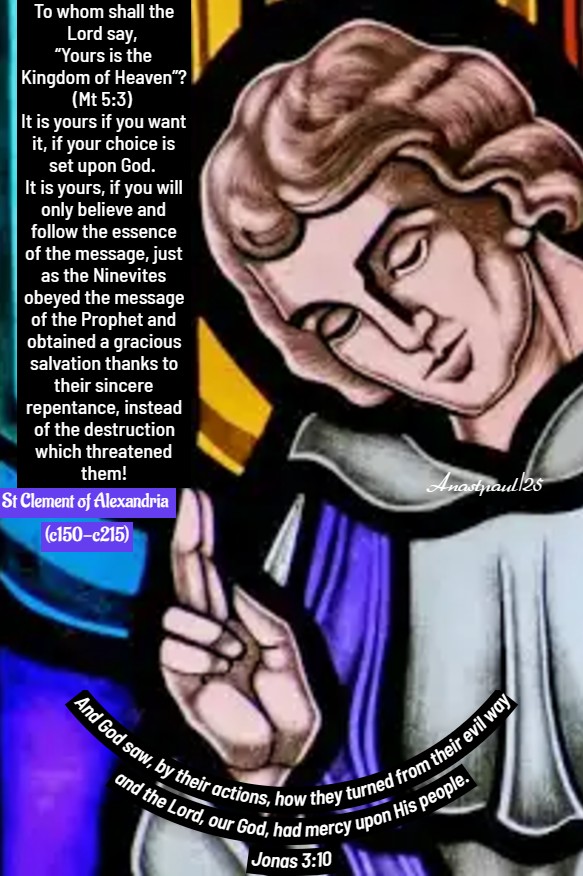
“And God saw, by their actions, how they turned from their evil ways and the Lord, our God, had mercy upon His people.” Jonas 3:10
“To whom shall the Lord say, “Yours is the Kingdom of Heaven”? (Mt 5:3) It is yours if you want it, if your choice is set upon God. It is yours, if you will only believe and follow the essence of the message, just as the Ninevites obeyed the message of the Prophet and obtained a gracious salvation thanks to their sincere repentance, instead of the destruction which threatened them!”
St Clement of Alexandria (c150-c215)
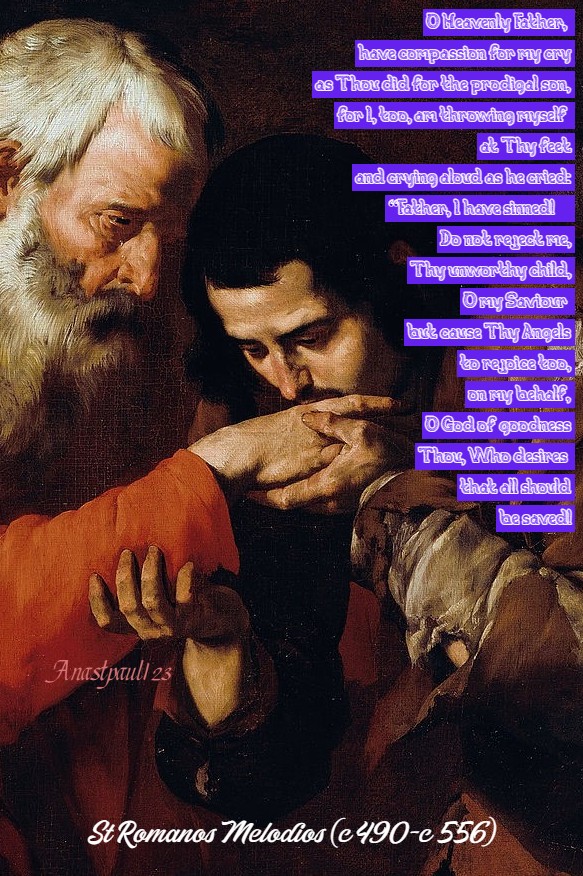
“O Heavenly Father, have compassion for my cry as Thou did for the prodigal son, for I, too, am throwing myself at Thy feet and crying aloud as he cried: “Father, I have sinned!” Do not reject me, Thy unworthy child, O my Saviour but cause Thy Angels to rejoice too, on my behalf, O God of goodness Thou, Who desires that all should be saved.”
St Romanos Melodios (c490-c 556) Monk, Composer of hymns, Poet
“Let us then depart, let us depart from Egypt, let us approach Our Lord, let us make provision of good works; let the feet of our affections be bare, let us clothe ourselves with innocence, let us not be satisfied with crying for mercy, let us go forth from Egypt, let us delay no longer. The hour is come to arise from sleep, since we know that He receives sinners; the Angels await our repentance, the Saints pray for it!”
St Francis de Sales 91567-1622) Doctor of the Church
Thought for the Day – 19 July – Meditations with Antonio Cardinal Bacci (1881-1971)
Progress in the Love of God
“The entire Christian system is based on the love of God. This, is “the greatest and first commandment” (Mt 22:38) of Jesus, from which the second commandment, to love our neighbour, naturally flows. A man who does not observe this first commandment is not a Christian, whereas a man who endeavours to increase, everyday, his love for God, is a saint. There are may grades of ascent in this love but, the basic step is indicated in the words of our Divine Master: “He who has my commandments and keeps them, he is is who loves me” (Jn 14:15,21).
The love of God should not consist of an empty and ineffective sentimentality but, should comprise a sincere determinations to please God by carrying out His will, without reserve and by becoming more closely united to Him, by the help of His holy grace. Progress in the love of God is divided by the masters of the spiritual lfe into three stages: (1) the period of purification; (2) the period of illuminations and; (3) the period of union with God. We may have advanced no farther than the first stage because there is still so much to be purified in our souls. Nevertheless, let us ask God’s grace, to help us to begin this work immediately!”
Quote/s of the Day – 19 July – St Vincent de Paul CM (1581-1660) Confessor, “The Holy Hero of Divine Charity”
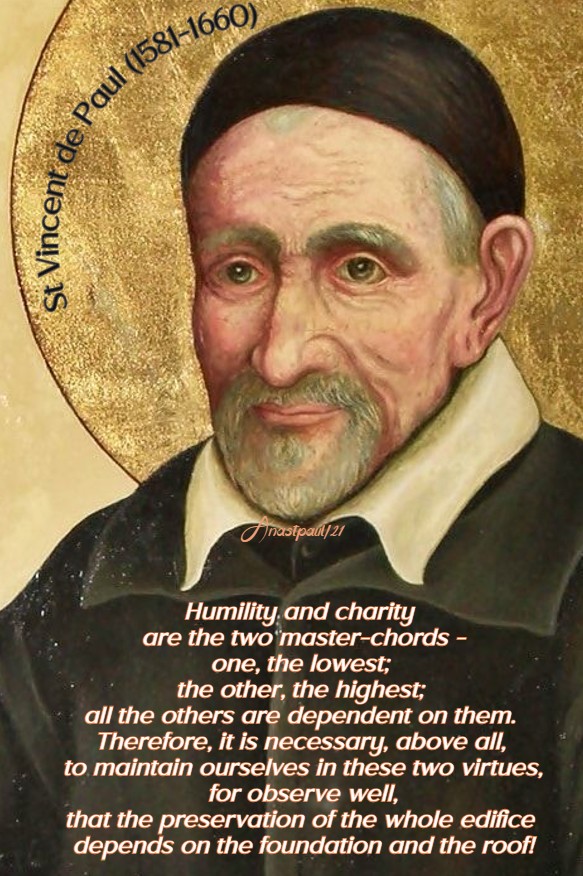
“Humility and charity are the two master chords – one, the lowest; the other, the highest; all the others are dependent on them. Therefore, it is necessary, above all. to maintain ourselves in these two virtues, for observe well, that the preservation of the whole edifice depends on the foundation and the roof!”
“But seek first the Kingdom of God and His righteousness and all these things shall be added to you.” Matthew 6:33
“But, [you will tell me], there is so much to do, so many household jobs, so much business in town, in the fields – work everywhere! Do we have to abandon it all, then, so as to think of nothing but God?” No – but these occupations have to be sanctified by seeking God in them and doing them to find Him in them, rather than, to see them done. What our Lord wants, is for us to seek His glory, His Kingdom, His righteousness, before all else and, for this, to make our foundation the interior life, faith, trust, love, religious exercises … labours and sufferings, with God our Sovereign Lord in view… Once we are firmly set in the search for God’s glory, we can be assured that the rest will follow.”
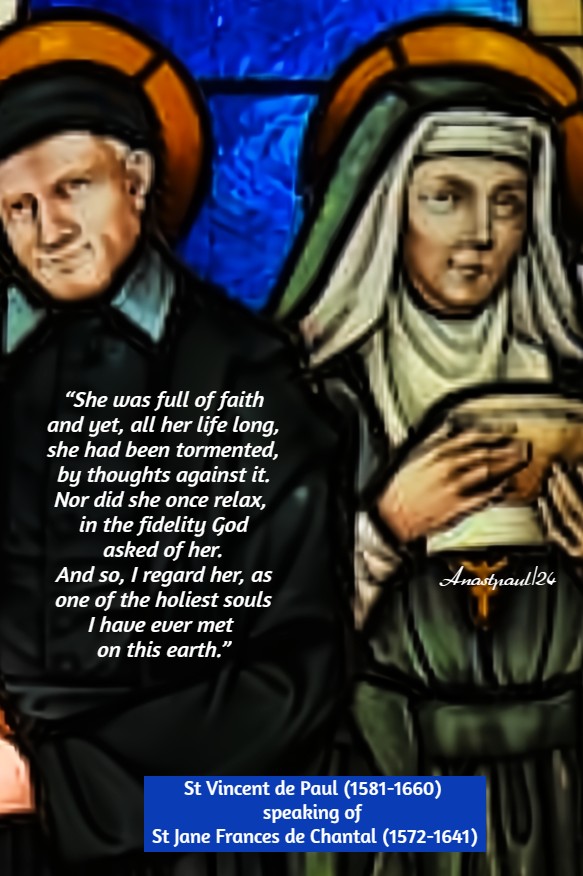
“She was full of faith and yet, all her life long, she had been tormented, by thoughts against it. Nor did she once relax, in the fidelity God asked of her. And so, I regard her, as one of the holiest souls I have ever met on this earth.”
St Vincent de Paul (1581-1660) (St Jane was a close friend of St Francis de Sales and St Vincent de Paul, both of whom guided and assisted her and her foundation, as Spiritual Advisors and Confessors).
“Where is the heart which loves? On the thing it loves. Therefore, where our love is, there our heart is held captive. It cannot leave it; it cannot be lifted higher, it cannot go eith er to the right or the left; see, it is fixed. Where the miser’s treasure is, there is his heart and where our heart is, there is our treasure. And what is so deplorable is that the things which hold us in servitude, are, for the most part, such unworthy things!”
One Minute Reflection – 19 July – “The Month of the Most Precious Blood” – St Vincent de Paul CM (1581-1660) Confessor, “The Holy Hero of Divine Charity” – 1 Corinthians 4:9-14 – Luke 10:1-9 – Scripture search here: https://www.drbo.org/
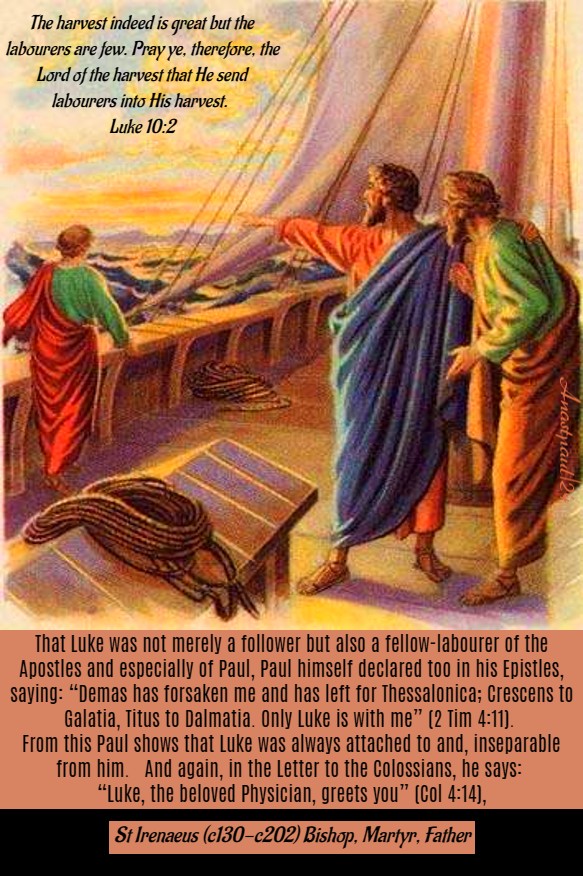
“The harvest indeed is great but the labourers are few. Pray ye, therefore, the Lord of the harvest that He send labourers into His harvest. ” – Luke 10:2
REFLECTION – “That Luke was inseparable from Paul and his fellow-labourer in the Gospel, he himself clearly evinces, not as a matter of boasting but as bound to do so by the truth itself. For when Barnabas and John Mark, had parted company from Paul and sailed to Cyprus, Luke writes: “We came to Troas” (Acts 16:8.11)… Then he carefully indicates all the rest of their journey as far as Philippi,and how they delivered their first address … And all the remaining details of his journey with Paul, he recounts with all possible diligence … As Luke was present at all these occurrences, he carefully noted them down in writing, so that he cannot be convicted of falsehood or boastfulness for all these details were well known …
That Luke was not merely a follower but also a fellow-labourer of the Apostles and especially of Paul, Paul himself declared too in his Epistles, saying: “Demas has forsaken me and has left for Thessalonica; Crescens to Galatia, Titus to Dalmatia. Only Luke is with me” (2 Tim 4:11). From this Paul shows that Luke was always attached to and, inseparable from him. And again, in the Letter to the Colossians, he says: “Luke, the beloved Physician, greets you” (Col 4:14)…” – St Irenaeus (c130-c202) Bishop, Martyr, Theologian, Father of the Church (Against the Heresies III).
PRAYER – O God, Who endowed St Vincent with apostolic strength, to preach the Gospel to the poor and to enhance the dignity of clerical life; grant, we beseech Thee, that we. who honour his holy merits, may also conform to the example of his virtues. Through Jesus Christ, Thy Son our Lord, Who lives and reigns with Thee, in the unity of the Holy Ghost, God, world without end. Amen (Collect).
Our Morning Offering – 19 July – “The Month of the Most Precious Blood” – St Vincent de Paul CM (1581-1660) Confessor, “The Holy Hero of Divine Charity”
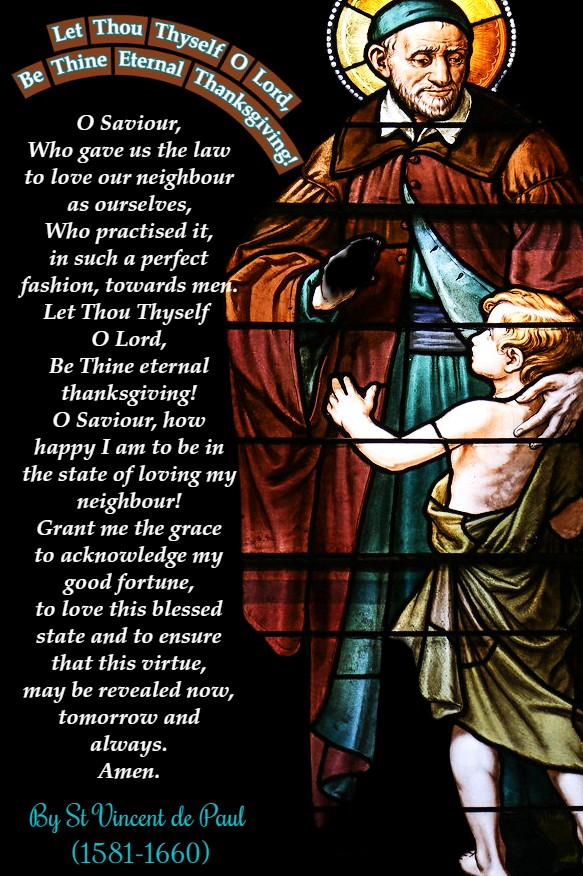
Let Thou Thyself O Lord, Be Thine Eternal Thanksgiving! By St Vincent de Paul (1581-1660)
O Saviour, Who gave us the law to love our neighbour as ourselves, Who practised it, in such a perfect fashion, towards men. Let Thou Thyself O Lord, Be Thine eternal thanksgiving! O Saviour, how happy I am to be in the state of loving my neighbour! Grant me the grace to acknowledge my good fortune, to love this blessed state and to ensure that this virtue, may be revealed now, tomorrow and always. Amen.
Saint of the Day – 19 July – St Pope Symmachus (Died 514) Bishop of Rome from 22 November 498 until his death. Born in Sardinia and died in Rome, both in modern Italy.
The Roman Martyrology reads today: “At Rome, Pope St Symmachus, who for a long time had much to bear from a faction of schismatics. At last, distinguished by Holiness, he went to God.”
Mosaic of St Symmachus in the Apse of the Church of Saint Agnes Outside the Walls
Symmachus was a native of Sardinia and a convert to Christianity, He entered religious life and became the Archdeacon of the Roman Church under Pope Anastasius II, whom he succeeded in November 498.
His reign is remembered chiefly for what has usually been called the Laurentian schism, named for his rival Laurentius, the Archpriest of Santa Prassede, who had been elected as the anti-pope by his supporters. For close to ten years (for some of which he actually occupied the Lateran Palace while Symmachus operated from an Episcopal residence on the Vatican Hill.
During his Papacy, Symmachus erected the round Chapel dedicated to St Andrew next to the old St Peter’s and a Basilica over the graveof St Pancras in the Cemetery of Octavilla. He built several or restored, several Churches.
Symmachus expenditure was immense in support of the Church in Vandal-ruled and officially Arian north-west Africa. His grant of the Pallium to Archbishop St Honorius of Arles, is the earliest known instance of such an award outside of Italy.
Symmachus died on 19 July 514 and was buried in St Peter’s Basilica. He had ruled for 15 years, 7 months,and 27 days.
St Ambrose Autpertus Bl Antonio of Valladolid St Aurea of Cordoba
St Arsenius (c354-c 449) Deacon, Hermit, Desert Father, Theologian, writer. Arsenius one of the most highly regarded of the Desert Fathers, whose teachings were greatly influential on the development of asceticism and the contemplative life. His contemporaries so admired him as to surname him “the Great”. His Life of Oblation to God: https://anastpaul.com/2021/07/19/saint-of-the-day-19-july-saint-arsenius-the-great-c-354-c-449/
St Macrina the Younger (c327-379) Virgin, Ascetic. With charm and grace, St Macrina ruled the roost in a family of saints. St Basil the Elder and St Emmelia, her parents, had ten children including the younger St Basil the Great (329-379) Father and Doctor of the Church, St Gregory of Nyssa (c 335–C 395) Father of the Church and St Peter of Sebaste Bishop (c 340–391). As the eldest child, Macrina exercised a formative influence on her more famous brothers and even on her mother. Her Holy Life: https://anastpaul.com/2019/07/19/saint-of-the-day-19-july-saint-macrina-the-younger-c-327-379/
St Martin of Trier St Michael the Sabaitè Bl Pascasio of Lyon
Martyrs of Meros – 3 Saints: Three Christians tortured and Martyred together in the persecutions of emperor Julian the Apostate and governor Almachio. We know nothing else about them but the names – Macedoniuis, Tatian and Theodule. They were burned to death on an iron grill in Meros, Phrygia (in modern Turkey).
Martyrs of China: 3 Beati: Beatified on 17 April 1955 by Pope Pius XII. Elisabeth Qin Bianshi Elisabeth Ioannes Baptista Zhu Wurui Simon Qin Chunfu
Thought for the Day – 18 July – Meditations with Antonio Cardinal Bacci (1881-1971)
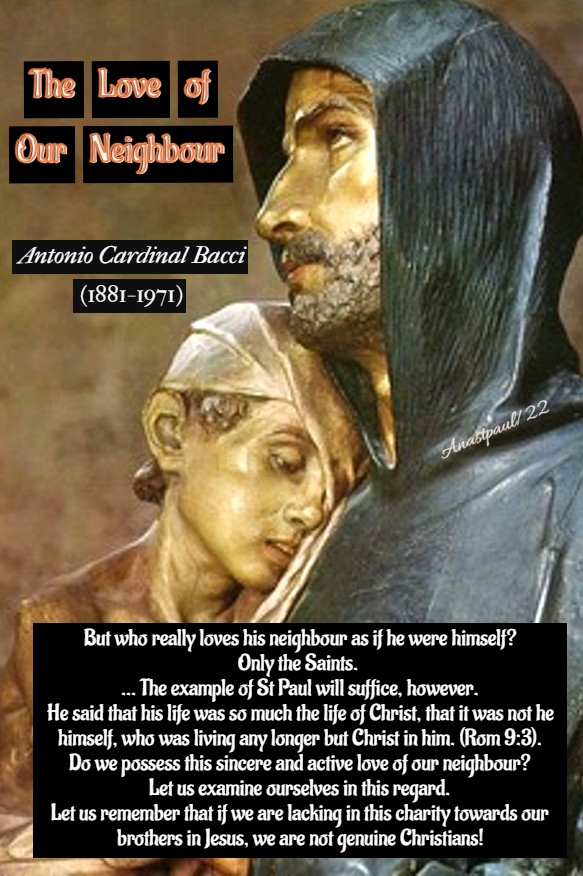
The Love of Our Neighbour
“But who really loves his neighbour as if he were himself? Only the Saints. Jesus loved us, not only as much as He loved Himself but much more than this because He gave His life and His own Precious Blood for salvation. The Saints who lived the life of Christ and followed His example, saw Jesus in all their fellowmen. Therefore, they loved them as themselves and even more than themselves. One could cite thousands of instances of heroic charity in the lives of the Saints. The example of St Paul will suffice, however. He said that his life was so much the life of Christ, that it was not he himself, who was living any longer but Christ in him. (Rom 9:3).
Do we possess this sincere and active love of our neighbour? Let us examine ourselves in this regard. Let us remember that if we are lacking in this charity towards our brothers in Jesus, we are not genuine Christians!”
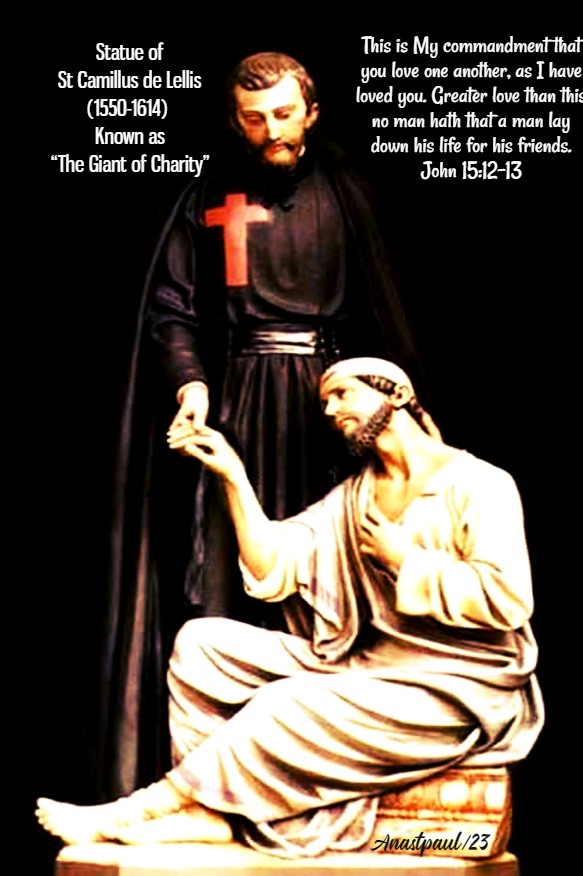
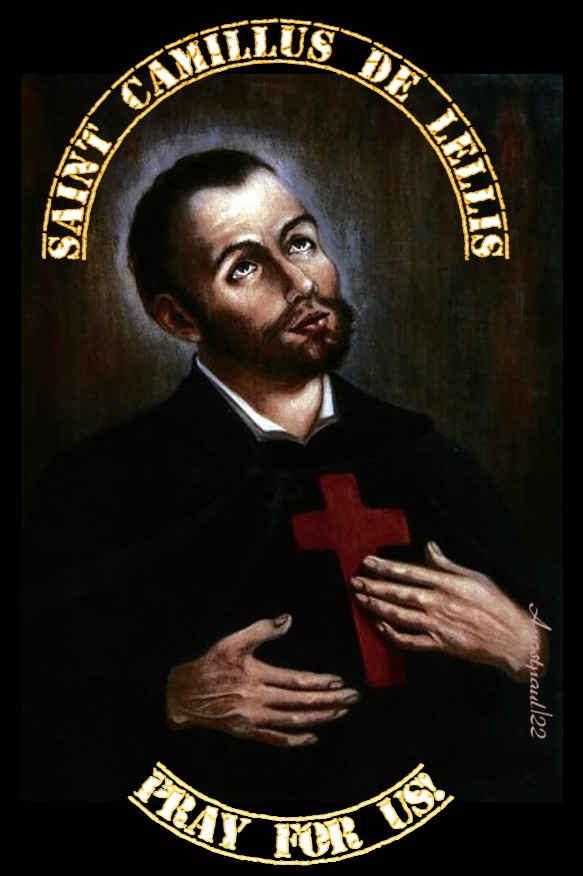
Quote/s of the Day – 18 July – St Camillus de Lellis MI (1550-1614) Confessor, Priest and Founder, “The Giant of Charity.” – 1 John 3:13-18, – John 15:12-16 – Scripture search here: https://www.drbo.org/
“This is My commandment that you love one another, as I have loved you. Greater love than this no man hath that a man lay down his life for his friends.”
John 15:12-13
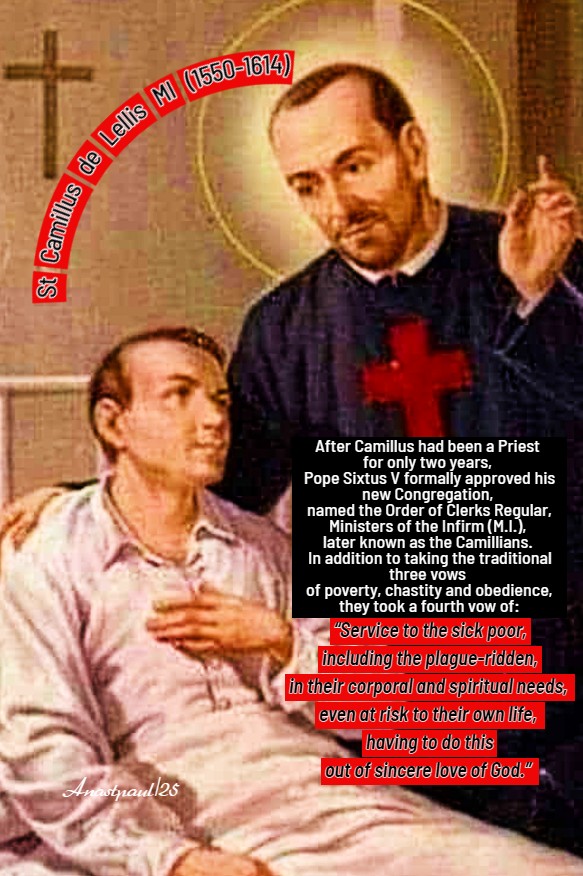
After Camillus had been a Priest for only 2 years, Pope Sixtus V formally approved his new Congregation, named the Order of Clerks Regular, Ministers of the Infirm (M.I.), later known as the Camillians. In addition to taking the traditional three vows of poverty, chastity and obedience, they took a fourth vow of:
“Service to the sick poor, including the plague-ridden, in their corporal and spiritual needs, even at risk to their own life, having to do this out of sincere love of God.”
One Minute Reflection – 18 July – “The Month of the Most Precious Blood” – St Camillus de Lellis MI (1550-1614) Confessor, Priest and Founder, “The Giant of Charity.” – 1 John 3:13-18 – John 15:12-16 – Scripture search here: https://www.drbo.org/
“This is My commandment that you love one another, as I have loved you. Greater love than this no man hath that a man lay down his life for his friends.” – John 15:12-13
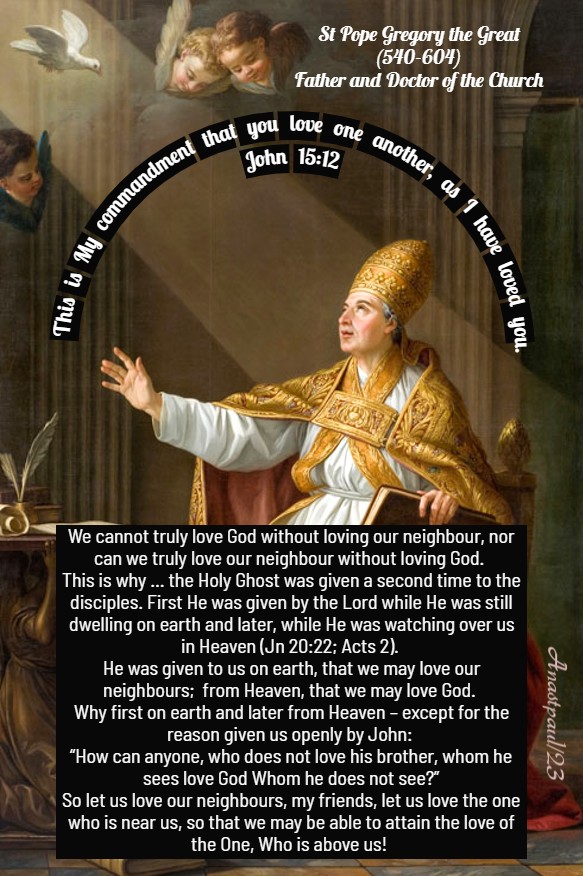
REFLECTION – “We cannot truly love God without loving our neighbour, nor can we truly love our neighbour without loving God. This is why … the Holy Ghost was given a second time to the disciples. First He was given by the Lord while He was still dwelling on earth and later, while He was watching over us in Heaven (Jn 20:22; Acts 2). He was given to us on earth, that we may love our neighbours; from Heaven, that we may love God. Why first on earth and later from Heaven – except for the reason given us openly by John: “How can anyone, who does not love his brother, whom he sees love God Whom he does not see?”
So let us love our neighbours, my friends, let us love the one who is near us, so that we may be able to attain, the love of the One, Who is above us! Let our hearts reflect on what our neighbours hold up to God, so that we may be found completely worthy, to rejoice in God with them. Then shall we reach the happiness of the heavenly multitude, the happiness of which, we have received an assurance from the Holy Spirit. Let us move forward toward that goal, where we shall be happy without end, with all our love. There is the holy community of heavenly citizens, there is the sure and solemn observance, there untroubled rest, there the true peace which is no longer dependent on us but given to us through our Lord Jesus Christ (Jn 14:27).” – St Gregory the Great (540-604) Pope, Father and Doctor of the Church (Excerpt Sermons on the Gospel No 30).
PRAYER – O God, Who endowed St Camillus with a special gift of charity for the help of souls struggling in their final agony, pour upon us, we beseech Thee, by his merits, the spirit of Thy love, so that at the hour of our death, we may be found worthy to overcome the enemy and attain the heavenly crown. Through Jesus Christ, Thy Son our Lord, Who lives and reigns with Thee, in the unity of the Holy Ghost, God, world without end. Amen (Collect).
Our Morning Offering – 18 July – “The Month of the Most Precious Blood”
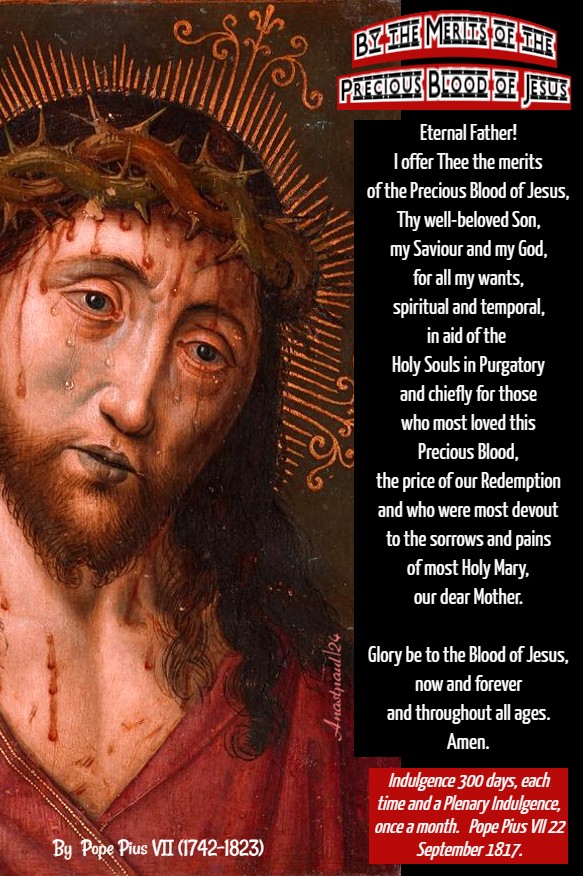
By the Merits of the Precious Blood of Jesus By Servant of God Pope Pius VII (1742-1823) Papacy from 1800 to 1823 Indulgenced Act of Oblation to Our Father
Eternal Father! I offer Thee the merits of the Precious Blood of Jesus, Thy well-beloved Son, my Saviour and my God, for all my wants, spiritual and temporal, in aid of the Holy Souls in Purgatory and chiefly for those who most loved this Precious Blood, the price of our redemption and who were most devout to the sorrows and pains of most Holy Mary, our dear Mother.
Glory be to the Blood of Jesus, now and forever and throughout all ages. Amen.
Indulgence of 300 days, each time this prayed is offered, 22 September 1817 with a Plenary Indulgence, once a month, under the usual conditions.
Note of Interest:On 15 August 1811 – the Feast of the Assumption – it is recorded that the Pope celebrated Mass and was said to have entered a trance and began to levitate in a manner that drew him to the Altar. This particular episode aroused great wonder and awe among attendants, which included the French soldiers guarding him, who were awestruck at what had occurred and left records of it.
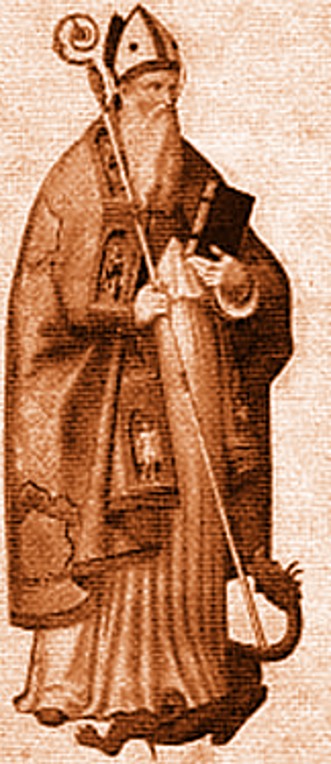
Saint of the Day – 18 July – St Rufillus (5th Century) the 1st Bishop of Forlimpopoli, in the Province of Forli, Italy, Defender of the Faith, as zealous and faithful shepherd and protector of his people. a “dragon-slayer” symbolising the slaying of paganism and idolatry. Patronages – of the City of Forlimpopoli and of the Diocese of Forli-Bertinoro.
The Roman Martyrology reads today: “At Forlimpopoli, Emilia, Italy, St Rufillus, the Bishop of that City.”
The information we have about the 1st Bishop of Forlimpopoli in Forlì, Saint Rufillus, comes from late literary sources. However the evidence of his cult throughout Emilia-Romagna indicates his existence and the great veneration he received over the centuries.
Medieval sources cite 13 Churches dedicated to him in the region: one in Bologna, near the San Rufillus Bridge, one in Casola Valsenio (Diocese of Imola), one in Vitignano di Meldola (Forlì), one in Ravenna, three in the Diocese of Faenza, three in the Diocese of Forlimpopoli, one in Florence and finally, the Saint’s Sepulchral basilica (Collegiate Church of Saint Rufillus) which existed in the City of Forlimpopoli but was located outside the City walls at the time of its Construction.
Recent excavations have dated the Apse to the 5th Century, while the rest of the ancient religious building underwent various destructions, reconstructions and renovations, culminating in the current Basilica dating to 1378. It is the only early Basilica in the City, and eminent scholars believed it to be the original Cathedral of Forlimpopoli.
Around 971, the Basilica was ceded to the Benedictines and became an Abbey, while the Cathedral sSat was transferred to another Church within the defensive walls, likely to the Basilica discovered beneath the foundations of the famous 14th Century fortress, now home to an Archaeological Museum.
All this to reiterate that, beyond the hagiographical uncertainties surrounding St Rufillus, the existence of such a widespread cult makes him a highly venerated Saint and, therefore, one of a holy life and zealous apostolic work among the population.
An ancient 11th Century sermon, recited on the Saint’s Feastday and written in excellent Latin, provides us with some information about Rufillus, endowed with the virtues proper to a Bishop. The document dates the Feast to 18 July and recounts the episode of the victory over the dragon; between Forlimpopoli and Forlì, 8 km away where a monstrous dragon lurked, its breath polluting the air, causing the deaths of several people.
Bishop Rufillus urged the faithful of the Diocese to fast and pray, so that the area would be freed from the pestilential monster. At the same time, he invited the Bishop of Forlì, St Mercuriale (30 April), to participate in the appeals to Heaven and to the dragon.
They both went to the dragon’s lair, where they wrapped their stoles around its throat and threw it into a deep well, blocking the mouth with a ‘memorial’ (a monument or an inscription). This episode is also recounted in the Vita of St Mercuriale and in that of Saints Gratus and Marcellus; the dragon represented the symbol of idolatry which was still quite widespread snf, therefore, saw the struggle of the 1st Bishop of Forlimpopoli committed to eradicating it, together with the work of other saintly Bishops of the region.
And with them he was also committed to combating the Arian heresy, whose driving force was in Rimini; from the documents relating to the aforementioned Bishops and to St.Peter Chrysologus, the Bishop of Ravenna, also his contemporary, the period of his Episcopate can be dated to the first half of the 5th Century.
According to some sources, he died at the age of ninety in Forlimpopoli. In 1362, after the destruction of the City, his Relics were transported to Forlì to the Church of St James. In May 1964, they returned to the Collegiate Basilica of Forlimpopoli, where they are now still highly venerated.
St Symphorosa and her seven sons / Also known as – The Martyrs of Tivoli – 8 Saints: A widow, St Symphorosa and her seven sons ( Crescens, Eugene, Julian, Justin, Nemesius, Primitivus and Stracteus) Martyred in Tivoli, Italy in the 2nd-century persecutions of Hadrian.
St Aemilian of Dorostorium St Alanus of Sassovivo St Alfons Tracki Blessed Angeline of Marsciano Bl Arnold of Amiens
Martyrs of Silistria – 7 Saints: Seven Christians who were Martyred together. No details about them have survived but the names – Bassus, Donata, Justus, Marinus, Maximus, Paulus and Secunda. They were martyred in Silistria (Durostorum), Moesia (in modern Bulgaria), date unknown.
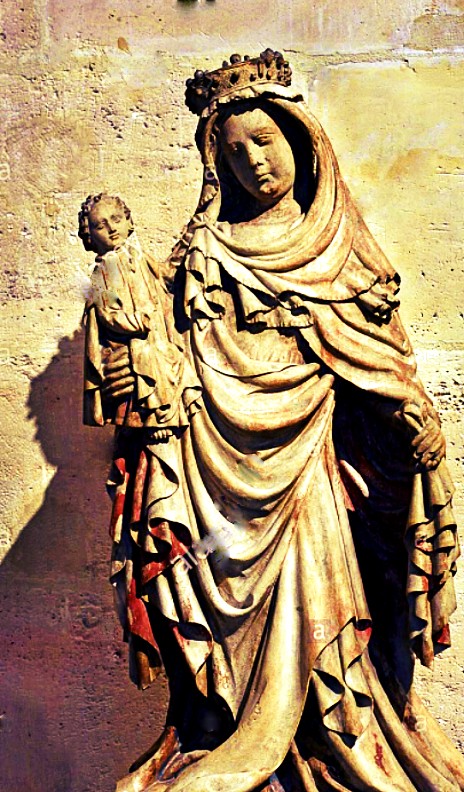
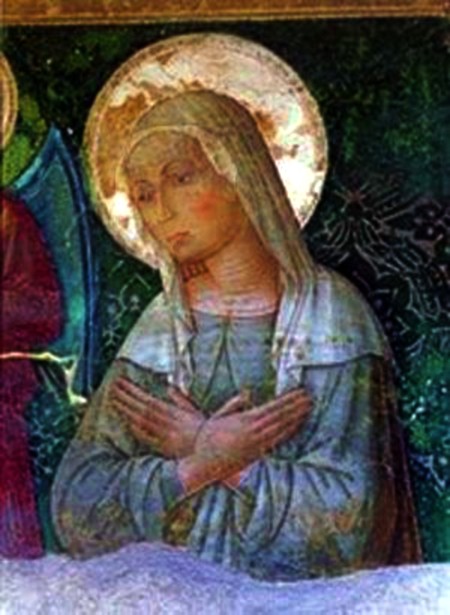
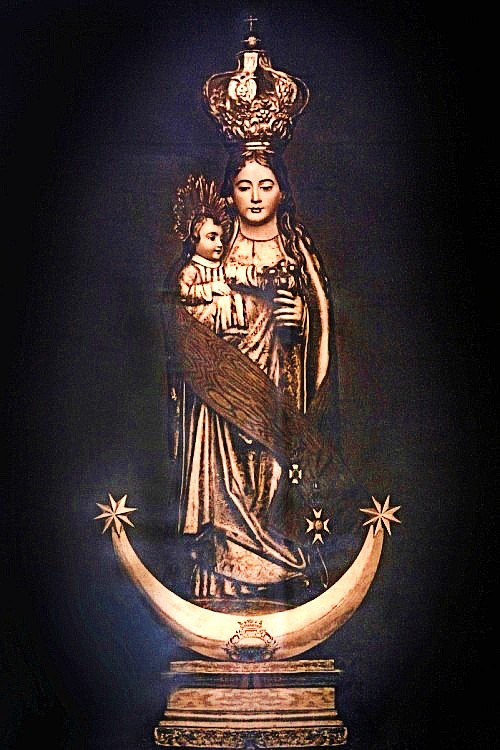
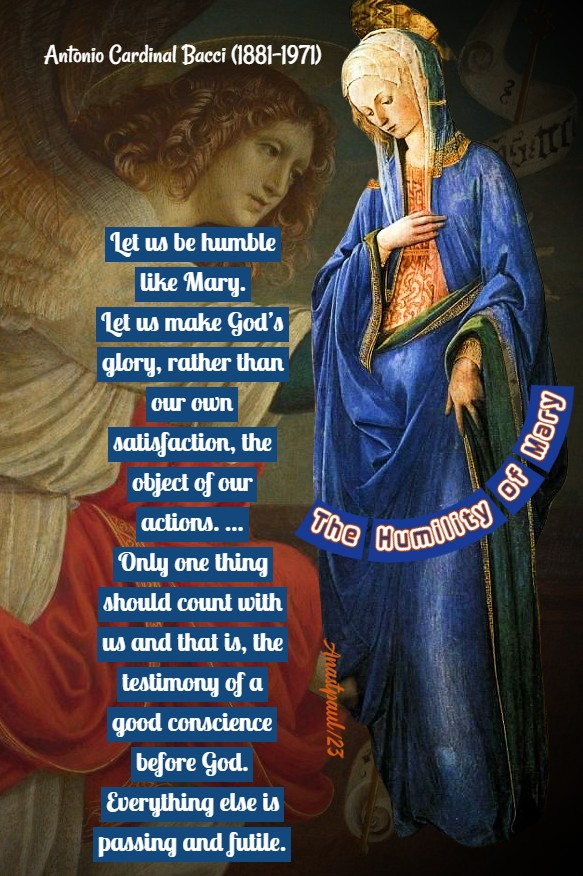
Meditations with Antonio Cardinal Bacci (1881-1971) on the Feast of the Humility of Mary
The Humility of Mary
“Unfortunately, we often look for our share of glory on earth. We wish to appear to others, not only at our true value but much more than we are really worth. We imagine that the gifts and qualities which God has given us, belong to ourselves, whereas they are entirely His.
We like to put on a good appearance to win praise and renown – in other words, we wish to have our reward upon this earth. We should remember, however, that if we look for our reward now, we shall not have it in Heaven.
God sees when our motives in doing good are distorted and, when we appear before His Judgement Throne, He will say to us: “You have received your reward” (Cf Mt 6:2).
Let us be humble like Mary. Let us make God’s glory, rather than our own satisfaction, the object of our actions. It will sometimes happen that men will misunderstand us, perhaps even insult us. We are not forbidden to defend ourselves and explain our position. We may not have the heroic virtue of St Francis de Sales, who remained silent when he was caluminated. But we should not be too disturbed by lack of understanding or slander, nor should we be too elated by flattery. Only one thing should count with us and that is, the testimony of a good conscience before God. Everything else is passing and futile.
Our humility will be tested by the inevitable opposition, sometimes jealous and malicious, which we shall experience on the part of other men. On these occasions, we shall see if we are really meek and humble of heart, like Jesus and our Blessed Mother.”
Quote/s of the Day – 17 July – The Feast of The Humility of the Blessed Virgin Mary
“To arrive at the knowledge of the Truth, there are many paths – the first is humility, the second is humility and the third is humility!”
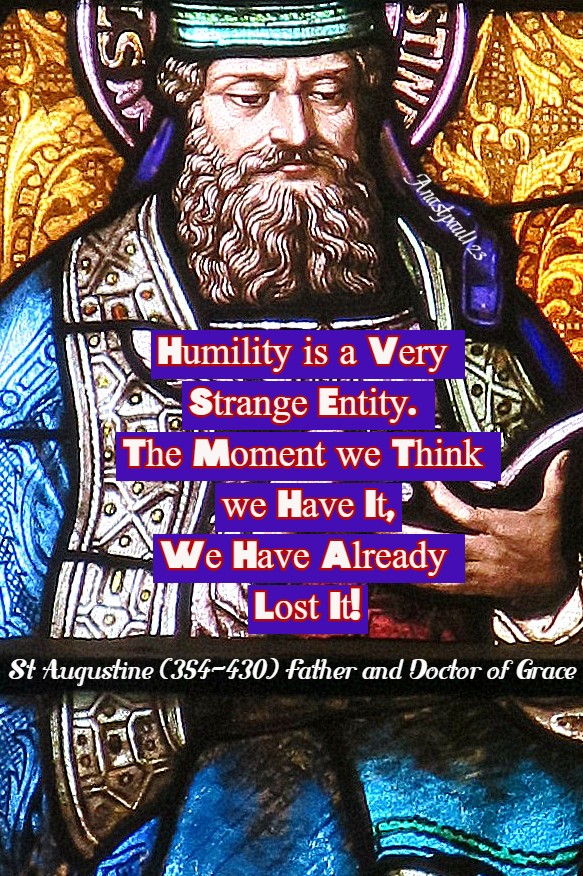
“Humility is a very strange entity. The moment we think we have it, we have already lost it!”
St Augustine (354-430) Father and Doctor of Grace)
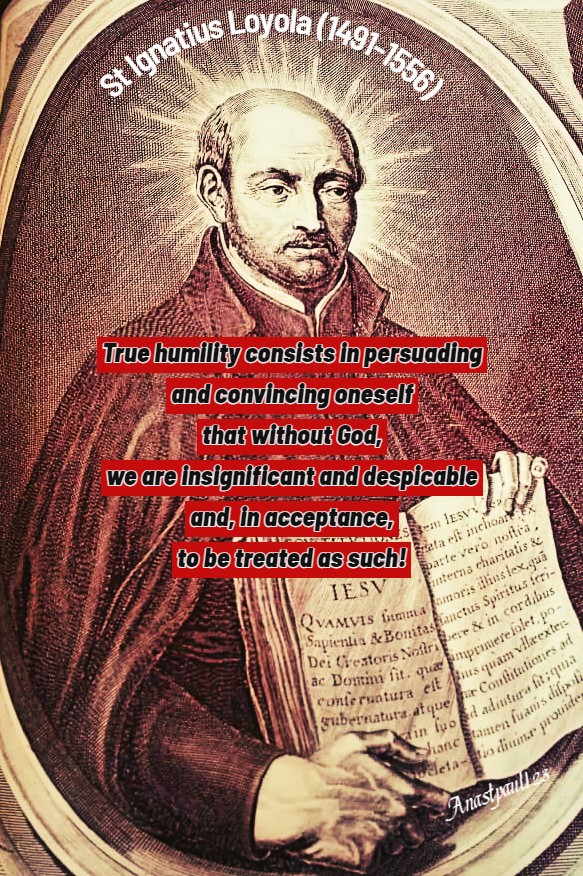
“True humility consists in persuading and convincing oneself that without God, we are insignificant and despicable and, in acceptance, to be treated as such!”
St Ignatius Loyola (1491-1556)
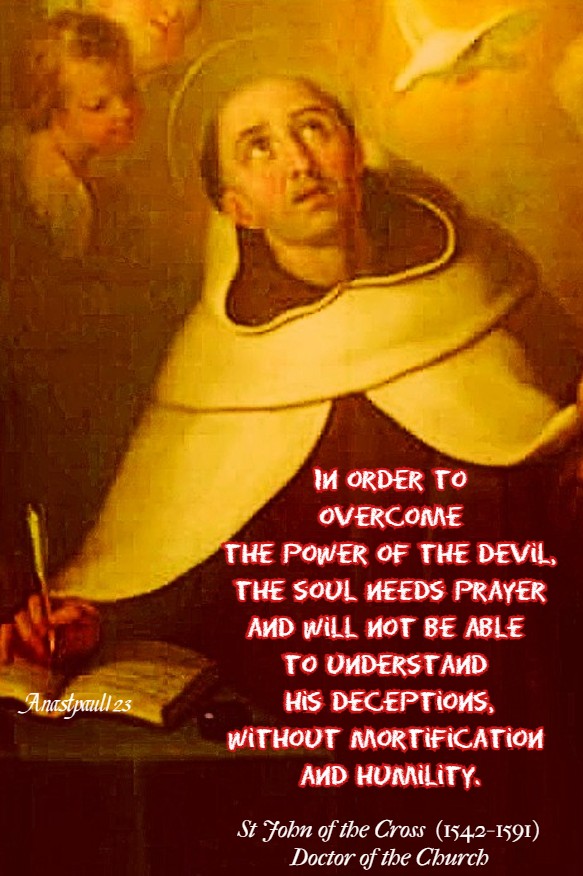
“In order to overcome the power of the devil, the soul needs prayer and will not be able to understand his deceptions, without mortification and humility.”
St John of the Cross (1542-1591) Doctor of the Church
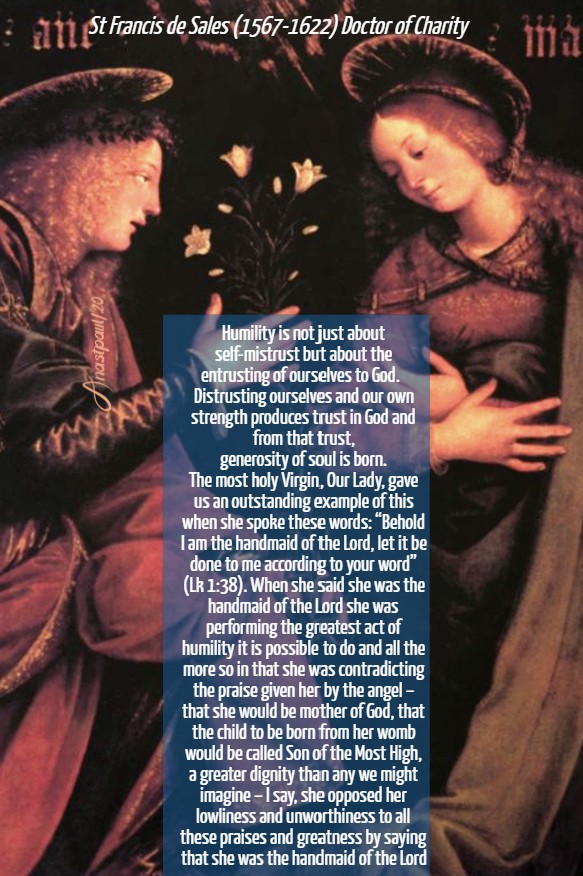
The most holy Virgin, Our Lady, gave us an outstanding example of this when she spoke these words: “Behold I am the handmaid of the Lord, let it be done to me according to your word” (Lk 1:38). When she said she was the handmaid of the Lord, she was performing the greatest act of humility it is possible to do and, all the more so, in that she was contradicting the praise given her by the angel – that she would be mother of God, that the child to be born from her womb would be called Son of the Most High, a greater dignity than any we might imagine – I say, she opposed her lowliness and unworthiness to all these praises and greatness, by saying that she was the handmaid of the Lord.”
Make Me Like Thineself, Mary My Mother By St Louis-Marie de Montfort (1673-1716)
My powerful Queen, thou art all mine, through thy mercy and I am all thine. Take away from me, all which may displease God and cultivate in me, all which is pleasing to Him. May the light of thy faith, dispel the darkness of my mind, thy deep humility, take the place of my pride, thy continual sight of God, fill my memory, with His Presence. May the love of thine heart inflame the lukewarmness, of mine. May thy virtues, take the place of my sins. May thy merits, be my enrichment and reconcile all which is wanting in me, before God. My beloved Mother, grant that I may have, no other spirit but thine, to know Jesus Christ and His Divine Will and to praise and glorify the Lord, that I may love God, with burning love like thine. Amen
One Minute Reflection – 17 July – “The Month of the Most Precious Blood” – The Feast of The Humility of the Blessed Virgin Mary – St Alexius –1 Timothy 6:6-12 – Matthew 19:27-29 – Scripture search here: https://www.drbo.org/
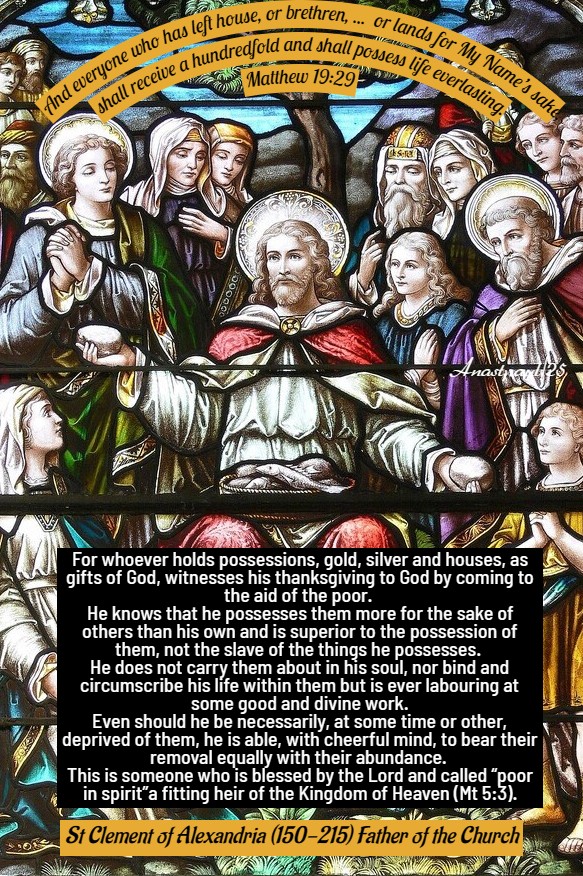
“And everyone who has left house, or brethren, or sisters, or father, or mother, or wife, or children, or lands for My Name’s sake, shall receive a hundredfold and shall possess life everlasting.” – Matthew 19:29
REFLECTION – “There is a kind of wealth which is deadly to all – the loss of it, unwelcome. Which, when it makes the soul pure – that is, poor and bare – hears the Saviour speaking thus: “Come, follow Me.” For to the pure in heart, He now becomes the Way. But into the impure soul the grace of God finds no entrance because that soul is unclean which is rich in lusts and enthrall to many worldly posessions.
For whoever holds possessions, gold, silver and houses, as gifts of God, witnesses his thanksgiving to God by coming to the aid of the poor. He knows that he possesses them more for the sake of others than his own and is superior to the possession of them, not the slave of the things he possesses. He does not carry them about in his soul, nor bind and circumscribe his life within them but is ever labouring at some good and divine work. Even should he be necessarily, at some time or other, deprived of them, he is able, with cheerful mind, to bear their removal equally with their abundance. This is someone who is blessed by the Lord and called “poor in spirit”a fitting heir of the Kingdom of Heaven (Mt 5:3)…
But someone who carries his riches around enclosed within his soul and, bears in his heart, instead of God’s Spirit, gold or land and is always acquiring possessions without end and is perpetually on the lookout for more, never looking up to Heaven, such a one is fettered in the toils of the world, being earth and destined to return to the earth (Gn 3:19). How can someone like that be able to desire the Kingdom of Heaven who, instead of a heart, carries land or metal and who is due to be surprised by death in the midst of his uncontrolled desires? For “where your heart is, there also will your treasure be” (Mt 6:21).” – St Clement of Alexandria (150-215) Father of the Church, Theologian (Sermon “What rich man can be saved?” )
PRAYER – Grant, we beseech Thee, O Lord God, unto all Thy servants, that they may remain continually in the enjoyment of soundness both of mind and body and, by the glorious intercession of the Blessed Mary, always a Virgin, maybe delivered from present sadness and enter into the joy of Thine eternal gladness.ThroughJesus Christ, Thy Son our Lord, Who lives and reigns with Thee, in the unity of the Holy Ghost, God, world without end. Amen (Collect).
Our Morning Offering – 17 July – “The Month of the Most Precious Blood”
Prayer in Praise of God By St Francis of Assisi (c1181-1226)
Thou art Holy, Lord, the only God and Thine Deeds art wonderful. Thou art Strong. Thou art Great. Thou art the Most High. Thou art Almighty. Thou, Holy Father art King of Heaven and earth. Thou art Three and One, Lord God, all Good. Thou art Good, all Good, Supreme Good, Lord God, Living and True. Thou art Love. Thou art Wisdom. Thou art Humility. Thou art Endurance. Thou art Rest. Thou art Peace. Thou art Joy and Gladness. Thou art Justice and Moderation. Thou art all our Riches and Thou art Suffice for us. Thou art Beauty. Thou art Gentleness. Thou art our Protector. Thou art our Guardian and Defender. Thou art our Courage. Thou art our Haven and our Hope. Thou art our Faith, our great Consolation. Thou art our Eternal Life, Great and Wonderful Lord, God Almighty, Merciful Saviour. Amen
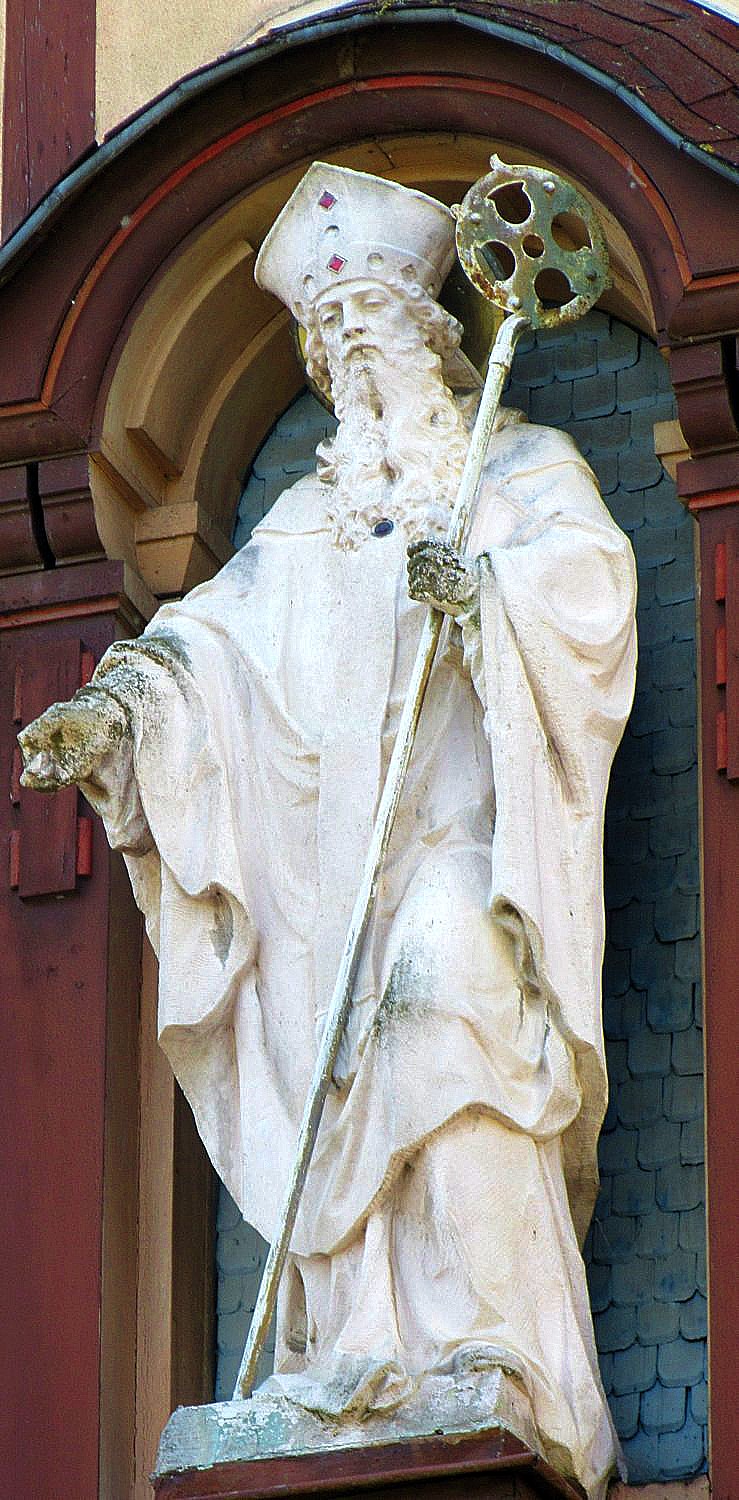
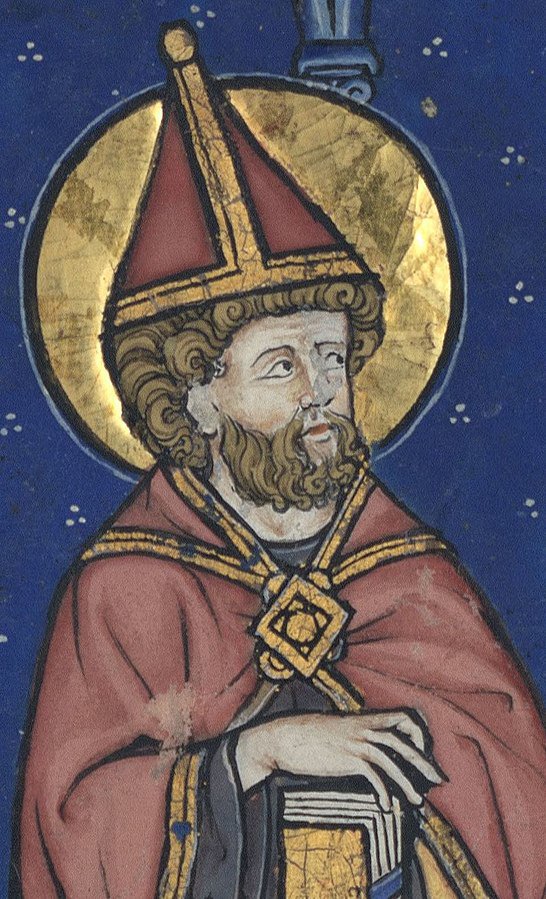
Saint of the Day – 17 July – Saint Magnus Felix Ennodius (c473-521) Bishop and Confessor of Pavia, Father of the Church, Poet, Rhetorician, a man of great erudition and eloquence, well employed for the benefit of the Faith and the Church of Christ. He is commonly referred to by his surname. Born in Arles, France as agnus Felix in either 473 or 474 and died
The Roman Martyrology reads today: “At Pavia, St Magnus Ennodius, Bishop and Confessor.”
Ennodius was a highly important figure of the 5th Century. He was a Bishop but also a Latin poet and rhetorician, undoubtedly a figure of the highest cultural and spiritual importance in that dark and somewhat fragmented century. The high level of esteem in which he and his work was held earned him the title of Confessor of the Faith and Father of the Church.
He was born in 473 or 474, related to the highest nobility of Rome. It is thought he may have descended from Felix Ennodius, who was the Pro-Consul of Africa between 408 and 423. His Father appears to have been named Firminus; Ennodius himself, in fact, cites this name, alongside that of Gerontius, as one of the two Grandfathers of his nephew Lupicinus. We also know of the existence of two Sissters and two Nieces: one, Euprepia, was the Mother of Lupicinus, the other, whose name is unknown, was the Mother of Parthenius.
Ennodius, orphaned at an early age, was raised by his paternal Aunt in northern Italy, more precisely in Pavia, a City to which he would be particularly attached and linked for his name and work, especially later as the Bishop.
At the age of sixteen, around 489-490, Ennodius lost his Guardian Aunt and found himself alone in a region then gripped by the misery resulting from the armed conflicts between Theodoric and Odoacer. However, he found refuge with a pious and wealthy family and became engaged to their Daughter but for reasons which are not entirely clear (one hypothesis is that the family was ruined by the war) the marriage did not take place.
Around 493, we know, Ennodiush entered the Clergy of Pavia, whose Bishop was Epiphanius, who died on 21 January 496 (or 498). Our Saint then became a Deacon in the Church of Milan, whose Bishop Lawrence (490-512) was his relative and it is precisely during his Milanese period that the bulk of his works date.
Known for his literary talent, he was induced to write in defence of Pope Symmachus during the long conflict between the latter and the Deacon Lawrence. This would be the beginning of an increasingly strong visibility throughout the Catholic Church and an opportunity to admire his eloquence and doctrinal erudition.
In July 511, he was struck by a serious fever, from which he recovered through the intercession of St. Victor. This illness was accompanied by a moral crisis which led him to renounce the literary trivialities he had practiced, until then, with too much complacency and to replace it with a maturity of faith which allowed him to live his vocation with greater devotion and determination.
In 514, he became the Bishop of Pavia. Given that it was the Seat of the Kingdom, everything suggests that Theodoric had been involved in this appointment. His work as a shepherd was intense and marked by charity and the need to confirm the Clergy and people in correct doctrine.
In 515 and 517, along with other Italian Bishops, Ennodius took part in several missions sent by Pope Hormisdas to the East to attempt to resolve the conflict between the two Churches. This would be the pinnacle of his Ecclesiastical diplomacy in the service of the Pope and for the good of the entire Church. A few years later, he died and, as his Epitaph records, was buried on 17 July 521.
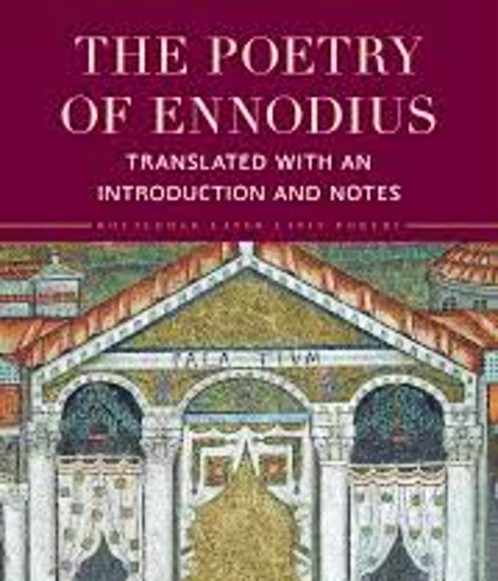
Of Ennodius, 9 books of Epistles and Sermons have survived, a collection of writings in prose and verse on various subjects, including Hymns, descriptions of travels, epigrams, a panegyric to Theodoric (dated 507) and the biography of his predecessor, Saint Epiphanius.
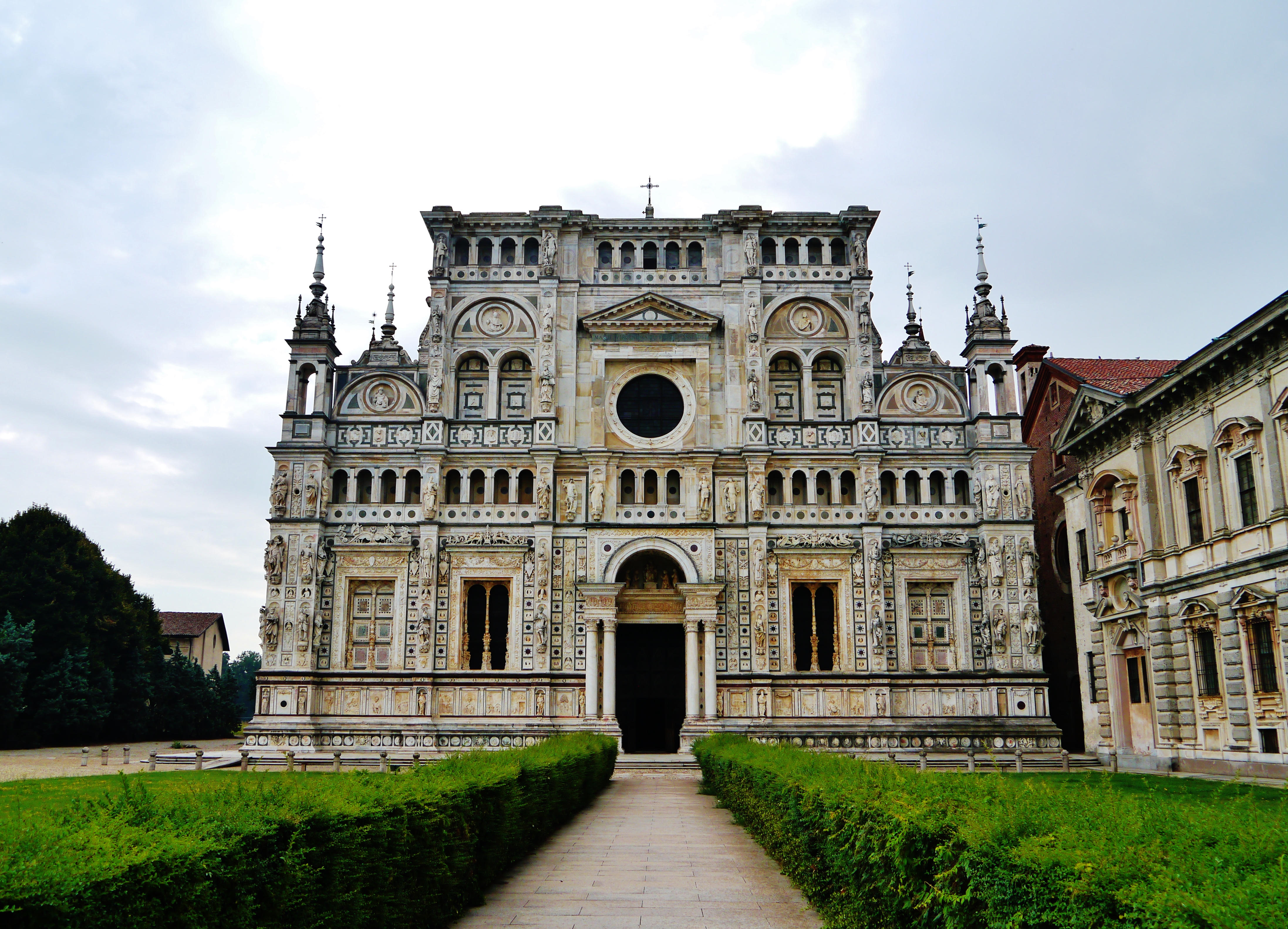
Ennobius’ Relics and Tomb are venerated in the Basilica of St Michael in Pavia.

































 AnaStpaul
You must be logged in to post a comment.