St John of Capistrano OFM (1386-1456) Friar of the Friars Minor, Priest, Confessor and Preacher. Famous as a preacher, theologian and inquisitor, trained lawyer, he earned himself the nickname ‘the Soldier Saint’ when in 1456 at age 70 he led a crusade against the invading Ottoman Empire at the siege of Belgrade. Feast Day moved from 28 March in 1969. Biography: https://anastpaul.com/2017/10/23/saint-of-the-day-23-october-st-john-capistrano-ofm-1386-1456-the-soldier-saint/
St Cyril the Deacon Bl Dedë Maçaj St Donal O’NeylaC St Dorotheus of Tarsus St Gundelindis of Niedermünster St Guntramnus (c 532-592) King, Confessor St Hesychius of Jerusalem St Hilarion of Pelecete Bl Jean-Baptiste Malo Bl Jeanne Marie de Maille St Proterius of Alexandria Bl Renée-Marie Feillatreau épouse Dumont St Rogatus the Martyr St Successus the Martyr St Tutilo of Saint-Gall
Quote/s of the Day – 16 March – Wednesday of the Second week of Lent – Esther 13:8-11; 15-17, Matthew 20:17-28
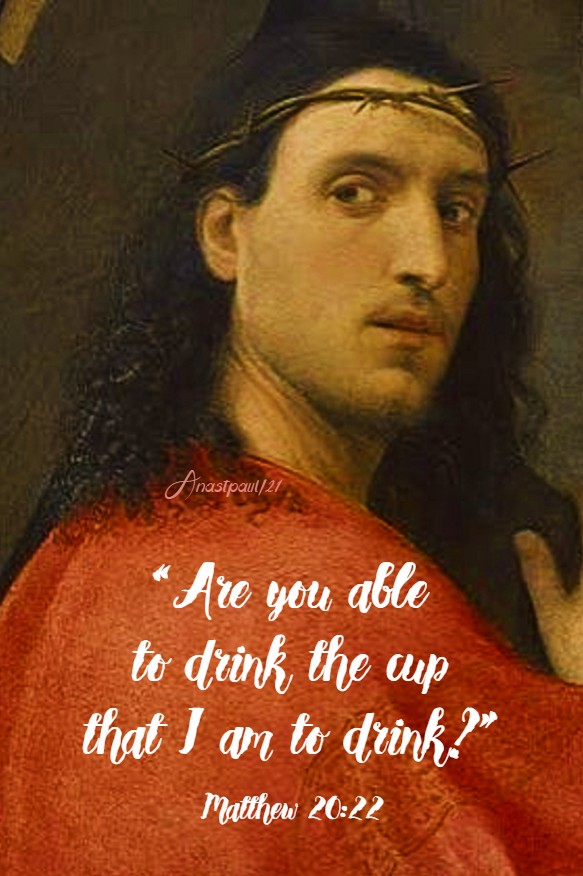
“Are you able to drink the cup that I am to drink?”
Matthew 20:22
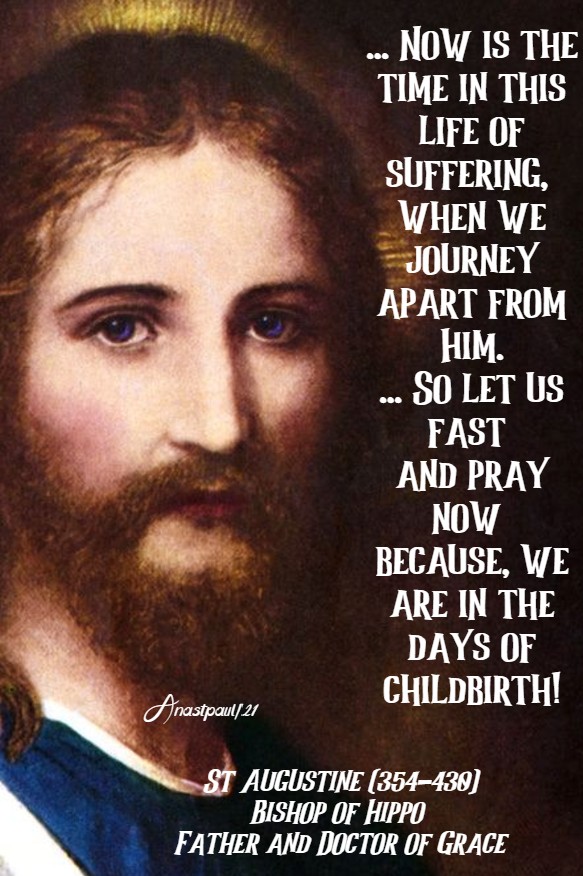
“… Now is the time in this life of suffering, when we journey apart from Him. … So let us fast and pray now because, we are in the days of childbirth!”
St Augustine (354-430) Bishop of Hippo Father and Doctor of Grace
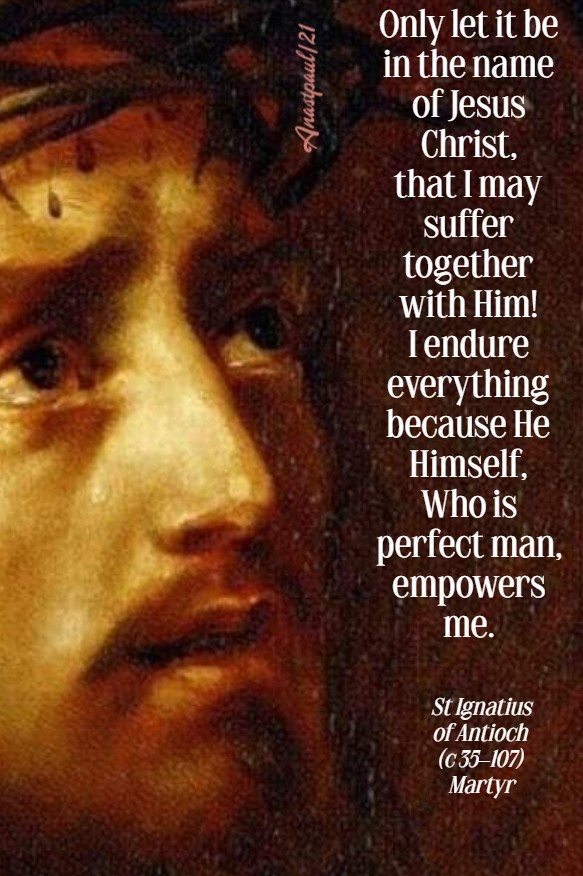
“Only let it be in the name of Jesus Christ, that I may suffer together with Him! I endure everything because He Himself, Who is perfect man, empowers me.”
St Ignatius of Antioch (c 35–107) Martyr
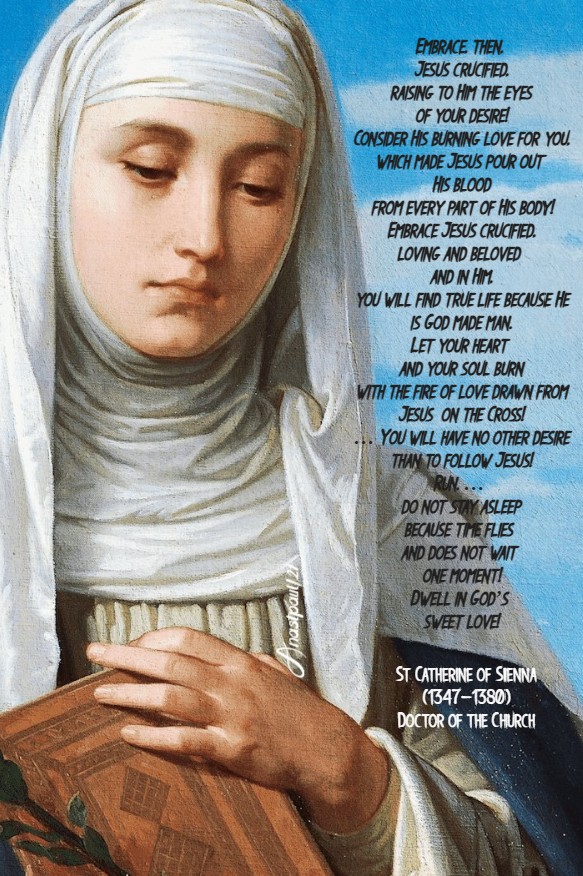
“Embrace, then, Jesus Crucified, raising to Him the eyes of your desire! Consider His burning love for you, which made Jesus pour out His Blood from every part of His body! Embrace Jesus crucified, loving and beloved and in Him, you will find true life because He is God made Man. Let your heart and your soul burn with the fire of love drawn from Jesus on the Cross! … You will have no other desire than to follow Jesus! Run, … do not stay asleep because time flies and does not wait one moment! Dwell in God’s sweet love!”
St Catherine of Sienna (1347-1380) Doctor of the Church
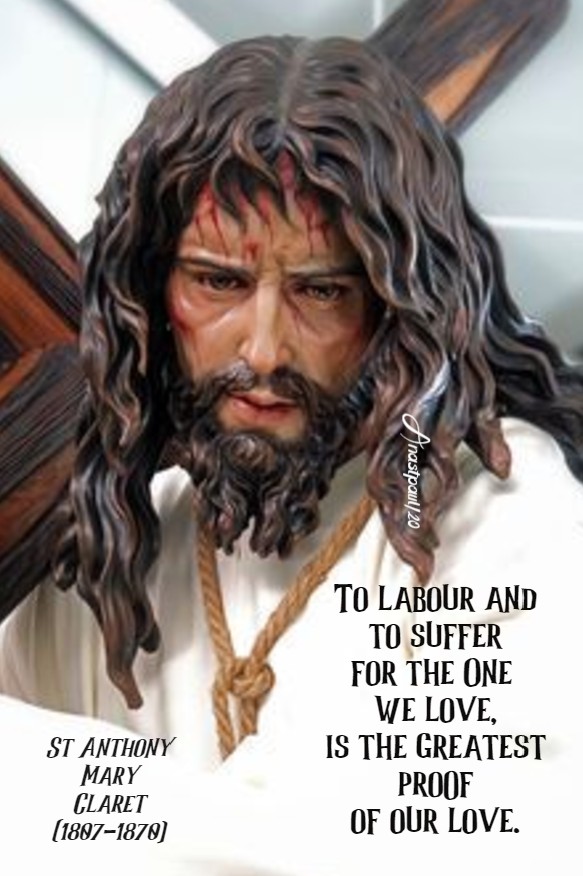
“To labour and to suffer for the One we love, is the greatest proof of our love.”
Thought for the Day – 7 March – Meditations with Antonio Cardinal Bacci (1881-1971)
ST THOMAS AQUINAS
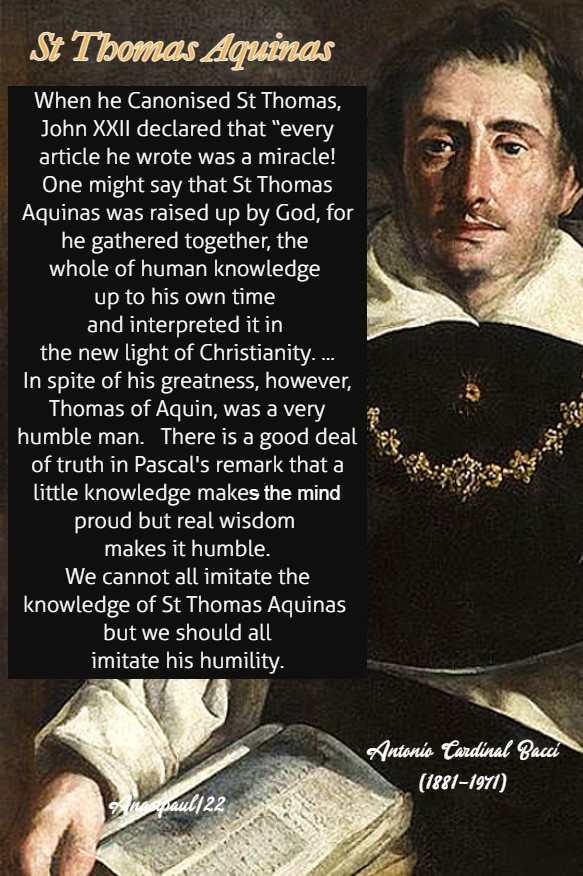
“It is generally recognised that St Thomas Aquinas was a great Philosopher and Theologian. The Cartesian Philosopher, Jourdain , said of him, that no other man had come so near to being infallible! The eclectic Philosopher, Cousin, referred to the Summa Theologiae, as one of the greatest masterpieces of human genius. Dante celebrated in immortal verse, this wonderful synthesis of thought. When he Canonised St Thomas, John XXII declared that “every article he wrote was a miracle!”
One might say that St Thomas Aquinas was raised up by God, for he gathered together, the whole of human knowledge up to his own time and interpreted it in the new light of Christianity. He ordered it into a complete compact body of philosophical and theological doctrine, to serve as an impregnable defence against the errors of his own and later times.
In spite of his greatness, however, Thomas of Aquin, was a very humble man. There is a good deal of truth in Pascal’s remark that a little knowledge makes the mind proud but real wisdom makes it humble.
We cannot all imitate the knowledge of St Thomas Aquinas but we should all imitate his humility.”
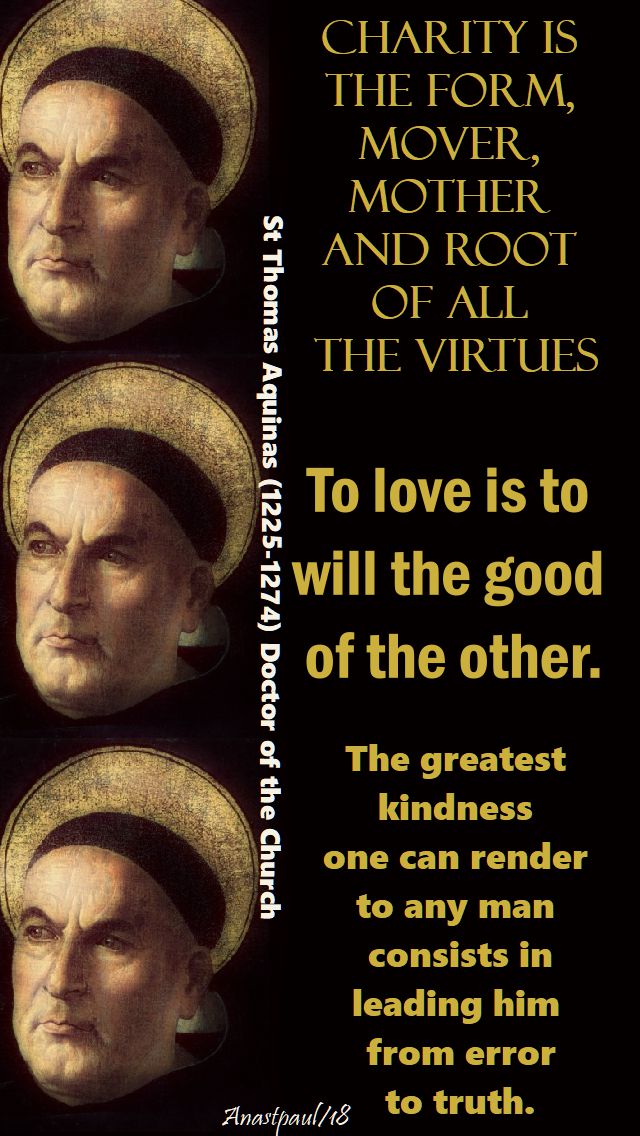
Quotes of the Day – 7 March – Monday of the First Week of Lent and the Memorial of St Thomas Aquinas OP (1225-1274) Doctor Angelicus and Doctor Communis
“Charity is the form, mover, mother and root of all the virtues.”
“To love is to will the good of the other.”
“The greatest kindness one can render to any man consists in leading him from error to truth.”
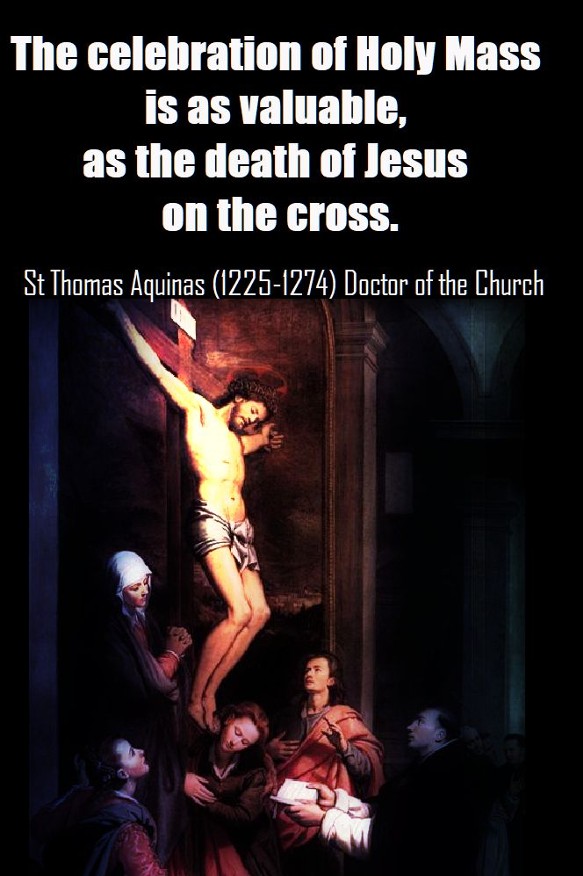
“The celebration of Holy Mass is as valuable, as the death of Jesus on the cross.”
“Believing is: an act of the intellect assenting to the divine truth, by command of the will, moved by God through grace.”
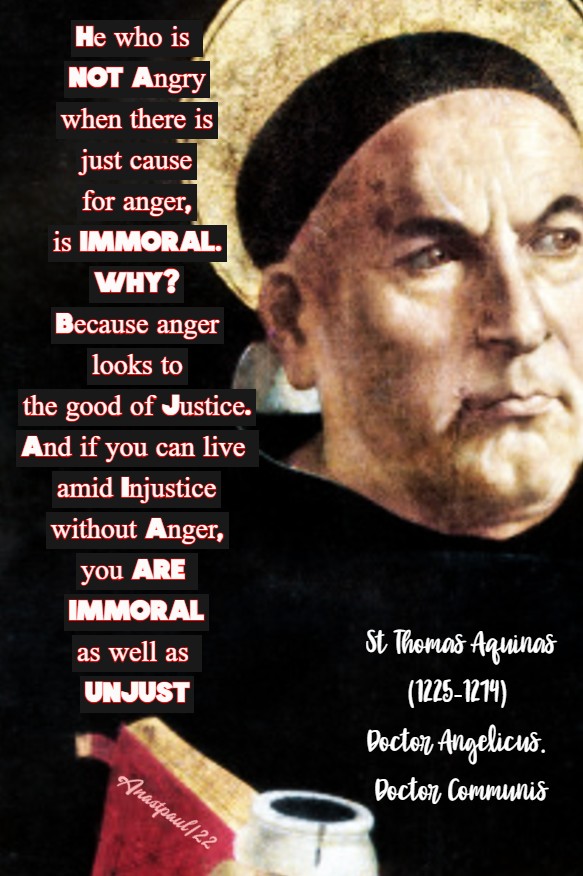
“He who is NOT angry when there is just cause for anger, is IMMORAL. WHY? Because anger looks to the good of Justice. And if you can live amid Injustice without anger, you ARE IMMORAL as well as UNJUST!”
St Thomas Aquinas (1225-1274) Doctor Angelicus. Doctor Communis
St Ardo of Aniane St Deifer of Bodfari St Drausinus of Soissons St Enodoch St Esterwine of Wearmouth St Eubulus of Caesarea St Gaudiosus of Brescia Bl Henry of Austria
St Paul of Prusa St Paul the Simple St Reinhard of Reinhausen St Teresa Margaret Redi of the Sacred Heart OCD (1747– 1770) Virgin, Nun of the Order of the Discalced Carmelites, Mystic. Bl William of Assisi
Martyrs of Carthage – 4 Saints: A catechist and three students Martyred together for teaching and learning the faith. We know little more than their names – Revocatus, Saturninus, Saturus and Secundulus. Mauled by wild beasts and beheaded 7 March 203 at Carthage, North Africa
St Anselm of Nonantola St Arthelais of Benevento Bl Benedetto Sinigardi da Arezzo St Calupan St Camilla St Cele-Christ St Cunegundes (c 975-1040) Empress of the Holy Roman Empire, Nun
St Foila Bl Frederick of Hallum St Gervinus Bl Innocent of Berzo Bl Jacobinus de’ Canepaci St Lamalisse St Non
Bl Pierre-René Rogue St Sacer St Teresa Eustochio Verzeri St Titian of Brescia St Winwallus of Landévennec
40 Martyrs in North Africa – A group of Christians martyred together in North Africa, date unknown. No details have survived, but we know these names – Antonius, Artilaus, Asclipius, Astexius, Basil, Bosimus, Carissimus, Castus, Celedonius, Claudianus, Cyricus, Donata, Emeritus, Emeterius, Euticus, Felix, Fortunatus, Frunumius, Gajola, Georgius, Gorgonius, Hemeterus, Isicus, Janula, Julius, Luciola, Luciolus, Marcia, Marinus, Meterus, Nicephorus, Papias, Photius, Risinnius, Sabianus, Savinianus and Solus
Martyrs of Pontus – 3+ Saints – A large group of Christians Martyred together in the persecutions of Emperor Maximian Galerius and governor Ascleopiodato. We have some details on three of them – Basiliscus, Cleonicus and Eutropius. 308 in Pontus (in modern Turkey) Martyrs of Caesarea; Asterius Marinus
Martyrs of CalahorraL Cheledonius Emeterius
Martyrs of Gondar, Ethiopia: Bl Antonio Francesco Marzorati Bl Johannes Laurentius Weiss Bl Michele Pío Fasol
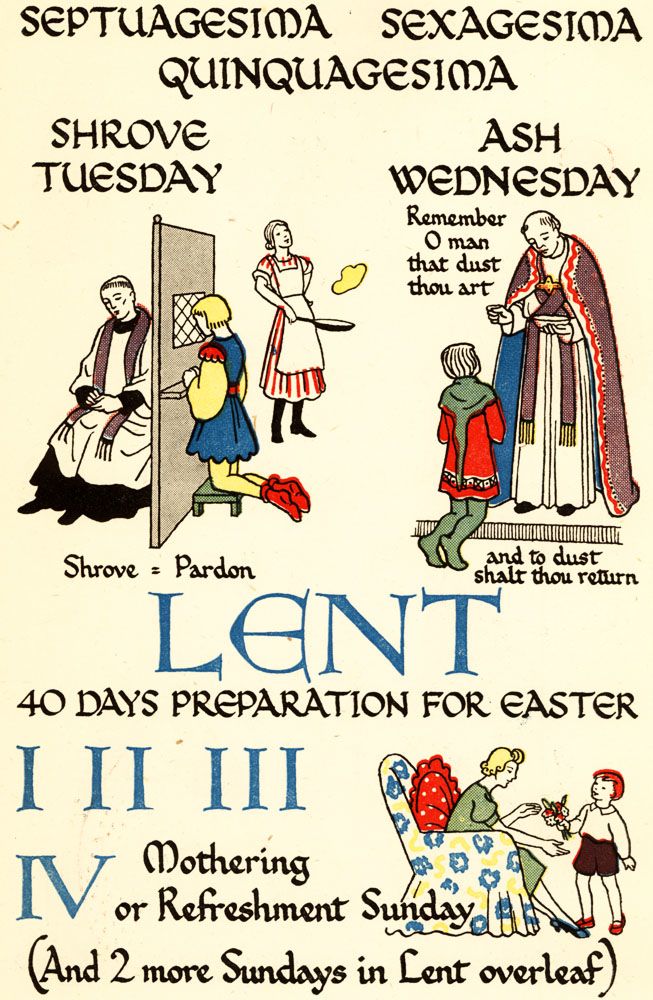
Sexagesima Sunday: (Latin – Sexagesima, sixtieth) is the eighth Sunday before Easter and the second before Lent. The Ordo Romanus, St Alcuin and others, count the Sexagesima from this day to Wednesday after Easter. The name was already known to the Fourth Council of Orléans in 541. To the Latins it is also known as “Exsurge” from the beginning of the Introit. The station was at Saint Paul’s Outside the Walls of Rome and hence, the oratio calls upon the Doctor of the Gentiles. The Epistle is from Paul, 2 Corinthians 11 and 12, describing his suffering and labours for the Church. The Gospel (Luke 8) relates the falling of the seed on good and on bad ground, while the Lessons of the first Nocturn continue the history of man’s iniquity and speak of Noah and of the Deluge.
St Leo of Catania St Nemesius of Cyprus Blessed Pietro of Treia OFM (1214-1304) Friar of the Friars Minor. St Pothamius of Cyprus St Serapion of Alexandria St Silvanus of Emesa
Bl Józef Zaplata St Lucia Yi Zhenmei St Mansuetus of Milan St Odran St Proclus of Bisignano St Quodvultdeus (Died c 450) Bishop, Confessor St Valerius of Antibes St Zambdas of Jerusalem
Quote/s of the Day – 18 February – “Month of the Most Blessed Trinity” – Septuagesima Weekday
ETERNAL LIFE
“And everyone who has left house, or brethren, or sisters, or father, or mother, or wife, or children, or lands for my name’s sake, shall receive a hundredfold and shall possess life everlasting.”
Matthew 19:29
“He seemed to me, a very foolish man and very wretched, who will not increase his understanding while he is in the world and ever with and long to reach that endless life, where all shall be made clear.”
St Alfred the Great (849-899) King
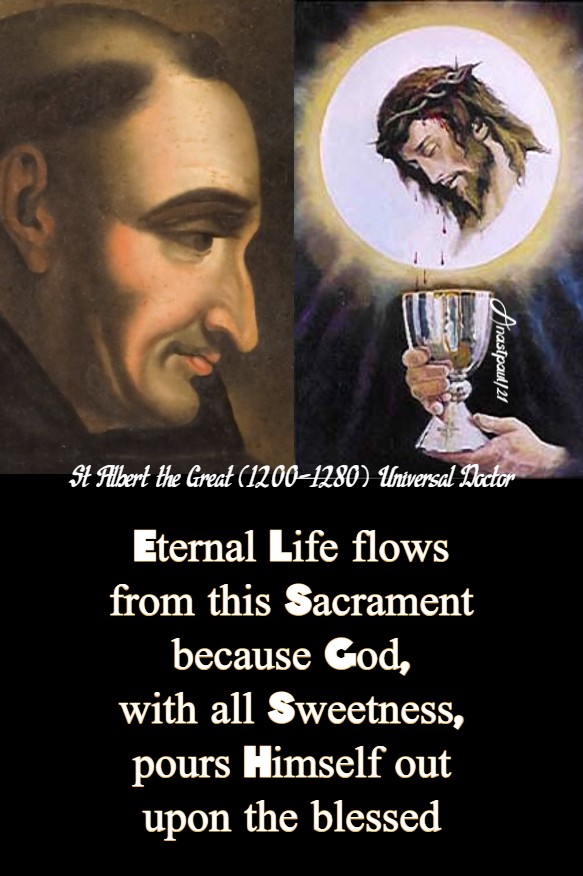
“Eternal life flows from this Sacrament because God, with all sweetness, pours Himself out upon the blessed.”
St Albert the Great OP (1200-1280) Bishop of Regensburg Universal Doctor of the Church
“We must make our way towards eternity, never regarding what men think of us, or of our actions, studying only to please God.”
St Francis Borgia SJ (1510-1572)
“By giving yourself to God, you not only receive Himself in exchange but, eternal life as well!”
St Francis de Sales (1567-1622) Doctor Caritatis
“On the journey of this life to eternity, let me carry You in my heart, following Mary’s example, who bore You in her arms, during the flight to Egypt.”
St Alphonsus Maria de Liguori (1696-1787) Most Zealous Doctor
Quote/s of the Day – 16 February – Septuagessima Weekday – 1 Cor. 9:24-27; 10:1-5, Matthew 20:1-6
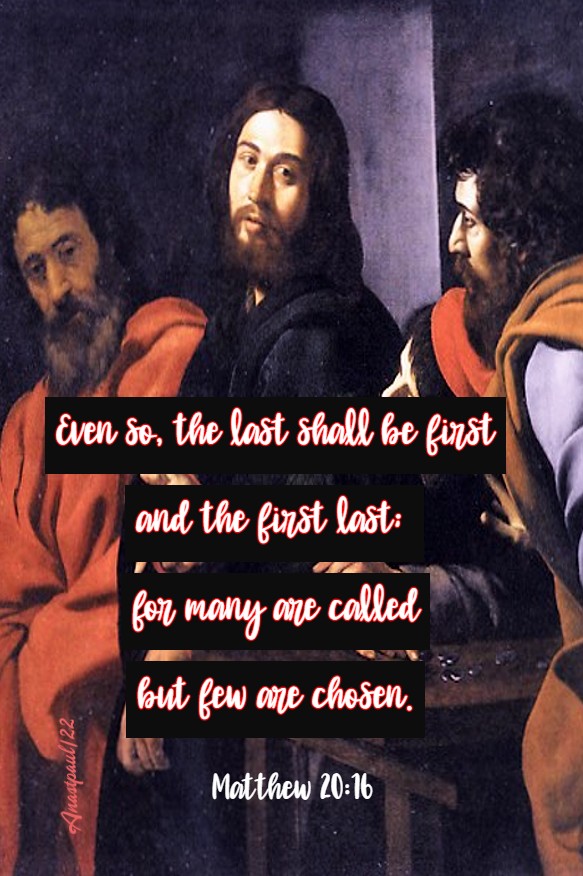
“Even so, the last shall be first and the first last; for many are called but few are chosen.”
Matthew 20:16
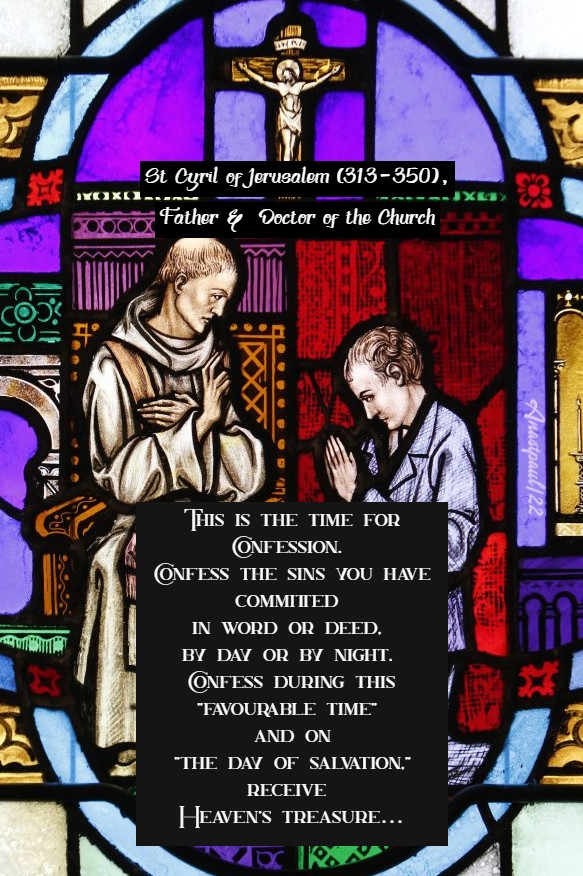
“This is the time for Confession. Confess the sins you have committed in word or deed, by day or by night. Confess during this “favourable time” and on “the day of salvation,” receive Heaven’s treasure… ”
St Cyril of Jerusalem (313-350), Father & Doctor of the Church
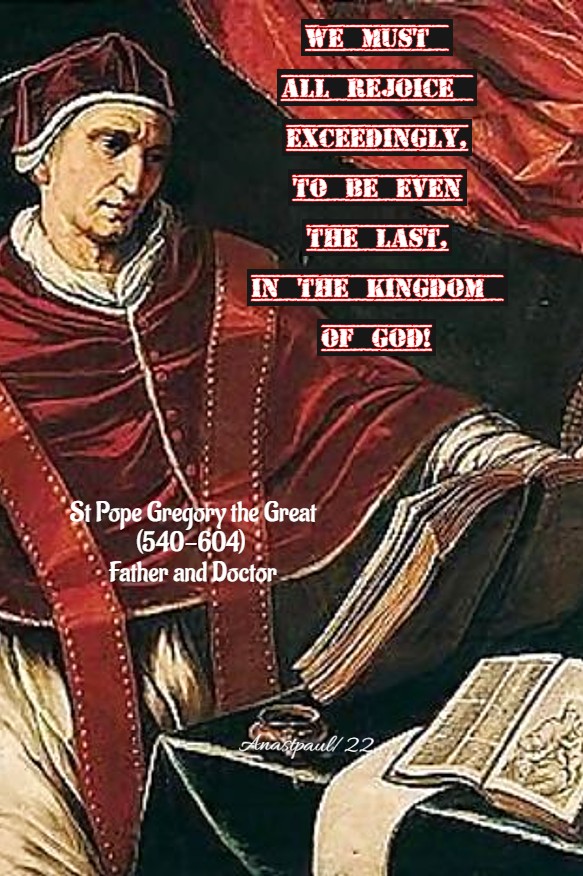
“… We must all rejoice exceedingly, to be even the last, in the Kingdom of God!”
St Pope Gregory the Great (540-604) Father and Doctor
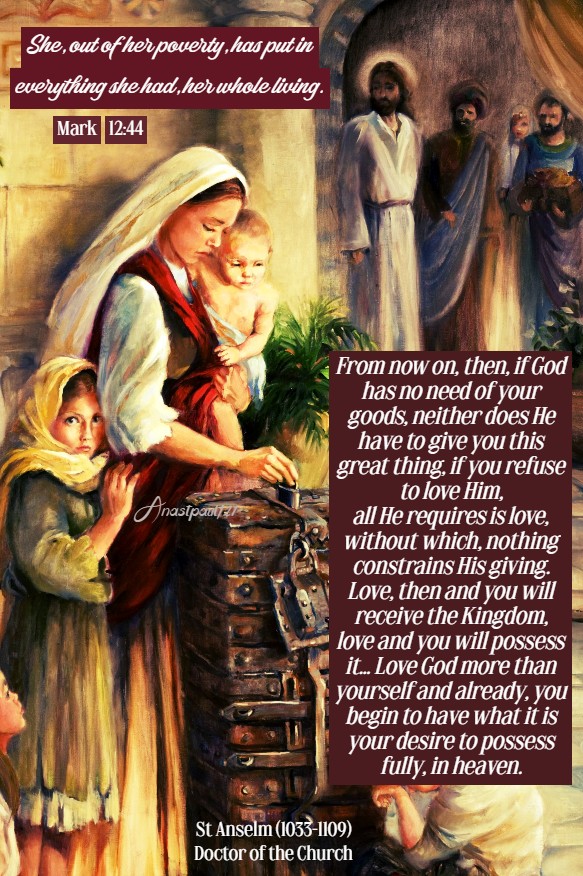
“From now on, then, if God has no need of your goods, neither does He have to give you this great thing, if you refuse to love Him, all He requires is love, without which nothing constrains His giving. Love, then and you will receive the Kingdom, love and you will possess it… Love God more than yourself and already, you begin to have what it is your desire to possess fully, in heaven.”
St Anselm (1033-1109) Doctor magnificus Doctor Marianus
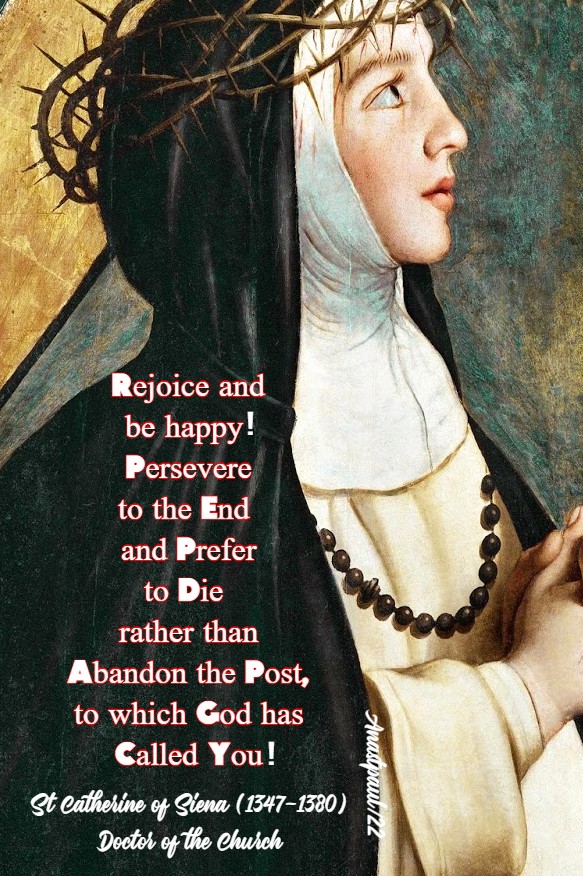
“Rejoice and be happy! Persevere to the end and prefer to die rather than abandon the post, to which God has called you!”
St Catherine of Siena (1347-1380) Doctor of the Church
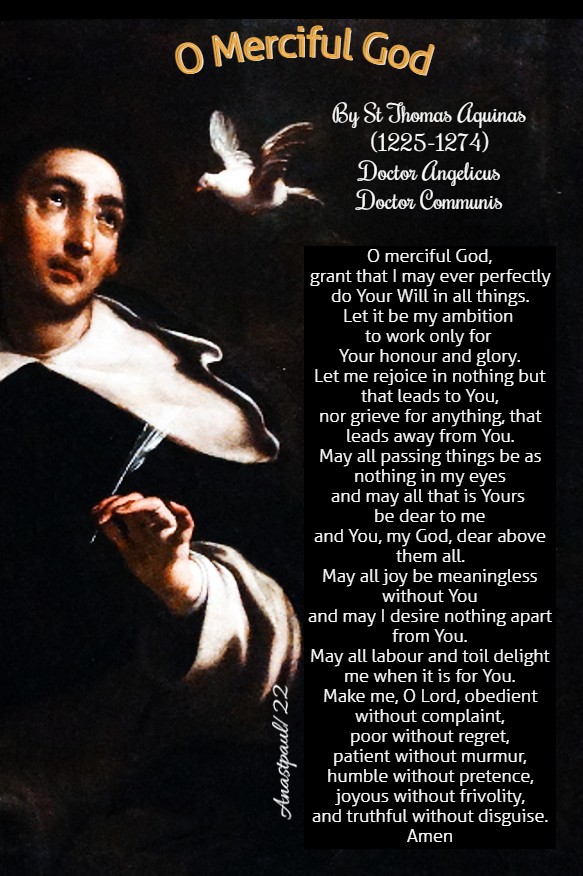
O Merciful God By St Thomas Aquinas (1225-1274) Doctor Angelicus, Doctor Communis
O merciful God, grant that I may ever perfectly do Your Will in all things. Let it be my ambition to work only for Your honour and glory. Let me rejoice in nothing but that leads to You, nor grieve for anything, that leads away from You. May all passing things be as nothing in my eyes and may all that is Yours, be dear to me and You, my God, dear above them all. May all joy be meaningless without You and may I desire nothing, apart from You. May all labour and toil delight me when it is for You. Make me, O Lord, obedient without complaint, poor without regret, patient without murmur, humble without pretence, joyous without frivolity, and truthful without disguise. Amen
St Faustinus of Brescia (not the St Faustinus brother of St Jovinus – 15 February) St Gilbert of Sempringham St Honestus of Nimes St John III of Constantinople
Martyrs of Cilicia – 12 Saints: A group of Christians who ministered to other Christians who were condemned to work the mines of Cilicia in the persecutions of Maximus. They were arrested, tortured and martryed by order of the governor Firmilian. • Daniel • Elias • Isaias • Jeremy • Samuel The group also includes the three known have been sentenced to the mines – • Pamphilus • Paul of Jamnia • Valens of Jerusalem and those who were exposed as Christians as a result of these murders – • Julian of Cappadocia • Porphyrius of Caesarea • Seleucius of Caesarea • Theodule the Servant They were martyred in 309 in Cilicia, Asia Minor (in modern Turkey).
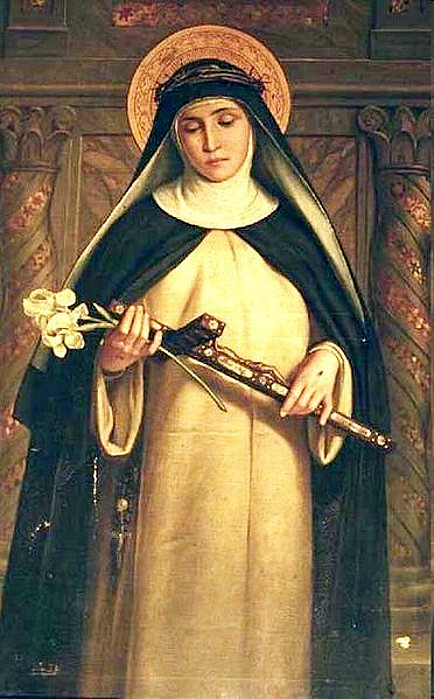
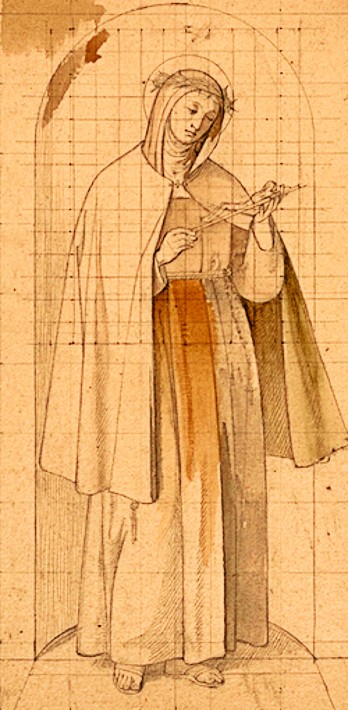
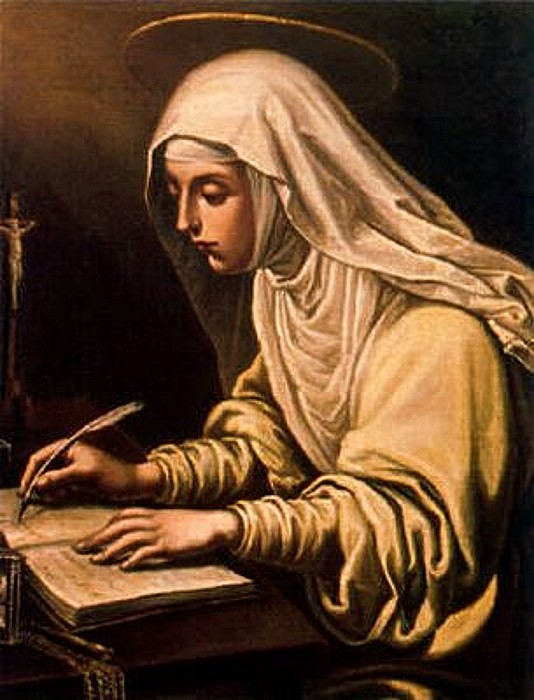
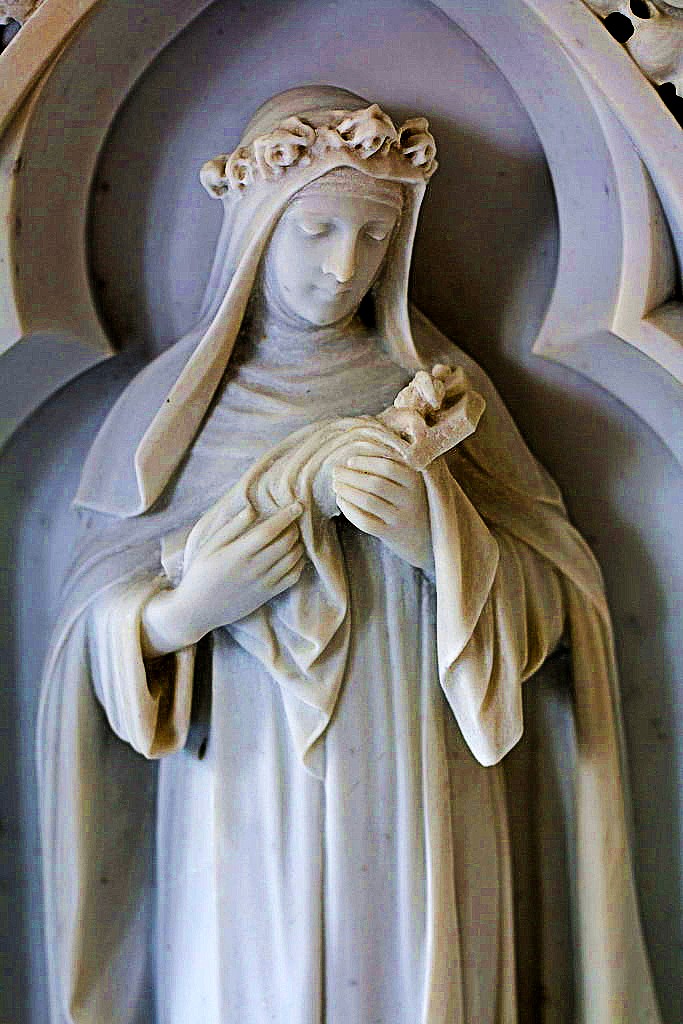
Saint of the Day – 13 February – Saint Catherine de Ricci OP (1522-1590) Virgin, Tertiary of the Order of Preachers, Mystic, Stigmatist, Ecstatic, Counsellor to many in both secular and spiritual matters, a highly admired Administrator and Advisor,blessed with many mystical charism including visions of Christ, both as a Baby and Adult, bilocation and miracles. Born as Alessandra Lucrezia Romola de’ Ricci in Florence on 23 April 1522 and died on 2 February 1590 (aged 67) at Prato, Grand Duchy of Tuscany, of natural causes. Patronage – the sick. Her body is incorrupt.
The Roman Martyrology states of her today: “At Prato, in Tuscany, St Catherine de Ricci, a Florentine Virgin of the Order of St Dominic, replenished with her heavenly gifts, whom Pope Benedict XIV inscribed on tbe catalogue of holy Virgins. She died in virtues and merits, on the 2nd of this month but her festival is celebrated on this day, 13th.”
The Ricci are an ancient family, which still subsists in a flourishing condition in Tuscany today. Alessandra was born in Florence to Pier Francesco de’ Ricci, of a patrician family and his wife, Caterina Bonza, who died soon after the birth of Alessandra. At age 6 or 7, her father enrolled her in a school run by a Monastery of Benedictine Nuns in the Monticelli quarter of the City, near their home and the City gates, where her Aunt, Luisa de’ Ricci, was the Abbess.
Catherine was a devout and pious child and it was here, in the Convent of her Aunt, that she developed a lifelong devotion to the Passion of Christ. After a short time back at home and after finally persuading her father,, at the age of 14, she entered the Convent of St Vincent in Prato, Tuscany, a cloistered community of religious sisters of the Third Order of St Dominic, disciples of the noted Dominican Friar Girolamo Savonarola, who followed the strict regimen of life she desired. In May 1535 she received the religious habit from her uncle, Timoteo de’ Ricci, who was Confessor to the Convent and the religious name of Catherine, after the Dominican tertiary, St Catherine of Siena.
Her novitiate was a time of trial. She would experience ecstasies during her routine, which caused her to seem asleep during community prayer , dropping plates and food, so much so, that the community began to question her competence, if not her sanity. Eventually, the other Sisters became aware of the spiritual basis for her behaviour. By the age of 30 she had risen to the post of Prioress.
After the recovery of her health, which seemed miraculous, she studied more perfectly to die to her senses and to advance in a penitential life and spirit, in which God had begun to conduct her, by practising the greatest austerities which were compatible with the obedience she had professed; – she fasted two or three days a week on bread and water alone and sometimes passed the whole day without taking any nourishment and chastised her body with disciplines and a sharp iron chain which she wore next her skin. Her obedience, humility and meekness were still more admirable than her spirit of penance. Much of penitential practice and oblation of her sufferings, were directed to the succour of the Souls in Purgatory.
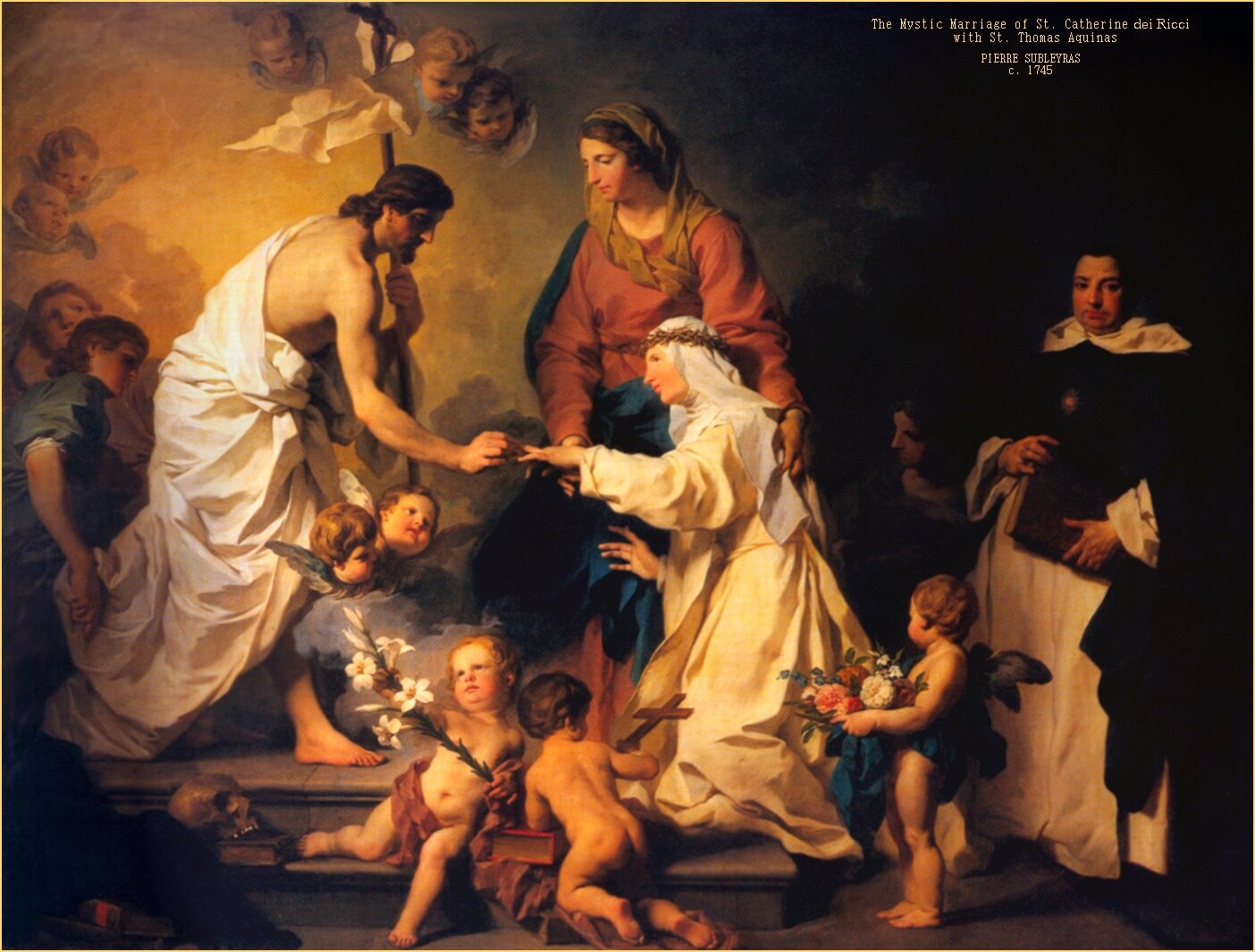
It was by profound humility and perfect interior self-denial that she learned to vanquish in her heart, the sentiments or life of the first Adam – that is, of corruption, sin and inordinate self-love. But this victory over herself,and purgation of her affections, was completed by a perfect spirit of prayer. By the union of her soul with God and the establishment of the absolute reign of His love in her heart, she was dead to and disengaged from, all earthly things. Her visions became most vivid allowing her to hold Baby Jesus dressed in swaddling clothes and to be mystically married and united with adult Jesus. Catherine’s meditations on the Passion of Christ were so deep, that she spontaneously bled, as if scourged. She also bore the Stigmata. During times of deep prayer, like Catherine of Siena, her Patron Saint, a coral ring representing her marriage to Christ, appeared on her finger.
Crowds gathered to witness her prayer and ecstasies and it began to distract from the life of the Convent. Catherine herself was embarrassed by all the attention. The community prayed that her wounds and experience would lessen in intensity so that they could go about the work of their common life together in peace and in 1554 the visions ceased.
As the Prioress, Catherine developed into an effective and greatly admired administrator. She was an advisor on various topics to Princes, Bishops and Cardinals. She corresponded with three figures who were destined to become Popes: Pope Marcellus II, Pope Clement VIII and Pope Leo XI. An expert on religion, management and administration, her advice was widely sought. She gave counsel both in person and through exchanging letters. It is reported that she was extremely effective in her work, managing her priorities with great zeal and efficiency.
One of the miracles that was documented for her Canonisation was her appearance many hundreds of miles away from where she was physically located, in a vision to St Philip Neri, a resident of Rome, with whom she had maintained a long-term correspondence. St Philip, who was otherwise very reluctant to discuss miraculous events, confirmed the event.
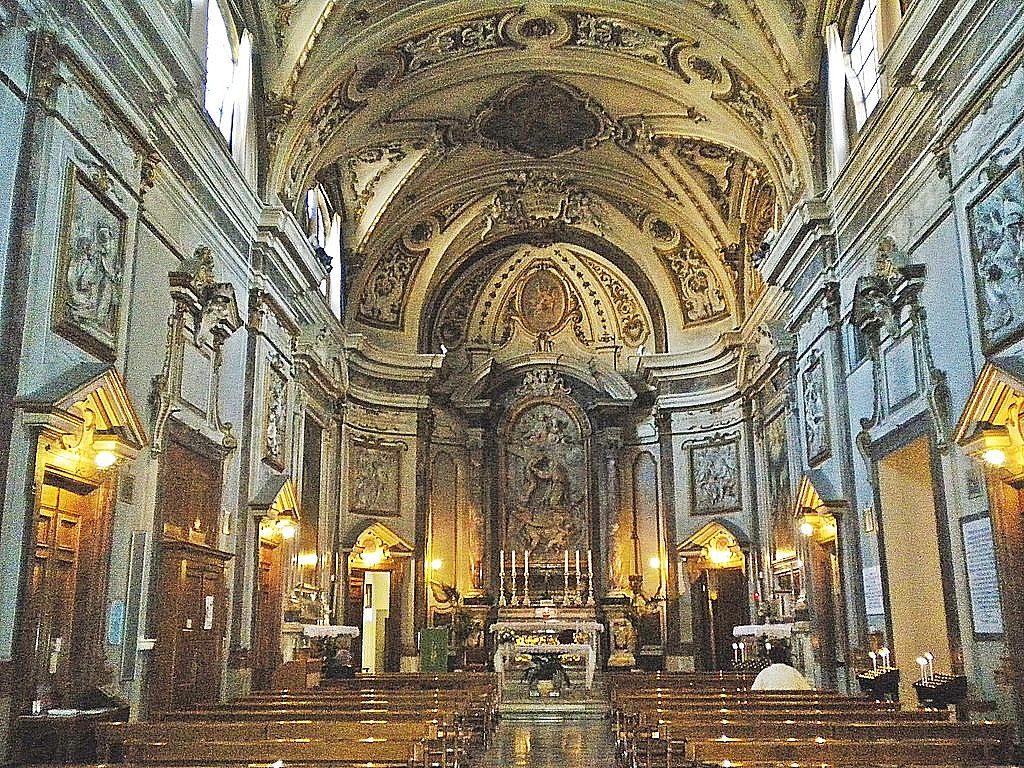
Catherine lived in the Convent until her death in 1590 after a prolonged illness. Her remains are visible under the Altar of the Minor Basilica of Santi Vicenzo e Caterina de’ Ricci, Prato, which is next to the Convent associated with her life..
The Minor Basilica of Santi Vicenzo e Caterina de’ Ricci, Prato, Italy
Catherine was Beatified by Pope Clement XII in 1732 and Canonised by Pope Benedict XIV in 1746 in a spectacular ceremony for which a magnificent ‘canopy’ was constructed. In celebration of the Saint’s Canonisation, Domenico Maria Sandrini wrote an authorative biography of the new Saint.
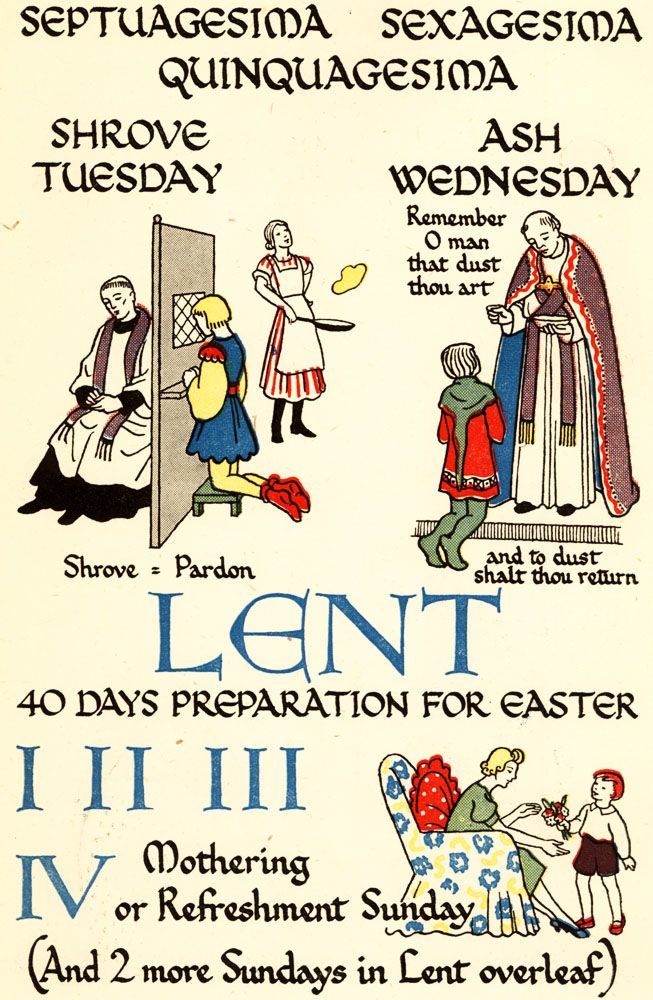
Septuagesima Sunday: The word Septuagesima is Latin for “seventieth.” It is both the name of the liturgical season and the name of the Sunday. Septuagesima Sunday marks the beginning of the shortest Liturgical season. This season is seventeen (17) days long and includes the three Sundays before Ash Wednesday. The length of the season never changes but the start date is dependent on the movable date of Easter, which can fall between 22 March-25 April. Septuagesima Sunday can be as early as 18 January. The Septuagesima season helps the faithful ease into Lent. It is a gradual preparation for the serious time of penance and sorrow; to remind the sinner of the grievousness of his errors and to exhort him to penance. Liturgically it looks very much like Lent. The Gloria and Alleluia are omitted, the tone becomes penitential with the Priest wearing purple vestments. The main difference is that there are no fasting requirements.
Bl Beatrix of Ornacieux St Benignus of Todi Bl Berengar of Assisi St Castor of Karden St Catherine de Ricci OP (1522-1590) Virgin, Tertiary of the Order of Preachers, Mystic, Stimatist. Her body is incorrupt.
St Julian of Lyon St Lucinus of Angers St Marice St Martinian the Hermit St Maura of Ravenna St Modomnoc St Paulus Lio Hanzuo St Peter I of Vercelli St Phaolô Lê Van Loc St Stephen of Lyons St Stephen of Rieti
Quote/s of the Day – 4 February – The Memorial of St Andrew Corsini O.Carm (1302-1373) Bishop, Confessor r – Sirach 44:16-27; 45:3-20, Matthew 25:14-23
“And he who had received the five talents went and traded with them, and gained five more.”
Matthew 25:16
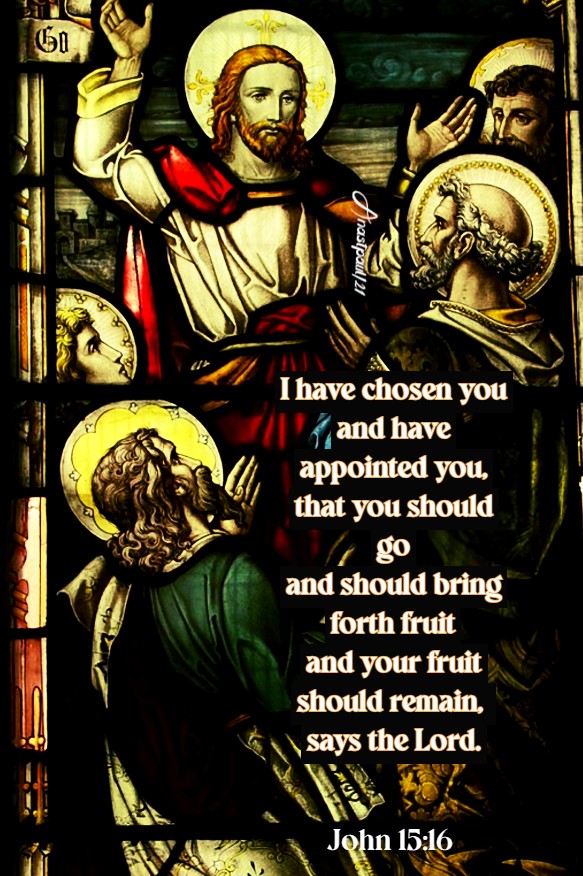
“I have chosen you and have appointed you, that you should go and should bring forth fruit and your fruit should remain, says the Lord.”
John 15:16
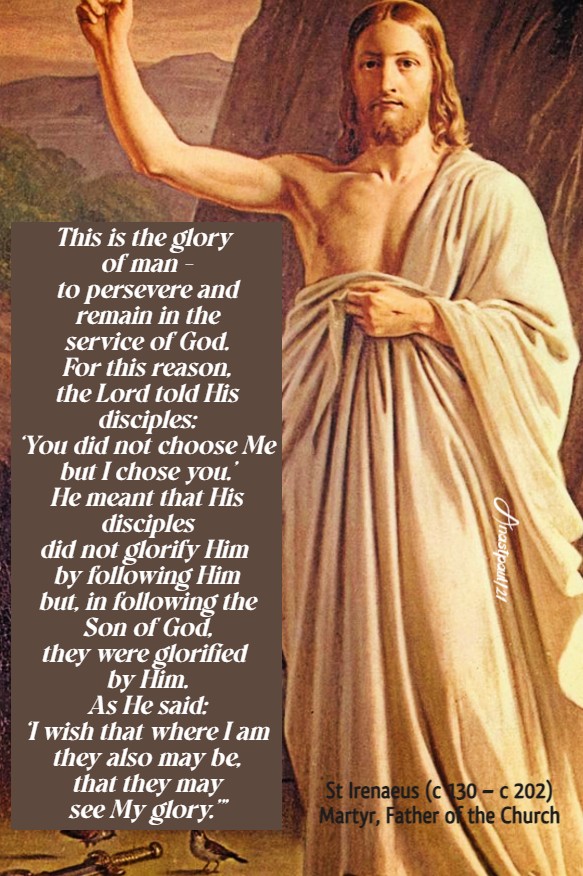
“This is the glory of man – to persevere and remain in the service of God. For this reason, the Lord told His disciples: ‘You did not choose Me but I chose you.’ He meant that His disciples did not glorify Him by following Him but, in following the Son of God, they were glorified by Him. As He said: ‘I wish that where I am they also may be, that they may see My glory.’”
St Irenaeus (c 130 – c 202) Bishop & Martyr, Father of the Church
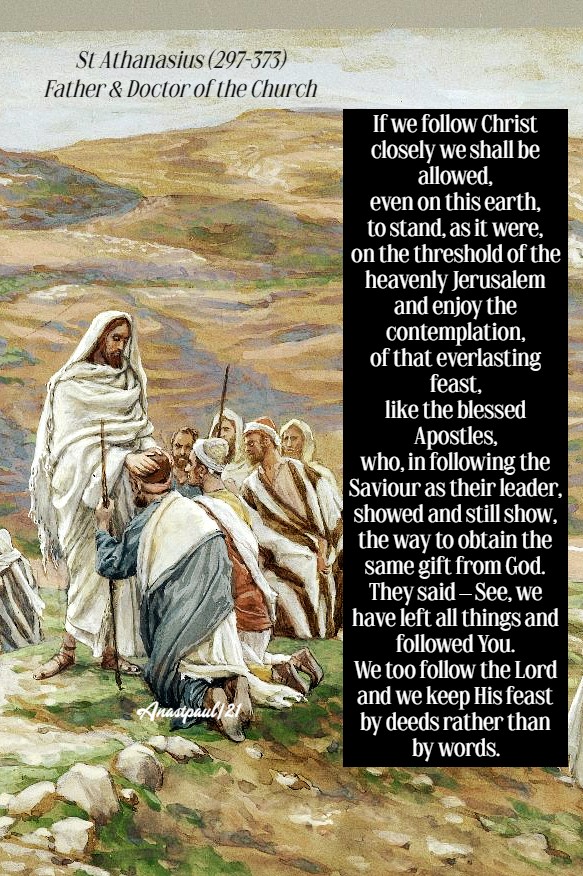
“If we follow Christ closely we shall be allowed, even on this earth, to stand, as it were, on the threshold of the heavenly Jerusalem and enjoy the contemplation, of that everlasting feast, like the blessed Apostles, who, in following the Saviour as their leader, showed and still show, the way to obtain the same gift from God. They said – See, we have left all things and followed You. We too follow the Lord and we keep His feast by deeds rather than by words.”
St Athanasius (297-373) Father & Doctor of the Church
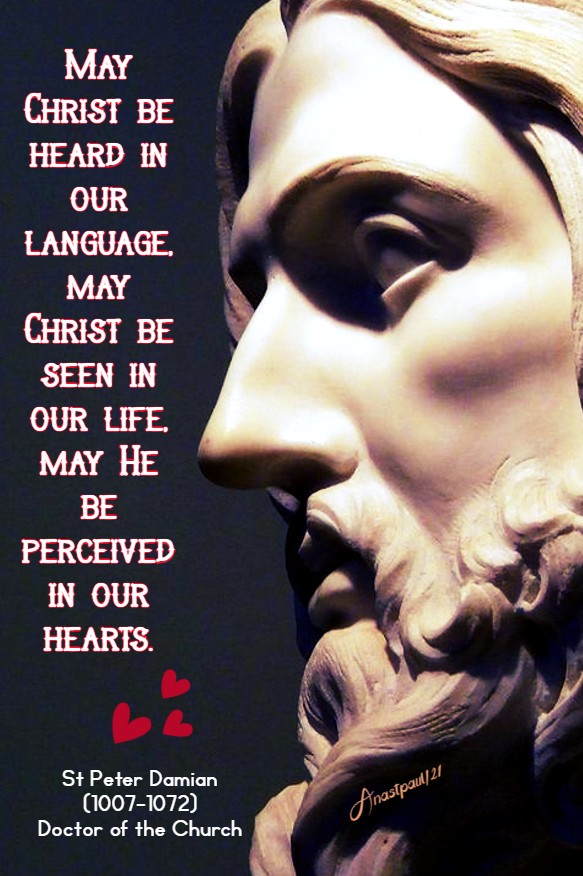
“May Christ be heard in our language, may Christ be seen in our life, may He be perceived in our hearts”
St Peter Damian (1007-1072) Father and Doctor of the Church
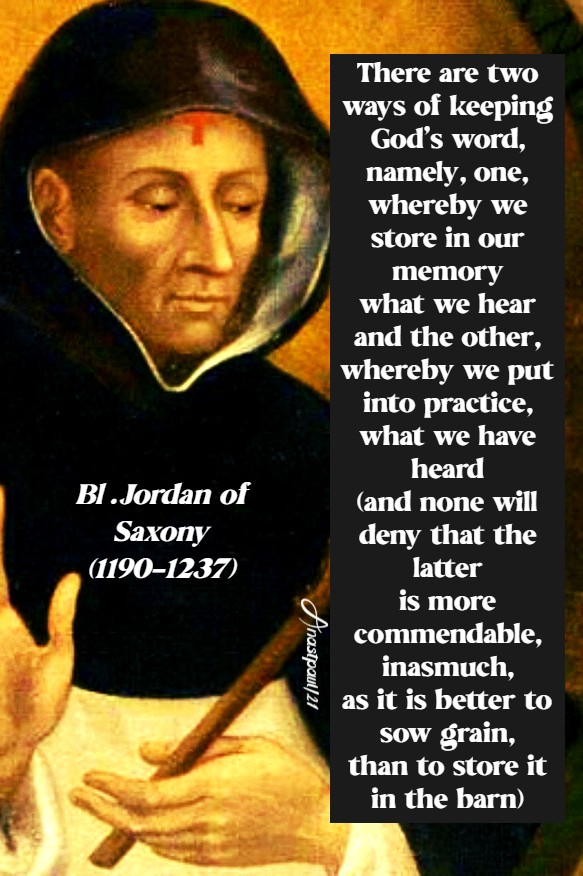
“There are two ways of keeping God’s word, namely, one, whereby we store in our memory what we hear and the other, whereby we put into practice, what we have heard (and none will deny that the latter is more commendable, inasmuch, as it is better to sow grain, than to store it in the barn).”
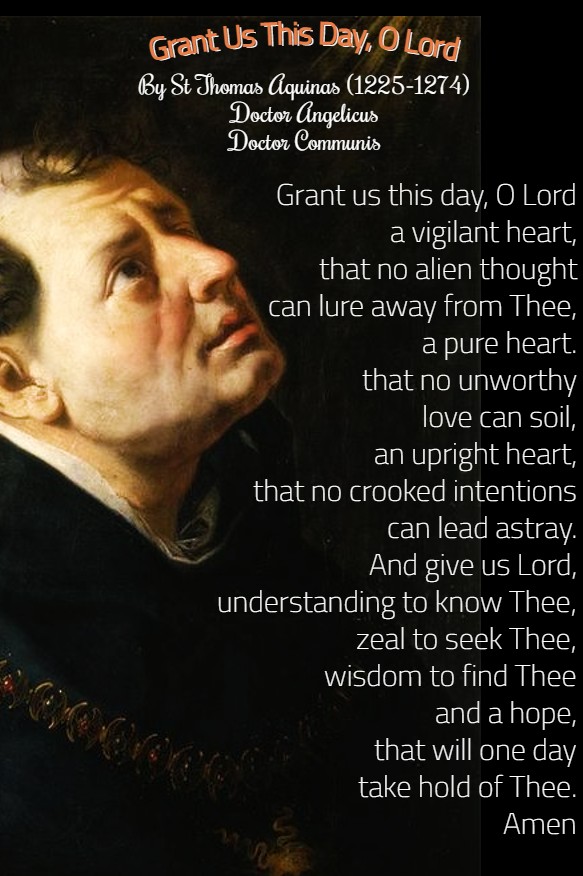
Grant Us This Day, O Lord By St Thomas Aquinas (1225-1274) Doctor Angelicus Doctor Communis
Grant us this day, O Lord a vigilant heart, that no alien thought can lure away from Thee, a pure heart. that no unworthy love can soil, an upright heart, that no crooked intentions can lead astray. And give us Lord, understanding to know Thee, zeal to seek Thee, wisdom to find Thee and a hope, that will one day take hold of Thee. Amen
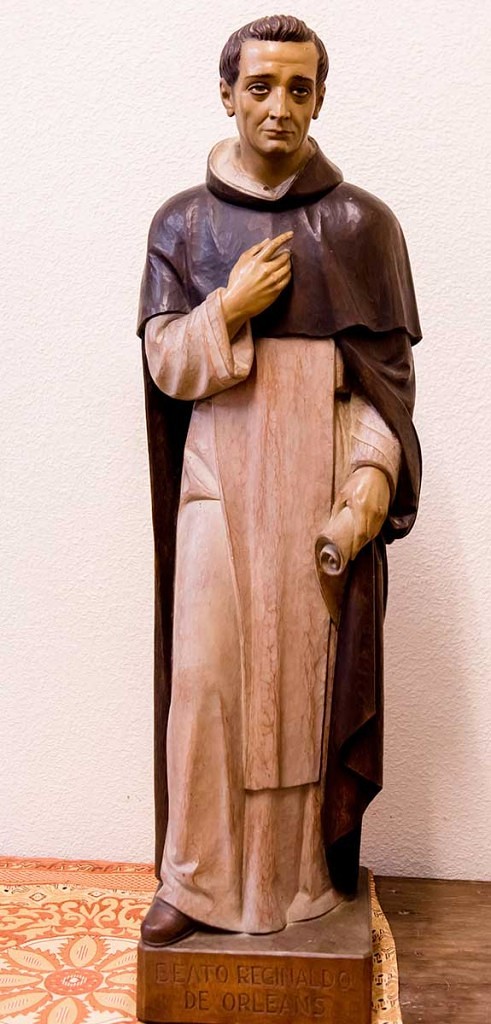
Saint of the Day – 1 February – Blessed Reginald of Orléans OP (c 1180 – 1220) Priest and Friar of the Order of Preachers, Canon Lawyer, renowned Preacher, Born in c 1180 in Orléans, France and died in early February 1220 in Paris, France of natural causes. Also known as – Réginald de Saint-Gilles, Reginaldo… Additional Memorial – 12 February (Dominicans).
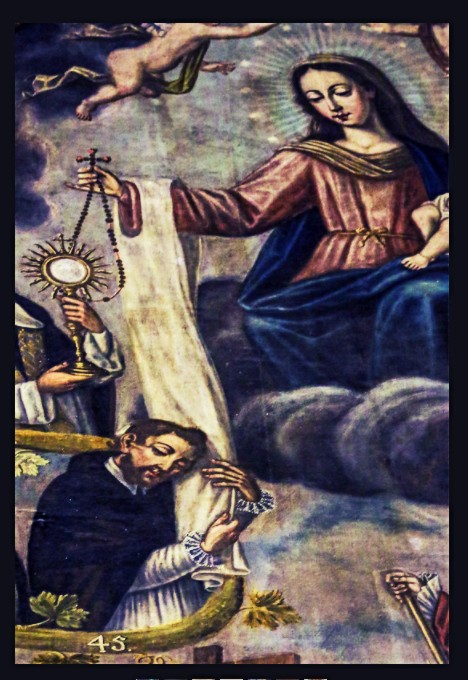
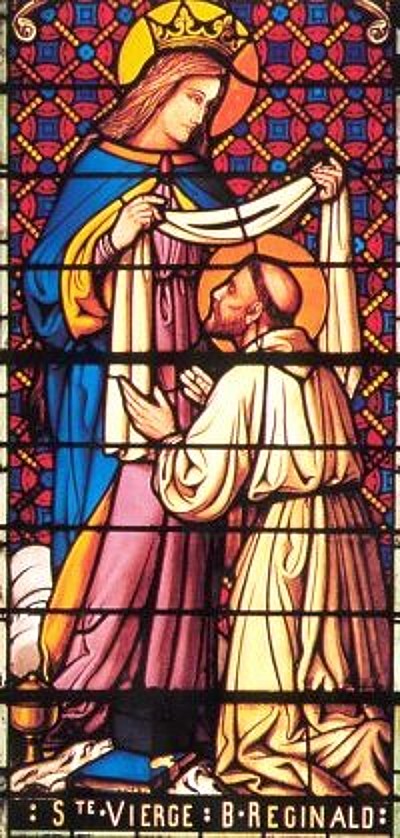
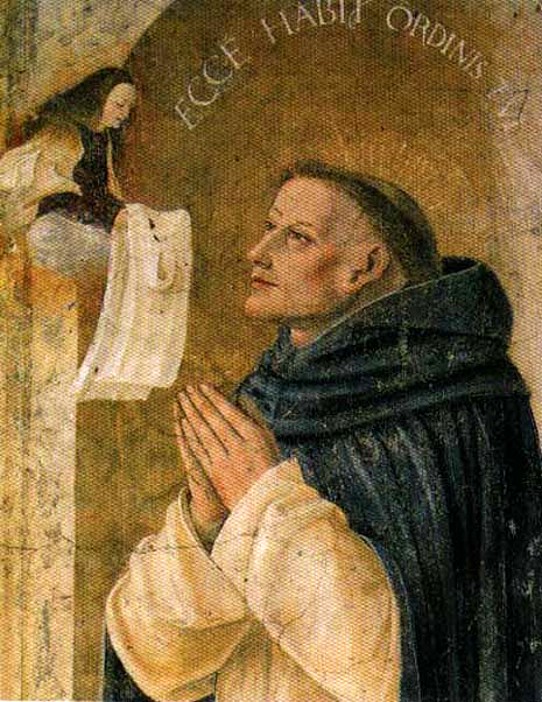
The Miraculous cure of Blessed Reginald by the Blessed Virgin Mary
Reginald of Orleans was known, even during his lifetime, for his brilliance, his prayer, his austerity and his kindness toward others, especially the poor. Originally a powerful Preacher and esteemed Canonist associated with the University of Paris, Reginald encountered St Dominic in Rome. Reginald was captivated by the apostolic way of life championed by Dominic and decided to join the newly-founded Order. Blessed Reginald is one of the great early Dominicans who were acquainted with Dominic himself and seemed to be given a share of the Founder’s spirit.
Blessed Reginald’s life story can be divided into two parts: one before he met St Dominic,and the other, after he had met the Founder. He was born in Orleans, France in c 1180 and having been Ordained a Priest, he had become a Doctor of Canon Law and a well-known figure in the Church in Paris. Many must have looked at him and thought that he had everything he wanted. But, in reality, he was feeling dissatisfied with his life: as was commonplace in the Church in those times he had a very comfortable and well-off lifestyle, yet he knew that his calling from Jesus Christ was to something greater than mere comfort and prestige. And so he was in a dilemma.
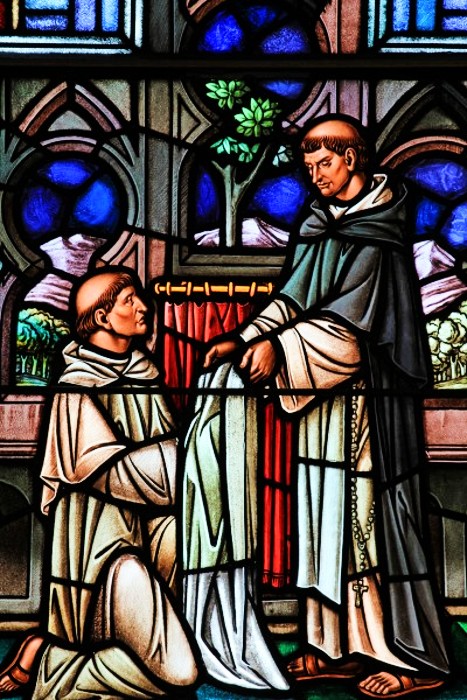
Blessed Reginald receives the Habit from the hands of St Dominic
In the year 1218 Reginald was in Rome, when he fell seriously ill. As it happened, Dominic was also in Rome and a mutual acquaintance told him about the condition of Reginald, so that he went to visit him. The biographers tell us, that there was immediately, a perfect understanding between the two men – Reginald saw, that the new Dominican Friars were living the sort of ideal he had been longing for and there and then, he made his religious profession into the Order of Preachers. There was a great sign given to mark this moment of decision: as Reginald lay sick, his life in danger, he was favoured with a vision of the Blessed Virgin Mary who anointed him with oil and held out to him the Dominican habit. Blessed Reginald found himself completely cured and began with great energy to live the Dominican life.
It was quickly apparent to everyone, that he was a changed man. In the City of Bologna where he was assigned and became the Prior of the Dominican Convent there, he became known to the whole City, as a great Preacher of the Gospel, preaching with overflowing faith and conviction. An early biographer wrote, that his preaching ‘like a burning torch, inflamed the hearts of all his hearers.Very few people were so stony-hearted that they could resist the effects of this fire.’.
And, if it is a mark of a true apostle, that he will gather followers to his side, then Reginald, more than passed the test: he attracted a great number in Bologna to join him in the Order of Preachers. Many of them were like him, educated university men and like him, they found the Gospel way of life they had been looking for.
Blessed Reginald was not to enjoy a long life as a Dominican. Early in 1220 he again became ill and this time he died peacefully. . But his place in the history of the Dominican family was assured by the memories of those who had known him in Bologna and had seen a saintly apostle on fire with the love of God and of souls. His meeting with St Dominic gave the final meaning to his life – the beautiful calling, which is given to all those who follow the Lord, to preach the Gospel of Jesus in word and in deed.
“I have no fears for the struggle, nay, I rather look forward to it with impatience, for ever since the Mother of God anointed me with her virginal hands in Rome, I have never ceased to put my whole trust in her and now joyfully await the hour of my deliverance, that I may hasten to see her once more. However, that I may not seem to make little of the Church’s anointing, I profess myself willing to receive it and I humbly ask for it at your hands.”– the final words of Blessed Reginald.
St Cecilius of Granada St Cinnia of Ulster St Clarus of Seligenstadt Bl Conor O’Devany St Crewenna St Darlaugdach of Kildare St Henry Morse St Ioannes Yi Mun-u St Jarlath Bl John of the Grating St Kinnia
Bl Patrick O’Lougham St Paul of Trois-Châteaux St Paulus Hong Yong-ju St Raymond of Fitero Blessed Reginald of Orléans OP (c 1180 – 1220) Priest and Friar of the Order of Preachers St Sabinus St Severus of Avranches St Severus of Ravenna St Sigebert III of Austrasia St Tryphon of Lampsacus St Ursus of Aosta St Veridiana
Martyrs of Avrillé – 47 Beati: Forty-seven Christians executed together for their faith in the anti-Catholic persecution of the French Revolution. • Anne-François de Villeneuve• Anne Hamard• Catherine Cottenceau• Charlotte Davy• François Bellanger• François Bonneau• François Michau• François Pagis epouse Railleau• Gabrielle Androuin• Jacquine Monnier• Jeanne Bourigault • Jeanne Fouchard épouse Chalonneau• Jeanne Gruget veuve Doly• Jeanne-Marie Sailland d’Epinatz• Louise-Aimée Dean de Luigné• Louise-Olympe Rallier de la Tertinière veuve Déan de Luigné• Madeleine Blond• Madeleine Perrotin veuve Rousseau• Madeleine Sailland d’Epinatz• Marguerite Rivière epouse Huau• Marie Anne Pichery épouse Delahaye• Marie-Anne Vaillot• Marie Cassin épouse Moreau• Marie Fausseuse épouse Banchereau• Marie Gallard épouse Quesson• Marie Gasnier épouse Mercier• Marie Grillard• Marie-Jeanne Chauvigné épouse Rorteau• Marie Lenée épouse Lepage de Varancé• Marie Leroy• Marie Leroy épouse Brevet• Marie Roualt épouse Bouju• Odilia Baumgarten• Perrine Androuin• Perrine Besson• Perrine-Charlotte Phelippeaux épouse Sailland d’Epinatz• Perrine Grille• Perrine Ledoyen• Perrine Sailland d’Epinatz• Renée Cailleau épouse Girault• Renée Grillard• Renée Martin épouse Martin• Renée Valin• Rose Quenion• Simone Chauvigné veuve Charbonneau • Suzanne Androuin• Victoire Bauduceau epouse Réveillère. They were martyred on 1 February 1794 in Avrillé, Maine-et-Loire, France and Beatified on 19 February 1984 by St Pope John Paul II at Rome, Italy.
Martyrs of Korea: Thousands of people were murdered in the anti-Catholic persecutions in Korea. Today we celebrate and honour: • Saint Barbara Ch’oe Yong-i • Saint Ioannes Yi Mun-u • Saint Paulus Hong Yong-ju
The Second Feast of St Agnes: 28 January is traditionally the day of the “Second Feast of St Agnes,” although this very ancient observance was reduced to a commemoration in 1931 and abolished in the post-Conciliar reform (1969). It is still kept in some Churches dedicated to St Agnes, most prominent among them, the Basilica built over the site of her burial, less than a mile and a half from the gates of Rome. In liturgical books, the formal name of the feast is “Sanctae Agnetis secundo,” which literally means “the feast of St Agnes for the second time.” This title is found on the calendar of the Tridentine Missal and Breviary, as also seven centuries earlier in the Gregorian Sacramentary. The single Matins lesson in the Breviary of St Pius V tells us, that after her death, Agnes appeared first to her parents to console them and then to the Emperor Constantine’s daughter Constantia, who suffered from an incurable sore, while she was praying at her grave, exhorting Constantia to trust in Christ and receive Baptism. Having done this and been healed, Constantia later built a Basilica in the Saint’s honour.
The church of S Agnes Outside-the-Walls on the via Nomentana
St Peter Nolasco OdeM (c 1182–c 1256) Founder of the Congregation of the Royal and Military Order of Our Lady of Mercy of the Redemption of the Captives (Mercadarians).
St Aemilian of Trebi St Agatha Lin Bl Amadeus of Lausanne St Antimus of Brantôme St Archebran Bl Bartolomé Aiutamicristo St Brigid of Picardy St Callinicus St Cannera of Inis Cathaig Bl Charlemagne (a decree of Canonisation was issued by the anti-pope Paschal III but this was never ratified by valid authority.) St Constantly St Flavian of Civita Vecchia St Glastian of Kinglassie Bl James the Almsgiver St James the Hermit St Jerome Lu St John of Reomay
St Julian of Cuenca St Lawrence Wang St Leucius of Apollonia Bl María Luisa Montesinos Orduña St Maura of Picardy Bl Mosè Tovini Bl Odo of Beauvais Bl Olympia Bida St Palladius of Antioch St Paulinus of Aquileia Bl Peter Won Si-jang St Richard of Vaucelles St Thyrsus of Apollonia
Martyrs of Alexandria: A group of 4th-century parishioners in Alexandria, Egypt. During the celebration of Mass one day an Arian officer named Syrianus led a troop of soldiers into their church and proceded to murder all the orthodox Christians in the place. 356 in Alexandria, Egypt.
St Filip Geryluk Bl Francesc de Paula Colomer Prísas St Guasacht St Ignacy Franczuk Bl John Grove St Julian Sabas the Elder St Luigj Prendushi St Macedonius Kritophagos Blessed Marcolino Amanni of Forli OP (1317-1397) Bl Marie Poussepin
St Projectus St Sabinian of Troyes St Suranus of Sora St Thyrsus Bl William Ireland
Martyrs of Asia Minor – 4 Saints: A group of Christians martyred together for their faith. The only details to survive are four of their names – Eugene, Mardonius, Metellus and Musonius. They were burned at the stake in Asia Minor.
Martyrs of Podlasie – 13 Beati: Podlasie is an area in modern eastern Poland that, in the 18th-century, was governed by the Russian Empire. Russian sovereigns sought to bring all Eastern-rite Catholics into the Orthodox Church. Catherine II suppressed the Greek Catholic Church in Ukraine in 1784. Nicholas I did the same in Belarus and Lithuania in 1839. Alexander II did the same in the Byzantine-rite Eparchy of Chelm in 1874 and officially suppressed the Eparchy in 1875. The Bishop and the Priests who refused to join the Orthodox Church were deported to Siberia or imprisoned. The laity, left on their own, had to defend their Church, their liturgy and their union with Rome. On 24 January 1874 soldiers entered the village of Pratulin to transfer the parish to Orthodox control. Many of the faithful gathered to defend their parish and Church. The soldiers tried to disperse the people but failed. Their commander tried to bribe the parishioners to abandon Rome but failed. He threatened them with assorted punishments but this failed to move them. Deciding that a show of force was needed, the commander ordered his troops to fire on the unarmed, hymn-singing laymen. Thirteen of the faithful died, most married men with families, ordinary men with great faith. We know almost nothing about their lives outside of this incident. Their families were not allowed to honour them or participate in the funerals and the authorities hoped they would be forgotten. Their names are: • Anicet Hryciuk • Bartlomiej Osypiuk • Daniel Karmasz • Filip Geryluk • Ignacy Franczuk • Jan Andrzejuk • Konstanty Bojko • Konstanty Lukaszuk • Lukasz Bojko • Maksym Hawryluk • Michal Wawryszuk • Onufry Wasyluk • Wincenty Lewoniuk Martyrdom: • shot on 14 January 1874 by Russian soldiers in Podlasie, Poland • buried nearby without rites by those soldiers Beatified – 6 October 1996.
Martyrs of Antioch: Babylas Epolonius Prilidian Urban
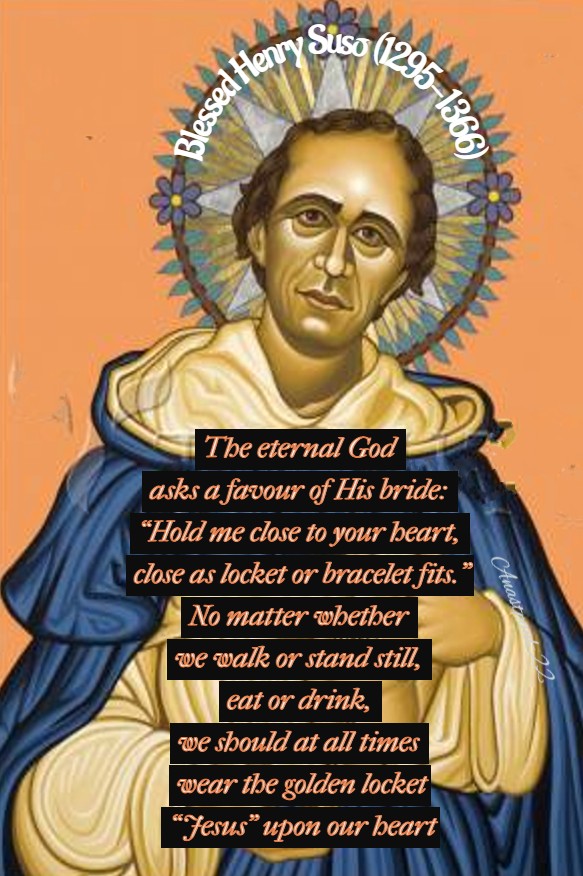
Quote/s of the Day – 23 January – “Month of the Most Holy Name of Jesus” – The Memorial of Blessed Henry Suso OP (1295-1366)
“The eternal God asks a favour of His bride: “Hold me close to your heart, close as locket or bracelet fits.” No matter whether we walk or stand still, eat or drink, we should at all times wear the golden locket “Jesus” upon our heart.”
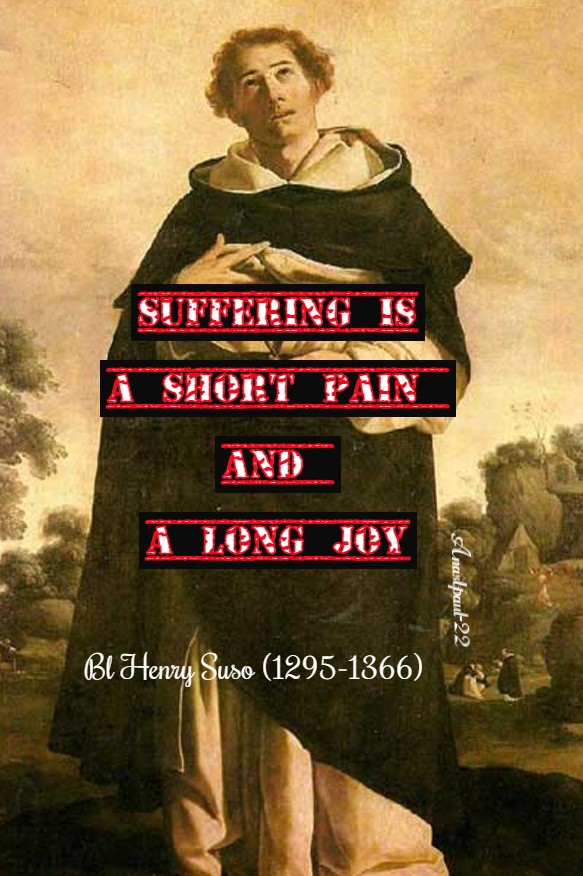
“Suffering is a short pain and a long joy.”
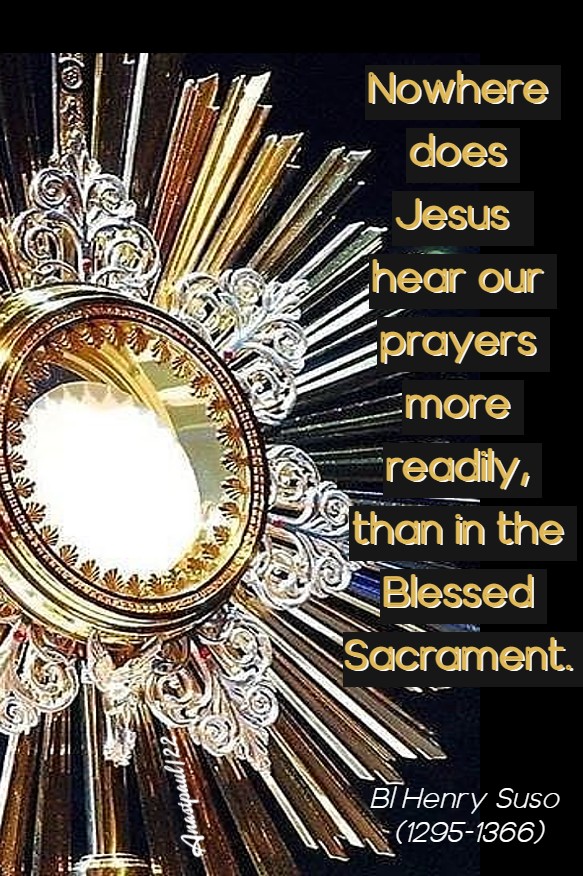
“Nowhere does Jesus hear our prayers more readily, than in the Blessed Sacrament.”
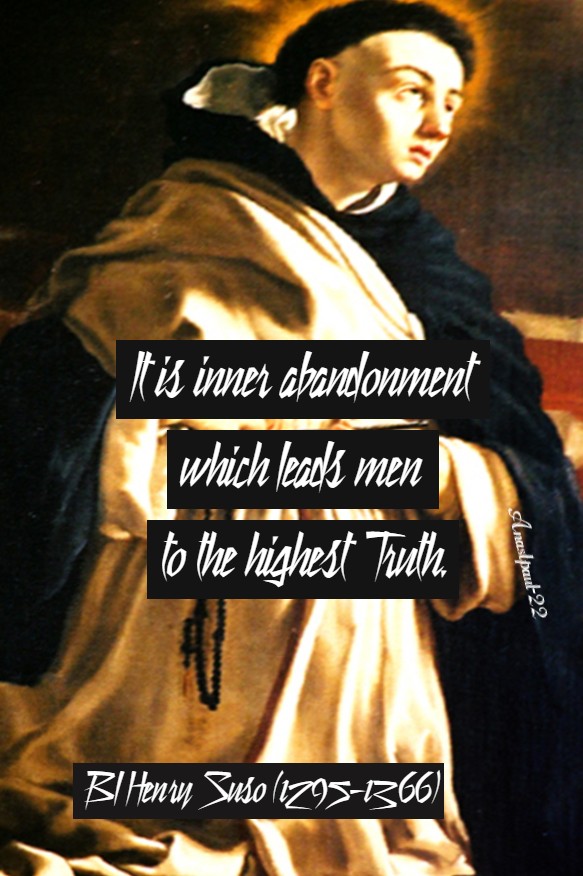
“It is inner abandonment which leads men to the highest Truth.”
St Raymond of Peñafort OP (1175-1275) “Father of Canon Law” Dominican Priest, Doctor of Canon Law, the Third Master of the Order of Preachers, Founder of the Mercedarian friars, Writer, Teacher, Miracle-Worker. St Raymond of Peñafort’s Feast day was inserted in the General Roman Calendar in 1671 for celebration on 23 January. In 1969 it was moved to 7 January, the day after that of his death. He is the Patron Saint of canon lawyers, specifically and lawyers, in general. Biography: https://anastpaul.com/?s=st+raymond+penafort
St Ildephonsus (506-667) Archbishop of Toledo. Theologian, Scholar, Marian devotee, Writer, Evangeliser. Abbot Dom Guéranger calls him the Doctor of the Virginity of Mary. Saint Ildephonsus established the feast of the Expectation of the Blessed Virgin Mary, which is still kept in some places on 18 December. Biography: https://anastpaul.wordpress.com/2018/01/23/saint-of-the-day-23-january-st-ildephonsus-607-667/
Bl Juan Infante St Jurmin St Lufthild St Maimbod Bl Margaret of Ravenna Martyrius of Valeria St Messalina of Foligno St Ormond of Mairé St Parmenas the Deacon St Severian the Martyr
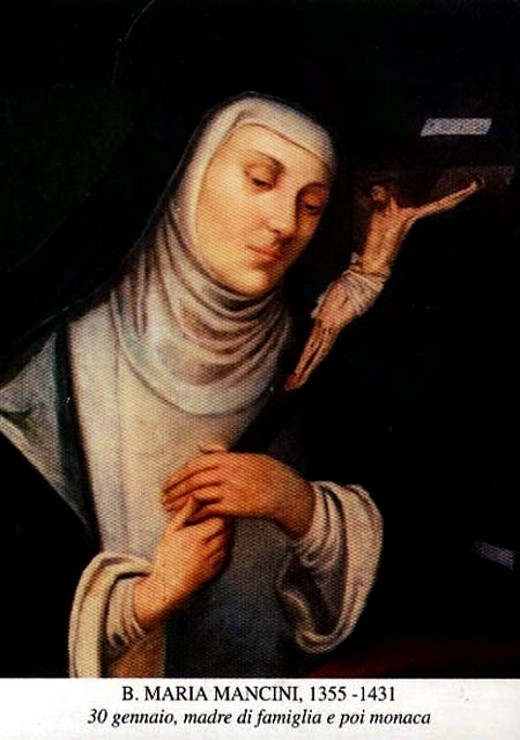
Saint of the Day – 22 January – Blessed Maria Mancini of Pisa OP (1356-1431) Widow, Second Order Nun of the Order of Preachers, spiritual disciple of St Catherine of Siena, Prioress, Mystic, Reformer, Apostle of the poor and the sick. Born as Caterina Mancini in 1356 in Pisa, Italy and died on 22 January 1431 in Pisa, Italy of natural causes. Additional Memorial – 30 January (Dominicans). Twice widowed, she saw all her seven children die. On the advice of St Catherine of Siena, Caterina first took the habit of the Third Order before entering the Monastery founded by the Blessed Chiara Gambacorti (1362-1420) in Pisa. Here she lived as a Nun, completely devoted to contemplation and penance.
The Roman Martyrology states: “In Pisa, Blessed Maria Mancini, who, twice widowed and all her children lost, under the exhortation of St Catherine of Siena, began community life in the Monastery of St Domenic, which she led for ten years.”
Caterina was born in Pisa, of noble parentage and almost in babyhood began enjoying the miraculous favours with which her life was filled. At the age of three, she was warned by some heavenly agency ,that the porch on which she had been placed by a nurse,was unsafe. Her cries attracted the nurse’s attention and they had barely left the porch, when it collapsed. When she was five, she beheld, in an ecstasy, the dungeon of a place in Pisa, in which Peter Gambacorti, one of the leading citizens, was being tortured. At Caterina’s prayer, the rope broke and the man was released. Our Lady told the little girl to say prayers everyday for this man because he would one day be her benefactor.
Caterina would have much preferred the religious life to marriage but she obeyed her parents and was married at the age of twelve. Widowed at sixteen, she was compelled to marry again. Of her seven children, only one survived the death of her second husband and Caterina learned, through a vision, that this child, too, was soon to be taken from her. Thus she found herself, at the age of twenty five, twice widowed and bereft of all her children. Refusing a third marriage, she devoted herself to prayers and works of charity.
She soon worked out for herself a severe schedule of prayers and good works, fasting and mortifications. She tended the sick and the poor, bringing them into her own home and regarding them as Our Lord Himself. She gave her goods to the poor and laboured for them, with her own hands. Our Lord was pleased to show her that He approved of her works by appearing to her in the guise of a poor young man, sick and in need of both food and medicine. She carefully dressed His wounds and she was rewarded by the revelation that He was, in reality her Redeemer ,Whom she had served.
St Catherine of Siena visited Pisa at about this time and the two saintly women were drawn together into a holy friendship. As they prayed together in the Dominican Church one day, they were surrounded by a bright cloud, out of which flew a white dove. They conversed joyfully on spiritual matters and were mutually strengthened by the meeting.
On the advice of St Catherine of Siena, Caterina retired to an enclosed Convent of the Second Order. In religion, she was given the name Maria by which she is usually known. She embraced the religious life in all its austerity and, with Blessed Clare GambarcotI and a few other members of the Convent, she founded a new and much more austere house, which had been built by Peter GambacortI. Our Lady’s prophecy of his benefactions was thus fulfilled.
Blessed Maria was favoured with many visions and was in almost constant prayer. She became Prioress of the house on the death of her friend Blessed Clare Gambacorti and ruled it with justice and holiness, until her death.
O God, who didst enrich Blessed Maria, with the abundance of the gift of contemplation and of singular charity towards her neighbour, grant us that, in imitation of her, by meditation on heavenly things and showing mercy to others, we may merit to attain, with her, everlasting glory. Through Christ our Lord. Amen.
Quote/s of the Day – 15 January – Readings: Phillippians 3:7-12, Matthew 11:25-34
“Take my yoke upon you and learn from me, for I am meek and humble of heart and you will find rest for your souls…”
Matthew 11:29
“For in prosperity, a man is often puffed up with pride, whereas tribulations chastens and humbles him through suffering and sorrow. In the midst of prosperity, the mind is elated, and in prosperity. a man forgets himself. In hardship, he is forced to reflect on himself, even though he be unwilling. In prosperity, a man often destroys the good he has done. Amidst difficulties, he often repairs what he long since did in the way of wickedness.”
St Alfred the Great (849-899) King
“How can you become a sharer, in His glory (1 Pt 5:1) if you will not consent, to become a sharer, in His humiliating death?”
St Simeon the New Theologian (949-1022)
“Arm yourself with prayer, instead of a sword; be clothed with humility, instead of fine raiment.”
St Dominic de Guzman OP (1170-1221)
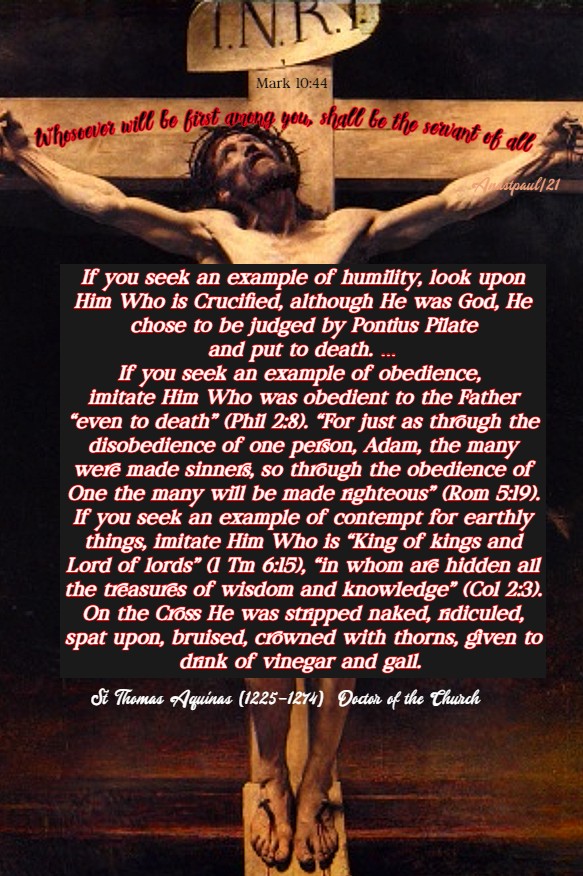
“If you seek an example of humility, look upon Him Who is Crucified, although He was God, He chose to be judged by Pontius Pilate and put to death. … If you seek an example of obedience, imitate Him Who was obedient to the Father “even to death” (Phil 2:8). “For just as through the disobedience of one person, Adam, the many were made sinners, so through the obedience of One, the many will be made righteous” (Rom 5:19). . If you seek an example of contempt for earthly things, imitate Him Who is “King of kings and Lord of lords” (1 Tm 6:15), “in whom are hidden all the treasures of wisdom and knowledge” (Col 2:3). On the Cross He was stripped naked, ridiculed, spat upon, bruised, crowned with thorns, given to drink of vinegar and gall.”
St Thomas Aquinas (1225-1274) Angelic Doctor of the Church
“ … If you die with Him, you shall also likewise live with Him. If you are His companion in punishment, so shall you be in glory.”
Thomas à Kempis (1380-1471)
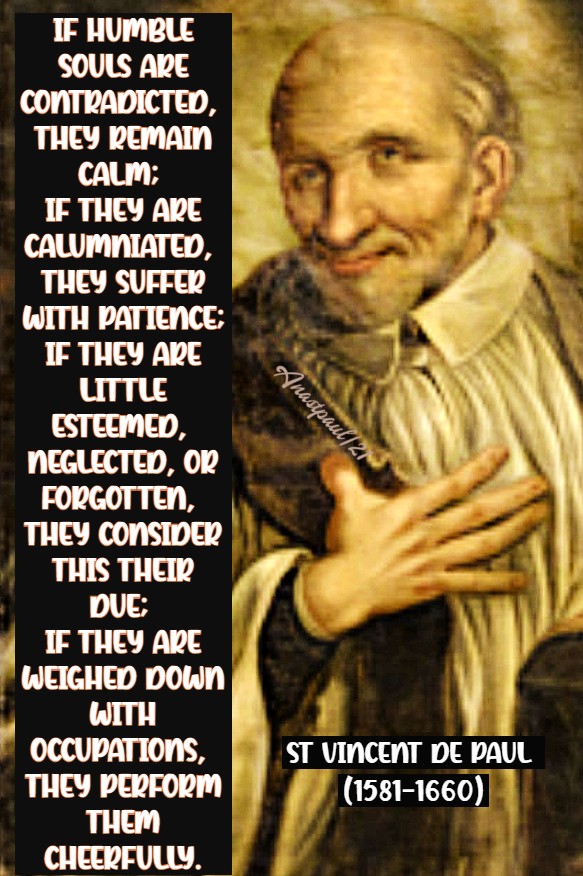
“If humble souls are contradicted, they remain calm; if they are calumniated, they suffer with patience; if they are little esteemed, neglected, or forgotten, they consider this their due; if they are weighed down with occupations, they perform them cheerfully. ”
Madonna delle Grazie / Our Lady of Grace, Costa Folgaria, Italy (1588) – 7 January, 8 September:
Brother Pietro Dal Dosso di Folgaria – a young Hermit Friar of the Order, Saint Jerome of Vicenza – was inspired directly by the Virgin Mary into building a small Church in her honour on the Echen Peak during the second half of the 16th century. Obediently, the Friar began his work and built a small Chapel, occupying what is now the Apse of the Sanctuary of the Madonna delle Grazie. In the 17th Century, the Magnifica Comunità di Folgaria expanded the small building and endowed it with a Bell Tower (1662). The Sanctuary currently hosts the miraculous Madonna, which was declared Holy Patron of Skiers by Papal Decree. The Terracotta statue of the Virgin Mary dates to the second half of the 16th century and is venerated by thousands of believers, who hold an ancient feast – as well as a solemn procession – on the 8th of September every year, when the Statue is carried by ski instructors. All along its age-old history, the Sanctuary of Echen has always been a pilgrimage destination and numerous faithful have put up their own votive offers for graces received in the small Church. The Sanctuary is approximately 2 km away from Folgaria, near the hamlet of Costa and can be easily reached on foot after an easy walk. I am not sure why this Title is listed for today, 7 January but there must be a good reason.
St Aldric of Le Mans Bl Ambrose Fernandez St Anastasius of Sens St Brannock of Braunton St Candida of Greece St Canute Lavard St Cedd St Clerus of Antioch St Crispin I of Pavia St Cronan Beg St Emilian of Saujon St Felix of Heraclea Bl Franciscus Bae Gwan-gyeom St Januarius of Heraclea St Julian of Cagliari St Kentigerna
St Lucian of Antioch Bl Marie-Thérèse Haze Blessed Matthew of Agrigento OFM (1377-1450) “Apostle of the Holy Name of Jesus,” Franciscan Priest and Friar, Bishop, Missdionary Preacher often with St Bernardine of Siena. St Pallada of Greece St Polyeuctus of Melitene St Reinhold of Cologne St Spolicostus of Greece St Theodore of Egypt St Tillo of Solignac St Valentine of Passau St Virginia of Ste-Verge Bl Wittikund of Westphalia
Quote/s of the Day – 5 January – “Month of the Most Holy Name of Jesus” – Christmas Weekday, Readings: 1 John 4:7-10, Psalms 72:1-2, 3-4,7-8, Mark 6:34-44
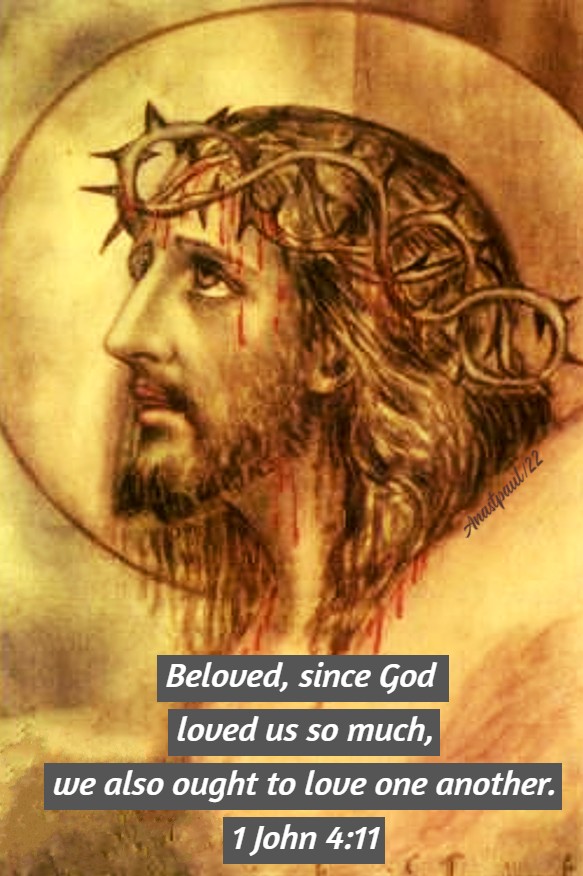
“Beloved, since God loved us so much, we also ought to love one another.”
1 John 4:11
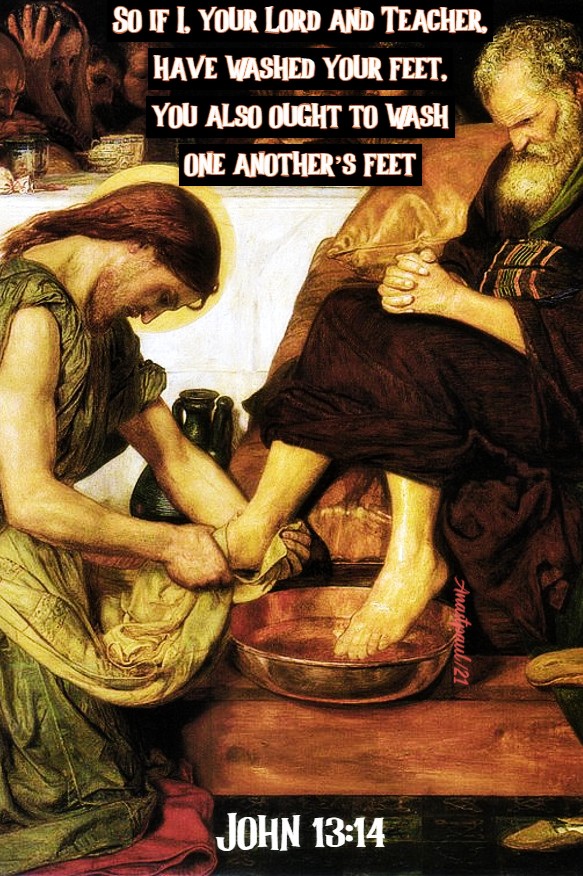
“So if I, your Lord and Teacher, have washed your feet, you also ought to wash one another’s feet.”
John 13:14
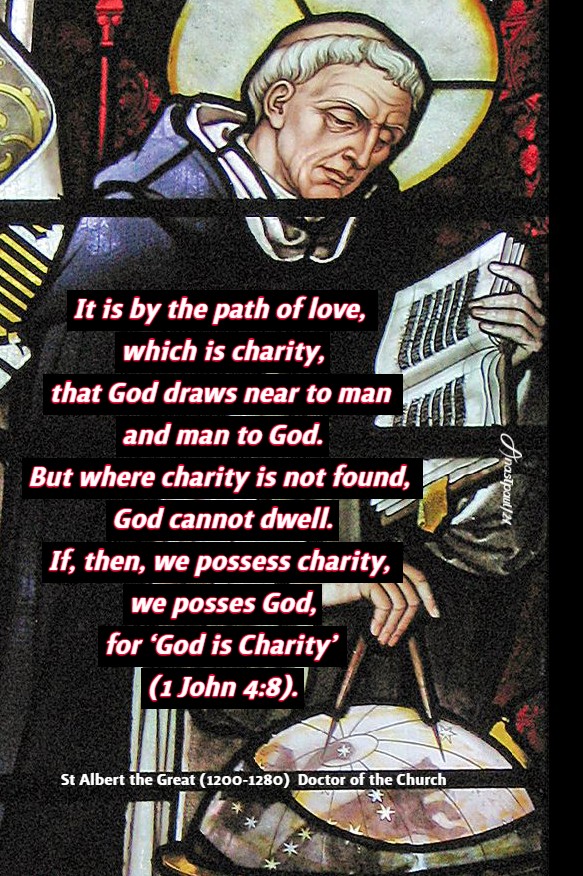
“It is by the path of love, which is charity, that God draws near to man and man to God. But where charity is not found, God cannot dwell. If, then, we possess charity, we posses God, for ‘God is Charity’ (1 John 4:8).”
St Albert the Great OP (1200-1280) Doctor of the Church
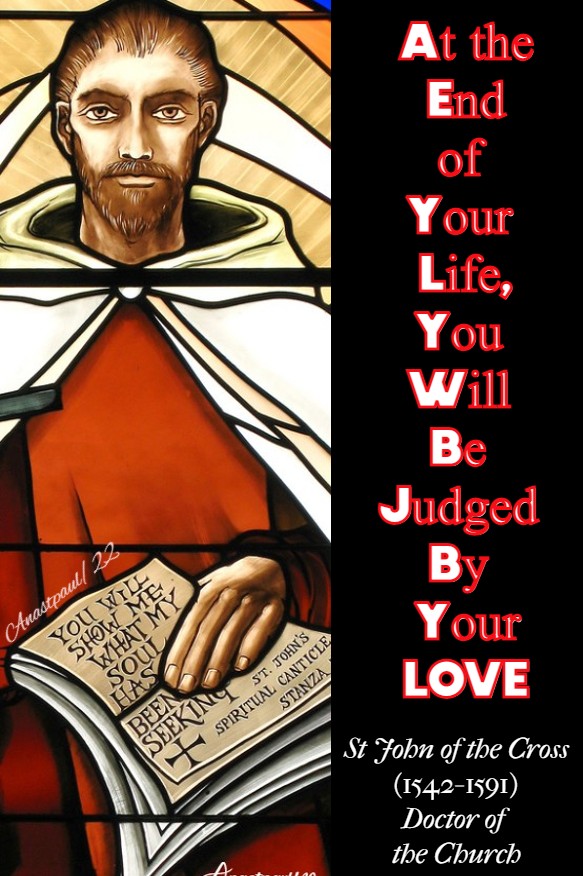
“At the end of your life, you will be judged by your love.”
St John of the Cross (1542-1591) Doctor of the Church
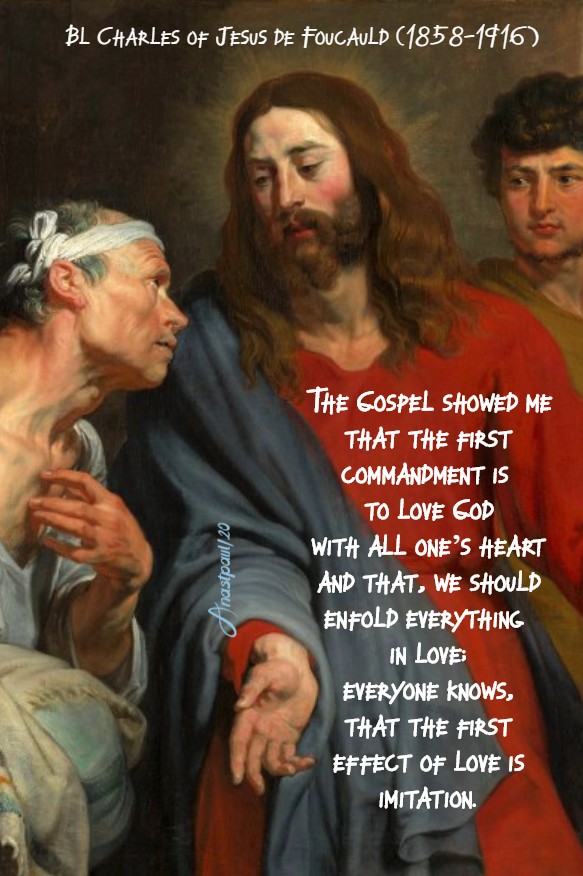
“The Gospel showed me that the first commandment is to love God with all one’s heart and that, we should enfold everything in love; everyone knows, that the first effect of love is imitation.”
Bl Charles of Jesus de Foucauld (1858-1916)
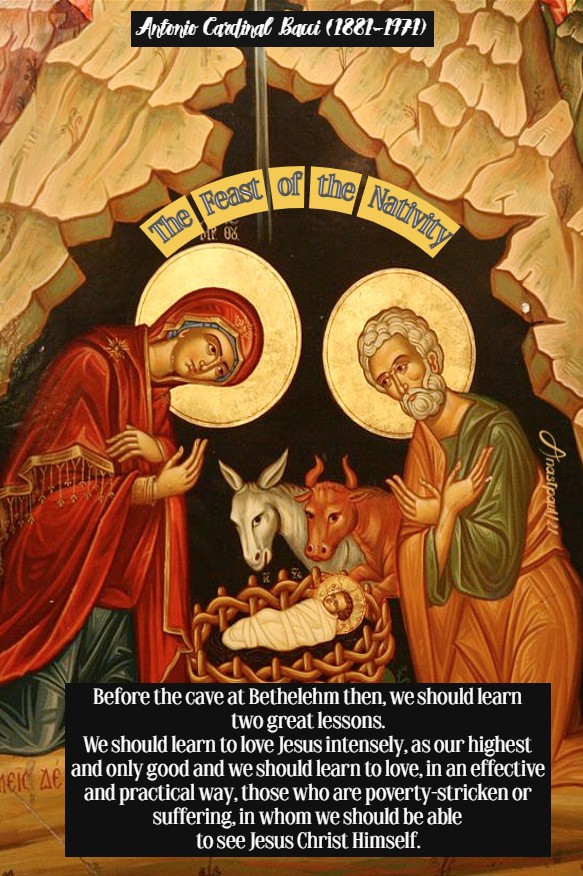
“Before the cave at Bethelehm then, we should learn two great lessons. We should learn to love Jesus intensely, as our highest and only good and we should learn to love, in an effective and practical way, those who are poverty-stricken or suffering, in whom we should be able to see Jesus Christ Himself.”
Quote/s of the Day – 18 December – O Adonai … O Lord – Saturday of the Third Week of Advent, Readings: Jeremiah 23:5-8, Psalm 72:1-2, 12-13, 18-19, Matthew 1:18-25
“She will bear a son and you are to name him Jesus because he will save his people from their sins.”
Matthew 1:21
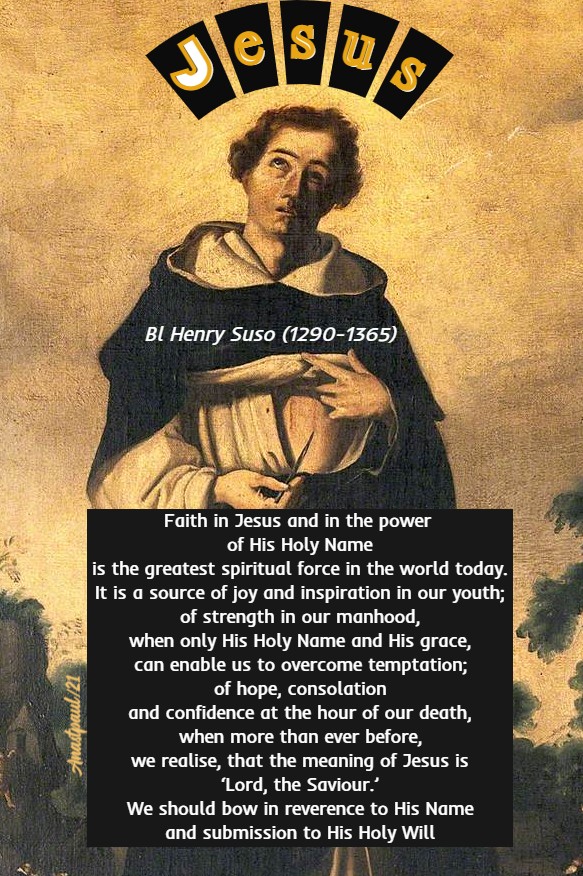
“Faith in Jesus and in the power of His Holy Name is the greatest spiritual force in the world today. It is a source of joy and inspiration in our youth; of strength in our manhood, when only His Holy Name and His grace, can enable us to overcome temptation; of hope, consolation and confidence at the hour of our death, when more than ever before, we realise, that the meaning of Jesus is ‘Lord, the Saviour.’ We should bow in reverence to His Name and submission to His Holy Will.”
Bl Henry Suso (1290-1365)
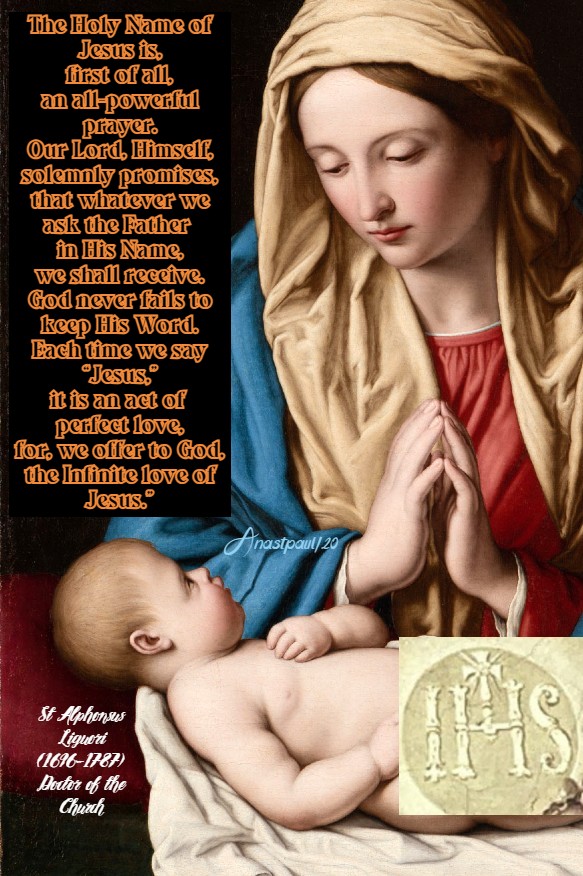
“The Holy Name of Jesus is, first of all, an all-powerful prayer. Our Lord, Himself, solemnly promises, that whatever we ask the Father in His Name, we shall receive. God never fails to keep His Word. Each time we say “Jesus,” it is an act of perfect love, for, we offer to God, the infinite love of Jesus.”
St Alphonsus Liguori (1696-1787) Doctor of the Church
Jesus, Name Full of Glory By St Bernardine of Siena (1380-1444)
Jesus, Name full of glory, grace, love and strength! You are the refuge of those who repent, our banner of warfare in this life, the medicine of souls, the comfort of those who morn, the delight of those who believe, the light of those who preach the true faith, the wages of those who toil, the healing of the sick. To You our devotion aspires, by You our prayers are received; we delight in contemplating You. O Name of Jesus, You are the glory of all the saints for eternity. Amen
“Let us fix our thoughts on the Blood of Christ and reflect how Precious that Blood is, in God’s eyes, inasmuch, as its outpouring f or our salvation, has opened the grace of repentance to all mankind.”
St Pope Clement I (c 35 – c 99)
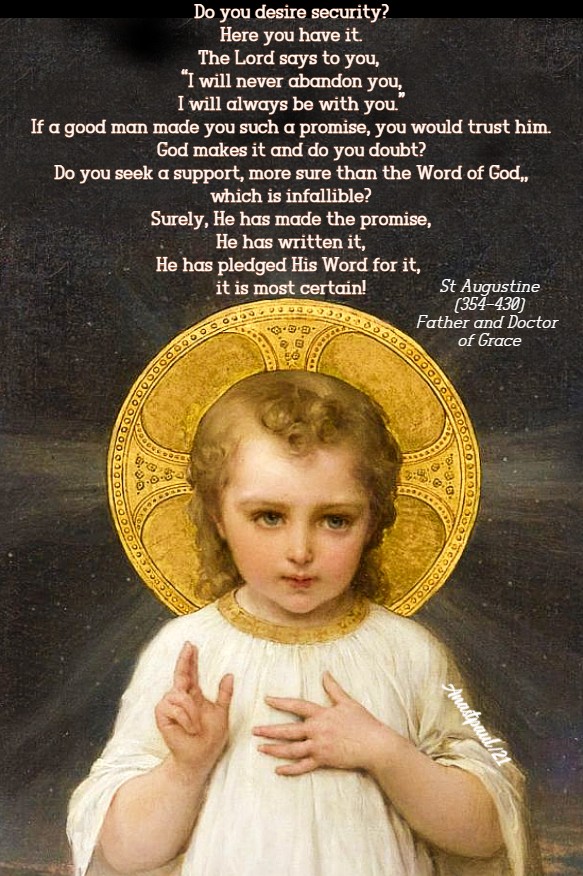
“Do you desire security? Here you have it. The Lord says to you, “I will never abandon you, I will always be with you.” If a good man made you such a promise, you would trust him. God makes it and do you doubt? Do you seek a support, more sure than the Word of God, which is infallible? Surely, He has made the promise, He has written it, He has pledged His Word for it, it is most certain!”
St Augustine (354-430) Father and Doctor of Grace
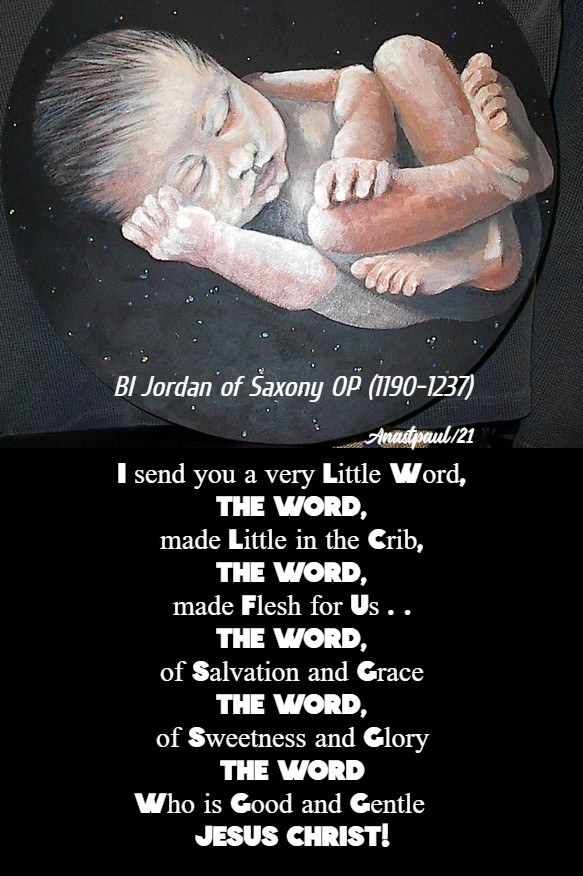
“I send you a very little word, THE WORD, made little in the crib, THE WORD, made flesh for us …. THE WORD, of salvation and grace THE WORD, of sweetness and glory THE WORD Who is good and gentle – JESUS CHRIST!”
Quote/s of the Day – 9 December – Thursday of the Second week of Advent
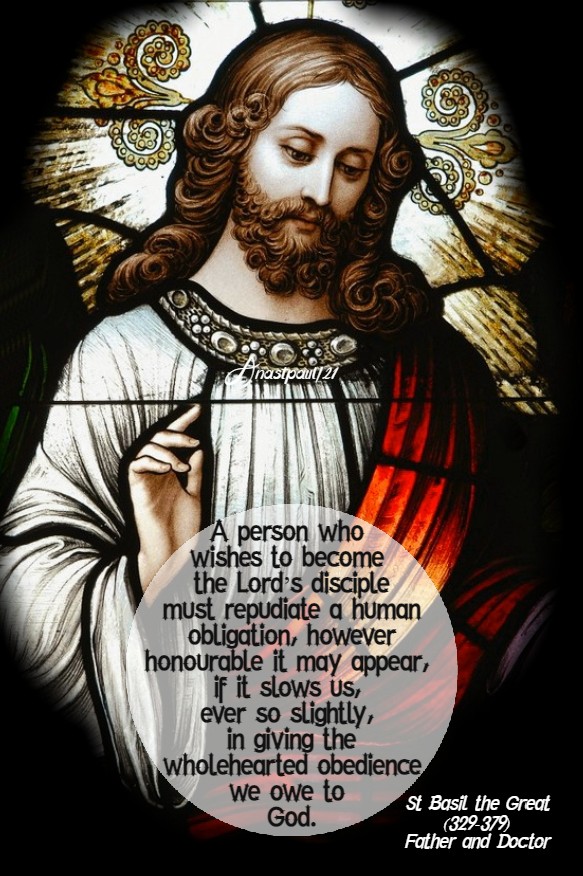
“A person who wishes to become the Lord’s disciple must repudiate a human obligation, however honourable it may appear, if it slows us, ever so slightly, in giving the wholehearted obedience we owe to God.”
St Basil the Great (329-379) Father and Doctor of the Church
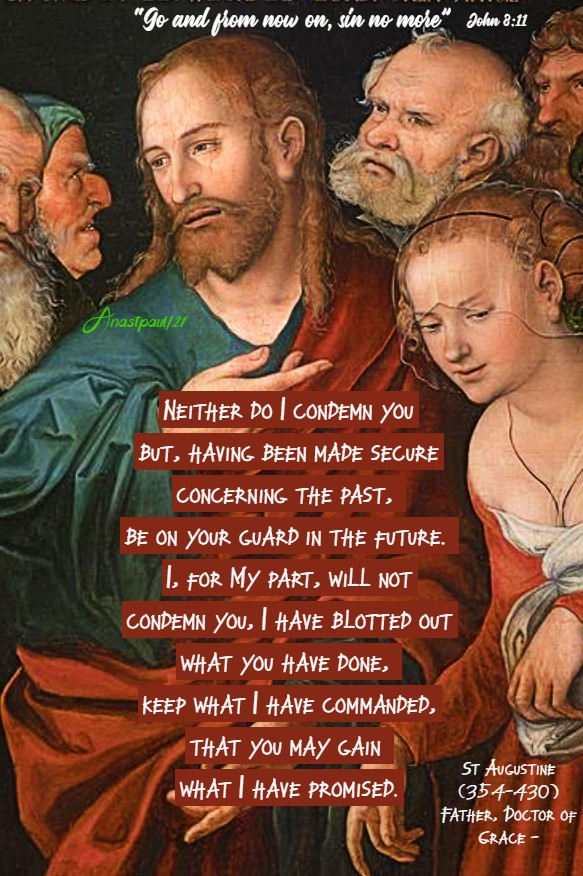
“Neither do I condemn you but, having been made secure concerning the past, be on your guard in the future. I, for My part, will not condemn you, I have blotted out what you have done; keep what I have commanded, that you may gain what I have promised.”
St Augustine (354-430) Father & Doctor of Grace
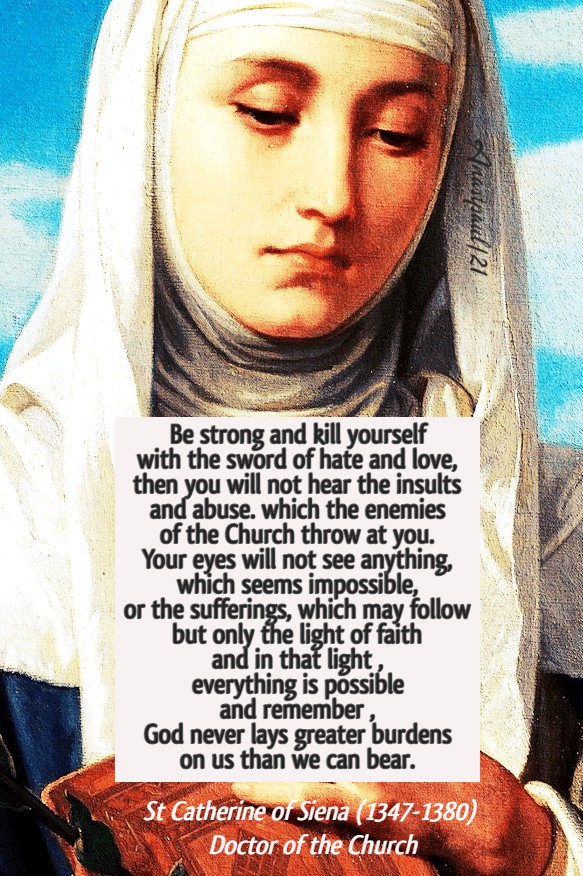
“Be strong and kill yourself with the sword of hate and love, then you will not hear the insults and abuse. which the enemies of the Church throw at you. Your eyes will not see anything, which seems impossible, or the sufferings, which may follow but only the light of faith and in that light , everything is possible and remember , God never lays greater burdens on us than we can bear.”
St Catherine of Siena (1347-1380) Doctor of the Church
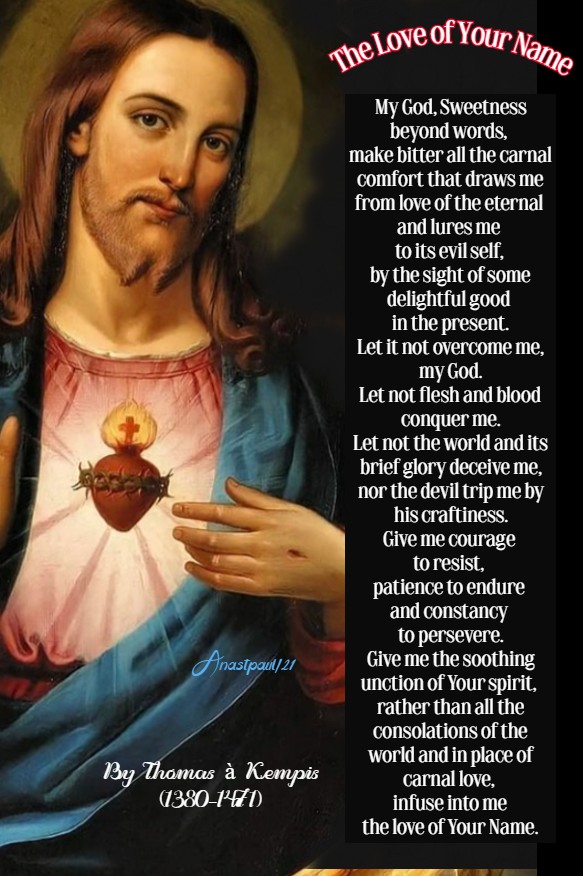
The Love of Your Name
“My God, Sweetness beyond words, make bitter all the carnal comfort that draws me from love of the eternal and lures me to its evil self, by the sight of some delightful good in the present. Let it not overcome me, my God. Let not flesh and blood conquer me. Let not the world and its brief glory deceive me, nor the devil trip me by his craftiness. Give me courage to resist, patience to endure and constancy to persevere. Give me the soothing unction of Your spirit, rather than all the consolations of the world and in place of carnal love, infuse into me the love of Your Name.”
Thomas à Kempis CRSA (1380-1471) The Imitation of Christ (Book 3 Ch 26:1-4)
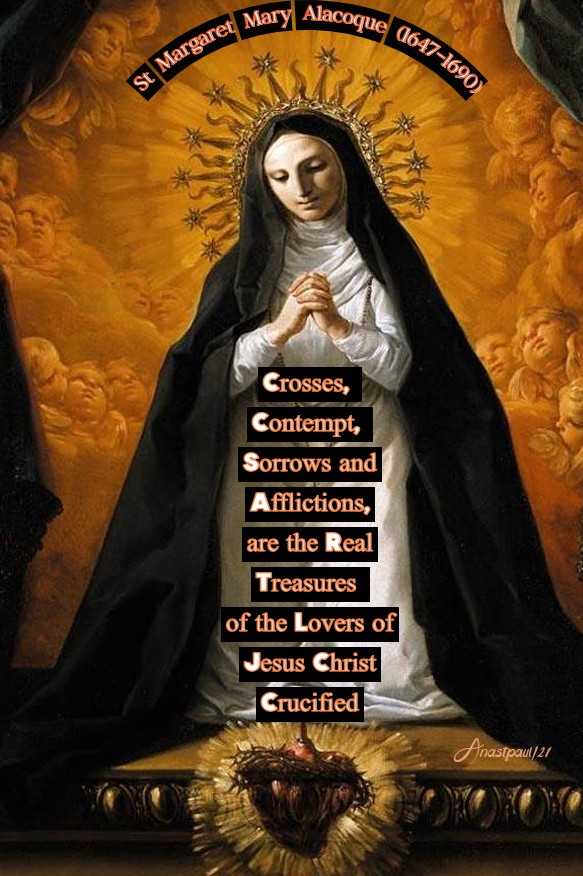
“Crosses, contempt, sorrows and afflictions, are the real treasures of the lovers of Jesus Christ Crucified.”
St Margaret Mary Alacoque (1647-1690) “Apostle of the Sacred Heart”
Quote/s of the Day – 2 December – Thursday of the First week of Advent – Readings: Isaiah 26: 1-6; Psalm 118: 1 and 8-9, 19-21, 25-27; Matthew 7: 21, 24-27
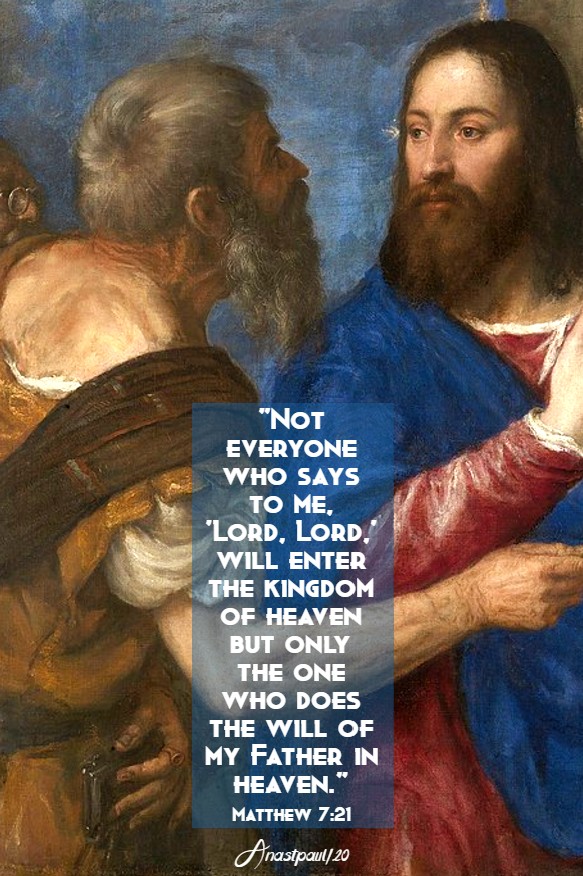
“Not everyone who says to me, ‘Lord, Lord,’ will enter the kingdom of heaven but only the one, who does the will of my Father in heaven.”
Matthew 7:21
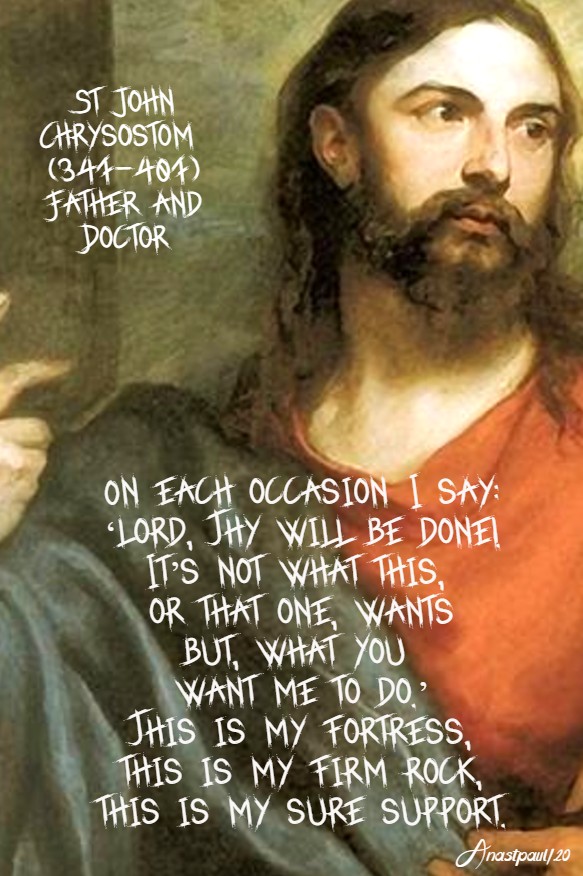
“On each occasion I say: ‘Lord, Thy will be done! It’s not what this, or that one, wants but, what You want me to do.’ This is my fortress, this is my firm rock, this is my sure support.”
St John Chrysostom (347-407) Father and Doctor of the Church
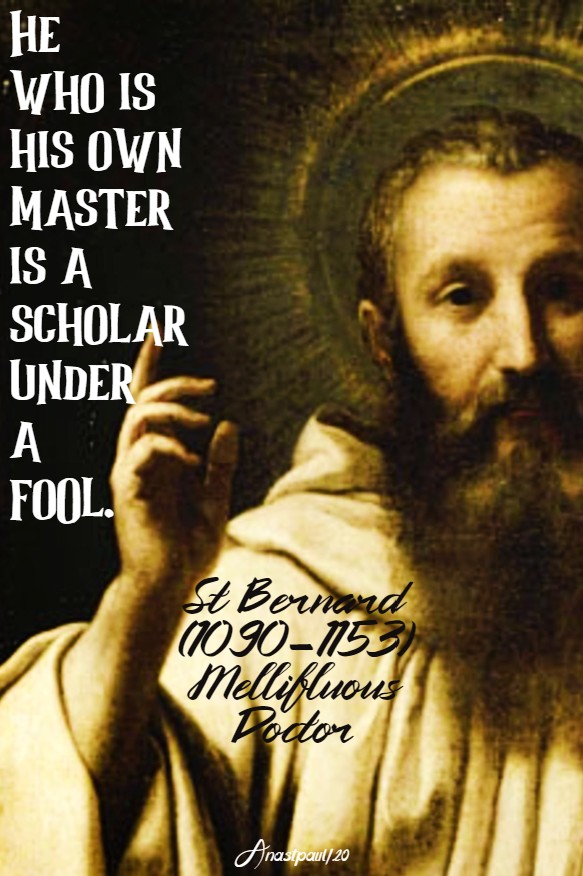
“He who is his own master is a scholar under a fool.”
St Bernard (1090-1153) Mellifluous Doctor
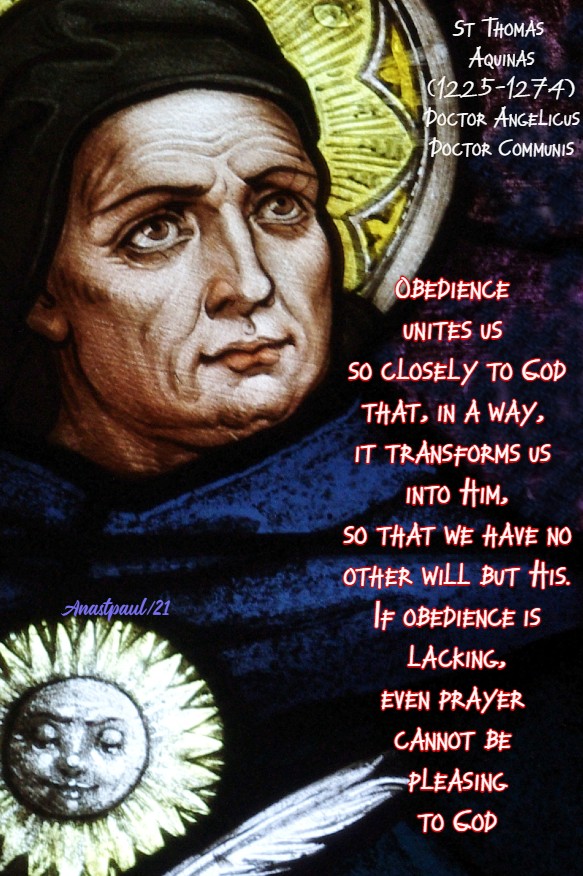
“Obedience unites us so closely to God that, in a way, it transforms us into Him, so that we have no other will but His. If obedience is lacking, even prayer cannot be pleasing to God.”
St Thomas Aquinas (1225-1274) Doctor Angelicus Doctor Communis
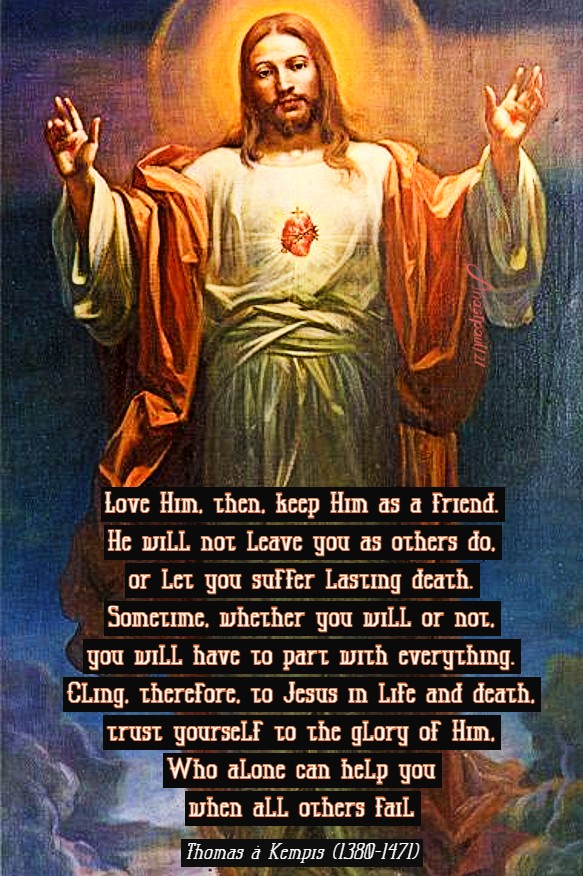
“Love Him, then, keep Him as a friend. He will not leave you as others do, or let you suffer lasting death. Sometime, whether you will or not, you will have to part with everything. Cling, therefore, to Jesus in life and death, trust yourself to the glory of Him, Who alone can help you when all others fail.“


























 AnaStpaul
You must be logged in to post a comment.