31 December – Feast of the Holy Family and the Seventh Day of the Octave
The Holy Family is the name given to the family unit of Jesus: The Divine Son of God Jesus, His mother the Virgin Mary and His foster-father Joseph. We know very little about the life of the Holy Family through the canonical Gospels. They speak of the early years of the Holy Family, including the birth of Jesus in Bethlehem, the flight into Egypt, and the finding of Jesus in the temple. Various non-canonical works, including the Infancy Gospel of Thomas, try to fill in the blanks. However, even though these apocryphal works may contain some truth derived from oral tradition, they have been deemed unworthy of canonical status because of the way they present Jesus. While the exact details of the day-to-day life of the Holy Family may be unknown, we can still learn a lot from the stories we do have.
As far back as St John Chrysostom (347-407) , Christians were urged to make of their home a family church in which the family members would find their sanctification. That was to be accomplished by putting Christ at the center of all individual and family life, by working and praying together, reading the Scriptures and worshiping as a unit. The cult of the Holy Family grew in popularity in the 17th century and several religious congregations have been founded under this title. The Holy Family also became portrayed in popular art of the period. On 26 October 1921 the Congregation of Rites (under Pope Benedict XV) inserted the Feast of the Holy Family into the Latin Rite general calendar. Until then it had been celebrated regionally. Popes before and including Benedict XV (especially Leo XIII) promoted the feast as a way to counter the breakdown of the family unit. Today the Church celebrates the Feast on the Sunday between Christmas and New Year’s Day (Known as the Feast of Mary Mother of God in the Catholic Church). If both Christmas and New Year’s Day fall on Sundays, no Sunday exists between the two dates, so the Church celebrates the Holy Family Feast on 30 December.
Michelangelo The Doni Tondo, The Holy Family with the infant St John the Baptist
The Holy Family: Jesus, Mary and Joseph
The devotion to the Holy Family was born in Bethlehem, together with the Baby Jesus. The shepherds went to adore the Child and, at the same time, they gave honour to His family. Later, in a similar way, the three wise men came from the East to adore and give honour to the newborn King with gifts of gold, frankincense and myrrh that would be safeguarded by His family.
We can go further to affirm that in a certain sense Christ, Himself, was the first devotee of His family. He showed His devotion to His mother and foster father by submitting Himself, with infinite humility, to the duty of filial obedience towards them. This is what St Bernard of Clairvaux said in this regard, ‘God, to whom angels submit themselves and who principalities and powers obey, was subject to Mary; and not only to Mary but Joseph also for Mary’s sake [….]. God obeyed a human creature; this is humility without precedent. A human creature commands God; it is sublime beyond measure.’ (First Homily on the ‘Missus Est’).
Today’s celebration demonstrates Christ’s humility and obedience with respect to the fourth commandment, whilst also highlighting the loving care that His parents exercised in His keeping. The servant of God, St Pope John Paul II, in 1989, entitled his Apostolic Exhortation, ‘Redemptoris Custos’ (Guardian of the Redeemer) which was dedicated to the person and the mission of Saint Joseph in the life of Christ and of the Church. After exactly a century, he resumed the teaching of Pope Leo XIII, for who Saint Joseph ‘.. shines among all mankind by the most august dignity, since by divine will, he was the guardian of the Son of God and reputed as His father among men’ (Encyclical Quamquam Pluries[1889] n. 3). Pope Leo XIII continued, ‘.. Joseph became the guardian, the administrator and the legal defender of the divine house whose chief he was.[…] It is, then, natural and worthy that as the Blessed Joseph ministered to all the needs of the family at Nazareth and girt it about with his protection, he should now cover with the cloak of his heavenly patronage and defend the Church of Jesus Christ.’ Not many years before, blessed Pope Pius IX had proclaimed Saint Joseph, ‘Patron of the Catholic Church’ (1870)
Almost intuitively, one can recognise that the mysterious, exemplary, guardianship enacted by Joseph was conducted firstly, in a yet more intimate way, by Mary. Consequently, the liturgical feast of the Holy Family speaks to us of the fond and loving care that we must render to the Body of Christ. We can understand this in a mystical sense, as guardians of the Church and also in the Eucharistic sense. Mary and Joseph took great care of Jesus’ physical body. Following their example, we can and must take great care of His Mystical Body, the Church and the Eucharist which He has entrusted to us. If Mary was, in some way, ‘thefirst tabernacle in history’ (St John Paul Ecclesia de Eucharistia, n. 55) then we, the Tabernacle, in which Our Lord chose to reside in person, in His Real Presence, was also entrusted to us.
We can learn from Mary and Joseph! What would they ever have overlooked in the care of Jesus’ physical body? Is there something, therefore, that we can withhold for the right and adoring care of His Eucharistic Body? No amount of attention, no sane act of love and adoring respect will ever be too much! On the contrary, our adoration and respect will always be inferior to the great gift that comes to us in the Holy Eucharist.
Looking at the Holy Family, we see the love, the protection and the diligent care that they gave to the Redeemer. We can not fail to feel uneasiness, perhaps a shameful thought, for the times in which we have not rendered the appropriate care and attention to the Blessed Eucharist. We can only ask for forgiveness and do penance for all the sacrilegious acts and the lack of respect that are committed in front of the Blessed Eucharist. We can only ask the Lord, through the intersession of the Holy Family of Nazareth, for a greater love for their Son Incarnate, who has decided to remain here on earth with us every day until the end of time. (From the Congregation for the Clergy.)
The Holy Family (or the first Sunday after Christmas)
St Pope Sylvester I (Optional Memorial)
—
Bl Alan de Solminihac
St Anton Zogaj
St Barbatian of Ravenna
St Columba of Sens
Bl Dominic de Cubells
St Festus of Valencia
St Gelasius of Palestine
Bl Giuseppina Nicoli
St Hermes the Exorcist
St John Francis Regis
St Marius Aventicus
St Melania the Younger
St Offa of Benevento
Bl Peter of Subiaco
St Pinian
St Potentian of Sens
St Sabinian of Sens
St Theophylact of Ohrid
Bl Walembert of Cambrai
Bl Wisinto of Kremsmünster
St Zoticus of Constantinople
—
Martyrs of Catania – 10 saints: A group of early Christians martyred together, date unknown. The only other information to survive are ten of their names – Attalus, Cornelius, Fabian, Flos, Minervinus, Pontian, Quintian, Sextus, Simplician and Stephen. They were martyred in Catania, Sicily, Italy.
Martyrs of Rome – 10 saints: A group of Roman women martyred in an early persecution, date unknown. We known the names of ten of them – Dominanda, Donata, Hilaria, Nominanda, Paolina, Paulina, Rogata, Rustica, Saturnina and Serotina.
Their relics were enshrined in the catacombs of Via Salaria, Rome, Italy.
Martyred in the Spanish Civil War:
• Blessed Leandro Gómez Gil
• Blessed Luis Vidaurrázaga González
Thought for the Day – 28 December – The Feast of the Holy Innocents – The 4th Octave Day of Christmas
An angel of the Lord appeared to Joseph in a dream and said, “Rise, take the child and his mother and flee to Egypt and remain there till I tell you, for Herod is about to search for the child, to destroy him.” And he rose and took the child and his mother by night and departed to Egypt… Then Herod, when he saw that he had been tricked by the wise men, was in a furious rage and he sent and killed all the male children in Bethlehem and in all that region, who were two years old or under, according to the time which he had ascertained from the wise men….Matthew 2:13-18
We call martyrs those saints who chose to give their lives for Jesus Christ. These innocent children also gave their lives but they didn’t choose to . They were chosen for martyrdom. For centuries innocent lives have been taken and people can’t help asking ‘why?’ The suffering of innocent children is still a scandal for our human hearts. That happened during WWII in a concentration camp. The Nazi guards decided one day to hang a child in front of thousands of prisoners in formation. Elie Wiesel, who writes the story, explains that the child was so light that he hanged, struggling to gasp, for more than half an hour. ‘Where is God now?’ asked one of those prisoners forced to contemplate the suffering of the child. “Behind me,” writes Wiesel, “I heard the same man asking: ‘For God’s sake, where is God?’ And from within me, I heard a voice answer- ‘Where is He? This is where – hanging here from this gallows…’”
God’s agony didn’t finish on Calvary. When innocent children cry, God mixes His Tears with theirs, when they bleed, God’s Heart bleeds with them. If they ask you ‘where is God?’, tell them that God is on Calvary still, dying every day in the womb of some mothers, He is the Victim of famines, of epidemics, of wars, of abuses, of bullying, of mafias, of trafficking, of abandonment, of persecution, of terrorism, of injustice of any kind. God is still in agony in the suffering of innocents.
But we are with you, Mary, Mother of all Innocents, helping Jesus to bear His Cross, comforting Him with our prayer and reminding Him with our love that all that He suffers for us is worthwhile, and asking God for the end of all this injustice.
Fr George Boronat M.D. S.T.D is a Catholic priest from the Prelature of Opus Dei,
working in the Archdiocese of Southwark in London.
Quote of the Day – 28 December – The Feast of the Holy Innocents – The 4th Octave Day of Christmas
”The precious death of any martyr deserves high praise because of his heroic confession; the death of these children is precious in the sight of God because of the beatitude they gained so quickly. For already, at the beginning of their lives, they pass on. The end of the present life is for them the beginning of glory.”
St Augustine (354-430) Father & Doctor of the Church
Our Morning Offering – 28 December – The Feast of the Holy Innocents – The 4th Octave Day of Christmas. When you think about the slaughter of these innocent children and the continuing slaughter of the unborn through the horrors of abortion, it becomes clear that they come from the same supreme act of selfishness. Even though Herod heard the message coming from the prophets of his own people, he had no desire to align his heart with the purposes of God.
A Prayer for Life
By St Pope John Paul II (1920-2005)
O Mary,
bright dawn of the new world,
Mother of the living,
to you do we entrust the cause of life.
Look down, O Mother,
upon the vast numbers of babies
not allowed to be born,
of the poor whose lives are made difficult,
of men and women
who are victims of brutal violence,
of the elderly and the sick killed
by indifference or out of misguided mercy.
Grant that all who believe in your Son
may proclaim the Gospel of life
with honesty and love to the people of our time.
Obtain for them the grace to accept that Gospel
as a gift ever new,
the joy of celebrating it with gratitude
throughout their lives
and the courage to bear witness to it resolutely,
in order to build,
together with all people of good will,
the civilization of truth and love,
to the praise and glory of God,
the Creator and lover of life.
Amen
Taken from Pope John Paul II’s 1995 encyclical, “The Gospel of Life” (www.vatican.va)
Saints of the Day – Feast of the Holy Innocents – 28 December – 4th Day of the Christmas Octave – Patronages – • against ambition•against jealousy• altar servers•babies•children• children’s choir• choir boys• foundlings• students. The Massacre of the Innocents is the biblical account of infanticide by Herod the Great, the Roman-appointed King of the Jews. According to the Gospel of Matthew, Herod ordered the execution of all young male children in the vicinity of Bethlehem, so as to avoid the loss of his throne to a newborn King of the Jews whose birth had been announced to him by the Magi. In typical Matthean style, it is understood as the fulfilment of an Old Testament prophecy:
Then was fulfilled that which was spoken through Jeremiah the prophet, saying, A voice is heard in Ramah, mourning and great weeping, Rachel weeping for her children and refusing to be comforted because her children are no more.’
The number of infants killed is not stated. The Holy Innocents, although Jewish, have been claimed as martyrs for Christianity and the Feast of the Holy Innocents has long been celebrated.
Taken from THE LITURGICAL YEAR, Christmas II, by Abbot Dom Guéranger. 1 A.D.
THE feast of the beloved Disciple, St John is followed by that of the Holy Innocents. The Crib of Jesus, where we have already met and venerated the Prince of Martyrs and the Eagle of Patmos, has today standing round it a lovely choir of little Children, clad in snow-white robes and holding green branches in their hands. The Divine Babe smiles upon them: He is their King and these Innocents are smiling upon the Church of God. Courage and Fidelity first led us to the Crib; Innocence now comes and bids us tarry there.
Herod intended to include the Son of God amongst the murdered Babes of Bethlehem. The Daughters of Rachel wept over their little ones and the land streamed with blood but the Tyrant’s policy can do no more, it cannot reach Jesus and its whole plot ends in recruiting an immense army of Martyrs for Heaven. These Children were not capable of knowing what an honour it was for them to be made victims for the sake of the Saviour of the world but the very first instant after their immolation, all was revealed to them, they had gone through this world without knowing it and now that they know it, they possess an infinitely better. God showed here the riches of His mercy, He asks of them but a momentary suffering and that over, they wake up in Abraham’s Bosom, no further trial awaits them, they are in spotless innocence and the glory due to a soldier who died to save the life of his Prince belongs eternally to them.
They died for Jesus’ sake, therefore, their death was a real Martyrdom and the Church calls them by the beautiful name of the Flowers of the Martyrs because of their tender age and their innocence. Justly then does the ecclesiastical Cycle bring them before us today, immediately after the two valiant Champions of Christ, Stephen and John. The connection of these three Feasts is thus admirably explained by St Bernard- “In St Stephen, we have both the act and the desire of Martyrdom; in St John, we have but the desire; in the Holy Innocents, we have but the act. . . . Will anyone doubt whether a crown was given to these Innocents?. . . If you ask me what merit could they have that God should crown them? Let me ask you what was the fault for which Herod slew them? What! is the mercy of Jesus less than the cruelty of Herod and whilst Herod could put these Babes to death, who had done him no injury, Jesus may not crown them for dying for Him?”
Stephen, therefore, is a Martyr by a Martyrdom of which men can judge, for he gave this evident proof of his sufferings being felt and accepted, that, at the very moment of his death, his solicitude both for his own soul and for those of his persecutors increased; the pangs of his bodily passion were less intense than the affection of his soul’s compassion, which made him weep more for their sins than for his own wounds. John was a Martyr, by a Martyrdom which only Angels could see, for the proofs of his sacrifice being spiritual, only spiritual creatures could ken them. But the Innocents were Martyrs, to none other eye save Thine, O God! Man could find no merit, Angel could find no merit, the extraordinary prerogative of Thy grace is the more boldly brought out. From the mouth of the Infants and the Sucklings Thou hast perfected praise. The praise the Angels give Thee is- Glory be to God in the highest and peace on earth to men of good will it is a magnificent praise, but I make bold to say that it is not perfect till He cometh Who will say: “Suffer little Children to come unto me, for of such is the kingdom of Heaven.”
Saint of the Day – 27 December – St John the Apostle and Evangelist – “The Disciple whom Jesus Loved” – (died c 101) Also known as • The Apostle of Charity • The Beloved Apostle • Giovanni Evangelista • John the Divine • John the Evangelist • John the Theologian. Patronages – • against burns; burn victims• against epilepsy• against foot problems• against hailstorms• against poisoning• art dealers• authors, writers• basket makers• bookbinders• booksellers• butchers• compositors• editors• engravers• friendships• glaziers• government officials• harvests• lithographers• notaries• painters• papermakers• publishers• saddle makers• scholars• sculptors• tanners• theologians• typesetters• vintners• Asia Minor (proclaimed on 26 October 1914 by Pope Benedict XV)• 6 Diocese• 7 Cities, Attributes – • book• cauldron• chalice• chalice with a serpent in allusion to the cup of sorrow foretold by Jesus• eagle, representing his role as the evangelist who most concentrated on Jesus’s divine nature• serpent. The author of five books of the Bible (the Gospel of John, the First, Second, and Third Letters of John and Revelation), Saint John the Apostle was one of earliest disciples of Christ. Commonly called Saint John the Evangelist because of his authorship of the fourth and final gospel, he is one of the most frequently mentioned disciples in the New Testament, rivaling Saint Peter for his prominence in the Gospels and the Acts of the Apostles. Yet outside of the Book of Revelation, John preferred to refer to himself, not by name but as “the disciple whom Jesus loved.” He was the only one of the Apostles to die, not of martyrdom but of old age, around the year 101.
St John the Evangelist was a Galilean and the son, along with Saint James the Greater, of Zebedee and Salome. Because he is usually placed after St James in the lists of the apostles (see Matthew 10:3, Mark 3:17 and Luke 6:14), John is generally considered the younger brother, perhaps as young as 17-18 at the time of Christ’s death.
With St James, he is always listed among the first four apostles (see Acts 1:13), reflecting not only his early calling (he is the other disciple of St John the Baptist, along with St Andrew, who follows Christ in John 1:34-40) but his honoured place among the disciples. (In Matthew 4:18-22 and Mark 1:16-20, James and John are called immediately after the fellow fishermen Peter and Andrew.)
Like Peter and James the Greater, John was a witness to the Transfiguration (Matthew 17:1 ) and the Agony in the Garden (Matthew 26:37). His closeness to Christ is apparent in the accounts of the Last Supper (John 13:23), at which he leaned on Christ’s breast while eating and the Crucifixion (John 19:25-27), where he was the only one of Christ’s disciples present. Christ, seeing St John at the foot of the Cross with His mother, entrusted Mary to his care. He was the first of the disciples to arrive at the tomb of Christ on Easter, having outraced Saint Peter (John 20:4) and while he waited for Peter to enter the tomb first, St John was the first to believe that Christ had risen from the dead (John 20:8).
As one of the two initial witnesses to the Resurrection, St John naturally took a place of prominence in the early Church, as the Acts of the Apostles attest (see Acts 3:1, Acts 4:3, and Acts 8:14, in which he appears alongside St Peter himself.) When the apostles dispersed following the persecution of Herod Agrippa (Acts 12), during which John’s brother James became the first of the apostles to win the crown of martyrdom (Acts 12:2), tradition holds that John went to Asia Minor, where he likely played a role in founding the Church at Ephesus.
Exiled to Patmos during the persecution of Domitian, he returned to Ephesus during Trajan’s reign and died there.
While on Patmos, John received the great revelation that forms the Book of Revelation and likely completed his gospel (which may, however, have existed in an earlier form a few decades before).
Traditional iconography has represented St John as an eagle, symbolising “the heights to which he rises in the first chapter of his Gospel.” Like the other Evangelists, he is sometimes symbolised by a book and a later tradition used the chalice as a symbol of St John, recalling Christ’s words to John and James the Greater, in Matthew 20:23, “My chalice indeed you shall drink.”
A MARTYR WHO DIED A NATURAL DEATH Christ’s reference to the chalice inevitably calls to mind His own Agony in the Garden, where He prays, “My Father, if this chalice may not pass away but I must drink it, thy will be done” (Matthew 26;42). It thus seems a symbol of martyrdom and yet John, alone among the apostles, died a natural death. Still, he has been honoured as a martyr from the earliest days after his death, because of an incident related by Tertullian, in which John, while in Rome, was placed in a pot of boiling oil but emerged unharmed.
St John the Apostle (Feast) – https://www.youtube.com/watch?v=xfyr98NgRrQ
Bl Adelheidis of Tennenbach
Bl Alejo Pan López
Bl Alfredo Parte-Saiz
Bl Christina Ebner
St Fabiola of Rome
Bl Francesco Spoto
Bl Hesso of Beinwil
St José María Corbin-Ferrer
St Maximus of Alexandria
St Nicarete of Constantinople
Bl Odoardo Focherini
Bl Raymond de Barellis
Bl Roger of Verdun
Bl Sára Schalkház
St Theodore of Apamea
St Theophanes of Nicaea
Bl Walto of Wessobrünn
Our Morning Offering – 25 December – The Solemnity of the Nativity of the Lord
Christmas Prayer By St Pope John XXIII (1881-1963)
O sweet Child of Bethlehem,
grant that we may share with all our hearts
in this profound mystery of Christmas.
Put into the hearts of men and women this peace
for which they sometimes seek so desperately
and which You alone can give to them.
Help them to know one another better,
and to live as brothers and sisters,
children of the same Father.
Reveal to them also,
Your beauty, holiness and purity.
Awaken in their hearts
love and gratitude for Your infinite goodness.
Join them all together in Your love.
And give us Your heavenly peace, amen.
Saint of the Day – The Feast of Our Lady of Guadalupe – 12 December – Our Mother of Guadalupe, The Madonna of Tepeyac, Tonantzin – The First Apparition was on 12 December 1531 and was approved by the Holy See on 12 October 1895, during the Canonical coronation granted by Pope Leo XIII – Patronages: of Americas; New World, Central America, Mexico, New Mexico, Pojoaque Indian Pueblo, 12 dioceses, 3 cities.
Guadalupe is, strictly speaking, the name of a picture but the name was extended to the church containing the picture and to the town that grew up around the church. It makes the shrine, it occasions the devotion, it illustrates Our Lady. It is taken as representing the Immaculate Conception, being the lone figure of a woman with the sun, moon and star accompaniments of the great apocalyptic sign with a supporting angel under the crescent. The word is Spanish Arabic but in Mexico it may represent certain Aztec sounds.
Its tradition is long-standing and constant and in sources both oral and written, Indian and Spanish, the account is unwavering. The Blessed Virgin appeared on Saturday 9 December 1531 to a 55 year old neophyte named Juan Diego, who was hurrying down Tepeyac hill to hear Mass in Mexico City. She sent him to Bishop Zumárraga to have a temple built where she stood. She was at the same place that evening and Sunday evening to get the bishop’s answer. The bishop did not immediately believe the messenger, had him cross-examined and watched and he finally told him to ask the lady who said she was the mother of the true God for a sign. The neophyte agreed readily to ask for sign desired and the bishop released him.
Juan was occupied all Monday with Bernardino, an uncle, who was dying of fever. Indian medicine had failed and Bernardino seemed at death’s door. At daybreak on Tuesday 12 December 1531, Juan ran to nearby the Saint James convent for a priest. To avoid the apparition and the untimely message to the bishop, he slipped round where the well chapel now stands. But the Blessed Virgin crossed down to meet him and said, “What road is this thou takest son?” A tender dialogue ensued. She reassured Juan about his uncle, to whom she also briefly appeared and instantly cured. Calling herself Holy Mary of Guadalupe she told Juan to return to the bishop. He asked Mary for the sign he required. She told him to go to the rocks and gather roses. Juan knew it was neither the time nor the place for roses but he went and found them. Gathering many into the lap of his tilma, a long cloak or wrapper used by Mexican Indians, he came back. The Holy Mother rearranged the roses and told him to keep them untouched and unseen until he reached the bishop. When he met with Zumárraga, Juan offered the sign to the bishop. As he unfolded his cloak the roses, fresh and wet with dew, fell out. Juan was startled to see the bishop and his attendants kneeling before him. The life size figure of the Virgin Mother, just as Juan had described her, was glowing on the tilma. The picture was venerated, guarded in the bishop’s chapel and soon after carried in procession to the preliminary shrine.
The coarsely woven material of the tilma which bears the picture is as thin and open as poor sacking. It is made of vegetable fibre, probably maguey. It consists of two strips, about seventy inches long by eighteen wide, held together by weak stitching. The seam is visible up the middle of the figure, turning aside from the face. Painters have not understood the laying on of the colours. They have deposed that the “canvas” was not only unfit but unprepared and they have marvelled at apparent oil, water, tempera, etc. colouring in the same figure. They are left in equal admiration by the flower-like tints and the abundant gold. They and other artists find the proportions perfect for a maiden of fifteen. The figure and the attitude are of one advancing. There is flight and rest in the eager supporting angel. The chief colours are deep gold in the rays and stars, blue-green in the mantle and rose in the flowered tunic.
Sworn evidence was given at various commissions of inquiry corroborating the traditional account of the miraculous origin and influence of the picture. Some wills connected with Juan Diego and his contemporaries were accepted as documentary evidence. Vouchers were given for the existence of Bishop Zumárraga’s letter to his Franciscan brothers in Spain concerning the apparitions. His successor, Montufar, instituted a canonical inquiry, in 1556, on a sermon in which the pastors and people were abused for crowding to the new shrine. In 1568 the renowned historian Bernal Díaz, a companion of Cortez, refers incidentally to Guadalupe and its daily miracles. The lay viceroy, Enríquez, while not opposing the devotion, wrote in 1575 to Philip II asking him to prevent the third archbishop from erecting a parish or monastery at the shrine. Inaugural pilgrimages were usually made to it by viceroys and other chief magistrates. Processes, national and ecclesiastical, were laboriously formulated and attested for presentation at Rome, Italy in 1663, 1666, 1723, and 1750.
The clergy, secular and regular, has been remarkably faithful to the devotion towards Our Lady of Guadalupe, the bishops especially fostering it, even to the extent of making a protestation of faith in the miracle a matter of occasional obligation. Pope Benedict XIV decreed that Our Lady of Guadalupe should be the national patron of Mexico and made 12 December a holiday of obligation with an octave and ordered a special Mass and Office. Pope Leo XIII approved a complete historical second Nocturne, ordered the picture to be crowned in his name and composed a poetical inscription for it. Pope Pius X permitted Mexican priests to say the Mass of Holy Mary of Guadalupe on the twelfth day of every month and granted indulgences which may be gained in any part of the world for prayer before a copy of the picture.
Allegory of the papal declaration in 1754 by pope Benedict XIV of Our Lady of Guadalupe patronage over the New Spain in the presence of the viceroyal authorities. Anonymous (Mexican) author, 18th century.
The place, called Guadalupe Hidalgo since 1822, is three miles northeast of Mexico City. Pilgrimages have been made to this shrine almost without interruption since 1531-1532. A shrine at the foot of Tepeyac Hill served for ninety years and still forms part of the parochial sacristy. In 1622 a magnificent shrine was erected and in 1709 a newer, even more beautiful one. There are also a parish church, a convent and church for Capuchin nuns, a well chapel and a hill chapel all constructed in the 18th century. About 1750 the shrine got the title of collegiate, a canonry and choir service being established. It was aggregated to Saint John Lateran in 1754. In 1904 it was created a basilica, with the presiding ecclesiastic being called abbot. The shrine has been renovated in Byzantine style which presents an illustration of Guadalupan history.
Our Lady of Guadalupe (Feast)
St Abra
St Agatha of Wimborne
Bl Bartholomew Buonpedoni
St Pope Callistus II
St Colman of Clonard
St Columba of Terryglass
St Conrad of Offida
St Corentius of Quimper
St Cormac
St Cury
St Donatus the Martyr
St Edburga of Thanet
St Finnian of Clonard
St Gregory of Terracina
St Hermogenes
Bl Ida of Nivelles
Bl James of Viterbo
Bl Ludwik Bartosik
Bl Martin Sanz
St Simon Phan Ðac Hòa
St Spyridon of Cyprus
St Synesius
St Vicelin of Oldenburg
Martyrs of Alexandria – (6 saints): A group of six Christians martyred for their faith during the persecutions of Decius. We know little more than five of their names – Alexander, Ammonaria, Dionysia, Epimachus and Mercuria. They were burned to death c 250 in Alexandria, Egypt.
Martyrs of Trier – (4 saints): A group of six Christians martyred for their faith during the persecutions of Decius. We know little more than five of their names – Alexander, Ammonaria, Dionysia, Epimachus and Mercuria. They were burned to death c 250 in Alexandria, Egypt.
The Feast of the Our Lady of Loreto and the Holy House – 10 December – Patronages – Aeroplane Pilots and workers, Aviators, Construction workers, Builders.
Eighteen miles south of Ancona, and about three miles from the Adriatic coast of Italy, stands the city of Loreto (also spelled Loretto) on the summit of a hill. A vast basilica with a great dome forms the most treasured of all the Pope’s “extraterritorial” Vatican State properties, enshrining, as it does, one of the most sacred and important of all Our Lady’s Shrines — the Home of the Holy Family, “the Holy House of Loreto.” Written at the door of the Basilica are these words: “The whole world has no place more sacred… For here was the Word made Flesh and here was born the Virgin Mother…” On entering the basilica, one finds beneath the central dome and just behind the high altar, a rectangular edifice of white marble, richly adorned with statues. The white marble, however, forms only a protective crust. The contrast between the exterior richness and the poverty of the interior is startling. Inside are the plain, rough walls of a cottage of great antiquity, thirty feet long by fifteen feet wide and about fifteen feet high. In the centre of the House of Our Lady, there is a replica of a wooden statue of the Madonna. The original one, made of cedar of Lebanon, arrived at Loreto together with the house but has since been destroyed.
How this Shrine came to be is a fascinating story. This is the House of Nazareth, the home of the Holy Family, which had been brought by angels from Nazareth to the Dalmatian coast and later, by the same angels, transported to Loreto where it stands today enclosed in the huge Basilica just described. The history of Loreto is based upon a wealth of sound tradition and reliably recorded historical facts. We know from the visits of reliable witnesses to the Holy Land, whose journeys were carefully recorded in documents, that the Holy House of Nazareth was intact in Palestine at a relatively late date. St Louis, King of France, heard Mass in Nazareth in 1253 in the same chamber where the Angel announced the coming of Christ to the Blessed Virgin Mary.
Exterior of the Holy House of Loreto
The Holy Land had seen its last and unsuccessful Crusade in 1291. The last of the Christian soldiers withdrew from Nazareth the same year, leaving behind the holiest of houses unprotected. It was to be dealt with according to the Muslim tradition of pillaging and destruction. It may seem far-fetched to think that a tiny clay house venerated by a handful of Christians could merit such vindictive rage. But this was a unique house — visibly an edifice of mud and straw, but preserving within its framework living memories of its Royal Household — Jesus, Mary, and Joseph.
The first assault was that of the Seljukian Turks in 1090. They rampaged through the Holy Land, looting the treasures left in the churches of the Holy Places by devout Christian pilgrims. They turned basilicas and churches into mosques and destroyed what was deemed useless for their unholy purposes. Among the last class fell the fate of Santa Casa, home of the Holy Family. Fortunately, when Constantine had the first Basilica built over the holy spot in 312, the house, along with the grotto that was attached, was interred within a subterranean crypt. And so it survived the initial desecrations of Islam.
In the years that followed, a trickle of Christian pilgrims kept alive the devotion and veneration of the Holy House where the Word was made Flesh. Then, when the first Crusaders arrived victorious in 1100 under Tancred, they built a new Basilica.
During the relative peace that ensued, pilgrims once again freely visited the sanctified ground. But because of the mixed motives that drew some of the Crusaders to the Holy Land, God did not bless all of their attempts to secure a lasting peace for the new Latin Kingdom of Jerusalem. In all there were eight crusades, marked by some glorious victories but punctuated also with terrible defeats. In 1219, Saint Francis of Assisi, whose spiritual sons were later to be given charge of the Holy House, visited this “holiest spot on earth” in Nazareth. It was during the last crusade that St. Louis IX knelt on the ground that had once been frequented by Our Lord and received Him into his heart in Holy Communion. The saintly king deemed this to be a far greater privilege than his earthly royalty.
The year 1263 saw the second destruction of the Basilica, but again the Holy House miraculously survived the assaults of the Infidels. But the defeated Christians eventually withdrew in 1291. Total destruction finally loomed over the former home of the Holy Family, as free reign was given in the Holy Land to its unholy inhabitants. Eternal Wisdom, however, had other plans!
Our Lady of Loretto On the night of May 10th, 1291 the shepherds of Tersatto, now Croatia, parted company to tend to their flocks. The lonely fields in Dalmatia and the shepherds who treaded them daily were well acquainted with each other. So the sudden appearance of a house that wasn’t there the night before caused quite a stir; the evening before, there had been no building, nor any building materials. Little did they realise it once had housed the Morning Star.
The poor, baffled, little shepherds, not suspecting the workings of Divine grace in that little hut, inspected it curiously. The walls did not all evenly touch the ground; half of them hovered over the road and the rest rested in the field. The tiny structure resembled a church more than a domestic abode. The house had an ancient altar, a Greek cross and a strange statue of a lady. As they entered it, the air seemed filled with a heavenly incense. Indeed it was. For in this very house, from the root of Jesse, blossomed the Mystical Rose.
Realising it was no ordinary incident, the shepherds ran off to the local church of St George to awaken Father Alexander Georgevich. The puzzled priest, after investigating the clay “church” himself, could offer little explanation to the humble crowd that gathered. That night the weary old priest, although severely crippled with arthritis, spent hours in prayer beseeching enlightenment from the Virgin Most Powerful. In his sleep the Mother of Good Counsel rewarded his humility by answering his request in a dream. “Know that this house,” She said, “is the same in which I was born and brought up. Here, at the Annunciation, I
conceived the Creator of all things. Here, the Word of the Eternal Father became Man. The altar which was brought with the house was consecrated by Peter, the Prince of the Apostles. This house has now come to your shores by the power of God. And now, in order that you may bear testimony of all these things, be healed. Your unexpected and sudden recovery shall confirm the truth of what I have declared to you.”
The sudden disappearance of Father Georgevich’s familiar malady the next day quite convinced him. He then announced that it was She, who is called Health of the Sick, who had cured him and related the vision of the night before. The peasants of Tersatto now knew for sure that this was the sacred little home of their Saviour. They venerated it accordingly.
Hearing of the miraculous appearance, the Governor of Dalmatia immediately dispatched his emissaries to Nazareth, and they reported that the Holy House had indeed disappeared from there. The length and breadth of the walls of the dwelling found at Tersatto corresponded exactly with the foundations beneath the Basilica of the Annunciation in Nazareth. This basilica had been built over the original Holy Home in Nazareth. Tradition says that the investigation disclosed another bit of valuable evidence: the house found at Tersatto was built of limestone, mortar and cedar wood. These materials were commonplace in Nazareth but almost unobtainable in Dalmatia.
Then suddenly on 10 December 1294, three years later, the little house disappeared as mysteriously as it had come. This time, however, the angels were not so successful in bearing it away without notice! The alert shepherds of Tersatto reported the departure. And across the Adriatic Sea, the happy victims of insomnia, who happened to be out that night, rushed home with reports of a mysterious passage overhead of a little house, borne aloft by angels. The awesomeness of the spectacle gave hint that it was the work of the Son of the Queen of Angels.
To this very day the people of Tersatto in Dalmatia (Croatia), as well as people in the Italian Marche region, on the night of December ninth and tenth, rise at 3:00 a.m. to the sound of a joyful pealing of their bells and light their customary bonfires, as they sing litanies of praise to the Cause of Our Joy.
Across the sea in Italy, on the shores of the Adriatic, a little plain called Banderuolo, four miles from the city of Recanati welcomed the Holy House when the angels lowered its uneven walls onto the wooded area. It took almost no time for people to hear of the arrival of this mysterious, airborne house. Thousands of people began to make pilgrimages to it and it rapidly gained a reputation as a place of cures. But unfortunately, as the pilgrims increased, so did the bandits that lurked in the surrounding forest. Slowly the house of prayer became surrounded by a den of thieves. Feeling the same justified anger that once compelled Him to cast the buyers and sellers from His Father’s House, Our Lord withdrew the House itself!
Once again the soft flutter of angels’ wings stirred the night air as they relocated the home of the House of Gold. This time its foundation-less walls settled down in an open meadow on the Antici property in Recanati. Tradition tells us that, not long after this, the brothers who owned the property, two hot-tempered Italian rustics, took to fighting. The cause of the discord was allegedly over the Holy House itself, each claiming to own the plot it occupied, or perhaps taking credit for its having chosen the land because of their personal holiness! Tradition calls it a mere quarrel but it was sufficient to cause the Refuge of Sinners to abandon the site. Happily, as soon as the Santa Casa moved, the brothers repented and were reconciled.
The Holy House now reached its final destination; final, that is, at least to this present date, on Loreto hill, a few miles away from its previous location, close to the village of Recanati. Although they weren’t quite sure just what was the story behind it, people began to come in droves to venerate it. In 1295 a strong wall was built around it, either for protection, or to keep it from escaping their humble grasp and making another nightly excursion! Identification of Her sweet little home was clearly unfolded by the Virgin of Virgins Herself in 1296 to a saintly hermit who lived nearby. Immediately the government of Recanati sent sixteen of its most reputable citizens to the Holy Land to investigate the situation. After an absence of months, the retinue of homespun scientists returned with the obvious facts. All they found in Nazareth was the spot, still venerated, where the house once stood. The foundation measured up exactly to that of the House of Loreto: thirteen feet by thirty-one. The bricks of the local Nazareth habitation were of the same substance as the Holy House, whereas the other Recanati abodes were completely dissimilar. The Recanati representatives were convinced; this was the House of the Holy Family, miraculously brought to the shores of Italy through the Will of God and for His Glory.
Most of the evidence about the translation of the Holy House came to light through a commission of inquiry set up by Pope Boniface VIII, who sent his investigators to Tersatto and Nazareth, as well as to Loreto. He himself, as well as other popes, declared that the history and traditions of Loreto are “most worthy of belief.” Later the Sacred Congregation of Rites appointed 10 December as the Feast of the “Translation of the Holy House.”
Since 1294, it has become one of the greatest shrines to Our Lady, with pilgrims from all over the world crowding the roads to Loreto. Over 2,000 canonided, beatified and venerable children of the Church have paid homage to the Singular Vessel of Devotion by visiting the home in which she was born and in which she raised the only-begotten Son of God. These include: St Ignatius Loyola, St Francis Xavier, St John Berchmans, St Philip Neri, St Francis de Sales, St John Capistrano, St Clement Mary Hofbauer, St Alphonsus Maria de Liguori, St Louis Marie de Montfort, St Benedict Joseph Labre, St Therese and St Frances Xavier Cabrini, Blessed John Henry Newman, just to mention a few. Forty-seven popes have knelt there during their pontificates and many others came to pray before they were elevated to the Holy See. More than fifty Popes have issued Bulls and Papal Briefs testifying to its authenticity. Hundreds of Papal documents have granted it privileges, exemptions, and authorisations to receive benefits. In 1669, it was given a Mass of its own in the Missal. The Litany of Our Lady, that most beautiful and poetic expression of her virtues and her sublime role for both Heaven and Earth, is named after this Shrine, the Litany of Loreto.
It is a place of many miracles. Those who have come throughout the ages, beseeching aid from the Comforter of the Afflicted, usually return home spiritually aided or physically cured. Three successors to the chair of Peter have physically experienced the benevolence of the Virgin Most Merciful and were restored to health. They were Pope Pius II, Pope Paul II and Pope Pius IX. Even today Her graces continue to flow, for Our Lady still exercises Her Queenship by interceding for Her subjects who implore Her aid under the title of Our Lady of Loreto.
Italy has, perhaps more than any other European country, been the scene of civil strife, wars and revolutions from the thirteenth to the eighteenth centuries. The country was divided with city fighting city, faction pitted against faction, and man against man. Those six centuries of Italian history are the most dramatic in the formation of Europe. But as numerous armies marched from North to South and South to North, no harm was ever done to the House of Loreto and to its mystical image.
It was again one of the many sacrileges of the Freemasonic French Revolution to desecrate this most sacred image of Our Lady. The French Revolutionary Directory seized all the treasures of Loreto, including the image, took them to Paris and exposed them to profane curiosity. Napoleon III finally gave the statue back to Pope Pius VII, who enthroned it first in the Papal Palace at the Quirinal and then, with great solemnity restored it to Loreto in 1802. Tragically, however, an accident in 1921 destroyed the original statue and a new figure, about three feet high, was then carved from the wood of a cedar grown in the Vatican gardens.
Pope Pius XI enthroned this new statue in September of 1924 in the Sistine Chapel. Then, with his own hands, he crowned the Holy Child and His Mother, whereupon the figure was exposed for a day in the Basi1ica of St Mary Major in Rome. Finally, with great solemnity, it was carried to Loreto. On feast days, the figure of Our Lady and the Holy Child were accustomed to be dressed in robes of gold and silk. The jewels on the robe are the marriage jewels of the Catholic Empress, Maria Theresa of Austria and are of inestimable value.
There are, of course, the inevitable skeptics who obstinately reject the fact of the “translation” of the Holy House from Nazareth to Tersatto and thence to its present location. But their objections are refuted by the very fact that no house could stand for as long a time as this one has — certainly not for centuries — resting on the surface of the ground only, without even having a foundation. Yet the fact remains that the house is not artificially sustained in any way and it has no foundation at all. This can be verified by anyone who visits the shrine. During World War II, the shock of airwaves destroyed many more solidly built houses, ancient and modern, as well as fortified castles. The vicinity of Loreto and the city itself were bombed by the Allies (Americans) several times during the conflict but the House of Nazareth, where the Angel announced that the Word would be made Flesh, still stands erect and unshattered, as if proclaiming to mankind that it need only depend upon the unshakable Rock of Peter, the foundation-stone of Christ’s One, True Church.
Sweet were the days the Blessed Virgin Mary spent with Saint Joseph and the Holy Child in their modest little home. Their life within the clay walls was affluent with poverty, resonant with silence and illustrious in humility. “Her actual life, both at Nazareth and later, must have been a very ordinary one…” said Saint Thèrése, the Little Flower of Jesus, who once visited the Holy House.“She should be shown to us as someone who can be imitated, someone who lived a life of hidden virtue and who lived by faith as we must.” This beautiful and much needed lesson of extraordinary sanctity in very ordinary circumstances, is precisely what the humble and Holy House of Loreto bespeaks to us.
Act of Consecration to the Immaculate Conception On The Feast of the Immaculate Conception
In the presence of God Almighty, Father, Son and Holy Spirit and with heaven and earth as our witness, we prostrate ourselves at your feet, O Mary, Our Lady.
We acknowledge you as our Mother, as the Immaculate Conception, living tabernacle of the Divinity, as Queen of angels and of men, as Mother of the Church and of the Catholic priesthood and as refuge of the afflicted. That is why, small and weak as we are, we wish to consecrate to you our families, our persons, our works, our future, all that pertains to us and is in us and which God, in His immeasurable goodness, has entrusted to us for our good use.
We also consecrate to you the value of our good actions, past, present and future, leaving to you the entire and full right of disposing of us and all that belongs to us. Mary, be our Mother: sanctify us, purify us, correct us, guide us, pray for us and protect us.
Help us to perfectly fulfill the duties of our state of life.
Extinguish in us all self-love, which prevents your Divine Son, King and Sovereign Priest, from reigning in and around us.
Cover abundantly with your maternal protection all the parishes, chapels, schools, works and missions and may you forever impede the devil from reigning, in any manner in the Church which desires to be entirely yours for the greater glory of God, the protection of our Holy Father and the exaltation of our Mother, the Holy Catholic Church and for the conversion of sinners. Amen.
Thought for the Day – 8 December – The Solemnity of the Immaculate Conception
In Luke 1:28 the angel Gabriel, speaking on God’s behalf, addresses Mary as “full of grace” (or “highly favoured”). In that context, this phrase means that Mary is receiving all the special divine help necessary for the task ahead. However, the Church grows in understanding with the help of the Holy Spirit. The Spirit led the Church, especially non-theologians, to the insight that Mary had to be the most perfect work of God next to the Incarnation. Or rather, Mary’s intimate association with the Incarnation called for the special involvement of God in Mary’s whole life.
The logic of piety helped God’s people to believe that Mary was full of grace and free of sin from the first moment of her existence. Moreover, this great privilege of Mary is the highlight of all that God has done in Jesus . Rightly understood, the incomparable holiness of Mary shows forth the incomparable goodness of God and the role of Mary in our salvation. And never forget, at Lourdes when Bernadette asked of the beautiful Lady ‘who shall I say you are’ she replied “I am the Immaculate Conception.”
Mary of the Immaculate Conception, Pray for us!
And St John Paul in 1998:
“We sang of this Mother in the Liturgy of the Word. We beheld the Lord’s marvels. In today’s liturgy, the first words of our hymn were “Tota pulchra es Maria”: you are all beautiful, O Mary. In the presence of this beauty, perhaps we find ourselves thinking of the words of the great Fyodor Dostoevski, who wrote that beauty can save the world: your beauty, Mary, which is expressed in the Immaculate Conception.
We entrust our city, the Church and the whole world to you. May you be the “Tota Pulchra” who guides us in all hope through the Great Jubilee of the Year 2000 towards the future, because you, O Mary, are the Mother of hope. Praised be Jesus Christ!
At the end of the prayer celebration at Piazza di Spagna in Rome, the Holy Father added:
Let us conclude this contemplative celebration: we have beheld your marvels, O Lord. Yes, the “Tota Pulchra” must save the world in the mystery of her Immaculate Conception. Praised be Jesus Christ!”
Quote/s of the Day – 8 December – The Solemnity of the Immaculate Conception
“Mary, a Virgin, not only not only UNDEFILED but a Virgin whom grace has made INVIOLATE, FREE from EVERY STAIN of SIN.”
St Ambrose (340-397) Father and Doctor, Sermon 22, in the year 338
The Apostolic Constitution «Ineffabilis Deus», published on 8th December 1854, more 150 years ago, by Blessed Pope Pius IX on the theology regarding the privilege of the Immaculate Conception, in the following solemn proclamation of this Dogma of Catholic faith:
“To the honour of the holy and undivided Trinity, to the worthiness and splendid beauty of the Virgin Mother of God, to the upholding of the Catholic faith and to the furthering of the Christian religion, with the authority of Our Lord Jesus Christ, with that of the holy Apostles Peter and Paul and with Our own authority, we declare, we pronounce and we define the doctrine which holds that the most Blessed Virgin Mary, in the very first moments of her Conception, through the singular grace of Almighty God and through the foresight of the merits of Christ Jesus, Saviour of the human race, was preserved immune from all stains of original sin. We furthermore declare, pronounce and define that this doctrine has been revealed by God and, therefore, has to be strongly and always believed by all the faithful.” Blessed Pope Pius IX
“As soon as she [Mary] had the use of reason, that is, from the first moment of her Immaculate Conception in the womb of St Anne, from that time she began with all her powers to love her God and thus she continued to do, ever advancing more in perfection and love through her whole life. All her thoughts, her desires, her affections, were wholly given to God. Not a word, not a motion, not a glance of the eye, not a breath of hers that was not for God and for His glory, never departing one step, nor separating herself for one moment from the divine love.”…Saint Alphonsus Ligouri (1696-1787) Doctor of the Church
One Minute Reflection – 8 December – The Solemnity of the Immaculate Conception
You shall love the Lord your God with all your heart, with all your soul, with all your strength and with all your mind ………………Luke 10:22
REFLECTION – Love for Christ pierced Mary’s heart in such a way that no part
of it was left unkindled. Mary thus fulfilled the first commandment of love
in all its fullness and without the slightest imperfection…………St Bernard
PRAYER – Heavenly Father, help us to imitate Your Immaculate Daughter Mary in her love for You. Grant us the grace to love You as much as she, all our lives and grant, that through her help and her prayers, we ourselves may come to You , cleansed from our sins. O Mary Immaculate, mother of our Lord, Pray for us! Amen
Our Morning Offering – 8 December – The Solemnity of the Immaculate Conception
Holy light on earth’s horizon,
star of hope to those who fall,
light amid a world of shadows,
dawn of God’s design for all,
chosen from eternal ages,
you alone of all our race,
by your Son’s atoning merits
were conceived in perfect grace.
Mother of the world’s Redeemer,
promised from the dawn of time:
how could one so highly favoured
share the guilt of Adam’s crime?
Sun and moon and stars adorn you,
sinless Eve, triumphant sign;
you it is who crushed the serpent,
Mary, pledge of life divine.
Earth below and highest heaven,
praise the splendour of your state,
you who now are crowned in glory
were conceived immaculate.
Hail, beloved of the Father,
Mother of his only Son,
mystic bride of Love eternal,
hail, O fair and spotless one!
Fr Edward Caswall (1814-1878)
PRAYER OF THE HOLY FATHER POPE JOHN PAUL II FOR THE SOLEMNITY OF THE IMMACULATE CONCEPTION OF THE BLESSED VIRGIN MARY
Tuesday, 8 December 1998
1. O Mary!
Here we are again at your feet on the day we celebrate your Immaculate Conception
and we beg you, as the beloved daughter of the Father,
during this year of preparation for the Great Jubilee of the Year 2000,
to teach us to walk in unity to the Father’s house, to make all humanity one family.
2. O Mary!
From the very first moment of life,
you were preserved from original sin
through the merits of Jesus,
whose Mother you were to become.
Sin and death have no power over you.
From the moment you were conceived,
you have enjoyed the unique privilege of being filled
with the grace of your blessed Son,
to be holy as he is holy.
For this reason the heavenly messenger,
sent to announce the divine plan to you, greeted you saying:
“Hail, full of grace” (Lk 1:28).
Yes, O Mary, you are full of grace;
you are the Immaculate Conception.
In you is fulfilled the promise made to our first parents,
the primordial Gospel of hope at the tragic moment of the fall:
“I will put enmity between you and the woman
and between your seed and her seed” (Gn 3:15).
Your seed, O Mary, is the blessed Son of your womb, Jesus, the immaculate Lamb who took upon Himself
the sin of the world, our sin. Your Son, O Mother, has preserved you, to offer all humanity the gift of salvation.
For this reason, from generation to generation, the redeemed ceaselessly repeat the angel’s words:
“Hail, full of grace, the Lord is with you” (Lk 1:28).
3. O Mary!
From East to West, from the very beginning, the People of God profess with faith that you are the all pure, the all holy, the sublime Mother of the Redeemer. The Fathers of the Church unanimously attest to it: pastors, theologians and the greatest confessors of the faith proclaim it. Then, in 1854 my venerable Predecessor, Pope Pius IX, officially recognised the truth of this your privilege.
In everlasting memory of that event, this column was erected here, in the heart of Rome, from where you watch over the city with a mother’s love.
Every year since then, on this solemn feast, the Church and the city of Rome come here with their Bishop to Piazza di Spagna, to honour you, a sign of sure hope for all men and women.
With this annual act of veneration, we profess that we want to return to the original, eternal plan of our Creator and Father, and with the Apostle Paul we repeat:
“Blessed be God and Father of our Lord Jesus Christ…. He chose us in him before the foundation of the world, that we should be holy and blameless before him” (Eph 13-4).
4. O Mary!
You are the witness to this primordial choice.
Guide us, O Mother, who know the Way!
Today the People of God and the whole city of Rome
entrust themselves to you, the Immaculate Conception.
Protect us always and lead us all on the ways of holiness. Amen!
The Solemnity of the Immaculate Conception – 8 December
The Solemnity of the Immaculate Conception celebrates the solemn belief in the Immaculate Conception of the Blessed Virgin Mary. It is a Solemnity and is universally celebrated on 8 December, nine months before the feast of the Nativity of Mary, which is celebrated on 8 September. It is one of the most important Marian feasts in the liturgical calendar of the Roman Catholic Church, celebrated worldwide.
By Pontifical designation and decree, it is the patronal feast day of Argentina, Brazil, Korea, Nicaragua, Paraguay, Philippines, Spain, the United States and Uruguay. By royal decree, it is also designated by as the Patroness of Portugal. It is celebrated by the Roman Catholic Church as well as a few other closely related Protestant Christian churches.
On this day since 1854, the Holy See through the Sacred Congregation of Rites grants the Spanish crown the expressed privilege of permitting blue vestments for their present and former territories. Since 1953, the Pope as Bishop of Rome visits the Column of the Immaculate Conception in Piazza di Spagna to offer expiatory prayers commemorating the solemn event.
The feast was first solemnized as a Holy Day of Obligation on 6 December 1708 under the Papal Bull Commissi Nobis Divinitus by Pope Clement XI and is often celebrated with Holy Mass, parades, fireworks, processions, ethnic foods and cultural festivities in honour of the Blessed Virgin Mary and is generally considered a Family day, especially in many Catholic countries.
The Feast of the Immaculate Conception is the subject of a lot of misconceptions (so to speak). Perhaps the most common one, held even by many Catholics, is that it celebrates the conception of Christ in the womb of the Blessed Virgin Mary. That the feast occurs only 17 days before Christmas should make the error obvious! We celebrate another feast—the Annunciation of the Lord—on March 25, exactly nine months before Christmas. It was at the Annunciation, when the Blessed Virgin Mary humbly accepted the honour bestowed on her by God and announced by the angel Gabriel, that the conception of Christ took place.
HISTORY OF THE FEAST OF THE IMMACULATE CONCEPTION
The Feast of the Immaculate Conception, in its oldest form, goes back to the seventh century, when churches in the East began celebrating the Feast of the Conception of Saint Anne, the mother of Mary. In other words, this feast celebrates the conception of the Blessed Virgin Mary in the womb of Saint Anne; and nine months later, on 8 September we celebrate the Nativity of the Blessed Virgin Mary.
The feast arrived in the West probably no earlier than the 11th century and at that time, it began to be tied up with a developing theological controversy. Both the Eastern and the Western Church had maintained that Mary was free from sin throughout her life but there were different understandings of what this meant.
What Is the Immaculate Conception? DEVELOPMENT OF THE DOCTRINE OF THE IMMACULATE CONCEPTION
Because of the doctrine of Original Sin, some in the West began to believe that Mary could not have been sinless unless she had been saved from Original Sin at the moment of her conception (thus making the conception “immaculate”). Others, however, including St Thomas Aquinas, argued that Mary could not have been redeemed if she had not been subject to sin—at least, to Original Sin.
The answer to St Thomas Aquinas’s objection, as Blessed John Duns Scotus (d. 1308) showed, was that God had sanctified Mary at the moment of her conception in His foreknowledge that the Blessed Virgin would consent to bear Christ. In other words, she too had been redeemed—her redemption had simply been accomplished at the moment of her conception, rather than (as with all other Christians) in Baptism.
Who Was Born Without Original Sin? SPREAD OF THE FEAST IN THE WEST
After Duns Scotus’s defense of the Immaculate Conception, the feast spread throughout the West, though it was still often celebrated at the Feast of the Conception of Saint Anne. On 28 February 1476, Pope Sixtus IV extended the feast to the entire Western Church, and in 1483 threatened with excommunication those who opposed the doctrine of the Immaculate Conception. By the middle of the 17th century, all opposition to the doctrine had died out in the Catholic Church.
Immaculate Conception (Solemnity)
Bl Alojzy Liguda
St Anastasia of Pomerania
St Anthusa of Africa
St Antonio García Fernández
St Casari of Villeneuve-lès-Avignon
St Eucharius of Trier
St Pope Eutychian
St Gunthildis of Ohrdruf
Bl Jacob Gwon Sang-yeon
Bl Johanna of Cáceres
Bl José María Zabal Blasco
St Macarius of Alexandria
St Marin Shkurti
St Noel Chabanel
St Patapius
Bl Paul Yun Ji-chung
St Rafael Román Donaire
St Romaric of Remiremont
St Sofronius of Cyprus
Our Morning Offering – 26 November – The Solemnity of Our Lord Jesus Christ, King of the Universe
From the Psalter Hymn or Prayer to Christ our King
Alone with none but Thee, my God,
I journey on my way.
What need I fear, when Thou art near,
O King of night and day?
More safe am I within Thy hand,
than if a host did round me stand.
My destined time is fixed by Thee
and death doth know his hour.
Did warriors strong around me throng,
they could not stay His power.
No walls of stone can man defend,
when Thou Thy messenger dost send.
My life I yield to Thy decree
and bow to Thy control.
In peaceful calm, for from Thine arm,
no power can wrest my soul.
Could earthly omens e’er appal,
a man that heeds the heavenly call!
The child of God, can fear no ill,
His chosen dread no foe,
we leave our fate with Thee and wait,
Thy bidding when to go.
‘Tis not from chance our comfort springs,
Thou art our trust, O King of kings!
The Solemnity of Our Lord Jesus Christ, King of the Universe – the last Sunday of the Liturgical Year – 26 November formerly referred to as “Christ the King,” was established by Pope Pius XI in 1925 as an antidote to secularism, a way of life which leaves God out of man’s thinking and living and organises his life as if God did not exist. The feast is intended to proclaim in a striking and effective manner Christ’s royalty over individuals, families, society, governments and nations.
Today’s Mass establishes the titles for Christ’s royalty over men: 1) Christ is God, the Creator of the universe and hence wields a supreme power over all things – “All things were created by Him”; 2) Christ is our Redeemer, He purchased us by His precious Blood and made us His property and possession; 3) Christ is Head of the Church, “holding in all things the primacy”; 4) God bestowed upon Christ the nations of the world as His special possession and dominion.
Today’s Mass also describes the qualities of Christ’s kingdom. This kingdom is: 1) supreme, extending not only to all people but also to their princes and kings; 2) universal, extending to all nations and to all places; 3) eternal, for “The Lord shall sit a King forever”; 4) spiritual, Christ’s “kingdom is not of this world.”
Christ the King as Represented in the Liturgy
The liturgy is an album in which every epoch of Church history immortalises itself. Therein, accordingly, can be found the various pictures of Christ beloved during succeeding centuries. In its pages we see pictures of Jesus suffering and in agony; we see pictures of His Sacred Heart; yet these pictures are not proper to the nature of the liturgy as such; they resemble baroque altars in a gothic church. Classic liturgy knows but one Christ: the King, radiant, majestic, and divine.
With an ever-growing desire, all Advent awaits the “coming King”; in the chants of the breviary we find repeated again and again the two expressions “King” and “is coming.” On Christmas the Church would greet, not the Child of Bethlehem, but the Rex Pacificus — “the King of peace gloriously reigning.” Within a fortnight, there follows a feast which belongs to the greatest of the feasts of the Church year — the Epiphany. As in ancient times oriental monarchs visited their principalities (theophany), so the divine King appears in His city, the Church; from its sacred precincts He casts His glance over all the world….On the final feast of the Christmas cycle, the Presentation in the Temple, holy Church meets her royal Bridegroom with virginal love: “Adorn your bridal chamber, O Sion and receive Christ your King!” The burden of the Christmas cycle may be summed up in these words: Christ the King establishes His Kingdom of light upon earth!
If we now consider the Easter cycle, the lustre of Christ’s royal dignity is indeed somewhat veiled by His sufferings; nevertheless, it is not the suffering Jesus who is present to the eyes of the Church as much as Christ the royal Hero and Warrior who upon the battlefield of Golgotha struggles with the mighty and dies in triumph. Even during Lent and Passiontide the Church acclaims her King. The act of homage on Palm Sunday is intensely stirring; singing psalms in festal procession we accompany our Savior singing: Gloria, laus et honor tibi sit, Rex Christe, “Glory, praise and honour be to Thee, Christ, O King!” It is true that on Good Friday the Church meditates upon the Man of Sorrows in agony upon the Cross but at the same time, and perhaps more so, she beholds Him as King upon a royal throne. The hymn Vexilla Regis, “The royal banners forward go,” is the more perfect expression of the spirit from which the Good Friday liturgy has arisen. Also characteristic is the verse from Psalm 95, Dicite in gentibus quia Dominus regnavit, to which the early Christians always added, a ligno, “Proclaim among the Gentiles: the Lord reigns from upon the tree of the Cross!” During Paschal time the Church is so occupied with her glorified Saviour and Conqueror that kingship references become rarer; nevertheless, toward the end of the season we celebrate our King’s triumph after completing the work of redemption, His royal enthronement on Ascension Thursday.
Neither in the time after Pentecost is the picture of Christ as King wholly absent from the liturgy. Corpus Christi is a royal festival: “Christ the King who rules the nations, come, let us adore” (Invit.). In the Greek Church the feast of the Transfiguration is the principal solemnity in honour of Christ’s kingship, Summum Regem gloriae Christum adoremus (Invit.). Finally at the sunset of the ecclesiastical year, the Church awaits with burning desire the return of the King of Majesty.
We will overlook further considerations in favour of a glance at the daily Offices. How often do we not begin Matins with an act of royal homage: “The King of apostles, of martyrs, of confessors, of virgins — come, let us adore” (Invit.). Lauds is often introduced with Dominus regnavit, “The Lord is King”. Christ as King is also a first consideration at the threshold of each day; for morning after morning we renew our oath of fidelity at Prime: “To the King of ages be honour and glory.” Every oration is concluded through our Mediator Christ Jesus “who lives and reigns forever.” Yes, age-old liturgy beholds Christ reigning as King in His basilica (etym.: “the king’s house”), upon the altar as His throne.
Excerpted from The Church’s Year of Grace, Pius Parsch
Come let us adore our King of all ages and all eternity!
NOVENA TO CHRIST KING in preparation for the Liturgical Feast of Jesus Christ, King of the Universe Written by Prince Cardinal Adam Stefan Sapieha, Archbishop of Krakow
Day Seven Following the Saints
Come, Holy Spirit, fill the hearts of Thy faithful and enkindle in them the fire of Thy love.
1 Peter 1:15-16
. . . but, as he who called you is holy, be holy yourselves in every aspect of your conduct, for it is written, “Be holy because I (am) holy.”
By their eloquent and attractive example of a life completely transfigured by the splendour of moral truth, the martyrs and, in general, all the Church’s Saints, light up every period of history by reawakening its moral sense. By witnessing fully to the good, they are a living reproof to those who transgress the law (cf. Wis 2:12) and they make the words of the Prophet echo ever afresh: “Woe to those who call evil good and good evil, who put darkness for light and light for darkness, who put bitter for sweet and sweet for bitter!” (Is 5:20)… St Pope John Paul II, The Encyclical Veritatis Splendor, 93
Prayer: God, Father of all grace! In Your Saints You ceaselessly show us Your immeasurable kindness and Your care over the whole Church. Through Jesus Christ, Our Lord and King, You teach the saints the path to perfection and lettest them taste in this life the sweet fruit of Redemption. May You give us strength so that we have courage to follow the way to sainthood, fortified by the example of all Your saints.
Jesus Christ, who takes joy in every soul that yearns to love You more than the world and one’s own life. Lord and King, You wish to reign in the hearts of the
righteous and the honest, the poor and the humble, the suffering and the scorned, through the intercession of Your Servants, the Saints, be mindful of their souls and make them the kingdom of Your love, peace and truth. May all the hearts cold and indifferent to the reverence and adoration of the Celestial Father be enkindled with love for Him. You who lives and reigns world without end. Amen.
Prayer to Jesus Christ King of the Universe by Adam Stefan Cardinal Sapieha (1927)
O Jesus, Lord of our hearts and immortal King of centuries, we hereby solemnly swear to You to stand faithfully by Your throne and by You. We swear never to blemish Your standard with unbelief, sectarianism or any other apostasy. We vow to You to persevere in the holy Catholic faith until we die.
May our posterity engrave it on our tombstones that we were never embarrassed because of our faith in You, Jesus the King and Your Gospel. May You reign in our hearts through grace. May You reign in our families through family virtues. May You reign in our schools through genuine Catholic upbringing.
May You reign in our society through justice and concord. May You reign everywhere, always and forever. May Your standard be a guide for us all, may Your Kingdom extend to every corner of the earth! Amen
Let us pray: Almighty God, the powerful King of all creation, we humbly beseech You to send the hosts of angels for our protection so that we may serve You with devotion, with no hindrance and in peace. We beseech You through Jesus Christ, Our Lord. Amen
Thought for the Day – 18 November – The Feast of the Dediciation of the Basilicas of Sts Peter and Paul
Peter, the rough fisherman whom Jesus named the rock on which the Church is built and the educated Paul, reformed persecutor of Christians, Roman citizen and missionary to the gentiles, are the original odd couple.
The major similarity in their faith-journeys is the journey’s end: both, according to tradition, died a martyr’s death in Rome—Peter on a cross and Paul beneath the sword.
Their combined gifts shaped the early Church and they are our icons in faith and truth now, all these 2000 years later.
Believers have prayed at their tombs from the earliest days and still, day by day, year by year, century by century, the queues of hundreds, sometimes thousands, form – each and every day, to get to Peter, to get to Paul – at last!
Quote of the Day – – 18 November – The Feast of the Dediciation of the Basilicas of Sts Peter and Paul
“The beauty and harmony of the churches, destined to give praise to God, also draws us human being, limited and sinful, to convert to form a ‘cosmos,’ a well-ordered structure, in intimate communion with Jesus, who is the true Saint of saints. This happens in a culminating way in the Eucharistic liturgy, in which the ‘ecclesia,’ that is, the community of the baptised, come together in a unified way to listen to the Word of God and nourish themselves with the Body and Blood of Christ. From these two tables the Church of living stones is built up in truth and charity and is internally formed by the Holy Spirit transforming herself into what she receives, conforming herself more and more to the Lord Jesus Christ. She herself, if she lives in sincere and fraternal unity, in this way becomes the spiritual sacrifice pleasing to God.”
One Minute Reflection – 18 November – The Feast of the Dediciation of the Basilicas of Sts Peter and Paul
To you all, God’s beloved in Rome, called to be his holy people…..Romans 1:7
REFLECTION – “The present feast therefore deserves to be more than a local solemnity; its extension to the Universal Church is a subject for the world’s gratitude. Thanks to this Feast we can all make together in spirit today the pilgrimage, which our ancestors performed with such fatigue and danger, yet never thought they purchased at too high a price its holy joys and blessings. “Heavenly mountains, glittering heights of the new Sion!” There are the gates of our true country, the two lights of the immense world. There Paul’s voice is heard like thunder; there Peter withholds or hurls the bolt. The former opens the hearts of men, the latter opens Heaven. Peter is the foundation-stone, Paul the architect of the temple where stands the altar by which God is propitiated. Both together from a single fountain, which pours out its healing and refreshing waters” …Bishop Venantius Fortunatus (c 530 – c 609).
PRAYER – Lord God, give Your Church the help of the Apostles Peter and Paul, who first brought it the knowledge of the faith; may they always obtain for it an increase of grace and continue to run with us on our journey home to You. Through Jesus Christ our Lord, in union with the Holy Spirit, one God forever and ever, amen.
Our Morning Offering – 18 November – The Feast of the Dedication of The Basilicas of Sts Peter and Paul
Eternal God By St Francis Xavier S.J. (1506-1552)
Eternal God,
Creator of all things,
remember that You alone
has created the souls of unbelievers,
which You have made
according to Your image and likeness.
Behold, O Lord,
how to Your dishonour,
many of them are falling into Hell.
Remember, O Lord,
Your Son Jesus Christ,
Who so generously shed His Blood
and suffered for them.
Do not permit that Your Son, Our Lord,
remain unknown by unbelievers,
but, with the help of Your Saints
and the Church,
the Bride of Your Son,
remember Your mercy,
forget their idolatry and infidelity,
and make them know Him,
Who You have sent,
Jesus Christ, Your Son, Our Lord,
Who is our salvation,
our life and our resurrection,
through Whom we have been
saved and redeemed,
and to Whom is due glory forever. Amen
Feast of the Dedication of the Basilicas of Sts Peter and Paul, at Rome – 18 November
From the twelfth century the Dedications of the Vatican Basilica of St Peter and the Basilica of St Paul on the Via Ostiense, have been celebrated on this day, as the anniversary of their dedication by St Pope Silvester and St Pope Siricius in the fourth century. In more recent times, this feast has been extended to the whole Roman Rite. As the anniversary of the Dedication of the Basilica of St Mary Major (5 August) honours the motherhood of Our Lady, so this Feast honours the memory of the two Princes of the Apostles.
The Vatican Basilica, dedicated in honour of St Peter, is the second patriarchal Church at Rome and in it reposes one half of the precious remains of the bodies of Saints Peter and Paul. The Tombs of the great conquerors and lords of the world have been long since destroyed and forgotten but those of the Martyrs are glorious by the veneration which the faithful pay to their memory. Amongst all the places which the blood of Martyrs has rendered illustrious that part of the Vatican Hill which was consecrated with the blood and enriched with the Relics of the Prince of the Apostles, has always been most venerable. “The sepulchres of those who have served Christ Crucified,” says Saint Chrysostom, “surpass the palaces of kings, not so much in the greatness and beauty of the buildings (although in this too, they go beyond them) as in another thing of more importance, namely, in the multitude of those who, with devotion and joy, repair to them. For the emperor himself, who is clothed in purple, goes to the sepulchres of the Saints, and kisses them and, humbly prostrate on the ground, beseeches the same Saints to pray to God for him and he, who wears a royal crown upon his head, holds it as a great favour of God thata tent-maker and a fisherman and these dead, should be his protectors and defenders and this he begs with great earnestness.”And Saint Augustine, or another ancient father. “Now at the memory of the fisherman the knees of the emperor are bowed and the precious stones of the imperial crown shine most where the benefits of the fisherman are most felt.”
The body of Saint Peter is believed to have been buried immediately after his Martyrdom, upon this spot, on the Vatican Hill which was then without the walls and near the suburb inhabited by the Jews. The remains of this Apostle were removed hence, into the cemetery of Calixtus but brought back to the Vatican. Those of Saint Paul were deposited on the Ostian Way, where his Church now stands. The Tombs of the two Princes of the Apostles, from the beginning, were visited by Christians with extraordinary devotion above those of other Martyrs. St Caius the learned and eloquent Priest of Rome, in 210, in his dialogue with Proclus, the Montanist, speaks thus of them: “I can show you the Trophies of the Apostles. For, whether you go to the Vatican Hill, or to the Ostian Road, you will meet with the monuments of those, who by their preaching and miracles, founded this Church.”
The Christians, even in the times of persecution, adorned the tombs of the martyrs and the oratories which they erected over them, where they frequently prayed. Constantine the Great, after founding the Lateran church, built seven other churches at Rome and many more in other parts of Italy. The first of these were, the churches of Saint Peter on the Vatican hill (where a temple of Apollo and another of Idaea, mother of the gods, before stood) in honour of the place where the prince of the apostles had suffered martyrdom and was buried and that of Saint Paul, at his tomb on the Ostian road. The yearly revenues which Constantine granted to all these churches, amounted to seventeen thousand seven hundred and seventy golden pence, which is above thirteen thousand pounds sterling, counting the prices, gold for gold but, as the value of gold and silver was then much higher than at present, the sum in our money at this day would be much greater. These churches had also a yearly income of above one thousand six hundred pounds upon the spices which Egypt and the East furnished. The churches of Saint Peter had houses at Antioch and lands round about that city; at Tarsus, in Cilicia and at Tyre, also in Egypt, near Alexandria, in the province of Euphrates and elsewhere. A part of these lands was appointed every year to furnish a certain quantity of spikenard, frankincense, balm, storax, cinnamon, saffron, and other precious drugs for the censers and lamps. Anastasius gives a large account of the rich vessels of gold and silver which Constantine gave for the service of these churches; but, perhaps, confounded some later presents with those of this emperor.
These Churches were built by Constantine in so stately and magnificent a manner as to vie with the finest structures in the empire, as appears from the description which Eusebius gives us of the Church of Tyre, for we find that the rest were erected upon the same model, which was consequently of great antiquity.
Saint Peter’s Church on the Vatican, being fallen to decay, it was begun to be rebuilt under Julius II, in 1506 and was dedicated by Urban VIII, in 1626, on this day, the same on which the dedication of the old church was celebrated. The precious remains of many popes, martyrs and other saints are deposited partly under the altars of this vast and beautiful church and partly in a spacious subterraneous church under the other. But the richest treasure of this venerable place consists in the relics of Saints Peter and Paul, which lie in a sumptuous vault beyond the middle of the church towards the upper end, under a magnificent altar, at which only the pope says mass, unless he commissions another to officiate there. This sacred vault is called, The confession of Saint Peter, or, The threshold of the Apostles, (Limina Apostolorum,) to which devout persons have flocked, in pilgrimages, from the primitive ages.
Churches are dedicated only to God, though often under the patronage of some saint; that the faithful may be excited to implore, with united suffrages, the intercession of such a saint, and that Churches maybe distinguished by bearing different titles. “Neither do we,” says Saint Augustine, “erect Churches, or appoint Priesthoods, Sacred rites and sacrifices to the Martyrs because, not the Martyrs but the God of the Martyrs, is our God. Who, among the faithful, ever heard a Priest, standing at the Altar which is erected over the body of a Martyr to the honour and worship of God, say, in praying: We offer up sacrifice to thee, O Peter, or Paul, or Cyprian; when, at their memories (or titular Altars) it is offered to God, who made them both men and Martyrs and has associated them to His Angels in heavenly honour.” And again: “We build not Churches to Martyrs as to gods but memories as to men departed this life, whose souls live with God. Nor do we erect Altars to sacrifice on them to the Martyr, but to the God of the Martyr, and our God.”
Constantine the Great gave proofs of his piety and religion by the foundation of so many magnificent churches, in which he desired that the name of God should be glorified on earth, to the end of time. Do we show ours by our awful deportment and devotion in holy places and by our assiduity in frequenting them? God is everywhere present and is to be honoured by the homages of our affections in all places. But in those which are sacred to Him, in which our most holy mysteries are performed and in which His faithful servants unite their suffrages, greater is the glory which redound to Him from them and He is usually more ready to receive our requests: the prayers of many assembled together being a holy violence to his mercy.
Dedication of the Basilicas of Peter and Paul (Optional Memorial)
St Rose Philippine Duchesne (Optional Memorial, United States)
—
St Amandus of Lérins
Bl Andreas Murayama Tokuan
St Anselm of Lérins
St Augusto Cordero Fernández
St Barulas
St Constant
Bl Cosmas Takeya Sozaburo
Bl Domingos Jorge
St Emiliano Martínez de La Pera Alava
St Esteban Anuncibay Letona
Bl Ferdinando Santamaria
St Francisco Marco Alemán
St Germán García y García
Bl Guilminus
Bl Ioannes Yoshida Shoun
St José María Cánovas Martínez
Bl Karolina Kózkówna
St Keverne
Bl eonard Kimura
St Mawes
St Maximus of Mainz
St Modesto Sáez Manzanares
St Mummolus of Lagny
St Nazarius of Lérins
St Noah the Patriarch
St Odo of Cluny
St Oriculus
St Patroclus of Colombier
St Romfarius of Coutances
St Romano of Antioch
St Teofredo of Vellaicum
St Thomas of Antioch
St Vidal Luis Gómara
—
Martyred Visitationists of Madrid:
• Blessed Amparo Hinojosa Naveros
• Blessed Augusto Cordero Fernández
• Blessed Carmen Barrera Izaguirre
• Blessed Emiliano Martínez de La Pera Alava
• Blessed Esteban Anuncibay Letona
• Blessed Francisco Marco Alemán
• Blessed Germán García y García
• Blessed Inés Zudaire Galdeano
• Blessed José María Cánovas Martínez
• Blessed Josefa Joaquina Lecuona Aramburu
• Blessed Laura Cavestany Anduaga
• Blessed Martina Olaizola Garagarza
• Blessed Modesto Sáez Manzanares
• Blessed Vidal Luis Gómara
Patronage of Our Lady: Feast permitted by a 1679 decree of the Sacred Congregation of Rites for all provinces of Spain, in memory of the victories obtained there over infidels. Pope Benedict XIII granted it to the Papal States and it may now be celebrated with due permission by churches throughout the world.
Our Lady of the Gate of Dawn/Our Lady of Ostra Brama: is the prominent Catholic painting of the Blessed Virgin Mary venerated by the faithful in the Chapel of the Gate of Dawn in Vilnius, Lithuania. The painting was historically displayed above the Vilnius city gate; city gates of the time often contained religious artifacts intended to ward off attacks and bless passing travelers.
The painting is in the Northern Renaissance style and was completed most likely around 1630. The Virgin Mary is depicted without the infant Jesus. The artwork soon became known as miraculous and inspired a following. A dedicated chapel was built in 1671 by the Discalced Carmelites. At the same time, possibly borrowing from the Eastern Orthodox tradition, the painting was covered inexpensive and elaborate silver and gold clothes leaving only the face and hands visible.
In 1702, when Vilnius was captured by the Swedish army during the Great Northern War, Our Lady of the Gate of Dawn came to her people’s rescue. At dawn, the heavy iron city gates of the gate fell crushing and killing four Swedish soldiers. After this, the Polish-Lithuanian Commonwealth Army successfully counter-attacked near the gate.
In the following centuries, the following grew stronger and Our Lady became an important part of religious life in Vilnius. The following inspired many copies in Lithuania, Poland and diaspora communities worldwide. In 5 July 1927, the image was canonically crowned as Mother of Mercy. The chapel was visited by St Pope John Paul II in 1993. It is a major site of pilgrimage in Vilnius and attracts many visitors, especially from Poland.
Our Lady of the Gate of Dawn
The Gate of Dawn in Vilnius; the painting can be seen through the glass window
St Afan of Wales
St Africus of Comminges
Bl Agnes of Assisi
St Agostino of Capua
St Alfric of Canterbury
St Anianus of Asti
St Céronne
St Edmund Rich of Abingdon
Bl Edward Osbaldeston
St Elpidius the Martyr
St Eucherius of Lyon
St Eustochius the Martyr
St Felicita of Capua
St Fidentius of Padua
St Gobrain of Vannes
St Ludre
St Marcellus the Martyr
St Othmar of Saint Gal
Bl Simeon of Cava
—
Martyrs of Africa – (11 saints)
Martyrs of Almeria – (9 saints): Soon after the start of the Spanish Civil War in 1936, the Communist-oriented Popular Front had all clergy and religious arrested and abused as they considered staunch Christians to be enemies of the revolution. Many of these prisoners were executed for having promoted the faith and this memorial remembers several of them killed in the province of Almeria.
• Adrián Saiz y Saiz
• Bienvenido Villalón Acebrón
• Bonifacio Rodríguez González
• Diego Ventaja Milán
• Eusebio Alonso Uyarra
• Isidoro Primo Rodríguez
• Justo Zariquiegui Mendoza
• Manuel Medina Olmos
• Marciano Herrero Martínez
Beatification – 10 October 1993 by St Pope John Paul II
One last word on the Feast of the Dedication of the Basilica ofthe Most Holy Saviour, today, 9 November.
One of the most beautiful attributes of the Basilica is the octagonal (8-sided) Baptistery. There one reads
“Here is born a people of noble race, destined for Heaven, whom the Spirit brings forth in the waters He has made fruitful. Mother Church conceives her offspring by the Breath of God and bears them virginally in this water. Hope for the Kingdom of Heaven, you who are reborn in this font. Eternal life does not await those who are only born once. This is the Spring of Life which waters the whole world, taking its origin from the Wounds of Christ. Sinner, to be purified, go down into the holy water. It receives the unregenerate and brings him forth a new man. If you wish to be made innocent, be cleansed in this pool, whether you are weighed down by Original Sin or your own. There is no barrier between those who are reborn and made one, by the one font, the one Spirit and the one Faith. Let neither the number nor the kind of their sins, terrify anyone – once reborn in this water, they will be holy.”

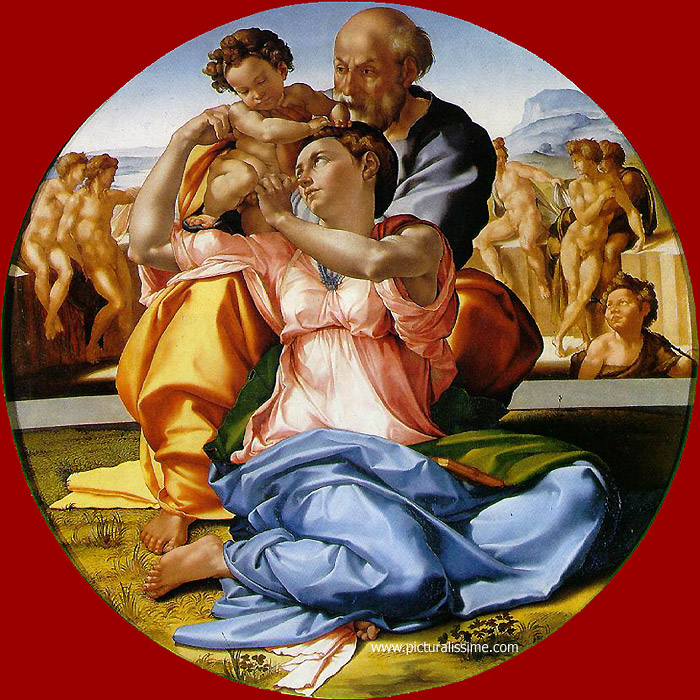
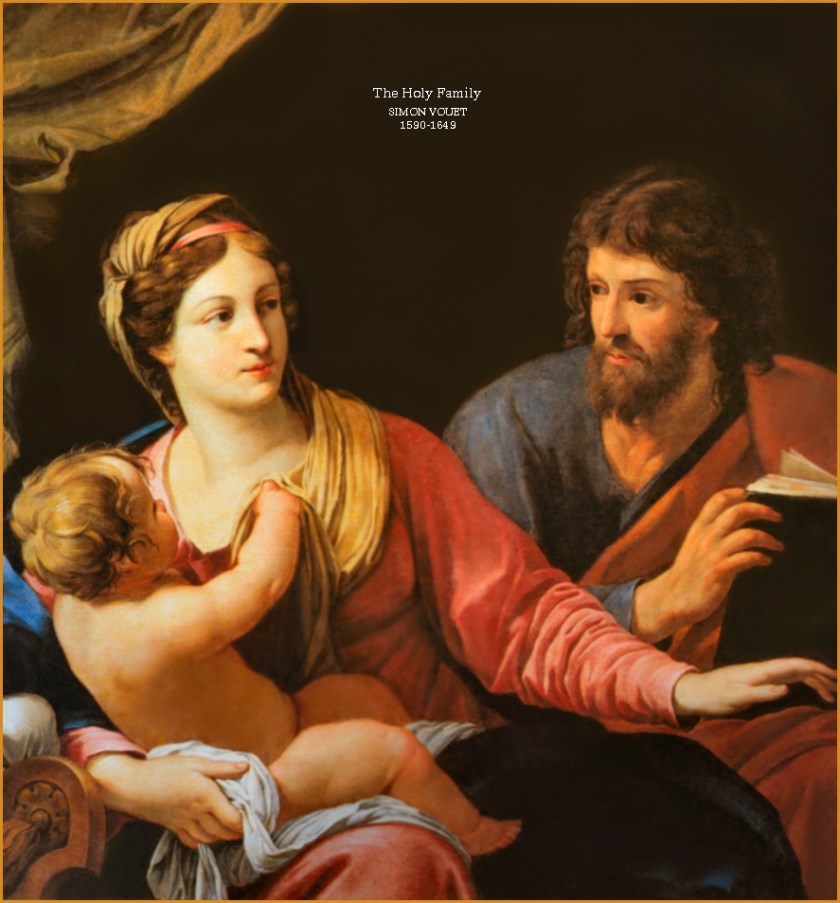
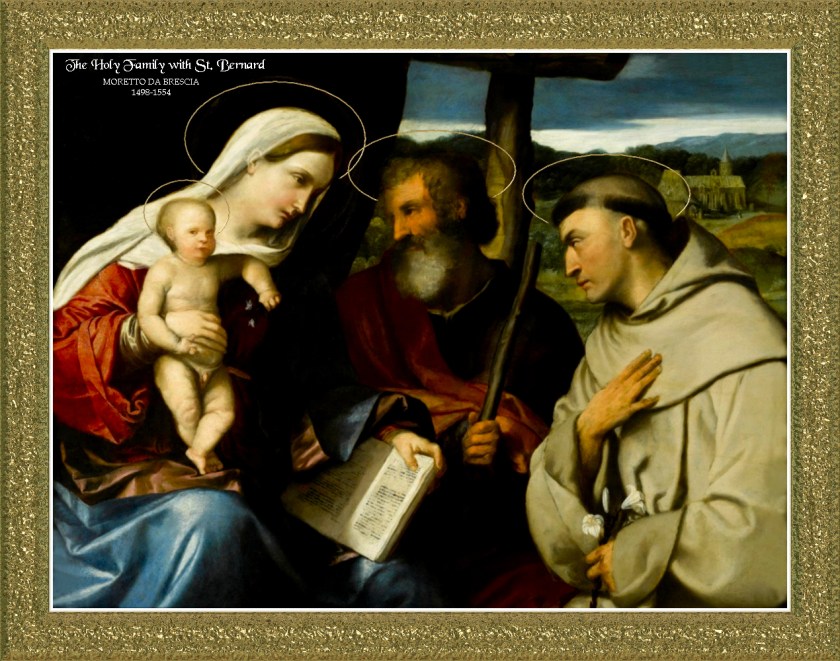
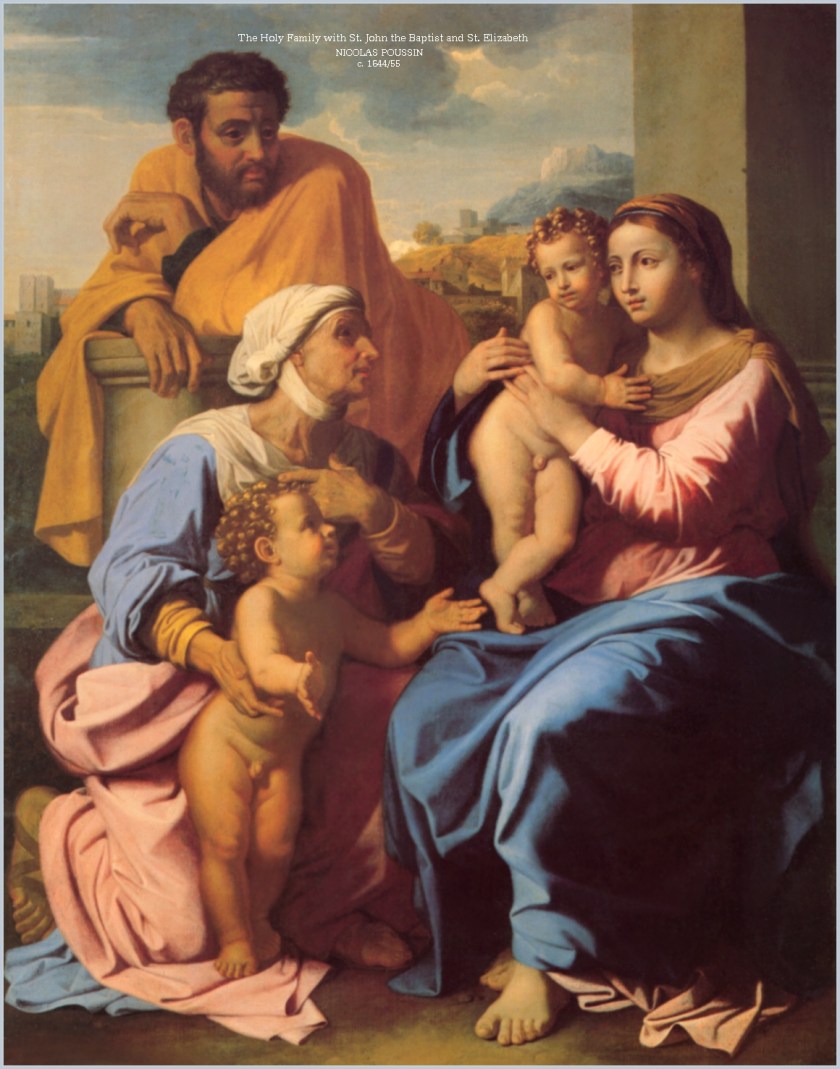
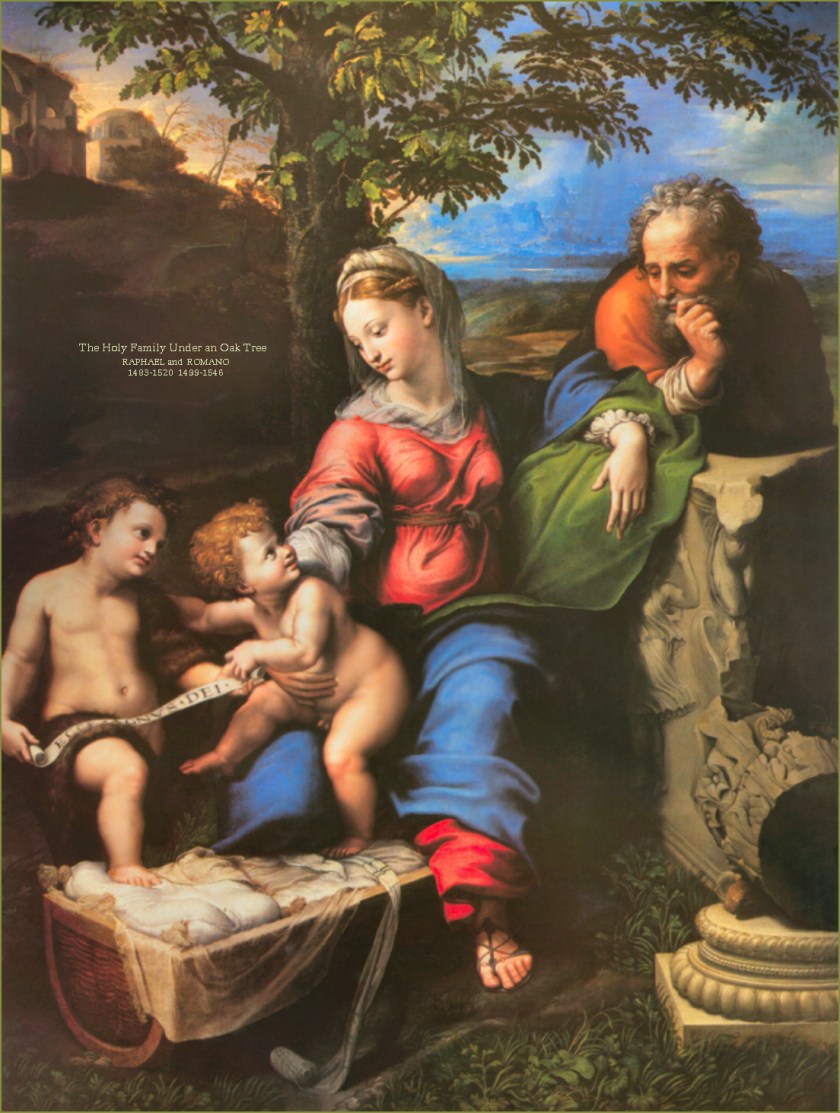
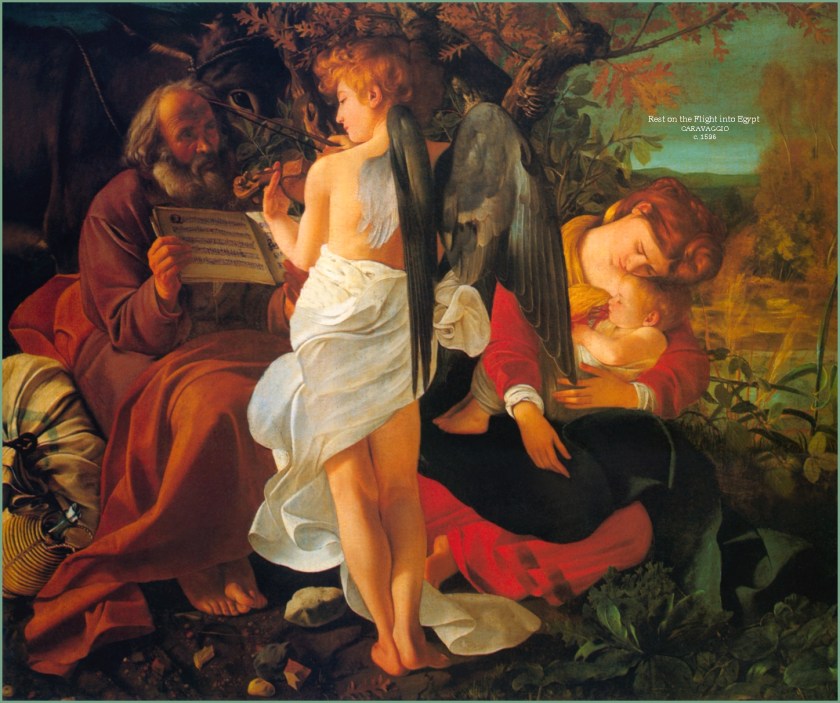
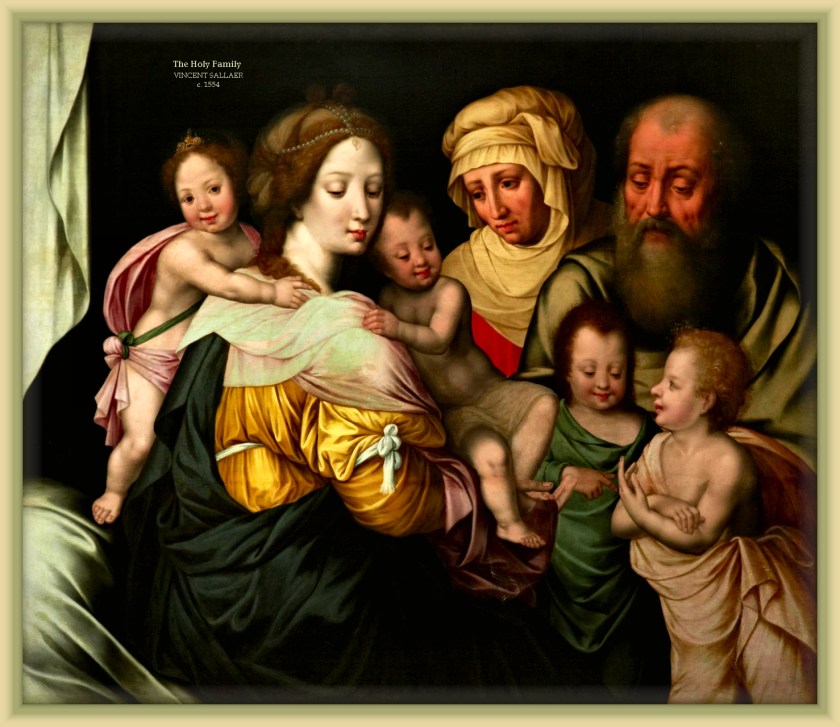


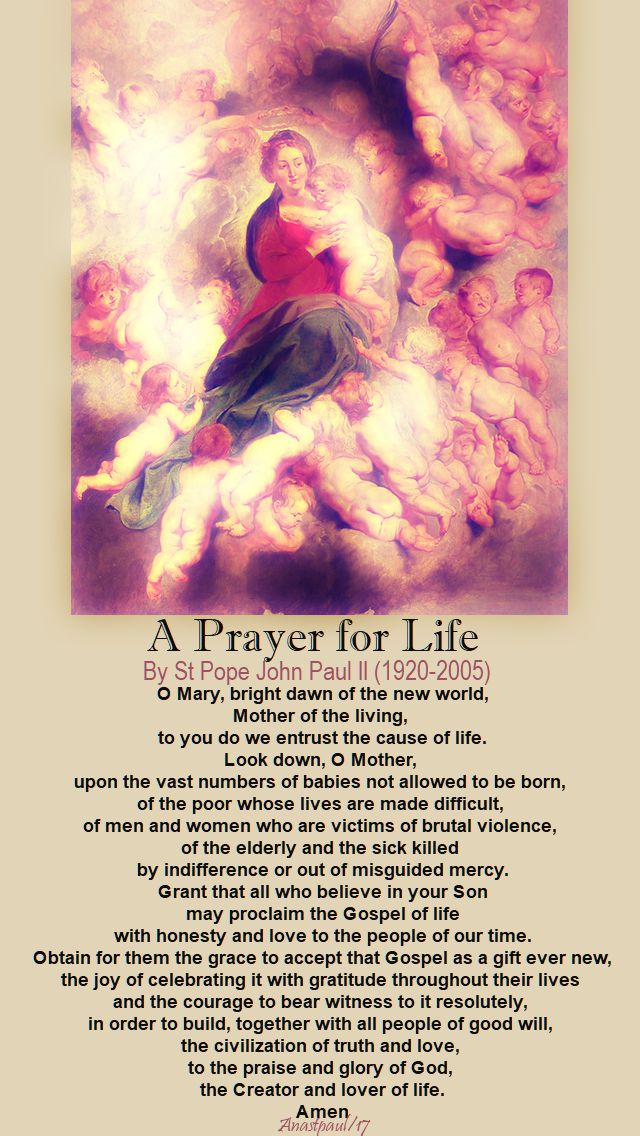
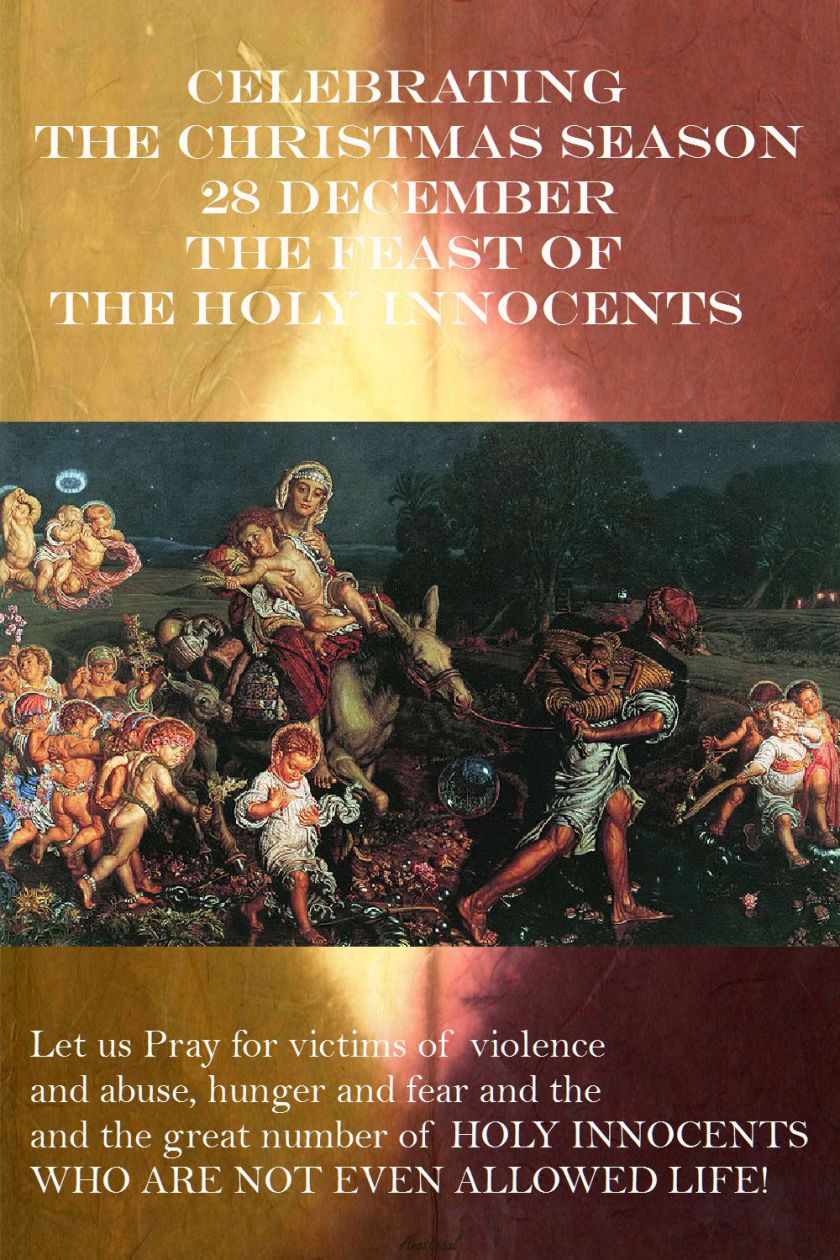
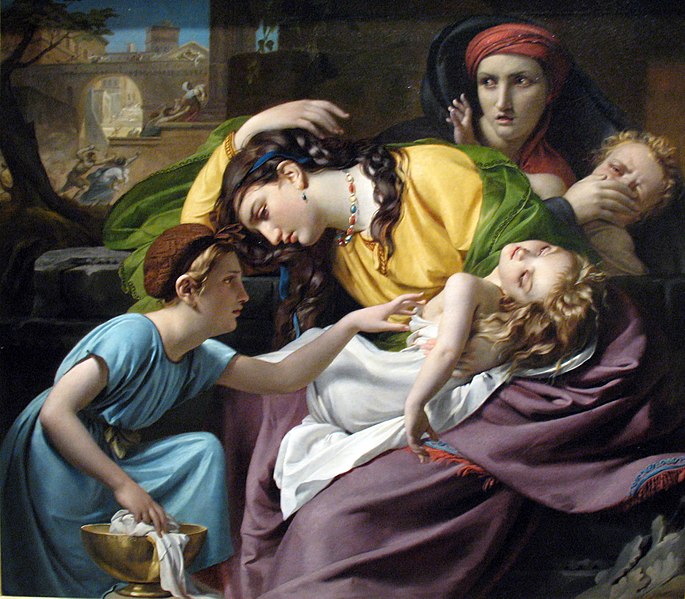
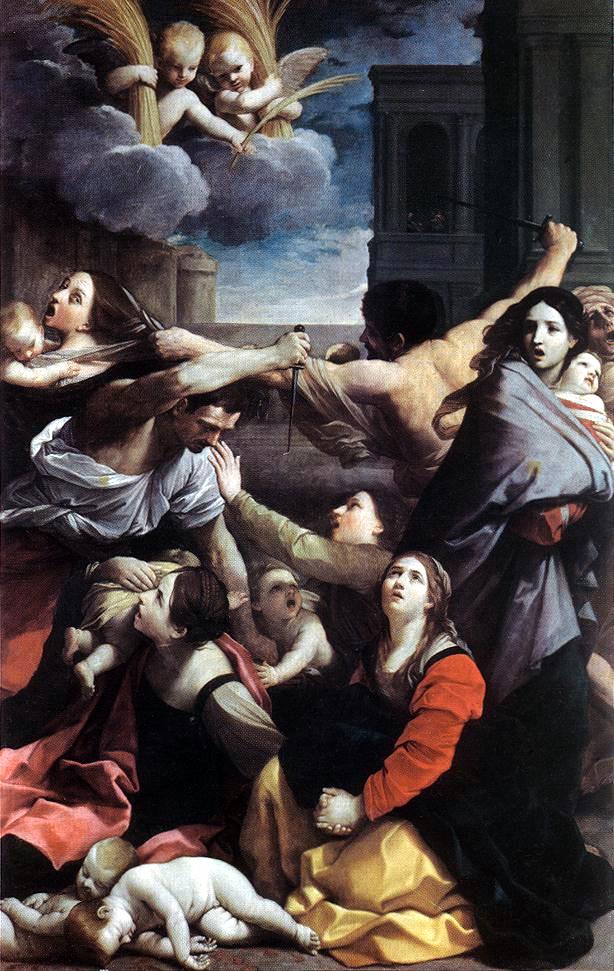
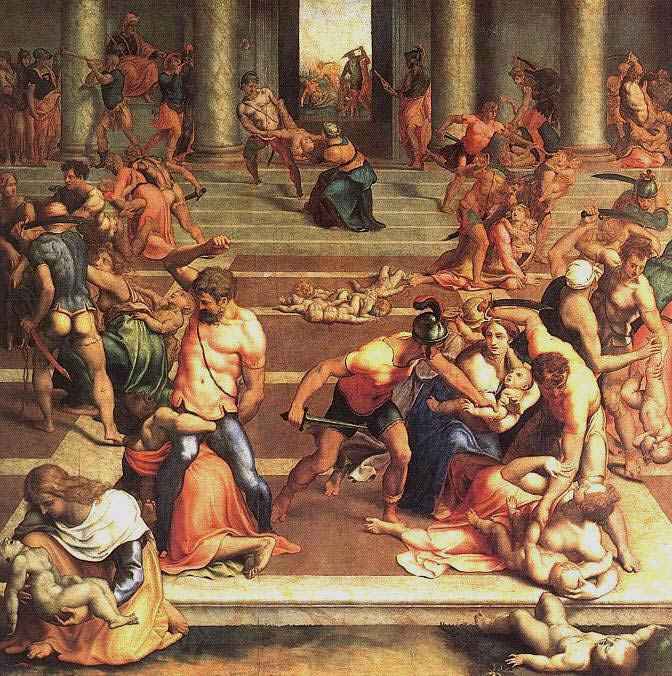
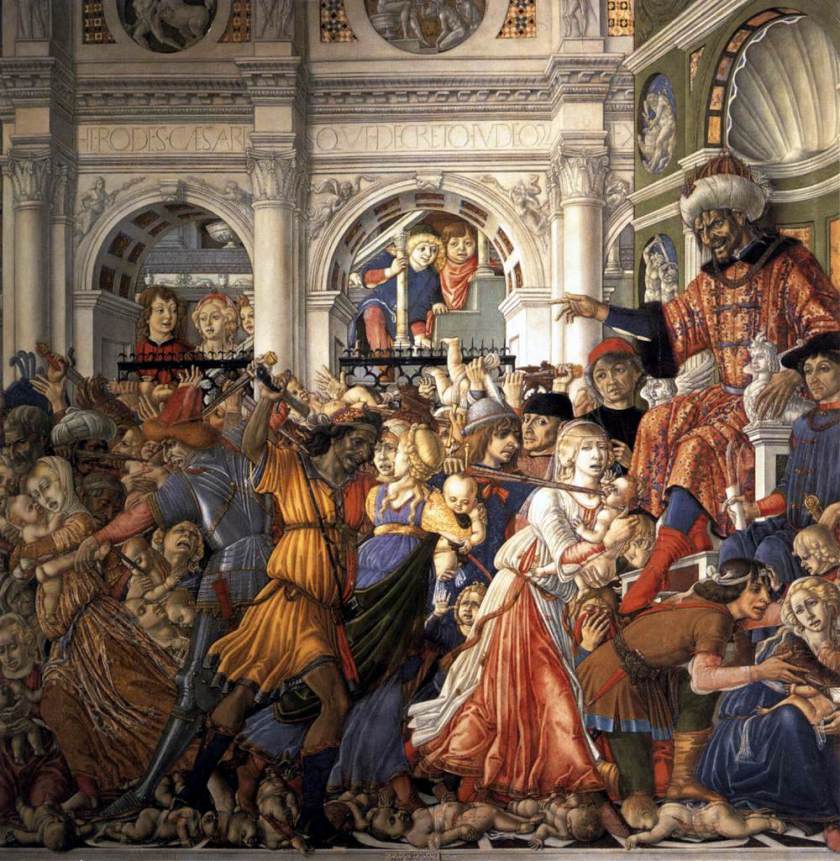
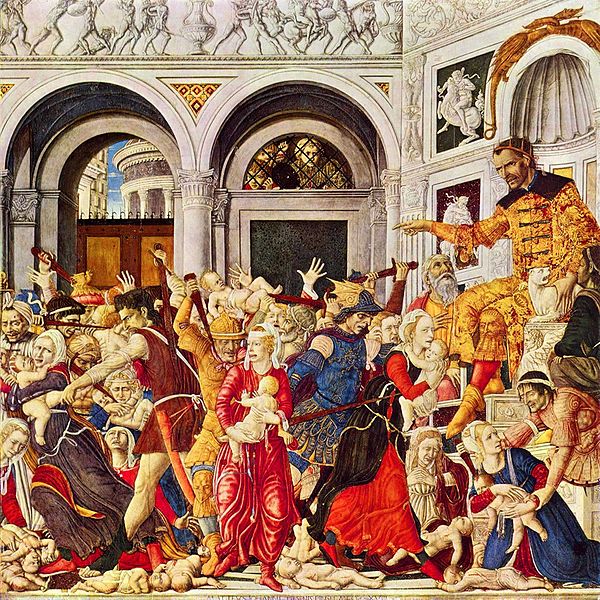
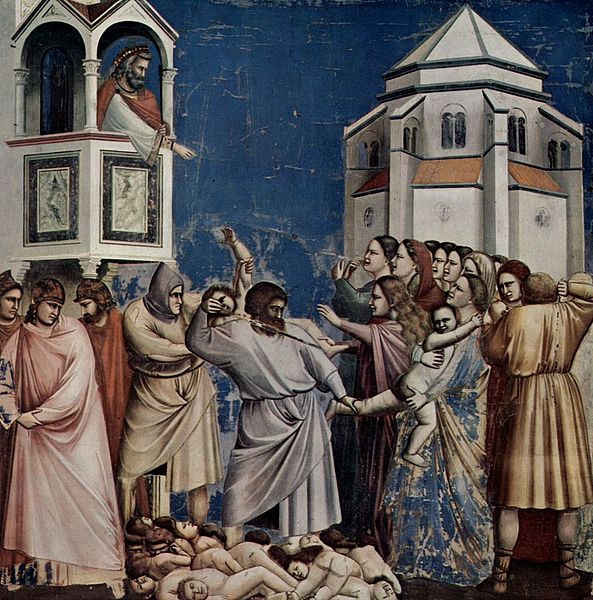
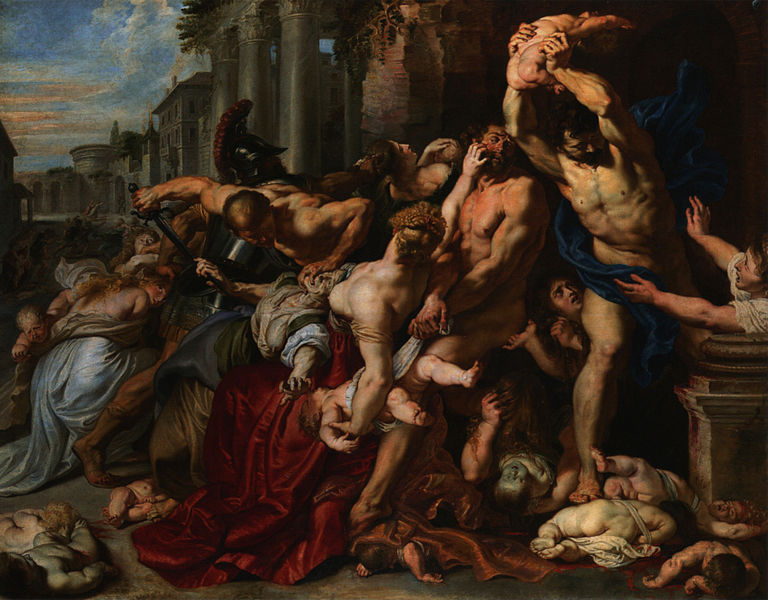
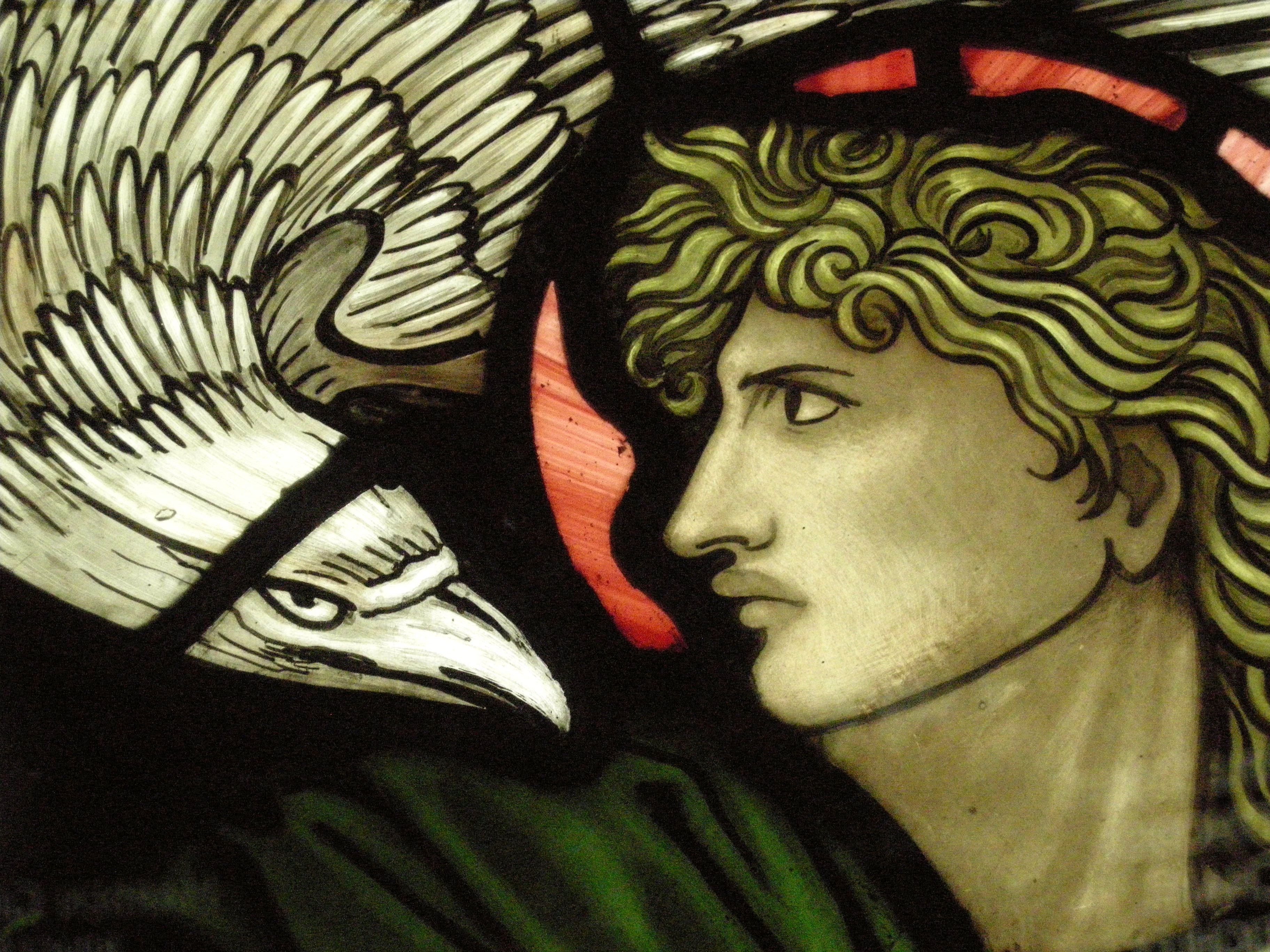
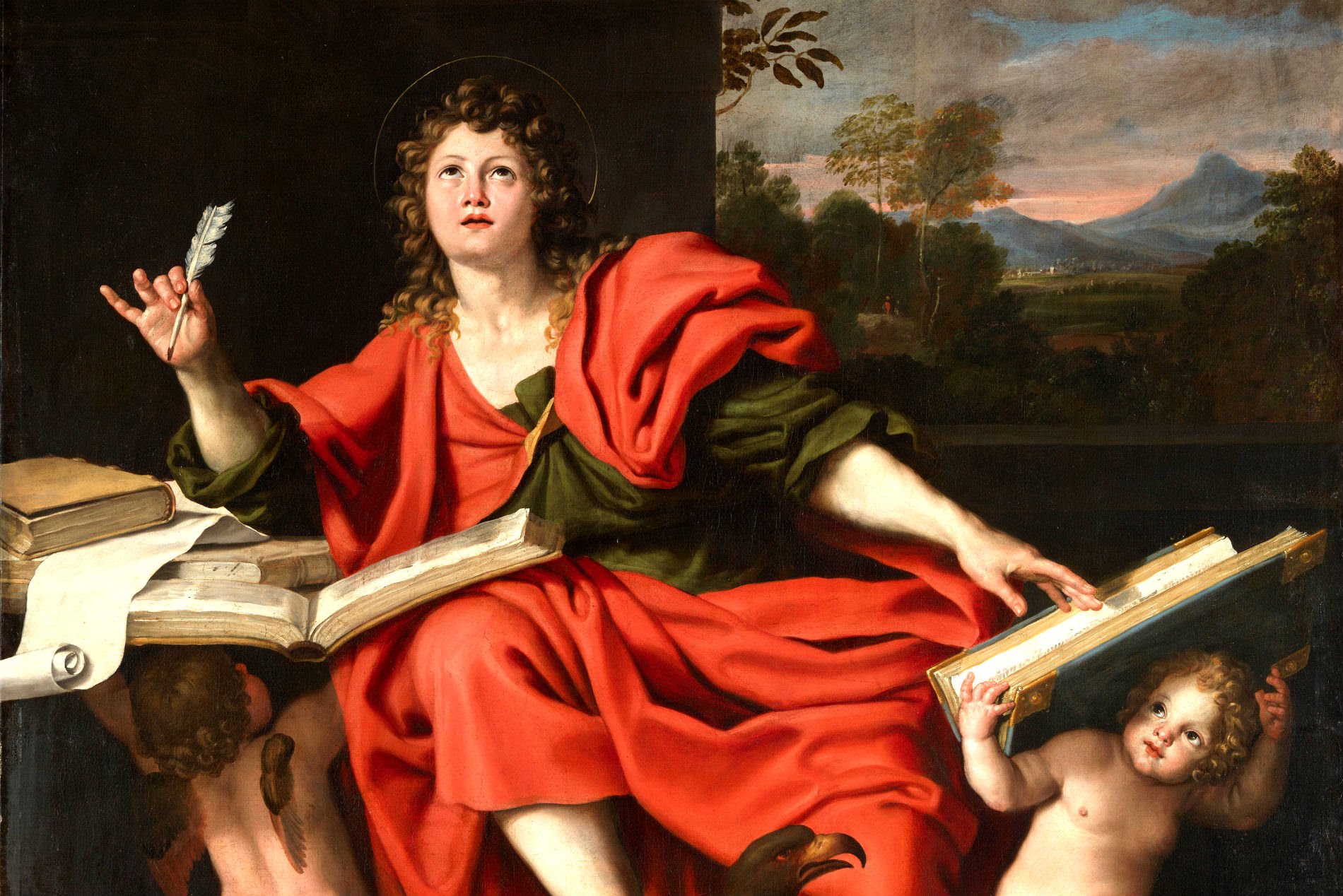
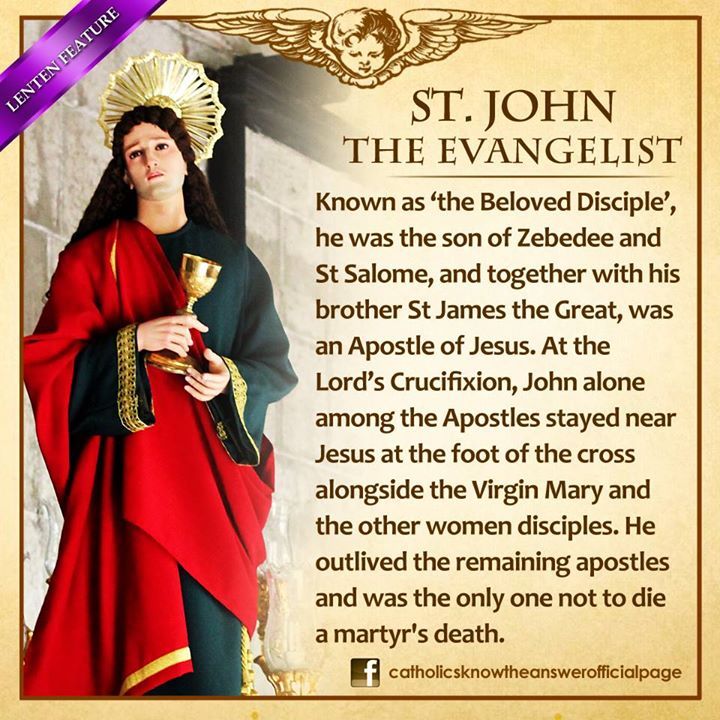
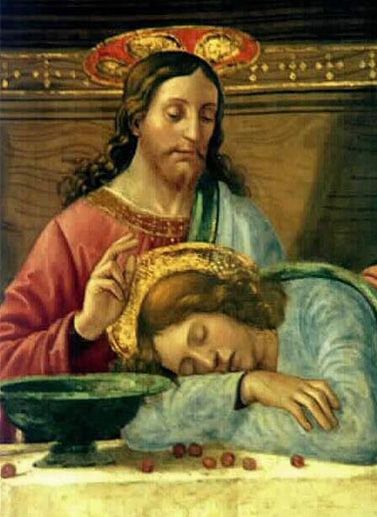
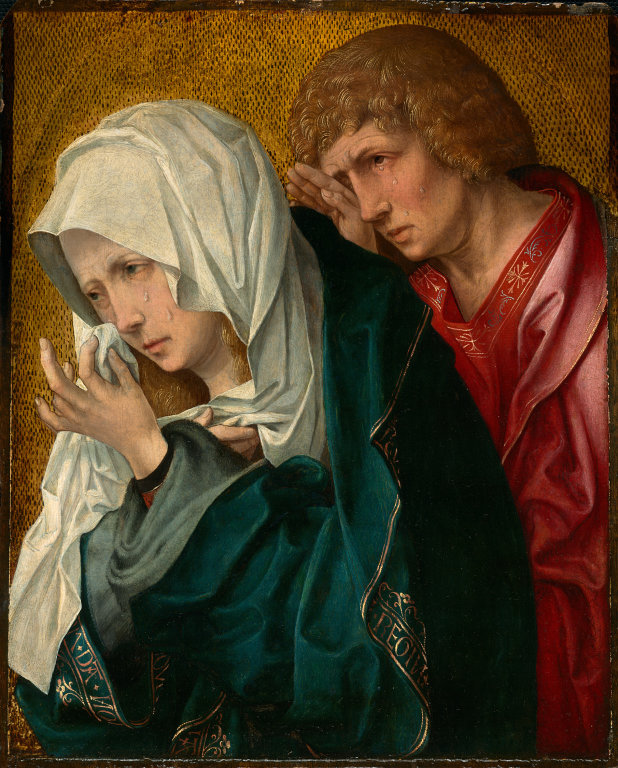
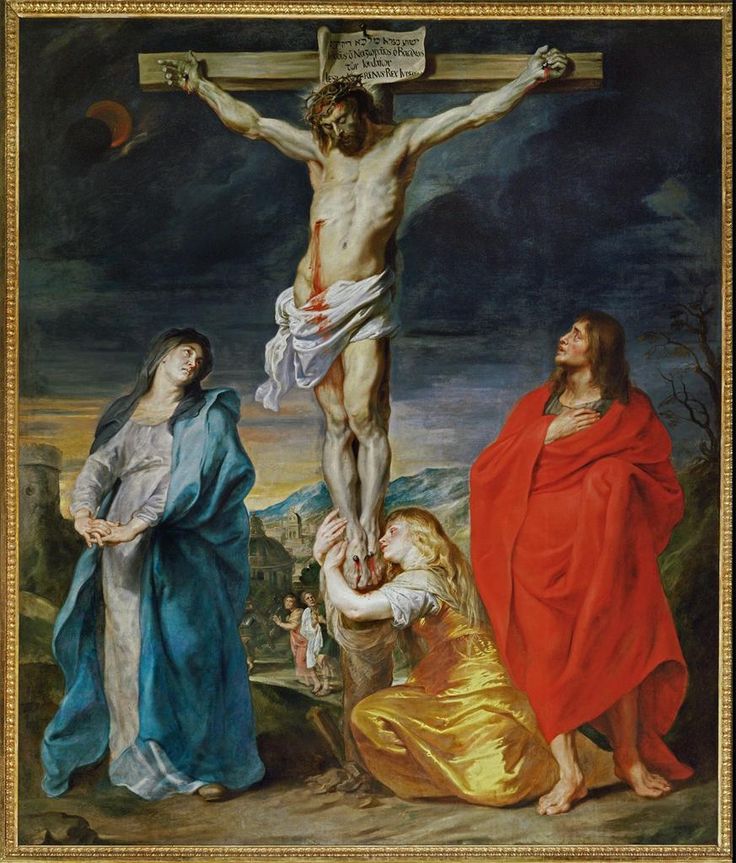
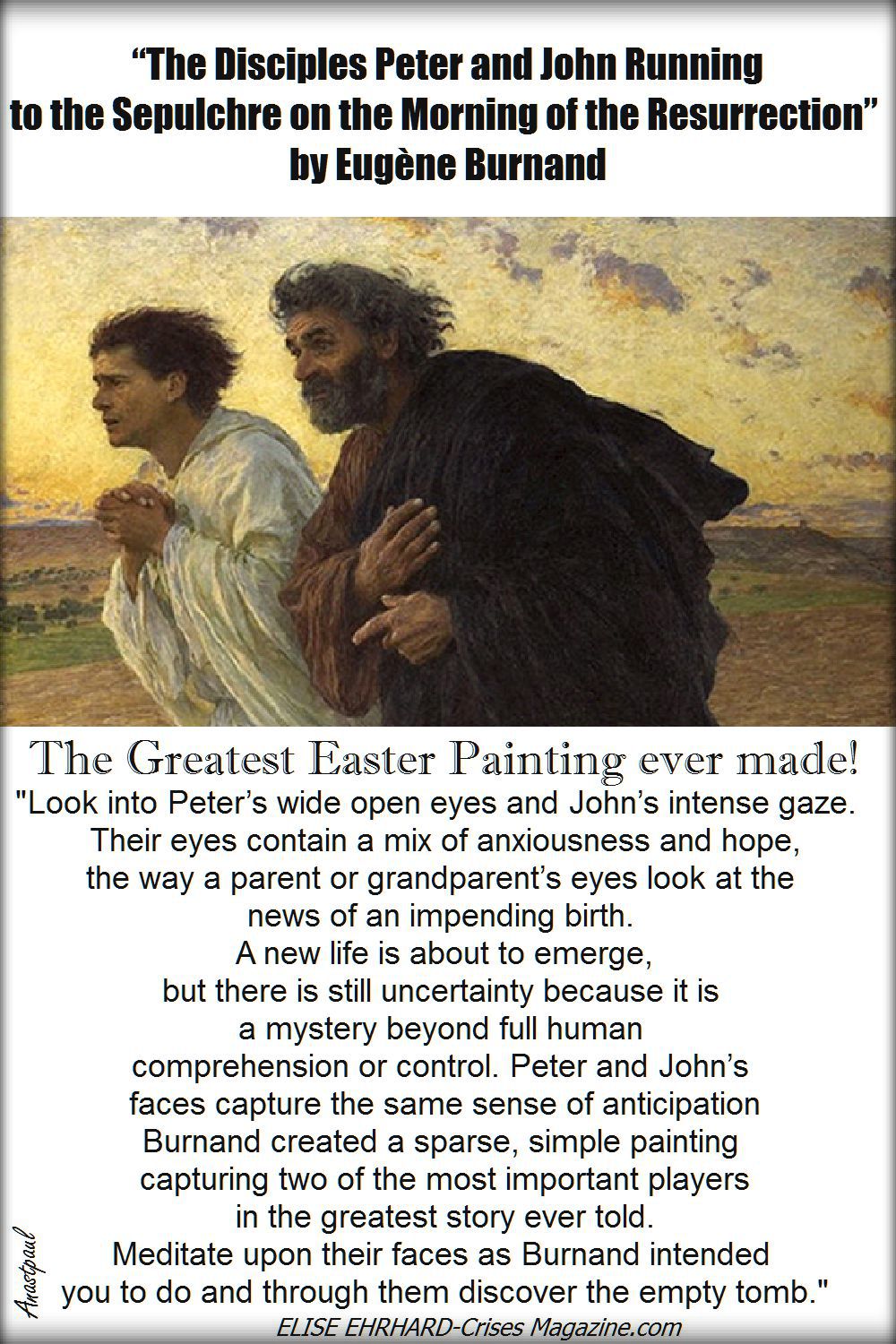
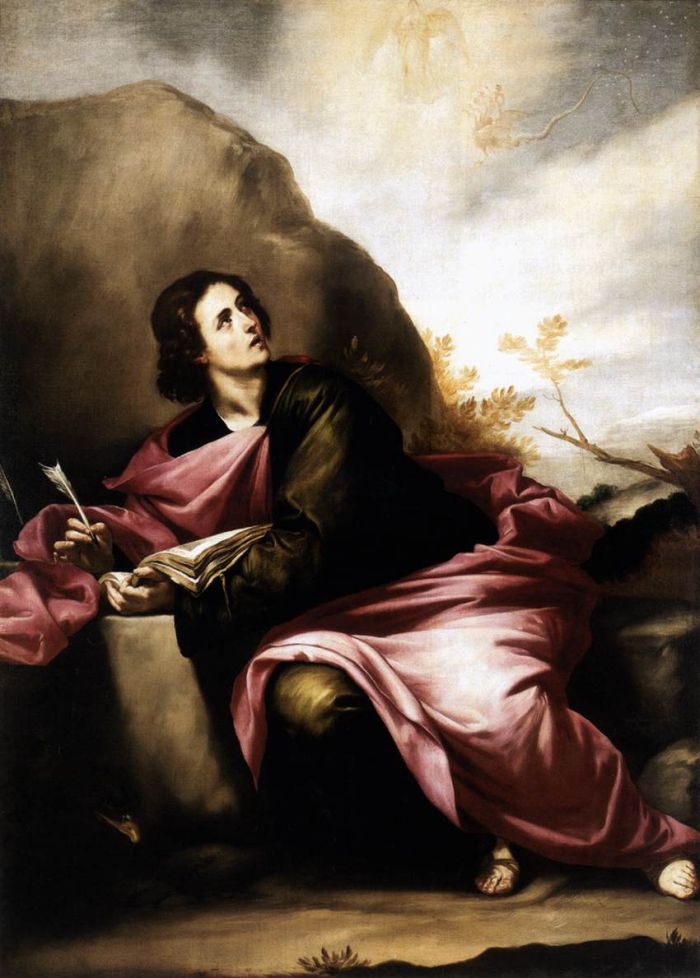
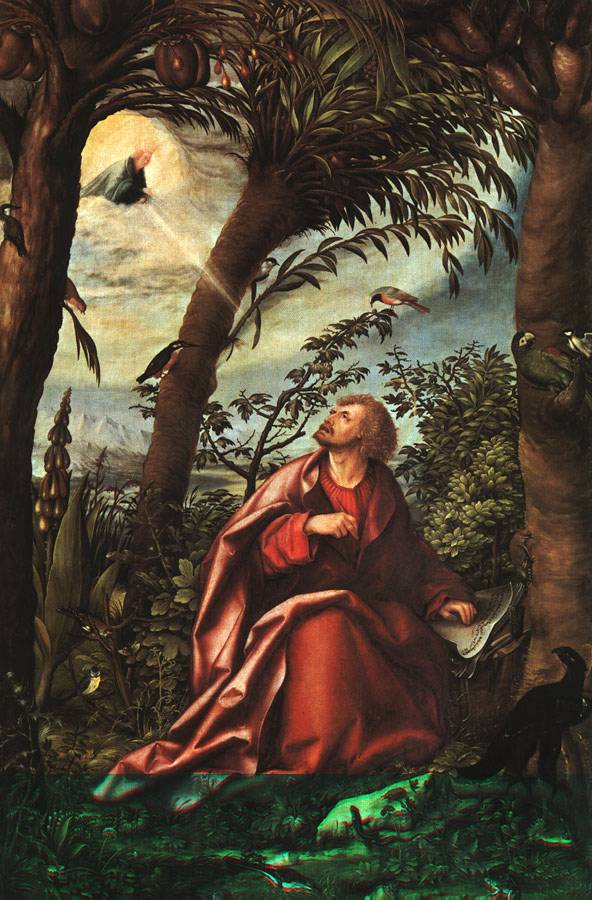
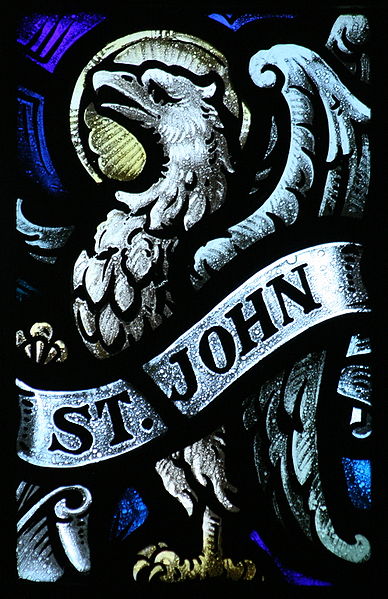
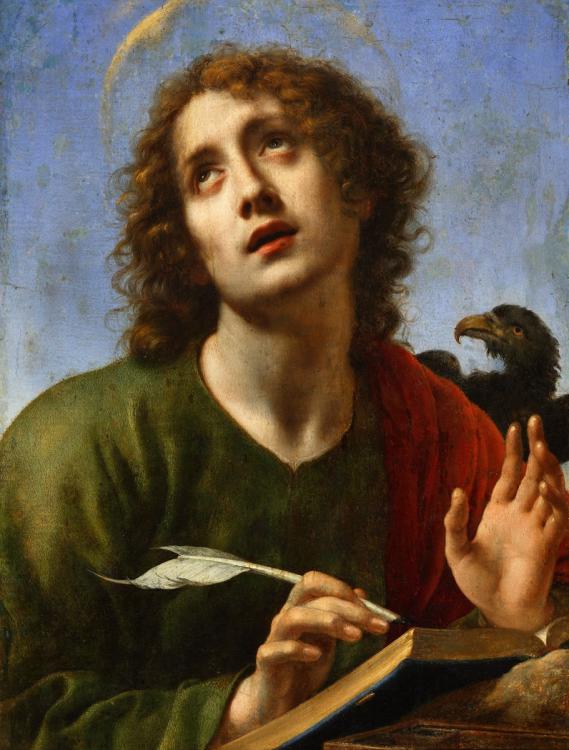
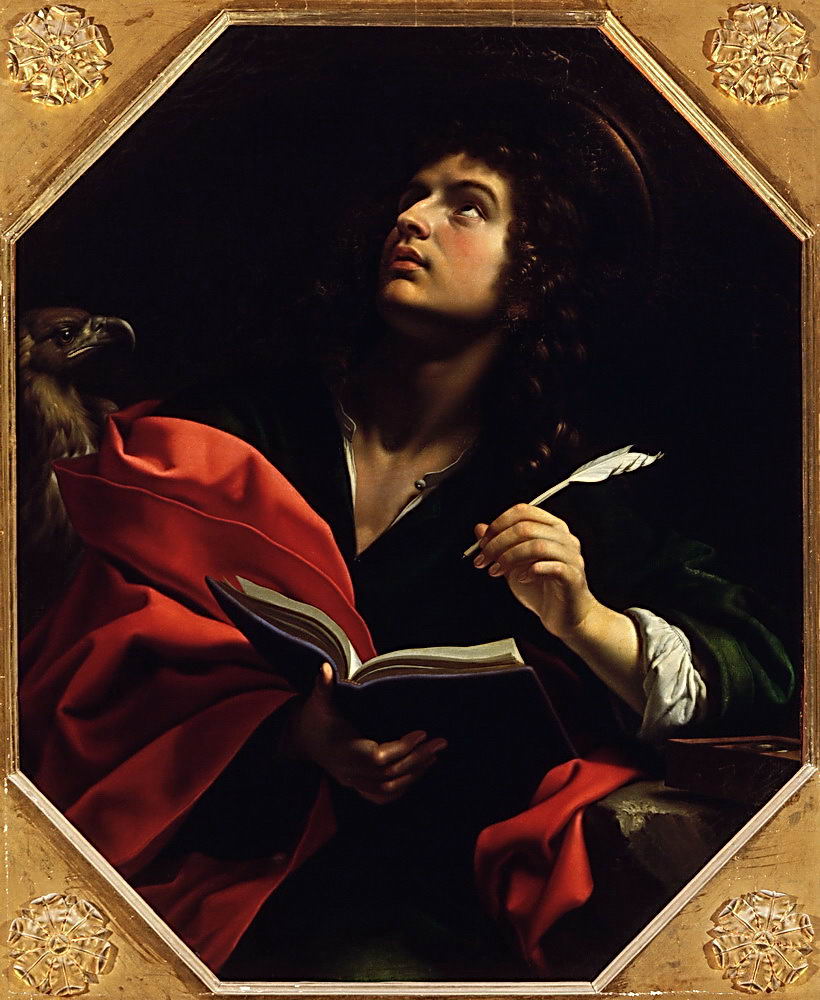
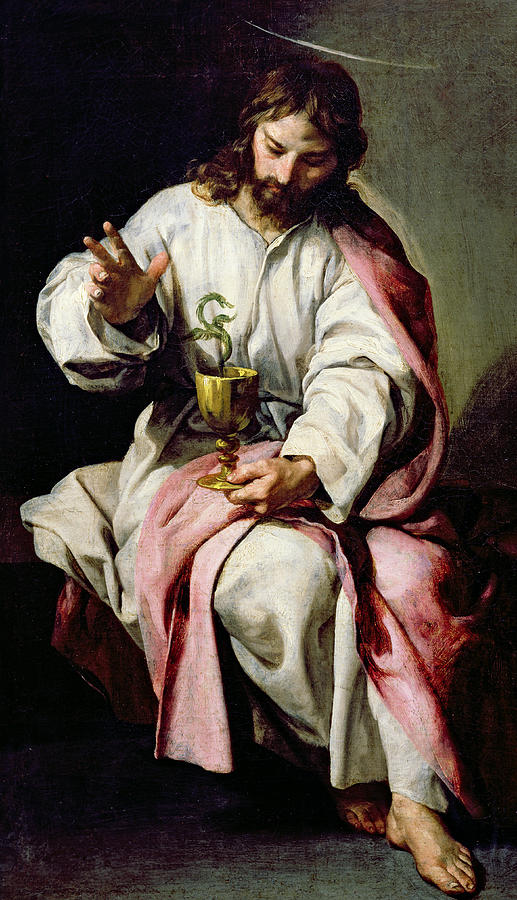
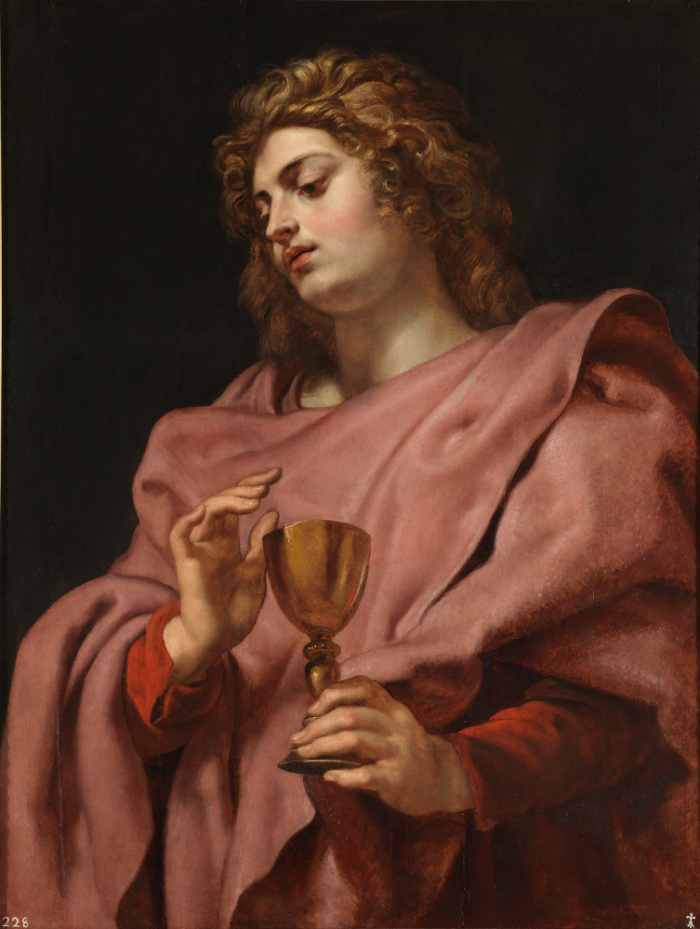
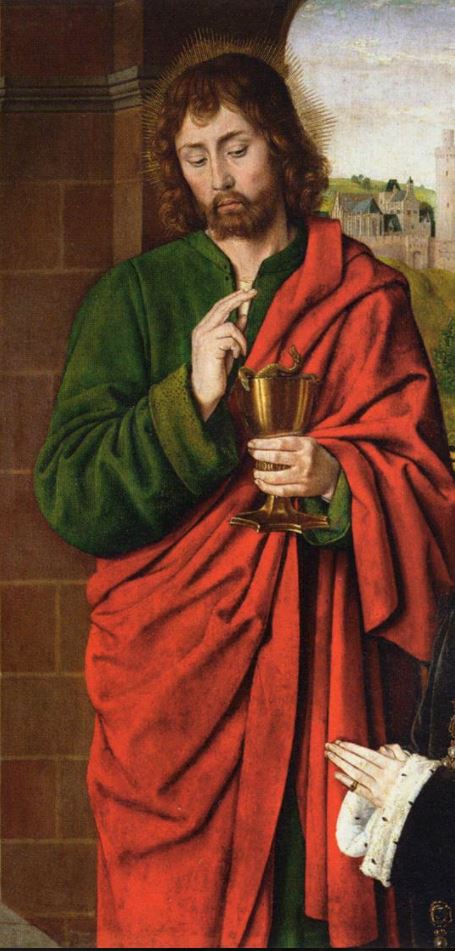
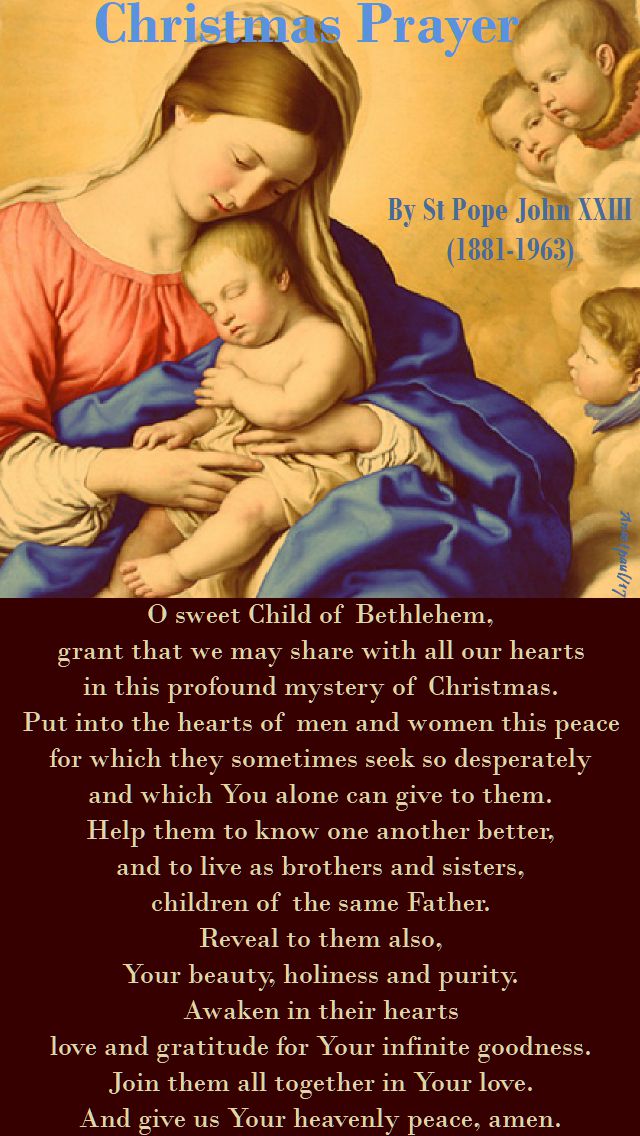


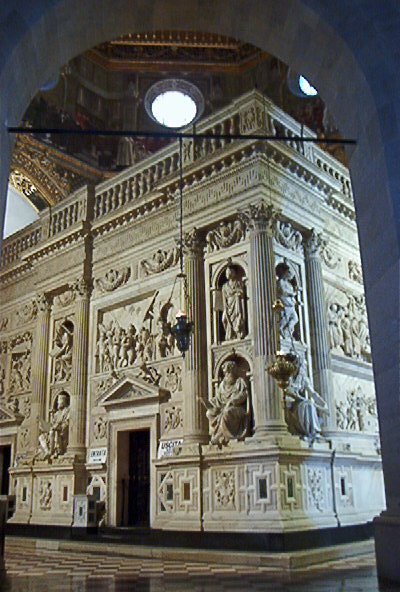
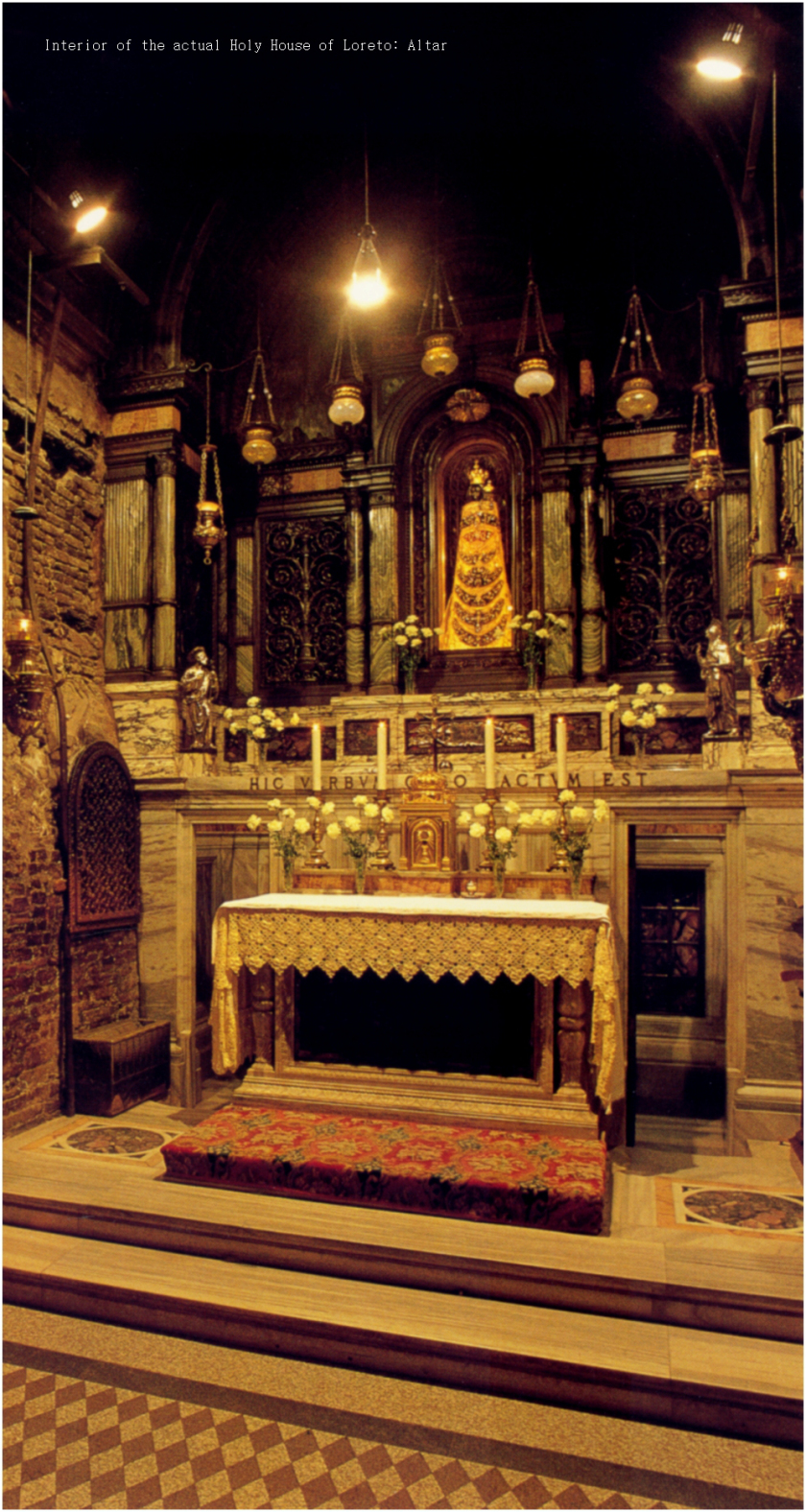
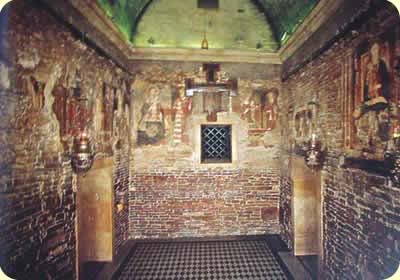
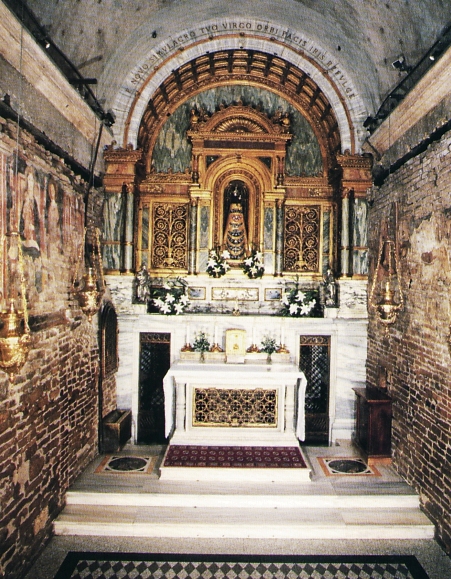


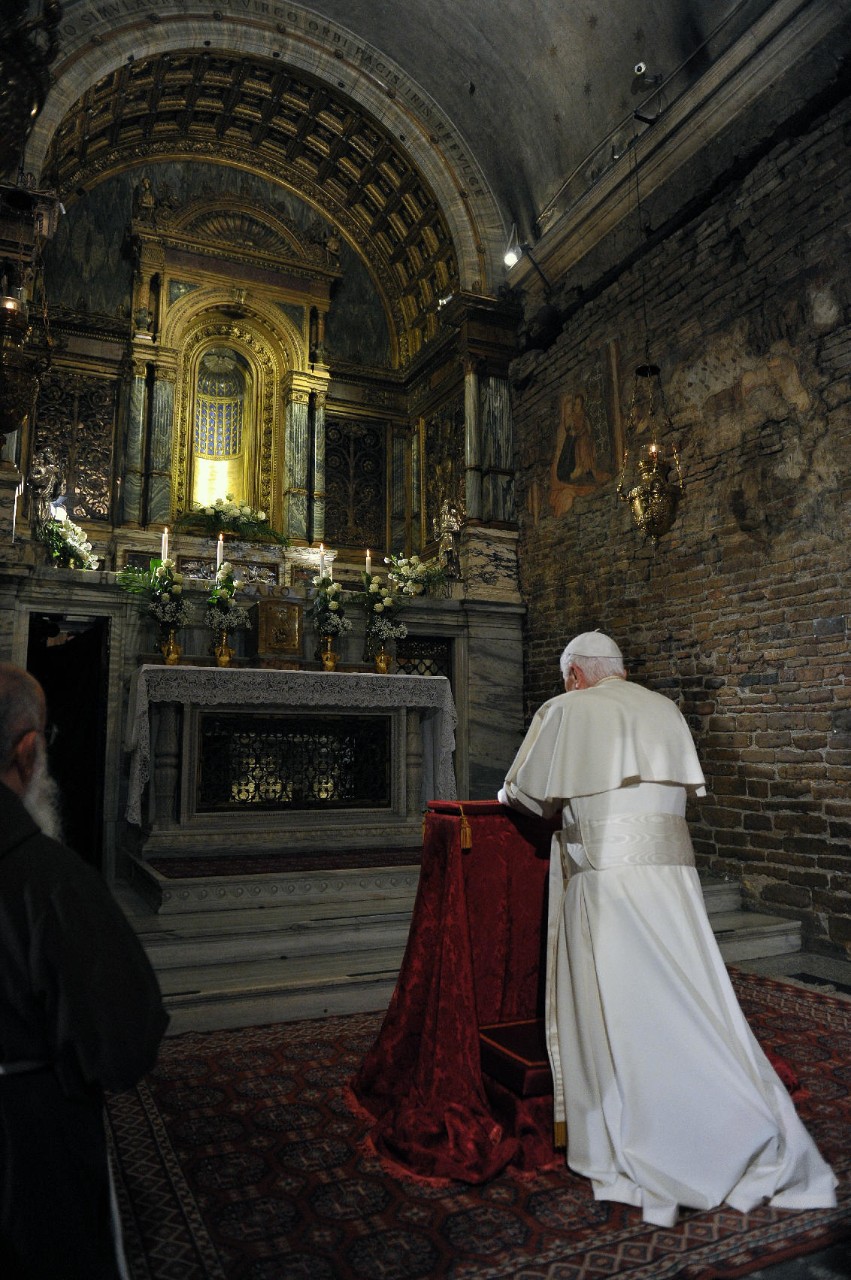


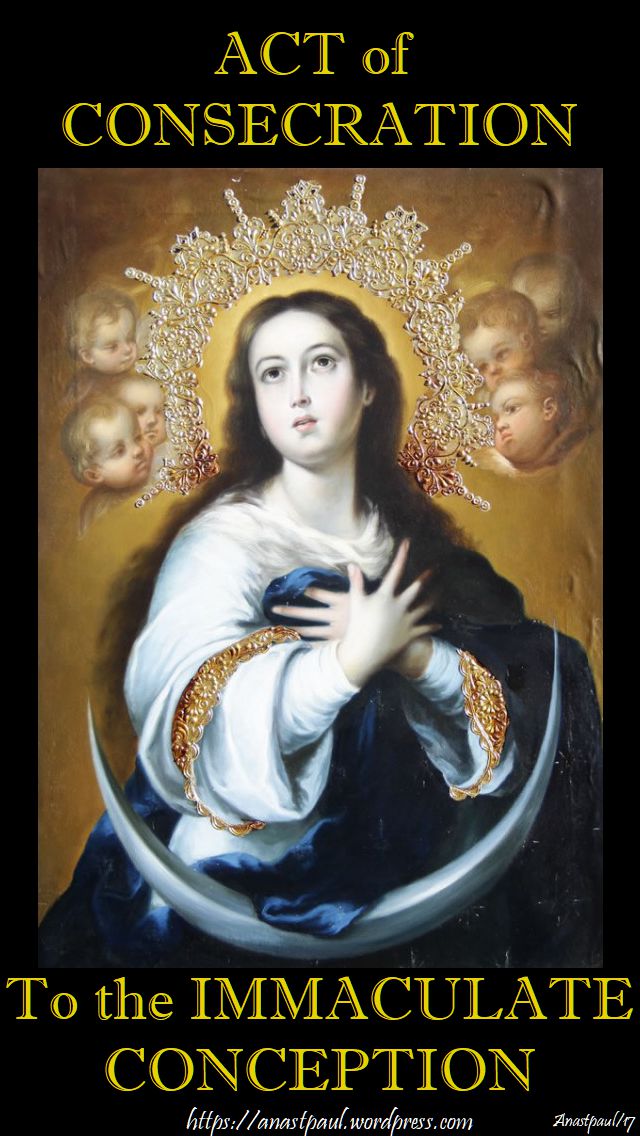
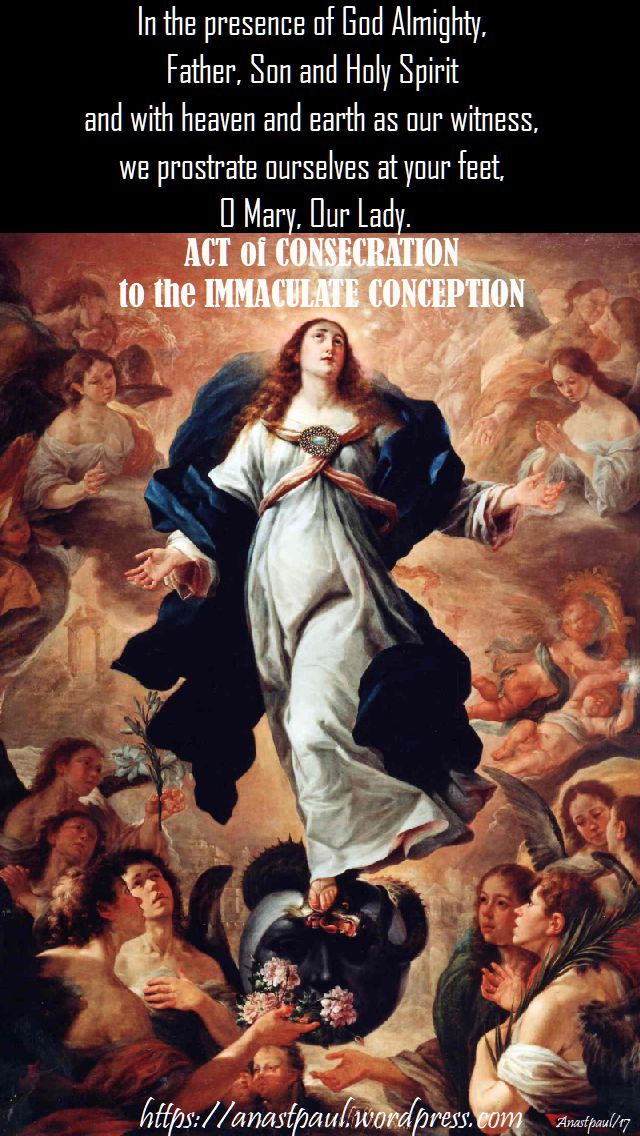
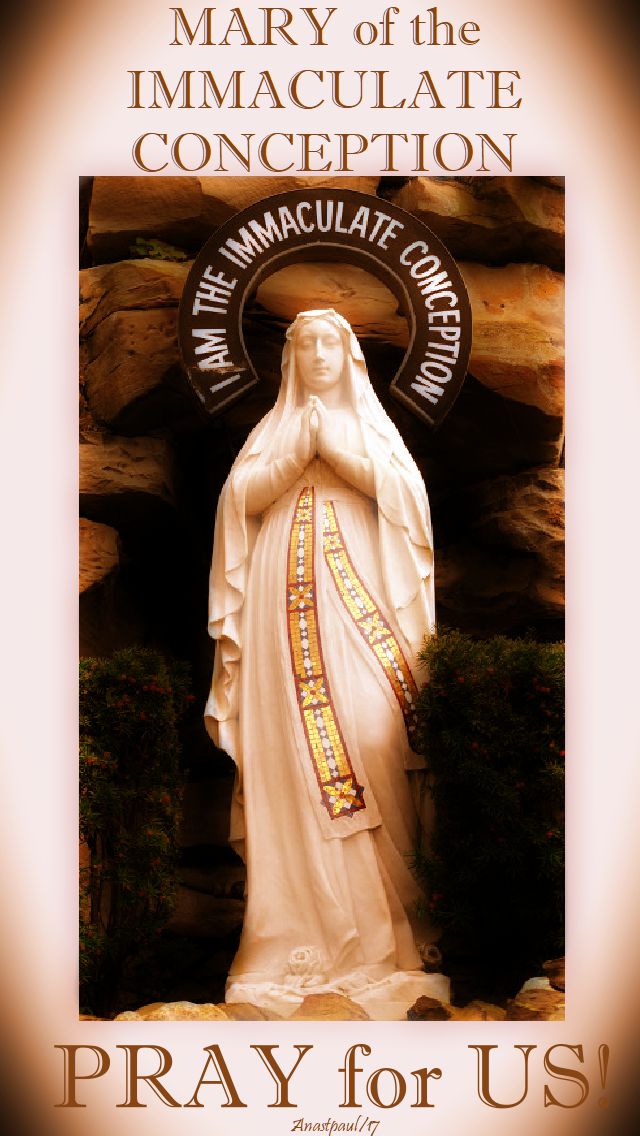
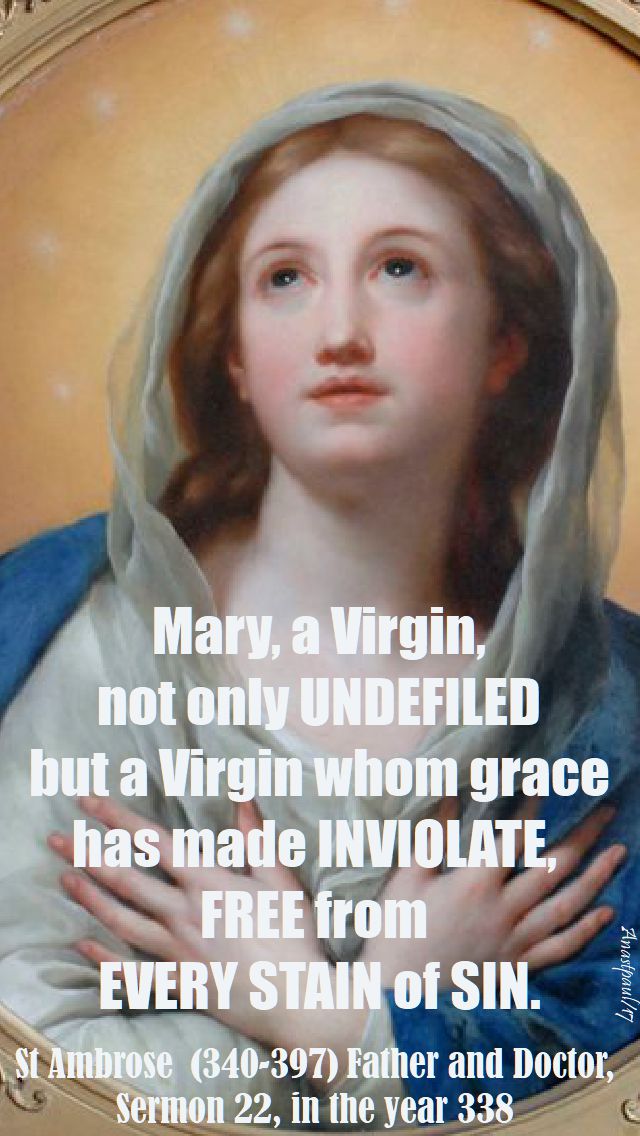
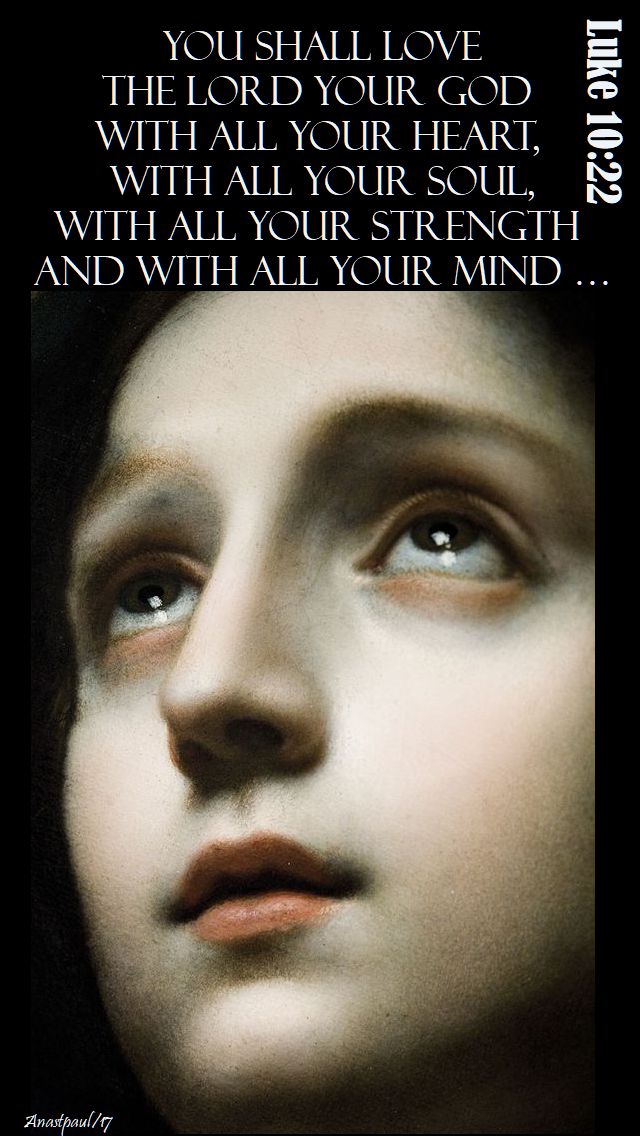
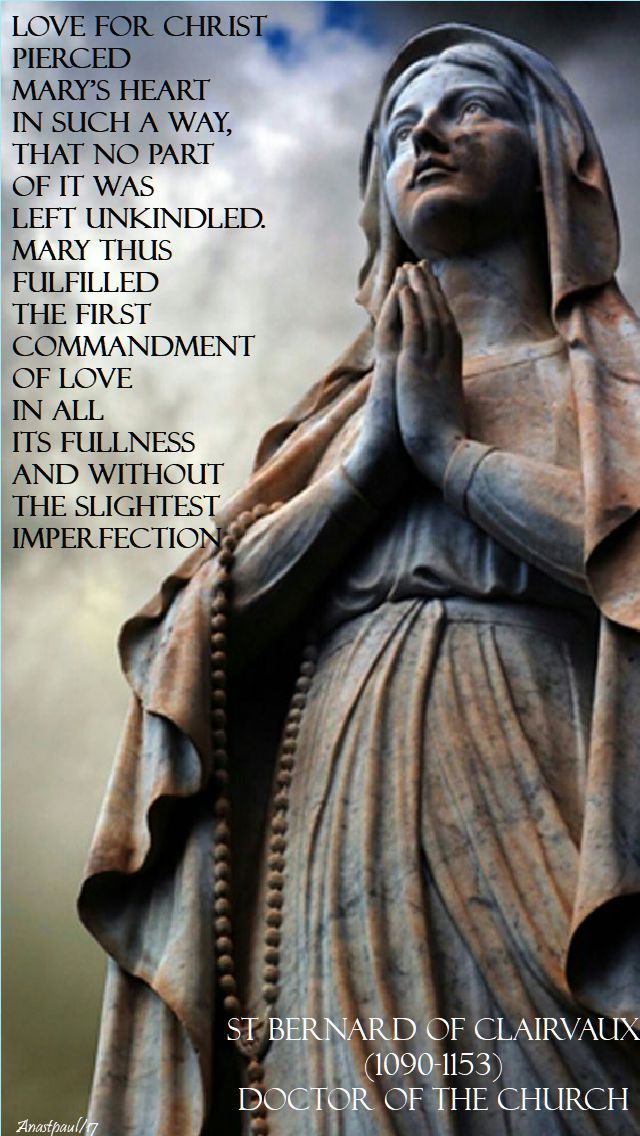
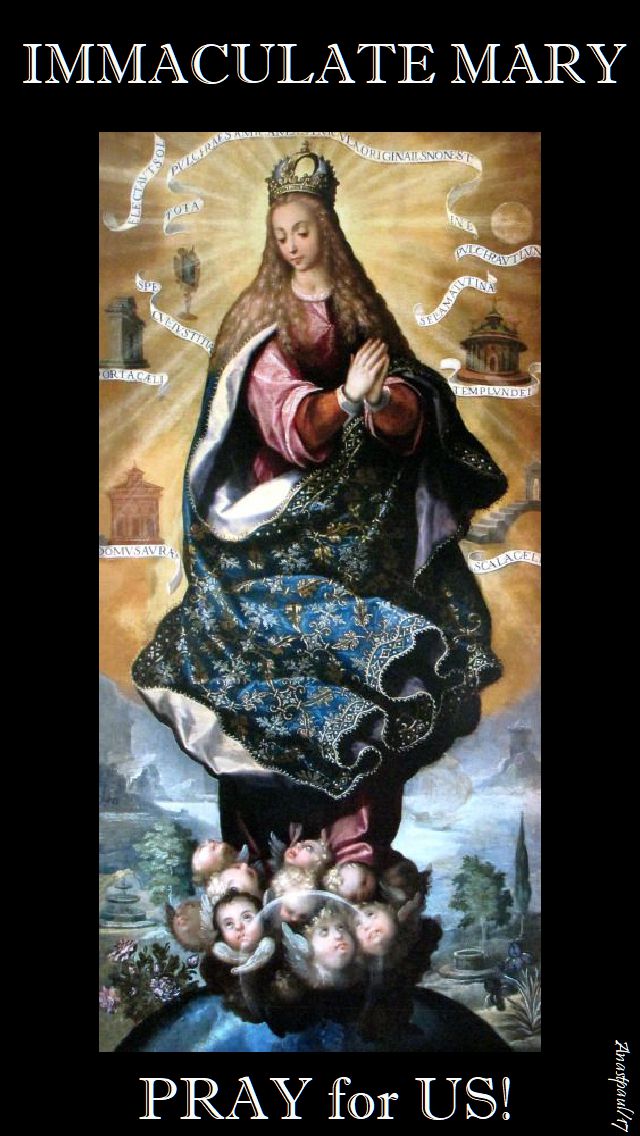
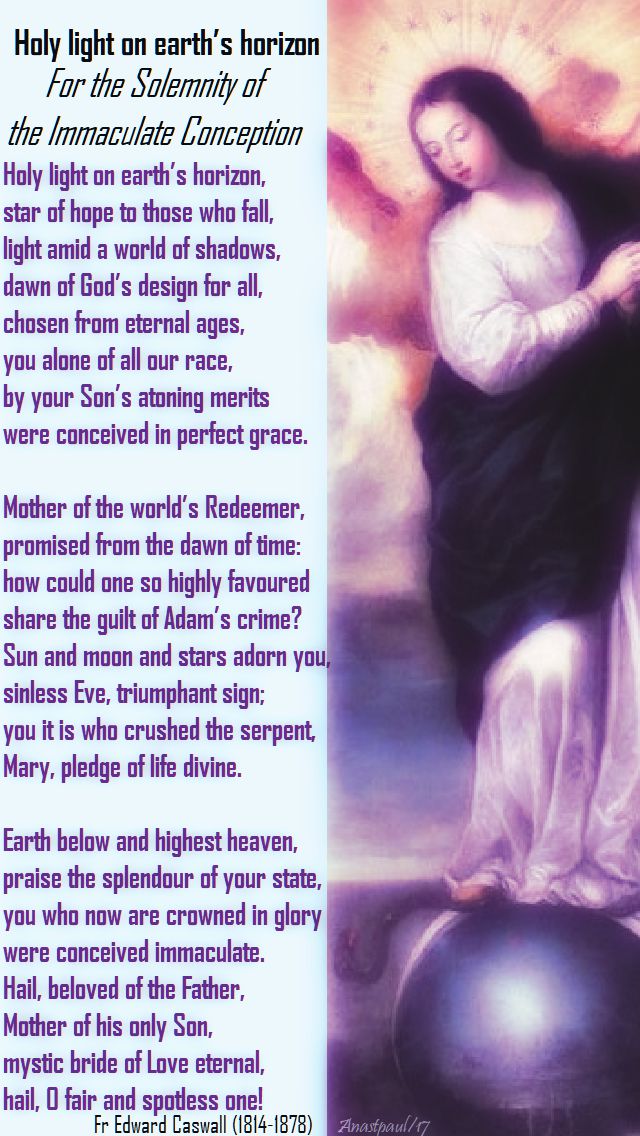
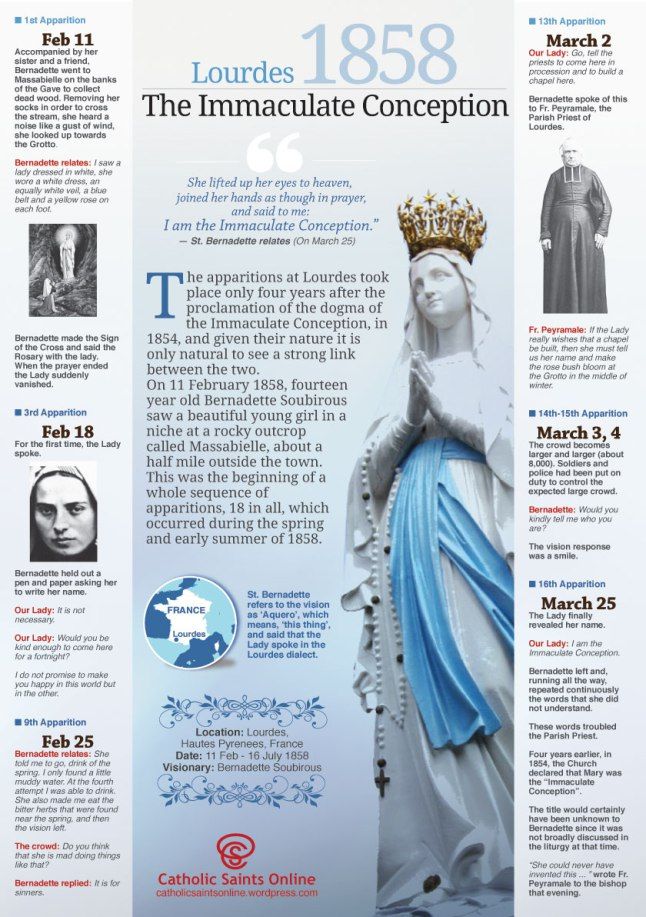
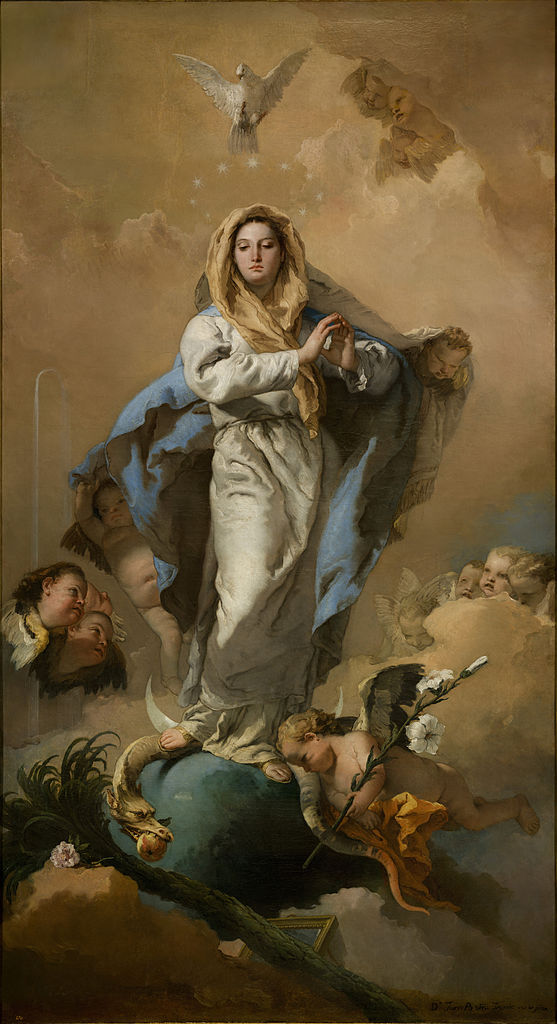
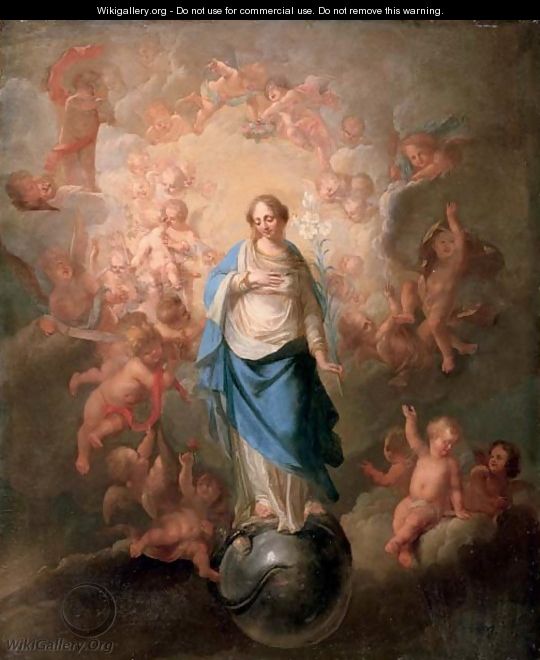
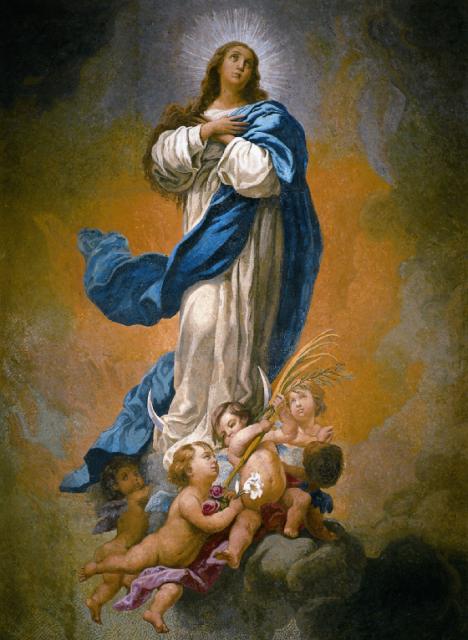


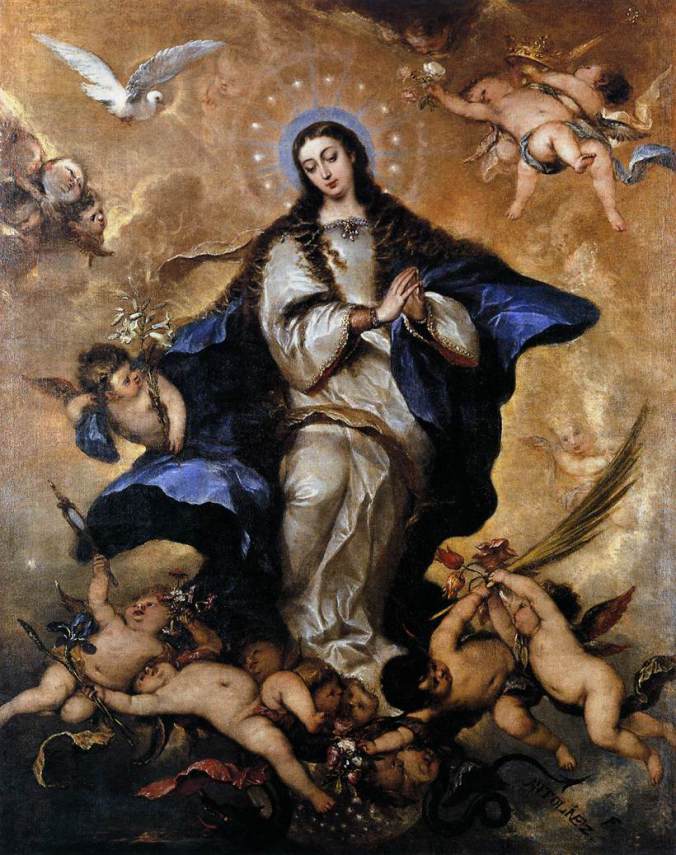
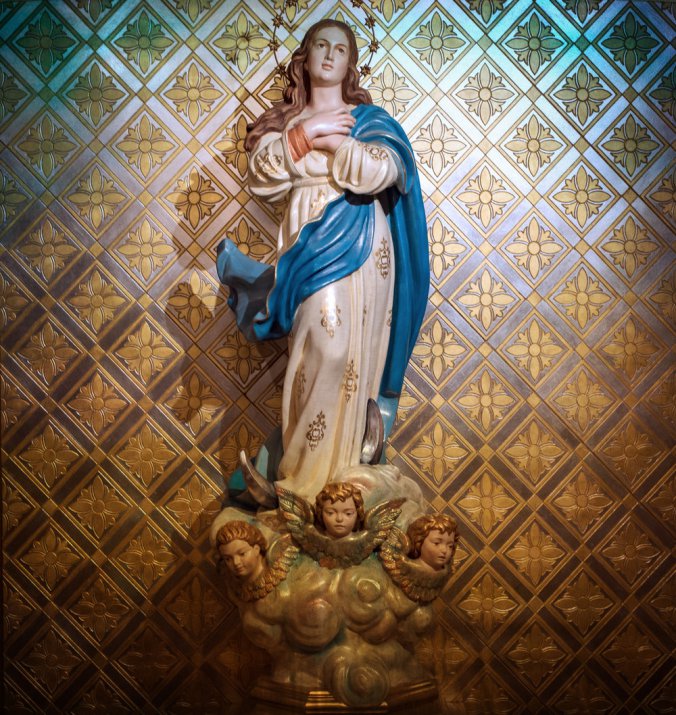


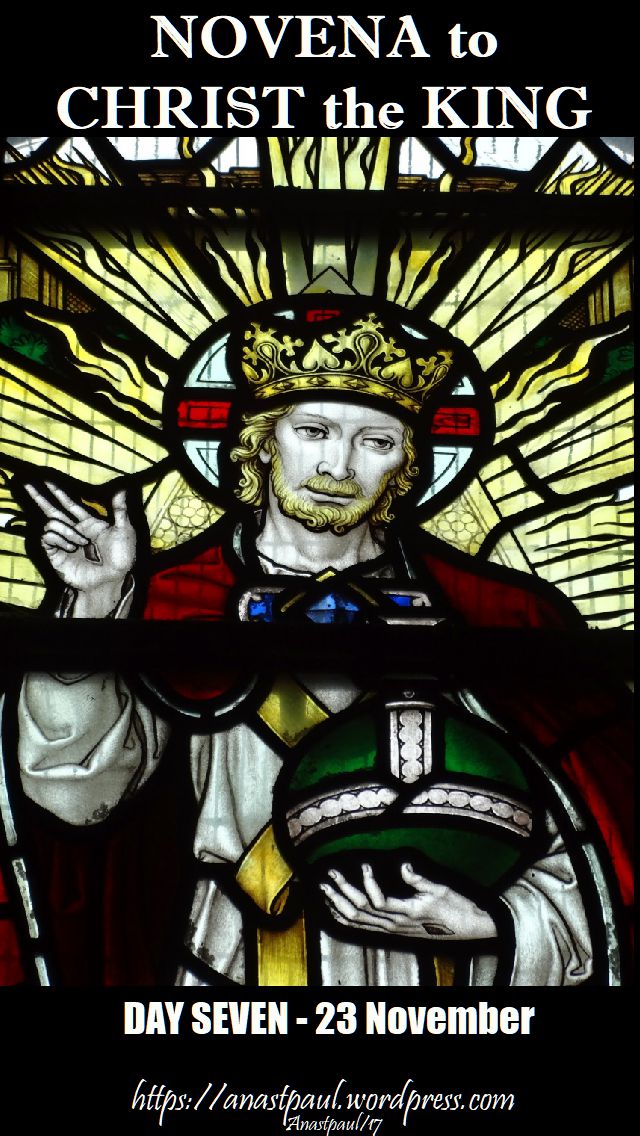
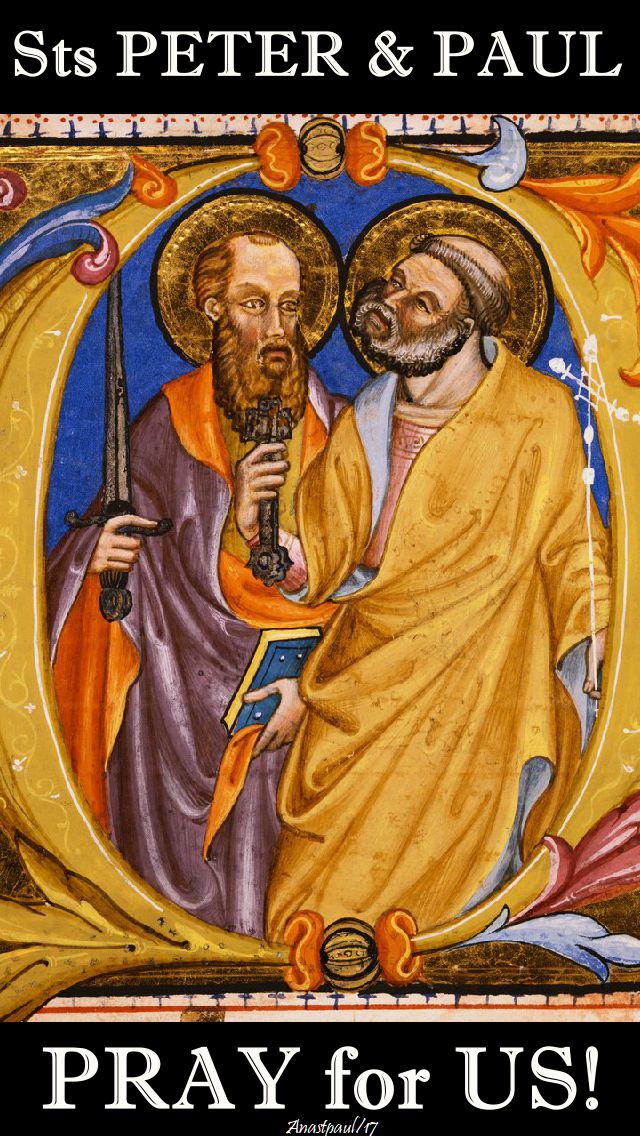


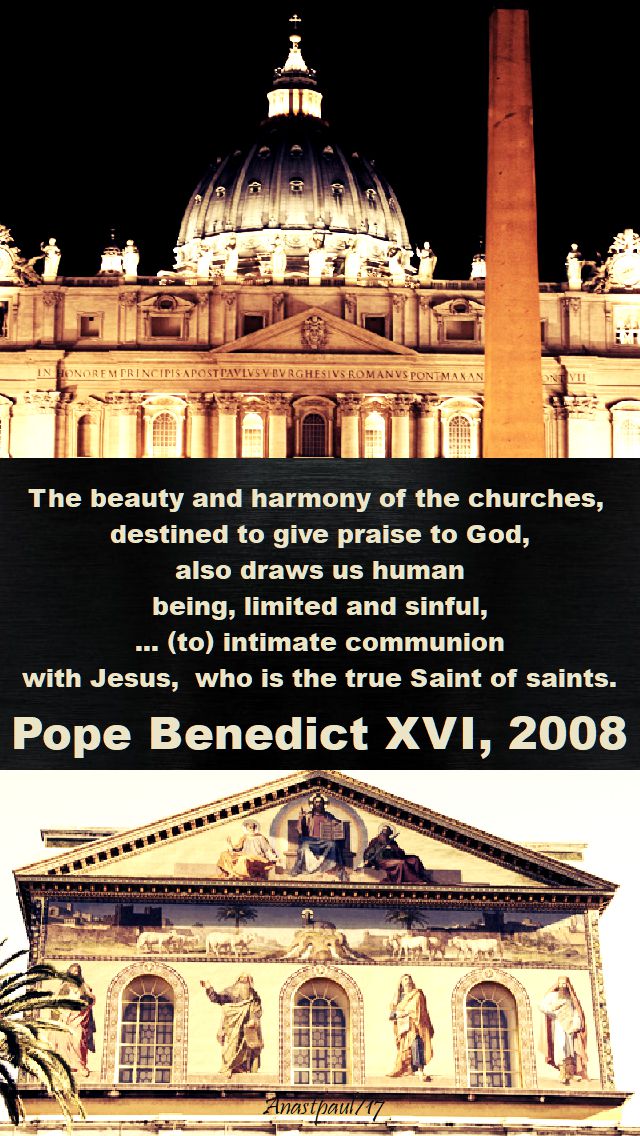
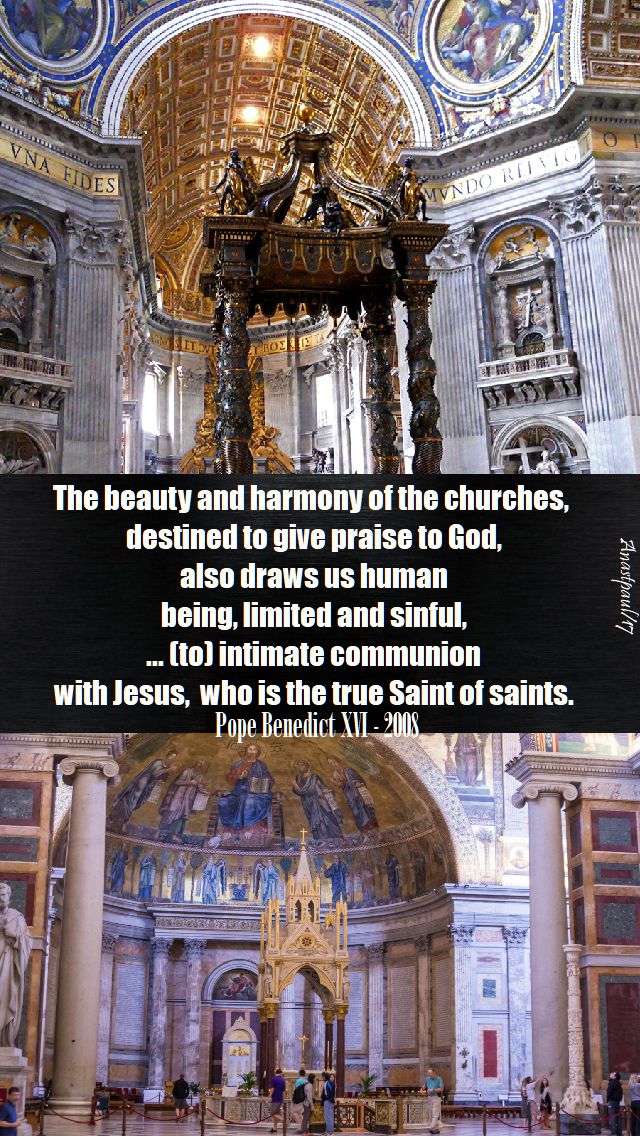
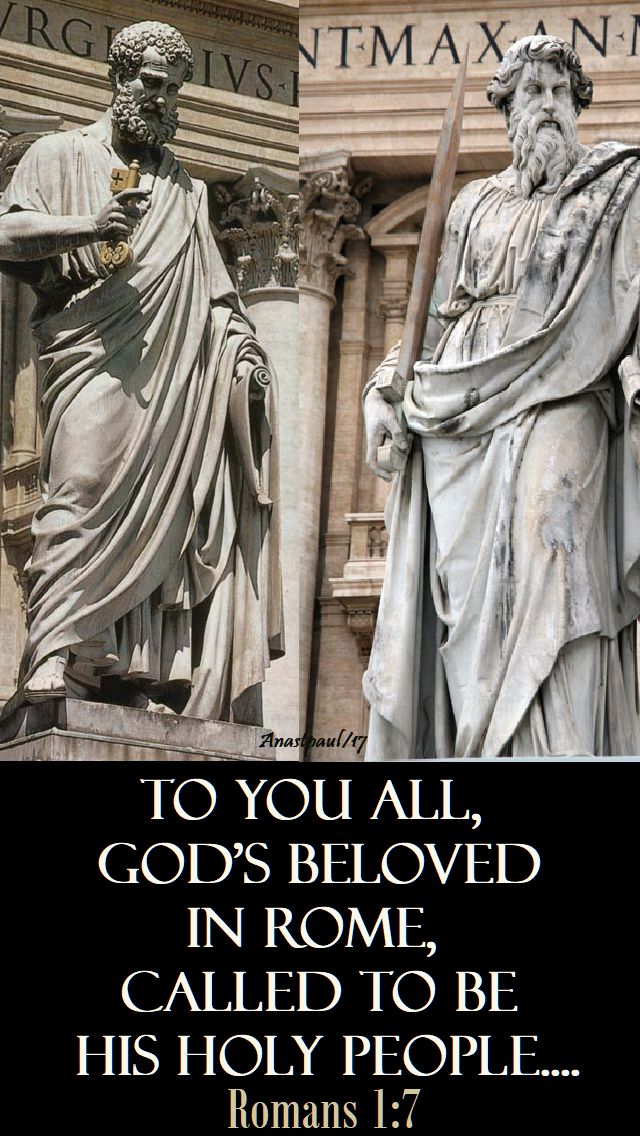
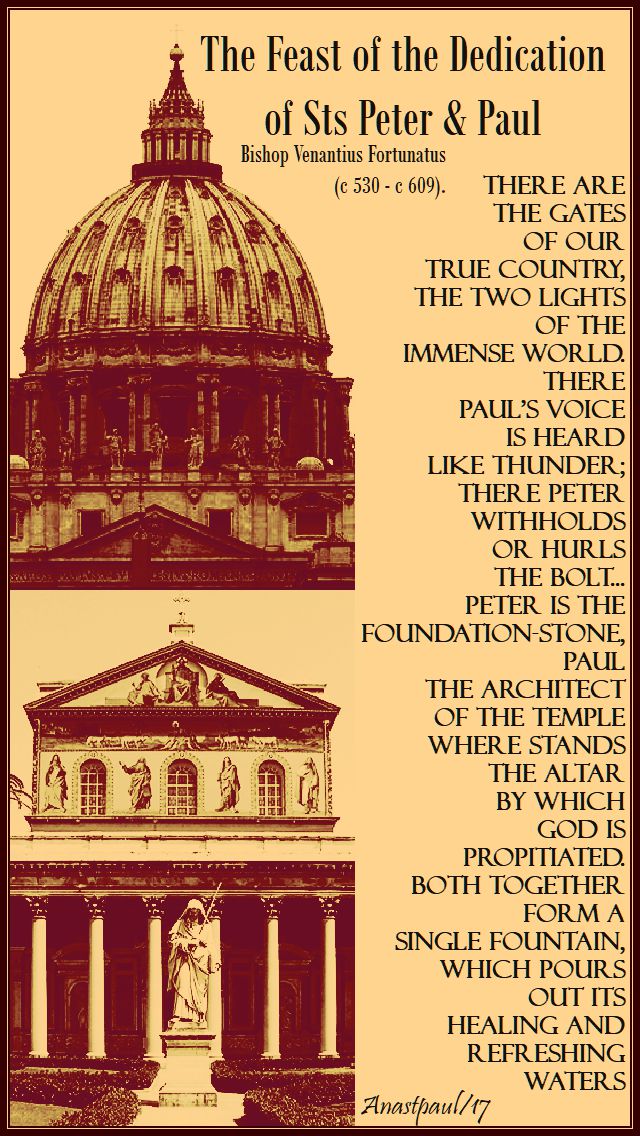
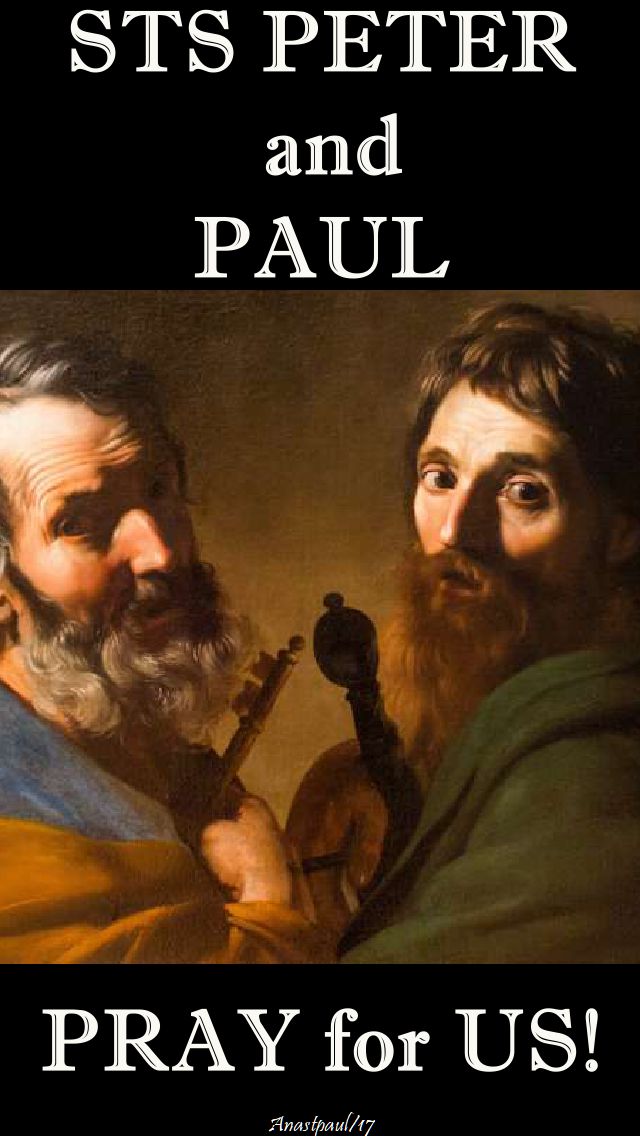

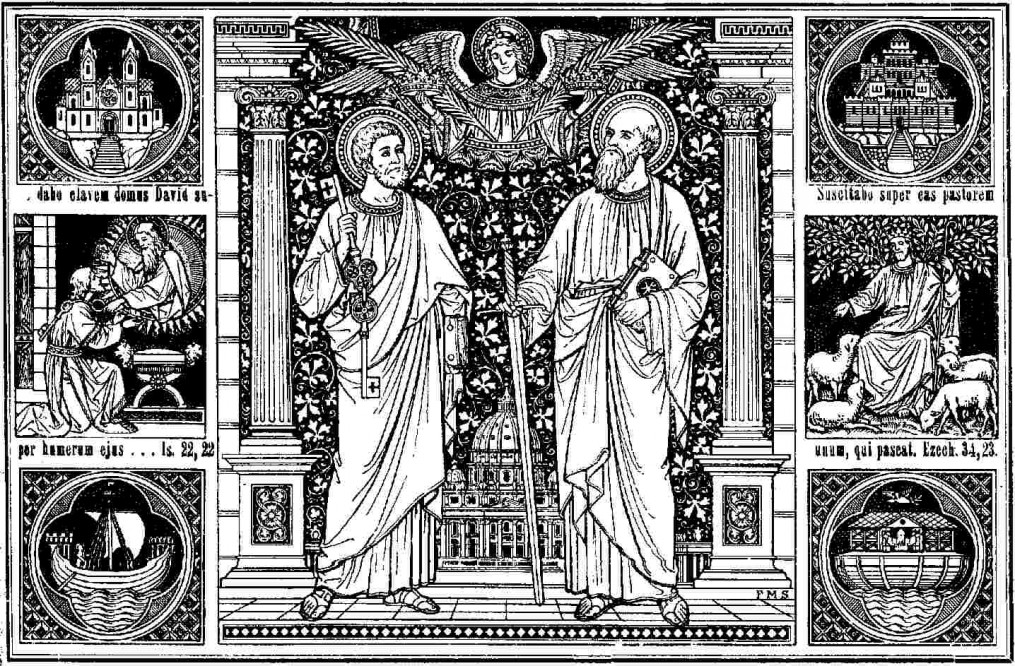
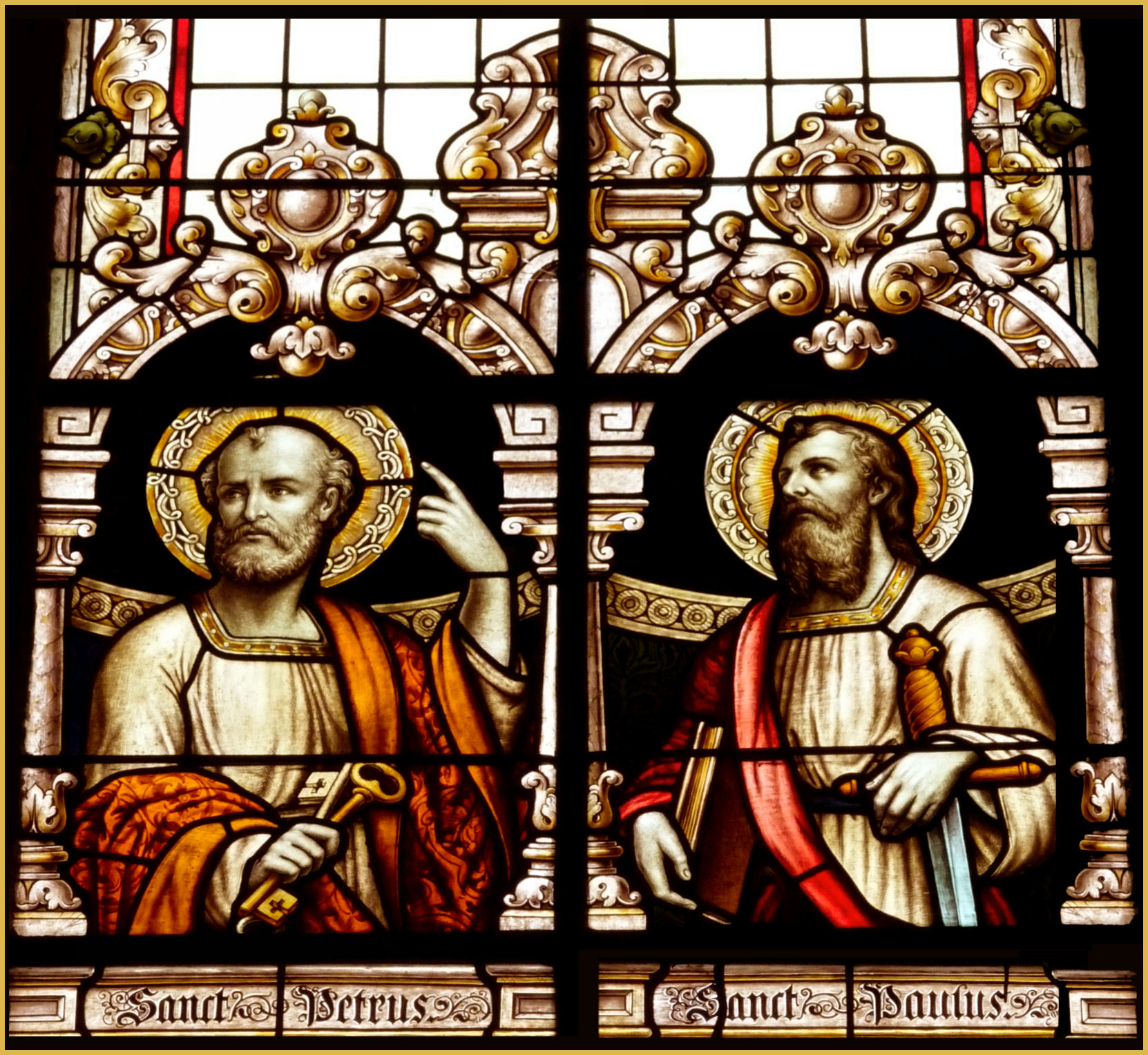
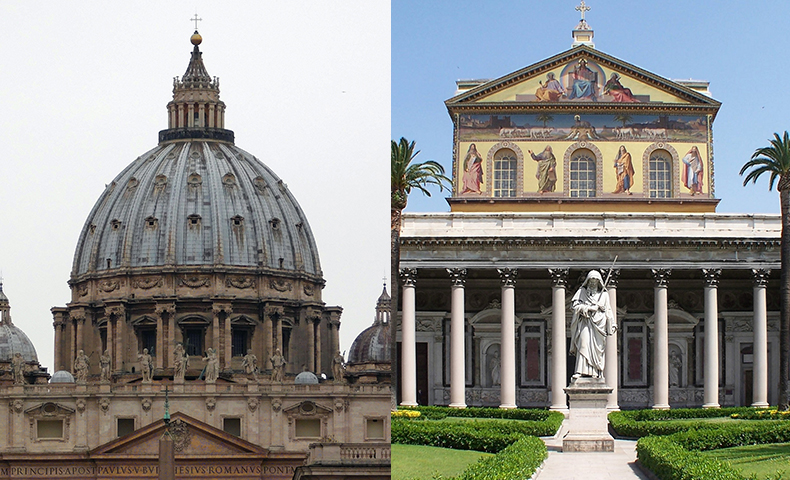
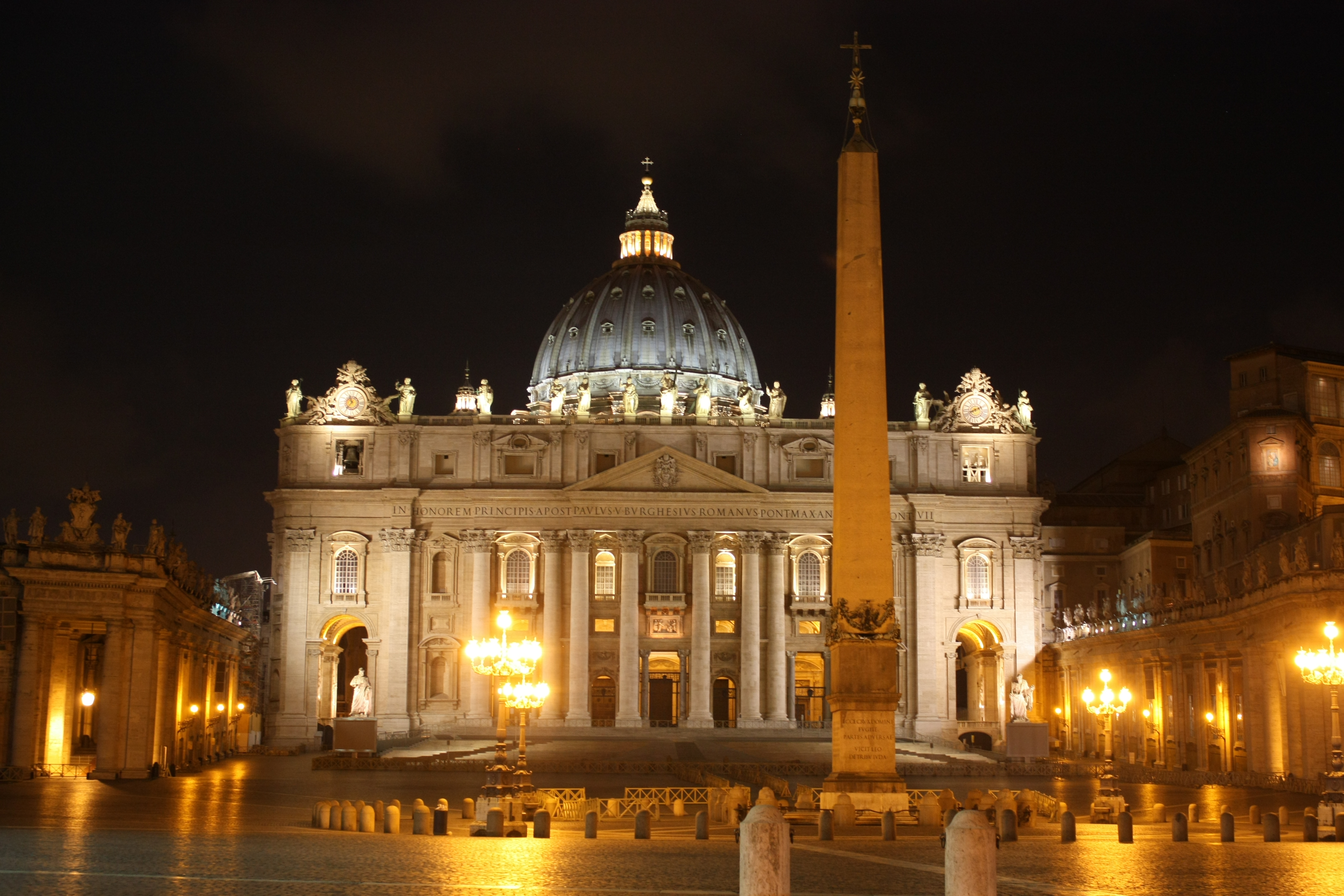
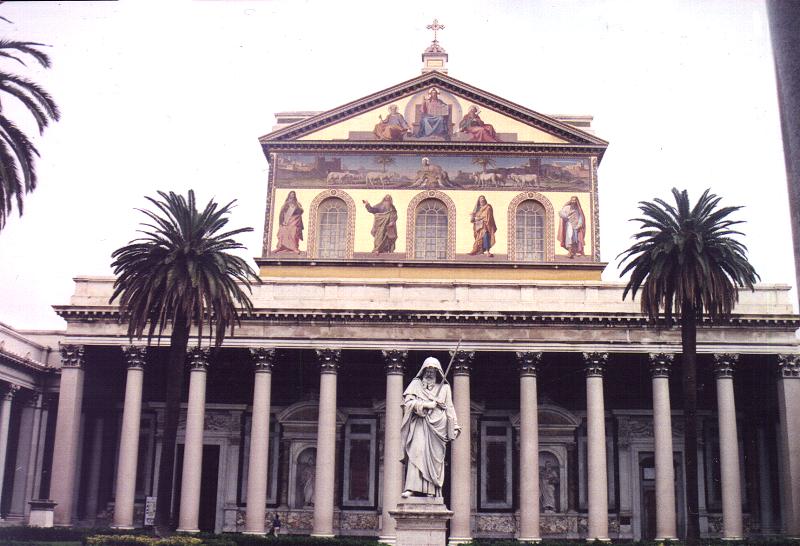
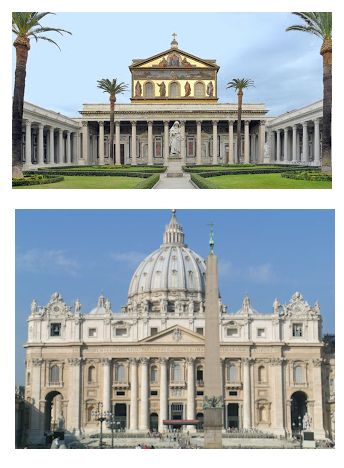
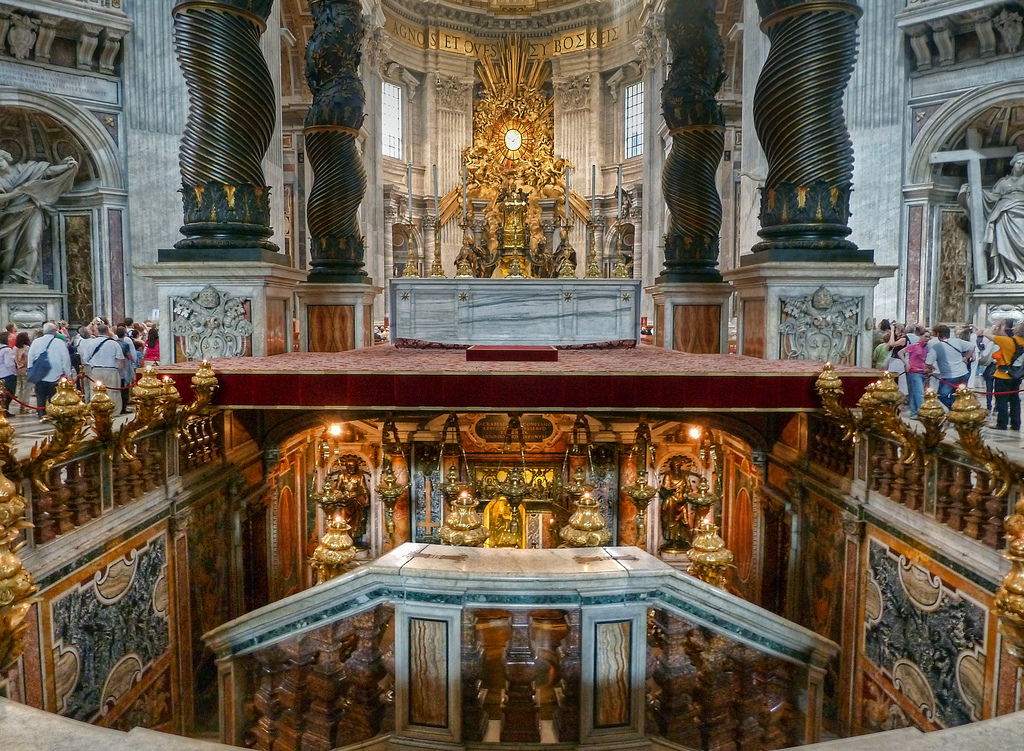
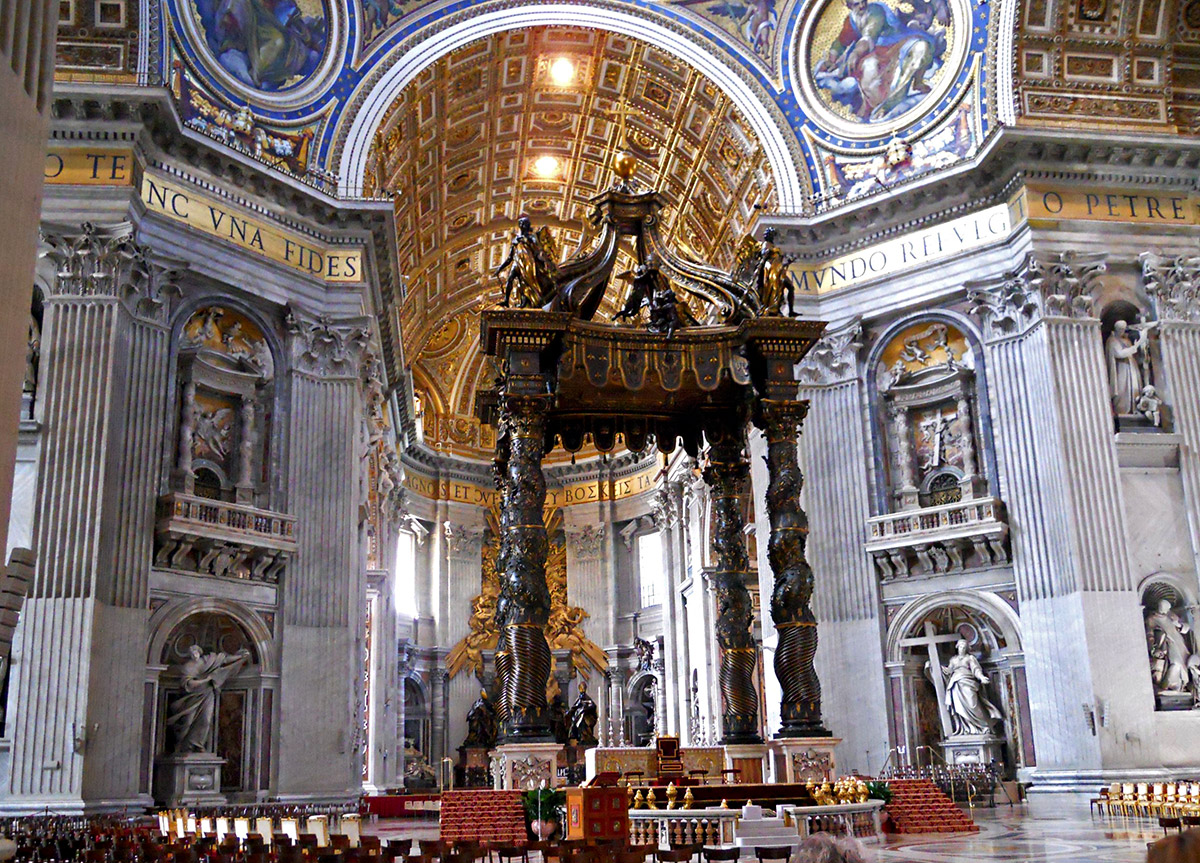
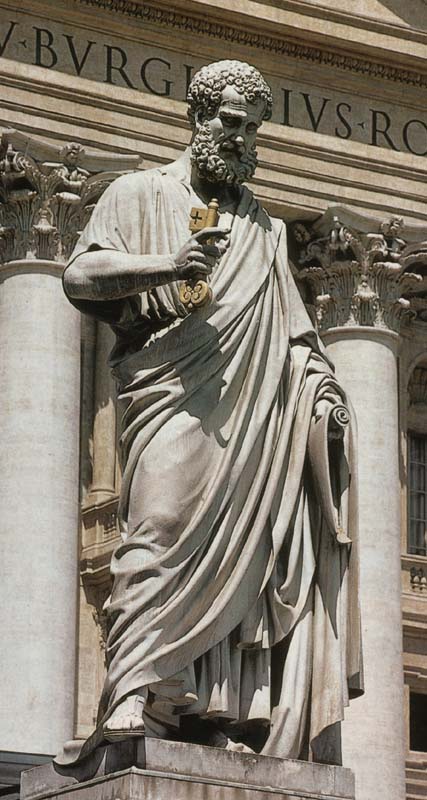
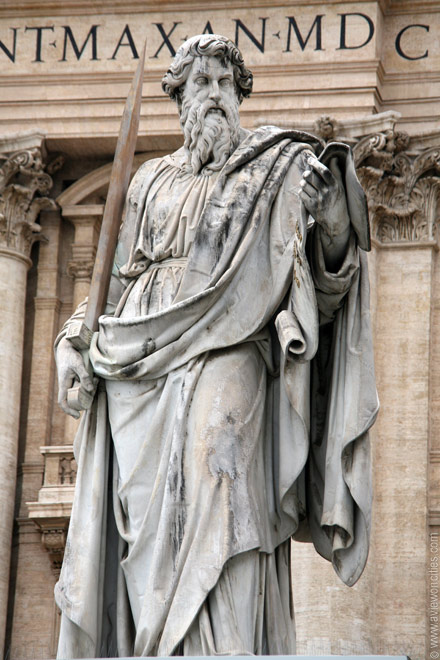
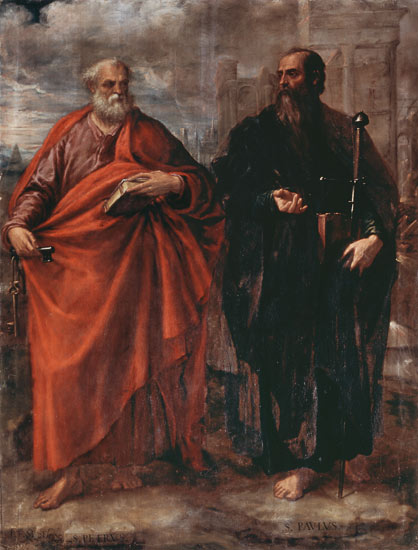
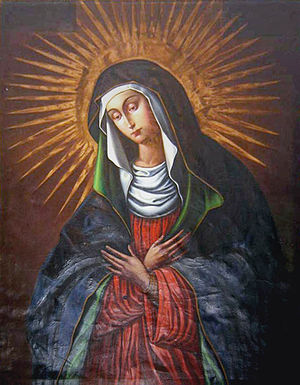
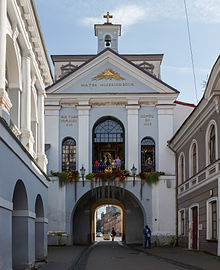
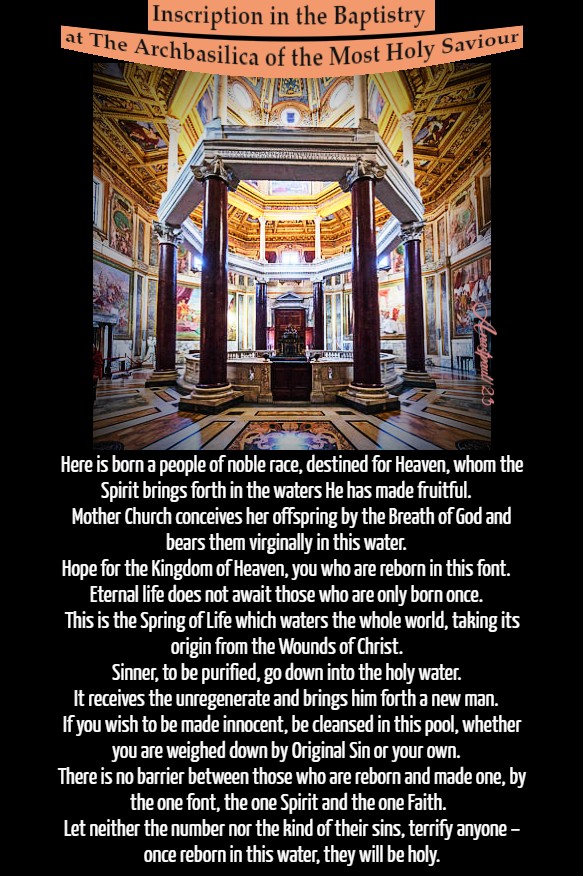
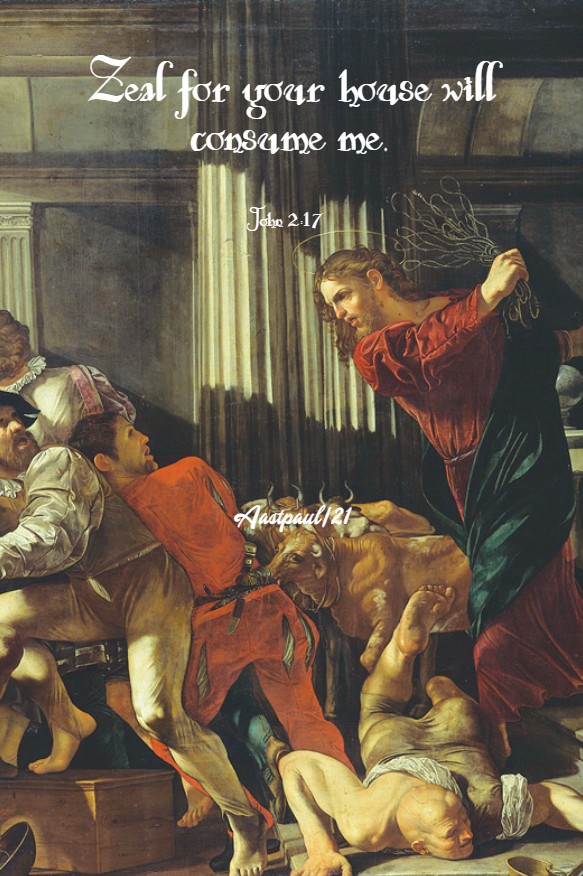
 AnaStpaul
You must be logged in to post a comment.