Quote/s of the Day – 15 December – “Month of the Immaculate Conception” – The Octave Day of the Immaculate Conception of the Blessed Virgin Mary
“I am the Immaculate Conception.”
Our Lady of Lourdes to St Bernadette 25 March 1858
“He came down into the Virgin’s womb, a womb unstained, unspotted, hallowed by the touch of divine unction.”
St Amadeus of Lausanne (1108-1159)
“Enraptured by the splendour of your heavenly beauty and impelled by the anxieties of the world, we cast ourselves into your arms, O Immaculate Mother of Jesus and our Mother Mary, confident of finding in your most loving heart, appeasement of our ardent desires and a safe harbour from the tempests which beset us on every side.”
Ven Pope Pius XII (1876-1958)
Deign, O Immaculate Virgin By St Paschasius Radbertus (785–865)
Deign, O Immaculate Virgin, Mother most pure, to accept the loving cry of praise which we send up to you from the depths of our hearts. Though they can but add little to your glory, O Queen of Angels, you do not despise, in your love, the praises of the humble and the poor. Cast down upon us a glance of mercy, O most glorious Queen, graciously receive our petitions. Through your immaculate purity of body and mind, which rendered you so pleasing to God, inspire us with a love of innocence and purity. Teach us to guard carefully the gifts of grace, striving ever after sanctity, so that, being made like the image of your beauty, we may be worthy to become the sharers of your eternal happiness. Amen
Our Morning Offering – 15 December – “Month of the Immaculate Conception” – The Octave Day of the Immaculate Conception of the Blessed Virgin Mary
Rosa Mystica By Fr Gerard Manley Hopkins SJ (1844-1889)
The rose in a mystery, where is it found? Is it anything true? Does it grow upon ground? — It was made of earth’s mould but it went from men’s eyes And its place is a secret and shut in the skies. In the Gardens of God, in the daylight Divine Find me a place by thee, Mother of mine.
But where was it formerly? which is the spot That was blest in it once, though now it is not? — It is Galilee’s growth: it grew at God’s Will And broke into bloom upon Nazareth hill. In the Gardens of God, in the daylight Divine I shall look on thy loveliness, Mother of mine.
What was its season then? how long ago? When was the summer that saw the bud blow? — Two thousands of years are near upon past Since its birth and its bloom and its breathing its last. In the Gardens of God, in the daylight Divine I shall keep time with thee, Mother of mine.
Tell me the name now, tell me its name. The heart guesses easily: is it the same? — Mary the Virgin, well the heart knows, She is the Mystery, she is that Rose. In the Gardens of God, in the daylight Divine I shall come home to thee, Mother of mine.
Is Mary the Rose then? Mary the tree? But the blossom, the blossom there, who can it be? — Who can her Rose be? It could be but One: Christ Jesus our Lord, her God and her Son. In the Gardens of God, in the daylight Divine Shew me thy Son, Mother, Mother of mine.
What was the colour of that blossom bright? — White to begin with, Immaculate white. But what a wild flush on the flakes of it stood When the Rose ran in crimsonings down the Cross-wood! In the Gardens of God, in the daylight Divine I shall worship His Wounds with thee, Mother of mine.
How many leaves had it? — Five they were then, Five like the senses and members of men; Five is their number by nature but now They multiply, multiply who can tell how?┬░ In the Gardens of God, in the daylight Divine Make me a leaf in thee, Mother of mine.
Does it smell sweet too, in that holy place? — Sweet unto God and the sweetness is grace: O Breath of it bathes great Heaven above In grace that is charity, grace that is love. To thy breast, to thy rest, to thy glory Divine Draw me by charity, Mother of mine. Amen
Nuestra Señora de Monguí / Our Lady of Mongui, Monguí, Boyacá, Colombia (16th Century) – 15 December:
Highly venerated, the Virgin of Monguí, is the Patroness of Boyacá. When King Charles I of Spain retired from his throne, he went to the Monastery of Yuste in the Spanish Province of Cáceres to prepare for death. He went into the Monastery looking for painted works of the Virgin Mary to send to the New World, in order to express gratitude to indigenous leaders for their loyalty to the Spanish Crown. In 1558, King Philip II, his son and successor, sent two paintings: one of St Martín which was to be presented to the leader of Monguí and another of the Holy Family, for Sogamoso. Although the works were marked, there was confusion and the destinations were reversed. Given the error, the inhabitants of Sogamoso protested and asked for the exchange. But the pictures inexplicably returned to the same places and the exchange, through divine intervention, could, therefore, not be accomplished. All agreed that this was a miraculous occurence and the great devotion to the Blessed Virgin began to grow. This painting still includes its original frame, a rare but fortunate occurrence and the fine gold-leaf embellishments. It is because of miraculous events like these, among others, that the Virgin Mary is present in the history of Boyacá and its inhabitants feel entrusted to her protection. Between 1694 and 1760, the present Church was built to house the image and still draws thousands of pilgrims to its Shrine each year. The Church has been elevated to the status of a Basilica.
St Maximinus of Micy St Offa of Essex Bl Pau Gracia Sánchez St Paul of Latros Bl Ramón Eirin Mayo St Silvia of Constantinople St Urbicus St Valerian of Abbenza Blessed Victoria Strata (1562-1617) Widow,
Martyrs of Drina – (5 beati): Also known as • Daughters of Divine Charity of Drina • Drina Martyrs Five members of the Daughters of Divine Charity who were martyred while fighting off Chetnik rapists. They were – Jozefa Bojanc Jozefa Fabjan Karoline Anna Leidenix Kata Ivanisevic Terezija Banja Their martyrdom occured in December 1941 in Gorazde, Bosansko-Podrinjski, Bosnia-Herzegovina They were Beatified on 24 September 2011 by Pope Benedict XVI.
Martyrs of North Africa – (7 saints): A group of Christians martyred together for their faith in North Africa. The only details about them that survive are their names – Caelian, Candidus, Faustinus, Fortunatus, Januarius, Lucius and Mark.
Martyrs of Rome – (22 saints): A group of 22 Christians martyred together in the persecutions of Valerian. The only details we have are five of their names – Antonius, Irenaeus, Saturnin, Theodorus and Victor. c 258 in Rome, Italy.
Madonna del Patrocinio / Our Lady of Defence – also known as Santa Maria del Calcare (Faenza, Ravenna, Emilia-Romagna, Italy) (1685) – 14 December:
In Forlì, in eastern Italy, the Baldi family owned a painting of the Madonna nursing the Christ Child. A woman of the family joined the Camaldolese Benedictine Convent there under the name of Sister Frances and at her death, the Bishop requested that the sacred image be moved to the Convent Church. In 1614, such great crowds attended the Madonna’s transfer ceremony that the Sisters decided to build a special Chapel for the Blessed Virgin of Defence. On the last Sunday of September, 1650, the painting was installed in its new marble Shrine. An annual festa on that day commemorated the beginning of public veneration of the Virgin of Defence. During the night of 20 November 1685, a fire spread from the Convent laundry to the parlour and Sacristy and had almost entered the Chapel of the holy image when the flames stopped unexpectedly. Only in morning did the nuns realise what happened. This miracle rekindled public devotion to the Blessed Virgin of Defence, which the Vatican approved officially in 1721. During the Risorgimento, the government closed many religious communities and seized their goods. When their Convent was suppressed in 1862, the Camaldolese Nuns of Forlì moved with their Madonna to Faenza, about 15 miles away. The small Sanctuary of the Madonna del Patrocinio, is located along the old mule track that led from Bieno and Santino to the sunny pastures of Ompio. The Sanctuary, built at the beginning of the 18th century, was the destination of endless penitential processions of peasants, shepherds and woodcutters. The place is surrounded by dense chestnut and oak woods; almost a border between the lakes (Maggiore and Mergozzo) and the infinite forest of the Val Grande. On 14 December 1954, at the close of the Marian Year, the sacred image was solemnly crowned by the Bishop of Faenza, Msgr Giuseppe Battaglia. At the nuns’ request, the Virgin’s crown was made of the gold rings they had received at their solemn profession, together with pilgrims’ votive offerings. St Catherine’s Convent was demolished in 2008 for construction of a Catholic rest home. I believe the miraculous image now resides in the local Parish Church.
St Abundius of Spain St Agnellus of Naples St Berthold of Regensburg OFM (c 1220-1272) Friar of the Order of the Friars Minor, Renowned Preacher for which reason he was known as “Sweet Brother Berthold,” “The Beloved of God and man,” “A Second Elias,”,”The Teacher of the Nations.” Bl Buenaventura Bonaccorsi St Folcuino of Therouanne Bl Joan Lambertini St John Pan y Agua (Bread-and-Water) Bl John Discalceat St Justus of Spain St Matronianus of Milan St Pompeius of Pavia Bl Protasi Cubells Minguell
St Viator of Bergamo St Yusuf Jurj Kassab al-Hardini Bl William de Rovira — Martyrs of Alexandria – 4 saints: A group of Egyptian Christians martyred together in the persecutions of Decius – Arsenius, Dioscurus, Heron and Isidore. They were burned to death in 250 at Alexandria, Egypt.
Martyrs of Apollonia – 7 saints: Martyred in the persecutions of Decius. The only surviving details are three names – Callinicus, Leucio and Tirso. Apollonia, Bithynia (in modern Turkey).
Martyrs of Ashkelon – 3 saints: Several pilgrims from Egypt to Cilicia (in modern Turkey) who planned to minister to fellow Christians suffering in the persecutions of emperor Maximinus. They were arrested, torture, mutilated and then imprisoned in Ashkelon. Some were ordered to forced labour in the mines, but we have the names of three who were martyred by order of governor Firmilian – Ares, Elijah and Promo. They were burned at the stake or beheaded at the gates of Ashkelon c 308.
Martyrs of Hayle – 2+ saints: Several Christians, including a brother and sister, who were martyred together by pagans. The only other information to survive are the names of the two siblings – Fingar and Phiala. 5th century at Hayle, Cornwall, England.
Martyrs of Syria – 3 saints: Three Christians who were martyred together. Known to Saint John Chrysostom who preached on their feast day and left us the only details we have – their names – Drusus, Theodore and Zosimus. The date and precise location of their martyrdom is unknown, but it was in Syria, possibly in Antioch.
La Reina del Rosario de Banos de Agua Santa / Queen of the Holy Rosary, also known as the Virgin of the Holy Waters, Baños de Agua Santa, Ecuador (1570) 13 December:
This is or is similar to, the Statue which stands at the Holy Waters
A few years before the founding of Quito, Dominican Missionaries travelled throughout the Ecuadorian Province of Tungurahua, bringing the Faith to the people. A bamboo Chapel was erected at Baños de Agua Santa ( Bath) wherein was venerated the Blessed Virgin of Montserrat. One night the Sacristan of the Church saw a small Statue of the Virgin accompanied by two beautiful Angels hovering in the air then coming down to the foot of a waterfall that flowed from the mountain. This event was repeated several times, causing the people gathered in the Chapel, to beseech the Blessed Virgin to clearly manifest her intentions. The following night the Virgin appeared asking for the erection of a Church at the spring, promising to cure the sick who bathe with faith, in those waters.
A new Church was built as Our Lady asked but the Statue of the Virgin of Montserrat had disappeared before it could be transferred to the new Church. A mule came to the Town Square carrying a box containing a beautiful Statue of Our Lady of the Rosary. When this was unclaimed by anyone, it was seen as a gift from Our Lady and the image of “La Reina del Rosario de Agua Santa” was lovingly placed in the Church. The present Basilica was completed in 1929. A brief of Pope Pius XII in 1957 declared the Virgin of Banos de Agua Santa “Principal Patroness of the missions of eastern Ecuador.” On 13 December 1959, the Cardinal Archbishop of Quito, Carlos M de la Torre, solemnly crowned the Statue of the Virgin in the presence of President of the Republic, Dr Camilo Ponce, who offered to the Mother of God, the Presidential baton invoking her as the Patron of Ecuador.
Many miracles and cures were granted by Our Lady of the Rosary of Agua Santa and numerous times, the Church has provided a sanctuary when the volcano Tungurahua hsd erupted. On one occasion, a horrendous eruption began while many were gathered to honour Our Lady. Lava was flowing toward the Church. The people raised the Statue of Our Lady of Agua Santa on high and processed to the Town Square. There, Our Lady lifted her hand silencing the roaring volcano and and diverting the flow of lava. In 1916, a nearby farmhouse was burned completely to the ground, except for a picture of Our Lady of the Rosary of Agua Santa.
St Lucy (of Syracuse) – St Lucy/Lucia of Syracuse (c 283-304) Virgin and Martyr Patron of the blind, eye disorders, martyrs, Perugia, Italy, Malta; epidemics; salesmen, Syracuse, Italy, throat infections, writers, against fire, against poverty, against spiritual blindness, peasants, penitent prostitutes, poor people, sick children, authors, cutlers, farmers, glass blowers, glass makers, glaziers, labourers, lawyer, maid servants, notaries, ophthalmologists, opticians, porters, printers, saddler, sailors, salesmen, seamstresses, stained glass workers, tailors, upholsterers, weavers and 10 further towns and cities. St Lucy’s Life and Death: https://anastpaul.wordpress.com/2017/12/13/saint-of-the-day-13-december-st-lucy-c-283-304/
St Aristone St Arsenius of Latro St Aubert of Arras Bl Bartholomew of Tuscany St Edburgh of Lyminge St Einhildis of Hohenburg Bl Elizabeth Rose St Jodocus
St Martino de Pomar St Odilia of Alsace (c 660-720) Virgin Abbess St Roswinda St Tassio of Bavaria St Wifred
Blessed Mercedarian Knights – (7 beati): A group of Mercedarian knights who fought the enemies of the Catholic faith in the first century of the Order. • Blessed Bernardo de Podio • Blessed Giacomo de Copons • Blessed Giovanni de Bruquera • Blessed Guglielmo de Sa • Blessed Pietro Boguer • Blessed Pietro Ricart • Blessed Raimondo de Frexa
Martyrs of Jeongju – (6 saints): Six Christian laymen who were imprisoned, tortured and martyred together in the persecutions in Korea. They were beheaded on 13 December 1866 in Supjeong-i, Jeongju, Chungcheong-do, South Korea and Canonised on 6 May 1984 by St Pope John Paul II. • Bartholomaeus Chong Mun-Ho • Iosephus Han Won-So • Peter Cho Hwa-so • Petrus Son Son-Ji • Petrus Yi Myong-So • Petrus Chong Won-Ji
Martyrs of Sebaste – (5 saints): A group of Christians martyred together in the persecutions of Diocletian. We know little more than their names – Auxentius, Eustratius, Eugene, Mardarius and Orestes. They were martyred in c 302 at Sebaste, Armenia (in modern Turkey) and their relics are enshrined at the church of Saint Apollinaris in Rome, Italy.
Martyrs of Alexandria – (6 saints): A group of six Christians martyred for their faith during the persecutions of Decius. We know little more than five of their names – Alexander, Ammonaria, Dionysia, Epimachus and Mercuria. They were burned to death c 250 in Alexandria, Egypt.
Martyrs of Trier – (4 saints): A group of six Christians martyred for their faith during the persecutions of Decius. We know little more than five of their names – Alexander, Ammonaria, Dionysia, Epimachus and Mercuria. They were burned to death c 250 in Alexandria, Egypt.
Our Morning Offering – 11 December – As Sunday is the Feast of Our Lady of Guadalupe and today is Mary’s Saturday, let us pray this powerful indulgenced prayer now.
Our Lady of Guadalupe, Mystical Rose Prayer to Our Lady of Guadalupe By St Pius X (1835-1914)
Our Lady of Guadalupe, Mystical Rose, make intercession for the holy Church, protect the Sovereign Pontiff, help all those who invoke thee in their necessities, and since thou art the ever Virgin Mary and Mother of the true God, obtain for us from thy most holy Son the grace of keeping our faith, sweet hope in the midst of the bitterness of life, burning charityand the precious gift of final perseverance. Amen
This prayer was approved and enriched with an indulgence of five hundred days by St Pope Pius X at an audience held on August, 1908 and was included in the official edition of approved indulgenced prayers (1950). Raccolta number 389, 500 days Indulgence, St Pope Pius X audience, 15 August 1908.
The title Our Lady of Loreto refers to the Holy House of Loreto, the house in which Mary was born and where the Annunciation occurred and to an ancient statue of Our Lady which is found there. Tradition says that a band of angels scooped up the little house from the Holy Land and transported it first to Tersato, Dalmatia in 1291, then Recanati, Italy in 1294 and finally to Loreto, Italy where it has been for centuries. It was this flight that led to her patronage of people involved in aviation and the long life of the house that has led to the patronage of builders, construction workers, etc. It is the first shrine of international renown dedicated to the Blessed Virgin and has been known as a Marian centre for centuries. Popes have always held the Shrine of Loreto in special esteem and it is under their direct authority and protection.
The Holy House of Loreto – The feast is so named from the tradition that the house where the Holy Family lived in Nazareth, was transported by angels to the city of Loreto, Italy. The Holy House is now encased by a basilica. It has been one of the famous shrines of the Blessed Virgin since the 13th century.
St Abundius St Albert of Sassovivo St Angelina of Serbia Bl Brian Lacey BL Bruno of Rommersdorf St Caesarius of Epidamnus St Carpophorus St Deusdedit of Brescia
Bl Guglielmo de Carraria St Guitmarus St Hildemar of Beauvais Bl Jerome Ranuzzi Bl John Mason St John Roberts (1577-1610) Priest Martyr St Julia of Merida St Lucerius Bl Marco Antonio Durando St Maurus of Rome St Mercury of Lentini St Pope Miltiades St Polydore Plasden Bl Sebastian Montanol Bl Sidney Hodgson St Sindulf of Vienne St Swithun Wells St Thomas of Farfa Bl Thomas Somers St Valeria Martyrs of Alexandria – 3 saints – A group of Christians murdered for their faith in the persecutions of Galerius Maximian – c312. The only details that have survived are three of the names – Eugraphus, Hermogenes and Mennas.
Nostra Signora dell’Immacolata Concezione / Our Lady of the Conception, Naples, Italy (1618) – 9 December:
The Abbot Orsini wrote: “Our Lady of the Conception, at Naples, so called because, in the year 1618, the Viceroy, with all his Court and the soldiery of Naples, made a vow, in the Church of Our Lady the Great, to believe and defend the Immaculate Conception of the Blessed Virgin.”
Pedro Tellez-Giron, 3rd Duke of Osuna, was the Viceroy of Naples under King Philip III of Spain. He was a Spanish nobleman born in 1574 and married in 1594. He joined the army of the Archduke of Austria as a mere private but his ability and courage, must have been considerable, as he was soon placed in command of two cavalry companies. He fought in several battles and was seriously wounded on two occasions before being made the Viceroy of Sicily in 1610. When he took this new position as Viceroy, the Spanish had not a single galley on the island that was seaworthy. It was necessary to remedy that problem at once, as Sicily was vulnerable to Barbary pirates as well as potential attacks of the fleet of the Ottoman Empire. Within two years he was no longer in a weak position, and as he had 8 galleys and several other ships in the new navy, he used them to attack Ottoman territory. In the summer of 1613 his fleet encountered a larger Ottoman fleet under the command of Sinari Pasha. The encounter lasted three hours and became known as the Battle of Cape Corvo. Sinari Pasha was captured, and Mahamet, Bey of Alexandria and son of Muezzinzade Ali Pasho, Commander of the Ottoman fleet at the battle of LepanTo, was also captured. In 1616 Pedro Tellez-Giron was promoted to Viceroy of Naples and it was during this time, that the now Knight of the Order of the Golden Fleece ,made his vow to defend what would later become a Dogma of the Catholic Faith, the Immaculate Conception of the Blessed Virgin Mary. This doctrine was not actually formally proclaimed by the Church until the Blessed Pope Pius IX formally proclaimed it, on 8 December 1854, in the Papal Bull, Ineffabilis Deus. The Napule have a great devotion to the Blessed Virgin of the Immaculate Conception as manifested by this immense “Guglia” Column or Spire proudly displayed in Naples.
St Adam Scotus Bl Agustín García Calvo * Bl Antonio Martín Hernández * St Auditor of Saint-Nectaire St Balda of Jouarre St Bernhard Mariea Silvestrelli St Budoc of Brittany Bl Carmen Rodríguez Banazal * St Caesar of Korone St Cephas Bl Clara Isabella Fornari St Cyprian of Perigueux Bl Dolores Broseta Bonet * Bl Estefanía Irisarri Irigaray * St Ethelgiva of Shaftesbury St Gorgonia Bl Isidora Izquierdo García * Bl José Ferrer Esteve * Bl José Giménez López * Bl Josefa Laborra Goyeneche * Bl Josep Lluís Carrera Comas * St Julian of Apamea Bl Julián Rodríguez Sánchez *
Bl María Pilar Nalda Franco * St Michaela Andrusikiewicz St Nectarius of Auvergne
St Peter Fourier CRSA (1565-1640) “The Good Father of Mattaincourt,” Priest, Founder, Reformer, Confessor, Ascetic, Theologian, Teacher, Preacher, Apostle of Prayer, Penance and Charity, Marian devotee. Together with the Blessed Alix Le Clerc, in 1597, Fourier founded the Congregation of Notre Dame of Canonesses Regular of St Augustine, who were committed to the free education of children, taking a fourth vow to that goal. Biography: https://anastpaul.com/2018/12/09/saint-of-the-day-9-december-st-peter-fourier-c-r-s-a-1565-1640/
St Proculus of Verona Bl Recaredo de Los Ríos Fabregat * St Syrus of Pavia (1st Century) Bishop St Valeria of Limoges St Wulfric of Holme
Blessed Mercedarian Fathers – (10 beati): The memorial of ten Mercedarian friars who were especially celebrated for their holiness. • Arnaldo de Querol • Berengario Pic • Bernardo de Collotorto • Domenico de Ripparia • Giovanni de Mora • Guglielmo Pagesi • Lorenzo da Lorca • Pietro Serra • Raimondo Binezes • Sancio de Vaillo
Martyred Salesians of Valencia – (5 beati) Martyrs of North Africa – (4 saints): Twenty-four Christians murdered together in North Africa for their faith. The only details to survive are four of their names – Bassian, Peter, Primitivus and Successus.
Martyrs of Paterna – (7 beati) Martyrs of Samosata – (7 saints): Seven martyrs crucified in 297 in Samosata (an area of modern Turkey) for refusing to perform a pagan rite in celebration of the victory of Emperor Maximian over the Persians. They are – Abibus, Hipparchus, James, Lollian, Paragnus, Philotheus and Romanus. They were crucified in 297 in Samosata (an area in modern Turkey).
Martyrs of the Spanish Civil War – (13 beati): • Blessed Agustín García Calvo • Blessed Antonio Martín Hernández • Blessed Carmen Rodríguez Banazal • Blessed Dolores Broseta Bonet • Blessed Estefanía Irisarri Irigaray • Blessed Isidora Izquierdo García • Blessed José Ferrer Esteve • Blessed José Giménez López • Blessed Josefa Laborra Goyeneche • Blessed Josep Lluís Carrera Comas • Blessed Julián Rodríguez Sánchez • Blessed María Pilar Nalda Franco • Blessed Recaredo de Los Ríos Fabregat
Quote/s of the Day – 8 December on the Solemnity of the Immaculate Conception
“This Virgin Mother of the Only begotten of God, is called Mary, worthy of God, Immaculate of the Immaculate, One of the One.”
Origen (c 185-253) Priest, Theologian, Exegist, Writer, Apologist, Father
“Thou alone and Thy Mother, are in all things fair, there is no flaw in Thee and no stain in Thy Mother.”
St Ephrem of Syria (306-373) Father and Doctor of the Church
“Come, then and search out Your sheep, not through Your servants or hired men but do it Yourself. Lift me up bodily and in the flesh, which is fallen in Adam. Lift me up not from Sarah but from Mary, a Virgin not only undefiled but a Virgin whom grace had made inviolate, free of every stain of sin.”
St Ambrose (340-397) Father and Doctor of the Church
“The very fact that God has elected her, proves, that none was ever holier than Mary; if any stain had disfigured her soul, if any other virgin had been purer and holier, God would have selected her and rejected Mary.”
St Jacob of Sarug (c 451-521) Bishop, Theologian, Poet, Writer
“Today humanity, in all the radiance of her Immaculate nobility, receives its ancient beauty. The shame of sin had darkened the splendour and attraction of human nature but when the Mother of the Fair One par excellence, is born, this nature again, regains in her person, its ancient privileges and is fashioned according to a perfect model, truly worthy of God…. The reform of our nature begins today and the aged world, subjected to a wholly divine transformation, receives the first fruits of the second creation.”
St Andrew of Crete (c 650-c 740) Bishop, Theologian, Hymnist
One Minute Reflection – 8 December on the Solemnity of the Immaculate Conception – Readings: Genesis 3:9-15, 20, Psalm 98:1-4, Ephesians 1:3-6, 11-12, Luke 1:26-38
And behold, you will conceive in your womb and bear a son and you shall call his name Jesus.
And Mary said, “Behold, I am the handmaid of the Lord, let it be done to me according to your word.” … Luke 1:38
REFLECTION – “Son of God, grant me Your own admirable Gift, that I may celebrate the wondrous beauty of Your beloved Mother! The Virgin gave birth to a Son while preserving her virginity, she suckled Him who gives nourishment to the peoples, in her Immaculate breast she bore Him who carries the whole world in His Hands. She is Virgin and Mother, what will she not be hereafter? Holy in body, all beautiful in soul, pure of mind, upright in intelligence, perfect in feeling, chaste and faithful, pure of heart and filled with virtue.
May the hearts of virgins rejoice in Mary, since of her was born the One Who set humankind free from dreadful slavery. May the old Adam, wounded by the serpent, rejoice in Mary; it is Mary who gives Adam a posterity that allows him to crush the accursed serpent and who cures him of his mortal wound (Gen 3:15). Let Priests rejoice in the blessed Virgin; she has brought the High Priest into the world, Who gave Himself as a victim, putting an end to the sacrifices of the Old Covenant. … Let the Prophets rejoice in Mary, since in her, were fulfilled their visions, in her were realised their prophecies, in her were confirmed their oracles. Let all the Patriarchs rejoice in Mary since she received the blessing promised to them, she, who, in her Son, has brought them to completion. …
Mary is the new Tree of Life, who, instead of the bitter fruit picked by Eve, gives to mankind that Sweet Fruit on which the whole world is fed.” – St Ephrem (306-373) Deacon in Syria, Father and Doctor of the Church (Marian hymn).
PRAYER –O Mary, My Hope! By St John Damascene (675-749) Father and Doctor of the Church I salute you, O Mary! you are the hope of Christians. Receive the prayer of a sinner, who loves you tenderly, honours you in a special manner and places in you the whole hope of his salvation. From you I have my life. You reinstate me in the grace of your Son: you are the sure pledge of my salvation. I beseech of you, therefore, to deliver me from the burden of my sins, dispel the darkness of my mind, banish from my heart the love of the world, repress the temptations of my enemies and so rule my whole life, that by your means and under your guidance, I may obtain everlasting happiness in heaven. Amen
Our Morning Offering – 8 December – The Solemnity of the Immaculate Conception
O Pure and Immaculate Blessed Virgin By St Ephrem (306-373) Father and Doctor of the Church
O Pure and Immaculate and likewise Blessed Virgin, who art the sinless Mother of thy Son, the mighty Lord of the universe, thou who art inviolate and altogether holy, the hope of the hopeless and sinful, we sing thy praises. We bless thee, as full of every grace, thou who didst bear the God-Man: we bow low before thee; we invoke thee and implore thine aid. Rescue us, O holy and inviolate Virgin, from every necessity that presses upon us and from all the temptations of the devil. Be our intercessor and advocate at the hour of death and judgement, deliver us from the fire that is not extinguished and from the outer darkness; make us worthy of the glory of thy Son, O dearest and most clement Virgin Mother. Thou indeed art our only hope most sure and sacred in God’s sight, to Whom be honour and glory and majesty and dominion forever and ever, world without end. Amen
Vigil of the Solemnity of the Immaculate Conception – 7 December On this vigil day, Catholics stand in the remains of the night as the dawn makes its appearance. This resplendent dawn is that Singular Conception, the Immaculate Conception, who ushers in the Light of Christ. A day of Fast and Abstinence following the Rubrics of Pope Pius X for the Universal Calendar of the Church.
“It is through the most Blessed Virgin Mary, that Jesus Christ came into the world and, it is also through her, that He will reign in the world.” – St Louis Marie Grignion de Montfort (1673-1716)
Virgen del Castillo, Inmaculada Concepción / Virgin of the Castle, Yecla, Spain (1642) – 7 and 8 December:
The Virgen del Castillo, Inmaculada Concepción, is venerated as Patron in the City of Yecla ( Murcia, Spain ). The Sanctuary constitutes a pilgrimage centre not only for the people of Yecla but also for the inhabitants of the entire region and even the neighboring Provinces. The name of Virgen del Castillo or Virgin of the Castle, even though it is not the official title, is the popular name with which the faithful have called their Patron because she is enshrined in the Castle Sanctuary, which is next to the medieval fortress that crowns the hill on which the City is situate. The invocation actually corresponds to the Immaculate Conception, being venerated in the aforementioned Sanctuary since time immemorial. The existence in that same place of a Mozarabic Church, dedicated to Santa María, which even became a Parish until the middle of the 16th century, is documented .
But the event that marked the transcendence of the old Sanctuary would occur during the reign of Felipe IV, when a group of Yeclans led by Captain Martín Soriano Zaplana, returned to the City after fighting against the French troops that had invaded Catalonia. The combatants return to Yecla without having suffered any casualties, a fact that they knew was miraculous, due to their devotion to the Virgin Mary and for which, they went to the hermitage of the Castle in thanksgiving. That act was an event for the City, which from then on would see in the image of Our Lady of the Castle, a symbol of protection.
The Church where the Virgin is enshrined has undergone numerous reconstructions and restorations throughout its history. The current building dates from the 19th century . The carving that is venerated today, is not the original either, since it disappeared in the Spanish Civil War – it is a replica made by Miguel Torregrosa in 1941 in the likeness of the original one, which was canonically crowned in 1954. The Procession is held on 7 December and the High Mass on the Solemnity of the Immaculate Conception, 8 December.
St Agatho of Alexandria St Anianas of Chartres St Antonius of Siya St Athenodoros of Mesopotamia St Buithe of Monasterboice St Burgundofara St Charles Garnier SJ (1606-1649) Priest Martyr St Diuma St Geretrannus of Bayeux Bl Humbert of Clairvaux St Martin of Saujon
Notre-Dame de Séez/ Our Lady of Séez, Normandy, France (5th Century) – 6 December:
Saint Latuinus (Died c 440), the first Bishop of Séez, built the first Cathedral to Our Lady in the Diocese of Seez. The original Cathedral would date back to the middle of the 5th century. A later Church replaced it – one dedicated under the title of Notre-Dame-du-Vivier. The Normans, at the beginning of the 5th century, destroyed this structure. A third Church was built, a hundred meters away on the site of a pagan temple. This one had added to it, the names of the martyrs Saints Fervais and Protase, whose relics were enshrined there. A special Chapel in the Cathedral recalled the memory of the first cathedral dedicated to Our Lady of Seez, for Mary remained the principal Patroness of the Diocese. Many famous people made pilgrimages to Our Lady of Seez – among them were Saint Germain, Bishop of Paris; Saint Evroult, Founder of the Abbey of Ouche; Saint Osmond, Count of Seez, who became Bishop of Salisbury; Saint Thierry, Abbot of Saint Evroult; Saint Louis IX was there in 1259 and about the same time Blessed Giles, one of the early companions of Saint Francis of Assisi, came to recommend to Mary’s protection, the first French Franciscan Convent, which he was going to found at Seez. The Augustinians served the sanctuary from 1127. In the latter half of the 18th century, the Bishop of Seez, in response to the wishes of the entire Diocese, repaired and embellished the Chapel of Our Lady at considerable expense. Later the work of redoing the entire Cathedral was undertaken. In June of 1784, the Cathedral chapter asked the Bishop to consecrate the new Altar and the entire Cathedral under the patronage of Our Lady. This was done in 1786. Mary rewarded the prelates for their zeal in promoting her honour, by granting all of them the grace of Martyrdom in the violent persecution that broke out in 1792. The beautiful façade of the Cathedral was destroyed in 1795. A revolutionary bought the debris with the intent of building a private property, however, two attempts proved failures and he finally gave up the attempt. After the revolution, a new Cathedral was built when the Diocese was re-established by the Concordat of 1802.
St Aemilianus the Martyr Bl Angelica of Milazzo St Asella of Rome (Died c 406) Virgin Hermit Friend of St Jerome St Boniface the Martyr St Dativa the Martyr St Dionysia the Martyr St Gerard of La Charite St Gertrude the Elder St Giuse Nguyen Duy Khang St Isserninus of Ireland Bl Janos Scheffler St Leontia the Martyr St Majoricus the Martyr
The Sodality of Our Lady / Our Lady of the Jesuit College, Rome (1584) – 5 December:
The Abbot Orsini wrote: “In the year 1584 was instituted, the first congregation of Our Lady at the Jesuits’ college, at Rome, whence is derived their custom of establishing it in all their houses.”
The Sodality of Our Lady, or the Sodality of the Blessed Virgin Mary, was actually founded in 1563 by a Belgian Jesuit, Father John Leunis, at the Collegio Romano in Rome. It was established for young schoolboys and the Papal Bull Superna Dispositione opened it to adults, under the authority of the Superior General of the Society of Jesus. A Jesuit historian recorded that it was originally “made up especially of younger boys from the college, who agreed to go to daily Mass, weekly confession, and monthly Communion, as well as to engage in a half-hour of meditation each day and do some other pious exercises.” The youths who felt drawn to the spirit of the Jesuits and were often called the “Congregation Mariana.” Once formed into a Sodality of Our Lady, they were to do apostolic work in the City of Rome, while also serving the poor. Since the time of its humble beginnings in 1563, twenty-two Sodalists have become Popes. After Fr Leunis’ death in 1584, Pope Gregory XIII canonically established the Sodality Group of the Roman College in his bull “Omnipotentis Dei.” The sodality of Fr Leunis was declared to be the mother of all such subsequent sodalities. Having attained the status of Prima Primaria, it had gained the right to partner with other similar groups, and through that affiliation ,all could share in the indulgences and privileges of the Prima Primaria, with the General of the Society of Jesus having the authority to grant such an affiliation. These sodalities were established all over Europe, India and Asia, as well as in the Americas and included both sexes. They reached their greatest number in the 17th century, when it was estimated that there were as many as 2500 such groups. In 1773, Pope Clement XIV suppressed the Society of Jesus and separated the sodalities from their jurisdiction. From that time on it was Catholic bishops who established Marian Sodalities throughout the world.
St Abercius St Anastasius St Aper of Sens Blessed Bartholomew Fanti of Mantua O.Carm. (c 1428-1495) Carmelite Priest St Basilissa of Øhren St Bassus of Lucera St Bassus of Nice St Cawrdaf of Fferreg St Christina of Markyate St Consolata of Genoa St Crispina St Cyrinus of Salerno St Dalmatius of Pavia St Firminus of Verdun St Gerald of Braga St Gerbold St Gratus
St Joaquín Jovaní Marín St John Almond Bl Giovanni/John Gradenigo St Justinian St Martiniano of Pecco Bl Narcyz Putz St Nicetius of Trier Bl Niels Stenson St Pelinus of Confinium
St Vicente Jovaní Ávila — Martyrs of Thagura – (12 saints): A group of twelve African Christians who were martyred together in the persecutions of Diocletian. The only details about them that have survived are five of their names – Crispin, Felix, Gratus, Juliua and Potamia. 302 in Thagura, Numidia
Martyred in the Spanish Civil War: • Blessed Joaquín Jovaní Marín • Blessed Vicente Jovaní Ávila
Notre-Dame-de-la-Chapelle d’Abbeville / Our Lady of La Chapelle, at Abbeville, France(1400) – 4 December:
The Abbot Orsini wrote: “This Church was built about the year 1400, on a small hill, where formerly they worshipped idols.”
The Town of Abbeville is located in Picardy in the northern region of France. It is located on the Somme River. Fortunately for us, there still exists today a plan for the Town of Abbeville that was etched in the year 1653. Our Lady of La Chapelle can easily be distinguished in the foreground of the etching, dominating the City though built outside the walls. The church was initially only a Chapel in which there was exhibited a religious icon of Our Lady that earned the Church its name, of Our Lady of the Chapel. The structure was indeed erected on the remains of a temple devoted to paganism. The growing number of the faithful coming to pray there, made it a true Parish, and so, the Church expanded to have 3 naves and 7 Altars, reflecting the expansion of the City. The Church was built in limestone in the flamboyant Gothic style. It survived numerous dangers and setbacks over the coming centuries, exposed to wind and rough weather at the top of the hill, including being struck several times by lightning. In 1619, the high Bell Tower did not survive a violent storm,and was rebuilt the following year. All of this is nothing compared to the danger that the Church faced in 1637-1638. At that time, Spain and France were at war. King Louis XIII came to Abbeville, a strategic Town and realised that the Chapel could serve as a type of fortress in case of a siege. Aware of the danger, Cardinal Richelieu gave the order to demolish the Church. The Mayor at the time, Guilaume Sanson and his aldermen, managed to talk him out of it. The Church was saved, but for how long? Then, in 1789, came the French Revolution. The Church that had survived so much was destroyed in 1794. Yet, in 1804 another large Chapel was built to replace the lost church, a building retaining the tower of 1620. (That bell tower has been classified as an Historic Monument since 1901. The cemetery that once surrounded the Church was preserved and has been significantly expanded to become the cemetery of the City since the year 1844.
The original Bell Tower still remains a part of the new Church
St Bernardo degli Uberti St Bertoara of Bourges St Christianus St Clement of Alexandria St Cyran of Brenne St Eraclius St Eulogio Álvarez López St Ezequiel Álvaro de La Fuente St Felix of Bologna Bl Francis Galvez St Francisco de la Vega González St Giovanni Calabria St Heraclas of Alexandria St Jacinto García Chicote Bl Jerome de Angelis St John the Wonder Worker St Maruthas St Melitus of Pontus
Blessed Pietro Tecelano TOSF (c 1189-1289) Layman, Widower, Tertiary of the Order of Friars Minor St Prudens St Robustiano Mata Ubierna St Sigiranus Bl Simon Yempo St Sola St Theophanes
Martyred in the Spanish Civil War: • Blessed Eulogio Álvarez López • Blessed Ezequiel Álvaro de La Fuente • Blessed Francisco de la Vega González • Blessed Jacinto García Chicote • Blessed Robustiano Mata Ubierna
Vergine di Montesanto / Our Lady of the Holy Mountain, Rome, Italy (1659) – 3 December:
On the Piazza del Popolo in Rome, there used to be a small Church run by Carmelite Friars, called St Mary of the Holy Mountain after Mount Carmel in the Holy Land. The Church housed a miraculous Madonna and Child, believed to have been painted by a young aspiring female painter, Plautilla Bricci, with supernatural help. It is said that Plautilla Bricci, a Roman painter but also to become the first female architect, had some difficulties in shading Mary’s face and, at a certain point, decided to put down her brush and rest – upon awakening from sleep, she found the face of the Virgin finished to perfection!
After the painting was canonically crowned on 3 December 1659, Cardinal Gerolamo Gastaldi decided to build the Madonna a more splended Sanctuary. It was the work of three great architects. Gian Lorenzo Bernini modified Carlo Rainaldi’s original plan to give the building an oval shape more in keeping with its site and Carlo Fontana supervised its completion in 1679. Around the same time the “twin” Church of Santa Maria dei Miracoli was built next door. The painting, hard to date but typical of the 1500s, occupies a large columned Altarpiece with stucco angels by Filippo Carcani. In 1953, Pope Pius XII designated the Basilica di Santa Maria in Montesanto the official Church for artists, who still come before the Virgin seeking divine help.
St Francis Xavier SJ (1506-1552) (Memorial) Priest, Missionary, co-Founder with St Ignatius Loyola (1491-1556) and St Peter Faber (1506-1546) of the Society of Jesus. One of the Greatest Missionaries since St Paul. His body is incorrupt.
St Abbo of Auxerre St Abran St Agapius St Agricola of Pannonia St Alvaro González López St Anthemius of Poitiers St Attalia of Strasbourg Bl Bernard of Toulouse OP Martyr St Birinus of Dorchester (c 660-650) Bishop, “Apostle to the West Saxons,” St Cassian of Tangiers St Claudius of Africa St Claudius the Martyr St Crispin of Africa St Edward Coleman St Eloque of Lagny
St John of Africa St Juan Bautista Ferris Llopis St Julián Heredia Zubia St Lucius St Lucy the Chaste St Magina of Africa St Mamas St Manuel Santiago y Santiago St Marcos García Rodríguez St Maurus the Martyr St Seleucus St Stephen of Africa St Theodore of Alexandria St Theodulus of Edessa St Valeriano Rodríguez García St Veranus Zephaniah the Prophet
Martyrs of Nicomedia: Christians martyred together in the persecutions of Diocletian – Ambicus, Julius and Victor. c 303 in Nicomedia, Bithynia (modern Izmit, Turkey).
Martyred in the Spanish Civil War: Thousands of people were murdered in the anti-Catholic persecutions of the Spanish Civil War from 1934 to 1939. • Blessed Alvaro González López • Blessed Francisco Delgado González • Blessed Francisco Fernández Escosura • Blessed Juan Bautista Ferris Llopis • Blessed Julián Heredia Zubia • Blessed Manuel Santiago y Santiago • Blessed Marcos García Rodríguez • Blessed Valeriano Rodríguez García
Our Lady of Didinia, Cappadocia, Turkey (363) – 2 December:
The Abbot Orsini wrote: “Our Lady of Didinia is in Cappadocia. It was before this Shrine that Saint Basil had begged the Blessed Virgin to remedy the disorders caused by Julian the Apostate. The Saint was granted a vision from Mary, which foretold the death of the emperor.”
The godless Emperor Julian threatened the City of Caesarea with destruction because of a grudge he bore. Saint Basil the Great (329-379) gathered the frightened inhabitants on Mount Didinia, where there was a Marian Church . After three days of prayer and fasting, Basil had a vision in which he saw Mary surrounded by celestial hosts and heard her say: “Go call Mercury to me. He shall kill the blasphemer of my Son.” Saint Mercurius (Mercury) was a Saint/Martyr who died in the year 250. He was a powerful man physically but also courageous. According to tradition, he was once facing a much superior army of Berbers when St Michael the Archangel appeared to him. St Michael gave Mercurius a sword shortly before the battle, telling him: “Mercurius, servant of Jesus Christ, do not be afraid. Take this sword from my hand and fight the Berbers with it. Do not forget your God when you come back victoriously. I am Michael the Archangel, whom God sent to inform you, that you should suffer for the Lord’s Name. I shall be with you and support you until you complete your testimony. The Name of Our Lord Jesus Christ will be glorified in you.” Mercurius felt a strength and confidence granted to him from the sword of Saint Michael and was invincible in the combat. Not much later, however, he refused to burn incense before the false idols in thanksgiving for the victory and was subsequently tortured and killed for his faith in the true God. After the vision of the Mother of God, both Saint Basil and Libanius went to the Church of Saint Mercury. Upon their arrival they found that the arms of Saint Mercurius, which were usually hung there on display, were now missing. Remembering the words of the Blessed Virgin, they then went back to Mount Didinia rejoicing and spread the news of the death of the tyrant to the inhabitants. When the faithful went back to the City and the Church of Saint Mercurius, they found the lance of Mercury back in its accustomed place, although now it was wet with blood. The Emperor Julian had gone on campaign in Persia,but was forced to retreat from the region. It was later learned that he had died in that foreign land on that same night that Saint Mercurius’ weapons had disappeared. History records that he received a wound from a spear that had pierced his liver and intestines, suffering a major hemorrhage from the wound which killed him.
St Athanasius of the Caves (Died c 1176) Hermit St Avitas of Rouen
St Evasius of Brescia Bl Francisco del Valle Villar St Habakkuk the Prophet Bl Ivan Sleziuk Bl John Amero
Bleared Jan van Ruysbroec (c 1293-1382) Known as John “the Admirable,” “the Ecstatic Doctor,” “the Divine Doctor.” Priest, Hermit, Mystic, Spiritual Director and Spiritual Writer. Beatified on 1 December 1908 by Pope Pius X. About Blessed Jan: https://anastpaul.com/2018/12/02/saint-of-the-day-2-december-blessed-john-van-ruysbroeck/ St Lupus of Verona Bl Maria Angela Astorch St Nonnus of Edessa St Oderisius de Marsi St Pimenio in Rome St Pontian
Bl Robert of Matallana St Silvanus St Pope Silverio — Greek Martyrs of Rome – (9 saints): Several Greek Christians martyred in the persecutions of Valerian – Adria, Aurelia, Eusebius, Hippolytus, Marcellus, Mary Martana, Maximus, Neon and Paulina. They were martyred by various means between 254 and 259 in Rome, Italy and are buried in the Callistus catacombs, Rome.
Martyrs of Africa – (4 saints): Four Christians martyred in Africa in the persecutions of Arian Vandals – Januarius, Securus, Severus and Victorinus.
Our Lady of Ratisbon, Bavaria (1842) – 1 December:
One of the most famous examples of Our Lady’s bounty in granting favours to the wearers of the Miraculous Medal occurred less than ten years after the Medal had been struck. Alphonse Ratisbonne was a French Jew who had no religion. When his brother, Theodore became a Catholic and then a Priest, Alphonse was filled with aversion. He was a typical intellectual of the nineteenth century, a worshipper of humanity, who sneered at anything spiritual. In November 1841, Alphonse found himself in Rome, although his itinerary had not called for a stop in the Eternal City. There he met Baron de Bussiere. The Baron urgently requested him to wear the Miraculous Medal and to recite daily the prayer of St Bernard, “The Memorare”. Alphonse did so in the spirit of acceptance and of dare but without the slightest bit of faith. On 20 January 1842, Monsieur de Bussiere saw Alphonse walking along the street and invited him into his carriage. They stopped at St Andrea Delle Fratee because the Baron wished to see a Priest there. In order to kill time, Ratisbonne entered the Church. He was not very much impressed and was walking around rather listlessly. Suddenly the Church seemed to be plunged into darkness and all the light concentrated on one Chapel. Very much startled he saw there, our Blessed Mother bathed in glorious light, Her face radiant. He went toward her. She motioned with her right hand for him to kneel. As he knelt, he realised, at last, the sad state of his soul. He perceived, that mankind had been redeemed through the Blood of Christ and he was seized with a great longing to be taken into the Church of Christ. The Blessed Virgin spoke not a word but these things came to him as he knelt before her. The next day Alphonse was baptised by Cardinal Patrizi, Vicar of Pope Gregory XVI. The Holy Father as Bishop of Rome, ordered an official inquiry and after four months, the authenticity of the miracle was recognised. Alphonse Maria Ratisbonne, as he was named after his Baptism,bwcame a Priest too and devoted the remainder of his life to winning over his fellow Jews to Christ.
St Agericus of Verdun St Agnofleta St Alexander Briant Bl Alphonsine Anuarite Nengapeta St Ambon of Rome St Ananias of Arbela St Ansanus the Baptizer Bl Antony Bonfadini Bl Bruna Pellesi St Candida of Rome St Candres of Maestricht St Cassian of Rome St Castritian of Milan
St Eligius (c 588-660) Bishop St Evasius of Asti St Filatus of Rome St Florence of Poitiers St Florentius St Grwst St Jabinus of Rome and Companions Bl John Beche Bl Kazimierz Tomasz Sykulski St Latinus of Rome St Leontius of Fréjus Bl Liduina Meneguzzi St Lucius of Rome Bl Maria Clara of the Child Jesus St Marianus St Marina of Rome St Martinus St Nahum the Prophet St Natalia of Nicomedia St Olympiades St Proculus of Narni St Ralph Sherwin St Resignatus of Maastricht Bl Richard Langley St Rogatus of Rome St Simon of Cyrene St Superatus of Rome St Ursicinus of Brescia — Martyrs of Oxford University: A joint commemoration of all the men who studied at one of the colleges of Oxford University, and who were later martyred for their loyalty to the Catholic Church during the official persecutions in the Protestant Reformation. They are: • Blessed Edward James • Blessed Edward Powell • Blessed Edward Stransham • Blessed George Napper • Blessed George Nichols • Blessed Hugh More • Blessed Humphrey Pritchard • Blessed James Bell • Blessed James Fenn • Blessed John Bodey • Blessed John Cornelius • Blessed John Forest • Blessed John Ingram • Blessed John Mason • Blessed John Munden • Blessed John Shert • Blessed John Slade • Blessed John Storey • Blessed Lawrence Richardson • Blessed Mark Barkworth • Blessed Richard Bere • Blessed Richard Rolle de Hampole • Blessed Richard Sergeant • Blessed Richard Thirkeld • Blessed Richard Yaxley • Blessed Robert Anderton • Blessed Robert Nutter • Blessed Robert Widmerpool • Blessed Stephen Rowsham • Blessed Thomas Belson • Blessed Thomas Cottam • Blessed Thomas Pilcher • Blessed Thomas Plumtree • Blessed Thomas Reynolds • Blessed William Filby • Blessed William Hart • Blessed William Hartley • Saint Alexander Briant • Saint Cuthbert Mayne • Saint Edmund Campion • Saint John Boste • Saint John of Bridlington • Saint John Roberts • Saint Ralph Sherwin • Saint Thomas Garnet • Saint Thomas More.
Virgen de la Concepción, San Juan de los Lagos / Mary Immaculate of Saint John of the Lakes, Mexico) (1524) – 30 November, 2 February, 24 June, 15 August, 8 December:
Fray Miguel de Bolonia, of the Spanish Netherlands, was one of the first Franciscans to enter Mexico in 1524. A saintly missionary who learned the native languages and stood up for natives when Spanish rulers threatened them, he travelled through Mexico, teaching and building, until his death in 1580. In 1542, he founded the village of San Juan Bautista de Mezquititlán (land of mesquite trees), where he built a hospital and Chapel in which he placed a half metre tall Statue of Mary Immaculate. In 1623, some trapeze artists brought the body of their daughter to the San Juan Chapel for burial. The young acrobat had fallen during practice onto some upright blades, buried blade side upward, in the earth to ensure the show was more dangerous and exciting. The chapel caretaker, an old woman named Ana Lucia put the Virgin’s Statue on the girl’s breast and the child revived. The grateful father took the fragile Statue, made of cornstalks and glue, to Guadalajara for restoration. From then on, the Shrine’s fame and miracles multiplied.
Meanwhile, the Town grew, changing its name to San Juan de los Lagos (St. John of the Lakes). A new Church was built and then another–each larger, more splendid, more worthy of the Immaculate Virgin. On 30 November, 1769, the Statue was installed in the third Church which is now a Basilica.
San Juan de los Lagos began holding a market fair in commemoration, annually around 30 November with festivities extending to the Feast of the Immaculate Conception, 8 December. The celebration eventually became so rowdy that the hierarchy decided to move the feast of the Virgen de San Juan de los Lagos to 2 February (Candlemas). The Candelaria fiesta has evolved into a month-long, mass pilgrimage to the Shrine from all over Mexico but 8 December is still observed, as well as 15 August (Feast of the Assumption). The beauty of the Sanctuary that hosts the Virgin, has become the main promoter of tourism in the region. After Our Lady of Guadalupe, it is the most visited Shrine in Mexico.
St Abraham of Persia Bl Alexander Crow St Anders of Slagelse Bl Andrew of Antioch Bl Arnold of Gemblours St Castulus of Rome St Constantius of Rome St Crider of Cornwall St Cuthbert Mayne St Domninus of Antioch St Euprepis of Rome Bl Everard of Stahleck Blessed Frederick of Regensburg OSA (Died 1329) Lay Friar of the Order of St Augustine St Galganus St Isaac of Beth Seleucia
Bl Joscius Roseus St Joseph Marchand St Justina of Constantinople Bl Ludwik Gietyngier St Mahanes the Persian St Maura of Constantinople St Merola of Antioch St Mirocles of Milan St Sapor St Simeon of Persia St Thaddeus Liu Ruiting St Trojan St Tudwal of Tréguier Bl William de Paulo Zosimus the Wonder Worker — Martyrs of Saxony – 6 saints: Missionaries who worked with Saint Willehad of Bremen. Martyrs. – Attroban, Benjamin, Emmingen, Folkard, Gerwald and Grisold. They were martyred on 30 November 782 at River Weser, Lawer Saxony, Germany.
Martyred in the Spanish Civil War – Martyred Augustinians of Madrid – 51 beati and Martyred Hospitallers of Madrid – 7 beati – Thousands of people were murdered in the anti-Catholic persecutions of the Spanish Civil War from 1934 to 1939.
Notre Dame au Coeur d’Or / Our Lady of the Golden Heart of Beauraing, Belgium (1932) – 29 November:
On the evening of 29 November 1932, five children, fun-loving, mischievous playmates, ranging from the fifteen to nine years of age, were walking toward the railway viaduct in the Vallon part of Belgium, in the simple and quiet village of Beauraing. Suddenly one of them exclaimed that there was a bright light moving at the viaduct. First they thought these the lights of a moving car. Very soon, however, they discovered the figure of a lady and they instantly recognised that this could be nothing less than the Blessed Virgin.
Nobody wished to believe what the children related. But the next evening they came home with the same story. The village laughed at them and their parents were angry. The next time the children related with more details that they had seen a lady who was more beautiful than her Statues, dressed in pure white, with a crown of golden rays on her head.
On 2 December the children asked the lady some questions; she, smiling, confirmed that she was the Immaculate Virgin and demanded they “always be good.” As the visions continued, more people came to Beauraing, including police officials, doctors and psychologists. There were thirty-three apparitions in all. On 29 December the children related, the Blessed Virgin revealed, on her breast, a heart of gold. The next evening she asked for more prayers. On 1 January 1933, Our Lady of Beauraing reiterated this request and told Fernande, the fifteen year old girl:
“If you love my Son and love me, then sacrifice yourself for me.”
The Belgian Bishops forbade any processions or cults and started an investigation that was to last for ten years, during which serious objections were brought against the children. Finally, in 1943, a Decree was issued by the Bishop of Namur authorising the cult of Our Lady of Beauraing. On 18 July 1947, Msngr. Charue personally received the Papal blessings for the Sanctuary dedicated to Our Lady of Beauraing – the Virgin of the Golden Heart. This devotion has since taken on new and ever increasing proportions. The final approbation was given on 2 July1949. The cures of Miss Van Laer and Mrs. Acar were declared miraculous by a Decree given by Msgr. Charue. Many conversions and graces have been obtained through the intercession of Our Lady of Beauraing. The editor of the Belgian Communist paper, “Le Drapeau Rouge” (the Red Flag), was one of the first to become Catholic at the Shrine of Our Lady of Beauraing.
All Saints of the Seraphic Order (Franciscan): the Church celebrates the many Franciscan saints who followed in the footsteps of St Francis. It is a special day for all Franciscans to celebrate the feast of ‘All the Saints of the Seraphic Order.’ Also on this day in 1223, the final Rule of life for Franciscan Friars was approved. To commemorate this and all the saintly examples produced in the Franciscan Order, on this day all the saints of the Seraphic order are remembered at Franciscan Churches.
St Blaise of Veroli St Brendan of Birr (Died c573) Abbot St Demetrius of Veroli Blessed Denis of the Nativity OCD (1600-1638) Priest Martyr Bl Edward Burden
Bl Frederick of Ratisbon Bl George Errington St Hardoin of Brittany St Illuminata of Todi St James of Saroug Bl Jutta of Heiligenthal St Paphnutius of Heracleopolis St Paramon St Philomenus of Ancyra St Radbod of Utrecht Bl Redemptorus of the Cross St Sadwen of Wales St Saturninus of Rome St Saturninus of Toulouse St Sisinius of Rome St Walderic of Murrhardt Bl William Gibson Bl William Knight
Novena in honour of the Immaculate Conception Begins 29 November Feast 8 December
The Dogma was promulgated by Blessed Pius IX in 1854 in the Bull Ineffabilis Deus. This Dogma is rejected by all Protestants including the Orthodox – another reason why we cannot interact with these the way some do and the Vatican II church endorses.
Let us Pray to our Mother, the Immaculate and Blessed Virgin Mary, conceived without sin.
Nyina wa Jambo – Mother of the Word, Kibeho, Rwanda (1981) – 28 November
The apparitions began in November 1981 when six young girls and one boy claimed to see the Blessed Virgin Mary and Jesus. But only the visions of the first three — 17-year-old Alphonsine, 20-year-old Nathalie, and 21-year-old Marie Claire — have received Bishop Misago’s solemn approval. Because there were reservations about the other four visionaries and the supposed visions of Jesus, Bishop Misago did not confirm the authenticity of either those visions or visionaries. The Virgin appeared to them with the name “Nyina wa Jambo,” that is “Mother of the Word,” which is synonymous with “Umubyeyl W’iamna” that is, “Mother of God,”,as she herself explained to them. In the visions, Our Lady emphasised the call to pray the Rosary. She also asked for penance and fasting. A dreadful vision all three girls received became a key apparition leading to the official acceptance and approval of Kibeho. These girls reported seeing a gruesome picture – a river of blood, people who killed one another, abandoned bodies with no-one to bury them, a tree on fire, an open chasm, a monster, and severed heads. The vision is now considered a prophecy of the ethnic genocide that would take place in the country 13 years later. Tragically, in 1994, visionary Marie Claire became one of its victims.
Description “She had a seamless white dress and also a white veil on her head. Her hands were clasped together on her breast and her fingers pointed to the sky… I could not determine the colour of her skin,” said Alphonsine, “but she was of incomparable beauty.“ From the beginning in Kibeho, in southern Rwanda, there were conversions, prayer meetings, pilgrimages, miraculous cures and favours and abnormal phenomena during the apparitions. Also, the sun appeared to pulsate, spin, or split in two — a miracle reminiscent of Fatima.
Approval “Yes, the Virgin Mary did appear in Kibeho on 28 November 1981″ and then over “the course of the following six months,” proclaimed Bishop Augustine Misago of Gikongoro, Rwanda, Africa, when he announced his official approval of the apparitions. “There are more reasons to believe this than to deny it.”
Prayer Blessed Virgin Mary, Mother of the Word, Mother of all those who believe in Him and who welcome Him into their life, we are here before you to contemplate You. We believe that you are among us, like a mother in the midst of her children, even though we do not see You with our bodily eyes.
We bless you, The Sure Way that leads us to Jesus the Saviour, for all the favours which You endlessly pour out upon us, especially, that, in your meekness, You were gracious enough to appear miraculously in Kibeho, just when our world needed it most.
Grant us always the light and the strength necessary to accept, with all seriousness, Your call to us to be converted, to repent, and to live according to your Son’s Gospel. Teach us how to pray with sincerity and to love one another as He loved us, so that, just as You have requested, we may always be beautiful flowers diffusing their pleasant fragrance everywhere and upon everyone.
Holy Mary, Our Lady of Sorrows, teach us to understand the value of the cross in our lives, so that, whatever is still lacking to the sufferings of Christ, we may fill up in our own bodies for His mystical Body, which is the Church. And when our pilgrimage on this earth comes to an end, may we live eternally with You in the kingdom of Heaven. Amen
St Anrê Tran Van Trông Bl Calimerius of Montechiaro
St Fionnchu of Bangor St Pope Gregory III (Died 741) Bishop of Rome 11 February 731 until his death on 28 November 741. (His Feast was moved to 10 December in 1969), St Hilary of Dijon St Hippolytus of Saint Claude St Honestus of Nimes St Irenarcus
Bl James Thompson St Papius St Quieta of Dijon St Rufus St Simeon the Logothete St Sosthenes of Colophon (1st Century) Bishop, Martyr. St Stephen the Younger Bl Theodora of Rossano — Martyrs of Constantinople – 8 saints: A group of over 300 Christians martyred during the persecutions of the Iconoclast emperors. We have a lot of information on Saint Stephen the Younger, but for the others we have nothing but seven of their names – Andrew, Auxentius, Basil, Gregor, John, Peter and Stefan. They were scourged, stoned and/or dragged to death through the streets of Constantinople in 764.
Martyrs of North Africa – 13 saints: A group of thirteen clerics killed or exiled in the persecutions of Arian Vandals in North Africa – Crescens, Crescentian, Cresconius, Eustace, Felix, Florentian, Habetdeum, Hortulanus, Mansuetus, Papinianus, Quodvultdeus, Urban and Valerian.
Martyrs of Tiberiopolis – 14 saints: A group of fourteen Christian laymen, deacons, priests and bishops who were martyred together in the persecutions of Julian the Apostate – Basil, Chariton, Comasios, Daniel, Etymasius, Hierotheos, John, Nicephorus, Peter, Sergius, Socrates, Theodore, Thomas and Timothy. 361 at Tiberiopolis, Phyrgia (in modern Turkey)
Martyred in the Spanish Civil War – Martyred Augustinians of Madrid – 12 beati; Martyred Hospitallers of Madrid – 15 beati; Oblate Martyrs – 23 beati. • Blessed Ángel Francisco Bocos Hernández • Blessed Ángel Sastre Corporales • Blessed Antonio Hilario Delgado Vílchez • Blessed Antonio Meléndez Sánchez • Blessed Avelino Rodríguez Alonso • Blessed Balbino Villaroel y Villaroel • Blessed Benito Alcalde González • Blessed Bernardino Álvarez Melcón • Blessed Cándido Castán San José • Blessed Cecilio Vega Domínguez • Blessed Clemente Díez Sahagún • Blessed Clemente Rodríguez Tejerina • Blessed Daniel Gómez Lucas • Blessed Eduardo Bautista Jiménez • Blessed Eleuterio Prado Villaroel • Blessed Francisco Esteban Lacal • Blessed Francisco Polvorinos Gómez • Blessed Gregorio Escobar García • Blessed Isidoro Martínez Izquierdo • Blessed José Guerra Andrés • Blessed José Mora Velasco • Blessed José Peque Iglesias • Blessed José Prieto Fuentes • Blessed José Ruiz Cuesta • Blessed José Vega Riaño • Blessed Juan Alcalde y Alcalde • Blessed Juan Antonio Pérez Mayo • Blessed Juan Baldajos Pérez • Blessed Juan Herrero Arroyo • Blessed Juan Jesús Adradas Gonzalo • Blessed Juan José Caballero Rodríguez • Blessed Juan María Múgica Goiburu • Blessed Juan Pedro del Cotillo Fernández • Blessed Julián Plazaola Artola • Blessed Justo Fernández González • Blessed Justo Gil Pardo • Blessed Justo González Lorente • Blessed Lucinio Ruiz Valtierra • Blessed Luis Campos Górriz • Blessed Manuel álvarez Rego • Blessed Manuel Gutiérrez Martín • Blessed Marcelino Sánchez Fernández • Blessed Marcos Pérez Andrés • Blessed Pascual Aláez Medina • Blessed Pedro de Alcántara Bernalte Calzado • Blessed Pedro María Alcalde Negredo • Blessed Vicente Andrés Llop Gaya • Blessed Publio Rodríguez Moslares • Blessed Ramiro Frías García • Blessed Sabino Rodrigo Fierro • Blessed Samuel Pajares García • Blessed Senén García González • Blessed Serviliano Riaño Herrero • Blessed Vicente Blanco Guadilla
Quote/s of the Day – 27 November – Memorial of Our Lady of the Miraculous Medal the “Medal of the Immaculate Conception”
THE PROMISES OF THE MEDAL When Our Lady appeared to Saint Catherine Labouré on 27 November 1830, rays of light flowed from the rings (made of precious stones) on her fingers. However, some of the stones on the rings did not shine.
Our Lady explained:
“These rays symbolise the graces I shed upon those who ask for them. The gems from which rays do not fall are the graces for which souls omit to ask.”
“All who wear it. will receive great graces. They should wear it around the neck. Graces will abound for persons who wear it with confidence.”
“Graces will be poured out on all those, small, or great, who ask for them with confidence and fervour. … ”
The Blessed Virgin Mary to Saint Catherine Labouré DC (1806-1876) November 1830
Our Morning Offering – 27 November – The Memorial of The Medal of the Immaculate Conception / Our Lady of the Miraculous Medal and Mary’s Day
Prayer to Our Lady of the Miraculous Medal
Virgin Mother of God, Mary Immaculate, we unite ourselves to thee under thy title of Blessed Mother, Our Lady of the Miraculous Medal. May this medal be, for each one of us, a sure sign of thy motherly affection for us and a constant reminder of our filial duties towards thee. While wearing it, may we be blessed by thy loving protection and preserved in the grace of thy Son. Most powerful Virgin, Mother of our Saviour, keep us close to thee, every moment of our lives so that like thee, we may live and act according to the teaching and example of thy Son. Obtain for us, thy children, the grace of a happy death, so that in union with thee we may enjoy the happiness of heaven forever. Amen O Mary, conceived without sin, pray for us who have recourse to thee.
Memorial of Our Lady of the Miraculous Medal / The Medal of the Immaculate Conception (1830) (the correct title is the latter):
This Memorial on the Catholic Calendar commemorates the apparition to St. Catherine Labouré on 27 November 1830. Then a Novice of the Daughters of Charity in Paris, the young woman saw the Holy Virgin in glowing white, standing on a partial sphere, gazing heavenwards, holding up a gold globe as in offering to God. Words formed in an oval around her: “O Mary, conceived without sin, pray for us who have recourse to you.” The image turned around to reveal a cross atop a bar interlacing a letter M, with two hearts beneath. The Virgin spoke: “Have a medal struck after this model; everyone who wears it will receive great graces…”
On 30 June 1832, Aurélien Vachette delivered the first 1500 medals, commissioned by the the seer’s spiritual director and approved by the Archbishop. Vachette. As Catherine reported, rays came from Mary’s hands but here the hands were empty, held out at her sides. A snake appeared under her feet and below, the date 1830. On the reverse, where Catherine quoted the Virgin as saying, “The M and the two hearts are enough,” Vachette added the 12 stars of Revelation 12:1 encircling the whole. Despite these innovations, Sister Catherine approved the new Immaculate Conception medal, soon known as the Miraculous Medal for the many blessings it delivered as it spread rapidly through France, Europe and the world. It is still one of the most beloved and widespread and efficacious sacramentals of Catholic believers.
Two of the most famous conversions due to the Miraculous medal was that of Fr Alphonse Ratisbonne NDS (1814-1884), an anti-Catholic Jewish banker and Claude Newman (1923-1944). Fr Alphonse Ratisbonne received a vision of Our Lady of the Miraculous Medal. After his conversion, he became a Priest and worked for the conversion of the Jewish people.
St Acacius of Sebaste St Acharius of Noyon St Apollinaris of Monte Cassino St Barlaam Blessed Bernardine of Fossa OFM (1420-1503) Priest, Friar of the Friars Minor St Bilhild of Altmünster Bl Bronislao Kostkowski St Eusician St Facundus St Fergus the Pict St Gallgo of Wales St Gregory of Sinai St Gulstan St Hirenarchus of Sebaste St James Intercisus St John Angeloptes St John of Pavia St Josaphat Bl José Pérez González Bl Juan Antonio de Bengoa Larriñaga St Laverius
Martyrs of Antioch – (3 saints): A group of Christians martyred together for their faith. Little information has survived except for their names – Auxilius, Basileus and Saturninus.
Martyrs of Nagasaki – (11 beati): A group of eleven Christians martyred together for their faith during a period of official persecution in Japan. They are: • Blessed Alexius Nakamura • Blessed Antonius Kimura • Blessed Bartholomaeus Seki • Blessed Ioannes Iwanaga • Blessed Ioannes Motoyama • Blessed Leo Nakanishi • Blessed Matthias Kozasa • Blessed Matthias Nakano • Blessed Michaël Takeshita • Blessed Romanus Motoyama Myotaro • Blessed Thomas Koteda Kyumi They were martyred on 27 November 1619 in Nagasaki, Japan and Beatified on 7 May 1867 by Pope Pius IX.
Martyred in the Spanish Civil War: • Blessed Bartolomé Gelabert Pericás • Blessed Eduardo Camps Vasallo • Blessed José Pérez González • Blessed Juan Antonio de Bengoa Larriñaga • Blessed Miguel Aguado Camarillo • Blessed Pedro Armendáriz Zabaleta
Onze-Lieve-Vrouw van Westrozebeke / Our Lady of Westrozebeke, Staden, West Flanders, Belgium (1482) – 26 November, Third Sunday of June:
On 26 November 1382, opposing armies camped around the Village of Westrozebeke: rebels recently victorious in Ghent vs. Louis II, King of Flanders and French troops brought in to help him. The residents congregated at a forest Chapel to beg the Virgin’s help. At the battle the next day, the rebels fled after their leader was killed. Afterward, a red silk thread encircling the area the King’s forces had occupied, with seven knots equally spaced along it and crosses where the ends met, was discovered – this was interpreted as a sign of the Virgin’s protection. The silk thread was soon distributed for relics and in its place, eight Chapels were built – seven to honour each of Mary’s Sorrows, where the knots had lain and a larger one to honour the Holy Cross. In 1384, Louis II’s son-in-law Philip II of Burgundy, instituted an annual procession and Mass in thanksgiving for the victory. Many pilgrims sought out the circuit of eight Chapels and the help of Our Lady of Roosebeke (“rosy stream“), especially sufferers from the streptococcal skin infection erysipelas, known as St Anthony’s fire in English but as wondroos (“rosy wound“) in Dutch. And they continued to frequent the old forest Chapel of Our Lady of the Fountain, near a spring with waters believed to cure eye diseases. The annual pilgrimage continued for centuries. The faithful from the Provincial Capital of Bruges, brought new clothes for Our Lady’s Statue, while those from Menen, to the south, came in thanksgiving for their deliverance from an epidemic in the early 1500s. In 1566, iconoclasts destroyed the Statue. Believers installed a new one in 1584. During World War I, another miracle came to light. In 1916, when Germans torpedoed the ferry “Sussex” as it crossed the English Channel toward France, sailors from Westrozebeke prayed to Our Lady and were spared. But their Village was not so fortunate: it was destroyed during the war. Our Lady’s beloved Statue, which had been moved away for safekeeping, returned afterwards and was installed in the new Church of St Bavo on 13 June1924.
St Bavo’s Church
Now part of the Municipality of Staden, Westrozebeke holds a 10-day festival in July, starting on the third Sunday, when firemen throw roses from the Church tower. The religious portion culminates in Our Lady’s Pageant on the following Saturday, with a procession and Mass in St Bavo’s Church, where roses encircle the Statue of Our Lady.
Bl Albert of Haigerloch St Alypius Stylites St Amator of Autun St Basolus of Verzy St Bellinus of Padua St Bertger of Herzfeld St Conrad of Constance St Ðaminh Nguyen Van Xuyên Bl Delphine of Glandèves St Egelwine of Athelney
St Magnance of Ste-Magnance St Marcellus of Nicomedia Bl Marmaduke Bowes St Martin of Arades St Nicon of Sparta Bl Pontius of Faucigny St Sabaudus of Trier St Siricius, Pope St Stylianus St Sylvester Gozzolini OSB Silv. (1177– 1267) Priest, Abbot, Founder St Tôma Ðinh Viet Du St Vacz — Martyrs of Alexandria – 7+ saints: A group of approximately 650 Christian priests, bishops and laity martyred together in the persecution of Maximian Galerius. We have the names and a few details only seven of them – Ammonius, Didius, Faustus, Hesychius, Pachomius, Phileas and Theodore. The were born in Egypt and were martyred there in c 311 in Alexandria, Egypt.
Martyrs of Capua – 7 saints: A group of seven Christians martyred together. The only details about them to survive are the names – Ammonius, Cassianus, Felicissimus, Nicander, Romana, Saturnin and Serenus. They were martyred in Capua, Campania, Italy, date unknown.
Martyrs of Nicomedia – 6 saints: A group of six orthodox Christians martyred by Arians. Few details have survived except their names – Marcellus, Melisus, Numerius, Peter, Serenusa and Victorinus. Martyred in 349 in Nicomedia, Bithynia, Asia Minor (modern Izmit, Turkey).
Madonna del Sasso / Our Lady of the Rock, Fiesole, Tuscany, Italy (1028) – 25 November:
The Abbot Orsini wrote: “Our Lady of the Rock, in the territory of Fiesole, in Tuscany. This image is placed in a rock, where two shepherds retired to pray; Our Lady ordered them to build a Church in this place.”
On the Feast of the Visitation in 1028 two young twin sisters, while they were guarding their flock, sought protection under a rock. The Virgin Mary holding the Infant Jesus in her arm, appeared to them in a cloud. She reassured them and told them that she desired a Church to be built there, then asks them to alert their father. He went to that place and the Virgin appeared to him and reiterates her request. The inhabitants of the village flocked to the site. Many of them also saw the Virgin. The ecclesiastical authorities approved the construction of a Sanctuary dedicated to Our Lady of Rock. The construction had just begun when Mary appeared to all present to thank them and encourage them to bring the work to completion. According to local legend, the Gospel was first preached at Fiesole (in the Province of Tuscany by Saint Romulus, a Disciple of Saint Peter during the days of the Christian persecutions. The Cathedral of Saint Romulus was built in 1028 by Bishop James Bavaro with materials taken from several other edifices – hence, the Shrine took the name Our Lady of the Rock. The little Church, now known as the Cathedral or Duomo of Saint Romulus, is in the Cathedral square – called the Shrine of the Primerana – is the one dedicated to Our Lady of the Rock. It was then enlarged in 1260, and again the following century. The bell tower dates from the year 1213. The Cathedral contains sculptures by Mino da Fiesole and the old Cathedral was once a Benedictine Abbey and had a large library, though that has long since been dispersed to other locations. The Abbey closed in 1778. Among other apparitions, too numerous to mention, is the one in which Mary warned Saint Andrew Corsini of his approaching death. During his lifetime, our Blessed Mother obtained from her Divine Son for Andrew the gifts of prophecy, miracles of healing, the conquest of hardened souls and many other conversions. The Cathedral of Fiesole is the resting place of a long list of Saints and illustrious churchmen, all of whom were devout clients of Our Lady.
Bl Adalbert of Caramaico St Alanus of Lavaur St Audentius of Milan Blessed Beatrice d’Ornacieux O.Cart (c 1260–1303) Virgin, Carthusian Nun. St Bernold of Ottobeuren Bl Conrad of Heisterbach Bl Ekbert of Muensterschwarzach
St Erasmus of Antioch Bl Garcia of Arlanza Bl Guido of Casauria St Imma of Wurzburg Bl Jacinto Serrano López St Jucunda of Reggio Aemilia Bl Maria Corsini Beltrame Quattrocchi St Mercurius of Caesarea St Moses of Rome Bl Santiago Meseguer Burillo — Martyrs of Africa – (13 saints): A group of 13 Christians murdered together for their faith in Africa, date unknown. The only details to have survived are their names – Claudian, Cyprian, Donatus, Felix, Januarius, Julian, Lucian, Marcian, Martialis, Peter, Quirianus, Victor and Vitalis.
Vierge Noire de Myans, / The Black Madonna of Myans, Montmélian, Chambéry, France (1248) 24 November:, 8 September:
The original Statue before restoration after the French revolution desecration
On 24 November 1248, a disastrous avalanche on Mont Granier buried whole towns and killed hundreds in Savoy. When word spread that the cataclysm had stopped short at the small Chapel of the Virgin near Myans, its Ebony Statue of the Virgin and Child from the 1100s, became a magnet of devotion. In 1452, Franciscans began building the Church they would maintain there for 300 years. In 1792, French revolutionaries attacked the Church and badly damaged the Black Virgin. The restored Statue, re-installed in the Church Crypt in 1855, was canonically crowned 50 years later. Our Lady of Myans is celebrated on 8 September, Feast of the Nativity of the Virgin and on 24 November in remembrance of this miracle.
The many pilgrims who visit can, in fact, on entering the Sanctuary, contemplate at first glance, two superimposed Churches. The only other Sanctuary to present this characteristic, is that of Bethlehem.
The Upper Sanctuary now known as Notre-Dame de Myans is also known as The Golden Virgin of Myans for surmounting the Sanctuary, stands the most magnificent Statue of the Blessed Virgin Mary in Gold, which was erected in memory of the collapse of Mount Granier and the miracle our Blessed Mother wrought in the town of Myans.
St Alexander of Corinth St Balsamus of Cava St Bieuzy of Brittany St Chrysogonus St Colman of Cloyne (530 – 606) Bishop Bl Conrad of Frisach St Crescentian of Rome St Eanfleda of Whitby St Felicissimus of Perugia St Félix Alonso Muñiz St Firmina of Amelia St Flora of Cordoba St Francisco Borrás Román St Hitto of Saint-Gall St Kenan of Damleag St Leopardinus of Vivaris Bl Maria Anna Sala St Marinus of Maurienne St Mary of Cordoba St Phêrô Võ Ðang Khoa St Pierre Rose Ursule Dumoulin Borie St Portianus of Miranda St Protasius of Milan St Romanus of Le Mans St Vinh-son Nguyen The Ðiem — Martyred in the Spanish Civil War – Martyred Carmelite Sisters of Valencia – 12 beati: • Blessed Antonia Gosens Sáez De Ibarra • Blessed Cándida Cayuso González • Blessed Clara Ezcurra Urrutia • Blessed Concepción Rodríguez Fernández • Blessed Daría Campillo Paniagua • Blessed Erundina Colino Vega • Blessed Feliciana de Uribe Orbe • Blessed Félix Alonso Muñiz • Blessed Francisco Borrás Román • Blessed Justa Maiza Goicoechea • Blessed María Concepción Odriozola Zabalía • Blessed María Consuelo Cuñado González • Blessed Niceta Plaja Xifra • Blessed Paula Isla Alonso
La Conchita de Granada. Virgen de la Concepción / Our Lady of the Immaculate Conception, Granada, Nicaragua (1721) – 23 November to 8 December:
Patron of Granada and of the Armies of Nicaragua – known as the “General” of the armies.
In 1721, women washing clothes in Lake Nicaragua saw a chest floating in but every time it drew near, waves pulled it back out. The women went to tell the Franciscan Friars. When they arrived and waded into the water, the chest floated up to their hands. On top were the words, “For the City of Granada.” Inside were two images of the Virgin (one of which was later given to the City of Masaya). Immediately, the Franciscan Friars carried the image to the Cathedral in procession. In 1856, the American Mercenary, William Walker invaded and proclaimed himself president of Nicaragua. On 23 November 1856, when he began to lose his private war in Central America, he left Granada, commanding the fire that almost completely destroyed the City Among the few objects recovered in good condition was the Sacred Statue of the Virgen de la Concepción, still in the Cathedral of Granada today.
Granada Cathedral
The Virgin is shown slaying a dragon with a spear, which is inscribed in the Title given her in 1862, “General of the Nicaraguan Army.” The army band plays in her honour on 28 November, the first day of the Novena, prior to the Feast of the Immaculate Conception on 8 December. The Statue is a one and a half meter tall wood carving,the Virgin Mary smiles gently – in her left arm the Child Jesus lies, while with his right hand he holds a spear that rests on the head of a serpent. The current spear is not the original spear, since William Walker stole the original which was solid silver. The Virgin’s feet rest on a half moon. In 1862, once the Nicaraguan National War had ended, General Tomas Martínez declared the Title of “General of the Nicaraguan Armies,” this Title was granted, considering that the Virgin had played “a decisive role in the great battles against the Mercenaries.” The Title of General makes the Blessed Virgin enjoy a salary for the reconstruction of the Church, in addition, the Title thus belonging to the armed forces, grants the Army a particular role in the celebrations of the Patron during the Novena and the Festivities in her honour on 8 December.
St Pope Clement I (Died c 101) Martyr, Apostolic Father, Papacy c 88 – c101(Optional Memorial)
St Adalbert of Casauria St Alexander Nevski St Amphilochius of Iconium St Augusta of Alexandria St Cecilia Yu Sosa St Clement of Metz Bl Detlev of Ratzeburg Bl Enrichetta Alfieri St Falitrus of Chabris St Faustina of Alexandria Bl Felícitas Cendoya Araquistain St Felicity of Rome St Gregory of Girgenti Bl Guy of Casauria St Jaume Nàjera Gherna St John Camillus the Good St Loëvan of Brittany St Lucretia of Mérida Bl Margaret of Savoy
St Mustiola of Chiusi St Paternian of Fano St Paulinus of Whitland St Rachildis of Saint-Gall St Severin of Paris St Sisinius of Cyzicus St Trudo of Hesbaye St Wilfetrudis of Nivelless


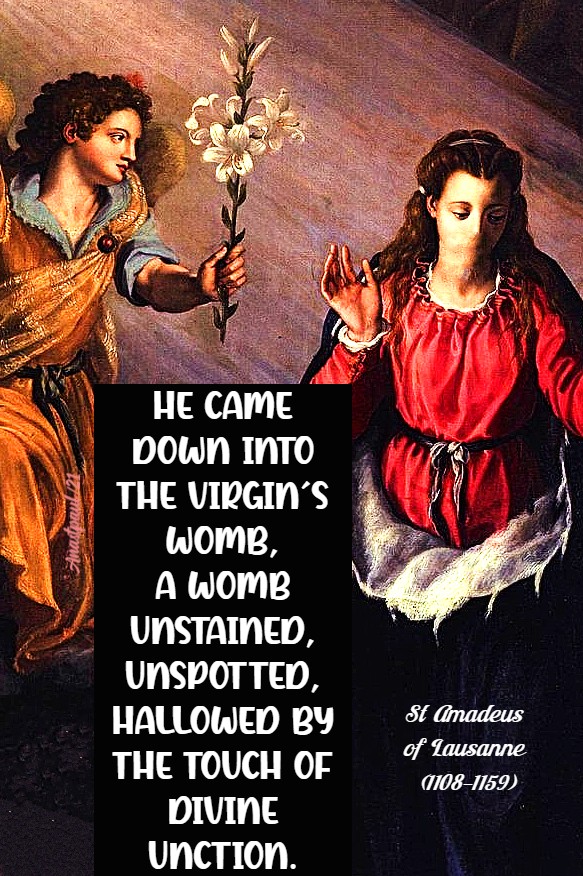
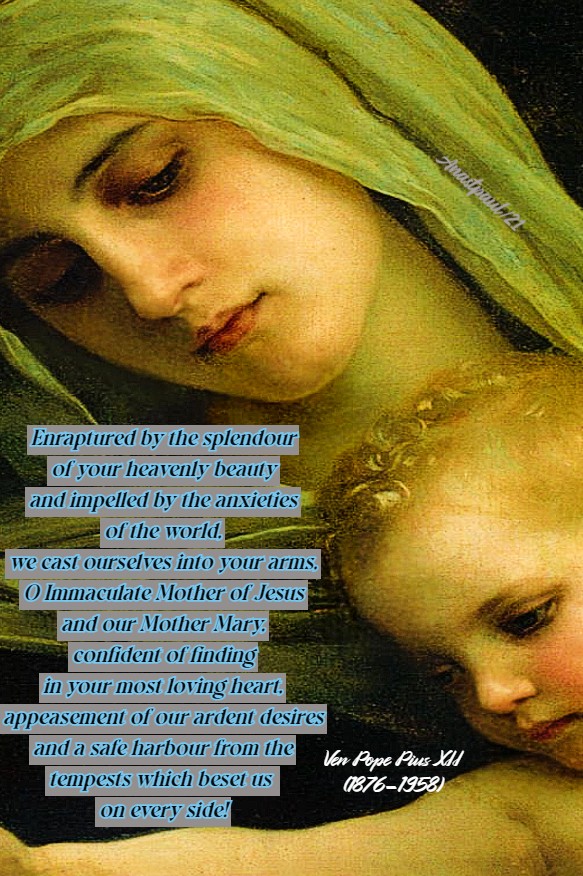
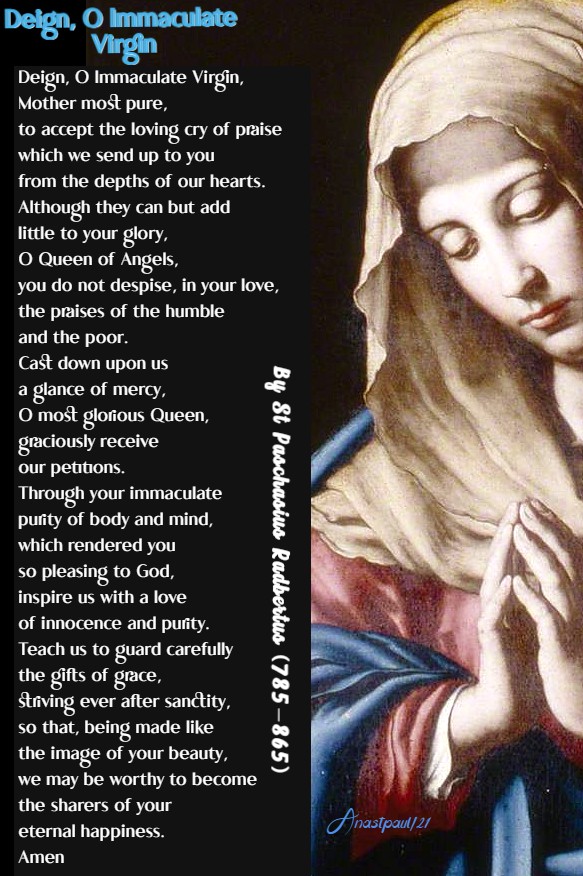
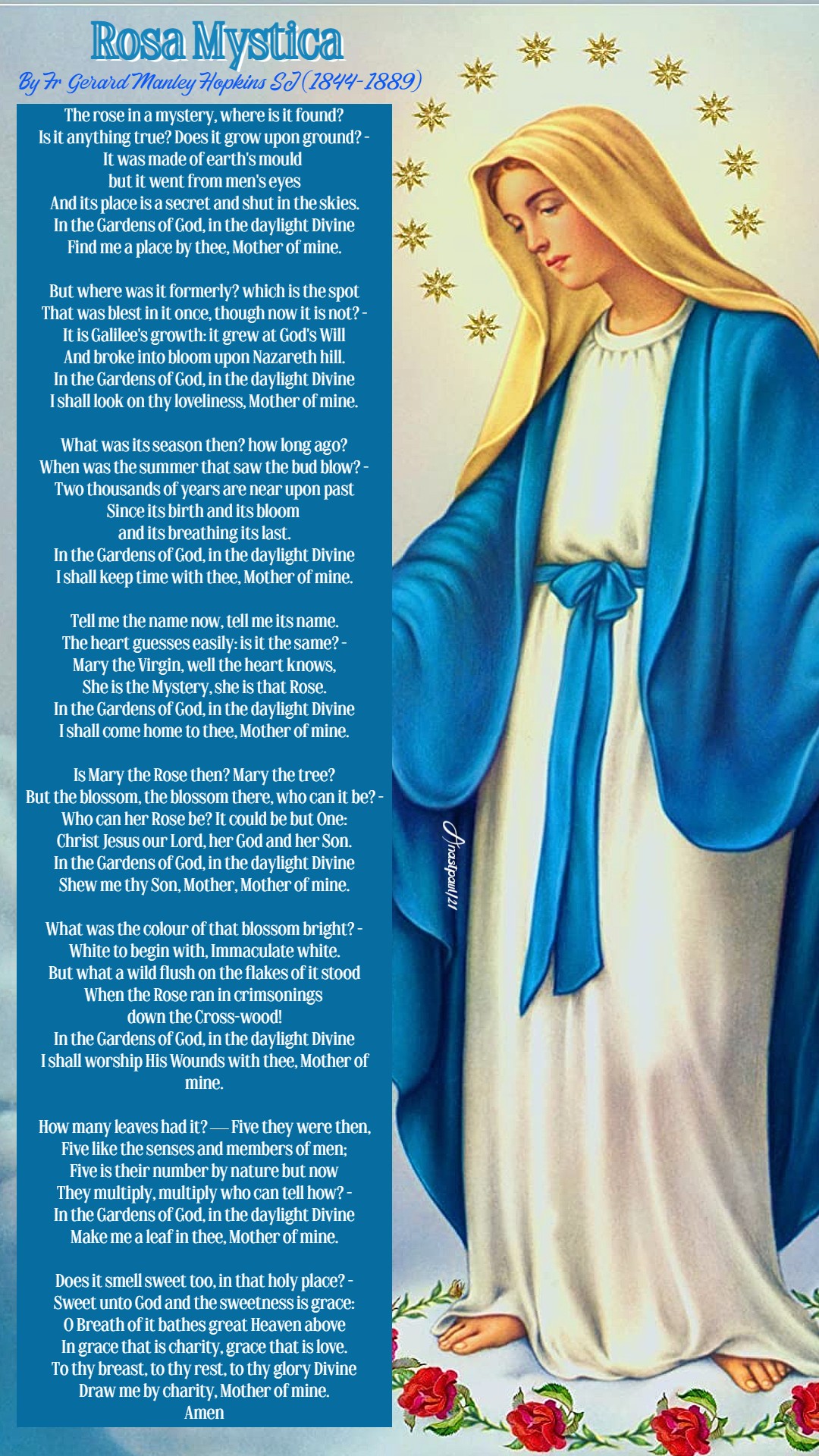
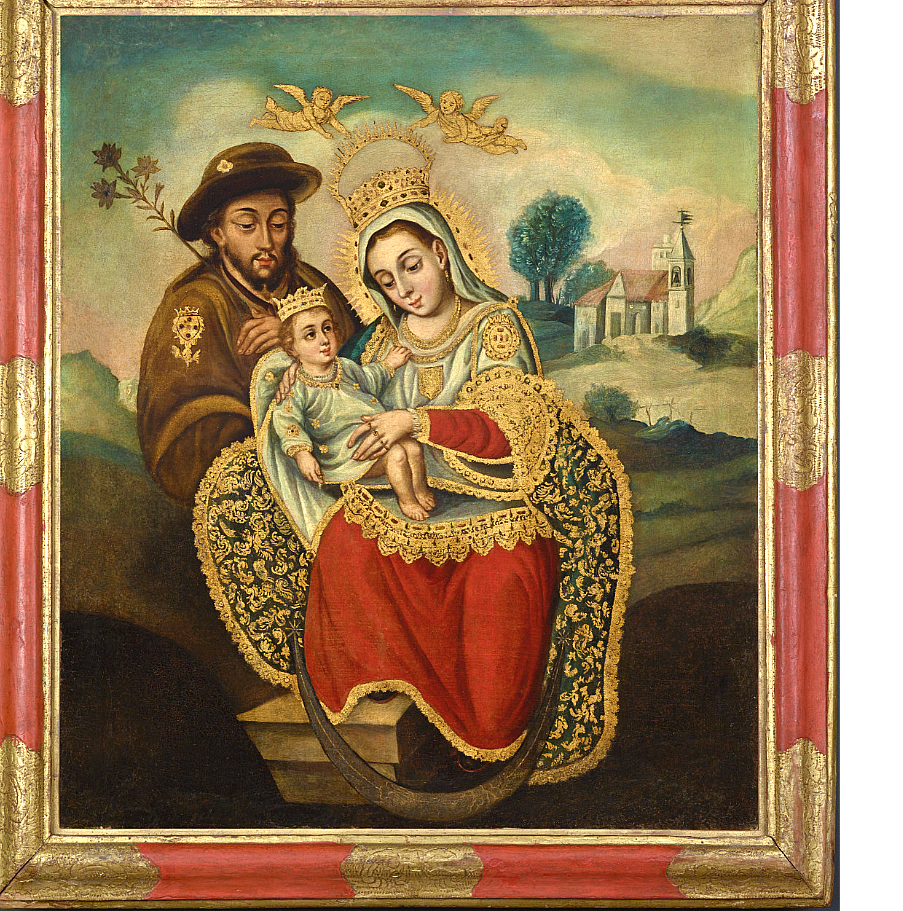
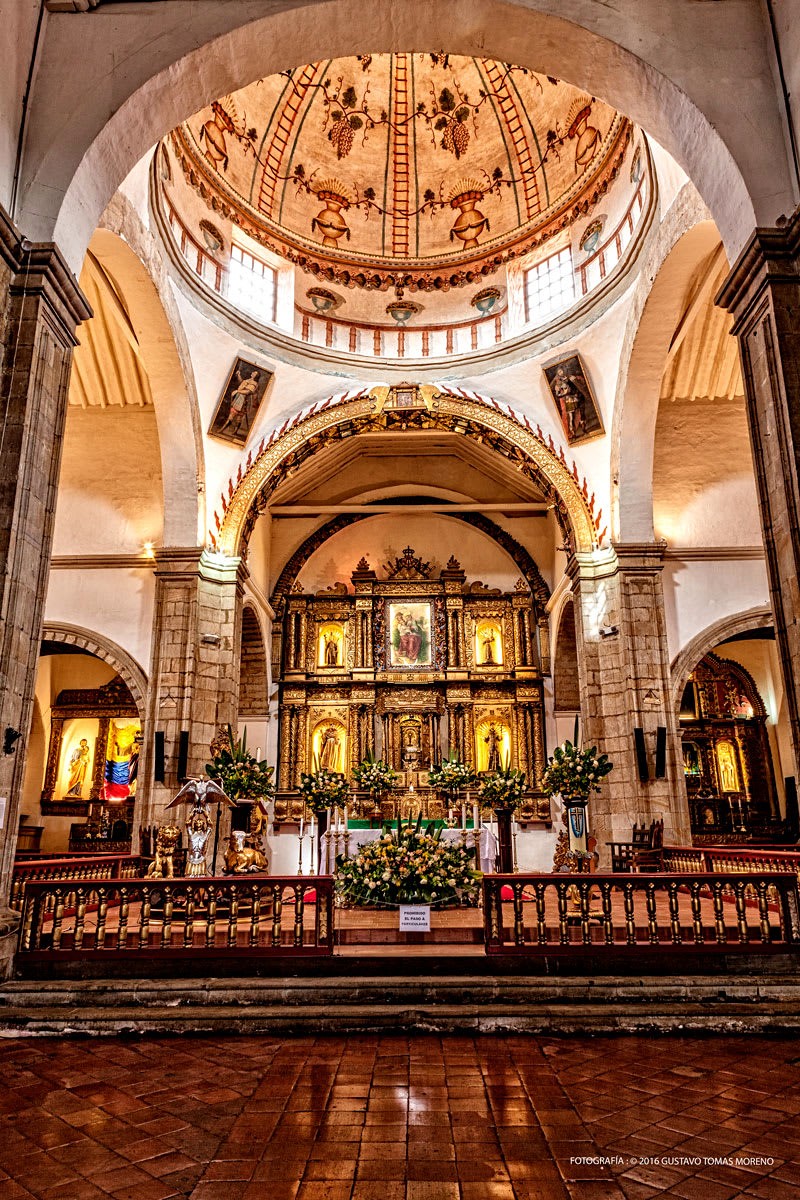
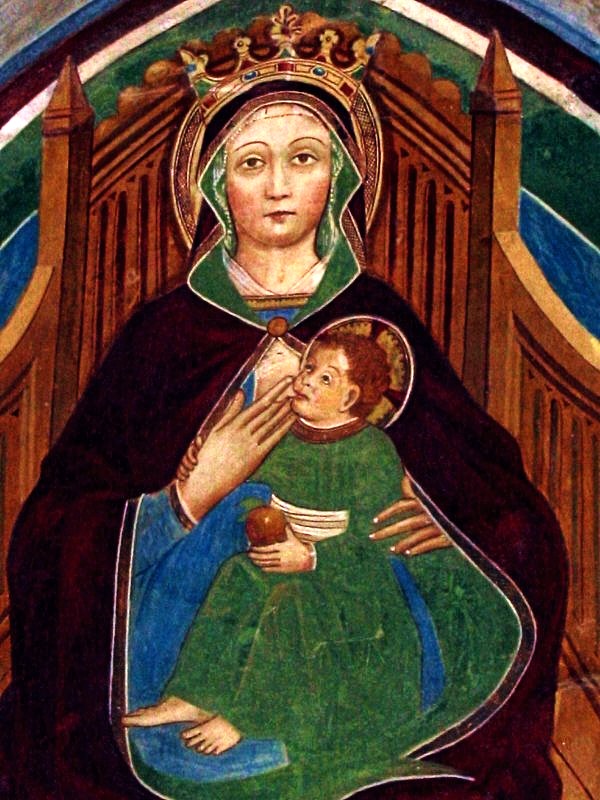

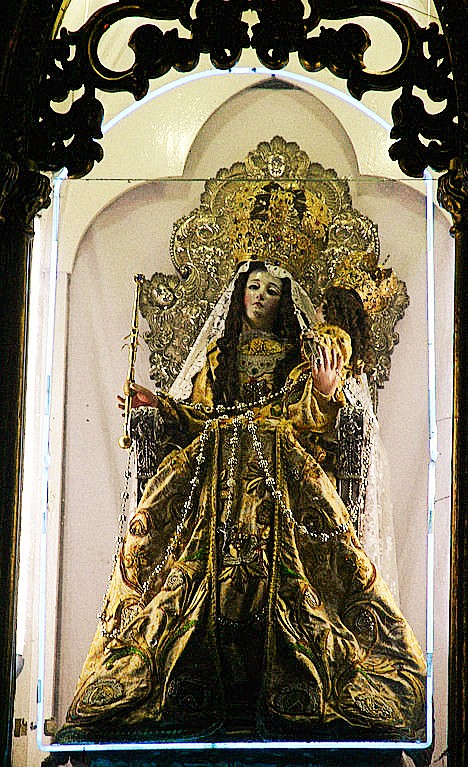




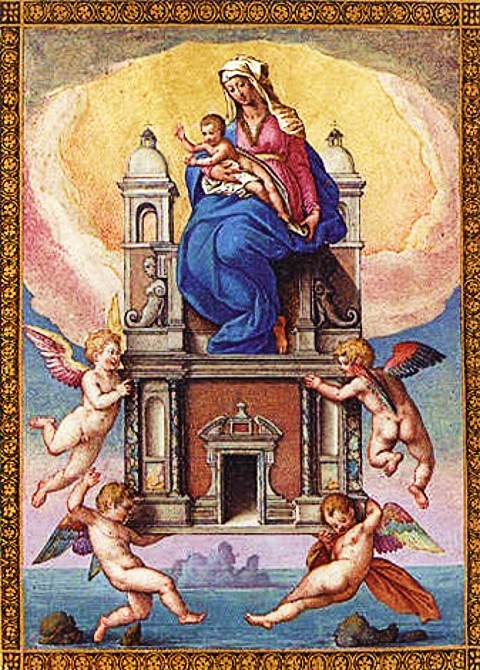

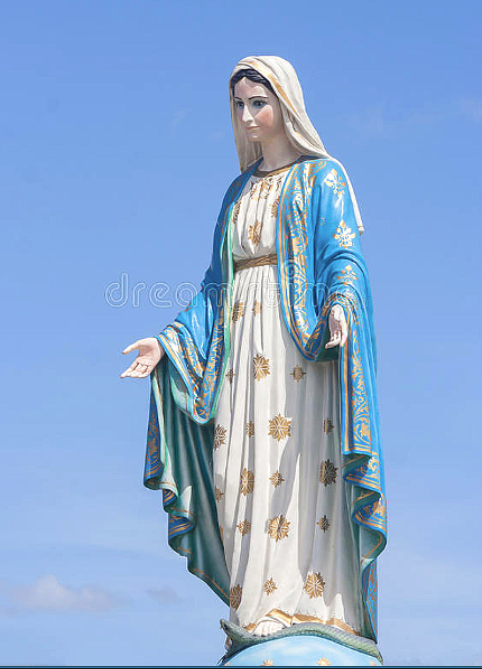
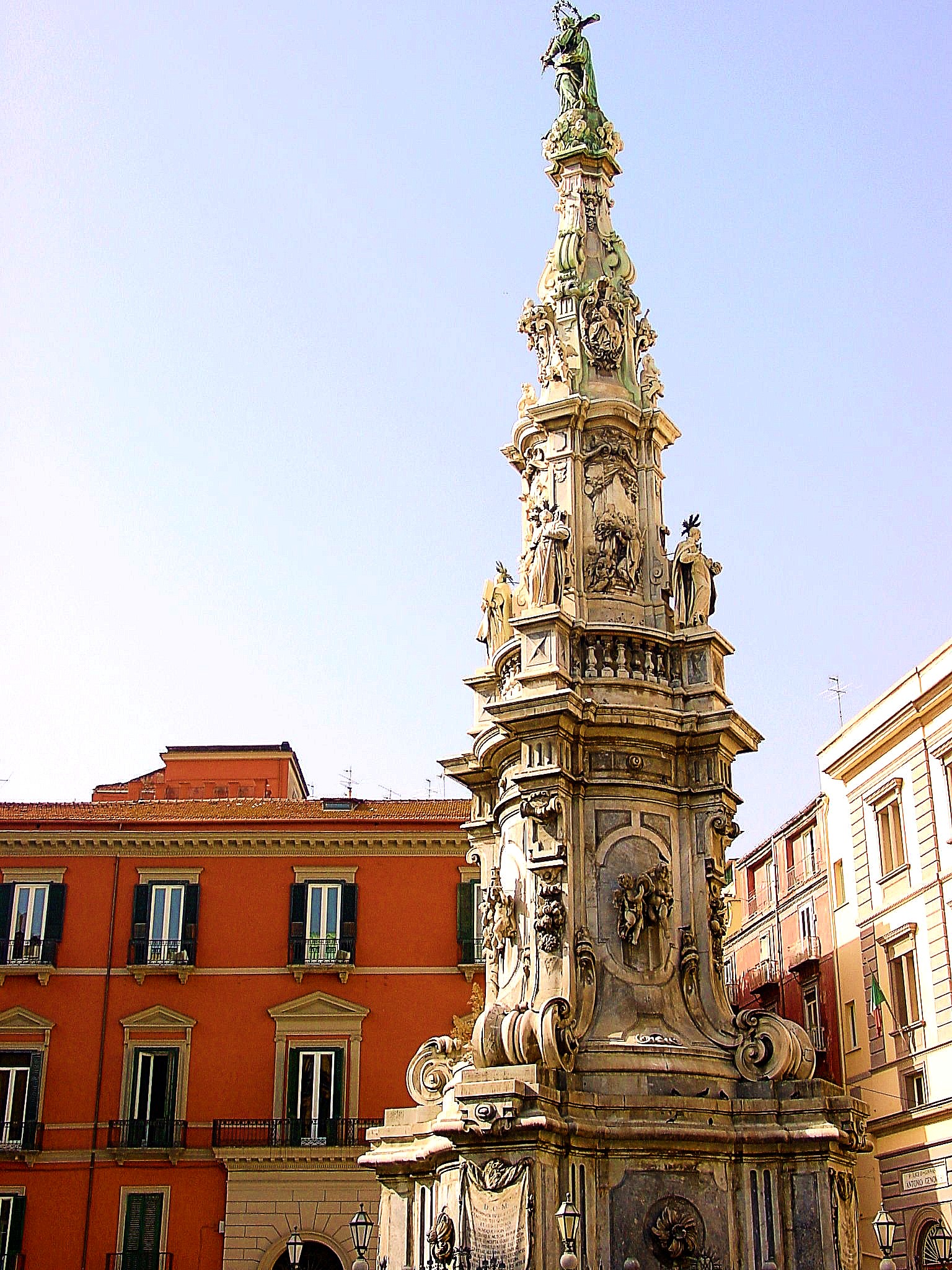
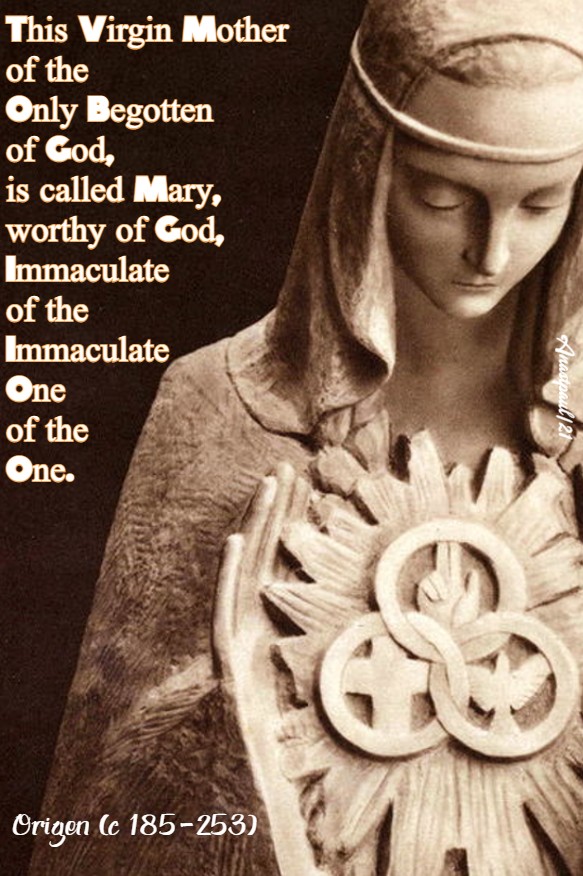

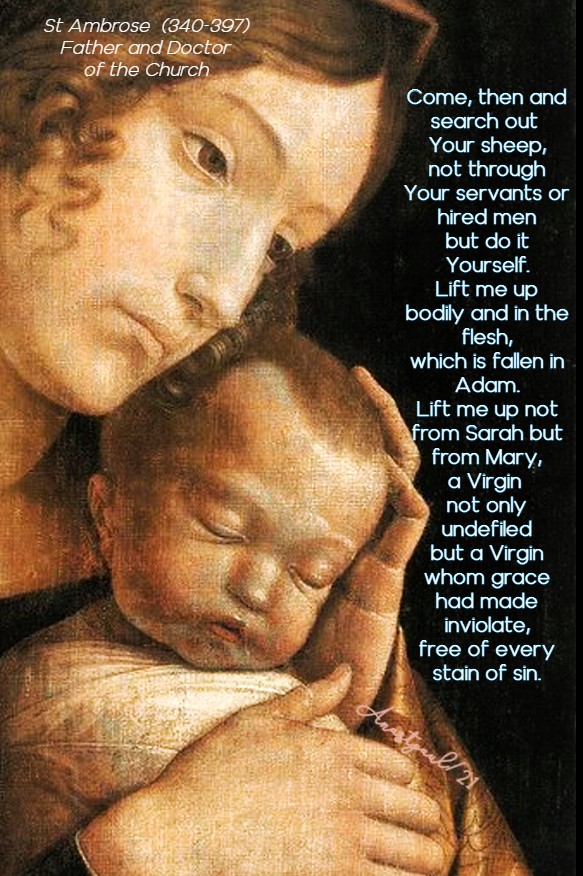

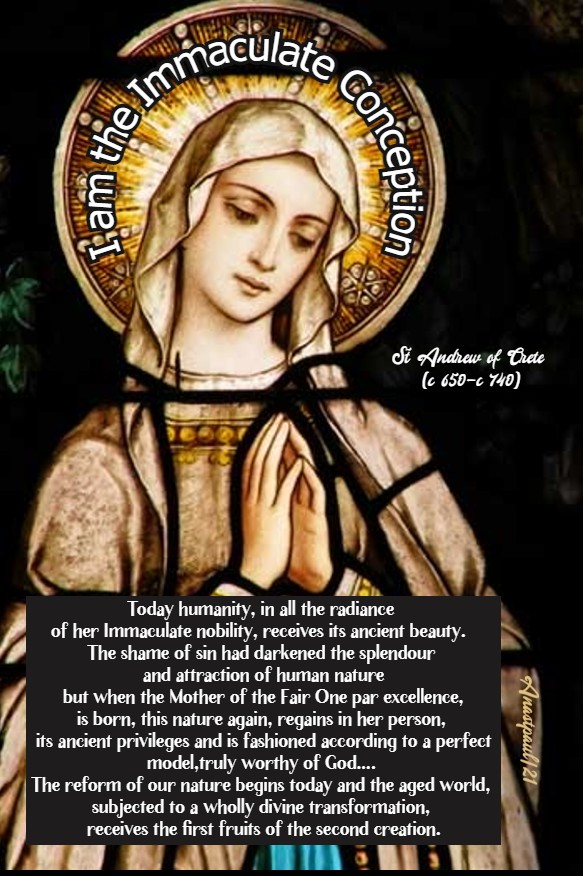


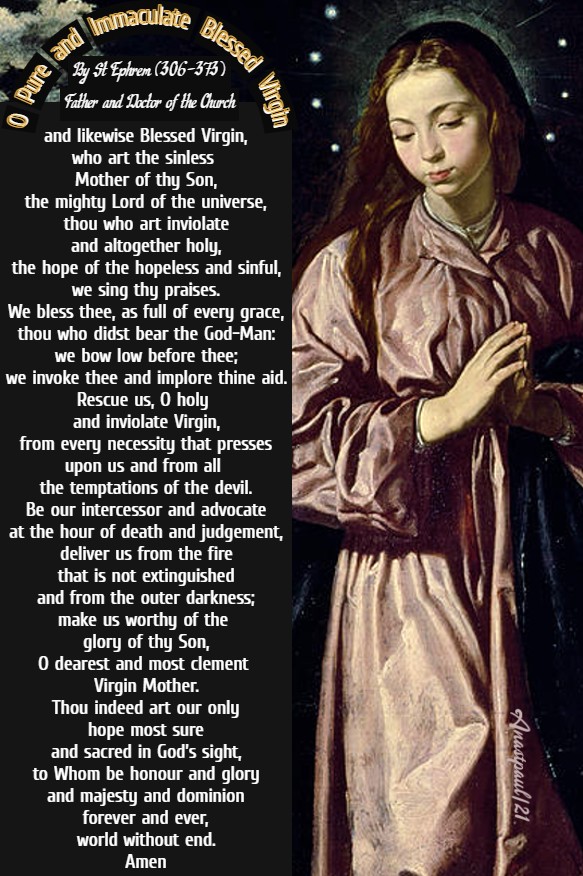
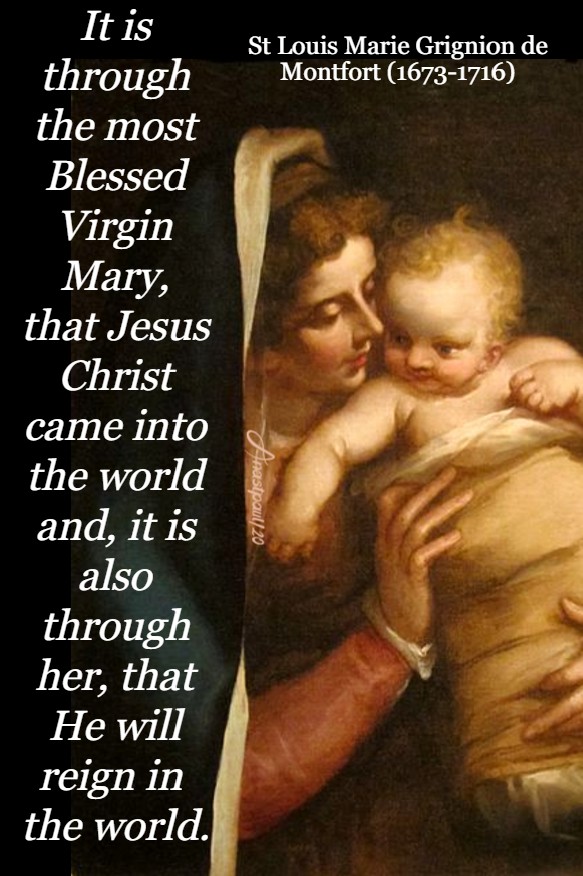
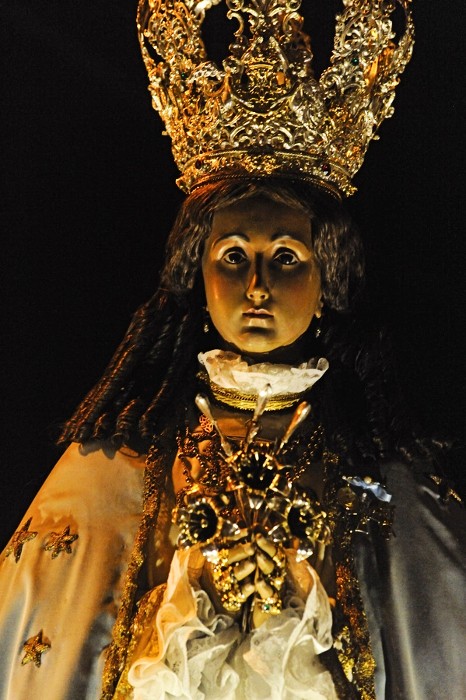
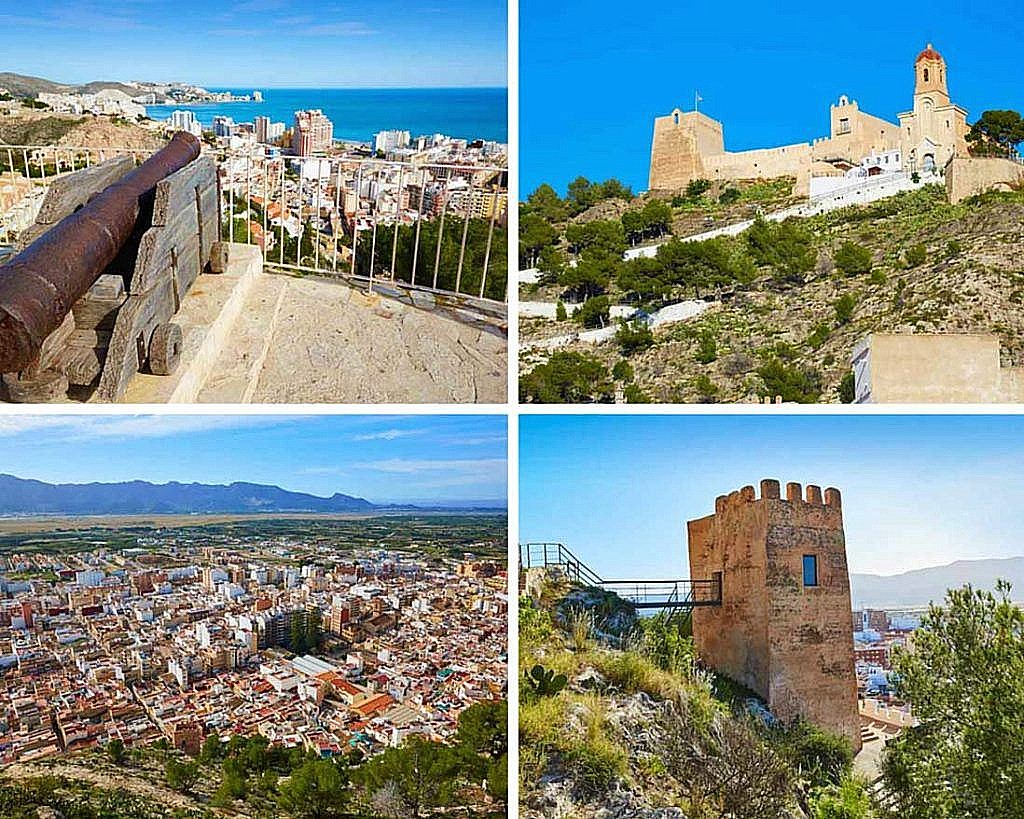
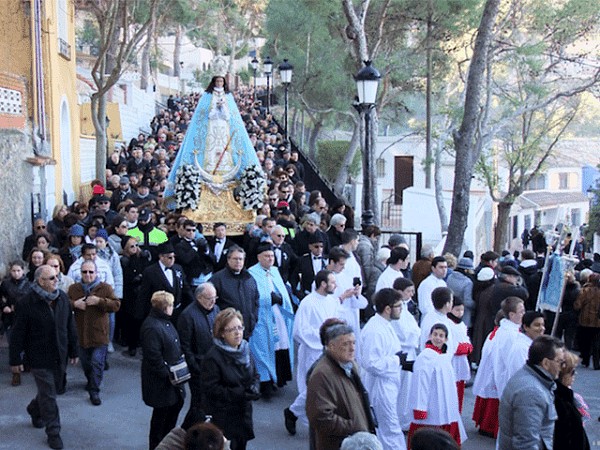
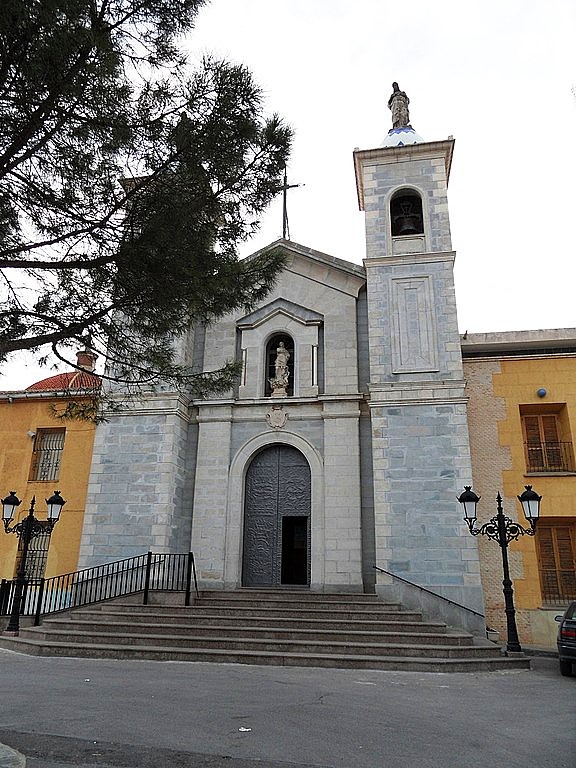

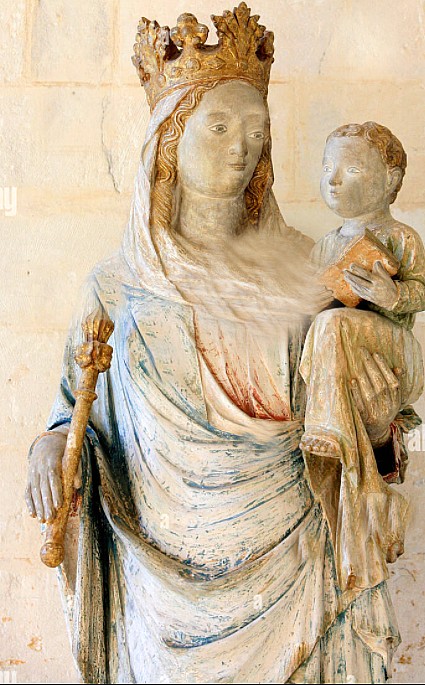
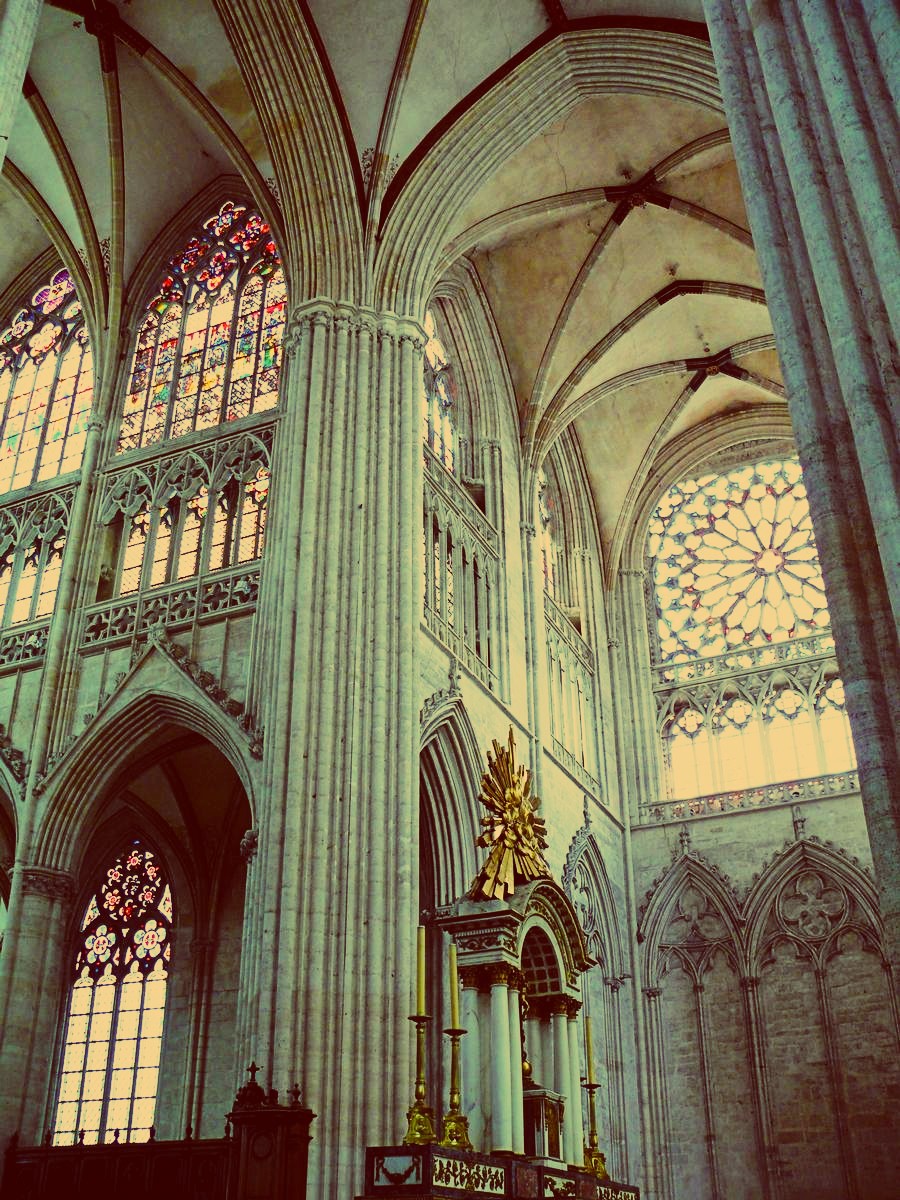

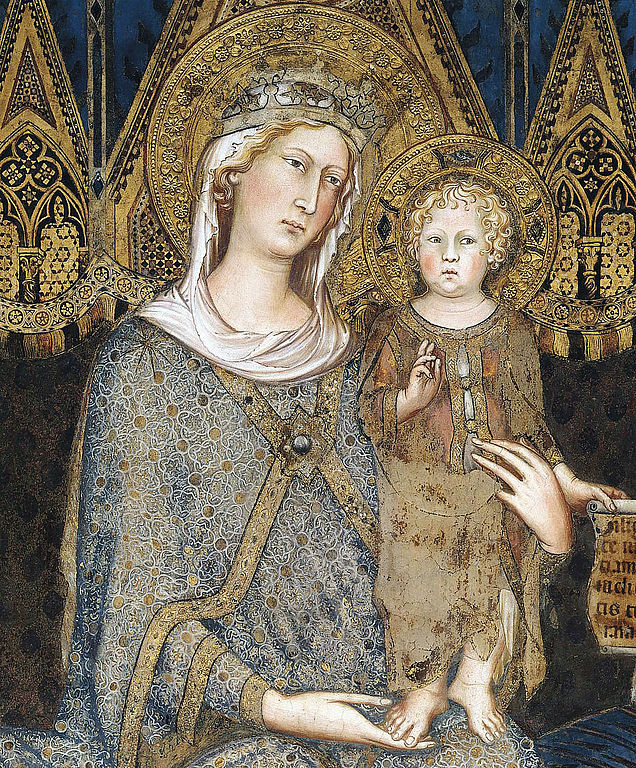

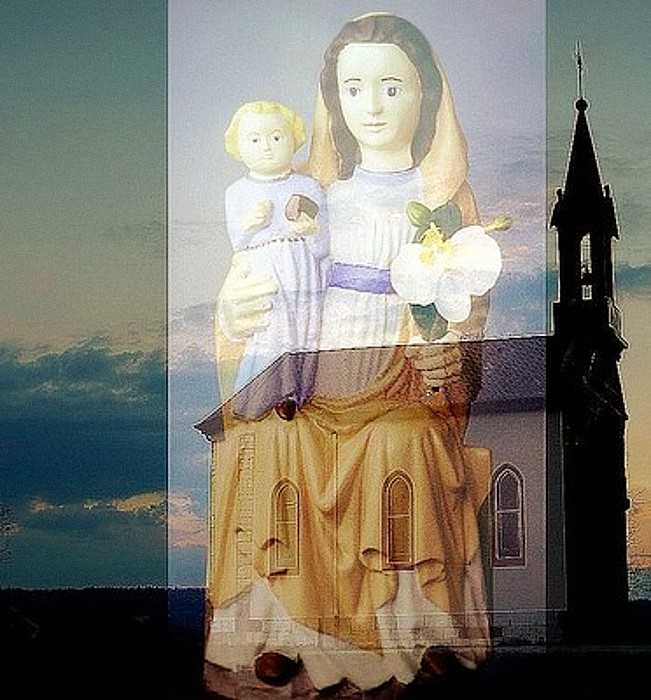
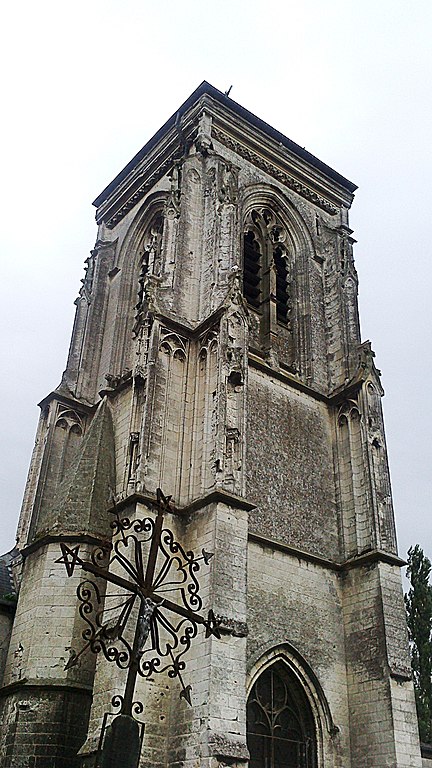
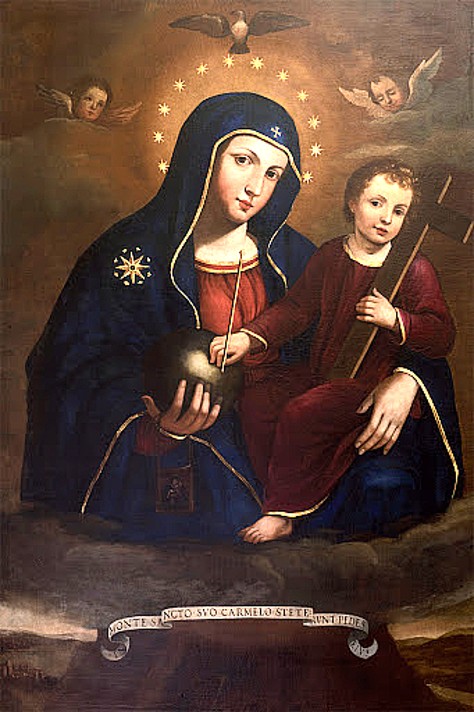
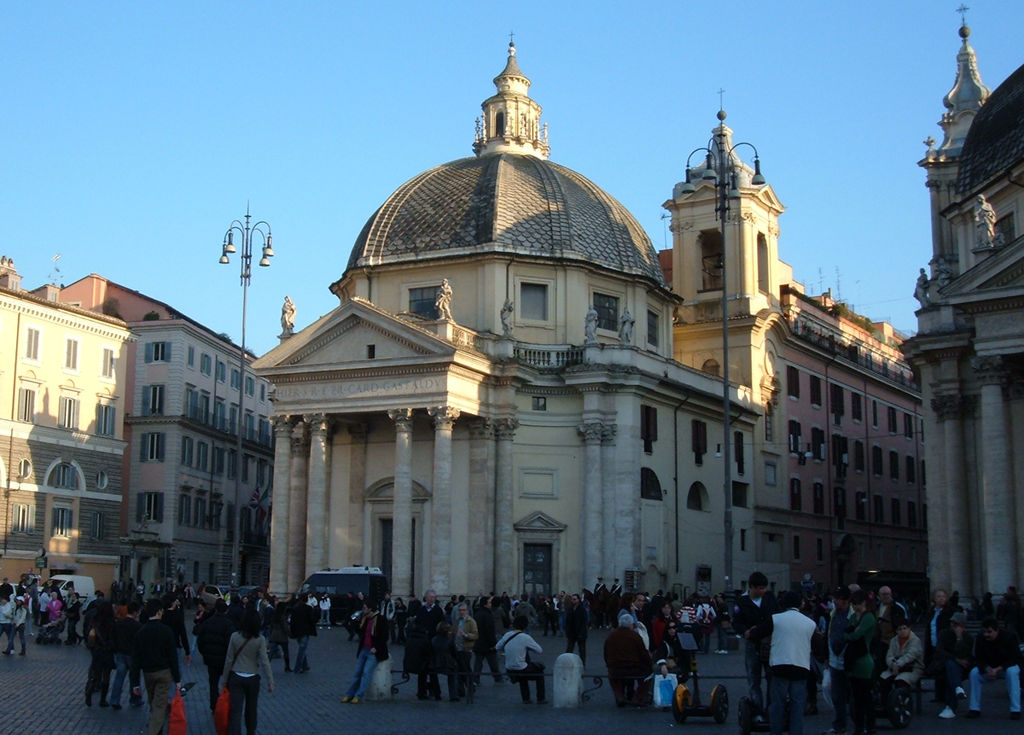
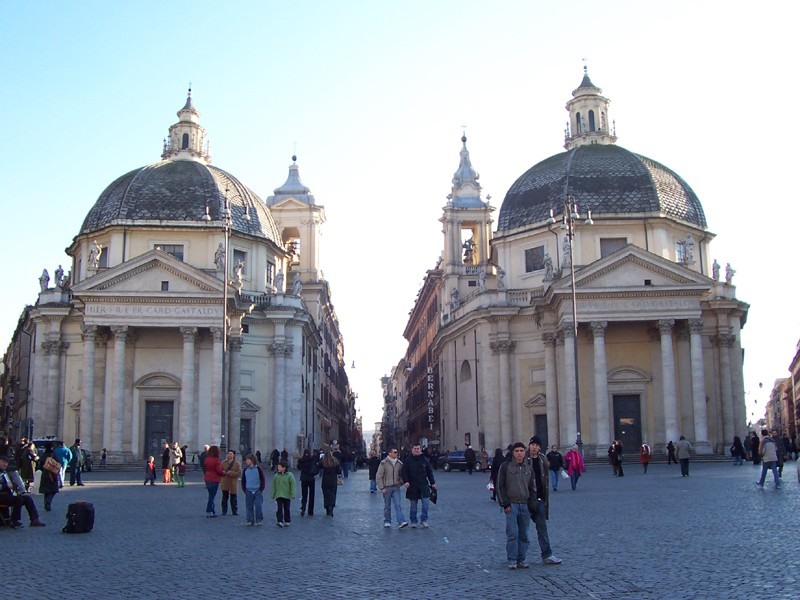
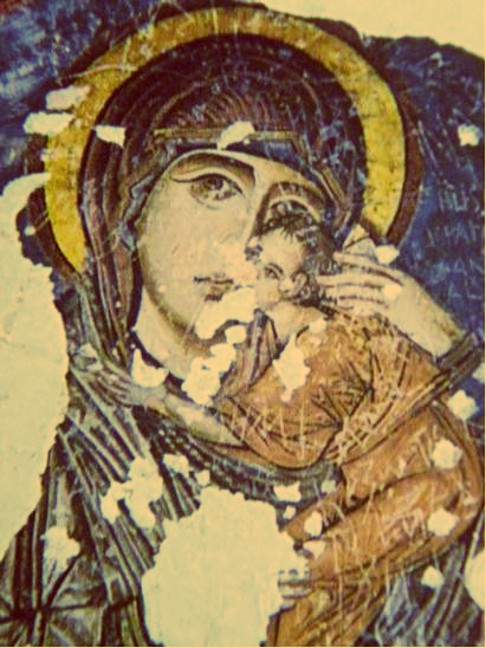

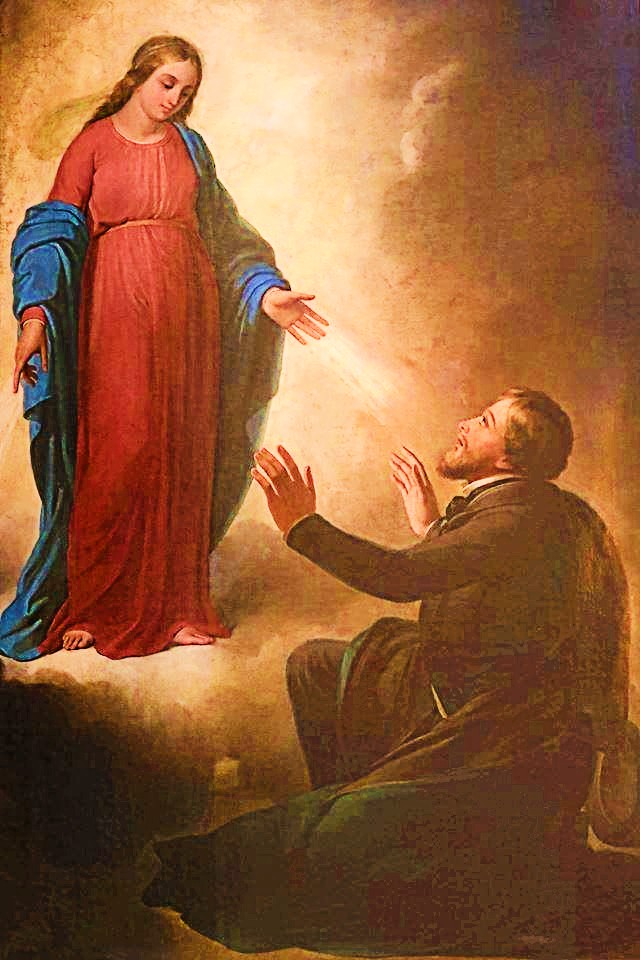

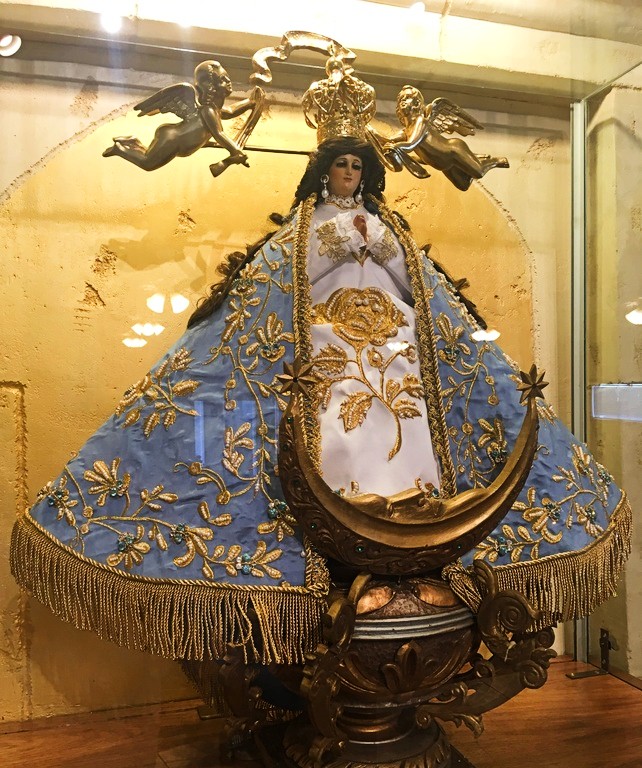
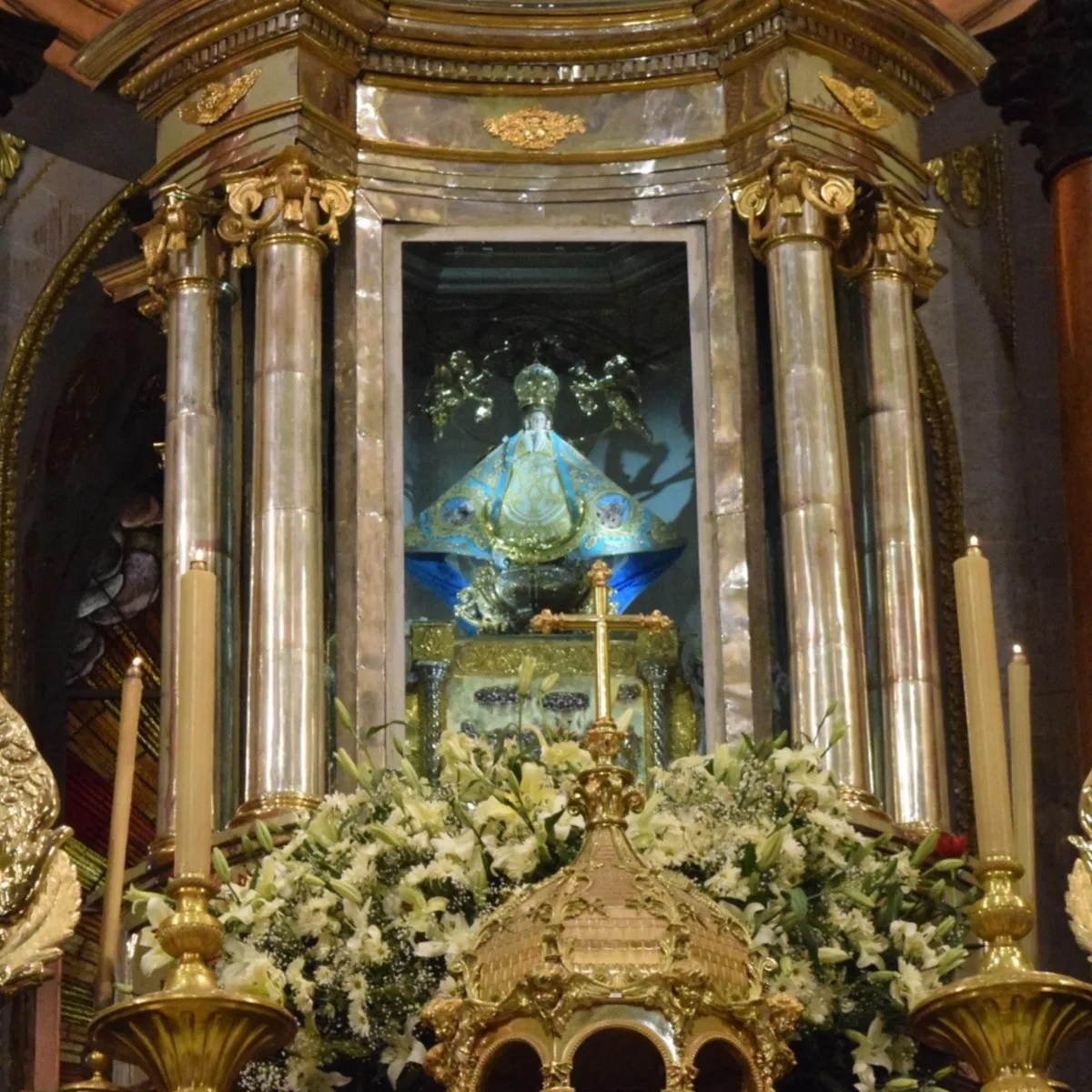
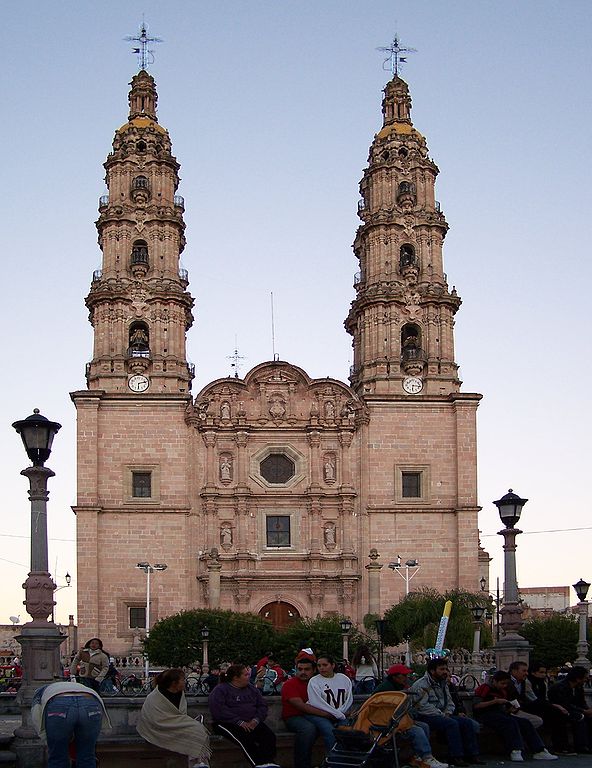



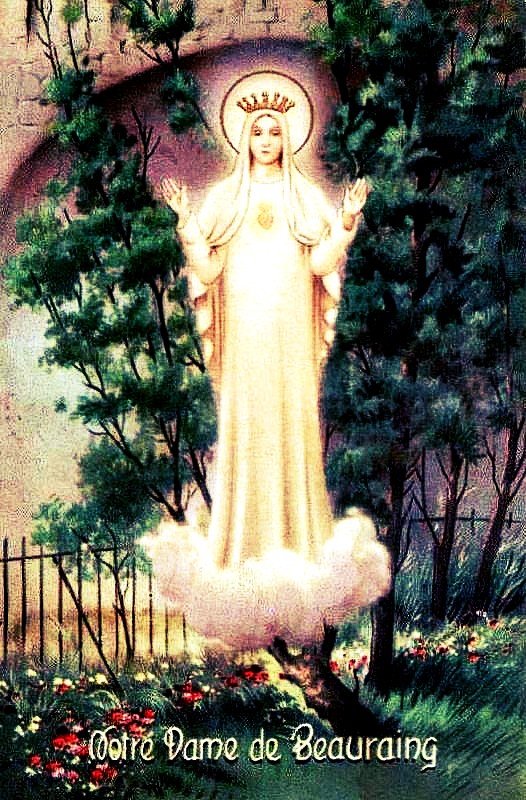


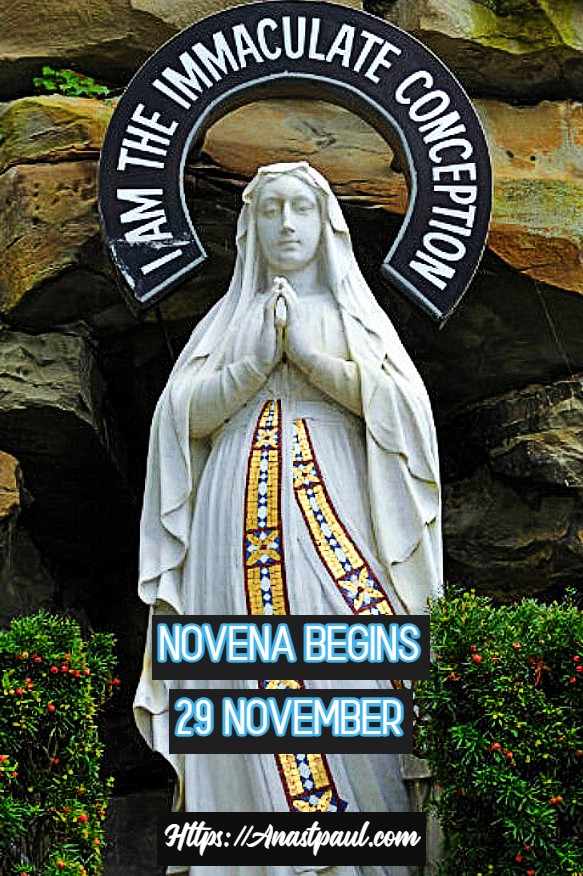

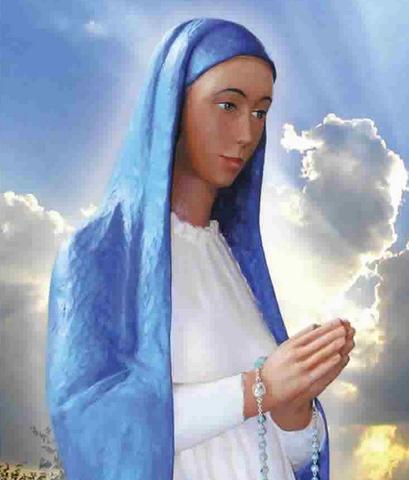
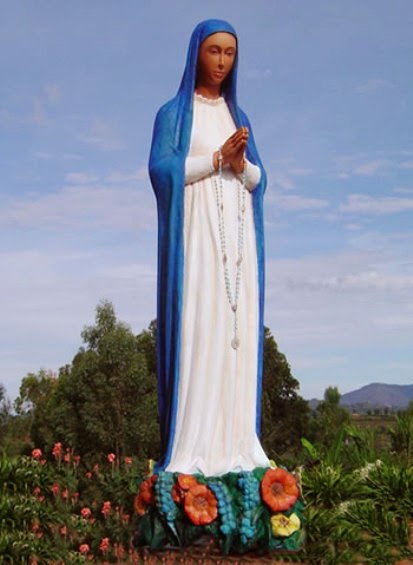
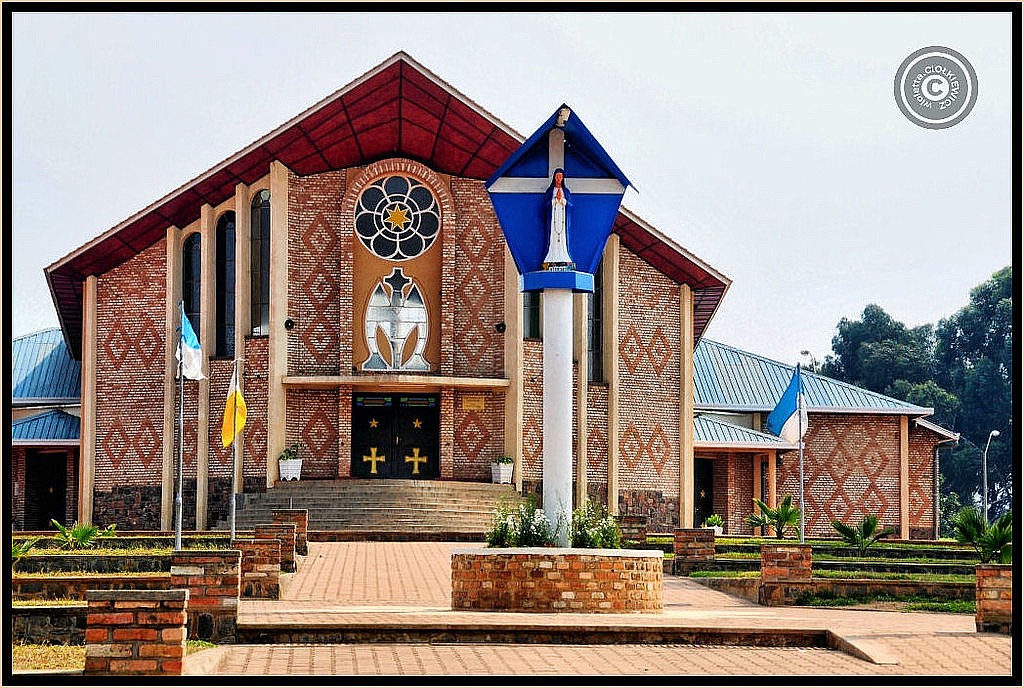


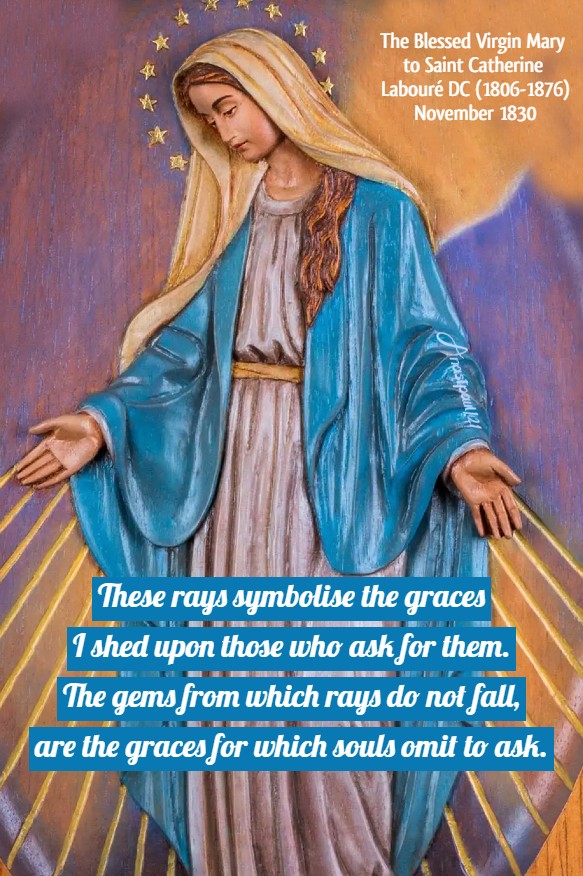
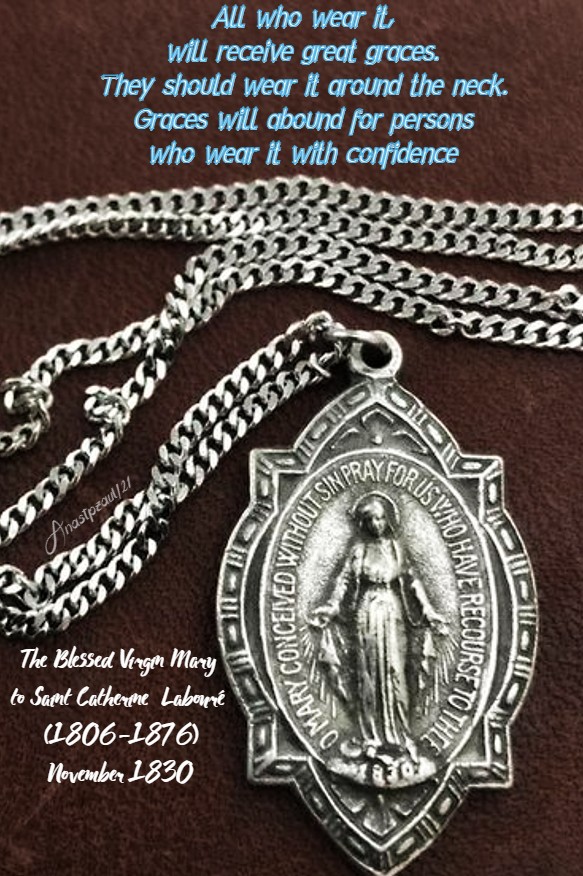
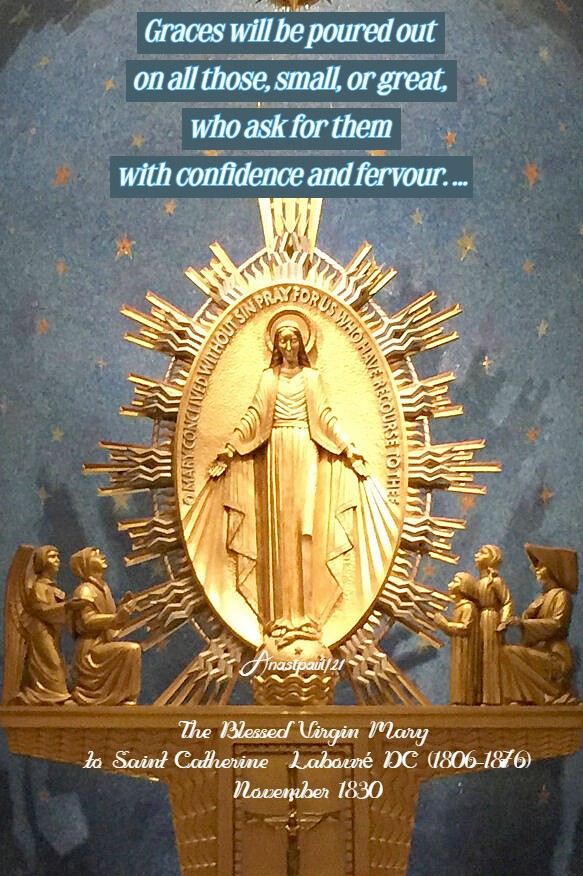



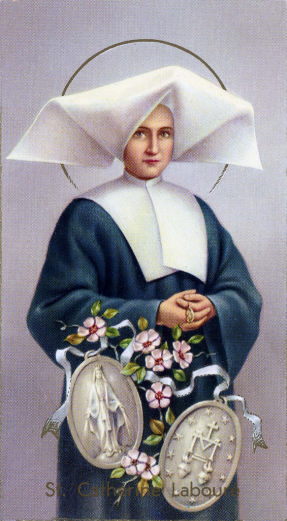
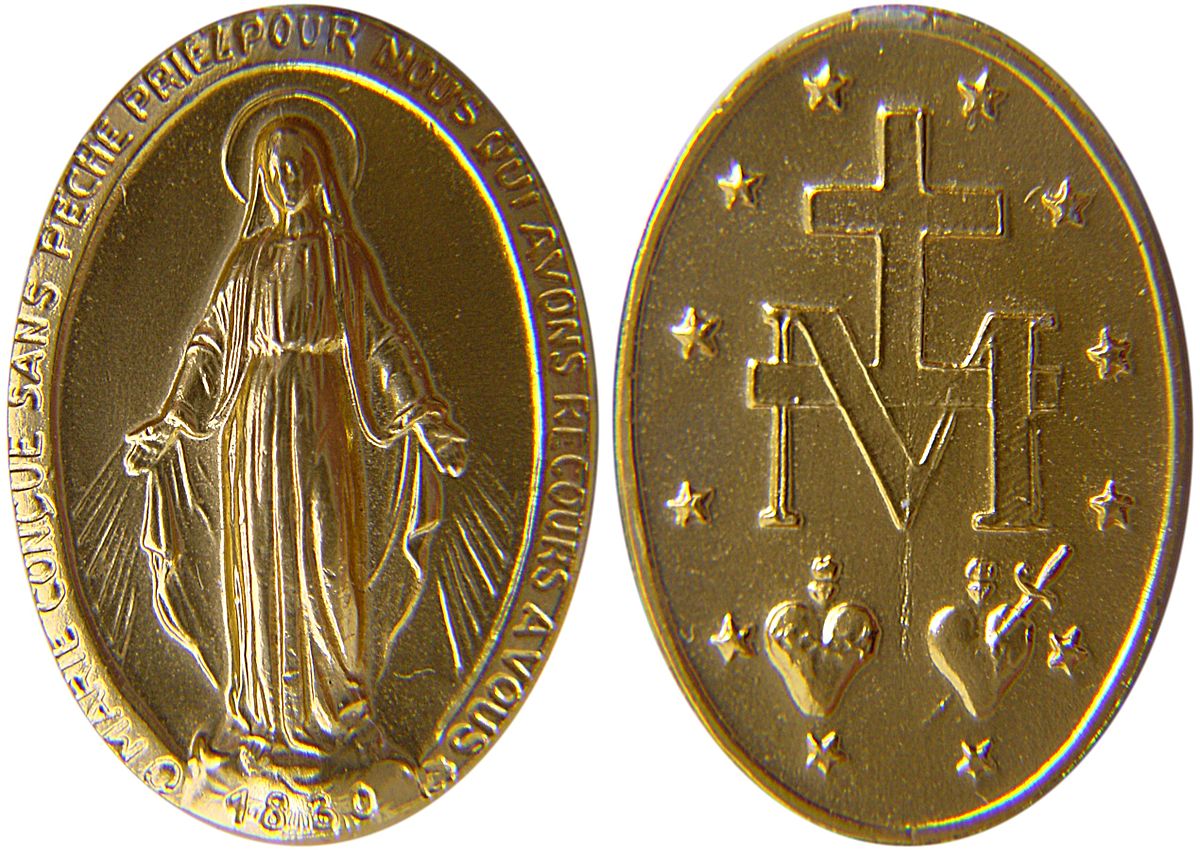

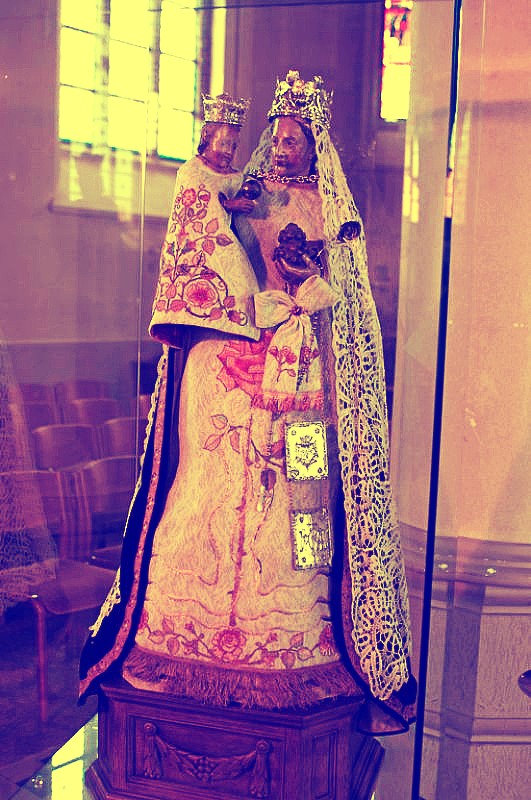
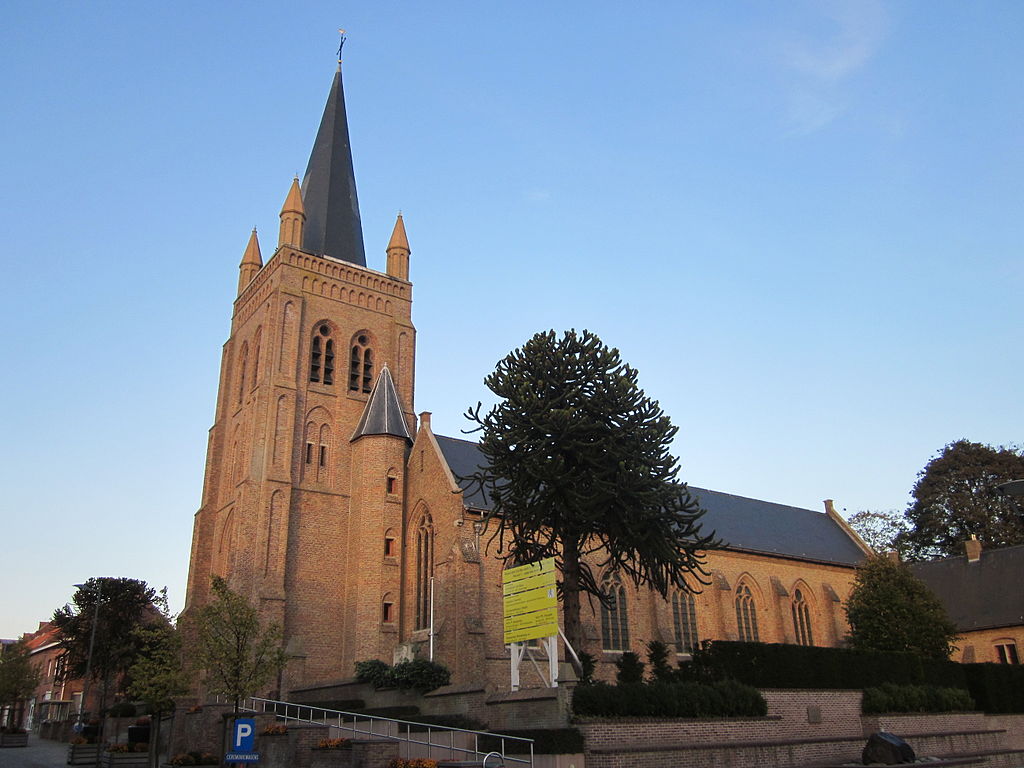
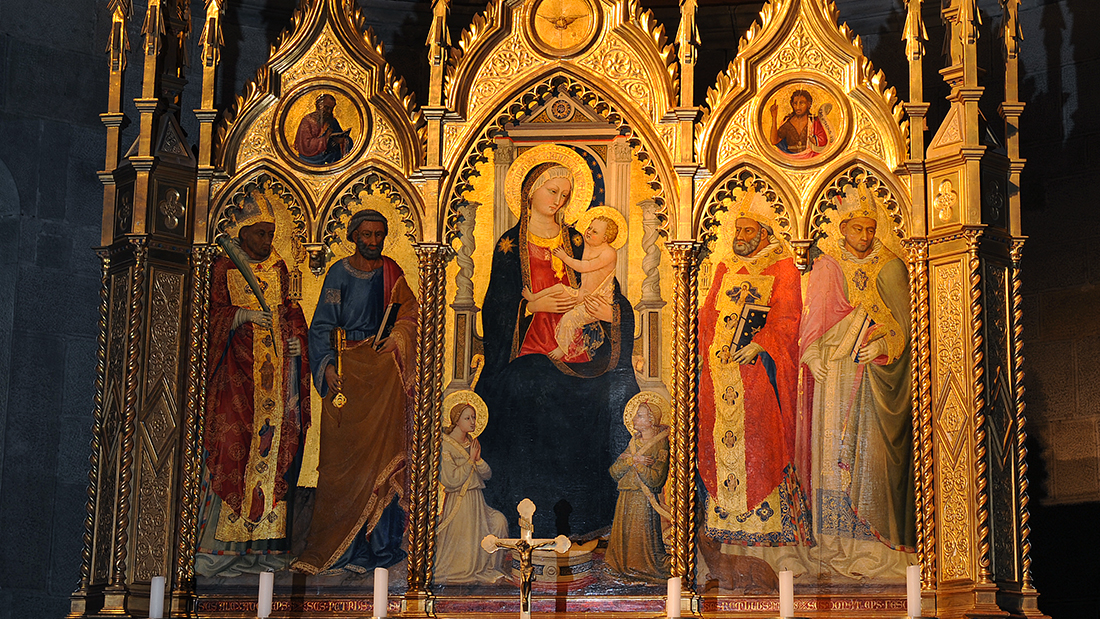
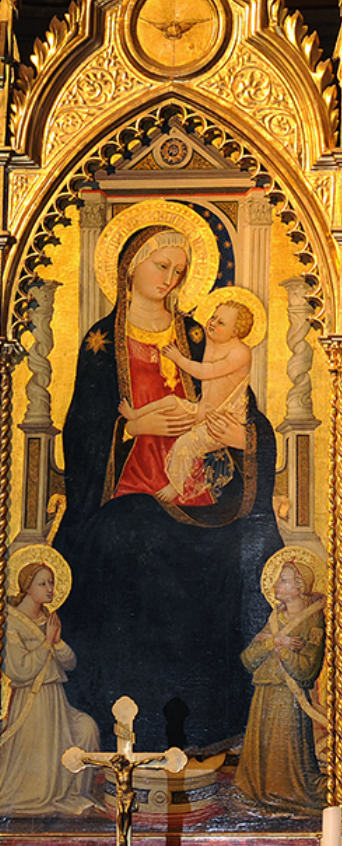
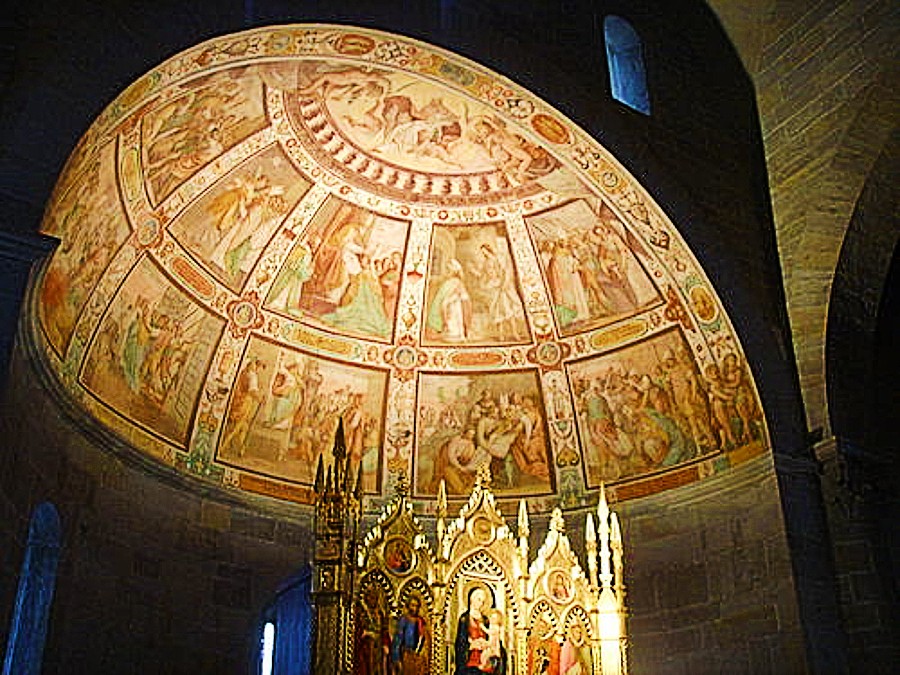
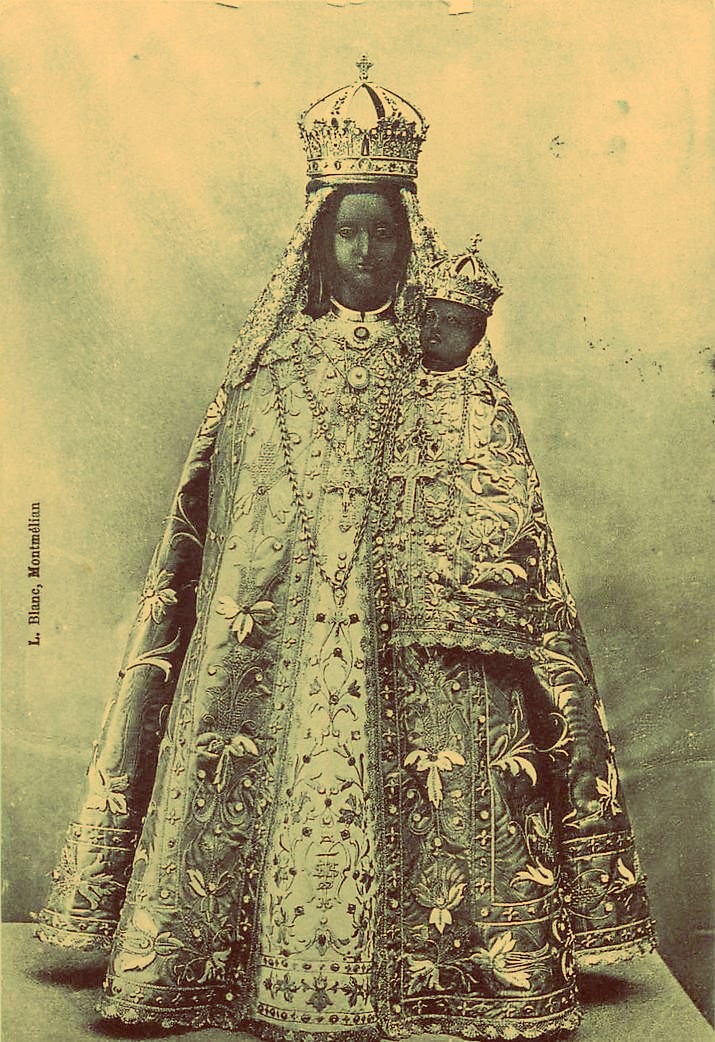
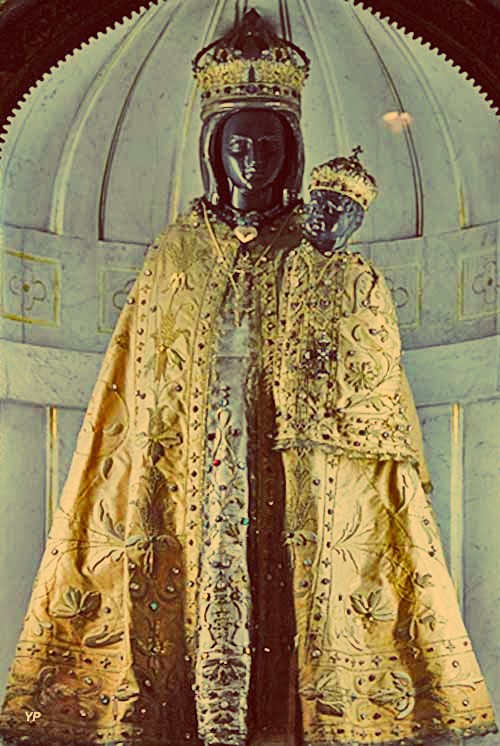
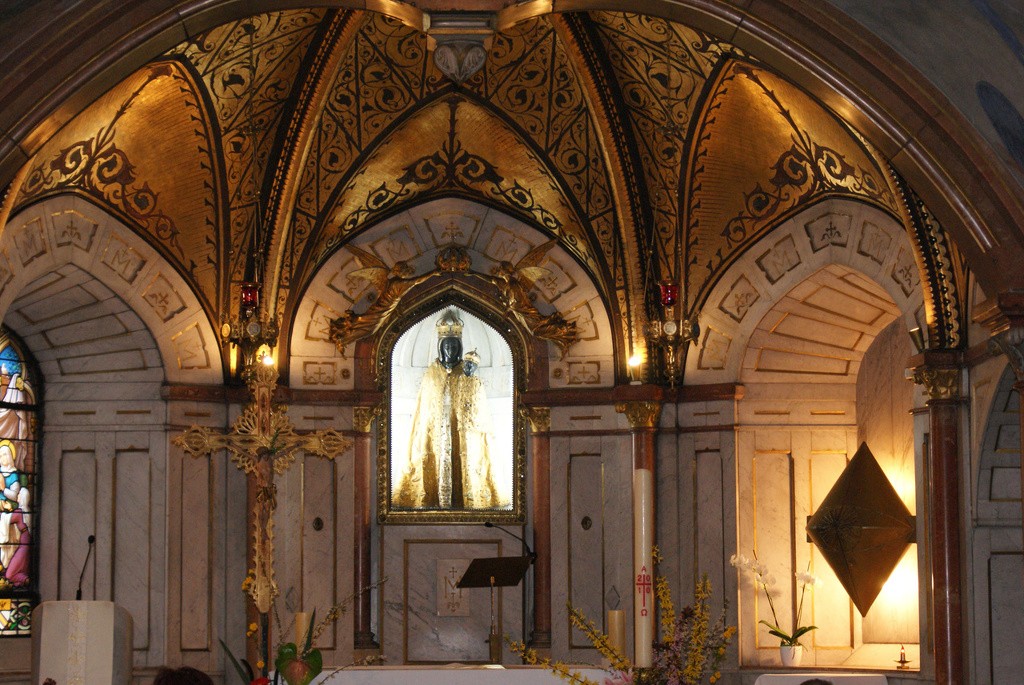
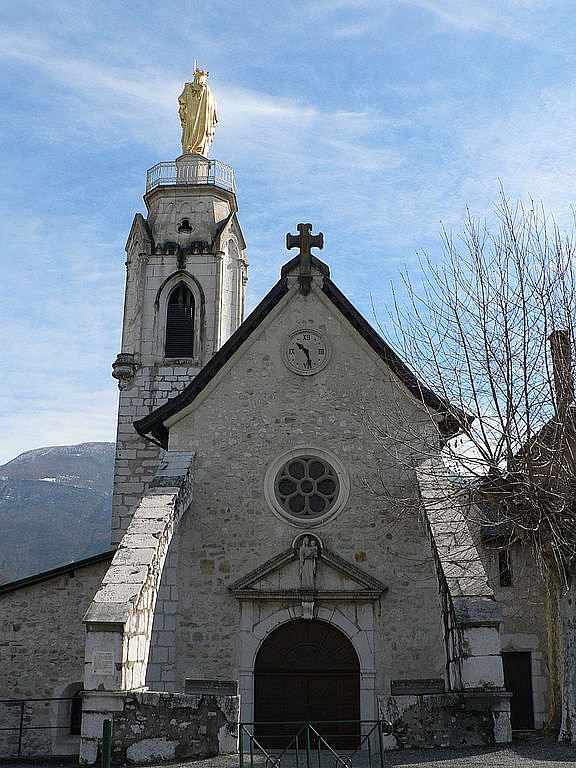
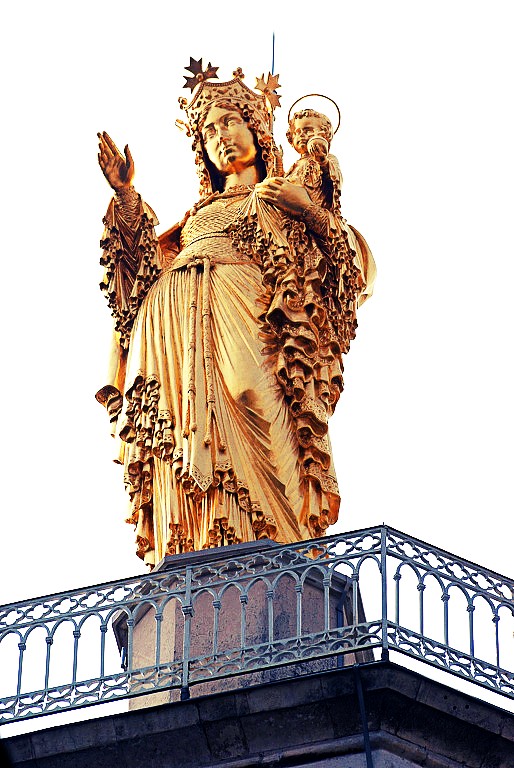
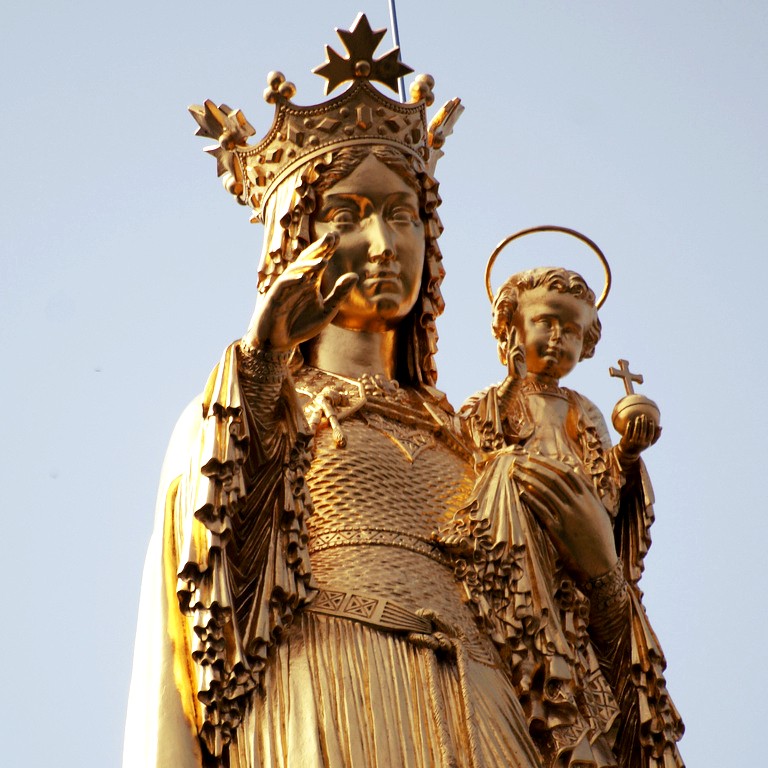



 AnaStpaul
You must be logged in to post a comment.