Saint of the Day – 3 September – Saint Pope Pius X (1835-1914) “Pope of the Blessed Sacrament” – born on 2 June 1835 at Riese, Diocese of Treviso, Venice, Austria (now Italy) as Giuseppe Melchiorre Sarto (familiarly known as Joseph Sarto) and died on 20 August 1914 at Vatican City. He reigned from 4 August 1903 until his death in August 1914. Patronages – First Communicants, Catechists, Pilgrims, 7 Diocese, Patriarchy of Venice. His Incorrupt body lies at St Peter’s Basilica. He was Beatified on 3 June 1951 by Pope Pius XII and Canonised on 29 May 1954 by the same Pope.
Pope St Pius X From the Roman Breviary
Pope Pius X, whose name previously was Joseph Sarto, was born in the Village of Riese in the Venetian Province, to humble parents remarkable for their Godliness and piety. He enrolled among the students in the Seminary of Padua, where he exhibited such piety and learning that he was, both an example to his fellow students and, the admiration of his teachers. Upon his Ordination to the Priesthood, he laboured for several years, first as Curate in the Town of Tombolo, then as Parish Priest at Salzano.
He applied himself to his duties with such a constant flow of charity and, such Priestly zeal and, was so distinguished by the holiness of his life, that the Bishop of Treviso appointed him as a Canon of the Cathedral Church and made him the Chancellor of the Bishop’s Curia, as well as Spiritual Director of the Diocesan Seminary. His performance in these duties was so outstanding and so highly impressed Pope Leo XIII that he appointed him as the Bishop of the Church of Mantua.
Lacking in nothing which maketh a good shepherd, he laboured particularly, to teach young men called to the Priesthood, as well as fostering the growth of devout associations and the beauty and dignity of Divine worship. He would ever affirm and promote, the laws upon which Christian civilisation depend and, while leading himself a life of poverty, never missed the opportunity to alleviate the burden of poverty in others.
Because of his great merits, he was made a Cardinal and created Patriarch of Venice. After the death of Pope Leo XIII, when the votes of the College of Cardinals began to increase in his favour, he tried in vain with supplications and tears, to be relieved of so heavy a burden. Finally he ceded to their persuasions, saying I accept the cross. Thus he accepted the Crown of the Supreme Pontificate as a cross, offering himself to God, with a resigned but stedfast spirit.
Placed upon the Chair of Peter, he gave up nothing of his former way of life. He shone, especially in humility, simplicity and poverty, so that he was able to write in his Last Testament: I was born in poverty, I lived in poverty and I wish to die in poverty. His humility, however, nourished his soul with strength, when it concerned the glory of God, the liberty of Holy Church and the salvation of souls.
A man of passionate temperament and of firm purpose, he ruled the Church firmly as it entered into the 20th Century and adorned it with brilliant teachings. He restored the Sacred music to its pristine glory and dignity; he established Rome as the principal centre for the study of the Holy Scripture; he ordered the reform of the Roman Curia with great wisdom; he restored the laws concerning the faithful for the instruction of the Catechism; he introduced the custom of more frequent and even daily reception of the Holy Eucharist, as well as permitting its reception by children as soon as they reach the age of reason; he zealously promoted the growth of Catholic Action; he provided for the sound education of Clerics and increased the number of Seminaries in their divers regions; he encouraged every Priest in the practice of the interior life; he brought the laws of the Church together into one body; he condemned and suppressed those most pernicious errors known collectively as Modernism; he suppressed the custom of civil veto at the Election of a Supreme Pontiff.
Finally, worn out with his labours and overcome with grief at the European War which had just begun, he went to his heavenly reward on the 20th day of August in the year 1914. Renowned throughout all the world for the fame of his holiness and miracles, Pope Pius XII, with the approbation of the whole world, numbered him among the Saints.
On 19 May 1944, the body of Pius X was exhumed for inspection as part of the Beatification process, during which the remains were found to be miraculously Incorrupt. On 29 May 1954, less than three years after his Beatification, Pius X was Canonised, following the recognition of two further miracles.
Saint of the Day – 25 August – St Patricia of Naples (7th Century) Virgin, Consecrated as a Religious Sister, Pilgrim. Born in Constantinople (modern Istanbul, Turkey) and died in c665 at Naples, Italy of natural causes. Patronage – of Naples, one of a long list of Patron Saints of Naples. St Patricia is less well known than St Januarius, also a Patron Saint of the City, who attracts crowds to Naples Cathedral three times a year to witness the miracle of a small sample of his blood turning to liquid but St Patricia’s blood liquifies every Tuesday, on her Feast Day and at many other times. Also known as – Patricia of Constantinople, Patritia of… Patrizia of…
Saint Patricia, the niece of Emperor Constantine, was born in Constantinople in the year 30 of the Christian era. Brought up in the Imperial Court and trained in the Christian religion by a pious lady named Aglaia (now Blessed), she took the vow of virginity at an early age and, to remain faithful to her vow, she fled from her paternal home. With the faithful Aglaia as a companion, she sailed to Rome, where Pope Liberius bestowed upon her the veil of Christ’s Bride.
At the death of her father, she returned to Constantinople where she renounced all her worldly possessions, distributing her wealth to the poor. Patricia then embarked with her companion, on a ship bound for the Holy Land in order to visit the places sanctified by Our Lord. During the voyage, they were overtaken by a violent storm which carried the vessel in the opposite direction, as far away as Naples, Italy. There, they landed and took refuge on a rock near the bay, afterward called Castel del’ovo. After a few months of penitential life, she fell ill and died a saintly death at the age of 21.
The Castel del’ovo, legendary site of St Patricia’s shipwreck.
She was buried at the Church dedicated to the Martyr Saints Nicandro and Marciano, thereby remaining with her spiritual daughters, the Patrician Sisters who had formed around her. In 1864 the Sisters brought her remains to the Monastery of St Gregory theArmenian when their convent was suppressed.
Inside the Church of St Gregory the Armenian
St Patricia is today venerated by numerous devout pilgrims who reverently kneel before those sacred remains and frequently witness a wonderful miracle – the liquefying of her blood which flowed from her mouth almost 600 hundred years after her death. It is believed that, in 1214, one of her teeth had been pulled by a zealous knight and blood flowed from the empty socket.
The miracle has been repeated for 12 Centuries. Not only every year on her Feast day, 25 August, every Tuesday but frequently in the presence of pious pilgrims who come to pray and beg St Patricia’s intercession..
Ecclesiastical authorities and scientists have investigated the phenomenon more than once and have come to the conclusion that the liquefaction cannot be explained by science and, therefore, is a real miracle.
In Naples, every Tuesday is dedicated to St Patricia. The Sister Adorers of the Blessed Sacrament of her Order are in charge of her Shrine.
The Shrin of St Patricia inside her Chapel in the Church of St Gregory the Armenian in Naples
Saint/s of the Day – 13 August – Saints Hippolytus and Cassian (Died c235) Martyrs. St Hippolytus is the Patron Saint of – horses, prison guards, officers and workers’ In Austria: Sankt Pölten, Zell am See. In Italy: Bardonecchia, Bibbiena, Cassano Valcuvia, Fogliano di Cascia, Laterina, Rogeno. St Cassian is the Patron Saint of – parish clerks and secretaries, of stenographers (proclaimed on 23 December 1952 by Pope Pius XII), students, teachers, typists. In Italy – Bibbiena, Cassano Valcuvia, Comacchio, Imola, La Salle, Laterina, Macherio, Rogeno, San Casciano dei Bagni, San Casciano in Val di Pesa, San Cassiano a Vico, San Cassiano di Controne, San Cassiano di Moriano, Trecate, the Diocese of Bolzano-Bressanone, the Diocese of Brixenand Imola. Of Mexico City, Mexico, Of Las Galletas, Tenerife, Spain.
The Roman Martyrology reads today: “At Rome, blessed Hippolytus, Martyr, who gloriously confessed the Faith, under the Emperor Decius {mpt Valerian}. After enduring other torments, he was tied by the feet to the necks of wild horses and being cruelly dragged through briars and brambles and having all his body lacerated, he yielded his spirit.” AND: “At Imola, the birthday of St Cassian, Martyr. As he refused to worship idols, the persecutor called the boys whom the Saint taught and who hated him, giving them leave to kill him. The torment suffered by the Martyr was the more grievious, as the hand which inflicted it by reason of its weakness, rendered death more tardy.”
St Hippolytus and St Cassian, (Died c235) Martyrs By Fr Francis Xavier Weninger SJ (1805-1888)
St Hippolytus, an Officer of the body-guard of the Emperor Decius, had been born in the darkness of idolatry but he had become a Christian, with all his household, in consequence of witnessing the many miracles which St Lawrence performedwhile in the prison under his charge.
The Martyrdom of St Hippolytus
He had also been present when the Saint, lying on the red-hot gridiron, endured the most terrible tortures. At the sight of the heroism of St Lawrence, he was filled with the desire to announce himself a Christian but he was prevented by St Lawrence. But when this Martyr had gloriously ended his combat, Hippolytus, with the assistance of a Priest, named Justinus, buried the sacred remains with great devotion and veneration. The Emperor on being informed of it, had Hippolytus seized and brought before him. He asked him if it was true that he had become a Christian? Hippolytus answered firmly: “Yes, I am a Christian and, moreover, resolved to die such.” The emperor, who had always highly esteemed him, endeavoured, first by promises and then by menaces, to induce him to forsake Christ. As, however, all was unavailing, he caused him to be tortured.
He was accordingly stretched on the ground, whipped with scourges and beaten with clubs so fearfully that it was believed he could not survive. But God, by a visible miracle, prolonged his life. Keeping his eyes fixed upon Heaven, he frequently repeated: “I am a Christian, I suffer for Christ’s sake.”
After having been tormented for a long time, he was cast into prison and the Prefect received the order to behead him. Before executing this order, however, he went to the house of Hippolytus to secure his property. Finding the entire household had become Christians, he took them beyond the gates of the City and had them beheaded. Concordia, an old and holy matron, who had been Hippolytus’ nurse, was scourged until she expired because she encouraged the others to remain firm in their faith.
At last, Hippolytus was taken out of prison and fastened to the necks of two horses and dragged by them until he was torn to pieces and his heroic soul was received into the Presence of Him Whom he had so fearlessly confessed.
On the same day, although at another place, St Cassian suffered a Martyrdom of unprecedented cruelty. This Saint, was the Bishop of Brescia but had been banished from his See on account of his faith.
St Cassian
He intended to go to Rome and offer the Pope his services for the salvation of souls in some other place. On his way, he changed his mind and taking up his residence at Imola, a Town in Italy, he resolved to teach children to read and write, hoping that occasion would not be wanting to do good. In this apparently humble position, he was no less zealous than he had been in the administration of his Diocese. He taught the children with love and gentleness and endeavoured to inspire them with respect for the Christian faith, fear and horror of sin and love of virtue and piety.
He continued in this occupation with great zeal for some years, to the great benefit of young and old. Suddenly a terrible persecution of the Christians arose. Cassian was one of the first who were taken prisoners. The tyrant commanded him to sacrifice to the gods. The holy Bishop and teacher refused, as might have been expected and tried to convince the Judge of his fearful blindness in worshipping dumb idols or making gods of godless men.
The tyrant, furious at his arguments, ordered the executioners to strip him of his clothes and tie his hands behind his back and leave him exposed to the mercy of the children whom he had taken such pains to teach. The children, who had been taught that Cassian was a magician and consequently must die, a most painful death, took their sharp iron pencils with which, in those days, they wrote upon their wax tablets and pierced him with them till the blood ran profusely from his veins. This torture lasted long and was extremely painful. The Saint, however, never complained of the ingratitude of his pupils, nor gave a sign of impatience but praised and thanked the Lord until his soul went to Heaven to receive the Crown of Martyrdom.
Saint/s of the Day – 30 July – Saint Abdon and Saint Senen (Died c250) Martyrs. Both our Martyrs were born in Persia and died in Rome by tortures and finally beheading around 250 under the persecutions of Emperor Decius. Patronages – against eye diseases, against rickets, against vermin, of barrel and cask makers, of blind children and children in general, of farmers and gardeners, of Arles and the Diocese of Perpignan in France, of Calasparra, in Murcia, Spain. Unfortunately, I can find no English text explaining the reasons for their various Patronages. They would naturally have related to miracles granted by the intercession of Sts Abdon and Senen before or after death. Also known as – Abdo, Abdus and Sennes, Sennis, Zennen. Additional Memorials – 20 March, and the first Sunday of May on some calendars.
The two Saints have been the privileged object of many artistic works in various Churches and Cathedrals, in Italy and around Europe. In addition to the richness of their clothes is shown to indicate their Persian origin. They often wear a royal diadem like the one sometimes attributed to the Three Wise Men who were in fact oriental but the constant presence, is the sword, with which they were beheaded.
Saints Abdó and Senen – Diocesan Museum of the Cathedral of Tarragona – Cataloni, Spain.
The Roman Martyrology reads: “At Rome in the reign of Dec ius, the holy Persian Martyrs, Abdon and Sennen, who were bound with chains, brought to Rome, scourged with leaded whips for the Faith of Christ and then put to the sword.”
The Acts of Abdon and Sennen written for the most part prior to the 9th Century, describe them as Persian nobles, captured and taken to Rome in the 3rd Century, during a Roman army military campaign.
In Rome they converted to Christianity and helped bury the Christian dead. They came to the attention of Emperor Decius who had them taken in chains before the Roman Senate, where they refused to sacrifice to the Roman gods. They were condemned to death and taken to the Amphitheater where the Colossus of Nero stood, between the Flavian Amphitheater and the Temple of Venus, to be devoured by wild beasts. But they miraculously tamed the animals which avoided them. Abdon and Sennen were then beheaded by gladiators. Their bodies were thrown in front of the statue of the Sun, where they remained for three days, until the Deacon, Quirinius, picked them up and hid them in his house, where they remained for a very long time.
St Abdon and St Senen carrying the early Christian martyrs off for burial, Guillaume Courtois
Later, during the reign of the blessed Constantine the Great (reigned 306–337), translated to the Cemetery of Pontianus on the way to Porto, near the gates of Rome. In this Cemetery there is a 6th Century Fresco which depicts them with beards, dressed in tunics, with the Phrygian cap worn by natives of Phrygia. Above the Fresco, a Latin inscription names them unequivocally. In the Fresco, Abdon appears more mature with a short, round beard, while Sennen has a pointed beard and is certainly younger.
Still in the same Cemetery, a terracotta lamp of the 5th Century was found, with the image of a praying figure, covered by a rich Persian cloak with a short, round beard, in which Abdon was immediately identified.
Another Fresco found on a 6th Century Sarcophagus contaning their remains represents them receiving crowns from Christ.
Several Cities, notably Florence and Soissons, claim possession of their bodies but the Acta Sanctorum insist that they rest in the Basilica of San Marco Evangelista al Campidoglio, Rome, having been brought there in 1474 and where there is now an Altar dedicated to them. . The Benedictine Abbey of Sainte-Marie in Arles-sur-Tech, France also claims their Tomb but it does seem that portion of their Relics have been shared in those Cities of which they are Patrons.
The Basilica of St Mark the Evangelist in Rome where Sts Abdon and Senen rest
Saint of the Day – 27 July – Blessed Lucia Bufalari of Amelia OSA (Died 1350) Virgin, Augustinian Oblate Prioress, Mystic, Miracle-worker Born in the early 14th Century at Castel Porziano near Rome, Italy and died on 27 July 1350 at the Augustinian Convent in Amelia, Italy of natural causes. Lucia was the sister of Blessed Giovanni or John of Rieti OSA (c1318-2362) who also joined the Augustinians (Feast Day on 1 August). PatronageS – against demonic possession, particularly of children. Also known as – Lucy of Amelia, Lucia. Her body is Incorrupt.
Little is known of her life, save that she gained the reputation for great holiness and prudence as an Augustinian Third Order Nun at Amelia.
We know that later she became the Pprioress of her community. She died young, on 27 July 1350.
Following her death, the people of Amelia acclaimed her as a Saint. Her Incorrupt Body is preserved at the former Augustinian Church of Amelia. Her cultus was confirmed on 3 August 1832 by Pope Gregory XVI.
In 1925, Blessed Lucia’s Relics were re-enshrined in the Church of Saint Monica and in 2011 they were translated and enshrined under the Altar of the Parish Church in Amelia when the Convent closed. Many miracles occurred there, especially in regard to children believed to be demonically possessed.
Saint of the Day – 20 July – St Elias the Prophet (Elias from the Greek) lived during the reign of King Ahab (9th Century BC), according to the Books of Kings. The spelling ‘Elijah’ is from the Hebrew. Patronages – for rain, against drought, coachmen, Air Forces, civil aeronautics, Romanian Air Force, the Carmelite Order, Mount Carmel, Bosnia and Herzegovina. Melkite Greek Catholic Archeparchy of Akka, Haifa, Israel, in Italy: Buonabitacolo, Malito, Peschici.
Ludovico Carracci (1555–1619) The TGransfiguration with Moses and Elias
The Roman Martyrology states: “On Mount Carmel, the holy Prophet Elias.”
Born in Thisbe in the 9th Century BC, at the time of King Ahab, he dedicated his life to turning the people away from the worship of idols and bringing them back to the one true God, consistent with the name given to him – Elias in fact means: “The Lord is my God”.
Precursor of Saint John the Baptist: A virtuous and austere man, he wore a camel-hide cloak over a simple apron tied around his hips, thus prefiguring St John the Baptist eight centuries in advance. Elias was gifted with the heart of a warrior and a refined intellect, he combined in his soul, the burning fire of faith and zeal for the Lord, so much so, that St John Chrysostom defined him as “an angel of the earth and a man of Heaven.” Centuries later, the Church presented him as a model of Christian life and passion for God.
The Clash with the Followers of Baal: A striking example of Elias’ prophetic power can be read in the first Book of Kings, chapter 18 which tells how, at the time of King Ahab, Israel succombing to the seduction of idolatry: in fact, they worshipped Baal because they believed he brought rain and, therefore, fertility to the fields, livestock and mankind. Precisely to unmask this lying belief, Elias gathered the people on Mount Carmel and put before a choice – follow the Lord or follow Baal. The Prophet invited over 400 idolaters to a confrontation – each one would prepare a sacrifice and each woulf pray to their own god, so that he would reveal himself. The one who responded unequivocally, was the Lord, “God of Abraham, Isaac and Israel,” Who burned the offering for the sacrifice prepared by Elias on an altar made of twelve stones, “according to the number of the tribes of the sons of Jacob, to which the Lord had given the name of Israel.” Thus the hearts of the people were converted, faced with the evidence of the Truth. Baal, however, remains silent and powerless because – and this is Elijah’s teaching – “the true adoration of God is to give oneself to God and to men, the true adoration is love.”
Elias’ offering is consumed by fire from Heaven
The Encounter with the Lord on Mount Horeb: A new test, however, awaits the Prophet he, who has fought for the faith, must escape the wrath of Queen Jezebel, Ahab’s idolatrous wife, who wishes him to be removed permanently. Exhausted and frightened, Elias asks God that he might be taken out of this life and abandons himself to an uninterrupted sleep. But an Angel wakes him and orders him to climb Mount Horeb to meet the Lord. Elias obeys – he walks for 40 days and 40 nights to reach the destination, in a journey which is the metaphor of the pilgrimage and purification of the heart, ascending towards the experience of God.
The Sonorous Silence: As prefigured, the encounter with the Lord occurs but not in a human sensational way – God reveals himself, in fact, in the form of a light breeze. It is a “thread of a sonorous silence” – which exhorts Elias not to be discouraged and to retrace his steps to complete his mission. And the prophet, covering his face as a sign of adoration and humility, obeys God’s call because he understands its value – that of testing, obedience and perseverance. Once again, therefore, Elias challenges Ahab and Jezebel, who had usurped a farmer’s land, prophesying terrible misfortunes to them, until he induces them to repent. The Prophet also alleviates the suffering and misery of a widow, feeding her and healing her son who is on the brink of death. Once his mission was accomplished, Elias disappeared, ascending to Heaven on a Chariot of Fire and entering the infinity of that God, Whom he had served with such passion. His cloak remained on earth, destined for the disciple Elisha as a sign of investiture.
St Elias and the widow
Prophetic Zeal: Today the religious Order of the Hermits of Mount Carmel (The Carmelites) recalls this great Prophet in its Shield-shaped Coat of Arms – it depicts an arm holding a flaming sword and a ribbon with the words “Zelo zelatus sum pro Domino Deo exercitum”, or “full of zeal for the God of hosts”.
Carmelite Coat of Arms
Elias, along with Elisha and Samuel, is one of the greatest Prophets of Ion (distinct from the writing Prophets, such as Isaiah, Jeremiah, Ezekiel and Daniel, who have left anonymous writings of the Sacred Books) and his mission was to incite the people to be faithful to the One True God, without being seduced by the influence of the idolatrous and licentious cult of Canaan.
The work of spiritual rebuilding, so laboriously begun, was carried forward with complete success by his disciple, Elisha, to whom he communicated the Divine call while he was in the fields behind the plough, throwing his cloak over his shoulders. Elisha was also the only witness to the mysterious end of Elias’s earthly sojourn which occurred around 850 BC.
Saint of the Day – 18 July – Saint Arnold of Arnoldsweiler (Died 793) Layman, Musician at the Court of Blessed Charlemagne, Apostle of the poor and needy, Tutor and substitute ruler of King Louis the Pious, Blessed Charlemagne’s son. Born in in Greece (?) or in Graz in Austria (?) and died on 18 July 793 in Arnoldsweiler, today a district of Düren in North Rhine-Westphalia, Germany. The name ‘Arnold’ means: ‘the one who rules like an eagle‘ (Old High German). Patronages – for a holy and gentle death, for the cure of livestock diseases, of musicians, of musical instrument manufacturers, of the Town of Arnoldsweiler, Germany.
Statue, around 1800, in the Arnold Chapel in Arnoldsweiler
Arnold lived at the Court of Charlemagne, as a singer and harp player. In 779, Arnold saw the plight of the poor and took the opportunity, when the King was hunting in the village of Ginnizweiler – today’s Arnoldsweiler – to ask the King to give him as much of the forest as he could ride around during dinner.
The King granted the request and Arnold rode around the Bürgewald(wald meaning forest) northeast of Düren with 20 villages and these poor communities were now allowed – by official decision – to collect firewood from this forest.
Not long thereafter, Charlemagne appointed Arnold as the Count of Agde and Montpellier. In 781, Charlemagne appointed his son Louis – later called the Pious – as the Regent of Aquitaine and appointed Armold as his tutor and official substitute King until the minor came of age.
The Coat of Arms of the Municipality of Arnoldsweiler , 1966
During this time, Arnold maintained good relations with St Benedict of Aniane, the Abbot and monastic Reformer (known as “The Second Benedict”). When Louis came of age and our Saint’s substitution came to an end, Arnold, who was described as an exemplary ruler and deeply religious man with great commitment to the poor, donated all of the wealth he had acquired in Aquitaine to Benedict’s Abbey of Aniane.
In 792 he wanted to make a pilgrimage to the Tomb of James the Elder in Santiago de Compostela but because of a great famine, however, he only got as far as the Bordeaux region, turned back and spent the last years of his life in Ginnizweiler now the Town named after him.
18th Century Statue in Arnoldsweiler
Armold’s donations to the Monastery in Aniane are confirmed in two documents by Emperor Louis the Pious, the second of which dates from 822. A document by the same King names the former Ginnizweiler, as a hamlet named after Arnold and, it is attested tpp, in 1168 as .Wilre Sancti Arnoldi.’ The 20 communities around Arnoldsweiler which Arnold gifted with the right to harvest wood in the forest are recorded in a document by Archbishop Gero of Cologne from 973/976. In return for the right to harvest wood, the communities offered prayers at an annual candlelit procession to Arnold’s grave which, according to tradition, had already been ordered by Arnold at the time of the donation, as a wax offering for the Altar of the Church in Ginnizweiler every Pentecos .
The Church of St Arnold in Arnoldsweiler
Arnold’s bones rest in a raised grave in the old Parish Church in Arnoldsweiler, now known as the Arnold Chapel. Parts of his head are now in the Arnold Church of the Steyler Missionaries in Neuenkirchen-St Arnold; its Founder, Father Arnold Janssen SVD (1837-1909), traced his name to Arnold of Arnoldsweiler. In the 15th Century, a brotherhood named after Arnold was founded in Arnoldsweiler, which still exists today. Arnoldus Week is celebrated in Arnoldsweiler around his memorial day, which concludes on Sunday with a Solemn High Nass and procession.
Arnold was probably Canonised by the Archbishop of Cologne as early as 820. However, the veneration was not officially confirmed until 18 February 1886 by Pope Leo XIII.
Peter Hecker: Duchess Magdalena of Jülich makes a pilgrimage to the grave of Armold in 1618, fresco, 1913, in the Arnold Chapel in Arnoldsweiler
Saint of the Day – 30 June – Saint Adele of Orp-le-Grand (Died c670) Abbess, Founder, Born in the early 7th Century in modern Belgium and died in c670 of natural causes at her Monastery. Patronage – agaomst eye diseases, ailmnts and vision disorders. Also known as – Adel, Adèlais. Additional Memorial – on the 1st Sunday in October (procession of her Relics through the streets of Orp-le-Grand) and 25 May on some calendars.
Adele of the Merovingian Dynasty noble family, decided to take the veil by entering the Monastery of Nivelles which had been founded by Itte Idoberge, widow of King Pepin the Elder and her daughter ,Saint Gertrude.
Around the year 640, she founded a Monastery at Orp-le-Grand, of which she became the first Abbess. While Childeric II governed, this new Monastery flourished, so much so, that it led her to construct a larger building which she had dedicated to Saint Martin, into which she moved her entire community.
There are two local traditions regarding St Adele’s life. The first tells how Saint Adele became blind and then miraculously recovered her sight, the second reports that the Saint was born blind and received her sight during her Baptism.
We know little more about her and it is said that Saint Adele of Orp-le-Grand died around the year 670 and was buried in the Crypt of Saint Martin’s Abbey.
Chapelle Sainte-Adele Orp-le-Grand Orp-Jauche
Every year on the 1st Sunday of October her Relics are carried in procession, with great participation of the faithful through the streets of Orp-le-Grand.
St Adele’s Church at Orp-le-Grand Abbey
She is popularly invoked for curing vision disorders and is traditionally represented in religious dress. There is a terracotta statue depicting her in the Church of St Omer. In homage to Saint Adele, many Churches have been dedicated to her in Saint-Géry, Fromiée and Hemptinne. In Brye, in Hainaut, next to the Chapel which bears her name, there is a well built in the 18th Century, where pilgrims draw miraculous water to bathe their eyes. The celebration and remembrance for Saint Adele of Orp-le-Grand is generally held on 30 June.
Saint of the Day – 18 June – Saint Abraham of Clermont (Died c479) Abbot and Founder of the Monastery of St Cyriacus in Clermont-Ferrand, Hermit, Miracle-worker. Born in 5th Century Syria and died in c479 of natural causes in his Monastery in France. Patronage – against fever. Also known as – Abraham the Abbot.
Ancient Monks with an old Abbot
Abraham was born in Syria, along the Euphrates River and was of Persian origins. He later left for Egypt, to visit some of the hermits and Monks there, seeking knowledge of monastic life and rules. However, on the way to Egypt, he was kidnapped and held prisoner for five years.
Finally. he managed to escape and ardously travelled to Gaul (France). He settled in Clermont in the Auvergne region as a Hermit. His reputation for holiness spread rapidly and he attracted so many disciples that he needed to build a Monastery to house them, near the Basilica of Saint Cyricus not far from St Illidius Church in Clermont.
He died around 479. St Apollinaris Sedonius, the Bishop of Clermont wrote an Epitaph on the grave of St Abraham from which we have been granted confirmation of some facts concerning our Saint’s life.
St Anastasius of Córdoba St Burchard of Meissen St Caomhán of Inisheer St Castora Gabrielli St Cearan the Devout Bl Constance de Castro St Cyprien St Cyriacus of Zeganea St Davnet St Digna of Córdoba St Dogmael of Wales St Elgar of Bardsey
St Etherius of Vienne St Felix of Córdoba St Fortunatus of Naples (4th Century) Bishop Confessor St Gerold of Evreux Bl Hartwig of Salzburg St Joseph the Hymnographer
St Nennus of Arran Bl Peter de Bustamante St Protus of Aquileia St Quintian St Richard of Saint Vannes
St Rufinus of Soissons * (Died 4th Century) Layman, Martyr. AND St Valerius of Soissons * (Died 4th Century) Layman, Martyr The Roman Martyrology reads: “At Soissons in Belgic Gaul, today in France, the Holy Martyrs – Saints Valerius and Rufinus, who after enduring many torments, were condemned to be beheaded by the Governor, Rictiovarus, in the persecution of Diocletian.” Their Lives and Deaths: https://anastpaul.com/2023/06/14/saints-of-the-day-14-june-st-valerius-and-st-rufinus-of-soissons-died-4th-century-laymen-martyrs/
Our Morning Offering – 10 June – “The Month of the Sacred Heart of Jesus” – Within the Octave of the Sacred Heart
Be the Heart of My Heart By St John Eudes (1601-1680) Apostle of the Sacred Heart
O Heart all Lovable and all Loving of my Saviour, be the Heart of my heart, the Soul of my soul, the Spirit of my spirit, the Life of my life and the sole Principle of all my thoughts, words and actions, of all the faculties of my soul and of all my senses, both interior and exterior. Amen
St John Eudes is the Author of the Proper for the Mass and Divine Office of the Sacred Heart of Jesus Christ and the Immaculate Heart of the Blessed Virgin. St John was an ardent proponent of the Sacred Heart and dedicated himself to it’s promotion and celebration. The Masses he compiled for both the Sacred Heart of Jesus and for the Immaculate Heart of Mary, were both first celebrated during his lifetime. He preached missions across France, including Paris and Versailles, while earning recognition as a popular Evangelist and Confessor. St John Eudes was also a prolific writer and wrote on the two Holy Hearts despite opposition from the Jansenists.
Saint of the Day – 1 April – Saint Valéry of Leucone (c565-c619) Priest, Abbot, Founder of the Abbey of Saint-Valery-sur-Somme, a man of Miracles and Visions. Born around 565 in the Auvergne in France and died on 1 April c619 (?) in Leuconay, today St-Valéry-sur-Somme. Patronages – of horticulturists and gardeners,of Death Row Prisoners,fishermen and of of Saint-Valéry-sur-Somme. Also known as – Valery of Leuconay, Valery of Amiens, Gualaric… Valarico… Valerico… Valerio… Walaric… Walarich… Walarico…Walaricus… Waleric… Walerico… Walericus… Walric… Additional Memorials – 2 April (enshrining of Relics) 21 May (translation of Relics at the Quintinus Basilica) 24 August (translation of Relics at the Bertinus Monastery) 12 December (translation of Relics in Amiens, France).
The Roman Martyrology reads: “At Amiens, the Abbot, St Valéry, whose Tomb is made illustrious by frequent miracles.”
Valéry was born in the Auvergne into a peasant family. Nearby was a school for the children of the wealthy citizens and Valéry begged a teacher to teach him the letters which the teacher gladly did. He could soon both read and write and his first project was to write the entire Book of Psalms and with this in his possession, he used the time tending the sheep to memorise all the Psalms
Leaving his family home, finally having convinced his father to allow him to go, he joined the Abbey of Autumo., where apparently an uncle was a Monk, He later moved to the Abbey of Saint-Germain d’Auxerre and finally, the Abbey of Luxeuil under the famous Abbot Columban. At Luxeui,l he exelled and was honoured too for his horticultural skills. His ability to protect his vegetables from insects was regarded as miraculous.
When Theuderic II, King of Burgundy expelled St Columban from his domains, Valéry and a fellow Monk named Waldolanus, left the kingdom to preach the Gospel. He eventually settled down as a Hermit at a place called Leuconay near the mouth of the Somme River. A community of disciples grew up around him.
In 613, Valéry founded a Monastery in Leuconay – today’s St-Valéry-sur-Somme – whose Monks lived according to Columban’s Rule. He converted the population to Christianity by – like St Boniface later in Hesse – having a tree felled which had been worshiped by the pagans. Tradition tells how he cured a lame man, St Blitmund, who became the Abbot of the Monastery after Valéry’s death.
The Monastery was built on the site of the former pagan tree. The village which developed around the Monastery bears our Saint’s name — Saint-Valery-sur-Somme.
Valéry died on 1 April around 619 in Leuconay. Valéry’s Relics were taken to Corbie by Huguenots but were amazingly recovered and returned to Leuconay on 12 December which is a day greatly celebrated.
The Luxeuil Monastery was abolished in 1790 during the French Revolution, the Abbey Church of St-Colomban is now a Parish Church and a school is housed in the Monastery buildings.
Saint of the Day – 27 March – Saint John Damascene (675-749) Confessor, Father & Doctor of the Church – Priest, Monk, Theologian, Writer, Defender of Iconography, Poet, a Polymath and more. Patronages – Pharmacists, Artists, Theologians and Theology Students.
John Damascene, was a Monk and Theologian, whose writings were crucially important in staunchly defending the value of visual art in communicating the Christian faith and in the acquisition and growth of devotion, piety and the worship of God alone..
John was born into an Arabic Christian family, around the year 675 in Damascus, in present-day Syria, ASas the son of Mansur, the Representative of the Christians to the Court of the Muslim Caliph. In the period following the Muslim Caliphs conquering of the City, most of the Christians who had lived in Damascus were either displaced, or forced to convert. John’s family, however, had worked with the Muslim rulers once they captured the City and John’s father had a position in the Court of the Caliphate, thus their family had been allowed to remain Christian. John’s father ensured that his son received the best education possible, providing his son with a Christian Monk as a tutor. The brilliant young John became a scholar of astronomy, mathematics, classical Greek and Arabic texts.
Some sources claim that John himself became the Chief Administrator of the Caliph’s Court. Eventually, however, John, hearing the call of Christ, resigned his life at the Court and made his way to Jerusalem, to become a Priest and Monk at the Monastery of Mar Saba, outside Jerusalem.
Wheile John was establishing himself at Mar Saba, a great debate, known as the Iconoclastic Controversy, continued to divide the Church. Emperor Leo III issued an Edict forbidding the use of images. John wrote vehemently in favour of the use of images and encouraged lay Christians to continue using them, in defiance of the Emperor’s edict. John’s treatises are beautiful defences of an Incarnation Theology and of the importance of the imagination in developing faith in Christ.
John wrote that art is appropriate for depicting a God Who became human: “I do not draw an image of the immortal Godhead, I paint the visible flesh of God, for it is impossible to represent a spirit, how much more God Who gives breath to the spirit. When the Invisible One becomes visible in the flesh, you may then draw a likeness of His form.” Indeed, “I do not worship matter,” wrote John, “I worship the God of matter, Who became matter for my sake. Do not despise matter, for it is not despicable.”
John continues to discuss the human imagination, “the mind, which is set upon getting beyond corporeal things, is incapable of doing it. For the invisible things of God, since the creation of the world, are made visible through images.” The imagination reaches towards God but needs faith, needs grace, to receive the image of God’s own self which God brings to the human being. And images are important for igniting the imagination, for “Image speaks to the sight, as words to the ear, it brings understanding.”
In 787, at the Second Council of Nicaea, forty years after John’s death in 749, John’s writings were essential arguments which were used, when the Iconoclastic Controversy was finally settled in favour of the Iconophiles—those who advocated the use of Sacred Images in Christian life.
St John Damascene at the Faculty of Theology, at the Convent of St Simplician in Milan
John wrote and adapted many Scriptural texts for musical use in the Liturgy —these texts still survive and are frequently used.
Known as the last of the Greek Fathers, John Damascene was proclaimed a Doctor of the Church in 1890 by Pope Leo XIII for his orthodox works and especially for his defence of Sacred Art.
St John of Damascus, saint who defended art’s power to move the heart and mind, to God—pray for us!
Saint of the Day – 25 March – Blessed Placido Riccardi OSB (1844-1915). Priest and Friar of the Order of St Benedict. He founded a branch thereof known as the Cassinese Congregation, a reform of the standard way of life of the Monasteries. Born on 24 June 1844 as Tommaso Riccardi in Trevi, Umbria, Italy and died aged 70 in Rome, on 25 March 1915. PATRONAGES – against Malaria, against all bodily illnesses. Also known as – Tommaso Riccardi, Thomas Riccardi. He was Beatified on 5 Dercember 1954 by Pope Pius XII.
Tommaso Riccardi was born in Trevi on 24 June 1844 to Francesco and Maria Stella Paoletti, the third of ten children. He was Baptised in the nearby Church of St Emilian and, as soon as he was reborn with Baptism, he was placed on the Altar of Our Lady of Sorrows, in an act of consecration.
In 1853 he entered the Lucarini College where he distinguished himself as attested by numerous mentions and medals, awarded to him. In 1862, when the Lucarini College was closed for political reasons, he placed himself under the spiritual direction of Don Ludovico Pieri, a holy Priest from Trevia, spiritual father and inspiration of Blessed Pietro Bonilli. In 1865, in the the act of resigning from Pieri to continue his studies in Rome, the latter prophesied his future vocation but Tommaso made a gesture of rebellion and, throwing the hat he was holding in his hand, to the ground and stepping on it, exclaimed: “If this vocation comes to me, I drown!”
Just a year later, 1866, after a pilgrimage to Loreto and a course of spiritual exercises, he knocked on the door of the Abbey of St Paul. Admitted to the Novitiate on 5 January 1867 with the name of Placido, he was Ordained Subdeacon on 2 April 1870 and Deacon on 224 September 1870.
Called up for Military Service, he took a few days to finish his exams but was immediately declared a deserter because of this delay! Having arrived in Spoleto to plead his case, since in the meantime, the Piedmontese government which also dominated Rome, had decreed an amnesty, it was discovered that his case did not fall within it and, therefore, he was arrested at the Fonti del Clitunno, while returning to Trevi. Transferred to Florence, he was tried and sentenced to one year’s imprisonment, then pardoned and sent to the Regiment in Pisa but, after medical tests, declared unfit, he was discharged on 27 January 1871. On 7 February he returned to St Paul’s where, on 10 March he made his Solemn Profession and on 25 March he was Ordained a Priest.
At The Beatification in St Peter’s Square
He held various positions: Deputy Master of Students, Master of Novices, Abbey Vicar of the Benedictines of St Magno in Amelia in two different periods. In 1994, while he was leaving the Amelia Monastery to return to Rome due to his poor health, a Nun wrote about him as follows: “Don Placido left leaving everyone in the deepest pain. Austere with himself but all charity for us, especially the sick. His charity also extended to the poor in Amelia. His virtues have aroused the admiration of the whole City!”
But the apotheosis of the humiliation and triumph of Don Placido’s sanctity occurred in Farfa, where he was sent to try to save what could be saved. The glorious Abbey, already powerful in the time of the Lombards, was reduced to miserable conditions. Overwhelmed by the latest political events and its assets passed to private individuals, the Abbot’s residence itself was absolutely uninhabitable! Don Placido turned his attention to the people, generally poor shepherds who came to him after Sunday Mass. In their extreme need, they were helped spiritually and materially. In his prodigality Don Placido regretted that he no longer even had his own personal effects to donate to the poor, since those he possessed were rejected several times because they were too poor. It is said that he also provided suggestions and medicinal remedies described in the ancient codes.
Farfa Abbey
In 1912, after almost twenty years of staying in Farfa, his body, which had always been in poor health, further weakened by a life of penance and deprivation, was so weakened he contracted Malaria and the holy man had to be brought back to Rome. He lived for another two and a half years, assisted by his disciple and friend Don Idelfonso Schuster, later Cardina, Bishop of Milan and his Biographer.
He passed away on the evening of 25 March 1915 and the following day, when his body was transported to the Basilica, the bells rang out without assistance.
In 1925 the body was moved to Farfa Monastery and in 1928 the process of Canonisation began band in the 1950s Pope Pius XII proclaimed him Blessed. .
On 5 December 2008, a day of study was dedicated to the Blessed. In Trevi the road which goes from Piazza del Comune up towards the Church of St Emilian, where our Saint was Baptised and which was since named after him, passing in front of his house, where a plaque was placed. The large square behind the Basilica of St Paul in Rome also bears his name and in Milan, a central street, parallel to Via Palmanova.
THIS IS THE HOUSE WHERE HE WAS BORN, ON 24 JUNE 1844 AND HE LIVED, FOR MANY YEARS, TOMMASO RICCARDI. WITH THE NAME OF PLACIDO ETERNATED IN THE LIGHT OF THE ALTARS FOR HIS VIRTUES – GLORIFYING SELF AND HOMELAND
FELLOW CITIZENS IN THE YEAR 1955 CELEBRATING HIS BEATIFICATION
Saint of the Day – 20 March – St Guillermo de Peñacorada (Died c1042) Abbot, Miracle-worker. Patronage – Cistierna, Spain and he is invoked for rain in times of drought and he regularly proves his worth, bringing rain whenever needed. Also known as – Guglielmo, William.
We have no information regarding the early life of our Saint today. He became a Monk in the Cluniac Monastery of Satagún in the Province of León in Spain.
In 988 he fled with the other Monks from the horrors of the Almanzor invasion. They initially took refuge in a grotto on the southern slopes of Peñacorada, near Cistierna. This rough Hermitage became a pilgrimage site and remains so today. Below is an image of the Hermitage of Saint Guillermo, which is attended by devotees throughout the year.
After quite a long period in the Grotto, Guillermo and his Friars accepted the hospitality of the Augustinian Abbey near the Sanctuary of the Virgen de la Velilla, in the northern area of Peñacorada. There, after some time, he was elected Abbot and governed with great foresight.
Upon his death he was proclaimed a Saint and immediately afterwards the Monastery was solemnly renamed in his honour.
In the year 1281, the Monastery of St Guillermo de Peñacorada was annexed by King Sancho IV to the Cathedral of León.
Postage Stamp featuring St Guillermo
His Relics are located in La Mata de Monteagudo and lhe is remembered and celebrated on 20 March.
One Minute Reflection – 19 March – “The Month of the St Joseph” and his Feast – Tuesday in Passion Week – Ecclesiasticus 45:1-6, Matthew 1:18-21 – Scripture search here: https://www.drbo.org/
“Joseph, son of David ” – Matthew 1:20
REFLECTION – “There is no doubt that Joseph was a very holy and trustworthy man, since the Mother of the Saviour was to be his wife. He was the “faithful and prudent servant” (Mt 24:45), for God established him to be His Mother’s support, the foster father of His flesh and the assistant for His plan of salvation.
We must recall, that he was of the House of David. He was son of David, not only by bonds of the flesh but even more, because of his faith, holiness and piety. God found in him, a second David, to whom He could confidently entrust His plans, even the most hidden. He revealed to him, as to another David, the mysteries of His Wisdom and disclosed to him, what no teacher in the world, could know. He allowed him to see and listen, to things that so many kings and prophets had wished to see and hear but which,, in spite of their desire, they had not been able to see or to hear (Mt 13:7), even more,, He made him carry and guide, embrace, nurture and protect Him. Both Mary and Joseph belonged to David’s race; in Mary was fulfilled the promise once made by the Lord to David, while Joseph was the witness of this fulfilment.” – St Bernard (1090-1153) (Surname de Fontaine) Priest, Cistercian Monk, The Last Father and Doctor Mellifluus (Mellifluous Doctor) (Homily on the “Missus est”, 2, 16).
PRAYER – May the merits of Thy most holy Mother’s Spouse help us, we beseech Thee, O Lord, that through his intercession we may receive what we cannot obtain by our own efforts. Through the same Jesus Christ, Thy Son our Lord, Who lives and reigns with Thee, in the unity of the Holy Ghost, God, world without end. Amen (Collect).
Saint of the Day – 3 March – Blessed Innocento of Berzo OFM Cap. (1844-1890) Priest, Friar of the Friars Minor of the Capuchins, Born on 19 March 1844 at Niardo, Brescia, Italy as Giovanni Scalvinoni and died on 3 March 1890 at Bergamo, Italy from influenza. Patronages – of children, Berzo Inferiore, Italy. Also known as – Giovanni Scalvinoni, Innocent, Innocenzo. Additional Memorial – 28 September (Capuchins), the Sunday after the Pardon of Assisi , that is the Sunday after 2 August at his Annunziata Convent.
Among the votive offerings preserved in the humble birthplace of Blessed Innocento in Berzo, now transformed into a Museum, there is a fragment of rope in memory of a miracle which occurred in the 1920s. A mountaineer, during a climb, fell into a crevice and, having no-one to help him, asked for the intervention of the humble Capuchin Friar, to whom he was devoted. A rope came from above while the movements to climb the cliff were suggested to him but, once he reached the top, he was astonished to see that no-one was waiting for him.
Giovanni Scalvinoni was born in Niardo (Brescia), his mother’s hometown, on 19 March 1844. A few months later a terrible disaster suddenly struck the young family. His father, in just two days, died of pneumonia. Giovannino spent his childhood simply — making the strong faith of the mountain people his own. From an early age he had great pity for the poor, generously giving what little he had to those who knocked on his door. He woulf retain this deeply experienced compassion throughout his life — when, as a Capuchin, he went around collecting alms, he was extremely satisfied to return to the Convent with an empty bag. That which he had received as an offering, he had immediately distributed to those in even more need than the Friars of the Convent.
He studied with excellent results in the Municipal College of Lovere (Bergamo) and from there, he moved onto the Seminary of Brescia, where he imposed a demanding spiritual disciplineupon himself. Giovanni was Ordained a Priest in 1867. Thereafter, he held various positions, including that of Vice Rector of the Seminary but each time he was removed because he absolutely lacked authority. His innate shyness led him to desire to live in solitude, between prayers and penances. On 16 April 1874 he finally began his Novitiate among the Capuchins, taking the name Innocento, at the Annunziata Convent. Four years later he made his Solemn Profession and was appointed Assistant Master of Novices.
Except for brief assignments and the preaching of spiritual exercises in some Lombard Convents, it was in the Annunziata Convent where he intensely experienced total abandonment to the Lord. Despite his excellent knowledge of theology, also passed onto his brothers, he always appeared humble and modest, with the desire to disappear and never be noticed. In love with the Eucharist (his Masses were of exceptional intensity), he stopped as much as he could in front of the Tabernacle. He loved the Crucifix very much too and the exercise of theWay of the Cross which he always recommended to his penitents.
On 3 March 1890, at the age of forty-six, he fell seriously ill and died in the Infirmary of the Convent in Bergamo. A few months later his mortal remains were solemnly transferred to Berzo. A reputation for sanctity had already surrounded him in life. On 21 March 1943 Innocento was venerated by Pope Pius XII by a Decree of Heroic Virtue and on 12 November 1961, John XXIII proclaimed him Blessed and Patron of children, protagonists of the two miracles of the recorded for his Beatification process.
Private Chapel of Innocento da Berzo in Piancogno
His writings (a few letters, diary fragments, notes for sermons), collected in a thousand pages, reveal the disarming secret of his sanctity — the unconditional abandonment in the arms of the Father. “Jesus is offended by everyone in the world — it is up to me not to leave Him alone in His affliction. The love of God does not consist in great feelings but in great nakedness and patience, for the beloved God. There is no other better means to guard the spirit, than to suffer, do and remain silent. I will have a great desire to be subject to everyone and I will have a horror of being preferred to the least.”
A path which leads to the Annunziata Convent, which he followed many times to reach various locations in Valcamonica, where he was sought as a Confessor and Preacher, is today named after him. From his cell, a destination for continuous pilgrimages, a small window allows you to contemplate the enchanting landscape of the lower valley, Lake Iseo and his native town of Berzo.
The Order of Friars Minor Capuchin commemorates his Feast on 28 September, while in the Sanctuary of the Santissima Annunziata, the Convent where the Blessed lived, the Feast is on the Sunday after the Pardon of Assisi (after 2 August).
The beloved Foster-Father and Guardian of Jesus and Protector of the Holy Family, is celebrated for this whole month and his Feast Day falls on 19 March .
“Quamquam Pluries” On the Devotion to St Joseph Pope Leo XIII
“On 10 March, [11 MARCH THIS YEAR], we begin the Novena to St Joseph, entrusting so many of our woes and cares to his holy and fatherly care and intercession. His Patronages are numerous, as we know, one of them will fit our needs perfectly and if not, then we should all ask him to intercede on our behalf for our families and for a Happy and Holy Death. On the 19thFEAST we pray the Consecration to St Joseph.”
Indulgenced Prayer to St Joseph O St Joseph! Pray for Us Daily O Joseph! virgin father of Jesus, pure Spouse of the Virgin Mother, pray for us daily to the Son of God, that, armed with the weapons of His grace, we may fight as we ought in life and be crowned by Him in death. Amen (Indulgence of 100 days, twice a day St Pius X 26 November 1906)
Patronages in Alphabetical Order:
of Accountants • Bursars • Cabinetmakers • Carpenters • Catholic Church • Cemetery Workers • Children • Civil Engineers • against Communism • Confectioners • Craftsmen • against Doubt and Hesitation • the Dying • Emigrants • Exiles • Expectant Mothers • Families • Fathers • Furniture Makers • Grave diggers • Happy Death • Holy Death • House Hunters • House Sellers • Immigrants • Joiners • Labourers • all the Legal Profession • Married Couples • Oblates of Saint Joseph • Orphans • Pioneers • Social Justice • Teachers • Travellers • the Unborn • Wheelwrights • Workers • Americas • Austria • Belgium • Bohemia • Canada • China • Croatian people • Korea • Mexico • New France • New World • Peru • Philippines • Vatican City • VietNam • Canadian Armed Forces • Papal States • 46 Diocese • 26 Cities,States and Regions.
Saint of the Day – 27 February – Saint Baldomerus of Saint Just (Died c650) SubDeacon, Lay Brother, Blacksmith. Born in Ouvacou Auditiac, near Lyon in France and died in Lyon in c650. Patronages – of Blacksmiths, Lyon, France and Nuremberg, Germany. Also known as – Baldomerus of Lyons, Baldimerus… Baldomer… Baldomero… Baudemer… Galmier…Garmier… Germier… Gaumier… Geaumier… Waldimer… Waldimerus…
Baldomerus was born in the village of Ouvacou Auditiac, near Lugdunum , now Lyon which was then part of the County of Forez . Already as a young man he practiced the trade of a Blacksmith.
He lived poorly himself, nevertheless, his care and attention was always concerned with the poor, whom he continually assisted as much as he could. In the absence of anything else, sometimes he even gave them his work tools.
He was devoted to prayer, meditation and reading the Holy Scriptures and his favourite phrase was: “Always thanks be to God.” He had a very cheerful and lively character. One day he met the Abbot Viventius (who later became the Bishop of Lyon), who, in fact, had visited the village particularly to meet our Saint as he had been attracted by the fame of sanctity that had already spread around Baldomerus. The Abbot wanted him to become a Monk in his Monastery of Saint Just in Lyon. Baldomerus immediately left his forge and followed him.
Bishop Gaudry (Ganderic) consecrated him as SubDeacon, overriding Baldomerus’ objections based on his feeling of unworthiness. He wanted to remain a lowly Lay Brother but he was able to continue to practice his craft – a much-needed art, even today but especially in the days of horses and wagons.
Statue in the Church of Montanay near Lyon
After a life of prayers, fasting and sacrifices, he died around the middle of the 7th Century, between 642 and 660
He was buried by the Bishop of Lyon, Viventius II in the Church of the Monastery of Saint-Just. His Relics were immediately the object of great veneration by the people, until the 16th Century, when they were dispersed and burned by the Huguenots. Of them, only one arm was saved which had previously been detached from the body and taken to the Church of Saint-Galmier (Baldomerus), a Town in the Loire which bears his name and is famous for its Badoit table water. ..
Saint of the Day – 25 February – Saint Caesarius of Nazianzen (c329-369) Single Celibate Layman, a prominent Physician and Politician, Son of Saint Gregory of Nazianzen the Elder and Saint Nonna, Brother of Saint Gorgonia and Saint Gregory of Nazianzen. Born in c329 in Arianzus, near Nazianzen in modern day Turkey and died in c369 in Constantinople of natural causes. Patronages – of Physicians and bachelors.
It is maintained by historical writers that, while Caesarius and his brother Gregory were very close, they were very different characters. As Gregory pursued a devout religious life, his vivacious, outgoing brother was at home in the world of Byzantine politics. The two were complementary figures; Caesarius relied on his brother to guide him through troubles, while he encouraged Gregory’s literary and rhetorical talents.
The younger son of Gregory the Elder, the Bishop of Nazianzen and his wife, Nonna, Caesarius was born at the family villa of Arianzus, near Nazianzen. He probably studied at Caesarea Mazaca in Cappadocia in preparation for the elite school of Alexandria in Egypt. His favourite studies there were geometry, astronomy and especially medicine. In the last-named science, he surpassed all his fellow students.[
His fame as a Physician spread quickly and in 355 he travelled to the Imperial Capital of Constantinople. About 3 years later, in 358, Caesarius had already acquired a great reputation for his medical skill in Constantinople, when his brother Gregory, homeward bound from Athens, arrived ther. Caesarius sacrificed a remunerative and honourable post to return with Gregory to their home near Nazianzen.
The Capital, however, soon proved to be too great an attraction for him and he returned there to eventually become an eminent Physician at the Byzantine Court of Emperor Constantius II and then, much to the regret of his family, at that of Julian the Apostate. But Julian failed in his efforts to win him over to briefly restored Paganism. Caesarius, more appreciative of his Faith than of imperial favour, ultimately left the Court but returned to Constantinople after Julian’s death in 363.
Under the Emperor Valens, Caesarius became Quaestor of Bithynia, a position which included the treasury and tax collection responsibilities. After escaping from the earthquake which shook Nicaea (11 October, 368), his brother wrote to him, pleading with him to leave his political position and withdraw to a religious life. However, Caesarius was suddenly killed by the widespread Plague which followed the earthquake, shortly after having received Baptism which he, like many others at the period, had deferred until late in life.
After his death, his very considerable estate was rapidly pillaged by servants and creditors. His brother Gregory insisted that what remained of the estate be distributed to the poor and to surviving relatives. His remains were interred at Nazianzen, where his brother delivered the funeral Sermon in the presence of his parents. In the Sermon, “On His Brother: St Caesarius” St Gregory portrays Caesarius as a model Christian devotion and asceticism, providing the main source for the details of his life and setting the groundwork for his elevation to the honour of Sainthood.
Saint of the Day – 23 February – Saint Milo of Benevento (Died c1077) Bishop, Teacher, Spiritual Guide and most zealous Shepherd of his flock and a loving father to the poor, the sick and the nedy. Born in Auvergne, France and died in c1073 in Benevento, Italy of natural causes. Patronages – of Bishops, of the poor and needy, of Teachers. Also known as – Milo of Auvergne, Milon … Milone… Additional Memorial – 25 May on some calendars.
An Unknown Bishop Saint who maybe St Milo
Saint Milo was born in Auvergne, France, in the 11th Century. From a young age he was remarkable for his piety and intelligence,and, for this reason, he was initiated into the studies required for the Priesthood. He studied in Paris, where he was Ordained a Priest and became a Canon of the Cathedral.
Milo was a man of great charity and compassion. He dedicated himself passionately to his ministry and, did his utmost to help those in need. He was also a great Teacher and was responsible for the education of several young people, including Saint Stephen of Muret, who would become the Founder of the Order of Grandmont.
The Romanesque Cathedral of Benevento
The fame of Milo’s virtues and knowledge soon crossed the borders of France. In 1068, he was elected as the Bishop of Benevento in Italy. Milo accepted the Ecclesiatical honour with great humility and dedication. He committed himself to reforming the Diocese and promoting peace and justice.
Unfortunately he was able to govern the Diocese for only two years. He died in c1070 (some sources say 1076).
Saint Milo is venerated as a Patron of Bishops, Teachers and the poor and needy. His liturgical Feast is celebrated on 23 February 23 and 25 May.
Saint of the Day – 22 February – Saint Isabella of France (1225-1270) Virgin, Apostle of the poor, the sick and needy, Founder Nun of a Convent based on the Poor Clares Order, known as the Sisters Minor and forming part of the Franciscan family. Sister of Saint Louis IX, Aunt of Saint Louis of Toulouse, Princess. Born in March 1225 in Paris and died on 23 February 1270 (aged 45) at the Convent in Longchamp, Pays de France. Patronages – of the ill and infirm, of the Royal Abbey of Longchamp. Also known as – Isabel, Isabelle. Additional Memorial 8 June (Franciscans), 8 November – as one of the Saints of the Diocese of Evry, 23, 24 and 26 February – on some calendars.
St Isabella with St Louis IX – laying the cornerstone ofthe Longchamps Convent
In Pays de France, just outside the City of Paris, along the Seine, lived King Louis VIII and Blanche of Castile, the Queen of France. The Royal couple were a holy example of Christian love and they had alreadybeen blessed with several children when their daughter, Isabella, came into the world in March 1225.
When Isabella was less than two years old, King Louis VIII died, leaving her older brother to reign as King. King St Louis IX was installed in 1226 and he reigned until 1270. His mother supervised the education of the young children, ensuring that Isabella not only learned the feminine arts butm also learned Latinm in order to study the Fathers of the Church.
Isabella demonstrated great piety from a very early age and, it must be noted, she received much support in practising her faith from her mother, her brother the King and other members of the Royal Court. Isabella dedicated her sewing skills to providing clothing for the poor and preparing Vestments for liturgical celebrations. On one occasion, as she was embroidering a new hat, King Louis IX asked her to give the hat to him. She refused, explaining, “No, this is the first of its kind and I must make it for my Saviour Jesus Christ.” When she finished it, she gave it to a poor and sick person. Then, she made another cap of similar design for her Royal brother.
Arranged marriages, common at the time, were a part of Isabella’s life from the age of two. The Treaty of Vendome, created in March 1227 and signed in June 1230, betrothed Isabella to Hugh, the eldest son and heir of Hugh X of Lusignan which was an area on the western coast of France. However, Isabella refused to celebrate this marriage. Some years later, she also refused to marry another Royal personage, Conrad, the son of the Holy Roman Emperor Frederick II. Her mother and brother both urged her to marry Conrad. Even Pope Innocent IV tried to persuade her to marry the son of the Emperor but, again she refused. When she learned of the Pope’s hope that she would marry Conrad, Isabella wrote to him explaining that she had consecrated her virginity to Christ and would never marry. The Pope, witnessing her steadfast faithfulness to Christ, admired her for her perseverance and agreed with her position. Her brother finally acquiesced and no longer tried to persuade her to marry Conrad or anyone else. Not long after this episode, their mother died.
In 1255, Isabella requested her brother’s permission to leave the Court and to establish a home for a group of devout women. . Thus, King St Louis IX undertook the purchase of some land in the Forest of Rouvray, just west of Paris, for this purpose. The cornerstone was placed on 10 June 1256 and four years later, the building was completed. On 2 February 1259, Pope Alexander IV gave his approval to the new Rule prepared by Princess Isabella. This Rule had been compiled by Fr Mansuetus, a Franciscan, who based it on the Rule of the Order of St Clare, also referred to as the Poor Clares. The Rule was approved by St Bonaventure, who was then the Minister General of the Franciscan Order. The new Monastery was called the Monastery of the Humility of the Blessed Virgin. The Nuns of this Monastery were called Sisters Minor.
The Rules were unique and specific to this group of women, being somewhat simpler than the Rules of the Poor Clares, in that the fasting was not as rigid and the community was allowed to hold property. But like the Poor Clares, these women also helped Tthe poor and needy of the neighbourhood. . The first Nuns to join this new Monastery were from the Convent of the Poor Clares at Rheims, nearly 100 miles east of Paris. Although Isabella never resided at the Monastery herself, she observed the Rules in the privacy of her home.
After a few years, Isabella adjusted the Rule and King St Louis submitted and obtained confirmation of the revised Rule. Pope Urban IV approved the new Rule on 27 July 1263, giving the Nuns of Longchamp, the official title of Sisters Minor. This title emphasised the close relationship with the Order of Friars Minor.
Isabella had refused to become the Abbess but continued to observe the Rule, as well as additional mortifications. She practiSed nearly total silence, fasted three days a week and lived a life of heroic virtue.
In 1270 Isabella died at the new house in Longchamp. The Nuns declared that when she died, the singing of Angels could be heard. She was buried in the Convent Church. After only nine days, her body was exhumed and it was still supple, suffering no decay. Not surprisingly, many miracles occurred at her gravesite. In 1521 Pope Leo X Beatified Isabella, permitting the Abbey of Longchamp to celebrate her Feast with a special office. On 4 June 1637 Isabella’s body was exhumed again and it was still incorrupt. 50 years later, on 25 January 1688, the Nuns received permission to celebrate Isabella’s Feast with an Octave observance. In 1696, on her Canonisation, Pope Innocent XII extended the permission to the entire Franciscan Order.
Saint of the Day – 6 February – Blessed Angelus of Furci OSA (1246-1327) Priest and Friar of the Order of Augustinian Hermits, Theologian, renowned Preacher, Provincial Superior. Born in 1246 at Furci, in the Abruzzi region, Diocese of Chieti, Italy and died on 6 February 1327 at the Augustinian Convent in Naples, Italy of natural causes. Patronages – of Furci, one of the more than 50 Patrons of Naples,. Additional Memorial – 13 September on some calendars (translation of Relics?). Beatified on 20 December 1888 by Pope Leo XIII (cult confirmed). Also known as Angelo, Angel.
Angelus was born in Furci in Abruzzo , Italy in 1246 to wealthy parents, who, being childless, obtained the blessing of this child through the intercession of St Michael the Archangel. These devout folks, had gone on a pious pilgrimage to St Michael’s Sanctuary, above the cave at Gargano where St Michael had appeared. At Baptism he received the name Angelus which he later retained in religion.
Educated to a high and exemplary standard by his parents, Angelus was later entrusted to a maternal uncle, the Benedictine Abbot of Cornaclano, near Furci, with whom he made rapid progress, both in science and in sanctity. When his uncle died, Angelus returned to Furci.
After his father also died shortly afterwards in 1266, he went to Vasto, where he joined the Augustinians, where he completed his required studies and rose to the Priesthood. Around the age of twenty-five he was sent to study at the Sorbonne in Paris, where he remained for five years.
After his return to Italy, he taught in various Convents of his Order, until he was assigned to the Augustinian Convent in Naples, from where he never moved again until his death. He distinguished himself as a Theologian andPreacher – indeed, historians attribute to him, a commentary on St Matthew’s Gospel – a collection of sermons which sadly today we have lost.
In 1287 Angelus was elected Superior of the Neapolitan Province. Later he refused the Bishoprics of Acerra and Melfi. He died in Naples in the Convent of St Agostino alla Zecca on 6 February 1327 and was buried there. The people, who already venerated him as a saint when he was alive, began to recommend themselves to him, obtaining favours and graces. He was later included among the Patron Saints of Naples and celebrated on 6 February and 13 September. There is also great devotion towards him in Furci, where his sacred body was transferred in August 1808. On 20 December 1888 Pope Leo XIII approved its cult ab immemorial.
Saint of the Day – 5 February – Saint Genuinus of Sabion (Died c605) Bishop , Miracle-worker. Born in the 6th Century probably in Rome and died in c605 in Sabiona, Italy of natural causes. Patronages – of the Mines and of Miners, the Diocese of Bolzano-Bressanone, Italy, the City and Diocese of Brixen, Italy. Also known as – Genuino, Ingenium, Ingenuin, Ingenuino, Ingenuinus, Ingwin, Jenewein. Additional Memorial – 13 May (translation of Relics).
Genuinus was the Bishop of Sabion in South Tyrol, a small Town which has since disappeared, the area being incorporated into a larger City – Brixen. It was located at Klausen near present-day Bressanone (then Brixen)in northern Italy. At the time, the Diocese belonged to the Archdiocese of Aquileia and only in 798 was it transferred to Salzburg.
Genuinus attended the synod of Marano in 588.
Genuinus died around 605. At the beginning of the 6th Century, South Tyrol suffered greatly from attacks by Lombards and Bajuvars and, therefore, some assume that he died as a Martyr, while others seem to think that he died in exile.
In 1141, the blessed Bishop Hartmann of Brixen (1090-1164) transferred his Relics to the High Altar of the Cathedral of Brixen together with the Relics of one of his successors, Saint Albinus (Died 1005), who was Bishop of Brixen. They are both remembered today, 5 February. A translation festival is also celebrated in Brixen on 13 May. St Genuinus is portrayed as a Bishop, most often together with his successor, St Albinus. Even the Roman Martyrology links them in one sentence: “At Brixen, the Bishops Genuinus and Albinus, whose lives were illustrious for holiness and miracles.”
The Relics of St Genuinus and St Albinus under the High Altar of the Cathedral of Brixen
Saint of the Day – 3 February – Saint Lawrence the Illuminator (Died 576) Bishop, Peacemaker – graced with the charism of granting clarity of understanding to both sides of disagreeing parties, Founded the Farfa Monastery where he died. Born in Syria and died in 576 at the Monastery at Farfa, Italy, of natural causes. Patronages – against eye diseases and blindness, of the blind – both bodily and spiritual cases. Also known as – Lawrence of Spoleto, Laurence …
Lawrence was driven into exile from Antioch, in 514, with 300 faithful during the persecution by the Monophysite patriarch, Severus of Antioch.
He was Ordained to the Priesthood in Rome and sent to preach in Umbria, where he founded a Monastery near Spoleto. He was elected as the Bishop of Spoleto and served as its prelate for 20 years. He then resigned and retired to the famous Monastery of Farfa in the Sabine Hills near Rome which he had founded.
Saint Lawrence was renowned as a peacemaker who helped the parties to see the situation from the other side. It is said that he attained the surname “the Illuminator” because he had a special gift for curing blindness – both physical and spiritual .
St Scholastica was the twin sister of St Benedict (480-547) and the Foundress of the Benedictine Nuns. As twins, St Scholastica and St Benedict were naturally born together and died within 6 weeks of each other. She is the Patron of Schools and Education, especially – tests and reading; of Convulsive children; Nuns; invoked against storms, lightening; rain. Normally prayed from 1 February until the 9th, in preparation for her Feast day on the 10 February.
O God, Thou caused the soul of Thy blessed virgin Scholastica, to enter heaven in the form of a dove, to show us the way of innocence. Grant us, by her prayers and merits, to live in such innocence that we may deserve to attain eternal joys. Through Jesus Christ, Thy Son our Lord, Who liveth and reigneth with Thee, in the unity of the Holy Ghost, ever one God, world without end. Amen. V. By the example and intercession of the Blessed Virgin Mary, Mother of the Church, keep us faithful to Thy Word. R. Hear us, O Lord. V. By the example and intercession of St Scholastica, keep us rooted in Thy love. R. Hear us, O Lord. V. By the example and intercession of all the holy virgins, keep us firm in prayer and charity. R. Hear us, O Lord.
(Mention your request here…)
Lord our God, Thou robed the virgin St Scholastica with the beauty and splendour of love. Help us to walk blamelessly before Thee, so that in the company of virgins, we may praise Thy Name forever and find our delight in Thee, through the same Jesus Christ our Lord. Amen
Saint of the Day – 17 January – St Anthony Abbot (251-356) Hermit, Founder of Monasteries, Abbot and Spiritual Guide, Mystic and Miracle-Worker, beloved of all animals. Born in 251 at Heracleus, Egyptand died on 17 January 356 at Mount Colzim of natural causes. Also known as – Anthony of Egypt, Anthony of the Desert, Anthony the Anchorite, Anthony the Hermit, Antonio Abate, Father of All Monks, Father of Western Monasticism. His Patronages are numerous – against eczema, skin diseases and rashes, pestilence, Saint Anthony’s Fire, of firefighters, of wild animals, amputees, anchorites, basket weavers and makers, bell ringers, brushmakers, domestic animals, butchers, cemetery and funeral workers and gravediggers, epileptics, farmers, hermits, monks, pigs, livestock, Hospitallers, of 29 Cities in Europe.
The Roman Martyrology says: “In Thebais, St Anthony, Abbot and Spiritual Guide of many Monks. He was most celebrated for his life and miracles, of which St Athanasius has written a detailed account. His holy body was found by divine revelation, during the reign of the Emperor Justinian and brought to Alexandria, where it was buring in the Church of St John the Baptist.”
St Anthony unknown artist Italian School
St Anthony’s Vocation Anthony was born in 251 to a wealthy family of farmers in the village of Coma, now Qumans, in Egypt. Around the age of 18-20, he was left an orphan with a rich estate to manage and with a younger sister to educate. Attracted by the evangelical teaching “If you wish to be perfect, go, sell what you have, give to the poor and you will have treasure in heaven, then come, follow me” and by the example of some Anchorites who lived nearby in prayer, poverty and chastity, Anthony’s heart was drawn to choose this path. He, therefore, sold his goods, entrusted his sister to a community of virgins and dedicated himself to an ascetic life in front of his house and then outside the town.
Seeking a penitential and isolated life, he prayed to God for enlightenment. Not far away he saw a Hermit, like himself, who sat and worked, weaving a rope, then stopped, stood up and prayed; immediately after, he went back to working and praying again. This Anchorite was an Angel of God showing Anthony the path of work and prayer which, two Centuries later, would form the basis of the Benedictine Rule “Ora et labora” and Western Monasticism. Part of Anthony’s work was used to obtain food and part was distributed to the poor. St Athanasius asserts that he prayed continually and was so attentive to reading the Scriptures that he trained them verbatim in his memory oand he no longer needed scrolls.
From the Sienese Altarpiece (1425-50) depiciting the Life of St Anthony – this image shows him as a little boy on the right and as a young adult on the left, after hearing the Gospel of the rich young man
St Anthony’s Temptations While still very young, after a few years of his solitary life, very difficult trials began for him. Impure thoughts tormented him, doubts assailed him about the advisability of such a solitary life. The instinct of the flesh and the attachment to material goods which he had tried to suppress, returned in overbearing and uncontrollable force. He, therefore, asked for help from other Hermits, who told him not to be afraid but to move forward with confidence because God was with him. They also advised him to get rid of all ties and material possessions and retreat to a more solitary place. Thus, barely covered by a rough cloth, Anthony took refuge in an ancient tomb dug into the rock of a hill, aurrounding the village of Coma. A friend brought him some bread every now and then; for the rest, he had to make do with wild berries and herbs growing around him. In this place, the first temptations were replaced by terrifying visions and noises. Furthermore, he went through a period of terrible spiritual darkness. All this Anthonye overcame by patiently persevering in faith, carrying out the will of God, day by day, as his teachers had taught him. When Christ finally revealed Himself to him as the Hermit, he asked: “Where were Thou? Why did Thou not appear from the beginning, to put an end to my sufferings?”. He heard Him reply: “Anthony, I was here with thee and witnessed thy fight”…
St Anthony’s Temptations
On the Mountains of Pispir Discovered by his fellow citizens, who, like all Christians of those times, flocked to the Hermits to receive spiritual advice, prayer and consolation but, at the same time, disturbed their solitude and meditation, forced Anthony to move further away. In the Pispir mountains there was an abandoned fortress, infested with snakes but with a spring source and in 285 Anthony moved there and remained there for 20 years. Twice a year, bread was dropped to him from above. In this new solitude he followed the example of Jesus, Who, guided by the Spirit, retreated into the desert “to be tempted by the devil,”
St Athanasius tells of the many times when St Anthony struggled against devils, not only by resisting temptations but also suffering bodily harm which they were permitted to inflict upon him. On one such occasion, “a multitude of demons … so cut him with stripes that he lay on the ground speechless from the excessive pain.” He was discovered unconscious by the local villagers, who thought him dead and brought him to their Church, here depicted in the background. (Life of Anthony 8 and 9)
The First Communities of disciples Then came the time when many people who wanted to dedicate themselves to the solitary eremitcal life arrived at the fort. Anthony went out and began to console the afflicted, obtaining cures from the Lord, freeing the possessed and instructing the new disciples. Two groups of Monks were formed who gave rise to two Monasteries, one east of the Nile and the other on the left bank of the river. Each Monk had his own solitary cave but obeyed a brother more experienced in spiritual life. Anthony gave everyone his advice on the path towards perfection of the spirit and union with God, thus operating as their Abbot from his cave.
In the Thebaid Once again, to escape the many curious people who went to the fortress, Anthony decided to retreat to a more isolated place. He, therefore ,went to the Thebaid desert, in Upper Egypt, where he began to cultivate a small garden to support himself and those disciples and visitors, who followed him. He lived in the Thebaid region until the end of his very long life. He was able to bury the body of the Hermit Saint Paul the Hermit, with the help of a lion — for this reason he is considered the Patron Saint of wild animals, of cemeteries, gravediggers and funeral workers. In his last years he welcomed two Monks who looked after him in his extreme old age. He died at the age of 106, on 17 January 356 and was buried in a secret place.
St Anthony meets St Paul the Hermit
The Spiritual Inheritance His presence had also attracted many people to the Thebaid eager for a more spiritual life. Many chose to follow his style, thus Monasteries arose among those mountains. The desert was populated by Monks, the first of that multitude of consecrated men, who in the East and the West, continued the path he had begun, expanding it and adapting it to the needs of the times. His disciples handed down his wisdom to the Church, collected in 120 sayings and 20 letters. In Letter 8, Saint Anthony wrote: “Ask with a sincere heart for that great Spirit of fire which I myself have received and it will be given to you.”
The Last Rites and Death of St Anthony
Protection against Shingles (Herpes Zoster) In 561 his tomb was discovered and the Relics began a long journey through time and space, from Alexandria to Constantinople, until arriving in France, in the 11th Century, in Motte-Saint-Didier, where a Church was built in his honour. Crowds of sick people flocked to venerate his Relics in this Church, especially those suffering from skin eruptions, caused by the poisoning of a fungus present in rye, used to make bread (or so it was thought). The disease, now scientifically known as herpes zoster, was known since ancient times as ‘ignis sacer’ (sacred fire) due to the burning sensation it caused. Also for this reason, our Saint is invoked against skin diseases in general. To house all the sick people who arrived, a hospital was built and a brotherhood of religious people was founded, the ancient hospital order of the ‘Antoniani.’ Hence the Patronage of Hospitallers. The village took the name of Saint-Antoine de Viennois.
The Tau Staff is visible in St Anthony’s hand
The Pig, the Fire, the “Tau” The Pope granted the Antonians the privilege of raising pigs for their own use and at the expense of the community, so the piglets could move freely between courtyards and streets; no-one touched them, if they wore an identification bell. Their fat was used to treat ergotism, which was called “sickness. Antonio” and then “fire of St Anthony.” For this reason, in popular religiosity, the pig began to be associated with the great Egyptian Hermit, later considered the Patron Saint of pigs and by extension, of all domestic and stable animals. In his iconography, in addition to the pig with the bell, there also appears the T-shaped Hermits’ staff, the “tau” the last letter of the Hebrew alphabet and, therefore, an allusion to the last things and destiny. A popular legend which connects his iconographic attributes, narrates that Saint Anthony went to hell to contend with the devil for the souls of the dead. While his little pig, sneaking in, created havoc among the demons, he lit his tau-shaped stick with infernal fire and took it out together with the recovered little pig — he gave fire to humanity, lighting a pile of wood.
Popular devotion On the day of his liturgical memory, the stables are blessed and the domestic animals are brought to be blessed. In some countries of Celtic origin, Saint Anthony took on the functions of the divinity of rebirth and light, Lug, the guarantor of new life, to whom wild boars and pigs were consecrated. Therefore, in various works of art, there is a boar at his feet. Patron of all those involved in processing pigs, alive or slaughtered, he is also the Patron of those who work with fire, such as firefighters because he cured that metaphorical fire which was Herpes Zoster. Even today, on 17 January, especially in agricultural villages and farmhouses, it is customary to light the so-called “St Anthony’s bonfire which had a purifying and fertilising function, like all the fires which marked the transition from winter to the imminent spring. The ashes, then collected in the home braziers of the past, were used to heat the house and, using a special bell made with wooden slats, to dry damp clothes. Venerated throughout the Centuries, his name is among the most widespread in Catholicism. Saint Anthony of Padua himself, precisely to indicate his desire for greater perfection, chose to change the name received at his Baptism to that of our Saint today.
The Life of St Anthony by St Athanasius: https://www.youtube.com/watch? v=XiKDl_lOb74&list=PL5_ax08Z6UX9h2VWw84sk4zcAQUliDUo7
Saint of the Day – 16 January – Saint Honoratus of Arles (c350-c429) Bishop and Confessor, Monk and Abbot, Miracle-worker, Founder of the renowned Monaster at Lérins. on the Iles-de-Lérins, the Lérins Islands, outside present-day Cannes. Born in c350 in northern Gaul (modern France) and died in January 429 of natural causes, Patronages – against and for rain, against drought. Also known as – Honorat, Honore, Honoratus of Lérins.
The Roman Martyrology reads today: “At Arles, St Honoratus, Bishop and Confessor, whose life was renowned for learning and miracles.”
This Statue of St Honoratus resides in Barcelona – Basílica de la Mercè
Honoratus and his brother, also a Saint, Venantius were of a noble pagan family of Roman heritage, their father being a Roman Consul to Gaul in the north of modern France. Honoratus was born around the year 350 probably in Lorraine or possibly in Trier in present-day Germany.
After receiving an outstanding education in the liberal arts both Honoratus and his brother became Christians and in 368, under the instruction and guidance of St Caprasius (died around 430), a holy Hermit of Lérins, the two brothers embarked, from Marseilles, on a pilgrimage to the Holy Land and the Desert Monks in Egypt and Syria, speciafically aimed at studying monasticism.
The sudden death of Venantius and illness of Honoratus in Greece, prevented further travels. St Caprasius and our Saint, returned home through Italy stopping at Rome. On their return to Gaul, Honoratus went on into Provence. There in around 405, encouraged by St Leontius the Bishop of Fréjus (Died c488), he was Ordained a Priest and took up his abode on the wild Lérins Island today named after him — the Île Saint-Honorat, with the intention of living there in solitude.
Numerous disciples soon gathered around Honoratus, including St Lupus of Troyes, St Eucherius of Lyon and St Hilary of Arles (who was our Saints’ nephew[?]). Thus was founded the Monastery of Lérins which has enjoyed so great a celebrity status and which was, during the 5th and 6th Centuries, a nursery for illustrious Bishops and remarkable Ecclesiastical writers. His Rule of Life was chiefly borrowed from that of St Pachomius. It is believed too that the glorious St Patrick trained there for his missionary work in Ireland. The famous Monastery of Lerinum (Lérins) which stands there to this day, the oldest existing Monastery in Europe, is today inhabited by Cistercians. Many visitors also found their way to Lérins, among them Saint John Cassian . He called the foundation at Lérins “en ingens fratrum coenobium — a great community of brothers.”
Honoratus’ reputation for sanctity was such that in 426, after the assassination of Patroclus, Archbishop of Arles, he was summoned from his solitude to succeed to the government of the Diocese which the Arian and Manichaean beliefs had greatly disturbed. He appears to have succeeded in re-establishing order and orthodoxy, while still continuing to direct, from afar, the Monks of Lérins.
He died in the arms of Hilary, his disciple and nephew, who was to succeed him in the See of Arles. Almost immediately after his death in around 430, Hilary wrote the “Sermo de Vita Sancti Honorati” probably in 430.
In 1391, Honoratus’ Relics were transferred to Lérins and his Tomb now stands empty under the High Altar in the Church named after him in Arles. His Relics have, since 1788, been in the Church of Notre-Dame in Grasse in the south of France, north-west of Cannes. There he was later honoured as “St Transitus” (Latin transitus = the moved) – possibly moved for safety during the Revolution.
Honoratus’ various writings have not been preserved, nor has the Rule which he gave to the solitaries of Lérins. St John Cassian, dedicated several of his “Conferences” to our Saint Honoratus.
Saint of the Day – 15 January – Saint Bonitus of Clermont (c623-706) Bishop, Confessor, Chancellor of the Kingdom, Governor of Provence, Diplomatic peacemaker, Protector of Slaves and active advocate for its abolition, a man of deep devotion and Asceticism, Promoter of monasticism, builder of Churches and Monasteries., Miracle-worker. Heir to a rich heritage, he used his resources not only to beautify Churches and Monasteries but also, to relieve the miseries of the poor. Bonitus is a much loved and endearing Saint in France and, in some ways, a very modern figure. Born in c623 in Auvergne, France and died in 706 in Lyon, France of natural causes. Patronages – against leg ailments (gout), of Clermont and Lyons, France, of Bonito, Italy. Also known as – Bonet, Bonito, Bonnet, Bont, Bunìto, Bunìtë, Bonnite.
The Roman Martyrology reads: “At Clermont, in Auvergne, St Bonitus, Bishop and Confessor.”
Bonitus was born in Auvergne around 623–630 (but the place is unknown, probably Clermont). He came from a large aristocratic family from Auvergne, who held important positions in France (like many Bishops at that time). He made, perhaps in Clermont, very careful studies in law, grammar and literature, in order to prepare himself for a political career. He was thus noticed by King Sigebert II who entrusted him with high functions at Court. After the death of his father, he became the Chancellor of King Sigebert III, then, in around 677, he was sent to Marseille as the Governor of Provence.
He exercised this function with great gentleness (while the time was particularly marked by violence). He strongly opposed the sale of slaves and bought back those he could reach, to free them. Despite his responsibilities, he practiced severe asceticism and demonstrated great piety. This is how the cult of Saint Sidoine Apollinaire (former Bishop of Clermont) would have developed early in Provence, and this thanks to the action of Bonitus (he indeed had great admiration for this Bishop who courageously defended the Province of Auvergne against the Visigoths).
Bonitus’elder brother, St Avitus, was then the Bishop of Clermont. Feeling his death approaching, he persuaded his entourage and the faithful of Clermont, to elect Bonitus in his place. This was done around 689 or 690, with the consent of the clergy and the approval of the King (according to the tradition of the time).
His Episcopate in Clermont extended over approximately ten years, illustrated by his piety and charity. He gave new impetus to the famous Episcopal school (founded at the beginning of the 6th Century) responsible for training young clerics. He also took care of the training of his clergy and organised missions in regions which were still poorly Christianised — these missions seemed a novelty for the time.
He favoured the monastic expansion then underway, either by encouraging the restoration of ruined Monasteries (for example the Abbey of Menat by a young Monk Ménélée), or by establishing new Monasteries (perhaps Royat, Chamalières, Beaumont…) , or by favouring founders (for example Calmin who built Mozac). In his undertakings, Bonitus benefited from the friendly assistance of the pious Count Genèsius who then Governed Auvergne.
Inhabited by profound piety, Bonitus was also concerned with liturgical celebrations — instituting a solemn fast and then a famous and miraculous procession of prayer which he ordered in Clermont, to pray for the cessation of the long drought which was desolating Auvergne and, an abundant rain poured down and alloweda beneficial and a succesful and long-awaited harvests!.
However, after ten years of Episcopate, he was assailed by scruples. Bonitus resigned his Seat and retired, as a penance, as a simple Monk at the Benedictine Abbey of Manglieu. In fact, he thought that his designation as Bishop had not been valid and that it was hardly reconcilable with Canonical rules because he had been chosen by his brother. Feeling remorseful, when he was the Bishop, he sought advice from several Monks, including the renowned Monk Tillo, of the Abbey of Solignac, near Limoges, who suggested he resign. What motivated his decision. (We can also assume that his appointment had perhaps caused resentment among high-ranking Priests, including the one who would be his successor, Nordebert…).
After having practiced monastic life for some time in Manglieu, he decided to undertake, despite his great age, a pilgrimage to Rome via Lyon, where he stayed for a time in the Monastery of Isle-Barbe. In reality,, he was sought out in Manglieu, in order to settle various disciplinary or doctrinal disputes which had arisen in the Lyon region and in the north of Italy. This is how, among other things, he resolved a conflict between the Bishop of Lyon and the Duke of Burgundy and, as a wise advisor, he succeeded in appeasing the revolt between the King of Lombard and his subjects. We can sense here the experience of the politician he once was.
Then, arriving in Rome, he made his devotions at the Tombs of the Apostles Peter and Paul and then he started his journey his way back home. During this period, he returned with captives, whose freedom he had purchased in Rome and, according to reports, he performed miracles with the oil brought from the Tomb of Saint Peter.
Finally, he returned to Lyon where he lived for four years in a Monastery and took care to re-establish good relations with his successor in Clermont. In 706, therefore, very old, he died in Lyon of an attack of gout. His body, believed to be miraculous, was then placed in the Saint-Pierre Monastery of this City.
The Bishop of Clermont requested the transfer of his remains to Auvergne. It was not without many difficulties — Clermont and Lyon fought over the Relics! Finally, after six years of negotiations, he sent the Abbot of Manglieu (the same one who had welcomed Bonitus into his Monastery) to Lyon to settle this long dispute. And the Relics were brought back triumphantly to Clermont. The translation would have taken place around 712(?) and the remains deposited in the Saint-Maurice Church, a very old Church which was restored for the occasion. It was located below the Poterne, near the current Rue Sidoine Apollinaire and this cCurch then became a place of pilgrimage, it also took the name of Saint Bonitus (later, it woulf be destroyed under the Revolution).
In 1095, the Relics were transferred to the recently built cathedral and placed in a chapel in the apse which will bear his name. In the 13th century, in the new Gothic cathedral, the chapel dedicated to Saint Bonnet was decorated with a set of stained glass windows which tell the story of his life in a slightly legendary way! A beautiful reliquary of gilded silver was made to enclose his relics. But it was destroyed during the Revolution and its relics disappeared.
Bonifus’ fame was significant and numerous Relics of the Saint were scattered in various places (as was often the custom, especially during the Middle Ages). This is why a certain number of places and Churches bear his name in France, particularly in the Diocese of Lyon, Marseille, Autun and, especially in Auvergne in the vast territory of the former Diocese of Clermont. Today, in the area of Puy-de -Dôme (therefore, the current Diocese of Clermont), he is the Patron of 17 Churches.
In order to establish his biography, historians were able to rely on a reliable source, being the “Vita Sancti Boniti = The Life of Saint Bonitus” written shortly after his death by a Monk from Manglieu. He wrote down what he had learned, often from direct witnesses (including the Abbot of Manglieu). Subsequently, much later legends were written which took pleasure in embellishing his life but, they at least testify to the popularity of the Saint and the fervour of his cult (he was invoked particularly for leg ailments). He was the 28th Bishop and he closes (to this day!) the list of holy Bishops of Clermont. Currently his Feast is celebrated in the Diocese on 16 January (supposed day of his death) but the 1914 Roman Martyrology which is used for the Traditional Calendar, shows his day and festival as 15 January.
The above graceful and factual rendition of our Saint Bonitus’ life, is from the Diocese of Clermont.
Saint of the Day – 14 January – St Hilary (315-368) Confessor, Bishop, Father and Doctor of the Church, Writer, Philosopher, Theologian, Preacher, Defender of the Faith, Doctor of the Divinity of Christ, Miracle-worker. The “Hammer of the Arians” and “Athanasius of the West.” Patronages – against rheumatism, against snakes and snakebites, children with learning impediments, children learning to walk, lawyers, mothers, of the sick, of La Rochelle and Poitiers in France,4 Cities in Italy. Also known as – Ilario di Poitiers, Malleus Arianorum.
The Roman Martyrology reads yesterday, 13 January the day of his death: “At Poitiers, in France, the birthday of St Hilary, Bishop and Confessor of the Catholic Faith which he courageously defended and for which he was banished for four years to Phrygia, where, among other miracles, he raised a man from the dead. Pope Pius IX declared him a Doctor of the Church. His festival is celebrated on the 14th day of this Month.”
This staunch defender of the Divinity of Christ was a gentle and courteous man, devoted to writing some of the greatest theology and was like his Master in being labeled a “disturber of the peace.” In a very troubled period in the Church, his holiness was lived in both scholarship and controversy.
Raised a pagan, he was converted to Christianity when he met his God of nature in the study of Sacred Scriptures. His wife was still living when he was chosen, against his will, to be the Bishop of Poitiers in France. He was soon involved in the immense fight against what became the scourge of the 4th Century, -Arianism which denied the Divinity of Christ.
The heresy spread rapidly. St Jerome said “The world groaned and marvelled to find that it was Arian.” When Emperor Constantius ordered all the Bishops of the West to sign a condemnation of Athanasius, the great Defender of the Faith in the East, Hilary refused and was banished from France to far off Phrygia. Eventually he was called the “Athanasius of the West.”
While in Phrygia, however, he continued to govern his Diocese, as well as writing two of the most important of his contributions to theology. While there, he was invited by some semi-Arians (hoping for reconciliation) to a Council the Emperor called to counteract the Council of Nicea. But Hilary predictably defended theTruth of the Church and when he sought public debate with the heretical bishop who had exiled him, the Arians, dreading the meeting and its outcome, pleaded with the Emperor to send this troublemaker back home to the small Town of Poitiers, where his enemies hoped he would fade into obscurity. Hilary was welcomed by his people but he continued the fight against the heretics without ceasing.
While Hilary closely followed the great St Athanasius, in exegesis and Christology respectively, his work shows many traces of vigorous independent thought. St Jerome and others consider our St Hilary as the first Catholic Hymnist. Hilary is the pre-eminent Latin writer of the 4th Century (before Sts Ambrose and Augustine) and his works continue to be highly influential. Remember this Hymn we prayed yesterday for the Octave of the Epiphany and the Baptism of the Lord:
Jesus Refulsit Omnium Jesus, Light of All the Nations By St Hilary (315-368) Father & Doctor of the Church Doctor of the Divinity of Christ
Jesus, the merciful Redeemer of all nations, shone forth on this day; let the faithful of every race celebrate Him in their songs of praise.
A Star, shining in the heavens, announces His Birth; it leads the way and guides them to His Crib.
Prostrating, they adore the Infant wrapped in swaddling clothes; they confess Him to be the true God, offering Him their mystic gifts.
Thirty years of His life had passed and He, the infinitely pure God, seeks the laver of baptism.
John, the favoured Baptist trembles as he bends the head of Jesus beneath the waters–that Jesus whose Blood was to purify the whole earth from its sins.
The Divine Voice of the Father is heard from Heaven, bearing testimony to His Son and the Holy Ghost, too, is present, the Giver of holy grace.
We beseech Thee in humble supplication, O Jesus! protect Thy people; we ask it of Thee by the power Thou didst show when Thou didst command the water to be changed into wine.
May praise, honour and all power be to the Trinity forever and forever. Amen
(Verses 4-6 omitted on the image). I could not find the name of the Translator of this version of this Hymn, often referred to as “the oldest” Christmas Hymn.

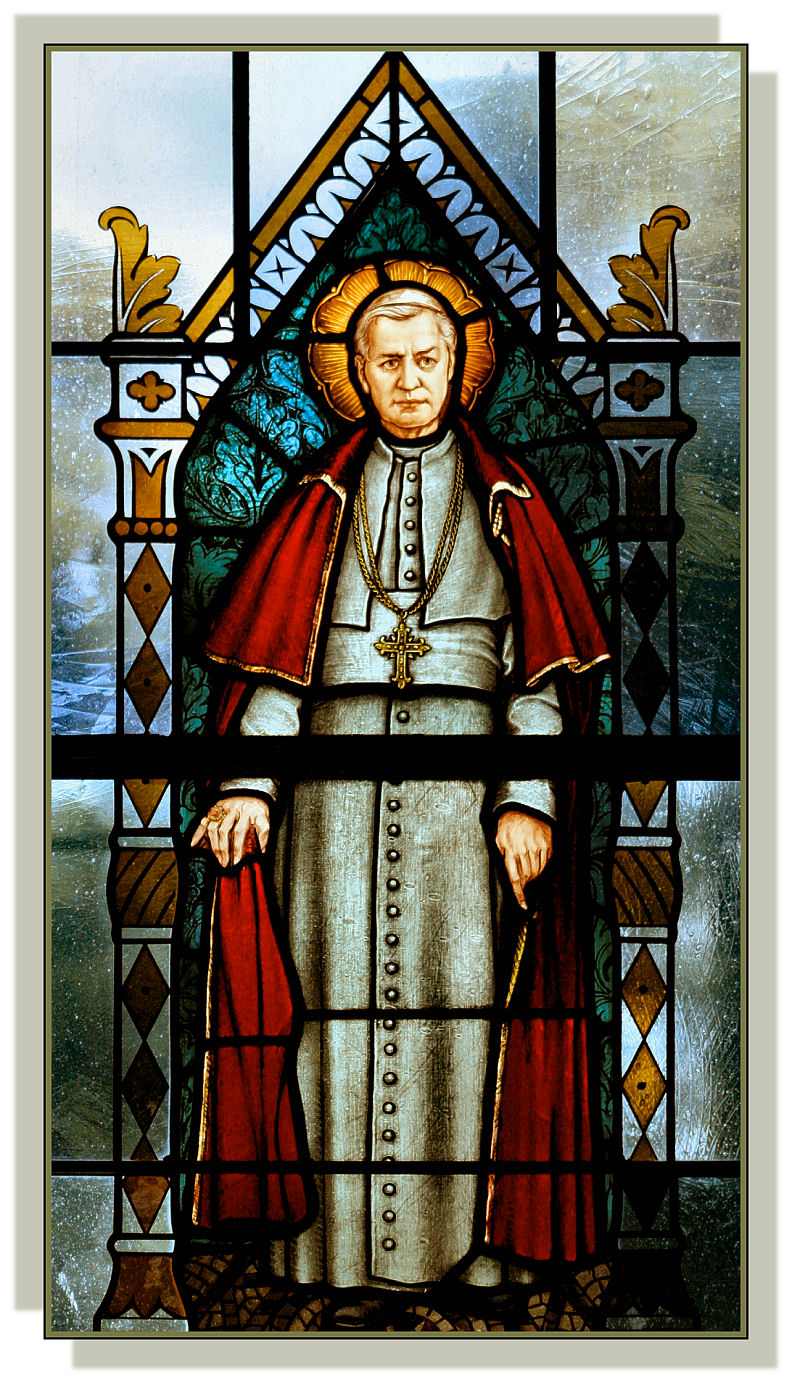
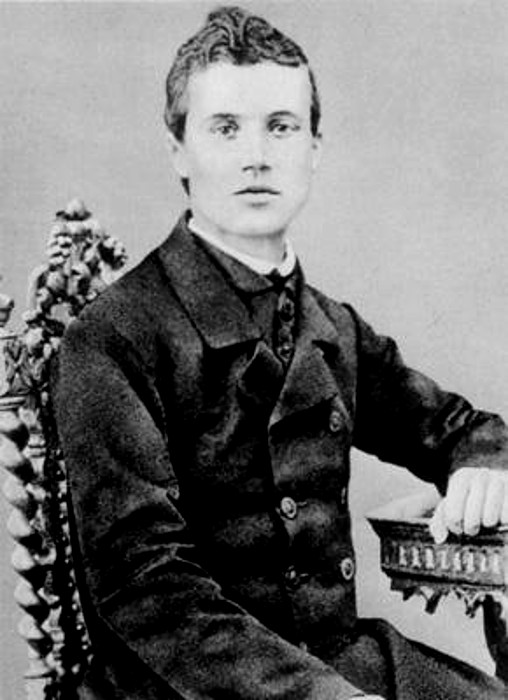
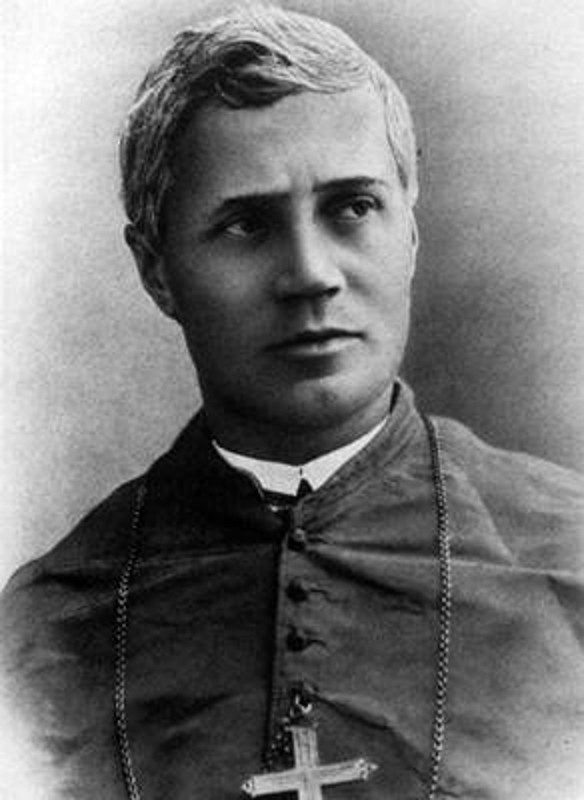
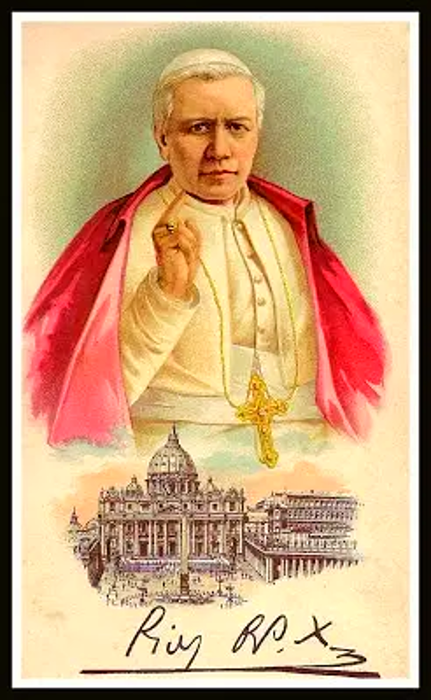
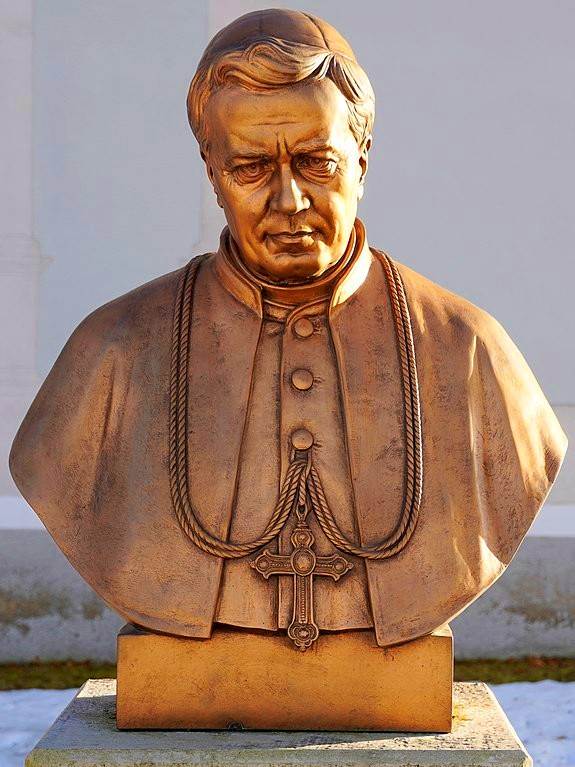
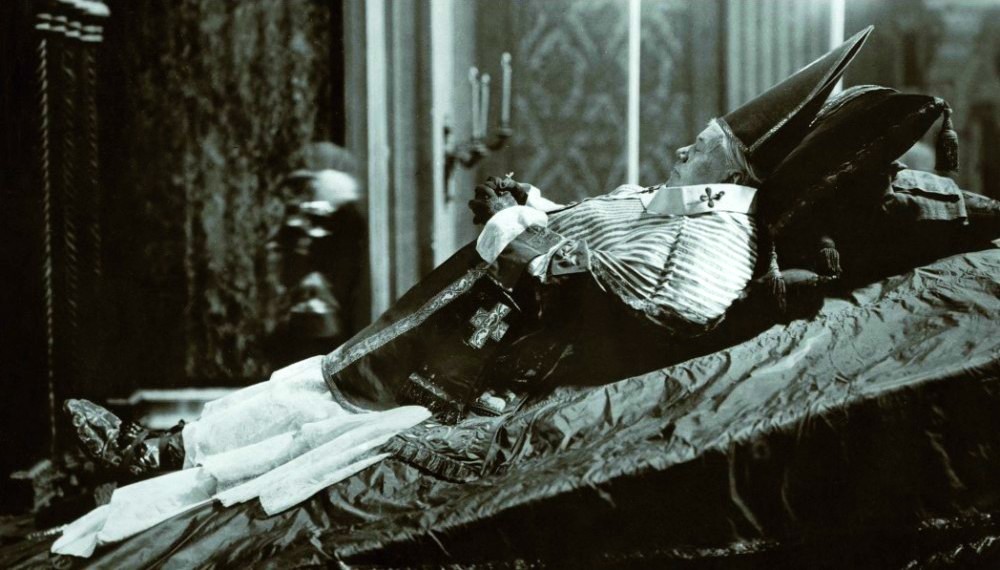

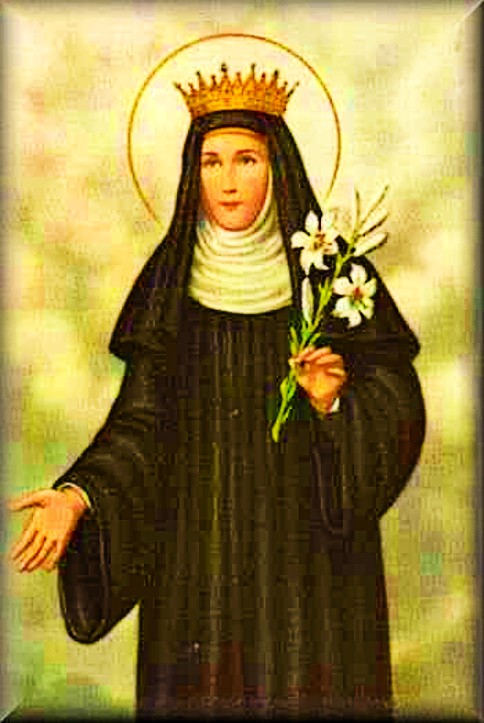
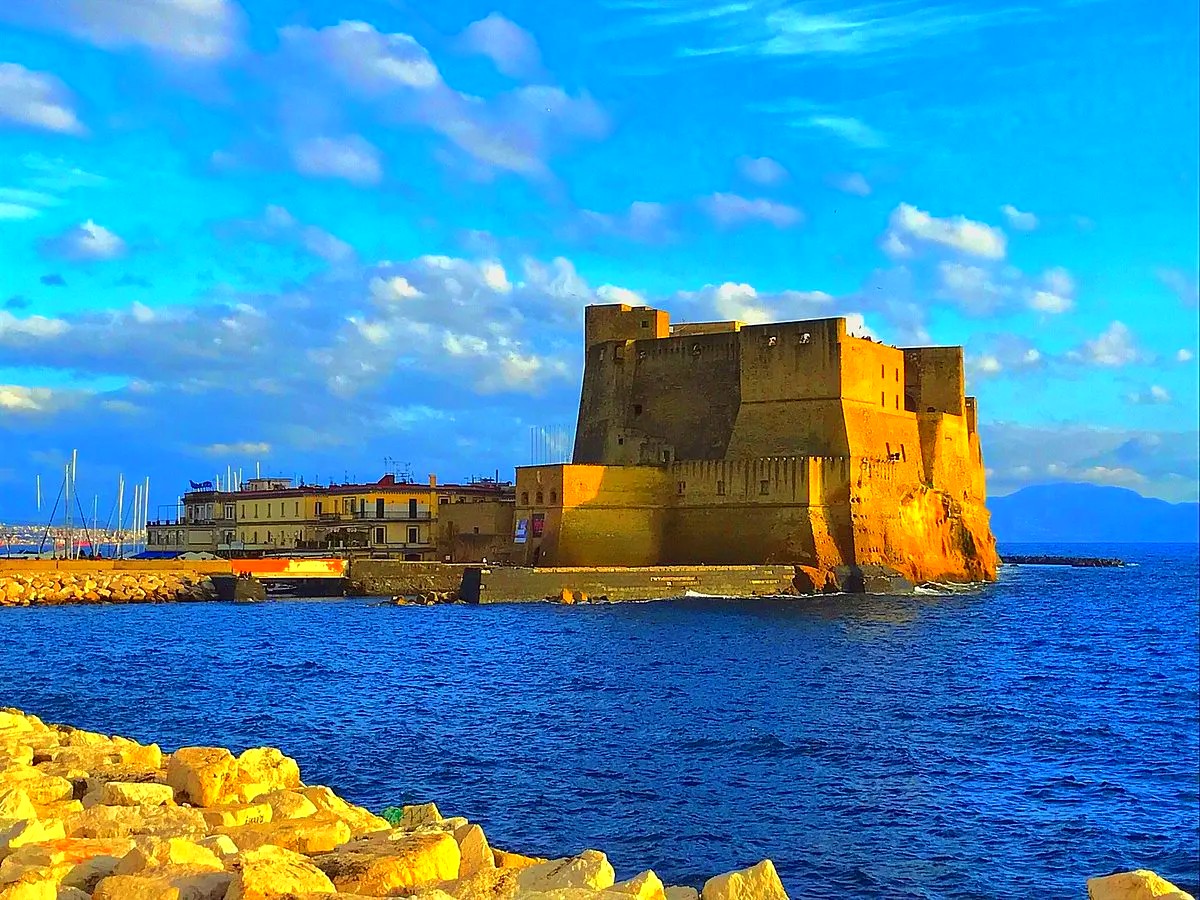
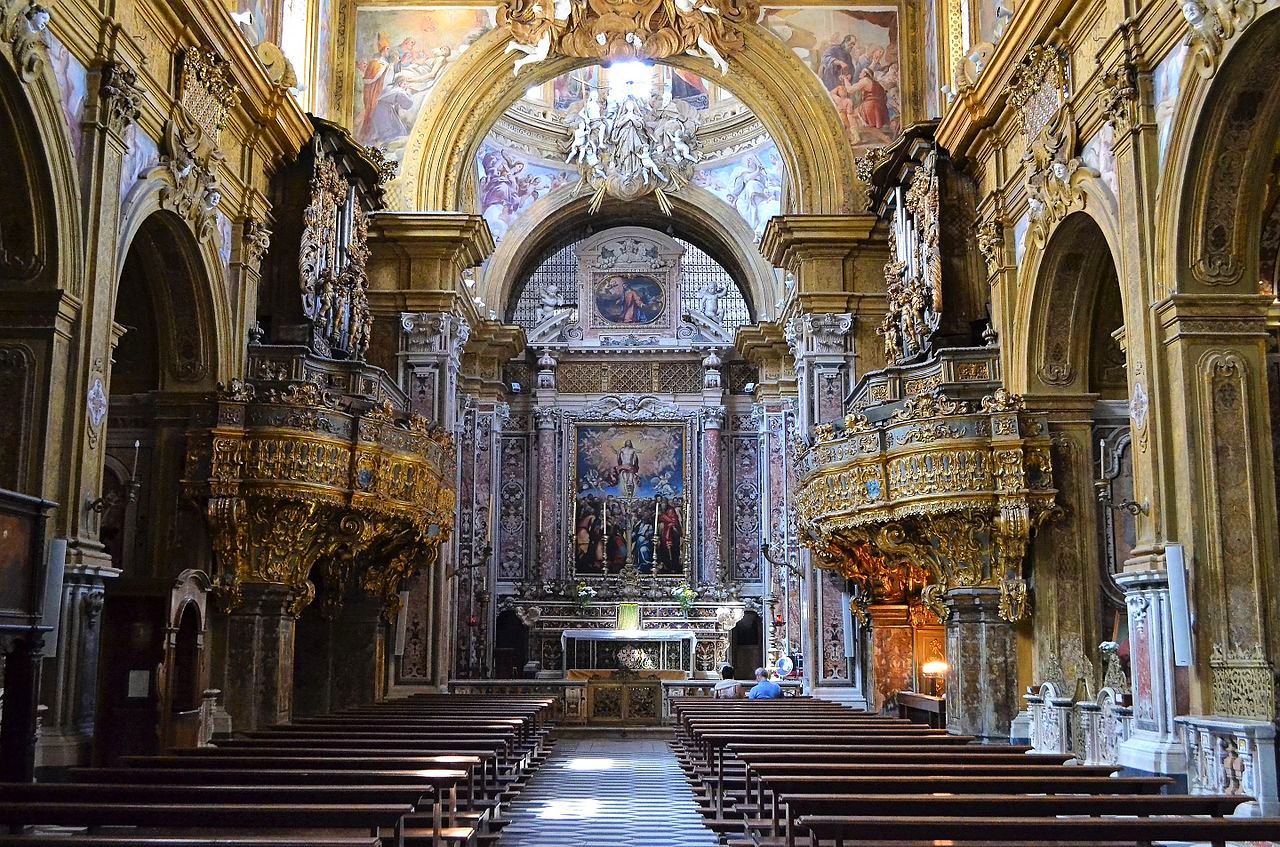


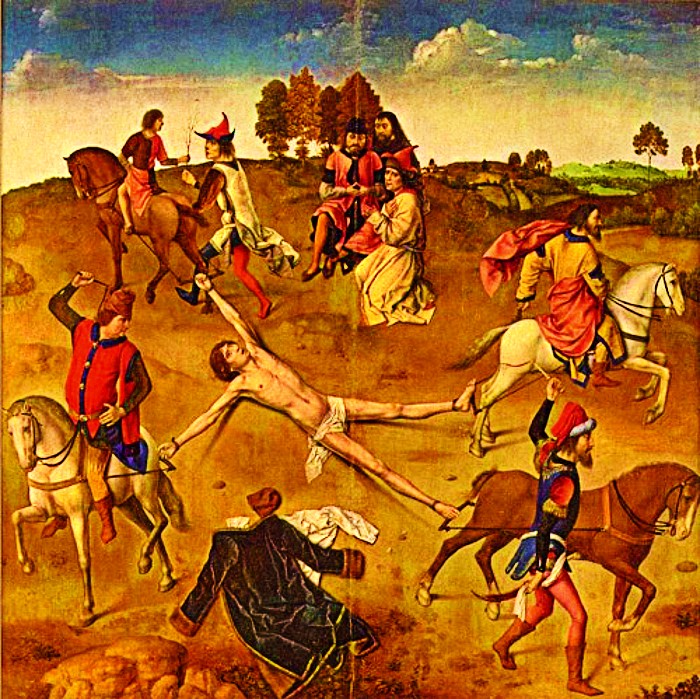
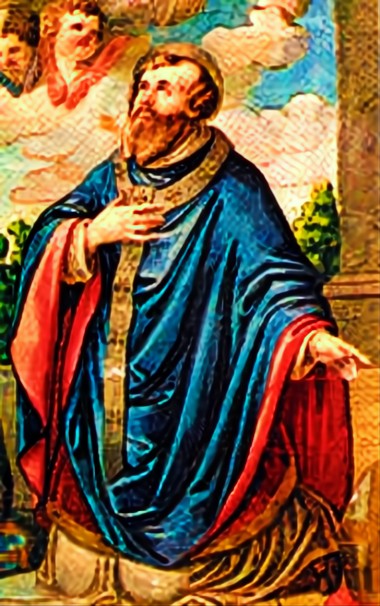

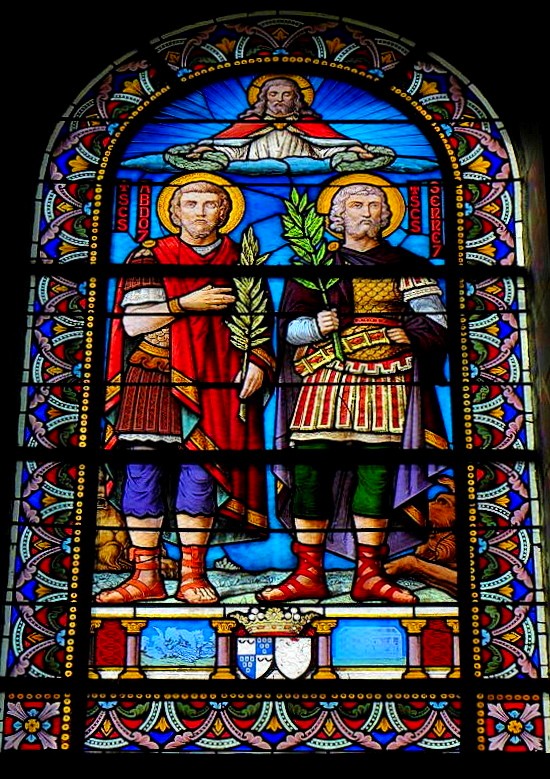

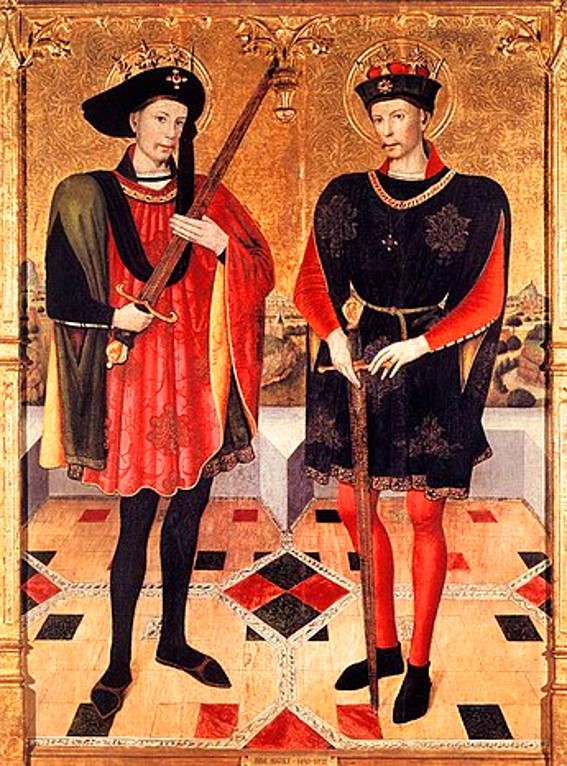
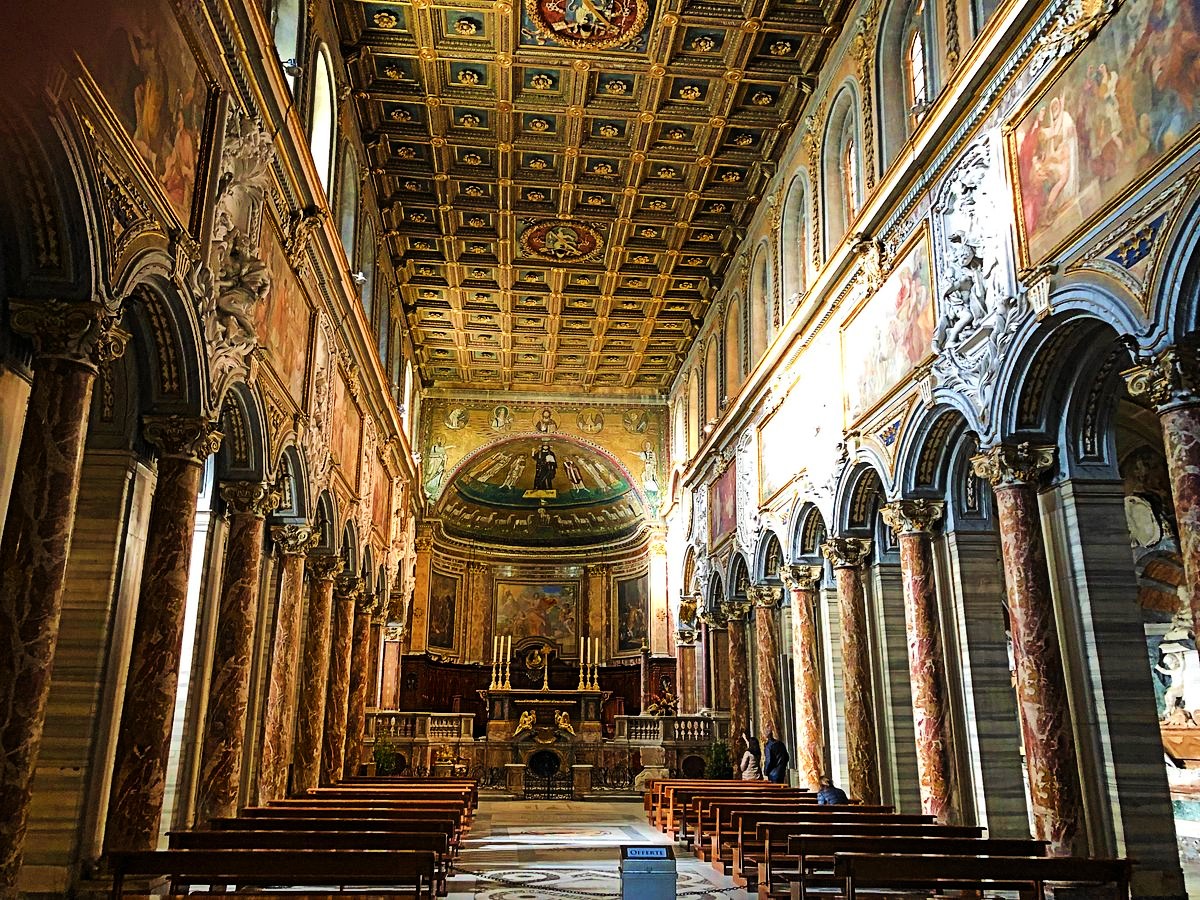
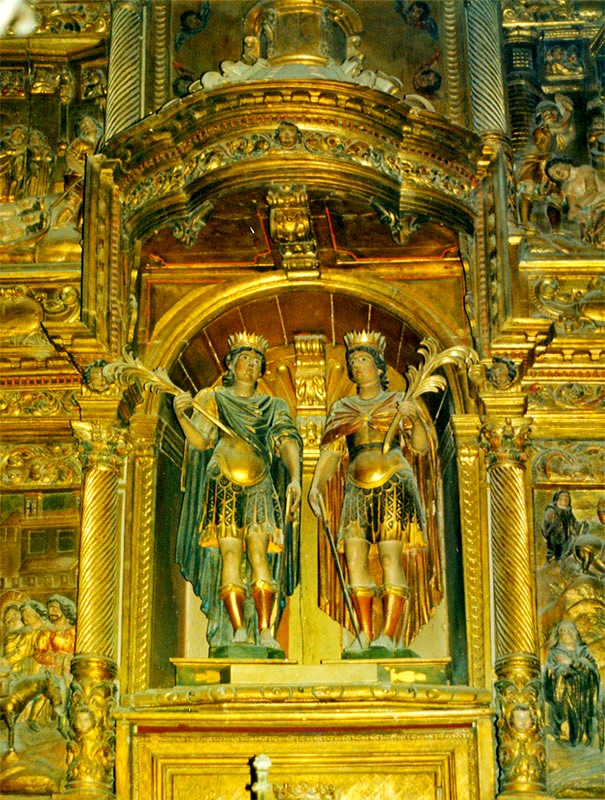

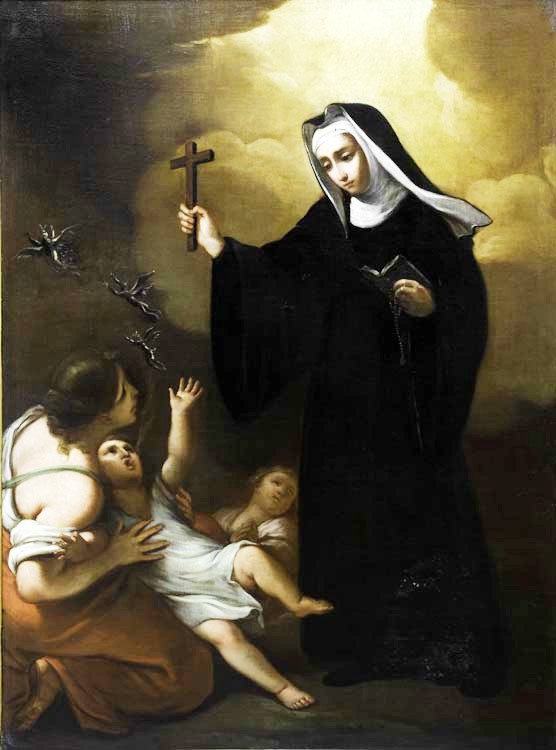
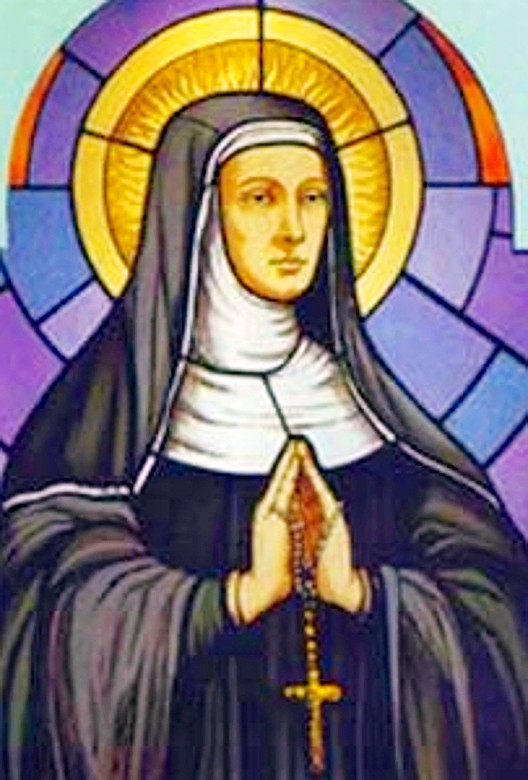
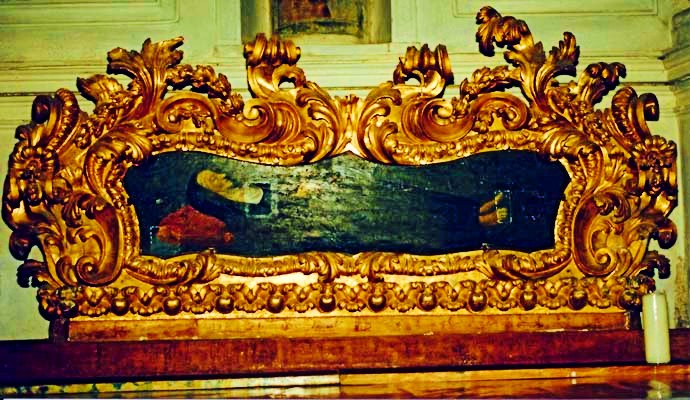

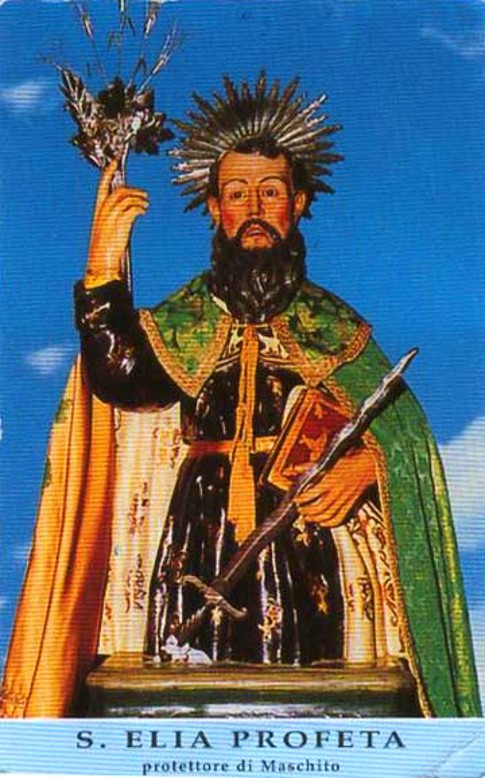
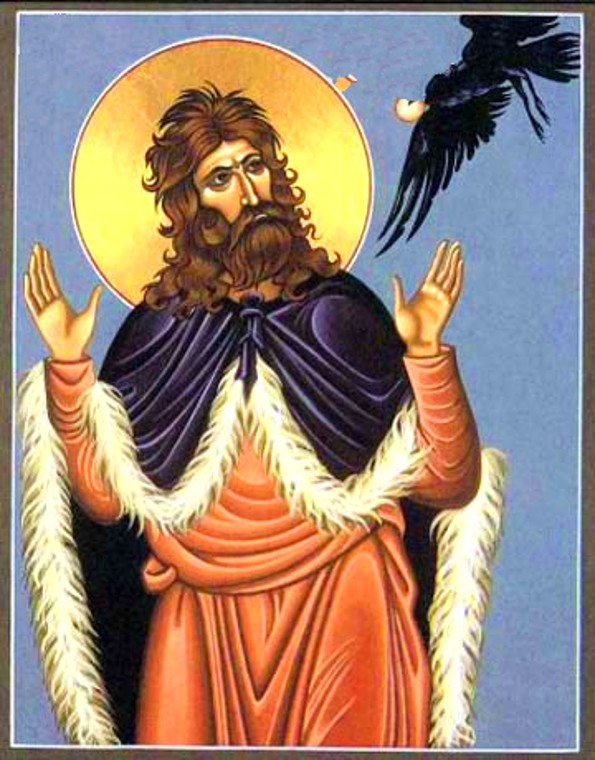
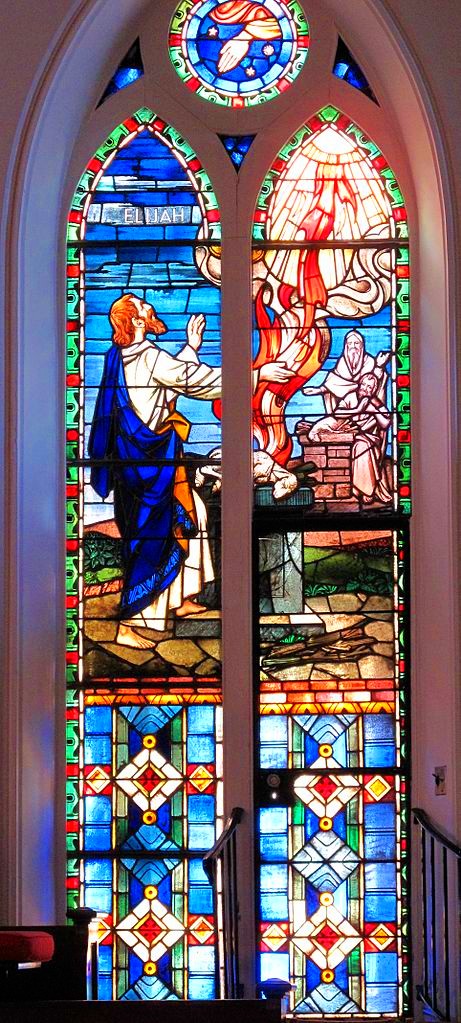
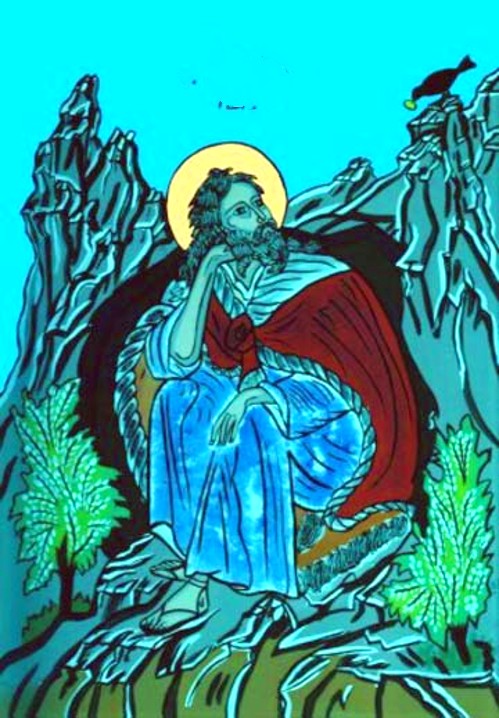
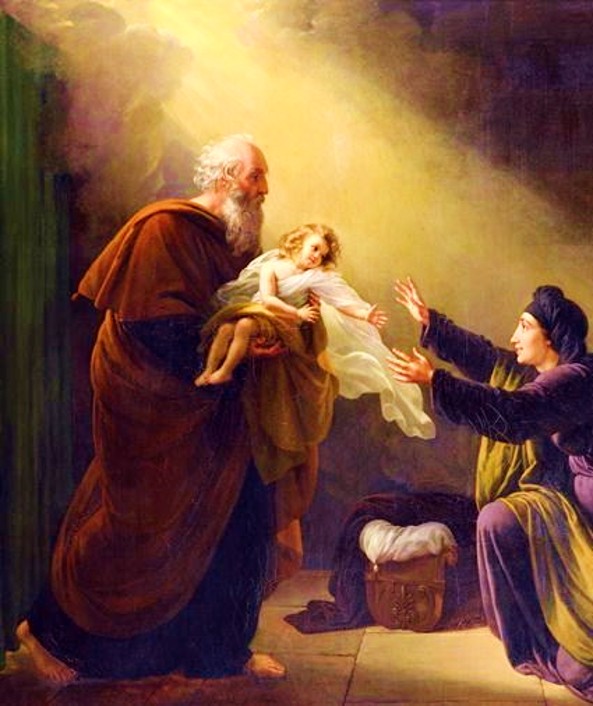
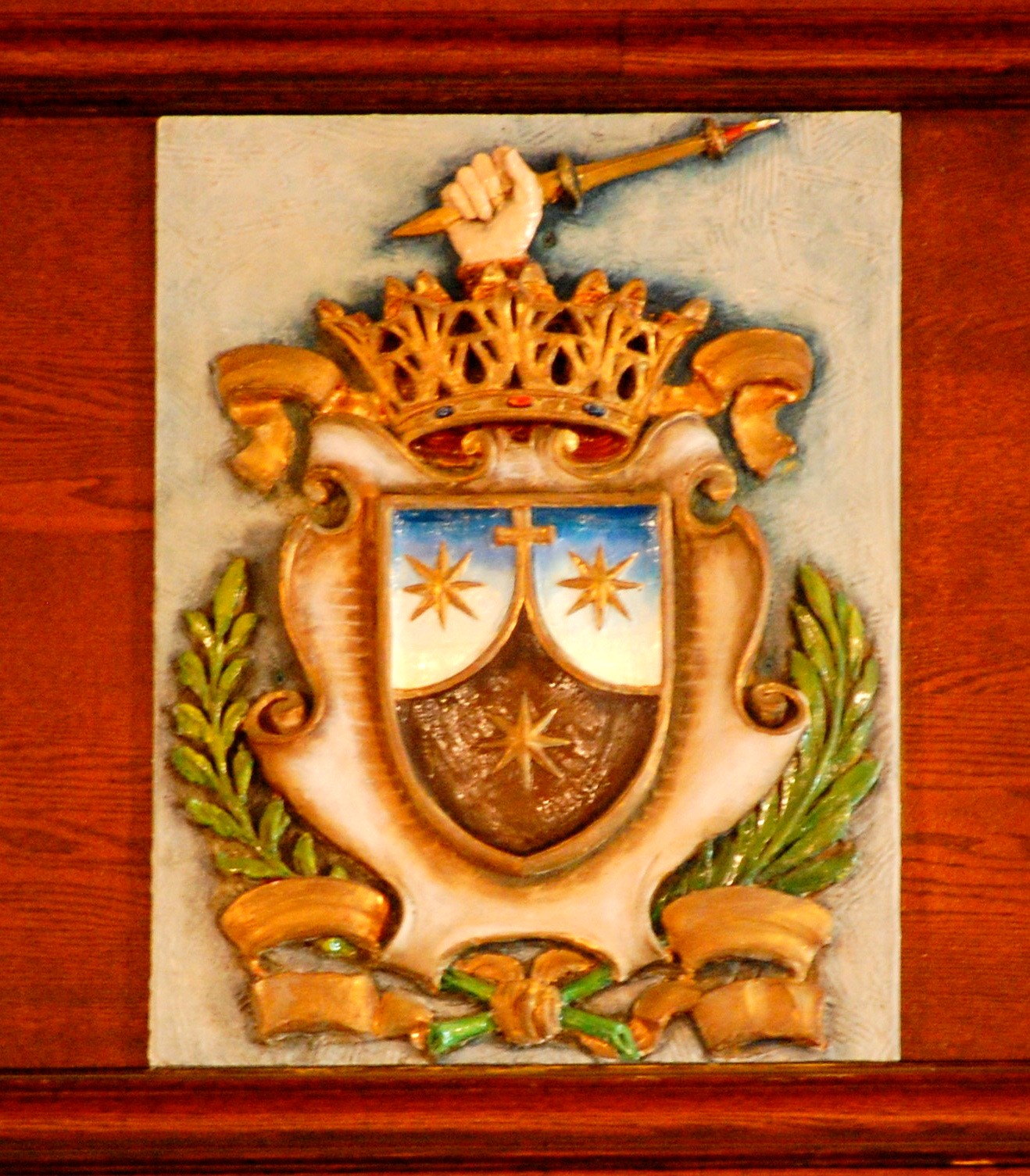
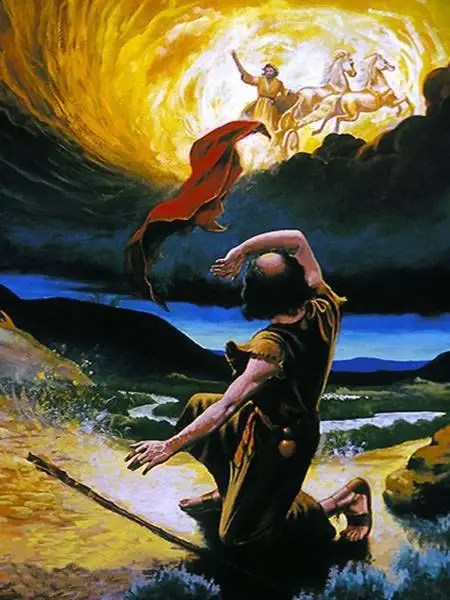
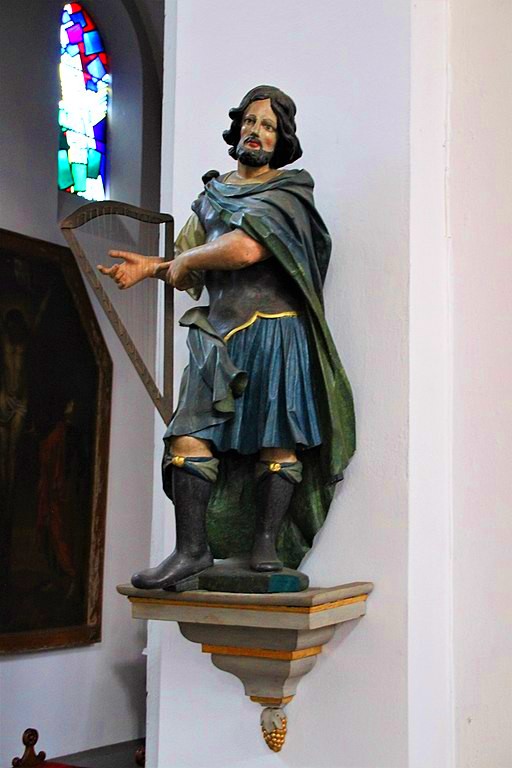
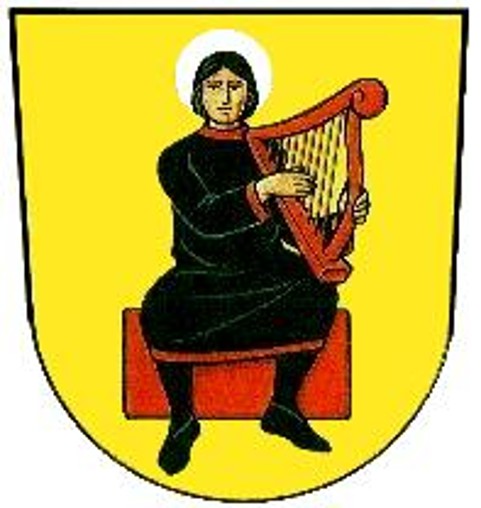
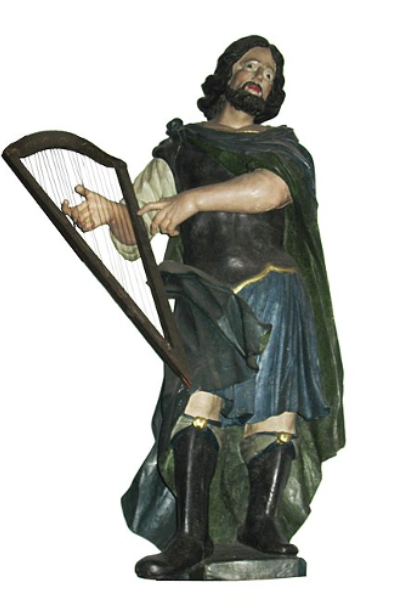
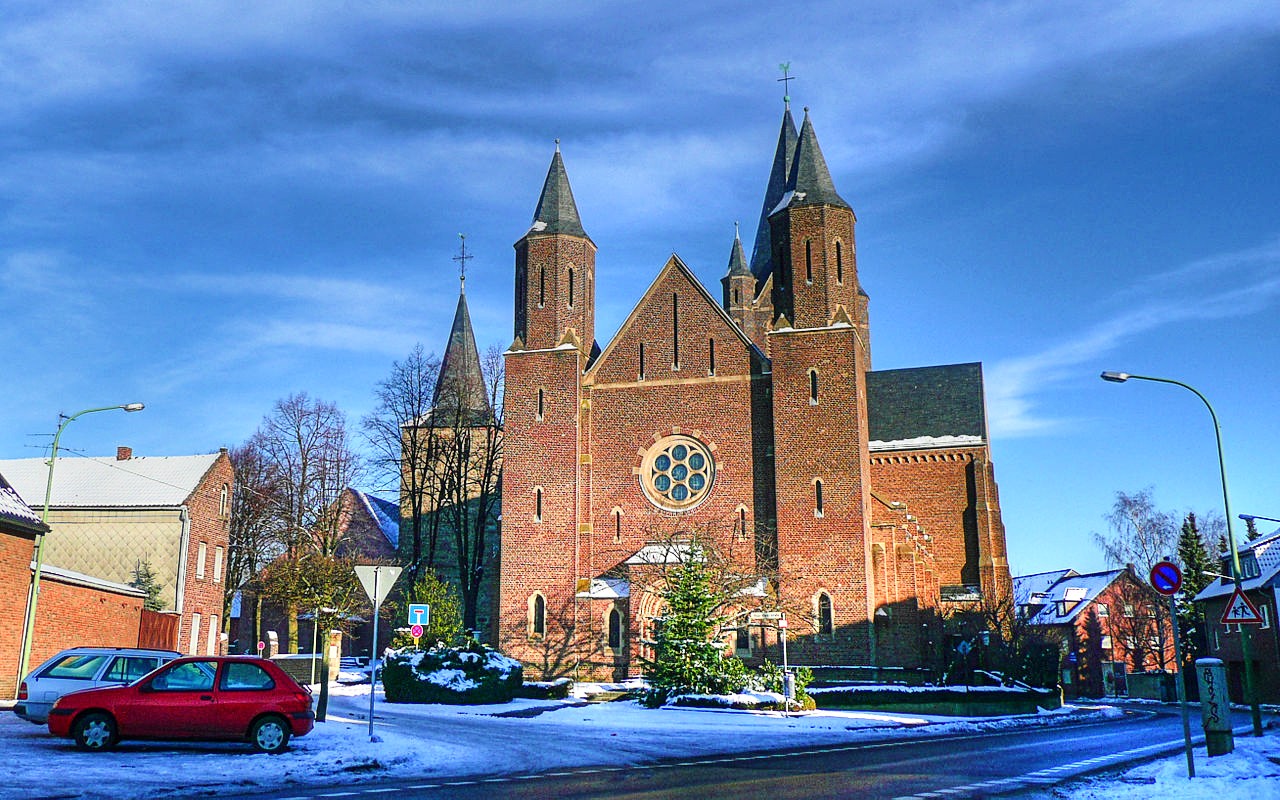
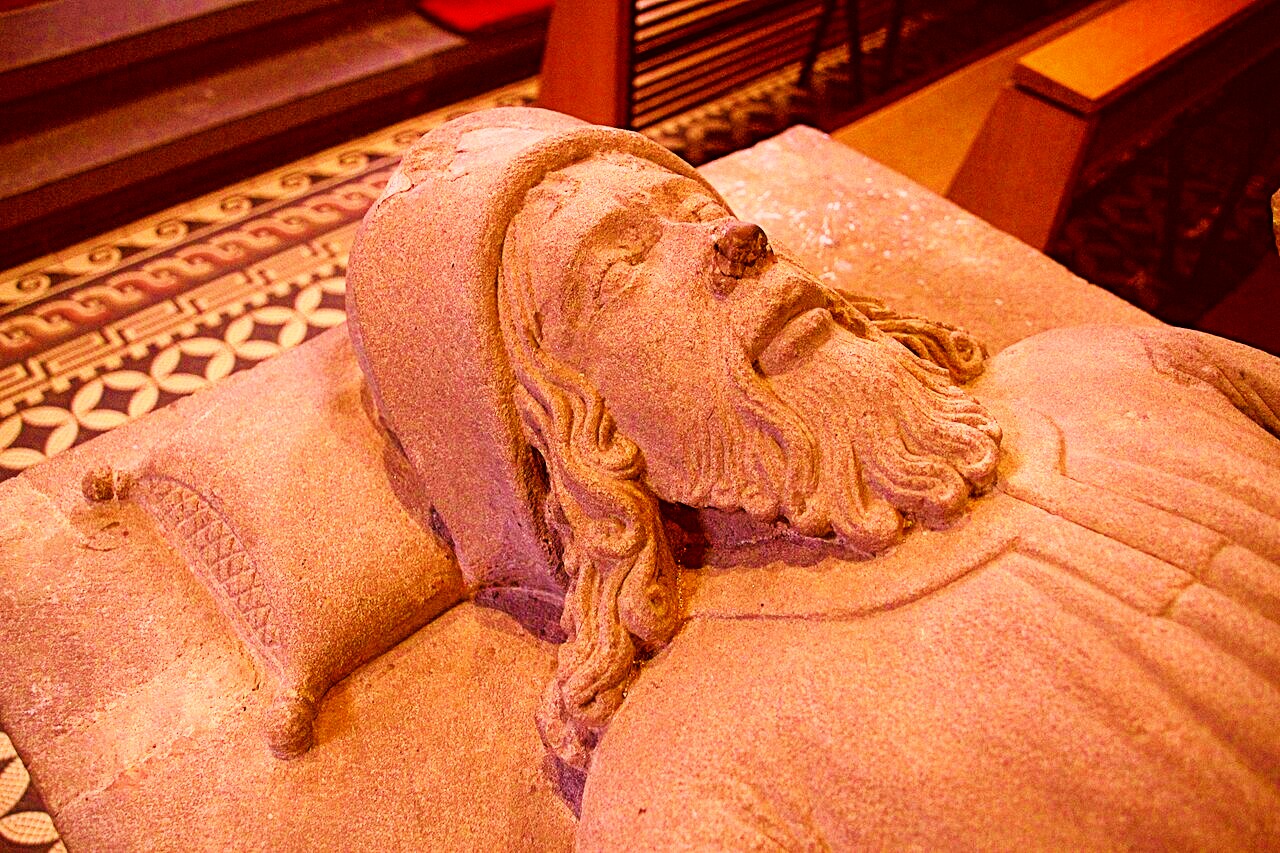
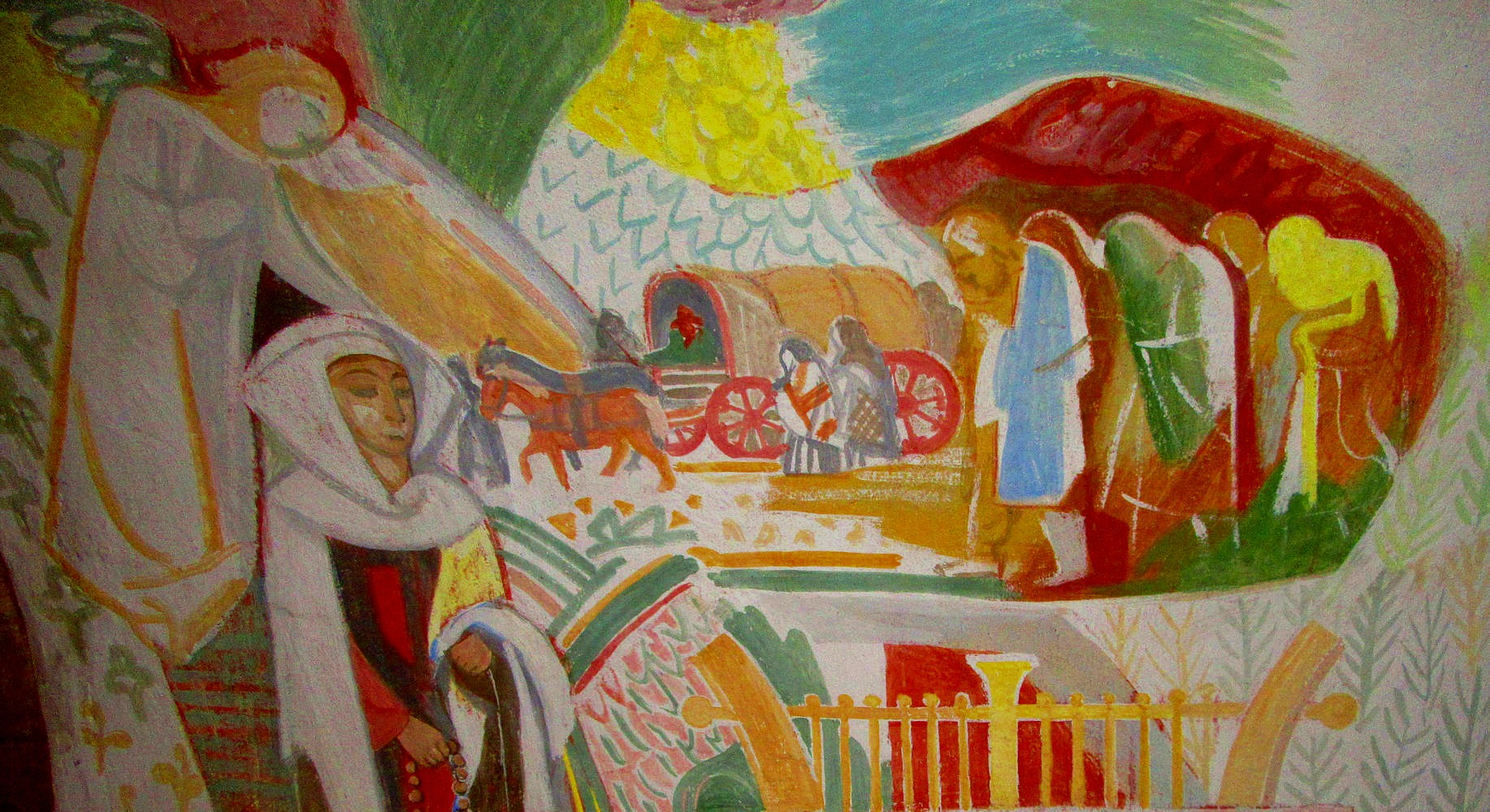


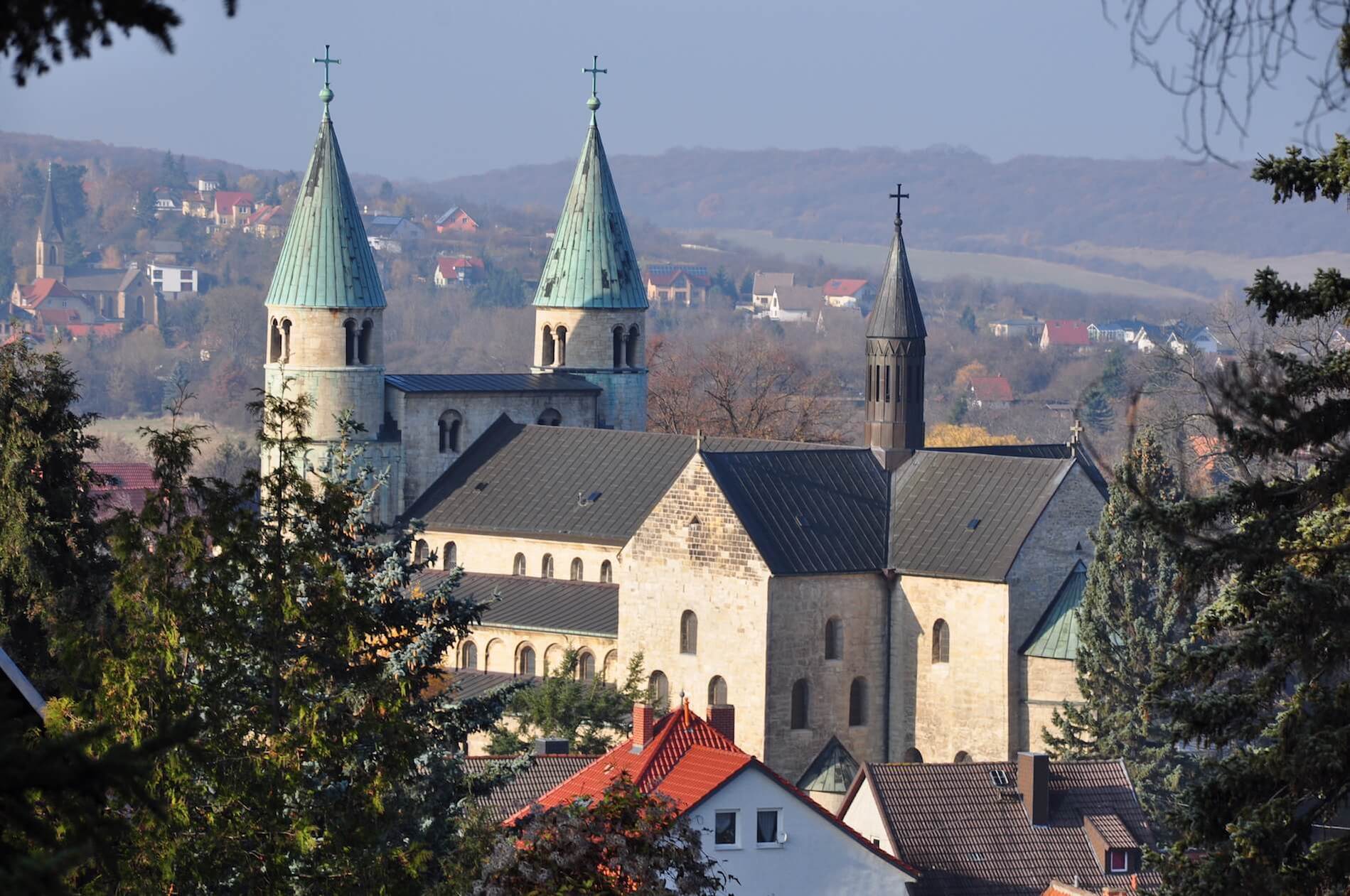

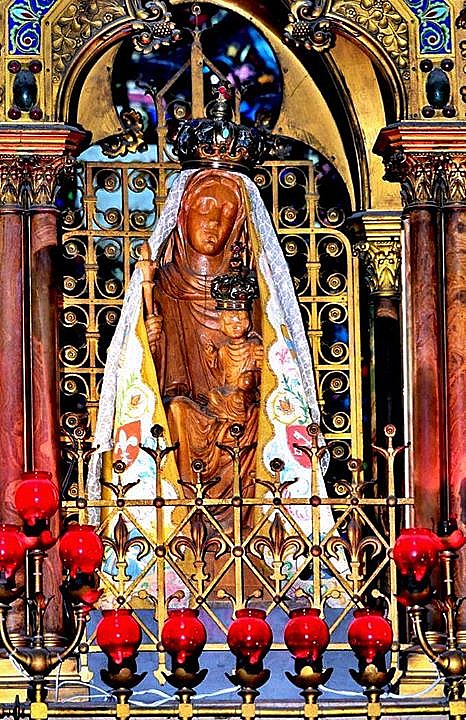


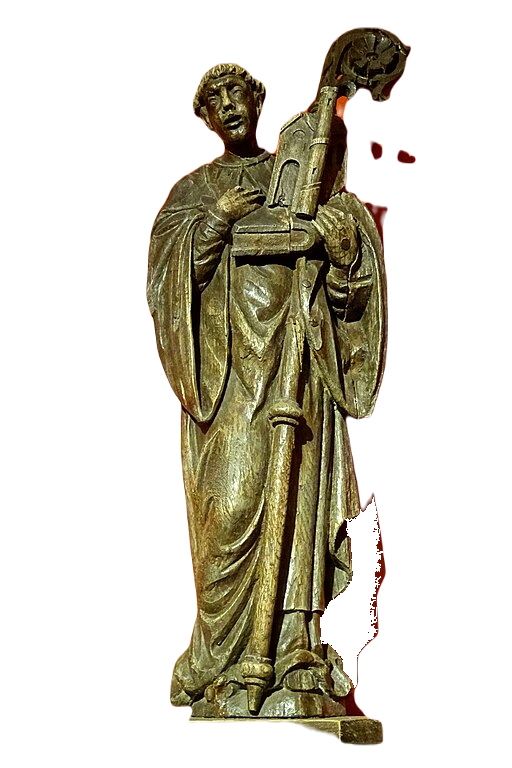
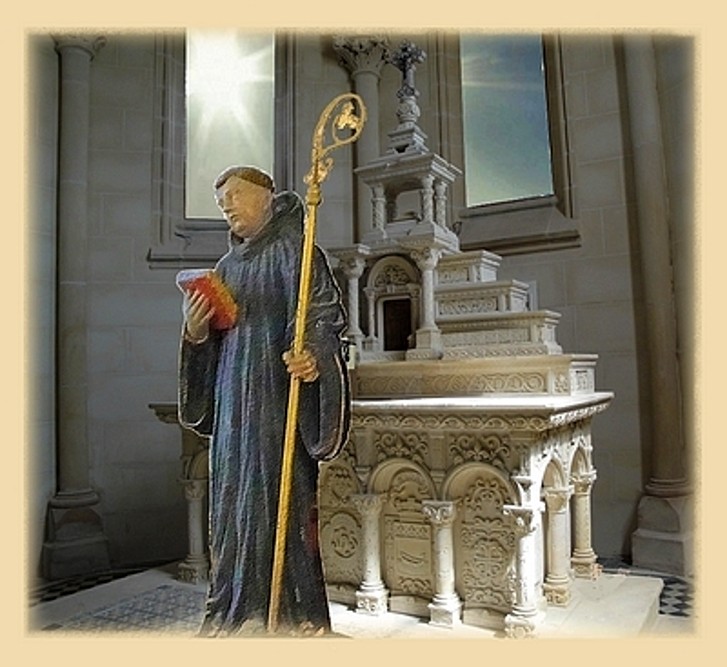


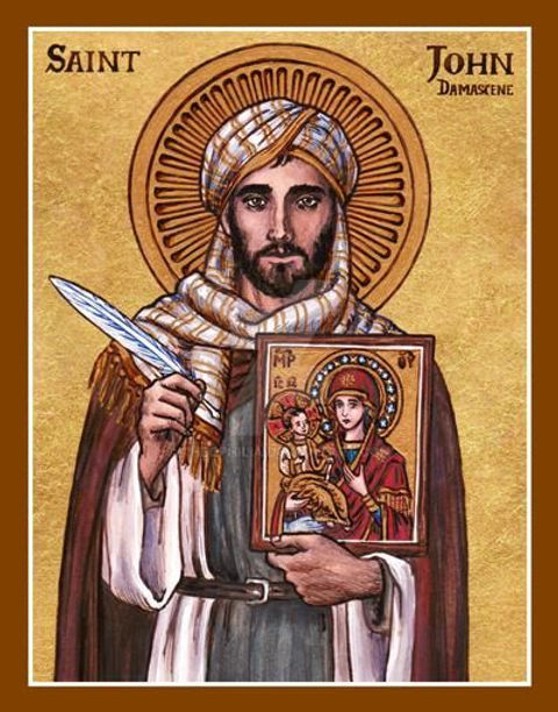



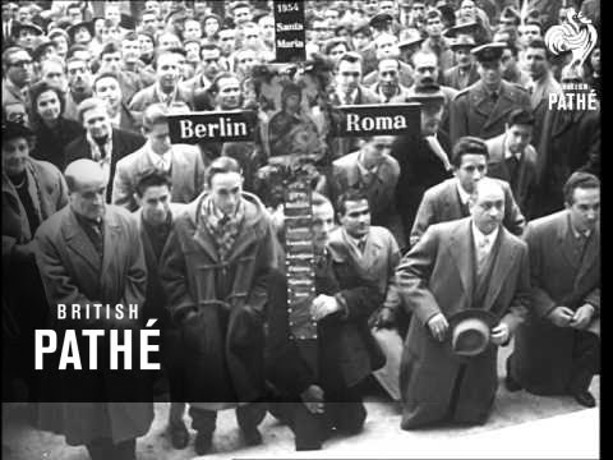
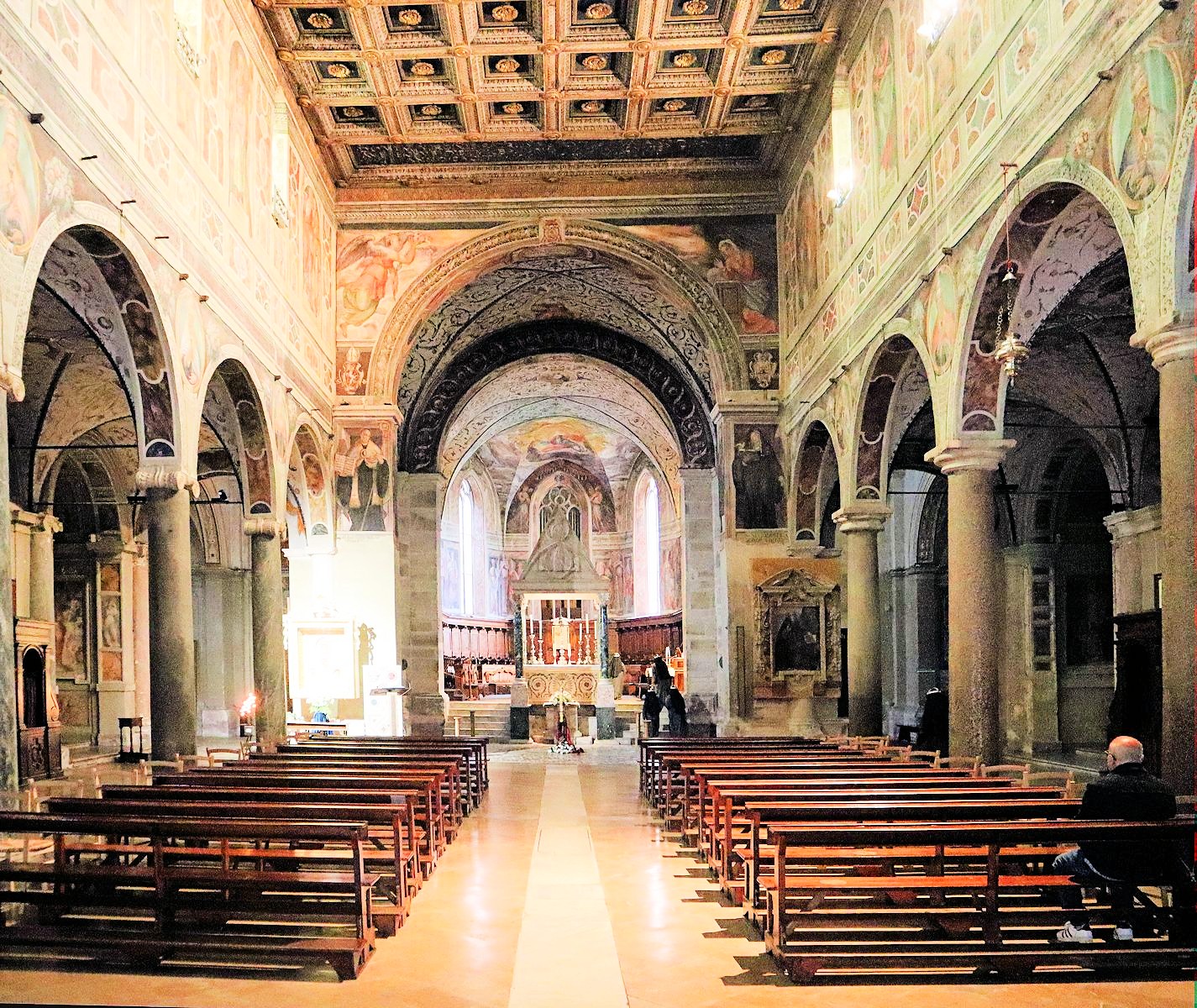
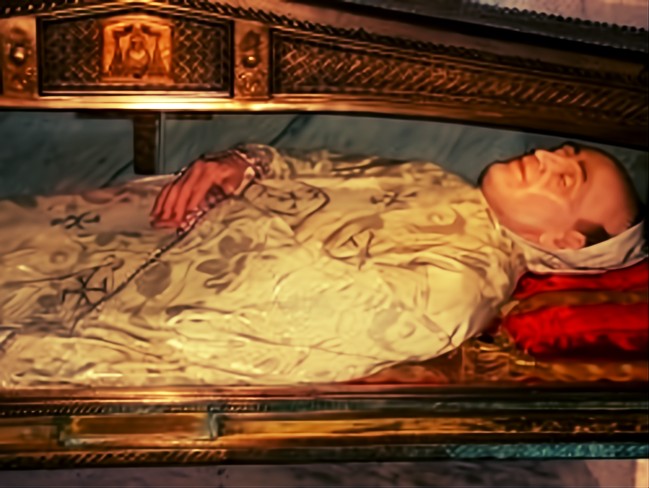
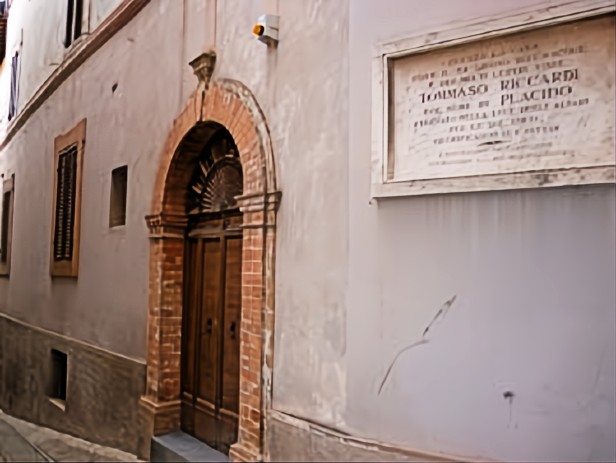
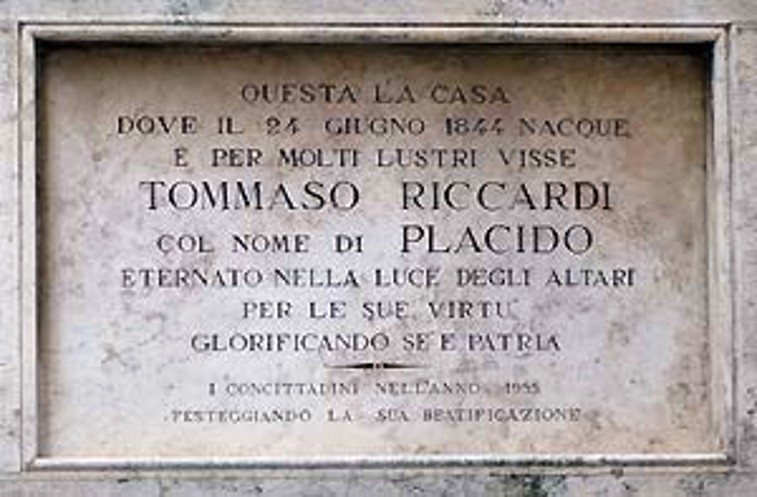
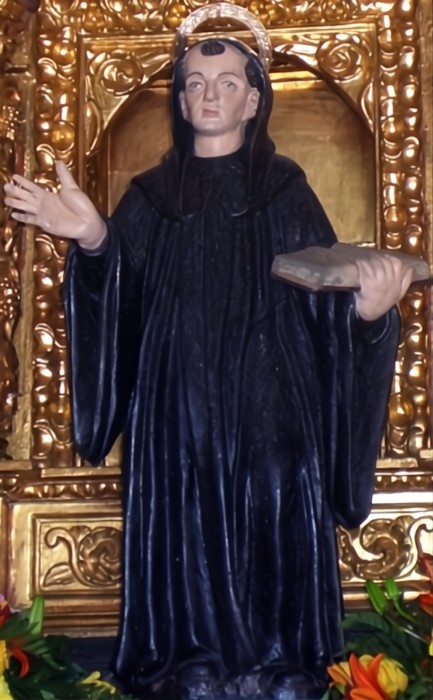
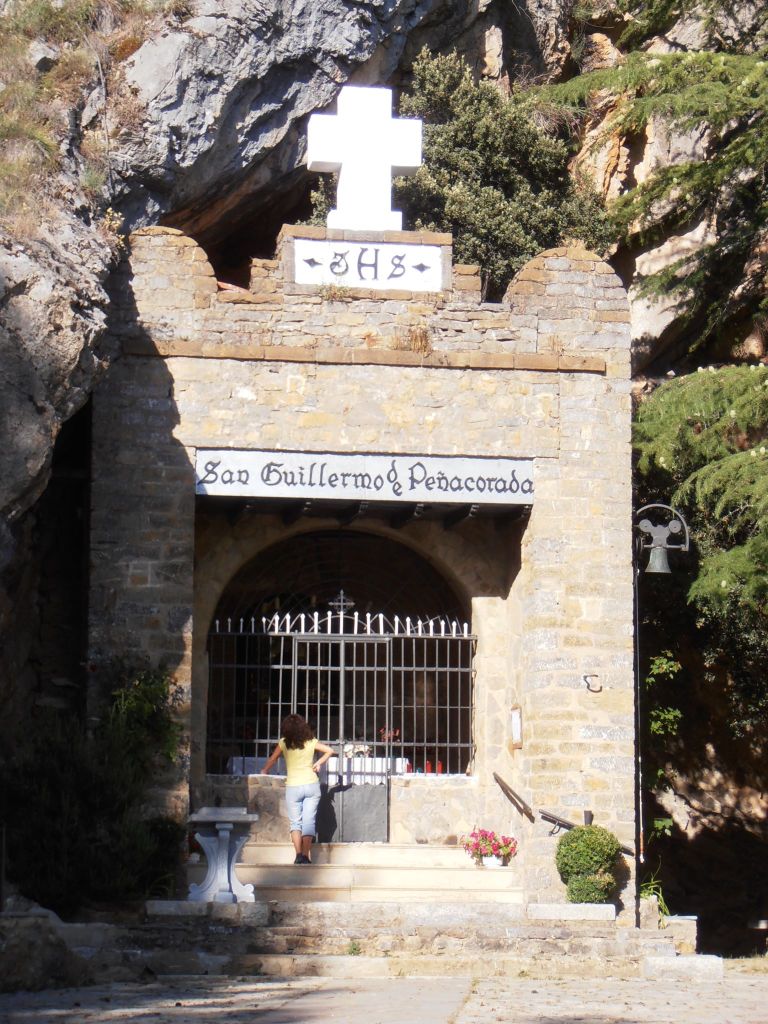
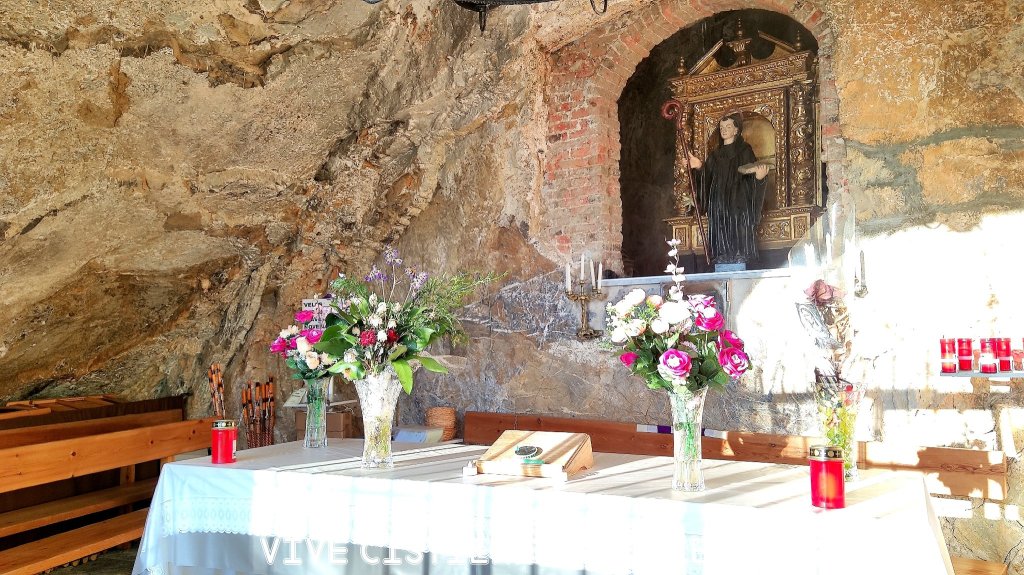
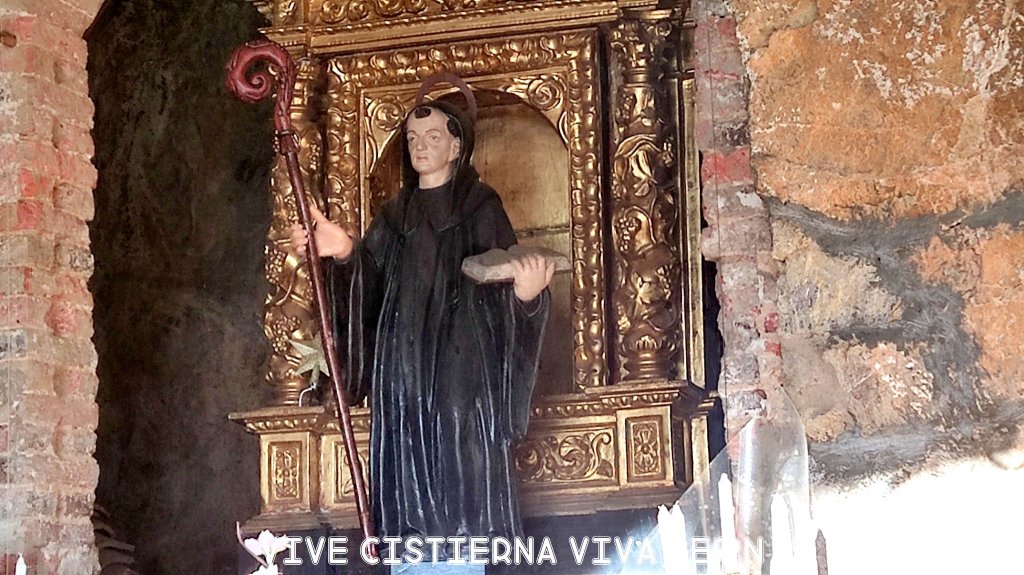
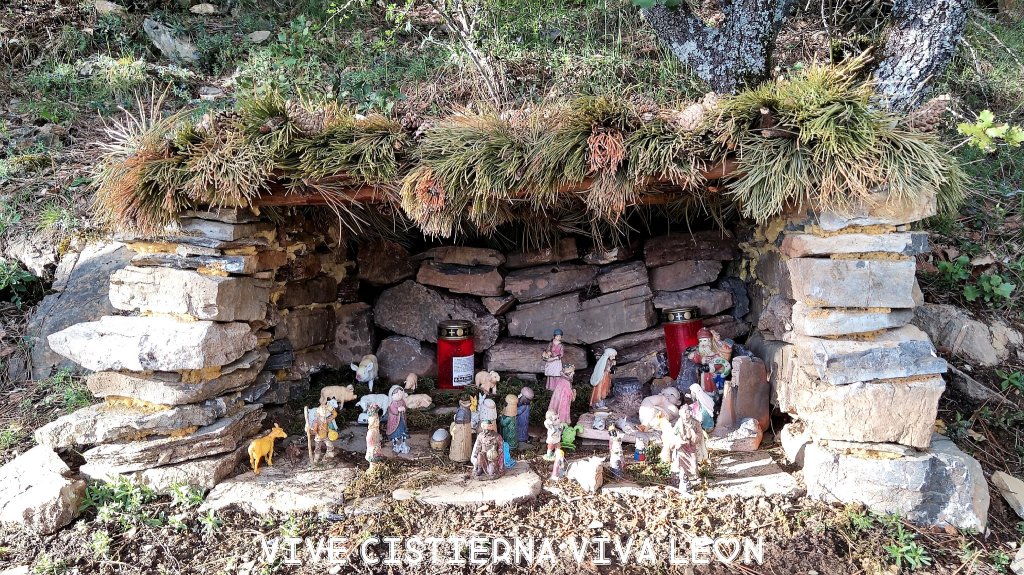
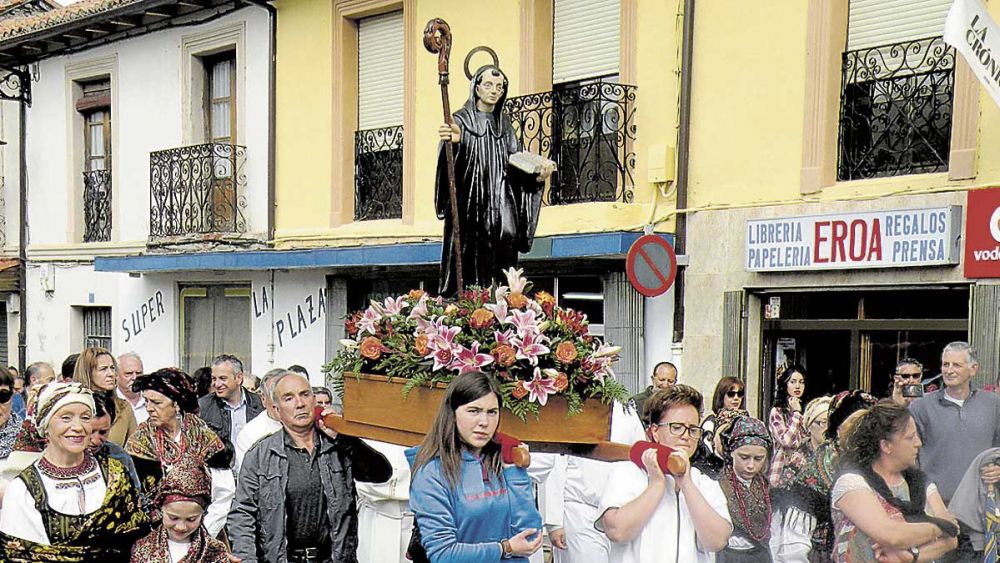
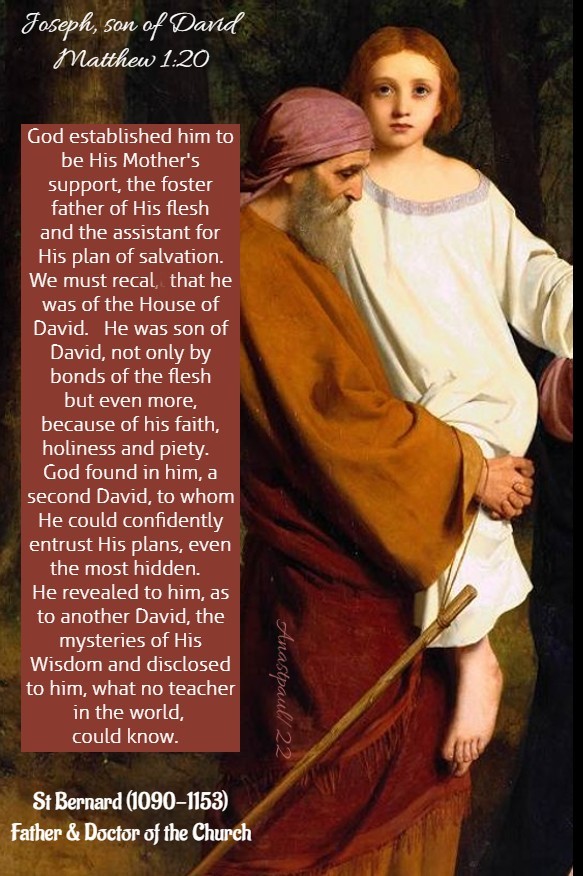
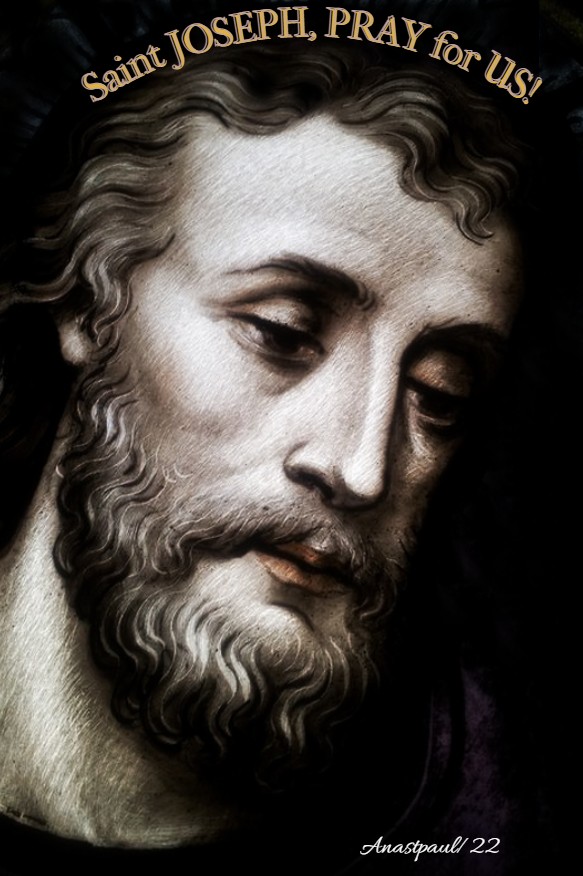
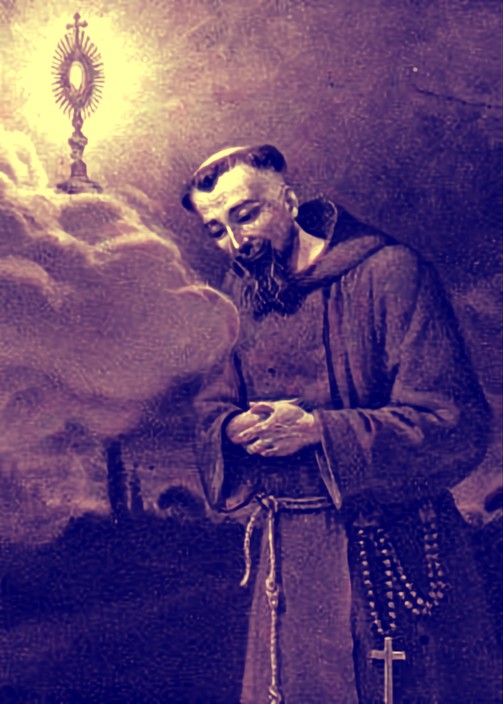
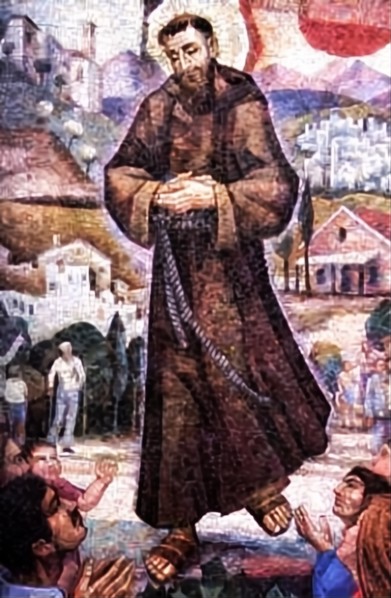
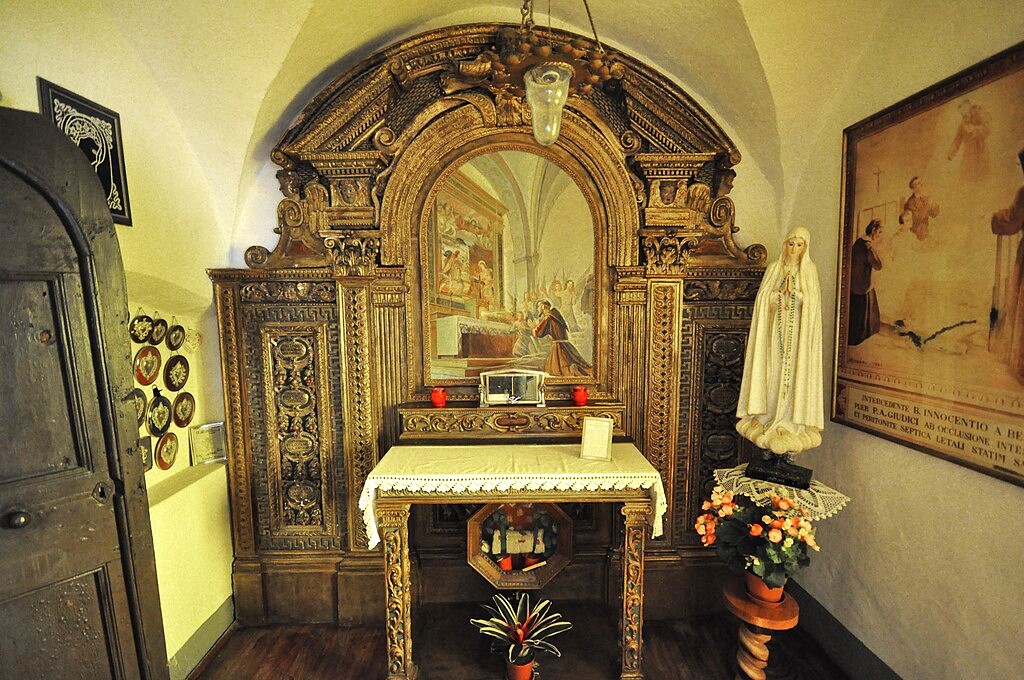
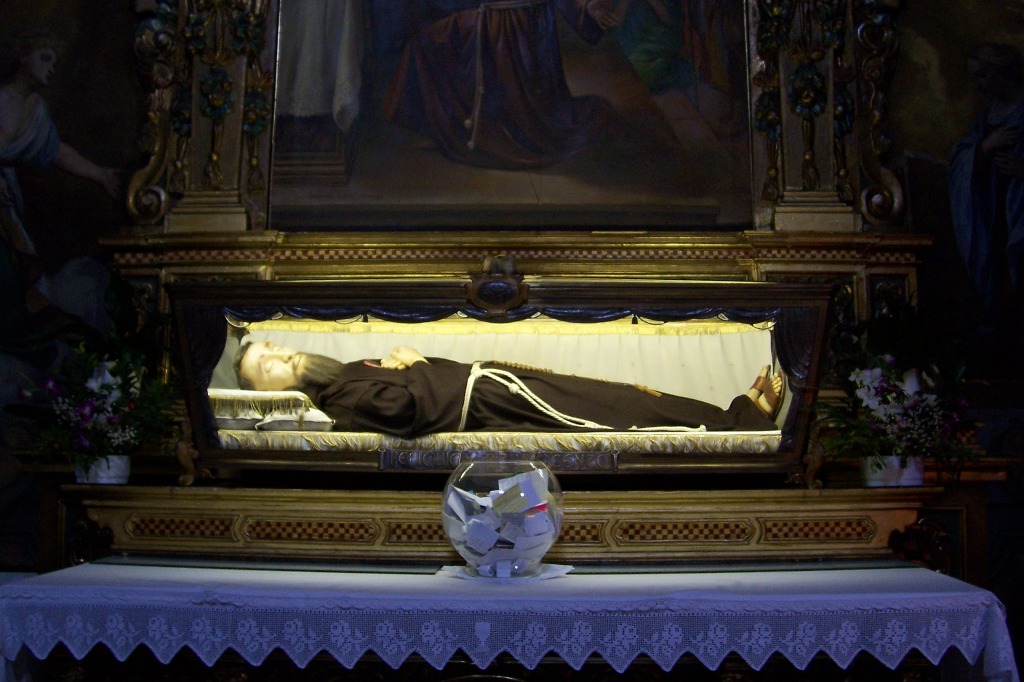
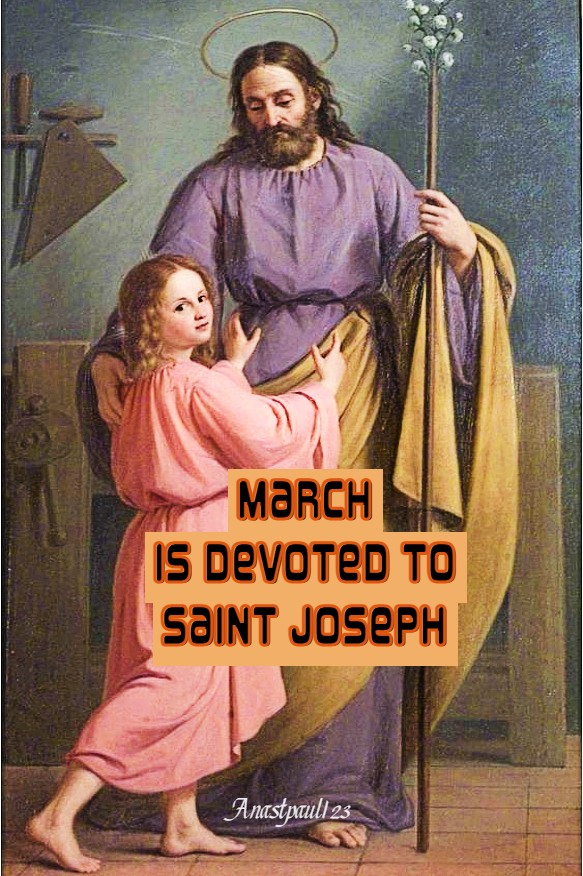

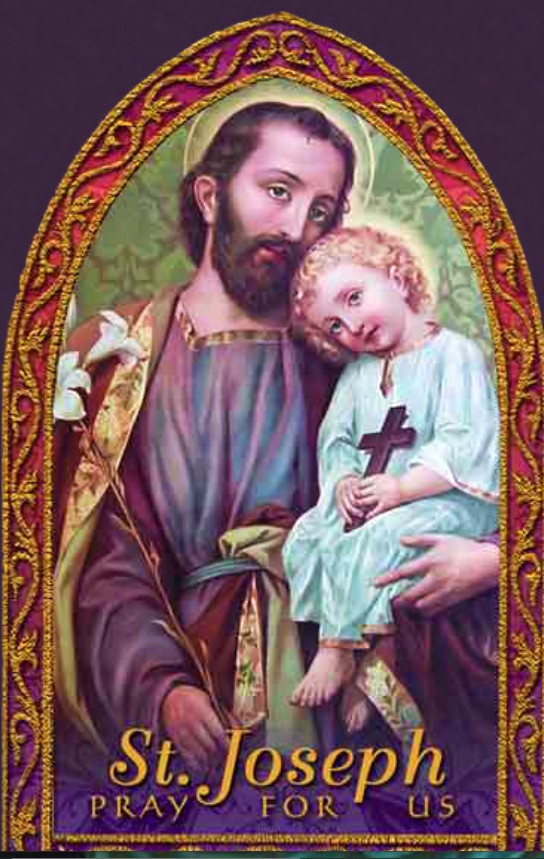
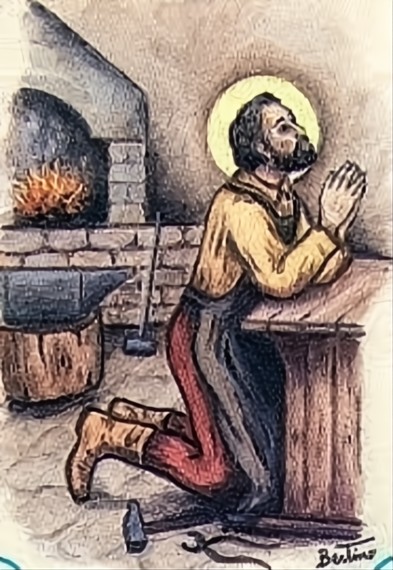
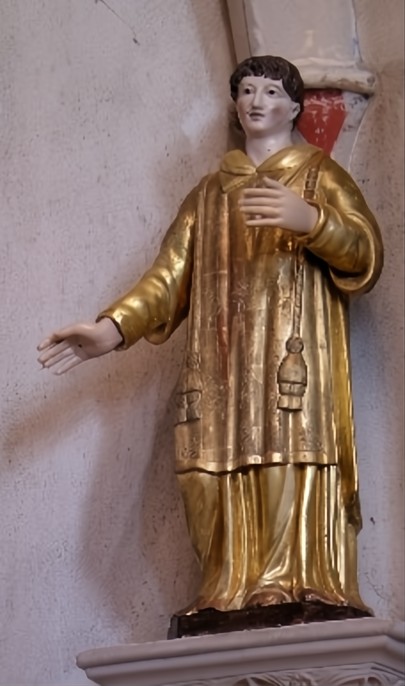

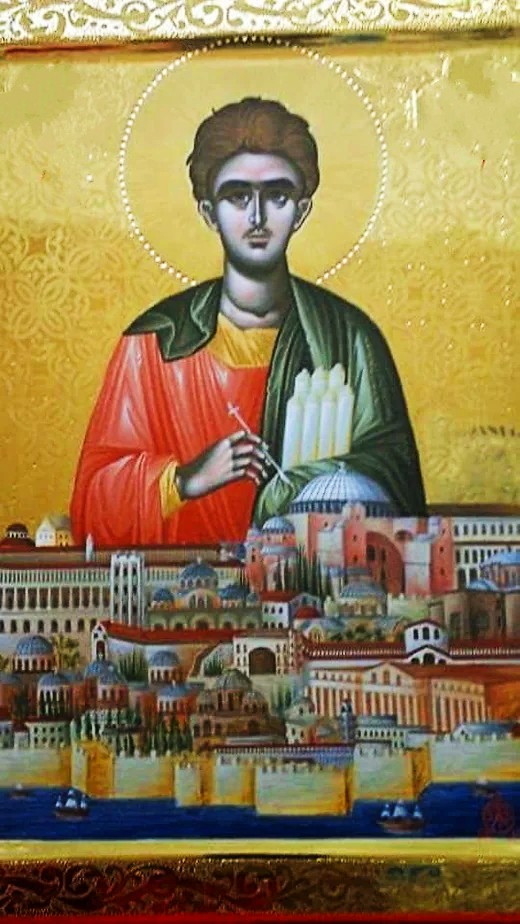
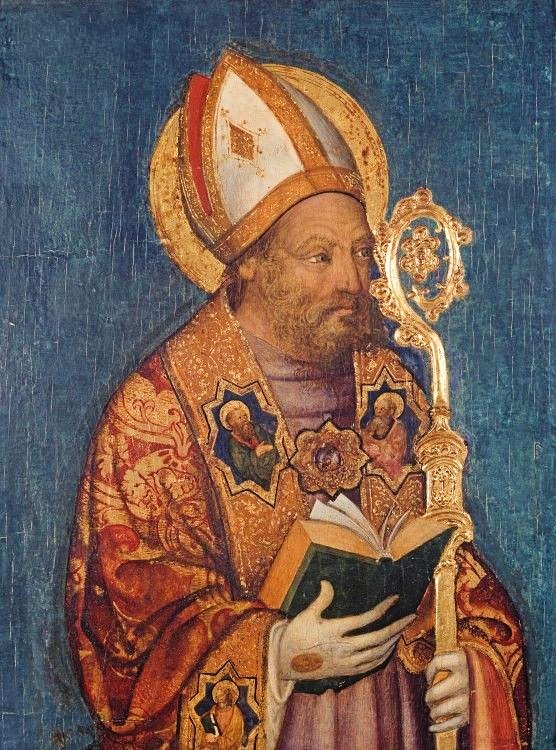
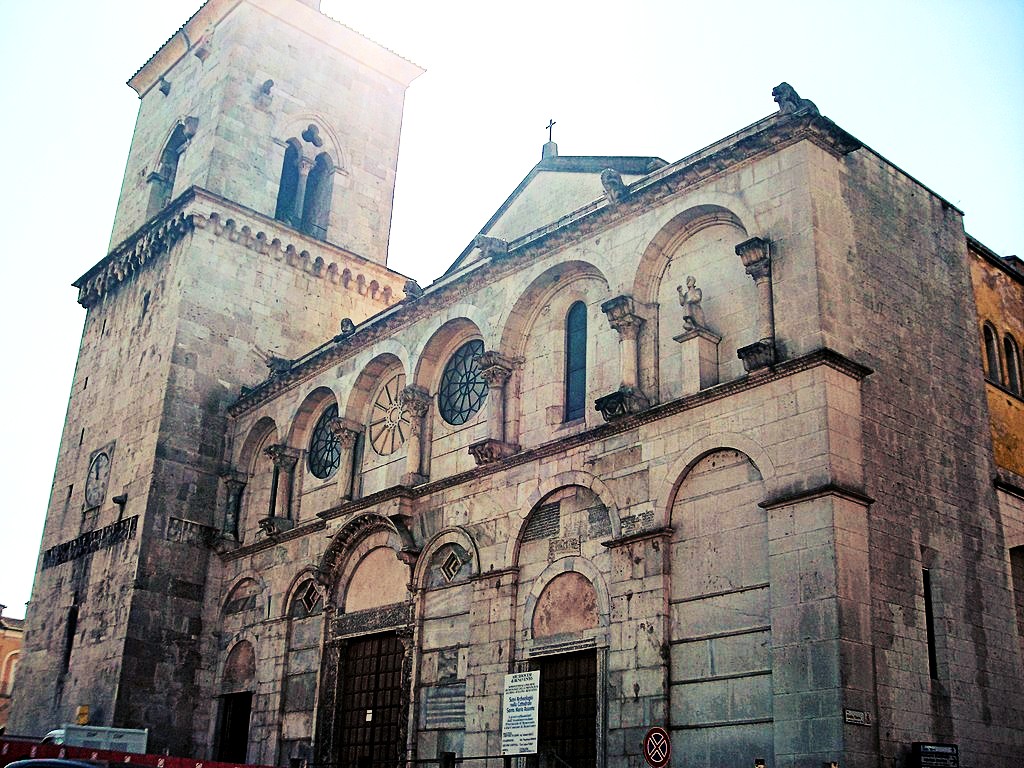
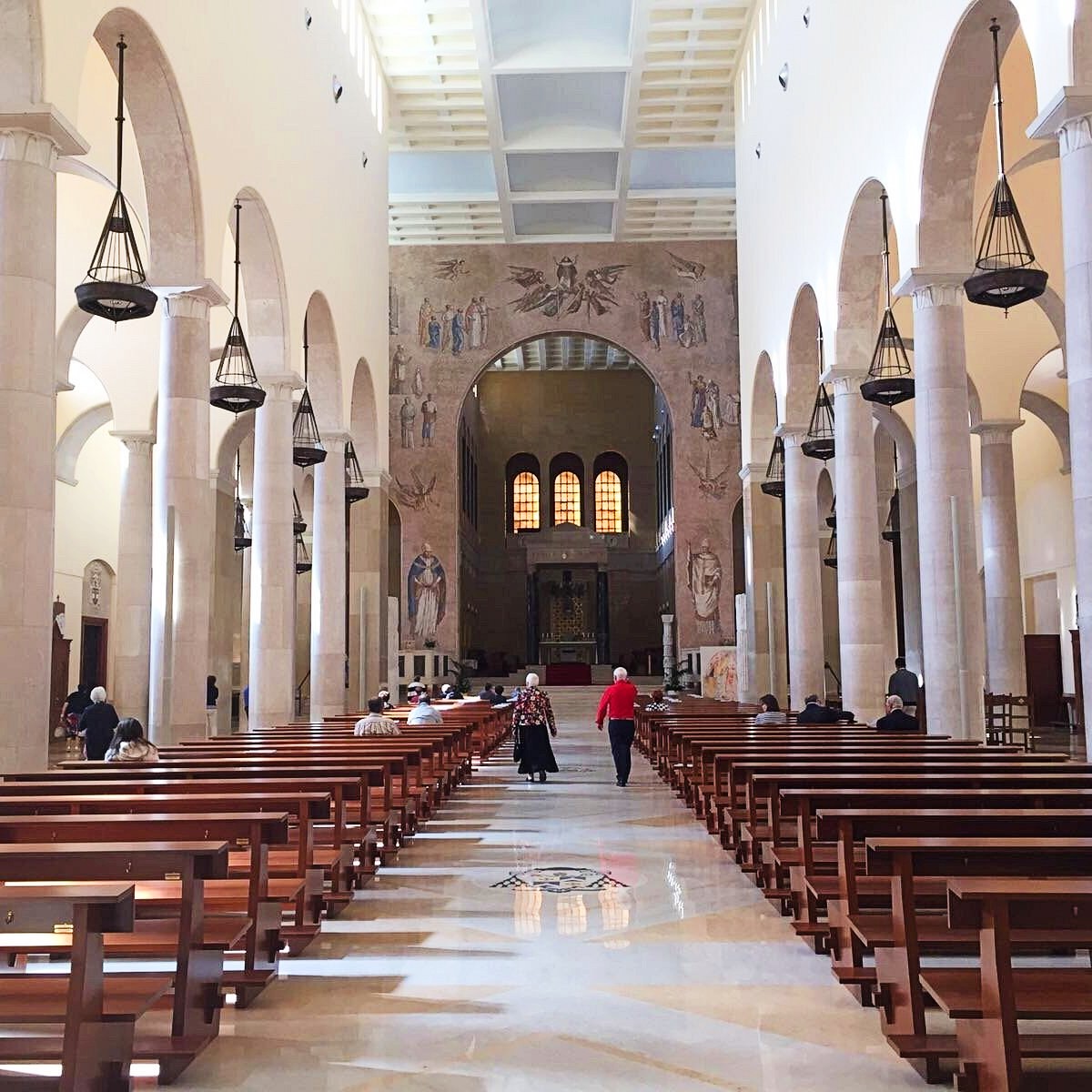
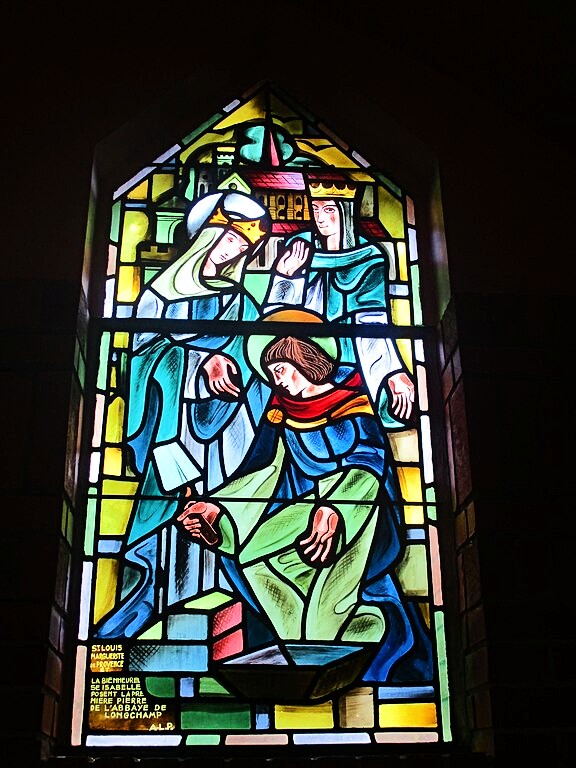
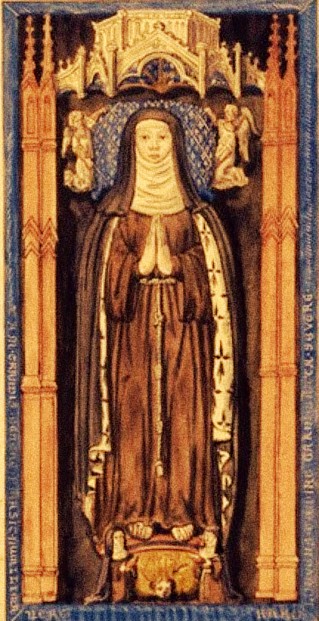
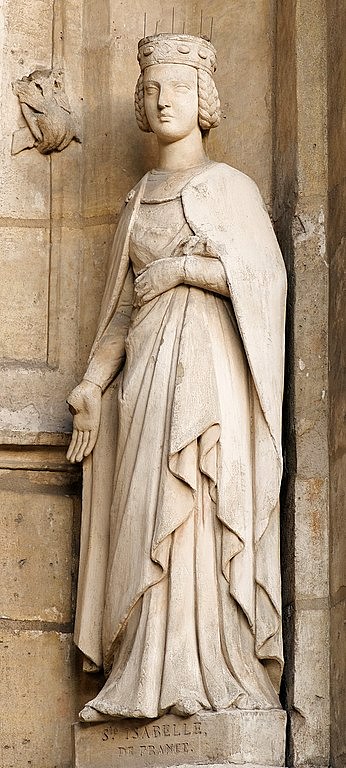
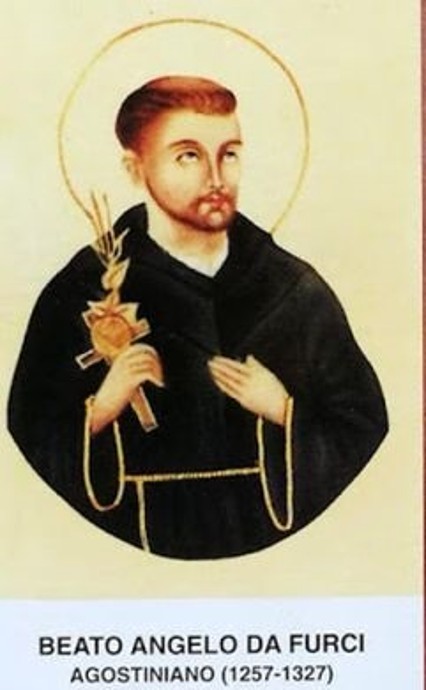
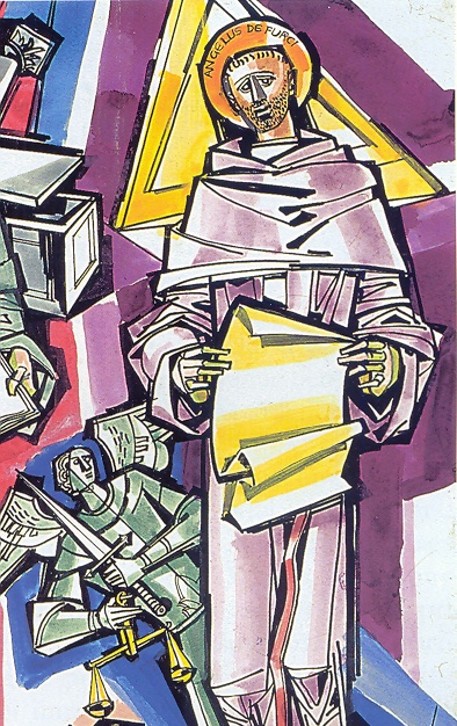
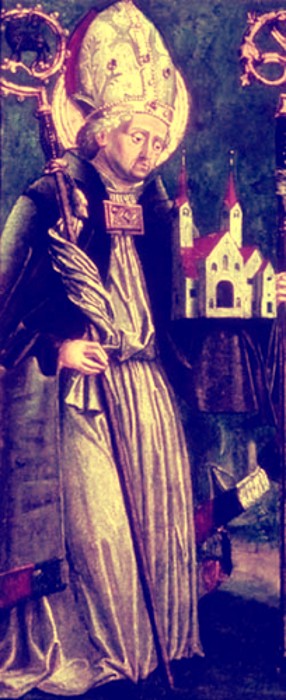
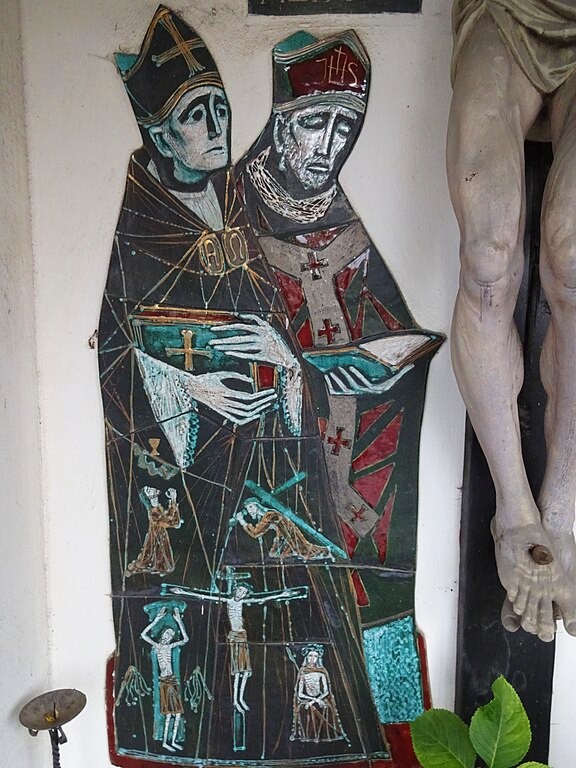

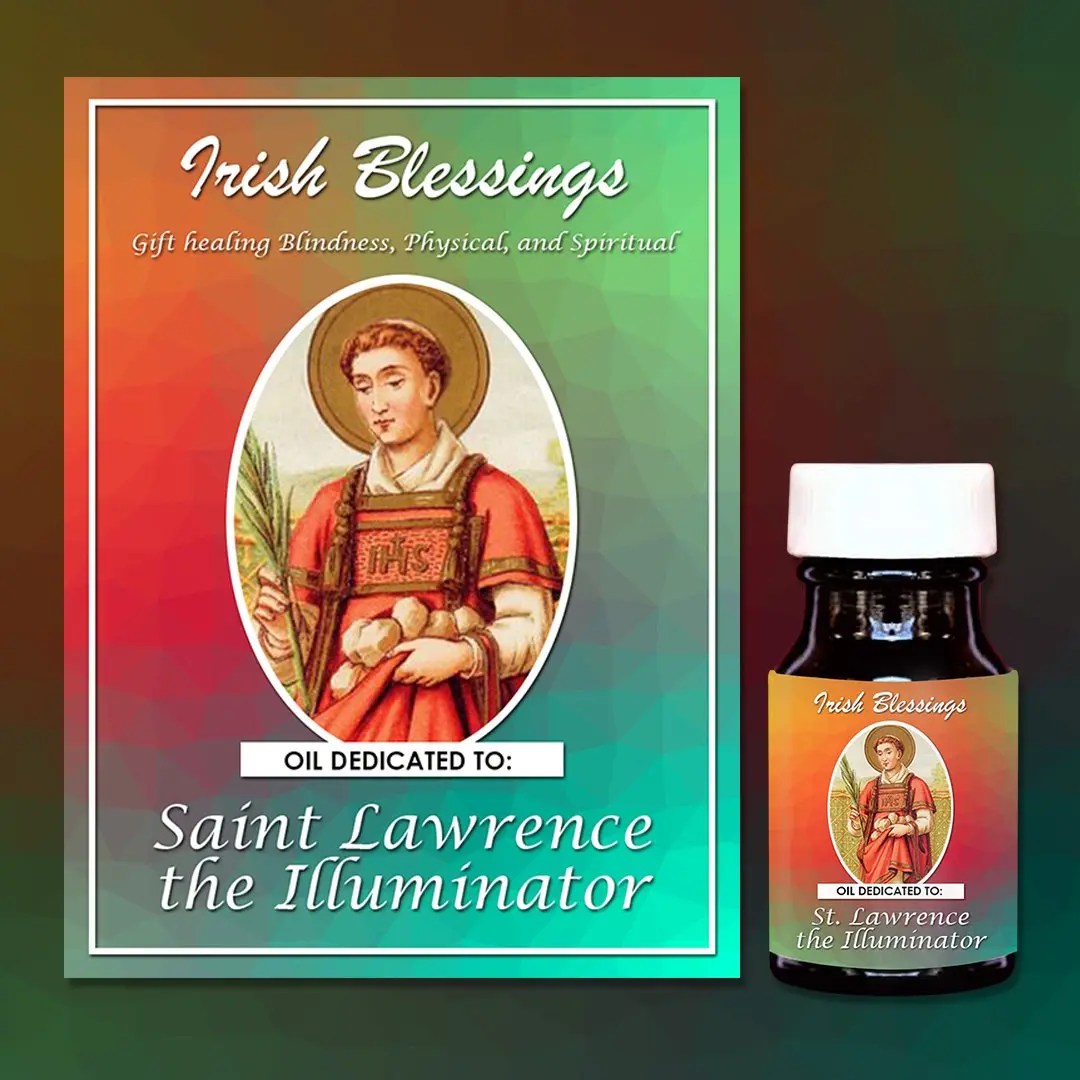
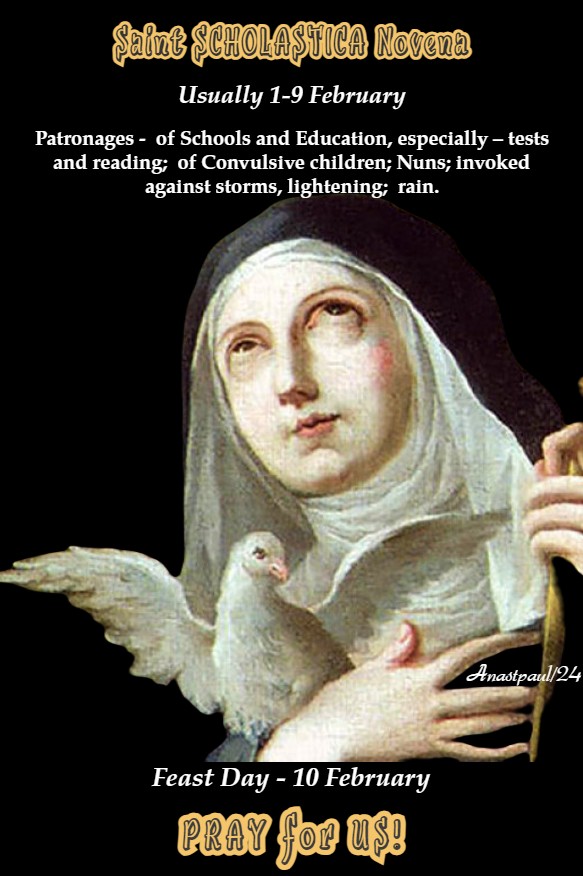
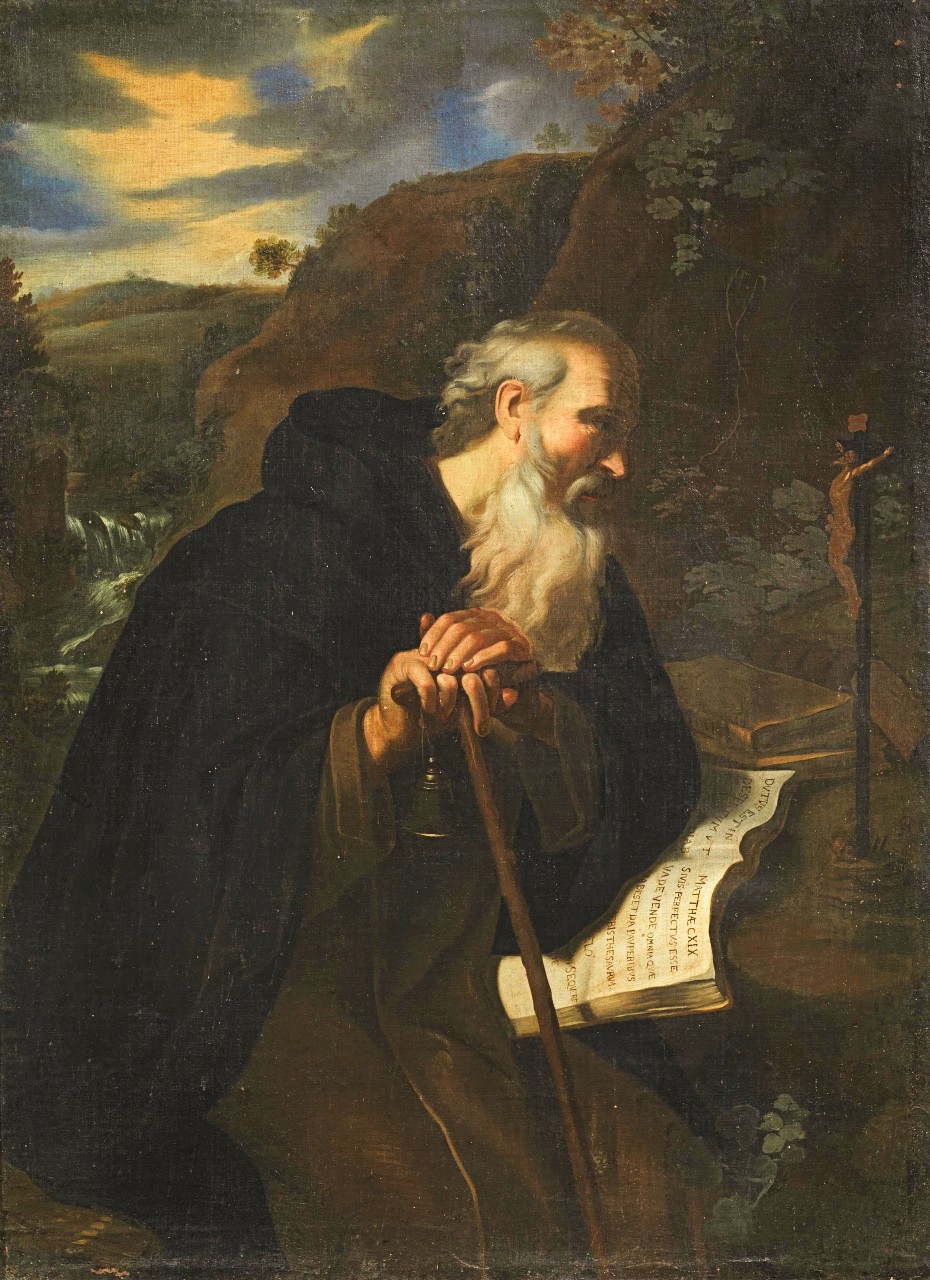
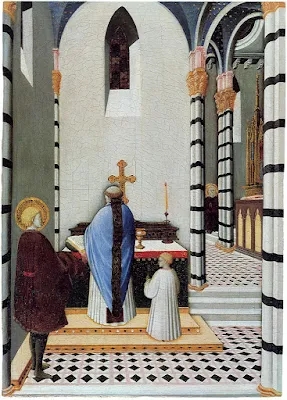
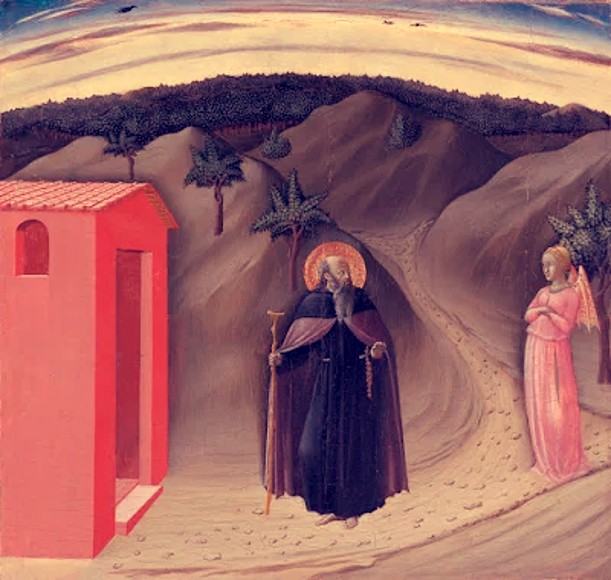
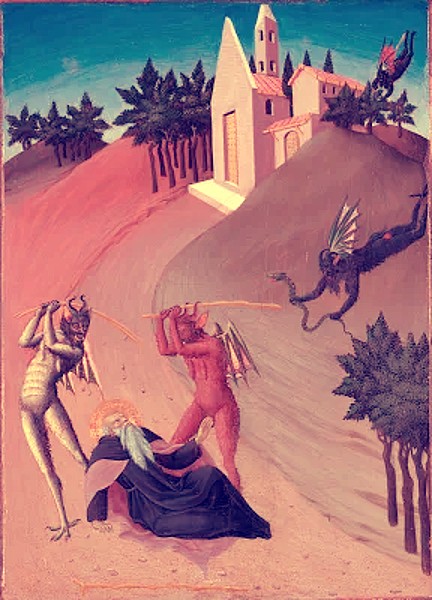
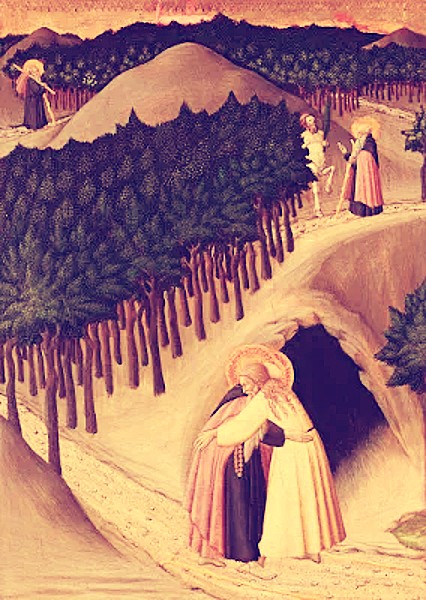
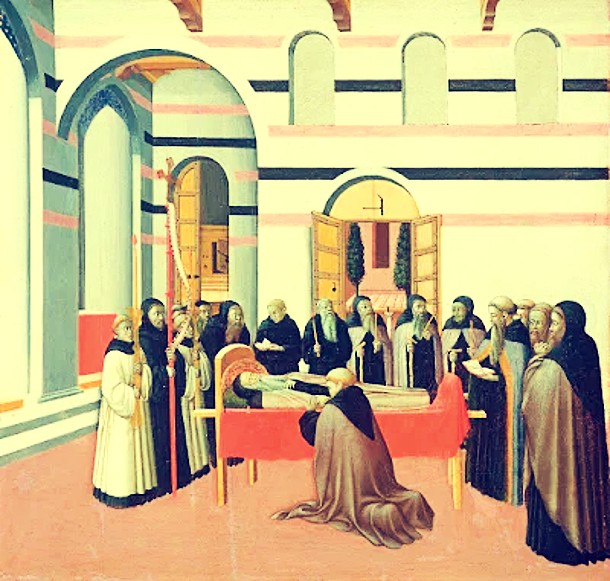
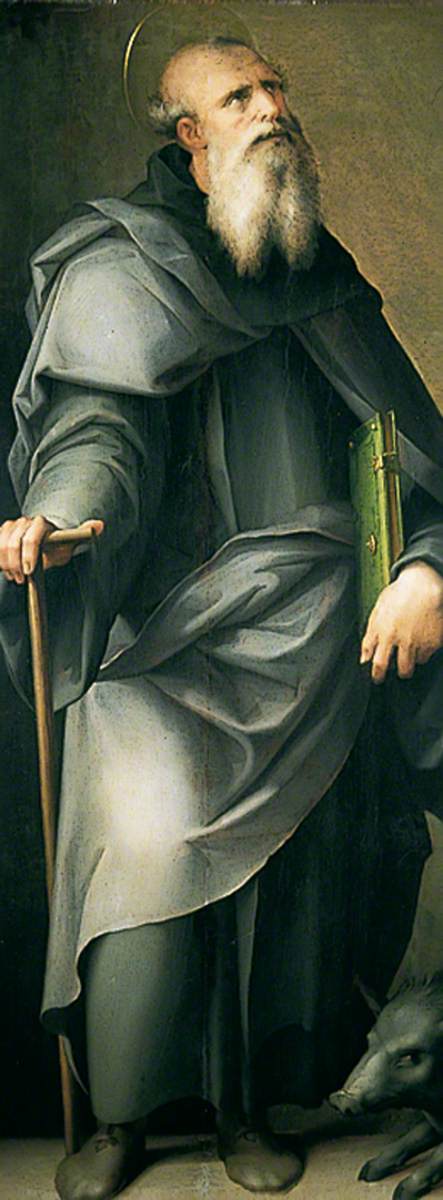
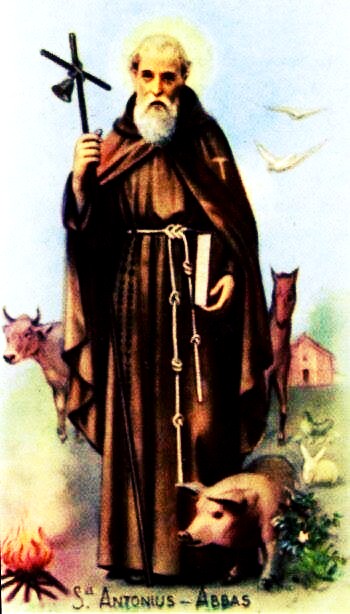
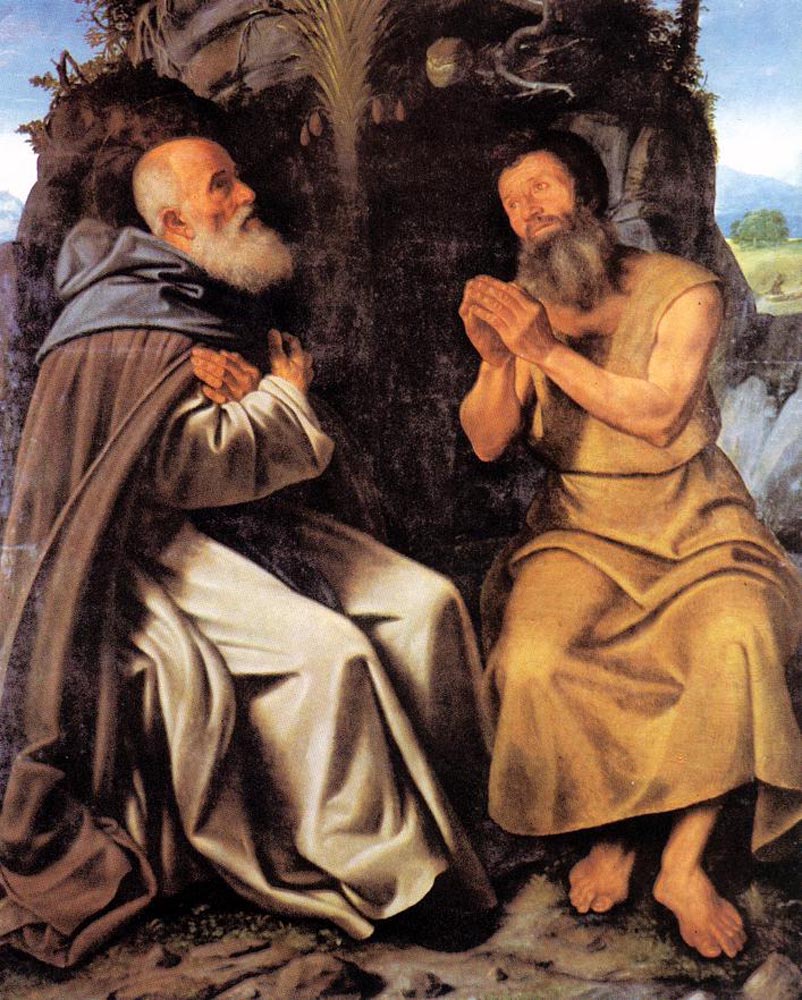

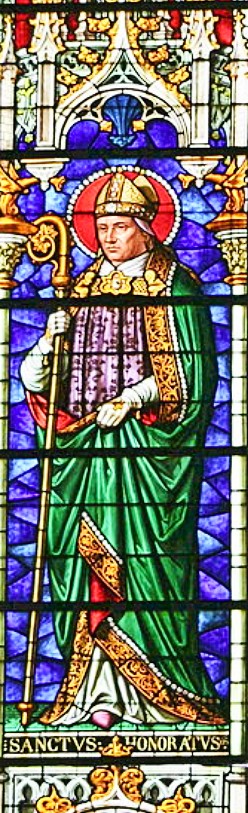


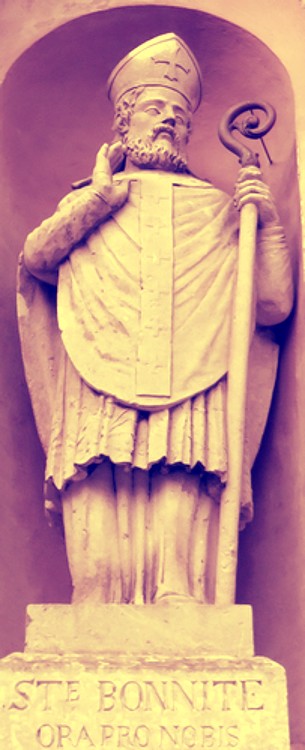
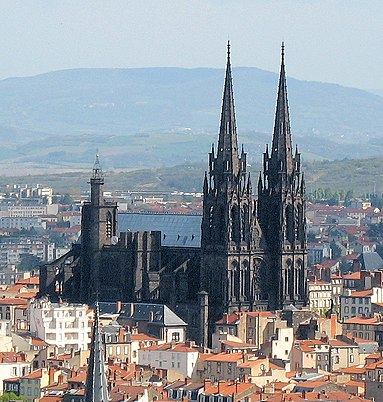
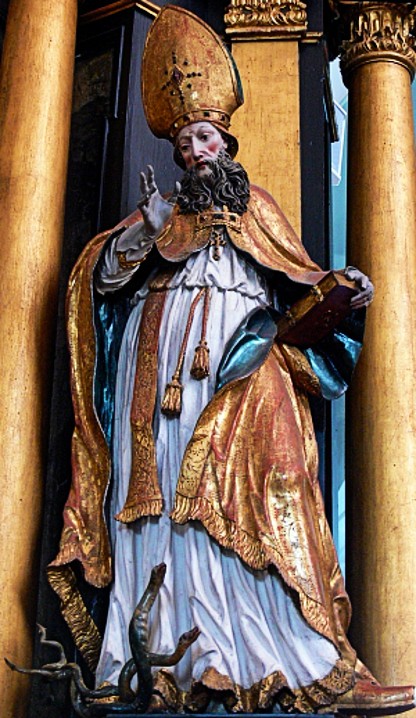
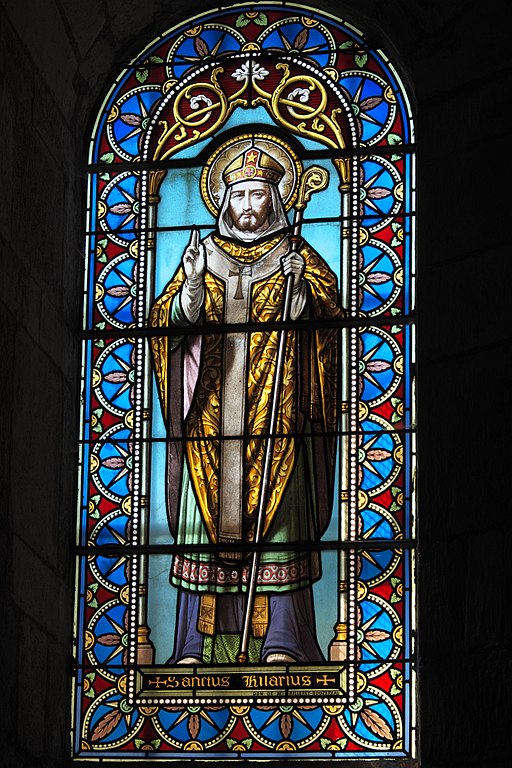
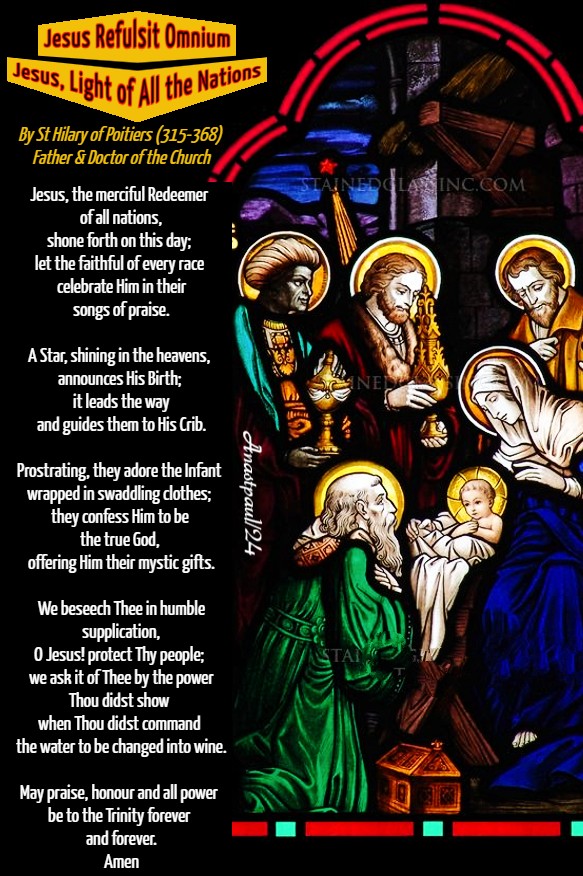
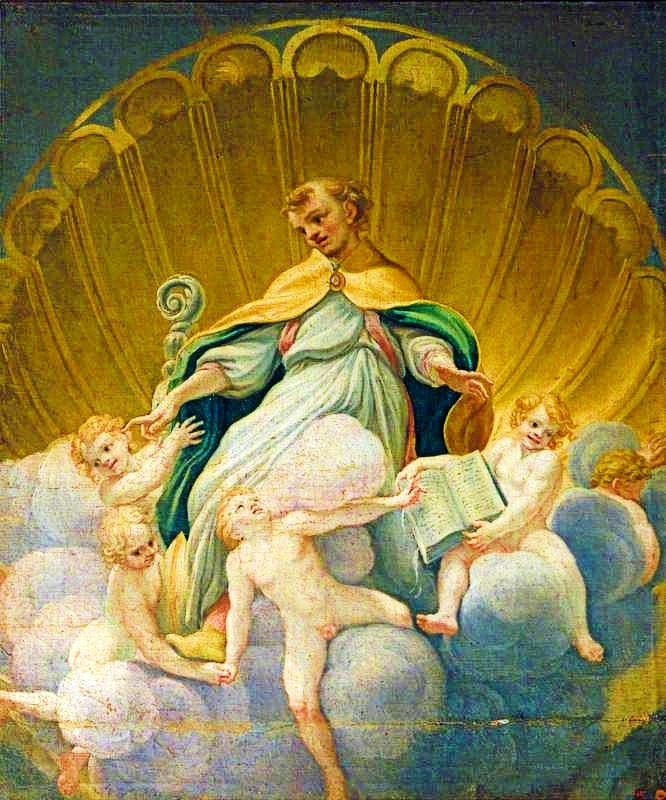


You must be logged in to post a comment.