Saint of the Day – 3 January – Saint Daniel of Padua (Died 168) Deacon Martyr, Missionary, Evangeliser. Born in Italy, tradition says that he was originally a Jew but was converted by Saint Prosdocimus (Died c100), the first Bishop of Padua, who he assisted in evangelising north-eastern Italy. He was Ordained a Deacon and helped the Bishop preach the Gospel. Patronages – of lost articles, the blind and of eye diseases, prisoners, women whose husbands are away from home at war and he is considered the Patron Saint of Treviso and is also one of four Patron Saints of Padua, along with Saints Anthony of Padua, Prosdocimus and Justina of Padua. Also known as – Daniele, Danilo. Additional Memorial – 17 February on some calenders.
Bronze sculpture detail of Daniel of Padua on the doors of the Basilica of St Anthony
According to tradition, Daniel was Martyred in the year 168 under Emperor Marcus Aurelius (161-180), nailed to a table. However, it is more likely that he died in the early 4th Century in the persecutions under the Emperor Diocletian (284-305). The Roman Martyrology gives no further information.
Bronze sculpture of Daniel of Padua on the doors of the Basilica of St Anthony
The traditions about Daniel were forgotten but his remains were discovered many Centuries later. According to the legend, the core of which seems certain, the Martyr appeared to a blind man in Tuscia and invited him to receive the grace of sight in the oratory of St Prosdocimus in Padua, where Daniel’s tomb lay, completely ignored. The miraculous cure was followed by a diligent search, which led to the discovery of a marble sarcophagus. The Martyr lay there, as on the day he was killed. The body, lying on a wooden slab and covered with a slab of marble, had been pierced by many long nails. An inscription said: “Hic corpus Danielis martyris et levitae quiescit – This is the body of Daniel, Martyr and Deacon.”
Bronze sculpture of Daniel of Padua on the doors of the Basilica of St Anthony
Bishop Uldericus was present at the first identification and, on 3 January 1076 he had the sarcophagus solemnly processed into the new Cathedral of Santa Maria within the City walls. To appease the opposition of the Monks of Santa Justina and the local population of the place, he built a Chapel dedicated to St Daniel on the site where the Parish Church of the same name now stands – the Statue depicted below is situate on the facade. The Martyr’s remains lay under the High Altar in the Cathedral until in 1592 when they were moved to the crypt in the new Cathedral.
In 1953, the sarcophagus was placed in another Chapel and then Daniel’s original sarcophagus was freed from the marble and bronze which had hidden it. It was the same one in which the Martyr had been found, an old Roman sarcophagus of Carrara marble which had had the old pagan decoration removed, probably at the time it was discovered.
Church of the Monastery of St Daniel in Monte near Abano Terme
Daniel is celebrated in the Diocese of Padua, as a Patron Saint, on 3 January the date of the first translation. This day is also in the general Roman Martyrology, while the day in the edition for the Regular Canons was 17 February.
Daniel is depicted in art as a Deacon wearing a Dalmatic, holding a towel and wash basin. He is also often depicted with a Church or City model and a banner. He is invoked by wives with men away at war. He is also invoked in cases of imprisonment, the blind and eye disorders and lost articles.
Jacopo da Montagnana – Saints Daniel of Padua and Louis of Toulouse
Saint of the Day – 2 January – Blessed Stephana de Quinzanis OP (1457-1530) Virgin, Dominican Tertiary, Mystic, Stigmatist, Stephana was particularly devoted to the Passion of our Lord and bore the Stigmata of His Passion. At the same time, she experienced spiritual aridity, as well as doubts and temptations. Stephana was well known for her service to the poor. Born in 1457 in Orzinuovi near Brescia in Italy and died on 2 January 1530 in Soncino near Crema in Italy. Also known as – Stefana Quinzani, Stephanie de Quinzanis. Patronage – of Theologians, Beatified on 14 December 1740 by Pope Benedict XIV (cultus confirmed). Her Body is interred at the Church of the Convent of the Dominican Tertiary Sisters Soncino, Cremona, Italy which Stephana had founded and some of her Relics are enshrined in her hometown Parish of .Orzinuovi.
She was born in 1457 in Brescia, Italy, to Lorenzo de Quinzanis and his wife, who were a poor and pious couple. Her father became a member of the Third Order of St Dominic while Stephana was very young. While accompanying him on visits to the Dominican Monastery in nearby Soncino, she met the stigmatist Friar, Blessed Matthew Carrieri, who instructed her in the Catechism.
Bl Matthew told her that she would be his spiritual heiress, a statement she did not understand for many years. She began receiving visions of Dominican Saints from age seven, at which point she made vows of poverty, chastity and obedience. In 1464, Christ appeared to her, accompanied bythe Blessed Virgin Mary and Saints Dominic, Thomas Aquinas and Catherine of Siena, presenting her with a wedding ring, signifying her mystical marriage. Bl Matthew Carrieri died when Stephana was 14 years old and soon after he appeared to her in a vision and she herself received the Stigmata.
Stephana started to work as a servant but she continued in her formation in the Third Order and at age 15, made her profession at the Dominican Priory in Soncino. Her devotion to the poor and sick led her to found a community of Third Order Sisters there. She served as its first Prioress.
Her counsel was sought by many, including St Angela Merici, Foundress of the Ursulines, also Bl Augustine Fangi, as well as her fellow Dominican tertiary and mystic, Bl Osanna of Mantua. In 1497, Stephana participated in various stages of the Passion of Jesus Christ which was attested to by 21 witnesses in a still extant account, written in the vernacular and entitled “Relazione dell’Estasi della Passione – Report of the Ecstasy of the Passion.” Sources state that although Stephana was “plain” she had magnificent hair. Grudging herself this one beauty, she pulled it out by the roots.
Bl Stephana in ecstasy, bust on the Altar dedicated to her, in the Parish Church in Orzinuovi. The Sculphture was created in 1930 by Enrico Biondi
Stephana had a particularly intense devotion to Saint Thomas Aquinas. In fact, to overcome the temptation of thoughts against purity, she once threw herself upon a cartload of thorns in imitation of the Doctor Angelicus. Exhausted from this penance, she prayed to Saint Thomas and, was girded by Angels, as St Thomas had been mystically girded with a cord, which they tied so tightly around her waist that she cried out in pain.
Although she had no formal theological training, she could discuss mystical theology at the most profound level. She is considered a patron saint for theologians. Stephana could read the hearts and minds of the people around her and had the gift of prophesy and of curing illnesses. She lived in a nearly continuous fast. She accurately predicted the date of her own death which occurred from natural causes on 2 January 1530.
Stephana’s tomb became a pilgrimage site almost immediately. Her intercession was often felt in the Convent she had founded, where the Sisters obtained both material and spiritual help through her intercession.
Her cult was popularised by the Dominicans Bartholomeo of Mantua and Battista of Salò but their Latin Vitae (Lives of the Blessed), have been lost and only a later Italian version which combined the two texts has survived.
Saint of the Day – 31 December – Saint Zoticus of Constantinople (Died c350) Priest, known as “The Feeder of Orphans,” possibly a Martyr. Patronages – of the poor and of orphans. Nickname: “Orphanotrophos” the one who feeds orphans. Name means: Z: the man full of life (Greek) and O: the orphan carer (Greek).
Originally from Rome, he journeyed to Constantinople (modern Istanbul, Turkey) when it became the capital city of the Empire under Constantine the Great (r. 324-337). There he founded a hospital for the poor and defended orthodox Christianity before the pro-Arian Emperor Constantius II (r. 641-668).
Some traditions declare him a Martyr due to the above defiance of the Arian Enmperor but the Roman Martyrology does not define him as a Martyr. It says: “The same day, St Zoticus, Roman Priest, who went to Constantinople and took upon himself the care of orphans.”
Zoticus is revered as the founder of Byzantium ‘s first Orphanage
Saint of the Day – 20 December – Saint Ursicinus of Saint-Ursanne (c552-c625) Abbot, Hermit, disciple of St Columban (543-615). Born in c552 in either France or Ireland and died on 20 December in c625 near modern St-Ursanne, Jura, Switzerland of natural causes. Patronages – against a painful and stiff neck, Besançon in France and in Switzerland – Basel, Saint-Ursanne. Also known as – Ursicino del Giura, Ursan, Ursitz, Ursanne. Additional Memorial – 24 July in the Diocese of Basel, Switzerland.
Reliquary of St Ursicinu , 1519, in the Monastery Church in St Ursanne
The cult of St Ursicinus, a Hermit in the Jura, is attested in this Swiss region since the third part of the 7th Century. In fact, already before 67, the Abbot German of Moûtier-Grandval, had built a Church in our Saint’s honour near Grandval.
Furthermore, an ancient document reports that Abbot St Wandregisel (Died 668), built a Monastery around 630 in the same place where Ursicinus rested.
The Sarcophagus of the Hermit Saint, dating to the 7th Century, is still venerated in the beautiful Church of St Ursanne (Ursicinus), located in the bend of the Doubs river which rises in the French Jura and enters Swiss territory for a short stretch, forming the aforementioned bend, on whose shore the Church is located.
Altar and Sarcophagus in the Monastery Church in St Ursanne
As regards the life of Ursicinus, everything that the Hagiographers have considered and spread, comes from an ancient document, first cited by the Jesuit Claudio Sudan (1579-1665) in his work “Sacred Basel” but which unfortunately, he did not transcribe verbatim. The document was a liturgical legend in 24 lessons, which was composed at the request of Bishop Hugh I of Besançon, the Diocese to which the Hermit Ursicinus then belonged.
This ‘Vita’ which was lost, said that Ursicinus was an Irish Monk, a companion of St Colomban (543-615), the Abbot who emigrated from Ireland to France and then to Italy, where he founded the Monastery of Bobbio in 614. Ursicinus, who had followed the Abbot Colomban, together with the Monks Gallus, Sigisbert, Fromond, in the Gaul of the time, when in 610, they had to leave Luxeuil in French territory, split from his master who was headed for Italy and with Fromond, he went up the mountain range of Franco-Swiss Jura, looking for a suitable place for a Hermit’s life.
This Statue rests in the Hermitage Shrine
Tradition says that Ursicinus proposed to his fellow Monk to throw their sticks into the air from the top of a mountain, thus letting Heaven decide the correct indication at the point of where they fell. The sticks fell in different places and the two companions were separated, Ursicinus’ fell near a cave, in the valley of the Doubs river, where he retired as a Hermit.
St Ursicinus’ Hermitage
In this place he built a Chapel dedicated to St Peter and which would, in the future, take his name. Soon his fame attracted various disciples, so Ursicinus founded a Monastery for them, under the rule of his master, St Columban and under his governance.
After about ten years of an exemplary hmonastic life, Saint Ursicinus died around 625. Hhis name is found in the Litanies of the Saints venerated in Besançon since the 11th Century and in the Martyrology of the same Diocese today, 20 December.
The Monastery he founded in the Doubs valley underwent various changes over time, passed to the Benedictines, in 1040 it was dependent on that of Moûtier-Grandval, then in 1077 it was assigned to the Bishops of Basel. In 1119, one of these Bishops established a Collegiate Church there which lasted until 1793 when it was destroyed.
The Monastery of St Ursicinus
The Town of Saint Ursanne arose around the Monastery. He is venerated throughout the Northern Jura, in Besançon, Mainz, Basel. Images of him show him holding a book and lilies.
Saint of the Day – 14 December – Saint Agnellus of Naples OSA (535-596) Hermit, Priest, Abbot, Defender and Protector of the City of Naples, Miracle-worker. Agnellus was initially a Basilian Monk and later became a Friar of the Hermits of St Augustine. Born in 535 in Naples, Italy and died of natural causes on 14 December 596 in his birth-town at the age of 61. Patronages – against invaders or invasion, of the City of Guarcino, one of the 50+ Co-Patrons of Naples (See Note below). Also known as – Agnello, Aniello the Abbot. Additional Memorial – 18 May in his Patronage Town of Guarcino.
The Roman Martyrology reads today: “In Naples, in Campaniaa, St Agnellus, Abbot. Illustrious by the gift of miracles, he was often seen with the standard of the Cross, delivering the City besieged by enemies.”
At the beginning of the 10th Century, Peter, a Sub-Deacon of the Neapolitan Church who had been freed from a serious illness through the intercession of Agnellus, composed a “Libellus Miraculorum,” in which, in addition to his own miraculous cure, he recounts twenty-two further miracles performed through the intercession of our Saint.
Agnellus was born in 535 in Naples into a rich family of Syracusan origin, possibly related to Saint Lucy. His father was Federico and his mother Giovanna. He spent his youth as a Hermit in a cave near a Chapel dedicated to the Virgin Mary and then, in the Church of Santa Maria Intercede which later became Sant’Agnello Maggiore.
Statue of the saint in the Town named after him.
He received a rich and extensive inheritance on his parents’ death and used it on works of mercy, such as founding a hospital for the poor.
Agnellus became increasingly popular among the inhabitants of Naples, so much so that they called upon him to save the City during the Lombard invasion of 581. Accepting the challenge, he appeared carrying a Banner of the Cross to defend the City.
He finally left the City to escape his popularity, moving to Monte Sant’Angelo, then the village of Guarcino, where he remained for seven years and where there is a Shrine dedicated to him.
Agnellus later returned to Naples to become an Augustinian Monk and then a Priest at the Monastery of Gaudiosus of Naples, where he finally became Abbot and where he died aged 61.
The 17th Century Reliquary bust containing the jaw and throat attributed to Agnellus, is kept in the Cathedral of Naples, inside the Chapel of San Gennaro. He is Co-Patron of the City of Naples where, according to tradition, he was buried in the Church of Sant’Agnello Maggiore in Caponapoli.
Since the 15th Century, Agnellus was counted among the Patrons of Naples and is also the Patron of Guarcino, a City in Lazio in the Province of Frosinone. He also enjoys particular veneration in Lucca, where, since the 12th Century, an Altar was dedicated to him. This City disputed with Naples regarding the authenticity of its Relics and celebrates the Feast on 18 May.
There are many Churches dedicated to St Agnellus in the region.
*NOTE: The City of Naples has more than 50 official Patron Saints, although its principal Patron is Saint Januarius (Died c305). St Januarius is a Martyr of the Great Persecution which ended with Diocletian’s retirement in 305. The second in terms of importance, is St Aspren (Died in the 2nd Century) – the first Bishop of Naples. St Aspren’s Episcopate is stated as lasting twenty-three years.
St Agnellus in Glory – Gloria di Sant’Agnello, Santuario di Sant’Agnello Abate – Roccarainola
St Lucy (of Syracuse) – St Lucy/Lucia of Syracuse (c283-304) Virgin and Martyr Patron of the blind, eye disorders, martyrs, Perugia, Italy, Malta; epidemics; salesmen, Syracuse, Italy, throat infections, writers, against fire, against poverty, against spiritual blindness, peasants, penitent prostitutes, poor people, sick children, authors, cutlers, farmers, glass blowers, glass makers, glaziers, labourers, lawyer, maid servants, notaries, ophthalmologists, opticians, porters, printers, saddler, sailors, salesmen, seamstresses, stained glass workers, tailors, upholsterers, weavers and 10 further towns and cities. St Lucy’s Life and Death: https://anastpaul.wordpress.com/2017/12/13/saint-of-the-day-13-december-st-lucy-c-283-304/
Prayer to St Lucy
O St Lucy, you preferred to let your eyes be torn out instead of denying the faith and defiling your soul and God, through an extraordinary miracle, replaced them with another pair of sound and perfect eyes to reward your virtue and faith, appointing you as the protector against eye diseases. I come to you for you to protect my eyesight and to heal the illness in my eyes.
O St Lucy, preserve the light of my eyes so that I may see the beauties of creation, the glow of the sun, the colour of the flowers and the smile of children.
Preserve also the eyes of my soul, the faith, through which I can know my God, understand His teachings, recognise His love for me and never miss the road that leads me to where you, St Lucy, can be found in the company of the angels and saints. St Lucy, protect my eyes and preserve my faith.
St Lucy, “Bringer of Light” Pray for those with eye ailments, Pray for us all!
Blessed Antonio Grassi Cong. Orat. (1592 – 1671) Priest of the Oratorians of St Philip Neri, Confessor, Tertiary of the Order of St Francis, Spiritual advisor, Counsellor, Mediator, Miracle Worker, Apostle of the poor and the sick. He was Beatified on 30 September 1900 by Pope Leo XIII. Blessed Antonio’s biography: https://anastpaul.com/2018/12/13/saint-of-the-day-13-december-blessed-antonio-grassi-cong-orat-1592-1671/
St Aristone St Arsenius of Latro St Aubert of Arras Bl Bartholomew of Tuscany St Edburgh of Lyminge St Einhildis of Hohenburg Bl Elizabeth Rose St Jodocus
Blessed Giovanni Marinoni CR (1490-1562) Priest of the Theatines of St Cajetan (1480-1547) (The Congregation of the Clerics Regular of the Divine Providence), renowned Preacher and spiritual director. Patron of Preachers. He was Beatified on 5 December 1764, by a Bull of Pope Clement XIII, who also granted an Office in his honour, to his Order, to be celebrated on 13 December. Biography: https://anastpaul.com/2019/12/13/saint-of-the-day-blessed-giovanni-marinoni-cr-1490-1562/
St Martino de Pomar St Roswinda St Tassio of Bavaria St Ursicinus of Cahors (Died c595) Bishop St Wifred
Blessed Mercedarian Knights – 7 Beati: A group of Mercedarian Knights who fought the enemies of the Catholic faith in the first Century of the Order. Blessed Bernardo de Podio Blessed Giacomo de Copons Blessed Giovanni de Bruquera Blessed Guglielmo de Sa Blessed Pietro Boguer Blessed Pietro Ricart Blessed Raimondo de Frexa
Martyrs of Sebaste – 5 Saints: A group of Christians Martyred together in the persecutions of Diocletian. We know little more than their names – Auxentius, Eustratius, Eugene, Mardarius and Orestes. They were martyred in c 302 at Sebaste, Armenia (in modern Turkey) and their relics are enshrined at the church of Saint Apollinaris in Rome, Italy.
Saint of the Day – 5 November – Saint Gerald of Béziers OSA (1070–1123) Bishop of Béziers from 1121 until the day of his death, Canon Regular of St Augustine and the 2nd Prior of the community at Cassan Abbey, Apostle of the poor and sick, Gerald built a Hospital and restored and extended the Abbey, Miracle-worker. Born around 1070 in Puissalicon and died on 5 November 1123 in Béziers in France of natural causes. Patronages – Puissalicon and the town of Saint-Guiraud and of children suffering from eye diseases. Also known as – Gerald of Puissalicon, Guiraud, Geraud, Geraldo.
Gerald was born in Puissalicon in 1070. Several acts and charters bear the signature “Guiraud of Puissalicon.” This proves that he was from the noble family of thePuissalicons. Tradition reports that his mother carried him for only 7 months and then, when he was Baptised, the Baptismal’s water began to boil as if some red-hot iron had been planted within it. This miracle was considered as forerunner of the holiness of the child.
Before 1085, being only around 15 years old, he joined the Canons Regular of St Augustine, where , in around 1094, he was Ordained a Deacon. Seven years later, in 1101, aged 31, Gerald was Ordained to the Priesthood.
Between 4 May 1105 and 6 August 1106, he was elected Prior of the Monastery in Cassan near Roujan , which, as Prior, he restored to its former glory. He built many new buildings, including a Hospital. On 5 October 1115, a new Church outside the Cassan Monastery was Consecrated.
Gerald was known for his piety, sincerity and simplicity, He devoted much of his time to the poor and sick and in 1121 he accepted the Bishopric of the Diocese of Béziers. He held this office for only around 2 years before Gerald died at the age of approximately 53 as a result of illness.
He was buried, as requested, next to Saint. Aphrodisius, first bishop of Béziers. His Relics were transferred on 11 November 1259 to the no longer existing Monastery of the Poor Clares . This building was a place of worship until the French Revolution, during which the Relics of our Saint were destroyed. His miraculous Silver Amethyst Ring was stored in Reujan and was stolen in 1980 by unknown perpetrators. The ring had great supernatural powers, especially for children with eye diseases.
The French Town of Saint-Guiraud is named after him .
Quote/s of the Day – 4 November – “The Month of the Holy Souls in Purgatory” – Saint Charles Borromeo (1538-1584) He is known as the “Father of the Clergy” – Some of his Patronages – Bishops, Priests, Seminarians • Catechists • Catechumens • Spiritual Director s • Spiritual leaders.
“Prayer is the beginning, the progress and the complement of all virtues.”
“Souls are won with the knees.”
“The Rosary is the most divine of devotions.”
“Just as Christ came into this world only once, clothed in our flesh, He is also ready to come again, at any moment, to dwell spiritually in our hearts with the profusion of His graces, as long as we do not resist Him!”
“We are all weak, I confess but the Lord God has given us means with which, if we wish, we can be strengthened with ease.”
O Holy Mother of God A Prayer for our Priests to the Most Blessed Virgin By St Charles Borromeo (1538-1584)
O Holy Mother of God, pray for the Priests thy Son has chosen to serve His Church. Help them by thy intercession, to be holy, zealous and chaste. Make them models of virtue, in the service of God’s people. Help them to be prayerful in meditations, effective in preaching and enthusiastic in the daily offering of the Holy Sacrifice of the Mass. Help them to administer the Sacraments with joy, O Holy Mother of God. Amen.
Quote/s of the Day – 17 October – St Margaret Mary Alacoque (1647-1690) Virgin
“Let us begin, in earnest, to work out our salvation, for no-one will do it for us, since, even He Himself, Who made us, without ourselves, will not save us, without ourselves!”
“Keep your heart in peace and let nothing trouble you, not even your faults. You must humble yourself and amend them peacefully, without being discouraged or cast down, for God’s dwelling, is in peace.”
“Let every knee bend before Thee, O greatness of my God, so supremely humbled in the Sacred Host. May every heart love Thee, every spirit adore Thee and every will be subject to Thee!”
In Thy Divine Heart By St Margaret Mary Alacoque (1647-1690) Visionary of the Sacred Heart
Lord Jesus, let my heart never rest until it finds Thee, Who are its source, its love and its happiness. By the wound in Thy Heart pardon the sins I have committed, whether out of weakness, or out of evil desires. Place my weak heart in Thy own Divine Heart, continually under Thy protection and guidance, so that I may persevere in doing good and in fleeing evil, until my last breath. Amen
Saint of the Day – 9 October – Saint Gislenus (Died c680) Priest, Basilian Monk, Abbot of the Monastery of Hainault, which he founded, Hermit, Missionary and friend of bears! Born either in Germany or in Greece (records differ but the name Gislenus is of Germanic origin) in the early 600s and died in c680, of natural causes, in the Town named after him, Saint-Ghislain, in modern day Belgium. Also known as – The Apostle of Hainault, Ghislain, Gislain, Gisleno, Gisileno, Guislain. Patronages – Saint-Ghislain, against epilepsy, also known as “St Gislenus’ disease” children’s illnesses and during difficult births.
St Gislenus with his bear
The Roman Martyrology states: “In the Hainault region of Austrasia, in today’s Belgium, Saint Gislenus, who led a monastic life in a cell he built himself [and later extended into a Monastery of which he was the first Abbot.]”
Gislenus completed his studies and then abandoned the world to follow the Rule of St Basil. He was later Ordained a Priest. He travelled to Rome, where the Pope sent him, together with his disciples, Lambert and Berler (both of these too are Saints), to Belgium. as Missionaries.
He made a clearing in the vicinity of Mons, in Hainault, later moving his abode at a place called Ursidongus,- meaning “Bear’s den” and named for our Saint and his friend, the Bear, who had chosen the site – where he built a Chapel and Monastery dedicated to the Princes of the Apostles, Saints Peter and Paul.
Many Bishops had deep esteem and veneration for him – StAubert, the Bishop of Cambrai (Died c720) protected him in a particular way. St Waltrude (c612-686) Widow, gave him a gift of lands and Gislenus influenced her to supply the funds to build a Monastery.
Gislenus exerted a strong influence on the women of the nobility and stimulated them to enter monastic life. These included StAldegonda, St Aldetrude, St Madelberta and of course, the most renowned, St Waltrude.
He died at an advanced age on 9 October between 680 and 685 at his Monastery which later took his name. The cult was already witnessed in the 9th Century. The Saint is particularly invoked against epilepsy, also known as “St Gislenus’ disease” children’s illnesses and during difficult births. The two disciples of the Saint, Lambert and Berler are generally commemorated with him.
St Gislenus right with St Andrew Apostle
The Relics of the Saint were first disinterred in c929. They were translated to Grandlieu, near Quaregnon, about the end of the tenth century or the beginning of the eleventh and, in 1025, Gerard of Florennes, Bishop of Cambrai, removed them to Le Cateau-Cambrésis. They were visited several times in the course of the Middle Ages by the Bishops of Cambrai.
In 1647 they were removed to St-Ghislain, of which place he is Patron.
In iconography he is frequently represented with a bear or bear’s cub beside him. This relates to the wonderful prodigy of the a bear, who being pursued in the chase by King Dagobert I, sought refuge with Gislenus and later showed him the place where he should establish a Monastery. Moreover, the site of the Saint’s cell was called Ursidongus, “Bear’s den,” He is also frequently represented holding a Church.
There is a Rue Saint-Ghislain/Sint-Gissleinsstraat in Brussels.
The Life of St Gislenus Altarpiece at St Waltrude’s Church in Mons
Saint of the Day – 17 September – St Satyrus of Milan (c335-c378) Confessor, Layman. Older brother of St Aurelius Ambrose (340-397) Father and Doctor and St Marcellina (c330-c398) Consecrated Virgin. Born as Uranio Satiro, probably in Trier, Germany and died in 378 in Milan of natural causes. Patronages – of Sacristans of the Archdiocese of Milan.
The Roman Martyrology reads today: “At Milan, the departure from this world of St Satyrus, Confessor, whose distinguished merits are mentioned by his brother, St Ambrose.”
Our only sources for Satyrus’ life are two orations delivered by his brother, one on the day of his death and the other, a week later. We know that he was the second of their parents’ three children, born after their sister, Marcellina; this puts his birth somewhere around 335, before his brother’s in 340, at either Trier, where their father reigned as Governor of a Roman Province, or at Rome. Being of the Senatorial Aristocracy, both brothers followed in the path of their father’s career and served as Governors of Roman Provinces but that assigned to Satyrus is unknown.
In 374, when St Ambrose was appointed as the Bishop of Milan, his brother left public office in order to help him with the administration of the Diocese, as well as to care for their sister and the family patrimony. St Ambrose praises him for his chastity in terms that clearly indicate that he was not married.
More than once, these duties required Satyrus to travel to Africa. Like many men of his class and period, whose public responsibilities were difficult to reconcile with the discipline of a Christian life, he long remained a Catechumen. (St Ambrose himself was a Catechumen at the time of his election as Bishop by popular acclamation. The Ambrosian Rite adds a commemoration of his Baptism to the Mass of St Andrew the Apostle on 30 November and keeps his principal Feast only a week later, on the day of his Episcopal Ordination). Ambrose, however, notes the following episode, in proof of his strong faith.
The Shipwreck of St Satyrus, by Giambattista Tiepolo, 1737′ It is kept in the Chapel dedicated to him, where his Relics were formerly kept, also within the Basilica of St Ambrose.
On Satyrus’ return from the last of his African journeys, his ship was wrecked on shoals, just off the coast of either Sicily or Sardinia. Before jumping off the boat, one of his fellow passengers gave him, at his request, a small piece of the Blessed Sacrament, which he then wrapped up in a small cloth and fastened around his neck. St Ambrose attributes his safe deliverance from the sea, to this, noting that Satyrus’ faith in God was so strong that he did not even bother to grab onto one of the planks of the broken vessel. After safely reaching land, he decided to be Baptised. He had, however, evidently already contracted the unknown disease which would take his life shortly thereafter. Having returned to Milan, he died in either 378 or 379 in the arms of his two siblings.
Devotion to St Satyrus is first attested in the 9th Century, when Anspert, Archbishop of Milan, built a small Church dedicated to him, his brother and St Silvester. This was later absorbed into a Church constructed by the Architect Donatello Bramante in 1476-1482 which is still, to this day, known as “St Mary near St Satyrus.” His name first appears in Liturgical books of the Ambrosian Rite in the 10th Century. In view of his role as his brother’s assistant in the administration of the Diocese, he is traditionally honoured in Milan as the Patron Saint of Sacristans.
The original location of St Satyrus’ burial within the Chapel of St Victor.
An inscription which notes the site as the place of his burial, alongside several early Martyrs of the Church of Milan.
The story told above about the shipwreck, forms a large part of the Ambrosian Preface for the Mass of St Satyrus:
“Truly it is worthy… eternal God, unceasingly praising Thy glory and proclaiming Thy greatness in Thy Saints. Who didst grant Thy blessed Confessor, Satyrus, such an abundance of virtues that he, having become, in many affairs, the colleague of his brother, the glorious Bishop Ambrose, the foremost Doctor and teacher of the Churches, was, for his diligence, deemed a most faithful and excellent champion of Christ, Thy Son. For while yet in the first service of the Faith, he so distinguished himself that, amid the waves of the sea, when he would have perished miserably by the wreck of his ship, although he was not yet washed by holy Baptism, he still did not lack for trust in Thy help. Therefore, he placed the Sacrament of the Lord’s Body, enclosed in a cloth, around his neck and did not hesitate, to entrust himself, to the frothing sea, supported by such an oar. And Thy, most mighty Right Hand which in the waves lifted up Peter, the Prince of the Apostles, lest he drown, with like power also brought this man safe and unharmed to the shore. This, O Lord, is the working of the fullness of Thy might. Through the same Christ our Lord. Through Whom the Angels praise Thy majesty…” (GREGORY DIPIPPO)
Right side Nave of St Ambrose Basilica. Saint Bartholomew and Saint Satyrus baroque-style Chapel. It preserves the Relics of Satyrus.
Saint of the Day – 16 September – Saint Edith of Wilton (961-984) Virgin, Nun, Princess, Founder of a Church and a Hospital for the poor. Born in 961 at Kensing, Kent, England and died on 15 September 984 aged just 23 years, a date foretold by Saint Dunstan of Canterbury, of natural causes. Edith also had a gift for communicating with wild animals as so many Saints have had. Edith is one of the most venerated female Saints of England. Her extensive legacy continues to this day – there is a Pilgrimage route, “St Edith’s Way” and annual devotions take place on her Feast day. Also known as – Edith of Barking, Eadgyth…. Eadgith…. Editha…. Ediva…. Patronage – against blindness and eye diseases, of sailors, against storms at sea, Wilton Abbey.
Edith was the only daughter of King Edgar the Peaceful (959-975) and St Wulfthryth, who later became Abbess of Wilton Abbey. Edith is an interesting Saint because she seemed to be able to combine her Royal status and its concerns, with the asceticism of a Benedictine Monastery. There seems to be some doubt about the relationship of her parents. Apparently Edgar took the noblewoman Wulfthryth, from the Convent at Wilton and either kept her as a concubine or else married her. However, the union was dissolved and Wulfthryth returned to her Convent with Edith. Edgar, nonetheless, continued to take an interest in his daughter, arranging her education with two foreign Chaplains, Fr Radbod of Rheims and Fr Benno of Trier.
There is a indecision over whether Edith was actually a Nun or a lay member of the community – whether she took Vows or not. Her main biographer, writing about a hundred years after her death, was a Flemish Benedictine Monk, who came to England and wrote lives of the Saints. He relates that her father, Edgar, came to the Convent and placed before her the finest clothes and jewels, while her mother placed religious objects before her eyes. Edith, opted for the religious life, although she always wore fine clothes – the Bishop of Winchester admonished her for this but she replied: “My father, the mind maybe modest and God-fearing under fine clothes, as under a serge habit. The God I love looks to the heart and not to the dress.” According to legend, she was vindicated when a chest caught fire as a candle was accidentally dropped on it – the clothes remained untouched inside! The chest was preserved in the Convent. She also maintained the custom, suited to a Princess but not expected of a Nun in a cloistered community, of heating her bath water with a special metal casket.
In spite of her fine clothes, she observed strict fasting and abstinence and wore a hair shirt under those clothes – a lesson in not juding a book by its cover, I would think. She had a care for the poor and sick and asked that a hospital be built to care for the poor and destitute patients. It was said of her that at night she would wash the stockings of her fellow sisters.
Her education was one that befitted a Royal lady. She seems to have been a talented needlewoman and designed and embroidered a sumptuous Alb and other Ecclesiastical Vestments. She was versed in literary languages and the arts. She had a fine singing voice, painted, wrote and composed. She had a library and wrote out a book of prayers. She was also very well read. Edith also seemed to have been free to indulge her interest in animals, as she kept a menagerie of native and exotic creatures.
Although she had chosen a Convent life, she seems to have had influence at her father’s Court and that of her half-brothers Edward the Martyr and Ethelred. She was highly regarded by the nobility of England; foreign Kings and Ambassadors sought her favour through letters and gifts and high-ranking Clergy, her intercession. Her father tried to make her Abbess of three Convents but she refused the honour. When Edward the Martyr was murdered, she was offered the throne,but again declined.
St Dunstan, Archbishop of Canterbury, predicted her death and that the thumb on her right hand – which made the Sign of the Cross in an unusual way – would remain incorrupt. Edith died three weeks after his prediction, on 16 September 984. Dunstan presided when her body was removed to the Chapel of St Denys, which our Saint had built and the thumb had not decomposed.
Edith’s cult seemed to have developed slowly. The Abbess, Aelfgifu was cured of an eye disease during a dream vision. There are stories of her intervention, when either her surroundings or Relics were interfered with. King Canute did not believe she was a Saint and demanded that her Tomb be opened so he could decide for himself. The body of Edith rose up and struck him! He got the message and generously endowed the Convent. He claimed also that later, Edith had rescued him from a storm at sea.
She was Canonised thirteen years after her death through the offices of her half-brother King Ethelred II and with the support of St Dunstan and other Ecclesiastics. Her body was removed to the Church of St Denys, which she had founded.
She became a very popular Saint in medieval Britain with the help of Royal patronage. The Convent at Wilton became a place where Royal and noble ladies could receive a good education. The Abbey continued to function until the Reformation when it was dissolved. St Edith, however, has not been forgotten. She is venerated at her birth-place in Kemsing. The Holy Well in the centre of the Village bears her name and, it is said, to have healing properties. Well dressing has been revived recently. There is also a Pilgrimage entitled “St Edith’s Way.”
Saint of the Day – 8 September – St Adrian (Died 306) Confessor, Lay Martyr, Royal Court Guard in Roman Imperial Court at Nicomedia in Asia-Minor during the time of Emperor Maximian in the early 4th Century. Patronages – against the plague/epidemics, against epilepsy, arms dealers, butchers, guards, soldiers. Also known as – Hadrian.
The Roman Martyrology reads this day: “At Nicomedia, St Adrian, with twenty three other Martyrs, who ended their Martyrdom on the 4th day of March by having their limbs crushed, after enduring many torments, under the Emperors Diocletian and Maximian. Their remains were carried to Byzantium by the Christians and buried with due honours. Afterwards, the body of St Adrian was taken to Rome on this day, on which his festival is celebrated.”
Adrian was a paganGuard at the Imperial Court of Nicomedia. Impressed by the courage of a group of Christians who were being tortured, he declared himself a Christian and was imprisoned with them and suffered excruciating tortures before he was put to death.
After his execution, the executioners wanted to burn the bodies of the dead but a storm arose and quenched the fire. His young wife, Natalia, who was present at his death, comforted him in his agony, recovered one of his severed hands and took it to Argyropolis near Constantinople, where she fled to escape the importunities of an Imperial Official of Nicomedia, who wanted to marry her. She died there peacefully on 1 December in the same year as her husband.
French Statue of St Adrian
Saint Adrian/Hadrian was the chief military Saint of Northern Europe for many Centuries second only to Saint George and is much revered in Belgium, Germany and the north of France. He is usually represented armed, with an anvil in his hands or at his feet.
Saint of the Day – 31 August – St Raymond Nonnatus (1204-1240) Priest, Confessor, Cardinal, Friar of the Mercedarian Order. Patronages – against gossip, of silence, against fever, of babies, infants, childbirth, children, pregnant women, falsely accused people, midwives, obstetricians, Baltoa, Dominican Republic, San Ramon, Costa Rica. Raymond was delivered by Caesarean operation when his mother died during childbirth – hence the name: non natus = not born.
Saint Raymond Nonnatus, Confessor By Fr Francis Xavier Weninger SJ (1805-1888)
Catalonia, Spain, was the native country of St Raymund who, to the astonishment of the Physicians, was born after his mother’s death! As soon as he was old enough to comprehend how early he had become an orphan, he chose the Queen of Heaven as his mother and, to his last day, called her by no other name. When he had studied for some time with great success, his father, fearing the youth would enter a Religious Order, sent him into the too, opportunities to serve God. He became very fond of solitude and, therefore, chose for his occupation, the care of the sheep, in order to gain more time for prayer and meditation.
At the foot of the mountain to which he generally led his flock, was a small deserted hermitage, with a Chapel, in which an extremely lovely picture of the Blessed Virgin was kept, which was a source of great joy to him. There, he spent several hours daily, in devout exercises. Other shepherds, who observed this and to whom the piety of Raymund was a reproach of their own negligence, reported to his father that he was doing nothing but praying and, thereby neglected his flock. The father came to convince himself of the fact but, although he found his son praying in the Chapel, he saw that the flock was, meanwhile attended to by a youth of uncommon beauty of form and features. Asking his son who this young shepherd was and why he had engaged him, Raymund, to whom it was unknown that Providence had worked a miracle on his behalf, fell on his knees before his father and begging forgiveness, earnestly promised not to commit the fault again.
The Divine Mother, of Whom he begged the grace of knowing his vocation, appeared to him, saying that she desired him to take the habit of the newly established Order for the Redemption of Captives. He did so,and was sent to Algiers where he found a great many Christians in slavery and, as the money he had brought for their ransom was not sufficient, he offered himself as a hostage to redeem the others. He was induced to this by the danger in which the prisoners were of losing their faith and with it eternal life. This great and heroic charity gave him occasion to suffer much for the sake of Christ. At first, he was treated very harshly by his masters but when they began to fear that he would die before the ransom was paid, they allowed him more liberty which the holy man used, only for the salvation of the captive Christians. He strengthened them in their faith and, at the same time, endeavoured to convert the infidels.
Accused of this before the Judge, he was condemned to be impaled alive and nothing but the hope of a large ransom prevented the execution of this barbarous sentence and caused it to be changed into a cruel bastinado (a form of torture which involves the caning of the soles of the feet). Raymund, who desired nothing more fervently than to die for Christ’s sake, was not intimidated by what he had undergone but wherever an opportunity offered itself, he explained to the infidels, the word of God. The Judge, informed of it, ordered him to be whipped through all the streets of the city and then to be brought to the marketplace, where the executioner, with a red hot iron, pierced his lips, through which a small chain was drawn and closed with a padlock, in order that the holy man might no more use his tongue to instruct others. Every three days the lock was opened and he received just enough food to keep him from starvation. Besides this, he was loaded with chains and cast into a dungeon, where he lay for eight months, until his ransom arrived. Although it was the desire of the Saint to remain among the infidels, as he would there have an opportunity to gain the Crown of Martyrdom, obedience recalled him to his Monastery.
When the Pope was informed of all that Raymund had suffered during his captivity, he appointed him as a Cardinal but the humble Saint returned to his Convent and lived like all the other brothers of the Order, without making the least change in his dress, food, or dwelling, nor accepting any honour due to him as so high a dignitary of the Church.
Pope Gregory IX, desired to have so holy a man near him and called him to Rome. The Saint obeyed and set out on his journey. He had,, however, scarcely reached Cardona, six miles from Barcelona, when he was seized with a malignant fever which soon became fatal. He desired most fervently to receive the holy Sacraments but, as the Priest called to administer them to him, delayed to come, God sent an Angel, who brought him the Divine food. After receiving it, he returned thanks to God for all the graces he had received from Him during his life and peacefully gave up his soul, in the 37th year of his age.
After his death, the inhabitants of Cardona, the Clergy of Barcelona and the religious of his Order, contended as to where the holy body should be buried. Each party thought they had the greatest claim to possess his tomb. At last they resolved to leave the decision to Providence. They placed the coffin, in which the holy body reposed, upon a blind mule, determined that the treasure should be deposited in the place to which this animal should carry it. The mule, accompanied by a large concourse of people, went on until it had reached the hermitage and Chapel where the holy Cardinal, as a shepherd boy, had spent so many hours in prayer and had received so many graces from God. There the Saint was buried and St Peter Nolasco, Founder of the Order in the course of time, founded there a Convent, with a Church in which the holy remains are still preserved and greatly honoUred by the people of Catalonia.
Saint of the Day – 24 August – Saint Eptadius of Autun (c490-525) Priest, Hermit, Abbot and Founder of the Abbey of Saint-Eptade de Cervon. Born in c490 near Autun, France and died on 25 August 525 in Montelon, France of natural causes. Patronage – of Blacksmiths, against storms and lightening. Also known as – Eptadius of Cervon, Aptas, Eptade, Eptare, Heptade.
He was a serious boy at 12, a learned scholar at 15, receiving a holy and pious education and a handsome young man who was about to be a bridegroom at 20. Shortly before his marriage, he was seized by a stubborn and severe fever. After a visit by three holy women, his faith and religion were ignited and he prayed to God for recovery and dedicating the rest of his life to Him alone.
Eptadius immediately recovered and then led a life of austerity and penance. Impressed by his virtue, King Clovis tried to persuade him to accept the charge of the Episcopate of Auxerre, as did Saint Flavien (Died 614), the Bishop of Autun but Eptadius not wanting honours and went into exile in the forest at a place called Cervon. However before leaving Eptadius accepted the desire of Bishop Flavian and was Ordained to the Priesthood.
It was in this solitude that Eptadius lived his desire to unite himself to God in prayer, fasting and penance and to redeem the captives of warring Lords in the neighbouring towns. The reputation of his virtues and austerities spread throughout the region and attracted a growing number of disciples, which led him to build a Monastery. The King made him responsible for his good works and entrusted his Monastery with great wealth to be used by our Saint, as the first Abbot, for the glory of God.
Eptadius returned to his hometown of Autun every year for the Feast of Saint-Symphorien a local Martyr who died in c179 and whose Feast day is 22 August.
Saint of the Day – 16 August – St Theodulus (4th Century) Confessor, Bishop, considered the First Bishop of the Swiss City of Valais and of the Walser people, Miracle-worker. Patronages – against storms and bad weather, of vintners, of Valais, Switzerland. Additional Memorial – 26 August on certain calenders. Also known as – Theodule of Octodur, Theodule of Grammont, Theodulus… Theodore… Teodoro…
The Roman Martyrology reads: “In Sion, in Valais in present-day Switzerland, Saint Theodule, the First Bishop of the City, who, following the example of Saint Ambrose, defended the Catholic faith against Arianism and venerated the Relics of the Martyrs of Agaunus.”
The Saint in question, sometimes called Theodore, is absolutely not to be confused with another Theodule, belonging to the group of the Forty Martyrs of Sebaste. These names, by which he is known, certainly suggest an oriental origin. In fact, absolutely nothing certain is known about his birthplace. It seems that he was sent by the Milanese Bishop St Protasius to evangelise Valais, today’s Swiss Province.
There is a document dated in 381, attesting that Theodulus was the Bishop of Octodurum, the current Valais – it is his signature at the Council of Aquileia. In this Council, in which the Arian Bishops Palladius and Secundus were condemned. Theodulus declared: “We believe that Palladius, denying that Christ is God and onr with the Father, is in no way a Christian or a Bishop!”
St Thedulus and St Peter Martyr of Verona with donor
In early 390, St Ambrose also convened the Synod of Milan in 393 where the Priest Jovinian was condemned, who did not believe in theperpetual virginity of Mary. Our Saint was one of the signatories of a letter, addressed by this Synod to Pope Siricius, informing him of their condemnation of the Jovinian and his followers.
Theodulus’ fame is particularly linked to the discovery of bones of Martyrs of the Theban Legion and their translation to a Basilica the construction of which, Thodulus was himself the first promoter of, to be fuilt at the foot of a rock surmounting the Town of Agaunum, today’s Sain- Maurice.
Unfortunately, other precise dates on his life are missing. Instead, there are two legends about a Theodulus, perhaps not really related to the bishop in question but still very popular and worthy of being mentioned.
St James the Greater left and St Theodulus right
A miracle attributed to St Theodulus and giving rise to his patronage of vintners, tells that winegrowers went to Theodulus in tears because, after a bad year, the harvest had yielded almost nothing. The Saint then withdrew in prayer and later ordered to bring him some empty barrels and the few bunches that they had been able to gather. Taking these grapes in his hands,Theodulus filled all the containers with the best wine ever tasted by those present. There are many more legends of his miracles which are known, loved and venerated in his See and the surrounding areas.
The most certain thing about St Theodulus remains the unchanged popular veneration towards him, which has now lasted for seventeen Centuries! Even today, numerous Churches and Chapels are dedicated and the faithful are devoted to him.
Saint of the Day – 13 August – St Benildus Romançon FSC (1805-1862) Confessor, Teacher, Principal and Brother of the Christian Schools, or the De La Salle Schools – Born on 14 June 1805 at Thuret, Auvergne. Central France as Pierre Romancon and died on 13 August 1862 at Saugues, France of natural causes, aged 57. Patronage – of Teachers, Accordionist and Concertina musicians (when working with the children’s groups, he would often lead songs by playing a Concertina) and of many Schools and Colleges dedicated to him. He is the first Brother of the Institute to be Canonised and the second Saint after St Jean Baptiste de La Salle Canonised in 1900 by Pope Leo XIII. Also known as – Benilde, Peter Romancon, Pierre Romancon, Benildo Romancon. Additional Memorial – 29 January for the De La Salle Brothers. St John Baptiste’s life here: https://anastpaul.com/2022/05/15/saint-of-the-day-15-may-st-john-baptiste-de-la-salle-1651-1719-confessor-known-as-the-father-of-modern-education/
Benildus was born Pierre Romançon on 14 June 1805, in the town of Thuret, Puy-de-Dôme, in France to a farming family. A small and frail-looking boy, he was not physically created to be a farmer but his enrolment in a Christian Brothers School at Riom, also in Auvergne led him to his vocation as a teacher. He was so far ahead of his classmates in Elementary School that, when he was only 14 years old, the Brothers often assigned him as a Substitute Teacher.
He joined the Brothers in 1820, just before turning 16 and served at several Brothers’ Schools in south-central France. In 1841 he was appointed Director of a School in Saugues, an isolated village on a barren plateau in southern France. For the next twenty years he worked quietly and effectively as Teacher and Principal to educate the boys in the village and some from the neighbouring farms, many of whom were in their teens and had never been to School before.
Short of stature as he was, he was known as a strict but fair disciplinarian. He also looked after his pupils by preparing meals in the Brothers’ kitchen for hungry childrens, converting old Brothers’ robes into coats or trousers for them and spending hours tutoring children who learned more slowly than others. He referred to all pupils, regardless of age or background, as “Monsieur – Mister.”
He always put particular effort into teaching the Catechism – in this matter, he did not allow any pupil to remain ignorant. He, therefore, took the those ones needing extra attention apart and persisted with them, until they had properly learned the teachings and their meaning. In fact, he is represented in this typical attitude on the Altar dedicated to him in the Chapel of the General House in Rome, by a beautiful marble group created by the Sculptor ,Ciocchetti; while a canvas by the Painter, Mariani depicts him in the act of consecrating the pupils to St Joseph, for whom he always showed great veneration and devotion.
In time, the little School became the centre of the social and intellectual life of the village, with evening classes for the adults and tutoring for the less gifted children. Brother Benildus’ extraordinary religious piety and love, was evident to everyone – at Mass with the children in the Parish Church, teaching Catechism, preparing boys for First Holy Communion, visiting and praying with the sick and amazing recounts of miraculous cures. He was especially effective in attracting religious vocations.
At his death, on 13 August 1862, more than 200 Brothers and an impressive number of Priests, had been his pupils at Saugues!
Benildus had such an ability to penetrate the souls of young people as a Teacher and, even more, as a spiritual guide that many sought special heavenly gifts, obtained by assiduous prayers and penance, under his guidance. Among the people of Saugues, he always enjoyed a true reputation for holiness. A Crucifix which belonged to him, is still carried today to the sick of the Town, who piously kiss it, invoking the intercession of the blessed, to whom a Chapel of the Parish Church is consecrated and where he is buried.
Benildus was Beatified on 4 April 1948 by Pope Pius XII, who mentioned that his sanctification was attained by enduring “the terrible daily grind” and by “doing common things in an uncommon way.”
Saint of the Day – 10 August – St Deusdedit the Cobbler (6th Century) Confessor, Layman – Deusdedit was a poor layman shoemaker in 6th Century Rome, Italy. Patronages – shoemakers, of the poor. His name meaning, “dedicated to God.”
The Roman Martyrology reads of him today: “At Rome, the holy Confessor Deusdedit, a working man, who gave to the poor, every Saturday, whatever he had earned during the week.”
We have little information of Deusdedit except that which St Gregory the Great (540-604) left us, having lived in the same years and been the Pope at the time that this holy shoemaker visited St Peter’s on Saturdays. Besides this we know nothing further of his life.
There was a pious shoemaker named Deusdedit, in Rome [so Gregory tells us]. Every Saturday he took his week’s earnings to the courtyard of the Shrine of St Peter in the Vatican, Rome. With these hard-earned wages, he gave alms to the poor who assembled at the Shrine.
The result of the cobbler’s charity was revealed in a vision to a pious person praying nearby. The vision was of a house being built in Heaven. But this building occurred only on Saturdays. For Saturday was the day on which Deusdedit went to St Peter’s to give alms to the poor.
The house was the cobbler’s “Mansion” in Heaven, built by the “Treasure” which he had transferred to Heaven every Saturday through his gifts to the poor.
A similar vision revealed that these Mansions are Treasure Houses in themselves – for they are built with bricks of pure gold!
Saint of the Day – 7 August – Saint Victricius (c339-407) Confessor, Bishop of Rouen from 393 until his death in 407, of natural causes by the will of God, Victricius narrowly escaped Martyrdom, Miracle-worker, friend of St Martin of Tours, St Ambrose and other great Father Saints. Also known as – Victricius of Rouen, Victrice, Vittricio. Patronage – against blindness, of the blind, of eye disorders.
The Roman Martyrology reads: “At Rouen, the holy Bishop St Victricius. Whilst he was yet a soldier under Julian the Apostate, he threw away his military belt for Christ and after being subjected, by the Tribunal to many torments, was condemned to capital punishment. But, the executioner who had been sent to put him to death, being struck blind and, the Confessor’s chains being loosened, he made his escape. Afterwards, being made Bishop, by preaching the word of God, he brought the barbarous people of Belgic Gaul, to the Faith of Christ and finally, died a Confessor in peace.”
Victricius was born in the first half of the 4th Century on the borders of the Roman Empire. His family was illustrious and Victricius studied humanities before enlisting in the army, like Saint Martin (of Tours), his future friend. He served there for several years, the Christian religion was then honoured in the Roman army. The old soldiers of the first Christian Emperor, Constantine the Great, told of the marvellous appearance of the Cross ofd Christ which had announced victory to them on the banks of the Tiber, when they were marching against the pagan army of Maxentius. From then on, the Cross had always been part of the Banners, ceremonial dress, stationery etc.
But, in 360, the son of Constantine, Constance, was succeeded, byJulian the Apostate. Julian, after having renounced the Christian Faith to return to the worship of idols, put great energy into fighting Christianity. We know that he wanted several times to force the soldiers of his army to offer sacrifices to idols. Because of this and also because his military time was coming to an end, Victricius wanted to leave the army and, henceforth, dedicate himself to the service of God.
One day during the military review, when the Colonel passed in front of him, Victricius came forward and said, throwing down his arms: “I am a Christian and I ask for my release because I now wish to dedicate myself to peace and Christian justice.” .
The Colonel was a pagan and took this action as a protest against the Emperor’s edicts. Immediately he had the soldier Victricius, our Saint, flogged and when he was nothing more than a wound, he was thrown into a dungeon where he remained lying on the floor for a long time. This did not reduce his faith, his courage and his trust in God and by his contual refusal to deny his Faith in Christ, he was condemned to death.
On the way to the place of execution, the executioner mocked his victim while tightly restraining Victricius by his neck. He said to Victricius: “We are going to cut off this head. What madness to allow oneself to be killed in this way, for a God Whom the Jews Crucified!” The poor man had not finished his blasheming when he was struck blind!
Another miracle followed closely on this one . The jailer had so tightened the chains that they entered the flesh of the condemned man. Victricius begged the soldiers, who accompanied him, to loosen them a little but they refused. Then he began to invoke aloud the help of Jesus Christ and immediately the chains fell off by themselves. Seized with amazement, the soldiers dared not kill a man whom the heavens was so visibly protecting. They re-traced their steps to tell this to the Colonel who, having observed the facts for himself, became Victricius’ friend and had him released.
Victricius, his freedom regained, left to train in a Monastery, it is believed in Ligugé, near Poitiers, under the direction of Saint Hilairy and Saint Martin. He became a great evangeliser in modern day Belgium. Many were converted and baptised by his preaching.
A few years later, he was appointed as the Archbishop of Rouen. There he established a deep affection with his co-Bishops – Saint Martin, Saint Ambrose, Saint Paulinus of Nola. There is still extant correspondence which testifies to this fraternal friendship.
One day, in Chartres, while Saint Martin was there accompanied by Victricius, an inhabitant brought his daughter, who was blind from birth, to the holy Bishop, begging him to heal her. “Speak to the Bishop of Rouen,” replied Saint Martin, “he is more capable than us of obtaining these marvels for you.” Making the Sign of the Cross on the eyes of the child, the Bishop of Tours yielded and the child was immediately healed
Victricius had just returned to his Diocese when Saint Ambrose announced to him that he was sending him various Relics. Victriciud hastened to seek out this great treasure. So hehad a new Church built in Rouen to honourably place these precious Relics. When this was done, he made a great speech in which he exhorted the people to consider the Martyrs as their protectors:
“We must,” he said, “devoutly embrace these precious remains of the tortures and seek there, like the woman at the fringe of the mantle of the Saviour, the healing of our wounds…. for me, a soldier tested by years, aged in battles, fatigue and vigils, I only value present life in its relationship with eternity and, I never think myself richer, than when my hands are laden with the Relics of Saints. … The dwelling place of these blessed ones is in Heaven but, they are here as guests, to whom we can take our prayers.”
And he declared again that the small fragments of their remains. as well as larger parts. can be the instrument of many miracles… In 404, Pope Innocent I addressed an important Decree to Victricius on various points of discipline, about which the Bishop of Rouen had consulted him. At the same time, he instructed him to communicate this letter to his colleague Bishops in the surrounding Diocese.
Saint Victricius died in 407, his tomb was a source of miracles and remains in great veneration in Rouen.
In the middle of the 9th Century, to save his Relics from the devastation of Norman pirates, they were transported to the fortified castle of Braine, four leagues from Soissons. They were kept there until the revolution, that is to say, in 1793 when, fortunately, they were able to escape destruction. But it was not until 1865 – on 16 and 17 October that Cardinal de Bonnechose, Archbishop of Rouen, transferred the Relics of Saint Victricicious into a beautiful gilded copper casing, decorated with enamels and fine stones.
Saint of the Day – 6 August – Saint Gezelin of Schlebusch O.Cist. (Died 1149) known as “The Apostle of Hainaut” – Lay Brother of the Cistercian Order, Hermit, Gezelin’s duties included shepherding the sheep of the Monastery, Miracle-worker. Died on 29 July 1149 in Gut Alkenrath, Schlebusch, Germany. Patronages – children, against epilepsy in children, against eye disorders, against headaches. Also known as – Gezelin of Altenberg, Gezelinus of… Gezzelin of… Gezzelino of… Ghislain of… Gisle of… Gozelin of… Jocelin of… Schezelinus of… Gezelin was Canonised by the Bishop of Cologne, Germany, which was a common practice at that time.
The window of St Gezelin near his Shrine in the Andreas Church in Schlebusch
Gezelin was a lay brother in the Cistercian Monastery of Morimond – in today’s Fresnoy-en-Bassigny. In around 1135 he came to the new Altenberg Abbey and worked as a shepherd on the Alkenrath estate belonging to the Monastery in Schlebusch. Even during his lifetime, he was highly praised and revered for his always kind and helpful support of the rural population and the news of miraculous deeds spread more and more. For example, during a drought – in which even the Rhine had dried up – a copious Spring spurted out by his fervent prayers.
In his modesty, Gezelin requested not to be buried in the Abbey in Altenberg but, in the Parish Church near his sheep in Alkenrath. His bones were collected there in 1814. After the demolition of this Church, In 1890, the Relics were taken to the Andreas Church in Schlebusch where they now rest in an oak Shrine made in 1903. More of Gezelin’s Relics were enshrined in Altenberg Cathedral.
The Andreas Church
A Chapel dedicated to him, renovated in 1659 and rebuilt from 1864 to 1868, still stands above the Holy Spring in Gut Alkenrath, which Gezelin caused to rise and whose water heals head and eye ailment and which is still a site of pilgrimage. Many local residents used to fetch their drinking water there and to this day the Baptismal water for the Andreas Church in Schlebusch, is fetched from it. A pilgrimage takes place on the Sunday after Corpus Christi and on his Feast day . The source flow was disturbed by canal work in the 1950s, since then the water is pumped at certain times to the outflow on the west side of the Chapel. The St Gezelin Chapel is normally locked except, of course, during Mass but the Miraculous Spring flows everyday – a sign is posted outside the Chapel of the times when it is pumped.
Saint of the Day – 5 August – St Nonna of Nazianzen (c305-374) Widow of St Gregory Nazianzen the Elder, (c276-374) the saintly Bishop of Nazianzen and Mother of St Gregory Nazianzen (330-390) Doctor of the Church, his younger brother St Caesarius Nazianzen (c331-368) a Physician and St Gorgonia (Died c375) Married, Mother. Born in Nazianzen in Cappadocia (modern day Turkey) in around 305 and died in c374 in her home town, of natural causes. Patronages – death of children, Information services. Also known as – Nona.
The Roman Martyrology states: “In Nazianzus in Cappadocia, in today’s Turkey, Saint Nonna, who was the wife of the holy Bishop Gregory the Elder and mother of the Saints Gregory, Cesario and Gorgonia.”
Nonna was born and raised as a deeply religious Christian. After she married, she converted her husband Gregory to Christianity. He had been a member of the Hypsistarians, a Jewish-pagan sect which worshipped Hypsistos, the “Most High” God. Both Gregory and Nonna came from wealthy families and Gregory was able to personally finance the construction of a Church in the region. In 328, Gregory was selected as the Bishop of Nazianzen, a position he held until his death. At one point, Gregory subscribed to an Arian understanding of the Blessed Trinity. However, this was for a very brief time and he quickly renounced that position.
Nonna became the mother of three children, each of whom became Saints, the most notable of whom being the Doctor of the Church, St Gregory Nazianzen.
Nonna outlived her husband and two of her children, dying, almost certainly in 374.
Her son Gregory tells of an occasion in 351 when Nonna fell terribly sick with a severe illness and appeared to be at the point of death. On his way to visit a friend, Gregory hurried instead to his mother who, in the meantime, had begun to recover. She had a vision in which Gregory had given her magical cakes marked with the Sign of the Cross and blessed by him.
Gregory championed Nonna as a model of Christian motherhood. He wrote of her:
“My mother was a worthy companion for such a man [as my father] and her qualities were as great as his. She came from a pious family but was even more pious than they, although, in her body she was but a woman, in her spirit she was above all men…
Her mouth knew nothing but the truth but, in her modesty, she was silent about those deeds which brought her glory. She was guided by the fear of God. …”
Quote/s of the Day – 2 August – “The Month of the Immaculate Heart of Mary” and the Feast of St Alphonsus Maria de Liguori (1696-1787) Bishop, Confessor, Most Zealous Doctor of the Church
Evening Prayer By St Alphonsus de Liguori (1696-1787) Most Zealous Doctor (Indulgence of 3 Years, Once a Day)
Jesus Christ my God, I adore Thee and thank Thee for all the graces Thou hast given me this day. I offer Thee my sleep and all the moments of this night and I beseech Thee to keep me without sin. Wherefore ,I put myself, within Thy sacred side and under the mantle of our Lady, my Mother. Let Thy holy Angels stand about me and keep me in peace and let Thy blessing be upon me, O Lord my God. Amen
“How pleasing to Him it will be, if you sometimes forget yourself and speak to Him of His own glory; of the miseries of others, especially those who mourn in sorrow; of the souls in purgatory, His spouses, who long to behold Him in Heaven and, of poor sinners, who live deprived of His grace.”
Come O Holy Spirit! By St Alphonsus de Liguori (1696-1787) Most Zealous Doctor
You made Mary full of grace and inflamed the hearts of the Apostles with a holy zeal, enflame our hearts with Your love. You are the Spirit of goodness, give us the courage to confront evil. You are Fire, set us ablaze with Your Love. You are Light, enlighten our minds, that we may see what is truly igood and true. You are the Dove, give us gentleness. You are a Soothing Breeze, bring calm to the storms which rage within us. You are the Tongue, may our lips ever sing God’s praises You are the Cloud, shelter us under the shadow of Your protection. O Holy Spirit, melt the frozen, warm the chilled and enkindle in us, an earnest desire to please You. We ask this through Christ our Lord. Amen
“The powers of hell will assail the dying Christian but his Angel Guardian will come to console him. His Patrons and St Michael, who has been appointed by God to defend his faithful servants, in their last combat with the devils, will come to his aid.”
“We should not forget, that the devil has his martyrs and that he infuses into them a false constancy. It is not the punishment but the cause, that makes the Martyr; that is – the confession of the True Faith.”
Prayer for a Holy Death By St Alphonsus de Liguori (1696-1787) Most Zealous Doctor Patron of Final Perseverance
My beloved Jesus, I will not refuse the cross, as the Cyrenian did; I accept it, I embrace it. I accept, in particular, the death Thou hast destined for me, with all the pains which may accompany it; I unite it to Thy Death, I offer it to Thee Thou hast died for love of me; I will die for love of Thee and to please Thee. Help me by Thy grace. I love Thee, Jesus, my love; I repent of ever having offended Thee. Never permit me to offend Thee again. Grant that I may love Thee always and then do with me what Thou will. Amen
O Afflicted Virgin! By St Alphonsus de Liguori (1696-1787) Most Zealous Doctor
O afflicted Virgin! O soul, great in virtues and great also in sorrows! for both arise from that great fire of love thou hast for God; thou “whose heart can love nothing but God.” O Mother, have pity on me, for I have not loved God and I have so much offended Him. Thy sorrows give me great confidence to hope for pardon. But this is not enough; I wish to love my Lord and who can better obtain this for me than thou, thou who art the Mother of fair love? O Mary, thou dost console all, comfort me also. Amen
Saint of the Day – 2 August – St Alphonsus Maria de Liguori (1696-1787) Bishop, Confessor, Most Zealous Doctor of the Church, Founder of the Redemptorists, Spiritual Writer, Miracle-worker, Composer, Musician, Artist, Poet, Lawyer, Scholastic Philosopher and Theologian.Patronages – against arthritis, against scrupulosity, of Confessors (given on 26 February 1950 by Pope Pius XII), final perseverance, moral theologians, moralists (1950 by Pope Pius XII), scrupulous people, vocations, Diocese of Acerra, Italy, Diocese of Agrigento, Italy, l Pagani, Italy, Sant’Agata de’ Goti, Italy.
Saint Alphonsus Mary Liguori from the Liturgical Year, 1909
Let us listen to the Church’s account of his life.
“I have not hid Thy justice within my heart, I have declared Thy truth and Thy salvation.” (Gradual of the Mass Ps 39:11)
Alphonsus Maria de Liguori was born of a noble family at Naples and from his early youth, gave clear proofs of sanctity. While he was still a child, his parents once presented him to St Francis Girolamo, of the Society of Jesus. The Saint blessed him and prophesied that he would reach his ninetieth year that he would be raised to the Episcopal dignity and would do much good for the Church.
Even as a boy he shrank from games and both by his words and example, incited noble youth to Christian modesty. When he reached early manhood, he enrolled himself in pious associations and made it his delight to serve the sick in the public hospital, to spend much time in prayer and in the Church and frequently to receive the Sacred Mysteries. He joined study to piety with such success that, when scarcely sixteen years of age, he took the Degree of Doctor in both Canon and Civil Law, in the University of his native City. In obedience to his fathers wishes, he pleaded at the bar but, while winning himself a name in the discharge of this office, he learned by experience, what dangers beset a lawyer’s life and, of his own accord, abandoned the profession. Then he refused a brilliant marriage proposed to him by his father, renounced his right of inheritance as eldest son and, hanging up his sword at the Altar of the Virgin of Mercy, he devoted himself to the Divine Service.
OLYMPUS DIGITAL CAMERA
The Image of Our Lady where St Alphonsus placed his sword
Having been made Priest, he attacked vice with such great zeal that, in the exercise of his Apostolic ministry, he hastened from place to place, working wonderful conversions. He had a special compassion for the poor and particularly, for country people and founded a Congregation for Priests, called “of the Holy Redeemer,” who were to follow the Redeemer through the fields and hamlets and villages, preaching to the poor.
In order that nothing might turn him from his purpose, Alphonsus bound himself by a perpetual vow of never to waste any time. On fire with love of souls, he strove to win them to Christ and to make them lead more perfect lives, both by preaching the Divine Word and by writings full of Sacred learning and piety. Marvellous was the number of hatreds he stilled and of wanderers he brought back to the path of salvation.
He had the greatest devotion to the Mother of God, and published a book on the “Glories of Mary.” More than once, while he was speaking of her with great earnestness during his sermons, a wonderful brightness came upon him from Our Lady’s image and he was seen, by all the people, to be rapt in ecstasy.
The Passion of our Lord and the Holy Eucharist were the objects of his unceasing contemplation and he spread devotion to them in a wonderful degree. When he was praying before the Altar of the Blessed Sacrament, or celebrating Holy Mass, which he never failed to do, through the violence of his love, he shed burning tears, was agitated in an extraordinary manner and at times, was carried out of his senses. He joined a wonderful innocence, which he had never stained by deadly sin, with an equally wonderful spirit of penance and chastised his body, by fasting, iron chains, hair-shirts and scourgings even to blood. At the same time, he was remarkable for the gifts of prophecy, reading of hearts, bilocation and many miracles.
Alphonsus firmly refused the Ecclesiastical dignities which were offered him, but he was compelled, by the authority of Pope Clement XIII. to accept the government of the Church of St Agatha of the Goths. As Bishop, although he changed his outward dress, yet he made no alteration in the severity of his life. He observed the same moderation; his zeal for Christian discipline was most ardent and he displayed the greatest devotedness in rooting out vice, in guarding against false doctrine and in discharging the other duties of the pastoral charge. He was most generous towards the poor, distributing to them, all the revenues of his See and, in a time of scarcity of corn, he sold even the furniture of his house, to feed his starving people. He was all things to all men. He brought religious women to lead a more perfect life and took care to erect a Monastery for Nuns of his Congregation.
Severe and continual sickness forced Alphonsus to resign his Bishopric and he returned to his children, as poor as when he had left them. Although worn out in body by old age, labours, chronic arthritis and other painful maladies, his mind was fresh and clear and he never ceased speaking or writing of heavenly things until at length, on the 1st of August he most peacefully expired, at Nocera-dei-Pagani, amidst his weeping children. It was in the year 1787, the ninetieth of his age. His virtues and miracles made him famous and on this account, in 1816, Pope Pius VII. enrolled him amongst the Blessed. God still glorified him with new signs and wonders and, on the Feast of the Most Blessed Trinity, in the year 1839, Gregory XVI solemnly inscribed his name on the list of the Saints; and finally, Pope Pius IX, after consulting the Congregation of Sacred Rites, declared him a Doctor of the universal Church.
The Little-known Miracles of the Liquefying Blood of St Alphonsus
Like St Januarius, the principal Patron of Naples, the Saint of the very renowned “Liquefying Blood.” However, it remains unknown to most, that there are several prodigies of blood liquefying in the Neapolitan City, so many that the French writer Jean Jacques Bouchard (1606-1641) called Naples, “Urbs sanguinum – The City of Blood.”
“Among these is that of St Alphonsus Maria de Liguori: the Doctor of the Church, the Saint of the Age of Enlightenment, the Founder of the Congregation of the Most Holy Redeemer, which today has more than 700 houses in 80 countries around the world. A prodigious fact of which there is no longer any memory, not even among his spiritual children.
And yet, until a few decades ago, hundreds of the faithful went to the Santa Maria della Mercede (Holy Mary of Mercy) and St Alphonsus Church in Naples, also known by the name of the Redemption of the Captives, in Via San Sebastiano, a few steps from the Conservatorio di San Pietro a Majella, the same place where the young and noble Alfonso de Liguori laid his sword at the foot of the Statue of the Virgin to witness, on the Anniversary of the Saint’s death, the liquefying of his blood preserved in an ampoule set in a marvellous Reliquary.
Saint of the Day – 21 July – St Praxedes (Died c165) Virgin Laywoman Born and died in Rome, (whose name means ‘one who does well’), Patronage – single laywoman. Also known as – Prassede, Praxedes, Praxidis.
The Roman Martyrology reads: “At Rome, the holy virgin, Praxedes, who was brought up in all chastity and in the knowledge of the Divine law. Assiduously attending to watching, prayer and fasting, she rest in Christ and was buried near her sister St Pudentiana and family, on the Salarian Road.”
St Praxedes by Simone Pignoni (1611–1698)
Praxedes was the daughter of St Pudens, a Roman Senator who was a disciple of St Paul and sister to Saint Pudentiana. In the days of Pope Pius I and the Emperor Antoninus, Praxedes edified the Church of Rome by the bright lustre of her virtues.
All her great wealth and riches she employed in relieving the poor and the necessities of the Church. By the comfort and succours which she afforded the Martyrs, she endeavoured to make herself partaker of their crowns and she lived in the assiduous exercise of prayer, watching and fasting.
Paolo Rossetti and Federico Zuccari Saints Praxedes and Pudentiana Burying the Martyrs Late 16th or early 17th Century Oil Caetani Chapel – Basilica of St Pudentiana, Rome
Praxedes died in peace and was buried near her sister on the Salarian Road. St Bede and other Hagiographers on the lives of the Saints, style her as a Virgin. An old title of St Praxedes of a Parish Church, now a Basilica, in Rome bearing her name is mentioned in the life of Pope Symmachus. It was repaired by Pope Adrian I and Paschal I and lastly by Saint Charles Borromeo, who took from it his title of Cardinal.
“The Basilica includes splendid Mosaics behind the simple and very Roman facade. However, the very simple exterior is augmented by an interior which is extraordinary – in particular for its mosaics, commissioned by Pope Paschal (817-824) as well as a beautiful ciborium magnum. (Pope Paschal himself maybe found in the mosaics, bearing a square halo — a sign given to someone who was yet living.) ”
The ancient Christians [and so it should be for ourselves too], lived only for Heaven and in every step looked up to God, regardless of all lower pursuits or meaner advantages which could interfere with their great design of knowing and loving Him alone. This constant attention to God awed them in their leisure; this gave life and wings to their devotions and animated them to fervour in all their actions; this carried them through the greatest difficulties and temptations and supported them under all troubles and afflictions. (Essentially from Lives of the Saints, by Father Alban Butler (1710–1773) English Priest and Hagiographer.)
Saint of the Day – 20 July – St Bernward of Hildesheim (c960-1022) Bishop. Bernward was the thirteenth Bishop of Hildesheim from 993 until his death in 1022. He was an exceptionally gifted and talented Creative Artist and Craftsman, in particular, in the creation of Sacred Vessels and adornments of Holy items, in precious metals. Born – c960 at Saxony and died on 20 November 1022 of natural causes. Patronages – Architects, Builders, Goldsmiths, Sculptors, Craftsmen, Painters, Artists. . Also known as – Berward, Bernward. Canonised in 1193 by Pope Celestine III.
Bernward came from a noble German family. His grandfather was Athelbero, Count Palatine of Saxony (in the coastal region of today’s north Germany). Having lost his parents at an early age, he came under the care of his uncle,Volkmar, Bishop of Utrecht, who entrusted his education to Thangmar, learned director of the Cathedral school at Heidelberg.
Under this master, Bernward made rapid progress in the sciences and in the liberal and even mechanical arts. He became very proficient in mathematics, painting, architecture and particularly. in the manufacture of Sacred Ecclesiastical Vessels and ornaments of silver and gold. He completed his studies at Mainz, where he was Ordained to the Priesthood by Archbishop Willigis, Chancellor of the Empire (975-1011).
Bernward declined a valuable preferment in the Diocese of his uncle, Bishop Volkmar and chose to remain with his grandfather, Athelbero, to comfort him in his old age. Upon the death of the latter, in 987, he became Chaplain at the Imperial Court and, in 987 shortly afterwards, appointed by the Empress-Regent Theophan, as the Tutor to her son, the future Emperor Otto III, then six years of age.
In 993, Bernward was appointed as the Bishop of Hildesheim. His time in office fell during the era of the Saxon Emperors, who had their roots in the area around Hildesheim and were personally related to Bernward. During this time, Hildesheim was a centre of power in the Holy Roman Empire and Bernward was determined to give his City an image fitting for one of its stature.
Bernward ecouraged the arts, commissioned religious paintings and sculpture, refurbished existing Ecclesiastical buildings, built new ones, he built up the Cathedral district with a strong twelve-towered wall and erected further forts in the countryside to protect against attacks by the neighbouring Slavic peoples. Under his direction numerous Churches and other edifices arose, including even fortifications for the defence of his Episcopal City against the invasions of the pagan Normans. He protected his Diocese vigorously from all attacks and consequently his administration was marked by peace. Around 1020, he retired to a Benedictine Monastary to spend his remaining days in prayer.
His life was set down in writing by his mentor, Thangmar, in Vita Bernwardi. He died on 20 November 1022, a few weeks after the Consecration of the magnificent Church of St Michael, which he had built. Beloved Bishop Bernward was Canonized by Pope Celestine III on 8 January 1193.
One of the most famous examples of Bernward’s work ,is a monumental set of cast bronze doors, known as the Bernward Doors, now installed at St. Mary’s Cathedral. The Doors are sculpted with scenes of the Fall of Man and the Salvation of Man – Life of Christ and which are related, in some ways to the wooden doors of Santa Sabina in Rome.
St Bernward’s Doors at St Mary’s Cathedral
Bernward was instrumental in the construction of the early Romanesque St Michael’s Church was completed after Bernward’s death and he is buried in the western crypt. These projects of Bernward’s are today UNESCO World Heritage Sites.
St Michael’s Church has exerted great influence on developments in Architecture. The complex bears exceptional testimony to a civilization that has disappeared. These two edifices and their artistic treasures, give a better overall and more immediate understanding, than any other decoration in Romanesque Churches. St Michael’s Church was built between 1010 and 1020 on a symmetrical plan with two apses that was characteristic of Ottonian Romanesque art in Old Saxony. Its interior, in particular the wooden ceiling and painted stucco-work, its famous bronze doors and the Bernward bronze column, are – together with the treasures of St Mary’s Cathedral – of exceptional interest as examples of the Romanesque Churches of the Holy Roman Empire.
St Mary’s Cathedral, rebuilt after the fire of 1046, still retains its original Crypt. The nave arrangement, with the familiar alternation of two consecutive columns for every pillar, was modelled after that of St Michael’s but its proportions are more slender.
St Bernward’s Church in Hildesheim, a Neo-Romanesque Church built 1905-07 and St Bernward’s Chapel in Klein Düngen which dates from the 13th Century nad St Bernward’s in Hanover and all dedicated to our Saint.
Saint of the Day – 16 July – St Helier of Jersey (Died c555) Martyr, Missionary from Belgium, Hermit, Ascetic, Miracle-worker. Born at Tongres, Belgium and died at Jersey in the Channel Islands. PATRONAGES – St Helier is the Patron Saint of Jersey and in particular of the Diocese and Capital City of Jersey, named for him – Saint Helier, he is invoked against and for the cure of EYE diseases and skin disorders, Also known as – Elerio, Elie, Helerous, Hielier, Helerius, Hélyi.
Helier was born to pagan parents in Tongeren (now in Belgium). His father was Sigebert, a nobleman from Tongres and his mother was Lusigard. Having had difficulties conceiving a child, they turned to a Christian teacher named St Cunibert, who advised them to pray to God and that when they had a child they must hand him over to God and that he, Cunibert, would bring him up in the Christian faith.
Their prayers having been answered, Helier was born but Helier’s father, the Frankish Governor of that place, eventually grew angry at the influence Cunibert exerted over his precocious son, who was already causing consternation with his youthful miracles. Helier’s father had Cunibert killed, whereupon Helier fled.
Helier’s wanderings led him to the coast of France where he sought retreat from the distractions of the world in the monastic community of Saint Marculf at Nantus (now St.-Marcouf-de-l’Isle in Manche).
Helier, however, found the monastic community did not provide the quiet he required to devote himself fully to a life of contemplation. St Marculf had received pleas from the few inhabitants of the island called Gersut, or Agna, now called Jersey, which was all but depopulated due to repeated attacks by Vikings. The inhabitants requested someone to help them and bring the Gospel to them as they had no shepherd to guide and care for their spiritual needs.
A medieval Chapel was constructed over ‘St Helier’s Bed’ the hollow in the rock whre Helier sheltered. The Hermitage rock is the focus of the annual pilgrimage
Marculf sent Helier and a companion, Saint Romard, to Jersey where he found a small community of fishermen on the sand dunes where the modern City of St Helier was to develop. Helier settled on a tidal islet, nowadays known as the Hermitage Rock, next to L’Islet,[ another tidal island now occupied by the 16th Century Elizabeth Castle. The Romard would travel back and forth between the hermitage on this rock and the fishing village.
The Elizabeth Castle
From the vantage point on his rock, Helier could see the sails of approaching attackers and would signal to the shore, whereupon the inhabitants would scatter into the surrounding marshes, thereby frustrating the attackers’ bloodlust. Small dark clouds on the horizon are still known in Jersey as the sails of St Helier.
Helier remained at his hermitage in fasting and prayer for about fifteen years. The belief is that around 555 he was Martyred by marauding pirates who beheaded him with an axe – hence the crossed axes on the parish crest.
Once while Marculf was visiting, a band of raiders arrived. The Holy men, Marculf, Helier and Romard, prayed atogether nd made the Sign of the Cross resulting in a great storm awhich suddenly arose and destroyed the raiders ships.
Although Helier’s fasting ensured that his body was of a very lean and weak statue, legend holds that he had the strength, when he was beheaded by attackers, to pick up his head and walk to shore. According to the hagiography, Romard discovered Helier’s body on the beach still clutching his head in his hands. He placed it in a boat and set off for the mainland. The boat, guided by the hand of God, arrived at Bréville-sur-Mer, where a miraculous Spring arose on the spot where Helier’s body had rested overnight. A Church was founded next to the Spring, which is now topped by a statue and still attracts those seeking a cure.
Marculf founded an Abbey on L’Islet not far from Helier’s Hermitage and named it for his pupil. It was later visited by St Samson of Dol.
Churches dedicated to Helier can be found in Rennes, St Helier, Beuzeville, Amécourt, Barentin (Seine-Maritime), Monhoudou (Sarthe). Evidence of veneration of the saint can be found in La Hague in the Cotentin at Querqueville and also at Omonville-la-Rogue where a 13th-Century mural in the Church of St John the Baptist links Helier with Thomas Becket.
St Helier’s Feast day, marked in Jersey by an annual municipal and Ecumenical Pilgrimage to the Hermitage on 16 July. The Hermitage is depicted on the Jersey 2 pence coin and on the 2010 issue of the Jersey £10 note.
In 2005, the tides necessitated an early morning start to the Pilgrimage.
Quote/s of the Day – 13 July – “The Month of the Most Precious Blood of Jesus” – 1 Petet 5:1-4; 5:10-11, Matthew 16:13-19 – Scripture search here: https://www.drbo.org/
“Thou art the Christ, the Son of the living God.”
Matthew 16:16
“Hide me then in the day of evil, O Lord, in the secret place of Thy tabernacle, in the hidden recesses of Thy Face, “far from the strife of tongues” (Ps 26:5; 30:21), for Thy yoke is easy and the burden Thou hast laid on me is light (Mt 11:30). And when Thou show me the difference between Thy service and the service of the world, gently and tenderly Thou asks me if it is not better to serve Thee, the living God, than to serve strange gods (Cf 2 Chron 12:8). And I, for my part, adore the hand that lays the load, I kiss the yoke and I embrace the burden and it is very sweet to me to sweat beneath its weight. For masters other than Thee, have long possessed me… I acknowledge Thy yoke and Thy light burden which lifts me up and does not crush me down. …”
William of St Thierry O.Cist (c1075 – c1148)
“It is an old custom with the servants of God, always to have some little prayers ready and to be darting them up to Heaven frequently during the day, lifting their minds to God out of the filth of this world. He who adopts this plan, will get great fruit, with little pains.”
St Philip Neri (1515-1595)
“Amongst all loves, God’s is so to be preferred that we must always stand prepared in mind, to forsake them all for that alone!”
(Treatise on the Love of God, Book 10, Chapter 7)
“Let us always belong to God, unreservedly and without interruption. May He ever live and reign in our hearts.”
(Letter to Madame de Chantal)
“He who most loves, will be most loved.”
St Francis de Sales (1567-1622) Doctor of the Church
Saint of the Day – 1 July – Saint Fleuret of Estaing (Died c621) Bishop of Auvergne, France , Miracle-worker. Patronages – the blind, those with eye ailments, the lame and crippled, Estaing (modern Aveyron), France. Also known as – Fleuret of Auvergne.
The only known medieval narrative about our Saint is in the Estaing Breviary which says he was the Bishop of Auvergne, the Province north of Rouergue.
The local Abbot was returning with our Bishop from a Synod in Rome and invited him to stay in the village for a while. During this sojourn, a blind man was cured by washing his eyes in water which Fleuret had used and a lame man was enabled to walk, when the Saint gave him a piece of bread.
Local tradition summarised in literature at the Parish Church, has it that he converted the village to Christ by his preaching.
St Fleuret’s Parish Church
The people were amazed and encouraged the Bishop to extend his stay. He did,but after two weeks he took ill and died.
St Fleuret’s Procession in Estaing: According to tradition, St Fleuret, regional Bishop of Auvergne, stopped off at Estaing where he died in 621. St Fleuret’s cult has been attested since the 15th Century. In the 17th and 18th Centuries.
The festival was the occasion for the election of a youth king and a queen. This became more profane than religious, and was condemned by the Church. The Festival was restored in the 19th Century in the form that we now celebrate it as a symbolic, historical and religious tribute.
Every first Sunday of July the Procession of Saint Fleuret takes place. A parade representing Saints of Paradise, members of the Ecclesiastical hierarchy, Angels, Archangels, faithful of the old brotherhoods, pilgrims and the most illustrious characters of the Estaing family… accompanied by the clergy and the civil Officials.
They venerate the Relics and the bust in gilded wood of St Fleuret which are carried all along the roads under the triumphal canopy and visiting St Fleuret’s miraculous spring (see below).
One Minute Reflection – 30 June – “The Month of the Sacred Heart of Jesus” – The Commemoration of St Paul, Apostle and Martyr – Galatians 1:11-20, Matthew 10:16-22 – Scripture search here: https://www.drbo.org/
“Behold, I send you as sheep in the midst of wolves, therefore, wise as serpents and simple as doves.” – Matthew 10:16
REFLECTION – “According to the people here,, we run two dangers. The first is that, after taking our money, our guide may leave us on some deserted island or throw us into the sea, so as to escape the Governor of Canton. The second is that, supposing he leads us to Canton and we come into the Governor’s presence, the latter will treat us badly or throw us into prison. For our proceeding is unheard of. Numerous decrees prevent anyone at all from gaining access to China and, it is strictly forbidden, for foreigners to make their way in, without the King’s authorisation. Besides these two dangers, there are many other, even greater ones – that the locals know nothing about. It would take a good deal of time to describe them all, however, I will not pass by without citing some of them.
The first is to lose our hope and trust in God’s mercy! It is for His love and service that we go to make known His law and Jesus Christ His Son, our Redeemer and Lord. He well knows this, since it was He, in His blessed mercy, Who gave us these desires. But to lack confidence in His mercy and might, in the midst of the hazards into which we may fall, for His service’ sake, is an incomparably greater danger than all the evils, the enemies of God might raise up against us. For indeed, if His greater service requires it, He will keep us from the dangers of this life, while, without God’s permission and authorisation, the devils and their attendants, can do nothing at all to harm us!” – St Francis Xavier (1506-1552) Jesuit Missionary (Letter 131:22 October 1552).
PRAYER – O God, Who taught vast numbers of the Gentiles by the preaching of the blessed Apostle Paul, grant we beseech Thee that, by honouring his memory, we may enjoy the benefit of his patronal intercession. Through Jesus Christ, Thy Son our Lord, Who lives and reigns with Thee, in the unity of the Holy Ghost, God, world without end. Amen (Collect).
DIVINE Heart of JESUS, convert sinners, save the dying, set free the holy souls in Purgatory. Indulgence 300 Days Everytime – St Pius X, 11 September, 1907.
Saint of the Day – 25 June – Blessed John the Spaniard O.Cart. (1123-1160) Carthusian Prior, Founder of the female branch of the Carthusians for which he wrote the Rule, also Founder of the Reposoir Monastery. Born in 1123 at Almanza, Spain and died on 25 June 1160 at the Reposoit Chapterhouse in Switzerland of natural causes, aged just 37. Patronage – against fever. Also known as – John of Spain. Blessed John was Beatified in 1864 by Pope Pius IX.
At the age of thirteen John left his country for France, both to escape the Moslems and for the purpose of studies. He settled in the Town of Arles , in Southern France. At sixteen he felt drawn to the monastic life and entered a Monastery in the vicinity. After some years, he heard about the recently founded Order of the Carthusians and their Monastery of Montrieux, not far away, founded in 1118, 5 years before he himself was born. Drawn to their austere and entirely contemplative life, he joined the Carthusians there.
Once a vowed Carthusian, he was Ordained a Priest, was named Sacristan and eventually — still a man in his twenties! —elected Prior. We may assume he was precocious on the natural level but, even more so, by the early maturity of his virtues.
The Nuns of the Monastery of Prébayon in the vicinity, following the Rules of Saint Caesarius of Arles and of Saint Benedict , were so impressed with the fervour of Montrieux, under John’s leadership that they asked to be admitted to the Carthusian Order which, unil then, had consisted only of Monks. The Prior of the Motherhouse, La Grande Chartreuse and Superior General of the Order, Saint Anthelm, authorised this. He asked John to adapt the Consuetudines of Guigo , which were the Carthusian Rule at that time, to the nuns. He did so and this was the beginning of the female branch of the Order. It was the year 1145.
Virginal Consecration of Carthusian nuns, by Mathias de Visch (1748)
Various difficulties at Montrieux lead to his retirement from the Priorship and he moved to la Grande Chartreuse in 1150. Just then, a noble lord in neighbouring Savoy, asked for a Monastery of Carthusians on his lands. Saint Anthelm saw in Blessed John the man of Providence. He sent him to make the foundation in Savoy, which was eventually given the name of le Reposoir. There he ruled wisely as Prior for some years.
While being in this new Monastery, for several years he copied, for the Nuns, the liturgical books in use at the Chartreuse. Finally, he contributed to the ratification of the Nuns’ affiliation with the Order, probably during the Second General Chapter in 1155, in which he participated as Prior of the Charterhouse of Reposoir.
Reposoir Charterhouse. This House still exists but is today a monastery of Carmelite nuns.
On 25 June 1160 John died, not yet forty years old. Through unusual circumstances he was interred not inside the enclosure, as the custom is but outside. In fact, during his Priorate, two servants of the Monastery, having died in the mountains, under an avalanche of snow, had been interred in an inappropriate place, outside the enclosure, for which John had been reproved. To make amends he had made his Monks swear that after his death they would bury him at the same place as the two servants. This, however, permitted John’s Tomb—with his renowned for sanctity—to become the object of popular pilgrimages. The faithful prayed at his Tomb and many miracles occurred in the course of the centuries, particularly cures of malignant fever. In 1864 Blessed Pius IX approved the cult of Blessed John of Spain, venerated since time immemorial.
Let us pray: God our Father, Thou called on Blessed John to help draw up a Rule for our Nuns. May we ,who have eagerly embraced the monastic life, also arrive at the perfection of charity. We ask this through Christ Our Lord. Amen.

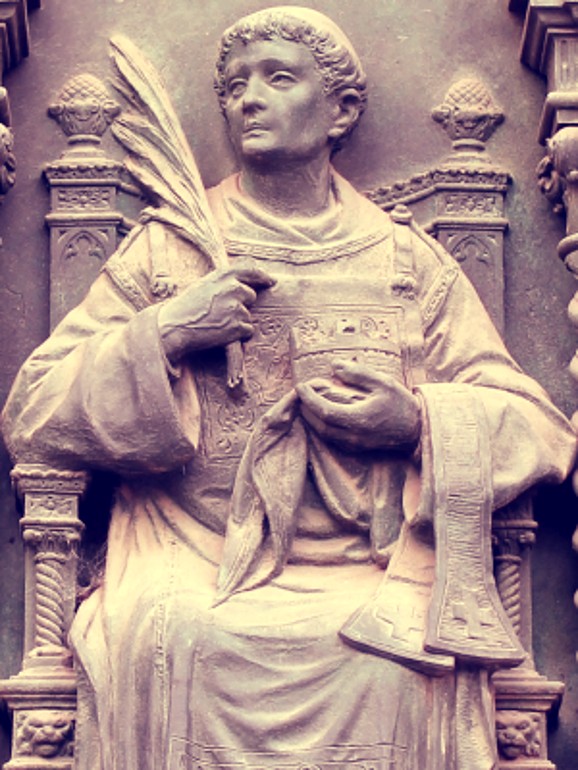
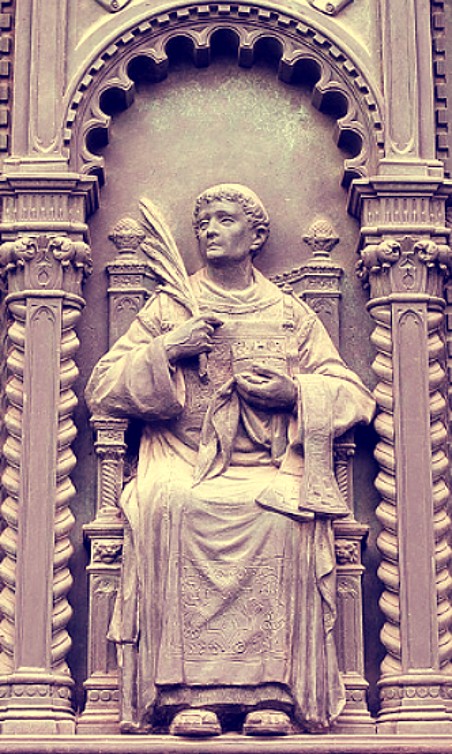
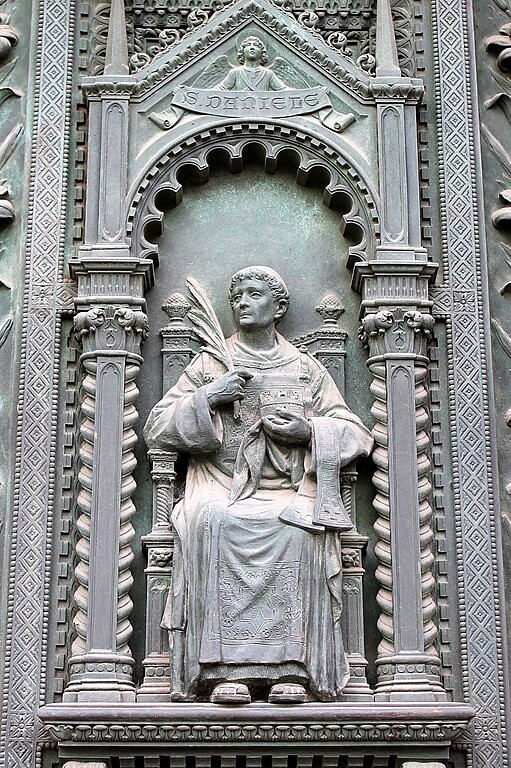
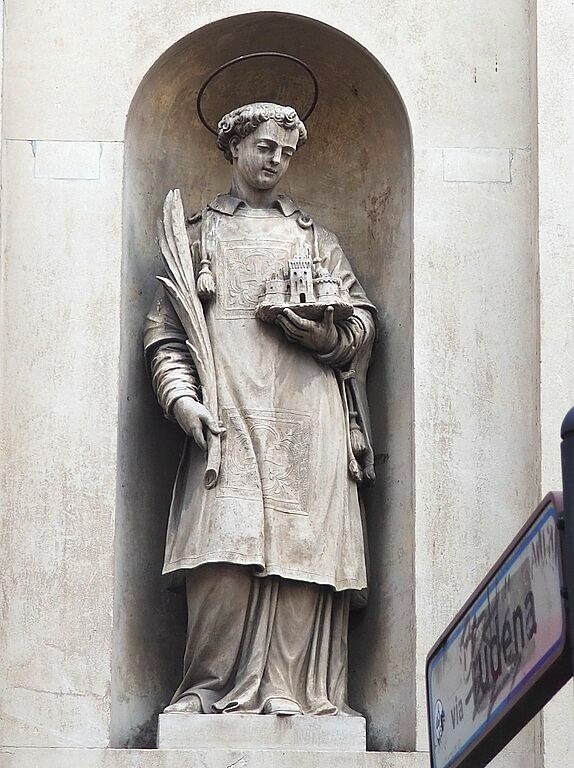
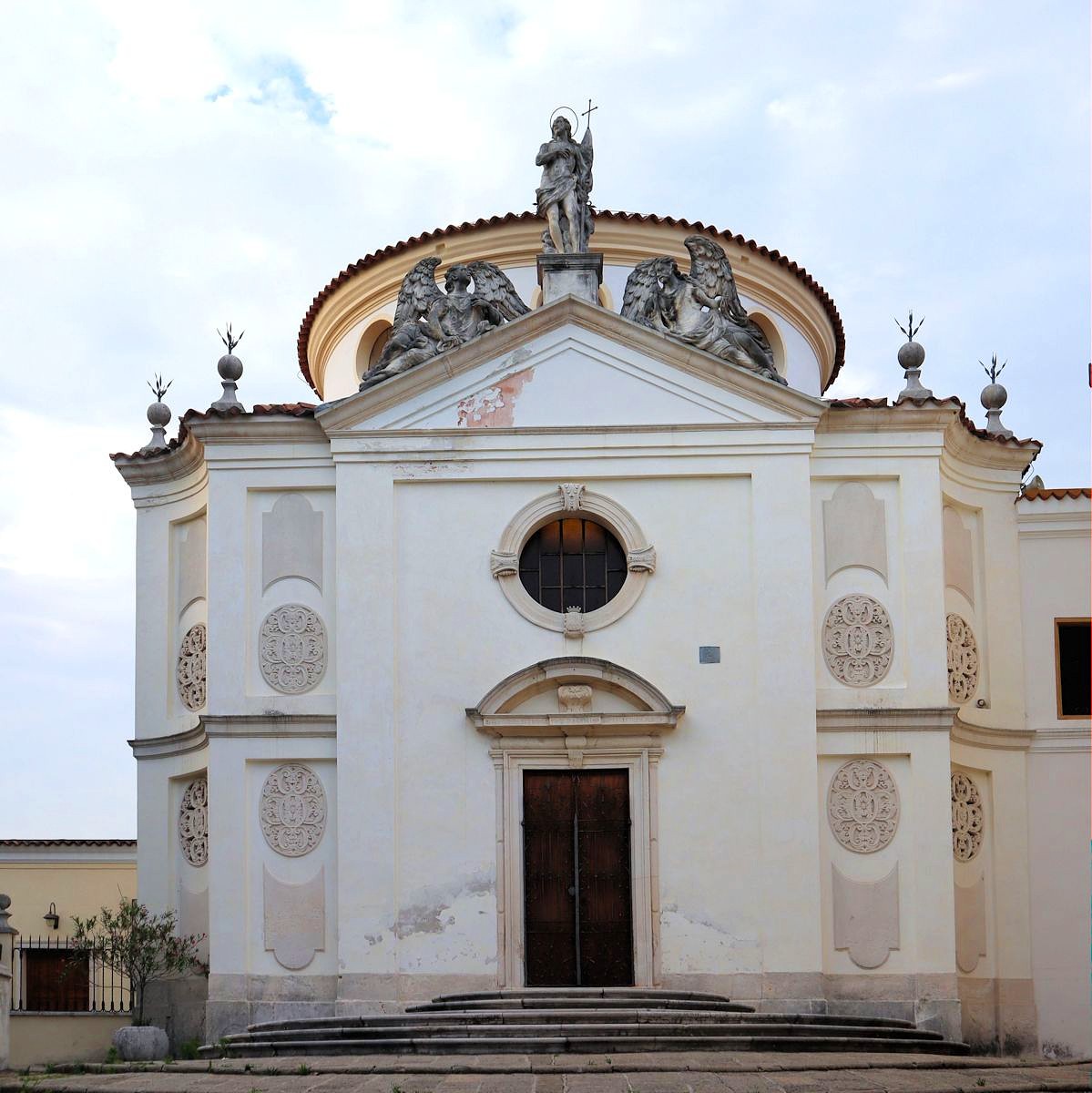
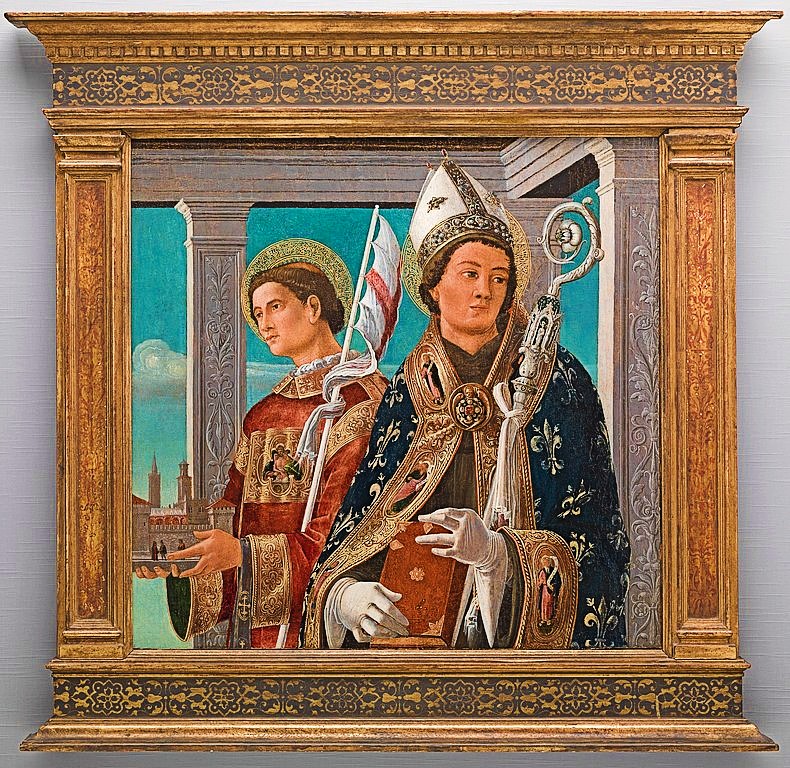

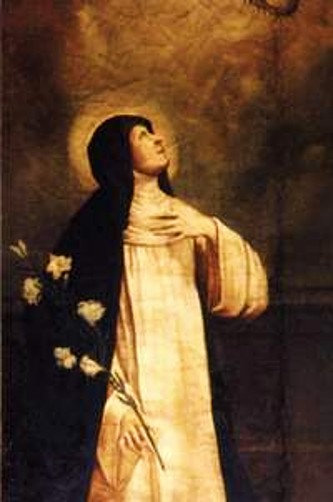
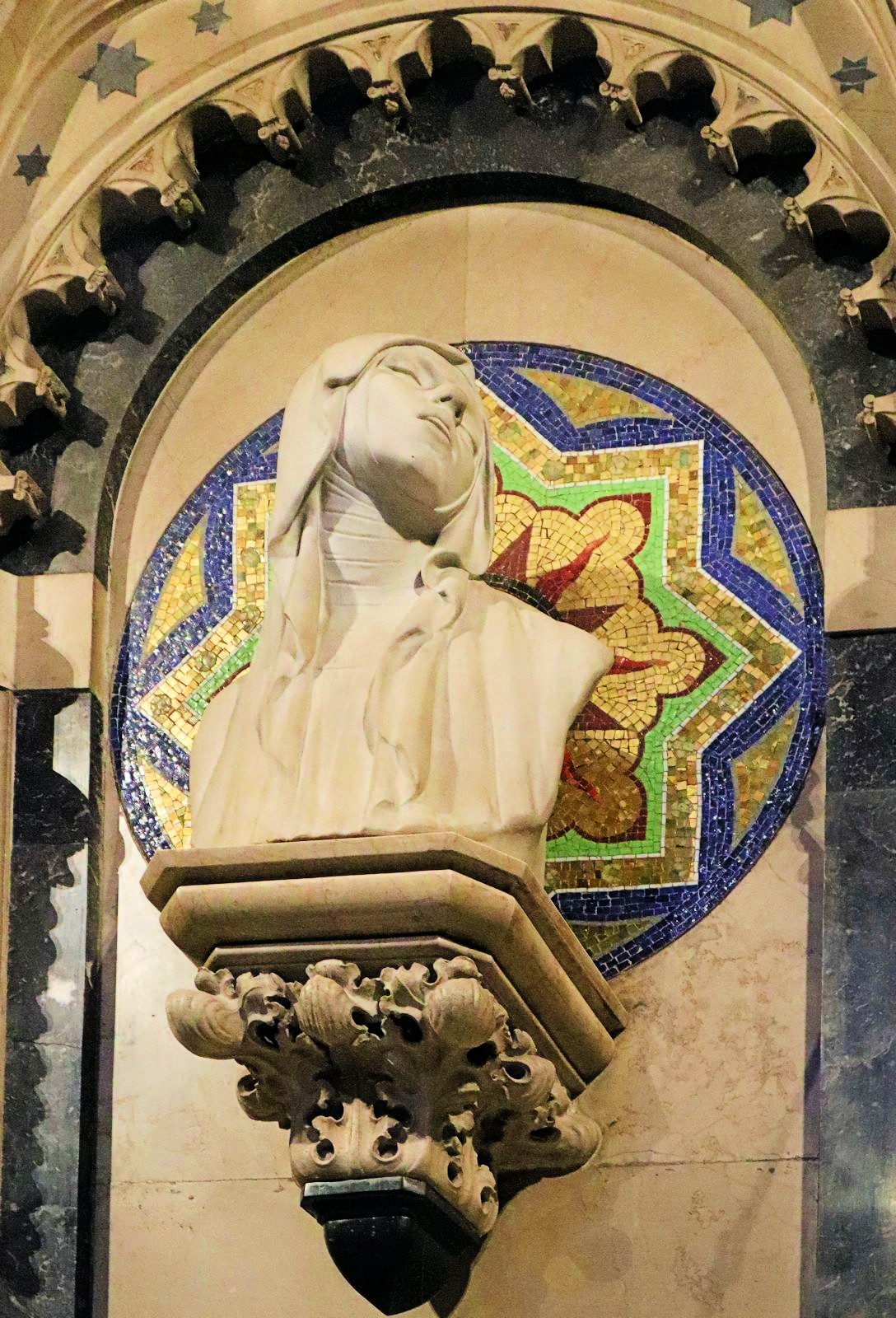
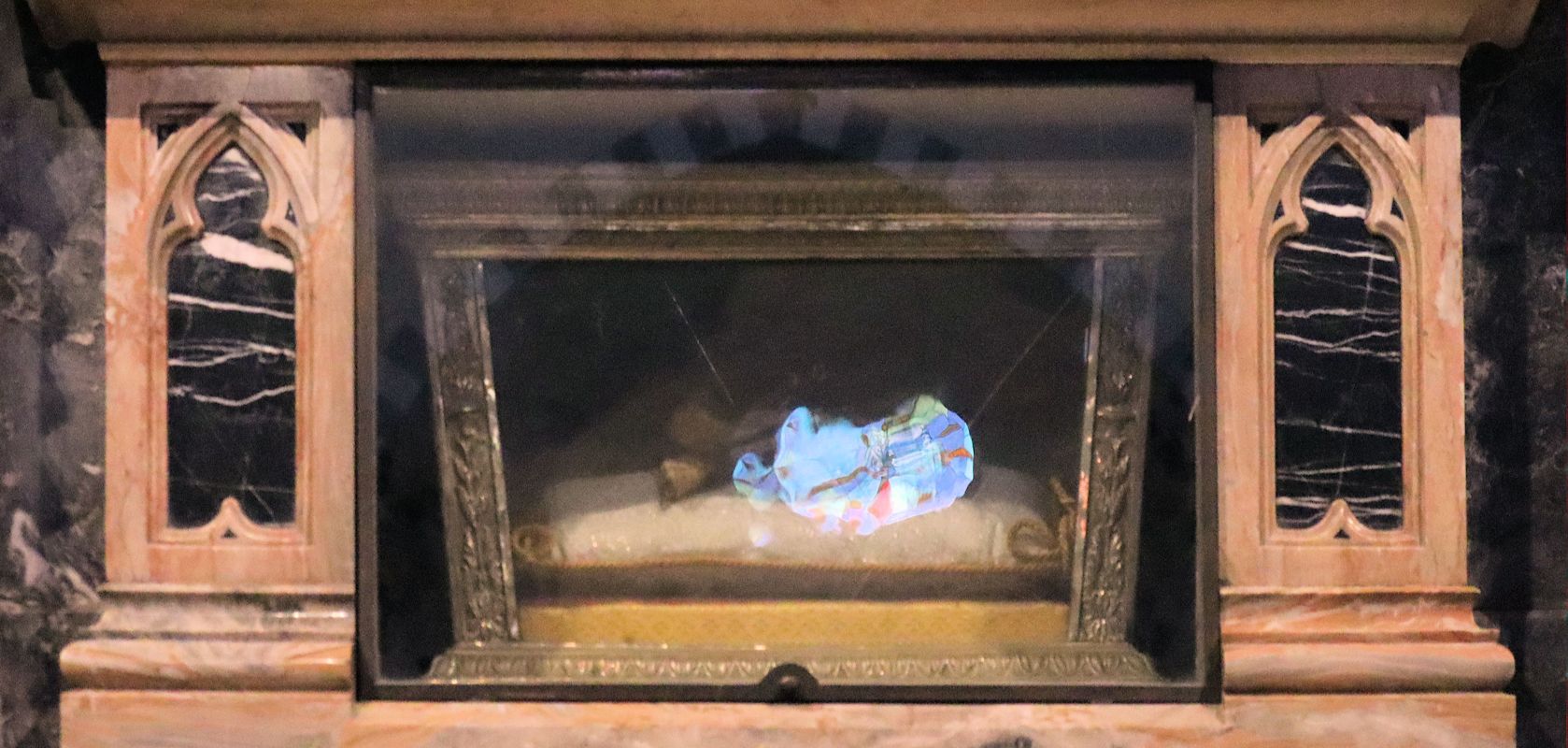

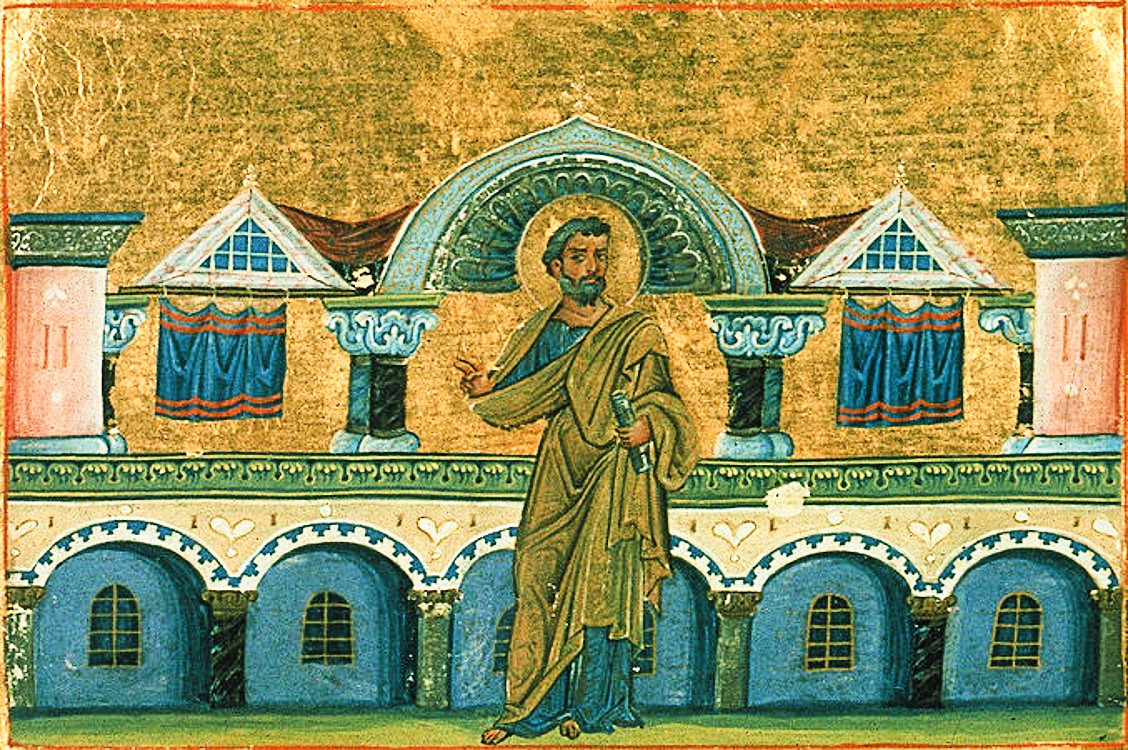

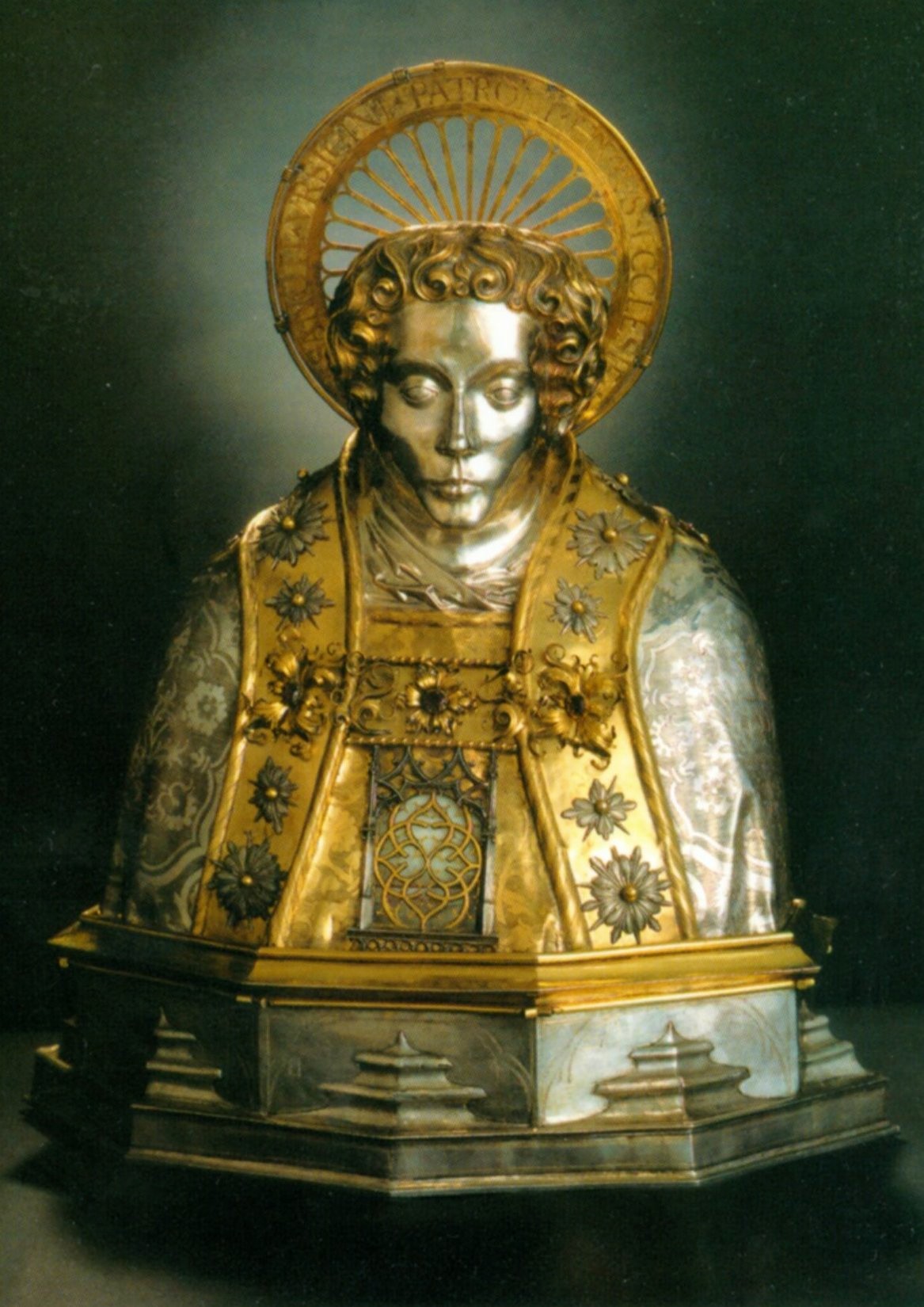
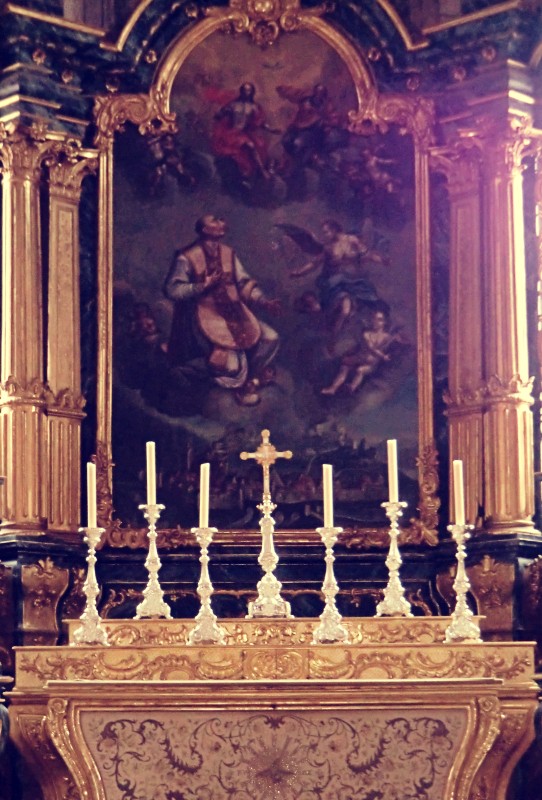
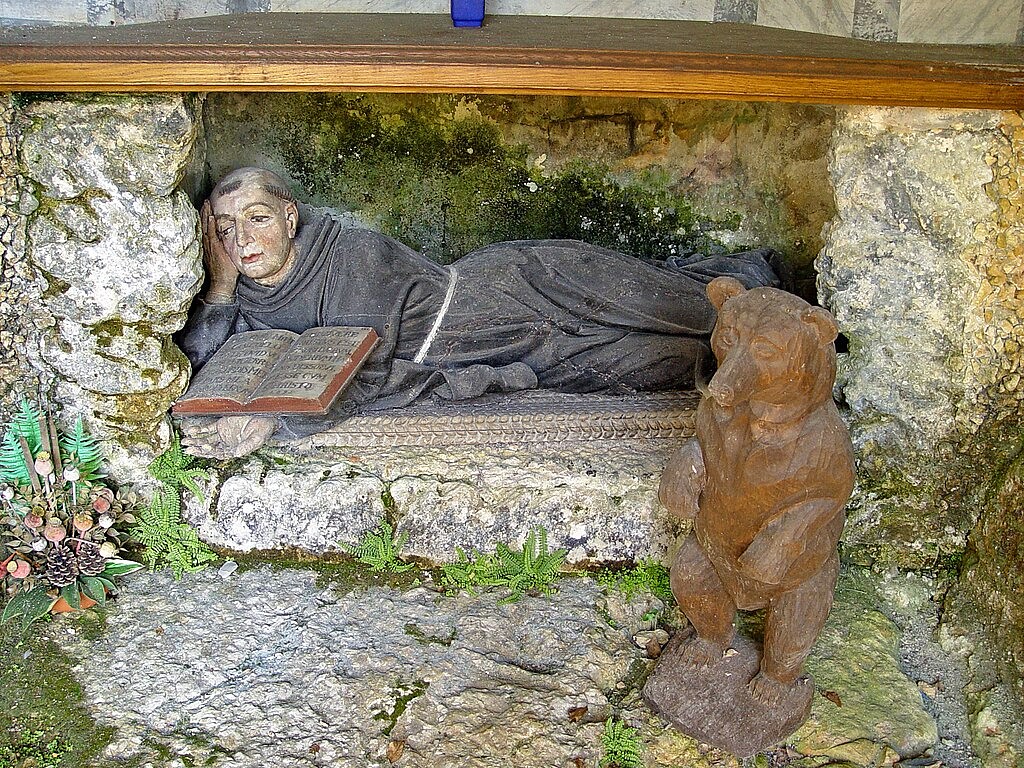
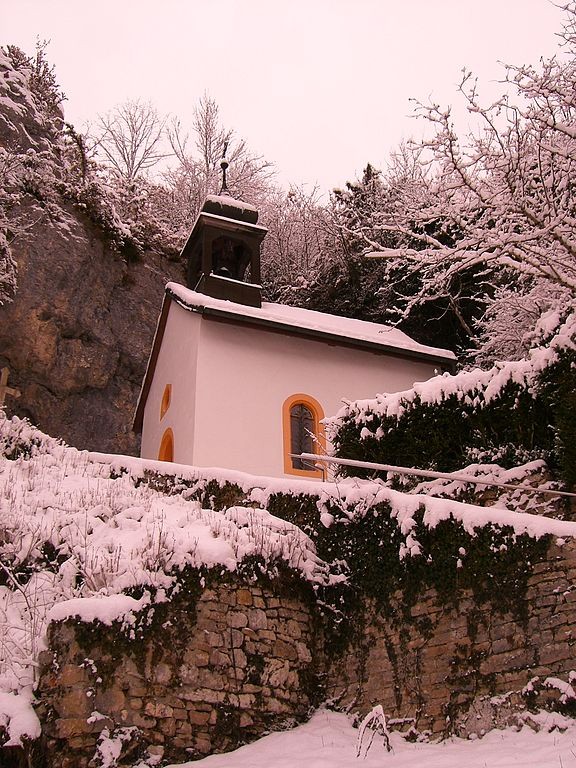
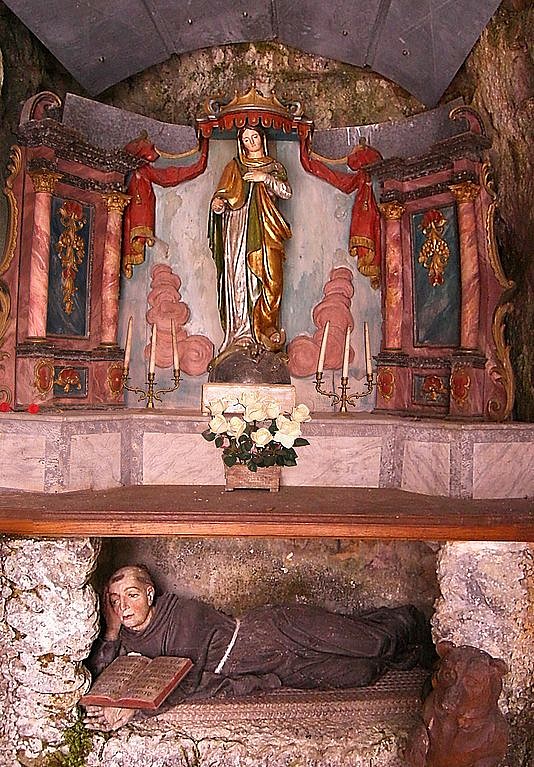
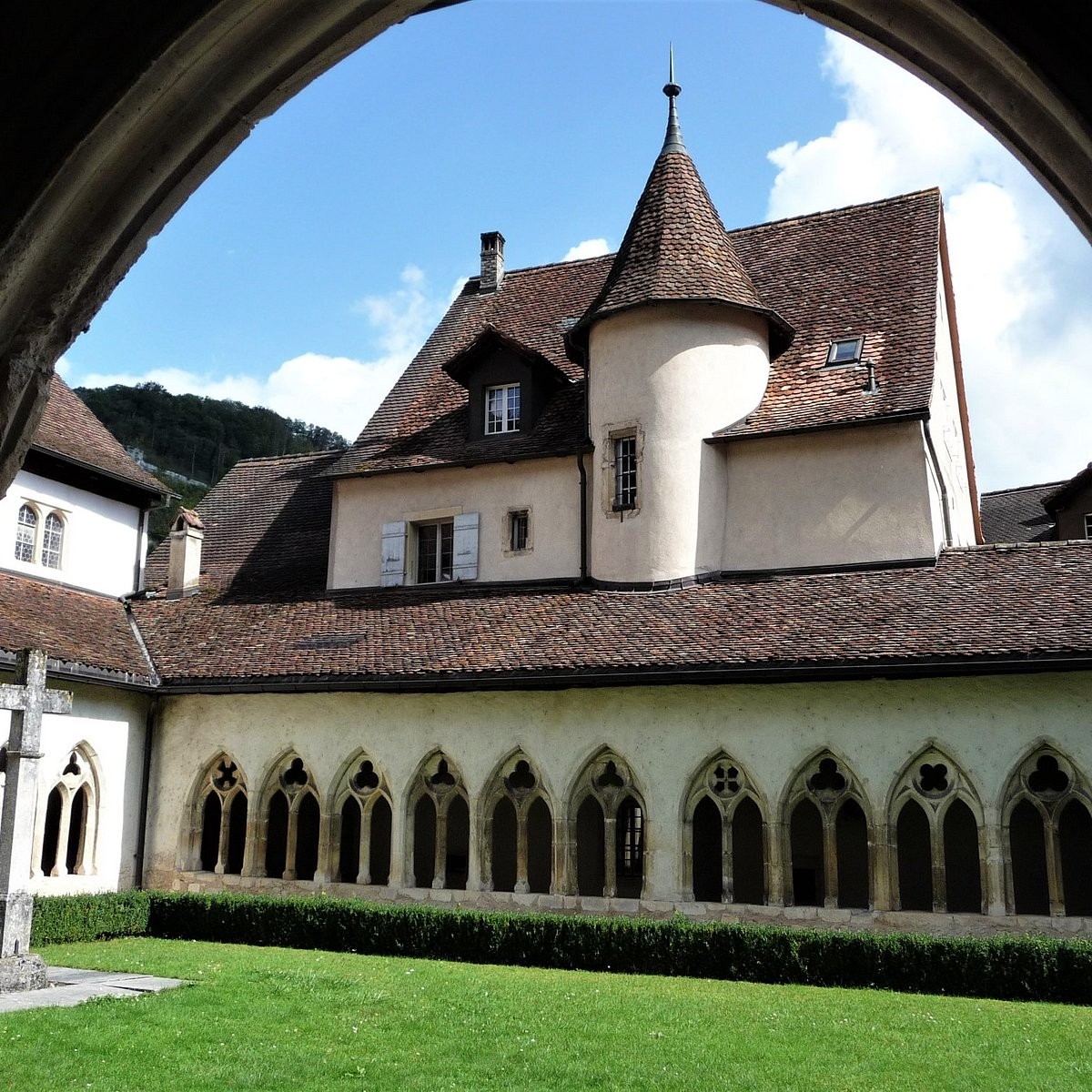
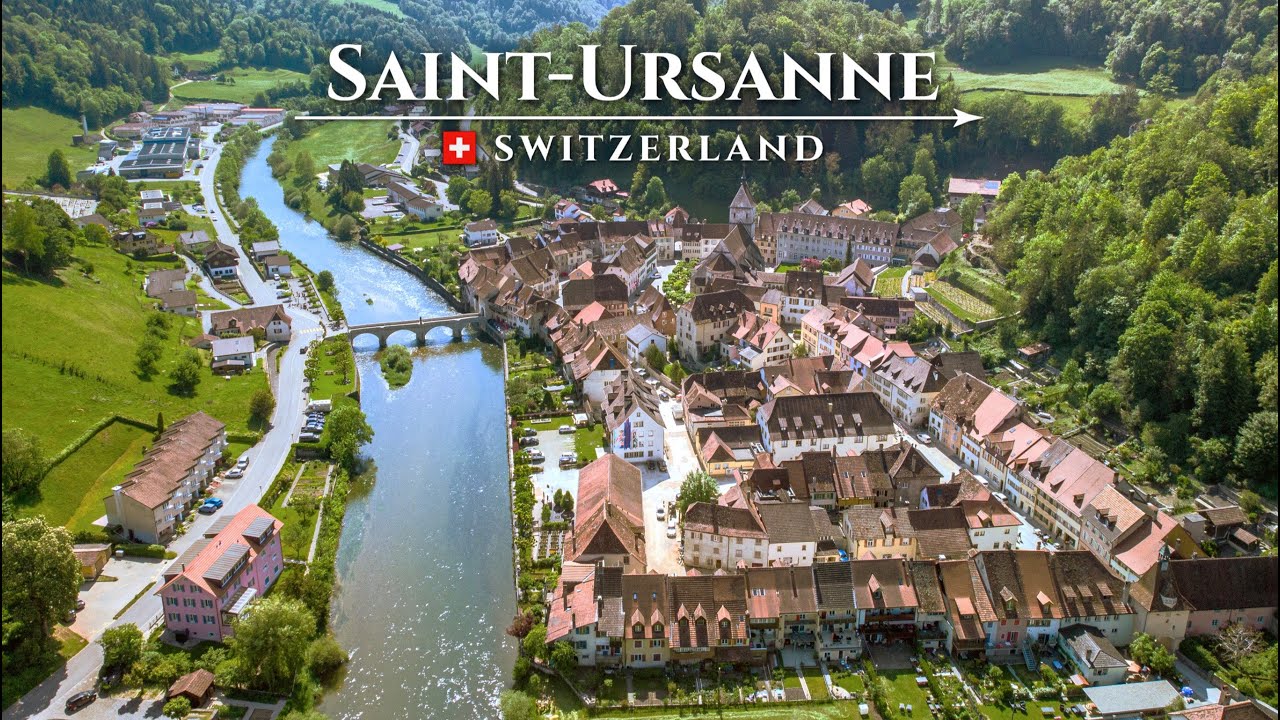

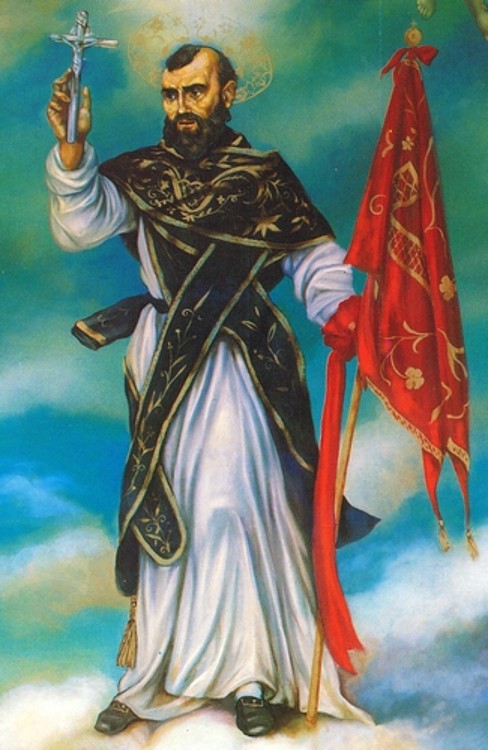
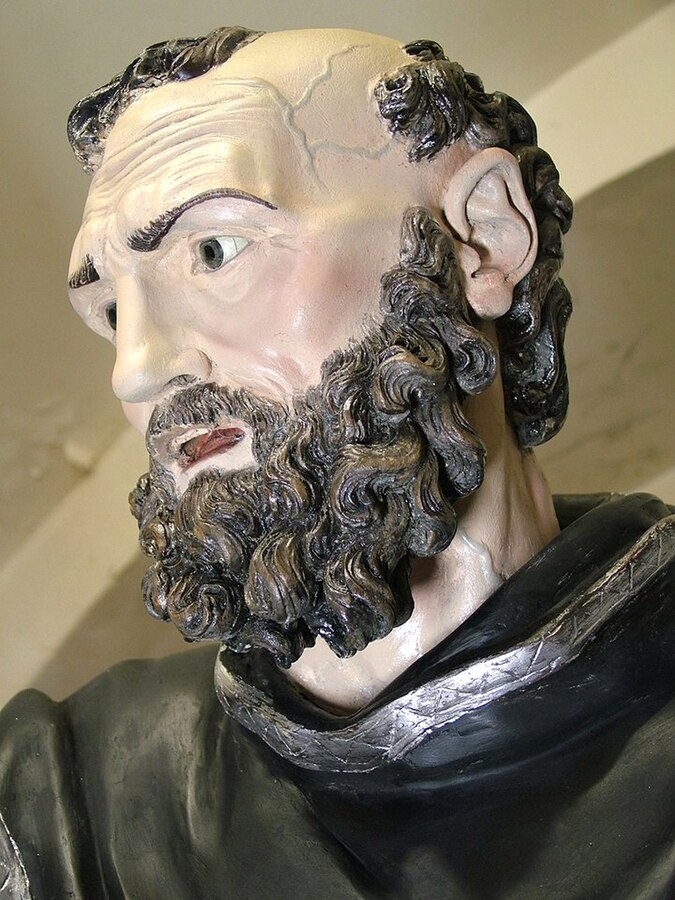
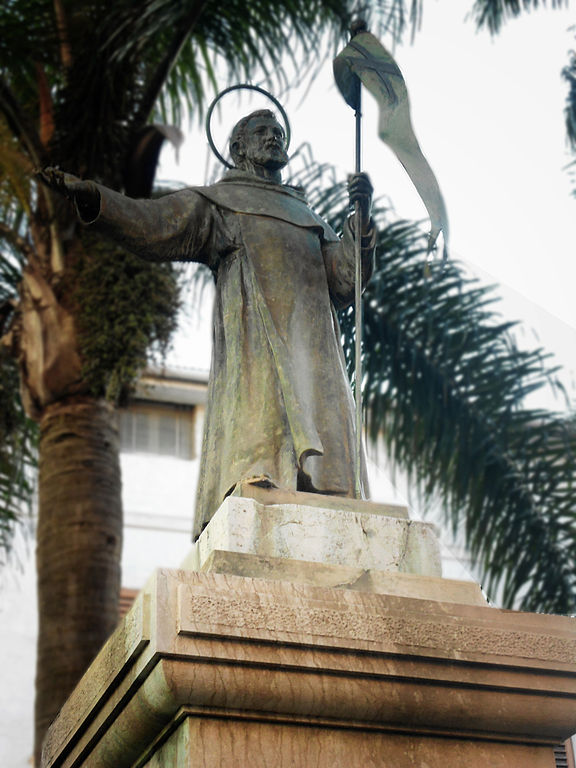
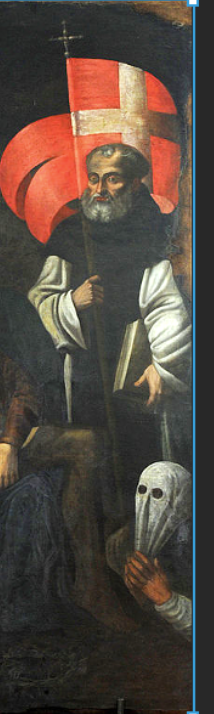
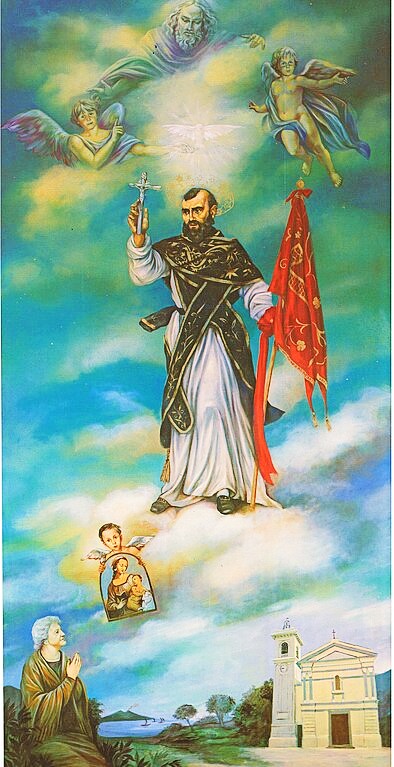

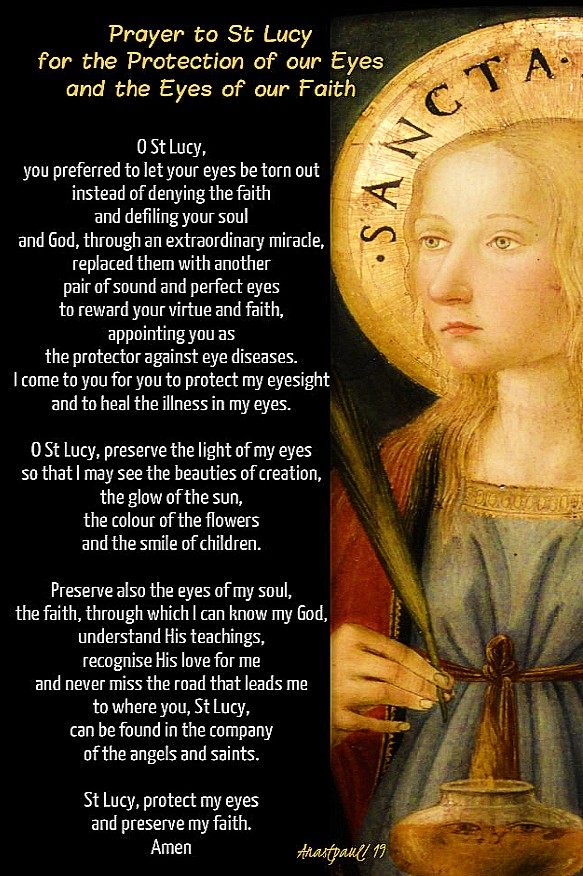
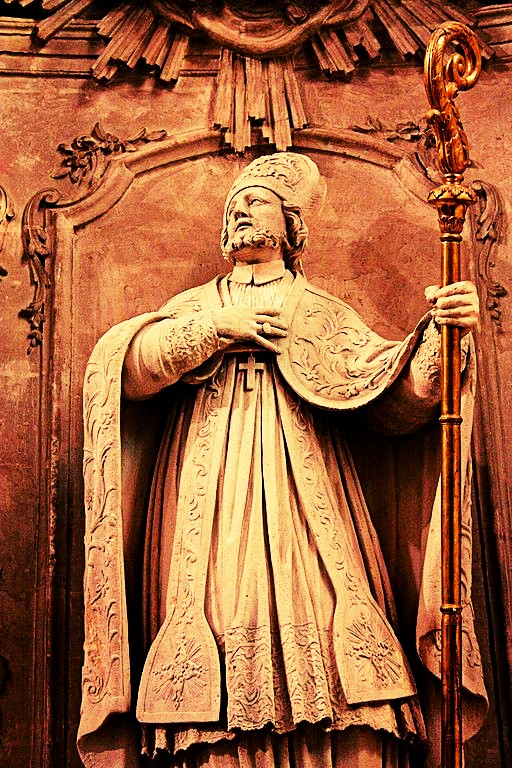
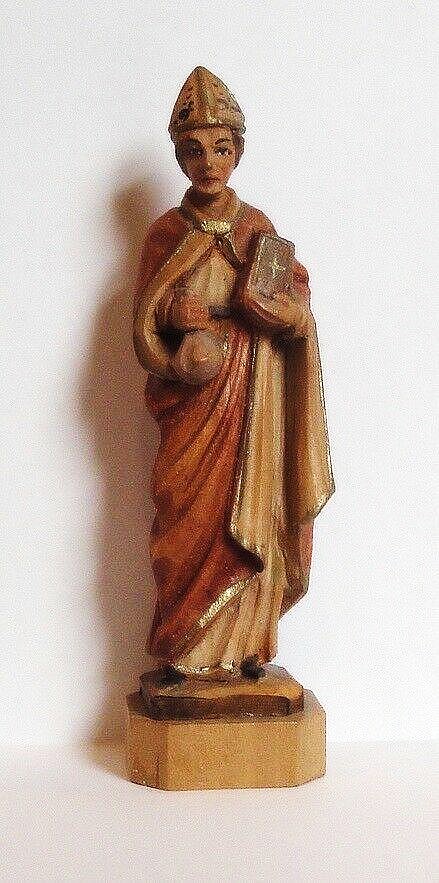
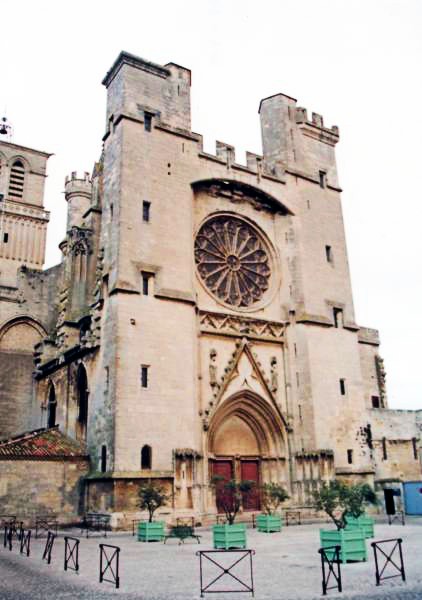

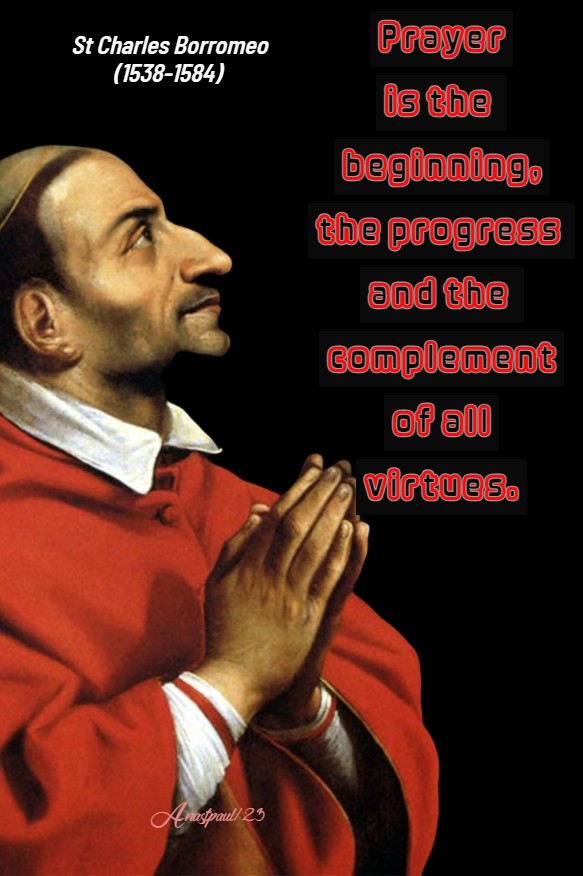
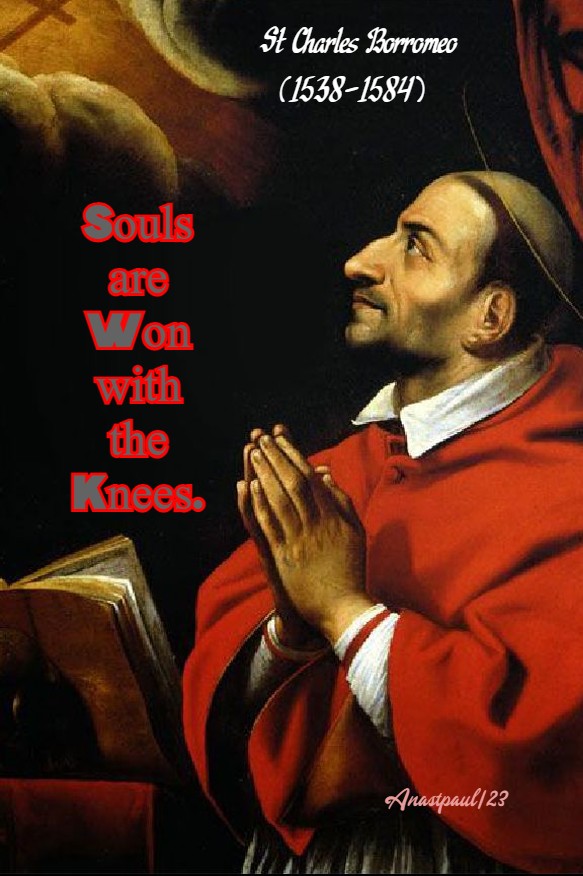
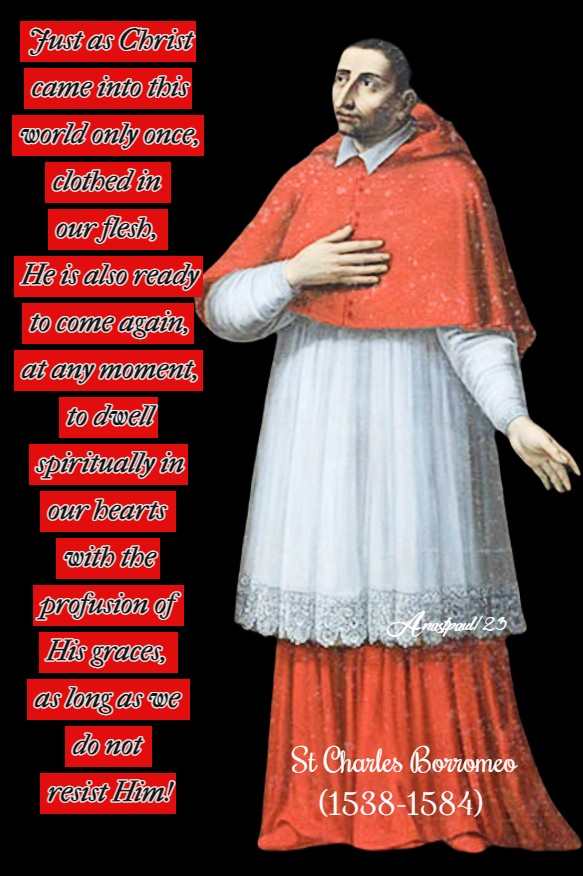
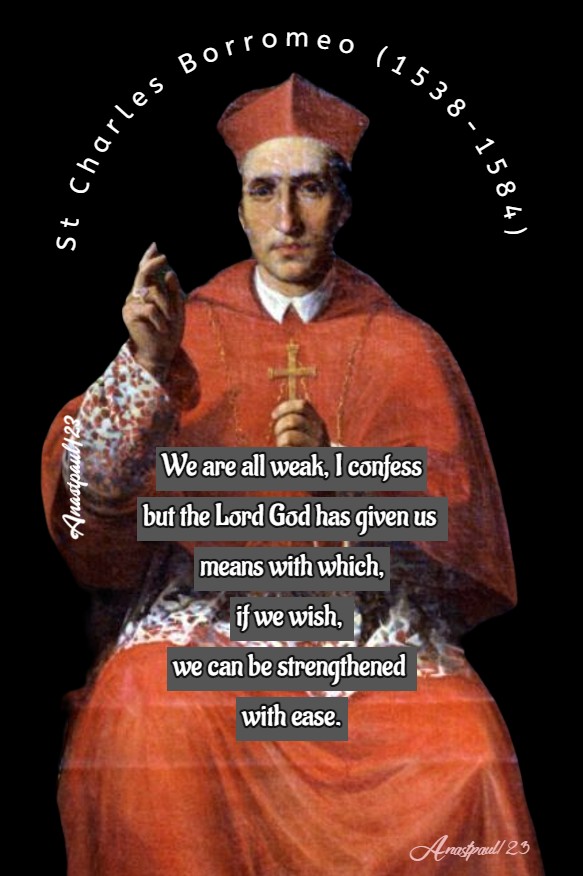

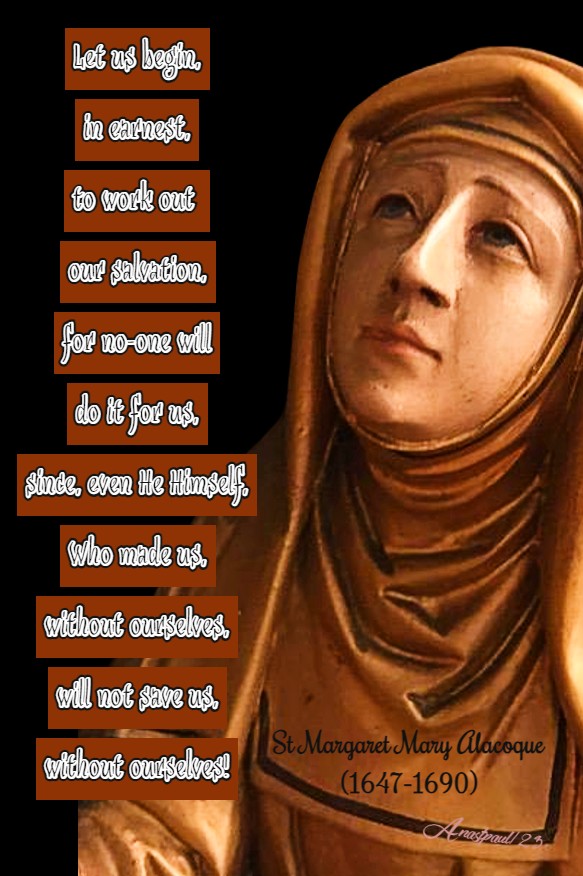

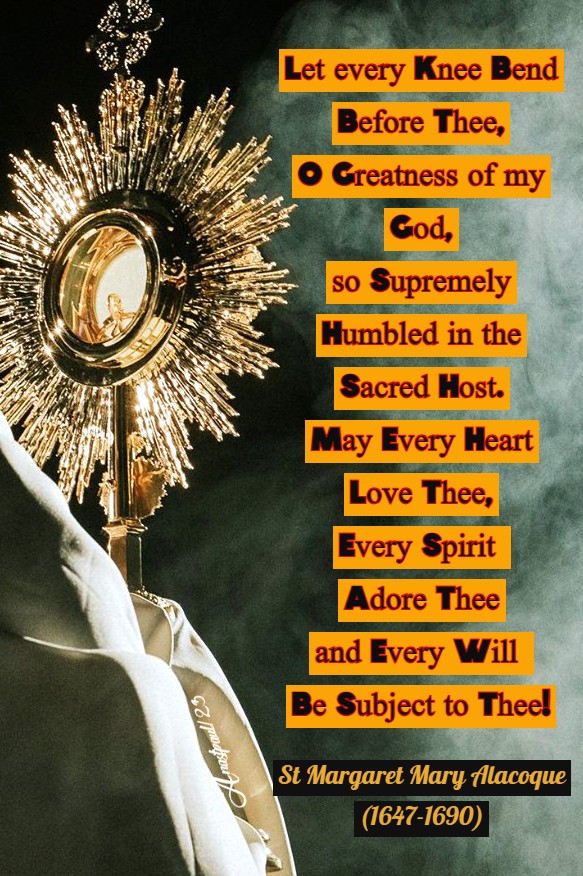
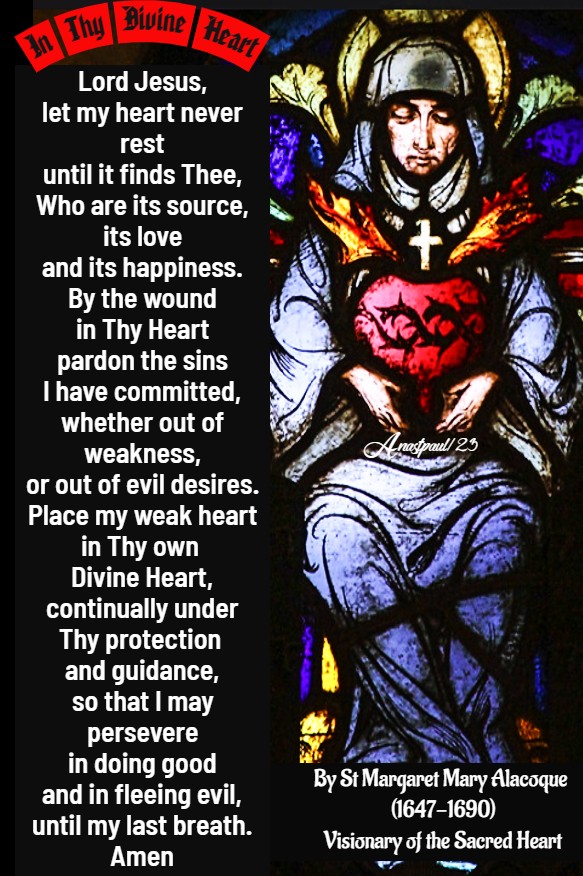
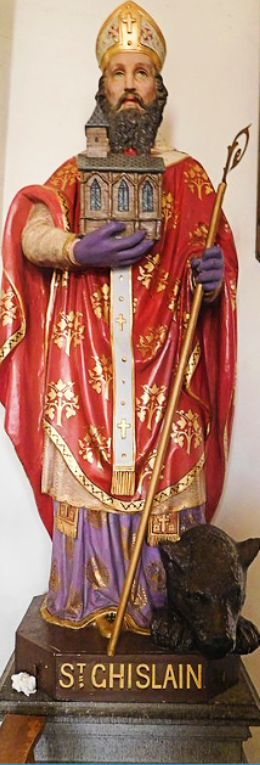
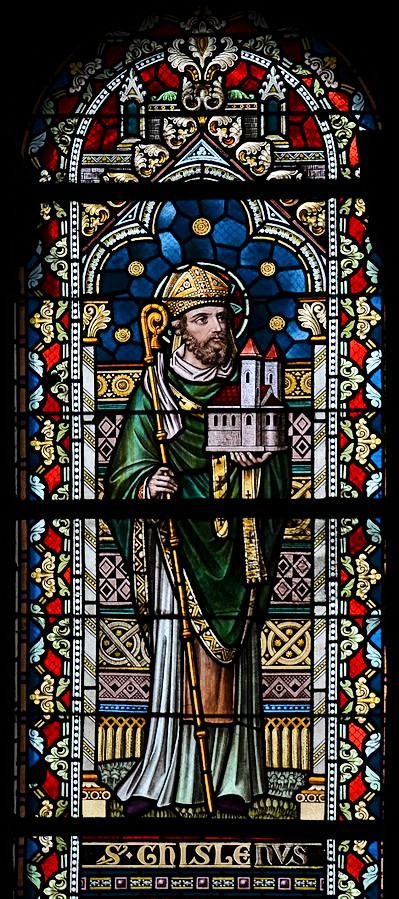
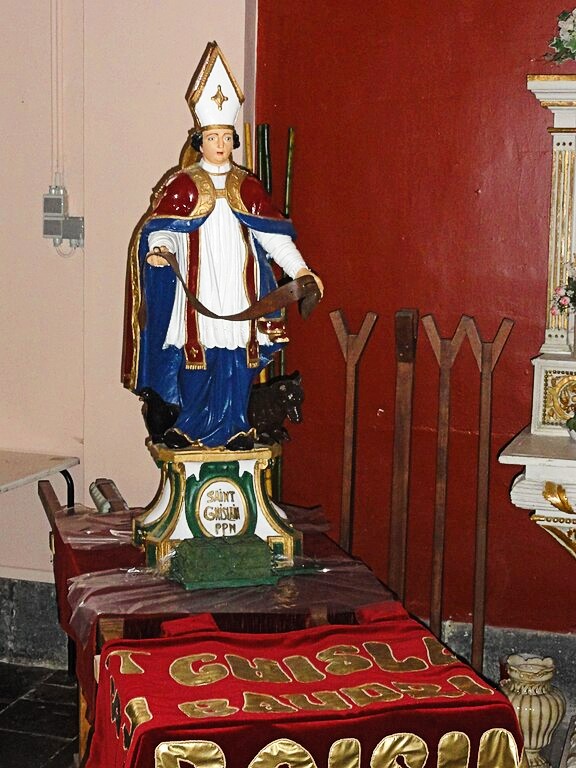
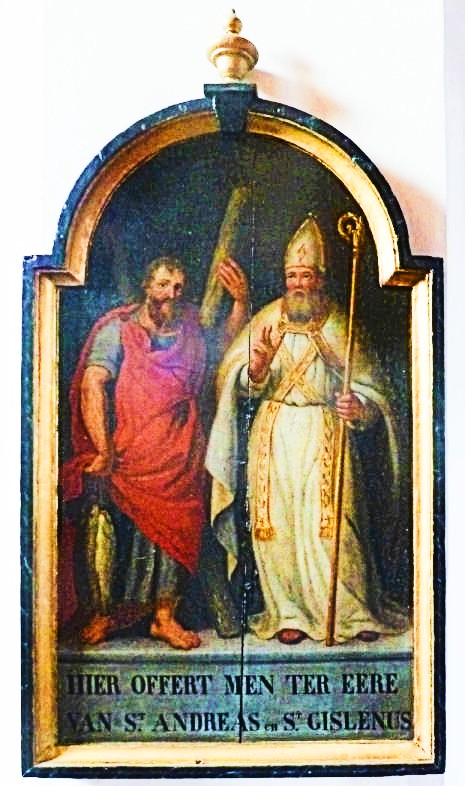
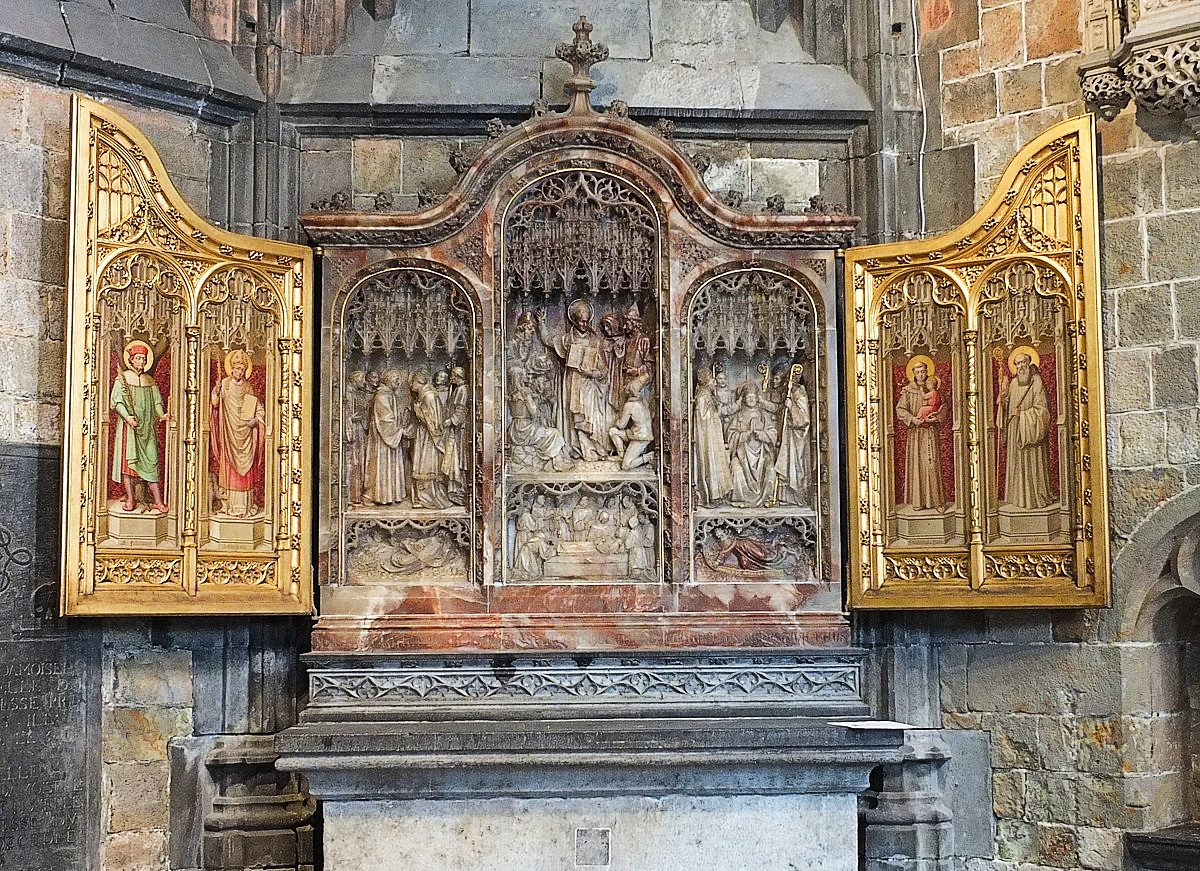
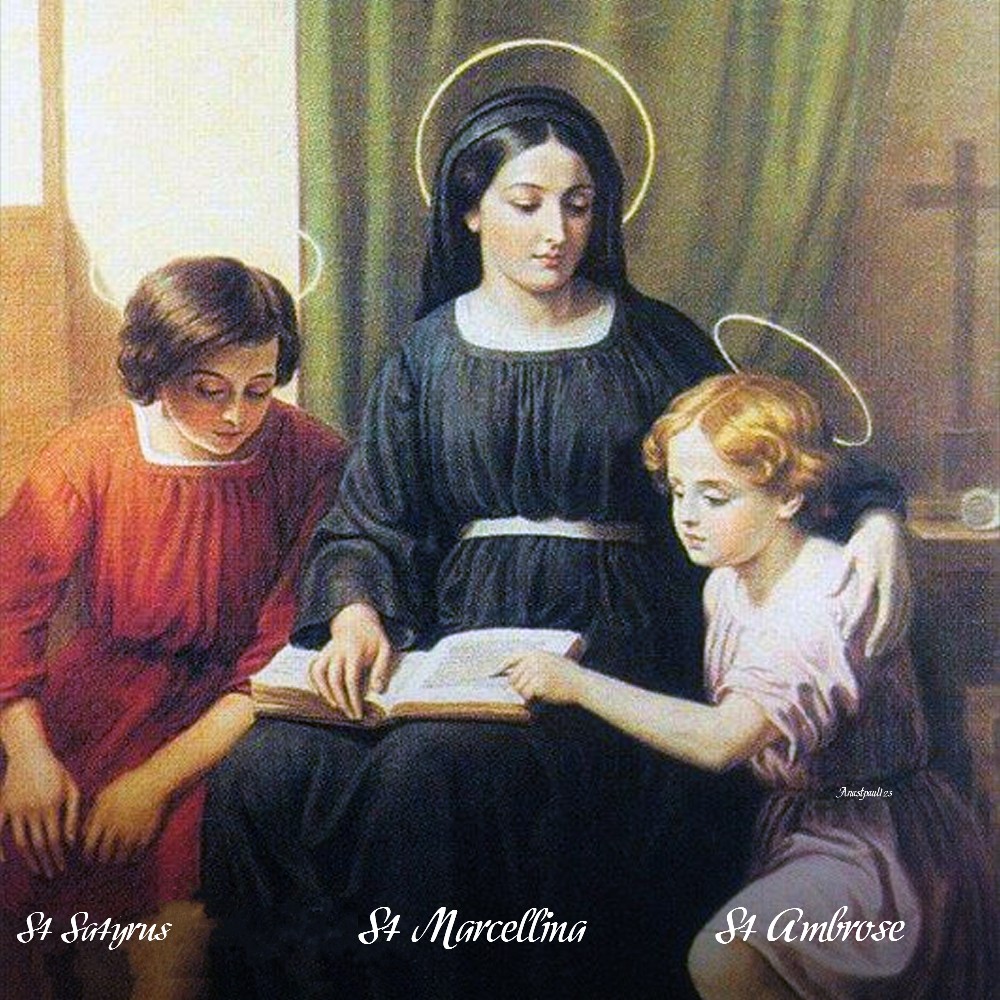
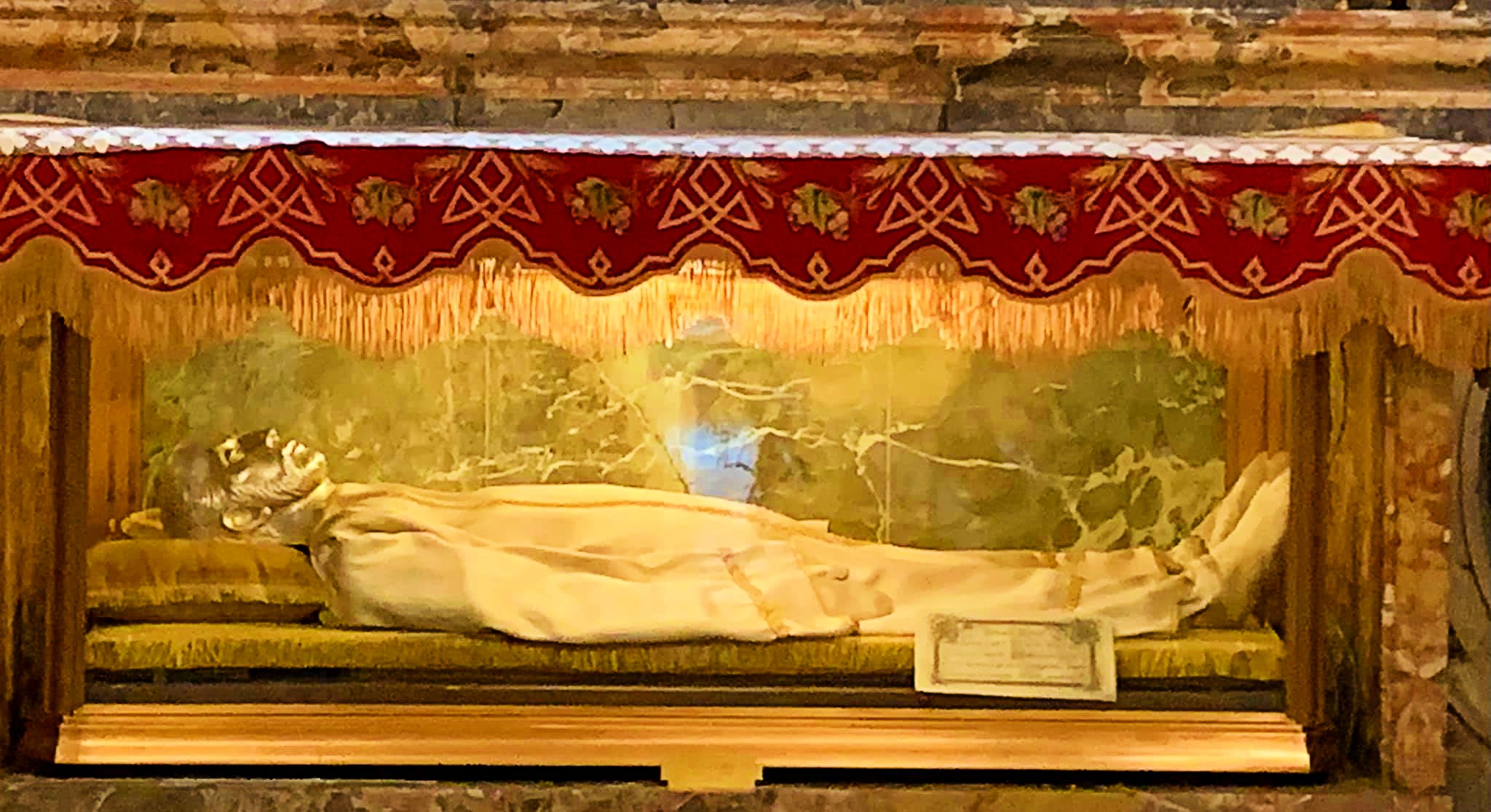
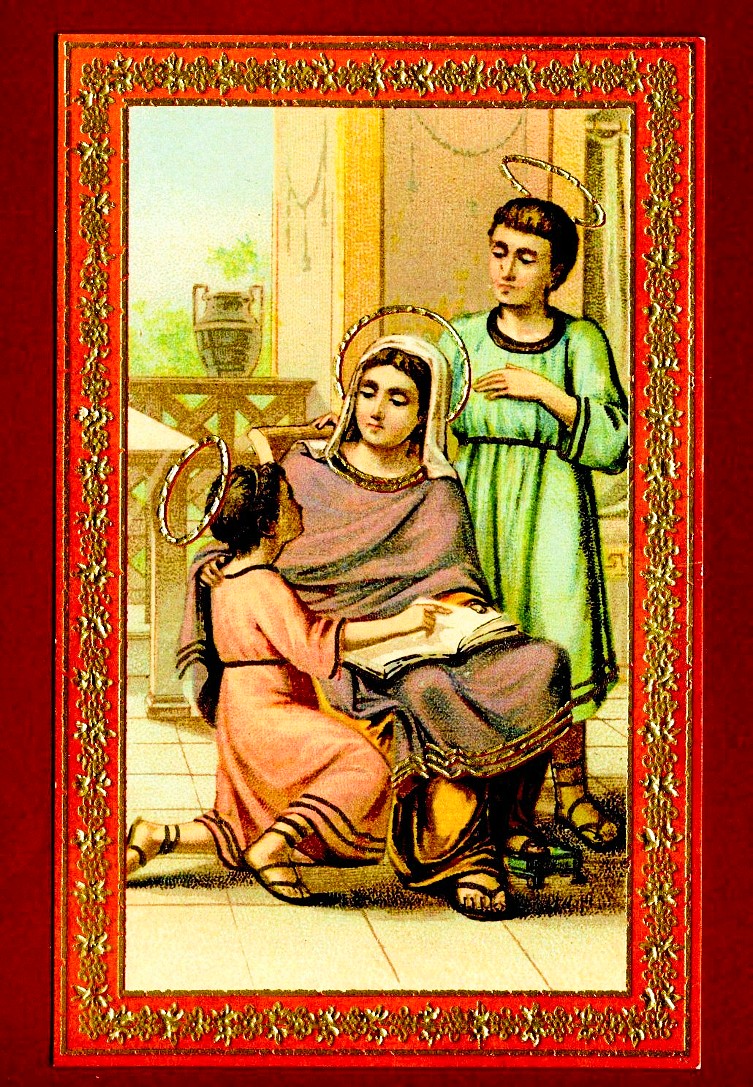
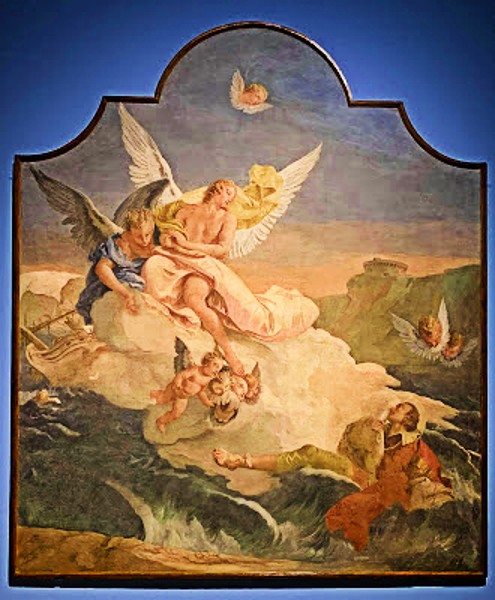
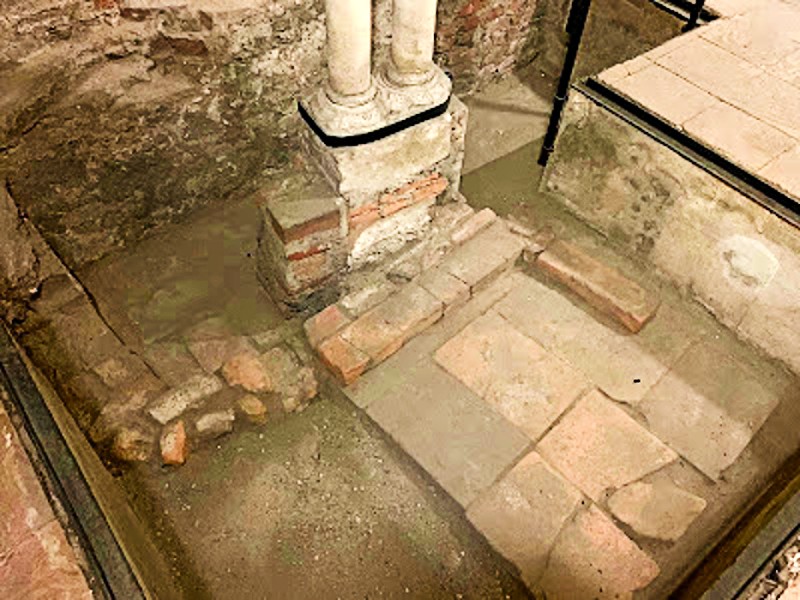
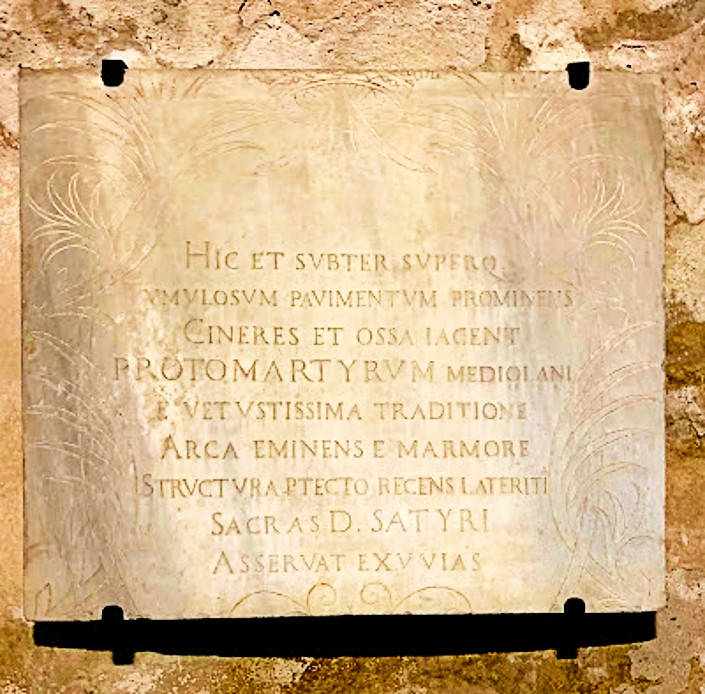
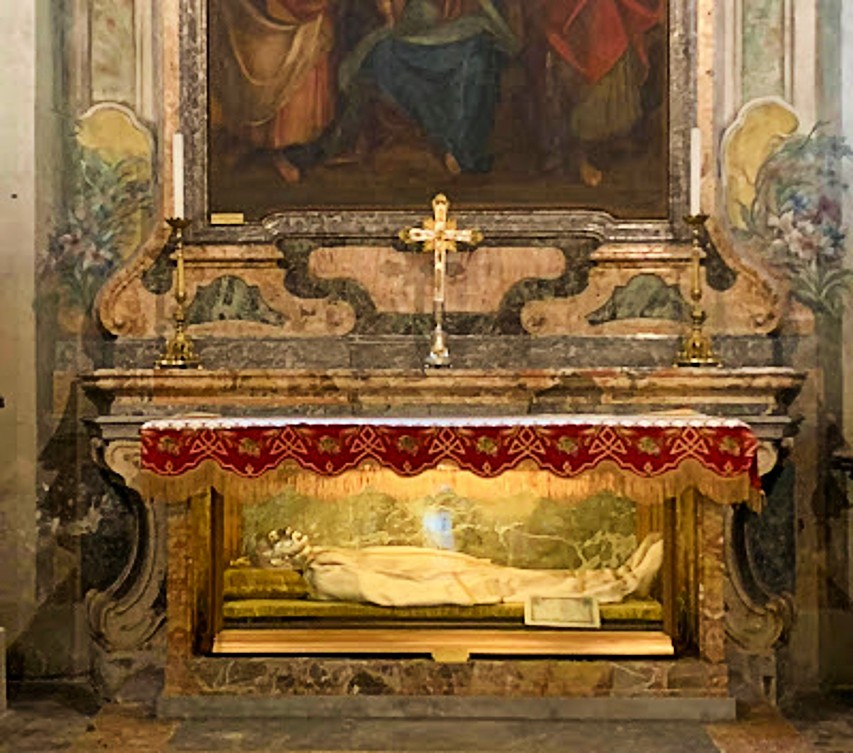

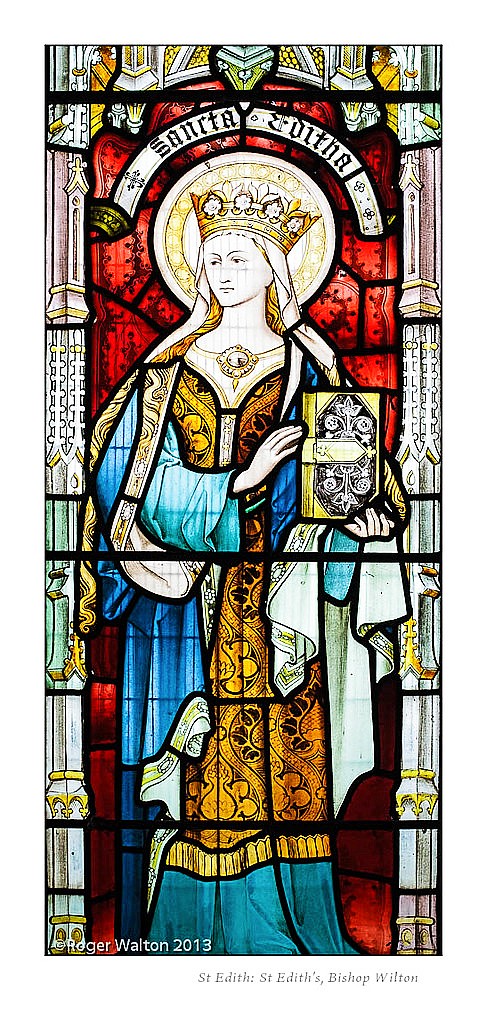
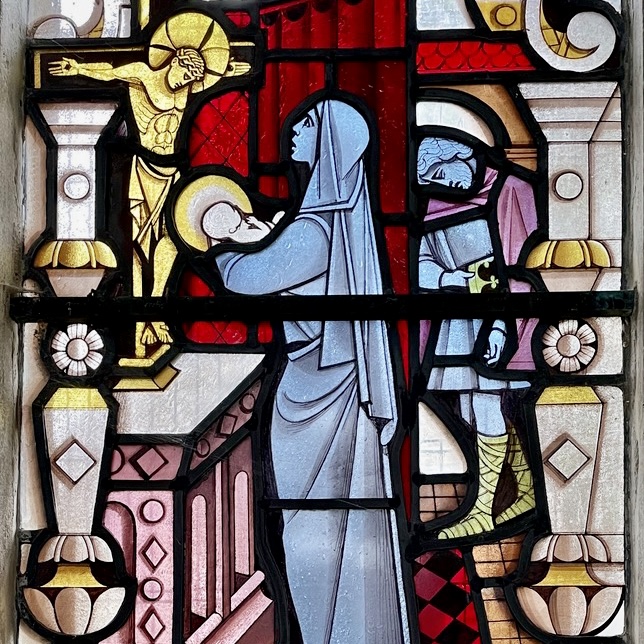
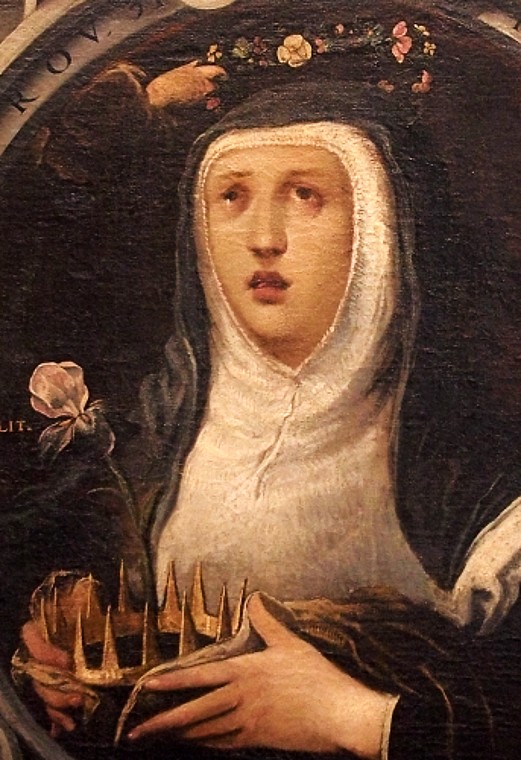
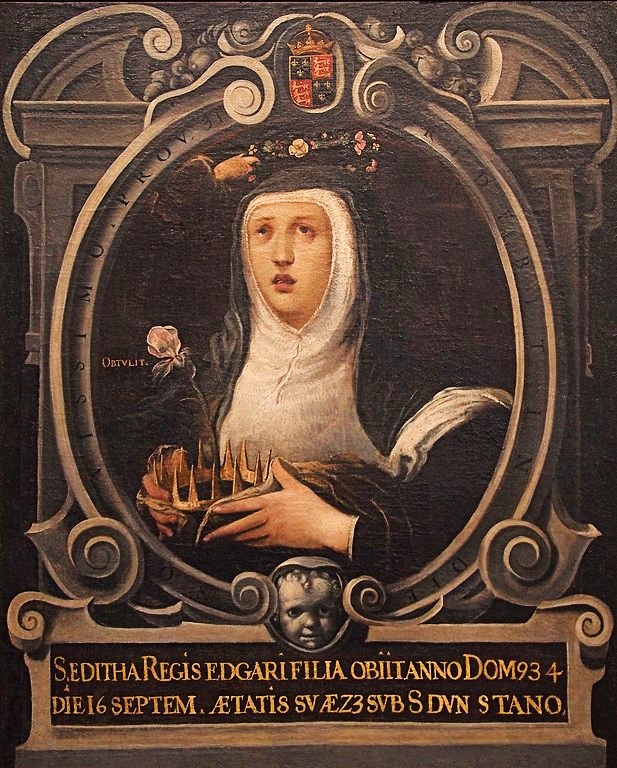
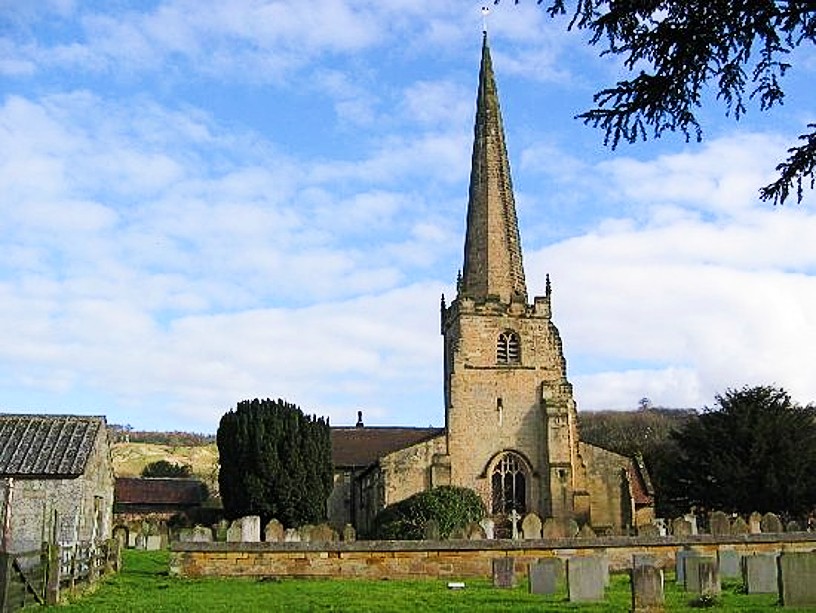
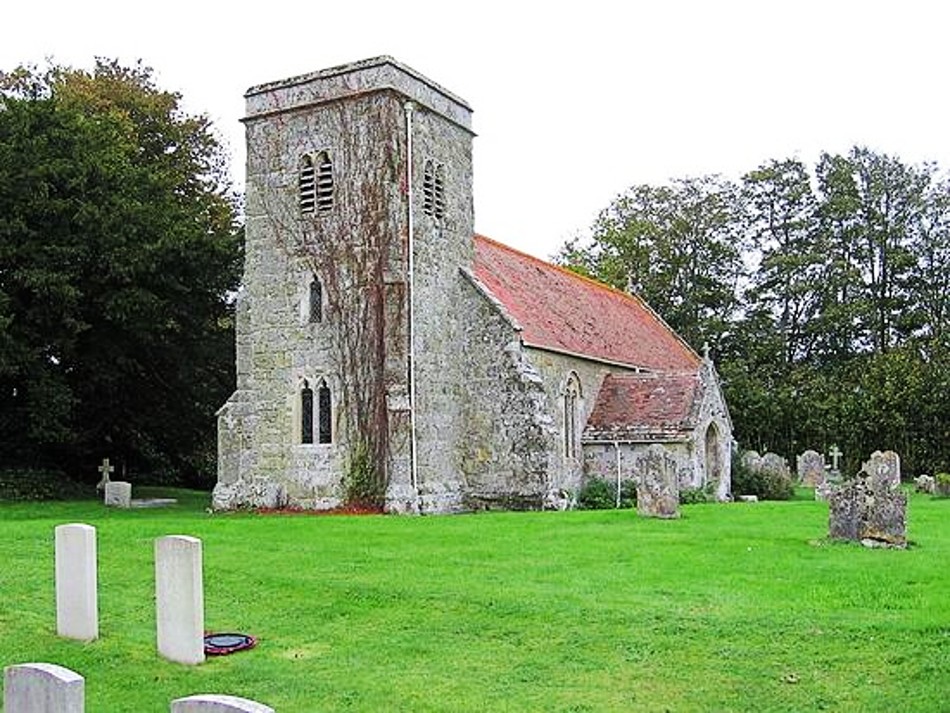
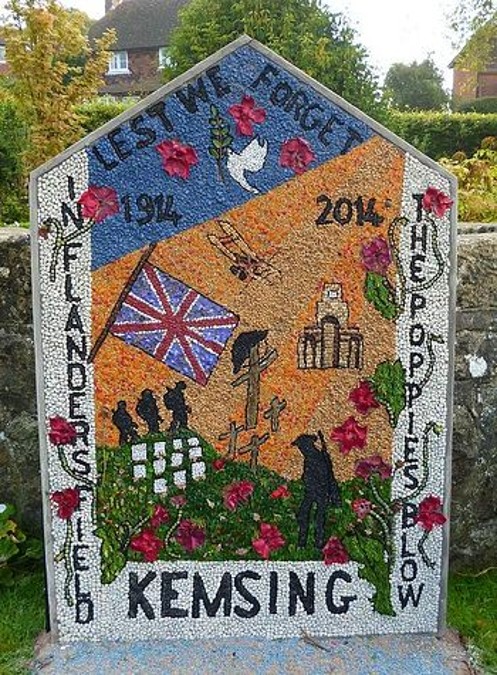
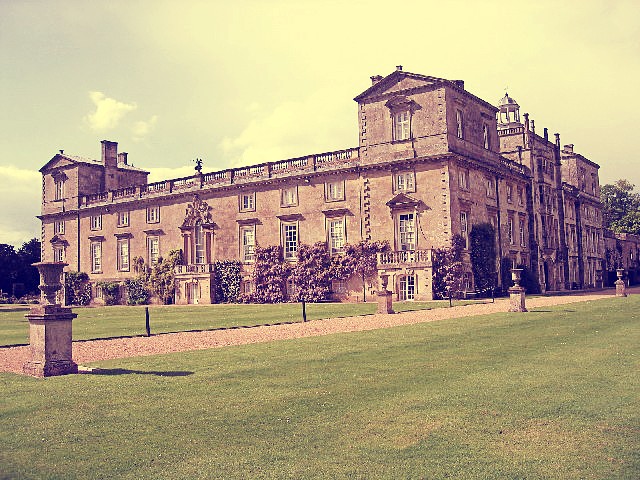
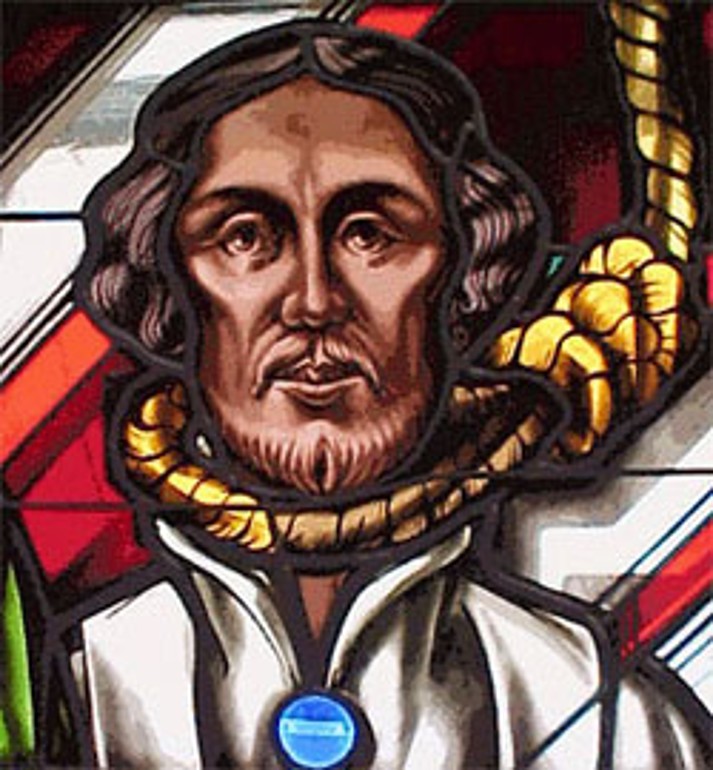
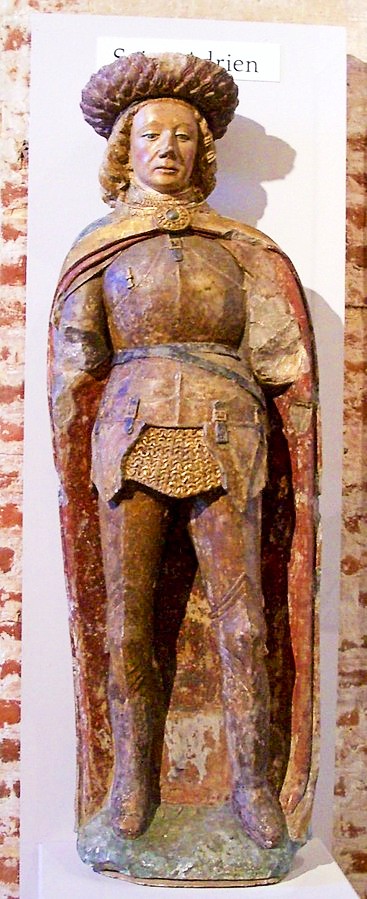
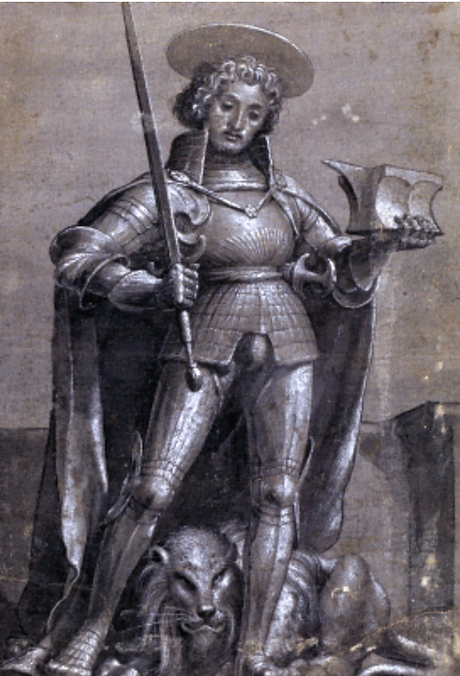

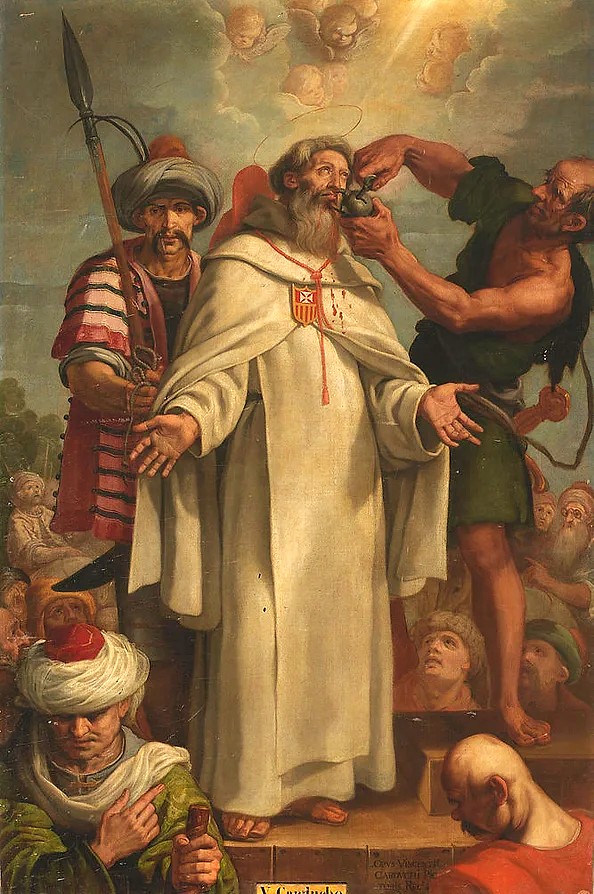
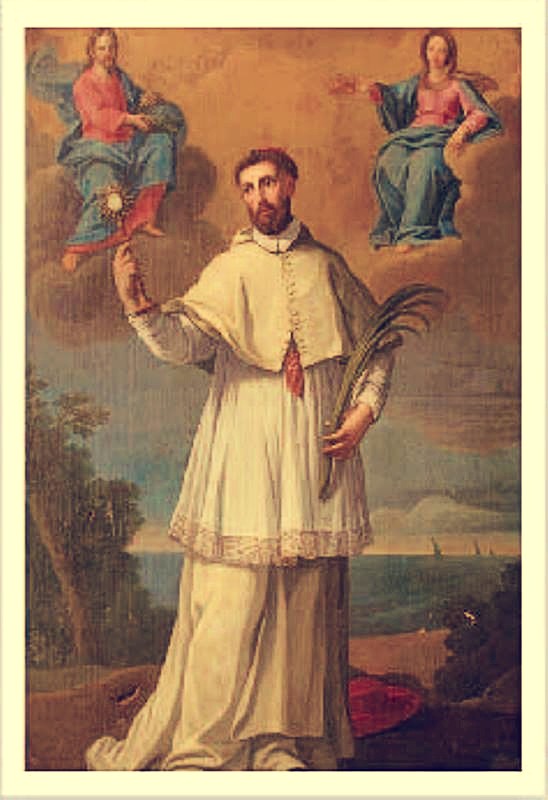
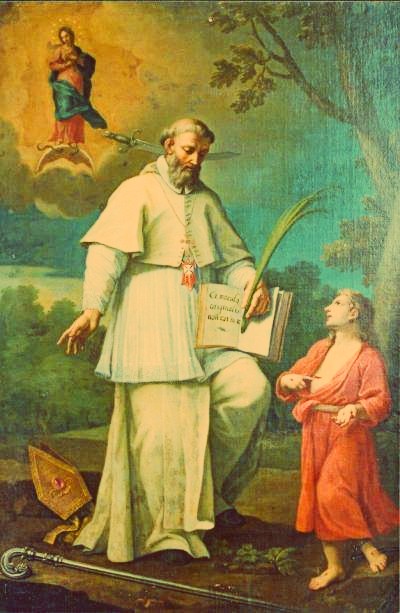
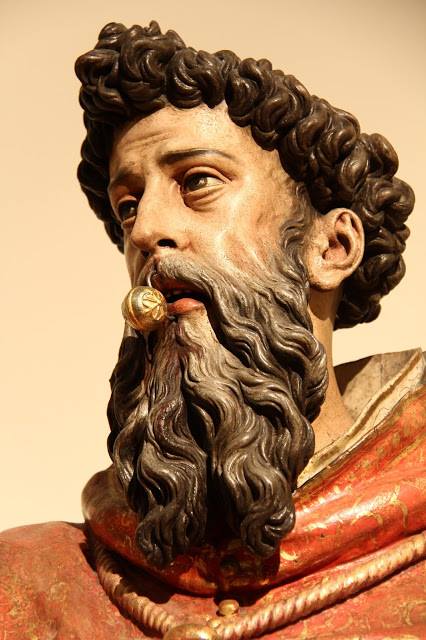
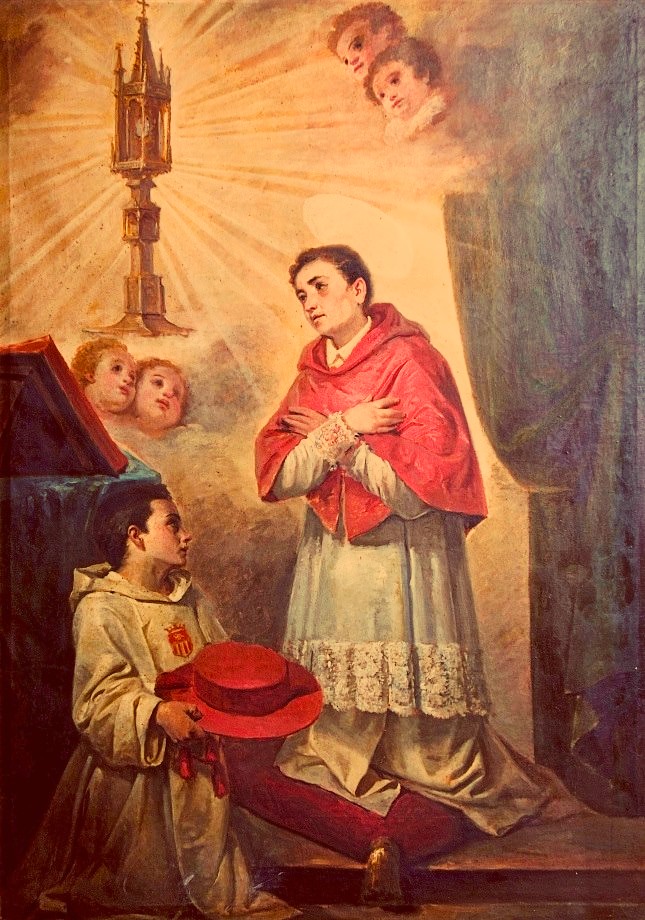
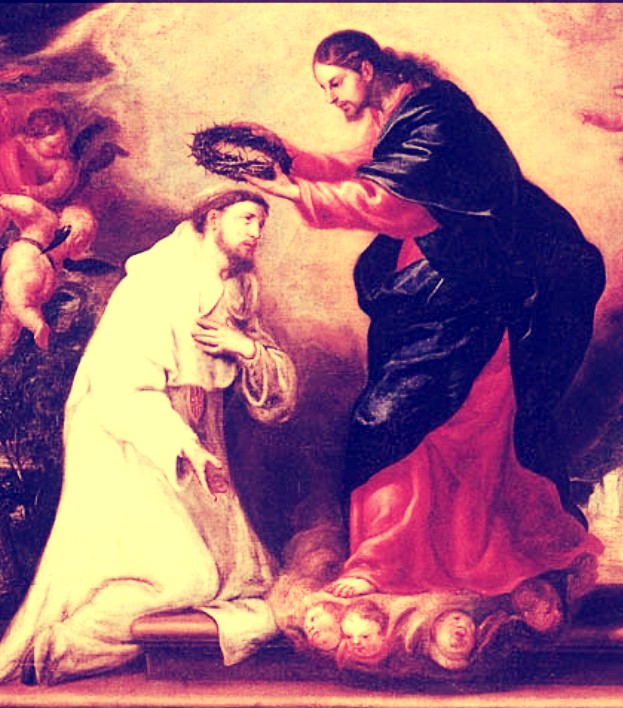

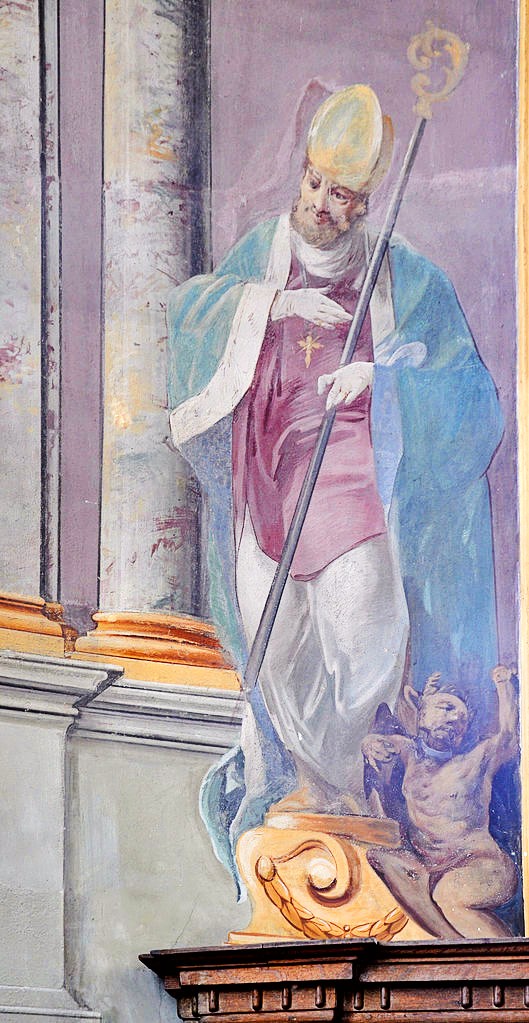
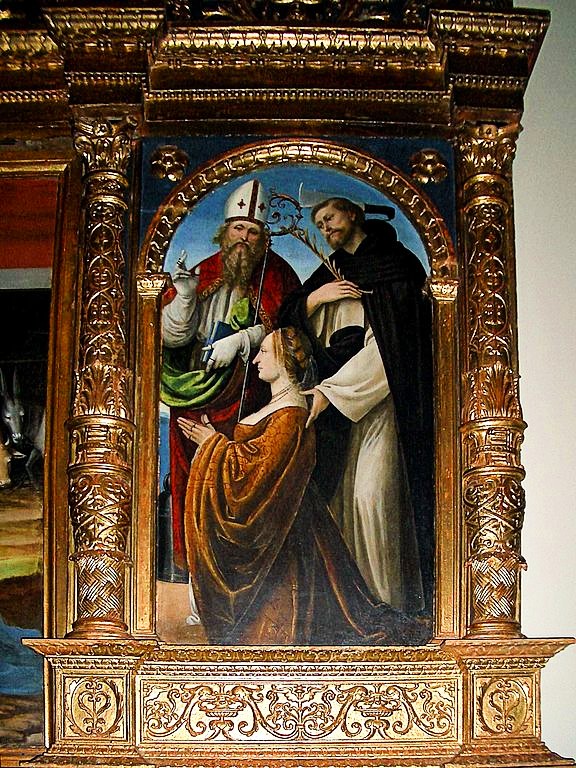
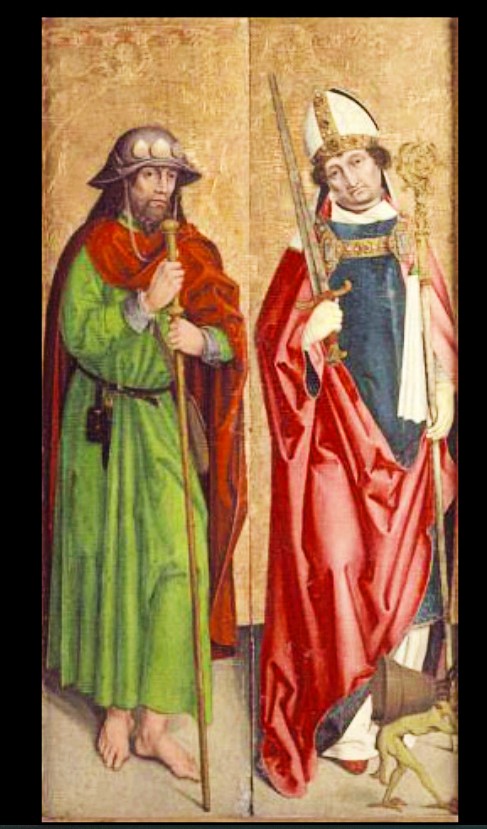
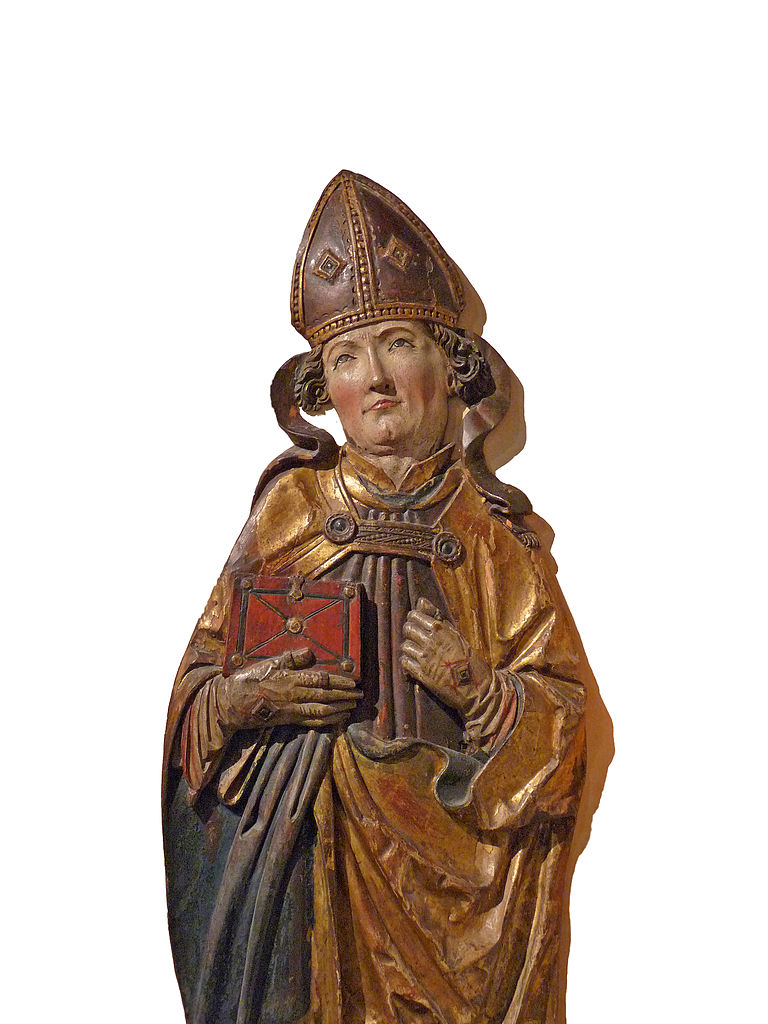


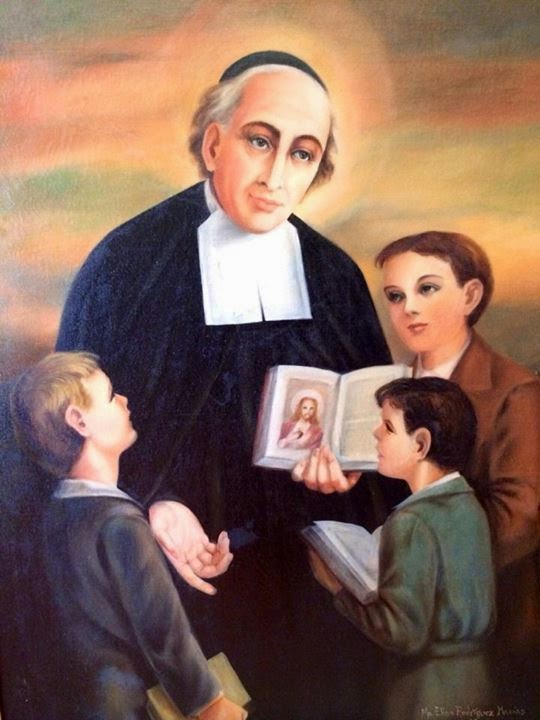
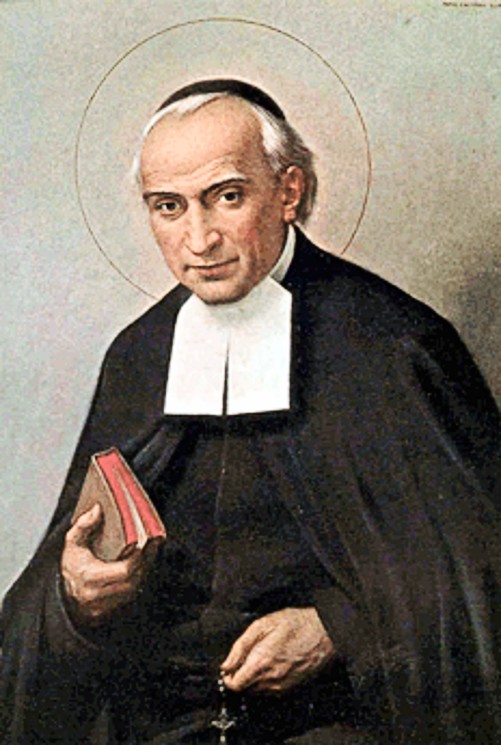


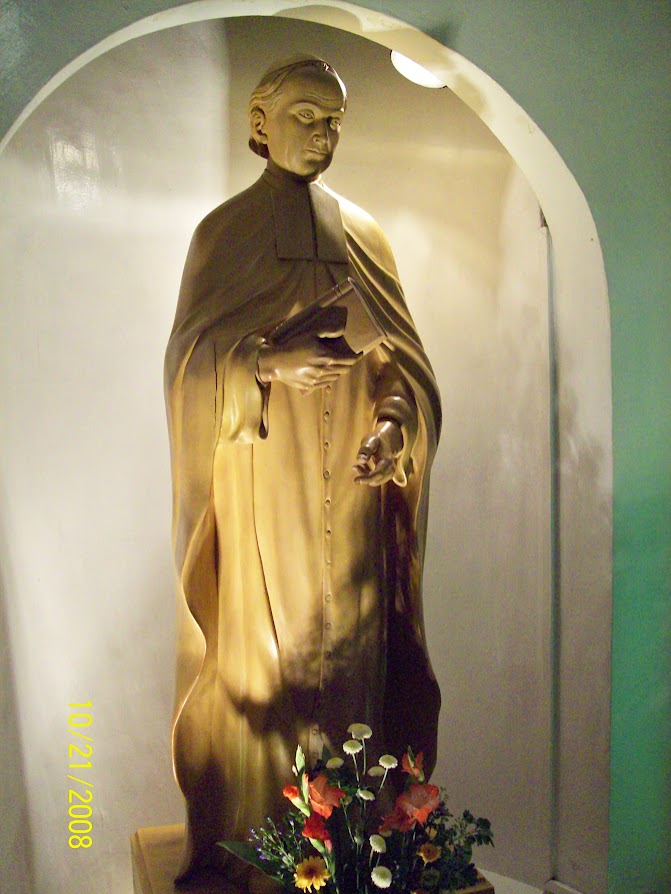
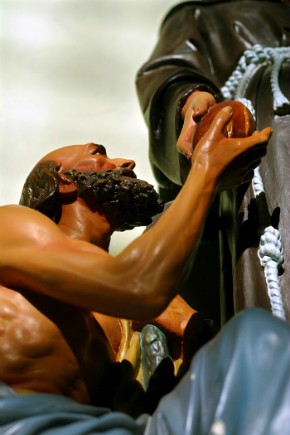
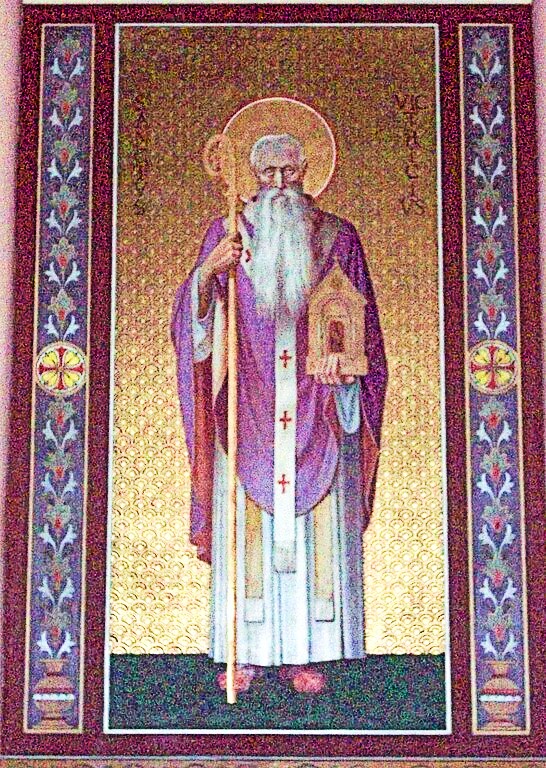
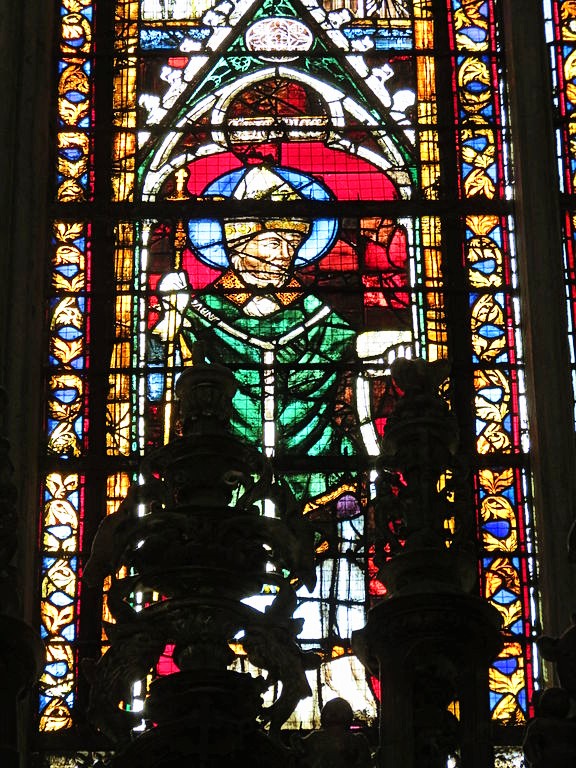
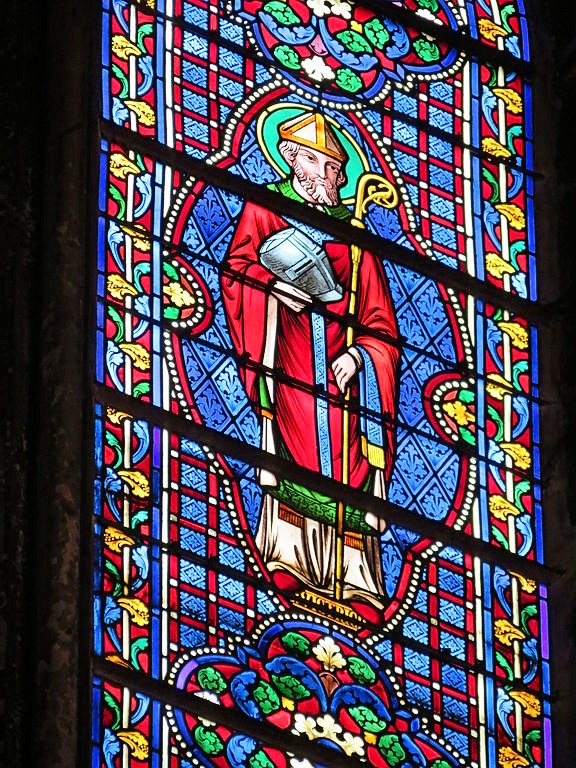
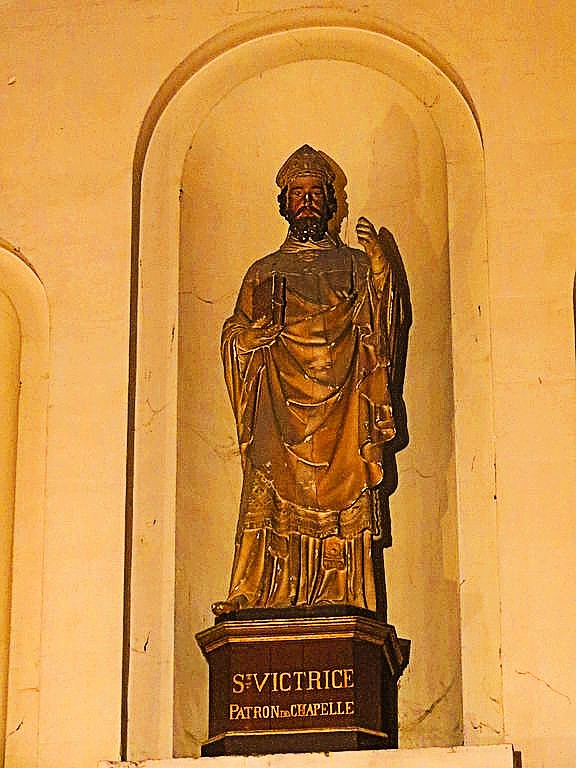

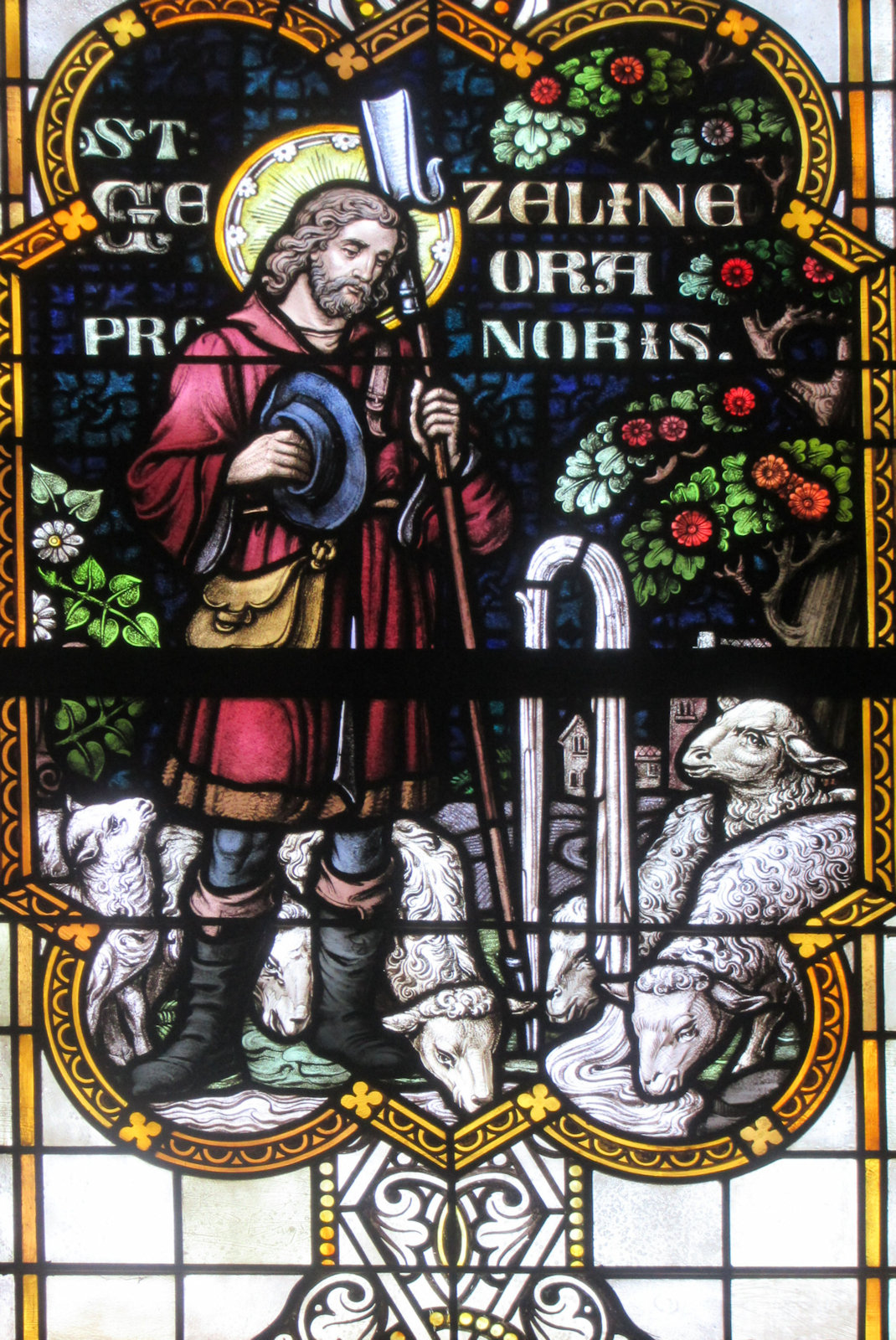
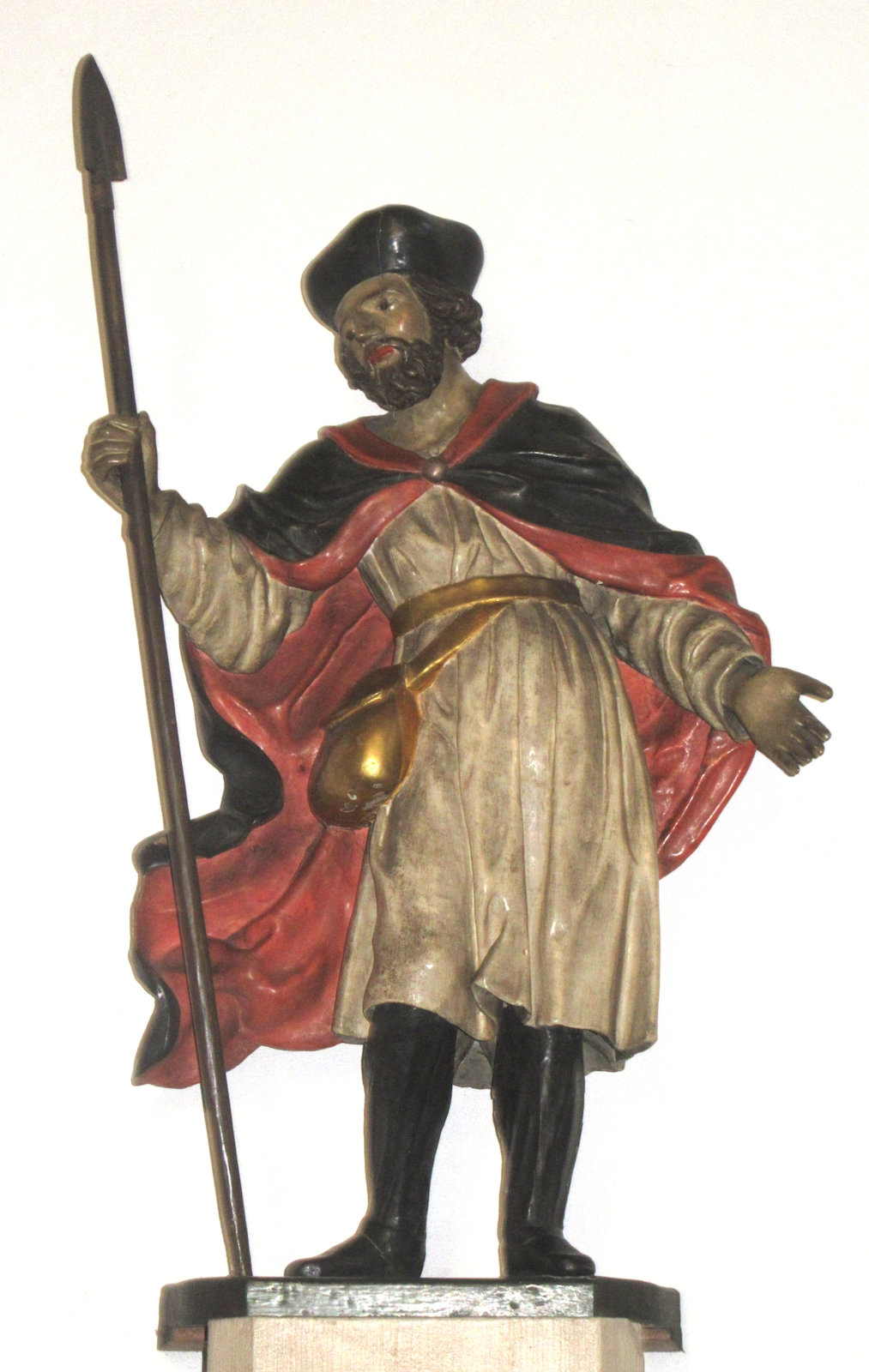
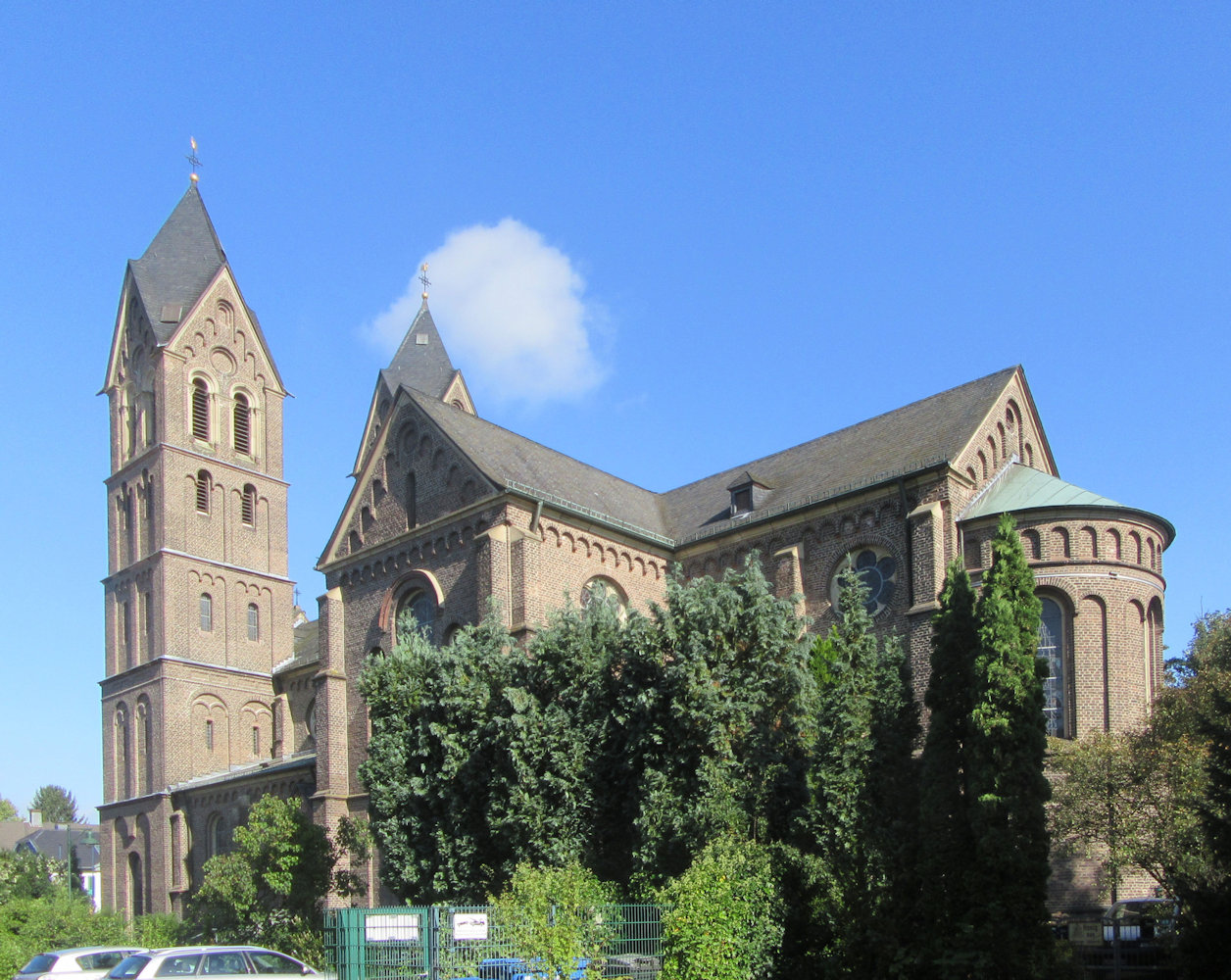
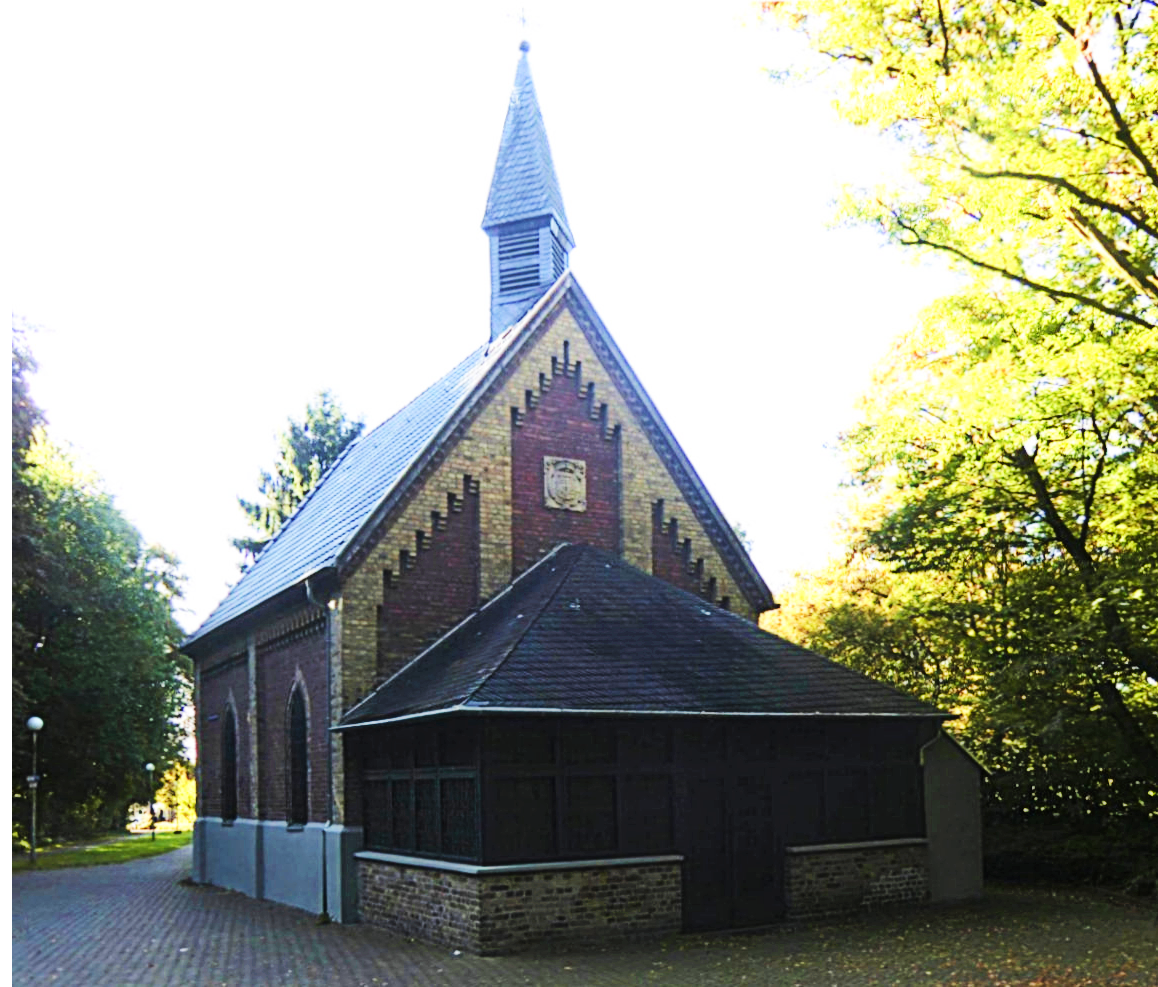
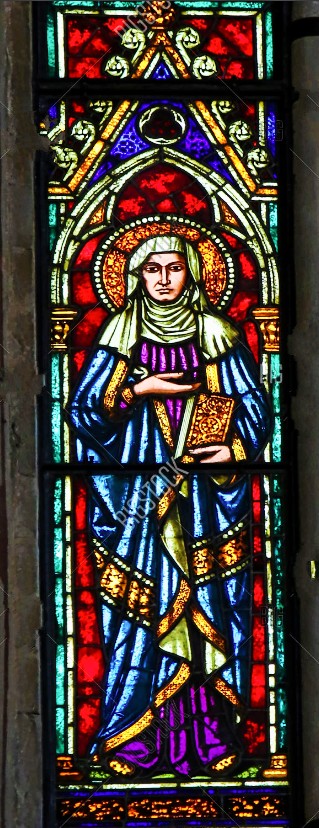
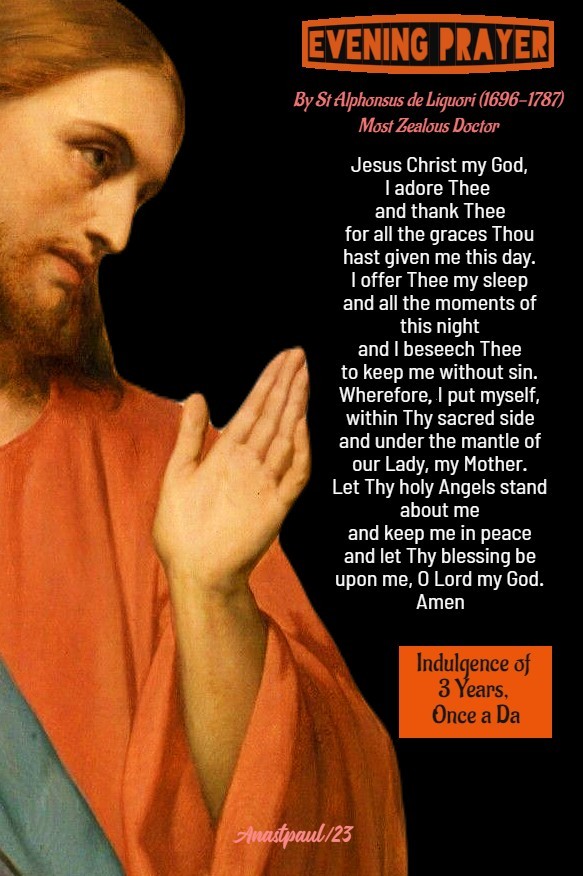
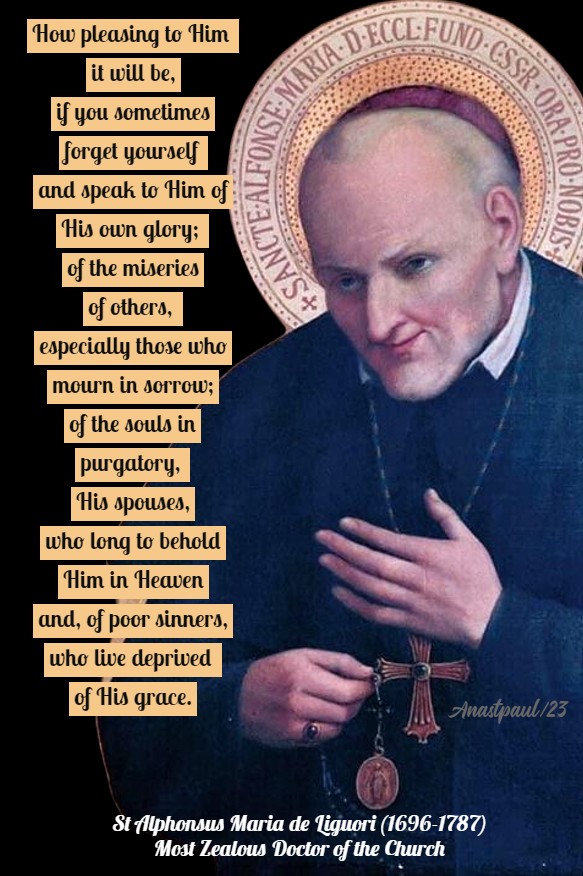
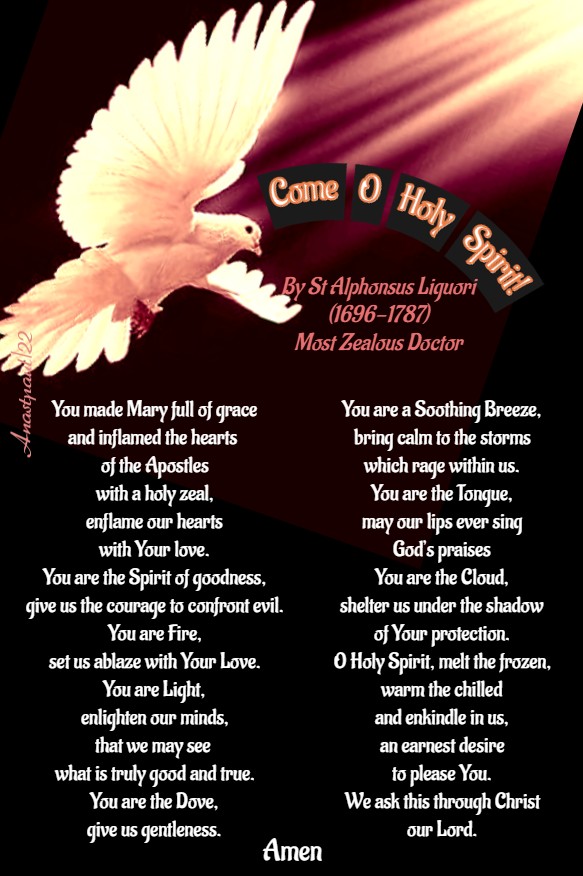


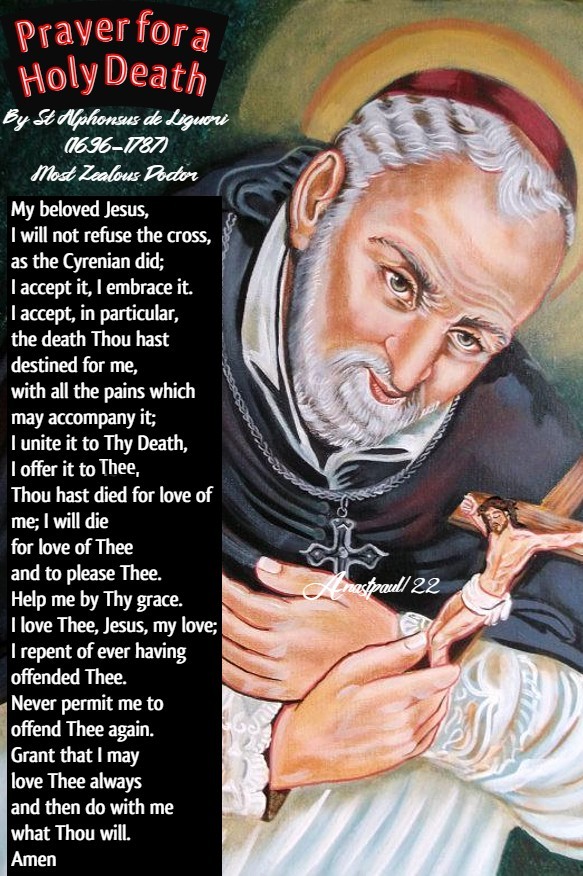

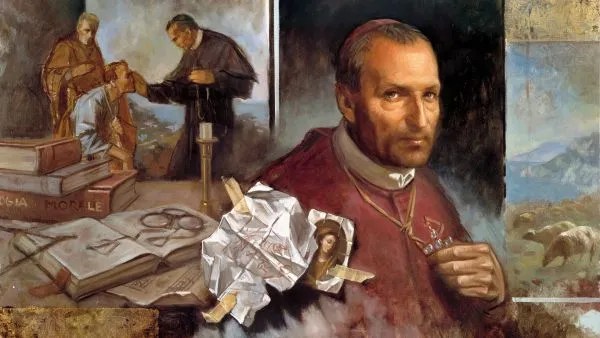
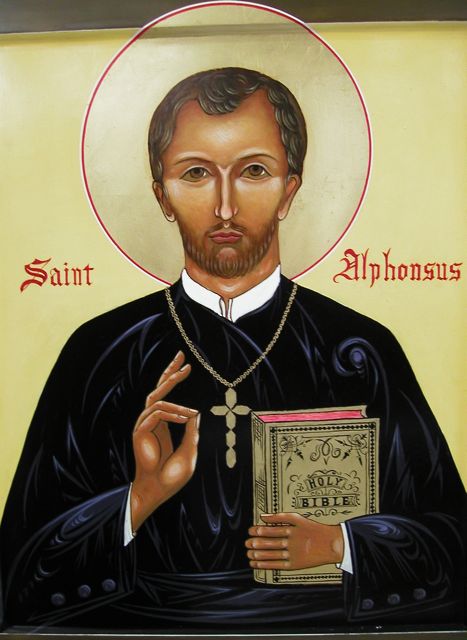
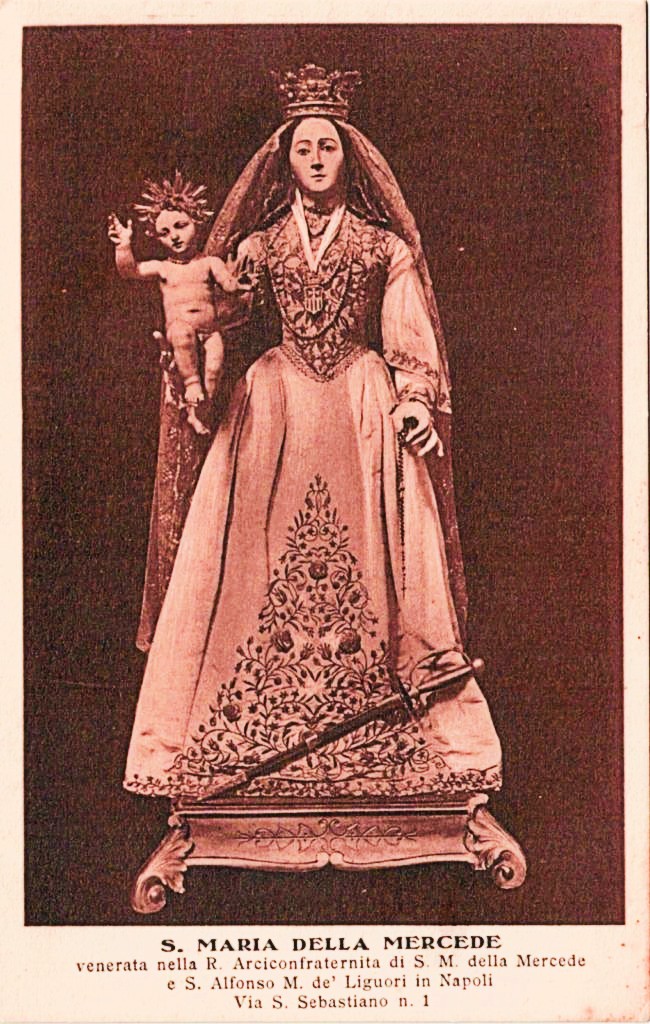
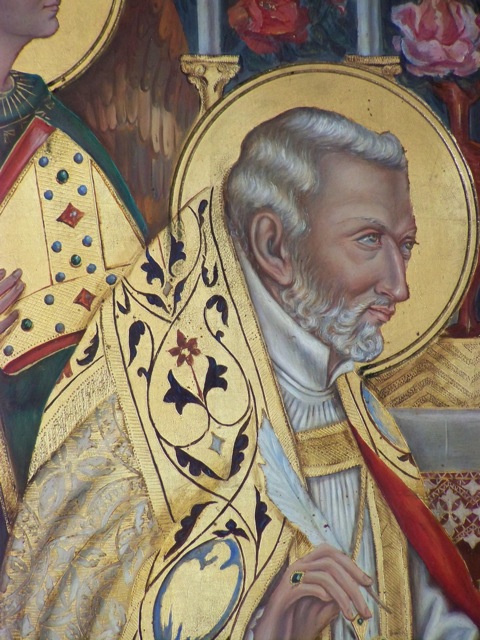
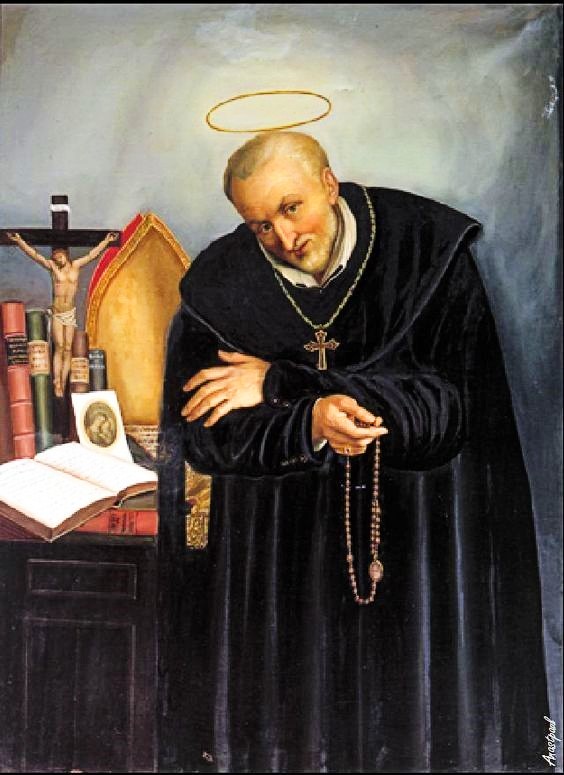
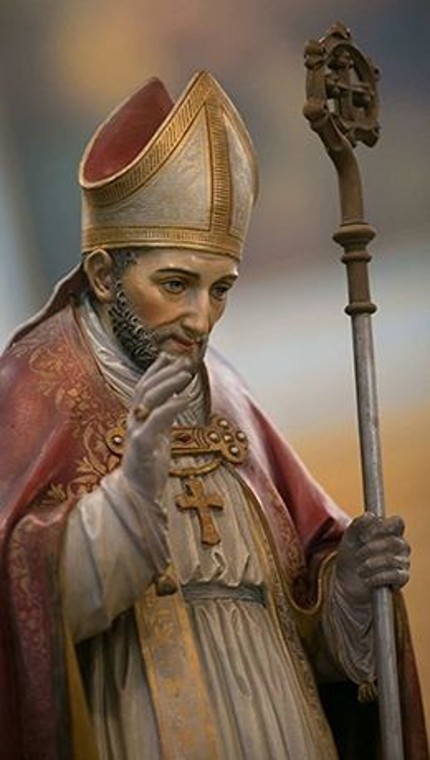
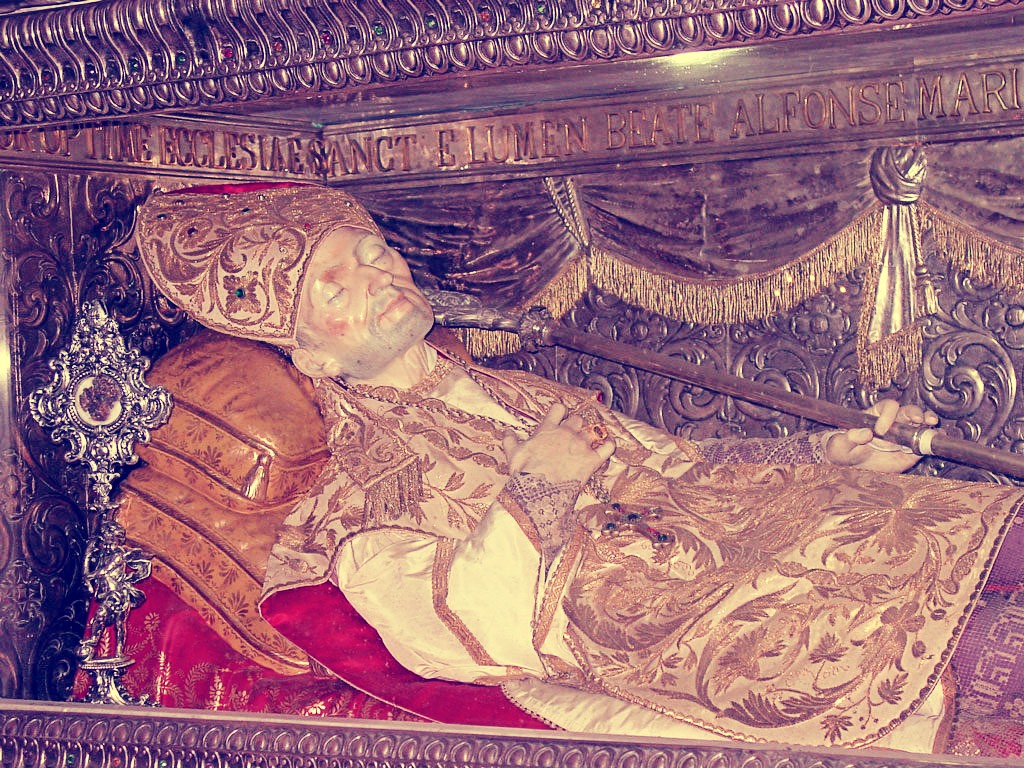
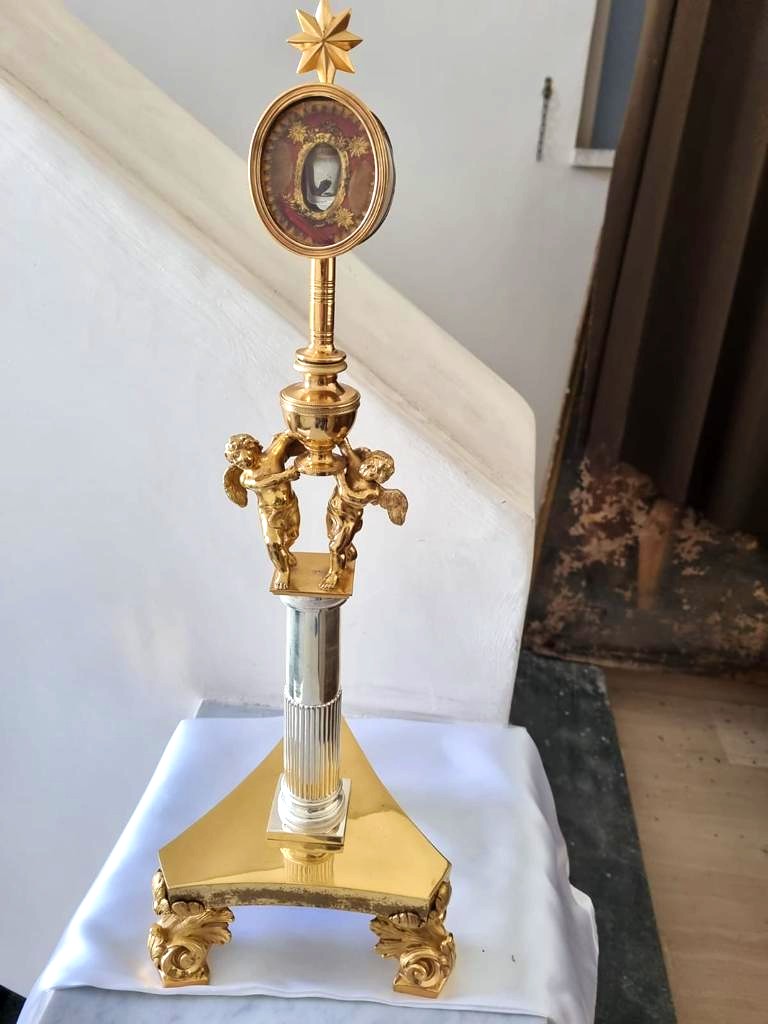
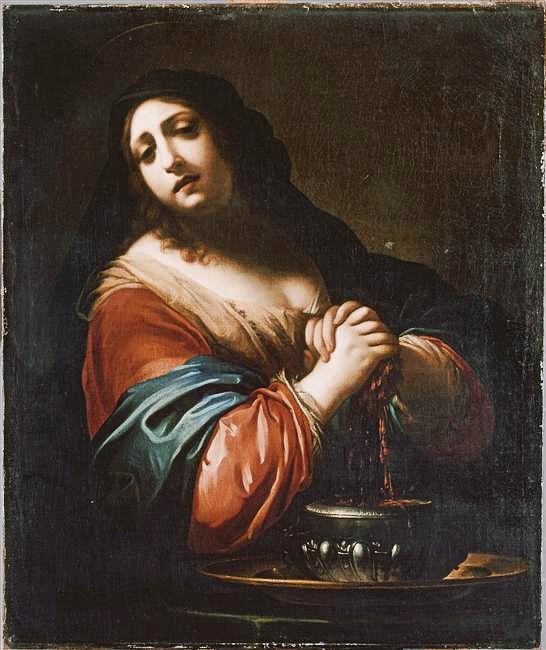


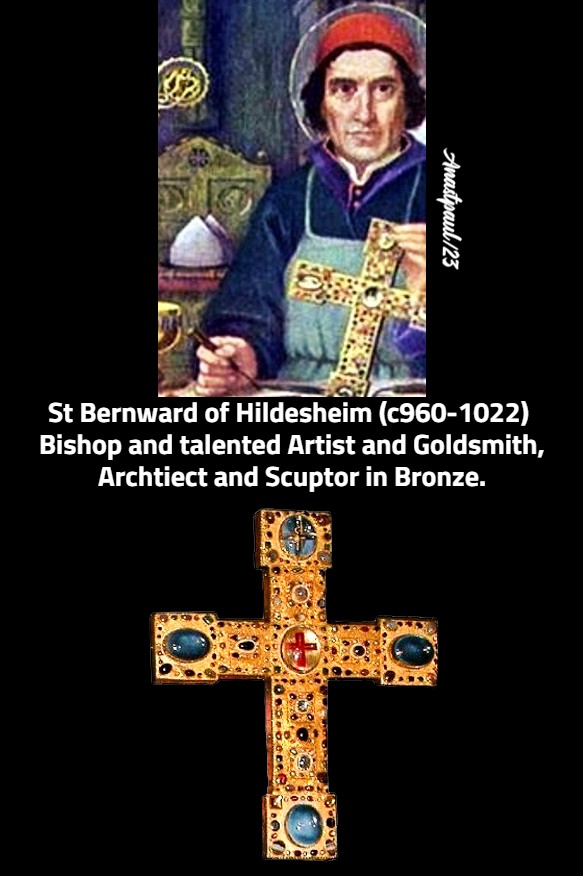
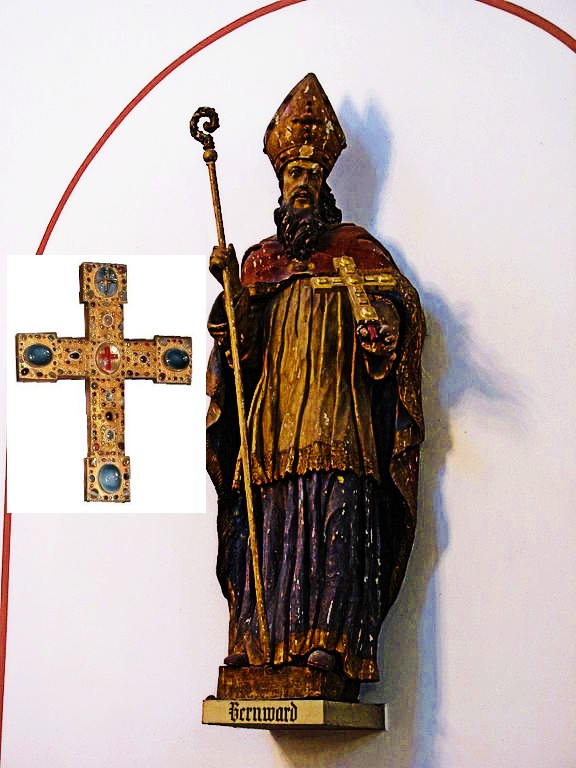
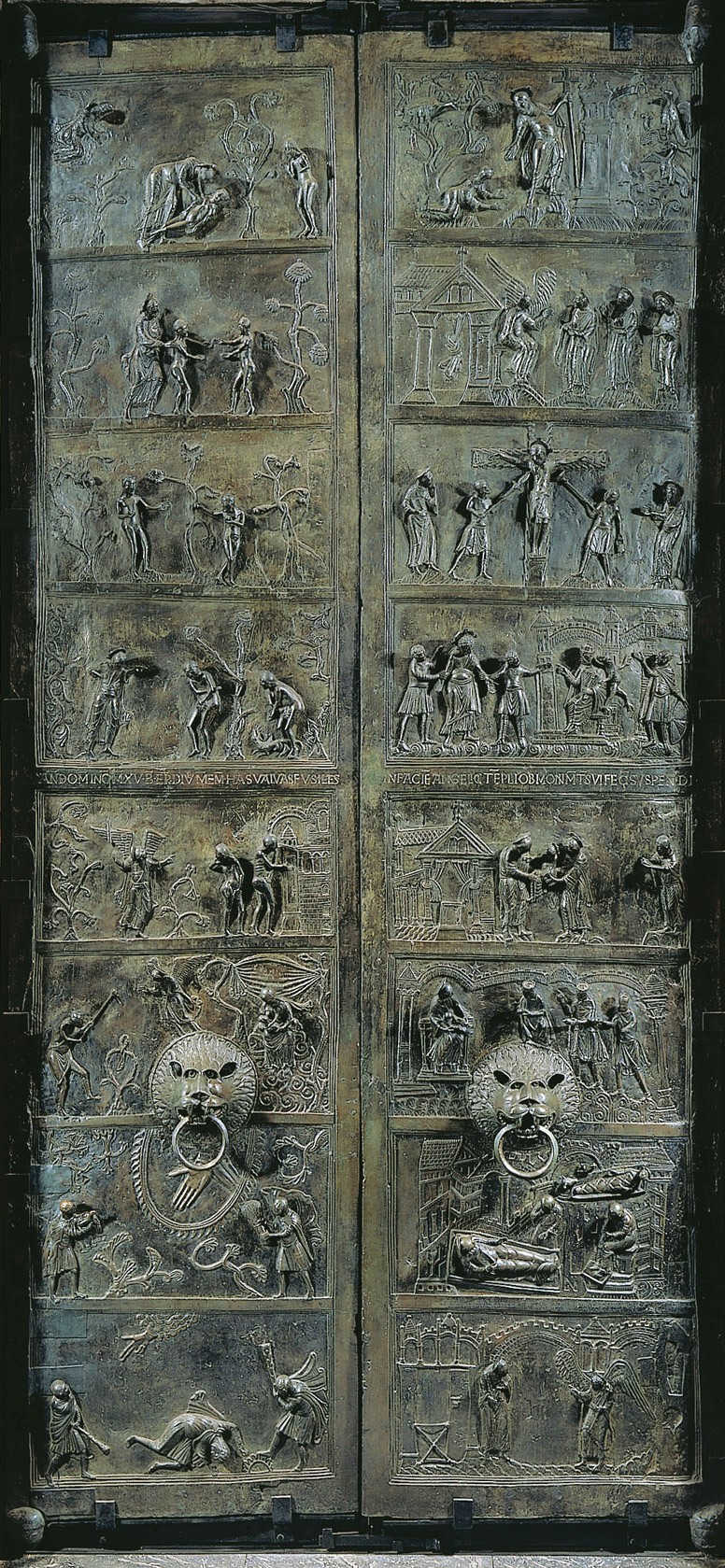
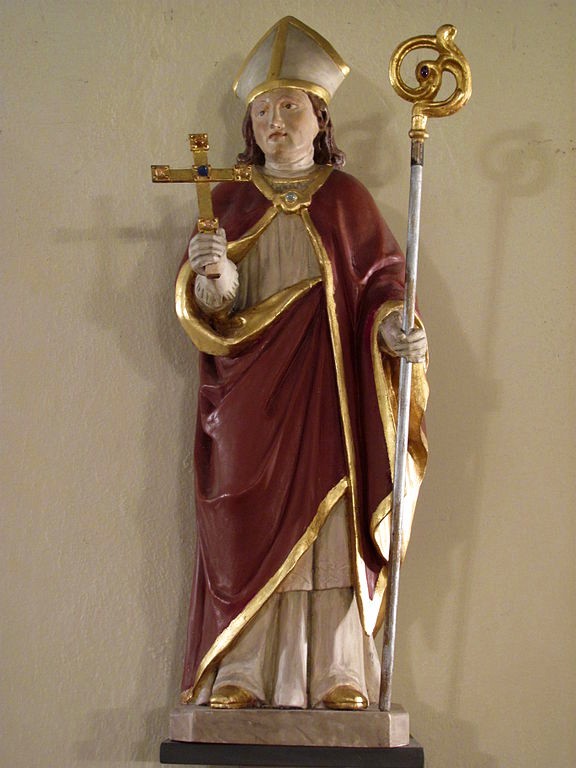
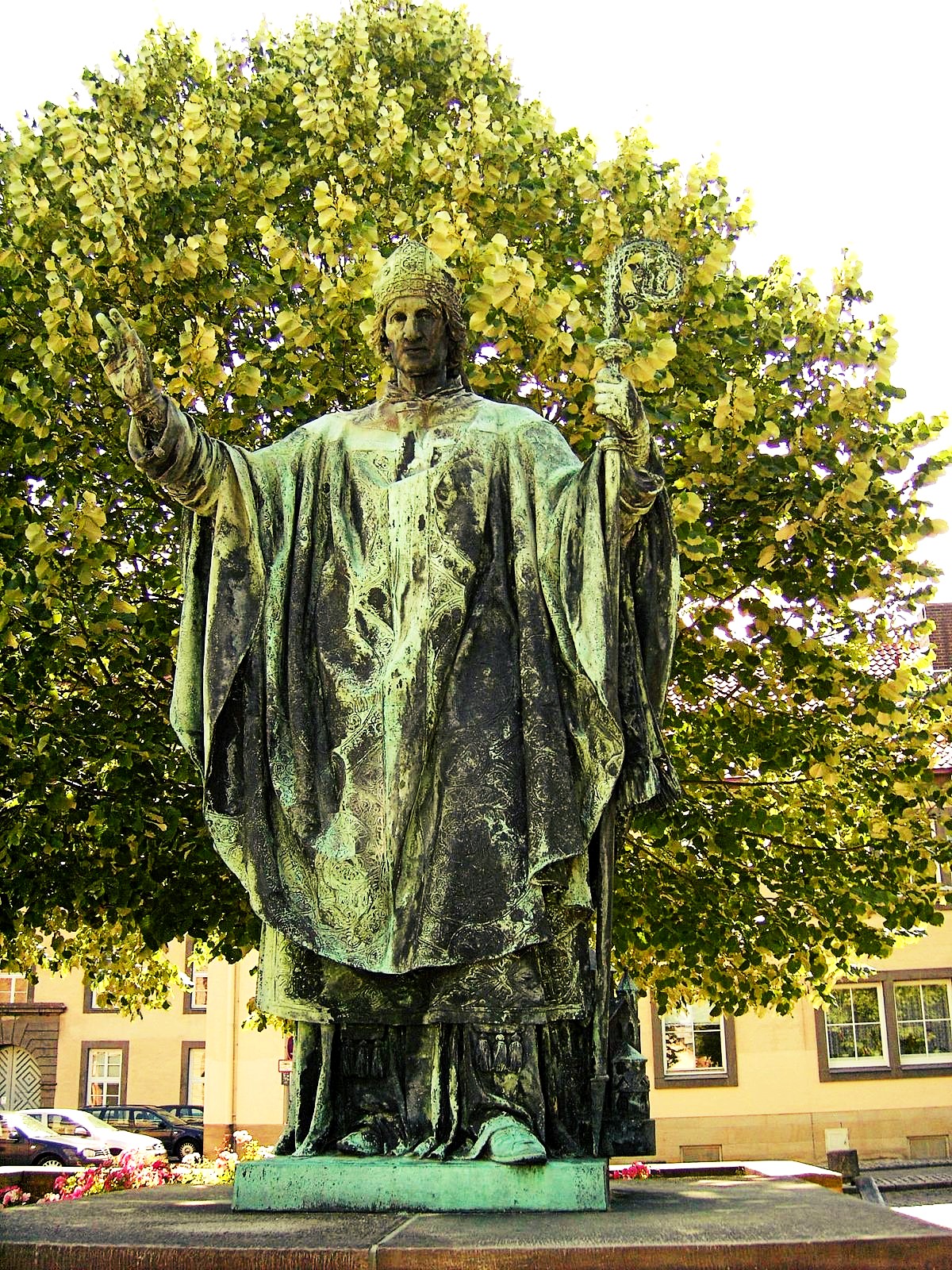
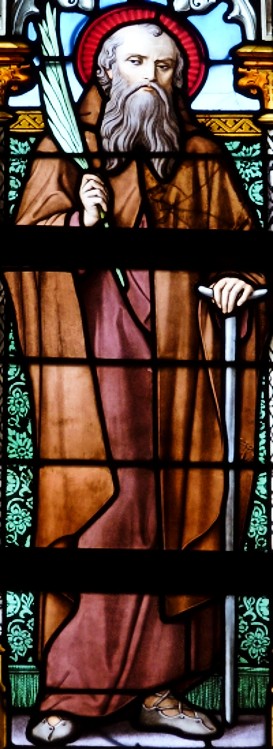
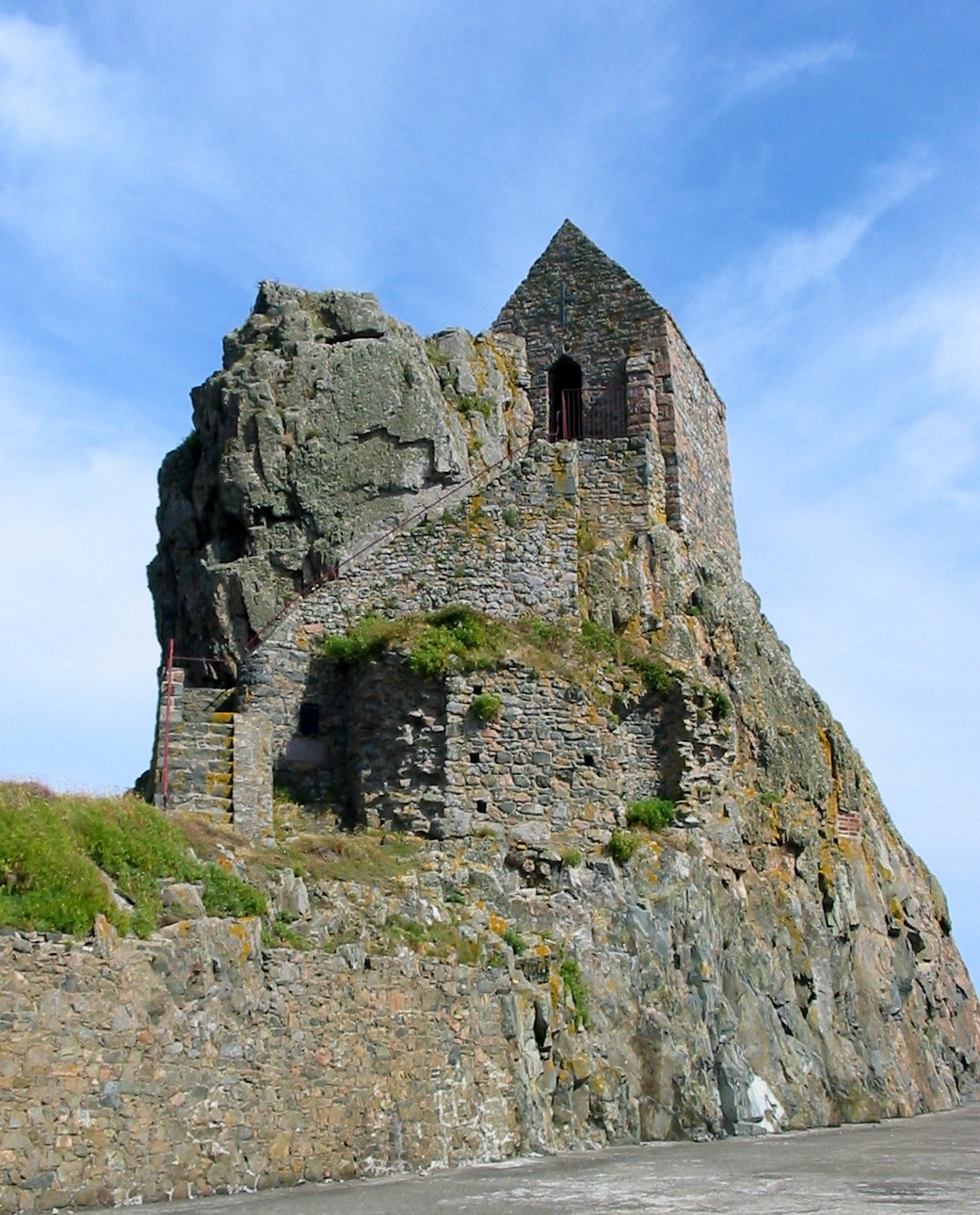
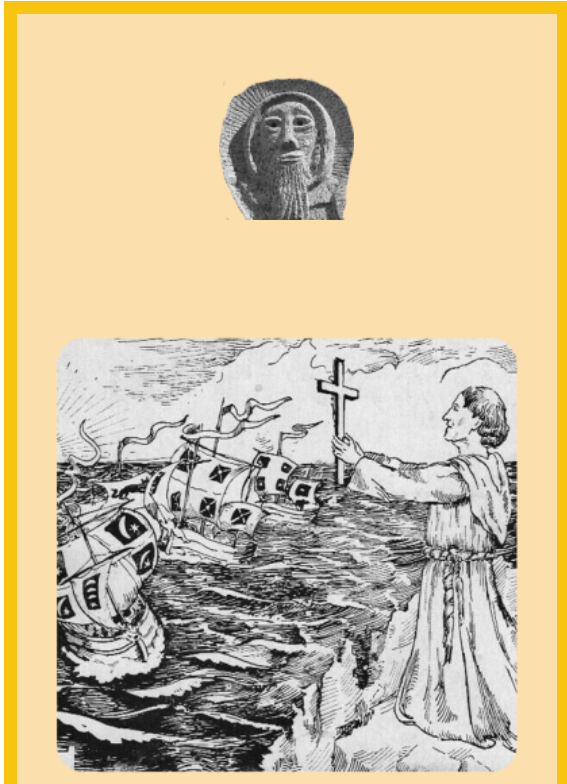
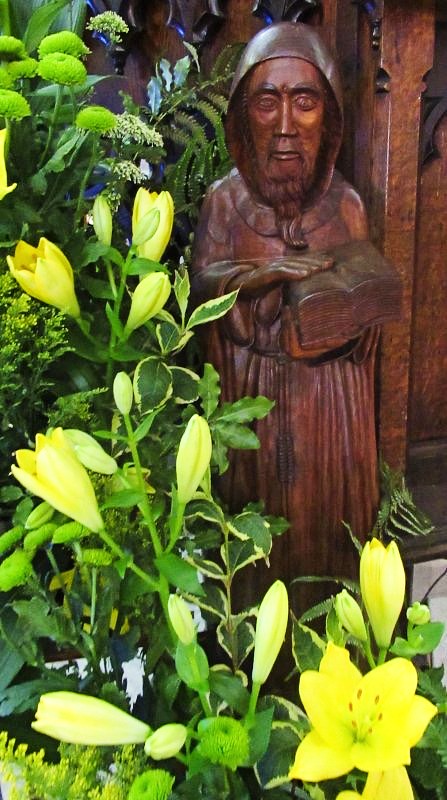
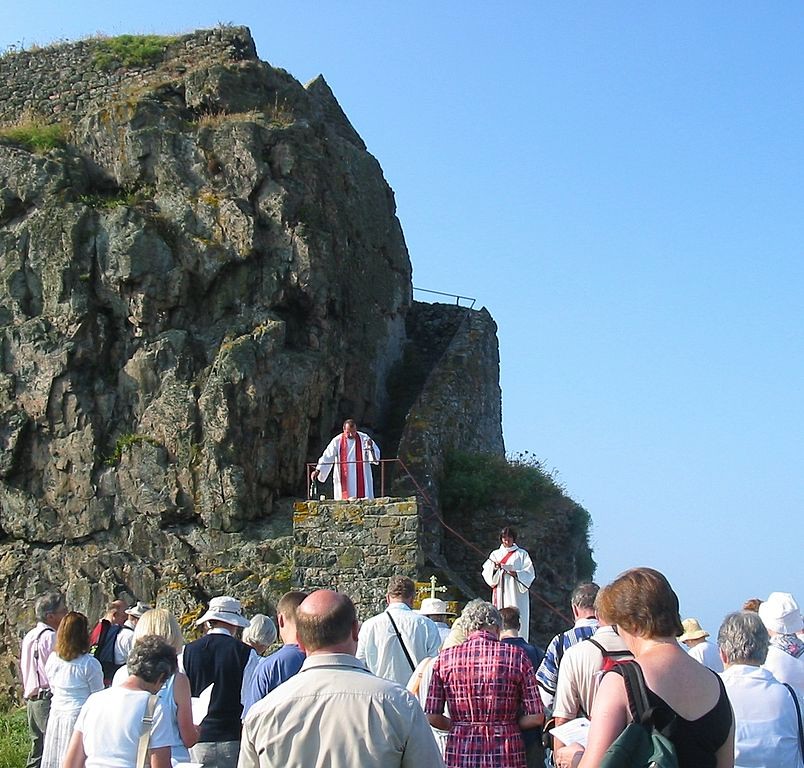
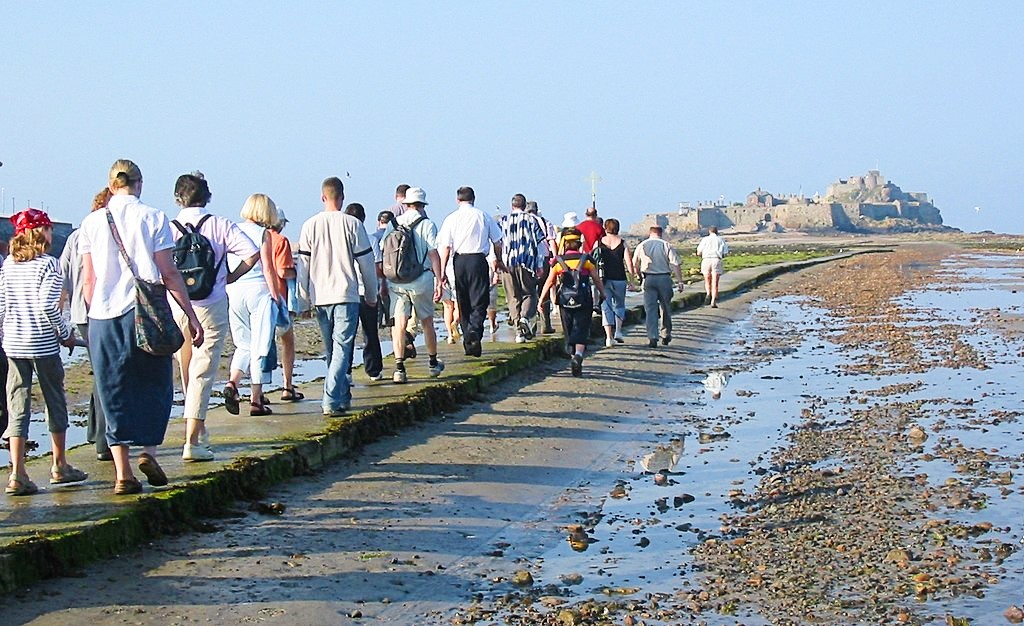
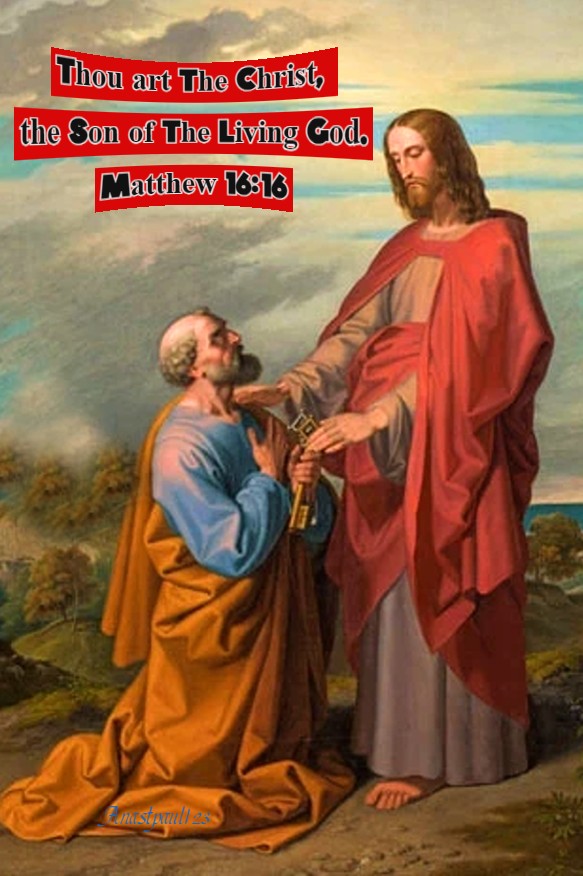
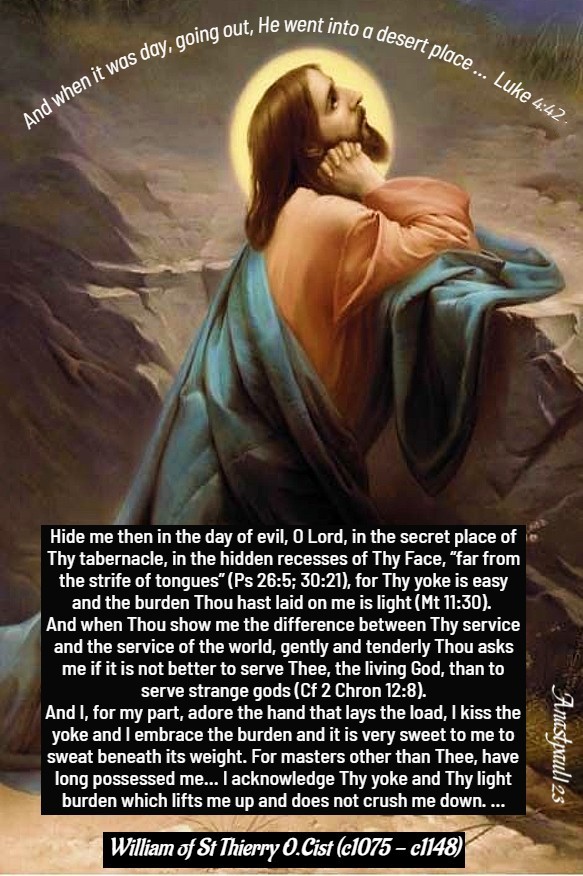


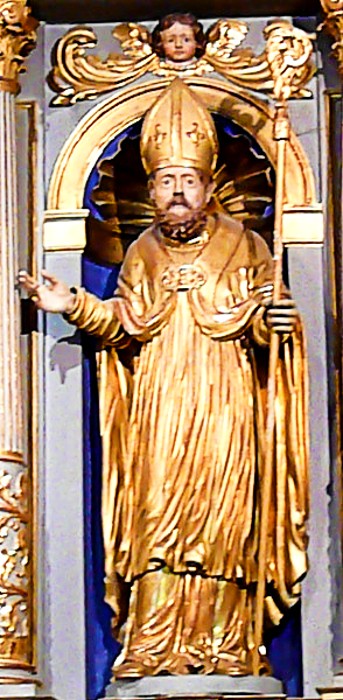
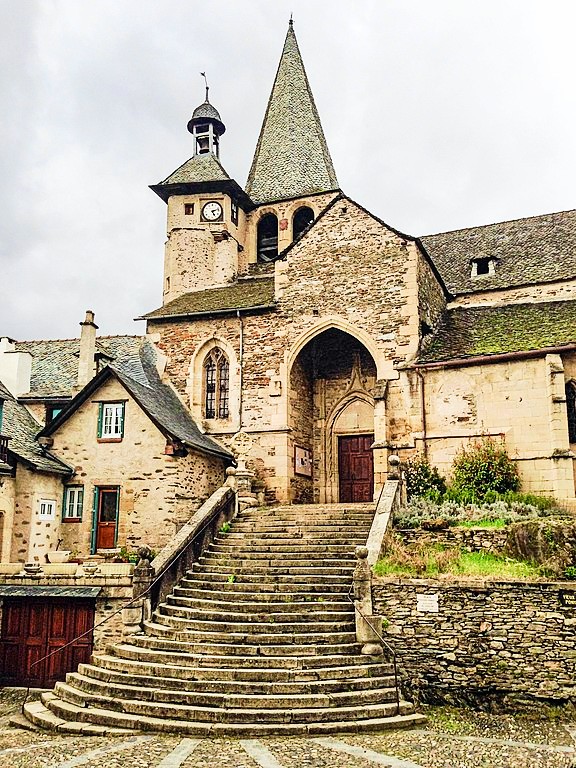


 AnaStpaul
You must be logged in to post a comment.