Saint of the Day – 21 January – St Anastasius the Persian (Died 628) Martyr, Monk. Born in Persia as Magundat and died by strangulation and beheading in 628 in Persia. Patronages – against headaches, of goldsmiths.
The Roman Martyrology reads: “At Rome, at Aquiae, Salviae, St Anastasius, a Persian Monk, who, after suffering much at Caesarea in Palestine, from imprisonment, stripes and fetters, had to bear many afflictions from Chosroes, King of Persia, who caused him to be beheaded. He had sent before him, to Martyrdom, seventy of his companions, who were precipitated into rivers. His head was brought to Rome, together with his venerable likeness, by the sight of which, the demons are expelled and diseases cured, as is attested by the Acts of the Second Council of Nicacea.”
Anastasius was born in the City of Ray. He was the son of a Magian named Bau. He had a brother whose name is unknown. He was a cavalryman in the army of Khosrow II (590–628) and participated in the capture of the True Cross in Jerusalem which was carried to the Sasanian capital.
The occasion prompted him to ask for information about the Christian religion. He then experienced a conversion of faith, left the army, became a Christian and then a Monk at the Monastery of Saint Savvas (Mar Saba) in Jerusalem.
Anastasius was baptised by St Modestus, the Bishop of Jerusalem, receiving the Christian name Anastasius to honour the Resurrection of Jesus Christ (anástasis” in Greek meaning resurrection).
After seven years of the monastic observance, he was moved by the Holy Ghost to go in quest of Martyrdom and went to Caesarea, then subject to the Sasanians. There he interrupted and ridiculed the pagan priests for their religion and was, as a result, arrested by the local governor, taken prisoner, cruelly tortured to make him deny Christ and finally carried down near the Euphrates river, where his tortures was continued, while at the same time, the highest honours in the service of King Khosrow II, as a Magi, were promised him, if he would renounce Christianity.
Finally, after refusing to renounce Christ, with seventy others, he was strangled to death and decapitated on 22 January 628. His body, which was thrown to the dogs but was left untouched by them, was carried from there to Palestine, then to Constantinople and finally, to Rome, where the relics were venerated at the Tre Fontane Abbey.
A Passio written in Greek, was devoted to the Saint. An adapted Latin translation, possibly by Archbishop Theodore of Canterbury, was available to the Anglo-Saxon Historian, the Venerable St Bede, who criticised the result and took it upon himself to improve it. There are sadly, no surviving manuscripts of St Bede’s revision, although one copy did survive to the 15th Century.
Saint of the Day – 14 January – St Macrina the Elder (Died c 340) Widow, Mother of the elder St Basil and, therefore, the Grandmother of St Basil the Great, St Gregory of Nyssa, St Peter of Sebaste and St Macrina the Younger. Macrina was a native of Cappadocia, in what is now eastern Turkey. Patronages – against poverty, of the poor, of widows. Also known as – Macrina of Caesarea.
The Roman Martyrology says today: “St Macrina, disciple of St Gregory Thaumaturgus and the grandmother of St Basil, whom she brought up in the Faith.”
Our knowledge of the life of the elder Macrina is derived mainly from the testimony of the great Cappadocian Fathers of the Church, her grandchildren – Basil, Gregory of Nyssa (Vita Macrinae Junioris) and the panegyric of St Gregory of Nazianzen on St Basil.
Two of these grandsons helped shape the Faith which we proclaim today—Basil the Great, a Doctor of the Church and his brother, Gregory of Nyssa, who helped the Church better articulate her understanding of the Trinity. Both of these men played crucial roles in formulating the Nicene Creed which Catholics still recite every Sunday at Mass. Macrina raised both of these men and their influential younger sister, Macrina the Younger. She gave all these great Saints their first religious instruction as children.
The works of Basil indicate that she studied under Gregory Thaumaturgus (or the Wonderworker), the great father of the Faith in Cappadocia, he of whom it is said that when he arrived in the territory, there were only seventeen Christians in the Town of Neocaesarea; when he died in 268, there were only seventeen pagans. It was his teachings, handed down through Macrina to Basil and Gregory that were particularly formative for the two Cappadocian brothers.
Her home was at Neocaesarea in Pontus and according to Gregory Nazianzen, during the persecution of Christians under Galerius and Diocletian, Macrina fled with her husband to the shores of the Black Sea. They left their home and hid in the woods for seven years. They were often hungry and had to live off the land and whatever animals they could hunt. After they were finally allowed to go home to Neocaesarea, another round of persecution took effect and their possessions were confiscated. These trials are the reason for her patronage of the poor.
She was widowed and is also the Patron of widows. She is said to have died in the early 340s
Saint of the Day – 8 January – Saint Severinus of Noricum (c410-482) Abbot, Hermit, Missionary, established Monasteries and refuge centres for those stricken by war. Severinus was graced with the gifts of prophecy and miracles. He is known as “The Apostle to Noricum” – Noricum is the Latin name for the Celtic Kingdom or Federation of Tribes which included most of modern Austria and part of Slovenia. Born in c410 and died on 8 January 482 at Favianae, Noricum of natural causes. Patronages – against famine, of linen weavers, prisoners, vineyards/vintners/wine farms, Austria, Bavaria, Germany, the Diocese of Linz, Austria. Also known as – Severrin, Severino.
Saint Severin blesses Austria – Hans Gustav Dittenberger von Dittenberg, 1849
The Roman Martyrology reads today: “This same day, among the inhabitants of Noricum (now Austria), the Abbot, St Severin, who preached the Gospel in that country and is called it’s apostle. By Divine Power, his body was carried to Lucullanum, near Naples and thence transferred to the Monastery of St Severin.”
It has been speculated that Severinus was born in either Southern Italy or in the Roman province of Africa. Severinus himself refused to discuss his personal history prior to arriving along the Danube in Noricum. However, he did mention experiences with eastern desert monasticism and his Vita draws connections between Severinus and Saint Anthony of Lérins (c 428-c 520) https://anastpaul.com/2021/12/28/saint-of-the-day-28-december-saint-anthony-of-lerins-c-428-c-520/
Little is known of his origins. The source for information about him is the Commemoratorium Vitae St Severini (511) by Eugippius (c 460-c 535), who was a disciple of Severinus. In 511 Eugippius wrote to Paschasius and asked his venerated and dear friend, who had great literary skill, to write a biography of St Severinus from the accounts of the Saint which he (Eugippius) had put together in crude and unartistic form. Paschasius, however, replied that the acts and miracles of the Saint could not be described better than had done by Eugippius. This Vita is available online at: https://www.tertullian.org/fathers/severinus_02_text.htm
St Severinus – St.Severin Parish Church Lower Austria
Severinus was a high-born Roman living as an Hermit in the East. He was an ascetic in practice. He is first recorded as travelling along the Danube in Noricum and Bavaria, preaching Christianity, procuring supplies for the starving, redeeming captives and establishing Monasteries at Passau and Favianae,
While the Western Empire was falling apart, Severinus, thanks to his virtues and organisational skills, committed himself to the religious and material care of the frontier peoples, also taking care of their military defence. He organised refugee camps, migrations to safer areas and food distribution.
Madonna and Child Enthroned between San Severino and San Sossio – Protasio Crivelli, 1506
Serverinus offered practical leadership, as well as spiritual leadership. He was a tireless preacher and a marvellous Miracle-worker – he miraculously multiplied food reserves, cured the sick, cast out devils, commanded the elements of nature and once even resurrected the dead.
The main theme of his teaching was the value of penance. It was a propitious choice. The sufferings of his people under the Germanic invasions were acute and, uniting them with Christ’s sufferings for the reparation of sin and the conversion of sinners, enabled them to find meaning and strength amid calamity. He also practiced what he preached. In his constant barefoot journeying throughout Austria and Bavaria, he ate only one meal a day and slept on a sack which he carried around with him, wherever he happened to find himself at bedtime.
His efforts seem to have won him wide respect, including that of the Germanic chieftain Odoacer. Eugippius credits him with the prediction that Odoacer would become king of Rome. However, Severinus warned that Odoacer would rule not more than fourteen years.
Severinus also prophesied the destruction of Asturis in Austria, by the Huns. When the people would not heed his warning, he took refuge in Comagena. There he established refugee centres for people displaced by the invasion and founded Monasteries to re-establish spirituality and preserve learning in the stricken region.
He died in his monastic cell at Favianae while singing Psalm 150. Six years after his death, his Monks were driven from their Abbey and his body was taken to Italy, where it was at first kept in the Castel dell’Ovo, Naples, then eventually interred at the Benedictine Monastery rededicated to him, the Abbey of San Severino in the City of Naples.
Austrian postage stamp of their Patron Saint
St Severinus Statue on the Church in Church at Steinhof, Vienna
Saint of the Day – 7January – St Valentine of Passau (Died 475) Bishop in Passau in the Rhaetia region, Switzerland, an area in the border region of modern Italy, Austria and Switzerland, Monk, Abbot, Missionary, Hermit, Miracle-worker. Died on 7 January 475 at Mais, Tyrol, Austria of natural causes. Patronages – against convulsions, against cramps/stomach pain, against epilepsy, against gout, against plague/epidemics, against demonic possession, of cattle diseases, of pilgrims, poor people, City and Diocese of Passau. Also known as • Valentine of Mais • Valentine of Raetia • Valentine of Ratien • Valentine of Retie • Valentine of Rezia • Valentine of Rhaetia • Valentine of Rhétie • Valentin, Valentinus.Additional Memorial – 4 August (translation of relics), 29 October a combined Feast with the other Patrons of Passau, St Stephen, the Protomartyr and St Maximillian Martyr Bishop of Passau for 20 years, who died in c 284 (Feast day 12 October)..
The 3 Patrons of Passau, St Valentine left, st Stephen centre and St Maximillian right
According to tradition, Valentine came to Passau around 430; there the construction of the first Church on the site of today’s Cathedral is attributed to him.
Valentine had been sent by the Pope to preach the Gospel in the Passau. He found that his work was without fruit and returned to Rome to implore the Holy Father to send him elsewhere. But the Pope Consecrated him Bishop and sent him back to Passau, to preach in season and out of season, whether it produced fruit or not.
The Bishop renewed his efforts but the pagans and Arians combined to drive him out of the City. Thereupon, he went into the Rhætian Alps and his teaching produced abundant fruit in the region. His Vita states, St Valentine was “teaching the word of God and doing great good, such that he was able to expel demons from the obsessed and cure those who were sick of all sorts of diseases.”
At length he resolved to serve God and purify his own soul, in a life of retirement. He, therefore, built a little Chapel and Monastery at Mais, in Tyrol and there he died. His Relics are enshrined at Passau.
A Monk who died in 482 wrote a Vita of the Bishop of Raetia. St Venantius Fortunatus knew of a Church dedicated to Saint Valentine in the Upper Inn Valley and another, probably on the Brenner Pass in the Alps.
otive image, 1843 from the Mariahill pilgrimage Church in Passau. Next to Bishop Valentin appears the Mother of God with the Jesus Child in her arms in a wreath of clouds. The text asks for a devotional Lord’s Prayer to Maria for the sinful person.
Around 1200, on the occasion of the discovery of his grave in the forecourt of Passau Cathedral, a life story was written by an Cathedral Chaplain – who said that Valentin worked in the area around Passau but was unsuccessful because of the wildness of the residents and finally retreated to the Alps after abuse and expulsion.
Below is a Painting by Franz de Neve “The Cures Wrought by Saint Valentine and the Beheading of St Maximilian” (after 1689) which resides in the Cathedral of St Stephen, Passau. In the foreground, St Valentine cures the sick. The beheading of St Maximilian is barely visible in the left edge of the background.
Saint of the Day – 3 January – St Fintan of Doon (Died 6th Century) Abbot, Founder of a Monastery, Miracle-worker. Born in Ireland and died in the 6th Century in Ireland of natural causes. Also known as – Fiontan, Fintanus. Patronage – eye diseases, against blindness, all ailments.
Fintan was a brother to St Finlug, son to Diman who was descended from Mured Manderig, King of Ulster. Alinna, of a noble Limerick family, was his mother.
St Comgall, Abbot of Bangor had founded a school at Bangor in the middle of the 6th Century and it was here that Fintan studied. At this time pirates raided these Monasteries frequently. Fintan, once, asked Finian of Maghbile to lend him a Gospel for his studies but was refused. The next night Fintan and his companions were on guard at the port, fearing an invasion. The pirates, however, firstly raided Magh Bile – the Monastery of St Finian and among the treasures they stole was the Gospel. Later they approached Bangor where Fintan was on guard. When they were about to attack the City, a storm suddenly arose and all the ships were sunk except that which carried the Gospel. The Gospel, along with other artefacts were recovered.
One Spring, a leper came to Fintan and requested some bread, made from newly ripened corn. Fintan instructed the leper to plant a seed in the newly ploughed field. The seed immediately grew and ripened and thus the leper was satisfied.
At this time a pagon king lived in a district called Calathmagh. On hearing of Fintan’s approach, the king instructed his servants to prevent the further progress of Fintan. On reaching a field where the king’s workers were, the Saint and his followers were obstructed from continuing. On requesting permission, they were insulted. Presently a storm arose and the crops were set on fire from which the smoke almost blinded the kings servants. With some Holy Water, Fintan restored their vision and they were deeply grateful to him and many converted.
After these occurrences, Fintan settled at Doon, whose name is derived from the earthen dun and from Blesc who was a vassal to the king at that time. The presence of Fintan’s well and the fact that this is the only place in the area with a name of origin “Dun” verifies that Doon is the place where Fintan settled.
Fintan’s settlement at Doon had been prophesised by St Comgall in the Leabhar Breac which has been translated thus:
“My little foster son shall obtain the fortress, Fintan, by whom the dun will be obtained His city of sacred protection shall be That which is called Doon (Dun Bleisce).”
At Doon, Fintan was welcomed with much hospitality from Columbanus, son to Kynchadhe. A feast, which consisted of a cow and calf and milk had been prepared for Fintan and his seven followers.
St Fintan’s well is situated in a grove of trees in the east corner of lower Kilmoylan townl. The well’s water is reputed to have great healing powers and previously many pilgrims journeyed there to be cured of diverse ailments but most especially of blindness and eye diseases..
“They have left their cot for the holy well Near the Cross in the valley flowing, its bright blude hide haith a spell Light and joy to the blind bestowing.”
St Fintan is believed to have lived to a very old age. The exact site of St Fintan’s Monastery in Doon is uncertain but we presume it is near the ancient graves of St Fintan’s cemetery in Doon. From St Engus’ comments and other sources, it has been learned that St Fintan’s death fell on the 3rd of January. His Feast-day is celebrated in the Parish. There is no information, however, regarding the year or place of his death.
Saint of the Day – 28 December – The Holy Innocents. Patronages – • against ambition•against jealousy• altar servers•babies•children• children’s choir• choir boys• orphans• students.
The Feast of the Holy Innocents By Father Francis Xavier Weninger SJ (1805-1888)
By the Holy Innocents, who are honoured as Martyrs today by the Catholic Church, we understand those happy infants, who, by the command of King Herod, were put to death, for no other cause, than that the new-born King of the Jews might be deprived of life.
When Christ was born, Herod, well known for his cruelty, reigned at Jerusalem. He was not of the Jewish nation but a foreigner and was, therefore, hated by the Jews. Herod knew this well; hence, he feared that they would dethrone him and he had several illustrious persons executed, whom he suspected of aspiring to the throne.
Meanwhile, it happened, that the three Magi or Kings from the East came to Jerusalem, to find and adore the new-born King, Who had been announced to them by a star. They doubted not that they would learn more of Him in the capital of Judea and they, therefore, asked without hesitation: “Where is He that is born King of the Jews? For we have seen His star in the East and have come to adore Him.”
This question seemed very strange to the Jews and the news of it spread through the whole City, until it reached the King. His fear can hardly be described, for he already believed his crown and sceptre lost. To escape the danger in which he supposed himself, he called the chief priests and scribes together,and inquired of them, where the Messiah should be born. They answered: “In Bethlehem, according to the Prophets.” Satisfied with this answer, Herod had the three wise men brought to court and speaking very confidentially with them, he asked diligently when and where the star had appeared to them. After this, he advised them to go to Bethlehem and inquire after the new-born Child and when they had found and adored Him, to return and inform Herod, as he wished to go and adore the Child too. These words of the king, who was not less cunning than cruel, were only a deceit, as he had already resolved to kill the new-born Babe.
Meanwhile, the Magi followed the advice of the king and, guided by the star, which again appeared to them when they had left Jerusalem, went to Bethlehem, found and adored the Divine Child and offered gold, frankincense and myrrh, as we read in Holy Writ. Having finished their devotion, they intended, in accordance with king Herod’s wish, to bring him word that they had happily found the Child. An Angel, however, appeared to them in their sleep and admonished them not to return to Jerusalem but to go into their own country by another way which they accordingly did.
The Massacre of the Innocents / Angelo Visconti
When Herod perceived that they had deluded him, it was too late and his rage was boundless. Hearing of what had taken place in the temple, at the Purification of Mary that the venerable Simeon had pronounced a Child which he had taken into his arms, the true Messiah, the Herod’s heart was filled with inexpressible fear and anxiety. The danger in which he was, as he imagined, of losing his crown, left him no peace day or night. He secretly gave orders to search for this Child but all was of no avail, He could not be found.
After long pondering how he might escape the danger, his unbounded ambition led him to an act of cruelty unprecedented in history. He determined to murder all the male children, in and around Bethlehem, who were not over two years of age, as he thought that thus, he could not fail to take the life of the Child so dangerous to him. This fearful design was executed amidst the despairing shrieks of the parents, especially the mothers.
How many children were thus inhumanly slaughtered is not known but the number must have been very large. Yet, the tyrant gained not his end for, the Divine Child was already in security. The Gospel tells us that an Angel appeared during the night to St Joseph, saying to him: “Arise, take the Child and His Mother and fly into Egypt and remain there until I tell thee. For, it will come to pass that Herod will seek the Child to destroy Him.” St Joseph delayed not to obey, and fled, the same night, with the Child and His Mother, into the land indicated to the Angel.
Guido Reni: Massacre of the Innocents
As this had happened before Herod executed his cruel determination, God thus frustrated the plot. Herod soon after, received his just punishment. Several terrible maladies suddenly seized him, as Josephus, the Jewish historian, relates. An internal fever consumed him and all his limbs were covered with abominable ulcers, breeding vermin. His feet were swollen, his neck, shoulders and arms drawn together, and his breast so burdened, that the unfortunate man could hardly breathe, while his whole body exhaled, so offensive an odour, that neither he nor others, could endure it. Hence, in despair, he frequently cried for a knife or a sword that he might end his own life. In this miserable condition, he ceased not his cruelties and only five days before his death, he had his son, Antipater, put to death.
As he had good reason to believe that the entire people would rejoice at his death, he wished at least, to take to the grave, the thought that many should grieve, if not for him, at least for their friends and relatives. Hence, he had the chief men of the nobility imprisoned and gave orders to his sister Salome that, as soon as he had closed his eyes, they were all to be murdered. This order, however, was not executed by Salome, who justly loathed its cruelty. In this lamentable condition, the cruel tyrant ended his life but began one in eternity, whose pains and torments were still more unendurable and from which he cannot hope ever to be released!
While the innocent children massacred by him, rejoice for all eternity in the glories of Heaven, giving humble thanks to God for having thus admitted them into His presence. The Catholic Church has always honoured them as Martyrs; because, although not confessing Christ with their lips, as many thousands of others have done, yet, they confessed Him with their death, by losing their lives for His sake. Amen.
Saint of the Day – 23 December – Bl essed Hartmann OSA (c 1090-1164) Bishop of Brixen, in South Tyrol, Italy, from his appointment in 1140 until his death, Monk of the Hermits of St Augustine, Reformer of the Clergy, Advisor and Confessor to the Holy Roman Emperor, Leopold I, Miracle-worker. Blessed Hartmann’s name means: “the strong man.” Born in c 1090 at Oberpolling, Bavaria, Germany and died in 1164 of natural causes. Patronages – the City and Diocese of Brixen, in Italy, the Diocese of Bolzano-Bressanone, Italy, of Pregnant women, for a good yield of the vineyards. Also known as – Armand, Artmanno, Althochdt, Harmannu. Hartmann was Beatified on 11 February 1784 by Pope Pius VI.
Hartmann came from the Bavarian nobility. He was educated by Augustinian Canons in the St Nikola Monastery in Passau. He entered the Order , was Ordained to the Priesthood. iN 1122, it was Salzburg’s Archbishop Conrad, who decided to reform his Priests and chose Hartmann to lead a group of Priests under the Rule of Saint Augustine. In 1128, Hartmann was appointed as the Prior of an Augustinian Monastery at Herren-Chiemsee, which position he held until 1133.
The Monasteries flourished under Hartmann’s direction and, in 1136, the collegiate Church in Klosterneuburg was completed and Consecrated. Hartmann was Advisor and Confessor to Emperor Frederick I, whom he tried to serve without betraying his loyalty to the Pope.
Church of the Klosterneuburg Nonastery
Blessed Hartmann (left) and Margrave Leopold III in front of the Blessed Virgin Mary and the Christ Child, on the main gate of the Klosterneuburg collegiate Church
In 1140 he was appointed as the Bishop of Brixen, by Pope Innocent II and, as such, received his Episcopal Consecration a short while after. He was installed shortly thereafter and dedicated himself to the reform of Priests in the Diocese, as well as acting as a benefactor to Religious Orders, with a particular emphasis on the introduction of the Order of Saint Benedict into the Diocese.
For Hartmann, a flourishing monastic life was the basis for the restoration of Ecclesiastical discipline and thus, for a religious growth in sanctity. In the conflicts surrounding the Papal election of 1159, Hartmann sided with Pope Alexander III against Emperor Frederick I.
Blessed Hartmann explains the construction plan, to the two co-founders of the Neustift Monastery, Count Reginbert von Säben and his wife Christina. This is the ceiling fresco, n the Neustift collegiate Church, Painted by Matthäus Günther. in 1735-36.
Hartmann himself led an exemplary ascetic life, wearing sackcloth under a plain robe, instead of fullEepiscopal garments. He encouraging discipline in the Clergy and helped the poor and needy. With the assistance of the wealthy Canon Richer, he built the hospice for travellers and pilgrims, on the “Insula Sanctae Crucis” – “the Island of the Holy Cross” – on the site of today’s Seminary – and in 1157, he Consecrated the hospital Chapel.
Painting in the Church in Oberpolling near Passau
We have some information on Hartmann’s miracles but I have found nothing regarding his Patronage of pregnant women. A legend tells how Hartmann stopped on a journey in Longostagno – a district of Ritten near Bozen and refreshed his overheated face in a bowl of water. A woman whose face was badly swollen and bruised, also washed in this water and was instantly relieved of her ailment. Another legend tells that Hartmann hid from robbers in the tower of the Church in Antholz in Pustertal and lost the iron chain with which he flogged himself everyday. When the chain was later found, it unfolded miraculous powers and a fountain sprang up next to the tower,which still flows today and bears his name. The fountain on the Alm near Nova Levante on the Catinaccio Mountains which offered undrinkable water,, he made pure.
Hartmann was already venerated as a Saint during his lifetime. He died of a stroke after taking a too hot bath the day before Christmas Eve .
Statue in the Cathedral in Brixen
Hartmann’s grave was in the Chapel of the hospice he founded on the Island of the Holy Cross in Brixen. It was a popular place of pilgrimage, today the tomb is in the Chapel of the Seminary. Before 1200 a Canon from Neustift wrote his Vita There are also Relics in the collegiate Church in Novacella near Brixen.
Saint of the Day – 22 December – St Frances Xavier Cabrini (1850-1917) Virgin, Religious Sister, Missionary, Founder. Patronages – against malaria, emigrants, immigrants (given on 8 September 1950 by Pope Pius XII) hospital administrators, orphans.
St Frances Xavier Cabrini From the Roman Breviary
Frances Cabrini, who later took the name of Xavier because of her desire to imitate the Apostle of the Indies, was born in the Town of Sant’ Angelo in the Diocese of Lodi in 1850. Her parents were holy and respectable people. Aided by divine grace, she had attained, even as a child, to a very high degree of union with God and was already given to the practice of austerities. When she was seven years old, the custom of listening before evening prayers, to readings from a magazine concerning missionary work in China, filled her with an ardent desire to go there, in order to win souls for God. She was hardly thirteen years old, when she took a vow of perpetual Virginity. From that time, the all-absorbing thought of her soul was how to return love, for love ,to the Sacred Heart of Jesus and thus bring some consolation to Him, in His sufferings and distress.
After the successful completion of her studies she resolved to embrace the religious life. Twice she applied for admission and each time was refused, on the ground of poor health. She then taught for some years in the public school, with a considerable measure of success. Thereafter, she was appointed by the Bishop of Lodi, as the directress of an orphanage, in which position, she displayed such prudence and zeal, especially in the Christian education of girls that the same Bishop urged her to found a new religious congregation which would principally be devoted, to the missions.
She undertook this difficult assignment with great courage and in 1880, in the Chapel of our Lady of Grace at Codogno, laid the foundation of the Institute of the Missionary Sisters of the Sacred Heart. She then sought from the Holy See, the approval of the Rules and Constitutions of the new Institute. This having been achieved, she laboured with all zeal, to imbue the new sisterhood with the same spirit of love of God and neighboir ,which she, herself had drawn, in copious draughts ,from the fountain of the Sacred Heart.
The expansion of this new religious family to include sixty-seven foundations in Europe and America, testifies to the extraordinary character and skill of its wise and saintly ruler. She had, moreover ,a mind to establish missions in more remote lands and being in doubt, concerning God’s will in the matter, she followed the advice of Pope Leo XIII and turned to the West.
It was to these western shores of both Americas, that large multitudes of Italians had emigrated, in order to find employment because they were unable to exist in their own land. The condition of the Italian immigrants was then very poor and Frances sought to alleviate it. It was the love of Christ that urged her to take up this work, so wholeheartedly and so courageously. No labour could overcome her, no danger could frighten her. Her intrepid and undaunted spirit braved the rough and dangerous voyages across the ocean, twenty-four times!
She travelled over the length and breadth of America, establishing everywhere, hospitals, schools, houses of rest, nurseries, orphanges and other institutions, in order to promote the material livelihood but above all the spiritual well-being of the working class. By such charitable endeavours, she won the hearts of her fellow-countrymen and so, came to be called the Mother of the Italians.
She exerted every effort to accomplish the work she had in mind and her zeal could brook no delay. Placing her complete confidence in Divine Providence, she took as her motto that saying of Paul: “I can do all things in Him Who strengtheneth me.”
Her heart was consecrated to God by a perpetual union with Him, so that even amid the most absorbing occupations, her mind never lost track of heavenly things. All she met with, on her various journeys, were like so many stepping-stones, by which her soul ascended to God.
She had the greatest veneration for the Roman Pontiff and the Apostolic See and saw in the laws of the Church, norms of conduct that give one the greatest sense of security. She cultivated a childlike love for the Blessed Virgin Mary and often used to say, that Mary was the Mother and Foundress of her Institute.
Finally her life, extraordinary by reason of its integrity and labours for God, came to an end at Chicago, on 22 December 1917. Later her body was translated to New York. She was solemnly Beatified by Pope Pius XI, whereas Pope Pius XII, after new miracles were performed, solemnly added her name to the list of holy Virgins.
“Inspired by the grace of God, we join the Saints in honouring the holy Virgin Frances Xavier Cabrini. She was a humble woman who became outstanding, not because she was famous or rich or powerful but because, she lived a virtuous life. From the tender years of her youth, she kept her innocence as white as a lily and preserved it carefully, with the thorns of penitence. As the years progressed, she was moved by a certain instinct and supernatural zeal, to dedicate her whole life to the service and greater glory of God. She welcomed delinquent youths into safe homes and taught them to live upright and holy lives. She consoled those who were in prison and recalled to them, the hope of eternal life. She encouraged prisoners to reform themselves and to live honest lives. She comforted the sick and the infirm in the hospitals and diligently cared for them. She extended a friendly and helping hand especially to immigrants and offered them necessary shelter and relief, for having left their homeland behind, they were wandering about in a foreign land with no place to turn for help. Because of their condition, she saw that they were in danger of deserting the practice of Christian virtues and their Catholic faith. Undoubtedly she accomplished all this through the faith which was always so vibrant and alive in her heart, through the divine love which burned within her and finally, through constant prayer, by which she was so closely united with God, from Whom she humbly asked and obtained, whatever her human weakness could not obtain. Although her constitution was very frail, her spirit was endowed with such singular strength that, knowing the will of God in her regard, she permitted nothing to impede her from accomplishing what seemed beyond her strength.”– From his sermon at the Canonisation of Saint Frances Xavier Cabrini by Pope Pius XII.
Saint of the Day – 21 December – Feast of St Thomas, Apostle of Christ, Martyr. His Patronages are:• people in doubt; against doubt• architects• blind people and against blindness• builders• construction workers• geometricians• stone masons and stone cutters• surveyors• theologians• Ceylon• East Indies• India• Indonesia• Malaysia • Pakistan• Singapore• Sri Lanka• Diocese of Bathery, India• Castelfranco di Sopra, Italy• Certaldo, Italy• Ortona, Italy.
St Thomas, Apostle From the Liturgical Year, 1870
This is the last Feast the Church keeps before the great one of the Nativity of her Lord and Spouse. She interrupts the Greater Ferias, in order to pay her tribute of honour to Thomas, the Apostle of Christ, whose glorious Martyrdom has consecrated this twenty first day of December and has procured, for the Christian people, a powerful patron that will introduce them to the Divine Babe of Bethlehem.
To none of the Apostles could this day have been so fittingly assigned, as to St Thomas. It was St Thomas whom we needed; St. Thomas, whose festal patronage would aid us to believe and hope, in that God, Whom we see not and Who comes to us in silence and humility, in order to try our Faith.
St Thomas was once guilty of doubting, when he ought to have believed and only learned the necessity of Faith by the sad experience of incredulity. He comes then most appropriately to defend us, by the power of his example and prayers, against the temptations which proud human reason might excite within us.
Let us pray to him with confidence. In that Heaven of Light and Vision, where his repentance and love have placed him, he will intercede for us,and gain for us that docility of mind and heart, which will enable us to see and recognise Him, Who is the Expected of Nations and Who, though the King of the world, will give no other signs of His Majesty, than the swaddling-clothes and tears of a Babe.
Saint of the Day – 3 December – St Francis Xavier SJ (1506-1552) Confessor, Priest, Missionary, Miracle-worker, co-Founder with St Ignatius Loyola (1491-1556) and St Peter Faber (1506-1546) of the Society of Jesus. One of the Greatest Missionaries since St Paul. St Francis was Canonised on 12 March 1622 by Pope Gregory XV. His body is incorrupt.
St Francis Xavier By Fr Francis Xavier Weninger SJ (1805-1888) Part One -(His early years, before departing for the Indies).
St Francis Xavier,–the great Apostle of the Indies, as he is called in the Bull of his Canonisation–the celebrated Thaumaturgus of the 16th Century, the irreproachable witness of the truth of our holy religion, the ornament of the Society of Jesus and of the entire Catholic Church–was of Royal lineage and was born of illustrious parents, at the Castle of Xavier, in the Kingdom of Navarre.
Having passed his childhood there, he was sent to the University of Paris, to study the liberal arts, for which he evinced an especial inclination. He applied himself so diligently and made so much progress that he was not only created. Doctor of Philosophy but also appointed to instruct others in that science. All his aim was to gain honours and to become great in the eyes of the world. His father intended to recall him home after some years but his sister, who was Prioress in the Convent of the Poor Clares at Gandia and had the reputation of being a Saint, knew, by Divine inspiration, the great work for which her brother was destined by the Almighty and persuaded her father not to insist on his return, saying, in a prophetic manner that Francis was chosen to become the apostle of many nations.
Whilst Xavier was teaching at Paris, St Ignatius came to the same City to finish his studies. Knowing, by Divine inspiration, how much good Francis, who was so highly gifted by the Almighty, would be able to do for the salvation of souls, he sought the friendship of the young Professor and gradually showed him the emptiness, of all temporal greatness and drew him from his eagerness to obtain worldly honours, by repeating the earnest words of Christ: “What will it profit a man if he gain the whole world and lose his own soul!” These words of our Saviour, coming from the lips of a St Ignatius, so deeply pierced the heart of Xavier and made so indelible an impression that he became entirely converted.
Taking St Ignatius as his guide, he followed his precepts and after having most fervently gone through the “Spiritual Exercises,” he resolved to devote himself, with Ignatius, to the greater glory of God.
On the Feast of the Assumption of the Blessed Virgin, in the year 1534, Ignatius, St Francis and five others, made a vow in the Church of Montmartre at Paris, to consecrate their lives to the salvation of souls. Soon after, St Francis, by the order of St Ignatius, went with some of these zealous men to Italy.
At the very beginning of this journey, which was to be performed on foot, St Francis gave a striking proof of the ardour of his spirit. Before his conversion, he had been a great lover of dancing and gymnastic exercises and, so greatly excelled in them that he had taken great pride in these accomplishments. To punish this vanity, he tied his arms and ankles so tightly with small knotted cords, that he could not make the least motion without pain. After the first day’s march, his pains became so intense that he fainted away and was forced to reveal the cause. The cords had cut so deeply into the flesh that they could hardly be seen. The surgeon who was called, declared that a painful operation was necessary to cut the cords out of the flesh.St Francis and his companions, not wishing to be delayed on their way, prayed for aid from on High and, on the following morning they found, not only the cords broken but all the wounds entirely healed. Having given due thanks to the Almighty for this miracle, they continued their journey.
At Venice, St Francis spent two months in the hospital, nursing the sick most tenderly. While there, it happened that he found, among the sick, one who was suffering from a loathsome ulcer. St Francis felt a natural repugnance to approach the poor patient, but, recollecting the maxim of St. Ignatius, “Conquer thyself,” he unhesitatingly went to the sick, embraced him kindly and putting his lips to the ulcer, cleansed it of all offensive matter. As a reward for so heroic a victory over self, God restored the sick man’s health and took from St Francis all repugnance to the most hideous forms of disease.
Two months after this, he was Ordained Priest and said his first Holy Mass, amid a flood of tears, after having prepared himself for it, by forty days of solitude, many prayers, austere fasting and other penances.
At Rome, whither he was called by St Ignatius, he preached for a time with great success. It was at this period that John III., King of Portugal, requested the Pope to send him six of the disciples of St Ignatius, for the Indies. St Ignatius, on account of the small number of his followers, gave only two, Simon Rodriguez and Nicholas Bobadilla but, as the latter fell ill just before the time appointed for setting out, St Francis Xavier., whom Heaven had selected for this mission, was sent in his stead.
No tongue can tell the joy with which the Saint received this news, which fulfilled that which had been shown him, years before, in a mysterious dream. It had appeared to him, in his sleep that he had a negro on his shoulders, whom he was obliged to carry and that he was so fatigued, as to sink to the ground under his burden. He then awoke and found himself in truth, covered with perspiration and extremely tired.
He was soon prepared for his journey from Rome to Lisbon, whence he was to sail for the Indies and having received, from St Ignatius, valuable instructions and from the Vicar of Christ, the Papal Blessing, with the powers of an Apostolic Nuncio, he set out with his companion, Rodriguez, carrying nothing with him but the Crucifix on his breast, his Breviary under his arm and his staff in his hand.
At the holy house of Loretto, where he stopped on his way, he commended his important mission to his divine Mother, and begged, with childlike trust, for her motherly assistance. Feeling in his heart that his prayer had been heard, he was greatly comforted, on leaving this blessed spot. To be continued …
Saint of the Day – 23 November – St Clement I (c 88–c 101) Pope Martyr, Miracle-worker. St Clement is considered to be the first Apostolic Father of the Church, one of the three chief ones together with St Polycarp and St Ignatius of Antioch. Papal Ascensi,on c 88. Born in Rome, Italy and died by drowning at Chersonesus, Taurica, Bosporan Kingdom (modern Greece). Patronages – boatmen, sailors, marble workers, against blindness, sick children, stonecutters, Diocese of Aarhus, Denmark, Dundee, Scotland. Steenwijk, Netherlands, Velletri, Italy. Also known as – Clement of Rome, Clemens Romanus.
The Roman Martyrology reads: “The birthday of Pope Clement, who held the sovereign Pontificate, the third after the blessed Apostle St Peter. In the persecution of Trajan, he was banisbed to Chersonesus, where being percipitated into the sea with an anchor tied to his neck, he was crowned with Martyrdom. His body was taken to Rome during the Pontificate of Nicholas I and placecd, with due honour in the Church which had been previously built under his invocation.”
c 1000 portrayal at Saint Sophia’s Cathedral, Kyiv
Saint Clement I., Pope and Martyr By Father Francis Xavier Weninger SJ (1805-1888)
Whilst the holy Apostles, Peter and Paul, were preaching the Gospel at Rome, there came to them Clement, a son of Faustinus, who was related to the Emperor Domitian. After several discourses with St Peter, he saw the error of Paganism, in which he had been born and educated and became a convert to the Christian faith. He progressed so rapidly in virtue and holiness that he was of great help to Paul in converting the heathens, as the holy Apostle testifies in his Epistle to the Philippians. The unwearied zeal he manifested in such holy endeavours, his purity and other bright virtues, raised him, after the death of Sts Linus and Cletus, to the government of the entire Church of Christ.
In this elevated but burdensome dignity, his holy life was an example to his flock. He gave several excellent laws to the Church, by one of which he divided the City into seven districts and placed in each, a notary to record the deeds, virtues and Martyrdom, of those who were persecuted for Christ’s sake that posterity, admiring their heroism, might be animated to follow their example. His sermons were so full of deep thought and so powerful, that he daily converted several heathens. Among these was Flavia Domitilla, a niece of the Emperor Domitian, who not only became a zealous Christian but, refusing several advantageous offers of marriage, vowed her virginity to God.
He converted Sisinius, one of the most influential men in the City, by a miracle. While yet a heathen, Sisinius went unseen into the secret Chapel where the Christians assembled, in order to ascertain what they were doing and to see whether his wife was among them. God, however, punished him immediately with blindness in both eyes. He revealed himself by calling for, someone to lead him home and St. Clement, who was present, went to him and, restoring his sight after a short prayer, he improved the occasion, to explain to him, the truths of Christianity. Sisinius, being soon convinced, received holy Baptism and many heathens followed his example. The Emperor Trajan, being informed of this, commanded St Clement to be banished to the Chersonesus, unless he consented to sacrifice to the gods. Nearly two thousand Christians had already been banished to that region, where they were forced to work in mines and quarries. The holy Vicar of Christ rejoiced to be thought worthy to suffer for his Divine Master and indignantly, refused to comply with the Emperor’s command to worship the Pagan idols. He was accordingly transported, and condemned to labour like the others.
This fate at first seemed very hard to him but. the thought that he suffered it for Christ’s sake, strengthened him. With the same thought. he endeavoured also to inspire his unhappy companions, when he saw that they became discouraged and lost their patience. He also frequently represented to them, the reward which was awaiting them in Heaven. A miracle which God performed through him, raised him to great consideration, even with the heathens.
There was a great scarcity of water and the Christians suffered much from the thirst occasioned by their hard work. St Clement, pitying them most deeply, prayed to God to help them. Rising from his knees, he saw, on a high rock, a lamb, which seemed, with his raised right foot, to point to the place where water could be found. The holy man, trusting in the Almighty, seized an axe and, lightly striking the rock, procured a rich stream of clear water, which refreshed all the inhabitants of the country, especially the poor persecuted Christians. So many heathens were converted on account of this miracle, that, in the course of a year, almost all the idolatrous temples were torn down and Christian c=Churches erected in their stead.
St Clement by Tiepolo
Some of the idolatrous priests complained of this to the Emperor, who immediately sent Aufidian, a cruel tyrant, to force the Christians to forsake their faith and to put St Clement to death. The tyrant endeavoured to induce the holy man to forsake Christ but finding that all words were useless, he commanded the executioners to tie an anchor to the neck of St Clement, take him out into the sea and cast him into the deep, in order that nothing of him should remain to comfort the Christians. The last words of the holy Pope were: “Eternal Father! receive my spirit!”
Martyrdom of St Clement by Fungai
The Christians, who had been encouraged by him to remain constant in their faith, stood on the sea-shore, until the tyrant and his followers had departed, after the death of the Saint. They then knelt in prayer, to beg of the Almighty that He would restore to them the body of their beloved shepherd and, whilst they prayed, the sea began slowly to retreat from the shore. The Christians, following the retreating water, came to the place where the Saint had been cast into the sea and found, to their inexpressible astonishment and joy, a small marble Chapel and in it, a tomb of stone, in which the body of the holy Pope was reposing. At his side, lay the anchor which had been tied around his neck. The joy and comfort which filled the hearts of the faithful at this sight, can more easily be imagined than described. They wished to take the holy body away but God made known to them that, for the present, it should not be disturbed and that, every year, the sea would retreat, during seven days, so as to permit all to visit the shrine of the Saint! This took place for several years, until, at last, by divine revelation, the Relics were transported to Rome.
Saint of the Day – 21 November – Saint Maurus of Cesena (Died 946) Bishop, Monk, Abbot. nephew of Pope John IX. Born in Rome, Italy and died on 21 November 946 in Cesena, Flaminia, Italy of natural causes. Patronage – against blindness. Also known as – Maur, Mauro.
Maurus was Ordained then became a Benedictine Monk at Classis in Ravenna, Italy. Having served as Abbot of the Monastery of Classis, in Ravenna, Italy, Maurus became Bishop of Cesena around 934, where he served until his death.
A zealous and devoted shepherd, he found the strength to care for his flock during the day, by withdrawing to pray in the evenings, to a hilltop retreat outside the City. Here, amid a densely wooded forest, he erected for himself a hermitage and Chapel. This retreat symbolically represented for him, Jerusalem’s Mount of Olives, where Christ withdrew to pray. During Lent, Maurus spent each day at his hermitage in solitude, praying and fasting.
Maurus was buried in a marble tomb on Monte Spaziano, Italy next to his small cell where he would retreat for prayer and solitude. His grave was lost for many years but accidentally re-discovered in the 11th century, whereafter his Relics were enshrined in the nearby Benedictine Church. In 1470 they were again moved to the Cathedral of Saint John the Baptist in Cesena with some Relics being enshrined in Ravenna.
Following his death, a number of miracles were attributed to his intercession. Upon arriving at the Church enclosing Maurus’ tomb, a blind woman from France passionately declared her determination never to leave there, unless Maurus obtained the restoration of her sight. Having given the Saint this “ultimatum,” she acted on her words, by erecting for her habitation, a small hut adjacent to the Church and began her prayers. After persevering for eight days in her supplications, the woman received her sight and, thereupon, gave thanks to God and Saint Maurus.
Saint of the Day – 16 November – St Othmar of Saint Gall (c 689-c 759) Priest, the Founder and first Abbot of the Abbey of St Gall in Switzerland, founder of a hospital and a school as well as the famous Library of St Gall (see below), which is the oldest working Library in the world, Apostle of the poor and sick, defender of his people and Abbey against secular usurpers. Born as Alemanne Othmar in c 689 probably near St Gallen and died on 16 November 759 on the Island of Werd-on-the-Rhine, near Echnez, Switzerland. Patronages – of winegrowers, vintners, against childhood diseases and diseases in general, of the Diocese of St. Gallen and the Monatery of St Gall (with St Gall).Also known as -“Poor”Father Audomar, Otmar.
Othmar was born of the Alemannic dialectic group of Germans spoken in certain parts of South Germany, in Alsace (France), Vorarlberg (Austria), Switzerland and Liechtenstein. He received his education in Rhaetia, Switzerland and was Ordained to the Priesthood there. For a time he presided over a Church of St. Florinus in the same location.
Parish church Saint Othmar in Kirchberg. High altar: Statue of Saint Othmar (1710)
In 720, he was appointed as the Superior of the Monks of St Gall (Died 646- Feast 16 October) and Custodian over the Saint’s Relics, who at the time, lived separately but followed a single rule of life. Othmar built a Monastery to accommodate them and united the Monks who lived about the cell of St Gall, according to the Rule of St Columban and became their first Abbot. He added a hospital and a school to the foundation. During his Abbacy the Rule of St Columban was replaced by that of St Benedict.
The Abbey was soon endowed with goods from Alemannic landowners who cared for their salvation but also wanted to keep their goods out of the hands of the Frankish Empire.
Othmar gave away Monastery assets to the poor, built the first house for lepers in Switzerland near the Monastery and took in the sick, blind and poor in another building, where he also looked after them at night. The close connection between the Monastery Monks and the common people, was the reason for his missionary successes and earned him the name “Poor Father.” Fearing the growing wealth of his Monastery, he dressed himself simply, only riding a donkey instead of a horse.
When King Karlmann renounced his throne in 747, he visited Othmar at St Gall and gave him a letter to his brother, King Pepin, recommending Othmar and his Monastery to the King’s generosity and protection. Othmar personally brought the letter to Pepin and was kindly received.
The flourishing Monastery of St Gallen then got caught up in the turmoil of politics in the Frankish Kingdom. When the Counts Warin and Ruodhart unjustly tried to gain possession of some property belonging to St Gall Abbey, Othmar fearlessly resisted their demands. Hereupon they captured him while he was on a journey to Constance and held him prisoner, First he was in the dungeon of the Royal Palace, then led to a show trial, at which he was accused of desecrating a woman and sentenced to death by starvation, later commuted to life imprisonment. He finally found asylum with Count Gozbert on the Rhine Island of Werd near Stein am Rhein but did not survive the abuse he had endured for long and died there.
Othmar’s biographer Gozbert reports that ten years later, in 769, Monks from St Gallen wanted to bring back the body of the Monastery Founder and found it intact. The brothers took a wine barrel with them as provisions for the journey and it always stayed full on the way there and back, no matter how much they drank from it. A storm that was devastating the whole area was miraculously kept away from the ship on the journey across Lake Constance and from the tomb, so that not even the candles at Othmar’s feet and head, went out.
In 867 he was solemnly entombed in the new Church of St Othmar at St Gall. His cult began to spread soon after his death and now he is, next to St Maurice and St Gall, the most popular Saints in Switzerland. His cult was officially recognised in 864 by Bishop Solomon I (Bishop of Constance).
St Gallrn Cathedral dedicated to St Gall and Sr Othmar
His Feast is celebrated on 16 November. He is represented in art as a Benedictine Abbot, generally holding a little barrel in his hand, an allusion to the miracle, that a barrel of St Othmar never became empty, no matter how much he took from it to give to the poor.
The famous and oldest working library in the world established by St Othmar’ at the Monastery of St Gall
St Gallen Cathedral is dedicated to Saints Gall and Othmar. St Othmar Chapel on Werd island was erected in his memory.
Statue of Saint Othmar on the Wall of the Abbey of St Gall
Saint of the Day – 14 November – Saint Siard OPraem (Died 1230) Abbot. Siard of Friesland in the Netherlands, was a holy Abbot of the Norbertine Abbey in Mariëngaard by Hallum in Friesland. He was a powerful and hardworking Administrator, abiding strictly by the Rule of the Order, Apostle of the poor and needy, a holy Abbot of deep and mystical piety and prayer, on occasion he was seen in ecstasy, Peace-maker. Patronage – against blindness, bodily ailments.
He was born to a noble Frisian family in the shadow of the Abbey of Mariëngaard and there received the white habit at the hands of St Frederick (c 780-838). During his first twenty years in the Abbey, Siard practised great penances and mortification and proved a model of edification for the brethren, to such an extent that Abbot John appointed Siard his successor on his death-bed.
Young St Siard kneeling before the Madonna and Child with St Frederick on the right standing
As Abbot his life was particularly marked by its austerity and benevolence.Nothing in his daily life distinguished him from his confreres. He wore the same habit, ate at the same table and slept in the same dormitory. On account of his exceptional humility, he resolutely refused everything that was not strictly necessary. He was a good administrator who governed his Monastery well, both in spiritual and material matters. He laboured zealously with his Monks, particularly in the fields harvesting wheat. He would lead the confreres in the singing of Psalms during harvest time. He was extremely open to those who sought his advice and ensured that the Abbey became known as a place of refuge throughout the region.
As a model of perfection, Siard had also given Blessed Dodo of Haskerland his Norbertine education. He showed a true conciliatory spirit, settling disputes quickly and with the utmost gentleness and understanding. Furthermore, the Saint extended the lands of the Abbey and guided the constructios of various additions to the buildings. The apostolic spirit of the Order thrived at Mariëngaarde under his leadership. Whenever Siard went on a journey, he took along a large basket full of bread and other foods that he could distribute among the poor. Because of this he is usually depicted with a basket at his feet.
Once on a journey, the holy Abbot came across a noisy celebration of music and dance. He stopped and turned to his brothers saying, “Just imagine what songs of joy the angel choirs must sing when they celebrate the conversion of a single sinner.” He urged three things upon the confreres who had to leave the Monastery on a journey – a joyous departure, a peaceful sojourn and a happy return. Known also for his miraculous cures of the sick and ailing, the Monastery began to attract many in search of the alleviation of their physical illnesses, after Siard cured a man of blindness.
Siard had a special devotion to Martha and Mary. He looked to Martha, as an example for his care of the confreres and to Mary, as a reminder of the necessity of listening to Christ, in prayer and meditation. On occasion, he would fall into ecstasy during prayer and hear the heavenly music of the angels.
Naturally the austhere life which Siard had implemented, was not popular with all of the Canons and,, in 1290, one of their number attempted to murder the Abbot. His loud cries brought the aid of the confreres and he escaped with only minor injuries.
He had been Abbot for thirty six years when he died on 14 November 1230. Numerous faithful were granted special favours by God, at his grave. After the destruction of Mariëngaarde by the Calvinists in 1578, his earthly remains were rescued by a Frieslanden nobleman, Siard of Helsema, who brought them to Hildesheim. In 1608 his Relics were divided and placed in two separate Reliquaries. In 1617, one of these was brought to the Abbey of St Feuillin du Roeulz. After the suppression of this Abbey during the French Revolution, the Relics were taken to the Church at Strépy. In 1938 Prelate Bauwens brought them to the Norbertine Abbey of Leffe. The other Reliquary was brought to Tongerlo in 1617, where ever since the people have held St Siard in great honour and celebrated his Feast each year, with great solemnity. A part of the Relic of Siard’s head found a home in the Generalate House in Rome, until 2000 when it was transferred to the Abbey of Windberg.
The cult of St Siard was confirmed by Pope Benedict XIII on 22 January and 8 March in 1728.
O God, Who made Thy Saints to obey the Gospel as an example for many, grant, we beseech Thee, that we may imitate the cheerful goodness and devout piety of the blessed Abbot Siard. We ask this through our Lord Jesus Christ, Thy Son, Who lives and reigns with Thee in the unity of the Holy Ghost, One God forever and ever. Amen.
Saint of the Day – 11 November – Saint Mennas (Died c 300) Martyr, Layman, Miracle-worker, Soldier, he may have been a camel driver and merchant, Hermit. Born in Egypt and died by beheading in c 300 at Cotyaes, Phrygia, under Emperor Diocletian. He was one of the most popular Saints in the early Eastern Church. Patronages – falsely accused people, general physical ailments, peddlers, pilgrims, travelling salesmen. Also known as – • Aba Mina• Menas of Egypt• Menas of Constantinople• Menas of Cotyaes• Menas of Cotyaeum• Menas of Kotyaeum• Menas of Mareotis• Menas the Martyr• Menas the Miracle Maker• Menas the Miracle Worker• Menas the Soldier• Menas the Wonder Worker• Mena, Mennas, Mina, Minas.
The Roman Martyrology reads: “At Cotyaeus, in Phrygia, during the persecution of Diocletian, the celebrated Martyrdome of St Mennas, Egyptian soldier, who cast off the military belt and obtained the grace of serving the King of Heaven, secretly, at first, in the desert. Afterwards, coming out publicly and freely declaring himself a Christian he was first subjected to dire torments and finally, kneeling in prayer and giving thanks to Our Lord Jesus Christ, he was struck with the sword. After his death, he was renowned for many miracles.”
St Mennas by Paolo Veronese
Mennas, a Christian and an Egyptian by birth, served in the Roman army under the tribune Firmilian. When the army came to Cotyaeus in Phrygia, Menas hearing of the impious edicts issued against the Christians by the Emperors Diocletian and Maximian, left the army in order to practise his faith in safety and retired to a solitude in the mountains and served God by fasting vigils and prayer.
During the celebration of a great pagan festival Mennas appeared in the midst of the populace in the circus and fearlessly professed his faith. He was led before the Prefect Pyrrhus, cruelly scourged, put to torture and finally beheaded.
The Martyrdom of St Mennas by Paolo Veronese
His body was brought to Egypt and the Martyr was soon invoked in many needs and afflictions. The fame of the miracles wrought, spread far and wide and thousands of pilgrims came to the grave in the desert of Mareotis, between Alexandria and the valley of Natron.
For centuries Bumma was a national sanctuary and grew into a large city with costly temples a holy well and baths. A beautiful Basilica was erected by the Emperor Arcadius. The cult was spread into other countries, perhaps by travelling merchants who honoured him as their Patron.
As a result of various vicissitudes, the doctrinal disputes and the conquest of Egypt by the Arabians under Omar in 641 the sanctuary was neglected and ultimately forgotten.
During 1905 Msgr C M Kaufmann of Frankfort, led an expedition into Egypt which made excavations at Bumma. He found in a vast field of ruins, the grave, the well and thermae (public baths), the Basilica, the Monastery, numerous inscriptions on the walls, imploring aid through the intercession of the Saint and, thousands of little water pitchers and oil lamps. The rich findings are partly in the Museums of Alexandria and Cairo and partly in Frankfort and Berlin. The Monsignor published an official report of his expedition in 1908, (La découverte des Sanctuaires de Menas dans le désert de Mareotis).
Terracotta pilgrim’s water flask impressed with Saint Mennas between two camels, 1000s of which were found by Msgr C M Kaufmann
Saint of the Day – 10 November – St Andrew Avellino CR (1521– 1608) Confessor, Theatine Priest, Canon and Civil Lawyer, Reformer, Founder of many new Theatine houses, Preacher, Spiritual Advisor, Miracle-worker.
Saint Andrew Avellino, Confessor By Fr Francis Xavier Weninger SJ (1805-1888)
St Andrew Avellino was born at Castro Nuovo, in the kingdom of Naples. To fear God and to avoid sin, were the maxims which his mother, from early childhood, implanted deep into his heart and which became the rule of his entire life. While he studied at Senise, a lady sought to attract him by several presents which she sent him but the chaste youth, accepted not her gifts,and sent her word, saying that she should trouble him no more and might rest assured that he would rather die than consent to any evil. On another occasion when he was enticed to sin, he fled like the chaste Joseph. To escape similar temptations, he determined to become a Priest and was Ordained after he had finished his studies.
For some time he devoted himself to the practice of Canon Law in the eEclesiastical Courts until one day, in the heat of his argument, a trivial lie escaped him. Soon after, while reading the Holy Scriptures, the words, “The mouth that lieth, killeth the soul,” came under his eyes and his repentance was such that, from that moment, he renounced his profession in order to escape from the danger of offending God and gave himself entirely, to the Sacred ministry. By associating frequently with the religious of the Theatine Order, he conceived the desire of joining their number, which he did in 1556. It was on this occasion that he took the name of Andrew, in honour of the holy Apostle of that name, after whose example he desired to suffer much for the glory of God.
His eminent virtues induced his superiors to make him Master of Novices, although he had been only five years in the Order,and afterwards, to charge him with the administration of several houses. He attended to all his duties to the greatest benefit of those under him. Besides the usual vows, he imposed upon himself two more. The first of these was to work continually against his own inclinations; the second, to make continual progress in perfection. The fervent love he bore to God and men, induced him to employ all his leisure moments in prayer and in labouring for the salvation of souls. Before entering into religion, he had been accustomed to give six hours daily to prayer but as he could not, as a religious, spare so much time during the day, he took a part of the night for this sacred duty.
He benefitted mankind much, by preaching and hearing Confessions. He reformed many a hardened sinner, restrained others from falling again, reconciled embittered minds and led numberless souls to Heaven.
God manifested more than once, by miracles, how agreeable the endeavours of the Saint were to Him. One night as he returned home, with his companion, from the house of a sick man whose Confession he had heard, a violent storm extinguished the light that was carried before them but then, such a brightness emanated from the Saint’s body that the way was made clear through the darkness, whilst, at the same time, neither he, nor his companion, was touched by the rain. Many similar events, as also the frequent visions of Saints, the gifts of prophecy and of reading the hearts of men but above all, the many examples of heroic virtue which he gave to others, won for St Andrew, the highest regard. St Charles Borromeo, the holy Cardinal, esteemed him greatly and made use of his zeal on many occasions.
Notwithstanding this, the holy man had so low an opinion of himself that he regarded as nothing his great and arduous labours to further the honour of God and the salvation of souls; looked upon himself as a great sinner,and frequently evinced great fear in regard to his salvation. “If they,” said he, “must regard themselves as useless servants, who have done all their duty, what must I do, who have done so small a part of what I ought to have done?” Sometimes he would look up to Heaven and sigh: “Will that magnificent mansion of the blessed spirits allow the entrance of one so miserable, despicable and sinful as I am?”
From this fear, however, he was afterwards freed by a comforting vision. St Augustine and St Thomas of Aquin, both of whom he honoured as Patrons, appeared to him, consoled him and promised him their aid, especially in that hour, on which eternity depends. Andrew, taking heart, asked them whether he would enjoy eternal life? The answer was as follows: “The time of thy salvation has not come yet. But as in life, everything is doubtful and uncertain, follow our advice – struggle, with the greatest perseverance, on the battle-field of virtue, as thou hast done till now and thus, thou wilt gather a treasure of merit and God will not close to thee, the gates of Heaven.” With these words, the Saint consoled himself,and not only continued his zeal in the practice of virtue but increased it daily.
During the last 18 years of his life, he allowed himself neither meat, nor eggs, nor fish – his nourishment consisted of beans only, of which he had always enough cooked to last him three days. When advised to change his diet, on account of his advanced age, he said: “Although, at the age of 83 years, I am excused from the law of fasting, I find, when thinking of my sins and my indolence in the service of the Most High that I am obliged to fast and to observe other austerities, in order to appease the wrath of God.” Thus spoke he, who had ever preserved his first innocence. His bed was a sack of straw on two boards. He daily scourged himself to blood. Not content with all this, he daily begged the Almighty to send him something to suffer.
The greatest wrongs he bore with invincible meekness; in persecutions and trials, he evinced heroic patience and he met his enemies with truly Christian gentleness. This was especially experienced by the man who had cruelly murdered the son of the Saint’s brother. The holy man exhorted his brother neither to seek, nor demand vengeance. He knew the murderer but revealed him not and when the wretch was at last discovered and arraigned, before the judges, Andrew implored mercy and pardon for him.
Our Saint’s devotion to the passion and death of our Lord Jesus Christ, was the cause of his earnest desire to suffer more and more. He was often heard to say: “Ah ! what is all that I do and suffer compared with what my Jesus did and suffered for my sake? O, that I might, for His honour, be torn with scourges and pierced with nails and expire on the Cross for Him!”
Not less deep was his devotion to the Blessed Sacrament and at the time of Holy Mass, his whole countenance glowed with divine love. To the very last day of his life, although he was almost entirely exhausted, he insisted on saying Mass but he had hardly begun the Psalm at the foot of the Altar, when he was struck with paralysis. He was then carried to his room, where the last Sacraments were administered to him. Having received them, he blessed all those who were present and peace and happiness shone from his countenance. After this, he turned his eyes upon an image of the Blessed Virgin,whom, during all his life he had greatly loved and honoured and expired in the 88th year of his life. His face beamed after his death with a truly divine radiance and God proclaimed the glory which the Saint enjoyed in Heaven, by many and great miracles. St Andrew Avellino, Pray for us! Amen.
Saint of the Day – 7 November – St Florentius of Strasburg (Died 693) the 13th Bishop of Strasburg in Germany from 618–624, Missionary, Miracle-worker, founder of Monasteries and Churches, Hermit. Born in Ireland and died in 693 in Strasburg. Patronages – against rupture (hernia), Haslach, Germany. Also known as – Florent.
Florentius was an Irishman who laboured in Strasburg, in the seventh Century. Below is an account of his life from a study of early Irish Saints in Europe. Among the many points of interest, is that his Church had an Altar dedicated to Saint Brigid and like Saint Brigid, Florentius is also said to have hung his cloak on a sunbeam!
The fame of Florentius, whose Bishopric is not clearly dated but succeeded that of Arbogast, is due to his two important monastic foundations – St Thomas in the periphery of Strasburg,and that of Niederhaslach, in a valley to the west of the City. There, Florentius erected his first Monastery with the help of his Irish companions. Excavations have revealed that his Church, built on a Roman site, was no mean wooden structure but a stone edifice with three naves in the Byzantine style. Here his followers, it is explicitly stated, obeyed the Rule he laid down for them, adhering later to that of St Columban before adopting that of St Benedict.
Louis the Pious, son of Charlemagne, caused a new Church to be built over the Haslach foundation to receive the remains of the holy Bishop Florentius who was first buried in St Thomas in Strasbourg where he died. The translatio took place on 7 November 810 and was pronounced a Feast day to be celebrated by the entire Diocese and so it has remained.
Collegiate church Saint Florentius
This is the Florentiusfest, held yearly on the Sunday following 7 November when the Shrine and a life-size wooden Statue of the Patron Saint are borne in procession around the village of Niederhaslach. Later in the day, pilgrims visit Oberhaslach where they pray in the Chapelle Saint-Florent.
Halsach, whether Ober (Upper)or Nieder (lower), are modest enough villages to harbour so majestic a Church, but the Bishops of Strasburg had once their summer residence here and the place was not divided… The west facade with its slender Gothic portal bears the legend of St Florentius. Inside, we encounter again, the story of Florentius, as a worker of miracles, in one of the stained glass windows… The Altar of St Brigid is gone but Florentius’ relics are in a niche in the choir, his gilded Shrine of 1716 replacing a priceless relic that was robbed in 1525, when the Saint’s remains were thrown on the Church floor. Taken to safety, restored to the Church, then hidden again in various private houses, they were eventually brought back to rest after the French Revolution subsided.
The Life and Miracles of St Florentius
Beside these depredations, the worldy remains of Florentius had other ordeals to overcome, being for centuries the object of fierce controversy between Strasburg and Haslach, both proclaiming to be in possession of them. This endless ‘War of the Relics’ obliged the German Emperor, Karl IV to intervene in the year 1353 in person. He caused the contents of both reliquaries to be examined, after which,, to the joy of Haslach’s Augustinians, the affair was settled in their favour. Gratified, they presented the monarch wih an arm of the holy Patron, which he took with him to his residence in Prague. A special Altar was provided for the Florentius relic in the Cathedral and there it has, hopefully, remained.
Florentius had started off with a hermitage in the wooded Haslach valley, near the present village of Oberhaslach. Several place-names in the vicinity bear out the tradition of this eremitic community, a site to the northeast of the village. References are given in Strasburg’s early Diocesan files to ‘Priests’ quarters, described as ‘of the Irish’. Considering that these sites were wiped out in the wars, the reference is most welcome and revealing. The pilgrims’ Church of Oberhaslach, does its part in keeping alive the Florentius tradition. The vintage image below shows St Florentius with wild animals on the edge of a ‘cityscape’ – it seems to indicate the many wondrous talents and achievements of this ancient Saint – what a pity we have such a sparcity of information on his holy life.
There an old Roman road leading off in a north-easterly direction to Marlenheim is also indicative. Marlenheim was once the seat of Merovingian Royalty, who donated land to Florentius for a missionary station. The proximity of the Palace brings to mind the miraculous cure of King Dagobert’s daughter, a miracle performed by Florentius, portrayed both in stone and in painted glass, in Niederhaslach’s noble Church. The legend records how the Saint, on arrival, hung up his cloak on a sunbeam – how lovely a thought!
Saint of the Day – 27 October – Saint Odrian (c Died 563) Bishop of Waterford, Ireland, Abbot, Missionary. Born in County Meath, Ireland and died in c 563 at Iona Abbey, Scotland. Patronages – Silversmiths, the City and Diocese of Waterford, Ireland, Also known as – Odrioan of Waterford, Odrian of Iona, Otteran, Odhran, Odran, Oran, Oterano.
Odrian lived for over forty years in the area now known as Silvermines, in County Tipperary, Ireland, building a Church there in 520. According to Irish tradition, Odrian also served as Abbot of Meath and founded Lattreagh Monastery – images of the ruins below. He became one of the first Bishops of Waterford, Ireland. Waterford was part of an ancient deanery system at the time, ruled by an Abbot Bishop.
In 563, he was among the twelve who accompanied St Columba to the Scottish island of Iona, where he died and was buried. Columba is said to have seen devils and angels fight over Odran’s soul before it ascended into Heaven.
The oldest remaining Church on Iona is dedicated to Saint Odrian, see below. The surrounding cemetery is called Reilig Odhráin in his memory.
St Odrian is the Patron Saint of the Parish of Silvermines, County Tipperary. He was chosen by the Vikings as Patron of the City of Waterford in 1096 and later chosen as Patron of the Diocese. Below is St Odrian’s Well, Oranmore, County Galway.
Saint of the Day – 21 October – Saint Ursula and Companions: (Died c 238) Virgin Martyrs. Died on 21 October 238 in Cologne, Germany. Patronages – British Virgin Islands, Catholic education (especially of girls), Cologne, Germany, of a holy death, students, school children, teachers, University of Paris.
St Ursula and Her Companions, Virgin Martyrs By Father Francis Xavier Weninger SJ (1805-1888)
St Ursula by Bernardo Cavalino
To-day we commemorate the festival of St Ursula and her Companions. Although her life and Martyrdom are variously described, by different historians, we cannot, therefor,e conclude, with some heretical writers, that she never existed and that all that has been told of her, are fables; for, although historians differ in some points, yet all unanimously declare that St Ursula and her Companions sacrificed their lives for their faith and, in defence of their Virginity. The short sketch we give of this Saint is partly taken from the works of the celebrated Cardinal Cesare Baronius (1538-1607), the Historian and partly from the Roman Breviary.
The Roman General, Maximus, surnamed Flavius Magnus Clemens, who commanded the Imperial armies in Britain, caused himself, in 383, to be proclaimed Emperor by his soldiers, while the lawful Emperor Gratian was still alive. After this, he crossed the sea, landed on the shores of France, took possession of a large portion of it, drove the inhabitants away and occupied the land with his soldiers, among whom, he divided the conquered towns and villages.
Conanus, a tributary King in Great Britain, who commanded one part of the army of this new Emperor, advised him to bring, from England, Virgins, who might be given in marriage to the new inhabitants of the conquered land, in order to keep them in obedience and fidelity to their master. Maximus, pleased with this advice, sent an embassy to Britain and stating his reasons, demanded a great number of maidens. The Britons hesitated not to consent to the new Emperor’s demand because many of his soldiers were Britons and because, Maximus had given them considerable property. They, therefore, assembled the desired number of Virgins, placed them in several boats and sent them to France. The noblest among them was Ursula, daughter of the King of Wales, who was to become the spouse of Conanus.
By Moretto, 1530
The wisdom of the Almighty, however, had decreed otherwise; for, whilst the ships sailed from England to France, contrary winds arose, which drove them all to the shores of Germany. It is believed that they went up the Rhine and landed in the neighbourhood of Cologne.
Hans Memling, The Martyrdom of Saint Ursula
At that period, the wild Huns happened to be there, whom the Emperor Gratian had called to his aid against Maximus, who resided for some time at Treves. When these heathens beheld this large number of Virgins, they forced them to land and would have sacrificed them to their lust. Ursula, however, the Christian heroine, exhorted all, rather to suffer the most bitter death than consent to evil. All followed her admonition and courageously resisted the savages, who, in their furious rage, killed the defenceless Virgins with swords, arrows and clubs. Only one of the maidens, Cordula, had escaped and concealed herself during the massacre but repenting of her timidity, she revealed herself on the following day and last of all, she received the Crown of Martyrdom.
The Martyrdom of St Ursula by Nat Lamina
The bodies of the holy Virgins were buried, with great solemnities, by the inhabitants of Cologne. Their memory, however,and the veneration with which they were regarded, were not confined within the walls of this town but spread over the whole Christian world.
St Ursula encouraged and exhorted her companions to preserve their purity and to give up lif, rather than lose it. Heed it well, the Saint’s advice and exhort others to preserve purity.
Who, therefore, are those that tempt others to violate it? St Bonaventure says: “The mouth of him who tempts others to impurity, is the mouth of a devil!” Hence, those who tempt to impurity are incarnate devils or the devil speaks through their mouths. How senseless are you, therefore, when you listen to them and follow their advice. St Ursula and her Companions did not listen to the savage Huns and followed them not. Thus must you act and neither listen to them, nor obey them who would tempt you to the least sin against purity. “Shun and abhor,” says St Nilus, “all those who would prevent you from the practice of virtue and who tempt you to violate the laws of God and to sin against purity.” Detest them as you would the Evil One himself; for, in truth, “There is no difference between an evil spirit and a human being tempting you to impurity,” says St Cyril of Alexandria.
Bartholomeo Cavarozzi – St Ursula with Pope Symmachus and St Catherine of Alexandria
Quote/s of the Day – 19 October – St Peter of Alcantara OFM (1499-1562) Confessor
“Truly, matters in the world, are in a bad state but if you and I begin, in earnest, to reform ourselves, a really good beginning will have been made.”
“Our Lord, in the Blessed Sacrament, has His Hands full of graces and He is ready to bestow them on anyone, who asks for them”
“No tongue is able to declare the greatness of the love which Jesus bears to every soul and, therefore, this Spouse, when He would leave this earth, in order that His absence might not cause us to forget Him, left us, as a memorial, this Blessed Sacrament, in which He Himself remained; for He would not, that there should be any other pledge to keep alive, our remembrance of Him, than He Himself!”
Saint of the Day – 19 October – St Peter of Alcantara OFM (1499-1562) Confessor, Franciscan Friar and Priest, Mystic, Ecstatic, Writer, Preacher, Reformer, Hermit, Apostle of Prayer, Eucharistic Adoration, the Passion and Charity, Miracle-worker. Patronages – Nocturnal Adoration of the Blessed Sacrament, Brazil (named by Pope Pius IX in 1862), Estremadura Spain, night watchmen.
St Peter of Alcantara, Confessor By Father Francis Xavier Weninger (1860-1946)
St Peter was born in the year 1499, at Alcantara, in Spain. He became celebrated for his great piety and the austerity of his life and in order to distinguish him from other Saints of the same name, received the surname, “of Alcantara.”
Besides other signs of future holiness, Peter, when only seven years of age, evinced so great a love for prayer that he sometimes forgot to eat and drink. During the time of his studies, he kept his innocence unspotted in the midst of many dangers, by making prayer, the holy Sacraments and penances, its guardians. When hardly sixteen years old, he secretly left his father’s house and entered the Franciscan Order, in which he soon became a model of all virtues. After having finished his novitiate, he was charged with different functions, all of which he discharged most successfully. The office of preacher was the most agreeable to him. An incredible number of hardened sinners were converted by his sermons, in which he treated of penance and a reform of life.
The fame of his virtues and holiness gave additional weight to every word he uttered. Especially admirable, were the untiring zeal with which he practised all manner of bodily austerities and his continual communion with God in prayer. His whole life was one of extraordinary and almost unexampled mortification. He guarded his eyes so closely that he not only never looked on a woman’s face but knew his brethren only by their voices and, after a long sojourn in the Monastery, could not tell whether the choir and the dormitory were vaulted or covered with boards.
The cell he chose for his dwelling was so narrow that it was more like a tomb than the abode of a living human being and so low that he could not stand upright in it. He kept an almost continual fast and hardly partook, every third day, of some undressed herbs, bread and water. It even happened that during eight days he took no food whatever. He scourged himself twice daily with iron chains. He wore, day and night, a penitential instrument made of tin, pierced like a grater. For forty years, he allowed himself only one hour and a half of sleep at night and this, not lying down but kneeling, or standing with his head leaning against a board. The remainder of the night he occupied in prayer and meditation. As long as he lived in the order, he went barefoot and bareheaded, even in the coldest season. His clothing consisted of his habit and a short cloak, made of rough sack-cloth. He seemed to have made a comtract with his body, never in this world, to allow it any peace or comfort.
His union with God in prayer had reached so high a degree that he was often seen in ecstacy, or raised high in the air and surrounded by a heavenly brightness. The power of his holy prayers was experienced, not only by many hardened sinners but also by many sick, for whom he obtained health and strength. The inhabitants of the City of Albuquerque, ascribed to him their deliverance from the pestilence, for, as soon as Peter had called upon the Divine Mercy, the pestilence, which had most fearfully ravaged the City, disappeared.
The love of God, which filled the heart of the Saint, manifested itself in his intercourse and conversation with men, whom he endeavoured to inflame with the same love. This appeared in all his actions but especially, at the time of Holy Mass, when he stood like a Seraph before the Altar, his face burning and tears streaming from his eyes. When meditating on the Passion and Death of our Saviour, he was frequently so deeply touched, in his inmost heart that for hours, he was like one dead. His devotion to God would sometimes burn his heart so intensely, that to moderate his emotion, he would go into the fields to breathe more freely.
Having reached his fortieth year, he was chosen Provincial but endeavoured to refuse the dignity and when compelled by obedience to accept it, he regarded it as an opportunity to do good to those under his charge. God admonished him to restore the primitive observance in the Order, according to the Rule and spirit of St Francis. Although he could not but foresee, the many and great difficulties which he would encounter in this undertaking, still, trusting in God, he went courageously to work after having obtained the sanction of the Pope.
The Almighty visibly aided His faithful servant, for, in six years, the Saint had founded nine Monasteries, in which the mortification and the perfect poverty, which St Francis especially cherished, were observed in all the rigour of the first Rule. In the course of time, this renewed Order was disseminated throughout all Spain, to the great joy of the Saint. This and other labours which he performed, to the honoir and glory of God, made him greatly esteemed by everyone.
St Teresa, who lived at that period, asked his advice in her cares and doubts, whenever she had occasion and called him a Saint while he was yet upon earth. St Francis Borgia entertained great friendship for him and the praise of his great virtues resounded throughout all Spain. The Emperor Charles V. desired to make him his Confessor but the humble servant of the Almighty knew how to say so much of his incapacity for this office, that the Emperor abandoned the idea, to the Saint’s great joy. This became a new incentive for him to devote himself entirely to the service of God and the welfare of those in his care.
St Teresa of Jesus with St Peter of Alcantara
He had reached his 63rd year, more by a miracle than in a natural way, when he was visited by Providence with a severe illness, which soon left no hope of his recovery, as his body was entirely wasted away by the severity of his life, his painful journeys and his uninterrupted labours. He himself, was informed from on high, of his approaching end and he received the last Sacraments, with so deep a devotion that the eyes of all present were filled with tears. After this he fell into a rapture, in which the Divine Mother and St John the Evangelist, appeared to him and assured him of his salvation. Hence, regaining consciousness, he cheerfully recited the words of the Psalmist: “I have rejoiced in those things which have been said to me; We shall go into the house of the Lord.” Having said this, he calmly gave his soul into the keeping of his Creator, in the year of Our Lord 1562.
St Teresa, who has written much in his praise, says among other things: “He died as he had lived, a Saint and I have, after his death, received many graces from God, through his intercession. I have often seen him in great glory and when I saw him the first time, he said to me: ‘O happy penance, which has obtained so great a glory for me!‘” The Roman Breviary testifies that, St Teresa, although, at the time of his death, far from him, saw his soul gloriously ascend into Heaven.
The biographers of St Peter, relate many and great miracles which he wrought, while he was still living. In the Breviary, we read, among other things, the following. “He crossed rapid rivers with dry feet. In times of great poverty, he fed his brethren with food which he received from Heaven. The staff which he placed in the ground, immediately became a budding fig-tree. Once, in the night-time, when he sought shelter from a snow-storm in a roofless house, the snow remained hanging in the air, above it and thus, formed a roof to protect him from being buried in the snow.” St Peter of Alcantara, pray for Holy Mother Church and for all her faithful Amen, amen!
Saint of the Day – 15 October – St Teresa of Jesus of Avila OCD (1515-1582) Virgin and Doctor of the Church
Practical Considerations On the Life of Saint Teresa By Fr Francis Xavier Weninger SJ (1805-1888)
I. Teresa began in early youth, after the teachings of her pious parents, to read devout books. From this, she first drew the spirit of piety. No sooner, however, had she become interested in reading worldly books, than she grew, from day-to-day, more indolent in the service of God and she returned, not to her first fervour, until she had cast aside those works and again resumed her pious reading – a proof of the great benefit we may derive from devout books and of the harm which worldly writings may do us. Oh! that those, who desire to, live piously, may understand this and conform their lives to it. Oh! that all Christians would guide their children, from their early youth, to the reading of devout books!
II. Teresa, after the death of her mother, chose the Blessed Virgin to be another mother to her, and sought and found, in her, comfort and assistance in all her needs. Thrugh her intercession and that of St Joseph, she received the grace of being constant in her reform. Love Mary as your mother – seek, with filial trust, consolation and assistance from her. St Joseph should be one of your principal Patrons, as his intercession is very powerful with the Almighty and, especially, as he has now been solemnly declared the Patron Saint of the Universal Church.
III. The sight of the wounded Jesus, filled the heart of St Teresa with great contrition for her former indifferent life. It inflamed her with true love of God and kept her, until her end, in these sentiments. Consider frequently how your Saviour suffered for your sake and repent of your sins sincerely, as they were the cause of Christ’s bitter Passion. Love your Redeemer with all the strength of your heart and make the resolution to serve Him in future most fervently.
IV. Teresa saw the place in hell which would have been hers, if she had not discontinued her idle discourses and her indifference in the worship of the Most High. Hence, she often gave humble thanks to God that He had not condemned her and she learned, by it, how hurtful even a menial sin can become, since it may lead us gradually to the path of everlasting perdition. You have still more reason to give thanks to God that He did not call you away, from this mortal life, in your sin. How long would you already have been in hell? If idle, empty conversation would have led Teresa gradually into hell, what may you not have to fear, if you do not abstain from so much sinful talking, in which you indulge? Learn also that you should not esteem a venial sin, however small it appears to you, as trifling, for, it may slowly lead you to damnation!
V. Many other lessons, which the life of St Teresa contains, I leave to yourself to consider. One thing only I request of you. Call to mind frequently the words which the Saint uttered in her ecstasy: “Only one God! Only one death! Only one soul! Love this only God and do not offend Him. Take earnest care of your only, your precious, your immortal soul. ‘Keep thyself, therefore and thy soul, carefully.’ (Deut., iv.)”
Saint of the Day – 9 October – St John Leonardi (1541-1609) Confessor, Priest, Founder. Patron of Pharmacists.
Saint John Leonardi was born in 1541 in Diecimo, in the Province of Lucca, Italy. He was the youngest of seven children and was raised in his Catholic faith. His family was industrious and John was the same. Throughout his adolescence, John spent a lot of time working hard in a shop of herbs and medicines that was located in his home town. When he was seventeen years old, his father had enrolled him in a regular course in Pharmacy training in Lucca, with plans for him to be a future Pharmacist. John agreed to follow this path and worked very diligently to achieve his goals.
After studying for more than a decade, John was able to open his own Pharmacy shop, however, he did not think the moment had arrived for him to fulfil a plan that he always had in his heart. After a mature reflection and much prayer, he decided to enter the Priesthood. He left his career as a Pharmacist and began taking theological formation courses.
On the Feast of the Epiphany in 1572, John was Ordained a Priest and celebrated his first Mass. As a Priest, John realised how his passion for Pharmaceutics had helped him in his vocation. With his Pharmacist background, he was able to help people discover “the medicine of God,” which is Jesus Christ Crucified and Risen, “measure of all things.” He firmly believed that all people needed this medicine and he desired to “start anew from Christ,” as he often said. He spent a lot of time working in hospitals and prisons and spreading “the medicine of God” to these people.
John knew that the fundamental reason for his existence, was his personal relationship with Jesus Christ in order to save his own soul and because of this conviction, he knew that Christ took primacy over everything in his life. This conviction helped him live out his Priestly vocation. John decided to dedicate himself with enthusiasm to the apostolate among the youth, through the Company of Christian Doctrine. On 1 September 1574, he founded the Congregation of Reformed Priests of the Blessed Virgin, later known as the Order of Clerks Regular of the Mother of God. He encouraged his disciples to have “before the mind’s eye only the honour, service and glory of Christ Jesus Crucified” and, like a good Pharmacist, accustomed to giving out medicines, according to careful measurements, he would add: “Raise your hearts to God a bit more and measure things with him.” He chose the Blessed Mother to be the Patroness of his Order because he had a strong devotion to her. He always kept his gaze on our Lady and she was his teacher, sister and mother, who protected him and led him closer to Jesus Christ.
During his Priestly life, the Church was under spiritual renewal and many new religious institutes were forming. In May 1605, John sent Pope Paul V a report, in which he suggested the criteria for a genuine renewal of the Church. He explained that “whoever wishes to carry out a serious moral and religious reform, must make first of all, like a good doctor, a careful diagnosis of the evils that beset the Church, so as to be able to prescribe, for each of them, the most appropriate remedy.” He knew what the real medicine was for these spiritual evils and he explained it by saying, “Christ first of all, Christ in the centre of the heart, in the centre of history and of the cosmos. Humanity needs Christ intensely because, He is our ‘measure.’ There is no realm that cannot be touched by His strength; there is no evil that cannot find remedy in Him, there is no problem that cannot be solved in Him. Either Christ or nothing!” This was John’s prescription for every type of spiritual and social reform.
John was also very much concerned with the Christian formation of the people, especially the young. He educated them in the purity of the Christian faith and in holy practices. John spent his entire life working hard to purify the Church and to evangelisie the world. His apostolic zeal and all of his evangelical efforts, led him to be one of the Founders of the College for the Propagation of the Faith.
On 9 October 1609, he passed away from influenza, which he contracted while he was giving himself to the care of all those, who had been stricken by the epidemic,in the Roman quarter of Campitelli. He was venerated for his miracles and religious fervour and was Canonised in 1938 by Pope Pius XI.
Saint of the Day – 8 October – St Bridget of Sweden (c 1303-1373) Widow – Patronages – Europe, Sweden, widows.
St Bridget, Widow By Fr Francis Xavier Lasance (1860-1946
St Bridget, known in the entire Church of God, on account of the many divine revelations with which she was graced, was born in Sweden, of noble and pious parents. Shortly before the birth of Bridget, her mother was in great danger of shipwreck but was miraculously saved. In the following night, a venerable old man appeared to her, who said: “God has saved your life on account of the child to whom you will give birth. Educate it carefully, for it will arrive at great holiness.” This command was faithfully followed by the pious mother as long as she lived. After her death, Bridget, then only seven years old, was given into the charge of a very devout aunt, who brought her up most piously.
When ten years of age, she heard a sermon on the bitter passion and death of our Lord, which made a deep impression on her young and tender heart. In the following night, Christ appeared to her, hanging on the Cross, while streams of blood flowed from His wounds. Bridget, deeply moved, cried out: “O, Lord, who has so maltreated thee?” “Those who despise My love,” answered Christ, that is, those who transgress My laws and are ungrateful for My immeasurable love for them. This vision remained in Bridget’s memory and caused her, from that hour, to manifest the most tender devotion to the Passion and Death of the Saviour, of which she could never think without shedding tears.
This vision was followed by many others, especially during her prayers, which the Saint loved so well that it seemed as if no other occupation could give her joy or contentment. She often rose quietly during the night and passed hours in pious meditation. She also used many ways and means, to mortify her delicate body, so as to resemble, in silently enduring pain, Him Who had suffered so infinitely more for her.
In obedience to her father, she, at the age of thirteen, gave her hand to Ulpho, Prince of Nericia, whose heart she won so entirely by her amiability and sweetness of manners, that she weaned him, in a short time, from gaming, immoderate luxury in dress and other similar faults and induced him to lead a life pleasing to God, by his assiduity in prayer and in going to Confession. She lived with him in undisturbed love and harmony. She was also very solicitous for her domestics and allowed nothing that might offend the Almighty or prevent His blessing from coming upon her house.
She became the mother of four sons and as many daughters. Two of her sons died in their innocence; two while travelling in the Holy Land. Two of her daughters lived at Court, and became models of all virtues. The third became a Nun and led a holy life and the fourth, Catherine, was numbered among the Saints; which is evidence of the pious care with which St. Bridget educated her children. She herself instructed them in religion and in the way of living piously and led them, from their most tender years, to practise works of charity and mortification, being an example to them in all virtuous deeds.
With the consent of Ulpho, she founded a hospital and waited daily, at certain hours, like a servant, on the poor and sick resident there. She often washed their feet, kissing them most reverentially.
Her husband became dangerously ill on his return from Compostella, whither he had gone with St Bridget, to visit the tomb of the holy Apostle St James. But St Dionysius, who appeared to Bridget, announced to her, besides other future events, that Ulpho would soon recover. She soon saw this prophecy fulfilled and had atoo, the joy of perceiving that Ulpho was disgusted with the world and desired to end his life in retirement. With the permission of his pious spouse, he went into a Cistercian Monastery, where he ended his life most devoutly.
Bridget lived thirty years after her husband had entered a Monastery and, being free from many former cares and anxieties, she devoted herself with great zeal, to a most perfect and penitential life. Her temporal possessions she gave to her children, clothed herself in a penitential robe, and unweariedly practised acts of devotion, charity and penane. She fasted four times in the week and on Friday, took only water and bread. She gave the greater part of the night to prayer, spending whole hours prostrate before the Crucifix or the Blessed Sacrament. Every Friday she let fall a few drops of boiling wax into a wound which she had, to remember, by the pain this gave her, the suffering of our Lord. She daily fed twelve poor persons and served them at table. She founded a Convent for sixty Nuns and gave them a Rule, which she had received from Christ Himself. These regulations were afterwards adopted by many houses of Religious men. This was the origin of the celebrated Brigittine Order. St Bridget herself, entered a Convent which she had founded and was a shining light to all in the practice of virtue.
Having lived there for two years, she was commanded, in a vision, to make a pilgrimage to Rome, with her daughter Catherine and thence to the Holy Land. On her return, a malignant fever seized her, which greatly increased when she had arrived at Rome and lasted a whole year. The great pains she suffered were made easy to her, by the thought of the bitter passion of our Saviour and for love of Him, she was willing to endure much more. She derived the greatest comfort from a vision in which God appeared to her and assured her of her salvation. The hour of her death was also made known to her by Divine revelation. She prepared herself most carefully for her end and after receiving the holy Sacraments, she breathed her last in the arms of her holy daughter and, rich in merits and virtues, went to receive her reward in Heaven, in the 71st. year of her age, in the year 1373. Before and after her death, God wrought many and great miracles by her intercession. Her body was taken to Sweden on the 7th of this month.
Saint of the Day – 6 October – Saint Mary Frances of the Five Wounds of Jesus TOSF (1715-1791) Virgin, a member of the Third Order of the Friars Minor, Mystic, Ecstatic, Stigmatist, blessed with the gift of prophesy and of miracles. Recluse. Born on 25 March 1715 as Anna Maria Rosa Gallo at Naples, Italy and died on 6 October 1791 at Naples, Italy of natural causes. Also known as St Anna Maria Gallo, Maria Francesca. Mary Frances is the first woman from Naples to have been declared a Saint. Patronages – Pope Pius IX, who Canonised her, declared her to be a patroness of expectant mothers and of women having difficulty conceiving.
Anna Maria Rosa, as Saint Mary Frances was Baptised, was born in Naples in 1715 of a family that belonged to the middle class of society. Her mother, a devout and gentle woman, who had much to contend with from her hot-tempered husband, was quite worried before the birth of this child. But St John Joseph of the Cross, who lived in Naples at that time, calmed her and recommended special care of the child, as it was destined to attain to great holiness.
Anna Maria Rosa was scarcely 4 years old when she began to spend hours in prayer and sometimes arose at night for this purpose. Such was her desire to know the truths of the Catholic Faith that an Angel appeared to her and instructed her regularly. She had not yet attained her 7th year when she desired to receive Holy Communion. Her local Parish Priest marvelled at her knowledge of the Faith, as well as her ardent desire for the Bread of Angels and felt that he could not deny her the privilege. In fact, it was not long before he permitted her to receive daily.
Meanwhile, although physically of a very delicate constitution, the little saint was making herself useful to her parents by assisting them in their work. Her father, a weaver of gold lace, was anxious to have his children help as early as possible. He found that Anna Maria Rosa was not only the most willing but also the most skilled in the work.
She was 16 years old when a rich young man asked her father for her hand. Rejoicing at the favourable prospect, her father at once gave his consent. But when he told Anna Maria Rosa he was amazed to hear her, who had never contradicted him, declare her firm intention of espousing only her heavenly Bridegroom and asking his permission to become a Tertiary. He became so enraged that he seized a rope and whipped the delicate girl unmercifully, until her mother intervened. He then locked her in a room, where she received only bread and water and no-one was permitted to speak to her.
She considered herself fortunate to be able to offer her Divine Bridegroom this early proof of her fidelity – she regarded the trial as a pre-nuptial celebration. The earnest representations of a Priest made her father, who after all was a believing Christian, realise that he had done wrong and he finally consented that his daughter take the Tertiary Habit and serve God as a Consecrated Virgin at home, as was customary in those days. Filled with holy joy, Anna Maria now received the Habit and, with it, the name Maria Francesca and the Surname “of the Five Wounds of Jesus.” This name was prophetic of her subsequent life.
At home Mary Frances had much to endure. Her father never got over the loss of a wealthy son-in-law. When God favoured her with unusual graces — she was sometimes granted ecstasies at prayer and suffered our Lord’s agony with Him — her own brothers and sisters insulted her as an imposter. Even her Confessor felt obliged to deal harshly with her. For a long time she could find consolation nowhere but in the Wounds of Christ. At last her Confessor perceived that it was God Who was doing these things in Mary Frances. Since her mother had died meanwhile, he saw to it that she found a home with a fellow Tertiary. There one day, as she herself lay ill, she learned that her father was near death and she asked Almighty God to let her suffer her father’s death agony and his purgatory. Both requests were granted her.
Although she suffered continuously, Our Lord also gave Mary Frances great graces and consolations. She received the marks of the wounds of Christ and was granted the gift of prophesy and of miracles. She would wear gloves to cover the marks of the nails on her hands, while she did her work. When Pope Pius VI was crowned pope in 1775, she beheld him in a vision wearing a crown of thorns. Pope Pius closed his life 24 years later as a prisoner of the French Revolution at Valence. Mary Frances also prophesied the tragic events of the French Revolution and God heard her prayer, asking that she be taken from this world before they would happen. She died on 6 October 1791, kissing the feet of her Crucifix. God glorified her by many miracles.
Saint Mary Frances was buried in the Church of the Alcantarines, Saint Lucia del Monte, Naples, which she attended during her life, very near the tomb of Saint John Joseph of the Cross. On 6 October 2001, her remains were transferred from the Church of Santa Lucia to the house where she had spent the last half of her life. It is now the Shrine of St. Mary Frances of the Five Wounds. It is still a common practice for expectant mothers to go there to be blessed with her relic. Many votive offerings from mothers who credit her with their successful deliveries are displayed in the Sanctuary.
Devotion to our Saint has long continued in the neighbourhood where she lived in Naples and of which she is the Patron. The residents credit her intercession, with the little damage the sector endured during World War II, when over 100 bombs were dropped on it!
On 12 November 1843, Mary Frances was Beatified by Pope Gregory XVI and on 29 June 1867, she was Canonised by Pope Pius IX.
Saint of the Day – 4 October – St Francis of Assisi OFM (c 1181–1226)
An Excerpt from The Little Flowers of St Francis of Assisi Translated from the 14th Century Fioretti (1905)
“In this book are contained certain little Flowers, namely, miracles and devout examples of the glorious poor Little One of Christ, St Francis and of some of his holy companions, to the praise of Jesus Christ. Amen.
In the first place, let us consider how the glorious St Francis, in all the acts of his life, was conformed to the life of that blessed Christ; that, as Christ in the beginning of His preaching elected twelve Apostles that they should despise every worldly thing and follow Him in poverty and in all virtues, so St Francis, for the founding of his Order, elected, in the beginning, twelve companions, who were to be possessors of nothing but an entire poverty.
And, as one of the twelve Apostles of Christ, rejected by God for his infidelity, finally strangled himself, so also, one of the twelve companions of St Francis, who was called Brother John della Capella, apostatised and finally, hanged himself in like manner. And this is to the elect, a great warning and a matter of humility and of fear, to cause them to remember that no-one is certain, to persevere to the end, in the grace of God.
As the blessed Apostles were wholly marvellous for sanctity and humility and full of the Holy Ghost, so the blessed companions of St Francis were men of such great sanctity that, since the time of the Apostles, the world had not seen the like; since one of them, like St Paul, was taken up into the third heaven and this was Brother Giles; another of them, namely Brother Filippo Longo, was touched on the lips by an angel, like the Prophet Isaias, with a coal of fire; another of them and this was Brother Silvester, spoke with God, as one friend with another, after the manner of Moses; another, by the purity of his soul, flew up to the light of the Divine Wisdom, like the eagle, St John the Evangelist and this was the most humble Brother Bernard, who explained, most profoundly, Holy Writ and another was sanctified by God and canonised in Heaven whilst still living on earth and this was Brother Ruffino, who was a gentleman of Assisi. And so were they all privileged with remarkable signs of holiness, as will be declared in the sequel . . .” –page 1 – 2
Saint of the Day – 3 October – Sant Thérèse of the Child Jesus and the Holy Face or The Little Flower (1873 – 1897) Virgin.
Marie Francoise Thérèse Martin, known as the Little Flower of Jesus, was born 2 January 1873 at Alencon in Normandy, France, of very Christian parents. The Martins, who lost four of their little ones in early infancy or childhood, regarded their children as Gifts from Heaven and offered them to God before their birth. Thérèse was the last flower of this blessed stem, which gave four Sisters to the Carmel of Lisieux, still another to the Visitation of Caen.
The five sisters were left without their mother, a victim of cancer, when Thérèse was only four years old but her two oldest sisters were of an age to take excellent care of the household and continue the Christian character formation, of the younger ones, which their mother had initiated. Their saintly father was soon to see his little flock separated, however, when one after the other they left to enter religious life. He blessed each one and gave them all back to God, with humble gratitude to God for having chosen his daughters.
From childhood,Thérèse had manifested a tender piety which her naturally lively temperament could not alter. Her mother’s death affected her profoundly, however and, at the age of nine, she was visited with a severe trial in the form of an illness the doctors could not diagnose and which seemed incurable. She was instantly restored to her ordnary good health by the Virgin Mary, in answer to her desolate sisters’ prayers – Thérèse saw Her statue become animated, to smile at her with an ineffable tenderness as she lay on her bed of suffering.
Before the age of fifteen, Thérèse already desired to enter the Carmel of Lisieux, where her two eldest sisters were already nuns; a trip to Rome and a petition at the knees of the Holy Father, Leo XIII, gave her the inalterable answer – that her Superiors would regulate the matter. Many prayers finally obtained an affirmative reply to her ardent request and four months after her fifteenth birthday, she entered Carmel with a great joy. She could say then, “I no longer have any desire but to love Jesus even to folly.“
She adopted flowers as the symbol of her love for her Divine Spouse and offered all her little daily sacrifices and works, as rose petals at the feet of Jesus. Divine Providence gave to the world, the autobiography of this true Saint, whose little way of spiritual childhood was described in her own words, in her Story of a Soul. She could not offer God the macerations of the great soldiers of God, only her desires to love Him ,as they had loved Him and to serve Him, in every way possible. She chose “all” in spirit, for her beloved Lord.
Later, she would be named Patroness of missions. Her spirituality does not imply only sweetness and light, however, for this loving child of God, passed by a tunnel of desolate spiritual darkness, yet never ceased to smile at Him, wanting to serve Him, if it were possible, without His even knowing it.
When nine years had passed in the Carmel, the little flower was ready to be plucked for heaven and, in a slow agony of Consumption, Thérèse made her final offering to God. She suffered so severely that she said she would never have believed it possible and could only explain it by her desire to save souls for God. She died in 1897, was Beatified in 1923 and Canonised in 1925.
And now, as she foretold, she is spending her heaven in doing good upon earth. Countless miracles have been attributed to her intercession. Little Flower of Jesus please pray for Holy Mother Church and for all Her faithful children.
Saint of the Day – 25 August – St Louis IX (1214-1270) King of France Confessor, King, Reformer, Apostle of Charity.
This remarkable man was born on 25 April 1214, near Paris, France. When his grandfather, King Philip II of France, passed away, his son, Prince Louis the Lion, became King Louis VIII. His wife became Queen Blanche. Their son, now Prince Louis, was only nine-years-old.
Three years later Louis’ father died and the boy was crowned King Louis IX. Because of his young age the Queen Mother, Blanche, took over the reins of government. A great woman in her own right, she made sure her son would be prepared for his life as King. Queen Blanche, also known as Blanche of Castille, took her Catholic faith very seriously. She was rigid and determined in teaching her son the faith and managed to instill genuine piety and a deep sense of devotion in him. She was quoted as having told her son, “I love you, my dear son, as much as a mother can love her child but I would rather see you dead at my feet, than that you should commit a mortal sin.”
At the age of 21, Louis took charge of the government. His mother’s influence in his life was apparent because there was a force within Louis that made him strive to rule justly and to attain sanctity. King Louis had a pronounced affinity for the sick and poor of his kingdom. He treated the downtrodden with compassion, understanding and with a humility that was unheard of in a king.
Everyday King Louis IX would have three special guests called in from among the poor to have dinner with him…Since there were always crowds of poor and hungry outside the palace, he would try to have as many of them fed as was possible. During Lent and Advent anyone who presented themselves before him was given a meal and often, the King served them himself. He even had lists compiled of needy people in every Province under his rule.
Louis married his true love, Margaret of Provence on 27 May 1234. Queen Margaret was filled with religious fervour as was her husband and they truly made a beautiful couple while setting a fine example for all married couples. They both enjoyed each other’s company and liked riding together, listening to music and reading. King Louis and Queen Margaret had eleven children.
Louis was a strong-willed and strong-minded man with a powerful faith. His word was trusted throughout the Kingdom, and his courage, in taking action against wrongs was remarkable. Amazingly, this King had true respect for anyone with whom he had dealing, especially the poor and downtrodden. King Louis built Churches, libraries, hospitals and orphanages. He treated both Princes and commoners equally.
King Louis had taken his army on the 7th Crusade in 1248. This proved to be a disaster and the king was captured by the Muslims. After an absence of six years, he was successfully ransomed and returned home. In 1270 he sought redemption for his first failure and embarked on another crusade. It was summer in northern Africa and dysentery and typhoid swept through the dirty camps. King Louis IX, died while lying on a bed of ashes saying the name of the City he had not relieved; “Jerusalem, Jerusalem.”
Pope Boniface VIII, proclaimed Louis a Saint in 1297. He is the only King of France named a Saint by the Church. This man was a true gentleman as he tried to treat everyone with courtesy, love and respect, whilst remaining strong and just at the same time. He is most beloved both in France and across the Catholic world.
Saint of the Day – 24 August – St Bartholomew the Apostle and Martyr. Saint Bartholomew, whose name appears only in the lists of the Apostles, is believed to be Nathanael, whom Philip brought to Christ. He preached in Persia and Egypt and was flayed alive in Armenia. His relics are believed to be in the Church of Saint Bartholomew in Rome. Patronages –Armenia; bookbinders/publishers; butchers; Florentine cheese and salt merchants; Gambatesa, Italy; Catbalogan, Samar; Għargħur, Malta; leather workers; neurological diseases; plasterers/construction workers; shoemakers; tanners; trappers; skin diseases/rashes, against involuntary shaking disorders; Los Cerricos (Spain), 16 further cities all over the world.
Saint Bartholomew Apostle and Martyr Excerpt from The Liturgical Year By Prosper Guéranger OSB (1805-1875)
A witness of the Son of God, one of the princes who announced His glory to the nations, lights up this day with his apostolic flame.
Personally, who was this Apostle who borrowed such solemnity from the scene of his apostolic labours? Under the name or surname of Bartholomew (“Son of Tholmai“), the only mark of recognition given him, by the first three Gospels, do we see, as many have thought that Nathaniel, whose presentation to Jesus by Philip forms so sweet a scene in St John’s Gospel (1: 45-51)? A man of uprightness, innocence and simplicity, … for whom, the Man-God had choice graces and caresses from the very beginning.
Be this as it may, the lot which fell to our Saint among the Twelve, points to the special confidence of the Divine Heart. The heroism of the terrible Martyrdom which sealed his apostolate, reveals his fidelity. The dignity preserved by the nation he grafted onto Christ, in all the countries where it has been transplanted, witnesses to the excellence of the sap first infused into its branches. When, two centuries and a half later, St Gregory the Illuminator, so successfully cultivated the soil of Armenia, he did but quicken the seed sown by the Apostle, which the trials never wanting to that generous land, had retarded for a time but could not stifle. …
We learn from Eusebius and from St Jerome that before going to Armenia, his final destination, St Bartholomew evangelised the Indies, where Pantaenus a century later found a copy of St Matthew’s Gospel in Hebrew characters, left there by him. …
The City of Rome used to celebrate the Feast of St Bartholomew on the following day, as do also the Greeks who commemorate on 25 August – a translation of the Apostle’s relics. It is owing, in fact, to the various translations of his holy body and to the difficulty of ascertaining the date of his Martyrdom that different days have been adopted for his Feast ,by different Churches, both in the east and in the west. The 24th of this month, consecrated by the use of most of the Latin Churches, is the day assigned in the most ancient Martyrologies, including that of St Jerome. In the 13th Century, Pope Innocent III, having been consulted as to the divergence, answered that local custom was to be observed.
The Church gives just the following Lessons for the life of the Apostle of Armenia:
The Holy Apostle Bartholomew was a native of Galilee. It fell to his lot to preach the Gospel in western India;and he announced to those nations the coming of Our Lord Jesus Christ according to the Gospel of St Matthew. But after converting many souls to Jesus Christ in that Province and, undergoing much labour and suffering, he went into eastern Armenia.
Here he converted to the Christian Faith, the King Polymius and his Queen, as well as twelve Cities. This caused the pagan priests of that nation to be exceedingly jealous of him and they stirred up Astyages, the brother of King Polymius against the Apostle, so that he commanded him to be flayed alive and finally beheaded. In this cruel Martyrdom he gave up his soul to God.
His body was buried at Albanapolis, the town of eastern Armenia where he was Martyred but it was afterwards taken to the island of Lispari and thence to Beneventum. Finally it was translated to Rome by the Emperor Otto III and placed on the island of the Tiber, in a Church dedicated to God under his invocation.
On this day of thy Feast, O holy Apostle, the Church (in the Collect of the Mass) prays for grace to love what thou didst believe and to preach what thou didst teach. Not that the Bride of the Son of God, could ever fail, either in faith or in love but She knows, only too well that, although Her Head is ever in the light and Her heart ever united to the Spouse, in the Holy Ghost Who sanctifies Her, nevertheless ,Her members and particular Churches may detach themselves from their centre of life and wander away in darkness. O thou who didst choose the west as the place of thy rest, thou in whose precious relics Rome glories in possessing, bring back to St Peter, the nations thou didst evangelise, that we may together, enjoy the treasures of our concordant traditions and go to God, even at the cost of being despoiled of all things, by the course so grand and yet so simple, taught us by thy example and by thy sublime theology. Amen.
Saint of the Day – 21 August – St Jane Frances de Chantal (1572-1641) Widow, Mother, Foundress of the Congregation of the Visitation. Close friend of St Francis de Sales and St Vincent de Paul, both of whom guided and assisted her and her foundation, spiritually Patronages – against in-law problems, against the death of parents, forgotten people, parents separated from children, widows.
St Jane Frances de Chantal, Widow From the Liturgical Year, 1909
Jane Frances Freiniot de Chantal was born at Dijon in Burgundy, France, of noble parents and from her childhood gave clear signs of her future great sanctity. It was said that when only five years of age, she put to silence a Calvinist nobleman by substantial arguments, far beyond her age, and, when he offered her a little present, she immediately threw it into the fire, saying: “This is how heretics will burn in hell because they do not believe Christ when He speaks.”
When she lost her mother, she put herself under the care of the Virgin Mother of God,and dismissed a maid servant who was enticing her to love of the world. There was nothing childish in her manners. she shrank from worldly pleasures, and thirsting for martyrdom, she devoted herself entirely to religion and piety. She was given in marriage by her father to the Baron de Chantal and in this new state of life, she strove to cultivate every virtue and busied herself in instructing in faith and morals, her children, her servants and all under her authority. Her liberality in relieving the necessities of the poor was very great and more than once, God miraculously multiplied her stores of provisions – on this account, she promised never to refuse anyone who begged an alms in Christ’s Name.
Her husband, having been killed while hunting, she determined to embrace a more perfect life and bound herself ,by a vow of chastity. She not only bore her husband’s death with resignation but, overcame herself, so far, as to stand as the Godmother, to the child of the man who had killed him, in order to give a public proof that she pardoned him. She contented herself with a few servants and with plain food and dress, devoting her costly garments, to pious usages. Whatever time remained from her domestic cares, she employed in prayer, pious reading and good works. She could never be induced to accept offers of a second marriage, even though, honourable and advantageous. In order not to be shaken in her resolution of observing chastity, she renewed her vow and imprinted the most Holy Name of Jesus Christ upon her breast with a red-hot iron. Her love grew more ardent day by day. She had the poor, the abandoned, the sick and those, who were afflicted with the most terrible diseases, brought to her and not only sheltered, and comforted but also, nursed them. She washed and mended their filthy garments and did not shrink from putting her lips to their running sores.
Having learnt the will of God from St Francis de Sales, her Director, she founded the Institute of the Visitation of Our Lady. For this purpose, she quitted, with unfaltering courage, her father, her father-in-law and even her son, over whose body she had to step, in order to leave her home, so violently did he oppose her vocation. She observed her Rule with the utmost fidelity and so great was her love of poverty that she rejoiced to be in want, of even the necessaries of life.
She was a perfect model of Christian humility, obedience, and all other virtues. Wishing for still higher ascensions in her heart, she bound herself by a most difficult vow, always to do what she thought most perfect. At length when the Order of the Visitation had spread far and wide, chiefly through her endeavours, after encouraging her sisters to piety and charity, by words and example and also, by writings full of divine wisdom, laden with merits, she passed to the Lord at Moulins, having duly received the Sacraments of the Church. She died on the 13 December, in the year 1641.
St Vincent de Paul, who was, at a great distance, saw her soul being carried to Heaven and St Francis de Sales coming to meet her. Her body was afterwards translated to Annecy. Miracles having made her illustrious, both before and after her death, Pope Benedict XIV. placed her among the Blessed and Pope Clement XIII. among the Saints. Pope Clement XIV. commanded her Feast to be celebrated by the Universal Church.

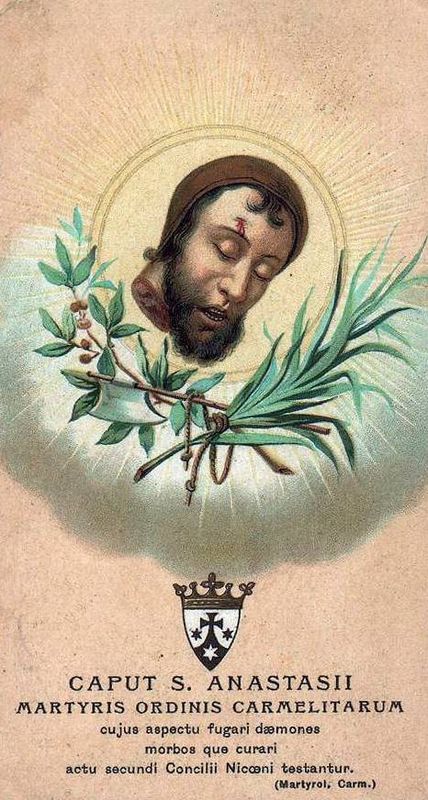
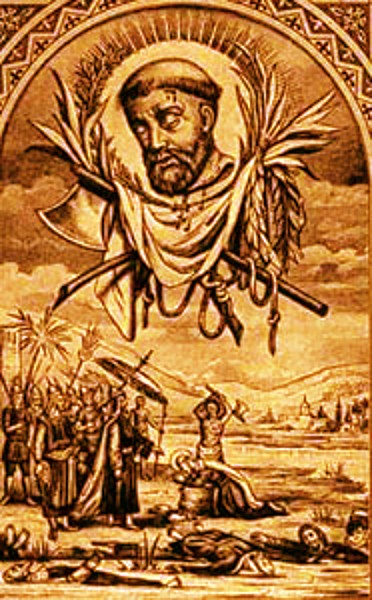
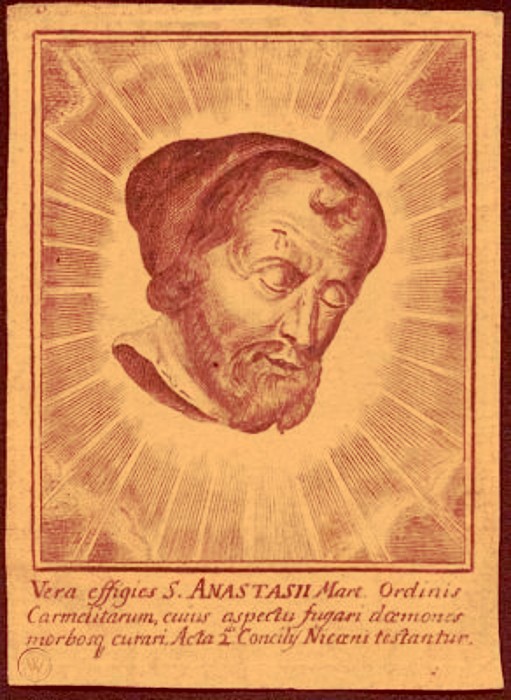

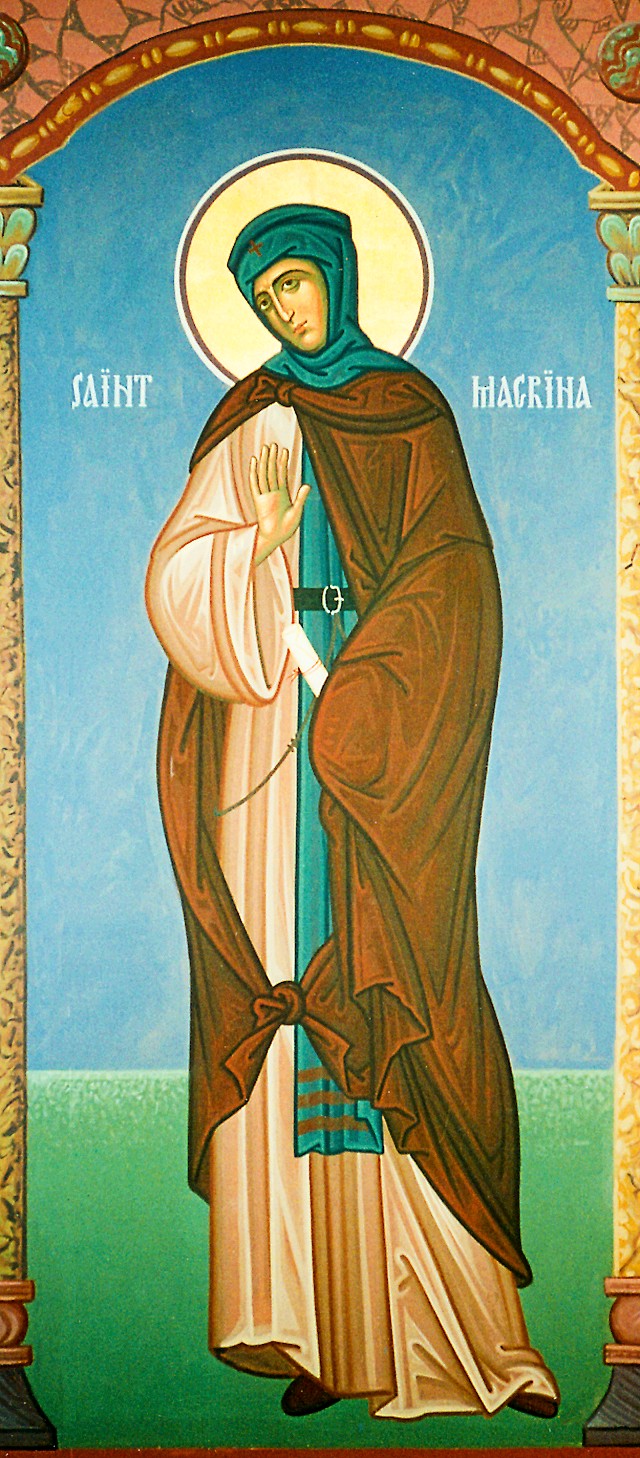

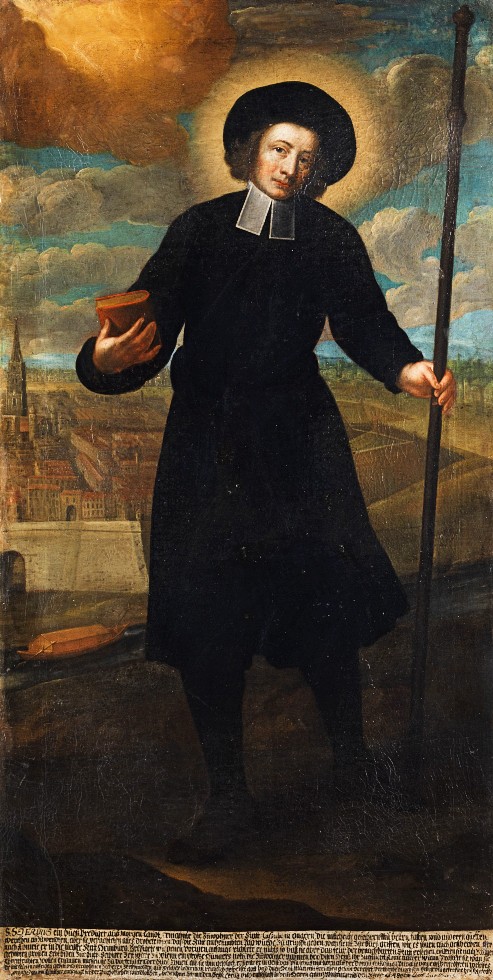
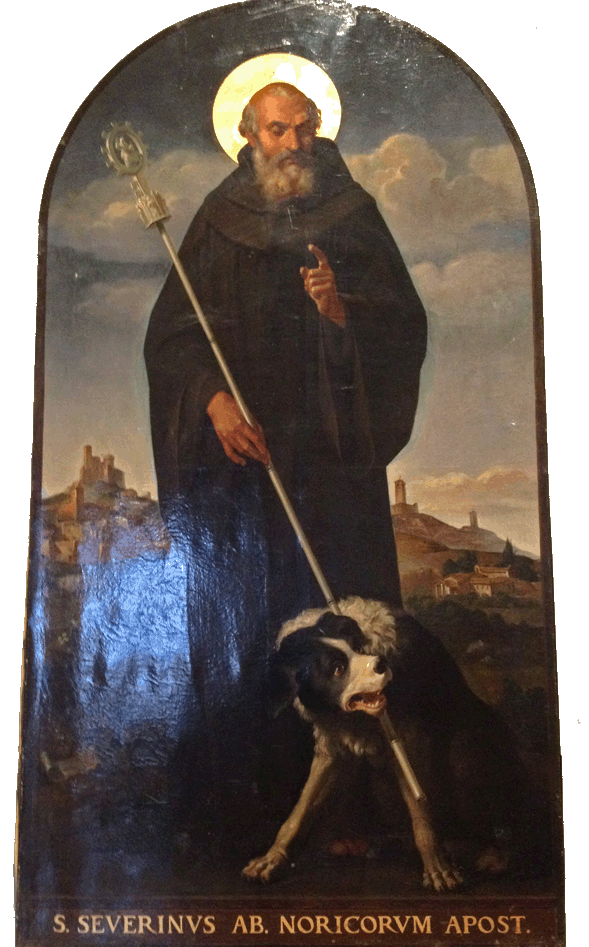

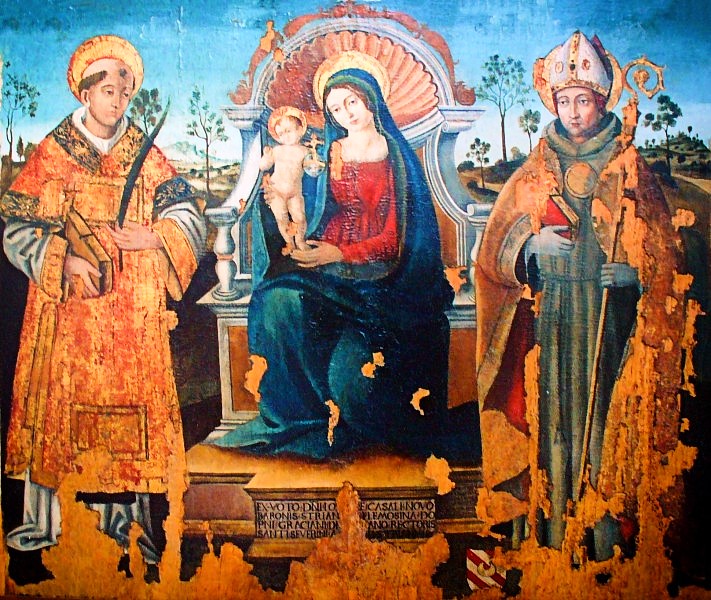
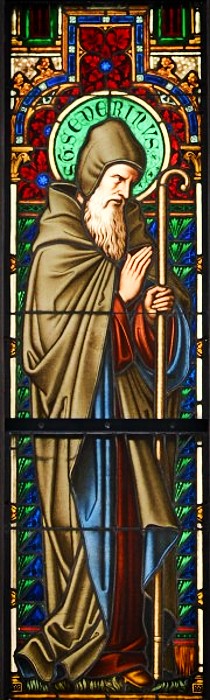
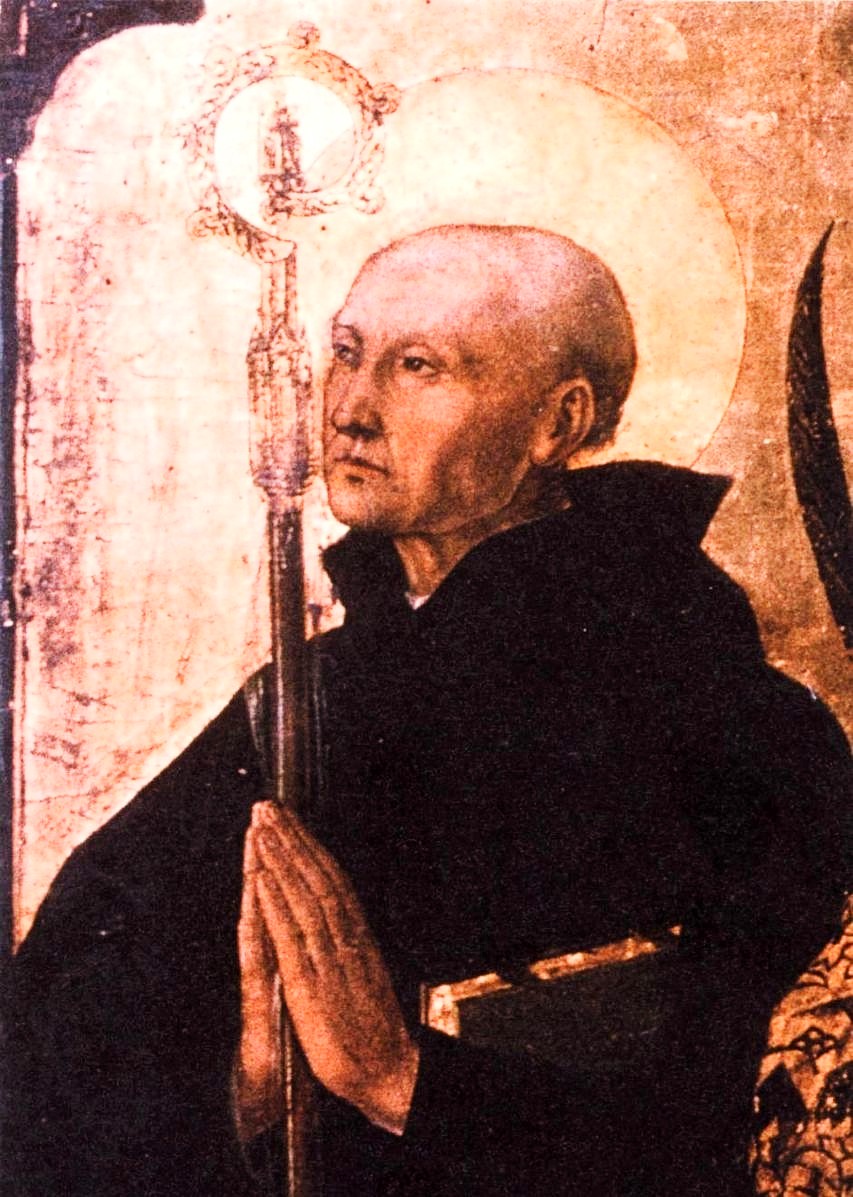


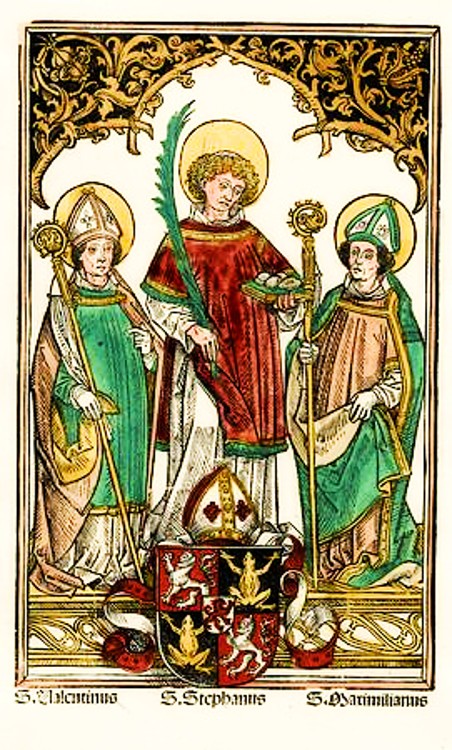
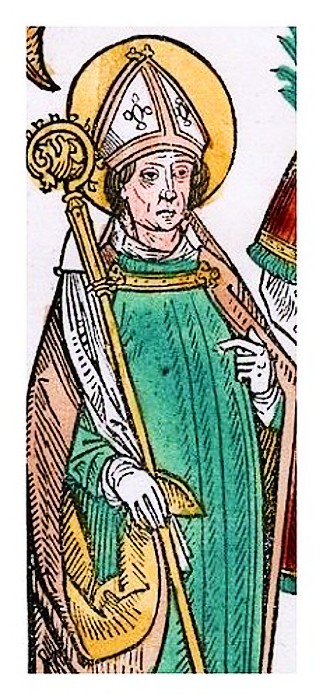
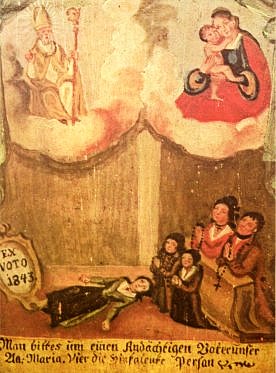
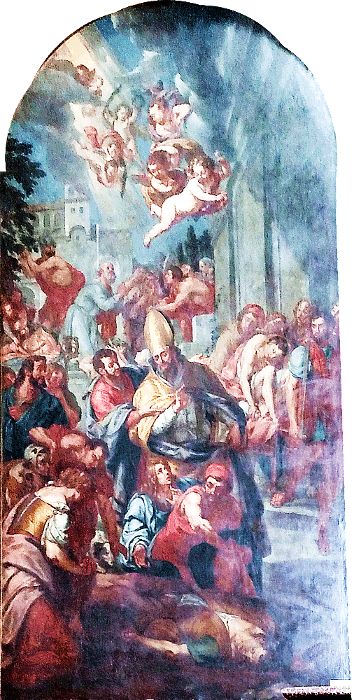
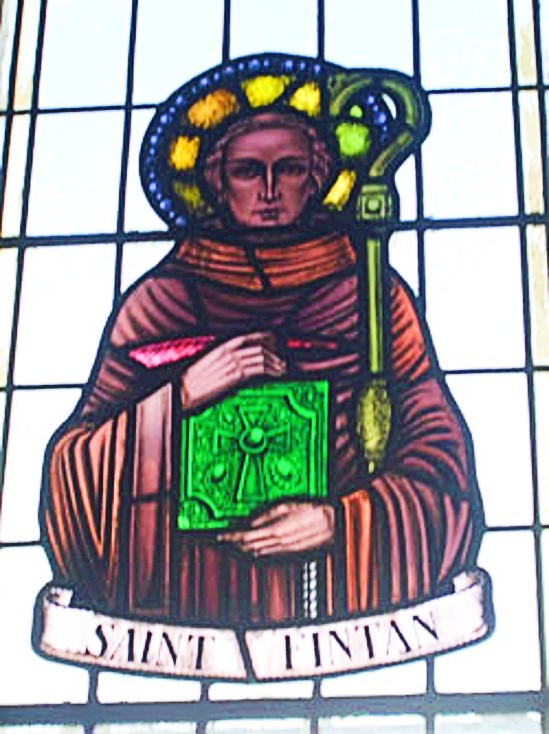
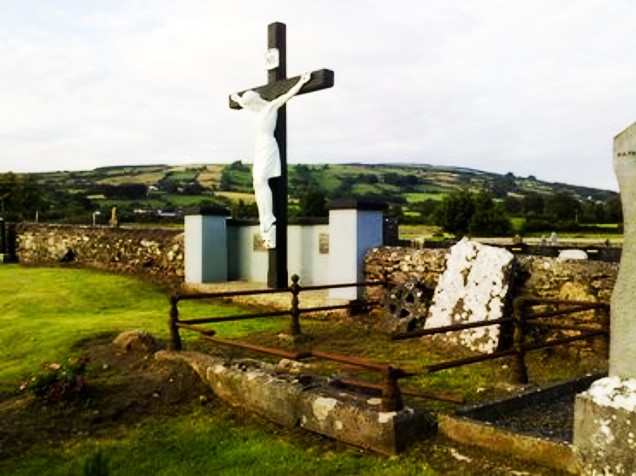
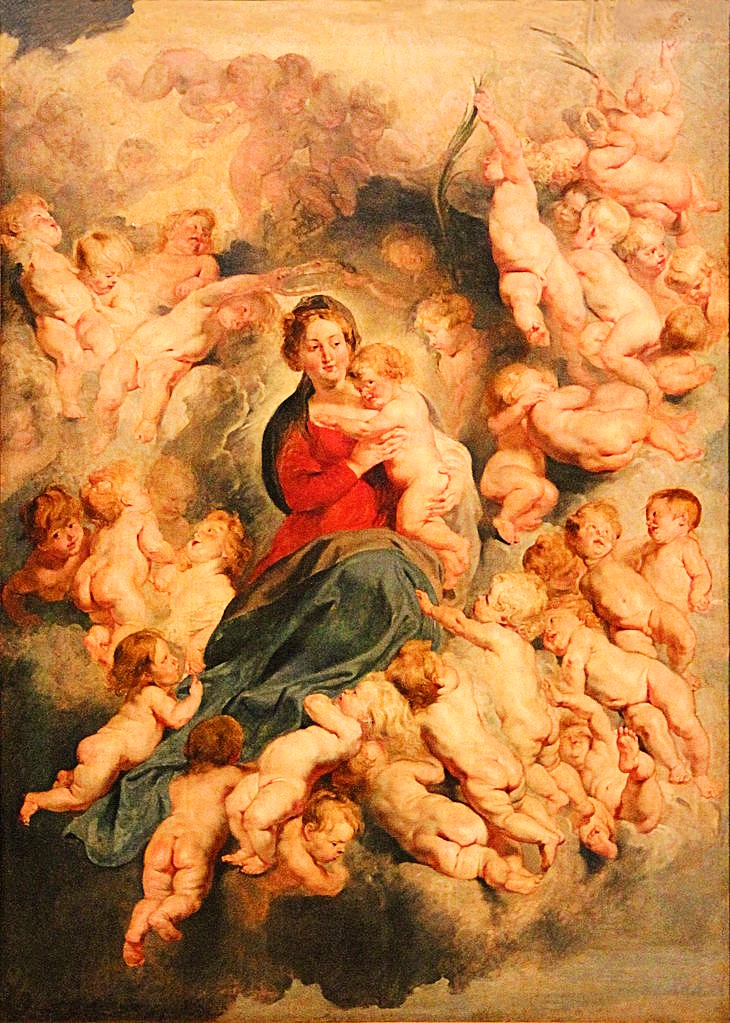
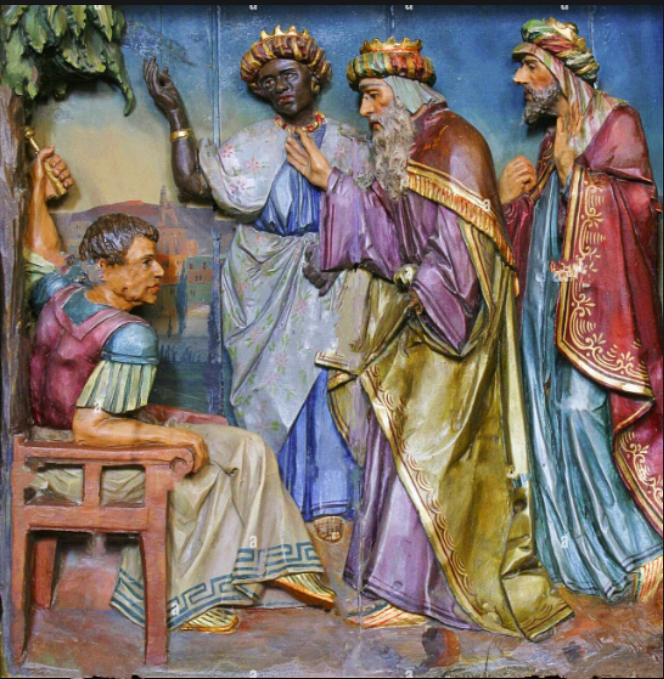

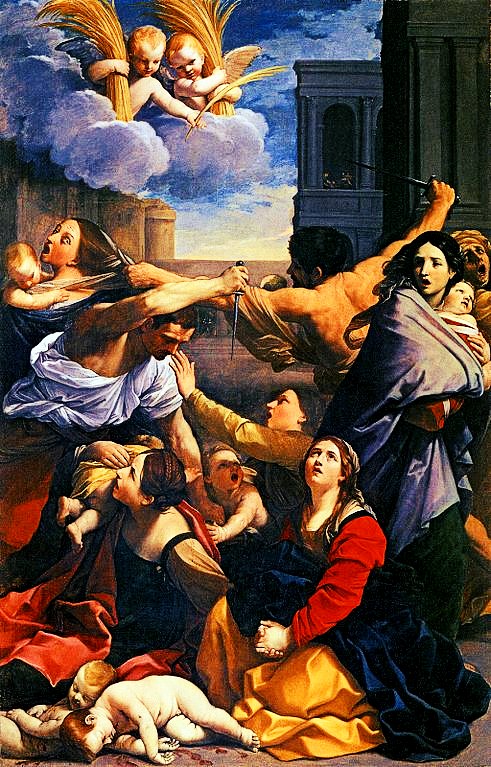
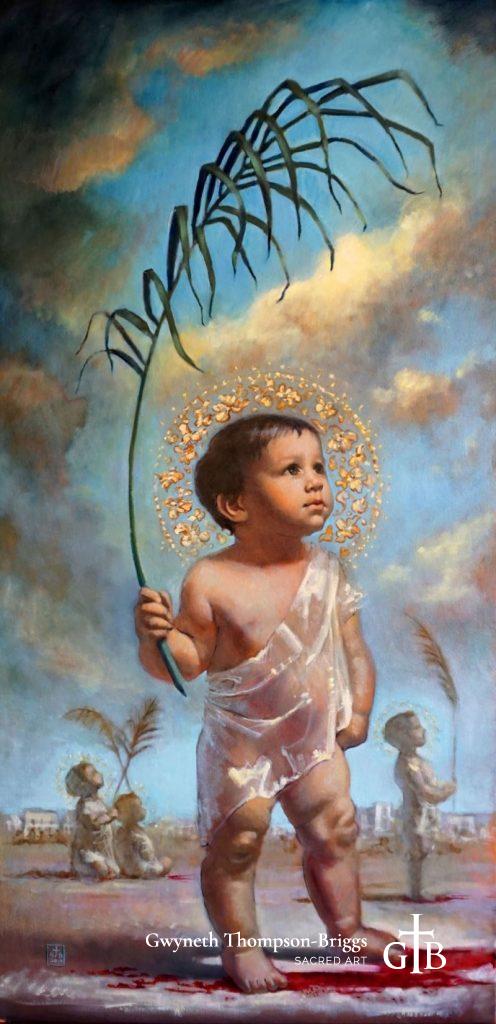
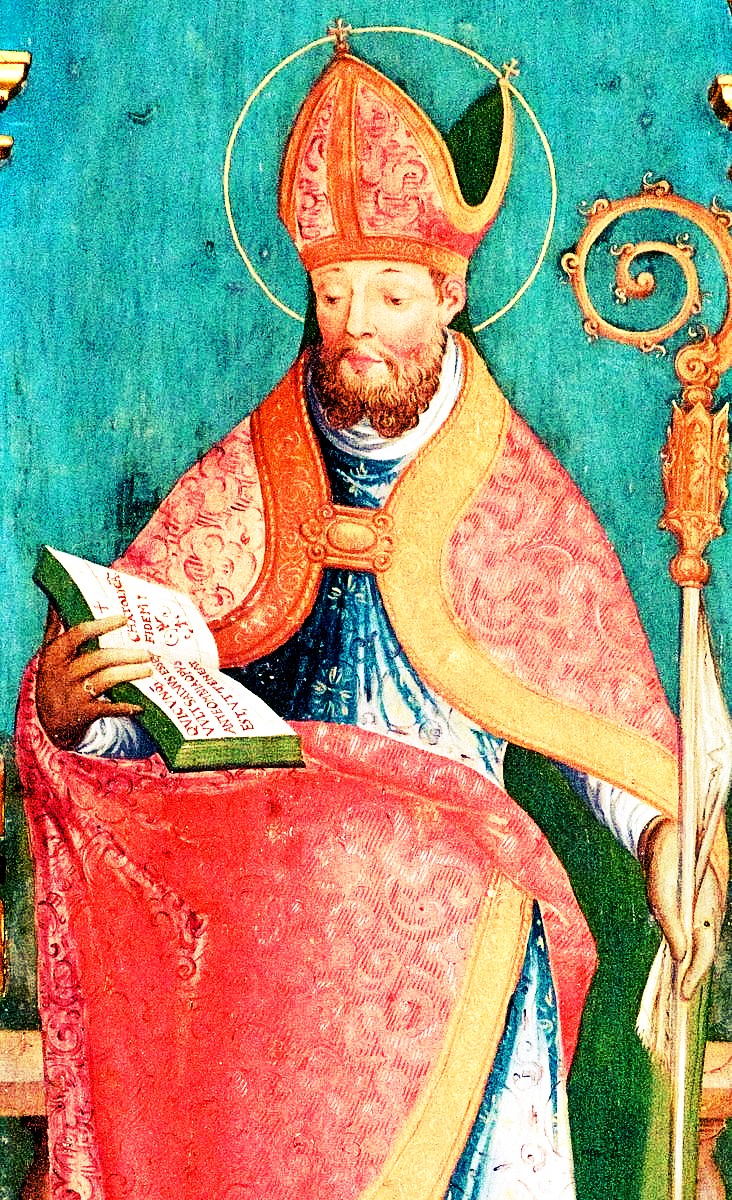
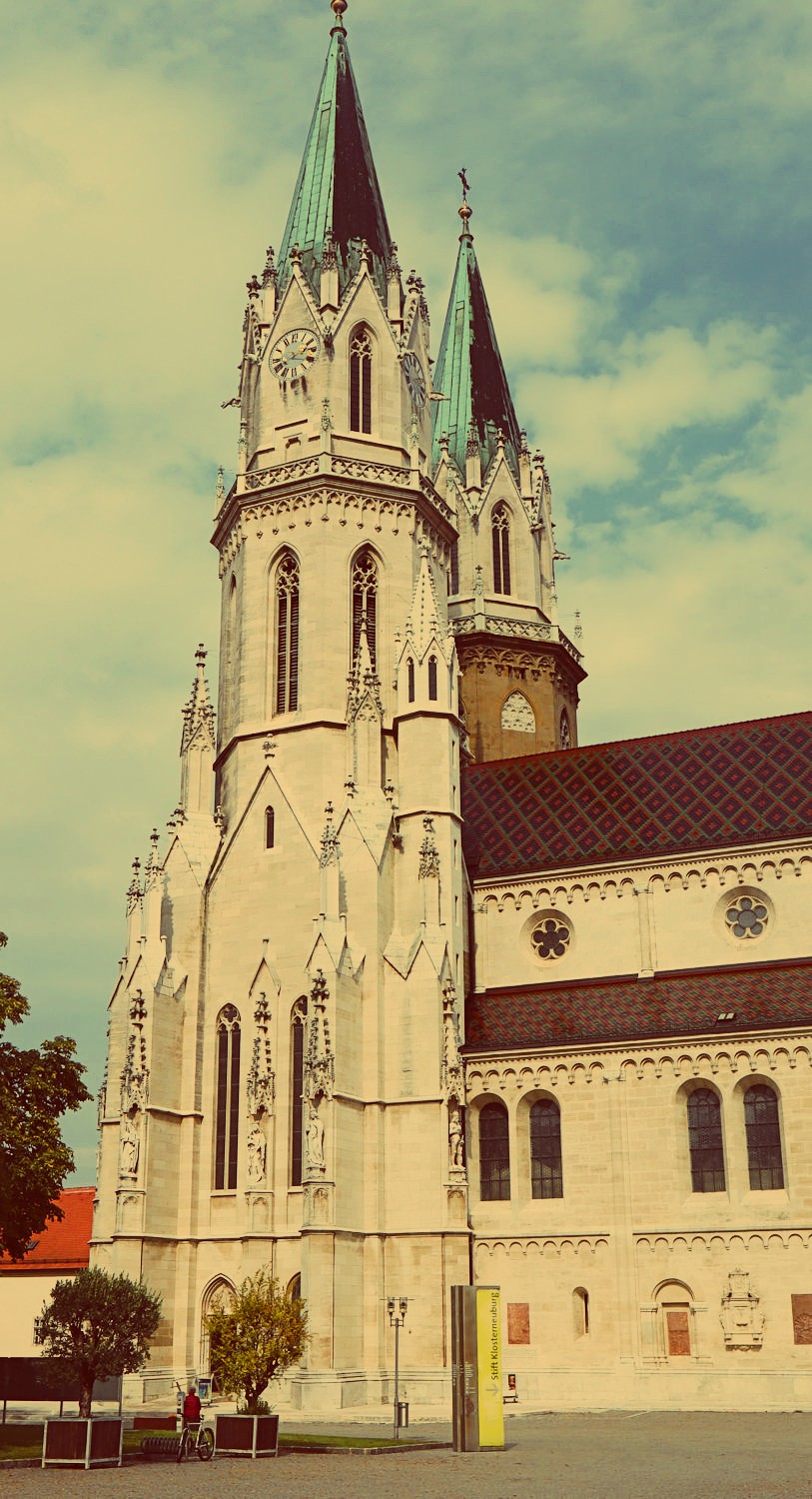
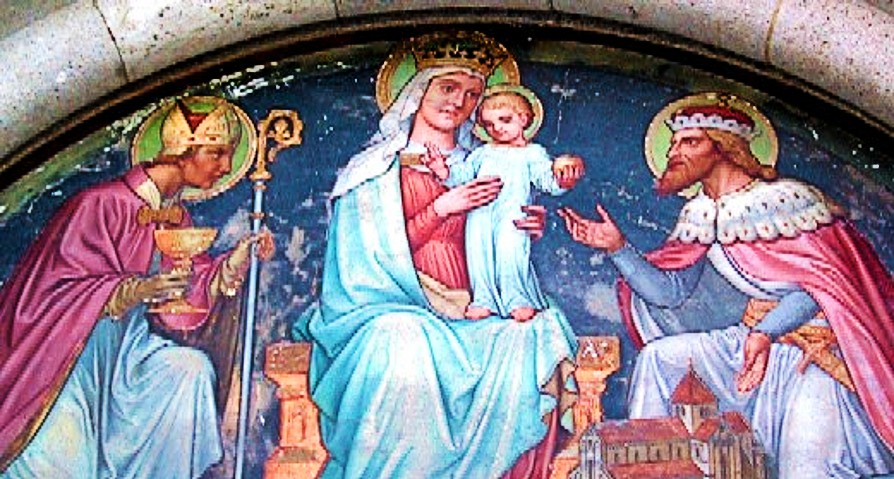
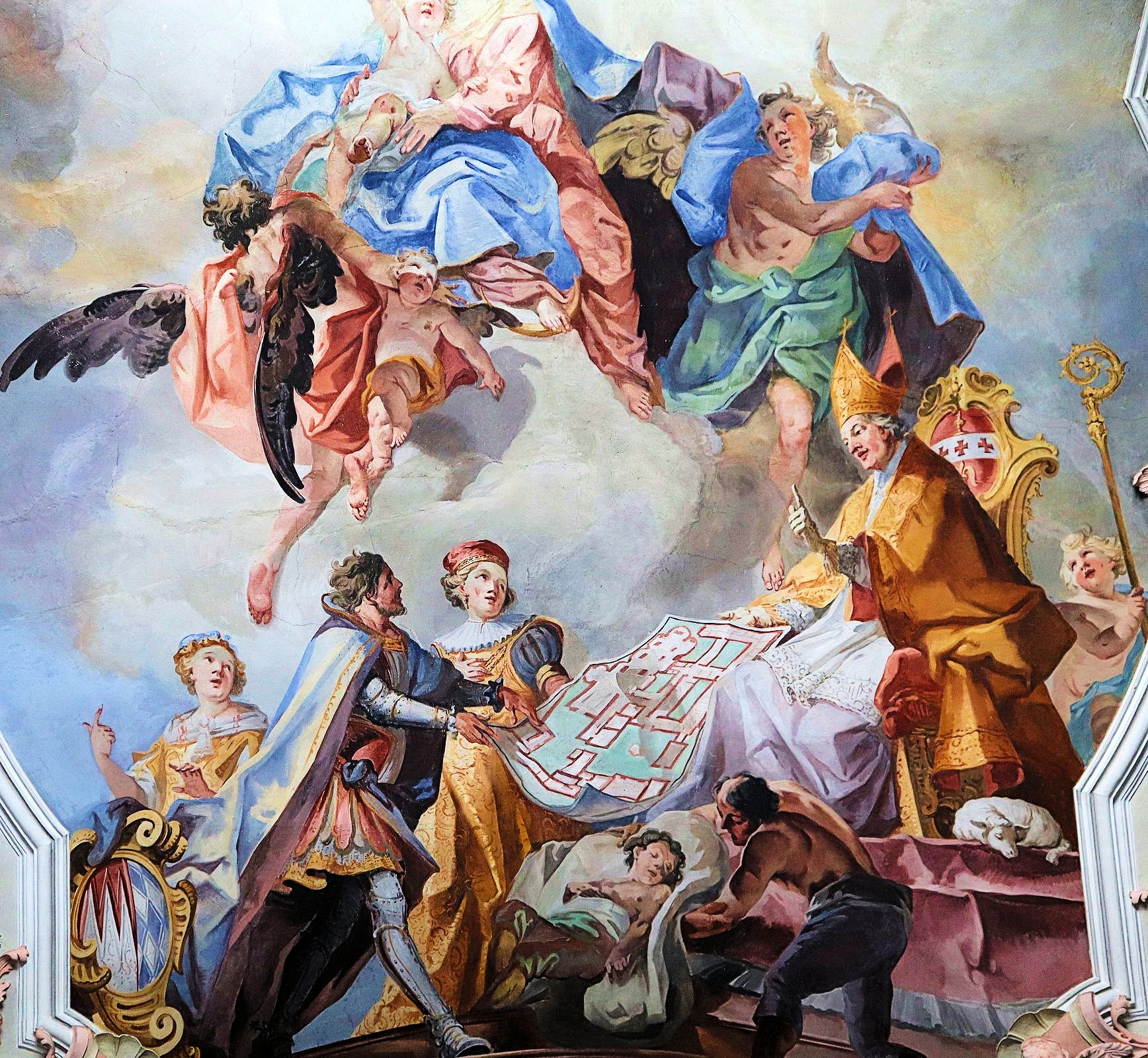
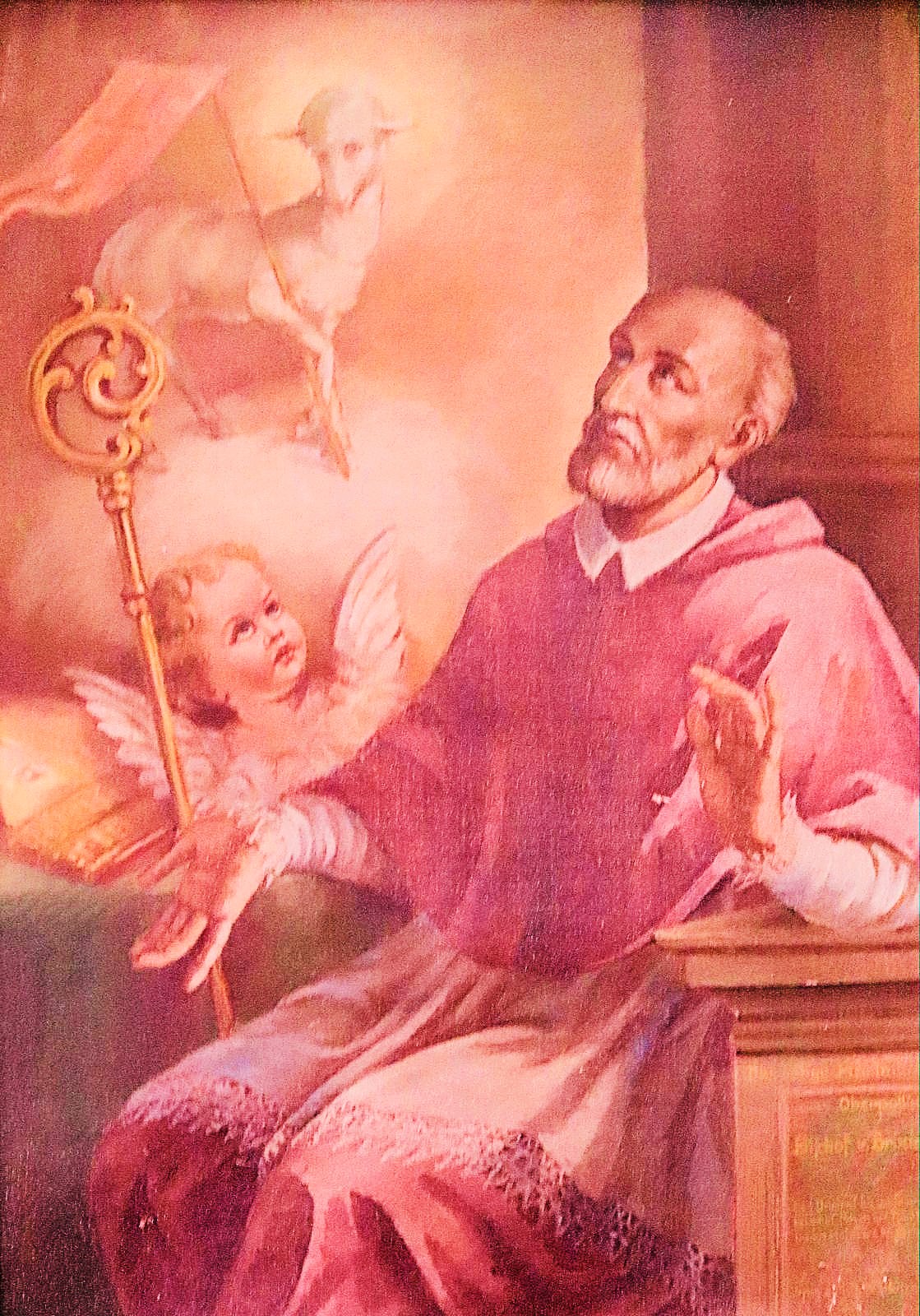
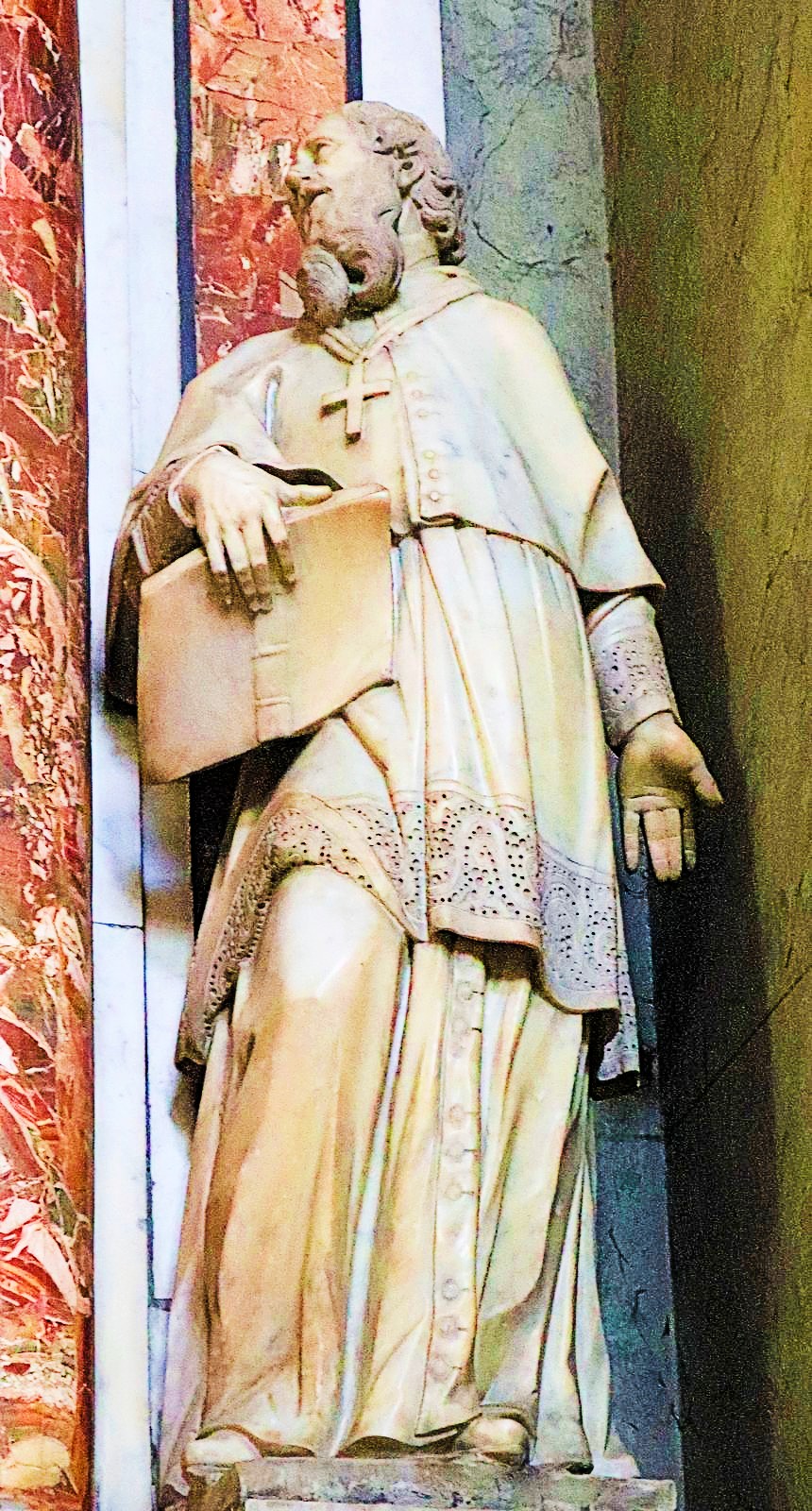
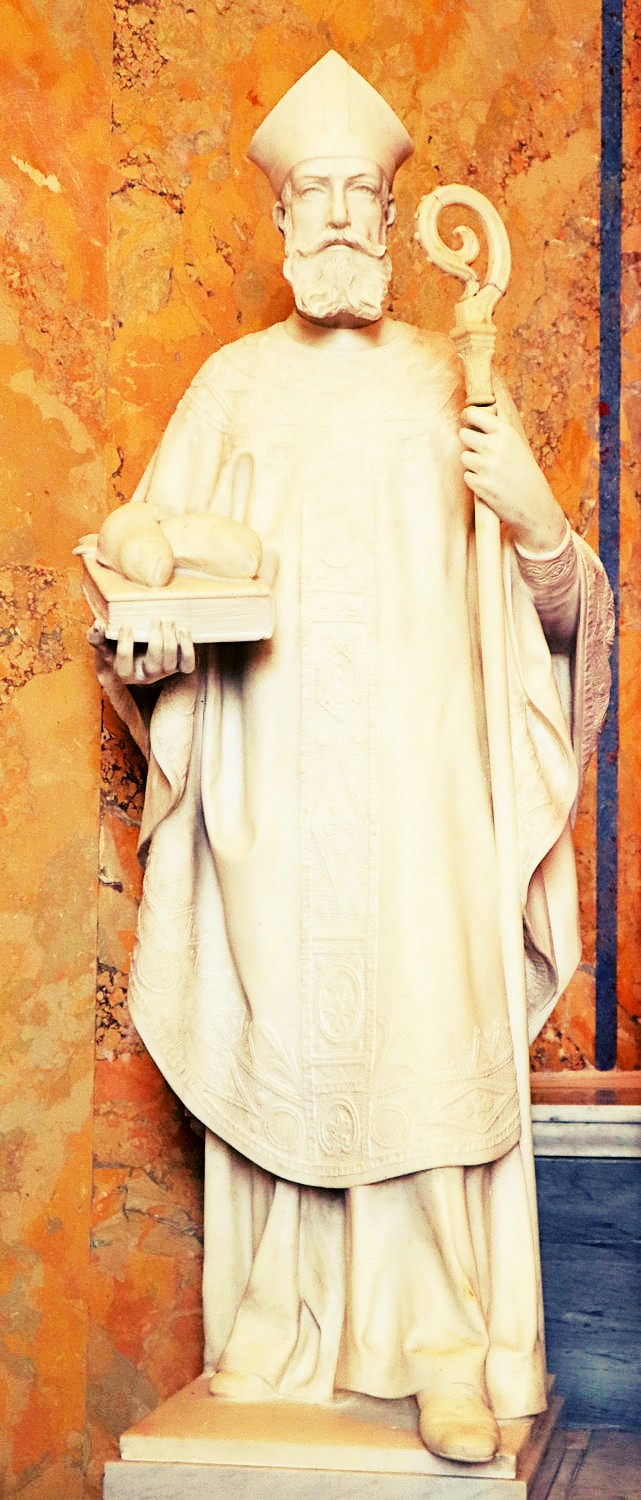


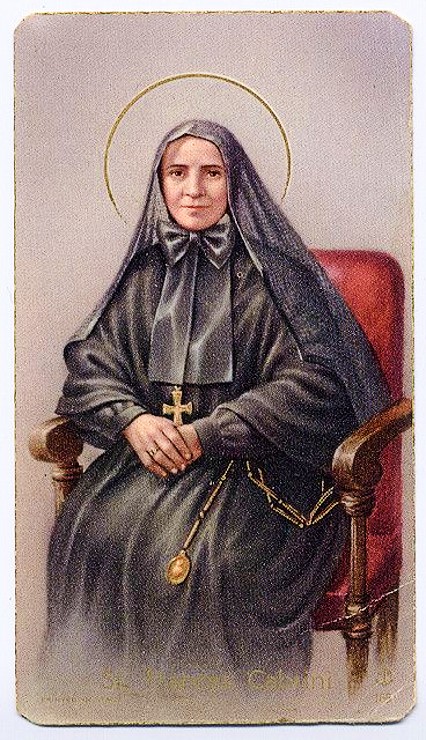
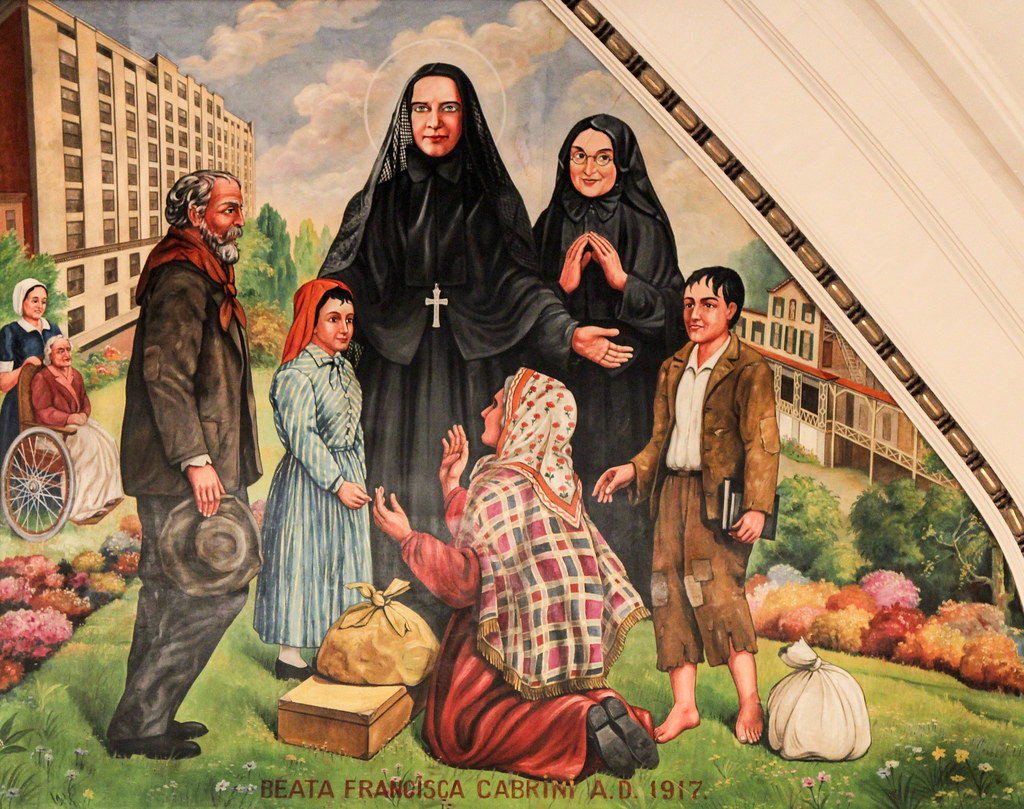
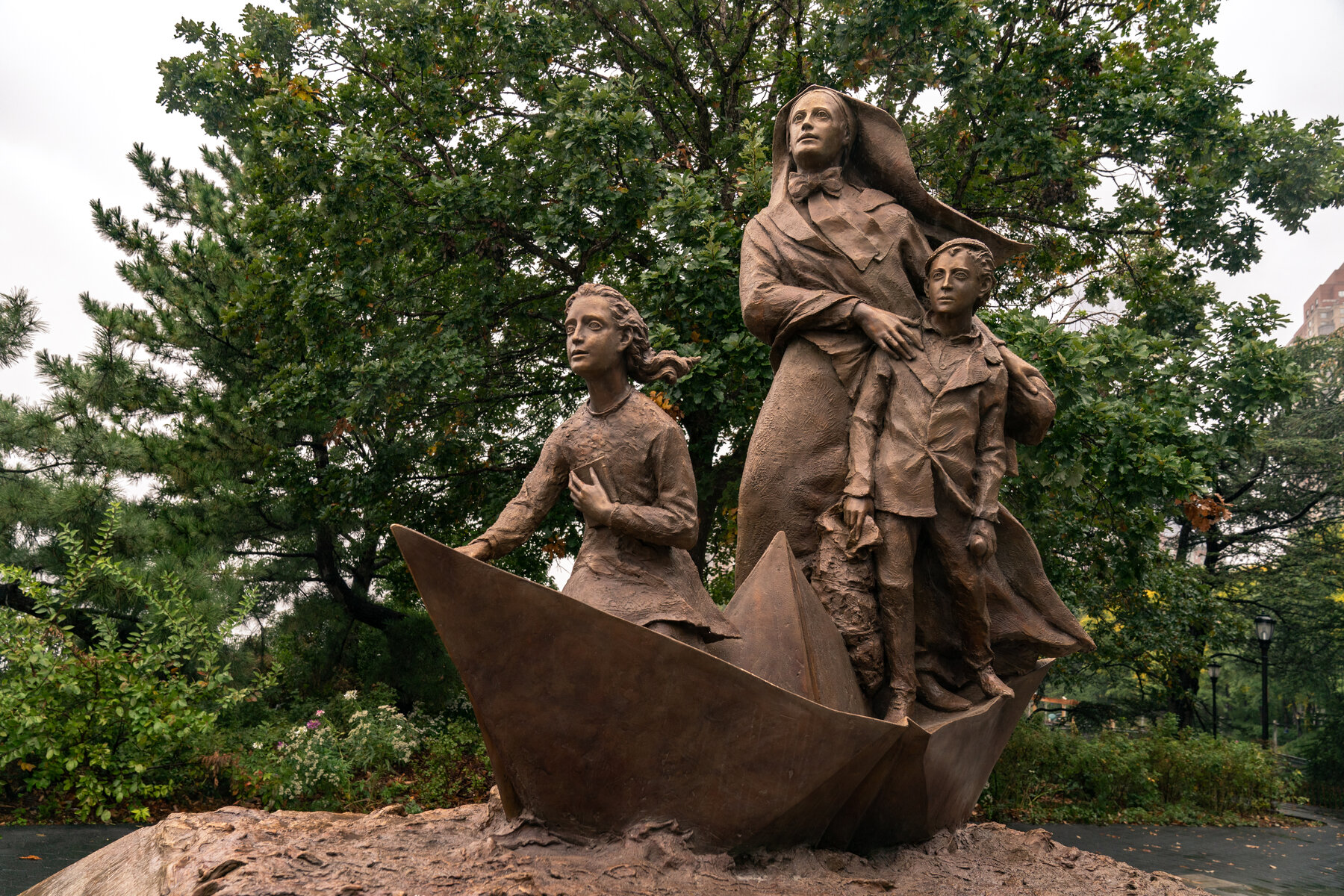


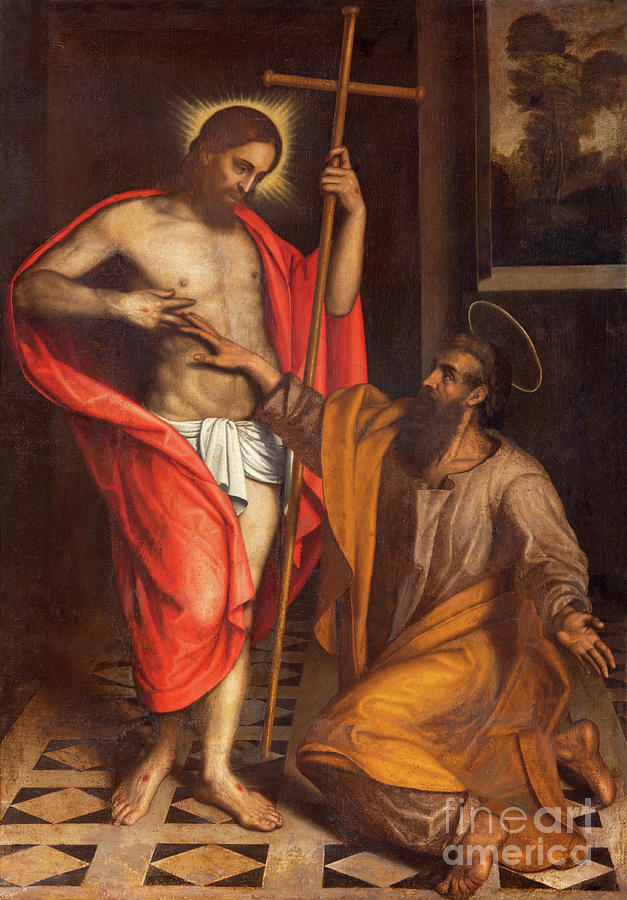
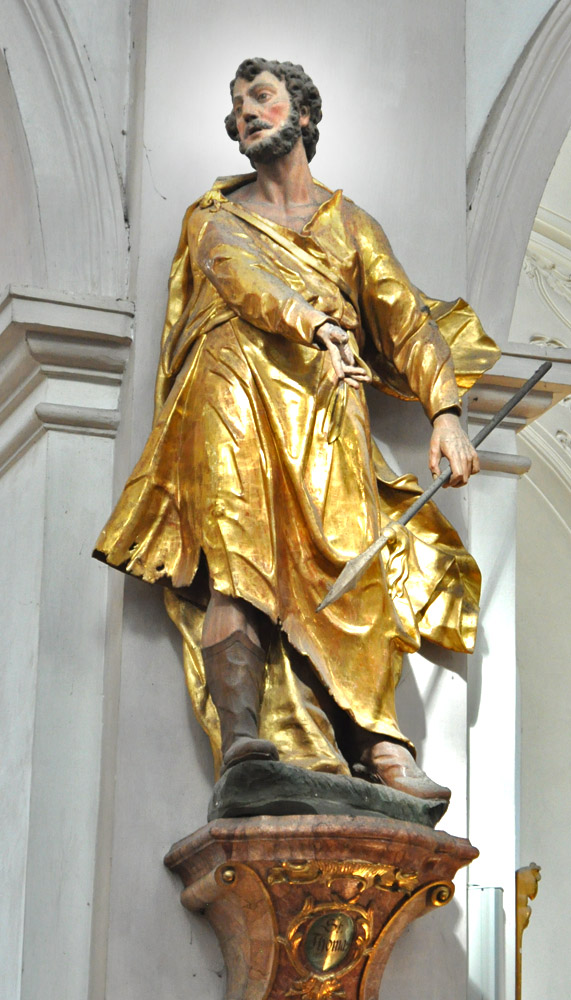

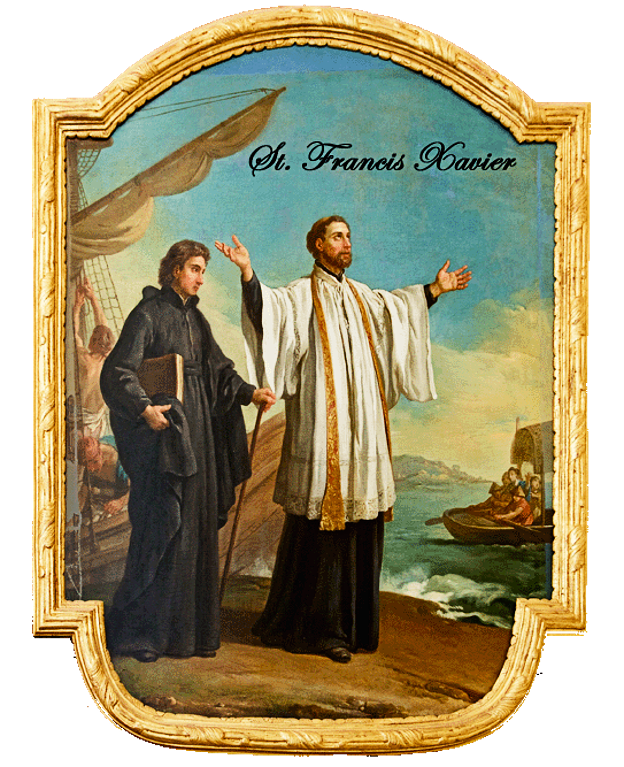
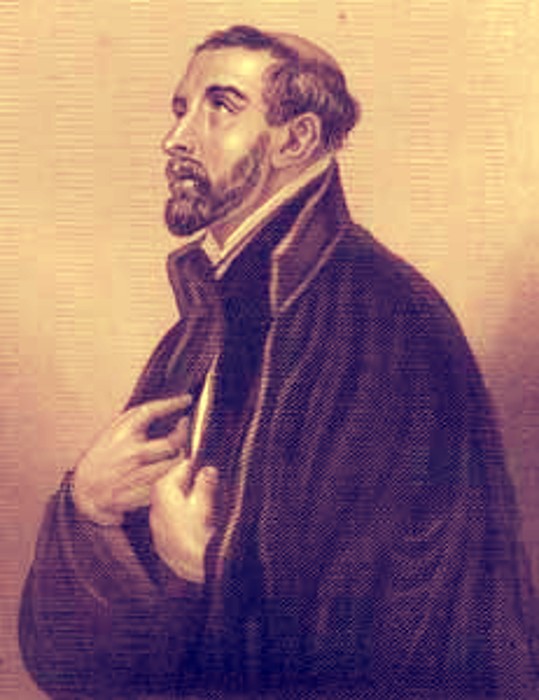
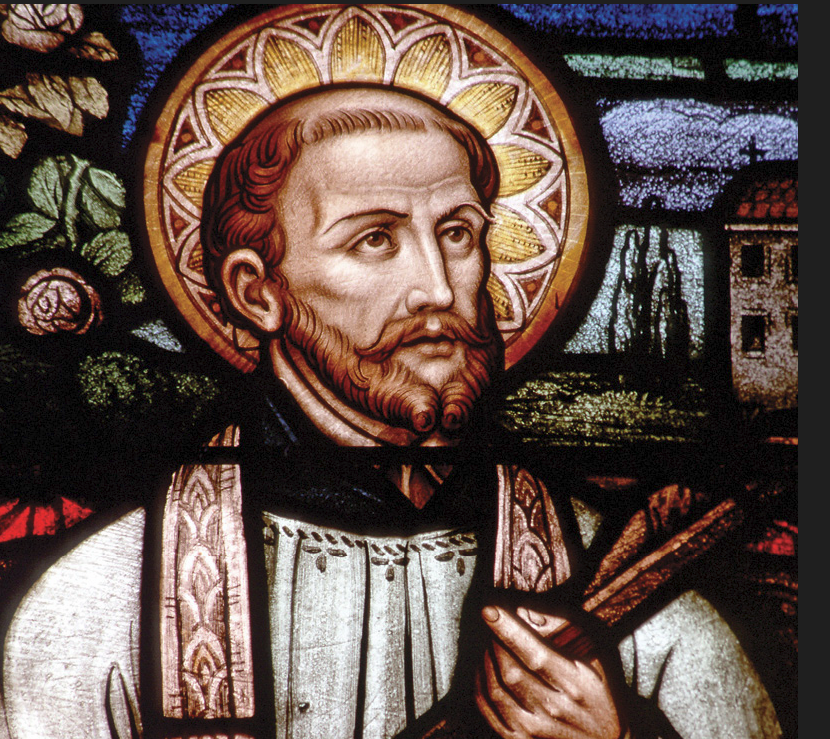


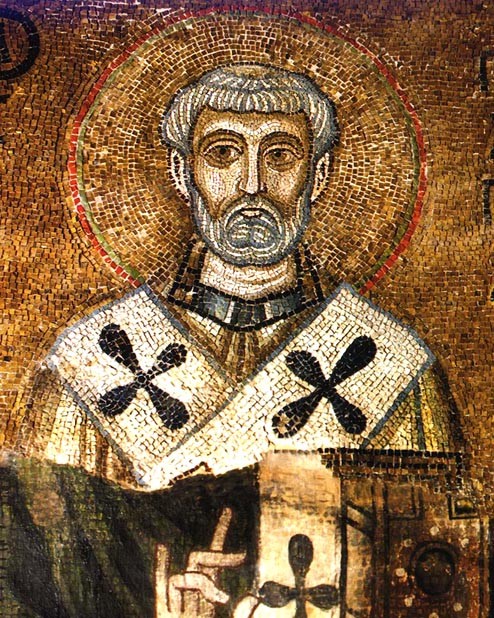
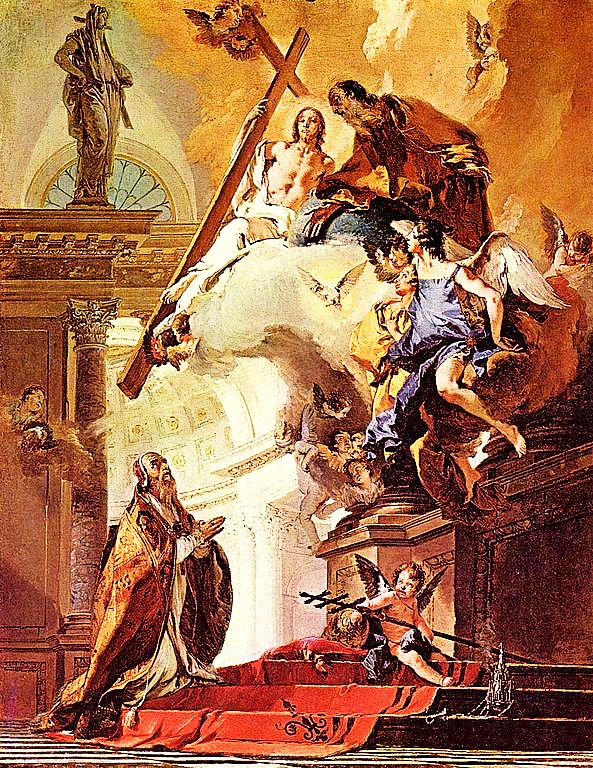
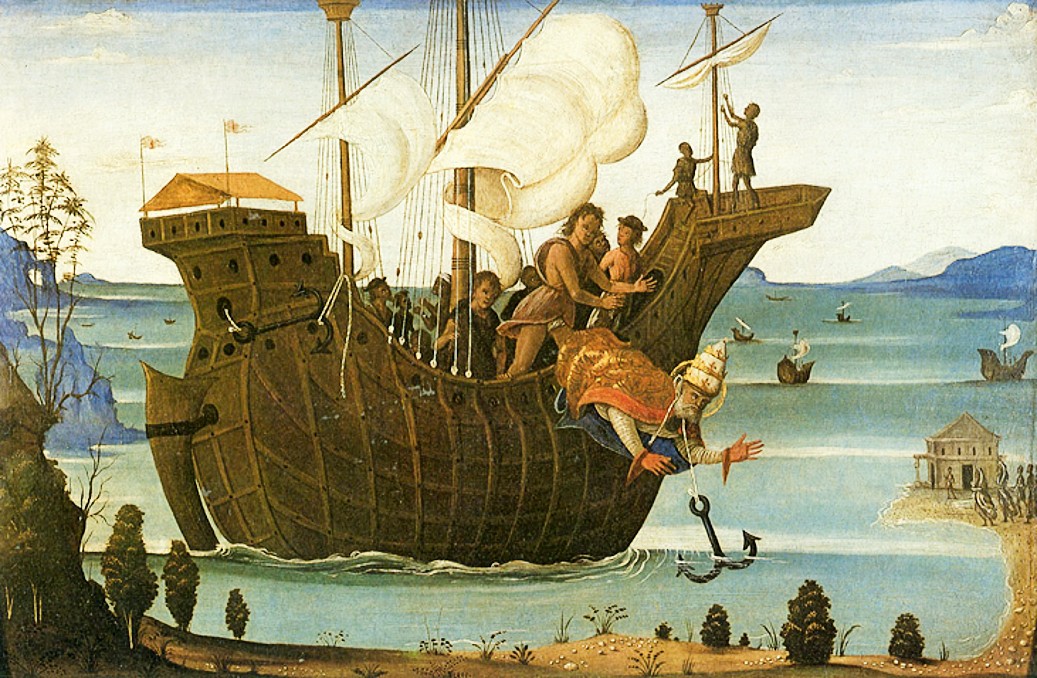
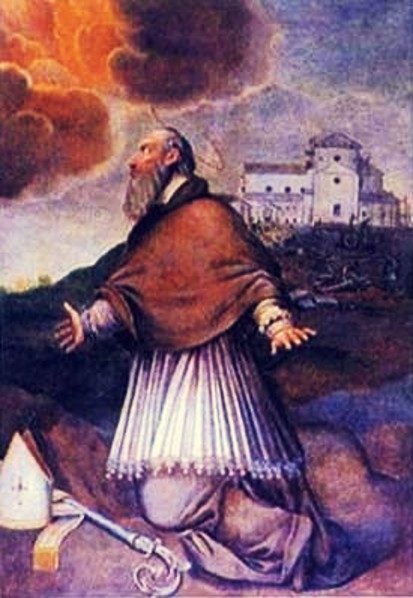
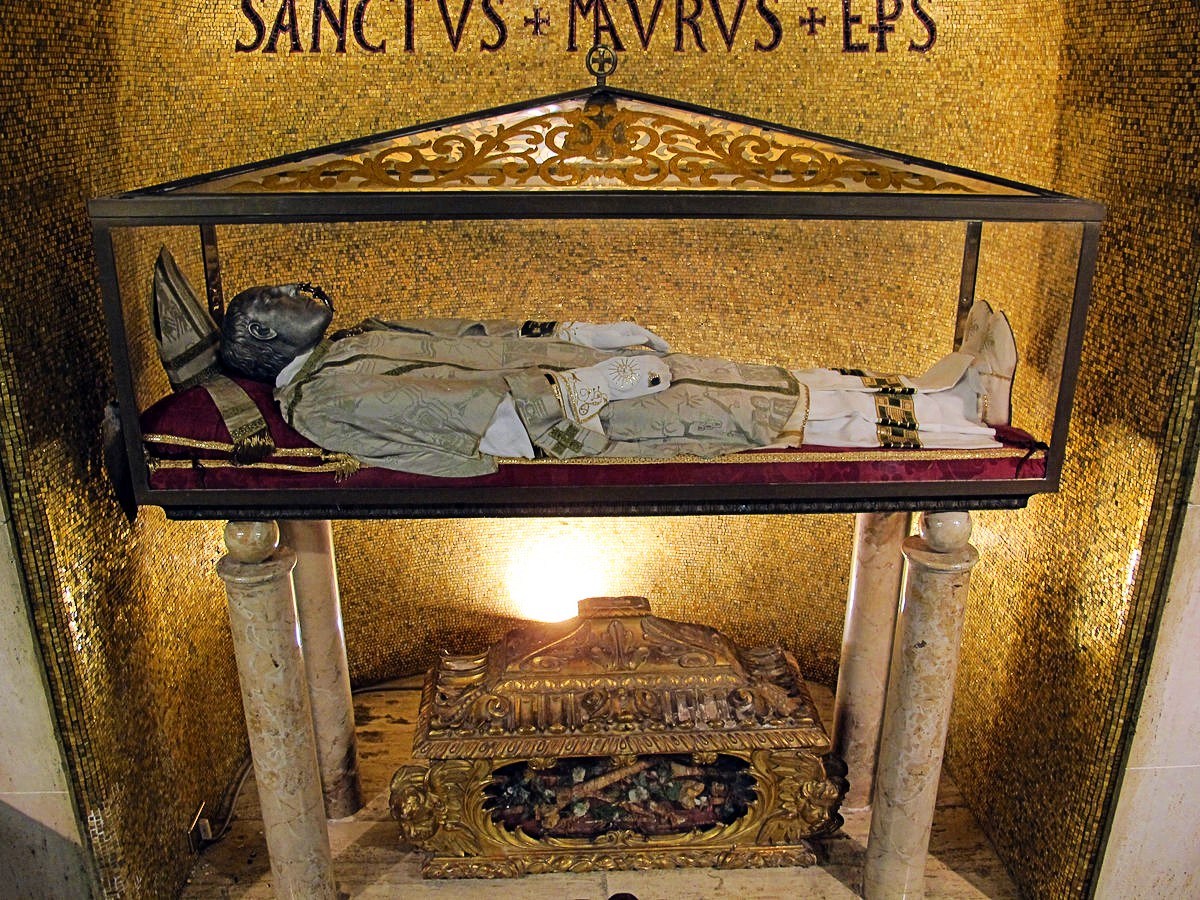

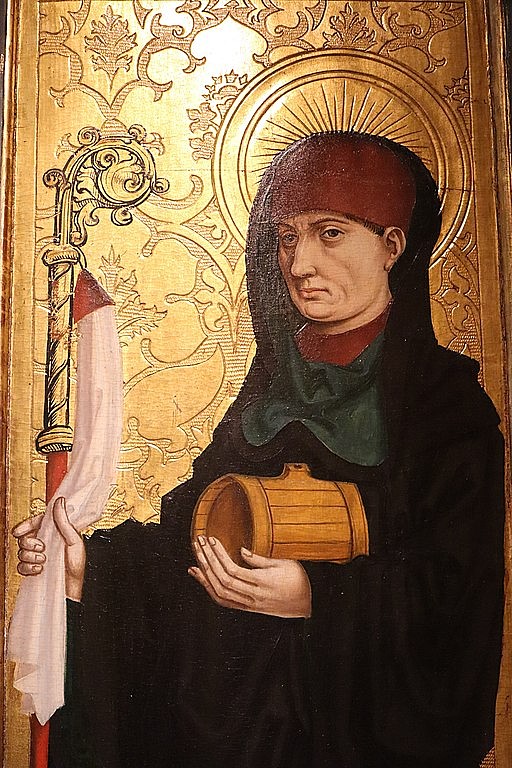
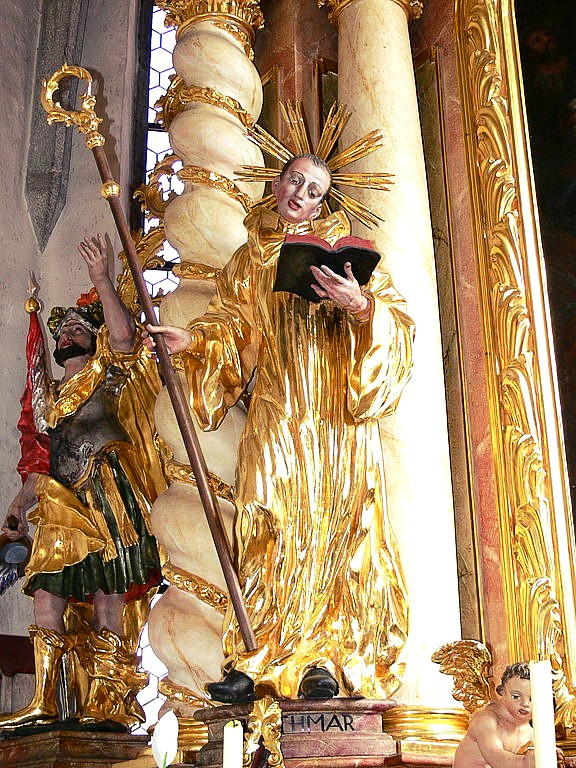
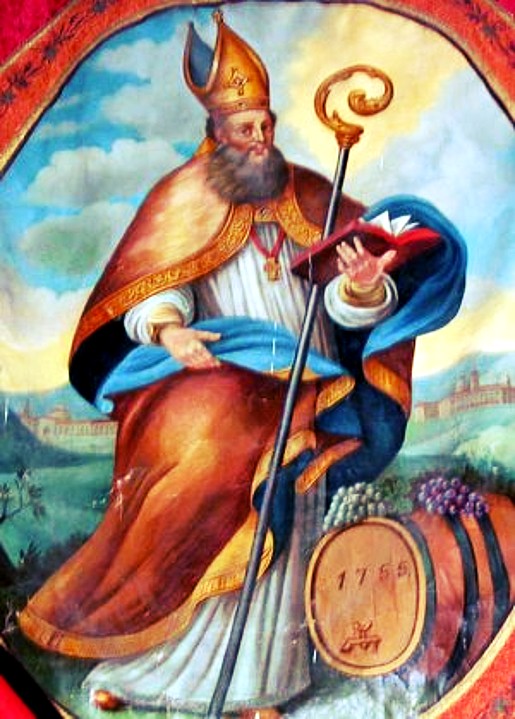
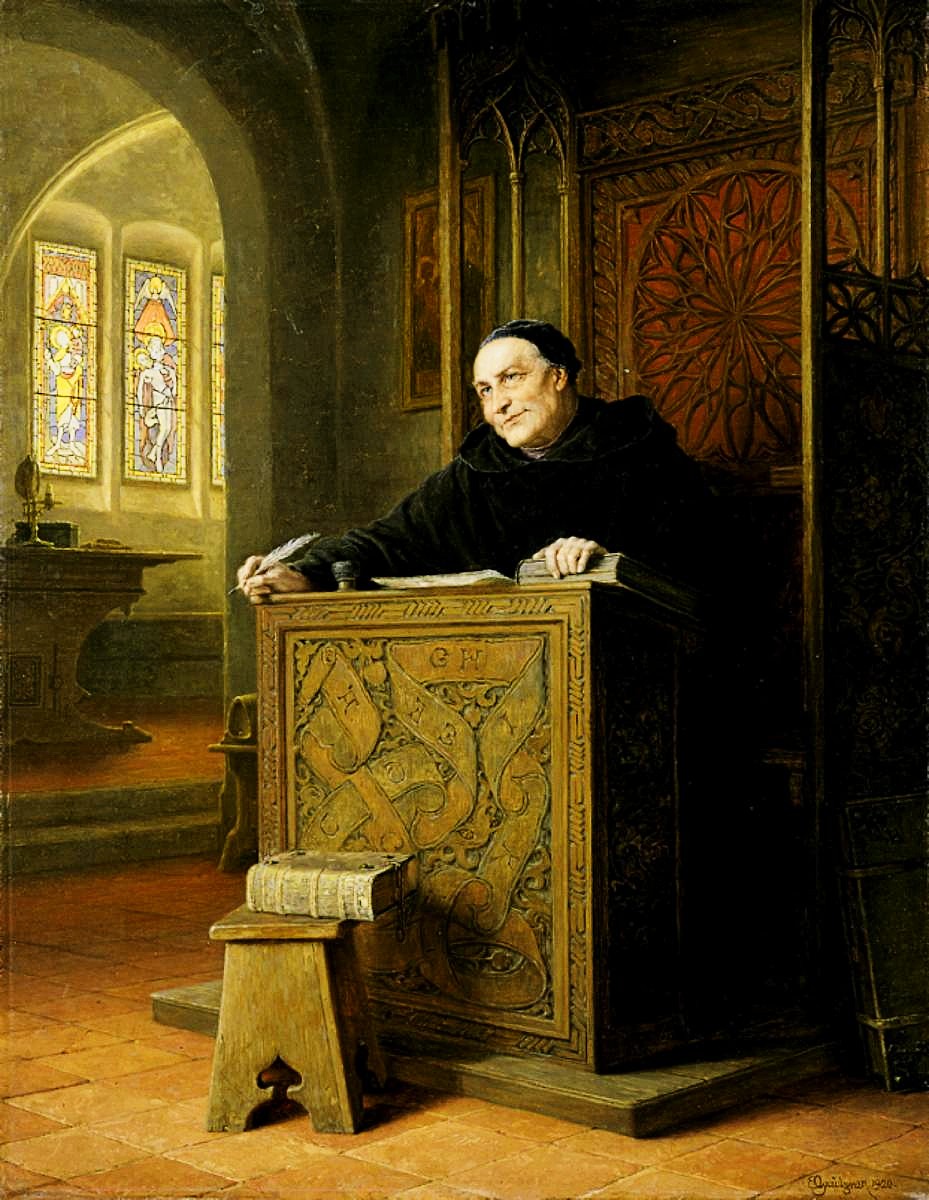
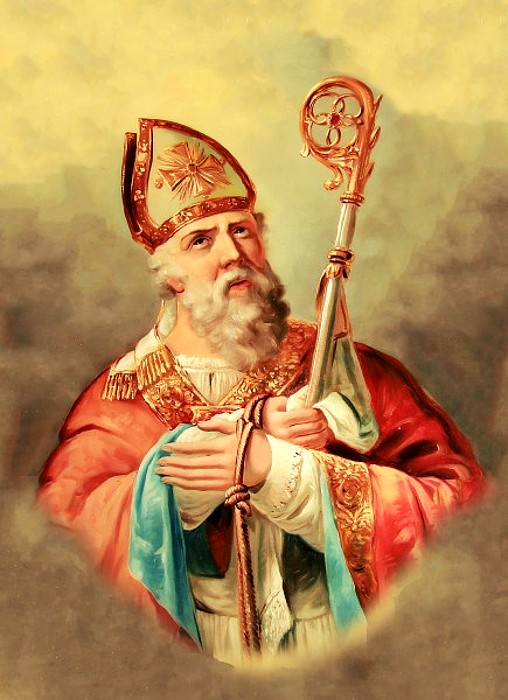
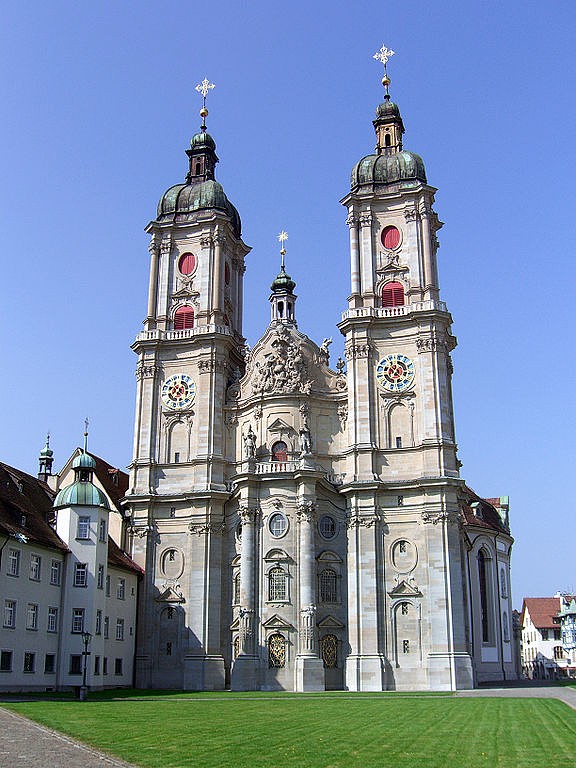
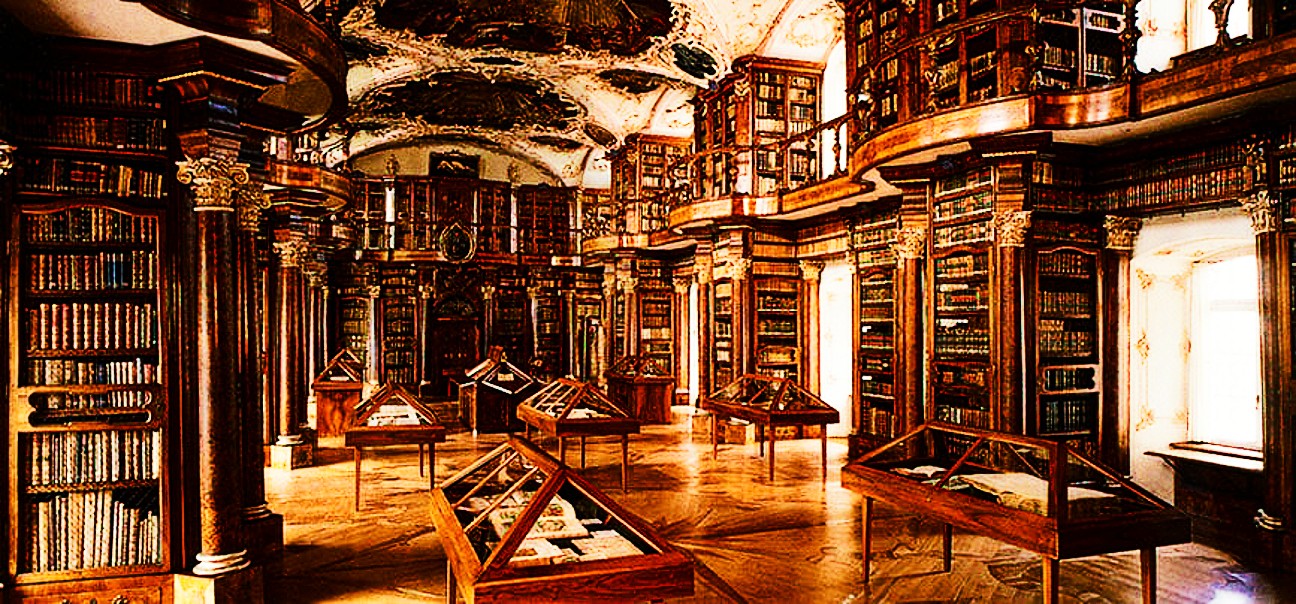
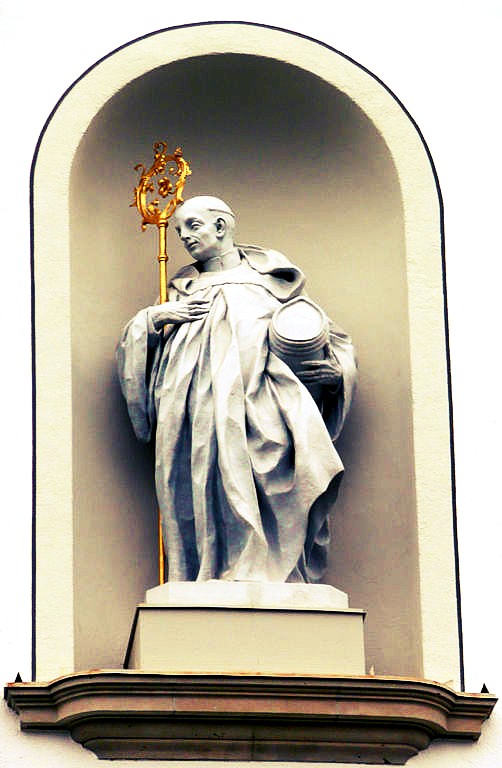





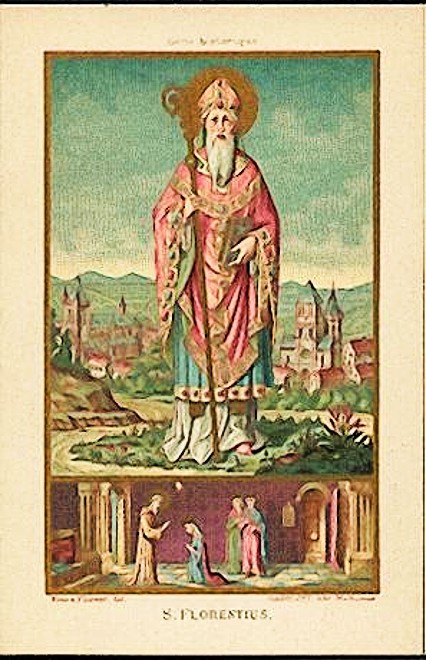
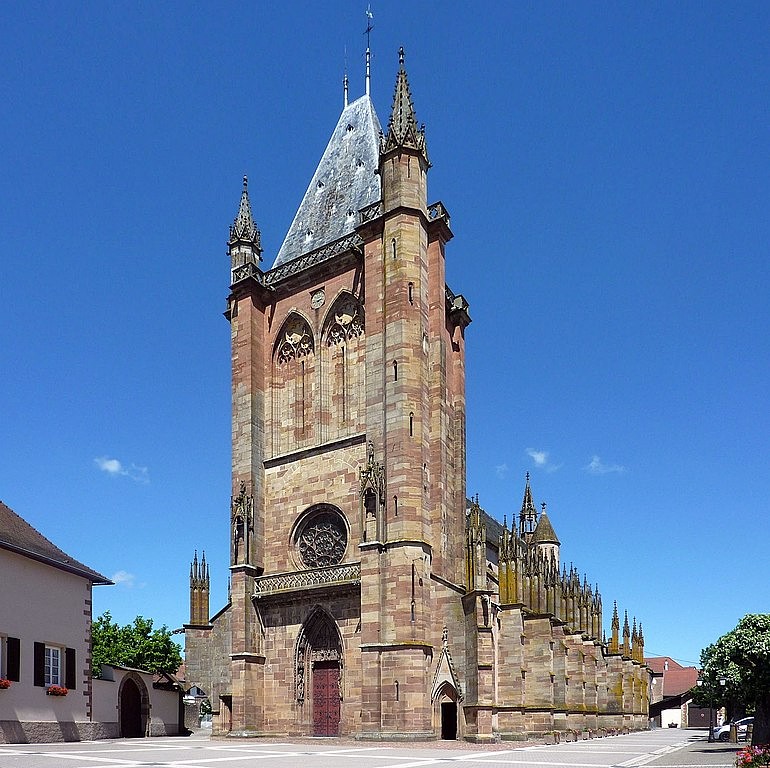
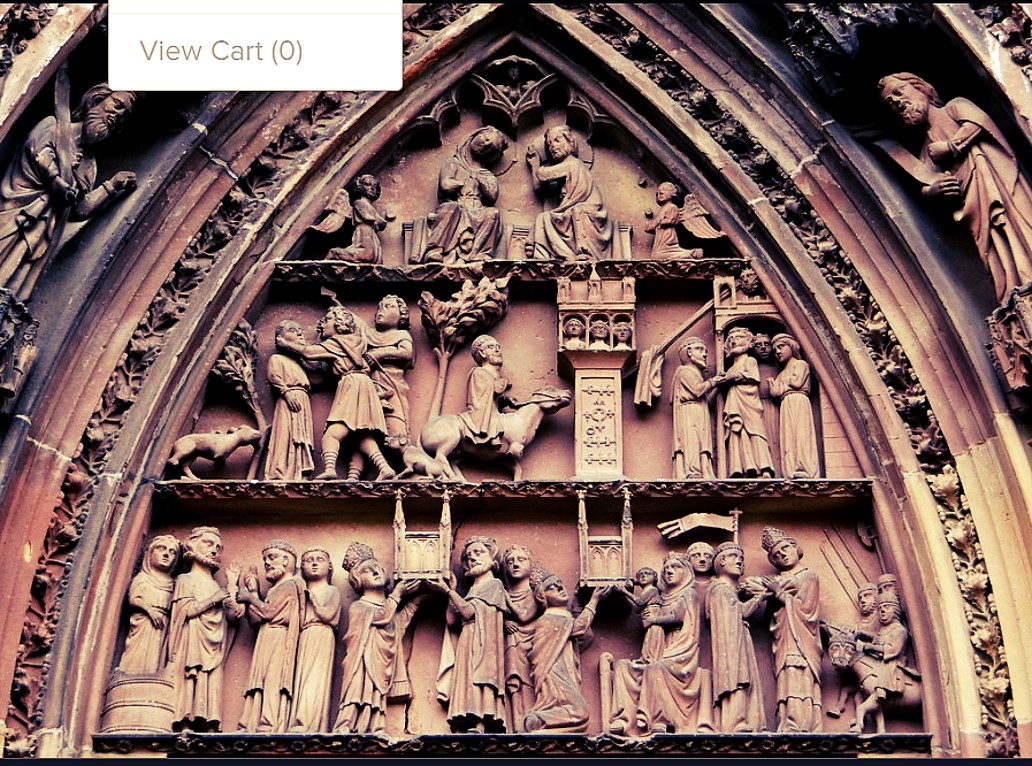
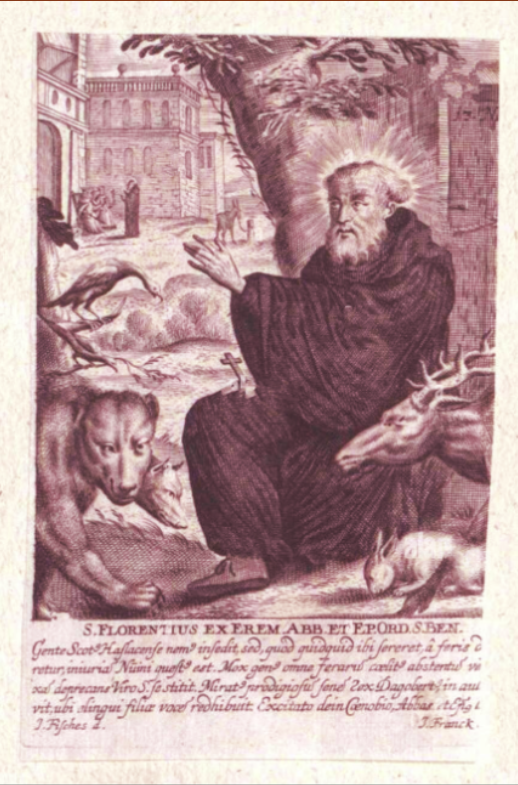
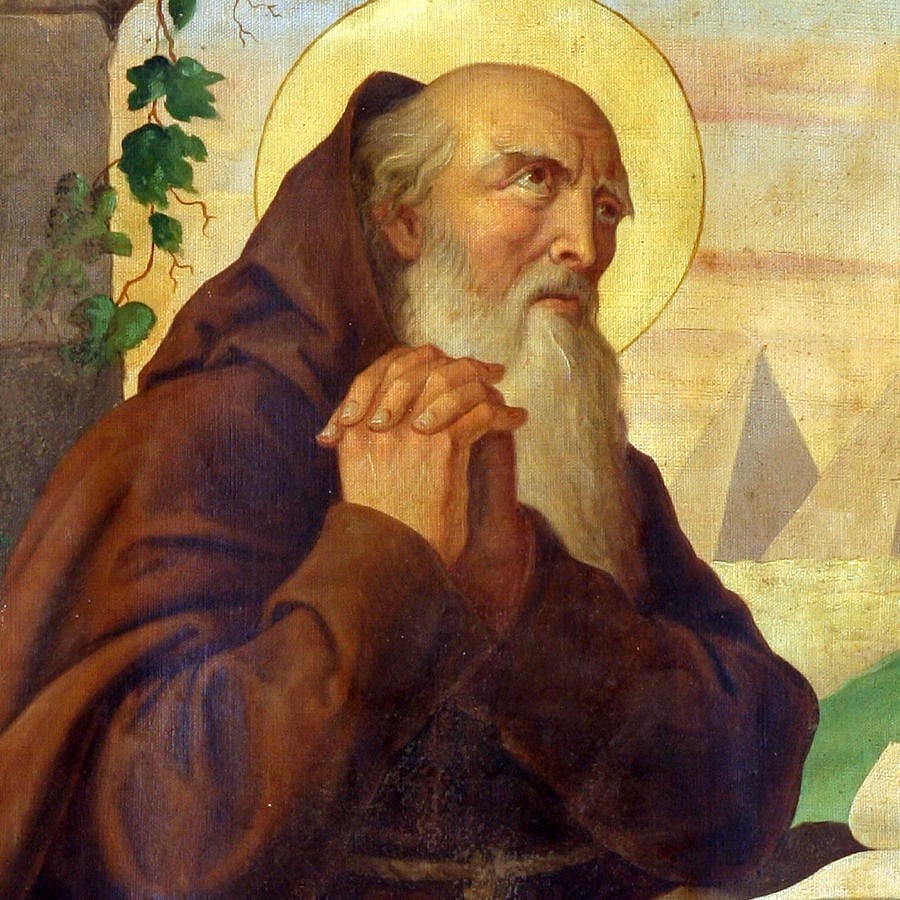
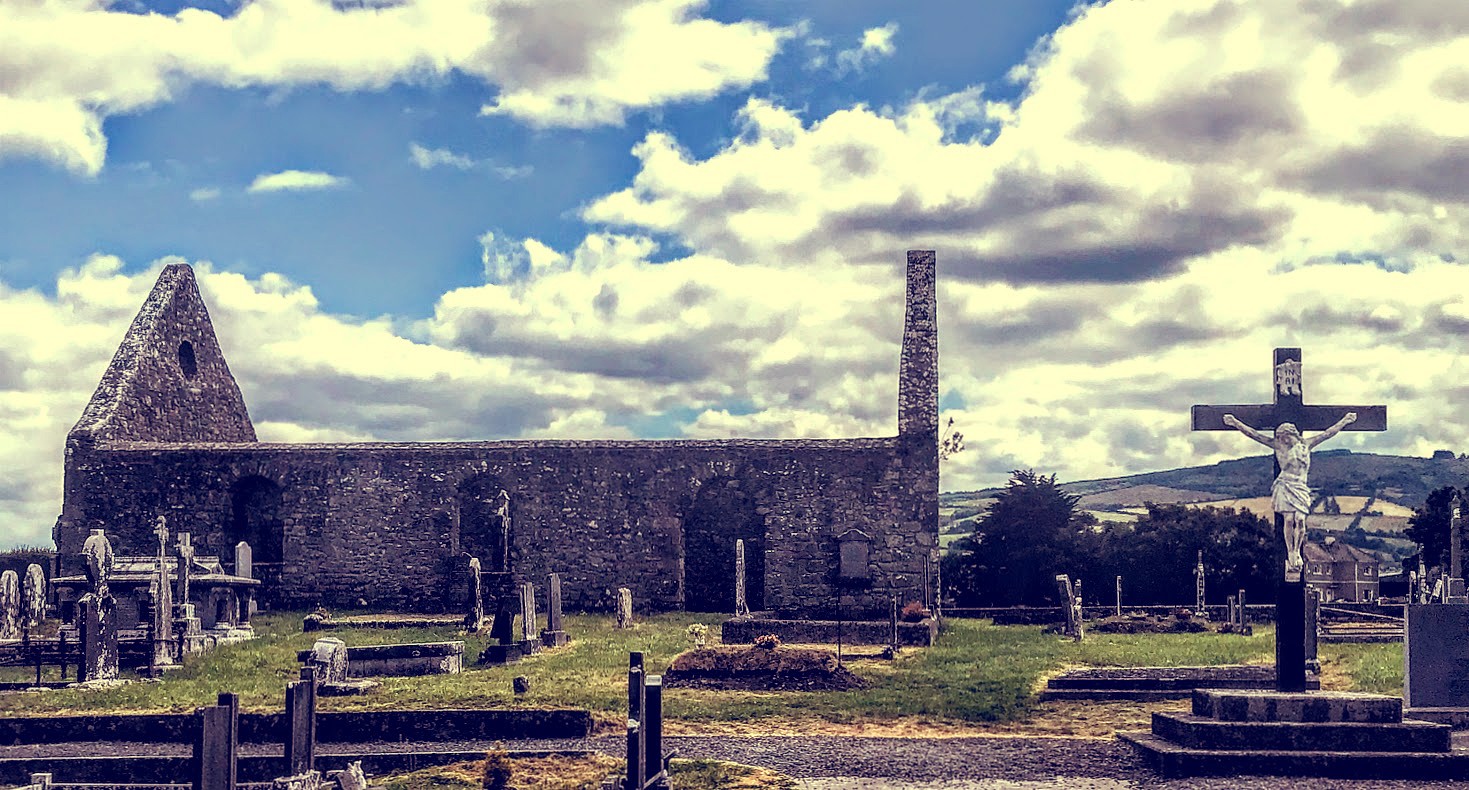
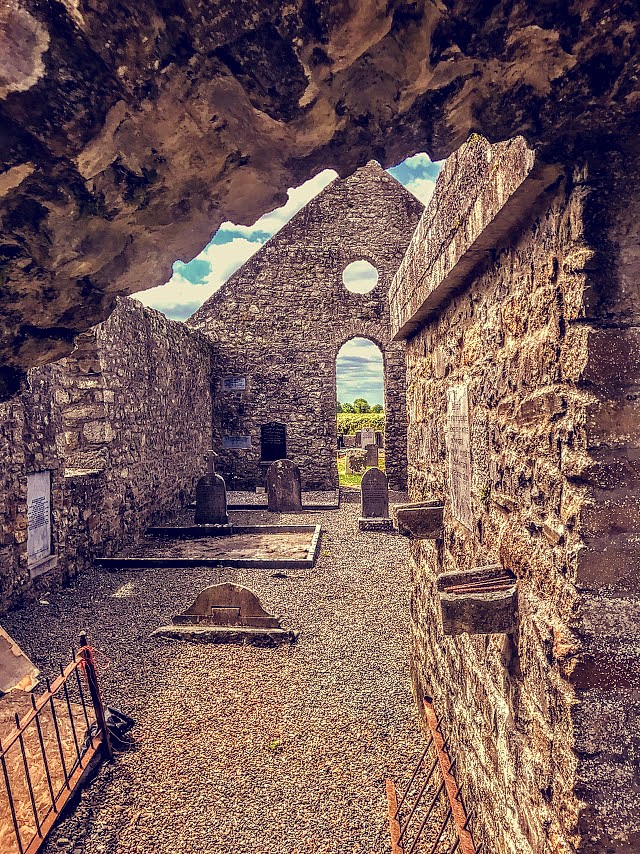
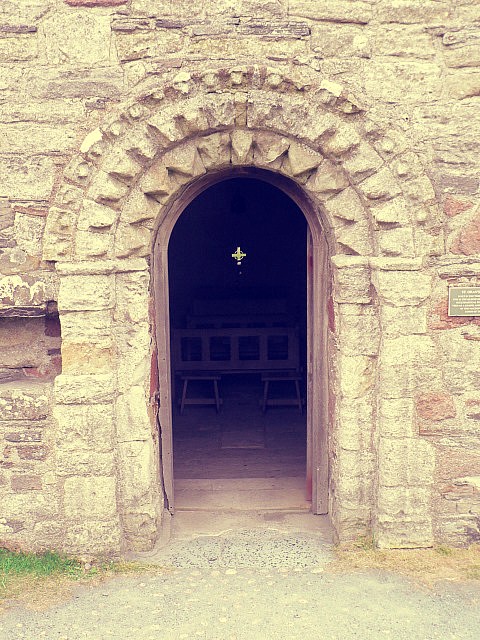
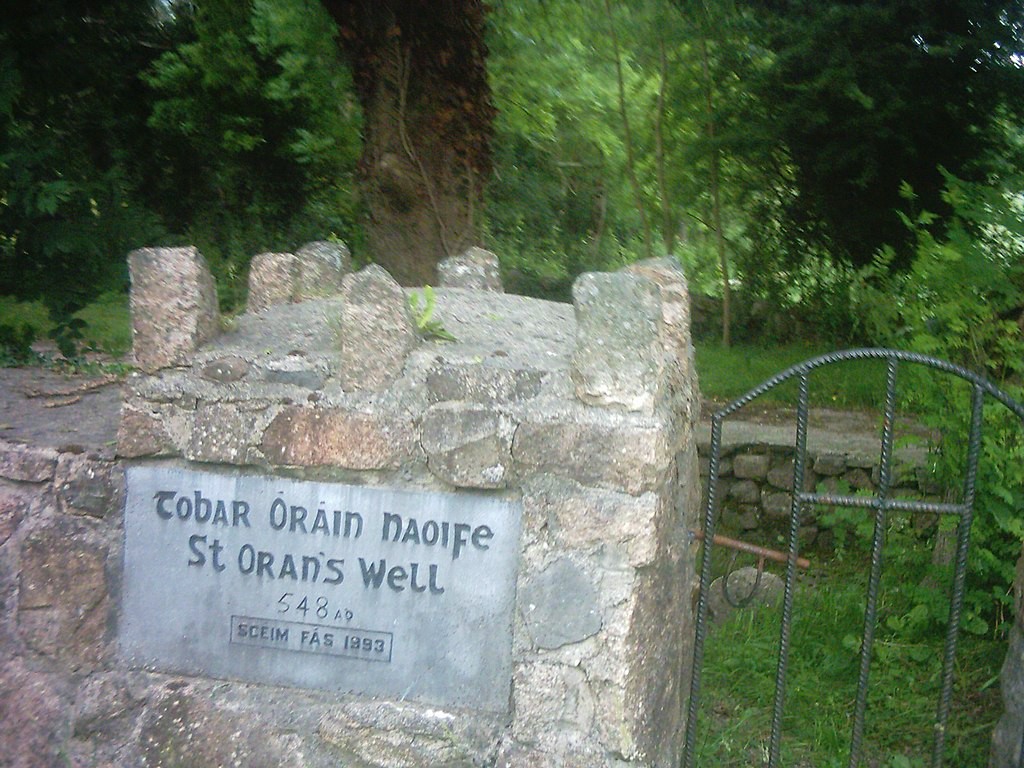


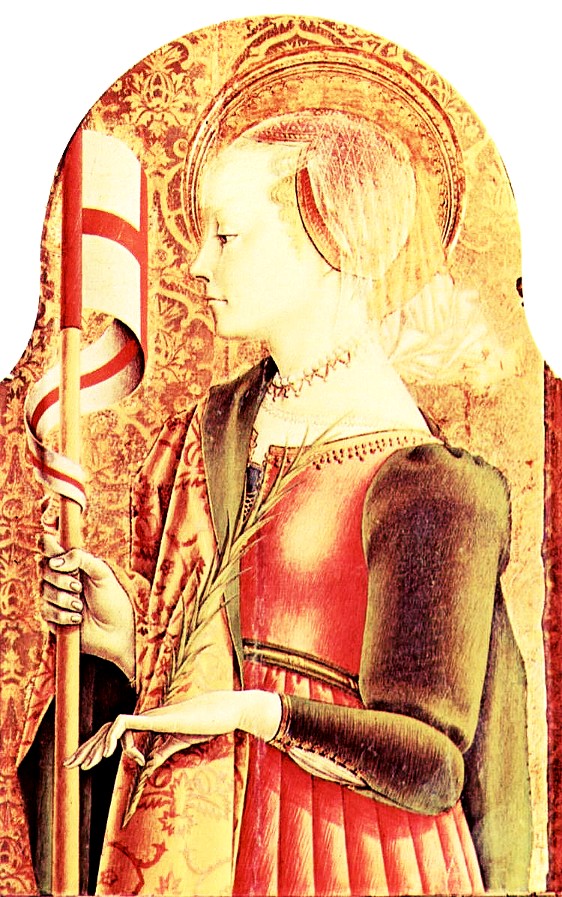
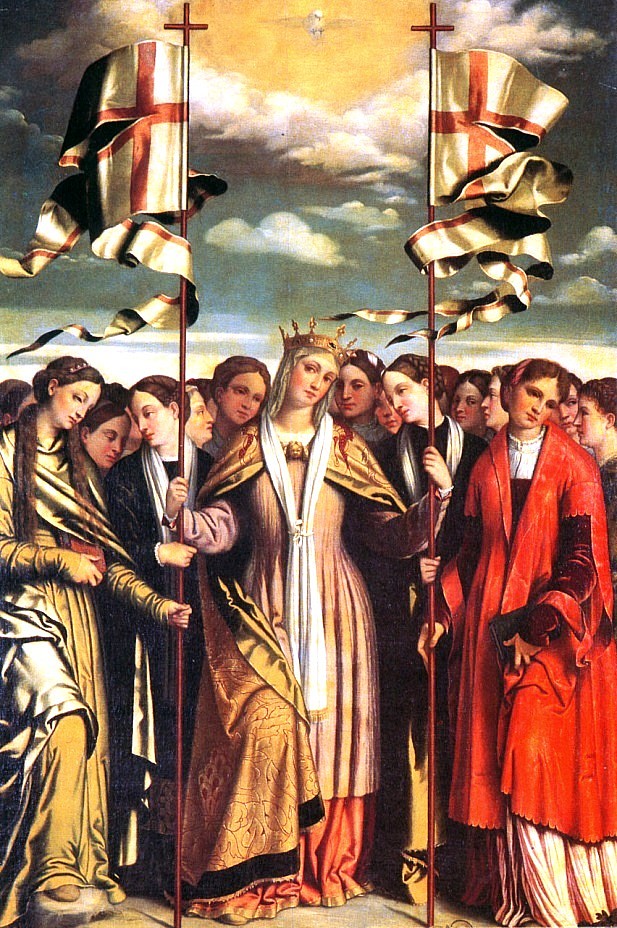
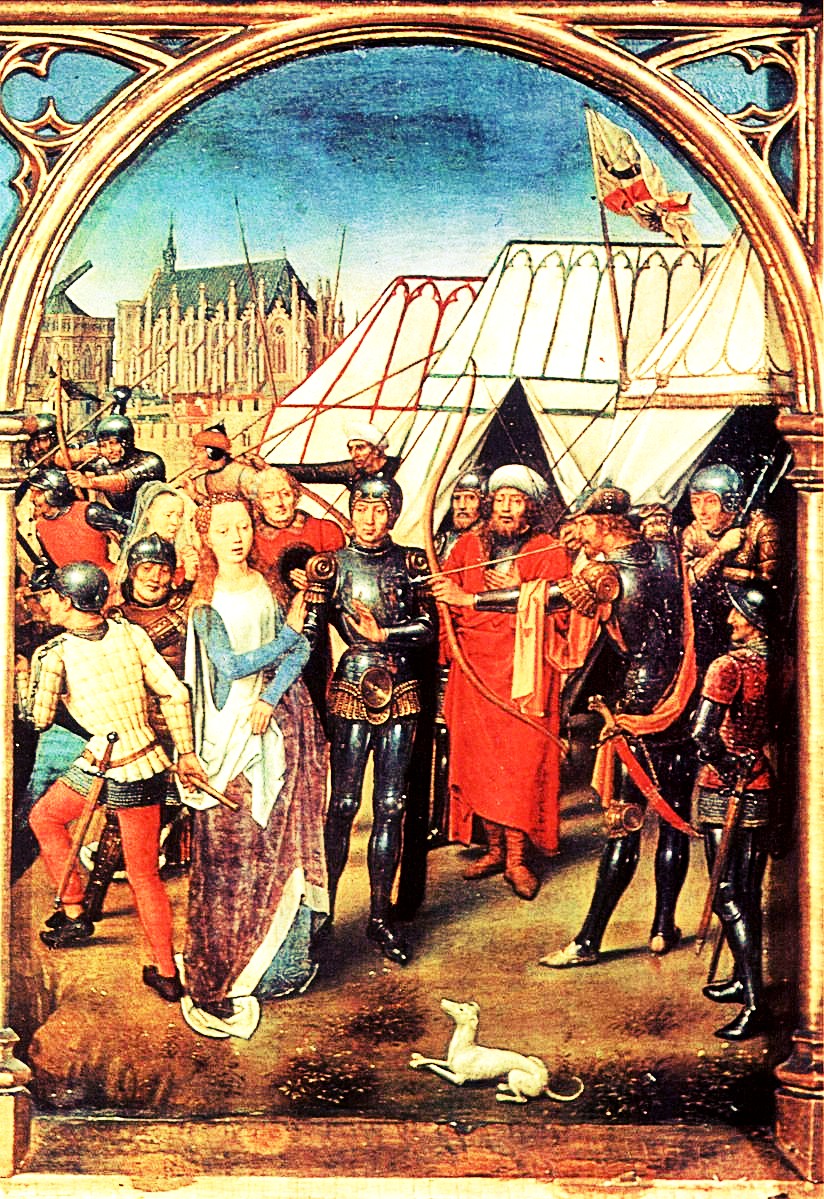
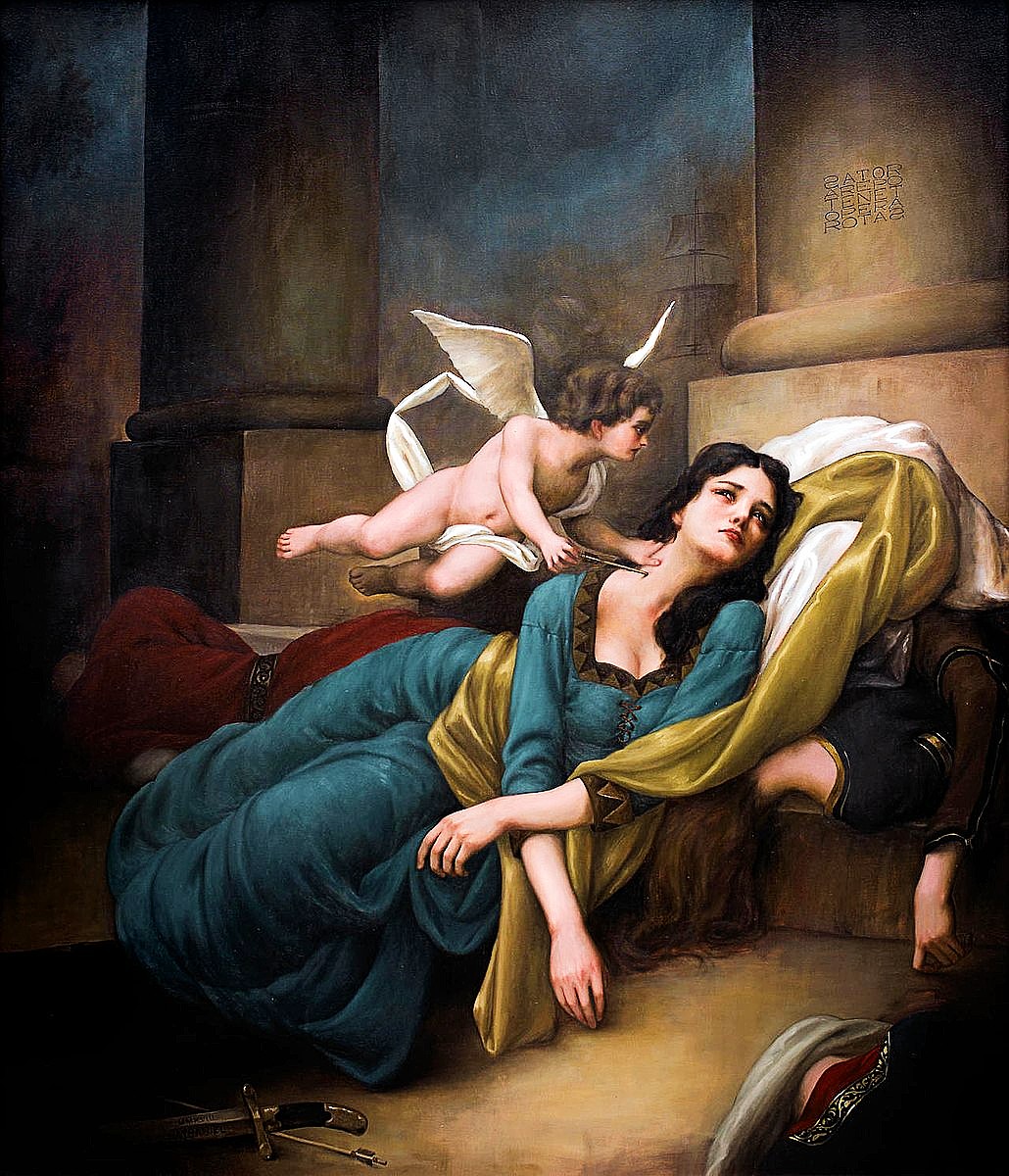
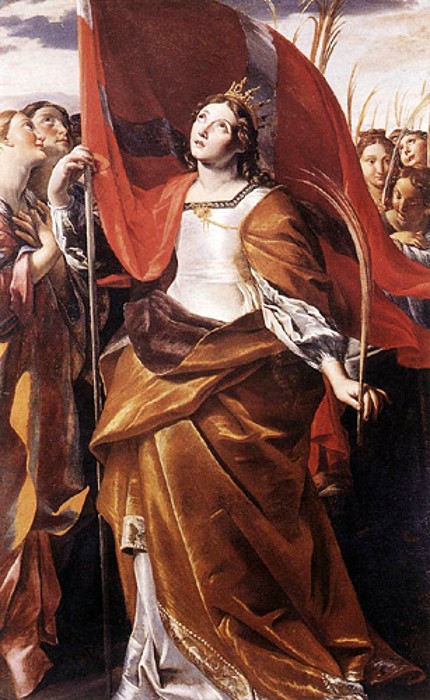
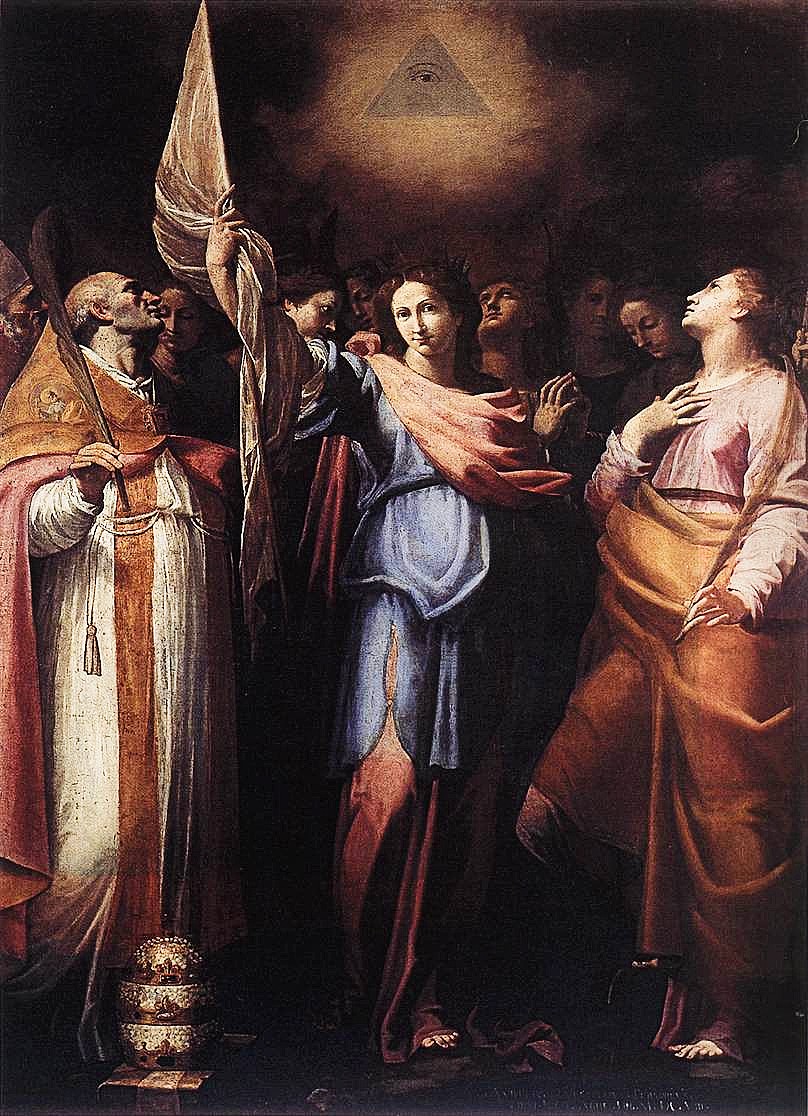
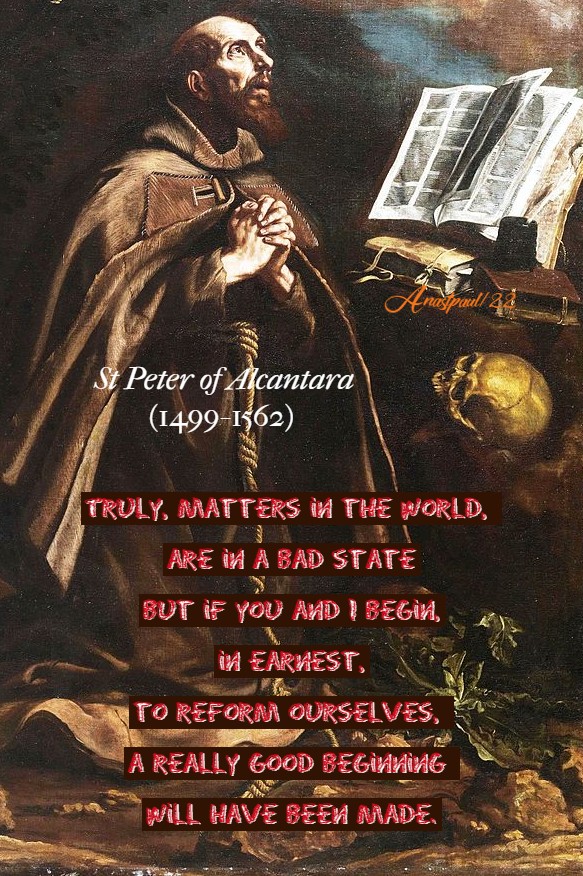
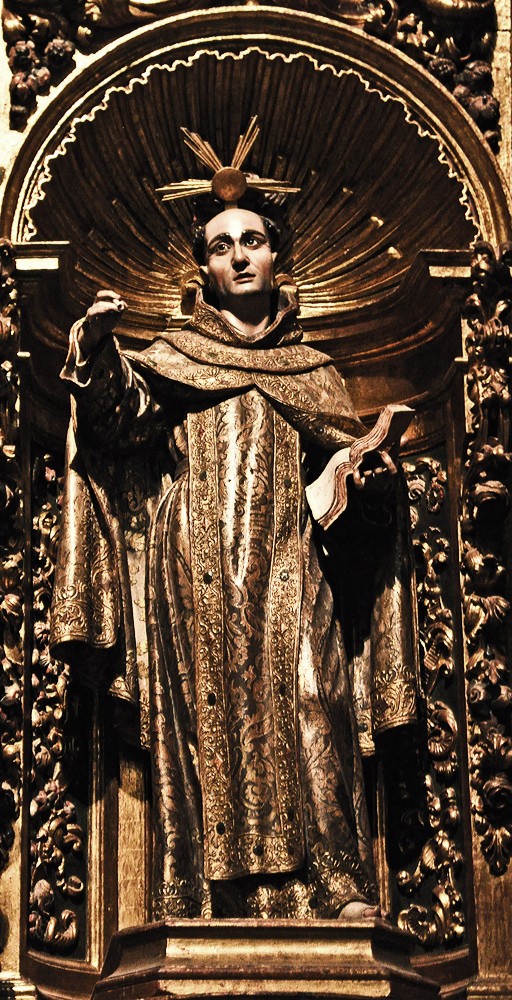
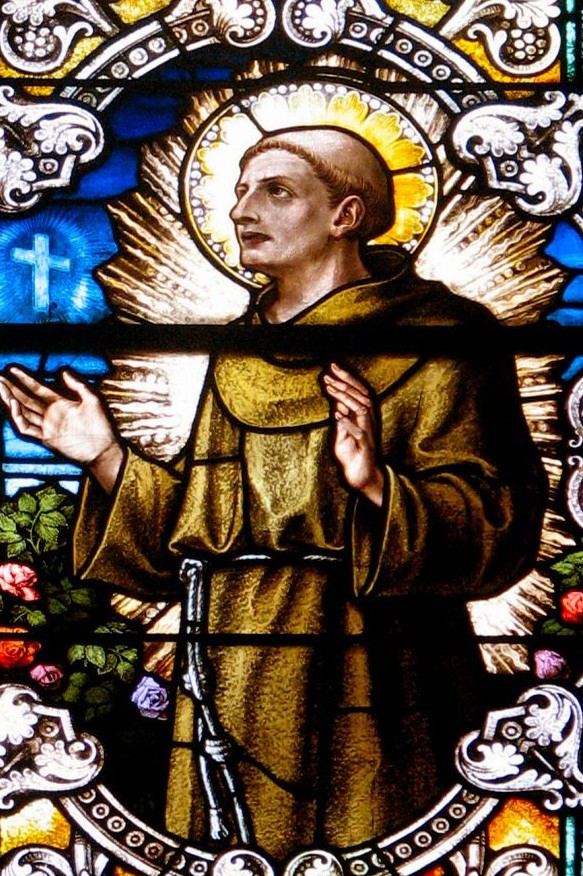




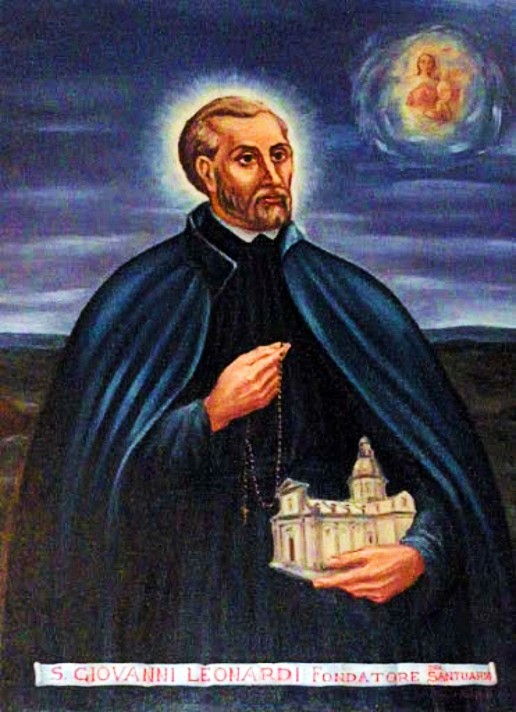
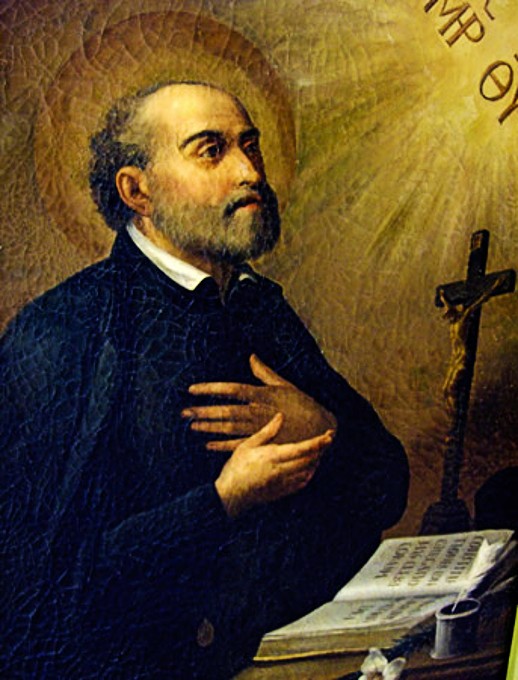
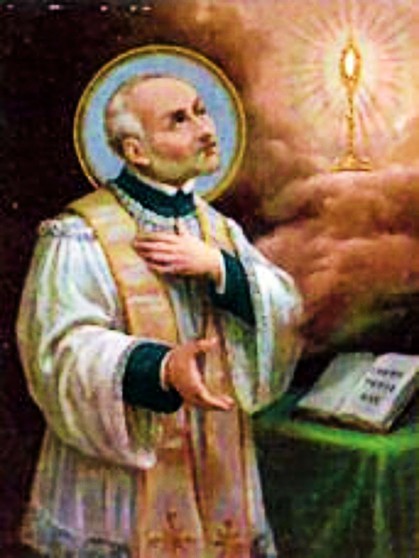
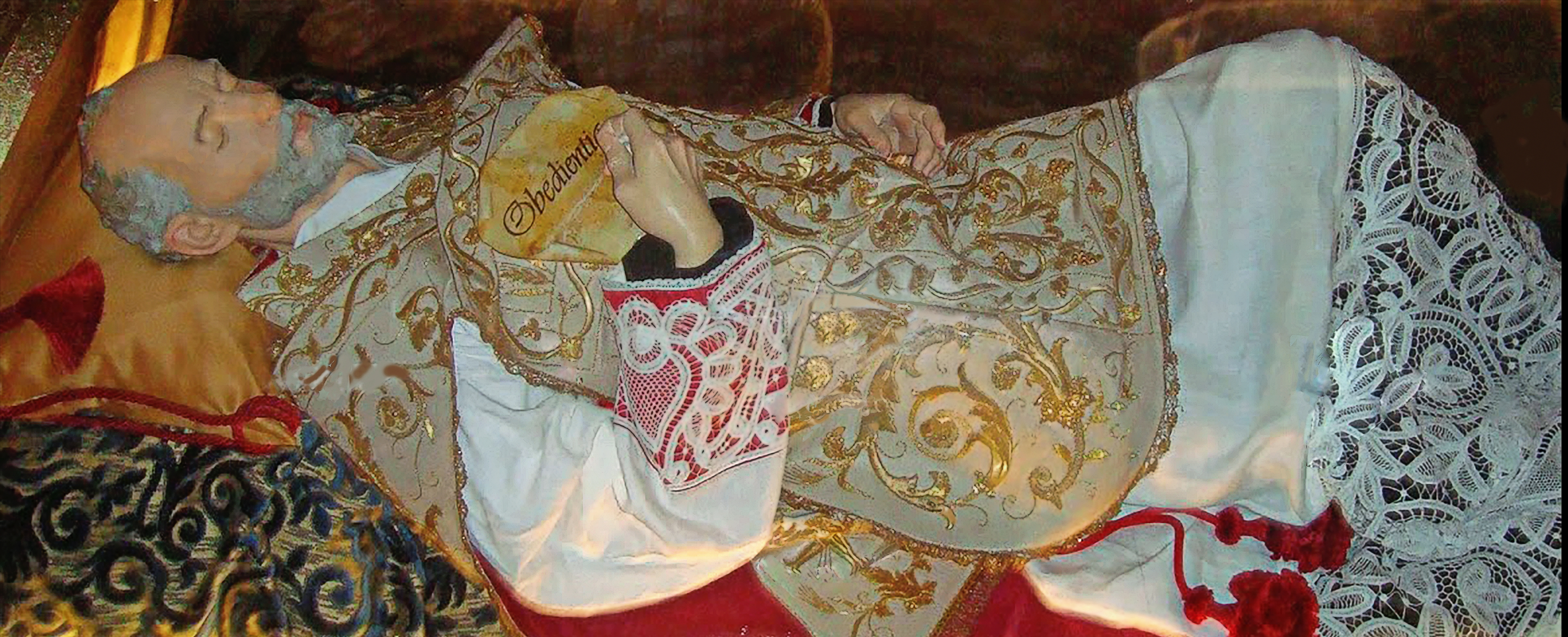
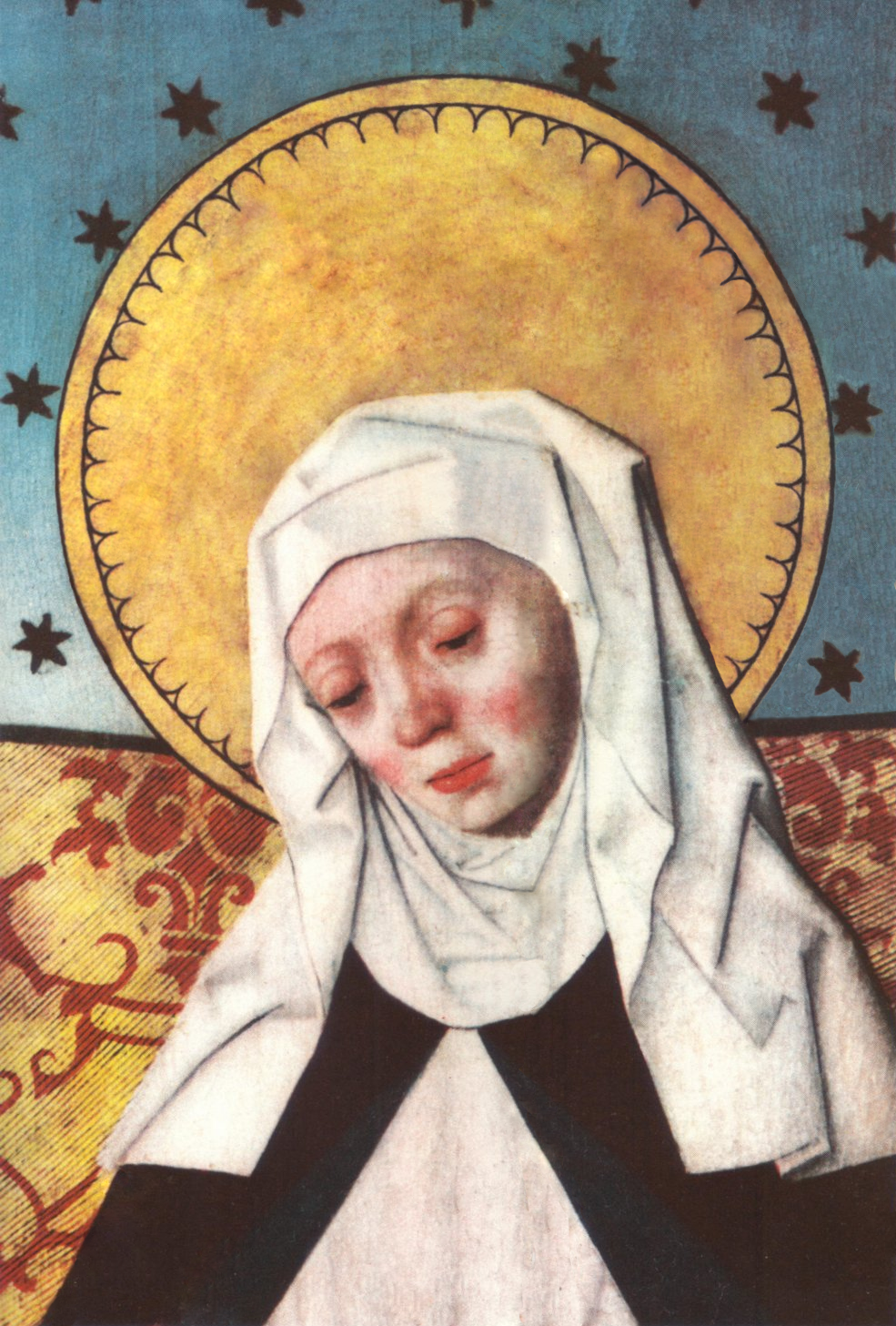
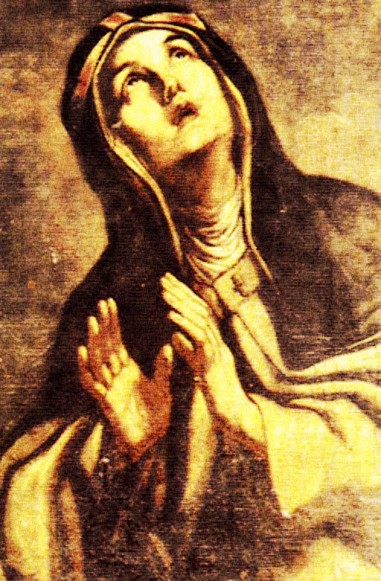
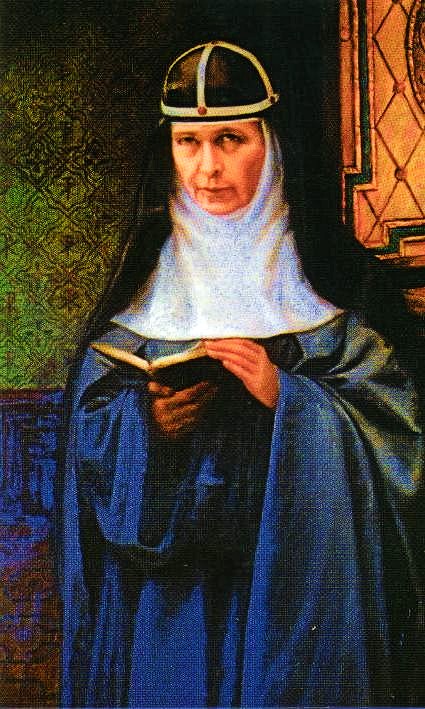




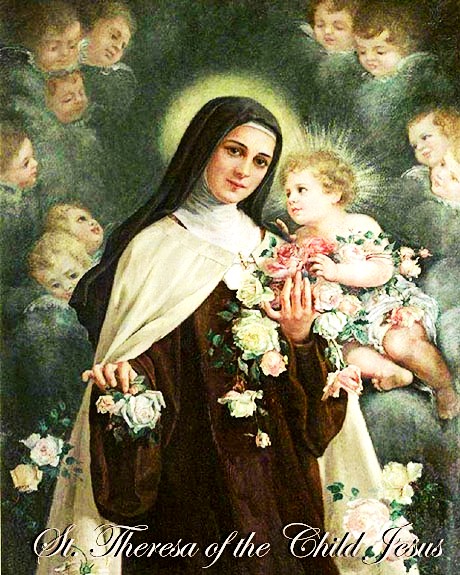
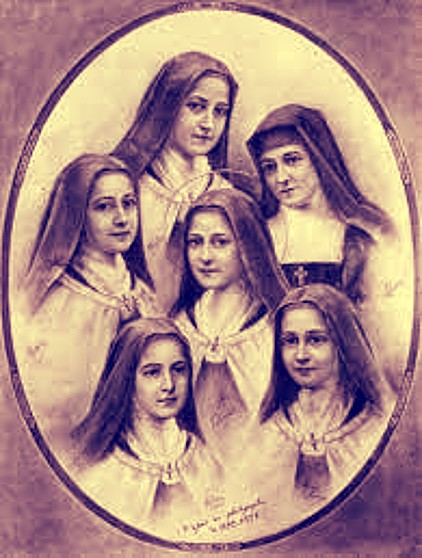


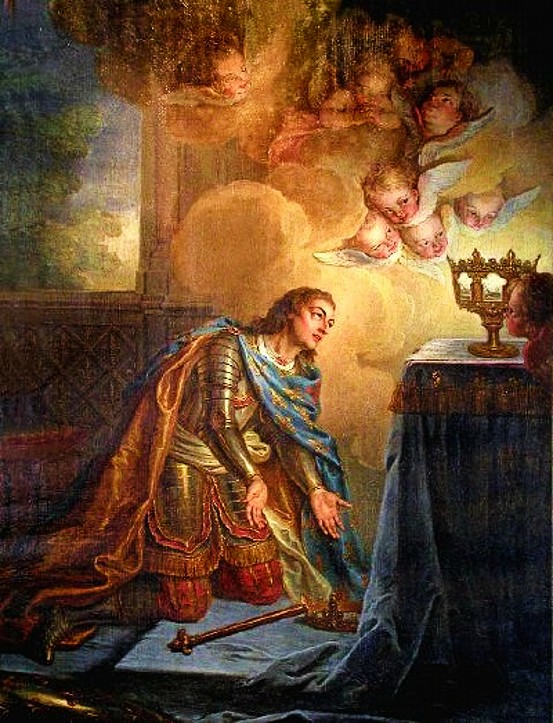
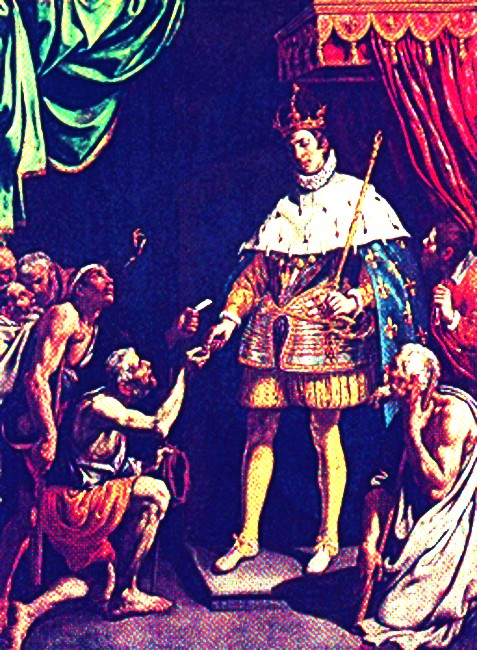
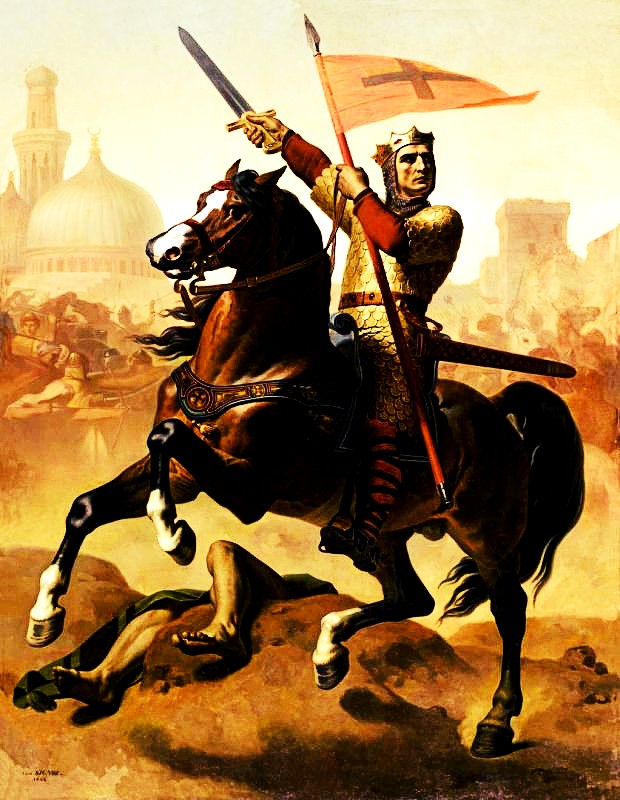
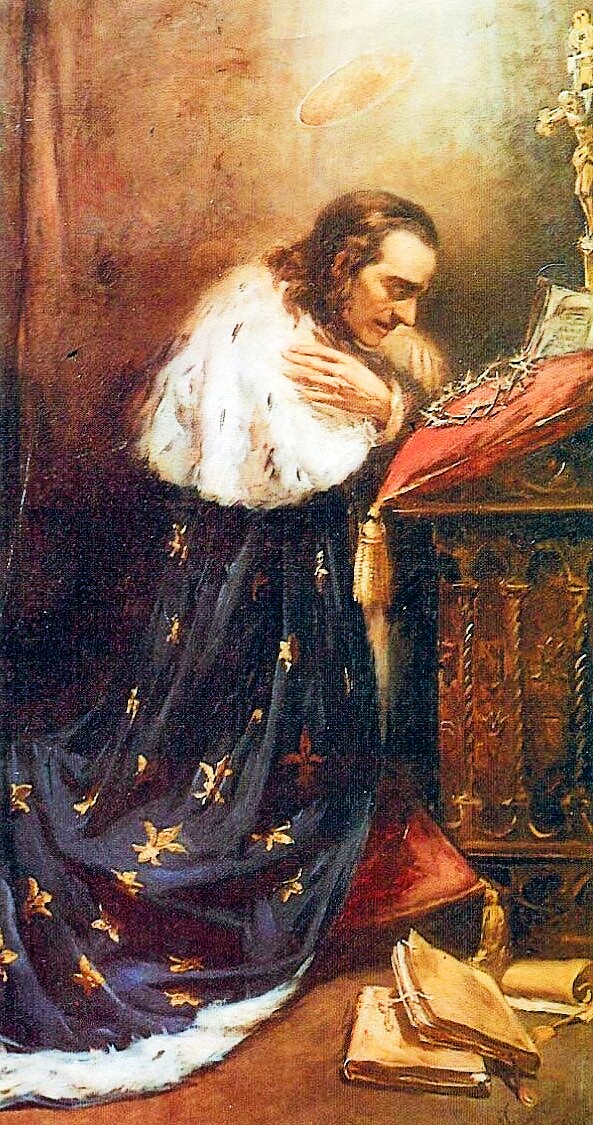
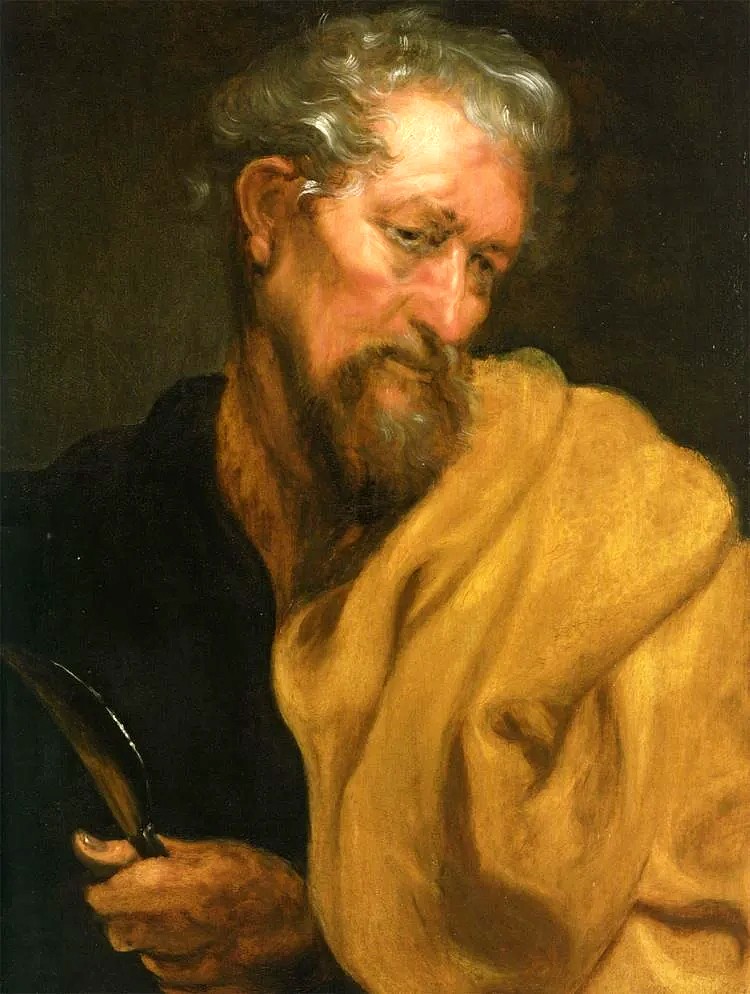


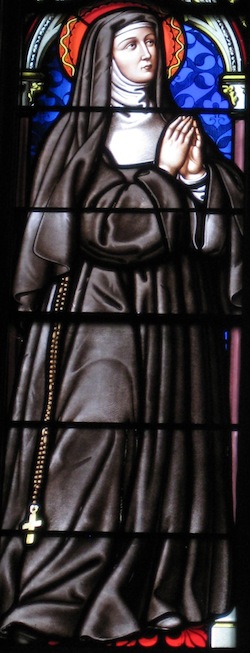


 AnaStpaul
You must be logged in to post a comment.