“This people honours me with their lips but their hearts are far from me” … Mark 7:6
REFLECTION – “WE MUST not rely too much upon ourselves, for grace and understanding are often lacking in us. We have but little inborn light and this we quickly lose through negligence. Often we are not aware that we are so blind in heart. Meanwhile, we do wrong and then do worse in excusing it. At times, we are moved by passion and we think it zeal. We take others to task for small mistakes and overlook greater ones in ourselves. We are quick enough to feel and brood over the things we suffer from others but we think nothing of how much others suffer from us. If a man would weigh his own deeds fully and rightly, he would find little cause to pass severe judgement on others. The interior man, puts the care of himself before all other concerns and he who attends to himself carefully, does not find it hard to hold his tongue about others. You will never be devout of heart unless you are thus silent about the affairs of others and pay particular attention to yourself. If you attend wholly to God and yourself, you will be little disturbed by what you see about you. … You will sweetly repose if your heart does not rebuke you. Rejoice at nothing but only your good deeds. Bad men have never a true joy, nor feel inner peace, for “there is no peace for the wicked” (Is 57:21). … He is easily calmed and contented whose conscience is clean. Praise makes you not more holy, nor insult more worthless. What you are you are, what God knows of you, is all that can be said for you. If you will only look at what you truly are, you will not care what men say of you. “Man looks at the appearance but God looks at the heart” (1 Sam 16:7). – Thomas`a Kempis – The Imitation of Christ – Book II, ch. 5-6
PRAYER – Almighty Lord and God, protect us by your power throughout the course of this day, do not let us turn aside to any sin, purify our conscience and let our every thought, wod and dedd aim at doing only what is pleasing in Your sight. May the intercession of our Holy Mother and all the saints, be a strength and a comfort. Through Jesus, our compassionate and loving Redeemer, with the Holy Spirit, one God with You forever, amen.
Saint of the Day – 9 February – Saint Sabinus of Canosa (c 461–566) Bishop, Confessor, Benedictine Monk, Papal Legate, miracle-worker, graced with the charism of prophecy, Defender of the Faith against heretics, friend of Saint Benedict of Nursia, builder of Churches and Monasteries, following the Benedictine discipline of Ora et labora. Born in c 461 in Italy and died on 9 February 556. Patronages – Atripalda, Canosa Italy, Torremaggiore and Furci and Bari, Italy, protector against poisoning. At some point Sabinus went blind but records do not reveal exactly when this occurred, nor is it revealed in the Dialogues of St Gregory. Additional Memorial – 14 September in Atripalda. Roman Martyrology: “At Canossa in Apulia, St Sabinus, Bishop and Confessor.”
Saint Pope Gregory tells that he was endowed with the spirit of prophecy and the power of miracles. After he had become blind, when a cup of poison was offered to him by a servant who was bribed, he knew it by divine instinct. He, however, declared that God would punish the one who had bribed the servant and, making the Sign of the Cross, he drank the poison without anxiety and without harmful effect.”
Sabinus was a friend of Saint Benedict, whom he visited at Montecassino and to whom, as recorded by St Gregory the Great, he once expressed his preoccupations on the incursions of the Ostrogoth King Totila into the Italian peninsula. According to the hagiographic legend, he succeeded in saving Canosa from the threat of the latter. In fact, the Dialogues of Pope Gregory I (Book III, Chapter 5) also contains a second anecdote relating to “Sabinus, Bishop of Canosa.” Totila, King of the Goths, who was sceptical about the prophetic powers of the blind St Sabinus, visited and had dinner with him. He handed him a glass of wine, in place of the cupbearer. “Then the man of God taking the cup but not seeing him that did deliver it, said: ‘Blessed be that hand.’ At which words, the King very merrily blushed because, albeit he was taken, yet he had found that gift in the man of God which before he desired to know.” Totila was so impressed that he renounced his pillaging.
In 531, under the Papacy of Boniface II, he participated in the Roman Synod. Sabinus was sent twice as a Papal Envoy to Constantinople, in 525, by Pope John I and in 536 to accompany Pope Agapitus I, (who lost his life on the journey,) to defend the true faith against the Monophysite heresy.
St Sabinus died after 52 years of dedicated service in the Episcopate.
Bishop Angelarius rescued the relics of St Sabinus from Canos Cathedral and took them to Bari when Canosa was destroyed by Saracens in 844. It is not clear how some of them came to be venerated in San Giovenale, Orvieto. The Cappella di San Sabino, to the left of the apse of this Church, was built at the end of the 13th century on what might have been the site of a free-standing Oratory of St Sabinus. This Church itself is referred to as Sts Giovenale and Sabinus in a document of 1314.
Cathedral of St Sabinus in Canosa
The Cathedral of St Sabinus in Bari
A reliquary (1340) by Ugolino di Vieri for the skull of St Sabinus of Canosa (see below) was displayed in this Chapel until 1845, when it was sold to the Museo dell’ Opera del Duomo. The rest of the saints’ relics are said to rest under its high altar.
Week long festivities are celebrated each year in Atripalda prior to the Feast Day of our Saint, where St Sabinus’ memory is celebrated on 14 September.
Notre-Dame-des-Cloches /Our Lady of the Bells, Cathedral of Saintes, France – 9 February:
“Saintes” is the English translation for the French word meaning female saints. There is a great deal of history to the Poitou-Charentes region of western France where the town of Saintes is located. The town of Saintes was originally a thriving settlement in ancient Gaul located along the Charente River. The town became known as Mediolanum Santonum once conquered by the Romans under Julius Caesar, and the remains of the triumphal arch of Germanicus and a large amphitheatre can still be seen there today. The town takes its name, Saintes, due to a fascinating legend that many still piously believe. According to this tradition, Mary Salome and Mary Jacob, accompanied by other disciples of Jesus Christ, were forced to flee the Holy Land about the year 45. They left, taking a boat with no sail and were miraculously transported across the Mediterranean Sea, making land near the place which became known as Saintes Maries de la Mer. Long before the arrival of the saints, indeed, since prehistoric times, Saintes Maries de la Mer (Saint Mary’s of the Sea) had been considered a holy place. This tradition was carried on by the Celts and then the Romans. It is recorded that St Eutropius was a Bishop there in the 3rd century and, that the first Cathedral was reconstructed by no less a personage than Charlemagne.
Norman invaders twice burned the town during the 9th century. Richard the Lionheart took refuge there against his father and King Saint Louis IX defeated the English on the plains before the town. The Cathedral of Saint Peter, built in the 12th century, was severely damaged by the Huguenots in the year 1568. Its bishopric was ended in 1790 due to the oppression of the French Revolution. The Church is now reduced to being only an historical monument. It is recorded, though, that one year long ago, on the octave day of the Purification, the bells in the Cathedral of Saintes, France, rang out most sweetly of themselves. The sacristans, having run to the Church, saw what appeared to be several unknown men holding lighted tapers and melodiously chanting hymns in honour of the Blessed Virgin, Our Lady of the Bells, who was venerated in a Chapel of this Cathedral. Approaching softly, they – the men who had run to the church – begged the last of these men carrying lighted candles, to give them one in proof of the miracle they had witnessed. The light-bearers graciously complied. This taper, or candle, in remembrance of Our Lady of the Bells, is said to be preserved in that Cathedral up to this day.
St Nebridius of Egara St Nicephorus of Antioch St Poëmus of Membressa St Primus the Deacon St Raynald of Nocera St Romanus the Wonder Worker St Ronan of Lismore St Sabino of Abellinum St Sabinus of Canosa (c 461–566) Bishop St Teilo of Llandaff — Martyrs of Alexandria: An unknown number of Christians who were massacred in church in 4th century Alexandria, Egypt by Arian heretics for adhering to the orthodox faith.
Martyrs of Membressa: A group of 44 Christians martyred together. We know little else about them some names – • Ammon • Didymus • Emilian • Lassa • Poemus They were martyred in Membressa in Africa.
Quote/s of the Day – 8 February – The Memorial of St Jerome Emiliani (1486–1537)
“For God, … does not work in those who refuse to place all their confidence and hope in Him alone. But He does impart the fullness of His love upon those who possess a deep faith and hope; for them He does great things.”
“With your patience you will save your soul.”
(Letter 3 #1)
“Therefore, having done what you could, the Lord will be satisfied with you because for Him, who is the most benign, goodwill compensates for the lack of success.”
(Letter 5 #4)
“…If I do not speak the truth, I become a slave of the father of lies and become a member of this father of lies.”
One Minute Reflection – 10 February – Monday of the Fifth Week of Ordinary Time, Readings: Genesis 1:1-19, Psalms 104:1-2, 5-6, 10 and 12, 24 and 35, Mark 6:53-56 and the Memorial of St Jerome Emiliani (1486–1537)
And wherever he came, in villages, cities, or countryside, they laid the sick in the marketplaces and implored him, that they might touch, even the fringe of his garment. And as many as touched it, were made well. – Mark 6:56
REFLECTION – “Let us set before our interior consideration, someone gravely wounded who is about to breathe his last. … Now, the soul’s wound is sin, of which Scripture speaks in these terms: “Wound and welt and gaping gash, not drained or bandaged or eased with salve” (Is 1:6). Oh you who are wounded, recognise your Physician within you and show him the wounds of your sins. May He understand your heart’s groaning who already knows its secret thoughts. May your tears move Him. Go as far as a little shamelessness in your beseeching (cf. Lk 11:8). Bring forth deep sighs to Him, without ceasing, from the depth of your heart. May your grief reach Him so that He may say to you also : “The Lord has pardoned your sin” (2 Sam 12:13). Cry out with David, who said: “Have mercy on me, O God, in … the greatness of your compassion” (Ps 50[51]:3). It is as though one were to say: “I am in great danger because of an enormous wound, that no doctor can cure, unless the all-powerful Physician comes to help me.” For this all-powerful Physician, nothing is incurable. He heals without charge, with one word He restores to health. I would have despaired of my wound were it not that I placed my trust in the Almighty.” – St Pope Gregory the Great (c 540-604) Father and Doctor of the Church – Commentary on Psalm 50[51]
PRAYER– Father of mercy, You chose St Jerome Emiliani to be a father to orphans in their need. Grant that through his prayer, we may keep faithfully the spirit of sonship, by which we are not only called but really are Your children. Help us to imitate his love and faith, manifesting by our commitment to Your commandments, our true faith. May we seek your grace in temptation and seek ever to avoid the occasions of sin and if we should fall, to run to You in grief and beg Your forgiveness. We make our prayer through Jesus, our Lord in the unity of the Holy Spirit, God forever, amen.
Saint of the Day – 8 February – Blessed Pietro Igneus OSB Vall. (c 1020 – 1089) Cardinal Bishop of Albano, Reformer – particularly against simony, Papal Legate and peace-maker. Born in c 1020 in Italy and died on 11 November 1089 of natural causes. Roman Martyrology: In Albano in Lazio, Blessed Peter, called Igneus because he passed unharmed in the fire, Monk of Vallombrosa and later Bishop of Albano, who devoted himself tirelessly to the renewal of ecclesiastical discipline.
Pietro was born to a noble family probably in Florence, although no documentation has been received that would allow us to reconstruct his first years of life. He was a relative to St John Gualbert (c 985-1073), the Founder of the Vallombrosians branch of the Benedictines and the Uncle of St Bernardo degli Uberti, Cardinal Bishop of Parma and Abbot, also a Vallombrosian Monk. He had at least one sibling.
Becoming a Monk in the Vallombrosana Congregation in 1018, he was a close follower of John Gualbert and adhered to the Gregorian Reform.
The most renowned event of his life, was the famous ordeal, which took place in 1068 near Badia a Settimo, near Florence. The episode was part of the fight against the simoniacal investiture of a Bishop of Florence, a certain Pietro Mezzabarba. The investigation was conducted by Pietro and by John Gualbert and defended by St Peter Damian among others. The controversy caused a great deal of distress in the Vallombrosan Monastery which to Bishop Mezzabardba, was like a thorn in the side of his control over the city of Florence.
The episode caused a great sensation among the faithful of the time. Pietro, to demonstrate the reliability of the theses supported by John Gualberto, which documented the simony of Mezzabarba, voluntarily submitted to the “Judgement of God,” walking on an expanse of burning coals and remaining miraculously unscathed. For this reason he was called Igneus which means “fire-tried” and was immediately made the object of a popular devotion. This triumph of the Monks, led to a confession on the part of the erring Bishop. Following the sensational episode, Pope Alexander II accepted the theses of the Vallombrosans and deposed the Bishop. Mezzabarba subsequently repented and retired to a Monastery, spending the rest of his life in penance and spiritual recollection.
Bl Pietro Igneus walks on the fire – Marco Palmezzano
In 1068 he was sent by his Abbot, John Gualbert, to direct the Abbey of San Salvatore near Fucecchio, at the express request of the Cadolingi counts, who had financially helped the construction of the Abbey. While remaining in Fucecchio for a few years, in 1072 Pope Alexander II raised him to the office of Bishop of Albano but he always kept the title of Abbot of San Salvatore in Fucecchio.
Pietro attended the October 1072 Consecration of the Church of Santi Donato e Nicola in Albano, while he himself, Consecrated the Church of San Miniatis in Rubbicana on 7 February 1077.
He co-operated with Pope Gregory VII to repress simony and reform church discipline. Gregory VII entrusted him with several important missions – in 1079 he served as a Papal Legate in the German kingdom with the Bishop of Padua, to mediate between the Emperor Henry IV and Rudolf of Swabia. Upon the renewal of the excommunication against the Emperor at Salerno in 1084, he was designated – at Pope Gregory VII’s behest – as one of the two legates sent to France for the promulgation of the sentence. He is mentioned in the Papal Bull of Pope Urban II, on 8 July 1089 and is attested for the last time, in the Papal Curia in September 1089.
Pietro served as a Co-Consecrator for the episcopal Consecration of the new Pope Victor III in 1087. He participated in the conclaves held in 1086 and in 1088.
He died on 11 November 1089, most probably in Albano. His body was brought back to Vallombrosa and buried in the Abbey.
Blessed Pietro was Beatified on 4 March 1673 by Pope Clement X.
Abbey of Notre-Dame du Lys / Our Lady of the Lily, Melun, France (13th Century) – 8 February:
The Royal Abbey of Notre-Dame du Lys / Our Lady of the Lys – The Abbot Orsini wrote: “This Abbey of Cistercian nuns was founded by Queen Blanche, Mother of King Saint Louis.”
The former Royal Abbey Notre-Dame du Lys, or Our Lady of the Lily, now in ruins, was once a Cistercian Abbey for nuns founded by Queen Blanche of Castile and her son, King Saint Louis IX, in 1244. The ruins are located along the centre of the Town of Dammarie-les-Lys, four kilometers downstream from Melun, in the south of the Seine-et-Marne. The town takes its name from the Chapel, meaning ‘the oratory of the Virgin next to the Abbey of Lys.’ Looted and converted into cattle pens during the French Revolution, the Abbey was then sold as a romantic ruin in 1797. The remains of the Abbey were made an historic monument on 30 December 1930. From 1226 to 1248, during the early years of the reign of St Louis IX, that is to say, the period immediately preceding the foundation of the Abbey of the Lys, many Cistercian Monasteries were founded and several Churches dedicated. The foundation of an Abbey like Our Lady of Lys, is very burdensome financially, requiring a significant capital contribution. Land must be purchased for the Monastery, buildings constructed sufficient for life and maintenance of a number of religious and of course a Church. On24 October 1227, the Consecration and Dedication of the magnificent Abbey Church that the Cistercians built in Longpont took place. The same year saw the creation of the Abbeys of the Treasury of Notre-Dame and Royaumont, as well as, the attachment of the Convent Panthémont to the order of Cîteaux. In 1236, Queen Blanche of Castile, had laid the foundations of Notre-Dame-La-Royale, Maubuisson, near Pontoise, so Saint Louis, therefore, assumed all expenses involved in the foundation of the new Abbey but left his mother in charge of the work. ‘Our Lady of the Lily’ would be the new house for Cistercian nuns outside Melun, a town which Blanche loved. The name was one they had agreed upon for the new Convent, a Convent where there would be prayers perpetually offered to God, for the sake of the Crusade that King Louis would soon embark upon. The Queen of France, Blanche of Castile, wife of King Louis VIII ‘the Lion’ and mother of King Saint Louis IX, died there on 27 November, 1252. There is a list of Abbesses of Our Lady of Lys beginning with Vienna Alix, Countess of Macon and the last Countess of Vienna, who died there on 23 August 1258. She had been widowed, when her husband died fighting in the Holy Land in 1234. The last Abbess was Jeanne Foissy, who was forced to leave by the revolutionaries on 3 March 1791. Blanche of Castile withdrew to Melun towards the end of her life, where she died in 1252, while her son Saint Louis was on a crusade with his wife Marguerite. She was buried at the Abbey of Maubuisson but her heart was later transported to the Abbey of Lys.
St Cointha of Alexandria St St Cuthman St Cyriacus of Rome St Dionysus of Armenia St Elfleda of Whitby St Emilian of Armenia Blessed Maria Esperanza de Jesus (1893-1983) About Bl Maria: https://anastpaul.com/2020/02/08/saint-of-the-day-8-february-blessed-maria-esperanza-de-jesus-1893-1983/ St Giacuto St Gisela St Honoratus of Milan St Invenzio of Pavia St Isaias Boner St Jacoba Bl Josephina Gabriella Bonino St Kigwe St Lucius of Rome St Meingold St Mlada of Prague St Nicetius of Besançon St Oncho of Clonmore St Paul of Rome St Paul of Verdun Blessed Pietro Igneus OSB Vall. (c 1020 – 1089) Cardinal Bishop St Sebastian of Armenia St Stephen of Muret — Martyrs of Constantinople: Community of 5th century monks at the monastery of Saint Dius at Constantinople. Imprisoned and martyred for loyalty to the Vatican during the Acacian Schism. 485 in Constantinople.
Martyrs of Persia: An unknown number of Christians murdered in early 6th-century Persia. Legend says that so many miracles occurred through the intercession of these martyrs that the king decreed an end to the persecution of Christians.
Quote/s of the Day – 7 February – The Memorial of Blessed Mary of Providence HHS (1825-1871) and the Holy Souls in Purgatory
“Let us help and commemorate them. If Job’s sons were purified by their father’s sacrifice (Job 1:5), why would we doubt that our offerings for the dead bring them some consolation? Let us not hesitate to help those who have died and to offer our prayers for them.”
St John Chrysostom (347-407) Father and Doctor of the Church
“One of the holiest works, one of the best exercises of piety, which we can practice in this world, is to offer sacrifices, alms and prayer for the dead.”
St Augustine (354-430) Father and Doctor of Grace
“If it were but known how great is the power of the good Souls in Purgatory with the Heart of God and if we knew all the graces we can obtain through their intercession, they would not be so much forgotten. We must, therefore, pray much for them, that they may pray much for us.”
St John Vianney (1786-1859)
Blessed Mary of Providence HHS (1825-1871), friend of St John Vianney, was the Founder of Society of the Helpers of the Holy Souls their objective is assisting theHoly Ssouls in Purgatory through their service to the needy of the world. She said:
“If one of our friends was imprisoned in a house on fire, how we should rush to her help. Then think how we should try to deliver the Souls in Purgatory.”
Saint of the Day – 7 February – Blessed Mary of Providence HHS (1825-1871) Religious Nun and Founder of the Society of the Helpers of the Holy Souls on 19 January 1856, with the objective of assisting the Souls in Purgatory through their service to the needy of the world, friend of St John Vianney. Born as Eugénie Smet on 25 March 1825 at Lille, France and died on 7 February 1871 at Paris, France of breast cancer at the age of 45.
Eugénie Smet was born on 25 March 1825, the third of six children of Henri Édouard Joseph and Marie Pauline Joseph Taverne Smet in Lille, in the north of France. She was educated at the Convent of the Sacred Heart in Lille, where she demonstrated a particular devotion to the Guardian Angels. Eugénie was a bright, lively child who was deeply in love with her faith from a young age.
She was filled with great concern for the souls in Purgatory since the image of the suffering in Purgatory smote her heart.
Slowly, she began to minister to the poor around her in her small French village of Loos. She asked her father for permission to take the fallen fruit from his orchard and give it to the hungry of the village.
The Catholic Church, formerly very influential in France before the revolutions, had become a remnant of its former self. The Church was rebuilding itself by reaching out to the poor and offering material, charitable assistance. Eugénie threw herself into this work of charity and into the sacramental life of the Church. She began to attend Mass daily and dedicated her life to God.
Interestingly, her greatest efforts of aid were directed to the poor who were not physically present in France. She assisted the Bishop in raising money for missions in China and she was convinced that the Holy Souls in Purgatory were in great need of prayers.
Eugénie felt the call to create a religious order that would dedicate itself solely to praying for these poor suffering souls. As she was praying with her head bowed down before our Blessed Lord in the Sacrament of His Love, the idea of an association of prayers and good works on behalf of the dead was rising distinctly before her eyes. But then, came the doubt – was it God who was inspiring her with thought or was it the result of her own fancy? In unhesitating faith she determined to ask Our Blessed Lord, by some unmistakable sign, to give a token of His Will. If you want me to begin this work my Lord, make at least one of my friends, think of something and let her speak to me about it as soon as I come out of Church. She slowly descended the long flight of steps of the Church to the village square, anxiously thinking over the prayer she had made. Her heart sank within her when she reached the bottom of the stairs and no-one had spoken to her. But just at that moment a young girl at her own age, a great dear friend of hers, came forward and said,
“Dear Eugenie, I am so glad to have met you. During Benediction I had an inspiration. I thought of offering to join you, in doing everything we can, during November, for the Souls in Purgatory. Have you indeed had that thought?”
As Eugénie prayed and sought the necessary permissions to create her order, she received great encouragement from St John Vianney, which she took as a sign to continue. Eugénie met with Abbé Largentier, a Priest in Paris who had started a small community dedicated to praying for Souls in Purgatory.
Eugénie was hopeful Abbé Largentier could help her begin a religious order of sisters to pray for Souls in Purgatory but Abbé Largentier insisted, that Eugénie’s order could only succeed by starting a school. Eugénie was dissatisfied with this and she prayed for direction. In 1856, she found a house in Paris that and she persuaded the owner to let the house to her, despite having no liquid assets. On 27 December 1857, Eugénie, with five of her first companions, pronounced her first religious vows. A Jesuit was appointed Chaplain and the Rule of St Ignatius was adapted. The congregation was dedicated to Our Lady of Providence and Eugénie took the name Mary of Providence and she became the Superior of the Community, The Helpers of the Holy Souls. The Helpers began to go out into the suffering community around them and prayed with and cared for the men and women in the inner City of Paris, who suffered from alcoholism, abandonment, and great physical and mental duress. The Helpers offered up their charity work for the Souls in Purgatory, thus hoping to alleviate two forms of suffering at once. Their rule was formally accepted in 1859.
Eugénie’s Order was bursting with new vocations and she opened several other houses. In 1867, a brave cohort of thirty sisters traveled to China to begin a house of Helpers there.
Eugénie died on 7 February 1871, in Paris. She is buried in the Montparnasse cemetery. Bl Mary of Providence, was Beatified in Rome on 26 May 1957 by Venerable Pope Pius XII. Her movement has spread throughout the world – now in 24 countries and continues to minister to the Souls in the Body of Christ—both those on earth and those who have departed this world.
Pope Pius XII summarised, in a homily, the essence of the message left by Sister Mary of Providence:
“Whoever acts thus, in a manner devoid of all personal interest and selfishness and consecrates himself to the universal work of redemption, will know, like Mary of Providence, the suffering and the travail but also, the invincible security, of those who are established on the strength of God Himself and await with humble confidence, the hour of endless triumph:
In Thee, O Lord, I have hoped, let me never be put to confusion (Psalm 70: 1).“
Fifth Sunday in Ordinary Time +2021 Sexagesima Sunday (Traditional Calendar) +2021
Sexagesima Sunday is the second Sunday before the start of Lent, which makes it the eighth Sunday before Easter. Traditionally, it was the second of the three Sundays (Septuagesima is the first and Quinquagesima is the third) of preparation for Lent. Sexagesima literally means “sixtieth,” though it falls only 56 days before Easter.
Nostra Signora delle Grazie, o Nostra Signora del Capo chino / Our Lady of Grace, or Our Lady of the Bowed Head, Rome (1610) – 7 February:
Among the many miraculous images of the Mother of God through which she deigns to grant her favours, there is one in the Monastery Church of the Carmelites in Vienna, entitled the Mother of Grace, or Our Lady of Grace, also known also as Our Lady of the Bowed Head. In 1610 a Carmelite, Dominic of Jesus-Mary, found, among the votaries of an old altar, in the Monastery Church of Maria della Scala in Rome an oil painting of the Mother of God, dust-covered and somewhat torn, which grieved him. Taking it into his hands, he shook the dust off it and kneeling down venerated it with great devotion. He had the picture renovated and placed it on the shelf in his cell, where he made it the object of his love and supplications, in favour of those, who came to him in their necessities and afflictions. One night while he was praying fervently before the picture, he noticed that some dust had settled on it. Having nothing but his course woollen handkerchief, he dusted it with that and apologised, “O pure and holiest Virgin, nothing in the whole world is worthy of touching your holy face but since I have nothing but this coarse handkerchief, deign to accept my goodwill.” To his great surprise, the face of the Mother of God appeared to take on life and smiling sweetly at him, she bowed her head, which, thereafter, remained inclined. Fearing he was under an illusion, Dominic became troubled but Mary assured him that his requests would be heard – he could ask of her with full confidence any favour he might desire. He fell upon his knees and offered himself entirely to the service of Jesus and Mary and asked for the deliverance of one of is benefactor’s souls in purgatory. Mary told him to offer several Masses and other good works – a short time after, when he was again praying before the image, Mary appeared to him bearing the soul of his benefactor to Heaven. Dominic begged that all who venerated Mary in this image of Our Lady of Grace might obtain all they requested. In reply the Virgin gave him this assurance:
“All those who devoutly venerate me in this picture and take refuge to me will have their request granted and I will obtain for them, many graces but especially, will I hear their prayers for the relief and deliverance of the Souls in Purgatory.” Dominic soon after placed the image into the church of Maria Della Scala so that more devotees of Mary could venerate it. Many wonderful favours were and are obtained by those who honoured and invoked Mary here. Reproductions were made of Our Lady of Grace and sent to different parts of the world. After the death of Dominic the original painting was lent to Prince Maximilian of Bavaria. He gave it to the discalced Carmelites in Munich in 1631; they gave it to Emperor Ferdinand II of Austria and his wife Eleanore. After Ferdinand’s death, Eleanore entered the Carmelite convent in Vienna and took the picture with her. During the succeeding years the image was transferred to various places. Today, it is in the Monastery Church of Vienna. On 27 September 1931, it was solemnly crowned by Pope Pius XI – the 300th anniversary of arrival in Vienna.
One Minute Reflection – 8 February – Saturday of the Fourth Week of Ordinary Time Readings: Hebrews 13:15-17, 20-21, Psalms 23:1-3, 3-4, 5, 6, Mark 6:30-34 and the Memorial of Saint Amand of Maastricht (c 584-c 679) Bishop
“Come away by yourselves to a deserted place and rest awhile” … Mark 6:31
REFLECTION – “If you wish to come and find Me, seek me aside. As Mark says: “Come away by yourselves to a deserted place and rest awhile. People were coming and going in great numbers and they had no opportunity even to eat.” (Mk 6:31). Alas, such are the passions of the flesh and the turmoil of thoughts coming and going in our hearts that we have no time to eat the food of everlasting sweetness, nor perceive the taste of interior contemplation. That is why our Lord says: “Come away” from the noisy crowd “to a deserted place,” to solitude of mind and heart, “and rest awhile.”For truly, as the book of Revelation says: “There will be silence in heaven for about half an hour” (Rv 8:1); and in the Psalm: “Who will give me wings like a dove that I might fly away and find rest” (Ps 54[55]:7 LXX). But let us listen to what the prophet Hosea says: “I will seduce her and lead her into the wilderness and I will speak to her heart” (cf. Hos 2:16 Vg). These three expressions: seduce, lead into the wilderness, speak to her heart, represent the three stages of the spiritual life – the beginning, development and perfection. The Lord seduces the beginner when He enlightens him with His grace so that he may grow and progress from virtue to virtue. Then he leads him aside from the din of the vices and disordered thoughts, into peace of spirit. Finally, once guided to perfection, God speaks to his heart. Then the soul experiences the sweetness of divine inspiration and can surrender totally to joy of spirit. What depth of devotion, of wonderment and happiness in his heart! By devotion, he is raised above himself, through wonder, he is led above himself, through happiness, he is transported out of himself.” … St Anthony of Padua (1195-1231) Doctor of the Church – Sermon for the feast of Saint John the Evangelist
PRAYER – All-powerful, eternal God, splendour of true light and never-ending day, let our striving for Your kingdom not fall short through selfishness or fear, may the universe be alive with the Spirit and our homes be the pledge of the world redeemed. May our hearts be eternally longing for that time alone with You, our one true Love. May our worldly duties be such that they never impede our progress in devotion and may the intercession of our Holy Mother, St Amand and all the saints, be a strength and a comfort. Through Jesus, our compassionate and loving Redeemer, with the Holy Spirit, one God with You forever, amen.
Saint of the Day – 6 February – Saint Amand of Maastricht (c584-c679) Bishop of Tongeren-Maastricht and one of the great Missionaries of Flanders (Belgium), Monk, Abbot, Papal Missionary, Advisor, Miracle-worker, Founder of numerous Monasteries which became known for their hospitality to pilgrims. Born c584 at Poitou, France and died in c679 in the Monastery at Elnone-en-Pevele (modern Saint-Amand-les-Eaux), France. Patronages – against diseases of cattle, against fever, against paralysis, against rheumatism, against seizures against skin diseases, against vision problems, Boy Scouts, bar staff, barkeepers, bartenders, brewers, grocers, hotel keepers, innkeepers, merchants, pharmacists, druggists, vinegar makers, vine growers, vintners, wine merchants, 4 Cities. Also known as the Apostle of Belgium, Apostle of Flanders, Amand of Elnone, Amand of France, Amandus, Amantius, Amatius.
The chief source of details of his life is the Vita Sancti Amandi, an eighth-century text attributed to Beaudemond. The vita was expanded by Philippe, Abbot of Aumône. According to this biography, Amand was born in Lower Poitou. He was of noble birth but at the age of twenty, he became a monk, against the wishes of his family. His father threatened to disinherit him if he did not return home but our Saint chose rather to ensure his riches in the heavenly kingdom. From there Amandus went to Bourges and became a pupil of Bishop Austregisilus. There he lived in solitude in a cell for fifteen years, living on no more than bread and water.
Amand’s fervent disciple, St Humbert of Maroilles (died c 682), was of a noble family and trained as a Monk in Laon. However, upon the death of his parents, he returned to his estates to settle some inheritance issues and found fine food, servants and various conveniences, sufficiently distracting, that he gave up any thought of the monastic life, until one day Amand took him on a pilgrimage to Rome. Humbert became his disciple and companion.
After the pilgrimage to Rome, Amand was made a Missionary Bishop in France in 628, without a fixed Diocese. At the request of Clotaire II, he evangelised the pagan inhabitants of Ghent, later extending his field of operations to all of Flanders. Initially, he had little success, suffering persecution and undergoing great hardships. However, after performing a miracle (bringing back to life a hanged criminal), the attitude of the people changed and he made many converts. He founded a Monastery at Elnon where he served as Abbot for four years. He returned to France in 630.
Amand was a close friend of St Adalbard of Ostrevent (died c 652), whom he advised on the founding Marchiennes Abbey. Amand angered Dagobert I by attempting to have the King amend his life. In spite of the intervention of Saint Acarius, Amand was expelled from the kingdom and went to Gascony.
Later Dagobert asked him to return and tutor the heir to the throne. Amand however declined. In 633, Amand founded two Monasteries in Ghent; one at Blandinberg and the other named for St Bavo, who gave his estate for its foundation. His next missionary task was among the Slavic people of the Danube valley in present-day Slovakia but this was unsuccessful. Amand went to Rome and reported to the Pope. While returning to France, Amand calmed a storm at sea. In 639, he built an Abbey near Tournay.
From 647 till 650, Amand briefly served as Bishop of Maastricht. The Pope gave him some advice on how to deal with disobedient clerics and warned him about the Monothelite heresy, at that time prevalent in the East. Amand was commissioned by the Pope to organise Church Councils, in Neustria and Austrasia, in order to pass on the various decrees from Rome. The Bishops asked Amand to report and transmit the proceedings of the Church Councils to the Pope. He resigned the See of Maastricht to St Remaclus, to resume his missionary work.
Around this time, Amand established contact with the family of Pepin of Landen and helped St Gertrude of Nivelles OSB (died 659) and her mother, St Itta (died 652), establish the famous Monastery of Nivelles. Amand was now 70 years old but at this time, the inhabitants of the Basque country asked him to return to their country to evangelise, although 30 years earlier he had preached there in vain. Returning home, he founded several more Monasteries in present-day Belgium, with the help of King Dagobert.
Amand died in Elnone Abbey (later Saint-Amand Abbey, in Saint-Amand-les-Eaux, near Tournai) at the age of ninety. The Vita of St Aldegonde recounts, that on the day of his death, St Aldegonde was shown a vision of the great Missionary Saint, ascending to heaven. This account did much to further the cult of Amand.
Elnone Abbey (later Saint-Amand Abbey)
St Amand was known for his hospitality and is, therefore, the Patron Saint of all who produce beer, brewers, innkeepers and bartenders. He is also the Patron of vine growers, vintners and merchants. St Amand is greatly venerated in Belgium, in particular.
“Sedes Sapientia” – Heilige Maagd Maria van Leuven /Our Lady of Louvain, Belgium (1444) – 6 February:
The Abbot Orsini wrote: “This Virgin, in high veneration in that country, began to work miracles in the year 1444.”
Nicolaas de Bruyne, 1442, Leuven, Pieterskerk
Saint Peter’s Church, or Sint-Pieterskerk, is the oldest Church in Leuven, Belgium, having been founded in about 986. The first Church burned to the ground but the present Gothic style Church was begun in 1425. The Church suffered severe damage during both world wars, as in 1914 the roof and nave were burned and in 1944 the north aisle suffered bomb damage. The Church of Saint Peter, is the home of Our Lady of Louvain, or the Virgin of Louvain, a Statue of the Blessed Virgin and her Divine Son also called the Sedes Sapientiae, or Seat of Wisdom. The Virgin of Louvain is a wooden statue of the Blessed Virgin Mary carved by Nicolaas De Bruyne in 1442. It was a larger facsimile of an earlier statue dating from the 13th century. That statue was completely destroyed during the Second World War and not by the Fascists or Nazis but instead, by allied bombs. It is a replica of Bruyne’s famous statue that is currently on display in the church.
Sedes Sapientiae is a specific title for the statue of Our Lady of Louvain but it is also a type of Christian iconography of the Blessed Mother, which depicts the Blessed Virgin seated upon a throne with the Christ Child in her lap. This type of representation of the Blessed Mother became, especially popular, early in the 13th century and, the throne she sits upon, usually has some depiction of lions and the Blessed Virgin’s feet are usually shown resting upon a stool and for good reason. The “Seat of Wisdom” is a title of Mary that many Catholics will recognise from the Litany of Loreto. It was no less a luminary than Saint Peter Damian, who in the 11th century said of the Blessed Virgin Mary that she “is herself that wondrous throne referred to in the Book of Kings.” In this, he was alluding to Solomon’s throne, the throne of the King renowned throughout history, for his wisdom. His throne was of ivory overlaid with the finest gold. “It had six steps and the top of the throne was round behind and there were two hands on either side, holding the seat and two lions stood, one at each hand. And twelve little lions stood upon the six steps on the one side and on the other: there was no such work made in any kingdom.” (Third Book of Kings, Chapter 10: 18-20). She is descended from the noble lineage of David. As the Mother of God, the “Seat of Wisdom,” the vessel of the Incarnation, who carried and gave birth to the second person of the Blessed Trinity, she, herself is, in a certain sense, the throne upon which the Son of God reigns. This symbol, the Sedes Sapientiae, has become the seal for the Catholic University of Leuven. It bears the motto: “Universitas Catholica Lovaniensis. Sedes Sapientiae,” which is Latin for Catholic University of Leuven. Seat of Wisdom.”
St Gerald of Ostia St Gonsalo Garcia OFM St Guarinus St Guethenoc St Hildegund St Ina of Wessex St Jacut St Liminius of Auvergne Bl Mary Teresa Bonzel St Mateo Correa-Magallanes St Maximus of Aurvergne St Mel of Ardagh St Melchu of Armagh St Mun of Lough Ree St Relindis of Eyck St Revocata St Saturninus St Tanco of Werden St Theophilus St Theophilus the Lawyer St Vaast of Arras St Victorinus of Auvergne — Martyrs of Emesa: St Luke the Deacon St Mucius the Lector St Silvanus of Emesa
Quote/s of the Day – 5 February – The Memorial of St Agatha (c 231- c 251) Virgin Martyr
“My fellow Christians, our annual celebration of a Martyr’s feast, has brought us together. Agatha achieved renown in the early Church for her noble victory. … For her, Christ’s death was recent, His blood was still moist. Her robe is the mark of her faithful witness to Christ. Agatha, the name of our saint, means “good.” She was truly good, for she lived as a child of God. Agatha, her goodness coincides with her name and her way of life. She won a good name by her noble deeds and by her name, she points to the nobility of those deeds. Agatha, her mere name wins all men over to her company. She teaches them by her example, to hasten with her to the true Good, God alone.”
“The woman who invites us to this banquet is both a wife and virgin. To use the analogy of Paul, she is the bride who has been betrothed to one husband, Christ. A true virgin, she wore the glow of pure conscience and the crimson of the Lamb’s blood for her cosmetics.”
St Methodius of Sicily (c 788-c 847) From a homily on Saint Agatha
One Minute Reflection – 5 February – Friday of the Fourth Week of Ordinary Time, Readings: Hebrews 13:1-8, Psalms 27:1, 3, 5,8-9, Mark 6:14-29 and the Memorial of St Agatha (c 231- c 251) Virgin Martyr
“He brought in the head on a platter and gave it to the girl. The girl in turn gave it to her mother.” … Mark 6:28
REFLECTION – “In what way, then, was this just man harmed by this demise, this violent death, these chains, this imprisonment? Who are those he did not set back on their feet — provided they had a penitent disposition — because of what he spoke, because of what he suffered, because of what he still proclaims in our own day — the same message he preached while he was living. Therefore, do not say: “Why was John allowed to die?” For what occurred was not a death but a crown, not an end but the beginning of a greater life.
Learn to think and live like a Christian. You will not only remain unharmed by these events but will reap the greatest benefits.” … St John Chrysostom (347-407) Father & Doctor – On the Providence of God, 22.
PRAYER – Increase in us, O Lord, the gift of faith, so that we may arise and offer our praise to You and by Your grace, yield fruit from heaven, for the glory of Your Kingdom. Lord God, let St Agatha, who became precious in Your sight through her pure life and valiant martyrdom, plead for our forgiveness. For, with joy and rejoicing, as though to a feast, St Agatha, went to prison and offered her sufferings to You, with many prayers. Through Jesus Christ, Your divine Son, in unity with the Spirit, one God forever. St Agatha, pray for us, amen.
Saint of the Day – 5 February – Saint Avitus of Vienne (c 450-c 518) Bishop of Vienne, Poet, Confessor and Defender of the Mysteries of the Faith against heretics, writer. Avitus was a distinguished Bishop of Vienne, in Gaul, from 490 to about 518, though his death is placed by some as late as 525 or 526. Also known as – Alcimus Ecdicius
Avitus was born of a prominent Gallo-Roman family closely related to the Emperor Avitus and other illustrious persons and in which episcopal honours were hereditary.
In difficult times for the Catholic faith and Roman culture in Southern Gaul, Avitus exercised a favourable influence. He pursued with earnestness and success, the extinction of the Arian heresy in the barbarian Kingdom of Burgundy (443-532), won the confidence of King Gundobad and converted his son, King Sigismund (516-523).
A letter of Pope Hormisdas to Avitus records that he was made Vicar Apostolic in Gaul by that Pontiff and in 517, he presided in this capacity at the Council of Epaon for restoring ecclesiastical discipline in Gallia Narbonensis. Avitus appears also to have exerted himself to terminate the dispute between the churches of Rome and Constantinople, which arose out of the excommunication of Acacius; we gather from his later letters, that this was accomplished before his death.
Like his contemporary, Ennodius of Pavia, he was strenuous in his assertion of the authority of the Apostolic See as the chief bulwark of religious unity and the incipient Christian civilisation. “If the Pope,” he says, “is rejected, it follows that not one Bishop but the whole episcopate threatens to fall” — Ep. xxxiv; ed. Peiper).
The literary fame of Avitus rests on a Poem of 2,552 hexameters, in five books, dealing with the Scriptural narrative of Original Sin, Expulsion from Paradise, the Deluge, the Crossing of the Red Sea. The first three books offer a certain dramatic unity; in them are told the preliminaries of the great disaster, the catastrophe itself and the consequences. The fourth and fifth books deal with the Deluge and the Crossing of the Red Sea as symbols of Baptism. Avitus deals freely and familiarly with the Scriptural events and exhibits well their beauty, sequence and significance.
He is one of the last masters of the art of rhetoric as taught in the schools of Gaul in the fourth and fifth centuries. Ebert says that none of the ancient Christian poets, treated more successfully, the poetic elements of the Bible. His poetic diction, though abounding in archaisms and rhythmic redundancy, is pure and select and the laws of metre are well observed. It is said that Milton made use of his paraphrase [sic] of Scripture in the preparation of “Paradise Lost.” He wrote also 666 hexameters “De virginitate” or “De consolatoriâ castitatis laude” for the comfort of his sister Fuscina, a nun.
His prose works include “Contra Eutychianam Hæresim libri II,” written in 512 or 513 and also, about eighty seven letters, that are of considerable importance for the ecclesiastical and political history of the years 499-518. Among them is the famous letter to Clovis on the occasion of his Baptism.
St Avitus on the right, with St Martin, St Jerome and St Gregory in the South Portal of Chartres Cathedral
There was once extant a collection of his homilies but they have perished with the exception of two and some fragments and excerpts. The works of Avitus are still found in printed format.
Upon his death, Avitus was buried in the Monastery of St Peter and St Paul at Vienne, see below.
Dedication of the first Church of Our Lady, by St Peter – Tortosa, Italy – 5 February:
The Abbot Orsini wrote: “Dedication of the first Church of Our Lady, by Saint Peter, Tortosa, Italy” The first Church dedicated to Our Lady by Saint Peter the Apostle was not actually in Italy, as the good Abbot stated but in the City of Tartus, Syria. The City of Tartus was known as Tortosa to the Crusaders, who lived in the region during the time of the Crusades. The Cathedral of Our Lady of Tortosa, built in the year 1123 by these Crusaders, still stands on the site of the original Sanctuary of the Blessed Virgin that was dedicated by Saint Peter. It is remembered, that the Emperor Constantine looked favourably upon the City because of his love for the Blessed Virgin Mary and the devotion to her by the faithful at Tortosa. By all appearances, the Church of Our Lady was as much of a fortress as it was a Church and indeed, there were once towers surrounding the structure, two of which have survived the centuries. The façade of the Church, which appears almost Romanesque in style, has five arched window openings that are well above ground level and, there is a centrally located doorway. Once inside, however, the structure looks more like a Church, as there are graceful arches, columns and a vaulted ceiling. It is thought by many historians, to be the best-preserved structure of a religious nature dating from the time of the Crusades. Since the Church doubled as a fortification, the Crusaders were able to hold it, even after Tortosa was taken by Saladin in the year 1188. Saladin, who was able to unify the warring Muslim factions, made them into a robust army and won an important battle at Hattin over the Crusaders, capturing nearly all of their holdings, save for those near the coasts. The Knights Templar continued to use the Church as a kind of headquarters until the year 1291, when it was also taken. Once captured by the Mameluke’s, the Church was turned into a mosque. Later, under the Ottoman Empire, the Church was used as a place of storage. The Church was recently renovated, although now it is used only as a Museum.
St Agatha Hildegard of Carinthia St Agricola of Tongres St Albinus of Brixen St Anthony of Athens St Avitus of Vienne (c 450-c 518) Bishop St Bertulph St Buo of Ireland St Calamanda of Calaf St Dominica of Shapwick St Fingen of Metz Bl Françoise Mézière St Gabriel de Duisco St Genuinus of Sabion St Indract St Isidore of Alexandria St Jesús Méndez-Montoya Bl John Morosini St Kichi Franciscus St Luca di Demenna St Modestus of Carinthia St Philip of Jesus (1572-1597) Martyr His Life and Death: https://anastpaul.com/2020/02/05/saint-of-the-day-5-february-st-philip-of-jesus-1572-1597/ Bl Primo Andrés Lanas St Saba the Younger St Vodoaldus of Soissons — Martyrs of Pontus: An unknown number of Christians who were tortured and martyred in assorted painful ways in the region of Pontus (in modern Turkey) during the persecutions of Maximian.
One Minute Reflection – 6 February – Thursday of the Fourth Week of Ordinary Time, Readings: Hebrews 12:18-19, 21-24, Psalms 48:2-3,3-4, 9, 10-11, Mark 6:7-13 and the Memorial of St Andrew Corsini O.Carm (1302-1373) Bishop
And they cast out many demons and anointed with oil, many who were sick and healed them. – Mark 6:13
REFLECTION – “Accordingly, in affirming that they are sent by Him, just as He was sent by the Father, Christ sums up in a few words the approach, they themselves should take to their apostolate. From what He said, they would gather, that it was their vocation to call sinners to repentance, to heal those who were sick, whether in body or spirit, to seek in all their dealing, never to do their own will but the will of Him who sent them and, as far as possible, to save the world by their teaching.” – St Cyril of Alexandria (376-444) Bishop, Father & Doctor of the Church
PRAYER – Human weakness finds its anchor in You, Lord and our faith is build on You as on a rock. Supported by the teachings, lives and prayers of our fathers, Your Apostles, may we always answer Your call and live in ever-closer union with You. And may St Andrew Corsini and all your Angels, Martyrs and Saints, pray for Holy Mother Church and for us all. Through Christ, our Lord, in the unity of the Holy Spiirt, God forever and ever, amen.
Our Morning Offering – 4 February – The Memorial of Blessed Rabanus Maurus (776-856)
Veni Creator Spiritus The Golden Sequence By Blessed Rabanus Maurus (776-856)
Come, Creator, Spirit, come from Your bright heavenly throne, come take possession of our souls and make them all Your own. You who are called the Paraclete, best gift of God above, the living spring, the vital fire, sweet christ’ning and true love. . . . O guide our minds with Your best light, with love our hearts inflame and with Your strength, which ne’er decays, confirm our mortal frame. Far from us drive our deadly foe, true peace unto us bring and through all perils lead us safe, beneath Your sacred wing. Through You, may we the Father know, through You, th’eternal Son and You, the Spirit of them both, thrice-blessed Three in One. . . . Amen!
Saint of the Day – 4 February – Saint Andrew Corsini O.Carm (1302-1373) Bishop of Fiesole from 1349 until his death, known as the “Apostle of Florence,” Carmelite Friar, Penitent, apostle of the poor, peacemaker, Papal Legate. Born as Andrea Corsini on 30 November 1302 in Florence, (Republic of Florence) current Italy and died on 6 January 1373 (aged 70) in Fiesole, Italy. Additional Memorial – 9 February (Carmelites). Patronages – Florence,Fiesole,Diplomats, against civil disorder, against riots. His body is incorrupt.
Artist – Guido Reni
Andrew Corsini was born in Florence on 30 November 1302 into the noble and illustrious Corsini family, one of twelve children born to Nicholas Corsini and Peregrina degli Stracciabende. He was named in honour of Saint Andrew whose Feastday it was. Before his birth, his parents dedicated him to God, under the protection of the Blessed Virgin.
He was wild in his youth, extravagance and vice were normal to him and it pained his devout mother. His parents severely rebuked him for his behaviour and he resolved to amend his ways and try to live up to their expectations. He went to the Carmelite Monastery at the Santa Maria del Carmine Church to consider what course to take and despite the entreaties of his dissolute friends, decided to become a Carmelite friar.
He joined the Carmelites in Florence in 1318 for his novitiate and began a life of great mortification. He was Ordained to the Priesthood in 1328 and said his first Mass in a hermitage so as to avoid the customary family celebrations. Corsini began preaching in Florence and was then sent for his studies to the University of Paris and later to Avignon, where he resided with his cousin, Cardinal Pietro Corsini. He returned to Florence in 1332 and was chosen as Prior of his convent. He became known as the “Apostle of Florence.” In 1348 he was appointed as the order’s Tuscan Provincial during the General Chapter meeting in Metz.
On 13 October 1349, Pope Clement VI appointed him Bishop of Fiesole. Upon learning of this appointment, the reluctant Corsini went into hiding. An inscription on his tomb states that “he was snatched from the Carmel to the Church and the mitre of Fiesole.” A child discovered him at the charterhouse at Enna and he later accepted the nomination as Bishop as the result of a vision.
He redoubled his austerities as Bishop, wearing a hair shirt and sleeping on a bed of vine-branches. At Fiesole, just northeast of Florence, he gained a reputation as a peacemaker between rival political factions and for his care of the poor. Pope Urban V sent him to Bologna as a Papal Legate to heal the breach between the nobles and the people. “His family connections made him acceptable to the nobility and his life of poverty, endeared him to the poor and he did succeed in bringing peace.”
Also by Guido Reni
Corsini appointed two vicars to aid him in governing his Diocese and enforced discipline amongst the Diocesan Priests. A number of miraculous cures were attributed to his prayers.
It was reported that in 1372 or 1373, as he celebrated Midnight Mass on Christmas Eve, that the Blessed Virgin appeared to him and told him he would leave this world on the Three Kings’ feast. It came to pass, that he fell ill on Christmas night and died as foretold, on 6 January 1373 or 1374 (the discrepancy in the dates is due to a different date in the Florentine calendar). His remains were moved to Florence in the evening of 2 February 1374 and were later found to be incorrupt upon exhumation in 1385. The location of his burial was damaged in 1771 but his remains were left undisturbed.
Miracles so multiplied at his death, that Pope Eugene IV permitted a public devotion to him, although it was not confirmed until later. Pope Eugene IV Beatified Andrew Corsini on 21 April 1440. Among the miracles attributed to Corsini’s intervention was the Florentine victory over the Milanese at the Battle of Anghiari on 29 June 1440. Petitions were lodged in 1465 and 1466 to Pope Paul II, requesting his Canonisation and the pope appointed a commission to investigate the matter. Pope Urban VIII Canonised St Andrew Corsini, on 22 April 1629.
In 1675 after his Canonisation, the members of the Corsini family had the Corsini Chapel built in the Carmelite church of Santa Maria del Carmine as a more suitable resting place for his remains. Pope Clement XII – born Lorenzo Corsini – erected in the Roman Basilica of Saint John Lateran a magnificent Chapel dedicated to his kinsman.
In 1702 or 1703 a Statue in his honour was commissioned and placed along the colonnade in Saint Peter’s Square.
Prayer God our Father, You reveal that those who work for peace will be called Your children. Through the prayers of St Andrew Corsini, who excelled as a peacemaker, help us to work without ceasing for that justice, which brings truth and lasting peace. We ask this through Christ, Our Lord. Amen
Nostra Signora del Fuoco /Our Lady of Fire, Forli, Italy (1428) – 4 February:
The best-known print in early times was certainly the miraculous woodcut of Forli in north-eastern Italy, which became famous as Our Lady of Fire, or Nostra Signora del Fuoco /Our Lady of the Fire. It is the subject of the earliest monograph on a printed picture, which also fixes the earliest date that can be attached to a surviving Italian print. This book is Giuliano Bezzi’s “Il Fuoco Trionfante,” printed in 1637 at Forli, between Florence and Ravenna and he speaks of the miracle remembered as Our Lady of Fire. “Around the year of our Lord 1420, in a pleasant house by the Cathedral at Forli, the devout and learned Lombardino Brussi of Ripetrosa imitated Christ among the disciples at Emmaus by breaking the bread of the fear of the Lord and of humane letters with school boys. Their household devotion turned to the Virgin. They ever began and ended their literary exercises by praising and praying to this great sovereign of the universe. They said their prayers before an image of Our Lady rudely printed from a woodblock on a paper about a foot square. Printing was then new and who knows if this may not have been the first print by the first printmaker? The simplicity of the image certainly matched the well-mannered scholar’s simplicity of heart. It showed and still shows, the most Blessed Virgin holding her Holy Infant and surrounded by saints like King Solomon by his guard. Above to the right and left shine the sun and the moon, luminously forecasting that the Virgin was to consecrate this paper with a power like the moon’s over water and the sun’s over fair weather.
The devotion to the Virgin had advanced these happy boys from easy letters to graver studies when, on 4 February 1428, fire broke out in the downstairs classroom. Whether it started by accident or by design, is not known but certain it is, that the outcome so glorified God and His Blessed Mother that fires nowadays cause joy where they burn! When this fire had feasted on the benches and cupboards of the school, it followed its nature to ascend and sprang at the sacred paper. In awe at the sight of the most holy image, the flames stopped and – wonder of wonders – like the blameless fingers of a loving hand, they detached it from the wall to which it was tacked. The fire thought the wall too base a support for so sublime a portrait and longed to uphold the heaven of that likeness, like the other heaven, on a blazing sphere. Above the flames raging in the closed room the unscorched image floated as on a throne. When the fire had consumed the ceiling beams it wafted out the revered leaf, not to burn but to exalt it. With this leaf on its back it flew to the second floor, to the third, to the roof, then through the roof and behold, the Virgin’s image burst above the wondrous pyre like a phoenix, triumphant and unconsumed! The miracle drew the eyes of all the populace and came to the ears of Monsignor Domenico Capranica, the Papal Legate, who carried the paper in a procession, accompanied by all the people, to the Cathedral of Santa Croce, where it was placed in a holy but simple chapel.”
The building burned to the ground but the image of Our Lady of Fire was not forgotten. Copies were made of the image and they could be found in every Christian home in the region. The original print itself, was the focus and centre of religious life in the town of Forli, which had been blessed to witness such a great miracle.
Martyrs of Perga – 4 saints: A group of shepherds martyred in the persecutions of Decius. The only details we have about them are the names – Claudian, Conon, Diodorus and Papias. They were martyred in c 250 in Perga, Asia Minor (in modern Turkey).
Quote of the Day – 3 February – The Memorial of St Blaise Bishop Martyr (Died c 316)
The Blessing of the Throats is a Sacramental of the Church, ordinarily celebrated today, the Feast day of Saint Blaise.
Saint Blase was, according to various accounts, a Physician before becoming a Bishop. His cult spread throughout the entire Church in the Middle Ages because he miraculously cured a little boy who nearly died due to a fishbone in his throat. From the eighth century he has been invoked on behalf of the sick, especially those afflicted with illnesses of the throat.
If the Blessing is conferred during Mass, the Blessing follows the homily and general intercessions, or, for pastoral reasons, the Prayer of Blessing may take the place of the final Blessing of the Mass. When the Blessing is given outside Mass, it is preceded by a brief celebration of the Word of God. If the Blessing is to be celebrated at Morning Prayer or Evening Prayer, it is given after the Reading and Responsory (and homily) and before the Gospel Canticle.
The Blessing may be given by touching the throat of each person with two candles which have been Blessed yesterday, on the Feast of the Purification of the Blessed Virgin. The candles are held together in the form of a Cross.
THE BLESSING of ST BLAISE
Through the intercession of Saint Blaise, Bishop and Martyr, may God deliver you from ailments of the throat and from every other evil. In the name of the Father and of the Son and of the Holy Spirit. Amen
“What is the wisdom given to him? How are such mighty works done by his hands?” – Mark 6:2
REFLECTION – “The Father sent the Word to appear to the world, who was dishonoured by His people, preached through Apostles and believed in by pagan nations. It is He who was from the beginning (Jn 1:1), who appeared new and proved to be old and is ever born young in the hearts of saints. He is the eternal, today counted a son (Ps 2:7). Through Him the Church is enriched and grace unfolding is multiplied in the saints, affording understanding, revealing secrets mysteries, making them understand the signs of the times, rejoicing over the faithful, given to those who seek for it, by whom pledges of faith are not broken and the boundaries set by the Fathers are not passed over. Then the fear of the law is praised in song and the grace announced by the prophets is learned and the faith of the gospels is established and what has been handed down from the Apostles is guarded and the Grace of the Church exults for joy. If you do not offend this Grace, you will learn what the Word talks about, through those through whom He wishes to talk, when He pleases … Draw near, then and listen earnestly to them and you will know what God bestows on those who truly love Him, who become a garden of delight, causing to grow in themselves a thriving tree bearing all kinds of rich fruits. For in this place are planted the tree of knowledge and the tree of life (Gn 2:9) … Let your mind be knowledge and the Word of truth become your life. If this tree grows in you and, if you ardently long for its fruit, you will always gather the vintage of God’s best gifts.” – A Letter to Diognetus (c 130) – 11, 3-7; 12, 1-2 and 7-8;
PRAYER – Lord our God, make us love You above all things and all our fellow-men, with a love that is worthy of You. May we look to Your Divine Son in love and imitation. Grant too, that by the prayers of St Blaise, we too may be granted the grace to follow Your only Son, no matter our sufferings, to one day reachYou, in our heavenly home. We make our prayer, through Christ our Lord, in the unity of the Holy Spirit, one God, forever amen.
Saint of the Day – 3 February – Blessed John Nelson SJ (1535-1578) Priest Martyr, English Jesuit Martyr who was executed during the reign of Elizabeth I. Born in 1534 at Skelton, Yorkshire, England and died by being hung, drawn and quartered on 3 February 1578 at Tyburn, London England. Additional Memorial 29 October as one of the Martyrs of Douai.
John Nelson was born in Yorkshire in 1535 and was the son of Sir Nicholas Nelson. He was known for his intense practice of the faith and never feared to practice Catholicism openly although Queen Elizabeth’s government was unfavourable to Catholics and spies abounded. John was convinced that it was only by the shedding of blood that England could again be restored to the faith and driven by this firm conviction, at the age of 40, he left for Flanders and studied at the English college at Douai. He was delighted when his younger brothers, Martin and Thomas, followed him to Douai in 1574 and 1575 respectively. John was Ordained a Priest in 1576 at Bynche and 5 months later, he and 4 other newly Ordained Priests, left the continent for their native land England.
Fr Nelson spent only 1 year in his Priestly ministry and was forced to celebrate Mass secretly in Catholic households. On 1 December 1577, as he was reading his Breviary in the evening at his London residence, Priest-hunters surprised him and arrested him on suspicion of him being a Catholic Priest. He was brought to London’s Newgate Prison. A week after he was arrested, he was taken before the Queen’s High Commissioners but he adamantly refused to recognise the Queen’s authority over the Church. When asked who then was the Head of the Church, he unequivocally answered, that it was the Pope. He also boldly declared, when asked of the Queen’s position, that she was a schismatic, a heretic and that the religion practiced in England was of her own making. At his trial, he repeated the same remarks and because he refused to take the oath acknowledging the Queen’s supremacy in religious matters, he was found guilty of High Treason and condemned to be hanged, drawn and quartered as a traitor.
Fr Nelson spent the last two days of his life in a dark, damp, vermin-infested dungeon where he spent his time fasting, praying and preparing for death. On his execution day, 3 February 1578, he refused to see several Protestant ministers, after meeting with family members. When asked to beg pardon of the Queen, he responded, “I will ask no pardon of her, for I have never offended her.” He was then dragged to Tyburn for execution. Just before he was hanged, Fr Nelson asked the Catholics present to pray with him and aloud he recited the Creed, the Our Father and the Hail Mary, all in Latin. He then encouraged the bystanders to remain steadfast in their faith, asked forgiveness of all whom he might have offended and beseeched God to forgive his enemies and executioners. Just as he was finishing these words he was hanged. He was cut down while still alive to make him further suffer disembowelment. His severed head was then displayed on London’s Bridge and portions of his body exhibited at each of the city’s four gates.
Fr Nelson had been an admirer of the Jesuits since he had met them in France and as there was no Jesuit mission in England until 1580, 2 years after his death, he had written to the French Jesuits during his imprisonment for permission to be admitted to the Society. The Jesuits were happy to accept him, especially one about to be Martyred for Christ.
Fr John Nelson was Beatified by Pope Leo XIII on 9 December 1886, togetherWITH other Jesuit martyrs of England and Wales.
Outside of Palestine one of the most famous sanctuaries of the Mother of God in the Levant, is a Convent of Orthodox nuns, – Dair as-Sagura, located within the walls of an ancient fortress on a hill near Damascus. It is thought to be the site where Abel, the murdered brother of Cain, is buried and, is also the site of one of the world’s most ancient Monasteries.
Saidnaya, (or Saydnaya or Sednaya), is a city located in a mountainous region of Syria about 17 miles north of Damascus. The word Saidnaya means “Our Lady” and refers to a famous icon of the Virgin Mother of God that is still kept in the main Church. The origin of the Shrine of Our Lady of Saideneida goes back to a time long before the separation of the Orthodox Church from Old Rome. In fact, there is a tradition, that associates the Shrine to at least the time of the Roman Emperor Justinian I (died 565). According to this tradition, the Roman Emperor Justininian I was leading his army through the desert in modern day Syria. His army was suffering greatly from a lack of water and was near despair, when the Emperor saw a beautiful gazelle in the distance. Justinian chased the animal, which came to a rocky knoll where there was a spring of fresh water. He was preparing to shoot the animal when it suddenly transformed into an icon of the Mother of God which shone with a heavenly light. A voice could be heard to say, “No, thou shalt not kill me, Justinian but thou shalt build a Church for me here on this hill.” The light then faded and the beautiful figure disappeared. The water from the spring saved his army and Justinian told his commanders what he had seen. He ordered them to draw up the plans for the Church Our Lady had requested. The architects complained of insurmountable problems and the Blessed Virgin appeared to the Emperor in a dream and gave him the plan for the Church and convent, of which she herself would be the protectress. The project was completed on the Feast of Our Lady’s nativity.
Mosaic depiction of Mary ordering Justinian not to kill her but to build a church on the rock in the background, after having first appeared to him as a gazelle. The scroll she holds reads: “No, thou shalt not kill me, Justinian but thou shalt build a Church for me, here, on this rock.”
Once constructed, the convent became so renowned that it was second only to Jerusalem as a site of pilgrimage. The icon, called Our Lady of Saideneida and attributed to St Luke, was said to have been brought to its home in the year 870 from Jerusalem. The holy Abbess of the convent, a woman named Marina, spoke to a Greek pilgrim named Theodore who had stopped at the convent for rest on his pilgrimage to the Holy Land. Since he was on his way to Jerusalem, the holy abbess Marina asked Theodore to purchase an icon of the Blessed Virgin in the Holy City and bring it back to the convent. The hermit, once in Jerusalem, forgot about the Abbess’s request and began making his way home, when he was stopped by a voice which asked, “Have you not forgotten something in Jerusalem? What have you done in regard to the commission from the Abbess Marina?” Theodore turned back and purchased a beautiful icon of the Theotokos that he knew would be acceptable to the Abbess. His journey back to the convent was fraught with difficulties, as he and his companions were set upon by bandits and suffered the attack of wild beasts. The hermit turned to the Blessed Virgin in all these dangers, invoking her intercession as he prayed before the icon. Despite all the attacks and violence, all those in the caravan were miraculously saved from every danger through the aid of the Mother of God.
The hermit Theodore, was convinced of the powerful aid of the icon and was tempted to keep it for himself. He decided to return home by another route to avoid the Abbess and Saideneida completely. He paid to take ship but the vessel encountered such a furious storm that they were forced to turn back rather than be lost. Repenting of his error, he returned to the road he had taken and made his way back to Saideneida. Once back at the convent, the days passed and he found that he did not want to part with the icon. He lied to the Abbess, telling her he had not purchased the icon she had requested and planned to depart from the convent in secret rather than face the disappointed abbess again. Moving in the darkness the following morning, the hermit made his way soundlessly to the gate so as to begin his trek back to his homeland. As he attempted to pass through the convent gate, however, there was an invisible power that would not allow him to pass. It was as if he were trying to walk through a wall of solid stone, though nothing could be seen that barred his way. When he realised that he would not be able to leave the convent, he turned back and faced the Abbess, admitting to her that he had lied and had intended to keep the icon for himself. With tears of gratitude, the Abbess Marina gave glory to God and His Holy Mother and the icon found its home. That same icon, known as the Shaghoura, meaning “the illustrious,” is kept in a pilgrimage Shrine that is separate from the rest of the chapel. It is hidden in an ornate niche with silver doors. Childless couples especially and pilgrims seeking miracles of cures, still come seeking the Blessed Virgin’s intercession. The Shrine was formerly well known in the West, where from about 1200 it was popularised by the stories of miracles and miraculous cures. A German chronicler, during the ages of the crusades, wrote of his pilgrimage to the convent and spoke of the special properties of a miraculous, holy oil that was emitted from the icon. It was believed, that the oil could cure the sick and Templar knights, especially, would go to the Shrine to obtain the holy oil for their Churches. Interestingly, not only Catholics but also Moslems go to the Shrine as pilgrims. It is remembered, that a sultan, in thanksgiving for a prayer answered through the icon, set a lamp to burn perpetually before the image of Our Lady. The Middle Ages were certainly a time of faith and there were many images of Our Lord, the Blessed Virgin and various Saints that were produced for the edification of the people. Inflamed with a true zeal for the faith and anxious to give glory to God, there were many Shrines all over Europe, many of which are now long forgotten in our age when the world struggles mightily to extinguish the Light of Christ.
Bl Alois Andritzki St Anatolius of Salins St Ansgar OSB (801-865) “Apostle of the North”, Bishop Biography: https://anastpaul.com/2019/02/03/saint-of-the-day-3-february-saint-ansgar-osb-801-865-apostle-of-the-north/ St Anna the Prophetess St Berlinda of Meerbeke St Blasius of Armentarius St Blasius of Oreto St Caellainn St Celerinus of Carthage St Claudine Thevenet St Clerina of Carthage St Deodatus of Lagny St Eutichio St Evantius of Vienne St Felix of Africa St Felix of Lyons St Hadelin of Chelles Bl Helena Stollenwerk Bl Helinand of Pronleroy St Hippolytus of Africa St Ia of Cornwall St Ignatius of Africa Bl Iustus Takayama Ukon Blessed John Nelson SJ (1535-1578) Priest Martyr Bl John Zakoly St Laurentinus of Carthage St Laurentius of Carthage St Lawrence the Illuminator St Liafdag St Lupicinus of Lyon St Margaret of England Bl Marie Rivier St Oliver of Ancona St Philip of Vienne St Remedius of Gap St Sempronius of Africa St Tigrides St Werburga of Bardney St Werburga of Chester — Benedictine Martyrs: A collective memorial of all members of the Benedictine Order who have died as martyrs for the faith.
Saint of the Day – 2 February – Blessed Peter Cambiano OP (1320-1365) Priest and Friar of the Order of Preachers (the Dominicans) and Martyr, Confessor, renowned Preacher calling many to conversion by his holy zeal and the power of his words. Born in 1320 in Chieri, Piedmont, Italy and died by being stabbed to death with daggers on 2 February 1365 by Waldensian heretics outside the Franciscan friary of Susa, Italy. He is also known as – Pietro de Ruffi, Peter of Ruffia, Peter Cambiani, Pietro Cambiano av Ruffi. Additional Memorial – 7 November (Dominicans).
Peter Cambiano was born in Chieri, in Piedmont, in 1320. Peter’s father was a City Councillor, his mother was from a noble family and the boy was raised in a pious household. He received a good education and was drawn early to religious life, with a personal devotion to Our Lady of the Rosary and was thus attracted to the Dominican Order.
He joined the Dominicans in Piedmont, Italy at age 16. He continued his studies and was ordained at age 25 and was a noted preacher throughout northern Italy. Among his talents, it is said, that he had a loud clear voice, which was very useful at that time when he had to preach in the open air. He received an appropriate formation that allowed him to be prepared for controversy with the Waldensians, a heretic sect spread in northern Italy.
The inquisition had been set up to deal with those people in Lombardy before the death of St Peter Martyr, a century before. So well did young Peter carry out the work of preaching among them, that the Order sent him to Rome to obtain a higher degree. The Pope, impressed by his talents and his family name, appointed him Inquisitor General in Piedmont.
In January 1365, Peter and two Dominican brothers went on a preaching mission through the mountains between Italy and Switzerland, working from the Franciscan Friary at Susa, Italy.
Peter’s preaching brought many back to the faith, which earned him the anger of the Waldensians. Three of the heretics came to the Friary, asked to see Peter and then murdered him at the gate.
He was buried at the Franciscan Friary, as it was considered unsafe to transport his body through the hostile heretical territory. His relics were translated to the Dominican house in Turin, Italy in 1517, after the Franciscan Friary was destroyed by an invading army.
Peter was Beatified on 4 December 1856 by Pope Pius IX (cultus confirmation).
Loving God, in Your mercy You bestowed the crown of Martyrdom on Blessed Peter for his defence of the true faith. Help us by his prayers to please You by a faith that is manifested through charity. We ask this through our Lord Jesus Christ, Your Son, who lives and reigns with You and the Holy Spirit, one God, forever and ever. Amen (General Calendar of the Order of Preachers)
Feast of the Purification of the Blessed Virgin and the Presentation of the Lord – also known as Candlemas – 2 February: The feast commemorates the purifying of the Blessed Virgin according to the Mosaic Law, 40 days after the birth of Christ and the presentation of the Infant Jesus in the Temple. The feast was introduced into the Eastern Empire by Emperor Justinian I and is mentioned in the Western Church in the Gelasian Sacramentary of the 7th century. Candles are blessed on that day in commemoration of the words of Holy Simeon concerning Christ “a light to the revelation of the Gentiles” (Luke 2) and a procession with lighted candles is held in the church to represent the entry of Christ, the Light of the World, into the Temple of Jerusalem. “Candlemas” is still the name in Scotland for a legal term-day on which interest and rents are payable (2 February). Patronages – Jaro, Philippines, Western Visayas, Philippines.
Our Lady of the Candles – (formally known as Nuestra Señora de la Purificación y la Candelaria) is a Marian title and image venerated by Filipino Catholics. The image, which is enshrined on the balcony of Jaro Cathedral, is known as the patroness of Jaro District of Iloilo City and the whole of the Western Visayas. The feast day of Our Lady of the Candles is on Candlemas (2 February) and is celebrated in Iloilo City with a Solemn Pontifical Mass presided by the Archbishop of Jaro.
St Adalbald of Ostrevant St Adeloga of Kitzingen St Agathodoros of Tyana St Andrea Carlo Ferrari St Apronian the Executioner St Bruno of Ebsdorf St Burchard of Wurzburg St St Candidus the Martyr St Columbanus of Ghent St Cornelius the Centurion St Felician the Martyr St Feock St Firmus of Rome St Flosculus of Orléans St Fortunatus the Martyr St Hilarus the Martyr St Jeanne de Lestonnac St Lawrence of Canterbury Bl Louis Alexander Alphonse Brisson Blessed Maria Domenica Mantovani (1862-1934) Her Life: https://anastpaul.com/2020/02/02/saint-of-the-day-2-february-blessed-maria-domenica-mantovani-1862-1934/ St Marquard of Hildesheim St Mun Blessed Peter Cambiano OP (1320-1365) Priest and Martyr St Rogatus the Martyr St Saturninus the Martyr St Sicharia of Orleans St Simon of Cassia Fidati Bl Stephen Bellesini St Theodoric of Ninden St Victoria the Martyr — Martyrs of Ebsdorf: Members of the army of King Louis III of France under the leadership of Duke Saint Bruno of Ebsdorf. The martyrs died fighting invading pagan Norsemen, and defending the local Christian population. Four bishops, including Saint Marquard of Hildesheim and Saint Theodoric of Ninden, eleven nobles, and countless unnamed foot soldiers died repelling the invaders. They were martyred in the winter of 880 in battle at Luneberg Heath and Ebsdorf, Saxony (modern Germany).
And when he saw Jesus from afar, he ran and fell down before him. And crying out with a loud voice, he said, “What have you to do with me, Jesus, Son of the Most High God? I adjure you by God, do not torment me.” For he was saying to him, “Come out of the man, you unclean spirit!” – Mark 5:6-8
REFLECTION – “Those words show clearly, that the demons had much knowledge but entirely lacked love. They dreaded receiving their punishment from Him. They did not love the righteousness that was in Him. He made himself known to them, to the extent He willed and, He willed to be made known, to the extent that was fitting. But, He was not made known to them, as He is known to the holy angels, who enjoy participation in His eternity, in that, He is the Word of God. To the demons, He is known as He had to be made known, by striking terror into them, for His purpose was to free, from their tyrannical power, all who were predestined for His kingdom and glory, which is eternally true and truly eternal. Therefore, He did not make Himself known to the demons, as the life eternal and the unchangeable light, which illuminates His true worshipers, whose hearts are purified by faith in Him, so that they see that light. He was known to the demons, through certain temporal effects of His power, the signs of His hidden presence, which could be more evident to their senses, even those of malignant spirits, than to the weak perception of human beings.”- St Augustine (354-430) Father and Doctor of Grace – (City of God, 9)
PRAYER – Almighty Father, grant that our trust and faith may grow each day. Help us to be secure in Your unfailing love and help. Even in our times of fear, pain and distress, give us the trust to know that You are always with us and that Your healing grace does indeed work miracles in our lives. Grant us strength, O Lord, to overcome all our fears with confidence in Your loving care and in the powerful and loving care of the Blessed Virgin Mary, the Mother of Your Son and our mother. May the intercession of St Brigid of Ireland and all Your Angels and Saints be a comfort to us. Through Jesus Christ in union with the Holy Spirit, one God forever, amen.
Saint of the Day – 1 February – Blessed Andrew of Segni OFM (1240-1302) Priest, Friar of the the Order of Friars Minor, Hermit, spiritual teacher, mystic, miracle-worker and exorcist. Andrew is best known for his humble life of solitude in which he was subjected to demonic visions and attacks, though his faith in God saw him emerge time and time again, as the victor. He lived his life in a small grotto in the Apennines. Born as Andrea De Comitibus dei Conti in 1240 in Anagni, Italy and died on 1 February 1302 at his Mount Scalambra Hermitage near Piglio, Italy of natural causes, aged 62. Additional Memorial – 3 February in the Diocese of Anagni and by the Franciscans. Patronage – against demonic possession, Diocese of Anagni.
Andrea De Comitibus of the Counts of Segni, was born in Anagni around 1240. He was a close relative of popes Innocent III, Gregory IX, Alexander IV and Boniface VIII, of the last two he was respectively Nephew and Uncle.
The road to high honour had opened its portals to him too but even as a young man, he recognised the vanity of the world and renounced it entirely. He left his father’s castle, worldly honour and riches and sought another home in the newly founded Franciscan convent of St Lawrence in the Apennines. There, he found a solitary grotto, where, with the permission of the superiors, he made his abode. The cavern was so narrow and low that, because of his tall stature, Andrew was obliged either to kneel or to bend over considerably when he was inside. But here he remained for the rest of his life and he became the perfect model of Franciscan humility and mortification, of modesty and piety. The cave in which he spent most of his day in prayer and in the most severe poverty and penance is still visible today.
In spite of this inconvenience he spent almost his entire life there in the contemplation of heavenly things, practicing great austerities and struggling almost continually against the evil spirits, over which, with the grace of God, he always emerged the victor. He was diligent also in pursuing the study of the sacred sciences and was the author of a treatise on the veneration of the Blessed Virgin, which was treasured by his contemporaries but which has, unfortunately, not survived to our day.
In the year 1295 his uncle, Pope Alexander IV, visited Blessed Andrew Segni with the purpose of presenting him with the Cardinal’s hat. But neither Alexander, nor later Boniface VIII, succeeded in inducing the saint to accept the dignity. This humility made such an impression on Boniface VIII, that he expressed the wish to outlive Andrew so that he might have the privilege of Canonising him. In 1295, his nephew, Pope Boniface VIII wanted again to appoint him Cardinal but he refused this dignity, preferring to serve the Church in his solitude.
In the last years of his life Andrew was favoured with the gift of miracles and of prophecy. On one occasion he was far too ill to eat and so a friend bought him a plate of roasted birds to assuage his illness. Andrew was too distressed to see the slain birds that he made the Sign of the Cross over them and – it has been said – bought them back to life.
On 1 February 1302, the humble servant of God went forth to receive heavenly honours. His body reposes with the Friars Minor Conventual at St Lawrence and he is still signally honoured by the people and invoked by them, as special protector against the attacks of evil spirits. His cult was recognised and approved by Pope Innocent XIII, a scion of the same noble family, on 11 December 1724. During the last World War, his tomb received damage from the allied bombing of 12 May 1944 and to repair it, a survey of the relics was carried out on 8 February 1945.
An ancient image of the Blessed dated to the 14th century can be seen in a fresco by Taddeo Gaddi in the Basilica of St Croce in Florence.
Blessed Andrew’s liturgical celebration is on 1 February in Piglio (Frosinone) and in the Diocese of Anagni, and in Franciscan Churches, on 3 February.
Baptism of St Louis de Montfort /Eve of the Purification of Our Lady, Paris: 1 February Saint Louis-Marie Grignion de Montfort was born on 31 January 1673. He was a Missionary Priest but it was his devotion to the Blessed Virgin Mary and his ‘Total Consecration’ for which he is now most famous. Baptism is recalled as part of the vow of consecration: “I…renew in all sincerity the promises I solemnly made at the time of my holy Baptism.”
The saints see things very differently than most men. In his Consecration to Mary, St Louis states, “You are truly blessed if the world persecutes you, opposing your plans though they are good, thinking evil of your intentions, calumniating your conduct and taking away unjustly your reputation or your possessions.” “My son, beware of complaining to others, rather than to Me, of the bad treatment you receive, and do not seek ways of justifying yourself, particularly when you are the only one to suffer from it. On the contrary, pray for those who procure for you the blessings of persecution. Thank Me for treating you as I Myself was treated on earth, a sign of contradiction. Never be discouraged in your plans because you meet with opposition, it is a pledge of future victory. A good work which is not opposed, which is not marked by the sign of the cross, has no great value before Me and will soon be destroyed. Regard as your best friends those who persecute you because they procure for you, great merit on earth and great glory in heaven. Regard as unfortunate those who live in luxury, who feast sumptuously, who frequent the world of fashion, who make their way in the world, who succeed in business and who spend their lives in pleasures and amusements. Never do anything, either good or evil, out of human respect to avoid any blame, insult, mockery, or praise. When through your own fault some loss or disgrace befalls you, do not be disturbed by it but rather humble yourself before God and accept it from His hands as punishment for your fault.” Saint Louis de Montfort had a difficult life in which he was often unjustly persecuted and where he faced unexpected challenges in his desire to promote love and devotion to the Blessed Virgin Mary. In some ways and by worldly standards, he often appeared a failure and his motives were misunderstood. Nothing was wasted, for all his work was truly for the glory of God and for the honour of the Mother of God and his devotion to her has borne great fruit! Amen!
St Brigid of Fiesole St Brigid of Ireland/Kildare (c 453-523) St Brigid’ Story: https://anastpaul.com/2019/02/01/saint-of-the-day-st-brigid-of-ireland-kildare-c-453-523/ St Cecilius of Granada St Cinnia of Ulster St Clarus of Seligenstadt Bl Conor O’Devany St Crewenna St Darlaugdach of Kildare St Henry Morse St Ioannes Yi Mun-u St Jarlath Bl John of the Grating St Kinnia Blessed Luigi Variara SDB (1875-1923) Biography: https://anastpaul.com/2020/02/01/saint-of-the-day-blessed-blessed-luigi-variara-sdb-1875-1923/ Bl Patrick O’Lougham St Paul of Trois-Châteaux St Paulus Hong Yong-ju St Raymond of Fitero St Sabinus St Severus of Avranches St Severus of Ravenna St Sigebert III of Austrasia St Tryphon of Lampsacus St Ursus of Aosta St Veridiana — Martyrs of Avrillé – 47 beati: Forty-seven Christians executed together for their faith in the anti-Catholic persecution of the French Revolution. • Anne-François de Villeneuve• Anne Hamard• Catherine Cottenceau• Charlotte Davy• François Bellanger• François Bonneau• François Michau• François Pagis epouse Railleau• Gabrielle Androuin• Jacquine Monnier• Jeanne Bourigault • Jeanne Fouchard épouse Chalonneau• Jeanne Gruget veuve Doly• Jeanne-Marie Sailland d’Epinatz• Louise-Aimée Dean de Luigné• Louise-Olympe Rallier de la Tertinière veuve Déan de Luigné• Madeleine Blond• Madeleine Perrotin veuve Rousseau• Madeleine Sailland d’Epinatz• Marguerite Rivière epouse Huau• Marie Anne Pichery épouse Delahaye• Marie-Anne Vaillot• Marie Cassin épouse Moreau• Marie Fausseuse épouse Banchereau• Marie Gallard épouse Quesson• Marie Gasnier épouse Mercier• Marie Grillard• Marie-Jeanne Chauvigné épouse Rorteau• Marie Lenée épouse Lepage de Varancé• Marie Leroy• Marie Leroy épouse Brevet• Marie Roualt épouse Bouju• Odilia Baumgarten• Perrine Androuin• Perrine Besson• Perrine-Charlotte Phelippeaux épouse Sailland d’Epinatz• Perrine Grille• Perrine Ledoyen• Perrine Sailland d’Epinatz• Renée Cailleau épouse Girault• Renée Grillard• Renée Martin épouse Martin• Renée Valin• Rose Quenion• Simone Chauvigné veuve Charbonneau • Suzanne Androuin• Victoire Bauduceau epouse Réveillère. They were martyred on 1 February 1794 in Avrillé, Maine-et-Loire, France and Beatified on 19 February 1984 by St Pope John Paul II at Rome, Italy.
Martyrs of Korea: Thousands of people were murdered in the anti-Catholic persecutions in Korea. Today we celebrate and honour: • Saint Barbara Ch’oe Yong-i • Saint Ioannes Yi Mun-u • Saint Paulus Hong Yong-ju



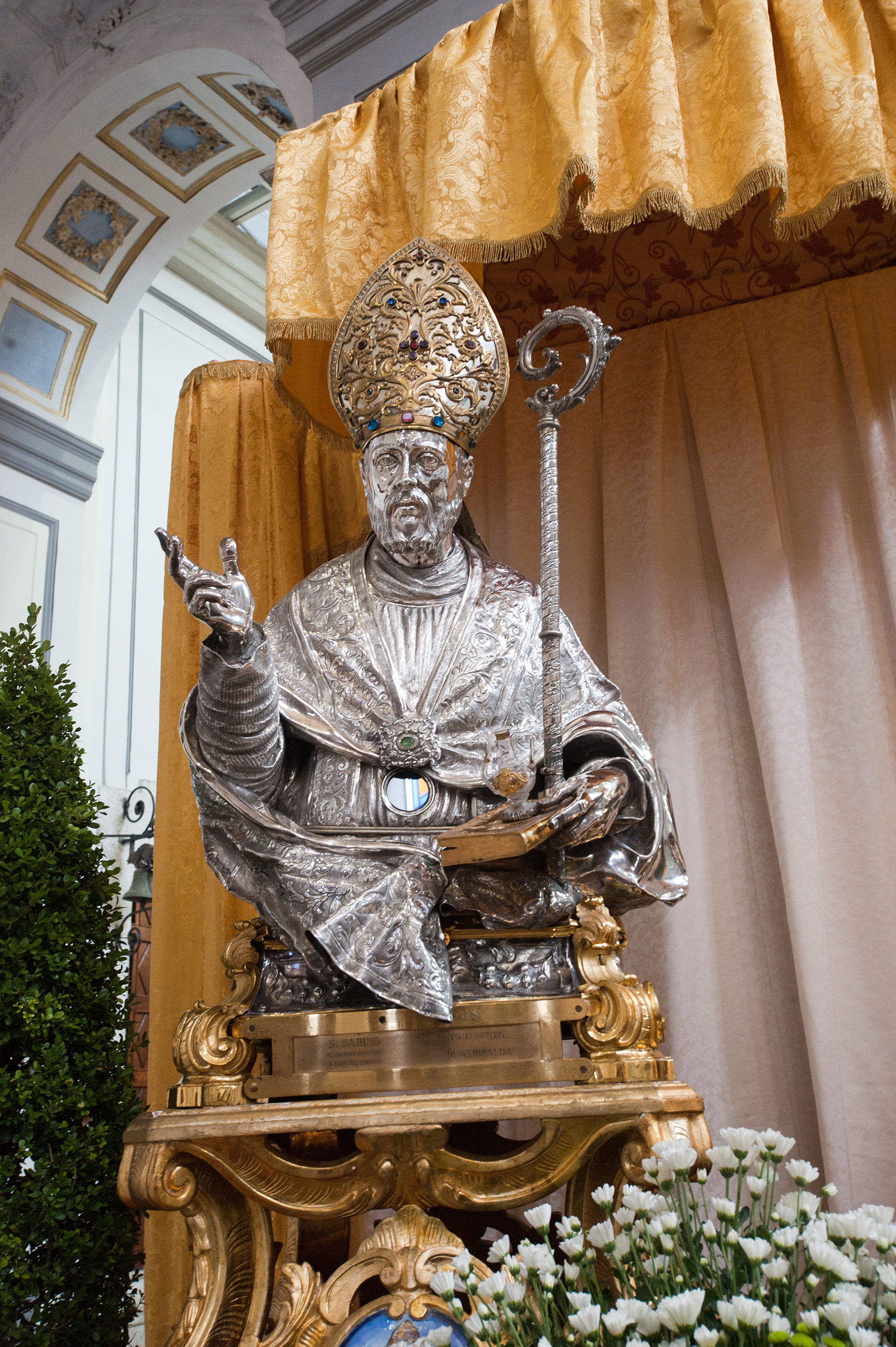
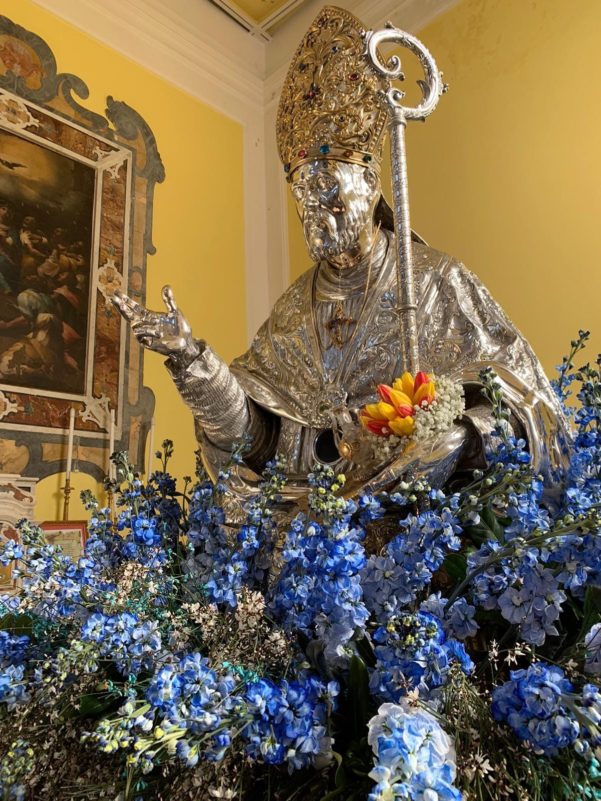
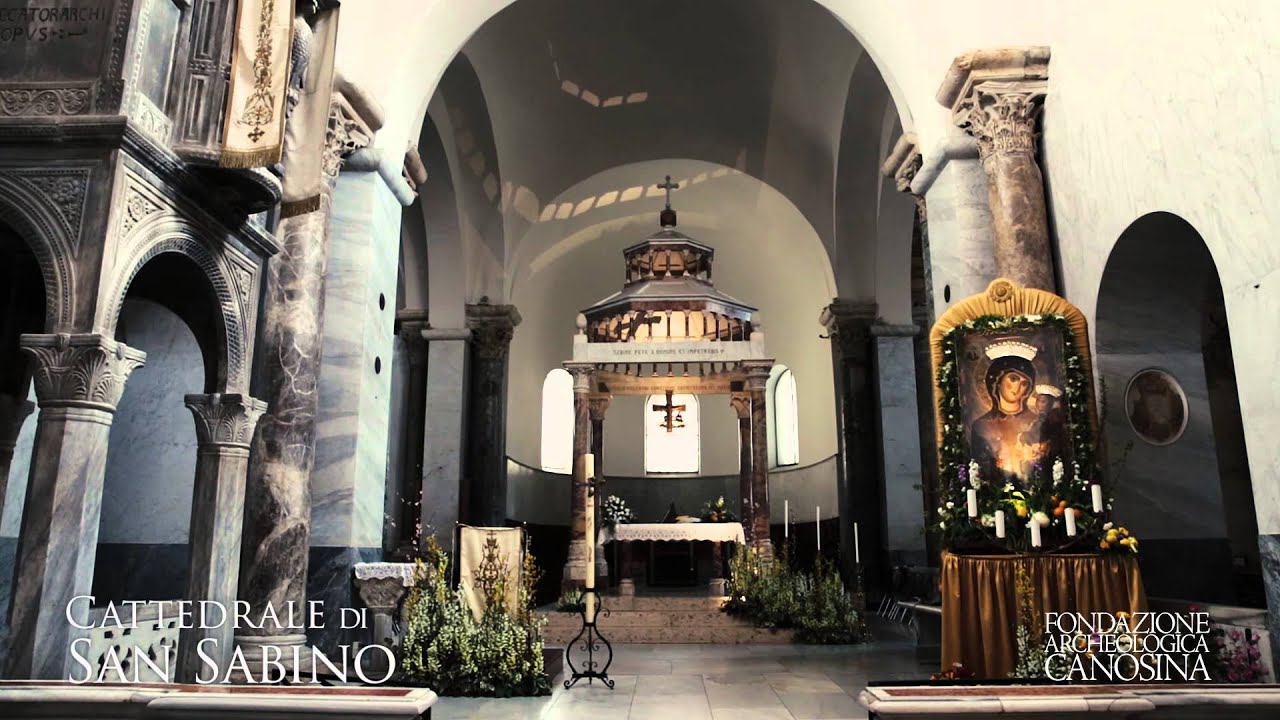

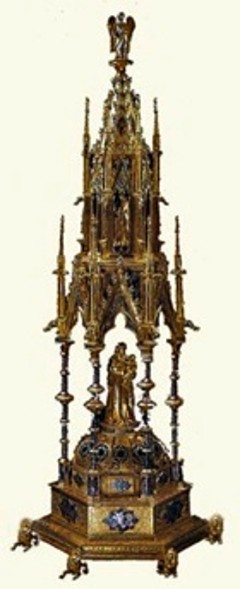
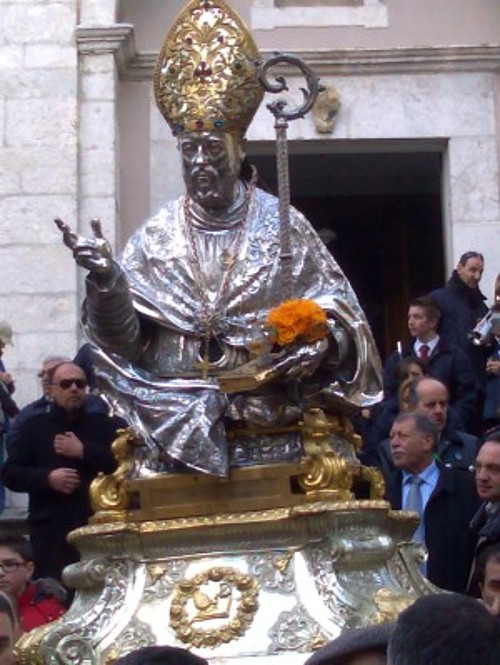
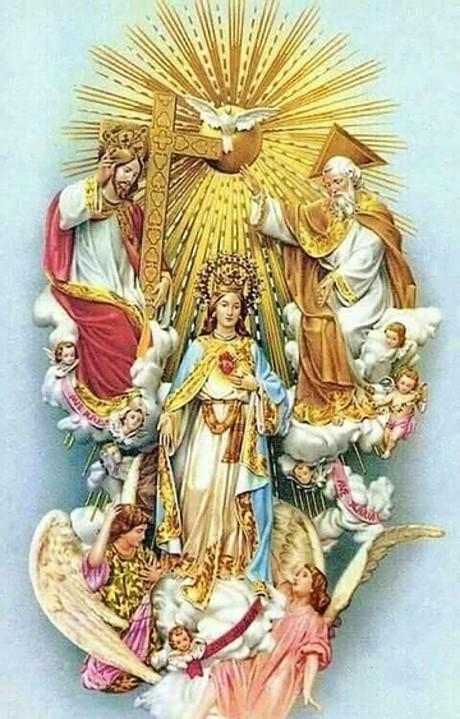
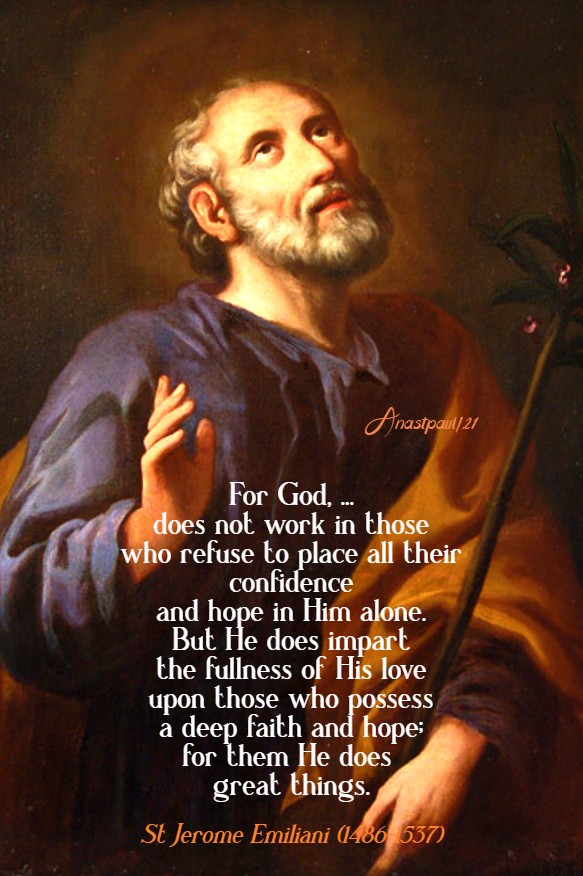

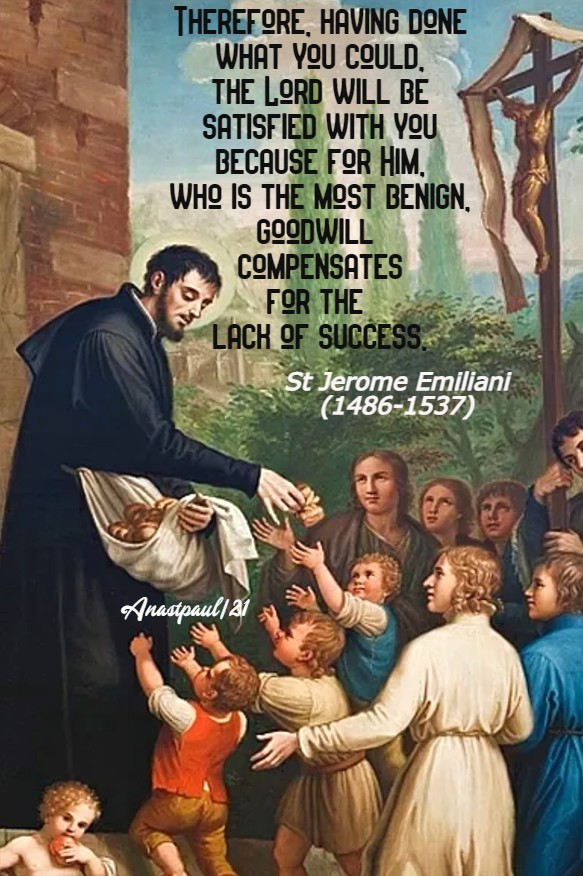

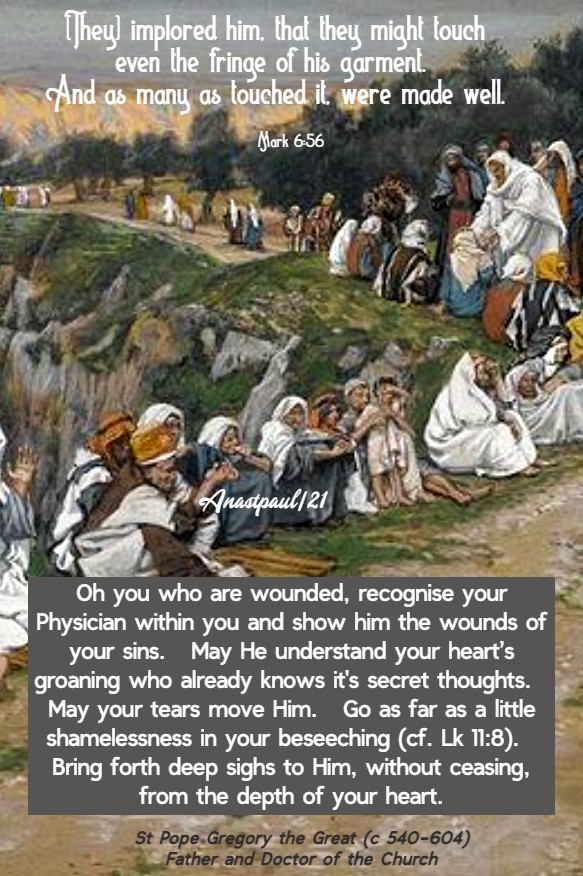
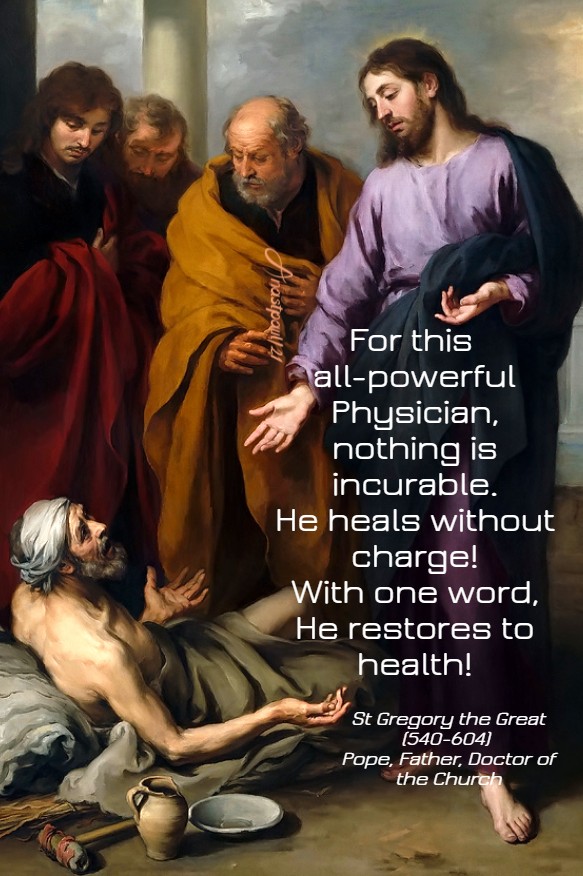
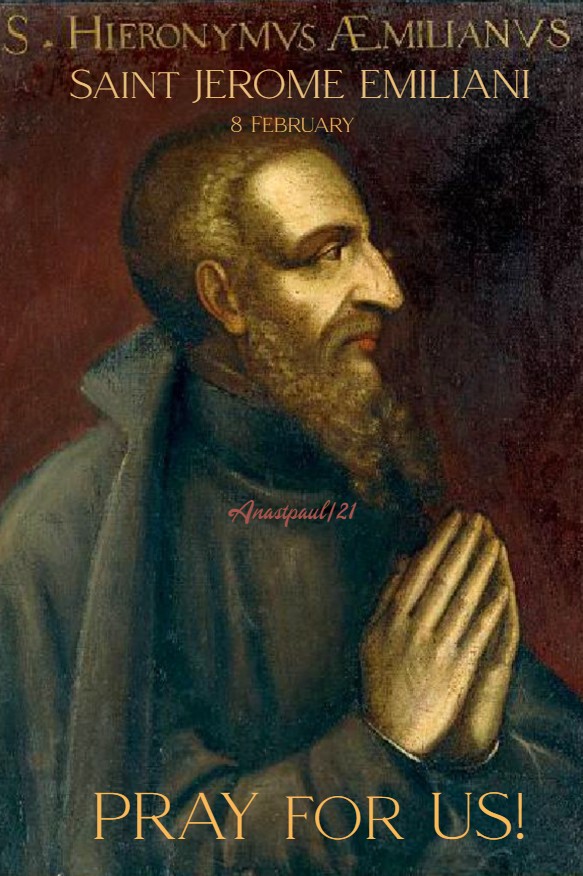
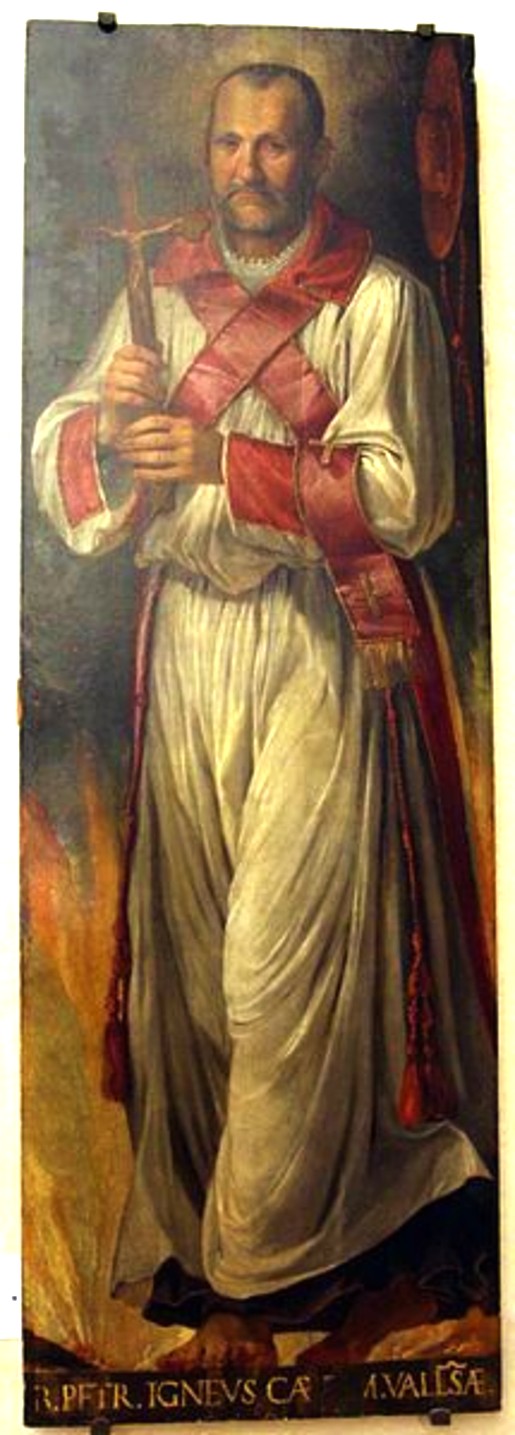
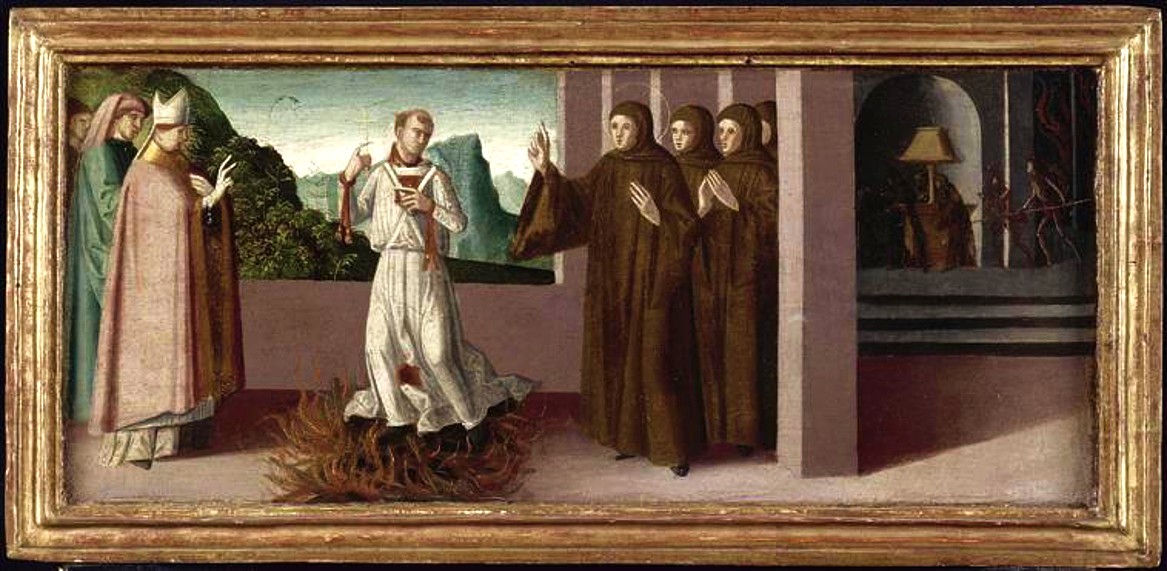
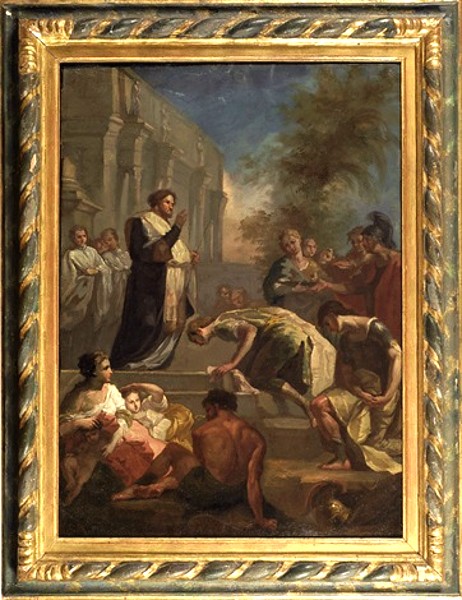
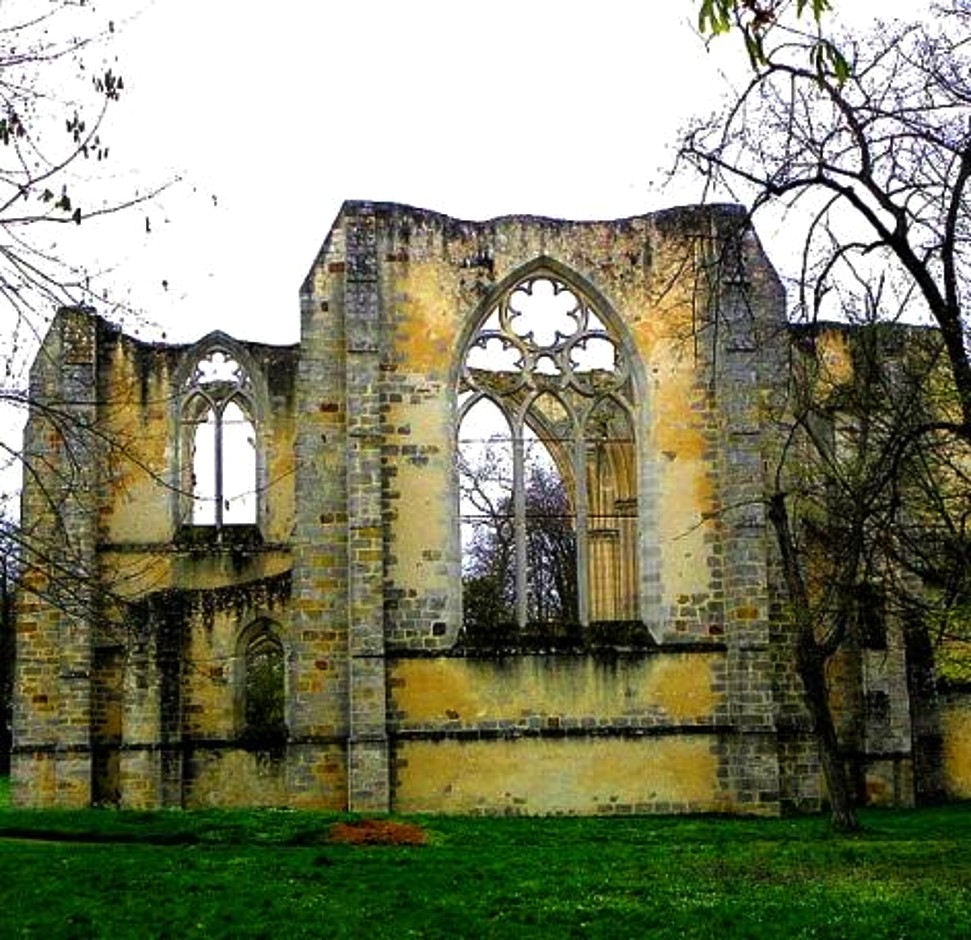
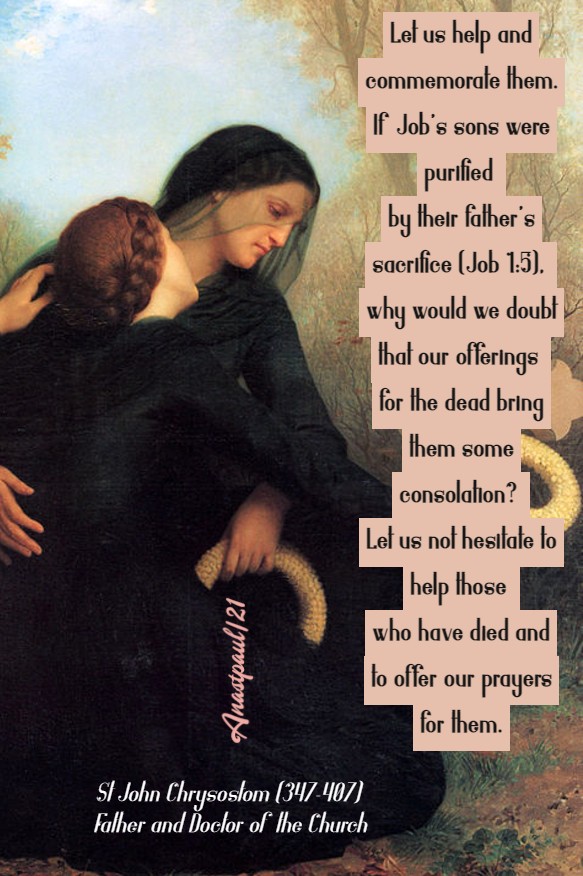
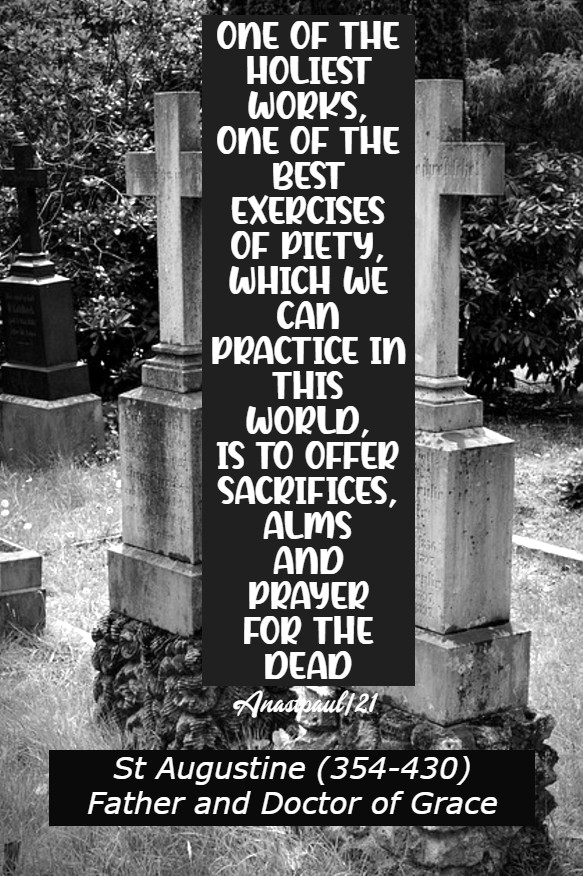
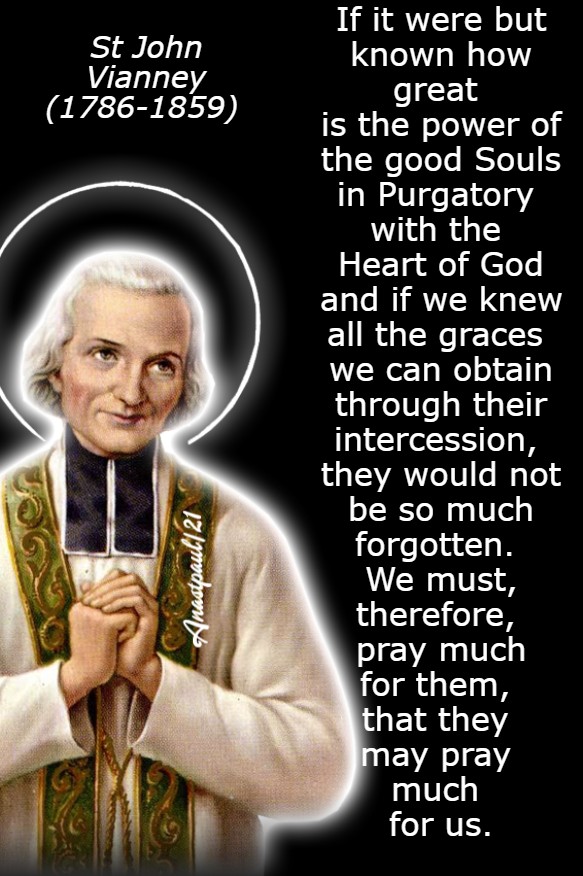
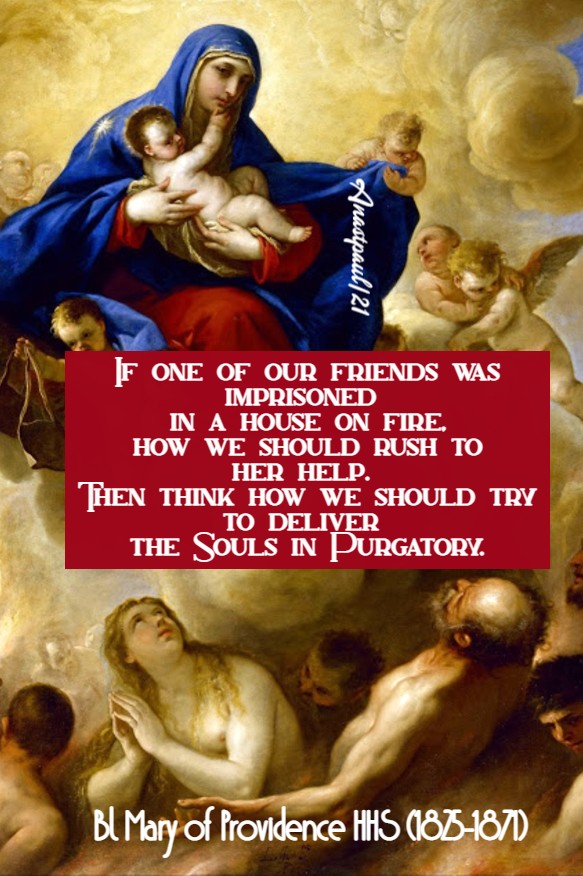
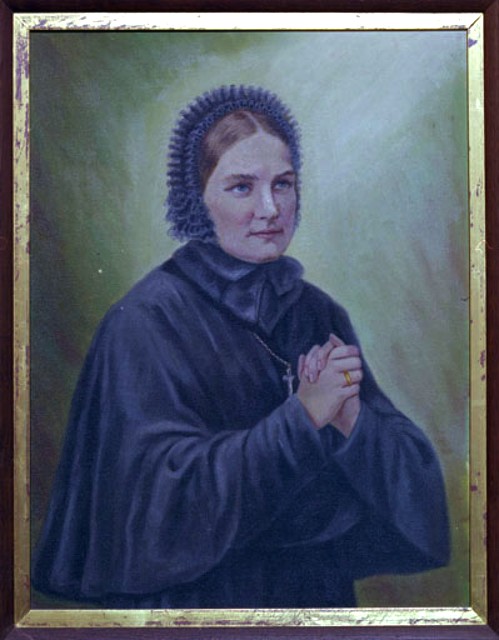
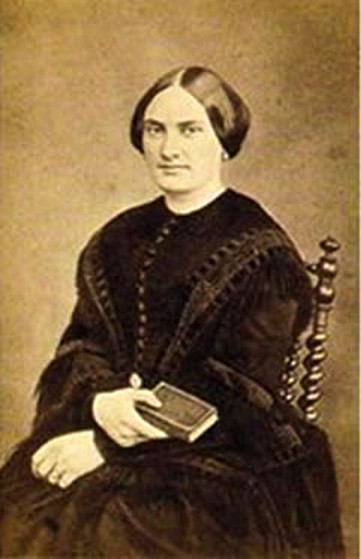
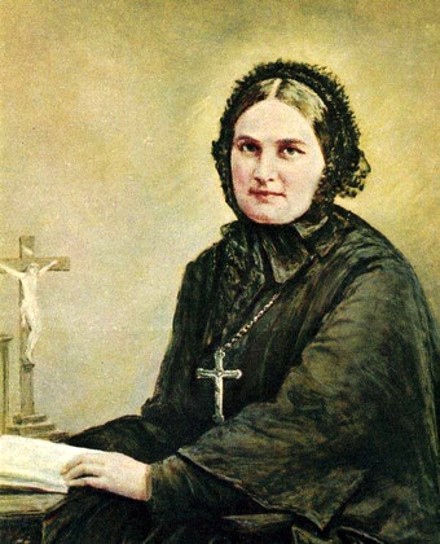

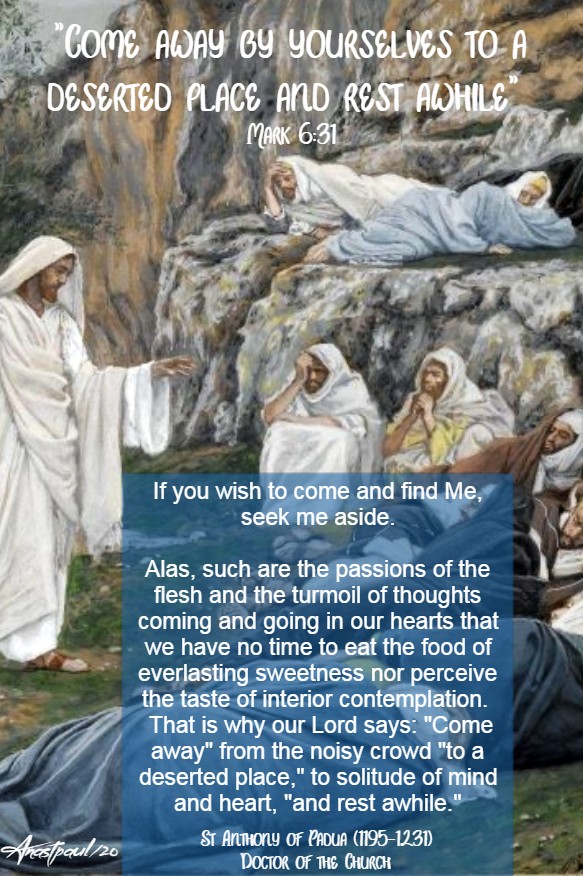
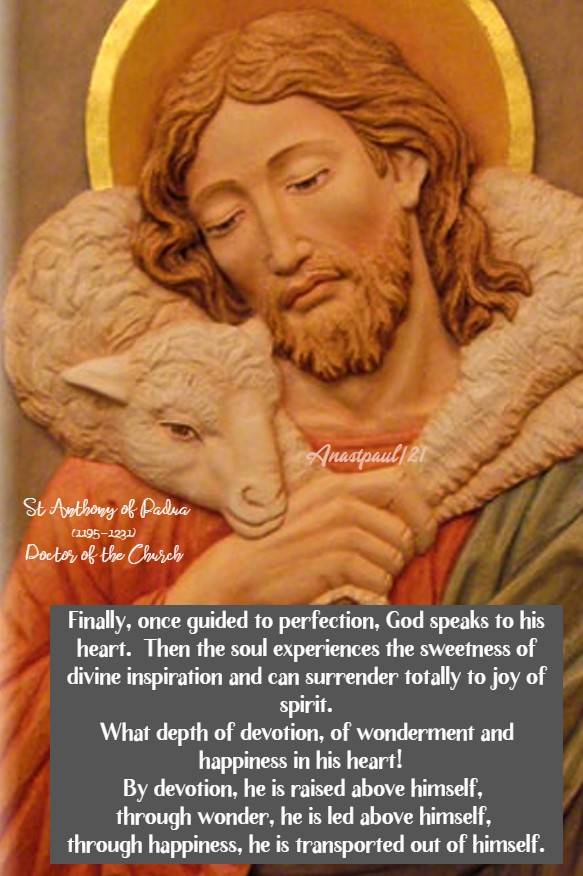

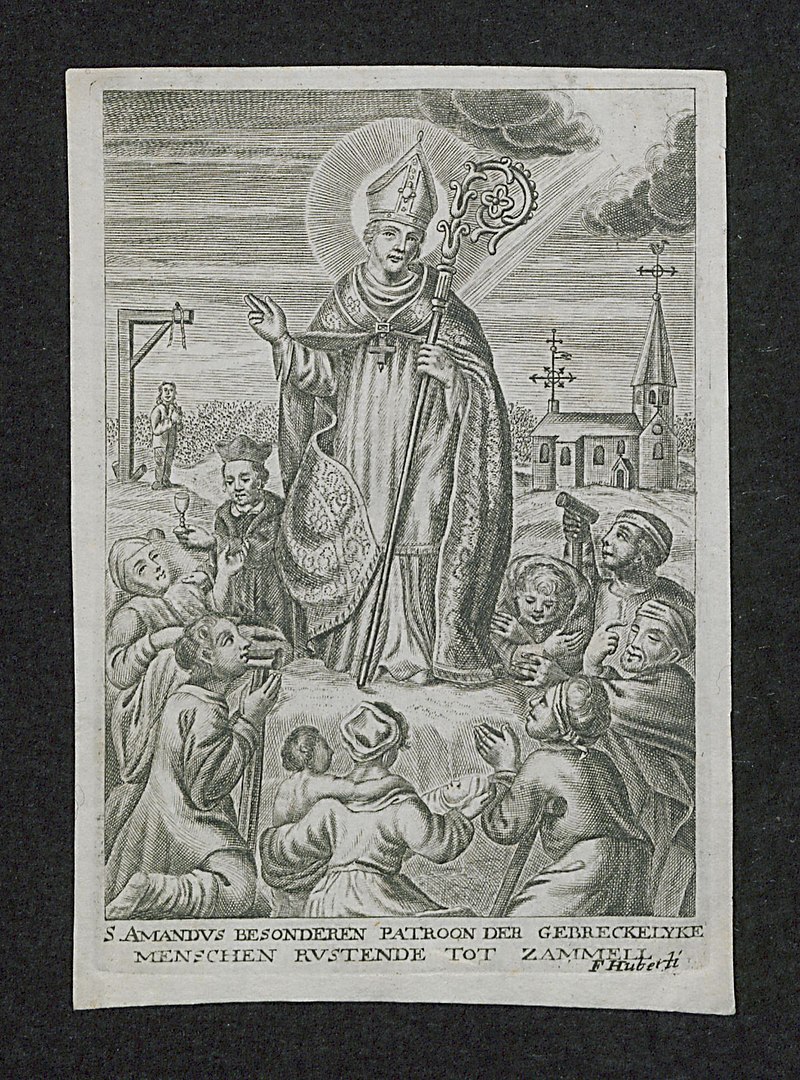
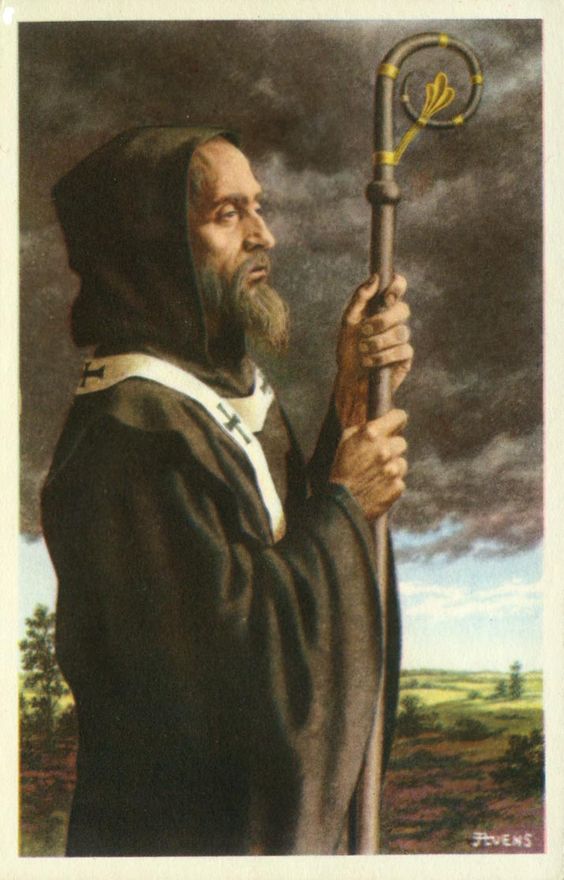

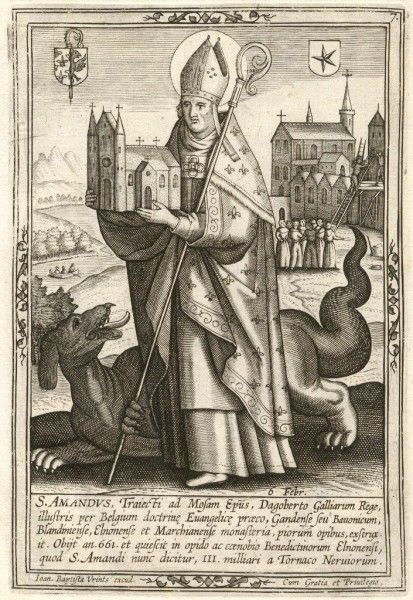
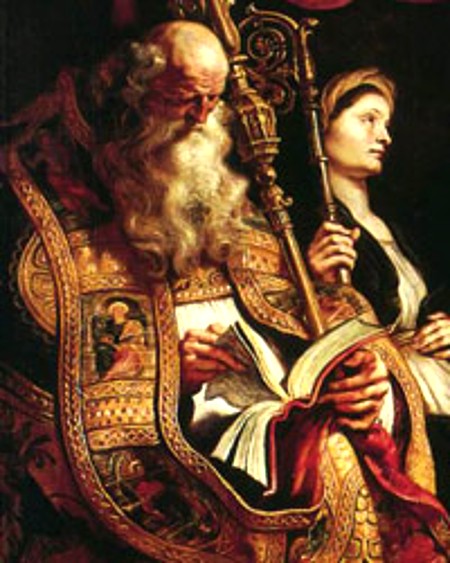

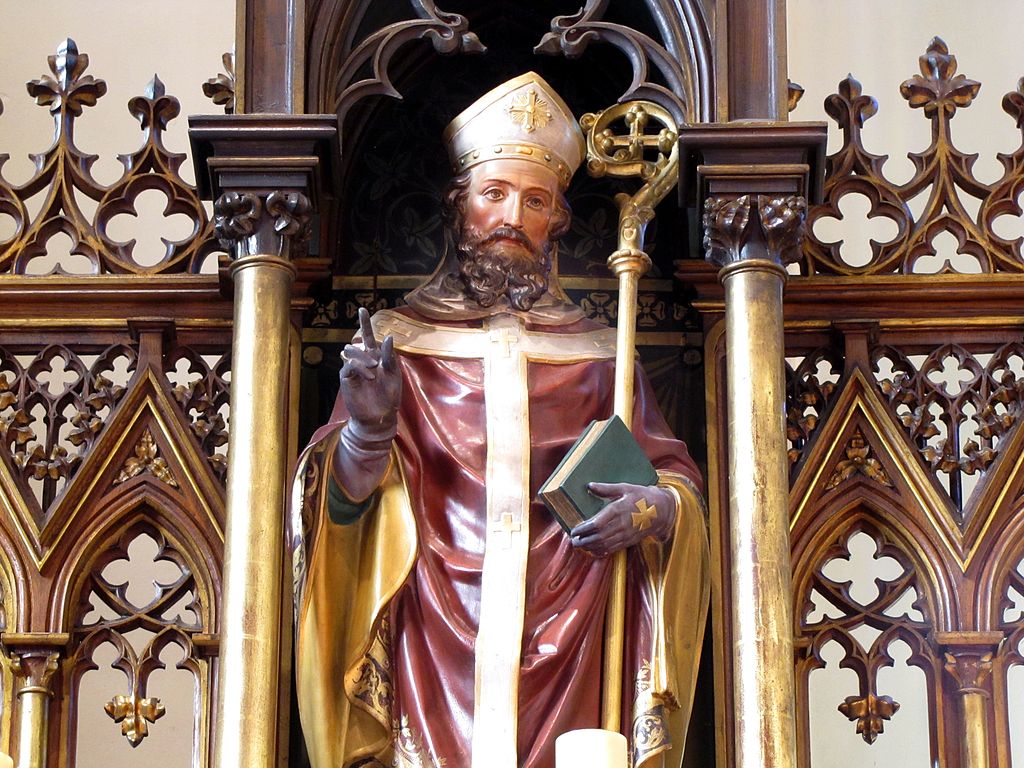
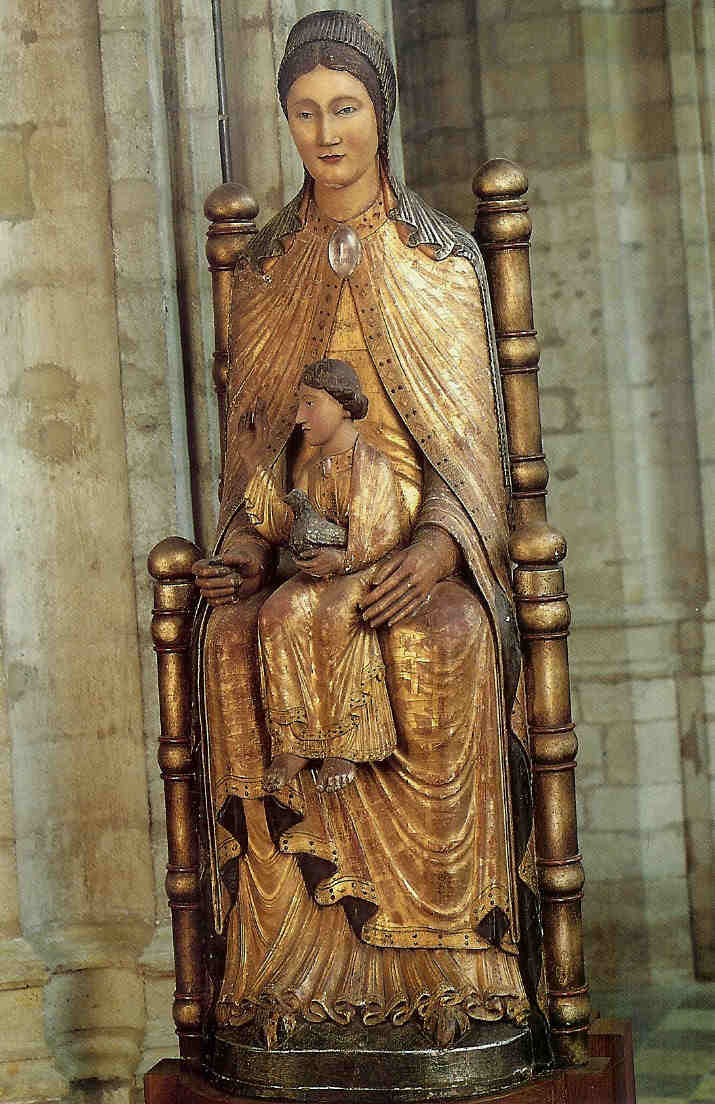
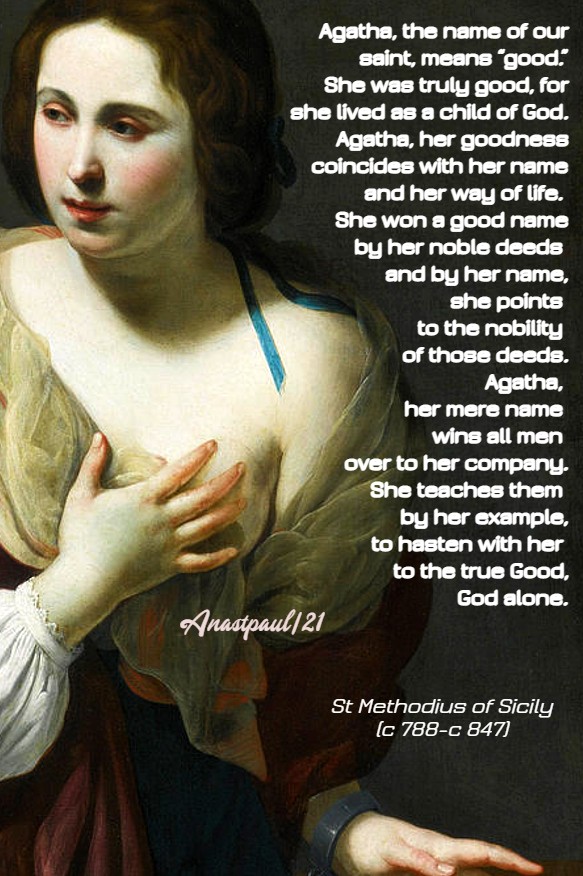


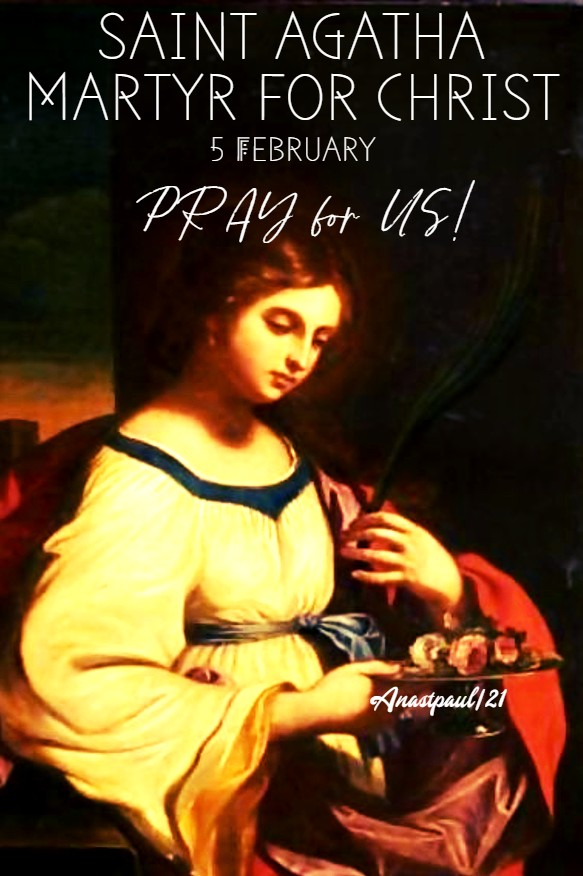

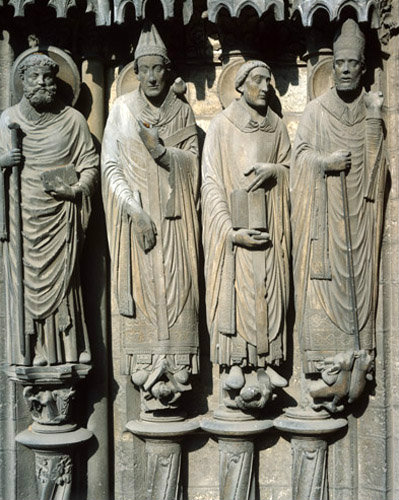
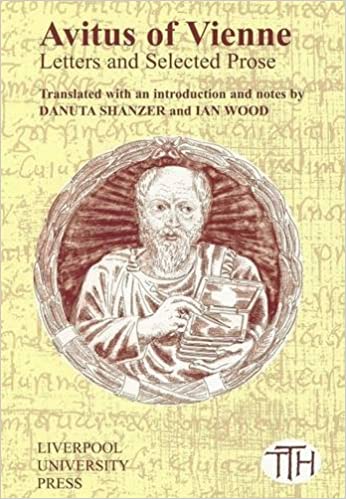
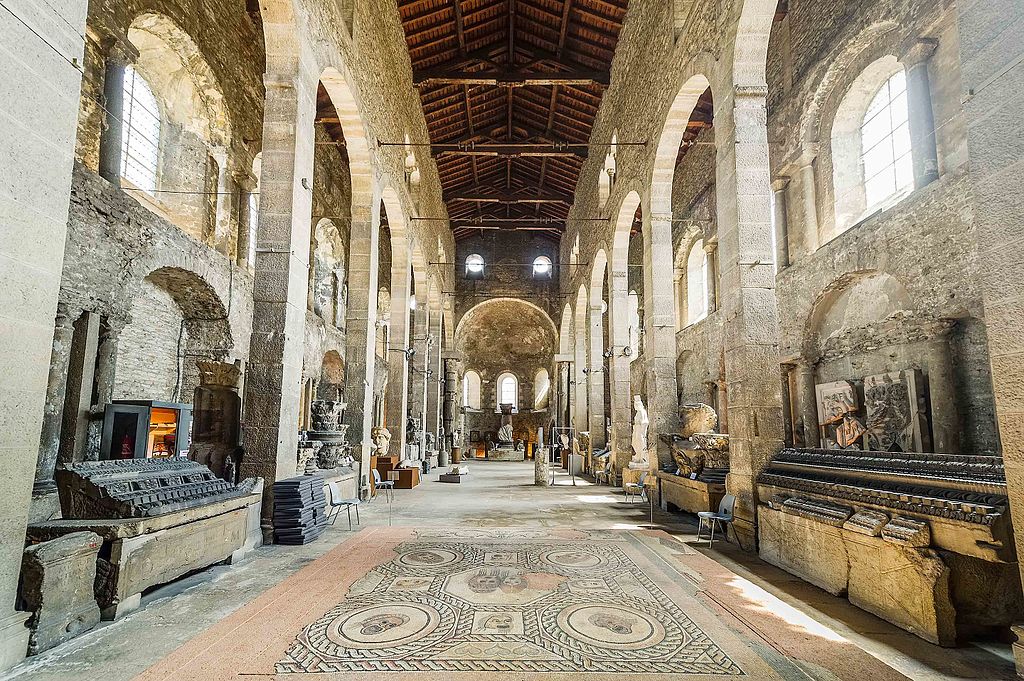


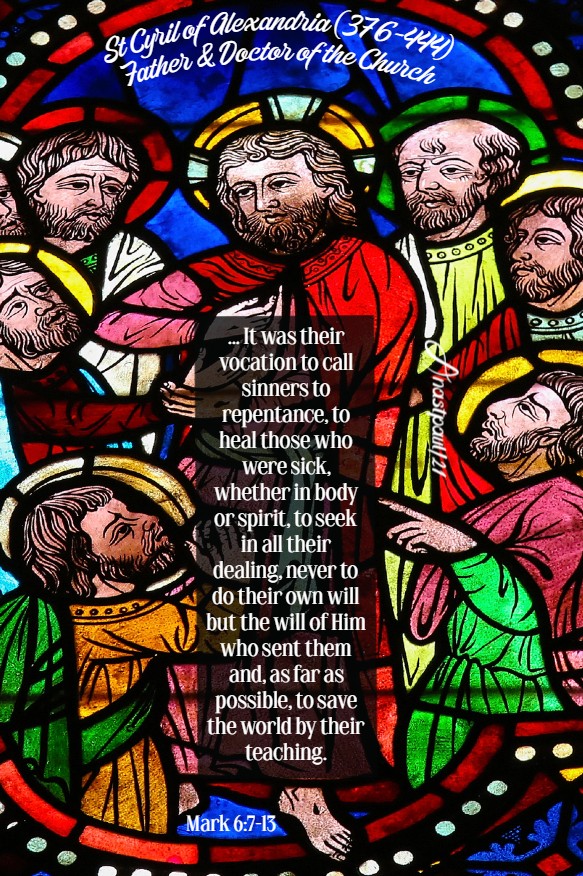
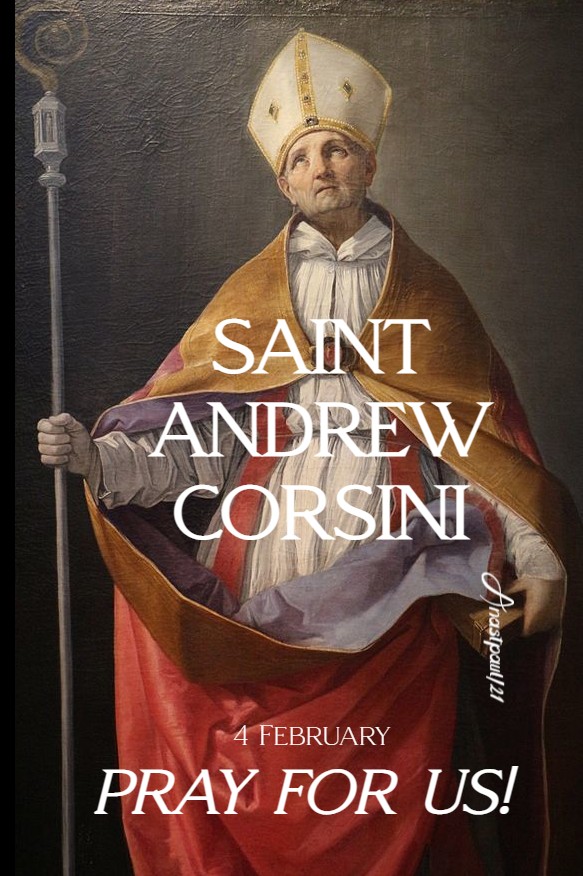
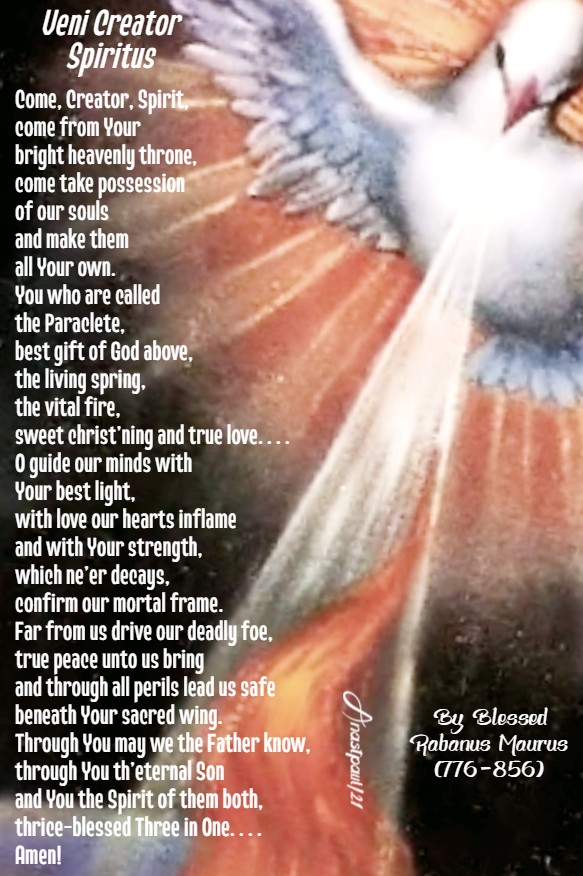
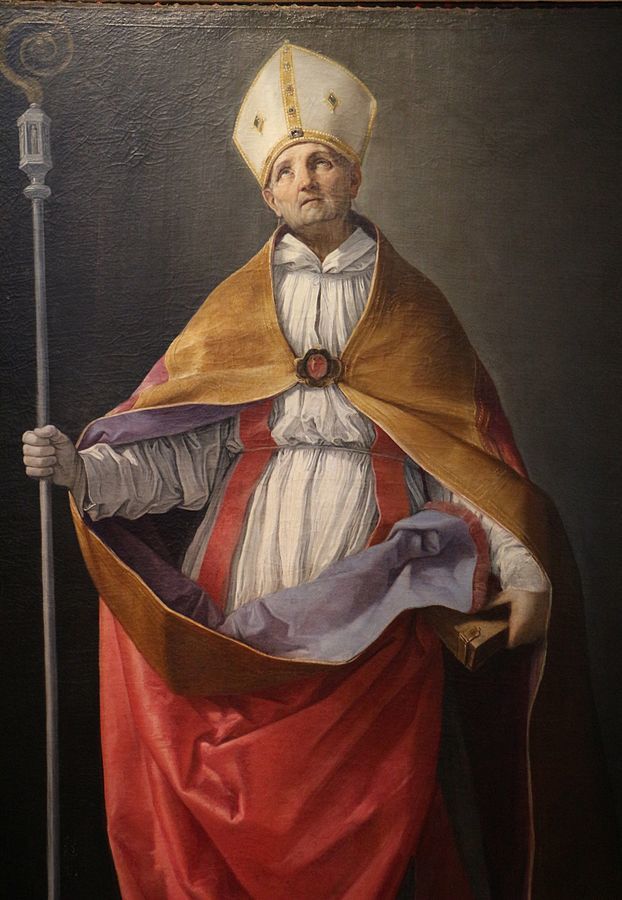


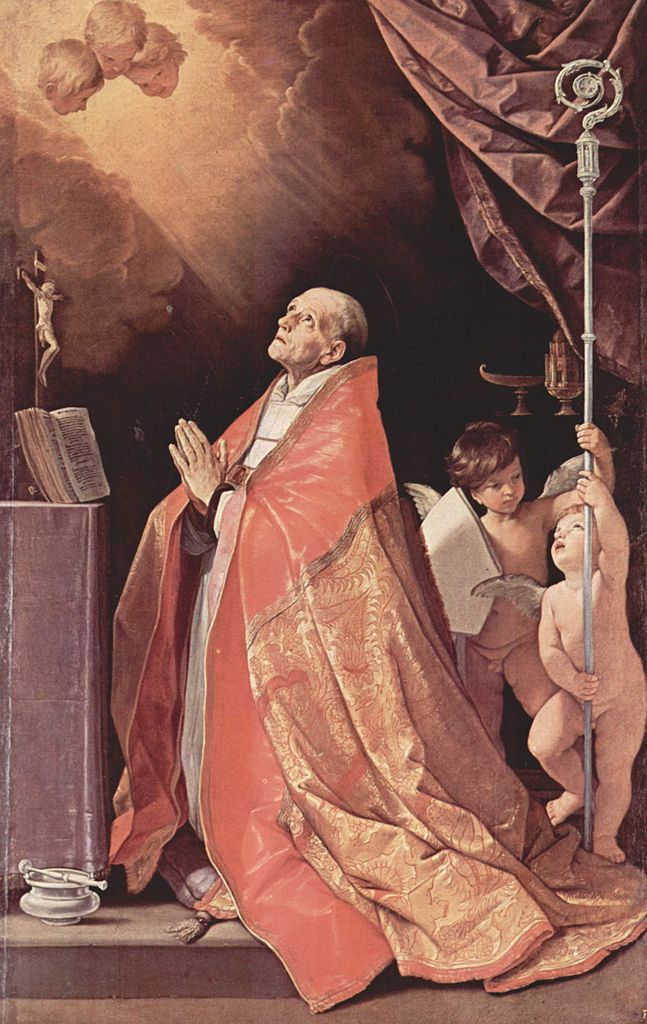


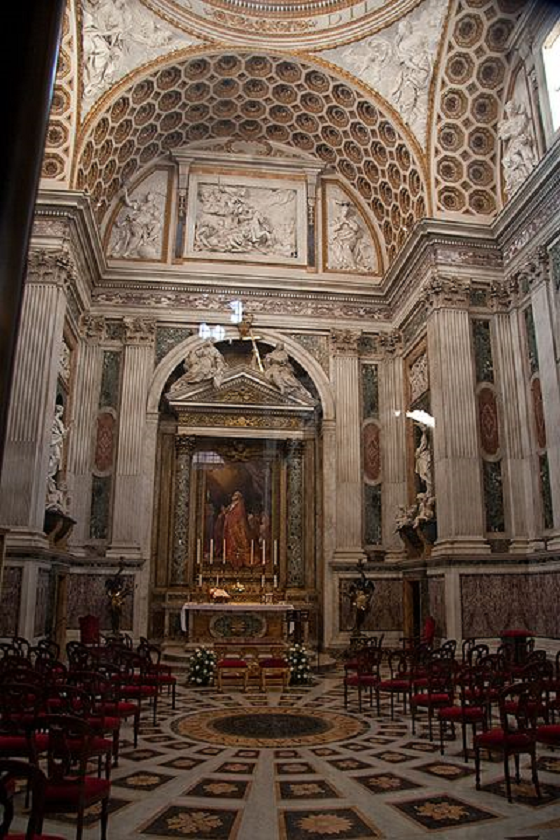
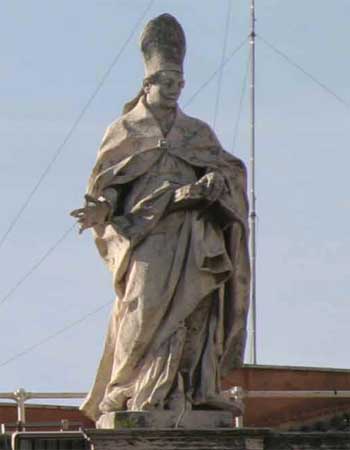
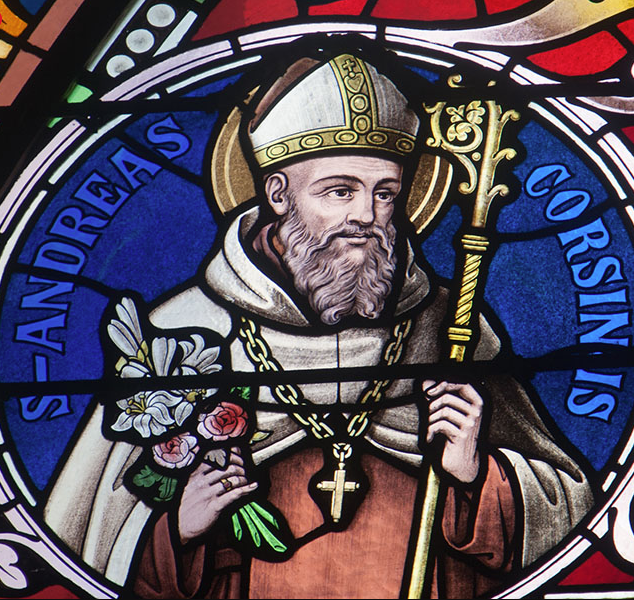
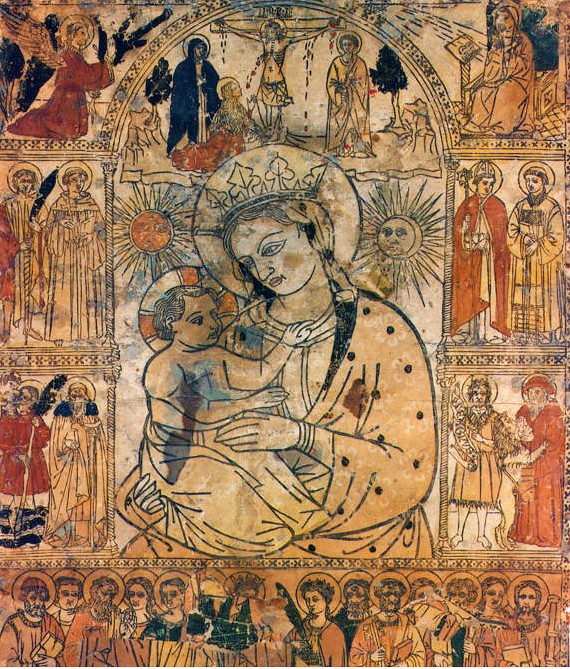


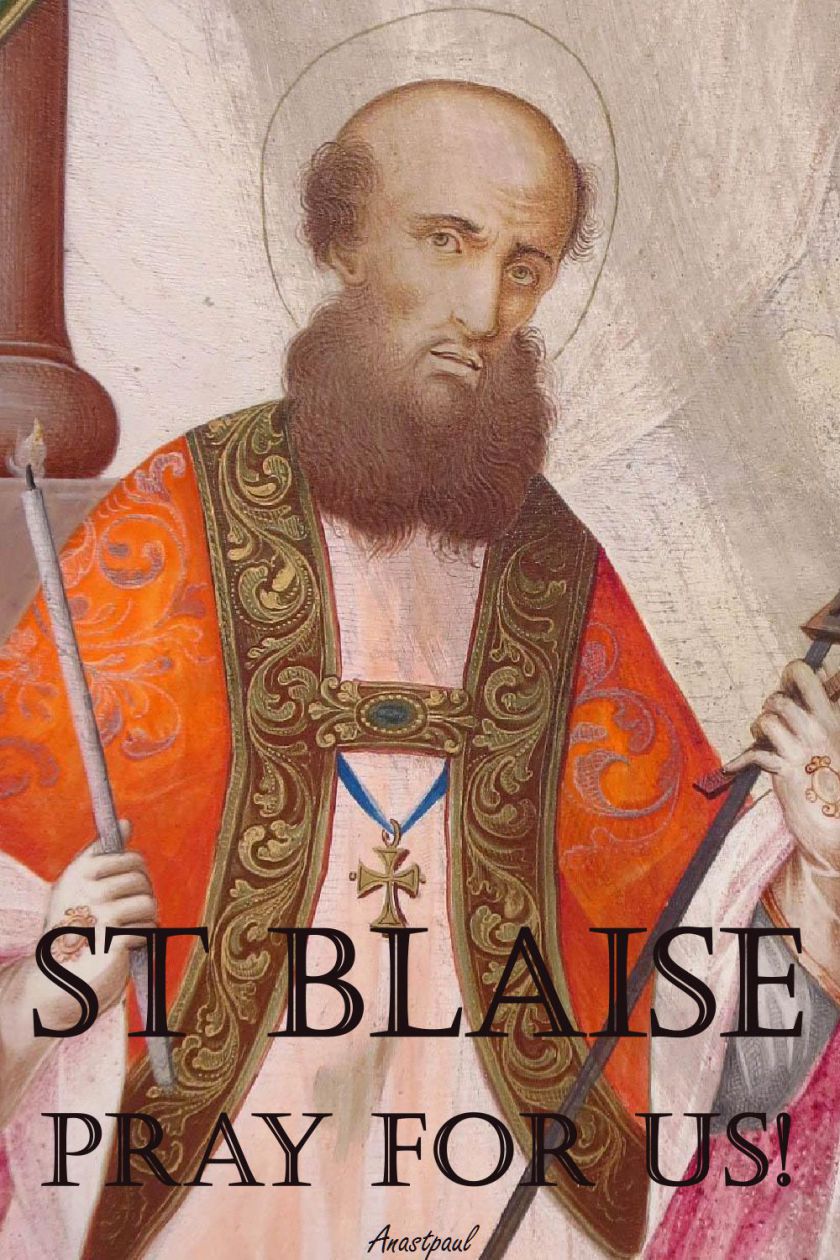
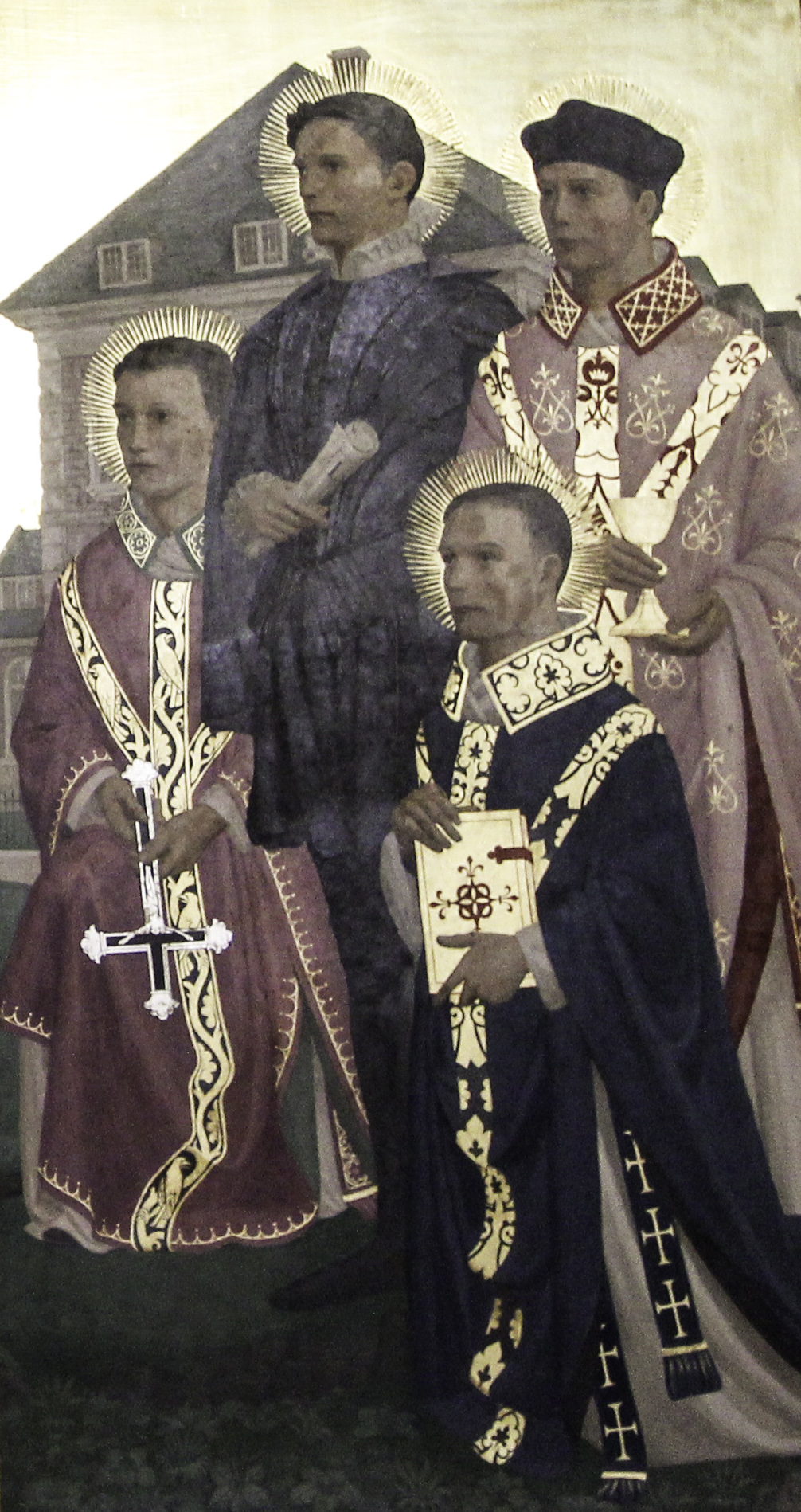

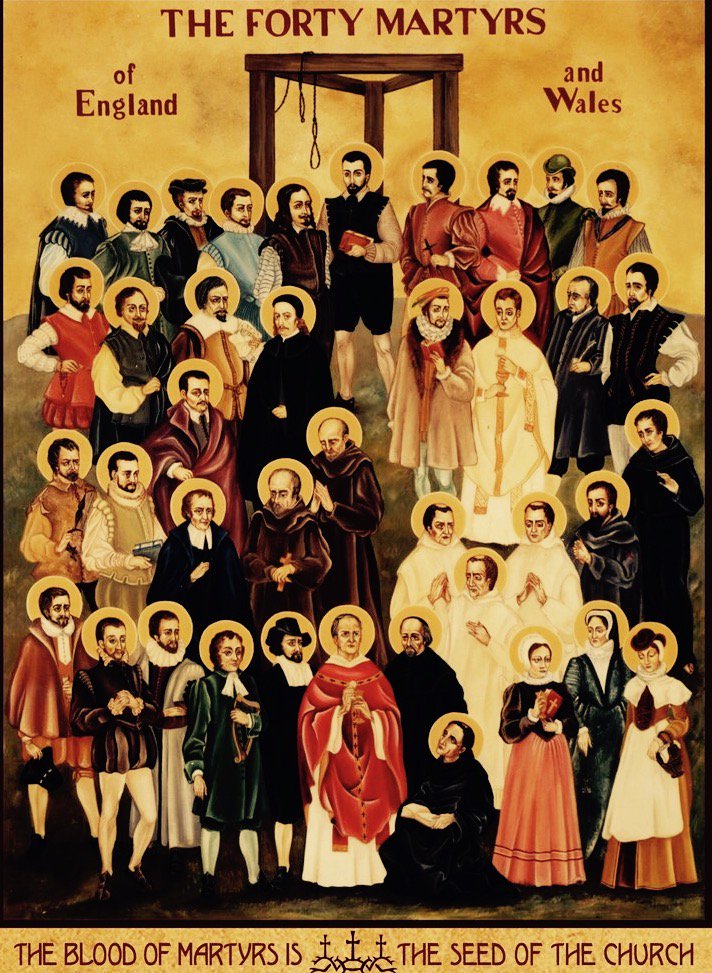


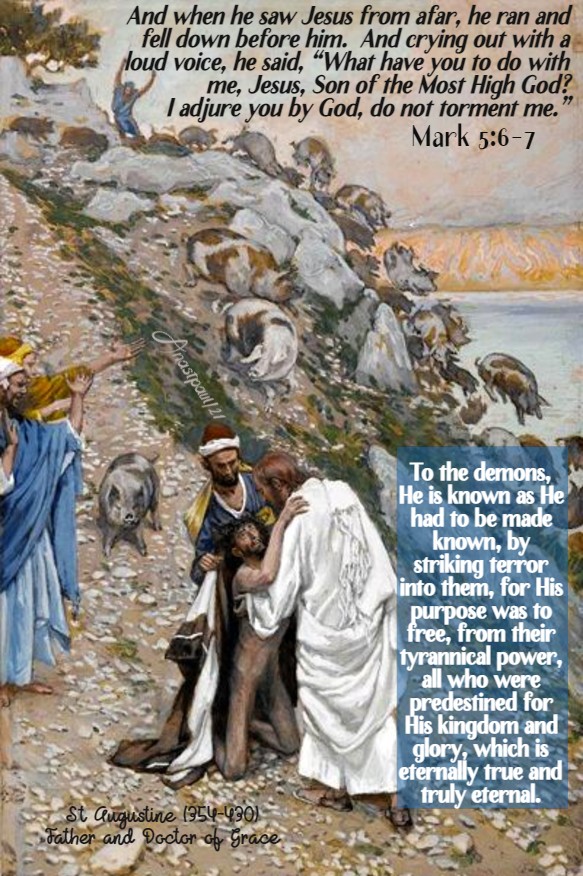
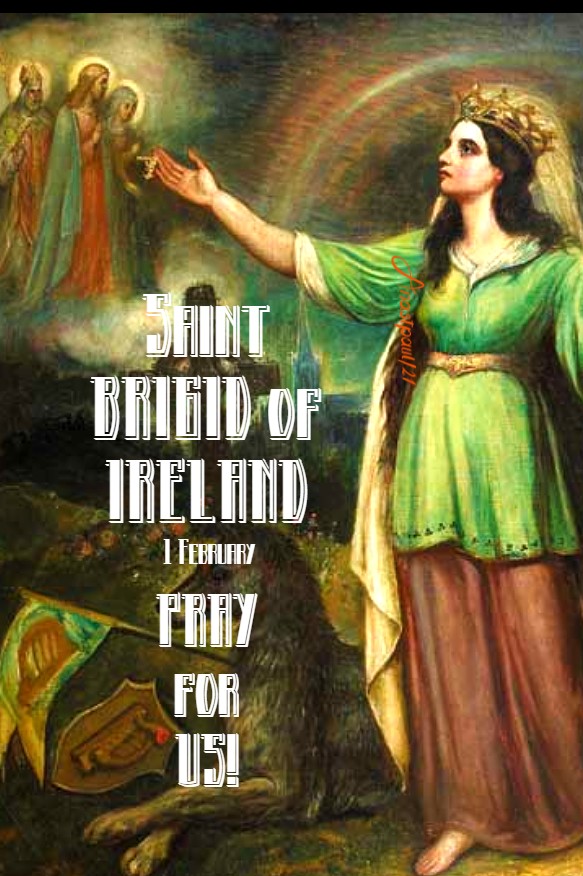
 AnaStpaul
You must be logged in to post a comment.