
St Abda
St Acacius Agathangelos of Melitene
St Agigulf
St Aldo of Hasnon
St Balbina of Rome
St Benjamin the Deacon
Blessed Bonaventure Tornielli OSM (1411-1491)
Bl Christopher Robinson
St Daniel of Venice
St Guy of Pomposa (Died 1046)
Biography:
https://anastpaul.com/2019/03/31/saint-of-the-day-31-march-st-guy-of-pomposa-died-1046/
Bl Guy of Vicogne
Bl Jane of Toulouse
St Machabeo of Armagh
Bl Mary Mamala
St Mella of Doire-Melle
Bl Natalia Tulasiewicz
St Renovatus of Merida
—
Martyrs of Africa – 4 saints: A group of Christians martyred together for their faith. No details have survived except for of their names – Anesius, Cornelia, Felix and Theodulus. They were martyred in Roman pro-consular Africa.
Category: SAINT of the DAY
Quote/s of the Day – 30 March – St John Climacus – “Humility”
Quote/s of the Day – 30 March – The Memorial of St John Climacus (c 525-606) Father of the Church
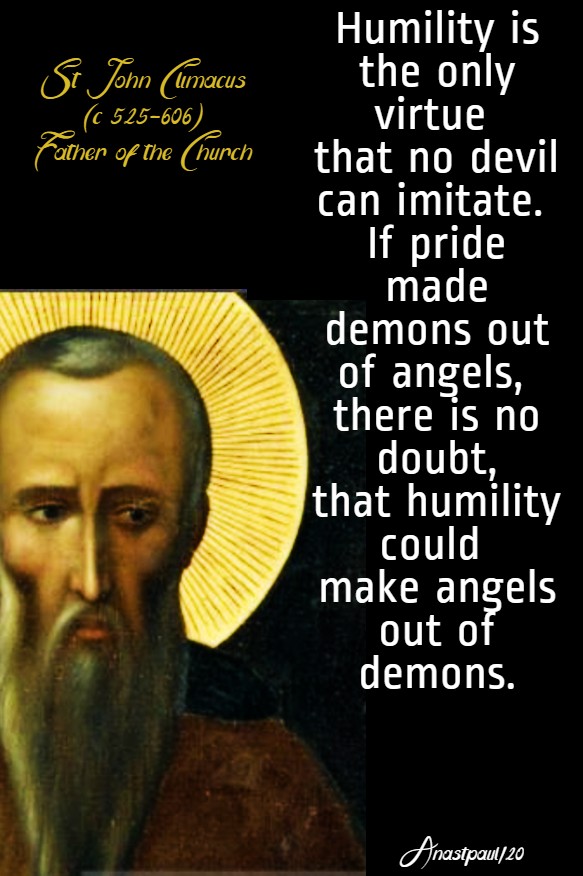
“Humility is the only virtue
that no devil can imitate.
If pride made demons out of angels,
there is no doubt,
that humility could
make angels out of demons.”
“Obedience is the burial of the will
and the resurrection of humility.”

“Repentance lifts a man up.
Mourning knocks at heaven’s gate.
Holy humility opens it.”

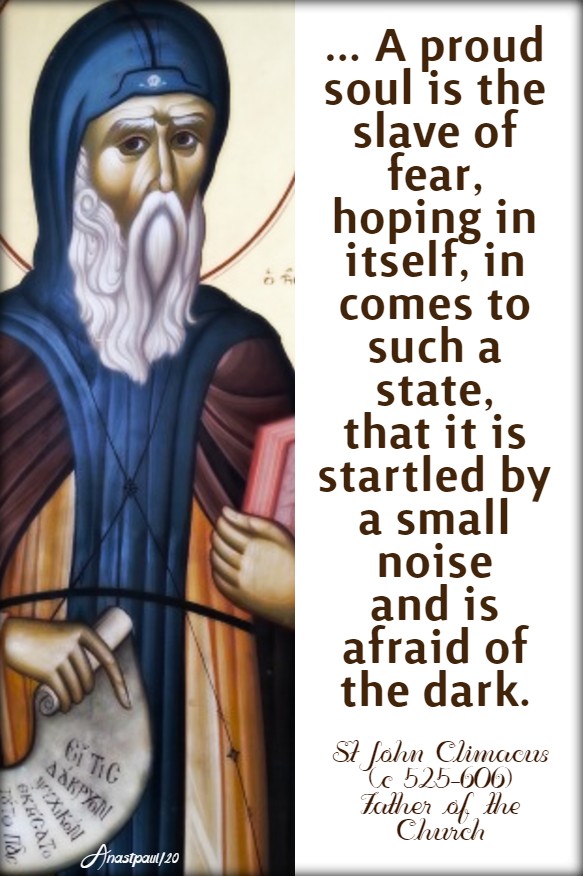
“… A proud soul is the slave of fear,
hoping in itself, in comes to such a state,
that it is startled by a small noise
and is afraid of the dark.”
St John Climacus (c 525-606)
Father of the Church
One Minute Reflection – 30 March – “Go and do not sin again.”
One Minute Reflection – 30 March – Monday of the Fifth Week of Lent, Readings: Daniel 13:1-9, 15-17, 19-30, 33-62, Psalm 23, John 8:1-11 and the Memorial of St Antoine Daveluy MEP (1818-1866) Martyr
“Neither do I condemn you; go and do not sin again.” … John 8:11
REFLECTION – “The scene is full with drama – the life of that person and also His own life depend on Jesus. Indeed, the hypocritical accusers pretend to entrust the judgement to Him whereas it is actually He, Himself, whom they wish to accuse and judge. Jesus, on the other hand, is “full of grace and truth” (Jn 1: 14) – He can read every human heart, He wants to condemn the sin but save the sinner and unmask hypocrisy. St John the Evangelist highlights one detail – while His accusers are insistently interrogating Him, Jesus bends down and starts writing with His finger on the ground. St Augustine notes that this gesture portrays Christ as the divine legislator, in fact, God wrote the law with His finger on tablets of stone (cf. Commentary on John’s Gospel, 33,5). Thus Jesus is the Legislator, He is Justice in person. And what is His sentence? “Let him who is without sin among you, be the first to throw a stone at her.” These words are full of the disarming power of truth that pulls down the wall of hypocrisy and opens consciences to a greater justice, that of love, in which consists the fulfilment of every precept (cf. Rom 13: 8-10). This is the justice that also saved Saul of Tarsus, transforming him into St Paul (cf. Phil 3: 8-14).
When His accusers “went away, one by one, beginning with the eldest,” Jesus, absolving the woman of her sin, ushers her into a new life oriented to good. “Neither do I condemn you; go and do not sin again.” … Pope Benedict XVI – 21 March 2010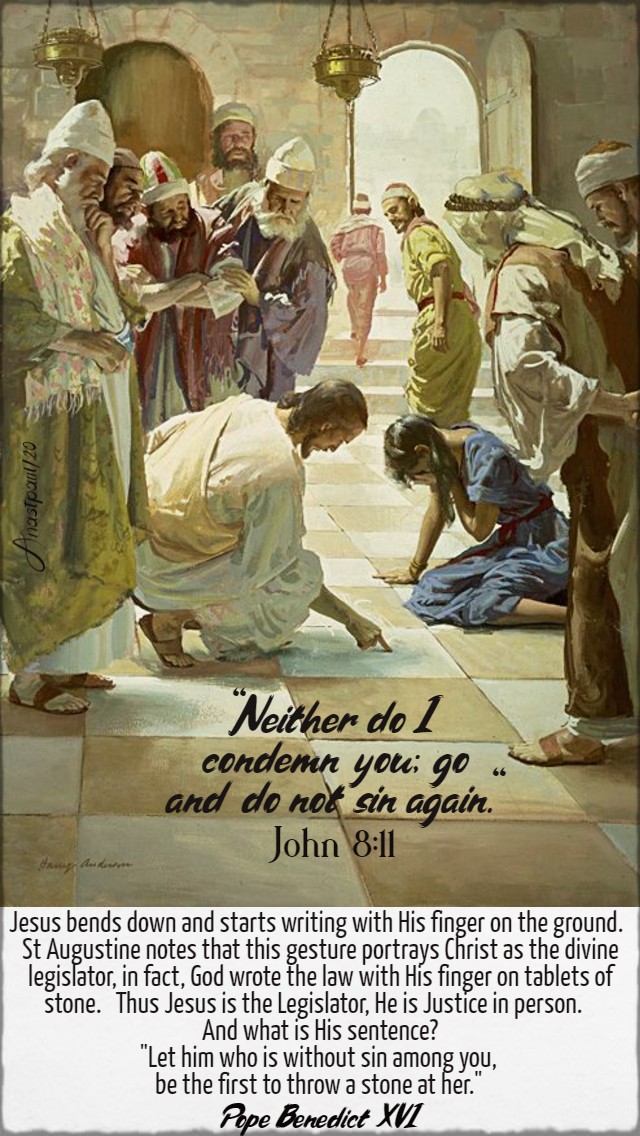
PRAYER – Lord God, Your abounding grace has enriched us with every blessing. Transform us from our sinful condition to newness of life and prepare us for the glory of Your kingdom. Open our eyes to see by the light of Your Son, who always walks with us. Let us lift our eyes to Him, for even now He is preparing for us a place, in His Father’s house. Listen, we pray, to the prayers of all the angels and saints, St Antoine Daveluy a Martyr for Christ, who petition on our behalf and may our Mother Mary, keep ever close to our path. Through Christ, our Lord, in the unity of the Holy Spirit, God for always and forever, amen. 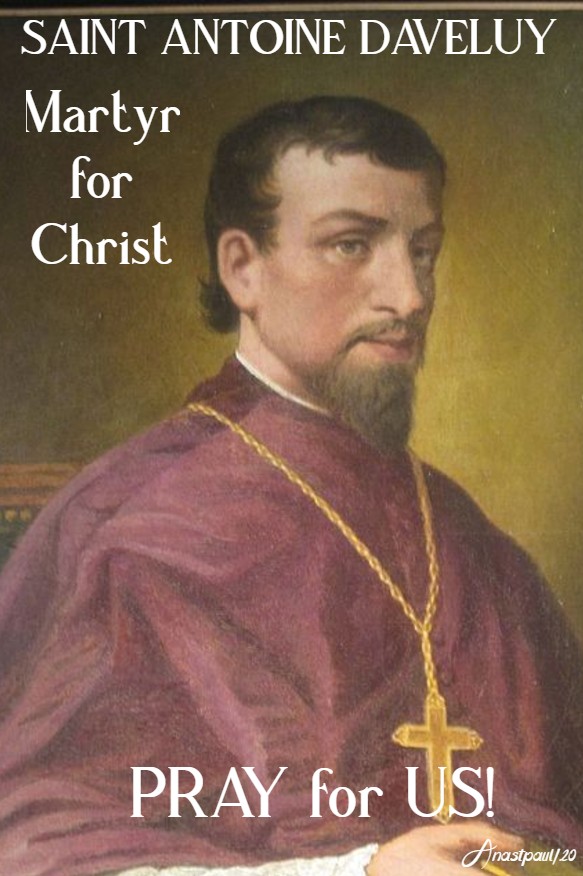
Saint of the Day – 30 March – Saint Marie-Nicolas-Antoine Daveluy MEP (1818-1866) Bishop Martyr
Saint of the Day – 30 March – Saint Marie-Nicolas-Antoine Daveluy MEP (1818-1866) Bishop Martyr, Missionary of the Paris Foreign Missionary Society, Apostolic Vicar to Korea – commonly known as St Antoine Daveluy – born on 16 March 1818 in the parish of Saint-Leu, Amiens, Somme, France and died by beheading on Good Friday, 30 March 1866 at the Galmaemot naval base, Boryeong, Chungcheong-do, South Korea, he was 48, along with two French priests, Pierre Aumaître and Martin-Luc Huin and two lay catechists, Lucas Hwang Sŏk-tu (Bishop Daveluy’s personal assistant) and Joseph Chang Chu-gi. Additional Memorial – 20 September as one of the Martyrs of Korea.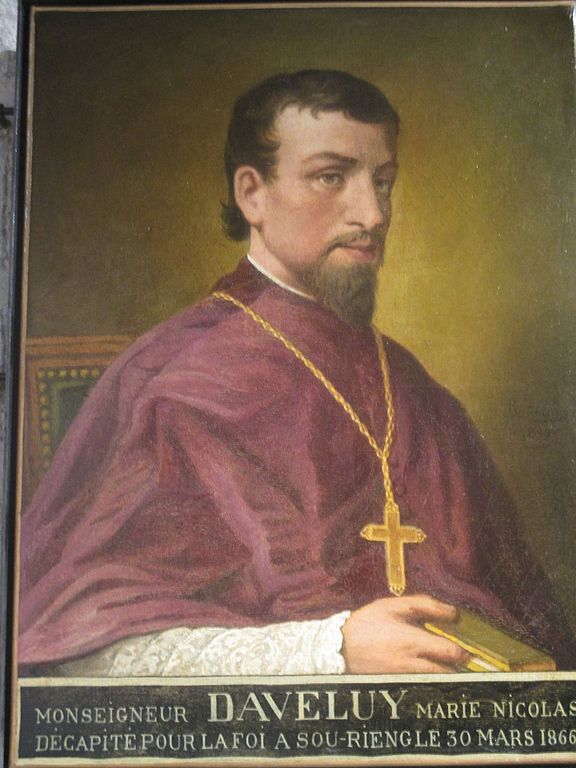
Antoine Daveluy was born 16 March 1818 in Amiens, France. His father was a factory owner, town councilman and government official. The members of his family were devout Catholics and two of his brothers became priests. He entered the St Sulpice Seminary in Issy-les-Moulineaux himself, in October 1834 and was Ordained a Priest on 18 December 1841.
His first assignment was as an assistant Priest in Roye. Despite poor health, he joined the Paris Foreign Missions Society on 4 October 1843. He departed for East Asia on 6 February 1844, intending to serve as a Missionary in the Ryukyu Islands of Japan. He arrived in Macau, where he was persuaded by the newly appointed Apostolic Vicar of Korea, Jean-Joseph-Jean-Baptiste Ferréol, to accompany him there instead.  The two were joined by St Andrew Kim Taegŏn, a Korean Seminarian who had been studying for the Priesthood in Macau. They first traveled to Shanghai, where Bishop Ferréol ordained Father Kim on 17 August 1845. The three priests then made a stormy crossing by sea to Korea, arriving in Chungcheong Province in October.
Father Daveluy began work as a Missionary in Korea. Two years later, he was in charge of the Seminary. He then took over the administration of a district, while doing it, he scrupulously prepared a Chinese-Korean-French dictionary, translated several Korean works of history and chronology and revised the books of the Faith.
On 13 November 1855, Pope Pius IX appointed him titular Bishop of Akka and coadjutor to Bishop Siméon-François Berneux, who had been appointed Apostolic Vicar in 1854 after the death of Bishop Ferréol in 1853. He was Consecrated by Bishop Berneux on 25 March 1857.
In 1859 he completed various works for the instruction of Christians, as well as, the the annals of the country’s first Martyrs and wrote biographical notes on most Korean confessors. In the same year, he embarked on a three-month trip to search for and interview, the living witnesses to the persecution of 1801. In October 1802, he sent his work on the history of the mission to the Motherhouse of the Missionary Society in Paris. It is thanks to these documents, often literally reproduced, that Mr Dallet wrote the History of the Church of Korea which, must very largely, be attributed to Bishop Daveluy.
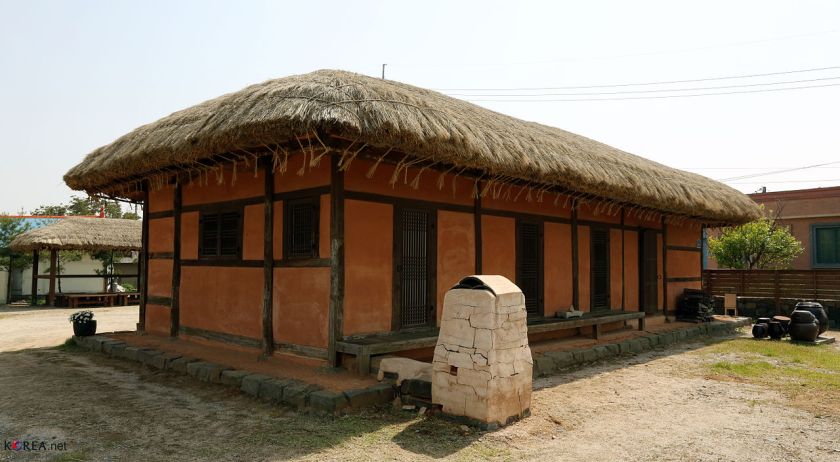
After Bishop Berneux was executed during a campaign by the Korean government against Christians, Bishop Daveluy became Apostolic Vicar on 8 March 1866.
He was promptly arrested on 11 March. Imprisoned and tortured, he staunchly defended his Catholic faith. When he appeared before his judges, he was able, thanks to his in-depth knowledge of the Korean language, to make several long apologetic explanations for Christianity. Perhaps for this reason but above all, because of his dignity as grand master of the Faith in their eyes, he had to suffer more frequently and more severely than his companions – whipping the legs, blows with wooden batons and puncturing with the sharpened rods.
Finally, the court imposed a death sentence against the three prisoners. St Antoine asked to be executed on Good Friday, 30 March. But the king was then sick and numerous sorcerers, assembled in the palace, made to cure him by superstitious ceremonies; moreover, he was soon to celebrate his marriage. It was feared that the torture of the Europeans would harm the effect of the spells and that an outpouring of human blood in the capital, would be an unfortunate omen for the royal wedding. This is why, the regent prescribed that the beheading of the condemned be committed on the peninsula of Syou-yeng, twenty-five miles south of Seoul.
The Bishop and his Priests were led on horseback to the designated place. Their hearts overflowed with joy and, to the astonishment of the officials and the curious, they addressed fervent thanksgiving to God, singing psalms and hymns. On Maundy Thursday, 29 March they had arrived fairly close to Syou-yeng. Archbishop Daveluy heard the officials chatting among themselves, deciding to delay the immolation of the confessors and first to parade them through the neighbouring town. Touched by a strong desire to die on the anniversary of the Saviour’s death, he interrupted them: “No, he cried, what you are saying is impossible. You will go tomorrow, right to the place of execution, because it is tomorrow that we must die.” The prisoner was obeyed and the next day, Good Friday, 30 March 1866, was the day of their Martyrdom.
The mandarin who presided over their torture enjoined the martyrs to bow down to him. It is the custom in Korea for convicts to salute those who kill them. Daveluy replied that he would greet in the French manner and he refused to kneel. A brutal push threw him face down. Another horrific incident marked the death of the holy Bishop, who was beheaded first. The executioner had not set the price for his bloody work. After striking the condemned man with the first blow of his saber, which cut his neck deeply, he stopped and refused to continue, unless he was promised a large sum. The avarice of the mandarin resisted these pretensions. Employees of the prefecture had to be brought together to make a decision. The discussion lasted a long time, the victim struggled on the ground in convulsions of agony, finally the deal was concluded and two new saber strokes delivered the soul of the witness of Jesus Christ.
The bodies of the Martyrs, buried in the sand at the very place of execution by pagans in the neighbourhood, were collected by Christians the following June and buried in the district of Hong-san, 3 miles from the coast. Transferred elsewhere as a result of various circumstances, they were exhumed in March 1882 by order of the preacher, Fr Blanc and in the following November they were sent to Nagasaki (Japan), in order to be protected from any profanation. They were brought back to Korea when there was no longer any fear of persecution and since 1900 they have been buried in the Seoul Cathedral.

Bishop Daveluy was a stubborn zealous worker. He was also distinguished by his spirit of renunciation and mortification, as much as by his perseverance and humility. Unfortunately, due to this humility, his important dictionary and most of his writings had not been sent to the Motherhouse and they were destroyed during the persecution.
All five were Canonised on 6 May 1984 by St Pope John Paul II, along with Father Kim, Bishop Berneux and 96 other Korean martyrs.
Memorials of the Saints – 30 March
Bl Amadeus of Savoy
St Clinius of Pontecorvo
St Cronan Mochua
St Damiano
St Domnino of Thessalonica
St Fergus of Downpatrick
St Irene of Rome
Bl Joachim of Fiore
St John Climacus (c 525-606)
Biography:
https://anastpaul.com/2019/03/30/saint-of-the-day-st-john-climacus-c-525-606/
St Julio Álvarez Mendoza
St Leonard Murialdo
St Ludovico of Casoria
St Mamertinus of Auxerre
St Marie-Nicolas-Antoine Daveluy MEP (1818-1866) Bishop Martyr
Bl Maria Restituta Kafka
St Osburga of Coventry
St Pastor of Orléans
St Patto of Werden
St Peter Regulatus
St Quirinus the Jailer
St Regulus of Scotland
St Regulus of Senlis
St Secundus of Asti
St Tola
St Zozimus of Syracuse
—
Martyrs of Constantinople: ourth-century Christians who were exiled, branded on the forehead, imprisoned, tortured, impoverished and murdered during the multi-year persecutions of the Arian Emperor Constantius. They were martyred between 351 and 359 in Constantinople.
Martyrs of Korea:
Marie-Nicolas-Antoine Daveluy
Iosephus Chang Chu-gi
Lucas Hwang Sok-tu
Martin-Luc Huin
Pierre Aumaître
Saint of the Day – 29 March – Blessed Bertold of Mount Carmel (Died 1195)
Saint of the Day – 29 March – Blessed Bertold of Mount Carmel (Died 1195) Priest, Monk, Hermit, Crusader – born in Limoges, France and died in 1195 of natural causes – also known as Bartoldus of Calabria.
Blessed Bertold was born in France, the son of a Count. He excelled at his studies and was Ordained a Priest. Berthold’s brother, Aymeric, became the Latin Patriarch of Antioch. The two joined together to participate in a Crusade to the Holy Land.
While in the Holy Land, Berthold travelled to Mount Carmel and built a Monastery and Church dedicated to the Prophet Elijah. His reputation for holiness spread, other hermits were attracted to the area, including Saint Brocard. Many hermits who were scattered throughout Palestine, followed Bl Bertold and came to live together in imitation of the life of the great prophet as recorded in the Old Testament.
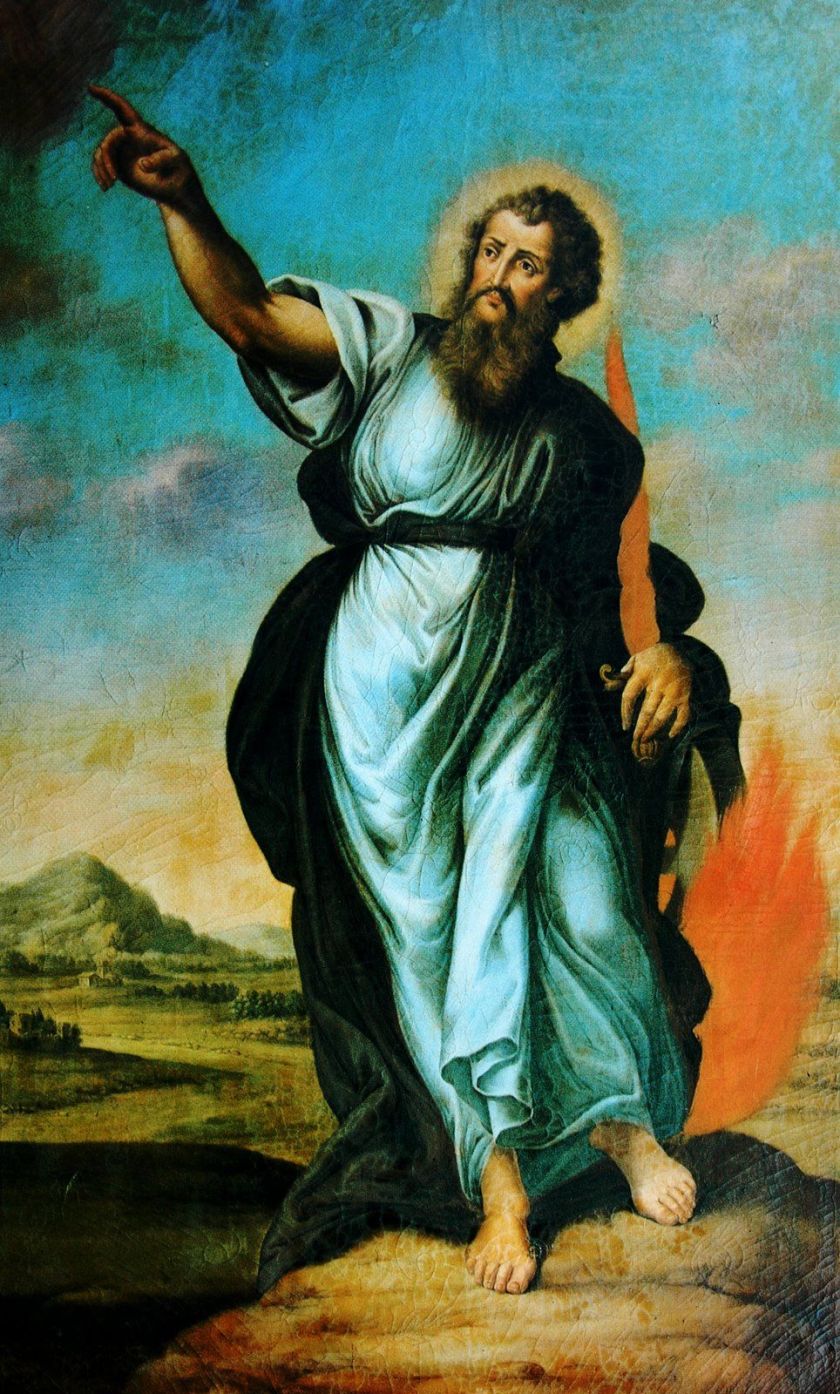
Aymeric appointed Berthold the first Superior and he lived with his community at Mount Carmel for 45 years until his death in 1195. Later the community became known as the Hermit Brothers of St Mary of Mount Carmel.
It was the life and work of Bl Berthold that laid the foundation for the Carmelite Order, which, in 1206 received a written rule from St Albert of Jerusalem, whose rule was approved by Pope Honorius III in 1226. In the same century, some members moved to Europe and established similar groups from Sicily to Oxford.
Carmelites returned to Mount Carmel in 1631 and finally completed the Stella Maris Monastery in the 18th century. Its stout walls and small openings reflect the need for defence against hostilities during its establishment.
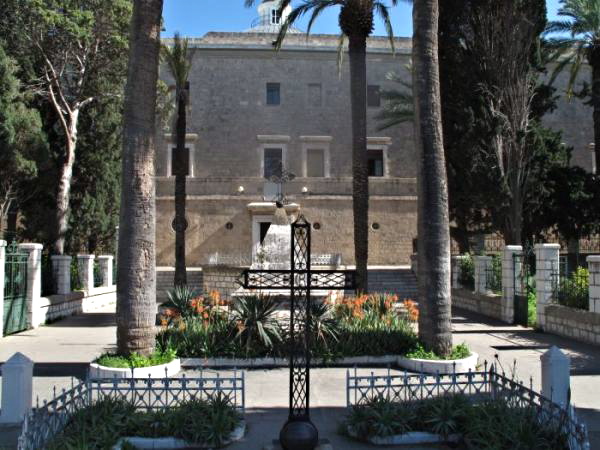
Later a lighthouse was built, giving a further meaning to the title Stella Maris. Because of its commanding position, the lighthouse has been commandeered as a military establishment.
Inside the church, the décor features vividly coloured Italian marble and dramatic paintings in the dome, one depicting Elijah being swept up to heaven in a fiery chariot. A cedar and porcelain statue of Mary, Our Lady of Mount Carmel, is above the altar. Steps lead down to a grotto, with a small altar, where the Prophet Elijah is believed to have occasionally lived. People have lived in caves on Mount Carmel since prehistoric times.
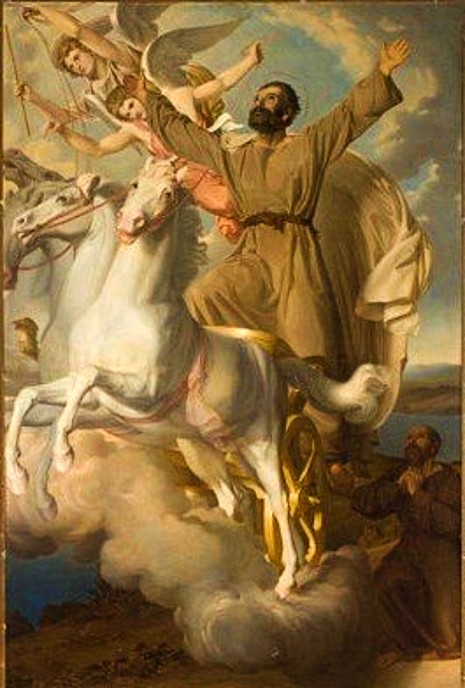

The Fifth Sunday of Lent +2020 and Memorials of the Saints -29 March
The Fifth Sunday of Lent +2020
St Acacia of Antioch
St Archmimus of Africa
St Armogastes of Africa
St Barachasius
Blessed Bertold of Mount Carmel (Died 1195)
St Constantine of Monte Cassino
St Eustachio of Naples
St Firminus of Viviers
St Gladys (Sixth Century)
St Gwynllyw
Bl Hugh of Vaucelles
Bl John Hambley
St Jonas of Hubaham
St Lasar
St Ludolf of Ratzeburg O.Praem. (Died 1250) Martyr
Biography:
Saint of the Day – 29 March – St Ludolf of Ratzeburg O.Praem. (Died 1250) Martyr
St Mark of Arethusa
St Masculas of Africa
St Pastor of Nicomedia
St Saturus of Africa
St Simplicius of Monte Cassino
St Victorinus of Nicomedia
St William Tempier
Saint of the Day – 28 March – Blessed Conon of Naso (1139-1236)
Saint of the Day – 28 March – Blessed Conon of Naso (1139-1236) Monk, Hermit and Abbot of the order of St Basil of Caesarea, miracle-worker – born on 3 June 1139 in Naso, Messina, Italy and died on Friday 28 March 1236 in the cave of San Michele near Naso, Italy of natural causes, while in prayer. Patronages – against ear problems, against nose problems, of Naso and San Cono, Italy.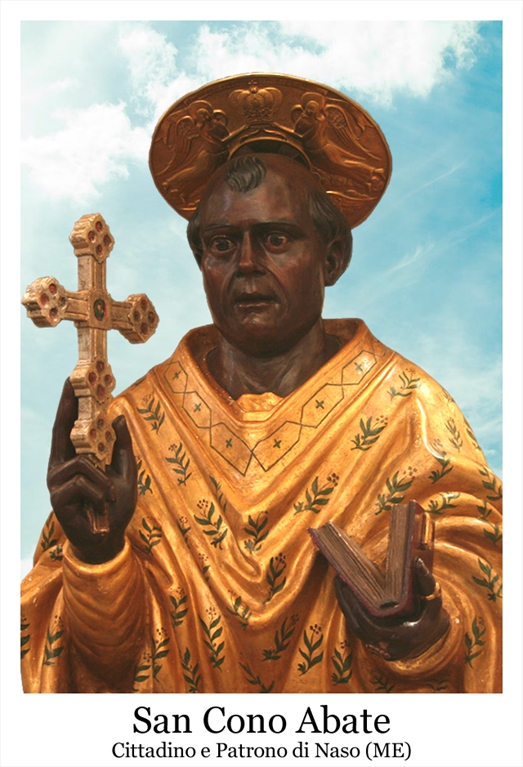
Blessed Conon was the son of a count from Naso, Italy and was a wealthy nobleman. He was a devout young man and at the age of 15 he became a Monk and lived as a Hermit and later was appointed as the Abbot of the Monastery. When his parents died, he distributed his inheritance to the poor.
While on pilgrimage to Jerusalem he had a vision of a Priest he knew, being choked by a snake. Months later, upon his return home to Sicily, Conon told the Priest about the dream. Feeling the pangs of a guilty conscience, the Priest instantly confessed to Conon that he had been stealing funds from the Church and using the money for his own selfish desires. Under Conan’s direction the Priest gave his excessive savings to the poor and recommitted his life to serving others.
Blessed Conan died on Friday 28 March 1236. On that day, the bells in the town of Naso began ringing on their own. The locals went to the holy man to ask him why it was happening but they found him dead and believed that the bells were ringing to announce his passing. Conon was immediately hailed as a miracle worker.
In 1571, over three centuries after Conon’s death, the city of Naso was struck with storms that destroyed crops and stopped shipping trade. The people thereupon, invoked the intercession of Conon. The famine became severe and Conon appeared in a vision to a captain who was transporting grain. He instructed the captain to change his course and deliver the grain to Naso. The captain obeyed and arrived in Naso and relieved it of its famine. Thus, the people of Naso were saved and this miracle has never been forgotten in Naso, where the people still today venerate Blessed Conon and celebrate his Feast with great devotion.
Blessed Conon was Beatified in 1630 by Pope Urban VIII (cultus confirmation).
Memorials of the Saints – 28 March
St Alkelda of Middleham
Bl Antonio Patrizi
St Castor of Tarsus
Bl Christopher Wharton
Blessed Conon of Naso (1139-1236)
St Cyril the Deacon
Bl Dedë Maçaj
St Donal O’Neylan
St Dorotheus of Tarsus
St Gundelindis of Niedermünster
St Guntramnus
St Hesychius of Jerusalem
St Hilarion of Pelecete
Bl Jean-Baptiste Malo
Bl Jeanne Marie de Maille
St Proterius of Alexandria
Bl Renée-Marie Feillatreau épouse Dumont
St Rogatus the Martyr
St Successus the Martyr
St Tutilo of Saint-Gall
Bl Venturino of Bergamo OP (1304-1346)
Biography:
https://anastpaul.com/2019/03/28/saint-of-the-day-28-march-blessed-venturino-of-bergamo-op-1304-1346/
Saint of the Day – 27 March – Blessed Giuseppe Ambrosoli MCCI (1923-1987) (to be Beatified on 22 November 2020)
Saint of the Day – 27 March – Blessed Giuseppe Ambrosoli MCCI (1923-1987) Priest of the Comboni Missionaries of the Heart of Jesus, Missionary to Uganda, Doctor and Surgeon, he is known in Uganda as the “the Doctor of Charity” and the “Saint Doctor,” Apostle of Charity, medical professor, Founder of a Hospital and a School of Midwifery. Born on 25 July 1923 in Ronago, Como, Italy and died at 1:50pm on 27 March 1987 at the Comboni Mission in Lira, Uganda of renal failure, aged 64. Patronage – the ‘Doctor Ambrosoli Memorial Hospital’ and the Dr Ambrosoli Midwifery School in Uganda. Fr Giuseppe will be (to be Beatified on 22 November 2020). During his studies before World War II, Blessed Giuseppe risked his life to smuggle Jewish people into Switzerland, before returning home to finish his studies in medicine, prior to commencing his ecclesial studies. He joined the Comboni missionaries and was sent to Uganda where he became known as the “Saint Doctor” and the “Doctor of Charity,” for his loving and compassionate treatment of all ill people, to whom he dedicated his life.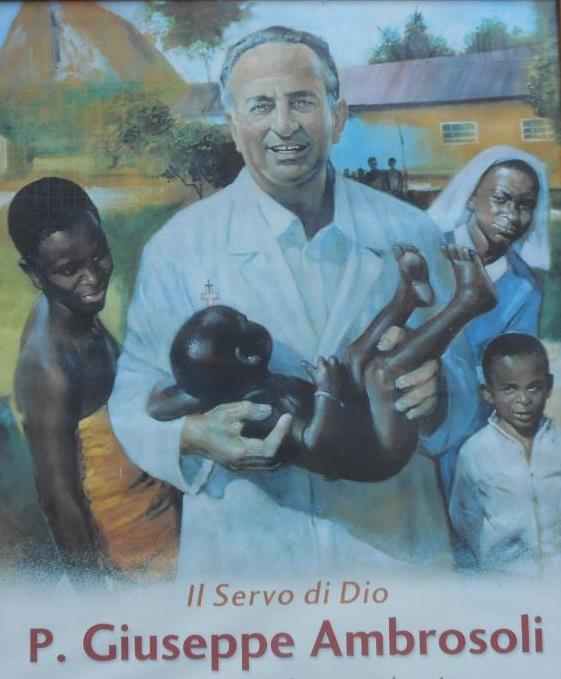
Giuseppe Ambrosoli was born in Ronago in 1923 as the seventh son to Giovanni Battista Ambrosoli and Palmira Valli. His paternal great-grandfather worked as a librarian. He studied first in Como and later under the Piarists in Genoa before returning to Como for his high school studies, which he completed in 1942. He joined the “Cenacle” which was a branch of the Azione Cattolica that the Franciscan Silvio Riva ran and Ambrosoli got the chance to get to know Riva who served as a spiritual guide for him and his religious formation.
He studied medicine at the Milanese college but had to stop his studies due to World War II. In September 1943 he risked his own life pledging to save a large number of Jewish people in order to get them safe passage across the border to Switzerland to prevent them from ending up in concentration camps. He returned home to learn from his parents that he was required to join the armed forces on 27 March 1944. He resumed his studies in November 1946 after the war’s end and graduated from the college in Milan as a Doctor of Medicine on 28 July 1949.
It was the summer of 1949 when a young doctor asked to enter the Congregation of the Comboni Missionaries. In his letter of application he wrote: “I would like to place myself at the service of the missions as a qualified doctor.” Before joining, the young doctor decided to go to London for a course in tropical medicine. When he returned to Italy, he entered the Comboni Institute. On 9 September 1953 he made his first profession and on 13 December 1955 he was Ordained Priest by the Cardinal Archbishop of Milan, Giovanni Battista Montini, the future St Pope Paul VI. A few months later, on 1 February 1956, he left for Africa. His destination – Kalongo, in the North of Uganda. The town of Kalongo is located on a plateau 1,100 metres above sea-level. When Father Giuseppe arrived there, it had a population of over 4000. There he found a small Medical Dispensary.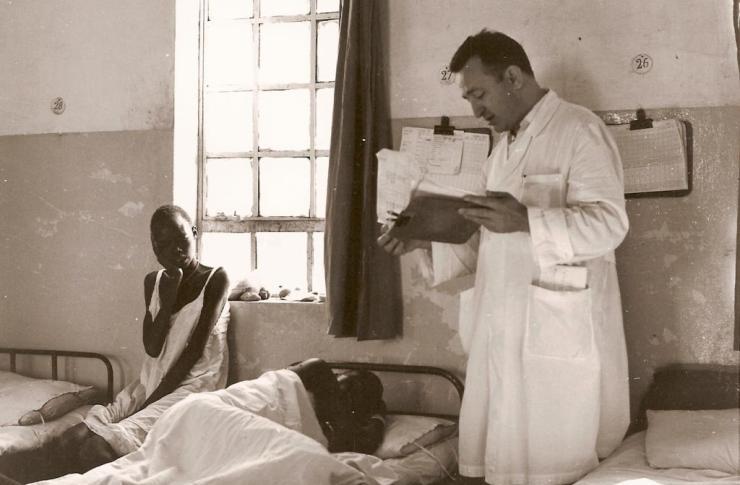
He was not at all discouraged and his plan for a large hospital meant there was a lot of work to do. Working with his own hands, he dug for stones and transported them on a lorry to the building site where he also saw to the making of bricks. Little by little that dispensary grew, one block after another until it had room for 350 patients. There were departments for maternity, paediatrics, medicine, surgery, gynaecology, radiology and infectious diseases; to these were added others for the care of the malnourished, the lepers and tuberculosis patients.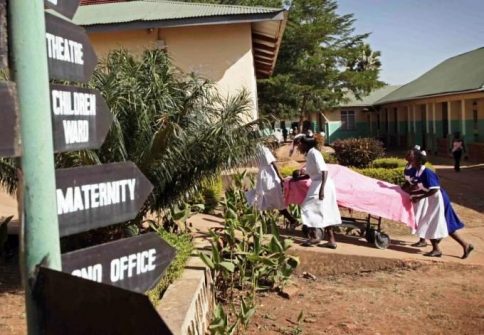
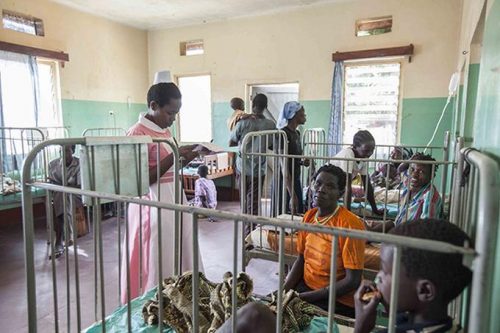
Father Giuseppe immediately understood that, to win the hearts of the Africans, one must sow infinite benevolence. In only a few years, the people began to call him Ajwaka Madit (the great doctor) or Doctor Ladit (the great giver of medicine). Together with his unmistakable smile, his peacefulness became proverbial. But this did not prevent him, as the occasion required, from being strict, with courage and determination and even capable of risking his life for others. He defended the wives of the soldiers and, in general, of the people of the south, upon whom the guerrillas, who were his people of the north, tended to unleash all their aggression.
The faith of the people in the healing powers of Father Giuseppe knew no limits . They saw him as a kind of miraculous healer. In the collective imagination of the people, Father Giuseppe became ‘The man of God with the power to heal.’ To heal not only the body but the spirit and the heart. In his work as a surgeon, Father Giuseppe afforded special care to the women as mothers and bearers of life. He understood that those mothers were capable of heroic acts to make sure their children were born and lived.
Father Giuseppe looked for collaboration and made people responsible – the Doctors working alongside him were duty bound to look upon Kalongo Hospital as ‘their own’. He wanted all the nursing staff to feel directly involved in running the complicated machine that was Kalongo Hospital. For this he valued the local element. His esteem for the Sisters working with him was deep and sincere and he regarded their work as essential.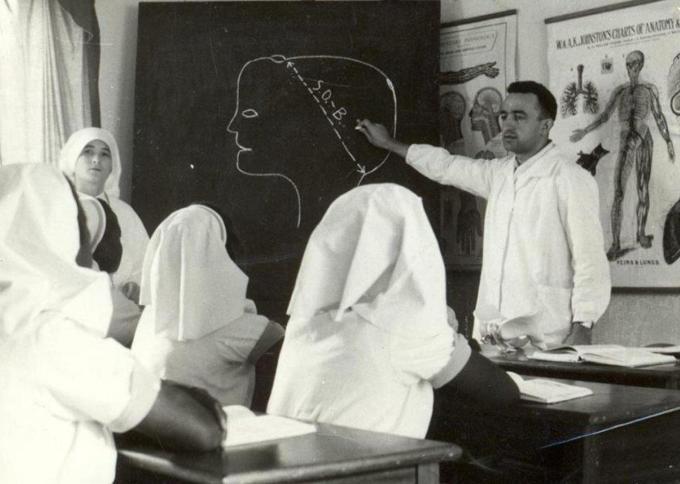
Towards the end of 1973, Father Giuseppe’s health began to show signs of deteriorating but he gave himself no rest. Even the periods he spent in Italy were a race against time, as he went from one operating theatre to another, to learn the latest surgical techniques. He met with support groups who provided medical equipment. He was well aware of his precarious state of health but he felt it would be a betrayal to hold back with things in Uganda in such a state of emergency. For him, to love others more than himself was the norm.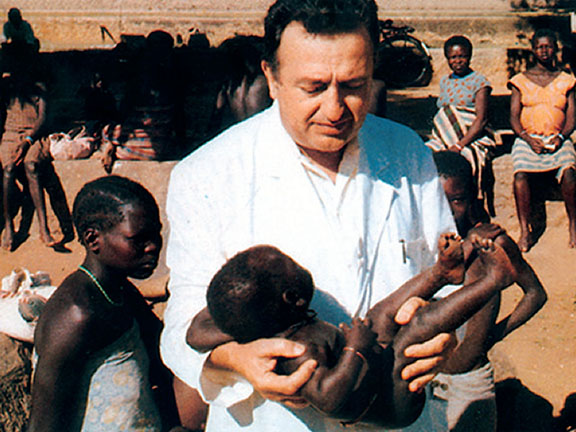
The year 1986 was certainly the most difficult year for Kalongo, overrun alternatively by rebels and the regular army. On 21 October, the army occupied Kalongo amid indescribable scenes of panic – not only the people but even the patients as well took flight. Relations with the government troops collapsed irremediably, the very fact of having spent a few months with the rebels was interpreted as connivance. This is the destiny of any hospital in a war zone. The situation of the hospital came to a head on 30 January 1987. The military authorities accused the missionaries and hospital personnel of collaborating with the Acholi guerrillas and ordered the evacuation of Kalongo. Having to transfer everything and everyone suddenly to Lira was a real Calvary for Father Giuseppe. His concern was for the doctors, the young women students of the school of midwifery and the Sisters in charge of them. He feared the students would miss a school year, while he wanted them to end their courses with their exams and diploma. Even though he had only one partly-functioning kidney, Father Giuseppe asked his superiors’ permission to delay his return to Italy for treatment. Unfortunately, his health was rapidly deteriorating.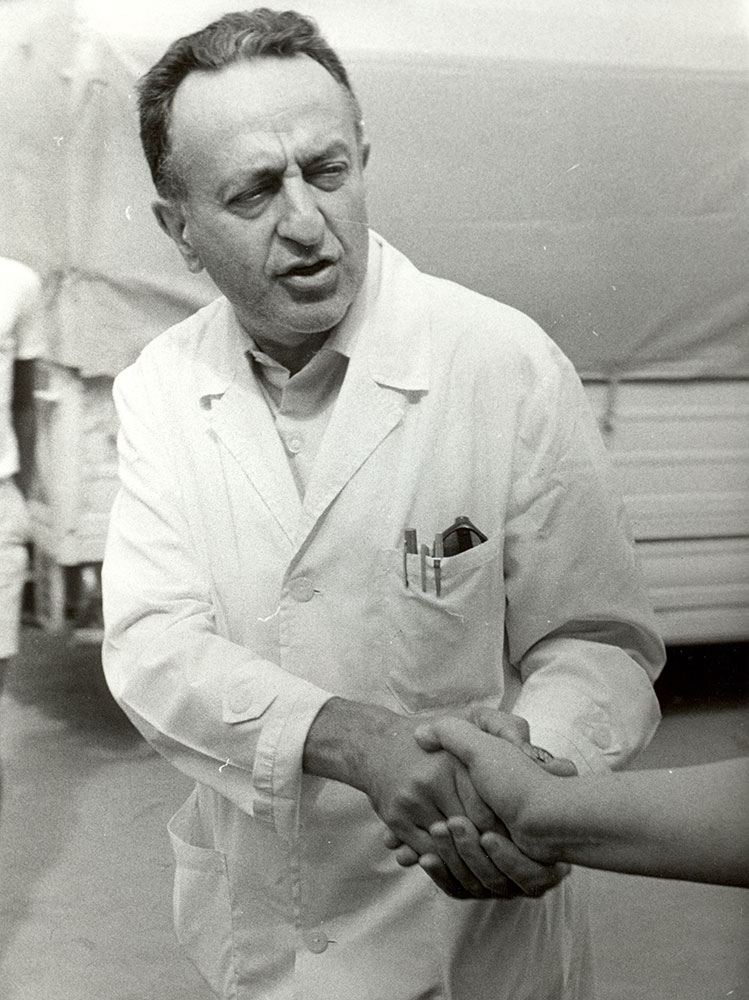
After working unceasingly for 31 years, he died in Lira on 27 March 1987, of a renal infection. He was 64 years old. It was not until seven years later that his remains were exhumed and reburied in Kalongo, close to the hospital that bears his name.
On 28 November 2019, Pope Francis authorised the Congregation for the Causes of the Saints ‘to promulgate, among others, the miracle attributed to the intercession of the Venerable Servant of God Giuseppe Ambrosoli’. The miracle, granted through the intercession of father Giuseppe and which will allow him to be Beatified on 22 November 2020 took place to the benefit of a young Ugandan woman. This was the decision reached in Spring of last year by the medical commission set up by the Congregation for the Causes of the Saints, concluding their examination of ‘an extraordinary and inexplicable cure’ from the clinical and scientific point of view. The beneficiary’s name is Lucia Lomokol. On the evening of 25 October 2008 (she was 20 years old), she lost the child she was carrying in her womb and was dying of septicaemia in Matany hospital, in Northern Uganda where she had been brought in an extremely poor condition. The hospital had no means of helping her. Then Doctor Eric Dominic placed an image of father Giuseppe on her pillow and asked the relatives there to pray to ‘The Saint Doctor.’ The following morning, Lucia was better, something no one expected.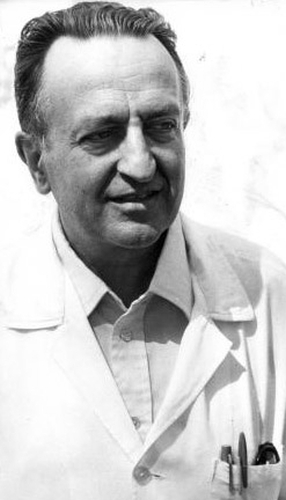
Today the work of Father Giuseppe goes on through his foundation called ‘Doctor Ambrosoli Memorial Hospital.’ The foundation was built in 1998 by the Ambrosoli family and by the Comboni Missionaries to guarantee the continuity and future of the hospital and the school of Midwifery founded by him. Its aim is to ensure access for the population to a qualified health service for their better health and standard of living. The Foundation proceeds together with the local communities and fosters medical training so that Uganda may one day have its own independent health service. Father Ambrosoli will be the first Comboni Missionary to be Beatified.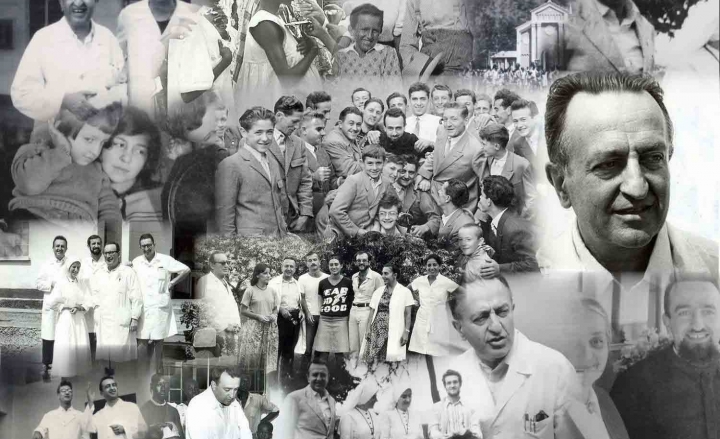
Memorials of the Saints – 27 March
Bl Aimone of Halberstadt
St Amphilochius of Illyria
St Alexander of Drizipara
St Alexander of Pannonia
St Alkeld the Martyr
St Amator the Hermit
St Augusta of Treviso
St Claudio Gallo
St Cronidas of Illyria
St Ensfrid of Cologne
Bl Francesco Faà di Bruno
Bl Frowin of Engelberg
St Gelasius of Armagh
Blessed Giuseppe Ambrosoli MCCI (1923-1987)
St John of Lycopolis
Bl Louis-Édouard Cestac (1801-1868)
Blessed Louis’s Story:
https://anastpaul.wordpress.com/2018/03/27/saint-of-the-day-27-march-blessed-louis-edouard-cestac-1801-1868/
St Matthew of Beauvais
St Macedo of Illyria
St Panacea de’Muzzi of Quarona
Bl Pellegrino of Falerone
Bl Peter Jo Yong-sam
St Philetus
St Romulus the Abbot
St Rupert of Salzburg (c 660–710)
Biography of St Rupert:
https://anastpaul.com/2019/03/27/saint-of-the-day-st-rupert-of-salzburg-c-660-710/
St Suairlech of Fore
St Theoprepius
—
Martyrs of Bardiaboch: A group of Christians who were arrested, tortured and executed together for their faith during the persecutions of Persian king Shapur II. Martyrs. – Abibus, Helias, Lazarus, Mares, Maruthas, Narses, Sabas, Sembeeth and Zanitas. 27 March 326 at Bardiaboch, Persia.
Quote of the Day – 26 March – Blessed Maddalena Morano
Quote of the Day – 26 March – the Memorial of Blessed Maddalena Caterina Morano (1847-1908)
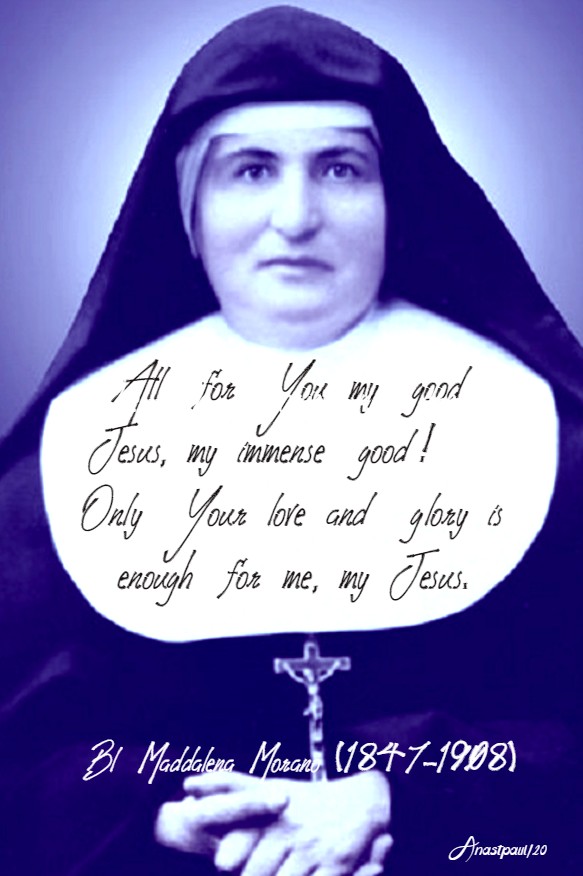
“All for You my good Jesus, my immense good!
Only Your love and glory is enough for me, my Jesus. “
Bl Maddalena Caterina Morano (1847-1908)
One Minute Reflection – 26 March – ‘Let us receive the Word of God with thankful and humble hearts.’
One Minute Reflection – 26 March – Thursday of the Fourth Week of Lent, Readings: Exodus 32:7-14, Psalms 106:19-23, John 5:31-47 and the Blessed Maddalena Caterina Morano (1847-1908)
“If you believed Moses, you would believe me, for he wrote of me. But if you do not believe his writings, how will you believe my words?”… John 5:46-47
REFLECTION – “In the beginning, the Lord, who had created humankind, used to talk to man Himself, in such a way, that man could hear Him. That is how He used to talk to Adam (…) and, later, with Noah and Abraham. So too, even when humankind had thrown itself into the abyss of sin, God did not break His relationship with them, even though it was, necessarily, less familiar since they had made themselves unworthy of it. He consented to renew His kindly feelings towards them, although, as by letters, as with an absent friend. Thus, in His goodness, He could bind all humankind to Himself again. Moses was he, who was the bearer of the letters God sent us.
Let us open these letters – what are their first words? “In the beginning God created the heaven and the earth.” Isn’t that wonderful? … Moses, who came into the world many centuries afterwards, was truly inspired from above, to give us an account of the wonders God made at the world’s creation…. Doesn’t he appear to tell us clearly: “Did men teach me what I’m about to make known? Not at all. The Creator alone, who wrought all these marvels, is the One who guides my tongue, to teach you them. From now on, I beg you, put to silence every argument of human reasoning. Don’t just listen to this account as though it were only Moses’ word. It is God Himself who speaks to you, Moses is only His interpreter.” …
So, brethren, let us receive the Word of God with thankful and humble hearts. … For God is He, who created all things, He it is, who prepares everything and sets it wisely in order. … He it is, who leads man by what can be seen, to a knowledge of the Creator of the universe. He it is, who teaches man to contemplate the supreme Worker in His works, in such a way, that He might be able to worship His Creator.” … Saint John Chrysostom (347-407) – Priest at Antioch then Bishop of Constantinople, Father & Doctor of the Church – 2nd Homily on Genesis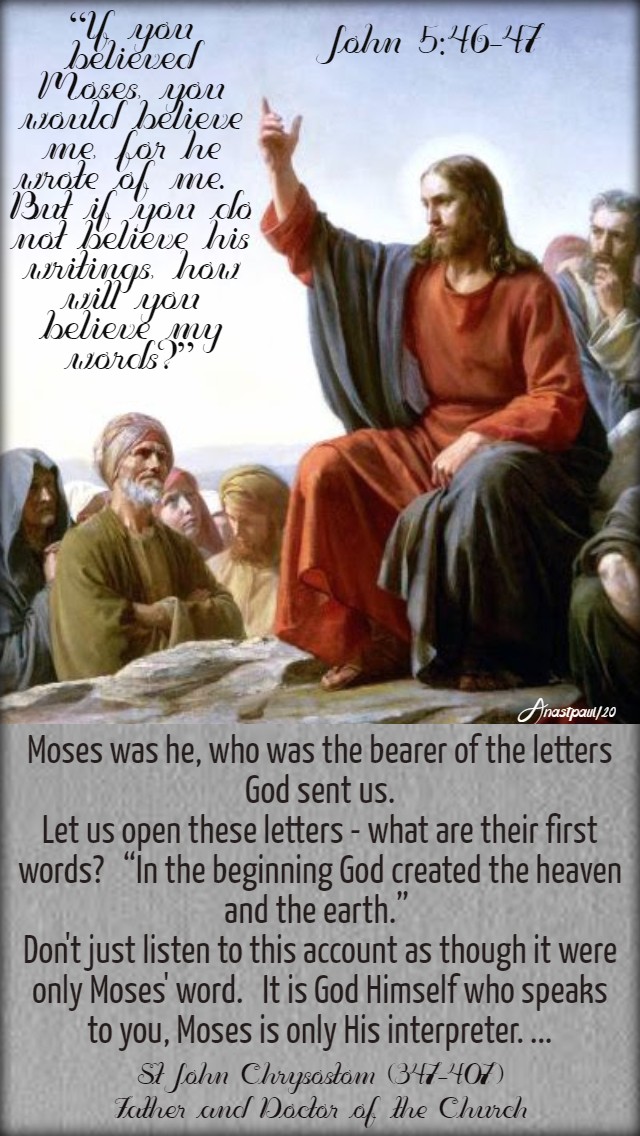
PRAYER – Father almighty, grant us Your good grace to trust completely in the Word made Flesh whom You sent to lead us to our heavenly home and save us from our evil ways. As we proceed by penance and prayer, grant us now, perseverance in listening to Him and learning from Him. May the prayers of Bl Maddalena, assist us on our journey. We make our prayer through Christ our Lord, in the unity of the Holy Spirit, one God with You, now and forever, amen.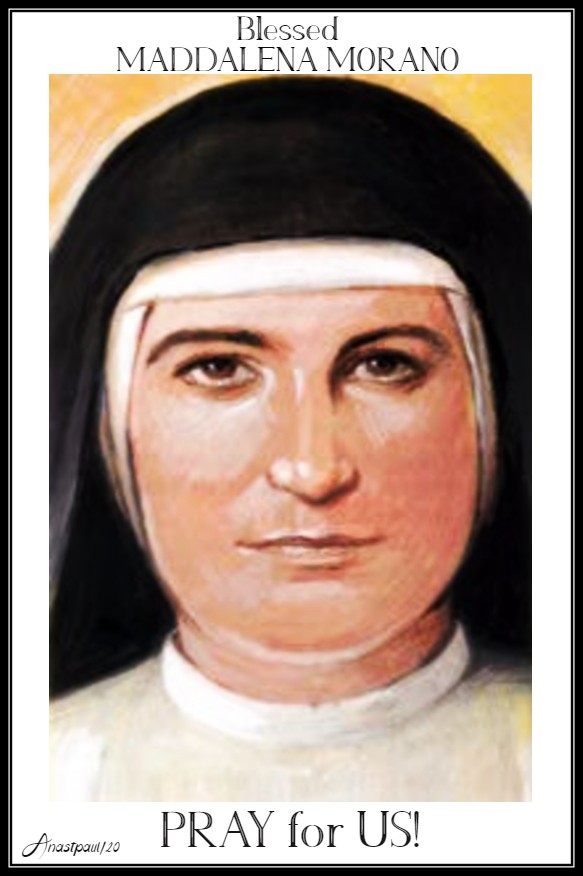
Our Morning Offering – 26 March – Thy Grace
Our Morning Offering – 26 March – Thursday of the Fourth Week of Lent
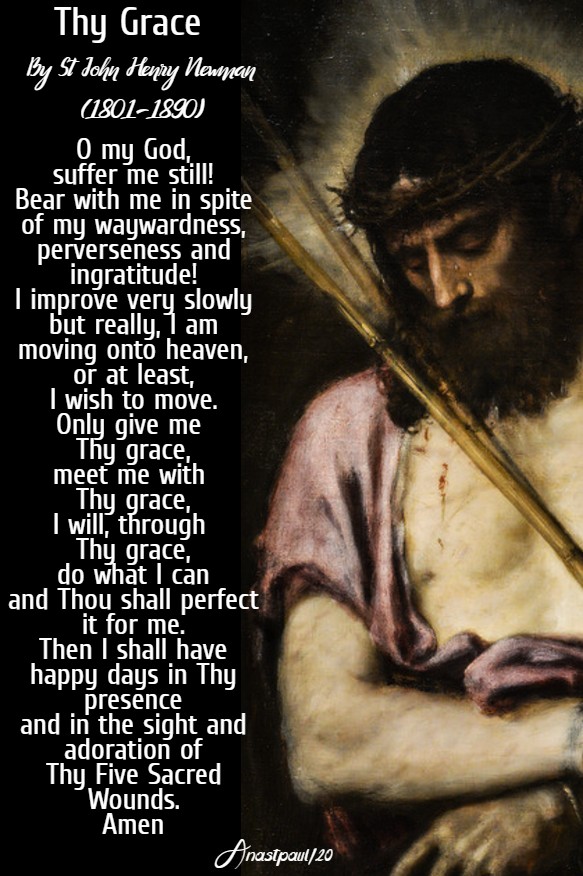
Thy Grace
St John Henry Newman (1801-1890)
O my God,
suffer me still!
Bear with me
in spite of my waywardness,
perverseness and ingratitude!
I improve very slowly
but really, I am moving onto heaven,
or at least, I wish to move.
Only give me, Thy grace,
meet me with Thy grace,
I will, through Thy grace,
do what I can
and Thou shall perfect it for me.
Then I shall have happy days
in Thy presence
and in the sight and adoration of
Thy Five Sacred Wounds.
Amen
Saint of the Day – 26 March – Blessed Maddalena Caterina Morano FMA (1847-1908)
Saint of the Day – 26 March – Blessed Maddalena Caterina Morano FMA (1847-1908) Virgin, Sister of the Daughters of Mary Help of Christian – the female branch of the Salesians of St Don Bosco, most commonly known as the “Salesian Sisters”, Teacher and Catechist – born on 15 November 1847 at Chieri, Italy and died on 26 March 1908 at Catania, Sicily, Italy of cancer. Patronages – Teachers and Catechists. The Roman Martyrology says of her: “In Catania in Sicily, in the year 1908, Blessed Madeleine-Catherine Morano, virgin, from the Institute of the Daughters of Mary Help of Christians, devoted herself to teaching Catechism, traversing this region up and down endlessly.”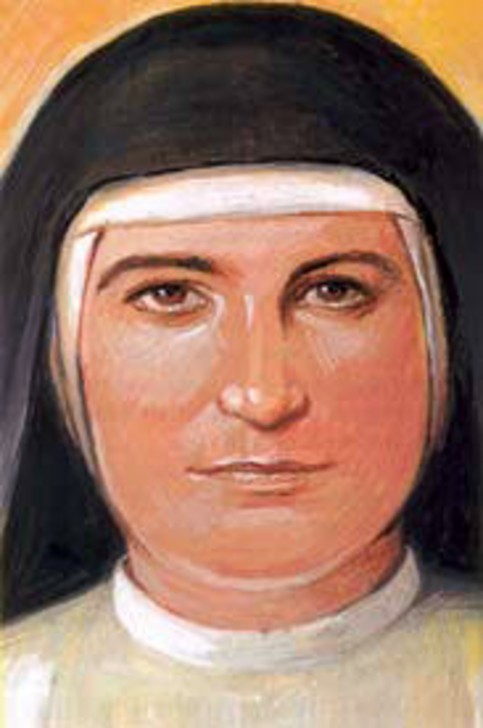
Maddalena Caterina Morano was born in Chieri, in the province of Turin, on 15 November 1847. Her father Francis died when she was eight and she began to help her mother with her work. Thanks to her uncle, a priest, she was able to resume her studies. Her teacher appointed her to help the little ones. Meanwhile she met Don Bosco for the first time, while walking to Buttigliera d’Asti. Maddalena wanted to teach and when she was 17 gained her teacher’s certificate.
Teacher
When she was 19 she began teaching at Montaldo Torinese. She confessed to her mother in 1877 that she wanted to become a nun but her mother could not support herself if Morano left her. She did this with diligence and competence for fourteen years, earning the respect and esteem of the entire neighbourhood. Finally, Maddalena took her spiritual director’s advice and, after having bought a home for her mother with her savings, went to speak to Don Bosco, who directed her towards Mornese, where Mother Mazzarello happily welcomed her.
With Mother Mazzarello
She immediately began teaching. In 1880 she consecrated herself to God through perpetual vows and asked the Lord for the grace “of staying alive until she had become a saint.” In 1881, at the request of the Archbishop of Catania, Maddalena was invited to direct the new work at Trecastagni, where three teachers were working. For four years she was in charge, taught, washed, cooked, was Catechist but was especially a witness to the point where the girls were always repeating – ‘we want to be like her!’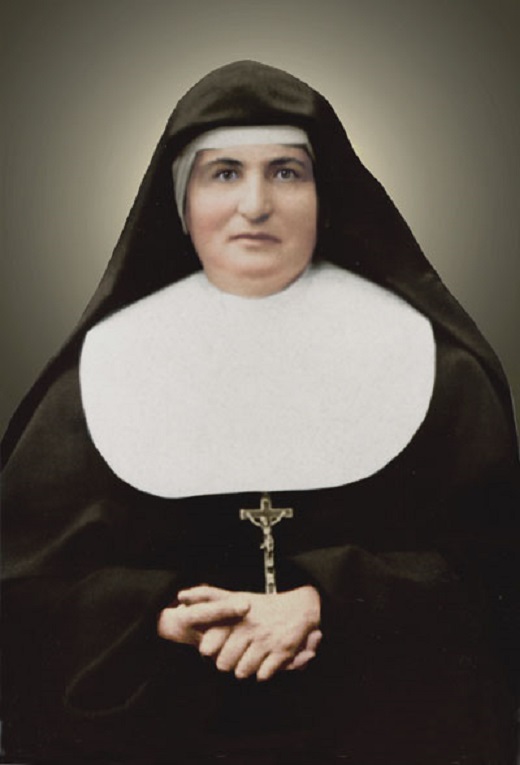
Sicily
After a pause of a year in Turin, where she was in charge of the FMA community at Valdocco, she was sent to Sicily as Visitor, Directress and Novice Mistress. Hers was the task of founding new communities and forming holy Sisters. Constantly with “one glance to earth and ten to heaven,” she opened schools, oratories, hostels, workshops everywhere on the island.
Numerous vocations came, attracted by her zeal and the community spirit she created around her. Her multiple apostolates were welcomed and encouraged by the Bishops. At Catania they gave her all the Catechetics to look after, the foundation of new Oratories and the Teacher’s College.
She was very devoted to Saint Joseph and Mary Help of Christians, who guided her in founding new works and she was successful in spreading Don Bosco’s charism and the Preventive System.
Death
Suffering from a tumour, Sr Morano died at Catania on 26 March 1908 at the age of 61. At her death in 1908, there were 18 Houses in Sicily, 142 Sisters, 20 novices, 9 postulants.
In the city where she died, St Pope John Paul II proclaimed her Blessed on 5 November 1994. Her remains are venerated at Alì Terme in the Salesian Church at Messina.
Mother Morano had a fear – being aware that people considered her a saint, she said: “When I am dead, do not say ‘Mother Morano was a Saint and will be in Heaven’ and with this, you let me burn in Purgatory until the end of the world, if by mercy of God I am saved. Pray, pray for me. ” She knew “that holiness is all about doing God’s will, this being the only way to show our love for Him.”
The Provincial of the Salesian houses in Sicily, Fr Franco Piccollo, wrote:
“Certain names […] acquire special meanings and, for those who have known Mother Morano, this name takes on three meanings -that is , unbeatable fortress, authentic and full of sanctity, generosity with God and exquisite goodness with all. [She] showed strength in suffering, for almost all her life she uncomfortable and suffered some very serious ailments, although she kept them secret, true daughter of Blessed Don Bosco, she was waiting for rest in Paradise.”
Don Albera, then spiritual director of the Salesian Society, was amazed to find in her, so many beautiful qualities and one day he said – “Oh this Mother Morano is a wonderful nun! She could govern not only the province but the whole FMA congregation. “
Of Mother Morano, her biographer Don Garneri, states:
“I can say [that] her intimate study was to imitate Jesus in everything.” And she did it also repeating the ejaculations: “All for You my good Jesus, my immense good! Only Your love and glory is enough for me my Jesus. “
Faced with this love, Sister Elisabetta Dispenza confesses: “I felt attracted as if by a magnet … when I saw her go and return from Communion. She no longer looked like a human creature but an angel. In those moments I wanted to imitate her … “ She often spoke of the Madonna and sometimes she also sang her praises in Sicilian dialect with the people – “Long live Mary, may Mary always be alive. Long live Mary and the One who created her, for without Mary you cannot be saved.”
She often said to the Sisters: “Let us remember that we bear the name of Daughters of Mary Help of Christians, therefore, we must be such in words, with deeds, imitating her virtues and with our good example. My sisters, we became Sisters to make us holy and sanctify the souls that the Lord entrusts to us.”
Speaking with her, adds Sister Dispenza: “I had this impression several times that in its spiritual perfection she followed in the footsteps of St Teresa of Avila, St Francis of Sales, St John Bosco, three saints of whom she often spoke and whose lives she knew well.”
Don Monasteri expresses this impression of his: “When I saw her I seemed to be in front of a St Teresa.” Mother Morano “devoted to all the saints, had a special devotion to the Patriarch St Joseph, so much so, that under her protection she placed the Sicilian Province. In honour of the Sain,t she composed a special rosary and in the needs of the House she prayed: “Saint Joseph think of us!”
Memorials of the Saints – 26 March
St Basil the Younger
St Bathus
St Bercharius
St Braulio (590-651)
Biography:
https://anastpaul.wordpress.com/2018/03/26/saint-of-the-day-26-march-braulio-590-651/
St Castulus of Rome
St Eutychius of Alexandria
St Felicitas of Padua
St Felix of Trier
St Garbhan
St Govan
St Ludger (c 742-809)
About St Ludger:
https://anastpaul.com/2019/03/26/saint-of-the-day-26-march-st-ludger-c-742-809/
Blessed Maddalena Caterina Morano FMA (1847-1908)
St Maxima the Martyr
St Mochelloc of Kilmallock
St Montanus the Martyr
St Peter of Sebaste
St Sabino of Anatolia
St Sincheall of Killeigh
St Wereka
—
Martyrs of Rome – 5 saints: A group of Christians martyred together. The only details to survive are the names – Cassian, Jovinus, Marcian, Peter and Thecla. Rome, Italy, date unknown.
Saint of the Day – 25 March – St Marie-Alphonsine Danil Ghattas (1843-1927)
Saint of the Day – 25 March – St Marie-Alphonsine Danil Ghattas (1843-1927) Palestinian Nun and Founder of the Dominican Sisters of the Most Holy Rosary of Jerusalem (the Rosary Sisters), the first Palestinian congregation, Mystic, Apostle of the Holy Rosary – born as Soultaneh Maria Ghattas on 4 October 1843 in Jerusalem and died on 25 March 1927 at Ain Karim, Jerusalem of natural causes. Patronage – the Dominican Sisters of the Most Holy Rosary of Jerusalem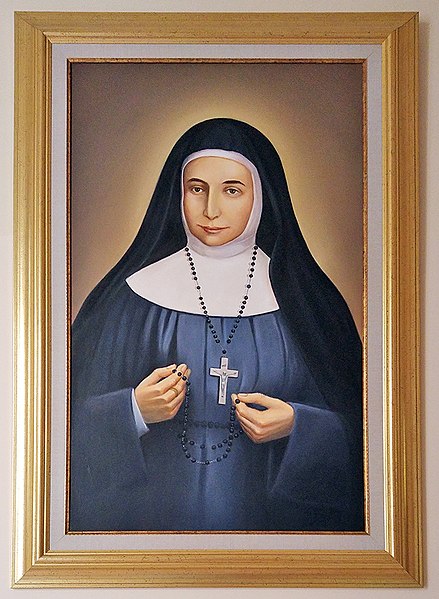
Sultanah Maria Ghattas was born in Jerusalem on 4 October 1843 and baptised on 19 of November the same year. On 18 July 1852, she received the Sacrament of Confirmation from the hands of His Beatitude Giuseppe Valerga, Latin Patriarch of Jerusalem.
At the age of 14, she joined the Congregation of St Joseph of the Apparition as a Postulant. On 30 June 1860, she received the Holy Habit of the Religious of St Joseph of the Apparition and took the name of Sr Marie-Alphonsine. Two years later, in 1862, she pronounced her three vows. In Bethlehem where she was assigned, she was entrusted with the teaching of Catechism. Besides, she founded Confraternities and Associations and promoted the devotion to Our Lady through the prayer of the Rosary.
She was favoured with several apparitions of Our Lady who revealed to Mother Marie- Alphonsine Her desire to begin the Congregation of the Rosary. The Virgin Mary appointed Fr Joseph Tannous as her Director to administer the Congregation of the Rosary.
Father Tannous rented for the first five postulants – including Sr Marie-Alphonsine – a modest house in Jerusalem in which they entered on 24 July 1880. H.B. Vincent Bracco, Latin Patriarch of Jerusalem, vested them with the Holy Habit on 15 December 1881. Mother Marie-Alphonsine went through many difficult time prior to obtaining the dispensation from her vow of obedience to the Superiors of St Joseph and the permission to enter the new Congregation of the Holy Rosary. Father Tannous was always there to help her during those critical times. On 6 October 1883, she received the Habit of the Rosary Congregation from the hands of Msgr Pascal Appodia, Patriarchal Vicar. On 7 March 1885, together with the first eight sisters, Mother Marie-Alphonsine was admitted to profession and pronounced her three vows in a ceremony presided over by Vincent Bracco, Latin Patriarch of Jerusalem.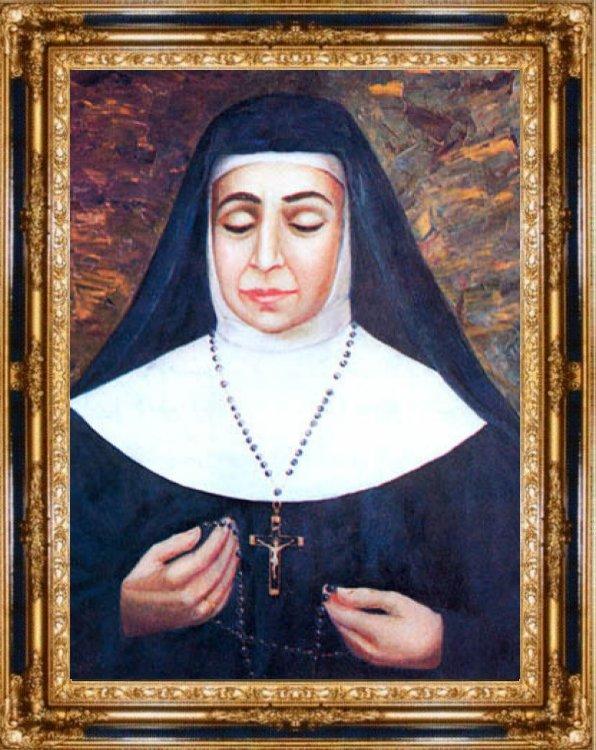
On 25 July 1885, Mother Marie-Alphonsine was assigned, together with another sister, to Jaffa in Galilee. There, one day, a miracle happened – Nathira I’d, a young girl, fell into a deep cistern filled with water. The only thing that Mother Marie-Alphonsine could do was to throw her large rosary of 15 decades in the well, to invoke Our Lady to help them and to go into the church with other girls to pray the Rosary. Nathira came out safe and sound, saying that she saw a great light and a ladder shaped like a Rosary which assisted her in climbing her way out.
In October 1886, she was sent to a new foundation in Beit Sahour (the Shepherds’ village) where, it was expected, she would open a school. In 1887, together with three sisters, she left Beit Sahour for Salt, the first mission in Trans-Jordan. Two years later she was sent to Nablus but soon taken to the Mother House in Jerusalem for health reasons. Once healed, she was sent to Zababdeh. In 1892, she was sent to Nazareth to assist Fr Tannous on his deathbed.
In 1893, Mother Marie-Alphonsine established a workshop in Bethlehem, to give work to poor girls. She remained 15 years in Bethlehem, at the end of those years full of zeal and enthusiasm, in 1909, she was recalled to the Mother House in Jerusalem where she remained till 1917, when she was charged with the foundation of an orphanage in the town of Ain-Karem. There she could return to her life of prayer to fulfill Our Lady’s wish that the Rosary may be recited perpetually.
On 25 March 1927, Mother Marie-Alphonsine breathed her last while praying the rosary with her sister, Hanneh Danil Ghattas.
Thus, Mother Marie-Alphonsine was distinguished by her total abandonment to the Divine Providence. She is the apostle of hope and trust in God and Our Lady. She firmly believed in our Lady’s words: “The Rosary is your treasure!”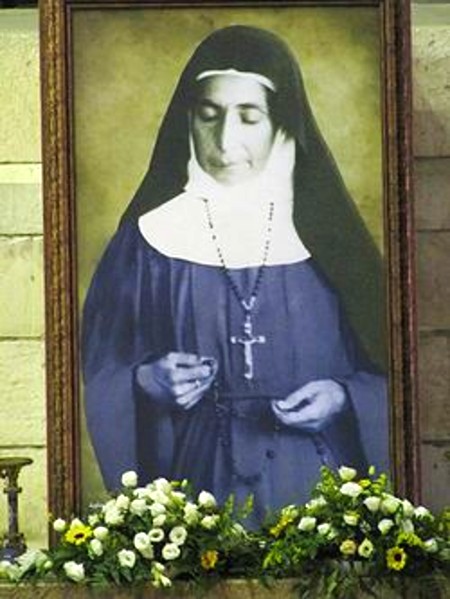
His Holiness St Pope John Paul II announced the acknowledgement of the heroic virtues of Mother Marie Alphonsine on 15 October 1994 and in 1995 she was proclaimed “Venerable”.
On 22 November 2009, she was Beatified in Nazareth.
At her Canonisation on 17 May 2015 in St Peter’s Square, Pope Francis said:
“An essential aspect of witness to the risen Lord is unity among ourselves, His disciples, in the image of His own unity with the Father. Today too, in the Gospel, we heard Jesus’ prayer on the eve of His passion: “that they may be one, even as we are one” (Jn 17:11). From this eternal love between the Father and the Son, poured into our hearts through the Holy Spirit (cf. Rom 5:5), our mission and our fraternal communion draw strength; this love is the ever-flowing source of our joy in following the Lord along the path of His poverty, His virginity and His obedience and this same love, calls us to cultivate contemplative prayer. Sister Maria-Alphonsine Baouardy experienced this in an outstanding way. Poor and uneducated, she was able to counsel others and provide theological explanations with extreme clarity, the fruit of her constant converse with the Holy Spirit. Her docility to the Holy Spirit made her also a means of encounter and fellowship with the Muslim world. “
The ceremony was attended by more than 2,000 Christian pilgrims from the Middle East and by Palestinian President Mahmoud Abbas. Four days before the Canonisation of Marie-Alphonsine Danil Ghattas, the Vatican announced a treaty that reaffirms Palestinian statehood by the Holy See.
The members of the order she founded run schools, catechetical programs, clinics and orphanages throughout the Middle East.
Blessed Mother Marie-Alphonsine, pray for us and for the Holy Land!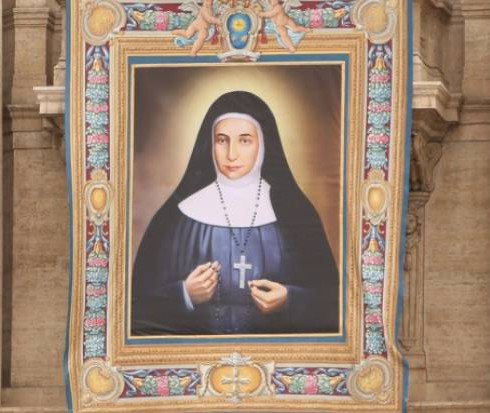
The Solemnity of the Annunciation of the Lord and Memorials of the Saints – 25 March
The Solemnity of the Annunciation of the Lord – 25 March
https://anastpaul.com/2019/03/25/the-solemnity-of-the-annunciation-of-the-lord-25-march/
Our Lady of Betania:
The name Betania means Bethany in Spanish. It was originally given this name by Maria Esperanza and was the site of their farm, in Venezuela. Apparitions of the Blessed Virgin Mary were reported and eventually a small chapel was built here and the faithful began to gather, especially on Feast Days but throughout the year.
St Alfwold of Sherborne
St Barontius of Pistoia
St Desiderius of Pistoia
St Dismas
St Dula the Slave
Bl Emilian Kovch (1884-1944) Priest, Martyr
About St Emilian:
https://anastpaul.wordpress.com/2018/03/25/saint-of-the-day-25-march-blessed-emilian-kovch-1884-1944-martyr/
Bl Everard of Nellenburg
Bl Herman of Zahringen
St Hermenland
St Humbert of Pelagius
Bl James Bird
Bl Josaphata Mykhailyna Hordashevska
St Kennocha of Fife
St Lucia Filippini
St Marie-Alphonsine/Mariam Sultaneh Danil Ghattas (1843-1927)
St Matrona of Barcelona
St Matrona of Thessaloniki
St Mona of Milan
St Ndre Zadeja
Bl Pawel Januszewski
St Pelagius of Laodicea
Bl Placido Riccardi
St Procopius
St Quirinus of Rome
Bl Tommaso of Costacciaro
—
262 Martyrs of Rome: A group 262 Christians martyred together in Rome. We know nothing else about them, not even their names.
Quote/s of the Day – 24 March – Bl Didacus Joseph and St Óscar Romero
Quote/s of the Day – 24 March – The Memorial of Blessed Didacus Joseph of Cadiz OFM Cap (1743–1801) and Saint Óscar Arnulfo Romero y Galdámez (1917–1980) Martyr
“By means of our penances
we should atone for the sins of our fellowmen
and thus preserve ourselves
and them from eternal death.
It would hardly be too much
if we shed the last drop of our blood
for their conversion.”
Blessed Didacus Joseph of Cadiz (1743–1801)

“If we are worth anything,
it is not because we have
more money or more talent,
or more human qualities.
Insofar, as we are worth anything,
it is, because we are grafted onto Christ’s life,
His cross and resurrection.
That is a person’s measure.”

“There are many things
that can only be seen,
through eyes that have cried.”
St Óscar Arnulfo Romero y Galdámez (1917–1980)
Martyr

One Minute Reflection – 24 March – ‘Christian hypocrites, like these ….’
One Minute Reflection – 24 March – Tuesday of the Fourth Week of Lent, Readings: Ezekiel 47:1-9, 12, Psalm 46:2-3, 5-6, 8-9, John 5:1-16 and the Memorial of Blessed Didacus Joseph of Cadiz OFM Cap (1743–1801)
So the Jews said to the man who was cured, “It is the sabbath, it is not lawful for you to carry your pallet.” But he answered them, “The man who healed me said to me, ‘Take up your pallet, and walk.’ ”…John 5:10-11
REFLECTION – “Christian hypocrites, like these, only interested in their formalities. It was a Sabbath? No, you cannot do miracles on the Sabbath, the grace of God cannot work on Sabbath days. They close the door to the grace of God. We have so many in the Church, we have many! It is another sin. The first, those who have the sin of sloth, are not able to go forward with their apostolic zeal, because they have decided to stand firm in themselves, in their sorrows, their resentments, in all of that. Such as these are not capable of bringing salvation because they close the door to salvation.”… Pope Francis – Santa Marta 1 April 2014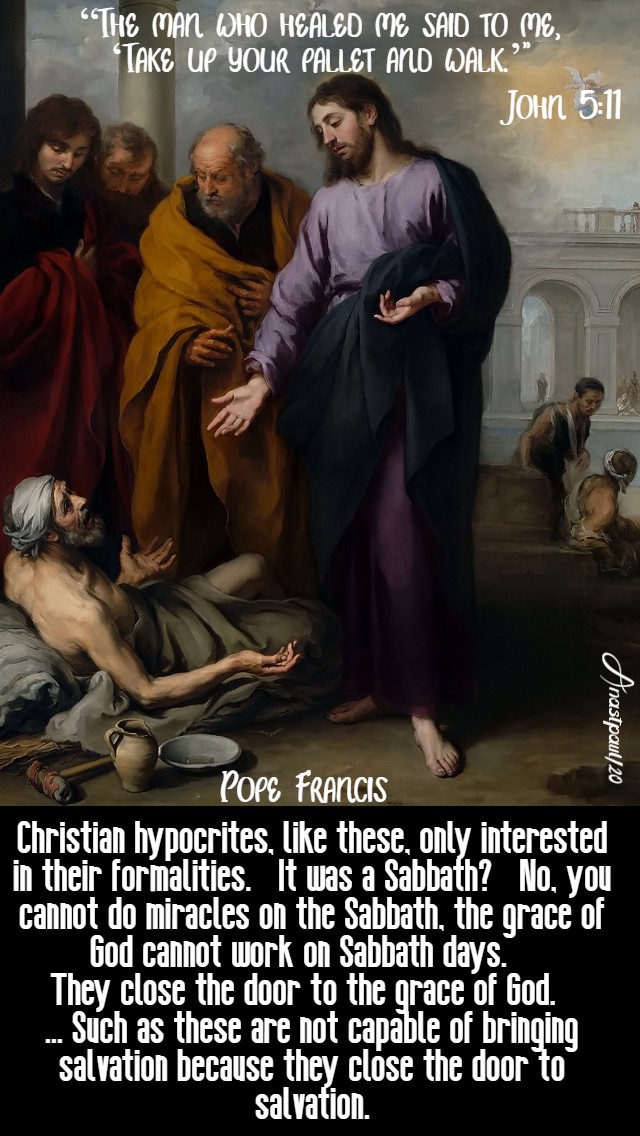
PRAYER – God, our Father almighty, You gave us Christ Your Son to be our Bread of life and the message of truth, justice and love. May we live His lessons in every fibre of our being and thus pass from death to life. May the prayers of our Blessed Virgin Mother, your Holy angels, saints and martyrs, of Blessed Didacus Joseph, be an inspiration and a balm in our trials. Through Jesus our Lord with the Holy Spirit, one God forever, amen.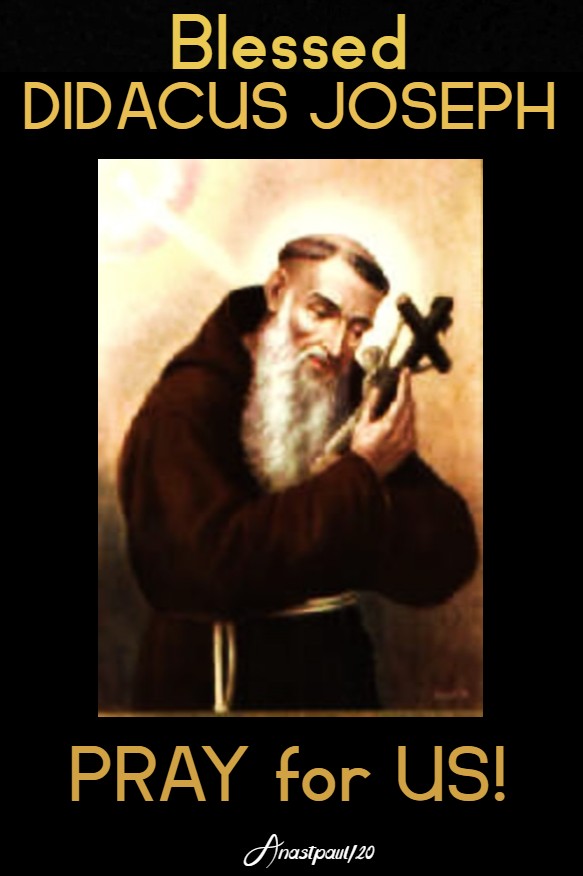
Saint of the Day – 24 March – Blessed Didacus Joseph of Cadiz OFM Cap (1743–1801)
Saint of the Day – 24 March – Blessed Didacus Joseph of Cadiz OFM Cap (1743–1801) Spanish Capuchin Priest Friar, renowned Preacher, Missionary – Known as the “Apostle of Our Lady, the Mother of the Good Shepherd” and the “Apostle of the Blessed Trinity,” Miracle-worker – born as José Francisco López-Caamaño y García Pérez on 30 March 1747 in Cádiz, Seville, Spain and died on 24 March 1801 in Ronda, Malaga, Spain of natural causes.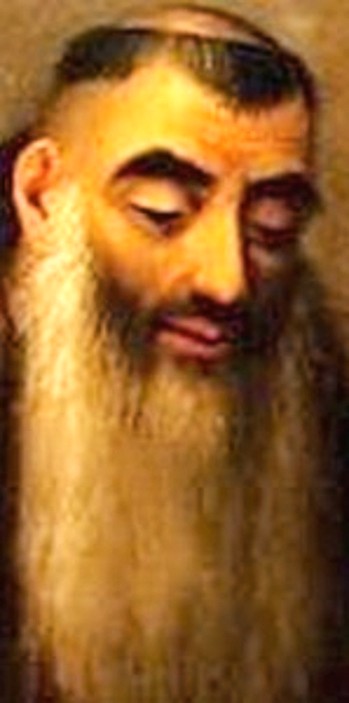
José Francisco López-Caamaño y García Pérez was born in Cádiz in 1743. His lineage dated from the Visigoth kings. His mother died when he was 9 years old. Later, his father moved the family to the city of Grazalema, where he entered the local school run by the Dominican Order. Though of noble ancestry, as a youth, Joseph could make no progress at school, receiving the nickname of the “dunce of Cadiz”. A classmate, a Dominican friar named Antonio Querero, testified how difficult study had been for him.
Initially rejected by the Observant Franciscan friars due to this perceived limitation of intellect, López-Caamaño was later accepted by the Capuchin friars and, at the age of 15, entered their novitiate in Seville, at which time he was given the name Didacus Joseph. He was professed as a member of the Order on 31 March 1759. He was Ordained to the Priesthood in Carmona in 1766, for which he prepared himself by an extremely ascetic life.
In 1771, after further training in homiletics, he was assigned to one of the teams of friars who would preach Parish Missions to residents of isolated, rural villages, which was a major focus of the Capuchins of that era. His biographers stated that the congregations marvelled at the tender love he displayed to the Crucifix he would hold while preaching and the singular power of his words, which swayed his audiences and left an impression on their lives. He wandered throughout the entire peninsula on foot, preaching in this way to the various communities he encountered on the road.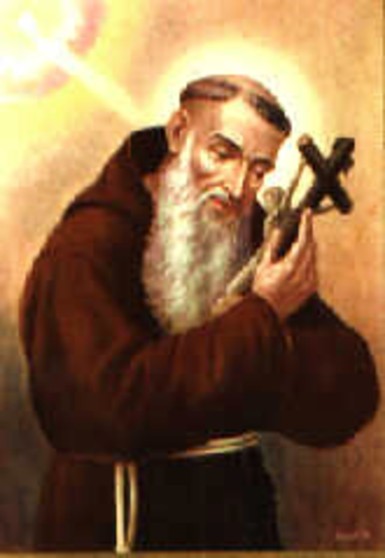
Spain was undergoing changes in its intellectual climate, as the influence of the Enlightenment began to spread in the upper classes of the country. Didacus became a major force in promoting the traditional devotions and beliefs of Catholicism as part of the identity of the nation and is seen, as an early integrist in the development of Spanish culture, opposing Liberal Catholicism. He also was a strong critic of the policy of consumerism, being promoted in the universities and some government circles. For this teaching, he was denounced to the Spanish Inquisition for attacking royal prerogatives . In turn, he accused the proponents of new economic policies and the secularisation of Spanish society of heresy. He preached at the Royal Court in 1783 but found that he had no effect on the nobility. Leaving Madrid in disappointment, he later wrote: “I do not want the royal couple to remember me”.
Didacus was appointed an official of the Inquisition, the synodal examiner for almost all Spanish dioceses and an honourary canon. The University of Granada conferred upon him the honourary degrees of Master of Arts and Doctorates in Theology and Canon Law. A collection of his sermons numbers 3,000.
Didacus died in 1801, apparently as a result of yellow fever, at the age of 58, in Ronda, Málaga. His remains are kept for veneration in an urn in the small, simple chapel of Our Lady of Peace in Ronda where he died, on the square now named in the friar’s honor.
He was Beatified by Pope Leo XIII on 22 April 1894.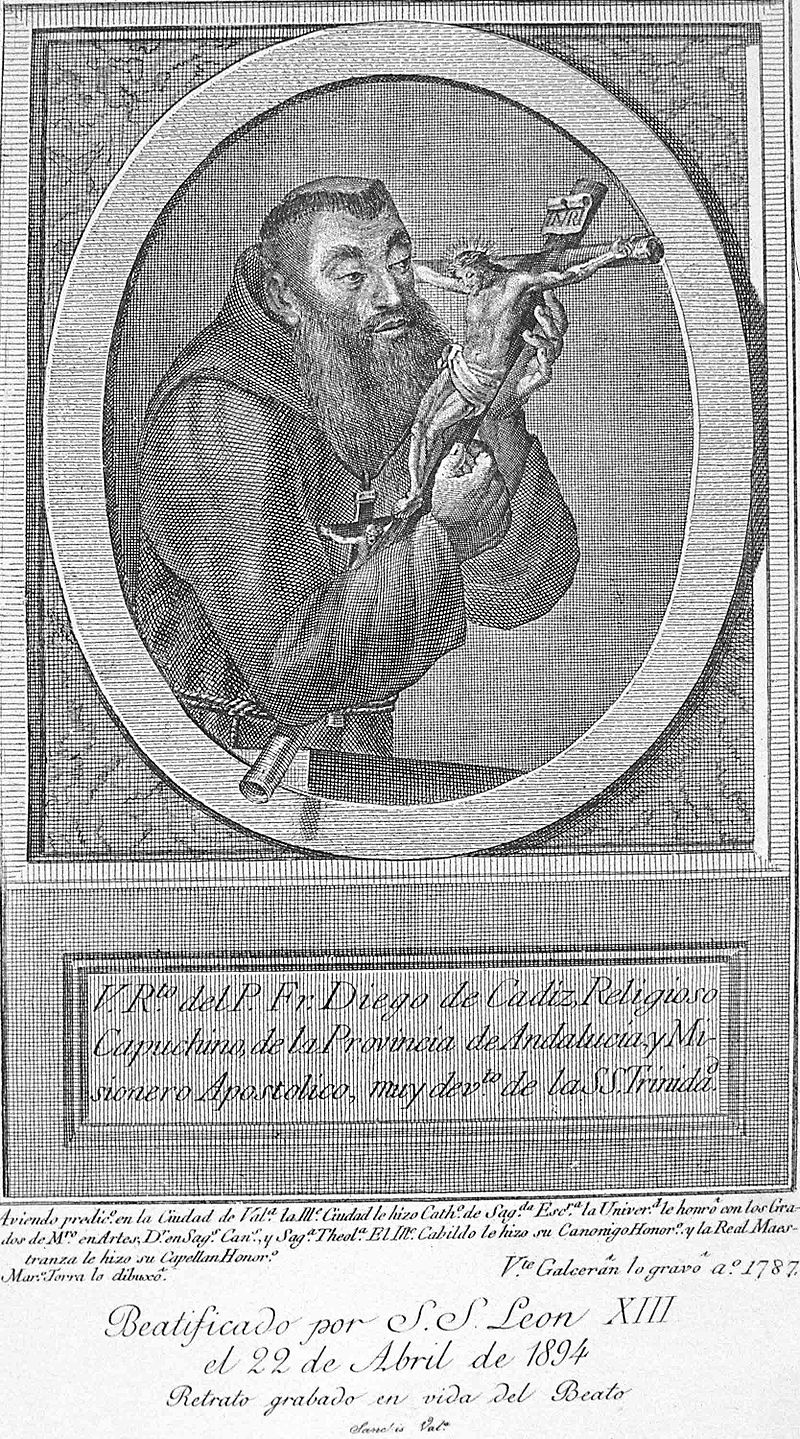
This unlearned man became a celebrated preacher in Spain and an honourary Doctor of Theology and Canon law! During his sermon one day, a child shouted aloud in the church: “Mother, mother, see the dove resting on the shoulder of Father Didacus! I could preach like that too if a dove told me all that I should say!” Didacus prayed devotedly before his sermons, even scourging himself to the point of blood, in order to draw down God’s mercy upon the people.
Once when his superior chided him because of the austerity of his life, Didacus Joseph replied: “Ah, Father, my sins and the sins of the people compel me to do it. Those who have been charged with the conversion of sinners must remember that the Lord has imposed upon them the sins of all their clients. By means of our penances we should atone for the sins of our fellowmen and thus preserve ourselves and them from eternal death. It would hardly be too much if we shed the last drop of our blood for their conversion.”
Many miraculous events are recorded of his life, these three all took place in the main square of Cadiz. In one, he was able to save the life of a builder who had fallen off a roof, stopping his fall with one hand. On another occasion, a priest passed him while en route to administer the Last Sacraments to a dying person. When the acolyte accompanying the priest pointed out to the friar, that he had not removed his hood (the customary form of reverence to the Blessed Sacrament which the Priest would be carrying), Didacus told him, “Tell the priest that the ciborium is empty.” This turned out to be the case. On yet another occasion, a heavy rainstorm hit the city. The square, where Didacus happened to preaching at the time, was the only spot on which no rain fell.
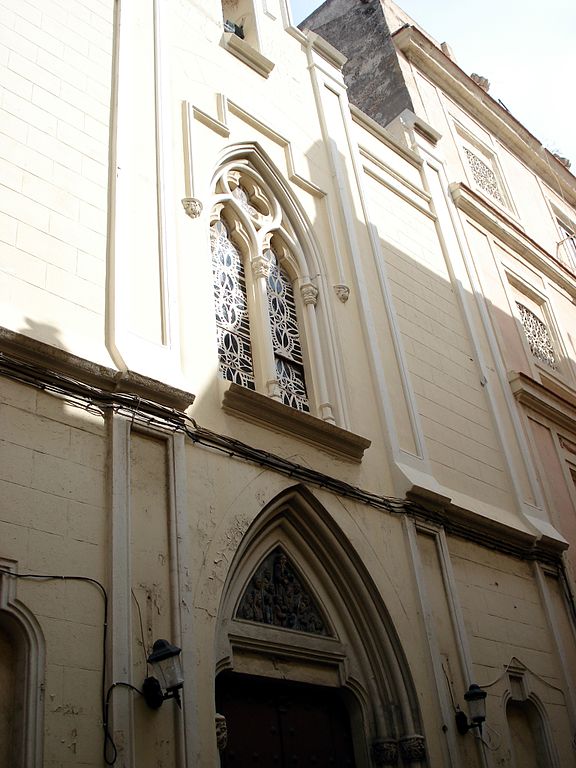
The 28th Day of Missionary Martyrs + 2020 “In Love and Alive” and Memorials of the Saints – 24 March
The 28th Day of Missionary Martyrs + 2020 “In Love and Alive”
A day of prayer and fasting in memory of the missionary Martyrs of the Faith.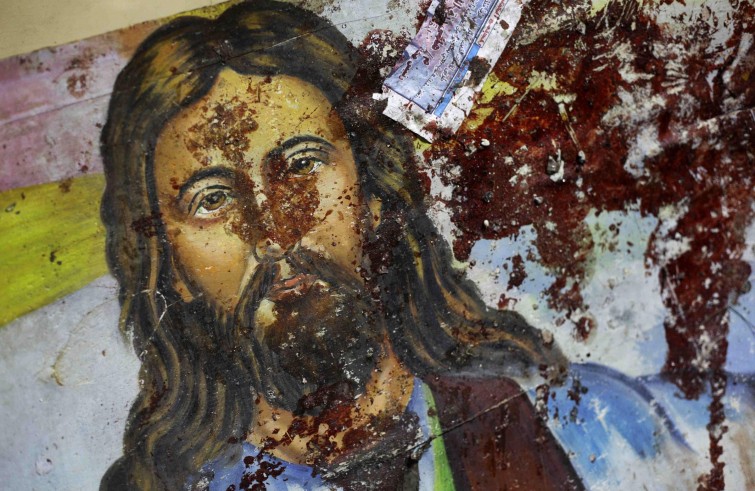
The day in which Msgr Oscar Arnulfo Romero, Archbishop of San Salvador was assassinated in 1980, was chosen 28 years ago by the then Missionary Youth Movement of the Pontifical Mission Societies of Italy, to celebrate annually the “Day of Prayer and Fasting in memory of the Missionary Martyrs.”
The Archbishop, assassinated while celebrating Mass, was Beatified on 23 May 2015 and Canonised by Pope Francis on 14 October 2018, together with St Paul VI and 5 others.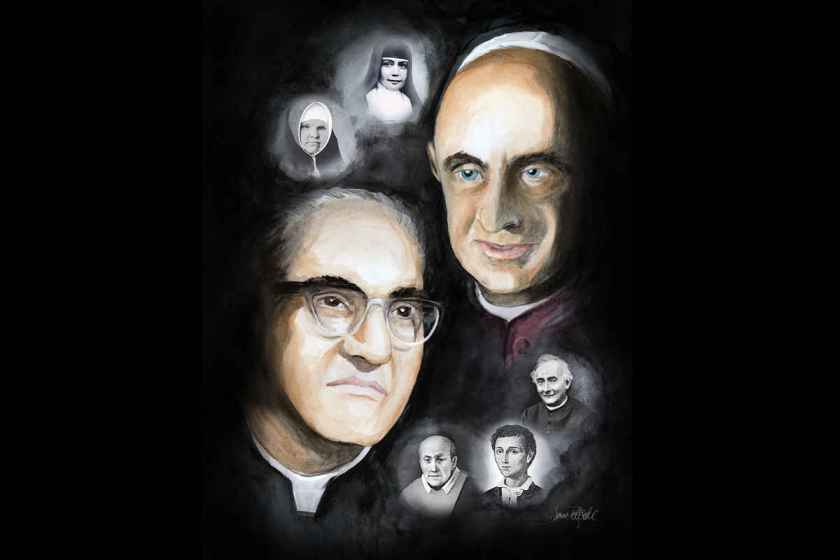
The Bishops’ Conference of El Salvador, on the occasion of the 40 years since his Martyrdom, had announced a “Jubilee Year of the Martyrs,” to celebrate the National Martyrs – Fr Rutilio Grande, Msgr. Oscar Arnulfo Romero, Fr Cosme Spessotto.
However, this year, the coronavirus emergency has forced the Bishops to suspend all celebrations and gatherings, so this Day in 2020 will not see public initiatives.
The slogan of the 2020 Day is “In Love and Alive” informs Giovanni Rocca, national secretary of Missio Giovani. “A message that holds two meanings within itself. The first, in the qualifying meaning, fully describes those who ardent of love for God the Father and His creatures invested all their time to take care of them. The second is a real imperative, the legacy that the Martyrs received from our Lord by transmitting it to us today. Only those who fall in love are willing to abandon the superfluous, in order to grasp the essence of life. This promise is not only hope for the future but above all a guarantee for the present.” Then an invitation: “Convinced that each of us is a worker in the vineyard of the Lord, on 24 March we join in prayer and fasting in memory of the sisters and brothers who by giving their lives continue to be ‘In love and alive.'”
Various aids are available on the Missio Italia website that were prepared to deepen the theme of the day and proposals for concrete initiatives of prayer and solidarity. Following the directives of the Italian government, Missio Giovani has suspended the scheduled events and offers through its social channels – Facebook and Instagram – contents and moments of confrontation to live this time together. (SL) (The Vatican Missionary Agency – Agenzia Fides, 23/3/2020)
St Agapitus of Synnada
St Aldemar the Wise
St Bernulf of Mondovi
Bl Bertha de’Alberti of Cavriglia
Bl Bertrada of Laon
Bl Brian O’Carolan
St Caimin of Lough Derg
St Cairlon of Cashel
St Catherine of Sweden (1331-1381)
Biography:
https://anastpaul.com/2019/03/24/saint-of-the-day-24-march-st-catherine-of-sweden-1331-1381/
Blessed Diego José of Cádiz/Blessed Didacus Joseph of Cadiz OFM Cap (1743–1801)
St Domangard of Maghera
St Epicharis of Rome
St Epigmenius of Rome
St Hildelith of Barking
Bl John del Bastone
St Latinus of Brescia
St Macartan of Clogher
Bl Maria Serafina of the Sacred Heart
St Mark of Rome
Bl Óscar Arnulfo Romero y Galdámez (1917–1980)
Before he was a Saint (Canonised on 14 Oct 2018): https://anastpaul.wordpress.com/2018/03/24/saint-of-the-day-24-march-blessed-oscar-arnulfo-romero-y-galdamez-1917-1980-martyr/
St Pigmenius of Rome
St Romulus of North Africa
St Secundus of North Africa
St Seleucus of Syria
St Severo of Catania
St Timothy of Rome
—
Martyrs of Africa – 9 saints: A group of Christians murdered for their faith in Africa, date unknown. The only details about their that survive are the names – Aprilis, Autus, Catula, Coliondola, Joseph, Rogatus, Salitor, Saturninus and Victorinus. .
Martyrs of Caesarea – 6 saints: A group of Christians martyred together in the persecutions of Diocletian. We know little else but six of their names – Agapius, Alexander, Dionysius, Pausis, Romulus and Timolaus. They were martyred by beheading in 303 at Caesarea, Palestine.
Quote/s of the Day – 23 March – St Rafqa
Quote/s of the Day – 23 March – The Memorial of St Rafqa Pietra Choboq Ar-Rayès OLM (1832 – 1914)
“O Christ,
I unite my sufferings to Yours,
my pains with Your pains,
as I look at Your head,
crowned with thorns.”

“I am not afraid of death which I have waited for a long time.
God will let me live through my death.”
St Rafqa Pietra Choboq Ar-Rayès (1832 – 1914)

One Minute Reflection – 23 March – “He reveals hidden meanings to little ones”
One Minute Reflection – 23 March – Monday of the Fourth week of Lent, Readings: Isaiah 65:17-21, Psalm 30:2, 4-6, 11-13, John 4:43-54 and the Memorial of St Rafqa (1832 – 1914)
“Unless you see signs and wonders you will not believe.” … John 4:48
REFLECTION – “Whoever examines the majesty of God will be crushed by his glory” (Prv 25:27 Vg). God can do works that pass man’s understanding. (…) Faith is required of you and sincerity of life, not high intelligence, nor penetrating knowledge of the mysteries of God. If you do not understand nor grasp what is below you, how will you comprehend what is above you? Be subject to God, submit your feeling to the faith and the light of knowledge will be given to you as much as you need and can use.
Some have grave temptations concerning faith and sacrament, which are not to be imputed to them but rather, to the enemy. Take no notice, do not argue with your thoughts, nor answer the doubts with which the devil attacks you, believe God’s word, believe His saints and prophets and the wicked enemy will be routed. It is often most profitable to God’s servant to endure such things. For the devil does not tempt the infidel or sinner, of whom he has already secure possession but he uses various means to tempt and harass the devout faithful.
Go on then, with simple unquestioning faith and approach the Sacrament with reverent beseeching. Anything you cannot understand, commit it surely to God who is omnipotent. God does not deceive you. the over-confident person deceives himself. God walks in step with the simple ones, He shows Himself to the humble ones, He grants understanding to the little ones, “He reveals hidden meanings to little ones” and hides away His grace from the inquisitive and the proud. Human reason is feeble and fallible but true faith cannot be deceived. All use of reason, all human inquiry should walk in the footsteps of faith, it should not go on in front of it nor call it in question.” … Thomas à Kempis (1380-1471)- The Imitation of Christ Bk IV #18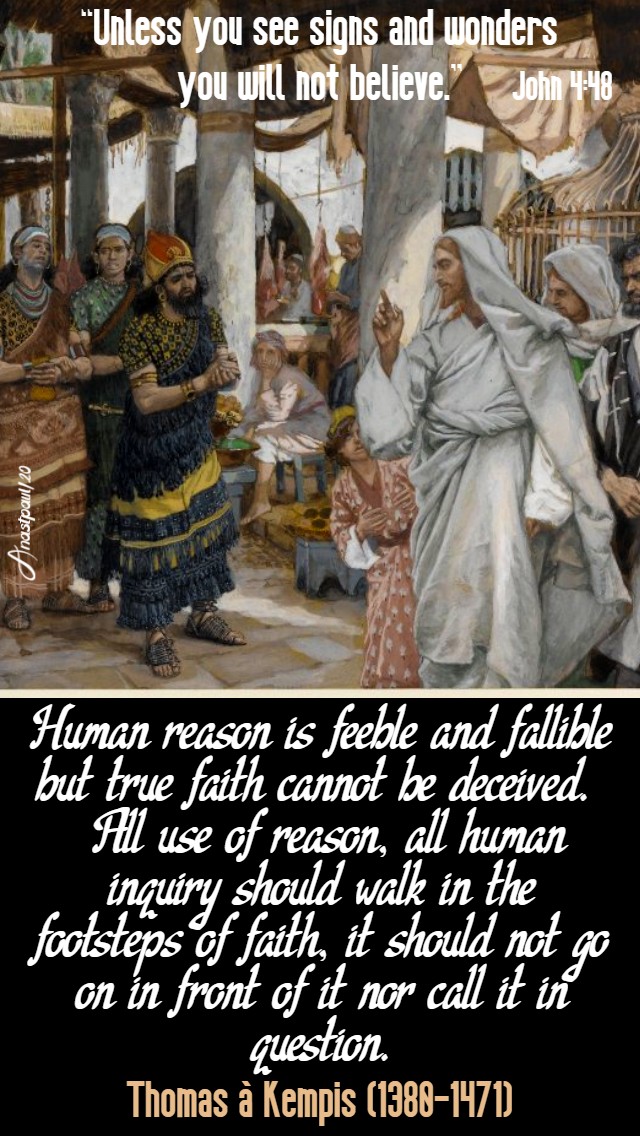
PRAYER – Teach us Holy Father to do Your will! Grant us Your guiding hand and Your grace, that we may trust You in all things. Strengthen us by Your grace and give us a heart willing to live by the love of Your Son, who so loved the world that He gave Himself up to death for our sake. For if we love as He loved, nothing will lead us from You. Grant that the prayers of our most loving and merciful Mother and the blessed loving faith of St Rafqa, may intercede in our necessities. We make our prayer through the Christ, our Lord, one God with You and the Holy Spirit, now and for all eternity, amen.
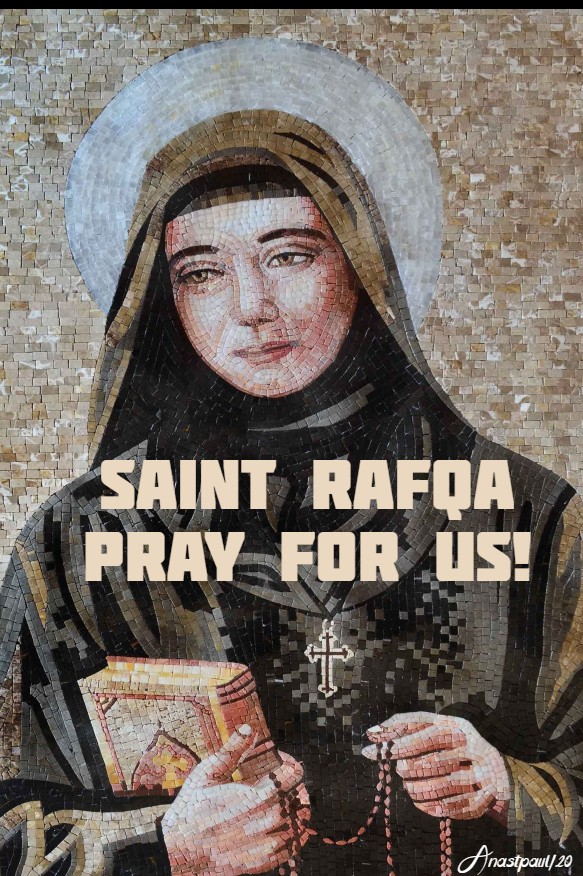
Saint of the Day – 23 March – St Rafqa Pietra Choboq Ar-Rayès OLM (1832 – 1914)
Saint of the Day – 23 March – St Rafqa Pietra Choboq Ar-Rayès OLM (1832 – 1914) Nun of the Order of Daughters of Mary of the Immaculate Conception, the “Mariamettes” and then of the Lebanese Maronite Order, Teacher and Catechist, Apostle of Prayer and Eucharistic Adoration, Marian devotee, Apostle of suffering – also known as Boutrossieh Ar-Rayes, Lily of Himlaya, Little Flower of Lebanon, Purple Rose, Rafka Al Rayes, Rafqa Shabaq al-Rayes, Rebecca Pierrette Ar-Rayes – born as Boutrossieh (in Arabic as the feminine of Peter) Ar-Rayès on 29 June 1832 and died on 23 March 1914 at the Convent of Saint Joseph, Grabta, Lebanon of natural causes. Patronages – against bodily ills or sickness, against loss of parents, of the sick.
Rafqa in Himlaya (1832-1859):
Rafqa was born in Himlaya, one of the villages of Northern Metn (Lebanon), on 29 June 1832. She was the only child of Mourad Saber el-Choboq el Rayess and Rafqa Gemayel. On 7 July 1832 she was Baptised and named Boutroussieh. Her parents taught her the love of God and the practice of daily prayer. At age seven, she suffered her first great loss with the death of her mother.
In 1843, her father experienced financial difficulties and sent her into service for four years in the home of Assaad Badawi. Rafqa grew into a beautiful, pleasant, humourous young woman, pure and tender with a serene voice.

When she was 14 years old, she returned home to find that her father had remarried. His new wife wanted Rafqa to marry her step-brother. Conflict developed when her step-mother sought to arrange a marriage between her son and Rafqa.
Rafqa in the Congregation of the Mariamettes (1859-1971):
At this time, Rafqa felt drawn to the religious life. She asked God to help her achieve her desire and set off for the convent of Our Lady of Deliverance in Bikfaya, accompanied by two girls whom she met along the road. When she entered the convent church, she felt deep joy and happiness. One look at the icon of Our Lady of Deliverance and she heard God’s voice confirming her desire to enter religious life.
Following a year of postulancy, Rafqa received the habit of her congregation on the feast of St Joseph, 19 March 1861. A year later, she pronounced her first vows. The new nun, along with sister Mary Gemayel, was assigned to work in the Jesuit-run seminary in Ghazir. Among the seminarians were Elias Houwayek and Boutros el-Zoghbi, later to become Partriarch and Archbishop, respectively. Rafqa was in charge of kitchen service. In her free time she studied Arabic, calligraphy and mathematics and also helped to educate girls aspiring to join her congregation.
In 1860 Rafqa was sent to Deir el-Kamar to teach Catechism. There she witnessed the bloody clashes that occurred in Lebanon during this period. On one occasion, she risked her own life by hiding a child under her robe and saving him from death. After a year in Deir el-Kamar, Rafqa returned to Ghazir. In 1862, she was sent to teach in a school of her order in Byblos. One year later, she was transferred to Maad village. There, with another nun, she spent seven years establishing a new school for girls, made possible through the generosity of Antoun Issa.
Rafqa in the Lebanese Maronite Order (1871-1914):
1. In the Monastery of St Simon el-Qarn in Aito (1871-1897)
While living in Maad and following a crisis in her congregation, Rafqa sought divine guidance. Entering St George’s Church, she prayed for help. Once again, she heard the Lord’s voice confirming her call to religious life. Soon after, she dreamt that St George, S. Simon and St Anthony the Great, the Father of Monasticism, were telling her to enter the Lebanese Maronite Order.
Her move from Maad to the Maronite Monastery of St Simon el-Qarn in Aito was facilitated by the generosity of Mr Antoun ISSA. She was immediately admitted to the Order, receiving the habit on 12 July 1871 and pronouncing her vows on 25 August 1872. She received the name, sister Rafqa, after her mother.

She was to spend the next 26 years in the monastery of St Simon. In her observation of the rule, her devotion to prayer and silence, in her life of sacrifice and austerity, she was a role model to the other nuns.
In 1885 Rafqa decided not to join the nuns for a walk around the monastery. In her autobiographical account she wrote, “It was the first Sunday of the Rosary. I did not accompany them. Before leaving each of the nuns came and said to me, ‘Pray for me sister.’ There were some who asked me to say seven decades of the Rosary … I went to the Church and started to pray. Seeing that I was in good health and that I had never been sick in my life, I prayed to God in this way, ‘Why, O my God, have you distanced yourself from me and have abandoned me . You have never visited me with sickness! Have you perhaps abandoned me?’” Rafqa continued in her account to her superior, the next night after the prayer “At the moment of sleeping I felt a most violent pain spreading above my eyes to the point that I reached the state you see me in, blind and paralysed and as I myself had asked for sickness I could not allow myself to complain or murmur.”
Her superior insisted that she undergo medical treatment. After all local attempts to cure her had failed, she was sent to Beirut for treatment. Passing by St John-Mark’s Church in Byblos, her companions learned that an American doctor was travelling in the area. Contacted, he agreed to perform surgery on the afflicted eye. St Rafqa refused anesthesia. In the course of the surgery, her eye became completely detached. Within a short time, the disease struck the left eye.
For the next 12 years she continued to experience intense pain in her head. Throughout this period, as before, she remained patient and uncomplaining, praying in thanksgiving for the gift of sharing in Jesus’ suffering.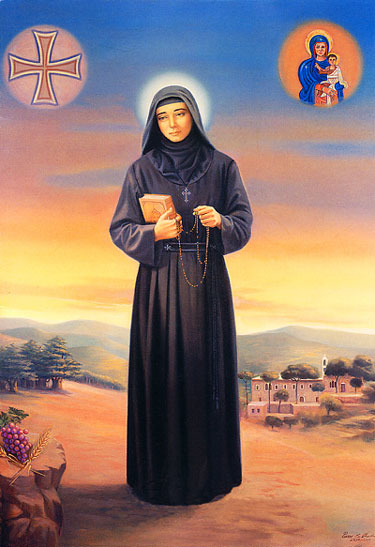
2. Rafqa in St Joseph Monastery al Dahr in Jrabta (1897-1914):
When the Lebanese Maronite Order decided to build the Monastery of St Joseph al Dahr in Jrabta, Batroun, in 1897, six nuns, led by Mother Ursula Doumit, were sent to the new monastery. Rafqa was among them.
In 1899, she lost the sight in her left eye. With this a new stage of her suffering began, intensified by the dislocation of her clavicle and her right hip and leg. Her vertebrae were visible through her skin. Her face was spared and remained shining to the end. Her hands stayed intact and she used them to knit socks and make clothing. She thanked God for the use of her hands while also thanking Him for permitting her a share in His Son’s suffering.
Based on direct evidence and on the autopsy of Rafqa’s remains in 1927, she had become paralysed due to complete disarticulation in her wrist and finger joints, while the pain continued in her head, her devastated eye sockets and her nosebleeds … completely immobile, her lower jaw touched her benumbed knee.
Even in this state, Rafqa was able to crawl to the chapel on the feast of Corpus Christi to the amazement of all the sisters. When asked about this, Rafqa replied, “I don’t know. I asked God to help me and suddenly I felt myself slipping from the bed with my legs hanging down, I fell on the floor and crawled to the chapel.”
On a separate occasion, when asked by her superior if she would like to see, Rafqa responded, “I would like to see for at least an hour, to be able to look at you.” In an instant the superior could see Rafqa smile and suddenly said, “Look, I can see now.” Not believing her, Sister Ursula put her to the test asking her to identify several objects.
Three days before her death, Rafqa said, “I am not afraid of death which I have waited for a long time. God will let me live through my death.” Then on 23 March 1914, four minutes after receiving final absolution and the plenary indulgence, after a life of prayer and service and years of unbearable pain, she rested in peace. She was buried in the Monastery cemetery.
On 10 July 1927, her body was transferred to a shrine in the corner of the Monastery chapel. The cause for her Beatification was introduced on 23 December 1925 and canonical investigation of her life began on 16 May 1926. St Pope John Paul II declared her Venerable on 11 February 1982; Beatified her on 17 November 1985 as a role model in the Adoration of the Eucharist during the Jubilee Year 2000. … Vatican.va
St Rafqa was Canonised by St Pope John Paul II on 10 June 2001. In his homily he said:
“By Canonising Blessed Rafqa Choboq Ar-Rayès, the Church sheds a very particular light on the mystery of love given and received for the glory of God and the salvation of the world. This nun of the Lebanese Maronite Order desired to love and to give her life for her people. In the sufferings which never left her for 29 years of her life, St Rafqa always showed a passionate and generous love for the salvation of her brothers, drawing from her union with Christ, who died on the cross, the force to accept voluntarily and to love suffering, the authentic way of holiness.
May St Rafqa watch over those who know suffering, particularly over the peoples of the Middle East who must face a destructive and sterile spiral of violence. Through her intercession, let us ask the Lord to open hearts to the patient quest for new ways to peace and so hasten the advent of reconciliation and harmony.”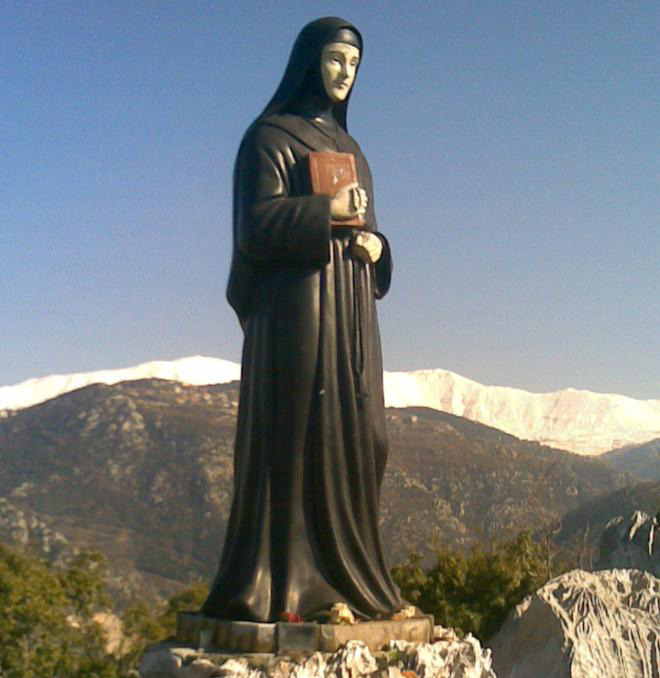

https://anastpaul.com/2019/06/26/saint-of-the-day-blessed-jacques-ghazir-haddad-ofm-cap-1875-1954/
Memorials of the Saints – 23 March
St Turibius of Mogrovejo (1538-1606) (Optional Memorial)
Biography:
https://anastpaul.wordpress.com/2018/03/23/saint-of-the-day-23-march-st-turibius-of-mogrovejo-1538-1606/
Bl Álvaro del Portillo Díez de Sollano
Bl Annunciata Asteria Cocchetti
St Benedict of Campagna
St Crescentius of Carthage
Bl Edmund Sykes
St Ethelwald of Farne
St Felix the Martyr
St Felix of Monte Cassino
St Fergus of Duleek
St Fidelis the Martyr
St Frumentius of Hadrumetum
St Gwinear
St Joseph Oriol (1650-1702)
His life:
https://anastpaul.com/2019/03/23/saint-of-the-day-23-march-st-joseph-oriol-1650-1702/
St Julian the Confessor
St Liberatus of Carthage
St Maidoc of Fiddown
Bl Metod Dominik Trcka
St Nicon of Sicily
St Ottone Frangipane
Bl Peter Higgins
Bl Pietro of Gubbio
St Rafqa Pietra Choboq Ar-Rayès OLM (1832 – 1914)
St Theodolus of Antioch
St Victorian of Hadrumetum
—
Daughters of Feradhach: They are mentioned in early calendars and martyrologies, but no information about them has survived.
Martyrs of Caesarea – 5 saints: A group of five Christians who protested public games which were dedicated to pagan gods. Martyred in the persecutions Julian the Apostate. The only details we know about them are their names – Aquila, Domitius, Eparchius, Pelagia and Theodosia. They were martyred in 361 in Caesarea, Palestine.
Saint of the Day – 22 March – Blessed Bronislaw Komorowski (1889-1940) Priest and Martyr
Saint of the Day – 22 March – Blessed Bronislaw Komorowski (1889-1940) Priest and Martyr. Born on 25 May 1889 in Barlozno, Pomorskie, Poland and died by shooting, on Good Friday 22 March 1940 in a field, outside the Stutthof concentration camp near Sztutowo, Pomorskie, Poland. Bl Bronislaw, a Polish Patriot and Teacher, was murdered by the Nazi occupiers at Stutthof concentration camp, together with a number of Polish activists captured during the Polish September Campaign . On 13 June 1999, Fr Komorowski was among 108 Polish Martyrs of World War II, Beatified in Warsaw by St Pope John Paul II.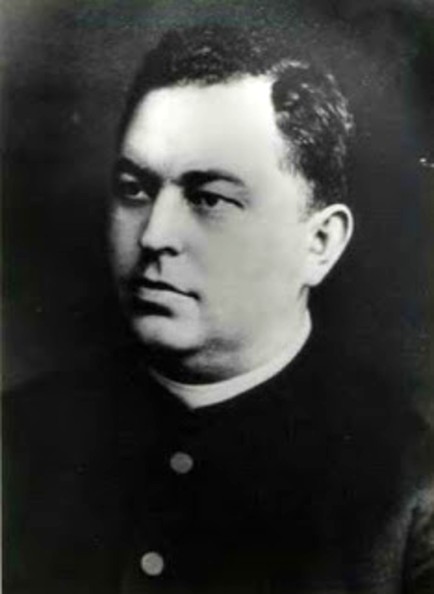
Bronisław Komorowski was born on 25 May 1889 in Barłożno near Starogard Gdański in a peasant family. After finishing the primary school and studies in Collegium Marianum in Pelplino, in years 1910-1914 he studied at the Seminary in Pelplino. He was Ordained to the Holy Orders on 2 April 1914.
From the beginning of his pastoral work, Fr Komorowski was an activist of Polonia of the Free City of Gdańsk. Beginning in 1920 he participated actively, in organising chaplaincy, churches and ministry in the Polish language. In 1923, together with other Polish activists, he created the Polish Churches Construction Association and in 1924 he created a church in a former riding arena in Gdańsk where he organised a chaplaincy for the Polish population. In 1925, thanks to his efforts, the Saint Stanislaus church was Consecrated. In the following years he continued his activity for the benefit of the Polish people in the Free City of Gdańsk. Many associations and organisations were created thanks to his initiative. Fr Komorowski was also a political activist. In 1933-1934, he was one of the councilors of the Free City of Gdańsk. In 1935, he run for Polish deputy in the Volkstag in Gdańsk.
Arrest
On 1 September 1936 Fr Bronisław Komorowski was arrested in his parish, from where he was taken to “Viktoria Schule”. Maksymilan Kempiński, a prisoner of the Nazis, describes this moment in his memoirs: ”Then I saw that Fr Komorowski was passing through the gate and did not avoid the blows of the soldiers. Upright, though stained with blood, he reached our small room.” Another prisoner, Wiesław Arlet, also remembers his meeting with Fr Komorowski in “Viktoria Schule” – “After the registration, my group was lead to a cellar so crowded that one could only stand. Among the maltreated people I saw Fr Komorowski, the parish priest of the Saint Stanislaus church in Wrzeszcz. His mouth was crushed into a bloody pulp”.
Stutthof
On 2 September, Fr Komorowski was placed in a 150-person group of prisoners sent in the first transport to Stutthof concentration camp. From the beginning of his imprisonment in the camp, he was persecuted and harassed by the SS men. Firstly, he worked on constructing the camp’s barracks, then he was given the hardest and most unpleasant work, mostly cleaning the toilets. In this way the Nazis wanted to humiliate the well-known Polish priest. They also named him the “captain” of the group which was cleaning the camp cesspit, at the same time forcing him to harass his subordinates. They didn’t achieve their goal because, as one of the prisoners, Roman Bellwon, recalls: “…he showed Christian love towards others, helping the most exhausted, sharing his food with them. Maltreated and cruelly tormented, until the end, he kept his heart open to everyone and a smile on his face. He always kept up our spirits and he always showed a truly Polish and sacerdotal attitude.”
Another witness of the humiliation of Fr Komorowski by the Nazis, Fr Wojciech Gajdus, asked him once what he felt when he was working in cesspit as a “captain.” Fr Bronislaw responded: “I felt as if I was in the pulpit watched by the prisoners and I cared that the sermon should be good. I think these were my finest sermons”.
In the last days of September 1939, Fr Bronisław Komorowski together with other priests, had been accused of stocking up on weapons in the church to protect themselves there. He was threatened that if he didn’t plead “guilty” he would be shot. Because he did not confirm the accusation he was punished with a three-day imprisonment in a bunker, where he was starved and tortured.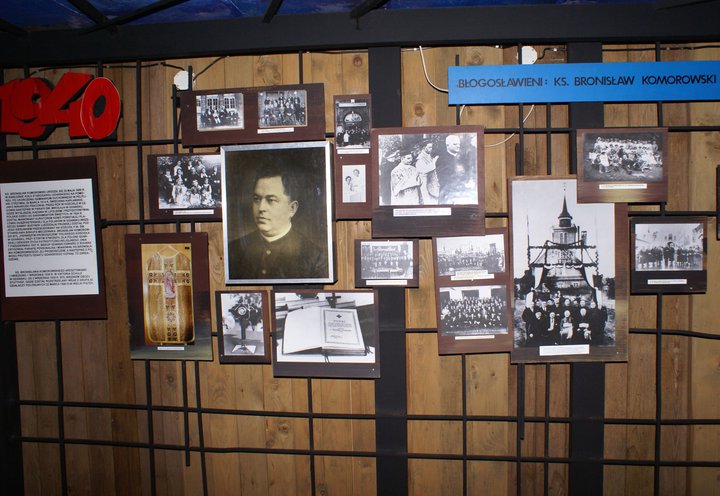
Execution
On 22 March 1940, on Good Friday, Fr Bronisław Komorowski together with a group of 66 activists of Polonia Gdańska, was taken away to the woods near the camp and shot. The grave was hidden but in 1946 it was found. After the exhumation, the bodies were buried on 4 April 1947 on the Gdańsk-Zaspa cemetery.
In 1999, Fr Bronislaw was Beatified by St Pope John Paul II. In the same year, the Social Committee of the Construction of the Blessed Bronisław Komorowski Monument was established. The monument was unveiled on the Bronisław Komorowski square in Wrzeszcz in 2000, in the 110th anniversary of the priest’s birth, the 85th anniversary of his Ordination and 75th anniversary of the Consecration of the Saint Stanislaus church.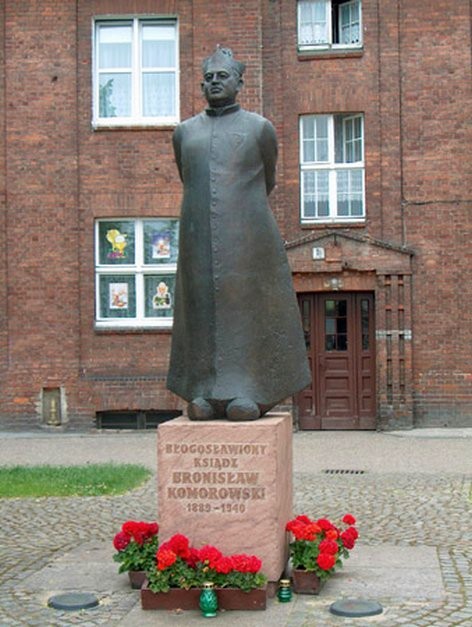
Fourth “Laetare” Sunday of Lent +2019, Feasts of Our Lady and Memorials of the Saints – 22 March 2020
Fourth “Laetare” Sunday of Lent +2019
Our Lady of the Seven Veils:
About:
https://anastpaul.wordpress.com/2018/03/22/memorial-of-our-lady-of-the-seven-veils-and-memorials-of-the-saints-22-march/
Our Lady of Sorrows of Castelpetroso:
About the Apparitions:
http://mariancalendar.org/our-lady-of-sorrows-castelpetroso-italy/
St Avitus of Périgord
St Basil of Ancyra
St Basilissa of Galatia
St Benevenuto Scotivoli of Osimo
Blessed Bronislaw Komorowski (1889-1940) Priest and Martyr
St Callinica of Galatia
Bl Clemens August von Galen (1878-1946)
The Lion of Munster!
https://anastpaul.com/2019/03/22/saint-of-the-day-22-march-blessed-clemens-august-count-von-galen-1878-1946/
St Darerca of Ireland
St Deghitche
St Epaphroditus of Terracina
St Failbhe of Iona
Bl François-Louis Chartier
St Harlindis of Arland
Bl Hugolinus Zefferini
St Lea of Rome
Bl Marian Górecki
St Nicholas Owen SJ (1562-1606)
Dear St Nicholas Owen – The Priest-Hole Builder:
https://anastpaul.wordpress.com/2018/03/22/saint-of-the-day-22-march-st-nicholas-owen-s-j-1562-1606-the-priest-hole-builder-martyr/
St Octavian of Carthage
St Paul of Narbonne
St Saturninus the Martyr
St Trien of Killelga
One Minute Reflection – 21 March – ‘…The basis for holiness…’
One Minute Reflection – 21 March – Saturday of the Third Week of Lent, Readings: Hosea 6:1-6, Psalm 51:3-4, 18-21, Luke 18:9-14 and the Memorial of St Enda of Aran
“…For everyone who exalts himself will be humbled but he who humbles himself, will be exalted.”… Luke 18:14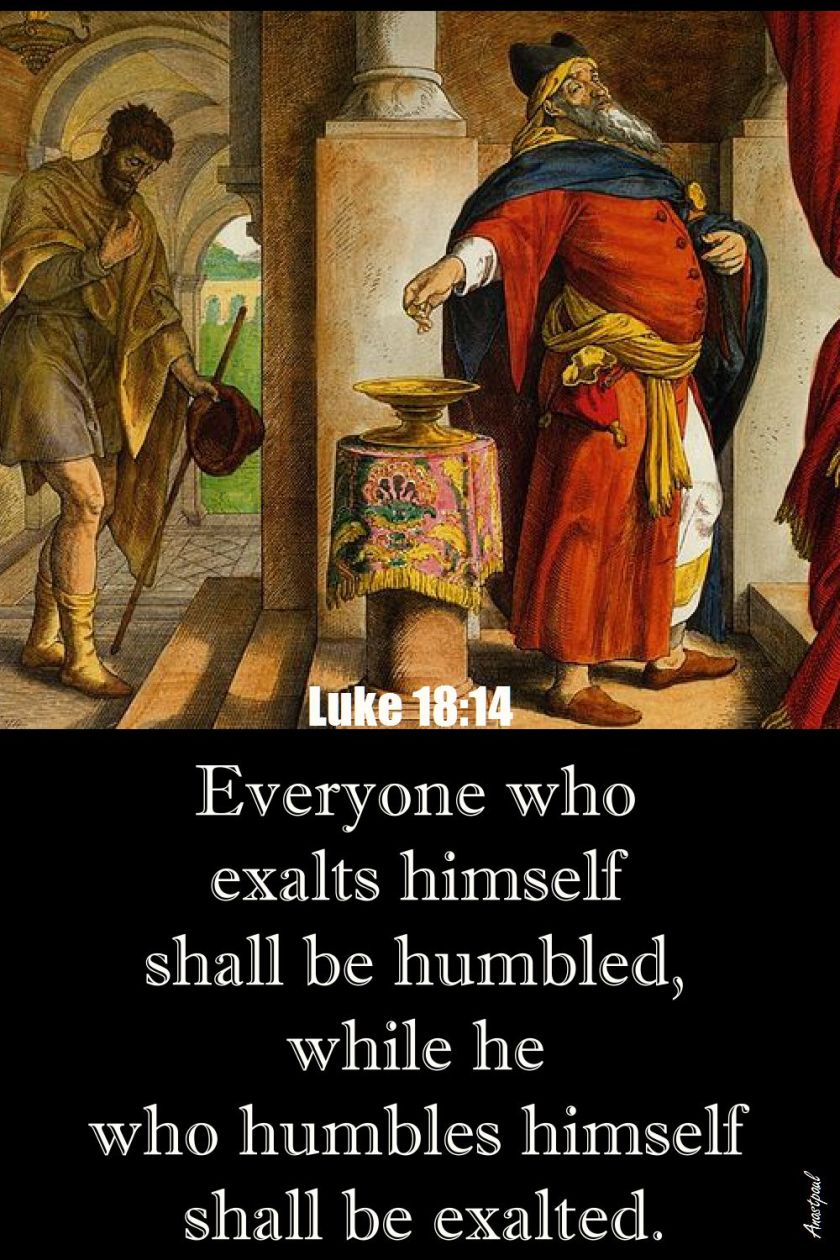
REFLECTION – “It is of capital importance that you emphasise what is the basis for holiness and the foundation of goodness. I mean, to talk about the virtue of which Jesus presents himself explicitly as the model – humility (cf. Mt 11:29).
Inner humility, more inner than outward.
Recognise who you truly are – a nothing, something quite miserable, weak, full of defects, capable of turning good into bad, to let go the good, for the bad, to attribute to yourself the good and to justify yourself in doing bad and for love of evil, to despise the One who is the Supreme Good.
Never go to bed before having first examined your conscience to consider how you spent your day. Turn all your thoughts towards the Lord and consecrate to Him your own person, as well as all Christians. Then offer to His glory, the sleep you will get, without ever forgetting your guardian angel, who is always at your side.” … Saint Pio of Pietralcina “Padre Pio” (1887-1968) – Buona Giornata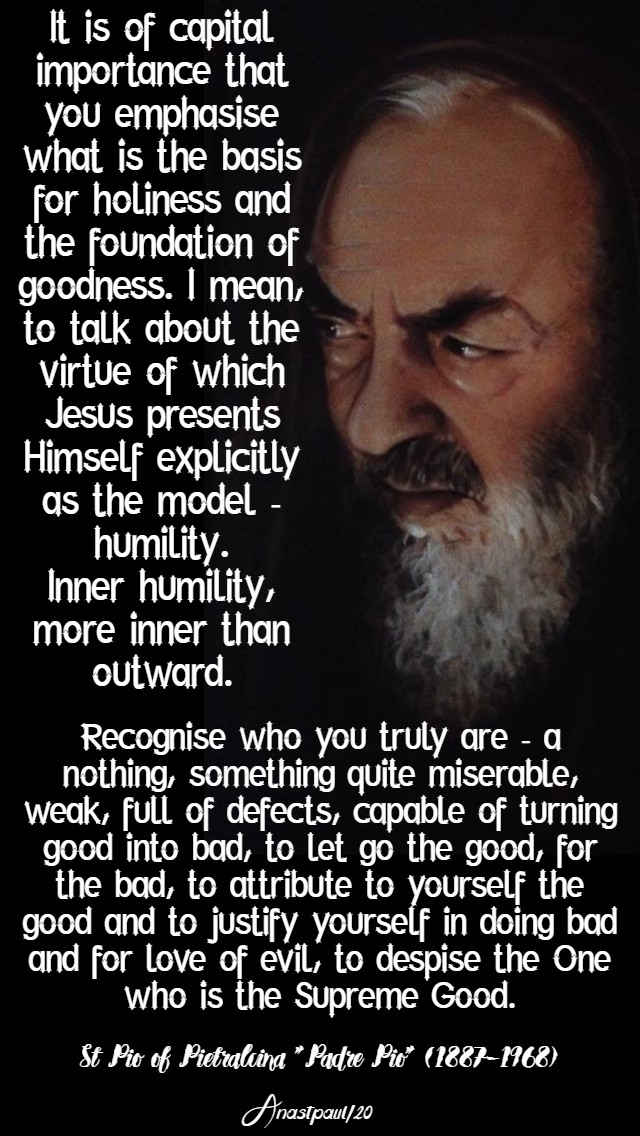
PRAYER – We turn to You our God and Father and seek Your comfort and assurance. Jesus, our Lord, Your Son, taught us how to pray in humility and all we need to be and do, to reach You. Be patient good Father, as we grow by Your grace. May the prayers of St Enda, be heard together with the Mother of Christ and of Humility, as they pray on our behalf. Through Jesus our Lord, in union with the Holy Spirit, God now and forever, amen.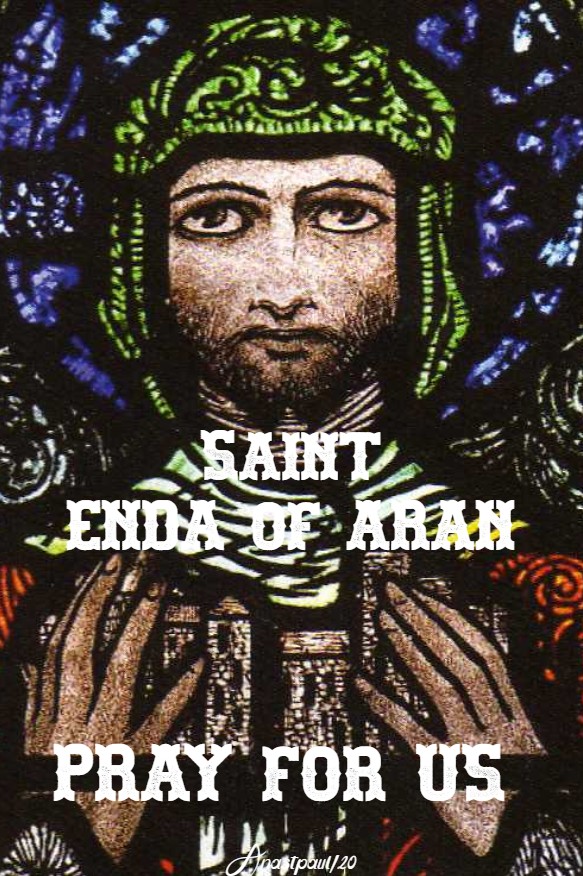
Saint of the Day – 21 March – St Enda of Aran (c 450 – c 530) “Father of Irish Monasticism”
Saint of the Day – 21 March – St Enda of Aran (c 450 – c 530) Priest, Monk, Abbot of Aran “Fatheh of Irish Monasticism” and Aran is known as “Aran of the Saints” – also known as Éanna, Edna, Éinne, Endeus, Enna – born in Meath, Ireland and died in c 530 of natural causes. Enda was a warrior-king of Oriel in Ulster, converted by his sister, Saint Fanchea, an abbess. About 484 he established the first Irish Monastery at Killeaney on Aran Mor. Most of the great Irish saints had some connection with Aran.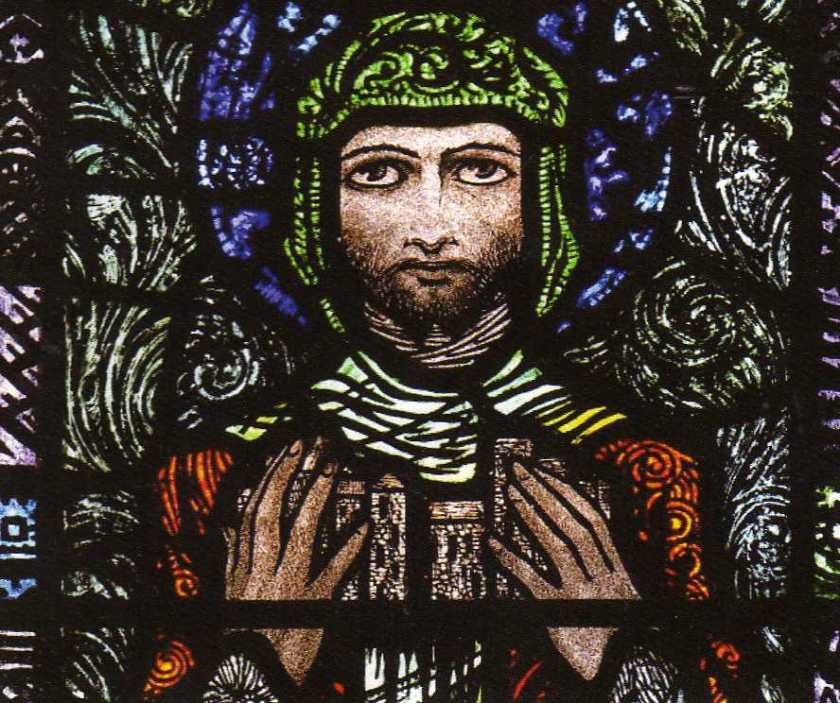
According to the Martyrdom of Oengus, Enda was an Irish prince, son of Conall Derg of Oriel (Ergall) in Ulster. Legend has it that when his father died, he succeeded him as king and went off to fight his enemies. The soldier Enda, was converted by his sister, Saint Fanchea, an abbess. He visited St Fanchea of Rossory (died c 585), who tried to persuade him to lay down his arms. He agreed, if only she would give him a young girl in the convent for a wife. He renounced his dreams of conquest and decided to marry. The girl she promised turned out to have just died and Fanchea forced him to view the girl’s corpse, to teach him that he, too, would face death and judgment.

Faced with the reality of death and by his sister’s persuasion, Enda decided to study for the priesthood and studied first at St Ailbe’s monastery at Emly. Fanchea sent him to Rosnat, a great centre of Monasticism. There he took Monastic vows and was Ordained.
In this way, St Fanchea succeeded in turning her brother not only from violence but even from marriage. He left Ireland for several years, during which time he became a Monk and was ordained as a Priest.
Upon his return to Ireland, he petitioned his King Aengus of Munster – who was married to another of Enda’s sisters – to grant him land for a Monastic settlement on the Aran Islands, a beautiful but austere location near Galway Bay off Ireland’s west coast.
During its early years, Enda’s island mission had around 150 monks. As the community grew, he divided up the territory between his disciples, who founded their own Monasteries to accommodate the large number of vocations. Enda did not found a religious order in the modern sense but he did hold a position of authority and leadership over the Monastic settlements of Aran – which became known as “Aran of the Saints,” renowned for the monks’ strict rule of life and passionate love for God.
Enda’s monks imitated the asceticism and simplicity of the earliest Egyptian desert hermits. He established the Monastery of Enda, which is regarded as the first Irish Monastery, at Killeany on Inismór. He also established a Monastery in the Boyne valley and several others across the island and along with St Finnian of Clonard is known as the Father of Irish monasticism. At Killeaney, the monks lived a hard life of manual labour, prayer, fasting and study of the Scriptures. The monks of Aran lived alone in their stone cells, slept on the ground, ate together in silence and survived by farming and fishing. St Enda’s monastic rule, like those of St Basil in the Greek East and St Benedict in the Latin West, set aside many hours for prayer and the study of scripture.
Enda divided the island into two parts, one half assigned to the Monastery of Killeany, and the western half to such of his disciples as chose “to erect permanent religious houses on the island.” Later he divided the island into 8 parts, in each of which he built a “place of refuge”. The life of Enda and his monks was frugal and austere. The day was divided into fixed periods for prayer, labour and sacred study. Each community had its own church and its village of stone cells, in which they slept either on the bare ground or on a bundle of straw covered with a rug but always in the clothes worn by day. They assembled for their daily devotions in the church or oratory of the saint under whose immediate care they were placed. The monks took their meals in silence in a common refectory, from a common kitchen, having no fires in their stone cells, however cold the weather or wild the seas.
They invariably carried out the monastic rule of procuring their own food and clothing by the labour of their hands. Some fished around the islands, others cultivated patches of oats or barley in sheltered spots between the rocks. Others ground grain or kneaded the meal into bread and baked it for the use of the brethren. They spun and wove their own garments from the undyed wool of their own sheep. They could grow no fruit in these storm-swept islands, they drank neither wine nor mead and they had no flesh meat, except perhaps a little for the sick.
During his own lifetime, Enda’s Monastic settlement on the Aran islands became an important pilgrimage destination, as well as a centre for the evangelisation of surrounding areas. At least two dozen Canonised Saints had some association with “Aran of the Saints.”
Enda’s Monastery flourished until Viking times but much of the stone was ransacked by Cromwell’s men in the 1650s for fortifications, so only scattered ruins remain. Most survive as coastal ruined towers. Cattle, goats, and horses now huddle and shiver in the storm under many of the ruins of old walls where once men lived and prayed. These structures were the chosen home of a group of poor and devoted men under Saint Enda. He taught them to love the hard rock, the dripping cave and the barren earth swept by the western gales. They were “Men of the Caves” and “also Men of the Cross.”

St Enda himself died in old age around the year 530. An early chronicler of his life declared that it would “never be known until the day of judgment, the number of saints whose bodies lie in the soil of Aran,” on account of the onetime-warrior’s response to God’s surprising call. His remains are buried at Tighlagheany, Inishmore, Ireland.
During his own lifetime, Enda’s monastic settlement on the Aran islands became an important pilgrimage destination, as well as a centre for the evangelisation of surrounding areas. At least two dozen canonised individuals had some association with “Aran of the Saints”. Among these were Saint Brendan the Navigator (c 484–c 577) https://anastpaul.com/2019/05/16/saint-of-the-day-16-may-st-brendan-the-navigator-c-484-c-577/, who was blessed for his voyage there, St Jarlath of Tuam, St Finnian of Clonard (470–549) https://anastpaul.com/2019/12/12/saint-of-the-day-12-december-saint-finnian-of-clonard-470-549-tutor-of-the-saints-of-ireland/ and Saint Columban (543-615) https://anastpaul.com/2018/11/23/saint-of-the-day-23-november-st-columban-543-615/ who called it the “Sun of the West. Aran became a miniature Mount Athos, with a dozen Monasteries scattered over the island, the most famous, Killeany, where Enda himself lived. There, a great tradition of austerity, holiness and learning was begun.
Saint Ciaran of Clonmacnoise (c 516 – c 549) came there first as a youth to grind corn and would have remained there for life but for Enda’s insistence that his true work lay elsewhere, reluctant though he was to part with him. When he departed, the Monks of Enda lined the shore as he knelt for the last time to receive Enda’s blessing and watched as the boat bore him from them. Saint Finnian left St Enda and founded the Monastery of Moville (where Columba spent part of his youth) and who afterwards became Bishop of Lucca in Tuscany, Italy.
Those who lived there loved the islands which “as a necklace of pearls, God has set upon the bosom of the sea” and all the more, because they had been the scene of heathen worship – according to a prophecy, “there will be left only three islands altogether, when Innish is sent from mortal planes, Inishmore, Inishmaan, and Inisheer.” On the largest will stand Saint Enda’s well and altar and the round tower of the church, where the bell was sounded, which gave the signal that Saint Enda had taken his place at the altar. At the tolling of the bell the service of the Mass began in all the churches of the island.

 AnaStpaul
You must be logged in to post a comment.