Quote/s of the Day – 6 June – The Memorial of St Norbert (c 1080-1134) and St Marcellin Champagnat FMS (1789-1840)
On the day of his ordination, St Norbert said:
“O Priest! You are not of yourself because you are of God. You are not of yourself because you are the servant and minister of Christ. You are not your own because you are the spouse of the Church. You are not yourself because you are the mediator between God and man. You are not from yourself because you are nothing. What then are you? Nothing and everything. O Priest! Take care, lest what was said to Christ on the cross be said to you: ‘He saved others, himself he cannot save!”
“You will never enjoy the sweetness of a quiet prayer, unless you shut your mind, to all worldly desires and temporal affairs.”
St Norbert (c 1080-1134)
“All to Jesus through Mary, all to Mary for Jesus.”
One Minute Reflection – 6 June – “Month of the Sacred Heart” – Saturday of the Ninth Week in Ordinary Time, Year A, Readings: 2 Timothy 4:1-8, Psalm 71:8-9, 14-17, 22, Mark 12:38-44 and the Memorial of St Norbert O.Praem (c 1080-1134) and St Marcellin Champagnat FMS (1789-1840)
“For they all contributed out of their abundance but she out of her poverty has put in everything she had, her whole living.”…Mark 12:44
REFLECTION – “Now, if someone is wondering what the cost is, here is their answer – He who offers a Kingdom in heaven has no need of earthly coin. No-one can offer God anything, except what already belongs to Him, since all that exists is His. And yet, God does not give away so great a thing, without a price being placed on it, He does not give it to someone who doesn’t value it. For indeed, nobody gives away something they hold dear without placing some kind of value on it.
From now on, then, if God has no need of your goods, neither does He have to give you this great thing, if you refuse to love Him, all He requires is love, without which nothing constrains His giving. Love, then, and you will receive the Kingdom, love and you will possess it… Love God more than yourself and already, you begin to have what it is you desire to possess fully, in heaven.”… St Anselm (1033-1109) Doctor of the Church
PRAYER – Lord God, Your Son has shown us the way. As we follow in His steps, may we never wander from the path that leads to life. Renew the wonders of Your grace in our hearts so that neither death nor life may separate us from Your love. Holy Father, as You were glorified by the life and death of St Norbert and St Marcellin, grant that by their prayers, we may receive strength to always give You our hearts, minds and complete selves. Through our Lord, Jesus Christ, with You in union with the Holy Spirit, one God for all eternity, amen.
Saint of the Day – 6 June – Blessed Innocenty Józef Wojciech Guz OFM (1890-1940) Priest of the Franciscan Conventual and Martyr of the Nazi Regime – born as Józef Adalbert Guz on 8 March 1890 in n Lemberg, Austria (present-day Poland) and died from trauma resulting from having a charged fire hose stuffed down his throat on 6 June 1940 in the prison camp at Sachsenhausen-Oranienburg, Oberhavel, Germany. He was 50 years old. Additional Memorial – 12 June as one of the 108 Polish Martyrs of World War II.
After high school Jozef tried to join the Jesuits but was turned down. On 25 August 1908 be joined the Franciscans, taking the name Innocenty. He studied philosophy and theology in Krakow, Poland and was ordained on 2 June 1914. He served as a Parish Priest in a number of cities and worked with Saint Maximilian Kolbe.
He was a confessor to a Franciscan monastery at Niepokalanów, Poland from 1933 to 1936, vice-master of clerics and singing teacher in the minor seminary and Parish Priest in Grodno, Poland.
He was imprisoned by invading Russia troops on 21 March 1940 for the crime of being a Polish Priest but he managed to escape and went to the German zone, where he was arrested by the Gestapo. He was sent to several prisons before finally ending at the concentration camp at Sachsenhausen where he was severely beaten and put to forced labour. When he could not work, owing to a broken leg, he was nearly drowned and finally murdered.
He was Beatified on 13 June 1999 by St Pope John Paul II at Warsaw, Poland. Below are the Franciscan Martyrs of the World War II.
St Agobard of Lyon
St Alexander of Fiesole
St Alexander of Noyon
St Amantius of Noyon
St Anoub of Skete
St Artemius of Rome
St Bazalota of Abyssinia
St Bertrand of Aquileia
St Candida of Rome
St Ceratius of Grenoble
St Claudius of Besançon
St Cocca
St Colmán of Orkney
Bl Daniel of Bergamo
St Euphemia of Abyssinia
St Eustorgius II of Milan
Bl Falco of La Cava
Bl Gerard Tintorio
Bl Gilbert of Neufontaines
St Grazia of Germagno
St Gudwall
Bl Gundisalvus of Azebeyro
St Hilarion the Younger Blessed Innocenty Józef Wojciech Guz OFM (1890-1940) Priest and Martyr of the Nazi Regime
St Jarlath of Tuam
St John of Verona
Bl Lorenzo de Masculis St Marcellin Champagnat (1789-1840) Wonderful St Marcellin:
St Paulina of Rome
St Phêrô Dung
St Phêrô Thuan
St Rafael Guízar y Valencia
St Vincent of Bevagna
St Vinh-Son Duong
Bl William Greenwood
—
Marytrs of Tarsus: A group of 20 martyrs who were killed together during the persecutions of Diocletian. They were martyred in Tarsus (in modern Turkey).
Mercedarian Fathers of Avignon: Several Mercedarians from the Santa Maria convent of Avignon, France who worked with plague victims in that city and died of the disease themselves. They died in Avignon, France of plague.
Quote/s of the Day – 5 June – The Memorial of St Boniface (c 672-754) “The Apostle of Germany” – Martyr
Let us listen to these very appropriate quotes for our times!
“In her voyage across the ocean of this world, the Church is like a great ship being pounded by the waves of life’s different stresses. Our duty is not to abandon ship but to keep her on her course.”
“Let us pray the gracious Defender of our life, the only sure refuge of those in trouble, that His right hand may keep us safe amidst these dens of wolves and, that He may guard us from harm, so that the footsteps of apostates walking in darkness may not be found, where should be the beautiful feet of those who carry the peaceful light of the Gospel but, that the most gracious Father and God may help us to gird up our loins, with bright candles in our hands and that He may enlighten the hearts of the heathen to gaze at the glorious Gospel of Christ. Amen”
One Minute Reflection – 5 June – “Month of the Sacred Heart” – Friday of the Ninth week in Ordinary Time, Readings: 2 Timothy 3:10-17, Psalm 119:157, 160-161, 165-166, 168, Mark 12:35-37 and the Memorial of St Boniface (672-754) “The Apostle of Germany” – Martyr and Bl Malgorzata Szewczyk (1828-1905)
David himself calls him ‘lord.’ … Mark 12:37
REFLECTION – “Be mindful of the mystery of Christ! Born from the Virgin’s womb, both Servant and Lord – Servant to set to work, Lord to command so that He might plant a Kingdom for God in people’s hearts. Twofold in origin but one in nature, He is not one thing when He comes from the Father, another when He comes from the Virgin. He is the very same, the one born of the Father before all ages and who has taken flesh of the Virgin in the course of time. And that is why He is named both Servant and Lord – Servant with respect to us but, due to the unity of the divine substance, God from God, Principle from Principle, Son equal in all things to the Father who is His equal. For the Father has not begotten a Son different to Himself – the Son of whom He asserted: “In him I am well pleased” (Mt 3:17) (…)
In every respect the Servant preserves His titles of dignity. God is great and the Servant is also great – when He came in the flesh He did not lose this “greatness that has no limit” (Ps 145[144]:3) … “Though he was in the form of God he did not regard equality with God something to be grasped. Rather, he emptied himself, taking the form of a slave” (Phil 2:6-7) … Therefore, as Son of God He is equal to God, He took the form of a slave by becoming incarnate, He whose greatness has no limit “tasted death” (Heb 2:9) (…)
How good is the condition of the Servant who has set us all free! Yes, how good it is! It won for Him “the name which is above all other names!” How good that humility is! It was through it that, “at the name of Jesus every knee should bend, of those in heaven and on earth and under the earth, and every tongue confess that Jesus Christ is Lord to the glory of God the Father” (Phil 2:10-11).” … St Ambrose (c 340-397) Father and Doctor of the Church – Sermon on Psalm 36[35]:4-5
PRAYER – Lord, Your martyr Boniface, spread the faith by his teaching and witnessed to it with his blood. Grant we pray, that the name of our Lord and God, Your divine Son, may be ever on our lips and in our hearts. May we bow in worship to our Lord Jesus now and forever, amen! By the help of the prayers of St Boniface and Bl Malgorzata Szewczyk, grant that we may be ever loyal to our faith and grant us the courage to profess it in our lives. Grant this through our Lord Jesus Christ, Your Son, who lives and reigns with You and the Holy Spirit, one God, for ever and ever, amen.
Saint of the Day – 5 June – Blessed Malgorzata Szewczyk (1828-1905). She was called “an Angel of Kindness”– Religious and Founder of the Daughters of the Sorrowful Mother of God, known commonly as the “Seraphic Sisters,” Apostle of Mercy and Charity to the poor, needy, homeless, the sick and orphans – born as Łucja Szewczyk in 1828 in Szepetówka, Khmelnytskyi, Ukraine and died on 5 June 1905 in Nieszawa, Aleksandrów, Poland. Patronage – the Seraphic Sisters.
Łucja Szewczyk was born in 1828 in a noble family in Volhynia. Orphaned at an early age, she was cared for by her half-sister. In the difficult situation of partitions and persecution of the Church at the age of 20, she made her tertiary profession in the Third Order of St Francis. She learned to love “love who is not loved” from the poor man from Assisi.
At the age of 42, together with another tertiary she went on a dangerous journey to the Holy Land. She went all the way to Odessa on foot. There she boarded a ship that sailed to her dream destination. In Jerusalem, she worked at St Joseph’s Hospital alongside French nuns. During her three-year stay in the land of Jesus, she surrendered her life to Our Lady of Sorrows. Here, in the footsteps of the Lord, she discovered her calling – she wished to live “for the glory of God and for the good of suffering humanity.”
After returning from the Holy Land and Loreto, in 1880, she went to Zakroczym near Warsaw. On the advice of Father Honorat Koźmiński, who became her Spiritual Director, the first step she took was to invite two poor and sick elderly women to live in her apartment. According to her memoirs, she carried two elderly women on her own back, whom she cared for. She took care of them in secret, because charitable or church activities were forbidden, according to the decrees of the Russian Emperor, who at the time ruled over Poland. When taking her Franciscan vows, in addition to obedience, poverty and chastity, she took a vow pledging mercy to the needy. Father Honoratwrote: “Łucja felt a desire to devote herself to the misery of the poor … She found paupers and devoted herself to them with a strange passion…. Encouraged by her example, pious people began to join her. … God blessed her.”
Later to accommodate the growing number and better serve those in need, she decided to purchase a new house with a garden. On the feast of Our Lady of Sorrows – on 8 April 1881, she founded a new Congregation, initially under the name of the Sisters of the Poor. Father Honorat chose their Superior, Łucja, who took the name Małgorzata. For the first 10 years, the sisters operated in the Russian partition in a hidden way. Mother Małgorzata opened houses in Warsaw and Częstochowa. In 1891 she went to Galicia, where there was greater religious freedom. She founded a religious house in Hałcnów. The Congregation adopted Franciscan habits and a new name: Daughters of Our Lady of Sorrows.
A year later, the construction of the Monastery in Oświęcim began, which became the Motherhouse of the “Seraphic Sisters.” The sisters created an orphanage for children, a shelter for sick and abandoned old men, a tailoring and embroidery workshop for girls. There was also an orphanage in Żywiec, a religious institution in Wielka Wieś (teaching), in Przemyśl (to serve in a local hospital), Stryj and Frydrychowice (orphanages for children, a shelter for the elderly), Siemiechów (teaching), Przemyślany (hospital ministry), Drohobych (orphanage, orphanage), in Mogila near Kraków (teaching in elementary school) and Jarosław (hospital ministry). Mother Małgorzata, by her example, encouraged the sisters, by using the sick and neglected, to reach their souls and to preserve the “holy virtue of poverty.”
In 1904, after twenty-three years, Mother Małgorzata, “burdened with age and physical weaknesses,” she resigned from the post of Superior General. She went to Nieszawa, a branch which at that time was the only one operating within the Russian partition. She became a “little” sister again. She continued to serve the needy and, toward the end of her life, offered her suffering for their intentions.
The inhabitants of Nieszawa called their Mother Małgorzata “an Angel of Kindness.” She spent the last months of her life “praying constantly.” She died on 5 June 1905. Crowds of people attended her funeral in 1905. The “mother of the poor and orphaned” was beatified on 9 June 2013 in Krakow, where the Motherhouse of the congregation she founded is currently located, at 3 Łowiecka.
In 1931, her remains were moved from Nieszawa to the cemetery chapel in Oświęcim and in 1951 – to the local church which she, herself had built.
Translation of the Bl Małgorzata’s Relics
Mother Małgorzata makes us careful not to pass by a person who may not seem in need but suffers from loneliness, rejection and ill health. It is not enough to secure someone materially or give him professional help. One must first see a person, a human being, because human suffering has a specific face.
Bl Małgorzata ‘s Order now operates in places such as Belarus and France and in 2005 had 679 religious in 76 houses. The Order received the Papal Decree of praise from Pope Pius X on 12 February 1909 and full pontifical approval from Pope Pius XII on 3 March 1953. At some stage the order was aggregated to the Order of Friars Minor Capuchin.
Bl Małgorzata was Beatified on 9 June 2013, Sanktuarium Bożego Miłosierdzia, Kraków, Poland by Cardinal Angelo Amato.
—
St Adalar of Erfurt
Bl Adalbert Radiouski
Bl Adam Arakawa
St Austrebertus of Vienne
St Claudius of Egypt and Companions
St Ðaminh Huyen
St Ðaminh Toai
St Dorotheus of Tyre
St Elleher
St Eoban of Utrecht
St Eutichius of Como
St Evasius of Africa
St Felix of Fritzlar
Bl Ferdinand of Portugal
St Franco of Assergi
St Genesius, Count of Clermont
St Gregory of Lilybaeum
St Gundekar
St Hadulph
St Luke Loan Blessed Malgorzata Lucja Szewczyk (1828-1905)
Bl Meinwerk of Paderborn
St Privatus of Africa
St Sanctius of Córdoba
St Tudno of Caernarvon
St Waccar
Martyrs of Caesarea:
A group of Christians who converted together, were imprisoned together, tortured together, and martyred together. We know nothing more about them but their names – Cyria, Marcia, Valeria and Zenaides.
Died
Caesarea, Palestine, date unknown.
Martyrs of Egypt:
A group of Christians martyred together in the persecutions of Galerius Maximian. The only other information was have is three of their names – Apollonius, Marcian and Nicanor.
Died
in Egypt, date unknown.
Martyrs of Perugia:
A group of Christians martyred together in the persecutions of Decius. We know little more than their names – Cyriacus, Faustinus, Florentius, Julian and Marcellinus.
Died
beheaded in 250 in Perugia, Italy
Martyrs of Rome:
26 Christians martyred together. We have no details about them but their names – Candida, Castula, Fappa, Felician, Felicitas (2 of), Felicula, Fortunatus, Gagus, Gregor, Hilarius, Ingenuus, Juliana, Martialis, Maurus, Mustilus, Nicander, Prima, Rogata, Rutianus, Sacrinus, Saturnin, Secundian, Secundus, Urbicus, Victurus.
Died
• Rome, Italy, date unknown
• relics transferred to Antwerp, Belgium, date unknown
Second Thoughts of the Day – 4 June – “Month of the Sacred Heart” – The Memorial of St Francis Caracciolo CRM (1563-1591) Priest, Founder
From the Clerics Regular Minor – Adorno Fathers
In the church of San Lorenzo in Lucina in Rome, there is a sacred image of the Blessed Mother entitled, LA MADONNA DELLA SANITÀ, or rendered in English as Our Lady of Health.
This ancient image had been lost for centuries but was rediscovered as the structure was being restored in the church during the time of Pope Sixtus V. It was moved to the main altar above the painting of the Crucifixion by Guido Reni, see below.
A few years later, Pope Paul V entrusted this church to the Clerics Regular Minor.
His Holiness, who had great esteem for St Francis Caracciolo, spoke to him at length about the Sacred Image of the Madonna, recommending its veneration, entitled Our Lady of Health, in regard to the many graces which were granted to the sick, even during times of plague.
The Clerics Regular Minor promulgated this devotion among the faithful over the years.
In 1867, when a terrible plague afflicted the City of Rome, the faithful of San Lorenzo in Lucina, encouraged by the Clerics Regular Minor, invoked Mary’s aid under this title by reviving this devotion and they were freed from the scourge of cholera.
In 1868, in thanksgiving for graces received, a booklet entitled “Cenni Istorici della Madonna della Sanità di S. Lorenzo in Lucina “ with prayers was published.
Let us invoke the aid of the Blessed Mother under the title of “LA MADONNA DELLA SANITÀ” during this time of for the end of the evil virus and the conversion of sinners.
PRAYER TO OUR LADY OF HEALTH—PREGHIERA ALLA MADONNA DELLA SANITÀ
God gave you, O pre-elected Mary, Mother of the eternal Word, who through such a lofty dignity, filled you with divine Wisdom, who became the wonder of the Angels, the marvel of the world, the Queen of Heaven, the Cooperator of Christ in the redemption of the whole human family and our Mother of love and mercy. Oh! full of joy, we praise and thank the Divine Word for having graced you with so many sublime gifts, enriched by His divine Wisdom. Though we are wretched sinners but humbled and repentant, we turn to your Son Jesus, our Advocate before His Divine Father and to you, our most wise Mother of Mercy, to obtain for us the forgiveness of our sins with sincere sorrow. Say unto the Divine Child, whom you hold close to your bosom, that we strive to be devout and offer Him our repentant hearts again and we will be saved. Give us those graces and help that we need for the benefit of our eternal salvation. Help every devoted infirm person, who trusts in you, by means of this devout exercise to this prodigious Imagine for those who have recourse to you. The favours and graces which you always give to those who trust in you are innumerable and, the new graces, you have obtained, show us that you are for us always, our Mother of Health. Oh Our most loving Mother, obtain for us again from your Son Jesus, our most lovable Redeemer, that we may always trust in His infinite merits and in your most powerful intercession, to obtain, with the graces that we ask for in our temporal needs, the eternal salvation of our souls. AMEN
Thought for the Day – 4 June – “Month of the Sacred Heart” – Meditations with Antonio Cardinal Bacci (1881-1971)
The Sacred Heart of Jesus
and the Blessed Eucharist
“It is from the loving Heart of Jesus that His innumerable gifts come to us – His graces, the Sacraments, the supernatural work of our redemption. His many acts of mercy and compassion, of which we read in the pages of the Gospel, show us the immensity of the love which His Heart bore for us.
The greatest of all His gifts to us, is the Eucharist, for in the Eucharist, He gives us, not merely His gifts but Himself, the Author of all these gifts. There are three great mysteries which show us, in a special way, the infinite love of God for us and indicate, although in a manner which we cannot clearly comprehend, that He is love itself. “God is love.” (1 Jn 4:8) These three mysteries are the Creation, the Incarnation and the Eucharist. God, infinitely perfect and happy in Himself, wished to impart something of His infinite perfection. He created the universe and made man master of it. But, ungrateful man separated himself from God by sin. He became engulfed in an abyss of evil from which he was incapable of rising to return to God, his only good. Then God, in another mysterious act of love, became man. The Eternal Word assumed a human form, taught us the way to Heaven, gave us the means of reaching it and died for our sins on the Cross. We could never meditate sufficiently on this profound mystery of love.
There was more to follow, however. When Jesus was returning to His heavenly Father, He wished to remain among us. During His earthly life, He had given Himself completely up, to the final immolation on Calvary. But, He wished to give us Himself for all time, until the end of the world. This is the explanation of the Eucharist, which is Jesus dwelling amongst us as our nourishment and as our consolation in life and at the hour of death.
By means of this wonderful gift, we can live the life of Jesus Himself!”
Quote/s of the Day – 4 June – “Month of the Sacred Heart” – The Memorial of St Francis Caracciolo CRM (1563-1591) Priest, Founder
“Let’s go, let’s go to heaven.”
His last words
“The zeal of your house consumes me”
(Ps 69:10)
“My most beloved Lord, how good you are! Blood of Christ shed for me! It is mine, do not deny it to me because it is mine! O priests, strive to offer Mass everyday, inebriate yourselves with this blood. O Paradise, O Paradise, Blessed are those who live in your house, O Lord.”
One Minute Reflection – 4 June – “Month of the Sacred Heart” – Thursday of the Ninth week in Ordinary Time, Year A, Readings: 2 Timothy 2:8-15, Psalm 25:4-5, 8-10, 14, Mark 12:28-34
Jesus replied: “You shall love the Lord your God with all your heart, with all your soul, with all your mind and with all your strength. The second is this: ‘You shall love your neighbour as yourself.” … Mark 12:29-31
REFLECTION – “It is God we love; love of God is the first commandment but the second is like it, namely, that it is only through others that we can return love for love to God.
The danger is when the second commandment becomes the first. However, we have a means of control which is to love each person, to love Christ, to love God in each person, without preference or distinction or exception.
The second danger is, that we cannot do it and will not do it, if we separate charity from faith and hope.
It is prayer that gives us faith and hope. Without prayer we won’t be able to love. …
Faith and hope infused by prayer, are what will clear the path of our love from its most cluttering obstacle – self-love.
The third danger is to love, not “as Jesus has loved us” but in a human fashion. And perhaps this is the greatest danger of all. …
It is not our own love we are to give, it is God’s love. The love of God, a divine person, the gift of God to us but which remains a gift, which has to pass through us, so to speak, to pierce us, in order go elsewhere, to enter others.” … Venerable Madeleine Delbrêl (1904-1964) Missionary to the Outcasts, Author, Poet, Mystic – Fulfilling even on this earth the love for which God has created us (The joy of believing)
PRAYER – God power and mercy, by whose grace, Your people give You praise and worthy service, help us to see Your face in our neighbour. To love them all as we love You. Save us from faltering on our way and grant us the joys You have promised. St Francis Caracciolo, you who loved even unto death, kindly assist our journey by your prayers. Through Jesus our Lord, with the Holy Spirit, one God forever, amen.
Saint of the Day – 4 June – Saint Francis Caracciolo CRM (1563-1608) Priest, co-Founder of the Congregation of the Clerics Regular Minor with Venerable John Augustine (1551-1587) the “Adorno Fathers,” Confessor, Apostle of the Eucharistic Adoration – born as Ascanio Pisquizio on 13 October 1563 at his family’s castle at Villa Santa Maria, Abruzzi, Italy and died on 4 June 1608 at Agnone, Italy of a fever, aged 44. Patronages – Association of Italian Cooks (chosen in 1996), Naples, Italy (chosen in 1838).
Francis Caracciolo was born of a noble family on 13 October 1563 in Villa Santa Maria (Abruzzo Region). His parents, Ferrante Caracciolo and Isabella Baratucci Baptised him as Ascanio. He received an excellent educational formation and Catholic education and these showed from his virtues, evident from his early childhood.
When he was 22 years old, he was inflicted by a terrible disease which almost led him to death. In this trial he heard the Lord’s call and was ready to dedicate his life completely in the service of God and neighbour, if he would recover.
After his miraculous cure, Ascanio, faithful to his promise, renounced all his properties and noble titles. He left his home and went to Naples to prepare himself for the Priesthood. He was Ordained a Priest and joined the Confraternity of the White Servants of Justice (I Bianchi), a confraternity that looked after the spiritual welfare of prisoners and those condemned to death. It was located close to the Hospital of Incurables.
His real work was revealed to him, however, in 1587, when he mistakenly received a letter addressed to a relative of the same name, Father Fabrizio Caracciolo, the Abbot of St Mary Major in Naples. He learned from it that the writer, Father Augustine Adorno of Genoa, was planning to found a religious Order of Priests whose work would combine both active and contemplative life. The project appealed to Ascanio and he soon joined forces with Augustine Adorno and Fabrizio Caracciolo.
It was the period after the Council of Trent and Ascanio felt strongly the ideals of the Catholic Reform and saw this opportunity, as a providential sign from God. He immediately made himself available to the initiatives of Augustine and Fabrizio.
The three fathers retreated to the Camaldolese hermitage in Naples to write the first Constitutions of the Order. In addition to the three evangelical counsels of chastity, poverty and obedience, they contemplated a fourth vow – the renunciation of any ecclesiastical dignity. A particular dedication to the divine worship centred on the Eucharistic Devotions nourished by the Circular Prayer and an austere life expressed in the Circular Penitence were indicated as the main qualities of the spirituality of the new religious Order.
After their stay in the hermitage, Ascanio and Augustine went on foot to Rome to ask for the Papal approval. Sixtus V granted their petition and on 1 July 1588, the new Religious Order was approved under the name of Clerics Regular Minor.
Augustine Adorno and Ascanio Caracciolo made their Religious Profession in the Chapel of the White Servants of Justice (I Bianchi) in Naples on 9 April 1589. Ascanio took the name Francis in honour of his devotion to St Francis of Assisi. They chose the motto: Ad Maiorem Resurgentis Gloriam – For the greater glory of the Risen Christ.
The first community of the Clerics Regular Minor lived and carried out their apostolate at the Church of Mercy in Naples. A few days later, they went on a journey to Spain with the intent of establishing the Order there. They were unsuccessful in establishing the Congregation but, they made contacts with other religious orders and leaders. They came back to Naples after a very tiring trip which caused Francis enormous suffering.
In 1591, while Francis took possession of the Church of St Mary Major in Naples, Augustine Adorno went to Rome for the ratification of the approval of the Order by Pope Gregory XIV. The Pope graciously granted the new Order all the same privileges that other religious institutes have.
In September of the same year, Augustine died prematurely at the age of 40. Most of the responsibilities and concerns of the new religious family fell upon Francis, who became the first Superior General during the First General Chapter in 1593. He accepted out of obedience the office for three years.
Francis was convinced of the necessity of expansion of the Order in Spain. He left for another time with Father Giuseppe Imparato and Brother Lorenzo D’ponte on 10 April 1594. He did his works of apostolate at the Hospital of the Italians in Madrid. The hard work and faith which Francis dedicated to the mission bore its first fruits on 25 July 1595, when he obtained the permission to open a religious house dedicated to St Joseph in Madrid. His success through his zealous priestly works provoked hostility of some people against the Order. Francis, solid in his faith, overcame all the difficult moments and left Spain for Italy in June 1596.
The first religious house in Rome was founded at the Church of St Leonard. He sent the first group of clerics to reside in this house.
In November 1596, Francis returned to Naples, where, after lots of hesitation, accepted to share the charge as Superior General for another year. This was the 23 May 1597.
After he obtained for the Order the Church of St Agnes in Piazza Navona and after his resignation as Superior General, Francis left for his third journey to Spain (September 1598). During his stay, he opened the religious houses in Valladolid and Alcala de Hanares. When returned to Rome, he was elected Vicar General for Italy and Superior of St Mary Major in Naples. In his humility, he asked the Pope Paul V to be spared from this position but in vain. The Order obtained from the same Pontiff the Roman Basilica of San Lorenzo in Lucina.
St Francis at San Lorenzo in Lucina
San Lorenzo in Lucina
Francis’ health became weaker because of his austere life. Despite all limitations, he did not hesitate from undertaking his last journey with his brother, Father Antonio of the Theatine Fathers, which led them to Loreto, Villa Santa Maria and Agnone (Molise Region) to accommodate the request of opening a new religious house there.
Plague in the Sanctuary of Our Lady of Loreto at the Loreto Shrine showing the names of all the saints, through the centuries, who have visited there.
Upon his arrival to Agnone, Francis was physically tired and fell ill. On 4 June 1608, he died uttering the words: “Let’s go, let’s go to heaven.”
His body was given enough preparation for a long journey to Naples. Truly, God has left His own sign on him. When the body was lanced, the blood spouted a red and scented fluid and his vital organs were incorrupt. Around his heart were printed the words of the Psalm: “The zeal of your house consumes me” (Ps 69:10).
St Francis Caracciolo was Beatified by Pope Clement XIV on 4 June 1769 and Canonised by Pope Pius VII on 24 May 1807. In 1838 he was chosen as a Patron Saint of Naples, where his body lies. At first, he was buried in Basilica of St Mary Major but his remains were afterwards translated to the church of Santa Maria di Monteverginella, which was given in exchange to the Clerics Regular Minor (1823) after their suppression at the time of the French Revolution.
O Saint Francis Caracciolo, for that most ardent love which You brought to this earth and now in heaven you bring to Jesus Christ, our most loving Redeemer and to His ever Virgin Mother Mary Most Holy and for that tender charity with which You consoled and comforted the afflicted and troubled. Oh! obtain the deliverance of our present affliction and tribulation to this soul, which full of trust, has recourse to your loving and mighty patronage and at the same time, that humbly resigns itself to the supreme will of God, whose eternal honour and glory be given forever. AMEN (Clerics Regular Minor – Adorno Fathers)
Founder’s Statue in the Vatican in the Right Tribune
St Aldegrin of Baume
St Alexander of Verona
St Alonio
Bl Antoni Zawistowski
St Aretius of Rome
Bl Boniface of Villers
St Breaca of Cornwall
St Buriana of Cornwall
St Christa of Sicily
St Clateus of Brescia
St Cornelius McConchailleach
St Croidan
St Cyrinus of Aquileia
St Dacian of Rome
St Degan
St Edfrith of Lindisfarne
St Elsiar of Lavedan
St Ernin of Cluain St Filippo Smaldone (1848-1923) Biography: https://anastpaul.com/2018/06/04/saint-of-the-day-4-june-st-filippo-smaldone-1848-1923/
Bl Francesco Pianzola St Francis Caracciolo CRM (1563-1608) Priest, Founder
Bl Francis Ronci
Bl Margaret of Vau-le-Duc
St Medan
Bl Menda Isategui
St Metrophanes of Byzantium
St Nennoc
St Nicolo of Sardinia
St Optatus of Milevis
St Petroc of Cornwall
St Quirinus of Croatia
St Quirinus of Tivoli
St Rutilus of Sabaria
Saturnina of Arras
Bl Stanislaw Kostka Starowieyski
St Trano of Sardinia
St St Walter of Fontenelle
Walter of Serviliano
—
Martyrs of Cilicia – 13 saints: A group of 13 Christians who were martyred together. The only details about them that have survived are their names –
• Cama• Christa• Crescentia• Eiagonus• Expergentus• Fortunus• Italius
• Jucundian• Julia• Momna• Philip• Rustulus• Saturnin
They were martyred in in Cilicia, Asia Minor (in modern Turkey), date unknown
Martyrs of Nyon – 41 saints: A group of 41 Christians martyred together for refusing to sacrifice to imperial Roman idols. We know the names of some but no other details.
• Amatus• Attalus• Camasus• Cirinus• Dinocus• Ebustus• Euticus• Eutychius
• Fortunius• Galdunus• Julia• Quirinus• Rusticus• Saturnina• Saturninus
• Silvius• Uinnita• Zoticus
Martyred by being beheaded in Noviodunum (modern Nyon, Switzerland)
One Minute Reflection – 3 June – “Month of the Sacred Heart” – Wednesday of the Ninth week in Ordinary Time, Readings: 2 Timothy 1:1-3, 6-12, Psalm 123:1-2, Mark 12:18-27 and the Memorial of St Juan Grande OH (1546-1600)
“He is not God of the dead but of the living.” …Mark 12:27
REFLECTION – “How blind are the eyes of the intellect on its own! For they have not noticed that “the blind see, the lame walk” (Mt 11:5) on earth at the Saviour’s word… so that we might believe that the flesh in its entirety will rise again at the resurrection. If He cured diseases of the flesh on this earth and restored wholeness to the body, how much more, will He do so at the moment of resurrection, so that the flesh might rise again wholly and without blemish… It seems to me that such people fail to look, at the divine action in its totality, at the beginning of creation, in the forming of man. They don’t attend to the reason why earthly things were made.
The Word said: “Let us make man in our image and likeness” (Gn 1:26)… Obviously man, formed in the image of God, was flesh. Therefore, how absurd it is to claim, that flesh formed by God in His own image is despicable and worthless! Clearly flesh must be precious in God’s eyes since it is His creation. And since the culmination of His plan for all the rest of creation is to be found in it, this is what has the greatest worth in the eyes of the Creator.”… St Justin (c 100-160), Martyr, Apologist, Philosopher, Father of the Church (Treatise on the resurrection, 2.4.7-9)
PRAYER – Holy Father, You made us, we belong to You. Grant that by the prayers of all your holy saints, we may attain eternal life with You to praise and worship You for all eternity. May the prayers of St Juan Grande (1546-1600) assist us our earthly pilgrimage. We make our prayer through our Lord, Jesus, with You and in the unity of the Holy Spirit, one God forever, amen.
Saint of the Day – 3 June – St Juan Grande Román OH (1546-1600) commonly called St Juan Grande but also known as St John Grande – he adopted the name “John the Sinner,” Religious of the Hospitallers of Saint John of God, Apostle of Charity and Mercy, of the poor, sick, known as “a Prophet and Apostle of health care” – born on 6 March 1546 at Carmona, Andalusia, Spain and died on 3 June 1600 at Jerez, Spain of the plague which he became infected with whilst tending plague victims. Patronage – Diocese of Jerez de la Frontera in 1986.
Juan Grande Roman was born in Carmona, Seville, Spain, on Saturday 6 March 1546, the son of Cristobal Grande and Isabel Roman, themselves devout Christians and was Baptised by the parish priest, Andrés Muñoz. His father, a craftsman, died when John was only eleven years old.
He was given a sound Christian upbringing, firstly in his family and after the age of seven as a choir-boy in his parish.
He completed his educational formation and vocational training in Seville, learning the trade of a weaver and cloth-maker. At 17 he returned home and turned to trade, selling cloth. Shortly afterwards, his work caused him to undergo a profound spiritual crisis.
Opting for God:
He left his family and retired to the Hermitage of St Olalla, at Marchena, a town near Carmona, where he spent a whole year in retreat trying to discover his true vocation. He then decided to devote himself to God – he exchanged his clothes for a sack-cloth habit, renounced marriage and adopted the nickname of “Juan Pecador” “John the Sinner.”
At the same time he began caring for an elderly couple who had experienced difficult times. He took them into his own home and catered for all their needs, going out to beg for alms for them. He then realised that his new vocation was to serve the poor and needy.
Opting totally for the poor:
When he was only 19 years old, Juan Pecador moved to Jerez de la Frontera, Cadiz, to start a new life there – he personally looked after needy people, prisoners in the ‘Royal Prison,’ incurably sick and convalescents who had been left to their own devices. To help them he would beg for alms around the town.
During this time he used to frequent the church of the Franciscans, where he prayed and took spiritual direction from one of the Fathers.
Founding the “Hospital de la Candelaria” (Candlemas Hospital):
Juan Pecador attracted the admiration of the people of Jerez because of his generous life of charity.
In January 1574 a serious epidemic broke out in Jerez and he addressed a petition to the Cathedral Chapter, urging them to assist the many, sick people who had been cast out on to the streets.
He did everything he could to cater for their needs and eventually decided to found a hospital of his own, which he gradually extended. He devoted it to Mary and called it “Our Lady of Candlemas.”
Union with St John of God:
Juan Pecador devoted his whole being and all his work to God, expressed through his service to the poor, sustained by his deep life of faith and prayer.
Meanwhile, he had heard of the Institution founded by St John of God in Granada. He visited it in 1574 and decided to join it, accepting the rules and applying the same form of professed life in his own hospital.
With his new project, his witness and his exemplary self-giving he attracted new companions to join him and he trained them according to “The Statutes of John of God.” This gave him the opportunity to reach a wider area and work with other foundations in Medina Sidonia, Arcos de la Frontera, Puerto Santa Maria, San Lucar de Barrameda and Villamartin.
Reducing the number of hospitals:
The care provided to the destitute sick in Jerez left much to be desired, while small centres mushroomed. The authorities therefore decided to reduce the number of hospitals, demanding greater efficiency. But this measure struck at the interests of not a few, whose attachment to the hospitals, was not so much out of a desire to serve the sick but, because they were a source of personal profit. His path was, therefore, fraught with criticism, opposition and obstacles.
Juan Pecador’s hospital was also affected. Like all the others, he submitted his report to the authorities, explaining his way of caring for the sick in his hospital.
The Archbishop of Seville, Cardinal Rodrigo de Castro, entrusted the delicate mission of reducing the number of hospitals and raising efficiency to Juan Pecador, whom he considered to be the most appropriate and skilled person for this task, in view of his spirit, vocation and Hospitaller experience. Juan Grande set about reducing the number of hospitals boldly and lovingly and, despite the great and small difficulties he encountered, he revealed his particular sensitivity, capacity, sense of humour and great virtue.
The report on his hospital stated that the care was provided “with diligence, care and great charity, doing good and serving God our Lord, because he and his brothers of the cloth, are virtuous men and practise this charity of caring for the needy sick.”
The topical relevance of John Grande today:
In addition to an intense interior life, Juan Grande devoted himself body and soul to the external task, of seeking out, caring for and serving the poor and sick and showing his concern for the most serious and urgent issues of his day – prisoners, the convalescing sick and the incurably ill, prostitutes, rejected sick soldiers, abandoned children, etc. He truly practised all the works of mercy.
Juan Grande was a man who did good because he was good – a practical and efficient man of few words, a merciful tenant of the Gospel of Life, a Good Samaritan, an organiser of hospitals and of hospital care, a critical conscience against injustice, abuse of authority and inadequacy. In short, he was “a Prophet and Apostle of health care.”
The plague epidemic and his death:
When he was 54, living his life dedicated entirely to his community and his hospital, Jerez was stricken by a terrible outbreak of the plague. He worked everywhere, assisting the people and devoting all his strength and generosity to them but, he was eventually infected himself and died on Saturday 3 June 1600.
His glorification:
Beatified in 1853 by Pius IX and Canonised by St Pope John Paul 11 on 2 June 1996, he was proclaimed the Patron Saint of the new Diocese of Jerez de la Frontera in 1986.
His remains are venerated in the “Diocesan Shrine of St John Grande” in Jerez, at the hospital of the Brothers of St John of God that bears his name.
Martyrs of Uganda (Memorial) – 22 saints: Twenty-two (22) Ugandan converts martyred in the persecutions of King Mwanga. They are –
• Achileo Kiwanuka • Adolofu Mukasa Ludigo
• Ambrosio Kibuuka • Anatoli Kiriggwajjo
• Anderea Kaggwa • Antanansio Bazzekuketta
• Bruno Sserunkuuma • Charles Lwanga
• Denis Ssebuggwawo • Gonzaga Gonza
• Gyavire • James Buzabaliao
• John Maria Muzeyi • Joseph Mukasa
• Kizito • Lukka Baanabakintu
• Matiya Mulumba • Mbaga Tuzinde
• Mugagga • Mukasa Kiriwawanvu
• Nowa Mawaggali • Ponsiano Ngondwe
They were Canonised on 18 October 1964 by Pope Paul VI at Rome, Italy. The Lives and Martyrdom of the Ugandan Martyrs: https://anastpaul.com/2017/06/03/saints-of-the-day-3-june-uganda-martyrs-or-st-charles-lwanga-companions/
—
Bl Adam of Guglionesi
St Albert of Como
St Athanasius of Traiannos
St Auditus of Braga
Bl Beatrice Bicchieri
St Caecilius of Carthage St Charles Lwanga & Companions (see the Martyrs of Uganda above)
Bl Charles-René Collas du Bignon
St Clotilde of France
St Conus of Lucania
St Cronan the Tanner
St Davinus of Lucca
Bl Diego Oddi
Bl Francis Ingleby
St Gausmarus of Savigny
St Genesius of Clermont
St Glunshallaich
St Hilary of Carcassone
St Isaac of Córdoba St Juan Grande Román OH (1546-1600)
St Kevin of Glendalough (c 498-618)
St Laurentinus of Arezzo
St Liphardus of Orléans
St Morand of Cluny
St Moses of Arabia
St Oliva of Anagni
St Paula of Nicomedia
St Pergentinus of Arezzo
St Phaolô Vu Van Duong
St Urbicius
—
Dominicans Martyred in China
Martyrs of Africa – 156 saints: 156 Christians martyred together in Africa, date unknown; the only other information to survive are some of their names –
• Abidianus• Demetria• Donatus• Gagus• Januaria• Juliana• Nepor• Papocinicus• Quirinus• Quirus
Martyrs of Byzantium – 5 saints: A group of Christians, possibly related by marriage, who were martyred together. They were –
• Claudius• Dionysius• Hypatius• Lucillian• Paul
They were Martyred in 273 in Byzantium.
Martyrs of Rome – 8 saints: A group of Christians martyred together. We know nothing else about them but the names –
• Amasius• Emerita• Erasmus• Lucianus• Orasus• Satuaucnus• Septiminus• Servulus
They were Martyred in Rome, Italy, date unknown.
Martyrs of Rome – 86 saints: 85+ Christians martyred together in Rome, Italy, date unknown. The only details that have survived are some of their names –
• Apinus • Apronus • Aurelius • Avidus • Cassianus • Criscens • Cyprus • Domitius • Donata • Donatus • Emeritus • Extricatus • Exuperia • Faustina • Felicitas • Felix • Flavia • Florus • Fortunata • Fortunatus • Fructus • Gagia • Gagus • Gallicia • Gorgonia • Honorata • Januaria • Januarius • Justa • Justus • Libosus • Luca • Lucia • Matrona • Matura • Mesomus • Metuana • Nabor • Neptunalis • Obercus • Paula • Peter • Pompanus • Possemus • Prisca • Procula • Publius • Quintus • Rogatian • Romanus • Rufina • Saturnin • Saturnus • Secundus • Severa • Severus • Sextus • Silvana • Silvanus • Sinereus • Tertula • Titonia • Toga • Urban • Valeria • Veneria • Veranus • Victor • Victoria • Victorinus • Victuria • Victurina • Virianus • Weneria • Zetula.
They were Martyred in Rome date unknown.
Saint of the Day – 2 June – Blessed Alexandru Rusu (1884-1963) Bishop and Martyr of the Soviet Regime, Professor, Activist – born on 22 November 1884 in Saulia de Câmpie, Mures, Romania and died on 9 May 1963 in Gherla Prison, Cluj, Romania.
Alexandru Rusu was one of twelve children born to a Priest in Șăulia Commune, Mureş County. He was the first Bishop of the Greek-Catholic Diocese of Maramureş and after the Church’s leadership fell vacant in 1941, he was chosen its new head (Major Archbishop of Fagaraş and Alba Iulia) in 1946, a decision approved by the Holy See but not by the Communist-dominated Petru Groza government.
He studied in Bistrita, Targu Mures, Bla and Budapest where he obtained his Doctorate in Theology. On 20 July 1910, he was Ordained a Priest. He was a Professor at Blaj, a Metropolitan Secretary, a Canonist and Rector of the Seminary in Blaj. From 1931, after being installed as first Bishop of Maramures he was a senator in the Romanian Parliament.
For defying the anti–Christian authorities, Bishop Alexandru was arrested on 28 October 1948 and imprisoned firstly in monasteries and he was then sent to Sighet prison. He was finally “tried” by a military tribunal in 1957 who found him guilty of treason for remaining faithful to the Catholic Church and sentenced him to 25 years in prison (he had already been imprisoned for 9 years when this so-called trial took place). He was sent to Gherla prison where he died due to the inhuman conditions. Bishop Rusu was buried in the prison cemetery without any religious rite.
Bl Alexandru was Beatified on 2 June 2019 by Pope Francis in Romania along with 6 other Bishop Martyrs. Declaring their Beatification, Pope Francis said the seven martyred Greek-Catholic Bishops gave their lives for fidelity to the Church and in defence of the right to freedom of religion.
Series of Postage Stamps issued for the Beatification
“The new blesseds endured suffering and gave their lives to oppose an illiberal ideological system that oppressed the fundamental rights of the human person. … With great courage and interior fortitude, they accepted harsh imprisonment and every kind of mistreatment, in order not to deny their fidelity to their beloved Church,” the pope said, adding that “in the face of fierce opposition from the regime, they demonstrated an exemplary faith and love for their people.”
Icon of the Seven Blesseds
Today, Catholics make up less than 6% of the population of Romania, which is a majority of Orthodox Christians. Most of the Catholics in the country are of the Latin rite and come from Romanian, Hungarian and German language and ethnic groups.
The Romanian Greek-Catholic Church, to which the new Blesseds belonged, is a Byzantine rite Church in communion with the Holy See.
—
St Ada of Ethiopia
St Adalgis of Thiérarche Blessed Alexandru Rusu (1884-1963) Bishop and Martyr of the Soviet Regime
St Armin of Egypt
St Barbarinus
St Blandina the Slave
St Bodfan of Wales
St Daminh Ninh
Bl Demetrios of Philadelphia
St Dorotheus of Rome St Erasmus (Died c 303) Martyr Biography:
St Pope Eugene I,
St Evasius
Bl Giovanni de Barthulono
Bl Guy of Acqui
St Honorata
St Humatus
St John de Ortega
St Joseph Tien
St Nicholas Peregrinus
St Photinus of Lyons
St Rogate
Bl Sadoc of Sandomierz
St Stephen of Sweden
—
Martyrs of Lyons and Vienne: A group of 48 Christians from the areas of Vienne and Lyon, France, who were attacked by a pagan mob, arrested and tried for their faith, and murdered in the persecutions of Marcus Aurelius. A letter describing their fate, possibly written by Saint Irenaeus of Lyons, was sent to the churches in the Middle East. Only a few names and details of their lives have survived; some of them have separate entries on this date –
• Alexander of Vienne
• Attalus of Pergamos
• Biblis of Lyons
• Blandina the Slave
• Cominus of Lugdunum
• Epagathus of Lugdunum
• Maturus the Novice
• Photinus of Lyons
• Ponticus of Lugdunum
• Sanctius of Vienne
• Vettius of Lugdunum
They were martyred in assorted ways on on various during 177.
Martyrs of Sandomierz: A group of 49 Dominicans, some of whom received the habit from Saint Dominic de Guzman himself. They worked separately and together to bring the faith and establish the Dominican Order in Poland, basing their operations in and around Sandomierz. In 1260 they were all martyred by the Tartars as they were singing the Salve Regina at Compline; the custom of singing the Salve Regina at the deathbed of Dominicans stems from this incident. We know a few details about a few of the martyrs, but most survive only as names –
• Zadok• Andrea, chaplain• James, novice master• Malachi, convent preacher
• Paul, vicar• Peter, guardian of the garden• Simone, penitentiaryfriars
• Abel, Barnabas, Bartholomew, Clemente, Elia, John, Luke, Matthew, Philip
deacons• Giuseppe, Joachim, Stefanosub-deacons• Abraham, Basil, Moses, Taddeoclerics• Aaron, Benedict, David, Dominico, Mattia, Mauro, Michele, Onofrio, Timothyprofessed students• Christopher, Donato, Feliciano, Gervasio, Gordian, John, Mark, Medardo, Valentinonovices• Daniele, Isaiah, Macario, Raffaele, Tobialay brothers• Cyril, tailor• Jeremiah, shoemaker
• Thomas, organist
They were martyred in 1260 at Sandomierz, Poland and Beatified on 18 October 1807 by Pope Pius VII (cultus confirmation).
Quote/s of te Day – 1 June – The Memorial of Mary, the Mother of the Church/Mater Ecclesiae and St Annibale Maria di Francia (1851-1927)
“…She is clearly the Mother of his members; that is, of ourselves, because she cooperated by her charity, so that faithful Christians, members of the Head, might be born in the Church. As for the body, she is the Mother of its Head… Mary gave birth to our Head; the Church gave birth to you. Indeed, the Church also, is both virgin and mother, mother, because of her womb of charity, virgin, because of the integrity of her faith and piety.”
“Gracious Lady,
you are a Mother and Virgin,
you are the Mother
of the body and soul
of our Head and Redeemer,
you are also truly Mother
of all the members of Christ’s Mystical Body.
For through your love,
you have co-operated
in the begetting of the faithful in the Church.
Unique among women,
you are Mother and Mirgin,
Mother of Christ and Mirgin of Christ.
You are the beauty and charm of earth, O Virgin.
You are, forever, the image of the holy Church.
Through a woman came death,
through a woman came life,
yes, through you, O Mother of God.“
St Augustine (354-430) Doctor of Grace
“He had one other to send, a beloved son”
Mark 12:6
“So bread upon the table might not lack, I brave the cold, the dripping sweat on back… Oh, here it is today the food my children need, Tomorrow’s dole our Father sure will speed. I’ve often knocked on doors, a scant welcome bidden My sentence stiff has scarce been hidden – “Beware of him, the pest, he’s lost his mind. Now let him suffer fate unkind!” Discern My martyrdom, My flaming core, No father loved His children more… For You, I, God and man implore!”
One Minute Reflection – 1 June – The Month of the Sacred Heart of Jesus – Monday of the Ninth week in Ordinary Time, Year A, Readings: Peter1:2-7, 20 or Acts 1:12-14, Psalm 91(90):1-2.14-15, Mark 12:1-12 and the Memorial of Mater Ecclesiae and St Annibale Maria di Francia (1851-1927)
“He had one other to send, a beloved son” … Mark 12:6
REFLECTION – “Christ has entrusted to us the ministry of reconciliation” (2 Cor 5:18). Paul brings out the apostles’ greatness by showing us what kind of ministry has been given them, while showing us at the same time the love with which God has loved us. When people had refused to listen to the one He had sent, God did not give vent to His rage, He did not spurn them but went on calling them both on His own account and through the apostles (…)
God has put into our mouths “the message of reconciliation” (v.19). And so we come, not for some difficult work but to make everyone friends of God. When they did not listen, the Lord told us to continue to urge them until they come to faith. Hence Paul adds: “We are ambassadors of Christ, it is God himself who is appealing through us. We implore you in Christ’s name, be reconciled to God” (v.20) (…)
What could be compared to so great a love as this? When we had repaid his blessings with insults, far from punishing us He gave us His Son to reconcile us with Himself. Yet, far from wanting to be reconciled, we put Him to death. God sent other ambassadors to urge us and, after that, Himself became our suppliant. Always it was He who appealed – “Be reconciled to God.” He did not say: “Reconcile God to yourselves.” It was not He who turned us away, it was we who refused to become His friends. Can God experience feelings of hatred?” … St John Chrysostom (c 345-407) Father and Doctor of the Church – 11th homily on the 2nd letter to the Corinthians
PRAYER – Lord God, You bestowed the Holy Spirit on Your Apostles while they were at prayer with Mary, the Mother of Jesus. Fill us too with the gift of Your grace in the Holy Spirit, that we may live our lives both in prayer and action and grant, that by Mary’s prayer and the prayer of Your servant, St Annibale Maria di Francia, we may give You faithful service and spread abroad the glory of Your name, by word and example. We make our prayer through Christ our Lord, Your divine Son, in union with the Holy Spirit, one God, forever and ever, amen.
Saint of the Day – 1 June – Saint Annibale Maria di Francia (1851-1927) Priest, Founder, Carmelite Tertiary, Apostle of Charity, orphans, the poor, Apostle of Prayer for Vocations, Apostle of the Holy Eucharist, Marian devotee – he founded a series of orphanages and the Congregations of the Rogationist Fathers and the Daughters of Divine Zeal. Patronages – Prayer for Vocations, Orphans, the Poor, Messina, Italy, Anthonian Orphanages, the Rogationist Fathers and the Daughters of Divine Zeal. Also known as Hannibal Mary di Francia.
Annibale Maria Di Francia was born in Messina, Italy, on 5 July 1851 . His father, Francis was a Knight, the Marquises of St Catherine of Jonio, Papal Vice-Consul and Honorary Captain of the Navy. His mother, Anna Toscano, also belonged to an aristocratic family. The third of four children, he lost his father when he was only fifteen months old. The sad experience of losing a parent, made him deeply sensitive to the plight of children bereft of parents and this, influenced his life and his educational system.
In childhood he developed such love for the Eucharist that he was allowed to receive Communion daily, something quite exceptional in those days. He was only seventeen when, at prayer in front of the Blessed Sacrament, he was given the “revelation of Rogate”, that is, he deeply felt that vocations in the Church come only through prayer. Subsequently he found that such prayer is commanded by Jesus in the Gospel when He says: “Ask [Rogate] the Lord of the harvest to send out labourers to gather his harvest” (Mt 9:38; Lk 10:2). These words became the fundamental insight to which he dedicated his entire life.
Annibale proved to be of lively intelligence with remarkable literary abilities. As soon as he felt the call of God, he immediately responded by placing himself and his talents at the service of God. After his theological studies, he was Ordained a Priest on 16 March 1878. A few months before his Ordination, he met an almost blind beggar, Francesco Zancone, a providential encounter which led him to discover the sad social and moral reality of one of the poorest neighbourhoods in the outskirts of Messina (Case Avignone). It was the beginning of a long walk and his boundless love for the poor and the orphans, was one of the primary characteristic of his life.
Fr Annibale meets the poor and blind Zancone who challenged Father’s life
With the permission and the encouragement of his Bishop, Msgr. Joseph Guarino, he made the Avignone ghetto his home and dedicated himself completely to the redemption of its inhabitants. In accordance with the Gospel, he saw them as “sheep without a shepherd.” It was an experience strongly marked by misunderstandings, difficulties and obstacles of every kind which he overcame by great faith, seeing Jesus Christ in the poor and marginalised people. He was carrying out what he defined as the “spirit of a twofold charity – the evangelisation of and the care for the poor.” In 1882 he started his orphanages, which were called “Anthonian Orphanages” because they were placed under the patronage of St Anthony of Padua. His concern was not only to provide the children with food and occupation but, above all, to assure that they were brought up in a way, that integrated the moral and religious aspects of their lives, offering a family climate, which helped lead them to discover and follow God’s plan for them.
With his missionary spirit he wanted to reach out to the orphans and the poor all over the world. But how could he do it? He perceived that the “Rogate” was the real answer. He wrote: “What are these few orphans we attend to, these few people we bring the good news to, compared to the millions who are lost and abandoned as sheep without a shepherd?... I looked for an answer and I found a complete one in the words of Jesus: ‘Ask the Lord of the harvest to send out labourers to gather his harvest’. I concluded then, that I had found the secret key to all good works and to the salvation of all souls.”
Annibale felt that the Rogate was not simply the Lord’s recommendation but, an explicit command and an “infallible remedy.” For this reason, his charism can be considered as giving life to a providential foundation in the Church. He was also a forerunner in considering the work of committed lay persons, like parents, teachers and even good government workers, as vocations.
To carry out his apostolic ideals in the Church and in the world, he founded two religious Congregations: the Daughters of Divine Zeal, in 1887 and the Rogationists ten years later. He wanted both institutions to live the Rogate as a fourth vow. The institutions were canonically approved on 6 August 1926.
St Annibale with the visionary and co-worker Melania Calvat in Messina
In a petition to St Pius X, in 1909, Father Annibale stated: “From my early youth I have committed myself to that Holy Word of the Gospel – ‘Rogate ergo…’ From my small Institutes, an unceasing daily prayer is raised by the orphans, the poor, the priests and the consecrated virgins, to the most Sacred Hearts of Jesus and Mary, to St Joseph and the Apostles, that they may abundantly provide the Church with holy and chosen priests and with evangelical workers for the spiritual harvest of souls.”
To spread the prayer for vocations he promoted several initiatives – he had personal epistolary contacts with the Popes of his time, he instituted a “Holy Alliance,” a movement of prayer for vocations intended for the clergy and the “Pious Union of the Evangelical Rogation” for all the faithful. He published the periodical “God and Neighbour,” to involve everyone in these ideals.
“The entire Church must formally pray for this aim,” he wrote, “because the purpose of the prayer to gain vocations must concern all the faithful, every Christian who has at heart the good of souls and, in a particular way, the Bishops who are the shepherds of the spiritual flock and to whom souls are entrusted. They are the living Apostles of Jesus Christ today.” The annual World Day of Prayer for Vocations instituted by Pope Paul VI in 1964 can be considered a response to his intuition.
His love for the Priesthood was great. He strongly believed that the world could be redeemed only through the work of many holy Priests. That is why he was deeply concerned with the spiritual formation of the seminarians entrusted to him by the Bishop of Messina. He used to say, that without a lot of prayer and a solid spiritual training, “all the efforts of Bishops and of seminary educators would only result in artificial priests.” He strove to become himself a model of the “good labourer” of the Gospels and to be a Priest according the Heart of Jesus. His charity knew no bounds and was directed towards all kinds of people in need, including Priests facing difficulties and cloistered nuns.
Even when he was still alive, his reputation as a saint was widespread on all levels. When he died in Messina, on 1 June 1927, people began to say: “Let us go to see the sleeping saint.” He died comforted by the vision of the Blessed Virgin Mary, whom he had loved so much during his life.
His funeral, according to the chronicles and pictures in the newspapers of that time, became a triumph. Civil authorities promptly granted permission for his burial in the Shrine of the “Evangelical Rogation” which Fr Annibale himself had built in Messina and wanted to be dedicated to the command of the Gospel: “Ask, therefore, the Lord of the Harvest to send workers into his harvest…”
The religious families founded by Blessed Annibale are currently present on all the continents. According to the ideals of their founder, they dedicate themselves to spreading the prayer for vocations through centres for vocations, publishing houses and printing presses, institutions for orphans and abandoned children, schools for deaf and mute, nutritional centres, homes for aged, homes for single mothers and professional and vocational schools.
The sanctity and mission of Fr Annibale as an “outstanding Apostle of the prayer for vocations” are deeply felt in our time by all who are concerned with the need for vocations in the Church. St John Paul II proclaimed Father Hannibal a Blessed on 7 October 1990 and defined him as the “authentic forerunner and zealous master of the modern pastoral care for vocations”. … Vatican.va
On 30 June 1990 the Medical Commission of the Congregation for the Causes of Saints unanimously agreed that the case of Gleida Danese – a young Brazilian girl who was doomed to die because of the rupture of the aorta but who suddenly recovered – had no possible medical explanation. Both the Commission of Theologians on 14 July 1990 and then the Congress of Cardinals and Bishops on 27 July 1990, unanimously agreed upon the miraculous recovery of the girl and found that it was to be attributed to the intercession of the Blessed Annibale Maria Di Francia.
He was Canonised on 16 May 2004, by St Pope John Paul II, who said of him:
“Whoever loves me will keep my word” (Jn 14: 23). In these words of the Gospel we see illustrated the spiritual profile of Annibale Maria Di Francia, whose love for the Lord moved him to dedicate his entire life to the spiritual well-being of others. In this perspective, he felt above all the urgency to carry out the Gospel command: “Rogate ergo… Pray then to the Lord of the harvest to send out labourers into his harvest!” (Mt 9: 38).
He left to the Rogationist Fathers and the Daughters of Divine Zeal the task to do their utmost with all their strength so that prayer for vocations would be “unceasing and universal.” This same call of Fr Annibale Maria Di Francia is directed to the young people of our times, summed up in his usual exhortation: “Fall in love with Jesus Christ.
From this providential intuition, a great movement of prayer for vocations rose up within the Church. I hope with all my heart that the example of Fr Hannibal Mary Di Francia will guide and sustain such pastoral work even in our times.”
The need for such a prayer has been recognised by the Supreme Authority of the Church. St Pope Paul VI on 23 January 1964 instituted the “World Day of Prayer for Vocations. Since then, every year, the Popes remind the universal Church that still today salvation comes to us through the work of many and holy ministers of the Gospel and that to obtain them from God we must pray.
On 7 July 2010, Pope Benedict XVI blessed a marble Statue of St Annibale Maria di Francia (1851-1927), Founder of the Congregation of the Rogationist Fathers of the Heart of Jesus and of the Daughters of Divine Zeal. The statue is positioned in an external niche of the Vatican Basilica near the Arch of the Bells with other Founder Statues.
St Agapetus of Ruthenia
Bl Alfonso Navarrete Benito Saint Annibale Maria di Francia (1851-1927)
Bl Arnald Arench
Bl Arnold of Geertruidenberg
St Atto of Oca
St Candida of Whitchurch
St Caprasius of Lérins
St Clarus of Aquitaine
St Claudius of Vienne
Bl Conrad of Hesse
St Conrad of Trier
St Crescentinus
St Cronan of Lismore
St Damian of Scotland
St Dionysius of Ruthenia
St Donatus of Lucania
St Felinus of Perugia
Bl Ferdinand Ayala
St Firmus
St Fortunatus of Spoleto
Bl Gaius Xeymon
St Gaudentius of Ossero
St Giuse Túc
St Gratian of Perugia
Bl Herculanus of Piegare
St Iñigo of Oña
St Ischryrion and Companions
Bl James of Strepar
St Jean-Baptiste-Ignace-Pierre Vernoy de Montjournal Blessed John Baptist Scalabrini (1839-1905) His Lifestory: https://anastpaul.com/2018/06/01/saint-of-the-day-1-june-blessed-john-baptist-scalabrini-1839-1905-the-apostle-of-the-catechism-and-the-father-of-migrants/
Bl John Pelingotto
Bl John Storey
St Juventius
Bl Leo Tanaka
St Melosa
St Pamphilus of Alexandria
St Peter of Pisa
St Porphyrius of Alexandria
St Proculus of Bologna
St Proculus the Soldier
St Ronan
St Secundus of Amelia
St Seleucus of Alexandria
St Simeon of Syracuse
St Telga of Denbighshire
St Thecla of Antioch
Bl Theobald Roggeri
St Thespesius of Cappadocia
St Wistan of Evesham
St Zosimus of Antioch
—
Martyrs of Alexandria – 5 saints: A group five of imperial Roman soldiers assigned to guard a group of Egyptian Christians who were imprisoned for their faith in the persecutions of Decius. During their trial, they encouraged the prisoners not to apostatize. This exposed them as Christians, were promptly arrested and executed. Martyrs. Their names are – Ammon, Ingen, Ptolomy, Theophilis and Zeno. They were beheaded in 249 at Alexandria, Egypt.
Martyrs of Caesarea – 3 saints: Three Christians martyred together in the persecutions of Galerius. We know little more about them than the name – Paul, Valens and Valerius. They diedf in 309 at Caesarea, Palestine.
Martyrs of Lycopolis – 6 saints: Five foot soldiers and their commander who were martyred for their faith by order of the imperial Roman prefect Arriano during the persecutions of Decius. In Lycopolis, Egypt.
Martyrs of Rome – 6 saints: A group of spiritual students of Saint Justin Martyr who died with him and about whom we know nothing else but their names – Carito, Caritone, Evelpisto, Ierace, Liberiano and Peone. In Rome, Italy.
Saint of the Day – 31 May – Saint Camilla Battista da Varano OSC (1458-1524) Italian Princess, Virgin, Poor Clare Nun and Abbess, Mystic, Spiritual Writer, Stigmatist – born on 9 April 1458 in Camerino, Macerata, Italy and died on 31 May 1524 in Camerino, Macerata, Italy of natural causes.
Camilla Battista was born into nobility in Camerino, Italy on 9 April 1458. As a Princess in the home of her father Duke Giulio Cesare da Varano she grew up in the court and received a good education.
Palace of Blessed Camilla’s father, the Duke of Camerino
Around the age of 9 she listened to a sermon on Good Friday preached by Domenico of Leonessa, a Franciscan friar who later became one of her confessors. He ended his sermon by encouraging his listeners to shed one teardrop for the Passion of Christ. She resolved to show her love for Jesus by shedding a tear each Friday. Though not initially drawn to the spiritual life, she persevered in her vow and would squeeze out a tear before running off to play. She found a booklet that contained a meditation on the Passion of Christ divided into 15 parts to be prayed like a rosary. She began to pray this devotion each Friday while on her knees before a Crucifix. Other spiritual practices like fasting and night vigils began to attract her even though she continued to spend time in the youthful pursuits of court life.
During Lent of 1479 a sermon she heard touched her deeply, inspiring her to take a private vow of chastity. Her father initially opposed her desire to enter religious life as he wanted her to marry. She wanted to enter the Poor Clare Monastery in Urbino. Her spiritual life deepened during the few years before she actually entered the Monastery. She wrote Lauda (Praises) during this time – a work in which she expressed the joy she felt in knowing that Jesus loved her.
On 24 November 1481 she entered the Poor Clare Monastery in Urbino and made her profession in 1483. Early in 1484, she transferred to the new Monastery of Santa Maria Nuova at Camerino which was close to her father’s castle. Her father had made arrangements with the Pope and the Vicar General of the Friars to have her moved there. She was reluctant to do so and went only under obedience.
While living in the Monastery in Urbino, she experienced visions and composed several other spiritual works. She was elected Abbess in 1500. The following year, due to political disagreements, her father and her brothers were killed and she was forced to flee to the Abruzzo region until 1503 when she felt safe to return to Camerino. She founded a Monastery in Fermo and trained a group of nuns in San Severino Marche who adopted the Rule of St Clare.
She died in her Monastery in Camerino during a plague on 31 March 1524, on the Feast of Corpus Christi, at the age of 66. Her remains were placed to rest in the crypt of the Monastery of the Poor Clares of Camerino.
St Camilla wrote with equal facility in Latin and Italian and who was accounted one of the most accomplished scholars of her day. The Major Works of St Camilla Battista da Varano are: Praises of the Visions of Christ, 1479 – 1481 Remembrances of Jesus, 1483 Treatise on the Mental Sufferings of Jesus Christ our Lord, 1488 The Spiritual Life, 1491 (Autobiography)
Her Autobiography from 1466-1491 which is considered a “jewel of art” and of the spiritual life. In this work, she describes how two Seraphim with wings of gold, appeared to her because they were assigned to help her understand the mysterious working of unitive love.
“Two angels came to me, dressed in resplendent white garments which I have seen only worn by Jesus. They had wings of gold. One of them took my soul from the right side, the other from the left side and they elevated it in the air, laying it down near the crucified feet of the Son of God made Man. This state lasted about two months almost continually, I seem to walk, to speak and do what I wished, deprived however of my soul. It remained there where the two Angels had placed it but they never abandoned it.
…They (the celestial spirits) declared to me, that they were so intimate with God that God is not ever separated from them. They also explained to me, that the Seraphim were likewise united to the Cherubim, in that none of them could ever go without the other to a soul.” – Camilla Varano, The Spiritual Life
Both Saint Philip Neri and St Alphonsus Liguori recorded their admiration for her.
On 8 April 1821 Pope Leo XIII approved the acts of the process for her Canonisation. She was Beatified by Pope Gregory XVI on 7 April 1843, following recognition of her long-standing public cult. On 4 February 1893 her writings were also approved. On 17 October 2010 Pope Benedict XVI Canonised her, along with five others.
Prayer for the Intercession of St Camilla Battista da Varano
Holy and Blessed Trinity,
You granted Camilla Battista the ability
to live as a true daughter of the Father,
to adhere to the Gospel of our Lord Jesus Christ,
and to allow herself to be moulded
by the fire of the Holy Spirit.
Grant me the grace to imitate her example
and to make, of my life,
a reflection of her beauty
and of her sanctity.
Grant me, I pray,
through the intercession of Saint Camilla Battista,
this grace that I ask
………………………………………….. (here state the favour you are requesting) Amen
Our Father, Hail Mary, Glory be…
==============================================
St Alexander of Auvergne St Camilla Battista da Varano OSC (1458-1524)
St Crescentian of Sassari
St Donatian of Cirta
St Felice of Nicosia
St Galla of Auvergne
St Hermias of Comana
Bl Jacob Chu Mun-mo
Bl James Salomone
St Juan Moya Collado
Bl Kasper Gerarz
St Lupicinus of Verona
St Mancus of Cornwall
Bl Mariano of Roccacasale
St Mechtildis of Edelstetten
St Myrbad of Cornwall
Bl Nicolas Barré
Bl Nicholaus of Vangadizza
Bl Nicholaus of Vaucelles
St Nowa Mawaggali
St Paschasius of Rome
St Petronilla of Rome
Bl Robert Thorpe
St Silvio of Toulouse
Bl Thomas Watkinson
Bl Vitalis of Assisi
St Winnow of Cornwall
—
Martyrs of Aquileia – 3 saints: Three young members of the imperial Roman nobility and who were raised in a palace and had Saint Protus of Aquileia as tutor and catechist. To escape the persecutions of Diocletian, the family sold their property and moved to Aquileia, Italy. However, the authorities there quickly ordered them to sacrifice to idols; they refused. Martyrs all – Cantianilla, Cantian and Cantius. They were beheaded in 304 at Aquae-Gradatae (modern San-Cantiano) just outside Aquileia, Italy.
Martyrs of Gerona – 29 saints: A group of Christians martyred together in Gerona, Catalonia, Spain, date unknown. No details about them have survived but the names – • Agapia• Amelia• Castula• Cicilia• Donatus• Firmus• Fortunata• Gaullenus• Germanus• Honorius• Istialus• Justus• Lautica• Lupus
• Maxima• Paulica• Rogate• Rogatus• Silvanus• Tecla• Teleforus• Tertula• Tertus• Victoria• Victurinus• Victurus
Martyrs of the Via Aurelia – 4 saints: Four Christians martyred together. No information about them has survived except their names – Justa, Lupus, Tertulla and Thecla. The martyrdom occurred in 69 on the Via Aurelia near Rome, Italy.
Quote/s of the Day – 30 May – The Memorial of St Joan of Arc (1412-1431)
“Act and God will act.”
“Since God had commanded it, it was necessary that I do it. Since God commanded it, even if I had a hundred fathers and mothers, even if I had been a King’s daughter, I would have gone nevertheless.”
One Minute Reflection – 30 May – “Mary’s Month” – Saturday of the Seventh Week of Easter, Readings: Acts 28:16-20, 30-31, Psalm 11:4-5, 7, John 21:20-25 and the Memorial of St Ferdinand III King (1199-1252)
Peter turned and saw the disciple following whom Jesus loved, the one who had also reclined upon his chest during the supper” … John 21:20
REFLECTION – “The love of Jesus for His faithful disciple is shown by the words: “Peter turned and saw the disciple following whom Jesus loved, the one who had also reclined upon his chest during the supper” (Jn 21:20).
Someone who truly follows the Lord wants everyone to follow Him, which is why He turns to his neighbour with kind attentions, prayers and proclamation of the Gospel. Peter’s turning around, signifies all those things. In the book of Revelation we find the same idea: “The bridegroom and the bride – Christ and the Church – say: ‘Come!’ Let him who hears say: ‘Come!'” (Rv 22:17). Christ, through interior inspiration and the Church, by preaching, say: “Come!” And whoever hears these words says to his neighbour: “Come!” which is to say: “Follow Jesus!” Then Peter, turning round, saw the disciple whom Jesus loved following after. Jesus loves the one who follows Him.
Although his name is not mentioned, John stands out from the others, not because Jesus only loved him but because He loved him more than the others. He loved all the others but this man was closer to Him. … It was he who “reclined upon His chest during the supper” (Jn 21:20). This was a great sign of love, the fact that he alone could have leaned on the chest of Jesus, “in whom are hidden all the treasures of wisdom and knowledge” (Col 2:3). …
And so, during the Supper in heaven, we shall be satisfied for eternity, we shall take our rest together with John on the chest of Jesus. The heart is in the chest; love is in the heart. We shall rest in His love because, we shall love Him with all our heart and all our soul and shall discover in Him all the treasures of wisdom and knowledge. … So to Him be the praise and the glory for endless ages. Amen. … St Anthony of Padua (1195-1231) Evangelical Doctor
PRAYER – Almighty God and Father, Your ways are not our ways, teach us to willingly agree to them, for You know which way we should go. Help us to say “yes” always to Your plan and to render ourselves, as a sacrament of Your divine love to all we meet. Fill us with the grace to be your tools, to bring glory to Your kingdom. Our Father, who art in heaven, may Your Will be done on earth, as it is in heaven. Mary Mother of God, pray for us! St Ferdinand, you who with the earthly power which rested on you, showed forth only the Love, Power and Will of God, Pray for Us! Through our Our Lord Jesus Christ with You, in the union of the Holy Spirit, one God forever, amen.
Saint of the Day – 30 May – St Ferdinand III of Castile (1199-1252) King of Castile and Toledo, Knight, a man of great virtue and goodness who sought sanctity in all things, a man of great justice who sought to elevate even those he conquered, a man who was a great father, bringing his children up in the fear and love of God alone, a diplomatic genius because of his great goodness, a unifier of all, he had a great devotion to Our Lady – born in 1198 near Salamanca, Spain and died on 30 May 1252 at Seville, Spain of natural causes. Patronages – authorities, governors, rulers, engineers, large families, magistrates, parenthood, paupers, poor people, prisoners, Spanish monarchy, tertiaries, Seville, Spain, Ilagan, Philippines, diocese of, Lucena, Philippines, diocese of, San Fernando, Philippines, diocese of, Aranjuez, Maspalomas, Pivijay, and of several other localities, Spanish Army’s Corps of Engineers. The body of St Ferdinand is incorrupt.
Saint Ferdinand’s father was King Alfonso IX of Leon and his mother the saintly Lady Bereguera. As his parent’s marriage was annulled by Pope Innocent III, St Fernando was actually raised by his grandfather, King Alfonso VIII of Castile and his mother. King Alfonso VIII was a great warrior and knight, to whom Christian chivalry was more than just a code of conduct or a set of rules to which he adhere, it was a pursuit of virtue meant to guide him in all of his thoughts and actions. In striving for the ideal of knighthood, he attained a true nobility of character. Living a life of honour, King Alfonso was a magnificent warrior who courageously defended the Church and his kingdom of Castile. He was also an excellent role model for young Fernando, who wanted nothing more than to be a knight of Christ.
Saint Ferdinand was still a young man when he became King of Castile. His kingdom was in tatters, as there had been numerous raids by both Christian and Moor into Castile, as well as internal rebellions. Saint Ferdinand worked tirelessly to restore his realm to prosperity and administer justice throughout his land, though he continued always to train as a warrior.
On the day Saint Ferdinand became a King and Knight, he prayed:
“Christ, my Lord, I am in Thy hands, the same way this sword is in mine. Show me, my King, what Thou wantest of this Thy knight.”
In the silence and stillness of the night, St Ferdinand heard Christ answer him:
“I want to make your whole life like a representation and marvellous parable so that the coming centuries may contemplate the war that I, Eternal King and Universal Lord, wage against the powers of darkness, to conquer the entire earth for my Father. Fernando, you will be the noble and considerate king who leads his vassals in this great enterprise, the courageous and mortified King who, above all others, charges ahead in the midst of danger and endures the strain of hard work and the fatigue of battle. You will be the generous and magnanimous King who in victory does not worry about his treasure, but distributes the spoils among his faithful knights.”
God granted to Saint Ferdinand to see the stark outline of the life that was to be his, a life full of struggles and hardships and warfare. Yet his soul did not quake at the prospect, for he knew that he would be doing God’s will and that God would be with him as long as he remained true. He was prepared to do whatever was required of him now and all the days of his life.
St Ferdinand’s Flag
King Saint Ferdinand became one of history’s most gifted and formidable warriors, while being at the same time one of the greatest monarchs who ever ruled. He, like so many men of his time, did not seek to enjoy a long life so much as he sought to live a good life. Thus, he spent his entire life in the service of God, rather than wasting his time in service to himself.
King St Ferdinand was a man of clear and deep faith, who realised that everything depends on God and that it is He Who grants the victory. He knew, nonetheless, that the Lord never wants to help those who are lazy but to assist with grace those who do everything that is in their power. This effort becomes a prayer of action, when combined with trust in Him.
As a consequence of his holy intentions, all of Saint Ferdinand’s ventures met with success. He was absolutely invincible, personally as well as while directing his armies, conquering hearts and minds as completely as he did cities and strongholds. He knew that there is no holier enterprise than to do one’s duty before God and that his first obligation was to rescue his own country.
This great Catholic monarch truly lived his faith and by his chivalry, loyalty and generosity of character was worthy of the high regard and friendship of those who had once fought against him. By the kindness and gratitude he showed toward those who rendered service to him and by his great generosity, he captured the affection and won the willing obedience of his nobility. He always and everywhere applied himself whole heartedly to his duties as king, zealously seeking after justice and prosperity for his people. He was a model of righteousness and proper conduct for his sons and by his example earned the respect and love of all his children. He was to them the most tender and caring of fathers, leaving them an incomparable heritage the like of which few Christian monarchs could boast.
The legacy of King Saint Ferdinand III is far-reaching and eternal. It was he who had permanently combined the Kingdoms of Leon and Castile and with that might he conquered more Islamic territory than any other Christian, expelled the Muslims from most of Andalusia and turned their remaining kings into his obedient vassals. King Ferdinand ’s achievements clearly outstrip those of King Sancho II and King Jaime I, not to mention those of king’s Saint Louis IX, Frederick II and Edward I. At a time, when the crusading efforts of all the rest of Christendom, hardly sufficed to maintain a foothold on the coast of the Holy Land, Ferdinand inflicted on medieval Islam its greatest defeat up until that time.
King Saint Ferdinand had been known as “the Saint” during his lifetime, so it should come as no surprise, that immediately after his death, his subjects unanimously awarded him a place in celestial glory. St Ferdinand soon became the object of public veneration and many miracles were recorded and that same year Pope Innocent IV declared that King Saint Fernando of Castile enjoyed the reputation of “having always followed the path of obedience to the Divine precepts, and that he greatly contributed to the spreading of the worship of the Holy Name of Jesus.”
By the time of his death in 1252, Ferdinand III had delivered to his son and heir, Alfonso X, a massively expanded kingdom. The boundaries of the new Castilian state established by Ferdinand III would remain nearly unchanged until the late 15th century. His biographer, Sister María del Carmen Fernández de Castro Cabeza, A.C.J., asserts that, on his death bed, Ferdinand said to his son “you will be rich in land and in many good vassals, more than any other king in Christendom.” Ferdinand was buried in the Cathedral of Seville by his son, Alfonso X. His tomb is inscribed in four languages: Arabic, Hebrew, Latin and an early version of Castilian.
The body of St Ferdinand is incorrupt and he can still be seen in the Cathedral of Seville, for he rests now enclosed in a marvellous gold and crystal casket worthy of the Castilian king. King Saint Ferdinand is the only king whose earthly crown has never been taken away, for his golden crown still encircles his head as he reclines beneath the statue of the Virgin of the Kings, awaiting the day of resurrection.
St Ferdinand was Beatified on 31 May 1655 by Pope Alexander VII and Canonised in 1671 by Pope Clement X.
St Joseph Marello
Bl Lawrence Richardson
St Luke Kirby
St Madelgisilus
Bl Marie-Céline of the Presentation
Bl Otto Neururer
St Reinhildis of Riesenbeck
St Restitutus of Cagliari
Bl Richard Newport
Bl Thomas Cottam
St Venantius of Lérins
St Walstan of Bawburgh
Bl William Filby
Bl Willilam Scott
—
Martyrs of Aquileia – 3 saints: Three Christians martyr together. We have no other details than their names – Cantianus, Euthymius and Eutychius. Aquileia, Italy.
Quote/s of the Day – 29 May – the Memorial of St Pope Paul VI (1897-1978) and Bl Rolando Maria Rivi (1931-1945) “I belong to Jesus,” Seminarian, Martyr
“Jesus Christ You have heard Him spoken of, indeed the greater part of you are already His – you are Christians. So, to you Christians I repeat His name, to everyone I proclaim Him – Jesus Christ is the beginning and the end, the Alpha and the Omega. He is the king of the new world. He is the secret of history. He is the key to our destiny.”
“Here lies the test of truth, the touchstone of evangelisation – it is unthinkable, that a person, should accept the Word and give himself to the kingdom, without becoming a person who bears witness to it and proclaims it in his turn.”
“Do you really believe what you are proclaiming? Do you live what you believe? Do you really preach what you live?”
Evangelii Nuntiandi, 1975
St Pope Paul VI (1897-1978)
“I belong to Jesus”
Bl Rolando Maria Rivi (1931-1945)
Seminarian, Martyr

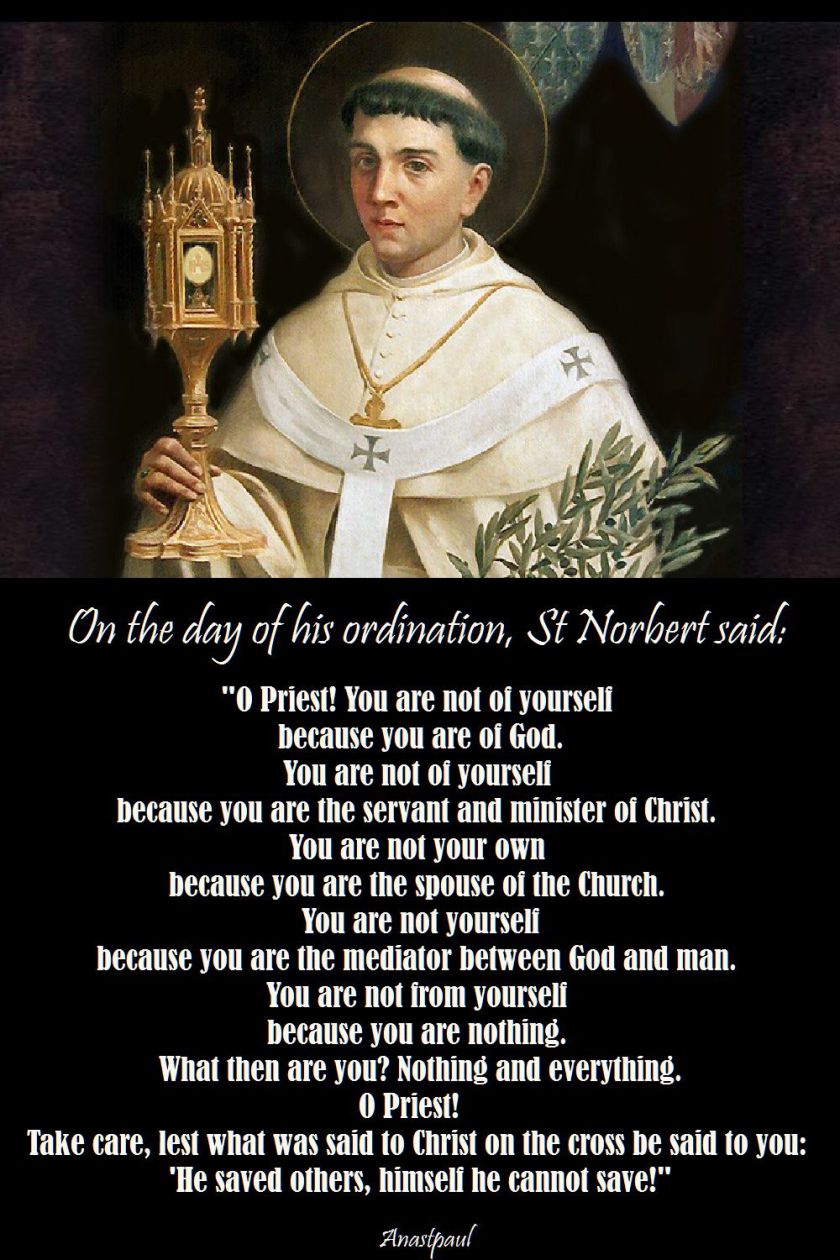
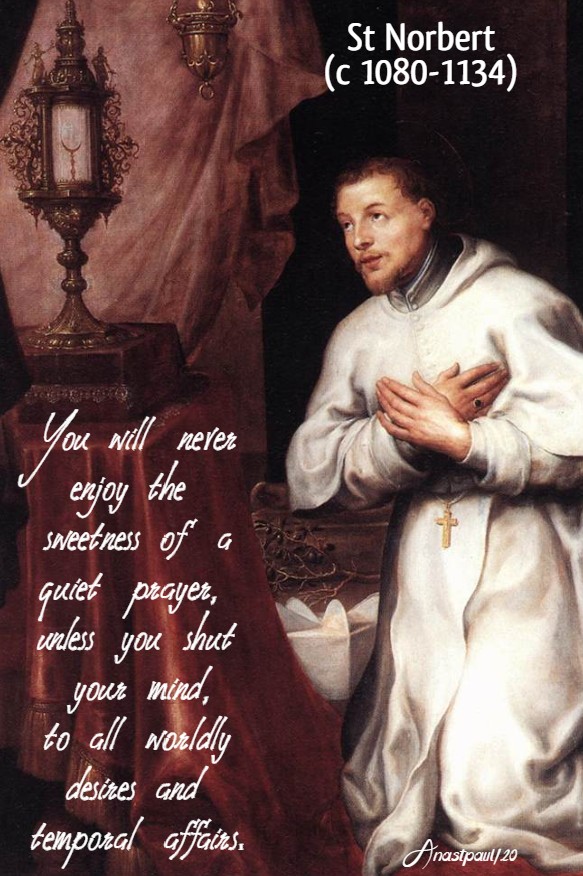
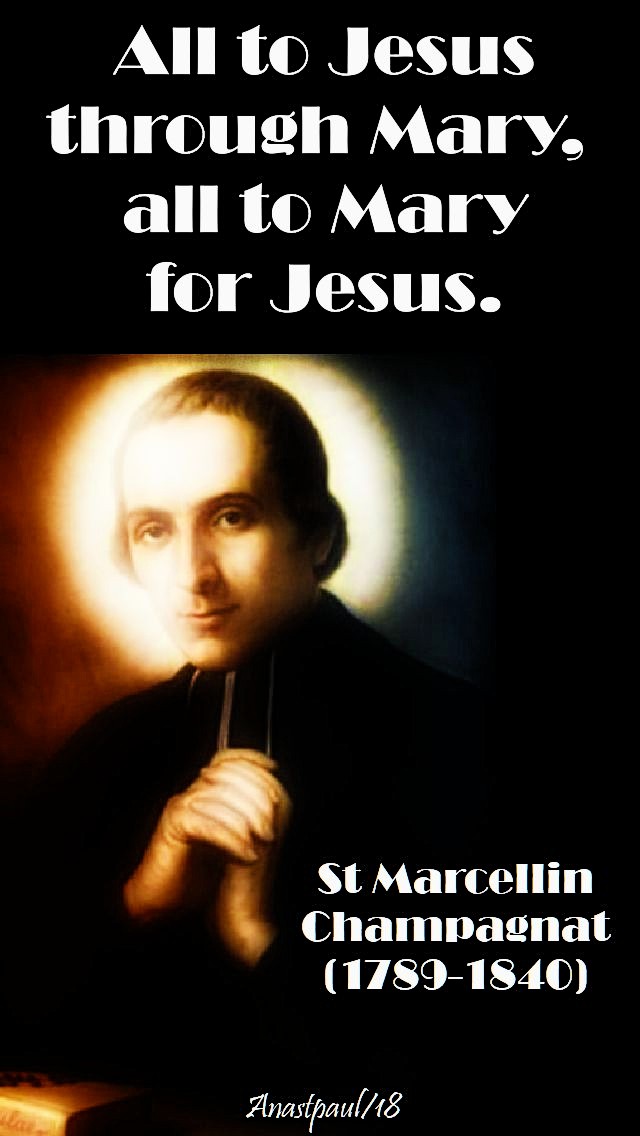
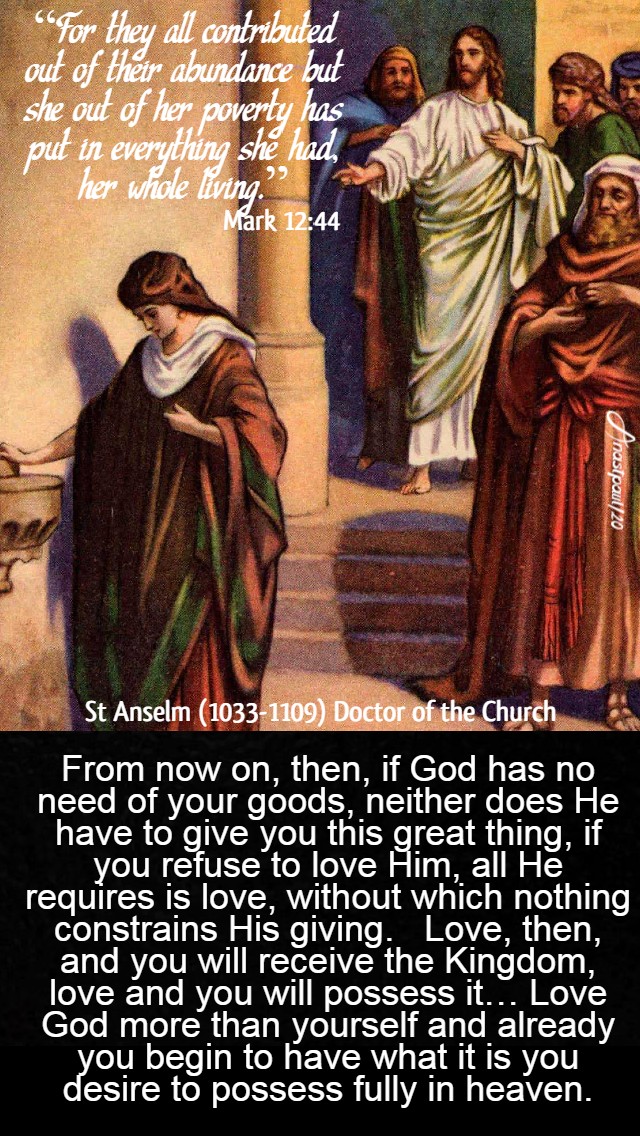
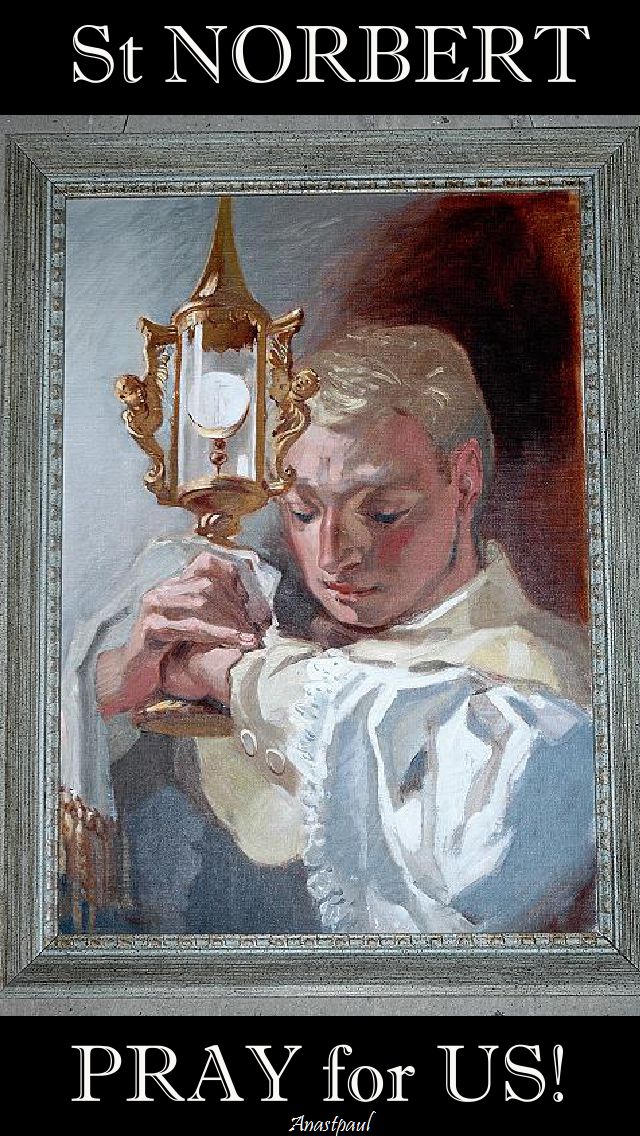
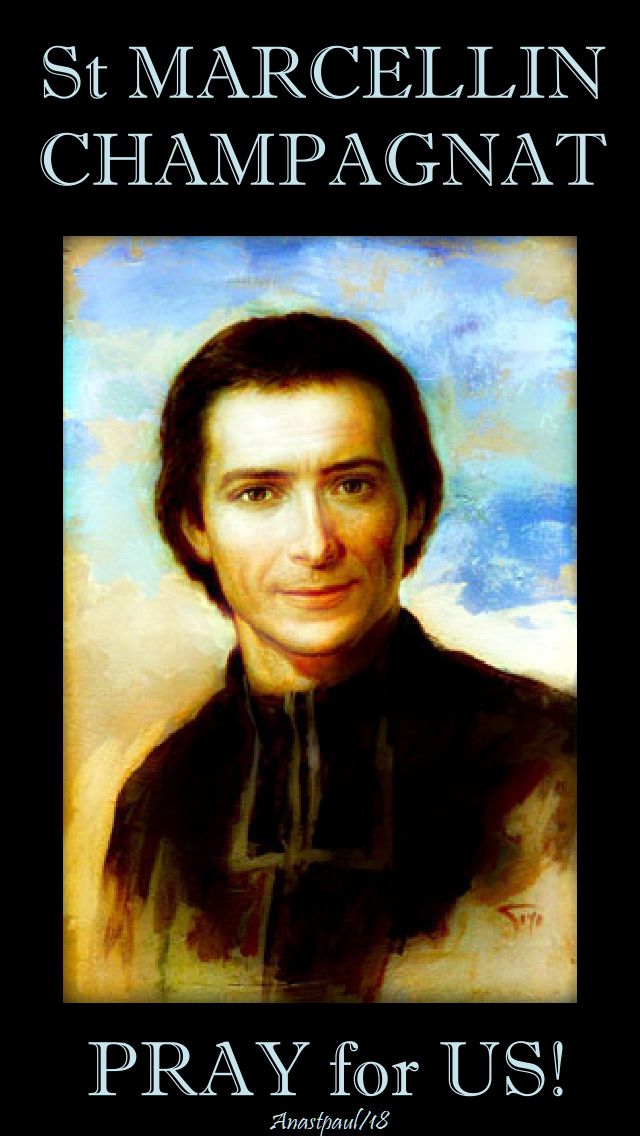
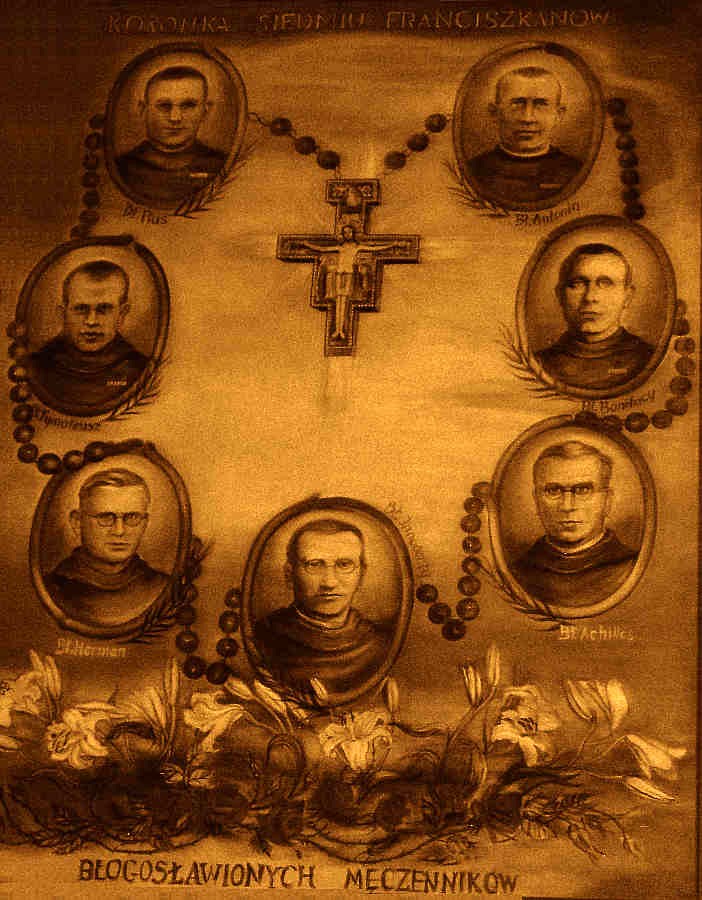
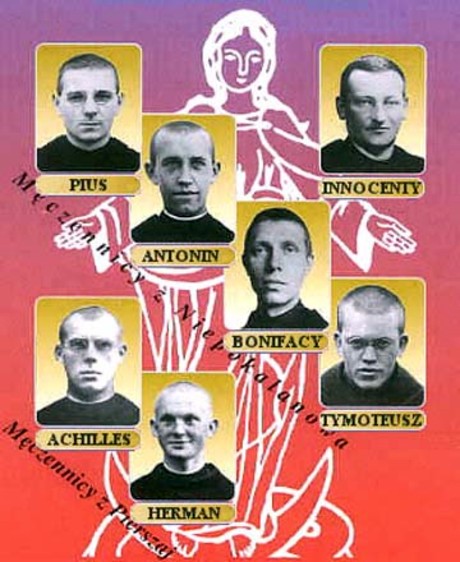
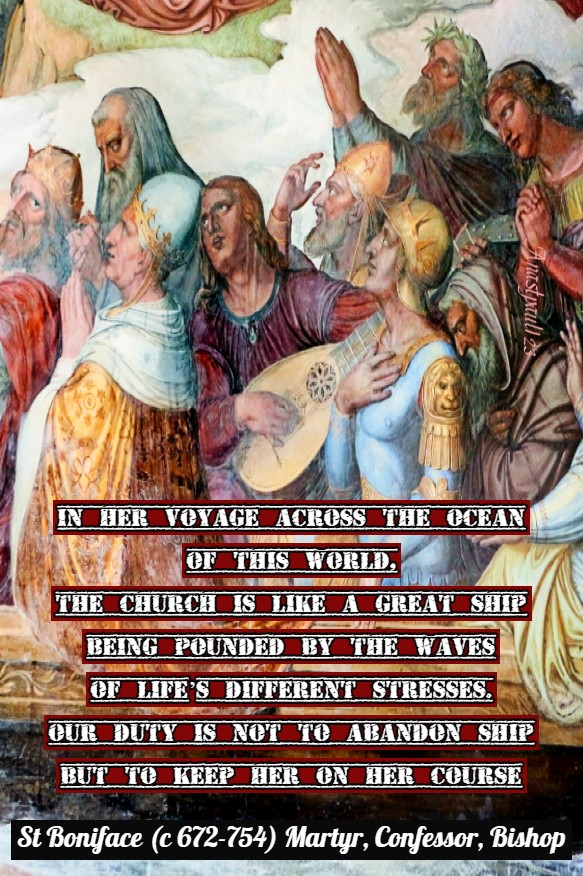
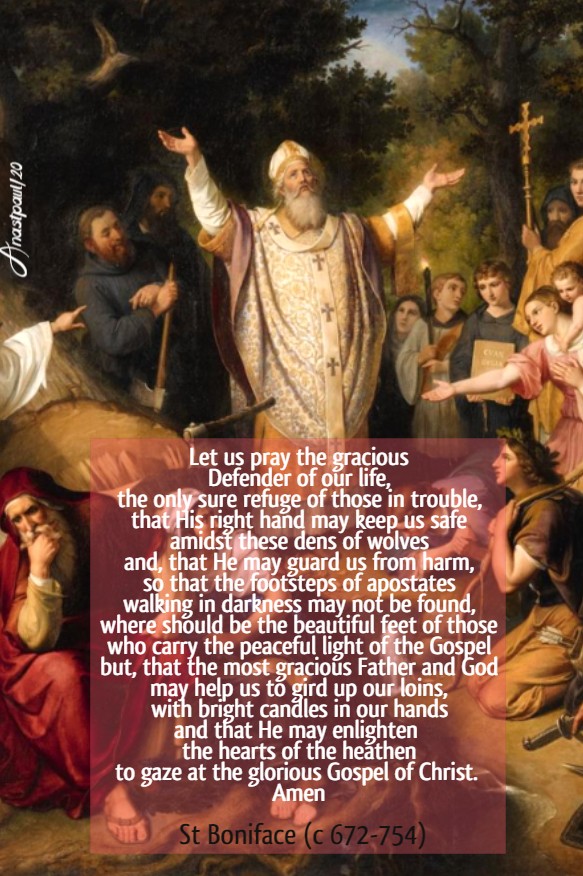

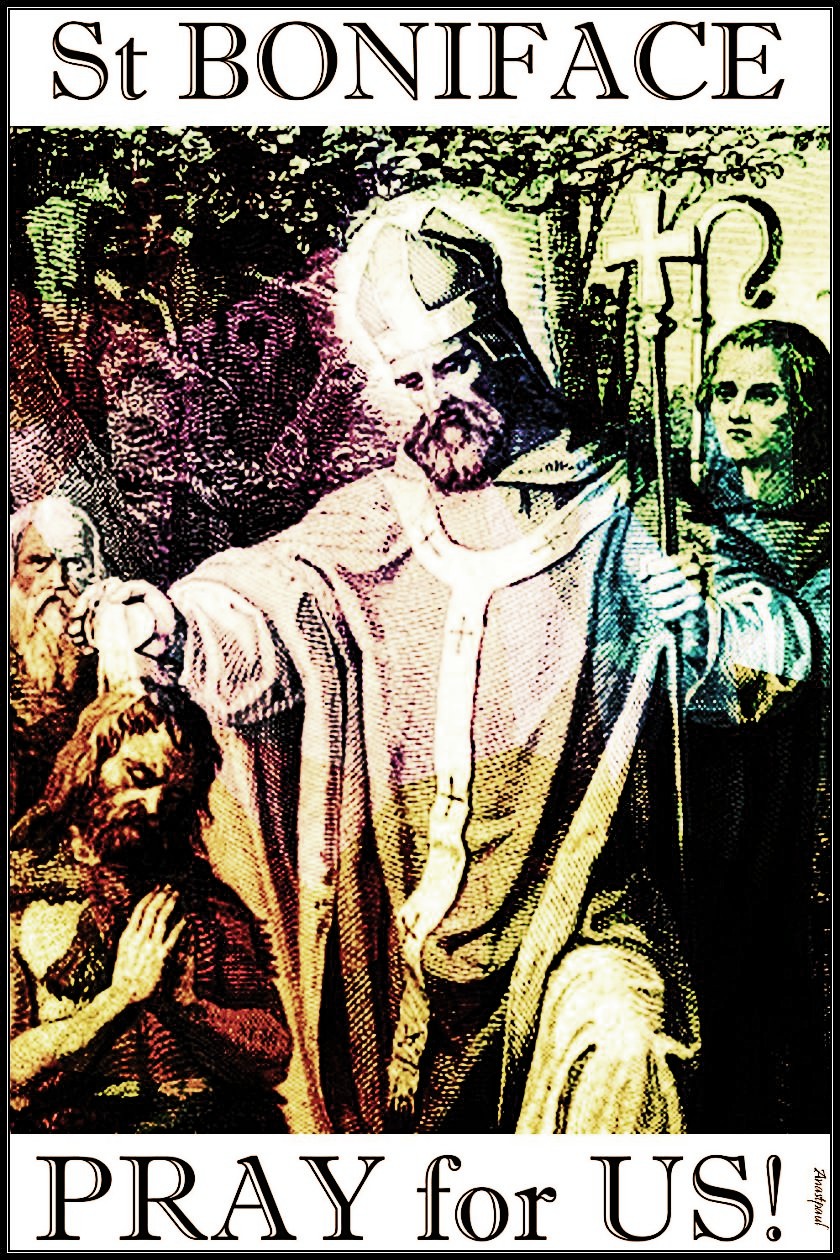
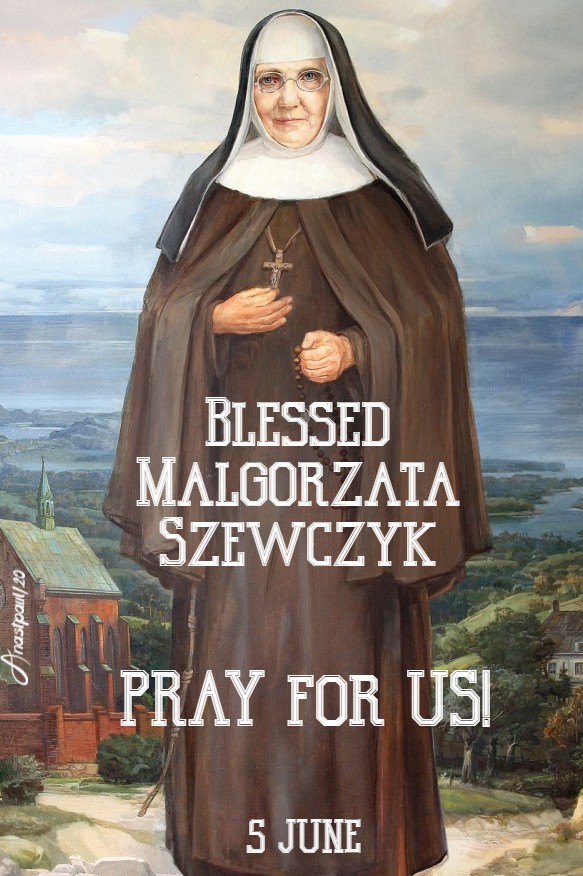
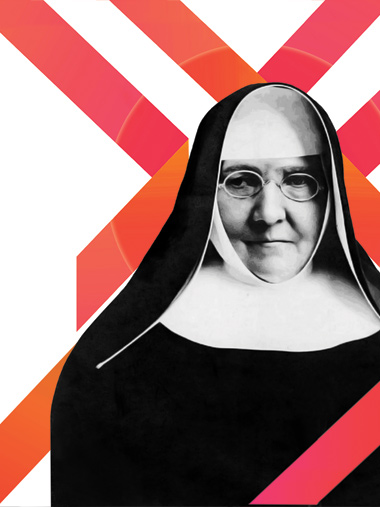

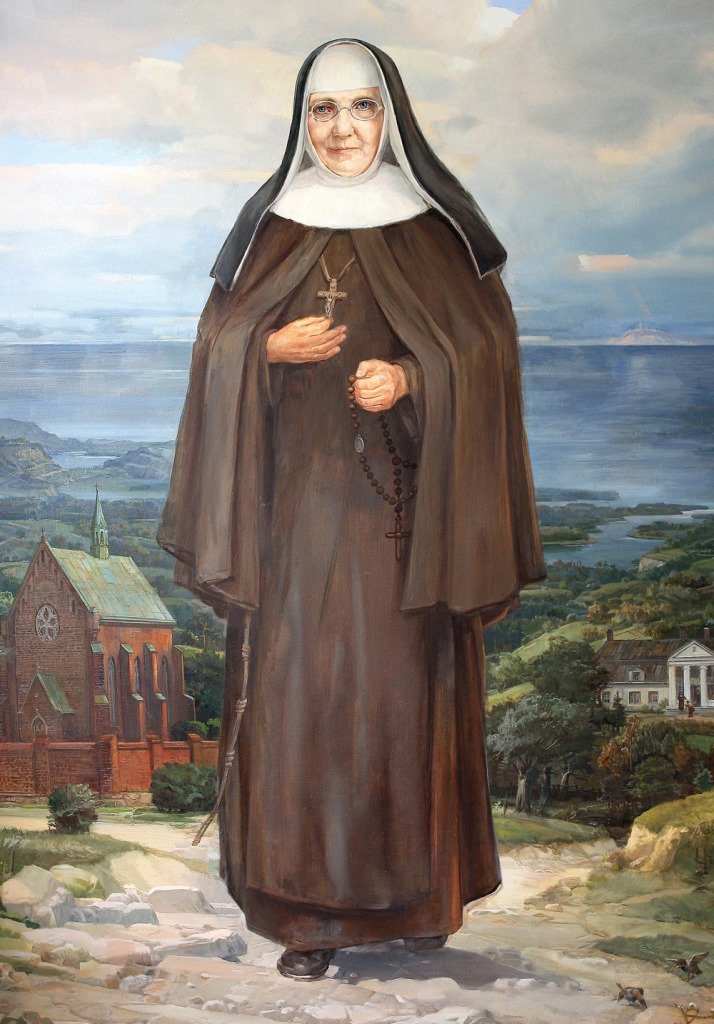
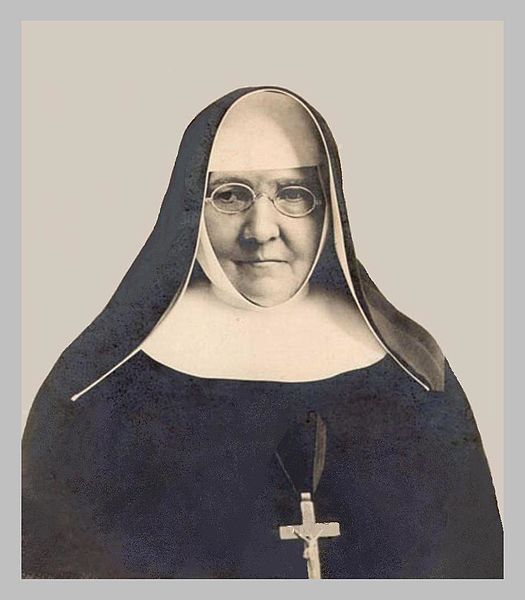
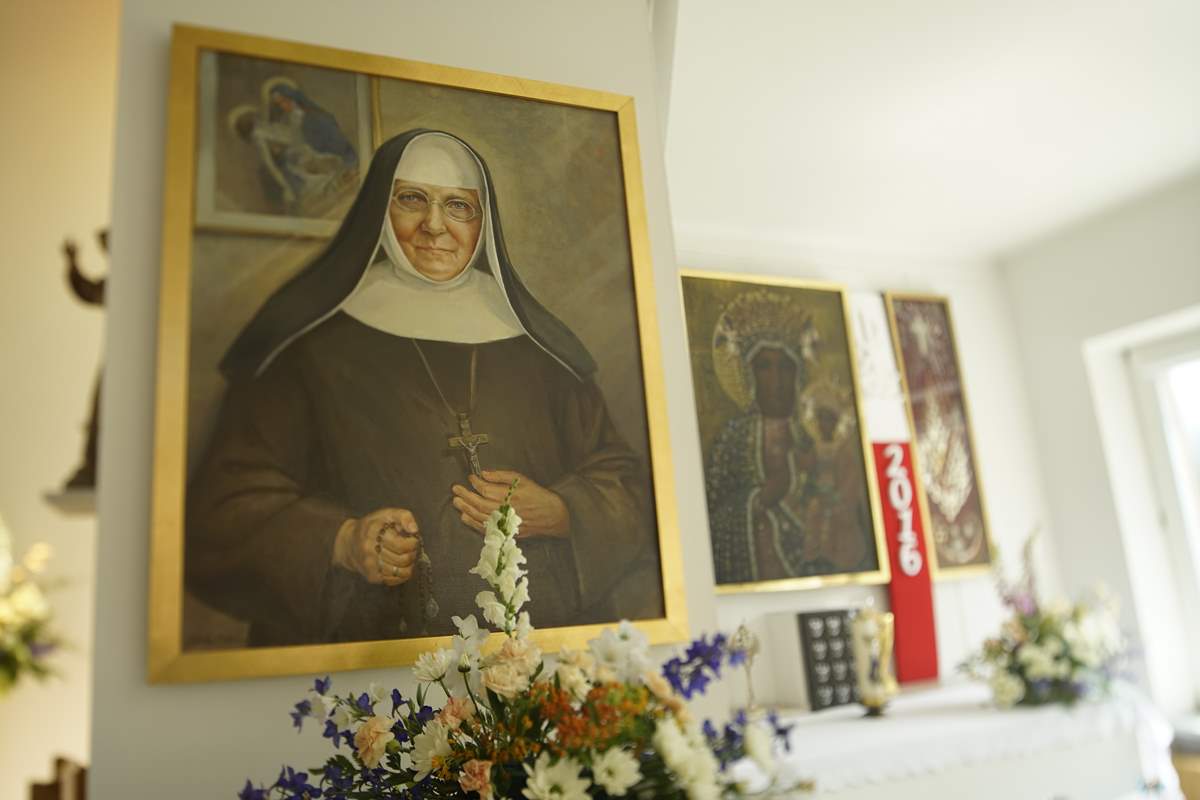
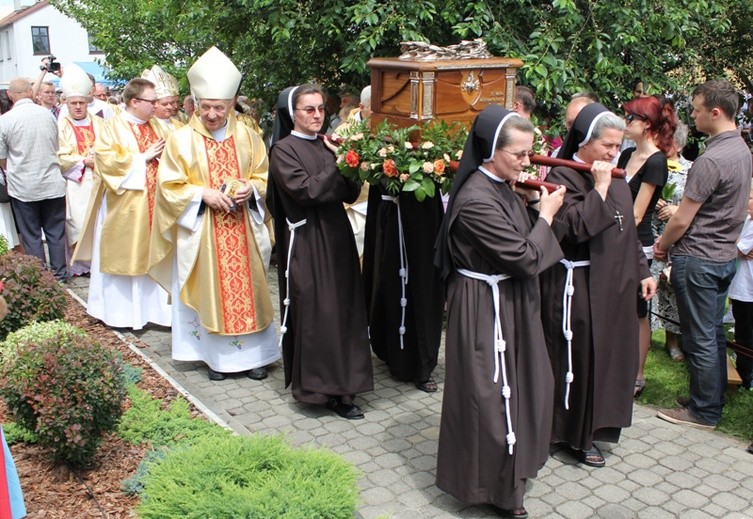
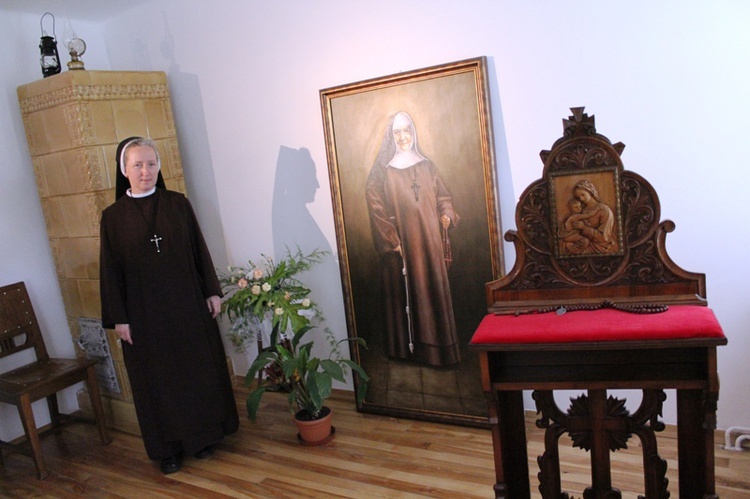
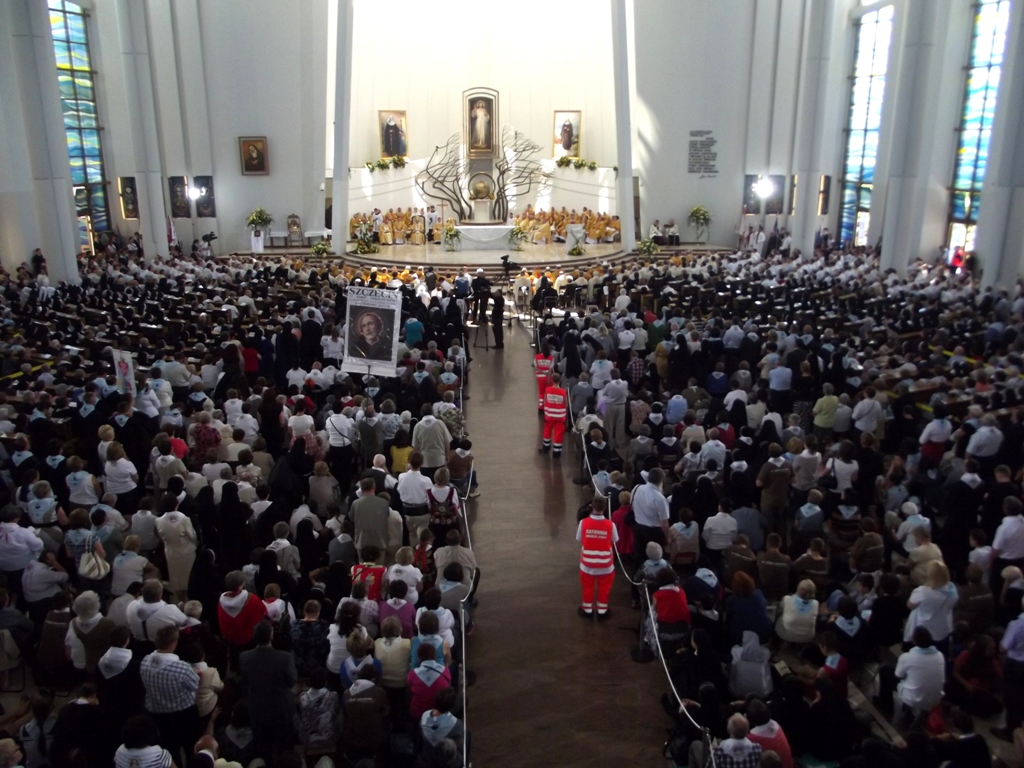


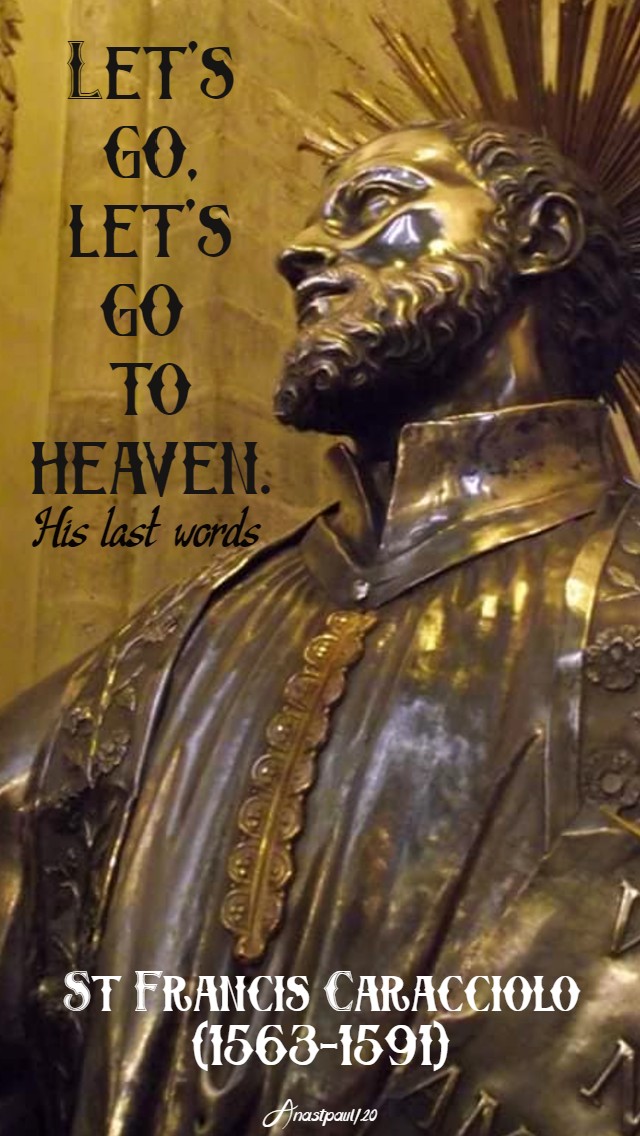
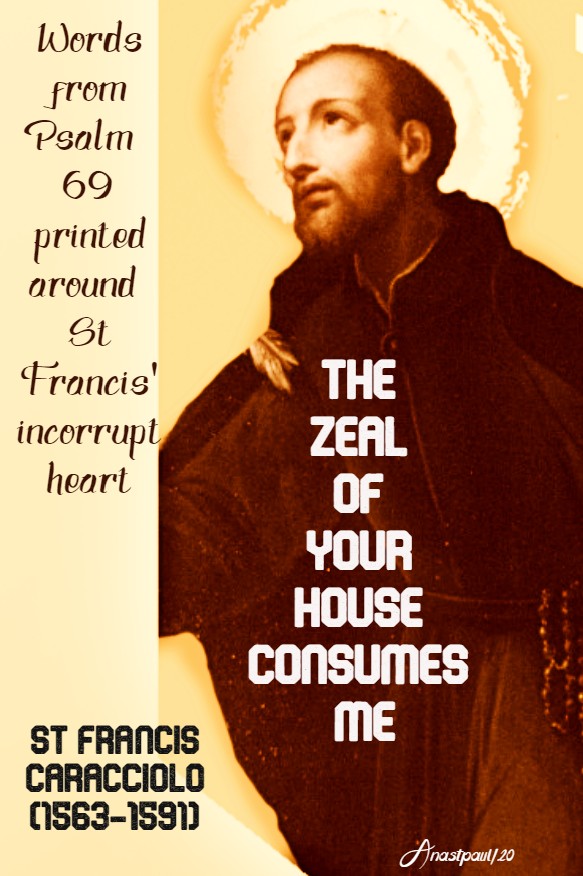
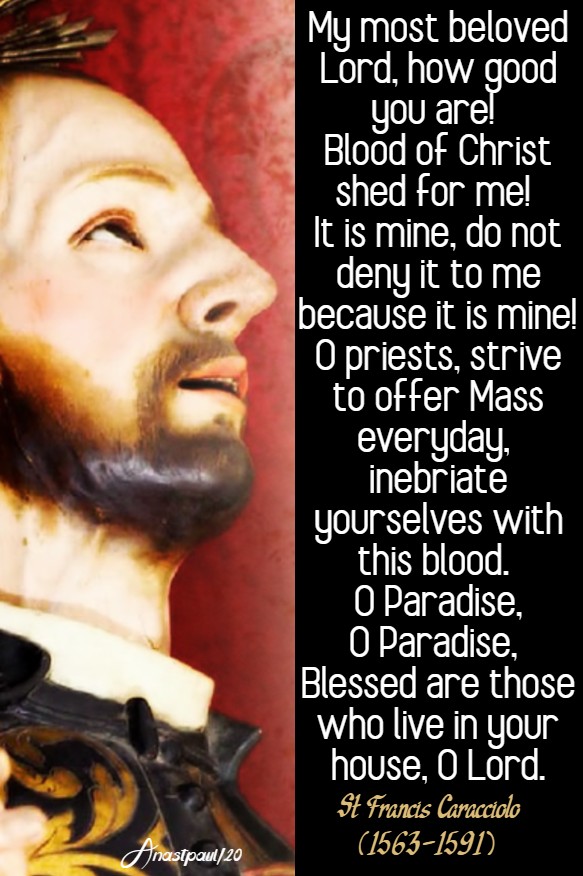
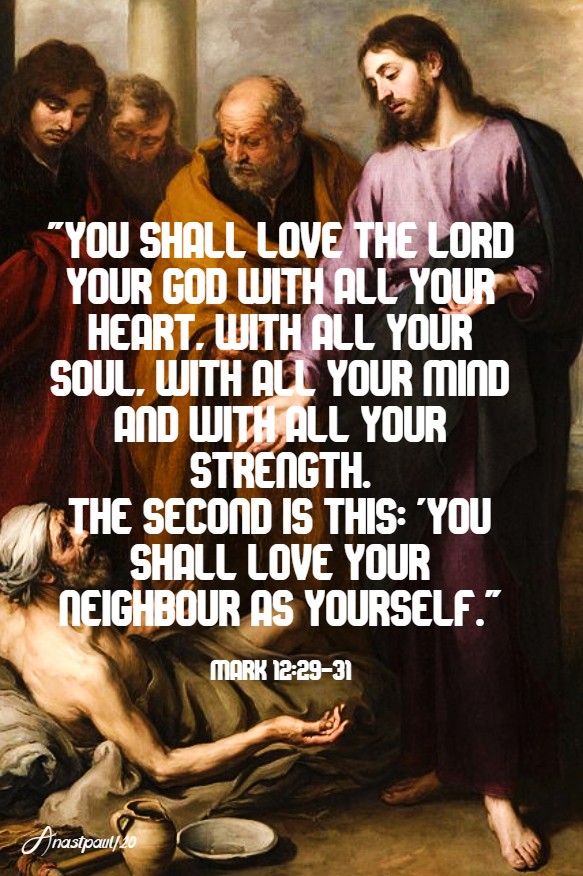
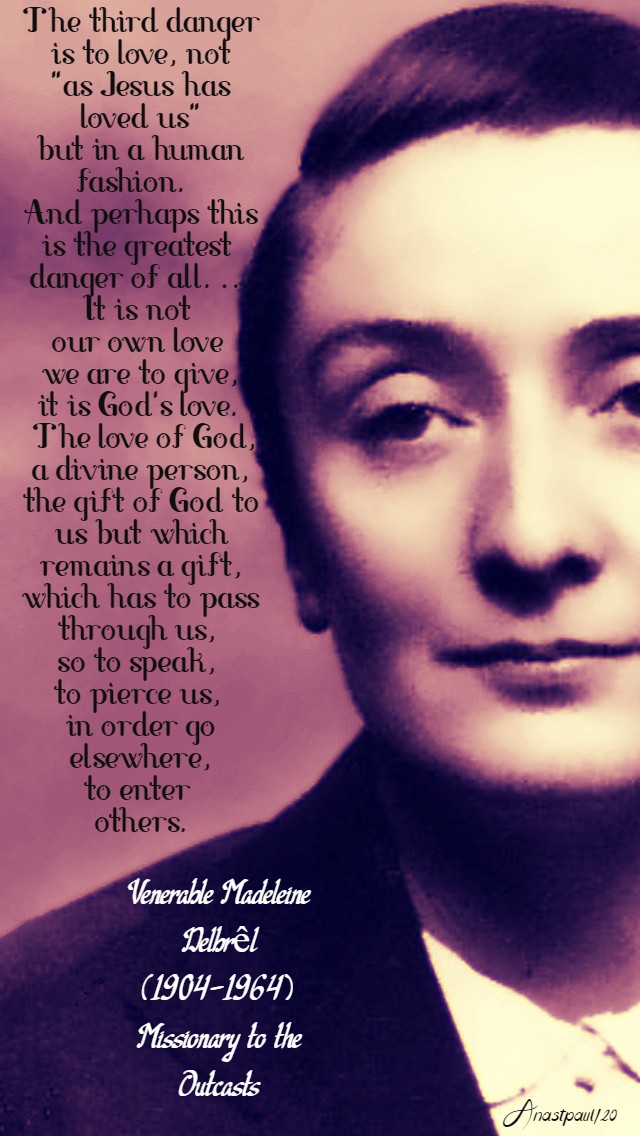
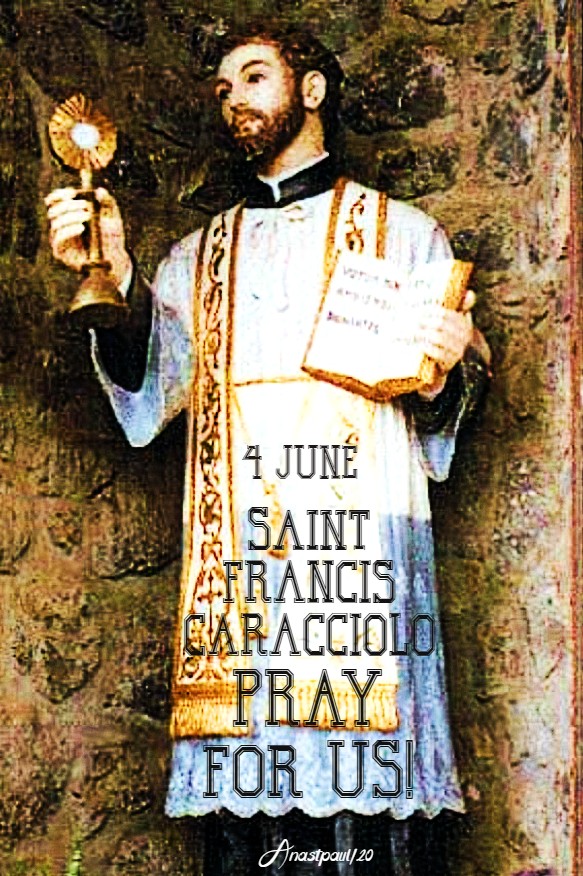
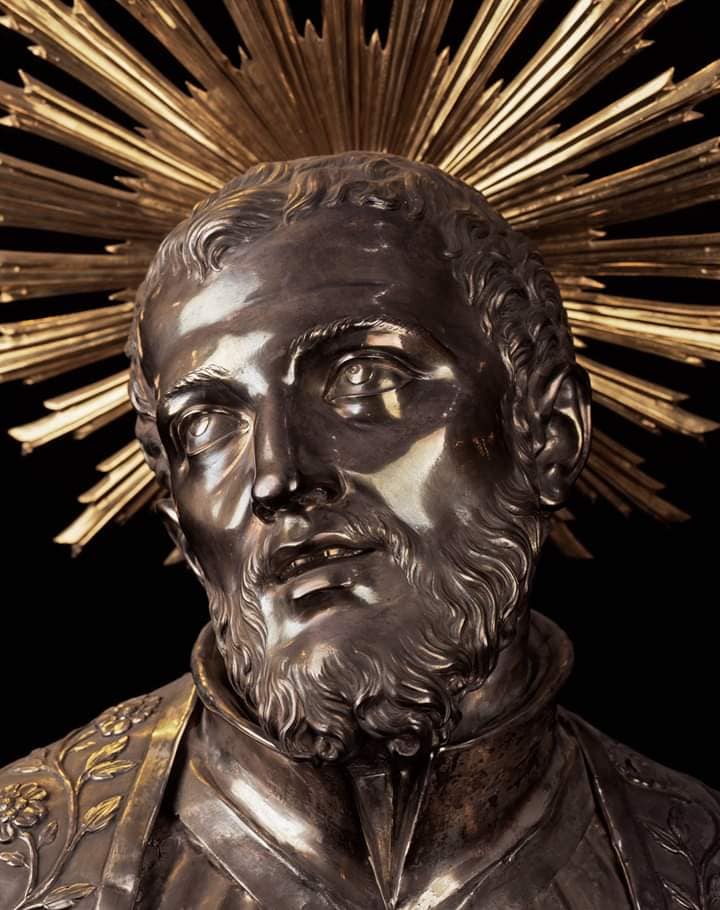
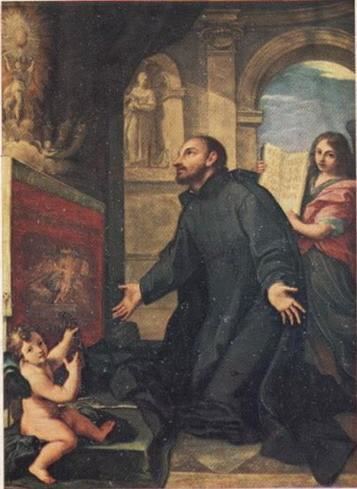
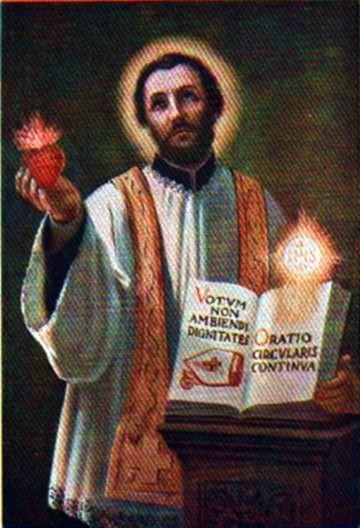
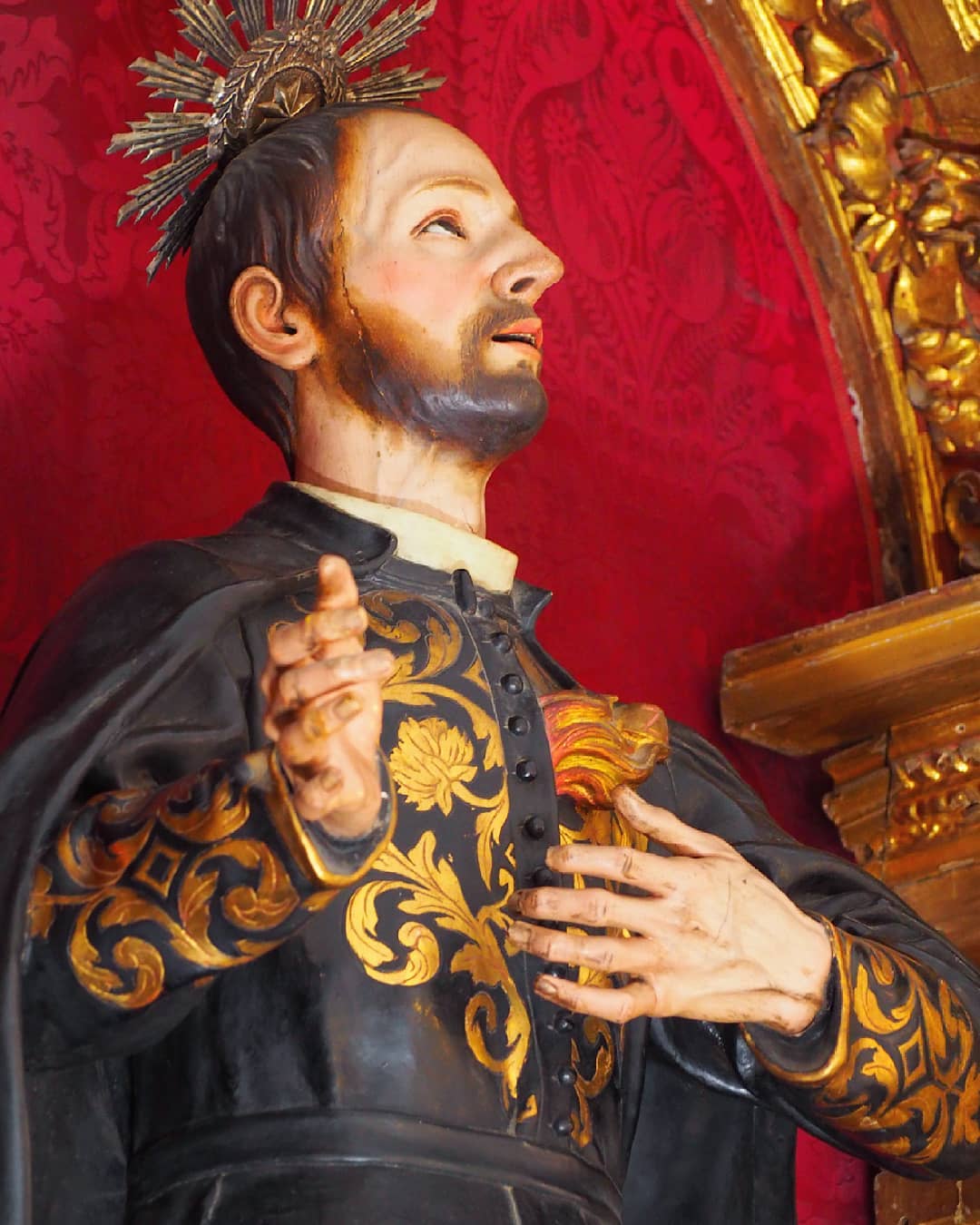
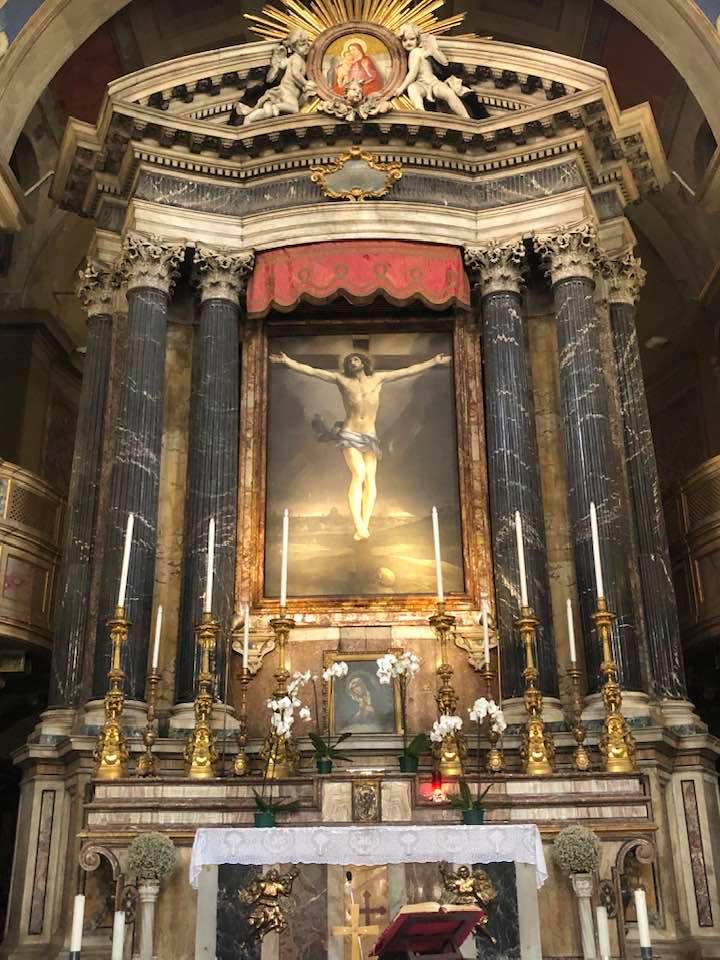
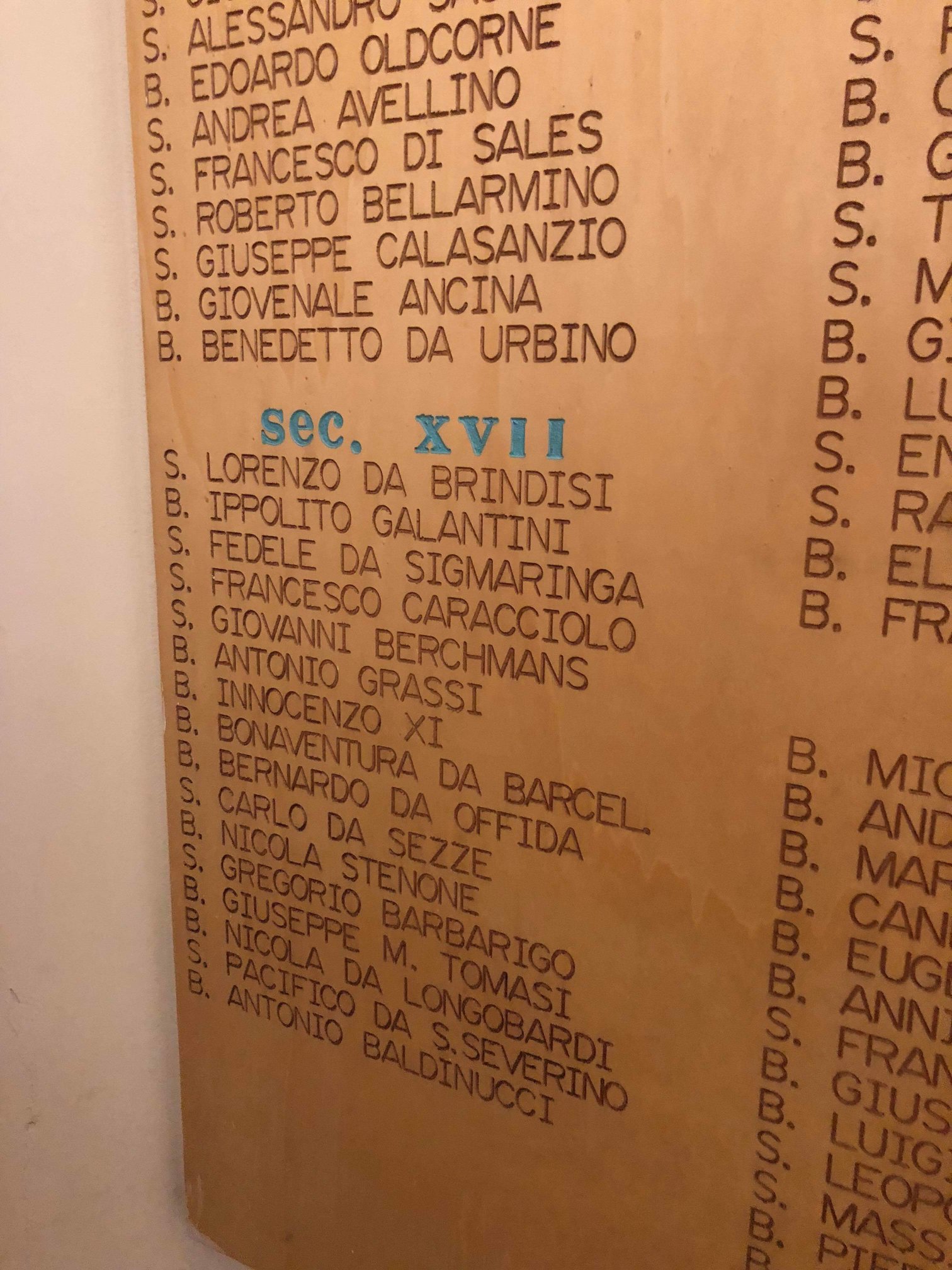
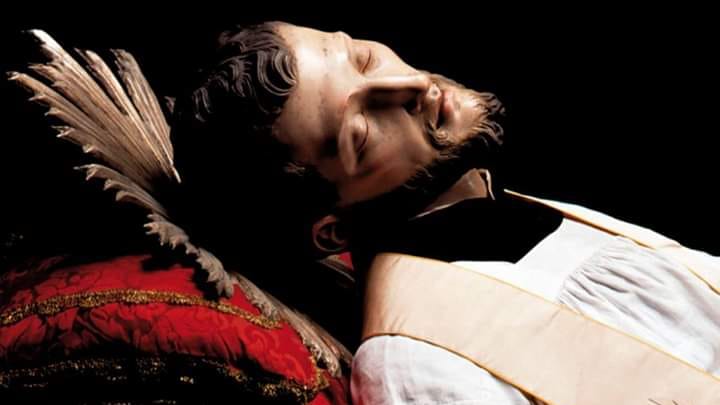
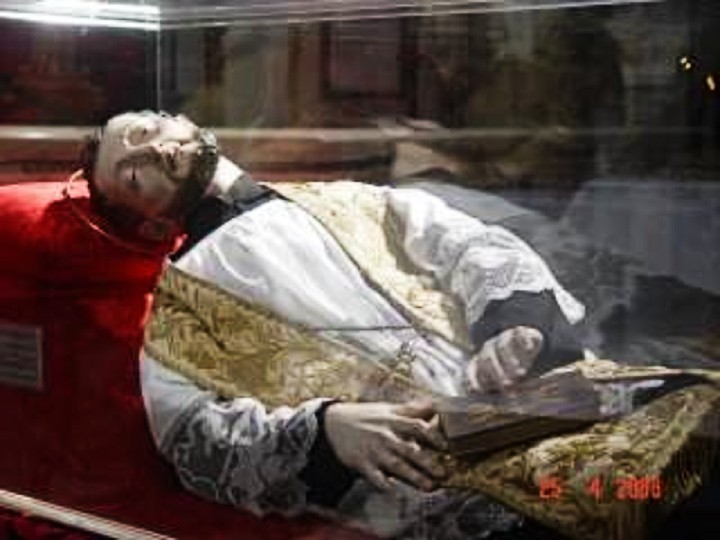
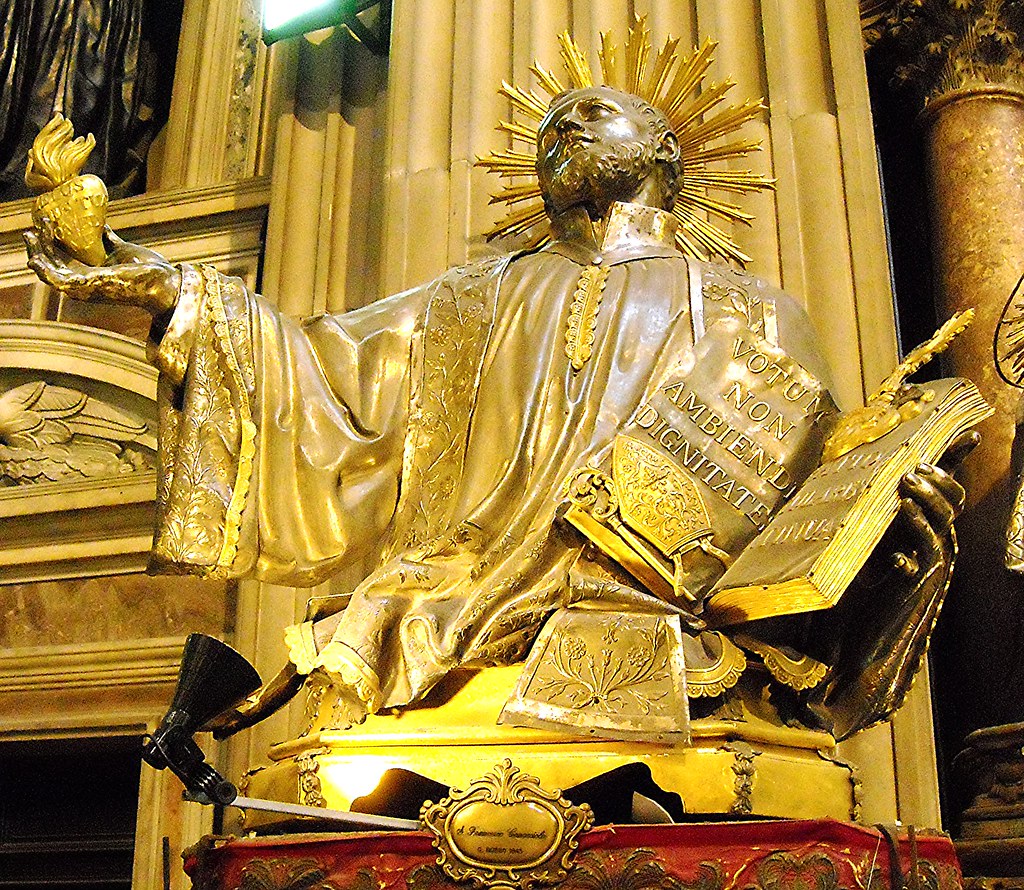
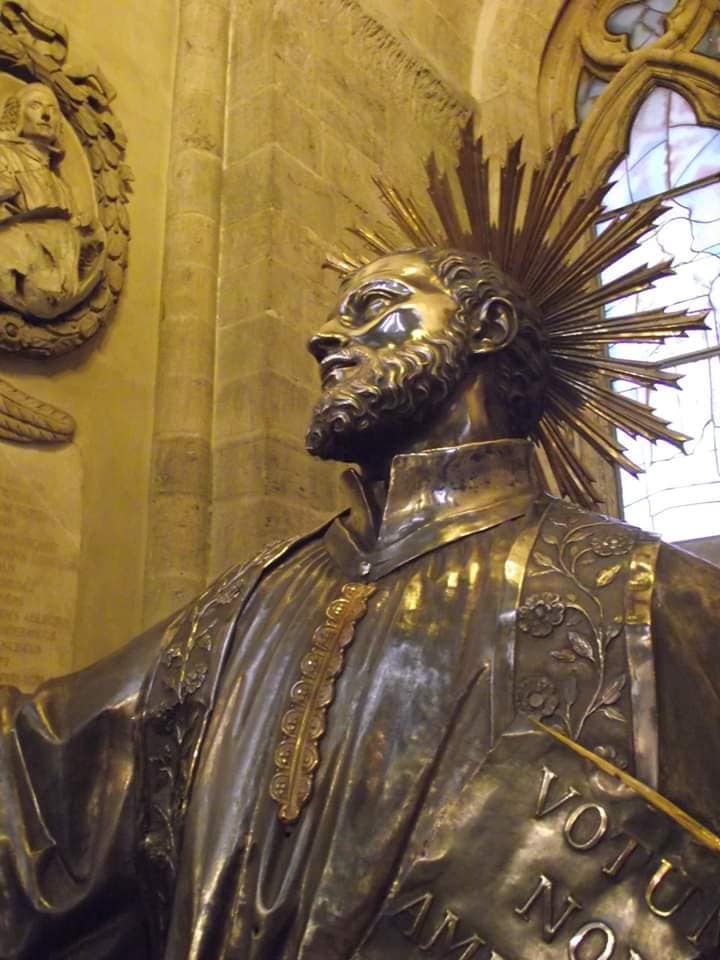
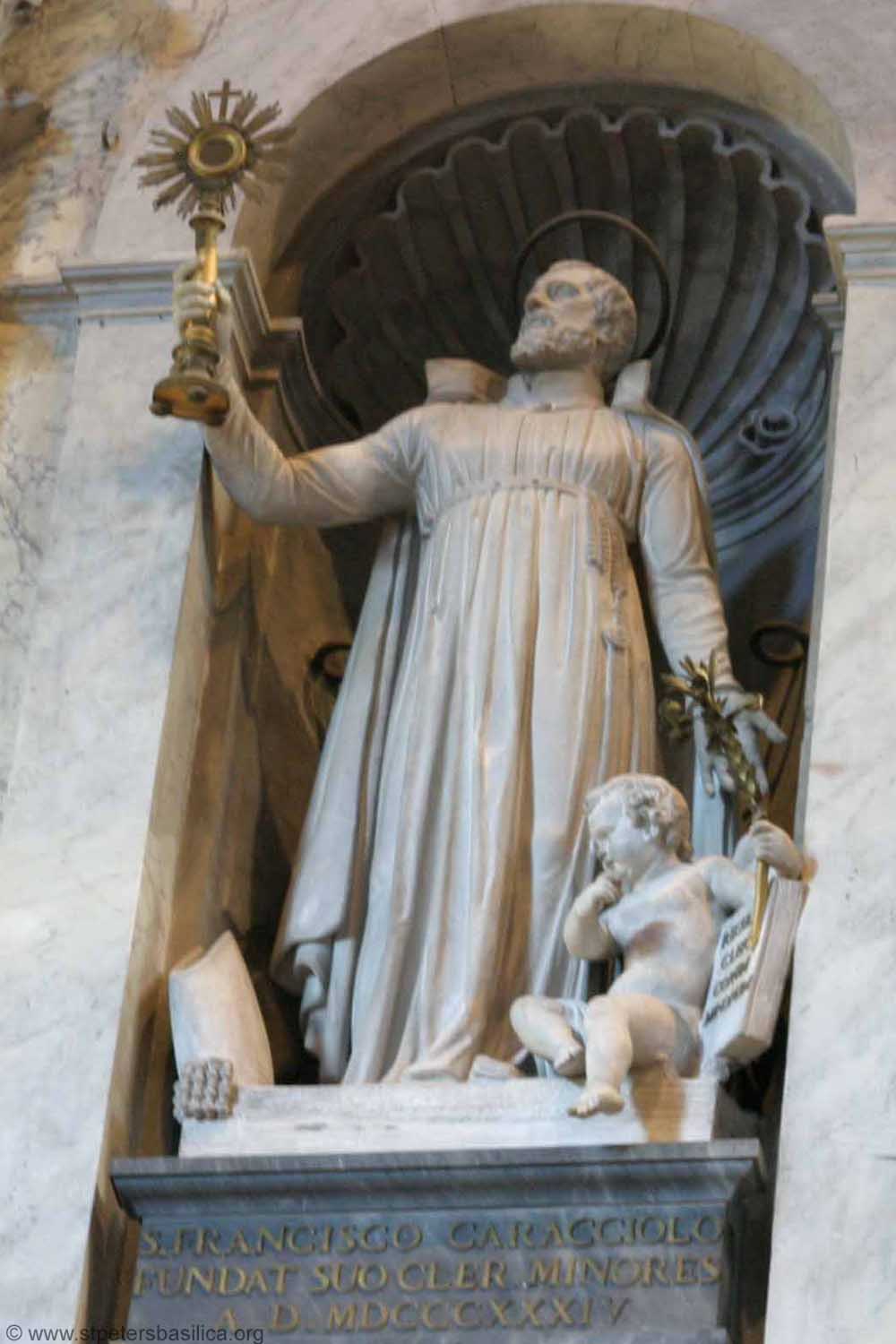
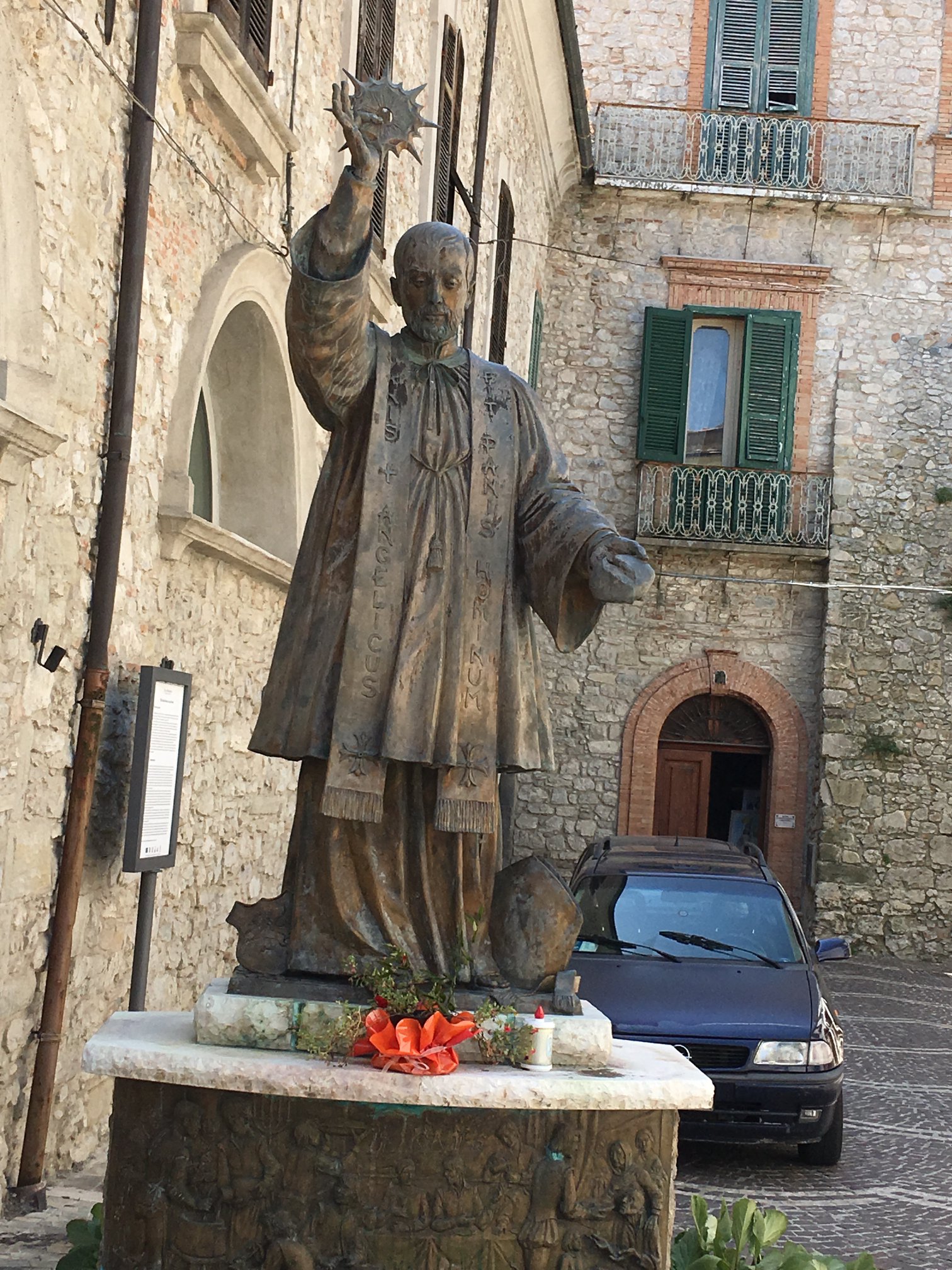
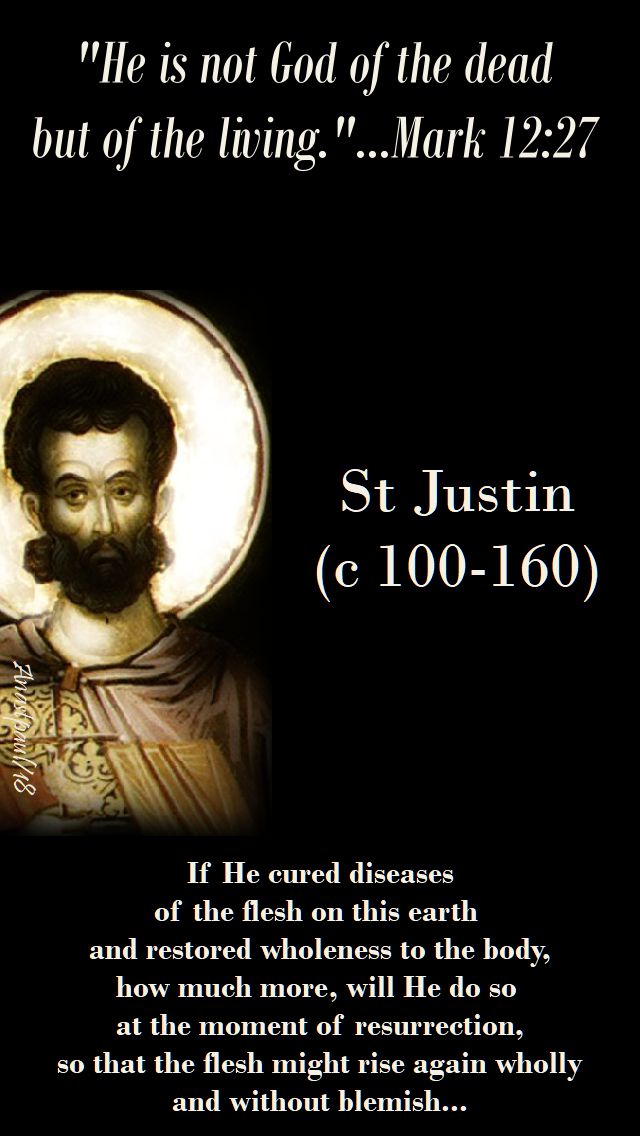
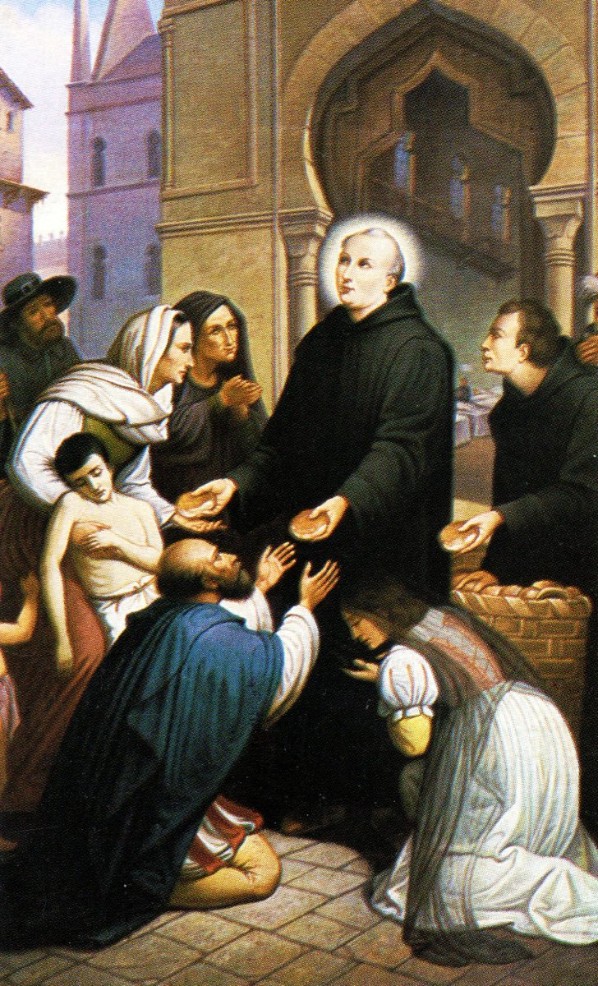
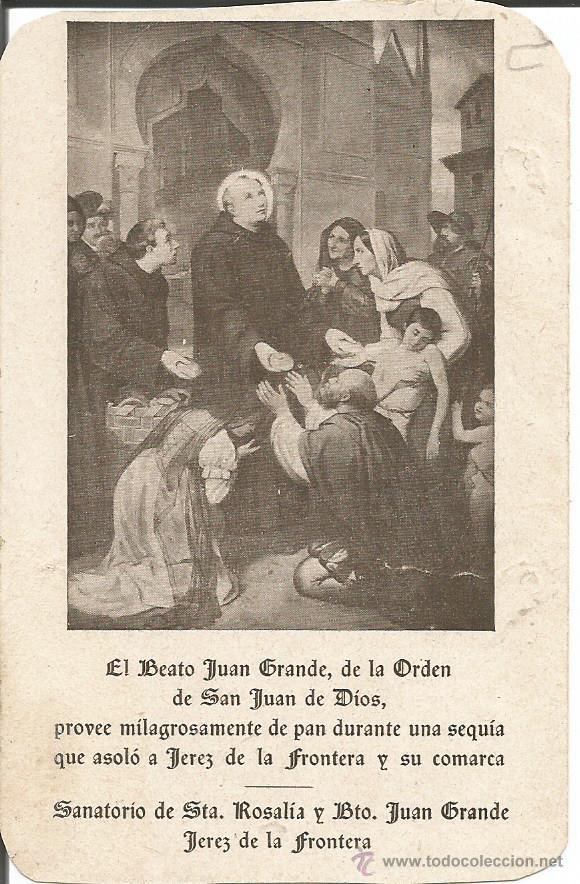
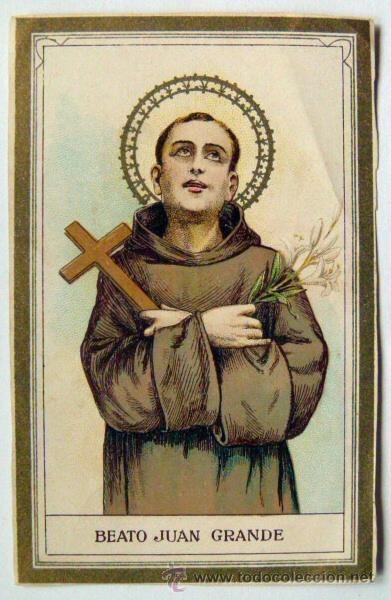
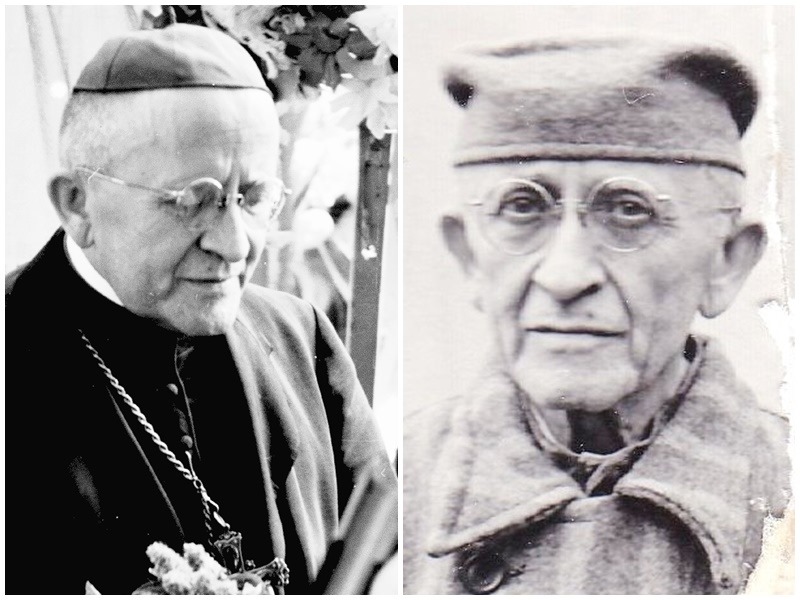
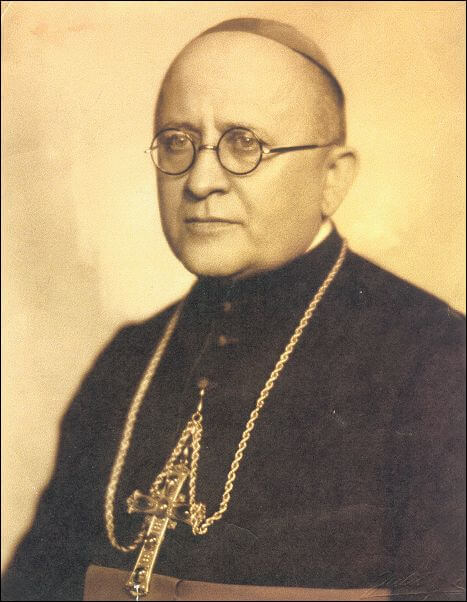


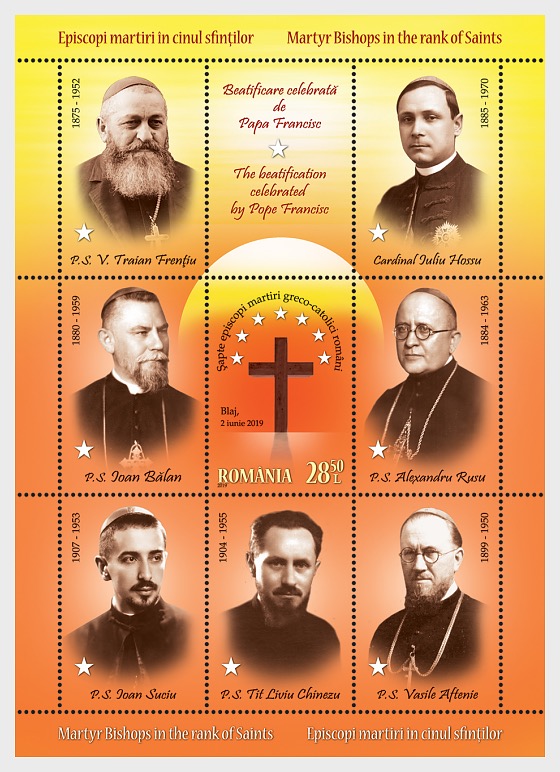
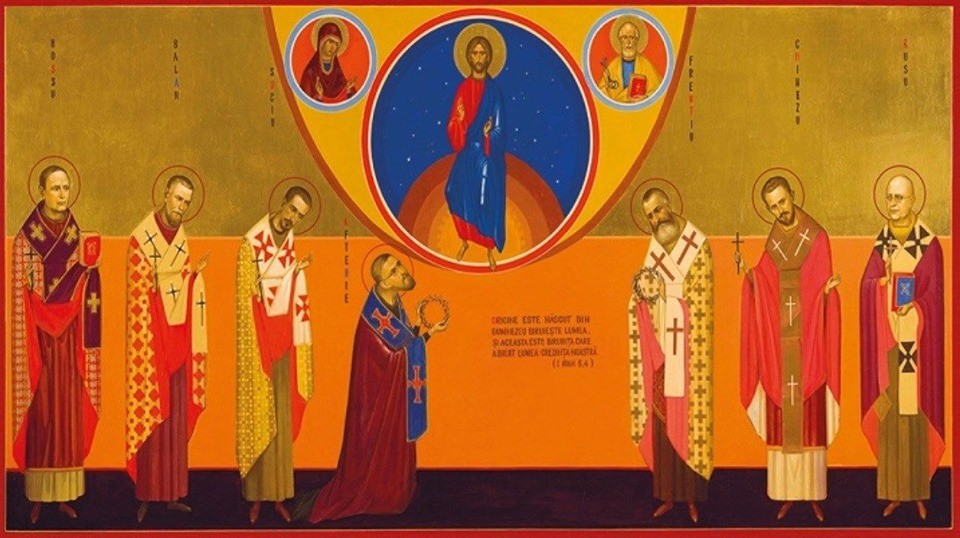

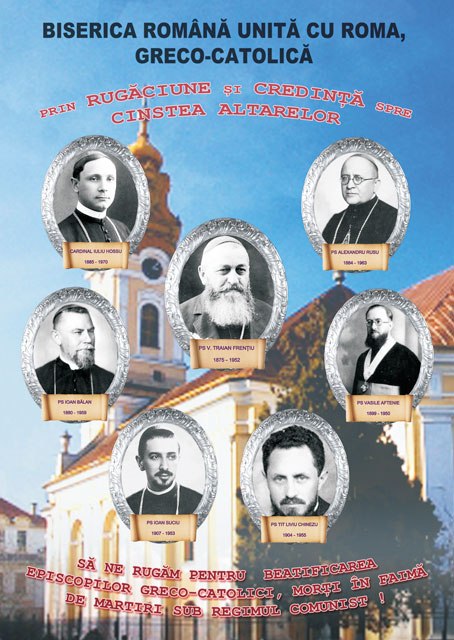

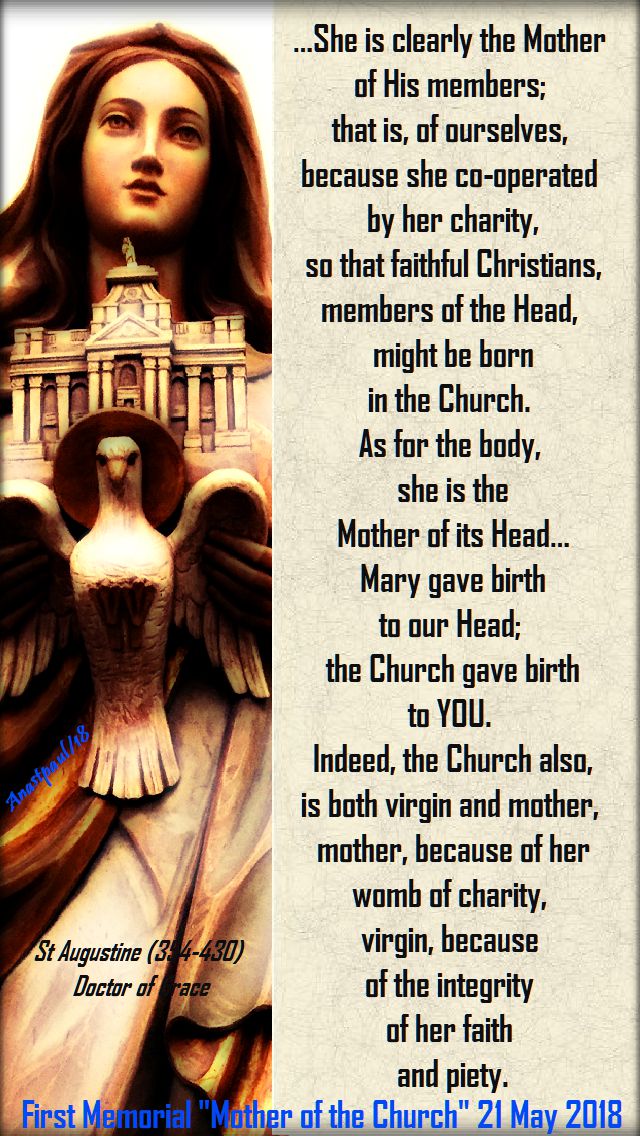
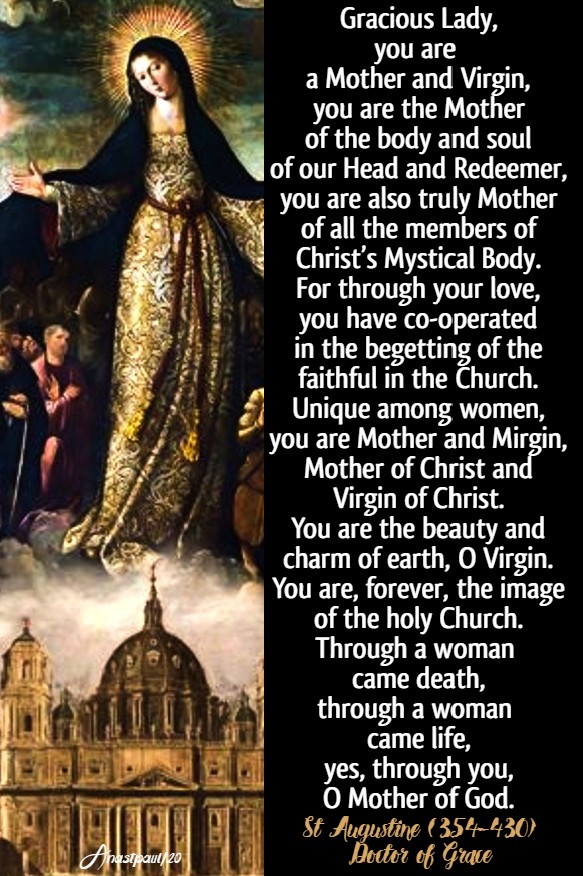
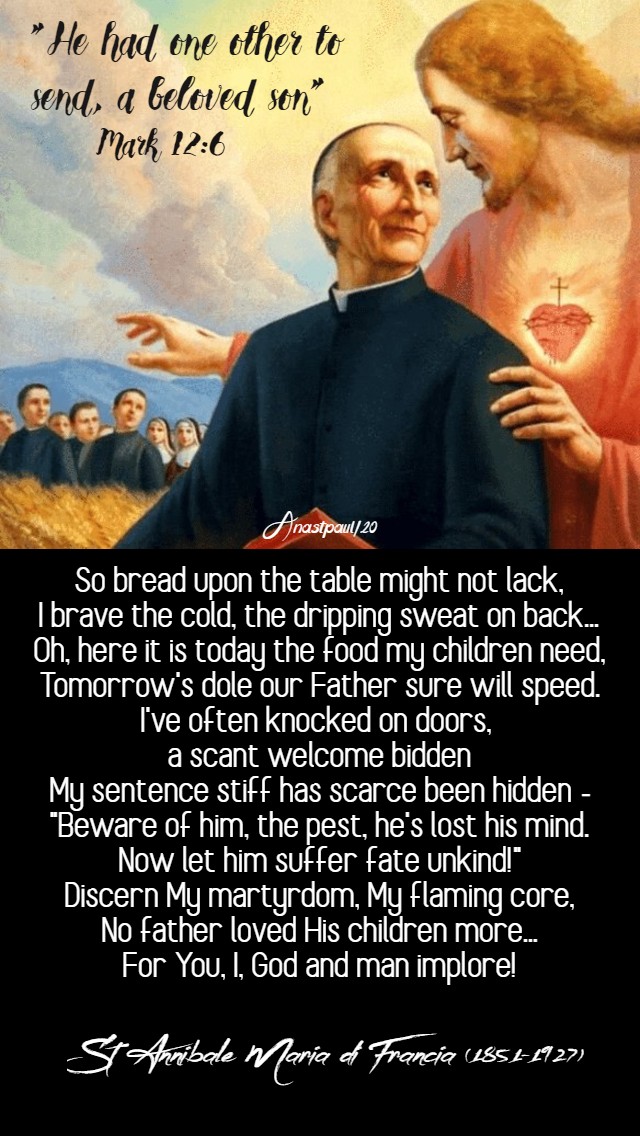
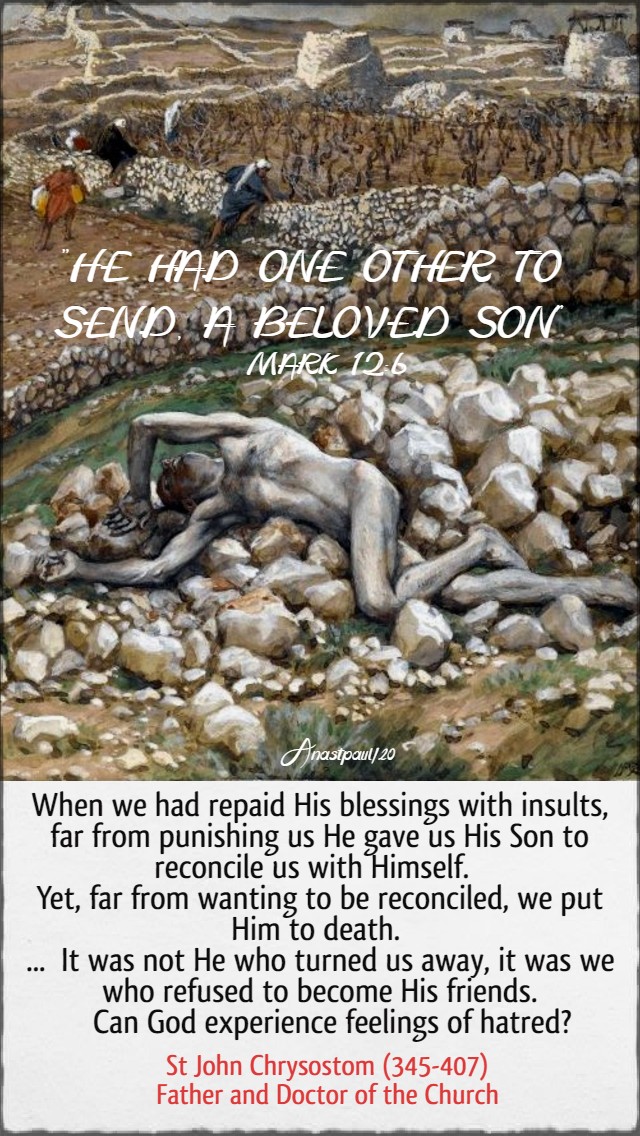
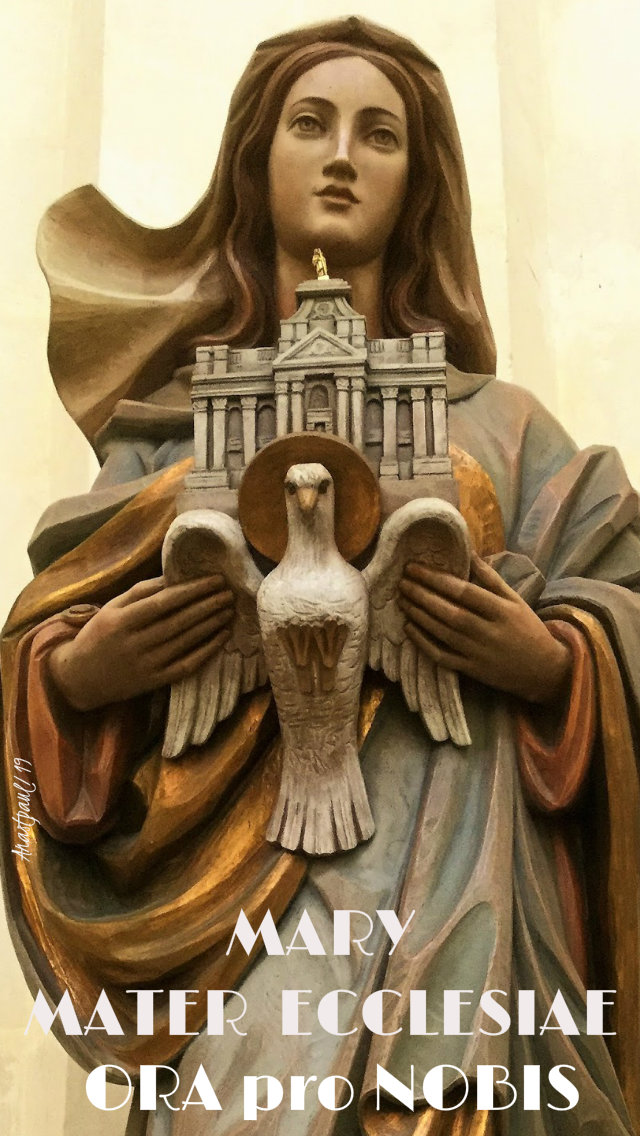
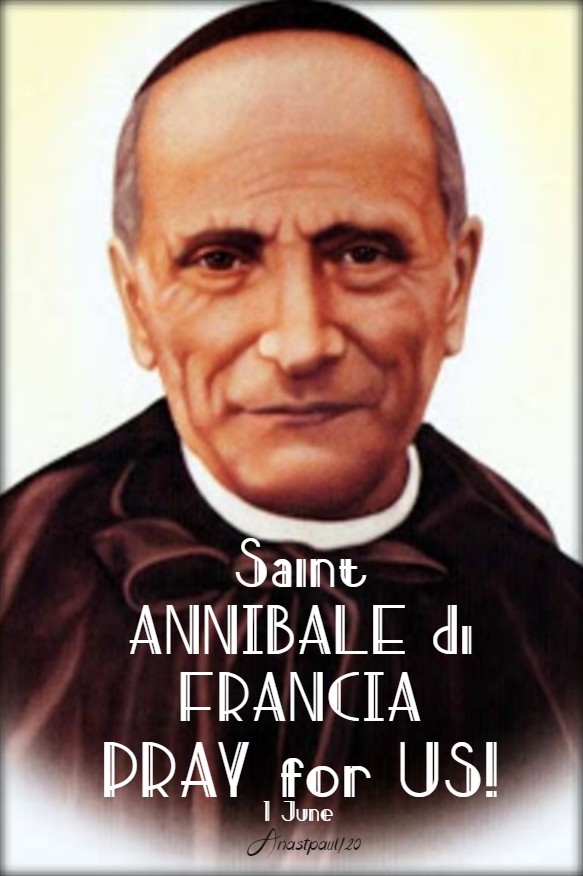

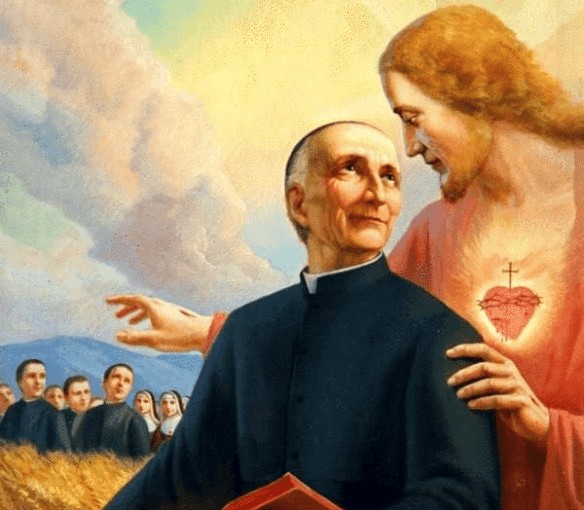
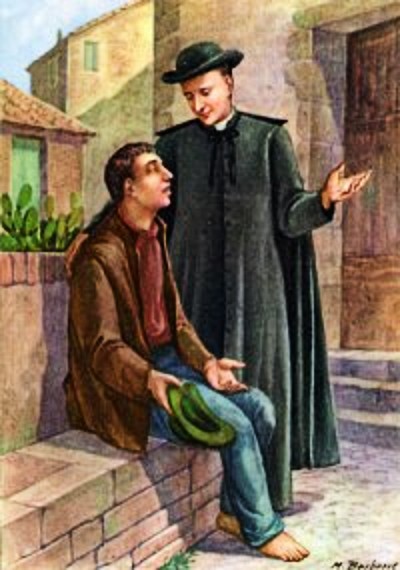
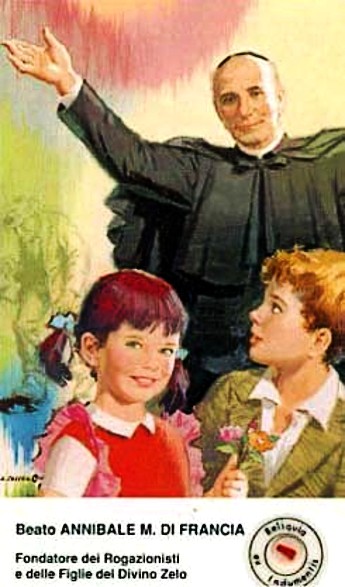
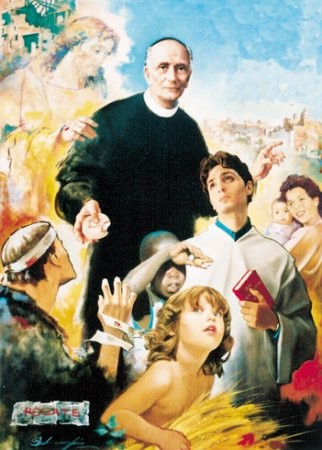


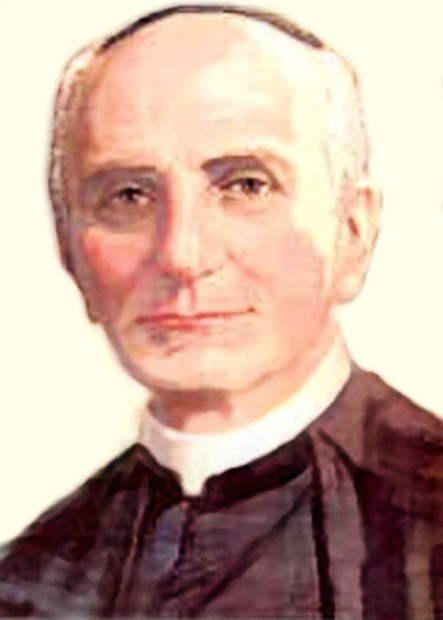
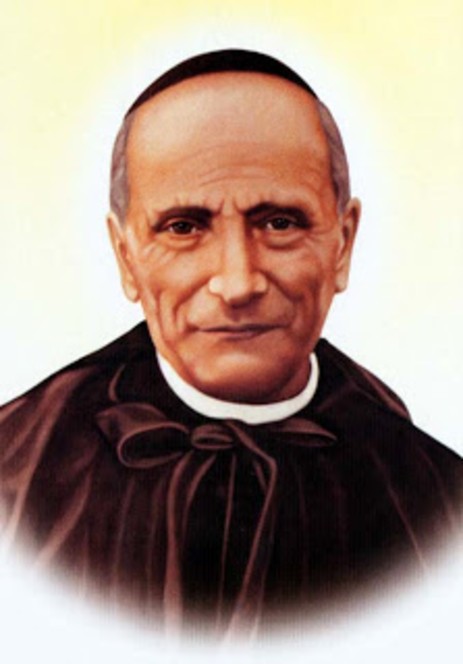
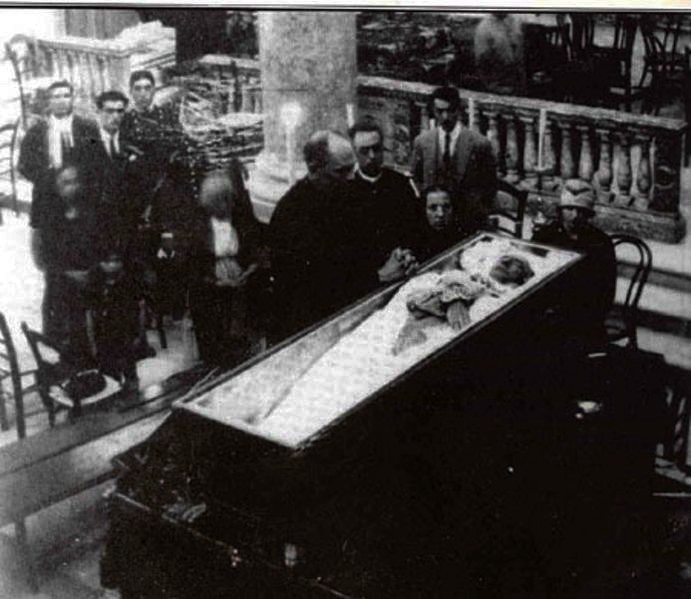
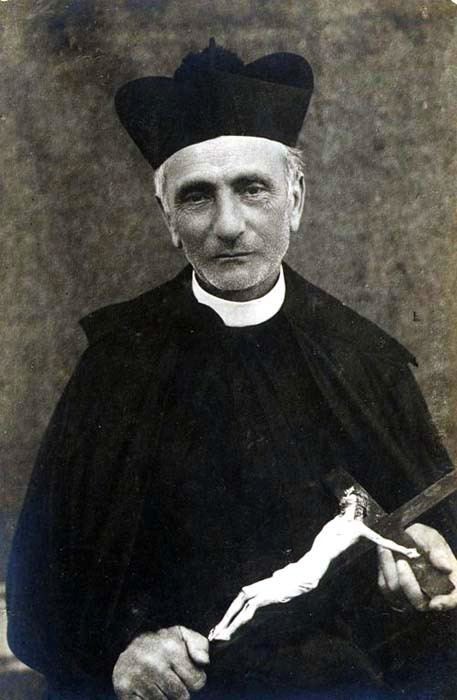
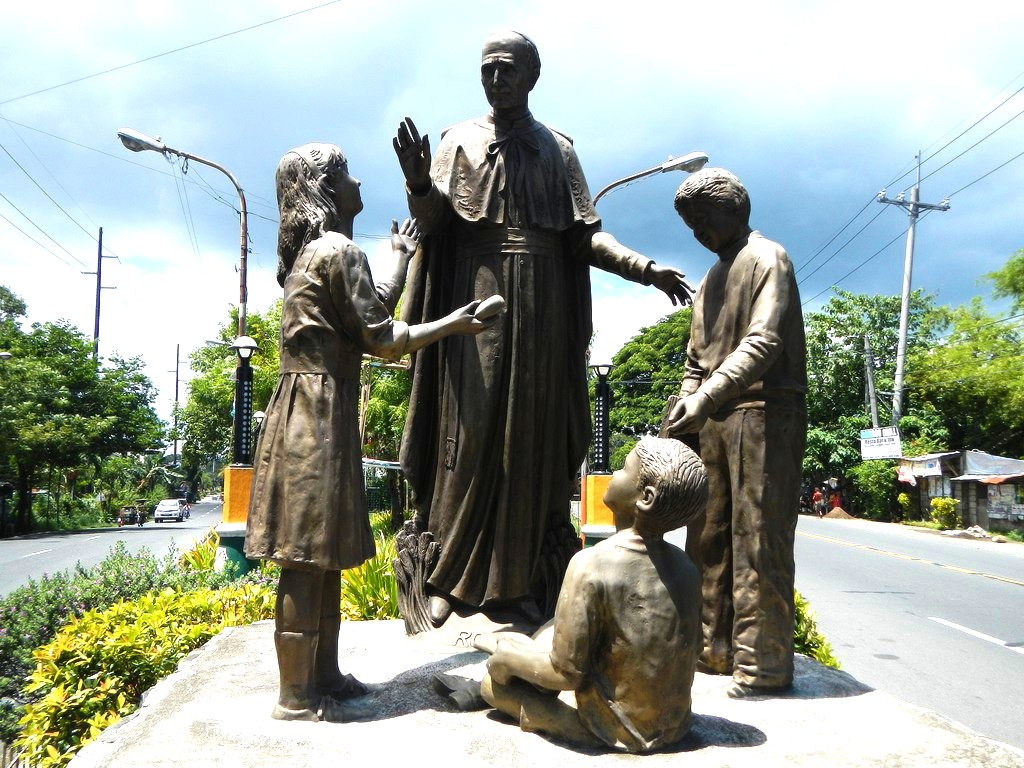
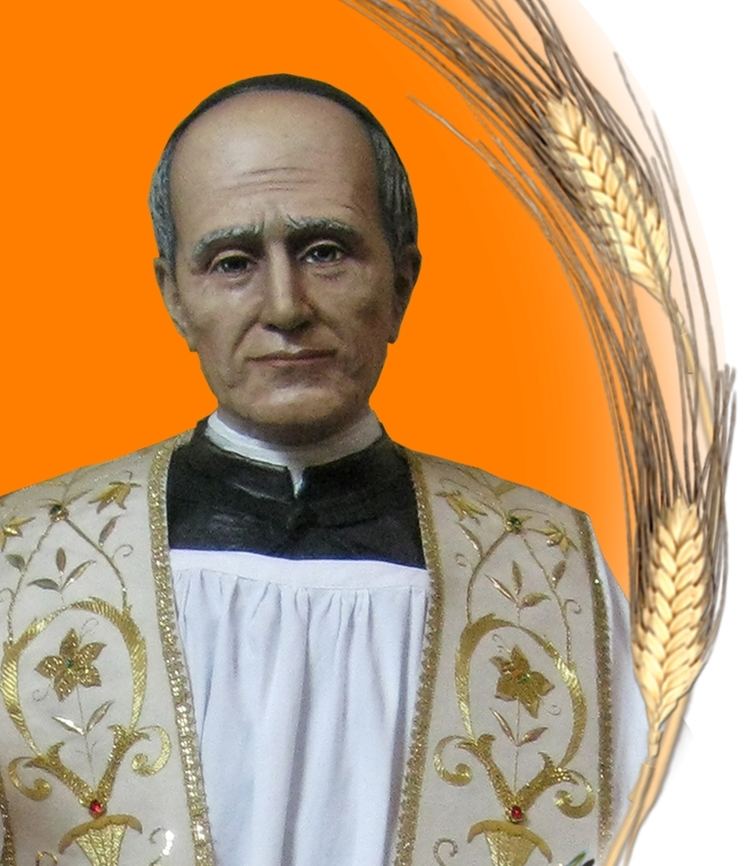
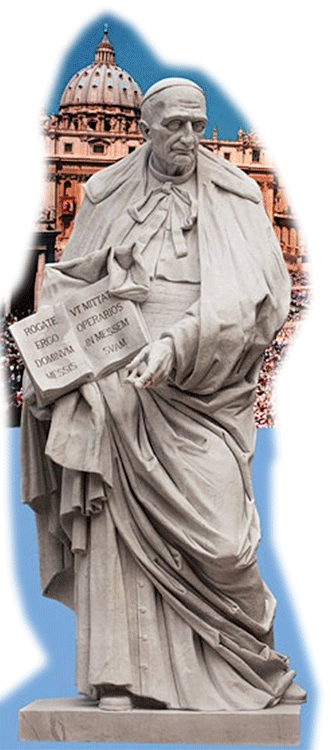
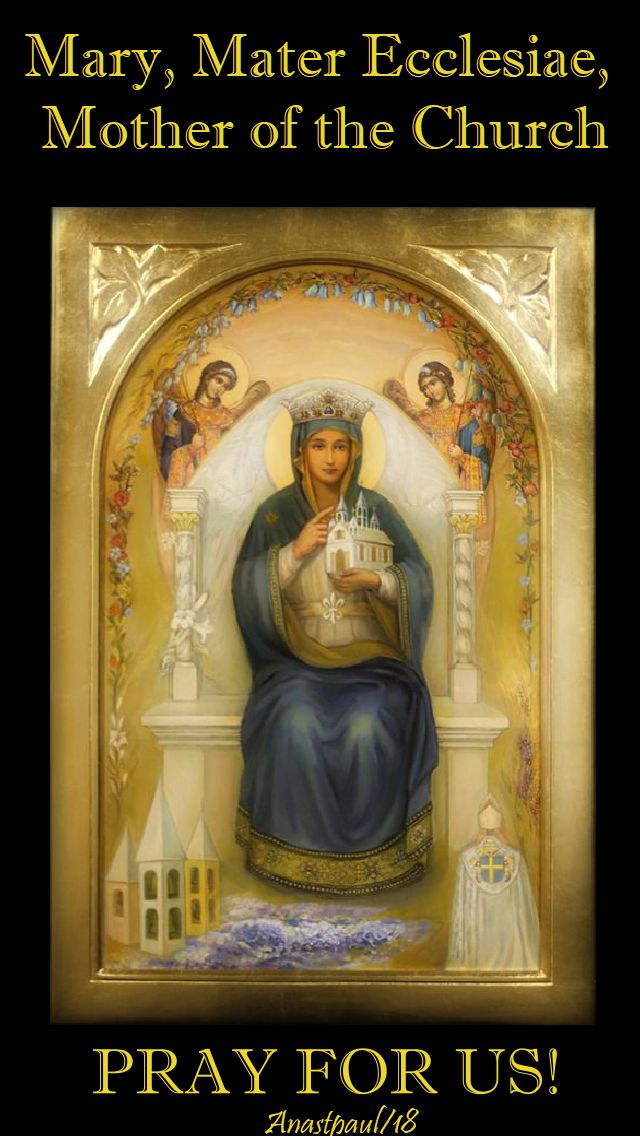


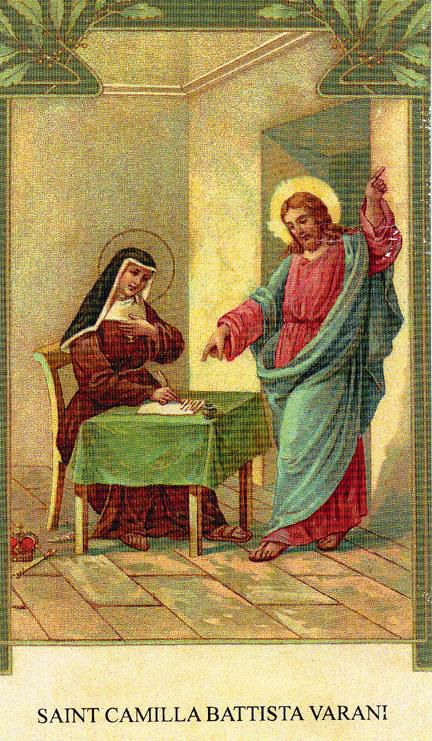

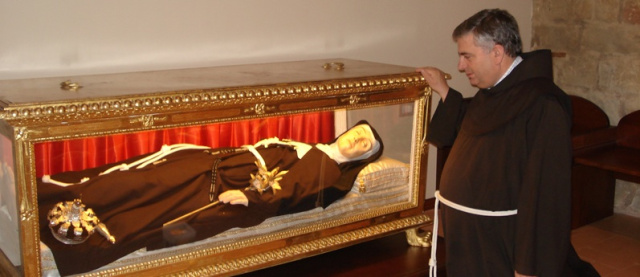


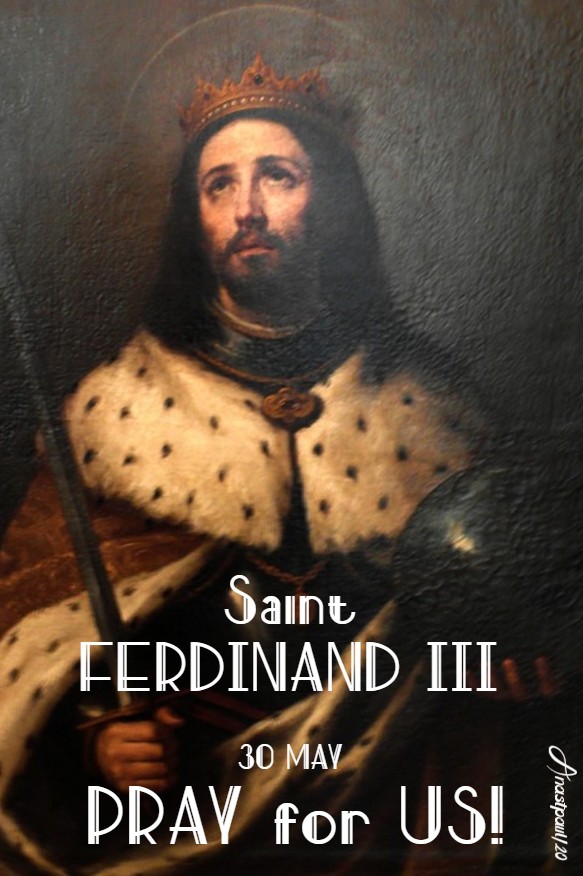
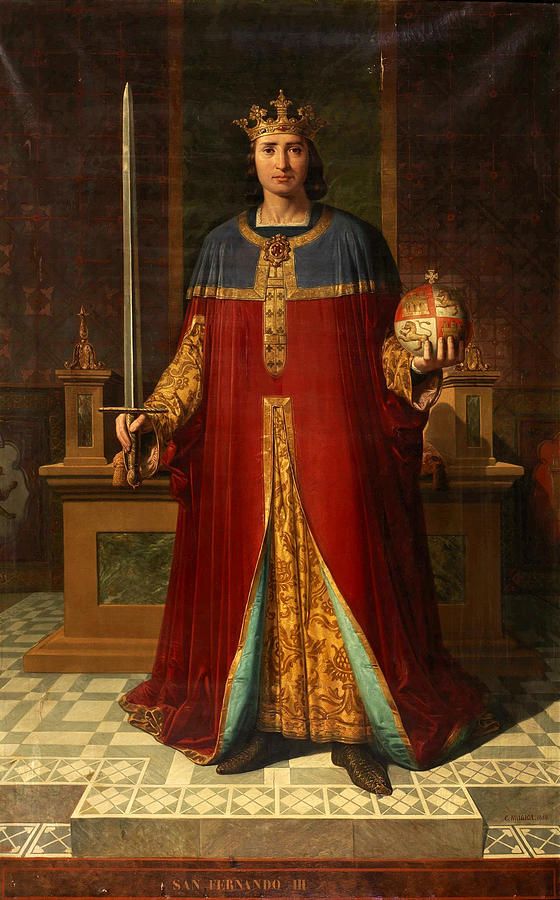

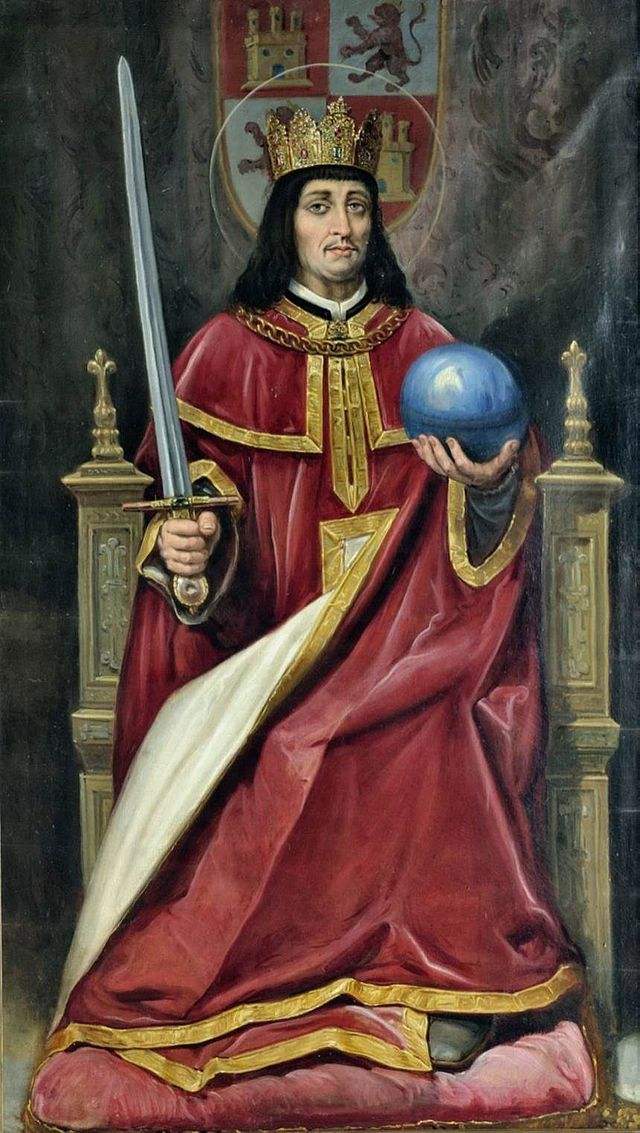


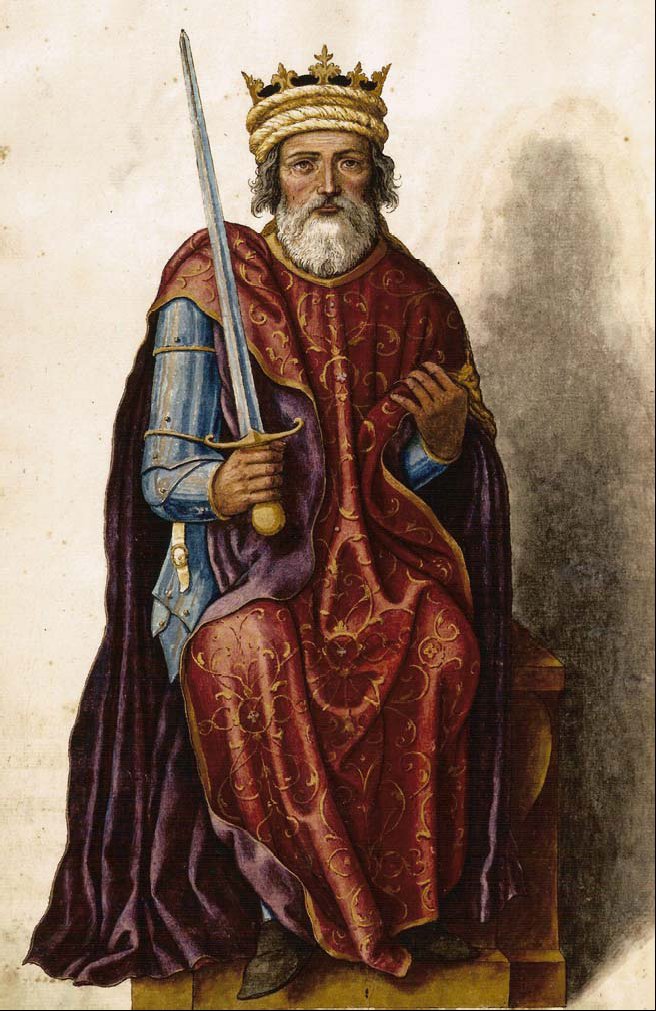
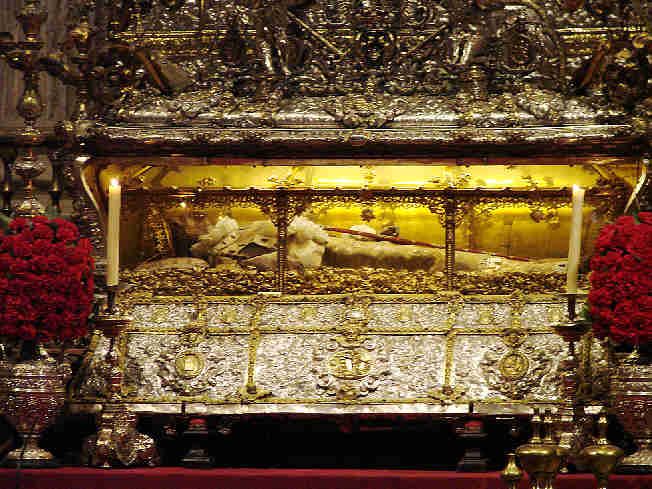

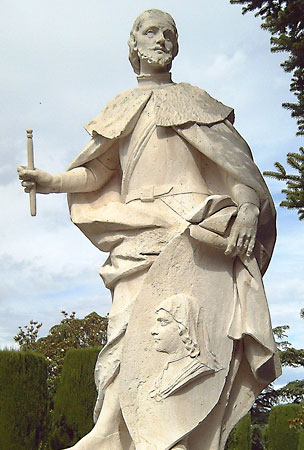


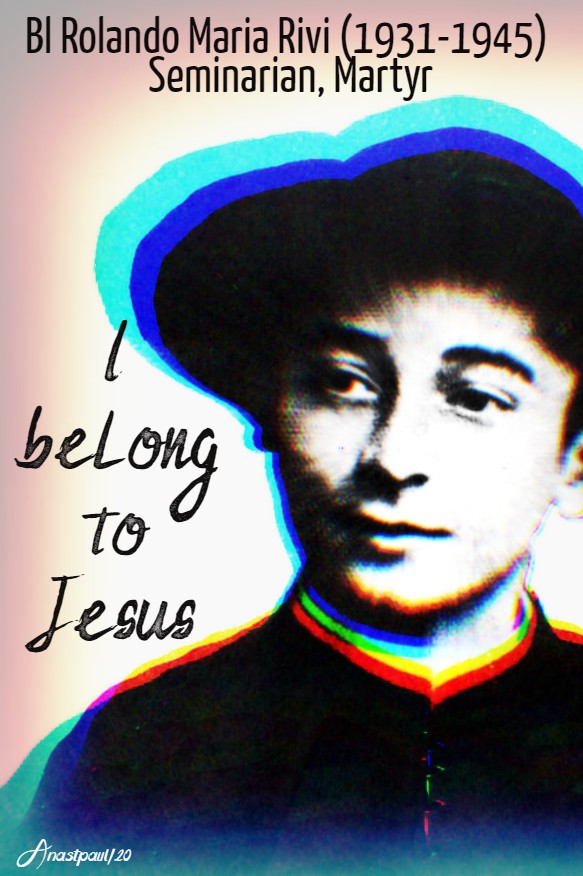


You must be logged in to post a comment.