One Minute Reflection – 16 June – “Month of the Sacred Heart” – Tuesday of the Eleventh week in Ordinary Time, Year A, Readings: 1 Kings 21:17-29, Psalm 51:3-6, 11, 16, Matthew 5:43-48 and the Memorial of Bl Donizetti Tavares de Lima (1882-1961)
“But I say to you, love your enemies and pray for those who persecute you… For if you love those who love you, what recompense will you have?” … Matthew 5:44,46
REFLECTION – “There is in the Community, a Sister who has the faculty of displeasing me in everything – in her ways, her words, her character, everything seems very disagreeable to me. And still, she is a holy religious who must be very pleasing to God. Not wishing to give into the natural antipathy I was experiencing, I told myself that charity must not consist in feelings but in works, then I set myself to doing for this Sister, what I would do for the person, whom I loved the most. Each time I met her I prayed to God for her, offering Him all her virtues and merits. I felt this was pleasing to Jesus, for there is no artist who doesn’t love to receive praise for his works and Jesus, the Artist of souls, is happy when we don’t stop at the exterior but, penetrating into the inner sanctuary where He chooses to dwell, we admire it’s beauty.
I wasn’t content simply with praying very much for this Sister, who gave me so many struggles but I took care to render her all the services possible and when I was tempted to answer her back in a disagreeable manner, I was content with giving her my most friendly smile and with changing the subject of the conversation. … Frequently, when… I had occasion to work with this Sister, I used to run away like a deserter, whenever my struggles became too violent. As she was absolutely unaware of my feelings for her, never did she suspect the motives for my conduct and she remained convinced that her character was very pleasing to me. One day, at recreation, she asked in almost these words: “Would you tell me, Sister Therese of the Child Jesus, what attracts you so much toward me, every time you look at me, I see you smile?” Ah! what attracted me, was Jesus hidden in the depths of her soul, Jesus who makes sweet what is most bitter.” … St Thérèse of the Child Jesus (1873-1897) Doctor of the Church
PRAYER – Almighty God, to whom this world, with all it’s goodness and beauty belongs, give us grace joyfully, to begin this day for Christ Your Son, in Him and with Him and to fill it, with an active love for all Your children, even those who may not like or who do us harm. Help us to love as You do, so that we may become like You. Bl Donizetti Tavares de Lima, you who spread your charity far and wide, pray for us. Through Christ our Lord, with the Holy Spirit, one God, forever, amen.
Saint of the Day – 16 June – Blessed Donizetti Tavares de Lima (1882-1961) Priest, Apostle of the poor, the elderly and the sick, miracle-worker, known to bilocate – born on 3 January 1881 in Cássia, Brazil and died at 11.15am on 16 June 1961 in at the parish hall in Tambaú, Brazil of natural causes,he was 80 years old.
Donizetti was born in 1882 to Minas Gerais de Tristão and Francisca Cândida Tavares de Lima. He was one of eight brothers. His father worked in law and his mother worked as a professor. In 1886, the Tavares de Limas family relocated to Franca in São Paulo, where he attended school and learned music.
In 1894 he commenced his ecclesial studies where he soon became the organist at the institute where he studied and later started to teach music to the seminarians. In 1897 he moved to a college to further his education but later returned to teach music to seminarians. In 1900 he commenced a law course and in 1903 his philosophical and theological formation in preparation for the priesthood.
He received his Ordination as a Priest on 12 July 1908 from the Bishop of Pouso Alegre. He began work in the San Gaetano Parish and then spent time in the Campinas Diocese where he served as an auxiallary Priest.
In 1909, he was appointed as the Parish Priest for the Sant’Ana Church Vargem Grande do Sul in the Ribeirão Preto Diocese, where he defended the rights of the poor. This staunch advocacy for the poor led to the rich and his other detractors to accuse him of being a communist. He also helped construct Chapels to Nossa Senhora Aparecida and to Saint Benedict of Nursia. He was stationed at the Sant’Ana church from 20 April to 8 August 1909 before being transferred again. On 24 May 1926 he was appointed as the newest Parish Priest for the Church of St Anthony in Tambaú. He arrived in the town on 12 June and was inaugurated at the parish with his first Mass there on 13 June. It was there, that he oversaw the establishment of the Saint Vincent de Paul Sanatorium for the abandoned and for elderly people who lived alone. The first miracle attributed to him occurred in 1927 – torrential rain threatened a procession of a statue of Our Lady of Aparecida but the storm subsided and was quieted when Fr Donizetti led the procession himself.
In 1960, the Archbishop of Ribeirão Preto city, Dom Luiz do Amaral Mousinho, went to Tambau, to visit the parish of Saint Anthony and met Fr Donizetti. As soon as he saw the Archbishop, he told him:
“Archbishop, I had a terrible nightmare! I saw the demon entering in the Cathedral of Saint Sebastian (in Ribeirão Preto city-SP) with some priests with him and all of them were armed with picks in hand. They were walking to the side altars of the Cathedral, screaming loudly. When they reached the altar of St Anthony, the image of the holy Friar of Lisbon looked with authority to the devil and his minions, then they left the place fast. Archbishop, for goodness sake, do not let them overthrow the altars of the Cathedral!”
At that moment, the Archbishop told him that it was just a dream, a nightmare and no one would remove the altars but Fr Donizetti told again:
“No, no, Archbishop! We won’t see this disgrace (prophesying that they both would die soon) but it will come! This was not just a dream, nor a nightmare! The darkness will fall over this world! I beg you: don’t let them destroy the altars!”
Kindly, as usual he was, the Archbishop smiled and told to him: “Fr Donizetti, I promise you, I won’t let anyone destroy the altars of our Cathedral!”
A few years later, after the introduction of the New Mass, Fr Agmar Marques remembered this fact and he avoided the removal of the altars of Saint Sebastian Cathedral.
Father Horacio Longo also remembered the “nightmare of the altars” prophesied by Father Donizetti when they removed the side altars of the parish of Franca city, now the Our Lady of Conception Cathedral.
Father Saverio Brugnara reported that Father Donizetti received a picture of St Pope John XXIII in 1959. At that momen,t Fr Donizetti looked for a time at the picture, smiled and said to an acolyte that they both should pray a lot for the Pope and for the Church. One of the acolytes wanted to remove the old picture of Pope Pius XII on the wall and put the picture of the new Pope, John XXIII but Fr Donizetti said: “No, my son! Leave the picture there! Soon I will meet him! As for the new Pope’s picture, leave it there, where it is.”
The picture of Pope John XXIII was placed on a dresser and Pius XII’s picture continued on the wall, at the main place of the sacristy.
Many miracles were witness through the piety and devotion of Father Donizetti. He was just a living saint and he used to be called as “the thaumaturge of Tambau.” One of the miracles which Father Donizetti always attributed to the intercession of Our Lady of Aparecida, was witnessed by one of the most respected journalists in Brazil, Joelmir Beting (1936-2012) who was born and lived in Tambau. Local officials came to him to seek out his advice on social matters. Even President Getúlio Vargas spoke with Fr Donizetti about social matters, that culminated legislation governing proper work ethics
On a radio program the journalist told that on the Easter Sunday of 1953, Fr Donizetti prayed the Mass in the church of Saint Anthony for thousands people and at the same time, he was seen by about 2 thousand people in the City of São Pedro dos Morrinhos, attending an auction of cattle to raise money for his sanatorium. This was one of the many miracles that made him known in the state of São Paulo and other states of the country.
Another famous miracle happened in 1955 when José Alexandre Braga, a boy of 5 years old, was cured of osteochondritis, a disease that prevented him from walking.
José Alexandre Braga (the child in the picture left) after he was cured. In the picture right a most recent photo.
About the miracles, Father Donizetti used to say that the most important were not the cures but the conversions to Catholicism.
Fr Donizetti died in Tambaú on 16 June 1961 due to cardiac complications and diabetic complications that had caused several hospitalisations in the past. He died in the morning at 11:15 am while seated in a chair. His remains were interred on 17 June and exhumed on 7–8 May 2009 in Tambaú for canonical inspection and relocation, which was done at night to avoid a large crowd forming. Later his body was moved to his old parish church and now attract, between 10 and 12 thousand people per month who come as pilgrims. Thousands also visit the ‘House of Father Donizetti’ (in Portuguese “casa do Padre Donizetti”). Inside the house, there are many objects related to the miracles, such as crutches, etc.
This slideshow requires JavaScript.
The Priest had been hailed as a Saint his entire life and efforts to launch a Beatification process started in 1991. The cause opened towards the decade’s end and he became titled as a Servant of God. Pope Francis confirmed his heroic virtue on 9 October 2017 and named him as Venerable. Pope Francis also signed a decree on 6 April 2019 that recognised a miracle attributed to his intercession which made it possible for him to be Beatified in Tambaú on 23 November 2019. He was Beatified on 23 November 2019 by Pope Francis. The Beatification ceremony was celebrated by Cardinal Giovanni Angelo Becciu.
This Statue of Bl Donizetti resides in the MuseumBl Donizetti saying Mass
St Actinea of Volterra
St Aitheachan of Colpe
St Amandus of Beaumont
Bl Antoine Auriel
St Aurelian of Arles
St Aureus of Mainz St Benno of Meissen (1010-1106) Biography: https://anastpaul.com/2018/06/16/saint-of-the-day-st-benno-1010-1106/
St Berthaldus
St Ceccardus of Luni
St Cettin of Oran
St Colman McRhoi
St Crescentius of Antioch
St Cunigunde of Rapperswil
St Curig of Wales
St Cyriacus of Iconium Blessed Donizetti Tavares de Lima (1882-1961)
St Elidan
St Felix of San Felice
St Ferreolus of Besançon
St Ferrutio of Besançon
Bl Gaspare Burgherre
St Graecina of Volterra
St Ismael of Wales
St Julitta of Iconium
St Justina of Mainz St Lutgarde of Aywières (1182-1246) Her Life: https://anastpaul.com/2017/06/16/saint-of-the-day-16-june-st-lutgarde-of-aywieres-the-first-known-woman-stigmatic-of-the-church-and-one-of-the-first-promoters-of-devotion-to-the-sacred-heart/
St Maurus of San Felice
St Palerio of Telese
St Similian of Nantes
Bl Thomas Redyng
St Tycho of Amathus
—
Martyrs of Africa: A group of five Christians martyred together. We know nothing else but the names – Cyriacus, Diogenes, Marcia, Mica, Valeria. They were martyred in an unknown location in Africa, date unknown.
Martyrs of Làng Cóc: A group of five Christian laymen, four farmers and a doctor, from the same village in the apostolic vicariate of Central Tonkin (in modern Vietnam). During the persecutions of emperor Tu Duc, they were each ordered to stomp on a cross to show their contempt for Christianity; they each refused. Imprisoned, tortured and martyred.
• Anrê Tuong
• Ðaminh Nguyen
• Ðaminh Nguyen Ðuc Mao
• Ðaminh Nhi
• Vinh Son Tuong
The were beheaded on 16 June 1862 in Làng Cóc, Nam Ðinh, Vietnam and canonised on 19 June 1988 by St Pope John Paul II.
Thought for the Day – 15 June – Meditations with Antonio Cardinal Bacci (1881-1971) and the Memorial of St Germaine Cousin (1579–1601) Shepherdess
The Divine Worker
“Let us open the Gospel of St John.
“In the beginning was the Word and the Word was with God and the Word ws God. He was in the beginning with God. All things were made through him and without him, was made nothing that has been made” (John 1:1-3).
The work of creation is attributed in a special way, to the Eternal Word, the Son of God.
He was the divine Worker, Who created from nothing, the sky, earth and the marvels which they contain.
Then the Eternal Word of God, became man (Jn 1:14).
But what position did He choose to occupy amongst us?
He could have been born heir to the illustrious throne of Rome, the most powerful in history.
He could have been born in Athens amongst the philosophers of the Areopagus, who handed down, through the centuries, the light of human wisdom and beauty.
But, it was not likely that the Word of God, should have abandoned, so to speak, the eternal glory of the Father, in order to wear the mantle of petty human power.
He had no need of this.
He came amongst us, to instruct us in the humility of the path to Heaven, not in the way of human greatness.
He was born, therefore, as the son of an artisan, “the carpenter’s son, (Mt 13:55) and an artisan Himself, “the carpenter, the son of Mary” (Mk 6:3).
According to the most ancient and most reliable tradition, He was one of the many carpenters in the Palestinian countryside who were prepared to adapt themselves to whatever job arose, whether it was the making of a door, a handle for a hoe, or a plough (Cf Justin Martyr, Dialogue with Trypho, 88:8).
From His youth, therefore, Jesus was a carpenter’s apprentice and, when St Joseph died, He carried on His trade and earned a livelihood for His Mother Mary and Himself.
It was only after many years of manual labour that Jesus ceased to be an artisan and dedicated Himself to work of the mind and heart.
In the three years of His public life, He was an Apostle of truth and goodness.
In this way, He sanctified every type of work, manual, intellectual and spiritual.
The great lesson which Jesus wished to teach us is, that every kind of work, is good and noble.
The manual labour of the farm-hand and of the artisan, is, a co-operation in the work of the Redemption.
Both were made holy by Jesus.
Let those who work with their hands take inspiration from Jesus, Who subjected Himself, for thirty years to all the sacrifices involved in manual labour.
Let intellectuals and apostolic workers look to Jesus also, for when His Hour had come, He sacrificed Himself in His apostolate and gave His life for us.
In His regard, the peasant’s hoe and the writer’s pen, the workman’s hammer and the priest’s stole, are all noble and holy.
The only condition, is that, all should perform their duties conscientiously from the motive of the love of God and of their neighbour.”
Antonio Cardinal Bacci
Cardinal Bacci and I did not plan that this post should fall on the Feast day of little St Germaine Cousins, the Shepherdess who gave every second of her labour and her life, for the love of God and His Will. She teaches us to sanctify the meanest of tasks, to constantly remember our daily offering of each and every form of our work for the glory of God and to honour His Divine Will and Providence.
One Minute Reflection – 15 June – “Month of the Sacred Heart” – Monday of the Eleventh Week of Ordinary Time, Year A, Readings: 1 Kings 21:1-16, Psalm 5:2-3, 4-7, Matthew5:38-42 and the Memorial of St Germaine Cousin (1579–1601)
“Should anyone press you into service for one mile, go with him for two miles.” … Matthew 5:41
REFLECTION – “Do you grasp the excellence of a Christian disposition? After you give your coat and your cloak, even if your enemy should wish to subject your naked body to hardships and labours, not even then, Jesus says, must you forbid him. For He would have us possess all things in common, both our bodies and our goods, as with them that are in need, so with them that insult us. For the latter response comes from a courageous spirit, the former from mercy. Because of this, Jesus said, “If any one shall compel you to go one mile, go with him two.” Again He leads you to higher ground and commands you to manifest the same type of aspiration. For if the lesser things He spoke of at the beginning receive such great blessings, consider what sort of reward awaits those who duly perform these and what they become even before we hear of receiving rewards. You are winning full freedom from unworthy passions in a human and passible body.” … St John Chrysostom (347-407) Bishop, Father & Doctor (The Gospel of Matthew: Homily 18)
PRAYER – King of heaven and earth, Lord God, rule over or hearts and bodies this day. Sanctify us and guide our every thought, word and deed according to the commandments of Your law, so that now and forever, Your grace may free and save us. Teach us Lord to walk in the ways of the Cross of Your Son, our Saviour, as St Germaine Cousin so lovingly and willingly inspires us to do. Through Christ our Lord, with the Holy Spirit, God, forever, amen
Saint of the Day – 15 June – Saint Germaine Cousin (1579–1601) Laywoman, Penitent, Apostle of Charity, miracle-worker – born in 1579 at Pibrac, France and died in 1601 in her parents’ home in Pibrac, France, apparently of natural causes, aged 22. Also known as Germana Cousin, Germaine of Pibrac. Patronages – abandoned people, abuse victims, child abuse victims, against poverty, disabled and handicapped, people, girls from rural areas, illness, impoverishment, loss of parents, shepherdesses, people disfigured by disease, physical therapists. Her body is incorrupt.
These two “Shepherdesses” by William-Adolphe Bougereau are believed to be depictions of St Germaine
Germaine Cousin was a 16th-century shepherdess who lived from 1579 to 1601. Born with a lame right hand and the disease scrofula (a non-tuberculous infection of the lymph nodes of the neck), she projected quite an unsightly appearance. The only child of Laurent Cousin and Marie Laroche, Germaine lived about 1.5 miles west of Pibrac, France. When she was just five years old, the plague suddenly took her dear mother and her father soon after remarried. Germaine was physically and mentally abused by her new stepmother, Armande de Rajols.
Armande’s hatred of little Germaine was so intense that she forced her to live for 17 years in the family barn and to watch the sheep near the wolf-infested La Bouconne forest, hoping the wolves would kill her. Isolated, cold and lonely, Germaine embraced a life of prayer, penance, and almsgiving, she assisted the poor and hungry, even though she herself was malnourished. She offered up her suffering to God.
By Jean F Millet artist of “The Angelus”
She is practised many austerities as reparation for the sacrileges perpetrated by heretics in the neighbouring churches. She frequented the Sacraments of Penance and the Holy Eucharist and it was observed that her piety increased on the approach of every feast of Our Lady. The Rosary was her only book and her devotion to the Angelus was so great that she used to fall on her knees at the first sound of the bell, even though she heard it when crossing a stream. The villagers are said to have inclined at first to treat her piety with mild derision, until certain signs of God’s signal favour made her an object of reverence and awe.
It was while these abuses were taking place that miraculous wonders began to surround Germaine. People from the village witnessed her, on several occasions, parting the turbulent spring waters of the Courbet, which she had to cross to get to Mass in the morning.
On another occasion, Germaine had filled her apron with surplus bread from her meagre daily rations so that she may feed the poor. Her stepmother pursued her into town, hoping to expose her to the townspeople as a miscreant and a thief, who was stealing from her household pantry. After catching up with her in the public square, she forced her to reveal the contents of her apron. When Germaine opened her apron, it wasn’t bread that came flowing out but summer flowers. It was the middle of winter. Everyone was amazed and began to see Germaine in a different light. The stepmother, however, was unmoved and continued to persecute the young girl until her death. This wasn’t for much longer, as Germaine soon died alone in the barn where she had been forced to live for 17 years.
Her father at last came to a sense of his duty, forbade her stepmother henceforth to treat her harshly and wished to give her a place in the home with his other children but Germaine begged to be allowed to remain in the humbler position. At this point, when men were beginning to realise the beauty of her life, she died. One morning in the early summer of 1601, her father found that she had not risen at the usual hour and went to call her, finding her dead on her pallet of vine-twigs. She was 22 years old at the time.
Mysterious lights enveloped the barn the night she died. Two monks who were travelling from Gascony noticed the light from far off. Approaching cautiously, they witnessed angels descending upon the barn in large numbers and taking a soul robed in a virgin’s gown, up to heaven. It was only at Germaine’s deathbed that the stepmother finally began to weep bitterly for her mistreatment of the girl she eventually repented.
But, the story of Germaine’s life was soon forgotten.
In 1644, some 43 years following her death, the body of a noblewoman was being interred in front of the sanctuary of the church, when a workman accidentally exhumed Germaine’s incorrupt body from under the flagstone floor. Her body looked and smelled as fresh as the day she had passed away. News spread like wildfire throughout the town. Her body was exposed in the Church in the hopes of eliciting religious fervour.
Madame de Beauregard, a prominent lady, put a stop to this. She complained to the Parish Priest about the disgusting exhibit of a corpse near her pew. She threatened to withhold alms if Germaine’s corpse continued to be exposed. The Priest complied with her request and removed the casket. Not long after, Madame de Beauregard was stricken with a fatal disease. Distressed by his wife’s condition and her irreverence toward a possible saint, her husband pleaded for her life before the Tabernacle, requesting that Germaine intercede. Moments later, Germaine appeared in spirit to Madame de Beauregard and healed her instantly of her ailment.
Despite these apparent signs of sanctity and several attempts at initiating the cause of her Canonisation, Germaine wasn’t Beatified until May 7, 1854 – 210 years after her incorrupt body had been found. Her Canonisation finally took place on 29 June 1867 By Pope Pius IX.
Saint Germaine was forgotten, neglected and unloved for most of her life. Even after her death, it seemed that the Lord purposely kept her well hidden. Most Catholics have never heard of her and that includes Religious and Priests. In our complex and fast-paced world, Germaine’s simplicity, charity and piety don’t seem to fit in anywhere.
The reason is, that we have now brought up entire generations of entitled young people, who see themselves as central to the universe’s purpose. They are the first to complain if things don’t go their way. In recent news, is it not surprising to learn about a woman stabbing her fiancé over their wedding colour scheme? We are witnessing the consequences of a narcissistic culture that seeks pleasure without any kind of moral compass to guide the conscience.
How could Germaine’s life story fit into such a culture? It would seem, that we are not quite ready yet.
We and our children were brought up on the idea that our “self-esteem” needed to be enhanced. In this way, we’ve made an entire generation incapable of seeing it’s own darkness, empowered with the perception of its own strength and unique gifts. At the same time, this generation’s children, disconnected from any moral compass, think they can do no harm. Meanwhile, a mother in her thirties was sucker-punched while walking with her daughter. No apparent reason was reported, but the public was outraged that such random acts of violence could take place. It was part of the “knockout game,” a depraved form of entertainment for young people.
It is imperative that we begin, once again, to talk to our children about living virtuous lives of self-effacement and not self-empowerment – lives of temperance and not overindulgence. It is pressing, that we share with our children, the idea of living a simpler life that is rooted in love, penance, almsgiving and prayer.
Our children need to hear that the Lord Jesus is drawn to those who are small, hidden and pure, not just to those who are smart, rich, attractive and self-empowered.
In the book Germaine: Requiem of a Soul, Andrew St-James recounts the full history of Saint Germaine. She was a pure soul who abandoned herself completely to divine providence, who learned to surrender her will completely to God.
This inspirational story shatters all the conventional theories modern man may have about God and about the modern concepts of self-empowerment . For when Jesus approaches, He does not strengthen and empower the individual, as most Protestant evangelists claim. Instead, as Jean-Pierre de Caussade writes, “when the Lord approaches, he weakens.”
God is not distant from the suffering of man. The story of Germaine Cousin attests to that truth. The events that surround the life of Saint Germaine have been clearly documented and can be regarded as a reliable historical record of her most remarkable life. It’s a story that has been lost but it is time now for it be told to our children and loved ones. Amen
St Constantine of Beauvais
St Domitian of Lobbes
St Edburgh of Winchester
St Eigil
St Eutropia of Palmyra
St Fortunatus of Corinth St Germaine Cousin (1579–1601) Incorrupt
St Hadelinus of Lobbes
St Hesychius of Durostorum
St Hilarion of Espalion
Bl Juan Rodriguez
St Julius of Durostorum
St Landelin of Crespin
St Leonides of Palmyra
St Libya of Palmyra
St Lotharius of Séez
St Melan of Viviers
St Orsisius
Bl Pedro da Teruel
Bl Peter Snow
St Pierre de Cervis
Bl Ralph Grimston
St Tatian of Cilicia
Bl Thomas Scryven
St Trillo of Wales
St Vaughen of Ireland St Vitus (c 290-c 303) – Martyr, One of the Seven Holy Helpers His very short life: https://anastpaul.com/2017/06/15/saint-of-the-day-15-june-st-vitus/
Saint of the Day – 14 June – Saint Elisha the Prophet “My God is salvation” (c 790 BC) was a a disciple and protégé of St Elijah and after Elijah was taken up in a chariot of fire, he gave Elisha a double portion of his power and he was accepted as the leader of the sons of the prophets. Elisha then went on to perform twice as many miracles as Elijah. Patronage – Prophets. St Elisha is commemorated in the calendar of saints of the Carmelite Order following a decree of the Carmelite General Chapter of 1399.
Elijah set out and came upon Elisha, son of Shaphat, as he was ploughing with twelve yoke of oxen, he was following the twelfth. Elijah went over to him and threw his cloak on him. ―1 Kings 19:19
Elisha was a prophet in the northern kingdom of Israel. His moment of calling was rather mystical – Elisha was ploughing a field with twelve yoke of oxen when his predecessor, Elijah, came along and placed his mantle over Elisha’s shoulders―a symbol of a call to share in prophetic work. Elisha requested time to say farewell to his parents and then slew the oxen, gave the meat to the people and joined Elijah.
Elisha, whose name in Hebrew means “My God is Salvation,” was the son of Shaphat.
Before Elijah was taken up in a fiery chariot and into the whirlwind, Elisha asked to “inherit a double-portion” of Elijah’s spirit. He won the gratitude of the people of Jericho for healing it’s barren ground by adding salt to its waters.
When the armies of Judah, Israel and Edom, then allied against Mesa, the Moabite king, were being tortured by drought in the Idumæan desert, Elisha consented to intervene. His double prediction regarding relief from drought and victory over the Moabites was fulfilled on the following morning (2 Kgs 3:4-24).
“Elisha’s Spring” (Ain es-Sultan) in Jericho
To relieve the widow importuned by a hard creditor, Elisha so multiplied a little oil as to enable her, not only to pay her indebtedness but to provide for her family needs (2 Kgs 4:1-7).
To reward the rich lady of Shunam for her hospitality, he restored to life her son (2 Kgs 4:18-37).
To nourish the sons of the prophets pressed by famine, Elisha changed, into wholesome food, the pottage made from poisonous gourds (2 Kgs 4:38-41).
A Famine in Samaria (illustration by Gustave Doré from the 1866 La Sainte Bible)
During the military incursions of Syria into Israel, Elisha cured Naaman the Syrian of his leprosy by simply sending him word that he was to bathe in the Jordan seven times. At first reluctant, Naaman obeyed the Prophet and after washed seven times in the Jordan, he was healed. Jesus referred to this when he said: “And there were many lepers in Israel in the time of Elisha the prophet and none of them was cleansed but Naaman the Syrian” (Luke 4:27).
Elisha refusing the gifts offered by Naaman
Elisha’s life and activities are found in 1 and 2 Kings and he is commemorated on this date in the 2004 Roman Martyrology.
Julian the Apostate (361–363) gave orders to burn the relics of the prophets Elisha, Obadiah and John the Baptist, who were buried next to each other in Sebastia but they were rescued by the Christians and part of them were transferred to Alexandria. Today, the relics of Elisha are claimed to be among the possessions of the Coptic Orthodox Monastery of Saint Macarius the Great in Scetes, Egypt.
The miracle at the grave of Elisha. (Jan Nagel, 1596)
As Elisha’s desire was to “Make known the Divine Will of God” to the people of their times, we can benefit from that today. So many times in our lives we ask the simple question, “What is God’s Will for me?” By asking for the intercession of St Elisha, we can obtain the Grace to know more of the Divine Will God has for us, in our lives. Only by living in union with God, can we know in our hearts, we are doing what HE created us for. By asking St Elisha to help us to discern that, God’s Will can be made more clear to us.
Elijah send Elisha forth
Prayer
O God,
protector and redeemer of the human family,
whose wonders have been proclaimed through the wonders accomplished by Your chosen prophets,
You have bestowed the spirit of Elijah on Your prophet Elisha.
In Your kindness grant us too
an increase in the gifts of the Holy Spirit
so that, living as prophets,
we will bear constant witness to Your abiding presence and providence.
We ask this through Christ our Lord, in the unity of the Holy Spirit, God for all eternity.
Amen
(The Title of the video is extremely appropriate as many of us are still living without “Sunday” in it’s holy and proper form!)
Our Lady of the Trellis:
On 14 June 1234, 53 disabled people were cured upon praying before the statue of Our Lady of the Trellis, installed behind a latticework fence in St Peter’s Collegiate Church in Lille, France.
A procession held annually on the second Sunday after Pentecost commemorates the miracles. Saved during the destruction of St Peter’s Church in the French Revolution, the statue moved afterwards to St Catherine’s Church.
Devotion to Our Lady of the Trellis revived in the mid-1800s and a grand neo-Gothic church arose in her honour, where the statue was installed in 1872 and canonically crowned in 1874.
After the theft of the original in 1959, sculptor Marie Madeleine Weerts carved the image now displayed in Lille’s Catholic Cathedral, the Basilica of Notre-Dame de la Treille.
St Anastasius of Córdoba
St Burchard of Meissen
St Caomhán of Inisheer
St Castora Gabrielli
St Cearan the Devout
Bl Constance de Castro
St Cyprien
St Cyriacus of Zeganea
St Davnet
St Digna of Córdoba
St Dogmael of Wales
St Elgar of Bardsey St Elisha the Prophet “My God is salvation” (790 BC)
St Etherius of Vienne
St Felix of Córdoba
Bl Fortunatus of Napoli
Bl Francisca de Paula de Jesus Isabel
St Gerold of Evreux
Bl Hartwig of Salzburg
St Joseph the Hymnographer
St Marcian of Syracuse
St Mark of Lucera St Methodius of Constantinople (born 8th Century – 847) His Life: https://anastpaul.com/2018/06/14/saint-of-the-day-14-june-st-methodius-i-of-constantinople-8th-cent-847-defender-of-icons/
St Nennus of Arran
Bl Peter de Bustamante
St Protus of Aquileia
St Quintian
St Richard of Saint Vannes
St Rufinus of Soissons
St Thecla
St Theopista
St Valerius of Soissons
Bl Walter Eustace
Thought for the Day – 13 June – Meditations with Antonio Cardinal Bacci (1881-1971)
St Anthony
“St Anthony of Padua was not born a saint but he became one as the result of prayer, self-denial and penance, which attracted to him, God’s many graces.
On a summer evening in the year 1219, five mendicant friars arrived at the gate of the ancient Abbey of Coimbra, asking for hospitality from the Canons Regular of St Augustine.
They received a whole-hearted welcome.
When they had refreshed themselves, they revealed that they belonged to the new Religious Family founded by St Francis of Assisi.
They said that they hoped to reach Morocco, in order to convert the Saracens and, if it was God’s pleasure, to receive the palm of Martyrdom.
Amongst the Canons Regular, who were listening to them, was the youthful Anthony, who had already consecrated his life to God.
Not long afterwards, this little band of Franciscan Missionaries, was cut down by the scimitars of the infidels and became a glorious band of Martyrs.
Their bodies were brought back in triumph to the Abbey which they had visited and there they were buried with great honour.
When they were going away, Anthony had listened enthusiastically to all that they had said and felt a noble envy.
Now that he was in the presence of their hallowed remains, he experienced an urge to follow in their footsteps.
St Anthony joined the Franciscan Order and joyfully set off for the coast of Morocco in search of Missionary labour and of Martyrdom.
But, when he landed on African soil, he was struck down by a serious attack of malaria, which compelled him to return to his native land.
There is no foreseeing the designs of Divine Providence.
The boat in which Anthony was travelling was battered by a tempest and had to go ashore in Italy.
Henceforward, Italy was Anthony’s second fatherland.
It was here, that he conducted his remarkable and fruitful apostolate and slowly accomplished his Martyrdom, by the daily struggle for perfection.
This, is a headline for us!
We may not have been called to go and spread the faith amongst the infidels, at the risk of Martyrdom.
But, we have all been called to a state of holiness.
Perfection, moreover, is a gradual Martyrdom.
The heroic daily effort which is required to abstain from sin and to overcome the wayward tendencies of our nature, can fairly be said, to be, no less difficult, than a bloody Martyrdom.
This is the kind of Martyrdom which we must all endure.
St Anthony of Padua, will obtain for us the grace, to undergo it with the same generosity and constancy, which he displayed.”
Quote/s of the Day – 13 June – The Memorial of St Anthony of Padua (1195-1231) Evangelical Doctor of the Church
“Damned money! Alas! … Money is the ‘droppings of birds’ that blinded the eyes of Tobit.”
“Christ, who is your life, is hanging before you, so that you may look at the Cross, as in a mirror. There you will be able to know, how mortal were your wounds, that no medicine other, than the Blood of the Son of God, could heal. If you look closely, you will be able to realise, how great your human dignity and your value are…. Nowhere other than looking at himself, in the mirror of the Cross, can man better understand how much he is worth”
(Sermones Dominicales et Festivi III, pp. 213-214)
“The devil is afraid of us when we pray and make sacrifices. He is also afraid when we are humble and good. He is especially afraid when we love Jesus very much. He runs away when we make the Sign of the Cross.”
“The spirit of humility is sweeter than honey and those, who nourish themselves with this honey produce sweet fruit.”
The Praises of Mary “Assumption” Poem by Saint Anthony
O how wondrous is the dignity of the glorious Virgin! She merited to become the mother of Him who is the strength and beauty of the angels and the grandeur of all the saints.
Mary was the seat of our sanctification, that is to say, the dwelling place of the Son who sacrificed Himself for us.
“And I shall glorify the place where my feet have stood.” The feet of the Saviour signify His human nature. The place where the feet of the Saviour stood was the Blessed Mary, who gave Him His human nature.
Today the Lord glorifies that place, since He has exalted Mary above the choirs of the angels. That is to say, the Blessed Virgin, who was the dwelling of the Saviour, has been assumed bodily into heaven.
St Anthony of Padua (1195-1231)
Evangelical Doctor of the Church
One Minute Reflection – 13 June – “Month of the Sacred Heart” – Saturday of the Tenth Week in Ordinary Time, Year A, Readings: 1 Kings 19:19-21, Psalm 16:1-2, 5, 7-10, Matthew 5:33-37 and the Memorial of St Anthony of Padua (1195-1231) Doctor of the Church
“Do not swear by your head, for you cannot make a single hair white or black.” … Matthew 5:36
REFLECTION – “These words of the Lord whereby He forbids us to swear by these different elements, invites a double explanation. Firstly, He wanted to draw us away from the use of oaths and the customs of human error, lest each of us through swearing by these elements, accord a creature the honour of divine veneration or, believe one has impunity in swearing falsely, if one swears by the elements of the world.
It can also be explained in this way – When one swears by heaven and earth, one swears by Him who made heaven and earth, as the Lord Himself declared elsewhere: “He who swears by the altar, swears by it and by all things that are on it and, he who swears by the temple, swears by it and by him who dwells in it.” Jesus goes on to say, “nor by Jerusalem,” for it is the city of the great King, that is, the symbol of Christ’s body, which is the spiritual and heavenly church. “Neither shall you swear,” he says, “by your head,” for according to the apostle, “the head of every man is Christ.” Therefore, the one who swears by these things makes reference to Him who is the author of all these things.” … St Chromatius of Aquileia (Died 407) Bishop, Theologian, Defender of the Faith against Arianism, Friend and supporter of St Jerome, St John Chrysostom, St Ambrose – Tractate on Matthew 24)
PRAYER – Almighty, everliving God, You gave St Anthony of Padua to Your people as a preacher and teacher and a patron in their needs. Grant that we may learn from his words inspired by Your Holy Spirit and by his prayers, grow in faith, hope and humility. We make our prayer through Christ our Lord, in the unity of the Holy Spirit, all-glorious God, now and forever, amen.
Saint of the Day – 13 June – Blessed Marianna Biernacka (1888-1943) Martyr, Laywoman, Mother, Grandmother, Widow – Born as Marianna Czokala in 1888 in Lipsk, Podlaskie, Poland and died by being shot by firing squad on 13 June 1943 in Naumovichi (aka Naumowicze), Belarus. She was 54-55. She is also remembered on 12 June as one of the 108 Martyrs of World War II.
Blessed Marianna Biernacka is described, in many reports, as leading a “simple” life. But it’s my experience that there are really no simple lives. Marianna knew heartbreak. She knew fear. She knew backbreaking work. She knew loss. And she knew God’s love.
This may be or not, Blessed Marianna, sources are uncertain
Marianna was born in 1888. At the age of twenty she married a local man, Louis Biernacki. Together, they had six children, four of whom died shortly after birth. The only source of survival for the family was their family farm.
After the death of Louis in 1929, Marianna lived with her son Stanislaw. Stanislaw eventually married a young woman, Anna Szymczyk and they all lived together. Prayer and song were a large part of their lives. Soon after the couple were married, the two had a daughter.
Bishop Jerzy Mazur, Bishop of Elk, said on the occasion of the 70th anniversary of the death of Bl Marianna Biernacka that “Staring at her ordinary life, we see that it was imbued with faith, love, prayer, work and suffering. Each day began with prayer and common singing Hours. Everyday life was filled with a difficult job in summer in a field and in winter, spun flax and hemp and weaving on a loom. Recitation of the Rosary prayer and devotional singing songs allowed the dignity to endure the pain of bereavement, hard work and daily poverty.”
In 1939, the Nazis invaded Poland. To understand, the Nazi occupation of Poland is to label it as one of the worst and most brutal genocides in the history of the world. Adolf Hitler himself is reported to have authorised his commanders to kill “without pity or mercy, all men, women and children of Polish decent or language.” When a German soldier was killed by any resistance, the Gestapo made it a practice to round up a large number of Polish civilians randomly and kill them in retaliation. It was just such an incident that brought the Nazis to the door of Marianna Biernacka.
In July of 1943, the Nazis arrested many people in and around the city of Lipsk as retribution for a German killed by the resistance. Randomly, Stanislaw Biernacka, along with his pregnant wife Anna, were selected to be killed. Nobody believed they had anything to do with the resistance but they were to be killed for events outside of their control. When the armed soldiers came to arrest them, Stanislaw’s mother, Marianna, reportedly dropped to her knees and begged the Nazis to take her instead of Anna.
“She is already in the last weeks of her pregnancy,” she pleaded. “I will go for her.”Her daughter-in-law begged her not to make this sacrifice but Marianna insisted, reportedly saying “You are young, you must live.”As the Nazis didn’t particularly care who they killed, as they were simply filling a quota, so they took Marianna and her son instead of the pregnant Anna.
The Nazis took Marianna and her son to the prison in Grodno. While in the prison, she only requested a pillow and a rosary. After two weeks in prison in which she spent much of her time praying, Marianna was shot and killed on 13 July 1943 in Naumowicze along with her son. Their bodies were thrown into a common grave.
Around that time, Anna gave birth to a son. She named his Stanislaw.
On 13 June 1999, Marianna was Beatified and recognised as a Martyr, along with 107 other victims, by Pope John Paul II. The liturgical feast day of the 108 Martyrs of World War II is June 12.
Sadly, the child, Stanislaw, only lived for about a year, according to reports. Anna lived to age 98 and her daughter, Eugenia, still lives in the family home, according to some Polish websites. She said that her mother, Anna, would often say that she had been given life twice. Once by her own mother and then from her mother-in-law.
—
Bl Achilleo of Alexandria
Bl Alfonso Gomez de Encinas
Bl Anthony of Ilbenstadt
St Aquilina of Syria
St Augustine Phan Viet Huy
St Aventino of Arbusto
St Damhnade
St Diodorus of Emesa
St Eulogius of Alexandria
St Fandilas of Penamelaria
St Felicula of Rome
St Fortunatus of North Africa
Bl Gerard of Clairvaux – was the brother of Saint Bernard of Clairvaux. He was a Soldier. When he was wounded in combat at the siege of Grancy, Gerard resolved to become a monk. He became a Benedictine Cistercian monk at Citeaux. He worked with Saint Bernard at Clairvaux and became his closest confidant. He died in 1138 of natural causes.
St Lucian of North Africa
St Mac Nissi of Clonmacno
Blessed Marianna Biernacka (1888-1943) Martyr of the Nazi Regime
Below is a video I believe features Anna herself. I, of course, do not know Polish, but another website had a picture of Anna and it was the same woman, so I believe I am correct in this supposition. It’s in Polish and throughout much of the video she is singing a song. It’s quite beautiful. If any of you know Polish I’d be grateful for information about what’s she’s saying and singing or if it is in fact Anna.
St Maximus of Cravagliana
St Nicolas Bùi Ðuc The
St Peregrinus of Amiterno
St Rambert
St Salmodio
Bl Servatius Scharff
St Thecla
St Tryphillius of Leucosia
St Victorinus of Assisi
St Wilicarius of Vienne
Saint of the Day – 12 June – Blessed Lorenzo Maria of Saint Francis Xavier Salvi CP (1782-1856) (also known as Lorenzo Salvi), Priest of the Passionist Congregation – born as Lorenzo Gaetano Maria Salvi on 30 October 1782 in Rome, Italy and died on 12 June 1856 in Capranica, Viterbo, Italy of natural causes.
Lorenzo was greatly impressed by the preaching and zeal of Saint Vincent Strambi (1745-1824) (here: https://anastpaul.com/2018/09/25/saint-of-the-day-25-september-st-vincent-strambi-c-p-1745-1824/) and soon followed him into the Passionist Congregation. He became a novice at Monte Argentario in 1801, the first monastery of the Passionists. He received the religious name Lorenzo Maria of Saint Francis Xavier and professed his vows on 20 November 1802. He studied for the Priesthood at Jesuit-run the Collegio Romano in Rome, his classmates included the future Pope Gregory XVI and was Ordained a Priest on 29 December 1805. He followed closely in the footsteps of the Founder of the Passionists, St Paul of the Cross.
The anti-clerical laws of Napoleon saw the Passionist house suppressed and its members dispersed. When at last Lorenzo was able to return to Passionist life he preached missions and encouraged devotion to the Passion of Christ, these two things are the hallmarks of the Passionist life. But he also gained the reputation of a most wise and admired Superior for his ability to ably lead communities.
He had great devotion to the Infant Jesus and was steadfast in promoting, in every circumstance, prayerful devotion to the holy childhood of Jesus, not only through his untiring work but also, through his constant example and his proliferation of writings. He often wrote about and preached on the wonders of the Incarnation. Because of this great devotion, he is usually depicted in religious art with a picture of the Child Jesus.
Blessed Lorenzo died 12 June 1856 at Capranica, Viterbo, Italy. He is buried in the Passionist Church of St Angelo, Vetralla (Viterbo).
Passionist Saints
On 1 October 1989 Lorenzo Maria of St Francis Xavier was Beatified by St Pope John Paul II.
Blessed are Thou, O God our Father,
for Thy gift of Blessed Lorenzo Maria of St Francis Xavier,
for his life, his witness
and for the love Thou didst give him for the mystery of the Nativity and Infancy of Thy Son Jesus.
We ask Thee to reawaken in Thy Church,
the awareness of the great gift of the Incarnation
and the desire to imitate Jesus with simplicity of heart
and total trust in Thy Love and Thy Providence.
We thank Thee for the deep compassion
for the suffering Thou didst grant Blessed Lorenzo
and for the strength of his prayer to the Infant Jesus.
We believe that he still intercedes for us.
We confide to Thee our good desires,
for ourselves and for our neighbours,
secure to obtain Thy Grace
and the protection of Blessed Lorenzo.
Amen
Our Lady of Montalto: Shrine of Our Lady of Montalto in Messina, Italy
In 1282, the Virgin Mary appeared in a dream to a friar named Nicholas. During the apparition she promised to send a white dove to the Caperrina hill where she wanted a church built in her name. The cornerstone for the Shrine of Our Lady of Montalto was laid in 1295 by Queen Constance of Sicily. It was a monastery for Cistercian nuns from 1389 until 1866. The Santuario della Madonna di Montalto was severely damaged during the 1908 earthquake and rebuilt in 1930. This view of the bell tower gives you a hint at the beauty of this Gothic and Romanesque structure.
St Amphion of Nicomedia
Bl Antonia Maria Verna
Bl Antonio de Pietra
St Arsenius of Konev
St Christian O’Morgair of Clogher
St Chrodobald of Marchiennes
St Cominus
Bl Conrad of Maleville
St Cunera
St Cuniald
St Cyrinus of Antwerp
St Eskil
St Galen of Armenia St Gaspar Bertoni CSS (1777-1853) – Priest and Founder Biography:
St Gerebald of Châlons-sur-Seine
St Geslar
Bl Guy Vignotelli of Cortona St Juan de Sahagun OESA (1419-1479) BUT his Memorial has been moved to yesterday 11 June. Biography:
St Pope Leo III
St Lochinia of Ireland Blessed Lorenzo Maria of Saint Francis Xavier Salvi CP
Bl Mercedes Maria of Jesus
St Odulf of Utrecht
St Olympius of AEnos
St Onuphrius of Egypt
Bl Pelagia Leonti of Milazzo
St Peter of Mount Athos
St Placid of Val d’Ocre
Bl Stanislaw Kubista
Bl Stefan Grelewski
Bl Stefan Kielman
St Ternan of Culross
St Valerius of Armenia
Martyrs of Bologna: Three Christians who were martyred at different times and places, but whose relics have been collected and enshrined together – Celsus, Dionysius, and Marcellinus. Their relics were enshrined in churches in Bologna and Rome in Italy.
Martyrs of Rome: Four members of the Imperial Roman nobility. They were all soldiers, one or more may have been officers, and all were martyred in the persecutions of Diocletian – Basilides, Cyrinus, Nabor and Nazarius.
They were martyred in 304 outside Rome, Italy and buried along the Aurelian Way.
Three Holy Exiles: Three Christian men who became Benedictine monks at the Saint James Abbey in Regensburg, Germany, then hermits at Griestatten, and whose lives and piety are celebrated together. – Marinus, Vimius and Zimius.
108 Martyrs of World War II:
Also known as
• Polish Martyrs
• 108 Polish Martyrs of the Nazis
• 108 Blessed Polish Martyrs
Among the millions murdered by Nazis in World War II, many were Poles killed for being Poles and many were Catholics killed for being Catholic. As emblematic of this group, 108 Polish Catholics who were murdered for their faith, and whose faithfulness was attested by by witnesses, were beatified as a group of by Pope John Paul II. They each have a separate memorial day on the calendar but they are celebrated as a group today.
• Adalbert Nierychlewski • Adam Bargielski • Aleksy Sobaszek • Alfons Maria Mazurek • Alicja Maria Jadwiga Kotowska • Alojzy Liguda • Anastazy Jakub Pankiewicz • Anicet Koplinski • Antoni Beszta-Borowski • Antoni Julian Nowowiejski • Antoni Leszczewicz • Antoni Rewera • Antoni Swiadek • Antoni Zawistowski • Bogumila Noiszewska • Boleslas Strzelecki • Boniface Zukowski • Bronislao Kostkowski • Bronislaw Komorowski • Bruno Zembol • Czeslaw Jozwiak • Dominik Jedrzejewski • Edward Detkens • Edward Grzymala • Edward Kazmierski • Edward Klinik • Emil Szramek • Fidelis Jerome Chojnacki • Florian Stepniak • Franciszek Dachtera • Franciszek Drzewiecki • Franciszek Kesy • Franciszek Rogaczewski • Franciszek Roslaniec • Franciszek Stryjas • Grzegorz Boleslaw Frackowiak • Henryk Hlebowicz • Henryk Kaczorowski • Henryk Krzysztofik • Hilary Pawel Januszewski • Jan Eugeniusz Bajewski • Jan Franciszek Czartoryski • Jan Nepomucen Chrzan • Jan Oprzadek • Jarogniew Wojciechowski • Jerzy Kaszyra • Jozef Achilles Puchala • Józef Cebula • Jozef Czempiel • Józef Jankowski • Jozef Kowalski • Józef Kurzawa • Jozef Kut • Józef Pawlowski • Jozef Stanek • Jozef Straszewski • Józef Wojciech Guz • Jozef Zaplata • Julia Rodzinska • Karol Herman Stepien • Katarzyna Faron • Kazimiera Wolowska • Kazimierz Gostynski • Kazimierz Grelewski • Kazimierz Tomasz Sykulski • Leon Nowakowski • Leon Wetmanski • Ludwik Mzyk • Ludwik Roch Gietyngier • Maksymilian Binkiewicz • Marcin Oprzadek • Maria Antonina Kratochwil • Maria Klemensa Staszewska • Marian Gorecki • Marian Konopinski • Marian Skrzypczak • Marianna Biernacka • Michal Ozieblowski • Michal Piaszczynski • Michal Wozniak • Mieczyslaw Bohatkiewicz • Mieczyslawa Kowalska • Narcyz Putz • Narcyz Turchan • Natalia Tulasiewicz • Piotr Edward Dankowski • Roman Archutowski • Roman Sitko • Stanislaw Antoni Trojanowski • Stanislaw Kostka Starowieyski • Stanislaw Kubista • Stanislaw Kubski • Stanislaw Mysakowski • Stanislaw Pyrtek • Stanislaw Starowieyski • Stefan Grelewski • Stefan Wincenty Frelichowski • Symforian Ducki • Tadeusz Dulny • Wincenty Matuszewski • Wladyslaw Bladzinski • Wladyslaw Demski • Wladyslaw Goral • Wladyslaw Maczkowski • Wladyslaw Miegon • Wlodzimierz Laskowski • Wojciech Gondek • Zygmunt Pisarski • Zygmunt Sajna
Died
between 5 October 1939 and April 1945 in Germany and Nazi-occupied Poland and were Beatified on 13 June 1999 by St Pope John Paul II in Warsaw, Poland.
One Minute Reflection – 11 June -“Month of the Sacred Heart” – Thursday of the Tenth Week in Ordinary Time, Year A, Readings: Acts: 11:21b-26; 12:1-3, Psalm 98(97),1.2-3ab.3cd-4.5-6, Matthew 10:7-13 and the Memorial of St Barnabas, Apostle of Christ
Jesus said to his Apostles: “As you go, make this proclamation: ‘The kingdom of heaven is at hand.’ Cure the sick, raise the dead, cleanse lepers, drive out demons. Without cost you have received; without cost you are to give.” ... Matthew 10:7-8
REFLECTION – “It is not we who look for an apostolate – it looks for us; God, in loving us first, makes apostles of us. How could we share bread, a roof, our heart with the neighbour who is our own flesh and not be overflowing with the love of our God for him, if that neighbour does not know him? Everything is miserable without God; we cannot tolerate wretchedness for someone we love, least of all the greatest. Not be apostolic? Not be missionaries? But then what would it mean to belong to this God who has sent His Son so that the world might be saved by Him… and how?
However, we don’t “think” about being apostles; we think of being – in God’s hands, in the body of Christ, under the moving of His Spirit – the Christ we wish to become, the Christ who is never love without being light and there is no light except at the price of light. We imitate Him, badly but without stopping, we enter into Him, dissimilarly but tenaciously, how could we not be, at least in will, apostles? in all our being, disposed as, missionaries?…
How could we not preach the gospel if the Gospel is under our skin, in our hands, our hearts, our heads? We are obliged to say why we try to be what we want to be, why we try not to be what we don’t want to be, we are obliged to preach, since preaching is to say something publicly about Jesus Christ, our Lord and God and one can’t love Him and be silent.” … Venerable Madeleine Delbrêl (1904-1964) – Missionary to the outcasts – A vocation for God among men (The Joy of Believing)
PRAYER – O God, who decreed that Saint Barnabas, a man filled with faith and the Holy Spirit, should be set apart to convert the nations, grant that the Gospel of Christ, which he strenuously preached, may be faithfully proclaimed by word and by deed. We pray you Lord, that by the intercession of St Barnabas, we too may grow in faith and love and live to glorify Your kingdom. Through our Lord Jesus Christ, Your Son, who lives and reigns with you in the unity of the Holy Spirit, one God, forever and ever. Amen.
Saint of the Day – 11 June -Blessed Ignazio Shoukrallah Maloyan ICPB (1869-1915) Bishop and Martyr – born as Shoukrallah Maloyan on 18 April 1869 at Mardin, Turkey and died by being shot to death on 11 June 1915 by Mamdooh Bek at Zerzevan Castle, Çinar, Diyarbakir, Turkey.
Ignazio Maloyan (Shoukrallah), son of Melkon and Faridé, was born in 1869, in Mardin, Turkey. His parish priest, noticed in him signs of a priestly vocation, so he sent him to the convent of Bzommar-Lebanon; he was fourteen years old.
After finishing his superior studies in 1896, the day dedicated to the Sacred Heart of Jesus, he was Ordained Priest in the Church of Bzommar convent, became a member of the Bzommar Institute and adopted the name of Ignatius in remembrance of the famous Martyr of Antioch. During the years 1897-1910, Father Ignazio was appointed as Parish Priest in Alexandria and Cairo, where his good reputation was wide-spread.
His Beatitude Patriarch Boghos Bedros XII appointed him as his assistant in 1904. Because of a disease that hit his eyes and suffocating difficulty in breathing, he returned to Egypt and stayed there till 1910.
The Diocese of Mardin was in a state of anarchy, so Patriarch Sabbaghian sent Father Ignazio Maloyan to restore order.
On 22 October 1911, the Bishops’ Synod assembled in Rome elected Father Ignazio Archbishop of Mardin. He took over his new assignment and planned on renewing the wrecked Diocese, encouraging especially the devotion to the Sacred Heart.
Unfortunately, at the outbreak of the First World War, the Armenians resident in Turkey (which was allied with Germany) began to endure unspeakable sufferings. In fact, 24 April 1915 marked the beginning of a veritable campaign of extermination. On 30 April 1915, the Turkish soldiers surrounded the Armenian Catholic Bishopric and church in Mardin on the basis that they were hide-outs for arms.
At the beginning of May, the Bishop gathered his priests and informed them of the dangerous situation. On 3 June 1915, Turkish soldiers dragged Bishop Maloyan in chains to court with twenty seven other Armenian Catholic personalities. The next day, twenty five Priests and eight hundred and sixty two believers were held in chains. During trial, the chief of the police, Mamdooh Bek, asked the Bishop to convert to Islam. The Bishop answered that he would never betray Christ and His Church. The good shepherd told him that he was ready to suffer all kinds of ill-treatments and even death and in this, will be his happiness.
Mamdooh Bek hit him on the head with the rear of his pistol and ordered to put him in jail. The soldiers chained his feet and hands, threw him on the ground and hit him mercilessly. With each blow, the Bishop was heard saying “Oh Lord, have mercy on me, oh Lord, give me strength,”and asked the Priests present for absolution. With that, the soldiers went back to hitting him and they extracted his toe nails.
On 9 June, his mother visited him and cried for his state. But the valiant Bishop encouraged her. On the next day, the soldiers gathered four hundred and forty seven Armenians. The soldiers along with the convoys took the desert route.
The Bishop encouraged his parishioners to remain firm in their faith. Then all knelt with him. He prayed to God that they accept Martyrdom with patience and courage. The Priests granted the believers absolution. The Bishop took out a piece of bread, blessed it, recited the words of the Eucharist and gave it to his Priests to distribute among the people.
One of the soldiers, an eye witness, recounted this scene: “That hour, I saw a cloud covering the prisoners and from all, emitted a perfumed scent. There was a look of joy and serenity on their faces.” As they were all going to die out of love for Jesus. After a two-hour walk, hungry, naked and chained, the soldiers attacked the prisoners and killed them before the Bishop’s eyes. After the massacre of the two convoys came the turn of Bishop Maloyan.
Mamdooh Bek then asked Maloyan again to convert to Islam. The soldier of Christ answered: “I’ve told you I shall live and die for the sake of my faith and religion. I take pride in the Cross of my God and Lord.” Mamdooh got very angry, he drew his pistol and shot Maloyan. Before he breathed his last breath he cried out loud: “My God, have mercy on me, into your hands I commend my spirit.” Bl Ignazio was 46 years old. … Vatican.va
Ignazio was Beatified on 7 October 2001 at Saint Peter’s Basilica, Vatican City, by St Pope John Paul II, when he said:
“Archbishop Ignatius Maloyan, who died a Martyr when he was 46, reminds us of every Christian’s spiritual combat, whose faith is exposed to the attacks of evil. It is in the Eucharist that he drew, day by day, the force necessary to accomplish his Priestly ministry with generosity and passion, dedicating himself to preaching, to a pastoral life connected with the celebration of the sacraments and to the service of the neediest.
Throughout his existence, he fully lived the words of St Paul: “God has not given us a spirit of fear but a spirit of courage, of love and self control” (II Tim 1,14. 7). Before the dangers of persecution, Bl Ignatius did not accept any compromise, declaring to those who were putting pressure on him, “It does not please God that I should deny Jesus my Saviour. To shed my blood for my faith is the strongest desire of my heart.” May his example enlighten all those who today wish to be witnesses of the Gospel, for the glory of God and for the salvation of their neighbour.”
Our Lady of Mantara/Awaiting: Our Lady of Mantara, also known as Our Lady of Awaiting, is a Melkite Greek Catholic Marian shrine in Maghdouché, Lebanon, discovered on 8 September 1721 by a young shepherd. The grotto, which according to a legend dates to ancient times, was subsequently cared after by Monsignor Eftemios Saïfi, Melkite Catholic bishop of the Melkite Greek Catholic Archeparchy of Sidon. The shrine consists of a tower crowned with the statue of the Virgin and Child, a cathedral, a cemetery and a sacred cave believed to be the one where the Virgin Mary rested while she waited for Jesus. Since its discovery, it has been steadily visited by families particularly each year on the occasion of the feast of the Nativity of Mary on 8 September.
St Aleydis of Schaerbeek St Blitharius of Seganne St Herebald of Bretagne Bl Hugh of Marchiennes Blessed Ignazio Shoukrallah Maloyan ICPB (1869-1915) Bishop and Martyr Bl Jean de Bracq St Juan de Sahagun OESA (1419-1479) Biography: His Memorial was on 12 June but moved in 1969. https://anastpaul.com/2017/06/12/saint-of-the-day-12-june-st-john-of-sahagun-o-e-s-a/ Bl Kasper of Grimbergen St Maximus of Naples St Parisius St Paula Frasinetti St Riagail of Bangor St Tochumra of Kilmore St Tochumra of Tuam — Martyrs of Tavira – 7 beati: Members of the Knights of Santiago de Castilla. During the re-conquest of the Iberian peninsula from the Muslims by Christian forces, in a period of truce between the armies, the group was allowed to leave the Portuguese camp to hunt. Near Tavira, Portugal, he and his companions were ambushed and killed by a Muslim force. Making a reprisal attack, the Portuguese army took the city of Tavira. The murdered knights were considered to be martyrs as they died in an action defending the faith. They were – • Blessed Alvarus Garcia • Blessed Beltrão de Caia • Blessed Damião Vaz • Blessed Estêvão Vasques • Blessed Garcia Roiz • Blessed Mendus Valle • Blessed Pedro Rodrigues They were martyred in 1242 outside Tavira, Faro, Portugal. Their relics are enshrined under the altar of Saint Barnabas in the Church of Our Lady, Queen of the Angels (modern Santa Maria do Castelo) in Tavria
Mercedarian Martyrs of Damietta: Three Mercedarian lay knights who worked to ransom Christians enslaved by Muslims. During the 7th Crusade, a plague swept through the Christian army and these knights volunteered to work with the sick. During this work they were captured by Muslims and ordered to convert to Islam; they refused. They were tortured, taken to Damietta, Egypt where they were murdered for their faith. They were thrown from a tower in the mid-13th century in Damietta, Egypt.
Saint of the Day – 10 June – Blessed Henry of Treviso (1250-1315) Layman, Widower and Father – born in c 1250 at Bolzano, Italy and died on 10 June 1315 in Treviso, Italy of natural causes. He is also known as Henry of Bolzano or Blessed Rigo. Patronage – Treviso.
Henry was born in Bolzano, Italy. He lived during the last part of the thirteenth and early part of the fourteenth centuries. Henry’s family was very poor, so he had no opportunity to learn to read and write. When he was a teenager, he moved to Treviso to find work. He became a day labourer. Few people realised that he gave away most of his earnings to the poor. He went to Mass daily and received Holy Communion as often as was permitted. Henry loved the Sacrament of Confession, too and found this Sacrament, of the forgiving God very encouraging.
People began to notice the kind of Christian Henry was. He made it his penance to be very diligent at his work. And he allowed ample time every day for private prayer, usually in a Church. Henry was known for his calm and gentle ways. Sometimes people teased him because he seemed like such a simple person. As he grew older, he began to look shabby and stooped. Children would comment at times on his peculiar appearance. But Henry didn’t mind. He realised that they did not know they were hurting him.
When Henry was too old and frail to work, a friend James Castagnolis, brought him into his own home. Mr Castagnolis gave Henry a room and food when the old man would accept it. Blessed Henry insisted that he live on the alms of the people of Treviso. They were generous in their donations of food because they knew that he shared their gifts with many people, who were poor and homeless. By the end of his life, Henry could barely walk. People watched with awe as the old man dragged himself to morning Mass. Often, he would visit other local Churches as well, painfully moving toward each destination.
What a mystery this good man was. When he died on 10 June 1315, people crowded into his little room. They wanted a Relic, a keepsake. They found his treasures – a prickly hair-shirt, a log of wood that was his pillow, some straw that was the mattress for his bed. They stripped the straw that served for his bed to keep as a Relic – there was not much else to take.
His body was moved to the Cathedral so that all the people could pay their tribute. Over two hundred miracles were reported within a few days after his death. A beautiful Altar was built in a side Chapel of the Cathedral in his honour, see below.
A beautiful Oratory was built in Treviso in honour of Blessed Henry.
Henry of Treviso was declared “Blessed” by Pope Benedict XIV on 23 July 1750 (cultus confirmed).
A Trevisan Priest, Fr Rambaldo degli Azzoni Avogari, published a hagiography of him in 1760.
Our Lady of the Grotto, Mellieħa, Malta:
The Sanctuary of Our Lady of Mellieħa is a Marian shrine in the village of Mellieħa in Malta. It was originally constructed in the late 16th century and contains a Byzantine-style fresco, depicting the Blessed Virgin Mary with Christ on her right arm. Tradition has it that the painting was made by St Luke when he was shipwrecked on the island with St Paul. The church expanded several times to accommodate the growing population of the village and the roofed veranda is considered a classic example of 17th century Renaissance architecture. The sanctuary was blessed by St Pope John Paul II during his visit to Malta in May 1990.
This slideshow requires JavaScript.
—
Bl Amata of San Sisto
St Amantius of Tivoli
St Asterius of Petra
St Bardo of Mainz
Bl Bogumilus of Gniezno
St Caerealis of Tivoli
St Censurius of Auxerre
St Crispulus of Rome Blessed Edward Johannes Maria Poppe (1890-1924) Biography: https://anastpaul.com/2017/06/10/saint-of-the-day-10-june-blessed-edward-joannes-maria-poppe/
Bl Elisabeth Hernden
Bl Elizabeth Guillen
St Evermund of Fontenay
St Faustina of Cyzicus
Bl Gerlac of Obermarchtal
St Getulius of Tivoli Blessed Henry of Treviso (1250-1315)
St Illadan of Rathlihen
St Ithamar of Rochester Blessed John Dominici OP (c 1355-1419) His Life: https://anastpaul.com/2018/06/10/saint-of-the-day-10-june-blessed-john-dominici-o-p-c-1355-1419/
Bl José Manuel Claramonte Agut
Bl Joseph Kugler
St Landericus of Novalese
St Landericus of Paris
Bl Mary Magdalene of Carpi
St Maurinus of Cologne
St Primitivus of Tivoli
St Restitutus of Rome
Bl Thomas Green
St Timothy of Prusa
Bl Walter Pierson
St Zachary of Nicomedia
—
Martyrs of North Africa – 17 saints: A group of seventeen Christians martyred together in North Africa; the only surviving details are two of their names – Aresius and Rogatius. Both the precise location in North Africa and the date are unknown.
Martyrs of the Aurelian Way – 23 saints: A group of 23 martyrs who died together in the persecutions of Aurelian. The only details that survive are three of their names – Basilides, Mandal and Tripos. c.270-275 on the Aurelian Way, Rome, Italy.
Martyrs of the Hulks of Rochefort/Martyrs of La Rochelle – 64 beati: In 1790 the French Revolutionary authorities passed a law requiring priests to swear allegience to the civil constitution, which would effectively remove them from the authority of and allegience to, Rome. Many refused and in 1791 the government began deporting them to French Guyana. 827 priests and religious were imprisoned on hulks (old ships no longer sea-worthy and used for storage, jails, hospitals, etc.) at Rochefort, France to await exile, most on the Deux-Associés and the Washington which had previously been used to house slaves or prisoners. There they were basically ignored to death as there was little provision for food and water, less for sanitation and none at all for medical help. 542 of the prisoners died there.
The survivors were freed on 12 February 1795 and allowed to return to their homes. Many of them wrote about their time on the hulks and many of them wrote about the faith and ministry of those who had died. 64 of them have been positively identified and confirmed to have died as martyrs, dying for their faith, they are:
• Antoine Auriel• Antoine Bannassat• Augustin-Joseph Desgardin• Barthélemy Jarrige de La Morelie de Biars• Charles-Antoine-Nicolas Ancel• Charles-Arnould Hanus• Charles-René Collas du Bignon• Claude Beguignot
• Claude Dumonet• Claude Laplace• Claude Richard• Claude-BarnabéLaurent de Mascloux• Claude-Joseph Jouffret de Bonnefont• élie Leymarie de Laroche• Florent Dumontet de Cardaillac• François d’Oudinot de la Boissière
• François François• François Hunot• François Mayaudon• Gabriel Pergaud
• Georges-Edme René• Gervais-Protais Brunel• Jacques Gagnot• Jacques Lombardie• Jacques Retouret• Jacques-Morelle Dupas• Jean Baptiste Guillaume• Jean Bourdon• Jean Hunot• Jean Mopinot• Jean-Baptiste de Bruxelles• Jean-Baptiste Duverneuil• Jean-Baptiste Laborie du Vivier
• Jean-Baptiste Menestrel• Jean-Baptiste Souzy• Jean-Baptiste-Ignace-Pierre Vernoy de Montjournal• Jean-Baptiste-Xavier Loir• Jean-François Jarrige de la Morelie de Breuil• Jean-Georges Rehm• Jean-Nicolas Cordier
• Joseph Imbert• Joseph Juge de Saint-Martin• Joseph Marchandon
• Lazare Tiersot• Louis-Armand-Joseph Adam• Louis-François Lebrun
• Louis-Wulphy Huppy• Marcel-Gaucher Labiche de Reignefort• Michel-Bernard Marchand• Michel-Louis Brulard• Nicolas Savouret• Nicolas Tabouillot• Noël-Hilaire Le Conte• Paul-Jean Charles• Philippe Papon• Pierre Gabilhaud• Pierre Jarrige de la Morelie de Puyredon• Pierre-Joseph le roing de la Romagère• Pierre-Michel Noël• Pierre-Sulpice-Christophe Faverge• Pierre-Yrieix Labrouhe de Laborderie• Raymond Petiniaud de Jourgnac• Scipion-Jérôme Brigeat Lambert• Sébastien-Loup Hunot.
They died between 19 May 1794 and 23 February 1795 aboard prison ships docked at Rochefort, Charente-Maritime, France and were beatified on
1 October 1995 by St Pope John Paul II.
Quote/s of the Day – 9 June – “Month of the Sacred Heart” – Tuesday of the Tenth Week in Ordinary Time, Year A and the Memorial of St Ephrem of Syria (306-373) Father & Doctor of the Church
“We give glory to You, Lord, who raised up Your Cross to span the jaws of death like a bridge by which souls might pass from the region of the dead to the land of the living. .. You are incontestably alive. Your murderers sowed Your living body in the earth as farmers sow grain but it sprang up and yielded an abundant harvest of men raised from the dead.”
“Jesus, who feared nothing, experienced fear and asked to be freed from death – although He knew it was impossible. How much more, must we persevere in prayer before temptation assails us – so that we may be freed when the test has come!”
“She bore within herself, as a child, Him by whom the world was filled. He descended to become the model that would renew Adam’s ancient image.”
“You gave us so many gifts on the day of Your birth, a treasure chest of spiritual medicines for the sick. spiritual light for the blind, the cup of salvation for the thirsty, the bread of life for the hungry.”
“We have had Your treasure hidden within us, ever since we received baptismal grace, it grows ever richer at Your sacramental table.”
“Mary’s titles are numberless… she is the palace in which the mighty King of kings abode, yet He did not cast her out when He came, because it was from her that He took flesh and was born. She is the new heaven in which dwelt the King of kings, in her, Christ arose and from her, rose up to enlighten creation, formed and fashioned in His image. She is the stock of the vine that bore the grape, she yielded a fruit greater than nature and He, although other than her in His nature, ripened in colour on being born of her. She is the spring from which living waters sprang up for the thirsty and all those who drank them, yielded fruit a hundredfold.”
St Ephrem (306-373)
Father and Doctor of the Church
One Minute Reflection – 9 June – “Month of the Sacred Heart” – Tuesday of the Tenth Week in Ordinary Time, Year A, Readings: 1 Kings 17:7-16, Psalm 4:2-5, 7-8, Matthew 5:13-16 and the Feast of Our Lady of Grace and the Memorial of St Columba of Iona (521-597) Apostle of the Picts, Apostle to Scotland
“You are the salt of the earth but if salt has lost its taste, how shall its saltiness be restored? … You are the light of the world. A city set on a hill cannot be hidden.“…Matthew 5:13, 14
REFLECTION – “That is what we are as authentic disciples of Jesus.
Salt bring savour; light dispels darkness.
In order to bring savour, salt must identify with the food without losing it’s own identity. If it loses it’s own identity, it is fit only to be trampled underfoot.
Light dispels darkness. In fact, light and darkness are mutually exclusive because, where there is light there cannot be darkness and where there is darkness, light is absent.
But the light that we, as disciples of Jesus shed, must be mounted high, not for our own glory but that those who are enlightened may glorify and praise the Father.
If there is still so much darkness in our world, could it be that our light is not bright enough?” ,,, Msgr Alex Rebello, Diocese of Wrexham, Wales.
PRAYER – Holy Almighty Father, we pray that we may be the light of Your divine Son and the salt of the earth. Help us, we pray, to ever strive to be both the light and salt of the earth and may the protection of Our Lady of Grace, first disciple of Jesus and model, be of help to believers who live every day their vocation and mission in history. May our Mother help us, to let ourselves always be purified and illumined by the Lord, to become in turn “salt of the earth” and “light of the world. As St Columba of Iona brought both salt and light to the darkness of the pagan Scotland, grant we pray that his prayers may help us in our mission. We make our prayer through Christ our Lord, with the Holy Spirit, one God for all eternity, amen…
Saint of the Day – 9 June – Saint Columba of Iona (521-597) Apostle of the Picts, Apostle to Scotland, Abbot, Missionary, Evangelist, Poet, Scholar and Writer – born on 7 December 521 at Garton, County Donegal, Ireland and died on 9 June 597 at Iona, Scotland and buried there. Patronages – Derry, against floods, bookbinders, poets, co-patron of Ireland and of Scotland. St Columba is also known as Coim, Colmcille, Colum, Columbkill, Columbkille, Columbus, Columcille, Columkill, Combs. Additional Memorials – 6 January as one of the Twelve Apostles of Ireland, 17 June translation of relics.
His parents named him Crimtham (Pronounced Criffan) meaning “a fox.” This was not an unusual name at the time, as it signifies the type of attributes that a Celtic noble would need throughout his life – those of cunning and stealth. Later on Columba showed such gentleness, sweetness of nature and a desire for things sacred, that those around him called him Colm which means “a dove” and sometimes Colmcille, meaning “dove of the church.” The latter is the name most often given the saint in his native Ireland. More than likely St Columba would have been High King of Ireland had he not devoted his life to the best cause of all – proclaiming the message of Jesus Christ.
The son of a tribal chieftain, Columba was given the name Crimthann when he was Baptised shortly after his birth in Gartan, County Donegal. When he was a boy, he was so often found praying in the town church that his friends called him Colm Cille (Dove of the Church) and it was as Colm, or its Latin form Columba, that he was known for the rest of his life.
In his early 20s, Columba was strongly influenced by one of his teachers, St Finian of Clonard, and asked to be Ordained a Priest. When a prince cousin gave him some land at Derry, he decided to start a Monastery. Because of his love of nature Columba refused to build the Church facing east, as was the custom, he wanted to spare the lives of as many oak trees as he could. His foundation of another Monastery at Durrow 7 years later, was the beginning of an extraordinary decade during which he travelled through northern Ireland teaching about Christianity and inspiring many people by his personal holiness. He founded some 30 Monasteries in those 10 years.
Columba’s strong personality and forceful preaching aroused considerable antagonism. He was accused in 563 of starting a war between two Irish tribes and was sentenced by the high king never to see Ireland again, to spend the rest of his life in exile. This battle it is believed, resulted over what is today seen, as the first Copyright dispute in history – Columba had become involved in a quarrel with Finnian of Moville of Movilla Abbey over a psalter. Columba copied the manuscript at the Scriptorium under Finnian, intending to keep the copy. Finnian disputed his right to keep it.
With 12 companions he sailed from the shores he loved and settled on a bleak island called Iona off the coast of Scotland. The monks made occasional visits to the Scottish mainland, where they preached Christianity. Soon their community had 150 members.
In 575, Columba was persuaded to visit Ireland to mediate a dispute between the high king and the league of poets. Insisting on remaining faithful to the terms of his exile, that he never see Ireland again, he travelled blindfolded. Although his sympathies were with the poets, his reputation was respected by everyone. He spoke to the assembled nobles and clergy with such force and authority that the king was persuaded to reverse his original decree and the hostility between the two parties was calmed.
Columba spent the rest of his life on Iona, praying, fasting and teaching his monks to read and copy the Scriptures. He provided inspiration for their Missionary efforts and was influential, in the politics of Scotland. Long before his death in 597 he was regarded as a saint by his fellow monks and is today a beloved figure in Irish tradition.
Columba died on Iona and was buried in 597 by his monks in the Abbey he created. His relics were removed in 849 and divided between Scotland and Ireland. The parts of the relics which went to Ireland are reputed to be buried in Downpatrick, County Down, with Saint Patrick and Brigid of Kildare and at Saul Church neighbouring Downpatrick.
Iona Abbey
After his death Iona became a place of pilgrimage for kings and commoners. 60,000 of the latter still visit the rebuilt abbey every year. But did Columba leave any physical trace? His successor Adomnán, writing 100 years after the saint’s death, described him working in his cell on a rocky hillock. That knoll is called Tòrr an Aba – “the mound of the Abbot.” In 1957 the site was excavated by a team led by the Cornish historian and archaeologist Charles Thomas. On Tòrr an Aba the diggers found hazel charcoal, apparently the remains of a wattle hut. The site had been deliberately covered with beach pebbles and there was a hole where a post – possibly a cross – had been placed. Were these the remains of Columba’s cell? Charles Thomas thought so. Only 60 years later were carbon tests capable of being done and they have confirmed that this must’ve been St Columba’s cell.
The Dig in 1957
Dr Campbell who did the testing said: “This being St Columba, who is so important as a spiritual figure and as a person who founded this series of Monasteries which cultivated learning which spread throughout Europe, it’s really important. It’s really exciting to be able to touch some of the things that were associated with him.”Sixty years on, some of Prof Thomas’s fellow diggers on Iona are still alive. They were as sure as they could be, that this was the saint’s Scriptorium but lacked the backing of modern radiocarbon dating. Sadly Charles Thomas did not live to see his work vindicated. He died in 2016 a year before the definitive date of his samples could be established.
St Columba’s restored Cell
There is a lovely story, whereby St Columba prophesied his own death. It was the Sabbath and he told his fellow monks that his Sabbath was come, his time of departure, to the Lord.
As St Columba sat down, to rest his weary, aching body, the Monastery’s work horse approached him. It lay its head upon the saint’s shoulder, as though to console him and to wish him farewell. They remained there together for a short while.
Seventy-five years of prayer, mortification and fasting were almost at an end. The north of Scotland was converted. Monks, trained by St Columba had travelled southwards, setting up Monasteries and converting the northern English. Iona was becoming the great place of pilgrimage it has remained for centuries, to his day.
He made his way to the chapel, blessed his fellow monks and took his leave, expiring right there at the foot of the altar.
And I think it is extremely fitting at this time, to petition this great saint of Ireland to prayers of intercession, for the rekindling of the Faith in this land.
St Columba, Pray for Ireland.
St Columba, Pray for Scotland.
St Columba, Pray for Holy Mother Church.
St Columba, Pray for Us All!
—
Bl Alexander of Kouchta
St Alexander of Prusa
Bl Anne Marie Taigi
St Arnulf of Velseca
St Baithen of Iona St Columba of Iona (521-597) Apostle of the Picts, Apostle to Scotland
St Comus of Scotland
St Cumian of Bobbio
St Cyrus
Bl Diana d’Andalo
St Diomedes of Tarsus
St Felicianus
Bl Henry the Shoemaker
St Jose de Anchieta
Bl Joseph Imbert
St Julian of Mesopotamia
St Luciano Verdejo Acuña
Bl Luigi Boccardo
St Maximian of Syracuse
St Pelagia of Antioch
St Primus
St Richard of Andria
Bl Robert Salt
Bl Sylvester Ventura
St Valerius of Milan
St Vincent of Agen
—
Martyrs of Arbil – 5 saints: Five nuns who were martyred together in the persecutions of Tamsabur for refusing to renounce Christianity for sun-worship – Amai, Mariamne, Martha, Mary and Tecla. They were beheaded on 31 May 347 at Arbil, Assyria (in modern Kurdistan, Iraq)
One Minute Reflection – 8 June – Month of the Sacred Heart” – Monday of the Tenth week in Ordinary Time, Year A, Readings: 1 Kings 17:1-6, Psalm 121:1-8, Matthew 5:1-12 and the Memorial of Saint Medard (c 456-545) Bishop
“Blessed are the clean of heart, for they will see God.” … Matthew 5:8
REFLECTION – “There is nothing as beautiful as a soul which is pure. If we understood this, we would be incapable of losing our purity. A pure soul is like a beautiful pearl. As long as it is concealed in a shell, at the bottom of the sea, no-one thinks of admiring it. But if you display it in the sun, then this pearl shines and draws people’s eyes.
Purity comes from Heaven, we have to ask God for it. If we ask for it, we shall receive it. We must take great care not to lose it. It closes our hearts to pride, sensuality and every other passion.
Children, we cannot understand the power which a pure soul has over the Good God – it receives all it wishes for. … Before God, a pure soul is like a child before its mother, it caresses her and hugs her and its mother returns its caresses and embraces.
To preserve our purity, there are three things – the Presence of God, prayer and the Sacraments.” … St John-Marie Baptiste Vianney (1786-1859) Curé d’Ars (Selected Thoughts of the Curé d’Ars).
PRAYER – Lord God and Father, grant us we pray, a heart like Your divine Son’s – His Sacred Heart is our standard and our goal – grant us a heart made of flesh, pure and beautiful in Your sight. May we ever seek Your Face and follow the love with which the Sacred Heart of Jesus guides our way. May the prayers of St Medan today, help us to be Your children, pure in heart. Through Christ our Lord, in the unity of the Holy Spirit, one God forever and ever, amen.
The Roman Martyrology states of St Medard and his twin brother, St Gildard, today: “At Soissons, in France, the birthday of St Medard, Bishop of Novon, whose life and precios death are illustrated by glorios miracles – at Rouen, St Gildard, Bishop, twin brother of St Medard,who was born with his brother on the same day, Consecrated Bishops at the same time and being taken away from this life, also on the same day, they entered Heaven together!”
Saint of the Day – 8 June – Saint Medard (c 456-545) Bishop and Confessor, Apostle of the poor – born in c 456 at Salency, Picardy, France – died on 8 June 545 at Noyon, France of natural causes. Patronages – the weather, invoked against toothache. St Medard was one of the most honoured Bishops of his time, often depicted laughing, with his mouth wide open and therefore he was invoked against toothache.
Saint Medard, one of the most illustrious prelates of the Church of France in the sixth century, was born of a pious and noble family, at Salency, about the year 457. From his childhood, he displayed the tenderest compassion for the poor. On one occasion he gave his coat to a destitute blind man and when asked why he had done so, he answered, that the misery of a fellow-member in Christ, so affected him that he could not help giving him part of his own clothes.
Being promoted to the Priesthood in the thirty third year of his age, he became a bright ornament of that sacred order. He preached the word of God with an unction which touched the hearts of the most hardened and the influence of his example, by which he enforced the precepts which he delivered from the pulpit, seemed irresistible.
In 530, Alomer, the thirteenth bishop of that country, died. St Medard was unanimously chosen to fill the see and was consecrated by St Remigius, who had Baptised King Clovis in 496, and was then exceeding old. Our Saint’s new dignity did not make him abate any of his austerities and, though at that time, seventy-two years old, he thought himself obliged to redouble his labours. Though his Diocese was very wide, it did not suffice his zeal, which could not be contained, when he saw the opportunity of advancing the honour of God and of abolishing the remains of idolatry. He overcame all obstacles and by his zealous labours and miracles, the rays of the Gospel dispelled the mists of idolatry throughout the whole extent of his Diocese. What rendered this task more difficult and perilous, was the savage and fierce disposition of the ancient inhabitants of Flanders, who were the most barbarous of all the nations of the Gauls and Franks.
In 545, our Saint, having completed this great work in Flanders, returned to Noyon, where shortly after, he fell ill and soon rested from his labours at an advanced age. The whole kingdom lamented his death as the loss of their common father and protector. His body was buried in his own Cathedral but the many miracles wrought at his tomb so moved King Clotaire that he transferred the precious remains to Soissons. The Statue and the Gospel book below belonged to St Medard and reside at Soissons.
As a child, St Medard was said to have once been sheltered from rain by an eagle which hovered over him. This is how he was most commonly depicted and is why he is associated with weather, good or bad and why he is held to protect those who work in the open air. The French rhyme is: Quand il pleut à la Saint-Medard, il pleut quarante jours plus tard – If it rains on St Medard’s Day, it rains for forty days more.
Every year at Salency (Medard’s birthplace) near Noyon, France (and certain other villages) “the most virtuous young girl of the year” of the community is elected the Rosière. The custom is said to have been started by St Médard himself and the first Rosaire is said to have been his sister, Sainte Médrine. Clothed in a long white dress, the Rosière is escorted to Mass by 12 young girls dressed in white and 12 young boys. After Mass, accompanied by two godmothers, she is crowned with a crown of 12 roses, decorated a blue ribbon and a silver ring, at the chapel of St Médard. Then she goes to receive a bouquet of roses from the mayor, who also presents her with two arrows, two tennis balls and a whistle. She blows the whistle three times and throws nuts to the assembled crowd. The procession is followed by a fair with rides, stalls and fireworks.
Our Lady of Sunday: Also known as Notre-Dame du Dimanche
About the Apparition:
An apparition of the Blessed Virgin Mary to Auguste Arnaud on 8 June 1873 and 8 July 1873. Arnaud was married, the father of two, and a winemaker who regularly skipped Sunday Mass to work his vineyards. Our Lady appeared to him in the vineyard on 8 June and reminded him“You must not work on Sundays.” In honour of this blessing, Arnaud placed a Cross and a Statue of Mary at the site in the field. On 8 July Our Lady appeared again, this time to both Auguste and his neighbours who had gathered there and told them, “You must never work on Sunday! Blessed are those who believe.”
Dates: 8 June and 8 July in 1873
Location: vineyard in Saint-Bauzille-de-la-Sylve, l’Hérault, France
Approval: 1876 by Bishop de Cabrières
__
St Anne Mary Taigi
St Bron of Cassel
St Calliope
St Clodulf of Metz
Bl Engelbert of Schäftlarn
St Eustadiola of Moyen-Moutier
St Fortunato of Fano
St Gildard of Rouen
Bl Giorgio Porta
Bl Giselbert of Cappenberg
St Heraclius of Sens
Bl István Sándor St Jacques Berthieu SJ (1838-1896) Biography:
Bl John Davy
Bl John Rainuzzi
Bl Maddallena of the Conception
Bl Mariam Thresia Chiramel Mankidiyan
St Maximinus of Aix St Medard (c 456-545)
St Melania the Elder
St Muirchu
St Pacificus of Cerano
Bl Peter de Amer
Bl Robert of Frassinoro
St Sallustian
St Syra of Troyes
St Victorinus of Camerino
St William of York
Saint of the Day – 7 June – Blessed Ana of St Bartholomew OCD (1550-1626) – Bl Ana was an early member of St Teresa of Àvila’s Discalced Carmelite Order, Mystic, Spiritual writer, apostle of the poor, Prioress – born Ana García Manzanas on 1 October 1549 at Almendral, Spain and died on 7 June 1626 at Antwerp, Belgium at the time known as the County of Flanders, Spanish Netherlands of natural causes, aged 75. Patronage – Antwerp.
Ana García Manzanas was born in Almendral de la Cañada on 1 October 1550 as the seventh child to Ferdinand García and Maria Mancanas. On the date of her birth she was also Baptised in the Parish Church of His Holiness the Saviour. Together with her three brothers and three sisters she was raised to be close to God by her pious parents. The entire household – on a frequent basis – attended Daily Mass and recited the Holy Rosary together. Her father had a Priest teach the children the doctrine of the faith, while her mother opened their home to the poor and adopted orphans to raise as her own.
In her childhood she loved the paintings that depicted the Passion of the Lord and she wanted to be associated with His suffering – even if in a minor way by giving her food to beggars. She often walked barefoot along stoney paths, in order that she could offer the pain, to her suffering Lord. She said later in this regard:
“I will say here, for the glory of our Lord, that He always gave me consolations when I did good to my neighbour, when the occasion presented itself and when I aided them in their need. I inconvenienced myself, it is true, on these occasions but I found instead of an inconvenience it was a real consolation. It is to the good Master I owe it and it has remained so with me until this day. May His holy Name be blessed!”
In 1559 her mother died and in 1560 her father died. This period turned out to be a time in her life, that she described as being flung into her “deepest affliction.” When she was of the proper age, her older siblings wanted her to enter into marriage, though in her heart she desired to become a religious. Her older brothers tried to test her will, by giving her the difficult task, of sharing the work of the labourers in the fields, in the hope that she would renounce her calling. But once her brothers did this, she refused to speak to them and to any men and thus granting them the opportunity to converse with her, so as to defend herself from marriage, since she wanted to be married to God. The brothers felt that she was too tenderhearted to withstand the austere mode of Monastic life and presumed she would soon leave the Convent life and thus burden the household with dishonour.
Ana experienced visions and apparitions that made her unwilling to give up her dream, though on one occasion had a frightful apparition of a giant demon that scared her to the point of illness. Her relatives became quite concerned for her wellbeing and so took her to a hermitage dedicated to Saint Bartholomew to make a novena. Once she arrived outside the hermitage she was at once seized with paralysis and when her relatives carried her in – and not long after entering – she found herself cured of this extreme affliction.
Finally, on 2 November 1570, Ana entered the Discalced Carmelites as a secular member. She was the first secular that the foundress Teresa of Ávila accepted. She made her religious vows on 15 August 1572. For the next decade she filled the post of a nurse in the Infirmary.
In 1577, when St Teresa broke her left arm, she chose Ana as her personal assistant, nurse and secretary and during the next 5 years Ana was her inseparable companion, travelling with her and assisting in the last four foundations. All of Teresa’s letters in the last few years of her life were dictated to Ana. Teresa died in Ana’s arms in 1582 at the monastery in Alba de Tormes.
Following the death of the Foundress, she returned to Ávila and took part in the foundation of a Convent at Ocana (1595). And she was one of the seven nuns selected for the introduction of the Order into the Kingdom of France on 15 October 1604. In 1605, the French Carmelites appointed Ana the Superior of the Convent in Pontoise. This was a highly unusual step, as Ana was a “secular Carmelite,” meaning she was not part of the choir and removed from the Convent’s life of prayer. She was thus consecrated as a religious sister and took over the Convent at Pontoise. So unusual a step met with the disapproval of her companions but – as the Foundress – had once foretold – she offered no resistance. Ana had also been forewarned that her elevation would cause her great sufferings.
Ana became the prioress of several different Convents: Tours, Flanders, and finally Antwerp, which she governed to the end of her life. Twice she was instrumental in delivering the town from the hands of Protestant forces.
Ana died on 7 June 1626. Soon after her death, miracles were attributed to her intercession and by 1632 over 150 miracles had been approved. She proved herself, like St Teresa, a daughter of the Church in her great zeal for souls. In 1735 Pope Clement XII declared the heroicity of her virtues and Pope Benedict XV Beatified Ana on 6 May 1917.
Her spiritual writings and letters are preserved in Antwerp and Paris.
Father,
rewarder of the humble,
you blessed Your servant Ana of Saint Bartholomew
with outstanding charity and patience.
May her prayers help us
and her example inspire us,
to carry our cross
and be faithful in loving You
and others for your sake.
We ask this through our Lord Jesus Christ, Your Son,
who lives and reigns with You and the Holy Spirit,
one God, forever and ever.
Amen
St Meriadoc I of Vannes
St Meriadoc II of Vannes
St Odo of Massay
St Potamiaena of Alexandria the Younger
St Quirinus of Cluny
St Robert of Newminster
St Sergius of Cluny
St Vulflagius of Abbeville
—
Martyrs of Africa – 7 saints: A group of seven Christians who were martyred together. No details about them have survived except the names – Donata, Evasius, Guirillus, Januaria, Privata, Spisinna, Victurus. The precise location in Africa and date are unknown.
Martyred in Córdoba, Spain:
Habentius of Córdoba
Jeremiah of Córdoba
Peter of Córdoba
Sabinian of Córdoba
Wallabonsus of Córdoba
Wistremundus of Córdoba


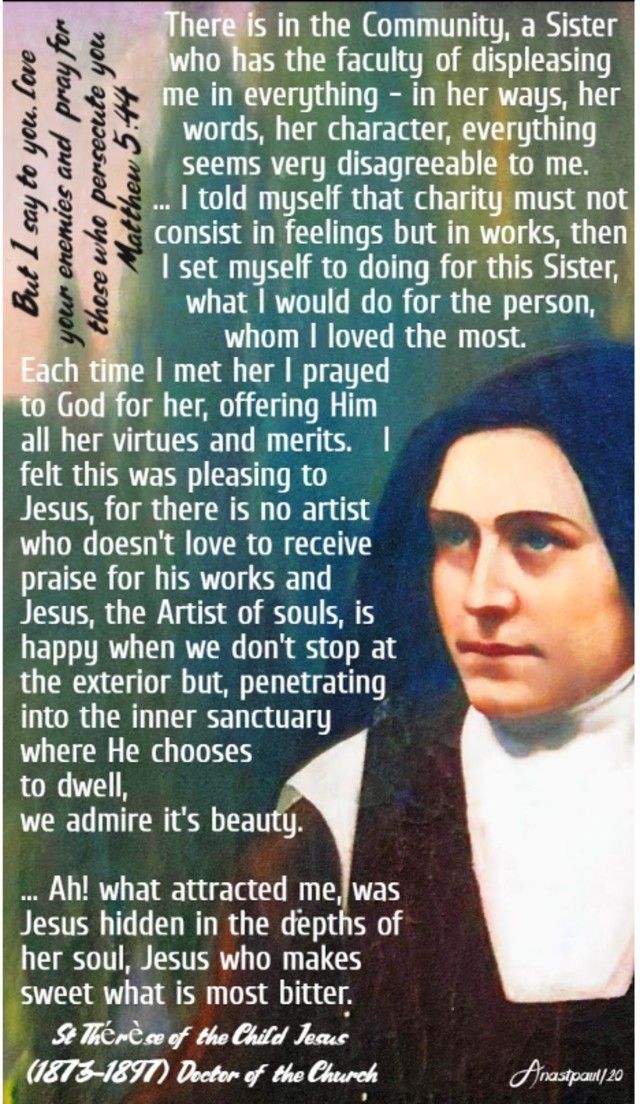
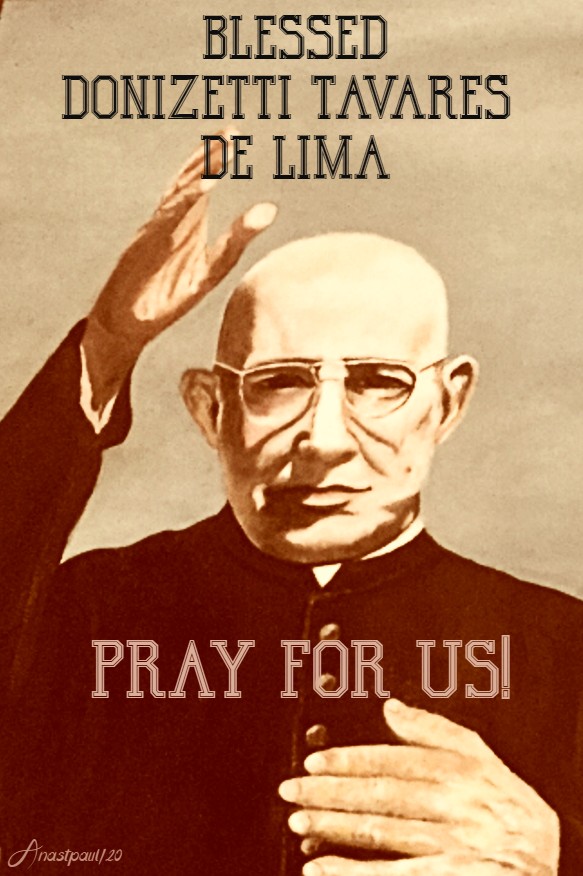
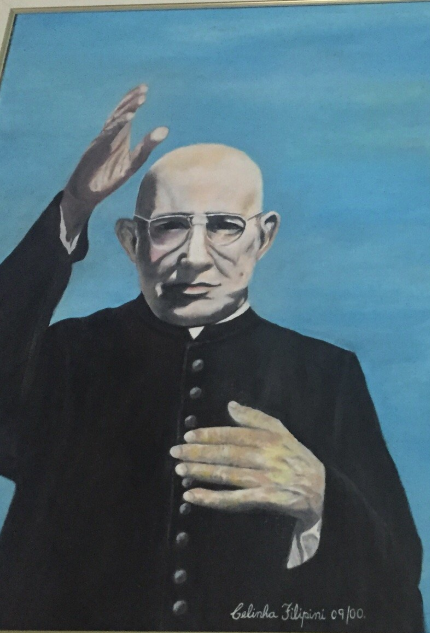
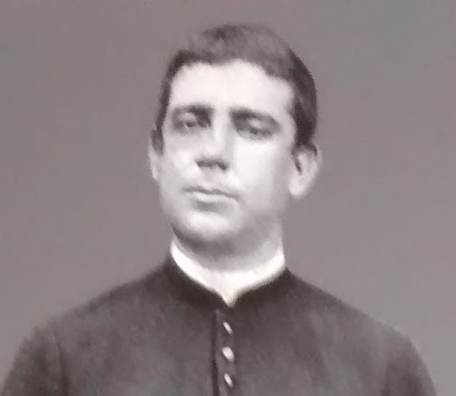
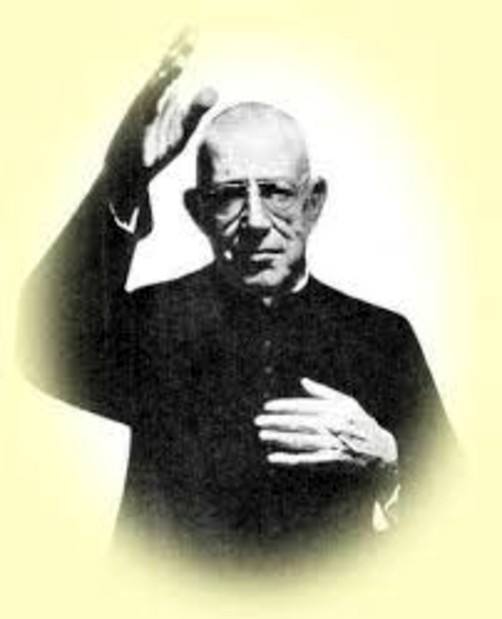


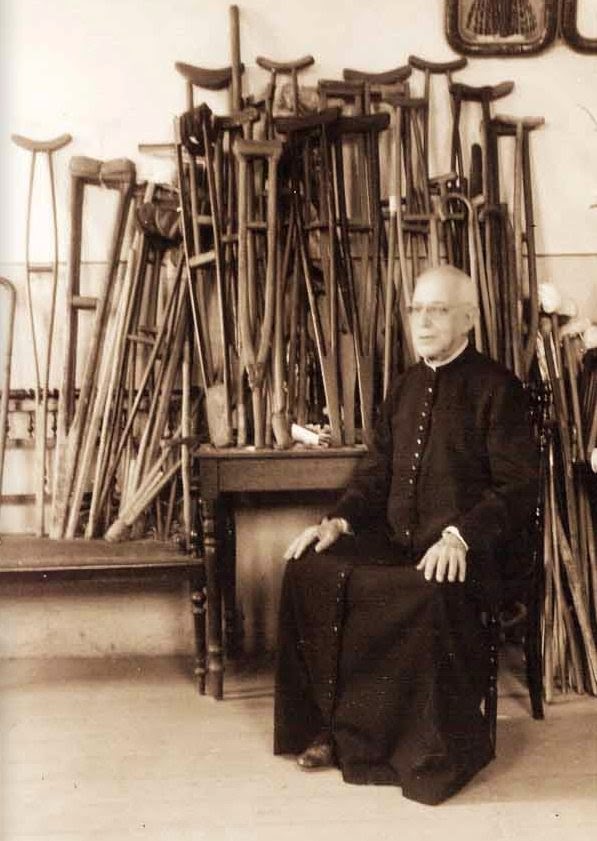
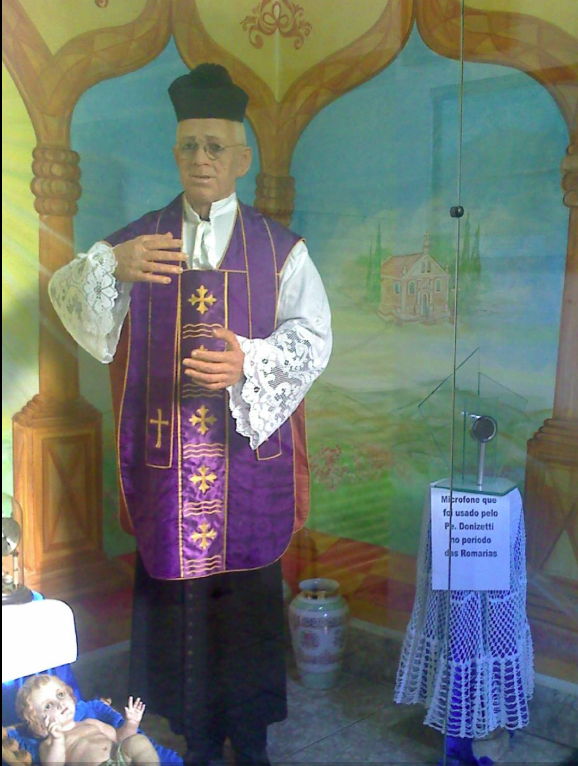

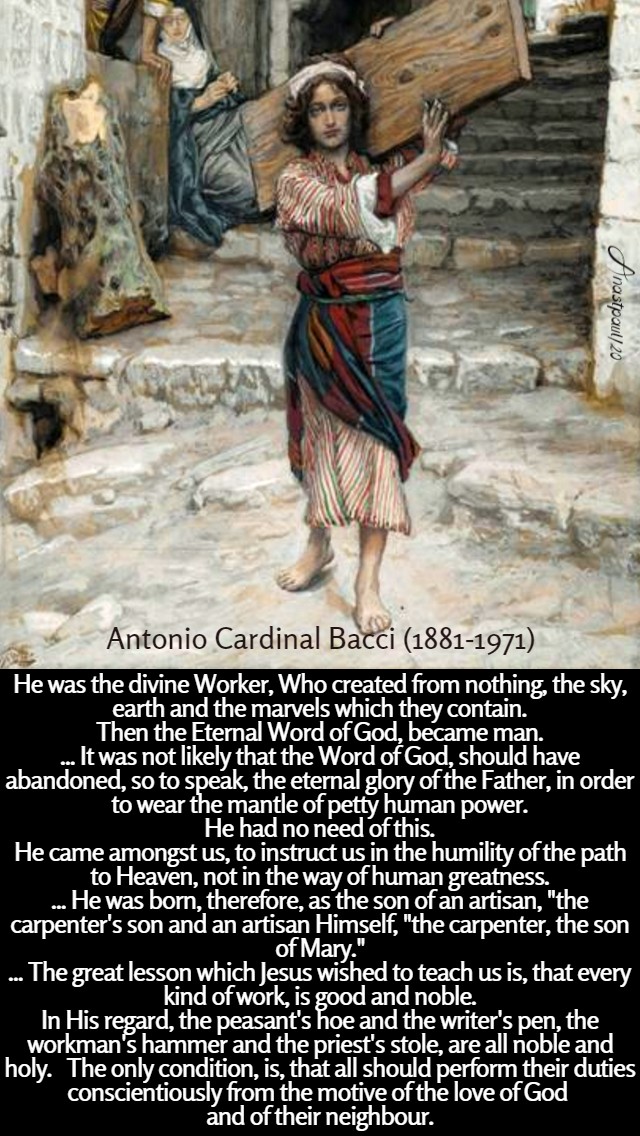
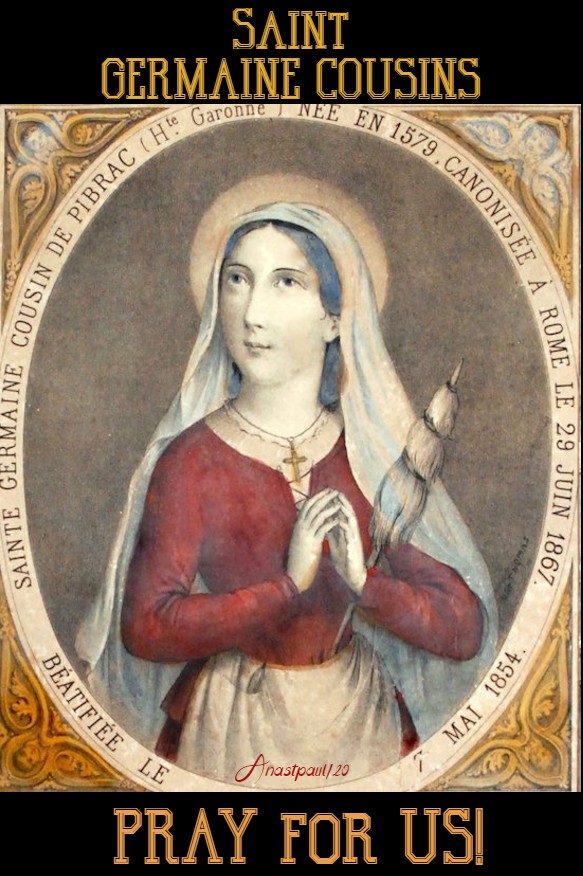

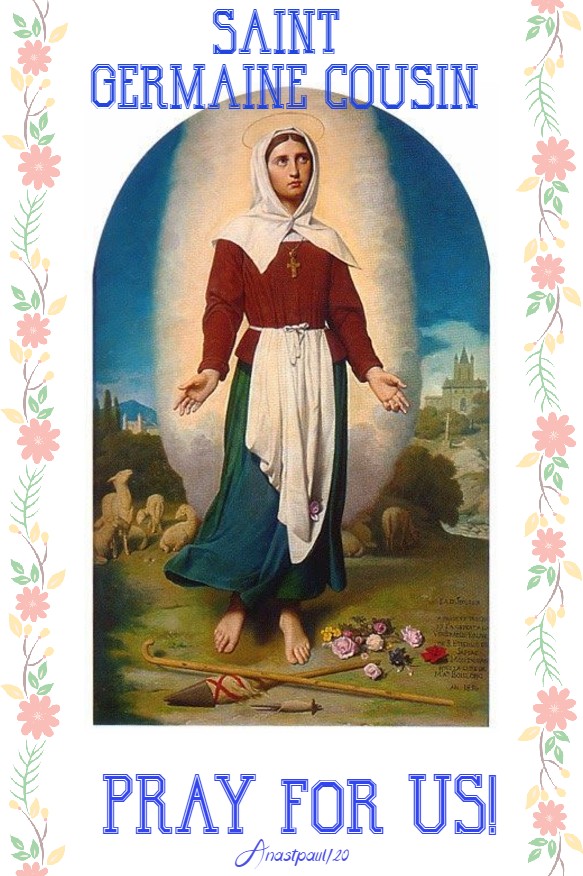

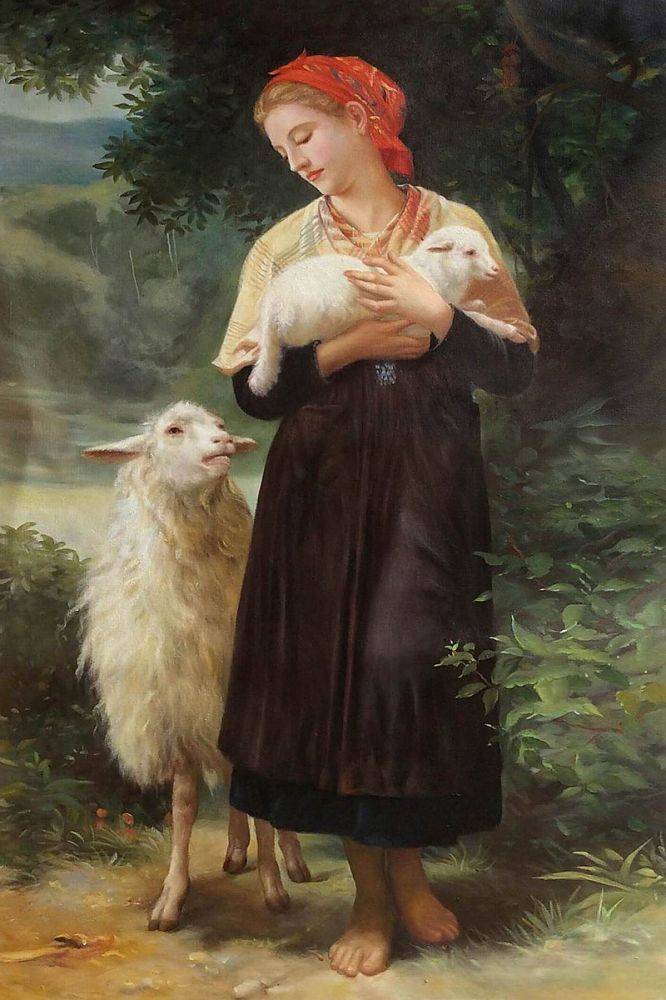

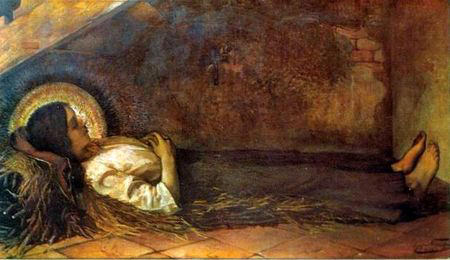
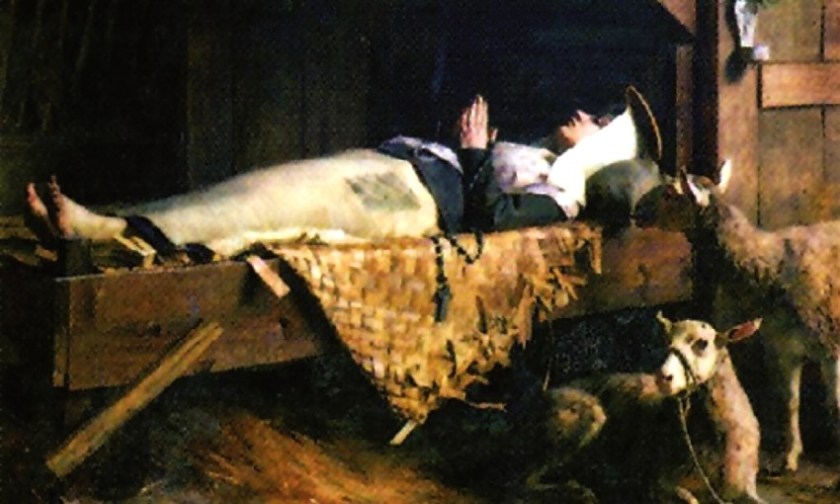
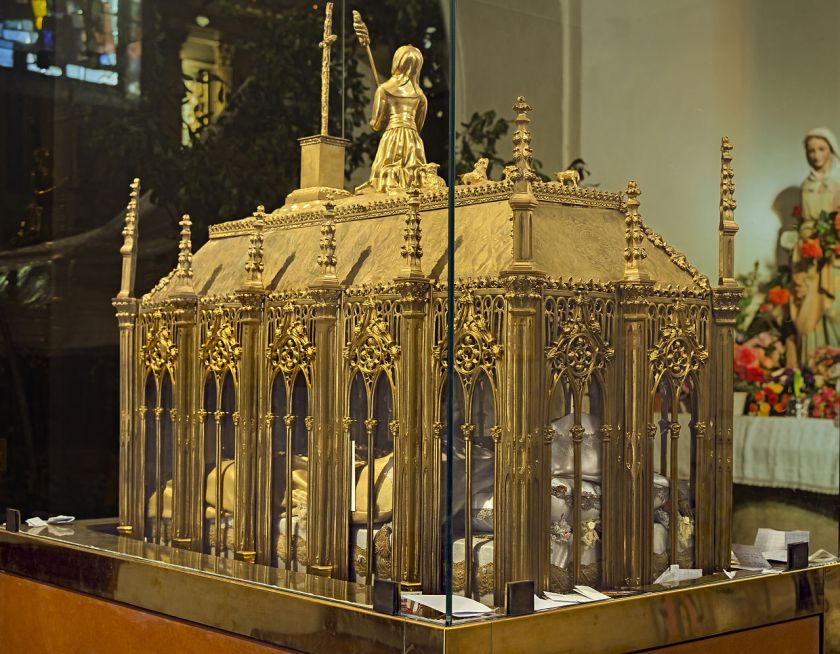
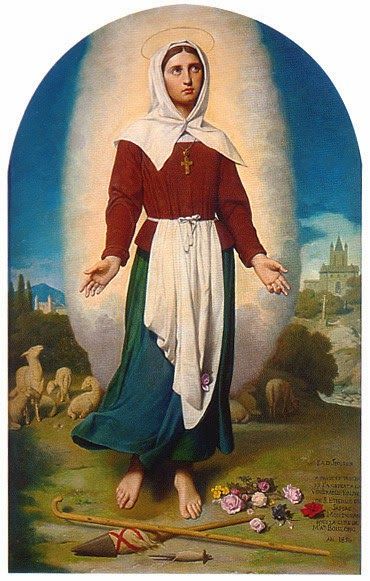

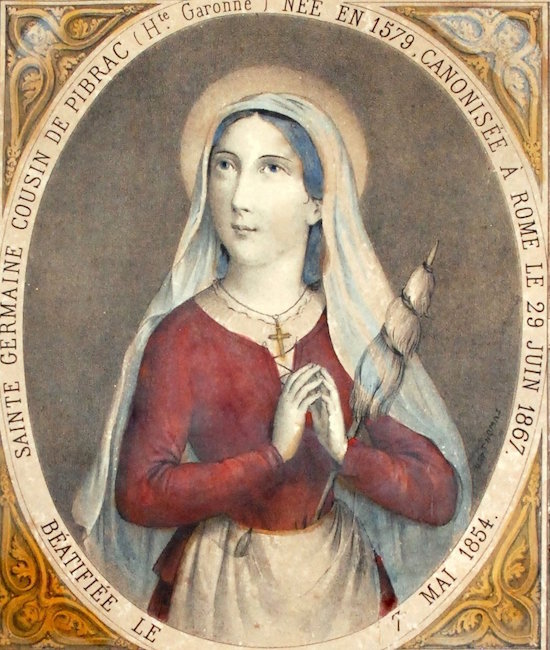
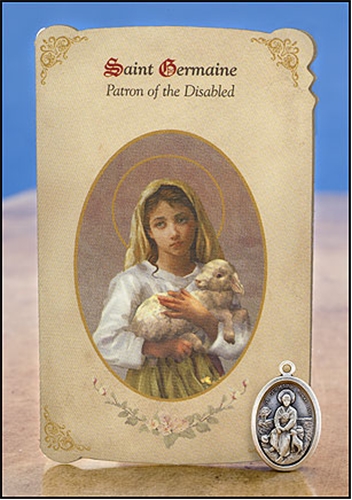

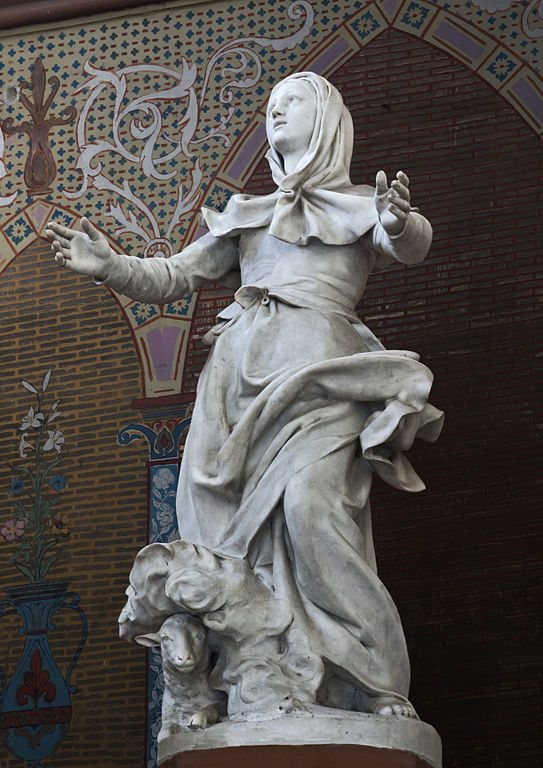
![st Elijah[1].0](https://anastpaul.com/wp-content/uploads/2020/06/st-elijah1.0.jpg?w=840)
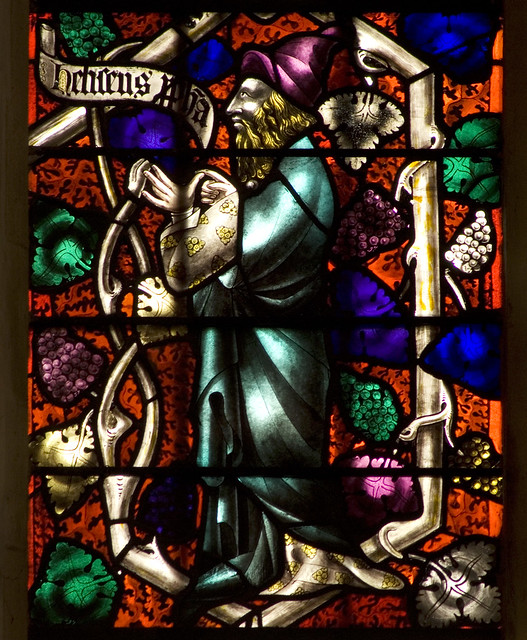
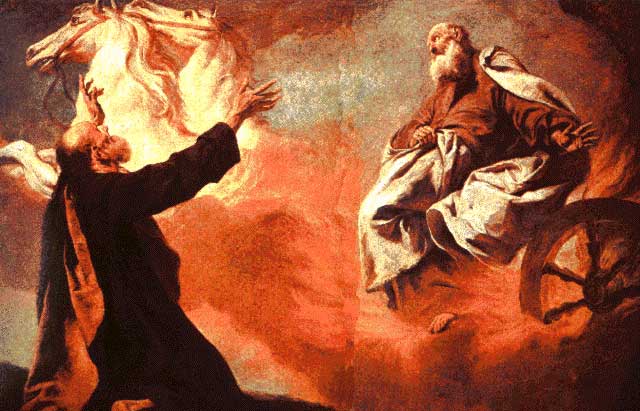
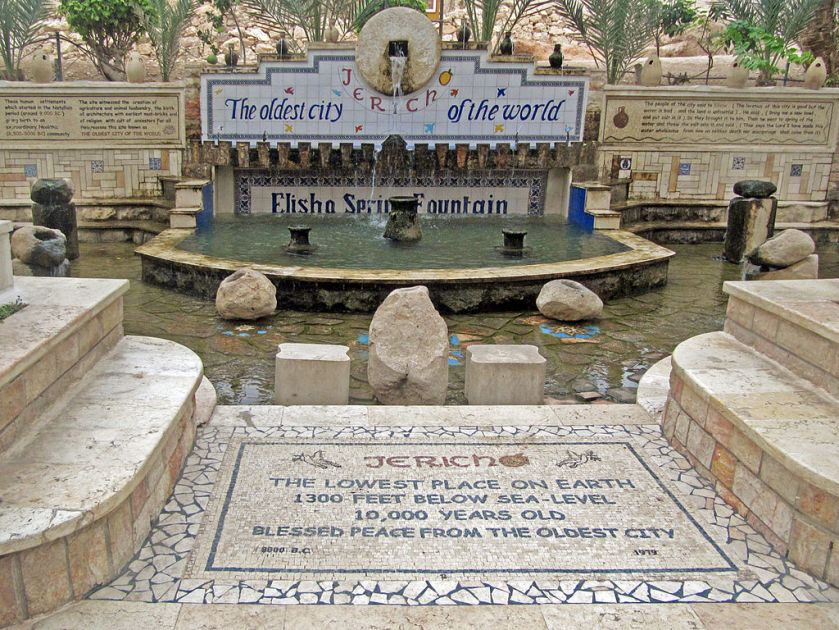
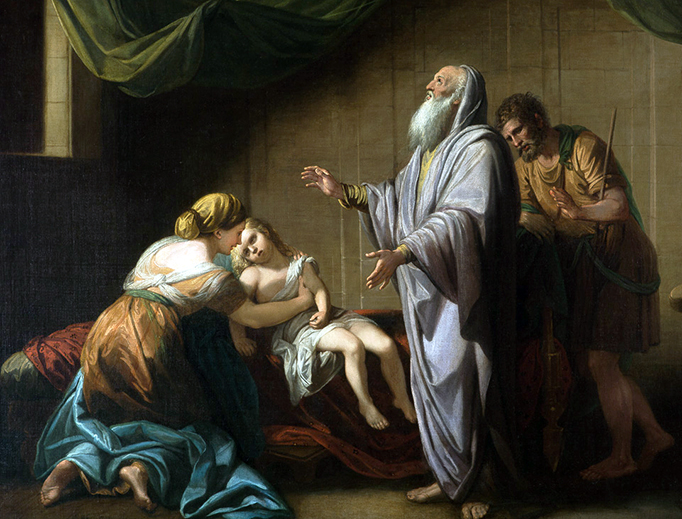
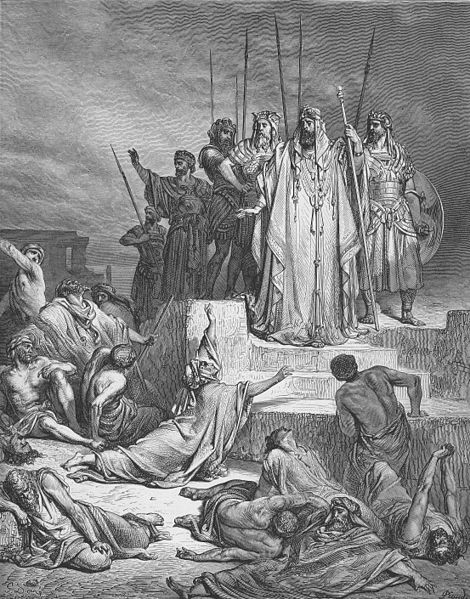
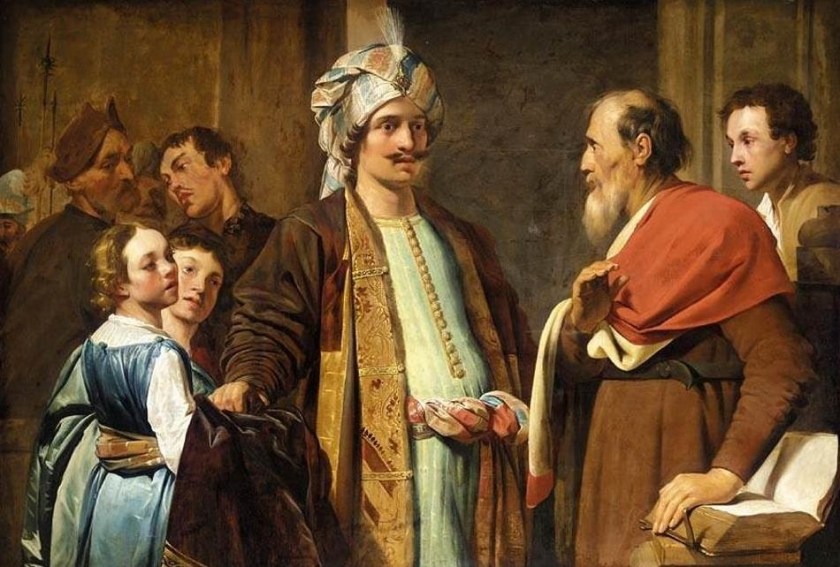
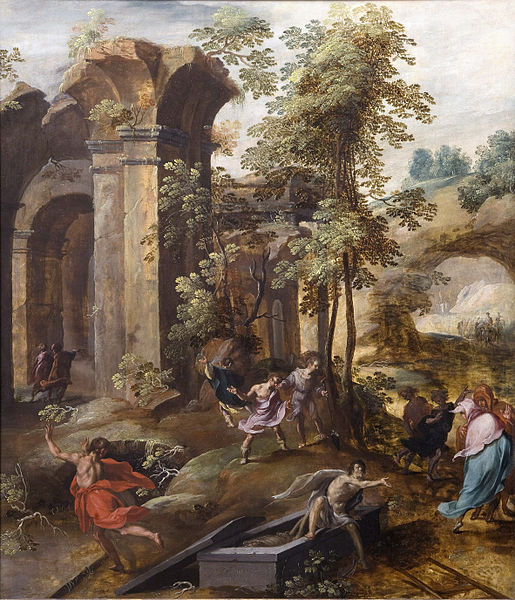
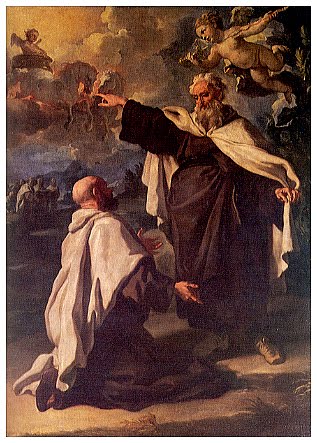

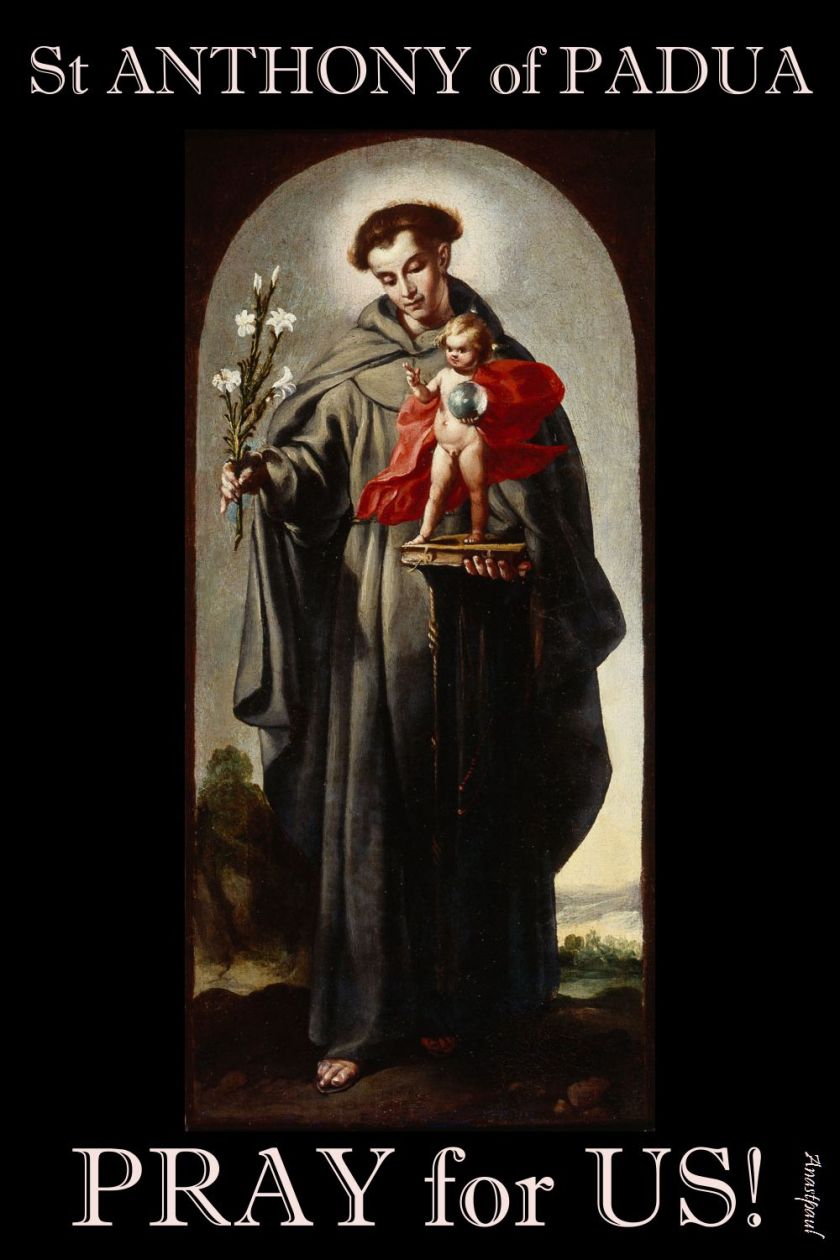

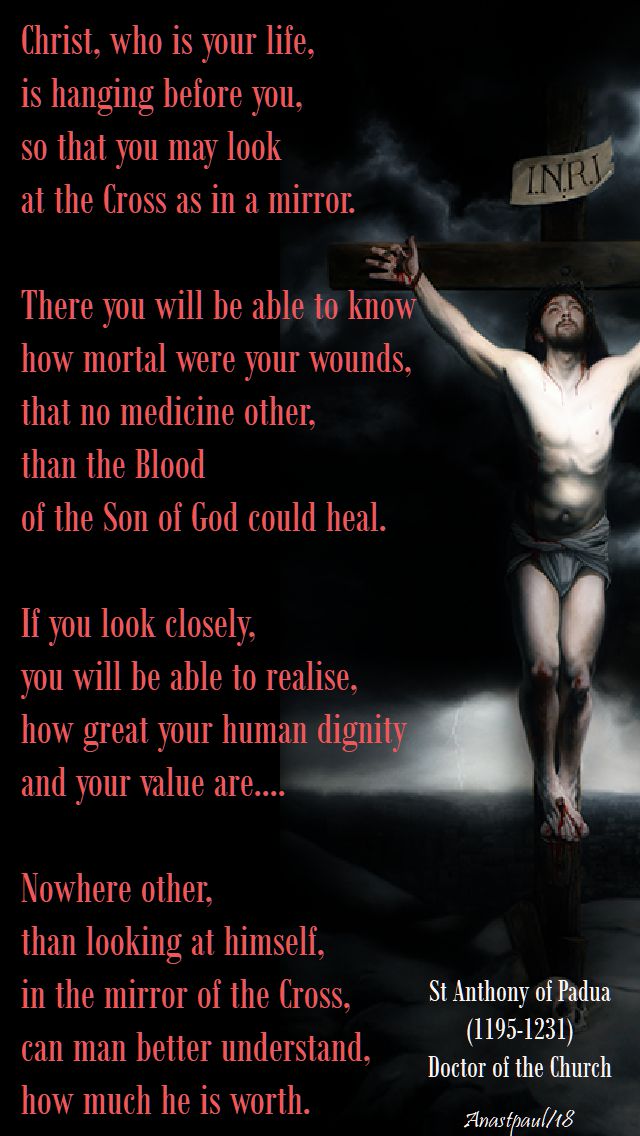
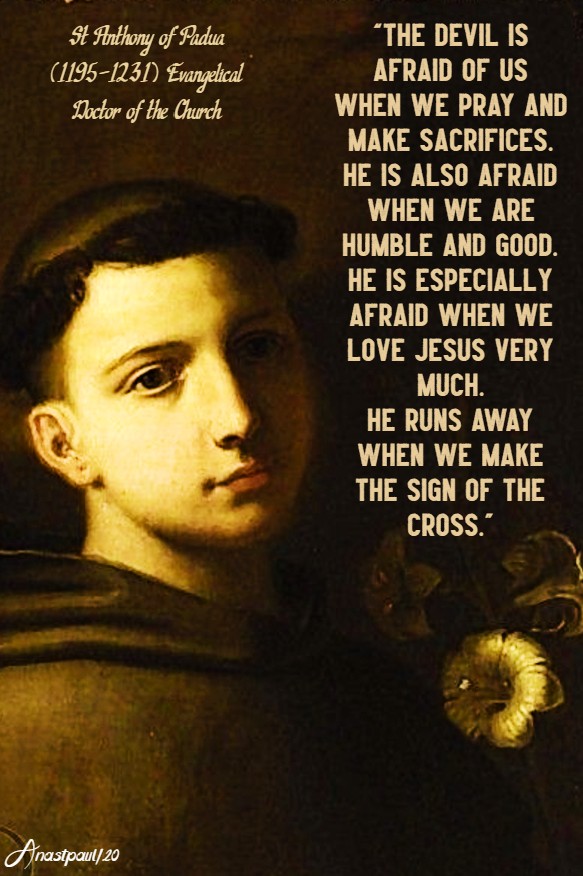


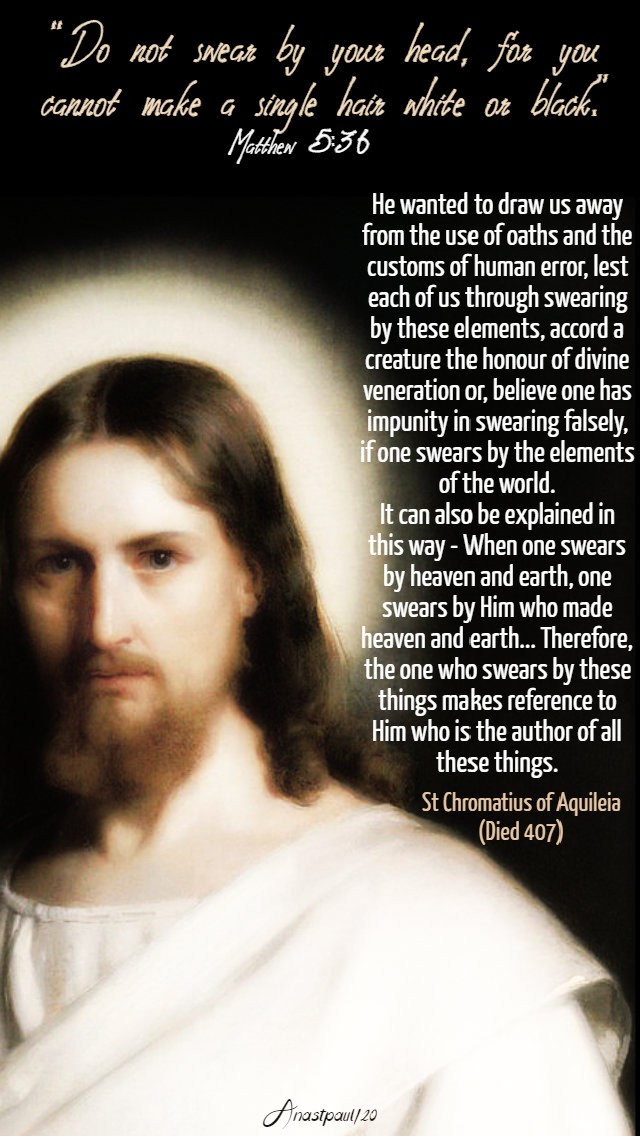


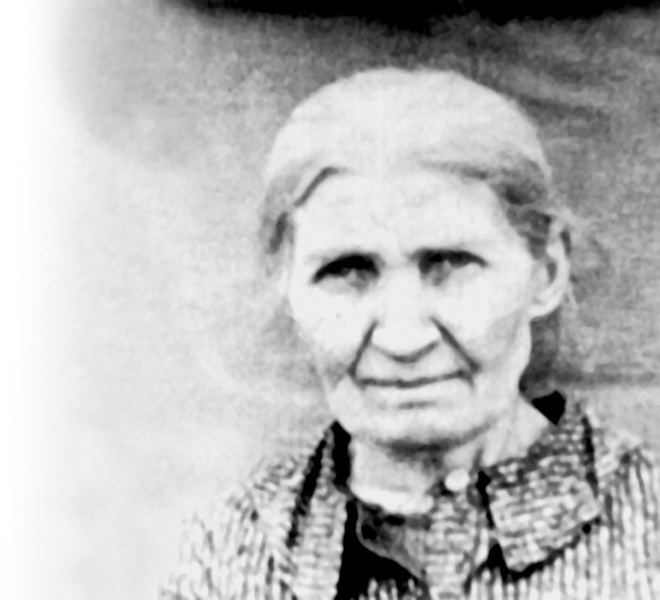
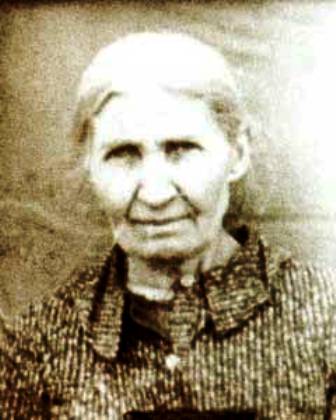
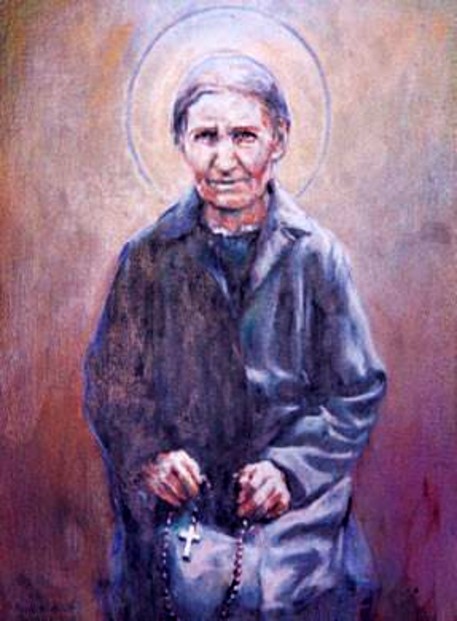
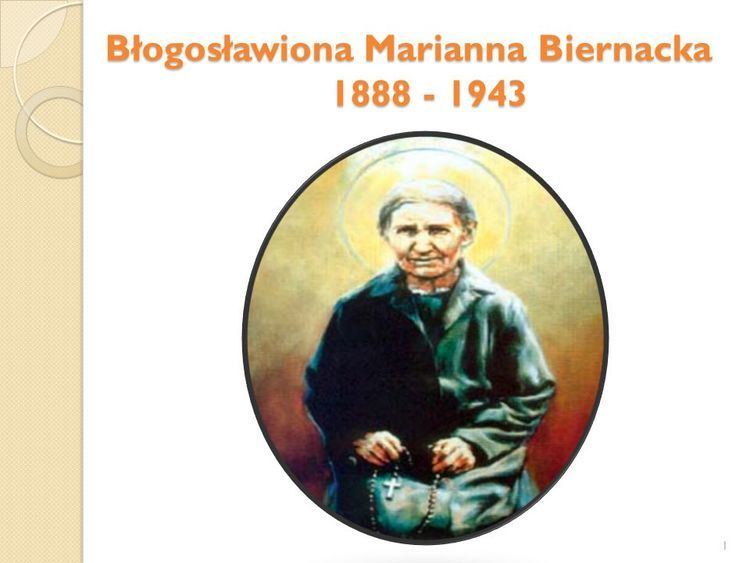
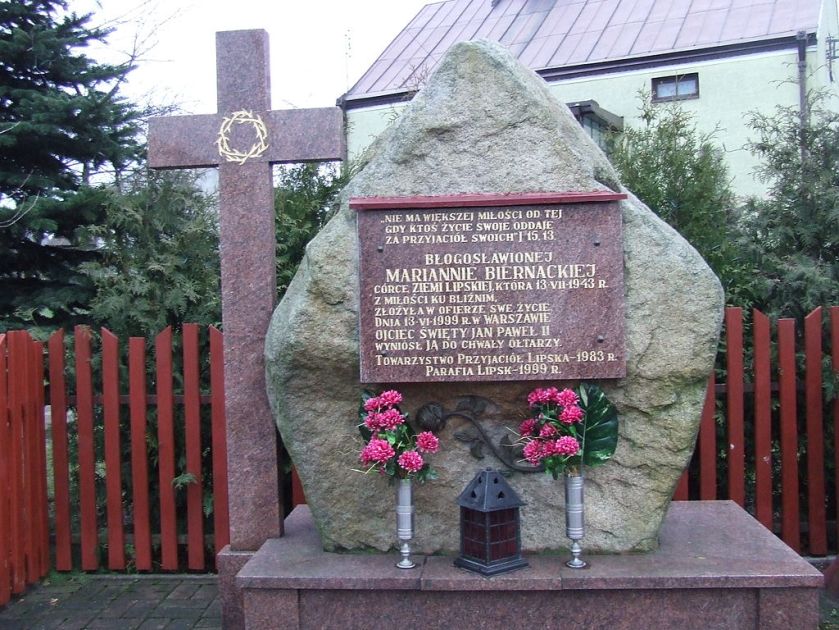

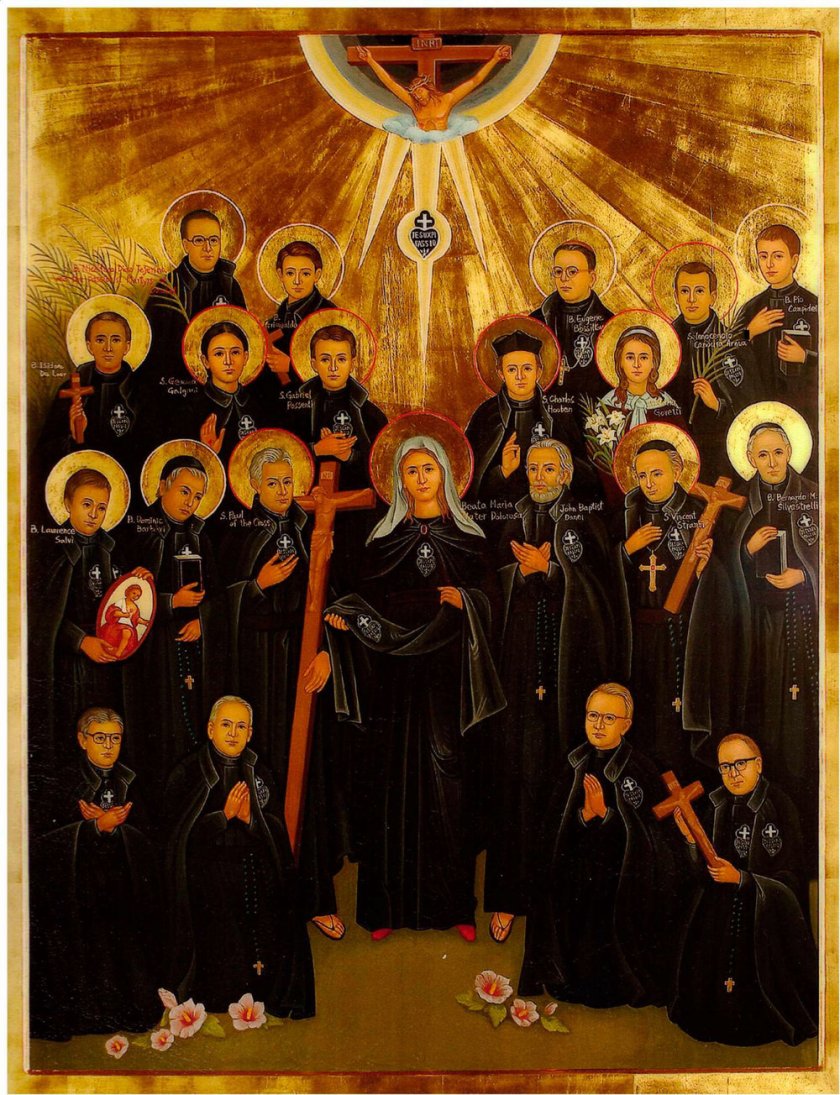


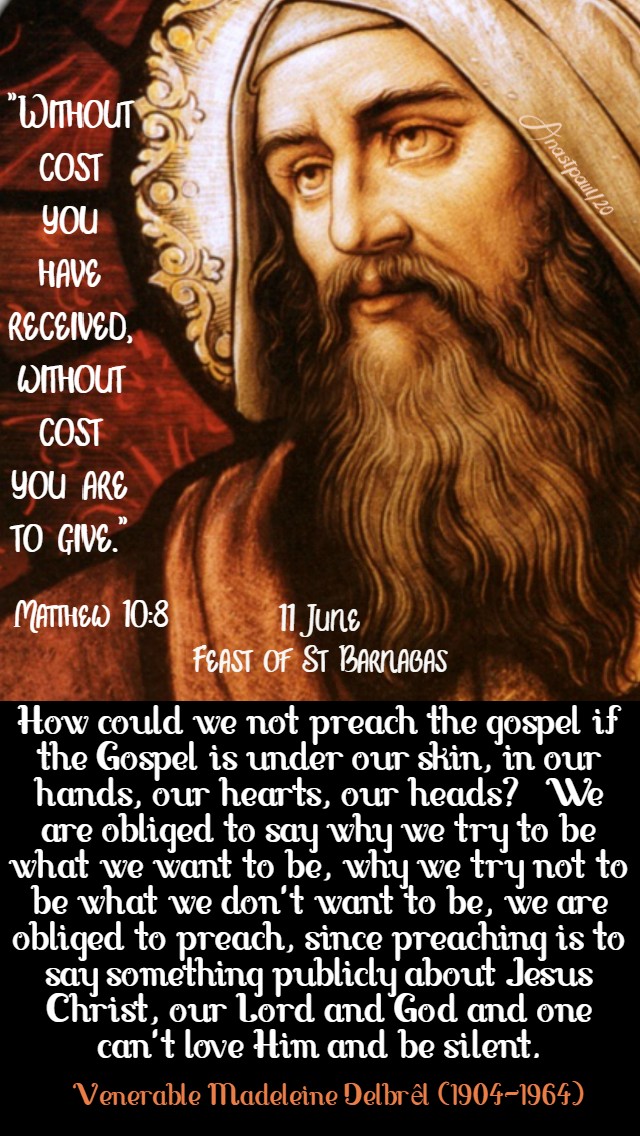

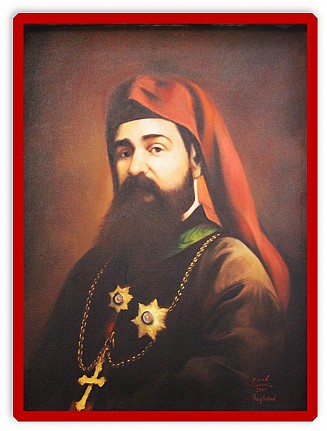
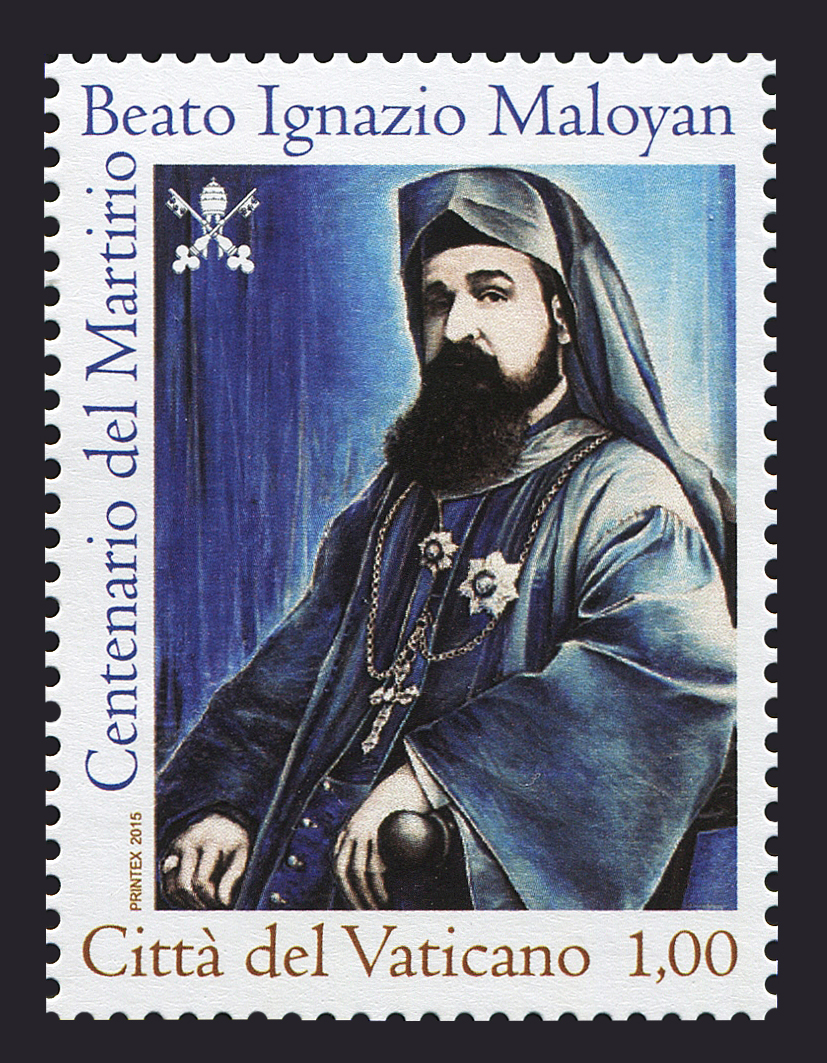
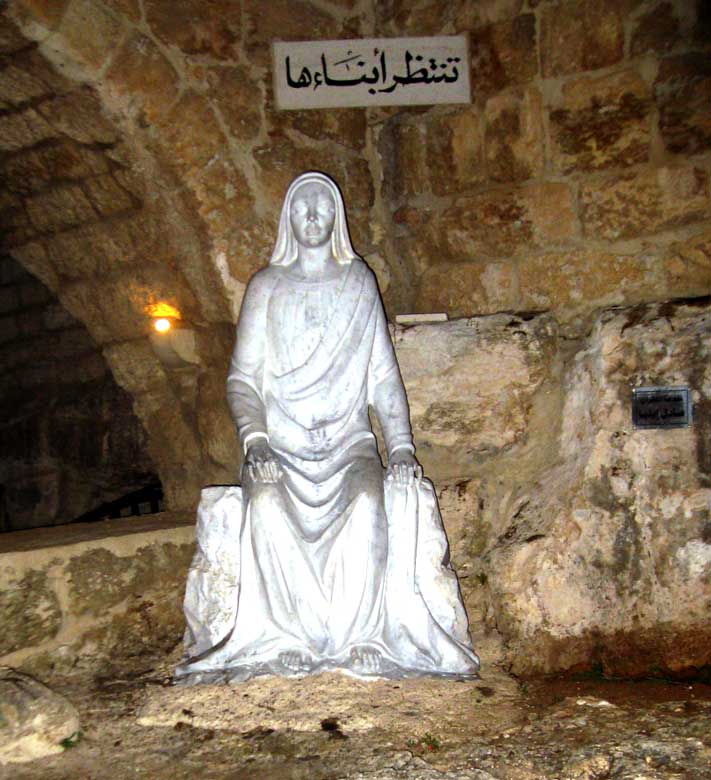

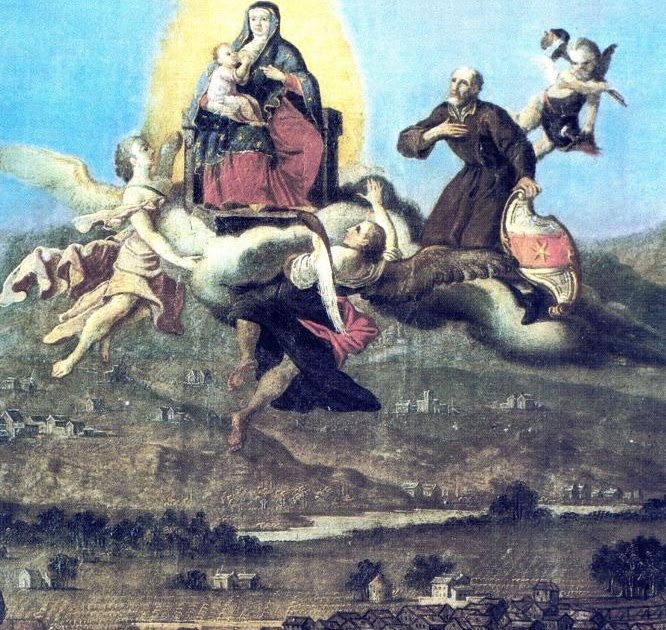
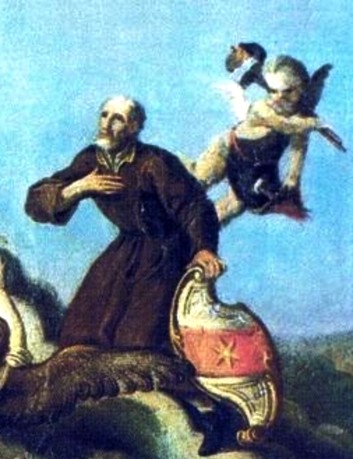

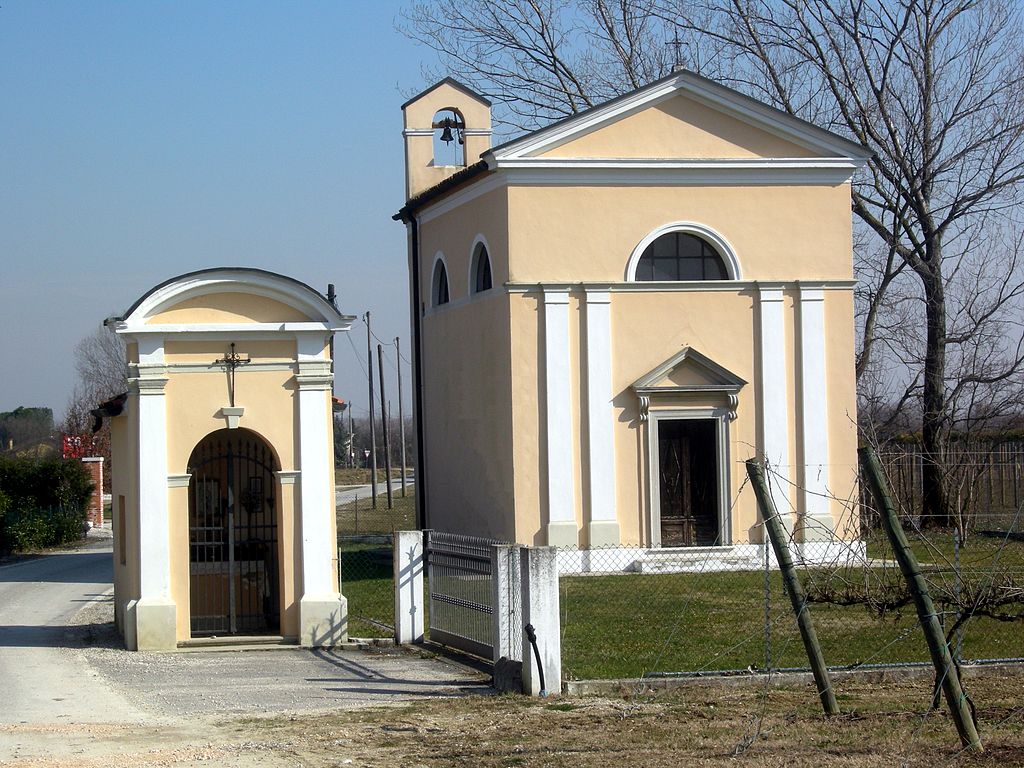


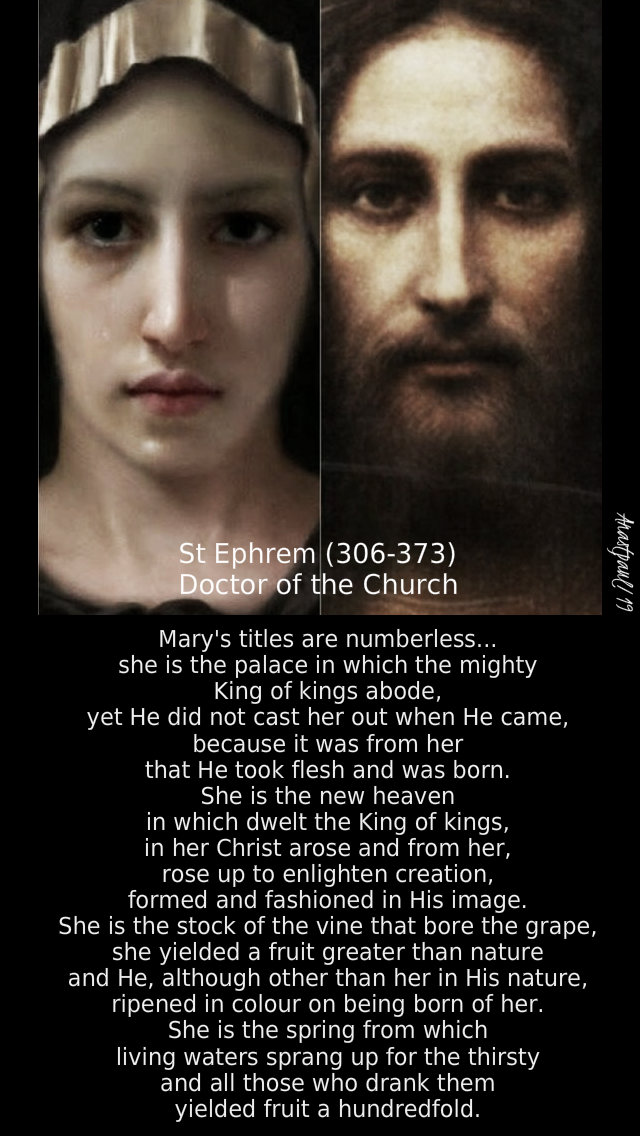
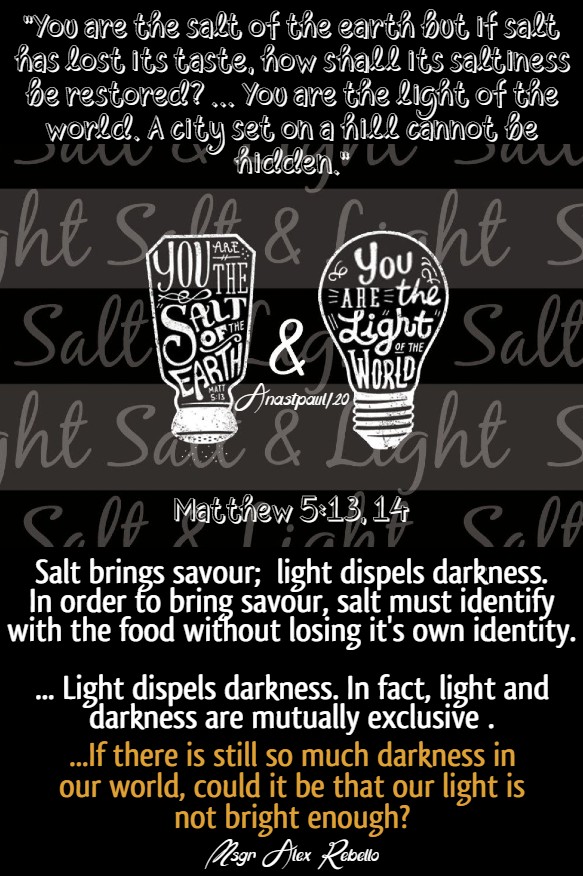
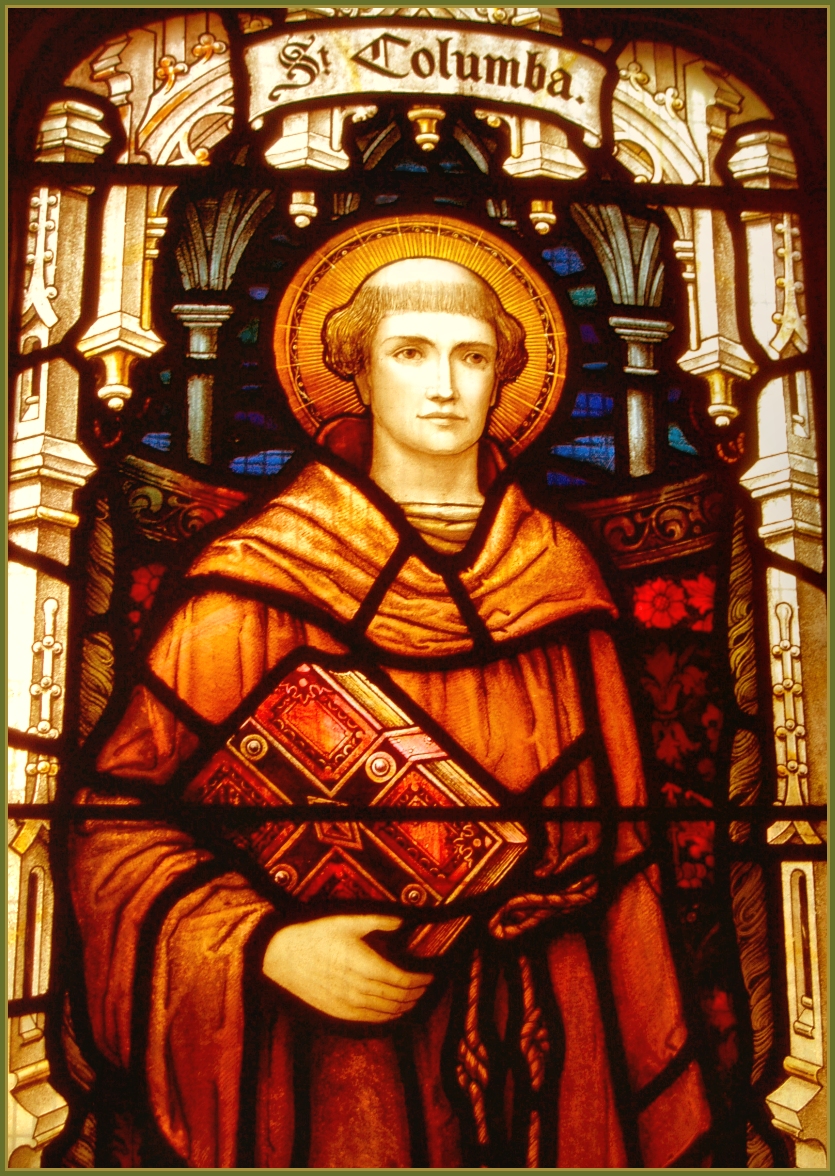
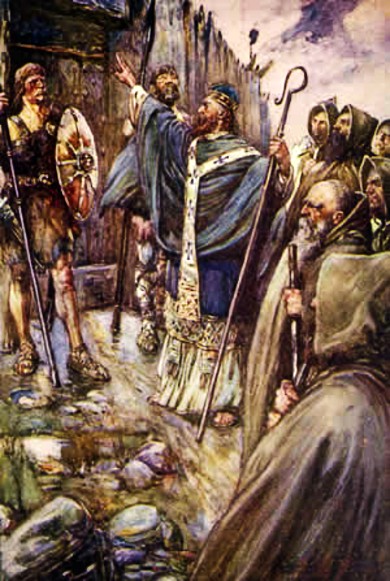


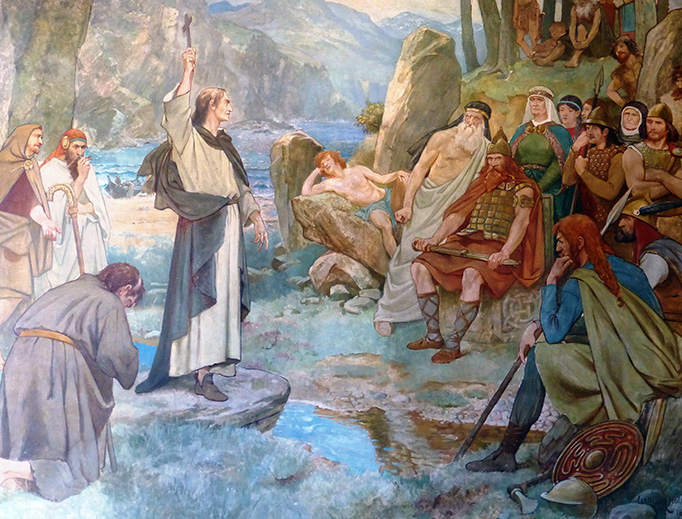
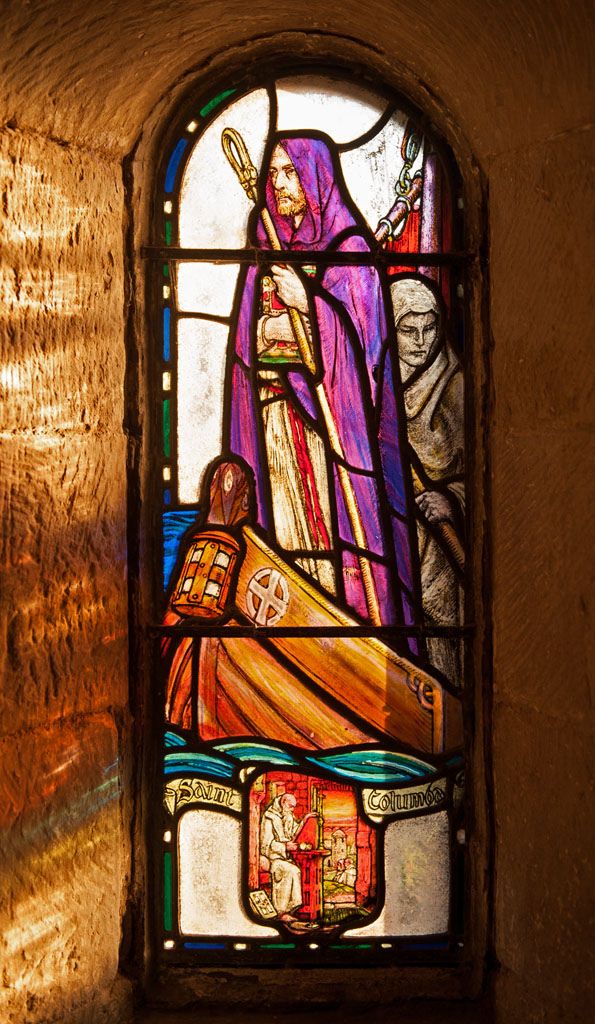
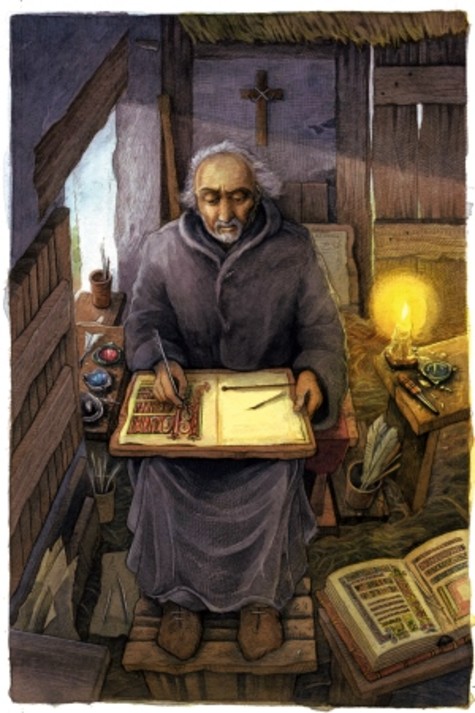


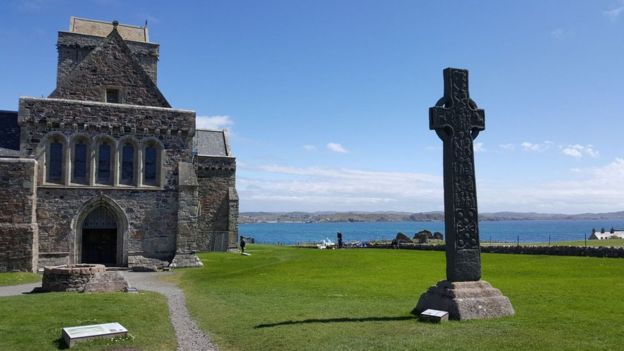
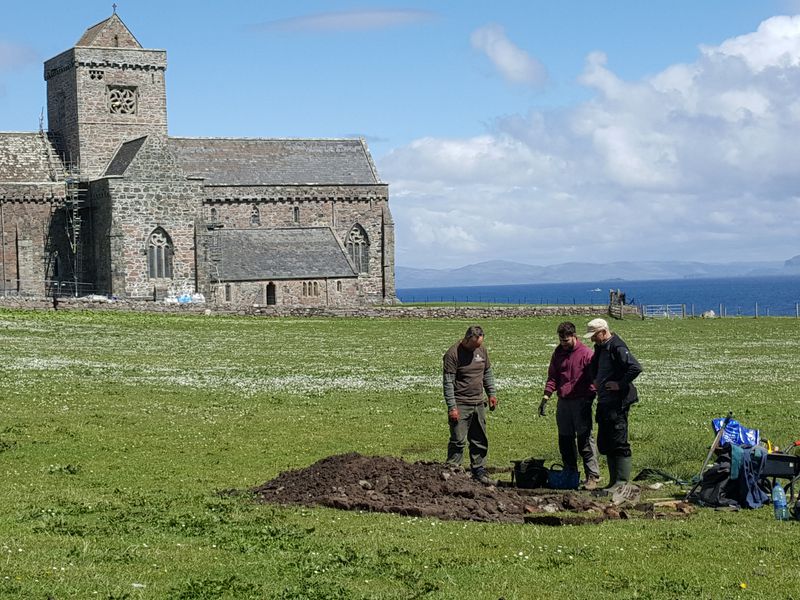
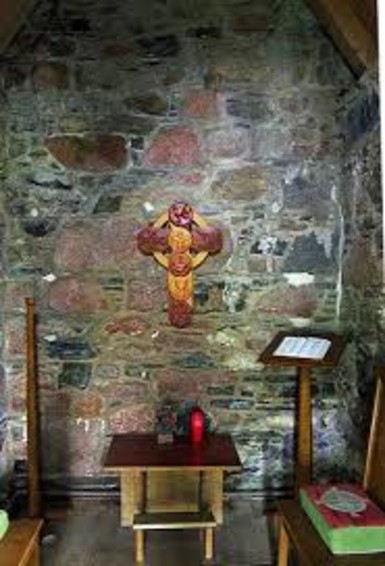


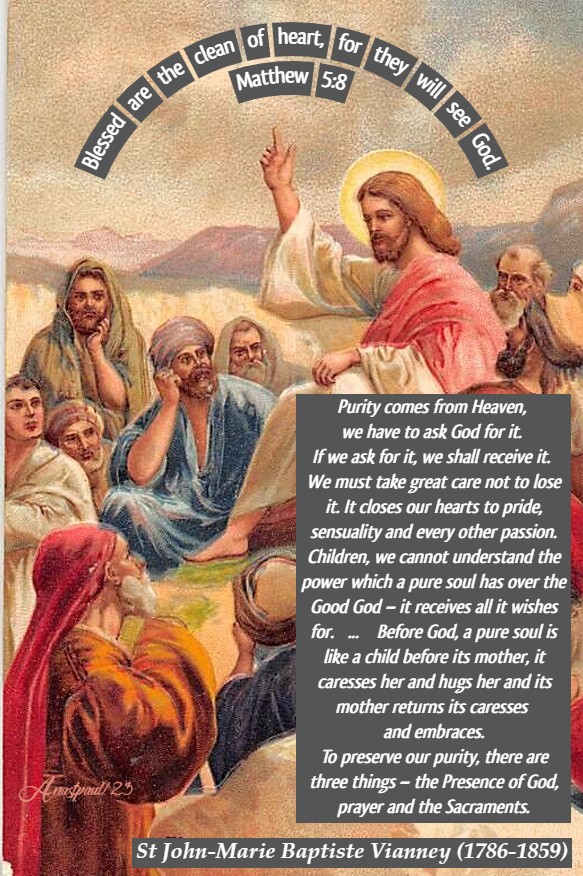
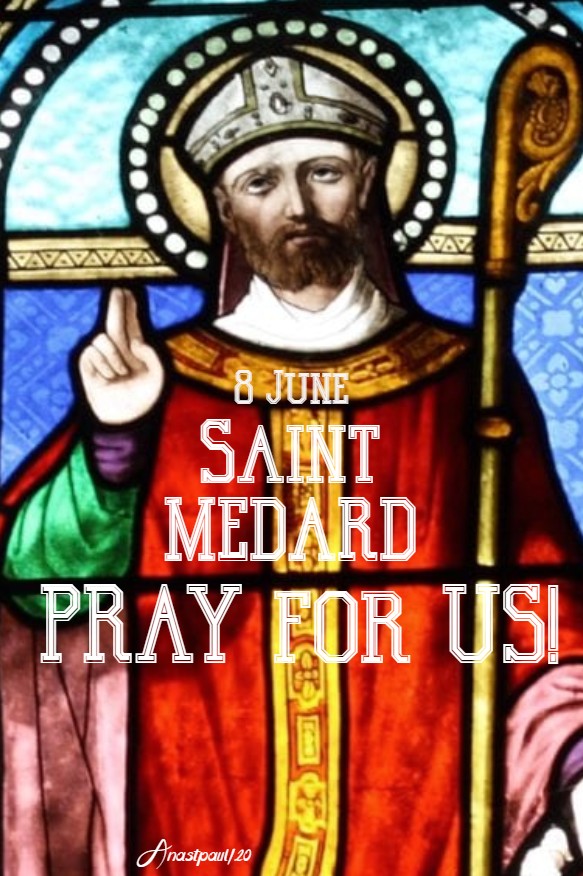
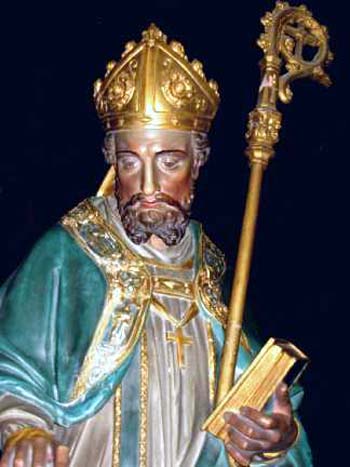

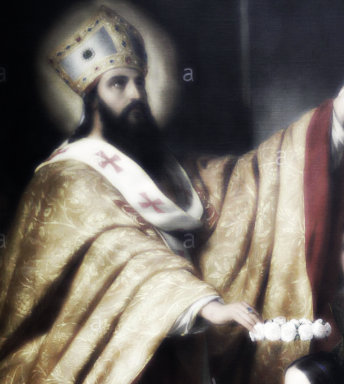


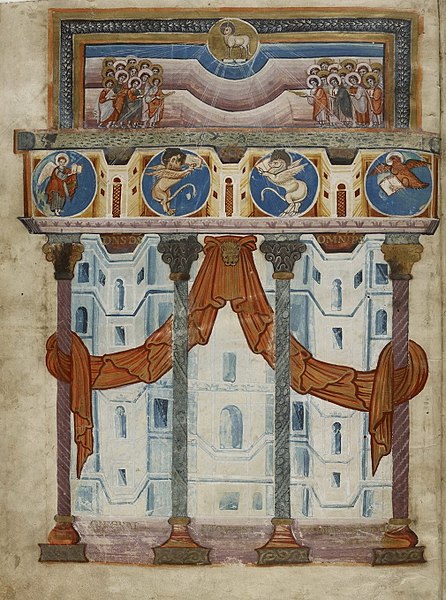
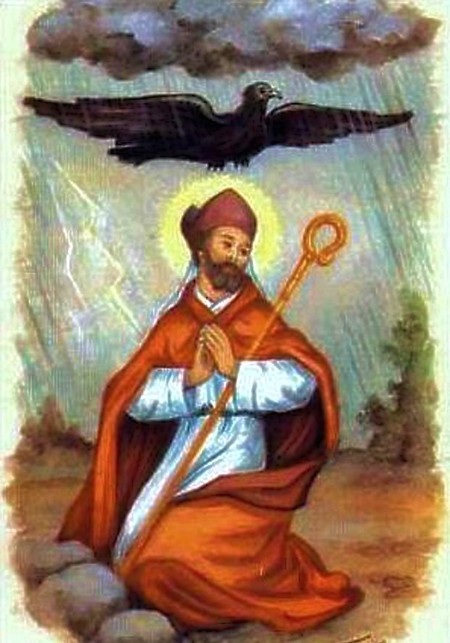

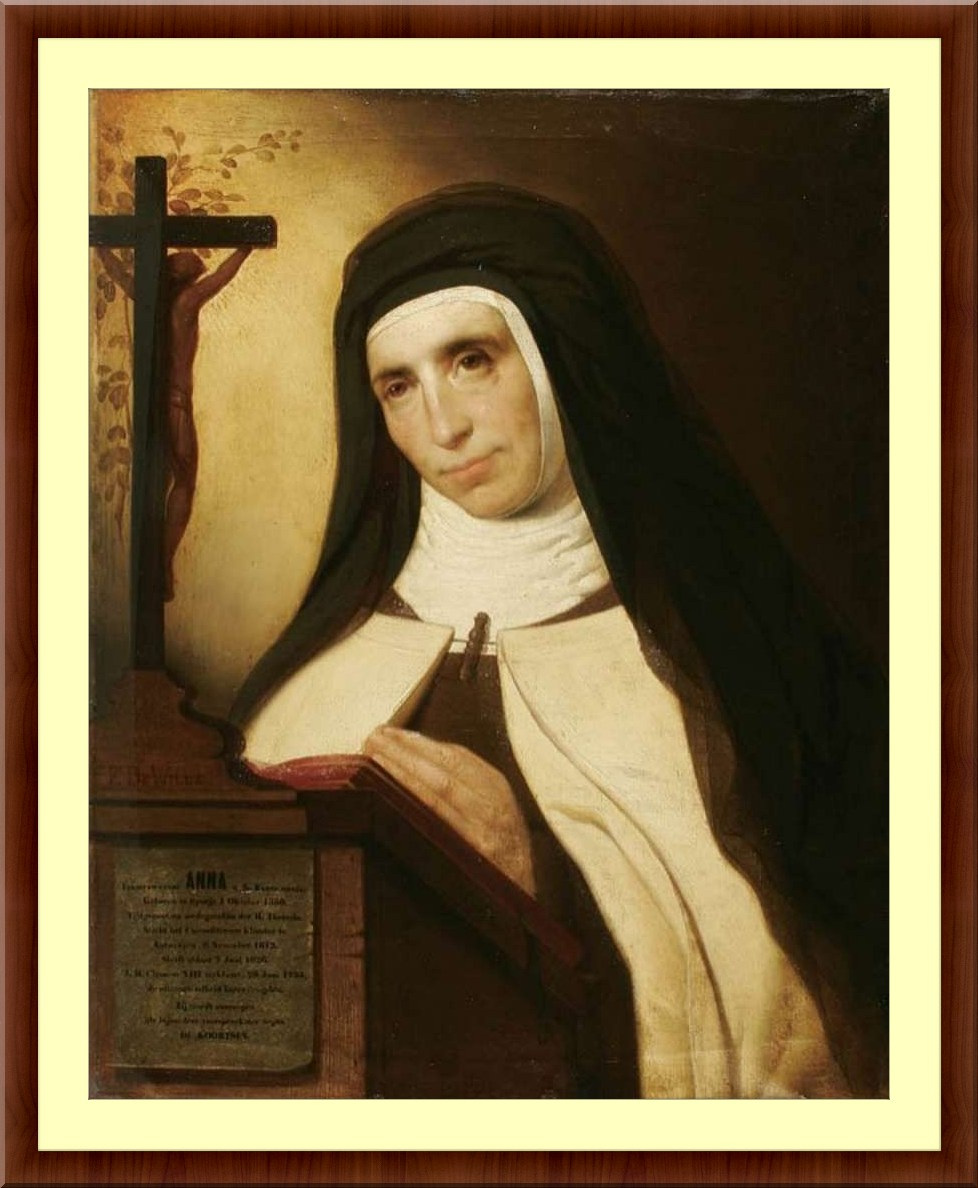
 This was a highly unusual step, as Ana was a “secular Carmelite,” meaning she was not part of the choir and removed from the Convent’s life of prayer. She was thus consecrated as a religious sister and took over the Convent at Pontoise. So unusual a step met with the disapproval of her companions but – as the Foundress – had once foretold – she offered no resistance. Ana had also been forewarned that her elevation would cause her great sufferings.


You must be logged in to post a comment.