Posted in franciscan OFM, SAINT of the DAY

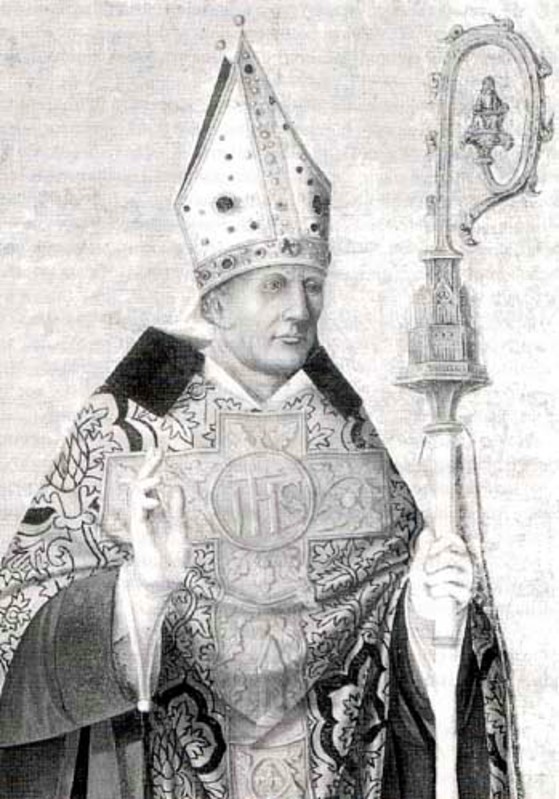
Saint of the Day – 16 February – Blessed Gregory X OFM (1210-1276) Pope

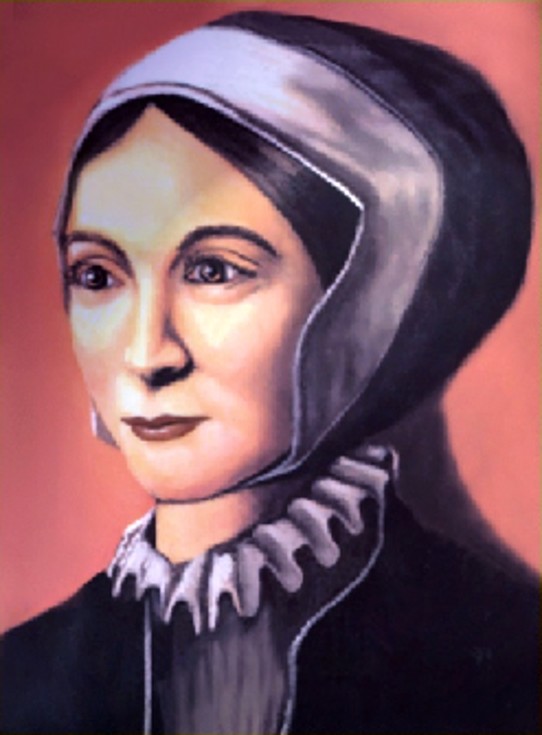
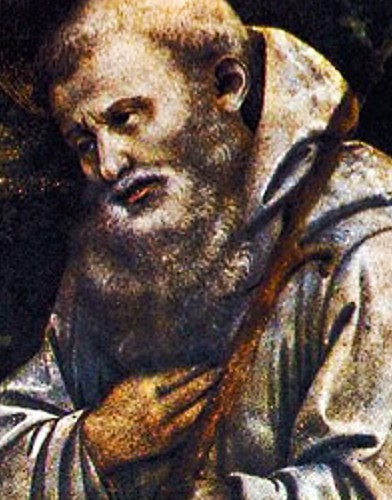
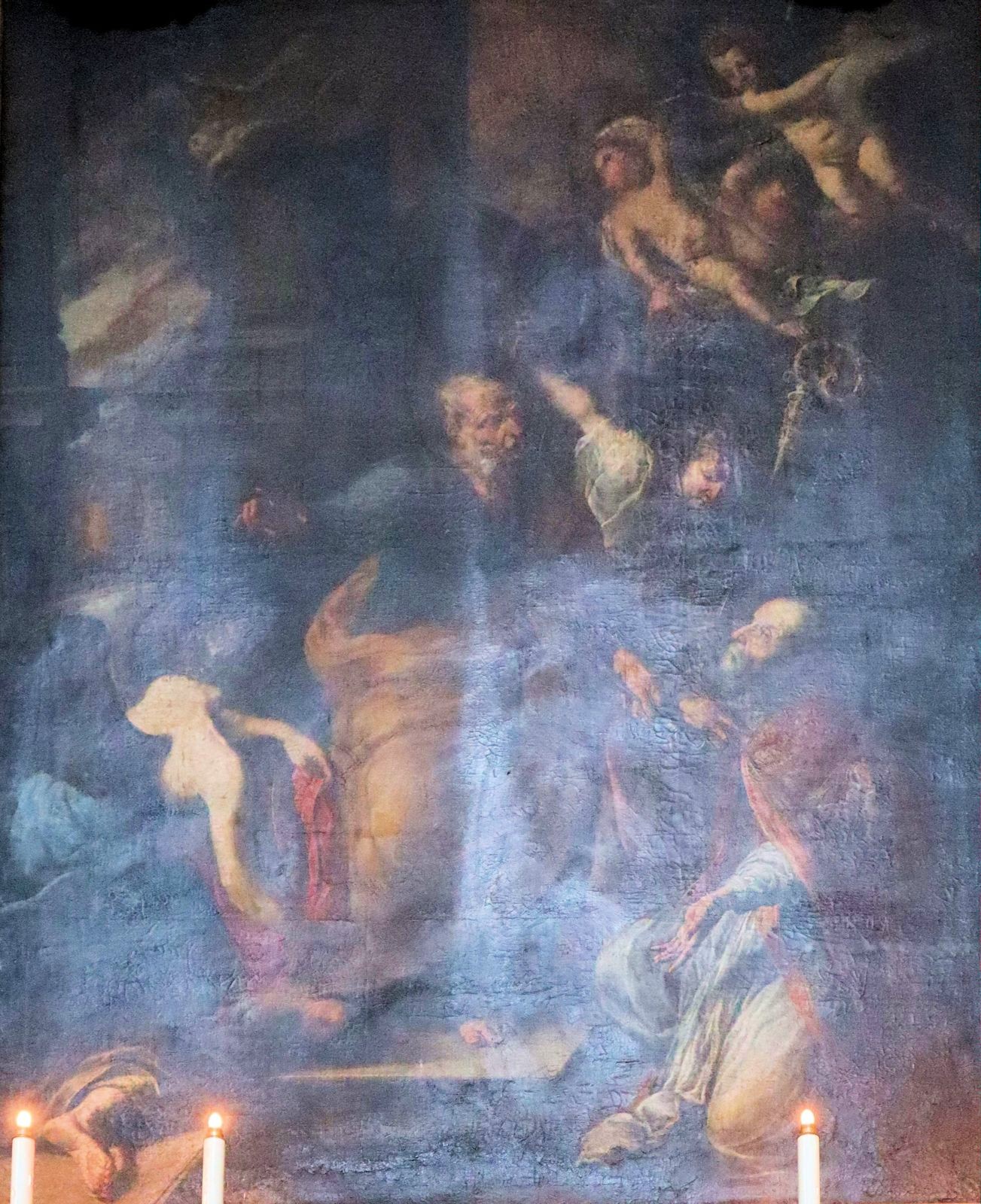
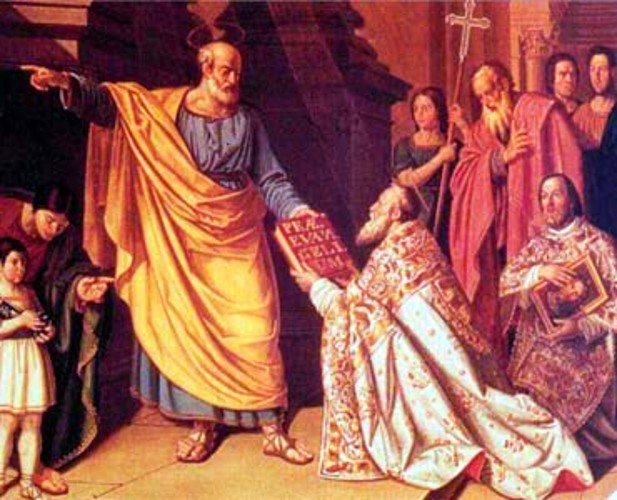
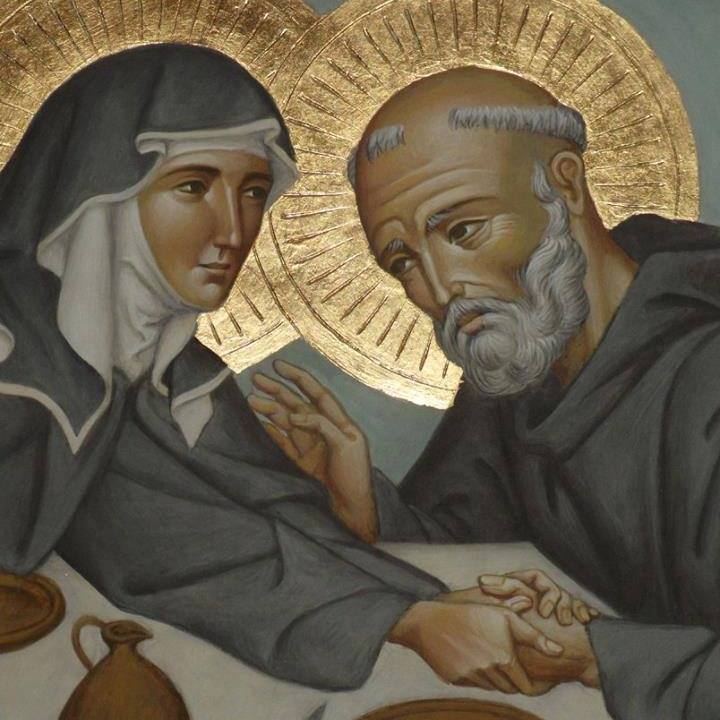
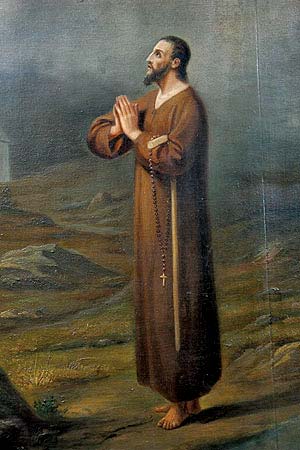
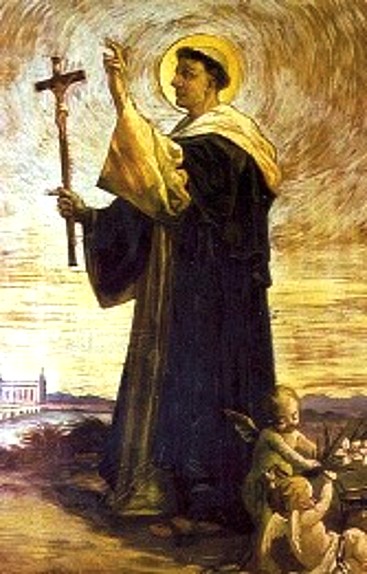
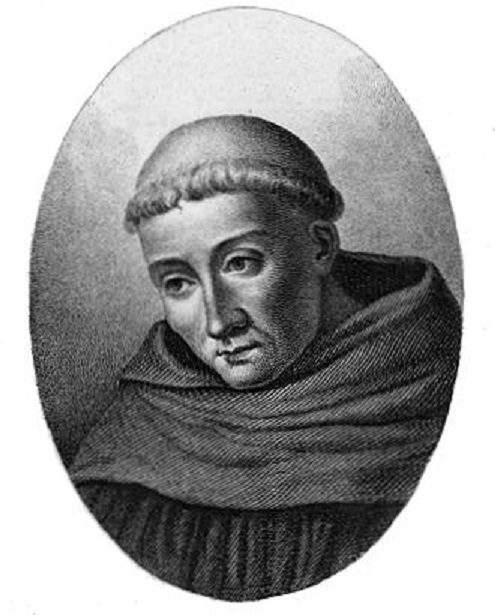
Saint of the Day – 16 February – Blessed Gregory X OFM (or TOSF) (1210-1276) Pope Papacy began 1 September 1271 until his death on 10 January 1276, Diplomat and Peacemaker, Reformer of Papal Elections, Third Order Franciscan. This Tertiary Pope, a friend of St. Bonaventure, was a true son of St Francis, known for his love for the holy places in Palestine and his efforts to promote peace. Born as Theobald Visconti in Piacenza, Italy, in 1210 and died at Rezzo, Italy, on 10 January 1276 of natural causes. Patronages – of Third Order Franciscans, of the Diocese of Aresso, Italy. He wwas Beatified on 8 July 1713 bvbPope Clement XI and addedd to the Martyrology by Pope Benedict XIV (reigned 1740-1758). A miracle is awaited for his Canonisation which remains an open Cause.

The Roman Martyrology reads today: “At Arezzo, in Tuscany, Blessed Gregory X, a native of Piacenza, who was elected Sovereign Pontiff while he was Archdeacon of Liege. He held the 2nd Council of Lyons, received the Greeks into the unity of the Church, appeaseddiscords among Christians, made generous efforts for the recovery of the Holy Land and governed the Church in the most holy manner.

Gregory X, is remembered for his extraordinary journey from an Archdeacon to the Papacy, despite not being a Priest at the time of his election. His story reflects the influence of Saints and the shaping of Church history.

Theobald Visconti was born into a very distinguished family, studied Canon Law at Paris and Liege and became the Archdeacon of Liége. In this position he was entrusted with preaching the last Crusade. In Paris, where he engaged with intellectual circles for over twenty years, his closest friends were the Franciscans, particularly St Bonaventure.

He accompanied Cardinal Ottoboni on a mission to England. Theobald was at Acre in the Holy Land on pilgrimage, when he was informed that, although he was not yet Ordained, he had been chosen as the Supreme Pontiff. This had been enacted by a committee of six Cardinals who had been charged with selecting a new Pope, when the rest of the Cardinals failed to agree on a candidate to fill the Pontifical throne, which had been vacant for three years.

He returned to Rome, was Ordained a Priest on 19 March and then consecrated as Pope on 27 March 1272, taking the name Gregory X. Perhaps Gregory X’s most enduring legacy is the establishment of the Papal Conclave system. After the prolonged election process which led to his own Papacy, Gregory instituted reforms to expedite future Papal Elections. The Second Council of Lyons decreed that Cardinals should convene in isolation after a Pope’s death, with strict measures to encourage a swift decision. This marked the beginning of the Conclave process, isolating the Cardinals from external influences and streamlining the election process. The Conclave’s name, meaning “with a key”symbolises this seclusion.

He laboured to end the warfare between the Guelphs and the Ghibellines factions, placed Florence under interdict for refusing efforts at reconciliation with its neighbours and approved Rudulph of Hapsburg, as the German Emperor.

Gregory also convoked the 14th General Council at Lyons in 1274 which effected a short-lived reconciliation with the Eastern Churches but was unsuccessful in launching the Crusade (which was the general reason the Eastern Churches were willing to negotiate a reunion).

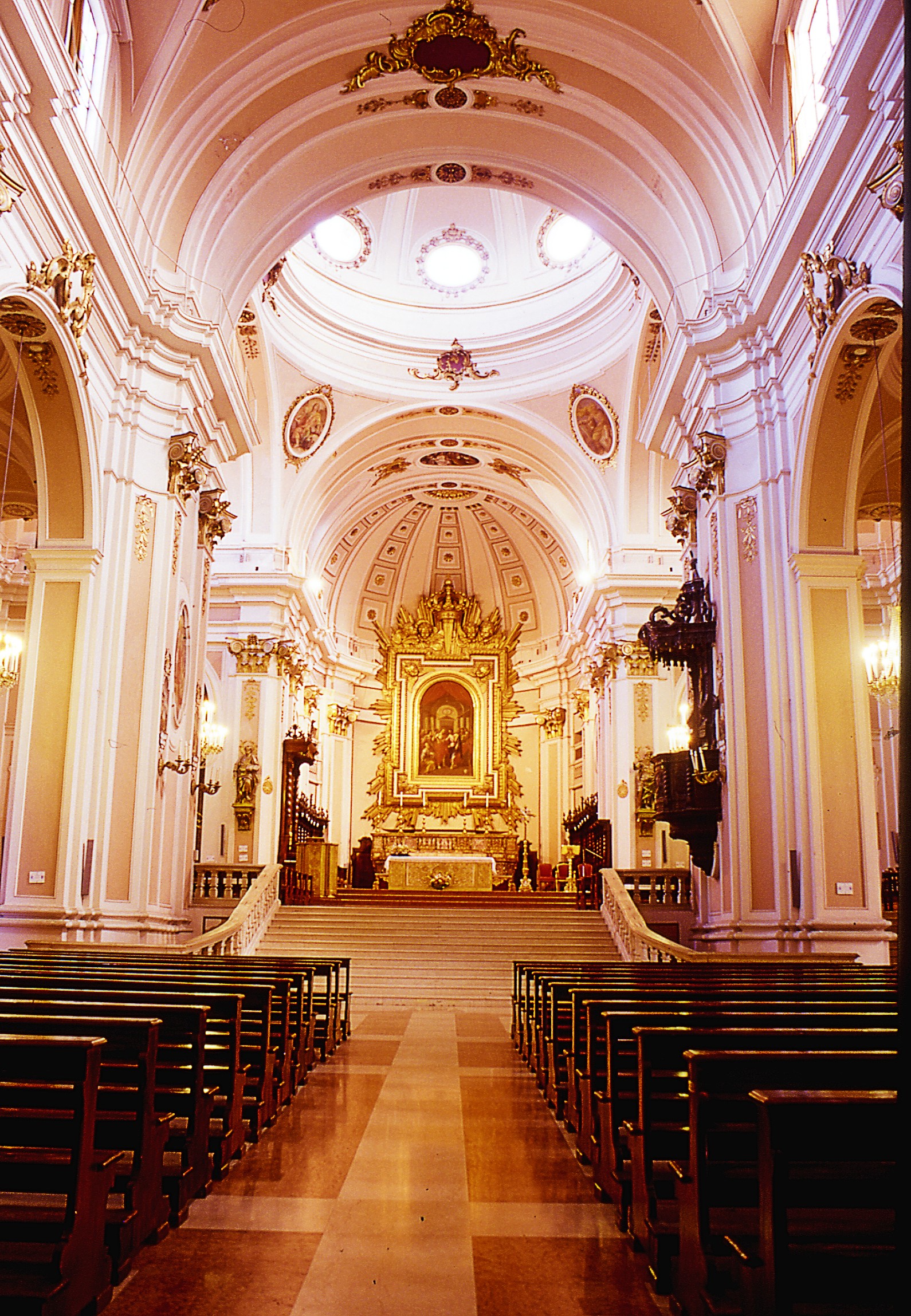
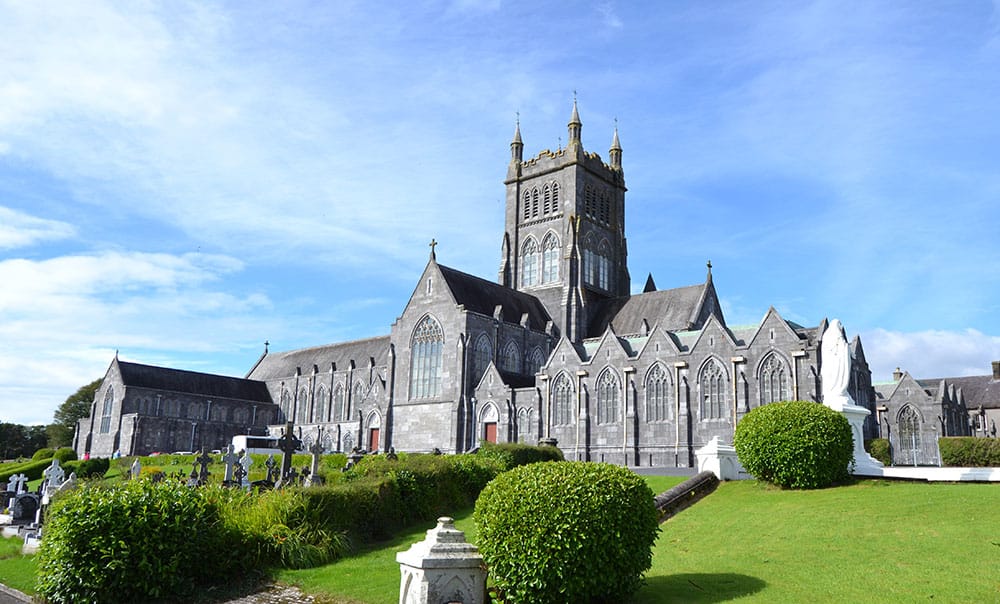
Gregory died on his way back from the Council in Lyons. He is buried inside the Cathedral Church of Arezzo. He was succeeded by the Dominican Peter of Tarantaise of Savoy (Pope Innocent V)Gregory’s close collaborator throughout his Pontificate.

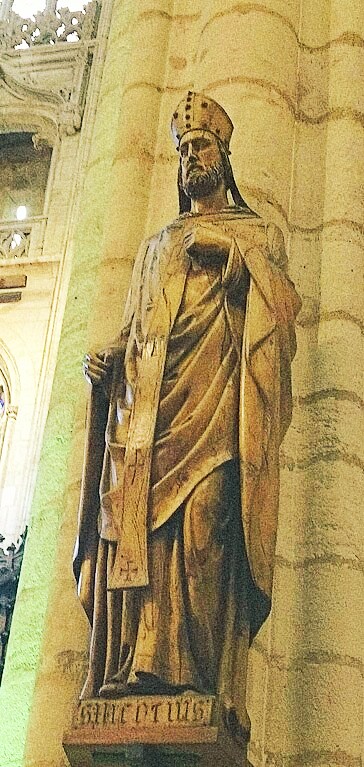
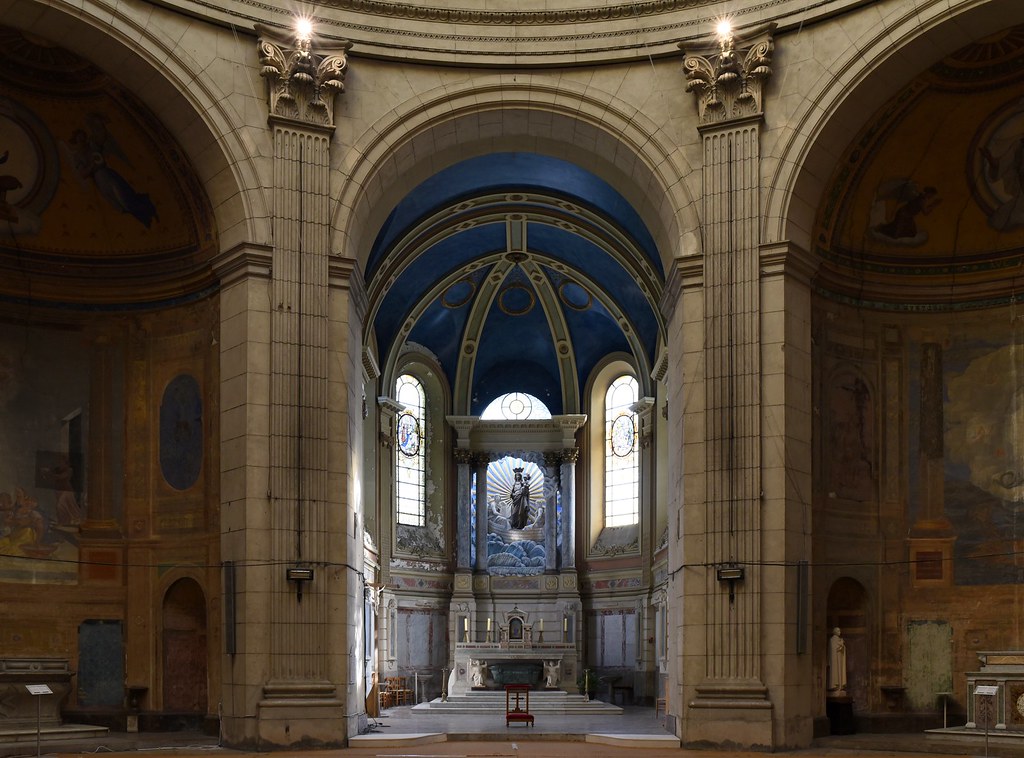
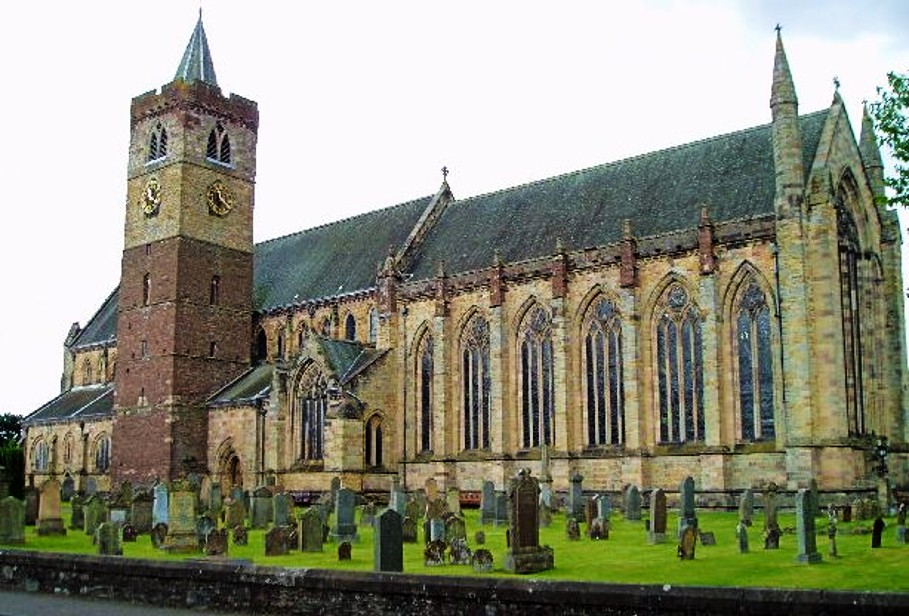
he effigy of Blessed Pope Gregory X can be found in the Cathedral of Arezzo.
The Effigy rests on the Tomb
Posted in SAINT of the DAY

Saint of the Day – 15 February – St Georgia (6th Century) Virgin, Recluse

Saint of the Day – 15 February – St Georgia (6th Century) Virgin, Recluse. Also known as – Giorgia.

The Roman Martyrology reads today: “At Clermont in Auvergne, St Georgia Virgin.

St Gregory of Tours (594), very well informed regarding the history of Auvergne due to the many years he spent there, reports the following concerning the existence and virtues of St Georgia. (De Gloria Confessorum XXXIV).

, “She lived, towards the beginning of the 6th Century, in Clermont, “pious and devoted to God” she retired to the countryside, to offer more freely to God “her hosts of praise” and, everyday, she dedicated herself to fasting and prayer.

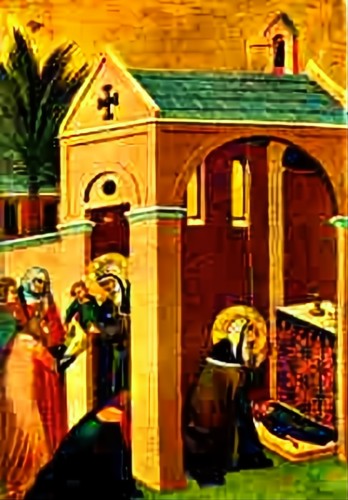
At her death, while her body was being transported to the Church, it was accompanied by an immense flock of doves which, during the ceremony in the Church, went to rest on the roof, to then take flight again and follow the coffin as it was carried in procession to the cemetery. They remained to guard the tomb for the rest of the day.

The appearance of the doves symbolised and honoured, the virginity of the Saint.”

Georgia’s remains are kept in the Church of St Cassian in Clermont. The Roman Martyrology mentions her today on 15 Februar, the day on which the Proper of Clermont also inscribes her veneration.

Posted in MARIAN TITLES, SAINT of the DAY

Epiphany VI (In Anticipation), Immaculate Heart of Mary: Refuge of Sinner, Notre-Dame de Paris / Our Lady of Paris, France (522), St Faustinus & St Jovinus (Died c 120) Martyrs and the Saints for 15 February

Epiphany VI (In Anticipation)

Immaculate Heart of Mary: Refuge of Sinner
Listed in the Missal as a Feastday in some place.
What does this Feastday mean?
The Heart of Mary is the divinely-appointed Refuge of Sinners.
O God,” exclaims St Alphonsus, “how great shall be the remorse of the damned Christian in thinking that, during life, he could have saved his soul with so much facility by invoking the intercession of this Mother of mercy; that he had not done so and that, there shall be no more time to do it.
“Perhaps,” says St Bonaventure, “we are in doubt as to whether Our Lady will hear us when we address our prayers to her. No, Mary does not refuse and never has refused pity and aid, to any sinner who has invoked her intercession.

Notre-Dame de Paris / Our Lady of Paris, France (522) – 15 February:
HERE:

https://anastpaul.com/2021/02/15/our-lady-of-paris-france-522-and-memorials-of-the-saints-15-february/

St Agape of Terni

Blessed Angelus de Scarpetti OSA (Died c 1306) Religious of the Order of the Hermits of St Augustine, Missionary, miracle-worker.
Biography:

https://anastpaul.com/2021/02/15/saint-of-the-day-15-february-blessed-angelus-de-scarpetti-osa-died-c-1306/

St Berach of Kilbarry
St Craton
St Decorosus of Capua
St Dochow
St Druthmar of Corvey
St Eusebius of Asehia
St Farannan of Iona

St Faustinus AND St Jovinus (Died c 120) Martyrs, Priest and Deacon respectively. Brothers. Both Evangelists, Preachers. Born at Brescia, Lombardy, Italy and the two brothers died together. They was thrown to the lions but the animals refused to touch them. Then beheaded in 120 at Brescia, Italy.

St Faustus of Monte Cassino
St Georgia (6th Century) Virgin
St Joseph of Antioch
St Onesimus the Slave
St Quinidius of Vaison

St Sigfrid of Sweden (Died 11th Century) “Apostle of Sweden,” Bishop, Missionary, Miracle-worker.
About St Sigfrid:

https://anastpaul.com/2020/02/15/saint-of-the-day-15-february-saint-sigfrid-of-sweden-died-11th-century-apostle-of-sweden/

St Severus of Abruzzi


St Walfrid/Galfrido (Died c765) Abbot. Born in 8th Century Pisa, Italy and died on 15 February 765 at Palazuollo, Italy of natural causes.
His Penitential Life:

https://anastpaul.com/2024/02/15/saint-of-the-day-15-february-saint-walfrid-galfrido-della-gherardesca-died-c765-abbot/

Martyrs of Antioch: 5 Saints:
A group of Christians murdered together. We know the names of five of them – Agapev, Baralo, Isicio, Joseph and Zosimus.

Martyrs of Passae:
Castulus
Lucius
Magnus
Saturninus

Martyrs of Sweden:
Sigfrid
Sunaman
Unaman
Winaman

Posted in CARMELITES, CHRIST, the WAY,TRUTH,LIFE, DOCTORS of the Church, GOD ALONE!, GOD is LOVE, In the PRESENCE of GOD, LOVE of NEIGHBOUR, OUR Cross, PRAYERS for VARIOUS NEEDS, PRAYERS to the SAINTS, Quote on SELF-ABANDONMENT, QUOTES on LOVE, QUOTES on LOVE of GOD, QUOTES on Love of Self, QUOTES on SELF-DENIAL, QUOTES on SUFFERING, QUOTES on the CROSS of CHRIST, REDEMPTIVE Suffering, SAINT of the DAY, St PAUL!

Quote of the Day – 14 February – True Love

Quote of the Day – 14 February – St Valentine (176-273) Bishop and Martyr

Love one another
as I have loved you.

John 15:12

But I say to you,
Love your enemies
…”

Matthew 5:44

He gives according to the love He bears us …,
according to the courage He sees in each
and the love each has for His Majesty.
He will see, that whoever loves Him much,
will be able to suffer much for Him;
whoever loves Him little,
will be capable of little.
I myself hold,
that the measure for being able to bear,
a large or small cross, is love 
…”

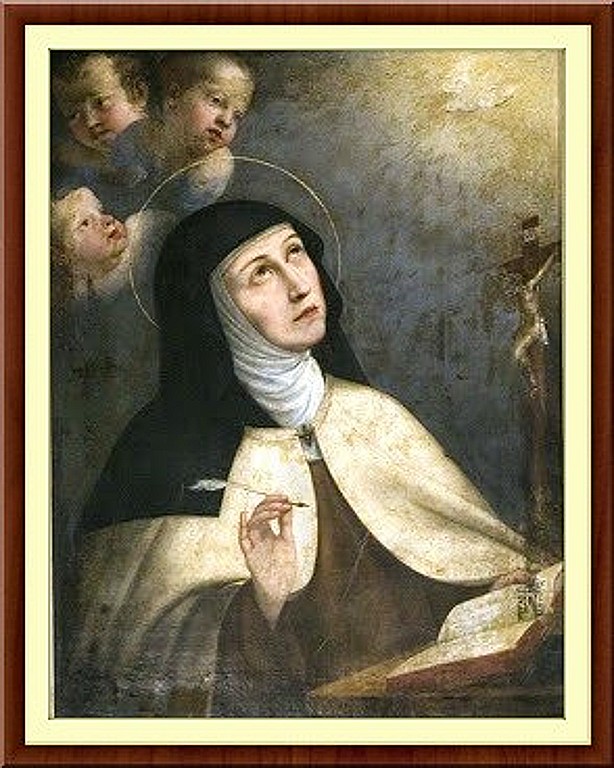
St Teresa of Jesus of Avila (1515-1582)

Take God for your Spouse and Friend
and walk with Him continually
and you will not sin and will learn to love
and the things you must do
will work out prosperously for you.

The one who walks in the love of God
seeks neither gain nor reward
but seeks only, with the will,
to lose self and all things, for God
and this loss, the lover judges to be a gain!
Thus it is, as St Paul asserts:
“For me death is gain” [Phil 1:21],
that is, my death to all things and to myself,
for Christ, is my spiritual gain.
Consequently, the soul declares:
“I was found.”
The soul who does not know how to lose himself,
does not find himself but rather, loses himself,
as Our Lord teaches in the Gospel:
“For he who will save his life, shall lose it
and he who will lose his life for My Sake, will find it.

(Mt 16:25).

St John of the Cross (1542-1591)
Doctor of the Church

LOVE
is the only way
to HEAVEN.

St Joseph Calasanz (1557-1648)

The measure of love,
is to love without measure
.”

St Francis de Sales (1567-1622)
Doctor of the Church

Posted in SAINT of the DAY

Saint of the Day – 14 February – St Auxentius (Died c473) Priest and Abbot

Saint of the Day – 14 February – St Auxentius (Died c473) Priest and Abbot in Syria, ex-soldier and Imperial Guard, Hermit. Born in Syria amd died on 14 February 473 at Mount Skopas in Bithynia in present-day Turkey, of natural causes. Also known as – Aussenzio.

The Roman Martyrology reads today: “In Bithynia, the Abbot St Auxentius.

Auxentius, probably the son of a Persian named Addas, spent much of his life as a Hermit in Bithynia, a region of Constantinople.

Previously, he had been one of the Equestrian Guards of the Eastern Emperor, Theodosius II, who reigned from 408 to 450. Having learned of the eremitic life practiced by numerous ascetics, Auxentius decided to embrace their way of life, settling on the desert hill of Oxia, not far from Constantinople.

Auxentius soon gained a reputation for sanctity and many sought his guidance and advice on spiritual matters. It seems that he too was accused of Monophysitism, a doctrine which denied the human nature of Jesus but, he was soon exonerated.

He built a new hermitage on Mount Skopas, near Chalcedon, dedicating the rest of his life to the practice of mortification and the instruction of his ever-increasing number of disciples, among whom were also some women, who lived at the foot of Mount Skopas in special communities and were known as “the sackcloth-wearers.”

Upon Auxentius’ death, on 14 February probably in 473, the above-mentioned reclusive woemn obtained the Saint’s remains and buried them in the ccommunity Cchurch. On this anniversary, Saint Auxentius, Priest and Abbot is still commemorated today by the Martyrologium Romanum.

Posted in MARIAN TITLES, SAINT of the DAY

St Valentine (176-273) Bishop and Martyr and the Saints for 14 February

St Valentine (176-273) Bishop and Martyr
The story of Saint Valentine:

https://anastpaul.wordpress.com/2017/02/14/blessed-memorial-of-st-valentine-14-february/

Notre-Dame de Bourbourg / Our Lady of Bourbourg, Flanders (1383) – 14 February:
HERE:

https://anastpaul.com/2021/02/14/quinquagesima-sunday-2021-our-lady-of-bourbourg-flanders-1383-and-memorials-of-the-saints-14-february/

St Abraham of Harran

St Antoninus of Sorrento OSB (c555-625) Italian Abbot, Hermit, miracle-worker.
Biography:

https://anastpaul.com/2021/02/14/saint-of-the-day-14-february-saint-antoninus-of-sorrento-osb-c-555-625-abbot/

St Auxentius (Died c473) Abbot
St Conran of Orkney

St Eleuchadius (2nd Century) Bishop and Confessor, Philosopher. Born in Greece and died in Ravenna, Italy of natural causes.
The Life of St Eleuchadius:

https://anastpaul.com/2024/02/14/saint-of-the-day-14-february-saint-eleuchadius-2nd-century-bishop-and-confessor/

St Juan García López-Rico O.SS.T. (1561-1613) Priest of the Trinitarian Order (The Order of the Most Holy Trinity and of the Captives), Reformer, Ascetic and Penitent, prolific Writer, Theologian.
Biography:

https://anastpaul.com/2019/02/14/saint-of-the-day-14-february-st-juan-garcia-lopez-rico-o-ss-t-1561-1613/

St Modestinus of Avellino (c245-311) Bishop Martyr, Confessor, Missionary, Miracle-worker.
His Holy Life and Death:

https://anastpaul.com/2022/02/14/saint-of-the-day-14-february-saint-modestinus-of-avellino-c-245-311-martyr/

St Nostrianus of Naples
St Theodosius of Vaison
St Valentine of Terni

St Vitale of Spoleto

Martyrs of Terni: Three Christians who gave proper burial to Saint Valentine of Terni. Martyred in the persecutions of Aurelius.
273 in Terni, Italy – Apollonius, Ephebus, Proculus.

Martyrs of Alexandria: A group of Christians murdered in various ways for their faith in Alexandria, Egypt. We know the names and a few details about 16 of them – Agatho, Agatone, Ammonio, Ammonius, Antonius, Bassiano, Bassianus, Cirione, Cyrio, Dionysius, Dionysius, Lucio, Moses, Moses, Proto and Tonione.

Posted in SAINT of the DAY

Saint of the Day – 13 February – Saint Castor (Died c400) Priest, Hermit

Saint of the Day – 13 February – Saint Castor (Died c400) Priest, Hermit, evangeliser. Born in Aquitaine in France and died in around 400 in Karden , today part of Treis-Karden on the Moselle in Rhineland-Palatinate, Germany. Patronage – of the City of Koblenz, in Germany. Also known as – Castore, Kastor, … of Karden. The name Castor is derived from Greek and means “the excellent one.”

This painting at the Basilica of St Castor in Koblenz

According to the legendary life story from the 10th/12th Century, Castor was a student of the Saint Bishop Maximinus of Trier and was Ordained a Priest by him.

St Castor is presented to Bishop Maximin by his parents. Designed by Joseph Anton Nikolaus Settegast for Frescoes in the Koblenz Cathedral.

He lived as a Hermit in Karden and there, united disciple companions to lead an exemplary pious life. Castor’s companions included the Aquitanian pilgrim Saint Potentinus and Potentinus’ two sons Felicius and Simplicius.

Statue in front of the Church of St Castor in Karden

A tale tells how Castor asked Moselle boatmen for salt. But they only mocked him and wanted to continue sailing. Suddenly a violent wind arose and whipped the waves so high that the boat threatened to capsize. In their distress, the boatmen begged the man of God for help. Castor knelt down and prayed – as suddenly as it had come, the storm subsided. The pagan boatmen were converted by this miracle and thanked Castor with plenty of salt.

Relic Shrine, 1906, in the Kastorkirche in Koblenz

Castor died at Karden at an advanced age.

Reliquary made of gilded fir-tree wood, 15th Century, in the Church of St Castor in Karden

Castor’s cult maintained in Trier was – like that of Potentinus of Steinfeld – evidently intended to strengthen influence in the Lower Moselle region, since the area actually belonged to the Diocese of Mainz. Bishop Wiomad of Trier found – again possibly to document a claim to this area – bones in Karden around 782 which were identified as Castor’s Relics and transferred them to the Church then dedicated to St Paulinus of Trier which then received the Patronage of Castor. In 836, most of these Relics were then brought by Archbishop Hetti of Trier to Koblenz, to the later Collegiate Church built by him, of which Castor became the Patron; this Church was rebuilt in the 11th/12th Century as a Basilica dedicated to St Castor.

St Castor’s Basilica in Koblenz
The Statue of St Castor at Koblenz Basilica
Posted in AUGUSTINIANS OSA, CARMELITES, DOMINICAN OP, franciscan OFM, INCORRUPTIBLES, MARIAN TITLES, SAINT of the DAY

Mother of Mercy, Notre-Dame de Pellevoisin / Our Lady of Pellevoisin, France (1876) and the Saints for 13 February

Mother of Mercy, Notre-Dame de Pellevoisin / Our Lady of Pellevoisin, France (1876) – 13 February:
HERE:

https://anastpaul.com/2021/02/13/mother-of-mercy-our-lady-of-pellevoisin-france-1876-and-memorials-of-the-saints-13-february/

St Adolphus of Osnabruk
St Aimo of Meda

Blessed Archangela Girlani O Carm (1460-1494) Virgin, Carmelite Nun, Mystic with the gift of levitation.
Her Life:

https://anastpaul.com/2020/02/13/saint-of-the-day-13-february-blessed-archangela-girlani-o-carm-1460-1494/

St Benignus of Todi
Bl Berengar of Assisi
St Castor (Died c400) Priest, Hermit

Blessed Jordan of Saxony OP (1190-1237) Religious Priest, Preacher, the Second Master-General of the Order of Preachers, after St Dominic.
Biography:

https://anastpaul.wordpress.com/2018/02/13/saint-of-the-day-13-february-blessed-jordan-of-saxony-o-p-1190-1237/

St Catherine de Ricci OP (1522-1590) Virgin, Tertiary of the Order of Preachers, Mystic, Stigmatist, Ecstatic, Counsellor to many in both secular and spiritual matters, a highly admired Administrator and Advisor,blessed with many mystical charism including visions of Christ, both as a Baby and Adult, bilocation and miracles. Her body is Incorrupt.
A Mighty Handmaid:

https://anastpaul.com/2022/02/13/saint-of-the-day-13-february-saint-catherine-de-ricci-op-1522-1590/

Blessed Christine of Spoleto OSA (1435-1458) Widow, mother, Nun of the Order of Saint Augustine.
About Blessed Christine:

https://anastpaul.com/2019/02/13/saint-of-the-day-13-february-blessed-christine-of-spoleto-osa-1435-1458/

St Dyfnog
St Ermenilda of Ely
Bl Eustochium of Padua OSB (1444-1469) Virgin

St Fulcran of Lodève (Died 1006) Bishop of Lodève, Reformer, especially within the Clergy and Religious Orders, builder of many Churches, Convents and Hospitals, Apostle of the poor and needy, Miracle-worker.
St Futeran’s Life:

https://anastpaul.com/2021/02/13/saint-of-the-day-13-february-saint-fulcran-of-lodeve-died-1006-bishop/

St Fusca of Ravenna
St Gilbert of Meaux
St Gosbert of Osnabruck
St Guimérra of Carcassone
St Huno

St Julian of Lyon
St Lucinus of Angers
St Marice
St Martinian the Hermit
St Maura of Ravenna
St Modomnoc
St Peter I of Vercelli
St Stephen of Lyons

St Stephen of Rieti (Died c590) Abbot.
The Roman Martyrology reads: “At Rieti, the Abbot, St Stephen, a man of wonderful patience, at whose death, as is related by the blessed Pope, St Gregory, the holy Angels were present and visible to all.”
St Stephen Pray for Us!:

https://anastpaul.com/2024/02/13/saint-of-the-day-13-february-saint-stephen-of-rieti-died-c590-abbot/

Posted in SAINT of the DAY

Saint of the Day – 12 February – Saint Ethelwald (Died c740) Bishop of Lindisfarne

Saint of the Day – 12 February – Saint Ethelwald (Died c740) Bishop of Lindisfarne from 721 until his death, Abbot.
Also known as – Aethelweald, Aedilauld, Ethilwald, Ethelwold. Additional Memorial – 21 April (translation of his Relics). Ethelwald is the last Bishop of Lindisfarne to have been revered as a Saint. He is often mistaken for his near contemporary, Æthelwold of Farne.

Born between the 7th and 8th Centuries, Ethelwald was a disciple of Saint Cuthbert (c634-687) known as “The Wonder-Worker of England.”

Having entered the Monastery of Melrose, he became first Prior and thethe Abbot. In 721, after the death of Bishop Ealfrid, he was elected as the Bishop of Lindisfarne.

He is most remembered for his contribution to the production of the renowed Illuminated Lindisfarne Gospels. Ethelwald took the raw Manuscripts which his predecessor Eadfrith had collected and had Billfrith bind them. The Lindisfarne Gospel ( which I have been blessed to see) now resides in the British Museum.

He died around the year 740 and was buried in the Cathedral. His Relics, together with those of Saint Cuthbert and other Saints, were transferred to Scotland in 875, then to Chester in 883 and finally, to Durham in 995. Below might be St Ethelwald’s Tomb residing in the now protestant Cathedral at Durham. I have been there and have seen St Cuthbert’s Tomb but I cannot recall seeing St Ethelwald’s.

Posted in MARIAN TITLES, SAINT of the DAY

Madonna del Pilerio, Italy (12th Century), Notre-Dame-de- Argenteuil / Our Lady of Argenteuil, Paris, France (c 500), The Seven Holy Founders and the Saints for 12 February

Madonna del Pilerio, Italy (12th Century) – 12 February:
HERE:

https://anastpaul.com/2021/02/12/madonna-del-pilerio-our-lady-of-argenteuil-paris-france-and-memorials-of-the-saints-12-february/

Notre-Dame-de- Argenteuil / Our Lady of Argenteuil, Paris, France (c 500) – 12 February: Cathedral of Our Lady of Argenteuil, Paris, built by King Clovis I containing a portion of the Seamless Garment of Christ.
All about this Marian Title:

https://anastpaul.com/2019/02/12/feast-of-our-lady-of-argenteuil-and-the-seamless-tunic-12-february/

The Seven Holy Founders of the Order of the Blessed Virgin Mary (the Servites)
Pope Leo XIII Canonised them all on 15 January 1888. After the Canonisation of the Seven Founders, their Feast was inserted in the General Roman Calendar for celebration on 11 February, the anniversary of the granting of canonical approval to the order in 1304. In 1909, 11 February became the Feast of Our Lady of Lourdes and the Feast of the seven founders was moved to 12 February.
In 1969 the Feast was moved to 17 February.
HERE:

https://anastpaul.com/2018/02/17/saints-of-the-day-17-february-the-seven-holy-founders-of-the-servite-order-osm-formation-on-15-august-1233/

St Alexius of Kiev
St Ammonius of Alexandria
Bl Anthony of Saxony

St Anthony Kauleas of Constantinople (c829-901) Bishop, Confessor, Defender of orthodoxy. Anthony was a pious man exercising mortification and penances. He generously endowed monastic foundations and founded or re-founded the Kauleas Monastery with the support of the emperor, who preached at the Church’s dedication. Buried in the Church of his Monastery, Anthony was held responsible for many miracles.
The Roman Martyrology reads: “At Constantinople, St Anthony, a Bishop in the time of the Emperor Leo VI.”
Holy and Courageous St Anthony:

https://anastpaul.com/2024/02/12/saint-of-the-day-12-february-st-anthony-kauleas-of-constantinople-c829-901-bishop-confessor/

St Benedict of Aniane OSB (747-821) “The Second Benedict,” Monk. Next to St Benedict himself, St.Benedict of Aniane influenced the shape of Benedictine monasticism in the West more than anyone else.
The Second St Benedict:

https://anastpaul.wordpress.com/2018/02/12/saint-of-the-day-12-february-st-benedict-of-aniane-747-821-the-second-benedict/

Bl Benedict Revelli
St Damian of Africa
St Damian of Rome
St Ethelwald (Died c740) Bishop of Lindisfarne

St Eulalia of Barcelona (c 290-c 303) Virgin Martyr
Her Life and Death:

https://anastpaul.com/2020/02/12/saint-of-the-day-12-february-saint-eulalia-of-barcelona-c-290-c-303-virgin-and-martyr/

St Gaudentius of Verona (Died c465) Bishop and Confessor

St Goscelinus of Turin (Died 1053) Abbot
Biography:

https://anastpaul.com/2022/02/12/saint-of-the-day-12-february-saint-goscelinus-of-turin-osb-died-c-1053/

Bl Gregory of Tragurio
Bl Humbeline of Jully
St Julian of Alexandria

St Julian the Hospitaller / St Julian the Poor – Layman
Holy St Julian:

https://anastpaul.wordpress.com/2017/02/12/saint-of-the-day-12-february-st-julian-the-hospitaller/

Bl Ladislaus of Hungary
Bl Ludan

St Meletius of Antioch (Died 381) Bishop of Antioch, Confessor.
His Life:

https://anastpaul.com/2021/02/12/saint-of-the-day-12-february-saint-meletius-of-antioch-died-381-bishop-of-antioch/

St Modestus of Alexandria
St Modestus of Carthage
St Modestus the Deacon
Bl Nicholas of Hungary
St Sedulius
Bl Thomas of Foligno

Martyrs of Albitina – 46 Saints:
During the persecutions of Diocletian, troops were sent to the churches of Abitina, North Africa on a Sunday morning; they rounded up everyone who had arrived for Mass and took them all to Carthage for interrogation by pro-consul Anulinus. The 46 who proclaimed their Christianity were executed. We know some of their names and stories. They were tortured to death in 304 in prison at Albitina, North Africa.

Posted in SAINT of the DAY

Saint of the Day – 11 February – Saint Castrensis (5th Century) Bishop

Saint of the Day – 11 February – Saint Castrensis (5th Century) Bishop of Carthage and then in Italy, of Castel Volturno or Sessa Aurunca. Patronages – All in Italy: Castel Volturno, Marano di Napoli, the City and Archdiocese of Monreale, San Castrese di Sessa Aurunca. Also known as – Castrensis of Sessa, Castrensis of Campania, Castrensis of Africa, Castrense… Castrese… Castrenze… Additional Memorial – 1 September as one of the Exiles of Campania; in Castel Volturno he is celebrated in August; in Capua on 29 December and on the 2nd Sunday in May, as the date of the translation of his Relics.

The Roman Martyrology reads today: “At Capua, St Castrensis, Bishop.”

St Castrensis depicted in the Naplian Marble Calendar

Castrensis who lived around the 5th Century, is remembered in the “Marble Calendar” of Naples even though very little is known about him.

During the persecution of the Vandals led by Genseric (390-477), together with other Priests and faithful, he was sent off embarked on an old ship without a rudder, an anchor and cables, with the aim of drowning all on board. But they landed miraculously in Campania, Italy on 10 May, where he began to carry out his Apostolate.

It is uncertain whether he was the Bishop of Castel Volturno or Sessa Aurunca but he led the faithful of his City with love and zeal.

Biographers report two miraculous prodigies performed by him during his life and the liberation of a man possessed by the devil and the saving of a ship full of people (both episodes are depicted in two Mosaic panels in the Cathedral of Monreale, see below). The inscription above the Mosaics says:
He saves the sailors and rescues them from the anger of the demon which he had forced to go out from the body of the posessed man.

Castrensis died at the end of the 5th Century “among his people, after having celebrated the Mysteries and having descended, by himself, into the tomb” and was immediately venerated by the people throughout Campania and in many other regions.

The Blessed Virgin with St Castrensis, on the right of St John the Baptist

He was considered a martyr because he was depicted in some paintings, discovered around 1881 in a cave in Calvi (Caserta) and dating to the 7th Century, together with the Martyr Priscus.

The Archbishop of Capua, Alfano, who had to accompany Princess Giovanna, daughter of King Henry II of England and sister of Richard the Lionheart, to Palermo, brought as a wedding gift to King William II, the body of St Castrensis without the head which remained in Capua (see Vita di Guglielmo II , Palermo 1770).

The Relics are today preserved in the Cathedral of Monreale, in the Chapel of the same name , inside a silver urn made by Cardinal Cosimo Torres, in 1637. On the plaque of the urn one can read:
St Castrensis, eternal Bastion of the City of Monreale.

Castrensis is highly venerated in Castel Volturno (Caserta), where, in August, a procession along the river, is held in his honour. In Capua, which celebrates St Castrensis on 29 December and the second Sunday of May, the date of the translation).

A Processional Statue of St Castrensis probably from Castel Volturno
Posted in MARIAN TITLES, SAINT of the DAY

The Feast of Our Lady of Lourdes and the Saints for 11 February

St Ampelius of Africa
St Ardanus of Tournus
Bl Bartholomew of Olmedo

St Caedmon (Died c680) Monk and the is the earliest English known Poet of Sacred verse,
Biography of St Caedmon:

https://anastpaul.com/2019/02/11/saint-of-the-day-11-february-st-caedmon-died-c-680/

St Calocerus (Died c130) Bishop and Confessor of Ravenna
St Castrensis (5th Century) Bishop
St Dativus the Senator
Bl Elizabeth Salviati
St Etchen of Clonfad
St Eutropius of Adrianopolis
St Felix the Senator

St Gobnata (6th Century) Abbess, Founder of a Convent and ‘Order’ of Sisters, Miracle-worker, Apostle of the sick. Patronages – of bees, beekeepers.
About St Gobnata or Abigail:

St Pope Gregory II (669-731) Bishop of Rome from 715-731, Pope Gregory was a man of immense intellect and used his talents in negotiating peace in times of war and fought for the truth of the faith against heresies. He was a miracle-worker who placed all his trust in God ‘s Divine Providence.
About “The Defender of Icons”

https://anastpaul.com/2020/02/11/saint-of-the-day-11-february-saint-pope-gregory-ii-669-731-defender-of-icons/

St Helwisa
St Jonas of Muchon

St Lazarus of Milan (Died 449) Archbishop of Milan.
About this St Lazarus:

https://anastpaul.com/2021/02/11/saint-of-the-day-11-february-saint-lazarus-of-milan-died-449-archbishop-of-milan/

St Lucius of Adrianople
St Pedro de Jesús Maldonado-Lucero
St Saturninus of Africa
St Secundus of Puglia

St Severinus of Agaunum (Died c507) Abbot, Miracle-worker, gifted with Prophecy and healing the sick. Born in Burgundy, France and died in c507 at Chateau-Landon in Gatinais, of natural causes whilst travelling towards his Monastery.
The Roman Martyrology reads: “At Chateau-Landon, St Severin, Abbot of the Monastery of Aqaunum, by whose prayers the Christian King Clovis, was deliovered from a long sickness.
Holy Severinus:

https://anastpaul.com/2024/02/11/saint-of-the-day-11-february-st-severinus-of-agaunum-died-c507-abbot/

St Simplicius of Vienne (Died c417) Bishop
St Theodora the Empress

Guardians of the Sacred Scriptures: Also known as – Anonymous Martyrs in Africa – Martyrs of Africa – Martyrs of Numidia – Martyrs of the Sacred Books
A large number of Christians tortured and murdered in Numidia (part of modern Algeria) during the persecutions of Diocletian but whose names and individual lives have not survived. They were ordered to surrender their sacred books to be burned. They refused. Martyrs. c 303 in Numidia.

Martyrs of Africa – 5 Saints: A group of five Christians who were Martyred together; we know nothing else but the names of four of them – Cyriacus, Oecominius, Peleonicus and Zoticus.

Posted in SAINT of the DAY

Saint of the Day – 10 February – Saint Bruno von Waldeck (c1000-1055) Bishop

Saint of the Day – 10 February – Saint Bruno von Waldeck (c1000-1055) Bishop of Minden, Germany, renowned and fervent Preacher, evangeliser, Apostle of the needy and careful defender and promotor of the social needs of his flock, In the list of Bishops of the Diocese he is ranked 16th after Siegbert, who died in 1036 and before Egilbert. The Diocese of Minden was erected by Charlemagne in the year 803, whose first Bishop was Erkanbert, a Monk of the Abbey of Fulda, one of the first missionaries in that territory. Through the story of tradition, it is believed that Saint Bruno led his community from 5 May 1037 to 10 February 1055, the date of his death. Also known as – Bruno of Waldeck, Brun/o of Minden, run…

Unknown German Bishop who might be our St Bruno

Saint Bruno von Waldeck, the 16th Bishop of Minden, from 1037 to 10 February 1055, was a man of deep faith and devotion, who dedicated himself passionately to his pastoral work, promoting the spread of Christianity and the well-being of his flock.

Born around 1000 to a noble family, Bruno received a high-level education which prepared him to hold important positions in the Church. He became a Royal Chaplain and in 1036 a Canon at the then Cathedral in Magdeburg.

In 1037, at the direction of Emperor Henry III, he was appointed as the Bishop of Minden, a Diocese located in north-western Germany. Bruno proved to be an enlightened and wise Bishop, who dedicated himself passionately to his pastoral work. He was a fervent preacher, who worked to spread Christianity among the pagan populations who inhabitedthe region.

He was also a tireless builder of Churches and Monasteries which helped strengthen the presence of the Church. One of his major contributions was the foundation of the Monastery of St Maurice on the Werder in the Town of Minden. The Monastery was an important centre of culture, education and devotion and contributed to the growth of the Christian Faith in the region. In 1434, the Monastery was moved to its current location on the opposite side of the Weser, due to the risk of flooding. In 1810, due to the protestant upheavels, this wonderful Monastery was closed after many oppresions and restrictions. Its Church remains and thank goodness still belongs to the Catholic Church.

Bruno also took an interest in the well-being of his faithful, promoting social justice and charity towards the needy.

The Church of the Monastery of St Maurice
Posted in MARIAN TITLES, SAINT of the DAY

Nostra Signora delle Colombe / Our Lady of the Doves (Bologna, Italy), St Scholastica and the Saints for 10 February

Nostra Signora delle Colombe / Our Lady of the Doves (Bologna, Italy) – 10 February:
HERE:

https://anastpaul.com/2021/02/10/our-lady-of-the-doves-bologna-italy-and-memorials-of-the-saints-10-february/

Bl Alexander of Lugo
St Andrew of Bethlehem
St Aponius of Bethlehem

St Austrebertha of Pavilly OSB (630–704) Abbess, Benedictine Nun and Abbess of Pavilly, France, miracle-worker.
Her Life:

https://anastpaul.com/2021/02/10/saint-of-the-day-10-february-saint-austrebertha-of-pavilly-osb-630-704/

St Baldegundis
St Baptus of Magnesia
St Bruno (c1000-1055) Bishop of Minden, Germany
St Charalampias

Blessed Clare Agolanti of Rimini OSC (1282-1346) Married, Widowed, Nun, Penitent, Mystic.
Blessed Clare’s Drvout Life:

https://anastpaul.com/2022/02/10/saint-of-the-day-10-february-blessed-clare-agolanti-of-rimini-osc-1282-1346/

St Erluph of Werden

Blessed Hugh of Fosse OPraem (c1093-1164) Priest of the Order of Canons Regular of Prémontré, also known as the Premonstratensians, the Norbertines and the White Canons. Hugh was one of St Norbert’s first disciples and later became the first Abbot of Prémontré. Blessed Hugh was Beatified on 13 July 1927 by Pope Pius XI.
Blessed Hugh’s Life of Grace:

https://anastpaul.com/2023/02/10/saint-of-the-day-10-february-blessed-hugh-of-fosse-opraem-c1093-1164-priest-abbot/

St Paganus
Bl Paul of Wallachia
Bl Pierre Frémond
St Porfirio
St Prothadius of Besançon
St Salvius of Albelda
St Silvanus of Terracina

St Troiano of Saintes
St Trumwin of Whitby

St William the Hermit (Died 1157) Hermit, Penitent, Spiritual Director, Miracle-worker, gifted with the charism of Prophecy.
A Model of Penitance:

https://anastpaul.com/2020/02/10/saint-of-the-day-10-february-saint-william-the-hermit-died-1157/

Martyred Soldiers in Rome: A group of ten Christian soldiers who were Martyred together for their faith. We know little more about them but four of their names – Amantius, Hyacinth, Irenaeus and Zoticus. • 120 at Rome, Italy. They were buried on the Via Lavicana outside RomeAmantius, Hyacinth, Irenaeus, Zoticus.

Posted in Against Unexplained FEVER or HIGH Temperatures, HORSES - and sick horses, JOCKEYS, all HORSE-related workers, Of GARDENERS, Horticulturists, Farmers, SAINT of the DAY

Saint of the Day – 9 February – Saint Teilo (6th Century) Bishop

Saint of the Day – 9 February – Saint Teilo (6th Century) Bishop of Llandaff, Wales. Welsh born in Penally, Wales and died at his See of Llandaff. Most Welsh sources confirm that Teilo was a close relative of St David, spiritual student of St Dyfrid and St Paulinus of Wales. Patronages – against fever, of horses, of apple orchards, farms and farmers, the City and Diocese of Cardiff (Capital of Wales), the Town of Saint-Thélo in Brittany, France . Also known as – Teilio, Teilus, Thelian, Teilan, Teilou, Teliou, Elidius, Eliud, Dillo, Dillon. The festival in honour of Saint Teilo is observed at different times of the year at different locations. In Wales and at Saint-Thélo, on 9 February; at Dol, on 29 November and on 25 November in the rest of the Churches in Brittany. Following 1752, however, his fair at Llandeilo in Wales, was not observed on the 9th but eleven days later on the 20th February or on the Sunday following that date.

St Teilo was probably born at Penally, near Tenby in Pembrokeshire, Wales, around the year 500. Although there are conflicting reports about his early life, he was thought to be a cousin of the national Patron of Wales, St David.

He received his education at institutions directed by Saints, one being St Dyfrid, who he succeeded as the Bishop of Llandaff, founding the very first Church in Llandaff, where the Cathedral stands today. He was also educated by St Paulinus of Wales at a place thought to be Whitland in Carmarthenshire. Here he is thought to have made contact with his cousin and became a close companion St David.

He travelled extensively, including Brittany, Rome and Jerusalem and to St David’s in north Pembrokeshire, where David founded his Monastery. Teilo too founded a Monasteries in Llandeilo (the name of the Town literally means ‘Church of St Teilo’), the place with which he is most associated and at Penally. Penally Abbey was located on the pilgrims’ trail to St David’s.

Legend has it that Teilo went on pilgrimage to Jerusalem with Saints David and St Padarn around the year 518. Three seats, one decorated ornately in gold, one of bronze and one of cedar, were erected in their honour in readiness for their Ordination as Bishops by the Bishop of Jerusalem. The legend has it that the humble Teilo chose the simple wooden seat.

A plague of Yellow Fever devastated parts of Wales in the year 547. Teilo and his followers fled, firstly to Cornwall and then to Brittany, where they were welcomed by St Samson of Dol. It is thought that Teilo and Samson planted a grove of apple-bearing trees between Dol and Cai, where the apple groves are still known as the groves of Teilo and Samson and still bear fruit today.

At Landaul in Brittany, Teilo is considered the Patron Saint of apple trees and the town of Saint-Thélo in Brittany which bears his name. At St. Teilo’s Church, one of the stained glass windows, shows an apple tree in honour of St Teilo.

Teilo returned from Brittany to Llandaff. He died on 9 February, most likely in the year 560. After his death he became one of the most venerated Saints in Wales. Several sites in Wales claim to house his remains. A tomb of St Teilo is located in Llandaff Cathedral while a part of his skull is kept in the South Chapel.

At least 25 Churches and schools in Wales, Brittany, Cornwall and Devon are dedicated to him.

Llandaff Cathedral, Wales
Posted in DOCTORS of the Church, FATHERS of the Church, MARIAN TITLES, SAINT of the DAY

Epiphany V, Notre-Dame-des-Cloches / Our Lady of the Bells, Cathedral of Saintes, France, St Cyril of Alexandria and the Saints for 9 February

PENTE COST V

Notre-Dame-des-Cloches / Our Lady of the Bells, Cathedral of Saintes, France – 9 February:
HERE
:
https://anastpaul.com/2021/02/09/our-lady-of-the-bells-cathedral-of-saintes-france-and-memorials-of-the-saints-9-february/

St Cyril of Alexandria (376-444) “The Pillar of Faith” & “Seal of all the Fathers,”, Bishop, Confessor, Father and Doctor, Doctor Incarnationis (Doctor of the Incarnation) Added by Pope Leo XIII in 1883.
St Cyril’s Feast Day is today 9 February (1882–1969 – moved after Vatican II to 27 June).

https://anastpaul.com/2017/06/27/saint-of-the-day-27-june-st-cyril-of-alexandria-doctor-father-of-the-church-the-pillar-of-faith-seal-of-all-the-fathers-doctor-incarnationis-doctor-of-the-incarnation/
AND:
https://anastpaul.com/2023/02/09/saint-of-the-day-9-february-st-cyril-of-alexandria-376-444-bshop-confessor-father-and-doctor-of-the-church/

St Apollonia of Alexandria (Died c249) Virgin Martyr, Deaconess.
St Apollonia’s Life and Death:

https://anastpaul.com/2019/02/09/saint-of-the-day-9-february-st-apollonia-of-alexandria-died-c-249/

St Alexander of Rome
St Alexander of Soli
St Alto of Altomünster
St Ammon of Membressa
St Ammonius of Soli

St Ansbert of Rouen (Died c695) Bishop of Rouen, Abbot of Fontenelle Abbey, Scholar of renown, Defender and Protector of the poor.
Holy St Ansbert’s Life:

https://anastpaul.com/2024/02/09/saint-of-the-day-9-february-saint-ansbert-of-rouen-died-c695-bishop/

St Attracta of Killaraght
St Brachio of Auvergne
St Cuaran the Wise
St Didymus of Membressa
St Donatus the Deacon
St Eingan of Llanengan
St Emilian of Membressa
St Lassa of Membressa
Bl Marianus Scotus
St Maro
St Nebridius of Egara
St Nicephorus of Antioch
St Poëmus of Membressa
St Primus the Deacon

St Raynald of Nocera (c1150-1217) Bishop of Nocera, Umbria, Italy, Hermit, Monk, Abbot. His body is incorrupt.
The Roman Martyrology reads: “In Nocera Umbra, St Rainaldo, Bishop, formerly a Camaldolese Monk of Fonte Avellana, who, while carrying out the Episcopal office, firmly preserved the habits of monastic life.
The Ascetic Bishop:

https://anastpaul.com/2022/02/09/saint-of-the-day-9-february-saint-raynald-of-nocera-c-1150-1217/

St Romanus the Wonder Worker
St Ronan of Lismore
St Sabino of Abellinum

St Sabinus of Canosa (c461–566) Bishop, Confessor, Monk, Papal Legate, Miracle-worker, graced with the charism of prophecy, Defender of the Faith against heretics, friend of Saint Benedict of Nursia, builder of Churches and Monasteries, following the Benedictine discipline of Ora et labora.
His Zealous and Devoted Life:
https://anastpaul.com/2021/02/09/saint-of-the-day-9-february-saint-sabinus-of-canosa-c-461-566-bishop/

St Teilo (6th Century) Bishop of Llandaff, Wales

Martyrs of Alexandria: An unknown number of Christians who were massacred inthe 4th Century Alexandria, Egypt by Arian heretics for adhering to the true Faith.

Martyrs of Membressa: A group of 44 Christians Martyred together. We know little else about them some names – Ammon, Didymus, Emilian, Lassa, Poemus
They were Martyred in Membressa in Africa.

Posted in DOCTORS of the Church, QUOTES on HOPE, SAINT of the DAY

Saint of the Day – 8 February – St Honoratus (Died c571) Bishop and Confessor

Saint of the Day – 8 February – St Honoratus (Died c571) Bishop and Confessor of Milan. Honoratus was of Milanese origin but he died in exile in Genoa in c571. He was the 29th Bishop of Milan from 560 to 571. Also known as – Onorato, Honoratus of Milan, Honoratius

The Roman Martyrology reads today: “At Milan, the demise of St Honoratus, Bishop and Confessor.

Honoratus loved his Diocese and rejoiced when, accompanying his guests to visit the Basilica of St Laurence, they exclaimed: “It surpasses in beauty almost all the Churches in Italy.”

He desired peace and, when the Lombards entered Milan on 3 September 569, he moved with part of the Clergy to Genoa. He hoped and prayed the Barbarian would not be cruel to the population, to the poor people, who were entrusted to him as their shepherd. Perhaps he was inspired by the Bishops who had preceded him: especially St Eusebius, a hundred years earlier, who had left Milan upon the arrival of Attila, to return immediately to support the victims and reassure them.

Unfortunately, Honoratus died after a few months in Genoa and the Lombard danger continued for decades. He now rests in the Basilica of Sat Eusebius, from where he repeats to us the words of Saint Ambrose:
How can you expect to overcome the test, if, in the Name of Christ, you do not know how to face adversities and dangers?
For this reason, hope is the only thing which does not disappoint our hearts.

According to the Liber Notitiae Sanctorum Mediolani (14th Century) Saint Honoratus’ Feast was celebrated on 8 January, later set on 8 February.

The Cathedral Basilica of St Eusebius in Milan
Posted in MARIAN TITLES, SAINT of the DAY

Abbey of Notre-Dame du Lys / Our Lady of the Lily, Melun, France (13th Century), St John of Matha and the Saints for 8 February

Abbey of Notre-Dame du Lys / Our Lady of the Lily, Melun, France (13th Century) – 8 February:
HERE:

https://anastpaul.com/2021/02/08/abbey-of-our-lady-of-the-lily-melun-france-13th-century-and-memorials-of-the-saints-8-february/

St John of Matha O.SS.T (1160-1213) – Priest, Founder of The Order of the Most Holy Trinity and of the Captives, also known as the Order of the Most Holy Trinity or the Trinitarians,
Feast day is today – moved in 1969 to 17 December.
Wonderful St J
ohn
https://anastpaul.com/2018/12/17/saint-of-the-day-17-december-st-john-of-matha-o-ss-t-1160-1213/

St Cuthman of Steyning (Died 8th Century) Hermit, builder of Churches, Miracle-worker.
Holy Hard-working Cuth
man
https://anastpaul.com/2023/02/08/saint-of-the-day-8-february-saint-cuthman-of-steyning-died-8th-century/

St Cyriacus of Rome
St Dionysus of Armenia
St Elfleda of Whitby
St Emilian of Armenia
St Giacuto
St Gisela
St Honoratus (Died c571) Bishop and Confessor of Milan
St Inventius of Pavia
Bl Jacoba de Settesoli
St Kigwe
St Laureatus of Rome
St Lucius of Rome
St Meingold
St Mlada of Prague
St Nicetius of Besançon
St Oncho of Clonmore
St Paul of Rome

St Paul of Verdun (c576-c648) Bishop of Verdun, in the Lorraine region of France from 630 until his death., Abbot. The Roman Martyrology states: “At Verdun in France, St Paulus, Bishop renowned for miracles.
The Zealous St Paul:

https:/nastpaul.com/2022/02/08/saint-of-the-day-8-february-st-paul-of-verdun-c-576-c-648/

Blessed Pietro Igneus OSB Vall. (c1020 – 1089) Cardinal Bishop of Albano, Reformer – particularly against simony, Papal Legate and peace-maker.
His Life:

https://anastpaul.com/2021/02/08/saint-of-the-day-8-february-blessed-pietro-igneus-osb-vall-c-1020-1089-cardinal-bishop/

St Sebastian of Armenia

St Stephen of Muret (c1046-1124) Abbot, Founder of the Abbey of Grandmont (the Mother House) and the Order of Grandmont.
The Roman Martyrology reads:
At Muret, near Limoges, the birthday of the Abbot, St Stephen, Founder of the Order of Grandmont, celebrated for his virtues and miracles.
A Grace-filled Life:
https://anastpaul.com/2024/02/08/saint-of-the-day-8-february-saint-stephen-of-muret-c1046-1124-abbot/

Martyrs of Constantinople: Community of 5th Century Monks at the Monastery of Saint Dius at Constantinople. Imprisoned and Martyred for loyalty to the Vatican during the Acacian Schism. 485 in Constantinople.

Martyrs of Persia: An unknown number of Christians murdered in early 6th-century Persia. Legend says that so many miracles occurred through the intercession of these Martyrs that the King decreed an end to the persecution of Christians.

Posted in SAINT of the DAY

Saint of the Day – 7 February – St Moses the Hermit (Died c389) Bishop and Apostle of the Saracens

Saint of the Day – 7 February – St Moses the Hermit (Died c389) Bishop and Apostle of the Saracens, Hermit in the desert and then Bishop, Missionary, Peace-maker. Moses had no fixed See after his Consecration as Bishop, journeying instead with his nomadic flock, converting many and keeping peace between the different tribes and the Roman imperial authorities. Born in Arabia and died there in c389 of natural causes. Also known as – Moses of the Saracens, Venerable Moses the Bishop. (Not to be confused with Moses the Black (330-405), another Saint of the region who is celebrated on 28 August.)

The Roman Martyrology reads today: “In Egypt, St Moses, a venerable Bishop, who first led a solitary life in the desert and being afterwards made Bishop, at the request of Mauvia, the Queen of the Saracens, converted the great part of that barbarous oeiokes to the Faith and rich in merits, passed peacefully to his reward.”

It is not known when or precisely where Moses was born but for some time in the 4th Century, Moses, like his ancient namesake, spent many years travelling and preaching in the wilderness in the border regions between Egypt and Syria.

His life of preaching attracted a large following. This reputation was noted by Socrates of Constantinople, the Christian Historian, who describes him as “a Saracen by birth, who led a monastic life in the desert” and, who had become “exceedingly eminent for his piety, faith and miracles.

Socrates’ description of Moses comes by way of his retelling of the exploits of Queen Mauvia, who promised to end her armed revolt against the Roman Empire, on the condition that Moses be “constituted Bishop over her nation.

Valens, the Roman Emperor, had no choice but to accept. Mauvia’s forces, originating in southern Syria, had defeated those of Rome’s on multiple occasions, marching through Palestine and Phoenicia, to reach the border with Egypt. Moses, however, refused to be Ordained by the Arian patriarchal See at Alexandria, choosing to be Consecrated by an orthodox Bishop living in exile instead.

Pope Gregory III (Papal reign 731-741) recalled the example of Moses as a Hermit Monk then Bishop, in a dialogue with the nephew of St Boniface, when trying to convince him to join his uncle in the German mission. It is quoted of the author, Irfan Shahid: “Thus an Arab Monk Bishop was presented as a model for the English Saint.

Posted in MARIAN TITLES, SAINT of the DAY

First Friday of the Month, Our Lady of Avesnières, Laval, France (11th Century), Our Lady of Grace, or Our Lady of the Bowed Head, Rome (1610), St Romuald (c 951-1027) Abbot and Memorials of the Saints – 7 February

FIRST FRIDAY of the Month:
Attend Holy Mass and Receive Holy Communion
on each First Friday;
The Nine Fridays must be consecutive;
They must be made in honour and in reparation
to His Sacred Heart.

Notre-Dame d’Avesniéres, Laval / Our Lady of Avesnières, Laval, France (11th Century) – 7 February:
HERE:

https://anastpaul.com/2022/02/07/notre-dame-davesnieres-laval-our-lady-of-avesnieres-laval-france-11th-century-nostra-signora-delle-grazie-our-lady-of-grace-or-our-lady-of-the-bowed-head-rome-1610-and-memorial/

Nostra Signora delle Grazie, Nostra Signora del Capo chino / Our Lady of Grace, or Our Lady of the Bowed Head, Rome (1610) – 7 February:
HERE:

https://anastpaul.com/2021/02/07/sexagesima-sunday-our-lady-of-grace-or-our-lady-of-the-bowed-head-rome-1610-and-memorials-of-the-saints-7-february/

St Romuald (c 951-1027) Monk, Abbot, Ascetic, Founder of the Camaldolese Order and a major figure in the Eleventh-Century “Renaissance of eremitical asceticism.”
His Feast Day is today and was thus from 1595. It was changed to 19 June in 1969 after Vatican II.
 St Romuald’s body is incorrupt.
St Romuald’s Life:

https://anastpaul.com/2018/06/19/saint-of-the-day-19-june-st-romuald-c-951-1027/

St Adaucus of Phrygia
St Amulwinus of Lobbes
St Anatolius of Cahors
Bl Anselmo Polanco
Bl Anthony of Stroncone

St Augulus
St Chrysolius of Armenia
St Fidelis of Merida

Blessed Jacques Salès SJ (1556-1593) Priest Martyr AND Blessed William Saultemouche SJ (1555-1593) + Martyr, Jesuit Lay Brother+ of the Society of Jesus. These two young Jesuits died on 6 February 1593, Fr Jacques aged 26 was shot in the back by the protestants and Brother William was stabbed repeatedly until he died, all the while holding the dead body of Fr Jacques. Pope Pius XI Beatified the two Martyrs of the Blessed Sacrament on 6 June 1926.
Their Lives and Deaths:

https://anastpaul.com/2024/02/07/saint-s-of-the-day-7-february-blessed-jacques-or-james-sales-sj-1556-1593-priest-martyr-and-blessed-william-saultemouche-sj-1555-1593-martyr-lay-brother/

St John of Triora
St Juliana of Bologna

St Lorenzo Maiorano (Died 545) Bishop of Siponto, Italy, Miracle-worker gifted with Prophecy and visions. Collaborator with St Michael in the Apparition at Gargano, known as “The Defender of the People.” St Lorenzo is also called the “Patron Saint of Foreigners” by the citizens of Siponto, having been a foreigner himself.
His Life:
https://anastpaul.com/2023/02/07/saint-of-the-day-7-february-saint-lorenzo-maiorano-died-545-bishop/

St Luke the Younger

Blessed Mary of Providence/Eugénie Smet HHS (1825-1871) Nun and Founder of the Society of the Helpers of the Holy Souls. Her apostolate has spread throughout the world – now in 24 countries and continues to minister to the Souls in the Body of Christ — both those on earth and those who have departed this world. Beatified in Rome on 26 May 1957 by Pope Pius XII.
Biography:

https://anastpaul.com/2021/02/07/saint-of-the-day-7-february-blessed-mary-of-providence-hhs-1825-1871/


St Meldon of Péronne
St Moses the Hermit (Died c389) Bishop
St Parthenius of Lampsacus

St Richard the King Pilgrim (Died c722) Layman, Prince, Pilgrim.
A Loving and Gentle Ruler and Father of Saints Willibald (Bishop of Eichstadt), Winnibald (Abbot of Heidesheim) and Walburga. (Virgin, Nun).

https://anastpaul.com/2022/02/07/saint-of-the-day-7-february-saint-richard-the-king-pilgrim-died-c-722/

Left to right – St Willibald, St Wuna, St Richard, St Walburga, St Winnibald

Bl Rizziero of Muccia
St Theodore (Died Early 4th Century) Martyr, Soldier

Bl essed Thomas Sherwood (1551–1578) Layman, Martyr of the English Persecution under Elizabeth I (c. 1552–1579). Beatified on 29 December 1886 by Pope Leo XIII.
His Life and Death:

https://anastpaul.wordpress.com/2017/02/07/saint-of-the-day-7-february-bl-thomas-sherwood/

St Tressan of Mareuil

Blessed William Saultemouche SJ (1555-1593) + Martyr, Jesuit Lay Brother

Posted in AUGUSTINIANS OSA, SAINT of the DAY

Saint of the Day – 6 February – St Guarinus Foscari CRSA (c1080-1158) the most reluctant Cardinal Bishop

Saint of the Day – 6 February – St Guarinus Foscari CRSA (c1080-1158) Cardinal Bishop of Palestrina in Italy, from December 1144, Canon Regular of St Augustine, renowned for his great compassion and assistance to the poor of Palestrina. Born in c1080 in Bologna, Italy and died there of natural causes on 6 February 1158. He was Canonised by Pope Alexander III ia year after his death, in 1159. Also known as – Guarino, Guarinus of Palestrine, Guerin, Garin.

The Roman Martyrology states today: “At Bologna, St Guarinus, the Bishop of Palestrina and Cardinal, renowned for holiness of life.”

Guarinus Foscari was born in Bologna around 1080. He was a member of the noble Guarini household, while his mother was a Foscari. Guarinus Foscari was well educated and was quite fond of literature. Despite opposition from his parents, he was Ordained to the Priesthood at the age of 24. He was later named as the Canon of the Cathedral of Bologna. He was still at the Cathedral, when, in around 1104, he joined the Santa Croce Congregation of Canons at Mortara. Prior to his departure, he donated all of his goods to contribute towards the building of a hospital.

At the age of 59, Guarinus was elected to fill an opening which the death of the Bishop of Pavia created but evaded his Episcopal Consecration by escaping by clambering away, out of a window. Guarinus then went into hiding until another election was held.

During the Advent season of 1144, Pope Lucius II sent for him and he again attempted to avoid higher office. Lucius II had Guarinus arrested but he again escaped for a brief period. But again. Pope Lucius II had him appointed in December 1144 as the Cardinal-Bishop of Palestrina. He also bestowed on him a number of gifts suitable to a person of his new standing, including some fine horses which Guarinus immediately sold and distributing the funds to the poor.

Feeling unworthy of the position, Guarinus left his post twice. The first time, he was recalled from Subiaco due to the orders of Pope Eugene III. The second time he went to Ostia but, finding Saracens there,, he fled to Rome.

Guarinus was the Bishop for thirteen years and remained out of the troublesome Roman politics which so defined the time and temperament of Rome. As a Cardinal, he participated in three Conclaves which saw the elections of Pope Eugene III, Pope Anastasius IV and Pope Adrian IV.

Our Saint died at the age of 78 on 6 February 1158. He had been breatly loved for his humility and for his great generosity to the poor. He was Canonised by Pope Alexander III in 1159 just over a year after his death

Guarinus was buried in the Crypt of the Cathedral of Sant’Agapito. In 1473 Palestrina was looted and his remains were hidden for fear of desecration. Although a search was made in 1754, they were not located.

Posted in MARIAN TITLES, PRAYERS for PRIESTS, SAINT of the DAY, The APOSTLES & EVANGELISTS

“Sedes Sapientia” Heilige Maagd Maria van Leuven / Our Lady of Louvain, Belgium (1444, St Titus Bishop Confessor, St Dorothy Virgin Martyr, 1st Thursday – PRAY for PRIESTS and the Saints for 6 February

1st Thursday – PRAY for PRIESTS

“Sedes Sapientia” – Heilige Maagd Maria van Leuven / Our Lady of Louvain, Belgium (1444) – 6 February:
HERE:

https://anastpaul.com/2021/02/06/our-lady-of-louvain-belgium-1444-sedes-sapientia-and-memorials-of-the-saints-6-february/

Nicolaas de Bruyne, 1442, Leuven, Pieterskerk

St Titus (First Century-c96) Bishop, Confessor, Disciple of St Paul, Missionary, Peacemaker, Teacher, Administrator, Friend – Patron of Crete. The New Testament does not record his death.
Wonderful St Titus

https://anastpaul.com/2023/02/06/saint-of-the-day-6-february-st-titus-died-c96-bishop-confessor/

St Dorothy of Caesarea (c279/290-311) Virgin Martyr
The Life and Death of St Dorothy:

https://anastpaul.com/2019/02/06/saint-of-the-day-6-february-st-dorothy-of-caesarea-died-311-virgin-martyr/

St Amand of Maastricht (c 584-c 679) “The Apostle of Belgium”. Bishop of Tongeren-Maastricht and one of the great Missionaries of Flanders (Belgium), Monk, Abbot, Papal Missionary Bishop and Advisor, Miracle-worker, Founder of numerous Monasteries which became known for their hospitality to pilgrims. And another Saint Patron for eye diseases. amongst many other patronages.
His Life:
https://anastpaul.com/2021/02/06/saint-of-the-day-6-february-saint-amand-of-maastricht-c-584-c-679-bishop-the-apostle-of-belgium/

Saint Pedro Bautista Blásquez y Blásquez OFM (1542-1597) Priest Martyr
and the 26 Martyrs of Japan – Died by Crucifixion on 5 February 1597. Canonised on 8 June 1862 by Pope Pius IX.

St Amand of Moissac
St Amand of Nantes
St Andrew of Elnone

Blessed Angelus of Furci OSA (1246-1327) Priest and Friar of the Order of Augustinian Hermits, Theologian, renowned Preacher, Provincial Superior. Patronages – of Furci, one of the more than 50 Patrons of Naples,.
Beloved Blessed Angelus:

https://anastpaul.com/2024/02/06/saint-of-the-day-6-february-blessed-angelus-of-furci-osa-1246-1327-priest-and-friar/

St Antholian of Auvergne
St Brinolfo Algotsson
Cassius of Auvergne
Bl Diego de Azevedo
St Ethelburga of Wessex
Bl Francesca of Gubbio
St Gerald of Ostia
St Gonsalo Garcia OFM
St Guarinus Foscari CRSA (c1080-1158) Bishop
St Guethenoc
St Hildegund
St Ina of Wessex
St Jacut
St Liminius of Auvergne
St Maximus of Aurvergne
St Mel of Ardagh
St Melchu of Armagh
St Mun of Lough Ree
St Relindis of Eyck
St Revocata
St Saturninus
St Tanco of Werden
St Theophilus
St Theophilus the Lawyer

St Vaast of Arras (c 453-539 or 540) Bishop – The First Bishop of Arras, France , Hermit, Ascetic, Miracle-worker, Advisor to King Clovis. The Roman Martyrology reads: “In Arras in Belgian Gaul, today in France, Saint Vedastus, Bishop, who, sent by Saint Remigius Bishop of Rheims to the devastated City, catechised King Clovis, re-established the Church and held it for about forty years and brought to an end, the need of work for evangelisation among the previously still pagan peoples of the region.” St Vaast is another Patron of eye diseases, problems and blindness.
Biography:

https://anastpaul.com/2022/02/06/saint-of-the-day-6-february-saint-vaast-of-arras-c-453-539-or-540/

St Victorinus of Auvergne

Martyrs of Emesa: At Emesa in Phrenicia, in the time of the Emperor Maximian, St Silvanus, the Bishop, who after having governed that Church for forty years, was delivered to the beasts with two other Christians and, having his limbs all mangled, received the Palm of Martyrdom. The other two are recorded as St Luke the Deacon and St Mucius the Lector.

Posted in SAINT of the DAY

Saint of the Day – 5 February – St Luca di Demenna (Died 995) Founder Abbot

Saint of the Day – 5 February – St Luca di Demenna (Died 995) Founder Abbot of the Monastery of Sts Elia and Anastasius in Carbone, Potenza, Italy, Miracle-worker. Born in Sicily and died on 5 February 995 at his Monastery in in Carbone in the Province of Potenza, Italy, of natural causes.

Luca was born in Sicily, in Demenna and was initiated into the Basilian asceticism in the Monastery of St Philip of Agira, where other famous Greek Monks of the 10th Century were also trained.

To escape the harassment of the invading Saracens, who had conquered the Island, he crossed the strait and went to place himself under the discipline of St Elias Speleota of Reggio. But soon the City of Reggio Calabria in southern Italy also became the target of Saracen raids, so Luca took the road further north. Here he founded a Monastery in the territory of Noepoli, where he restored the crumbling Church of St Peter and lived with his disciples for seven years, practicing the most rigourous asceticism and dedicating himself to working in the fields, so as to change the desert into a garden.

Desiring greater solitude, Luca moved to the territory of Agromonte, near the river Agri, where he restored the Monastery of St Julian. He lent his work of Christian charity to the soldiers wounded in the conflict between the Saracens and the Germans of Otto II; he fortified the castle of Armento and the Church of the Mother of God, leaving their custody to his disciples.

From here, in around 971, the famous Monastery of Sts Elia and Anastasius in Carbone in the Province of Potenza. This Monastery became the headquarters of St Luca, both as a fortified bulwark against the incursions of the Saracens and as a training ground for the many miracles that he worked there.

Here Luca died assisted by St Saba of Collesano on 5 February 995 and was buried in the Monastery Church, where he was publicly venerated as a Saint.

Posted in MARIAN TITLES, SAINT of the DAY

Dedication of the first Church of Our Lady, by St Peter – Tortosa, Italy, St Agatha, Virgin Martyr, St Philip of Jesus, Martyr and Saints for 5 February

Dedication of the first Church of Our Lady, by St Peter – Tortosa, Italy – 5 February:
HERE:

https://anastpaul.com/2021/02/05/dedication-of-the-first-church-of-our-lady-by-st-peter-tortosa-and-memorials-of-the-saints-5-february/

St Agatha (c 231- c 251) Virgin Martyr
Her Life and Death:

https://anastpaul.wordpress.com/2018/02/05/saint-of-the-day-st-agatha-c-231-c-251-virgin-and-martyr/

St Philip of Jesus (1572-1597) Martyr
His Life and Death:

https://anastpaul.com/2020/02/05/saint-of-the-day-5-february-st-philip-of-jesus-1572-1597/

St Adelaide of Guelders (c970–1015) Abbess, Apostle of Charity, Miracle-worker, Reformer, Counsellor to the Archbishop of Cologne.
Her Life:

https://anastpaul.com/2019/02/05/saint-of-the-day-5-february-st-adelaide-of-guelders-c-970-1015/

St Agatha Hildegard of Carinthia
St Agricola of Tongres

St Albinus of Brixen (Died 1005) Bishop of Brixen, Advisor to both Emperors of the Holy Roman Empire.
The Roman Martyrology: states: “In Bressanone (Brixen) in South Tyrol, commemoration of St Albuino, Bishop, who transferred the Episcopal Chair from Sabion to this seat.
Biography:

https://anastpaul.com/2022/02/05/saint-of-the-day-5-february-saint-albinus-of-brixen-died-1005/

St Anthony of Athens

St Avitus of Vienne (c450-c518) Bishop of Vienne, Poet, Confessor and Defender of the Mysteries of the Faith against heretics, writer.
Biography:

https://anastpaul.com/2021/02/05/saint-of-the-day-5-february-saint-avitus-of-vienne-c-450-c-518-bishop/

St Bertulph c640-c705) Priest, Abbot, Miracle-worker, Founder of a Monastery in Renty, France.
Miraculous St Bertulph:

https://anastpaul.com/2023/02/05/saint-of-the-day-5-february-saint-bertulph-c640-c705-priest-abbot/

St Buo of Ireland
St Calamanda of Calaf
St Dominica of Shapwick
Bl Françoise Mézière
St Gabriel de Duisco

St Genuinus of Sabion (Died c605) Bishop, Miracle-worker.
This Holy Shepherd:

https://anastpaul.com/2024/02/05/saint-of-the-day-5-february-saint-genuinus-of-sabion-died-c605-bishop/

St Indract
St Isidore of Alexandria
St Jesús Méndez-Montoya
Bl John Morosini
St Kichi Franciscus
St Luca di Demenna (Died 995) Abbot


St Modestus of Carinthia

Bl Primo Andrés Lanas
St Saba the Younger
St Vodoaldus of Soissons

Martyrs of Pontus: An unknown number of Christians who were tortured and martyred in assorted painful ways in the region of Pontus (in modern Turkey) during the persecutions of Maximian.

The Twenty-Six Martyrs of Japan: 26 Saints – the First Martyrs of Japan. Martyred on 5 February 1597 by Crucifixion, also known as Pedro Bautista Blasquez y Blasquez and 22 companions, along with Paulus Miki and 2 companions, were Beatified on 14 September 1627 by Pope Urban VIII, and Canonised on 8 June 1862 by Pope Pius IX.

Posted in SAINT of the DAY

Saint of the Day – 4 February – St Fingen (Died c1005) Abbot

Saint of the Day – 4 February – St Fingen (Died c1005) Abbot, Missionary, builder/restorer of Monastery buildings and Reformer of the practices of the communities living therein. Born in Ireland in the 8th Century and died in c1005 in Metz, France. Also known as – Fingen of Metz.

An image of an ancient Abbot

Fingen, a celebrated Irish Monk and Abbot, migrated to the Kingdom of Lothaire as a Missionary, where he acquired a reputation for restoring old Monastery buildings. Lothaire was a medieval successor Kingdom of the Carolingian Empire. It comprised present-day Lorraine (France), Luxembourg, Saarland (Germany).

In around 991, one of the Monasteries restored by Fingen, Saint Symphorien’s, was placed under Fingen’s care as the Abbot by Bishop Saint Adalbero.

At the insistence of the dowager Empress Saint Adelaide Pope John XVII issued a charter which declared that only Irish Monks would administer the Abbey as long as they could be found. She obtained a similar charter from King Otto III in 992.

Fingen’s final work, with the help of seven of his Irish Monks, was the restoration of Saint-Vannes in Verdun. By 1001, Saint-Vannes was attracting distinguished applicants, such as Blessed Frederick of Arras, Count of Verdun and his friend Blessed Richard, the Vicar of the Diocese of Rheims, who later became the Abbot of Saint-Vannes.

Fingen’s Relics can be found in Saint-Clement’s Church in Metz, (SEE BELOW) where the Epitah highly praises him.

Posted in CARMELITES, franciscan OFM, JESUIT SJ, MARIAN TITLES, SAINT of the DAY

Nostra Signora del Fuoco / Our Lady of the Fire, Forli, Italy (1428), St Andrew Corsini and the Saints for 4 February

Nostra Signora del Fuoco / Our Lady of the Fire, Forli, Italy (1428) – 4 February:
HERE:

https://anastpaul.com/2021/02/04/our-lady-of-fire-forli-italy-1428-and-memorials-of-the-saints-4-february/

St Andrew Corsini O.Carm (1302-1373) Bishop of Fiesole from 1349 until his death,Confessor, known as the “Apostle of Florence,” Carmelite Friar, Penitent, Apostle of the poor, Peacemaker, Papal Legate.
Devoted St Andrew:

https://anastpaul.com/2021/02/04/saint-of-the-day-4-february-saint-andrew-corsini-o-carm-1302-1373-bishop/

St Aventinus of Troyes (Died c538) Priest, Almoner and Administrator of the funds for the See of Troyes, Hermit, Miracle-worker, gifted with a great affinity with animals, who came to him for help when ill or hurt.
His Holy Life:

https://anastpaul.com/2023/02/04/saint-of-the-day-4-february-saint-aventinus-of-troyes-died-c538-priest-hermit/

St Dionisio de Vilaregut
St Donatus of Fossombrone
St Eutychius of Rome
St Filoromus of Alexandria
St Fingen (Died c1005) Abbot


St Firmus of Genoa
St Frederick of Hallum
St Gelasius of Fossombrone
St Geminus of Fossombrone

St Gilbert of Limerick (c1070–1145) Bishop, Canon Lawyer, Papal Legate to Ireland appointed by the Papacy of Pope Paschal II in c1106 and also then appointed as the Bishop of Limerick, Scholar and Philsopher, Church Reformer,
A Talented and Holy Shepherd:

https://anastpaul.com/2024/02/04/saint-of-the-day-4-february-saint-gilbert-of-limerick-c1070-1145-bishop/

St Gilbert of Sempringham (c1083-1189) Confessor, Priest, Founder of the Gilbertine Order, Founder of 13 Monasteries and Churches, schools, homes and hostels for the sick and orphanages, Miracle-worker. He was Canonised in 1202 by Pope Innocent III.
His Zealous Life:

https://anastpaul.com/2022/02/04/saint-of-the-day-4-february-st-gilbert-of-sempringham-c-1083-1189/

St Isidore of Pelusium Martyr. No other information has survived.

St Jane de Valois O.Ann.M and TOSF (1464-1505) Princess, Queen, Founder, Religious Sister, Mystic, Teacher. Founded the monastic Order of the Sisters of the Annunciation of Mary. From this Order later sprang the religious congregation of the Apostolic Sisters of the Annunciation, founded in 1787 to teach the children of the poor. She was Canonised on 28 May 1950 by Pope Pius XII.
Biography:

https://anastpaul.wordpress.com/2018/02/04/saint-of-the-day-4-february-saint-jane-of-valois-o-ann-m-1464-1505/

St John de Britto SJ (1647-1693) Martyr, Priest, Missionary to India, Confessor, Preacher. Canonised on 22 June 1947 by Pope Pius XII.
His Life and Death:

https://anastpaul.com/2019/02/04/saint-of-the-day-4-february-st-john-de-britto-sj-1647-1693-martyr/

St John of Irenopolis
Bl John Speed

St Joseph of Leonissa OFM (Cap) (1556-1612) Friar of the Capuchin Franciscans, Missionary Preacher, Confessor. He was Canonised on 29 June 1746 by Pope Benedict XIV.
Biography:
https://anastpaul.wordpress.com/2017/02/04/saint-of-the-day-4-february-st-joseph-of-leonissa/

St Liephard of Cambrai
St Magnus of Fossombrone
St Modan
St Nicholas Studites
St Nithard
St Obitius
St Phileas of Alexandria

St Rembert (c830-888) Archbishop of Hamburg-Bremen, Missionary, Miracle-worker, Founder of Churches and Monasteries, Disciple of St Ansgar (801-865) “The Apostle of the North.”
About St Rembert whose Feast day was changed from 4 February to 11 June after 1969:

https://anastpaul.com/2023/06/11/saint-of-the-day-11-june-st-rembert-of-hamburg-c830-888-archbishop/

St Rabanus Maurus OSB (776-856) Archbishop, Monk, Abbot,Theologian, Poet, Writer, Teacher, Encyclopedist, “The Teacher of Germany.”
St Rabanus’ Devout Life:
https://anastpaul.com/2020/02/04/saint-of-the-day-4-february-saint-rabanus-maurus-osb-776-856/

St Themoius
St Theophilus the Penitent
St Vincent of Troyes
St Vulgis of Lobbes

Jesuit Martyrs of Japan: A collective memorial of all members of the Jesuits who have died as Martyrs for the faith in Japan.

Martyrs of Perga – 4 Saints: A group of shepherds Martyred in the persecutions of Decius. The only details we have about them are the names – Claudian, Conon, Diodorus and Papias. They were Martyred in c 250 in Perga, Asia Minor (in modern Turkey).
Posted in SAINT of the DAY

Quote of the Day – 3 February – St Blaise

Quote of the Day – 3 February – St Blaise (Died c316) Martyr Bishop, Physician, Miracle-worker

The Blessing of the Throats is a Sacramental of the Church, ordinarily celebrated today, the Feast day of Saint Blaise.

THE BLESSING of ST BLAISE
Through the intercession
of Saint Blaise,
Bishop and Martyr,
may God deliver you
from ailments of the throat
and from every other evil.
In the name of the Father
and of the Son
and of the Holy Spirit.
Amen

Posted in SAINT of the DAY

Saint of the Day – 3 February – St Leonius (4th Century) Priest in Poitiers and a disciple of St Hilary.

Saint of the Day – 3 February – St Leonius (4th Century) Priest in Poitiers and a disciple of St Hilary. We believe Leonius was born in Poitiers in the 4th Century. He died in the latter part of this Century
late 4th century in Poitiers, Aquitaine, France of natural causes. Also known as – Leonius of Luçon, Leonio… Léone… Lienne… Additional Memorial – 14 February (in the Archdiocese of Poitiers).

Poitiers Cathedral of St Peter

Leonius was born in Poitiers into a Christian family. He studied Scripture and theology and was Ordained a Priest by St Hilary. His teacher, St Hilary, was a prominent Theologian and the Bishop of Poitiers who supported the Doctrine of the Trinity against Arianism which held that Jesus Christ was not God.

He was a faithful disciple of St Hilary and followed him into exile when the Emperor Constantius II began persecuting Christians who held the Doctrine of the True Faith and did not subscribed to the heresy of the Arians.

Leonius and St Hilary spent several years in exile, during which they preached the Gospel and fought against Arianism.

Leonius assisted St Hilary on his deathbed and died himself at an advanced age towards the end of the 4th Century. His Relics were transferred to La-Roche-sur-Yon in 994 but were lost during the Hundred Years’ War. The Diocese of Lucon celebrates St Leonius today, on 3 February and that of Poitiers, on the 14th of this month.

Posted in SAINT of the DAY

Our Lady of Saideneida, Damascus, Nuestra Señora / The Virgin of Suyapa, Honduras (c1747) St Blaise and the Saints for 3 February

St Blaise (Died c316) Martyr Bishop of Sebaste, Armenia, Physician, Miracle-worker.
St Blaise is one of the Fourteen Holy Helpers – 
https://anastpaul.com/2018/07/25/thought-for-the-day-25-july-the-memorial-of-st-christopher-died-c-251-one-of-the-fourteen-holy-helpers/
All about St Blaise:
https://anastpaul.wordpress.com/2018/02/03/saint-of-the-day-st-blaise-died-c-316-martyr/

Our Lady of Saideneida, Damascus – 3 February:
HERE:
https://anastpaul.com/2021/02/03/feast-of-our-lady-of-saideneida-damascus-and-memorials-of-the-saints-3-february/

Nuestra Señora de Suyapa / Our Lady of Suyapa OR Virgen de Suyapa / The Virgin of Suyapa, Honduras (c1747) Patron of Honduras, Central America and The Orden de los Caballeros de Suyapa – 3 February:
HERE:

https://anastpaul.com/2023/02/03/our-lady-of-saideneida-damascus-nuestra-senora-de-suyapa-our-lady-of-suyapa-honduras-c1747-st-blaise-died-c316-martyr-bishop-and-memorials-of-the-saints-3-february/

St Anatolius of Salins

St Ansgar OSB (801-865) “Apostle of the North”, Bishop
Biography:

https://anastpaul.com/2019/02/03/saint-of-the-day-3-february-saint-ansgar-osb-801-865-apostle-of-the-north/

St Anna the Prophetess
St Berlinda of Meerbeke
St Blasius of Armentarius
St Blasius of Oreto
St Caellainn
St Celerinus of Carthage
St Clerina of Carthage
St Deodatus of Lagny
St Eutichio
St Evantius of Vienne
St Felix of Africa
St Felix of Lyons Bishop of LyonsFrance. No other information has survived.

St Hadelin of Chelle (Died c690) Priest, Monk, Hermit, Founder of Monasteries, Miracle-worker.
Biography:

https://anastpaul.com/2023/02/03/saint-of-the-day-3-february-saint-hadelin-of-chelles-c617-c690/

Bl Helinand of Pronleroy
St Hippolytus of Africa
St Ia of Cornwall
St Ignatius of Africa

Blessed John Nelson SJ (1535-1578) Martyr, Priest of the Society of Jesus. Martyred during the reign of Elizabeth I. He was Beatified on 29 December 1886 by Pope Leo XIII.
His Life and Death:

https://anastpaul.com/2021/02/03/saint-of-the-day-3-february-blessed-john-nelson-sj-1535-1578-priest-martyr/

St Laurentius of Carthage

St Lawrence the Illuminator ) Died 576) Bishop, Peacemaker – graced with the charism of granting clarity of understanding to both sides of disagreeing parties, Founded the Farfa Monastery where he died. Born in Syria and died in 576 at the Monastery at Farfa, Italy, of natural causes. Patronages – against eye diseases and blindness, of the blind – both bodily and spiritual cases.
His Life of Grace:
https://anastpaul.com/2024/02/03/saint-of-the-day-3-february-saint-lawrence-the-illuminator-died-576-bishop/

St Leonius (4th Century) Priest
St Liafdag
St Lupicinus of Lyon
St Margaret of England
St Oliver of Ancona
St Philip of Vienne
St Remedius of Gap
St Sempronius of Africa
St Tigrides
St Werburga of Bardney
St Werburga of Chester

Benedictine Martyrs: A collective memorial of all members of the Benedictine Order who have died as Martyrs for the Faith.

Posted in PREACHERS, PRIESTS, all CLERGY, SAINT of the DAY

Saint of the Day – 2 February – St Flosculus (5th-6th Century) the 11th Bishop of Orléans

Saint of the Day – 2 February – St Flosculus (5th-6th Century) the 11th Bishop of Orléans, in France, a beloved and zealous shepherd of the French Diocese of Orléans, a renowned and highly effective Preacher and a active and committed Apostle of charity and of the poor and needy. Patronages – of the City and Diocese of Orléans , of all Preachers and Priests. Also known as – Floscolo, Flosculus. Flou, Fulcolus, Furcolus, Fuscolus.
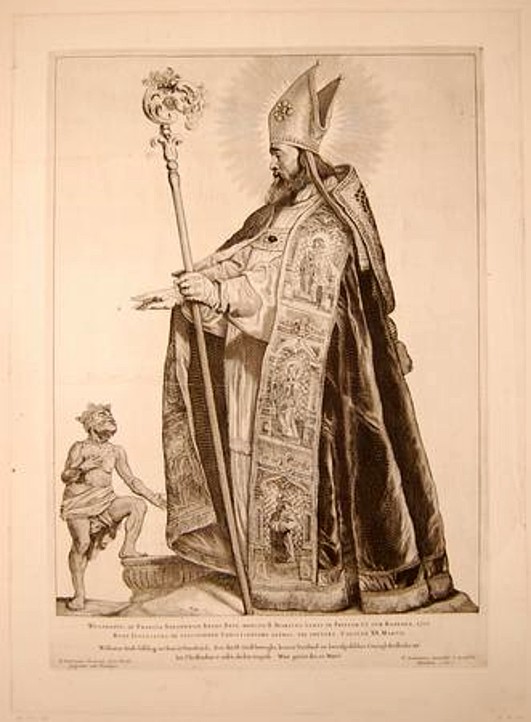
The Roman Martyrology simply states: “At Orléans, the holy Bishop Flosculus.
This Stained glass image is actually of an unknown Bishop

Very little is known about Flosculus but, it is certain that, he was a Bishop much loved by his people. His life is recorded by only one document, the Martyrology of St Jerome which reports his death on 2 February, unknown year.

The list of Bishops of Orléans, places him in eleventh place. From this latter record, we deduce that Flosculus was a very active Bishop in his Diocese. He was an eloquent preacher and a tireless worker for the spread of the Gospel. He also devoted himself to the poor and needy and was a great example of charity and compassion.
His fame for sanctity, spread rapidly and he was soon venerated as a Saint by the people of Orléans. His cult was confirmed by Pope Pius IX in 1871.

In addition to the Martyrology of St Jerome, there are also some legends transmitted regarding Saint Flosculus. One of these relates that one day, while the saint was preaching in a square in Orléans, a man who had fallen from grace accused him of being an impostor. Flosculus, without batting an eye, looked him in the eye and said: “If what I say is false, may heaven strike me down!” At that moment, lightning struck the man, killing him instantly. This legend can also be seen as a metaphor for the strength of Saint Flosculus’ faith. His words, were so powerful, being the Word of his Master, that they could defeat evil!

On this date, St Flosculus’ Feast, 2 February, Holy Masses and Processions in his honour are held in many Churches in Orléans. The Saint is the Patron of the City and Diocese of Orléans and of all Preachers and Priests.

In Lombardy, Saint Flosculus is especially venerated in the Province of Mantua, Italy. In Castiglione delle Stiviere, in Mantua, there is a Church dedicated to the Saint. In this Church, on 2 February, a Procession and festivities are held in his honour.

Orléans Cathedral